Article

Myelin Basic Protein Post-Translational Modifications Orchestrate Astrocyte Regulatory Networks

by
Jeremy Ramsden
1,2,
Marika Chikviladze
3,
Nino Mamulashvili
3,
Lali Shanshiashvili
2,3,4,* and
David Mikeladze
3,4
1
Department of Biomedical Research, The University of Buckingham, Hunter Street, Buckingham MK18 1EG, UK
2
Centre for Molecular Recognition, Collegium Basilea, 4053 Basel, Switzerland
3
Institute of Chemical Biology, Ilia State University, 45 Ilia Chavchavadze Avenue, 0179 Tbilisi, Georgia
4
Ivane Beritashvili Centre of Experimental Biomedicine, 0162 Tbilisi, Georgia
*
Author to whom correspondence should be addressed.
NeuroSci 2026, 7(1), 26; https://doi.org/10.3390/neurosci7010026

Submission received: 30 November 2025 / Revised: 3 February 2026 / Accepted: 10 February 2026 / Published: 13 February 2026

Abstract

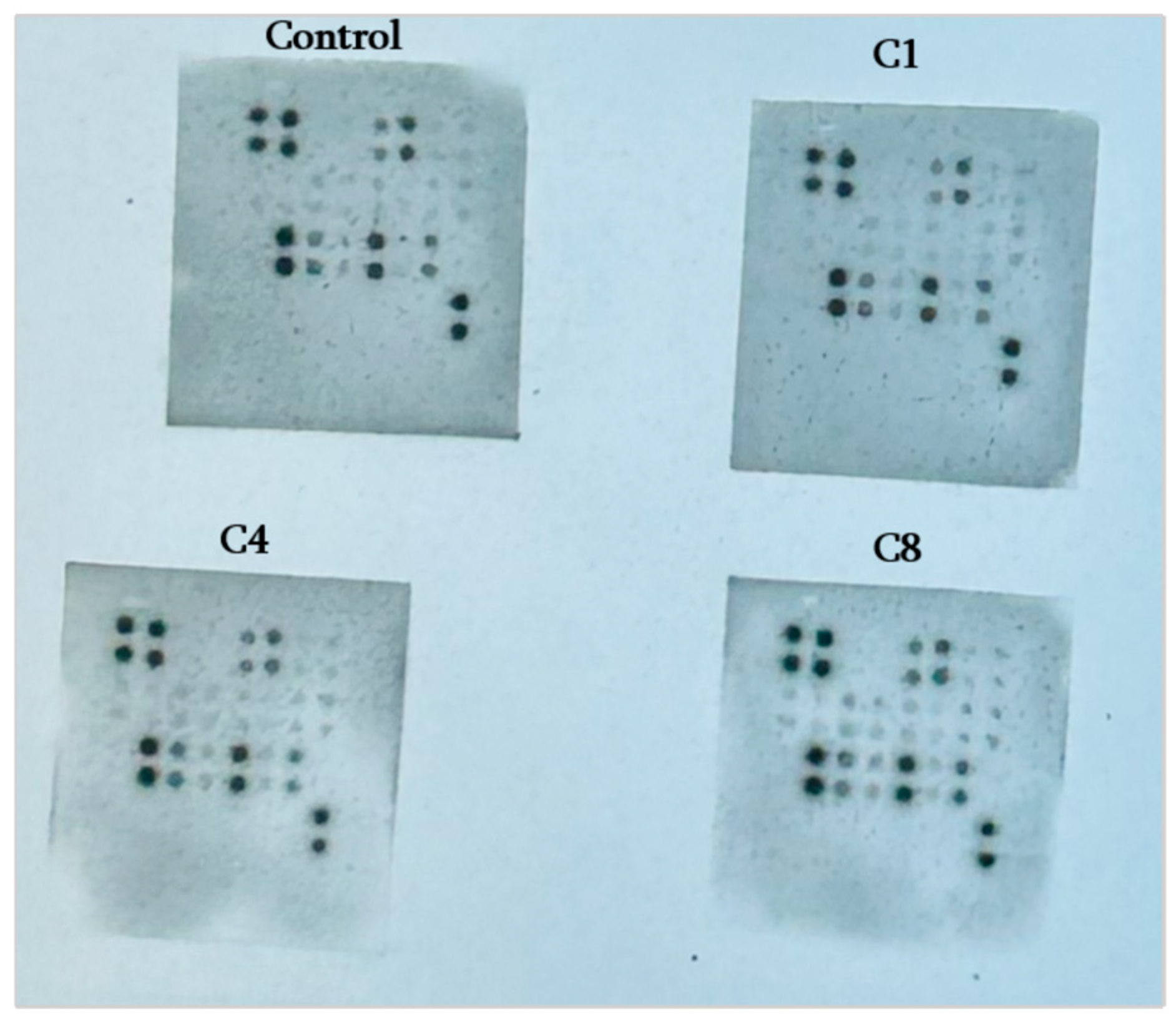
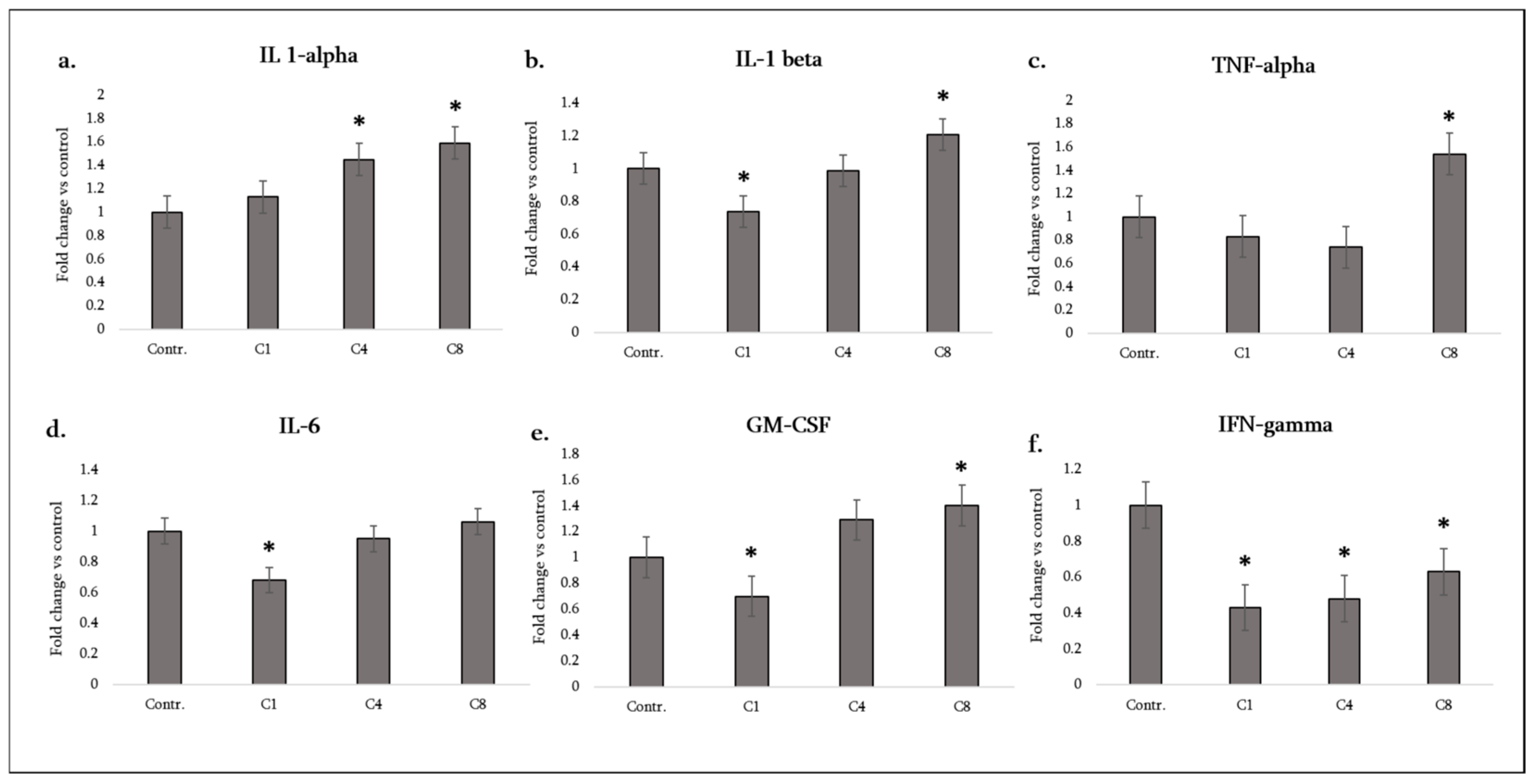
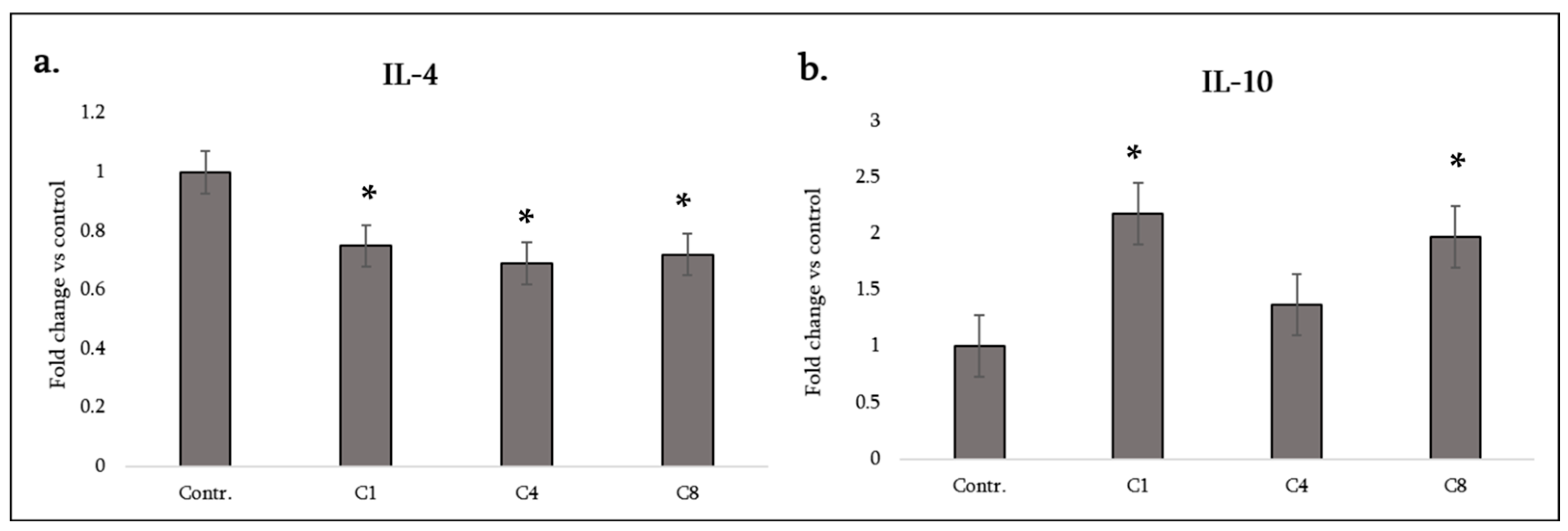
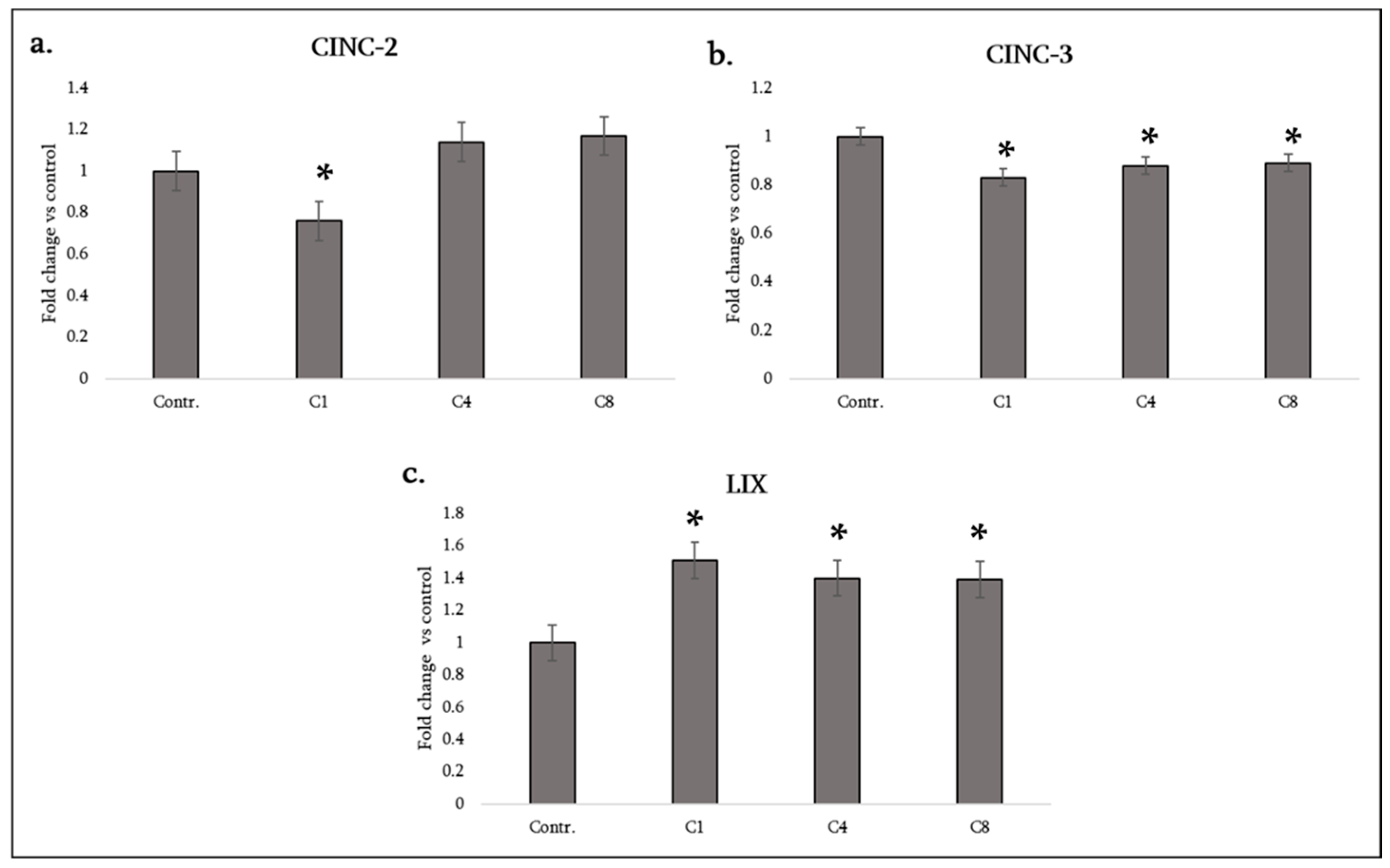
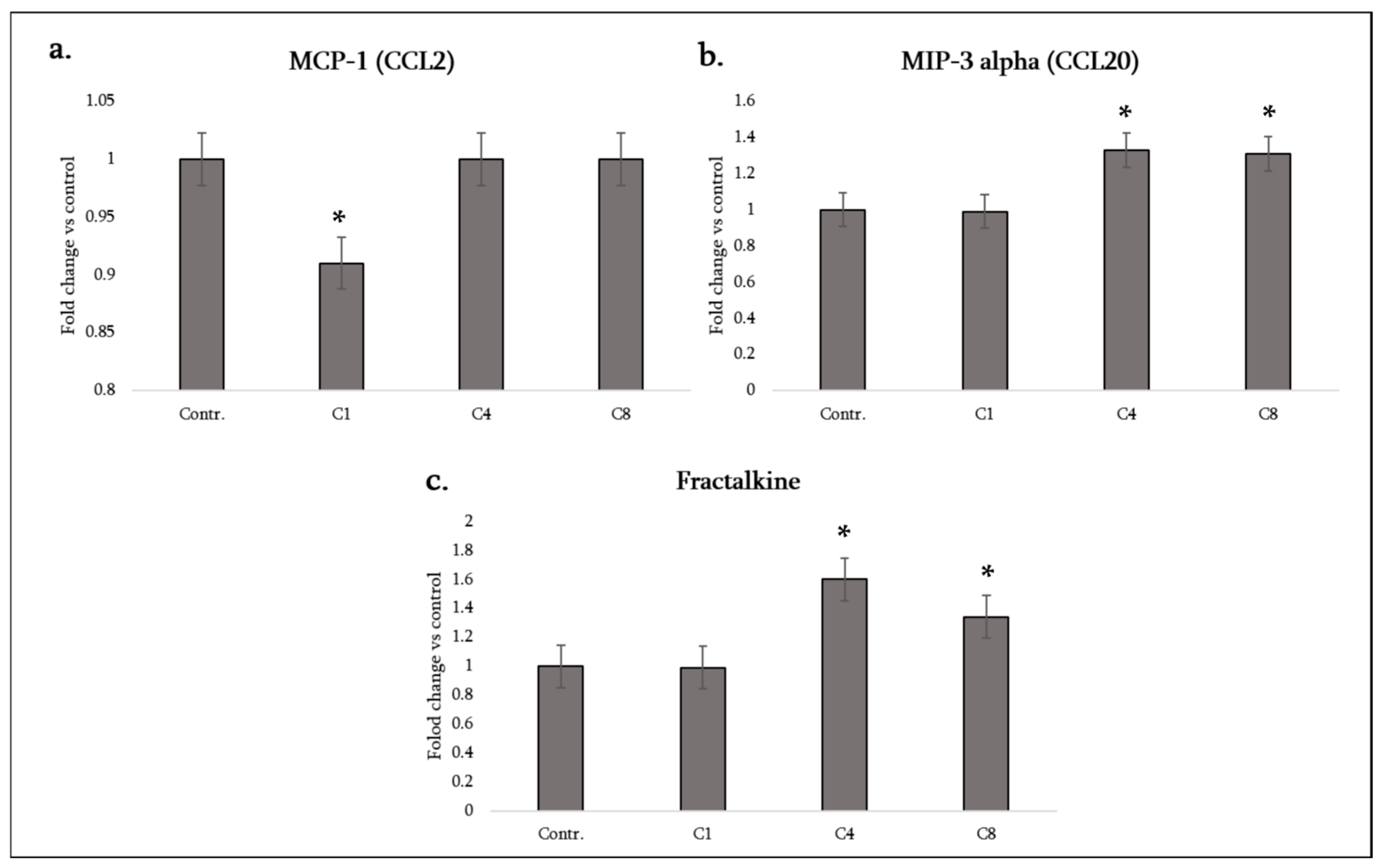
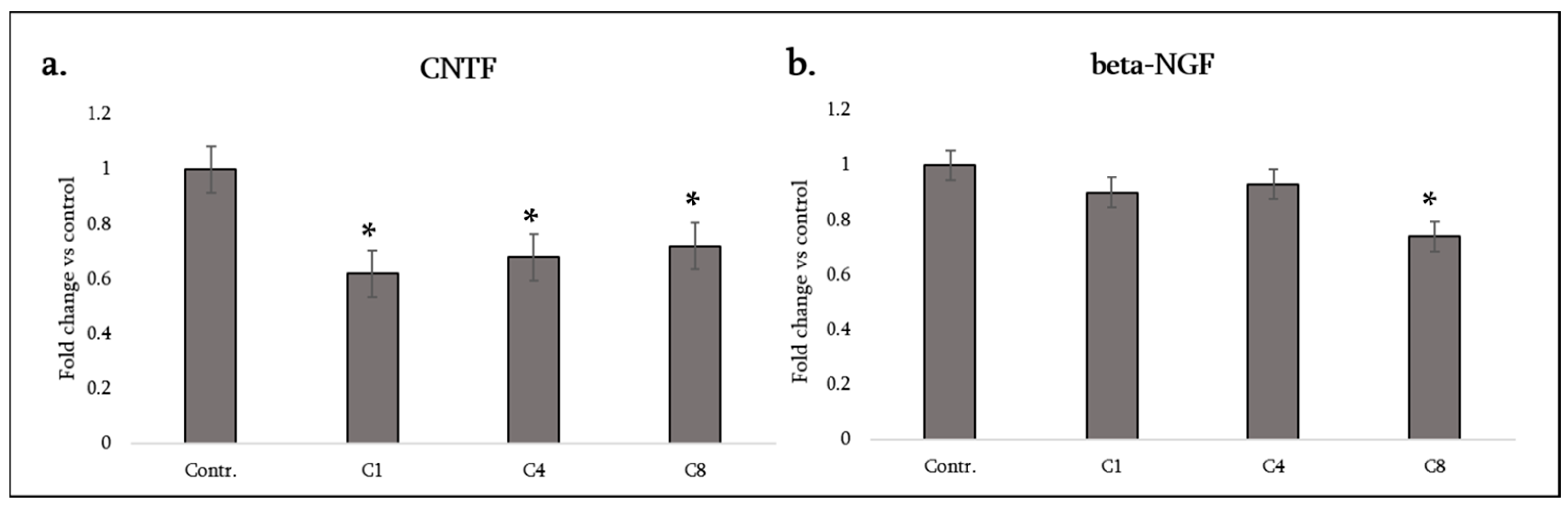
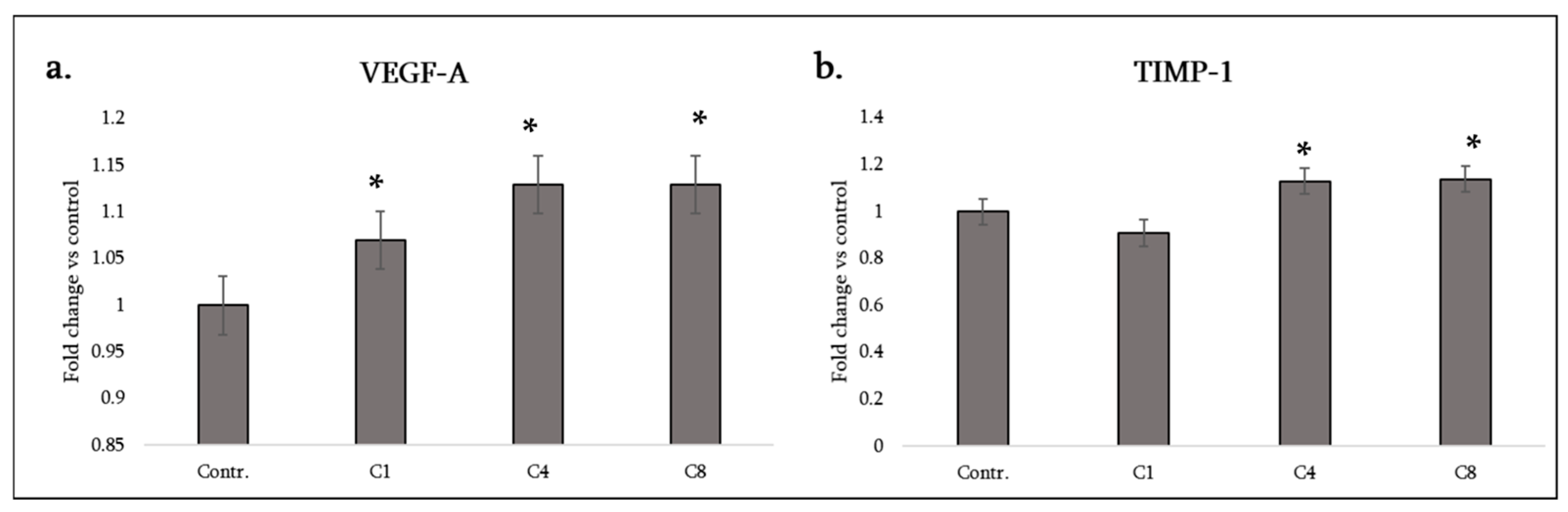
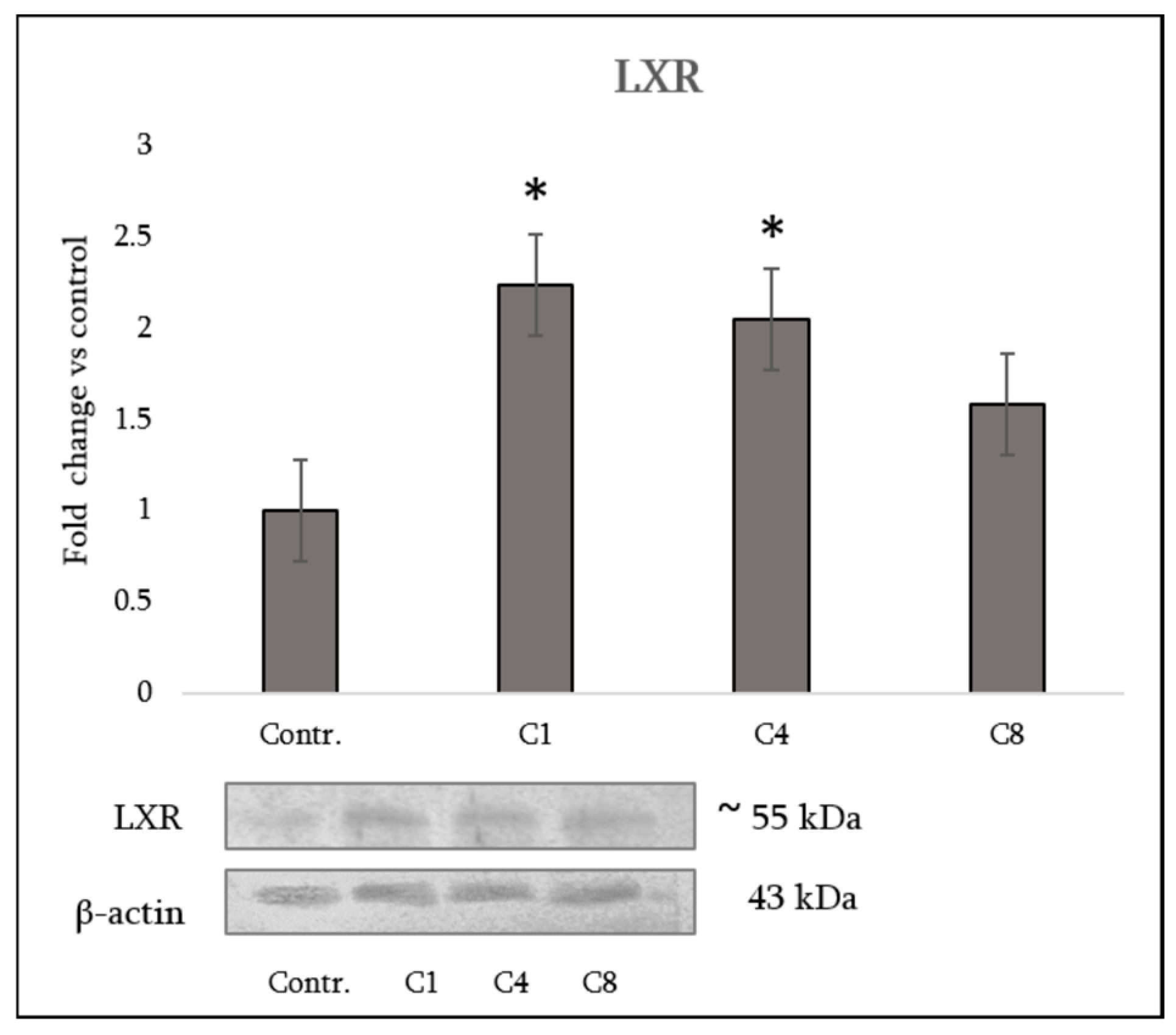
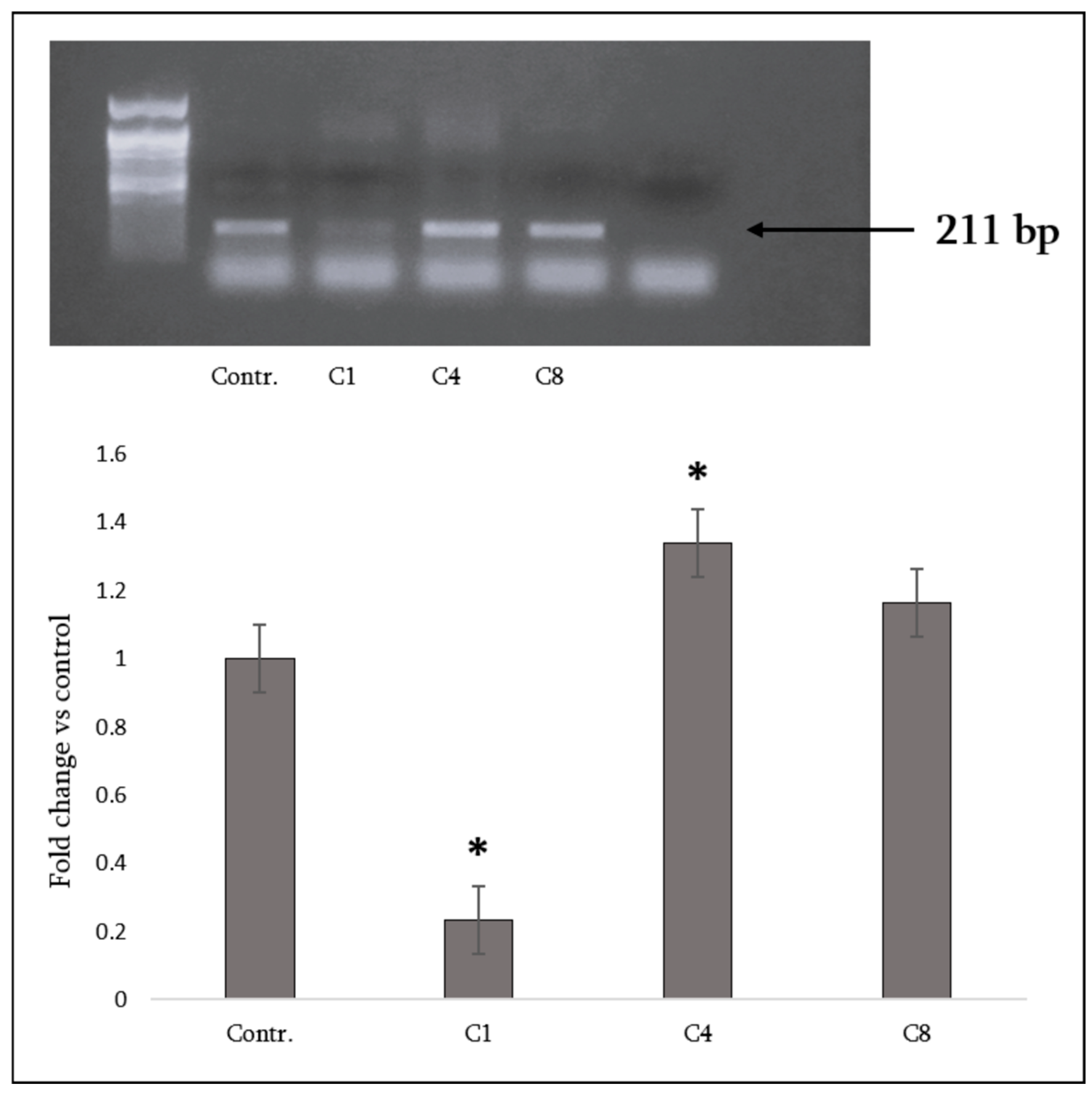
Multiple sclerosis (MS) pathogenesis involves not only immune-mediated myelin injury but also glial responses. We examined how three charge isomers of myelin basic protein (MBP)—native (C1), phosphorylated (C4), and citrullinated (C8)—modulate rat astrocytes. Cytokines were quantified and grouped (pro/anti-inflammatory, chemotactic, neurotrophic, angiogenic, tissue remodeling), and regulatory markers assessed. C1 strongly upregulated the lipid-sensing receptor LXR, and reduced global DNA methylation; C4 moderately enhanced LXR; C8 failed to activate LXR or alter methylation. Functionally, C1 attenuated IL-1β, IL-6 and GM-CSF while increasing IL-10 and certain chemokines. C4 elicited an intermediate pattern, inducing CX3CL1 (fractalkine), CCL20, VEGF-A and TIMP-1 with minor effects on classical cytokines. In contrast, C8 triggered a robust pro-inflammatory phenotype, increasing IL-1α/β, TNF-α and GM-CSF, with higher IL-10, fractalkine, CCL20, VEGF-A and TIMP-1. All isomers suppressed IFN-γ, IL-4 and CNTF. These data indicate that MBP post-translational modifications drive distinct astrocyte phenotypes through integrated cytokine, metabolic and epigenetic pathways: C1 favors immune regulation and repair, C4 blends inflammatory and reparative cues, and C8 amplifies neuroinflammation. Understanding how modified MBP shapes astrocyte behavior provides mechanistic insight into lesion evolution in MS and suggests astrocyte-directed strategies to modulate neuroinflammation and promote remyelination.
Keywords: astrocytes; myelin basic protein; inflammation; demyelination; cytokines; liver X receptor astrocytes; myelin basic protein; inflammation; demyelination; cytokines; liver X receptor