Article

Modelling and Estimating the Climate Resilience for Renewable Efficient Energy Systems Among Small and Medium-Sized Enterprises in Malawi


1
Department of Economics, University of Malawi, Zomba P.O. Box 280, Malawi
2
Department of Agricultural and Applied Economics, Lilongwe University of Agriculture and Natural Resources, Lilongwe P.O. Box 219, Malawi
3
SN Consulting and Partners, Area 56, Plot No 5018B, Lilongwe, Malawi
4
Vanderbijlpark Campus, North-West University, Vanderbijlpark 1900, South Africa
*
Author to whom correspondence should be addressed.
World 2026, 7(6), 100; https://doi.org/10.3390/world7060100
Submission received: 20 March 2026 / Revised: 10 May 2026 / Accepted: 18 May 2026 / Published: 12 June 2026

Abstract

Climate change is a global pressing concern that has affected all sectors, including the operations of Small and Medium Entreprises (SMEs) in developing countries, including Malawi. This has negatively affected their economies of scale and exacerbated the SMEs’ growth constraints. Nonetheless, renewable efficient energy (REE) systems, including solar and biogas, could help in building resilience to sustain their performance. In line with this, the study examined the factors that enhance the adoption of renewable efficient energies and constructed their resilience indices. Our study was grounded in the Diffusion of Innovation Theory and the Sustainable Livelihoods Framework. These theories contextualised the study and guided the selection of variables to estimate an Endogenous Switching Regression (ESR) econometric model, alongside estimating the absorptive, adaptive and transformative individual indices for 699 SMEs, using the 2019 Malawi Household Integrated Survey data. The results initially suggests that factors such as access to credit, being male, access to education, access to capital sources, a large profit share, bridging social capital and location among others, have a positive effect in influencing the adoption of renewable efficient systems. We simulated the adoption results and found that SMEs that adopts REE increase their resilience with an Average Treatment Effect of 0.117 and through the subsidy policy effect vulnerable SMEs that later adopt REE would shift their resilience by 0.169. Furthermore, the study found that transformative capacity plays the most important role in building long-term resilience for the SMEs. The study calls for policies, including establishing urban centres where SMEs can access information regarding REE and improving access to formal safety nets and capital sources beyond loan provisions.

1. Introduction

Different global development agendas, including the Sustainable Development Goals (SDGs), recognise the dual role of Small and Medium Enterprises (SMEs) in both contributing to and mitigating environmental challenges. Specifically, SDG 7 (Affordable and Clean Energy) and SDG 13 (Climate Action) emphasise the transition to sustainable energy systems to combat climate change. Furthermore, SDG 8 (Decent Work and Economic Growth) documents SMEs as engines for employment, innovation and sustainable economic development, particularly in developing economies [1], including Malawi. Notably, in Malawi, SMEs form the backbone of the national economy, constituting the vast majority of businesses and serving as a primary source of livelihood. It is argued that SMEs contribute to household incomes and are sources of job creation, particularly for the large youth population entering the labour market.
It is within this context that the Malawian government has implemented various policies aimed at supporting the SME sector. The 2017 to 2022 Malawi Growth and Development Strategy (MGDS) III and the National Export Strategy (2021–2026) have identified SME development as a priority for economic transformation. Specifically, the government has established the Small and Medium Enterprises Development Institute (SMEDI) to provide business development services and has created a regulatory environment that facilitates SMEs’ formalisation and growth. Noteworthily, many micro and small enterprises engaged in agricultural production, agro-processing, and trade operate within the informal sector [2]. These include smallholder farmers who sell surplus produce, as well as enterprises involved in value addition activities. Climate change is among the most global challenging issues, with an ongoing need to fighting against climate change as well as to build resilience to its impacts [3]. Globally, the urgency of addressing climate change has been emphasised by bodies like the Intergovernmental Panel on Climate Change (IPCC) and through international agreements such as the Paris Agreement. Empirical evidence suggests that the primary driver of climate change is the reliance on fossil fuels for energy, leading to high greenhouse gas emissions. In response, there is a global push for decarbonization through the adoption of renewable and efficient energy systems, including solar photovoltaic (PV) systems, hydroelectric power, biomass, and energy-efficient appliances like LED lighting. This energy transition is seen as essential for mitigating the long-term effects of climate change.
Vulnerability based on a continuum of climate change effects, such as erratic rainfall patterns, rising temperatures, and an increased frequency of extreme weather events like droughts and floods, directly disrupt their operations, supply chains, and productivity. Consequently, building the climate resilience of these SMEs, including their ability to anticipate, absorb, and recover from climate-related shocks, has become an urgent national priority. In this context, the adoption of renewable and efficient energy presents a significant opportunity to enhance SME resilience in Malawi. For instance, for an urban SME in Malawi, access to reliable solar power can ensure business continuity during grid outages caused by storms, power refrigerators for perishable goods, and reduce operational costs associated with expensive and polluting diesel generators. Similarly, energy-efficient appliances can lower electricity bills and increase the capital for business investment.
Despite the benefits of these energy systems, there is a dearth of empirical evidence on their actual impact of these energy systems on SME climate resilience in the Malawian context. This study seeks to fill this gap by providing evidence from Malawi’s main urban centres. The study makes a significant contribution across different areas. Specifically, the findings will enhance the understanding of SME owners regarding how adopting clean energy can safeguard their businesses. For scholars, it will contribute to the growing body of literature on climate resilience and sustainable development in Sub-Saharan Africa. Lastly, for Malawian policymakers and development agencies, this research will provide information regarding the design and targeting of policies and programmes that promote renewable energy adoption as a strategic tool for strengthening the climate resilience of SMEs and ensuring their long-term contribution to the nation’s economy.

2. Theoretical Frameworks

2.1. The Diffusion of Innovation Theory (DIT)

The Diffusion of Innovation Theory is used in this study to situate the adoption of renewable and efficient energy systems within a broader understanding of how innovations spread across different categories of users through a number of contextual factors, including location, time, cost, causal effect and the required action [4]. The theory, as advanced by Rogers [5], explains that innovation adoption does not occur uniformly, but rather follows a gradual diffusion process shaped by the characteristics of the innovation and the disposition of potential adopters. In this regard, renewable and efficient energy systems are treated as technological innovations whose uptake among SMEs depends on factors such as relative advantage, compatibility, complexity, trialability, and observability. These characteristics are important because they influence how SMEs perceive the usefulness, feasibility, and reliability of the technology before deciding to adopt it. Thus, the theory helps to frame the study within the literature on innovation diffusion and to explain why adoption may occur at different speeds across SMEs operating under different conditions.
In the Malawian context, the relevance of this theory is particularly evident because SMEs are not homogeneous in their readiness to adopt new technologies. Some enterprises may be more willing to experiment with renewable and efficient energy systems due to exposure to information, access to resources, or a stronger perception of the benefits of the technology, while others may remain cautious because of risk aversion [6], limited financial capacity, or uncertainty about the performance of the innovation in their business environment. The theory, therefore, provides a useful conceptual base for understanding the adoption process, especially in relation to how perceptions, social influence, and the business environment shape the pace of diffusion.

2.2. The DFID Sustainable Livelihoods Framework

This study also leverages a modified version of the Sustainable Livelihoods Framework (SLF) [7] (Figure 1) to understand the drivers of adoption and how they interact to achieve the welfare effect with regard to climate change. The SLF provides a people-centric development lens to analyse how individuals and enterprises use their assets to pursue different livelihood strategies, ultimately achieving desired outcomes, particularly in the face of shocks and stressors like climate change [8].
The DFID Sustainable Livelihoods Framework provides the main theoretical basis for the empirical part of the study. Unlike the Diffusion of Innovation Theory, which is used to contextualise the adoption of renewable and efficient energy systems, the DFID framework guides the selection, categorisation, and interpretation of the variables used in the analysis. The framework is grounded in the view that livelihoods are shaped by a combination of assets, institutions, and strategies, and that these assets are not used in isolation but interact to determine livelihood outcomes. In this study, the asset pentagon presents a clear structure for organising the variables that explain resilience and adoption behaviour among SMEs. Notably, human capital is represented by variables such as education, age, access to information, and access to extension services; social capital is captured through bonding social capital, bridging social capital, and access to informal safety nets; natural capital is reflected in soil quality, land size, and livestock ownership; physical capital includes asset ownership, improved infrastructure, and market availability; while financial capital is represented by cash savings, income level, access to credit, and access to formal safety nets.
Although the DFID Sustainable Livelihoods Framework was originally developed for rural smallholder contexts, the study posits that its analysis and application can be extended to any setting in which livelihoods depend on the interaction between assets, vulnerability, and outcomes. In its original form, the framework comprises the vulnerability context, the asset pentagon, livelihood strategies, transforming structures and processes, and livelihood outcomes. In this study, we adapt the framework by focusing on three sections that are most relevant to SME resilience, namely, the vulnerability context, the asset pentagon, and livelihood outcomes. This adaptation was preferred because the study seeks to explain how SMEs respond to climate-related and economic shocks through their access to and use of livelihood assets.

3. Materials and Methods

3.1. Data Source and Study Area

This research used secondary data extracted from the 2019 Malawi Integrated Household Survey (IHS). This comprehensive survey is part of the World Bank’s living standards measurement, which captures social, economic, and environmental indicators, including poverty, income inequality, and climate change. The dataset also contains the information on enterprises, which are conducted by the households which were considered as SMEs in this study. Malawi has 28 districts, and the IHS uses a two-stage stratified sampling technique to select 18,468 Enumeration Areas (EA) with an average household size of 215 per EA [9].
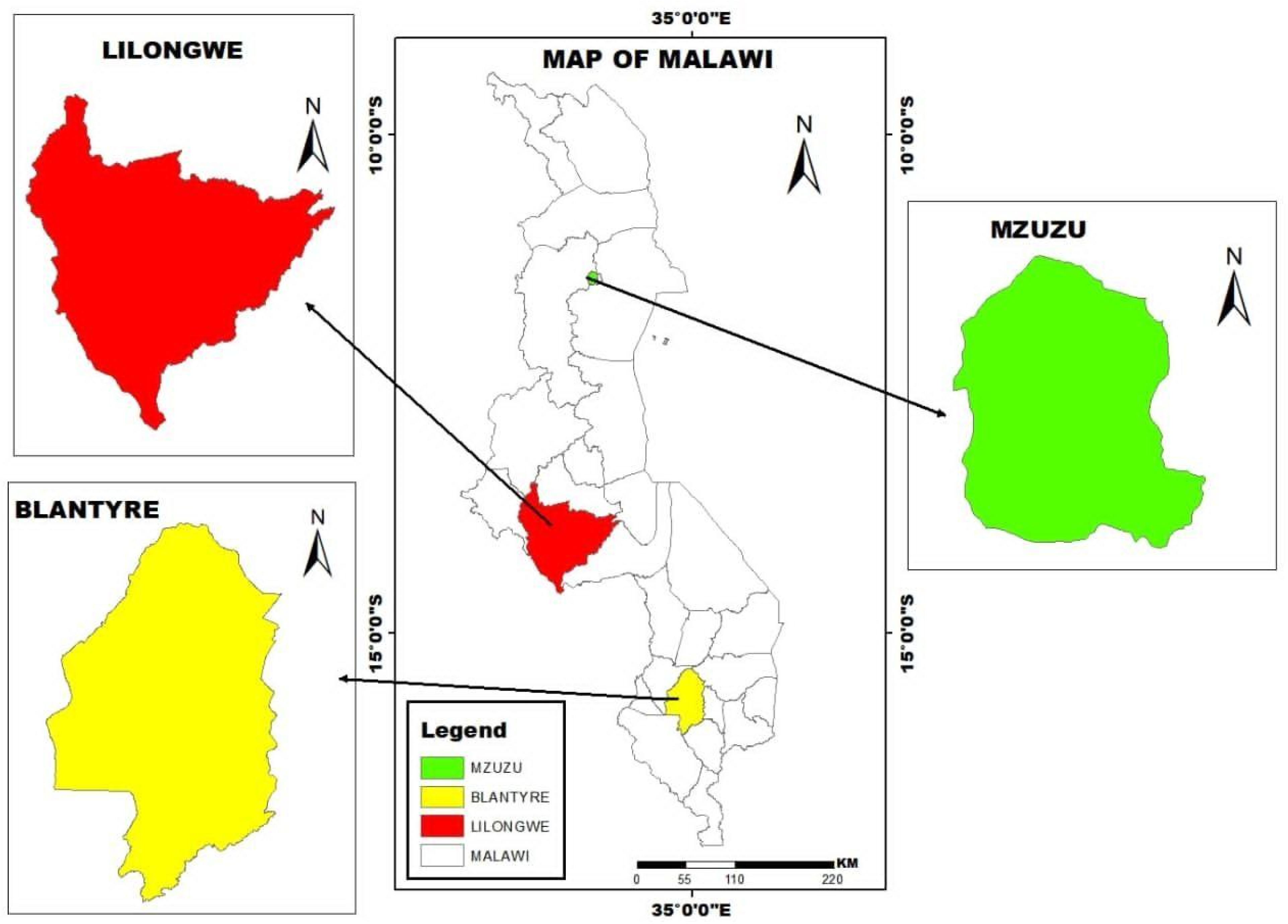
In this study, we purposively selected 3 districts and 699 operating SMEs based on the study’s inclusion criteria and the presence of relevant responses. The districts are the main cities in Malawi, and are shown in Figure 2. The data is openly available at https://doi.org/10.48529/mpyk-ds48, accessed on 12 July 2025. By utilising a large dataset platform, the resilience findings of this study will be used to explore and/or complement other findings in their methodological and analytical contexts.

3.2. Analytical Tools and Methods

3.2.1. Resilience Capacity Index (RCI)

The Resilience Capacity Index will be used to estimate SMEs’ resilience indices in the first objective, and this is preferred due to the method’s flexibility and multidimensional assessment. In the literature, numerous methods of measuring resilience have been developed by different authors [10] and policy institutions like the FAO and USAID. Ref. [11] developed the Resilience Index Analysis and Measurement (RIMA), which measures resilience from four dimensions, namely: access to basic services, assets, social safety nets and adaptive capacity. Later in 2018, TANGO International modified the FAO (2016) four resilience dimensions into three dimensions, namely absorptive, adaptive and transformative capacities. The Resilience Capacity Index (RCI) was constructed using factor analysis to capture the multidimensional nature of SME resilience. Following the TANGO framework in this study, resilience was conceptualised across three latent dimensions, namely, absorptive capacity, adaptive capacity, and transformative capacity. Each dimension was measured using multiple indicators, as shown in Table 1.
Considering that most of the indicators in this study are binary (coded as 0 or 1), standard factor analysis based on Pearson correlation matrices is inappropriate. This is because binary variables violate the assumption of linearity and normality, which can lead to biassed factor loadings and underestimated correlations [12,13]. In this regard, we employed polychoric correlation prior to factor extraction. Polychoric correlation assumes that each binary indicator reflects an underlying continuous latent variable and estimates the correlation between these latent variables.
We provide the specific definitions of the resilience constructs. Firstly, absorptive capacity is an ex-ante shock-coping mechanism. Specifically, it aims at minimising the SMEs’ exposure to shocks and minimise their impacts when they occur. Results from other scholars [10,14,15] suggest that social capital, cash savings and asset accumulation are critical to improve SMEs’ resilience. Secondly, adaptive capacity refers to the systematic ability of an SME to cope with the shock when it occurs. Different authors [16,17] have emphasised that the ability to adapt is dependent on factors such as the level of infrastructure development, access to information, bridging social capital and other socio-economic indicators such as education level. Lastly, transformative capacity is a systematic approach to recover from a shock occurrence and get back to an improved well-being [18,19]. From an SME perspective, this implies leveraging government structures/mechanisms, local and international markets, access to credit and different extension services.
Table 1. Detailed categorisation of the constructs for RCI.
Dimension Indicator Measurement Expected Influence
on Resilience
Reference
Absorptive capacity Bonding social
capital
0 = No, 1 = Yes +[17]
Asset ownership 0 = No, 1 = Yes +[20]
Cash savings 0 = No, 1 = Yes +[10]
Access to safety
nets
0 = No, 1 = Yes +[21]
Soil quality 0 = poor, 1 = good +[22,23]
Livestock ownership 0 = No, 1 = Yes +[24]
Income level Continuous +[21]
Adaptive capacityBridging social
capital
0 = No, 1 = Yes +[17,25]
Access to information 0 = No, 1 = Yes +[26]
Improved
infrastructure
0 = No, 1 = Yes +[27]
Gender 0 = Male,
1 = Female
+[28]
Education 0 = No, 1 = Yes +[29]
Age Continuous +[30]
Transformative capacity Market
availability
0 = No, 1 = Yes +[31]
Access to
extension services
0 = No, 1 = Yes +[32]
Access to credit 0 = No, 1 = Yes +[21,33]
Land size 0 = No, 1 = Yes +[34]
Access to formal safety nets 0 = No, 1 = Yes +[21]
Source: Author’s compilation.
Mathematically, the index is expressed as follows in relation to the dimensions in Equation (1):
CRIi = wACACi + wABCABCi + wTCTCi + ei
where ACi, ABCi, TCi are the adaptive capacity, absorptive capacity and transformative capacity, respectively, for the ith SME. wAC to wTC are the weights for the dimensions, and ei is the error term. The study conducted a factor analysis for each resilience dimension, and factors were retained based on Kaiser’s criterion (eigenvalues greater than 1). To further simplify and clearly interpret the loading patterns, orthogonal varimax rotation was applied. In addition, the Bartlett test of sphericity and the Kaiser–Meyer–Olkin (KMO) measure of sampling adequacy were computed from the polychoric matrices to ensure that the data were appropriate for factor analysis. After extracting the factor scores for each dimension, the overall Resilience Capacity Index (RCI) was constructed and rescaled using the min–max normalisation procedure to range between 0 and 100, for ease of interpretation and comparability. The min–max scaling procedure is indicated in Equation (2);
Factor   Index   ( 0 100 ) = F a c t o r   I n d e x M i n M a x M i n

3.2.2. Estimating Factors Influencing the Adoption of REE

To assess the factors that influence the adoption of renewable and efficient energy, a binary outlook was employed between adopters and non-adopters [35]. Therefore, a probit model (Equation (3)) was expressed as follows according to ref. [36]:
R E E i =   β 0 + β i X i + ε i
R E E i = 1   i f   R E E i > 0   0   i f   R E E i 0
where R E E i is the latent variable indexing the SME’s adoption of renewable and efficient energy systems and equals 1 if the SME adopts a particular system and 0 otherwise;   β 0 is the baseline for the latent variable given all socioeconomic and institutional factors equal to zero; Xi is a vector of both socioeconomic and institutional factors; β i is a parameter to be estimated for observation i; and εi is the stochastic error term.
We recognise that probit coefficients are not directly interpretable. Thus, marginal effects were computed for quantitative explanation. The marginal effects were computed using Equation (4):
P Y i = 1 X i X i k = ϕ ( X i β ) β k
where ϕ is the standard normal density function.

3.2.3. Assessing the Impact of REE on Climate Resilience Among SMEs’ Business Continuity

The study uses an Endogenous Switching Regression (ESR) model to evaluate the impacts of renewable and efficient energy systems on climate resilience among SMEs’ business continuity. The model is preferred as a better approach to look at the effect of an intervention by comparing outcome variables between samples of intervention, while accounting for selection bias [35]. Ref. [37] adopted the same model; however, the focus was on production risk and food security in Malawi under alternative technology choices. The model has two stages: the first stage is a selection model using a probit regression, and Inverse Mill ratio (IMR) is also estimated to be used in the next stage. Equation (5) proceeds from above specified probit model to express Mills ratios as follows:
λ m = ϕ x i Φ x i ,   λ 1 = ϕ x i 1 Φ x i
Equation (5) presents the Mills ratios for adopters and non-adopters respectively computed from the probit index. ϕ is the standard normal cumulative distribution function and   x i a vector of selection covariates.
The second stage of the ESR model is the regime stage, where the relationship between the outcome variable and the exogenous variables is estimated for each REE regime. The IMR predicted in the first stage is incorporated to correct for biased and inconsistent estimates, and the expression is presented as follows (Equation (6)):
r e g i m e   1 :   Y i 1 = X i γ 1 +   σ 1 λ 1   + e i 1       i f   U = 1 r e g i m e   M : Y i m = X i γ m +   σ m λ m + e i m     i f   U = M
with regime 1 as a benchmark for no adoption. σm denotes the covariance between the eim and εim while λ1 is the IMR. The estimations calculated then provide the treatment effects that help in estimating of the impact of REE by comparing the expected values of the outcome variables between the adopters and non-adopters. ATE is calculated in two ways: The Average Treatment Effect on the Treated (Equation (7)) and an Average Treatment Effect on the Untreated (Equation (8)). The expressions are respectively presented as follows:
ATT = E (Yi1| U = M; Xim; λim) − E (Yim| U = M; Xim; λim)
ATU = E (Yim| U = 1; Xi1; λi1) − E (Yi1| U = 1; Xi1; λi1)
Furthermore, the study simulates a policy treatment effect under the same resilience impact by understanding the change that would be present if the removal of financial barriers had an effect on the SMEs’ outcomes. The model is further specified in Equation (9);
PTE = P(U = 1) ∗ {E (Yim| U = 1; Xi1; λi1) − E (Yi1| U = 1; Xi1; λi1)}
From Equation (9), P (U = 1) is the population of the untreated, weighting the effect by the eligible group for aggregate policy relevance. In this study, those excluded from formal credit are prioritised from the untreated group.

4. Results and Discussion

4.1. Descriptive Statistics

Table 2 presents the descriptive statistics for SMEs in Malawi’s main urban areas, with 699 observations across the variables. Table 2 reports that most SMEs benefit from improved infrastructure (84%) and increased business asset ownership (96%). This improvement underscores the significance of benefits for sectors such as the energy sector, while asset ownership highlights a reduction in income disparity. However, bonding social capital is low, with only 1% of the SMEs acknowledging it, which constrains resilience during shocks. Regarding cash savings, 37% of the SMEs have them, indicating limited liquid buffers. Bridging social capital is also scarce (5%), hindering growth that would be ensured via external resources. Access to information stands at 17% and livestock ownership is minimal (13%) among the SMEs. Notably, males dominate as owners at 54% compared to females at 46%, and access to education is prevalent for 32% of the SME owners. Table 2 also shows that 46% of the SMEs have access to credit, 18% have access to extension services, 5% receive formal safety nets, and soil quality is good for 56% while poor for 44% of the SMEs. Lastly, informal safety nets are rare and are received by 7% of the SMEs.

4.2. Dimensions for the Resilience Index

4.2.1. Absorptive Capacity

In this study, the absorptive capacity latent variable dimension was measured using indicators such as bonding social capital, asset ownership, cash savings, access to informal safety nets, soil quality, total livestock unit and income level of the owners of the SMEs. Most of the uniqueness values presented in Table 3 are <0.6, indicating a high shared variance of the total variance in the latent variation. Regarding the factor analysis, the study conducted Bartlett’s test of sphericity and a KMO to validate the variables’ factor analysis. The significance of Bartlett’s test of sphericity (p < 0.0000) confirms that the variables were suitable for factor analysis. Again, the KMO measure of sampling was 0.7361, which is greater than the accepted threshold value of 0.5 [38].
Notes:
  • Bartlett test of sphericity: χ 2 = 93.28 , p-value = 0.0000
  • KMO measure of sampling adequacy = 0.7361
  • Determinant of the correlation matrix = 0.6922
It is imperative to note that most of the factor loadings among the variables are positive, with asset ownership and income level having the highest and second-highest factors, respectively. Only access to informal safety nets has a negative loading. This suggests that as the SMEs’ access to informal safety nets decreases, their resilience to shocks also decreases. The findings presented in Table 3 are consistent with the literature [39,40] regarding the role of absorbing shocks in maintaining SME’s resilience.
After performing the factor analysis, the study used the rotate command in Stata 19 to obtain the orthogonal varimax rotation of the factors [41]. This was done to determine the determinant of the correlation matrix and extract the weights to be used when estimating the absorptive capacity index. However, for parsimony and ease of replication, we construct and report the absorptive capacity index and subsequent indices as arithmetic means of the retained factor scores.
Absorptive   capacity = F a c t o r   1 + F a c t o r   2 2

4.2.2. Adaptive Capacity

The second latent variable was adaptive capacity. In this study, it was measured using bridging social capital, access to information, the availability of improved infrastructures, and social-economic indicators for the SME owner, such as age, gender and education level. The results for adaptive capacity are presented in Table 4. Table 4 indicates that the variables’ uniqueness values are below 0.6, suggesting a good contribution to the total variance in the latent variable. Again, the factor loadings for most indicators were positive, with the exception of the gender and age of the SME owner. The negative loading on gender suggests that female-owned SMEs tend to have lower adaptive capacity scores compared to male-owned SMEs. Similarly, the resilience capacity decreases with old age. Our findings are in line with other scholars [42,43], who have argued that entrepreneurship activities conducted by women are more susceptible to vulnerability, particularly due to differences in resource endowments. Nevertheless, because factor loadings are sensitive to the chosen rotation (varimax in this case), this result should be interpreted as a correlation rather than a causation.
Notes:
  • Bartlett test of sphericity: χ2 = 51.42; p–value = 0.0002
  • KMO measure of sampling adequacy = 0.8495
  • Determinant of the correlation matrix = 0.9290
Notably, the variables were ideal for factor analysis as indicated by the significance of Bartlett’s test of sphericity (p < 0.0002). Furthermore, the KMO value of 0.9290 (above the accepted threshold of >0.5) indicates that, to a large extent, the variables, they are suitable for factor analysis. Using the orthogonal varimax rotation technique, the study determined the coefficients of the correlation matrix and the weights to be used when computing the adaptive capacity index. Again, three factors were retained, as shown in Equation (11):
Adaptive   capacity   =   F a c t o r   1   +   F a c t o r   2   +   F a c t o r   3 3

4.2.3. Transformative Capacity

The third latent variable was transformative capacity. This was measured by indicators that potentially can bring back the well-being of an SME after a shock occurrence. Indicators such as market availability, access to extension services, access to credit, land size and access to formal safety nets (government, private sector and NGOs) were used. The findings are presented in Table 5. Notably, the uniqueness values presented in Table 5 are below 0.6. This indicates that all variables have a significant contribution to the overall variance in the latent variable. Regarding the factor loadings, the variable with the highest factor loading was land size, indicating the significance of land in improving resilience to climatic shocks. Our findings support previous research findings [23] on the significance of structured business property to withstand shocks and enable SMEs to bounce back to good wellbeing.
Notes:
  • Bartlett test of sphericity: χ2 = 69.44; p–value = 0.0000
  • KMO measure of sampling adequacy = 0.7505
  • Determinant of the correlation matrix = 0.8815
The transformative indicators were assessed for validity for factor analysis using the Bartlett test of sphericity and the KMO measure of sampling adequacy. Both assessment tools positively ascertained the validity of the variables, as indicated in Table 5. Specifically, the sphericity test was significant, and the KMO was 0.7505, which is above the accepted value of 0.5. The study also rotated the factor loadings to determine the weights for the transformative capacity index and the coefficients of the correlation matrix. The specification in Equation (12) and the determinant of the correlation matrix presented in Table 5 follow the earlier explanation about the arithmetic mean.
Transformative   capacity =   F a c t o r   1 +   F a c t o r   2   2

4.2.4. Overall Resilience Capacity

In this study, the overall resilience capacity for the SMEs was computed through the aggregation process. Intuitively, a factor analysis was conducted on each of the individual indices, including Bartlett’s test of sphericity and the KMO measure of sampling adequacy. As presented in Table 6, the variables were correlated and suitable for factor analysis. Again, the determinant of the correlation matrix was found to be 0.9381, suggesting no multicollinearity problems. Notably, the uniqueness values presented in the table indicate that transformative capacity explains over 90% of the variance in the overall SMEs’ resilience capacity. This finding has policy recommendations related to the provision and availability of markets, increased access to credit and increased access to extension services.
Notes:
  • Bartlett test of Sphericity: χ2 = 37.21, p–value = 0.002
  • KMO sampling measure of adequacy = 0.7042
  • Determinant of correlation matrix = 0.9381
Our findings are consistent with the Resilience Networks Framework developed by ref. [44,45]. The developers indicate that transformative capacity is a bounce-forward determiner in environments where climatic shocks recur periodically, as is the case in Malawi. Again, the transformative capacity is a long-term, systematic strategy for the SMEs to be able to absorb, adapt and efficiently become resilient to future shocks and avoid lock-in, as similarly echoed by ref. [46,47].

4.3. Key Drivers of Renewable Efficient Energy Adoption

The study uses both the CMP and the standard probit command in its analytical framework. Although the analytical specification is the same, the standard probit command mostly gets stuck in non-concave regions when the data has lower variation or include multiple dummy variables. Alternatively, the CMP is a fix that essentially samples the normal distribution and is flexible with respect to these data limitations. In detail, the study has 13 dummies and also includes some variables, i.e., safety nets, social capital, which have low variation. Nonetheless, for transparency, the study reports both the CMP and standard probit command results (Table 7). The inclusion of some independent variables used in the resilience indices is a standalone proxy included based on theoretical grounds on the determinants of adoption, rather than as part of composite indices. This, therefore, raises no concerns of mechanical correlation in the findings, since a robustness check is also conducted.
Credit access (ME = 0.022, p-value = 0.010) increases the adoption of REE. Credit access, which improves the financial assets of an SME, enables the procurement of costly renewable energy technologies. The findings are consistent with those of other scholars [48,49]. Being female reduces the adoption of REE (ME = -0.127; p-value = 0.000) compared to being male, due to heterogeneities in resource constraints as similarly echoed by [28]. Having low adoption rates for female-owned enterprises highlights gendered constraints noted to be beyond resources, for instance greater credit rationing due to collateral challenges, a minimal business network, which limits exposure to technology adoption and a persistent gap in regulatory assets, which might be a structural barrier [50]. Furthermore, education exposure (ME = 0.006, p-value = 0.000), age (ME = 0.001, p-value = 0.000), being an SME manager (ME = 0.031, p-value = 0.000), asset ownership (ME = 0.021, p-value = 0.000), an increase in profit share (ME = 0.022, p-value = 0.000) as well as access to capital sources (ME = 0.024, p-value = 0.000) are likely to significantly influence the adoption of REE. Education years, increasing age and managing an SME are underscored by an increase in knowledge regarding efficiency and cost effectiveness. Access to capital sources, an increase in profit shares, and asset ownership influence the adoption of REE as households can source finances for the upfront costs on REE and use the assets as collateral. Further studies [20,51] concur with the findings on cost, management and education. Access to information (ME = 0.057, p-value = 0.000), extension services (ME = 0.033, p-value = 0.000), having a proper operating place (ME = 0.004, p-value = 0.000), and the ability to have bridging social capital (ME = 0.182, p-value = 0.000) also influence the adoption of REE. By accessing information, SMEs are made aware of the benefits and technologies in clean energy, while for a proper operating place, reliable infrastructure ensures the proper installation of efficient systems in the enterprises. With extension services and bridging social capital, SMEs are supported and trained towards REE. Similar findings concur with the positive effect of access to information and social capital on the adoption of clean energy, which also highlights the importance of promoting such factors [52,53,54].
Contrary to this, the adoption of REE is negatively influenced by an increase in household size (ME = −0.002, p-value = 0.000), informal safety nets (ME = −0.130, p-value = 0.000), and a lack of bonding social capital (ME = −0.247, p-value = 0.010). As in most of the SSA countries, informal safety nets are inefficient, fragmented and low valued. The findings are similar to those of others [55], despite the addition of political and social resistance factors. Informal safety nets are noted to reduce adoption incentives by generating moral hazard and redistributive pressure. The dependence reduces the value of self-insurance through productive assets. Furthermore, given expected returns in the enterprise, if they are shared in the end, this might lead to a low desire for adoption, particularly regarding private benefits of the investment [56]. Again, an increase in the household size strains household budgets and influences households to opt for affordable alternatives over clean energy systems. The choices are further influenced by groups tied to norms against REE systems, hence creating resistance [55]. Lastly, a lack of bonding social capital makes SME owners hardly exposed to available REEs. Within a closed network, there is an increase in information redundancy, which develops an “echo chamber” effect, reinforcing prevailing practices and restraining the awareness and adoption of new technologies [57]. This study argues that exposure, compounded by peer interaction, influences the adoption of efficient renewable energies. Table 7 summarises the magnitude of the adoption factors in the study.

4.4. Impact of REE on Climate Resilience Among SMEs’ Business Continuity

4.4.1. Instrument Validity

The selection of a good instrument is one of the greatest econometric dilemmas of any ESR model. To address potential endogeneity and self-selection bias, the study employs two instrumental variables: social-based accessibility (in-kind gifts of the technology) and market-based accessibility (technology-specific loans). Unlike general cash transfers, these instruments are specifically tied to REE acquisition, satisfying the relevance condition by directly lowering the entry barrier for adoption.
Theoretically, these instruments satisfy the exclusion restriction because they do not provide general liquidity that could independently buffer household resilience through consumption smoothing or other investment channels. Because the gifts were the assets themselves and the loans were used for REE procurement, their influence on household resilience is channelled exclusively through the technical and economic benefits of REE system use [58].
Despite these theoretical strengths and the mathematical validation, the instrument has certain limitations. First, while these instruments are technology-specific, access to loans and gifts may not be entirely exogenous; households with higher unobserved social capital or creditworthiness may be systematically more likely to receive such support. Second, considering that the identification relies on both the instruments and the structural assumptions of the ESR model (such as the joint normality of error terms), the results are partially sensitive to the model’s functional form, especially given the borderline significance of the LR test (p = 0.046).
Finally, the study does not entirely rule out subtle peer effects associated with socially based gifts. In these instances, the information sharing or technical assistance that often accompanies a gift may contribute to resilience independently of the physical asset itself, meaning the exclusion restriction may be under pressure from multi-channel social benefits.
Notwithstanding these recognised limitations, the relevance and fundamental validity of the chosen instruments remain essential within the context of this study. The technology-based nature of the gifts and loans provides a much cleaner identification strategy than general financial variables, as it directly targets the liquidity and information constraints specific to REE systems. Furthermore, the statistical significance of these instruments in the selection equation (p < 0.01) ensures that the relevance condition is met. While the LR test of independent equations (p = 0.046) is nearing the critical threshold, it still aligns with the theoretical assumption, which, overall, confirms that the chosen ESR framework is both appropriate and necessary to provide more reliable, unbiased estimates than traditional OLS or standard IV models. Table 8 presents the selection variables.

4.4.2. Treatment Effects

To ensure a clear interpretation of the results, it is essential to define the analytical structure of the ESR framework used in Table 9. The column “Adopting (Actual/CF)” represents the climate resilience scores for both groups under the condition of REE usage; for adopters, this is their “Actual” observed resilience, while for non-adopters, it is a “Counterfactual (CF)”; a statistical estimation of what their resilience would be if they were to adopt. Similar logic applies to the column “Non-Adopting (Actual/CF)”, which represents the scores without REE systems. Here, the value for non-adopters is their “Actual” current state, whereas the value for adopters is their “Counterfactual,” representing the projected decline in resilience had they chosen not to adopt. In the process of comparing these actual observations against their missing counterfactuals, the model isolates the true treatment effects and identifies the underlying heterogeneity between the two groups. The Decision Stage column (labelled a and b) categorises these outcomes based on the SMEs’ real-world choices: Stage (a) focuses on the group that actually chose to adopt REE, while Stage (b) focuses on the group that actually chose not to adopt REE.
Table 9 results show that adopting REE systems significantly increases climate resilience among participating SMEs, with an Average Treatment Effect on the Treated (ATT) of 0.117. However, for current non-adopters, the Average Treatment Effect on the Untreated (ATU) is sharply negative (−0.474). The negative direction of the ATU is best defined in the selection equation results, which provide a critical bridge to understanding the reality of the energy transition for marginalised firms. Since adoption is currently a trademark of financially independent firms, driven by the high capital costs associated with REE, the model predicts that for current non-adopters who lack similar internal reserves, a shift toward adoption would lead to a “liquidity shock.” Whereby, the financial burden of acquiring expensive REE technology outweighs the resilience gains.
The Transitional Heterogeneity (TH) effect further illustrates this divide, with the effect rising sharply between the ATT and ATU (0.591). This confirms that REE is not a “one-size-fits-all” solution but a technology that currently favours those with baseline financial stability. Consequently, these findings imply that while the adoption of REE has a significant positive impact on climate resilience and business continuity for those who can afford the “entry fee.” Safe to say that policy recommendations must be precisely targeted, with the targeting approach best defined in the policy simulations.
These results concur with Ref. [59], which stresses that while sustainable energy leverages a stable power source and cost savings in developing economies, the market position of the firm dictates its ability to survive climatic barriers [60]. The findings suggest that for the “green transition” to be inclusive, policy must move beyond mere technology distribution and address the underlying liquidity constraints that prevent SMEs from realising the REE benefits.

4.4.3. Policy Simulations

A policy simulation was conducted by setting market-based loan access to one for all households. This policy simulation tests whether removing financial barriers can improve household outcomes, specifically for those historically excluded from formal credit, such as through subsidies. Nonetheless, the Policy-Relevant Treatment Effect (PRTE) addresses the question: if there is an external intervention (e.g., through a subsidy or tax break) to incentivize adoption, what is the average benefit to the population?
Table 10 presents the shift in expected resilience from the baseline (−0.126) to the policy scenario (−0.114) resulted in a weakly significant effect (at 0.1% threshold, which is above the standard 0.05 threshold) that also indicates very limited improvement (0.012). Both of these marginal estimates further question the effectiveness of universal subsidies. In reality, the adoption of sustainable energy is a structural concern that is affected by a firm’s economic endowments and existing asset ownership. This concurs with the treatment effect findings that suggest that unsustainable energy usage is frequently a symptom of economic necessity and group norms within survivalist business models, rather than a simple lack of REE-related financial support.
Nonetheless, the finding does not fully obsolete the relevance of these subsidies. Instead, a targeted subsidy response supports this notion using a Vulnerability Relevant Treatment Effect (VRTE), which measures how the policy reduces the “Resilience Gap” for those who are most at risk (below the 25% quintile). Despite a low general impact, the significant change in the Vulnerability Gap (−0.030) indicates that the policy does not move the needle much for the average household. However, for the vulnerable SMEs that later choose to adopt sustainable energy, there is a shift in their resilience by 0.169.

5. Conclusions and Recommendations

The SME’s study sought to understand the impacts of climate change on renewable efficient energy t systems among SMEs in three cities of Malawi. The findings show that adopting such energy systems has a positive and significant effect on business continuity and the ability to cope with climate-related shocks. Specifically, the study found that SMEs that use renewable energy are better able to maintain their operations over the long term and recover from climate change and its related disruptions.
Using the Diffusion of Innovation Theory and the Sustainable Livelihoods Framework, the study constructed the resilience indices for adaptive, absorptive and transformative capacity to determine the SME’s stronghold resilience area. Furthermore, these theories determined the choice of variables used to estimate the Endogenous Switching Regression model. The results indicate that transformative capacity plays the most important role in building long-term resilience. Again, factors like education, access to information, and social capital also influence the SMEs’ decision to adopt clean energy. Interestingly, while access to finance is important, the policy simulation showed that financial support alone may not lead to widespread adoption. Social norms, lack of information, and resistance to change remain significant barriers. Therefore, promoting renewable energy among SMEs in Malawi requires more than just subsidies or loans. It needs a broader approach that includes education, awareness, and community engagement.

6. Recommendations

The study recommends the following:
  • Prioritising REE interventions that enhance both information access and relational capital among SMEs. Many small business owners in Malawi are not fully aware of the benefits of clean energy or how to access it. Others rely on their social networks to learn about new technologies and make decisions. Therefore, policies should focus on building knowledge and strengthening relationships among business owners. This can be done through information centres in urban areas where SME owners can visit and learn about different types of renewable energy systems, their costs, and their long-term benefits.
  • Developing improved formal and accessible capital sources in the form of credit and subsidies to enhance the adoption of REE. Many SMEs in Malawi, especially those in the informal sector, face difficulties in obtaining loans from banks and other financial institutions. This is often due to a lack of collateral, a limited credit history, or the high interest rates charged by lenders. Therefore, there is a need for more accessible and flexible financial products tailored to SMEs’ growth and development.
  • Policies should prioritise risk reduction by focusing renewable energy support on SMEs that face the highest downside risk, especially those with weak cash buffers, limited collateral, and low access to formal finance. This can be done so that adoption does not increase their cost of risk. Furthermore, the government should use targeted grants, concessional loans, and technical information centres to lower entry costs, reduce exposure to climate and power shocks, and protect firms from losses during the transition. This would help SMEs manage operational risk more effectively, improve business continuity, and gradually build long-term resilience without placing vulnerable firms under additional financial stress.

Author Contributions

Conceptualization, V.L.L.; Methodology, V.L.L., S.N. and M.M.; Software, V.L.L. and S.N.; Validation, J.M.; Formal analysis, V.L.L. and S.N.; Investigation, J.M.; Resources, S.H.D.; Data curation, V.L.L., S.N. and M.M.; Writing—original draft preparation, V.L.L. and S.N.; Writing—review and editing, V.L.L., S.N., M.M., J.M. and S.H.D.; Visualisation, V.L.L., S.N. and M.M.; Supervision, S.H.D. All authors have read and agreed to the published version of the manuscript.

Funding

This research received no external funding.

Institutional Review Board Statement

Not applicable.

Informed Consent Statement

Not applicable.

Data Availability Statement

The data that support the findings of this study is openly available at the World Bank website at https://doi.org/10.48529/mpyk-ds48, accessed on 12 July 2025.

Conflicts of Interest

Author Sydeny Nkhoma was employed by SN Consulting and Partners. The remaining authors declare that the research was conducted in the absence of any commercial or financial relationships that could be construed as a potential conflict of interest.

References

  1. United Nations. Final List of Proposed SDG. Report of the Inter-Agency and Expert Group on Sustainable Development Goal Indicators. Inter-Agency Expert Gr. Sustain. Dev. Goal Indic. 2016. Available online: https://unstats.un.org/sdgs/indicators/Official%20List%20of%20Proposed%20SDG%20Indicators.pdf (accessed on 30 November 2025).
  2. International Fund for Agricultural Development. Malawi Transforming Agriculture Through Diversification and Entrepreneurship Programme Supervision Report. 2024. Available online: https://www.ifad.org/documents/48415603/50524480/MWI_2000001600_SUPERVISION_REPORT_SEP_2024_0014-1328552582-9422.pdf/a58ab82b-bafd-2bc3-bd3c-5126c1ef0070?t=1736952625251 (accessed on 21 February 2026).
  3. Sabola, G.A. Climate change impacts on agricultural trade and food security in emerging economies: Case of Southern Africa. Discov. Agric. 2024, 2, 12. [Google Scholar] [CrossRef]
  4. Meryeme, M.; Cherqaoui, M.; Issami, J. Determinants of Technological Innovation Adoption: An Overview of Modern Theories. Afr. Sci. J. 2025, 3, 616–634. [Google Scholar]
  5. Rogers, E.M.; Singhal, A.; Quinlan, M.M. Diffusion of innovations. In An Integrated Approach to Communication Theory and Research; Routledge: London, UK, 2014; pp. 432–448. [Google Scholar]
  6. Nanthuru, S.; Liu, P.; Guihua, N.; Mkonya, V. An Assessment of Risk Management Practices of SME Taxpayers in Malawi and their Impact on Tax Compliance. Int. J. Manag. Sci. Bus. Adm. 2018, 4, 7–17. [Google Scholar] [CrossRef]
  7. DFID. Sustainable Livelihoods Guidance Sheets. Department for International Develoment. Artment for International Develoment. 2000. Available online: https://www.livelihoodscentre.org/documents/114097690/114438878/Sustainable+livelihoods+guidance+sheets.pdf/594e5ea6-99a9-2a4e-f288-cbb4ae4bea8b?t=1569512091877 (accessed on 7 May 2025).
  8. Nkhoma, S.; Kapito, L.A.; Mainje, M. Determinants of climate change adaptation strategies’ adoption among maize farming households. Evidence from Malawi. Front. Clim. 2026, 8, 1743868. [Google Scholar] [CrossRef]
  9. National Statistical Office. Malawi Population and Housing Census Report—2018 Main Report. May 2019. Available online: https://malawi.unfpa.org/sites/default/files/resource-pdf/2018%20Malawi%20Population%20and%20Housing%20Census%20Main%20Report%20%281%29.pdf (accessed on 10 January 2026).
  10. Smith, L.C.; Frankenberger, T.R. Does resilience capacity reduce the negative impact of shocks on household food security? Evidence from the 2014 floods in Northern Bangladesh. World Dev. 2018, 102, 358–376. [Google Scholar] [CrossRef]
  11. FAO. Resilience Index Measurement and Analysis (RIMA)|Agrifood Economics|Food and Agriculture Organization of the United Nations. Available online: https://www.fao.org/agrifood-economics/areas-of-work/rima/en/ (accessed on 19 March 2026).
  12. Valdés-rodríguez, M.; Vicente-gonzález, L. Factor Analysis Biplots for Continuous, Binary and Ordinal Data. Stats 2025, 8, 112. [Google Scholar] [CrossRef]
  13. Ziyanak, S.; Yagci, J. Examining Retention Methods in Factor Analysis: A Comparison of Polychoric and Pearson Correlations for Categorical and Continuous Data. J. Educ. Impact 2024, 1, 13–34. [Google Scholar] [CrossRef]
  14. Salignac, F.; Hanoteau, J.; Ramia, I. Financial resilience: A way forward towards economic development in developing countries. Soc. Indic. Res. 2022, 160, 1–33. [Google Scholar] [CrossRef]
  15. Carmen, E.; Fazey, I.; Ross, H.; Bedinger, M.; Smith, F.M.; Prager, K.; McClymont, K.; Morrison, D. Building community resilience in a context of climate change: The role of social capital. Ambio 2022, 51, 1371–1387. [Google Scholar] [CrossRef]
  16. Dressel, S.; Johansson, M.; Ericsson, G.; Sandström, C. Perceived adaptive capacity within a multi-level governance setting: The role of bonding, bridging, and linking social capital. Environ. Sci. Policy 2020, 104, 88–97. [Google Scholar] [CrossRef]
  17. Östh, J.; Dolciotti, M.; Reggiani, A.; Nijkamp, P. Social capital, resilience and accessibility in urban systems: A study on Sweden. Netw. Spat. Econ. 2018, 18, 313–336. [Google Scholar] [CrossRef]
  18. Doppelt, B. Transformational Resilience: How Building Human Resilience to Climate Disruption Can Safeguard Society and Increase Wellbeing; Routledge: London, UK, 2017. [Google Scholar]
  19. Giovannini, E.; Benczur, P.; Campolongo, F.; Cariboni, J.; Manca, A.R. Time for Transformative Resilience: The COVID-19 Emergency; Publications Office of the European Union: Luxembourg, 2020. [Google Scholar]
  20. Fatoki, O. The impact of entrepreneurial resilience on the success of small and medium enterprises in South Africa. Sustainability 2018, 10, 2527. [Google Scholar] [CrossRef]
  21. Ogunjobi, O.; Aniebonam, E.E.; Faisal, R.; Durojaiye, A.T. Expanding Access to Capital: Role of Structured Finance in Stimulating SME Growth and Economic Resilience in the United States. Int. Res. J. 2025, 11, 803–811. [Google Scholar]
  22. Neher, D.A.; Harris, J.M.; Horner, C.E.; Scarborough, M.J.; Badireddy, A.R.; Faulkner, J.W.; White, A.C.; Darby, H.M.; Farley, J.C.; Bishop-Von Wettberg, E.J. Resilient Soils for Resilient Farms: An Integrative Approach to Assess, Promote, and Value Soil Health for Small- and Medium-Size Farms. Phytobiomes J. 2022, 6, 201–206. [Google Scholar] [CrossRef]
  23. Skouloudis, A.; Tsalis, T.; Nikolaou, I.; Evangelinos, K.; Leal Filho, W. Small & Medium-Sized Enterprises, Organizational Resilience Capacity and Flash Floods: Insights from a Literature Review. Sustainability 2020, 12, 7437. [Google Scholar] [CrossRef]
  24. Gwaka, L.; Dubihlela, J. The Resilience of Smallholder Livestock Farmers in Sub-Saharan Africa and the Risks Imbedded in Rural Livestock Systems. Agriculture 2020, 10, 270. [Google Scholar] [CrossRef]
  25. Ceci, F.; Masciarelli, F.; Poledrini, S. How social capital affects innovation in a cultural network: Exploring the role of bonding and bridging social capital. Eur. J. Innov. Manag. 2020, 23, 895–918. [Google Scholar] [CrossRef]
  26. Kumar, V.; Sindhwani, R.; Behl, A.; Kaur, A.; Pereira, V. Modelling and analysing the enablers of digital resilience for small and medium enterprises. J. Enterp. Inf. Manag. 2024, 37, 1677–1708. [Google Scholar] [CrossRef]
  27. Khan, M.T.I.; Anwar, S.; Batool, Z. The role of infrastructure, socio-economic development, and food security to mitigate the loss of natural disasters. Environ. Sci. Pollut. Res. 2022, 29, 52412–52437. [Google Scholar] [CrossRef]
  28. Acevedo-Duque, Á.; Gonzalez-Diaz, R.; Vargas, E.C.; Paz-Marcano, A.; Muller-Pérez, S.; Salazar-Sepúlveda, G.; Caruso, G.; D’Adamo, I. Resilience, Leadership and Female Entrepreneurship within the Context of SMEs: Evidence from Latin America. Sustainability 2021, 13, 8129. [Google Scholar] [CrossRef]
  29. Kotsios, P. Business resilience skills for SMEs. J. Innov. Entrep. 2023, 12, 37. [Google Scholar] [CrossRef]
  30. Halkos, G.; Skouloudis, A. Investigating resilience barriers of small and medium-sized enterprises to flash floods: A quantile regression of determining factors. Clim. Dev. 2020, 12, 57–66. [Google Scholar] [CrossRef]
  31. Gunasekaran, A.; Rai, B.K.; Griffin, M. Resilience and competitiveness of small and medium size enterprises: An empirical research. Int. J. Prod. Res. 2011, 49, 5489–5509. [Google Scholar] [CrossRef]
  32. Davis, K.; Babu, S.C.; Blom, S. Building the resilience of smallholders. 2020 Conf. Br. 2014, 127–135. [Google Scholar]
  33. Olufemi, A.; Peter, B.; Bukola, A.-T. Determinants of Resilience Practices among Small Business Owners in Lagos State, Nigeria. Sch. J. Econ. Bus. Manag. 2024, 11, 383–395. [Google Scholar] [CrossRef]
  34. Skouloudis, A.; Leal Filho, W.; Deligiannakis, G.; Vouros, P.; Nikolaou, I.; Evangelinos, K. Coping with floods: Impacts, preparedness and resilience capacity of Greek micro-, small- and medium-sized enterprises in flood-affected areas. Int. J. Clim. Change Strateg. Manag. 2023, 15, 81–103. [Google Scholar] [CrossRef]
  35. Greene, H.W. Econometric Analysis, 8th ed.; Pearson Education: New York, NY, USA, 2018; ISBN 9780134461366. [Google Scholar]
  36. Wooldridge, J. Introductory Econometrics: A Modern Approach, 5th ed.; South-Western, Cengage Learning: Mason, OH, USA, 2013. [Google Scholar]
  37. Kassie, M.; Teklewold, H.; Marenya, P. Production Risks and Food Security under Alternative Technology Choices in Malawi: Application of a Multinomial Endogenous Switching Regression. J. Agric. Econ. 2015, 66, 640–659. [Google Scholar] [CrossRef]
  38. Nkansah, B.K. On the Kaiser-Meier-Olkin’s Measure of Sampling Adequacy. Math. Theory Model. 2018, 8, 52–76. [Google Scholar]
  39. Bernier, Q.; Meinzen-Dick, R.S. Networks for Resilience: The Role of Social Capital; International Food Policy Research Institute: Washington, DC, USA, 2014. [Google Scholar]
  40. Odoch, H.J.P.; Namono, R.; Wofuma, G. Enhancing financial resilience of women-owned SMEs in the aftermath of COVID-19 pandemic: The antecedent role of social capital. Vilakshan-XIMB J. Manag. 2025, 22, 14–27. [Google Scholar] [CrossRef]
  41. Kaiser, H.F. The Varimax Criterion for Analytic Rotation in Factor Analysis. Psychometrika 1958, 23, 187–200. [Google Scholar] [CrossRef]
  42. Assibi, B. Existentially Challenged Women Entrepreneurs: Resilience to Shocks Affecting Informal Small-Scale Agrifood Businesses in Benin. Ph.D. Dissertation, Wageningen University and Research, Wageningen, The Netherlands, 2024. [Google Scholar]
  43. Carranza, E.; Carranza, E. Female Entrepreneurs: How and Why Are They Different? World Bank: Washington, DC, USA, 2018. [Google Scholar]
  44. Folke, C. Resilience (republished). Ecol. Soc. 2016, 21, 44. [Google Scholar] [CrossRef]
  45. Folke, C.; Carpenter, S.R.; Walker, B.; Scheffer, M.; Chapin, T.; Rockström, J. Resilience thinking: Integrating resilience, adaptability and transformability. Ecol. Soc. 2010, 15, 20. [Google Scholar] [CrossRef]
  46. Esposito, D. A Ladder of Urban Resilience: An Evolutionary Framework for Transformative Governance of Communities Facing Chronic Crises. Sustainability 2025, 17, 6010. [Google Scholar] [CrossRef]
  47. Kahveci, E.; Avunduk, Z.B.; Daim, T.; Zaim, S. The role of flexibility, digitalization, and crisis response strategy for SMEs: Case of COVID-19. J. Small Bus. Manag. 2025, 63, 1198–1235. [Google Scholar] [CrossRef]
  48. Purkayastha, D. Managing Credit Risk and Improving Access to Finance in Green Energy Projects. In Handbook of Green Finance; Springer: Singapore, 2019; pp. 105–123. [Google Scholar] [CrossRef]
  49. Zaman, R.; Atawnah, N.; Banigidadmath, D.; Nadeem, M.; Liu, J. Do companies’ green credentials enhance trade credit provisions? Global evidence. J. Int. Financ. Mark. Inst. Money 2025, 103, 102204. [Google Scholar] [CrossRef]
  50. Chaudhuri, K.; Sasidharan, S.; Raj, R.S.N. Gender, small firm ownership, and credit access: Some insights from India. Small Bus. Econ. 2020, 54, 1165–1181. [Google Scholar] [CrossRef]
  51. Sanusi, S.; Hamid, N.A.; Norizan, S.; Urus, S.T.; Lestari, E.D. Determinants of Business Resilience Framework for Small Businesses: Moderating Effects of Financial Literacy. Rev. Econ. Financ. 2023, 21, 55–65. [Google Scholar] [CrossRef]
  52. Bakhsh, K.; Sadiqa, A.; Yasin, M.A.; Haider, S.; Ali, R. Exploring the nexus between households’ choice of cooking fuels, sanitation facilities and access to information in Pakistan. J. Clean. Prod. 2020, 257, 120621. Available online: https://api.semanticscholar.org/CorpusID:213643785 (accessed on 18 March 2025). [CrossRef]
  53. Liao, C.; Erbaugh, J.T.; Kelly, A.C.; Agrawal, A. Clean energy transitions and human well-being outcomes in Lower and Middle Income Countries: A systematic review. Renew. Sustain. Energy Rev. 2021, 145, 111063. [Google Scholar] [CrossRef]
  54. Soni, A.; Chatterjee, A. Not just income: The enabling role of institutional confidence and social capital in household energy transitions in India. Energy Res. Soc. Sci. 2023, 98, 103020. [Google Scholar] [CrossRef]
  55. Kang, Y.; Ganganaboina, S.; Fang, T.; Tran, A.; Suzuki, A.; Son, J.; Roh, K. Land access, livelihoods, and dietary diversity in a fragile setting in northern Uganda. Front. Sustain. Food Syst. 2023, 7, 1178386. [Google Scholar] [CrossRef]
  56. Belhaj, M.; Bourlès, R.; Deroïan, F. Risk-Taking and Risk-Sharing Incentives under Moral Hazard. Am. Econ. J. Microecon. 2014, 6, 58–90. Available online: https://api.semanticscholar.org/CorpusID:59038598 (accessed on 6 May 2026). [CrossRef]
  57. Liang, H.; Fu, K. Network redundancy and information diffusion: The impacts of information redundancy, similarity, and tie strength. Communic. Res. 2019, 46, 250–272. [Google Scholar]
  58. Diouf, B.; Miezan, E. Unlocking the Technology Potential for Universal Access to Clean Energy in Developing Countries. Energies 2024, 17, 1488. [Google Scholar] [CrossRef]
  59. Mbawa, J.; Bwalya, C. Assessing the Effectiveness of Renewable Energy Integration on Business Growth: A Case Study of SMEs in Lusaka Business Centre. Int. J. Adv. Multidiscip. Res. Stud. 2026, 6, 2188–2200. [Google Scholar] [CrossRef]
  60. Apfel, D.; Herbes, C. What Drives Senegalese SMEs to Adopt Renewable Energy Technologies? Applying an Extended UTAUT2 Model to a Developing Economy. Sustainability 2021, 13, 9332. Available online: https://api.semanticscholar.org/CorpusID:238682900 (accessed on 18 March 2025). [CrossRef]
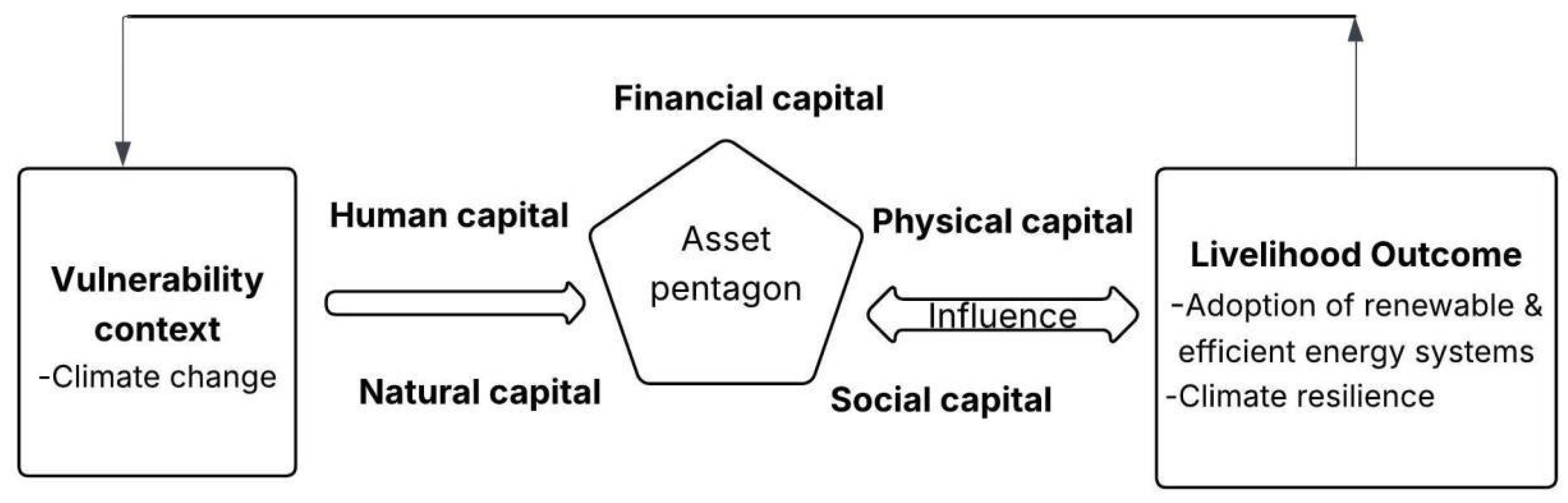
Figure 1. Sustainable Livelihoods Framework; Source: Author’s modified construction.
World 07 00100 g001
Figure 2. Study areas; Source: Own construction.
World 07 00100 g002
Table 2. Descriptive statistics for the study variables.
Variable Frequency (n = 699)Percent (%)
Improved infrastructure
No112 16.02
Yes587 83.98
Asset ownership
no 31 4.43
yes 668 95.57
Bonding social capital
no 689 98.57
yes 10 1.43
Bridging social capital
no 666 95.28
yes 33 4.72
Access to information
no 578 82.69
yes 121 17.31
Access to formal safety nets
no 663 94.85
yes 36 5.15
Access to credit
No 375 53.65
Yes 324 46.35
Access to extension service
no 575 82.26
yes 124 17.74
Livestock ownership
no 613 87.70
yes 86 12.30
Cash savings
no 437 62.52
yes 262 37.48
Soil quality
good 389 55.65
poor 310 44.35
Gender
female 323 46.21
male 376 53.79
Education
no 474 67.81
yes 225 32.19
Informal safety nets
No 651 93.13
Yes 48 6.87
Table 3. Factor loadings for absorptive capacity.
VariableFactor1Factor2Uniqueness
Bonding social capital 0.52310.11500.3980
Asset ownership 0.81870.23230.1390
Cash savings 0.20180.03840.4529
Access to informal safety nets −0.12670.02740.3178
Soil quality 0.39100.50950.4831
Total livestock unit 0.59140.29630.2081
Income level 0.56100.72540.2830
Source: Author’s Construction.
Table 4. Factor loadings for adaptive capacity.
VariableFactor1Factor2Factor3Uniqueness
Bridging social capital 0.63820.01920.02610.4917
Access to information 0.54030.44960.07190.2730
Improved infrastructure 0.16320.33280.10900.1507
Age 0.04350.3199−0.03260.3947
Gender −0.5100−0.01370.04630.4376
Education level 0.34380.00690.26690.2080
Source: Author’s construction.
Table 5. Factor loadings for transformative capacity.
Variable Factor1 Factor2 Uniqueness
Market availability 0.6550−0.05990.3596
Access to extension services 0.54440.28010.2251
Access to credit 0.21730.50760.1941
Land size 0.73400.47900.1518
Access to formal safety nets 0.62110.15640.2896
Source: Author’s construction.
Table 6. Factor loadings for overall resilience capacity.
Variable Factor 1 Factor 2 Uniqueness
Absorptive capacity 0.8370 0.0134 0.5641
Adaptive capacity 0.7261 −0.5697 0.2360
Transformative capacity 0.4500 0.8504 0.0913
Source: Author’s construction.
Table 7. Factors Influencing adoption of renewable efficient energy.
Coefficient (CMP)Marginal Effect (CMP)Marginal Effect (Probit)
Credit access (yes)0.080 **0.037 **0.022 **
(0.010)(0.001)(0.010)
Gender (female)−0.459 **−0.211 ***−0.127 ***
(0.010)(0.000)(0.000)
Education (yes)0.022 ***0.010 ***0.006 ***
(0.000)(0.000)(0.000)
Household size −0.007 ***−0.003 ***−0.002 ***
(0.000)(0.000)(0.000)
SME manager (yes)0.112 **0.052 **0.031 ***
(0.010)(0.010)(0.000)
Profit share0.081 ***0.037 ***0.022 ***
(0.000)(0.000)(0.000)
Access to capital source (yes)0.086 ***0.040 ***0.024 ***
(0.000)(0.000)(0.000)
Location (urban)0.015 ***0.007 ***0.004 ***
(0.000)(0.000)(0.000)
Age0.003 ***0.001 ***0.001 ***
(0.000)(0.000)(0.000)
Asset ownership (yes)0.075 **0.035 **0.021 ***
(0.010)(0.010)(0.000)
Bonding social capital (no)−0.895 **−0.412 **−0.247 **
(0.030)(0.020)(0.010)
Bridging social capital (yes)0.658 **0.303 **0.182 ***
(0.020)(0.010)(0.000)
Access to information (yes)0.207 **0.095 ***0.057 ***
(0.010)(0.000)(0.000)
Access to safety nets (yes)0.097 **0.044 **0.027 ***
(0.020)(0.010)(0.000)
Access to extension service (yes)0.121 **0.056 ***0.033 ***
(0.010)(0.000)(0.000)
Informal safety nets (yes)−0.471 **−0.217 **−0.130 ***
(0.010)(0.010)(0.000)
_cons−0.714 ***
(0.03)
Wald chi15,272.637
Prob > chi20.000
p-values in parentheses, ** p < 0.05, *** p < 0.01.
Table 8. Selection Variables.
VariablesAdopters (Resilience1)Non-Adopters (Resilience0)Selection (Energy Choice)
Socio-Economic Factors
Gender (Head)0.075 (0.187)−0.071 (0.086)−0.539 *** (0.154)
Age (Head)0.002 (0.004)0.002 (0.002)0.000 (0.004)
Household Size−0.021 (0.027)−0.013 (0.013)−0.004 (0.028)
Asset Ownership−0.605 * (0.361)−0.514 *** (0.132)0.337 (0.300)
Income Level0.000 (0.000)0.000 *** (0.000)0.000 (0.000)
Education (Years)0.018 (0.017)0.017 * (0.009)0.015 (0.018)
Social Capital and Support
Bonding Social Capital3.139 *** (0.509)3.628 *** (0.260)−0.052 (0.489)
Bridging Social Capital2.629 *** (0.274)2.079 *** (0.160)0.357 (0.289)
Access To Safety Nets0.276 (0.267)0.173 (0.132)0.069 (0.304)
Instrumental Variables
Social-Based Accessibility (Gifts) −1.092 *** (0.409)
Market-Based Accessibility (Loans) −1.386 *** (0.340)
Constant0.072 (0.538)−0.341 (0.234)−1.153 ** (0.527)
Observations699
Log Likelihood−1018.99
Lr Test (Indep. Eq.)χ2 = 3.97 (p = 0.046)
p-values in parentheses, * p < 0.10, ** p < 0.05, *** p < 0.01.
Table 9. Average Treatment Effects.
GroupDecision StageAdopting (Actual/CF)Non-Adopting (Actual/CF)Treatment Effect
Adopters(a)−0.017 −0.134 0.117 * (ATT)
Non-Adopters(b)−0.4450.029 −0.474 * (ATU)
Heterogeneity(a)–(b)0.428 * −0.163 * 0.591 * (TH)
p-values in parentheses, * p < 0.10.
Table 10. Policy simulation results.
IndicatorMean Valuet-Statisticp-Value
Policy-Relevant Treatment Effect (PRTE)
Expected Resilience (Baseline)−0.1264
Expected Resilience (Policy)−0.1145
Change in Resilience0.0119 *1.6510.070
Vulnerability-Relevant Treatment Effect (VRTE)
Vulnerability Gap (Baseline)0.0587
Vulnerability Gap (Policy)0.0888
Change in Gap−0.0301 ***−12.720.000
VRTE Score0.1693
p-values in parentheses, * p < 0.10, *** p < 0.01.
Disclaimer/Publisher’s Note: The statements, opinions and data contained in all publications are solely those of the individual author(s) and contributor(s) and not of MDPI and/or the editor(s). MDPI and/or the editor(s) disclaim responsibility for any injury to people or property resulting from any ideas, methods, instructions or products referred to in the content.