1. Introduction
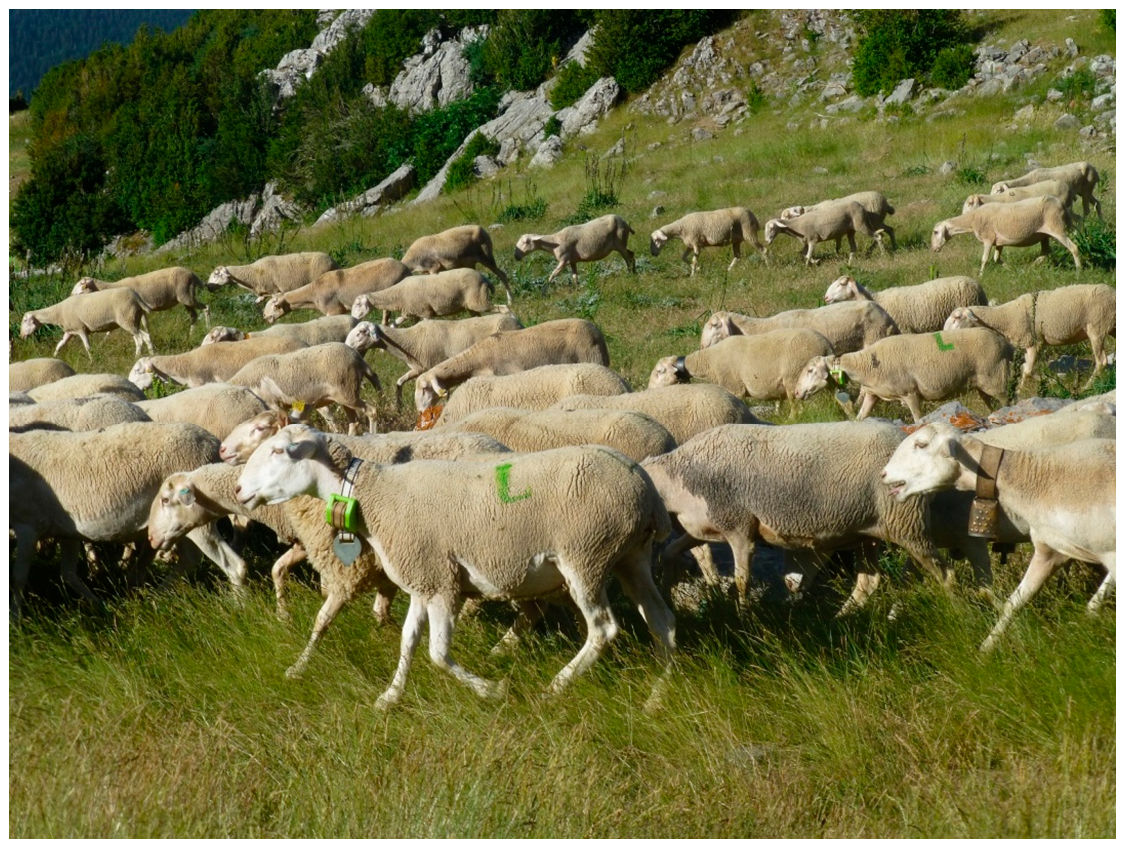
For centuries, the pastoral rhythm of the Pyrenees has been marked by the seasonal ascent of livestock to high-mountain grazing grounds. Each year, flocks would leave the lowland valleys for alpine and subalpine pastures, taking advantage of rich summer vegetation and allowing the lower fields to rest and regenerate [
1]. This seasonal cycle not only shaped the region’s cultural identity but also supported an enduring balance between livestock production, biodiversity, and landscape management, while fostering a deep body of traditional ecological knowledge (TEK) passed down through generations of shepherds [
2]. Traditional ecological knowledge, as part of broader traditional agricultural knowledge systems, plays a crucial role in the sustainable management of agroecosystems [
3,
4,
5]. It encompasses cumulative, experience-based knowledge on the relationships between animals, vegetation, climate, and landscape dynamics, developed through long-term interaction with the environment. Numerous studies have highlighted its importance for biodiversity conservation, resilience to environmental change, and adaptive resource management in rural systems. In pastoral contexts, this knowledge is particularly relevant, as it informs grazing decisions, animal care, and the sustainable use of heterogeneous landscapes under variable climatic conditions [
6,
7,
8].
In recent decades, this pastoral model has undergone profound changes as rural populations decline and agricultural labor patterns evolve [
9]. The loss of active shepherds, combined with the decreasing profitability of traditional farming, has led to more extensive management systems in many mountain areas. Livestock now graze with limited human presence, often remaining unattended on summer pastures except for occasional visits for health care or feeding [
10,
11]. At the same time, many valleys have seen a gradual substitution of sheep by cattle, transforming grazing dynamics and land use [
9]. This shift reflects wider socio-economic adaptation within Pyrenean pastoralism, reshaping both ecological processes and the continuity of traditional practices, with significant implications for grazing behavior, pasture utilization, and animal welfare, as well as for the transmission of TEK. Direct human guidance historically optimized the use of heterogeneous alpine landscapes, ensuring that grazing pressure was evenly distributed and sensitive habitats were protected [
12]. Without that guidance, there is a risk of overgrazing preferred areas and underutilizing others, with potential knock-on effects on vegetation structure and biodiversity [
13].
Simultaneously, the proliferation of precision livestock farming (PLF) technologies—such as GPS tracking, accelerometry, and automated health monitoring—offers new opportunities for managing extensive grazing systems. These tools provide real-time information on animal location and activity, enabling adaptive, data-driven management strategies in complex topographic environments [
14,
15,
16,
17,
18,
19]. Among the most innovative developments, virtual fencing and geolocation systems are transforming how herds are monitored and controlled [
20,
21], reducing the need for permanent field presence while providing valuable insights into grazing behavior and pasture use [
18].
However, the rapid adoption of technological solutions is not without challenges. An overreliance on digital tools may accelerate the erosion of TEK, which is rooted in intimate, long-term observation of animals, vegetation, and weather patterns [
22,
23]. The knowledge embedded in traditional pastoralism is not only of cultural significance but also holds vital ecological value. In the Pyrenees, extensive livestock systems have historically operated as low-input, high-knowledge models that contribute significantly to biodiversity conservation, wildfire prevention, and the maintenance of semi-natural habitats [
24]. Preserving this knowledge base is essential for the sustainability of mountain landscapes, as traditional pastoral management and ecological knowledge are highly vulnerable to disappearance, largely because they depend on the intergenerational inheritance of local practices and observations [
25].
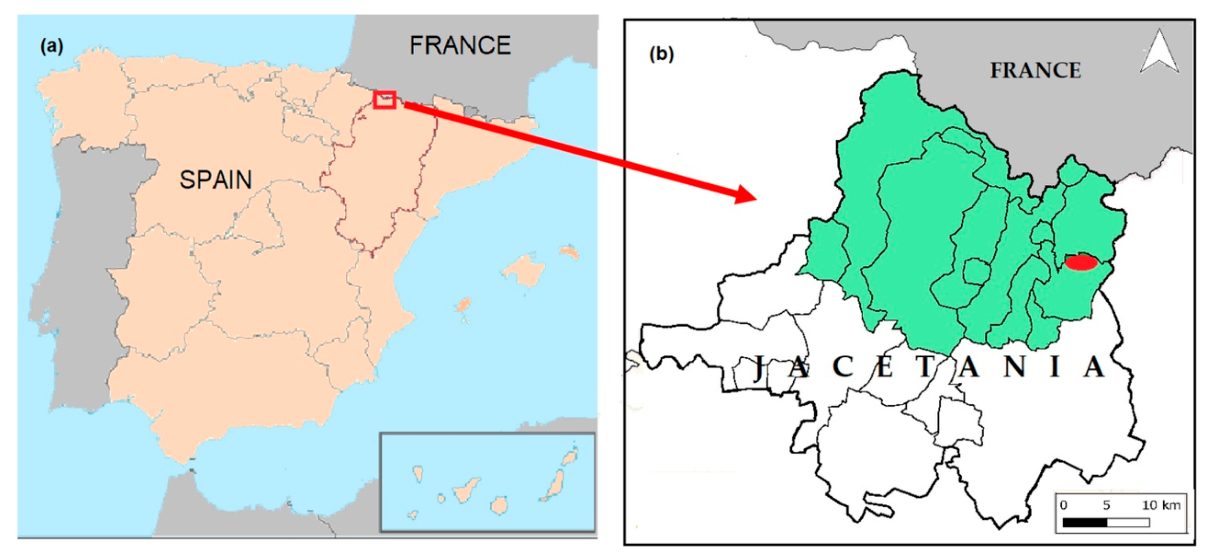
Against this backdrop, the present study investigates the intersection of traditional practices and technological innovation in Pyrenean Mountain grazing systems. Specifically, it compares the traditional ecological knowledge of shepherds in the Jacetania region of the Central Spanish Pyrenees with the contemporary management of a free-ranging sheep flock in the Collarada alpine pasture—a site historically managed under continuous human supervision but now monitored remotely using GPS technology [
11,
26]. This unique perspective, focusing on the same high-altitude pasture before and after the shift from direct shepherd oversight to technology-assisted management, provides rare insights into how digital tools reshape herd monitoring, grazing patterns, and the role of TEK. The study offers an integrated understanding of how modernization is influencing, and potentially transforming, long-standing cultural and environmental practices.
This study provides several novel contributions to the scientific literature. First, it offers a rare longitudinal perspective by systematically comparing the same high-altitude pastoral system under traditional shepherd-led management and current technology-assisted free-ranging conditions. Second, it advances understanding of how TEK and modern monitoring technologies can be integrated rather than substituted in extensive livestock systems. Third, it provides new insights into how this transition affects grazing management, animal welfare, and the transmission of knowledge in mountain pastoral systems. Additionally, it provides a detailed, place-based analysis of pastoral practices in a context where fine-scale empirical evidence remains limited, offering insights that are potentially transferable to other mountain systems, as shepherds’ knowledge is not restricted to a single pasture but built through experience across multiple grazing areas.
Beyond the specific case study, these findings have broader implications for ecosystem management, rural development, and policy design in mountain pastoral systems undergoing similar socio-ecological transitions.
To address these objectives, this manuscript first describes the study area and the methodological approach, including data collection through semi-structured interviews and participant observation. It then presents the main results, focusing on traditional shepherding practices and their recent transformations. These findings are subsequently discussed in relation to the existing literature, with particular attention to the interaction between traditional ecological knowledge and technological innovation. Finally, the paper concludes by summarizing the main findings and outlining their implications for the sustainability of mountain pastoral systems.
3. Results
The analysis of the semi-structured interviews and participant observation with local shepherds revealed a set of interrelated themes that characterize traditional ecological knowledge and practices related to sheep flock management in high-altitude mountain pastures, and their evolution over time from 20 to 70 years ago to the present. These themes can be broadly organized into the following categories.
3.1. Decision Making in the Selection of Mountain Pastures
The selection of mountain pastures for summer grazing in the Jacetania region has traditionally been shaped by a combination of historical land rights, economic factors, and practical considerations. Retired shepherds reported that the use of certain pastures has been governed by long-standing agreements, with some villages holding grazing rights. Other pastures are allocated through public auctions, where access is granted to the highest bidder. Historically, competition was intense, requiring negotiations and strategic positioning to secure grazing land. Although some pastures stayed in the hands of the same families or villages for generations, securing them was not always easy, as outside bidders sometimes challenged local claims. As one shepherd recalled, “There were always a few clever ones who would show up and try to take it,” reflecting the persistent tension and uncertainty that surrounded pasture access in earlier times, about 50 years ago.
In recent years, there has been a noticeable decline in demand for grazing in mountain pastures. “Changing pastures is easy now because nobody wants them,” noted one shepherd. However, farmers currently grazing in Collarada reported that, despite the reduced interest in current pastoral use, they have occasionally risked losing access to these traditional grazing areas during the public auctions organized by the municipality of Villanúa. This is due to external applicants seeking grazing rights solely to claim subsidies from the European Union’s Common Agricultural Policy (CAP)—particularly per-hectare payments—without any intention of moving livestock to the mountain.
In the past, each mountain pasture was shared by a large group of herders from various villages, reflecting a collective use of the grazing areas. As recalled by one shepherd: “That year, there were 41 brands in Collarada—from several villages. The one with the most had 400 sheep, but most didn’t have many.” Each livestock herd had a specific brand, which was made either with pitch or with ear marks.
In contrast, during the years of the study (2019–2021), only four farmers continue this seasonal migration to Collarada summer grasslands. They all come from the Jacetania region, and belong to families that have traditionally grazed in the Collarada mountain pastures for decades. Despite the sharp decline in the number of participants, the flocks themselves have grown significantly larger, with each farmer now managing several hundred animals, ranging from 200 to 600.
3.2. Timing and Logistics of Seasonal Transhumance to High Mountain Pastures
Retired shepherds highlighted the importance of careful planning and environmental assessment prior to ascending to mountain pastures. The decision to move the flock was based on traditional knowledge that emphasized the need for adequate forage and favorable climatic conditions. Most would visit the pasture a week before the expected ascent to ensure there was enough green grass and no remaining snow. As one noted, “You can’t just go up without checking—what if you get there and can’t keep the flock?”.
Grass quality was assessed visually, with green and robust forage considered optimal. Pale or dry grass signaled insufficient regrowth and poor nutritional value. Ascending too early was believed to increase health risks, especially when temperature fluctuations caused respiratory illness.
Local microclimates and topography were also factored into timing decisions. For example, the south-facing slopes of the Collarada pastures, exposed to sun and protected from fog, were considered safe for earlier ascent. “After San Pedro, you can go up to Collarada—it’s sunny there, no fog,” said one herder. In contrast, pastures exposed to the north were avoided during early summer due to persistent humidity and sudden fog. “Up there, when the wind blows, the fog rolls in—it’s cold, it’s damp, and the sheep get sick”.
Traditionally, flocks reached the high pastures by foot using historic drove roads known as “cabañeras”, with the journey taking a full day. “You had to leave before daylight, otherwise you’d arrive too late and the sheep wouldn’t get to graze,” recalled one shepherd. Routes could involve challenging terrain, steep ravines, or even snow and ice. For herders coming from more distant villages, the trip could take a day and a half, with an overnight stop along the way.
Today, transhumance patterns remain similar in terms of dates—sheep are typically moved to high-altitude pastures in early July, around the feast of San Pedro, and return by late September, around San Miguel. However, modern constraints such as cereal harvest schedules and haymaking in valley farms influence timing. Lambing schedules also affect which animals are moved; ewes expected to give birth in summer are often kept in the lowlands to produce lambs ready for Christmas markets, when prices are higher.
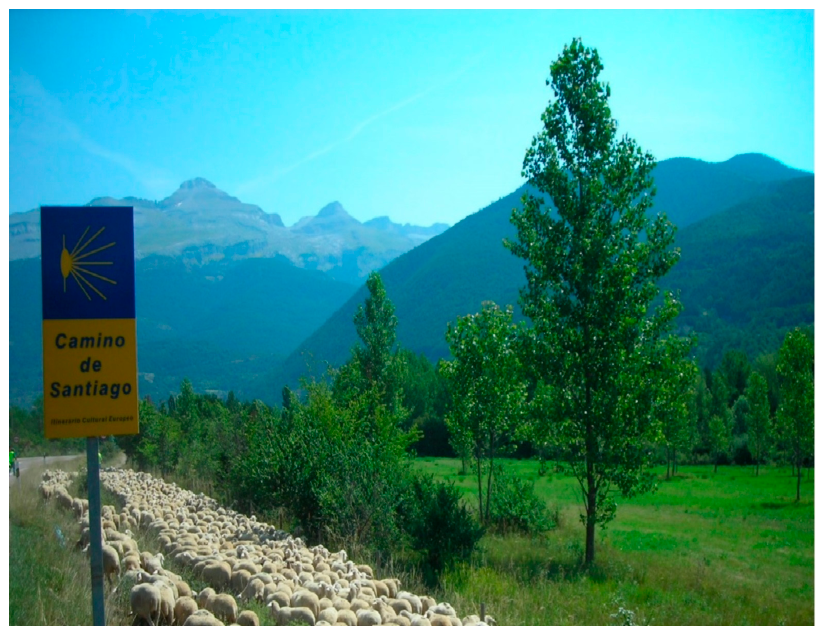
Currently, while two farmers continue to drive their flocks on foot, the other two use trucks to transport their animals to the base of the mountains, where they then complete the last part of the route the four flocks together. Farmers move their flocks in the same way during both the ascent to and the descent from the mountain pastures. New challenges reported by interviewees include the deterioration or disappearance of traditional trails, increased road traffic, and difficulties in securing livestock transport. Sometimes, the moving date depends more on transporter availability than on pasture readiness. Nonetheless, the ascent has become a social event, with family and friends often joining in celebration. The ascent of the flock through traditional drovers’ routes is illustrated in
Figure 2.
3.3. Employment of Shepherds for Mountain Flock Management
As recalled by retired interviewees, two shepherds were consistently present during the grazing season in the Collarada mountain grasslands throughout the 20th century until approximately the 1980s—typically a younger one, tasked with the more physically demanding duties, and an older, more experienced one, who could also be the owner of one of the flocks in the group. In the late 20th century, this system evolved: a single hired shepherd would stay for the entire summer, while local farmers took turns accompanying and supporting him, ensuring the provision of supplies and assistance throughout the grazing period. No shepherd has been employed since 2010, when GPS tracking technology was introduced—initially on a trial basis, and for a time used simultaneously with traditional herding. Farmers expressed satisfaction with this transition, citing reduced labor costs as well as good overall flock health. They attributed the success of this system to several factors: the absence of other flocks in the area minimizes the risk of mixing animals and, consequently, lowers the risk of disease transmission; natural geographical barriers help contain the sheep; the absence of wild predators such as bears and wolves in that area; and the reduced whole flock size ensures sufficient forage availability without the need for rotational grazing or rationing.
The recruitment of reliable shepherds has become increasingly difficult in recent years, according to several informants. While traditionally this role was filled by individuals with a strong connection to pastoral life, current attitudes toward livestock management have shifted. As one retired shepherd explained, “Nowadays people don’t love the work—they only love the money. And you can’t trust just anyone, because in this job, one mistake can be catastrophic”. He highlighted that, unlike in other types of labor where negligence may reduce productivity, in pastoralism, the consequences can be far more severe, potentially leading to the loss of entire flocks. As he summarized, using a popular saying—“The eye of the master fattens the horse”—this highlights the necessity of close and experienced oversight in extensive sheep grazing systems.
3.4. Daily Tasks and Circuits Followed
When shepherds were permanently with the flock, flock management in the high-altitude pastures followed a strict and repetitive daily routine, ensuring the well-being of the flock and the effective use of grazing areas. As one shepherd explained, “Every day was the same; you only needed to experience one to know them all”.
The day began early, with shepherds checking on the sheep, which were “
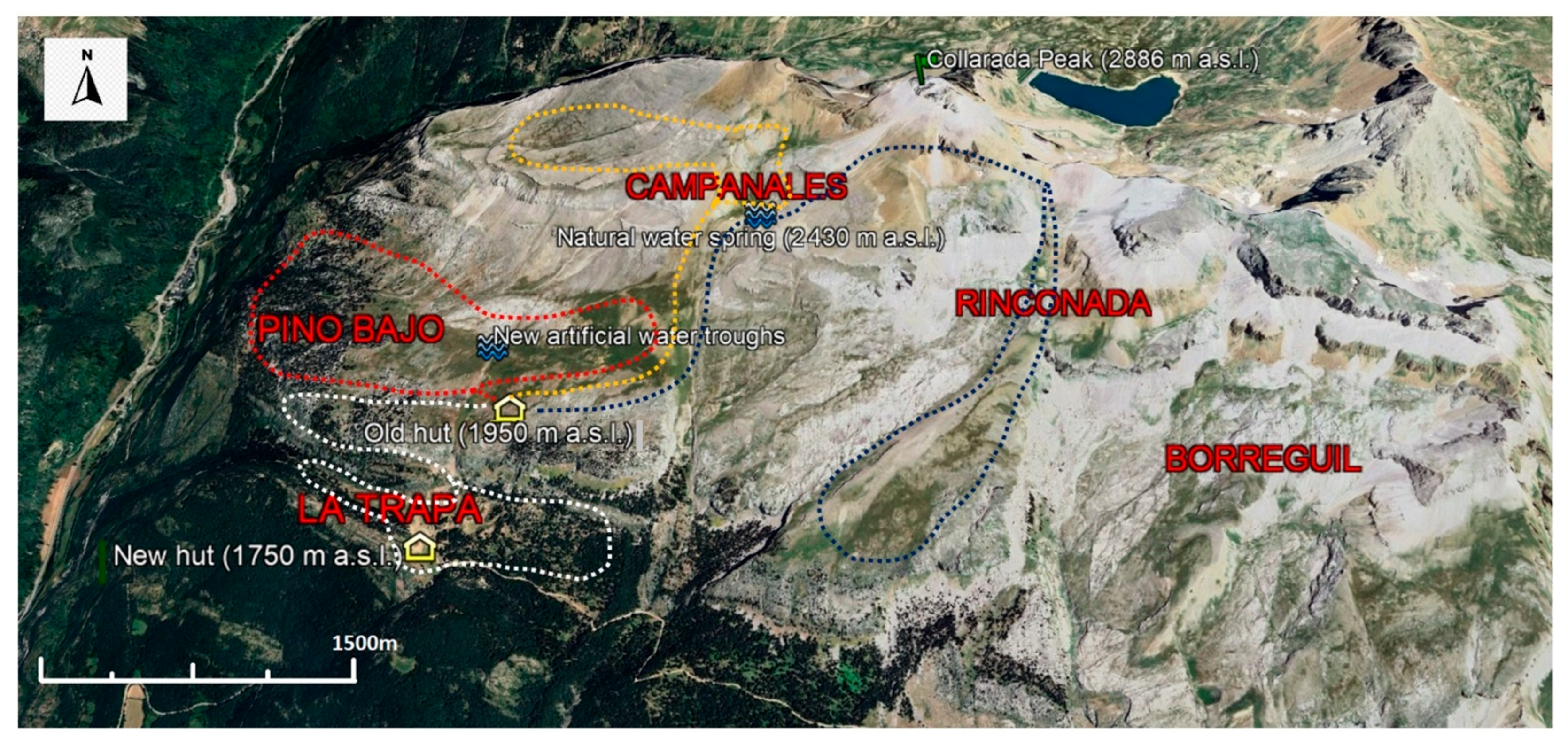
acubiladas”—a term used to describe sheep resting in the same open area every night. This area was closed to the old shepherd’s hut (
Figure 3). The morning routine included a visual inspection and treatment of any injured or sick sheep, followed by breakfast around 10 a.m. The flock was then counted almost every day. To keep track, small stones or markings on a stick were used, particularly in narrow passages where the sheep passed in single file. If a few animals strayed, one of the shepherds would go to find them and bring them back to the flock. After counting, the shepherds prepared their midday meal before setting off with the flock.
There were four distinct daily circuits used to move the herd rotationally, covering extensive areas to optimize pasture utilization. Shepherds referred to these as the “
four rounds” (
Figure 3). The first circuit covered the lower grazing areas, of La
Trapa (1700–1800 m a.s.l while another took the flock to
Pino Bajo. and areas surrounding the “old hut” (1800–2100 m.a.s.l.) A third route led to
Campanales (2200–2500 m.a.s.l.) where salt was provided to the sheep. The final circuit approached
Rinconada and the area near
El Borreguil (2100–2300 m.a.s.l.). Historically,
El Borreguil was integrated into the larger Collarada grazing system, and reserved for young ewes and weaker sheep as considered a more manageable, less strenuous area; a single shepherd was dedicated to this pasture. However, due to the decline in whole flock size,
El Borreguil was annexed about 40 years ago to the pastures managed by another group of shepherds. Routes were also adjusted according to the weather: “On good days we went to the most dangerous sites, and on bad, rainy days we took them to the more sheltered areas where we could better control the sheep,” a shepherd explained.
Within a typical day, the sheep followed a cyclical pattern of grazing. They would graze for the majority of the day, pause around midday to rest and “acalorar” (heat up), and then resume grazing in the afternoon before returning to their “cubilares” (night shelters). This cycle was repeated daily for nearly 80 days, ensuring the flock had access to the best grazing resources while maintaining their health. Through repeated use, sheep learned and memorized routes and grazing and resting areas, allowing the shepherd’s role to focus primarily on guiding direction rather than continuous control. As one shepherd explained, “In the morning, they wouldn’t move until the shepherd left the hut, and once you guided them, they knew where they had to settle. In the afternoon, you guided them again, and then they would return to the “cubilar” by themselves at night. You could go back to the hut and prepare dinner, and soon you would hear the bells, knowing they were already on their way back.”. Despite its predictability, shepherds emphasized the importance of constant vigilance, as even the most established routine required adaptability to weather conditions and the behavior of the animals. “We never lost them because we spent the whole day with them,” one shepherd affirmed.
Currently, during the initial ten days of the grazing season, farmers rotate shifts to closely monitor the flock as it acclimates and grazes in the lower pastures near La Trapa hut, (1750 m a.s.l.) preventing premature movement to higher altitudes before conditions are suitable. After this period, the flock grazes freely while being monitored via GPS devices (
Figure 4). Throughout the free-grazing phase, farmers visit the mountain pastures every 7 to 10 days to supervise the flock. Sheep are counted both at the beginning and at the end of the summer grazing period.
Based on participant observation, a typical day for shepherds in recent years proceeds as follows. Farmers, always at least two of them, reach the mountain hut after a one-hour drive along a mountain route in a 4 × 4 vehicle. Shepherds start their day by consulting GPS devices position to accurately pinpoint the location of the flock, allowing for efficient planning of the route. Once the flock’s location is identified, they set out on journeys lasting between 2 and 4 h, traversing rugged terrain to reach them. Once the flock is found, sheep are thoroughly inspected, vigilantly checking for signs of lameness, illness, or other health concerns. In case any sheep require medical attention, the flock is escorted, assisted by a trained livestock guardian dog, to designated treatment areas where they receive appropriate care. Usually, shepherds bring sandwiches for lunch, and on occasion, a small butane stove and an in-hut fireplace are used to roast meat or prepare simple meals at the end of the day. A typical journey lasts approximately 10 to 12 h, after which the shepherds return to their homes.
Despite not being permanently with the flock, the modern farmers demonstrate extensive knowledge of the terrain, including the best access routes both for reaching the livestock and for guiding the sheep to treatment areas. Most have many years of experience in this pasture, and on several occasions, they are accompanied by their children, who intend to continue the family tradition. They also exhibit great expertise in managing the flock, efficiently moving it to different areas, with the assistance of their dogs when necessary. They are also familiar with the usual sleeping areas, easily identifiable by accumulated droppings, as well as the natural shelter zones. Additionally, they know where the flock is most likely to be found, as despite having GPS tracking, several hours can pass since the last signal update, and the vast, rugged landscape make locating the flock challenging.
3.5. Livestock Stocking Density in Mountain Pastures and Quality of Pasture
Retired shepherds underscored the importance of maintaining an appropriate stocking density in high-altitude pastures to ensure sufficient forage availability and optimal animal condition. In Collarada, a flock of 2000 sheep was considered ideal, as the pasture could sustain them well, and they returned from the summer grazing period in good body condition. As one shepherd explained, “We had 2006 sheep that year in Collarada. With more, there wouldn’t have been enough grass, it would have been too much.” On the other hand, very low stocking rates were also seen as problematic. While fewer sheep reduced grazing pressure, this could lead to underutilization of the pasture, affecting the quality of the vegetation. “The fewer, the better they do, but too few is also bad for the grass,” another shepherd noted. By September, the number of sheep at pasture declined because pregnant or unhealthy sheep returned earlier. This seasonal adjustment was considered beneficial, as “by then, the grass was already running scarce”.
Shepherds consistently emphasized that forage quality in mountain pastures was a key factor for livestock health and productivity. Early in the summer, although grass is already available, it requires further maturation to accumulate sufficient nutritional value to be nutritious—“You want grass that’s made—that has substance. If it’s still too soft, it’s like eating just salad all day” explained one shepherd, stressing the need for more mature and fibrous forage.
The quality of forage also varied substantially between locations. Some pastures were valued for their fine, nutrient-rich grasses that supported optimal fattening and overall health of the animals. Collarada was considered to offer consistently high-quality forage—“very fine grass,” as one herder described it. Others, like those in the nearby puertos of Candanchu or Astún, although more abundant in vegetation, were described as having coarser or less desirable grass, which required greater management skills to achieve good results. As one herder put it, “If you know how to manage them, they’ll come down fat, even from the rougher ground”. If not grazed, the grass would grow too coarse, overshadowing more delicate species. This balance between grazing pressure and vegetation quality was well understood: “If the sheep don’t go, it gets rough. Tall, hard grasses take over, and the fine ones disappear”, explained a shepherd.
Moreover, long-standing knowledge allowed shepherds to distinguish which pastures best suited the health and development of their animals—sometimes even based on changes in wool quality: “You could tell where the sheep had grazed just by the wool—those from better pastures had finer coats”.
They also knew the types of plants that sheep prefer. Regaliz (Trifolium alpinum) was recognized by all shepherds as the most desirable plant. It can be found in higher areas—“where you see the edelweiss (Leontopodium alpinum) growing, there is regaliz”. Stinging nettles (Urtica dioica) grew in areas previously used as night shelters (“cubilares”), and shepherds observed that sheep readily consumed them, particularly after grazing on finer grasses during the day; upon returning to the cubilar in the evening, the shepherd would deliberately offer the flock a portion of nettles, which the animals appeared to enjoy. The sheep grazed on a wide variety of plants, even on those with narrow, rigid, and sharp-pointed leaves like the locally known as “sarrón” (Festuca eskia) which they consumed from mid-stalk upwards in certain areas. “Up there, they eat it all,” noted one shepherd. The sheep even consumed “abozos” (Asphodelus albus), particularly towards the end of the season in September or October, when these plants dry out and become palatable; this occurred mainly in the lower areas of grazing, and when forage resources were scarce. In fact, some pastures were left completely clean of abozos after the flocks passed through.
Shepherds also observed interactions between sheep and local wildlife. They reported that wild boars (Sus scrofa) frequently disturbed the pastures by “digging for licorice,” causing considerable damage. Chamois (Rupicapra rupicapra) were commonly found in high areas but were not considered a threat to the sheep. Instead, they often shared salt licks. In contrast, the presence of deer (Cervus elaphus) was considered problematic, as they consumed the best forage, depriving the sheep of high-quality grass in the lowest areas. The presence of bears (Ursus arctos) or wolves (Canis lupus) has not been considered a threat in the Collarada area, as these predators have not been observed there for as long as local shepherds can remember. According to them, this is due to the area’s more open landscapes, which make it a less suitable habitat for bears compared to other nearby mountain pastures with denser forest cover. All shepherds interviewed, both retired and current, agreed that the presence of large carnivores is incompatible with sheep grazing activities, and that the implementation of reintroduction policies could put this practice at risk.
3.6. Flock Management Techniques
Managing sheep in the high mountains required skill and adaptability, particularly in response to environmental challenges such as harsh weather, and difficult terrain. The retired shepherds emphasized the importance of careful management and constant vigilance over the flock.
They described practices such as splitting the flock in difficult terrains, to prevent overcrowding and reduce the risk of injury. For instance, they mentioned allowing sheep to naturally navigate steep terrain, with one shepherd commenting, “In bad terrain, don’t touch the sheep; let them move on their own.” Proper timing of grazing and resting, especially in areas with limited grass availability, was key to optimizing pasture use. One shepherd noted that “in areas where the grass is poor, it’s better to let them graze independently”.
Shepherds highlighted the importance of not leaving the sheep unattended in certain pastures, where sheep could become scattered or lost if not closely monitored. In contrast, in other areas, the sheep could be left to graze more independently due to the higher quality of the pasture and the absence of dangerous terrain.
Thunderstorms were recognized by shepherds as among the most critical challenges in high mountain pastures. Storms posed serious risks not only to the safety of the flock but also to the shepherds themselves. “If there was a storm, you had to be alert—otherwise, the sheep could do something wild,” recalled one shepherd, referring to the unpredictable behavior flocks often exhibited during intense weather events. In the absence of built infrastructure or dense pine forests for shelter, shepherds relied on natural features in the landscape. Large boulders and rocky outcrops—detached from cliffs over time—served as crucial refuges for both sheep and shepherds. When storms approached, herders would often guide the flock toward these stony areas, where animals instinctively sought shelter. “If you saw something bad coming, you’d lead them toward those stony patches so they could take cover,” explained one interviewee. Sudden nighttime storms were particularly troublesome. “Sometimes you’d be sleeping, a storm would come, and the sheep would get spooked and run off—you had to get up and bring them back before they wandered too far,” one shepherd recounted.
A common traditional practice among mountain shepherds involved fitting the strongest and most robust animals with “esquilas”—large cowbells designed to produce a loud, resonant sound. These animals, often leading the flock, played a dual role: the sound of the esquilas helped shepherds locate the herd across vast or rugged terrain, and it also served as an acoustic guide for the rest of the flock. As the bells echoed across the landscape, the dispersed sheep would instinctively follow the sound, promoting cohesion and reducing the risk of animals straying. This tradition is still maintained today.
The use of herding dogs in mountain pastures requires great caution due to the complex and often hazardous terrain. Shepherds noted that in steep or rocky areas, dogs can inadvertently cause sheep to panic and fall, or even contribute to leg injuries. As one shepherd explained, “Few dogs should be used, because up there they must be handled very carefully. If you’re cautious and don’t send the dogs, there won’t be any broken legs.” In such environments, experienced herders often avoid using dogs unless strictly necessary, relying instead on close observation and quiet movement to guide the flock safely. In recent years, an additional challenge has emerged from tourist activity: off-leash dogs accompanying hikers or cyclists can harass livestock or provoke conflicts with the shepherds’ working dogs, creating stress for both the animals and the herders.
3.7. Water and Salt Supplementation Practices
Water and salt are essential resources for sheep grazing in high-altitude pastures. Access to clean water can be limited, particularly in late summer when snow-fed water sources dry up. Retired shepherds reported that managing water availability was a recurring challenge, especially during exceptionally dry years when snowfields—traditionally a key water source—completely disappeared. In such cases, they had to move the flock to distant water sources, sometimes requiring long and arduous journeys.
Salt supplementation has been a longstanding practice among mountain shepherds to compensate for the mineral deficiencies of high-altitude forage. Traditionally, salt was manually transported to grazing areas in loose form. Shepherds placed the salt on large stones to prevent it from dissolving and often positioned it near water sources. However, a waiting period was enforced before allowing sheep to drink, as rapid salt and water intake was believed to cause bloating. “We gave them salt every eight days if the weather was good, always when the sheep were dry and there was no wind. Always near a water source, because they would go drink afterwards. But you had to hold them back for a while before letting them drink—it’s good for them to digest a bit first, otherwise they’d bloat with water”.
Shepherds typically provided salt every eight to nine days, adjusting the frequency based on weather conditions. If too much time elapsed between distributions, sheep would consume excessive amounts at once, sometimes leading to mild digestive issues.
Transporting salt to remote pastures was physically demanding. Historically, shepherds carried heavy sacks of coarse salt on donkeys or mules, navigating steep terrain for hours.
In modern times, sheep rely on natural water sources or pre-installed artificial troughs, reducing the need for active intervention by shepherds. At Collarada mountain pastures—similar to other alpine grazing areas—compacted salt blocks are airlifted by helicopter and strategically placed near water troughs at the beginning of the season. This approach ensures consistent mineral supplementation throughout the grazing period without requiring regular manual replenishment. The strategic distribution of salt not only ensures optimal mineral intake but also influences flock movement patterns, as sheep return regularly to designated salt sites.
3.8. Flock Health and Welfare Management in Mountain Pastures
The interviewed shepherds highlight that summer grazing in mountain pastures significantly benefits sheep health, as it allows the animals to breathe cleaner air and prevent respiratory issues. As one shepherd explained, “Up there, it’s fresh air. Down here, the dust from the dirt tracks is poison for the sheep”. Another one noted, “If they stay here in summer, they start getting nasal discharge”.
Retired shepherds observed that in expansive summer pastures such as Collarada, sheep generally gain weight over the grazing season, even when vegetation appears sparse. In contrast, in other high-altitude areas characterized by frequent rainfall or persistent fog, flocks tended to maintain their condition rather than improve it. Additionally, abrupt weather changes, such as cold mornings or prolonged rainy nights, had noticeable effects on sheep, sometimes leading to temporary weight loss.
However, the benefits of summer grazing were not always sustained. As one shepherd noted: “In the last days, they could lose in a week everything they had gained over the whole summer. But once they got back here, in three or four days, those sheep recovered again.” This referred to their return to lower-altitude areas, where more favorable conditions allowed for rapid recovery.
Moreover, they also described the dangers of cold, humid environments and the impact of these conditions on the health of the sheep, particularly the risk of respiratory issues from sudden weather changes or fog in specific regions.
The available water was sometimes of poor quality, but the sheep still drank it, often resulting in gastrointestinal issues. Young sheep were especially prone to diarrhea when drinking cold, low-mineral water from high-altitude springs like Campanales. One shepherd noted that such water could absorb all the salt from a piece of salted cod within an hour, illustrating its extremely low mineral content. Other water sources near “la Trapa” known as “regueros” were also of bad quality. “It’s fine for leeches, but not for the sheep” as one shepherd stated.
The absence of water was also a significant concern. Shepherds occasionally reported cases of sheep dying from bloat (“emboladas”) after consuming dry feed without sufficient access to drinking water.
Injuries and ailments such as lameness and maggot infestations were relatively common. As one shepherd recalled, “Occasionally, there would be a lame sheep or one infested with maggots. Treatment had to be done in the morning, and each animal had to be checked individually just in case.” The shepherd added, “When dealing with maggots, the usual practice was simply to clean the wound thoroughly”.
At that time, medication was limited. Injections were not administered—as one shepherd reported: “Two sheep that had aborted died because we didn’t have penicillin to give them”.
Bone fractures, although rare, did occur, usually as a result of uneven karstic terrain full of holes. “There are many holes in the ground,” one shepherd explained, “and sometimes a sheep steps into one, and when pulling the leg out, that’s when the injury happens.” In such cases, splints were improvised: “I once had to take a handkerchief from my pocket to tie up a sheep’s leg. We treated the injury using pitch and splints made from a cane. Not many legs were broken, as we moved very carefully. I don’t think there were even half a dozen cases.” Careful management of the flock, particularly in rocky or treacherous terrain, was essential to avoid injuries. Shepherds noted that accidents often occurred when sheep were startled by storms or mishandled by inexperienced workers, stressing the need for a knowledgeable, attentive herder.
More serious illnesses were also managed using traditional knowledge. One such illness was a neurological disorder known by farmers as “ovejas modorras” Affected sheep were noted to circle compulsively in one direction. Some shepherds attempted to treat it by performing a trepanation: “We would make a small hole with a knife to relieve accumulated fluid; you had to be careful not to reach the brain”.
Another feared disease was “banzo” or “carbunco”, associated with anthrax and thought to be caused by contaminated grass. It was considered highly dangerous and even fatal to humans: “If you skinned an infected cow or sheep and touched a sore or open wound, you’d catch it—and die.” Symptoms included bleeding from the nose and anus, particularly in young, robust sheep. “It always hit the best ones,” they recalled, “because young sheep have stronger blood”. “Chotos”—castrated male goats traditionally used as flock guides—were particularly vulnerable. As one shepherd warned, “If you take “chotos” to that area, you won’t bring a single one back.” The mountain pastures of Collarada were free from “banzo”, although other grasslands in other puertos, identified as “piconeros” were well-known for its presence. These pastures were avoided when possible, or the grazing time was strictly controlled. As one herder explained, “You don’t let them out too early or leave them out at night in those places. You release them late and bring them in early.” The disease was considered a greater threat earlier in the season, shepherds recalled that after mid-September, the risk of infection diminished and it was safer to graze those areas: “By then, it’s no longer dangerous; that’s when we’d let them in”.
Foot diseases, such as foot rot, were also part of the shepherds’ concerns. Known locally as “patón”, this condition could appear with humidity and cold. However, the high pasture of Collarada was seen as beneficial in this regard: “Collarada is a dry mountain grassland—foot rot’s not a problem here”.
Nowadays, the primary issues encountered were broken legs, worm infestations, and infections, which are treated with antibiotic injections. Those animals requiring further treatment are loaded into a small trailer towed by a 4 × 4 vehicle for transport back to the villages. Shepherds reported that allowing sheep to free-range combined with reduced handling practices leads to fewer injuries. However, the lack of constant supervision increases their vulnerability to potential dog attacks and accidental falls into crevices. Nonetheless, during the three years of the study, there were no significant losses recorded, excluding those caused by natural mortality.
3.9. Risks and Well-Being of Shepherds in Mountain Pastures —Hardships and Infrastructures
One of the primary risks identified by shepherds was isolation, especially in remote mountain pastures where they often spent extended periods alone. In the past, these areas were largely uninhabited, with only occasional encounters with mountaineers. The absence of immediate assistance in case of injury was a major concern, as the rugged terrain and unpredictable weather heightened the potential dangers. Shepherds emphasized that working alone under such conditions could be life-threatening. As one shepherd starkly put it, “If you’re alone up there and something happens, you know what comes next—you become food for the vultures.” To mitigate these dangers, shepherds always worked in pairs, ensuring that if one encountered difficulty, the other could provide assistance or seek help—a practice that continues to the present day.
In recent years, the growing popularity of outdoor recreational activities—such as hiking, trail running, and mountain biking—has led to a noticeable increase in human presence across mountain pastures. This increased accessibility, coupled with advancements in mobile technology, has contributed to improved safety conditions for shepherds. The widespread use of mobile phones equipped with GPS geolocation now allows shepherds to navigate more effectively in low-visibility conditions, such as fog, and to contact emergency services in the event of an accident, thereby reducing the risks historically associated with isolation in remote mountain environments.
Water quality and scarcity was another major concern. Traditionally, shepherds relied on snow-fed water sources, such as natural ice pits or glacial deposits, which could sometimes become contaminated by external factors like strong winds carrying dried manure particles from the livestock. Some of the water was so cold that drinking it could cause lip lesions (“morreras”) the next day.
Occasionally, they had to undertake long journeys to fetch water, sometimes traveling on foot or using donkeys for transport, requiring significant effort. One shepherd recalled, “It took an hour to fetch water—two big jugs on the donkey—but then you realize how fast they run out…”.
The food supply system played a central role in shaping the daily life and well-being of shepherds during their stay in high-altitude pastures. Due to the remoteness of many grazing areas, food logistics required careful planning and coordination. Weekly resupply trips—often involving long walks or mule journeys—were necessary to bring essential provisions from nearby villages. The typical diet was based on preserved, non-perishable foods, including canned goods, salted meats, sardines, bacon, and dry-cured meat. Fresh produce was rare, and meals were simple but energy-rich, with staples like bread often combined with wine and sugar. They sometimes used fireplaces for modest cooked meals. In some cases, when a sheep accidentally died during the season, it was consumed by the shepherds themselves to avoid waste and supplement their diet in the absence of alternative protein sources.
Retired shepherds emphasized the harsh weather conditions in the high-altitude pastures, particularly during the night. The mountain hut, often in a state of disrepair with a leaky roof, offered limited protection against the elements. They recalled enduring freezing temperatures and heavy snowfall, relying primarily on firewood to retain warmth. Prolonged exposure to such extreme conditions posed significant health risks, with some shepherds describing near-death experiences due to exposure and inadequate protection. As one said: “I’ve seen plenty of snow while shepherding up there… One night, we slept outside with all this snow piled on top of our blankets”.
During periods of adverse weather, shepherds employed basic tools such as umbrellas to protect themselves from rain or snow. As one recalled, “On stormy days, you carried an umbrella—you never let go of it, just in case. You never knew what kind of weather you’d get.” The absence of firewood in these treeless and rocky areas further exacerbated the challenge of coping with cold and wet conditions. Night-time storms required immediate intervention to prevent flock dispersion, often carried out under intense rain and lightning, contributing significantly to the physical and psychological demands of pastoral life. One shepherd explained that, in the past, “We’d sleep outside, and if a storm rolled in, the flock would scatter and we’d be out there rounding them up again. If we’d had electric fences back then, they’d have never wandered off at night”.
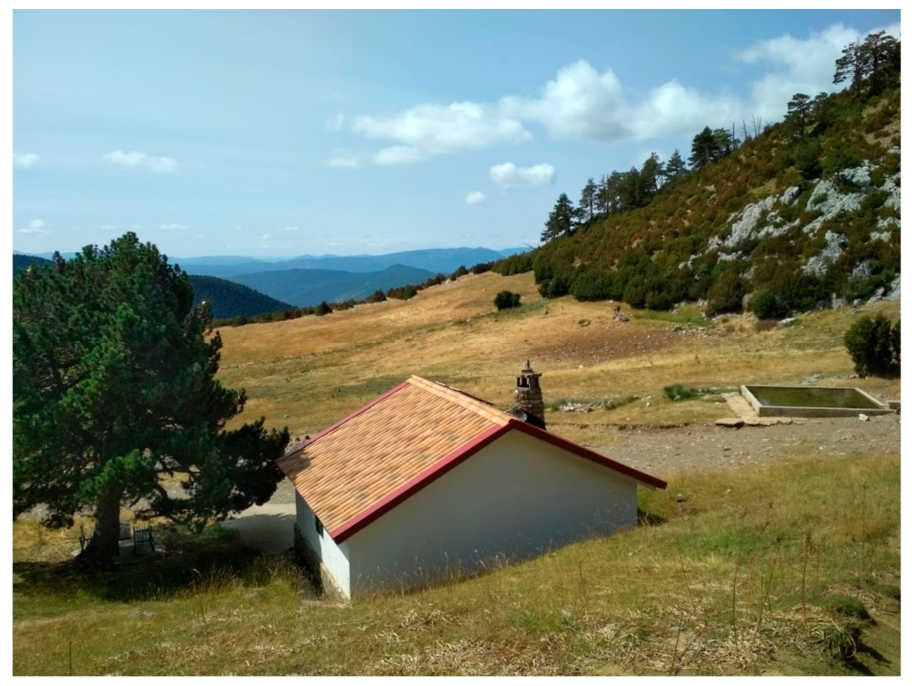
In recent years, the hut is modest but well-equipped, featuring a solar panel that powers a small refrigerator for food storage and allows for mobile phone charging (
Figure 5). Basic amenities include two bed frames with mattresses, a butane stove, and a fireplace used for cooking, particularly for grilling meat. A reliable freshwater source is located nearby. However, once the sheep are free-ranging, it is increasingly uncommon for shepherds to spend the night in the hut. Many now prefer to return to the village, despite the long commute. As one shepherd noted, “It’s easier to go down to the village and sleep there, then come back the next day, if necessary.” When used later in the season, overnight stays in the hut are often shared with family or friends and experienced more as a recreational or nostalgic activity than a necessity.
Days for herding tasks, such as checking the flock, are now typically chosen based on favorable weather conditions, guided by online meteorological forecasts. Nevertheless, sudden weather shifts may still occur, sometimes catching shepherds unprepared, with the additional risk posed by traveling in vehicles—even 4 × 4 s—under such conditions.
Shepherding in the high-altitude pastures demanded immense physical endurance, with long hours of walking across rugged terrain. As one shepherd described, “We walked nearly eight hours a day that summer; I wore out two pairs of boots.” The steep and rocky paths made every journey a challenge, especially during supply trips. “I went down every Wednesday through that rocky slope, carrying a long stick, and it tore up my hands,” recalled another. The exhaustion was evident in their accounts, with one stating, “We came back so worn out that our pants wouldn’t even stay up.” Currently, the area around the hut is accessible by a 4 × 4 vehicle, which also facilitates the transport of food and supplies.
3.10. New Technologies Adoption
The evolution of herding technology was a recurrent topic throughout the interviews with retired shepherds, who now know about modern advancements such as electric fences and GPS tracking, and value the benefits that have made certain aspects of herding more manageable. As discussed in
Section 3.4, GPS tracking of the flock significantly reduces the time and effort required to reach the animals on foot, allowing herders to plan visits for days when the flock is in the closest possible areas—although reaching them still requires at least three to four hours of walking through steep and rocky terrain, with some days extending up to ten hours. In addition, they regularly monitor the GPS positions of the flock, which allow them to observe that while the sheep initially remain near the highest areas, as the grazing season progresses, they gradually explore more distant zones, ultimately covering the entire pasture.
However, retired shepherds expressed concerns that the absence of direct human oversight may result in challenges such as overgrazing of preferred grazing areas, undergrazing in less preferred areas, excessive movement of sheep covering large distances without adequate rest, and weaker individuals falling behind the flock. They emphasized that the presence of a shepherd remains crucial for maintaining flock health and cohesion. As one shepherd remarked, “If you want the sheep to do well, the shepherd must go in front—don’t just let them wander off on their own”.
To facilitate the interpretation of the qualitative findings, the main results are summarized in
Table 1 and
Table 2. The main changes between traditional and current pastoral systems are provided in
Table 1.
The results also highlight the integration of practical management strategies and ecological understanding in shepherds’ knowledge systems.
Table 2 synthesizes representative examples of traditional agricultural knowledge and traditional ecological knowledge, derived from the main thematic sections of the Results.
4. Discussion
This study reveals the enduring richness of traditional ecological knowledge among Pyrenean shepherds and the significant transformations that have shaped pastoral practices in recent decades. Through semi-structured interviews and participant observation, we gained a detailed understanding of both historical practices and contemporary adaptations in the high-altitude pastures of Collarada, a representative site within the Pyrenees.
Shepherds acknowledged that the dynamics of access to mountain grasslands have changed. While in the past, securing desirable grazing areas often involved disputes and strategic maneuvering, today the primary concern is maintaining interest in mountain grazing itself. As fewer farmers are willing to continue transhumant and high-altitude grazing, competition has diminished. This reflects broader socio-economic shifts, where traditional pastoralism is gradually losing prominence, and the availability of grazing land is no longer a limiting factor as it once was [
9,
36].
Concerns among farmers regarding the practice of declaring land solely to access subsidies—without actively grazing livestock—may be mitigated by recent reforms to the Common Agricultural Policy (CAP) [
37], which now requires that animals be effectively brought to the declared pastures to ensure a closer alignment between payments and actual land use. This regulation may help ensure that access to mountain pastures is prioritized for active pastoralists, thereby supporting the sustainability of traditional grazing systems. However, the hectare-based subsidy model may discourage adequate stocking rates, leading to undergrazing and negative impacts on pasture ecology [
38].
The shift from many small flocks to fewer, more intensively managed ones reflects both the professionalization of the sector and the erosion of communal herding governance structures. While these changes have allowed for more efficient management, they also contribute to the gradual loss of collective knowledge and social practices once central to mountain pastoralism [
39]. In Collarada, although the number of sheep has declined over time—from approximately 2000 to 1500 animals—the current flock size still represents an adequate grazing pressure. However, in nearby pastures where an additional 2000 sheep were previously grazing, the lack of livestock has resulted in these areas remaining largely ungrazed.
Traditional shepherds interviewed in this study demonstrated an exceptionally refined body of Traditional Ecological Knowledge, particularly in relation to the timing and management of seasonal transhumance. The decision to ascend to high-altitude pastures was never arbitrary; instead, it was informed by close monitoring of pasture readiness, snow cover, and microclimatic patterns. Herders recognized that premature movement could expose sheep to abrupt temperature changes or inadequate forage, negatively affecting animal health. Their in-depth understanding of sheep behavior, plant palatability, and pasture dynamics reflects a complex knowledge system shaped by generations of lived experience. Forage evaluation was not only based on visual greenness but also on subtle indicators of nutritional value and grass maturity, ensuring that transitions occurred under optimal conditions. Additionally, traditional strategies such as regulating stocking densities, rotating grazing areas, and timing access to specific plant communities reveal an ecological rationality aimed at maintaining both animal welfare and grassland resilience. These findings align with those of Fernández-Giménez and Fillat [
2], who documented that Pyrenean pastoralists possess extensive knowledge of relationships between terrain, climate, vegetation and animal nutrition and behavior.
Daily management practices—like carefully regulating salt intake, guiding flocks to shelter during storms, or minimizing dog use on steep or rocky terrain to prevent sheep leg injuries—further emphasize the embedded nature of this knowledge within shepherds’ everyday decision-making. In such contexts, animal welfare is closely linked to the shepherd’s capacity to continuously monitor and adapt to environmental conditions, reinforcing the importance of both traditional ecological knowledge and appropriate management strategies.
Alongside these pasture management skills, shepherds also hold detailed ethnoveterinary knowledge adapted to the challenges of remote mountain grazing. Through daily observation, they are skilled at detecting early signs of illness, such as lameness, respiratory distress, or wounds, and responding with practical remedies and basic wound care, often relying on locally available materials. An illustrative example of traditional ecological knowledge is the recognition and avoidance of pastures historically associated with
anthrax, despite not knowing the scientific cause. Their empirical practices align with the current understanding of
Bacillus anthracis persistence in soil and its environmental triggers [
40]. These practices reflect a nuanced, experience-based understanding of animal health that has historically compensated for limited veterinary access. In recent years, however, the availability of antiparasitic and antibiotics—along with the increased ability to quickly transport animals to villages or veterinary facilities when needed—has become a key factor in ensuring timely and effective care, reducing animal suffering and improving overall flock health.
While retired shepherds voiced concerns that the absence of direct human oversight could lead to overgrazing in preferred areas, excessive and inefficient movement, and weaker individuals falling behind, recent findings with left-alone sheep suggest a more nuanced reality. Larraz et al. [
26] documented that free-ranging sheep grazed over long distances in the rugged terrain of mountain pastures, traveling an average of 9.6 km per day. This extensive locomotion resulted in substantial energy expenditure, with an average daily energy cost of 3.20 MJ due to movement alone. These considerable energetic demands, resulted in an average decline of 0.65 points in body condition score (BCS) over the grazing season; nevertheless, most sheep maintained their body condition within the optimal range by the end of the summer season, highlighting their remarkable adaptability to high-altitude environments. Notably, retired shepherds reported that sheep gained weight after grazing in summer pastures, possibly because close daily management helped prevent greater losses. Complementing this, GPS tracking data revealed that although sheep showed clear preferences for grazing on specific geomorphological features depending on slope, aspect, and altitude, as well as certain plant communities, their grazing behavior was dynamic. Initially, sheep concentrated in the highest pastures, but over the course of the season, they gradually expanded to more distant areas, ultimately utilizing the entire pasture [
11]. Nevertheless, further research is needed to assess pasture quality changes over the season, as some areas, such as sleeping spots, were heavily frequented, while others—despite being within the flock’s range—may have been insufficiently grazed. Certain grazing areas are not accessed without direct guidance from the shepherd due to the steep terrain and narrow passageways that hinder spontaneous animal movement. In addition, some locations have traditionally been reached through the leadership of older, experienced sheep familiar with the high pastures, which guided the flock into specific areas. As these guide sheep have gradually disappeared, access to such zones has diminished, resulting in parts of the pasture remaining ungrazed.
These findings suggest a model of modern pastoralism in which technology complements, rather than replaces, the shepherd’s role. Tools such as GPS tracking, remote monitoring, and other digital systems can provide valuable information on flock movements, grazing patterns, and pasture use, enabling more informed and adaptive management. However, effective interpretation of these datasets still relies on shepherds’ deep understanding of microclimates, animal behavior, and subtle environmental cues that remain beyond the reach of sensors. Moreover, sheep are not robots, and the use of new technologies without the care and attentiveness of the shepherd may lead to their objectification, reducing animals to managed units rather than living beings embedded in relational herding practices. A recent global review of pastoral systems highlights how traditional ecological knowledge persists and adapts, despite cultural and environmental transformation [
41]. Human oversight continues to be essential for the early detection of health issues and finer regulation of grazing patterns. In practice, a balanced approach that combines traditional expertise, targeted field visits, and real-time GPS monitoring appears well suited to maintaining both animal health and pasture condition in modern extensive grazing systems.
Shepherds working in high-altitude pastures face substantial physical and psychological challenges, as documented through traditional ecological knowledge and lived experience. Interviews revealed the intense emotional and physical demands historically associated with pastoralism, which required resilience, self-sufficiency, and prolonged exposure to isolation and harsh environmental conditions. These findings are consistent with studies conducted in other mountainous regions, where pastoral systems are characterized by a combination of extensive labor demands and strong experiential knowledge, such as the High Atlas Mountains (Morocco), where transhumant herders face remoteness paradoxes affecting traditional ecological knowledge and labor-intensive practices [
42]; the French Alps, documenting conservation shepherding amid isolation and a declining workforce [
43]; and the Indian Trans-Himalayas, where high-altitude pastoralists report climate-driven disruptions to experiential knowledge systems alongside extensive labor demands [
44].
However, recent decades have brought significant improvements to working conditions in mountain pastoralism. The widespread use of 4 × 4 vehicles, mobile phones, GPS tracking systems, and the development of pastoral infrastructure has considerably reduced the physical burden of daily tasks, enhanced safety, and improved logistical coordination [
14]. In this context, municipally facilitated access to satellite coverage—potentially complemented by locally installed antennas within the grazing areas—would help ensure that all pastoral units can fully benefit from these technologies. Moreover, emerging technologies, still in their early stages, have the potential to enhance labor efficiency. For instance, virtual geofencing can optimize grazing distribution and reduce animal escapes [
20], even though they can be particularly harmful in areas with predators such as bears and wolves. Meanwhile, livestock monitoring with drones offers a promising solution for rapid and remote oversight in difficult-to-access terrain, or even works as a trained sheepdog [
45].
These findings highlight that traditional pastoral systems are not static but dynamic management frameworks that have evolved to balance productivity and ecological sustainability. The persistence of these practices, even under changing socio-economic conditions, underscores their continued relevance for contemporary pastoral management.
From a practical perspective, the findings of this study provide relevant insights for the management of mountain pastoral systems, including pasture selection, transhumance timing, daily herd management, stocking density, animal health care, and supplementation strategies. Beyond their descriptive value, these practices reflect a highly adaptive system based on long-term observation and fine-scale environmental knowledge. For example, decisions related to the timing of transhumance and the selection of grazing areas are closely linked to pasture phenology, microclimatic conditions, and animal requirements, demonstrating an integrated understanding of ecological processes. Similarly, daily management routines and the regulation of grazing circuits reveal strategies aimed at optimizing pasture use while maintaining animal welfare.
The documented role of TEK in optimizing grazing patterns, animal health, and pasture use highlights its continued importance for decision-making in extensive livestock systems. At the same time, the integration of new technologies, such as GPS tracking, offers opportunities to improve labor efficiency and monitoring capacity. The main challenge is to incorporate new technologies without losing the cultural and ecological knowledge embedded in traditional shepherding. Preserving this knowledge is essential for the sustainability of mountain landscapes.
One practical approach could be the documentation of an extensive vocabulary of traditional pastoral activities, used either as a field handbook or as a digital resource accessible directly from mobile devices. At the same time, it is important to find ways to pass this expertise on to future generations while adapting the profession to today’s social and economic realities. In this context, “shepherd schools” [
46,
47] established in several Spanish regions and other European mountain areas play an important role in ensuring the continuity of pastoral systems. These initiatives promote generational renewal and support the transmission of traditional ecological knowledge, while preparing future shepherds for the technical and practical demands of contemporary pastoralism. Importantly, training programs address not only professional skills but also the physical and mental suitability of candidates, with particular attention to emotional stability and safe animal handling at both individual and flock levels. Encouragingly, the use of digital tools and better infrastructure can make pastoralism more accessible and appealing to younger people.
From a policy perspective, the findings of this study highlight the need to support mountain pastoral systems through targeted measures. These may include promoting the transmission of traditional ecological knowledge through training programs, facilitating the adoption of appropriate technologies adapted to extensive grazing systems, and ensuring fair access to mountain pastures for active farmers. In addition, policies should recognize the ecological services provided by pastoralism—such as biodiversity conservation and wildfire prevention—and incorporate them into incentive schemes. Supporting generational renewal and improving infrastructure and connectivity in remote areas are also key to maintaining the viability of these systems.
This study presents some limitations that should be acknowledged. First, the relatively small number of interviewees reflects the limited population of active and retired shepherds in the study area, which may restrict the generalizability of the findings to other regions. Second, the qualitative nature of the research, based on semi-structured interviews and participant observation, relies on subjective experiences and retrospective accounts, which may be influenced by memory bias. In addition, the study focuses on a single mountain pasture system, which, although representative, may not capture the full variability of pastoral practices across different socio-ecological contexts. Despite these limitations, the depth of the information obtained provides valuable insights into traditional ecological knowledge and its transformation.
Future research should broaden the sample size and incorporate comparative analyses across different mountain regions to better capture the diversity of pastoral systems. In addition, integrating quantitative approaches—such as long-term monitoring of grazing patterns, vegetation dynamics, and animal performance—would complement qualitative insights and provide a more robust assessment of the impacts of technological adoption on pastoral sustainability. Particular attention should be given to long-term effects on pasture dynamics, animal welfare, and knowledge transmission, as well as to how combinations of TEK and digital tools can be optimized across diverse mountain contexts.
Ultimately, supporting the future of mountain pastoralism requires balancing modernization with the protection of traditional practices. Finding this balance is key to ensuring both the ecological resilience and cultural survival of high-altitude grazing systems.