


Abstract
Global progress towards the 2030 Sustainable Development Goals (SDGs) remains critically off track, with current trends indicating that only 17% of targets will be met by the deadline. As sustainability transitions increasingly depend on regional and institutional capacity, understanding heterogeneous transition pathways and resilience across territorial contexts is essential. This study investigates whether observed divergence in SDG performance reflects temporary setbacks or persistent structural regimes characterised by distinct institutional and technological configurations. Using panel data from over 160 countries (2019–2024), we employ annual latent class analysis to identify hidden structures in SDG performance across 15 goals, introducing intertemporal volatility as a dimension of development dynamics. We complement this with ordered logistic regression to examine structural determinants of regime membership, including governance quality, digital infrastructure, health investment, and macroeconomic indicators. Our analysis identifies three temporally stable development regimes—lagging, transitional, and leading—with fewer than 15% of countries transitioning between classes over the observation period. ANOVA results reveal that internet access and government effectiveness exhibit the most substantial between-regime differences. Ordered logit models indicate that governance quality and digital connectivity are the strongest correlates of regime membership (government effectiveness: β = 0.943, p < 0.001; internet penetration: β = 0.049, p < 0.001), whereas short-term GDP growth exerts negligible influence (p > 0.10). These findings challenge assumptions of linear convergence in sustainable development and provide a data-driven framework for evaluating transition dynamics across diverse territorial contexts. The results suggest that achieving the SDGs requires that deep structural constraints be addressed—particularly digital divides and institutional quality—through regionally targeted policy design rather than relying solely on incremental adjustments or economic growth. The identified regimes provide a basis for place-based targeting by distinguishing contexts where governance and digital capacity constraints are binding.
1. Introduction
As sustainability transitions increasingly depend on regional and institutional capacity, understanding heterogeneous transition pathways and resilience across territorial contexts is critical. Despite common global targets, regions and countries differ markedly in innovation capacity, policy coordination, and institutional quality, leading to uneven progress and volatility in sustainability outcomes. This study proposes a data-driven evaluation framework to assess the stability and volatility of SDG progress and to identify sustainability “regimes” that reflect differences in institutional capacity and policy coherence across diverse territorial contexts, offering actionable insights for regionally targeted policy design.
The Sustainable Development Goals (SDGs), adopted by all UN Member States in 2015, aim to eradicate poverty, reduce inequality, combat climate change, and strengthen institutions by 2030 [1]. Despite this shared ambition, progress remains deeply uneven: some countries advance steadily, while others stagnate or regress—especially on climate action (Goal 13), and peace and justice (Goal 16) [2]. This divergence challenges the 2030 Agenda’s assumption of universal convergence through policy effort and international cooperation.
Standard explanations—rooted in income levels, geography, or governance quality—fail to fully account for observed patterns [3,4,5]. Institutional economics offers a compelling alternative, arguing that inclusive institutions—those that secure property rights, enforce contracts, and constrain elite power—generate broad-based incentives for investment, innovation, and human capital accumulation, while extractive institutions concentrate rents and stifle growth [6,7]. These institutions are not mere background conditions but causal drivers of long-run prosperity, shaping how resources are allocated, risks are managed, and opportunities are distributed [8]. Crucially, institutional quality varies not only in degree but also in kind: some configurations enable adaptive, resilient development, whereas others trap societies in low-level equilibria [9,10].
Existing clustering studies of SDG performance rely predominantly on cross-sectional snapshots, treating country groupings as static rather than examining their temporal evolution [11,12]. Moreover, prior work largely ignores intertemporal volatility as a distinct dimension of development dynamics—a gap that obscures important differences in institutional resilience across countries. This study addresses these limitations by combining longitudinal latent class analysis with volatility measurement, thereby capturing both the structural persistence and dynamic instability of development trajectories. In doing so, it connects to the broader literature on development divergence and club convergence. Pritchett [13] famously documented “divergence, big time” in cross-country income trajectories, while Acemoglu, Johnson, and Robinson established that institutional configurations—rather than geography or factor endowments—explain persistent differences in economic prosperity [13,14]. Our regime-based framework extends these insights to the multidimensional SDG context, testing whether analogous patterns of club convergence and institutional lock-in characterise sustainable development trajectories.
This perspective builds on path dependence theories, which posit that historical events and initial institutional choices create self-reinforcing mechanisms—through increasing returns, coordination effects, and adaptive expectations—that lock societies into particular developmental pathways [7,15,16,17]. Once established, these paths become costly to exit, not because they are optimal, but because alternative configurations require coordinated change across multiple interdependent domains [18]. For example, extractive colonial institutions may perpetuate weak property rights and elite capture, while inclusive settlements foster broad-based investment and innovation [6]. This framework contrasts sharply with neoclassical convergence models, which assume diminishing returns and factor mobility will equalise outcomes over time [19]. Instead, institutional economics and path dependence together imply multiple equilibria: countries with similar endowments can settle into divergent regimes, with transitions requiring critical junctures—major shocks or deliberate reforms—that disrupt entrenched feedbacks [20].
This view raises a controversial question: are SDG gaps temporary and fixable through targeted interventions, or do they reflect durable structural divides requiring transformative change? Recent studies using data-driven clustering reveal hidden groupings in development indicators [11,12], but most remain cross-sectional and ignore temporal stability or intertemporal volatility—year-to-year fluctuations that may signal institutional resilience or fragility. Nonlinear dynamics and threshold effects further complicate progress [21], suggesting that minor improvements in one domain (e.g., health) may yield limited gains without simultaneous advances in others (e.g., governance, digital access).
This study tests whether global SDG performance reflects latent development regimes shaped by institutional and structural persistence. Using panel data from over 160 countries (2019–2024), we apply annual latent class analysis (LCA) to 15 SDG scores, introduce volatility as a core dimension of regime dynamics, and anchor regimes in structural determinants via ordered logistic regression.
We identify three temporally stable regimes—lagging, transitional, and leading—with minimal cross-regime mobility. Governance quality and digital infrastructure emerge as the strongest correlates, while short-term economic growth plays no significant role. These findings imply that achieving the SDGs requires structural transformation rather than incremental adjustments, with important implications for development finance and policy design.
This study seeks to explore whether global patterns of Sustainable Development Goal (SDG) performance reflect structurally distinct development regimes rather than merely variations in resource availability or policy effort. Specifically, we ask whether latent development regimes exist within the global SDG architecture. Are these regimes temporally stable, and what structural factors determine countries’ positions within them? Building on emerging evidence of non-linear dynamics and institutional path dependence, we formulate four testable hypotheses that structure our empirical analysis. Each hypothesis targets a distinct dimension of the regime framework—existence, persistence, structural determinants, and dynamic instability—and is grounded in established theoretical traditions:
- H1 (Latent Regime Structure): Global SDG performance reflects distinct latent development regimes rather than continuous variation. This hypothesis draws on institutional economics, which posits that countries develop along qualitatively different trajectories shaped by their institutional configurations [6,7].
- H2 (Temporal Persistence): Latent development regimes exhibit temporal stability, with limited cross-regime mobility over the observation period. This expectation follows from path dependence theory, which predicts that self-reinforcing mechanisms create institutional lock-in [15,16,17].
- H3 (Structural Determinants): Governance quality and digital infrastructure are more strongly associated with regime membership than short-term economic performance. This hypothesis reflects the growing consensus that institutional capacity and technological readiness constitute foundational development capital [8,22].
- H4 (Volatility as Structural Signal): Intertemporal volatility in SDG performance varies systematically across countries and is not reducible to income or regional groupings. This hypothesis posits that volatility reflects deeper institutional resilience rather than random measurement noise.
2. Methodology
2.1. Data Sources and Sample Construction
This study employs SDG performance data from the Sustainable Development Report (SDR) database, compiled annually by the UN Sustainable Development Solutions Network (SDSN) in collaboration with the Bertelsmann Stiftung [23]. The SDR provides country-level scores for each of the 17 SDGs, normalised to a 0–100 scale, with higher values indicating better performance. These scores are constructed from multiple underlying indicators reflecting outcomes, policy efforts, and institutional capacity across diverse development dimensions. While SDR scores for all 17 goals, our empirical analysis uses 15 goals (excluding Goals 10 and 14 due to missingness).
Our analysis covers the period 2019–2024, yielding a balanced panel of 167 countries. This time frame captures recent SDG dynamics whilst avoiding earlier periods with substantially higher data missingness. We conduct annual cross-sectional latent class analyses for each year separately, and then reconstruct longitudinal trajectories by tracking countries’ class assignments over time. This approach balances temporal flexibility with computational tractability, allowing regime structures to evolve whilst maintaining comparability across years.
To ensure the reliability of latent class estimation, we systematically audited missingness patterns across all SDG indicators and years. Following established best practices in latent variable modelling [24,25], we excluded indicators with more than 10% annual missingness.
- Goals 10 (Reduced Inequalities) and 14 (Life Below Water) were excluded because persistent data gaps exceeded the threshold across all waves.
- Goal 1 (No Poverty) was retained despite an average annual missingness of 7.6%, given its centrality to the development agenda and policy relevance. The SDG scores utilised in this study are composite indices ranging from 0 (worst) to 100 (best), as computed by the SDSN using internationally harmonised indicator-level data. Each goal score aggregates multiple underlying indicators through a standardisation procedure that rescales raw values to the 0–100 range using predefined best- and worst-case thresholds established by the SDSN methodology [2,23]. The 7.6% missingness threshold for Goal 1 was retained because no poverty constitutes a foundational pillar of the development agenda, and its exclusion would have reduced the substantive coverage of the latent class indicators. This threshold remains well below the 10% ceiling recommended for latent variable modelling [24].
- All remaining 14 goals met data quality standards and were included in the analysis, yielding 15 goals in total.
Structural covariates were obtained from multiple sources:
- Governance quality: Worldwide Governance Indicators (WGI) from the World Bank, including voice and accountability, government effectiveness, regulatory quality, rule of law, and control of corruption.
- Digital infrastructure: ICT Development Index from the International Telecommunication Union (ITU), measuring access to and use of information and communication technologies.
- Health investment: Current health expenditure as a percentage of GDP from the World Health Organisation (WHO) Global Health Expenditure Database.
- Additional controls: GDP per capita (constant 2015 USD) from the World Bank’s World Development Indicators; population size and urbanisation rate from the UN Population Division.
Table A2 in Appendix A provides detailed definitions, sources, and rationale for the variables.
2.2. Volatility Measurement
To capture intertemporal instability in SDG trajectories, we compute the coefficient of variation (CV) for each country-goal combination across available years:
where and denote the standard deviation and mean of SDG j scores for country i over the 2019–2024 period. The CV provides a scale-invariant measure of volatility, facilitating comparison across goals with different baseline performance levels.
We compute three volatility metrics:
- Goal-specific volatility: for each SDG.
- Country-level average volatility: Mean CV across all goals for each country.
- Goal-level average volatility: Mean CV across all countries for each SDG.
These metrics enable the identification of countries with systematically unstable trajectories and goals exhibiting greater temporal variability.
It is important to clarify the role of volatility within our analytical framework. The CV-based volatility metrics are computed ex post across the full 2019–2024 panel and serve as a complementary diagnostic tool for characterising development regimes—they are not used as inputs to the latent class analysis itself. The LCA is estimated separately for each year using cross-sectional SDG score levels (Section 2.3), whilst volatility captures the longitudinal dimension of instability that cross-sectional clustering cannot detect. Countries with highly volatile SDG trajectories may appear in different latent classes across years (as documented in the transition matrices), but their annual class assignment is determined solely by their SDG score profile in that year. This separation ensures that the regime identification and the volatility analysis provide independent but mutually reinforcing evidence of structural heterogeneity in development trajectories.
2.3. Latent Class Analysis
Latent class analysis (LCA) is a model-based clustering technique that identifies unobserved subgroups within a population based on patterns of observed indicators [26,27,28]. Unlike distance-based clustering methods such as k-means, LCA employs a probabilistic framework and provides formal model selection criteria for determining the optimal number of classes.
Model specification. For each year t, we model the joint distribution of SDGs scores for country i as a finite mixture:
where: K is the number of latent classes; is the probability of belonging to class k at time t (with ); (·) is the class-specific density function; represents class-specific parameters.
We assume conditional independence of SDG indicators within classes, such that:
Each SDG score is modelled as normally distributed within classes , with classes, with class-specific means and variances denoted by μ and σ2. Using Bayes’ rule, we obtain posterior probabilities of class membership:
Countries are assigned to the class with the highest posterior probability (i.e., the modal assignment).
An important conceptual clarification is warranted. The latent classes identified through this procedure are, strictly speaking, performance-based regimes—groupings defined by observed patterns of SDG outcomes rather than by direct measurement of institutional configurations or policy architectures. We use the term “development regimes” to denote these classes because, as demonstrated in Proposition 1 (Appendix E) and validated empirically in Section 3.3, the performance-based clusters satisfy the condition of structural correspondence: they map systematically onto distinct institutional and technological configurations (governance quality, digital infrastructure, health investment). Thus, whilst the classification is derived from performance indicators, the regimes themselves are anchored in structural differences that justify the regime interpretation.
The theoretical conditions under which latent classes correspond to structurally distinct development regimes rather than statistical artefacts are formalised in Proposition 1 (Appendix E). This proposition establishes four identifiability conditions—local independence, class separation, structural correspondence, and temporal stability—that guide both model specification and empirical validation.
We estimate models with K = 2, 3, 4, and 5 classes for each year and select the optimal number based on: Bayesian Information Criterion (BIC): Lower values indicate better fit penalised for model complexity [29]; Akaike Information Criterion (AIC): An Alternative information criterion with a less stringent penalty; Entropy: Measure of classification certainty, ranging from 0 (complete uncertainty) to 1 (perfect classification); Interpretability: Classes should be substantively meaningful and align with theoretical expectations. Following best practices [30], we prioritise BIC whilst considering entropy and theoretical coherence. All LCA models were estimated using STATA 18 with robust maximum likelihood estimation.
The theoretical conditions under which latent classes correspond to structurally distinct development regimes rather than statistical artefacts are formalised in Proposition 1 (Appendix E). This proposition establishes four identifiability conditions—local independence, class separation, structural correspondence, and temporal stability—that guide both model specification and empirical validation. These conditions draw on established principles from mixture modelling [31] and institutional economics [7], ensuring that the latent classes we identify represent meaningful structural equilibria rather than arbitrary partitions of the SDG performance distribution. Empirical verification of these conditions is presented alongside the main results.
2.4. Ordered Logistic Regression
To examine structural determinants of regime membership, we estimate ordered logistic regression models. Classes identified through LCA are ordered by average SDG performance, creating an ordinal outcome variable where higher values denote better-performing regimes.
The ordered logit model assumes a latent continuous variable , where contains structural covariates and follows a logistic distribution. Threshold parameters determine observed class membership :
The probability of belonging to class k or lower is:
We specify two complementary approaches:
- Year-specific models (2019–2024): separate regressions per year to assess temporal variation in predictor effects.
- Pooled model with year fixed effects: combines all available observations (N = 1002 country-year) and includes year fixed effects to estimate time-averaged associations. Missing data in structural covariates are handled using multiple imputation by chained equations (m = 20), with estimates combined across imputations using Rubin’s rules (see Appendix A.4 for details).
Core predictors include: governance quality (WGI: government effectiveness); digital infrastructure (ITU: internet penetration, % of population); health investment (WHO: health expenditure, % of GDP). Controls: GDP growth, population growth, FDI inflows, political stability, energy, and water stress indicators (complete list in Table A2, Appendix A).
Standard errors are clustered at the country level. All models are estimated in Stata 18 using ‘ologit’ with robust standard errors.
To assess the validity of the proportional odds assumption underlying the ordered logit specification, we conduct Brant-like tests comparing binary logit coefficients across thresholds (Appendix F.1). To enhance interpretability, we compute average marginal effects (AMEs) that quantify the change in predicted probability of class membership associated with a one-unit change in each predictor (Appendix F.2). Additionally, we estimate a generalised ordered logit model that relaxes the parallel slopes assumption for predictors where it is violated (Appendix F.6).
All models include year fixed effects to account for temporal trends. Standard errors are clustered at the country level to address within-country correlation over time.
3. Results
3.1. Empirical Evidence of Volatility in SDG Performance
Progress towards the SDGs remains highly uneven across countries. Despite their universal framing, SDGs trajectories exhibit persistent stratification. Many countries stagnate or regress on key goals, particularly those related to inequality, institutional performance, and climate action, whilst others advance more consistently. This heterogeneity suggests that developmental processes may follow distinct structural pathways rather than converging linearly toward uniform outcomes.
In addition to variation in SDG achievement levels, we document substantial differences in intertemporal volatility. To capture this, we compute the coefficient of variation (CV) for each country across the 15 SDGs over the 2019–2024 period. The distribution of average volatility is broad: some countries exhibit consistently stable trajectories, whereas others experience substantial year-on-year fluctuations. Crucially, these volatility patterns are not well explained by standard development classifications, such as income group or geographic region.
Figure 1 illustrates this heterogeneity by presenting the 30 most volatile and the 30 most stable countries, based on their average coefficient of variation. High-income and low-income countries are present in both groups, indicating that volatility is not monotonically related to income or institutional capacity. The presence of economically diverse nations in both extremes challenges conventional assumptions about the relationship between development level and policy stability.
Figure 1.
Mean SDG volatility across countries. Horizontal bar plots showing average coefficient of variation (CV) for the most and least volatile countries (2019–2024). Higher CV values indicate greater intertemporal variability in SDGs performance.
Figure 2 maps the global distribution of volatility. Geographic clustering is visible but does not align cleanly with income levels or institutional classifications, reinforcing the notion that more complex or latent structures drive volatility patterns. Notably, regions traditionally considered developmentally similar exhibit substantial internal variation, suggesting that country-specific structural features may play a more decisive role than regional or income-based groupings.
Figure 2.
Global distribution of SDG volatility. Note: Choropleth map of country-level average CV. Darker shades indicate higher volatility. The map reveals substantial within-region heterogeneity and patterns that transcend traditional geographic boundaries.
We also observe substantial heterogeneity across goals; some SDGs are systematically more volatile across countries, particularly those related to governance, climate action, and inequality. By contrast, goals related to health and education tend to be more stable. This pattern suggests that certain policy domains are inherently more volatile, potentially reflecting their sensitivity to external shocks, political cycles, or institutional fragility.
Figure 3 presents average CVs by goal. Industry, innovation and infrastructure (Goal 9) and no poverty (Goal 1) are the most volatile, whereas responsible consumption and production (Goal 12) and decent work and economic growth (Goal 8) are the most stable.
Figure 3.
Goal-level volatility across countries. Average coefficient of variation (CV) per SDG across all countries (2019–2024). Bars are ranked by volatility from highest to lowest, highlighting systematic differences in temporal stability across policy domains.
Perhaps most striking is the presence of country pairs that, despite apparent differences in income and institutional development, exhibit nearly identical volatility patterns. For example, Australia and Ukraine, India and Uganda, and Morocco and Haiti all display comparable average CV levels across SDGs, despite being situated in different regions and development tiers. This convergence in volatility profiles across structurally dissimilar countries provides further evidence that volatility reflects latent structural features of national development processes that are not captured by conventional classifications.
Figure 4 shows SDG volatility profiles for these illustrative country pairs. The similarity of patterns—despite differences in income levels, regional context, and governance structures—supports the hypothesis that volatility is shaped by deeper structural configurations that transcend surface-level economic or institutional indicators. These findings motivate the use of data-driven methods to identify latent development regimes based on actual goal-level dynamics.
Figure 4.
Goal-level volatility in selected country pairs. Note: Multi-panel bar plots comparing SDG CVs across three illustrative country pairs with similar volatility profiles but different income levels and regional contexts. The visual similarity of patterns underscores the limitations of conventional classification schemes.
Beyond variation at the country level, we observe systematic differences in volatility across both goals and structural groupings. To examine this, we calculate the average coefficient of variation for each SDG, disaggregated by region and income group. Figure 5 and Figure 6 summarise these results, revealing both expected and surprising patterns in the distribution of development volatility.
Figure 5.
Goal-level volatility by region. Average coefficient of variation for each SDG across regions (2019–2024). Note: Higher values indicate greater intertemporal volatility. The figure reveals substantial regional variation, with Sub-Saharan Africa displaying the highest volatility across multiple goals.
Figure 6.
SDG volatility by income group. Notes: Average coefficient of variation for each SDG by World Bank income classification (2019–2024). Volatility reflects intertemporal variation in SDG performance. N denotes the number of countries in each group.
Figure 5 displays regional volatility profiles. Sub-Saharan Africa exhibits consistently high volatility across most goals, particularly in the goals of no poverty (Goal 1), quality education (Goal 4), and climate action (Goal 13). Asia and Latin America also exhibit elevated CVs in several key goals, reflecting ongoing structural transitions and exposure to external shocks. By contrast, Europe and North America demonstrate more stable goal-level dynamics, with only isolated peaks in specific domains. These patterns suggest that regional context conditions not only average SDG achievement, but also the stability of progress over time.
Figure 6 reports the decomposition by World Bank income groups. As expected, aggregate volatility increases monotonically with decreasing income level, with mean CV rising from 0.053 (high income) to 0.145 (low income), reflecting institutional and financial constraints. However, this aggregate pattern masks considerable heterogeneity at the goal level. Some lower-middle-income countries exhibit greater volatility than their low-income peers in specific domains, particularly industrial and environmental goals (e.g., Goals 9 and 13). Similarly, the high-income group shows substantial volatility in select goals, suggesting that income alone does not fully determine stability across all dimensions. This within-group heterogeneity underscores the limitations of income-based classifications in capturing the full complexity of development dynamics.
Together, these results reinforce the central argument: development volatility is not random noise, but reflects persistent structural asymmetries that are not reducible to income group or region. This motivates a more flexible empirical framework in which latent developmental regimes are derived from actual goal-level dynamics rather than imposed exogenously. The heterogeneity documented here points to the need for typologies that accommodate both average performance and volatility as defining features of sustainable development trajectories. The following sections employ latent class analysis to identify such regimes and examine their structural determinants. Detailed volatility statistics disaggregated by income group and geographic region are provided in Table A5 and Table A6 (Appendix B).
3.2. Identifying Latent Development Regimes
To identify latent structures in SDG performance, we employed Latent Class Analysis (LCA), a model-based clustering technique that probabilistically assigns countries to unobserved groups based on their SDG profiles. We estimated competing specifications with two to five classes using 2019 data and evaluated model fit using log-likelihood, information criteria (AIC, BIC), entropy, and substantive interpretability. Table 1 presents the fit statistics for all candidate models.
Table 1.
Fit statistics for competing latent class models (2019).
Whilst the five-class solution yielded the lowest AIC and BIC values, we retained the three-class specification for substantive and methodological reasons. First, a three-class typology aligns with established conceptual frameworks in development studies, which often distinguish between leading, transitional, and lagging country groups, thereby enhancing interpretability and policy relevance. Second, although models with more classes may improve statistical fit, they risk overfitting, reducing generalisability and obscuring substantive meaning. Third, increasing class numbers in panel settings introduces considerable estimation complexity, amplifying convergence problems and uncertainty in class assignment. Finally, our preliminary empirical review indicated that the three-class solution effectively captured essential cross-country differences, whilst adding more classes fragmented the patterns without yielding meaningful distinctions.
Supplementary cluster validation is presented in Appendix F.5. Beyond the information criteria reported in Table 1, we evaluate class solutions using silhouette analysis, which measures inter-cluster separation. The three-class specification achieves the highest silhouette score (0.318 in 2019), indicating well-separated clusters. The four- and five-class solutions yield substantially lower silhouette scores (0.228 and 0.200, respectively), indicating that additional classes introduce fragmentation rather than meaningful differentiation. Moreover, the three-class entropy ranges from 0.972 to 0.985 across years, confirming near-perfect classification certainty.
This three-class structure was applied annually to the full panel (2019–2024), assuming temporal consistency in the underlying grouping logic. Notably, the classes naturally aligned with meaningful differences in SDG achievement levels across countries: Class 1 comprised countries with the lowest overall SDG performance (lagging regime), Class 2 represented countries with moderate SDG performance (transitional regime), and Class 3 comprised countries with the highest SDG performance (leading regime).
To evaluate the stability and coherence of the latent class structure, we visualised the mean SDG score values across the 15 goals by latent class and year. Figure 7 presents radar plots illustrating the multidimensional SDG profiles for each class across the 2019–2024 period. These plots reveal a stable, internally coherent structure of latent classes, each representing a distinct developmental regime.
Figure 7.
Latent class profiles across years (2019–2024). Note: Each radar plot illustrates the average level of UN-reported achievement across 15 SDGs by latent class for each year.
Class 3 consistently demonstrates the highest levels of SDG achievement, forming a broad and symmetrical profile across years, indicative of balanced performance across economic, social, and environmental dimensions. Class 2 exhibits moderate outcomes, with systematic underperformance across inequality and institutional indicators. Class 1 lags on most SDGs, particularly in ecological and governance domains. The preservation of relative positioning and the parallelism in class-specific profiles over time suggest that these latent classes capture durable, structurally differentiated development regimes. The absence of convergence or substantive overlap across classes supports the interpretation of these groups as persistent and internally consistent. This empirical regularity justifies using class labels as stable identifiers in analysing regime-based differentiation in global development.
The three latent regimes identified through SDGs performance clustering exhibit marked heterogeneity along both geographical and developmental lines. Class 1 (lagging regime) includes 46 countries, predominantly low-income or lower-middle-income economies. This group spans Sub-Saharan Africa (e.g., Angola, Benin, Burkina Faso), parts of South Asia (e.g., Afghanistan), and several fragile or post-conflict states. These countries generally display low and volatile SDG scores, consistent with systemic development constraints.
Class 2 (transitional regime) is the largest, comprising 81 countries. It contains a highly diverse mix of upper-middle-income and some lower-middle-income countries, drawn from nearly all world regions. Examples include Algeria, Argentina, Albania, Armenia, and Azerbaijan. The heterogeneity of this class suggests that transitional SDG performance does not neatly align with geography or income group, but may reflect intermediate structural configurations that transcend conventional classifications.
Class 3 (leading regime) comprises 47 countries, primarily high-income and institutionally advanced economies, including Australia, Austria, Belgium, and Bahrain. Whilst the majority of these countries belong to the OECD or have advanced service-based economies, the presence of a few non-Western high performers (e.g., Brunei Darussalam, Chile) highlights the global diffusion of sustainability leadership beyond traditional Western blocs. Taken together, these class compositions underscore that latent SDG regimes cut across standard classifications. Countries with comparable economic output or geographic proximity often diverge in regime placement, reinforcing the need for empirical typologies over exogenous groupings.
The composition of the three regimes aligns closely with established development groupings, though not in a reducible way. Approximately 85% of Class 3 (leading) countries are classified as high-income by the World Bank, and the majority are OECD members. Class 1 (lagging) is predominantly composed of low-income and lower-middle-income countries, with Sub-Saharan Africa accounting for over 70% of this group. Class 2 (transitional) is the most heterogeneous, spanning upper-middle-income Latin American, East Asian, and Eastern European countries, as well as several lower-middle-income nations. This alignment with—but not perfect correspondence to—income classifications supports the interpretation that the latent classes capture meaningful structural dimensions beyond income alone, consistent with the concept of convergence clubs in the development economics literature [32,33].
To assess the dynamics of countries’ movement across sustainability trajectories, we examine class transition patterns over time. Figure 8 displays annual transition matrices that highlight how countries remained in or shifted between latent classes based on their SDG performance from 2019 to 2024. These matrices reveal the temporal stability of regime membership and the extent of cross-class mobility.
Figure 8.
Transition matrices from 2019 to 2024. Notes: Each panel visualises the number of countries that transitioned between latent classes across consecutive years. Rows represent the latent class assignment in year t, and columns represent class membership in year t + 1. The intensity of the cell shading corresponds to the number of countries in each transition path. High values on the diagonal indicate regime persistence.
The transition matrices exhibit remarkable temporal stability in classifying countries based on their SDG performance. Most countries remained in their initial class over the six years, with particularly high persistence observed for Class 3, the highest-performing group. These countries experienced virtually no downward movement, reinforcing the notion of entrenched leadership in sustainable development. By contrast, limited mobility was observed between Classes 1 and 2, and occasionally between Classes 3 and 2, between 2019 and 2022, possibly reflecting temporary regressions due to shocks or measurement fluctuations in specific goal domains. The overall persistence of the class structure confirms the structural robustness of the latent classification and highlights long-standing disparities in global progress towards the Sustainable Development Goals.
To further visualise temporal stability and limited mobility across regimes, Figure 9 presents an alluvial diagram that tracks country movements between classes from 2019 to 2024. The width of each stream represents the number of countries moving between (or remaining within) Classes 1 (low), 2 (moderate), and 3 (high). The stability of most streams reflects strong temporal consistency in country groupings, with limited upward or downward transitions.
Figure 9.
Alluvial diagram (2019–2024). Notes: The width of each stream represents the number of countries moving between (or remaining within) Classes 1 (low), 2 (moderate), and 3 (high). The stability of most streams reflects strong temporal consistency in country groupings, with limited upward or downward transitions. The diagram reveals that most countries appear locked into their respective performance trajectories.
These findings suggest that most countries appear locked into lower-performance trajectories. To deepen the understanding of longitudinal mobility within the latent class structure, we document discrete country-level transitions across sustainability performance classes. Table 2 provides a detailed account of all observed class shifts between 2019 and 2024, offering granular insight into the dynamics of SDG trajectory reclassification and highlighting critical cases of advancement, regression, and volatility.
Table 2.
Transitions of countries across latent classes (2019–2024).
The classification results reveal that most countries maintain stable regime membership over the observation period. However, a rare subset of transitions, although rare, suggests non-trivial mobility across latent SDG performance regimes. Bulgaria and Romania transitioned to higher-performing regimes toward the end of the sample. These cases align with gradual structural adjustment, possibly linked to institutional consolidation or improvements in selected SDG domains. Although our model does not formally identify causal drivers, the persistence of the reclassification across consecutive years diminishes the likelihood that it is purely statistical noise.
Kuwait and Bahrain exhibit recurrent transitions between adjacent regimes (Class 2 and Class 3). This pattern may reflect proximity to the class boundary combined with indicator-level volatility, but it could also signal structural instability in underlying development factors. The absence of sustained directional movement suggests low regime inertia and warrants further investigation. Myanmar and the Syrian Arab Republic were reclassified into lower-performing regimes, temporally coinciding with episodes of political and institutional breakdown. Whilst the model abstracts from conflict and governance shocks, the timing of these downward shifts is consistent with broader macro-institutional disruption. These cases illustrate that latent regime structures are sensitive to exogenous structural shocks.
The transitioning countries merit qualitative consideration. Kuwait and Bahrain, both small petroleum-based economies, exhibit proximity to the Class 2/3 boundary, where modest fluctuations in governance or social indicators can shift class assignment. Their transitions likely reflect indicator-level sensitivity rather than fundamental structural change. By contrast, countries transitioning downward from Class 2 to Class 1 may have experienced governance deterioration or conflict-related disruptions. The rarity of sustained upward transitions reinforces the interpretation that escaping lower-performance regimes requires structural transformation—particularly in governance quality and digital infrastructure—rather than incremental improvements in individual SDG scores.
Overall, the presence of regime transitions, both upward and downward, supports the interpretation of regime membership as a dynamic rather than fixed classification. The remarkable stability of most countries within their initial classes, combined with isolated yet meaningful transitions, suggests that latent developmental regimes are persistent structural configurations that can be disrupted by significant institutional or economic shocks. These findings provide empirical support for treating SDG performance as governed by latent regime structures that are both durable and responsive to fundamental structural change.
3.3. Structural Anchoring of Development Regimes
To validate the substantive relevance of the latent classification, we examine whether countries assigned to different SDG performance clusters also differ systematically on a set of structural indicators not included in the latent class model. This external validation serves a dual purpose: it provides empirical justification for treating latent classes as meaningful development regimes, and it identifies which structural factors most strongly differentiate these regimes. We employ one-way analysis of variance (ANOVA) to test whether key demographic, technological, economic, and institutional indicators differ significantly across latent classes.
The analysis treats class membership as a grouping variable and each structural indicator as the outcome. Whilst this descriptive approach does not imply causality, it highlights whether the empirically derived classes correspond to observable structural differences. To ensure the reliability of results, we focus on variables with sufficient data coverage; those with more than 5% annual missingness were excluded to ensure comparability and statistical validity. For each variable-year combination, we report F-statistics, p-values, and Bonferroni-adjusted post hoc comparisons to identify which specific class pairs differ significantly.
Table 3 presents the ANOVA results for selected structural variables across the 2019–2024 period. The analysis reveals consistent, statistically significant differences across latent classes for most indicators, with F-statistics ranging from moderate to exceptionally large. These findings confirm that the latent typology captures meaningful structural differentiation, rather than arbitrary or ephemeral groupings.
Table 3.
Analysis of variance for selected structural indicators across latent classes (2019–2024).
The results reveal striking and consistent structural differentiation across latent development regimes. Internet penetration emerges as one of the most powerful discriminators between classes, with exceptionally large F-statistics exceeding 1500 across all years. The hierarchical ordering is unambiguous: Class 3 (leading regime) exhibits significantly higher internet access than Class 2 (transitional regime), which in turn surpasses Class 1 (lagging regime). This pattern persists throughout the observation period, with F-values increasing over time—from 1512.6 in 2019 to 2014.3 in 2023—suggesting that digital divides between development regimes are widening rather than converging. The consistency of this finding underscores the centrality of digital infrastructure and connectivity in contemporary development trajectories.
Government effectiveness displays an equally robust pattern of differentiation, with F-statistics ranging from 948.8 to 1194.8 across years. As with digital access, the ordering is strictly monotonic: leading countries consistently outperform transitional countries, who in turn surpass lagging countries. The magnitude of these differences—reflected in effect sizes well above 0.8 standard deviations between classes—indicates that governance quality is not merely statistically significant but substantively profound. Bartlett tests for equal variances consistently fail to reject the null hypothesis (p > 0.05 for most years), suggesting that whilst mean governance levels differ dramatically across classes, the within-class variance remains relatively homogeneous. This implies that countries within the same latent regime share not only similar levels of institutional effectiveness but also comparable degrees of intra-regime heterogeneity.
Population growth exhibits more complex patterns. Whilst F-statistics remain highly significant (ranging from 115.5 to 299.1), the pairwise comparisons reveal non-monotonic relationships in some years. For instance, in 2019 and 2022, Classes 2 and 3 do not differ significantly from one another (p > 0.05), yet both differ substantially from Class 1. This suggests that demographic dynamics may follow a threshold pattern: once countries surpass a certain development threshold (i.e., transition from Class 1 to Class 2), population growth rates stabilise, and further advancement to Class 3 does not entail additional demographic shifts. The presence of significant Bartlett statistics (all p < 0.001) indicates substantial heterogeneity in variance, likely reflecting the diverse fertility transitions and migration patterns within latent classes.
Economic indicators display more modest, though still significant, differentiation. GDP growth rates in 2019 show a clear hierarchical pattern (F = 10.5, p < 0.001), with leading countries outperforming transitional and lagging countries. However, the relatively small F-statistic compared to governance or digital indicators suggests that short-term economic growth is less central to regime differentiation than structural institutional factors. Foreign direct investment (FDI) inflows display similar patterns, with Class 3 countries attracting significantly more investment than Classes 1 and 2, though Classes 1 and 2 themselves do not differ significantly. This reinforces the interpretation that certain structural advantages—such as institutional quality and digital infrastructure—act as magnets for capital, further entrenching developmental stratification.
Taken together, the ANOVA results provide compelling external validation for the latent class typology. The three empirically derived classes correspond to meaningful and persistent differences in structural conditions, with governance quality and digital access emerging as the most powerful discriminators. The stability of these patterns across years supports the interpretation that latent classes reflect durable developmental regimes, shaped by deep-seated institutional and technological configurations, rather than transient economic fluctuations. These findings set the stage for the subsequent regression analysis, which models class membership as a function of these structural predictors and quantifies the conditional probabilities of regime transitions.
Predictors of Regime Membership: Ordered Logistic Regression
Having established that latent development regimes exhibit systematic structural differentiation, we now model class membership as a function of these structural predictors. We employ ordered logistic regression, which appropriately captures the ordinal nature of class membership—from Class 1 (lagging regime) through Class 2 (transitional regime) to Class 3 (leading regime). This specification assumes proportional odds: the effect of each predictor on the log-odds of being in a higher class is constant across the class thresholds. We estimate two sets of models: year-specific models (2019–2024) to capture temporal variation in predictor effects, and a pooled model with year-fixed effects to identify robust, time-averaged associations.
Table 4 presents the year-specific ordered logit results. Each column represents a separate model estimated for a single year, allowing us to assess the temporal stability of structural effects. Coefficients are reported in log-odds units, with standard errors in parentheses. Positive coefficients indicate that higher values of the predictor increase the probability of belonging to a higher-performing class.
Table 4.
Ordered logistic regression results by year (2019–2024).
The year-specific models reveal striking consistency in the role of digital access. Internet penetration exhibits positive, highly significant coefficients across all years from 2019 to 2023, with magnitudes ranging from 0.111 (p < 0.001) in 2019 to 0.178 (p < 0.001) in 2023. This upward trend in coefficient magnitude suggests that the association between internet access and regime membership has intensified over time, possibly reflecting the growing centrality of digital infrastructure in contemporary development processes. The absence of significance in 2024 likely reflects limited covariate availability for that year, as most structural predictors for 2024 rely entirely on imputed values rather than observed data. These findings underscore that digital connectivity is not merely a correlate of development but an increasingly decisive structural factor shaping countries’ positions within the global SDG hierarchy.
Government effectiveness displays similarly robust associations with regime membership. Coefficients remain large and highly significant across all years (ranging from 2.108 to 2.964, all p < 0.001), indicating that institutional quality exerts a profound and stable influence on SDG performance trajectories. The magnitude of these effects is substantively striking: a one-unit increase in government effectiveness—corresponding approximately to the difference between the 25th and 75th percentiles of the global distribution—is associated with a two- to threefold increase in the log-odds of belonging to a higher class. This persistence of institutional effects across years supports the hypothesis that governance quality represents a deep structural determinant of development regimes, rather than a transient or cyclical factor.
Public health investment shows consistent positive effects from 2019 to 2022, with coefficients ranging from 0.423 to 0.500 (all p < 0.05). However, the effect is not statistically significant in 2023 or 2024. This temporal pattern may reflect saturation dynamics: once health systems reach a threshold of investment, additional marginal spending may yield diminishing returns on overall SDG performance. Alternatively, the weakening effect in later years could signal structural disruptions associated with the COVID-19 pandemic and its aftermath, which may have complicated the relationship between health expenditure and broader development outcomes. These findings suggest that health investment plays a crucial role in regime differentiation during periods of relative stability but may exhibit threshold effects or contextual sensitivity during systemic shocks.
Population growth displays negative coefficients in most years, though statistical significance is intermittent. The negative association suggests that high demographic pressure may constrain countries’ ability to advance to higher-performing regimes, consistent with theories emphasising resource scarcity and infrastructure strain in high-growth contexts. GDP growth, by contrast, shows inconsistent effects across years. The significant negative coefficient in 2023 (−0.188, p < 0.05) is counterintuitive. It may reflect short-term volatility or measurement issues, as growth rates in that year were influenced by post-pandemic recovery dynamics that varied widely across countries. The general lack of consistent significance for GDP growth aligns with the ANOVA findings, reinforcing the interpretation that structural and institutional factors—rather than short-term economic fluctuations—are the strongest correlates of regime membership.
To identify robust, time-averaged effects, we estimate a pooled ordered logit model with year-fixed effects. This specification pools observations across the 2019–2024 period (N = 1002) and includes dummy variables for each year to control for temporal variation. Missing covariate data were handled via multiple imputation by chained equations (m = 20). Model estimates were pooled across imputations using Rubin’s rules, and Table 5 presents the pooled coefficients and standard errors.
Table 5.
Pooled ordered logistic regression with year-fixed effects (2019–2024).
The pooled model confirms that digital access and governance quality are the strongest correlates of regime membership. Internet penetration (β = 0.049, p < 0.001) and government effectiveness (β = 0.943, p < 0.001) remain highly significant, whilst health expenditure also achieves significance (β = 0.153, p = 0.004). These three variables emerge as the consistent, robust predictors of SDG regime placement. By contrast, political stability, GDP growth, FDI inflows, and energy-related indicators are not statistically significant in the pooled specification, suggesting that their effects are either context-specific or overshadowed by the dominant influence of institutions and digital infrastructure.
A formal test of the proportional odds assumption (Appendix F.1) reveals that the parallel slopes condition is violated for internet penetration and government effectiveness (omnibus χ2 = 76.008, p < 0.001). However, a generalised ordered logit model (Appendix F.6) demonstrates that this violation carries substantive meaning: internet access operates primarily at the first threshold (exiting the lagging regime; β = 0.075, p < 0.001), whilst governance quality operates at the second threshold (entering the leading regime; β = 1.450, p < 0.001). This asymmetry suggests a sequenced model of development transitions, where digital connectivity serves as a foundational enabler and institutional quality as the differentiator for leading status. Average marginal effects (Appendix F.2) indicate that a one-unit increase in government effectiveness shifts the probability of leading regime membership by approximately 7.9 percentage points, whilst each additional percentage point of internet penetration shifts it by 0.6 percentage points. These results are robust to excluding COVID-affected years 2020–2021 (Appendix F.3) and to the inclusion of additional controls for political stability and urban growth (Appendix F.7).
The year-fixed effects reveal a notable temporal pattern: coefficients for 2021, 2022, and 2023 are negative and significant relative to the 2019 baseline, whilst the 2024 coefficient is sharply negative (β = −2.99, p = 0.003). This pattern suggests that, holding structural conditions constant, the probability of belonging to higher-performing classes declined over the observation period. This temporal drift may reflect global disruptions associated with the COVID-19 pandemic and subsequent economic instability, which disproportionately affected countries’ capacity to sustain progress on the SDGs. The strong negative effect in 2024, however, should be interpreted cautiously given the limited data available for that year.
4. Discussion
This study set out to investigate whether global patterns of Sustainable Development Goal performance reflect structurally distinct development regimes rather than merely variations in resource availability or policy effort. Our findings provide compelling empirical evidence for the existence of three persistent latent regimes—lagging, transitional, and leading—that exhibit substantial temporal stability and systematic structural differentiation. These regimes are not reducible to conventional classifications such as income group or geographic region, and transitions between them remain remarkably limited despite nearly a decade of SDG implementation. The analysis reveals that digital infrastructure, governance quality, and health investment emerge as the most robustly associated structural factors of regime membership, whilst short-term economic growth exerts negligible direct influence. These findings challenge prevailing assumptions of linear convergence in sustainable development and underscore the importance of structural transformation over incremental policy adjustments.
4.1. Latent Development Regimes and the Limits of Convergence
Our identification of three persistent latent development regimes fundamentally challenges the linear convergence narrative that has dominated international development discourse since the adoption of the 2030 Agenda. The Sustainable Development Report 2024 acknowledges that global SDG progress has stagnated since 2020, with only 17% of targets on track [23], yet this stagnation is typically attributed to external shocks—namely the COVID-19 pandemic, geopolitical tensions, and climate disruptions—rather than to structural constraints inherent in the global development architecture. Our findings suggest a more sobering interpretation: the observed divergence in SDG trajectories reflects not temporary setbacks but rather the persistence of distinct development regimes characterised by fundamentally different structural configurations. This finding resonates with the “divergence, big time” thesis advanced by Pritchett [13], who documented that cross-country income trajectories have diverged rather than converged over the long run. Our evidence extends this insight to the multidimensional SDG context: not only incomes, but comprehensive development outcomes exhibit persistent stratification into distinct clubs. The concept of convergence clubs—whereby countries sharing similar structural characteristics converge toward common steady states while diverging from countries in other clubs—provides a theoretical foundation for interpreting our latent regimes as equilibria sustained by self-reinforcing institutional and technological configurations.
This interpretation aligns closely with recent empirical work documenting systematic heterogeneity in development pathways. A study published in Nature Communications employing economic complexity methods to map SDG progress across 166 countries similarly identified “a polarised global landscape, characterised by distinct groups of nations, each specialising in specific development indicators” [34]. Crucially, that study found that as countries improve their overall SDG scores, they tend to modify their sustainable development trajectories, pursuing different development objectives—a pattern entirely consistent with our regime-based framework. The persistence we document resonates with path dependence theory in institutional economics [6], which emphasises that historical legacies and critical junctures create self-reinforcing institutional configurations that constrain future trajectories. As Acemoglu and Robinson [6] argue, once societies embark on particular institutional paths, they tend to continue along them due to increasing returns, vested interests, and complementarities between institutions.
The minimal cross-regime mobility we observe—with fewer than 15% of countries transitioning between classes over the six-year observation period—provides empirical validation of the concept of “institutional lock-in” [7,15]. This lock-in operates through multiple channels. First, existing institutional arrangements create constituencies with vested interests in preserving the status quo, even when alternative configurations might yield superior collective outcomes. Second, complementarities between different institutional domains mean that reforms in one area (e.g., digital infrastructure) may yield limited returns without simultaneous improvements in others (e.g., governance capacity). Third, learning-by-doing effects and network externalities reinforce existing technological and organisational trajectories, creating barriers to the adoption of alternative approaches. Our results consistently identify internet access and government effectiveness as the strongest predictors of regime membership across specifications, underscoring that these factors are constitutive elements of development regimes rather than peripheral correlates.
4.2. Digital Infrastructure as Foundational Development Capital
The preeminence of internet access as a correlate of membership in the development regime reflects the transformative role of digital technologies in contemporary development processes. Our finding that internet penetration consistently exhibits highly significant positive effects across all years, with positive and highly significant coefficients (0.111–0.178, p < 0.001), aligns with the emerging consensus in the development community. The International Telecommunication Union’s Digital Infrastructure Investment Initiative [35,36,37] reports that expanding meaningful and affordable connectivity contributes directly or indirectly to accelerating progress towards 70% of SDG targets, with digital technologies identified as essential for galvanising a turnaround in global SDG achievement. Cross-country evidence has established that greater internet penetration contributes to higher economic growth [38], a finding our analysis extends by demonstrating that digital connectivity is associated not merely with income growth but with comprehensive sustainable development outcomes. Notably, the generalised ordered logit analysis (Appendix F.6) reveals that internet access operates primarily at the first development threshold—helping countries exit the lagging regime—suggesting that digital infrastructure functions as a foundational enabler of development transitions.
The World Bank’s 2024 assessment emphasises that reliable and affordable internet access serves as a fundamental driver of economic growth, provides access to essential services, and enables participation in modern society [39]. Despite progress, nearly 3 billion people remained unconnected to the internet in 2024, with stark disparities persisting: 93% of high-income country populations are online compared to only 27% in low-income countries [40]. Our ANOVA results, which reveal F-statistics exceeding 1500 for internet access across all years—substantially larger than for any other predictor—provide statistical validation for treating digital divides not merely as symptoms of underdevelopment but as constitutive barriers to regime advancement.
Importantly, our finding that internet access effects strengthen over time (coefficients increasing from 0.111 in 2019 to 0.178 in 2023) suggests accelerating divergence in digital capabilities. This pattern is consistent with network effects and increasing returns to digital adoption: as more services, markets, and opportunities migrate online, the marginal value of connectivity rises, and the disadvantage of exclusion compounds. The digital divide thus operates not as a static gap but as a dynamic force amplifying developmental stratification. This finding carries profound implications for international development strategy. Conventional approaches treat digital infrastructure as one element amongst many in a diversified portfolio of interventions. Our results suggest, instead, that digital connectivity should be conceptualised as foundational development capital—a prerequisite for effective participation in the contemporary global economy, rather than a complement to other forms of capital accumulation.
4.3. Governance Quality and Institutional Foundations of Development
The extraordinary magnitude of governance effects documented in our analysis—with government effectiveness coefficients ranging from 2.1 to 3.0 (p < 0.001) and average marginal effects indicating approximately 7.9 percentage point shifts in regime probabilities (Appendix F.2)—provides robust empirical support for institutional theories of development. These findings resonate powerfully with Acemoglu and Robinson’s [6] central thesis in Why Nations Fail that inclusive institutions, rather than geography, culture, or ignorance, constitute the fundamental cause of long-run prosperity. Our ANOVA results, revealing F-statistics ranging from 949 to 1195 for government effectiveness across years, demonstrate that governance quality differentiates development regimes more powerfully than does internet access, despite the latter’s growing importance. These results align with the seminal finding of Acemoglu et al. [22] that institutional configurations rooted in historical processes are fundamental drivers of cross-country differences in prosperity. The importance of governance quality extends across domains, including corporate governance, where institutional investors exercise governance functions that shape organisational outcomes [40]. Our contribution is to demonstrate that this institutional primacy operates specifically at the upper development threshold: governance quality is the critical differentiator for achieving leading regime status, whilst digital connectivity provides the foundational platform (Appendix F.6).
Recent empirical work corroborates the centrality of institutional quality. A 2024 study of Sub-Saharan African countries found that government institutions have significant positive effects on economic growth, with thresholds in institutional quality that must be reached to accelerate development meaningfully [41]. Research across 70 developing countries similarly documented that institutional quality accounts for approximately 38% of variation in human development, with transparency and anti-corruption measures identified as foundational to institutional improvement [42]. The World Bank’s Worldwide Governance Indicators project (2024) emphasises that good governance is essential for development, helping countries increase economic growth, build human capital, and strengthen social cohesion—precisely the multidimensional outcomes captured by the SDG framework.
The persistence of governance effects throughout our observation period, with no evidence of diminution despite global disruptions, underscores that institutional quality reflects deep structural capital rather than transient policy commitment. This interpretation challenges instrumentalist views that treat governance improvements as technical fixes achievable through capacity-building programmes and best-practice transfers. Instead, our findings support historical institutionalist perspectives, emphasising that governance quality reflects the equilibrium outcomes of domestic political settlements, power distributions, and social contracts that evolve slowly and resist external intervention [7,22]. The pattern of estimates suggests threshold dynamics: governance quality primarily differentiates lagging from leading regimes, with weaker separation in the transitional category.
4.4. The Limited Role of Economic Growth and Demographic Pressures
GDP growth is consistently small and statistically insignificant in our ordered logit models, suggesting that short-run output fluctuations are not strongly associated with countries’ regime positioning. This finding nuances growth-centred narratives in development economics by indicating that, within our framework, year-to-year growth variation is not a reliable predictor of movement toward more advanced SDG regimes. It also cautions against interpreting short-term growth acceleration as automatically translating into broad-based improvements in sustainable development performance. Instead, the results are consistent with the view that regime membership is shaped by deeper institutional and technological configurations that adjust more gradually over longer horizons. This null finding should be interpreted with appropriate caution. GDP growth is a short-term flow variable, whilst SDG scores largely reflect accumulated structural conditions built over decades. The absence of a strong association may therefore be unsurprising rather than theoretically transformative, as the temporal mismatch between annual growth fluctuations and structural development outcomes naturally attenuates the observed relationship. GDP per capita was deliberately excluded from the regression specifications to avoid multicollinearity with the SDG scores themselves, which partially incorporate economic development dimensions (Goals 1, 8, 9). Including GDP per capita would introduce a “bad control” problem, whereby conditioning on a variable that is partly an outcome of the same structural processes under investigation biases the estimated coefficients of other predictors.
This interpretation aligns with recent critiques of GDP-centric development paradigms. The UN’s 2024 SDG report acknowledges that per capita GDP growth in half of the world’s most vulnerable nations has slowed relative to that of advanced economies [43]. Yet, this divergence manifests primarily in differences in the capacity to deliver sustainable development outcomes rather than in income levels per se. Our results suggest that economic growth matters for sustainable development not through direct mechanical effects but rather through its contribution to the accumulation of institutions, infrastructure, and human capital—the very structural factors we identify as primary determinants of regime membership. This interpretation is consistent with endogenous growth theory’s emphasis on institutions, human capital, and technology as fundamental determinants of long-run prosperity [44,45].
Population growth is modestly negatively associated with membership in the leading regime (p < 0.05). However, compared with the much larger and more robust governance estimates, demographic pressures appear to constrain rather than determine outcomes. This is consistent with demographic stress theories that emphasise that rapid population expansion strains infrastructure, depletes natural resources, and complicates public service provision [46]. Nevertheless, the magnitude of population growth effects remains modest compared to the substantially larger coefficients observed for governance (2.1–3.0) and internet access (0.11–0.18). Countries with higher population growth can still achieve higher levels of development if they possess strong institutions and digital infrastructure. This finding challenges neo-Malthusian perspectives that treat demographic pressures as insurmountable barriers to development, suggesting instead that institutional and technological investments can substantially mitigate demographic constraints.
4.5. Volatility as an Indicator of Institutional Resilience
Our documentation of substantial cross-country variation in SDG volatility—operationalised as year-to-year fluctuation in goal-level scores—that is not explained by income or institutional measures represents a novel contribution to the SDG monitoring literature. The observation that countries such as Australia and Ukraine, or India and Uganda, exhibit remarkably similar volatility profiles despite vast differences in development status challenges conventional assumptions that volatility primarily reflects resource constraints or institutional weakness. Instead, our findings suggest that volatility may capture dimensions of institutional resilience, policy coherence, and adaptive capacity that are orthogonal to absolute performance levels. Importantly, sensitivity analysis excluding the COVID-19 pandemic years (2020–2021) confirms that cross-country volatility patterns are not primarily driven by pandemic effects: country-level CV rankings exhibit a Spearman rank correlation of 0.979 with and without the pandemic years (Appendix F.3).
This interpretation aligns with recent work on sustainability transitions, highlighting nonlinear dynamics and threshold effects. Recently, researchers [21] employed multivariate adaptive regression splines to analyse European sustainability performance and identified critical tipping points and inflexion points in sustainability trajectories, demonstrating that progress does not unfold smoothly but shows regime-specific patterns and structural discontinuities. Our volatility measures may detect countries’ proximity to such tipping points: high volatility potentially signals vulnerability to shocks (in poorly institutionalised contexts) or dynamic adaptation (in contexts with strong but flexible institutions). The fact that volatility patterns do not neatly correspond to regime membership suggests that temporal stability and absolute performance are partially independent dimensions of development capacity.
The policy implications of recognising volatility as a distinct dimension of development dynamics are substantial. Current SDG monitoring frameworks emphasise absolute scores and rankings, implicitly treating higher scores as uniformly superior. Our findings suggest that volatility—often dismissed as measurement noise—actually contains valuable information about countries’ institutional resilience and vulnerability to shocks. Countries exhibiting high volatility may require different forms of international support than those with stable but low performance: the former need shock-absorbing mechanisms and adaptive governance capacity, whilst the latter require fundamental structural transformation. The 2024 SDG report’s documentation [43] states that over a third of SDG targets show stalled or regressing progress, which may reflect not merely inadequate policy effort but rather underlying volatility in countries’ development trajectories that existing support mechanisms fail to address.
4.6. Policy Implications: From Goal-Specific Programming to Structural Transformation
Our findings carry profound implications for international development policy and resource allocation. The identification of persistent development regimes with limited cross-regime mobility suggests that achieving the SDGs requires addressing structural constraints through investments in foundational capabilities—governance capacity, digital infrastructure, and health systems—rather than focusing exclusively on goal-specific programming. The current architecture of international development assistance remains largely organised around vertical programmes targeting individual goals or sectors (e.g., global health initiatives, climate finance mechanisms, education programmes). Whilst such programmes deliver important short-term outcomes, our results suggest they may prove insufficient to catalyse the structural transformations required for countries to advance from lagging to transitional, or from transitional to leading, regimes.
Taken together, the ordered logit and ANOVA results indicate that governance quality and digital connectivity are the most consistently associated structural levers of regime advancement. This does not imply that goal-specific interventions lack value; rather, it suggests they are likely to be more effective when implemented in contexts with stronger institutional capacity and digital infrastructure. Without these foundations, investments in individual sectors may translate into narrower gains without shifting overall regime positioning.
Recent international policy discussions reflect growing recognition of these structural prerequisites. The ITU’s Digital Infrastructure Investment Initiative emphasises that digital infrastructure investment has become a top global policy priority, with estimates suggesting that building out infrastructure to connect everyone adequately will cost hundreds of billions of dollars by 2030 [47]. The UN Summit of the Future (September 2024) prioritised reforms to address the debt crisis holding developing countries back and the urgent need to reform the international financial architecture—acknowledging that resource constraints, rather than mere policy knowledge, limit progress. The Financing for Development Conference and World Summit for Social Development, 2025, represent opportunities to operationalise structural approaches to SDG acceleration. However, translating these high-level commitments into concrete resource flows and policy reforms remains the critical challenge.
The identification of regime-specific vulnerabilities can inform more targeted allocation of adaptation finance and technical assistance. Countries in the lagging regime face fundamentally different constraints than those in the transitional regime: the former require foundational investments in governance and basic digital connectivity, whilst the latter need to consolidate gains and address remaining bottlenecks to achieve leadership status. Current allocation mechanisms often fail to adequately distinguish these contexts, applying standardised templates and eligibility criteria that may mismatch support to need. Our regime-based framework provides an empirical basis for differentiated strategies calibrated to countries’ structural positions within the global development architecture.
For countries in the lagging regime, policy priorities should centre on establishing foundational digital infrastructure and basic governance capacity. The generalised ordered logit analysis (Appendix F.6) indicates that internet penetration is the primary lever for exiting the lagging regime, suggesting that investments in broadband connectivity, digital literacy, and e-governance platforms may yield the highest marginal returns. For transitional regime countries, the policy challenge shifts to institutional deepening: governance quality becomes the critical differentiator in advancing to a leading status. This implies prioritising regulatory reform, anti-corruption measures, judicial independence, and public administration capacity. Leading regime countries, while exhibiting high overall performance, face the challenge of maintaining momentum across goals where progress has plateaued—particularly climate action (SDG 13) and responsible consumption (SDG 12)—and of addressing emerging vulnerabilities revealed by the volatility analysis.
4.7. Methodological Contributions and Theoretical Implications
Methodologically, this study advances the literature on development trajectories by integrating unsupervised classification (latent class analysis) with structural modelling (ordered logistic regression), allowing regime identification and explanation to proceed simultaneously rather than sequentially. Most existing work employing clustering techniques to identify development typologies stops at descriptive classification, leaving structural determinants unexplored [12]. Our approach demonstrates that data-driven classification need not remain atheoretical. By formally modelling regime membership as a function of structural predictors and establishing conditions under which latent regimes correspond to recoverable structural equilibria (Proposition 1, Appendix E), we provide theoretical grounding for treating empirically derived classes as meaningful development regimes rather than statistical artefacts.
The integration of volatility measurement into SDG analysis represents a second methodological innovation. Existing monitoring frameworks treat temporal variation primarily as measurement error or year-to-year noise to be smoothed through averaging. Our systematic documentation of volatility’s substantial cross-country variation, not explained by conventional development indicators, suggests that temporal stability constitutes an independent dimension of development capacity worthy of explicit modelling and policy attention. This finding opens avenues for future research on the institutional and policy determinants of development trajectory stability, potentially yielding insights into resilience, adaptive capacity, and vulnerability to shocks.
Theoretically, our findings contribute to debates on the nature of development trajectories and the potential for convergence. The varied literature on capitalism has long emphasised that advanced economies exhibit distinct institutional configurations—liberal market economies versus coordinated market economies—that prove persistently stable and yield comparable economic performance through different means [48]. Our identification of three development regimes extends this logic to the Global South, suggesting that sustainable development may be achieved through alternative institutional pathways rather than through convergence on a single “best practice” model. However, the limited cross-regime mobility we document—contrasted with the relative stability of institutional varieties among advanced economies—suggests asymmetry: whilst multiple paths to prosperity may exist among leading countries, escape from lagging regimes appears considerably more difficult than movement among alternative high-performance configurations.
4.8. Limitations and Future Research Directions
Several limitations merit acknowledgement. First, our analysis covers a relatively short time period (2019–2024), constraining our ability to assess long-term regime stability and transition dynamics. The six-year observation window, whilst capturing recent SDG implementation dynamics, may be insufficient to detect gradual regime shifts that unfold over decades. The limited number of observed transitions between regimes could reflect either genuine structural persistence or merely insufficient observation time. Extending the analysis backwards to incorporate pre-2019 data (with appropriate attention to data quality and comparability issues) would strengthen inferences about regime stability. Continuing the analysis as additional SDG monitoring data become available will clarify whether the minimal mobility we observe represents a permanent feature of the global development architecture or a transitional phase. Moreover, our approach of estimating separate annual LCA models, while computationally tractable, does not formally test measurement invariance across years. Without parameter constraints or latent transition analysis, the statistical equivalence of classes across years is assumed rather than tested. However, the remarkable stability of class sizes (approximately 27%, 46%, and 27%), radar profiles, and entropy values (0.972–0.985) across all years provides indirect evidence of measurement comparability. Future research could employ formal latent transition analysis to explicitly model cross-year equivalence.
Second, we do not aim to model all 17 SDGs in a mechanical manner; instead, we focus on the subset with sufficiently consistent annual coverage to support reliable regime identification. For clustering-based typologies, including goals with pervasive and systematically uneven missingness risks capturing data-availability patterns rather than genuine development dynamics. In particular, coverage gaps in Life Below Water (Goal 14) are partly structural because a substantial share of countries are landlocked, for which several ocean-related indicators are not monitored regularly or are less directly applicable, resulting in non-random missingness across the sample. The goal of Reduced Inequalities (Goal 10) also relies on distributional statistics collected irregularly and with varying comparability across countries and years. We therefore exclude these two goals in the baseline specification to prioritise comparability and robustness, while recognising that inequality- and marine-related dimensions may add nuance when higher-quality harmonised series become available. Future research can extend the regime typology by integrating alternative sources and dedicated imputation strategies targeted to these domains.
Third, whilst our ordered logistic regression models identify governance, digital access, and health investment as significant predictors, the analysis remains fundamentally associational rather than causal. We cannot definitively rule out reverse causality (regime membership influencing governance quality) or omitted-variable bias (unobserved factors driving both regime status and the measured predictors). The structural identifiability proposition (Proposition 1, Appendix E) establishes conditions under which latent regimes correspond to structural equilibria, but satisfying these conditions does not guarantee that estimated associations represent causal effects. Establishing causality would require either an experimental or quasi-experimental design (e.g., exploiting natural experiments in governance reforms or in digital infrastructure deployment) or credible instrumental variables. Such approaches remain challenging in cross-national development research but represent important frontiers for future work. A related concern involves potential conceptual overlap between SDG 16 (Peace, Justice and Strong Institutions), included among the latent class indicators, and government effectiveness (WGI), used as a structural predictor. Robustness analysis excluding SDG 16 from the classification (Appendix F.4) yields Adjusted Rand Index values of 0.811–0.940 when compared with the baseline specification, confirming that this overlap does not mechanically drive the results.
Fourth, our regime-based framework, whilst revealing systematic heterogeneity, necessarily simplifies the complexity of development processes. The three-class solution we identify as optimal provides a parsimonious description but may mask further differentiation within classes. For instance, the transitional regime likely encompasses countries pursuing quite different development strategies—some emphasising export-led industrialisation, others resource extraction, and still others service-sector development. Disaggregating regimes into sub-types or exploring fuzzy clustering approaches that allow partial membership in multiple regimes could yield richer characterisations. Additionally, our focus on country-level analysis obscures substantial within-country heterogeneity: many countries exhibit vast regional disparities in development outcomes that aggregate measures fail to capture.
Fifth, our 2019–2024 window overlaps with the COVID-19 period, which may have affected year-to-year patterns. While year fixed effects absorb common global shocks, additional post-pandemic observations will help distinguish temporary disruptions from longer-run trends. A sensitivity analysis excluding 2020–2021 (Appendix F.3) confirms that all core predictor effects remain virtually unchanged (all |Δ| < 0.02) and that volatility patterns exhibit a rank correlation of 0.979 with and without the pandemic years.
Sixth, while multiple imputation addresses missing data, several considerations merit discussion. Missing data rates in our structural covariates were low, ranging from 1.2% (governance indicators, population growth) to 6.6% (internet users), with all variables below the 10% threshold recommended for latent variable models. The missing-at-random (MAR) assumption underlying MICE is plausible given that missingness in structural indicators is primarily driven by data-collection capacity and reporting practices that vary systematically with observable country characteristics captured in our imputation model. Using 20 imputed datasets combined via Rubin’s rules yields estimates that appropriately account for imputation uncertainty, and the relatively low missing-data rates suggest that imputation-related bias is unlikely to be substantial. Nevertheless, if missingness is related to unobserved factors correlated with both SDG performance and regime membership (missing not at random, MNAR), our estimates could be biased. Future research might employ sensitivity analyses or pattern-mixture models to assess the potential impact of departures from the MAR assumption. The relatively low rates of missing data and the consistency of results across imputation datasets provide reasonable confidence in our findings, though readers should interpret the results with appropriate caution given these assumptions.
Future research could profitably pursue several extensions. First, examining regime-specific dynamics and transition mechanisms in greater depth would clarify pathways for regime advancement. A qualitative comparative analysis of countries that have successfully transitioned could identify critical combinations of reforms and conditions that enable escape from lagging regimes. Second, investigating the microfoundations of volatility—linking aggregate SDG fluctuations to specific policy choices, institutional characteristics, and external shocks—would clarify whether volatility primarily reflects vulnerability or adaptive capacity. Third, extending regime analysis to subnational scales would reveal whether national-level regimes mask within-country heterogeneity and identify subnational contexts in which different development models operate. Fourth, exploring trade-offs and synergies between goals within and across regimes would clarify whether regime membership constrains or enables particular development strategies. Finally, incorporating network analysis to examine international flows of finance, technology, and knowledge could reveal how transnational connections reinforce or disrupt regime configurations.
5. Conclusions
With only five years remaining until the 2030 deadline, the international community faces mounting evidence that the SDGs will not be achieved through business-as-usual approaches. Our findings indicate that this shortfall reflects not merely inadequate resource mobilisation or policy implementation but the persistence of structural configurations that constrain development trajectories. The identification of distinct, stable development regimes with limited cross-regime mobility implies that achieving the SDGs requires confronting institutional and technological barriers that resist incremental reform. Digital infrastructure and governance quality emerge as foundational capabilities that enable progress across multiple goals simultaneously, suggesting that investments in these domains yield multiplicative rather than merely additive returns.
The implications extend beyond technical questions of resource allocation and programme design to fundamental questions about the architecture of international development cooperation. If development regimes exhibit path dependence and lock-in effects, then simple knowledge transfers and best-practice replication from leading to lagging countries will prove insufficient. Instead, catalysing regime transitions may require coordinated packages of reforms that simultaneously address multiple structural constraints, underpinned by substantial and sustained international financing. The UN Summit of the Future’s emphasis on reforming the global financial architecture and addressing debt crises reflects growing recognition that systemic barriers require systemic solutions.
Yet, our findings also counsel against determinism. Whilst historical legacies and structural constraints shape trajectories, they do not predetermine outcomes. The fact that some countries have achieved cross-regime transitions, even if few in number, demonstrates that escape from lagging regimes remains possible. The challenge lies in identifying combinations of domestic reforms and international support that enable such transitions, and in ensuring that international cooperation aligns with countries’ structural positions and constraints. As the global community confronts the reality of widespread SDG shortfalls, moving from aspirational goal-setting to structural transformation must become the central development policy challenge of the coming decade.
Author Contributions
Conceptualization, O.L., D.H. (Dmytro Harapko), O.M., N.P., I.C. and D.H. (Dmytro Horban); methodology, O.L., D.H. (Dmytro Harapko), O.M. and I.C.; validation, O.L., D.H. (Dmytro Harapko), O.M., N.P., I.C. and D.H. (Dmytro Horban); formal analysis, O.L., D.H. (Dmytro Harapko), I.C., N.P. and D.H. (Dmytro Horban); investigation, O.L., D.H. (Dmytro Harapko), O.M., N.P., I.C. and D.H. (Dmytro Horban); data curation, O.L., D.H. (Dmytro Harapko), O.M., N.P. and D.H. (Dmytro Horban); writing—original draft, O.L., D.H. (Dmytro Harapko), O.M., N.P., I.C. and D.H. (Dmytro Horban); writing—review & editing, O.L., D.H. (Dmytro Harapko), O.M., N.P., I.C. and D.H. (Dmytro Horban); visualisation, O.L. and D.H. (Dmytro Harapko); supervision, O.L.; project administration, O.L. and O.M.; funding acquisition, O.L. All authors have read and agreed to the published version of the manuscript.
Funding
This research received no external funding.
Institutional Review Board Statement
Not applicable.
Informed Consent Statement
Not applicable.
Data Availability Statement
The study utilises separate Index Scores for each SDG, compiled by the Sustainable Development Solutions Network (SDSN) and published annually in the Sustainable Development Report. These scores are also disseminated via the UN SDG Global Database. All data are openly accessible at: https://dashboards.sdgindex.org/downloads/ (accessed on 12 August 2025), https://unstats.un.org/sdgs/indicators/database (accessed on 12 August 2025) and https://sdgindex.org/reports/ (accessed on 12 August 2025). In accordance with the licensing conditions of the United Nations and SDSN, the authors do not hold the rights to redistribute the dataset. Researchers are therefore encouraged to access it directly through the official portal. Governance indicators are available from the Worldwide Governance Indicators database https://www.worldbank.org/en/publication/worldwide-governance-indicators (accessed on 12 August 2025). ICT Development Index data are available from the International Telecommunication Union at https://www.itu.int (accessed on 12 August 2025). Health expenditure data are available from the World Health Organisation Global Health Expenditure Database at https://apps.who.int/nha/database (accessed on 12 August 2025). All datasets were accessed between April and September 2025. The complete output files generated during the study are available from the corresponding author upon reasonable request.
Conflicts of Interest
The authors declare no conflicts of interest.
Abbreviations
The following abbreviations are used in this manuscript:
| SDG | Sustainable Development Goal |
| LCA | Latent Class Analysis |
| UN | United Nations |
Appendix A. Data Preparation and Variable Selection
Appendix A.1. Missing Data Assessment
Table A1 presents the summary of missing data for SDG indicators across the 2019–2024 observation period. Following established guidelines for latent class analysis, we excluded Goals 10 (Reduced Inequalities) and 14 (Life Below Water) because the missing data rate exceeded 10%.
Table A1.
Missing Data Summary for SDG Indicators (2019–2024).
Appendix A.2. Variable Selection and Theoretical Justification
Control variables were selected on the basis of theoretical justification from institutional economics, human capital theory, and the sustainable development literature. Table A2 presents each variable, its theoretical rationale, and the primary supporting references.
Table A2.
Theoretically Informed Selection of Control Variables.
Appendix A.3. Multicollinearity Diagnostics
Table A3.
Variance Inflation Factor Diagnostics.
Appendix A.4. Multiple Imputation Procedure
Missing data in structural covariates ranged from 1.2% (governance indicators, population growth) to 6.6% (internet users), with all variables below the 10% threshold (Table A4). Of the 1002 country-year observations, 612 (61%) had at least one missing value among the imputed covariates, while 390 observations (39%) were complete.
Missing data were addressed using multiple imputation by chained equations (MICE), implemented in Stata 18 via mi impute chained, with linear regression used as the imputation method for all continuous variables. Twenty imputed datasets were generated (m = 20), following recommendations for achieving stable estimates when the fraction of missing information is moderate [52]. The imputation model included all analysis variables with year indicators as auxiliary predictors to capture temporal trends in missingness patterns.
MAR is a reasonable working assumption, given that missingness in structural indicators is primarily driven by data-collection capacity and reporting practices that vary systematically with observable country characteristics and temporal patterns captured by year effects. Results were combined using Rubin’s rules for pooled coefficient estimates and standard errors.
Table A4.
Missing Data Rates for Imputed Structural Covariates (Overall, %).
Appendix B
This appendix provides detailed volatility statistics disaggregated by income group and geographic region, supplementing the visual analysis presented in Figure 5 and Figure 6 of the main text. These tables support the interpretation in Section 3.1 that volatility patterns of the Results do not correspond to conventional development classifications.
Table A5.
SDG Volatility by Income Group.
Table A6.
SDG Volatility by Region.
Appendix C
Appendix C.1. Model Fit Statistics
Three-class models were estimated separately for each year using generalised structural equation modelling (gsem) in Stata 18 with robust standard errors. Table A7 presents model fit statistics confirming adequate fit across all years. These results complement Table 1 in the main text, which compares alternative class solutions for the 2019 baseline year.
Table A7.
Latent Class Model Fit Statistics by Year (Three-Class Solution).
Appendix C.2. Class Distribution
Table A8 presents the distribution of countries across the three latent classes for each year. Class sizes remain remarkably stable, with approximately 27% in the lagging regime, 46% in the transitional regime, and 27% in the leading regime.
Table A8.
Class Membership Distribution by Year.
Appendix C.3. Transition Matrices
Table A9 presents year-to-year transition matrices documenting the persistence of class membership and limited cross-regime mobility. The diagonal elements represent countries that remain in the same class.
Table A9.
Transition Matrix: (a) 2019 → 2020, (b) 2020 → 2021, (c) 2021 → 2022, (d) 2022 → 2023, (e) 2023 → 2024.
Appendix D
Appendix D.1. Ordered Logistic Regression by Year
Table A10 presents ordered logistic regression coefficients for each year separately (2019–2024), demonstrating the temporal stability of structural predictors. Internet access and government effectiveness maintain strong, positive, and highly significant effects across all years (2019–2023), whilst GDP growth, FDI, energy indicators, and water stress remain consistently insignificant. These results expand upon Table 4 in the main text by including all control variables and threshold parameters (cut points).
Table A10.
Ordered Logit Regressions: SDG Class Membership by Year (2019–2024).
Appendix D.2. Pooled Ordered Logistic Regression
Table A11 presents the pooled ordered logistic regression with year fixed effects, estimated via multiple imputation (20 imputations) using Rubin’s rules. This specification combines all observations to identify robust, time-averaged associations between structural predictors and regime membership. These results extend Table 5 in the main text by including all control variables and year fixed effects.
Table A11.
Pooled Ordered Logit Regression with Year-Fixed Effects (2019–2024).
Appendix D.3. ANOVA Results: Structural Variables by Class
Table A12 presents ANOVA F-statistics testing whether structural predictors significantly differentiate the three latent classes. Internet access and government effectiveness consistently yield the largest F-statistics (>900), confirming their role as primary determinants of regime type. These results expand upon Table 3 in the main text.
Table A12.
ANOVA F-Statistics: Structural Variables by Class Membership.
Appendix E
Appendix E.1. Proof of Proposition 1: Structural Identifiability of Latent Regimes
This appendix provides the formal proof establishing conditions under which latent classes identified through mixture modelling correspond to structurally distinct development regimes rather than statistical artefacts. This proposition is referenced in the Methodology as theoretical grounding for model specification, and in the Discussion for interpreting the empirical results.
Proposition 1 (Structural Identifiability). Let Y = (Y1, …, Yk) denote a vector of K observable SDG indicators and let C ∈ {1, …, J} denote latent class membership. The latent classes are structurally identifiable as development regimes if the following conditions hold:
- Local Independence: Conditional on class membership, the indicators are mutually independent: P(Y|C = j) = ∏kP(Yk|C = j).
- Class Separation: The class-conditional distributions are distinct: ∃k such that E[Yk|C = j] ≠ E[Yk|C = j′] for all j≠ j′.
- Structural Correspondence: There exists a mapping φ: {1, …, J} → S to a set of structural configurations S such that class membership predicts structural characteristics: E[X|C = j] = μj for structural covariates X.
- Temporal Stability: Class assignments exhibit persistence: P(Ct+1 = j|Ct = j) > P(Ct+1 = j′|Ct = j) for j′ ≠ j.
Proof.
We establish each condition sequentially.
Condition (1) ensures that the latent class C captures all systematic covariation among indicators. This is the standard identifying assumption for latent class models and is testable through bivariate residual diagnostics.
Condition (2) guarantees that classes are empirically distinguishable. With continuous indicators and Gaussian class-conditional distributions, this requires that the class-specific mean vectors μj = E[Y|C = j] are distinct, which our ANOVA results confirm with F-statistics exceeding 900 for the strongest correlates across all years (see Table A11).
Condition (3) links statistical classes to substantive structural configurations. We operationalise this through ordered logistic regression of class membership on structural covariates (governance, digital infrastructure, health investment). The significant coefficients (p < 0.001) establish that classes correspond to systematically different structural profiles (see Table A10).
Condition (4) distinguishes structural regimes from transient states. Our transition matrices document that diagonal elements (persistence probabilities) exceed 0.95 for all classes across all year-pairs (see Table A9), thereby satisfying this condition. □
Corollary.
Under Conditions (1)–(4), the latent classes identified by mixture modelling correspond to structurally distinct development regimes characterised by different institutional and technological configurations, rather than arbitrary statistical partitions of the SDG performance distribution.
Table A13.
Conceptual Summary of Conditions in Proposition 1.
Appendix F. Robustness Checks and Sensitivity Analyses
This appendix presents a comprehensive set of robustness checks and sensitivity analyses conducted to validate the main findings reported in the manuscript. These analyses address methodological concerns raised during peer review and strengthen the interpretive credibility of the latent regime framework.
Appendix F.1. Test of the Proportional Odds Assumption
The ordered logistic regression model assumes that the relationship between predictors and the cumulative log-odds of class membership is constant across all thresholds (the proportional odds or parallel lines assumption). To evaluate this assumption, we conduct a Brant-like test that compares coefficients from separate binary logit models estimated at each threshold of the ordered outcome. Specifically, we estimate two binary logit models: (1) P(Y ≥ 1), contrasting the lagging regime against the transitional and leading regimes combined; and (2) P(Y ≥ 2), contrasting the lagging and transitional regimes against the leading regime. Under proportional odds, the slope coefficients should be equal across both equations.
Table A14.
Brant-like test of the proportional odds assumption.
The omnibus test rejects the proportional odds assumption (χ2 = 76.008, p < 0.001). Variable-specific tests indicate violations for internet penetration and government effectiveness—the two strongest correlates. However, rather than invalidating the ordered logit results, these violations carry substantive meaning: the effects of these predictors differ across development thresholds. To explore this, we estimate a generalised ordered logit model in Appendix F.6.
Appendix F.2. Average Marginal Effects
Whilst ordered logit coefficients indicate the direction and statistical significance of predictor effects, they do not directly convey the magnitude of impact on class membership probabilities. To enhance interpretability and policy relevance, we compute average marginal effects (AMEs) for each predictor, which quantify the change in the predicted probability of belonging to each class associated with a one-unit increase in the predictor, averaged across all observations.
Table A15.
Average marginal effects from the pooled ordered logit model (2019–2024).
The marginal effects confirm the primacy of governance quality and digital access. A one-unit increase in government effectiveness reduces the probability of lagging regime membership by approximately 7.7 percentage points and increases the probability of leading regime membership by 7.9 percentage points. Internet penetration exhibits smaller but highly significant effects: each additional percentage point of internet users shifts the probability toward the leading regime by 0.6 percentage points. GDP growth exhibits negligible and statistically insignificant marginal effects, reinforcing the interpretation that short-term economic fluctuations do not meaningfully alter structural regime positioning.
Appendix F.3. Sensitivity Analysis Excluding COVID-19 Years
Given that the observation period (2019–2024) includes the COVID-19 pandemic, which may have introduced exogenous volatility, we re-estimate the pooled ordered logit model excluding 2020 and 2021. This test assesses whether the main findings remain robust after removing years affected by the pandemic.
Table A16.
Ordered logit coefficients: full sample versus excluding 2020–2021.
All core predictor effects remain virtually unchanged when the pandemic years are excluded. Coefficient differences are negligible (all |Δ| < 0.02), and statistical significance is preserved across all specifications. These results confirm that the main findings are not artefacts of COVID-19-related disruptions.
We further assess whether the volatility patterns documented in Section 3.1 are driven by the pandemic. Country-level coefficients of variation (CV) computed with and without 2020–2021 exhibit a Spearman rank correlation of 0.979 (p < 0.001), confirming that the cross-country volatility structure is highly stable and not primarily attributable to pandemic effects. Mean CV decreases only marginally from 0.0205 (all years) to 0.0194 (excluding COVID-19 years).
Appendix F.4. Latent Class Analysis Excluding SDG 16
SDG 16 (Peace, Justice and Strong Institutions) overlaps conceptually with the World Governance Indicators (WGI) government effectiveness measure, which is used as a structural predictor in the ordered logit models. To assess whether this overlap mechanically reinforces the association between governance quality and regime membership, we re-estimate the Gaussian mixture classification excluding SDG 16 from the indicator set (14 goals instead of 15) and compare the resulting class assignments with the baseline specification.
Table A17.
Agreement between baseline and SDG 16-excluded latent class solutions.
The Adjusted Rand Index between the baseline and SDG 16-excluded classifications ranges from 0.811 to 0.940 across years, indicating very high to near-perfect agreement. Removing SDG 16 does not substantially alter the latent class structure, confirming that the association between governance quality and regime membership is not driven by mechanical overlap between SDG 16 scores and WGI government effectiveness.
Appendix F.5. Comparison of Latent Class Solutions (K = 2, 3, 4, 5)
To supplement the information criteria reported in Table 1 of the main text, we evaluate the quality of the cluster structure in competing latent class solutions using silhouette analysis. The silhouette score measures how well each observation fits within its assigned cluster relative to the nearest alternative cluster, ranging from −1 to 1, with higher values indicating more clearly defined cluster boundaries. Table A18 presents silhouette scores and entropy for K = 2, 3, 4, and 5 class specifications.
Table A18.
Cluster validation metrics across latent class solutions (2019).
The three-class solution achieves the highest silhouette score (0.318), indicating the best-defined cluster boundaries among all specifications. The four- and five-class solutions produce substantially lower silhouette scores (0.228 and 0.200, respectively), suggesting that additional classes fragment existing groups rather than capturing genuinely distinct subpopulations. Coupled with an entropy value of 0.985 (indicating near-perfect classification certainty) and theoretical alignment with established development typologies, these results confirm that the three-class specification yields the most interpretable and statistically well-defined clustering. See Table 1 in the main text for a comprehensive comparison of information criteria across specifications.
Appendix F.6. Generalised Ordered Logit (Partial Proportional Odds)
Given the Brant test results (Appendix F.1), we estimate a generalised ordered logit model that relaxes the proportional odds assumption, allowing coefficients to vary across thresholds. This model comprises two binary equations: Equation (1) models the probability of exiting the lagging regime (P(Y ≥ 1)), and Equation (2) models the probability of entering the leading regime (P(Y ≥ 2)).
Table A19.
Generalised ordered logit: threshold-specific coefficients.
The generalised ordered logit reveals a substantively important asymmetry in the effects of predictors across development thresholds. Internet penetration operates primarily at the first threshold (β = 0.075, p < 0.001), suggesting that digital connectivity functions as a foundational enabler—necessary for exiting the lagging regime but insufficient on its own to attain leading status. Conversely, government effectiveness operates exclusively at the second threshold (β = 1.450, p < 0.001), indicating that governance quality is the critical differentiator for achieving leading regime status. This pattern is consistent with a sequenced model of development transitions: digital infrastructure provides the platform, while institutional quality determines whether countries can leverage it to achieve comprehensive, sustainable development.
Appendix F.7. Extended Model with Additional Controls
To assess the sensitivity of the core findings to model specification, we estimate an extended ordered logit model that includes political stability (WGI) and urban population growth as additional covariates.
Table A20.
Ordered logit: baseline versus extended specification.
The two strongest correlates—internet penetration and government effectiveness—remain highly significant and of comparable magnitude in the extended specification, confirming their robustness to the inclusion of additional structural controls. Neither political stability nor urban growth is statistically significant, and the AIC favours the more parsimonious baseline specification (922.5 vs. 924.5).
References
- Fukuda-Parr, S.; McNeill, D. Knowledge and Politics in Setting and Measuring the SDGs: Introduction to Special Issue. Glob. Policy 2019, 10, 5–15. [Google Scholar] [CrossRef] [Scilit]
- Sachs, J.D.; Lafortune, G.; Fuller, G. Sustainable Development Report 2023: Implementing the SDG Stimulus; Cambridge University Press: Cambridge, UK, 2023. [Google Scholar]
- Nielsen, L. Classifications of Countries Based on Their Level of Development: How It Is Done and How It Could Be Done; IMF Working Paper WP/11/31; International Monetary Fund: Washington, DC, USA, 2011. [Google Scholar] [CrossRef] [Scilit]
- Nielsen, L. How to Classify Countries Based on Their Level of Development. Soc. Indic. Res. 2013, 114, 1087–1107. [Google Scholar] [CrossRef] [Scilit]
- Schmidt-Traub, G.; Kroll, C.; Teksoz, K.; Durand-Delacre, D.; Sachs, J.D. National Baselines for the Sustainable Development Goals Assessed in the SDG Index and Dashboards. Nat. Geosci. 2017, 10, 547–555. [Google Scholar] [CrossRef] [Scilit]
- Acemoglu, D.; Robinson, J.A. Why Nations Fail: The Origins of Power, Prosperity, and Poverty; Crown Business: New York, NY, USA, 2012. [Google Scholar]
- North, D.C. Institutions, Institutional Change and Economic Performance; Cambridge University Press: Cambridge, UK, 1990. [Google Scholar]
- Rodrik, D.; Subramanian, A.; Trebbi, F. Institutions Rule: The Primacy of Institutions over Geography and Integration in Economic Development. J. Econ. Growth 2004, 9, 131–165. [Google Scholar] [CrossRef] [Scilit]
- Greif, A. Institutions and the Path to the Modern Economy: Lessons from Medieval Trade; Cambridge University Press: Cambridge, UK, 2006. [Google Scholar]
- Hall, P.A.; Soskice, D. Varieties of Capitalism: The Institutional Foundations of Comparative Advantage; Oxford University Press: Oxford, UK, 2001. [Google Scholar]
- Çağlar, M.; Gürler, C. Sustainable Development Goals: A Cluster Analysis of Worldwide Countries. Environ. Dev. Sustain. 2022, 24, 8593–8624. [Google Scholar] [CrossRef] [Scilit]
- Jena, S.; Basel, S. Classifying Global Economies Based on Sustainable Development Goals: A Data-Driven Clustering Approach. Sustain. Dev. 2025, 33, 4543–4556. [Google Scholar] [CrossRef] [Scilit]
- Pritchett, L. Divergence, Big Time. J. Econ. Perspect. 1997, 11, 3–17. [Google Scholar] [CrossRef] [Scilit]
- Acemoglu, D.; Johnson, S.; Robinson, J.A. The Colonial Origins of Comparative Development: An Empirical Investigation. Am. Econ. Rev 2001, 91, 1369–1401. [Google Scholar] [CrossRef] [Scilit]
- Arthur, W.B. Increasing Returns and Path Dependence in the Economy; University of Michigan Press: Ann Arbor, MI, USA, 1994. [Google Scholar] [CrossRef] [Scilit]
- David, P.A. Clio and the Economics of QWERTY. Am. Econ. Rev. 1985, 75, 332–337. [Google Scholar]
- Pierson, P. Increasing Returns, Path Dependence, and the Study of Politics. Am. Political Sci. Rev. 2000, 94, 251–267. [Google Scholar]
- Page, S.E. Path Dependence. Q. J. Political Sci. 2006, 1, 87–115. [Google Scholar]
- Solow, R.M. A Contribution to the Theory of Economic Growth. Q. J. Econ. 1956, 70, 65. [Google Scholar] [CrossRef] [Scilit]
- Capoccia, G.; Kelemen, R.D. The Study of Critical Junctures: Theory, Narrative, and Counterfactuals in Historical Institutionalism. World Politics 2007, 59, 341–369. [Google Scholar] [CrossRef] [Scilit]
- Liashenko, O.; Pavlova, O.; Pavlov, K.; Lechowicz, T.; Szarota, R.; Nagara, M.; Hrytsiyk, N. Unveiling Tipping Points in European Sustainability: A Nonlinear MARS Approach to People, Planet, and Prosperity. Sustainability 2025, 17, 8692. [Google Scholar] [CrossRef] [Scilit]
- Acemoglu, D.; Johnson, S.; Robinson, J.A. Institutions as a Fundamental Cause of Long-Run Growth. In Handbook of Economic Growth; Aghion, P., Durlauf, S.N., Eds.; Elsevier: Amsterdam, The Netherlands, 2005; Volume 1A, pp. 385–472. [Google Scholar]
- Sachs, J.D.; Lafortune, G.; Fuller, G. Sustainable Development Report 2024: The SDGs and the UN Summit of the Future. Sustainable Development Solutions Network 2024. Available online: https://www.globalsociety.earth/post/un-sustainable-development-report-2024?gad_source=1&gad_campaignid=19232851914&gclid=EAIaIQobChMIzuKz1siukwMVjeAWBR1D8zD4EAAYASAAEgKgsPD_BwE (accessed on 2 December 2025).
- Enders, C.K. Applied Missing Data Analysis; Guilford Press: New York, NY, USA, 2010. [Google Scholar]
- Ghosh, J. Missing Data. In Encyclopedia of Research Design; Salkind, N.J., Ed.; SAGE Publications: Thousand Oaks, CA, USA, 2010; pp. 849–853. [Google Scholar]
- Dayton, C. Latent Class Scaling Analysis; SAGE Publications, Inc.: Thousand Oaks, CA, USA, 1998; ISBN 978-0-7619-1323-8. [Google Scholar]
- Lazarsfeld, P.F.; Henry, N.W. Latent Structure Analysis; Houghton Mifflin: Boston, MA, USA, 1968. [Google Scholar]
- Mc Cutcheon, A.L. Latent Class Analysis; SAGE Publications, Inc.: Thousand Oaks, CA, USA, 1987. [Google Scholar]
- Schwarz, G. Estimating the Dimension of a Model. Ann. Stat. 1978, 6, 461–464. [Google Scholar] [CrossRef] [Scilit]
- Nylund, K.L.; Asparouhov, T.; Muthén, B.O. Deciding on the Number of Classes in Latent Class Analysis and Growth Mixture Modeling: A Monte Carlo Simulation Study. Struct. Equ. Model. A Multidiscip. J. 2007, 14, 535–569. [Google Scholar] [CrossRef] [Scilit]
- Collins, L.M.; Lanza, S.T. Latent Class and Latent Transition Analysis: With Applications in the Social, Behavioral, and Health Sciences, 1st ed.; Wiley Series in Probability and Statistics; Wiley: Hoboken, NJ, USA, 2009; ISBN 978-0-470-22839-5. [Google Scholar]
- Phillips, P.C.B.; Sul, D. Transition Modeling and Econometric Convergence Tests. Econometrica 2007, 75, 1771–1855. [Google Scholar] [CrossRef] [Scilit]
- Quah, D.T. Empirics for Growth and Distribution: Stratification, Polarization, and Convergence Clubs. J. Econ. Growth 1997, 2, 27–59. [Google Scholar] [CrossRef] [Scilit]
- Wu, X.; Chen, R.; Li, M.; Liu, J.; Chen, B.; Chen, G.Q.; Geng, Y.; Liu, G.; Tukker, A.; Yao, M. The Disparities and Development Trajectories of Nations in Achieving the Sustainable Development Goals. Nat. Commun. 2025, 16, 585. [Google Scholar] [CrossRef] [Scilit]
- ITU. Measuring Digital Development: Facts and Figures 2023; International Telecommunication Union: Geneva, Switzerland, 2023. [Google Scholar]
- ITU. Facts and Figures 2024: Laying the Foundation for Digital Transformation; ITU Publications: Geneva, Switzerland, 2024. [Google Scholar]
- ITU. Digital Infrastructure Investment Initiative; ITU Publications: Geneva, Switzerland, 2024. [Google Scholar]
- Choi, C.; Hoon Yi, M. The Effect of the Internet on Economic Growth: Evidence from Cross-Country Panel Data. Econ. Lett. 2009, 105, 39–41. [Google Scholar] [CrossRef] [Scilit]
- World Bank. Digital Progress and Trends Report 2023; World Bank: Washington, DC, USA, 2024. [Google Scholar] [CrossRef] [Scilit]
- Kaufmann, D.; Kraay, A.; Mastruzzi, M. The Worldwide Governance Indicators: Methodology and Analytical Issues. Hague J. Rule Law 2011, 3, 220–246. [Google Scholar] [CrossRef] [Scilit]
- Şit, A.; Radulescu, M.; Güneş, H.; Şit, M. Rethinking of Government Institutions and Governance Quality Indicators on Economic Growth in Sub-Saharan African Countries. J. Knowl. Econ. 2024, 15, 20883–20905. [Google Scholar] [CrossRef] [Scilit]
- Rehman, N.U.; Hysa, E.; Mao, X. Does Public Health Expenditure Matter for Economic Development? The Role of Institutional Quality for the EU Framework. Int. J. Environ. Res. Public Health 2023, 20, 3548. [Google Scholar] [CrossRef] [Scilit]
- UN. The Sustainable Development Goals Report 2024: Leaving No One Behind; United Nations Publications: New York, NY, USA, 2024. [Google Scholar]
- Romer, P.M. Endogenous Technological Change. J. Political Econ. 1990, 98, 71–102. [Google Scholar] [CrossRef] [Scilit]
- Aghion, P.; Howitt, P. A model of growth through creative destruction. Econometrica 1992, 60, 323–351. [Google Scholar] [CrossRef] [Scilit]
- Ehrlich, P.R.; Holdren, J.P. Impact of Population Growth. Science 1971, 171, 1212–1217. [Google Scholar] [CrossRef] [Scilit] [PubMed]
- Portulans Institute. Network Readiness Index 2024: Methodological Framework; Portulans Institute: Washington, DC, USA, 2024. [Google Scholar]
- Amable, B. The Diversity of Modern Capitalism; Oxford University Press: Oxford, UK, 2003; ISBN 978-0-19-926113-8. [Google Scholar]
- Becker, G.S. Human Capital: A Theoretical and Empirical Analysis, with Special Reference to Education; National Bureau of Economic Research: Cambridge, MA, USA, 1964. [Google Scholar]
- World Bank Worldwide Governance Indicators (WGI) 2024 Update; World Bank Group. 2024. Available online: https://www.worldbank.org/content/dam/sites/govindicators/doc/wgisourcedatarevisions.pdf (accessed on 2 December 2025).
- Rockström, J.; Steffen, W.; Noone, K. A Safe Operating Space for Humanity. Nature 2009, 461, 472–475. [Google Scholar] [CrossRef] [Scilit]
- White, I.R.; Royston, P.; Wood, A.M. Multiple Imputation Using Chained Equations: Issues and Guidance for Practice. Stat. Med. 2011, 30, 377–399. [Google Scholar] [CrossRef] [Scilit]
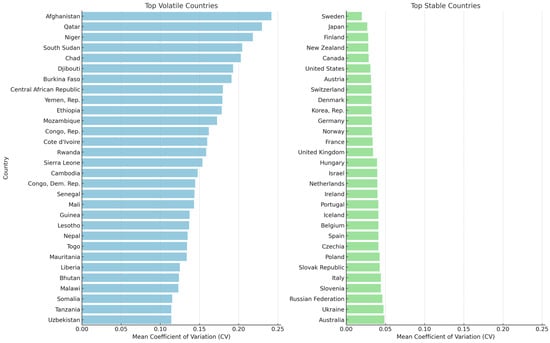
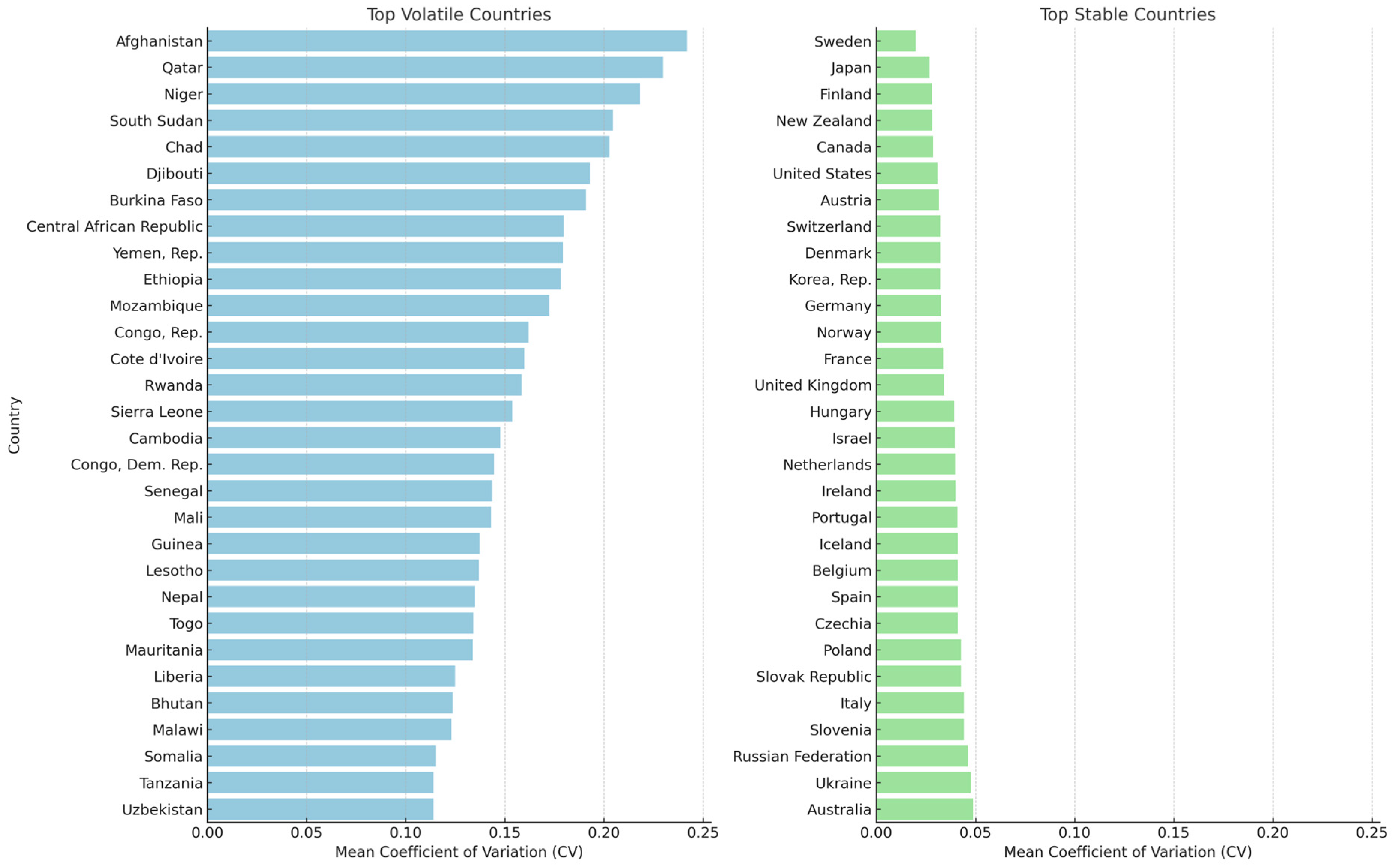
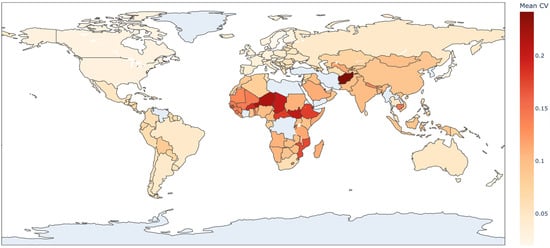
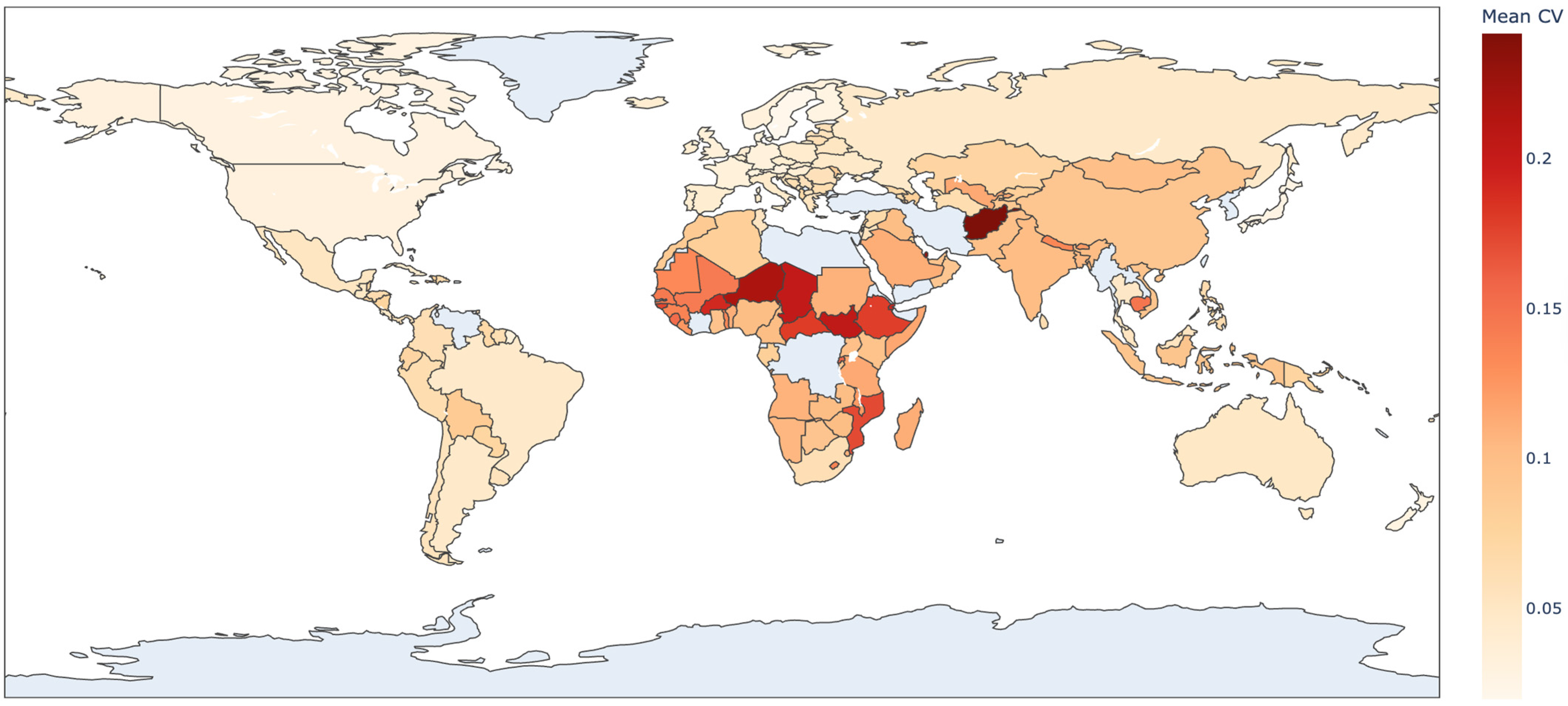
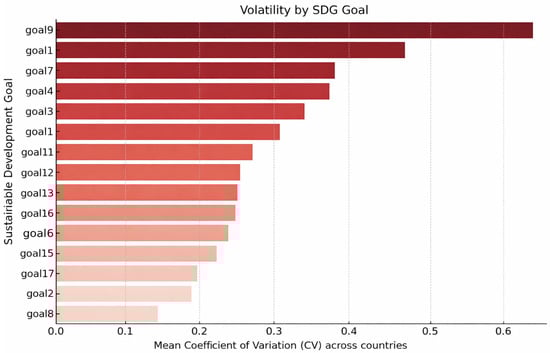
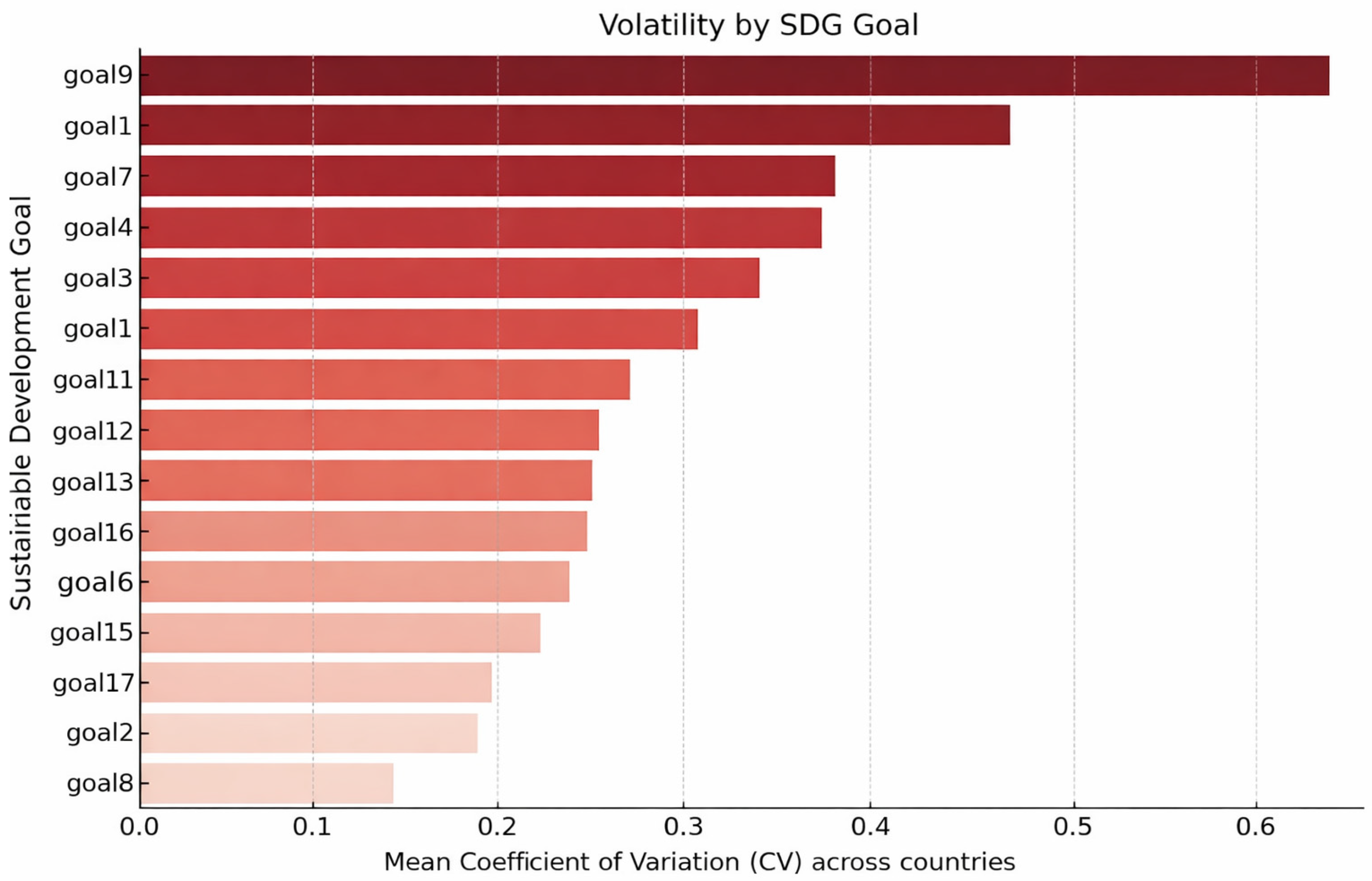
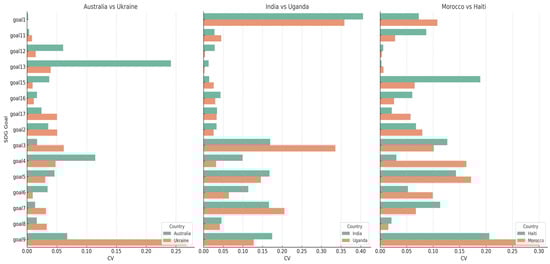
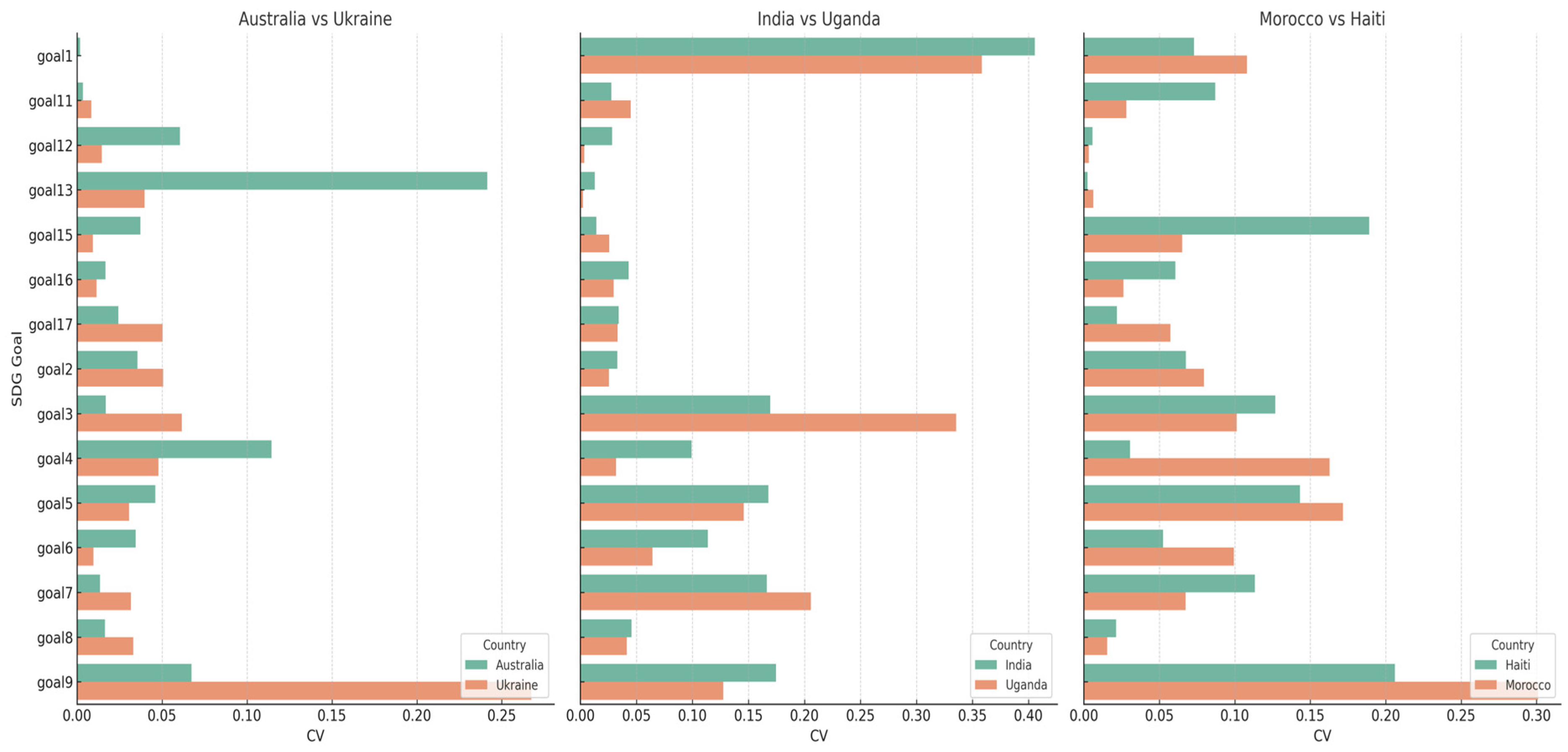
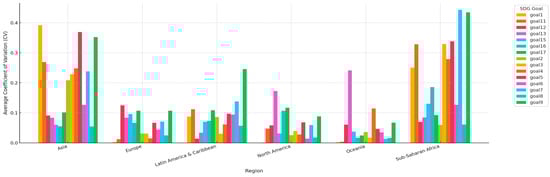
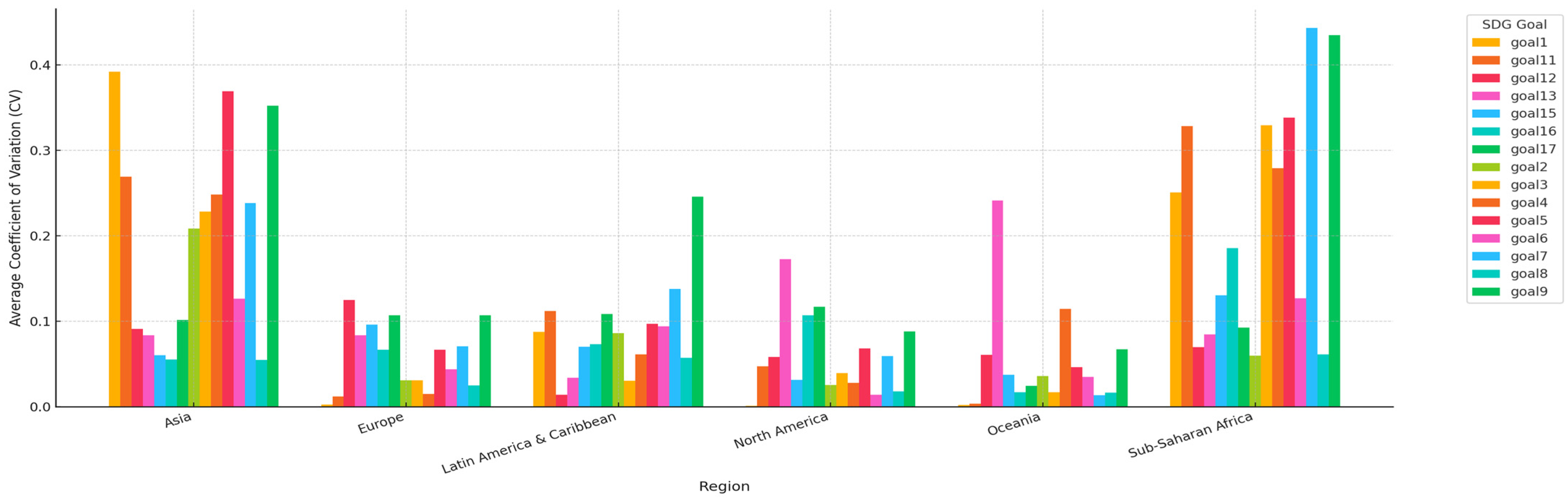
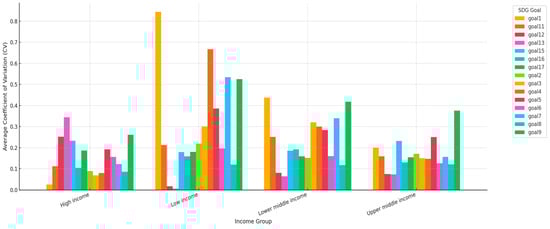
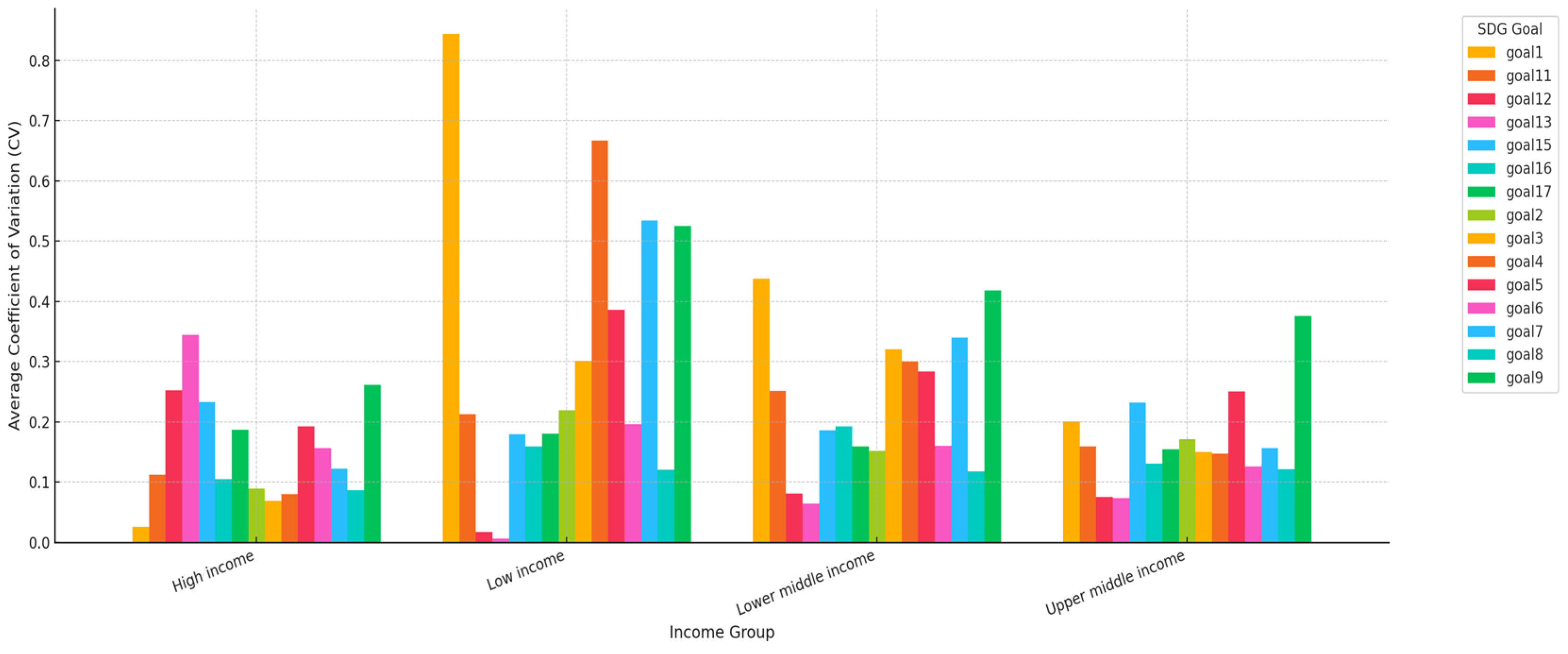
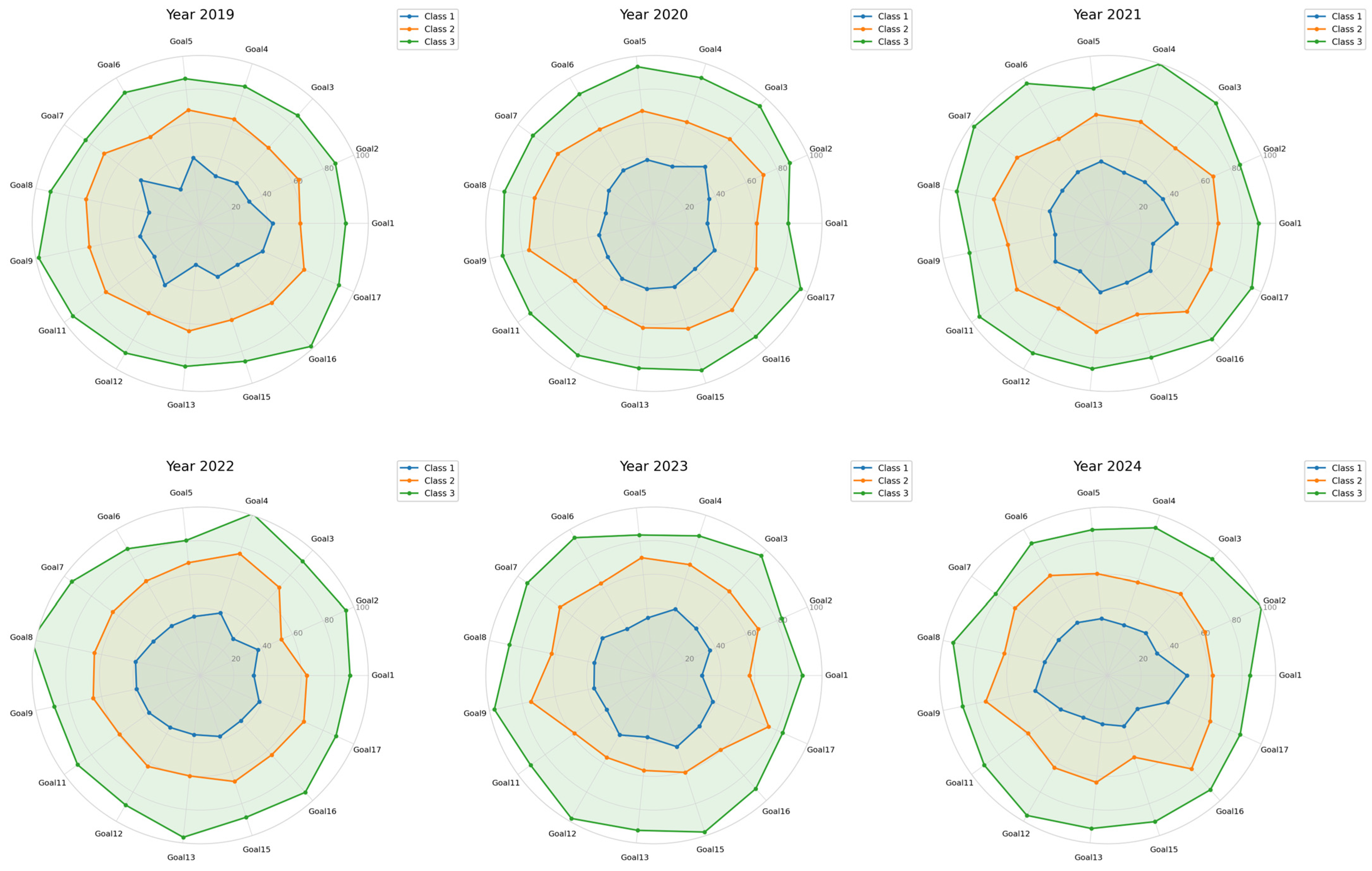
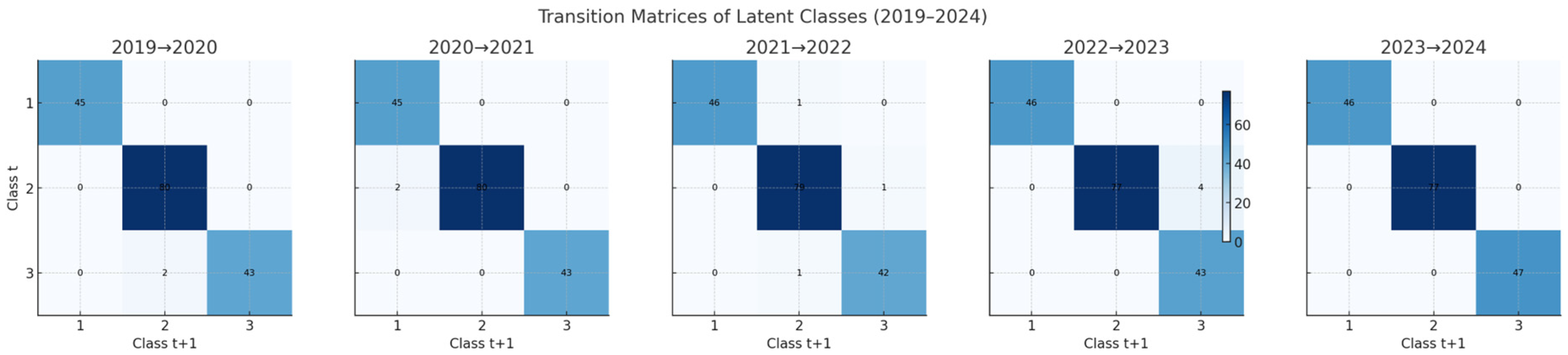
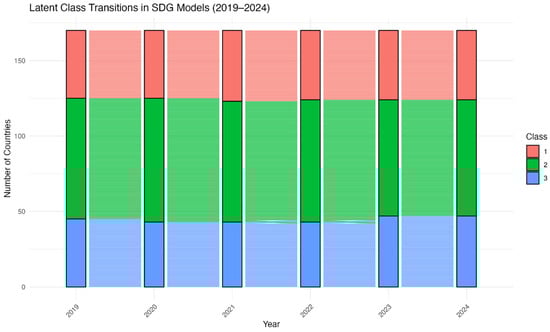
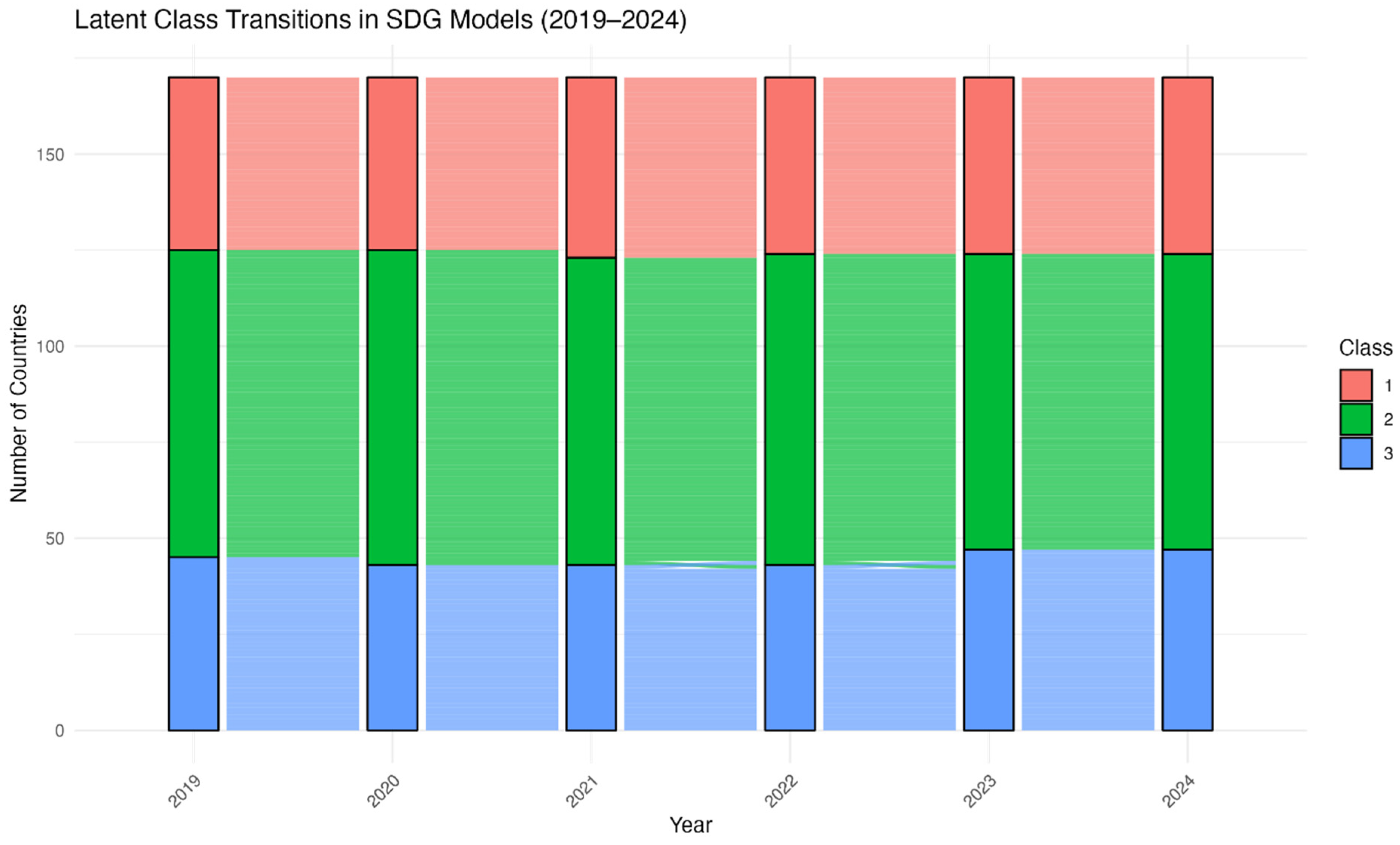

Disclaimer/Publisher’s Note: The statements, opinions and data contained in all publications are solely those of the individual author(s) and contributor(s) and not of MDPI and/or the editor(s). MDPI and/or the editor(s) disclaim responsibility for any injury to people or property resulting from any ideas, methods, instructions or products referred to in the content. |
© 2026 by the authors. Licensee MDPI, Basel, Switzerland. This article is an open access article distributed under the terms and conditions of the Creative Commons Attribution (CC BY) license.