1. Introduction
Telework, also known as telecommuting, is recognized as a key strategy to reduce the environmental footprint of companies and support broader regional sustainability policies. It refers to work performed outside the office environment, where technology enables employees to perform job duties from home or other remote locations [
1]. Telework emerged in the 1970s as a solution to reduce commuting and increase flexibility by the substation of telecommunications for physical travel [
2]. Since then, it has expanded with the advancement of information and communication technologies (ICTs) [
3]. Telework can be understood through four dimensions: space, as work conducted away from the central office [
4]; time, which refers not only to flexible scheduling and asynchronous arrangements but also to the possibility of organizing work as supplementary hours, part-time, or full-time modalities depending on organizational needs and individual agreements [
5]; ICTs, as reliance on digital infrastructures to substitute commuting [
6]; and contract issues, through organizational agreements and employment arrangements that regulate remote work [
7], making telework a multidimensional phenomenon that reshapes the organization of work in the digital era.
Telework was predominantly adopted by specific sectors and regions before the COVID-19 pandemic, with varying levels of acceptance influenced by cultural attitudes, organizational readiness, and the nature of the work involved [
8]. However, the pandemic significantly accelerated the adoption of telework across diverse industries, revealing uneven access to telework opportunities and the potential for increased inequalities, especially among workers in lower-paid or less-skilled jobs and those in regions with less developed technological infrastructure [
9,
10,
11]. An estimated of 23 million people in Latin America worked remotely during the second quarter of 2020, representing 20% to 30% of the salaried workforce [
12]. Before the pandemic, this figure was below 3%. In Europe, only 5% of the EU’s working population regularly worked from home before the pandemic, but since its onset, 37% have started working from home [
13].
In Colombia, 4192 companies had adopted telework practices in 2012, whereas by 2020 the number had increased to 17,253, representing a 500% rise in the number of teleworkers [
14]. During the COVID-19 pandemic, approximately 55% of companies reported engaging in telework; however, by 2022 this figure had declined to 19% of companies and only 5.1% of the employed population [
15]. More recent data indicate that the proportion of salaried employees working under telework arrangements has stabilized at around 6% in 2023–2024, while in the public sector, 34.6% of national-level public employees performed their duties remotely, with marked variations across sectors: 89.0% in Mining and Energy, compared to 8.8% in Defense and 7.2% in Sports [
16,
17].
In this context, telework has shifted from a necessary measure during lockdowns to a preferred arrangement for many employees, with its adoption being a multifaceted decision influenced by available resources, perceived benefits, and the transformative experience of remote work during the pandemic productivity [
3,
18,
19]. The environmental benefits of telework have become an important criterion for its adoption, particularly in urban planning, transportation, and energy management. Telework can contribute to reduce carbon emissions as it minimizes commuting and energy consumption associated with maintaining office buildings [
20]. In Beijing it was found that teleworking could reduce annual carbon emissions from transport by up to 7.05% [
21]. During the COVID-19 pandemic, Barcelona city experienced a substantial reduction in air pollution due to decreased vehicle traffic, which highlighted the potential of telework to contribute to a cleaner urban environment [
9]. A study in Canada reported that homes and offices with occupancy-adaptive technologies consume less energy and produce fewer emissions [
22]. However, teleworking could potentially increase residential energy consumption due to more extended home occupancy and the need for heating, ventilation, air conditioning, and lighting [
23]. These findings highlight the complex interplay between telework adoption and environmental impacts, suggesting that different tools and models are essential to accurately assess and predict the net environmental benefits of teleworking.
The assessment of environmental benefits of telework adoption and the most influential factors can be complex and controversial. Thus, different models are used to understand individual perceptions and attitudes towards technology adoption. The TAM is a widely accepted theoretical approach for exploring behavioral drivers in innovation adoption [
24], while the Bass Diffusion Model (BDM) offers insights into how innovations spread within a population by distinguishing between innovators, who adopt the technology early, and imitators, who follow based on others’ behavior [
25]. These models evaluate psychological and sociodemographic factors of individuals, and technology attributes related to consumer choice, with measures like “predisposition to innovate” and “intention to use” [
26,
27]. Additionally, the use of System Dynamics (SD) supports the assessment of the causes behind behavior variations over time by considering multiple factors, their interconnections, causal relationships, and dynamic complexity [
28], which is essential in environmental innovation. These models, in some cases, jointly, have been applied to address a range of adoption challenges in sustainability such as alternative transportation [
29,
30], renewable energy [
31], strategies for reduction greenhouse gas (GHG) emission [
32], conversion to green technologies [
33,
34,
35] and teleworking [
36].
Energy transition and CO
2 emissions are significant challenges achieving the sustainable transition of Latin American cities, driven by economic growth, energy consumption, and transportation systems [
37]. It has been estimated that the energy demand will increase by 80% by 2040 [
38]. On the other hand, public transport systems are deficient in most cities, meanwhile the growing middle class has driven a sharp increase in vehicle ownership, with the vehicle fleet potentially tripling in the next 25 years [
39]. In addition, key economies in the region, heavily dependent on oil, contribute substantially to GHG emissions, placing additional pressure on current resources [
40].
Telework offers an opportunity to reduce carbon footprints by cutting down on commuting. Understanding its potential contribution is especially critical in Latin America, where high urbanization rates, transportation emissions, and economic disparities are pressing. Despite the rise in telework during the pandemic in Latin America, unequal access to technology, inconsistent internet infrastructure, and economic disparities persist [
12]. Research in the region is needed to further understand critical factors and effects of the adoption of telework to enhance public policies that ensure long-term success and environmental benefits [
18]. As an influential economy in Latin America and representative of broader regional trends, Colombia is characterized by high urban growth, increasing service economy, and diverse technological and infrastructural challenges [
37,
41].
Despite the rapid expansion of telework worldwide, academic literature has rarely integrated organizational innovation theories to explain its adoption and environmental impacts, particularly in emerging economies. Most existing studies focus on developed countries, sectoral case studies, or short-term effects during the COVID-19 pandemic [
3,
6]. In Latin America, unequal access to ICT infrastructure and structural deficiencies in urban transport systems make the diffusion of telework a more complex phenomenon [
38,
40]. Furthermore, the application of the Technology Acceptance Model (TAM) has traditionally emphasized individual-level determinants of technology use [
24,
42], while the Bass Diffusion Model (BDM) has explained the aggregate diffusion of innovations [
25,
31]. System Dynamics (SD) complements both by representing interactions among variables, flows and feedback structure that shape the adoption process. However, their combined use to analyze telework adoption at the organizational level, and its links with environmental outcomes, remains limited [
36,
43,
44]. Building on this gap, we hypothesize that internal factors like managerial perceptions and organizational conditions slow the diffusion and adoption rates of telework in Colombia, thus reducing its potential environmental benefits regarding transport-related emissions and energy consumption compared to global expectations. The objective of this research was to examine the relationship between telework adoption in organizations and its impact on the transport related CO
2 emissions and energy demand in Colombia by using system dynamics simulation based on TAM and generalized BDM.
4. Practical Implications
The use of System Dynamics models in studying teleworking adoption remains limited, with notable exceptions addressing its impact on transportation systems [
69,
100,
101]. This research advances these efforts by applying the Bass Diffusion Model to analyze teleworking adoption as a dynamic organizational innovation [
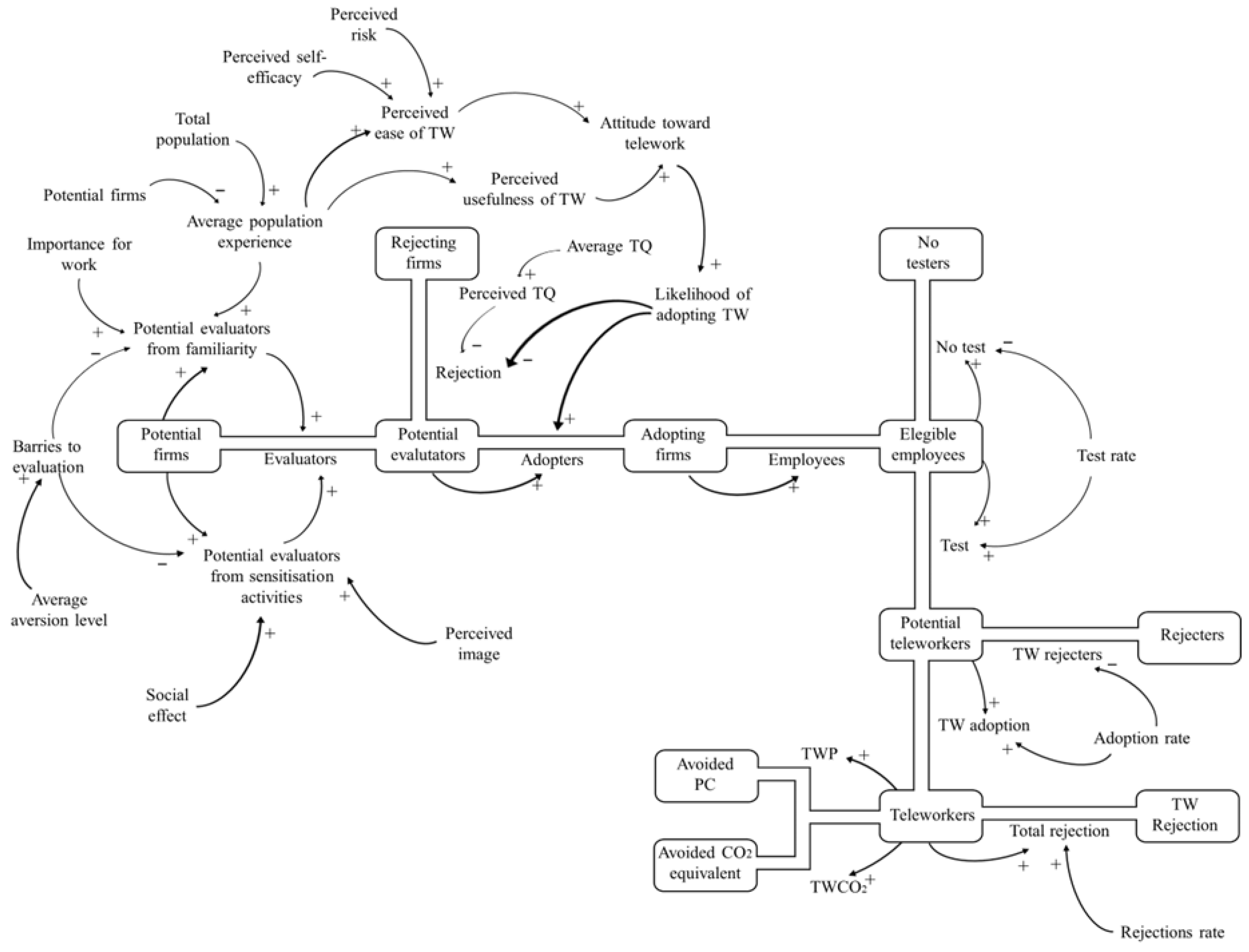
59]. The proposed model integrates managerial perspectives, focusing on variables such as perceived utility, ease of use, and managerial attitudes, while accounting for intrinsic factors like perceived risks and management control. This approach enables a detailed examination of adoption outcomes over time, offering insights into cause-effect relationships within organizations [
45].
The model’s structure emphasizes the role of individual managerial decisions in driving telework adoption. Decisions to evaluate teleworking often hinge on managerial perceptions of its benefits and challenges, highlighting the importance of fostering positive attitudes through organizational support and resources [
28,
85]. Positive experiences, bolstered by continuous training and access to high-quality collaboration tools, enhance perceptions of teleworking’s value. These improvements mitigate concerns about team performance and control, fostering broader acceptance among managers and employees.
Flexibility in policies further supports teleworking adoption by allowing employees to tailor their work arrangements to their needs, such as part-time telework options. Clear and consistent policies that emphasize work–life balance can increase adoption rates while demonstrating tangible benefits for employees’ quality of life. Managers’ commitment to these strategies is critical to their success [
102]. Regular feedback loops can identify challenges and opportunities for improvement, ensuring policies remain adaptive to changing organizational needs [
103]. This iterative process supports the continuous improvement of telework strategies, helping organizations and policymakers fine-tune policies to optimize outcomes.
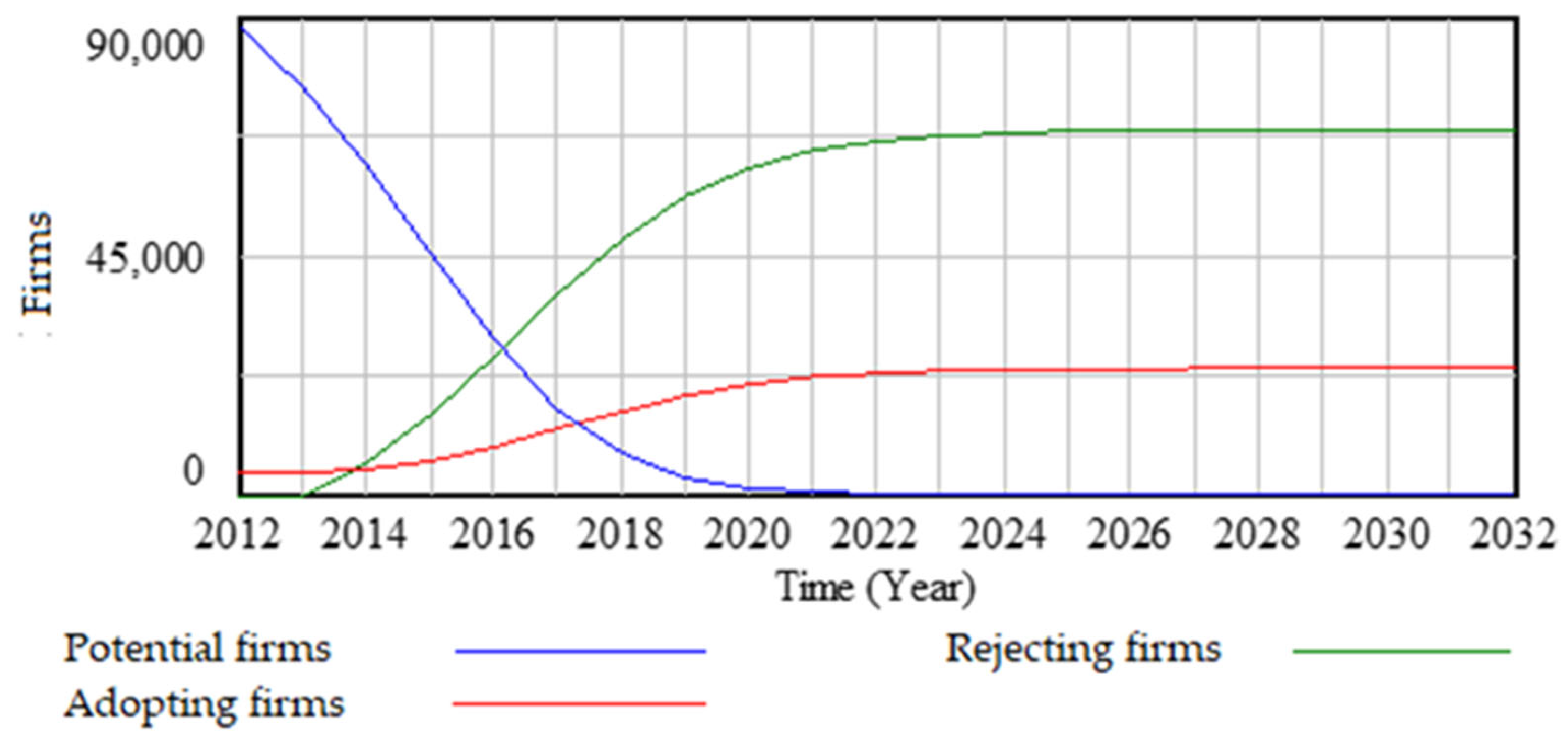
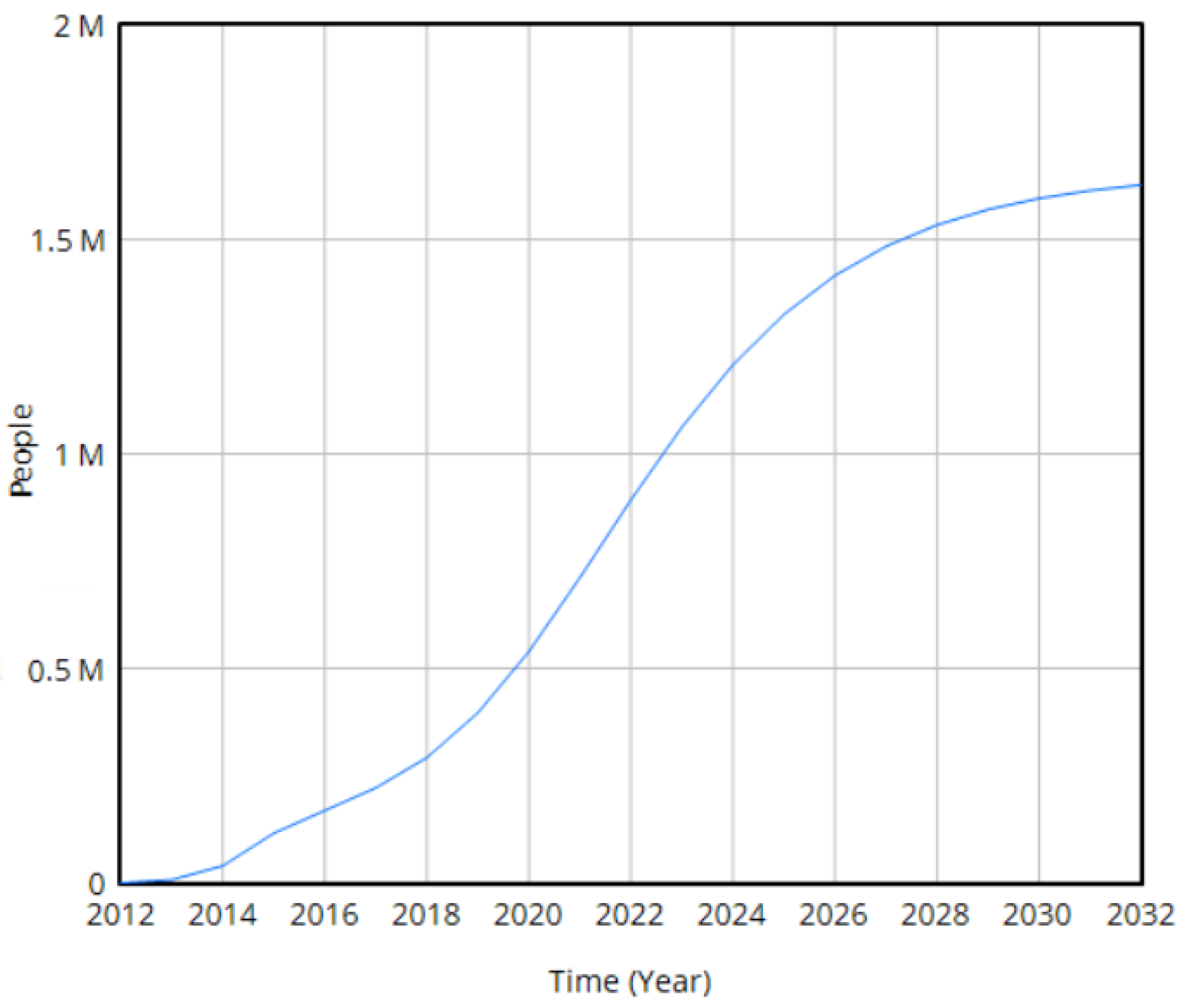
The SD model’s findings indicate that teleworking adoption rates in Colombia remain low due to current practices and limited organizational support. However, the model demonstrates its potential as a tool for predicting adoption dynamics and identifying barriers to implementation. By simulating long-term effects, SD models enable managers and policymakers to develop informed strategies that optimize teleworking benefits, such as reducing commuting-related emissions and enhancing organizational sustainability applications of this model should incorporate granular organizational data to enhance accuracy and applicability [
104]. As telework evolves, SD models can serve as critical tools for scenario planning and decision-making. Policymakers and managers can leverage these models to simulate the impacts of interventions, guiding the development of effective telework policies that align with broader sustainability goals. Finally, the SD model not only aids in understanding the dynamics of teleworking adoption but also serves as a framework for developing policies that address key challenges. By focusing on high-potential sectors and leveraging positive managerial perceptions, telework adoption can be effectively scaled in Colombia, particularly in cities like Bogotá and Medellín, where its benefits are most pronounced [
22,
83]. These efforts must be complemented by targeted incentives, infrastructure improvements, and continuous feedback to ensure sustainable and equitable outcomes.
Telework has consolidated as a form of labor organization in several Latin American countries generating significant impacts on both organizational productivity and workers’ quality of life, as well as on management policies. Regional studies show positive effects on productivity, especially when companies and employees already have digital readiness, goals, and defined metrics [
105]. However, they also reveal persistent obstacles related to technological infrastructure, socioeconomic inequalities, and the absence of clear regulation. To ensure that the adoption of telework takes place in a sustainable and inclusive manner, it is necessary to formulate guidelines that guarantee labor rights, establish clear parameters for working hours, compensation for equipment and energy costs, and personal data protection, as defined in Brazilian legislation, Law No. 14.442/2022 [
106]. Furthermore, it is imperative to implement digital inclusion measures that expand access to technological infrastructure and professional training, to reduce territorial and gender gaps [
11]. Policies aimed at health and occupational well-being are also required, considering ergonomics, the prevention of psychosocial risks, and the guarantee of the right to disconnect, in order to preserve boundaries between personal and professional life.
Several challenges have been identified in Colombia’s telework ecosystem, such as limited organizational culture change, uneven sectoral adoption, and gaps in energy efficiency practices, which could be addressed with strategies from the present study and aligned with the Sustainable Development Goals (SDGs). First, municipal governments should complement telework promotion with incentives for companies to implement formal telework policies (ODS 8: Decent Work and Economic Growth) and invest in digital infrastructure that ensures equitable access across territories (ODS 9: Industry, Innovation, and Infrastructure). Second, targeted subsidies or tax credits could encourage households to adopt energy-efficient appliances and ICT equipment, mitigating rebound effects from residential energy use (ODS 7: Affordable and Clean Energy, ODS 13: Climate Action). Third, companies should integrate telework into their sustainability strategies by monitoring productivity, mobility savings, and carbon footprint indicators, aligned with national decarbonization goals (ODS 11: Sustainable Cities and Communities, ODS 12: Responsible Consumption and Production).
5. Limitations and Future Research
This study presents certain limitations that provide valuable opportunities for future research. First, while it models telework adoption at the organizational level using government data on telework penetration rates, it does not address the internal adoption process within organizations or the individual-level variables influencing telework uptake. Future studies could delve deeper into how individual employees adopt telework when their job roles permit remote work, focusing on psychological and contextual factors influencing their decisions. Second, the environmental impacts of telework on energy consumption were analyzed at an aggregate level, emphasizing reductions in transport-related CO
2 emissions. However, future research could investigate the redistribution of energy demand, such as the decreased energy use in offices and the corresponding increase in residential energy consumption. Understanding these shifts could reveal critical pivot points for maximizing energy efficiency and minimizing carbon footprints in both organizational and residential contexts. System Dynamics models inherently aggregate individual behaviors, treating them as a collective. While this approach effectively captures dynamic complexity, it overlooks individual differences. Segregating individuals and organizations based on sociodemographic or operational characteristics could refine the model’s predictive accuracy. For instance, agent-based modeling could complement SD models to explore individual behaviors, interactions, and the voluntariness of telework adoption, which remains understudied [
57]. Lastly, the frequency and intensity of telework significantly influence its sustainability benefits. Full-time teleworkers generate more pronounced environmental and organizational benefits than part-time teleworkers due to reduced commuting and office resource usage [
36]. Future research should account for these variations to better inform policies promoting telework as a sustainable practice.
The joint application of TAM and BDM to analyze organizational telework adoption in emerging economies remains scarce, despite their extensive individual use in innovation studies. At the same time, this limitation provides a clear pathway for future research: individual-level analyses could build on TAM to explore psychological and contextual factors driving employee telework adoption, while diffusion-based approaches could be extended to examine heterogeneity in adoption across sectors, firm sizes, or sociodemographic groups. Moreover, future studies could combine System Dynamics and agent-based modeling to overcome aggregation biases, capturing both organizational-level dynamics and individual decision-making processes. This line of inquiry would enhance predictive accuracy and generate insights into the frequency, intensity, and sustainability impacts of telework adoption, particularly in contexts where cultural, institutional, and infrastructural factors play a decisive role.
A relevant extension of our study is to incorporate the concept of home energy rebound in order to better estimate the net energy impacts of telework. In practice, household energy use during teleworking days does not mirror office energy demand but reflects a set of behavioral adjustments. For instance, in Colombia many households rely on small electric water heaters for bathing, but survey evidence suggests that on teleworking days some individuals reduce bathing frequency, which may lower energy demand, similarly, ironing and laundry loads can decrease due to reduced social requirements for formal clothing. At the same time, other categories of household energy consumption increase. Cooking shifts from company canteens or restaurants, where food preparation benefits from economies of scale, to individual households, raising per capita energy intensity in meal preparation [
101,
107,
108].
Additional rebound mechanisms emerge in services such as lighting, internet, and ICTs use, which are distributed among many employees in centralized offices but concentrated at the individual household level when working from home, while some high-income households may experience increases in air-conditioning or heating, most Colombian households lack such appliances, meaning that telework does not systematically raise HVAC demand. Thus, the balance of these effects can yield both reductions (e.g., less laundry or ironing) and increment (e.g., more cooking or ICTs use) in home energy demand. In future research, our system dynamics model could be extended to include such direct rebound effects, providing policymakers with more realistic estimates of the net energy and CO
2 impacts of telework [
109,
110,
111].
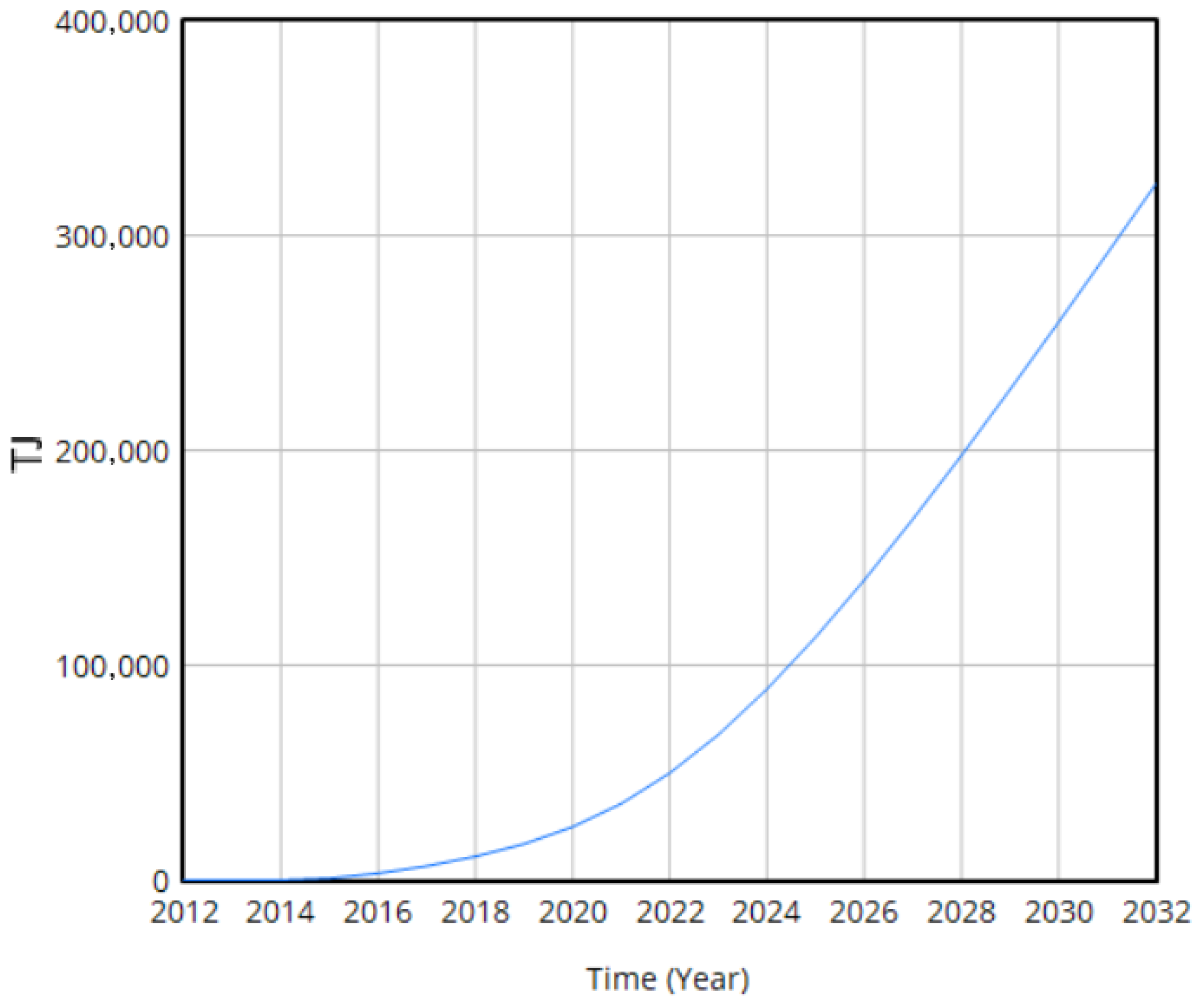
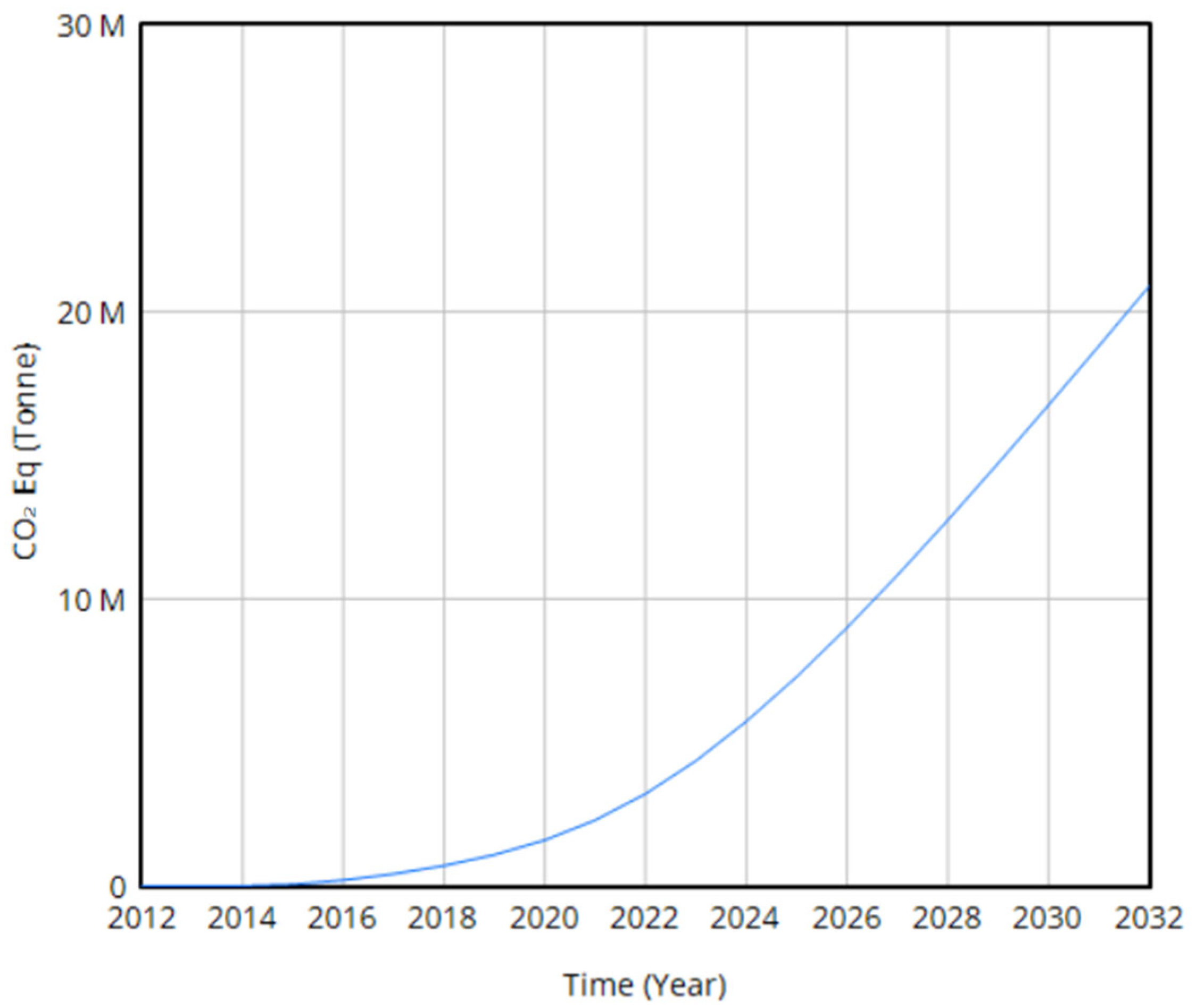
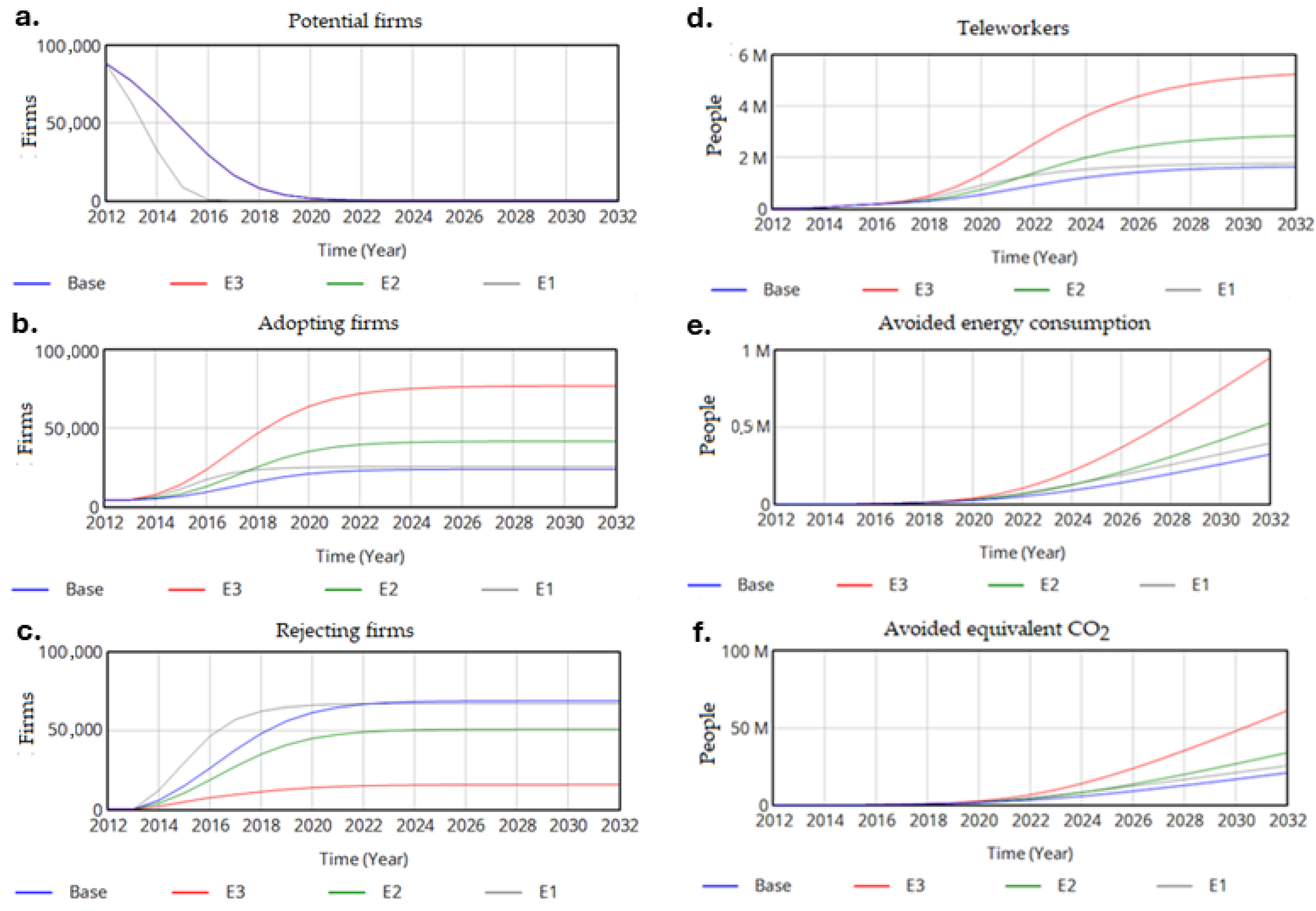
Consistent with accessibility-modeling guidance, the scenarios are designed to probe parameter sensitivity and the possibility of threshold behavior, recognizing that marginal increases in adoption rates can propagate through feedbacks to yield disproportionate changes in avoided energy consumption and transport-related CO
2, future work could incorporate formal sensitivity analysis and threshold testing for adoption-rate and impact coefficients to assess robustness of environmental outcomes [
112,
113]. A key limitation of the calibration process is that only five data points were available from national telework penetration surveys conducted prior to the COVID-19 pandemic (2012, 2014, 2016, 2018, and 2020) [
46] and a study on transport related CO
2 emissions and power consumption. While these observations provided a valuable basis to anchor the adoption trajectory, the scarcity of data restricts the precision of parameter estimation and a more detailed validation of the model. As a result, the calibrated figures should be interpreted as indicative estimates within a range of uncertainty rather than exact predictions. The contribution of this study is to propose and test a modeling structure that can be progressively updated and validated as new real-world data become available. Further calibration can be achieved with a new national telework survey and firm/employee datasets that quantify both the reduction in office energy use and the potential increase in household consumption. This will require an SD adjustment, building on
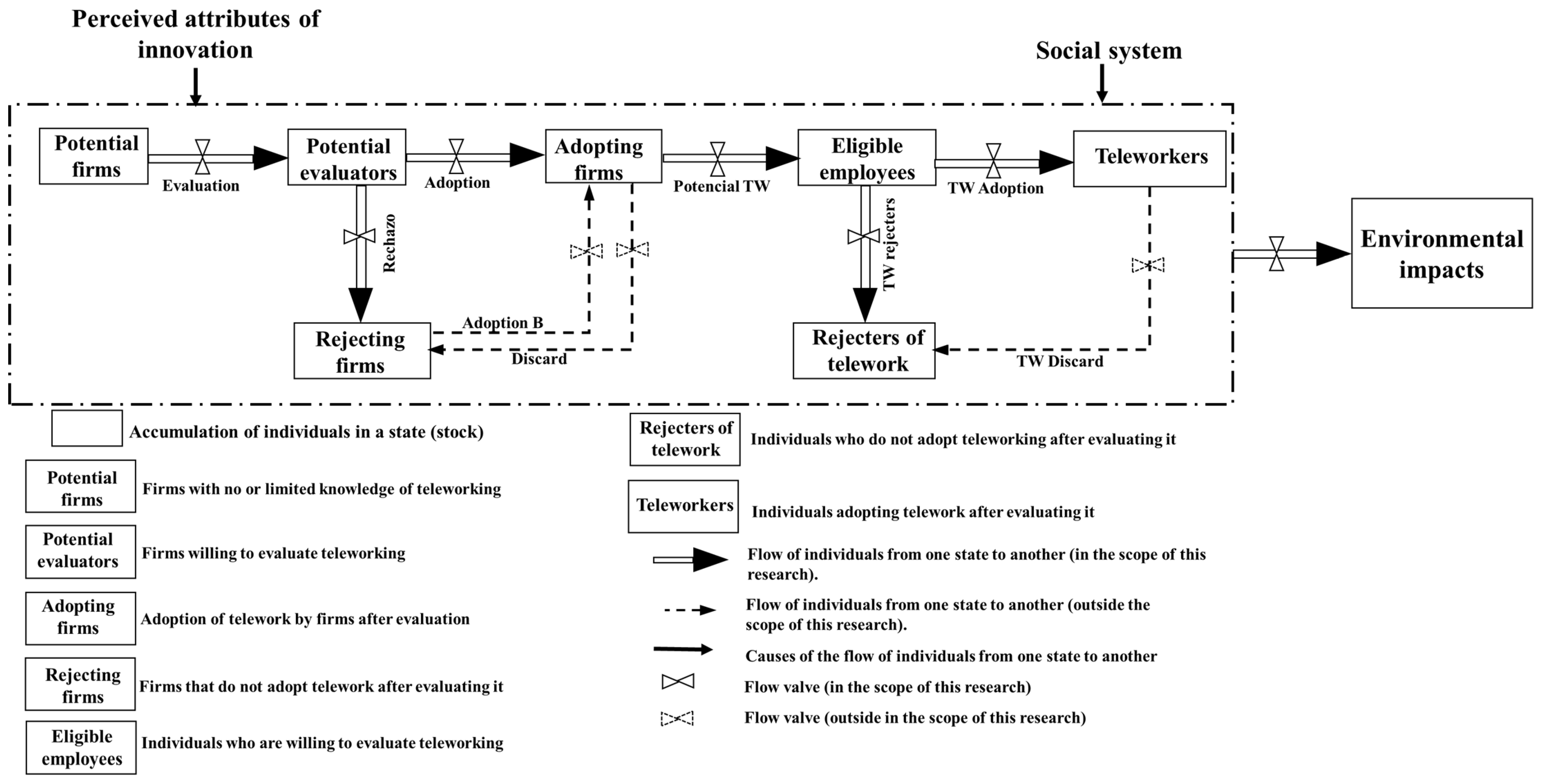
Figure 2, to include a household-energy stock linked to the number of teleworkers and to incorporate this term into the net energy-savings calculation. With these extensions, the model will support predictive assessment, formal sensitivity analysis, and renewed scenario projections of adoption and environmental impacts. In future work, we recommend the establishment of a telework observatory in Colombia that systematically collects firm-level and household-level information. For applications in other countries, we recommend collecting comparable household datasets and recalibrating parameters to local behavioral patterns and energy mixes before drawing policy conclusions.




 ,
,