Article

Mechanistic Evaluation of Surfactant-Enhanced Oil Mobility in Tight Conglomerate Reservoirs: A Case Study of Mahu Oilfield, NW China

1
National Key Laboratory of Petroleum Resources and Engineering, China University of Petroleum, Beijing 102249, China
2
China National Petroleum Corp Xinjiang Oil Field, Research Institute of Petroleum Exploration and Development, Karamay 834000, China
3
Unconventional Petroleum Research Institute, China University of Petroleum, Beijing 102249, China
4
China National Petroleum Corp Xinjiang Oil Field, Karamay 834000, China
5
CNPC Kunlun Manufacturing Company Limited, BaoDing 070001, China
*
Authors to whom correspondence should be addressed.
Fuels 2025, 6(4), 93; https://doi.org/10.3390/fuels6040093
Submission received: 22 August 2025 / Revised: 27 November 2025 / Accepted: 8 December 2025 / Published: 12 December 2025

Abstract

To address the challenges of strong heterogeneity and poor crude oil mobility in tight conglomerate reservoirs of the Mahu Oilfield, this study systematically evaluated the effects of different surfactants on wettability alteration, spontaneous imbibition, and relative permeability through high-temperature/high-pressure spontaneous imbibition experiments, online Nuclear Magnetic Resonance (NMR) monitoring, and relative permeability measurements. Core samples from the Jinlong and Madong areas (porosity: 5.98–17.55%; permeability: 0.005–0.148 mD) were characterized alongside X-Ray Diffraction (XRD) data (clay mineral content: 22–35.7%) to compare the performance of anionic, cationic, nonionic, and biosurfactants. The results indicated that the nonionic surfactant AEO-2 (Fatty Alcohol Polyoxyethylene Ether) (0.2% concentration) at 80 °C exhibited optimal performance, achieving the following results: 1. a reduction in wettability contact angles by 80–90° (transitioning from oil-wet to water-wet); 2. a decrease in interfacial tension to 0.64 mN/m; 3. an imbibition recovery rate of 40.14%—5 to 10 percentage points higher than conventional fracturing fluids. NMR data revealed that nanopores (<50 nm) contributed 75.36% of the total recovery, serving as the primary channels for oil mobilization. Relative permeability tests confirmed that AEO-2 reduced residual oil saturation by 6.21–6.38%, significantly improving fluid flow in highly heterogeneous reservoirs. Mechanistic analysis highlighted that the synergy between wettability reversal and interfacial tension reduction was the key driver of recovery enhancement. This study provides a theoretical foundation and practical solutions for the efficient development of tight conglomerate reservoirs.

1. Introduction

With growing global energy demands and the gradual depletion of conventional hydrocarbon resources, low-permeability (tight) reservoirs have become increasingly critical in energy supply [1,2]. In the Mahu Sag, recent exploration has identified proven reserves of 183 million tons within the low-permeability conglomerate formations of the Baikouquan and Urho Formations [3]. However, the complex pore-throat structures and strong heterogeneity characteristic of these conglomerates [4] lead to challenging fluid flow dynamics and exceptionally low natural well productivity [5]. Although horizontal drilling and volumetric fracturing can enhance initial production rates, rapid production decline and low ultimate recovery remain persistent issues—primarily due to poor oil mobility in tight pore networks [6]. Consequently, there is an urgent need to investigate pore-scale oil mobilization mechanisms and develop effective enhancement methods for low-permeability conglomerate reservoirs.
Studies on the Oil mobilization mechanisms in micro-nano pore networks of conglomerate reservoirs in the micro-nano pores have focused on key controlling factors, including wettability alteration, spontaneous imbibition, gas injection, and flooding efficiency. Tian et al. [7] demonstrated that only oil in pores connected to throats > 0.3 μm in radius could be partially mobilized. Bai et al. [8] experimentally demonstrated that the injection of 0.1 wt% alcohol ethoxylate (AEO) surfactant significantly enhanced oil recovery in the tight sandstone reservoirs of the Chang 8 Formation, Ordos Basin. Mechanistic analysis revealed that wettability alteration induced by the surfactant optimized oil-water relative permeability curves, establishing this as the dominant enhanced oil recovery (EOR) mechanism. The diffusion stage is crucial for promoting recovery. Based on the grey relation analysis, Xiao et al. [9] identified macropore connectivity and gravel distribution as the dominant controls on spontaneous imbibition in tight conglomerate. Tan et al. [10] found that Imbibition replacement primarily targets small pores and investigated the pore structure and movable fluid characteristics of conglomerate reservoirs. The results show that the movable fluid saturation of intergranular pores is the highest (average: 65.43%). However, currently there is still a lack of economically viable methods to efficiently utilize tight sandstone reservoirs.
The application of surfactants has been recognized as a cost-effective approach to enhance imbibition efficiency and oil recovery in tight reservoirs. Zhang et al. [11] found that spontaneous imbibition serves as a crucial mechanism for enhancing oil recovery during shut-in periods in fractured tight reservoirs. The spontaneous imbibition recovery rate represents a key indicator for evaluating the effectiveness of surfactants in improving crude oil mobility. Zeng et al. [12] verified that surfactant huff-and-puff technology can effectively improve oil recovery in tight and ultra-tight reservoirs, attributing this enhancement to the near-miscibility effect of emulsification, which promotes microemulsion formation under low interfacial tension conditions. Wang et al. [13] investigated the crude oil stripping mechanism of surfactant systems on sandy conglomerate surfaces with varying mineral grain sizes. Their results indicated that when surfactants exhibit higher mineral affinity, they enhance competitive adsorption and subsequent crude oil stripping. Qu et al. [14] demonstrated that the anionic surfactant KPS outperforms produced water (PW) in low-permeability conglomerate cores from the Lower Urho Formation, showing superior capabilities in interfacial tension reduction (achieving 49.02% oil recovery, 8.49% higher than PW), wettability alteration, and oil emulsification. Gao et al. [15] observed that surfactant flooding significantly mobilizes columnar and multi-porous oil through low interfacial tension effects, outperforming conventional polymer flooding. Yan et al. [16] further confirmed that nonionic surfactant delivers optimal overall performance in conglomerate core tests, exhibiting exceptionally higher recovery rates compared to other types of surfactants. Zhu et al. [17] examined the oil imbibition mechanism of a black nanosheet (BN)-low salinity water (LSW) composite system in Mahu Oilfield’s tight reservoirs, revealing that the BN-LSW system achieves faster imbibition rates and better performance compared to individual components. Despite these advancements, the fundamental mechanisms governing surfactant performance under actual conglomerate reservoir conditions remain insufficiently characterized, and standardized selection criteria are yet to be established.
This study proposes an integrated reservoir engineering methodology to improve oil recovery in tight conglomerate reservoirs of the Mahu oilfield through surfactant-induced wettability alteration and displacement enhancement. Using core samples from the Jinlong-2 and Madong-2 wells (average porosity: 11.93%; permeability range: 0.029–0.068 mD), we systematically evaluated interfacial property modification and oil displacement performance of five surfactant classes in complex pore networks. Under simulated reservoir conditions (80 °C, 30 MPa), nuclear magnetic resonance (NMR) and relative permeability measurements were conducted to quantify oil recovery efficiency and residual oil saturation for each surfactant type, with comparative analysis against conventional fracturing fluids. Pore-scale mechanistic analysis revealed crude oil mobilization patterns in micro-nano pore systems and identified potential enhancement approaches. The results establish operational criteria for optimizing surfactant selection in fracturing-assisted imbibition applications for clay-rich conglomerate reservoirs (illite/smectite content: 22–35.7%).

2. Experimental Materials and Methods

2.1. Experimental Materials

2.1.1. Core Samples and X-Ray Diffraction Analysis

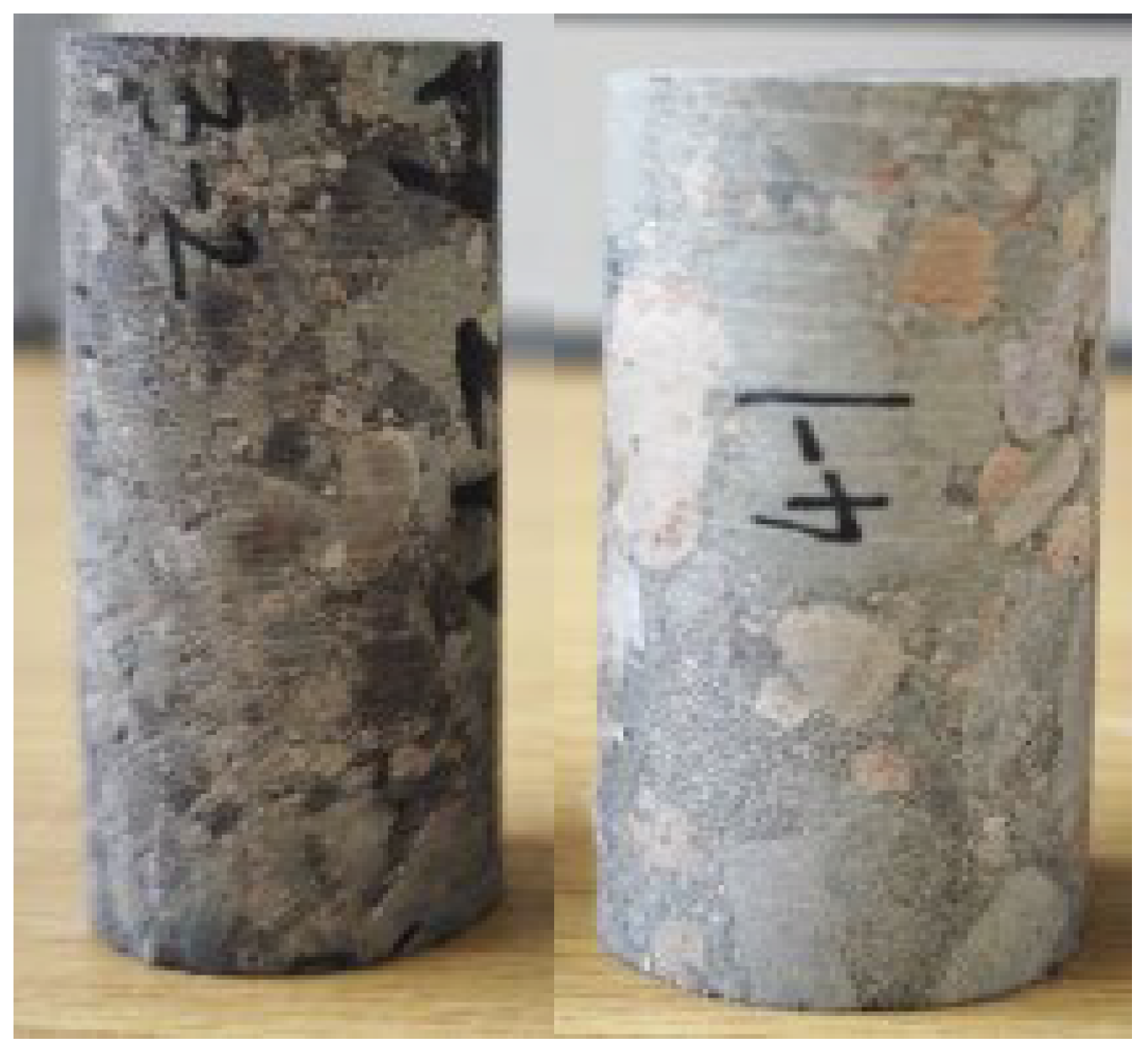
The experimental core samples were collected from the Jinlong-2 and Madong-2 production zones in Xinjiang Oilfield (Figure 1). Core analysis revealed that the Jinlong-2 samples exhibit porosity values ranging from 9.05% to 14.98% (average: 11.93%) and permeability between 0.024 mD and 0.098 mD (average: 0.068 mD) (Table 1). Petrographic characterization identified these as tight quartz conglomerates with no detectable natural fractures, containing 25–27% clay minerals dominated by chlorite (Table 2 and Table 3) with subordinate illite/smectite mixed-layer clays [18]. Similarly, the Madong-2 cores showed porosity variations from 5.99% to 17.55% (average: 10.67%) and permeability spanning 0.005–0.148 mD (average: 0.029 mD) (Table 1). These tight conglomerate specimens also displayed fracture-free quartz-dominated lithology with elevated clay content (22–35.7%) (Table 2 and Table 3), principally comprising chlorite and illite/smectite mixed-layer minerals [19].

2.1.2. Crude Oil and Formation Water Analysis

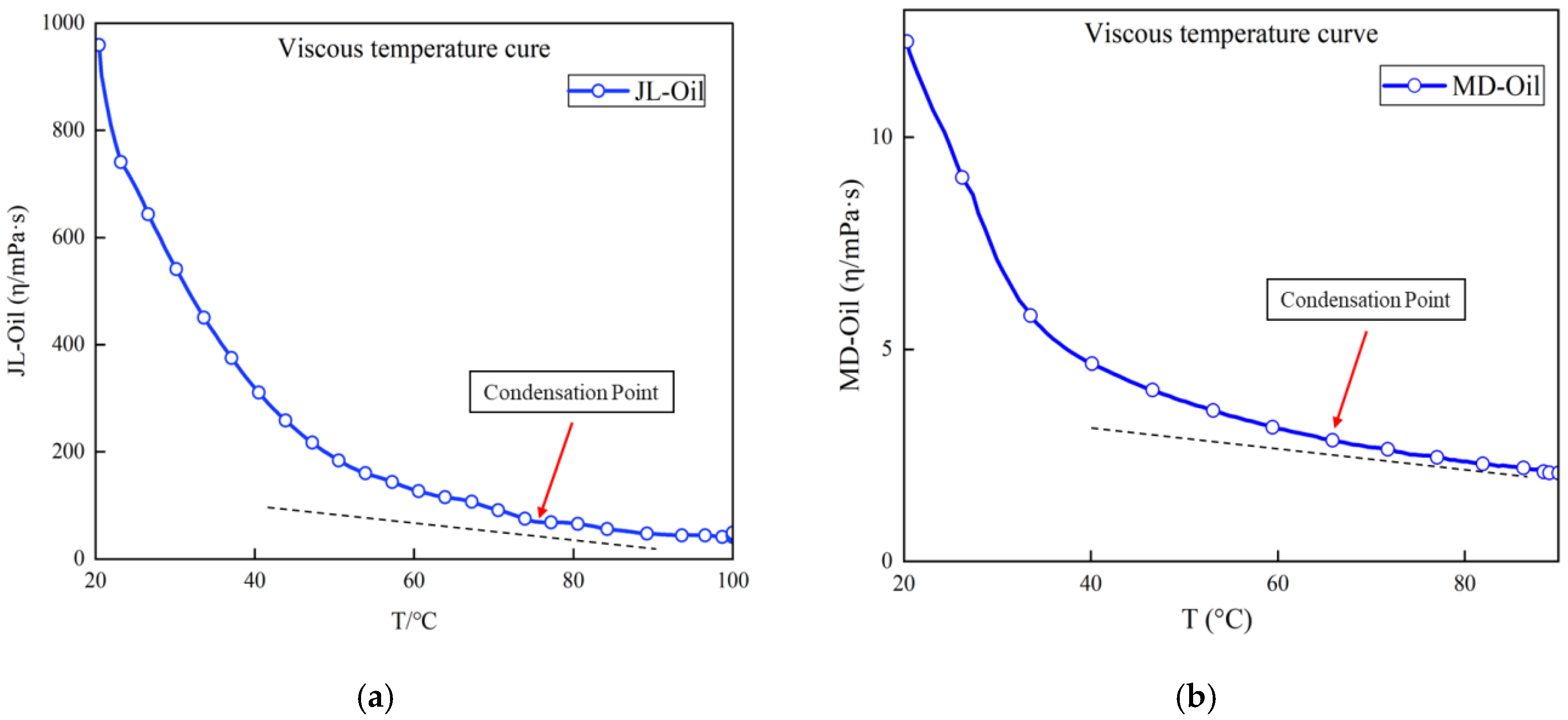
The crude oil and formation water samples were obtained from the field and subsequently filtered for experimental use. Viscosity measurements at 20 °C showed significant differences between the two reservoirs: Jinlong crude oil exhibited a viscosity of 986 mPa·s (Figure 2a), while Madong crude oil measured 12.28 mPa·s (Figure 2b). To accurately replicate reservoir conditions (80 °C), the native crude oils were diluted with kerosene at specified ratios. The viscosity of the simulated Jinlong crude oil (crude oil to kerosene ratio = 7:2) was adjusted to 40 mPa·s, and the Madong simulated crude oil (ratio = 3:2) achieved 2.4 mPa·s viscosity, both demonstrating favorable flow characteristics. Formation water analysis identified CaCl2-type brine with total dissolved solids (TDS) of 11,693.6 mg/L in Jinlong and 17,288 mg/L in Madong.

2.1.3. Surfactants

To identify optimal imbibition agents for tight conglomerate reservoirs, five surfactant categories were systematically evaluated: (1) anionic surfactants, sodium dodecylbenzene sulfonate (SDBS) and nanoemulsion CND; (2) nonionic surfactants, fatty alcohol polyoxyethylene ethers (AEO-1 and AEO-2); (3) cationic surfactant, cetyltrimethylammonium chloride (CTAC); and (4) biosurfactant, sophorolipid (SPL). The selection of surfactant types and concentrations was primarily based on our previous research [20] and recommendations from the literature [21].

2.1.4. Fracturing Fluid Formulation in Use

The standard fracturing fluid formulation employed in Xinjiang Oilfield consists of the following components (by weight): 0.38–0.42% guar gum as the gelling agent, 0.5% flowback additive, 4% KCl as clay stabilizer, 0.3% demulsifier, 0.01–0.015% pH regulator, 0.25–0.35% borate-based crosslinker, and 0.01% oxidative breaker.

2.2. Experimental Methods

2.2.1. Wettability Contact Angle and Interfacial Tension Experiments

The effectiveness of surfactants was evaluated based on their capacity for wettability alteration and interfacial tension reduction. The optimal surfactant was selected according to its performance in both wettability modification (contact angle measurement) and interfacial tension minimization. For contact angle measurements, core samples were partially immersed in deionized water within a transparent container, while crude oil was introduced at the bottom interface using a microsyringe. The oil phase migrated upward due to density differences, establishing contact with the core surface. Contact angles were quantified using a JY-PHb goniometer. Interfacial tension measurements were conducted with a BZY-2 automatic tensiometer employing the platinum ring method. The measurement procedure involved: (I) immersing the platinum ring 5 mm into the liquid phase, (II) gradually lowering the stage until rupture of the interfacial film occurred, and (III) recording the maximum tension value.

2.2.2. Imbibition Experiments and Nuclear Magnetic Resonance (NMR) Experiments

Spontaneous imbibition has been recognized as a crucial mechanism for enhancing oil recovery in tight reservoirs. Nuclear magnetic resonance (NMR) measurements with reduced echo time (TE) can effectively characterize all interconnected pore spaces [22]. The imbibition recovery efficiency is quantified through the variation in NMR T2 spectrum integral area before and after imbibition, calculated using Equation (1):
B = S 0 S I S 0 × 100 %
where
  • B = imbibition recovery efficiency (%)
  • S0 = initial NMR T2 spectrum integral area after crude oil saturation
  • Si = NMR T2 spectrum integral area at imbibition time
Tight conglomerate core samples (2.5 cm in diameter × 5 cm in length) from Xinjiang Oilfield were prepared through sequential cleaning and drying processes before being loaded into a high-temperature/high-pressure (HT/HP) aging chamber. Under simulated reservoir conditions (80 °C, 30 MPa), the cores were completely saturated via 14-day immersion in synthetic crude oil. Given the substantial clay content (primarily chlorite and illite/smectite mixed-layer minerals) that induces water sensitivity effects—including particle migration, swelling, and matrix destabilization [23,24]. A 2 wt% KCl brine solution was employed as clay stabilizer. The saturation profile and imbibition dynamics were monitored using a MacroMR12-150H-I NMR spectrometer (Suzhou Niumag Analytical Instrument Corporation, Jangsu, China), with T2 distribution measurements recorded post-aging and at designated imbibition intervals [25]. All experiments were conducted in triplicate with averaged results reported. Key variables including surfactant type, temperature (80 ± 0.5 °C), and pressure (30 ± 0.2 MPa) were rigorously controlled to evaluate their impacts on spontaneous imbibition efficiency.

2.2.3. Relative Permeability and Oil Recovery Tests

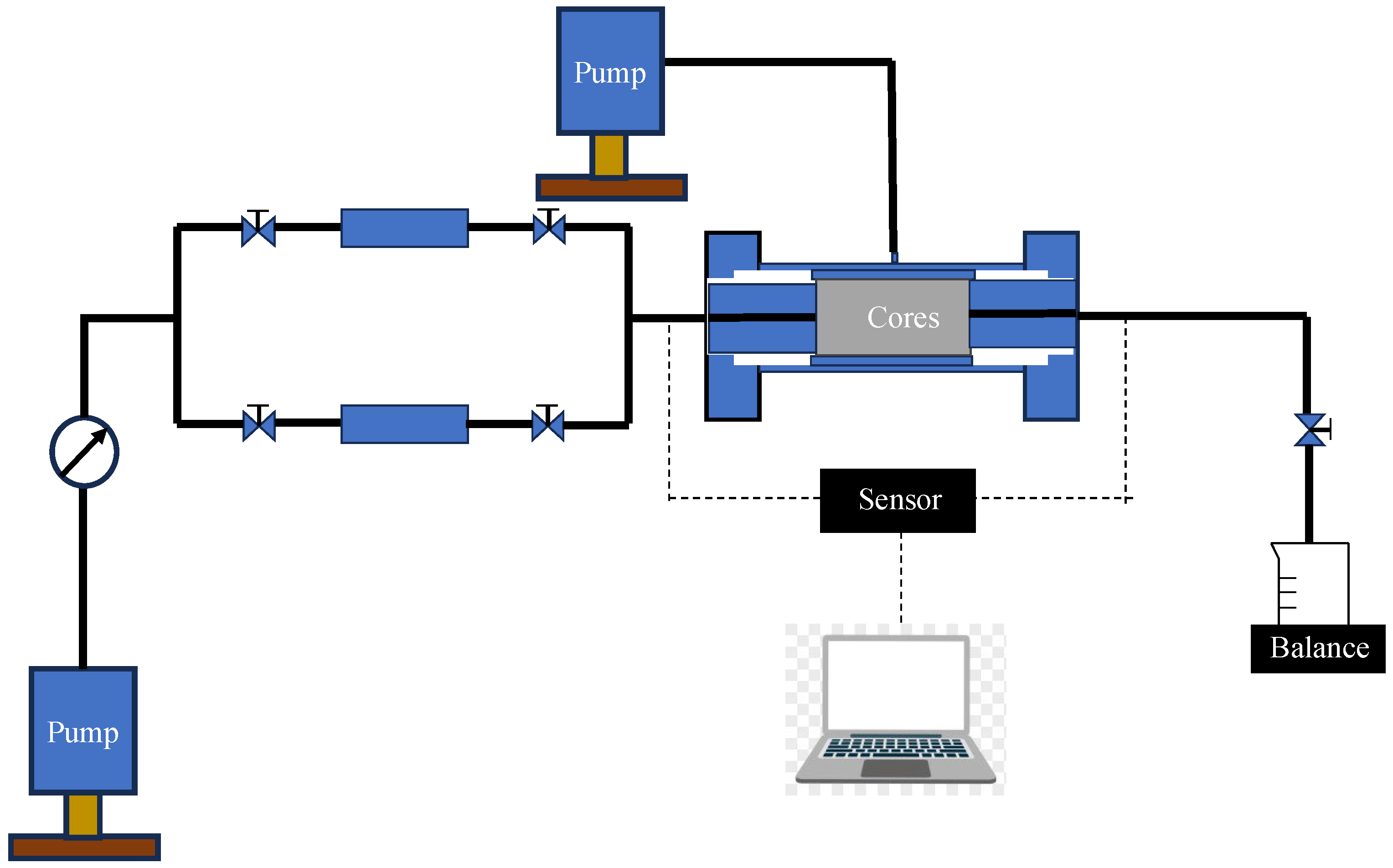
Relative permeability, a key parameter characterizing the flow capacity of multiphase fluids in porous media, serves as a core indicator for evaluating tight oil mobility [25]. The experimental system (Figure 3) primarily consists of a constant-flow pump, a Hassler-type core holder, a high-precision pressure transducer (±0.1% FS), and an automatic fraction collector.
The experimental procedure was conducted as follows: First, the core was vacuum-saturated with formation water for 48 h. Subsequently, simulated oil was injected at a constant flow rate (0.05 mL/min) under simulated reservoir conditions (30 MPa confining pressure, 60 °C). After establishing irreducible water saturation, oil displacement experiments were performed under identical flow conditions, with the core treated using either screened chemicals or in situ displacement agents. Upon completion of the displacement process, the core was immediately retrieved for nuclear magnetic resonance (NMR) scanning analysis. This methodology enables quantitative assessment of oil flow capacity in tight conglomerates and enhancement effects of imbibition agents.

3. Results and Discussion

3.1. Results of Fracturing Fluid Evaluation in Use

3.1.1. Wettability Modification Results

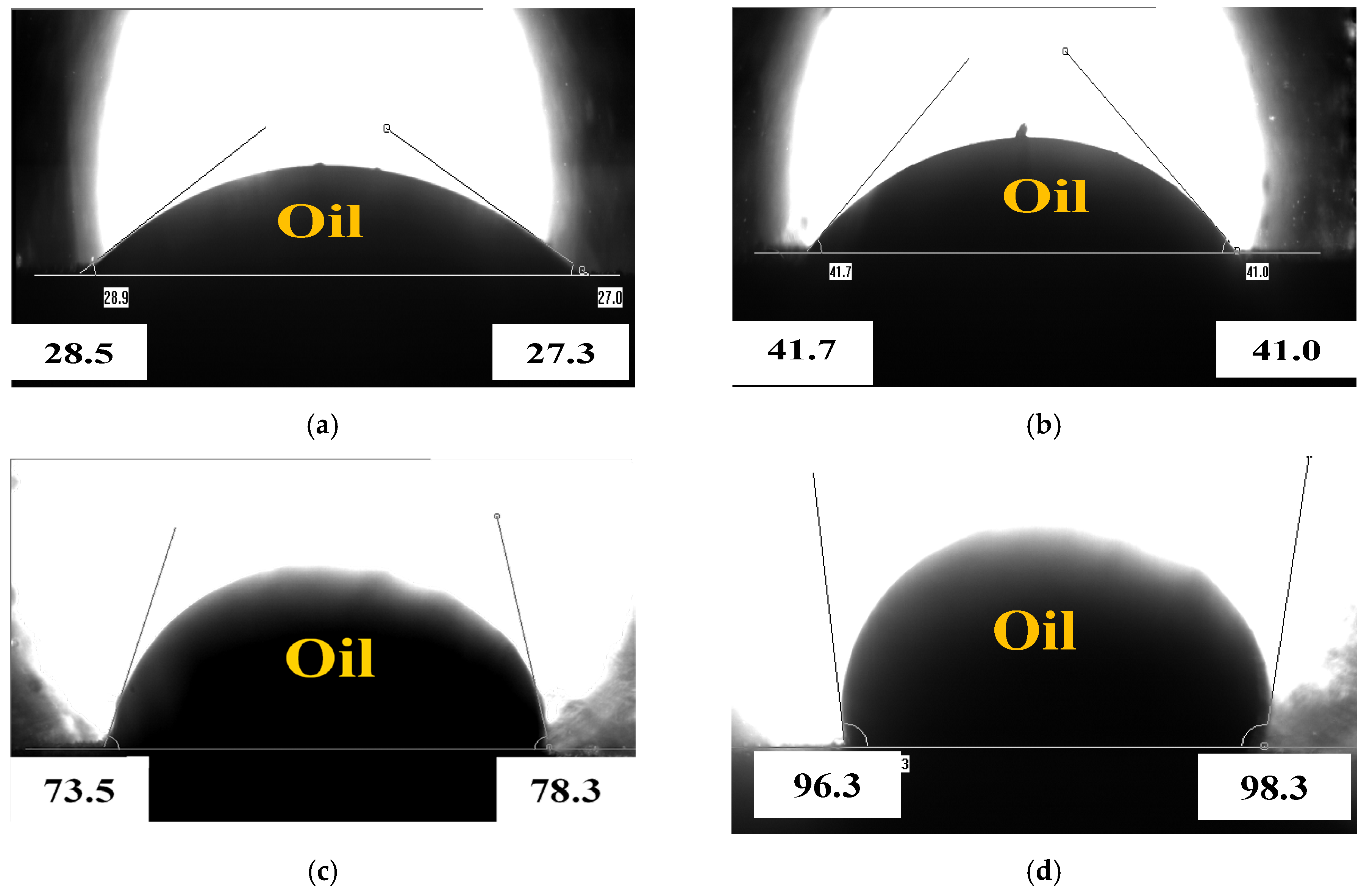
Two core samples (2.5 cm diameter × 5 cm length)with comparable petrophysical properties were selected and saturated with crude oil for aging treatment. The oil-saturated cores were subsequently immersed in spent fracturing fluid for 72 h to assess wettability alteration. Comparative analysis revealed distinct wettability modification patterns (Figure 4): cores (a) and (c) from the Madong Block demonstrated an approximate 45° reduction in oil-water contact angle, transitioning to weakly oil-wet conditions; whereas cores (b) and (d) from the Jinlong Block showed a 54.6° contact angle reduction, achieving weakly water-wet characteristics.
The conventional fracturing fluid formulation exhibited limited wettability modification capacity for tight conglomerates in both blocks. Microscopic examination confirmed persistent crude oil adsorption in pore throats, leading to restricted oil mobility within the fracturing fluid system. This phenomenon accounts for the suboptimal production performance observed in field applications.

3.1.2. Spontaneous Imbibition Results

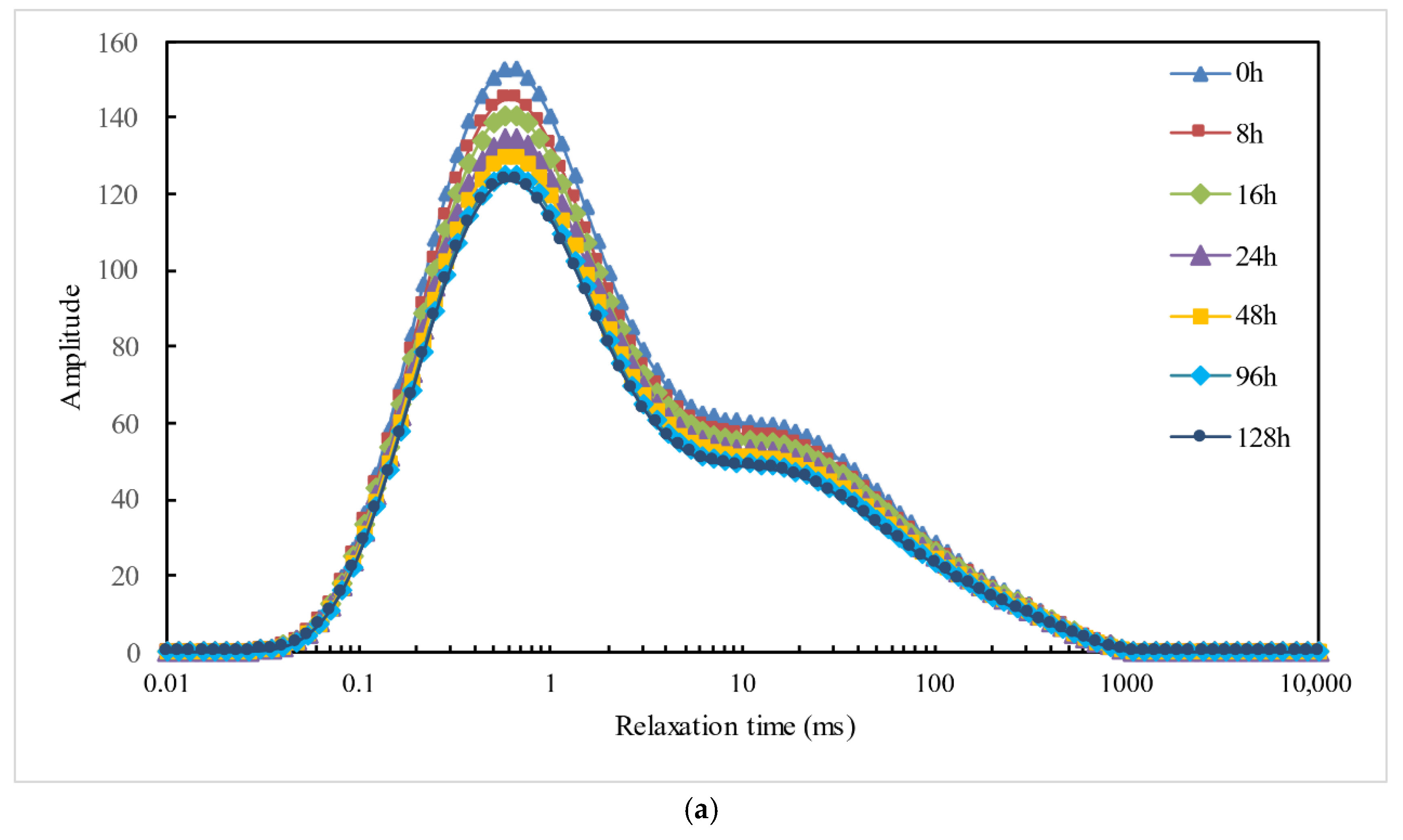
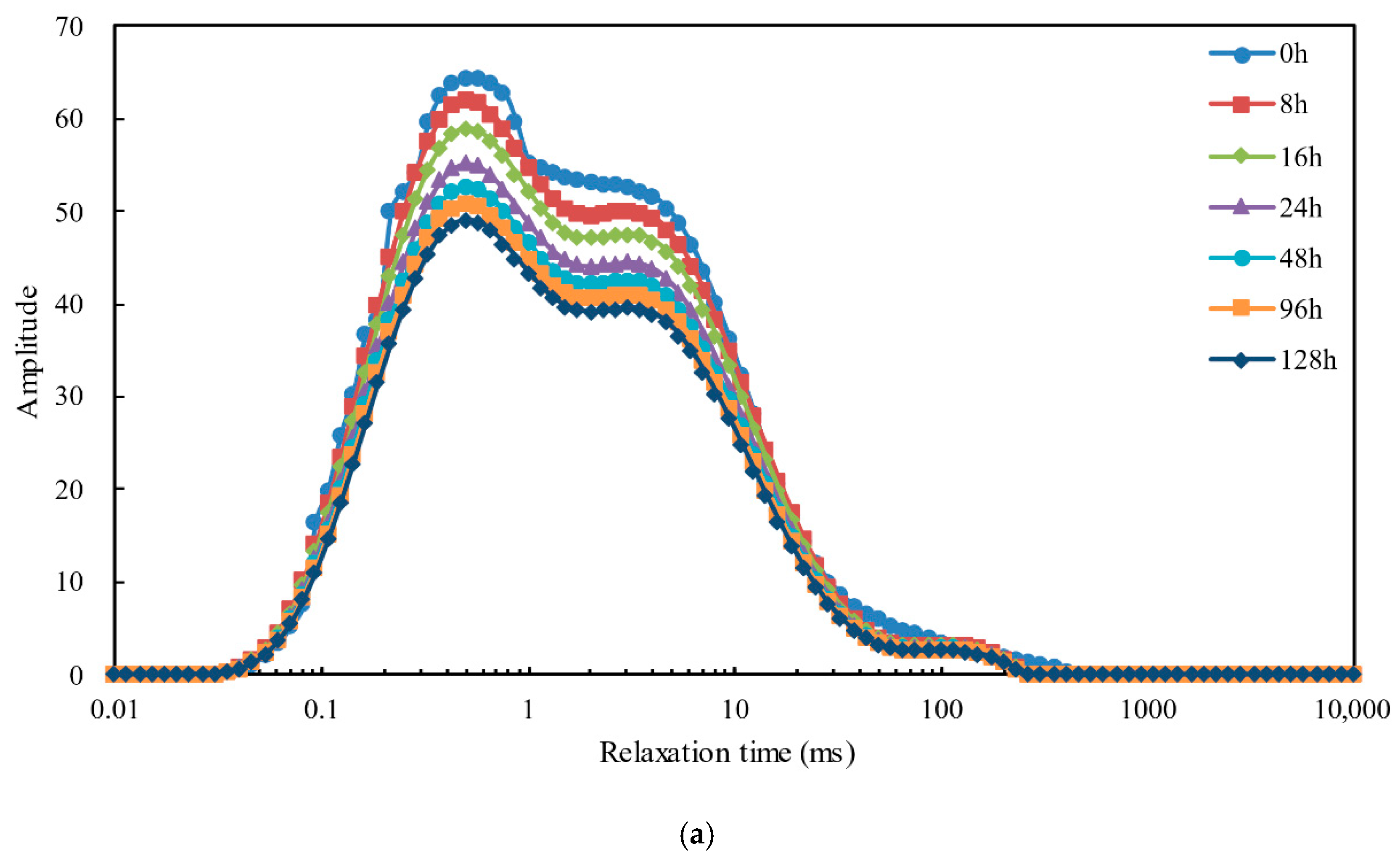
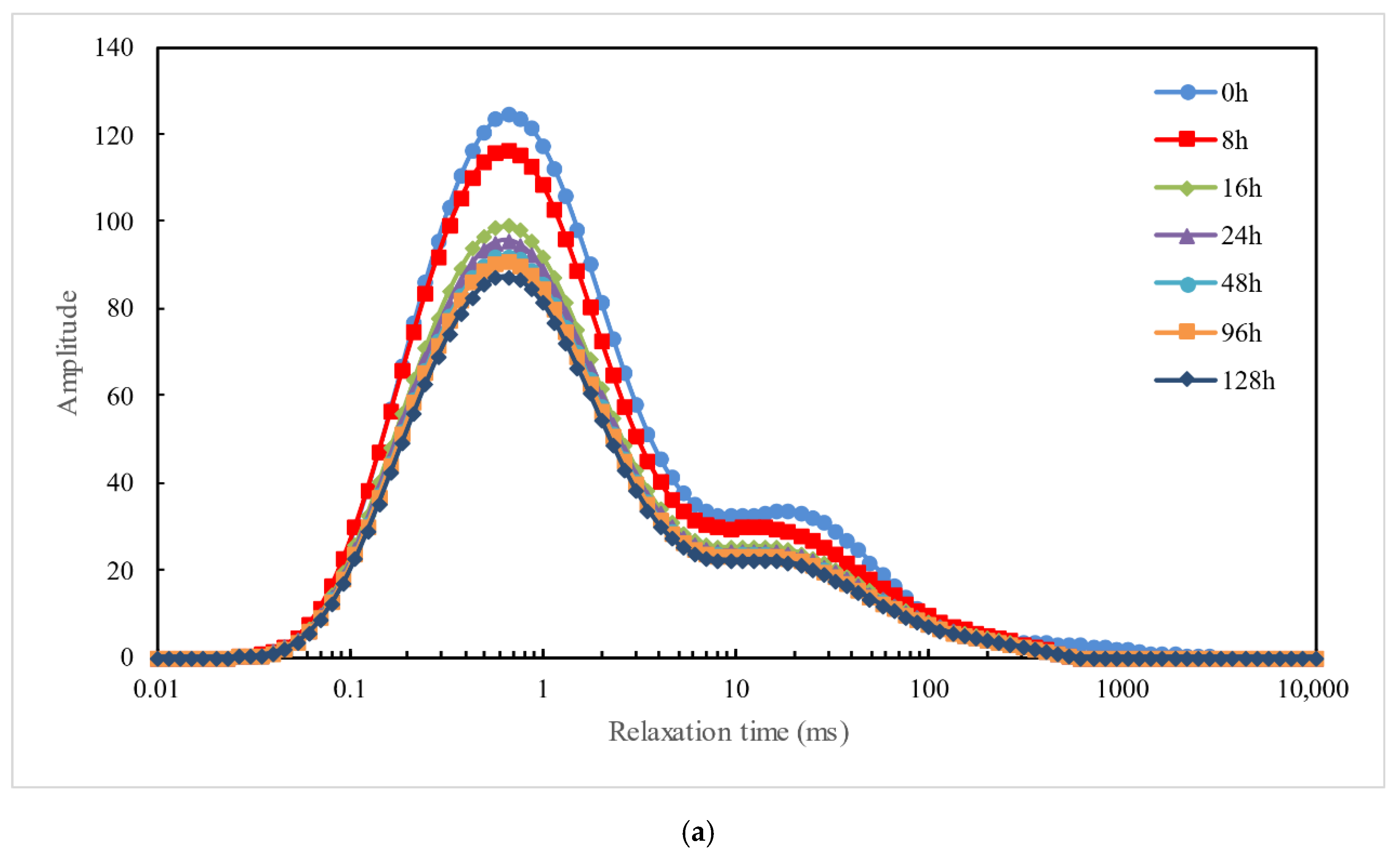
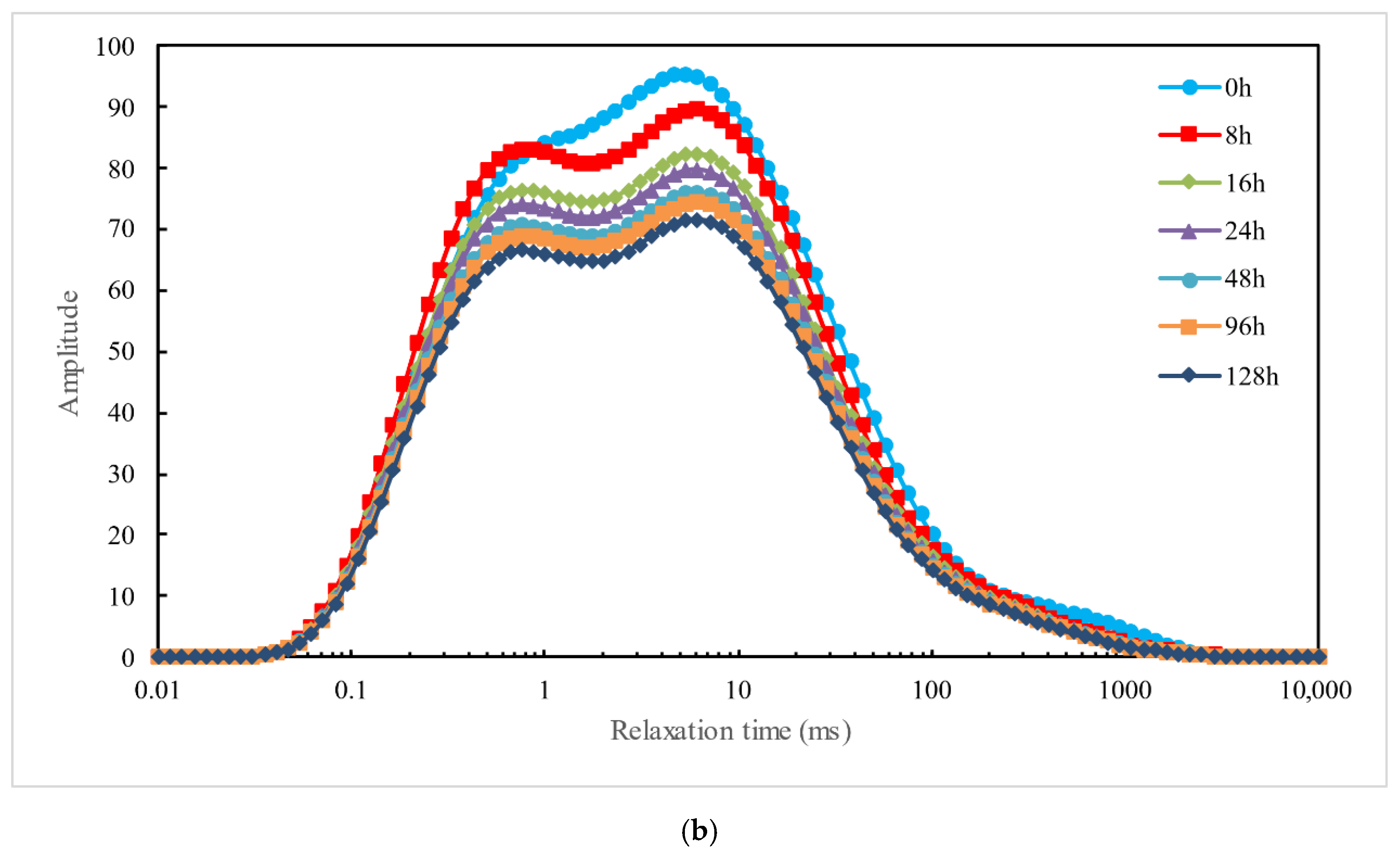
Core samples with comparable petrophysical properties were saturated with crude oil and subjected to aging treatment. Spontaneous imbibition experiments were performed using spent fracturing fluid under both ambient (20 °C) and reservoir (80 °C) temperature conditions. Based on IUPAC pore size classification [26]: (1) Nanopores: Pore size < 2 nm, (3) Micropores: Pore size 2–50 nm, (3) Macropores: Pore size > 50 nm. NMR T2 relaxation measurements revealed bimodal distribution curves. Progressive decreases in both peak intensity and integrated area were observed with increasing imbibition time, demonstrating that nanopores constitute the dominant storage space and primary imbibition pathways for tight oil migration.
In the Madong Block (Figure 5), the imbibition recovery rates were 28.68% at 20 °C and 30.05% at 80 °C, indicating minimal temperature dependence. In contrast, the Jinlong Block exhibited significantly temperature-sensitive recovery behavior, with rates increasing from 8.62% at 20 °C to 31.04% at 80 °C. The conventional guar-based fracturing fluid (0.35 wt% polymer) demonstrated slow oil displacement kinetics (equilibrium time > 120 h) and prolonged imbibition equilibrium duration. Microscale analysis (SEM-EDS) revealed that limited oil mobilization in nanopores (2–10 nm diameter) primarily accounts for the observed low recovery efficiency (<35%).

3.1.3. Relative Permeability and Oil Displacement Efficiency Analysis

Reservoir conditions were simulated by first saturating the cores with formation water, then displacing with diluted crude oil of the same viscosity to establish irreducible water saturation (Swi). Next, broken guar gum fracturing fluid was injected to observe oil-water distribution, relative permeability curves, and saturation changes.
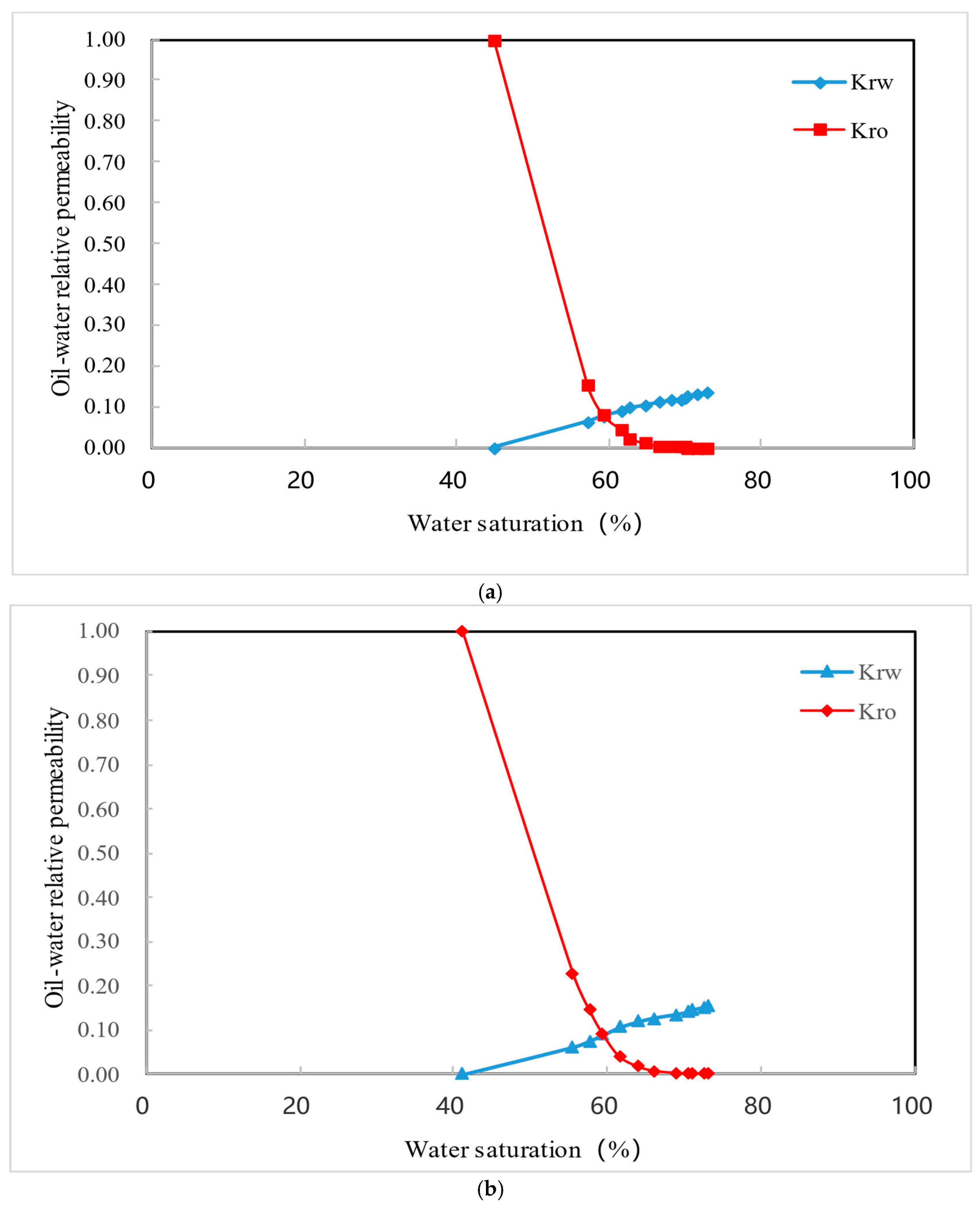
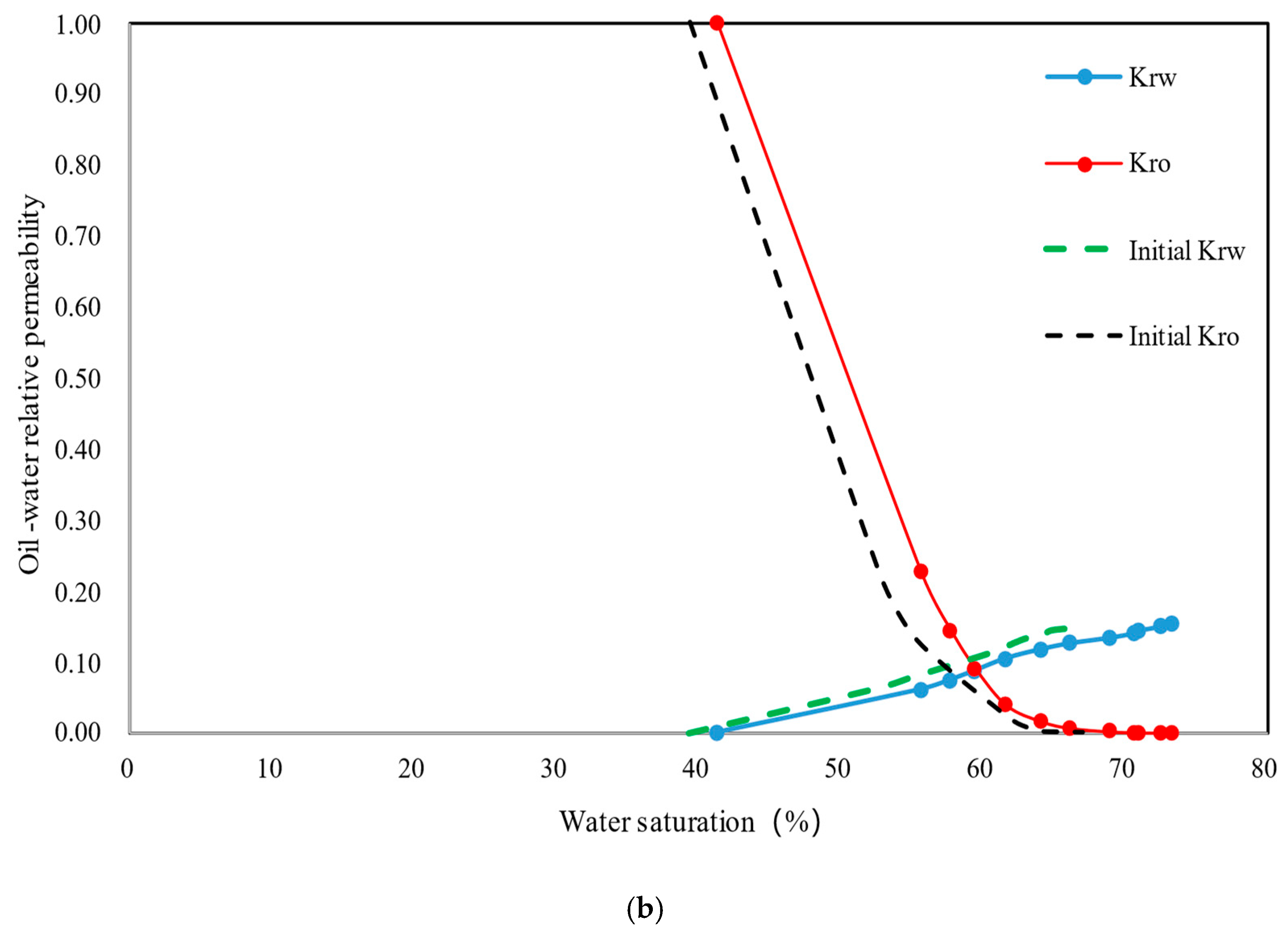
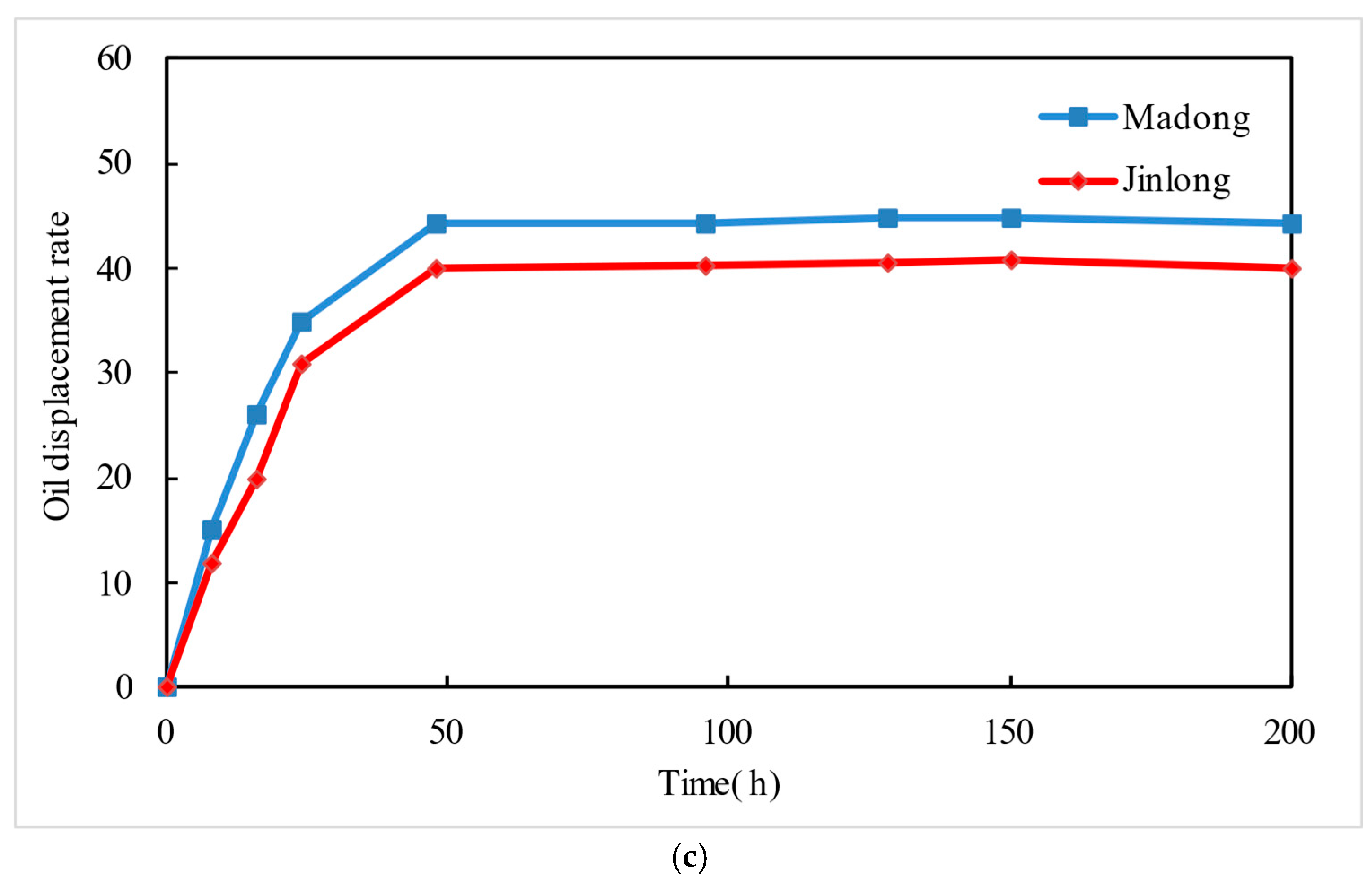
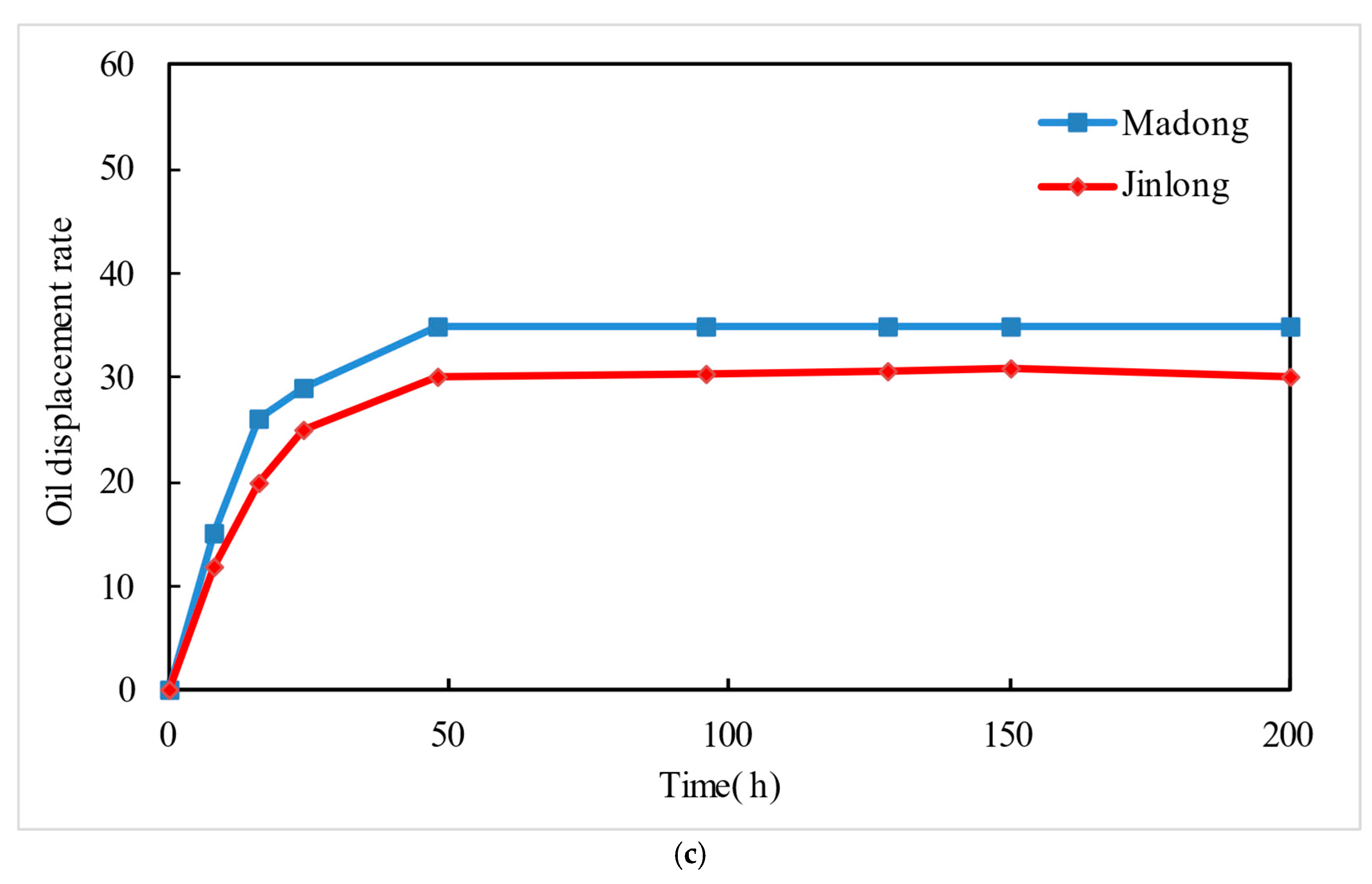
For the Jinlong Block core samples, measured Swi, residual oil saturation (Sor) and oil displacement efficiency values were 41.26%, 32.97% (Figure 6b) and 30.8% (Figure 6c), respectively. This contrasts with the reservoir’s original oil saturation range of 25–45% [27], indicating that nearly 50% of the reservoir volume lacked effective oil-phase permeability. Similarly, Madong Block cores exhibited Swi = 44.19%, Sor = 33.77% (Figure 6a) and oil displacement efficiency of 35.04% (Figure 6c), compared to the in situ oil saturation range of 40–55% [28], demonstrating comparable oil mobility constraints.

3.2. Surfactant-Enhanced Oil Recovery Results

3.2.1. Wettability Modification Results

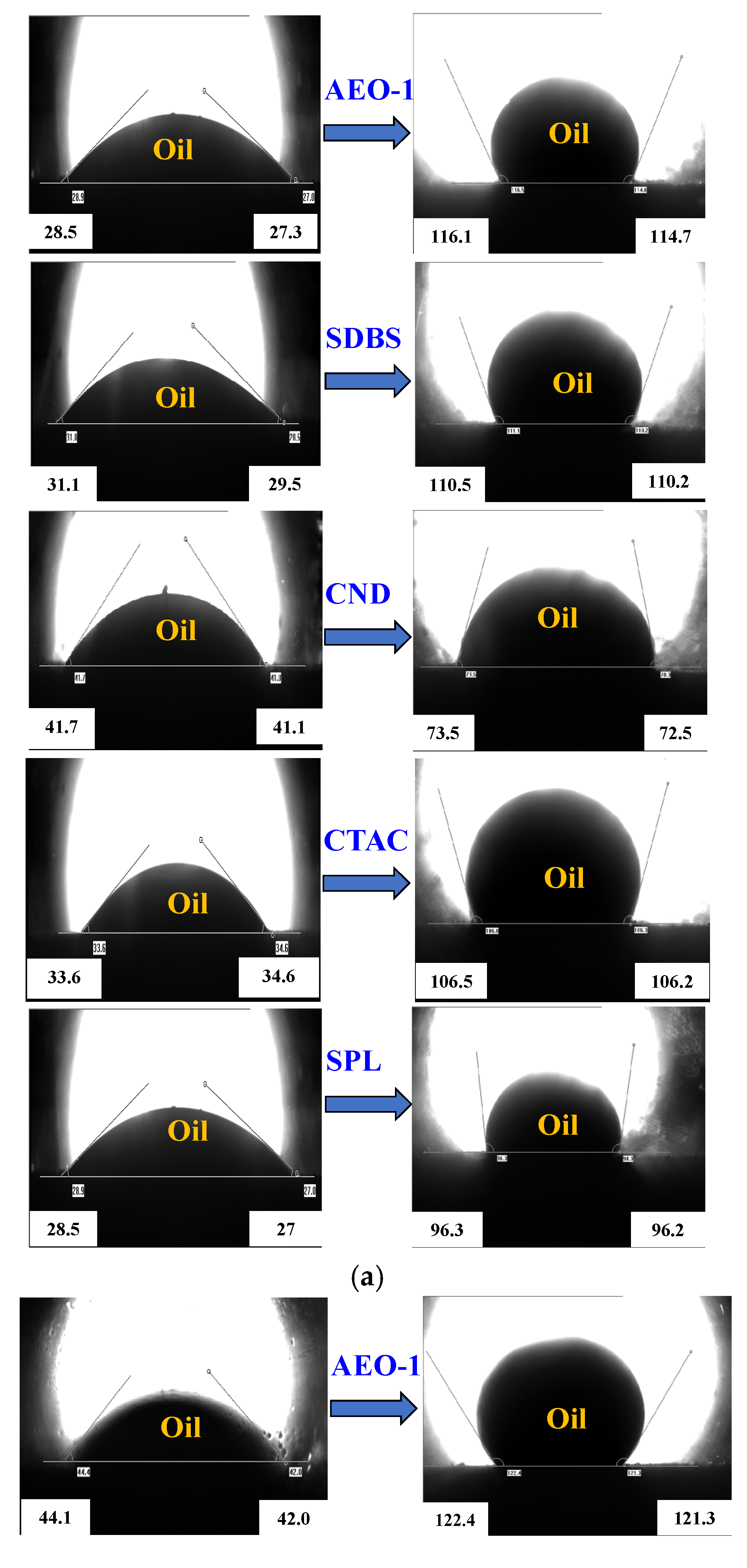
Wettability alteration experiments were performed on crude oil-saturated core samples using five surfactant categories: (1) nonionic (AEO-1 and AEO-2), (2) anionic nanoemulsion (CND), (3) anionic (sodium dodecylbenzene sulfonate, SDBS), (4) cationic (cetyltrimethylammonium chloride, CTAC), and (5) biosurfactant (sophorolipid, SPL). Based on field-applicable fracturing fluid formulations and economic feasibility considerations, a 0.1 wt% surfactant concentration was adopted for all tests [29]. The oil-saturated cores were subjected to 72 h immersion in surfactant solutions under controlled conditions (80 °C, 0.1 MPa) to quantitatively assess wettability modification through contact angle measurements.
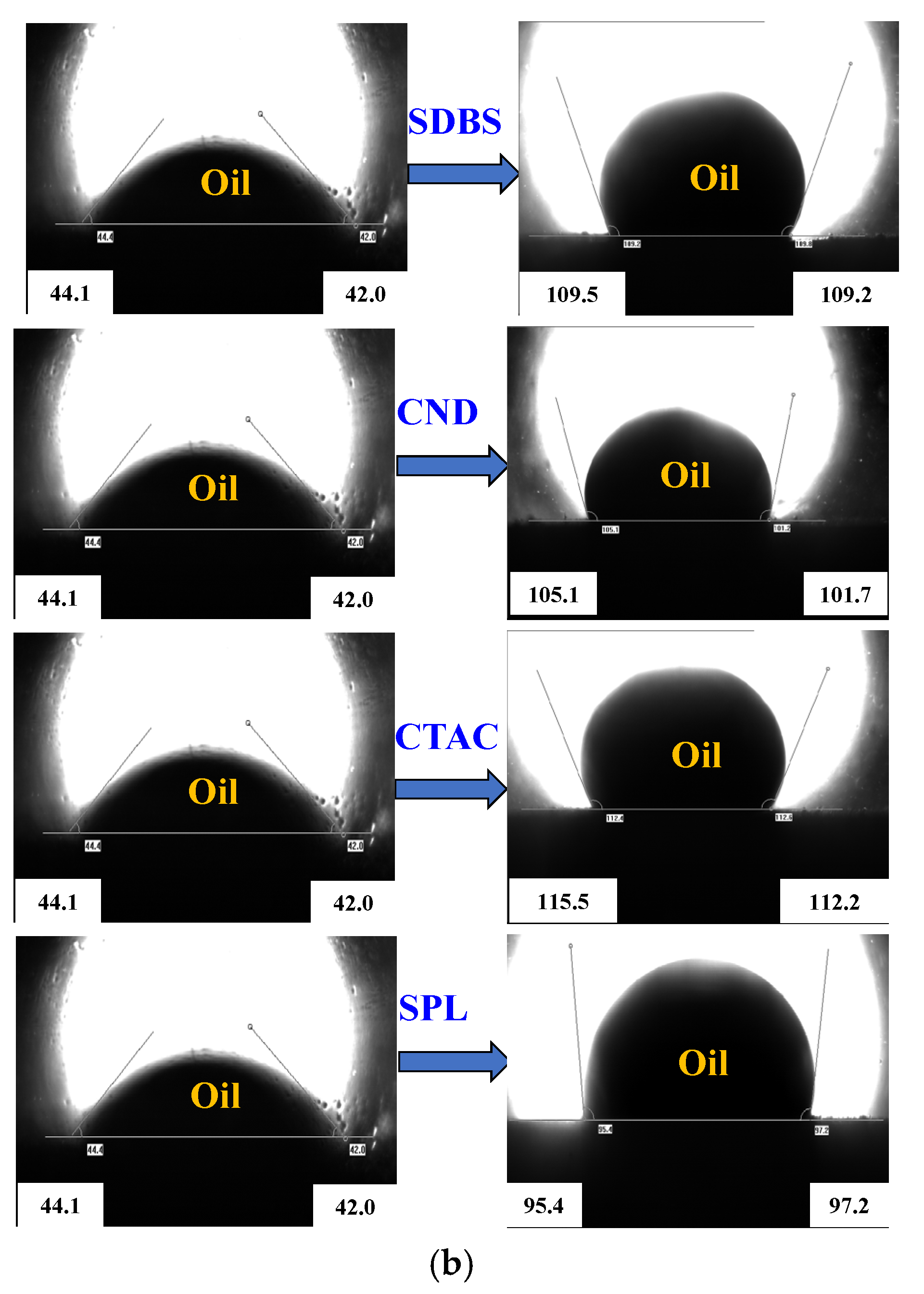
The experimental results (Figure 7) demonstrate distinct wettability alteration performance among surfactant types. In the Madong samples, nonionic surfactant AEO-1 (0.1 wt%) achieved the most significant contact angle reduction (−88°) after 72 h of treatment, successfully converting the cores to water-wet conditions. The performance hierarchy was: AEO-1 > sodium dodecylbenzene sulfonate (SDBS, −79.4°) > cetyltrimethylammonium chloride (CTAC, −73°). Similarly, for Jinlong samples, AEO-1 again showed superior performance with a −78° contact angle change, followed by CTAC (−71°) and SDBS (−65°). These findings confirm that nonionic surfactants, particularly AEO-1, exhibit optimal wettability modification capacity for tight conglomerates, effectively transforming oil-wet surfaces to water-wet states and consequently enhancing tight oil mobility.

3.2.2. Imbibition Displacement Results

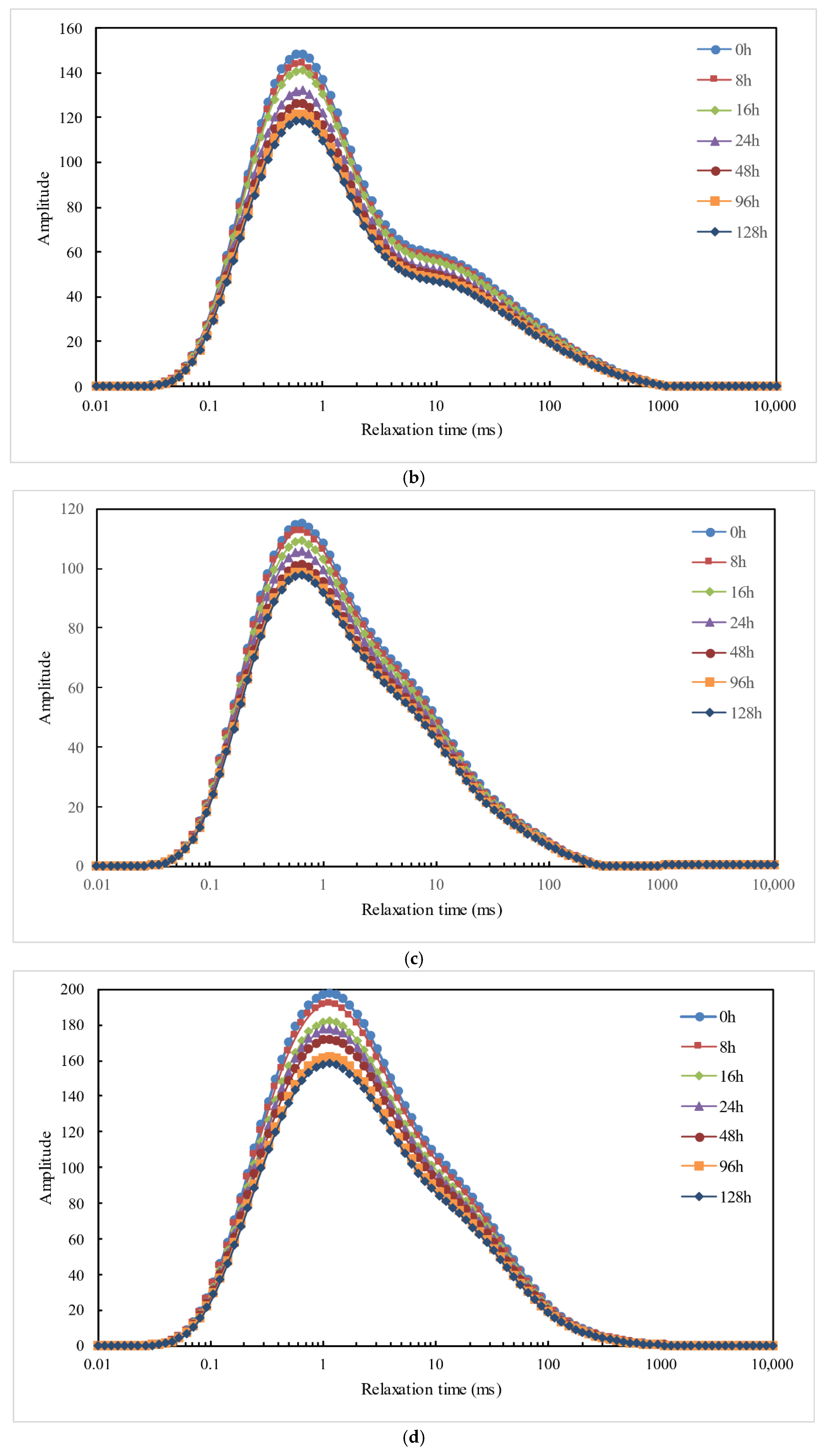
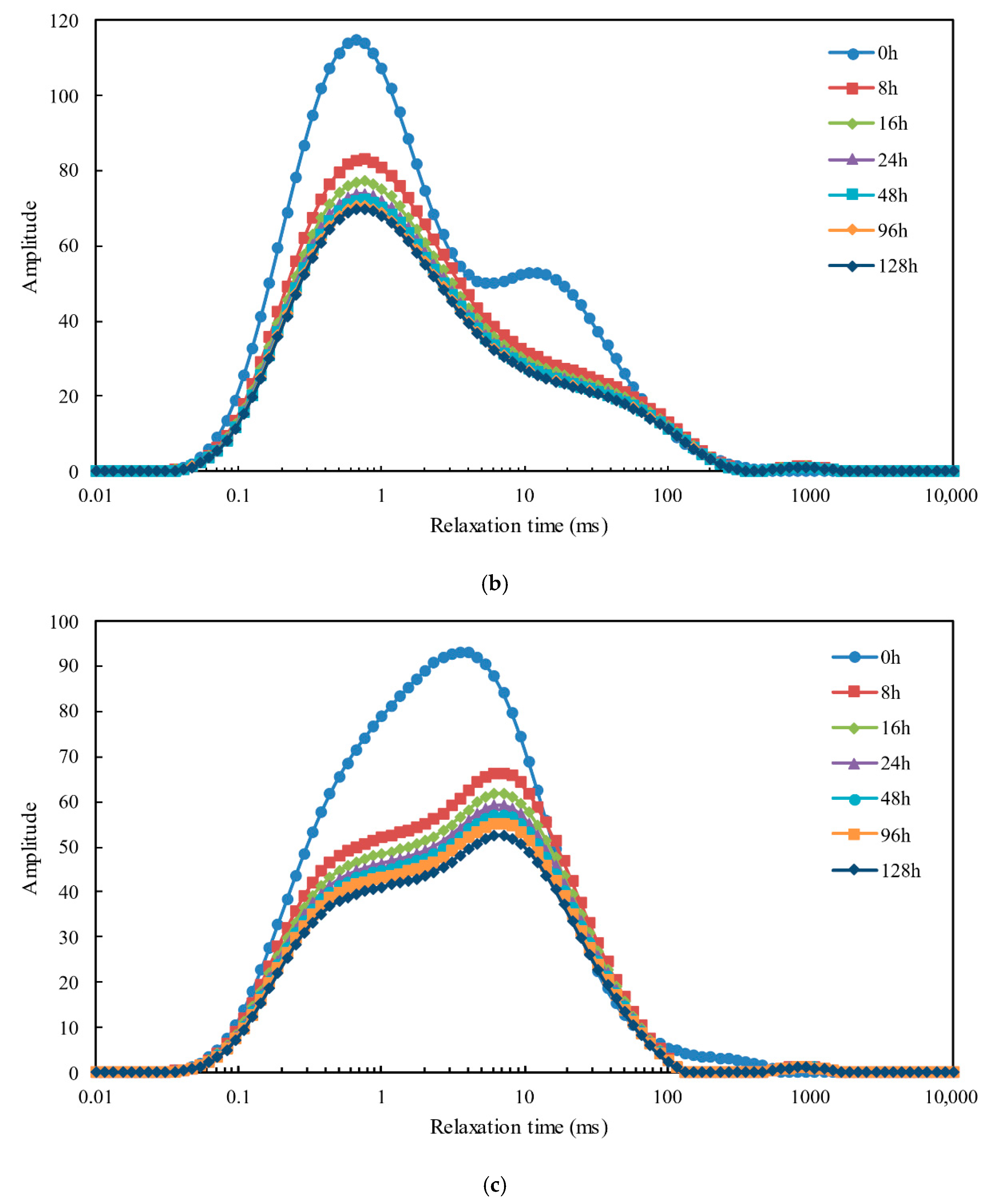
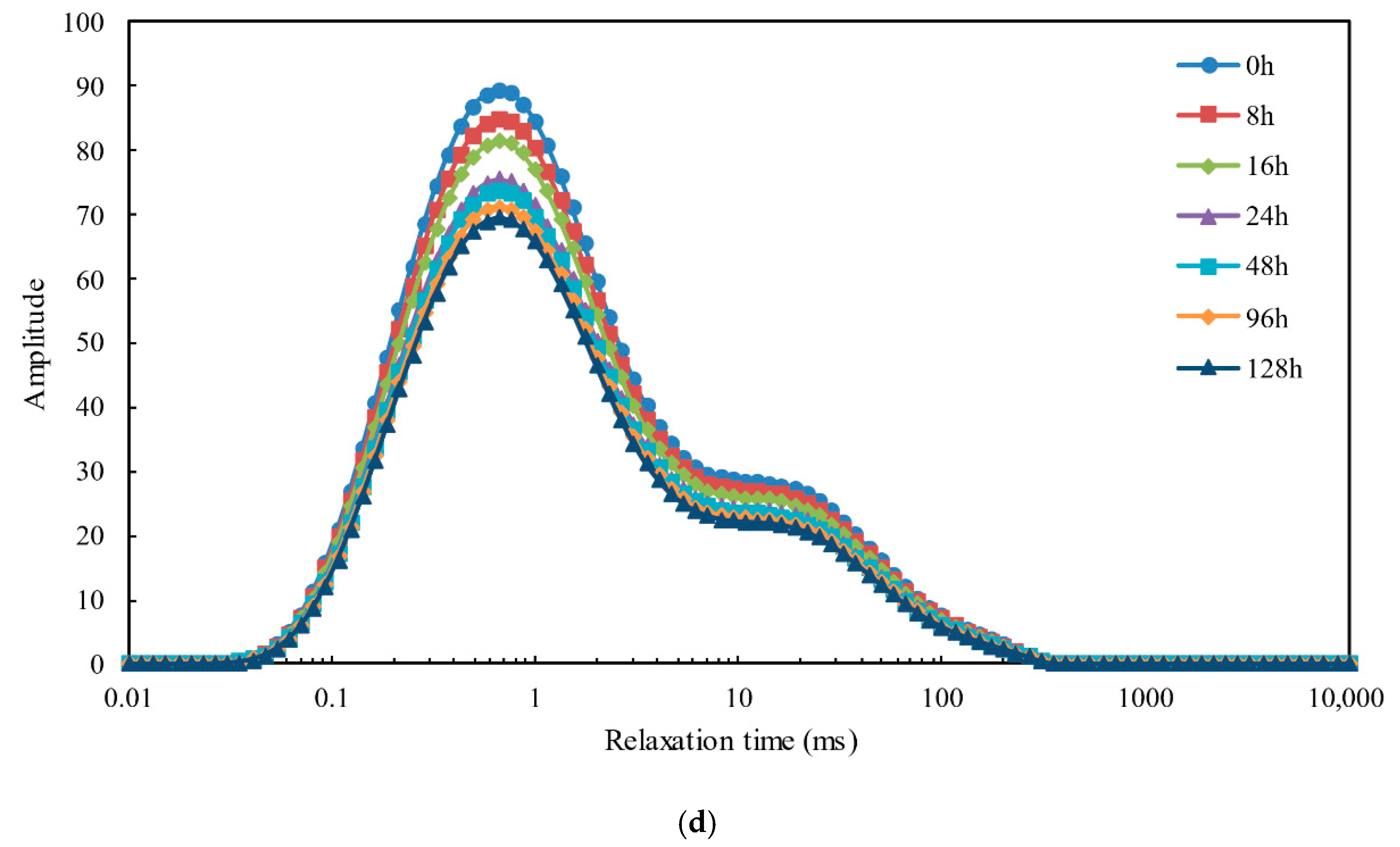
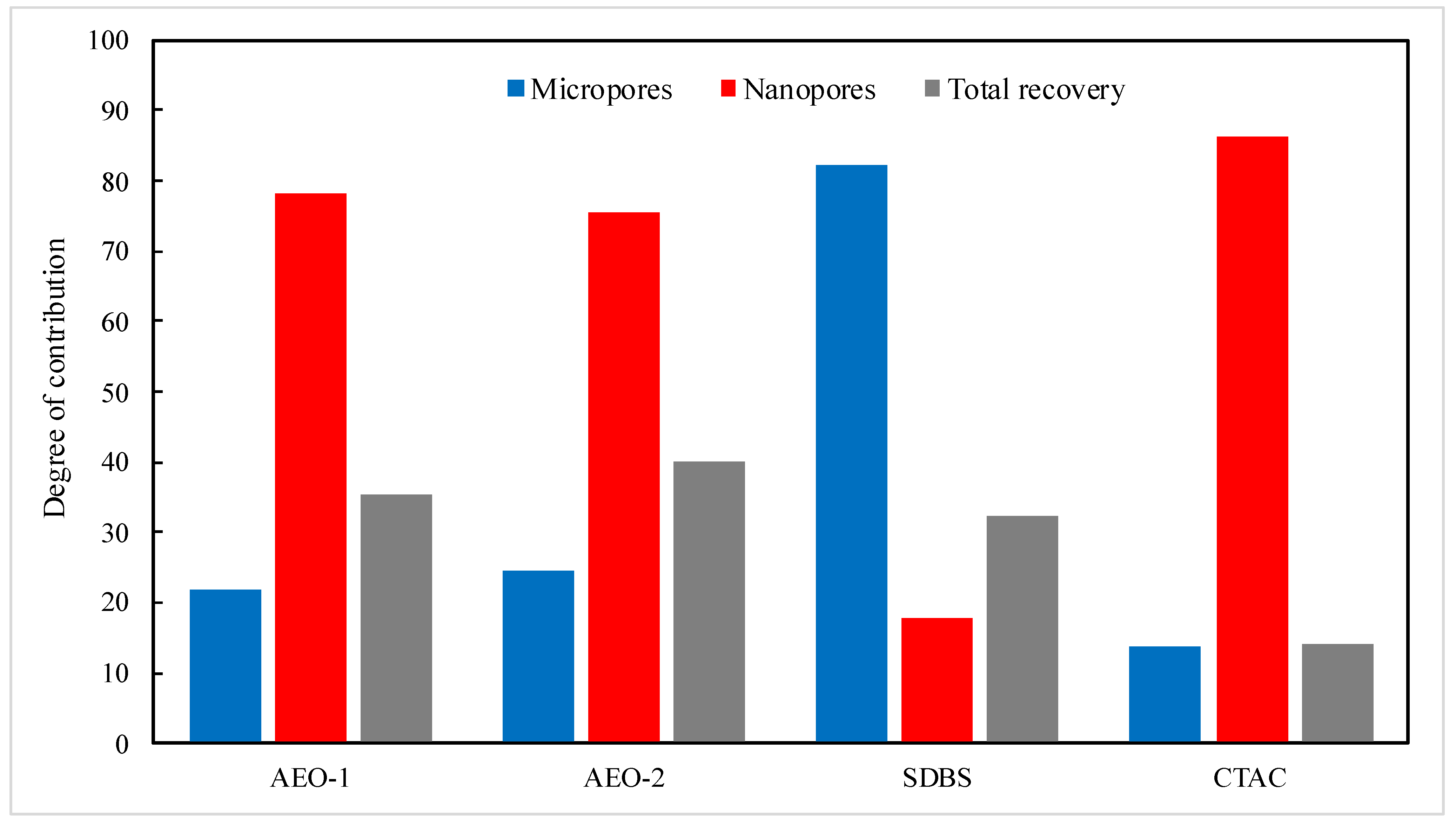
Nuclear magnetic resonance (NMR) analysis was performed on oil-saturated core samples using selected surfactants demonstrating superior wettability alteration performance, including nonionic surfactants (AEO-1 and AEO-2), anionic surfactant sodium dodecylbenzene sulfonate (SDBS), and cationic surfactant cetyltrimethylammonium chloride (CTAC). Comparative evaluation of T2 relaxation time distributions at 0.1 wt% concentration under reservoir temperature (80 °C) revealed distinct displacement patterns (Figure 8): (1) Nonionic surfactants AEO-1/2 exhibited rapid signal intensity reduction in both micropore (2–50 nm) and nanopore (<2 nm) ranges (Figure 8a,b), indicating effective oil mobilization from all pore sizes. Quantitative analysis showed nanopores contributed 78.2% (AEO-1) and 75.36% (AEO-2) of total recovery, with corresponding recovery efficiencies of 35.42% and 41.15%, respectively. (2) In contrast, SDBS and CTAC primarily affected nanopores, with minimal impact on micropore signals (Figure 8c,d), yielding lower recovery efficiencies of 32.28% and 14.20%, respectively.
The nonionic surfactants achieved > 35% ultimate recovery, representing a 5–10 percentage point enhancement compared to conventional flowback additives (Figure 9). These results establish AEO-1/2 as optimal candidates for tight conglomerate stimulation, warranting further formulation optimization for field applications.
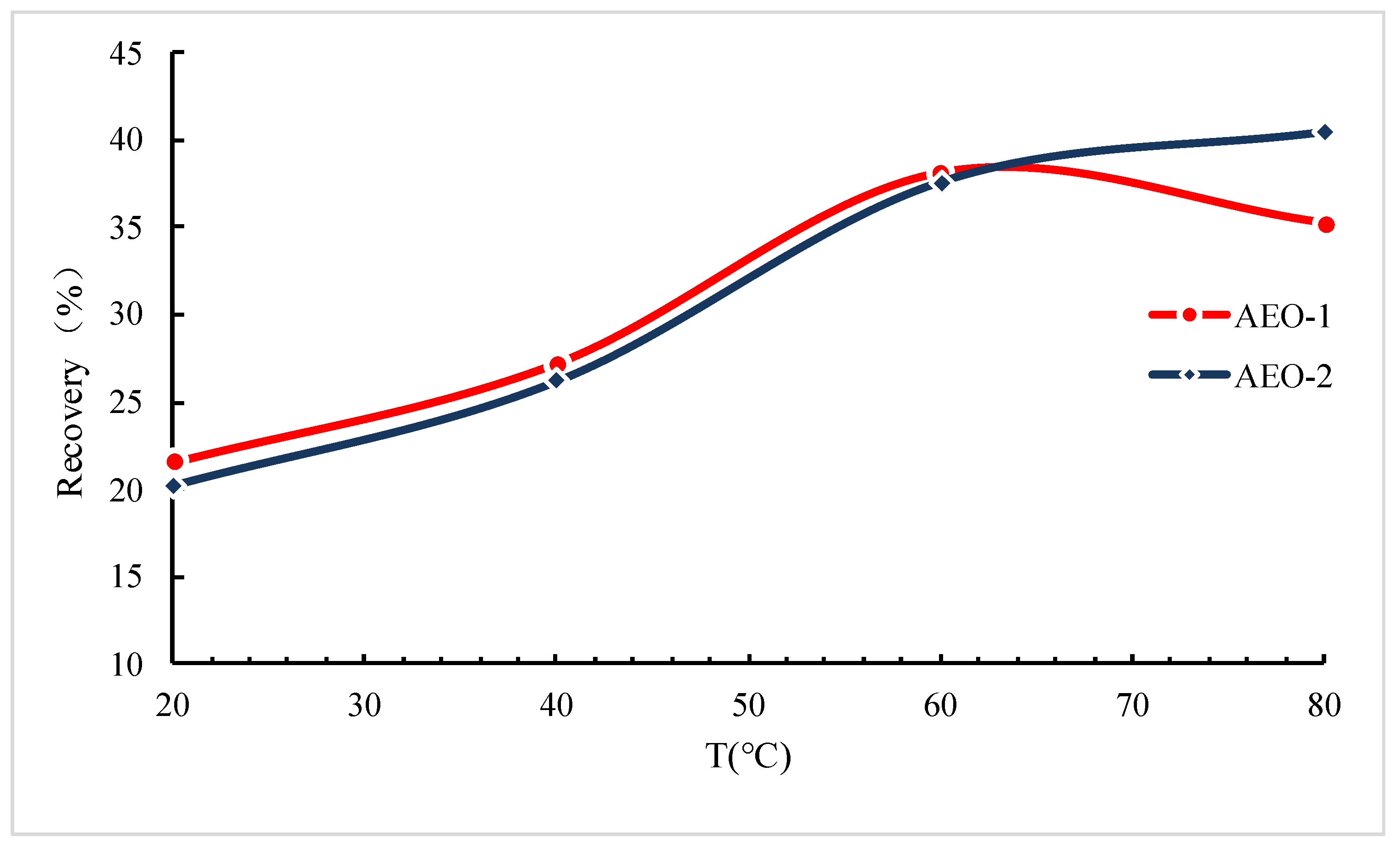
To systematically evaluate the temperature-dependent imbibition characteristics of nonionic surfactants in tight conglomerates, comparative experiments were conducted using AEO-1 and AEO-2 at 0.1 wt% concentration across a temperature gradient (20 °C, 40 °C, 60 °C, and 80 °C). The measured recovery efficiencies demonstrated progressive improvement with increasing temperature: AEO-1 achieved 21.51%, 27.16%, 38.05%, and 35.21%, while AEO-2 yielded 20.25%, 26.20%, 37.59%, and 40.46%, respectively. Critical analysis revealed that when exceeding AEO-1’s cloud point temperature (60 °C), its nanopore-scale displacement efficiency declined significantly, resulting in reduced overall performance at 80 °C. This thermal limitation establishes 60 °C as the optimal operational temperature for AEO-1, which proves incompatible with the target reservoir’s 80 °C formation temperature (Figure 10). Consequently, AEO-2—a thermally stable derivative within the same surfactant series—was identified as the superior candidate for field applications under actual reservoir conditions.
To optimize the AEO-2 concentration for tight conglomerate reservoirs, systematic imbibition tests were performed at reservoir temperature (80 °C) with three surfactant concentrations (0.1, 0.2, and 0.3 wt%). The imbibition experiment with a test concentration of 0.1% has been described in the above text. The corresponding oil recovery efficiencies were 40.46%, 42.55%, and 39.16%, respectively, demonstrating a clear optimum at 0.2 wt% concentration (Figure 11). NMR T2 distribution analysis revealed that nanopores (<2 nm diameter) served as the dominant pathways for oil recovery. At the lower concentration (0.1 wt%), elevated interfacial tension caused rapid but non-uniform imbibition fronts. Conversely, the 0.3 wt% concentration produced low interfacial tension conditions, diminishing the capillary driving force essential for effective imbibition displacement. These findings establish 0.2 wt% as the optimal AEO-2 concentration for maximizing recovery in tight conglomerate systems.

3.2.3. Relative Permeability and Oil Displacement Efficiency Curve Analysis

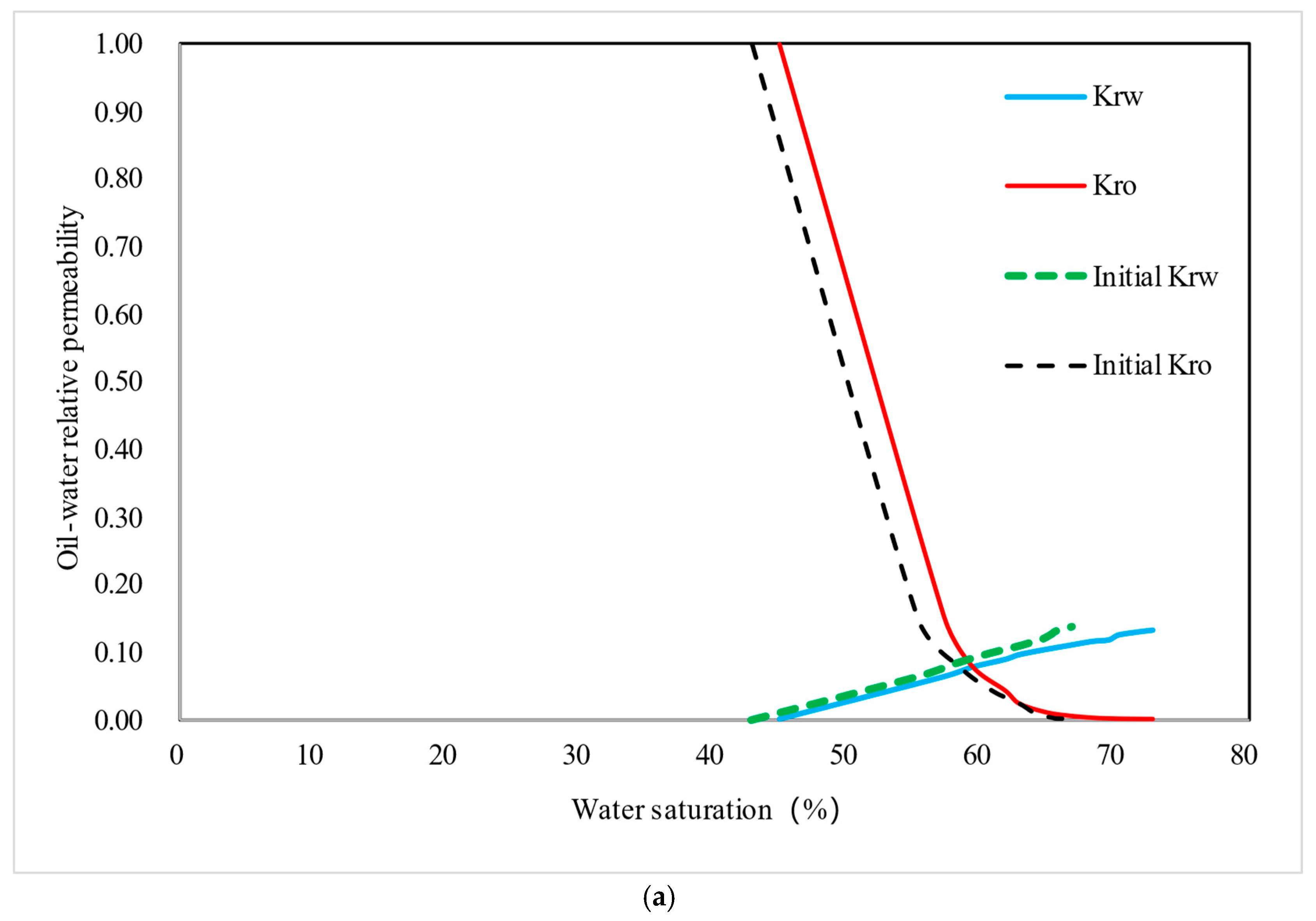
Under simulated reservoir conditions, the experimental procedure involved (Figure 12): (1) initial saturation with synthetic formation water, followed by (2) viscosity-matched crude oil injection to establish irreducible water saturation (Swi). Subsequently, the fracturing fluid flowback solution containing 0.2 wt% AEO-2 imbibition agent was injected to monitor fluid distribution characteristics, relative permeability behavior, and saturation dynamics.
Experimental results demonstrated residual oil saturation (Sor) values of 27.39% for Madong Block cores and 26.76% for Jinlong Block cores. Comparative analysis revealed that the AEO-2-enhanced solution reduced Sor by 6.38% in Madong conglomerates and 6.21% in Jinlong ultra-low permeability conglomerates, relative to conventional fracturing fluid systems. The oil displacement efficiency was increased to 44.41% and 40.04%, respectively. These improvements are attributed to the surfactant’s effective wettability alteration and interfacial tension reduction capabilities.

3.3. Mechanism Discussion

3.3.1. Wettability Modification Mechanism

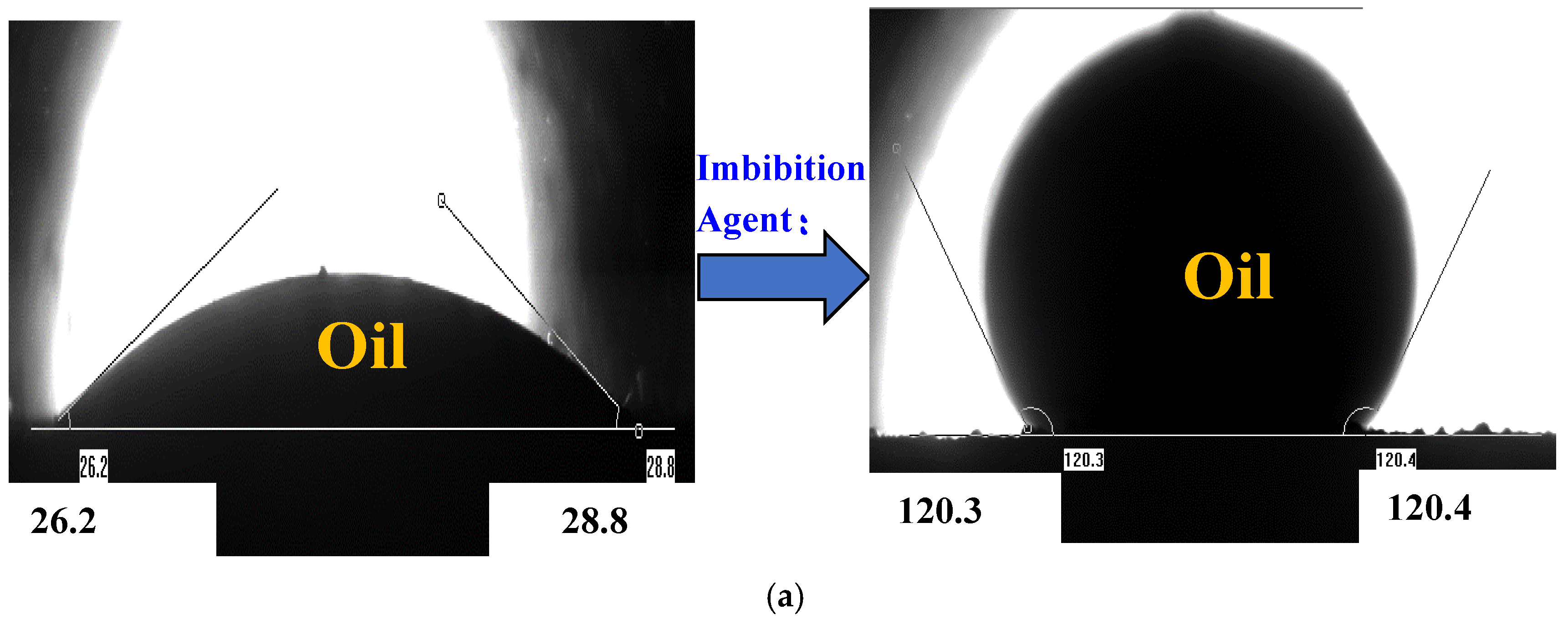
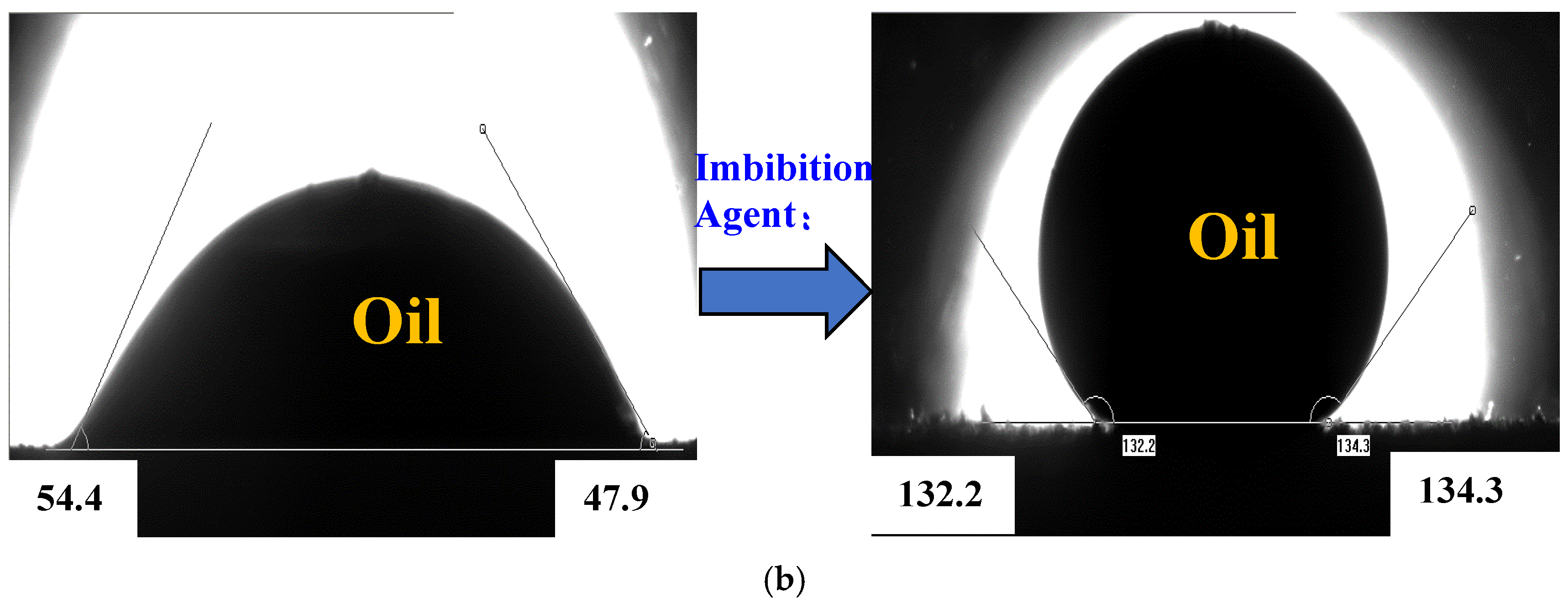
The oil-wet saturated core underwent wettability alteration treatment with 0.2 wt% nonionic surfactant AEO-2 (Figure 13). Experimental results revealed remarkable wettability modification performance: contact angle reduction of 80–90°, achieving a final contact angle < 90°, confirming successful transformation from oil-wet to water-wet state. This wettability reversal fundamentally enhances imbibition dynamics by overcoming the capillary barrier effect in oil-wet systems, where crude oil preferentially adheres to rock surfaces, occupies pore throats, and forms continuous oil films that restrict aqueous phase penetration.
Following wettability alteration, the aqueous phase effectively accesses low-permeability zones, increasing microscopic displacement efficiency and reducing residual oil saturation. For Mahu tight conglomerates, AEO-2 demonstrated superior wettability control, achieving 40.14% imbibition recovery, significantly exceeding conventional fracturing fluid performance (20.68%). Comparative analysis with tight sandstones [29] indicated similar surfactant response mechanisms, though conglomerates exhibited 5–8% lower ultimate recovery due to their pronounced heterogeneity and complex pore-throat structures.

3.3.2. Interfacial Tension (IFT) Optimization

Optimal interfacial tension (IFT) provides essential capillary driving forces for imbibition while maintaining effective crude oil displacement [30]. Surface and interfacial tension measurements of 0.2 wt% surfactant solutions revealed that nanoemulsion CND exhibited the greatest interfacial activity, achieving an oil-water IFT of 0.28 mN/m, followed by nonionic surfactant AEO-2 and cationic surfactant CTAC. However, comparative imbibition tests demonstrated that AEO-2 yielded the highest oil recovery (40.14%), outperforming SDBS (32.28%) (Table 4). Previous literature studies have also shown that nonionic surfactants exhibit lower adsorption in tight conglomerates and can achieve better crude oil recovery, improving by 26% compared to waterflooding. However, it should be noted that these results were obtained from core flooding experiments using rocks with higher permeability.
Integrated analysis identified AEO-2 as the optimal wettability modifier for Wuerhe Formation reservoirs, owing to its superior wettability alteration capacity and balanced interfacial activity. The study further established a critical IFT range for efficient oil mobilization: IFT values below 0.1 mN/m significantly weaken capillary forces, disadvantage of oil recovery from nanopores [31]; while elevated IFT increases flow resistance, particularly in heterogeneous conglomerate reservoirs where oil droplet accumulation in intergranular pores leads to pore-throat blockage and Jamin effect amplification [31].
AEO-2’s enhanced performance stems from its dual mechanism: moderate IFT reduction facilitates oil droplet deformation and Jamin effect mitigation (Xu et al., 2019) [32], combined with effective water-wet transition that synergistically improves both oil displacement efficiency and fluidity. This unique combination results in significantly improved imbibition recovery compared to conventional surfactants.
To contextualize our experimental findings within existing theoretical frameworks (Table 5 and Table 6), a survey of pertinent imbibition models was conducted [33]. The results indicate that the diffusion-dominated (DI) imbibition model for oil-wet systems provides a superior fit to our data. The excellent agreement between the DI model predictions and our experimental recovery profiles underscores that the surfactant-induced wettability alteration is the primary mechanism governing the imbibition process in this study.

4. Conclusions

1.
Through comparative studies on different types of surfactants for enhancing crude oil mobility in tight conglomerates, non-ionic surfactant AEO-2 was found to be more suitable for low-oil-saturation reservoirs of the Wuerhe Formation in Xinjiang Oilfield. At 80 °C with 0.2% AEO-2, the imbibition recovery rate exceeds 40%, with crude oil mobilization ratios of 75.36% and 24.6% in nanopores and micropores, respectively. Nanopores serve as the primary action zone for crude oil displacement, contributing over 70% to the recovery. The fracturing fluid formulated by compounding AEO-2 can reduce residual oil saturation by more than 6%, achieving excellent oil displacement and permeability enhancement effects.
2.
For the tight conglomerate reservoirs in Xinjiang Oilfield, crude oil mobilization is difficult due to issues such as small pore throats and complex wettability. AEO-2 improves the imbibition recovery rate to 40.14% by realizing core water-wettability and optimizing interfacial tension. Studies show that the synergistic mechanism of wettability reversal and interfacial tension regulation effectively enhances crude oil mobilization efficiency in strongly heterogeneous reservoirs. The adaptability of surfactants varies across different reservoirs, and further in-depth formulation optimization research should be conducted, targeting the physical properties of conglomerate and sandstone reservoirs.
3.
This study provides insights into enhanced oil recovery (EOR) from tight glutenite reservoirs. Given that tight conglomerate reservoirs exhibit smaller pore sizes compared to conventional tight reservoirs, future research should focus on (1) developing nanoscale materials (e.g., nanoemulsions) tailored for nanopore confinement and (2) expanding beyond conventional wettability alteration and imbibition recovery mechanisms to systematically investigate other oil mobility enhancement mechanisms (including but not limited to nano-driving effects and structural disjoining pressure). This will establish a synergistic approach for improving oil recovery in tight conglomerates.

Author Contributions

J.Z.; Writing—review & editing, Data curation. S.Z.: Writing—original draft, Validation, Resources. Y.F.: Formal analysis. J.L.: Validation. H.B.: Investigation. Z.L.: Data curation. E.Y.: Conceptualization, Funding acquisition, Writing—original draft. F.Z.: Funding acquisition, Resources, Project administration. All authors have read and agreed to the published version of the manuscript.

Funding

This research and The APC was funded by the National Science and Technology Major Projects of China grant number Grant No. 2024ZD1404702.

Data Availability Statement

The data that support the findings of this study are available within the article.

Conflicts of Interest

Author Ziliang Li was employed by the company CNPC Kunlun Manufacturing Company Limited. The remaining authors declare that the research was conducted in the absence of any commercial or financial relationships that could be construed as a potential conflict of interest.

References

  1. Soeder Daniel, J. The successful development of gas and oil resources from shales in North America. J. Pet. Sci. Eng. 2018, 163, 399–420. [Google Scholar] [CrossRef]
  2. Zhu, R.; Zou, C.; Mao, Z.; Yang, H.; Hui, X.; Wu, S.; Cui, J.; Su, L.; Li, S.; Yang, Z. Characteristics and distribution of continental tight oil in China. J. Asian Earth Sci. 2019, 178, 37–51. [Google Scholar] [CrossRef]
  3. Li, G.; Qin, J.; Xian, C.; Fan, X.; Zhang, J.; Ding, Y. Theoretical understandings, key technologies and practices of tight conglomerate oilfield efficient development: A case study of the Mahu oilfield, Junggar Basin, NW China. Pet. Explor. Dev. 2020, 47, 1275–1290. [Google Scholar] [CrossRef]
  4. Tian, W.; Lu, S.; Huang, W.; Wang, S.; Gao, Y.; Wang, W.; Li, J.; Xu, J.; Zhan, Z. Study on the full-range pore size distribution and the movable oil distribution in glutenite. Energy Fuels 2019, 33, 7028–7042. [Google Scholar] [CrossRef]
  5. Wan, T.; Zhang, J.; Dong, Y. Microscopic mobility of crude oil in tight conglomerate reservoirs in Mahu Sag under different development methods. Xinjiang Pet. Geol. 2024, 45, 327–333. [Google Scholar]
  6. Ji, Y. Optimization and Application of Differential Transformation Technology for Deep Gravel Reservoirs. Petrochem. Technol. 2024, 31, 231–233. [Google Scholar]
  7. Tian, W.; Lu, S.; Zhang, J.; Gao, Y.; Huang, W.; Wen, Z.; Li, J.; Li, J. NMR characterization of fluid mobility in low-permeability conglomerates: An experimental investigation of spontaneous imbibition and flooding. J. Pet. Sci. Eng. 2022, 214, 110483. [Google Scholar] [CrossRef]
  8. Bai, H.; Zhou, F.; Liu, X.; Ding, Z.; Zhang, S.; Li, F.; Xie, W.; Wang, Y.; Dong, Y.; Yao, E. Crude oil mobilization enhanced by nano-emulsion in the full fracturing process for tight oil reservoirs. Phys. Fluids 2025, 37, 73640. [Google Scholar] [CrossRef]
  9. Xiao, Y.; Liu, Y.; He, Y.; Wang, L.; Guo, B.; Li, G.; Du, Z. Impacts of mineralogy and pore structure on spontaneous imbibition in tight glutenite reservoirs. Geoenergy Sci. Eng. 2023, 227, 211943. [Google Scholar] [CrossRef]
  10. Tan, F.Q.; Ma, C.M.; Zhang, X.Y.; Zhang, J.G.; Tan, L.; Zhao, D.D.; Li, X.K.; Jing, Y.Q. Migration rule of crude oil in microscopic pore throat of the low-permeability conglomerate reservoir in Mahu sag, Junggar Basin. Energies 2022, 15, 7359. [Google Scholar] [CrossRef]
  11. Zhang, L.; Yu, H.; Tang, H.; Huang, T.; Zeng, H.; Wang, Y. Mechanisms of Imbibition Diffusion and Recovery Enhancing of Fracturing Fluids in Tight Reservoirs. Energy Fuels 2024, 38, 12684–12699. [Google Scholar] [CrossRef]
  12. Zeng, M.; Zang, C.; Li, J.; Mou, X.; Wang, R.; Li, H.; Li, J. An Experimental Investigation into the Role of an In Situ Microemulsion for Enhancing Oil Recovery in Tight Formations. Energies 2024, 17, 1879. [Google Scholar] [CrossRef]
  13. Wang, Y.; Wang, D.; Ding, C.; Li, J.; Jiang, S. Stripping Mechanism of Surfactant System Based on Residual Oil on the Surface of Sand-Conglomerate Rocks with Different Grain Size Mineral Compositions. Molecules 2024, 29, 1278. [Google Scholar] [CrossRef]
  14. Qu, H.; Shi, J.; Wu, M.; Zhou, F.; Zhang, J.; Peng, Y.; Yu, T.; Pan, Z. Experimental Study on the Mechanism of Enhanced Imbibition with Different Types of Surfactants in Low-Permeability Glutenite Reservoirs. Molecules 2024, 29, 5953. [Google Scholar] [CrossRef]
  15. Gao, W.; Li, Y.; Lv, J.; Cheng, H.; Chen, Y.; Liu, Z.; Chen, C. Pore-Scale Investigation on Mobilization Mechanism of Chemical Flooding for Conglomerate Reservoir. In Offshore Technology Conference Asia; OTC: New York, NY, USA, 2020; p. D011S008R002. [Google Scholar]
  16. Yan, X.; Tian, Y.; Shi, Y.; Wang, X.; Leng, R.; Zheng, H.; Liang, B.X.; Zhao, S. Research on the main controlling factors and preferred formulations for chemical oil recovery in conglomerate reservoirs based on complex lithology. Geomech. Geophys. Geo-Energy Geo-Resour 2024. [Google Scholar] [CrossRef]
  17. Zhu, Y.; Deng, Y.; Qin, J.; Zhang, J.; Zou, Y.; Zhang, S.; Liu, S. Fracture propagation mechanism of tight conglomerate reservoirs in Mahu Sag. Processes 2023, 11, 1958. [Google Scholar] [CrossRef]
  18. Du, S.; Zhao, A.; Wei, Y. The dominant mineralogical triggers hindering the efficient development of the world’s largest conglomerate oilfield. Int. J. Hydrog. Energy 2024, 60, 688–701. [Google Scholar] [CrossRef]
  19. Yang, L.; Gao, J.; Chang, S.; Wan, Q.; Liu, C. Study on Fracture Conductivity of Mahu Sandy Conglomerate Tight Oil Reservoir. In SPE Asia Pacific Oil and Gas Conference and Exhibition; SPE: Tulsa, OK, USA, 2021; p. D012S032R043. [Google Scholar]
  20. Bai, H.; Zhou, F.; Wu, J.; Zhang, K.; Ding, Z.; Xu, H.; Dong, Y.; Zhang, M.; Yao, E. The mobilization mechanism of low oil saturation reservoirs. Phys. Fluids 2024, 36. [Google Scholar] [CrossRef]
  21. Degang, L.; Auricchio, G.; Schmidt, V.K.d.O.; Della-Flora, I.K.; de Andrade, C.J. Oil displacement properties of surfactin: A comparative study. Tenside Surfactants Deterg. 2023, 60, 414–418. [Google Scholar] [CrossRef]
  22. Liu, T.; Shi, S.; Zheng, Z.; Ji, Y.; Wang, L. The practice of geology-engineering integration in the development of horizontal wells in tight conglomerate in Mahu Sag. China Pet. Explor. 2018, 23, 90–103. [Google Scholar]
  23. Zhao, A.; Du, S. Hydration-induced damage of tight conglomerates. Chem. Eng. J. 2024, 495, 153426. [Google Scholar] [CrossRef]
  24. Du, S.; Zhao, A.; Zhou, W.; Wei, Y. Elemental and mineralogical mechanisms controlling the storage and flow performances of tight conglomerates. Int. J. Hydrog. Energy 2024, 65, 479–495. [Google Scholar] [CrossRef]
  25. Bai, H.; Zhou, F.; Wu, J.; Dong, Y.; Zhang, K.; Xu, H.; Wang, Y.; Zhang, M.; Yao, E. Feasibility study of crude oil mobilizing with nano emulsion in low oil saturation reservoir. Geoenergy Sci. Eng. 2024, 232, 212408. [Google Scholar] [CrossRef]
  26. Sing, K.S.W.; Everett, D.H.; Haul, R.A.W.; Moscou, L.; Pierotti, R.A.; Rouquerol, J.; Siemieniewska, T. Reporting physisorption data for gas/solid systems with special reference to the determination of surface area and porosity. Pure Appl. Chem. 1985, 57, 603–619. [Google Scholar] [CrossRef]
  27. Zhu, J.; Fan, X.; Gao, Y.; Wang, Y.; Wu, S.; Tian, J.; He, J. Evaluation of Original Oil Saturation in MH Depressed W Group Gravel Reservoir Based on Logging. Block Oil Gas Fields 2021, 28, 509–513. [Google Scholar]
  28. Liu, J.; Sheng, J.J.; Wang, X.; Ge, H.; Yao, E. Experimental study of wettability alteration and spontaneous imbibition in Chinese shale oil reservoirs using anionic and nonionic surfactants. J. Pet. Sci. Eng. 2019, 175, 624–633. [Google Scholar] [CrossRef]
  29. Bai, H.; Zhou, F.; Zhang, M.; Gao, X.; Xu, H.; Yao, E.; Wang, J.; Li, Y. Optimization and friction reduction study of a new type of viscoelastic slickwater system. J. Mol. Liq. 2021, 344, 117876. [Google Scholar] [CrossRef]
  30. Wang, W.; Huiqing, L.; Genbao, Q.; Yongcan, P.; Yang, G. Investigations on spontaneous imbibition and the influencing factors in tight oil reservoirs. Fuel 2019, 236, 755–768. [Google Scholar] [CrossRef]
  31. Liu, Q.; Li, J.; Liang, B.; Liu, J.; Sun, W.; He, J.; Lei, Y. Complex wettability behavior triggering mechanism on imbibition: A model construction and comparative study based on analysis at multiple scales. Energy 2023, 275, 127434. [Google Scholar] [CrossRef]
  32. Xu, D.; Bai, B.; Wu, H.; Hou, J.; Meng, Z.; Sun, R.; Li, Z.; Lu, Y.; Kang, W. Mechanisms of imbibition enhanced oil recovery in low permeability reservoirs: Effect of IFT reduction and wettability alteration. Fuel 2019, 244, 110–119. [Google Scholar] [CrossRef]
  33. Wang, N.; Lai, F.; Fu, Y.; Li, Z.; Wang, Q. Coupling the Dynamic Contact Angle into the Dynamic Imbibition Model for Fractal Porous Media. Energy Fuels 2023, 37, 7201–7212. [Google Scholar] [CrossRef]
Figure 1. Photos of some cores from the Mahu oilfield.
Fuels 06 00093 g001
Figure 2. Crude oil viscosity-temperature curves from the Mahu Sag. (a) Crude oil from Jinlong area; (b) Crude oil from Madong area. The dashed line represents the slope of the condensation point.
Fuels 06 00093 g002
Figure 3. Experimental setup for relative permeability testing.
Fuels 06 00093 g003
Figure 4. Wettability modification effects of in-use fracturing fluid. (a) Madong core after crude oil aging; (b) Jinlong core after crude oil aging; (c) Madong core after 72 h treatment with fracturing fluid; (d) Jinlong core after 72 h treatment with fracturing fluid.
Fuels 06 00093 g004
Figure 5. Imbibition results of in-use fracturing fluid. (a) Madong core imbibition at 20 °C; (b) Madong core imbibition at 80 °C; (c) Jinlong core imbibition at 20 °C; (d) Jinlong core imbibition at 80 °C.
Fuels 06 00093 g005aFuels 06 00093 g005b
Figure 6. In-use fracturing fluid relative permeability and oil displacement efficiency curve. (a) Madong Block relative permeability curve; (b) Jinlong Block relative permeability curve; (c) Oil displacement efficiency curve.
Fuels 06 00093 g006aFuels 06 00093 g006b
Figure 7. Wettability effects of different surfactants. (a) Wettability of selected reagents in Madong Block; (b) Wettability of selected reagents in Jinlong Block.
Fuels 06 00093 g007aFuels 06 00093 g007b
Figure 8. Imbibition results of different surfactants at 20 °C. (a) AEO-1; (b) AEO-2; (c) SDBS; (d) CTAC.
Fuels 06 00093 g008aFuels 06 00093 g008bFuels 06 00093 g008c
Figure 9. Contribution of different pore sizes to imbibition.
Fuels 06 00093 g009
Figure 10. Recovery rate vs. temperature.
Fuels 06 00093 g010
Figure 11. AEO-2 concentration screening results. (a) 0.2% AEO-2; (b) 0.3% AEO-2.
Fuels 06 00093 g011aFuels 06 00093 g011b
Figure 12. Post-treatment relative permeability curves and oil displacement efficiency curve. (a) Madong Block; (b) Jinlong Block; (c) Oil displacement efficiency curve.
Fuels 06 00093 g012aFuels 06 00093 g012bFuels 06 00093 g012c
Figure 13. Optimized wettability modification effects. (a) Core samples from the Madong region; (b) Core samples from the Jilong region.
Fuels 06 00093 g013aFuels 06 00093 g013b
Table 1. Core data from the Mahu oilfield.
Well No.No.FormationLengthDiameterPorosityPore VolumePermeability
(cm)(cm)(%)(cc)(10−3 μm2)
Ma 2111P2w4352.59.512.3330.0076
2P2w4352.513.653.350.0067
3P2w4352.59.512.330.025
4P2w4352.58.932.190.0072
5P2w4352.59.282.270.0075
Jin 2226P3w52.512.0882.9670.091
7P3w52.514.133.4680.056
8P3w52.514.2523.4980.045
Jin 2149P3w52.59.742.390.086
10P3w52.514.983.680.067
11P3w52.511.492.820.072
Table 2. XRD Mineral Analysis.
Sample No.Quartz (%)Plagioclase (%)Calcite (%)Siderite (%)Laumontite (%)Anhydrite (%)Goethite (%)Clay Minerals (%)
Ma 21152.613.71.9000031.8
Jin 22231.329.61.605.06.9025.6
Jin 21426.124.03.12.79.93.44.826.0
Table 3. XRD Clay Analysis.
Sample No.Illite/Smectite Mixed Layer (%)Illite (%)Chlorite (%)
Ma 211591823
Jin 22200100
Jin 21400100
Table 4. Surfactant IFT and recovery rates.
SurfactantsAEO-2CNDSDBSCTACSPL
Surface tension (mN/m)29.831.4332.4137.1939.4
Interfacial tension(mN/m)0.640.280.661.313.79
Oil recovery rate (%)40.1425.2%32.2814.2/
Table 5. Core Properties and Imbibition Performance1.
Core IDLength (cm)Diameter (cm)Porosity (%)Permeability (mD)Oil Viscosity (mPa·s)
152.512.4510.011212.28
252.513.4760.024112.28
352.512.910.046212.28
452.511.4730.018312.28
552.516.2850.076312.28
652.514.5520.065612.28
Table 6. Core Properties and Imbibition Performance2.
Core IDSurfactant TypeTemperature (°C)ConcentrationImbibition Recovery (%)Wettability Alteration Degree
1AEO-1800.10%33.2178
2AEO-2800.10%39.19/
3SDBS800.10%32.2165
4CTAC800.10%12.3871
5AEO-2800.20%40.5594
6AEO-2800.30%36.78/
Disclaimer/Publisher’s Note: The statements, opinions and data contained in all publications are solely those of the individual author(s) and contributor(s) and not of MDPI and/or the editor(s). MDPI and/or the editor(s) disclaim responsibility for any injury to people or property resulting from any ideas, methods, instructions or products referred to in the content.