1. Introduction
Additive manufacturing (AM) of continuous fibre–reinforced polymer composites enable the fabrication of lightweight structures with tailored mechanical properties and has attracted growing interest for aerospace applications. In contrast to traditional composite manufacturing techniques, AM offers unprecedented design freedom by allowing continuous fibres to be placed along prescribed load paths and within complex geometries, enabling local reinforcement and functionally graded material architectures. This capability provides significant advantages in terms of structural efficiency, mass reduction, and part consolidation, all of which are critical considerations in aerospace structural design, especially for small UAVs. Moreover, AM facilitates rapid prototyping and customization, reducing lead times and enabling iterative design optimization that is difficult to achieve using conventional composite processing routes. Early studies established the feasibility of embedding continuous fibres into thermoplastic matrices through material extrusion and showed that fibre steering and process control can significantly influence the resulting mechanical response [
1,
2].
Despite these advantages, additively manufactured continuous-fibre composites differ fundamentally from conventionally processed laminates because their mesostructure is created through discrete bead deposition, repeated heating and cooling, and limited in situ consolidation. The process commonly introduces voids, irregular filament geometry, resin-rich regions, imperfect fibre impregnation, fibre waviness, and weak inter-filament and interlaminar interfaces. These defects lead to pronounced spatial heterogeneity and are now widely recognized as the principal reason why printed composites often show lower stiffness, strength, and damage tolerance than their conventionally manufactured counterparts [
3,
4,
5,
6]. Oztan et al. reported substantial reductions in mechanical performance relative to traditional composites and linked these reductions to microstructural defects and imperfect bonding [
3]. Iragi et al. further demonstrated that both ply scale and interlaminar behaviour are strongly governed by processing-induced porosity and insufficient bonding between adjacent deposited layers [
4]. Related interfacial studies have likewise shown that the mechanical response of printed continuous carbon-fibre laminates is highly sensitive to local adhesion quality and consolidation conditions [
6].
A number of recent works have therefore focused on relating printing-induced mesostructure to effective constitutive properties through micromechanics and homogenization. For continuous-fibre AM composites, this need is particularly important because the base mechanical properties of constituents are not sufficient to represent the actual printed architecture. Analytical, numerical, and multiscale approaches have been developed to estimate effective elastic properties and capture the anisotropic response arising from fibre arrangement, void morphology, and local irregularities. Pascual-González et al. analyzed the micromechanical factors governing the response of 3D-printed composites and highlighted the role of defects and internal architecture in explaining the difference between idealized and experimentally observed behaviour [
7]. Polyzos et al. proposed a multiscale analytical methodology for predicting the mechanical properties of continuous-fibre printed materials and later extended this line of work by incorporating real fibre geometries into the modelling framework, showing that fibre irregularities lead to measurable reductions in predicted transverse and shear properties compared with idealized fibre assumptions [
8,
9]. These results are directly relevant to homogenization-based modelling because they show that accurate property prediction requires morphology-aware unit-cell descriptions rather than simplified ideal microstructures [
8,
9].
In parallel, constitutive and structural modelling frameworks for printed composites have been developed at the laminate and mesostructural scales. Somireddy and Czekanski presented a computational strategy for modelling the constitutive behaviour of 3D-printed composite structures, while Hou et al. proposed a constitutive formulation for continuous-fibre composites with variable fibre content [
10,
11]. Saeed et al. used classical laminated plate theory together with experimental characterization to predict in-plane mechanical properties of continuous carbon-fibre-reinforced printed composites, demonstrating that laminate-level models remain useful provided the effective orthotropic properties are calibrated appropriately [
12]. Similar combined experimental-numerical strategies were later reported by Lupone et al. for different fibre orientations and by Tóth et al. for flexural stiffness prediction under varying matrix fill ratios and layer sequences [
13,
14]. At the same time, representative volume element (RVE) approaches and generalized micromechanical methods have been increasingly used to bridge mesostructural features and structural-scale simulations, especially when defect sensitivity and local architecture must be retained in the upscaling procedure [
9,
10].
Although the literature on the quasi-static properties of printed continuous-fibre composites has grown rapidly, most studies still focus on tensile, compressive, and flexural behaviour rather than dynamic loading. Flexural characterization has shown that the response is strongly influenced by process parameters, fibre volume fraction, layer sequence, and internal defect content. Chacón et al. reported that the mechanical properties of continuous fibre-reinforced thermoplastic composites produced by fused deposition modelling are highly sensitive to processing parameters, with clear consequences for bending performance [
15]. Meng et al. further quantified the role of fibre volume fraction and void content in the tensile and flexural behaviour of continuous carbon-fibre-reinforced printed composites [
16]. More recently, Vatandaş et al. demonstrated high tensile and flexural properties in PEEK-based continuous-fibre thermoplastic composites when process temperature and fibre content were carefully controlled, while Tóth et al. showed that flexural stiffness prediction depends strongly on layer order and fill ratio, further underscoring the importance of accurate homogenized properties for structural analysis [
14,
17].
Compared with quasi-static loading, the available literature on impact and other dynamic events is still limited. Caminero et al. provided one of the key early experimental studies on low-velocity impact damage resistance in 3D-printed continuous fibre-reinforced thermoplastic composites, showing that fibre type, build parameters, and laminate architecture strongly affect damage initiation and penetration resistance [
18]. Ferreira et al. later investigated the effect of ageing on the low-velocity impact response of similar printed composites and showed that environmental conditioning can alter both the elastic response and damage development [
19]. Recent work has also started to examine post-impact performance and compression-after-impact behaviour in continuous carbon-fibre printed laminates, but such studies remain relatively scarce when compared with the extensive literature available for conventional aerospace laminates [
19,
20]. Consequently, there is still a clear need for predictive frameworks that connect the real printed microstructure to effective constitutive properties and then to explicit finite element simulations of impact events.
To the best of the authors’ knowledge, there is a scarce number of studies that present a unified workflow combining CT-informed or experimentally informed microstructural characterization, micromechanical homogenization, the identification of effective anisotropic properties, and subsequent structural-scale prediction of the impact response for additively manufactured continuous fibre-reinforced thermoplastic composites.
The scope of the present study is limited to the development of a CT-derived homogenization framework for determining the effective linear elastic orthotropic properties of additively manufactured continuous carbon-fibre-reinforced polyamide composites and to the preliminary use of these properties in coupon-scale impact simulations. The work does not aim to provide a complete predictive failure or progressive damage model. Failure-related quantities introduced in the macroscale simulations are used only in a calibrated manner to represent the onset of nonlinearity and damage during impact. Therefore, the numerical results should be interpreted as a preliminary calibration-based reproduction of the early impact response rather than as an independent validation of a complete damage model. Within this context, the present work develops a preliminary micromechanical and homogenization-based numerical framework for the drop tower impact analysis of additively manufactured composites. The development of the full numerical model is part of an ongoing scientific project. Computed-tomography-informed RVEs are used to extract effective anisotropic properties representative of the actual printed mesostructure, and these properties are subsequently implemented in explicit finite element-based simulations. Two homogenization routes are considered, namely a finite element-based approach and the generalized method of cells. The numerical predictions are then compared with available drop tower test data as part of the ongoing research, and the framework is applied at coupon scale. In this way, the study aims to contribute towards a scalable modelling methodology for the dynamic analysis of continuous-fibre AM composites in aerospace-relevant applications.
2. Materials and Methods
All composite specimens examined in this study were fabricated using a continuous fibre-additive manufacturing system on an Anisoprint® Composer A3 platform, which provides a build volume of 460 × 297 × 210 mm. The manufacturing process uses proprietary continuous carbon-fibre tows embedded within a polyamide thermoplastic matrix. To ensure consistency and enable direct comparison across different specimen geometries, identical printing parameters such as extrusion temperature of 265 °C, extrusion width of 0.75 mm, and printing speed of 10 mm/s, were used for all printed coupons. The composite layer height was set to 0.36 mm. The continuous fibres were supplied as bundles consisting of multiple filaments, with an effective bundle diameter of approximately 0.1 mm, and were deposited concurrently with the thermoplastic matrix during the printing process.
A unidirectional [0] fibre layup configuration was investigated. The fibre volume fraction was maintained constant across all specimens at 25%, using the same printing parameters. No composite perimeters were used and the infill was defined to ensure that all fibres were oriented along the length of the specimen.
Standard quasi-static tensile tests were conducted on printed coupon specimens to characterize the effective elastic and strength properties of the additively manufactured composites. The experimentally measured properties served as input parameters for subsequent numerical simulations and provided a baseline for validating the proposed modelling framework. In parallel, high-resolution X-ray computed tomography (CT) scans were performed to assess the internal microstructure of the printed composites. The CT analysis enabled a detailed characterization of fibre distribution, interlayer bonding quality, void morphology, and porosity content, offering insight into process-induced microstructural variability.
Computed tomography (CT) analyses were conducted at the Institute of Lightweight Engineering and Polymer Technology (ILK), TU Dresden, using a Phoenix V|tome|x L450® (Waygate Technologies, Hürth, Germany) industrial X-ray CT system. This system is fitted with a 450 kV/1500 W minifocus X-ray source and an optional 300 kV/500 W microfocus source, allowing high-resolution imaging of composite materials. In the present study, the microfocus setup was selected to provide the resolution required for identifying microstructural features, particularly voids within the carbon-fibre-reinforced polyamide matrix. The system supports geometric magnifications of up to 400× for 2D scans and 242× for 3D scans, with micrometre-scale focal spot sizes that enable reliable detection of fine porosity.
The scanning parameters were chosen to achieve an appropriate balance between image resolution, signal-to-noise ratio, and acquisition time. A tube voltage of 60 kV and a current of 100 µA were applied, taking specimen thickness into account to ensure sufficient X-ray penetration while maintaining contrast between fibres, matrix, and voids. The focus-to-detector distance was set to 849.998 mm, which lies within the 600–2500 mm operating range of the microfocus mode. Image acquisition was carried out using a flat-panel detector, and projections were collected over a full 360° rotation to provide adequate angular sampling. Each radiographic projection had an exposure time of 500 ms. A focus-to-object distance of 42.500454 mm was used; together with the focus-to-detector distance, this resulted in a geometric magnification of approximately 20× and an isotropic voxel size of 10 µm.
The volumetric datasets were reconstructed using filtered back-projection algorithms implemented in the myVGL® 2.2 reconstruction software. The resulting three-dimensional voxel datasets provided detailed representations of the internal microstructure and were subsequently used for segmentation and quantitative porosity analysis.
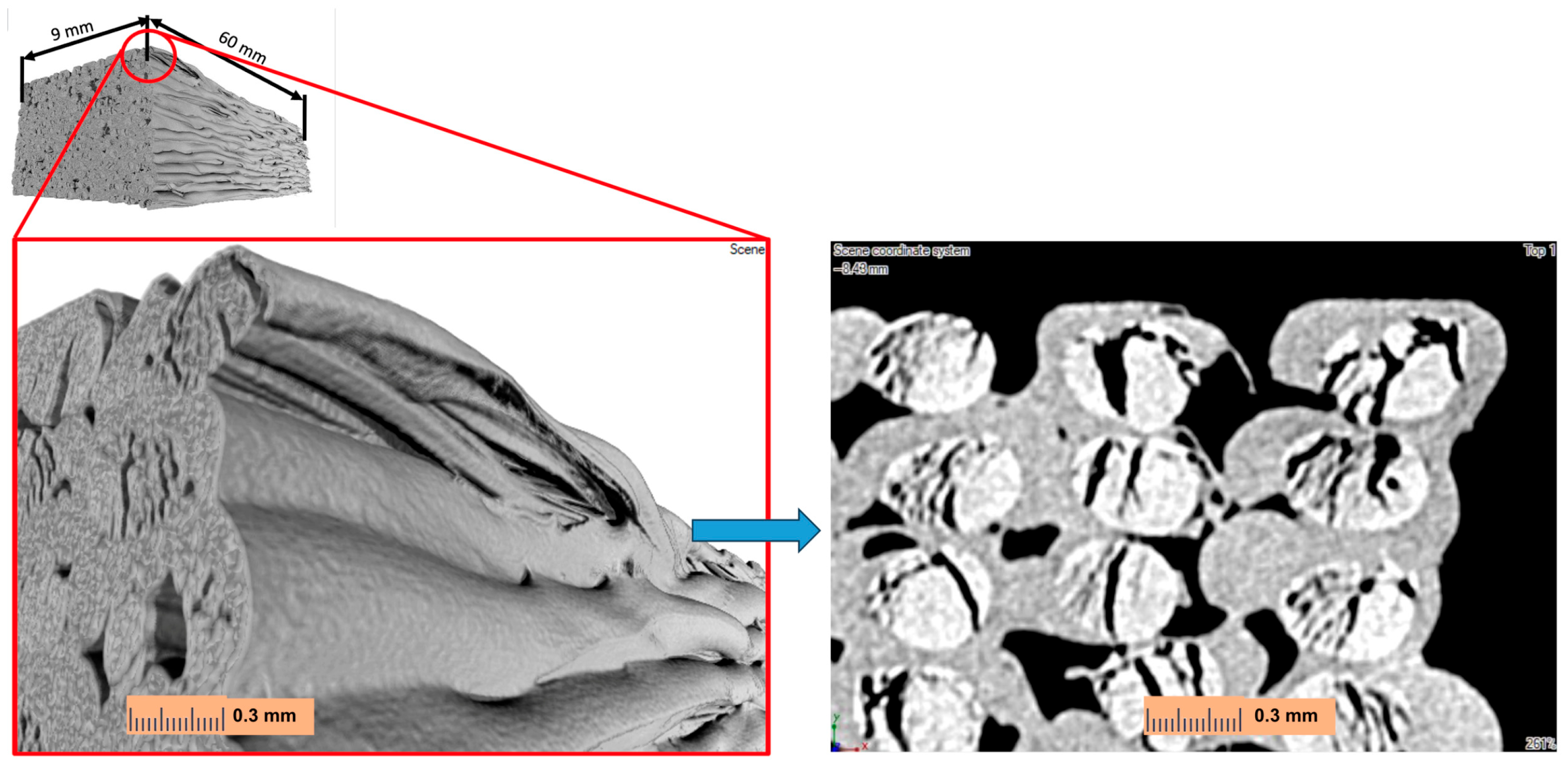
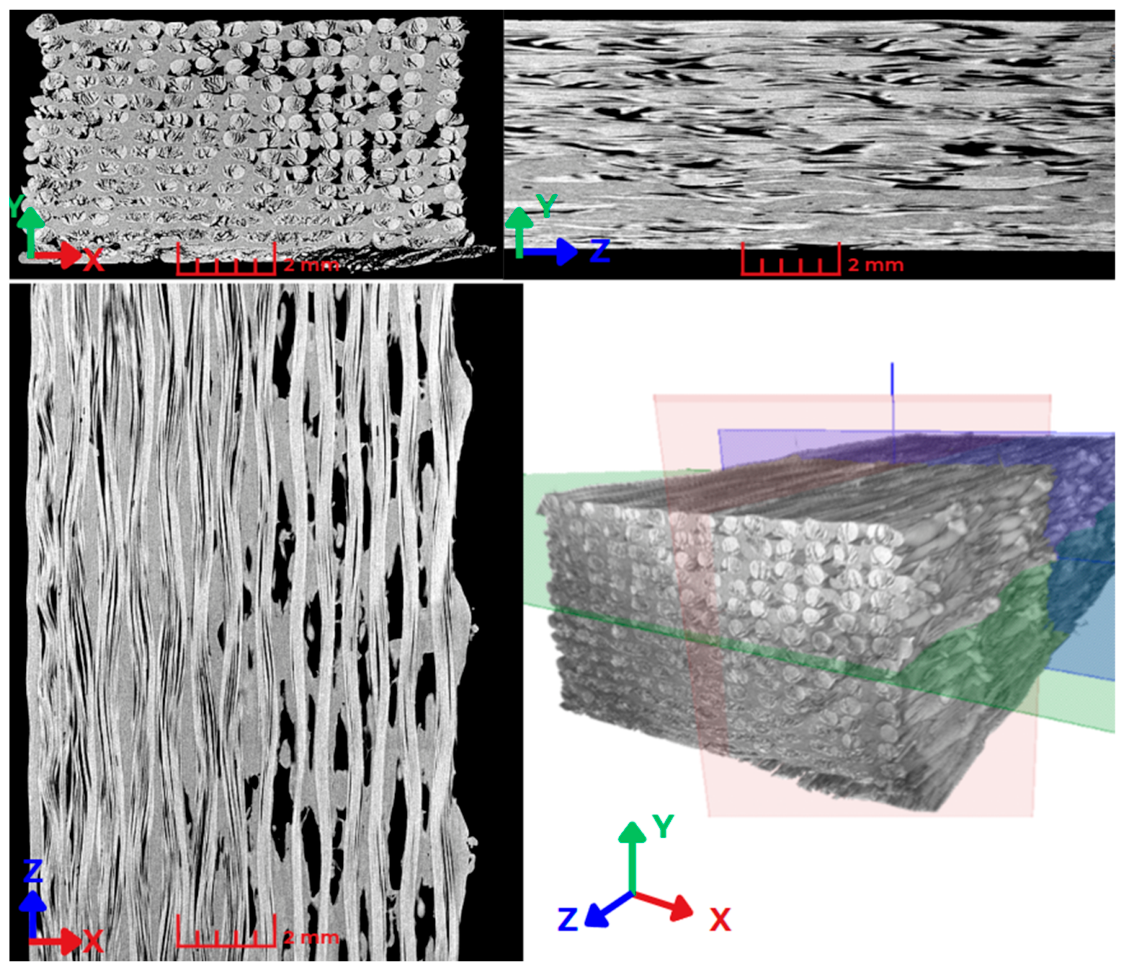
The acquired CT data, shown in
Figure 1, were further utilized to construct representative volume elements (RVEs) that explicitly capture the experimentally observed microstructural features, including fibre misalignment, voids, and imperfect interlayer interfaces. These RVEs were employed to evaluate the influence of additive manufacturing parameters on local material heterogeneity and anisotropy and to derive effective material properties for use in numerical simulations. This microstructural characterization serves as a foundation for incorporating additive-manufacturing-specific microstructural characteristics into the numerical framework developed in this work.
2.1. Quasi-Static Tensile Testing of Coupons
Quasi-static tensile tests were conducted on additively manufactured composite coupons to determine the effective elastic and strength properties required for subsequent numerical modelling. All tensile specimens were printed using the same manufacturing parameters described in the previous section to ensure consistency between the experimental results and the material characterization used for the numerical simulations.
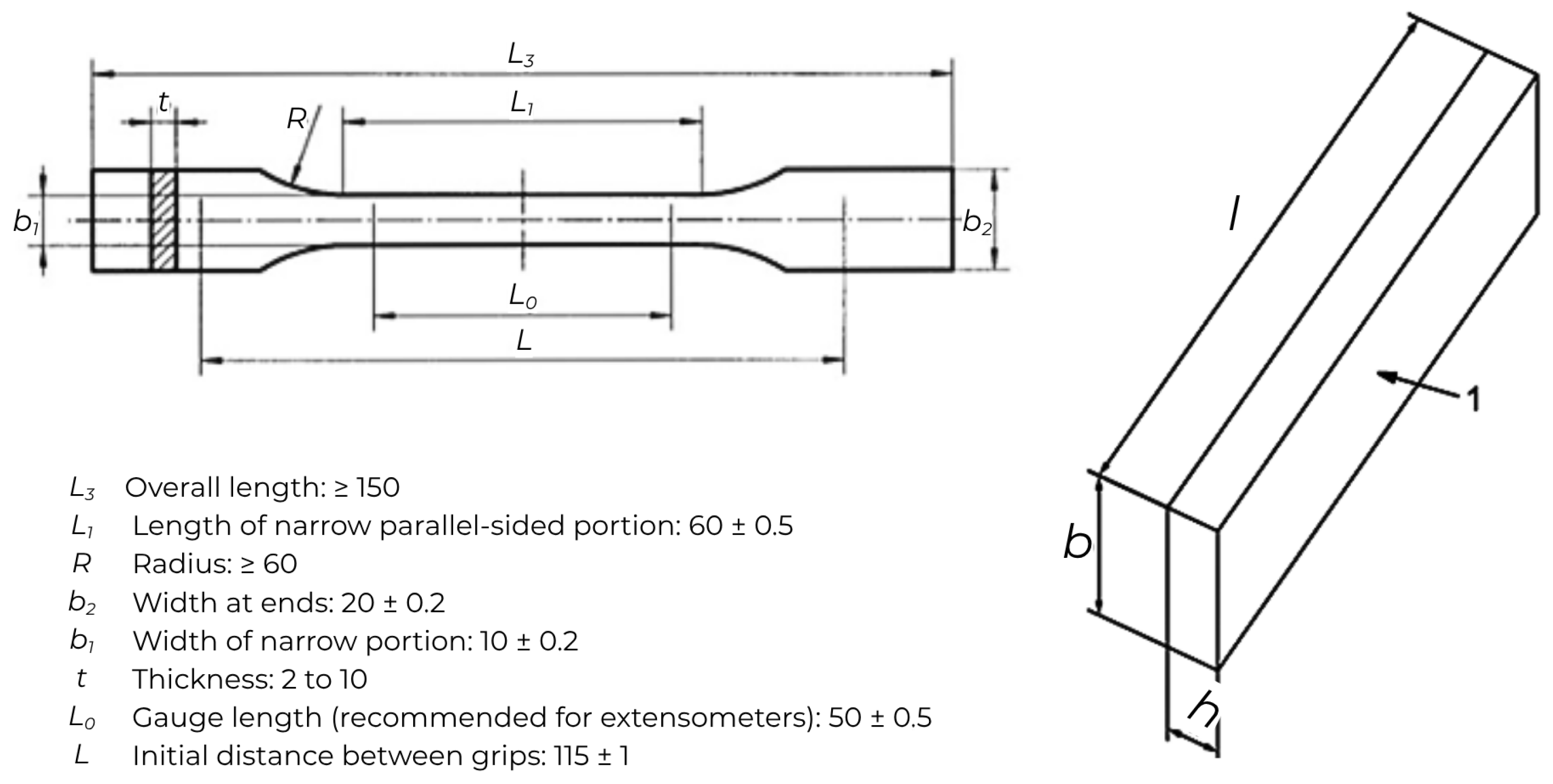
The tensile coupons were designed in accordance with the ISO 527 [
21] standard and featured a rectangular geometry, shown in
Figure 2, with a constant cross-section over the gauge length. Specimens were printed in the form of the plates, and the exact shapes were obtained using the waterjet cutting technique. In this way, all the specimens shared the same dimensions. The dimensions of the test specimen were: a total length of 150 mm, a width at the narrow portion of 10 mm and a thickness of 4 mm. The gauge length was 50 mm.
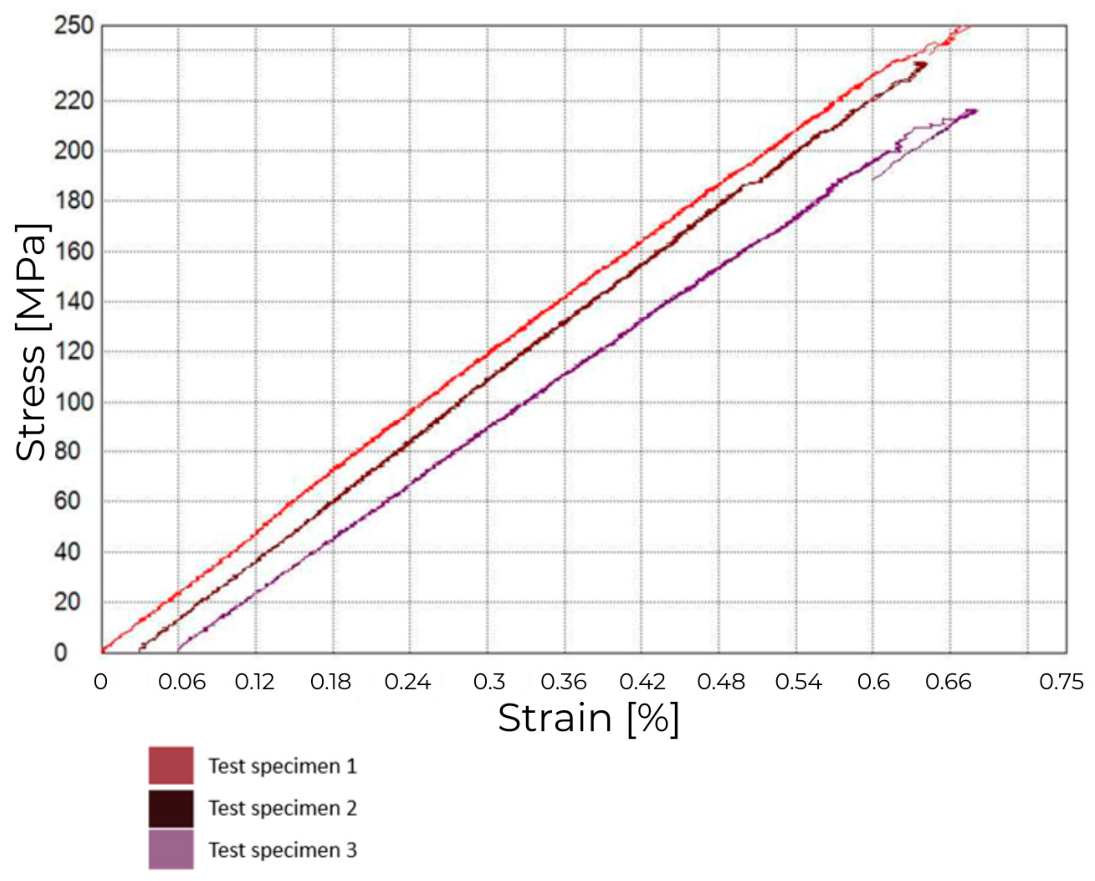
Five unidirectional specimens were loaded using a constant actuator displacement rate of 2 mm/min along the fibre direction to characterize the longitudinal stiffness and strength dominated by the continuous carbon fibres. Evaluating these specimens enabled an assessment of the degree of anisotropy introduced by the printing process and provided insight into the role of fibre architecture in controlling load transfer and damage initiation under tensile loading.
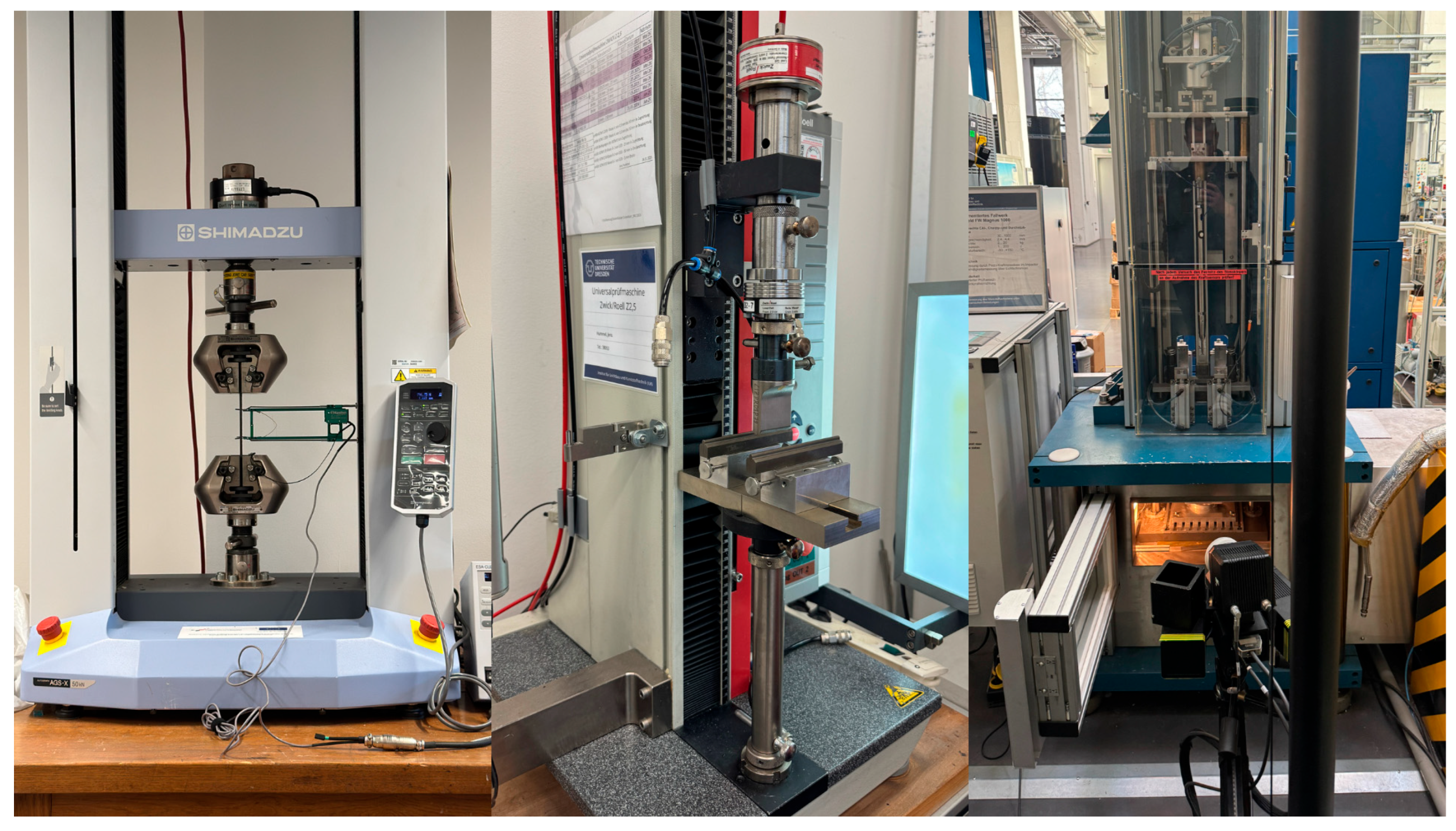
All tensile tests were performed under displacement-controlled loading at a quasi-static strain rate using a universal testing machine Shimadzu
® AGS-X2 50kN (Shimadzu Corporation, Kyoto, Japan) at the Faculty of Mechanical Engineering and Naval Architecture, University of Zagreb, shown in
Figure 3. Axial strain was measured over the gauge section using a contact-strain measurement technique, ensuring accurate strain capture. The recorded force–displacement and strain data were used to compute the effective elastic moduli and ultimate tensile strengths.
The experimentally obtained tensile properties provide a quantitative basis for the development of the homogenized material models in this study and serve as input parameters for the numerical simulations presented in subsequent sections.
2.2. Quasi-Static Three-Point Bending Tests
Quasi-static three-point bending tests were performed to characterize the flexural behaviour of the additively manufactured continuous fibre-reinforced composite coupons in accordance with the DIN EN ISO 14125 standard for unnotched specimens. All quasi-static experiments were conducted at the TU Dresden Institute of Lightweight Engineering and Polymer Technology using a ZwickRoell
® Z2.5 (ZwickRoell GmbH & Co. KG, Ulm, Germany) universal testing machine (
Figure 3). A dedicated bending fixture was used to ensure controlled boundary conditions throughout the testing. The specimens were simply supported over a span length of 62 mm, with cylindrical supports permitting free rotation. The load was applied at the mid-span under displacement-controlled conditions at a constant loading rate of 2 mm/min, satisfying the quasi-static requirements of DIN EN ISO 14125. A Charpy impactor striker was utilized as the loading nose.
All bending specimens were additively manufactured with a unidirectional [0] fibre stacking sequence, with continuous carbon fibres aligned along the longitudinal axis of the coupons. This configuration was selected to focus on fibre-dominated flexural stiffness. The specimens had nominal dimensions for length, width, and thickness of 80 × 10 × 3 mm respectively, consistent with the DIN EN ISO 14125 recommendations as depicted in
Figure 2.
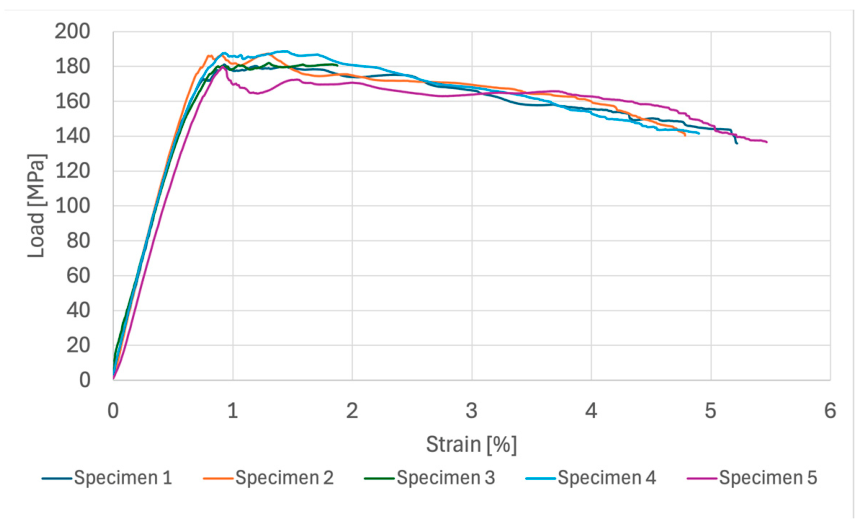
During testing, loading was applied perpendicular to the build layers, inducing tensile and compressive stresses on opposing specimen surfaces. The force–displacement curves were obtained for all specimens and subsequently used to calculate the effective flexural modulus and flexural strength. The flexural modulus was extracted from the initial linear portion of the response, while the flexural strength was determined from the maximum recorded force prior to failure.
2.3. Dynamic Charpy Impact Testing
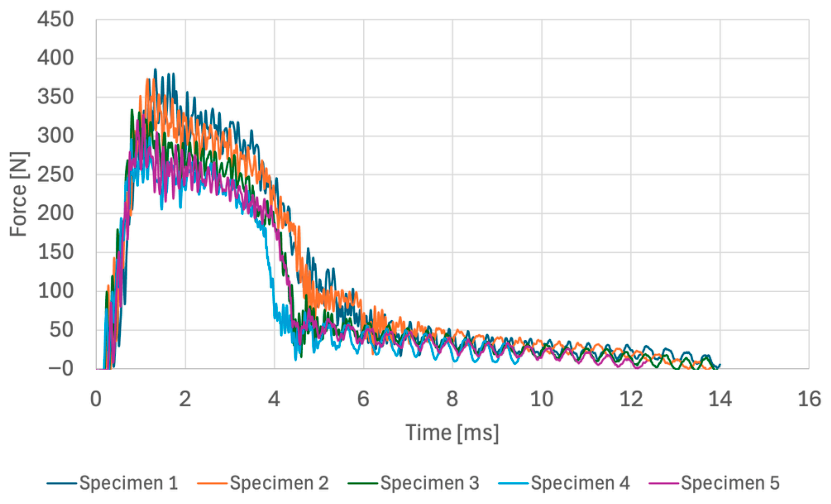
Dynamic impact tests were conducted to investigate the impact response and energy absorption behaviour of the additively manufactured continuous fibre-reinforced composite specimens under two different loading conditions using a FW Magnus 1000 (Coesfeld GmbH & Co. KG, Dortmund, Germany) drop tower (
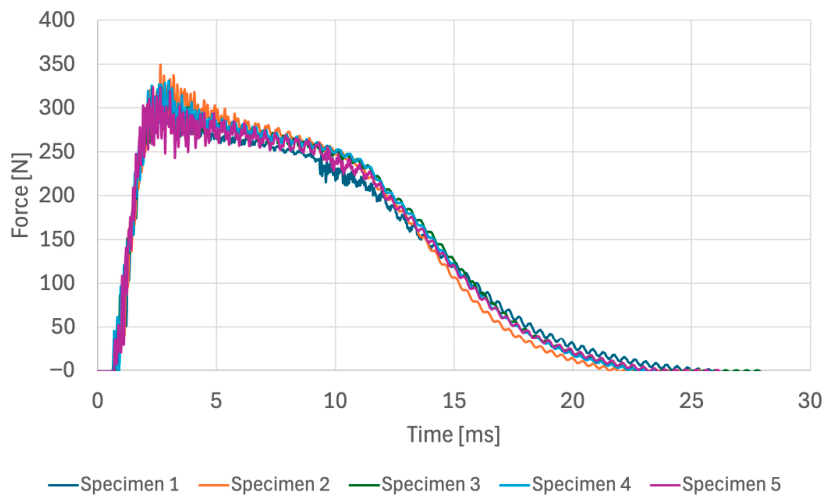
Figure 3) at TU Dresden Institute of Lightweight Engineering and Polymer Technology. The experiments were performed in accordance with the ISO 179, using unnotched specimens to enable a direct comparison with the quasi-static three-point bending tests and to assess the dynamic behaviour of the material without introducing artificial stress concentrations. The weight of the impactor was 2.02 kg with a striking edge radius of 2 mm. The support span was set to 62 mm. Sampling of the force was made every 1 ms. The impact configuration was flatwise on the unnotched, simply supported specimen.
All impact specimens had nominal dimensions for length, width, and thickness of 80 × 10 × 3 mm respectively, identical to those used in the quasi-static bending experiments. The specimens were simply supported at both ends and impacted at the mid-span using a Charpy impactor. This configuration ensured consistency between the quasi-static and dynamic bending responses and enabled the evaluation of strain-rate effects on material behaviour. Two impact velocities were examined by varying the drop height of the Charpy impactor. Drop heights of 100 mm and 400 mm were selected to generate two distinct impact conditions, allowing assessment of the influence of impact velocity on the force response, displacement, and damage evolution. These loading conditions were chosen to remain within the low-velocity impact regime while still inducing dynamic effects relevant to structural applications.
During each impact event, the contact force history was recorded as a function of time. In addition, a high-speed camera system was employed to capture the global deformation during impact. The combined use of force measurements and high-speed imaging provided a comprehensive experimental dataset for analyzing impact behaviour and validating the dynamic numerical simulations presented in subsequent sections. The experiments conducted in this study are relevant for the development of a preliminary damage model in the later stages of the research and this paper provides insight into the obtained results.
2.4. CT-Derived RVE Development and Homogenization
The numerical modelling strategy used in this work is based on a microstructure-based homogenization approach. Representative volume elements (RVEs), generated directly from X-ray computed tomography (CT) data, were used to determine the effective material properties applicable to both quasi-static and dynamic loading conditions. The RVEs capture key microstructural features of the additively manufactured composite, including fibre distribution, matrix-rich regions, intralaminar (within a single printed layer) and interlaminar (between stacked layers) characteristics, and process-induced voids. All numerical modelling and simulations were carried out using the commercial finite element software Abaqus® 2025.
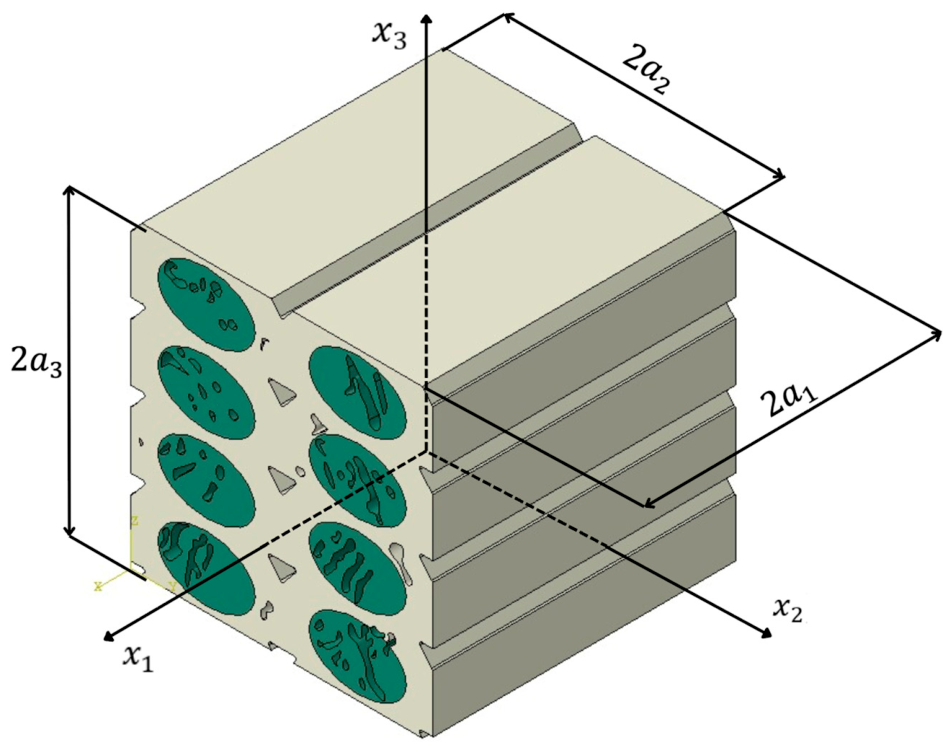
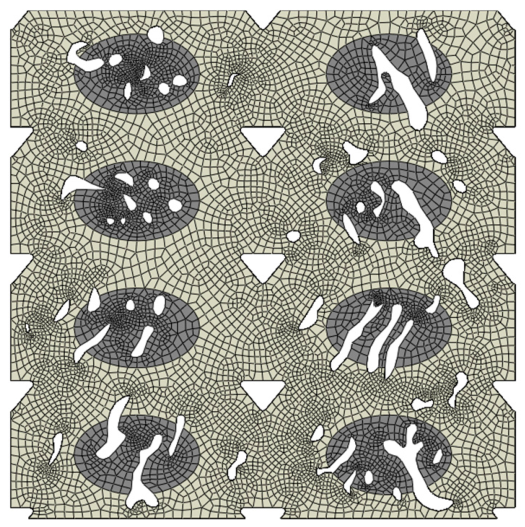
Voids identified from the CT scans, shown in
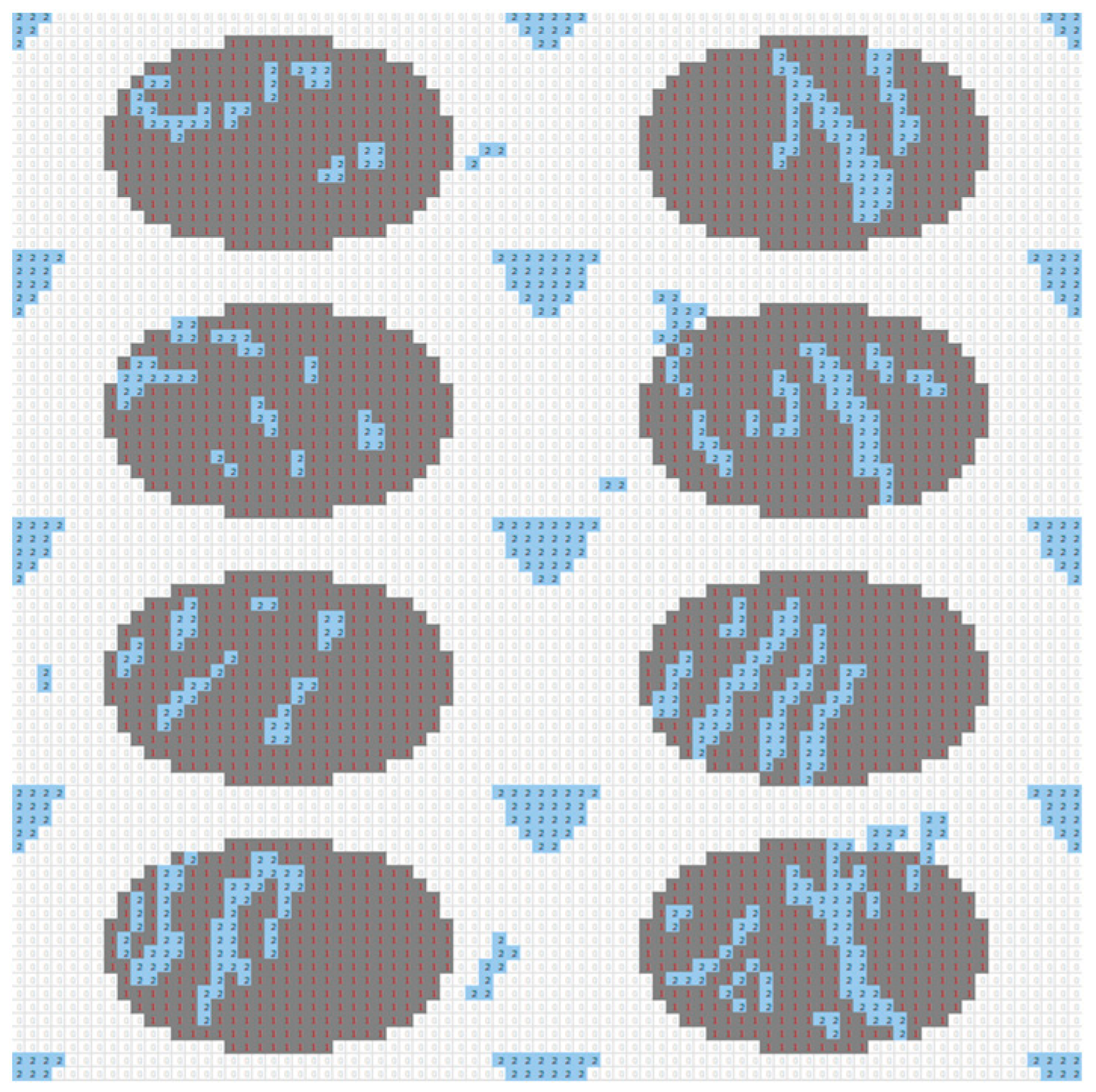
Figure 4, were incorporated into the RVE geometry as discrete regions, depicted in
Figure 5, ensuring that their influence on local stress concentrations and stiffness degradation is inherently reflected in the homogenized response. Analyzing the CT scans of 5 specimens using the phase contrast, it was determined that the average volume fraction of fibres is 25% with a coefficient of variation of 3.16% and the average volume fraction of voids is 10% with a coefficient of variation of 5.02%. Two approaches were used to determine the mechanical properties of the RVEs. Finite element method (FEM)-based numerical homogenization was performed by subjecting the RVE to a series of prescribed strain states through uniform displacement boundary conditions applied independently to each RVE face [
24].
Another approach used High Fidelity Generalized Method of Cells (HFGMC) elaborated in [
25] based on an array of cells each representing one constituent material depicted in
Figure 6. The High-Fidelity Generalized Method of Cells (HFGMC) is a micromechanical approach derived from the Method of Cells (MOC) [
26]. The micromechanical model employed in this study is based on a reformulated HFGMC formulation originally presented in [
27]. This reformulation significantly improves computational efficiency, which is particularly important because the model is intended for use within a multiscale numerical framework for continuous-fibre 3D-printed composites in the continuation of this work. The 2D version of the model is used, enabling the modelling of unidirectional materials with the assumption that the fibres are aligned with the
x1 direction and arranged in a doubly periodic pattern in the x
2 and x
3 directions. The coordinate system adopted in the HFGMC model coincides with the material coordinate system of the composite ply, with
x1 aligned with the fibre direction,
x2 lying in the ply plane, and
x3 normal to the ply plane.
Within the HFGMC framework, the number of material phases is constrained only by the number of sub -cells in the representative unit cell (RUC). The HFGMC is implemented as a FORTRAN code in two versions: the standalone version and the multiscale version that was used in combination with the VUMAT subroutine for structural applications in [
27].
As the model was used only for the prediction of the equivalent properties of the 3D-printed composite in this work, only the standalone version was used. In addition to the homogenization of the composite properties, this application serves also for debugging purposes in the implementation of various damage models for the multiscale HFGMC version.
The input parameters of the model include the geometric characteristics of the RVE, the number of sub-cells used for its discretization (80 × 80 in the present study), and the mechanical properties of the constituents, which are currently assumed to be linearly elastic. The micromechanical simulations presented in this study are used to determine the homogenized composite properties. However, the model also enables the prediction of local stress and strain distributions within the RVE for a prescribed macroscale strain state, as demonstrated in [
22,
24].
Representative volume elements were extracted from the reconstructed X-ray CT volume after the segmentation of the relevant microstructural phases. The selection of the sub-volumes was not only based only on geometric size, but also on maintaining the overall statistical representation of the microstructure. In this sense, the chosen volumes were evaluated with respect to microstructural descriptors such as phase volume fraction, porosity and the constituents’ size and spatial distribution. A sub-volume was considered representative when these quantities remained sufficiently close to those measured for the larger analyzed CT domain and showed no significant variation with further increase in the sampled volume. Based on this criterion, the selected sub-volumes were adopted as RVEs for subsequent numerical modelling.
In both the FEM and HFGMC approaches, for the development of the RVE geometry, both the fibre and matrix constituents were modelled using linear elastic constitutive behaviour, as the objective of the homogenization procedure was to evaluate the material properties of the additively manufactured composite. The continuous carbon fibres and the polyamide matrix material were assigned an isotropic, linear elastic material models with a Young’s modulus and Poisson’s ratio shown in
Table 1 provided by the manufacturer.
The RVE-level homogenization procedure was restricted to the determination of effective linear elastic properties. Fibre, matrix, and void morphology were used to obtain homogenized orthotropic constants representative of the printed mesostructure. No damage initiation, damage evolution, fibre–matrix debonding, or traction–separation formulation was implemented at the RVE scale in the present work.
By adopting linear elastic descriptions for both constituents, the homogenized response obtained from the RVE simulations reflects the combined influence of material stiffness contrast, fibre architecture, and manufacturing-induced defects. The boundary conditions applied to the RVE, depicted in
Figure 7, to determine the mechanical properties of the additively manufactured continuous fibre composite are periodic boundary conditions and can be described by Equations (1)–(3). The same RVE geometry was used throughout the entire numerical modelling process.
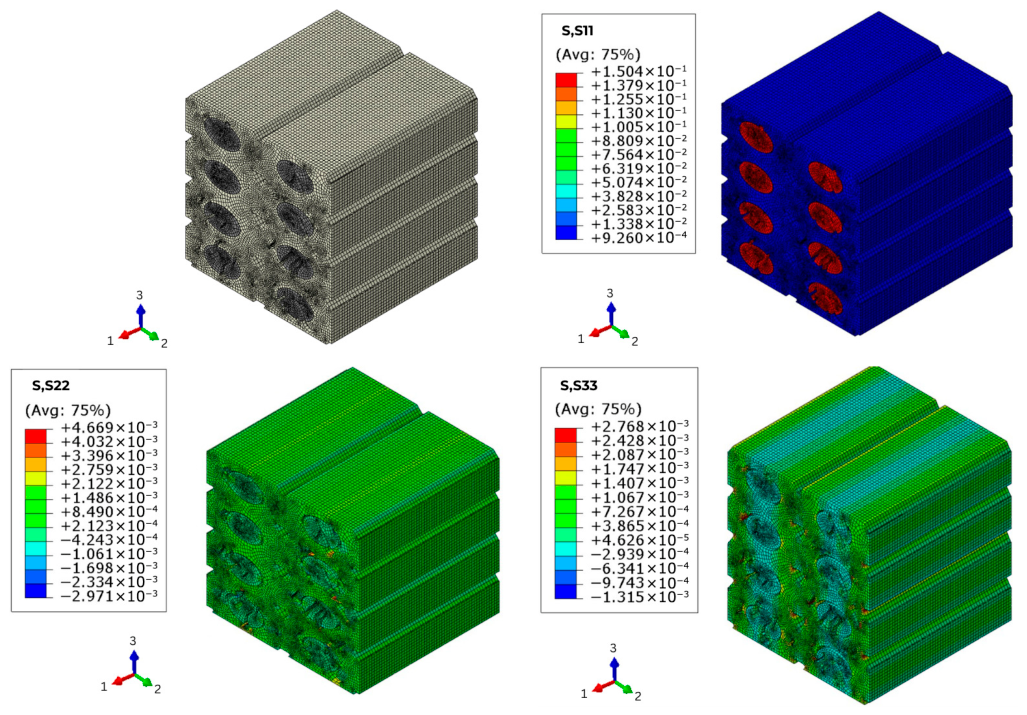
The resulting stress fields were subsequently volume-averaged to compute the corresponding macroscopic stress responses. To determine the components
, with
, the strain is applied to stretch the RVE in the fibre direction (direction
) according to the expression
Similarly, to determine the components
and
, with
, the strain is applied to stretch the RVE in the directions
and
respectively, according to the expressions
Finally, the term
can be determined by setting
This approach allows the determination the values of the volume-averaged stiffness tensor
C as shown in Equation (8) [
24] where only one component of the strain
is different from zero for each of the six components of the stiffness tensor
C for a transversely isotropic material.
Using Equation (9) [
24], the longitudinal and transversal Young’s moduli, Poisson’s ratios and the shear modulus can be calculated.
Based on these calculations, the effective elastic constants of the equivalent laminate were extracted using a dedicated post-processing routine implemented in Python
® 3.14. The resulting homogenized orthotropic elastic properties for the continuous carbon-fibre-reinforced composite were calculated, and the results are shown in
Section 3.2. compared to the HFGMC model [
25]. The effective properties account for the combined influence of fibre morphology, matrix behaviour, and void-induced stiffness reduction, and were subsequently employed as input parameters in the macroscopic finite element simulations.
The homogenized material description was applied in explicit drop-tower impact simulations at the coupon level. Here, the numerical framework was used to predict impact force histories, deformation responses, and energy absorption under dynamic loading. The paper presents a preliminary numerical model for the additively manufactured continuous fibre composite material, and a detailed numerical model including detailed damage modelling, will be developed in the future as part of the research.
2.5. Macroscale FE Models and Boundary Conditions
Macroscale finite element models were developed to simulate the mechanical response of additively manufactured composite specimens under quasi-static and dynamic loading conditions. All numerical models were developed in Abaqus
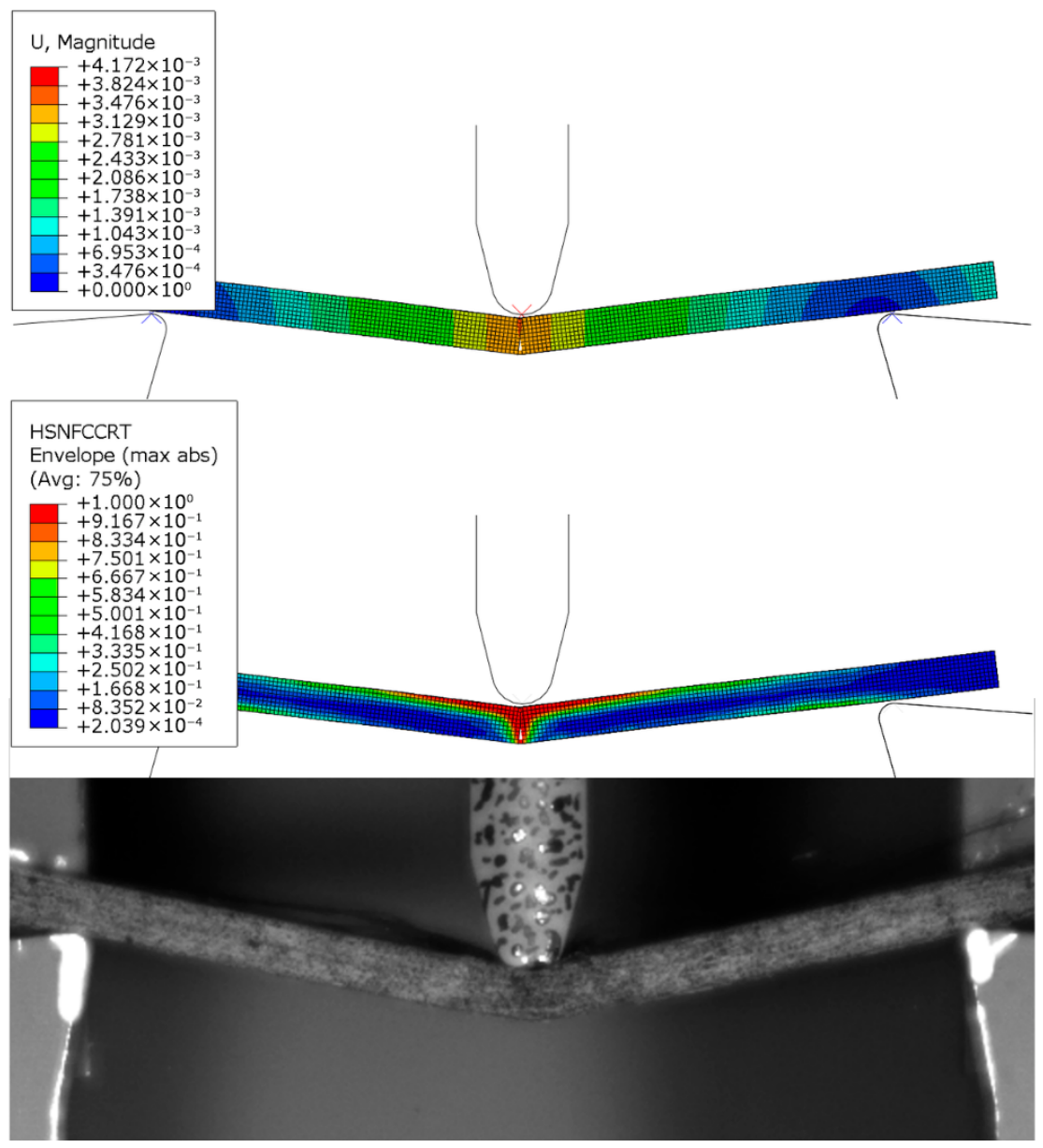
® CAE and employed the homogenized orthotropic material properties derived from the RVE-based homogenization procedure described in the previous section. As the homogenized RVE-derived properties describe only the linear elastic behaviour of the material, the Abaqus built-in Hashin failure-initiation criteria and damage evolution model were applied only to obtain a preliminary representation of the response after the initial elastic phase. The associated damage-related parameters were calibrated using the drop tower impact experiments. Therefore, the resulting impact simulations are not treated as an independent validation of the damage model, but as a calibration-based reproduction of the initial response until the damage onset. The development and independent validation of a predictive progressive damage model will be addressed in future work. Initial parameter estimates were derived from available experimental data and subsequently refined within physically admissible bounds. The values used are shown in
Table 2. The modelling strategy was designed to replicate the experimental configurations. Damage evolution was defined by using mode-dependent fracture energies per unit crack area. No cohesive-zone or traction–separation interface model was implemented in the present study. The fracture-energy values were calibrated using the available drop tower experiments and should not be interpreted as independently measured material properties.
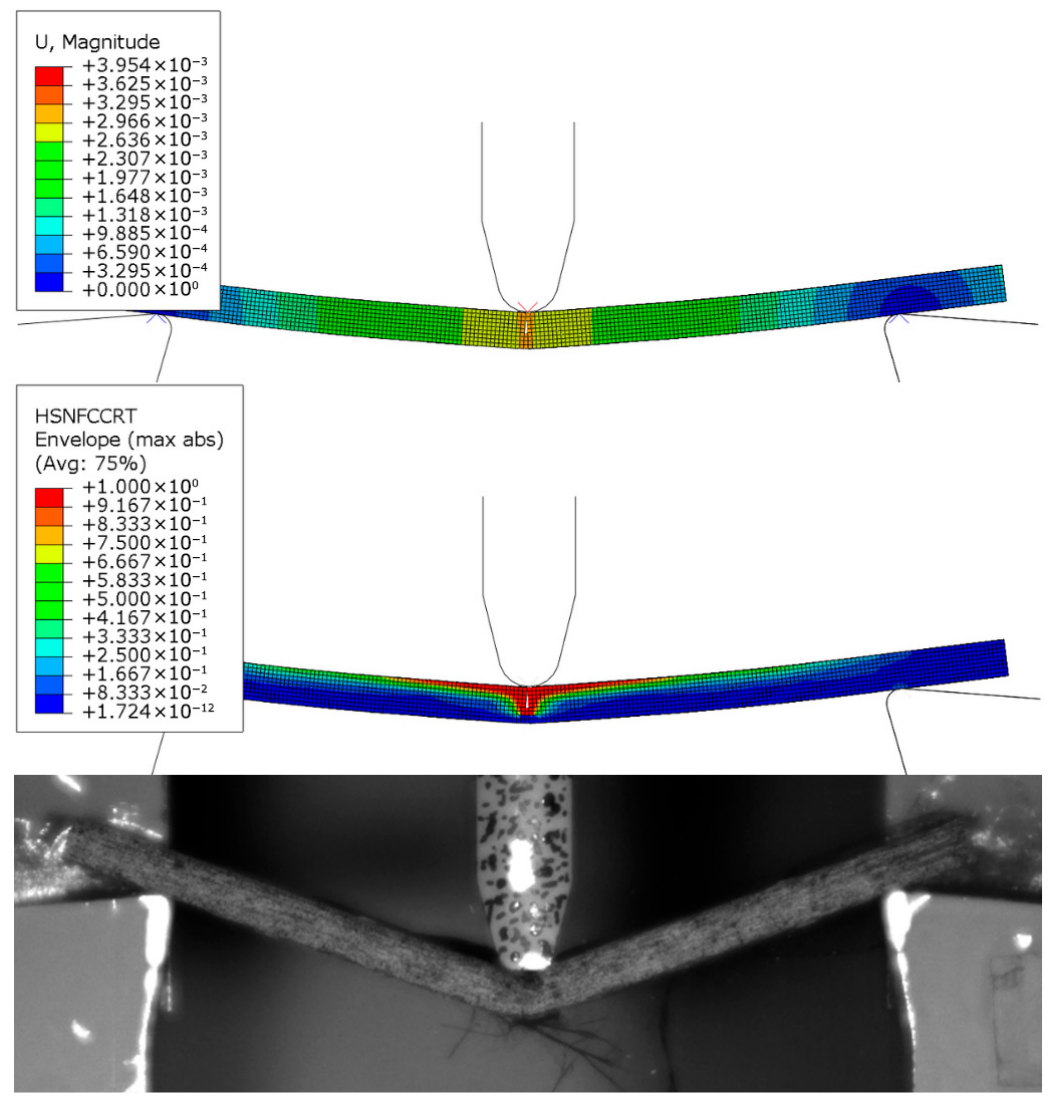
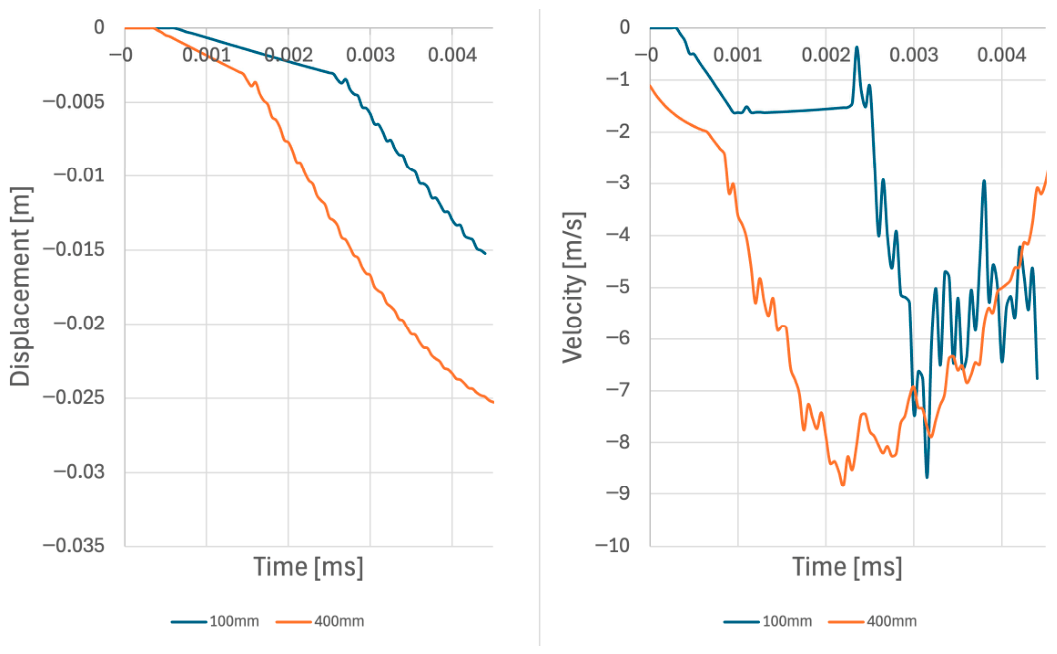
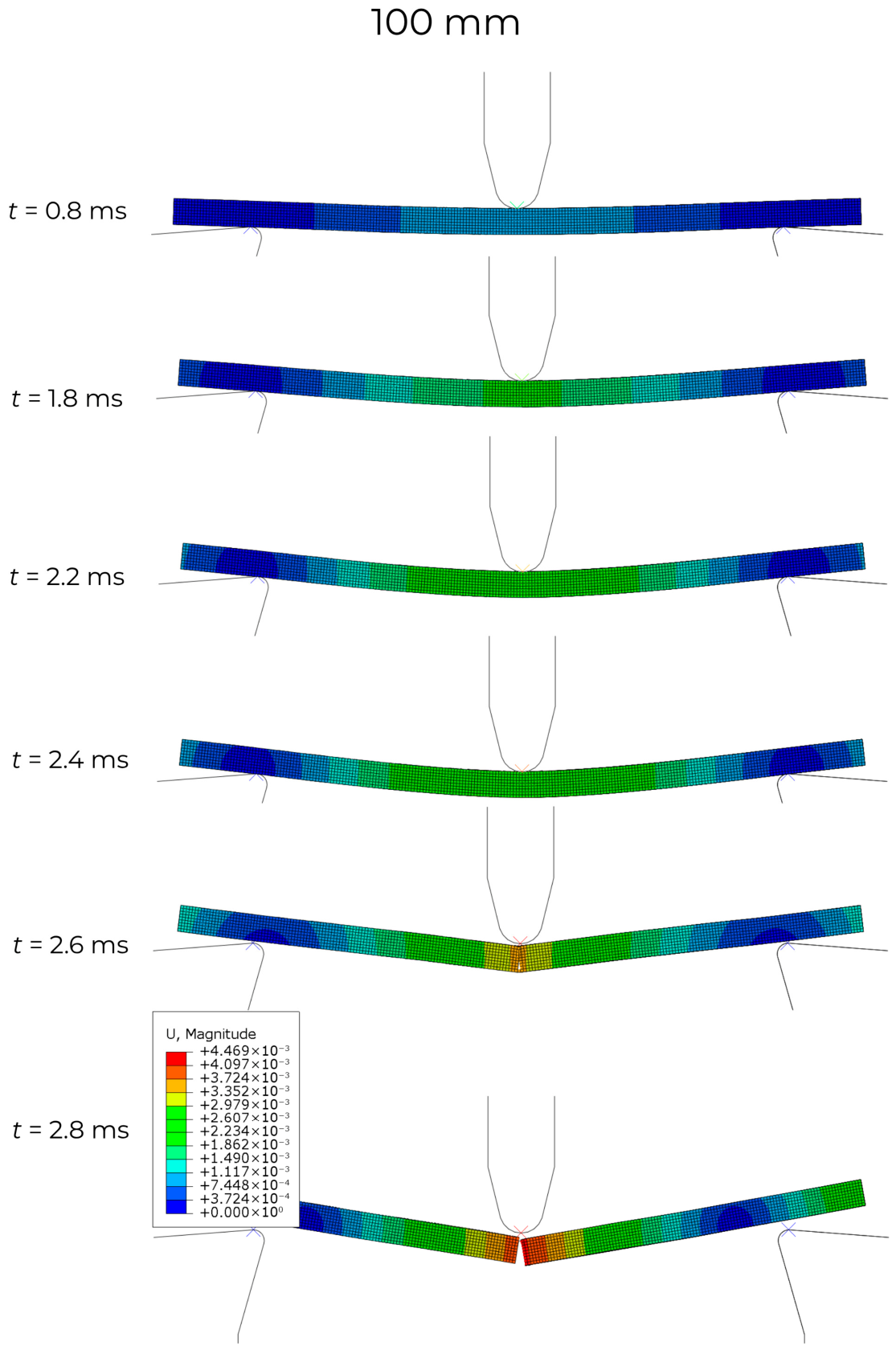
At the coupon level, the numerical specimens were modelled with the same nominal dimensions as the experimentally tested coupons. Boundary conditions and loading configurations were defined to match the corresponding test setups. For the Charpy impact simulations boundary conditions were defined for the supporting structure with all translations and rotations prevented, and a rigid impactor was positioned at the specimen mid-span to replicate the experimental impact configuration. The mass of the impactor was set to 2.02 kg, and it was modelled as an analytical rigid body. The initial total energies of the system for the 100 mm and 400 mm numerical models were 2.8 J and 8.2 J, respectively. The velocities at the moment of the impact were 1.653 m/s and 2.849 m/s, respectively.
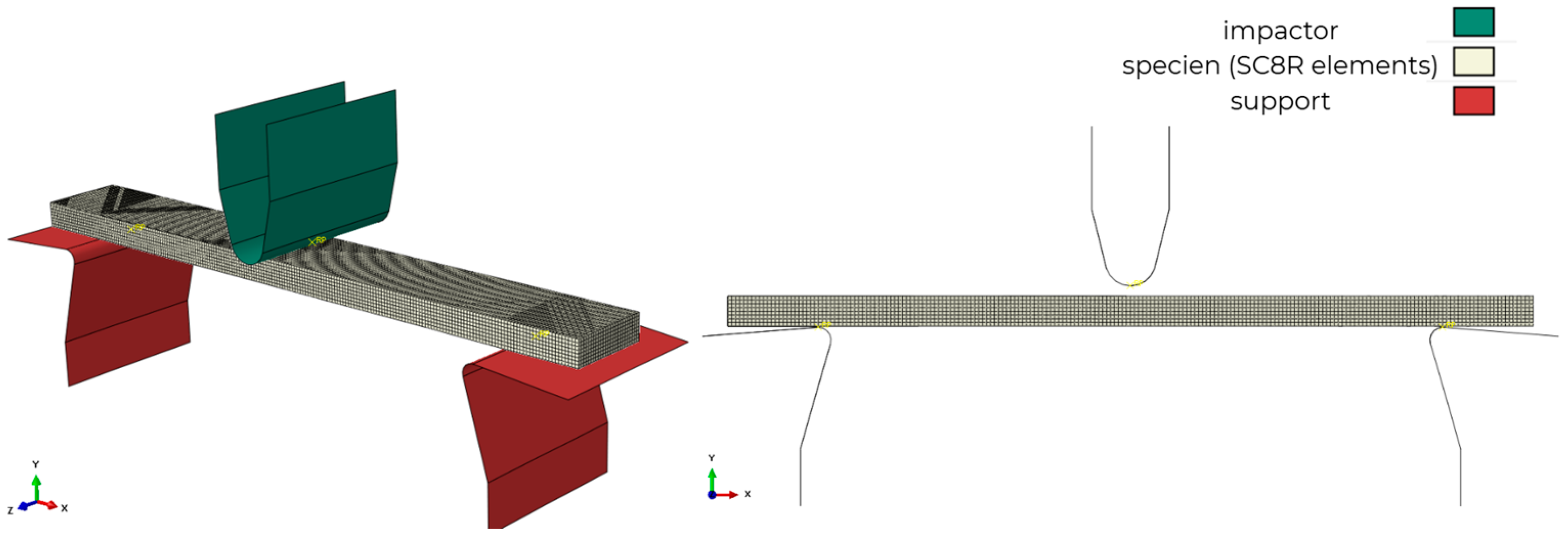
Mesh sensitivity was assessed by comparing four mesh densities of the composite coupon in the 100 mm drop-height impact case. The comparison was based on the initial force–time slope and the maximum contact force. The adopted mesh, consisting of 60,030 SC8R continuum shell elements, produced changes of less than 0.5% in the maximum contact force compared with the finer mesh of 153,600 SC8R elements, while requiring a substantially lower computational cost. Therefore, this mesh density was selected for the full set of simulations. The impactor and supports were modelled as analytical rigid bodies with no mesh definition required. The model’s mesh is depicted in
Figure 8. Default hourglass control was used and maximum degradation was set to 0.92.
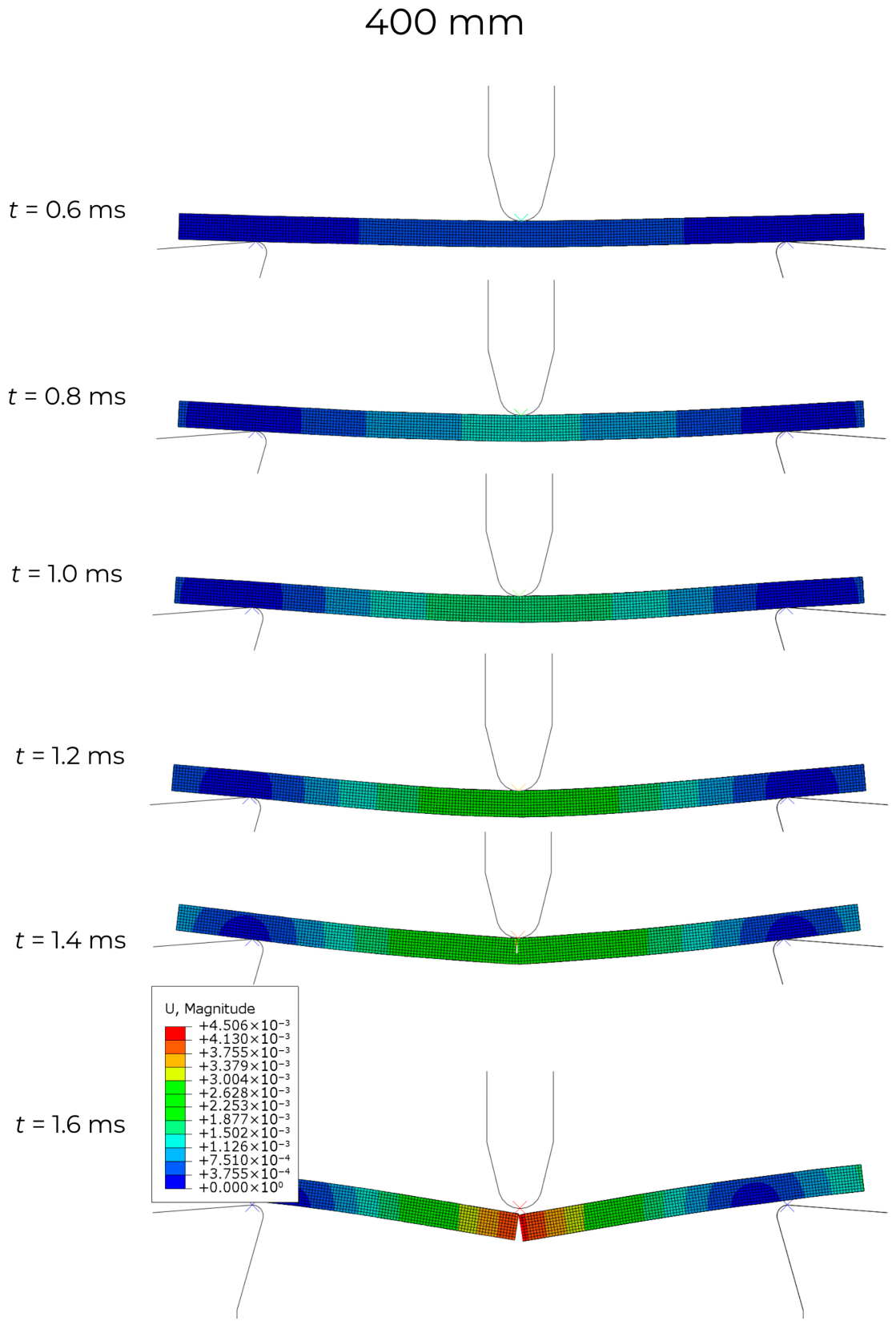
This meshing strategy was selected to ensure stable contact interactions and accurate force transmission between the impactor and the composite specimen during the impact simulations. The step duration for the drop simulation was set to 0.0045 s and 0.0027 s for drop heights of 100 mm and 400 mm respectively to cover the significant part of the impact recorded by the high-speed camera.
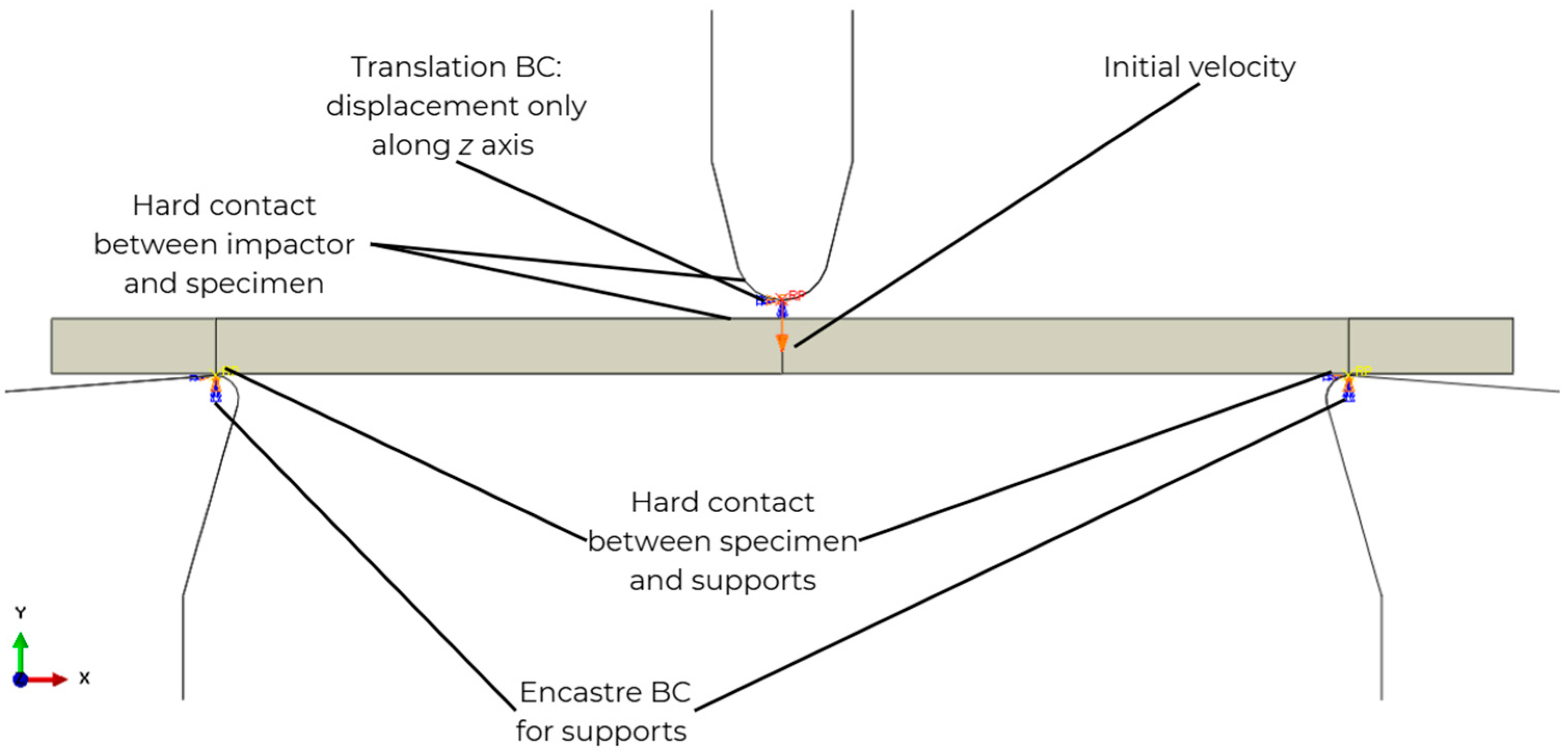
For the drop tower tests, the boundary conditions, shown in
Figure 9, for the velocity of the were modelled using a predefined field, with velocities of 1.653 m/s and 2.849 m/s representing drop heights of 100 mm and 400 mm, respectively. The velocities used in the numerical modelling were obtained from the experimental results with the average velocities determined across five tests for each drop height. Contact between the impactor, supports, and composite specimen was defined using hard contact in the normal direction. A frictionless tangential formulation was adopted because the Charpy-type impact configuration was governed primarily by normal impact loading and flexural deformation of the specimen, while no sustained tangential sliding was observed during the experimentally relevant part of the impact event. Moreover, no independent experimental measurement of the steel–composite friction coefficient was available; therefore, the frictionless assumption was used to avoid introducing an additional uncalibrated parameter into the preliminary numerical model. No additional material damping, Rayleigh damping, or contact damping was applied. The simulations therefore relied on the explicit dynamic formulation, the prescribed experimentally measured impact velocities, and the material response defined by the homogenized orthotropic properties and damage-initiation parameters. The output interval for the explicit simulations was set to 0.0002 ms.
To clarify the link between the experimental campaign and the numerical model, the identification route for the model inputs is summarized as follows. The CT measurements were used to quantify the printed mesostructure, including fibre distribution, fibre volume fraction, void content, and matrix-rich regions, and to construct the RVE geometry used for homogenization. The elastic properties of the fibre bundle and the polyamide matrix were taken from manufacturer data and assigned to the corresponding RVE phases. The homogenized orthotropic elastic constants obtained from the FEM and HFGMC procedures were then used as input for the macroscale coupon models. The tensile and three-point bending tests were used to assess whether the resulting effective elastic response was consistent with the measured quasi-static coupon stiffness. The drop-tower tests supplied the initial impact velocities and force–time histories used for the preliminary impact comparison. The Hashin-related damage-initiation and evolution parameters were calibrated against the available drop tower data and are therefore treated as auxiliary phenomenological parameters rather than independently identified material properties.
4. Conclusions
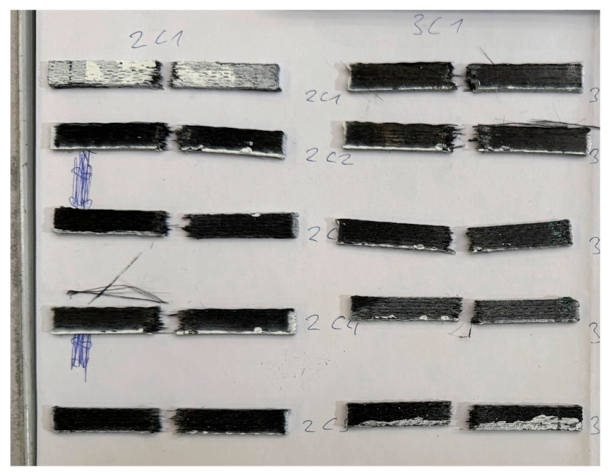
This work presents an experimental and numerical investigation of additively manufactured continuous carbon-fibre-reinforced polyamide composites, with the objective of establishing a microstructure-derived modelling framework capable of reproducing both quasi-static and dynamic structural responses. Comprehensive experimental testing, including tensile, three-point bending, and Charpy impact experiments, demonstrated that the mechanical behaviour of these materials is strongly governed by the fibre architecture and manufacturing-induced defects. Unidirectional specimens exhibited fibre-dominated stiffness and strength, although they possessed significantly lower mechanical properties than similar conventional composites. Quasi-static bending and impact tests further revealed stable, progressive damage behaviour at quasi-static and lower impact velocity loading conditions and increased scatter and perforation at higher impact velocities, indicating a rate-dependent response influenced by local microstructural variability.
High-resolution X-ray computed tomography enabled the direct characterization of fibre distribution, void morphology, and interlayer features typical of the additive manufacturing process. These experimentally observed microstructural characteristics were explicitly incorporated into representative volume elements used for numerical homogenization. The resulting CT-derived orthotropic elastic properties, determined using FEM-based homogenization and the HFGMC method, captured significant stiffness reductions in transverse directions, highlighting the importance of accounting for porosity, fibre waviness, and imperfect interfaces when modelling additively manufactured continuous-fibre composites.
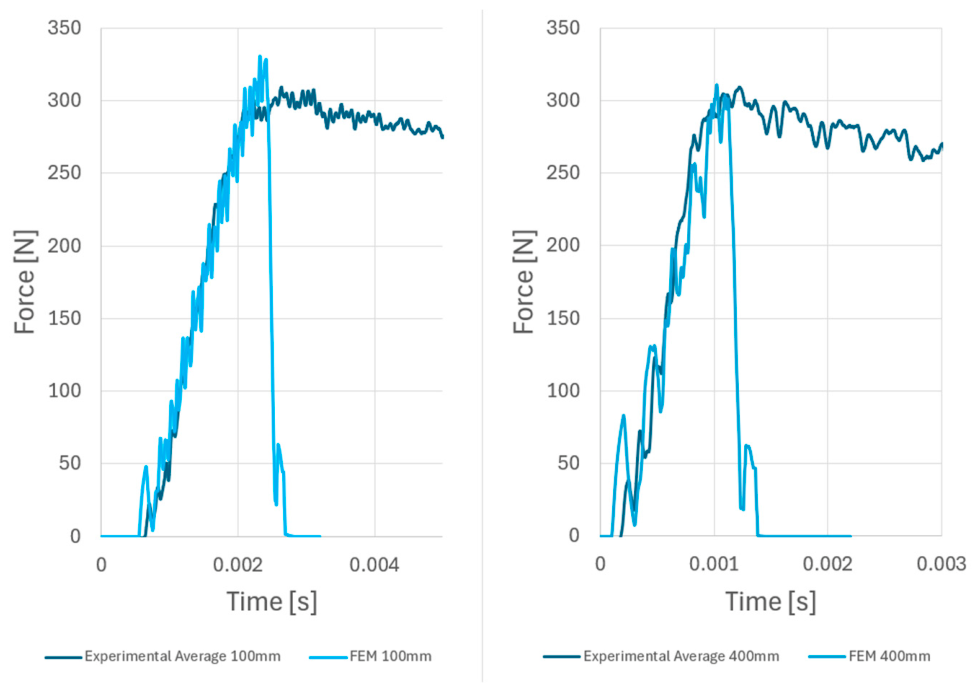
The homogenized material model agreed well with experiments during the initial elastic phase and low-velocity impact, reproducing the initial stiffness and peak force for both impact configurations. This suggests that the CT-derived homogenization framework can capture the early elastic impact response when combined with calibrated damage-initiation parameters. However, the simulations remain preliminary and calibration-based and were not independently validated. Deviations at higher forces and impact energies likely reflect damage mechanisms and strain-rate effects beyond the study scope. Future work will focus on identifying strength and fracture-energy parameters and validating the model against additional impact cases and measured damage areas.
Overall, the results show that CT-derived homogenization is a scalable approach for modelling the effective mechanical behaviour of continuous fibre additively manufactured composites under quasi-static and early dynamic loading. The framework could support simulation-driven design and preliminary impact assessment, particularly for lightweight aerospace structures. Future work will extend the model to include nonlinear behaviour, progressive damage, and rate-dependent effects for application to real aeronautical structures.