1. Introduction
The issue of infertility is a global concern, observed both in high- and low-income countries. According to data from the World Health Organization (WHO), infertility affects approximately 1 in 6 people worldwide, accounting for about 17.5% of the adult population. The social and economic consequences of infertility are considerable, including financial strain due to the high cost of treatment. The WHO recognizes infertility treatment and the study of factors related to fertility as essential for strengthening the reproductive health of populations [
1].
Infertility is defined as the inability to conceive after 12 months of regular unprotected sexual intercourse and may be caused by male factors, female factors, a combination of both, or other unknown reasons. At present, in vitro fertilization (IVF) is one of the most effective methods of infertility treatment, and its use has significantly increased pregnancy rates among women with infertility. However, a considerable number of patients still experience implantation failure [
2,
3].
Recurrent implantation failure (RIF) is defined as the absence of a successful pregnancy after several transfers of high-quality embryos in women under the age of 40. RIF may be caused by a variety of factors, such as maternal age, lifestyle, excess weight, genetic abnormalities, immunological disorders, and others [
4]. Endometrial receptivity is considered one of the key factors influencing pregnancy success after embryo transfer [
5].
The endometrium is the inner lining of the uterus, which thickens during each menstrual cycle in preparation for potential embryo implantation. It plays a crucial role in fertility, as a receptive endometrium is essential for a successful pregnancy. Even when the embryo is healthy, a non-receptive endometrium may hinder the early stages of pregnancy from progressing or prevent the embryo from attaching to the uterine lining [
6]. A non-receptive endometrium is associated with implantation failure and early pregnancy loss, leading to reduced pregnancy rates in IVF. This makes it a critical factor to consider in reproductive health and infertility treatment. A non-receptive endometrium may result from a thin endometrium, where the lining is not sufficiently thick to support embryo implantation (<7 mm), or from endometrial scarring and Asherman’s syndrome, in which the endometrium is damaged or contains adhesions that reduce the available sites for embryo implantation [
7,
8,
9].
Traditional approaches to treating these pathologies include hormonal therapy, such as estrogen therapy, vasodilators like aspirin, and surgical interventions to assess the presence of intrauterine adhesions. While these treatments may improve the condition, their effectiveness varies from patient to patient, as individual responses to therapy can differ significantly, often resulting in limited efficacy [
10].
This is why, in recent years, new regenerative medicine-based therapies, such as platelet-rich plasma (PRP), have been gaining popularity in the treatment of infertility among women with repeated unsuccessful IVF attempts. These methods are particularly relevant in cases associated with implantation failure after embryo transfer, often mediated by impaired endometrial receptivity, including insufficient endometrial thickness. Such therapies have been shown to improve endometrial thickness, blood flow, and implantation rates [
11].
PRP therapy is already widely used in various medical fields, including maxillofacial surgery [
12], dermatology [
13], traumatology [
14], ophthalmology [
15], and is now becoming increasingly popular in reproductive medicine.
PRP therapy utilizes the patient’s own platelets to accelerate healing and stimulate tissue growth, including the endometrium. The growth factors contained in platelets play a key role in the regenerative processes triggered by PRP treatment.
According to the literature, the use of PRP in reproductive medicine demonstrates high clinical and economic effectiveness. For example, PRP has been shown to stimulate the proliferation and migration of endometrial cells, as well as the expression of numerous factors involved in endometrial regeneration and repair [
16].
The most common method is intrauterine PRP infusion, which represents a novel approach to treating refractory thin endometrium. This method can stimulate proliferation and angiogenesis through the release of large quantities of growth factors and cytokines. Uterine irrigation with PRP enhances the chances of pregnancy by improving the conditions for embryo implantation.
The proposed mechanisms by which intrauterine PRP infusion improves endometrial function are multifaceted and directly linked to the activity of its bioactive components. PRP stimulates the proliferation of endometrial cells, including epithelial cells, stromal fibroblasts, and mesenchymal stem/progenitor cells. In turn, the increased expression of adhesion molecules, recruitment of stem cells, and enhanced migration of endometrial cells following PRP administration promote endometrial growth and receptivity. According to researchers, higher levels of Hoxa10—one of the key markers of endometrial receptivity—have been detected in the endometrium after PRP treatment. Based on this evidence, scientists suggest that PRP, may serve as a potential solution to infertility in patients with thin endometrium, a condition pathophysiologically characterized by high blood flow resistance, reduced VEGF levels, insufficient epithelial growth, and impaired vascularization [
17].
In addition to promoting cellular growth, PRP stimulates angiogenesis in the endometrium. Platelets have a positive effect on local tissue repair and contain a significant number of growth factors that stimulate proliferation and tissue growth: vascular endothelial growth factor (VEGF), epidermal growth factor (EGF), platelet-derived growth factor (PDGF), transforming growth factor (TGF), and other cytokines, which are released upon platelet activation at sites of injury or inflammation. Factors such as VEGF and FGF contribute to the formation of new microvessels, which is critically important for delivering oxygen and nutrients to the tissues. Improved blood flow is fundamental for developing a healthy and resilient endometrial lining capable of supporting and sustaining pregnancy (
Table 1).
Finally, PRP possesses anti-inflammatory properties. Excessive inflammation of the uterine lining can hinder embryo implantation and compromise fertility. The growth factors contained in PRP help regulate the immune response and suppress local inflammation, thereby creating more favorable conditions for healing and implantation. Thus, the true therapeutic potential of PRP may extend beyond merely increasing endometrial thickness, focusing instead on improving the overall quality, vascularization, and receptivity of the endometrial environment –factors that are more nuanced indicators than one-dimensional measurements [
18].
The aim of this study is to evaluate the clinical efficacy of PRP on the growth of the endometrium and follicles. The contribution of this study is to demonstrate the effectiveness of PRP therapy in the treatment of infertility and thin endometrium.
2. Materials and Methods
Ethical Issues
This study was approved by the Local Bioethics Committee of the RSE on REM “Scientific and Production Center of Transfusiology” (Protocol No. 4 dated 15 August 2023). Participation in this study was voluntary, and written informed consent was obtained from all participants. The participants were informed that their data (medical history, laboratory results, checklist data) would be used for statistical analysis and scientific publications while ensuring confidentiality and the protection of personal information. Each participant was assigned an individual registration code to anonymize the data.
The aim of the study is to evaluate the impact of PRP on the reproductive outcomes of women with unsuccessful embryo transfers.
This is a single-center prospective interventional clinical study (all participants receive PRP, and the comparison is made with baseline data before treatment–before/after design).
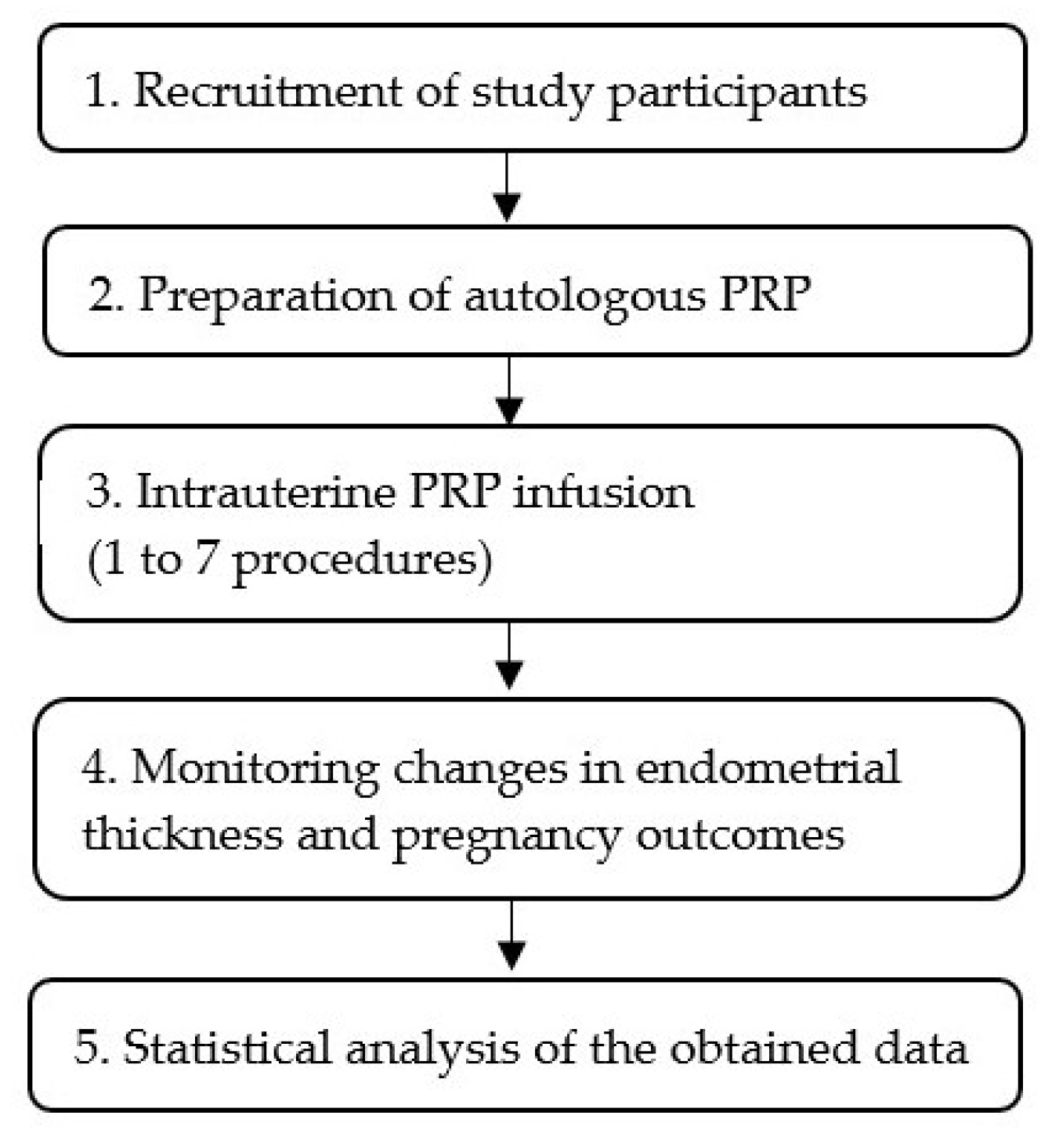
Recruitment of study participants;
Preparation of autologous PRP;
Intrauterine PRP infusion (1 to 7 procedures);
Monitoring changes in endometrial thickness and pregnancy outcomes (occurrence/non-occurrence);
Statistical analysis of the obtained data.
Figure 1.
The study design.
Figure 1.
The study design.
This study included 38 women aged 27 to 52 (this age range refers to the ages of the patients who were actually included into this study) who sought treatment at the “Genom-Astana” Medical Center with the primary complaint of being unable to conceive or maintain a pregnancy. During this study, 4 participants withdrew, and their data were excluded from the final results. This article presents the interim results of this study, as participant recruitment is still ongoing. The decision to include patients in this study was based on previous unsuccessful IVF attempts and the presence of a thin endometrium, as identified by ultrasound examination (US).
To assess the effectiveness of PRP in the treatment of thin endometrium, endometrial thickness data from the same women immediately prior to their enrollment in this study were used as controls.
In a “before–after” study design (paired measurements), sample size calculation is performed to assess changes in the same patients before and after the intervention. Paired observations are compared using a paired t-test. The sample size is calculated based on the desired statistical power (80–90%) and the significance level (typically α = 0.05). Approximately 30–40 participants provide adequate power for a moderate effect size.
Inclusion criteria: signed informed consent to participate in this study, age between 18 and 52 years (this age range refers to the acceptable age for participation in this study), infertility lasting more than 12 months, and confirmed chronic endometritis, recurrent implantation failure.
Exclusion criteria: medical contraindications to pregnancy, patient refusal to continue participation in this study, or withdrawal of previously signed informed consent.
For participants enrolled in this study, medical history was collected, physical examination was performed, body weight and height were measured, and laboratory tests were conducted (AMH, FSH, hCG, hemoglobin, blood glucose). Ultrasound of the pelvic organs was carried out to assess concomitant reproductive system disorders, and hysteroscopy was performed to evaluate endometrial thickness prior to initiating PRP treatment.
- 2.
Preparation of Autologous PRP:
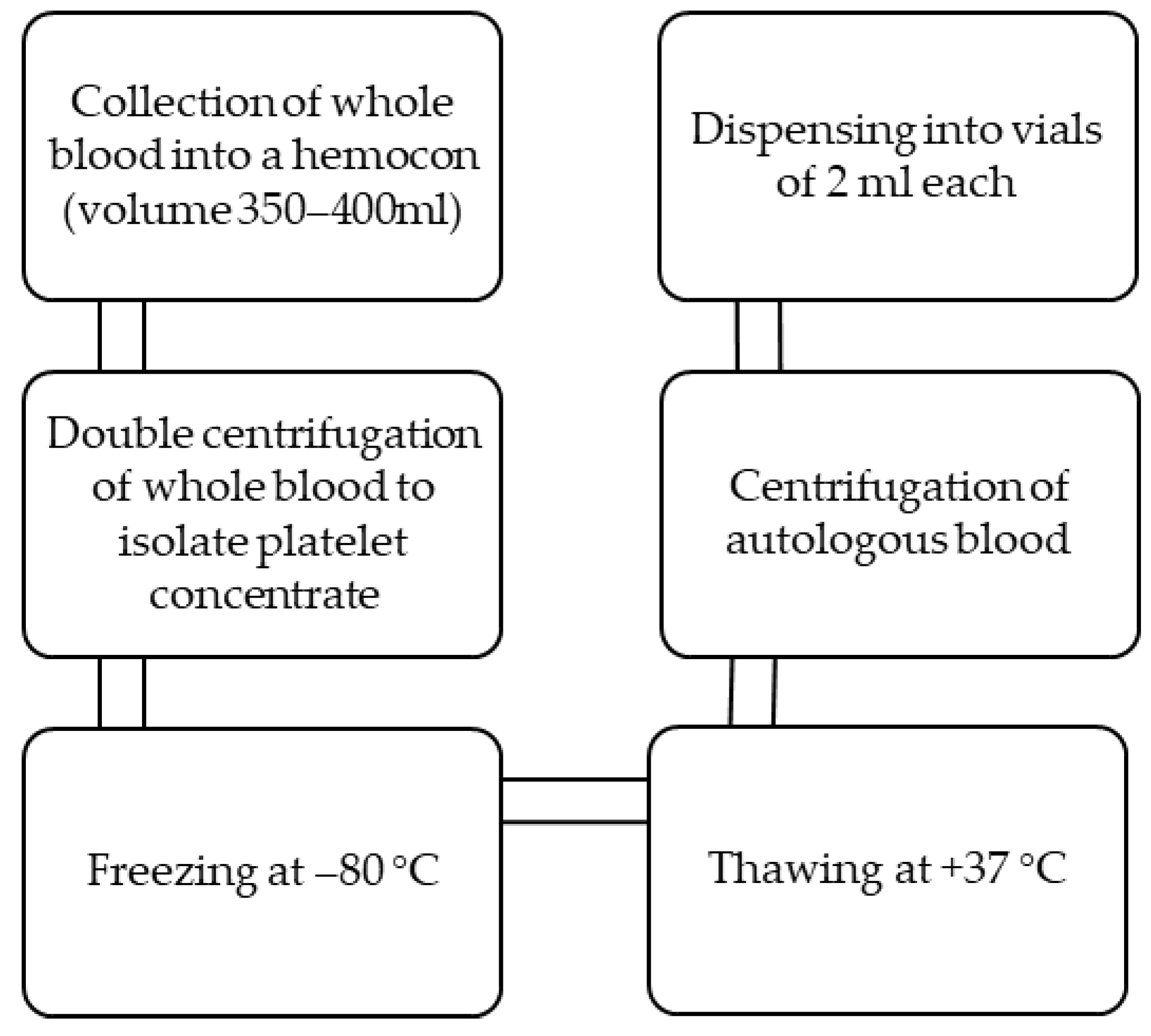
At the RSE on REM “Scientific and Production Center of Transfusiology” (SPCT), whole blood was collected and processed using a double centrifugation method to prepare autologous PRP, which was subsequently transferred to the “Genom-Astana” Medical Center for the treatment of patients diagnosed with infertility, including those with impaired endometrial receptivity.
For PRP preparation, whole blood was collected from women into sterile hemocontainers with anticoagulant, in a volume of 350–450 mL, under aseptic conditions.
A double blood bag (hemacon) was used–this is a sterile disposable system consisting of two interconnected plastic bags intended for whole blood collection and processing. It includes two bags: the primary bag contains the anticoagulant CPDA-1 (Citrate–Phosphate–Dextrose–Adenine), and the secondary empty bag is used for separating and transferring plasma and/or red blood cells after centrifugation.
The separation of the platelet concentrate from a whole blood unit begins with the first stage of centrifugation, during which the blood is divided into platelet-rich plasma and red blood cell mass. For this, the centrifuge is activated, the hemocon with whole blood is placed into the centrifuge cup with the ports facing upward, and balanced on scales. Centrifugation is performed at a speed of up to 1200 rpm for 10 min at +22 °C with minimal braking. After the centrifuge stops, the hemocon is carefully removed, and using a plasma extractor, the supernatant platelet-rich plasma is transferred into a satellite bag, ensuring that red blood cells do not enter it. The containers are separated by sealing the tubing between them at a distance of 15–20 cm from the plasma bag. If necessary, the red blood cell mass is reinfused into the patient. A label indicating the patient’s full name, date of preparation, and volume is affixed to the red blood cell bag.
The second stage of centrifugation is then performed to isolate the platelet concentrate. The bag containing platelet-rich plasma is connected to a compoplast using a sterile tubing welder, after which it is placed into the centrifuge cup with the ports facing upward and balanced on scales. Centrifugation is carried out at a speed of up to 3200 rpm for 15 min at +22 °C with minimal braking. At the end of the process, the hemocon is removed, placed in a plasma extractor, and the supernatant plasma is carefully transferred into the compoplast, leaving 40–50 mL of plasma in the platelet container for subsequent resuspension. The containers are separated by sealing the tubing 25–30 cm away from the platelet concentrate bag. The container with autologous plasma is preserved until the platelet analysis results are obtained. From the platelet concentrate bag, a sample of no more than 0.5 mL is collected for testing on a hematology analyzer. The platelet concentration should be 1500 × 109/L, with acceptable values ranging between 1200–2000 × 109/L. If the concentration exceeds 2000 × 109/L, the concentrate is diluted with the remaining autologous plasma to the required level. From the plasma bag, a tubing segment of at least 15 cm in length is cut and sent to the laboratory for bacteriological testing.
The preparation of platelet-rich plasma (PRP) is carried out by a single freeze–thaw cycle of the platelet suspension at a temperature no higher than –20 °C in a low-temperature freezer, followed by thawing after 24 h (either at +37 °C for 20–40 min in a thermostat or at room temperature until fully thawed). After thawing, the bag with the platelet suspension is connected to an empty compoplast and subjected to centrifugation at 3000–3500 rpm for 20 min at +22 °C. The supernatant fluid, which is the target product (PRP), is carefully transferred into an empty bag using a plasma extractor. Subsequently, under laminar flow conditions and strict adherence to aseptic and antiseptic rules, PRP is dispensed into sterile tubes or vials of 1.5–2.0 mL, hermetically sealed, labeled, and frozen at a temperature no higher than –25 °C. Each dose is labeled with an ID code. One tube from each batch is sent for bacteriological testing. The prepared PRP can be stored at –25 °C for up to one year from the date of platelet concentrate preparation. Up to four freeze–thaw cycles are permitted. The isolation of platelet concentrate is performed by centrifugation, separating the suspension into platelet-rich plasma and red blood cell mass. Centrifugation conditions: speed up to 3200 rpm, 15 min at +22 °C, with minimal braking. Platelet content determination and cytometric analysis are then performed (
Figure 2).
- 3.
Intrauterine PRP Infusion:
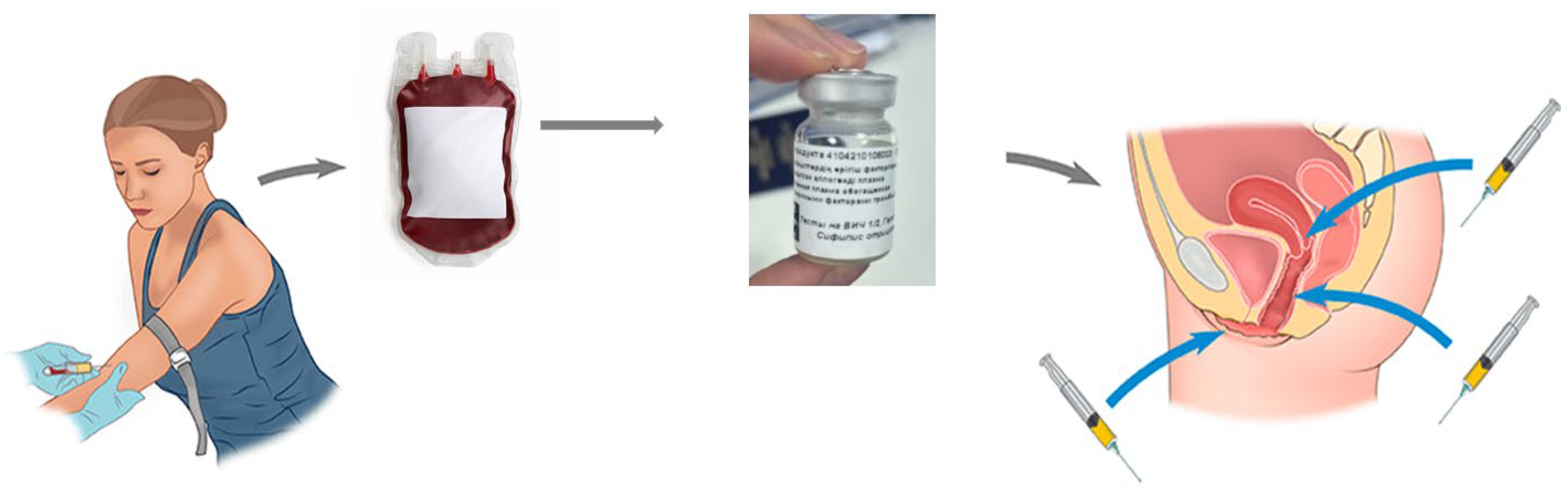
PRP was administered into the uterine cavity using an intrauterine catheter (intermediate type, 180 mm) during the first phase of the menstrual cycle (proliferative phase). The catheter was inserted through the cervical canal into the uterine cavity, where irrigation with the full vial volume (2 mL) of PRP was performed (
Figure 3). A total of 1 to 7 PRP infusion procedures were carried out; if pregnancy occurred, further procedures were discontinued. PRP infusions were performed without intervals during the proliferation phase for several days in a row (daily for 1 to 7 days), with one procedure taking 10–30 min.
- 4.
Monitoring Changes in Endometrial Thickness and Pregnancy Outcomes (Occurrence/Non-Occurrence):
The primary outcome of this study was an increase in endometrial thickness and improvement of the receptive endometrial layer. The secondary outcome was pregnancy rate. All women underwent baseline transvaginal ultrasound. Endometrial thickness was measured at its thickest part along the longitudinal axis of the uterus, and the average of two different measurements was recorded. All examinations were performed twice by the same physician. Clinical pregnancy was defined as the presence of fetal heartbeat on transvaginal ultrasound 5–6 weeks after embryo transfer. Biochemical pregnancy was defined as a positive β-human chorionic gonadotropin (β-hCG) test 14 days after embryo transfer.
- 5.
Statistical Analysis of the Obtained Data:
Statistical analysis was performed using StatTech v. 4.8.11. Quantitative variables were assessed for normality using the Shapiro–Wilk test. Variables with distributions consistent with normality were described using arithmetic means (M) and standard deviations (SD). The 95% confidence interval (95% CI) was reported as a measure of representativeness for mean values. In the absence of normal distribution, quantitative data were described using the median (Me) and lower and upper quartiles (Q1–Q3). Categorical data were described using absolute values and percentages. The 95% confidence intervals for percentages were calculated using the Clopper–Pearson method. The Wilcoxon test was used to compare endometrial thickness before and after initiation of PRP treatment.
3. Results
47 patients were considered for inclusion in this study, including 4 patients that were checked for compliance with the suitability requirements and 5 patients that refused to participate in this study, leaving a total of 38 patients included in the study (
Figure 4).
To evaluate the effectiveness of PRP in the treatment of endometrial thinning, endometrial thickness data obtained from the same women immediately before their inclusion in this study was used as a control.
During this study, 4 participants refused to participate, and their data were excluded from the final results (the reason was the patients’ refusal to participate further).
As a result, the data of 34 patients were analyzed. Dates defining the recruitment and follow-up periods are January–December 2023.
This article presents the interim results of a study on the effect of PRP on endometrial growth and pregnancy.
Table 2 shows the anthropometric data of the participants: the average age was 37 years (ranging from 27 to 52 years), the average height was 162 cm (ranging from 145 to 173 cm), the average weight was 67 kg (ranging from 47 to 92 kg), and the median BMI was 24.64 (values ranged from 18.4 to 35.67).
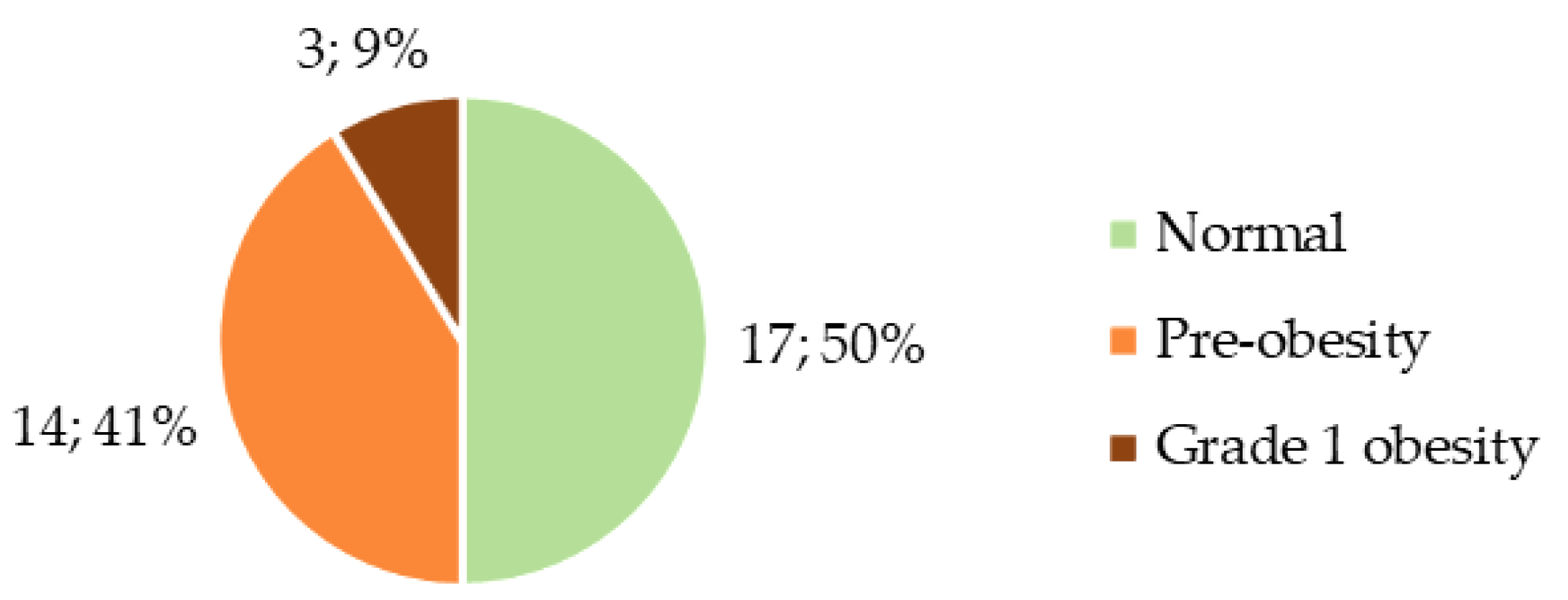
The body mass index was within the normal range in 17 (50%) women; 14 (41%) were overweight (pre-obese), and 3 (9%) were obese (
Figure 5).
The socio-demographic characteristics of the sample revealed that the vast majority of women lived in cities (90%), while 10% lived in rural areas. All participants were married (100%). In terms of education, 60% had a university degree and 40% had postgraduate qualifications. At the time of this study, 56.7% were employed and 43.3% were unemployed. Almost all women were non-smokers (96.7%), with only one participant smoking (3.3%). No alcohol consumption was recorded (100%). None of the participants had a family history of disease (100%).
According to the study plan, all participants underwent laboratory blood tests for hemoglobin, blood glucose, anti-Müllerian hormone (AMH), and follicle-stimulating hormone (FSH). Measurement of AMH and FSH may be useful for future studies on the effectiveness of PRP in patients with low ovarian reserve.
The analysis showed that in most participants (70.6%), blood hemoglobin levels were within the normal range (120 to 140 g/L). Hemoglobin below 120 g/L was recorded in 5 (14.7%) participants, and above 140 g/L was also recorded in 5 (14.7%) participants.
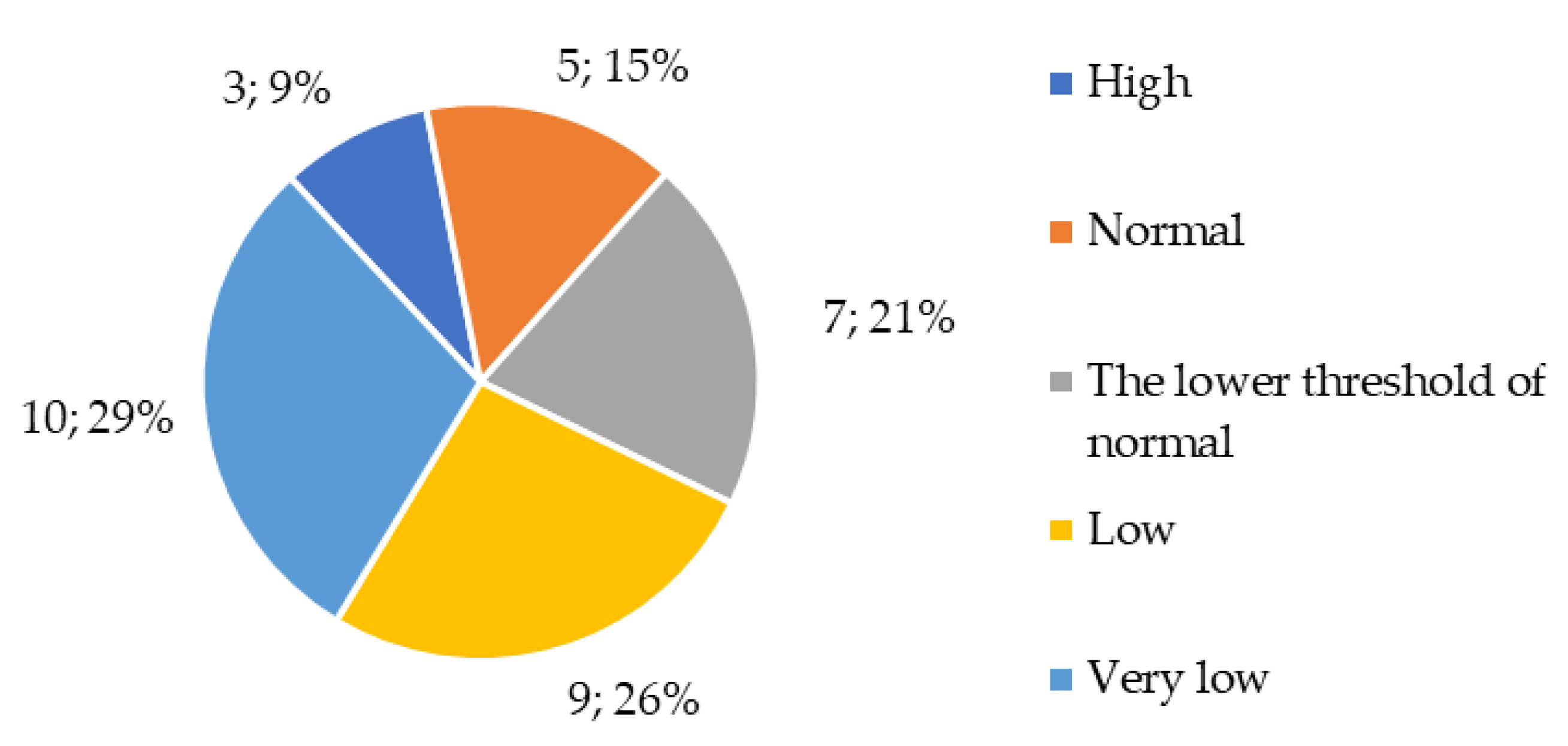
Normal AMH levels (4–6.8 ng/mL) were found in 5 (15%) participants, the lower threshold of normal (2.2–4 ng/mL) in 7 (21%), low (0.3–2.2 ng/mL) in 9 (26%), very low (<0.3 ng/mL) in 10 (29%), and high (>6.8 ng/mL) in 3 (9%) (
Figure 6).
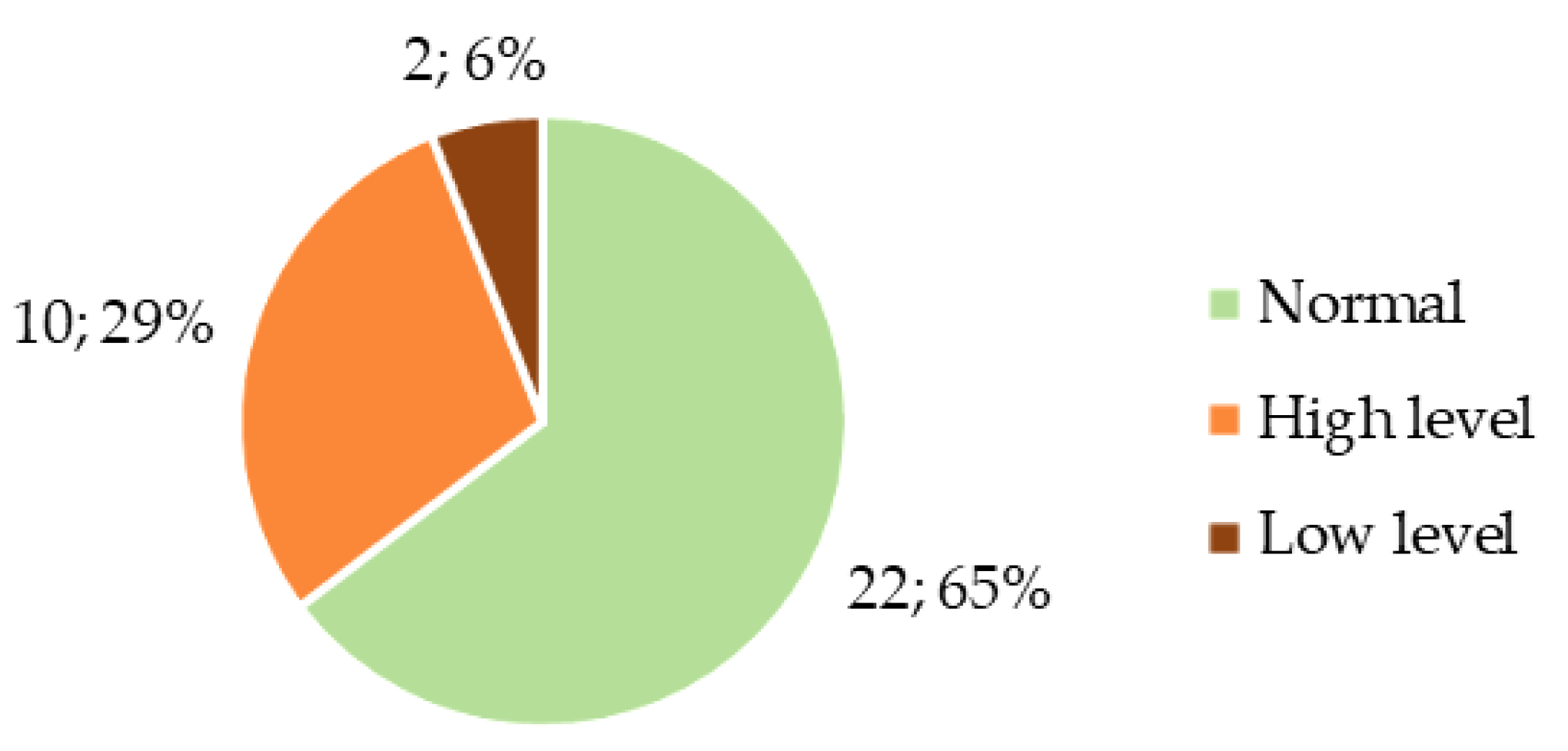
FSH is one of the basic tests used to diagnose reproductive system disorders in women. Of the 34 participants, 22 (65%) had normal FSH levels (3.5–12.5 mIU/mL), 2 (6%) had low levels (<3.5 mIU/mL), and 10 (29%) had high levels (>12.5 mIU/mL) (
Figure 7).
Blood glucose analysis in 33 (97.1%) study participants was within the acceptable range (3.3–5.5 mmol/L), and only 1 (2.9%) had higher levels, at 6.25 mmol/L.
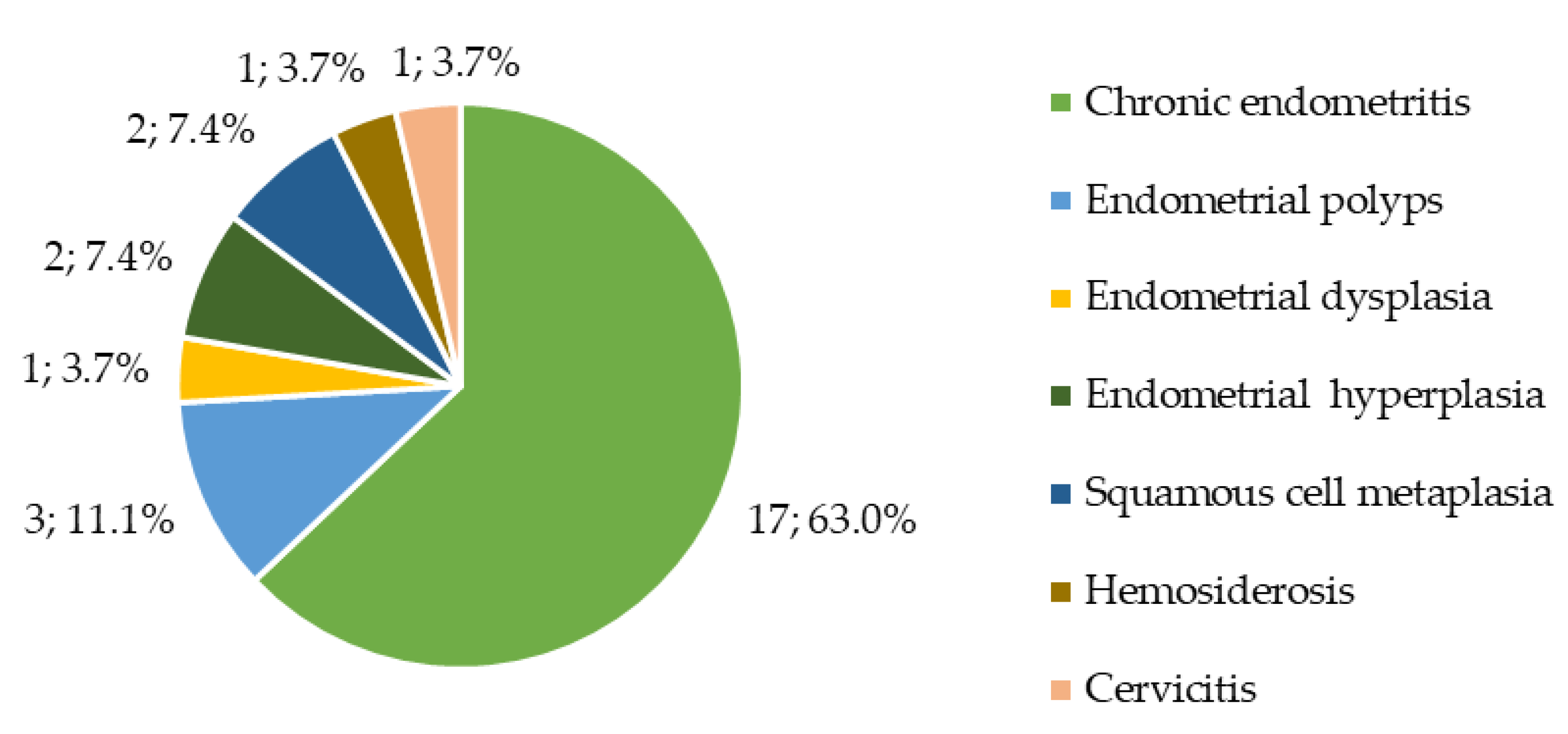
Figure 8 shows data on the structure of concomitant diseases of the reproductive system in the study participants: chronic endometritis was detected in 17 participants, endometrial polyps in 3 cases, endometrial dysplasia in 1 case, endometrial hyperplasia in 2, immature squamous cell metaplasia of the cervix in 2, and hemosiderosis and cervicitis in 1 case each.
Analysis of the structure of diagnoses (
Table 3) showed that 29.4% of women had primary infertility, while 70.6% had secondary infertility. The most common diagnosis was “female infertility of tubal origin” (73.6%). Infertility associated with male factors was found in 14.7% of women. Unspecified infertility occurred in 8.8% of cases, and infertility due to lack of ovulation occurred in 2.9%.
Among the 34 patients studied, most were unable to conceive before PRP therapy within the following time frames: less than 1 year-1 woman, 1 to 5 years-16 women, 6 to 10 years-8 women, 11 to 20 years-9 women. The maximum duration of infertility treatment for two women was 17 and 19 years.
All 34 participants underwent a course of PRP, ranging from 3 to 7 procedures: 3 doses-1 participant, 4 doses-1, 5 doses-12, 6 doses-11, 7 doses-9. The administration of PRP was without side effects and was well tolerated by all patients.
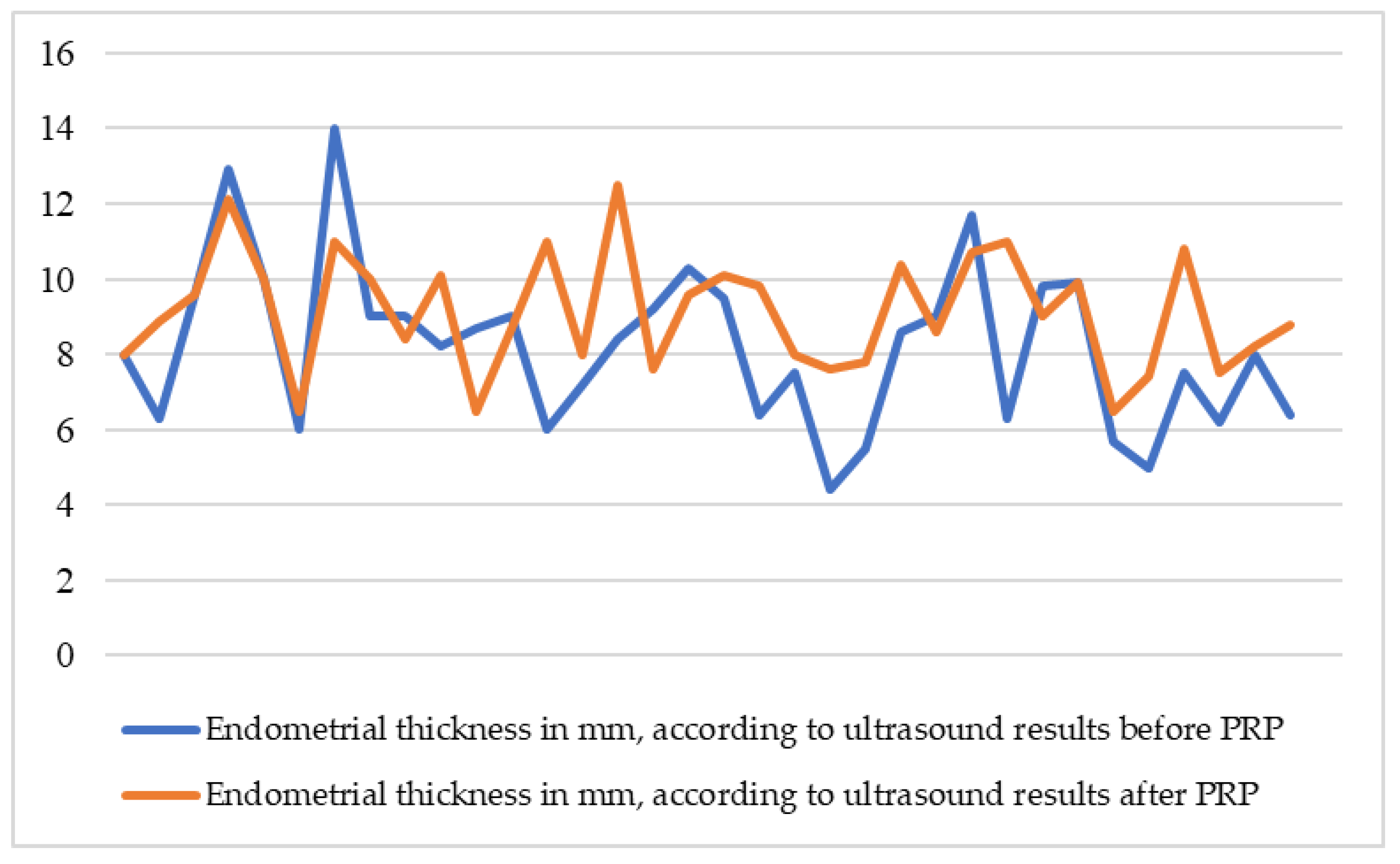
A repeat ultrasound after PRP therapy showed the following results for endometrial thickness: in 30 of 34 participants, the endometrial thickness was 7 mm or more, in 3 participants it was 6–7 mm, in 1 participant no significant improvement was observed, and the endometrial thickness remained below 6 mm (
Table 4,
Figure 9).
The Wilcoxon T-test was chosen to compare endometrial thickness before and after the start of PRP treatment. This test showed that endometrial thickness measurements after the experiment significantly exceeded the values measured before the experiment.
Calculation of the Wilcoxon criterion:
Verification of the correctness of the matrix based on the calculation of the control sum:
The sum of the ranks of “rare” directions is the empirical value of the T criterion:
Using the table in the Appendix, we find the critical values for Wilcoxon’s T-criterion for
n = 34:
In this case, the empirical value of T falls within the significance zone:
Hypothesis H0 is accepted. The indicators after the experiment exceed the values of the indicators before the experiment.
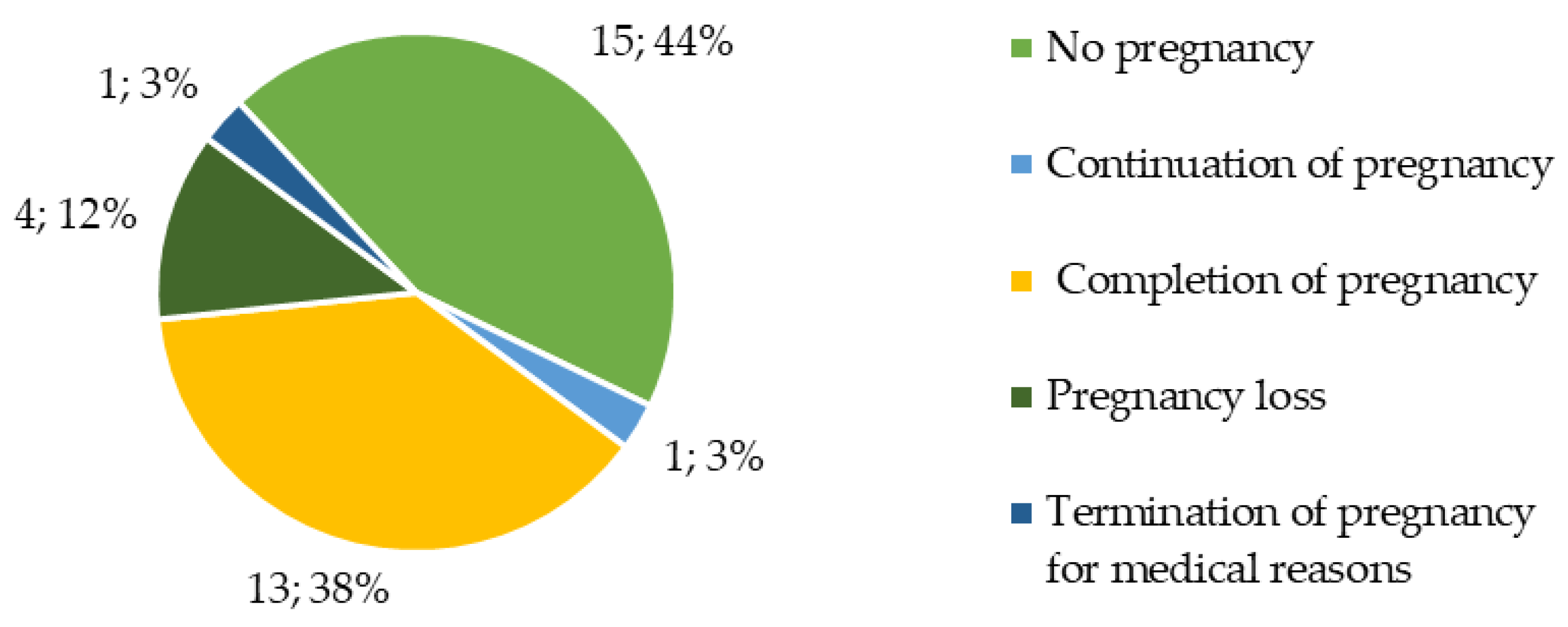
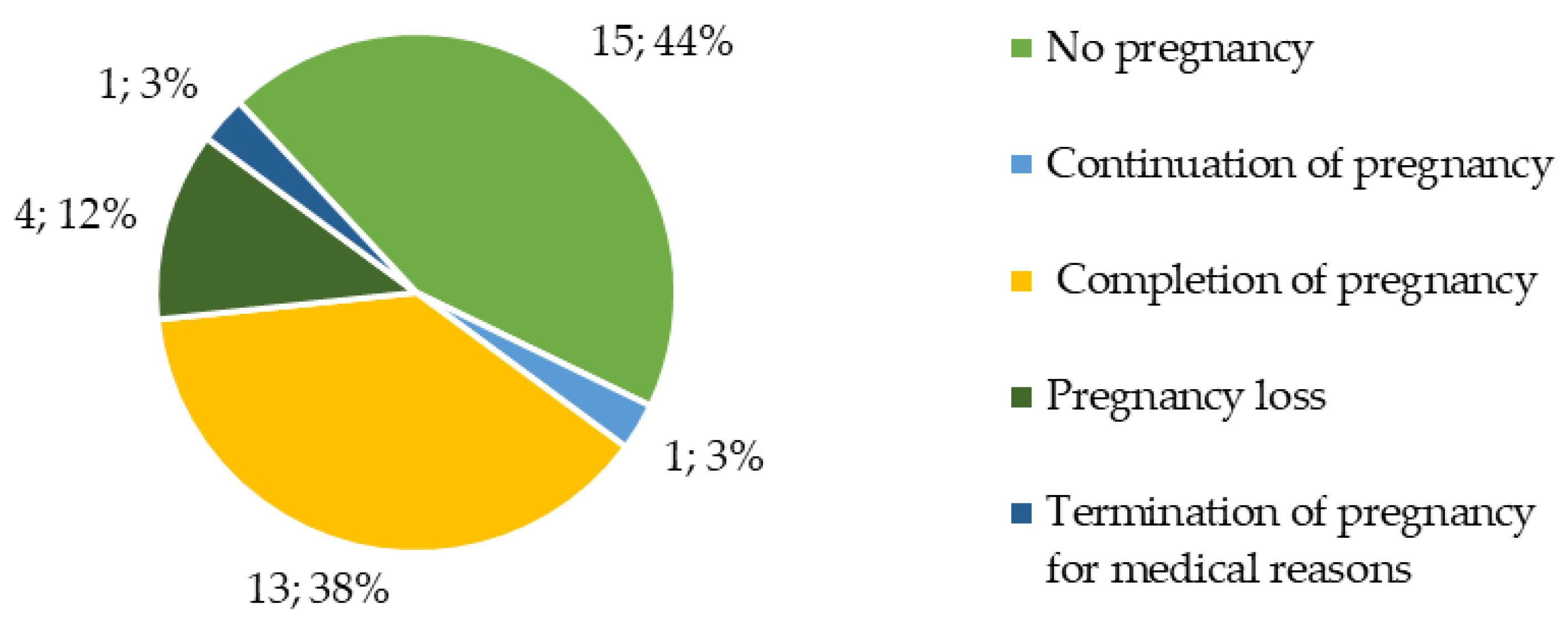
When analyzing the onset of pregnancy (
Table 5,
Figure 10), it was found that more than half (56%) of the participants became pregnant. Of these, in 38% of cases, the pregnancy ended safely with childbirth; at the time of this study, 3% of participants were pregnant and continuing their pregnancies, 12% of women had experienced a miscarriage, and 3% had terminated their pregnancies for medical reasons.
During the study, no adverse events or unintended effects were detected in each condition studied.
The data obtained allow us to characterize the sample as a group of women predominantly of urban origin, with a high level of education, married, and with a low prevalence of bad habits. Among the concomitant diseases, chronic endometritis, detected in half of the examined women, is of the greatest significance. Female infertility of tubal origin dominates the structure of diagnoses.
Statistical analysis of changes in endometrial thickness after PRP therapy showed that endometrial thickness indicators after treatment significantly exceeded the values before the intervention. This may be evidence of the effectiveness of PRP therapy for thin endometrium.
When analyzing pregnancy status, it was noted that after receiving therapy with PRP, more than half (56% of cases) became pregnant, and of these, the majority successfully gave birth.
4. Discussion
The aim of our study was to evaluate the clinical efficacy of PRP in the treatment of thin endometrium and its effect on pregnancy rates. Analysis of the study results shows that intrauterine infusion of PRP (3 to 7 administrations) has a positive effect on endometrial thickness and significantly increases the frequency of pregnancy. Our results are also confirmed by the work of other researchers (
Table 6).
For example, a group of researchers led by Liu X et al. conducted a meta-analysis of eight randomized controlled trials (selected from 2154 initially relevant studies) to assess the effect of intrauterine PRP injection on endometrial thickness, improvement in endometrial vascularity, and subsequent pregnancy outcomes in patients with thin endometrium compared to traditional hormone therapy or placebo groups. The summary of this study consistently demonstrated that intrauterine injection of PRP significantly increases endometrial thickness, improves its receptivity, and increases the frequency of chemical and clinical pregnancies, live births, and implantation compared to the control group. Almost half of the studies included follow-up data until successful delivery, and no side effects were reported in patients receiving PRP compared to the control group. Patients receiving PRP infusion demonstrated significantly higher results compared to the control group in terms of endometrial thickness (mean difference: 1.23; 95% CI: 0.87–1.59;
p = 0.000), clinical pregnancy rate (OR: 2.04; 95% CI: 1.52–2.76;
p = 0.000), live birth rate (OR: 2.46; 95% CI: 1.57–3.85;
p = 0.000), and the frequency of embryo implantation (OR: 2.71; 95% CI: 1.91–3.84;
p = 0.000) [
19].
Doronina O.K. also states that local application of autologous PRP increases the frequency of successful embryo implantation in IVF procedures by 15–25% compared to traditional treatment protocols [
20].
One study demonstrated the successful birth of a live baby after intrauterine administration of PRP in a patient with a history of chronic endometritis and six unsuccessful embryo transfers. Microbiological analysis and scanning electron microscopy during the subsequent menstrual cycle after intrauterine infusion of PRP revealed no signs of chronic endometritis [
21].
In another randomized controlled trial involving 97 patients with repeated failed implantation, autologous PRP was administered directly into the uterine cavity using an embryo catheter 48 h before embryo transfer. The group receiving PRP demonstrated a higher rate of clinical pregnancy (44.89% vs. 16.66%,
p = 0.003) [
9].
According to the results of a study by the Ecolife clinic, the overall frequency of clinical pregnancy after PRP therapy 48 h before embryo transfer was 73.2% (ranging from 68.7% to 80% in different age groups). The frequency of clinical pregnancy in cryoprotocols was 76.2% [
22].
Studies conducted by Chinese scientists have shown the first results of the effect of PRP on improving the thickness of the uterine endometrium in patients preparing for IVF: four out of five patients had a positive pregnancy [
23].
Eduardo Anitua et al., scientists from Spain, collected and evaluated information published in the scientific literature on the evidence of the effect of PRP therapy on pregnancy. Their analysis shows that PRP therapy can be effective in situations where other traditional IVF methods have low success rates in women with infertility [
3].
Zamaniyan et al. conducted a study to evaluate the effectiveness of PRP on pregnancy rates in women with recurrent implantation failure. A total of 98 women who had failed to conceive after three or more high-quality embryo transfers were included. The results showed that secondary infertility and endometrial thickness 96 h before embryo transfer were higher in the intervention group. Clinical pregnancy (48.3% vs. 23.26%;
p = 0.001) and ongoing pregnancy (46.7% vs. 11.7%;
p = 0.001), as well as implantation rate (58.3% vs. 25%;
p = 0.001), were higher in the intervention group than in the control group [
24].
Iranian researchers Mehrafza et al. conducted a randomized clinical trial with 200 participants with multiple failed cycles. Patients were randomized into two groups to compare the effectiveness of PRP versus G-CSF. The study results showed that the implantation rate was significantly higher in the PRP group (
p = 0.016). The rate of biochemical pregnancy in the PRP group was significantly higher than in the G-CSF group (
p = 0.003). Both clinical and ongoing pregnancy rates were significantly higher in the PRP group (
p = 0.001) compared to the G-CSF group (
p = 0.02) [
25].
Japanese researchers Kusumi et al. conducted a prospective self-controlled study. PRP was administered to 36 patients with thin endometrium (≤7 mm). After PRP administration, the mean (SD) endometrial thickness on day 14 significantly increased by 1.27 mm (
p < 0.001) and 0.72 mm (
p = 0.001) according to open and blinded measurements, respectively. Out of 36 patients, 32 (88.9%) underwent embryo transfer. The clinical pregnancy rate was 15.6% [
26].
Turkish researchers Gurkan et al. conducted a study with 150 participants. All participants underwent frozen embryo transfer. The control group included 150 patients with normal endometrial thickness and no history of RIF who presented with infertility of unknown etiology. In the 150 patients with thin endometrium or a history of RIF who received PRP, endometrial thickness was significantly higher compared to pre-PRP measurements (7.38 mm vs. 7.96 mm,
p < 0.001). In the thin endometrium group, there was also a statistically significant difference between endometrial thickness before and after PRP (5.85 mm vs. 6.65 mm,
p < 0.001). The rate of non-pregnancy in the RIF group without PRP was significantly higher than in the control group (53.1% vs. 28.7%,
p < 0.05) [
27].
Eftekhar et al. conducted a randomized clinical trial with 83 participants who had a poor endometrial response to standard hormone replacement therapy (HRT) (endometrial thickness <7 mm). In the PRP group (
n = 40), in addition to HRT, 0.5–1 cm
3 of PRP was administered intrauterinely on day 13 of the cycle. The control group (
n = 43) received HRT alone. Endometrial thickness in the PRP group significantly increased to 8.67 ± 0.64 mm compared to the control group (
p = 0.001). This increase was more pronounced in women who conceived in the PRP group (
p = 0.031). Implantation rate and clinical pregnancy rate per cycle were significantly higher in the PRP group (
p = 0.002 and 0.044, respectively,
p = 0.002) [
10].
Table 6.
Overview of primary studies evaluating the effectiveness of PRP in recurrent implantation failure/thin endometrium.
Table 6.
Overview of primary studies evaluating the effectiveness of PRP in recurrent implantation failure/thin endometrium.
| Author/Year | Population | Dose | Results | Conclusions |
|---|
| Doronina et al., 2019 [20] | 137 infertile women indicated for IVF | 1.0–1.5 mL | The proportion of women who achieved pregnancy was higher in the intervention group (64.9%, p = 0.0004). Live birth rate in the intervention group was 41.3%, higher than in the control group (p = 0.004). | Local application of autologous PRP increases successful embryo implantation rates in IVF by 15–25% compared to traditional protocols. |
| Sfakianoudis Konstantinos et al., 2019 [21] | 35-year-old woman with 6 previous failed ET | 2.5 mL | The patient achieved a twin pregnancy. Pregnancy resulted in a full-term delivery. | PRP can be used as a therapy for chronic endometritis that hinders pregnancy. |
| Nazari L et al., 2019 [9] | 72 patients with failed ET due to thin endometrium (<7 mm) | 0.5 mL | Endometrial thickness after intervention: 7.21 ± 0.18 mm in the PRP group vs. 5.76 ± 0.97 mm in the control group (p < 0.001). Biochemical pregnancy was observed in 12 cases in the PRP group vs. 2 cases in the control group. | PRP was effective in increasing endometrial thickness in patients with refractory thin endometrium. |
| Mustafin et al., 2019 [22] | 98 patients with endometrium < 5 mm, RIF | 1 mL | Clinical pregnancy rate after PRP 48 h before embryo transfer averaged 73.2%. Endometrial thickness before PRP was 5.2–7.0 mm, and at embryo transfer 7.2–10.6 mm. | Intrauterine PRP infusion 48 h before embryo transfer is a feasible method to improve implantation in Assisted Reproductive Technology (ART) programs. |
| Chang, Yajie et al., 2015 [23] | 5 patients with endometrium < 7 mm | 0.5–1 mL | All patients showed successful endometrial expansion and pregnancy after PRP infusion. | PRP can stimulate endometrial growth and improve pregnancy outcomes in patients with thin endometrium. |
| Zamaniyan et al., 2020 [24] | 120 infertile women with ≥3 failed high-quality ET | 0.5 mL | Clinical outcomes significantly improved with PRP: clinical pregnancy (48.3% vs. 23.3%, p = 0.001), ongoing pregnancy (46.7% vs. 11.7%, p = 0.001), and implantation rate (58.3% vs. 25%, p = 0.001) were higher in the intervention group. | Intrauterine PRP infusion before embryo transfer enhances endometrial receptivity and improves IVF outcomes in RIF patients. |
| Mehrafza et al., 2024 [25] | 200 women with RIF (≥2 failed high-quality embryo transfers) | 1 mL | Significantly higher implantation rate (p = 0.014), biochemical pregnancy (36.7% vs. 17.4%, p = 0.003), clinical pregnancy (33.7% vs. 13%, p = 0.001), and ongoing pregnancy (27.6% vs. 13%, p = 0.020) in the PRP group vs. comparison group. | Intrauterine PRP infusion is more effective than G-CSF in improving endometrial receptivity and pregnancy outcomes in RIF patients. |
| Kusumi et al., 2020 [26] | 39 women with endometrium ≤ 7 mm and RIF | 1 mL | PRP significantly increased endometrial thickness: mean increase by day 14 was 1.27 mm (p < 0.001). Implantation rate 13.9%, biochemical pregnancy 18.8%, clinical pregnancy 15.6%, with three live births eventually. | Intrauterine PRP infusion is a safe and effective strategy to increase endometrial thickness and potential pregnancy. |
| Gürkan and Alper, 2025 [27] | 150 women with RIF, thin endometrium, or both | 0.5 mL | PRP significantly increased overall endometrial thickness (7.38 → 7.96 mm, p < 0.001), with notable improvement in women with thin endometrium (5.85 → 6.65 mm, p < 0.001). | Intrauterine PRP effectively increases endometrial thickness, but improvement in implantation or live birth rate was not demonstrated. |
| Eftekhar et al., 2021 [10] | 83 women with poor endometrial response (<7 mm) to standard HRT | 0.5–1 mL | Endometrial thickness in the PRP group increased significantly to 8.67 ± 0.64 mm vs. control (p = 0.001). The increase was more pronounced in women who conceived (p = 0.031). Implantation rate and clinical pregnancy per cycle were significantly higher in the PRP group (p = 0.002 and 0.044). | PRP may be an effective method to improve endometrial growth and potentially pregnancy outcomes in women with thin endometrium. |
According to our review of existing studies on the use of PRP in reproductive medicine, PRP demonstrates significant therapeutic potential in endometrial healing, inflammation modulation, and tissue regeneration, particularly in improving fertility outcomes. Clinical studies have shown improvements in endometrial thickness and pregnancy rates in women with thin endometrium or endometritis who received PRP treatment, further confirming the potential of PRP to improve reproductive outcomes by modulating the immune response and improving tissue receptivity. Despite promising preclinical results demonstrating the anti-inflammatory and regenerative effects of PRP on the endometrium, significant gaps remain in fully understanding its therapeutic potential in humans. Current research has focused primarily on clinical outcomes, with limited understanding of the specific molecular mechanisms and expression of markers in the human endometrium.
5. Conclusions
Based on the results of our study, we can conclude that intrauterine administration of platelet-rich plasma (PRP) may be a new therapeutic approach for the treatment of thin endometrium and associated infertility. The use of PRP has been shown to be effective in increasing endometrial thickness in both the experimental and control groups, regardless of pregnancy, with the frequency of successful pregnancies among participants being a secondary indicator (more than half became pregnant, and a large proportion of these pregnancies ended in successful births). However, further large-scale, high-quality, multicenter, and carefully planned studies are needed.




 ,
,