1. Introduction
Butterfly valves are widely used in large-scale hydraulic and process systems due to their compactness, low pressure loss, and ease of actuation. Beyond DN2000, the valve blade plays a dominant structural and hydraulic role. Flow efficiency, actuator torque, sealing behaviour, and long-term operational safety are all directly affected. In large transmission mains, imperfect sealing of isolation valves can result in significant leakage, increased operational losses, and reduced system controllability, particularly during maintenance and emergency shutdown operations. Recent studies have highlighted the importance of sealing diagnostics in large-diameter pipelines. Capponi et al. (2023) [
1] proposed a hydraulic diagnostic kit for the rapid assessment of in-line valve sealing in large transmission mains, demonstrating transient test-based techniques for evaluating sealing performance and junction effects in real pipe systems. Prior approaches demonstrate that robust valve sealing is essential for the safe and efficient management of large-scale water infrastructure. From a design standpoint, sealing performance is closely linked to blade deformation under hydrostatic loads. DN3000-class butterfly valves accentuate this effect, since large blade mass and pressure-induced stresses interact in a non-trivial way. Excessive deflection disturbs uniform seal compression, promotes local leakage paths, and shortens seal service life. Enhancing blade stiffness while limiting mass; therefore, becomes central for maintaining consistent sealing under operating as well as hydrostatic test pressures.
Previous research on butterfly valve performance has examined a range of geometrical configurations and actuation methods, both experimentally and through numerical simulation. Ogawa and Kimura [
2] were among the first to systematically study the torque–pressure relationships of butterfly valves for different disc shapes, while Berger et al. [
3] combined Computational Fluid Dynamics (CFD) and Finite Element Analysis for the numerical study and experimental validation of the fluid-structure interaction (FSI) of a butterfly valve. More recently, there has been a growing adoption of fluid–structure interaction (FSI) approaches better to capture the interplay between pressure distribution and disc deformation. Song et al. [
4] use three-dimensional CFD (ANSYS CFX) linked to structural analysis (ANSYS FEA) to evaluate flow patterns, pressure distributions, and safety performance of a large butterfly valve by importing fluid results into structural analysis, while Said et al. [
5] compares different turbulence models (including k-ω, k-ε and RSM) for the prediction of flow characteristics (pressure, flow coefficient) in a small butterfly valve and validates the numerical predictions against experimental results, showing the differences in model performance depending on turbulence closures. Adam et al. [
6] developed a CFD model for industrial butterfly valves using the k–ω SST turbulence model, achieving agreement within 5% of measured head losses. They are widely indexed and feature CFD predictions validated against experimental performance indicators, including hydrodynamic torque, flow coefficients, and pressure drop.
Validated CFD and FEA methodologies are particularly important for large-diameter valves, for which large-scale laboratory testing is often prohibitively expensive or practically impossible to carry out. Naragund et al. [
7] conducted an experimental and numerical study of the hydrodynamic torque acting on a double offset butterfly valve disk. This study combined laboratory measurements with three-dimensional CFD simulations to evaluate the torque characteristics for different valve opening positions. The numerical predictions agree well with the experimental results, thus demonstrating that CFD makes it possible to accurately model the behavior of the torque and the flow-induced loads in butterfly valves. Their results confirm the relevance of CFD as a practical tool for performance evaluation and design when large-scale experimental testing is limited or costly.
Similarly, Song et al. [
8] combined CFD-obtained pressure fields with structural analysis to optimize the disc geometry of a butterfly valve, achieving a significant mass reduction without compromising structural safety. More recently, Bairagi et al. [
9] used CFD to study the performance of butterfly valves on different sizes, opening positions and flow regimes, showing that valve geometry strongly influences pressure loss, vortex formation and flow separation, thus confirming the ability of validated numerical models to capture the complex behavior of valve flow when experimental testing is impractical. Additionally, several studies have analyzed the performance of butterfly valves using experimental and numerical methods; most focus on smaller diameters or generalized geometries. Recent advances in coupled CFD–FEM analysis have enabled accurate assessment of fluid–structure interactions in large valves, but published research on DN3000 valves remains scarce. Existing designs typically use flat blades up to 225 mm thick, resulting in masses more than 12 tonnes and actuator torque requirements in excess of 160 kNm. These heavy configurations increase manufacturing and operating costs and limit economic viability [
10].
The objective of this study is to evaluate and improve the structural and hydraulic performance of a DN3000 Double Eccentric Butterfly valve blade through a coupled CFD–FEM approach. Rather than employing an automated mathematical optimization algorithm, the study adopts an engineering-driven design refinement methodology, in which analytical sizing, numerical simulation, and performance comparison are iteratively applied to develop an improved curved blade geometry. The performance of the curved blade is quantitatively compared against a conventional flat blade in terms of stress, deformation, pressure loss, flow behaviour, torque demand, and cost, thereby providing a validated framework for performance-driven design improvement of large-diameter butterfly valves.
The defined sections of the paper are structured as follows:
Section 2 provides a comprehensive description of the entire dynamic system, describes the design parameters, constraints, material properties, and operating conditions. Following this,
Section 3 outlines the boundary conditions, structural analysis, and results analysis. In
Section 4, the curved DN3000 butterfly valve blade is discussed, and finally,
Section 5 provides a concise conclusion.
2. Methodology
A coupled CFD and FEM modelling strategy was adopted to optimize the DN3000 double offset butterfly valve blade by simultaneously addressing fluid and structural phenomena. Flow patterns and pressure distributions were obtained from CFD, and the induced stresses and deflections were evaluated using FEM. Through the combined approach, hydraulic inefficiencies and unstable flow features are reduced, and structural performance remains sufficient under high operating pressures.
2.1. Design Objectives, Variables, and Constraints
A comparative design improvement strategy based on numerical simulations is adopted in this study, rather than a strict mathematical optimization procedure. The aim is to evaluate the structural and hydraulic performance benefits of an alternative curved blade geometry relative to a conventional flat blade used in DN3000 butterfly valves.
2.1.1. Design Objectives
To reduce blade mass, structural stress, deformation, pressure loss, and actuation torque while maintaining sealing integrity and compliance with pressure-rating requirements.
2.1.2. Design Variables
Blade geometry (flat versus curved profile)
Local blade thickness, varied to assess stiffness and stress sensitivity
Internal reinforcement layout (ribs and hub configuration)
2.1.3. Design Constraints
Maximum von Mises stress ≤ yield strength of SG Iron 420/12
Maximum blade deformation ≤ 1 mm
Nominal diameter DN3000 maintained
Identical material properties for both designs
Identical operating pressure (1000–2000 kPa)
Identical CFD boundary conditions (inlet velocity, outlet pressure, roughness)
This framework ensures a controlled and fair comparison between blade configurations under identical hydraulic and structural conditions.
2.2. Design Parameters
The Boving DN3000 butterfly valve is designed for large-capacity water transfer systems.
Table 1 summarizes the main parameters, material properties, and operating conditions used for the analysis.
2.3. Thickness Sizing
The minimum required blade thickness was calculated using the ASME thin-shell and Lame thick-wall pressure vessel theories to ensure a conservative design margin.
ASME thin-shell thickness formula, Lame’s thick-cylinder equation, and torque calculation.
2.3.1. ASME BPVC Section VIII, Div. 1 Thin-Shell Formula (Equation (1)) [12]
S (Pa) is the allowable stress of the material, and e is the joint efficiency.
Assuming a joint efficiency of 1 (e = 1), an allowable stress of 210 MPa for SG iron 420/121, and an outside diameter of 3000 mm for the blade and a safety factor of 10 (Factor of safety, s = 5 to 10 if failure could endanger human life) [
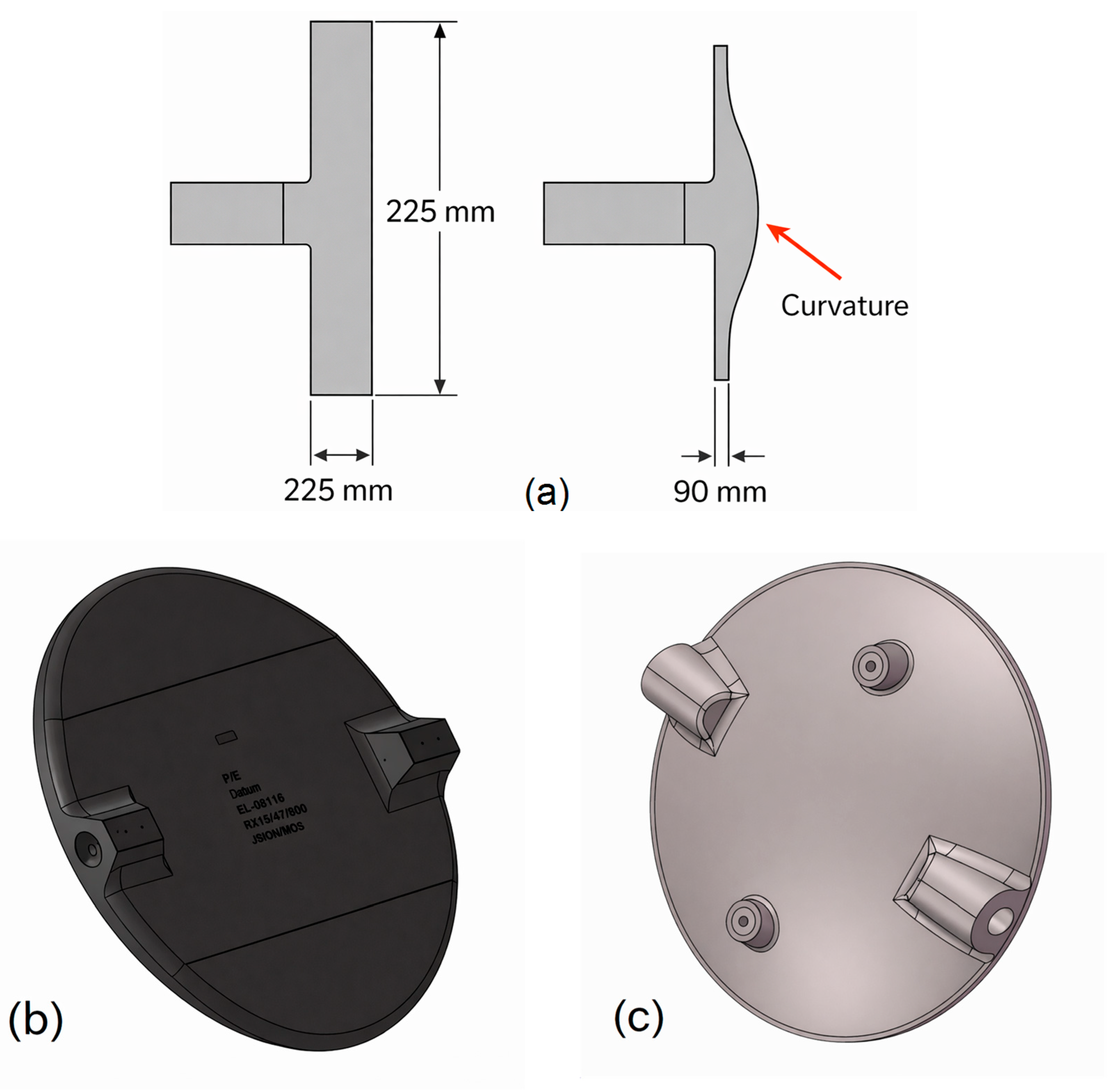
13]. Therefore, the required shell thickness for a DN3000 Boving butterfly valve blade made of SG iron 420/12 under 10 bar rated pressure would be approximately 90 mm. The current flat blade thickness of the DN3000 Boving Butterfly valve is 225 mm.
2.3.2. Lame’s Thick-Cylinder Equation for Internal Pressure
By considering the reliability of loads, the factor of safety is 8 (Factor of safety, s = 5 to 10 if failure could endanger human life), T = 90 mm.
Result: Required thickness = 90 mm (curved design) vs. 225 mm (flat blade).
2.4. Design Integrity
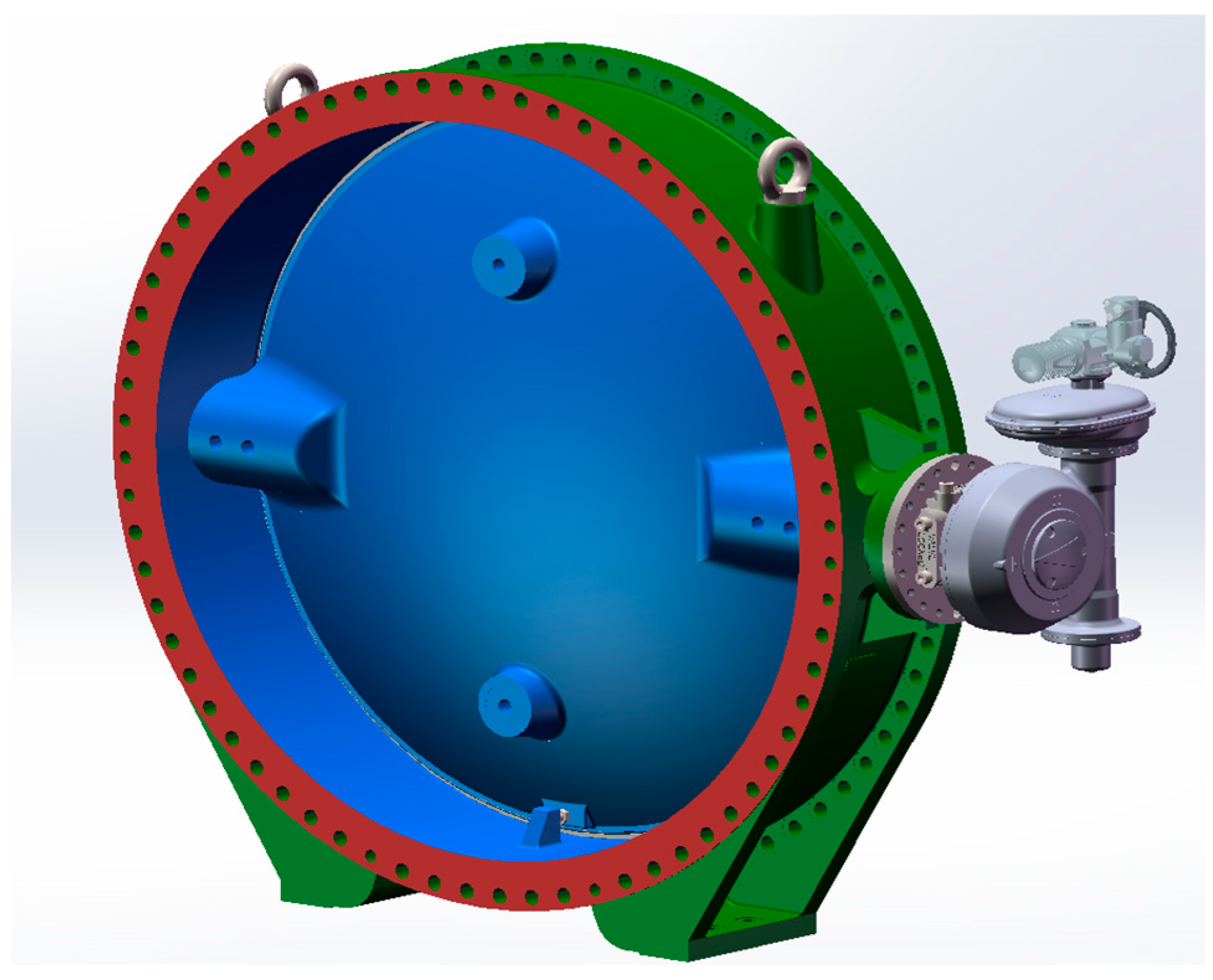
An analytical stress analysis was carried out on the curved blade to ensure safety margins. The governing loads include hydrostatic pressure on the closed blade face and bending stresses induced at the hub. The internal reinforcement and hub interface depicted in
Figure 1 further clarify the load-transfer mechanism from blade to shaft.
Blade seal or seat diameter,
Centre of pressure on y-y-axis,
Poison’s ratio for the blade material
Yield point compression for the blade material
Yield point tensile for the blade material
Bending moment at y-direction,
Bending moment at x-direction,
An analytical stress evaluation was performed on the curved blade to verify structural integrity under service loading. Dominant loading conditions were defined by hydrostatic pressure acting on the closed blade and bending stresses localized at the hub. The resulting stress levels remain below the yield strength of SG 420/12 cast iron, σy = 310 MPa, confirming acceptable safety margins. Following this confirmation, efforts can be directed toward optimizing blade geometry and functional performance.
2.5. Design Approach
Two blade configurations were examined, namely a conventional flat blade and a curved blade developed through iterative engineering refinement. The curved blade geometry did not result from a formal numerical optimization algorithm but emerged from a performance-driven design process informed by analytical thickness sizing, structural safety requirements, and feedback from coupled CFD–FEM simulations. The optimization study focused on blade thickness, curvature geometry, rib configuration, and hub stiffening as the primary design parameters. Manual adjustments were introduced to satisfy stress limits, deformation control, hydraulic loss reduction, and manufacturing feasibility. Results from successive numerical iterations demonstrate that the curved blade design improves upon the flat blade reference without compromising structural integrity or hydraulic behaviour. This approach reflects established industrial practice in valve development, relying on validated simulations rather than formal optimization algorithms. Design options are consequently assessed according to their advantages, constraints, and relevance to the intended service environment.
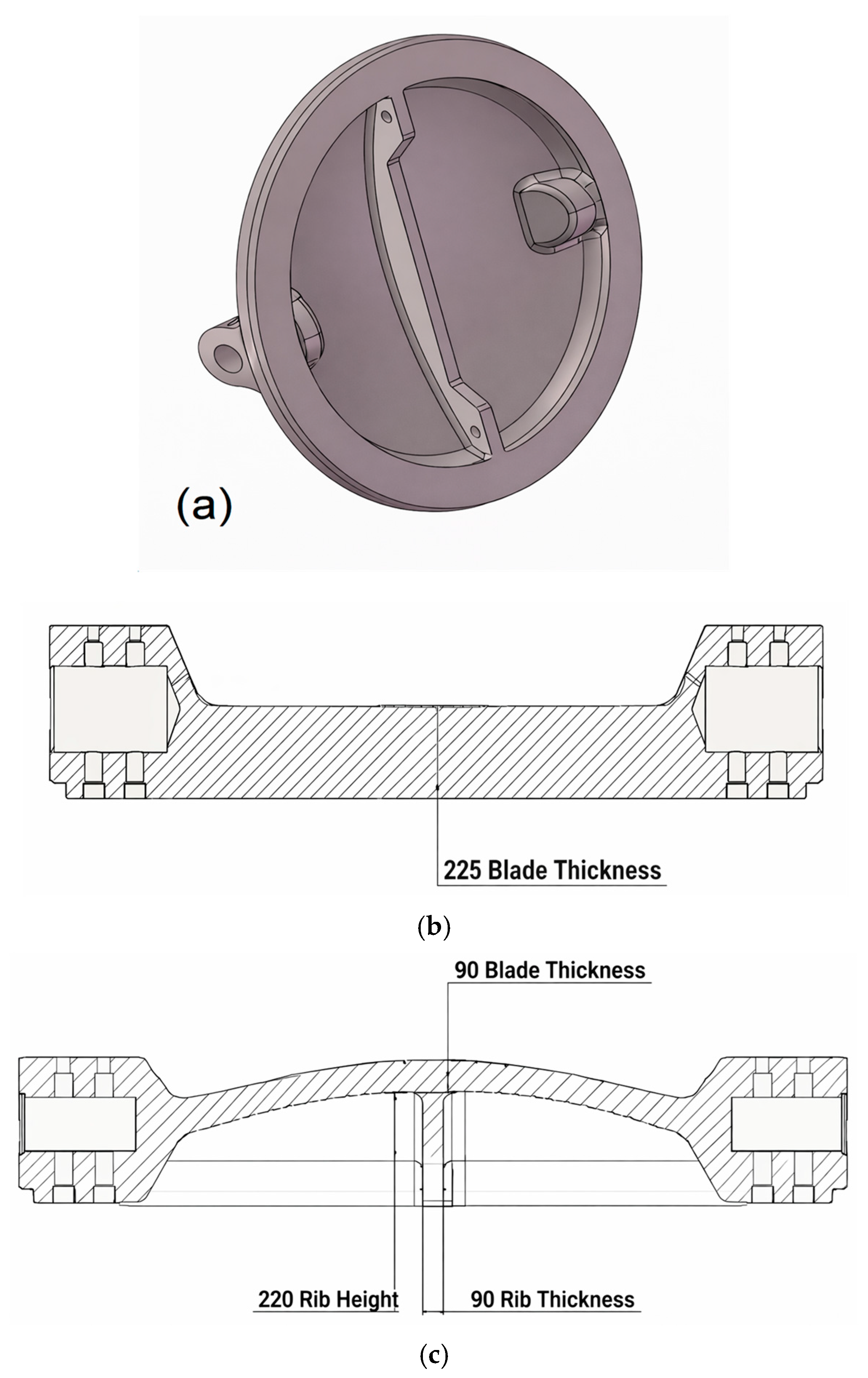
Figure 2 presents the flat blade geometry in
Figure 2b, which is adopted as a baseline industrial reference design and is widely applied in existing DN3000 butterfly valves across Southern African water infrastructure. The flat blade is characterized by a uniform thickness of 225 mm and shares the same outer diameter, hub diameter, seal interface, and material specification (SG Iron 420/12) as the curved blade. By contrast, the curved blade design shown in
Figure 2c incorporates a cambered profile along the blade surface. Such curvature is intended to improve flow characteristics, reduce pressure drop, lower actuator torque requirements, and enhance sealing performance. Structural analyses are carried out for both blade configurations to confirm compliance with the specified pressure rating.
2.6. Reinforcement Techniques
Various reinforcement techniques are applied to the butterfly valve blade design to enhance its structural integrity under high-pressure conditions. This includes the addition of ribs, strengthening bars, and reinforcing rings (
Figure 3a,c). The effectiveness of these reinforcement techniques is evaluated through structural analysis and testing to ensure they provide the desired pressure resistance without compromising other performance aspects.
In the closed position, the valve blade should be able to withstand hydrostatic pressure as well as surge pressure. The valve is designed to bear a total pressure equal to 2000 kPa, which is equal to 2 times the gross head. In order to withstand this pressure, a normal circular plate blade thickness was calculated to be 90 mm. This, however, accounts for 6 tons of weight.
2.7. Finite Element Method (FEM)
FEM techniques are employed to analyze the structural integrity of the butterfly valve blade designs. Stress distribution, deflection, and deformation characteristics of different blade designs, and factors of safety are evaluated under different loading conditions, including pressure, temperature, and dynamic forces. The FEA results were compared to identify the design option that delivers optimal performance and structural adequacy [
3]. Regions of high stress concentration and potential failure were examined for each configuration. Finite Element Analysis was conducted in SolidWorks 2024 Simulation using tetrahedral mesh elements with a base size of 25 mm, while a refinement factor of three was applied in the seal regions to capture local stress gradients accurately. Blade geometries were modelled as solid components manufactured from SG Iron 420/12 (BS 2789 Grade 420/12) and assumed to exhibit isotropic material behaviour. The baseline flat blade measured 2948 mm in diameter with a thickness of 225 mm, whereas the curved blade maintained the diameter but employed a thinner section of 90 mm. All nodes at the hub and rim were fully fixed, and a constant surface pressure of 20 bar was applied. Static response was evaluated in terms of von Mises stress distribution, deformation magnitude, and factor of safety.
Boundary Conditions
Applying appropriate boundary conditions to the finite element model is necessary to accurately reproduce the structural behaviour of the blade. To ensure that the stress analysis accurately represents the interactions between the blade, the hub, and the surrounding fluid, this subsection describes the constraints and loads applied to simulate the operating conditions.
- (a)
Applied Fixture
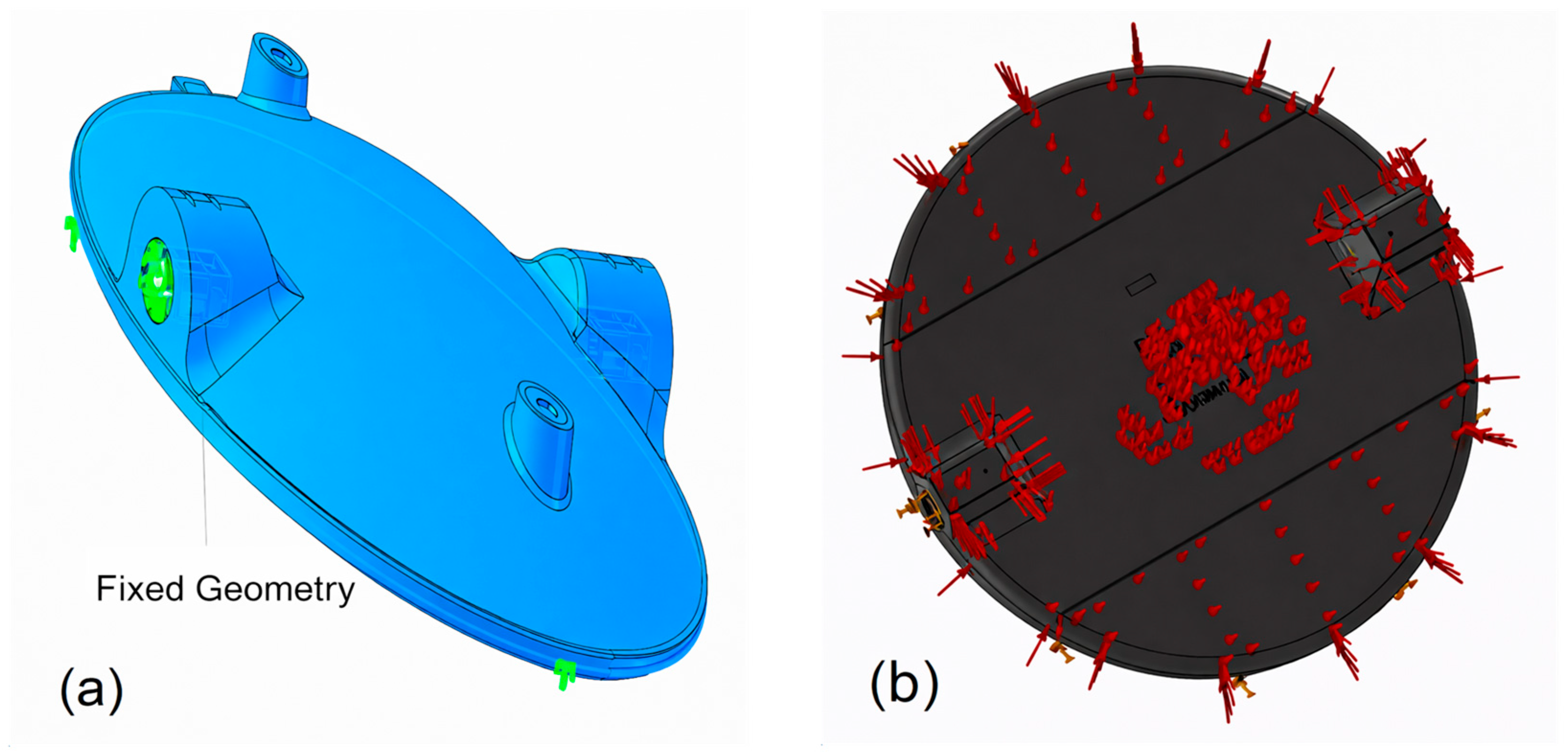
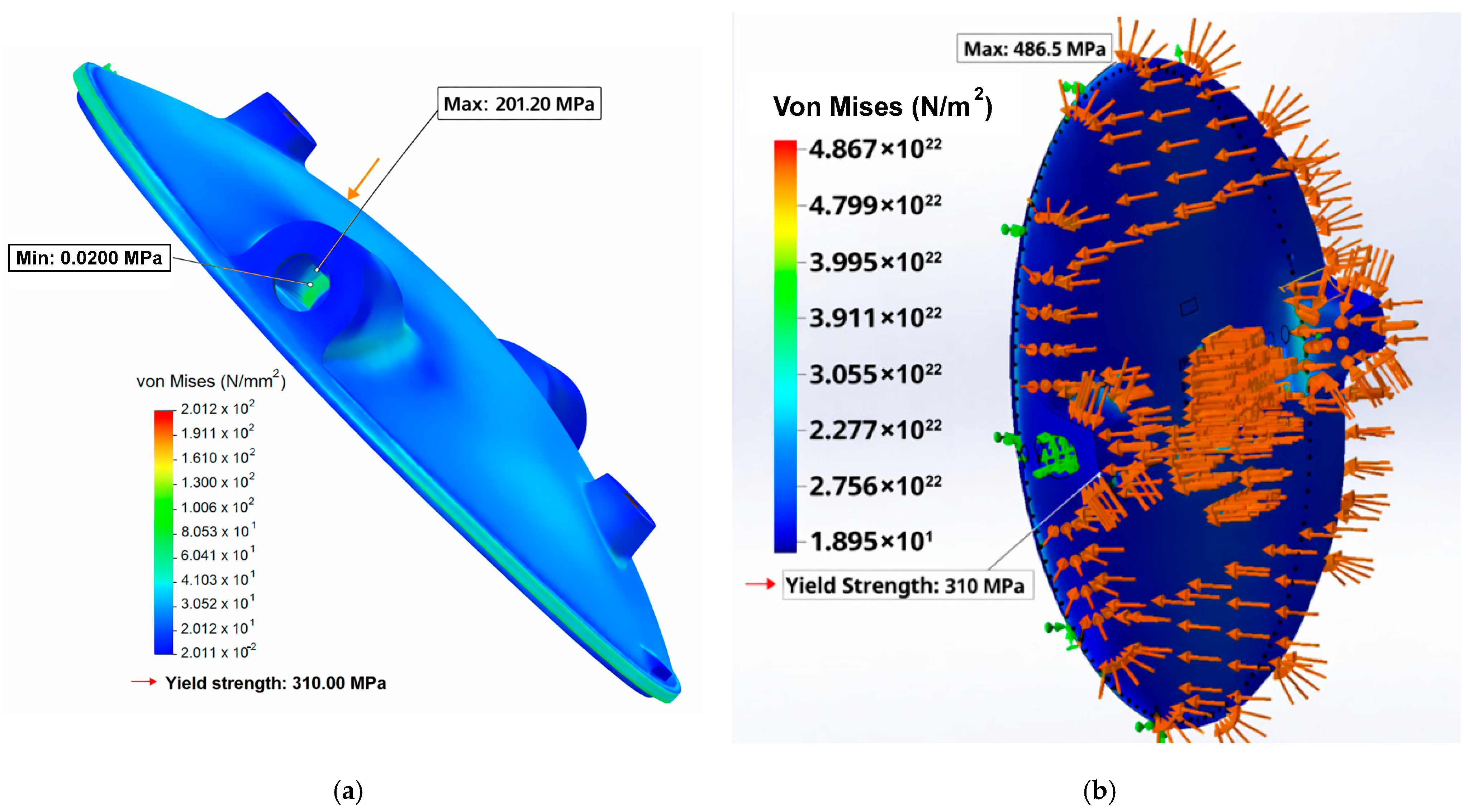
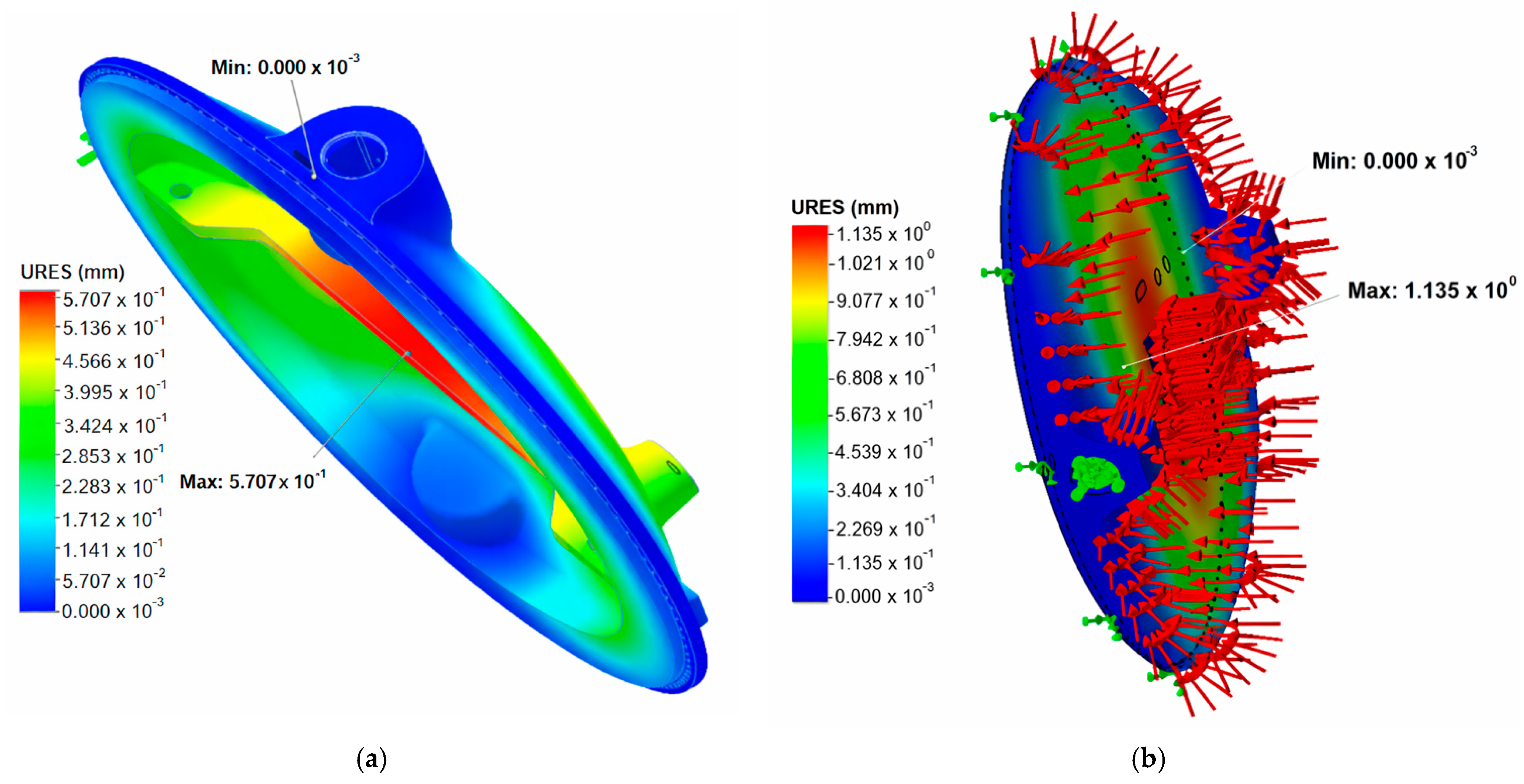
In
Figure 4, the blades are constrained at the pivoting hub of the shaft (green in
Figure 4a and orange in
Figure 4b) that rotates the blade and the outer edges of the blade in all three directions (x, y, and z), where all degrees of freedom are restricted as shown in
Figure 4 below.
- (b)
Applied Structural Loading
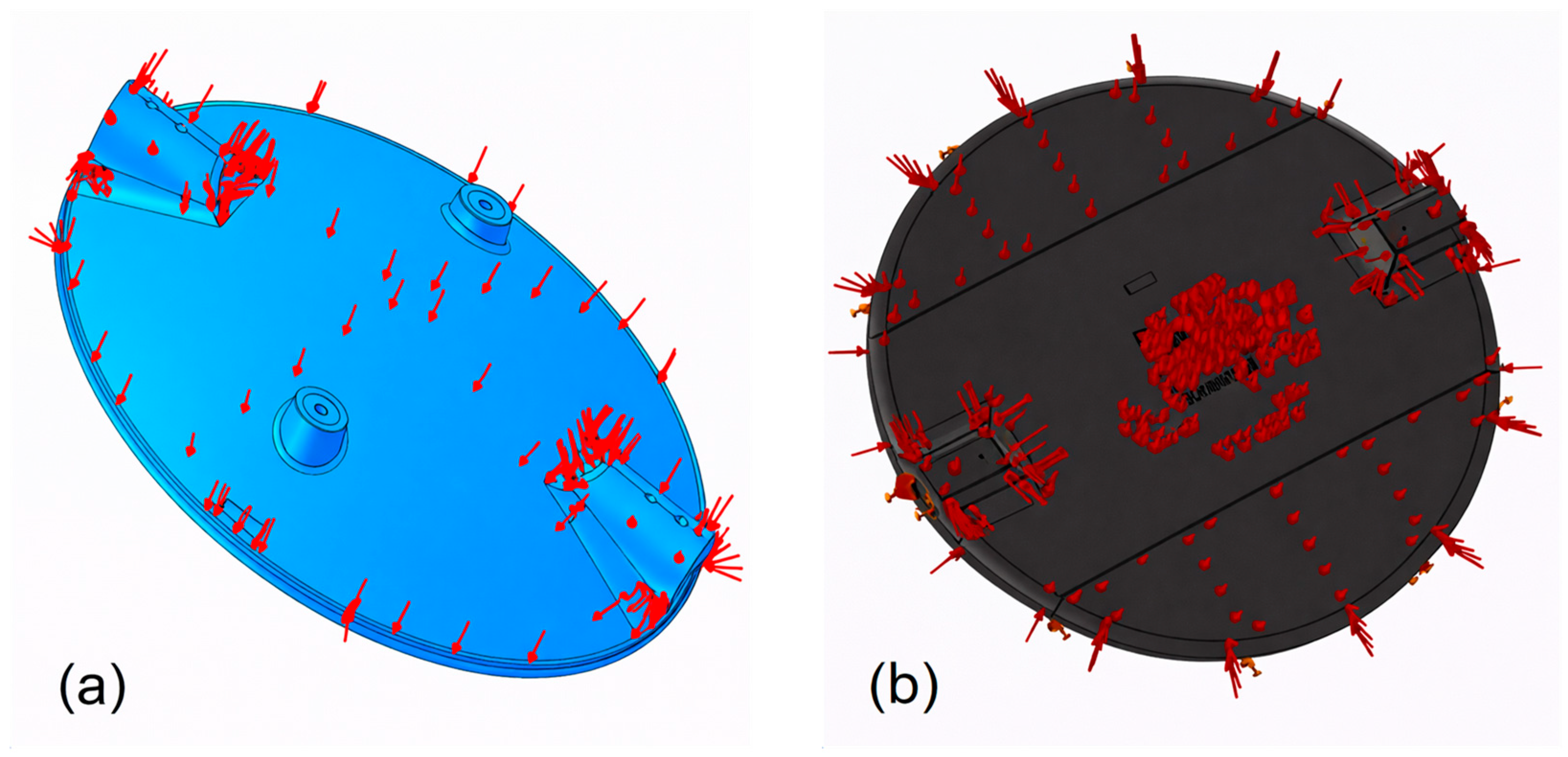
The valve is subjected to a hydrostatic pressure equivalent to a height of 100 m. This height increases further in case of overvoltage; therefore, for static structural simulation, a height equivalent to 200 m is considered. The analyses are, therefore, carried out with a test pressure of 20 bars, applied to the blade, acting perpendicular to the upstream surface of the blade, as illustrated in
Figure 5, which falls within the normal operating range of large industrial butterfly valves [
11].
2.8. CFD Analysis
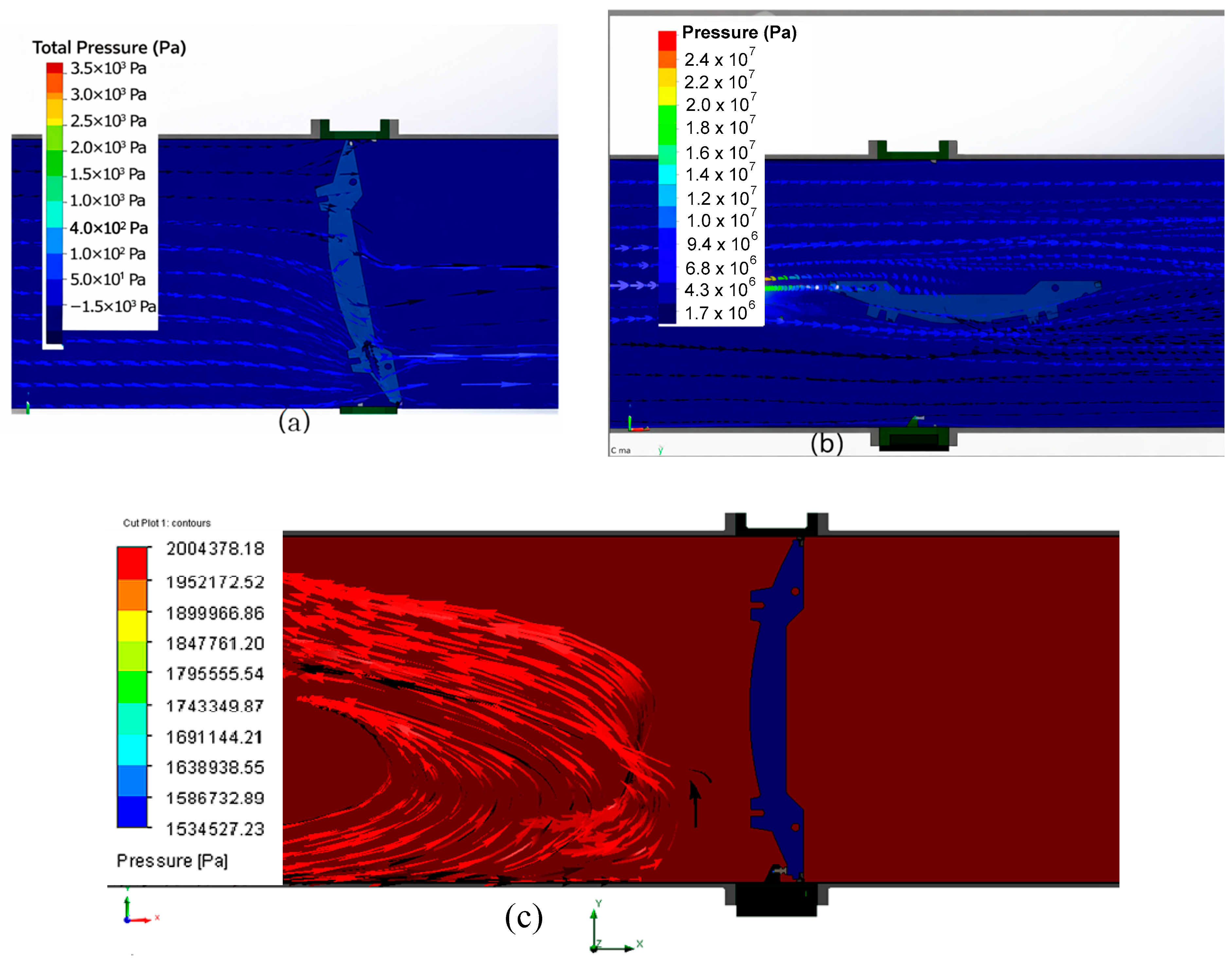
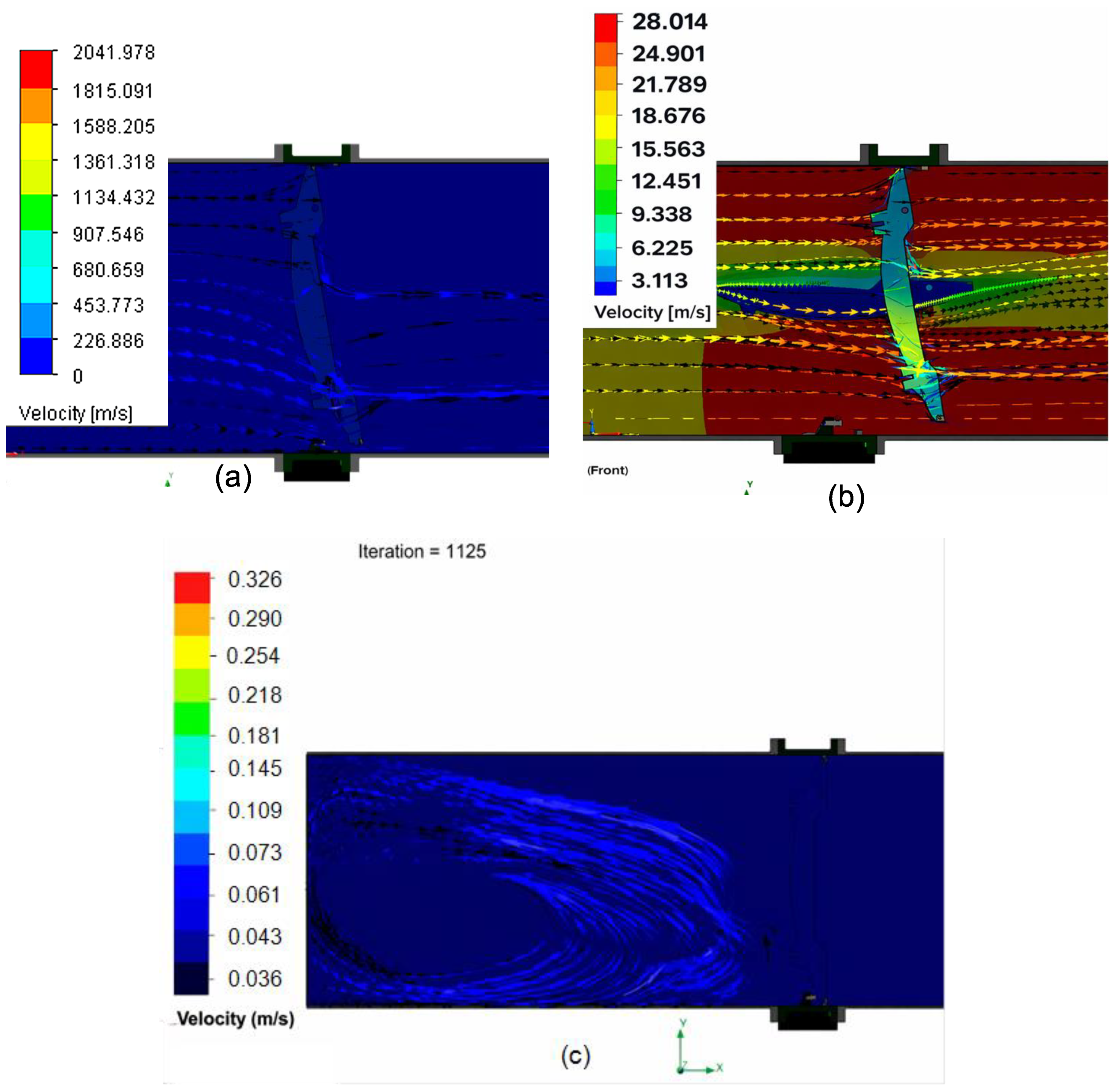
The purpose of the CFD analysis is to quantify the influence of blade geometry on pressure loss, velocity distribution, flow separation, and hydrodynamic torque under identical operating conditions. CFD results were employed to define the hydraulic loading conditions used in the structural analysis and to evaluate energy efficiency and actuator requirements. Performance assessment focused on flow behaviour, leakage mitigation, and torque demand for the selected blade configuration. Simulations were conducted for three blade opening positions of 10%, 50%, and 100% to quantify pressure loss, velocity distribution, and hydrodynamic torque under operating pressures ranging from 1000 kPa to 2000 kPa [
11]. All CFD analyses were performed using SolidWorks Flow Simulation. The computational domain included the valve body together with upstream and downstream pipe sections extending 5D and 10D, respectively. A polyhedral mesh incorporating six inflation layers (y
+ ≈ 30) was adopted, together with the k–ω SST turbulence model. Boundary conditions included an inlet velocity of 20 m/s, an outlet static pressure of 2000 kPa, and a wall roughness of 0.0015 mm.
Modelling Assumptions
The working fluid is water, treated as incompressible and Newtonian.
Flow is steady-state, three-dimensional, and may be laminar or turbulent depending on blade opening.
No-slip condition applies at all solid walls.
Heat transfer effects are neglected (isothermal flow at 293.2 K).
Cavitation is weak and represented by a dissolved gas mass fraction of 0.0001.
2.8.1. Governing Equations
- i.
Continuity Equation (Mass Conservation)
For incompressible flow [
14]:
where
is the velocity vector (m/s).
- ii.
Momentum Conservation (Navier–Stokes Equations) [
14]
where
= turbulent eddy viscosity (Pa·s)
- iii.
Turbulence Modelling (k–ω SST) [
14]
The k–ω SST model blends near-wall accuracy of the k–ω model with the free-stream robustness of the k–ε model.
The k–ω SST turbulence model was chosen for its capability to predict near-wall flow behaviour, pressure gradients, and flow separation with good accuracy, all of which are central to valve flow analysis. Valve geometries typically include narrow clearances, sharp edges, and regions of strong adverse pressure gradients, particularly at partial blade openings, where accurate wall shear stress and pressure loss prediction becomes necessary. Compared with the k–ε model, the k–ω formulation shows improved performance for internal flows and reduced dependence on empirical wall functions, making it appropriate for the prescribed wall roughness and y
+ ≈ 30. The SST modification improves model robustness by blending k–ω behaviour in the near-wall region with k–ε characteristics in the core flow, ensuring stable predictions across different blade openings and pressure conditions. Such features provide an effective compromise between numerical accuracy and computational efficiency for high-pressure valve simulations [
14]. The application of a curved blade profile in a Double Eccentric Butterfly Valve (DEBV) is a design strategy aimed at mitigating turbulence and enhancing fluid dynamic performance [
15,
16].
- (a)
Turbulent Kinetic Energy Equation
- (b)
Specific Dissipation Rate Equation
- (c)
where
is the strain-rate magnitude and
is the SST blending function.
2.8.2. Boundary Conditions
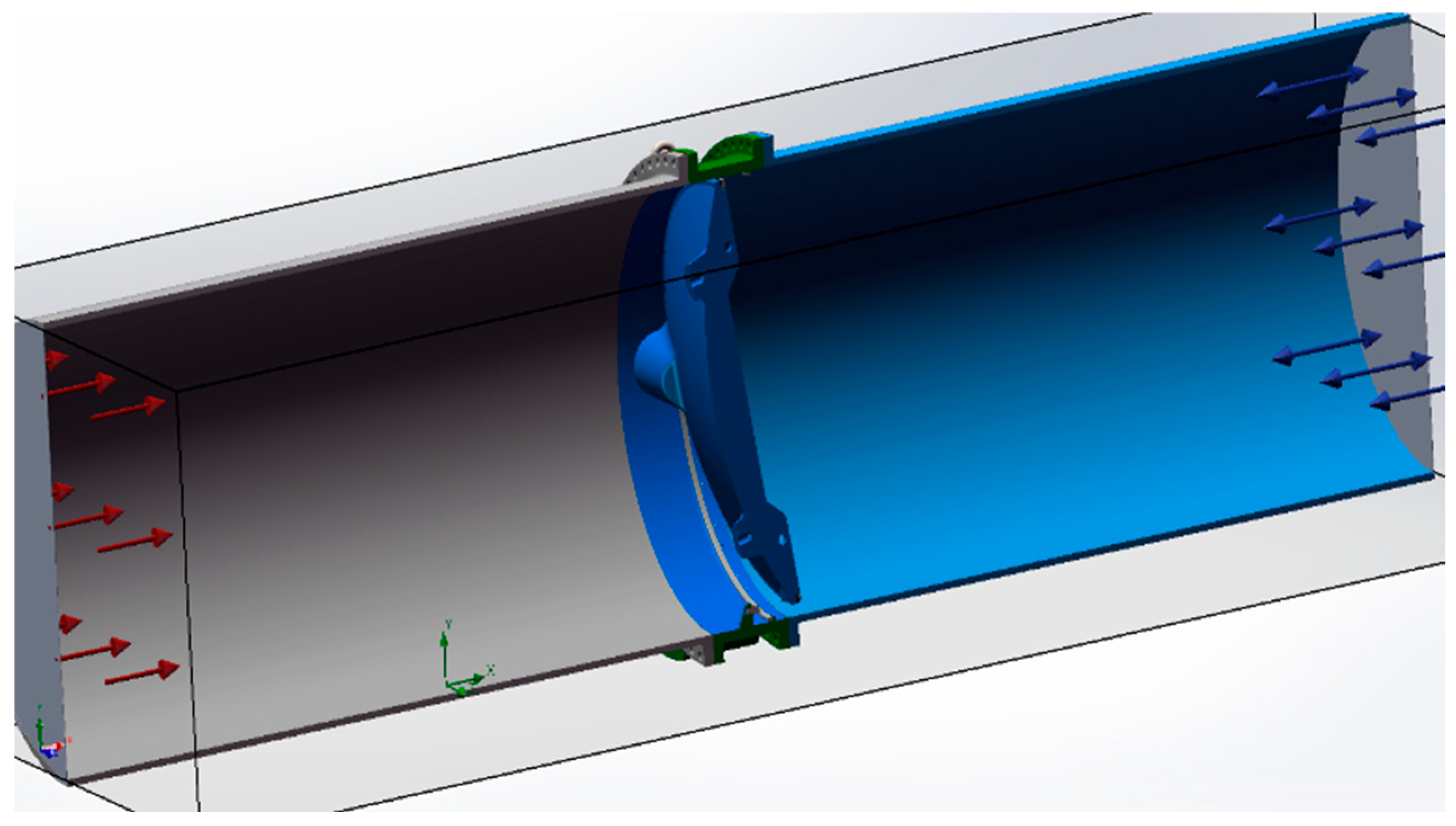
Interpretation of
Figure 6 assumes that inlet velocity, outlet velocity, and fluid pressure conditions are satisfied in accordance with the framework reported in [
8]. Inlet mass flow boundary conditions are specified using combined pressure and velocity inputs. The inlet pressure is defined by an equivalent hydraulic head of 200 m, while the outlet mass flow rate is obtained from the selected design flow velocity. Valve walls, including the inlet and outlet pipe sections, are treated as non-slip surfaces with an assigned roughness of 0.0015 mm. A uniform set of design limits and boundary conditions, reported in
Table 2, governs the structural evaluation of all blade cases.
2.8.3. Performance Models
- i.
Pressure Drop Across the Valve [
14]
- ii.
Flow Coefficient [
14]
where
is volumetric flow rate.
- iii.
The hydrodynamic torque acting on the blade is:
where
- iv.
Operating Cases Representation
Blade opening is parameterized as:
and modifies the effective flow area:
where
is obtained from valve geometry.
2.8.4. Complete Mathematical Model Summary
The CFD problem is defined by solving [
14]:
Subject to blade opening and pressure range 1000–2000 kPa.
2.9. Cost Analysis
The purpose of the cost analysis paragraph is to quantify the economic aspects of the blade design by considering material manufacturing and operational costs so that the design is assessed not only in terms of performance and safety but also with respect to cost effectiveness.
2.9.1. Material Cost
Cost evaluation included:
2.9.2. Manufacturing Cost
Estimated based on foundry data, including pattern making, casting, and machining. This accounts for the labour, equipment, and processing expenses needed to produce the blade.
2.9.3. Torque-Related Savings
Torque-related savings estimated from the actuator sizing formula:
expresses that the torque (
) required force to operate the valve is proportional to the product of,
lever arm (distance from the axis of rotation to the point of force application),
pressure difference across the valve, and
effective area of the blade. Such evaluation helps quantify potential energy and actuator cost savings, since lower torque demand permits the use of smaller and less costly actuators. The blade design is, therefore, directly linked to economic feasibility through assessment of material, manufacturing, and operational costs associated with torque requirements. Technical adequacy is thus complemented by financial practicality.
5. Conclusions
A numerical simulation was carried out to optimize the butterfly valve parameters for a manometric height of 200 m and a flow rate of 141 m3/s. The curved blade model prepared for simulation was found to be structurally sound based on the design integrity calculations, yield strength, and total deformation criterion of the above finite element analysis (FEA). In this work, an analysis of the stability and structure of the flow through the Boving DN3000 butterfly valve was carried out to determine the performance characteristics of a curved blade design by CFD analysis. The simulation results allowed the following conclusions to be drawn: the curved blade reduced pressure drop by approximately 22% at full opening, while top speed increased significantly from 7.5 m/s with the flat blade to 20 m/s with the curved design. Additionally, CFD visualizations indicate weaker vortex structures and a more uniform downstream flow field. Findings from the study show that introducing curvature into the blade of a DN3000 butterfly valve yields substantial gains in both performance and cost effectiveness. Relative to the conventional flat blade, the optimized curved blade achieves lower stress levels, reduced deformation and weight, as well as decreased pressure loss and torque demand while simultaneously improving flow stability and seal integrity. The validated CFD–FEM methodology, therefore, offers a dependable and reusable framework for the optimization of large-diameter valve designs and helps limit reliance on expensive full-scale prototype testing. This study is intentionally positioned as a numerical design and assessment investigation. Full-scale experimental validation of DN3000 butterfly valves is often impractical due to cost and logistical constraints. The CFD–FEM framework employed has been validated against established studies in the literature and provides reliable predictive capability for large valve design. Future work will include prototype field measurements and transient pressure testing to further validate the numerical findings. Future work should extend the framework to include transient overvoltage conditions, fatigue life analysis, and experimental validation under operational field conditions. Nevertheless, the current results establish a strong case for the adoption of curved blade geometries in DN3000 and larger butterfly valves, with direct benefits for municipal water, hydropower, and industrial fluid systems.



 ,
,