Article

Securing Wireless Charging Ecosystems in Intelligent Transport Systems: An OCPP-Based Cybersecurity Impact Analysis


by
Zacharenia Garofalaki
1,*,
Dimitrios Kallergis
1,*,
Ioannis Voyiatzis
1 and
Christos Douligeris
2
1
Department of Informatics and Computer Engineering, University of West Attica, Ag. Spyridonos Str., 12243 Athens, Greece
2
Department of Informatics, University of Piraeus, 80, M. Karaoli & A. Dimitriou Str., 18534 Piraeus, Greece
*
Authors to whom correspondence should be addressed.
Vehicles 2026, 8(6), 120; https://doi.org/10.3390/vehicles8060120

Submission received: 27 April 2026 / Revised: 27 May 2026 / Accepted: 28 May 2026 / Published: 30 May 2026

Abstract

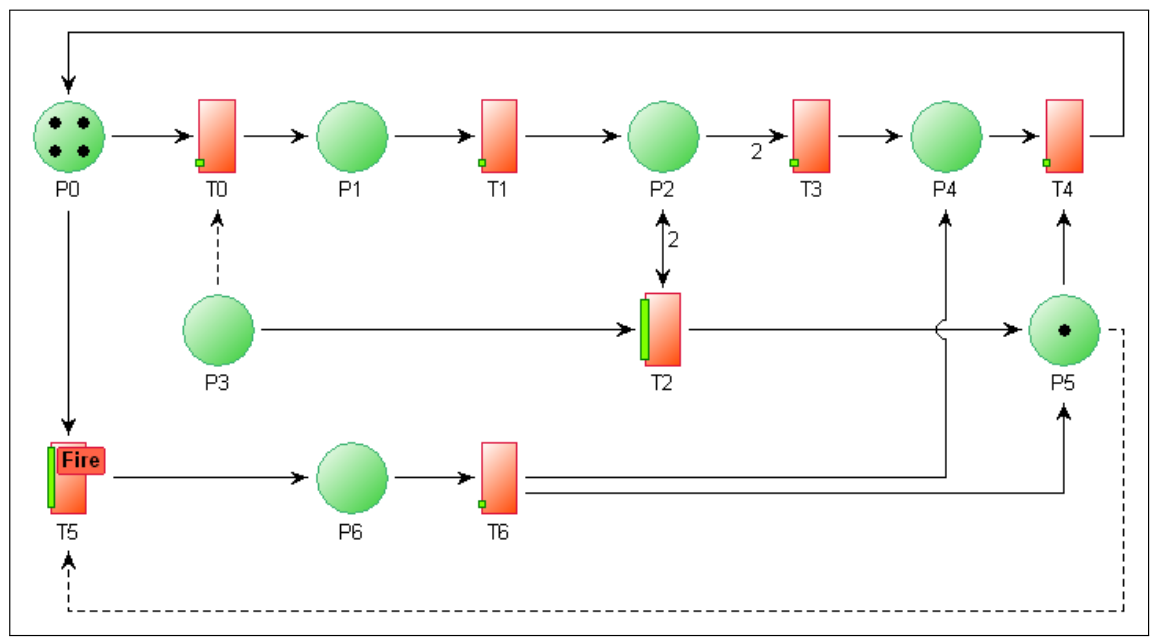
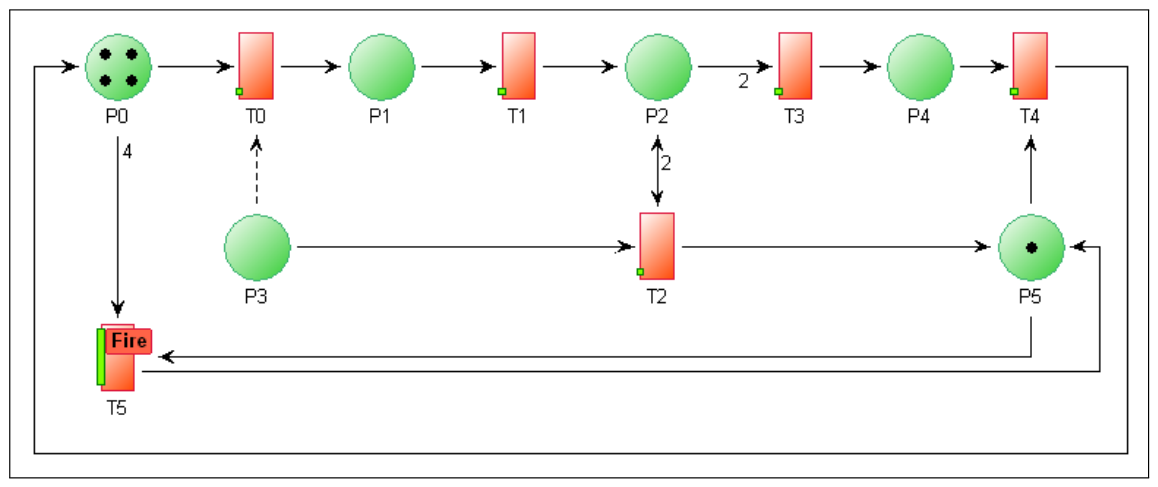
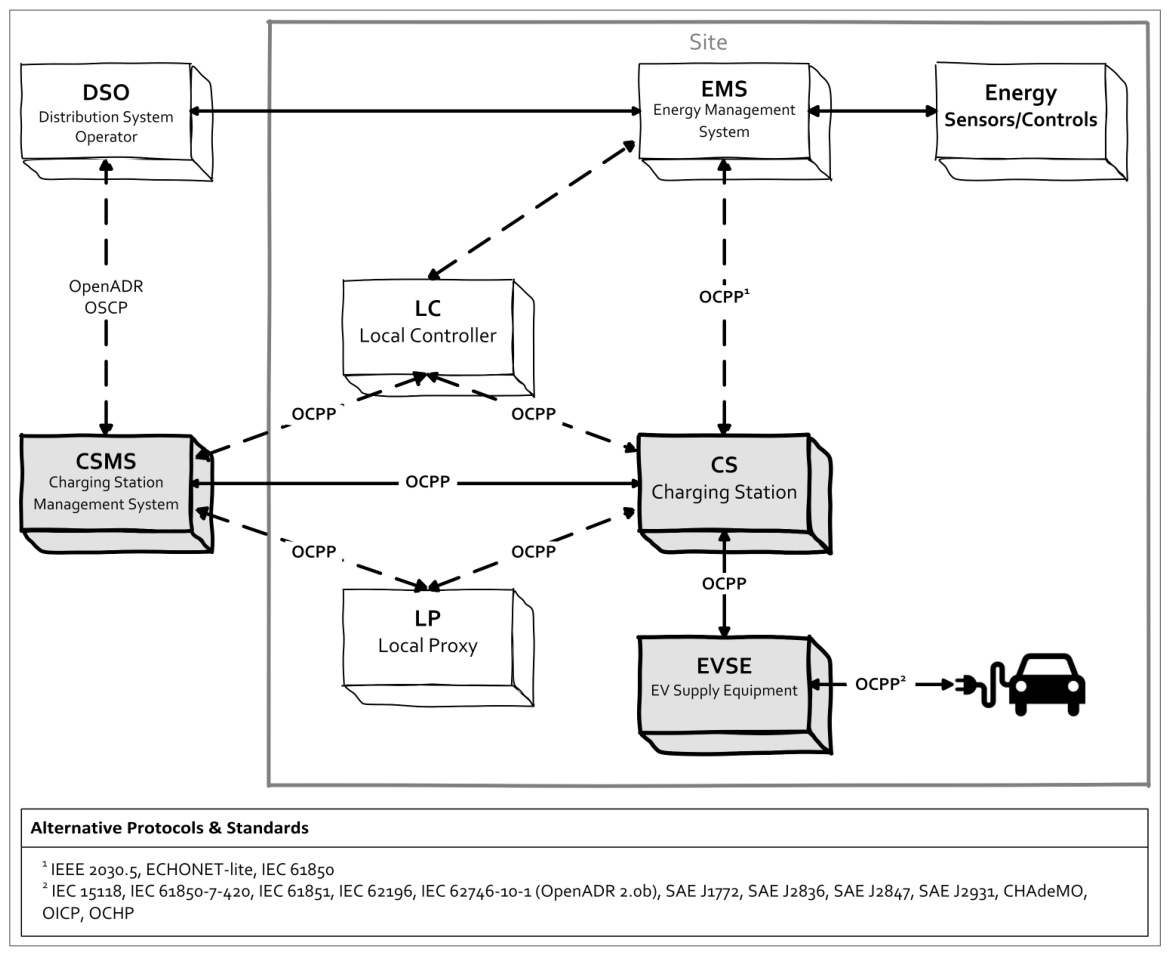
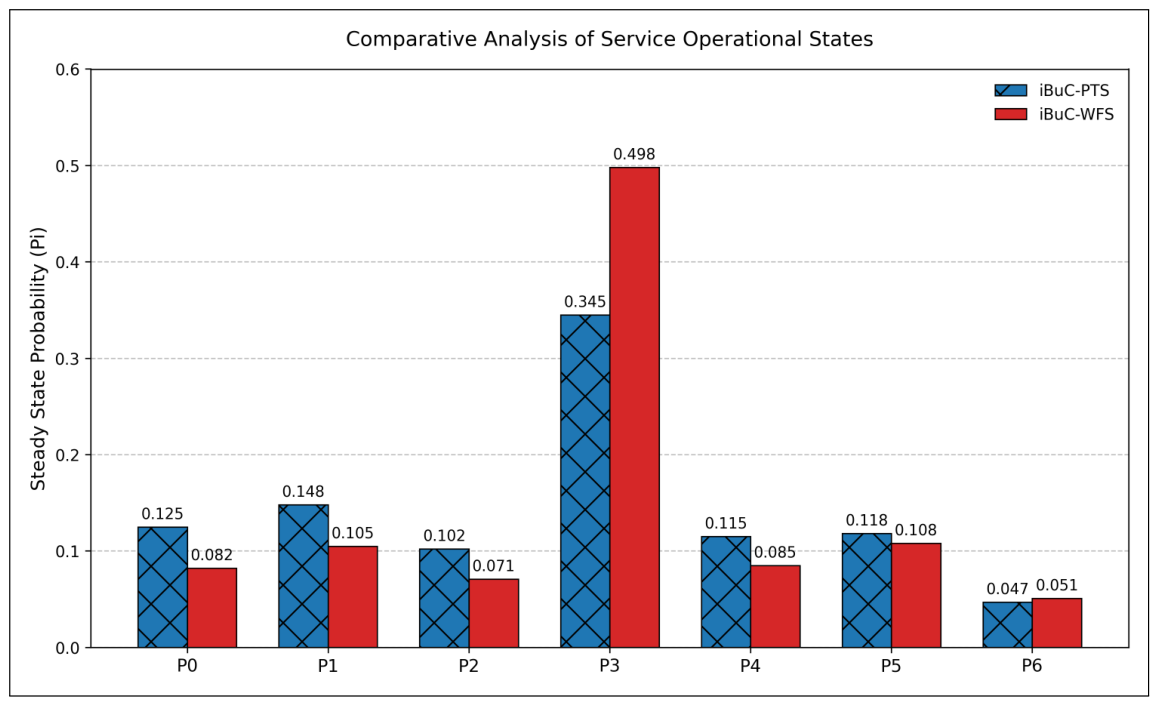
As Intelligent Transportation Systems (ITS) transition towards automated ecosystems, the deployment of advanced wireless charging technologies becomes a critical infrastructure requirement. Central to the management of these networks is the Open Charge Point Protocol (OCPP), which ensures interoperability across diverse hardware vendors. However, the reliance on digital communication for power transfer introduces significant cybersecurity vulnerabilities. This paper presents a methodology for evaluating the impact of cyber-threats on urban transport services, with a specific focus on the communication layers that support these Advanced Wireless Power Transfer (WPT) environments. Utilising Stochastic Petri net (SPN) ontology, we model the operational states of an Electric Vehicle (EV) service—including the activation and the arrival phases—to quantify how protocol-level vulnerabilities affect service reliability. We introduce an Extended Vulnerability List (EVL) and analyse two distinct scenarios: a public transport service and a weather forecasting integration. Our results demonstrate that as wireless charging moves towards standardization, the security of the OCPP-based backbone is a fundamental necessity for preventing service disruption. The proposed assessment framework provides a roadmap for securing the next generation of dynamic wireless charging infrastructures against evolving cyber-physical threats.
Keywords: Intelligent Transportation Systems (ITS); Advanced Wireless Power Transfer (WPT); cybersecurity; Open Charge Point Protocol (OCPP); Stochastic Petri nets (SPN); EV charging networks Intelligent Transportation Systems (ITS); Advanced Wireless Power Transfer (WPT); cybersecurity; Open Charge Point Protocol (OCPP); Stochastic Petri nets (SPN); EV charging networks