


Abstract
Cocoa (Theobroma cacao L.) is an important source of bioactive compounds with high antioxidant capacity and antimicrobial properties. However, these compounds are susceptible to degradation by light, oxygen, pH, and temperature, which limits their functionality. This study evaluated the microencapsulation of CCN-51 cocoa extracts by spray drying, using maltodextrin (MD) and gum arabic (GA) as encapsulating agents, with the aim of preserving their bioactive activity and promoting their application in food. Microcapsules formulated with 5%GA showed the highest encapsulation efficiency (77.5%) and the highest phenolic content (92.7 GAE/g), showing significant differences compared to formulations with MD (p < 0.0001). Antioxidant capacity, quantified using the ABTS method, reached 583.3 µmol TE/g for 5% GA, significantly exceeding that of microcapsules with 10%MD (230.9 µmol TE/g; p < 0.0001). In terms of antimicrobial activity, microcapsules containing 5%MD showed greater inhibition against Escherichia coli (22.1 mm) and Staphylococcus aureus (12.3 mm), while those containing GA recorded halos of 10.1 mm and 12.1 mm. When applied to chicken muscle, treatments with 5%GA significantly reduced microbial growth for 72 h, demonstrating that the prepared microcapsules have high bioactivity, stability, and antimicrobial capacity in samples of meat products that are widely consumed and potentially susceptible to spoilage due to microbial growth.
1. Introduction
Cocoa (Theobroma cacao L.) is one of the most economically, culturally, and scientifically significant tropical species for Latin American producing countries, particularly Ecuador, which is recognized as one of the leading exporters of fine aroma cocoa and possesses remarkable genetic diversity [1]. In recent years, the focus on the use of cocoa extracts has expanded beyond organoleptic interest to the valorization of its bioactive compounds, particularly polyphenols, due to their beneficial effects on human health [2]. These compounds, notably flavonoids, exhibit well-documented antioxidant, anti-inflammatory, and antimicrobial activities, opening up new opportunities for their use in functional foods, dietary supplements, and nutraceutical formulations [3].
Among the cocoa varieties cultivated in Ecuador, the CCN-51 clone (Castro Naranjal Collection 51) has emerged as a strategic alternative for the cocoa sector [4]. Unlike other traditional varieties, CCN-51 is characterized by its adaptability to diverse edaphoclimatic conditions, resistance to fungal diseases such as moniliasis and witches’ broom, and rapid onset of production, making it a valuable genetic material for functional and technological research [5].
Several studies have confirmed the high phenolic content in aqueous and ethanolic extracts of CCN-51, as well as their efficacy against bacterial species, including Escherichia coli, Staphylococcus aureus, and Salmonella spp. [6]. However, a significant limitation in its industrial application is the low stability of these compounds under thermal, oxidative, and pH-related stresses, which can compromise their functionality when directly incorporated into food products [7]. To address this challenge, microencapsulation offers a technological solution by enabling protection, controlled release, and enhanced bioavailability of bioactive compounds during food processing and storage [8].
Between the available methods, spray drying was selected as the most suitable technique for microencapsulating plant extracts due to its advantages over alternatives such as freeze drying, coacervation, or emulsification–solvent evaporation [9]. Unlike freeze-drying, which is costly and time-consuming, spray drying allows for continuous, economically viable production that is easily scalable to an industrial level. Furthermore, compared to techniques that require strict pH control or the use of organic solvents, spray drying stands out for its operational simplicity, safety, and compatibility with food applications [10]. Furthermore, this technique offers good encapsulation efficiency, reproducibility, and particle size control, contributing to greater physicochemical stability of the encapsulated compounds during storage [11]. On the other hand, a wide range of encapsulating agents are available, including alginates, pectins, chitosan, proteins, and modified polysaccharides. However, this research focused on maltodextrin (MD) and gum arabic (GA) because they offer functional advantages over other commonly used encapsulants. In particular, MD is characterized by its high water solubility, low cost, neutral taste, and ability to form amorphous matrices with low hygroscopicity, which favors the stability of bioactive compounds during drying and storage [12]. Meanwhile, GA has excellent emulsifying and film-forming properties, allowing for homogeneous distribution of the extract and greater encapsulation efficiency [13]. Compared to other encapsulants such as alginate, which requires additional ionic gelation processes and tends to generate larger particles that are less compatible with spray drying, treatments with MD and GA generally allow for the formation of spherical, stable, and easily dispersible microcapsules. These characteristics allow them to form a continuous physical barrier that protects sensitive compounds from oxidation, moisture, and light, significantly improving their stability during processing and storage [14]. Therefore, microencapsulation of cocoa extracts can preserve the integrity of their natural antioxidants and maintain bacteriostatic effects in food matrices, providing added value for the development of functional products such as beverages, yogurts, enriched breads, and infant foods [15].
Cocoa microcapsules have interesting physical, chemical, and biochemical properties because the drying processes protect the phenolic compounds from degradation, improve their solubility, and facilitate their incorporation into other matrices without affecting their sensory characteristics. In addition, they can release bioactive compounds in a controlled manner during digestion, increasing their bioaccessibility in functional foods [16]. Several investigations have shown that microencapsulated cocoa extracts maintain their antioxidant capacity and phenolic content even after heat treatment processes [17,18], representing a vehicle for the stabilization and transport of functional compounds [18]. However, there is a significant research gap in the development of processes for obtaining cocoa microcapsules that are efficient at the biochemical and sensory levels, as well as in their application in real food matrices and their impact as antioxidants and antimicrobials in functional foods that guarantee food safety and security [19]. Under this approach, the present research addresses specific topics that have not been previously studied in the same work, such as: (i) the comparison between different encapsulating agents and spray drying conditions as a technique that does not denature their bioactive compounds; (ii) evaluation of antimicrobial/bacteriostatic activity after the microencapsulation process; (iii) application as a bioactive ingredient in the formulation of functional foods based on chicken muscle for the potential inhibition of indicator microorganisms such as mesophilic aerobes and enterobacteria.
Therefore, the objective of this study was to evaluate the effect of microencapsulation by spray drying on CCN-51 cocoa extracts, determining their antioxidant and bacteriostatic activities in model food matrices (chicken muscles).
2. Materials and Methods
2.1. Materials
Cocoa pods were collected at Km 7 1/2 on the Quevedo–El Empalme road, Mocache canton, Los Ríos province, Ecuador, with geographic coordinates 01°06’ South latitude and 79°29′ West longitude, at an altitude of 75 m above sea level. MD and GA (obtained from the acacia tree, Sigma-Aldrich, St. Louis, MO, USA) were used as encapsulating agents. Analytical grade reagents and chemicals employed in this study included: Folin–-Ciocalteu reagent, 1,1-diphenyl-2-picrylhydrazyl (DPPH), 2,2′-azino-bis-(3-ethylbenzothiazoline)-6-sulfonic acid (ABTS), Trolox (6-hydroxy-2,5,7,8-tetramethyl-3,4-dihydro-2H-1-benzopyran-2-carboxylic acid), aluminum chloride, acetic acid, sodium citrate, sodium carbonate, gallic acid, quercetin, methanol, and absolute ethanol (Sigma Aldrich). Other chemicals were procured from local suppliers of Merck (Rahway, NJ, USA).
2.1.1. Preparation of Cocoa and Extraction of Compounds
The cocoa beans (Theobroma cacao L.) were pre-selected to ensure they were free of visible defects and then dried in a Memmert UN110 convection oven (Memmert, Schwabach, Germany) at 55 °C for 72 h until the final moisture content was ≤7% (AOAC 925.10). After shelling, the cotyledons were ground (40–60 mesh sieve) and extracted by dynamic maceration with ethanol: water (1:1 v/v) using a solid: solvent ratio of 1:10 (w/v) in closed amber flasks at 50 °C with mechanical stirring at 250 rpm for 90 min, following the procedures of [20] with some modifications. The modifications consisted of separating the extract by vacuum filtration (0.45 µm filter) and clarifying it by centrifugation (5000× g, 10 min, 4 °C). The liquid fraction was concentrated in a rotary evaporator (Büchi, Flawil, Switzerland) (45 °C, 70 rpm, 200–250 mbar) until the volume was reduced to 20–30% of the initial volume, swept with nitrogen, and standardized to 15–20 °Brix. The pH, soluble solids, and total phenolic content (TPC) (Folin–Ciocalteu, mg gallic acid equivalent per g extract) were recorded. Finally, the extract was bottled in amber glass bottles, sealed, and stored at −5 °C protected from light until use (≤7 days).
2.1.2. Emulsion Preparation
The emulsions were prepared following commonly reported spray drying protocols for the microencapsulation of phenolic extracts of plant origin [9], with minor adaptations to ensure process stability and food compatibility.
MD (DE 10–12) and GA were selected as wall materials due to their contrasting physicochemical properties, their widespread industrial use, and their proven effectiveness as encapsulating agents for thermolabile bioactive compounds. MD was chosen for its low viscosity with a relatively high solids content, good film-forming ability, and favorable thermal stability during spray drying, while GA was selected for its excellent emulsifying ability, high water solubility, and ability to form flexible interfacial films around dispersed droplets. Emulsions were prepared using MD or GA as single wall materials to isolate and compare their individual encapsulation behavior, barrier performance, and release characteristics under the same processing conditions. Aqueous solutions of 5%, 7%, and 10% (w/v) were prepared in deionized water at 40 °C, with hydrolysis/hydration by magnetic stirring for 60 min. Cocoa extract was incorporated to achieve core: wall ratios of 1:4 (w/w); 0.1% (w/w) Tween 80 was also added as a surfactant. This food-grade surfactant was incorporated to improve interfacial stabilization during homogenization and to ensure that both encapsulating agents mix with the cocoa extract under the same experimental conditions, especially under conditions of high shear, low emulsifying capacity, and difficulty in forming films around the extract droplets, without altering the structural and barrier functions provided by the walling agents.
The pre-emulsion was homogenized using a high-shear homogenizer (DLAB, Beijing, China) at 10,000 rpm for 3 min, followed by 1000 rpm for 2 min, maintaining a temperature below 40 °C. Prior to drying, the liquid extract was degassed under vacuum for 5 min and characterized by the following parameters: total solids (105 °C), pH (target 5–5.5), viscosity (Brookfield LV, spindle 2, 60 rpm, 25 °C), and total phenols.
2.1.3. Spray Drying of Microcapsules
The microcapsules were dried following the procedures described in [21,22], with some modifications. This process was carried out in a Mini Spray Dryer B-290 (Büchi, Flawil, Switzerland), at laboratory scale, with a 0.7 mm bifluid nozzle, 100% suction, air pressure (6 bar), atomization air flow of ~600 L/h, and a peristaltic pump with a flow rate of 5–7 mL/min. Inlet temperatures (emulsions) of 150 °C were used, and the outlet temperature was controlled at 60 °C by adjusting the feed flow rate. The equipment was preheated for 10 min and the feed was kept in constant agitation to prevent sedimentation. The powders were collected, immediately transferred to airtight amber bottles, vacuum sealed, and stored in a light-protected environment until characterization. These tests were performed in triplicate.
2.2. Functional Characterization of Microcapsules
All samples were analyzed in triplicate following the procedures described below.
2.2.1. Determination of Phenolic Content and Antioxidant Capacity
TPC was determined using the Folin–Ciocalteu method, with results expressed as milligrams of gallic acid equivalent per gram of encapsulated polyphenol extract (mg GAE/g) [21]. Antioxidant activity retention was determined by the DPPH/ABTS method in a UV-Vis spectrophotometer (Shimadzu UV-1800, Kyoto, Japan). The final sample was compared with the liquid feed. A stability study was carried out at 25 °C and 40% humidity for 30 days (at 0, 15, and 30 days). All formulations were processed in triplicate and included a wall control without extract. For safety, ethanol removal was verified before final packaging.
The antioxidant activity of microcapsules and extracts was evaluated using the ABTS radical cation inhibition assay [22], with minor modifications. Antioxidant capacity was also evaluated using the 2,2-diphenyl-1-picrylhydrazyl radical (DPPH) method, as described by [23]. A 0.1 mM DPPH solution in methanol was mixed 1:1 (v/v) with the sample and incubated in darkness for 30 min. Antioxidant capacity was expressed as the percentage inhibition of the DPPH radical.
Gallic acid solutions were used as standards, and quantification was performed by spectrophotometry at 517 nm (Shimadzu UV-1800, Kyoto, Japan). A calibration curve (R2 ≥ 0.99) was constructed, and results were expressed as gallic acid equivalents (mg GAE/g microcapsules).
2.2.2. Morphological Characterization and Particle Size of Microcapsules
Morphological characterization provided details on the size and shape of the encapsulated structures. For this purpose, scanning electron microscopy (SEM-EDX) was used on a high-resolution microscope coupled with energy-dispersive X-ray spectroscopy (IT500HR/LA, Jeol, Tokyo, Japan). The samples were coated with a thin layer of carbon in a MED 020 evaporator (Bal-Tec, Pfäffikon, Switzerland) (to impart conductive properties to the materials, which were then observed under a microscope equipped with a Raith Elphy quantum electron beam lithography (EBL) system operating at 10 kV.
2.2.3. Loading Capacity and Encapsulation Efficiency
The loading capacity (LC) and encapsulation efficiency (% EE) of the bioactive compounds were evaluated according to [24], with slight modifications to adapt to the experimental matrix. The microcapsules were dried at 37 °C for 24 h in a forced-air oven (Memmert UN110, Schwabach, Germany) until they reached a constant weight, which ensured the stability of the phenolic compounds and facilitated accurate quantification.
LC represents the polyphenol retention capacity in the microcapsule core [18]. It was obtained using Equation (1), and is expressed in mg/g.
where is the final polyphenol content within the microcapsules, is the initial polyphenol content of the cocoa polyphenol extract, is the weight of the microcapsules obtained, and is the weight of the cocoa polyphenol extract to be encapsulated.
For % EE, the TPC was taken as a reference [18], using Equation (2).
where TPC is the polyphenol content within the microcapsules, and SPC is the polyphenol content of the surface of the microcapsules.
To quantify the TPC in the microcapsules, they were first broken up by adding 0.1 g of microcapsules to a solution of 1 mL of 10% w/v sodium citrate, which was then stirred for 15 s and centrifuged (4000× g, 20 min). The supernatant was then filtered and analyzed using the Folin–Ciocalteu method. On the other hand, for SPC, 0.1 g of microcapsules were treated with 1 mL of a mixture of ethanol and methanol (1:1), stirred at room temperature for 60 s, and filtered. The polyphenol content in the filtered supernatant was also quantified using the Folin–Ciocalteu method, applying a gravimetric method to establish the polyphenol content impregnated on the surface of the microcapsules.
2.2.4. Kinetic Study of the Release of Bioactive Compounds
Release kinetics were evaluated in six formulations (GA or MD at 5, 7, and 10% w/v) following widely reported systems for microencapsulating polyphenols in plant matrices by spray drying [25]. For each assay, 100 mg of powder was loaded into regenerated cellulose dialysis bags (MWCO 12–14 kDa) and immersed in 100 mL of phosphate buffer (0.05 M, pH 7–7.4) at 37 °C with stirring at 100 rpm, typical conditions of the dialysis method for releasing phenolic compounds [26]. Serial aliquots were taken between 0 and 240 min, replenishing each extraction with fresh preheated medium and correcting the cumulative calculation by volume replacement according to the release protocols established in the referenced works. The cumulative released mass was calculated by adding the concentrations of each sampling by the extracted volume and adding the final concentration by the remaining volume.
2.3. Bacteriostatic Activity Evaluation
The antimicrobial activity of cocoa microcapsules was evaluated using the agar diffusion disk method, following the guidelines of the Clinical and Laboratory Standards Institute (CLSI) and other papers [27], with slight modifications, to determine the growth of Escherichia coli and Staphylococcus aureus in the presence of microcapsules. The modifications consisted of culturing the bacterial strains in Merck 1.05443 nutrient broth. They were incubated at 37 °C for 24 h. The suspensions were then standardized to a turbidity equivalent to the McFarland 0.5 standard (1 × 10⁸ CFU/mL) and seeded homogeneously on Mueller-Hinton agar plates (0.1 mL of bacterial culture in 20 mL of agar) to measure the level of antimicrobial activity. A measurement of 0.05 mL of microencapsulated suspension in an aqueous medium was inoculated. The Petri dishes were then incubated at 37 °C for 24 h. After incubation, the inhibition zones formed were measured in mm using a caliper. All tests were performed in triplicate.
2.4. Evaluation of Microcapsules in Food Matrices
The antimicrobial activity of microcapsules was assessed by incorporating them into fresh chicken muscle (Pectoralis major), following the method described by [28], to determine their ability to inhibit the growth of indicator microorganisms, specifically mesophilic aerobes, and enterobacteria. Skinless, boneless chicken samples were sterilized by exposure to UV light (254 nm) for 15 min per side in a Class II biosafety cabinet to minimize initial microbial load. Microcapsules were superficially applied to 10 g portions of chicken muscle, placed in sterile Whirl-Pak bags, and stored at 4 °C under controlled refrigeration for 72 h. Sampling was conducted at 0, 24, 48, and 72 h. At each time point, 5 g of the sample was homogenized in a 45 mL sterile peptone diluent (0.1% w/v) using a Stomacher (Model 400, Seward, Worthing, UK) for 1 min. Decimal dilutions were plated in duplicate on specific media: Plate Count Agar (PCA) for mesophilic aerobes, incubated at 37 °C for 48 h, and Violet Red Bile Glucose Agar (VRBG) for enterobacteria, incubated aerobically at 37 °C for 24 h. Results were expressed as colony-forming units per gram (CFU/g) and log-transformed for statistical analysis. Positive controls (muscle without microcapsules) and negative controls (sterilized muscle without treatment) were included to compare the effect of the encapsulated agent.
The research was conducted using samples of chicken meat for human consumption, refrigerated in supermarkets and certified stores in Ecuador. The meat products had a production date of 1–2 days before sampling and were obtained from brands and distribution companies that have health registration and the respective permits from the National Agency for Health Regulation, Control, and Surveillance (ARCSA in Spanish, Guayaquil, Ecuador), for the production, preservation, and distribution of meat products in Ecuador. This state agency is responsible for monitoring the quality and safety of food and other goods for human consumption. In addition, the research complies with current regulations in Ecuador and with the guidelines of the ethics committee of Ecuadorian universities, specifically according to the regulations of the research ethics committee of the Technical University of Manabí (the institution where the research was conducted) [29], about the use for research purposes of meat products that have already been processed and are available for sale in stores and supermarkets. Consequently, the study was approved by the bioethics committee of the Technical University of Manabí.
Finally, it is stated that all materials and waste from the bacterial study were sterilized or autoclaved before disposal, so that the research complies with microbiological safety aspects.
2.5. Statistical Analysis
Experiments were performed in triplicate, and results are presented as mean ± standard deviation. Data were analyzed using one-way ANOVA followed by Tukey’s test (p < 0.05) to determine significant differences between treatments. Statistical analysis was performed using SPSS software version 26.
3. Results and Discussion
3.1. Characteristics of Cocoa Extract
The cocoa extract showed a TPC of 209.98 ± 2 mg GAE/g of dry extract, a flavonoid content of 97.45 ± 2 mg QE/g of dry extract, and an ABTS antioxidant capacity of 842.67 ± 15.43 µmol TE/g of dry extract, values that are above those recently reported for cocoa extracts and microencapsulates. For example, ref. [25] reported TPC in the order of 35 for cocoa microcapsules obtained by spray drying with MD, depending on the wall material and drying procedure, as well as ABTS antioxidant activity values close to 202 µmol TE/g after spray treatment. It was observed that the methodology proposed in this research contributed significant differences in the extraction process, suggesting greater efficiency in the recovery of phenolic compounds during the extraction stage before encapsulation. In relation to flavonoid content, the values obtained in this study correspond to the ranges described in research evaluating cocoa extracts and cocoa by-products subjected to microencapsulation processes. In this regard, [30] concluded total flavonoid contents between 0.8 and 1.1 mg QE/g of dry extract in microencapsulated cocoa shell systems using MD and GA as wall materials, highlighting that mixtures of encapsulating agents can generate synergy in stability and bioactivity. A comparison of these results highlights the variability in flavonoid concentrations in extracts depending on various factors, including the cocoa fraction used (bean or by-product), the extraction solvent, the mixtures of encapsulating agents, and the processing conditions.
On the other hand, the antioxidant capacity of the extract reflects a high free radical neutralization capacity (842.67 ± 15 µmol TE/g of dry extract), mainly attributed to the presence of compounds characteristic of cocoa, such as catechins, epicatechins, and procyanidins, so these results were associated with significant polyphenol retention after the thermal process and the protection conferred by the encapsulating matrix against oxidation during drying, concluding that the microencapsulation process offers significant advantages over non-encapsulation systems in terms of ABTS values [25]. These differences have been attributed to the greater susceptibility of phenolic compounds to oxidation and degradation processes when technological protection strategies are not used.
In this context, the ABTS values observed in encapsulated systems, as reported both in the recent literature and in the present work, demonstrate the role of encapsulation in preserving the functional antioxidant activity of the extract.
3.2. Microcapsule Preparation Parameters
3.2.1. Effect of Encapsulating Agent Type
The type of encapsulant had a significant effect on the properties of the microcapsules. The rheological behavior observed in emulsions containing cocoa extracts is strongly influenced by the concentration of the encapsulating agent, which is consistent with recent studies using polymeric matrices for the microencapsulation of cocoa phenolic compounds. In this study, the emulsion formulated with a low concentration of encapsulant (5%) exhibited superior fluidity and lower apparent viscosity, favoring an easily pumpable system suitable for the atomization process. Comparable results were described by [17], who worked with phenolic cocoa extracts encapsulated in maltodextrin and observed that formulations with polymer contents between 4 and 6% exhibited mild pseudoplastic behavior, suitable for the formation of fine droplets during spray drying. In contrast, increasing the encapsulant concentration to values of 10% generated visually more homogeneous and stable emulsions, but with a significant increase in the viscosity of the continuous medium. This phenomenon has been widely documented in polyphenol-rich cocoa systems, where the interaction between the hydroxyl groups of flavonoids and the polymer chains of the encapsulant intensifies the structuring of the dispersed system [31].
Finally, at low encapsulant concentrations (5%), lower viscosity facilitates shearing during emulsification, allowing for more efficient dispersion of the cocoa extract in the continuous medium. This behavior has been associated with a narrower droplet size distribution and more fluid systems, which is favorable for spray drying [32]. It was observed that emulsions of cocoa extracts with low polymer loading had better atomization properties, generating microcapsules with more uniform morphologies and less tendency to form aggregates. However, when the encapsulant concentration reaches or exceeds 10%, the pronounced increase in viscosity hinders atomization, favoring the formation of filaments and larger droplets. In systems with cocoa extracts, this effect has been linked to a wider particle size distribution in the final powder and variations in encapsulation efficiency. Ref. [30] reported that highly viscous emulsions of encapsulated cocoa showed instabilities during drying, associated with less cushioned collisions between droplets and less reproducible atomization. Studies on cocoa-based food matrices agree that there is a trade-off between emulsion stability and processability, where high concentrations of encapsulant improve interfacial stability but affect fluidity indices and the efficiency of the spray drying process.
These results were confirmed by SEM testing to determine the shape and particle size of the microcapsules (Figure 1) and their relationship to the preparation parameters.
Figure 1.
Scanning electron microscopy of microcapsules of CCN-51 cocoa extracts obtained by spray drying with the encapsulating agents MD 5% (A) and GA 5% (B).
It was observed that both encapsulation agents (5% MD and 5% GA) produced predominantly spherical microcapsules, although with variations in size. The microcapsules of CCN-51 cocoa extracts with 5% MD had particle sizes ranging from 5–45 µm, while the microcapsules obtained with 5% GA ranged from 7 to 80 µm, demonstrating that GA generated microcapsules of greater size and morphological uniformity. In addition, micrographs showed the presence of surface irregularities characteristic of materials obtained by drying processes, which persisted regardless of the encapsulating agents applied (Figure 1). This same behavior was observed in the investigation of [30], where it was concluded that spray drying caused dents in the microcapsules by creating vapor pressure in the internal structure, which caused rapid contraction of the surface due to moisture loss. However, it is concluded that microencapsulated compounds obtained by spray drying show greater stability, as well as more controlled release and a higher specific surface area (low particle size), factors that contribute to improving their protection and bioavailability [33].
3.2.2. Effect of Spray Drying
The spray dryer produced dry powders with good dispersibility, low moisture content, and high drying yields. For microcapsules made with 5% GA, drying yields of around 68.5% were obtained, while for microcapsules with 5% MD, 53.9% was obtained. These values are close to and in some cases exceed the drying yields of cocoa extracts reported in previous studies [18], which range between 45 and 64%, concluding that spray drying generates good microcapsule production with respect to the amount of extract and encapsulating agent fed. However, GA provides higher yields than other encapsulants, which is attributed to its greater emulsifying capacity, lower stickiness during drying, and better particle recovery, especially in polyphenol-rich systems such as cocoa extracts.
It is also evident that the thermal conditions applied were sufficient to preserve the functional properties of the extract, minimizing the thermal degradation of sensitive phenolic compounds (Figure 2).
Figure 2.
General flow diagram of the extraction, microencapsulation, and functional evaluation process of cocoa extracts (Theobroma cacao L. CCN-51).
This drying technique (atomization) generates particles with a large surface area and a morphology favorable for microencapsulation, as shown in the micrographs in Figure 1. The particle size obtained through the spray drying and encapsulation process with MD and GA had a significant effect on the surface area of the microcapsules, since smaller particles such as those of MD (5–45 µm) have larger surface areas and can therefore affect their capacity to retain the bioactive compounds in coffee. However, GA-based microcapsules also had low particle sizes (7–80 µm), which are in line with the results obtained in previous reports [25,30], demonstrating the effectiveness of the proposed process.
Additionally, inlet temperature ranges of 150–170 °C, combined with outlets of 60–90 °C, tend to produce a thermal gradient that favors rapid evaporation and self-cooling of the droplet, which limits the effective thermal exposure time of the bioactive core. This thermal regime, together with protective matrices such as MD or GA, reduced structural collapse and allowed for a low final moisture content, which stabilizes the powder against degradative reactions. In the case of heat-sensitive phenolic compounds, the combination of short residence times and moderate outlet temperatures favors functional retention by minimizing oxidation and bond breakage during drying. Several studies on plant extracts confirm that maintaining the outlet temperature below ~90 °C improves the recovery of antioxidant capacity and TPC [34]. Taken together, the parameters applied explain the results observed: dry powders, low moisture content, and maintenance of functional properties.
3.3. Characteristics of the Microcapsules
3.3.1. Total Phenolic Content
The determination of TPC in the microcapsules revealed statistically significant differences between treatments (p < 0.0001) (Table 1). Microcapsules formulated with 5% GA exhibited the highest concentration of phenolic compounds (92.7 ± 2 mg GAE/g) and the highest encapsulation efficiency (77.5 ± 2%). In contrast, formulations with 10% MD showed the lowest values. Overall, a progressive decrease in phenolic content was observed as the concentration of the encapsulating agent increased, with the decrease being more pronounced in samples containing MD. GA proved more effective than MD in preserving the antioxidant compounds of the extract, especially at low concentrations.
Table 1.
Total phenolic content and encapsulation efficiency of cocoa extract microcapsules formulated with gum GA and MD.
The progressive decline in antioxidant activity observed with increasing concentrations of encapsulants (GA and MD) can be attributed to a dilution effect on the bioactive compounds [35].
At higher polymer concentrations, the ratio of antioxidant extract per unit mass of microcapsule decreases, resulting in a lower concentration of phenolic compounds available to react in antioxidant assays, such as DPPH or ABTS [36,37]. This phenomenon has been reported in various studies on the microencapsulation of plant extracts, where excess encapsulating matrix reduces the density of active compounds per gram of the final sample [38,39].
The superiority of GA over MD in terms of retention of phenolic compounds present in microcapsules and encapsulation efficiency can be explained by fundamental differences in their molecular structure, functional groups, and the morphology of the microcapsules formed. GA is a branched polysaccharide with a high molecular weight that contains hydroxyl and carboxyl groups capable of establishing hydrophilic interactions and even hydrogen bonds with phenolic compounds, which favors their stabilization within the matrix [40]. In addition, its amphiphilic nature allows for better emulsification of the extract during atomization, generating a more homogeneous distribution of bioactive compounds and a more continuous film around the core [41]. On the other hand, MD has a more linear and less branched structure, with fewer functional groups capable of interacting with phenolic compounds. This characteristic limits its ability to form a dense protective barrier and reduces the retention of thermolabile compounds during spray drying. Various microscopy studies have shown that microcapsules made with GA have smoother, more continuous, and spherical surfaces, while those formulated with MD tend to show roughness, cracks, and partial collapses that facilitate the diffusion and loss of encapsulated compounds [42]. Taken together, these structural properties underpin GA greater capacity for more effective protection against oxidative degradation and greater stability of encapsulated phenols.
3.3.2. Evaluation of Loading Capacity and Encapsulation Efficiency
The loading capacity results were consistent with those obtained for TPC, confirming that the formulation with 5% GA allowed the highest retention of bioactive compounds. This outcome suggests that a lower proportion of encapsulating agents favors a higher relative concentration of extract within the microcapsule, thereby increasing the effective load of functional compounds per unit mass.
The differences observed between GA and MD are reinforced by studies on the microencapsulation of cocoa extracts and derivatives. In general, studies show that the cocoa variety influences the initial phenolic profile and, therefore, the absolute retention efficiency [17]. The extraction method (ethyl, hydroalcoholic, aqueous, or ultrasound/enzyme-assisted) determines the polarity and nature of the extracted phenols [30]. Extractions with less polar solvents tend to yield more lipophilic compounds that interact better with amphiphilic matrices such as GA, improving retention. Regarding drying conditions, the spray-drying inlet temperature, atomization rate, and feed solids content affect morphology: high temperatures and low solute concentrations favor collapsed or cracked capsules, increasing losses [43]. Comparative studies indicate that GA maintains a more flexible and continuous surface film than MD under the same drying conditions, reducing porosity and enhancing the loading capacity of bioactive compounds. In conclusion, the choice of matrix should be considered together with the phenolic profile of the cocoa, the extraction method used, and the drying parameters to optimize the stability and controlled release of antioxidants.
3.3.3. Release Kinetics of Bioactive Compounds
Results showed that the GA-5% treatment achieved the highest antioxidant activity value (approximately 590 µmol TE/g), statistically superior to the other formulations (p < 0.05), indicating greater efficiency in releasing phenolic compounds under these conditions (Figure 3). Conversely, the lowest antioxidant activity was recorded in the MD-10% treatment (≈240 µmol TE/g), evidencing a limited release of bioactive compounds. This behavior can be attributed to the higher compaction degree of the microencapsulating matrix at elevated MD concentrations, which reduces the release rate due to decreased permeability and diffusion of the entrapped phenolic compounds.
Figure 3.
Antioxidant activity of the prepared microcapsules. Different letters (a–f) within the same dependent variable indicate statistically significant differences (p < 0.05) according to Tukey’s test.
For both encapsulating agents, a decreasing trend in antioxidant activity was observed as the encapsulant concentration increased (5% > 7% > 10%), suggesting an inverse relationship between matrix density and release efficiency. Nonetheless, formulations with GA consistently maintained higher values than their MD counterparts at equivalent concentrations.
The release kinetics observed in this study, where microcapsules formulated with 5% GA show rapid cumulative release (≈90% in <8 h), while those with MD at higher concentrations (7% and 10%) exhibit a more sustained release (≈50–60% in 24 h), reflects release mechanisms that have been described in the literature on microencapsulation of phenolic compounds and antioxidants. Different studies on microencapsulated extracts rich in bioactive compounds indicate that the wall material and its interaction with the aqueous medium modulate the release kinetics, associated with the solubility, molecular structure, and physicochemical barriers imposed by the encapsulating polysaccharide. For example, in a controlled release analysis of microencapsulated extracts using spray drying with polysaccharide matrices, it was observed that formulations with more soluble and permeable agents tend to release a greater fraction of compounds in the early stages of the in vitro assay. The inherent solubility of GA and its more branched structure facilitate the diffusion of the encapsulated compound into the aqueous medium, which translates into a higher initial release rate and lower retention of the compounds within the matrix, as has been described in studies with similar matrices [44].
In contrast, macromolecular matrices with denser or less hydrophilic structures, such as those formed mainly by MD, have been associated with more controlled and prolonged release profiles. MD, due to its higher molar mass and ability to form more compact networks around the bioactive core, can limit the diffusion of hydrophilic compounds and generate a barrier that is more resistant to exchange with the medium, which is consistent with your observations of slower cumulative release in formulations with MD at high concentrations. Examples of this behavior have been reported in studies where the release of phenols encapsulated by MD showed kinetic profiles with a controlled diffusion trend, indicating a more delayed diffusion when the polymer system has higher density or lower affinity with water [25,45]. From a mechanistic perspective, the cumulative release profile close to 90% in early stages in formulations with GA indicates that the diffusion of compounds through the GA matrix is dominated by a Fickian-type release mechanism or by a process similar to an burst release, where most of the compound accessible on the surface or in areas of low polymer density diffuses rapidly. In contrast, the more gradual behavior observed in MD systems suggests that release is more influenced by restricted diffusion through a more compact matrix, possibly conforming to combined release behaviors where both diffusion and matrix relaxation may contribute to the kinetics.
In conclusion, kinetic study confirms the higher antioxidant activity released by GA 5% (Figure 4), which is associated with the lower solid fraction; the matrix has lower tortuosity and higher wettability, which accelerates rehydration and Fickian diffusion of phenolic compounds [46]. In systems with GA, the presence of protein fractions and arabinogalactans generates thin, highly hydrophilic films that disintegrate quickly and promote initial release [47]. In contrast, 10% MD shows the lowest release because excess MD increases glass density, reducing water permeability and the diffusion coefficient of retained compounds. With a higher presence of encapsulating solids, the increase in viscosity and compaction during drying results in less porous particles with longer diffusion channels, which limits the release of bioactive compounds [48]. Even at equivalent concentrations, microcapsules with GA maintain higher release constants than those with MD because their branched and partially amphiphilic network facilitates water penetration and surface erosion.
Figure 4.
Release kinetics of phenolic compounds from CCN-51 cocoa extract microcapsules as a function of encapsulant type and concentration.
3.4. Antioxidant Activity
3.4.1. DPPH Radical Inhibition
A significant decrease (p < 0.05) in antioxidant activity was observed after drying in all formulations. Under pre-drying conditions, formulation A exhibited the highest antioxidant activity (90%), followed by formulation B (70%) and formulation C (60%). After drying, inhibition values decreased to 60%, 50%, and 40%, respectively.
The comparison between formulations suggests that the mixture composition, specifically the proportion of GA and MD, has a significant influence on the preservation of the extract’s antioxidant capacity after thermal processing (Figure 5). In particular, formulation A showed the lowest relative loss, which may be attributed to the greater protection afforded by the encapsulating matrix.
Figure 5.
Effect of the type and concentration of encapsulants on the load capacity of cocoa microcapsules.
These bioactive compounds are highly susceptible to elevated temperatures, oxidation, and loss of chemical structure during intense thermal treatments, such as those occurring in the atomization stage, where the solution is exposed to temperatures between 150 °C and 170 °C in the hot air inlet. Previous studies have confirmed that aggressive drying processes considerably reduce the antioxidant capacity of plant extracts due to partial or total denaturation of their active components [49].
The difference in relative antioxidant activity loss among formulations A, B, and C suggests that the composition of the encapsulating matrix plays a decisive role in the stability of functional compounds. Specifically, formulation A, which showed the highest retention of activity post-drying, may have provided a denser and more stable encapsulation structure, limiting the direct exposure of antioxidant compounds to oxygen and heat. This enhanced protection may be related to a higher proportion of GA, a polysaccharide with excellent emulsifying properties, the capacity to form continuous films, and high compatibility with polar compounds such as cocoa polyphenols.
GA has demonstrated superior ability in various studies to protect sensitive compounds during drying processes due to its high molecular weight, highly branched structure, and ability to form three-dimensional colloidal networks. These characteristics not only stabilize emulsions but also minimize losses through volatilization or thermal degradation of functional compounds during drying [50]. In contrast, MD, being less structured and having a lower capacity to form cohesive matrices, provides a less efficient protective barrier, which would explain the greater activity losses in formulations with higher proportions of this encapsulant.
3.4.2. Antioxidant Activity of Microencapsulates
The antioxidant activity of microencapsulated cocoa extracts varied significantly (p < 0.0001) depending on the type and concentration of the encapsulating agent used. The highest antioxidant capacity was recorded in the sample encapsulated with 5% GA (GA 5), reaching a value of 583.3 ± 0.8 µmol Trolox equivalents per gram, which is significantly higher than the other treatments.
On the other hand, the lowest antioxidant activity was observed in the formulation with 10% MD (MD 10), with a value of 230.9 ± 3 µmol TE/g (f). Among the MD-encapsulated samples, the 5% formulation (MD 5) exhibited higher antioxidant activity (381.8 ± 4 µmol TE/g) compared to the 7% (MD 7, 340.2 ± 6 µmol TE/g) and 10% concentrations.
For GA, a decreasing trend was also evident: the 7% formulation (GA 7) reached 357.9 ± 11 µmol TE/g (c), while GA 10 showed a value of 276.3 ± 4 µmol TE/g (e). Overall, higher encapsulant concentrations were associated with lower antioxidant capacity, and GA proved more effective than MD in preserving the antioxidant compounds of the extract.
The microcapsule sample with 5% GA (GA 5) demonstrated the highest antioxidant activity, significantly surpassing the other formulations (p < 0.05), indicating better preservation of bioactive compounds under this condition. Conversely, the 10% MD treatment (MD 10) exhibited the lowest activity, evidencing considerable loss of antioxidant capacity as the concentration of this encapsulant increased.
In both series (MD and GA), a declining trend in antioxidant activity was observed as the encapsulant percentage increased, being more pronounced in MD formulations.
3.5. Antimicrobial Activity of Microcapsules
Microbial susceptibility tests demonstrated that microcapsules containing 5% MD exhibited the largest inhibition zone against Escherichia coli (22.1 ± 1 mm) and notable activity against Staphylococcus aureus (12.3 ± 0.7 mm) (Table 2). The enhanced antimicrobial activity observed in these microcapsules is attributed to their more effective controlled release of bioactive compounds, which facilitates diffusion in the medium and increases inhibitory effects, as described by [51]. Furthermore, the use of MD at this concentration can improve the stability and availability of bioactive compounds with antimicrobial properties [52]. Overall, formulations with lower percentages of encapsulating agents demonstrated superior bacteriostatic activity, supporting the idea that the effective concentration of phenolic compounds within the microcapsule is critical for antimicrobial efficacy.
Table 2.
Bacterial inhibition diameters of CCN-51 cocoa extract microcapsules against E. coli and S. aureus.
Bacteriostatic activity depends both on the amount released and on its local availability to interact with the wall and membrane of microorganisms, processes for which polyphenols show destabilizing and pro-oxidant action [53]. In agar diffusion, the largest zone against E. coli recorded for 5% MD is attributed to controlled and sustained release that maintains an effective concentration gradient during the test, favoring the radial migration of the active ingredient through the gel. With 5% solids, MD does not compact excessively and acts to stabilize bioactive compounds, improving their bioavailability without blocking their diffusion and optimizing cumulative inhibition at 24 h.
3.6. Application in Food Matrices
The application of microcapsules in chicken muscle demonstrated a significant bacteriostatic effect over a 72-h storage period. Formulations containing 5% MD and 5% GA exhibited the lowest microbial growth rates for mesophilic aerobes and enterobacteria. Generally, formulations with higher encapsulant concentrations (10%) exhibited reduced inhibitory efficacy.
A similar trend was observed for mesophilic aerobes: the control treatment reached the highest bacterial density (~3.2 × 10⁶ CFU/g) at 72 h, whereas the microencapsulated treatments exhibited partial growth inhibition. The MD 5% formulation was the most effective, showing a flatter growth curve during the assay, followed by GA 5%. Treatments with 10% encapsulants (MD 10% and GA 10%) displayed lower inhibitory activity, approaching control levels. As encapsulant concentration increases, the functional compounds become diluted, reducing their availability and, consequently, their bacteriostatic efficacy [54]. This phenomenon has been reported in similar studies where the efficacy of the encapsulated extract depends directly on the extract-to-polysaccharide ratio in the formulation [55,56,57].
Encapsulation functions as a controlled release system, which likely contributed to maintaining a steady concentration of bioactive compounds in the medium throughout the evaluation period [58]. This sustained presence of active compounds enables prolonged antimicrobial action by preventing immediate losses due to volatilization or degradation. However, when the formulation contains an excessive amount of encapsulating material, the resulting dense matrix may act as a physical barrier, limiting the release and subsequent bioactivity of the extract [59].
Inhibition of Microbial Growth Rates
Figure 6 shows the specific growth rates of enterobacteria (a) and mesophilic aerobic bacteria (b), as a function of treatment with microencapsulated cocoa extracts using MD and GA at different concentrations (5%, 7%, and 10%).
Figure 6.
Microbial growth rate of enterobacteria (a) and mesophilic aerobic bacteria (b) over time in samples treated with microencapsulated cocoa extracts.
In Figure 6a, corresponding to enterobacteria, the GA 5% formulation showed the lowest growth rate (~0.027 h−1), while the control and MD 7% exhibited the highest rates (~0.043–0.044 h−1). The formulations with GA 7% and GA 10% showed moderate inhibitory effects, while MD 5% remained among the most effective, with a significantly lower rate than those at higher concentrations. In Figure 6b, corresponding to mesophilic aerobes, a similar trend was observed. The formulation with GA 5% exhibited a low growth rate (p < 0.05), with a mean close to 0.017 h−1, followed by MD 5% and GA 10%. In contrast, the control treatment showed the highest growth rate (~0.037 h−1), significantly higher than the other treatments. The MD 7% and MD 10% formulations showed intermediate rates, statistically similar to each other.
In both cases, differences among treatments were statistically significant (p < 0.05), reinforcing that formulations with lower encapsulant percentages (5%) exert a greater bacteriostatic effect, likely due to a higher effective concentration of active compounds in the system.
This effect can be attributed to a higher relative concentration of bioactive compounds in the formulation, as lower encapsulant matrix proportions correspond to greater effective antioxidant and antimicrobial extract content per gram of sample. Various studies have reported that flavonoids such as catechins and epicatechins, present in cocoa, can disrupt bacterial membrane structure, cause leakage of intracellular contents, and block essential metabolic pathways, resulting in reduced division rates [60].
Furthermore, it is confirmed that the type of encapsulant influences the release and bioavailability of active compounds. GA, due to its branched structure, solubility, and good emulsifying capacity, forms more porous matrices that favor faster and more efficient extract release, maintaining functional levels of active compounds in the medium. In contrast, MD, with lower hygroscopicity and a more compact structure, tends to retard release, which may limit its bacteriostatic effect in formulations with higher concentrations [61].
Additionally, the observed differences between Gram-negative bacteria (enterobacteria) and Gram-positive bacteria (mesophilic aerobes) may be related to variations in cell wall structure, with some Gram-negatives being more susceptible to the effects of phenolic compounds. Differential permeability and oxidative stress response capacity may explain variations in bacterial growth rates [62].
3.7. Novelty, Impact on the Area of Interest, and Limitations of the Study
The main novelty of this manuscript lies in the integration of spray-drying microencapsulation of CCN-51 cocoa extracts with a functional evaluation in meat-based foods. Although the microencapsulation of plant polyphenols has been studied, most previous work has focused on isolated physicochemical or antioxidant parameters, without simultaneously evaluating their antimicrobial functionality or performance in perishable foods with high global consumption, such as chicken meat [45,63]. In this regard, the present study provides novel evidence by directly comparing two structurally contrasting encapsulating agents, MD and GA, under controlled experimental conditions, demonstrating that the nature of the wall material influences not only encapsulation efficiency and antioxidant stability, but also release kinetics and antimicrobial efficacy in real food matrices. This combined approach has been little addressed in studies on cocoa extracts, where most of the work is limited to characterizing antioxidants without exploring their microbiological impact [63]. Additionally, the specific use of the CCN-51 cultivar, recognized for its high phenolic content and industrial relevance, reinforces the originality of the study, since much of the available literature addresses generic cocoa or by-products without varietal differentiation or subsequent technological application [30].
From a scientific perspective, this study contributes to the understanding of the structure-function relationship in microencapsulated systems, demonstrating how the physicochemical properties of the wall material determine the stability, release, and biological activity of the encapsulated polyphenols. These results strengthen the evidence that the selection of the encapsulant is key to designing systems with specific functions, whether rapid release of antioxidants or sustained antimicrobial effects. From a technological and industrial point of view, the demonstration of antimicrobial activity in chicken muscle positions CCN-51 cocoa microcapsules as functional ingredients with potential application as natural preservatives, in line with the global trend towards clean label foods. Recent studies highlight the need for natural solutions that extend the shelf life of meat products without resorting to synthetic additives, underscoring the practical impact of the results obtained [64,65]. Furthermore, the use of spray drying, a widely scalable technology accepted by the food industry, favors the transfer of these findings to real commercial applications, reinforcing the relevance of the study at both the academic and industrial levels.
However, despite the contributions of this study, some limitations should be considered. First, polyphenol release and antimicrobial activity were evaluated using in vitro assays, which do not fully reproduce the physiological conditions and complex interactions that occur during gastrointestinal digestion. Future research should incorporate simulated digestion models to evaluate the bioaccessibility and bioavailability of the encapsulated compounds. Finally, stability was evaluated in the short term, so future work should address long-term stability under real storage conditions, kinetic and thermodynamic studies assisted by mathematical models, as well as the sensory impact of microcapsules in different food matrices, which are key aspects for their industrial implementation.
4. Conclusions
Spray drying proved to be highly efficient for the microencapsulation of CCN-51 cocoa extracts (Theobroma cacao L.), allowing for the preservation of bioactive compounds and the maintenance of their antioxidant and antimicrobial properties. Among the formulations evaluated, microcapsules made with 5% GA showed the highest encapsulation efficiency (77.5%), along with a TPC of 92.7 GAE/g, showing statistically significant improvements compared to MD-based systems (p < 0.0001). In addition, microcapsules with GA also exhibited significantly superior antioxidant performance, reaching 583.3 µmol TE/g according to the ABTS assay, clearly reflecting the greater protective capacity of GA compared to MD formulations, especially when compared to 10% MD (230.9 µmol TE/g). The kinetic release study revealed rapid and efficient release of phenolic compounds in systems with low encapsulant concentration, particularly in those formulated with GA, suggesting their suitability for applications requiring immediate availability of natural antioxidants. In terms of antimicrobial activity, the encapsulated cocoa extracts showed clear bacteriostatic activity against Escherichia coli and Staphylococcus aureus, with the microcapsules containing 5% MD generating inhibition halos of 22.1 mm and 12.3 mm, respectively, while the GA systems showed moderate but consistent antimicrobial effects. It should be noted that, when applied to a model food matrix (chicken muscle), microcapsules containing 5% GA significantly reduced microbial growth for 72 h at 4 °C, confirming their functional efficacy under controlled storage conditions. Finally, these results demonstrate that microencapsulation of CCN-51 cocoa extracts not only improves the stability and controlled release of polyphenols but also preserves their antioxidant and antimicrobial efficacy, highlighting their high potential as natural preservatives and functional ingredients in foods. However, future research should address critical aspects such as stability during prolonged storage, kinetic behavior and its effect on operational parameters (kinetic release models), sensory impact on different food matrices, and the scalability of the process to an industrial scale.
Author Contributions
Conceptualization, E.N.G.-I., M.M.P.-P., M.C.S.-F. and C.A.C.-P.; methodology, E.N.G.-I., D.A.P.-P., J.G.P.-R. and C.A.C.-P.; validation, D.A.P.-P., C.A.M.-P., M.C.S.-F. and I.B.P.-A.; formal analysis, E.N.G.-I., D.A.P.-P., C.A.M.-P. and J.G.P.-R.; investigation, E.N.G.-I., M.M.P.-P., M.C.S.-F. and J.G.P.-R.; resources, I.B.P.-A.; data curation, D.A.P.-P., M.M.P.-P., C.A.M.-P. and J.G.P.-R.; writing—original draft preparation, E.N.G.-I., M.M.P.-P. and M.C.S.-F.; writing—review and editing, C.A.M.-P., I.B.P.-A. and C.A.C.-P.; visualization, E.N.G.-I., C.A.M.-P., I.B.P.-A. and C.A.C.-P.; supervision, C.A.C.-P.; project administration, C.A.C.-P. All authors have read and agreed to the published version of the manuscript.
Funding
This research received no external funding.
Data Availability Statement
Data are contained within the article.
Acknowledgments
The authors express their sincere gratitude to the Technical University of Manabí for the institutional support provided during the execution of this research. Likewise, the valuable academic and technical assistance from the Graduate Program in Chemical Engineering is acknowledged, whose guidance was fundamental for the development and successful completion of this study.
Conflicts of Interest
The authors declare no conflicts of interest.
References
- Ceccarelli, V.; Lastra, S.; Loor Solórzano, R.G.; Chacón, W.W.; Nolasco, M.; Sotomayor Cantos, I.A.; Plaza Avellán, L.F.; López, D.A.; Fernández Anchundia, F.M.; Dessauw, D.; et al. Conservation and Use of Genetic Resources of Cacao (Theobroma cacao L.) by Gene Banks and Nurseries in Six Latin American Countries. Genet. Resour. Crop Evol. 2022, 69, 1283–1302. [Google Scholar] [CrossRef] [Scilit]
- Afedzi, A.E.K.; Obeng-Boateng, F.; Aduama-Larbi, M.S.; Zhou, X.; Xu, Y. Valorization of Ghanaian Cocoa Processing Residues as Extractives for Value-Added Functional Food and Animal Feed Additives—A Review. Biocatal. Agric. Biotechnol. 2023, 52, 102835. [Google Scholar] [CrossRef] [Scilit]
- Soares, T.F.; Oliveira, M.B.P.P. Cocoa By-Products: Characterization of Bioactive Compounds and Beneficial Health Effects. Molecules 2022, 27, 1625. [Google Scholar] [CrossRef] [Scilit] [PubMed]
- Jaimez, R.E.; Barragan, L.; Fernández-Niño, M.; Wessjohann, L.A.; Cedeño-Garcia, G.; Cantos, I.S.; Arteaga, F. Theobroma cacao L. Cultivar CCN 51: A Comprehensive Review on Origin, Genetics, Sensory Properties, Production Dynamics, and Physiological Aspects. PeerJ 2022, 9, e12676. [Google Scholar] [CrossRef] [Scilit]
- Alvarez-Romero, P.I.; Román-Robalino, D.A.; Salazar-Castañeda, E.P.; Suárez-Cedillo, S.E.; Hinojosa-Sánchez, L.A.; Ferreira, A.F.T.A.F.E.; Guallpa-Calva, M.A. Diversity and Composition of Endophytic Fungal Communities Associated with Cocoa (Theobroma cacao L.) Fruits in the Northern Ecuadorian Amazon. Int. J. Plant Biol. 2025, 16, 17. [Google Scholar] [CrossRef] [Scilit]
- Winters, N.P.; Wafula, E.K.; Knollenberg, B.J.; Hämälä, T.; Timilsena, P.R.; Perryman, M.; Zhang, D.; Sheaffer, L.L.; Praul, C.A.; Ralph, P.E.; et al. A Combination of Conserved and Diverged Responses Underlies Theobroma cacao’s Defense Response to Phytophthora palmivora. BMC Biol. 2024, 22, 38. [Google Scholar] [CrossRef] [Scilit]
- Saravanan, A.; Deivayanai, V.C.; Kumar, P.S.; Rangasamy, G.; Hemavathy, R.V.; Harshana, T.; Gayathri, N.; Alagumalai, K. A Detailed Review on Advanced Oxidation Process in Treatment of Wastewater: Mechanism, Challenges and Future Outlook. Chemosphere 2022, 308, 136524. [Google Scholar] [CrossRef] [Scilit]
- Alu’datt, M.H.; Alrosan, M.; Gammoh, S.; Tranchant, C.C.; Alhamad, M.N.; Rababah, T.; Zghoul, R.; Alzoubi, H.; Ghatasheh, S.; Ghozlan, K.; et al. Encapsulation-Based Technologies for Bioactive Compounds and Their Application in the Food Industry: A Roadmap for Food-Derived Functional and Health-Promoting Ingredients. Food Biosci. 2022, 50, 101971. [Google Scholar] [CrossRef] [Scilit]
- Pudžiuvelytė, L.; Petrauskaitė, E.; Stabrauskienė, J.; Bernatonienė, J. Spray-Drying Microencapsulation of Natural Bioactives: Advances in Sustainable Wall Materials. Pharmaceuticals 2025, 18, 963. [Google Scholar] [CrossRef] [Scilit] [PubMed]
- Furuta, T.; Neoh, T.L. Microencapsulation of Food Bioactive Components by Spray Drying: A Review. Dry. Technol. 2021, 39, 1800–1831. [Google Scholar] [CrossRef] [Scilit]
- Nguyen, T.T.T.; Le, T.V.A.; Dang, N.N.; Nguyen, D.C.; Nguyen, P.T.N.; Tran, T.T.; Nguyen, Q.V.; Bach, L.G.; Thuy Nguyen Pham, D. Microencapsulation of Essential Oils by Spray-Drying and Influencing Factors. J. Food Qual. 2021, 2021, 5525879. [Google Scholar] [CrossRef] [Scilit]
- Rajabi, H.; Sedaghati, S.; Rajabzadeh, G.; Mohammadi Sani, A. Characterization of Microencapsulated Spinach Extract Obtained by Spray-Drying and Freeze-Drying Techniques and Its Use as a Source of Chlorophyll in a Chewing Gum Based on Pistacia atlantica. Food Hydrocoll. 2024, 150, 109665. [Google Scholar] [CrossRef] [Scilit]
- Mutavski, Z.; Vidović, S.; Lazarević, Z.; Ambrus, R.; Motzwickler-Németh, A.; Aladić, K.; Nastić, N. Stabilization and Preservation of Bioactive Compounds in Black Elderberry By-Product Extracts Using Maltodextrin and Gum Arabic via Spray Drying. Foods 2025, 14, 723. [Google Scholar] [CrossRef] [Scilit]
- Bodbodak, S.; Nejatian, M.; Ghandehari Yazdi, A.P.; Kamali Rousta, L.; Rafiee, Z.; Jalali-Jivan, M.; Kharazmi, M.S.; Jafari, S.M. Improving the Thermal Stability of Natural Bioactive Ingredients via Encapsulation Technology. Crit. Rev. Food Sci. Nutr. 2024, 64, 2824–2846. [Google Scholar] [CrossRef] [Scilit]
- Zhang, D.; Ivane, N.M.A.; Haruna, S.A.; Zekrumah, M.; Elysé, F.K.R.; Tahir, H.E.; Wang, G.; Wang, C.; Zou, X. Recent Trends in the Micro-Encapsulation of Plant-Derived Compounds and Their Specific Application in Meat as Antioxidants and Antimicrobials. Meat Sci. 2022, 191, 108842. [Google Scholar] [CrossRef] [Scilit] [PubMed]
- Rojo-Poveda, O.; Barbosa-Pereira, L.; Zeppa, G.; Stévigny, C. Cocoa bean shell—A by-product with nutritional properties and biofunctional potential. Nutrients 2020, 12, 1123. [Google Scholar] [CrossRef] [Scilit]
- Nguyen, V.T.; Tran, A.X.; Le, V.A.T. Microencapsulation of Phenolic-Enriched Extract from Cocoa Pod Husk (Theobroma cacao L.). Powder Technol. 2021, 386, 136–143. [Google Scholar] [CrossRef] [Scilit]
- González Morales, A.N.; López-Giraldo, L.J.; Sogamoso González, E.; Moscote Chinchilla, Y. Evaluation of the Efficiency of Encapsulation and Bioaccessibility of Polyphenol Microcapsules from Cocoa Pod Husks Using Different Techniques and Encapsulating Agents. Processes 2025, 13, 3094. [Google Scholar] [CrossRef] [Scilit]
- Mehta, N.; Kumar, P.; Verma, A.K.; Umaraw, P.; Kumar, Y.; Malav, O.P.; Sazili, A.Q.; Domínguez, R.; Lorenzo, J.M. Microencapsulation as a Noble Technique for the Application of Bioactive Compounds in the Food Industry: A Comprehensive Review. Appl. Sci. 2022, 12, 1424. [Google Scholar] [CrossRef] [Scilit]
- Papillo, V.A.; Locatelli, M.; Travaglia, F.; Bordiga, M.; Garino, C.; Coïsson, J.D.; Arlorio, M. Cocoa Hulls Polyphenols Stabilized by Microencapsulation as Functional Ingredient for Bakery Applications. Food Res. Int. 2019, 115, 511–518. [Google Scholar] [CrossRef] [Scilit]
- Lawag, I.L.; Nolden, E.S.; Schaper, A.A.M.; Lim, L.Y.; Locher, C. A Modified Folin-Ciocalteu Assay for the Determination of Total Phenolics Content in Honey. Appl. Sci. 2023, 13, 2135. [Google Scholar] [CrossRef] [Scilit]
- Ozon, E.A.; Iuga, I.D.M.; Mititelu, M.; Musuc, A.M.; Manolescu, B.N.; Petrescu, S.; Cusu, J.P.; Rusu, A.; Surdu, V.A.; Oprea, E.; et al. Pharmacotechnical, Physico-Chemical, and Antioxidant Evaluation of Newly Developed Capsule Formulations. Int. J. Mol. Sci. 2023, 24, 11426. [Google Scholar] [CrossRef] [Scilit] [PubMed]
- Ionita, P. Oxo-Hydrazyl as a Substitute for the Stable Free Radicals Employed in Measuring Total Antioxidant Activity. Antioxidants 2025, 14, 463. [Google Scholar] [CrossRef] [Scilit]
- Stach, M.; Kolniak-Ostek, J. The Influence of the Use of Different Polysaccharide Coatings on the Stability of Phenolic Compounds and Antioxidant Capacity of Chokeberry Hydrogel Microcapsules Obtained by Indirect Extrusion. Foods 2023, 12, 515. [Google Scholar] [CrossRef] [Scilit]
- Vargas-Munévar, L.; Borja-Fajardo, J.; Sandoval-Aldana, A.; García, W.Q.; Moreno, E.M.; Henriquez, J.C.; Stashenko, E.; García, L.T.; García-Beltrán, O. Microencapsulation of Theobroma cacao L Polyphenols: A High-Value Approach with in Vitro Anti-Trypanosoma cruzi, Immunomodulatory and Antioxidant Activities. Biomed. Pharmacother. 2024, 173, 116307. [Google Scholar] [CrossRef] [Scilit]
- Chen, M.; Li, R.; Gao, Y.; Zheng, Y.; Liao, L.; Cao, Y.; Li, J.; Zhou, W. Encapsulation of Hydrophobic and Low-Soluble Polyphenols into Nanoliposomes by PH-Driven Method: Naringenin and Naringin as Model Compounds. Foods 2021, 10, 963. [Google Scholar] [CrossRef] [Scilit]
- Kuley, E.; Kazgan, N.; Sakarya, Y.; Balıkcı, E.; Ozogul, Y.; Yazgan, H.; Özyurt, G. Bioactivity of Microencapsulated Cell-Free Supernatant of Streptococcus thermophilus in Combination with Thyme Extract on Food-Related Bacteria. Foods 2024, 13, 329. [Google Scholar] [CrossRef] [Scilit]
- Koju, P.; Shrestha, R.; Shrestha, A.; Tamrakar, S.; Rai, A.; Shrestha, P.; Madhup, S.K.; Katuwal, N.; Shrestha, A.; Shrestha, A.; et al. Antimicrobial Resistance in E. coli Isolated from Chicken Cecum Samples and Factors Contributing to Antimicrobial Resistance in Nepal. Trop. Med. Infect. Dis. 2022, 7, 249. [Google Scholar] [CrossRef] [Scilit]
- UTM. Reglamento Del Comité de Ética de Investigación. Available online: https://utm.edu.ec/investigacion/nuestro-instituto/nuestro-instituto/reglamentos-y-normativas (accessed on 18 December 2025).
- Jafari, S.; Karami, Z.; Shiekh, K.A.; Kijpatanasilp, I.; Worobo, R.W.; Assatarakul, K. Ultrasound-Assisted Extraction of Bioactive Compounds from Cocoa Shell and Their Encapsulation in Gum Arabic and Maltodextrin: A Technology to Produce Functional Food Ingredients. Foods 2023, 12, 412. [Google Scholar] [CrossRef] [Scilit]
- Gabbay Alves, T.V.; Silva da Costa, R.; Aliakbarian, B.; Casazza, A.A.; Perego, P.; Carréra Silva Júnior, J.O.; Ribeiro Costa, R.M.; Converti, A. Microencapsulation of Theobroma cacao L. Waste Extract: Optimization Using Response Surface Methodology. J. Microencapsul. 2017, 34, 111–120. [Google Scholar] [CrossRef] [Scilit] [PubMed]
- Tanwinit, S.; Zhao, S.; Yao, C.; Chen, G. Enhanced Emulsification Process between Viscous Liquids in an Ultrasonic Capillary Microreactor: Mechanism Analysis and Application in Nano-Emulsion Preparation. J. Flow Chem. 2024, 14, 569–584. [Google Scholar] [CrossRef] [Scilit]
- Ballesteros, L.F.; Ramirez, M.J.; Orrego, C.E.; Teixeira, J.A.; Mussatto, S.I. Encapsulation of Antioxidant Phenolic Compounds Extracted from Spent Coffee Grounds by Freeze-Drying and Spray-Drying Using Different Coating Materials. Food Chem. 2017, 237, 623–631. [Google Scholar] [CrossRef] [Scilit] [PubMed]
- Gabbay Alves, T.V.; Silva da Costa, R.; Aguiar Gomes, A.T.; Ferreira da Costa, C.E.; Perego, P.; Carréra Silva Júnior, J.O.; Converti, A.; Ribeiro Costa, R.M. Quality Control of Amazonian Cocoa (Theobroma cacao L.) by-Products and Microencapsulated Extract by Thermal Analysis. J. Therm. Anal. Calorim. 2018, 134, 993–1000. [Google Scholar] [CrossRef] [Scilit]
- Chávez, J.A.G.; Baviera, J.M.B.; Pérez-Esteve, É. Valuation Strategies for the Biomass Generated While Producing and Transforming Cocoa into Chocolate. Trends Sustain. Choc. Prod. 2022, 2022, 325–350. [Google Scholar] [CrossRef] [Scilit]
- Lameirão, F.; Pinto, D.; Vieira, E.F.; Peixoto, A.F.; Freire, C.; Sut, S.; Dall’acqua, S.; Costa, P.; Delerue-Matos, C.; Rodrigues, F. Green-Sustainable Recovery of Phenolic and Antioxidant Compounds from Industrial Chestnut Shells Using Ultrasound-Assisted Extraction: Optimization and Evaluation of Biological Activities In Vitro. Antioxidants 2020, 9, 267. [Google Scholar] [CrossRef] [Scilit]
- Barros, D.; Pereira-Pinto, R.; Fernandes, É.; Pires, P.; Vaz-Velho, M. Microwave-Assisted Extraction for the Sustainable Recovery and Valorization of Phenolic Compounds from Maritime Pine Bark. Sustain. Chem. 2025, 6, 26. [Google Scholar] [CrossRef] [Scilit]
- Alzate, P.; Valderruten, N.; Flores, S.; Rojas, G. Facile and Green Synthesis of Chitosan-Based Microcapsules: Bridging Organic and Polymer Chemistry for Sustainable Biocidal Applications. ACS Sustain. Chem. Eng. 2025, 13, 16830–16844. [Google Scholar] [CrossRef] [Scilit]
- Živkovic, I.P.; Juric, S.; Vincekovic, M.; Galešic, M.A.; Marijan, M.; Vlahovicek-Kahlina, K.; Mikac, K.M.; Lemic, D. Polyphenol-Based Microencapsulated Extracts as Novel Green Insecticides for Sustainable Management of Polyphagous Brown Marmorated Stink Bug (Halyomorpha halys Stål, 1855). Sustainability 2020, 12, 10079. [Google Scholar] [CrossRef] [Scilit]
- Cortés-Ferré, H.E.; Arredondo-Ochoa, T.; Gaytán-Martínez, M. Polysaccharides-Polyphenolic Interactions: Formation, Functionality and Applications. Trends Food Sci. Technol. 2025, 163, 105117. [Google Scholar] [CrossRef] [Scilit]
- Modesto Junior, E.N.; Chaves, R.P.F.; Arruda, H.S.; Borsoi, F.T.; Pastore, G.M.; Pereira, G.A.; Chisté, R.C.; Pena, R.d.S. Microencapsulation of Anthocyanin-Rich Extract of Grumixama Fruits (Eugenia brasiliensis) Using Non-Conventional Wall Materials and in Vitro Gastrointestinal Digestion. J. Food Eng. 2025, 389, 112393. [Google Scholar] [CrossRef] [Scilit]
- Kalajahi, S.E.M.; Mohammadi, M.; Soofi, M.; Ghandiha, S.; Sabzichi, M.; Hamishehkar, H. Application of Encapsulated Phenolic Compounds from Hibiscus sabdariffa L. Extract Using Maltodextrin, Inulin, and Quince Seed Mucilage to Enhance Stability and Bioavailability in Sponge Cake. Carbohydr. Polym. Technol. Appl. 2025, 11, 100897. [Google Scholar] [CrossRef] [Scilit]
- Nguyen, V.T.; Tran, T.H.N.; Pham, C.A. Utilization of Cocoa Pod Husk (Theobroma cacao L.) for Production of Microencapsulated Powder Rich in Alkaloids. Waste Biomass Valorization 2024, 16, 459–470. [Google Scholar] [CrossRef] [Scilit]
- Laureanti, E.J.G.; Paiva, T.S.; de Matos Jorge, L.M.; Jorge, R.M.M. Microencapsulation of Bioactive Compound Extracts Using Maltodextrin and Gum Arabic by Spray and Freeze-Drying Techniques. Int. J. Biol. Macromol. 2023, 253, 126969. [Google Scholar] [CrossRef] [Scilit]
- Martinović, J.; Ambrus, R.; Planinić, M.; Perković, G.; Šelo, G.; Klarić, A.M.; Bucić-Kojić, A. Spray-Drying Microencapsulation of Grape Pomace Extracts with Alginate-Based Coatings and Bioaccessibility of Phenolic Compounds. Gels 2025, 11, 130. [Google Scholar] [CrossRef] [Scilit]
- Brito, J.; Hlushko, H.; Abbott, A.; Aliakseyeu, A.; Hlushko, R.; Sukhishvili, S.A. Integrating Antioxidant Functionality into Polymer Materials: Fundamentals, Strategies, and Applications. ACS Appl. Mater. Interfaces 2021, 13, 41372–41395. [Google Scholar] [CrossRef] [Scilit] [PubMed]
- Shiam, M.A.H.; Islam, M.S.; Ahmad, I.; Haque, S.S. A Review of Plant-Derived Gums and Mucilages: Structural Chemistry, Film Forming Properties and Application. J. Plast. Film Sheeting 2025, 41, 195–237. [Google Scholar] [CrossRef] [Scilit]
- Camacho, M.M.; Silva-Espinoza, M.A.; Martínez-Navarrete, N. Flowability, Rehydration Behaviour and Bioactive Compounds of an Orange Powder Product as Affected by Particle Size. Food Bioprocess Technol. 2022, 15, 683–692. [Google Scholar] [CrossRef] [Scilit]
- Oliveira-Alves, S.C.; Andrade, F.; Prazeres, I.; Silva, A.B.; Capelo, J.; Duarte, B.; Caçador, I.; Coelho, J.; Serra, A.T.; Bronze, M.R. Impact of Drying Processes on the Nutritional Composition, Volatile Profile, Phytochemical Content and Bioactivity of Salicornia ramosissima J. Woods. Antioxidants 2021, 10, 1312. [Google Scholar] [CrossRef] [Scilit]
- Kersten, F.; Martin, D.; van der Schaaf, U.S.; Wefers, D. Gum Arabic—Same but Different: Comparative Analysis of Structural Characteristics and Emulsifying Properties of 20 Acacia Senegal Samples of Various Qualities. Food Hydrocoll. 2025, 165, 111231. [Google Scholar] [CrossRef] [Scilit]
- Kaseke, T.; Chew, S.C.; Magangana, T.P.; Fawole, O.A. Elucidating the Microencapsulation of Bioactives from Pomegranate Fruit Waste for Enhanced Stability, Controlled Release, Biological Activity, and Application. Food Bioprocess Technol. 2024, 18, 4222–4250. [Google Scholar] [CrossRef] [Scilit]
- Velazquez-Martinez, V.; Valles-Rosales, D.; Rodriguez-Uribe, L.; Holguin, O.; Quintero-Quiroz, J.; Reyes-Jaquez, D.; Rodriguez-Borbon, M.I.; Villagrán-Villegas, L.Y.; Delgado, E. Antimicrobial, Shelf-Life Stability, and Effect of Maltodextrin and Gum Arabic on the Encapsulation Efficiency of Sugarcane Bagasse Bioactive Compounds. Foods 2021, 10, 116. [Google Scholar] [CrossRef] [Scilit]
- Bunea, A.; Cenariu, M.C.; Andrei, S.; De Rossi, L.; Rocchetti, G.; Lucini, L.; Rebecchi, A. Antimicrobial Potential of Polyphenols: Mechanisms of Action and Microbial Responses—A Narrative Review. Antioxidants 2025, 14, 200. [Google Scholar] [CrossRef] [Scilit]
- Munteanu, B.S.; Vasile, C. Encapsulation of Natural Bioactive Compounds by Electrospinning—Applications in Food Storage and Safety. Polymers 2021, 13, 3771. [Google Scholar] [CrossRef] [Scilit]
- Akpo, E.; Colin, C.; Perrin, A.; Cambedouzou, J.; Cornu, D.; Akpo, E.; Colin, C.; Perrin, A.; Cambedouzou, J.; Cornu, D. Encapsulation of Active Substances in Natural Polymer Coatings. Materials 2024, 17, 2774. [Google Scholar] [CrossRef] [Scilit]
- Meng, Y.; Qiu, C.; Li, X.; McClements, D.J.; Sang, S.; Jiao, A.; Jin, Z. Polysaccharide-Based Nano-Delivery Systems for Encapsulation, Delivery, and PH-Responsive Release of Bioactive Ingredients. Crit. Rev. Food Sci. Nutr. 2024, 64, 187–201. [Google Scholar] [CrossRef] [Scilit]
- Worku, B.M.; Shibeshi, N.T.; Zhiyuan, T.; Cho, J.Y.; Eun, J.B. Encapsulated Essential Oils in Protein-Polysaccharide Biopolymers: Characteristics and Applications in the Biomedical and Food Industries. Food Sci. Biotechnol. 2025, 34, 851–869. [Google Scholar] [CrossRef] [Scilit] [PubMed]
- Siddiqui, S.A.; Singh, S.; Bahmid, N.A.; Mehany, T.; Shyu, D.J.H.; Assadpour, E.; Malekjani, N.; Castro-Muñoz, R.; Jafari, S.M. Release of Encapsulated Bioactive Compounds from Active Packaging/Coating Materials and Its Modeling: A Systematic Review. Colloids Interfaces 2023, 7, 25. [Google Scholar] [CrossRef] [Scilit]
- Toma, D.I.; Manaila-Maximean, D.; Fierascu, I.; Baroi, A.M.; Matei, R.I.; Fistos, T.; Chican, I.E.; Fierascu, R.C. Applications of Natural Polymers in the Grapevine Industry: Plant Protection and Value-Added Utilization of Waste. Polymers 2024, 17, 18. [Google Scholar] [CrossRef] [Scilit] [PubMed]
- Goya, L.; Kongor, J.E.; de Pascual-Teresa, S. From Cocoa to Chocolate: Effect of Processing on Flavanols and Methylxanthines and Their Mechanisms of Action. Int. J. Mol. Sci. 2022, 23, 14365. [Google Scholar] [CrossRef] [Scilit]
- Almanza-Aguilera, E.; Ceballos-Sánchez, D.; Achaintre, D.; Rothwell, J.A.; Laouali, N.; Severi, G.; Katzke, V.; Johnson, T.; Schulze, M.B.; Palli, D.; et al. Urinary Concentrations of (+)-Catechin and (−)-Epicatechin as Biomarkers of Dietary Intake of Flavan-3-Ols in the European Prospective Investigation into Cancer and Nutrition (Epic) Study. Nutrients 2021, 13, 4157. [Google Scholar] [CrossRef] [Scilit]
- Sobota, M.; Ramirez, P.N.R.; Cambré, A.; Rocker, A.; Mortier, J.; Gervais, T.; Haas, T.; Cornillet, D.; Chauvin, D.; Hug, I.; et al. The Expression of Virulence Genes Increases Membrane Permeability and Sensitivity to Envelope Stress in Salmonella typhimurium. PLoS Biol. 2022, 20, e3001608. [Google Scholar] [CrossRef] [Scilit] [PubMed]
- Zabot, G.L.; Schaefer Rodrigues, F.; Polano Ody, L.; Vinícius Tres, M.; Herrera, E.; Palacin, H.; Córdova-Ramos, J.S.; Best, I.; Olivera-Montenegro, L. Encapsulation of Bioactive Compounds for Food and Agricultural Applications. Polymers 2022, 14, 4194. [Google Scholar] [CrossRef] [Scilit]
- Chauhan, K.; Rao, A. Clean-Label Alternatives for Food Preservation: An Emerging Trend. Heliyon 2024, 10, e35815. [Google Scholar] [CrossRef] [Scilit] [PubMed]
- Inguglia, E.S.; Song, Z.; Kerry, J.P.; O’Sullivan, M.G.; Hamill, R.M. Addressing Clean Label Trends in Commercial Meat Processing: Strategies, Challenges and Insights from Consumer Perspectives. Foods 2023, 12, 2062. [Google Scholar] [CrossRef] [Scilit] [PubMed]
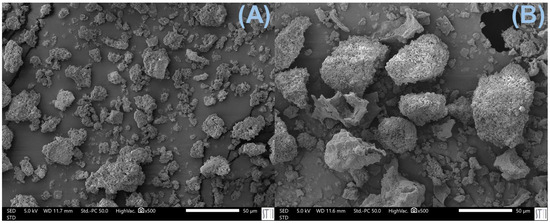
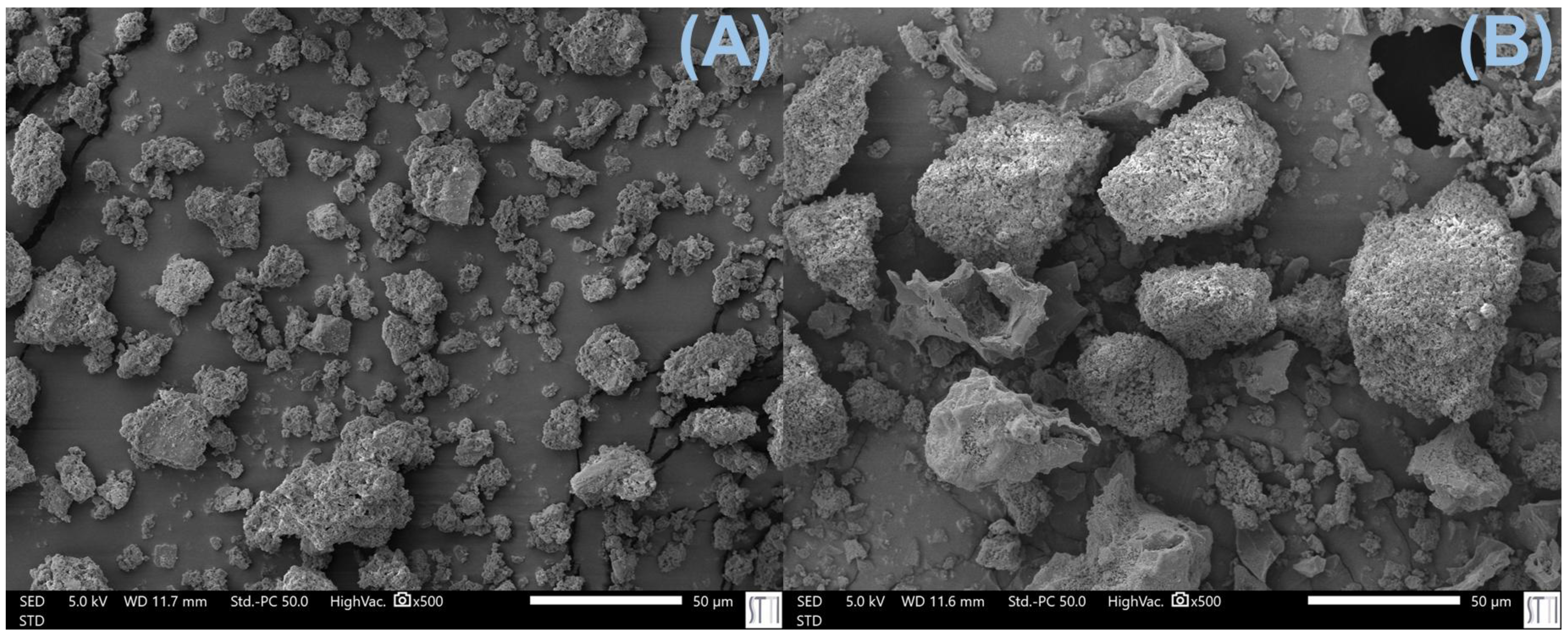
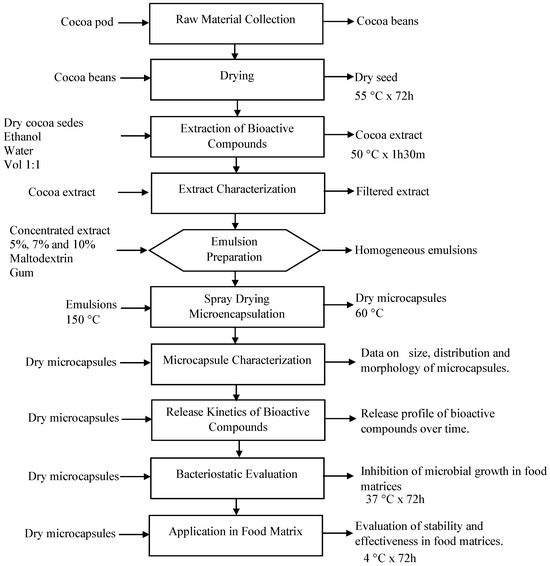
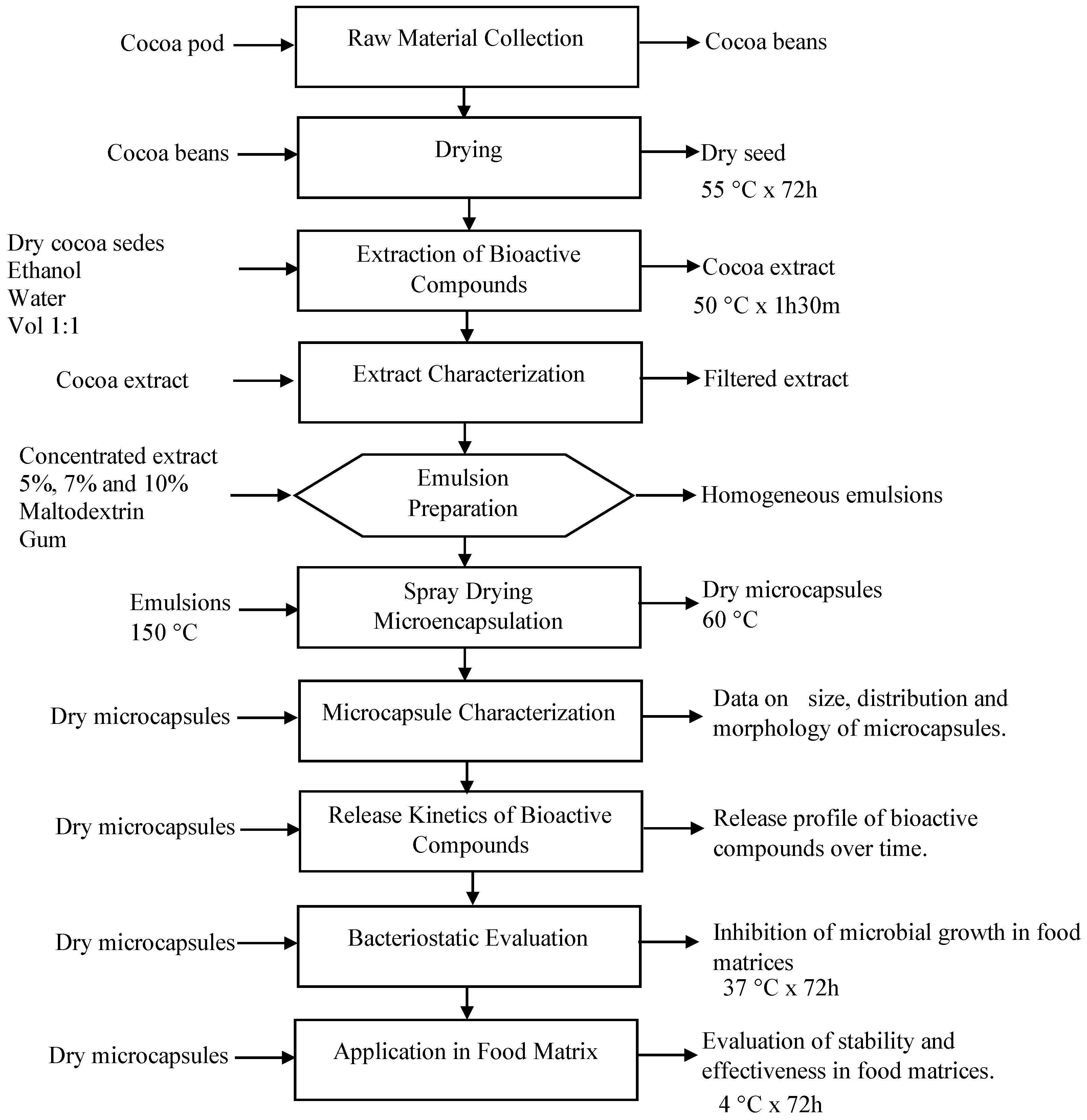
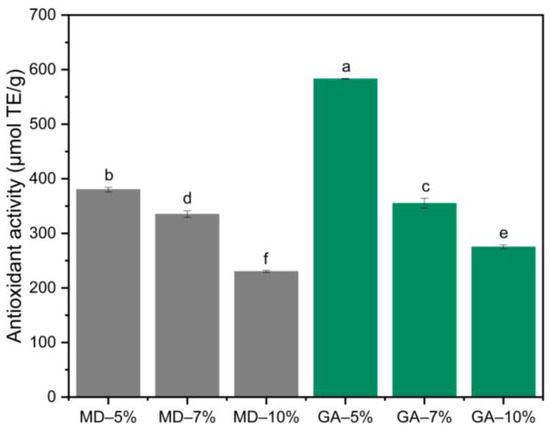
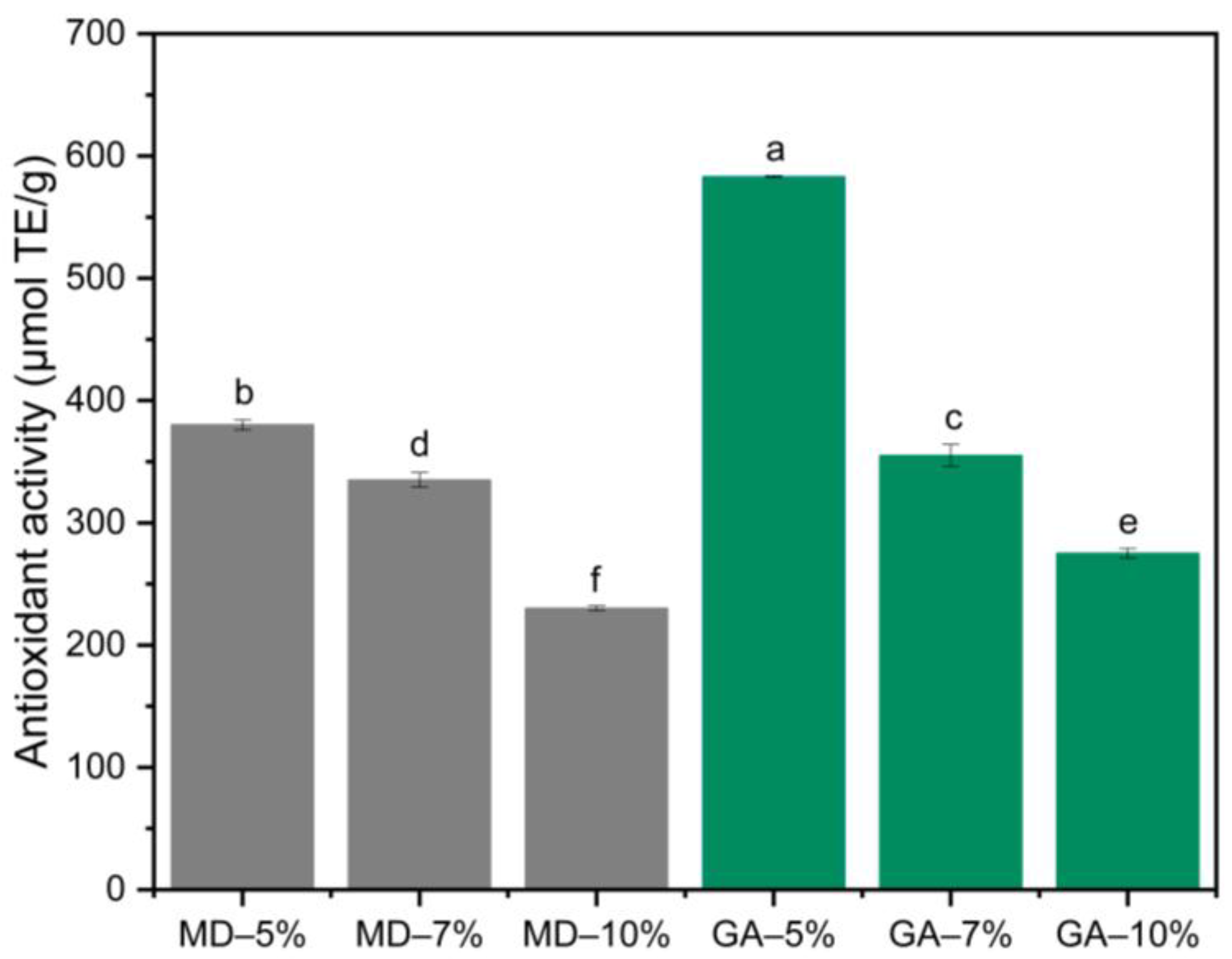
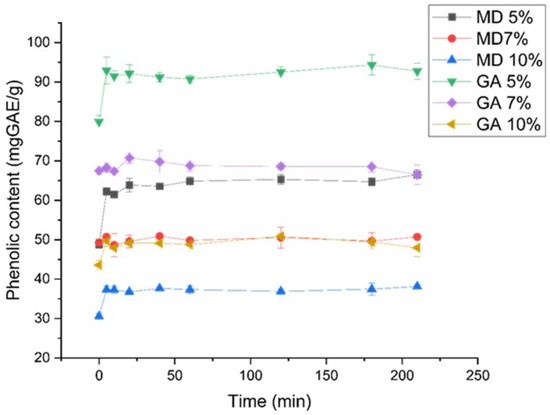
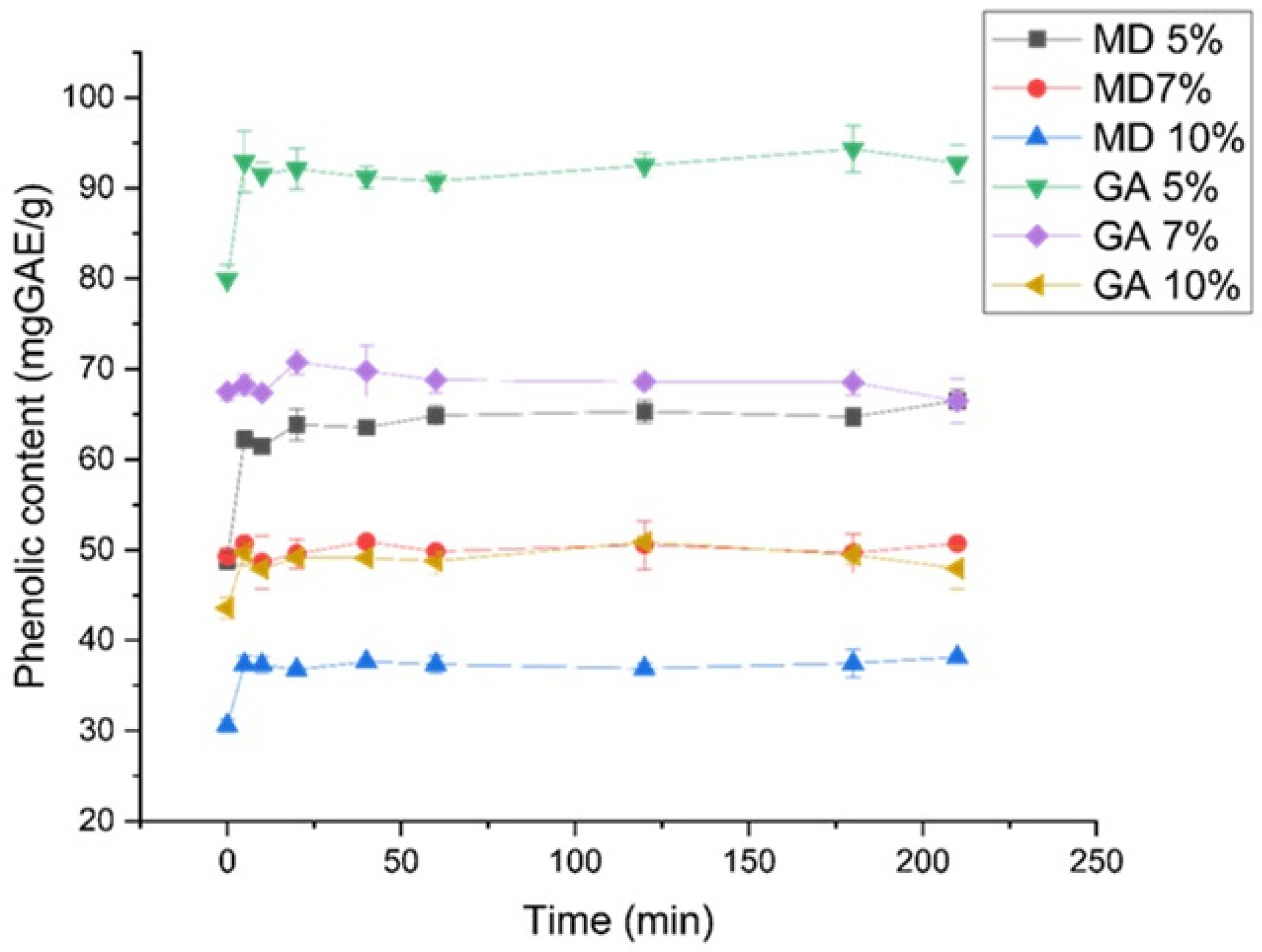
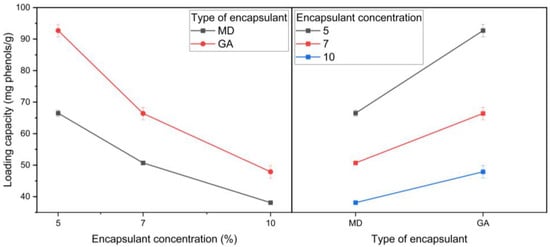
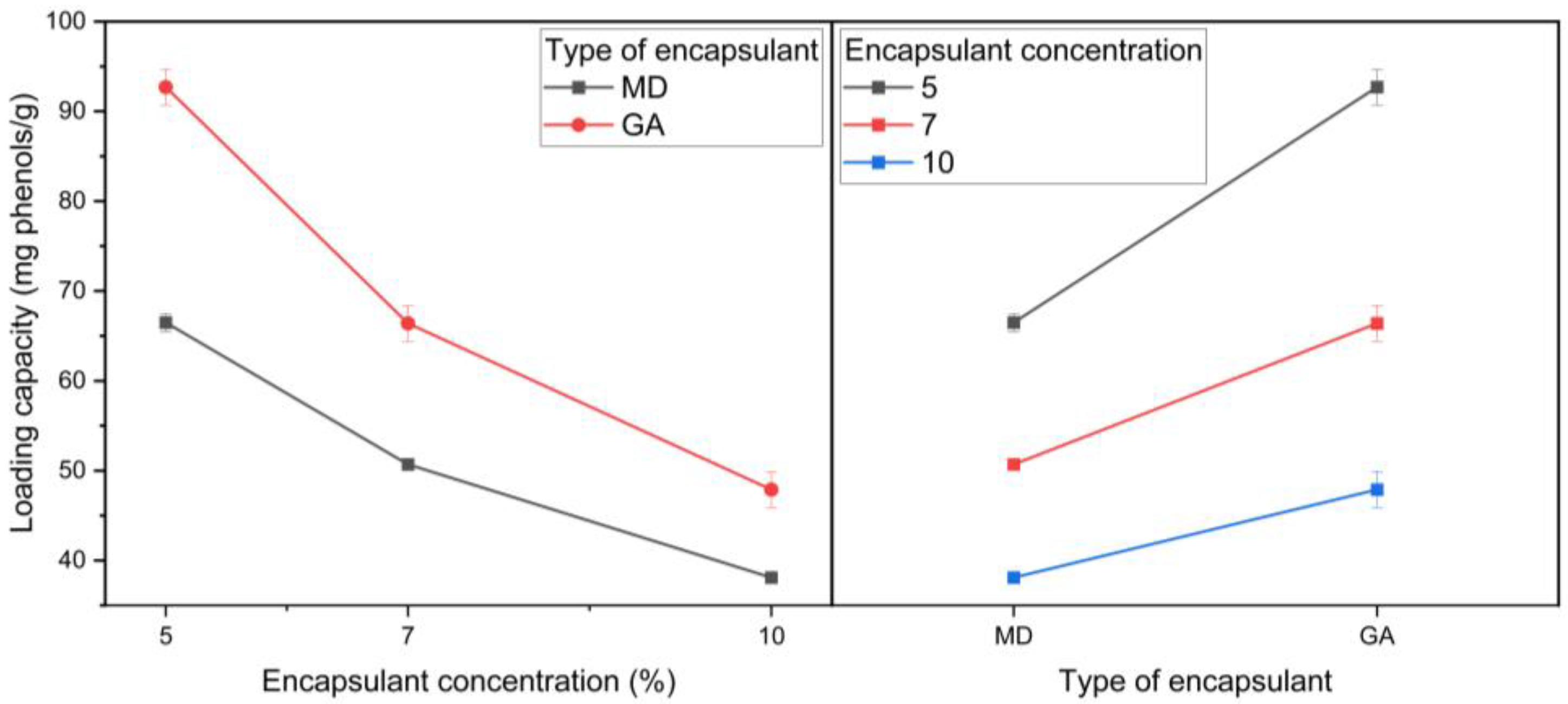
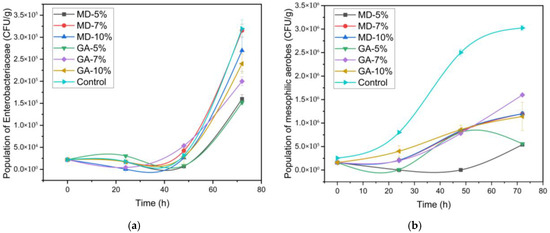
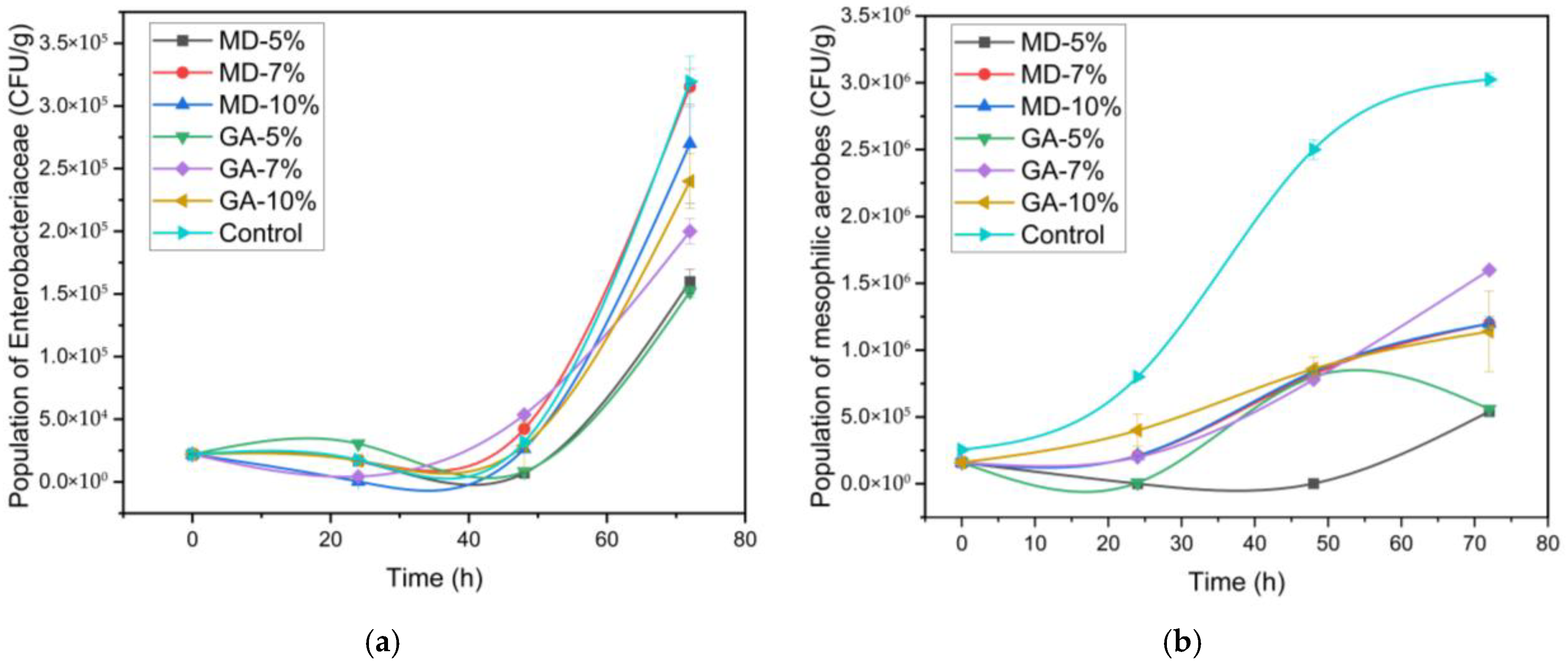

Disclaimer/Publisher’s Note: The statements, opinions and data contained in all publications are solely those of the individual author(s) and contributor(s) and not of MDPI and/or the editor(s). MDPI and/or the editor(s) disclaim responsibility for any injury to people or property resulting from any ideas, methods, instructions or products referred to in the content. |
© 2026 by the authors. Licensee MDPI, Basel, Switzerland. This article is an open access article distributed under the terms and conditions of the Creative Commons Attribution (CC BY) license.