
Article

Gravity Data-Driven Machine Learning: A Novel Approach for Predicting Volcanic Vent Locations in Geohazard Investigation

1
Geohazards Research Center, King Abdulaziz University, Jeddah 21589, Saudi Arabia
2
Department of Petroleum Geology and Sedimentology, Faculty of Earth Sciences, King Abdulaziz University, Jeddah 21589, Saudi Arabia
3
Department of Geology/Geophysics, Alex Ekwueme Federal University, Ndufu-Alike Ikwo, Abakaliki P.M.B. 1010, Ebonyi State, Nigeria
4
Saudi Arabia Mining Company MAADEN, Riyadh 11537, Saudi Arabia
*
Author to whom correspondence should be addressed.
GeoHazards 2025, 6(3), 49; https://doi.org/10.3390/geohazards6030049

Submission received: 22 July 2025 / Revised: 21 August 2025 / Accepted: 25 August 2025 / Published: 29 August 2025

Abstract

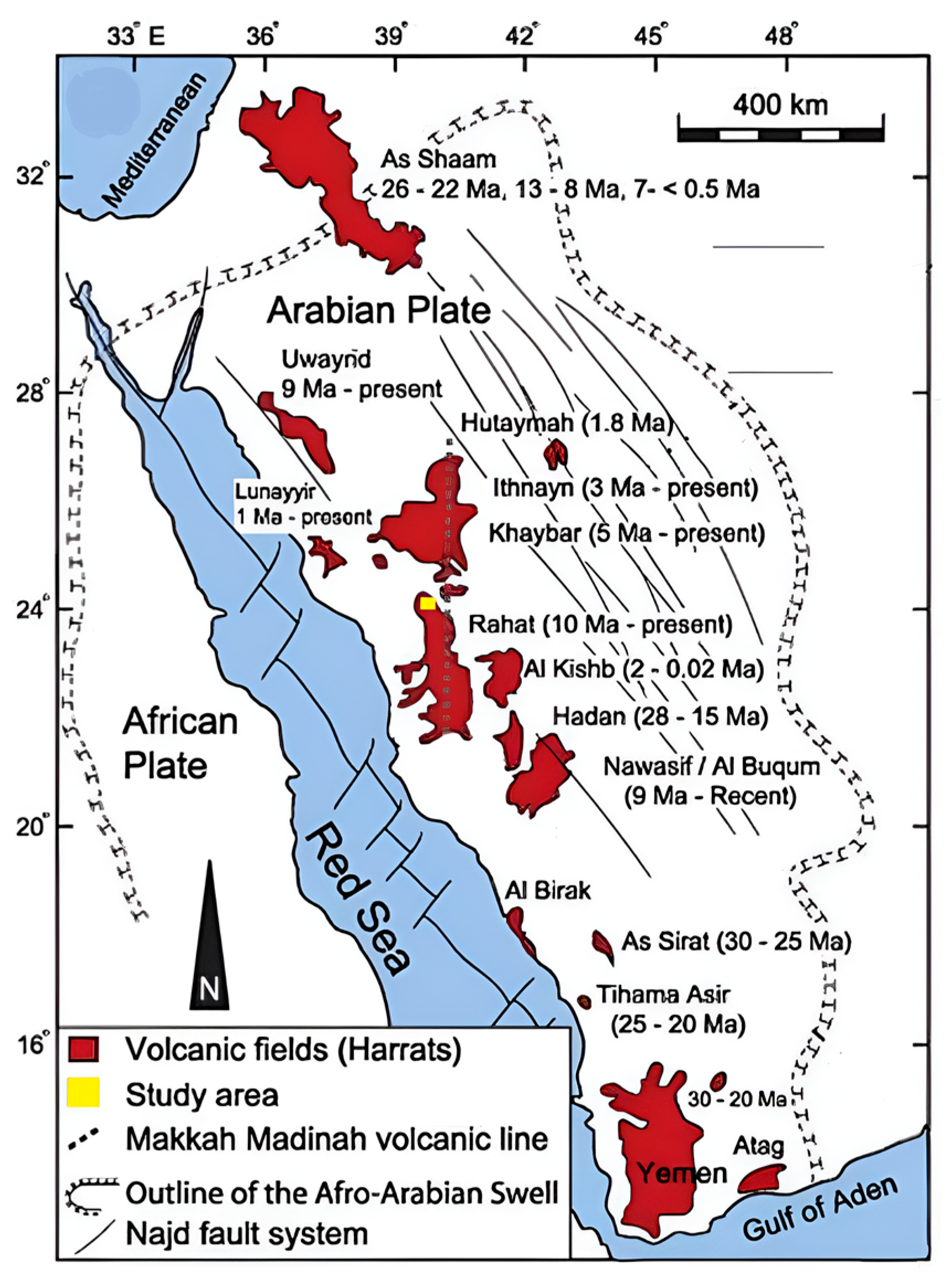
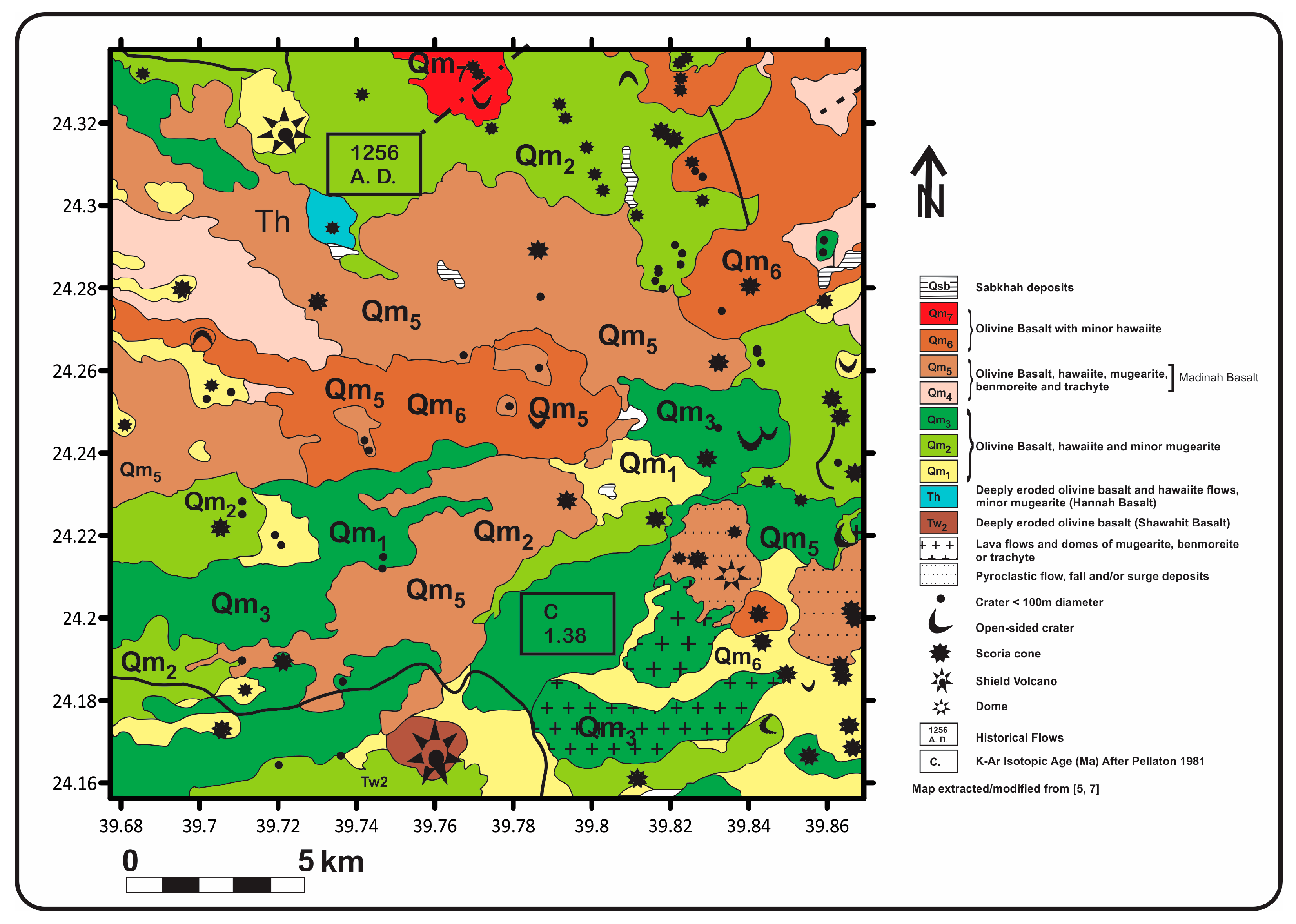
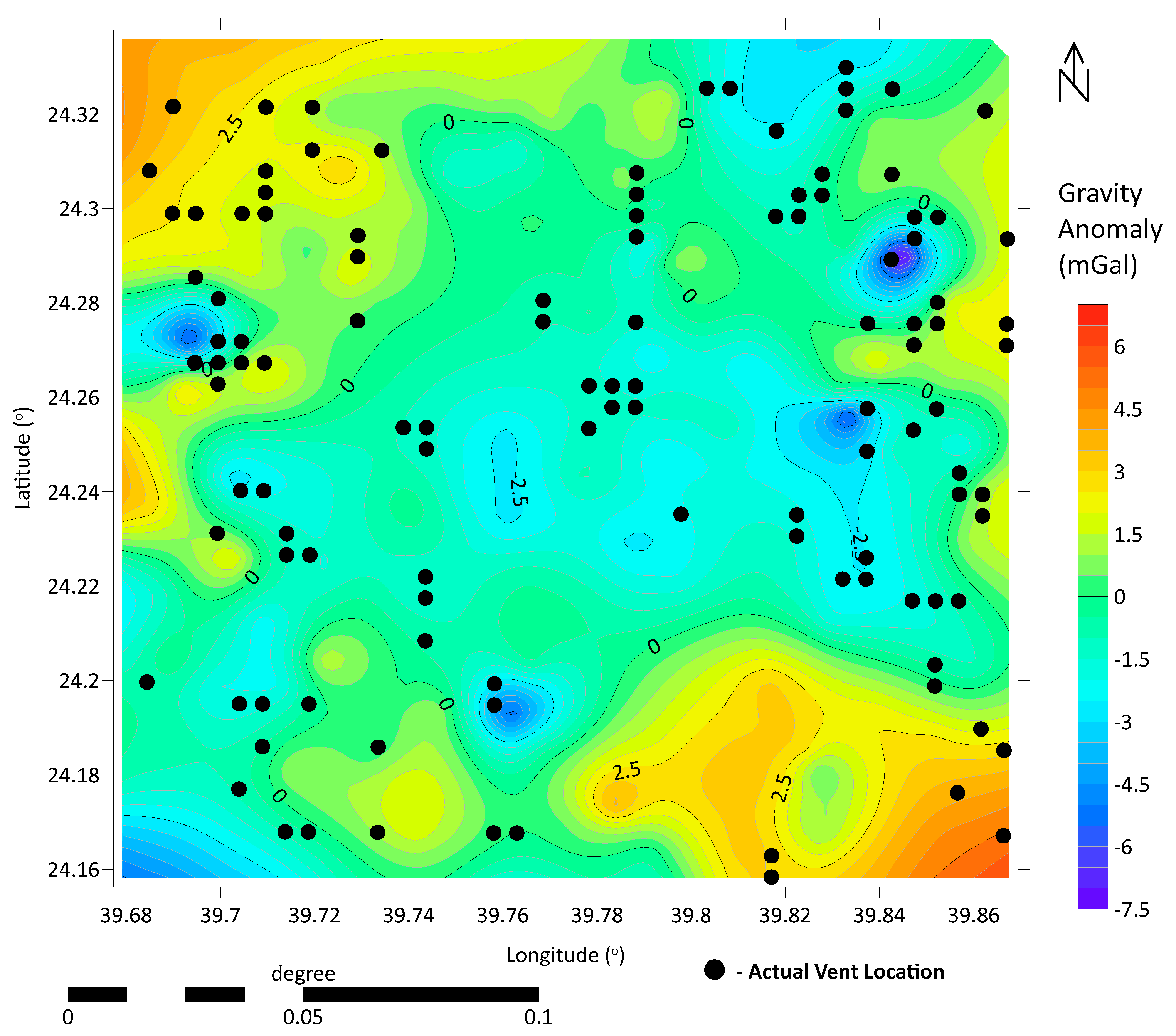
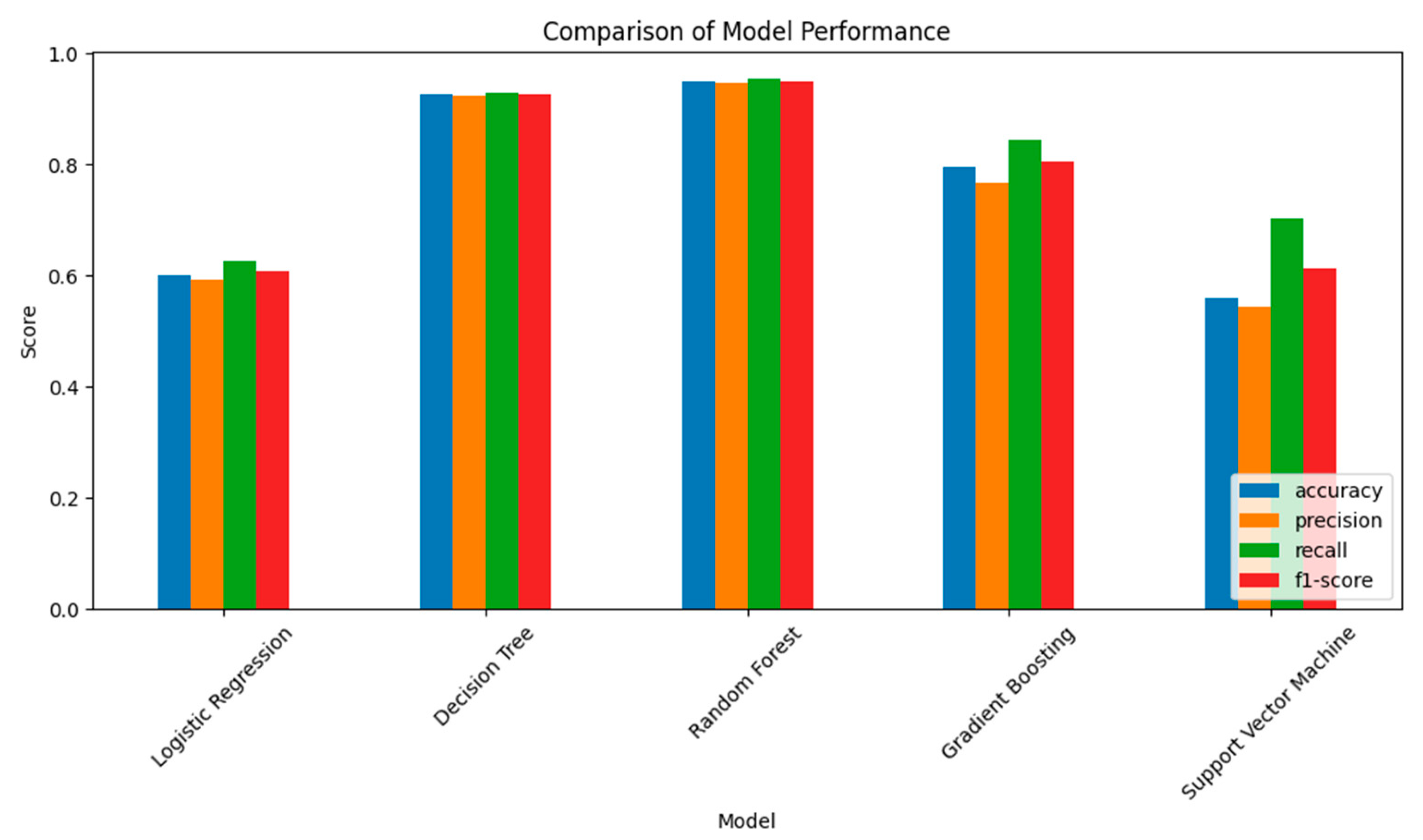
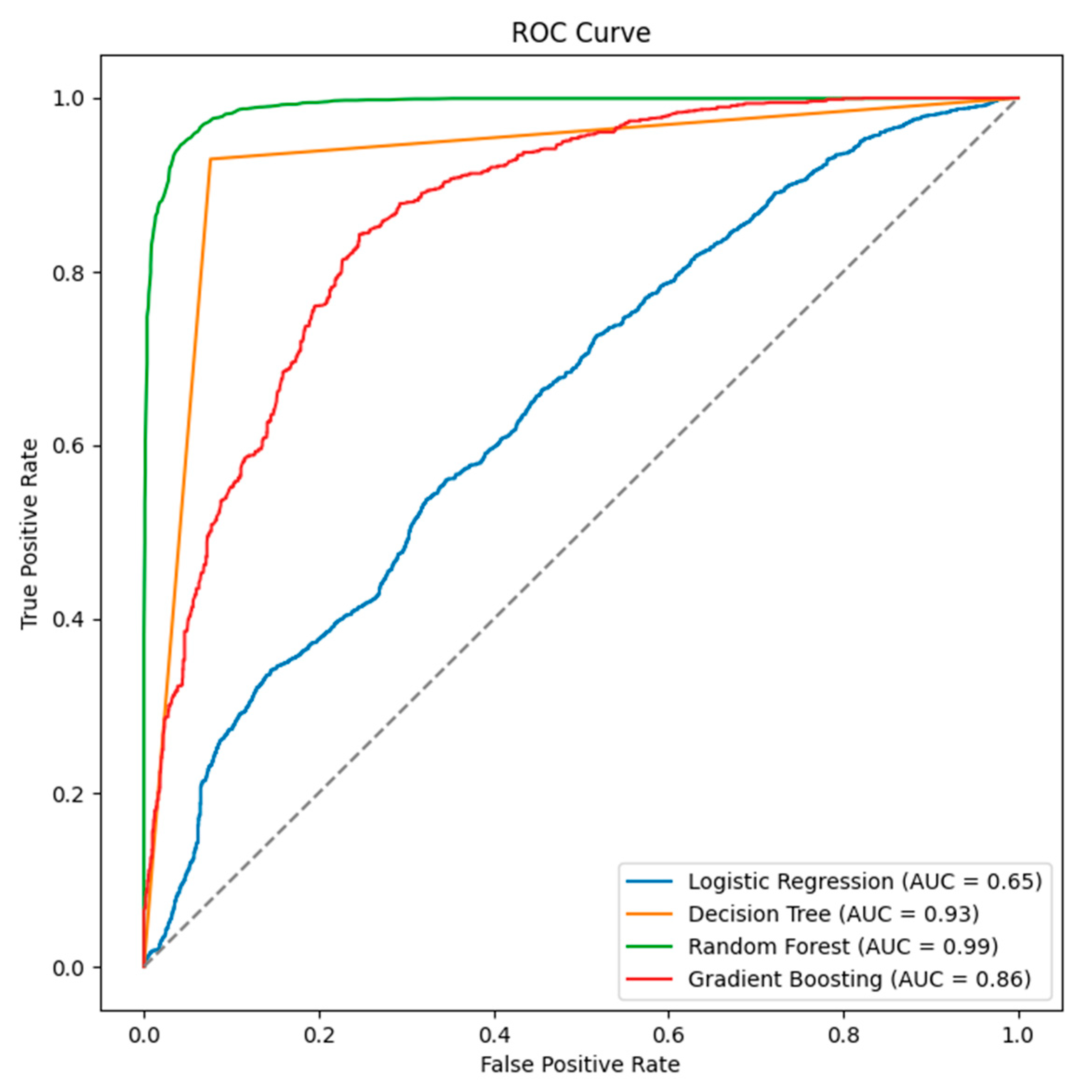
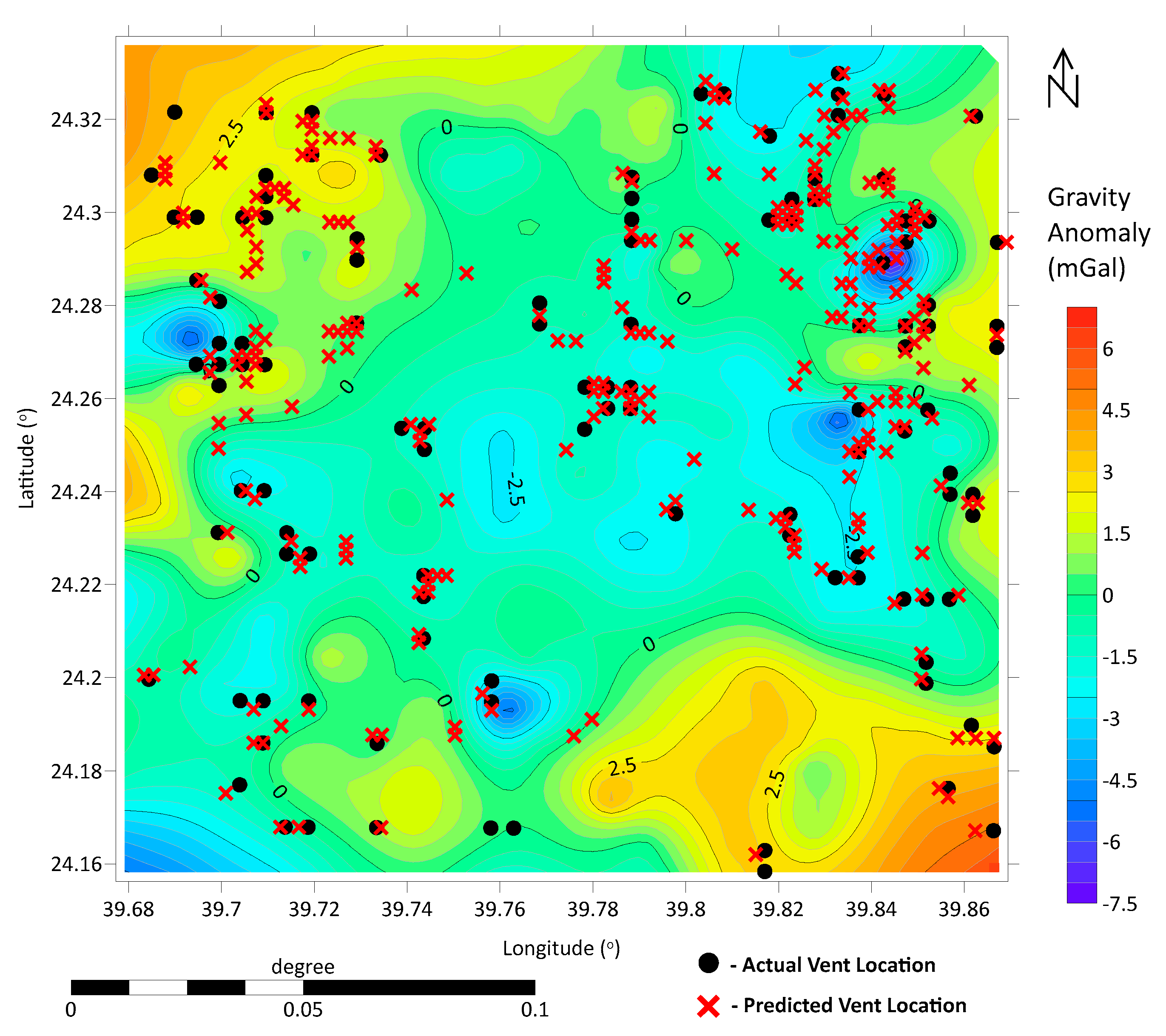
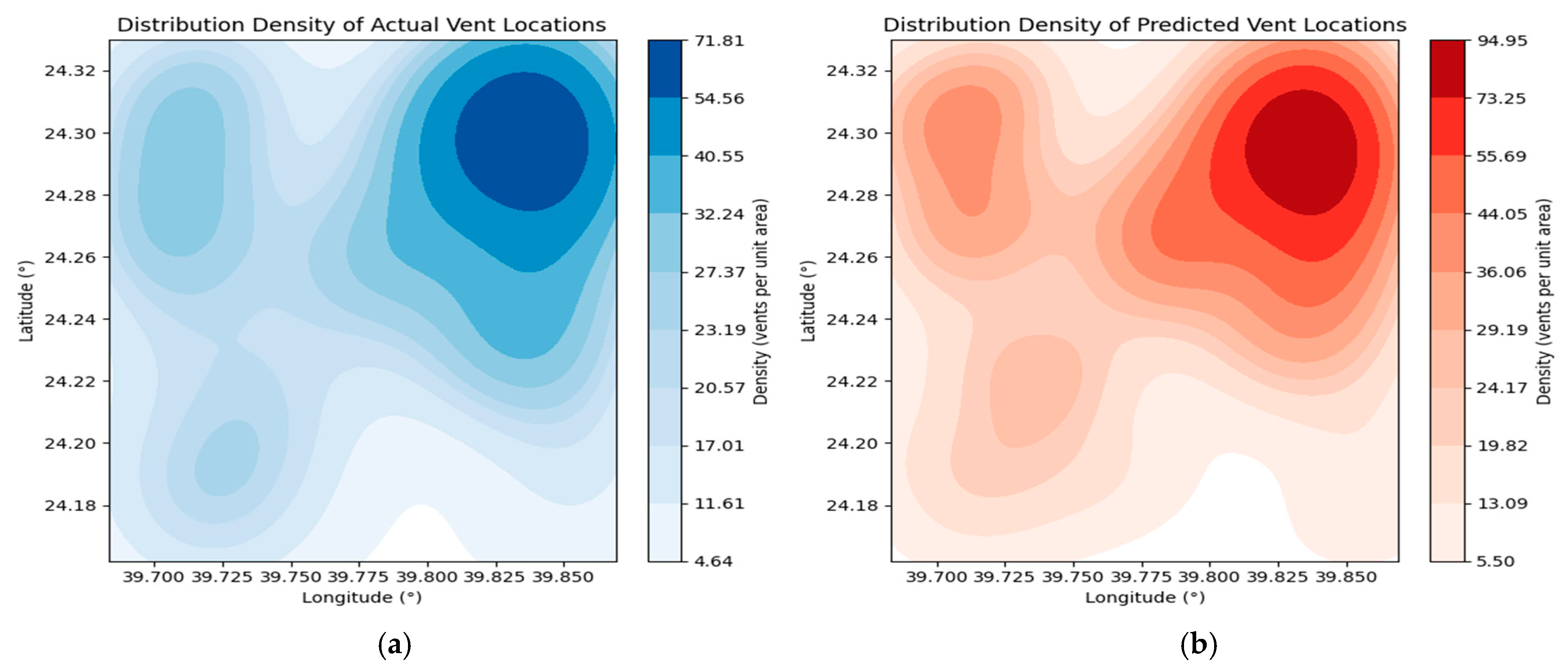
Geohazard investigation in volcanic fields is essential for understanding and mitigating risks associated with volcanic activity. Volcanic vents are often concealed by processes such as faulting, subsidence, or uplift, which complicates their detection and hampers hazard assessment. To address this challenge, we developed a predictive framework that integrates high-resolution gravity data with multiple machine learning algorithms. Logistic Regression, Gradient Boosting Machine (GBM), Decision Tree, Support Vector Machine (SVM), and Random Forest models were applied to analyze the gravitational characteristics of known volcanic vents and predict the likelihood of undiscovered vents at other locations. The problem was formulated as a binary classification task, and model performance was assessed using accuracy, precision, recall, F1-score, and the Area Under the Receiver Operating Characteristic Curve (AUC-ROC). The Random Forest algorithm yielded optimal outcomes: 95% classification accuracy, AUC-ROC score of 0.99, 75% geographic correspondence between real and modeled vent sites, and a 95% certainty degree. Spatial density analysis showed that the distribution patterns of predicted and actual vents are highly similar, underscoring the model’s reliability in identifying vent-prone areas. The proposed method offers a valuable tool for geoscientists and disaster management authorities to improve volcanic hazard evaluation and implement effective mitigation strategies. These results represent a significant step forward in our ability to model volcanic dynamics and enhance predictive capabilities for volcanic hazard assessment.
Keywords: volcanic vent prediction; gravity anomaly; machine learning; Rahat volcanic field; geohazard assessment volcanic vent prediction; gravity anomaly; machine learning; Rahat volcanic field; geohazard assessment