

Article

Integrated Solid–Liquid Separation and Digestate Recycling in Anaerobic Digestion of Beef Cattle Manure: Implications for Methane Production and Wheat Fertilization

by
Jéssica Caroline de Lima
,
Eduardo Luiz Buligon
,
Valkerson Zacarkim
,
Juliane Almeida Battisti
and
Monica Sarolli Silva de Mendonça Costa
*
Agricultural Engineering, Western Parana State University, Cascavel 85819-110, Brazil
*
Author to whom correspondence should be addressed.
AgriEngineering 2026, 8(9), 387; https://doi.org/10.3390/agriengineering8090387
Submission received: 21 July 2026 / Revised: 9 September 2026 / Accepted: 11 September 2026 / Published: 15 September 2026
(This article belongs to the Section Livestock Farming Technology)

Abstract

The intensification of beef cattle feedlot systems generates large volumes of manure, whose inadequate management can lead to negative environmental impacts and nutrient losses. Anaerobic digestion is an effective strategy for mitigating greenhouse gas emissions while producing renewable energy and nutrient-rich by-products. However, the high solids content of beef cattle manure may limit process performance and operational stability. This study evaluated an integrated management approach combining solid–liquid separation and digestate recycling during semi-continuous anaerobic digestion of beef cattle manure, followed by the agronomic use of the resulting by-products in wheat cultivation. Four treatments were evaluated in 60 L horizontal tubular digesters operated under mesophilic conditions and a hydraulic retention time of 30 days: solid–liquid separation followed by water dilution; solid–liquid separation combined with 100% digestate recycling; raw manure diluted with water; and raw manure diluted with water and digestate, with 60% recycling. Biogas and methane production were monitored, and the digestate and separated solid fractions were chemically characterised. A greenhouse experiment was subsequently conducted to compare wheat growth and grain yield under mineral, digestate-based, and organomineral fertilisation strategies. Solid–liquid separation combined with full digestate recycling produced the highest specific methane yields, whereas treatments without separation showed higher volumetric methane production due to their higher organic loading rates. Digestate-based fertilisation resulted in wheat grain yields comparable to or higher than those obtained with mineral fertilisation. These findings suggest that integrating solid–liquid separation and digestate recycling has potential to reduce freshwater demand, promote nutrient recovery, and support the agronomic reuse of anaerobic digestion by-products.

1. Introduction

The intensification of beef cattle production in feedlots has generated large volumes of organic manure, creating major waste-management challenges but also opportunities for resource recovery through renewable energy generation and nutrient recycling. Anaerobic digestion (AD) significantly reduces GHG emissions, especially methane, compared to conventional manure storage [1,2]. This process converts organic matter into biogas, primarily methane, which can be used as a renewable energy source. It generates a nutrient-rich effluent suitable for agricultural use as a biofertilizer [3]. Applying this biofertilizer to soil also reduces nitrous oxide emissions compared with the direct application of raw manure [4].
Although AD is efficient in stabilising organic matter, its implementation to beef cattle manure is often limited by the high concentration of lignocellulosic compounds, which hinder hydrolysis, reduce substrate fluidity, and promote the formation of crusts and dead zones in reactors, thereby compromising process stability and efficiency [5]. The accumulation of solids may lead to sedimentation and require larger reactor volumes or longer hydraulic retention times [6].
To overcome these limitations, solid–liquid separation (SLS) has been recommended as a pretreatment step before AD. This approach allows the more fluid liquid fraction to be treated in digesters while reducing the organic loading of slowly degradable solids. At the same time, the separated solid fraction can be directed to alternative technological pathways [7], such as its use as the organic component of organomineral fertilisers, thereby increasing the overall recovery of resources from beef cattle manure.
In addition, complementary strategies, such as using digestate itself as a diluent for manure (digestate recycling), have been adopted to reduce water consumption and final effluent volume while enhancing resource recovery and improving nutrient use [8]. Recycling digestate before AD significantly reduces potable water use and final effluent volume while maintaining or even increasing methane production. Studies indicate that recycling up to 80% of the liquid effluent can increase the specific methane potential by up to 10% compared with non-recycled controls and reduce the amounts of discarded water, solids, and nitrogen by more than 60% [9]. The use of digestate as a diluent also increases nutrient concentrations in the final effluent, facilitating its agricultural utilisation [10].
The agronomic valorisation of AD by-products represents an essential link between environmentally sound manure management and sustainable agricultural production. Both the solid fraction, due to its organic nature and stable carbon content, and the liquid digestate, rich in readily available mineral nutrients, can be reintegrated into production systems as nutrient sources. This integrated approach closes nutrient cycles, connects the energy and agricultural sectors, and strengthens circular economy practices at the farm level by increasing the overall value recovered from manure through the simultaneous recovery of renewable energy and agricultural inputs.
Among the major crops grown in integrated crop–livestock production systems, wheat (Triticum aestivum L.) stands out for its high nitrogen demand and strong response to organic fertilisation. The use of biofertilizers and organomineral fertilisers derived from AD, therefore, represents a potential strategy to reduce dependence on synthetic mineral fertilisers and to promote nutrient recycling from livestock production.
Several studies have reported that liquid digestate and organomineral fertilisers obtained from AD can partially or fully replace mineral fertilisers in wheat cultivation, while maintaining or even increasing grain yield and nitrogen use efficiency [11,12,13]. Digestate provides readily available nitrogen along with other nutrients, and its application may result in grain yields comparable to those obtained with mineral fertilisers [14]. Organomineral fertilisation, obtained by combining digestate with mineral fertilisers, also has the potential to optimise nutrient use and improve agronomic efficiency [15]. Although these technologies have been individually investigated, integrating manure pretreatment, anaerobic digestion, digestate recycling, and agronomic reuse into a single resource recovery strategy may enhance resource recovery and contribute to more sustainable livestock production systems. Evaluating these technologies as interconnected components rather than isolated processes is essential for advancing circular manure management.
However, studies integrating solid–liquid separation and digestate recycling within the same anaerobic digestion system remain limited, particularly regarding their combined influence on process performance and the subsequent agronomic use of the recovered by-products.
The novelty of this study lies in integrating these processes within a single resource-recovery framework rather than evaluating solid–liquid separation, digestate recycling, and agronomic reuse as isolated strategies. This integrated approach simultaneously addresses energy recovery, freshwater demand, digestate management, and nutrient recycling, providing a broader assessment of the potential for circular management of beef cattle manure.
Therefore, this study aimed to evaluate an integrated resource recovery strategy through anaerobic digestion of beef cattle manure, using different solid–liquid separation and digestate recycling strategies, as well as the agronomic potential of the resulting by-products for wheat fertilisation.

2. Materials and Methods

2.1. Raw Material and Inoculum

Beef cattle manure from a commercial confined feedlot system was collected from a rural property located in Santa Tereza do Oeste, Paraná, Brazil. In the laboratory, the manure was sampled to determine its total solids (TS) content. Based on this characterisation, the amount of manure required to achieve a target TS concentration of 3% in the 2 L daily feed was calculated for T2, T3, and T4. The target concentration of 3% TS was selected based on the operational characteristics of the horizontal tubular biodigester, which requires a sufficiently diluted and fluid substrate to allow adequate feeding and flow through the reactor. The corresponding manure portions were weighed in advance, individually stored in plastic bags, and frozen until use. The 3% TS value therefore represented the target concentration used in feed preparation and was not analytically verified daily. Instead, samples of the effective feed supplied to the reactors were collected on four occasions throughout the experimental period for TS and VS determination.
For T1, a larger batch of manure was mixed with water at a 1:4 (v/v) ratio in a 100 L container, homogenised, and subjected to solid–liquid separation using a 4 mm mesh sieve. This procedure was performed twice during the experimental period. The resulting liquid fraction was distributed into 2 L PET bottles and frozen until reactor feeding. For T2, the previously weighed manure portion corresponding to the 3% TS target was mixed with recycled digestate as the sole diluent (100% recycling) and subsequently subjected to the same solid–liquid separation procedure. In T3 and T4, no solid–liquid separation was performed; the previously weighed manure portions were diluted with water (T3) or with water and recycled digestate (40:60, T4). The effective feeds supplied to T1, T2, T3, and T4 had mean TS concentrations of 2.07, 0.94, 2.20, and 2.51%, respectively, and VS accounted for 74.73, 70.10, 82.77, and 76.29% of TS, respectively.
The inoculum used for the initial start-up of the reactors consisted of effluent from a horizontal tubular biodigester fed with dairy cattle manure, obtained from a rural property located in Céu Azul, Paraná, Brazil. The chemical characterisation of both the inoculum and the manure is presented in Table 1.

2.2. Experimental Configuration

Four horizontal tubular reactors constructed of PVC were used for the anaerobic digestion assays, each with a 60 L working volume in the digestion chamber (Figure 1). The gasometers consisted of two PVC tubes: an external tube with a diameter of 300 mm, filled with water, and an internal tube with a diameter of 230 mm, which remained submerged in water to measure the displacement caused by biogas produced in the digestion chamber and directed to the gasometer. A 30 cm graduated ruler was affixed to the external side of the gasometer to facilitate displacement measurements.
The reactors were operated at a temperature of 35.0 ± 1.0 °C. Each reactor was initially inoculated with effluent from an anaerobic digester fed with dairy cattle manure. All reactors were operated with a hydraulic retention time (HRT) of 30 days, resulting in a daily feeding volume of 2 L. Feeding was performed in a semi-continuous mode, with one feeding event per day. Based on the analytically determined VS concentration of the effective feed supplied to each reactor, the daily feeding volume, and the reactor working volume, the organic loading rates (OLR) were 0.516, 0.220, 0.607, and 0.638 kg VS m−3 d−1 for T1, T2, T3, and T4, respectively.
The reactors were initially operated for a 30-day adaptation period, followed by a 60-day experimental period. Biogas production was monitored throughout the experiment, and the specific and volumetric biogas and methane production values reported in this study represent the mean values obtained during the final 30 days of the experimental period.
The experimental configuration was designed to compare management scenarios combining solid–liquid separation and digestate recycling in terms of reactor performance. Each reactor corresponded to one treatment, and the daily feed composition was defined as follows:
T1: Liquid fraction obtained from solid–liquid separation of beef cattle manure diluted with water (1:4, v/v)
T2: Liquid fraction obtained from solid–liquid separation of beef cattle manure diluted with digestate (100% recycling)
T3: Beef cattle manure diluted with water to obtain 3% TS
T4: Beef cattle manure diluted with water (40%) and digestate (60%), adjusted to 3% TS
A schematic representation of the experimental design, including the treatment scenarios, digestate recycling, anaerobic digestion, and subsequent agricultural use of the resulting by-products, is presented in Figure 2.
The recycling rates were selected to represent two distinct management scenarios. Complete (100%) recycling was evaluated as an extreme scenario aimed at minimising freshwater use and the amount of digestate requiring external land application, whereas the 60% recycling rate was selected based on its previous application in semi-continuous anaerobic digestion systems [16].
The digestate used for recycling originated from the same reactor to which it was returned (T2 to T2 and T4 to T4). After preparation of the daily feed using the corresponding recycled digestate, the feed was maintained in open containers at room temperature until reactor feeding on the following day. During the experimental period, aliquots of digestate were collected daily and combined to obtain weekly composite samples. These composite samples were used for digestate characterisation, including the parameters reported in Table 2 and the VA/TA ratio. The sampling procedure was intended to characterise the digestate over the experimental period rather than to evaluate temporal changes in its composition.

2.3. Analytical Methods

Biogas production was determined by daily monitoring of the gasometer displacement with a graduated ruler. Knowing the gasometer’s internal cross-sectional area, the displaced length was multiplied by it to calculate the volume of biogas produced in each reactor. Biogas volumes were corrected to standard temperature and pressure conditions (0 °C and 1 atm).
Biogas composition (H2, CH4, and CO2) was determined using a gas chromatograph (model CG-2010, Shimadzu Scientific Instruments, Columbia, MD, USA) equipped with a thermal conductivity detector (GC/TCD). Argon was used as the carrier gas, and separation was performed using a Carboxen® 1010 Plot column ((30 m × 0.53 mm; Supelco, Bellefonte, PA, USA). Injector and detector temperatures were maintained at 220 °C and 230 °C, respectively. The initial column temperature was set at 130 °C and increased to 135 °C at a rate of 46 °C min−1 [17]. Chromatograph calibration was performed using standard biogas containing 2 ± 0.02% oxygen, 8 ± 0.1% nitrogen, 55 ± 1.0% methane, and 35 ± 0.7% carbon dioxide, as well as a hydrogen standard gas. Methane concentration in the biogas was determined on four occasions during the 60-day experimental period.
The feed substrates, inoculum, and digestates obtained from the anaerobic digestion treatments were subjected to physicochemical characterisation. Total solids (TS), volatile solids (VS), and fixed solids (FS) were determined by gravimetric methods involving drying and ignition [18]. pH and electrical conductivity (EC) were measured using a benchtop pH metre (TECNAL®, model TEC-3MP, Piracicaba, SP, Brazil) and a conductivity metre (MS Tecnopon®, model mCA 150, Piracicaba, SP, Brazil), respectively. Partial alkalinity (PA), intermediate alkalinity (IA), and volatile acidity (VA) were determined by titrimetric methods [19]. The VA/TA ratio was calculated by dividing VA by the sum of PA and IA, corresponding to total alkalinity (TA).
Total Kjeldahl nitrogen (TKN) was determined by sulfuric acid digestion followed by distillation using a Kjeldahl distillation unit (TECNAL, model TE- 0363, Piracicaba, SP, Brazil) and titration with 0.0025 mol L−1 H2SO4 [18]. Ammoniacal nitrogen concentration was also determined according to Standard Methods [18], without prior digestion. Phosphorus (P) and potassium (K) concentrations were determined after nitric–perchloric digestion (3:1, v/v) using external heating, followed by dilution and filtration. Phosphorus was quantified by UV–Vis spectrophotometry at 725 nm (BEL Photonics, model UV-M51, Monza, Italy), while potassium was measured using flame photometry [20]. Total organic carbon (TOC) was estimated by dividing the percentage of volatile solids by 1.8 [21].

2.4. Biological Assay with Wheat

Each AD treatment was considered an integrated resource recovery scenario, in which the final products (the solid fraction retained on the sieve and the liquid digestate) were evaluated for their capacity to supply nutrients for wheat cultivation.
The experiment was carried out in a greenhouse located at the Western Parana State University (UNIOESTE), Cascavel campus. The soil used was collected from the Experimental Centre of Agricultural Engineering (NEEA) at a depth of 0–20 cm and classified as a Red Latosol. The soil was air-dried, sieved, homogenised, and placed in plastic pots with a volume of 20 L. A composite soil sample was sent to a certified laboratory for nutrient analysis to determine fertilisation recommendations for wheat cultivation.
A composite soil sample was chemically characterised before the experiment. The initial soil properties were: pH (CaCl2), 5.63; organic matter, 44.90 g kg−1; available P, 12.43 mg dm−3; K, 0.51 cmolc dm−3; Ca, 8.48 cmolc dm−3; Mg, 4.25 cmolc dm−3; Na, 0.03 cmolc dm−3; H + Al, 4.13 cmolc dm−3; CEC at pH 7.0, 17.40 cmolc dm−3; and base saturation, 76.29%. Soil particle-size distribution was 13.8% sand, 22.5% silt, and 63.7% clay.
Based on soil analysis results, fertilisation recommendations followed the guidelines of the Manual of Fertilisation and Liming for the State of Paraná [22], using application rates equivalent to 110 kg N ha−1, 60 kg P2O5 ha−1, and 40 kg K2O ha−1. Fertilisation was split among treatments, with 55 kg N ha−1, 30 kg P2O5 ha−1, and 20 kg K2O ha−1 applied at sowing, and the remaining amounts applied as topdressing. Mineral fertilisers were obtained from the local market. Nitrogen was supplied as urea (45% N), phosphorus as single superphosphate (SSP) (18% P), and potassium as potassium chloride (60% K).
In each scenario, fertilisation strategies varied according to the products obtained (solid fraction and digestate), whose chemical characterisation is presented in Table 2. In T2, the digestate produced during anaerobic digestion was fully reused as the dilution medium for subsequent reactor feeding. Consequently, insufficient digestate remained available for use in the wheat fertilisation experiment., and its chemical composition was not included in Table 2. Thus, for T2, only the separated solid fraction was considered as a recovered product for agronomic use.
The solid fraction retained on the sieve in Treatments T1 and T2 was dried at 40 °C in a forced-air circulation oven. No composting step was performed. The dried solid fraction was then used to produce a granulated organomineral fertiliser consisting of 60% solid fraction, 25% monoammonium phosphate (MAP), and 15% potassium chloride (KCl). In T1, the digestate remaining after anaerobic digestion was used as a nutrient source for wheat. In T2, because the digestate was fully recirculated during anaerobic digestion, the organomineral fertiliser was complemented with mineral N (urea).
In T3 and T4, the digestates were directly used as nutrient sources, and their application rates were calculated based on wheat nitrogen demand considering their ammoniacal nitrogen concentrations. Phosphorus supplementation with single superphosphate (SSP) was required in T3. In T4, the higher nutrient concentration resulting from digestate recycling allowed the nitrogen requirement to be met without phosphorus supplementation; however, this resulted in potassium application above the recommended rate. Fertilisation strategies for each scenario are presented in Table 3.
The experimental design used for the wheat assay was a randomised block design with five treatments and four replicates, totaling 20 experimental units (pots). Three wheat seeds (cultivar OR–Absoluto) were sown in each pot.

2.5. Statistical Analysis

Only wheat productivity parameters were subjected to analysis of variance (ANOVA), and treatment means were compared using Tukey’s test at a 5% probability level.

3. Results and Discussion

3.1. Anaerobic Digestion Performance

The physicochemical characteristics of the digestates provided additional information on the conditions of the anaerobic digestion scenarios. Although the digestate from T2 was not included in Table 2 because it was fully reused as the dilution medium and therefore unavailable for the wheat fertilisation experiment, it was characterised for process assessment. The T2 digestate presented a pH of 8.7 ± 0.1, a VA/TA ratio of 0.13 ± 0.001, and an ammoniacal nitrogen concentration of 0.87 ± 0.12 g L−1. These values were higher than those observed for the other scenarios, particularly the VA/TA ratio and ammoniacal nitrogen concentration, which is consistent with the complete recirculation of digestate in T2. Nevertheless, the VA/TA ratio remained relatively low, indicating no marked accumulation of volatile acids under the evaluated conditions. In T4, which involved 60% digestate recycling, the pH (8.4 ± 0.2), VA/TA ratio (0.07 ± 0.008), and ammoniacal nitrogen concentration (0.44 ± 0.04 g L−1) were similar to those observed in the scenarios without digestate recycling. These results suggest that, under the conditions evaluated, digestate recycling did not lead to pronounced acid accumulation. However, the higher concentration of ammoniacal nitrogen observed with complete recycling highlights the importance of monitoring nitrogen accumulation during prolonged operation.
Among the evaluated scenarios, T2, which combined solid–liquid separation and digestate recycling, showed the highest observed specific biogas and methane yields, whereas T4, in which raw manure was diluted with 60% recycled digestate, showed the highest observed volumetric methane production per reactor. These contrasting responses indicate that the relative performance of the evaluated scenarios depends on the metric used, namely, either methane yield per unit of substrate or methane production per unit of reactor volume (Table 4).
These results indicate an operational trade-off between specific methane yield and volumetric methane production. The scenarios involving solid–liquid separation (T1 and T2) showed higher observed specific biogas and methane yields. However, because the biochemical composition and biodegradability of the retained solid and liquid fractions were not characterised, the mechanisms underlying these differences cannot be conclusively determined. Conversely, the reactors fed with raw manure (T3 and T4) operated at higher organic loading rates and showed higher volumetric methane production, despite their lower observed specific methane yields.
Solid–liquid separation (SLS) is an effective pretreatment for beef cattle manure because it removes coarse particulate organic matter, improving substrate fluidity and reducing operational problems such as sedimentation, crust formation, and dead zones in anaerobic digesters. These characteristics may have contributed to the higher specific methane yields observed in the present study. In addition to improving digestion performance, SLS has been reported to reduce greenhouse gas emissions, increase storage capacity for the liquid fraction, and generate a solid fraction that can be used as animal bedding or as a feedstock for value-added products [23]. In the present study, this solid fraction was successfully incorporated into organomineral fertiliser, further increasing the overall recovery of resources from beef cattle manure.
In Scenario 2, most of the digestate produced was reused as a diluent for fresh manure, substantially reducing both freshwater demand and the volume of liquid fertiliser requiring land application. This management strategy, known as digestate recycling [8,16,24], is particularly advantageous in livestock farms where agricultural land available for nutrient recycling is limited. The adoption of this strategy is especially relevant for confined beef cattle manure, which contains a high proportion of particulate material and therefore requires considerable water to achieve a suitable consistency for anaerobic digestion [25]. Replacing freshwater with digestate reduces freshwater demand while promoting nutrient recirculation within the system, as evidenced by higher concentrations of certain nutrients in the digestate from the recycling treatments.
The effects of digestate recycling on methane production may involve several complementary mechanisms. Recycling can return active microbial biomass to the reactor, potentially contributing to microbial retention and inoculation, although microbial community dynamics were not evaluated in the present study. In addition, the return of alkalinity with the digestate may improve buffering capacity and help maintain conditions favourable to methanogenesis, which is consistent with the stable pH and low VA/TA ratios observed in the recycling treatments. Digestate recycling also recirculates nutrients that may support microbial metabolism; however, repeated recycling can simultaneously promote the accumulation of ammoniacal nitrogen and dissolved salts. Therefore, the potential benefits of nutrient and alkalinity recirculation should be balanced against the risk of inhibitory compound accumulation, particularly at high recycling rates.
Another important advantage of digestate recycling is the reduction in freshwater demand, which is particularly relevant in regions where water availability may limit the adoption of anaerobic digestion systems. In the present study, the recycling of digestate directly reduced the freshwater required for substrate dilution. Complete digestate recycling in T2 eliminated freshwater use for dilution, corresponding to a saving of 1.6 L reactor−1 d−1 (96 L per reactor over the 60-day experimental period), whereas 60% recycling in T4 reduced freshwater use by 0.96 L reactor−1 d−1 (57.6 L per reactor over the same period), corresponding to a 60% reduction relative to conventional dilution. Similar findings were reported by Bofinger et al. [8], who evaluated a 40% digestate recycling rate for poultry litter and observed no reduction in energy production compared with conventional dilution, while achieving water savings and producing digestate with higher nitrogen concentrations. These findings support the potential of digestate recycling to contribute to process sustainability by reducing freshwater demand and promoting nutrient recirculation.
Beyond water savings, the integrated strategy also provides opportunities for energy recovery through methane production and nutrient recycling through the agricultural use of the recovered products. These benefits may reduce external energy and mineral fertiliser requirements. However, the present study was not designed as a techno-economic assessment, and equipment investment, operating costs, and the monetary value of water savings, energy recovery, and fertiliser substitution were not quantified. Future studies should integrate these components in a farm-scale techno-economic assessment to determine the economic feasibility of the proposed strategy.
From an operational perspective, Scenario 4 represents an alternative management strategy in which raw manure was diluted with 60% recycled digestate without prior solid–liquid separation. Although this treatment showed lower specific methane yields, it achieved the highest volumetric biogas and methane production per reactor, reflecting its higher organic loading rate. In addition, digestate recycling reduced freshwater demand and decreased the volume of digestate requiring land application, while increasing nutrient concentrations in the final product (Table 2). These characteristics may be particularly advantageous for livestock farms with limited water resources or restricted agricultural land available for nutrient recycling. Similar benefits of digestate recirculation, including reduced disposal requirements, water conservation, and improved reactor stability, have also been reported by Shao et al. [26].
The solid fraction generated after separation represents a concentrated organic material that is easier to handle, transport, and store than the original manure. Depending on farm management objectives, this material may be further processed through composting or vermicomposting or incorporated into organomineral fertilisers. In the present study, the separated solid fraction was incorporated into an organomineral fertiliser, indicating an additional potential pathway for the agronomic use of this material and for expanding resource recovery opportunities.
Overall, the integrated management strategy evaluated in this study enabled the recovery of three value-added products: renewable energy in the form of biogas, a nutrient-rich liquid digestate, and a solid fraction suitable for producing organomineral fertilisers. This integrated approach reinforces the potential of anaerobic digestion as a platform for resource recovery rather than solely as a waste treatment technology.
Although this study was conducted at pilot scale with a single reactor per treatment, the semi-continuous operation enabled evaluation of different management scenarios under controlled conditions. The results therefore provide preliminary information on the trade-offs among methane conversion efficiency, volumetric gas production, nutrient recovery, and freshwater demand. Further validation at larger scales and with replicated reactor systems is required before extrapolation to commercial livestock production systems.

3.2. Wheat Productivity

The economic viability of anaerobic digestion systems depends not only on renewable energy generation but also on the efficient recovery and agronomic reuse of nutrients contained in the digestion by-products. Therefore, evaluating the fertilisation potential of digestate and the solid fraction recovered after solid–liquid separation is an essential step toward integrated resource recovery and a circular economy in livestock production systems.
Accordingly, the by-products generated in each anaerobic digestion scenario were used to establish different fertilisation strategies for wheat cultivation (Table 3). The effects of these strategies on wheat biomass production and grain yield are presented in Table 5.
The coefficients of variation ranged from 14.80 to 21.03%, reflecting the biological variability inherent to plant growth and productivity traits. Considering that the experiment was conducted under controlled greenhouse conditions with four replicates per treatment, these levels of variability were considered acceptable for the evaluated responses.
Grain yield was highest in T3, in which digestate was used as the main nitrogen source supplemented with single superphosphate at sowing, although this treatment did not differ statistically from T2 and T4. These findings indicate that, under the conditions of this greenhouse experiment, digestate-based fertilisation resulted in wheat productivity comparable to that of conventional mineral fertilisation, supporting the potential for nutrient recovery and agronomic reuse of anaerobic digestion by-products.
Although mineral fertilisation promoted the greatest vegetative biomass production, this response did not translate into higher grain yield. The greater solubility and immediate nutrient availability of mineral fertilisers likely favoured vegetative growth; however, biomass accumulation alone was not indicative of superior crop productivity under the conditions of this study.
Post-harvest soil chemical properties and plant nutrient uptake were not assessed in the present study. They should be considered in future studies that address nutrient dynamics and the residual effects of digestate application.
In Treatments T3 and T4, digestate was used as the primary nitrogen source, and nitrogen application was adjusted according to the ammoniacal nitrogen content. Costa et al. [27] reported that anaerobic digestion promotes intense ammonification, resulting in a 143% increase in NH4+–N concentration during the stabilisation process. Consequently, although nitrogen was supplied from an organic source, a substantial proportion was readily available for plant uptake, which may have contributed to the satisfactory grain yields obtained with digestate-based fertilisation in the present study. Liu et al. [28] similarly reported that replacing up to 75% of mineral nitrogen fertiliser with digestate in rice cultivation improved soil quality while maintaining crop performance. Likewise, ref. [29,30] reported that digestate can effectively support wheat production, reinforcing its potential as a sustainable fertiliser within circular agricultural systems.
For this reason, digestate application rates were calculated based on ammoniacal N rather than total N, as this fraction represents the N readily available to plants during the cropping cycle under evaluation. The organic N fraction was not included in the fertilisation calculation because its mineralisation rate under the experimental conditions was not measured. Nevertheless, the residual organic N may become available through mineralisation and contribute to nutrient supply in subsequent cropping cycles, an effect that was beyond the scope of the present short-term experiment.
In T4, the digestate application rate was set to meet the wheat’s N requirement using ammoniacal N. Because the digestate also supplied K, this strategy led to potassium application exceeding the recommended rate. An alternative approach would be to limit digestate application based on crop K demand and supplement the remaining N requirement with mineral fertiliser. However, the N-based strategy adopted in this study allowed greater use of the digestate as the N source and reduced the need for additional mineral N. Since fertiliser recommendations should consider soil nutrient availability, the residual K from this application should be assessed through soil analysis before subsequent cropping cycles and taken into account when defining future fertiliser rates.
In addition, BIO T4 presented the highest electrical conductivity (13.1 ± 0.91 mS cm−1) and Na concentration (213.0 ± 37.2 mg L−1) among the digestates evaluated. Although no adverse effect on wheat productivity was observed under the conditions of this single-cycle greenhouse experiment, these characteristics indicate that repeated applications may increase the risk of salt and Na accumulation in the soil. Therefore, soil electrical conductivity and Na should be monitored when defining digestate application rates for subsequent cropping cycles.
The comparable grain yields obtained with digestate-based fertilisation support the agronomic potential of nutrients recovered during anaerobic digestion under the conditions of this greenhouse experiment.
Although long-term soil effects were not assessed, the greenhouse experiment provided a controlled evaluation of the immediate agronomic performance of digestate-based fertilisation strategies by minimising environmental variability. However, the results are limited to one soil type, one wheat cultivar, and a single cropping cycle under greenhouse conditions. Therefore, field studies encompassing successive cropping cycles are needed to evaluate residual nutrient effects, potential salt and Na accumulation, and the long-term agronomic performance of digestate-based fertilisation. Although the concentrations of N, P, and K in the recovered products were characterised, a complete nutrient mass balance was not performed; therefore, nutrient recovery efficiencies could not be quantitatively determined. Future studies should quantify nutrient inputs and outputs across solid–liquid separation, anaerobic digestion, and crop uptake to establish system-level recovery efficiencies for N, P, and K. The agronomic evaluation was based on plant, spike, and total dry matter and grain yield; plant height, nutrient uptake, and fertiliser utilisation efficiency were not assessed and should be included in future studies to provide a more comprehensive evaluation of the performance of digestate-derived fertiliser. Within these limitations, the present results support the potential of beef cattle manure-derived products as agricultural inputs within an integrated resource recovery strategy.

4. Conclusions

The results indicate that combining solid–liquid separation and digestate recycling offers different opportunities for energy and nutrient recovery from beef cattle manure. Under the conditions evaluated, complete digestate recycling showed the highest specific biogas and methane yields and eliminated freshwater use for substrate dilution, whereas the treatment without solid–liquid separation and with 60% digestate recycling showed the highest volumetric methane production. These results highlight an operational trade-off and suggest that the most appropriate management strategy depends on the production system’s objectives.
Solid–liquid separation generated two potentially useful agricultural products, the liquid digestate and the retained solid fraction. The solid fraction was incorporated into organomineral fertiliser, whereas digestate-based fertilisation resulted in wheat grain yields comparable to those of mineral fertilisation under the greenhouse conditions evaluated.
Overall, the findings support the potential of integrating anaerobic digestion, solid–liquid separation, digestate recycling, and agronomic reuse to promote resource recovery from beef cattle manure. However, these results should be interpreted within the study’s experimental scope, which included a single reactor per treatment, pilot-scale operation, and a short-term greenhouse trial with one soil type, one wheat cultivar, and one cropping cycle. Further studies at larger scales and under field conditions, including long-term soil and nutrient monitoring, are needed to assess the applicability and sustainability of the proposed strategies in commercial livestock production systems.

Author Contributions

Conceptualization, M.S.S.d.M.C.; methodology, M.S.S.d.M.C.; validation, J.C.d.L., E.L.B., V.Z., J.A.B. and M.S.S.d.M.C.; formal analysis, J.C.d.L., E.L.B., V.Z., J.A.B. and M.S.S.d.M.C.; investigation, J.C.d.L., E.L.B., V.Z. and J.A.B.; resources, M.S.S.d.M.C.; data curation, J.C.d.L., E.L.B., V.Z. and J.A.B.; writing—original draft preparation, M.S.S.d.M.C.; writing—review and editing, J.C.d.L., E.L.B., V.Z., J.A.B. and M.S.S.d.M.C.; visualisation, J.C.d.L., E.L.B., V.Z., J.A.B. and M.S.S.d.M.C.; supervision, M.S.S.d.M.C.; project administration, M.S.S.d.M.C.; funding acquisition, M.S.S.d.M.C. All authors have read and agreed to the published version of the manuscript.

Funding

This research received no external funding.

Institutional Review Board Statement

Not applicable.

Informed Consent Statement

Not applicable.

Data Availability Statement

The raw data supporting the conclusions of this article will be made available by the authors on request.

Acknowledgments

The authors gratefully acknowledge the Coordenação de Aperfeiçoamento de Pessoal de Nível Superior (CAPES) for the graduate scholarships awarded to J.C.d.L, E.L.B., V.Z., and J.A.B., and the Conselho Nacional de Desenvolvimento Científico e Tecnológico (CNPq) for the Research Productivity Fellowship awarded to M.S.S.d.M.C. During the preparation of this manuscript, the authors used ChatGPT (OpenAI, GPT-5.5) to assist with language editing, improvement of scientific writing, text organisation, and the preparation of the schematic representation presented in Figure 2. The authors reviewed and edited all AI-generated content and take full responsibility for the content of this publication.

Conflicts of Interest

The authors declare no conflicts of interest.

Abbreviations

The following abbreviations are used in this manuscript:
ADAnaerobic Digestion
DMDry Matter
NH4+-NAmmoniacal Nitrogen
SLSSolid–Liquid Separation
TSTotal Solids
VSVolatile Solids

References

  1. Li, Y.; Zhao, J.; Krooneman, J.; Euverink, G. Strategies to boost anaerobic digestion performance of cow manure: Laboratory achievements and their full-scale application potential. Sci. Total Environ. 2021, 755, 142940. [Google Scholar] [CrossRef] [Scilit] [PubMed]
  2. Massini, G.; Caracciolo, B.; Rauseo, J.; Spataro, F.; Scordo, G.; Patrolecco, L.; Garbini, G.; Visca, A.; Grenni, P.; Rolando, L.; et al. Anaerobic Digestion of Cattle Manure Contaminated with an Antibiotic Mixture: A Nature-Based Solution for Environmental Management. Land 2025, 14, 353. [Google Scholar] [CrossRef] [Scilit]
  3. Song, Y.; Qiao, W.; Westerholm, M.; Huang, G.; Taherzadeh, M.; Dong, R. Microbiological and Technological Insights on Anaerobic Digestion of Animal Manure: A Review. Fermentation 2023, 9, 436. [Google Scholar] [CrossRef] [Scilit]
  4. Chiyoka, W.; Hao, X.; Zvomuya, F.; Li, X. Nitrous oxide emissions from Chernozemic soils amended with anaerobically digested beef cattle feedlot manure: A laboratory study. Anim. Feed. Sci. Technol. 2011, 166, 492–502. [Google Scholar] [CrossRef] [Scilit]
  5. Abid, M.; Wu, J.; Yan, Y.; Ajmal, Z.; Mehmood, T.; Husnain, S.; Zhou, X. Enhanced anaerobic digestion of freezing and thawing pretreated cow manure with increasing solid content: Kinetics and microbial community dynamics. Sci. Rep. 2024, 14, 25579. [Google Scholar] [CrossRef] [Scilit] [PubMed]
  6. Abid, M.; Wu, J.; Seyedsalehi, M.; Hu, Y.; Tian, G. Novel insights of impacts of solid content on high solid anaerobic digestion of cow manure: Kinetics and microbial community dynamics. Bioresour. Technol. 2021, 333, 125205. [Google Scholar] [CrossRef] [Scilit] [PubMed]
  7. Qi, G.; Pan, Z.; Andriamanohiarisoamanana, F.J.; Yamashiro, T.; Iwasaki, M.; Ihara, I.; Umetsu, K. Effect of solid-liquid separation on anaerobic digestion of dairy manure in semi-continuous stirred tank reactors: Process performance and digestate characteristics. Anim. Sci. J. 2020, 91, e13393. [Google Scholar] [CrossRef] [Scilit] [PubMed]
  8. Bofinger, J.; Damaceno, F.M.; Restrepo, J.C.P.S.; Costa, L.A.d.M.; Junior, J.D.L.; Costa, M.S.S.d.M. Anaerobic digestion of poultry litter: Technical aspects to improve process performance and water saving. DELOS Desarro Local Sosten. 2024, 17, e1308. [Google Scholar] [CrossRef] [Scilit]
  9. Zeb, I.J.; Frear, C.; Zhao, Q.; Ndegwa, P.; Yao, Y.; Kafle, G. Recycling separated liquid-effluent to dilute feedstock in anaerobic digestion of dairy manure. Energy 2017, 119, 1144–1151. [Google Scholar] [CrossRef] [Scilit]
  10. Ofon, U.A.; Ndubuisi-Nnaji, U.U.; Shaibu, S.E.; Fatunla, O.K.; Offiong, N.-A.O. Recycling anaerobic digestate enhances the co-digestion potential of agro-industrial residues: Influence of different digestates as sources of microbial inoculum. Environ. Technol. 2021, 43, 4472–4483. [Google Scholar] [CrossRef] [Scilit] [PubMed]
  11. Petraityte, D.; Cesevičienė, J.; Arlauskienė, A.; Šlepetienė, A.; Skersienė, A.; Gecaitė, V. Variation of Soil Nitrogen, Organic Carbon, and Waxy Wheat Yield Using Liquid Organic and Mineral Fertilizers. Agriculture 2022, 12, 2016. [Google Scholar] [CrossRef] [Scilit]
  12. Erenoglu, E.; Hacirüstemoğlu, K. Biogas facility-based organic fertilizer enhances nutrient uptake and growth of wheat (triticum aestivum). Appl. Ecol. Environ. Res. 2022, 20, 5343–5360. [Google Scholar] [CrossRef] [Scilit]
  13. Nyang’au, J.O.; Møller, H.B.; Sørensen, P. Effects of electrokinetic and ultrasonication pre-treatment and two-step anaerobic digestion of biowastes on the nitrogen fertiliser value by injection or surface banding to cereal crops. J. Environ. Manag. 2022, 326, 116699. [Google Scholar] [CrossRef] [Scilit] [PubMed]
  14. Grillo, F.; Piccoli, I.; Furlanetto, I.; Ragazzi, F.; Obber, S.; Bonato, T.; Meneghetti, F.; Morari, F. Agro-Environmental Sustainability of Anaerobic Digestate Fractions in Intensive Cropping Systems: Insights Regarding the Nitrogen Use Efficiency and Crop Performance. Agronomy 2021, 11, 745. [Google Scholar] [CrossRef] [Scilit]
  15. de França, A.; von Tucher, S.; Schmidhalter, U. Effects of combined application of acidified biogas slurry and chemical fertilizer on crop production and N soil fertility. Eur. J. Agron. 2021, 123, 126224. [Google Scholar] [CrossRef] [Scilit]
  16. Damaceno, F.M.; Buligon, E.L.; Restrepo, J.C.P.S.; Chiarelotto, M.; Niedzialkoski, R.K.; Costa, L.A.d.M.; de Lucas, J., Jr.; Costa, M.S.S.d.M. Semi-continuous anaerobic co-digestion of flotation sludge from broiler chicken slaughter and sweet potato: Nutrients and energy recovery. Sci. Total Environ. 2019, 683, 773–781. [Google Scholar] [CrossRef] [Scilit] [PubMed]
  17. Perna, V.; Castelló, E.; Wenzel, J.; Zampol, C.; Lima, D.F.; Borzacconi, L.; Varesche, M.; Zaiat, M.; Etchebehere, C. Hydrogen production in an upflow anaerobic packed bed reactor used to treat cheese whey. Int. J. Hydrogen Energy 2013, 38, 54–62. [Google Scholar] [CrossRef] [Scilit]
  18. APHA; AWWA; WEF. Standard Methods for the Examination of Water and Wastewater, 22nd ed.; American Public Health Association, American Water Works Association, Water Environment Federation: Washington, DC, USA, 2012. [Google Scholar]
  19. Ripley, L.E.; Boyle, W.C.; Converse, J.C. Improved Alkalimetric Monitoring for Anaerobic Digestor of High-Strength Waste. J. Water Pollut. Control Fed. 1986, 58, 406–411. [Google Scholar]
  20. Malavolta, E.; Vitti, G.C.; Oliveira, S.A. Avaliação do Estado Nutricional das Plantas: Princípios e Aplicações, 2nd ed.; POTAFOS: São Paulo, Brazil, 1997; p. 319. [Google Scholar]
  21. Carmo, D.L.D.; Silva, C.A. Métodos de quantificação de carbono e matéria orgânica em resíduos orgânicos. Rev. Bras. Ciência Solo 2012, 36, 1211–1220. [Google Scholar] [CrossRef] [Scilit]
  22. Pauletti, V.; Motta, A.C.V. (Eds.) Manual de Adubação e Calagem para o Estado do Paraná, 1st ed.; Sociedade Brasileira de Ciência do Solo—Núcleo Estadual Paraná: Curitiba, Brazil, 2017; p. 482. [Google Scholar]
  23. Baldé, H.; VanderZaag, A.C.; Burtt, S.D.; Wagner-Riddle, C.; Evans, L.; Gordon, R.; Desjardins, R.L.; MacDonald, J.D. Ammonia emissions from liquid manure storages are affected by anaerobic digestion and solid-liquid separation. Agric. For. Meteorol. 2018, 258, 80–88. [Google Scholar] [CrossRef] [Scilit]
  24. Hinterholz, B.; Costa, M.S.S.d.M.; de Lucas, J., Jr.; Pereira, E.S.; Buligon, E.L.; Lima, J.C.; Marostica, R. Anaerobic mono-and co-digestion of fruit and vegetable residues: Effects on biogas yield and biofertilizer. Rev. Bras. Eng. Agrícola Ambient. 2024, 28, e280349. [Google Scholar] [CrossRef] [Scilit]
  25. Tait, S.; Harris, P.W.; McCabe, B.K. Biogas recovery by anaerobic digestion of Australian agro-industry waste: A review. J. Clean. Prod. 2021, 299, 126876. [Google Scholar] [CrossRef] [Scilit]
  26. Shao, Z.; Chen, H.; Zhao, Z.; Yang, Z.; Qiu, L.; Guo, X. Combined effects of liquid digestate recirculation and biochar on methane yield, enzyme activity, and microbial community during semi-continuous anaerobic digestion. Bioresour. Technol. 2022, 364, 128042. [Google Scholar] [CrossRef] [Scilit] [PubMed]
  27. Costa, M.S.S.d.M.; Lorin, H.E.F.; Costa, L.A.d.M.; Cestonaro, T.; Pereira, D.C.; Bernardi, F.H. Performance of four stabilization bioprocesses of beef cattle feedlot manure. J. Environ. Manag. 2016, 181, 443–448. [Google Scholar] [CrossRef] [Scilit] [PubMed]
  28. Liu, W.; Yao, B.; Xu, Y.; Dai, S.; Wang, M.; Ma, J.; Ye, Z.; Liu, D. Biogas digestate as a potential nitrogen source enhances soil fertility, rice nitrogen metabolism and yield. Field Crops Res. 2024, 318, 10956. [Google Scholar] [CrossRef] [Scilit]
  29. Pandey, B.P.; Khatri, N.; Yadav, M.; Pant, K.R.; Poudel, R.P.; Khan, A.H. Effect of digestate/biogas slurry in wheat under rice-Wheat cropping system. J. Agric. For. Univ. 2020, 4, 67–75. [Google Scholar] [CrossRef] [Scilit]
  30. Winkhart, F.; Schmid, H.; Hülsbergen, K.J. Effects of Biogas Digestate on Winter Wheat Yield, Nitrogen Balance, and Nitrous Oxide Emissions under Organic Farming Conditions. Agronomy 2024, 14, 1739. [Google Scholar] [CrossRef] [Scilit]
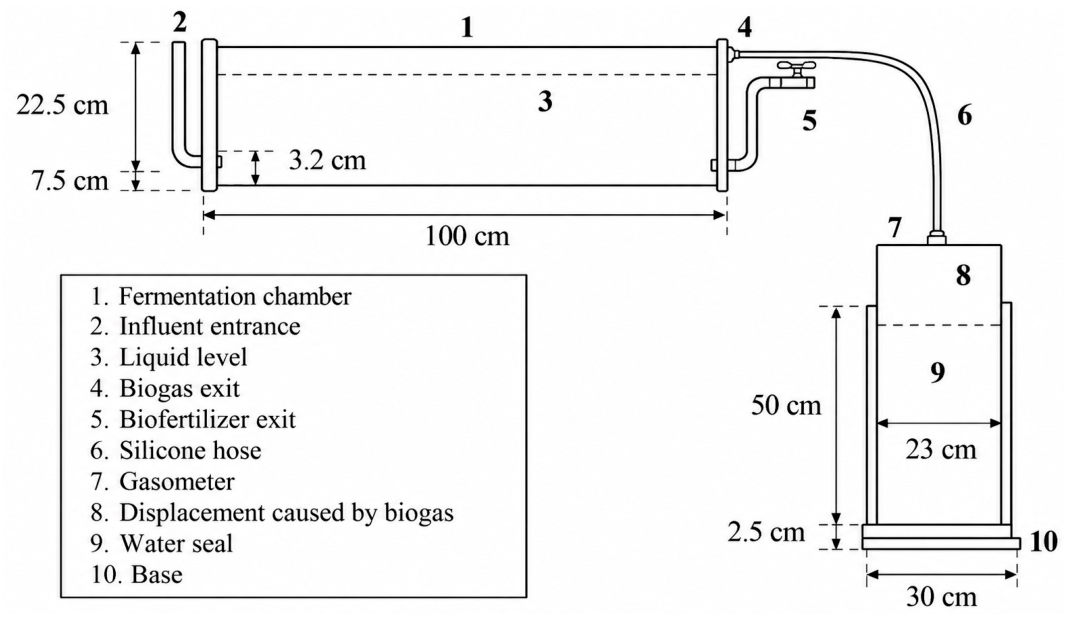
Figure 1. Schematic cross-sectional diagram of the semi-continuous tubular reactor.
Agriengineering 08 00387 g001
Figure 2. Schematic representation of the experimental design integrating solid–liquid separation, digestate recycling, anaerobic digestion, by-product recovery, and agricultural use in wheat cultivation. The schematic representation was prepared with the assistance of ChatGPT (OpenAI, GPT-5.5) based on the experimental design and information provided by the authors.
Agriengineering 08 00387 g002
Table 1. Characterisation of the inoculum and beef cattle manure.
ParametersUnitInoculumManure
pHupH7.55 ± 0.57.94 ± 0.29
Moisture % wet basis98.28 ± 0.0277.04 ± 2.07
Total Solids% wet basis1.72 ± 0.0222.95 ± 2.07
Volatile Solids% of TS73.22 ± 0.3383.88 ± 1.74
Fixed Solids% of TS26.78 ± 0.3516.11 ± 1.74
Total Organic Carbon% of TS40.7 ± 0.546.6 ± 0.97
Total Kjeldahl Nitrogen% of TS3.23 ± 0.023.37 ± 1.23
C/Nadimensional12.60 ± 0.1213.83 ± 2.2
Total Phosphorusg kgTS−115.11 ± 0.233.15 ± 0.32
Total Potassiumg kgTS−122.45 ± 1.9339.24 ± 6.27
Calciumg kgTS−135.65 ± 1.135.44 ± 0.28
Magnesiumg kgTS−114.81 ± 0.540.47 ± 0.01
Irong kgTS−12.33 ± 0.091.72 ± 0.06
Copperg kgTS−10.78 ± 0.020.03 ± 0.002
Zincg kgTS−10.40 ± 0.030.33 ± 0.05
Manganeseg kgTS−10.35 ± 0.010.32 ± 0.01
Sodiumg kgTS−17.70 ± 1.763.73 ± 0.12
Values are presented as mean ± standard deviation (n = 5 samples for both inoculum and beef cattle manure).
Table 2. Chemical composition (macro- and micronutrients), pH, VA/TA ratio and electrical conductivity (EC) of the products available for use in the wheat fertilisation experiment.
NutrientBIO T1SF T1SF T2BIO T3BIO T4
PH8.3 ± 0.039.1 ± 0.239.7 ± 0.068.2 ± 0.158.4 ± 0.19
VA/TA RATIO0.06 ± 0.002--0.07 ± 0.0030.07 ± 0.008
EC (MS CM1)11.2 ± 0.553.0 ± 0.785.8 ± 0.578.8 ± 0.5913.1 ± 0.91
TKN0.62 ± 0.0220.5 ± 3.0322.5 ± 4.970.83 ± 0.101.16 ± 0.10
NH4+ (G/L)0.41 ± 0.02--0.32 ± 0.020.45 ± 0.04
PHOSPHORUS (P)0.04 ± 0.020.52 ± 0.100.44 ± 0.040.06 ± 0.030.16 ± 0.12
POTASSIUM (K)0.69 ± 0.044.96 ± 1.377.1 ± 1.440.56 ± 0.060.96 ± 0.06
CALCIUM (CA)67.7 ± 17.9228.6 ± 42.4247.2 ± 39.491.0 ± 16.9172.5 ± 91.8
MAGNESIUM (MG)61.6 ± 4.2122.8 ± 26.6112.1 ± 17.266.8 ± 7.6116.1 ± 33.5
COPPER (CU)0.2 ± 0.10.2 ± 0.22.8 ± 1.61.5 ± 0.41.2 ± 0.7
IRON (FE)8.3 ± 5.329.4 ± 7.428.5 ± 3.69.2 ± 2.717.9 ± 10.3
ZINC (ZN)2.9 ± 1.54.8 ± 0.94.3 ± 0.33.3 ± 1.35.2 ± 2.1
MANGANESE (MN)0.4 ± 0.34.6 ± 1.05.0 ± 0.80.7 ± 0.32.9 ± 2.4
SODIUM (NA)142.0 ± 8.9125.8 ± 17.194.4 ± 12.0119.3 ± 13.0213.0 ± 37.2
N, P, and K concentrations are expressed in g L−1 for digestates (BIO T1, BIO T3, and BIO T4) and in g kg−1 for solid fractions (SF T1 and SF T2). Ca, Mg, Cu, Fe, Zn, Mn, and Na concentrations are expressed in mg L−1 for digestates and in mg kg−1 for solid fractions. NH4+ was not determined in the solid fractions (SF T1 and SF T2). Values are presented as mean ± standard deviation (n = 4 composite samples for each product). Each composite sample consisted of subsamples collected on different days during the experimental period.
Table 3. Fertilisation strategies adopted in each scenario for wheat cultivation.
ScenarioFertilisation
SowingTopdressing
T0MineralMineral
T1OrganomineralDigestate
T2OrganomineralMineral (Urea)
T3Digestate + SSPDigestate + SSP
T4DigestateDigestate
Table 4. Specific and volumetric biogas and methane production and methane content (CH4) under the four anaerobic digestion scenarios.
ScenarioBiogas
(L kg−1 TS)
Biogas
(L kg−1 VS)
Methane
(L kg−1 TS)
Methane
(L kg−1 VS)
Biogas
(Lbiogas L−1 reactor)
Methane
(Lmethane L−1 reactor)
CH4
(%)
T1362.1 ± 56.4481.8 ± 71.5266.5 ± 41.5354.8 ± 52.60.25 ± 0.040.18 ± 0.0373.6 ± 5.52
T2489.5 ± 72.7698.3 ± 103.7337.7 ± 50.2482.0 ± 71.60.15 ± 0.020.11 ± 0.0269.0 ± 4.1
T3452.0 ± 47.9545.9 ± 57.9311.8 ± 33.1377.0 ± 39.90.33 ± 0.040.24 ± 0.0365.1 ± 4.0
T4373.1 ± 34.0436.4 ± 39.7226.1 ± 20.6264.5 ± 24.10.37 ± 0.030.27 ± 0.0260.6 ± 0.5
T1: With solid–liquid separation. T2: With solid–liquid separation and 100% digestate recycling. T3: Without solid–liquid separation. T4: Without solid–liquid separation and with 60% digestate recycling.
Table 5. Dry matter (DM) of plant, spike, plant + spike, and wheat grain yield.
ScenariosPlant DMSpike DMTotal DMGrain Yield
grams
T013.14 A ± 1.372.16 ± 0.5915.30 ± 1.082.10 B ± 0.59
T19.37 B ± 1.672.61 ± 0.8011.98 ± 2.422.62 AB ± 0.73
T210.07 AB ± 0.412.68 ± 0.2912.75 ± 0.682.69 AB ± 0.27
T311.50 AB ± 1.513.41 ± 0.5514.91 ± 1.973.33 A ± 0.48
T410.14 AB ± 2.463.17 ± 0.6013.31 ± 3.013.15 AB ± 0.49
CV (%)14.9821.0314.8019.05
T0: Mineral fertilisation; T1: Organomineral fertiliser + digestate; T2: Organomineral fertiliser + urea; T3: Digestate + SSP; T4: Digestate. Values are presented as mean ± standard deviation (n = 4 independent replicates per treatment). Different letters within a column indicate significant differences according to Tukey’s test (p < 0.05).
Disclaimer/Publisher’s Note: The statements, opinions and data contained in all publications are solely those of the individual author(s) and contributor(s) and not of MDPI and/or the editor(s). MDPI and/or the editor(s) disclaim responsibility for any injury to people or property resulting from any ideas, methods, instructions or products referred to in the content.


