1. Introduction
The rapid evolution of digital platforms, mobile applications, and data-driven operations has created new opportunities for alternative mobility services that can complement traditional public transport. A growing motivation for such innovations stems from the poor performance of many fixed-schedule services during off-peak periods, alongside increasing expectations among digitally connected travellers for reliability, flexibility, and convenience [
1,
2]. Empirical evidence consistently shows that off-peak passenger demand on conventional bus routes can decline by 40–70% compared to peak periods, while operating costs remain largely fixed, resulting in low vehicle occupancy and high cost per passenger trip [
3,
4,
5]. As cities pursue sustainable urban mobility, demand-responsive transport (DRT) systems offer an emerging pathway that balances service quality and operational efficiency, particularly in lower-density contexts or at non-peak times.
For decades, urban transport policy has disproportionately favoured private vehicle use, contributing to congestion, emissions, and unsustainable travel behaviour [
6]. Private cars have long symbolised independence and flexibility, often receiving greater political and financial support than public transport modes. In contrast, buses (despite their potential for low-cost, scalable service delivery) have often suffered from inadequate investment and limited service quality, reducing their appeal to potential users [
7,
8,
9,
10]. This imbalance is especially evident outside peak commuting hours, where fixed-route services frequently operate with occupancy rates below 20–30%, undermining both economic viability and perceived service quality [
5,
11]. However, the proliferation of smart personal devices and mobile internet has enabled new forms of shared, app-based mobility services that can bridge the gap between private convenience and public efficiency [
12,
13,
14,
15,
16].
On-demand public transport, also referred to as flexible transport, mobility-on-demand, or microtransit, is now seen as a promising solution that can serve areas and time periods not well covered by conventional services. These systems typically use algorithmically routed vehicles, often vans or minibuses, operating on flexible routes and schedules in response to real-time passenger requests. They are particularly well-suited to addressing first/last kilometre connectivity, off-peak service coverage, and mobility needs for groups such as older adults and people with disabilities [
17,
18,
19,
20,
21]. By dynamically matching supply to demand, on-demand systems have been shown to reduce per-passenger operating costs by 20–50% in low-demand periods, while improving temporal availability and service responsiveness relative to fixed-route operations [
9,
11]. Operating models vary in sophistication, from pre-booked services with semi-fixed routes to fully dynamic systems integrated within broader Mobility-as-a-Service (MaaS) ecosystems [
22,
23,
24]. Recent studies suggest that hybrid configurations, where on-demand services complement rather than replace fixed-route networks, offer the strongest potential for improving efficiency while preserving network legibility and equity [
4,
25].
Trials of on-demand services have been launched in many cities with mixed success. In Australia, the Keoride service in Sydney’s Northern Beaches has completed over 400,000 trips since 2017 and continues to expand, with growing monthly ridership and an optimised vehicle fleet tailored to demand [
26,
27,
28]. International examples include ArrivaClick in the UK, Brengflex in the Netherlands, and Shotl in Spain [
29,
30]. Despite strong performance in some contexts, other services such as Kutsuplus (Finland), Bridj (USA), Beeline (Singapore), and Chariot (UK/USA) were discontinued. Key challenges included scalability, cost recovery, route optimisation, and consistent demand patterns [
31,
32,
33]. Understanding the conditions that contribute to success or failure remains a central research need.
This paper aims to advance knowledge in this space by presenting a hybrid simulation framework that integrates agent-based modelling, behavioural survey analysis, and Artificial Intelligence (AI)-based demand prediction to evaluate the operational and user-level impacts of on-demand public transport. Focusing on inner Melbourne, Australia, the study extends the validated agent-based network model developed in [
12] and enhances it through the incorporation of machine learning forecasting, behavioural calibration, and optimisation logic. Specifically, the modelling framework includes
A depot location optimisation plugin to minimise passenger wait times;
Dynamic fleet sizing and routing logic for mixed vehicle types;
Behavioural modelling of stated user preferences for on-demand services;
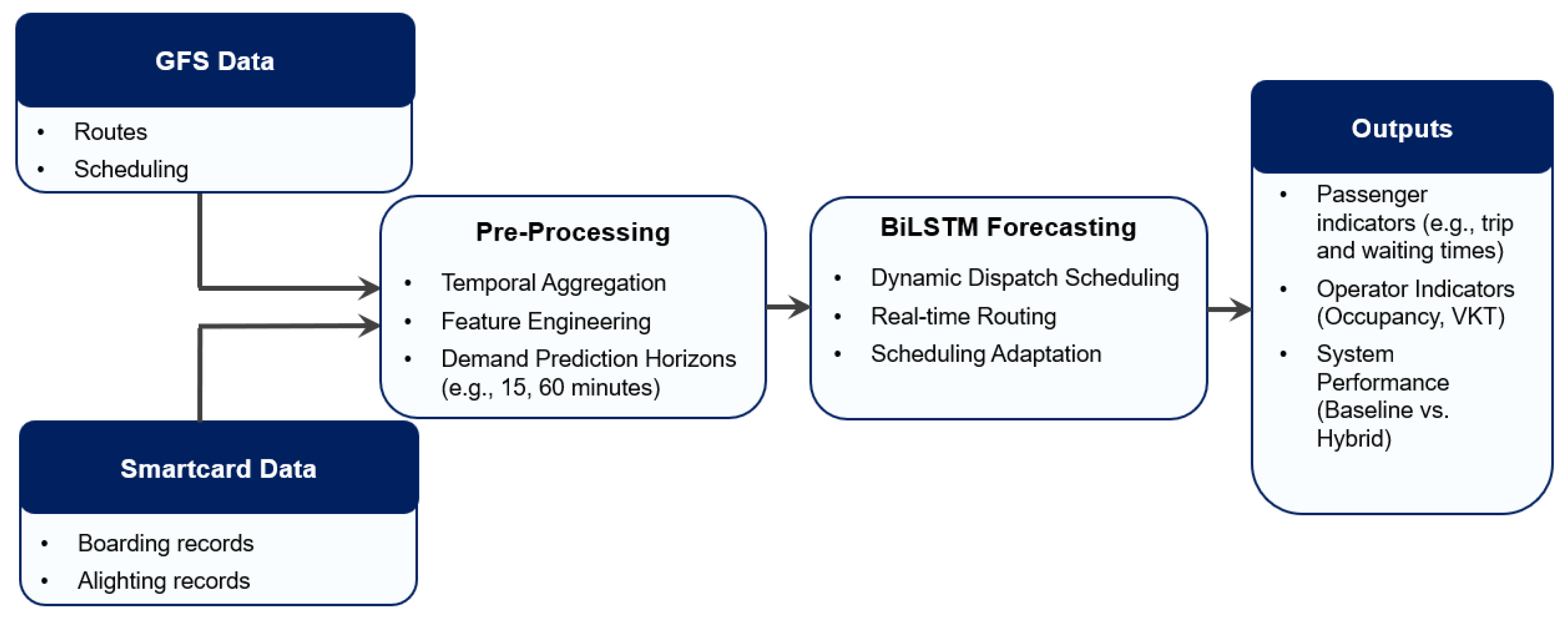
Short-term demand forecasting using Bidirectional Long Short-Term Memory (BiLSTM) neural networks trained on smartcard data.
Implemented using the Commuter platform (integrated with Autodesk Infraworks), the agent-based simulation supports dynamic vehicle dispatch, route generation, and congestion-aware travel time estimation across a full-day network. The model is calibrated using over 225,000 real-world smartcard trips and complemented by new stated preference survey data from 327 valid respondents within the study area.
This study builds directly on [
12], which demonstrated the feasibility of agent-based simulation for assessing on-demand services in a synthetic environment. However, that earlier work was limited by static demand inputs, simplified routing assumptions, and a lack of behavioural or predictive integration. The present research addresses these limitations by
Forecasting short-term demand using a BiLSTM model trained on high-resolution smartcard data;
Integrating stated preference survey data to model mode choice and sensitivity to service attributes;
Implementing a custom depot optimisation tool to reduce average passenger wait time;
Running full-day, network-wide simulations under realistic demand and fleet conditions.
The result is a scalable, empirically grounded framework capable of scenario-based evaluation of on-demand public transport within existing urban networks. The study contributes to methodological discourse by demonstrating how AI forecasting, behavioural data, and simulation can be systematically combined into a unified modelling pipeline.
The framework is applied through three interlinked research phases:
Simulation Modelling: Agent-based simulation of vehicle operations and passenger interactions under different service configurations [
14,
34,
35].
Behavioural Survey Modelling: Analysis of willingness-to-use, mode choice behaviour, and trade-offs using stated preference survey data [
36,
37,
38].
Machine Learning Demand Prediction: Short-term demand forecasting using BiLSTM networks trained on smartcard time-series data [
39,
40].
This integrated approach addresses a gap in the literature, where simulation, forecasting, and user preferences are often examined in isolation. While previous studies have explored each element independently, few have demonstrated their combined application in a calibrated, data-rich environment with direct operational relevance.
The research also contributes to ongoing efforts to benchmark on-demand public transport against conventional fixed-route services. Prior work has typically relied on one of three analytical modes:
Simulation and agent-based modelling [
20,
41];
Behavioural survey data [
42,
43];
Analytical optimisation models [
44,
45].
This study integrates all three by using simulation as the core evaluation tool, while feeding in demand inputs from AI models and behavioural data. Key performance indicators include trip duration, wait time, vehicle occupancy, emissions per passenger, and operational cost. Three scenarios are compared:
Baseline: fixed-route services only;
Mixed: fixed-route during peak hours and on-demand during off-peak;
Hybrid: on-demand integrated throughout the full service day.
The remainder of this paper is structured as follows:
Section 2 reviews the relevant literature;
Section 3 details the methodological framework and data sources;
Section 4 outlines scenario design and simulation setup;
Section 5 presents key results;
Section 6 concludes with implications and future research directions.
2. Related Work
The concept of providing flexible, near door-to-door transport using shared vehicles has evolved significantly over the past two decades. Demand-responsive transport (DRT) services, sometimes referred to as flexible mobility, mobility-on-demand, or microtransit, have been trialled globally with varying levels of success [
9,
46]. These services aim to offer greater convenience at a fraction of the cost of taxis or private ride-hailing, particularly in areas or time periods poorly served by fixed-route public transport.
To evaluate the potential of DRT services, three primary desktop-based methodological approaches have emerged in the literature: simulation modelling, stated preference behavioural analysis, and analytical performance modelling. Each contributes distinct insights into the design, efficiency, and viability of on-demand transport systems.
2.1. Simulation-Based Approaches
Simulation provides a powerful tool to visualise and assess the performance of DRT systems under diverse operational scenarios. Agent-based models (ABMs) have been widely adopted due to their ability to capture complex interactions between individual travellers, vehicles, and network conditions [
20,
47]. Previous studies have used ABMs to evaluate first/last-mile integration with rail [
48], balance service flexibility and efficiency [
49], and simulate fleet optimisation for autonomous DRT systems [
50].
Notably, recent work by [
51,
52] applied reinforcement learning and hybrid simulation techniques to enhance real-time routing and vehicle assignment, further expanding the technical frontier. However, many of these studies either rely on synthetic demand or omit integration with existing public transport services. This paper builds on these foundations by simulating on-demand services within a real-world network and demand context, using validated smartcard data and integrated depot optimisation logic.
2.2. Behavioural Approaches
Understanding user preferences is critical to designing acceptable and effective on-demand services. Stated preference (SP) surveys have been widely used to investigate mode choice decisions, willingness to switch to DRT, and trade-offs users are willing to accept [
36,
42]. These methods reveal the influence of cost, wait time, reliability, and crowding on user uptake. For example, [
37] found that uncertainty in seat availability and travel time reliability significantly reduced user acceptance, while [
43] showed that 44% of conventional bus users would consider switching to DRT under suitable pricing and reliability conditions.
This study contributes to this stream by embedding a new SP survey into the simulation model to calibrate on-demand mode choice under future scenarios, thereby increasing the behavioural realism of the evaluation.
2.3. Analytical Modelling Approaches
Analytical models have been widely used to explore system-level design questions such as fleet sizing, cost estimation, and service coverage thresholds. Early work introduced heuristics for dial-a-ride problems [
53], which have since been extended to hybrid models that combine fixed and flexible services [
1,
54]. These models often incorporate spatial coverage constraints, travel time bounds, and demand density thresholds to determine feasibility. Recent advances have introduced gravity-based accessibility measures and continuous approximation techniques [
45,
55].
While powerful for strategic planning, these models typically require simplifying assumptions and are limited in capturing behavioural nuances or dynamic traffic interactions. The current study incorporates insights from this body of work, particularly around cost and demand thresholds, into the performance evaluation of simulated scenarios.
Recent studies have explored the use of machine learning for estimating user preferences and operational characteristics in transit systems. For example, XGBoost has been applied to model express train preferences, using smartcard and operational data to predict passenger choices and inform service configuration decisions [
56]. Similarly, XGBoost has been used to estimate boarding and alighting times at stops, enabling more accurate vehicle scheduling and demand-responsive planning [
57].
These AI-based approaches demonstrate the value of predictive models in capturing passenger behaviour and supporting operational optimisation in public transport. While previous work focuses on rail and express services, the underlying principles of demand prediction and adaptive service planning are directly relevant to on-demand bus and microtransit systems. This research framework also utilises BiLSTM neural networks for short-term demand forecasting, which is then integrated into an agent-based simulation to dynamically optimise vehicle dispatch, routing, and fleet utilisation. Integrating these predictive insights into a simulation environment enables scenario-based evaluation of service performance under realistic demand patterns, therefore complementing findings from the referenced AI-based transit studies.
2.4. Synthesis and Research Gap
Each of the above approaches has contributed valuable insights into DRT system design, but relatively few studies have attempted to integrate them into a unified technical-behavioural simulation framework grounded in real-world data. Moreover, most comparative evaluations have been conducted in synthetic or abstracted environments, with limited calibration to actual public transport usage patterns or spatial network constraints.
This study addresses these gaps by combining agent-based traffic simulation, BiLSTM-based demand prediction, and stated preference modelling in a real-world Melbourne case study. The approach enables a more comprehensive, data-driven evaluation of the impacts and feasibility of hybrid on-demand transport services, offering guidance for both research and policy.
4. Scenario Design and Experimental Setup
This section describes the empirical context, data sources, and operational scenarios developed to evaluate the performance of on-demand public transport services in Melbourne. The simulation is designed to compare fixed-route and hybrid on-demand configurations using consistent travel demand inputs and a calibrated microsimulation model.
4.1. Study Area and Network Coverage
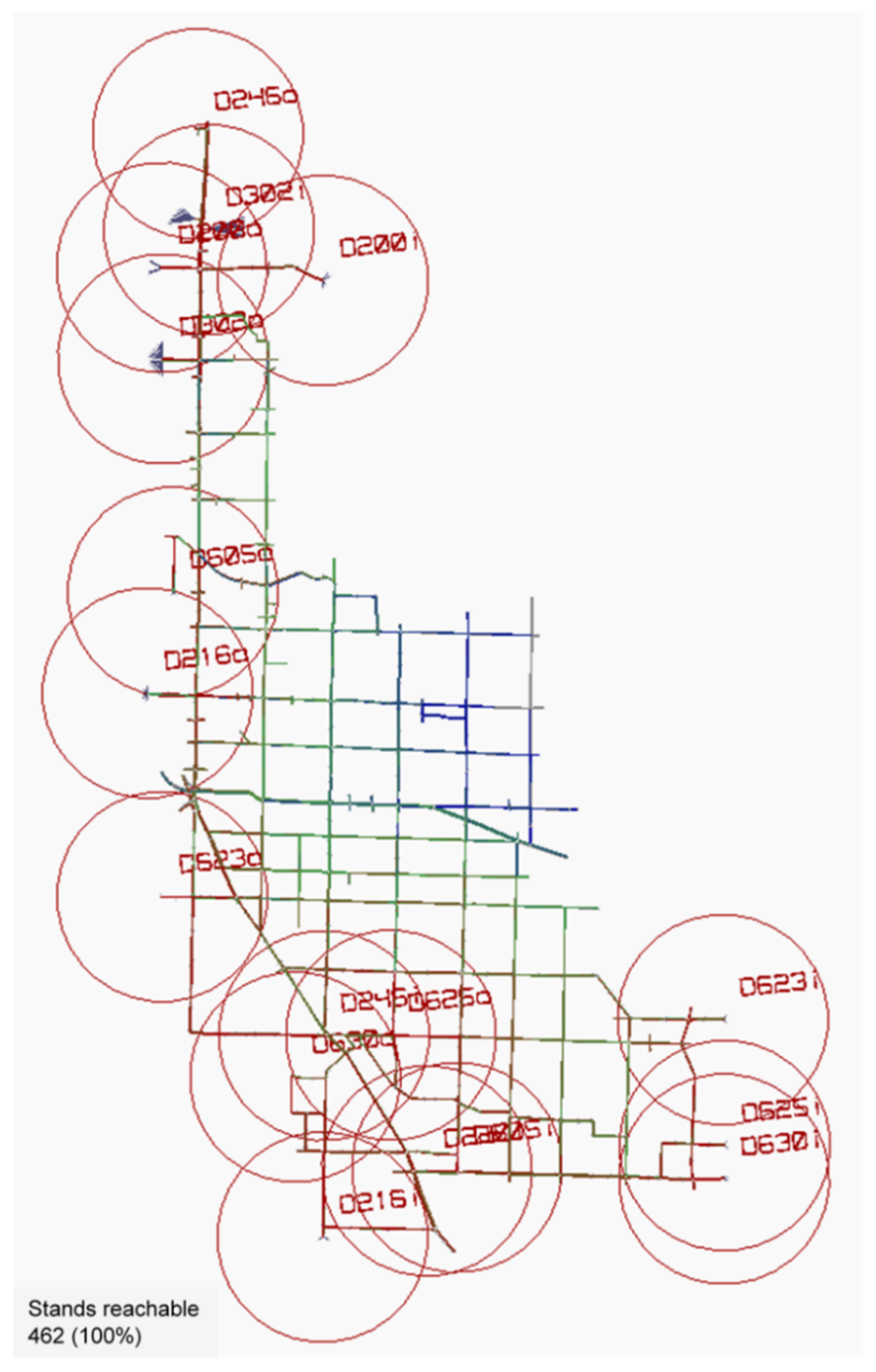
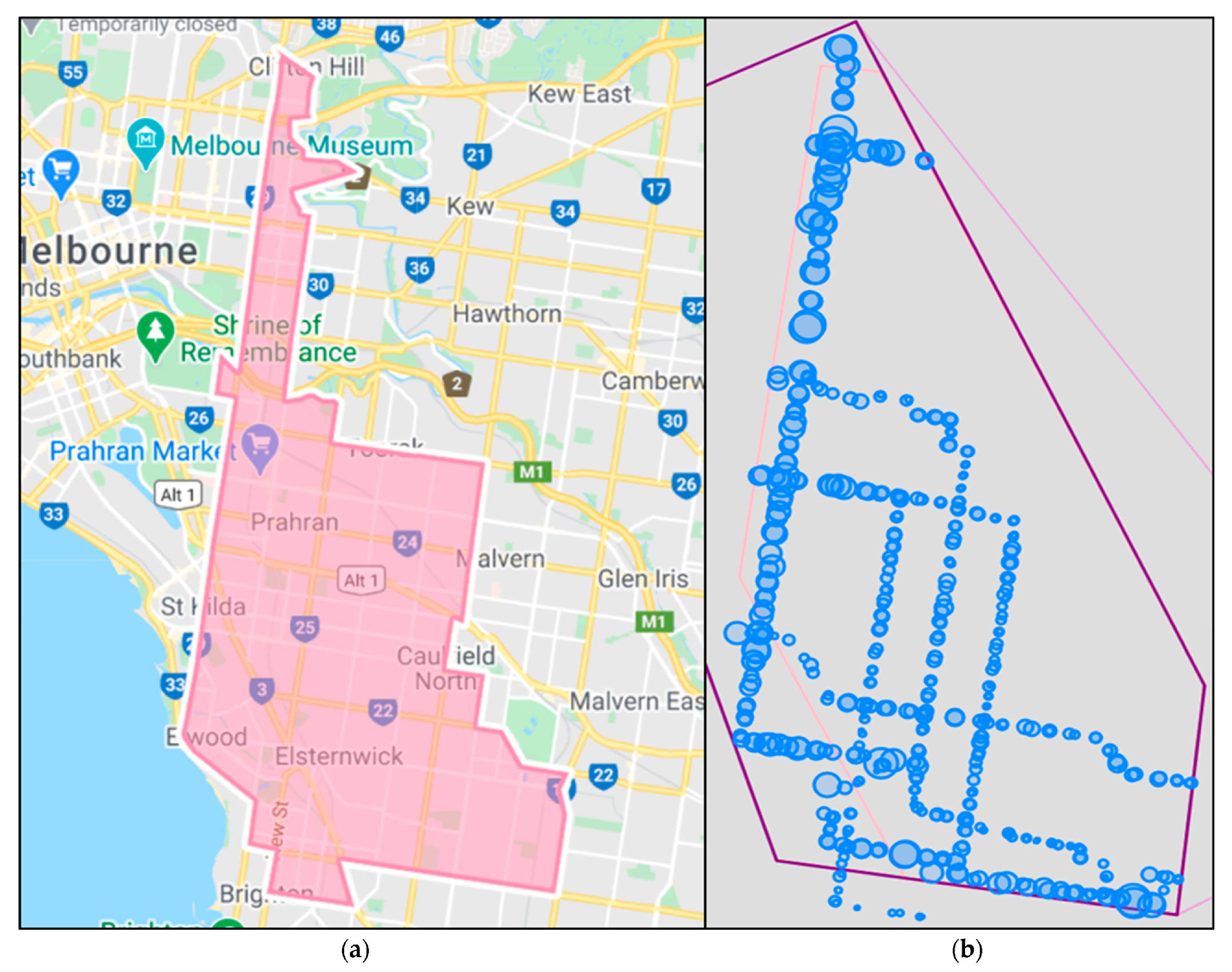
The simulation network covers a 35.3 km2 area in inner Melbourne, Australia, selected for its high trip density and multimodal connectivity. The study area includes
134 signalised intersections;
18 public bus routes (36 inbound/outbound);
462 bus stops;
Major arterial corridors with congestion-sensitive flow.
Figure 4 displays the geographic distribution of bus stops and their passenger volumes, with symbol size proportional to daily boardings.
4.2. Data Sources
The model integrates multiple data sources, including
Smartcard data from Public Transport Victoria (PTV) covering approximately 225,548 valid passenger trips;
GTFS static data on routes, stops, and timetables;
SCATS signal timing plans for intersection control logic;
VISTA travel survey data for background private vehicle trips;
Behavioural survey data (see
Section 3) for preference segmentation;
BiLSTM demand forecasts (
Section 3.3) for short-term passenger volume prediction.
These integrated datasets ensure realistic modelling of both travel behaviour and network performance.
Table 3 summarises the key data sources, their origins, temporal coverage, and specific modelling roles. All datasets were cleaned and aligned to common spatial and temporal formats, with invalid entries, school buses, and through-trips excluded.
The integration of operational data (e.g., GTFS, SCATS) with demand-side data (smartcard and behavioural surveys) ensures that both network conditions and passenger decision-making are faithfully represented. The temporal alignment of all data to the 2018 base year enables consistent calibration, while growth-adjusted scaling (
Section 3) allows the simulation to reflect pre-COVID-19 demand conditions expected in 2019.
Table 4 details the observed smartcard-based passenger volumes across the 18 routes within the study area. Trips are classified by origin–destination geography relative to the simulation cordon. This route-level distribution was used as the baseline demand input across all three service scenarios and provided benchmarks for model validation.
4.3. Scenario Configuration
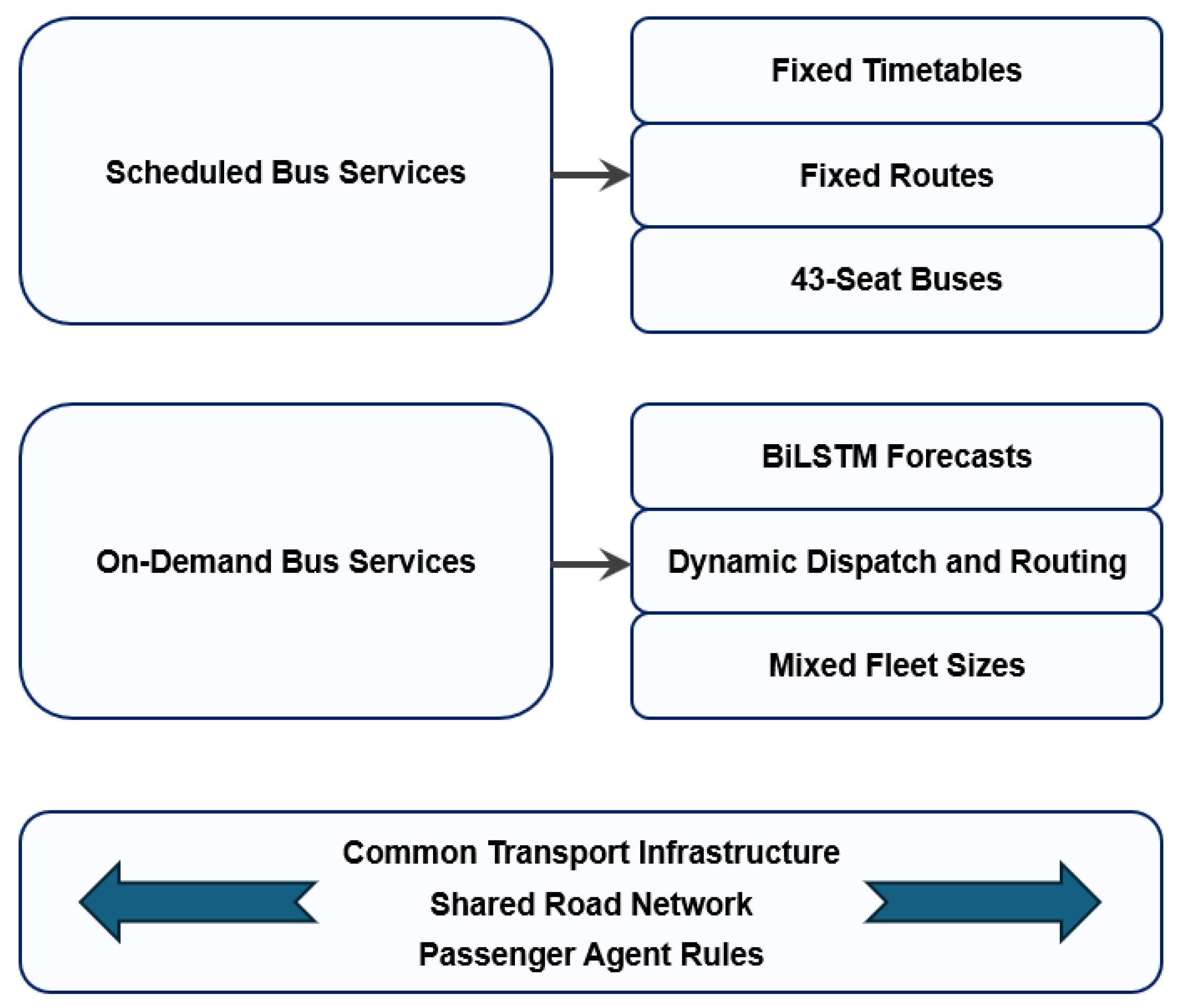
To evaluate the operational and performance implications of integrating on-demand public transport (ODPT) services, three simulation scenarios were developed. These configurations were designed to reflect realistic implementation stages and are all based on the same origin–destination matrix derived from smartcard data to ensure comparability.
Table 5 summarises the operational logic applied in each scenario, including peak and off-peak service differentiation, vehicle types, and the level of on-demand integration.
These three scenarios represent progressively higher levels of on-demand service integration. The baseline reflects existing operations and serves as a performance benchmark. Scenario 1 simulates a transitional model, maintaining scheduled buses during high-demand periods while shifting to demand-responsive services in off-peak windows. Scenario 2 represents a hybrid configuration, incorporating on-demand flexibility even during peak hours based on observed user preferences. This design allows the simulation to capture the potential system-wide benefits of ODPT without requiring full replacement of existing services.
Fleet types for on-demand services in Scenarios 1 and 2 include 4-, 7-, and 12-seat vehicles. Fleet assignment is governed by stop-level BiLSTM demand forecasts and minimum dispatch thresholds.
Table 6 summarises the total number of transport services modelled in each scenario across peak and off-peak periods. These values reflect differences in fleet deployment strategies, with Scenarios 1 and 2 using mixed fleets and dynamic dispatching for on-demand services.
Compared to the baseline scenario, Scenarios 1 and 2 show increased total service counts due to the deployment of smaller, more frequent on-demand vehicles during off-peak hours. In Scenario 2, modest increases in peak-period services reflect the partial mode shift (17%) from scheduled to on-demand services, consistent with behavioural survey findings. These operational changes form the basis for comparative evaluation in the next section.
4.4. Demand Estimation and Temporal Scaling
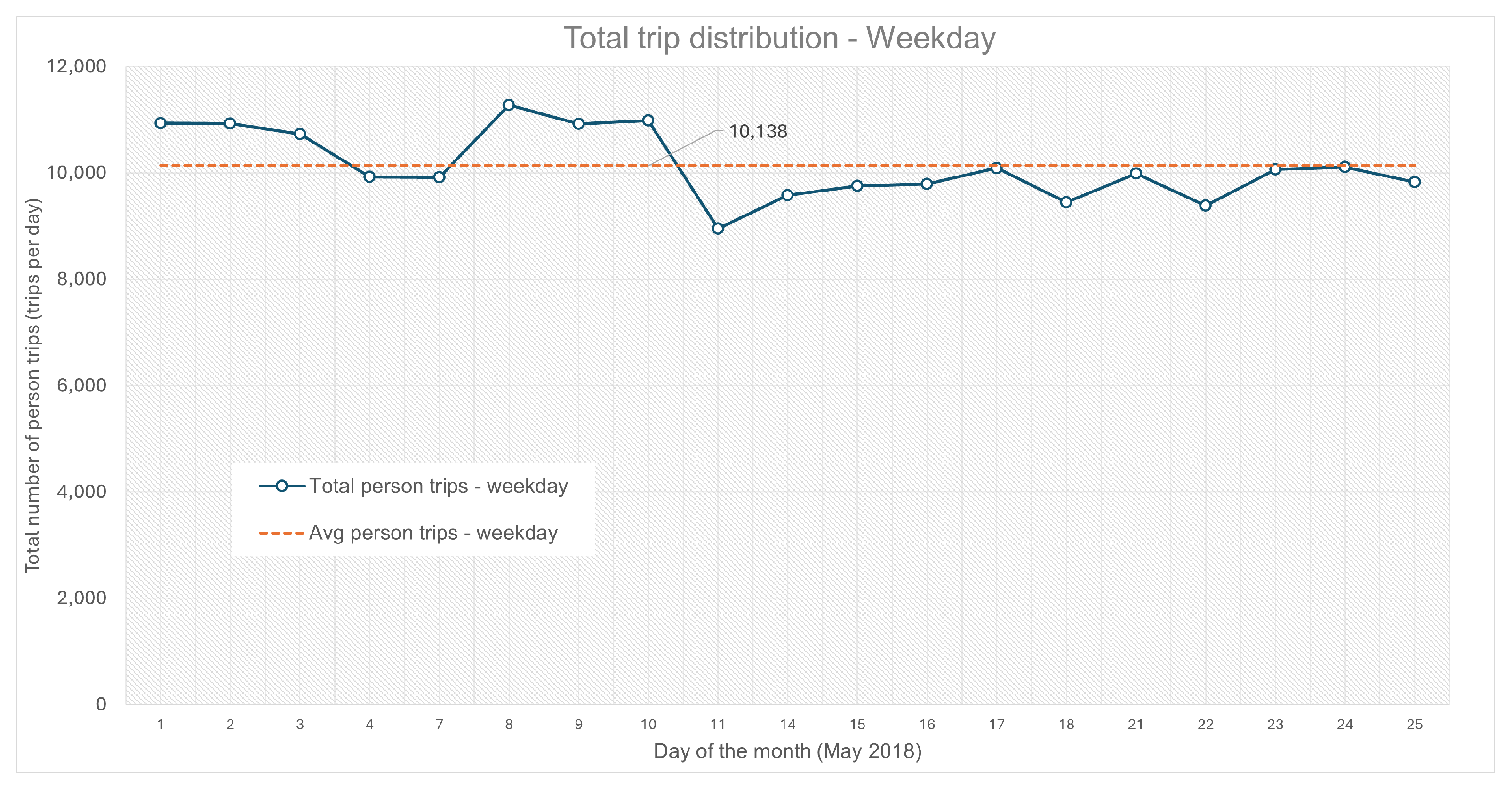
To estimate pre-COVID-19 travel conditions, a growth factor of 1% per annum was applied to the 2018 smartcard dataset, consistent with BITRE estimates for Melbourne. This scaled the weekday passenger trip volume from 10,108 to 10,209 trips, which was used as the base demand for the simulation.
Passenger demand was disaggregated into 15 min intervals and fed into the BiLSTM forecasting model for short-term prediction. These predictions informed both
To ensure simulation stability, a 25 h model run was used (00:00–01:00 the following day), incorporating warm-up and cool-down periods. Demand matrices for private vehicles were generated using VISTA data and applied to simulate background traffic volumes under typical weekday conditions.
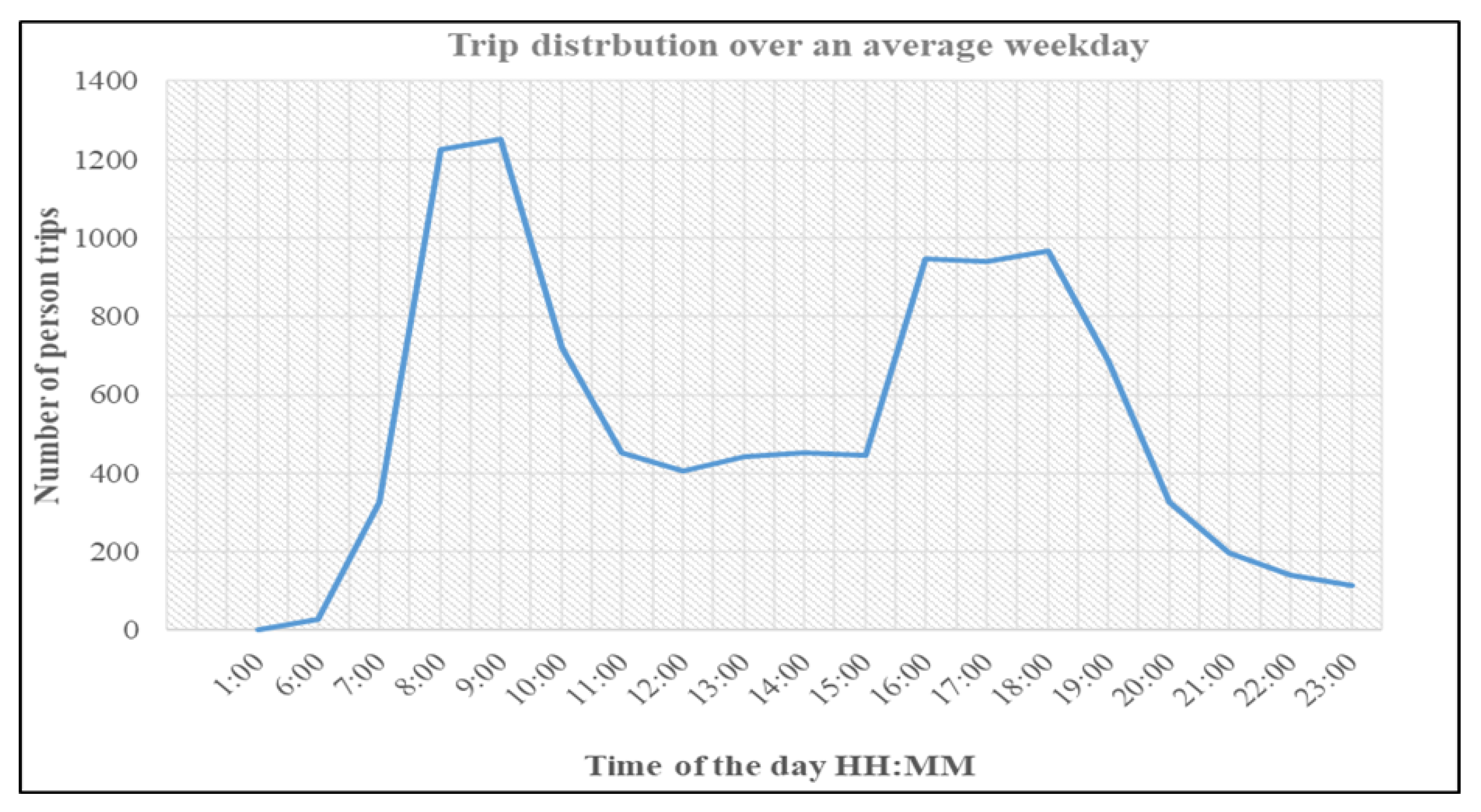
Figure 5 illustrates the total weekday passenger trip distribution by hour. Two distinct peak periods are evident: a morning peak from 7:00 to 9:00 AM, and an afternoon peak from 3:00 to 6:00 PM. These temporal characteristics informed the segmentation of simulation scenarios (see
Section 3) and the BiLSTM forecasting intervals used to optimise fleet scheduling. The steep rise and fall in demand during peak hours further justified the simulation of flexible dispatch strategies combining scheduled and on-demand services.
Figure 6 provides a 15 min interval breakdown of morning and afternoon demand. The AM peak reaches its maximum between 8:00 and 8:30 AM, while the PM peak shows a broader plateau from 3:30 to 5:30 PM. These temporal profiles were used to configure vehicle dispatch intervals and assign vehicle types under Scenarios 1 and 2. They also validated the use of BiLSTM models to capture short-term demand fluctuations, improving responsiveness and operational efficiency in the agent-based simulation.
4.5. Scenario Evaluation Objectives
The three simulation scenarios were evaluated to address the following research questions:
How do hybrid on-demand configurations affect average passenger travel times and waiting times?
What is the impact on vehicle occupancy and emissions per passenger trip?
Can small on-demand fleets provide operational cost advantages in off-peak periods?
How well do depot placement and forecast-based dispatch algorithms meet spatial demand coverage?
Results are presented in
Section 5 and evaluated across six key performance indicators (KPIs): travel time, wait time, occupancy, emissions, fleet distance, and cost per trip.
Table 7 summarises the total number of transport services modelled under each scenario, disaggregated by time period.
5. Results and Evaluation
5.1. Model Validation
Model validation was conducted in two parts:
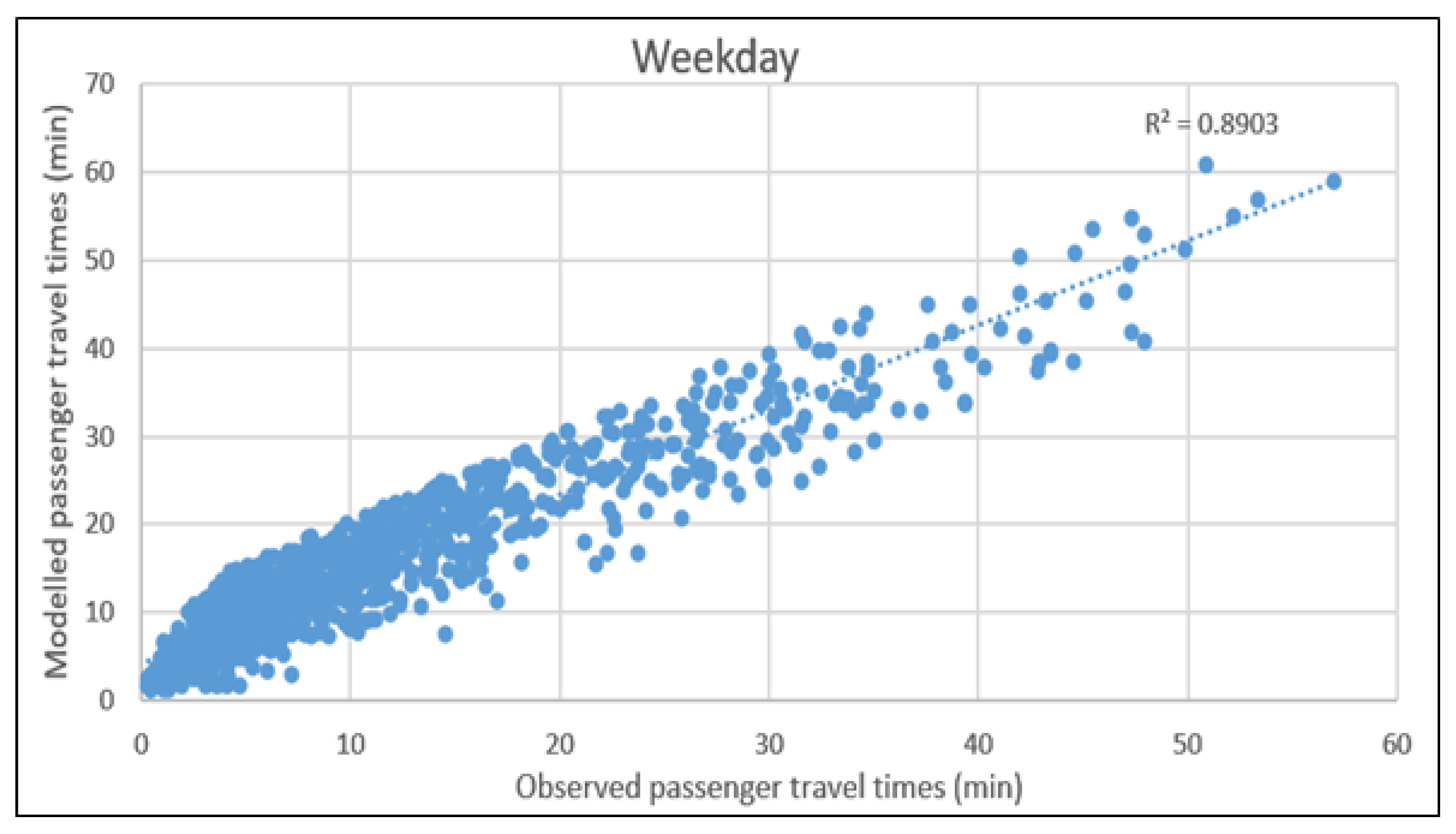
Figure 7 shows the distribution of modelled versus observed weekday passenger travel times across all routes in the study area. The simulation results closely match observed data from smartcard records, with the highest agreement in the 10–30 min range where most trips occur. Minor deviations appear at the tails of the distribution, with short trips (<10 min) slightly under-represented and long trips (>40 min) modestly over-represented. This indicates that the simulation accurately captures the central tendency of trip durations.
Table 8 presents GEH statistics comparing modelled and observed passenger volumes during the AM and PM peak hours. GEH values below 5 are generally considered acceptable for model validation. The average GEH across periods was 3.3 (AM) and 3.6 (PM), with most routes within acceptable bounds, supporting the validity of the simulation results.
5.2. Scenario Evaluation Results
This section presents comparative results for the three scenarios defined in
Section 3, evaluated across six key performance indicators (KPIs):
Average passenger travel time (minutes);
Average passenger waiting time (minutes);
Vehicle occupancy rate (passengers per vehicle);
Total fleet distance travelled (km);
Emissions per passenger trip (kg CO2-e);
Service cost per passenger (AUD, estimated).
5.2.1. Travel Time and Wait Time
Figure 8 shows that both Scenario 1 and Scenario 2 reduced average passenger trip times compared to the baseline. Scenario 2 achieved the greatest improvement, with a 26% reduction in travel time during the AM peak and 32% during the PM peak. Wait times followed a similar pattern, declining by 20–35%, particularly in off-peak periods where on-demand services replaced infrequent scheduled services.
5.2.2. Vehicle Occupancy and Fleet Efficiency
Scenario 2 delivered a substantial increase in average vehicle occupancy, reaching levels up to three times higher than the baseline for small on-demand vehicles during off-peak periods. Fleet kilometres travelled increased marginally due to higher service frequency, but occupancy gains offset these increases in terms of system efficiency.
5.2.3. Emissions and Environmental Impact
Total emissions per passenger trip declined significantly in Scenarios 1 and 2 due to improved load factors and smaller vehicle sizes. Scenario 2 recorded a 72% reduction in emissions per passenger on an average weekday compared to the baseline.
5.2.4. Operational Costs
While on-demand services entail higher dispatch and coordination complexity, estimated per-passenger service costs declined in both hybrid scenarios. This was attributed to improved vehicle utilisation and reduced idle times. Scenario 2 achieved the best cost-efficiency during off-peak periods.
5.2.5. Summary of Performance Trade-Offs
Table 9 provides a summary of all six KPIs across the three simulation scenarios. Scenario 2 consistently outperformed the baseline and Scenario 1 in most indicators, suggesting that a hybrid model combining scheduled and on-demand services can improve performance across user, operator, and environmental dimensions.
5.3. Passenger Service Quality and Trip Experience
Passenger-level service outcomes were assessed using four key indicators:
Table 10 summarises the performance of each simulation scenario against these indicators.
The results show that while the average trip distance remained stable across all scenarios (5.6 km), reflecting consistent origin–destination patterns, there were substantial improvements in time-based service quality metrics under the on-demand scenarios.
In terms of passenger wait time, Scenario 1 reduced the average from 9.6 to 6.6 min (a 31% improvement), while Scenario 2 achieved an even greater reduction to 6.3 min (34% improvement). These gains are attributed to more frequent service dispatches during off-peak periods and dynamic routing that reduced vehicle idle time and improved responsiveness.
Passenger trip duration showed the most significant improvement, decreasing from 41.5 min in the baseline to 30.6 min in Scenario 1 (a 26% reduction) and to 28.4 min in Scenario 2 (a 32% reduction). These improvements were driven by the ability of on-demand services to offer more direct routing and eliminate unnecessary stops through demand-driven logic.
Interestingly, walk times remained constant across all scenarios at 6.2 min. This suggests that on-demand services maintained equitable access to bus stops or smart stops, without introducing additional walking burdens on passengers. It also indicates that system accessibility was preserved despite changes in operational configuration.
Together, these results demonstrate that on-demand service integration significantly enhances the passenger experience, particularly by reducing wait and trip times without compromising accessibility or travel distance.
5.4. System and Operator Efficiency
System-level efficiency and operational productivity were assessed using three key metrics:
Total passenger completions;
Total completed transport distance;
Transport completion ratio (passenger completions per kilometre travelled).
The results show that Scenario 2 consistently outperformed the baseline and Scenario 1, particularly during the AM peak. Passenger completions increased from 40,373 in the baseline to 44,945 in Scenario 2, representing an 11% uplift in completed trips. During the PM peak, completions remained steady at around 51,000 for Scenario 2—slightly above both the baseline and Scenario 1.
This increase in passenger throughput was achieved despite a moderate rise in total vehicle kilometres travelled, which rose by 30% during the AM peak (from 3427 km in the baseline to 4428 km in Scenario 2). However, this increase was accompanied by a greater proportional rise in trip completions, resulting in a net improvement in the transport completion ratio, which fell from 11.8 in the baseline to 10.2 in Scenario 2 for the AM peak. A lower transport completion ratio indicates greater system efficiency—that is, more passengers served per kilometre of service.
Table 11 summarises the system-level metrics for each scenario, including total completions, transport distance, and the transport completion ratio. These indicators offer insight into operational efficiency and service productivity across time periods.
Scenario 1 offered modest improvements over the baseline, particularly during the PM peak. However, it was Scenario 2’s fully integrated, mixed-fleet operation that yielded the most substantial gains, largely due to its flexibility in matching vehicle deployment to real-time demand conditions and geographic trip density.
These findings support the use of dynamic on-demand operations to enhance not only passenger outcomes but also system-level throughput and vehicle utilisation. For operators, this translates to better fleet productivity, with reduced dead running and more efficient use of vehicle capacity.
5.5. Environmental Performance
Environmental performance was evaluated by estimating average emissions per completed passenger trip, focusing on three pollutants:
Table 12 presents the average per-trip emissions across all scenarios. The baseline scenario, which relies entirely on conventional scheduled buses, produced the highest emissions levels, with an average of 551.7 g of CO
2 per passenger trip, 1.63 g of NO, and 0.054 g of PM
10. These values reflect low occupancy rates and limited vehicle optimisation.
In contrast, both on-demand scenarios demonstrated substantial environmental gains. Scenario 1 reduced CO2 emissions by 65%, NO by 66%, and PM10 by 65% per passenger trip. These reductions were further amplified in Scenario 2, where CO2 emissions fell by 72%, and NO and PM10 dropped by 73% and 70%, respectively.
These improvements can be attributed to several factors: more efficient route allocation, dynamic vehicle deployment based on real-time demand, and higher passenger occupancy rates. By reducing the number of low-occupancy, high-emissions trips, the on-demand service model shifts transport supply closer to actual usage, enhancing sustainability.
The environmental benefits observed in Scenario 2 reinforce the value of mixed operational strategies that maximise both service quality and emissions efficiency. As cities face increasing pressure to decarbonise their transport systems, these findings offer actionable insights into how operational design can drive emissions reductions at scale.
5.6. Vehicle Occupancy
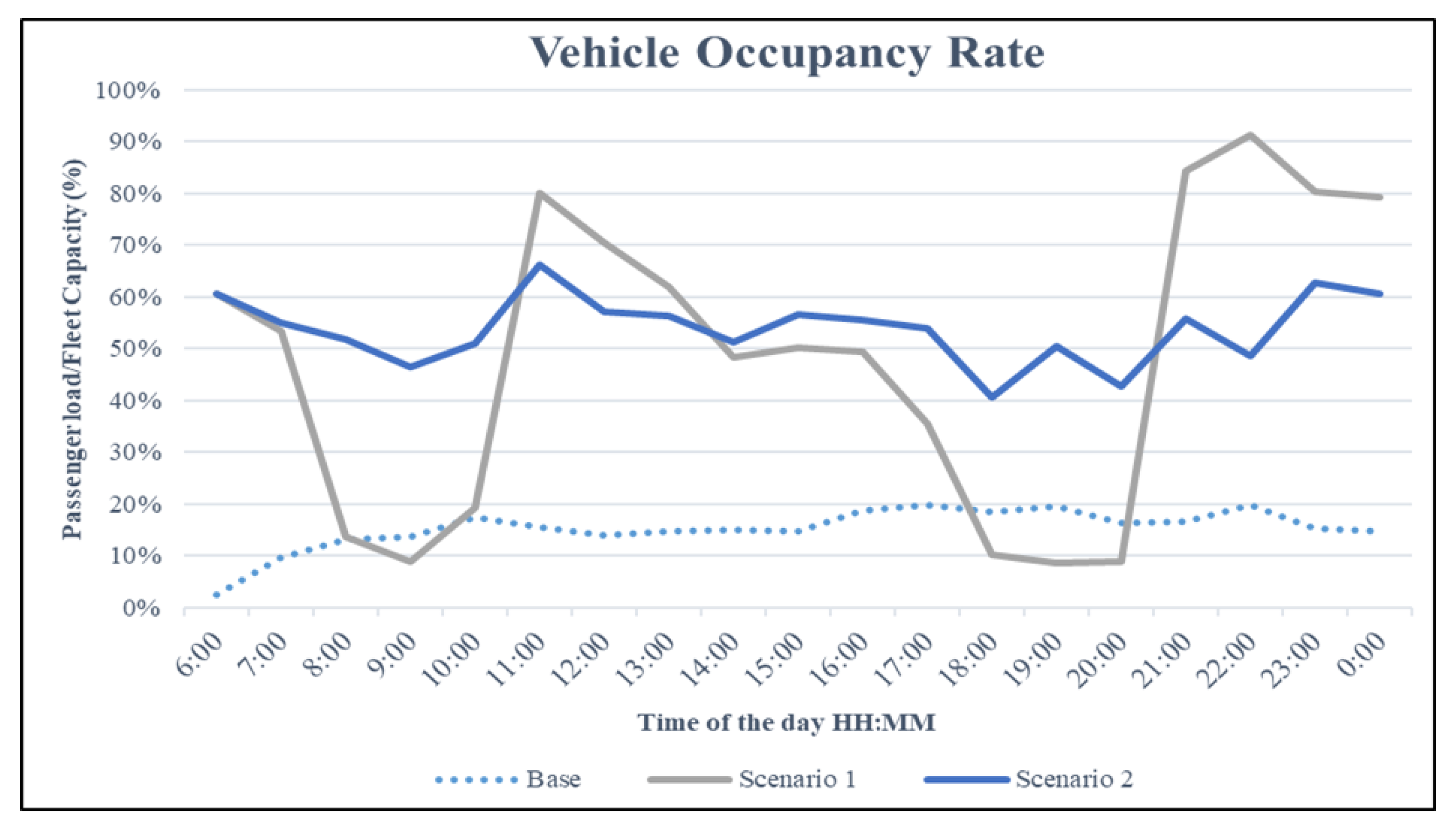
Vehicle occupancy is a key indicator of service productivity and system efficiency, particularly for public transport operations seeking to optimise energy use and cost per trip. Higher occupancy rates typically reflect more efficient fleet deployment and greater alignment between service supply and passenger demand. In the context of on-demand operations, occupancy also serves as a proxy for the effectiveness of vehicle dispatching algorithms and stop-level demand responsiveness.
Figure 9 presents the average vehicle occupancy for each scenario during the AM and PM peak periods. These values are calculated and averaged across all services operating within the simulation window.
Occupancy rates increased substantially in both on-demand scenarios. During the AM peak, the average number of passengers per vehicle rose from 14 in the baseline to 24 in Scenario 1, and further to 42 in Scenario 2. Similarly, PM peak occupancy improved from 16 to 26 in Scenario 1 and 45 in Scenario 2.
These increases are attributed to more effective trip bundling and dynamic fleet management enabled by the on-demand service logic. The flexible deployment of vehicles and real-time routing ensured that vehicles were dispatched in areas of higher passenger concentration, improving load factors and reducing low-occupancy trips.
This trend supports the conclusion that on-demand services not only enhance user experience but also deliver measurable operational benefits to service providers. Higher occupancy directly contributes to lower emissions per passenger, improved cost-efficiency, and better vehicle utilisation.
5.7. Wait Time Performance
Passenger wait time is a critical factor affecting satisfaction and perceived reliability of public transport systems. While scheduled services offer predictable intervals, they often lead to long off-peak waiting periods. In contrast, on-demand services aim to minimise wait times by dispatching vehicles in response to real-time demand.
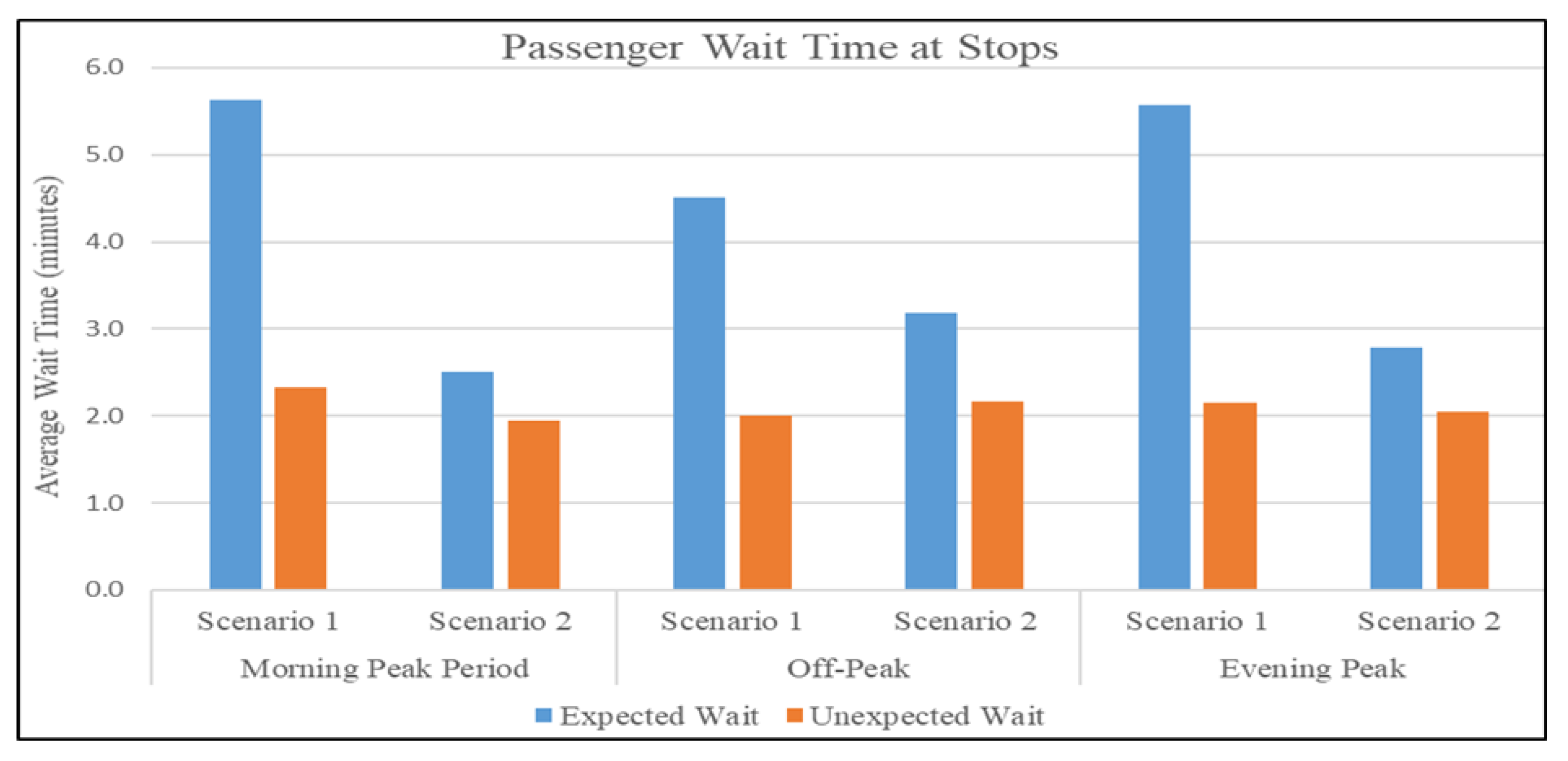
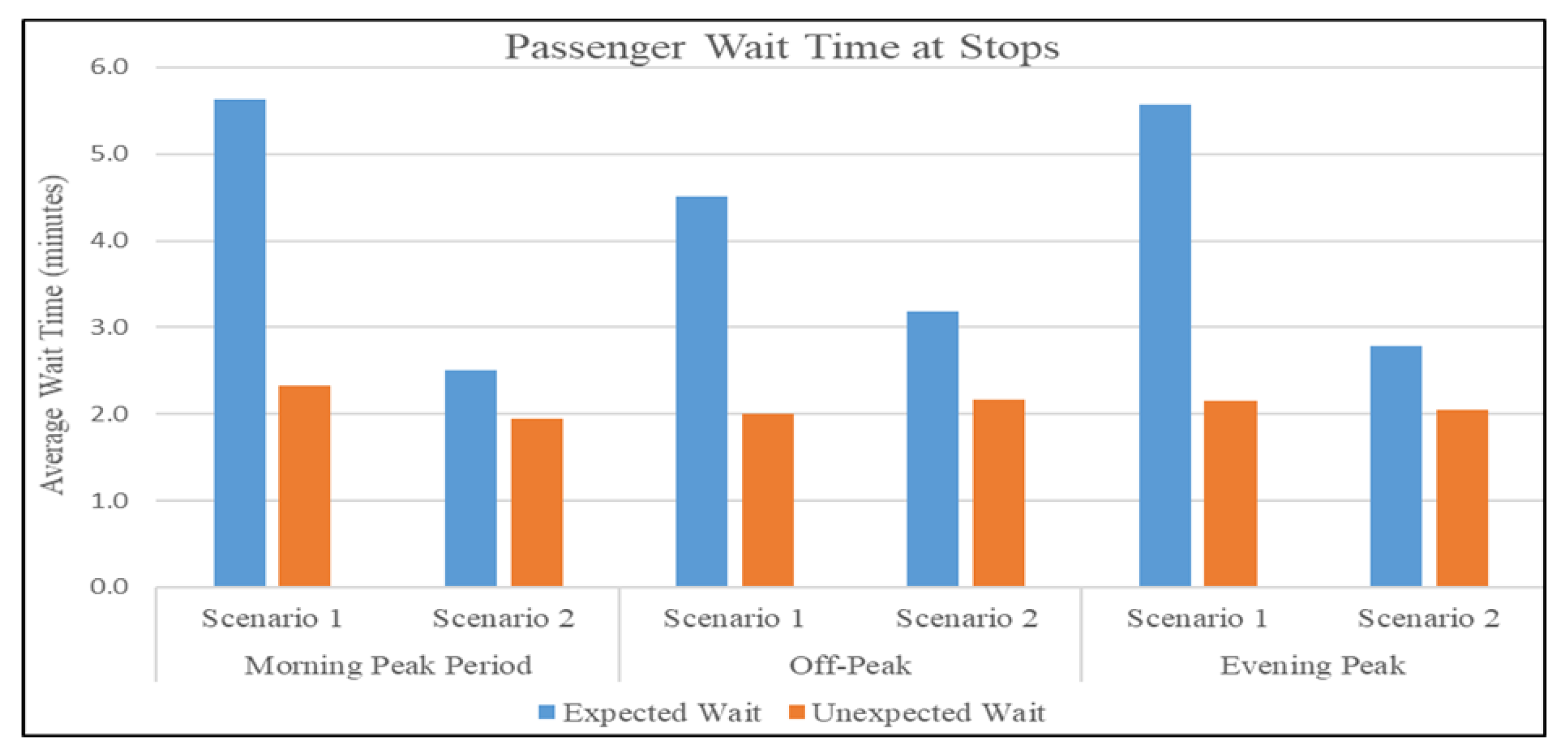
Figure 10 illustrates the comparison between expected and actual passenger wait times across a sample of five stops in Scenario 2. These stops represent a cross-section of travel demand zones within the study area.
Across all stops, the actual wait time was consistently below the pre-defined threshold of 8 min. Most values ranged between 5.9 and 7.0 min—10–20% shorter than expectations. These gains were enabled by flexible dispatch timing and dynamic route generation based on demand profiles and the real-time routing module developed for this study.
Shorter, more predictable wait times improve user perception, reduce uncertainty, and encourage mode shift from private cars—especially in areas underserved by conventional routes. These results validate the model’s behavioural assumptions and its capacity to meet time-based expectations with user-centric design.
5.8. Economic Evaluation and Cost–Benefit Analysis
To assess the financial viability of on-demand public transport services, a simplified economic evaluation was conducted. The analysis draws on cost assumptions and benefit categories from NSW government guidelines, estimating trip-level costs, capital and operating costs, and benefit–cost ratios (BCRs) under peak-period operations.
5.8.1. Estimated Cost per Trip
Table 13 shows the average cost per passenger trip during AM and PM peaks. Scenario 2 achieves the lowest cost in both cases, reducing costs from
$2.18 to
$1.63 in the morning and from
$2.03 to
$1.53 in the evening. These gains are attributed to higher occupancy and better fleet utilisation.
5.8.2. Economic Parameters and Assumptions
Table 14 summarises the key inputs used to estimate costs and monetised benefits. Values are drawn from publicly available appraisal manuals, including NSW transport and Australian Treasury guidelines.
5.8.3. Summary of Benefits, Costs, and BCRs
Table 15 summarises the transport indicators used to estimate the economic benefits of time savings, fleet utilisation, and emissions reduction.
Using these KPIs and the economic parameters from
Table 14, the monetised costs and benefits were computed for each scenario.
Table 16 shows total estimated costs, benefits, and the resulting benefit–cost ratios.
The results clearly show that Scenario 2 delivers the strongest economic case, with a BCR of 1.95—nearly $2 in benefits for every $1 spent. Scenario 1 also achieves a strong result, while the baseline scenario fails to meet cost-effectiveness thresholds. These findings support integrating ODPT into public transport networks as a cost-efficient strategy to improve service quality, sustainability, and financial performance.
6. Conclusions and Policy Implications
This study introduced and demonstrated a hybrid simulation framework for evaluating on-demand public transport (ODPT) services. By integrating agent-based simulation, deep learning-based demand forecasting, and behavioural survey modelling, the framework enabled a comprehensive assessment of operational, user experience, environmental, and economic performance across three ODPT service scenarios.
The results provide strong empirical evidence in support of integrating on-demand services into existing public transportation networks. Scenario 2, which applied a fully hybrid model combining on-demand and fixed-route operations, outperformed both the baseline and mixed-schedule Scenario 1 on nearly all performance indicators. From a user perspective, the hybrid scenario reduced trip durations by 32% and wait times by 34%, while maintaining equitable walk distances. Operational efficiency improved through better vehicle utilisation, with peak-period occupancy rates tripling and a greater share of passenger demand met. Environmental outcomes were also positive: per-passenger emissions fell by 72% for CO2 and by more than 70% for NO and PM10.
Importantly, the economic analysis found the hybrid scenario to be cost-effective. The estimated benefit–cost ratio (BCR) of 1.95 indicates a strong return on investment relative to traditional fixed-route operations. Cost per passenger declined by up to 25%, with monetised gains attributed to travel time savings, improved fleet productivity, and emissions reductions. These results are broadly consistent with prior studies on ODPT and demand-responsive transport, which have reported improvements in travel time, vehicle utilisation, and environmental performance when flexible services complement conventional transit, particularly in low-density or off-peak contexts. For example, Alonso González et al. (2018) found that DRT can substantially improve accessibility compared to conventional fixed route services, particularly for underserved origin–destination pairs [
4]. Similarly, the authors’ recent simulation study of flexible on-demand bus services in Melbourne showed reductions in travel times of around 30%, increases in vehicle occupancy, and over 70% reductions in emissions per passenger trip compared to fixed schedules [
14]. Studies in other contexts, such as Porto, also demonstrate that DRT frameworks can reduce total distance travelled and stop frequency while maintaining service levels [
62]. Moreover, advanced optimisation frameworks for connected DRT services report travel time improvements on the order of 14–36% relative to traditional modes [
63].
The findings yield several implications for transport planners and policymakers:
Dynamic ODPT configurations can effectively complement fixed-route services, particularly in off-peak periods or lower-density areas.
Investment in real-time analytics, demand forecasting, and simulation tools is critical to the design and management of flexible transport systems.
Hybrid models offer significant potential for improving equity, access, and environmental sustainability in public transport delivery.
Smart depot siting and adaptive fleet strategies, guided by predictive models, can enhance both user outcomes and operational performance.
More broadly, this research illustrates how combining simulation, AI, and behavioural data can yield an integrated, transferable evaluation framework. As cities explore scalable and user-responsive mobility reforms, this approach provides a replicable pathway to test, compare, and optimise ODPT strategies in real-world networks.
While the framework provides detailed insights into ODPT operations, some limitations must be acknowledged:
The case study is limited to Melbourne, which may affect the generalisability of results to other urban contexts with different population densities, travel patterns, and transit networks.
Passenger behaviour was based on survey and smartcard data, which may not capture all variability or future shifts in travel demand.
Operational cost and emissions estimations rely on modelled assumptions that simplify real-world complexities.
The agent-based simulation necessarily abstracts some operational details, such as driver behaviour or vehicle breakdowns, which could influence outcomes in practice.
While Scenario 2 demonstrates significant performance improvements in Melbourne, these results may vary in other urban contexts. In high-density cities with frequent fixed-route services, the relative travel time and emissions benefits of on-demand integration may be lower, while in low-density or suburban networks, gains could be significant. Institutional and financial conditions also influence the applicability of these solutions: successful implementation requires adequate digital infrastructure, regulatory support, and funding mechanisms to sustain flexible operations. Future work should evaluate the framework across diverse geographic and operational contexts to better understand scalability and contextual sensitivity.
Future work could address these limitations by applying the framework to different geographic contexts, incorporating multimodal integration and Mobility-as-a-Service platforms, and validating results against more extensive real-world operational data. Such extensions would further strengthen the applicability of hybrid ODPT evaluation for planning and policy decisions.