1. Introduction
The evolution of industrial paradigms has always been instrumental in shaping the trajectory of human progress. Industry 1.0 saw the mechanization of labor through water and steam power [
1]. Industry 2.0 marked the dawn of mass production facilitated by electric power the digital era dawned with Industry 3.0 through the integration of computers and automation, which further evolved into the cyber–physical systems of Industry 4.0. Now, as we stand at the cusp of a new era, we are witnessing the emergence of Industry 5.0, a paradigm that seeks to harmoniously integrate human ingenuity with machine capabilities [
2]. It revolves around the central tenet of collaboration rather than mere automation, emphasizing the symbiotic relationship between human intuition and machine precision. As urban landscapes become increasingly characterized by interconnectedness and real-time data, smart cities are ripe platforms for the deployment of Industry 5.0 concepts [
3]. By facilitating human–machine collaboration at an unprecedented scale, Industry 5.0 has the potential to revolutionize urban infrastructure, service delivery, and civic engagement in smart cities [
4]. This dynamic interplay promises to render urban spaces more adaptive, efficient, and responsive to the ever-evolving needs of their inhabitants.
The concept of smart cities has gained significant momentum in the past decade, becoming a prominent area of interest among researchers, urban planners, and policymakers worldwide [
5]. At its core, a smart city utilizes Information and Communication Technologies (ICT) to enhance the quality and performance of urban services, reduce costs and resource consumption, and improve the interaction between citizens and the government [
6]. Early models of smart cities focused on using technology to improve infrastructure and services: namely automating waste collection, managing traffic flow, and optimizing energy use [
7]. However, the vision for smart cities has expanded and evolved over the years, incorporating advanced technologies to provide sophisticated, integrated, and intelligent solutions for urban challenges [
8].
The advent of technologies, such as the Internet of Things (IoT), Artificial Intelligence (AI), blockchain, and 5G, has dramatically altered the landscape for smart cities. These technologies promise a paradigm shift in urban management, with the potential to transform everything from traffic systems to energy grids, waste management, public safety, and citizen services [
9]. For example, IoT devices enable real-time monitoring of city operations, AI can optimize service delivery and make predictive models for various urban systems, blockchain can provide secure and transparent transactions, and 5G networks ensure high-speed and reliable connectivity for all these digital interactions.
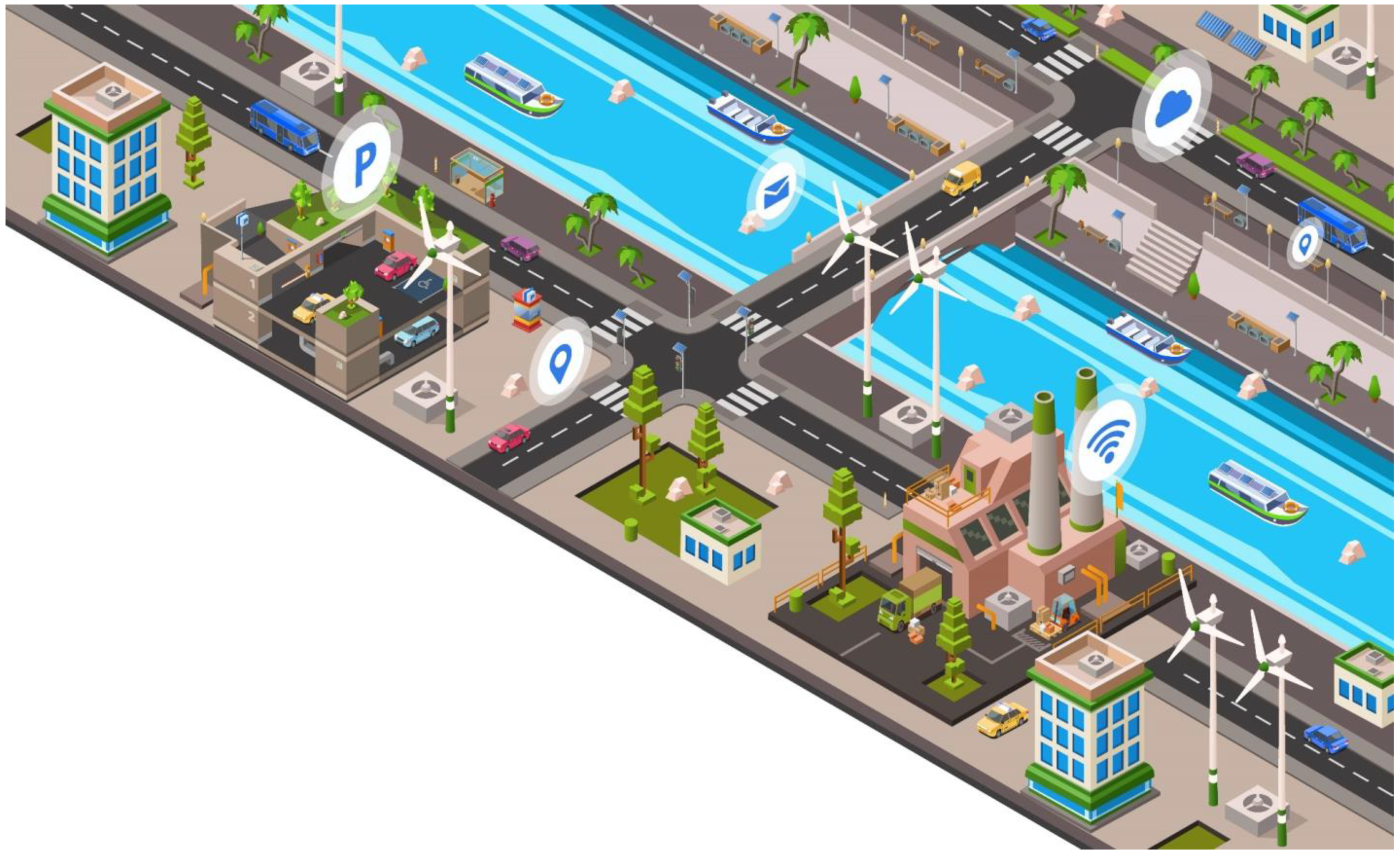
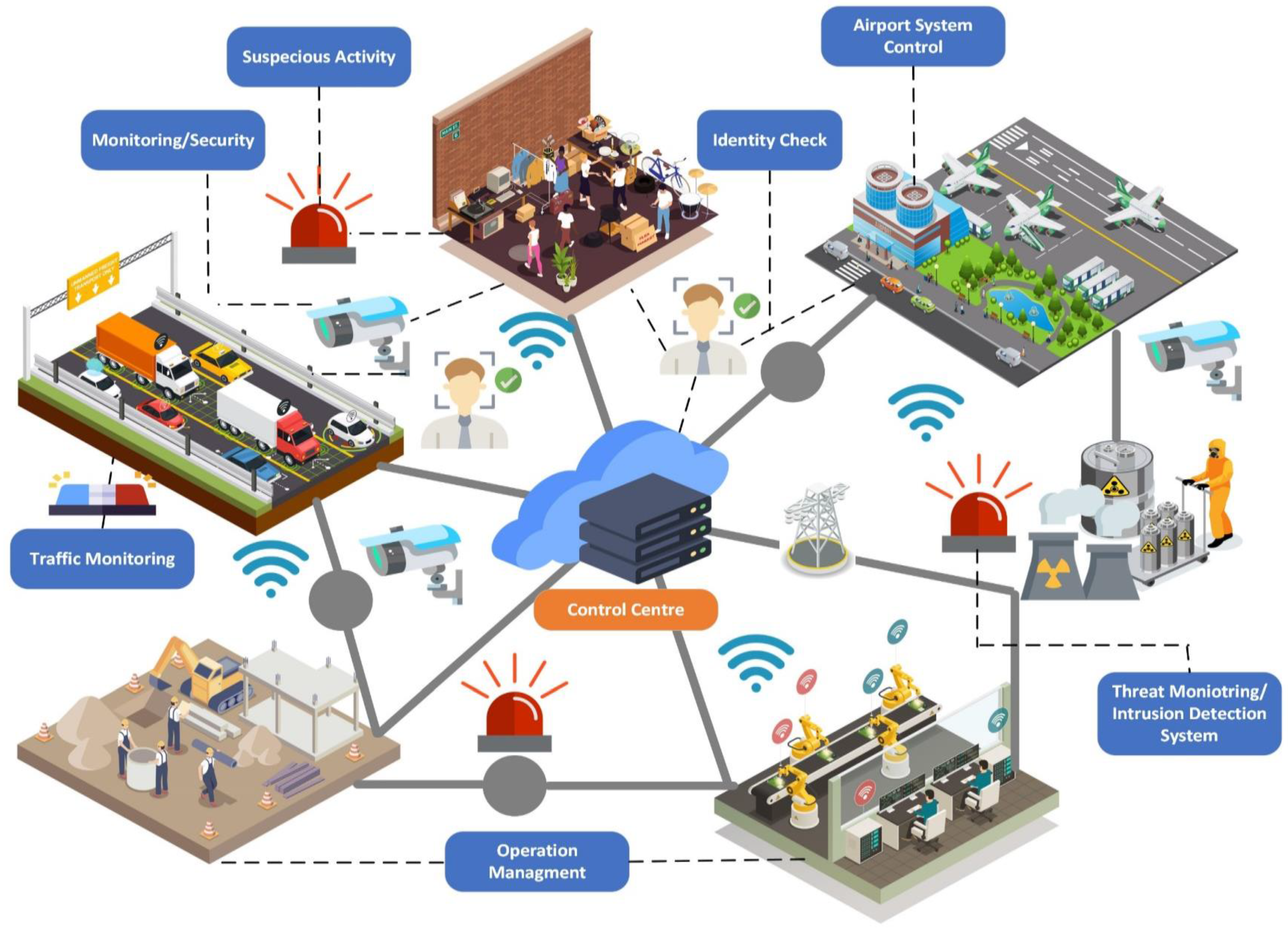
Figure 1 presents an illustrative depiction of a typical smart infrastructure interconnected through Information and Communication Technology (ICT). The figure serves as a clear visual aid, revealing how various elements of a smart city are networked to create a cohesive, efficient, and responsive urban environment. The figure represents various infrastructure components typical of a smart city, which might include transportation systems, energy grids, water supply networks, waste management systems, buildings, public spaces, and more. Each component is depicted as being connected through ICT, emphasizing the central role of technology in coordinating and optimizing the performance of these disparate elements. The network of connections signifies the data communication that occurs between these different infrastructure components. This might include data sharing, real-time analytics, remote control, automated responses, and other interactions enabled by IoT devices, sensors, and advanced data analytics platforms. The illustration thereby encapsulates the concept of ‘smart’ in smart cities, where ICT serves as the backbone supporting coordinated, efficient, and intelligent operations across the city. By interpreting this interconnected infrastructure within the broader context of a smart city, viewers can understand how such integration can lead to improved efficiency, enhanced service delivery, better resource management, and overall improved quality of life for citizens. The figure thus serves as a concise visual summary of a smart city’s complex and integrated nature, emphasizing the crucial role of ICT in tying these components together.
However, the road to fully realizing the potential of smart cities is fraught with challenges. The implementation of advanced technologies raises significant concerns about data privacy, security, and the digital divide among citizens [
10]. Moreover, the need for substantial investments in infrastructure, the creation of new regulatory frameworks, and the management of potential socio-economic and environmental impacts are hurdles that must be overcome [
11]. These complexities necessitate a comprehensive exploration and understanding of the future of smart cities, delving into the technological advancements, their potential applications, and the multitude of challenges that they bring. As we stand on the cusp of a new era of urban development, this investigation is vital for creating sustainable, inclusive, and truly ‘smart’ cities of the future.
1.1. Motivation
The evolution of technology has been pivotal in streamlining human life, injecting convenience and ingenuity into daily routines. [
12] offered a comprehensive description of smart cities, surveying their characteristics and composition and analyzing numerous research articles, to provide a generic overview of smart city architecture; furthermore, outlined the components of a smart city and highlighted real-world implementations. Therefore, the blueprint of a smart city is painted with strokes of Information and Communication Technologies (ICT) and the Internet of Things (IoT), with the objective of amplifying operational efficacy, elevating the standards of public services and citizen well-being, and establishing and implementing practices fostering sustainable growth, thereby catering to the escalating expectations of its inhabitants. Optimizing these technologies can metamorphose them into environmentally friendly, highly productive, and flexible tools. Advances in ICT significantly enhance the management of available resources. Additionally, research focused on nascent technologies is geared toward honing the efficacy of existing solutions.
The digital transformation has consistently demonstrated its prowess wherever deployed, primarily attributing to the simplicity and efficiency it brings to operations [
13]. Equally crucial, is the role of data-driven decision making, which remains a critical determinant in any sphere, including the realm of smart cities [
14]. Consequently, this necessitates an in-depth exploration of ways to augment forthcoming technologies to further enrich human life. Gazing into the future facets of smart cities via the present circumstances can unlock novel research pathways, equipping scholars with the ability to construct a completely fresh framework for understanding smart cities based on the interactive elements discussed in this paper.
This paper can be seen as a panoramic assessment of the technical ecosystem to determine the compatibility and performance of diverse technologies and their results in unison. To our understanding, this is the initial attempt at treating future smart cities as an interconnected network of systems and delving into the various interactive aspects of smart cities in a research-intensive manner. The classification suggested in this paper provides a comprehensive overview of future smart cities, attempting to encapsulate all major aspects or systems that interact to form the complex entity known as a smart city. Achieving true smart city status necessitates holistic technological coverage. Fortunately, the fourth industrial revolution, which is known as Industry 4.0, represents the fusion of advanced digital technologies with traditional industrial processes, enabling autonomous systems, enhanced connectivity, and real-time data analysis, thereby revolutionizing manufacturing and supply chain dynamics as defined by [
15], who witnessed a steep decline in hardware costs in communication, computing, and storage sectors, making this technology amalgamation possible and affordable at the grassroots level. This paper provides a succinct discussion on the requirements, challenges, and execution strategies of comprehensive coverage, aiming to establish them as a foundational norm for future smart cities.
1.2. Contribution
This paper offers several key contributions that can guide future research and practical implementations of smart cities. The principal contributions, especially designed to elucidate the intricate relationship between emergent technologies and the core concept of smart cities, are as follows:
Integration of Technologies with Smart Cities: While presenting an in-depth exploration of future technologies like cyber–physical systems, fog computing, unmanned aerial vehicles, renewable energy, machine learning, deep learning, cybersecurity, and digital forensics, this paper emphasizes their direct relevance and application to the smart city paradigm. By bridging this gap, this paper provides a clearer understanding of how these technologies will shape the future of intelligent urban environments.
Critical Analysis of Challenges: The manuscript offers a detailed assessment of challenges that smart cities face, including issues related to privacy, security, ethical considerations, and urban inequality.
Holistic View of Intelligent Urban Environments: this paper presents a comprehensive perspective on the evolution of smart cities, harmonizing their technical, socio-economic, political, and environmental dimensions, while underscoring the interplay between novel technologies and urban planning.
Insight into Stakeholders’ Roles: This paper goes beyond mere technological aspects and examines the roles of various stakeholders such as the government, private sector, academia, and citizens in the co-creation and sustainable evolution of smart cities.
Proposal of a Taxonomy for Smart Cities: To further enhance clarity, the paper introduces a taxonomy of smart cities, offering a structured way to discern the multi-layered nature of intelligent urban ecosystems and how technology acts as a backbone to these structures.
By intertwining technology with the concept of smart cities, this contribution aims to provide better visibility and a clear roadmap for researchers, practitioners, and stakeholders in the domain of urban development.
The emergence of smart cities has paved the way for a new era of urban living, one where technology and urban infrastructure blend seamlessly to offer more efficient and sustainable urban environments. The manifold possibilities, along with the complex challenges presented by this development, are the focus of this paper. By offering a detailed examination of future technologies and their potential implications, a critical evaluation of the challenges, a comprehensive perspective of intelligent urban environments, and a thoughtful exploration of stakeholder roles, this manuscript paves the way for a deeper understanding of smart cities. Furthermore, the proposed taxonomy serves as a roadmap, guiding the way for future research and practice in this rapidly evolving field.
1.3. Structure of the Paper
The organization of the rest of the paper is as follows:
Section 2 delves into current and previous research and studies relevant to smart cities.
Section 3 focuses on outlining the prerequisites needed for the cities of the future.
Section 4 showcases potential applications in these future-oriented and smart urban environments. Lastly,
Section 5 addresses the unresolved research questions and provides insights into potential future research trajectories.
2. Related Studies
This section undertakes a review of contemporary studies, focusing on their most pertinent points. Additionally, a table comparing various taxonomies, juxtaposing the proposed future smart city framework with the currently prevalent studies, is presented towards the end of this section. It becomes apparent upon review that there are several under-explored areas in these studies. These areas prominently include cyber–physical systems, fog computing, unmanned aerial vehicle, renewable energy, machine learning, deep learning, cybersecurity, and digital forensics. Addressing these topics is vitally important for future smart cities to enable a sustainable and accessible lifestyle for all.
In the research paper “Cyber-Physical-Social Systems: A State-of-the-Art Survey, Challenges and Opportunities”, an evaluation of ongoing research that contributes to the advancement of Cyber–Physical–Social Systems (CPSSs) is presented. They highlight various essential components of CPSSs, such as the transition from Cyber–Physical Systems (CPSs) to CPSSs, system architecture, practical applications, guiding principles, real-world case studies, enabling methodologies, and organizations for CPSSs. In a bid to construct a robust foundation for the evolving intelligent world, they propose a virtualization architecture along with an integrated framework for storage, computation, and networking within CPSSs. Performance enhancements resulting from the proposed idea are substantiated through simulations. Lastly, the paper surfaces several research challenges, potential solutions, and areas for future exploration, thus providing direction for researchers in this field.
“Fog Computing Approaches in Smart Cities: A State-of-the-Art Review” paper puts forth a systematic literature review (SLR) of fog computing (FC), focusing on optimal fog-based approaches employed in smart cities. In addition, based on the content analysis of the study, they introduce a classification that consists of three categories: service-oriented, resource-based, and application-driven. This SLR further delves into each category’s evaluation criteria, tools used, evaluation methods, advantages, and shortcomings. It also sheds light on the types of algorithms proposed within each category. Above all, by taking diverse perspectives into account, they present comprehensive and specific open issues and challenges, classifying future trends and concerns into pertinent subcategories.
In their study, [
16] put forth a methodology for forecasting the energy usage of electric vehicles (EV) within a smart city context. They explore the fundamental factors contributing to this energy consumption and project the outcomes following the application of their proposed approach. The model, based on real-world data, demonstrates a relatively low error rate of 8.44%. They conducted a thorough examination of AI-driven advancements in the Renewable Energy (RE) sector within the European Union (EU). Their principal focus lies in the analysis of energy consumption, the efficiency of conversion processes, and the outcomes of harnessing renewable energy from sources like solar, water, wind, and biomass. These technologies, as the study points out, are instrumental in domains such as health, energy, transportation, education, and public safety and are aimed at facilitating a superior, more straightforward, and smarter living experience.
From an Information Systems (IS) perspective, it becomes apparent that the data utilized in smart city applications is unstructured and originates from heterogeneous sources, including sensors and online platforms. Consequently, the collection, processing, analysis, management, and visualization of such data pose significant challenges. To address these tasks, recent advancements, such as the Internet of Things (IoT) and sensor networks, have been leveraged.
“Potential of Augmented Reality and Virtual Reality Technologies to Promote Wellbeing in Older Adults” paper presents a comprehensive overview of unmanned aerial vehicle (UAV) networks from the perspective of Cyber–Physical Systems (CPS). They begin by providing an in-depth exploration of the fundamental principles and advancements in the three CPS components within UAV networks. Subsequently, they delve into an internal examination to understand how these components contribute to the overall system performance. They categorize UAV networks into three classifications: cell level, system level, and system-of-systems level, explicitly highlighting the interplay between these CPS components. This analysis sheds light on the challenges that arise from each individual aspect. The authors conclude their review by discussing new research directions and open issues, aiming to provide a fresh understanding of the latest advancements in UAV networks.
In their study, [
17], emphasize the vital role of Information and Communication Technology (ICT) in the realization of smart cities. Within a smart city context, IoT sensors are deployed across various locations to gather data pertaining to traffic, waste management, resident mobility, and other relevant aspects. The insights derived from this data are then utilized to effectively manage resources and assets. Deep learning techniques have been extensively employed to analyze the vast amount of data generated by IoT sensors within smart cities. Furthermore, the article aims to provide an overview of the state-of-the-art applications of deep learning in the context of smart city data. The researchers conclude the article by suggesting several future research directions in this domain.
Evaluation” paper achieved significant advancements in the field of transportation with their cybersecurity (CS) research on a secure traffic police remote sensing approach using low-altitude unmanned aerial vehicles (UAVs) equipped with a deep learning-based vehicle speed detection system. The study focuses on addressing the need for accurate and real-time vehicle speed detection in IoT-based smart cities, particularly in situations where real-time detection is lacking. They propose a novel system that utilizes UAVs for remote sensing applications, aiming to enhance traffic safety and security. Through their experiments, they determined the optimal field of view (FOV) camera by adjusting the height and degree and embedded the Mobile Net-SSD deep learning model parameters in the PI4B processor of a physical car. The system is implemented in a real environment, specifically at the JXUST university intersection, showcasing the effectiveness of their intelligent speed control system without the need for physical police presence. The results demonstrate the superior performance of the proposed low-altitude UAV system in detecting and estimating vehicle speeds, particularly in highly dynamic situations and varying speeds. Their solution proves highly effective on crowded roads, such as junctions near schools and hospitals, where vehicle speeds are unsteady.
Ref [
18], achieved significant contributions in the field of smart hospitality (SH) through their research. The study aims to explore recent developments, themes, and issues within the context of smart hospitality, synthesizing existing knowledge and contributing to the future development of this field. The authors conducted an examination of eight recent review articles on smart hospitality and tourism, analyzing a total of 145 peer-reviewed articles from the Web of Science focused on smart hospitality. This extensive analysis enabled the development of a conceptual framework and a comprehensive research agenda for smart hospitality innovations and agile hospitality ecosystems.
Table 1 presents a comprehensive comparison of some of the studies reviewed above. The analysis reveals that the current state-of-the-art studies exhibit certain limitations in incorporating the latest technologies across all domains of development. “√” Means the areas is covered and “X” means the area is not covered.
3. Prerequisites for Future Cities: Setting the Foundations for Smart Urban Environments Based on Related Studies
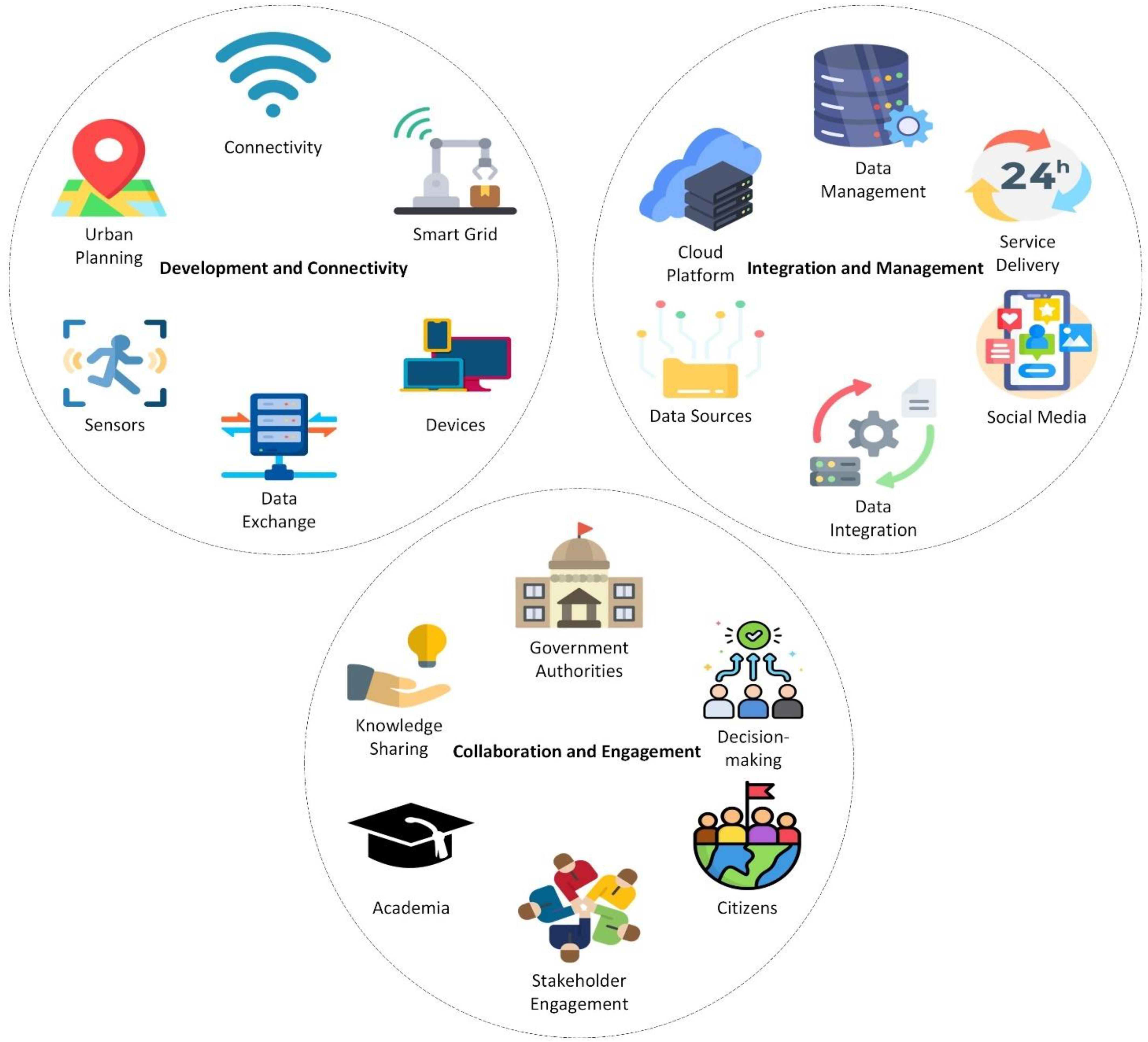
In order to pave the way for the cities of the future and create smart urban environments, there are several key prerequisites that need to be addressed. These prerequisites serve as the foundational elements necessary for the successful implementation of smart city initiatives. They include Infrastructure Development and Connectivity, Data Integration and Management, and Collaboration and Stakeholder Engagement.
Figure 2 offers a visually intuitive and comprehensive representation of the critical prerequisites for the transformation into future smart urban environments, serving as a blueprint for smart city evolution. It incorporates three foundational pillars, each with its associated set of keywords, representing the varied aspects necessary for constructing an efficient, intelligent, and sustainable urban ecosystem.
The first pillar, ‘Infrastructure Development and Connectivity’, embodies the essence of robust physical and digital infrastructure required for the smooth functioning of a smart city. This segment delineates various elements like advanced communication networks, IoT, and smart grid systems, representing the city’s veins and arteries ensuring efficient data flow and resource distribution.
The second pillar, ‘Data Integration and Management’, underscores the profound importance of managing the vast volumes of data generated in a smart city. Effective data processing, analytics, and governance are emphasized, illustrating the city’s brain, which interprets data, derives insights, and informs decision making for better urban management.
Lastly, the ‘Collaboration and Stakeholder Engagement’ pillar emphasizes the human aspect of smart city development. It highlights the necessity of active stakeholder participation, collaborative efforts, and engaged citizenship in the planning, development, and governance of smart cities, representing the city’s heart, where citizen needs, aspirations, and well-being are prioritized.
By incorporating these multifaceted elements into a single graphic,
Figure 2 elucidates the interconnected and complex nature of smart city development, serving as an essential roadmap for researchers, urban planners, policymakers, and city administrators.
3.1. Infrastructure Development and Connectivity
One of the fundamental prerequisites for future cities is the development of robust infrastructure and connectivity [
35]. This involves the establishment of advanced communication networks, including high-speed internet connectivity, wireless infrastructure, and IoT networks [
36]. Additionally, smart grid systems for efficient energy management and distribution are crucial. These infrastructure components form the backbone of smart city operations, enabling seamless data exchange, communication, and interconnectivity among various devices, sensors, and systems within the city.
3.2. Data Integration and Management
Future cities generate vast amounts of data from diverse sources such as sensors, social media, and public services [
37]. Effective data integration and management systems are essential for processing, analyzing, and extracting valuable insights from this data [
38]. This prerequisite involves the implementation of advanced data analytics platforms, cloud computing infrastructure, and data governance mechanisms. By integrating and managing data efficiently, cities can derive actionable insights to optimize resource allocation, enhance service delivery, and improve overall urban efficiency.
3.3. Collaboration and Stakeholder Engagement
Collaboration and stakeholder engagement are critical prerequisites for future cities [
39]. The successful transformation of cities into smart urban environments requires active participation and cooperation among various stakeholders, including government authorities, private sector organizations, academia, citizens, and community groups. Collaborative partnerships facilitate the sharing of knowledge, expertise, and resources to address challenges, co-create solutions, and ensure the alignment of smart city initiatives with the needs and aspirations of the community [
40]. Engaging stakeholders through open dialogue, participatory decision-making processes, and citizen engagement initiatives fosters a sense of ownership and enables the development of inclusive and sustainable smart cities.
By addressing these prerequisites, cities can lay the foundations for smart urban environments. Infrastructure development and connectivity provide the necessary infrastructure backbone, while data integration and management enable the effective utilization of data for informed decision making. Collaboration and stakeholder engagement ensure that smart city initiatives are developed in a holistic and inclusive manner. These prerequisites collectively contribute to the creation of future cities that are sustainable, efficient, and responsive to the needs and well-being of their residents.
4. Analysis of Technological and Management Attributes for Future Smart Cities
Smart cities’ applications and taxonomies encompass a rapidly evolving field at the intersection of urban development and technology. As urbanization intensifies and the need for efficient and sustainable urban environments grows, cities around the world are embracing the concept of “smart cities” to address the challenges of the modern era. This concept involves the integration of various technologies, such as the Internet of Things (IoT), big data analytics, and artificial intelligence, to optimize the functioning of urban systems and improve the quality of life for residents. Smart city applications span a wide range of sectors, including transportation, energy management, waste management, public safety, healthcare, and more. To better understand and categorize these applications, taxonomies have been developed, which provide a framework for classifying and organizing the diverse array of smart city initiatives. These taxonomies help policymakers, urban planners, and technology providers to identify and prioritize areas for implementation, fostering the development of innovative solutions and contributing to the creation of sustainable, connected, and livable cities for future generations.
4.1. Cyber–Physical Systems in Smart Cities
Cyber–Physical Systems (CPSs) represent the amalgamation of computational elements with physical processes. As a pioneering technological model, CPSs are contributing to the evolution of smart cities by facilitating advanced services, efficient resource management, and improved quality of life. Urban areas worldwide are increasingly leveraging the potential of CPSs to drive transformational change toward sustainable, resilient, and intelligent cities.
Emergence of CPSs in Urban Areas
The genesis of Cyber–physical Systems lies in their inherent ability to bridge the digital and physical worlds, thus catalyzing a paradigm shift in urban development. They integrate computing, networking, and physical processes through feedback loops where physical processes affect computations and vice versa. Since their inception, CPSs have seen increased adoption in diverse fields like healthcare, transportation, energy, and, significantly, in building smart cities.
Role of CPSs in Smart Cities
Smart cities represent an ecosystem that integrates information and communication technology (ICT) with physical components to enhance the quality, performance, and interactivity of urban services, reduce costs and resource consumption, and improve contact between citizens and government. Within this framework, CPSs play an indispensable role.
CPSs facilitate efficient energy management, optimizing energy consumption and reducing greenhouse gas emissions. They allow for predictive maintenance of infrastructure, enhancing the lifespan of utilities and ensuring sustainable resource management. CPSs also support improved traffic management, enabling real-time decision making to reduce congestion and improve mobility.
Table 2 provides a meticulous summary of the existing literature on Cyber–physical Systems (CPSs), particularly pertaining to the context of smart cities. The table is neatly categorized into columns denoting the authors of the works, a detailed summary of each study, and the main findings that were derived from each piece of research. The ‘Authors’ column lists the researchers who have contributed to the field of CPSs in smart cities. It aids in identifying the leading scholars and institutions driving the research in this area. The ‘Detailed Summary’ column gives an in-depth overview of each study, encapsulating the scope, objectives, methodologies, and key aspects of the research. It allows readers to gain a quick understanding of what each study is about and its relevance to the broader field. The ‘Main Findings’ column encapsulates the primary conclusions or contributions of each study. This section highlights the significant advancements, insights, and understandings that have been contributed to the field of CPSs in smart cities through each piece of work.
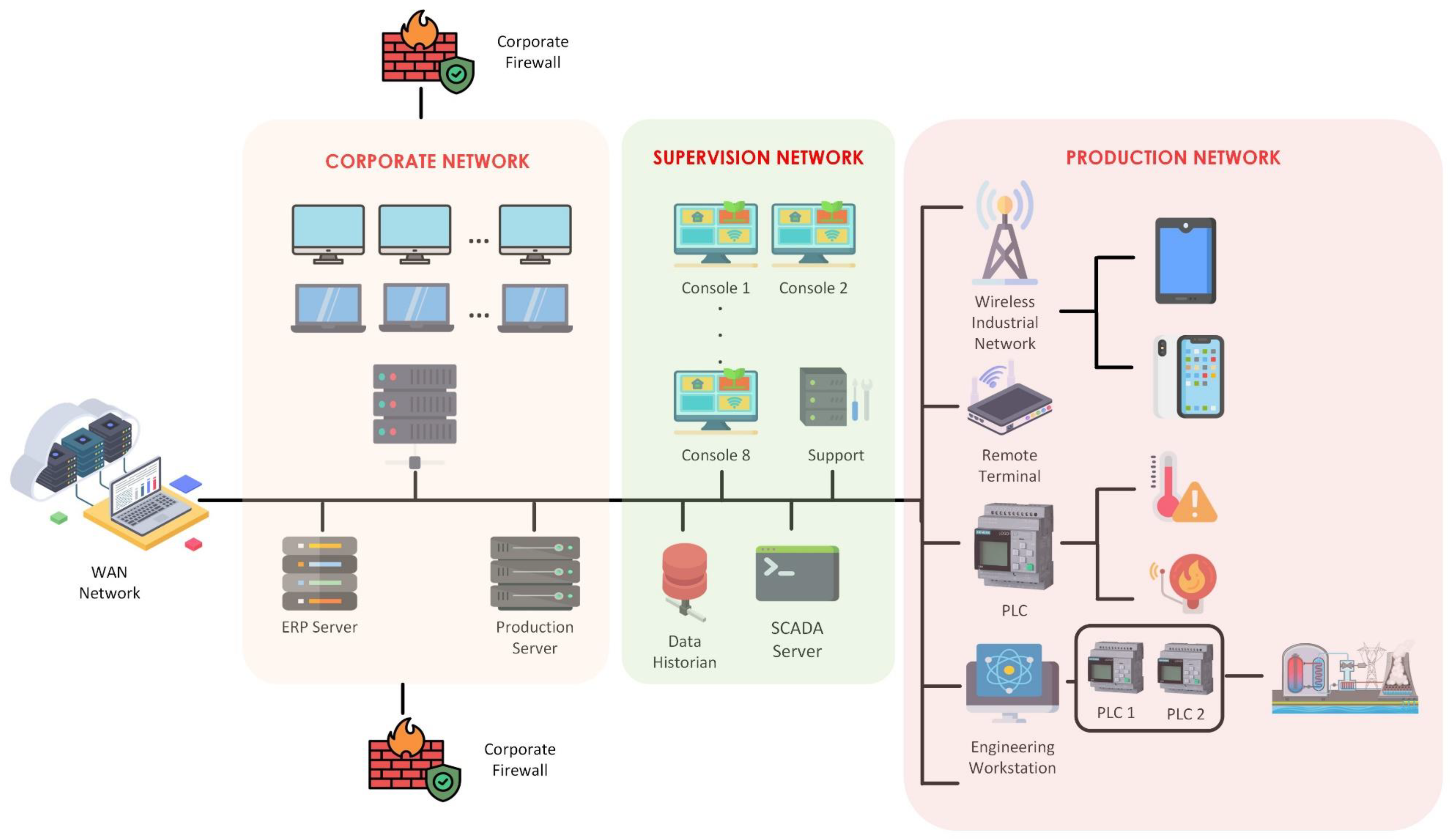
Figure 3 delineates the sophisticated architecture of an Industrial Control System (ICS) as an instance of a Cyber–Physical System (CPS) implemented within a smart city framework. The diagram distinctly showcases the interconnected layers and components of an ICS, underscoring its integral role in a smart city’s infrastructure.
The bottom layer of the diagram represents the physical process, which could be any industrial process such as manufacturing, water treatment, or power generation. This is where the physical machinery and operational elements lie.
The second layer represents the control loop, where devices such as sensors and actuators are employed. Sensors monitor the physical processes and send data to the upper layers, while actuators execute the commands received from the upper layers to act on the physical processes.
The middle layer represents the control network, which serves as a conduit for the data flow between the lower and upper layers. It integrates field-level devices with a broader control system, enabling real-time communication and data exchange.
The top layer, known as the supervisory control, comprises elements such as Human–machine Interfaces (HMIs), servers, and engineering workstations. Here, data from sensors are received, processed, and visualized for human operators. Decisions made by operators or automated systems are sent back down to the control loop and the physical process, closing the loop.
Figure 3 effectively captures the bidirectional feedback loop existing between the physical and cyber components, indicative of the essence of a CPS. By illustrating how data flows between these components to monitor, control, and optimize industrial processes, the figure elucidates the crucial role of CPS like ICS in the operational efficiency, resource optimization, and safety of smart cities.
4.2. Fog Computing in Smart Cities
As the urban landscape increasingly embraces the concept of smart cities, a concurrent rise in data-driven operations and services is taking place. This digital transformation demands robust and efficient computing resources to ensure seamless operation. Fog computing, a decentralized computing infrastructure, has emerged as a pivotal solution in managing, processing, and storing the data generated within smart cities [
53].
A typical example can be seen in smart traffic management, where fog computing allows for real-time processing and analytics of data from IoT devices, leading to immediate decision making to alleviate traffic congestion. Similarly, in public safety and emergency services, fog computing can facilitate real-time surveillance, threat detection, and quick responses to emergencies.
Challenges and Opportunities
While fog computing presents an enticing prospect for smart cities, it also introduces unique challenges. The deployment of fog nodes raises issues of scalability and resource management, while the distributed nature of the architecture brings about cybersecurity concerns. Additionally, ensuring interoperability among various devices and systems can prove to be complex.
However, these challenges also bring opportunities for innovation. For instance, implementing advanced AI algorithms and machine learning models can improve resource allocation and enhance system performance. Blockchain technology could be used to bolster security, data integrity, and user privacy in a fog computing environment.
Future Perspectives
The adoption of fog computing in smart cities is set to rise with the continued proliferation of IoT devices and increasing demand for real-time, reliable, and secure data processing. Technological advancements, such as 5G and beyond, are expected to further amplify the role of fog computing in smart cities, enabling ultra-low latency and high-reliability applications.
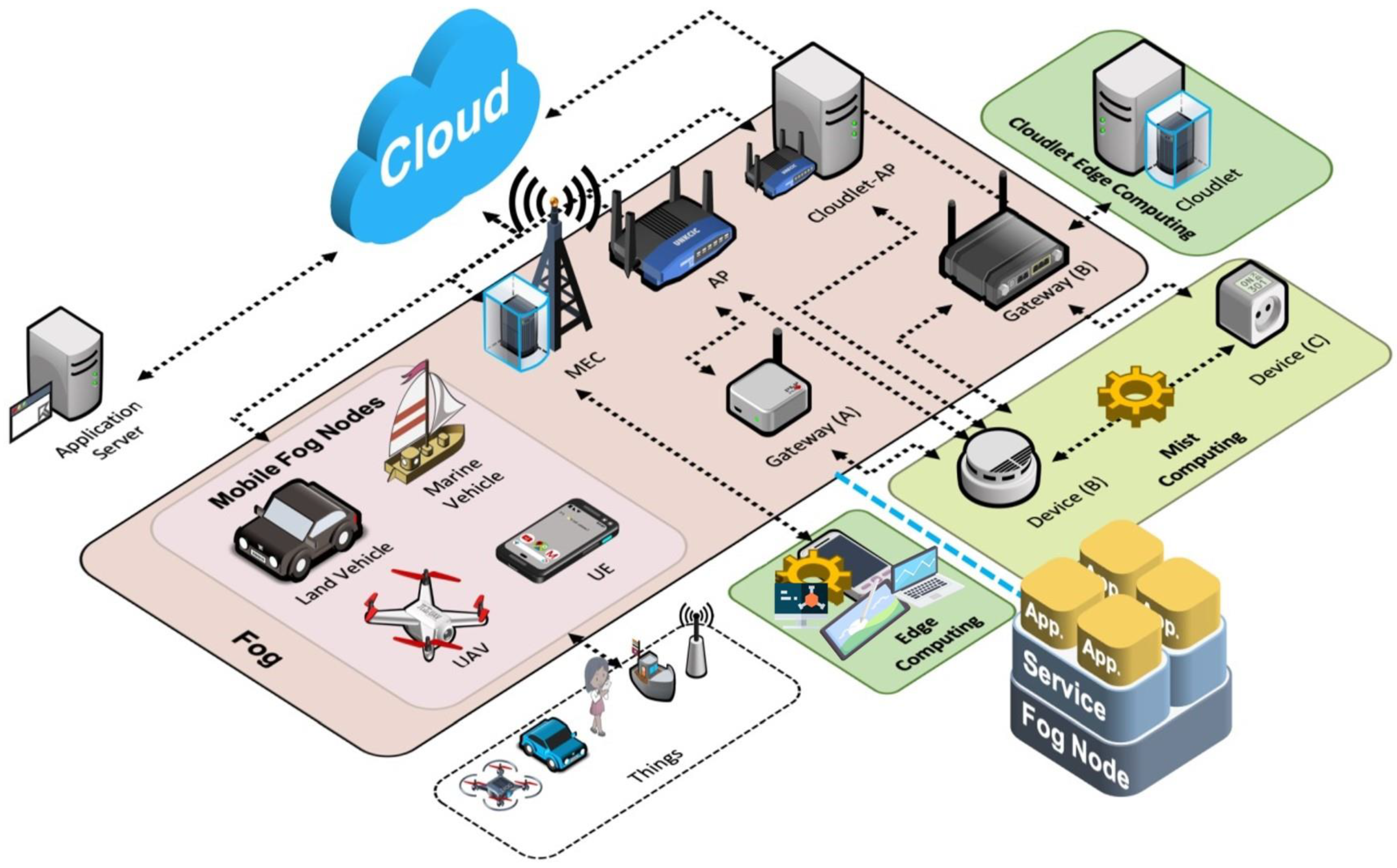
Figure 4 presents a comprehensive view of the fog computing architecture deployed in smart cities, meticulously illustrating the hierarchical and dual-model structure (top-down and bottom-up) of the system. At the foundation of architecture, we find ‘things’, which are internet-connectable objects in the physical world. This level also embodies the concept of edge computing, where tasks are handled locally by these ‘things’, or among horizontally connected entities, thus adhering to the bottom-up model. Next in hierarchy comes the ‘near-edge’, representing the fog nodes. These nodes act as intermediate gateways between ‘things and the cloud, offering crucial services such as acceleration, cache/storage, computation, control, and networking. In addition, we see ‘cloudlets’ at this level, representing computational resources that are directly accessible by ‘things’ in proximity. Fog nodes, in certain scenarios, can also serve as ‘cloudlets’, handling task offloads from ‘things’, a concept known as ‘cloudlet edge computing’. When a cloudlet is located at the fog and co-located with the gateway, it transitions into a fog node, thus providing all five services of a fog node. At the uppermost tier of the architecture, we have the cloud, providing extensive storage and computing capabilities and aligning with the top-down model. Here, the data and tasks flow from the ‘things’ through the fog nodes up to the cloud for further processing and analysis. In special cases, the concept of ‘mist computing’ comes into play. It denotes situations where two ‘things can interact directly to perform tasks and make decisions without needing assistance from the fog or the cloud. Their ad hoc network forms the ‘mist’. This architecture, as illustrated in
Figure 4, demonstrates how fog computing addresses the BLURS (Bandwidth, Latency, Uninterrupted, Resource constraint, and Security) challenges of traditional cloud centric IoT systems in a smart city setting, ensuring efficient and seamless city operations.
However, the widespread adoption of fog computing not only requires technological advancements but also regulatory adaptations, stakeholder collaboration, and an understanding of the societal implications of this transition. Future research and development should focus on these dimensions to fully exploit the potential of fog computing in the smart cities landscape.
Table 3 presents a meticulously curated summary of the existing literature on fog computing, specifically in relation to its application and relevance in the sphere of smart cities. This tabular presentation is neatly compartmentalized into columns denoting authors of the studies, a detailed summary of each piece of the literature, and the principal findings that were drawn from each work.
4.3. Unmanned Aerial Vehicles in Smart Cities
The role of UAVs in smart cities extends across various sectors, significantly transforming service delivery and urban planning. In transportation, drones can aid in real-time traffic monitoring and management, significantly reducing congestion and improving mobility. Similarly, UAVs can assist in infrastructure inspection and maintenance, identifying potential faults and damage that can be addressed proactively, thereby enhancing the city’s resilience.
In public safety, drones can be employed for surveillance, disaster management, and emergency response, providing valuable real-time information and increasing the effectiveness of these services. For environmental management, UAVs offer a novel platform for air quality monitoring, wildlife conservation, and mapping urban green spaces.
Challenges and Opportunities
However, the widespread adoption of UAVs in smart cities is not without challenges. Privacy concerns and potential noise pollution associated with drones need to be adequately addressed. Regulations governing drone operations, including flight paths, altitude limits, and no-fly zones, need to be established and strictly enforced to ensure public safety.
Despite these challenges, UAVs bring immense opportunities for innovation and development. Advancements in drone technology, such as enhanced battery life, improved sensors, and autonomous operation, will further expand their potential applications in smart cities.
Future Perspectives
The future of UAVs in smart cities is promising, with rapid advancements in technology and an increasing recognition of their potential. Integration of drones with emerging technologies like Artificial Intelligence (AI), Internet of Things (IoT), 5G, and beyond is expected to augment their capabilities, driving a new era of urban development.
However, achieving this potential requires a balanced approach that addresses the associated challenges. Robust regulatory frameworks, comprehensive privacy and security measures, and active stakeholder engagement are needed to ensure the safe and ethical deployment of UAVs in smart cities. Future research should focus on these aspects, contributing to the realization of smart cities that are not only technologically advanced but also socially inclusive and responsible.
Table 4 delivers a comprehensive summary of the body of the literature that revolves around Unmanned Aerial Vehicles (UAVs), with a specific focus on their significance and applications in the field of smart cities. The table is methodically divided into columns signifying the authors of the studies, a detailed summary of each research work, and the cardinal findings derived from each individual study.
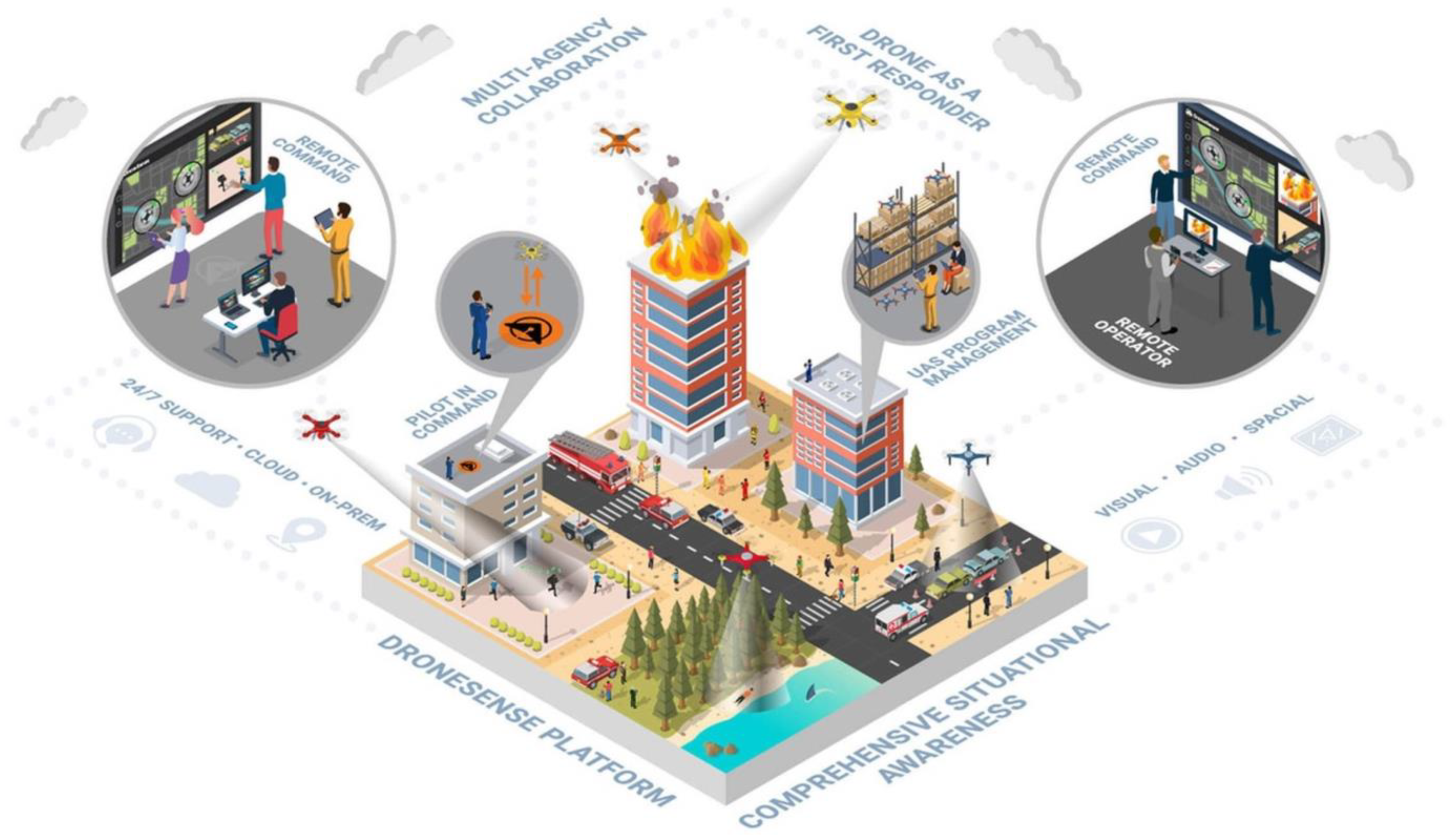
Figure 5 provides a visual exploration of various applications of unmanned aerial vehicles (UAVs), also known as drones, in the context of smart cities. It encompasses a range of scenarios where these autonomous systems significantly contribute to the functioning and efficiency of urban environments. The figure showcases several real-world applications such as environmental monitoring where UAVs are employed to collect data on pollution levels, weather conditions, or wildlife populations.
Emergency response is another critical area, with drones providing rapid assistance during natural disasters, fires, or medical emergencies, greatly reducing response times and improving safety. In transportation and logistics, UAVs facilitate speedy and efficient delivery of goods, alleviating traffic congestion and improving supply chain operations.
The utility extends to infrastructure inspection as well, where drones are used for monitoring and maintenance tasks in inaccessible or hazardous areas, such as power lines, bridges, or tall buildings. The figure also highlights the use of UAVs in urban planning and management, where aerial imagery and data collected by drones assist in better decision making and strategic development. Furthermore, UAVs also have a role in surveillance and security, providing a cost-effective and versatile solution for public safety monitoring.
4.4. Renewable Energy in Smart Cities
The quest for sustainability has ushered in a new era of urban development, with renewable energy emerging as a central pillar of smart city initiatives worldwide. Smart cities, characterized by the integration of digital technology into urban infrastructure, are embracing renewable energy sources to not only reduce their environmental footprint but also enhance the efficiency, reliability, and quality of urban energy systems.
Emergence of Renewable Energy in Urban Landscapes
The discourse around renewable energy in urban settings has evolved in tandem with the global urgency to mitigate climate change and achieve sustainable development. With increasing urbanization and its consequent energy demand, cities have become critical players in the transition towards cleaner energy alternatives. This transition forms the cornerstone of smart cities, seeking to harmonize urban progress with environmental stewardship [
69].
Role of Renewable Energy in Smart Cities
Renewable energy plays a multifaceted role in smart cities, influencing various aspects of urban life. Primarily, renewable energy sources, such as solar, wind, hydro, and bioenergy, provide a sustainable alternative to fossil fuels, significantly reducing greenhouse gas emissions. This shift not only mitigates environmental impact but also enhances public health by improving air quality.
Beyond environmental benefits, renewable energy contributes to energy security, resilience, and economic development in smart cities. The integration of renewable energy reduces dependence on external energy sources, offering greater energy autonomy. It also bolsters urban resilience by diversifying the energy mix and reducing vulnerability to fossil fuel price volatility. Additionally, the renewable energy sector can stimulate local economies by creating jobs and fostering innovation.
Challenges and Opportunities
However, the adoption of renewable energy in smart cities also presents challenges. Technical hurdles such as intermittent energy supply, infrastructure requirements, and energy storage need to be addressed. Economic challenges, including the high initial investment for renewable energy infrastructure, and regulatory challenges, such as policy support for renewable energy adoption, also need attention.
Despite these challenges, the renewable energy transition opens doors for numerous opportunities. Technological advancements like smart grids, energy storage solutions, and energy-efficient buildings can facilitate the integration of renewable energy in urban systems. Moreover, strategies like public–private partnerships can mobilize the necessary capital for renewable energy projects.
Future Perspectives
The future of renewable energy in smart cities looks promising. With advancements in technology, evolving regulatory frameworks, and increasing public awareness about climate change, renewable energy is set to play an increasingly significant role in shaping sustainable and resilient urban landscapes.
Nevertheless, realizing this potential requires a concerted effort from various stakeholders, including policymakers, urban planners, businesses, and citizens. Future research and policy initiatives should aim to tackle the existing challenges and capitalize on the opportunities presented by the intersection of renewable energy and smart cities.
Table 5 provides an all-encompassing summary of the existing literature on renewable energy, particularly emphasizing its role and implications in the realm of smart cities. The table is systematically structured into columns representing the authors of the studies, a detailed summary of each piece of research, and the crucial findings that have emerged from each study.
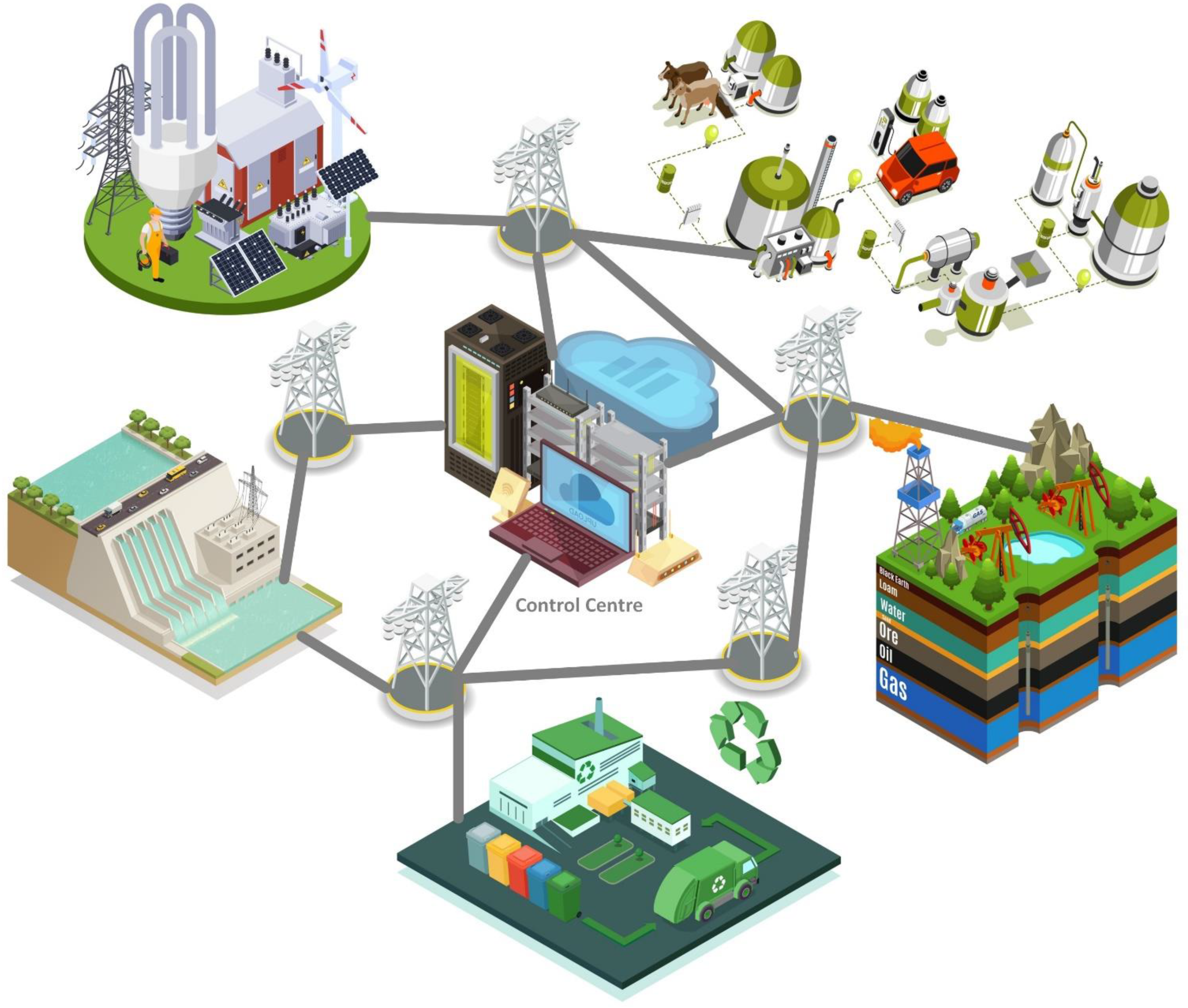
Figure 6 depicts the diverse range of applications for renewable energy within the context of smart cities. At the heart of the diagram is the grid—the central point of interconnection and energy distribution in the city. The grid is further classified as a ‘Smart Grid’ due to its bidirectional communication and energy flow which allows for efficient energy management and enhanced resilience.
Several renewable energy sources feed into the smart grid, each with their unique applications. These include solar, wind, geothermal, hydro, and bioenergy sources. Each energy source is visually represented and connected to the corresponding applications within the city’s context.
Solar energy, for instance, is prominently used in powering streetlights, buildings, and charging stations for electric vehicles. Wind energy, on the other hand, finds its applications in power generation for buildings and public spaces, while geothermal energy is often used for heating or cooling buildings. Hydro and tidal energy sources are primarily harnessed for generating electricity. Bioenergy, derived from organic waste materials, is used for power and heat production, significantly reducing waste that would typically go to landfills.
4.5. Machine Learning and Deep Learning in Smart Cities
As the digital revolution permeates urban development, the role of advanced technologies such as Machine Learning (ML) and Deep Learning (DL) in shaping smart cities has become increasingly prominent. By leveraging the potential of these intelligent algorithms, smart cities are exploring innovative ways to enhance urban life’s efficiency, sustainability, and quality.
Emergence and Significance of Machine Learning and Deep Learning
Machine learning, a subfield of Artificial Intelligence (AI), enables computers to learn from and make decisions based on data. Deep Learning, a subset of ML, mimics the human brain’s functioning using artificial neural networks to process large amounts of data and recognize complex patterns [
76].
The significance of ML and DL in the smart city context is rooted in their ability to handle and extract meaningful insights from the vast amounts of data generated by urban systems. The integration of Information and Communication Technologies (ICT) and Internet of Things (IoT) devices in smart cities leads to the generation of big data, making ML and DL critical for effective data management and decision making.
While the large-scale and agent-based microsimulation presented by [
77] showcases the potential for a comprehensive analysis of various transport modes in the city of Bologna, certain aspects warrant further consideration. One significant concern arises from the usage of “big data” sources from different years, which inherently introduces uncertainties and assumptions, potentially compromising the reliability of the simulation outcomes. Although it is acknowledged that updating data to the year 2018 involves many assumptions, the validity and real-world application of such an approach remain questionable. While the use of SUMO as the microsimulator offers advantages, especially in terms of accessibility and analysis tools, it would be prudent to assess its relative effectiveness and accuracy against other state-of-the-art microsimulators. The mentioned potential improvements, such as more recent data availability and sophisticated data fusion methods, highlight that this work is in its nascent stages and requires continuous refinement. Lastly, while scenario-building provides a platform for interdisciplinary collaboration, a more standardized and reproducible method would greatly enhance its applicability across different urban settings.
Role of Machine Learning and Deep Learning in Smart Cities
The application of ML and DL in smart cities spans various sectors. In transportation, these technologies are used for real-time traffic management, predicting congestion, and optimizing routes. In the energy sector, ML and DL enable predictive maintenance of infrastructure, optimization of energy consumption, and integration of renewable energy sources. In public safety, ML and DL algorithms enhance surveillance systems, anomaly detection, and emergency response. In the realm of healthcare, these technologies contribute to remote health monitoring, predictive diagnostics, and personalized medicine.
Table 6 provides an exhaustive summary of the existing literature pertaining to Machine Learning (ML) and Deep Learning (DL), specifically their role, application, and implications in the context of smart cities. The table is systematically divided into sections denoting the authors of the studies, a detailed summary of each research work, and the essential findings that were derived from each respective study.
Figure 7 offers a comprehensive depiction of the various applications of machine learning and deep learning within smart cities. The image illustrates the broad spectrum of uses these technologies have in the urban landscape, underscoring their integral role in creating efficient, sustainable, and intelligent cities. Starting with transportation, the diagram highlights the application of machine learning in predicting traffic patterns, facilitating dynamic traffic management, and enabling autonomous vehicles. In terms of infrastructure, machine learning aids in predictive maintenance, thereby ensuring the efficiency and longevity of city assets. In the realm of environment and energy management, machine learning and deep learning technologies contribute significantly to optimizing energy consumption, predicting energy demand, and managing renewable energy resources. They also enable more accurate environmental monitoring, facilitating pollution control and sustainability initiatives. Furthermore, these technologies play a pivotal role in enhancing public safety and security. Predictive policing, real-time surveillance, and anomaly detection are some of the applications that leverage machine learning and deep learning for creating safer urban environments.
4.6. Cybersecurity in Smart Cities
The progressive evolution of smart cities, characterized by the pervasive integration of Information and Communication Technologies (ICT) into urban infrastructure, has inevitably amplified the significance of cybersecurity. As cities continue to embrace digital transformation, enhancing cybersecurity measures becomes paramount to protect the urban digital ecosystem, uphold public trust, and ensure the sustainable progression of smart cities.
The Emergence of Cybersecurity in the Urban Context
The narrative around cybersecurity in the urban context has been influenced by the increasing reliance on digital technologies for delivering public services and managing city operations. The smart city paradigm, which is inherently data-driven, and network based, has opened new avenues for potential cybersecurity threats, making it an indispensable component of the smart city architecture.
Role of Cybersecurity in Smart Cities
The function of cybersecurity in smart cities extends across various sectors and operations, acting as a protective shield against potential digital threats. From safeguarding the privacy of citizen data to protecting the integrity of critical city infrastructure, cybersecurity measures form the backbone of resilient urban digital ecosystems.
In the context of public services, ensuring the security of digital platforms used for service delivery is crucial to protect user data and maintain public trust. In infrastructure management, cybersecurity mechanisms are required to prevent potential attacks that can disrupt city operations and services. In data management, robust cybersecurity measures ensure the integrity and confidentiality of the vast amounts of data generated and used by smart cities.
Challenges and Opportunities
The integration of cybersecurity in smart cities also presents its unique set of challenges. The sheer complexity of smart city ecosystems, characterized by numerous interconnected devices and systems, makes it a challenging task to secure against potential threats. Furthermore, the dynamic nature of cyber threats, continuously evolving in response to new defenses, adds to this challenge.
Despite these challenges, there are also opportunities for innovation and improvement. Technological advancements, such as Artificial Intelligence (AI) and blockchain, can be leveraged to enhance cybersecurity measures. AI can be used for real-time threat detection and response, while blockchain can ensure the integrity and traceability of data.
Future Perspectives
The future of cybersecurity in smart cities is intertwined with the future of urban development itself. As smart cities continue to evolve, so will the role of cybersecurity, requiring continuous adaptation and innovation. The integration of emerging technologies and the development of new cybersecurity strategies will be key to addressing future challenges.
Table 7 presents a meticulous summary of the existing literature focused on cybersecurity, particularly highlighting its implications and applications within the realm of smart cities. The table is organized into columns that denote the authors of the studies, a detailed summary of each research piece, and the key findings that have emerged from each respective study.
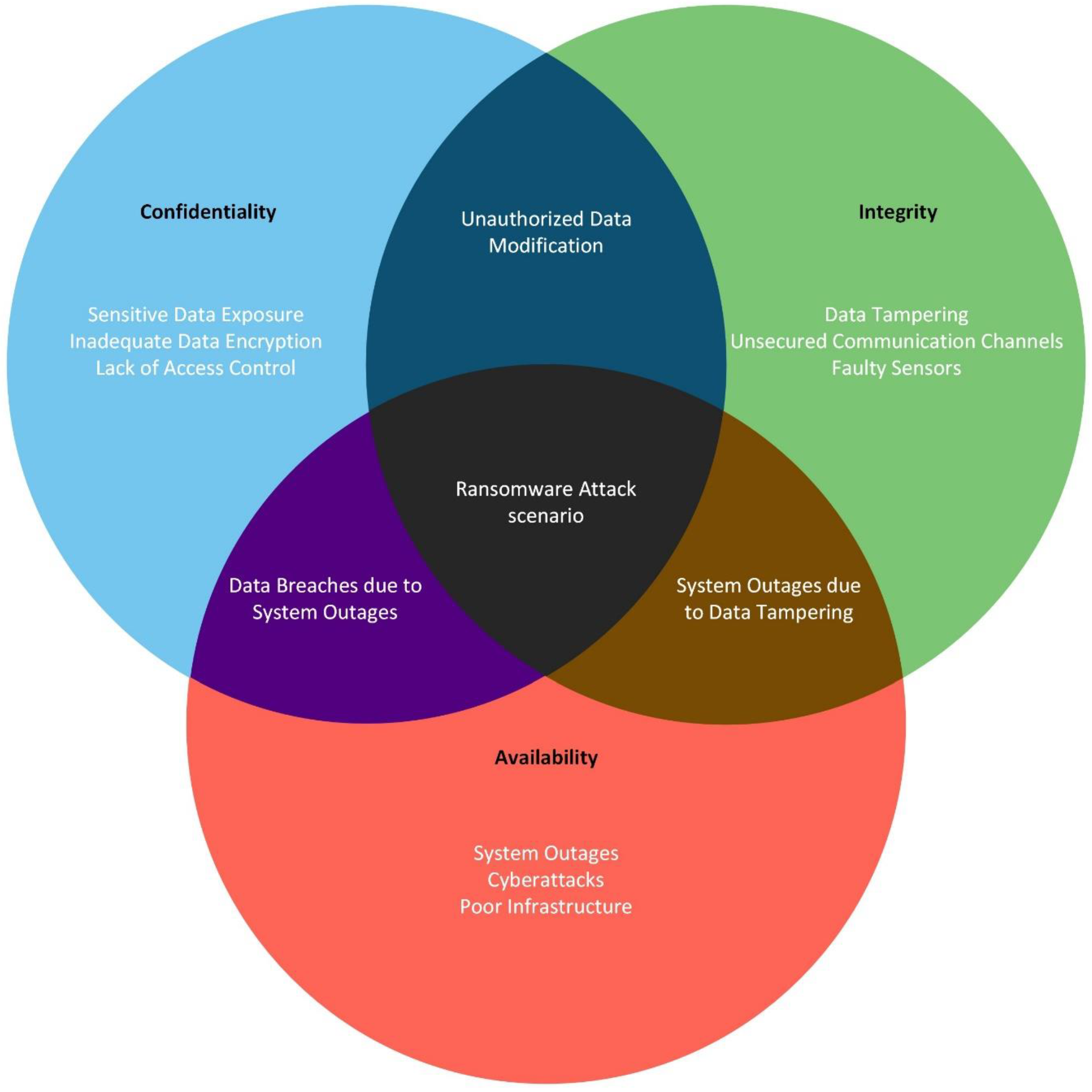
Figure 8 illustrates the multifaceted challenges of cybersecurity in smart cities, emphasizing the interconnected roles of Confidentiality, Integrity, and Availability (CIA). The image visually depicts the way these principles intersect and interact within the context of a smart city’s digital infrastructure. At its core, the diagram includes a representation of a ransomware attack scenario, demonstrating how it simultaneously breaches all three principles of the CIA triad:
Confidentiality is compromised when unauthorized access is gained to a smart city’s system.
Integrity is impacted when vital data are encrypted and made unusable.
Availability is affected when the system or data become inaccessible until a ransom is paid.
The image encapsulates these intersections to illustrate the intrinsic connectivity of the CIA principles and underscores their importance in maintaining the overall security of smart city infrastructure. Furthermore, the figure showcases the need for a balanced and comprehensive cybersecurity approach that protects these principles simultaneously to ensure the smooth and secure operation of smart city initiatives. The diagram, in essence, emphasizes the complex and multidimensional nature of cybersecurity challenges in the context of smart cities.
4.7. Digital Forensics in Smart Cities
As urban environments continue to digitalize and adopt the smart city paradigm, the need for robust cybersecurity measures becomes ever more critical. One essential aspect of these measures is digital forensics, an area that has become increasingly important in identifying and understanding cyber threats, thereby helping to mitigate and prevent future attacks.
Emergence of Digital Forensics in the Urban Landscape
The concept of digital forensics has evolved in alignment with the advent and proliferation of digital technologies. Initially centered around computer crime investigations, digital forensics has expanded its scope in tandem with the ever-growing complexity of the cyber landscape. Today, with the digitalization of cities, digital forensics is being adopted in smart city contexts to safeguard urban digital infrastructure and services.
Figure 8.
Cybersecurity Challenges in Smart Cities.
Figure 8.
Cybersecurity Challenges in Smart Cities.
Role of Digital Forensics in Smart Cities
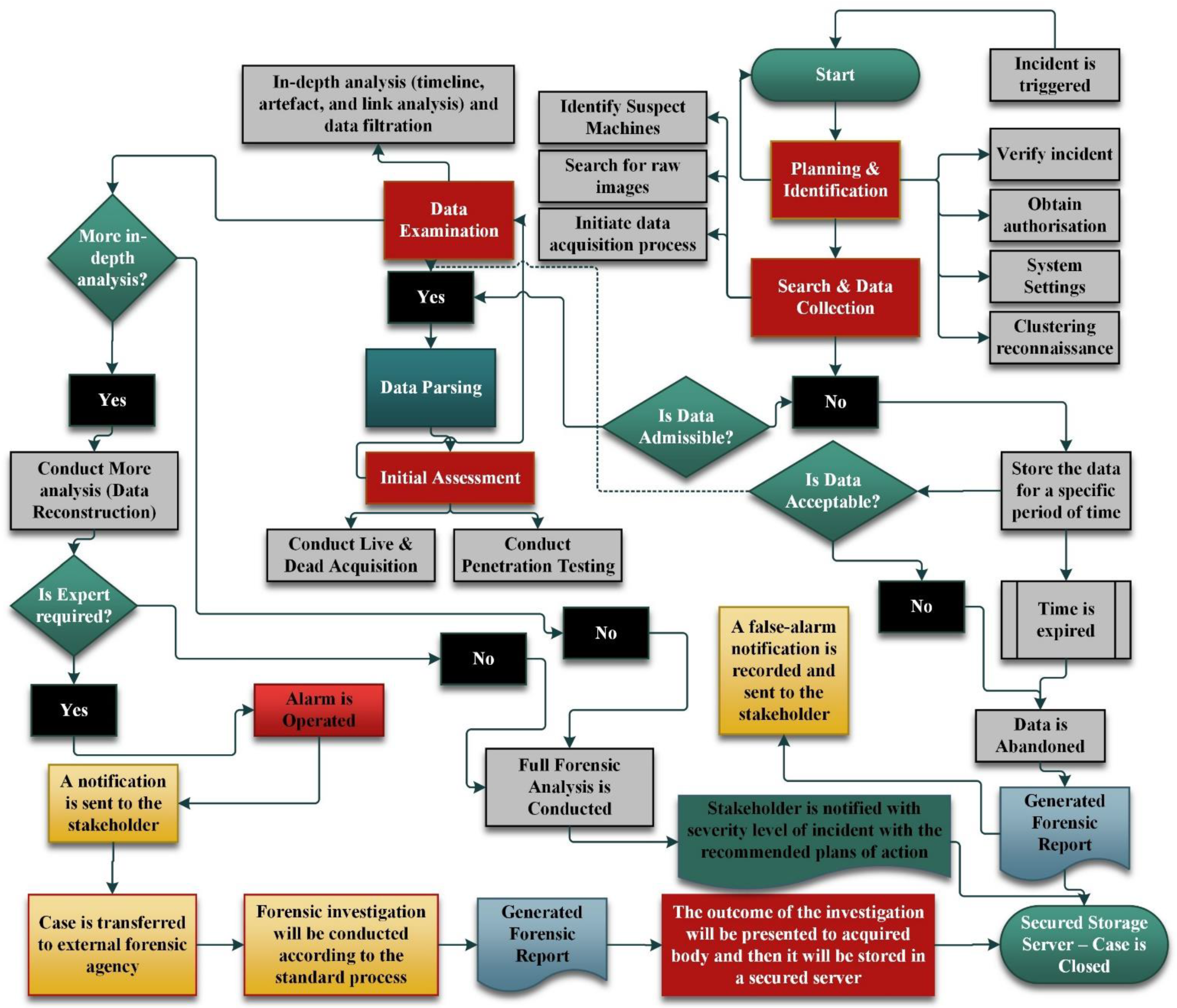
Digital forensics plays a crucial role in smart cities, enabling the identification, preservation, analysis, and presentation of electronic evidence related to cybercrime or misuse. It facilitates incident response by providing insights into the how, when, where, and who of cyberattacks. This functionality is key for several urban sectors, including public administration, transportation, energy, healthcare, and public safety. In smart cities, where data is continuously generated and transmitted, digital forensics aids in investigating security incidents involving a variety of devices and platforms. In public administration, it helps maintain the integrity of e-governance platforms. In transportation and energy sectors, it plays a pivotal role in investigating attacks on smart grids, autonomous vehicles, and traffic management systems. In the healthcare sector, digital forensics can be crucial in investigating breaches of health information systems.
Challenges and Opportunities
The application of digital forensics in smart cities poses several challenges. The sheer volume of data, the complexity of interconnected systems, and the diversity of devices can complicate forensic investigations. Legal and ethical challenges, including privacy concerns and jurisdiction issues, also need to be addressed. However, these challenges also present opportunities for innovation and research. Technological advancements can improve digital forensic tools and methodologies, enhancing their scalability and efficiency. Cross-disciplinary research, involving law, ethics, and technology, can help address the legal and ethical concerns associated with digital forensics.
Future Perspectives
The future of digital forensics in smart cities is intertwined with advancements in technology and changes in the cyber threat landscape. As technology evolves and cyber threats become more sophisticated, digital forensics will need to adapt, requiring continuous research, development, and training. Furthermore, a collaborative approach involving various stakeholders—including city administrators, law enforcement agencies, cybersecurity professionals, and the community—will be crucial. Policies and frameworks that support the adoption and integration of digital forensics in the smart city ecosystem should also be developed.
Table 8 offers a comprehensive summary of the existing literature focused on Digital Forensics, particularly with a lens on its role and relevance in the context of smart cities. The table is systematically divided into columns representing the authors of the studies; it provides a detailed summary of each piece of research and the key findings that have surfaced from each respective study.
Figure 9 illustrates a comprehensive guideline for implementing digital forensics in smart cities. The figure is divided into key stages, representing the systematic approach adopted during a digital forensic investigation. These stages encompass the initial identification of potential cyber incidents, followed by the careful preservation and collection of digital evidence from various sources, such as IoT devices, cloud systems, and network traffic. Subsequently, the gathered evidence is meticulously analyzed to determine the nature of the incident, identify the perpetrators, and evaluate the impact. The final stage of the process entails documenting the findings, which may serve as invaluable input for legal proceedings or enhancing cyber incident response strategies. The figure underscores the importance of each step in the digital forensic process, highlighting its significance in maintaining the integrity, security, and resilience of smart city ecosystems.
5. Unresolved Concerns Identified through the Literature Review
In this section, key challenges and open-ended issues recognized in the current literature are delved into. Scrutinizing these unresolved matters is crucial as they can provide guidance for future research and exploration. Ranging from methodological constraints in existing studies to gaps in theoretical frameworks or inconsistencies in findings, these issues might be varied. Unexplored areas or topics that have not received adequate attention could also be included. By having these concerns identified and addressed, contributions to the enrichment and progression of the field are aimed to be made.
Data Privacy
As smart cities harness the power of data to optimize urban life, significant privacy concerns are raised. Smart cities are typically characterized by the widespread collection, storage, and use of personal data, from travel patterns to energy consumption. This data-driven approach enables more efficient and personalized urban services, but it also risks infringing on citizens’ privacy rights. The challenge lies in how to protect this data, safeguard individual privacy, and ensure its ethical use while still deriving valuable insights to improve city services. Currently, comprehensive and universally accepted solutions to these data privacy concerns are lacking, making this a critical area for future research and policy development.
Cybersecurity
The burgeoning connectivity in smart cities, while offering a myriad of benefits, also increases the potential for cyber threats. As urban infrastructure becomes more digitized and interconnected, it also becomes more vulnerable to cyber-attacks that could disrupt critical services, from power grids to transport systems. The issue of how to robustly safeguard smart city infrastructure and services from a diverse array of ever-evolving cyber threats remains an unresolved concern. Despite advancements in cybersecurity measures, ensuring the security of smart cities continues to pose significant challenges, necessitating continuous innovation and vigilance.
Interoperability
A smart city framework often involves a wide variety of different information technologies and systems. The integration and seamless communication of these disparate systems within a unified city-wide framework is a complex task. Achieving standardization and interoperability between different systems and devices is a fundamental need to ensure the efficient functioning of smart cities. However, this is easier said than done due to technological, vendor-specific, and regulatory barriers. Thus, the development of common standards and interoperable solutions remains a prominent issue in smart city literature.
Data Management
Smart cities produce vast volumes of data, spanning multiple domains and sources. Managing this data effectively, from collection and storage to analysis and transfer, is crucial for enabling data-driven decision making and service delivery. Yet, it is a significant challenge due to the sheer volume and complexity of data, as well as issues related to privacy, security, and interoperability. Efficient and effective data management strategies are still being developed and their implementation on a city-wide scale remains an open question.
Reliability
Smart cities rely heavily on information technologies to deliver services and function effectively. Ensuring the reliability and continuous availability of these IT services is crucial, especially for critical services like energy, water, and transportation. This involves safeguarding against various potential disruptions, from system failures to cyber-attacks. Despite advances in technology and system design, achieving high reliability in the face of such diverse potential disruptions remains an unresolved concern.
Digital Divide
The advent of smart cities has brought the issue of the digital divide into sharper focus. As cities become smarter and more reliant on digital technologies, there is a risk that those without access to these technologies—due to economic constraints, lack of skills, or other factors—will be left behind. This can exacerbate existing socio-economic inequalities and create new ones. Addressing the digital divide in the context of smart cities is a complex and ongoing issue that requires a combination of technological, policy, and social solutions.
Legal and Regulatory Frameworks
The rapid evolution of digital technologies in smart cities often outpaces the development of legal and regulatory frameworks. Existing laws and regulations may not fully accommodate the novel situations and challenges presented by smart cities, from data privacy issues to the use of autonomous systems. Consequently, the development of updated, applicable, and effective legal and regulatory frameworks that can keep up with the pace of technological change is a significant and unresolved challenge.
Sustainability of IT Infrastructure
Alongside the benefits of digitization, the sustainability of large-scale IT infrastructure in smart cities is a pressing concern. The environmental impact of maintaining such infrastructure, including energy consumption and electronic waste, can be significant. Despite advancements in green IT solutions, the development of truly sustainable IT infrastructure that balances performance with environmental impact remains a significant challenge. This issue represents a key area of ongoing research, with the need for novel and sustainable solutions continuing to grow.
6. Future Direction of Research
Industry 5.0 presents a variety of compelling opportunities for future research directions in the realm of smart cities. Below, are several ways Industry 5.0 could shape this exploration.
Human-centric Smart Cities: Industry 5.0 emphasizes the collaboration between humans and machines. This presents an opportunity to research how to build more human-centric smart cities that balance efficiency and automation with the needs and preferences of their human inhabitants.
Advanced Cybersecurity: With the increasingly sophisticated digital infrastructure of smart cities, cybersecurity becomes more complex. Researching new Industry 5.0-informed approaches to cybersecurity, such as advanced AI-driven threat detection and response systems, will be crucial.
Intelligent Automation in Urban Services: The potential of integrating intelligent automation in urban services is vast, including areas like transportation, healthcare, waste management, and energy. Future research could explore these applications, the benefits they could bring, and how they might be implemented effectively.
Data Management and Decision Making: Industry 5.0’s advanced machine learning and AI algorithms could revolutionize data management and decision making in smart cities. Exploring the potential of these technologies for improving urban analytics, predictive modeling, and data-driven decision making is a promising research direction.
Sustainability and Resource Efficiency: Industry 5.0 could enhance sustainability in smart cities, for instance, through improved resource efficiency and waste reduction. Research could investigate how Industry 5.0 technologies can contribute to achieving these goals.
Ethical, Legal, and Social Aspects: As Industry 5.0 shapes smart cities, there will be an array of ethical, legal, and social implications. Research will be needed to understand these impacts and develop appropriate guidelines and regulatory measures.
Interoperability Standards: The creation of new interoperability standards that take advantage of Industry 5.0 technologies could be a critical area of research. This could help ensure that diverse systems within smart cities can work together effectively.
Digital Inclusion: As smart cities become more technologically advanced, ensuring digital inclusion is crucial. Research could focus on how to use Industry 5.0 technologies to close the digital divide and ensure all citizens can benefit from smart city developments.
These potential research directions reflect the breadth and depth of changes that Industry 5.0 could bring to smart cities. Each area offers exciting possibilities for creating more efficient, sustainable, inclusive, and livable urban environments.
7. Conclusions
As urbanization continues at an unprecedented pace, cities worldwide are grappling with the myriad of challenges that require innovative solutions. The central theme emanating from this research is the transformative potential of advancements in information and communication technologies, particularly as epitomized by Industry 5.0, to reshape the blueprint of future smart cities.
The exploration is based on a thorough survey, highlighting that the essence of Industry 5.0—centering on intelligent automation and fostering deeper human–machine symbiosis—is poised to radically alter the technological bedrock of urban regions. Multiple domains stand to benefit from these advancements and it is imperative to shed light on some key areas.
Technological Pioneering: From the integration of cyber–physical systems that allow for more dynamic interaction between digital and physical entities to fog computing which decentralizes data processing and storage, the landscape of smart cities is evolving. Furthermore, the role of unmanned aerial vehicles, renewable energy sources, and state-of-the-art machine learning and deep learning algorithms are all indicators of the progressive transformation on the horizon.
Enhancing Urban Services and Security: A city’s ability to serve its inhabitants is arguably its most essential function. With Industry 5.0, the automation of urban services and the ability to tailor these services to individual needs becomes increasingly feasible. Concurrently, as digital infrastructures become ubiquitous, the necessity for cutting-edge cybersecurity solutions becomes paramount. Digital forensics, powered by Industry 5.0, stands as a beacon of hope in safeguarding citizens from potential cyber threats.
Data Management and Decision Making: The sheer volume of data generated by smart cities necessitates intelligent data management. Industry 5.0 facilitates the creation of more efficient data management systems, empowering city officials to make well-informed decisions swiftly.
Reassessing Smart City Frameworks: As underscored in this paper, resting on existing laurels is not an option. With the advent of new technologies, current smart city frameworks require regular reevaluation and potential overhauls to integrate the latest that Industry 5.0 has to offer.
However, it would be myopic to focus solely on the technological aspects. This paper, while emphasizing the technological prowess of Industry 5.0, also brings to the fore the ethical, legal, and societal facets that accompany such advancements. In a world where technology and society are deeply intertwined, it is imperative to strike a harmonious balance. Achieving sustainable and inclusive development is non-negotiable.
In summation, the future of smart cities is not just a race to adopt the newest technologies. It is a holistic vision that aspires to employ technologies, such as those stemming from Industry 5.0, to foster urban environments that are not only intelligent but also sustainable, resilient, and citizen centric. As we tread the path to this future, the insights and revelations from this paper should serve as essential beacons, lighting the way toward a harmonious, efficient, and technologically augmented urban realm.
The future of smart cities is intricately connected with the advancements in information and communication technologies, particularly the advent of Industry 5.0. The findings of this paper suggest that Industry 5.0, with its emphasis on intelligent automation and human–machine collaboration, is set to revolutionize the technological landscape of urban environments.
The application of Industry 5.0 technologies, spanning across diverse areas like cyber–physical systems, fog computing, renewable energy, machine learning, deep learning, and digital forensics, has demonstrated potential to address some of the most pressing challenges faced by smart cities. Moreover, the transformative capabilities of Industry 5.0 promise to foster a more effective data management and decision-making process, robust cybersecurity measures, and enhanced urban services, all of which are fundamental components of the smart city framework.
The paper underscores the imperative of continuously reevaluating and updating existing smart city frameworks to integrate Industry 5.0 advancements. While technological solutions are a critical piece of the puzzle, the paper also emphasizes the importance of considering ethical, legal, and social implications and the need to ensure inclusive and sustainable development.
Finally, the exploration presented in this paper highlights that the smart city vision of the future is not just about implementing cutting-edge technologies. It is about leveraging these technologies, like those offered by Industry 5.0, to create more sustainable, intelligent, and citizen-centric urban environments.