Article

The Tarnishing of Silver in Museum Collections: A Study at the National Archaeological Museum (Spain)


by
Blanca Ramírez Barat
1,*,
Irene Llorente
1,
Elena Ruiz Zamora
1,2,
María Teresa Molina
1,3,
Emilio Cano
1,
Bárbara Culubret Worms
4 and
Nayra García-Patrón
4
1
Centro Nacional de Investigaciones Metalúrgicas, Consejo Superior de Investigaciones Científicas, Av. Gregorio del Amo 8, 28040 Madrid, Spain
2
Facultad de Bellas Artes, Universidad Complutense de Madrid, 28040 Madrid, Spain
3
Instituto de Geociencias, Consejo Superior de Investigaciones Científicas, C/Doctor Severo Ochoa 7, 28040 Madrid, Spain
4
Museo Arqueológico Nacional, C. de Serrano, 28001 Madrid, Spain
*
Author to whom correspondence should be addressed.
Heritage 2026, 9(1), 11; https://doi.org/10.3390/heritage9010011 (registering DOI)
Submission received: 28 November 2025 / Revised: 22 December 2025 / Accepted: 25 December 2025 / Published: 27 December 2025

Abstract

Silver tarnishing in museum environments depends on multiple, interacting factors that are not often studied in situ. With the aim of addressing the problem in real-world scenarios, this study presents a one-year assessment at the National Archaeological Museum of Spain, in Madrid, a museum that houses a significant collection of silver objects. Pure Ag coupons were placed in four display cases—two designs with different airtightness—and in an adjacent gallery. Tarnishing was quantified by colorimetry, gravimetry, and galvanostatic reduction, and analyzed in relation to environmental parameters (T/RH) and gaseous pollutants (H2S, SO2, HF, HCl, formic and acetic acids), measured with passive samplers. Coupons showed different degrees of tarnish, with annual corrosion rates ranging from IC1 (very low) to IC2 (low), without a straightforward relation to hydrogen sulfide concentrations. Electrochemical profiles and XPS on representative coupons identified Ag2S as the dominant product, with AgCl and minor Ag2SO4 in the coupons exposed outside the airtight cases, indicating different contributions inside and outside the cases. Findings highlight that sulfide concentration is not the sole driver; case airtightness, internal materials, cleaning products used on adjacent areas, and, possibly, other aspects influence silver tarnishing.

1. Introduction

Preserving silver cultural artifacts in museum collections remains challenging. Despite being a noble metal, silver is highly sensitive to sulfides, one of the most frequent airborne pollutants found in indoor environments, such as museum galleries and display cases. Silver corrosion caused by reaction with sulfides results in surface tarnishing, which, while not endangering the physical integrity of the objects, has a significant visual impact. Silver objects were created to be shiny; therefore, to preserve them as originally conceived, conservator-restorers are compelled to carry out periodic cleanings, which inevitably cause wear of the original material [1].
Although silver sulfidation has been studied for a long time [2,3], there is no consensus regarding the influence of the different factors involved, since most studies address only partial aspects. Moreover, the vast majority of studies are conducted under laboratory conditions that do not reflect the complexity of real museum environments, where multiple variables converge, such as the materials used in displays, differing environmental conditions, and different types of objects. As far as we have been able to ascertain, only the British Museum has conducted systematic research on the impact of environmental conditions on silver sulfidation [4,5]. In the first of these studies, in which pure silver test samples were exposed in various display cases and galleries, no correlation was observed between the degree of tarnishing and the measured sulfide concentration, nor with the relative humidity (RH) and temperature (T) values. This indicates that the problem is much more complex and suggests that other factors may play a relevant role in sulfidation processes, such as airflow within display cases and exhibition spaces, the nature of display materials, or the characteristics of the exposed metal surface.
The National Archaeological Museum in Madrid has more than 13,000 objects on display across 40 galleries, including a wide variety of pieces—ceramics, sculptures, tools, weapons, jewelry, and coins —from Antiquity to recent times. The museum’s extensive metal collection is particularly noteworthy, with silver objects predominating in some collections. The sulfidation problems encountered, particularly in certain display cases, prompted the present study to understand the factors affecting the tarnishing of silver in a real museum environment. In order to define and delimit the most relevant aspects, an initial assessment was conducted at five representative locations, quantifying the corrosion experienced by a set of silver coupons over 12 months, together with environmental data (temperature, relative humidity, and pollutant concentrations). To advance the understanding of other factors that may influence silver alteration, the results were analyzed in relation to the characteristics and surroundings of the display cases, seeking to identify sources of emissions responsible for sulfidation and other variables that may affect the rate or extent of its occurrence. The ultimate goal is to provide a general basis for designing more effective preventive conservation strategies for silver objects, tailored to real-world contexts.

2. Materials and Methods

2.1. Selection of Display Cases

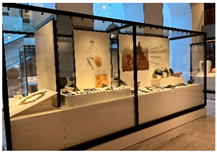
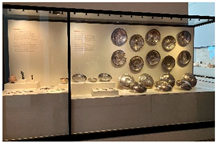
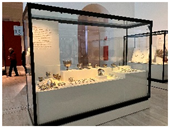
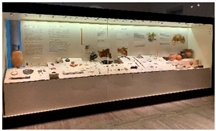
The coupons were placed in four display cases from two manufacturers—designated as type 1 and type 2—and in the gallery where the cases are located. Both types are constructed from the same kinds of materials, as shown in Table 1: anodized or lacquered metal, glass, and foamed PVC (Simopor®, Simona Group, Kirn, Germany ) in the interior modules. The main difference between the two types is their level of airtightness: type 1 display cases (MAN 1, MAN 2, and MAN 3) are more airtight than type 2 (MAN 4). This is relevant because it governs the entry of external pollutants and the accumulation of those generated internally, where present. With regard to the exhibited objects, in all cases, they are inorganic materials—ceramics, clay, stone, and various metals—with cases 13.4 and 11.9 containing the largest number of silver objects.

2.2. Preparation and Exposure of Silver Coupons

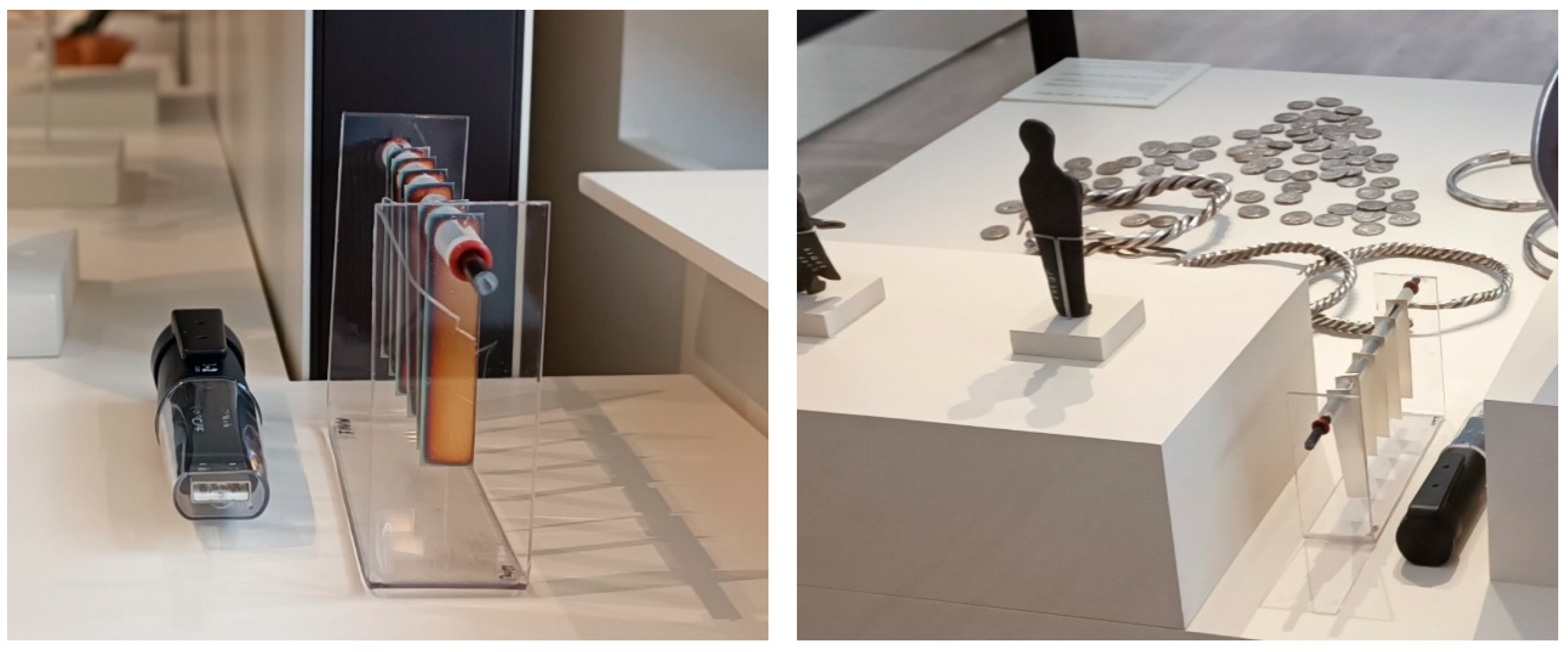
Six coupons made of pure silver (99.95%, Goodfellow, Cambridge, UK) measuring 50 × 10 × 0.2 mm with a 4.5 mm diameter hole drilled in the top were prepared for each of the five locations (30 in total) to assess the corrosiveness of the different locations. Coupons were sanded with 1200-grit sandpaper and degreased with ethanol in an ultrasonic bath for one minute. Then, they were hung on a fiberglass rod on a polyethylene terephthalate (PET) frame (Veralite®, IPB, Waregem, Belgium) with 1 cm of separation and displayed in the museum’s display cases in accordance with ISO 11844-2 (Corrosion of metals and alloys—Classification of low corrosivity of indoor atmospheres. Part 2: Determination of corrosion attack in indoor atmospheres) [6] as shown in Figure 1. Each series of coupons with its location has been labeled with a reference number from 1 to 5 (MAN 1, MAN 2, MAN 3, MAN 4, MAN 5); the correspondence between the label and the location is explained in Table 1. Two removals of three coupons each were planned at 6 and 12 months (24 and 48 weeks).

2.3. Monitoring of Environmental Conditions

Temperature and relative humidity were recorded throughout the entire exposure period of the coupons using a Lascar EL-USB-2 thermohygrometer at each location, at 1-h intervals. Pollutant concentrations were measured by the IVL, Swedish Environmental Research Institute Laboratory, using passive samplers exposed alongside the coupons for 4 weeks. One device was placed for H2S (concentration range: 0.1–200 µg/m3) and another for SO2 (0.1–100 µg/m3), HF (0.2–40 µg/m3), HCl (0.3–100 µg/m3), HCOOH (1.5–200 µg/m3), and CH3COOH (1.5–250 µg/m3).

2.4. Color Measurements

The visual impact of tarnishing was evaluated by color measurements of the coupons using a Konica Minolta CM-700-d spectrophotometer with standard illuminant D65 and a 10° observer, with a 6 mm diameter mask. Six measurements per coupon were taken of the L*, a*, and b* coordinates in the CIELab 1976 color space, SCI, and the average value of the six measurements was calculated.

2.5. Determination of the Corrosion Rate

To quantify coupon corrosion, gravimetric and electrochemical methods were used, based on ISO 11844-2:2020 standard. First, mass change was determined by weighing the coupons before and after exposure with an M5 microbalance (Mettler Toledo, Barcelona, Spain) with a sensitivity of 0.001 mg. This quantifies the mass gain due to the formation of corrosion products in mg/m2 year.
After weighing, the coupons were electrochemically reduced in a three-electrode cell designed ad hoc for this type of coupon [7], applying a constant current density of 125 µA/cm2 using a Gamry Reference 600 potentiostat, with an Ag/AgCl (3M) reference electrode and a graphite counter electrode. The electrolyte was a 0.1 M KCl solution, deaerated for 60 min by nitrogen bubbling to avoid interference from dissolved oxygen.
From the reduction time, the amount of reduced silver was calculated using Faraday’s equation:
m   =   Q · M n · F
where the following is true:
Q is the charge consumed (I·t), where I is the current in amperes and t is the time required for complete reduction of the corrosion products, in seconds;
M is the molar mass, in g/mol, i.e., 107.9 for silver;
n is the oxidation state of the metal, +1 for silver;
F is Faraday’s constant, 96,485 C/mol.
From the mass of reduced silver, the corrosion rate is expressed in mg/m2 year.
For the calculation of the corrosion rate, the nominal area of the coupons was used. In the gravimetric case, this is calculated as the area of each face minus the area of the drill hole (multiplied by 2 faces), plus the area of the edges. For the electrochemical reductions, the reduction is performed on the lower 4 cm. The resulting values are 992 mm2 and 820 mm2, respectively.

2.6. Identification of Corrosion Products

Identification of corrosion products was performed from the reduction potentials of the coupons and by X-ray photoelectron spectroscopy (XPS). For XPS, a SPECS GmbH (Berlin, Germany) instrument with a UHV system, a PHOIBOS 150 9MCD energy analyzer, and a monochromatic X-ray source (Al anode) was used.
Depth-profiling XPS analysis was carried out by argon-ion sputtering in order to confirm the distribution of corrosion compounds on silver after exposure. Given that corrosion product layers formed under museum atmospheric exposure are expected to be very thin, two sputtering conditions were used to obtain the concentration profiles. The first 10 min were performed at 3000 eV; the next 10 min at the same energy; and the final 10 min at 5000 eV. Therefore, the total sputtering time was 30 min.

3. Results

3.1. Environmental Conditions

The temperature and humidity values were adequate and stable in all locations during the recorded period (see Table 2). The average relative humidity (RH) is 35%, which is considered safe for silver [8], although it is slightly higher around two-thirds of the time, especially in type 1 display cases. RH did not once reach 50%, the value at which the thickness of the adsorbed water layer exceeds a monolayer and can act as an electrolyte, dissolving and transporting gaseous contaminants [3]. Despite these values, some of the exposed coupons have visibly tarnished.
With regard to pollutants, the level of sulfides is high at all locations, reaching saturation of the passive samplers in three of the cases studied and far exceeding the recommended limits, which for H2S are generally set at 1 µg/ m3 year (0.7 ppb), but for particularly sensitive materials such as silver are reduced to 0.10 µg/m3 year, (for an RH of 50–60% and a temperature between 20–30 °C) [9]. These values, according to the standards of the Canadian Conservation Institute (CCI) and the American Society of Heating, Refrigerating and Air-Conditioning Engineers (AHSRAE), refer to the minimum quantity that produces an observable change, the LOAED (Lowest Observable Adverse Effect Dose) for H2S. From this concept, it is possible to extrapolate the exposure time at a given pollutant concentration required for appreciable damage to appear on a material (such as a color change). The lower the pollutant concentration under given environmental conditions, the longer it will take before the damage becomes observable [10].
Formic acid concentrations are also appreciable, although they do not exceed the most recent limits proposed by AHSRAE in general terms, and they do not pose a problem for silver [10]. The rest of the pollutants do not show significant concentrations, except for a slight excess of SO2 in the MAN 3 showcase, with no apparent effects.

3.2. Tarnishing of Silver Coupons After Exposure

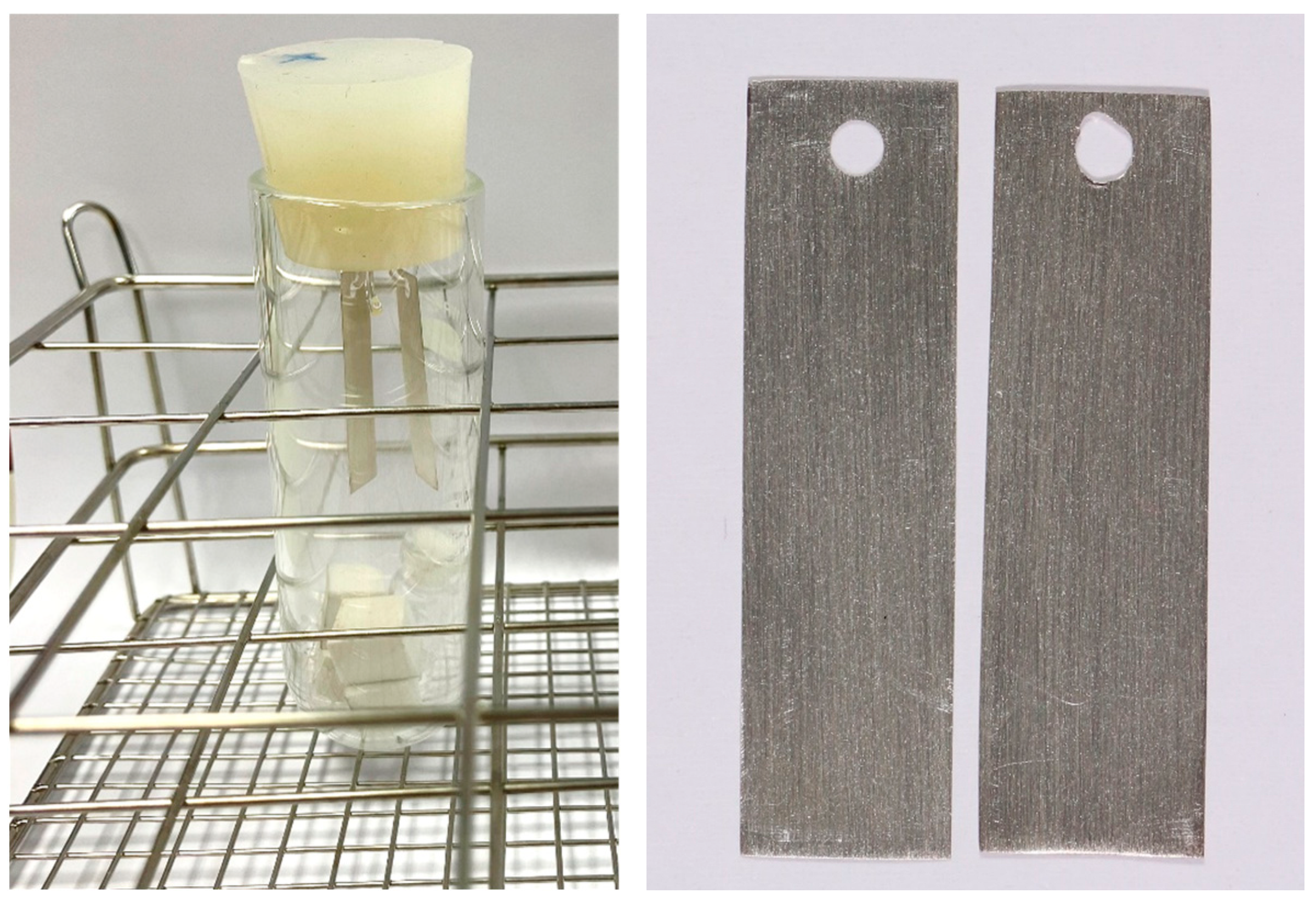
After exposure of the coupons at the different locations in the museum, some differences are observed. Silver remains practically intact in the MAN 2 and MAN 3 cases, becomes slightly sulfidized in the MAN 4 case, and is markedly tarnished in the MAN 1 case and in gallery MAN 5 (Figure 2). In those locations where sulfidation of the coupons occurs, the effect is already noticeable after 6 months of exposure.
The color variation experienced by silver can be seen in Table 3. The MAN 1 and MAN 5 coupons show a significant variation relative to the reference, with a decrease in lightness (L*) and a shift of the a* component toward red and b* toward yellow. In addition, MAN 1, which exhibits the greatest alteration (Figure 2), begins to trend toward a more bluish component as the exposure time increases to 12 months compared to 6 months.
These color differences are reflected in the mass gain (Table 4); moreover, comparing the 6 m and 12 m values, sulfidation can be considered linear, since the mass increase is approximately double for most coupons. Mass change in the MAN 2 and MAN 3 coupons is negligible, slight in MAN 4, and much higher in MAN 1 and MAN 5.
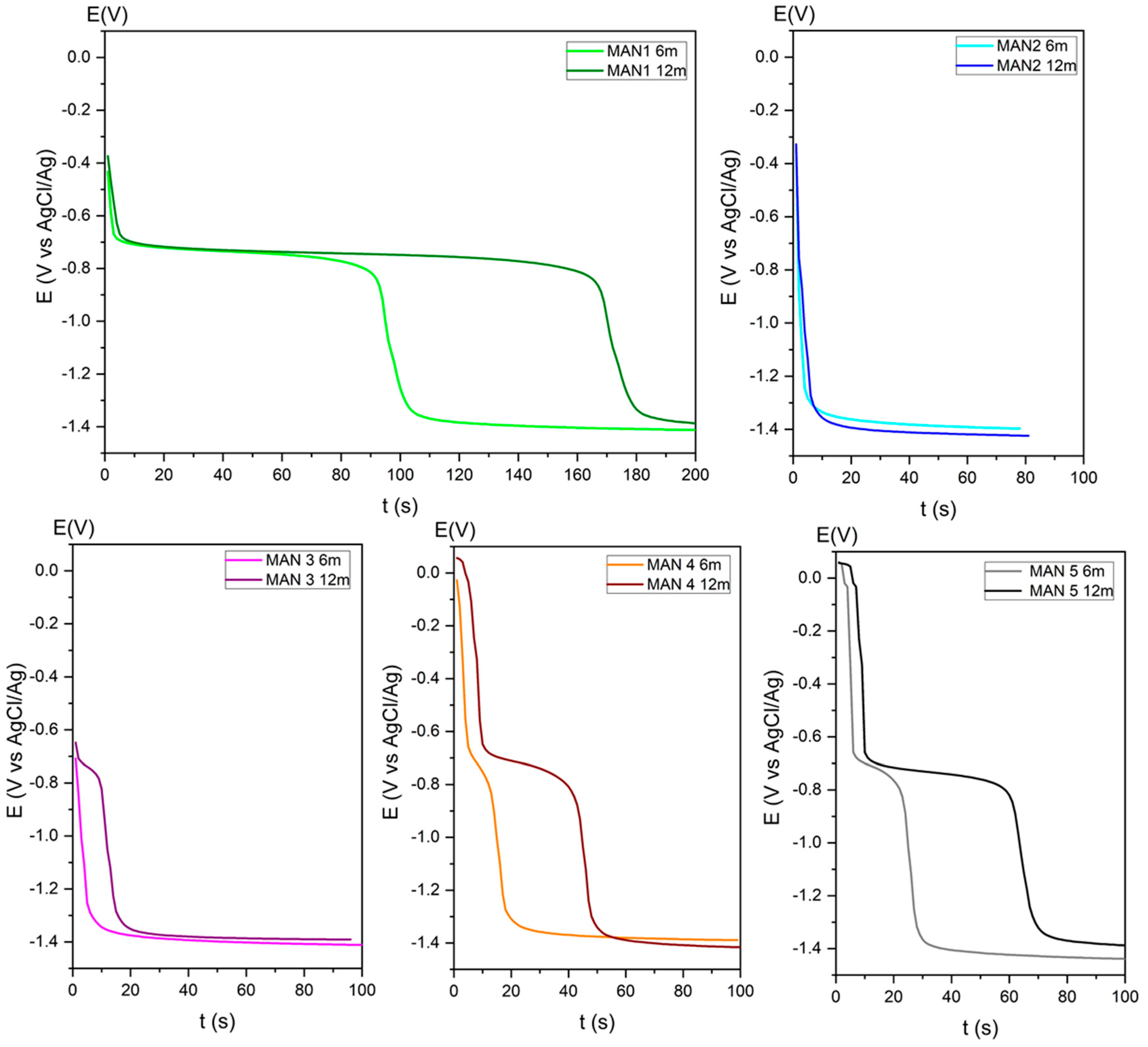
The same results are obtained after galvanostatic reduction (Figure 3) with respect to the degree of tarnishing; however, differences are observed in terms of composition. In the profile of the reduction curves, a plateau is observed around −0.7 V vs. Ag/AgCl, corresponding to the reduction of silver sulfides; this plateau is evident in the MAN 4 and MAN 1 cases and in gallery MAN 5, minimal in the MAN 3 case at 12 months, and practically non-existent in the rest. In the curves of the coupons from the MAN 4 case and from gallery MAN 5, another small plateau appears slightly above 0 V vs. Ag/AgCl which, according to the reduction potentials (Table 5), could be related to the presence of AgCl or Ag2O. Considering the characteristic reactivity of silver, it is more logical to assume that this is silver chloride [11], as confirmed by the XPS analysis (see the following section).
Based on the gravimetric and electrochemical data, the average corrosion rate of silver and the atmospheric corrosivity classification of each location were calculated in accordance with ISO 11844-1:2020 [14]. The corrosion rate (Vcorr) is presented in Table 6, gravimetrically as mass gain per m2 and year, and electrochemically as mass of silver corroded per m2 and year, as described in the methodology. The corrosivity values correspond to category IC 1 (very low; Vcorr ≤ 170 mg/m2·year) for all locations except display case MAN 1, classified as IC 2 (low; Vcorr ≤ 670 mg/m2·year).

3.3. Identification of Corrosion Products

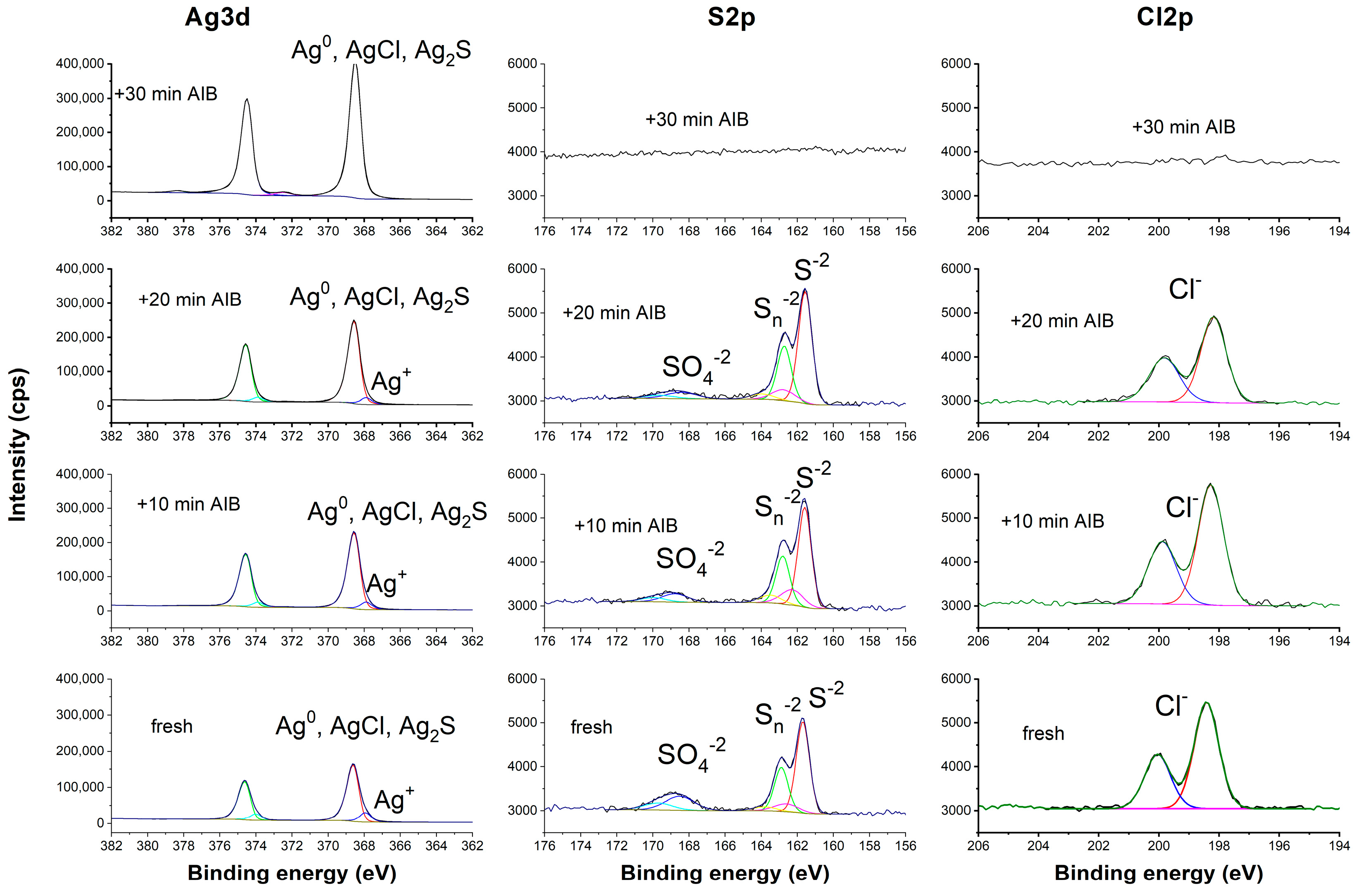
To confirm the composition of the corrosion layer, an in-depth XPS analysis was performed on one of the MAN5 coupons, which exhibited a more complex reduction curve. Survey spectrumof the fresh sample indicates the presence of O, C, Ag, Cl, and S. Figure 4 shows XPS spectra obtained for Ag and S both in the initial sample (fresh sample) and after each Ar sputtering time (10 min at 3000 eV + 10 min at 3000 eV+ 10 min at 5000 eV). The atomic percentage can be calculated after fitting of the spectra and it is shown in Table 7.
The high-resolution Ag 3d spectrum in Figure 4 displays two bands at about 368 eV and 374 eV, which could be assigned to Ag 3d5/2 and Ag 3d3/2 binding energies, respectively [15]. Upon further analysis, the two bands were fitted into four distinct bands at 367.9 eV, 368.5 eV, 373.9 eV, and 374.5 eV. The bands at 368.5 eV and 374.5 eV were ascribed to the metallic Ag0, Ag2S y AgCl and the peaks at 367.9 eV and 373.9 eV were indicative of Ag+ derived from Ag2SO4. No peak of O 1s owing to Ag2O was detected. The existence of both species of sulfur in the sample can be confirmed by the presence of S2− and SO42− peaks at 161.69 eV and 168.52 eV, respectively, after fitting of the S2p spectra depicted in Figure 4, central column.
S2p spectra showed the presence of multicomponent peaks, consisting of multiple doublets S2p3/2-Sp2p1/2 (binding energy difference constrained to 1.2 eV together with the intensity ratio 2:1). The presence of three doublets due to sulfides (S2p3/2 at 161.55 eV), polysulfides (S2p3/2 at 162.3 eV) and sulfates (S2p3/2 at 168.4 eV) can also be observed [16].
After the first 10 min of sputtering, the C and O due to adventitious carbon was lost, and the amount of Cl and S increased, indicating that they are in a layer below the carbon layer and they are associated to Ag. The next 10 min of sputtering had a lesser effect, with a similar result. The last 10 min of sputtering at a higher energy (5000 eV) almost completely destroyed the corrosion layer, only showing the presence of Ag0.
In order to determine the compositional depth profiling of silver, chloride, and sulfur, the atomic percentage of the different species was calculated and is shown in Table 8. At the beginning of the sputtering, an increase in the concentration of all species was noticed as an effect of the removal of the outermost carbon layer. The corrosion products present included AgCl, Ag2S, silver polysulfides, and Ag2SO4. After 20 min of sputtering, a small decrease in sulfates was recorded, as can be seen in the atomic percentage of the species Ag+ and SO42−. A decrease in AgCl was also observed. The increase in Ag(0)/Ag2S/AgCl signal with sputtering time was likely due to the contribution to the signal response of metallic Ag. No signal of corrosion products was recorded after 30 min of sputtering.

4. Discussion

From the results obtained, two questions arise: which factors have influenced the tarnishing of silver, and what is the origin of the contaminants that caused it.
RH remains consistently below 50%. Within the narrow ranges observed in the MAN galleries and display cases, relative humidity does not appear to influence tarnishing. In fact, the coupons exposed in the gallery (MAN 5), where RH remained below 35% for nearly half of the exposure time, are the second most sulfidized.
By contrast, pollutant concentrations are high. Comparing the results in Table 1 shows that the type 1 (airtight) display cases have similar contaminant levels to one another, while the values for the type 2 case, MAN 4, coincide with those of the gallery (MAN 5). We therefore have two different situations: airtight cases, where the origin of the pollutants is internal (MAN 1, MAN 2, and MAN 3), and a low-airtightness case (MAN 4) that shares its environment with the gallery where it is located (MAN 5) and in which the presence of pollutants can be attributed mainly to external sources.
Despite these clearly differentiated environments, the behavior of the coupons does not follow this division. The results show low levels of tarnishing in two of the cases (MAN 2, MAN 3), slight in one (MAN 4), and high in another case (MAN 1) and in the coupons exposed in the gallery (MAN 5). From a conservation standpoint, we could consider three different outcomes, which do not match the classification proposed by ISO 11844, according to which corrosion would be “low” for location MAN 5 and “very low” for the rest (Table 6).
Interpreting the tarnishing results from the environmental data is not straightforward. Despite the similarity of the environmental conditions measured, the corrosion suffered by the samples inside the non-airtight display case (MAN 4) was less than half of that observed in the gallery. Of the airtight display cases, two have very low sulfidation (MAN 2 and MAN 3), and one has high sulfidation (MAN 1). Because the passive samplers were saturated (Table 1), it is not possible to compare the actual sulfide concentration between them; strictly speaking, we cannot tell whether significant differences exist that would justify this result. What is indisputable, however, is that in all three cases the values are considered “very high” [17], and it would be reasonable to expect silver to be affected in all of them. It is possible, however, to compare with MAN4 and MAN5, which despite having at least half the sulfides, show much greater corrosion than MAN2 and MAN3. One possible explanation is that MAN 2 and MAN 3 contain a large number of silver objects, so the sulfides present are distributed over a relatively large surface area, whereas in the remaining cases the attack is concentrated on a small amount of silver.
For the differences observed between the MAN 4 case and the MAN 5 gallery, the relationship is not as direct. The MAN 4 case contains silver (and copper) objects, but not in quantities as large as in cases 2 and 3, so although this may be an influencing factor, it is not as evident as in the previous situation. Nor is RH, which is in fact slightly higher overall in the case than in the gallery. One hypothesis is that particle deposition—not measured in this work, but in principle expected to be higher—favored corrosion on the gallery coupons; this is an aspect to be assessed in future studies.
Another difference between the two groups of coupons, according to their environments, is the composition of the corrosion layer, as seen in the different profiles of the reduction curves. In the coupons located in the type 2 case (low airtightness) and in the gallery—MAN 4 and MAN 5, respectively—the corrosion layer consists of silver sulfide with small amounts of silver chloride and silver sulfate (identified by XPS in MAN 5). In the coupons located inside the type 1 cases (high airtightness), the corrosion layer is composed solely of silver sulfide, which can be related to the high H2S concentration detected inside these cases. In this situation, the airtightness clearly favors the build-up of contaminants originating from internal sources; formic acid—typically emitted by materials present inside cases—is also higher than in the gallery and the MAN 4 case. We therefore find a source of sulfides both inside and outside the cases, and a source of chlorine outside.
Regarding the silver sulfate detected by XPS, its origin is unclear; some previous studies have reported this product [4,18,19], mainly in outdoor environments and associated with elevated SO2 concentrations. In our case, the measured SO2 levels do not justify the formation of this product, which moreover does not appear in the case where its concentration is highest, as seen from the reduction profiles. In any case, the amount of AgSO4 is of little relevance.
Externally, sources of sulfides are related to construction materials, furniture, and museum visitors [20]. In this area, there is scarcely any furniture beyond the cases, and the floors are marble, so the most important sulfide source is the presence of visitors. Inside the cases, the origin will be related to the case materials and/or interior supports, since no other organic materials are present in the cases studied. These materials include foamed PVC and some polyurethane and silicone adhesives and sealants, which could, a priori, emit organic acids, but not sulfides. Although the use of plasticized PVC board is widespread in museums and is theoretically a stable material, Samide and Smith [21], found that, in high-quality PVC-U boards that had passed the Oddy test, 2-ethylhexyl thioglycolate (2-EHTG)—a sulfur-containing by-product of a thermal stabilizer—can be released. The presence of additives is an issue that requires attention because it greatly complicates the selection of materials for museums; efforts to use stable, high-quality materials can be undermined by unknown additives that vary by manufacturer or can be changed without notice. Indeed, the American Institute for Conservation’s Oddy Test results database [22] includes some boards of this type that did not pass the test, and for one of the most commonly used, Forex®, there are studies suggesting the possibility of corrosive emissions [23,24]. At the MAN, analyses of the materials used in display case construction did not detect this additive, although another sulfur-containing compound—ethoxycarbonyl isothiocyanate—was identified among the VOCs that may be released from Simopor ® [25]. This does not exclude other types of emissions, since only VOCs—mainly those related to human health—were analyzed in this study, and other emissions such as H2S, COS, HCOOH, CH3COOH, which are those affecting metals, were not considered. To confirm or discard the possible responsibility of Simpor® in the sulfidation of silver, an Oddy Test was carried out (Figure A1, Appendix A). Results of the test were negative, so it cannot be stated that this material is responsible for the sulfidation of silver. Further studies are needed to identify the source of sulfur in museum cases.
Finally, it is interesting to note that silver chlorides have been identified in some samples, given that HCl measurements (see Table 1) did not detect this contaminant at any of the measured locations. The origin of chloride-containing corrosion products in indoor atmospheres has typically been attributed to HCl emission from the thermal degradation of PVC, which, as noted, was used inside the cases. However, a recent study by Pok et al. has shown that HCl emission from PVC under museum conditions is too low to contribute significantly to environmental contamination and, consequently, to the deterioration of cultural heritage [26]. The non-detection of this pollutant—and, above all, the fact that chlorides are found mainly on the coupons located in the gallery and, to a lesser extent, on those in the low-airtightness case—indicates an external source. The main hypothesis is cleaning products used in the galleries or nearby areas of the museum, which prompted a study of the possible effects of cleaning products on silver [27]. The results of that study indicate that the use or handling of chlorinated cleaning products in washrooms and other nearby areas may be responsible.

5. Conclusions

The tarnishing of silver artifacts in museum collections is a complex problem dependent on numerous factors. The results of the one-year study of MAN display cases and a gallery show significant variability in the corrosivity of silver across different cases, despite the similarity of the materials used. In addition to sulfides, our work also identified chlorides, probably originating from products used in museum cleaning activities, as well as sulfates.
The high affinity of sulfide for silver and the strong visual impact it produces, even in very thin layers, makes it necessary to exercise great caution with the materials used in the construction of display cases and in mounting objects. However, identifying the sources of sulfur is not always easy, and very small emissions can become significant if concentrated by airtight display cases.
Our results show that sulfide concentration is not the only determinant of sulfidation, with other aspects contributing to making corrosion more or less severe, and low humidity levels measured at all locations being sufficient to keep silver safe from sulfide tarnishing. Therefore, it is necessary to continue studying additional factors and analyze them together to quantify their relative influence, with a view to designing preventive conservation strategies adapted to different situations.

Author Contributions

Conceptualization, B.R.B., E.C., B.C.W. and N.G.-P.; methodology, B.R.B. and I.L.; validation, B.R.B.; formal analysis, B.R.B. and I.L.; investigation, B.R.B., E.R.Z., M.T.M. and B.C.W.; resources, E.C., B.C.W. and N.G.-P.; data curation, B.R.B., I.L. and N.G.-P.; writing—original draft, B.R.B., E.R.Z., I.L. and M.T.M.; writing—review and editing, B.R.B., E.R.Z., I.L., M.T.M., E.C., B.C.W. and N.G.-P.; visualization, B.R.B., E.R.Z., I.L., M.T.M. and B.C.W.; supervision, B.R.B. and N.G.-P.; project administration, B.R.B. and E.C.; funding acquisition, B.R.B. and E.C. All authors have read and agreed to the published version of the manuscript.

Funding

This work forms part of project PID2023-152322NA-I00, “Protección de objetos de plata en colecciones de museos”, funded by MICIU/AEI/10.13039/501100011033/ and FEDER, EU, and project PIE-202360E133, funded by CSIC. Thanks are due also to grants PREP2023-002121 and JDC2023-050690-I, funded by MICIU/AEI/10.13039/501100011033 and FSE+.

Data Availability Statement

Data used in this paper are available at DigitalCSIC repository in the dataset Silver Conservation DataSet Collection 1. A study of silver tarnishing at National Archaeological Museum of Spain (I). https://doi.org/10.20350/digitalCSIC/17838.

Acknowledgments

The authors thank Alicia Rodero Riaza, Chief Curator of the Protohistory and Colonizations collection, for their collaboration, and Raquel Sainz Vaque, Technical Director and Analyst of the X-ray Photoelectron Spectroscopy Service at the Institute of Catalysis and Petrochemistry (ICP-CSIC), for her interest and assistance with the depth-profiling XPS analyses. The authors have reviewed and edited the output and take full responsibility for the content of this publication.

Conflicts of Interest

The authors declare no conflicts of interest.

Abbreviations

The following abbreviations are used in this manuscript:
TTemperature
RHRelative Humidity
XPSX-ray Photoelectron Spectroscopy
VOCVolatile Organic Compounds

Appendix A

Figure A1. Oddy Test of Simopor®.
Heritage 09 00011 g0a1

References

  1. Palomar, T.; Ramírez Barat, B.; García, E.; Cano, E. A Comparative Study of Cleaning Methods for Tarnished Silver. J. Cult. Herit. 2016, 17, 20–26. [Google Scholar] [CrossRef]
  2. Graedel, T.E. Corrosion Mechanisms for Silver Exposed to the Atmosphere. J. Electrochem. Soc. 1992, 139, 1963–1970. [Google Scholar] [CrossRef]
  3. Costa, V. The Deterioration of Silver Alloys and Some Aspects of Their Conservation. Stud. Conserv. 2001, 46, 18–34. [Google Scholar] [CrossRef]
  4. Hallett, K.; Thickett, D.; McPhail, D.S.; Chater, R.J. Application of SIMS to Silver Tarnish at the British Museum. Appl. Surf. Sci. 2003, 203–204, 789–792. [Google Scholar] [CrossRef]
  5. Thickett, D.; Hallett, K. Managing Silver Tarnish. In Proceedings of the ICOM-CC 19th Triennial Conference Preprints, Beijing, China, 17–21 May 2021; p. 41. [Google Scholar]
  6. ISO 11844-2:2020; Corrosion of Metals and Alloys—Classification of Low Corrosivity of Indoor Atmospheres—Part 2: Determination of Corrosion Attack in Indoor Atmospheres. ISO: Geneva, Switzerland, 2020. Available online: https://www.iso.org/standard/73254.html (accessed on 27 October 2025).
  7. Díaz, I.; Cano, E. Quantitative Oddy Test by the Incorporation of the Methodology of the ISO 11844 Standard: A Proof of Concept. J. Cult. Herit. 2022, 57, 97–106. [Google Scholar] [CrossRef]
  8. Barclay, R.L.; Dignard, C.; Selwyn, L. Caring for Metal Objects. In Preventive Conservation Guidelines for Collections; Canadian Conservation Institute: Ottawa, ON, Canada, 2018. [Google Scholar]
  9. Tétreault, J. Control of Pollutants in Museums and Archives. Can. Conserv. Inst. Tech. Bull. 2021, 37, 1–82. [Google Scholar]
  10. Tétreault, J. The Evolution of Specifications for Limiting Pollutants in Museums and Archives. J. Can. Assoc. Conserv. 2018, 43, 21–37. [Google Scholar]
  11. Sivaguru, P.; Bi, X. Introduction to Silver Chemistry. In Silver Catalysis in Organic Synthesis; Li, C.-J., Bi, X., Eds.; Wiley-VCHVerlag GmbH& Co.: Weinheim, Germany, 2019; pp. 1–32. [Google Scholar]
  12. Vanýsek, P. Electrochemical Series. In CRC Handbook of Chemistry and Physics; Lide, D.R., Ed.; CRC Press: Boca Raton, FL, USA; Taylor & Francis: Abingdon, UK, 1989; pp. 8–23. [Google Scholar]
  13. Reference Electrode Conversion Calculator|Pine Research Instrumentation. Available online: https://pineresearch.com/tools/reference-electrode-conversion-calculator/ (accessed on 27 October 2025).
  14. ISO 11844-1:2020; Corrosion of Metals and Alloys—Classification of Low Corrosivity of Indoor Atmospheres—Part 1: Determination and Estimation of Indoor Corrosivity. ISO: Geneva, Switzerland, 2020.
  15. Gao, C.; Chen, Y.; Wang, Q.; Zhou, B.; Li, J.; Mao, J.; Guo, J. Multifunctional Fabrics Embedded with Polypyrrole-Silver/Silver Chloride Nanocomposites for Solar-Driven Steam Generation and Photocatalytic Decontamination. Sep. Purif. Technol. 2023, 323, 124477. [Google Scholar] [CrossRef]
  16. Fantauzzi, M.; Elsener, B.; Atzei, D.; Rigoldi, A.; Rossi, A. Exploiting XPS for the Identification of Sulfides and Polysulfides. RSC Adv. 2015, 5, 75953–75963. [Google Scholar] [CrossRef]
  17. Grzywacz, C.M. Monitoring for Gaseous Pollutants in Museum Environments; The Getty Conservation Institute: Los Angeles, CA, USA, 2006; ISBN 978-0-89236-851-8. [Google Scholar]
  18. Fukuda, Y.; Fukushima, T.; Sulaiman, A.; Musalam, I.; Yap, L.C.; Chotimongkol, L.; Judabong, S.; Potjanart, A.; Keowkangwal, O.; Yoshihara, K.; et al. Indoor Corrosion of Copper and Silver Exposed in Japan and ASEAN Countries. J. Electrochem. Soc. 1991, 138, 1238. [Google Scholar] [CrossRef]
  19. Sanders, C.E.; Verreault, D.; Frankel, G.S.; Allen, H.C. The Role of Sulfur in the Atmospheric Corrosion of Silver. J. Electrochem. Soc. 2015, 162, C630–C637. [Google Scholar] [CrossRef]
  20. Brimblecombe, P.; Shooter, D.; Kaur, A. Wool and Reduced Sulphur Gases in Museum Air. Stud. Conserv. 1992, 37, 53–60. [Google Scholar] [CrossRef]
  21. Samide, M.J.; Smith, G.D. Assessing the Suitability of Unplasticized Poly(Vinyl Chloride) for Museum Showcase Construction. J. Am. Inst. Conserv. 2022, 61, 1–13. [Google Scholar] [CrossRef]
  22. Oddy Test. Available online: https://www.conservation-wiki.com/wiki/Oddy_Test (accessed on 6 October 2025).
  23. Canosa, E.; Wiman, A.; Norrehed, S.; Hacke, M. Characterization of Emissions from Display Case Materials; Technical Report 2019; Riksantikvarieämbetet: Stockholm, Sweden, 2019. [Google Scholar] [CrossRef]
  24. Ramírez Barat, B.; Cano, E.; Molina, M.T.; Barbero-Álvarez, M.A.; Rodrigo, J.A.; Menéndez, J.M. Design and Validation of Tailored Colour Reference Charts for Monitoring Cultural Heritage Degradation. npj Herit. Sci. 2021, 9, 41. [Google Scholar] [CrossRef]
  25. Benigno, S.C.; Silvia, S.G.; Canela, M.C. Análisis del Ambiente Interior de Vitrinas en el Museo Arqueológico Nacional; CIEMAT: Madrid, Spain, 2013. [Google Scholar]
  26. Pok, Š.; Kralj Cigić, I.; Strlič, M.; Rijavec, T. Poly(Vinyl Chloride) Degradation: Identification of Acidic Degradation Products, Their Emission Rates, and Implications for Heritage Collections. npj Herit. Sci. 2025, 13, 382. [Google Scholar] [CrossRef]
  27. García Ortúzar, M.; Diaz Ocaña, I.; Molina Delgado, M.T.; Ramírez Barat, B. Productos de Limpieza En Museos: Evaluación de Su Idoneidad Para Objetos de Plata. Ge-Conservacion 2025, 28, 275–285. [Google Scholar] [CrossRef]
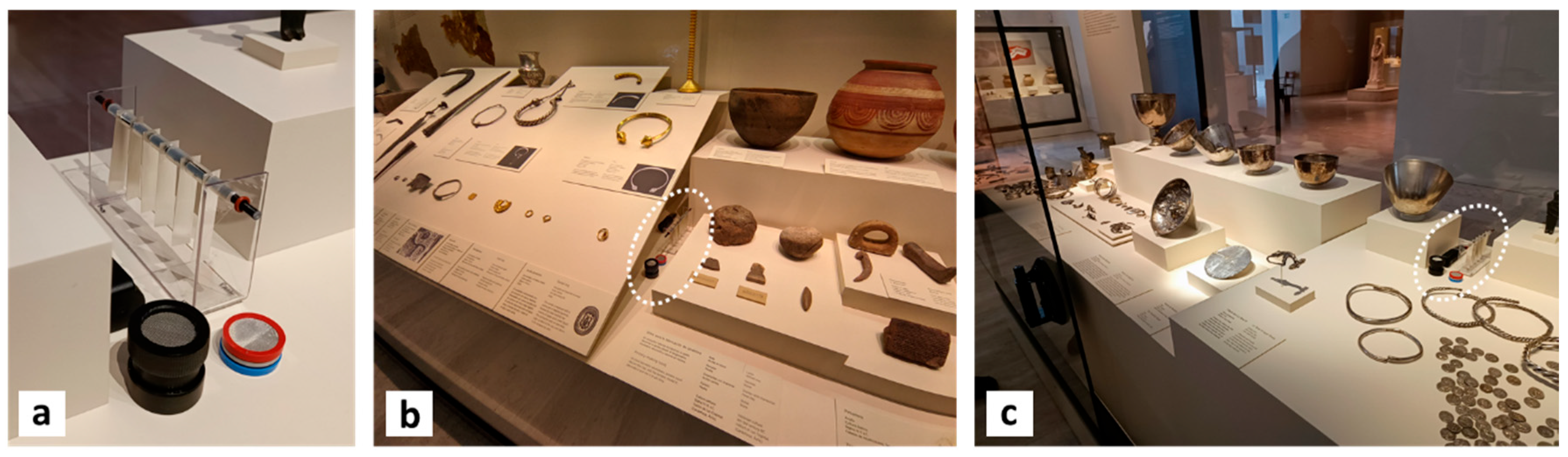
Figure 1. (a) Example of a frame with silver coupons prepared for exposure next to a thermohydrometer and passive samplers (see Section 2.3). (b) Exposure of coupons in MAN 3 display case (type 1). (c) Exposure of coupons in MAN 4 display case (type 2).
Heritage 09 00011 g001
Figure 2. Silver coupons after 6 months exposure in case MAN 1 (left) and MAN 3 (right).
Heritage 09 00011 g002
Figure 3. Reduction curves for silver coupons exposed at different locations for 6 and 12 months.
Heritage 09 00011 g003
Figure 4. High-resolution core level XPS spectra of the Ag 3d, S 2p and Cl 2p for the sample MAN 5.
Heritage 09 00011 g004
Table 1. Nomenclature and information on the display cases selected for the study.
Ref.Case IDMaterialsObjectsDimensions
MAN 114.8Galvanized steel, anodized aluminum, and glass.
Plinths and modules: Foamed PVC (Simopor®)
Painted ceramic, clay, silver, bronze, gold, and iron450 × 190 × 160 cm (13.68 m3)Heritage 09 00011 i001
MAN 213.4Painted ceramic,
silver, and bronze
364 × 190 × 80 cm (5.53 m3)Heritage 09 00011 i002
MAN 311.9Silver and bronze270 × 190 × 80 cm (4.1 m3)Heritage 09 00011 i003
MAN 410.1Galvanized steel, baked enamel aluminum sheet, and glass. Plinths and modules: Foamed PVC (Simopor®)Painted ceramic, gold, silver, bronze, iron, lead, and stone590 × 230 × 100 cm (13.57 m3)Heritage 09 00011 i004
MAN 5Gallery 11Marble floors and plaster walls-337 m2Heritage 09 00011 i005
Table 2. Environmental conditions and pollutant concentrations measured at different locations. Detailed RH and T measurements are available at https://doi.org/10.20350/digitalCSIC/17838.
LocationPollutant LevelEnvironmental Conditions
SO2
µg/m3
HCOOH
µg/m3
CH3COOH
µg/m3
HCl
µg/m3
H2S
µg/m3
T (°C)
avg.
T (°C)
max
T (°C)
min
RH
avg.
RH
max
RH
min
Time
RH ≥ 35%
MAN 10.2044<2.0 *<0.2 *>7.5 **22.024.51935.539.53167%
MAN 20.3236<2.0 *<0.2 *>7.5 **21.623.51935.639.53377%
MAN 31.533<2.0 *<0.2 *>7.5 **21.7241935.4393369%
MAN 40.4512<2.0 *<0.2 *3.322.12420.035.44221.562%
MAN 50.427.0<2.0 *<0.2 *3.321.92419.534.94420.558%
* Below detection limit; ** above saturation limit.
Table 3. Color variation of the coupons exposed for 6 and 12 months relative to a silver reference coupon.
ΔL*Δa*Δb*ΔE
6 m12 m6 m12 m6 m12 m6 m12 m
MAN 1−28.71−52.819.823.4441.028.5753.8458.40
MAN 2−1.73−4.060.080.691.41.872.234.52
MAN 3−3.72−4.270.140.471.385.143.976.70
MAN 4−5.6−7.370.030.294.4116.427.1318.00
MAN 5−7.91−17.630.835.317.4927.0310.9332.71
Table 4. Mass gain of the coupons exposed at each location for 6 and 12 months (coupon MAN1-6m-3 was discarded for yielding an inconsistent result).
CouponΔm (6 m)/mgCouponΔm (12 m)/mg
MAN1-6m-10.026MAN1-12m-10.041
MAN1-6m-20.020MAN1-12m-20.036
MAN1-6m-3-MAN1-12m-3-
MAN2-6m-10.002MAN2-12m-10.002
MAN2-6m-20.004MAN2-12m-20.002
MAN2-6m-30.005MAN2-12m-30.000
MAN3-6m-1−0.001MAN3-12m-10.000
MAN3-6m-2−0.001MAN3-12m-20.002
MAN3-6m-30.002MAN3-12m-30.000
MAN4-6m-10.008MAN4-12m-10.014
MAN4-6m-20.006MAN4-12m-20.013
MAN4-6m-30.008MAN4-12m-30.010
MAN5-6m-10.016MAN5-12m-10.033
MAN5-6m-20.021MAN5-12m-20.028
MAN5-6m-30.011MAN5-12m-30.020
Table 5. Standard reduction potentials for some silver salts [12,13].
ReactionEº/VAg/AgCl (3M KCl)
Ag2SO4 + 2e ⇆ 2 Ag + SO42−0.6540.446
2 AgO + H2O + 2e ⇆ Ag2O + 2OH0.6070.399
Ag2O + H2O + 2e ⇆ 2Ag + 2OH0.3420.134
AgCl + e ⇆ Ag + Cl0.222330.014
Ag2S + 2e ⇆ 2 Ag + S2−−0.691−0.899
Table 6. Annual corrosion rate and atmospheric corrosivity category for different locations.
Reduction (mg Ag)Gravimetry (Mass Gain, mg)
LocationVcorr (mg/m2 Year)CategoryVcorr (mg/m2 Year)Category
MAN1 (14.8)274.73IC 246.40IC 2
MAN2 (13.4)9.60IC 14.91IC 1
MAN3 (11.10)11.82IC 11.00IC 1
MAN4 (10.1)57.36IC 114.83IC 1
MAN5 (Gallery)76.35IC 129.04IC 1
Table 7. Calculated atomic percentage of the elements identified in the fresh sample and after each Ar sputtering time (AIB).
% at Element
SampleOCAgClS
Fresh11.735.1739.45.48.4
10 min AIB (3000 eV)6.313.263.27.310.1
20 min AIB (+10 min 3000 eV)4.69.469.45.511.1
30 min AIB (+10 min 5000 eV)1.12.496.5ndnd
Table 8. Atomic percentage of the different species of silver, chlorides, and sulfur after sputtering.
% at Component
SampleAg(0)/Ag2S/AgClAg+ClS2−Sn−SO42−
Fresh33.895.355.45.620.91.88
10 min AIB (3000 eV)57.45.327.37.061.161.85
20 min AIB (+10 min 3000 eV)63.954.915.58.571.41.13
30 min AIB (+10 min 5000 eV)96.30ndndndnd
Disclaimer/Publisher’s Note: The statements, opinions and data contained in all publications are solely those of the individual author(s) and contributor(s) and not of MDPI and/or the editor(s). MDPI and/or the editor(s) disclaim responsibility for any injury to people or property resulting from any ideas, methods, instructions or products referred to in the content.