
Article

Fingerprinting of Bulk and Water-Extractable Soil Organic Matter of Chernozems Under Different Tillage Practices for Twelve Years: A Case Study

1
V.V. Dokuchaev Soil Science Institute, 119017 Moscow, Russia
2
Faculty of Agribusiness, Don State Technical University, 344003 Rostov-on-Don, Russia
3
Federal State Budgetary Scientific Institution “Agrarian Scientific Center ‘Donskoi’”, 347740 Zernograd, Russia
*
Author to whom correspondence should be addressed.
Soil Syst. 2025, 9(4), 138; https://doi.org/10.3390/soilsystems9040138
Submission received: 21 August 2025 / Revised: 2 December 2025 / Accepted: 9 December 2025 / Published: 15 December 2025
(This article belongs to the Special Issue Land Use and Management on Soil Properties and Processes: 2nd Edition)

Abstract

Soil conservation technologies are widely studied for their effects on soil organic carbon (SOC) preservation, yet their impact on the composition of soil organic matter (SOM) remains underinvestigated. This study evaluated the effects of two non-inversion tillage systems, MP and NT, on agro-physical and chemical properties and SOM composition (including water-extractable matter) in Haplic Chernozem Pachic. After 12 years, non-inversion tillage showed no significant differences in SOC, WEOC, and soil structure condition compared to MP. Only NT treatment distinctly enhanced the coefficient of soil structuring (Kstr) and mean diameter of water-stable aggregates (MWDWSA), by 1.5 and 2 times, respectively. Differences in SOM composition were clearly pronounced between treatments in the 0–10 cm layer. Non-inversion tillage favored microbial-derived stable SOM, whereas NT enriched SOM with fresh plant material. Our findings revealed that non-inversion tillage shifts the composition of SOM toward recalcitrant components even more than MP due to limited fresh OM input and enhanced mineralization of unprotected SOM during tillage. This poses carbon loss risks. Periodic moldboard plowing may be a way to improve carbon retention in non-inversion tillage, as it allows plant residues to be incorporated into the soil profile and replenish organic matter.

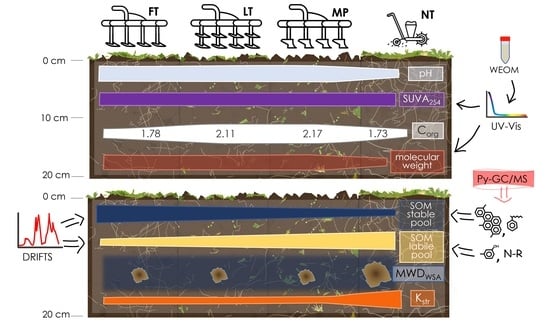
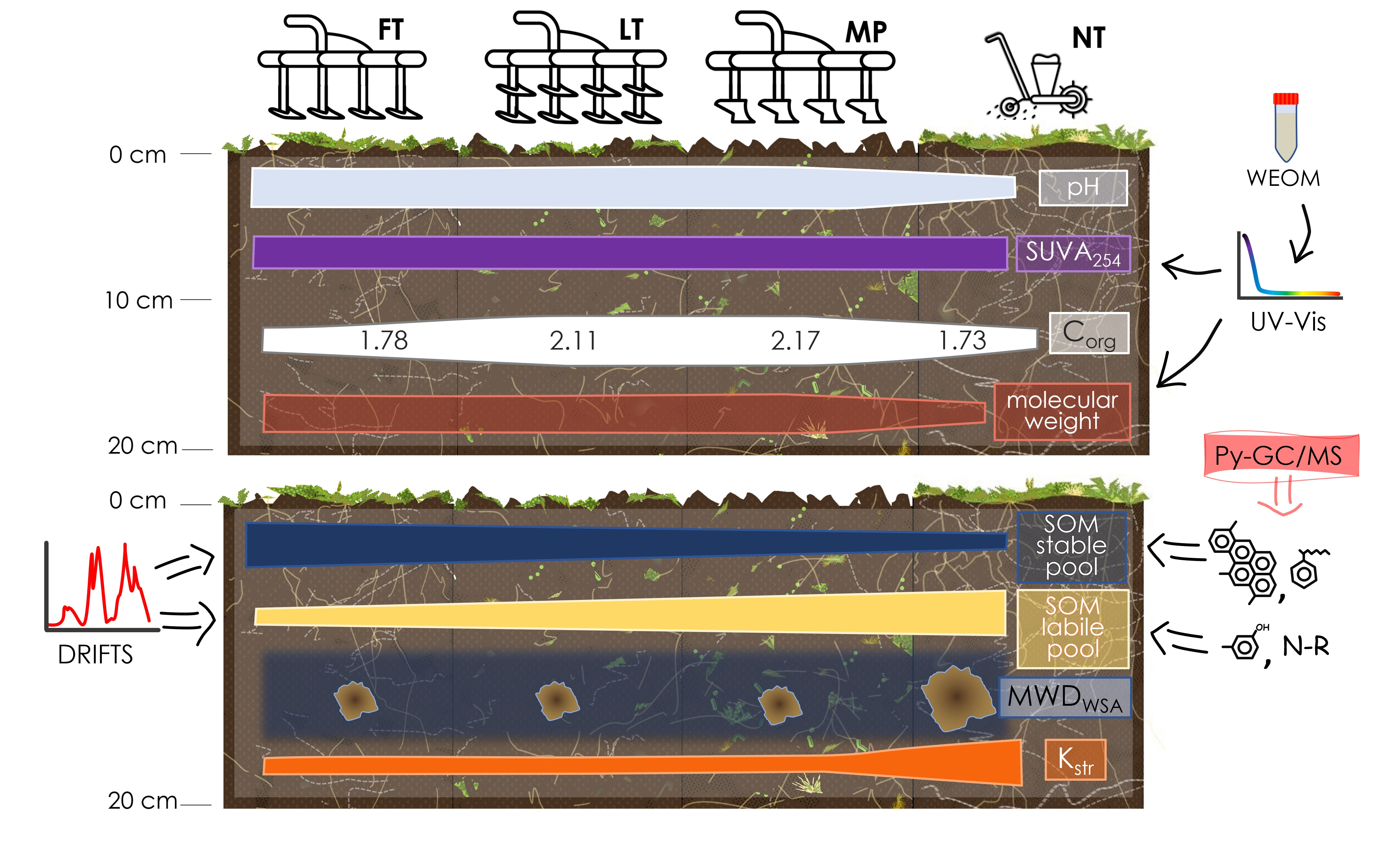
Graphical Abstract

1. Introduction

Over recent decades, the adoption of soil conservation practices has become increasingly important in response to climate change and the degradation of agricultural soils [1,2]. Conservation-oriented management includes contour plowing, crop rotation, residue retention, and various forms of conservation tillage designed to minimize erosion, enhance soil fertility, and reduce losses of water and nutrients. In addition to mitigating soil degradation and supporting sustainable agricultural productivity, these practices can also reduce greenhouse gas emissions associated with cultivation [2,3].
Conservation tillage systems are characterized by maintaining a surface mulch layer and minimizing soil disturbance, thereby increasing the amount and diversity of organic carbon inputs while reducing carbon losses, aggregate breakdown, and soil particle translocation [4]. These techniques are considered to sustain or enhance soil organic matter (SOM) levels [5,6], thereby improving soil structure, water retention, and nutrient cycling. In contrast, conventional tillage accelerates SOM depletion by disrupting aggregates and exposing protected organic matter to oxidation [7].
Although certain benefits of conservation tillage—such as reduced erosion, fuel savings, and improved aggregate stability—are well established, other outcomes, including effects on crop yield and soil carbon sequestration, remain context-dependent [1,8,9,10,11,12,13,14,15]. Studies have reported divergent effects of conservation tillage on soil organic carbon (SOC) content, with some showing significant increases [14,16] and others finding little or no difference relative to conventional systems [8,10,17]. Overall, conservation practices tend to improve soil quality metrics relative to traditional methods [18]. Most research focuses on no-till (NT) versus conventional tillage, while intermediate systems such as reduced tillage remain comparatively underexplored despite their widespread adoption in erosion-prone and moisture-limited regions [19]. Clarifying how different tillage intensities influence both the quantity and chemical nature of SOM is therefore essential for assessing the long-term sustainability of these practices.
When evaluating conservation technologies, it is important to consider not only total SOC stocks but also qualitative SOM attributes that influence soil aggregation and structural resilience. SOM components—such as polysaccharides, lipids, and lignin-derived compounds—play distinct roles in aggregate stabilization and hydrophobic–hydrophilic balance [20,21,22]. For example, polysaccharide- and protein-derived molecules can act as transient binding agents that promote aggregate cohesion, while more aromatic and aliphatic compounds enhance aggregate persistence by contributing to hydrophobic stabilization [23]. Consequently, shifts in SOM composition under different tillage regimes can be interpreted as indicators of changes in soil functionality.
In temperate soils, tillage-induced changes in total SOM are detectable only over long periods, whereas shifts in microbial processes manifest on shorter timescales [8]. Dissolved and water-extractable organic matter (DOM and WEOM) represent the most dynamic fractions of SOM, serving as both substrates and signaling molecules in microbial processes [24,25]. Their chemical composition, reflected in optical and molecular signatures, is therefore a sensitive indicator of management-induced transformations [26].
Chernozems, among the most fertile soils globally, are extensively cultivated in semi-arid regions where water limitation and erosion risk constrain productivity [27,28]. To conserve these resources, non-inversion and no-till practices are increasingly implemented to enhance moisture retention and reduce structural degradation [29,30]. However, the linkages between tillage-induced changes in SOM composition and soil physical structure in Chernozems remain insufficiently studied.
This study aimed to evaluate the effects of four tillage systems—conventional moldboard plowing (MP), two reduced-tillage methods (flat-cut tillage with moling, FT, and layer-by-layer tillage, LT), and no-till (NT)—on the agro-physical properties and SOM composition of a Chernozem under uniform crop rotation. Soil structure (aggregate size distribution, stability, and wettability) was analyzed in conjunction with SOM quality indicators derived from Fourier-transform infrared spectroscopy (FTIR), pyrolysis–gas chromatography–mass spectrometry (Py-GC/MS), and spectroscopic characterization of WEOM (UV–Vis and fluorescence PARAFAC analysis) [31,32,33,34,35,36,37]. We hypothesized that (1) conservation tillage modifies the qualitative composition of SOM and WEOM, even when total soil organic carbon and water-extractable organic carbon (SOC and WEOC, respectively) remain unchanged, and (2) these compositional changes correspond to variations in soil structural parameters, thereby linking SOM molecular quality to agro-physical function.

2. Materials and Methods

2.1. Study Site and Sampling

The study was conducted in the Zernograd District of Rostov Oblast. The climate of the research area is characterized as a zone of insufficient and unstable moisture availability. Winters feature light snow cover with frequent thaws; the mean daily air temperature in the coldest month (January) is −7 °C. Summers are typically hot and dry, with a mean daily temperature of +29 °C in the hottest month (July). Annual precipitation averages 340 mm, with frequent droughts of varying intensity that significantly reduce crop yields. Strong easterly winds cause dust storms.
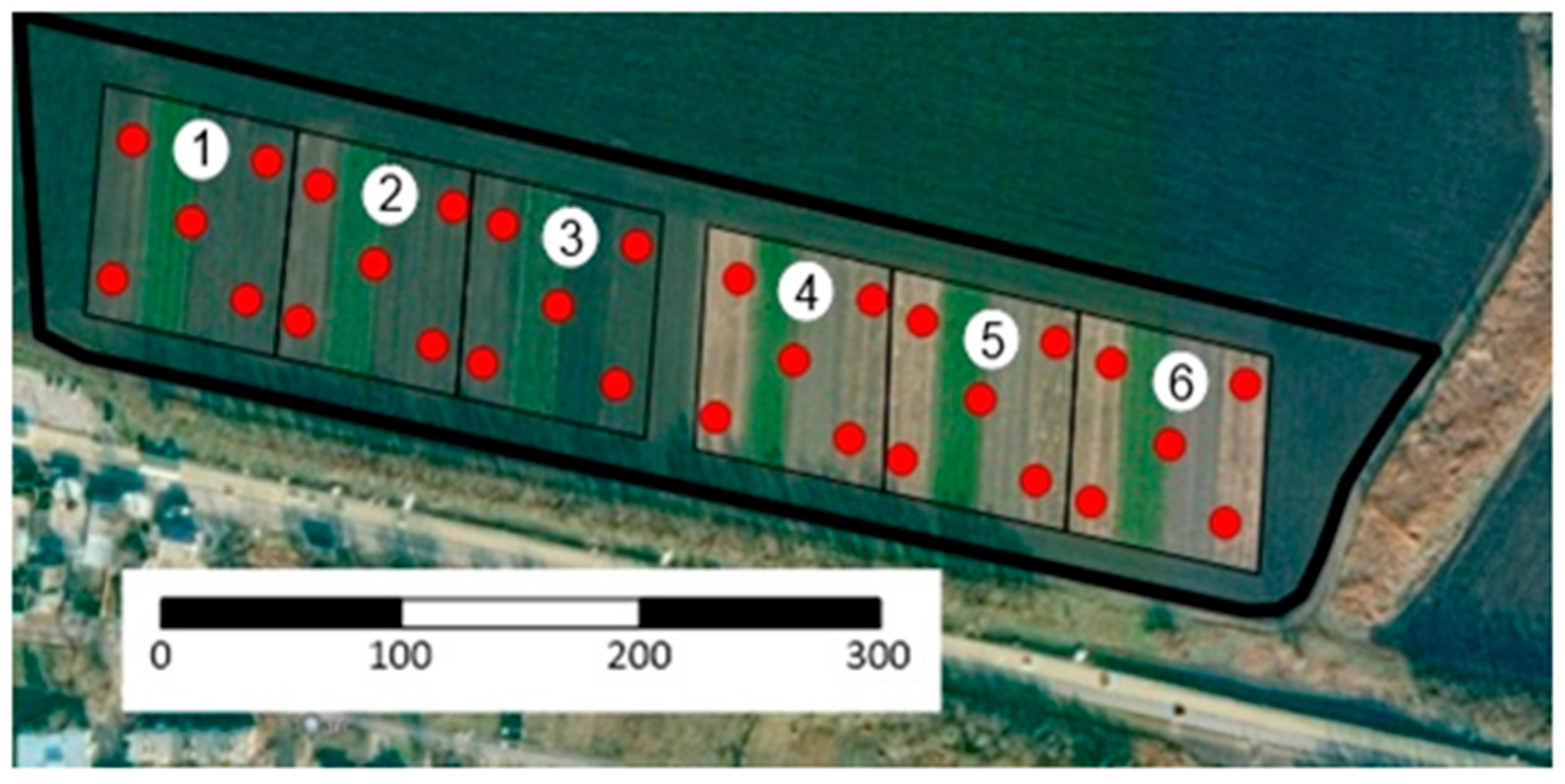
The study site is a long-term field experiment location established in 2012 by the Agricultural Scientific Center “Donskoy” (ASC “Donskoy”) to evaluate tillage effects on soil degradation, erosion, and agrogenic transformation as factors diminishing the socioeconomic functions of Chernozems under agrogenesis and global climate change. The experiment was established on a long-cultivated plot dominated by Haplic Chernozem Pachic [38], with GPS coordinates (Garmin GPSmap 76CS) of 46°48′43″ N, 40°18′12″ E (Figure 1).
The plot was located on a flat summit with a gentle north-to-southeast slope (elevation difference: ~4 m; see Figure S1, Supplementary Material S1). The field experiment comprised six plots of approximately equal elevation (81–83 m), each measuring 90 m long and 80 m wide (Figure 2).
The experimental design included the following tillage practices: conventional moldboard plowing (MP), two types of non-moldboard non-inversion deep tillage-flat-cut tillage with moling (FT), and layer-by-layer tillage (LT), as well as no-till technology (NT) (Figure 2; Figure S2, Supplementary Material S1). The MP depth was 20–25 cm; non-inversion tillage maintained the same depth. The FT device processed the soil with a flat cutter only at a depth of 20–25 cm. The LT practice involved a stratified method: the top layer (10–15 cm) was processed with a flat cutter, and the bottom layer (up to 20–25 cm) was processed with a cultivator. Pre-sowing soil preparation for all treatments except NT involved heavy disk harrowing. The NT treatment utilized specialized no-till seeders and strictly adhered to the principle of no mechanical disturbance while maintaining a mulch layer of stubble. Detailed descriptions of tillage methods and agricultural implements used are provided in [39].
All plots followed the same four-field crop rotation system, so that the quality (i.e., chemical composition) of plant residue inputs was similar for all treatments, while their quantities may have varied. For weed control, a glyphosate-based herbicide was applied. In the year of the experiment’s launch (2012), a uniform spring sowing of pea–oat mixture was carried out. In autumn, after harvesting the mixture, a four-field rotation system was established with the following crops: winter wheat (Triticum aestivum), spring barley (Hordeum vulgare annua), pea (Pisum sativum), and soybean (Glycine max). Primary mineral fertilizers (ammophos) were applied during sowing at equal rates across all treatments. Winter wheat received additional fertilization with liquid urea–ammonium nitrate solution (see Table S1, Supplementary Material S1).
Soil sampling was performed in five replicates per plot by the envelope method from two depths: 0–10 cm and 10–20 cm (Figure 2).

2.2. Methods

The contact angles (CA) were measured by the static sessile drop method using a digital goniometer OCA 15EC(DataPhysics, Filderstadt, Germany) equipped with a video camera and SCA 20 software. Membrane filters were used as support [40].
Soil structural state was assessed by dry and wet sieving through 10, 7, 5, 3, 2, 1, 0.5, and 0.25 mm sieves. The mean weight diameters of air-dry (MWDDSA) and water-stable aggregates (MWDWSA) were calculated by weighing the mean diameter of each class ( X ¯ i ) by the mass of aggregates (wᵢ) in that class and summing these products [41]:
M W D = i = 1 n ( w i × X i )
The structural coefficients for dry aggregates (Kstr) were calculated as a mass relation between macro structural aggregates (0.25–10 mm) and the sum of mega (>10 mm) and micro (<0.25 mm) structural aggregates [41,42]:
K s t r =   m m a c r o m m i c r o   + m m e g a  
Actual and exchangeable soil acidities (pHaq and pHKCl) were determined via direct potentiometry in aqueous and salt (1 M KCl) extracts at a soil-to-solution ratio of 1:2.5 [43,44].
Available phosphorus and potassium were assessed using the Machigin method. The method consisted of the extraction of nutrients with ammonium carbonate solution of 10 g/dm3 concentration at a soil to solution ratio of 1:20. Then, P was determined by colorimetry as a blue phosphorus–molybdenum complex, and K was determined by flame-ionization photometry [45]. Total carbon and nitrogen content in soil was measured by dry combustion in an oxygen stream using an ECS 8020 CN analyzer (NC Technologies, Milan, Italy) [46]. Soil samples were pretreated with 10% HCl to remove carbonates [47].
Water-extractable organic matter (WEOM) was isolated using Type I ultrapure water (resistivity > 18 MΩ) at a soil-to-water ratio of 1:2.5. The suspension was shaken for 2 h, and WEOM was separated from the sediment by centrifugation, filtered through a 0.2 μm cellulose membrane, and stored at 4 °C until analysis. Samples intended for water-extractable organic carbon (WEOC) and nitrogen (WEN) determination were acidified to pH 2 with hydrochloric acid. WEOC and WEN concentrations in aqueous extracts were measured using a TOC-L CSN analyzer (Shimadzu, Kyoto, Japan) [48]. WEOC was measured in NPOC (Non-Purgeable Organic Carbon) mode, which implied sample acidification and purging with carrier gas (purified air) to remove CO2.
UV–Vis absorption spectra of WEOM from Chernozems were recorded on a UV-1800 spectrophotometer (Shimadzu) over a 200–800 nm range, with Type I ultrapure water as the reference. Optical indices (SUVA254, E2/E3, and SR) were calculated from the spectra [34,49]. Three-dimensional fluorescence spectra were recorded at excitation wavelengths of 230–500 nm (2 nm intervals) and emission wavelengths of 250–750 nm (slit width: 5 nm, scan speed: 60,000 nm/min) using an RF 6000 spectrofluorometer (Shimadzu). Excitation–emission matrix (EEM) processing and PARAFAC analysis were performed using the StaRdom package in R [50,51] including instrumental spectral correction, background subtraction (Type I water), inner-filter effect correction based on absorption spectra, normalization to Raman units, removal of Raman and Rayleigh scattering, interpolation, optical indices calculation, and PARAFAC modeling with discriminating individual fluorescent components. The components’ loadings were normalized on WEOC.
Fourier-transform infrared (FTIR) spectroscopy was used to characterize SOM composition. Soil samples were ground in an agate mortar, sieved through a 0.25 mm mesh, and stored at +4 °C until analysis. Prior to measurement, samples were dried to constant weight at 105 °C using a BM-50-1 moisture analyzer (BioBase, Jinan, China). IR spectra (4000–500 cm−1) were acquired by an FT-801 spectrometer (Simeks, Novosibirsk, Russia) with a PRIZ attachment (Simeks, Russia) in diffuse reflectance (DRIFT) mode for soil samples and in transmission mode for dried WEOM residues. Measurement parameters were as follows: resolution 2 cm−1, 36 scans per sample. H2O and CO2 interference were minimized by subtracting background spectra and automatic correction in the 2400–2240 and 674–663 cm−1 ranges using ZaIR 3.5 software (Simeks). A metal mirror was used for the background spectra registration. For the SOM DRIFT analysis, soil was placed in a 12 mm diameter metal cup and leveled with a glass slide. For WEOM analysis, 1 mL of aqueous extract was mixed with 100 mg of IR-grade KBr, lyophilized at −60 °C, pressed into pellets, and analyzed. DRIFT spectra processing included smoothing, baseline correction, and multiplicative scatter correction [52]. Transmission spectra underwent smoothing and baseline correction. Peak maxima were marked from second-derivative spectra. The intensity of each identified peak was normalized by the sum of all identified peaks’ intensities.
Py-GC/MS analysis was performed using a Multi-Shot Pyrolyzer EGA/PY-3030D (Frontier Lab, Koriyama, Japan) equipped with an AS1020E autosampler and coupled to a GCMS-QP2010 Ultra gas chromatograph–mass spectrometer (Shimadzu, Japan). Soil samples (2–5 mg), finely ground to powder, were pyrolyzed at 500 °C for 1 min. Pyrolysis products were separated and detected by GC/MS. The GC parameters were as follows: injector temperature, 300 °C; GSBP-5MS capillary column (30 m length); helium carrier gas flow rate, 1 mL/min. The temperature program was as follows: initial hold at 40 °C for 1.5 min, followed by a ramp at 5 °C/min to 300 °C, and final hold at 300 °C for 7 min. Analyte molecule ionization was performed by electron impact at 70 eV; the detection range spanned m/z 47-600. Pyrogram deconvolution was performed on the GNPS (Global Natural Products Social Molecular Networking) web service platform [53], and peak identification was performed in the MS Search program (version 2.0, FairCom Co., Columbia, MO, USA) using the NIST11 mass spectra library (National Institute of Standards and Technology, Gaithersburg, MD, USA). For a semi-quantitative assessment of the pyrolysate content, the internal normalization method was used [54].

2.3. Data Analysis

The data analysis tested two statistical hypotheses: one examining differences between specific tillage treatment types, and another assessing the overall effect of tillage presence. To ensure independent and comparable samples, data from the NT (no-till) fields were averaged according to the sampling scheme. A comparison was then made across four groups—FT, LT, MP, and NT—with five observations per group. To isolate the effect of tillage presence, the FT, LT, and MP treatments were averaged into a single “Till” group. A subsequent comparison was made between this consolidated Till group and the NT group (with five observations each). Prior to statistical analysis, compositional data were normalized using a centered log-ratio (clr) transformation. Exploratory analysis was performed via principal component analysis (PCA). Multivariate hypothesis testing was conducted using PERMANOVA. The effect of tillage treatment type (FT, LT, MP, and NT) was assessed using the Kruskal–Wallis test, followed by a post hoc Dunn’s test with Holm correction for multiple comparisons. The effects of tillage application (Till vs. NT) and sampling depth (0–10 cm vs. 10–20 cm) were evaluated using the Mann–Whitney U test. Associations between soil chemical and physical property indicators were assessed using Spearman’s rank correlation coefficient. A significance level (α) of 0.05 was applied for all tests. Statistical analysis and visualization were performed in R (version 4.5.1) [55] using the RStudio (version 2023.09.0) development environment. The following packages were used: ggplot2 [56] for data visualization; compositions [57] for compositional data analysis; vegan [58] for multivariate analysis; factoextra [59] for visualizing multivariate results; corrplot [60] for plotting correlation matrices; and pairwiseAdonis [61] for pairwise PERMANOVA tests.

3. Results

3.1. Physical and Chemical Properties of the Soils Under Different Tillage Practices

The main physical properties of the studied soil: the contact angles (CAs), coefficients of soil structuring (Kstr), and weighted average diameters of air-dry (MWDDSA) and water-stable aggregates (MWDWSA) are given in Table 1.
The CA values for all soil samples were consistent with those previously reported for arable Chernozems of the Kursk region [62] and showed no dependence on the soil cultivation method. The effect of sampling depth was evident only for the FT treatment, where CA values increased with depth.
The obtained Kstr values (0.9–1.5) indicate a good structural condition for all studied Chernozems. A significantly higher Kstr index was observed in the NT soil. The MWDDSA varied slightly (3.2–3.5 mm) and was not affected by the treatment, whereas MWDWSA approximately doubled under the NT treatment, where no mechanical disturbance occurred.
The main chemical characteristics of the studied Chernozems are presented in Table 2. The treatments revealed significant differences in pHH2O. In the 0–10 cm layer, the NT technology significantly increased the soil acidity compared to other treatments, while in the 10–20 cm layer, pHH2O did not depend on the agricultural technology applied.
The contents of available P, K, and WEN varied widely but did not differ significantly among treatments. This is likely related to the spring application of fertilizers, as samples were collected in May. According to the regional classification [63], all studied Chernozems exhibited a high nutrient supply.
The organic carbon content (Corg) was approximately 2% and decreased with depth. Differences between treatments were observed only in the 10–20 cm layer, where NT soils had the lowest and MP soils the highest Corg values. In contrast, WEOC content differed among treatments only in the upper layer. Variations in total nitrogen (TN) content were detectable in both the upper (0–10 cm) and lower (10–20 cm) layers, with the FT plot showing the highest TN.
A comparison of NT with tilled soils revealed the following patterns. No significant differences in Corg were found in the upper layer, but in the lower layer, Corg was significantly reduced under NT. For both NT and tilled soils, Corg decreased with depth. TN content did not differ significantly among treatments in the 0–10 cm layer, but at 10–20 cm, TN was lower in NT soils than in tilled ones. In tilled plots, nitrogen content increased with depth, while in NT soils, it decreased. Tillage also increased WEOC content. Neither soil treatment nor sampling depth affected WEN content.

3.2. SOM Composition Features of the Soils Under Different Tillage Treatments

3.2.1. FTIR (DRIFTS Mode)

The spectra of all soil samples were dominated by three sharp peaks in the 800–600 cm−1 region and two broader bands at 1500–1250 and 1700–1400 cm−1 (Figure S3a), consistent with the predominance of aromatic and oxidized compounds in Chernozem SOM [64,65,66]. As all samples were collected within a relatively small area with similar parent material composition, the observed differences in IR spectra can be attributed to variations in SOM composition.
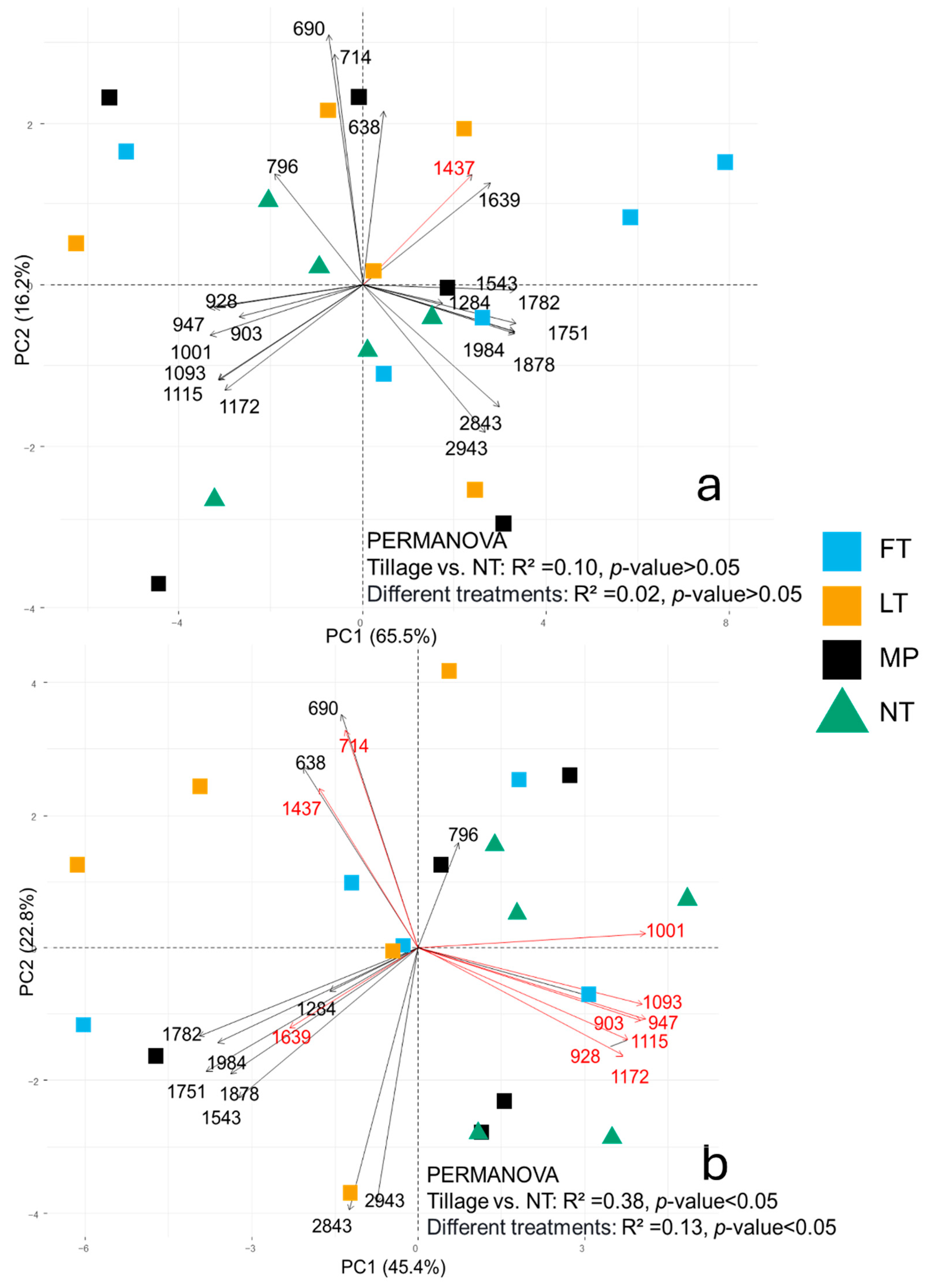
Principal component analysis (PCA) of the DRIFT spectral data showed no distinct clustering of soils by treatment. However, PERMANOVA indicated weak but significant treatment-related clustering in the 10–20 cm layer (Figure 3, Table S3, Supplementary Material S1).
The NT treatment differed from the pooled tilled treatments (Till) by higher band intensities in the 1172–903 cm−1 region (Tables S2 and S4, Supplementary Material S1), corresponding mainly to C-O bond vibrations in primary and secondary alcohols and ethers—functional groups characteristic of carbohydrates, including polysaccharides.
Conversely, the relative intensities of the bands at 1639 and 1437 cm−1—associated primarily with vibrations of amide/peptide fragments and C-H bonds of aliphatic compounds [67]—were significantly higher in tilled soils. The biggest differences in these bands were observed between the NT and LT treatments. In addition, the FT treatment exhibited a significantly greater absorption intensity at 714 cm−1 than NT. This band likely arises from deformation vibrations of C–H bonds in aromatic rings [67] and/or carbonate groups [68].

3.2.2. Pyrolysis GC/MS

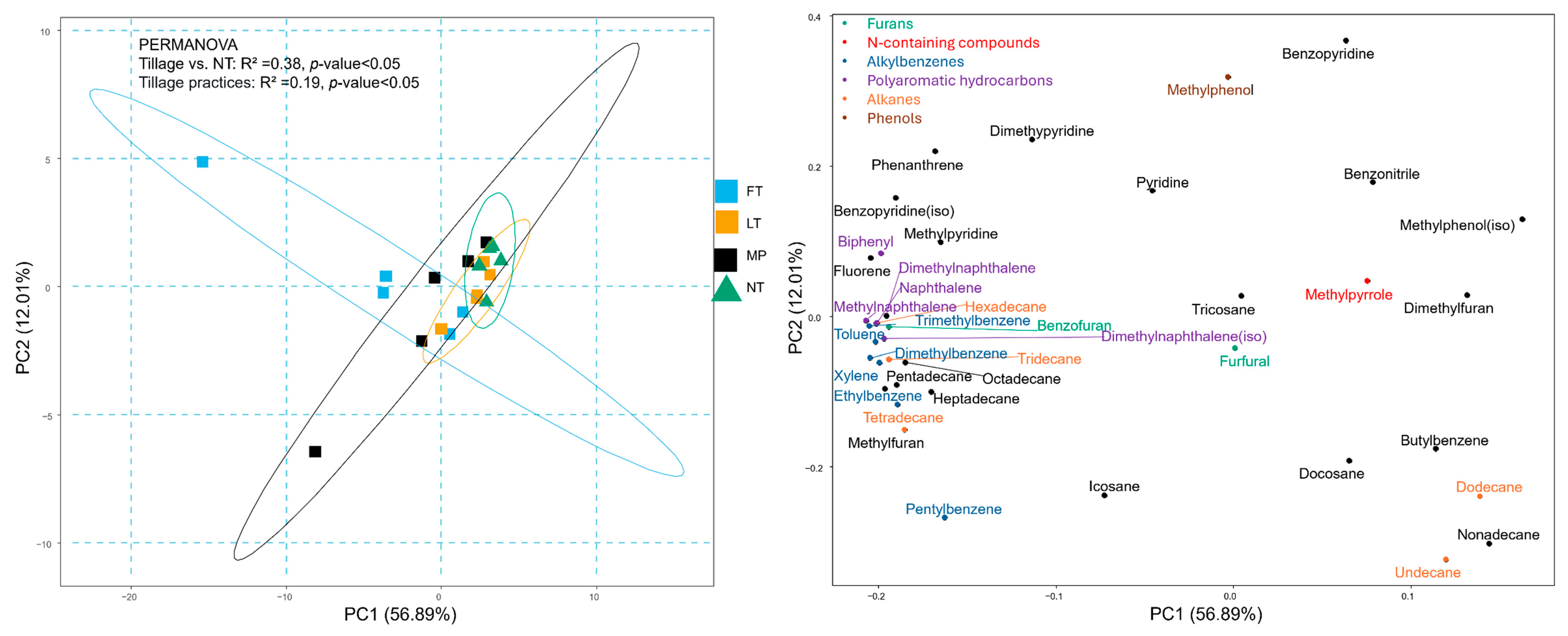
Analytical pyrolysis was performed on Chernozem samples, resulting in the identification of 39 pyrolysis products. These compounds included furans, nitrogen-containing compounds, alkylbenzenes, polycyclic aromatic hydrocarbons (PAHs), alkanes, and phenols (Tables S5 and S6, Supplementary Material S1). A significant clustering of soil pyrolysate compositions according to treatment was observed at the 0–10 cm sampling depth, as indicated by PERMANOVA analysis (Figure 4). Significant differences were detected between the FT and NT treatments in the relative abundances of several compounds, including furfural, ethylbenzene, dimethylbenzenes, trimethylbenzene, pentylbenzene, and hexadecane (Table S5, Supplementary Material S1). Likewise, significant differences between the MP and NT treatments were found in the relative abundances of selected alkylbenzenes (dimethylbenzenes, xylene, and trimethylbenzene) and naphthalene (Table S5, Supplementary Material S1).
The pyrolytic profiles of all tilled Chernozems were characterized by higher abundances of alkylbenzenes, PAHs, benzofuran, and alkanes, with the FT treatment exhibiting the highest proportions of these compounds. In contrast, the NT treatment showed increased contents of methylphenols and furfural among its pyrolysis products.
At 10–20 cm depth, pyrolysis products were largely unaffected by soil management (Figure S4, Table S6, Supplementary Material S1). However, pooled tilled soils differed significantly from NT in the abundances of certain N-containing compounds (methylpyrrole, dimethylpyridine, and benzonitrile) and alkanes (heptadecane, nonadecane, icosane, and tricosane) (Table S6, Supplementary Material S1). NT soils exhibited the highest contributions of N-containing compounds and medium-chain alkanes (heptadecane, nonadecane), whereas long-chain alkanes (icosane, tricosane) were more abundant in tilled soils. The most pronounced differences were observed in NT vs. LT and NT vs. MP comparisons. No significant effect of sampling depth on the pyrolytic profiles of Chernozem OM was detected.

3.3. WEOM Composition Features of the Soils Under Different Treatments

3.3.1. Optical Indices

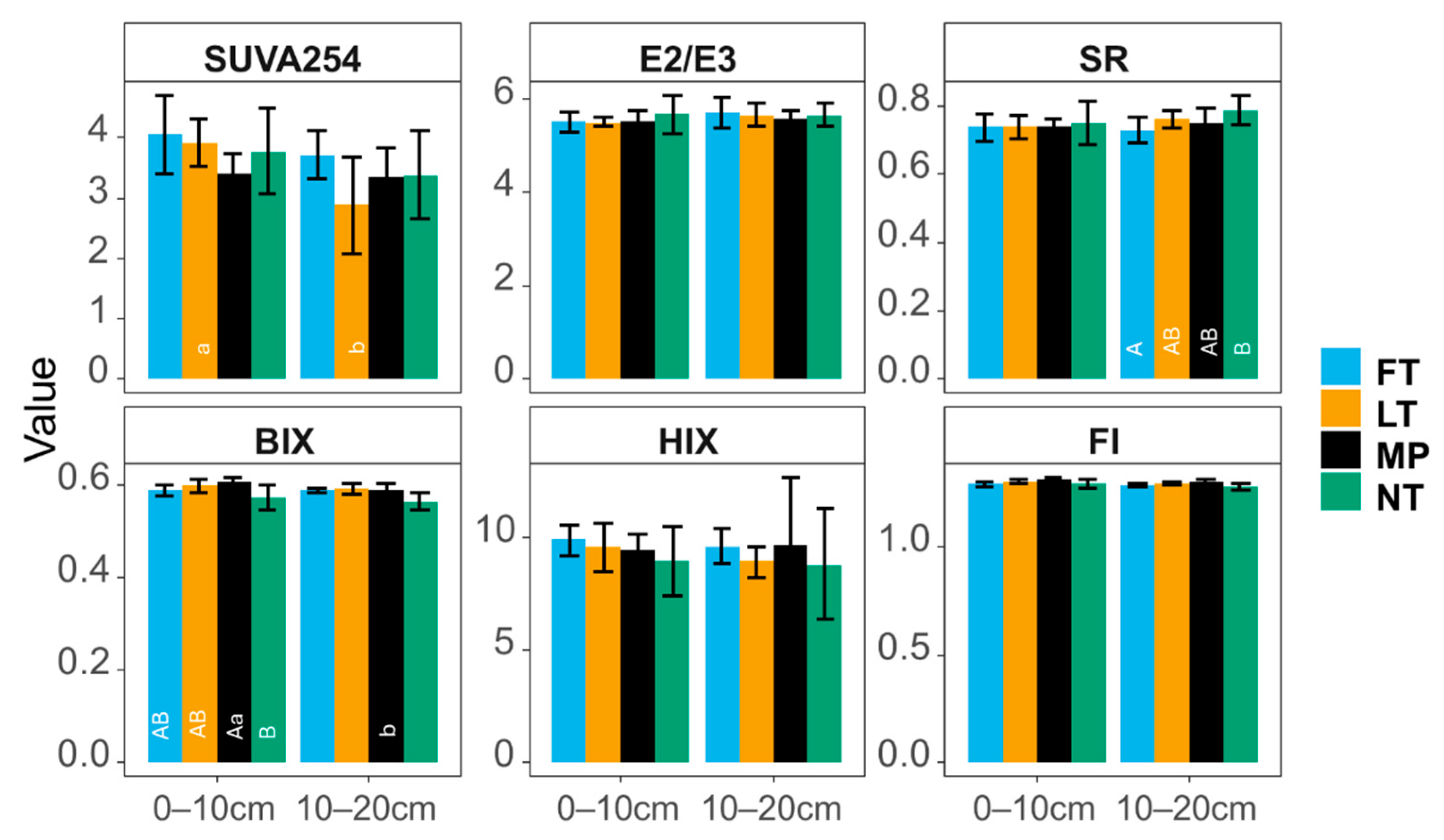
No significant differences were observed in the WEOM composition among the FT, LT, and MP treatments, whereas the WEOM of NT soils differed significantly from that of the other treatments (Figure 5). In the NT treatment, the spectral slope ratio (SR) was significantly higher in the lower soil layer compared to the FT treatment, while the biological index (BIX) was significantly lower in the upper layer compared to the MP treatment. Neither SUVA254 nor the humification index (HIX) showed significant differences among treatments in either soil layer. The E2/E3 ratio, which has a similar interpretative meaning to SR [69,70], also did not differ significantly among treatments. The BIX and fluorescence index (FI), which are typically associated with recent biological activity [71,72], exhibited values characteristic of soil organic matter (BIX < 1; FI < 1.4).
A comparison of optical indices between pooled tilled soils (Till) and non-tilled (NT) soils (Figure S5, Supplementary Material S2) showed that the BIX values of the Till group were significantly higher than those of the NT group in both soil layers. In addition, SUVA254 and BIX were significantly higher in WEOM from the upper soil layer compared to the lower layer. A detailed description of the optical indices of WEOM is provided in the Supplementary Materials (Table S7, Supplementary Material S2).

3.3.2. Individual Fluorescent Components

PARAFAC modelling discriminated five individual fluorescent components in WEOM (Figure S6, Supplementary Material S2). Components were assigned using the Openfluor database [51] (minimum similarity 0.95) and cross-referenced with [32] (Table S8, Supplementary Material S2). C1 is associated with microbial-derived OM; it is common in seawater (peak M) and also observed in soil WEOM [32], being typical for Haplic Chernozems [33,34]. C2 represents the most hydrophobic high-molecular-weight humic-like component. C3 corresponds to the phenolic product of lignin degradation [73]. The C4 component has been detected in nutrient-rich waters [74], and C5 is indicative of protein degradation products.
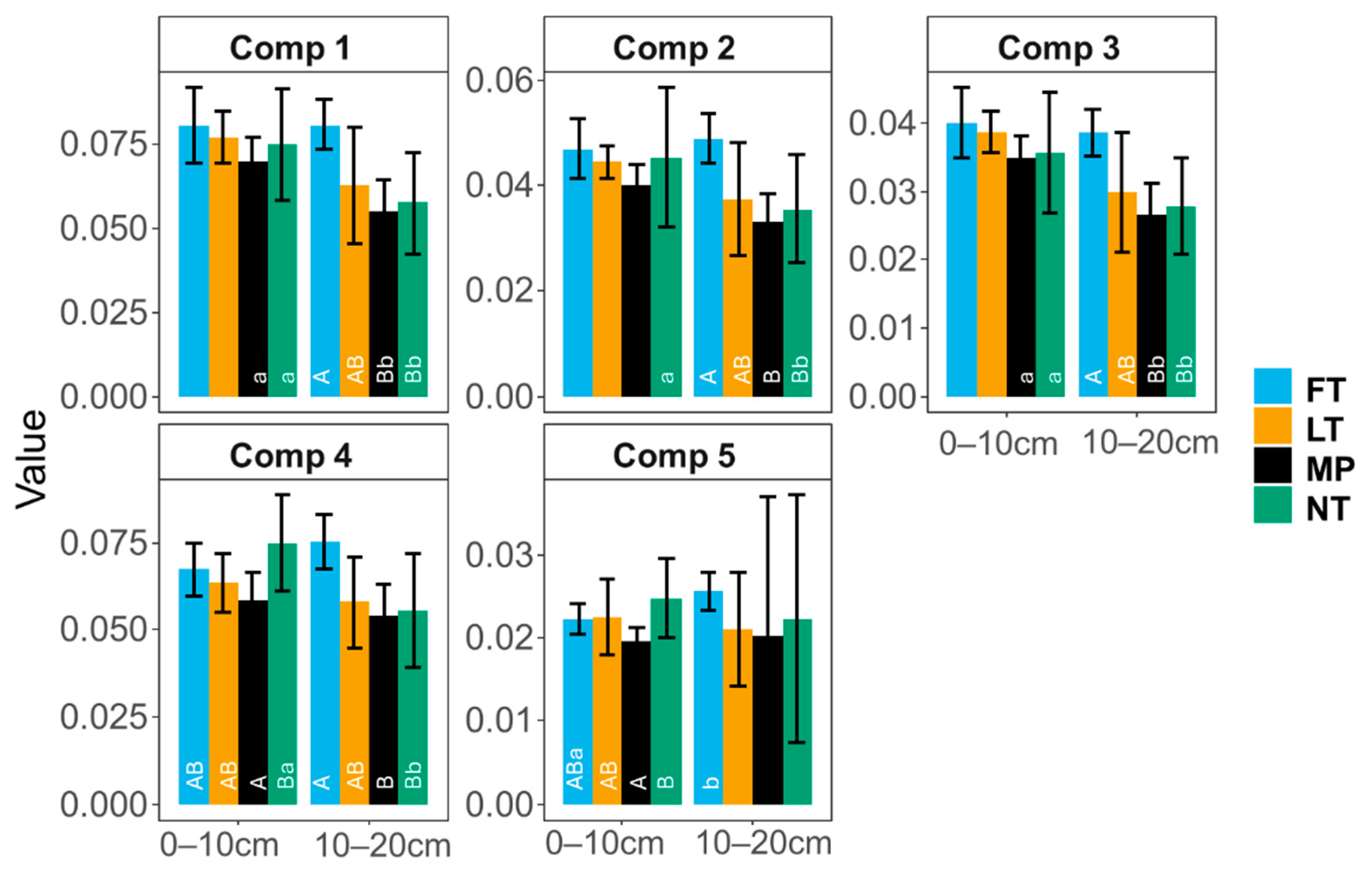
Across all samples, fluorescent WEOM was dominated by C1 and C4, each contributing 24–33%. The relative abundances of C2 and C3 ranged from 17.5 to 18.1% and 13.9 to 15.7%, respectively, while C5 was minor, contributing 8.9–10.8% (Table S8, Supplementary Material S2). Loadings of individual fluorescent components were generally more sensitive to soil treatment than the optical indices (Figure 6).
In NT soils, C4-C5 loadings were higher in the 0–10 cm layer compared with MP. In the 10–20 cm layer, humic-like components C1–C4 were significantly more abundant under FT than in MP and NT soils. Significant differences in C5 loadings were observed only between the upper layers of the most contrasting treatments, NT and MP.
In NT soils, the contributions of all humic-like components (C1–C4) were significantly lower in the lower layer than in the upper one; a trend was also observed for all treatments except FT. For FT, a significant increase in C5 was noted in the lower layer.
Comparison of pooled tilled soils (Till) and NT revealed significant differences in the upper layer for C4 and C5 with higher loadings in NT soils (Figure S7, Supplementary Material S2). In the Till group, stratification was evident only for C3, with lower loadings in the 10–20 cm layer.

3.3.3. FTIR (Transmission Mode)

The FTIR spectra of WEOM differed from those of SOM (Figure S3b, Supplementary Material S1) by a dominant sharp peak at 1384 cm−1, representing combined vibrations of phenolic and carboxylate O-H groups and CH2/CH3 groups [67]; a pronounced broad band at 1300–900 cm−1, attributed to C-O vibrations of the same groups; and weak intensity bands at 900–600 cm−1.
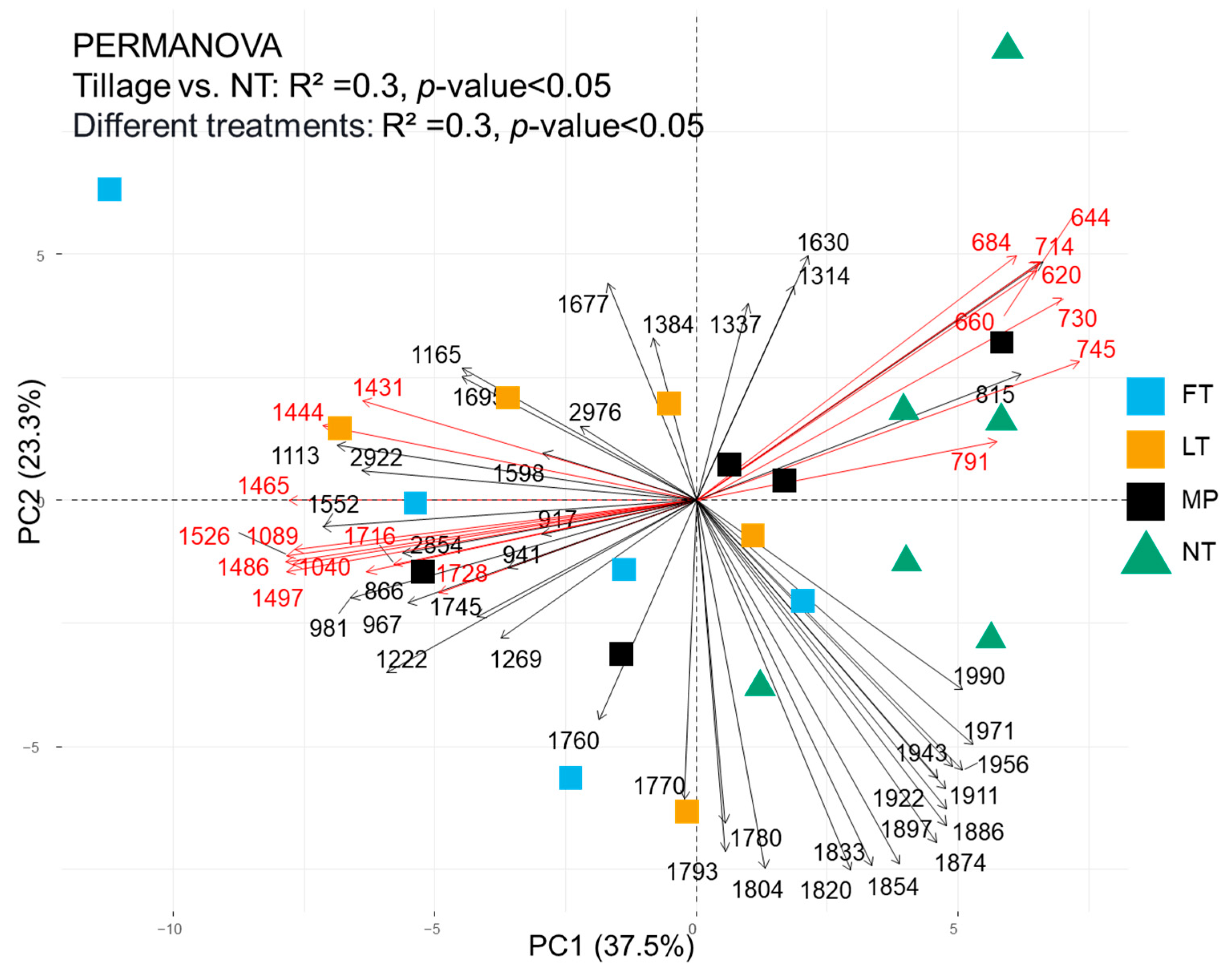
PCA of the 0–10 cm layer WEOM revealed treatment-dependent clustering (Figure 7, Table S9, Supplementary Material S2), whereas no clustering was observed in the 10–20 cm layer (Figure S8, Table S10, Supplementary Material S2). Therefore, further consideration of WEOM IR spectra focuses on the upper soil layer.
FT, LT, and MP soils were indistinguishable, while NT soils were separated from the pooled tilled soils along PC1. Significant spectral differences among treatments were detected at 791–620, 1113–1040, 1526–1431, and 1716–1728 cm−1 (Table S9, Supplementary Material S2). The 791–620 cm−1 range corresponds primarily to aromatic C–H out-of-plane bends; 1113–1040 cm−1 to non-aromatic C–H in-plane bends and C–O–C stretches of esters, ethers, and polysaccharides; 1526–1431 cm−1 to aliphatic C–H, carboxylate C–O–H, Amide II, and aromatic C=C vibrations; and 1716–1728 cm−1 to carboxylic acid C=O stretching [67,68]. Absorption in the latter three ranges was higher in tilled soils, with NT differing significantly from FT in the 1113–1040 cm−1 band intensity.
Correlation of FTIR data with UV–Vis and 3D fluorescence spectroscopy facilitated detailed interpretation (Figure S9, Supplementary Material S2). Absorption at 620–745 cm−1 correlated positively with E2/E3 and negatively with HIX, whereas 1040–1113 cm−1 showed the opposite trend, correlating positively with HIX and humic-like components C1–C3 and negatively with E2/E3. Bands at 1431–1526 cm−1 and 1716–1728 cm−1 were negatively correlated with E2/E3 and positively with HIX; the latter range also correlated with components C2 and C3.

3.4. Relationships Between Soil Physical Properties and SOM Composition Characteristics

Correlation of Physical Properties with Chemical Characteristics, FTIR Spectroscopy, and Analytical Pyrolysis Data in Chernozems

To explore the relationships between the physical properties and soil organic matter (SOM) composition in the 0–20 cm layer of the studied Chernozems, a correlation analysis was performed. The results are presented in Figures S9 and S10 (Supplementary Material S2).
The CA value showed no significant correlation with the main agrochemical properties (soil acidity, available potassium, and phosphorus), organic carbon, total nitrogen, and their water-soluble fractions, or with the composition of the SOM pyrolytic profile. In contrast, FTIR spectroscopy results revealed several significant relationships. Specifically, CA was positively correlated with absorption bands at 1172–903 cm−1, which are associated with alcohol, phenolic, and ester functional groups, and negatively correlated with bands at 1984–1437 cm−1, corresponding to carbonyl, carboxyl, and amide groups (Figure S10, Supplementary Material S2).
For soil structure indicators, significant correlations were found only with total nitrogen and selected pyrolytic products (Figure S11, Supplementary Material S2). Both MWDdsa and MWDwsa exhibited a negative correlation with total nitrogen. Additionally, Kstr was negatively correlated with dimethylnaphthalenes, whereas MWDwsa showed a positive correlation with two nitrogen-containing pyrolysates (methylpyridines and methylpyrrole).

4. Discussion

4.1. Effect of Tillage Practices on the Structure and Main Chemical Characteristics of Soils

The structural state of Chernozem under NT technology was, as expected, characterized by the highest values of Kstr and MWDWSA. The significantly lower Kstr and MWDWSA observed in all tilled soils (Table 1) reflect structural degradation, manifested by the accumulation of clods and fine fractions. Tillage causes mechanical disruption of macroaggregates and accelerates the decomposition of SOM, a key structure-forming component [23]. Glycans, glycoproteins, and other “gluing agents” are utilized faster [75], reducing the soil’s structure-forming capacity. Another important factor contributing to soil structure breakdown during plowing is the destruction of the network of fungal hyphae and fine roots that enmesh soil particles [76]. Therefore, the non-inversion tillage practices studied (FT and LT) did not improve the structural condition of Chernozems compared to conventional tillage (MP) during the 12-year experiment, whereas the NT system significantly enhanced it.
Since good wettability (low CA) corresponds to a highly hydrophilic surface, the low CA values recorded for all Chernozems indicate their overall high hydrophilicity. This is likely due to both the abundance of fine 2:1 clay particles with hydrophilic surfaces [77] and the relatively low hydrophobicity of SOM enriched in oxidized aromatic structures [78]. The increased CA observed in the 10–20 cm layer under FT treatment, together with its lower organic carbon content, suggests changes in the quality of OM of this layer during FT soil cultivation. Enhanced moisture retention due to moling likely stimulates microbial activity. Consequently, microbial products that increase particle hydrophobicity—such as lipoproteins and fatty acids—may accumulate in this layer [11,79].
The increased actual acidity in the surface layer of the NT soil aligns with previous studies and is associated with a slower decomposition rate of plant residues, accumulation of acidic functional groups in SOM, release of organic acids, and a decline in exchangeable cations such as K+, Ca2+, and Mg2+ [79,80].
The absence of significant differences in Corg content among treatments in the surface soil layer agrees with numerous reports [17,26,81,82,83], which have also found no increase in Corg under reduced tillage or NT compared with MP. Our results support previous findings [10] indicating that in cold and warm semi-arid to moderately dry climates, NT does not always lead to higher C stocks, and ΔC may even be negative. The study area, located in a semi-arid zone with frequent droughts, experiences enhanced SOM mineralization during dry periods as microorganisms “mine” nutrients [84]. Therefore, even high plant residue inputs do not necessarily translate into increased Corg. Moreover, detecting small differences in carbon content is inherently difficult due to the spatial heterogeneity of plant residue distribution, whose variable composition and abundance can substantially influence total soil carbon [85].
Lower Corg values in the 10–20 cm layer under FT and NT compared with other treatments, as well as pronounced vertical stratification, are likely explained by the greater accumulation of undecomposed plant residues on the soil surface without their incorporation into the profile [86]. In contrast, the use of more intensive mixing implements (LT and MP) reduces Corg stratification. The significantly higher total nitrogen content in both FT soil layers indicates more effective N retention under FT. The decrease in N content in the lower layer under NT likely reflects reduced fertilizer nitrogen translocation in the absence of mixing. The higher WEOC concentration in the upper layer of tilled Chernozems compared with NT appears to result from the decomposition of occluded particulate organic matter (POM) released following aggregate disruption [87].

4.2. Bulk SOM Composition as Affected by Tillage Treatment

4.2.1. SOM Variations Assessed by FTIR-DRIFTS

Changes in SOM composition, as revealed by DRIFTS analysis, primarily reflect variations in the stabilized SOM fraction, which dominates the total organic matter pool. The absence of statistically significant spectral differences between treatments in the 0–10 cm layer, contrasted with significant differences in the 10–20 cm layer, is likely due to substantial spatial heterogeneity of the soil surface (including uneven plant residue distribution), which can mask the effects of specific tillage practices [88].
According to the DRIFT spectra, the SOM composition under non-inversion tillage (FT and LT) in the 10–20 cm layer differs significantly from that under NT. The spectra of NT soils contain more carbohydrate-associated features indicative of plant residues compared with FT and LT. This suggests that soil tillage, even without inversion, reduces the content of plant-derived polysaccharides and increases the relative contribution of microbially transformed organic matter stabilized on the mineral matrix [89,90].
Thus, the processes accompanying FT and LT treatment alter the hydrophysical properties, disrupt a considerable portion of soil aggregates, and accelerate plant residue mineralization—effects similar to those observed under conventional tillage [88,91]. Although a substantial amount of crop stubble remains on the soil surface under FT and LT, enhanced aeration and disturbance of soil structure promote more intensive decomposition compared with NT, particularly in the sub-surface layers.

4.2.2. Pyrolytic Fingerprinting of SOM Variations

Differences in the pyrolytic profiles among treatments were more pronounced in the 0–10 cm layer than in the 10–20 cm layer, reflecting the predominant incorporation of plant residues into the surface horizon [92,93]. The observation that significant differences in DRIFT spectra and pyrolytic profiles occurred in different soil layers can be attributed to the specific features of the two techniques. FTIR spectroscopy captures all SOM components, whereas pyrolysis targets the thermally labile fraction, making it more sensitive to changes in labile SOM accumulating in surface soils.
The 0–10 cm Layer
The greater contribution of alkylbenzenes to the pyrolytic profiles of tilled Chernozems compared with NT may result from the presence of thermally degraded plant material (charred residues) [94] and/or partially decomposed lignins and tannins [95]. Among alkylbenzenes, toluene is recognized as a marker of highly processed OM [96], with its highest concentration observed in soil subjected to the most intensive tillage (MP). PAHs are known to form through the breakdown of condensed black carbon molecules [97,98]. The abundance of PAHs in the pyrolytic profiles of tilled Chernozems was thus associated with the accumulation of the compounds highly resistant to microbial degradation (i.e., the passive SOM pool), resulting from the accelerated mineralization of labile SOM under tillage.
The elevated proportions of furfural and phenols in SOM pyrolysates are generally linked to the persistence of degradation-resistant carbohydrates and to enhanced input and transformation of lignocellulosic material [99,100]. Phenols are typical products of lignin and polyphenol pyrolysis [101]. Therefore, the higher contributions of furfural and phenols to the SOM pyrolysate under NT indicate greater accumulation and stabilization of partially decomposed plant materials.
Alkanes in SOM pyrolysates primarily derive from the thermal transformation of various lipids [101]. Significant differences among tillage treatments were detected in the concentrations of medium-chain alkanes, whose precursors are bacterial lipids [102]. The accumulation of such lipids in tilled soils points to an advanced degree of SOM microbial transformation [103].
Based on the abundance of medium-chain alkanes in pyrolysates, the FT treatment exhibited a notably higher degree of microbial SOM processing than NT. This likely results from the positive effects of FT on moisture retention and aeration, which enhance microbial activity and promote SOM mineralization [104]. Although the quantity of plant residues entering the soil strongly influences SOM composition and dynamics [105,106], our results demonstrate that this effect is limited under tillage, even with non-inversion methods. Despite up to 80% of crop stubble remaining on the soil surface under FT, the corresponding soils were still poorly enriched with fresh organic material [107].
The 10–20 cm Layer
Differences in the qualitative composition of SOM between treatments at 10–20 cm depth primarily reflect the lower input of crop residues relative to the upper layer. The NT soil at this depth showed a higher proportion of pyrolysates characteristic of stable SOM compounds belonging to the passive pool—particularly medium-chain alkanes and nitrogen-containing components—than did soils under other treatments. This pattern likely arises because, in the absence of mechanical disturbance, plant residues are decomposed mainly within the upper 0–10 cm layer. In contrast, tillage redistributes crop debris throughout the soil profile, as evidenced by the high abundance of long-chain alkanes (plant-derived compounds) in tilled Chernozems [108]. Overall, the SOM in the 10–20 cm layer of NT soils exhibited a greater degree of decomposition compared with other treatments.
Thus, SOM under NT management differs substantially from that under other tillage systems. In the surface 0–10 cm layer, NT soils accumulate more poorly decomposed plant material, whereas in the 10–20 cm layer, they contain a greater proportion of highly processed compounds. These findings confirm that, under NT, the main transformation of plant residues occurs in the upper soil horizon and proceeds more slowly than under tilled conditions.

4.3. WEOM Composition as Affected by Tillage Treatments

4.3.1. WEOM Variations Assessed by UV–Vis Spectrometry and Spectrofluorometry

WEOM Optical Indices
Significant differences in WEOM optical indices were observed only in the 10–20 cm layer, highlighting the spatial heterogeneity of the studied soils, particularly in the surface layer. The average molecular weight of WEOM, as indicated by the SR index, was significantly lower in NT soils compared with FT. This likely reflects the limited input of plant residues into the lower horizon under NT (mainly roots) and weaker microbial activity, favoring preferential dissolution of lower molecular weight OM from the surface into the 10–20 cm layer, while higher molecular weight and hydrophobic WEOM remains stabilized in the topsoil [109].
A slight decrease in HIX in both layers of NT soils indicates accumulation of less-degraded WEOM [86,110]. The lack of significant differences in SUVA254 suggests that the aromaticity of less-degraded WEOM in NT is comparable to that of more processed OM under tillage (Figure 5). Lower BIX values in NT WEOM indicate a reduced proportion of microbially processed OM, reflecting slower decomposition of plant-derived material. In MP soils, higher BIX in the 0–10 cm layer compared to 10–20 cm likely results from increased microbial activity in the surface horizon [33,34].
Overall, the optical indices of WEOM under NT differed significantly from other treatments, whereas WEOM from non-inversion tillage (FT and LT) was largely similar to MP. This confirms that optical indices are relatively insensitive to tillage type.
Individual Fluorescent Components
PARAFAC modeling revealed differences in the composition of fluorescent WEOM. In the 10–20 cm layer of FT soils, higher contributions of humic-like components C1–C4 suggest enrichment with microbial and stabilized plant OM, likely due to improved moisture and aeration conditions under FT [111].
In NT soils, C4 contributions were higher in the surface layer than in other treatments. Given the spectral similarity of C4 to syringaldehyde [74] and the semi-arid location of the experimental site, this may reflect plants’ adaptive lignin modification under drought, such as changes in the syringyl/guaiacyl (S/G) ratio [112]. Higher C4 in NT soils could indicate reduced plant stress due to better water retention, along with suppressed decomposition of syringyl lignin units [86]. Additionally, components resembling C4 are associated with lower molecular weight fulvic substances [32,113]. Under NT, higher fulvic contributions to WEOM are consistent with the elevated SR index, reflecting both the accumulation of less-degraded SOM [110] and limited release of humic-rich OM from intact aggregates during extraction [114,115].

4.3.2. WEOM Variations Assessed by FTIR

WEOM in NT soils contains a higher proportion of carbonyl and carboxyl groups, along with alkyl and aromatic fragments, compared with tilled soils. This effect is most pronounced in the surface layer, consistent with previous studies [81,86,111]. Correlation analysis indicates that NT WEOM with higher aromaticity exhibits lower humification and molecular weight, reflecting accumulation of plant-derived OM and early-stage decomposition products [110].
In contrast, WEOM from tilled soils was enriched in amide/peptide fragments, indicative of a microbial origin, and in decomposition-resistant carbohydrates. Correlation analysis shows that these fragments are associated with highly humified WEOM, suggesting a more advanced stage of SOM transformation. Similar trends in microbial products were observed across both soil layers.
In the 10–20 cm layer, NT soils contained higher carbohydrate levels than tilled soils, with significant differences compared to LT. Despite this, fewer carbohydrates are released into the aqueous extract from NT soils, suggesting that these compounds are protected within soil aggregates. FTIR data did not indicate a higher overall proportion of aromatic OM in tilled soils compared to NT. Bands below 900 cm−1, associated with C-H deformation vibrations of aromatic rings [67,116,117], were more intense in NT soils, indicating differences in aromatic compound composition rather than total content. These findings align with PARAFAC modeling and prior observations on tillage effects on SOM lignin composition [107].
Additionally, significant differences between NT and FT were observed for bands at 1113–1040 cm−1, which may reflect the accumulation of relatively decomposition-resistant carbohydrates and their transition into WEOM [118,119].

4.4. Linking Soil Physical Properties to Chernozem Organic Matter Composition

CA was not correlated with Corg (Figure S10, Supplementary Material S2), which is consistent with previous observations [77,120]. Similarly, no correlation was found between CA and WEOC, indicating that WEOM does not significantly affect soil particle surface properties. Particle wettability is likely governed by SOM firmly adsorbed to mineral surfaces, which does not enter the aqueous extract. Previous studies showed that CA increases with irreversible sorption of humic substances (HSs) on clay minerals, and for bentonite, the effect depends on HS structure: more aromatic HSs from Chernozem increased particle hydrophobicity least [78]. The negative correlation between CA and FTIR bands characteristic of carbonyl, carboxyl, and amide groups aligns with the hydrophilic nature of these functional groups [121]. Conversely, the positive correlation of CA with bands associated with alcohol, phenolic, and ether groups—typical of polysaccharides and lignin fragments—may reflect their association with relatively hydrophobic moieties, such as poorly decomposed lignocellulose, which is rich in ether groups and depleted in free phenolics [122]. The revealed correlations of the intensity of a number of bands in the DRIFT spectra with the CA confirm the dependence of wettability on the composition of the SOM [123]. Significant correlations with FTIR, but not pyrolysis data, are explained by FTIR capturing the complete SOM composition, whereas pyrolysis reflects only the thermally labile fraction, which has limited influence on wettability.
The negative correlation between MWDDSA, MWDWSA, and total nitrogen content is likely due to nitrogen accumulation in microaggregates (<0.25 mm) [124], where stable organo-mineral complexes physically protect organic nitrogen and slow mineralization [75]. The positive correlation of MWDwsa with methylpyridines and methylpyrrole suggests accumulation of microbial transformation products from plant residues [100], predominantly within large water-stable aggregates rich in particulate organic matter (POM) [125]. These results indicate a substantial contribution of microbial OM to water-stable aggregation [126].
The negative correlation of Kstr with the content of dimethylnaphthalenes—a marker of the passive SOM pool [127,128]—highlights the weak structure-forming ability of this pool.
Overall, correlation analysis shows that Chernozem physical properties are closely linked to SOM composition. Particle wettability is primarily influenced by poorly decomposed lignocellulose, while accumulation of stable OM reduces soil structuring and hydrophobicity. Microbial-derived OM enhances water-stable aggregation, likely via amphiphilic compounds such as fatty acids and peptides. Thus, an optimal combination of poorly decomposed lignocellulose and microbial-derived SOM most positively affects Chernozem physical properties.

5. Conclusions

This study of agrochernozems demonstrated that non-inversion tillage methods (FT, LT) do not improve soil structure or key agrochemical properties (pHH2O, P, K, and Corg) compared with moldboard plowing (MP). Only complete elimination of tillage (NT) enhanced soil structure, increasing both the content of agronomically valuable aggregates and water stability.
Consistent with our first hypothesis, long-term soil conservation practices altered SOM and WEOM composition without significantly changing Corg and WEOC. NT-enriched surface SOM with labile components and fresh plant-derived organic matter. In contrast, FT and LT promoted the accumulation of a stable OM pool and microbial-derived SOM, likely due to intensified decomposition and mineralization of plant residues in the mulch layer and previously protected SOM released through aggregate disruption during loosening.
Our second hypothesis, that changes in agro-physical properties are associated with specific SOM fractions, was also confirmed. Kstr negatively correlated with recalcitrant OM components, whereas MWDWSA positively correlated with microbial-derived OM.
These results highlight the importance of assessing the long-term risks of carbon loss under non-inversion tillage and the potential of NT to enhance soil structure and carbon sequestration. Periodic moldboard plowing could complement non-inversion systems by incorporating plant residues into the soil, promoting SOM replenishment and stabilization.
Finally, our study focused on a single Chernozem type and crop rotation. Developing practical recommendations for sustainable tillage requires broader data on the effects of various systems across soil types, climates, and management practices. Future research should evaluate SOM mineralization rates and rhizosphere dynamics under different conservation technologies to optimize soil structure and carbon storage.

Supplementary Materials

The following supporting information can be downloaded at https://www.mdpi.com/article/10.3390/soilsystems9040138/s1: Supplementary Material S1: Figures S1–S4, Tables S1–S6; Supplementary Material S2: Figures S5–S11, Tables S7–S10. Figure S1: Topographic surface; Figure S2: Scheme of the field experiment with tillage practices, corresponding tools and crop rotation; Figure S3: Typical FTIR spectra of: (a) soil samples (DRIFT mode); (b) dried WEOM samples (transmission mode; Figure S4: Principal component analysis (PCA) of Py GC/MS data for Chernozems under various tillage practices: samples ordination based on relative abundances of SOM pyrolysates and eigenvectors of pyrolysis products. Sampling depth: 10–20 cm. Statistically significant features (i.e., pyrolysis products) are color-highlighted; Table S1: Scheme of the mineral fertilizers application on the experimental fields; Table S2: IR-band assignments for studied Chernozems; Table S3: The relative intensity of the IR bands based on DRIFT spectra of SOM samples from differently treated soils (depth 0–10 cm); Table S4: The relative intensity of the IR bands based on DRIFT spectra of SOM samples from differently treated soils (depth 10–20 cm); Table S5: Relative abundances of main pyrolysis products in SOM pyrolysates of 0–10 cm layer of studied soils; Table S6: Relative abundances s of main pyrolysis products in SOM pyrolysates of 10–20 cm layer of studied soils; Figure S5: Optical indices for WEOM of two soil layers of pulled tilled samples (Till) versus no-tillage (NT); Figure S6: Spectra of the PARAFAC components; Figure S7: C1–C5 fluorescent components’ loadings to the spectra for two soil layers of pulled mechanically treated samples (MT) versus no-tillage (NT); Figure S8: PCA Scatter plot of FTIR band intensities along the first two principal components for WEOM samples from differently treated soils (10–20 cm layer); and eigenvectors of the bands; Figure S9: Color map on correlations between FTIR band intensities and optical characteristics, as well as fluorescence components loadings for WEOM from 0–10 cm layer of differently treated soils; Figure S10: Correlation heat maps of contact angles (CA) with the main soil chemical properties (A), SOM pyrolysate composition (B) and DRIFT spectra (C) in the 0–20 cm layer of differently treated Chernozems; Figure S11: Correlation heat maps for soil structure indicators (Kstr, MWDdsa, MWDwsa) with the main soil chemical properties (A), SOM pyrolysate composition (B) and DRIFT spectra (C) in the 0–20 cm layer of differently treated Chernozems; Table S7: Descriptions of optical indices for WEOM; Table S8: Descriptions of individual fluorescent components discriminated by PARAFAC and identified with the aid of Openfluor database; Table S9: Evaluation of the significance of differences in the intensity of WEOM absorption bands in the IR spectra (Transmission mode) between experimental variants (depth 0–10 cm); Table S10: Evaluation of the significance of differences in the intensity of WEOM absorption bands in the IR spectra (Transmission mode) between experimental variants (depth 10–20 cm). References [129,130,131,132,133,134,135,136,137,138,139,140,141,142,143] are cited in the supplementary materials.

Author Contributions

Conceptualization, Y.F., N.D. and V.K.; methodology, I.D., I.G., A.Z., N.E. and I.N.; software, Y.F. and I.D.; validation, N.M. and S.K.; formal analysis, Y.F.; investigation, Y.F., N.D., I.D., I.G., N.M., A.Z., N.E., S.Y., I.N. and S.K.; data curation, Y.F. and N.D.; writing—original draft preparation, Y.F. and N.D.; writing—review and editing, Y.F., N.D., I.D., N.M., S.Y., S.K. and V.K.; visualization, Y.F., I.D., A.Z. and N.E.; funding acquisition, Y.F. and V.K. All authors have read and agreed to the published version of the manuscript.

Funding

This research was funded by the Russian Science Foundation (project No.24-26-00293).

Data Availability Statement

The original data presented in the study are openly available in Supplementary Materials S1 and S2. Raw data will be made available upon request.

Conflicts of Interest

The authors declare no conflicts of interest.

References

  1. Haddaway, N.R.; Hedlund, K.; Jackson, L.E.; Kätterer, T.; Lugato, E.; Thomsen, I.K.; Jørgensen, H.B.; Isberg, P.-E. How does tillage intensity affect soil organic carbon? A systematic review. Environ. Evid. 2017, 6, 30. [Google Scholar] [CrossRef]
  2. Johnson, J.M.F.; Reicosky, D.C.; Allmaras, R.R.; Sauer, T.J.; Venterea, R.T.; Dell, C.J. Greenhouse gas contributions and mitigation potential of agriculture in the central USA. Soil Tillage Res. 2005, 83, 73–94. [Google Scholar] [CrossRef]
  3. West, T.O.; Post, W.M. Soil Organic Carbon Sequestration Rates by Tillage and Crop Rotation. Soil Sci. Soc. Am. J. 2002, 66, 1930–1946. [Google Scholar] [CrossRef]
  4. Blanco-Canqui, H.; Lal, R. Principles of Soil Conservation and Management; Springer Science & Business Media: Berlin/Heidelberg, Germany, 2008. [Google Scholar]
  5. Karlen, D.; Cambardella, C. Conservation strategies for improving soil quality and organic matter storage. In Structure and Organic Matter Storage in Agricultural Soils; CRC Press: Boca Raton, FL, USA, 2020; pp. 395–420. [Google Scholar]
  6. Lal, R. The Role of Residues Management in Sustainable Agricultural Systems. J. Sustain. Agric. 1995, 5, 51–78. [Google Scholar] [CrossRef]
  7. Balesdent, J.; Chenu, C.; Balabane, M. Relationship of soil organic matter dynamics to physical protection and tillage. Soil Tillage Res. 2000, 53, 215–230. [Google Scholar] [CrossRef]
  8. Kandeler, E.; Tscherko, D.; Spiegel, H. Long-term monitoring of microbial biomass, N mineralisation and enzyme activities of a Chernozem under different tillage management. Biol. Fertil. Soils 1999, 28, 343–351. [Google Scholar] [CrossRef]
  9. Mazzoncini, M.; Antichi, D.; Di Bene, C.; Risaliti, R.; Petri, M.; Bonari, E. Soil carbon and nitrogen changes after 28 years of no-tillage management under Mediterranean conditions. Eur. J. Agron. 2016, 77, 156–165. [Google Scholar] [CrossRef]
  10. Ogle, S.M.; Alsaker, C.; Baldock, J.; Bernoux, M.; Breidt, F.J.; McConkey, B.; Regina, K.; Vazquez-Amabile, G.G. Climate and Soil Characteristics Determine Where No-Till Management Can Store Carbon in Soils and Mitigate Greenhouse Gas Emissions. Sci. Rep. 2019, 9, 11665. [Google Scholar] [CrossRef] [PubMed]
  11. Šimon, T.; Javůrek, M.; Mikanová, O.; Vach, M. The influence of tillage systems on soil organic matter and soil hydrophobicity. Soil Tillage Res. 2009, 105, 44–48. [Google Scholar] [CrossRef]
  12. Fiorini, A.; Remelli, S.; Boselli, R.; Mantovi, P.; Ardenti, F.; Trevisan, M.; Menta, C.; Tabaglio, V. Driving crop yield, soil organic C pools, and soil biodiversity with selected winter cover crops under no-till. Soil Tillage Res. 2022, 217, 105283. [Google Scholar] [CrossRef]
  13. Lauria, A.; Bruland, G. Comparison of Soil Properties between Paired No-till and Conventional Tillage Systems in Central Illinois. Trans. Ill. State Acad. Sci. 2020, 113, 9–15. [Google Scholar]
  14. Sapkota, T.B.; Mazzoncini, M.; Bàrberi, P.; Antichi, D.; Silvestri, N. Fifteen years of no till increase soil organic matter, microbial biomass and arthropod diversity in cover crop-based arable cropping systems. Agron. Sustain. Dev. 2012, 32, 853–863. [Google Scholar] [CrossRef]
  15. Thomas, G.A.; Titmarsh, G.W.; Freebairn, D.M.; Radford, B.J. No-tillage and conservation farming practices in grain growing areas of Queensland a review of 40 years of development. Aust. J. Exp. Agric. 2007, 47, 887–898. [Google Scholar] [CrossRef]
  16. Karlen, D.L.; Cambardella, C.A.; Kovar, J.L.; Colvin, T.S. Soil quality response to long-term tillage and crop rotation practices. Soil Tillage Res. 2013, 133, 54–64. [Google Scholar] [CrossRef]
  17. Kandeler, E.; Böhm, K.E. Temporal dynamics of microbial biomass, xylanase activity, N-mineralisation and potential nitrification in different tillage systems. Appl. Soil Ecol. 1996, 4, 181–191. [Google Scholar] [CrossRef]
  18. Islam, K.R.; Weil, R. Soil quality indicator properties in mid-Atlantic soils as influenced by conservation management. J. Soil Water Conserv. 2000, 55, 69–78. [Google Scholar] [CrossRef]
  19. Holland, J.M. The environmental consequences of adopting conservation tillage in Europe: Reviewing the evidence. Agric. Ecosyst. Environ. 2004, 103, 1–25. [Google Scholar] [CrossRef]
  20. Mao, J.; Nierop, K.G.J.; Rietkerk, M.; Dekker, S.C. Predicting soil water repellency using hydrophobic organic compounds and their vegetation origin. Soil 2015, 1, 411–425. [Google Scholar] [CrossRef]
  21. Angst, G.; Mueller, K.E.; Kögel-Knabner, I.; Freeman, K.H.; Mueller, C.W. Aggregation controls the stability of lignin and lipids in clay-sized particulate and mineral associated organic matter. Biogeochemistry 2017, 132, 307–324. [Google Scholar] [CrossRef]
  22. Sarker, T.C.; Incerti, G.; Spaccini, R.; Piccolo, A.; Mazzoleni, S.; Bonanomi, G. Linking organic matter chemistry with soil aggregate stability: Insight from 13C NMR spectroscopy. Soil Biol. Biochem. 2018, 117, 175–184. [Google Scholar] [CrossRef]
  23. Sonsri, K.; Watanabe, A. Insights into the formation and stability of soil aggregates in relation to the structural properties of dissolved organic matter from various organic amendments. Soil Tillage Res. 2023, 232, 105774. [Google Scholar] [CrossRef]
  24. Tian, S.; Yao, S.; Zhu, S.; Li, P.; Zhang, T.; Su, X.; Huang, R.; Yin, Y.; Lv, J.; Jiang, T.; et al. Evaluating soil dissolved organic matter as a proxy for soil organic matter properties across diverse ecosystems. Soil Biol. Biochem. 2025, 204, 109752. [Google Scholar] [CrossRef]
  25. Mao, A.; Zheng, J.; Wang, Z.; Sun, F.; Sang, Y.; Chen, X.; Li, Y.; Miao, A. Decipher the Persistence of Soil Dissolved Organic Matter Under Different Land Use Types Using Potential Molecular Transformations. Land Degrad. Dev. 2025; early view. [Google Scholar] [CrossRef]
  26. Sun, H.Y.; Koal, P.; Gerl, G.; Schroll, R.; Joergensen, R.G.; Munch, J.C. Water-extractable organic matter and its fluorescence fractions in response to minimum tillage and organic farming in a Cambisol. Chem. Biol. Technol. Agric. 2017, 4, 15. [Google Scholar] [CrossRef]
  27. Tong, Y.; Angelini, M.E.; Yigini, Y.; Luotto, I. Global black soil distribution. Front. Agr. Sci. Eng. 2024, 11, 271–281. [Google Scholar] [CrossRef]
  28. Zhidkin, A.P.; Fomicheva, D.V.; Shamshurina, E.N.; Zazdravnukh, E.A.; Rukhovich, D.I.; Fang, H.Y. Digital soil mapping of erosion-induced degradation of Chernozems on the East-European Plain. Geoderma Reg. 2025, 41, e00953. [Google Scholar] [CrossRef]
  29. Zhidkin, A.P.; Khirk, A.V.; Shchepotiev, V.N.; Fomicheva, D.V.; Zhuikov, D.V. Erosion Control Measures on Agricultural Land in Russia: A Review. Eurasian Soil Sci. 2024, 57, 1487–1498. [Google Scholar] [CrossRef]
  30. Liu, S.; Zhang, X.; Zhao, J.; Zhang, J.; Müller, C.; Cai, Z. Effects of long-term no tillage treatment on gross soil N transformations in black soil in Northeast China. Geoderma 2017, 301, 42–46. [Google Scholar] [CrossRef]
  31. Borisover, M.; Lordian, A.; Levy, G.J. Water-extractable soil organic matter characterization by chromophoric indicators: Effects of soil type and irrigation water quality. Geoderma 2012, 179–180, 28–37. [Google Scholar] [CrossRef]
  32. Coble, P.G.; Lead, J.; Baker, A. Aquatic Organic Matter Fluorescence; Cambridge University Press: Cambridge, UK, 2014. [Google Scholar]
  33. Danilin, I.V.; Danchenko, N.N.; Ziganshina, A.R.; Farkhodov, Y.R.; Yaroslavtseva, N.V.; Kholodov, V.A. Divergent response of Chernozem organic matter towards short-term water stress in Poa pratensis L. rhizosphere and bulk soil in pot experiments: A spectroscopic study. Soil Tillage Res. 2025, 245, 106285. [Google Scholar] [CrossRef]
  34. Kholodov, V.A.; Danchenko, N.N.; Ziganshina, A.R.; Yaroslavtseva, N.V.; Semiletov, I.P. Direct Salinity Effect on Absorbance and Fluorescence of Chernozem Water-Extractable Organic Matter. Aquat. Geochem. 2024, 30, 31–48. [Google Scholar] [CrossRef]
  35. Sharma, P.; Laor, Y.; Raviv, M.; Medina, S.; Saadi, I.; Krasnovsky, A.; Vager, M.; Levy, G.J.; Bar-Tal, A.; Borisover, M. Compositional characteristics of organic matter and its water-extractable components across a profile of organically managed soil. Geoderma 2017, 286, 73–82. [Google Scholar] [CrossRef]
  36. Ishii, S.K.L.; Boyer, T.H. Behavior of Reoccurring PARAFAC Components in Fluorescent Dissolved Organic Matter in Natural and Engineered Systems: A Critical Review. Environ. Sci. Technol. 2012, 46, 2006–2017. [Google Scholar] [CrossRef]
  37. Nasonova, A.; Levy, G.J.; Rinot, O.; Eshel, G.; Borisover, M. Organic matter in aqueous soil extracts: Prediction of compositional attributes from bulk soil mid-IR spectra using partial least square regressions. Geoderma 2022, 411, 115678. [Google Scholar] [CrossRef]
  38. Anjos, L.; Gaistardo, C.; Deckers, J.; Dondeyne, S.; Eberhardt, E.; Gerasimova, M.; Harms, B.; Jones, A.; Krasilnikov, P.; Reinsch, T.; et al. World Reference Base for Soil Resources 2014, International Soil Classification System for Naming Soils and Creating Legends for Soil Maps; FAO: Rome, Italy, 2015; p. 203. [Google Scholar]
  39. Semenikhina, Y.; Kambulov, S.; Pakhomov, V. Peculiarities of tillage in the conditions of dry farming in the cultivation of soybeans. E3S Web Conf. 2023, 413, 01018. [Google Scholar] [CrossRef]
  40. Matveeva, N.V.; Milanovskii, E.Y.; Rogova, O.B. Method of preparing soil samples for determining the contact angle of wetting by a sessile drop method. Byulleten Pochvennogo Instituta Im. V.V. Dokuchaeva 2019, 97, 91–112. [Google Scholar] [CrossRef]
  41. Kholodov, V.; Yaroslavtseva, N.; Farkhodov, Y.; Belobrov, V.; Yudin, S.; Aydiev, A.; Lazarev, V.; Frid, A. Changes in the Ratio of Aggregate Fractions in Humus Horizons of Chernozems in Response to the Type of Their Use. Eurasian Soil Sci. 2019, 52, 162–170. [Google Scholar] [CrossRef]
  42. Shein, E.V. A Course of Soil Physics; Izd. Mosk. Gos. Univ: Moscow, Russia, 2005. [Google Scholar]
  43. GOST 26423-85; Soils. Methods for Determining Specific Electrical Conductivity, pH, and Dry Residue of Aqueous Extract. USSR Gosstandart: Moscow, Russia, 1986.
  44. GOST 26483-85; Soils. Preparation of Salt Extract and Determination of Its pH by the TSINAO Method. USSR Gosstandart: Moscow, Russia, 1986.
  45. GOST 26205-91; Soils. Determination of Mobile Compounds of Phosphorus and Potassium by Machigin Method Modified by CINAO. USSR Gosstandart: Moscow, Russia, 1991.
  46. ISO 10694:1995; Soil Quality—Determination of Organic and Total Carbon After Dry Combustion (Elementary Analysis). ISO: Geneva, Switzerland, 1995.
  47. Pansu, M.; Gautheyrou, J. Handbook of Soil Analysis: Mineralogical, Organic and Inorganic Methods; Springer: Berlin/Heidelberg, Germany, 2006. [Google Scholar]
  48. ISO 8245; Water Quality—Guidelines for the Determination of Total Organic Carbon (TOC) and Dissolved Organic Carbon (DOC). ISO: Geneva, Switzerland, 1999.
  49. Helms, J.R.; Stubbins, A.; Ritchie, J.D.; Minor, E.C.; Kieber, D.J.; Mopper, K. Absorption spectral slopes and slope ratios as indicators of molecular weight, source, and photobleaching of chromophoric dissolved organic matter. Limnol. Oceanogr. 2008, 53, 955–969. [Google Scholar] [CrossRef]
  50. Murphy, K.R.; Stedmon, C.A.; Graeber, D.; Bro, R. Fluorescence spectroscopy and multi-way techniques. PARAFAC. Anal. Methods 2013, 5, 6557–6566. [Google Scholar] [CrossRef]
  51. Pucher, M.; Wünsch, U.; Weigelhofer, G.; Murphy, K.; Hein, T.; Graeber, D. staRdom: Versatile Software for Analyzing Spectroscopic Data of Dissolved Organic Matter in R. Water 2019, 11, 2366. [Google Scholar] [CrossRef]
  52. Wadoux, A.M.-C.; Malone, B.; Minasny, B.; Fajardo, M.; McBratney, A.B. Soil Spectral Inference with r; Springer: Berlin/Heidelberg, Germany, 2021. [Google Scholar]
  53. Aksenov, A.A.; Laponogov, I.; Zhang, Z.; Doran, S.L.F.; Belluomo, I.; Veselkov, D.; Bittremieux, W.; Nothias, L.F.; Nothias-Esposito, M.; Maloney, K.N.; et al. Auto-deconvolution and molecular networking of gas chromatography–mass spectrometry data. Nat. Biotechnol. 2021, 39, 169–173. [Google Scholar] [CrossRef]
  54. De la Rosa, J.M.; Gonzalez-Perez, J.A.; Gonzalez-Vazquez, R.; Knicker, H.; Lopez-Capel, E.; Manning, D.A.C.; Gonzalez-Vila, F.J. Use of pyrolysis/GC-MS combined with thermal analysis to monitor C and N changes in soil organic matter from a Mediterranean fire affected forest. Catena 2008, 74, 296–303. [Google Scholar] [CrossRef]
  55. R Core Team. A Language and Environment for Statistical Computing; R Foundation for Statistical Computing: Vienna, Austria, 2021; Available online: https://www.R-project.org/ (accessed on 1 January 2025).
  56. Wickham, H.; Chang, W.; Wickham, M.H. Package ‘ggplot2’. In Create Elegant Data Visualisations Using the Grammar of Graphics; Springer: New York, NY, USA, 2016; Volume 2, pp. 1–189. [Google Scholar]
  57. van den Boogaart, K.G.; Tolosana-Delgado, R. “compositions”: A unified R package to analyze compositional data. Comput. Geosci. 2008, 34, 320–338. [Google Scholar] [CrossRef]
  58. Oksanen, J.; Blanchet, F.G.; Kindt, R.; Legendre, P.; Minchin, P.R.; O’hara, R.; Simpson, G.L.; Solymos, P.; Stevens, M.H.H.; Wagner, H. Package ‘vegan’. In Community Ecology Package, Version. 2013, Volume 2, pp. 1–295. Available online: https://mirror.ibcp.fr/pub/CRAN/web/packages/vegan/vegan.pdf (accessed on 20 October 2025).
  59. Kassambara, A.; Mundt, F. Factoextra. R Package. Version 1.0.6. Available online: https://github.com/kassambara/factoextra (accessed on 20 October 2025).
  60. Wei, T.; Simko, V.; Levy, M.; Xie, Y.; Jin, Y.; Zemla, J. Package ‘corrplot’. Statistician 2017, 56, e24. [Google Scholar]
  61. Martinez Arbizu, P. pairwiseAdonis: Pairwise Multilevel Comparison Using Adonis. R Package. Version 0.4. Available online: https://github.com/pmartinezarbizu/pairwiseAdonis (accessed on 20 October 2025).
  62. Kholodov, V.A.; Yaroslavtseva, N.V.; Yashin, M.A.; Frid, A.S.; Lazarev, V.I.; Tyugai, Z.N.; Milanovskiy, E.Y. Contact angles of wetting and water stability of soil structure. Eurasian Soil Sci. 2015, 48, 600–607. [Google Scholar] [CrossRef]
  63. Frid, A.S.; Kuznetsova, I.V.; Koroleva, I.E.; Bondarev, A.G.; Kogut, B.M.; Utkaeva, V.F.; Kuznetsova, I.V.; Azovceva, N.A. Zonal-Provincial Measurement Standards of Agrochemical, Physical-Chemical, and Physical Indices of General Arable Soils in European Part of Russia under Anthropogenic Load: Methodological Guide; Dokuchaev Soil Science Inst.: Moscow, Russia, 2010; p. 176. [Google Scholar]
  64. Kholodov, V.A.; Farkhodov, Y.R.; Yaroslavtseva, N.V.; Aydiev, A.Y.; Lazarev, V.I.; Ilyin, B.S.; Ivanov, A.L.; Kulikova, N.A. Thermolabile and Thermostable Organic Matter of Chernozems under Different Land Uses. Eurasian Soil Sci. 2020, 53, 1066–1078. [Google Scholar] [CrossRef]
  65. Larionova, A.A.; Zolotareva, B.N.; Kolyagin, Y.G.; Kudeyarov, V.N. Transformation of the organic matter in an agrogray soil and an agrochernozem in the course of the humification of corn biomass. Eurasian Soil Sci. 2013, 46, 854–861. [Google Scholar] [CrossRef]
  66. Volkov, D.S.; Rogova, O.B.; Proskurnin, M.A. Photoacoustic and photothermal methods in spectroscopy and characterization of soils and soil organic matter. Photoacoustics 2020, 17, 100151. [Google Scholar] [CrossRef] [PubMed]
  67. Volkov, D.S.; Rogova, O.B.; Proskurnin, M.A. Organic Matter and Mineral Composition of Silicate Soils: FTIR Comparison Study by Photoacoustic, Diffuse Reflectance, and Attenuated Total Reflection Modalities. Agronomy 2021, 11, 1879. [Google Scholar] [CrossRef]
  68. Margenot, A.J.; Parikh, S.J.; Calderón, F.J. Fourier-transform infrared spectroscopy for soil organic matter analysis. Soil Sci. Soc. Am. J. 2023, 87, 1503–1528. [Google Scholar] [CrossRef]
  69. Peuravuori, J.; Pihlaja, K. Molecular size distribution and spectroscopic properties of aquatic humic substances. Anal. Chim. Acta 1997, 337, 133–149. [Google Scholar] [CrossRef]
  70. Zeng, R.; Mannaerts, C.M.; Lievens, C. Assessment of UV-VIS spectra analysis methods for quantifying the absorption properties of chromophoric dissolved organic matter (CDOM). Front. Environ. Sci. 2023, 11, 1152536. [Google Scholar] [CrossRef]
  71. McKnight, D.M.; Boyer, E.W.; Westerhoff, P.K.; Doran, P.T.; Kulbe, T.; Andersen, D.T. Spectrofluorometric characterization of dissolved organic matter for indication of precursor organic material and aromaticity. Limnol. Oceanogr. 2001, 46, 38–48. [Google Scholar] [CrossRef]
  72. Huguet, A.; Vacher, L.; Relexans, S.; Saubusse, S.; Froidefond, J.M.; Parlanti, E. Properties of fluorescent dissolved organic matter in the Gironde Estuary. Org. Geochem. 2009, 40, 706–719. [Google Scholar] [CrossRef]
  73. Walker, S.A.; Amon, R.M.W.; Stedmon, C.A. Variations in high-latitude riverine fluorescent dissolved organic matter: A comparison of large Arctic rivers. J. Geophys. Res. Biogeosci. 2013, 118, 1689–1702. [Google Scholar] [CrossRef]
  74. Murphy, K.R.; Hambly, A.; Singh, S.; Henderson, R.K.; Baker, A.; Stuetz, R.; Khan, S.J. Organic Matter Fluorescence in Municipal Water Recycling Schemes: Toward a Unified PARAFAC Model. Environ. Sci. Technol. 2011, 45, 2909–2916. [Google Scholar] [CrossRef]
  75. Totsche, K.U.; Amelung, W.; Gerzabek, M.H.; Guggenberger, G.; Klumpp, E.; Knief, C.; Lehndorff, E.; Mikutta, R.; Peth, S.; Prechtel, A.; et al. Microaggregates in soils. J. Plant Nutr. Soil Sci. 2018, 181, 104–136. [Google Scholar] [CrossRef]
  76. Bronick, C.J.; Lal, R. Soil structure and management: A review. Geoderma 2005, 124, 3–22. [Google Scholar] [CrossRef]
  77. Woche, S.K.; Goebel, M.-O.; Kirkham, M.B.; Horton, R.; Van der Ploeg, R.R.; Bachmann, J. Contact angle of soils as affected by depth, texture, and land management. Eur. J. Soil Sci. 2005, 56, 239–251. [Google Scholar] [CrossRef]
  78. Kholodov, V.A.; Milanovskiy, E.Y.; Konstantinov, A.I.; Tyugai, Z.N.; Yaroslavtseva, N.V.; Perminova, I.V. Irreversible sorption of humic substances causes a decrease in wettability of clay surfaces as measured by a sessile drop contact angle method. J. Soils Sediments 2018, 18, 1327–1334. [Google Scholar] [CrossRef]
  79. Sokolova, T.A. Low-Molecular-Weight Organic Acids in Soils: Sources, Composition, Concentrations, and Functions: A Review. Eurasian Soil Sci. 2020, 53, 580–594. [Google Scholar] [CrossRef]
  80. Zhao, X.; He, C.; Liu, W.-S.; Liu, W.-X.; Liu, Q.-Y.; Bai, W.; Li, L.-J.; Lal, R.; Zhang, H.-L. Responses of soil pH to no-till and the factors affecting it: A global meta-analysis. Glob. Change Biol. 2022, 28, 154–166. [Google Scholar] [CrossRef]
  81. Murage, E.W.; Voroney, P.R.; Kay, B.D.; Deen, B.; Beyaert, R.P. Dynamics and Turnover of Soil Organic Matter as Affected by Tillage. Soil. Sci. Soc. Am. J. 2007, 71, 1363–1370. [Google Scholar] [CrossRef]
  82. Man, M.; Gregorich, E.G.; Beare, M.H.; Ellert, B.H.; Simpson, M.J. Distinct dynamics of plant- and microbial-derived soil organic matter in relation to varying climate and soil properties in temperate agroecosystems. Geochim. Cosmochim. Acta 2023, 361, 276–287. [Google Scholar] [CrossRef]
  83. Ohno, T.; He, Z.; Tazisong, I.A.; Senwo, Z.N. Influence of Tillage, Cropping, and Nitrogen Source on the Chemical Characteristics of Humic Acid, Fulvic Acid, and Water-Soluble Soil Organic Matter Fractions of a Long-Term Cropping System Study. Soil Sci. 2009, 174, 652–660. [Google Scholar] [CrossRef]
  84. Allison, S.D. Microbial drought resistance may destabilize soil carbon. Trends Microbiol. 2023, 31, 780–787. [Google Scholar] [CrossRef]
  85. Martens, D.A. Plant residue biochemistry regulates soil carbon cycling and carbon sequestration. Soil Biol. Biochem. 2000, 32, 361–369. [Google Scholar] [CrossRef]
  86. Gao, Q.; Ma, L.; Fang, Y.; Zhang, A.; Li, G.; Wang, J.; Wu, D.; Wu, W.; Du, Z. Conservation tillage for 17 years alters the molecular composition of organic matter in soil profile. Sci. Total Environ. 2021, 762, 143116. [Google Scholar] [CrossRef] [PubMed]
  87. Six, J.; Elliott, E.T.; Paustian, K. Soil macroaggregate turnover and microaggregate formation: A mechanism for C sequestration under no-tillage agriculture. Soil Biol. Biochem. 2000, 32, 2099–2103. [Google Scholar] [CrossRef]
  88. Strudley, M.W.; Green, T.R.; Ascough, J.C. Tillage effects on soil hydraulic properties in space and time: State of the science. Soil Tillage Res. 2008, 99, 4–48. [Google Scholar] [CrossRef]
  89. Spence, A.; Kelleher, B.P. FT-IR spectroscopic analysis of kaolinite–microbial interactions. Vib. Spectrosc. 2012, 61, 151–155. [Google Scholar] [CrossRef]
  90. Leue, M.; Eckhardt, K.-U.; Ellerbrock, R.H.; Gerke, H.H.; Leinweber, P. Analyzing organic matter composition at intact biopore and crack surfaces by combining DRIFT spectroscopy and Pyrolysis-Field Ionization Mass Spectrometry#. J. Plant Nutr. Soil Sci. 2016, 179, 5–17. [Google Scholar] [CrossRef]
  91. Wang, W.; Zhang, H.; Vinay, N.; Wang, D.; Mo, F.; Liao, Y.; Wen, X. Microbial functional genes within soil aggregates drive organic carbon mineralization under contrasting tillage practices. Land Degrad. Dev. 2023, 34, 3618–3635. [Google Scholar] [CrossRef]
  92. Jackson, R.B.; Canadell, J.; Ehleringer, J.R.; Mooney, H.A.; Sala, O.E.; Schulze, E.D. A global analysis of root distributions for terrestrial biomes. Oecologia 1996, 108, 389–411. [Google Scholar] [CrossRef] [PubMed]
  93. Post, W.M.; Kwon, K.C. Soil carbon sequestration and land-use change: Processes and potential. Glob. Change Biol. 2000, 6, 317–327. [Google Scholar] [CrossRef]
  94. Rey-Salgueiro, L.; Martínez-Carballo, E.; Merino, A.; Vega, J.A.; Fonturbel, M.T.; Simal-Gandara, J. Polycyclic Aromatic Hydrocarbons in Soil Organic Horizons Depending on the Soil Burn Severity and Type of Ecosystem. Land Degrad. Dev. 2018, 29, 2112–2123. [Google Scholar] [CrossRef]
  95. Jiménez-González, M.A.; Álvarez, A.M.; Carral, P.; González-Pérez, J.A.; Almendros, G. Climate variability in Mediterranean ecosystems is reflected by soil organic matter pyrolytic fingerprint. Geoderma 2020, 374, 114443. [Google Scholar] [CrossRef]
  96. Ceccanti, B.; Masciandaro, G.; Macci, C. Pyrolysis-gas chromatography to evaluate the organic matter quality of a mulched soil. Soil Tillage Res. 2007, 97, 71–78. [Google Scholar] [CrossRef]
  97. Kaal, J.; Rumpel, C. Can pyrolysis-GC/MS be used to estimate the degree of thermal alteration of black carbon? Org. Geochem. 2009, 40, 1179–1187. [Google Scholar] [CrossRef]
  98. Kaal, J.; Martinez-Cortizas, A.; Nierop, K.G.J.; Buurman, P. A detailed pyrolysis-GC/MS analysis of a black carbon-rich acidic colluvial soil (Atlantic ranker) from NW Spain. Appl. Geochem. 2008, 23, 2395–2405. [Google Scholar] [CrossRef]
  99. Almendros, G.; Hernandez, Z.; Sanz, J.; Rodríguez-Sánchez, S.; Jiménez-González, M.; González-Pérez, J. Graphical statistical approach to soil organic matter resilience using analytical pyrolysis data. J. Chromatogr. A 2017, 1533, 164–173. [Google Scholar] [CrossRef]
  100. Buurman, P.; Peterse, F.; Almendros Martin, G. Soil organic matter chemistry in allophanic soils: A pyrolysis-GC/MS study of a Costa Rican Andosol catena. Eur. J. Soil Sci. 2007, 58, 1330–1347. [Google Scholar] [CrossRef]
  101. Mehrabanian, M. Molecular geochemistry of soil organic matter by pyrolysis gas chromatography/mass spectrometry (GC/MS) technique: A review. J. Soil Sci. Environ. Manag. 2013, 4, 11–16. [Google Scholar] [CrossRef]
  102. Quenea, K.; Derenne, S.; Gonzalez-Vila, F.J.; Gonzalez-Perez, J.A.; Mariotti, A.; Largeau, C. Double-shot pyrolysis of the non-hydrolys able organic fraction isolated from a sandy forest soil (Landes de Gascogne, South-West France)—Comparison with classical Curie point pyrolysis. J. Anal. Appl Pyrol 2006, 76, 271–279. [Google Scholar] [CrossRef]
  103. Girona-García, A.; Badía-Villas, D.; Jiménez-Morillo, N.T.; González-Pérez, J.A. Changes in soil organic matter composition after Scots pine afforestation in a native European beech forest revealed by analytical pyrolysis (Py-GC/MS). Sci. Total Environ. 2019, 691, 1155–1161. [Google Scholar] [CrossRef] [PubMed]
  104. Johnson, M.D.; Lowery, B.; Daniel, T.C. Soil Moisture Regimes of Three Conservation Tillage Systems. Trans. ASAE 1984, 27, 1385–1390. [Google Scholar] [CrossRef]
  105. Bhattacharyya, S.S.; Ros, G.H.; Furtak, K.; Iqbal, H.M.N.; Parra-Saldívar, R. Soil carbon sequestration—An interplay between soil microbial community and soil organic matter dynamics. Sci. Total Environ. 2022, 815, 152928. [Google Scholar] [CrossRef]
  106. Virto, I.; Barré, P.; Burlot, A.; Chenu, C. Carbon input differences as the main factor explaining the variability in soil organic C storage in no-tilled compared to inversion tilled agrosystems. Biogeochemistry 2012, 108, 17–26. [Google Scholar] [CrossRef]
  107. Man, M.; Tosi, M.; Dunfield, K.E.; Hooker, D.C.; Simpson, M.J. Tillage management exerts stronger controls on soil microbial community structure and organic matter molecular composition than N fertilization. Agric. Ecosyst. Environ. 2022, 336, 108028. [Google Scholar] [CrossRef]
  108. Jiménez-González, M.A.; Álvarez, A.M.; Hernández, Z.; Almendros, G. Soil carbon storage predicted from the diversity of pyrolytic alkanes. Biol. Fertil. Soils 2018, 54, 617–629. [Google Scholar] [CrossRef]
  109. Guo, M.; Chorover, J. Transport and Fractionation of Dissolved Organic Matter in Soil Columns. Soil Sci. 2003, 168, 108–118. [Google Scholar] [CrossRef]
  110. Panettieri, M.; Knicker, H.; Murillo, J.M.; Madejón, E.; Hatcher, P.G. Soil organic matter degradation in an agricultural chronosequence under different tillage regimes evaluated by organic matter pools, enzymatic activities and CPMAS 13C NMR. Soil Biol. Biochem. 2014, 78, 170–181. [Google Scholar] [CrossRef]
  111. Ma, L.; Wang, X.; Fang, Y.; Vancov, T.; Jin, X.; Gao, Q.; Dong, W.; Du, Z. No-tillage farming for two decades increases plant- and microbial-biomolecules in the topsoil rather than soil profile in temperate agroecosystem. Soil Tillage Res. 2024, 241, 106108. [Google Scholar] [CrossRef]
  112. Peracchi, L.M.; Panahabadi, R.; Barros-Rios, J.; Bartley, L.E.; Sanguinet, K.A. Grass lignin: Biosynthesis, biological roles, and industrial applications. Front. Plant Sci. 2024, 15, 1343097. [Google Scholar] [CrossRef]
  113. Wang, S.; Wasswa, J.; Feldman, A.C.; Kabenge, I.; Kiggundu, N.; Zeng, T. Suspect screening to support source identification and risk assessment of organic micropollutants in the aquatic environment of a Sub-Saharan African urban center. Water Res. 2022, 220, 118706. [Google Scholar] [CrossRef] [PubMed]
  114. Golchin, A.; Oades, J.M.; Skjemstad, J.O.; Clarke, P. Study of free and occluded particulate organic-matter in soils by solid-state c-13 cp/mas nmr-spectroscopy and scanning electron-microscopy. Aust. J. Soil Res. 1994, 32, 285–309. [Google Scholar] [CrossRef]
  115. Danchenko, N.N.; Artemyeva, Z.S.; Kolyagin, Y.G.; Kogut, B.M. A Comparative Study of the Humic Substances and Organic Matter in Physical Fractions of Haplic Chernozem under Contrasting Land Uses. Eurasian Soil Sci. 2022, 55, 1371–1383. [Google Scholar] [CrossRef]
  116. Faix, O. Classification of Lignins from Different Botanical Origins by FT-IR Spectroscopy. Holzforschung 1991, 45, 21–28. [Google Scholar] [CrossRef]
  117. Raspolli Galletti, A.M.; D’Alessio, A.; Licursi, D.; Antonetti, C.; Valentini, G.; Galia, A.; Nassi o Di Nasso, N. Midinfrared FT-IR as a Tool for Monitoring Herbaceous Biomass Composition and Its Conversion to Furfural. J. Spectrosc. 2015, 2015, 719042. [Google Scholar] [CrossRef]
  118. Kholodov, V.A.; Yaroslavtseva, N.V.; Ziganshina, A.R.; Danchenko, N.N.; Danilin, I.V.; Farkhodov, Y.R.; Zhidkin, A.P. Water-Extractable Organic Matter of the Soils with Different Degrees of Erosion and Sedimentation in a Small Catchment in the Central Forest-Steppe of the Central Russian Upland: Soil Sediments on the Dry Valley Bottom. Eurasian Soil Sci. 2024, 57, 1097–1109. [Google Scholar] [CrossRef]
  119. Farkhodov, Y.R.; Nikitin, D.A.; Yaroslavtseva, N.V.; Maksimovich, S.V.; Ziganshina, A.R.; Danilin, I.V.; Kholodov, V.A.; Semenov, M.V.; Zhidkin, A.P. Composition of Organic Matter and Biological Properties of Eroded and Aggraded Soils of a Small Catchment in the Forest-Steppe Zone of the Central Russian Upland. Eurasian Soil Sci. 2024, 57, 1474–1486. [Google Scholar] [CrossRef]
  120. Hajnos, M.; Calka, A.; Jozefaciuk, G. Wettability of mineral soils. Geoderma 2013, 206, 63–69. [Google Scholar] [CrossRef]
  121. Haas, C.; Gerke, H.H.; Ellerbrock, R.H.; Hallett, P.D.; Horn, R. Relating soil organic matter composition to soil water repellency for soil biopore surfaces different in history from two Bt horizons of a Haplic Luvisol. Ecohydrology 2018, 11, e1949. [Google Scholar] [CrossRef]
  122. Ruiz-Dueñas, F.J.; Martínez, Á.T. Microbial degradation of lignin: How a bulky recalcitrant polymer is efficiently recycled in nature and how we can take advantage of this. Microb. Biotechnol. 2009, 2, 164–177. [Google Scholar] [CrossRef]
  123. Ellerbrock, R.H.; Gerke, H.H.; Bachmann, J.; Goebel, M.-O. Composition of Organic Matter Fractions for Explaining Wettability of Three Forest Soils. Soil Sci. Soc. Am. J. 2005, 69, 57–66. [Google Scholar] [CrossRef]
  124. Sainju, U.M. Carbon and Nitrogen Pools in Soil Aggregates Separated by Dry and Wet Sieving Methods. Soil Sci. 2006, 171, 937–949. [Google Scholar] [CrossRef]
  125. Beare, M.H.; Hendrix, P.F.; Coleman, D.C. Water-Stable Aggregates and Organic Matter Fractions in Conventional- and No-Tillage Soils. Soil Sci. Soc. Am. J. 1994, 58, 777–786. [Google Scholar] [CrossRef]
  126. Liu, R.; Zhou, X.; Wang, J.; Shao, J.; Fu, Y.; Liang, C.; Yan, E.; Chen, X.; Wang, X.; Bai, S.H. Differential magnitude of rhizosphere effects on soil aggregation at three stages of subtropical secondary forest successions. Plant Soil 2019, 436, 365–380. [Google Scholar] [CrossRef]
  127. Lorenz, K.; Lal, R.; Preston, C.M.; Nierop, K.G.J. Strengthening the soil organic carbon pool by increasing contributions from recalcitrant aliphatic bio(macro)molecules. Geoderma 2007, 142, 1–10. [Google Scholar] [CrossRef]
  128. Woolf, D.; Lehmann, J. Modelling the long-term response to positive and negative priming of soil organic carbon by black carbon. Biogeochemistry 2012, 111, 83–95. [Google Scholar] [CrossRef]
  129. Gao, Z.; Guéguen, C. Size distribution of absorbing and fluorescing DOM in Beaufort Sea, Canada Basin. Deep. Sea Res. Part I Oceanogr. Res. Pap. 2017, 121, 30–37. [Google Scholar] [CrossRef]
  130. Zsolnay, A.; Baigar, E.; Jimenez, M.; Steinweg, B.; Saccomandi, F. Differentiating with fluorescence spectroscopy the sources of dissolved organic matter in soils subjected to drying. Chemosphere 1999, 38, 45–50. [Google Scholar] [CrossRef]
  131. Chiu, T.-P.; Huang, W.-S.; Chen, T.-C.; Yeh, Y.-L. Fluorescence Characteristics of Dissolved Organic Matter (DOM) in Percolation Water and Lateral Seepage Affected by Soil Solution (S-S) in a Lysimeter Test. Sensors 2019, 19, 4016. [Google Scholar] [CrossRef]
  132. Chen, S.; Du, Y.; Das, P.; Lamore, A.F.; Dimova, N.T.; Elliott, M.; Broadbent, E.N.; Roebuck, J.A.; Jaffé, R.; Lu, Y. Agricultural land use changes stream dissolved organic matter via altering soil inputs to streams. Sci. Total Environ. 2021, 796, 148968. [Google Scholar] [CrossRef]
  133. Filep, T.; Zacháry, D.; Jakab, G.; Szalai, Z. Chemical composition of labile carbon fractions in Hungarian forest soils: Insight into biogeochemical coupling between DOM and POM. Geoderma 2022, 419, 115867. [Google Scholar] [CrossRef]
  134. Coble, P.G. Characterization of marine and terrestrial DOM in seawater using excitation-emission matrix spectroscopy. Mar. Chem. 1996, 51, 325–346. [Google Scholar] [CrossRef]
  135. Amaral, V.; Romera-Castillo, C.; Forja, J. Dissolved Organic Matter in the Gulf of Cádiz: Distribution and Drivers of Chromophoric and Fluorescent Properties. Front. Mar. Sci. 2020, 7, 126. [Google Scholar] [CrossRef]
  136. Lambert, T.; Bouillon, S.; Darchambeau, F.; Massicotte, P.; Borges, A.V. Shift in the chemical composition of dissolved organic matter in the Congo River network. Biogeosciences 2016, 13, 5405–5420. [Google Scholar] [CrossRef]
  137. Thuile Bistarelli, L.; Poyntner, C.; Santín, C.; Doerr, S.H.; Talluto, L.; Singer, G.; Sigmund, G. Wildfire-Derived Pyrogenic Carbon Modulates Riverine Organic Matter and Biofilm Enzyme Activities in an In Situ Flume Experiment. ACS EST Water 2021, 1, 1648–1656. [Google Scholar] [CrossRef] [PubMed]
  138. Yamashita, Y.; Panton, A.; Mahaffey, C.; Jaffé, R. Assessing the spatial and temporal variability of dissolved organic matter in Liverpool Bay using excitation–emission matrix fluorescence and parallel factor analysis. Ocean. Dyn. 2011, 61, 569–579. [Google Scholar] [CrossRef]
  139. Knoke, M.; Dittmar, T.; Zielinski, O.; Kida, M.; Asp, N.E.; de Rezende, C.E.; Schnetger, B.; Seidel, M. Outwelling of reduced porewater drives the biogeochemistry of dissolved organic matter and trace metals in a major mangrove-fringed estuary in Amazonia. Limnol. Oceanogr. 2024, 69, 262–278. [Google Scholar] [CrossRef]
  140. Lu, K.; Gao, H.; Yu, H.; Liu, D.; Zhu, N.; Wan, K. Insight into variations of DOM fractions in different latitudinal rural black-odor waterbodies of eastern China using fluorescence spectroscopy coupled with structure equation model. Sci. Total Environ. 2022, 816, 151531. [Google Scholar] [CrossRef] [PubMed]
  141. Vines, M.; Terry, L.G. Evaluation of the biodegradability of fluorescent dissolved organic matter via biological filtration. AWWA Water Sci. 2020, 2, e1201. [Google Scholar] [CrossRef]
  142. Coble, P.G. Marine Optical Biogeochemistry:  The Chemistry of Ocean Color. Chem. Rev. 2007, 107, 402–418. [Google Scholar] [CrossRef] [PubMed]
  143. Coble, P.G.; Del Castillo, C.E.; Avril, B. Distribution and optical properties of CDOM in the Arabian Sea during the 1995 Southwest Monsoon. Deep. Sea Res. Part II Top. Stud. Oceanogr. 1998, 45, 2195–2223. [Google Scholar] [CrossRef]
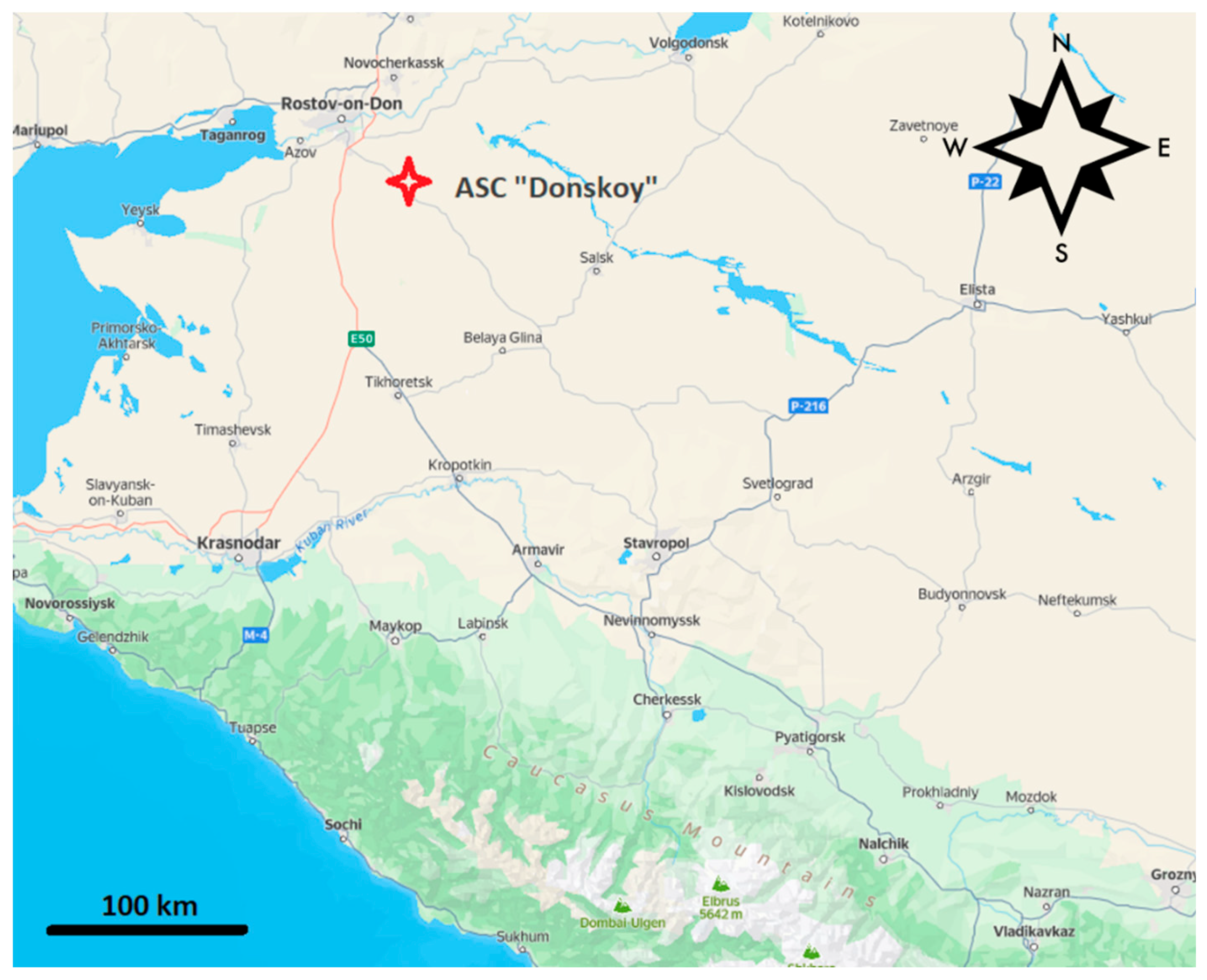
Figure 1. Study site location.
Soilsystems 09 00138 g001
Figure 2. Layout of experimental plots with different tillage practices: 1—FT; 2—LT; 3—MP; and 4–6—NT. Red dots indicate sampling site locations.
Soilsystems 09 00138 g002
Figure 3. PCA scatter plot of IR band intensities along the first two principal components based on DRIFT spectra of SOM samples from differently treated soils and eigenvectors of the bands. (a) 0–10 cm layer; (b) 10–20 cm layer. The bands that statistically differed between treatments are written in red.
Soilsystems 09 00138 g003
Figure 4. Principal component analysis (PCA) of Py GC/MS data for Chernozems under various tillage practices: sample ordination based on relative abundances of SOM pyrolysates and eigenvectors of pyrolysis products. Sampling depth: 0–10 cm. The pyrolysis products that statistically differed between treatments are indicated by color.
Soilsystems 09 00138 g004
Figure 5. WEOM optical indices of differently treated soils. Denominations: FT—flat-cut tillage; LT—layer-by-layer tillage; MP—moldboard plowing; and NT—no tillage. Distinct capital letters show a significant difference between tillage practices within the same soil layer. Distinct lowercase letters denote a significant difference between soil layers within the same practice.
Soilsystems 09 00138 g005
Figure 6. C1–C5 components’ loadings to the WEOM fluorescence spectra for two layers of differently treated soils. Denominations: FT—flat-cut tillage; LT—layer-by-layer tillage; MP—moldboard plowing; and NT—no tillage. Distinct capital letters show a significant difference between tillage practices within the same soil layer. Distinct lowercase letters denote a significant difference between soil layers within the same practice.
Soilsystems 09 00138 g006
Figure 7. PCA scatter plot of FTIR band intensities along the first two principal components for WEOM in differently treated soils (0–10 cm layer) and eigenvectors of the bands. The bands that statistically differed between treatments are indicated in red.
Soilsystems 09 00138 g007
Table 1. Physical properties of the studied chernozemic soils.
Practice *Soil Depth, cmContact Angle, °KstrMWDDSAMWDWSA
FT0–1017 ± 3 b **0.9 ± 0.53.2 ± 0.21.3 ± 0.4 AB
10–2026 ± 6 a
LT0–1020 ± 51.0 ± 0.53.3 ± 0.31.1 ± 0.2 B
10–2019 ± 3
MP0–1019 ± 30.9 ± 0.83.5 ± 0.51.0 ± 0.1 B
10–2017 ± 2
NT0–1020 ± 11.5 ± 0.33.5 ± 0.12.2 ± 0.6 A
10–2021 ± 3
Till0–1019 ± 20.9 ± 0.5 B ***3.4 ± 0.31.1 ± 0.2 B
10–2020 ± 2
NT0–1020 ± 11.5 ± 0.3 A3.5 ± 0.12.2 ± 0.6 A
10–2021 ± 3
* Denominations: FT—flat-cut tillage; LT—layer-by-layer tillage; MP—moldboard plowing; and NT—no tillage.** Distinct lowercase letters denote a significant difference between soil layers. *** Distinct capital letters denote a significant difference between tillage practices within the same soil layer.
Table 2. Main chemical parameters of the studied Chernozems.
Soil Depth, cmPractice **pHH2OpHKClP2O5, mg/kgK2O, mg/kgCorg, %N, %WEOC, mg/kgWEN, mg/kg
0—10FT8.06 ± 0.09 AB *7.05 ± 0.0360 ± 24484 ± 362.31 ± 0.04 a0.25 ± 0.04 Aa44 ± 2 Aa9 ± 7
LT8.09 ± 0.05 A7.11 ± 0.0440 ± 13454 ± 452.23 ± 0.170.20 ± 0.03 Ba44 ± 5 A8 ± 8
MP8.02 ± 0.17 AB7.09 ± 0.0934 ± 22448 ± 382.15 ± 0.140.21 ± 0.01 AB45 ± 8 A19 ± 8
NT7.86 ± 0.08 Bb7.01 ± 0.0649 ± 29500 ± 832.23 ± 0.15 a0.23 ± 0.01 ABa33 ± 2 Bb10 ± 8
10—20FT8.05 ± 0.067.02 ± 0.0651 ± 21439 ± 341.78 ± 0.25 Bb0.38 ± 0.06 Ab39 ± 2b8 ± 5
LT8.06 ± 0.047.10 ± 0.0334 ± 6437 ± 342.11 ± 0.15 AB0.29 ± 0.03 ABb42 ± 36 ± 4
MP8.02 ± 0.207.05 ± 0.1548 ± 27493 ± 1102.17 ± 0.10 A0.24 ± 0.02 BC42 ± 610 ± 7
NT7.99 ± 0.04 a7.06 ± 0.0432 ± 13503 ± 891.73 ± 0.10 Bb0.18 ± 0.01 CDb41 ± 4 a7 ± 4
Comparison of pooled tilled soils with no tillage
0—10Till8.06 ± 0.09 A7.08 ± 0.02 A45 ± 16462 ± 312.23 ± 0.09 a0.22 ± 0.01 a44 ± 5 A9 ± 7
NT7.86 ± 0.08 Bb7.01 ± 0.06 B49 ± 29500 ± 832.23 ± 0.15 a0.23 ± 0.01 a33 ± 2 Bb10 ± 8
10—20Till8.05 ± 0.087.05 ± 0.0644 ± 11457 ± 432.02 ± 0.11 Ab0.30 ± 0.07 Ab41 ± 38 ± 5
NT7.99 ± 0.04 a7.06 ± 0.0432 ± 13503 ± 891.73 ± 0.15 Bb0.18 ± 0.01 Bb41 ± 4 a7 ± 4
* Distinct capital letters denote a significant difference between tillage practices within the same soil layer. ** Distinct lowercase letters denote a significant difference between soil layers within the same practice. Denominations: FT—flat-cut tillage; LT—layer-by-layer tillage; MP—moldboard plowing; and NT—no tillage.
Disclaimer/Publisher’s Note: The statements, opinions and data contained in all publications are solely those of the individual author(s) and contributor(s) and not of MDPI and/or the editor(s). MDPI and/or the editor(s) disclaim responsibility for any injury to people or property resulting from any ideas, methods, instructions or products referred to in the content.