Essay

Effect of Outlet Pressure on Foam Performance in a Compressed Air Foam System

1
Department of Fire Protection Engineering, China People’s Police University, Langfang 065000, China
2
Key Laboratory of Fire Prevention and Control Technology in Hebei Province, Langfang 065000, China
3
China South Industries Group Corporation, Southwest Institute of Technology and Engineering, Chongqing 401329, China
4
Hebei AnGong Fire Protection Science & Technology Co., Ltd., Langfang 065000, China
5
Chinese Property Insurance Co., Ltd., Hainan Branch, Haikou 570000, China
*
Author to whom correspondence should be addressed.
Fire 2026, 9(3), 120; https://doi.org/10.3390/fire9030120
Submission received: 6 January 2026 / Revised: 5 February 2026 / Accepted: 14 February 2026 / Published: 10 March 2026

Abstract

This study investigates how outlet pressure influences the fire suppression performance of a compressed air foam system (CAFS), with the aim of supporting system optimization and engineering applications. An experimental apparatus for foam performance testing is used to measure changes in foam flow rate, expansion, initial velocity, initial momentum, and drainage time at different outlet pressures. On the basis of relevant theoretical models, the factors causing discrepancies between model predictions and experimental results are examined, and the models are then refined. How the outlet pressure of CAFS affects foam performance is thereby clarified. The results show that foam flow rate increases as outlet pressure increases. At higher pressures, shear-thinning and intensified gas–liquid mixing affect the foam. As a result, the growth of flow rate in the range of 0.01–0.03 MPa is significantly higher than that in the range of 0.06–0.10 MPa. Both initial velocity and initial momentum increase significantly with increasing pressure, whereas the expansion decreases. Within the outlet pressure range of 0.01–0.10 MPa, the initial velocity increases from 1.23 m/s to 6.65 m/s, the initial momentum rises from 4.6 kg·m/s to 34.1 kg·m/s, and the expansion decreases from 9.2 to 5.4, indicating reduced foam stability. Drainage time and drained mass vary non-monotonically with outlet pressure. The longest drainage time and the smallest drained mass occur at 0.06 MPa. Fire suppression performance improves as outlet pressure increases. A higher outlet pressure enables the foam solution to penetrate the flame zone more effectively and to cover the surface of the burning material. In addition, changes in foam properties enhance the thermal insulation and smothering effects of the foam layer, as well as its heat absorption and cooling capacity. These effects together improve the efficiency of fire source cooling.

1. Introduction

A compressed air foam system (CAFS) produces firefighting foam by combining compressed air, water, and foam solution in specific proportions through a dedicated device [1,2,3]. Unlike conventional foam systems, which rely on negative pressure to draw in air and mix it with the foam solution, CAFS generates foam that is denser, more uniform, and more stable. The system offers high fire suppression efficiency, water savings, environmental benefits, and multifunctionality. As a result, CAFS is widely used for fire prevention and control in ultrahigh-rise buildings, ships, and UHV converter transformers. The outlet pressure of CAFS directly affects foam performance, which in turn determines firefighting effectiveness. Understanding how outlet pressure influences foam properties is therefore crucial for clarifying the mechanisms through which the outlet pressure of CAFS impacts fire suppression.
The effectiveness of foam fire suppression technology primarily relies on the thermal insulation, suffocation, and heat absorption cooling effects of the foam layer. Extensive research indicates that foam performance—such as drainage time, expansion, and foam flow rate—is a critical determinant of firefighting effectiveness. Persson [4] demonstrated that the decay of foam thickness is dominated by flame radiation; Zhang [5] confirmed that expanded foam effectively blocks convective and radiative heat, thereby reducing fuel evaporation; and Wang [6] directly observed through experiments the flame suppression mechanism involving foam liquid separation, evaporation, and bubble rupture behavior. These studies collectively demonstrate that the quality of foam performance directly determines the intensity and persistence of its fire-extinguishing effect. However, foam performance is not fixed; it is influenced by multiple parameters during the foam generation and delivery processes. Outlet pressure is a critical variable. On the one hand, pressure affects the release and dispersion characteristics of the fire suppression agent. Pan [7] examined the pipeline transport and diffusion characteristics of typical Halon agents at six different release pressures and studied how release pressure affects the fire suppression efficiency of HFC-125; Yuan [8] investigated the gas–liquid mixing characteristics of the CAFS generator and studied how the inlet pressure affects the foam properties. On the other hand, pressure also influences firefighting effectiveness by affecting system flow rates and spray patterns. For instance, studies by Sun [9] examined the relationship between outlet pressure and foam flow rate on flame morphology and firefighting effectiveness [10,11,12]. Therefore, the setting of discharge pressure significantly impacts the final firefighting effectiveness. However, most current research focuses on parallel investigations of the two pathways—“discharge outlet pressure → firefighting effectiveness” and “foam performance → firefighting effectiveness”—while generally lacking in-depth analysis of the intrinsic chain of effects: “discharge outlet pressure → foam performance → firefighting effectiveness.” Specifically, there remains a lack of systematic mechanistic explanation regarding how outlet pressure systematically influences the thermal insulation, suffocation, and cooling by altering microstructural parameters such as foam flow rate, expansion, initial velocity, initial momentum, and drainage time.
Therefore, this study employs an experimental apparatus for foam performance testing to examine how CAFS parameters, including foam flow rate, expansion, initial velocity, initial momentum, and drainage time, change under different outlet pressures. Relevant theoretical models are used to identify the factors responsible for discrepancies between predictions and experimental data, and the models are then refined. The study clarifies how the outlet pressure of CAFS affects foam performance and elucidates the mechanisms by which outlet pressure influences firefighting effectiveness, thus providing guidance for CAFS optimization and engineering applications.

2. Experimental System

2.1. Foam Performance Testing

2.1.1. Experimental Apparatus

An experimental apparatus for foam performance testing was established following Foam Extinguishing Agent (GB 15308-2006) [13], as shown in Figure 1. The apparatus comprises a 2000 mL foam receiving tank, an electronic balance with 0.01 g accuracy, and a supporting stand for drainage measurement. The drainage collector consists of a foam receiving tank, a 0.125 mm mesh filter, and a drainage receiving tank, allowing the collection of foam solution and the separation of drained liquid. The drainage receiving tank also collects water separated from the foam. The electronic balance provides precise measurement of the drained foam mass.

2.1.2. Experimental Procedure

At 25 °C and 1 atm, cold spray tests were conducted using a SYS-2.5 MPa pressure sensor to regulate the CAFS outlet pressure to 0.01, 0.03, 0.06, and 0.1 MPa. Once the outlet pressure stabilized at the target value, foam samples are collected using the foam receiving tank to measure the drainage time, drained mass, and expansion.

2.2. Firefighting Effectiveness

2.2.1. Experimental Apparatus

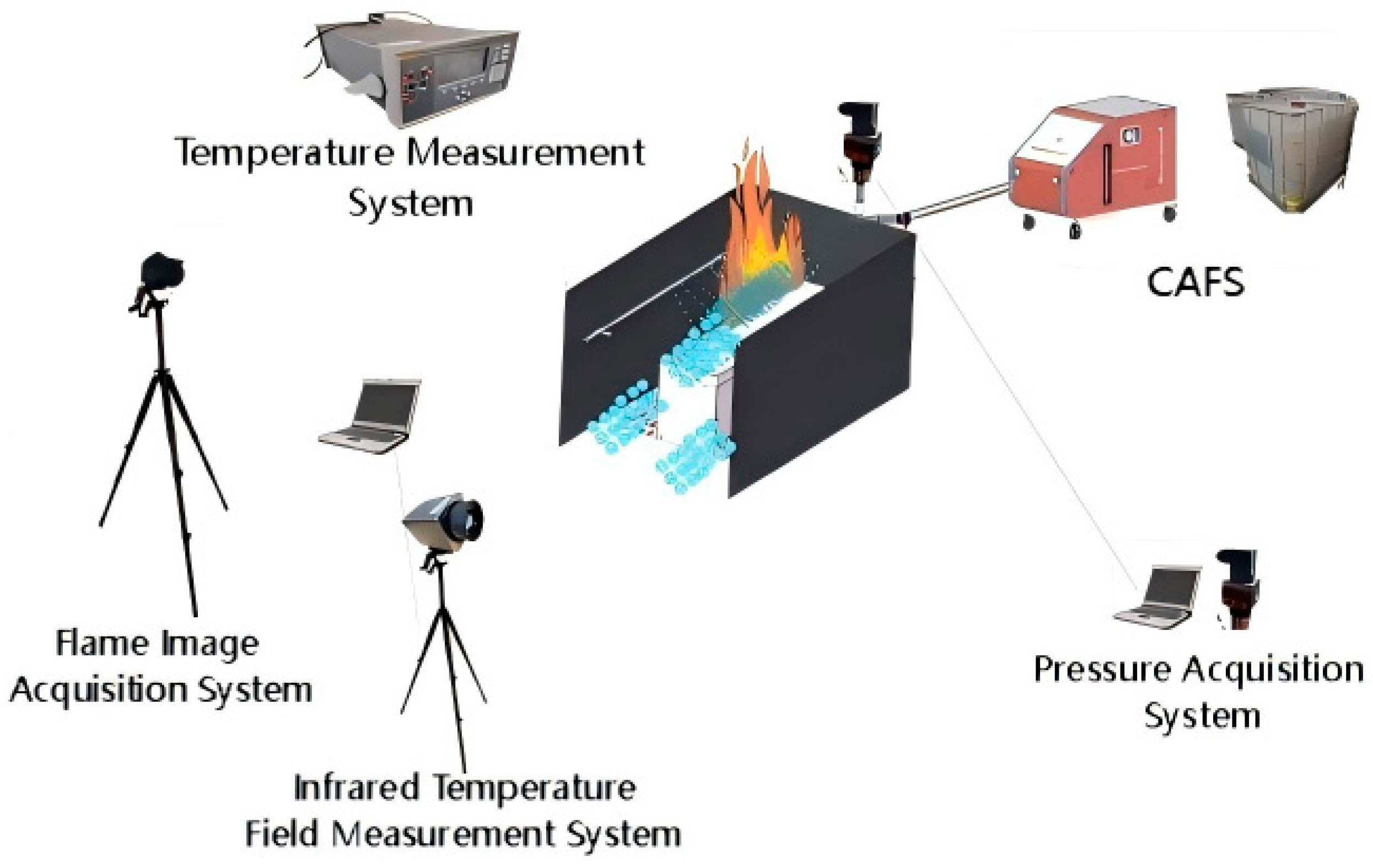
The experimental apparatus that a 1:10 scale UHV transformer oil pool fire model was designed with reference to the standard Compressed Air Foam Fire Extinguishing System and Components (T/CFPA 006-2021) [14] and combined with engineering practice, as shown in Figure 2. It consisted primarily of a 1:10 scale UHV transformer oil pool fire model, CAFS, pressure acquisition, image acquisition system, temperature measurement system, infrared temperature field measurement system. The model transformer was fabricated using 10 mm thick 20 g boiler steel and main oil pool—1320 mm (length) × 360 mm (width) × 60 mm (depth), auxiliary oil pools (symmetrically on both sides)—1320 mm × 220 mm × 60 mm and fire protection wall—900 mm (height) × 1080 mm (width). The preheating system uniformly raises fuel temperature by utilizing four 4 kW resistance heating rods (380 V)—600 mm (length) × 10 mm (diameter) on each side of the auxiliary oil pool, along with portable electric heating rods in the main oil pool. CAFS-adjusted outlet pressure of foam; K-type thermocouple and multi-channel temperature acquisition system were used to record flame plume temperature at 30 cm and 50 cm from the oil surface under various CAFS outlet pressures.

2.2.2. Experimental Procedure

Inject 12.5 kg and 7.5 kg of K125X oil into the main and auxiliary oil pools, respectively. After preheating the fuel to ≥155 °C using the preheating system, ignite the fuel source. Once the flame burns steadily for 120 s, activate the CAFS. The outlet pressure was adjusted to 0.01, 0.03, 0.06, and 0.10 MPa, respectively, to conduct fire suppression experiments, with relevant experimental data recorded.

3. Testing Methods

(1)
Drainage time
After starting the CAFS, once the foam sprayed from the nozzle reaches a stable state, a sample is collected using the foam receiving tank, and timing begins. When the tank is full, the top layer of foam is leveled with a scraper, and the mass of the foam sample (m2) is measured using a precision balance. The 25% drainage mass is then calculated using Equation (1).
m 3 = m 2 m 1 4
where m 1 represents the mass of the empty foam receiving tank; m 2 represents the mass of the tank when filled with foam; m 3 represents the 25% drainage mass. A beaker is placed on the balance above the foam receiving tank, and the balance is tared, as shown in Figure 1. The valve at the bottom of the foam receiving tank is then opened to allow drainage. Timing stops when the balance indicates a mass of m 3 . The elapsed time at this point is recorded as the 25% drainage time.
(2)
Expansion
The expansion is a critical parameter that characterizes the degree of foam dilution and the gas–liquid mixing ratio. It directly affects the foam coverage and cooling performance. The expansion is defined as the ratio of foam volume to foam solution volume and is calculated using Equation (2).
E = ρ V m 2 m 1
where E represents the expansion; V represents the volume of the foam receiving tank (mL); m 1 represents the mass of the empty foam receiving tank; m 2 represents the mass of the foam receiving tank when filled with foam; and ρ represents the density of the foam solution, taken as 1 g/mL [14].
(3)
Fire suppression performance
This study utilizes the temperature changes recorded by thermocouples positioned 30 cm above the main oil reservoir and 50 cm above the auxiliary oil reservoir as metrics for evaluating fire suppression effectiveness. The fire is considered fully extinguished when the temperature drops to 100 °C and does not rise again. Record the extinguishing duration and temperature change rate at different outlet pressures.

4. Experimental Results and Analysis

4.1. Foam Flow Rate Analysis

Based on the Bernoulli equation, under ideal conditions, the relationship between liquid flow rate and outlet pressure is expressed as [15]:
Q   =   C d · A · 2 P ρ
where Cd represents the discharge coefficient (which depends on the nozzle shape and fluid viscosity and typically ranges from 0.6 to 0.95); ρ represents the density of the foam solution (kg/m3); A represents the cross-sectional area of the nozzle (m2); and P represents the outlet pressure (Pa).
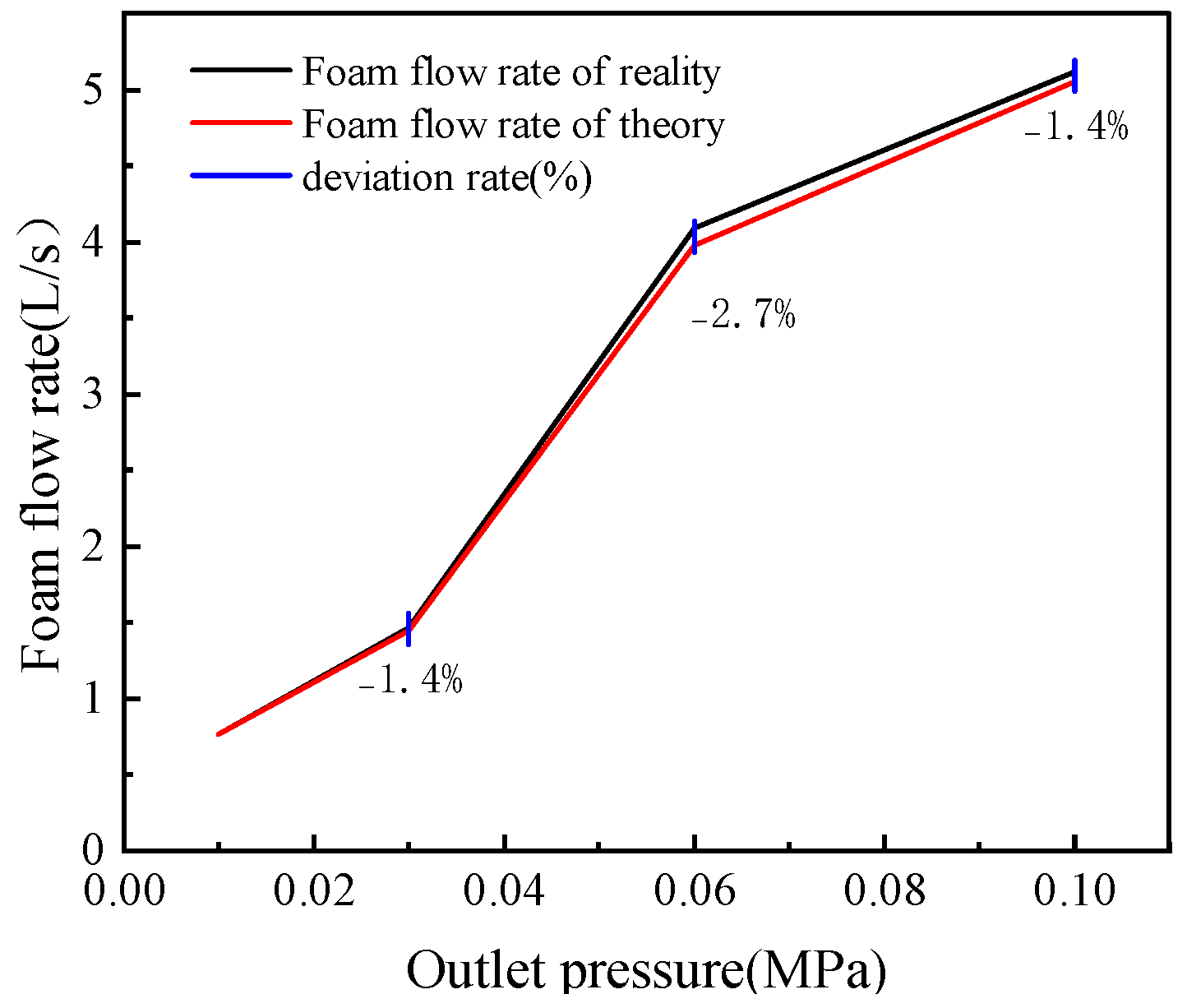
As shown in Figure 3, the relationship between outlet pressure and foam flow rate indicates that foam flow rate increases as outlet pressure rises. When the outlet pressure increases from 0.01 MPa to 0.03 MPa, the foam flow rate rises by 90.9%, with a deviation of only 10.5% from the theoretical value. When the pressure further increases to 0.06 MPa and 0.10 MPa, foam flow rate continues to increase, but the deviations from theoretical predictions reach 117.6% and 110.7%, respectively.
The significant deviations at 0.06 MPa and 0.10 MPa are primarily due to shear-thinning effects [16] and changes in the density of the gas–liquid mixture [17]. Foam solution generally behaves as a non-Newtonian fluid. Under high-pressure conditions, its apparent viscosity decreases significantly with increasing shear rate. This increases the discharge coefficient of the foam solution, causing the flow rate at 0.06 MPa and 0.10 MPa to rise faster than predicted. Foam solution is a gas–liquid mixture, and its effective density depends on the densities of the gas and liquid phases and the gas volume fraction. Under high pressure, gas solubility increases, raising the gas volume fraction and lowering the effective density of the foam solution. This reduction in density increases the actual flow velocity and flow rate of the foam.
To quantify the influence of shear-thinning and gas–liquid mixing under high-pressure conditions, a correction factor k is introduced, as shown in Equation (4). Based on data fitting, k is determined to be 0.15 MPa−1. The corrected theoretical flow rates are presented in Table 1 and Figure 3. Here, ρeff represents the effective density of the foam solution.
Q revise = C d A 2 k P ρ eff

4.2. Expansion

As pressure increases, the liquid shear stress rises. This increase promotes bubble coalescence and reduces the expansion [16]. On this basis, previous studies have proposed a theoretical model for the expansion, as given in Equation (5) [18].
E =   E 0 · e kP
where E represents the expansion; E 0 represents the initial expansion measured under low-pressure or static conditions; k represents the shear-thinning coefficient; and P represents the outlet pressure.
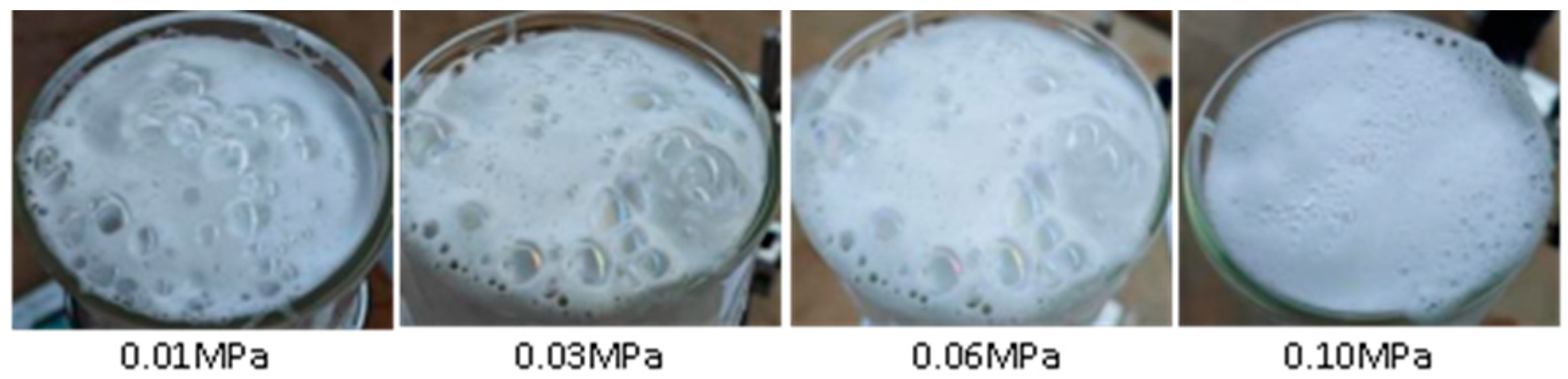
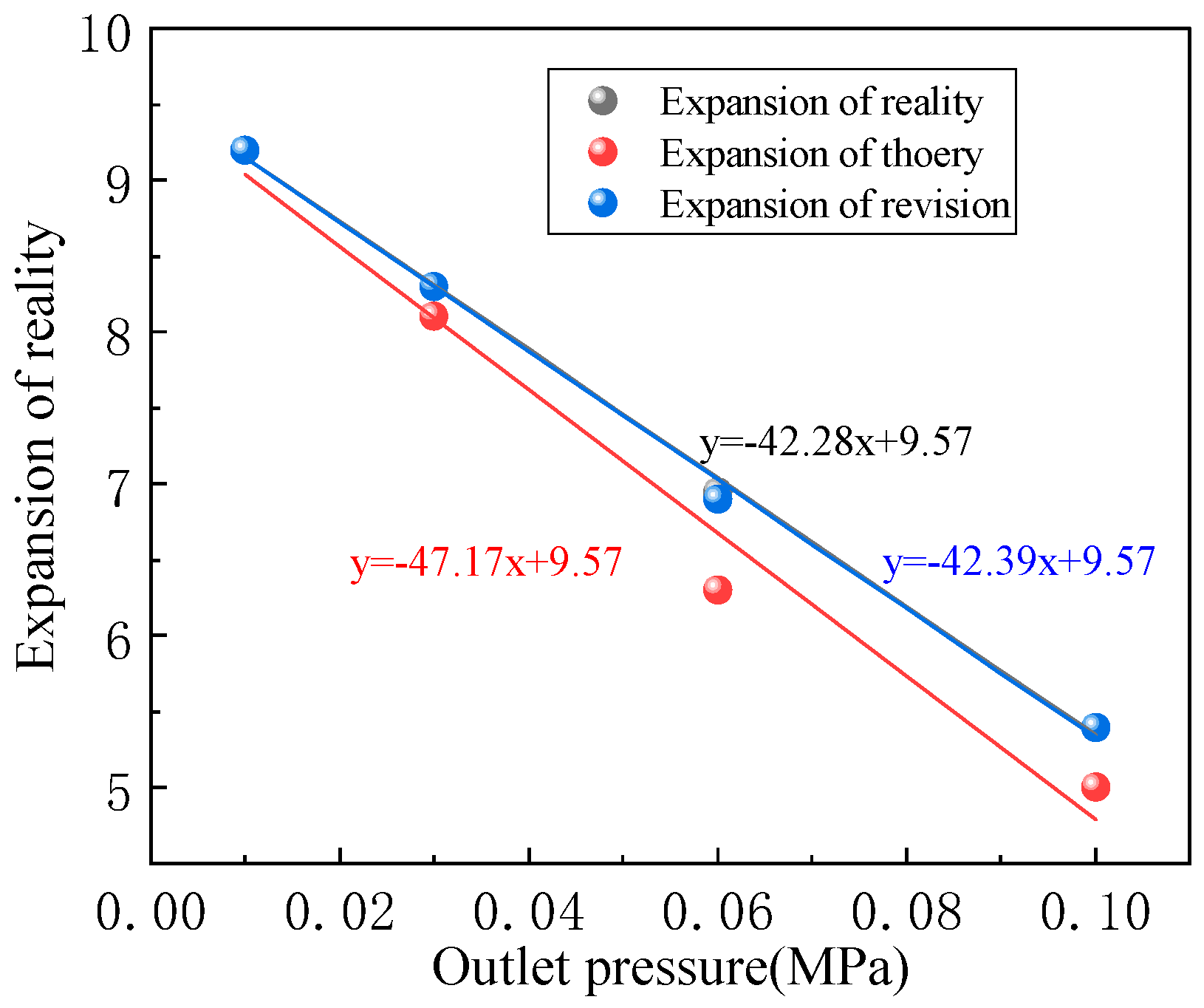
Figure 4 and Figure 5 show the foam morphology at different pressures and the relationship between outlet pressure and expansion. The results indicate that the expansion decreases as outlet pressure increases, and the foam volume follows the same trend. At 0.01 MPa, the foam solution flows at a low velocity, which limits bubble collisions and yields a high expansion of 9.2. At 0.10 MPa, more frequent bubble collisions reduce the expansion to 5.4.
Shear-thinning effects and characteristics of gas–liquid two-phase flow are key factors that influence the expansion. Proussevitch [19] reported that, under shear-thinning effects, a decrease in the viscosity of the foam solution weakens foam stability. Previous studies also observed that high-velocity foam flow in confined and narrow passages intensifies bubble coalescence. In this study, an increase in the outlet pressure of CAFS promotes bubble coalescence and leads to a reduction in the expansion [20]. Characteristics of gas–liquid two-phase flow further influence the expansion. Under high-pressure conditions, part of the air dissolves into the foam solution. The transfer of gas from the gas phase to the liquid phase weakens the surface tension that stabilizes the foam films, accelerating foam decay [21]. This process alters the density of the foam solution and changes its flow behavior. These changes promote bubble coalescence and ultimately reduce the expansion.
To reduce the error between theoretical predictions and measured expansion at different outlet pressures, a correction factor k is introduced into the theoretical model, as shown in Equation (6):
E revise   =   E 0 1 α P   +   k
Fitting the experimental data yields k = 0.12 MPa−1. With this correction, the error between the corrected theoretical values and the measured results ranges from 0 to 0.72%, as shown in Table 2 and Figure 5.

4.3. Initial Momentum and Initial Velocity

Momentum determines the propulsion capability of the foam, whereas velocity influences its coverage and uniformity in distribution. According to fluid mechanics, the initial momentum is defined by Equation (7). The initial velocity is described by Equation (8), which incorporates a modified Bernoulli equation and accounts for non-Newtonian flow behavior.
J 0 = ρ eff Q v 0
v 0 =   C d · 2 P ρ liquid · 1 + α P
where ρ eff represents the effective foam density (the gas–liquid mixture density) and is inversely proportional to the expansion E. Q represents the foam flow rate (L/s) and depends on the outlet pressure P. In addition, v0 represents the nozzle exit velocity and can be derived from the flow rate expression.
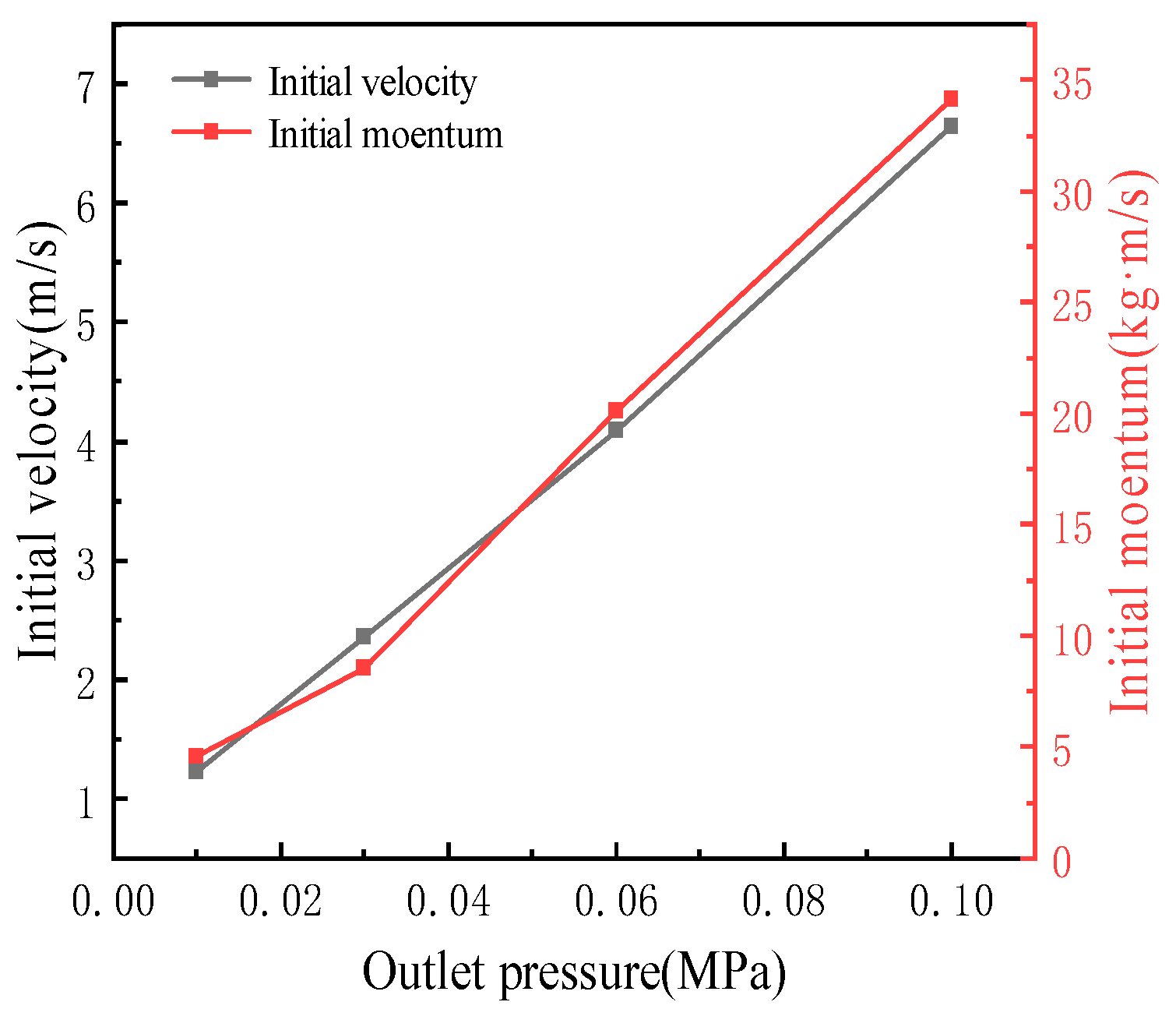
Based on the theoretical analysis and experimental results, both the initial velocity and the foam flow rate increase as the outlet pressure of CAFS increases, as shown in Figure 6. When the outlet pressure rises from 0.01 MPa to 0.10 MPa, the initial velocity increases from 1.23 m/s to 6.65 m/s, representing a 440% increase. Over the same pressure range, the initial momentum increases from 1.23 kg·m/s to 34.1 kg·m/s.
As the outlet pressure of CAFS increases, the foam jet spreads over a larger area, and its flow improves. Figure 7 shows foam discharge at different outlet pressures. At 0.01 MPa, the foam has insufficient momentum, with an initial velocity of only 1.23 m/s. Under gravity, the foam accumulates on the oil pool and spreads slowly. When the outlet pressure increases to 0.03 MPa, 0.06 MPa, and 0.10 MPa, the foam gains sufficient momentum to overcome gravity and effectively cover the oil pool. However, the high-pressure foam jet can disrupt the surface layer covering the oil pool, which negatively affects the foam’s stability and its ability to maintain coverage.
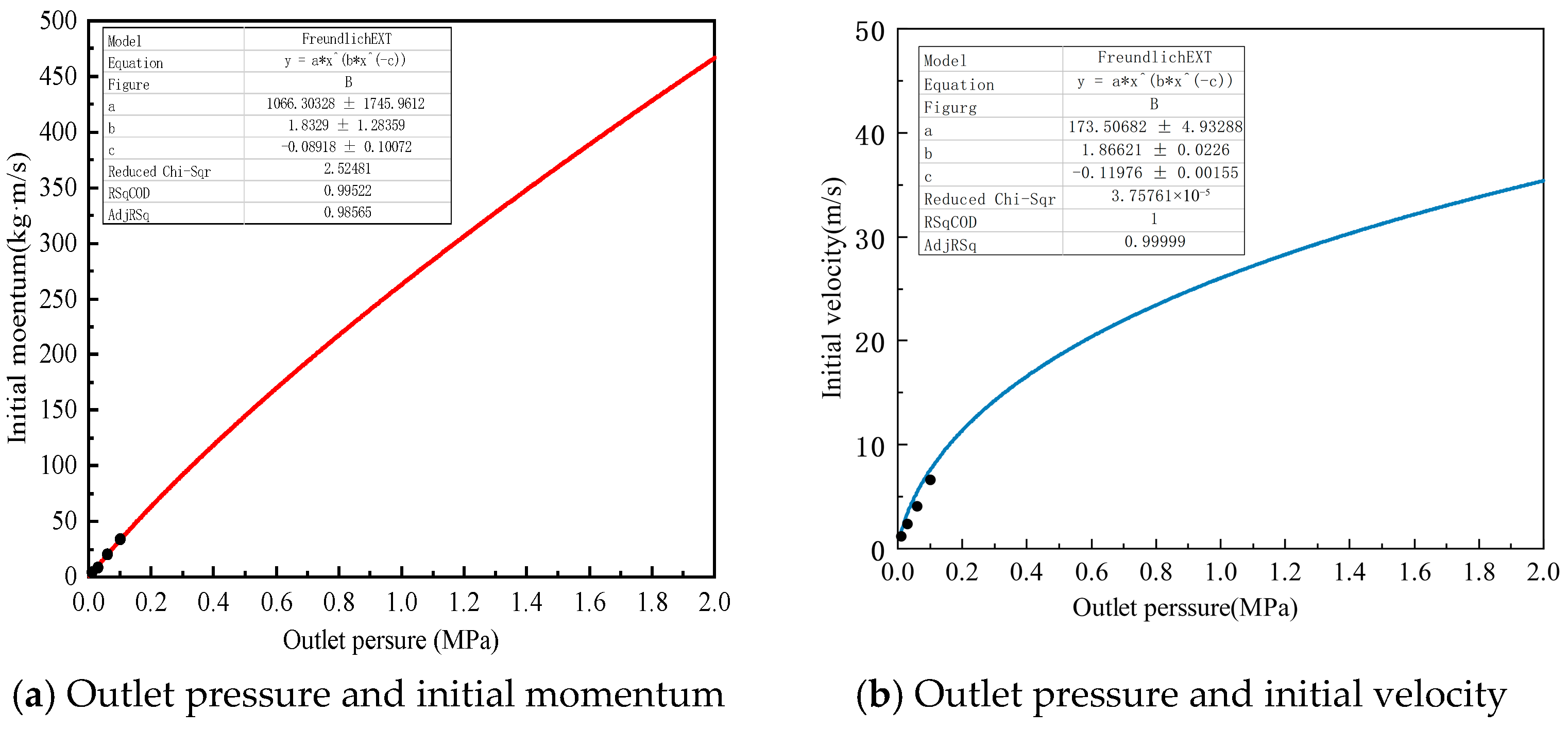
By fitting the relationships between P and J0, and between P and v0, the relationship between P and J0 is obtained in Equation (9), and that between P and v0 is obtained in Equation (10). The fitted curves are shown in Figure 8.
y = 1066 · x 1.83 · x 0.089
y = 173 · x 1.87 · x 0.12

4.4. Drainage Time

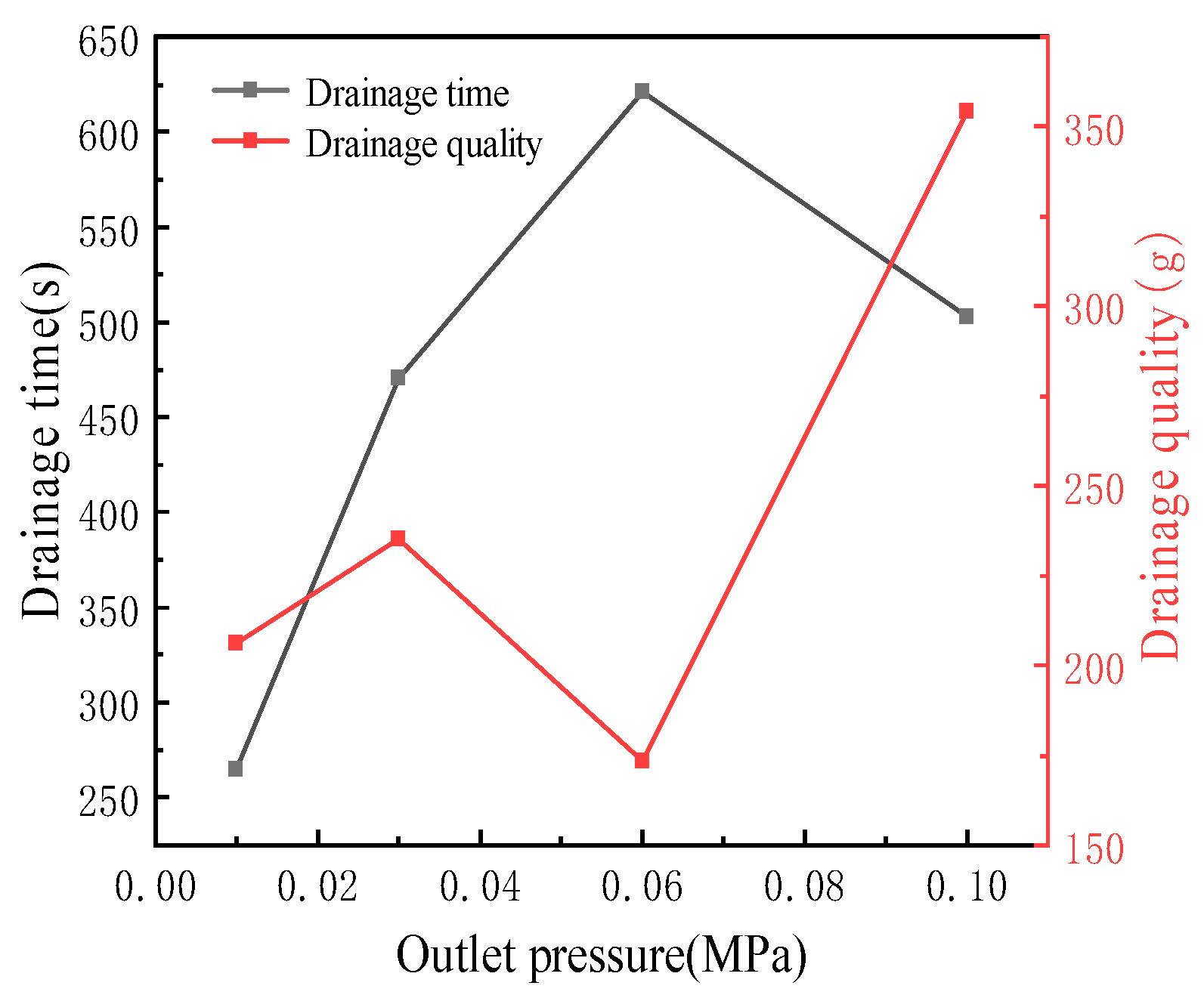
Figure 9 shows the relationships between outlet pressure and both drainage time and drained mass. As outlet pressure increases, drainage time and drained mass exhibit non-monotonic trends. Drainage time rises from 0.01 MPa to 0.06 MPa but decreases at 0.10 MPa. The maximum drainage time (621 s) occurs at 0.06 MPa. In contrast, drained mass follows the opposite trend, reaching a minimum of 173.3 g at 0.06 MPa and a maximum of 354.4 g at 0.10 MPa.
The main factors influencing drainage time and drained mass are shear-thinning, structural uniformity [19], and the interaction between surface tension [22,23] and liquid films [24,25]. Under high pressure, shear-thinning reduces the apparent viscosity of the foam solution and enhances its mobility. This accelerates liquid drainage and shortens drainage time, while the foam structure remains largely intact, leading to a peak in drainage time at 0.06 MPa. At higher pressures, the high-velocity foam causes non-uniform foam structures and local rupture of liquid films, increasing the drained mass. In addition, under the combined effects of surface tension and liquid film thickness, high-pressure foam has lower surface tension and thinner initial films, which accelerate water drainage and shorten the drainage time.

4.5. Mechanism of Outlet Pressure on Fire Suppression Performance

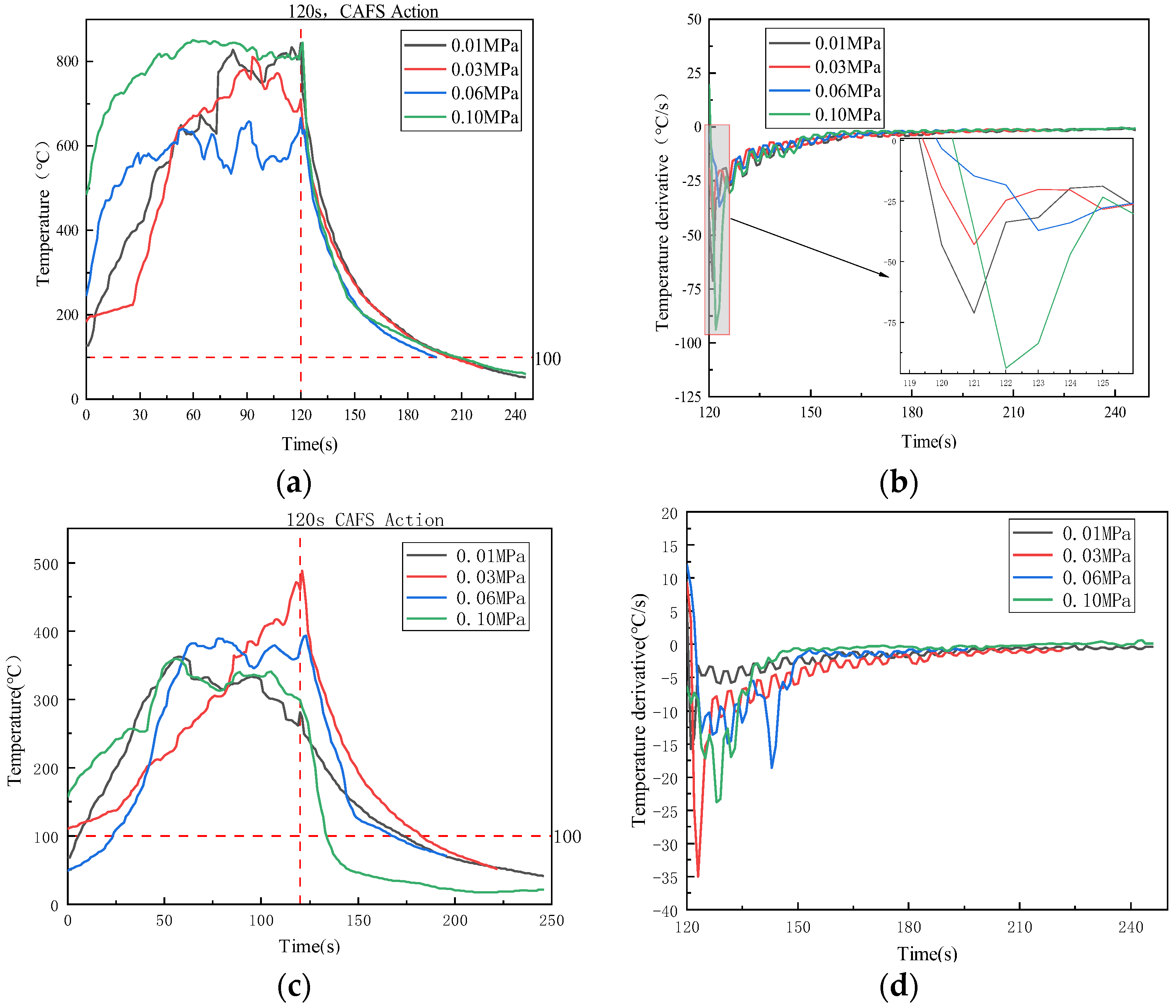
In experiments examining the impact of outlet pressure on firefighting effectiveness, Figure 10 shows the temperature changes in the main and auxiliary oil pool fire plumes under different outlet pressures. As the CAFS outlet pressure increases, the time required for the fire plume temperatures at the center of the main and auxiliary oil pools to drop to the safety threshold (100 °C) decreases. This indicates that higher outlet pressure enhances the foam’s penetration capability and coverage efficiency, accelerating the process of suppressing heat release rates. Further analysis of the temperature curves reveals three distinct stages in the fire plume cooling process: rapid cooling phase (approximately 0–20 s), linear cooling phase (20–50 s), and residual heat dissipation phase (>50 s). During the rapid cooling phase, high-pressure foam rapidly penetrates the flame zone, undergoing transient heat absorption and vaporization. The temperature curve steeply declines, with average cooling rates of 25 °C/s and 11.7 °C/s achieved in the main and auxiliary pool at 0.1 MPa, respectively—significantly higher than under low-pressure conditions. During the linear cooling phase, a continuous and stable foam layer formed on the surface of each oil pool, ensuring steady temperature reduction. At 0.1 MPa, the average cooling rates for the main and auxiliary oil pools remained at 4.8 °C/s and 0.93 °C/s. Notably, the temperature of the auxiliary oil pool had already dropped below 100 °C. During the residual cooling phase, temperature reduction relies on foam layer insulation and heat exchange with the environment, with the cooling rate approaching 0 °C/s. At 0.1 MPa, overall heat dissipation efficiency is optimal, with the main and auxiliary oil pools completing full temperature reduction in 87 s and 15 s. Therefore, higher outlet pressure offers advantages in firefighting effectiveness.
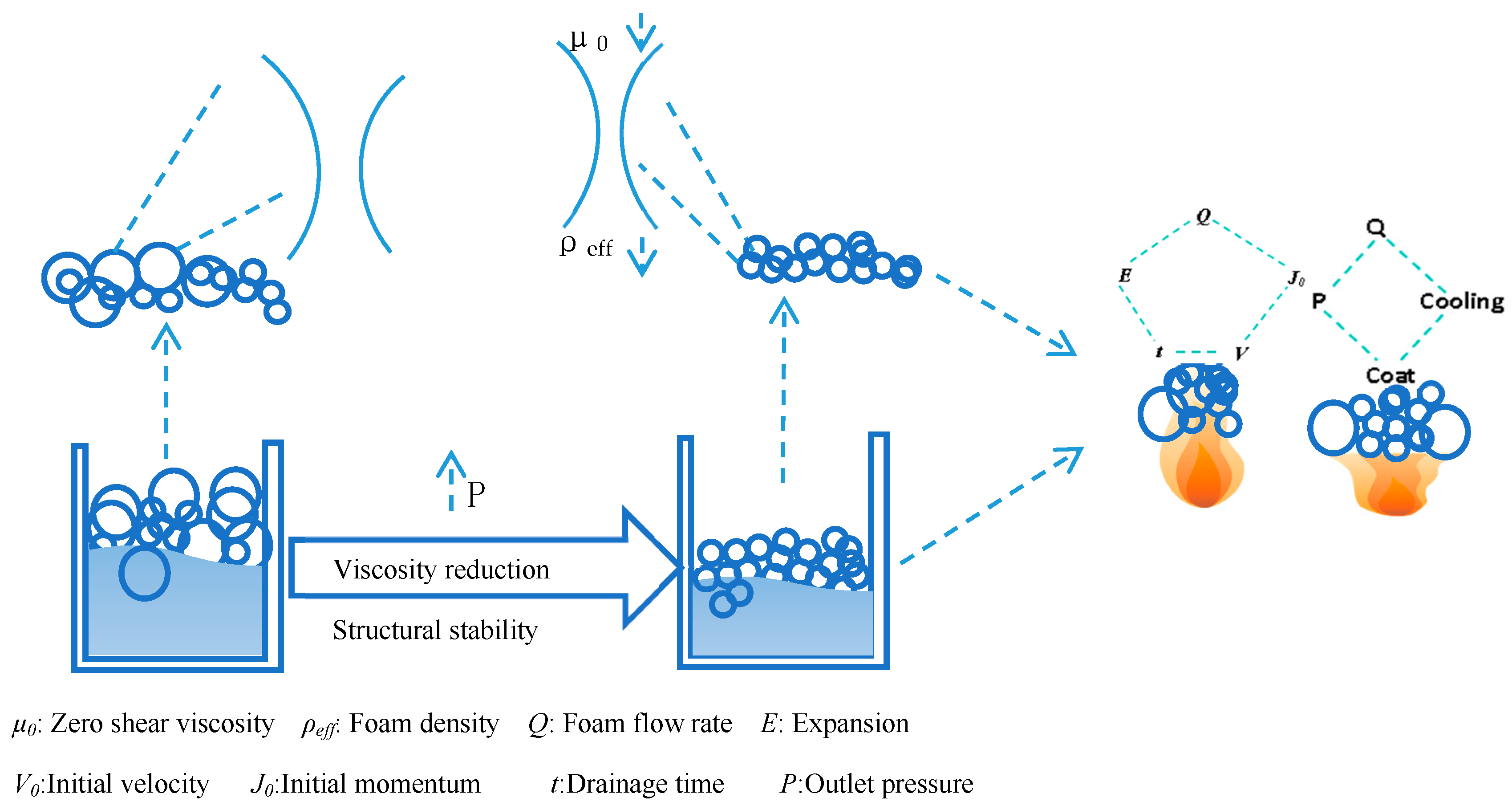
In summary, the mechanism by which changes in CAFS outlet pressure affect firefighting effectiveness can be deduced, as shown in Figure 11.
(1)
When the outlet pressure increases from 0.01 MPa to 0.10 MPa, the foam flow rate rises from 0.77 L/s to 5.12 L/s. The initial velocity and initial momentum increase from 1.23 m/s and 4.6 kg·m/s to 6.65 m/s and 34.1 kg·m/s, respectively. Enables the foam jet to instantly penetrate flames and cover the oil pool surface to form a foam layer.
(2)
As the outlet pressure increases, the expansion decreases from 9.2 to 5.4, and the drainage time extends from 265 s to 503 s. This results in a higher water content and longer drainage time within the foam layer, which helps form a stable, wet film on the fuel surface. The wet film enhances heat absorption, and the cooling effect of the foam layer improves the firefighting effectiveness of the foam.
(3)
Foam cooling is the dominant mechanism governing oil temperature reduction, with foam flow rate and surface coverage speed playing a crucial role. Under 0.10 MPa, the cooling rate is approximately 1.8 times that under 0.01 MPa. The estimation results of the thermal balance model demonstrate that foam can absorb 63.9% of the total heat released during the fire, whereas foam at 0.01 MPa absorbs only 11.3%.

5. Conclusions

(1)
Foam flow rate is positively correlated with outlet pressure, increasing as pressure rises, but the rate of increase gradually slows at higher pressures. In the range of 0.01–0.03 MPa, foam flow increases significantly, consistent with predictions from the ideal model. In contrast, at 0.06–0.10 MPa, the combined effects of non-Newtonian shear-thinning and gas–liquid two-phase mixing cause the actual foam flow rate to deviate substantially from the ideal model. To account for these effects and improve the predictive accuracy of the model, a correction factor k = 0.15 MPa−1 is introduced.
(2)
As the outlet pressure increases, the initial velocity and initial momentum rise significantly, though the rates of increase differ. When the outlet pressure increases from 0.01 MPa to 0.10 MPa, the initial velocity and initial momentum of the foam increase from 1.23 m/s and 4.6 kg·m/s to 6.65 m/s and 34.1 kg·m/s, respectively. The growth rates first accelerate and then slow down. Predictive models were fitted to quantify the relationships between outlet pressure and both initial velocity and initial momentum.
(3)
The expansion decreases as outlet pressure rises, affecting the structural stability of foam. When the outlet pressure increases from 0.01 MPa to 0.10 MPa, the expansion drops from 9.2 to 5.4, which intensifies bubble coalescence and reduces stability. Meanwhile, the theoretical model deviates due to non-Newtonian fluid effects and shear-thinning. To improve predictive accuracy, a correction factor k = 0.12 MPa−1 is introduced into the theoretical model.
(4)
Drainage time and drained quality exhibit non-monotonic trends with changes in outlet pressure. At moderate pressure (0.06 MPa), the structural stability of foam is highest, and the liquid phase drains most slowly. At higher pressure (0.10 MPa), the combined effects of shear-thinning and the structural instability of foam cause the liquid films to drain rapidly, thus shortening the drainage time.
(5)
Foam-based fire suppression performance increases significantly with higher outlet pressure. When the outlet pressure rises from 0.01 MPa to 0.10 MPa, the foam solution, influenced by foam flow rate, initial velocity, and initial momentum, can penetrate flames quickly and cover the fuel surface. The foam layer, affected by expansion, drainage time, and drained quality at different outlet pressures, achieves higher water content and longer drainage time. This forms a more uniform and stable water film, enhancing the foam layer’s insulation, smothering, and heat-absorbing cooling effects, thereby improving fire suppression efficiency.
In summary, an inherent contradiction exists between the kinetic energy of discharge and foam performance in foam fire suppression systems. This contradiction stems from the physical properties of foam as a gas–liquid two-phase system: increasing flow velocity and momentum typically compromises foam integrity and sustained coverage capability. This relationship undergoes a critical shift as discharge pressure increases—beyond a specific threshold, the shear-thinning effect of fluid behavior dominates the system response, rendering classical theoretical models ineffective. Therefore, optimizing foam fire suppression system design requires targeted trade-offs based on clearly defined fire scenarios: rapid suppression versus sustained protection. Future research should focus on developing intelligent spray systems with adaptive regulation capabilities, thereby advancing fire suppression technology toward precision and intelligence.

Author Contributions

Conceptualization, X.L. (Xiaobin Li); methodology, C.L.; validation, Q.M. and C.L.; investigation, Y.W.; resources, X.L. (Xinzhe Li) and D.L.; data curation, Q.M. and C.L.; writing—original draft preparation, C.L.; writing—review and editing, Q.M.; supervision, X.L. (Xiaobin Li); funding acquisition, X.L. (Xiaobin Li). All authors have read and agreed to the published version of the manuscript.

Funding

This research was funded by the Key R&D Program Projects in Hebei Province, grant number 22375408D.

Data Availability Statement

The original contributions presented in this study are included in the article. Further inquiries can be directed to the corresponding author(s).

Conflicts of Interest

Author Dawei Li is employed by Hebei AnGong Fire Protection Science & Technology Co., Ltd., Xinzhe Li is employed by Chinese Property Insurance Co., Ltd. The remaining authors declare that the research was conducted in the absence of any commercial or financial relationships that could be construed as a potential conflict of interest.

References

  1. Shen, X. Application of Compressed Air Foam Fire Extinguishing Technology. J. New Ind. 2021, 11, 109–111. [Google Scholar] [CrossRef]
  2. Xu, L. Study on Characteristic Properties of Compressed Air Foam and Flow Characteristics of Pipe Network. Master’s Thesis, University of Science and Technology of China, Hefei, China, 2023. [Google Scholar] [CrossRef]
  3. GB/T 44186-2024; National Pulic Service Platform for Standards Information (SAC/TC 113). Fixed Compressed Air Foam Fire Extinguishing System. Standards Press of China: Beijing, China, 2024.
  4. Persson, B.; Lönnermark, A.; Persson, H. FOAMSPEX: Large Scale Foam Application—Modelling of Foam Spread and Extinguishment. Fire Technol. 2003, 39, 347–362. [Google Scholar] [CrossRef]
  5. Zhang, B.; Liu, Y.; Olewski, T.; Vechot, L.; Mannan, M.S. Blanketing effect of expansion foam on liquefied natural gas (LNG) spillage pool. J. Hazard. Mater. 2014, 280, 380–388. [Google Scholar] [CrossRef] [PubMed]
  6. Wang, K. Experimental Study on Inhibition of Fuel Evaporation and Flame Extinguishing of Oil Tank Fires by Compressed Gas Foam. Ph.D. Thesis, University of Science and Technology of China, Beijing, China, 2021. [Google Scholar] [CrossRef]
  7. Farida, F.M.; Kusumohadi, C.S.; Fikri, M.F. Nozzle diameter and expansion ratio of compressed air foam system. J. Phys. Conf. Ser. 2023, 2596, 012004. [Google Scholar] [CrossRef]
  8. Yuan, Y. Study on Gas-liquid Mixing Characteristics and Experimental Equipment of Compressed Air Foam System. Master’s Thesis, Huazhong University of Science & Technology, Wuhan, China, 2019. [Google Scholar] [CrossRef]
  9. Sun, R.; Wang, J.; Yang, X.; Chen, P. Experimental Research on the Combustion Characteristics of Transformer Oil Jet Fires in Oil-Filled Equipment under Heat. ACS Omega 2021, 6, 31843–31853. [Google Scholar] [CrossRef] [PubMed]
  10. Shi, R. Performance Optimization of a Long Range Fire Water Cannon on CFD Technology. Master’s Thesis, Jiangsu University, Suzhou, China, 2017. [Google Scholar]
  11. Chen, Y.; Chen, F.; He, K.; Xu, L.; Liu, C.; Cheng, X. Numerical Simulation on pressure attenuation characteristics of compressed air foam in vertical pipe network. J. Saf. Sci. Technol. 2023, 19, 151–156. [Google Scholar]
  12. Lang, X.; Mu, X.; Shang, Z.; Wu, J.; Tan, L.; Mou, S.; Zhang, W. Application of fixed compressed air foam system on oil tanks. Fire Sci. Technol. 2016, 35, 815–817. [Google Scholar]
  13. GB 15308-2006; Subcommittee 3 on Fire Extinguishing Agent of National Technical Committee 113 on Fire Protection. Foam Extinguishing Agent. Standards Press of China: Beijing, China, 2006.
  14. T/CFPA 006-2021; Compressed Air Foam Fire Extinguishing Systems and Components. China Fire Protection Association: Beijing, China, 2021.
  15. Alavala, C.R. Principles of Industrial Instrumentation and Control Systems; Cengage Learning Asia: Singapore, 2009. [Google Scholar]
  16. Sheng, Y.; Zhang, H.; Ma, L.; Wang, Z.; Hu, D.; Zhang, S. Rheological Properties of Gel Foam Co-Stabilized with Nanoparticles, Xanthan Gum, and Multiple Surfactants. Gels 2023, 9, 534. [Google Scholar] [CrossRef] [PubMed]
  17. Velayati, A.; Roostaei, M.; Rasoolimanesh, R.; Soleymani, M.; Fattahpour, V. Colloidal gas aphron (CGA) based foam cement system. Pet. Explor. Dev. Online 2019, 46, 1281–1287. [Google Scholar] [CrossRef]
  18. Kim, A.K.; Dlugogorski, B.Z. Multipurpose overhead compressed-air foam system and its fire suppression performance. J. Fire Prot. Eng. 1997, 8, 133–150. [Google Scholar]
  19. Proussevitch, A.A.; Sahagian, D.L. Stability of foams in silicate melts. J. Volcanol. Geotherm. Res. 1996, 74, 19–32. [Google Scholar] [CrossRef]
  20. Jabarkhyl, S.; Zhu, S.; Barigou, M. Effects of flow constriction on foamed viscous shear-thinning fluids downstream of a continuous multi rotor-stator foaming device. J. Food Eng. 2020, 292, 110341. [Google Scholar] [CrossRef]
  21. Abdelgawad, K.Z.; Adebayo, A.R.; Isah, A.; Muhammed, N.S. A literature review of strength and stability of foam and their relationship with the absolute permeability of porous media. J. Pet. Sci. Eng. 2022, 211, 110195. [Google Scholar] [CrossRef]
  22. Magrabi, S.; Dlugogorski, B.; Jameson, G. A comparative study of drainage characteristics in AFFF and FFFP compressed-air fire-fighting foams. Fire Saf. J. 2002, 37, 21–52. [Google Scholar] [CrossRef]
  23. Drenckhan, W.; Langevin, D. Monodisperse foams in one to three dimensions. Curr. Opin. Colloid Interface Sci. 2010, 15, 341–358. [Google Scholar] [CrossRef]
  24. Rouyer, F.; Lorenceau, E.; Pitois, O. Film junction effect on foam drainage. Colloids Surf. A Physicochem. Eng. Asp. 2008, 324, 234–236. [Google Scholar] [CrossRef]
  25. Bhakta, A.R.; Khilar, K.C. A network simulation for drainage of static foam columns. Langmuir 1991, 7, 1827–1832. [Google Scholar] [CrossRef]
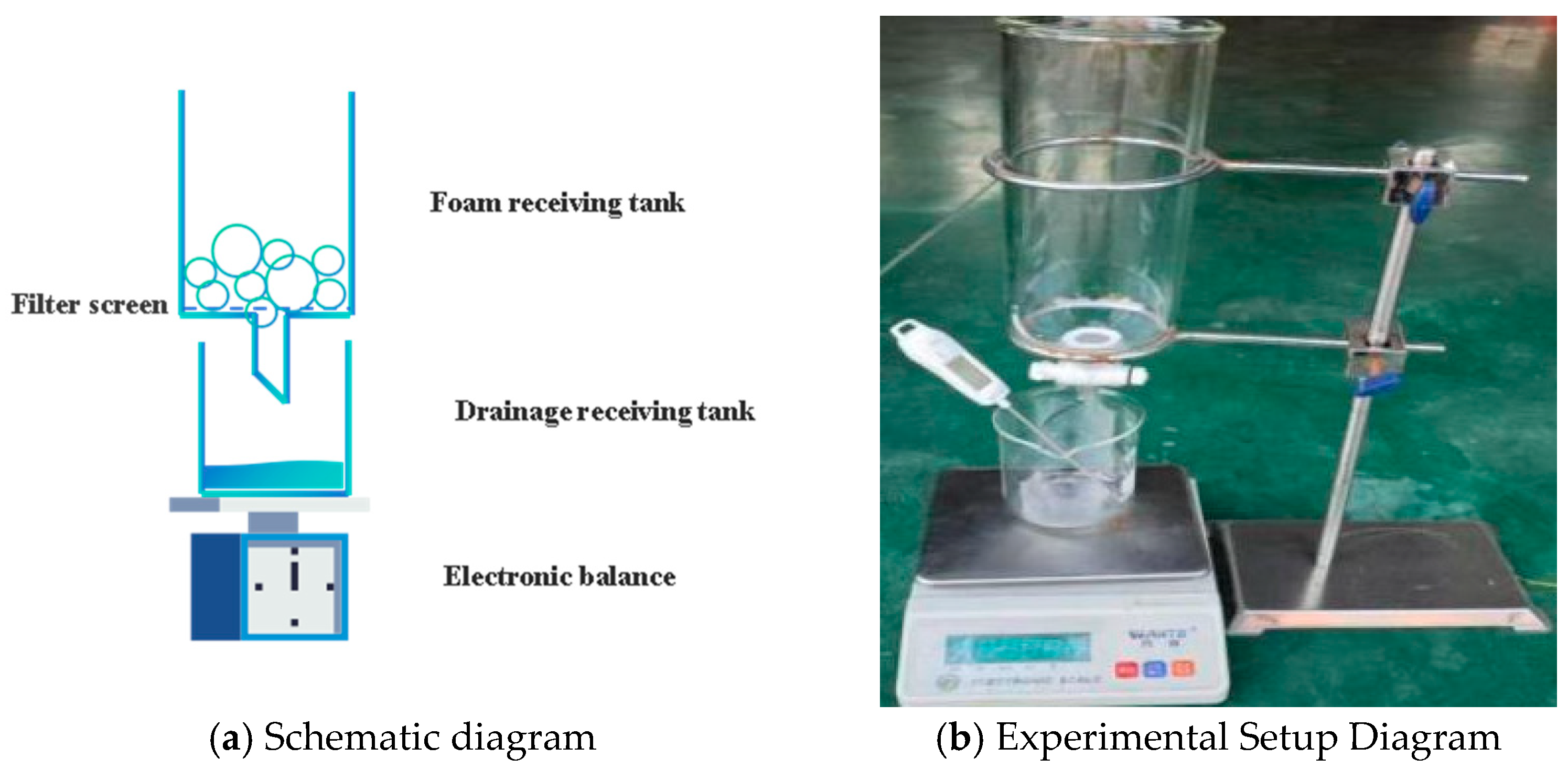
Figure 1. Test device for drainage time.
Fire 09 00120 g001
Figure 2. System diagram of experimental equipment.
Fire 09 00120 g002
Figure 3. The relationship between outlet pressure and foam flow rate.
Fire 09 00120 g003
Figure 4. Foam morphology under different pressures.
Fire 09 00120 g004
Figure 5. The relationship between outlet pressure and expansion.
Fire 09 00120 g005
Figure 6. Initial velocity and initial momentum of different outlet pressures.
Fire 09 00120 g006
Figure 7. Foam jetting diagram of different outlet pressures.
Fire 09 00120 g007
Figure 8. The fitting curve of initial momentum and initial velocity.
Fire 09 00120 g008
Figure 9. The relationship between outlet pressure and the time and quality of the drainage.
Fire 09 00120 g009
Figure 10. Temperature change diagram of the fire plume of main oil pool and auxiliary oil pool: (a) Temperature variation at 30 cm above the center oil level in the main oil pool. (b) Temperature derivative in the main oil pool. (c) Temperature variation at 50 cm above the center oil level in the auxiliary oil pool. (d) Temperature derivative in the auxiliary oil pool.
Fire 09 00120 g010
Figure 11. Mechanism diagram of the influence of CAFS outlet pressure on firefighting effectiveness.
Fire 09 00120 g011
Table 1. The revised model and the measured flow.
Outlet Pressure (MPa)Foam Flow Rate of Reality (L/s)Foam Flow Rate of Theory (L/s)Deviation Rate
0.010.770.77/
0.031.471.45−1.4%
0.064.093.98−2.7%
0.15.125.05−1.4%
Table 2. Modified model and measured expansion.
Outlet Pressure (MPa)Expansion of RealExpansion of TheoryExpansion of ReviseDeviation Rate
0.019.29.29.2/
0.038.38.18.30%
0.066.956.36.9−0.72%
0.15.45.05.40%
Disclaimer/Publisher’s Note: The statements, opinions and data contained in all publications are solely those of the individual author(s) and contributor(s) and not of MDPI and/or the editor(s). MDPI and/or the editor(s) disclaim responsibility for any injury to people or property resulting from any ideas, methods, instructions or products referred to in the content.