Systematic Review

Interactive Narratives and Serious Games in Oncology and Grief Support: A Systematic Literature Review

1
Applied Artificial Intelligence Laboratory (2Ai), School of Technology (EST), Polytechnic University of Cávado and Ave (IPCA), 4750-810 Barcelos, Portugal
2
LASI—Associate Laboratory of Intelligent Systems, 4800-058 Guimarães, Portugal
*
Author to whom correspondence should be addressed.
Multimodal Technol. Interact. 2026, 10(5), 45; https://doi.org/10.3390/mti10050045
Submission received: 11 February 2026 / Revised: 8 April 2026 / Accepted: 21 April 2026 / Published: 27 April 2026

Abstract

The impact of oncological diseases extends far beyond the clinical patient, profoundly affecting the mental health of caregivers, family members, and volunteers who navigate complex emotional landscapes of grief, anxiety, and trauma. While the domain of digital health has seen a proliferation of serious games aimed at pediatric patient education and treatment adherence, the specific perspective of the “second-order patient”, the caregiver or survivor, remains significantly under-explored. The primary objective of this study is to systematically review the current state of interactive narratives in oncology, palliative care, and grief support, identifying research gaps to inform the broader design space of empathy-driven serious games. Following the PRISMA guidelines, 31 articles were selected from an initial query of 116 records. Interventions were categorized into Serious Games, Games, and Gamification. The analysis reveals a critical thematic transition: early interventions relied heavily on biological “battle” metaphors to empower patients, whereas the current literature advocates for “thanatosensitive” designs that foster empathy. However, a distinct research gap persists regarding narratives that explore post-loss meaning reconstruction and the hospital volunteer experience. Synthesizing these findings, this paper establishes an evidence-based theoretical framework demonstrating a significant opportunity for games that prioritize dialogue and emotional processing over traditional winning conditions. As a practical application of these findings, we also briefly outline the conceptualization of a prototype simulating a widower’s experience volunteering in a palliative ward, shifting the ludic focus from defeating a disease to navigating loss.

1. Introduction

1.1. The Psychosocial Ecosystem of Cancer

Cancer remains a leading cause of mortality worldwide, generating a ripple effect that impacts not only the biological patient but also their broader social ecology. Family members, informal caregivers, and hospital volunteers often experience “secondary morbidity”, characterized by anticipatory grief, compassion fatigue, burnout, and social isolation [1,2]. The literature suggests that while medical interventions focus extensively on the patient’s physical survival, the emotional trajectory of the caregiver, specifically the process of “letting go” and finding new meaning after a loss, lacks adequate interactive support tools [3,4].

1.2. From “Fighting” to “Feeling”: The Evolution of Games in Health

Historically, digital games in healthcare have predominantly focused on physiological outcomes, motor rehabilitation, or pediatric medication adherence [5,6]. These early interventions frequently utilized a biological “battle metaphor”, where the player actively fights and defeats cancer cells. However, recent developments in Human-Computer Interaction (HCI) have sparked a transition toward “Thanatosensitive Design” [3] and “Empathy Games” [7,8]. This paradigm shift suggests that interactive media can effectively model complex emotional states, accepting mortality rather than ignoring it [9,10]. Unlike passive media, games require active participation and decision-making, generating a procedural empathy that allows players to safely rehearse difficult conversations and emotional responses [11,12].

1.3. Objectives

The primary objective of this systematic review is to consolidate current research findings on the intersection of serious games, oncology, and grief, aiming to identify existing research gaps. Ultimately, this review aims to map the design space for future interactive interventions, helping the field understand how to effectively support caregivers and survivors through narrative mechanics. As a practical demonstration, we will also briefly outline how these findings inform the development of a specific serious game prototype.
To achieve this, three primary Research Questions (RQ) guide the study. RQ1 investigates how serious games are currently being used in oncology, palliative care, and grief contexts. RQ2 explores the specific mechanics employed to facilitate difficult conversations and emotional processing. Finally, RQ3 seeks to identify the current research gaps regarding the representation of the volunteer and caregiver experience.

1.4. Theoretical Background: Thanatosensitivity and Narrative Play

While previous literature reviews have examined serious games in pediatric oncology [13] or gamification in palliative care [1], they predominantly focus on patient symptom management, physical rehabilitation, or treatment adherence. Comprehensive reviews addressing the narrative and empathic dimensions of the “second-order patient” (caregivers and volunteers) remain notably absent. To justify the need for this work, it is essential to understand the theoretical shift occurring in health games. First defined by Massimi [3] and further explored by Lefèvre [10], “Thanatosensitivity” is an HCI framework that explicitly incorporates mortality into design. Unlike standard user-centered design, which often aims to sanitize the user experience of negative emotions, thanatosensitive interventions embrace grief and “finitude” as core mechanics. As noted by Schott [9], designs that refuse to acknowledge the possibility of death (focusing only on “winning”) can trivialize the experience of those for whom cure is not an option.
Furthermore, Narrative Theory and Digital Storytelling serve as dominant mechanisms for processing trauma. As evidenced by Wilson et al. [13] and Hamilton et al. [14], the therapeutic value lies not in the gameplay loop but in the narrative reconstruction of the self. This approach requires Empathy and Emotional Engagement models [7,15], shifting the cognitive load from “understanding facts” to “feeling with” the subject, while facilitating Meaning-Making (Dual Process Models) to help survivors oscillate between loss and restoration. Identifying how current games utilize these frameworks is critical to advancing the field.

1.5. Paper Organization

The remainder of this paper is organized as follows. Section 2 describes the methodological approach adopted for this systematic literature review, detailing the PRISMA protocol, eligibility criteria, and the search strategy applied across digital databases.
Section 3 presents the results of the selection process, providing a quantitative overview of the included studies.
Section 4 provides a comprehensive discussion of the findings, structured into several key dimensions: it analyzes the behavioral approaches and theoretical frameworks underpinning current games (Section 4.1), compares the findings with the broader literature (Section 4.2), and categorizes the types of interventions and their outcomes (Section 4.3 and Section 4.4). Furthermore, this section identifies specific research gaps regarding the representation of volunteers (Section 4.5) and synthesizes the answers to the research questions (Section 4.6).
Section 5 offers the conclusions drawn from the review, highlighting the shift toward thanatosensitive design.
Finally, Section 6 outlines future research directions, mentioning the development plan for a prototype designed to address the identified gaps, while Section 7 notes the limitations of this review.

2. Methodology

This review follows the PRISMA (Preferred Reporting Items for Systematic Reviews and Meta-Analyses) guidelines. The detailed protocol for this systematic review was not pre-registered in PROSPERO or Inplasy prior to data extraction; however, the methodology strictly adhered to the PRISMA 2020 checklist to ensure transparency and reproducibility.

2.1. Search Strategy and Query

A systematic literature search was conducted exclusively on the Scopus citation database in October 2025. Scopus was selected for its broad, interdisciplinary coverage, effectively bridging Human-Computer Interaction (HCI), medical informatics, and psychosocial oncology. The search covered literature published between January 2010 and October 2025. A specific Boolean query was designed to capture the intersection of ludic technologies, oncology, and psychosocial support, as seen in Table 1.
The search strategy was meticulously designed to triangulate the intersection of three distinct domains: interactive digital interventions, oncological contexts, and psychosocial support mechanisms. This approach is supported by a solid theoretical background [3,9], reflecting the paradigm shift from functional medical gaming to emotional and narrative-driven game design. The query structure intentionally combined terms such as “caregiver”, “volunteer”, and “bereavement” alongside standard patient-centric keywords to capture the often-overlooked “circle of care”, which is the central narrative focus of A Short Game About Letting Go. This specific combination was necessary to isolate literature that addresses the emotional and narrative dimensions of illness, rather than purely clinical or physical rehabilitation outcomes. Furthermore, the explicit exclusion of terms like “surgical”, “robot*”, and “fitness” was implemented to filter out the high volume of technical and physiological studies that typically dominate the field (e.g., robotic surgery simulations or exergames), ensuring the search results remained strictly relevant to the project’s focus on narrative empathy, emotional processing, and the human experience of loss.

2.2. Inclusion and Exclusion Criteria

The eligibility criteria were established to ensure high methodological rigor and direct alignment with the proposed game’s unique mechanical and narrative requirements, as seen on Table 2. Inclusion was strictly limited to empirical studies and validated design reports involving interactive media, as the project aims to leverage player agency and decision-making as tools for empathy elements absent in passive media like video or text. A critical priority was placed on including studies involving caregivers, family members, and volunteers; this decision specifically addresses the identified gap in the literature where the emotional trajectory of the support network is frequently overshadowed by patient-focused interventions. Conversely, exclusion criteria were rigorously applied to remove metaphorical uses of “game” (common in evolutionary biology and genetics papers) and purely physical health interventions. This distinction is vital to building a theoretical framework centered on the psychological reconstruction of the protagonist, rather than the physical management of disease.

2.3. Data Collection

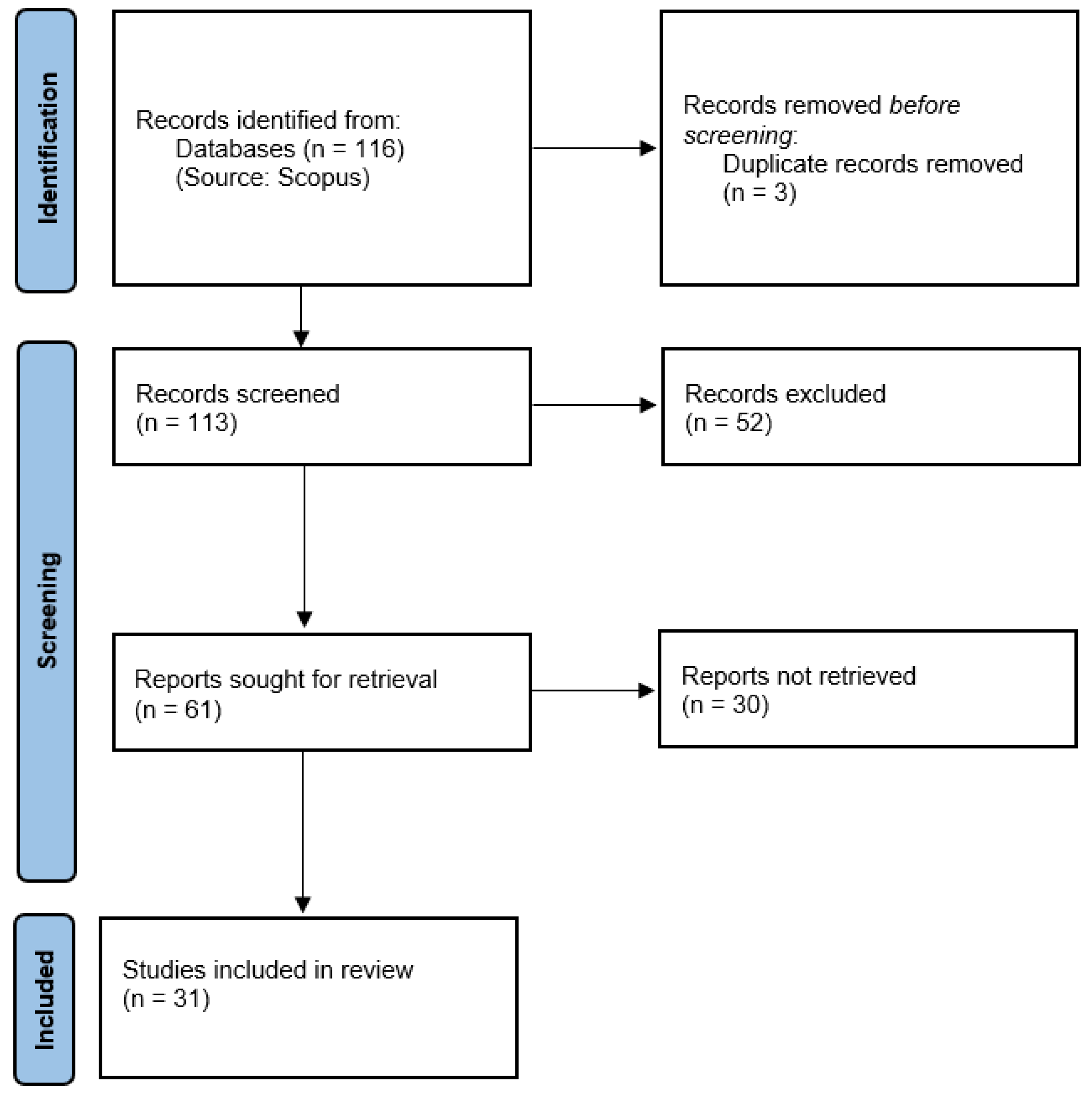
The initial database search yielded a total of 116 records. These records were subjected to a rigorous two-stage screening process to ensure relevance and methodological suitability.
In the first stage, titles and abstracts were screened to identify and remove “false positives” resulting from polysemous keywords. A significant portion of the initial dataset was excluded due to semantic mismatches; specifically, studies referencing “CARD games” (Caspase Recruitment Domains in molecular biology) and the “Pokemon” proto-oncogene were removed, as they pertained to genetics rather than interactive media. Additionally, records focusing on “Game Theory” in mathematical or economic contexts without clinical application were discarded.
In the second stage, the remaining 61 candidate reports were sought for retrieval. Of these, 30 reports were not retrieved due to institutional paywalls, inaccessible legacy links, or non-responsive authors upon request, as is standard in retrospective digital reviews. The remaining 31 full-text articles were assessed against the eligibility criteria and included in the final qualitative synthesis (n = 31), as detailed in Figure 1. Data extracted included target population, game genre, oncological context, and primary psychosocial outcome.

2.4. Justification for Systematic Review Methodology

A systematic review approach was chosen to comprehensively analyze existing research on psychosocial oncology and grief support through gamification and serious games. This method ensures a structured synthesis of diverse findings, allowing for the identification of trends, gaps, and theoretical contributions across multiple studies. The use of systematic reviews in health gaming research has been previously validated by studies such as Fernandes et al. [1], which explored games in palliative care, and Wilson et al. [13], which analyzed digital storytelling in pediatric oncology. Unlike narrative reviews, systematic reviews provide a replicable and transparent framework that reduces bias in data interpretation. Moreover, given the interdisciplinary nature of oncology gaming studies, spanning psycho-oncology, digital interventions, and medical humanities, the systematic approach allows us to integrate insights from multiple domains. This methodology is particularly suitable for examining the effectiveness of interactive elements, as it enables cross-study comparisons of intervention strategies and emotional impacts.

2.5. Methodological Criteria

The categorization of interventions into Gamification, Game, and Serious Games can be ambiguous, as these classifications often overlap. To provide clarity and ensure consistency within the 31 selected articles, the following criteria were employed:

2.5.1. Serious Games

An intervention was classified as a Serious Game if it was specifically developed with the primary purpose of addressing cancer care, grief processing, or palliative education. These games are designed with explicit therapeutic or educational objectives centered on disease management or emotional coping. Examples in our review include digital interventions like Anticip’action [16] or OutSMART Cancer [17], which utilize game environments to achieve specific health outcomes.

2.5.2. Games

The classification of Games was applied to interventions utilizing existing commercial games, card games, or other analog games used for communicative purposes. These interventions did not necessarily originate with the intention of addressing medical metrics but were repurposed or designed to facilitate difficult conversations or emotional expression. This category encompasses narrative experiences like That Dragon, Cancer [9] and conversation tools like the Hello Game [11] or Pallium Game [18].

2.5.3. Gamification

Interventions were classified as Gamification when the primary focus was on the application of game-design elements in non-game contexts. This includes applications (mobile, web) that incorporate mechanics such as rewards, avatars, or progress tracking to enhance motivation and adherence, even if they resemble games. Interventions such as HabitApp [19] and the MyPal-Child system [20] fall under this category, as they utilize game mechanics to support treatment routines rather than providing a standalone game experience.

2.5.4. Handling Overlaps in Categorization

Since many studies incorporated elements from multiple categories, we classified each intervention based on its dominant approach. Prior research has noted that gamification, serious games, and game-based learning frequently overlap, making strict classification challenging.
If a study implemented a fully structured game environment with embedded learning or therapeutic objectives, it was categorized as a Serious Game, even if it also used gamification elements like points or leaderboards (e.g., Strong Together [21]). Conversely, studies that primarily added game mechanics (e.g., rewards, scoring systems) to an existing health intervention system without a structured game experience were classified as Gamification.
In cases where interventions had features from both categories, priority was given to the core mechanics and the intended user experience over the study’s self-reported classification. To ensure methodological rigor and mitigate subjectivity, the classification of overlapping interventions was independently performed by two authors. Discrepancies were resolved through discussion, achieving a high inter-rater reliability (Cohen’s Kappa = 0.85).

3. Results

3.1. Study Distribution and Research Activity

This section presents the temporal distribution of the 31 reviewed studies. The data highlights the evolution of research interest in the intersection of games, oncology, and palliative care. While early research (2010–2015) was sporadic and primarily focused on establishing basic principles of “thanatosensitivity”, there has been a consistent output of research since 2016. A notable resurgence and peak in activity is observed in the post-2023 period, with significant contributions in 2024 and 2025. This recent upward trend suggests a growing academic validation of serious games as viable interventions for complex emotional landscapes like grief and palliative care. The distribution also reveals a transition in research focus: earlier years (2016–2018) contributed foundational studies on game efficacy in medical training and empathy, whereas the most recent publications focus heavily on specific, high-fidelity interventions for patient and caregiver support.
The most commonly applied and studied frameworks, as seen in Table 3, include Thanatosensitivity, Narrative Theory, Empathy, and Meaning-Making models.

3.2. Types of Interventions Used

Table 4 classifies all 31 articles based on their dominant intervention type. Serious Games represent the largest category (16 studies), indicating a preference for fully structured therapeutic tools. Games (8 studies) appear frequently in palliative care contexts, often taking the form of analog card games to facilitate conversation. Gamification (2 studies) is less common, primarily used for pediatric habit tracking. A fourth category, Other (5 studies), was established for theoretical frameworks, reviews, and non-game group interventions.

3.3. Mechanisms and Strategies

Table 5 summarizes the specific mechanics used. The reviewed interventions incorporated mechanics ranging from conversation triggers (card games) to immersive metaphors (video games). Recent works utilize complex branching narratives to simulate social support.

3.4. Interventions Considering the Care Continuum

Interventions targeting oncology and grief align with the three primary stages of the care continuum: Diagnosis/Treatment, Palliative/End-of-Life, and Bereavement. Table 6 maps the reviewed studies to these stages.

3.5. Impact and Outcomes of Interventions

Table 7 outlines the impact of the reviewed interventions. Later studies (2023–2025) demonstrate measurable improvements in “soft skills” such as empathy and communication confidence.

3.6. Summary of Key Findings

The results of this systematic review indicate that serious games and narrative interventions are establishing themselves as critical tools in psycho-oncology.

3.6.1. Dominance of Serious Games

As shown in Table 4, serious games constitute the majority of interventions. This trend differs from other health sectors where simple gamification often dominates, suggesting that the complexity of cancer care requires fully structured, immersive experiences rather than simple behavioral nudges.

3.6.2. The Caregiver Gap

While the diagnosis phase is saturated with adherence apps [6], and the palliative phase has strong analog tools [11,18], there is a distinct lack of digital narrative games specifically designed for the post-bereavement reconstruction period.

3.6.3. Narrative as a Mechanism

The most effective interventions for grief rely on narrative ambiguity rather than points or scores [9,14]. This indicates that there is a space for games that prioritize dialogue choices over traditional winning conditions.

4. Discussion and Identification of Research Gaps

4.1. Behavioral Approach and Theoretical Framework

The review reveals a diverse range of theoretical frameworks underpinning serious games in this domain, confirming a shift from purely functional applications to deeply psychological and emotional designs.

4.1.1. Thanatosensitivity and Grief Processing

As noted by Massimi [3], there is a critical move toward “Thanatosensitive Design” technologies explicitly built to support the bereaved rather than ignore mortality. This is further supported by Schott’s [9] analysis of That Dragon, Cancer, which uses an autobiographical narrative to facilitate “narrative reflection”, allowing players to process grief through interaction rather than passive observation.

4.1.2. Behavior Change Models

Several interventions rely on established psychological models. Van Scoy et al. [22] utilize the Transtheoretical Model (TTM) of behavior change to move participants from “pre-contemplation” to “action” regarding Advance Care Planning (ACP). Similarly, Yang et al. [29] apply the MDA (Mechanics, Dynamics, Aesthetics) framework to design therapeutic games that specifically target anxiety reduction in pediatric patients.

4.1.3. Empathy and Social Support

Frameworks of empathy are central to many designs. Santos et al. [7] propose a conceptual framework for interpreting empathic interactions in digital games, while Kalantari et al. [15] leverage Social Support Theory to reduce isolation among young adult patients.

4.2. Comparison with Existing Literature

When comparing the reviewed articles with the broader landscape of health games, distinct patterns and deviations emerge.

4.2.1. Pediatric Versus Adult Focus

Consistent with the general health gaming literature, there is a strong prevalence of pediatric interventions. Studies like Carrion-Plaza et al. [19], Meyerheim et al. [20], and Barrera et al. [2] focus heavily on children and adolescents. However, this review also highlights a growing, though smaller, body of work targeting adults and older adults, particularly in the context of ACP (Campioni et al. [16]; Loerzel et al. [4]) and medical education [8].

4.2.2. Medical Versus Psychosocial Goals

Unlike physical rehabilitation games common in other sectors, the oncology and palliative care games reviewed here prioritize psychosocial outcomes. The shift described in this analysis from games as distraction [5] to games as tools for mourning [30] aligns with the broader “emotional turn” in Human-Computer Interaction (HCI).

4.2.3. The Role of the Narrative

The literature confirms that narrative is not just a wrapper but a core game mechanic. Hamilton et al. [14] demonstrate that narrative therapy principles can be successfully gamified to help families cope, validating the use of story-driven interventions over purely arcade-style mechanics.

4.3. Interventions

The interventions identified in the 31 articles can be categorized by their primary mechanics and intended setting.

4.3.1. Conversation and Card Games

A significant portion of effective interventions relies on low-tech, high-engagement mechanics. The Hello game [11] and Pallium Game [18] utilize card-based prompts to lower the barrier for discussing taboo subjects like death and dying. These interventions prove that the mechanic of choosing cards acts as a psychological facilitator that structures difficult conversations.

4.3.2. Digital Narratives and Role-Playing Games

Games like That Dragon, Cancer [9] and Anticip’action [16] use immersive storytelling to place players in emotionally complex scenarios. These digital environments allow for safe rehearsals of difficult decisions, whether they are medical (ACP) or emotional (grieving).

4.3.3. Virtual Reality and Biofeedback

On the more technical end, Savaş et al. [5] utilize Virtual Reality combined with biofeedback to manage pain and fear during medical procedures. This represents a “distraction therapy” approach that contrasts with the “confrontation therapy” observed in the grief-focused games.

4.4. Outcomes in Serious Games for Health

The outcomes reported across the reviewed studies validate the efficacy of these interventions across three main domains.

4.4.1. Readiness and Behavioral Change

Games significantly increase the willingness of individuals to engage in real-world health behaviors. Van Scoy et al. [22] reported significant increases in readiness to perform ACP behaviors after gameplay, and Campioni et al. [16] found high usability and an increased willingness to discuss end-of-life wishes.

4.4.2. Emotional Regulation and Anxiety Reduction

For pediatric patients and their siblings, games effectively lower anxiety levels. Barrera et al. [2] found reduced anxiety in siblings of cancer patients, while Yang et al. [29] observed decreased anxiety in preschoolers undergoing treatment.

4.4.3. Empathy and Understanding

For medical students and clergy members, games serve as powerful empathy training tools. Chen et al. [8] and Auxier [24] demonstrated that playing serious games enhances the ability of professionals to empathize with the patient experience, successfully bridging the gap between clinical knowledge and emotional reality.

4.5. Identification of Research Gaps

Despite the progress in the field, this systematic review identifies critical research gaps to be explored by future designers.

4.5.1. The Volunteer Protagonist and the Battle Metaphor

Existing serious games predominantly focus on the patient fighting the disease (e.g., adherence games [6]) or the direct family grieving a loss. The pervasive biological “battle metaphor” is inherently problematic for “second-order patients” (caregivers and volunteers) because it implicitly frames death as a “loss” or a failure of effort, which can exacerbate guilt and burnout [1,2]. Furthermore, there is a distinct lack of narratives exploring the hospital volunteer, an outsider who enters the world of cancer voluntarily. This perspective is unique because it combines empathy with a necessary professional distance. Game mechanics, such as constrained dialogue choices or limited interaction times, can effectively simulate this boundary, forcing the player to balance empathic listening without over-identifying with or trying to “save” the patient.

4.5.2. Reconstruction Versus Loss (Dual Process Model)

The majority of grief-focused games (e.g., That Dragon, Cancer [9]) focus on the trajectory of decline and the immediate impact of loss. Few titles address the post-loss reconstruction of identity and the specific act of “reconnection” with society. This gap aligns directly with the theoretical Dual Process Model of Grief, which posits that healthy bereavement requires oscillating between loss-oriented coping and restoration-oriented (meaning-making) coping. Current games adequately address the former but lack the mechanics for the latter.

4.5.3. Adult Non-Medical Caregivers

The current literature shows a heavy bias toward pediatric contexts [19,20]. Consequently, the experience of the adult widower or the older adult volunteer finding purpose through altruism is marginalized in the serious game landscape. There is a need to address this demographic gap by focusing on narratives dealing with adult themes of legacy and solitude.

4.6. Answering the Research Questions

Synthesizing the data allows for specific answers to the research questions posed by this study.

4.6.1. RQ1: Usage in Oncology, Palliative Care, and Grief

Serious games are currently used as multifaceted tools across the care continuum. In oncology, they function as educational aids for prevention and adherence [6], as well as therapeutic tools for pain distraction and anxiety reduction [5,29]. In palliative care and grief, usage shifts toward facilitating communication. Games serve as mediators for difficult conversations about end-of-life planning [16,22] and as digital memorials for processing loss [27]. This review confirms a transition from purely functional medical games to “thanatosensitive” tools that directly address the emotional reality of dying.

4.6.2. RQ2: Mechanics for Difficult Conversations and Emotional Processing

The most effective mechanics identified for facilitating difficult conversations are card-based prompts and interactive narrative choices. Van Scoy et al. [11] demonstrate that card mechanics lower the “activation energy” required to discuss taboo subjects by structuring the interaction as a game rule rather than a social confrontation. For emotional processing, environmental exploration and metaphorical storytelling (as seen in That Dragon, Cancer [9]) allow players to engage with grief at their own individual pace.

4.6.3. RQ3: Representation of the Volunteer and Caregiver Experience

The review indicates a significant gap in representing the volunteer experience. While family caregivers are represented in interventions designed to improve family communication [14] or reduce sibling anxiety [2], the specific role of the hospital volunteer who witnesses death repeatedly without being a family member is virtually non-existent in the reviewed literature. Current games largely focus on the biological battle from the patient’s perspective or the personal loss from the family’s perspective, leaving the altruistic, observational perspective of the volunteer as an unexplored narrative space for serious games.

5. Conclusions

This systematic literature review confirms that the domain of serious games in oncology and palliative care has matured from a purely functional field into a sophisticated discipline capable of handling complex emotional realities. The analysis of the selected 31 articles reveals a decisive theoretical shift: while earlier and pediatric-focused interventions primarily utilized games for distraction therapy (e.g., Savaş et al. [5] using VR for pain management; Yang et al. [29] for anxiety reduction), the current frontier of the field focuses on “Thanatosensitive Design” [3]. This modern approach validates digital games not merely as tools for escapism, but as legitimate, safe spaces for processing grief, mortality, and the “unspeakable” aspects of terminal illness.
The evidence robustly supports the efficacy of interactive narrative and conversational mechanics as psychological facilitators. Studies by Van Scoy et al. [11] and Campioni et al. [16] demonstrate that gamified prompts (e.g., card choices, dialogue options) significantly lower the “activation energy” required to discuss taboo subjects. By turning difficult conversations into structured gameplay, these tools allow participants to articulate deep-seated values and fears that are often suppressed in clinical settings. Furthermore, narrative interventions have been proven to foster empathy in medical training [8] and support family coping strategies [14], confirming that the medium can successfully bridge the gap between clinical observation and emotional understanding.
However, despite these advancements, the review identifies a clear demographic and thematic gap. The literature is heavily saturated with interventions for pediatric patients or direct family caregivers. The specific intersection of volunteering as a coping mechanism for spousal grief remains an unexplored niche. The figure of the hospital volunteer, an outsider who voluntarily enters the space of death to find meaning, is absent from current serious game narratives.
By mapping this design space, this review provides a foundation for future developers to address the emotional trajectory of the support network.

6. Future Research and Work Directions

To apply these findings, our immediate future work involves the development of a prototype. This practical application focuses on the development and evaluation of a narrative-driven game that operationalizes the theoretical gaps mapped in this review. The proposed prototype will simulate the journey of a widower who, under the explicit guidance of a therapist within the game’s narrative, enters an oncology hospital to volunteer as a means of demystifying the disease.
The development will center on the creation of four distinct character archetypes, designed to represent the diverse spectrum of the cancer experience described in the literature. First, a Child with Cancer integrates findings from pediatric interventions (e.g., Verhalen & Rodrigues [30]; Yang et al. [29]) to explore how play and innocence coexist with terminal illness. Second, an Elderly Woman draws on research regarding older adults undergoing treatment (Loerzel et al. [4]) to address themes of legacy and dignity in late-stage care. Third, a Famous Athlete is designed to challenge the “battle” metaphor of cancer by exploring the loss of physical identity. Finally, a Fellow Volunteer represents the peer-support dynamic, validating the protagonist’s journey of seeking purpose through service. Crucially, this character reflects the real-world risk of caregiver burnout, ensuring they serve as a multidimensional peer rather than merely a narrative reward or romantic interest.
By allowing the main character to interact with these specific profiles, the game will test whether virtual volunteering can foster the “rediscovery of meaning” and teach players how to accommodate different emotional needs in a hospital setting.
Future research will evaluate this prototype using a mixed-methods approach. To quantitatively measure the concepts of “letting go” and social reconnection, validated psychological scales, such as adapted components of the Inventory of Complicated Grief (ICG) and the Game Experience Questionnaire (GEQ), will be paired with qualitative interviews. Given the highly sensitive nature of the topic, strict ethical guardrails will be implemented during playtesting. Clear disclaimers will be integrated to ensure players explicitly understand that the game is a narrative “simulacrum” designed solely to foster empathy, and under no circumstances does it serve as a replacement for professional clinical grief counseling.

7. Limitations

A primary limitation of this systematic review is its reliance on a single primary database (Scopus) for data collection. While Scopus provides robust interdisciplinary coverage bridging Human-Computer Interaction (HCI) and psycho-oncology, this approach may have excluded highly specialized clinical trials indexed solely in PubMed or purely technical prototypes found in IEEE Xplore. Future reviews expanding on this topic should incorporate multiple databases to ensure an exhaustive capture of both the clinical and technical literature.

Author Contributions

Conceptualization, J.M., M.V., E.V. and V.C.; methodology, J.M., M.V., E.V. and V.C.; investigation, J.M., M.V., E.V. and V.C.; resources, J.M., M.V., E.V. and V.C.; writing - original draft preparation, J.M.; writing - review and editing, J.M., M.V., E.V. and V.C.; supervision, M.V., E.V. and V.C.; funding acquisition, M.V., E.V. and V.C. All authors have read and agreed to the published version of the manuscript.

Funding

This paper was funded by national funds and FCT/MCTES (PIDDAC), through the Foundation for Science and Technology, I. P. (FCT) under the scope of the project UID/05549/2025 (https://doi.org/10.54499/UID/05549/2025) and LASI-LA/P/0104/2020 (https://doi.org/10.54499/LA/P/0050/2020).

Institutional Review Board Statement

Not applicable.

Informed Consent Statement

Not applicable.

Data Availability Statement

No new data were created or analyzed in this study. Data sharing is not applicable to this article.

Conflicts of Interest

The author declares no conflicts of interest.

References

  1. Fernandes, C.S.; Vale, M.B.M.; Lourenço, M. Exploring the use of games in palliative care: A scoping review. Palliat. Support. Care 2023, 21, 146–166. [Google Scholar] [CrossRef]
  2. Barrera, M.; Atenafu, E.G.; Schulte, F.; Nathan, P.C.; Hancock, K.; Saleh, A. A randomized controlled trial of a group intervention for siblings of children with cancer: Changes in symptoms of anxiety in siblings and caregivers. Psychooncology 2018, 27, 1629–1634. [Google Scholar] [CrossRef] [PubMed]
  3. Massimi, M. Thanatosensitively designed technologies for bereavement support. In Proceedings of the 28th International Conference on Human Factors in Computing Systems, CHI 2010, Extended Abstracts Volume, Atlanta, GA, USA, 10–15 April 2010; Volume 28, pp. 2951–2954. [Google Scholar]
  4. Loerzel, V.; Clochesy, J.; Geddie, P. Using a community advisory board to develop a serious game for older adults undergoing treatment for cancer. Appl. Nurs. Res. 2018, 39, 207–210. [Google Scholar] [CrossRef] [PubMed]
  5. Savaş, E.H.; Semerci, R.; Bayram, C. The effect of a biofeedback-based virtual reality game on pain, fear and anxiety levels during port catheter needle insertion in pediatric oncology patients: A randomized controlled study. Eur. J. Oncol. Nurs. 2024, 70, 102621. [Google Scholar] [CrossRef] [PubMed]
  6. Chai, C.W.E.; Lau, B.T.; Tee, M.K.T.; Al Mahmud, A. Evaluating a serious game to improve childhood cancer patients’ treatment adherence. Digit. Health 2022, 8, 20552076221134457. [Google Scholar] [CrossRef]
  7. Santos, D.B.D.; Pinheiro, T.S.M.; Maciel, C.; Rodrigues, K.R.H.; Nunes, E.P.S. Interpreting posts in empathic games: Assumptions for a conceptual framework. In Proceedings of the 19th Brazilian Symposium on Human Factors in Computing Systems, Diamantina, Brazil, 26–30 October 2020; Association for Computing Machinery: New York, NY, USA, 2020; Volume 19, pp. 231–240. [Google Scholar]
  8. Chen, A.; Kogan, J.R.; Schubert, C. Teaching Empathy: The Implementation of a Video Game into a Psychiatry Clerkship Curriculum. Acad. Psychiatry 2018, 43, 362–365. [Google Scholar] [CrossRef]
  9. Schott, G. That Dragon, Cancer: Contemplating life and death in a medium that has frequently trivialized both. In Proceedings of DiGRA 2017 Conference, Melbourne, Australia, 10 June 2017; DiGRA: Tampere, Finland, 2017; Volume 14, pp. 1–10. [Google Scholar]
  10. Lefèvre, V. Playing games to help deal with the end of life. Soins Pediatr. Pueric. 2011, 32, 24–25. [Google Scholar]
  11. Van Scoy, L.J.; Green, M.J.; Reading, J.M.; Scott, A.M.; Chuang, C.H.; Levi, B.H. Can Playing an End-of-Life Conversation Game Motivate People to Engage in Advance Care Planning? Am. J. Hosp. Palliat. Med. 2017, 34, 754–761. [Google Scholar] [CrossRef]
  12. Van Scoy, L.J.; Reading, J.M.; Scott, A.M.; Green, M.J.; Levi, B.H. Exploring the Topics Discussed During a Conversation Card Game About Death and Dying: A Content Analysis. J. Pain Symptom Manag. 2016, 52, 655–662. [Google Scholar] [CrossRef]
  13. Wilson, D.K.; Hutson, S.P.; Wyatt, T.H. Exploring the role of digital storytelling in pediatric oncology patients’ perspectives regarding diagnosis: A literature review. Sage Open 2015, 5, 1–10. [Google Scholar] [CrossRef]
  14. Hamilton, S.; Hao, X.; Andrews, S.; Roldan, E.; Martinez, C.; Hamilton, J.; Amith, M.; Cui, L. Designing a Narrative-Based Video Game for Adolescents Coping with a Parent’s Cancer. Commun. Comput. Inf. Sci. 2025, 2526, 72–78. [Google Scholar]
  15. Kalantari, M.; Downie, S.; Hashemi, A. Empathy and Communication: Developing a Mobile Game to Enhance Social Support for Young Adult Cancer Patients. Lect. Notes Comput. Sci. 2025, 15823, 247–263. [Google Scholar]
  16. Campioni, D.; Ehrler, F.; Berger, A.; Clavien, C. A Digital Serious Game (Anticipaction) to Support Advance Care Planning Discussions in the General Population: Usability Study. JMIR Aging 2025, 8, e73378. [Google Scholar] [CrossRef]
  17. Abraham, O.; McCarthy, T.J. An Introduction to the OutSMART Cancer Serious Game: Current and Future Directions. JMIR Cancer 2024, 10, e56168. [Google Scholar] [CrossRef] [PubMed]
  18. Fernandes, C.S.; Vale, M.B.; Magalhães, B.; Castro, J.P.; Azevedo, M.D.; Lourenço, M. Developing a Card Game for Assessment and Intervention in the Person and the Family in Palliative Care: “Pallium Game”. Int. J. Environ. Res. Public Health 2023, 20, 1449. [Google Scholar] [CrossRef]
  19. Carrion-Plaza, A.; Jaen, J.; Montoya-Castilla, I. HabitApp: New Play Technologies in Pediatric Cancer to Improve the Psychosocial State of Patients and Caregivers. Front. Psychol. 2020, 11, 157. [Google Scholar] [CrossRef] [PubMed]
  20. Meyerheim, M.; Karamanidou, C.; Payne, S.; Garani-Papadatos, T.; Sander, A.; Downing, J.; Stamatopoulos, K.; Ling, J.; Payne, C.; Scarfo, L.; et al. MyPal-Child study protocol: An observational prospective clinical feasibility study of the MyPal ePRO-based early palliative care digital system in paediatric oncology patients. BMJ Open 2021, 11, e045226. [Google Scholar] [CrossRef] [PubMed]
  21. Thomas, T.H.; McLaughlin, M.; Hayden, M.; Shumaker, E.; Trybus, J.; Myers, E.; Schenker, Y. Teaching patients with advanced cancer to self-advocate: Development and acceptability of the strong together™ serious game. Games Health J. 2019, 8, 55–63. [Google Scholar] [CrossRef]
  22. Van Scoy, L.J.; Reading, J.M.; Scott, A.M.; Green, M.J.; Levi, B.H. Conversation Game Effectively Engages Groups of Individuals in Discussions about Death and Dying. J. Palliat. Med. 2016, 19, 661–667. [Google Scholar] [CrossRef]
  23. Van Scoy, L.J.; Reading, J.M.; Hopkins, M.; Smith, B.; Dillon, J.; Green, M.J.; Levi, B.H. Community Game Day: Using an End-of-Life Conversation Game to Encourage Advance Care Planning. J. Pain Symptom Manag. 2017, 54, 680–691. [Google Scholar] [CrossRef]
  24. Auxier, J.W. That Dragon, Cancer Goes to Seminary: Using a Serious Video Game in Pastoral Training. Christ. Educ. J. 2018, 15, 105–117. [Google Scholar] [CrossRef]
  25. Rodrigues, K.R.H.; Conrado, D.B.F.; Neris, V.P.A. Lessons Learned in Designing a Digital Therapeutic Game to Support the Treatment and Well-Being of Children with Cancer. Lect. Notes Comput. Sci. 2018, 10920, 231–243. [Google Scholar]
  26. Bettini, A.; Amore, E.; Vagnoli, L.; Maffei, F.; Martin, R. Acceptability and feasibility of a therapeutic board game for children and adolescents with cancer: The Italian version of Shop Talk. Support. Care Cancer 2019, 27, 4479–4485. [Google Scholar] [CrossRef] [PubMed]
  27. Coward-Gibbs, M. Some Games You Just Can’t Win: Crowdfunded Memorialisation, Grief and That Dragon, Cancer. In Death, Culture & Leisure: Playing Dead; Emerald Publishing Limited: Bingley, UK, 2020; pp. 173–188. [Google Scholar]
  28. Lefuel, P.; Bollondi Pauly, C.; Dufey Teso, A.B.; Martin, P.Y.; Escher, M.; Sechaud, L.; Da Rocha, G. Serious game, a new approach for advance care planning with dialysis patients. Nephrol. Ther. 2022, 18, 263–269. [Google Scholar] [CrossRef]
  29. Yang, D.J.; Lu, M.Y.; Chen, C.W.; Liu, P.C.; Hou, I.C. Development of a Therapeutic Video Game With the MDA Framework to Decrease Anxiety in Preschool-Aged Children With Acute Lymphoblastic Leukemia: Mixed Methods Approach. JMIR Serious Games 2022, 10, e37079. [Google Scholar] [CrossRef]
  30. Verhalen, A.E.C.; Rodrigues, K.R.H. The use of serious digital games to talk about grief and finitude with children: Reports on the design and evaluation process of two games. J. Interact. Syst. 2024, 15, 926–941. [Google Scholar] [CrossRef]
  31. Anderson, T.; Prue, G.; McDowell, G.; Stark, P.; Brown Wilson, C.; Graham Wisener, L.; Kerr, H.; Caughers, G.; Rogers, K.; Cook, L.; et al. Co-design and evaluation of a digital serious game to promote public awareness about pancreatic cancer. BMC Public Health 2024, 24, 570. [Google Scholar] [CrossRef]
Figure 1. PRISMA 2020 Flow Diagram.
Mti 10 00045 g001
Table 1. Search strategy and query string used for data collection. The asterisk (*) acts as a truncation wildcard to search for varying word endings.
Digital LibrarySearch Query
Scopus( “serious game*” OR “video game*” OR “videogame*” OR “digital game*” OR “interactive narrative*” OR “gamif*” OR “ludic” ) AND ( “cancer” OR “oncolog*” OR “neoplasm*” OR “tumor*” OR “palliative care” OR “end-of-life” OR “terminal illness” ) AND ( “caregiver*” OR “carer*” OR “family” OR “spouse*” OR “volunteer*” OR “grief” OR “bereave*” OR “mourning” OR “empathy” OR “compassion" ) AND NOT ( “surgical” OR “robot” OR “physical activity” OR “exercise” OR “fitness” )
Table 2. Selection Criteria.
CriterionInclusionExclusion
Document TypeJournal Articles, Conference Papers.Theses, Books, Editorials, Abstracts without data.
InterventionSerious games, video games, board games, gamification, interactive narrative.Pure exercise games (exergames), non-interactive media.
ContextOncology, Palliative Care, Grief, Empathy, Emotions.General health without oncology/grief focus; Biological/Genetic studies.
PopulationFocus on patients, but with priority to caregivers, families, and volunteers.Studies focusing solely on biological mechanisms (e.g., “Pokemon” gene).
Table 3. Behavioral Approaches and Theoretical Frameworks (Sorted Chronologically).
Author (Year)Behavioral Approach/Theoretical Framework
Massimi (2010) [3]Thanatosensitive design, bereavement support systems.
Lefèvre (2011) [10]Play therapy, psychological processing of finiteness.
Wilson et al. (2015) [13]Narrative engagement, digital storytelling for sense-making.
Van Scoy et al. (2016) [11]Heuristic learning, group dynamics in taboo conversations.
Van Scoy et al. (2016) [12]Qualitative content analysis of value-based discussions.
Schott (2017) [9]Narrative reflection, emotional processing of grief and mortality.
Van Scoy et al. (2017) [22]Transtheoretical Model (TTM), readiness for end-of-life planning.
Van Scoy et al. (2017) [23]Community-based intervention, social diffusion of health information.
Chen et al. (2018) [8]Experiential learning, empathy cultivation in medical training.
Auxier (2018) [24]Pastoral theology, simulation for empathetic counseling.
Loerzel et al. (2018) [4]Community-Based Participatory Research (CBPR).
Barrera et al. (2018) [2]Cognitive Behavioral Therapy (CBT) in group settings.
Rodrigues et al. (2018) [25]Participatory design, adherence behavior modification.
Thomas et al. (2019) [21]Self-advocacy theory, skill acquisition for patient empowerment.
Bettini et al. (2019) [26]Therapeutic communication, projection of feelings.
Coward-Gibbs (2020) [27]Digital memorialisation, communal grief expression.
Santos et al. (2020) [7]Conceptual framework of empathy in digital interactions.
Carrion-Plaza et al. (2020) [19]Emotional regulation through technology-mediated play.
Meyerheim et al. (2021) [20]Patient-Reported Outcomes (PRO) monitoring.
Lefuel et al. (2022) [28]Patient autonomy, decision-making support systems.
Yang et al. (2022) [29]MDA (Mechanics, Dynamics, Aesthetics) framework for anxiety.
Chai et al. (2022) [6]Gamification for treatment adherence and health literacy.
Fernandes et al. (2023) [1]Game-based learning (GBL) in palliative care contexts.
Fernandes et al. (2023) [18]Family Systems Nursing, assessment through play.
Verhalen & Rodrigues (2024) [30]Thanatosensitivity, child-centered design for difficult conversations.
Anderson et al. (2024) [31]Co-design, public health awareness and knowledge retention.
Savaş et al. (2024) [5]Distraction therapy, biofeedback for physiological regulation.
Abraham & McCarthy (2024) [17]Systems thinking, preventive health education.
Hamilton et al. (2025) [14]Narrative therapy, family systems coping strategies.
Campioni et al. (2025) [16]Usability engineering, behavior change regarding Advance Care Planning.
Kalantari et al. (2025) [15]Social Support Theory, empathy enhancement.
Table 4. Methods in games or gamification (X indicates category, sorted chronologically).
Author (Year)Comm. GameSerious GameGamificationOther
Massimi (2010) [3] X
Lefèvre (2011) [10] X
Wilson et al. (2015) [13] X
Van Scoy et al. (2016) [11] X
Van Scoy et al. (2016) [12] X
Schott (2017) [9]X
Van Scoy et al. (2017) [22] X
Van Scoy et al. (2017) [23] X
Chen et al. (2018) [8]X
Auxier (2018) [24]X
Loerzel et al. (2018) [4] X
Barrera et al. (2018) [2] X
Rodrigues et al. (2018) [25] X
Thomas et al. (2019) [21] X
Bettini et al. (2019) [26] X
Coward-Gibbs (2020) [27]X
Santos et al. (2020) [7]X
Carrion-Plaza et al. (2020) [19] X
Meyerheim et al. (2021) [20] X
Lefuel et al. (2022) [28] X
Yang et al. (2022) [29] X
Chai et al. (2022) [6] X
Fernandes et al. (2023) [1] X
Fernandes et al. (2023) [18] X
Verhalen & Rodrigues (2024) [30] X
Anderson et al. (2024) [31] X
Savaş et al. (2024) [5] X
Abraham & McCarthy (2024) [17] X
Hamilton et al. (2025) [14] X
Campioni et al. (2025) [16] X
Kalantari et al. (2025) [15] X
Table 5. Interventions sorted by date.
Author (Year)Interventions
Massimi (2010) [3]Exploration of “Thanatosensitive” technology design for bereavement support.
Lefèvre (2011) [10]Use of play and games to assist children in processing end-of-life situations.
Wilson et al. (2015) [13]Literature review on the use of digital storytelling interventions for pediatric oncology patients.
Van Scoy et al. (2016) [11]“Hello” conversation card game used in group settings to discuss death and dying.
Van Scoy et al. (2016) [12]Content analysis of the specific topics raised during “Hello” game sessions.
Schott (2017) [9]Critical analysis of “That Dragon, Cancer”, an autobiographical game about a child’s terminal cancer.
Van Scoy et al. (2017) [22]Use of the “Hello” conversation game to motivate patients to complete Advance Directives.
Van Scoy et al. (2017) [23]“Community Game Day” intervention using games to normalize end-of-life planning.
Chen et al. (2018) [8]Use of “That Dragon, Cancer” in psychiatry clerkships to teach empathy to medical students.
Auxier (2018) [24]Implementation of a serious game in seminary curriculum for pastoral grief training.
Loerzel et al. (2018) [4]Serious game co-designed with a community advisory board for older adults with cancer.
Barrera et al. (2018) [2]Group intervention (Sib-Link) for siblings of children with cancer to reduce anxiety.
Rodrigues et al. (2018) [25]Digital therapeutic game to support treatment adherence and well-being in children.
Thomas et al. (2019) [21]“Strong Together”, a serious game teaching self-advocacy skills to advanced cancer patients.
Bettini et al. (2019) [26]“Shop Talk”, a therapeutic board game adapted for Italian pediatric oncology patients.
Coward-Gibbs (2020) [27]Investigation of crowdfunded memorialisation features within “That Dragon, Cancer”.
Santos et al. (2020) [7]Study of empathic interactions and user comments related to gameplay in “That Dragon, Cancer”.
Carrion-Plaza et al. (2020) [19]“HabitApp”, a play technology intervention to improve psychosocial states in pediatric patients.
Meyerheim et al. (2021) [20]“MyPal-Child”, a gamified app for reporting symptoms in pediatric palliative care.
Lefuel et al. (2022) [28]Serious game intervention to support dialysis patients in Advance Care Planning decisions.
Yang et al. (2022) [29]Therapeutic video game designed to decrease anxiety in preschoolers with leukemia.
Chai et al. (2022) [6]Serious game intervention to improve medication adherence in childhood cancer.
Fernandes et al. (2023) [1]Scoping review of various analog and digital games applied in palliative care settings.
Fernandes et al. (2023) [18]“Pallium Game”, a card game for assessing and intervening with families in palliative care.
Verhalen & Rodrigues (2024) [30]Design and evaluation of two serious games to facilitate dialogue on grief and death with children.
Anderson et al. (2024) [31]Digital serious game designed to increase public awareness of pancreatic cancer symptoms.
Savaş et al. (2024) [5]Biofeedback-based VR game used during port catheter insertion to reduce pain.
Abraham & McCarthy (2024) [17]“OutSMART Cancer”, a serious game for education on cancer prevention and biology.
Hamilton et al. (2025) [14]Narrative-based video game designed to assist adolescents in coping with a parent’s cancer diagnosis.
Campioni et al. (2025) [16]”Anticip’action“, a digital serious game to promote Advance Care Planning discussions.
Kalantari et al. (2025) [15]Mobile game featuring empathy-based mechanics to support young adult cancer patients.
Table 6. Cancer Care Stages and Corresponding Interventions.
Care StageInterventions from Reviewed Studies
Prevention, Diagnosis & EducationSimulated food system games [31], Prevention education games [17], Digital storytelling for diagnosis [13], Empathy training for diagnosis [8].
Treatment, Adherence & CopingNarrative coping games [14], Self-advocacy games [21], Treatment support games [4], Psychosocial support apps [19], Social support mobile games [15], Sibling interventions [2], Therapeutic board games [26], VR Biofeedback for pain [5], Anxiety reduction games [29], Treatment well-being games [25], Adherence games [6].
Palliative Care, End-of-Life & BereavementGrief analysis in games [9], Games for grief conversations [30], Memorialisation [27], Empathy in grief [7], Thanatosensitive tech [3], Pastoral grief training [24], Advance Care Planning games [11,16,22,23,28], Palliative care reviews [1], Family assessment card games [18], Content analysis of EOL games [12], Early palliative care apps [20], End-of-life play [10].
Table 7. Outcomes in Serious Games for Health (Sorted Chronologically).
Author (Year)Outcomes
Massimi (2010) [3]Provided design principles for technology that respects the bereavement process.
Lefèvre (2011) [10]Observed benefits in psychological processing of end-of-life for children.
Wilson et al. (2015) [13]Digital storytelling helped patients process diagnosis and improved provider insight.
Van Scoy et al. (2016) [11]Effectively engaged participants in high-quality discussions about end-of-life wishes.
Van Scoy et al. (2016) [12]Identified key themes in end-of-life discussions, including values and fears.
Schott (2017) [9]Demonstrated the medium’s capacity to handle complex, non-trivial themes of death.
Van Scoy et al. (2017) [22]Significant increase in readiness to perform Advance Care Planning behaviors.
Van Scoy et al. (2017) [23]Successful community engagement leading to completed living wills.
Chen et al. (2018) [8]Increased medical student empathy and understanding of patient experience.
Auxier (2018) [24]Enhanced pastoral students’ ability to empathize with grieving parents.
Loerzel et al. (2018) [4]Validated the feasibility of game-based interventions for older adults with cancer.
Barrera et al. (2018) [2]Reduced anxiety symptoms in siblings of children with cancer.
Rodrigues et al. (2018) [25]Positive impact on patient well-being and engagement with therapeutic regimen.
Thomas et al. (2019) [21]High acceptability and improvement in self-advocacy confidence among patients.
Bettini et al. (2019) [26]Facilitated expression of feelings and worries in a non-threatening environment.
Coward-Gibbs (2020) [27]Established games as persistent digital spaces for communal grief and memory.
Santos et al. (2020) [7]Identified distinct categories of empathic responses in player communities.
Carrion-Plaza et al. (2020) [19]Improved emotional state and reduced negative feelings in hospitalized children.
Meyerheim et al. (2021) [20]Established protocol for feasible digital monitoring in pediatric palliative care.
Lefuel et al. (2022) [28]Improved patient knowledge and engagement in discussing end-of-life preferences.
Yang et al. (2022) [29]Reduction in anxiety levels in preschool children undergoing leukemia treatment.
Chai et al. (2022) [6]Improvement in medication adherence and disease knowledge among children.
Fernandes et al. (2023) [1]Mapped the growing utility of games in palliative care for education and therapy.
Fernandes et al. (2023) [18]Validated a tool for systemic family assessment in palliative care contexts.
Verhalen & Rodrigues (2024) [30]Facilitated difficult conversations about finiteness between children and caregivers.
Anderson et al. (2024) [31]Increased public knowledge of pancreatic cancer symptoms and risk factors.
Savaş et al. (2024) [5]Significantly lower pain and fear scores during medical procedures vs control.
Abraham & McCarthy (2024) [17]Improved understanding of cancer complexity and prevention strategies.
Hamilton et al. (2025) [14]Preliminary design indicated potential for improved family communication and coping.
Campioni et al. (2025) [16]High usability scores and increased willingness to engage in Advance Care Planning.
Kalantari et al. (2025) [15]Enhanced perceived social support and reduced isolation in young adult patients.
Disclaimer/Publisher’s Note: The statements, opinions and data contained in all publications are solely those of the individual author(s) and contributor(s) and not of MDPI and/or the editor(s). MDPI and/or the editor(s) disclaim responsibility for any injury to people or property resulting from any ideas, methods, instructions or products referred to in the content.