Article

RNA-Seq and RT-qPCR Analysis of the Formation Process from Potato Stolons to Tubers and Functional Study of StLSH10 in Tuberization

1
Academy of Agricultural and Forestry Sciences, Qinghai University, Xining 810016, China
2
Qinghai Academy of Agricultural and Forestry Sciences, Xining 810016, China
3
Qinghai Provincial Key Laboratory of Potato Breeding, Xining 810016, China
*
Authors to whom correspondence should be addressed.
Horticulturae 2026, 12(4), 409; https://doi.org/10.3390/horticulturae12040409
Submission received: 11 February 2026 / Revised: 22 March 2026 / Accepted: 23 March 2026 / Published: 25 March 2026
(This article belongs to the Section Genetics, Genomics, Breeding, and Biotechnology (G2B2))

Abstract

The potato tuber is a metamorphic organ formed by the expansion of the underground stolon tip. It is an economically important organ and an excellent material for studying the occurrence and development of modified plant organs. However, genetic studies have lagged due to the potato’s complex genetic background. In this study, we used stolons and tubers of the potato ‘Qingshu 9’ at different stages of the tuberization process as samples for transcriptome sequencing and systematically analyzed the transcriptome characteristics of tuberization. Through RT-qPCR analysis, 16 candidate genes related to tuberization were identified. Overexpression verification was performed on one candidate gene, StLSH10, and the results indicated that it might be involved in regulating tuberization. This research provides a theoretical basis for elucidating the molecular mechanism of tuberization and offers a new target to improve potato yield and quality through molecular breeding strategies.

1. Introduction

Potato (Solanum tuberosum L.) is an annual herb of the Solanaceae family [1] and the fourth major staple crop after rice, wheat, and corn [2]. It has strong adaptability, a short growth period, and high yield [3]. Potato tubers are rich in nutrients such as starch, vitamin C, and calcium, which can meet the basic nutritional needs of humans. Therefore, they are widely cultivated around the world [4].
Like other crops, potato includes roots, stems, leaves, flowers, fruits, and seeds. The difference is that its stems can be classified as aboveground, underground, stolons, and tubers [5]. Although they are homologous organs, their morphology and function differ. Stolons and tuberization are important prerequisites for potato production [6]. Tuberization directly affects the yield [7], and the occurrence of stolons is a prerequisite for it [6]. Potato tubers are not only important nutrient storage and asexual reproductive organs but also excellent materials for studying morphogenesis and development [8,9]. Hence, research on tuberization has important theoretical significance and potential application value for understanding the formation and regulation mechanisms of potato yield and quality. In light of global climate change and food security concerns, it is crucial to fully elucidate the mechanisms of tuberization.
Potato tubers are formed from large parenchyma cells derived from dispersed meristem clusters in the specific region of the vascular system at the tip of the stolon [10]. The formation of potato tubers consists of four continuous stages: stolon hooking stage, sub-apical enlargement stage, early tuberization stage and tuberization stage [11,12]. This is a complex process involving morphological, cytological, physiological, and biochemical changes at various levels and is regulated by endogenous hormones, environmental factors, and genes [13]. The occurrence of stolons determines the number and size of tubers, and they also serve as direct transport organs for tuberization [14]. Stolons can emerge from underground stem nodes throughout the entire growth period [15]. In the seedling stage, the growth rate of aboveground parts is relatively fast, and stolons begin to emerge from underground parts [15]. These two parts compete for photosynthetic products from the leaves, preventing stolon tips from expanding into tubers [15]. As the growth rate of aboveground parts slows down, competition gradually weakens, and tubers begin to form [14]. During the entire growth period, the tuberization rate of the plant shows an S-shaped curve change, and the more stolons that emerge during the growth process, the more tubers are formed [14]. Under normal circumstances, the tuberization rate of stolons varies from 50% to 70% due to different varieties [16], and poor-quality stolons that do not expand and develop into tubers mostly die and rot naturally in the later stage of growth [17].
In recent years, researchers in various countries have been working to unravel the molecular mechanisms of potato tuberization to identify and develop key trigger points and molecular switches for tuberization, which may allow potatoes to be planted and tuberized across a wider geographical range, including areas with the most restrictive and critical environmental factors [18]. Although research on potato tuberization has been conducted for many years, the molecular mechanism remains unclear. The challenge for the future is to clarify the interactions between multiple signaling molecules and signal transduction pathways involved in tuberization and to understand how these interactions regulate tuberization. More in-depth theoretical research is urgently needed to elucidate the molecular mechanisms of tuberization.
‘Qingshu 9’ is a potato variety with a high yield, long growth period, and large number of stolons and tubers. Tuberization occurs almost continuously throughout the growth period, making it an ideal material with sufficient samples that are convenient to collect. In this study, potato ‘Qingshu 9’ was used as the experimental material to analyze the molecular network of differentially expressed genes (DEGs) during tuberization based on transcriptomics. Key regulatory genes involved in tuberization were identified using real-time fluorescence quantitative PCR (RT-qPCR). This study provides new candidate genes for tuberization and high and stable yield research to better understand the tuber formation mechanism. In addition, overexpression verification of the candidate gene StLSH10 (light-dependent short hypocotyls 10, Soltu.Q9.Chr10_A30026083.g) was conducted to further clarify its function in tuberization.

2. Materials and Methods

2.1. Plant Material

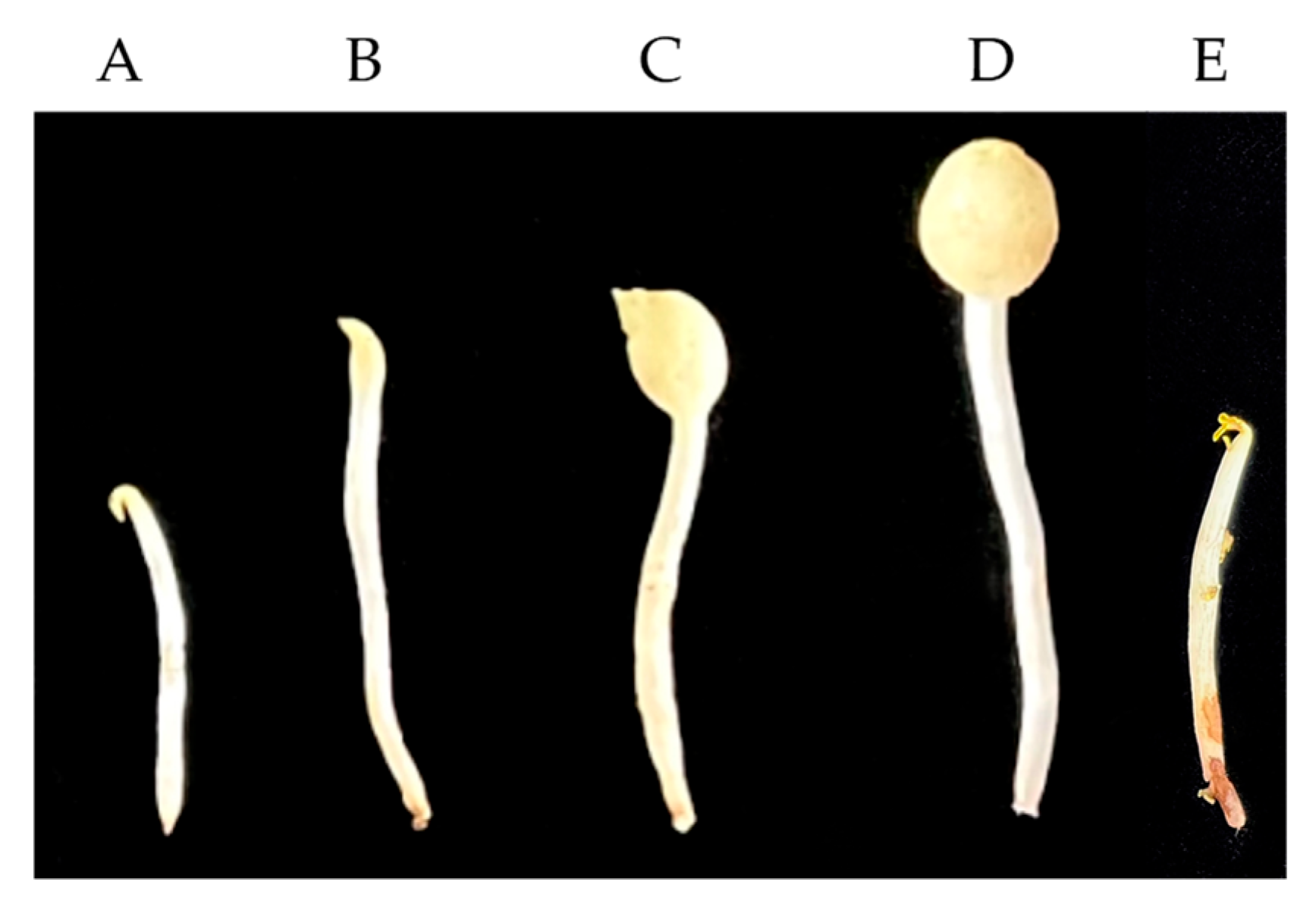
The materials for this experiment were obtained from Institute of Biotechnology, Academy of Agricultural and Forestry Sciences, Qinghai University, Xining City, Qinghai Province, China. The experimental variety ‘Qingshu 9’ was planted at the Potato Alpine Experimental Station in Qinghai Province on 13 May 2024. The experimental site is located in Xiazhai Village, Sizhai Township, Huangyuan County, Qinghai Province, adjacent to Qinghai Lake and Haiyan County, at an average altitude of 3070 m. The area has a continental plateau climate, with an average annual temperature of 10.5 °C and an average annual rainfall of 468 mm. It provides a good ecological and natural environment for seed potato breeding with sufficient light, a cold climate, a large temperature difference between day and night, and high soil organic matter content. It is an ideal base for virus-free seed potato breeding. Samples from the four tuberization stages (stolon hooking stage, sub-apical enlargement stage, early tuberization stage, and tuberization stage) and green tender leaves sprouting at the tips of the stolons were collected at the full-bloom stage (Figure 1). Three biological replicates were set for each sample, and three biological replicates were obtained from three potato plants with consistent growth. These samples were placed in labeled centrifuge tubes, immediately frozen in liquid nitrogen, and stored at −80 °C. To establish quantitative criteria for distinguishing stage B from stage C, the relative swelling ratio was calculated as the ratio of the maximum swelling diameter to the diameter of the base of an unswollen internode of the same stolon. Stage B was defined by a relative swelling ratio between 1.5 and 2.0, with swelling confined to the sub-apical region. Stage C was defined by a relative swelling ratio greater than 2.0, accompanied by longitudinal expansion of the swelling region, forming a “larger in the middle, tapering toward both ends” morphology, while the apical hook had not yet completely disappeared.

2.2. RNA Extraction, Library Preparation, and Sequencing

Total RNA was extracted using the RNAprep Pure Polysaccharide Polyphenol Plant Total RNA Extraction Kit (TianGen DP441, Beijing, China) following the manufacturer’s protocol. RNA purity and quantification were evaluated using the NanoDrop 2000 spectrophotometer (Thermo Scientific, Wilmington, DE, USA) with RNase-free water as the blank control. RNA integrity was assessed using the Agilent 2100 Bioanalyzer (Agilent Technologies, Santa Clara, CA, USA). Libraries were constructed using the VAHTS Universal V6 RNA-seq Library Prep Kit (Vazyme, Nanjing, China) according to the manufacturer’s instructions and sequenced on an Illumina NovaSeq 6000 platform, generating 150 bp paired-end reads. Approximately 47.02 M raw reads for each sample were generated. Raw fastq reads were first processed using fastp (v0.20.1) to remove low-quality reads, yielding approximately 46.64 M clean reads per sample for subsequent analysis. The clean reads were mapped to the reference genome of potato ‘Qingshu 9’ (National Genomics Data Center, PRJCA006096) [19] using HISAT2 (v2.1.0). FPKM values and read counts for each gene were calculated by HTSeq-count (v0.11.2). PCA was performed using R (v3.2.0) to evaluate the biological replication among the samples. Transcriptome sequencing and analysis were conducted by OE Biotech Co., Ltd. (Shanghai, China).

2.3. Analysis of DEGs

Differential expression analysis was performed using DESeq2 (v1.22.2) with raw counts as input. A q-value < 0.05 and fold change > 2 or fold change < 0.5 were set as the thresholds for determining significant DEGs. Hierarchical cluster analysis of DEGs was performed using R (v3.2.0) to demonstrate the expression patterns of genes in different samples. GO and KEGG pathway enrichment analyses of DEGs were performed to screen for significantly enriched terms using R (v3.2.0) based on hypergeometric distribution. Trend analysis of DEGs was performed in the order of sample A→B→C→D using the Short Time-series Expression Miner (STEM) software (v1.3.9). All data were filtered to remove those with insignificant differences in time gradient expression, and the remaining probes were divided into 50 modules using a mathematical model. Based on the STEM clustering results (−1 indicates insignificance), the modules with a p-value < 0.05 after correction by the false discovery rate method were considered significant. R (v 3.2.0) was used to generate figures.

2.4. GSEA of All Detected Genes

Gene Set Enrichment Analysis (GSEA) is a computational method that determines whether an a priori defined set of genes shows statistically significant, concordant differences between two biological states (e.g., phenotypes). GSEA was conducted using the Molecular Signatures Database (MSigDB), ensuring consistency with the GO and KEGG enrichment analyses. GSEA adopts a global, system-level perspective, enabling it to capture biologically significant gene information that is often overlooked in GO and KEGG analyses owing to a lack of statistical significance in differential expression. This helps us gain a deeper understanding of the regulatory mechanisms underlying complex biological phenomena. GSEA consists of three main steps: calculating an enrichment score (ES), estimating the statistical significance of the ES, and correcting for multiple hypothesis testing. GSEA is based on all detected genes and filters gene sets according to specific criteria. The default criteria require that a gene set contains a minimum of 15 genes and a maximum of 500 genes.

2.5. RT-qPCR Analysis

A total of 16 DEGs were selected for RT-qPCR analysis based on statistical significance, expression abundance, changing trends, functional relevance to tuberization, and literature support, to validate the transcriptome sequencing data. Primers were designed using Primer Premier 5.0 (Premier Biosoft, USA) with Stcox1 (GenBank ID: X83206.1) as the internal reference gene, and the primer sequences for all genes are shown in Table S1. Total RNA was extracted using the RNAprep Pure Polysaccharide Polyphenol Plant Total RNA Extraction Kit (TianGen DP441, China) following the manufacturer’s protocol. RNA purity and integrity were verified using a NanoDrop One spectrophotometer (Thermo Scientific, USA) with RNase-free water as the blank control. RT-qPCR was performed with a two-step process using the PrimeScriptTM RT Master Mix Kit (TaKaRa RR036A, Japan) and the TB Green Premix Ex Taq II Kit (TaKaRa RR820A, Japan). Relative gene expression was calculated using the 2−∆∆CT method.

2.6. Overexpression Verification of StLSH10

The base sequence of the tuberization candidate gene StLSH10 was extracted from the genome of potato ‘Qingshu 9’, and cloning was performed using the cDNA obtained by reverse transcription of ‘Qingshu 9’ RNA as the template. Primer-F is ATAGTCGACATGACAAAAGAACTCCCCG, and primer-R is AGAGGATCCTTAGCTTGCTTGCATCAAAT. The PCR reaction procedure is at 94 °C, 3 min; 98 °C, 10 s, 60 °C, 5 s, 72 °C, 2 min, 35 cycles; 4 °C, hold. After obtaining the target fragment, it was ligated with the PRI101 vector by double enzyme digestion, and the PRI101-STLSH10 overexpression vector was constructed successfully. Subsequently, StLSH10 overexpression in potato ‘Favorita’ was achieved through Agrobacterium-mediated genetic transformation. The StLSH10-overexpressing potato lines were generated using the CaMV 35S promoter and Agrobacterium tumefaciens strain GV3101 with kanamycin as the selection marker, and the agrobacterial suspension was aspirated with a needleless syringe and injected beneath the skin of the tubers, close to the regions around the buds [20]. The experimental materials were planted in pots on 1 April 2025, at Qinghai University, Xining City, Qinghai Province. Located at an average altitude of 2275 m, Xining features a continental plateau semi-arid climate, characterized by an average annual temperature of 6 °C and an average annual rainfall of 370 mm, which provides favorable conditions for potato cultivation. The potting substrate consisted of vermiculite and fully decomposed sheep manure at a volume ratio of 5:1. The development of stolons and tubers in wild-type (WT) and transgenic (OE) plants was observed, and RT-qPCR analysis was conducted by pooling one sample from each of the four stages of tuberization per biological replicate. Three biological replicates were used in this study, each derived from an independent transgenic line. The developmental stages of potato plants were defined according to the Chinese national standard “Guidelines for the conduct of tests for distinctness, uniformity and stability—Potato (Solanum tuberosum L.) ” (GB/T 19557.28-2018) [21]. The seedling stage was defined as the period from emergence to the onset of bud formation. The mature stage was defined as the point when over two-thirds of the leaves on a plant had turned yellow, and such plants accounted for more than 75% of the total plants in the experimental plots.

2.7. Statistical Analyses

WPS Office was used for data organization and preliminary analyses. Data Processing System (DPS) was used for statistical analyses. Significant differences were determined using one-way ANOVA followed by Duncan’s multiple range test.

3. Results

3.1. RNA Sequencing

To clarify the underlying mechanism of potato tuberization, transcriptomic analyses were performed on samples from the four tuberization stages and green tender leaves sprouting at the tips of the stolons. A total of 104.12 Gb of clean data was obtained, and the effective data for each sample ranged from 6.88 Gb to 7.03 Gb (Table S2). The Q30 base percentages ranged from 97.25% to 97.68%, and the average GC content was 42.51%. These metrics indicate the high quality of sequencing data. The clean reads were mapped to the potato genome ‘Qingshu 9’, achieving a gene region alignment rate of 99.57–99.68%, indicating that the sequencing data were well assembled and spliced (Table S3).

3.2. Inter-Sample Correlation Analysis, Principal Component Analysis and Cluster Analysis

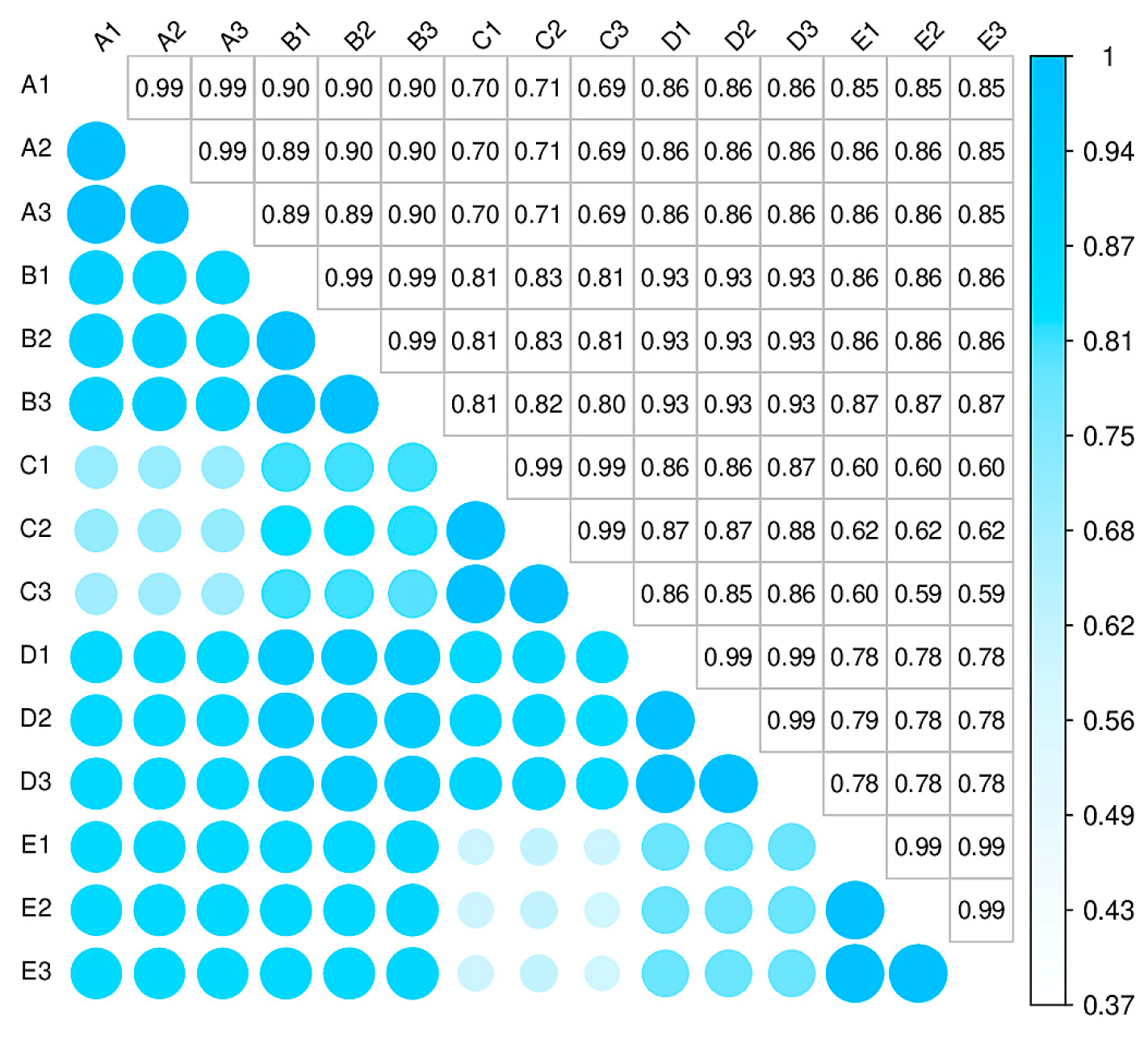
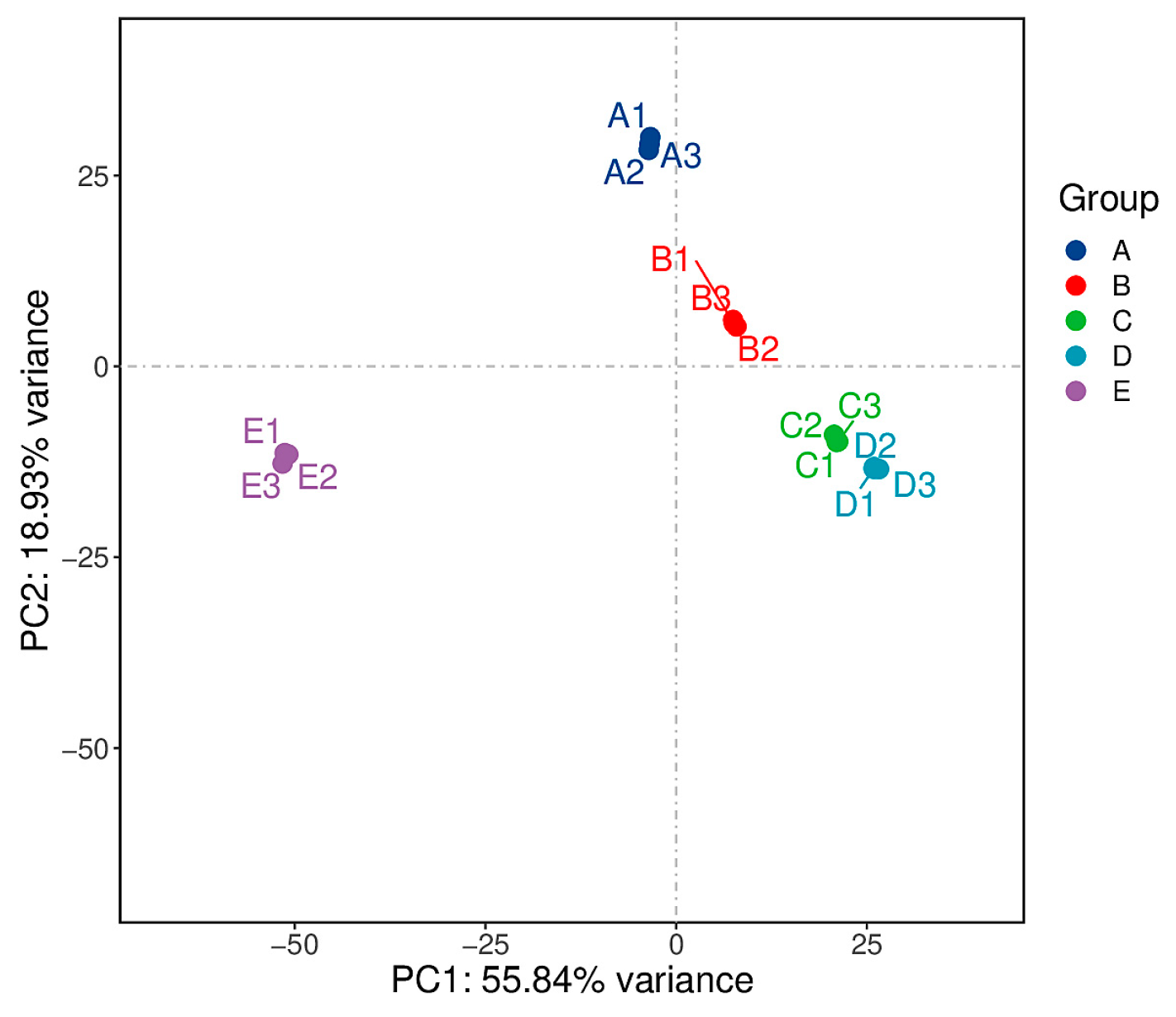
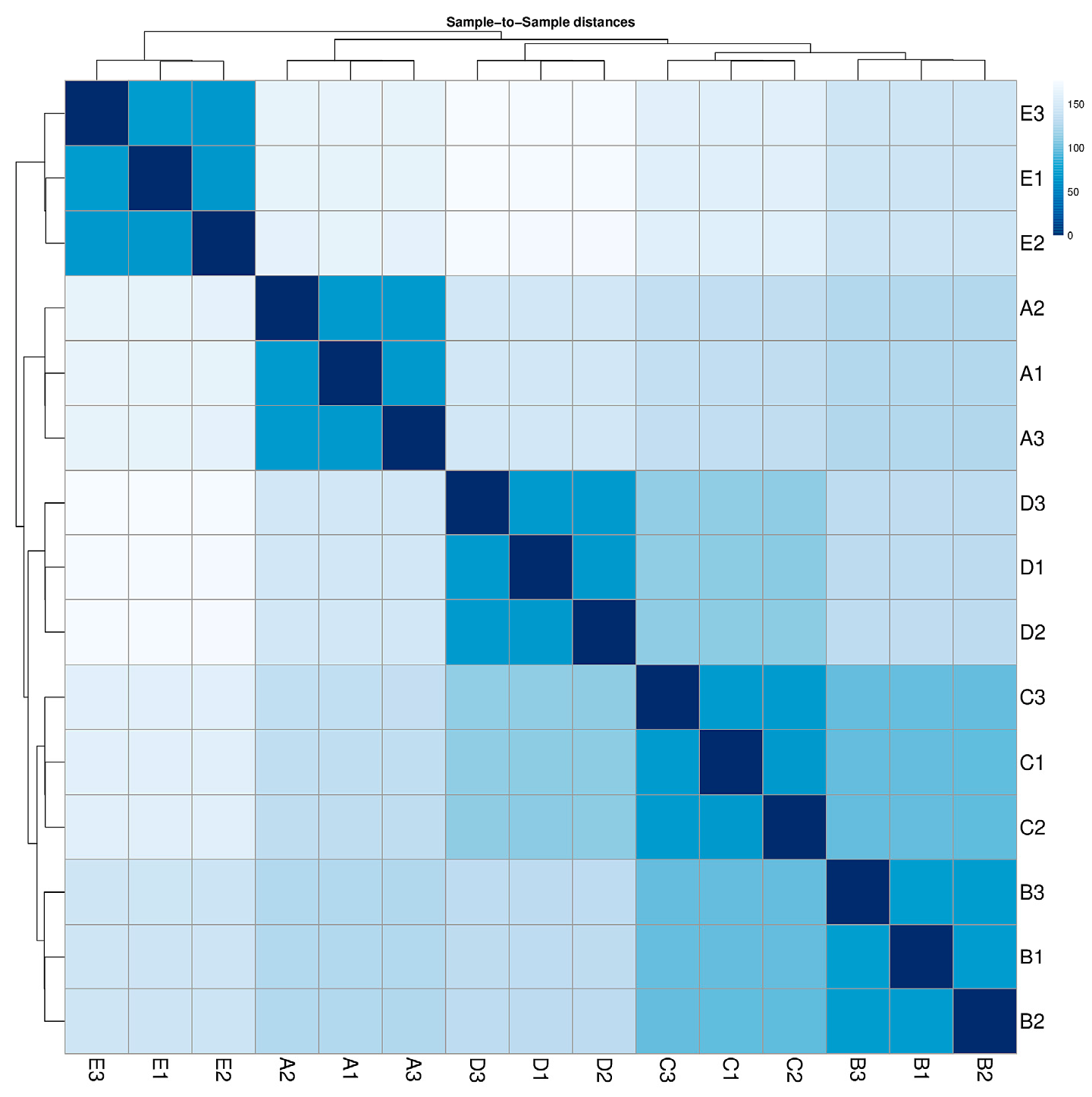
Pearson correlation analysis (Figure 2) showed high reproducibility within biological replicates and distinct transcriptional profiles across developmental stages, further validating the reliability of the sequencing data. As shown in Figure 3, the five samples could be clearly separated, and the expression values of the three biological replicates in each sample were highly correlated, indicating that the quality of the sequencing data was reliable. The three biological replicates of each sample were clustered into one group using cluster analysis (Figure 4), indicating good repeatability within the group. Groups A, B, C and D were clustered into a large category, representing the four stages of tuberization. Group E was clustered into a large category, representing another differentiation direction for stolons. With group A as the reference, the distance from groups B, C and D gradually increased, which was consistent with the order of development stages.

3.3. DEGs Analyses

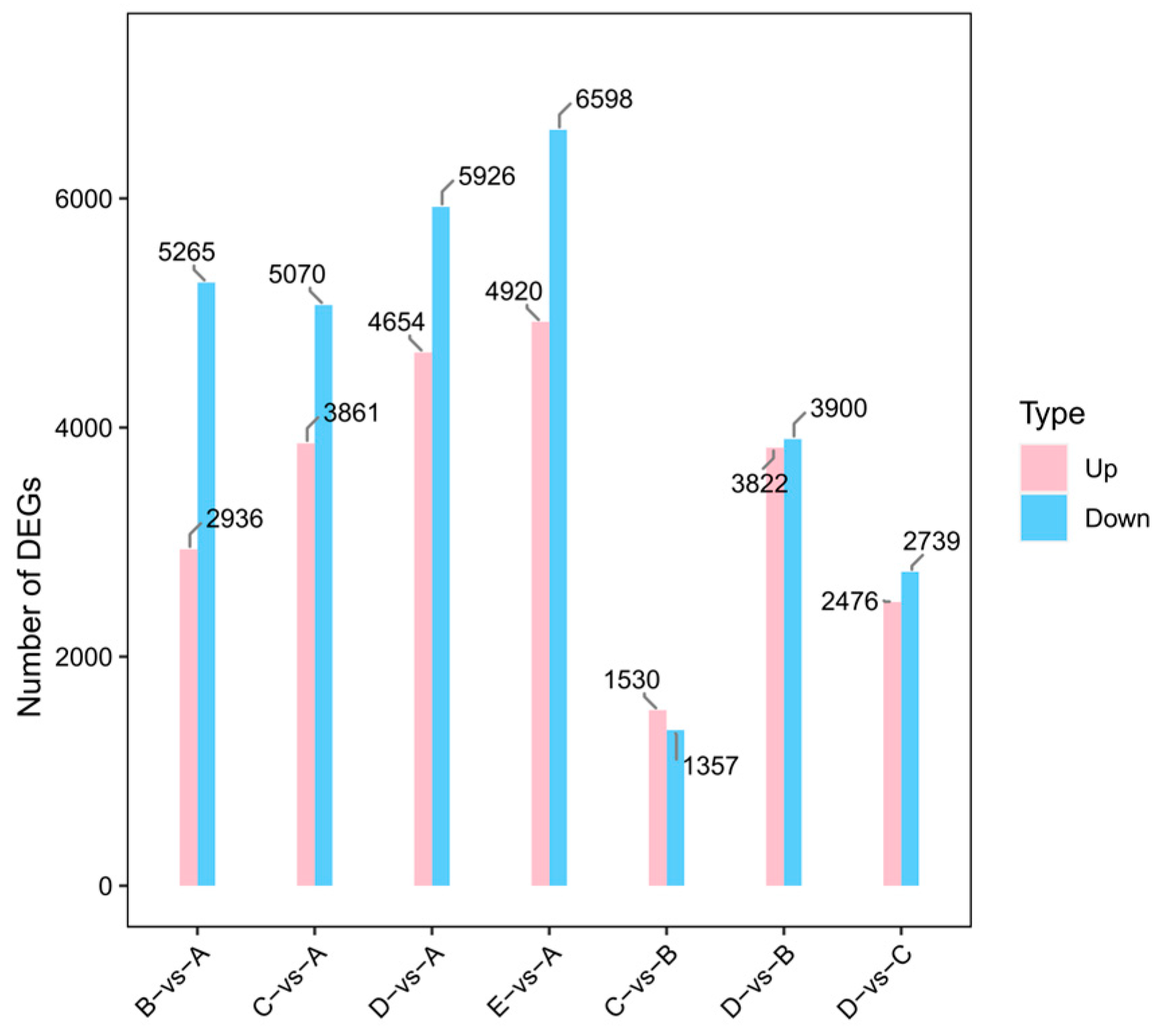
To determine the regulatory genes associated with tuberization, transcripts were analyzed separately using DESeq2, and DEGs were identified with q-value < 0.05 and |log2fc| ≥ 1 as the screening criteria. In this study, seven comparison groups were established: B-vs-A, C-vs-A, D-vs-A, E-vs-A, C-vs-B, D-vs-B and D-vs-C. The numbers of DEGs detected were 8201, 8931, 10,580, 11,518, 2887, 7722 and 5215, respectively. The upregulation and downregulation of DEGs in each differential group are shown in Figure 5. The number of DEGs in E-vs-A was the largest, and the differentiation direction of group E and group A was different. The number of DEGs in C-vs-B was the smallest, as both groups were in the tuber induction stage. The number of DEGs in C-vs-A was slightly higher than that in B-vs-A, consistent with group C being at a later stage of tuberization than group B.

3.4. Functional Enrichment Analyses of DEGs

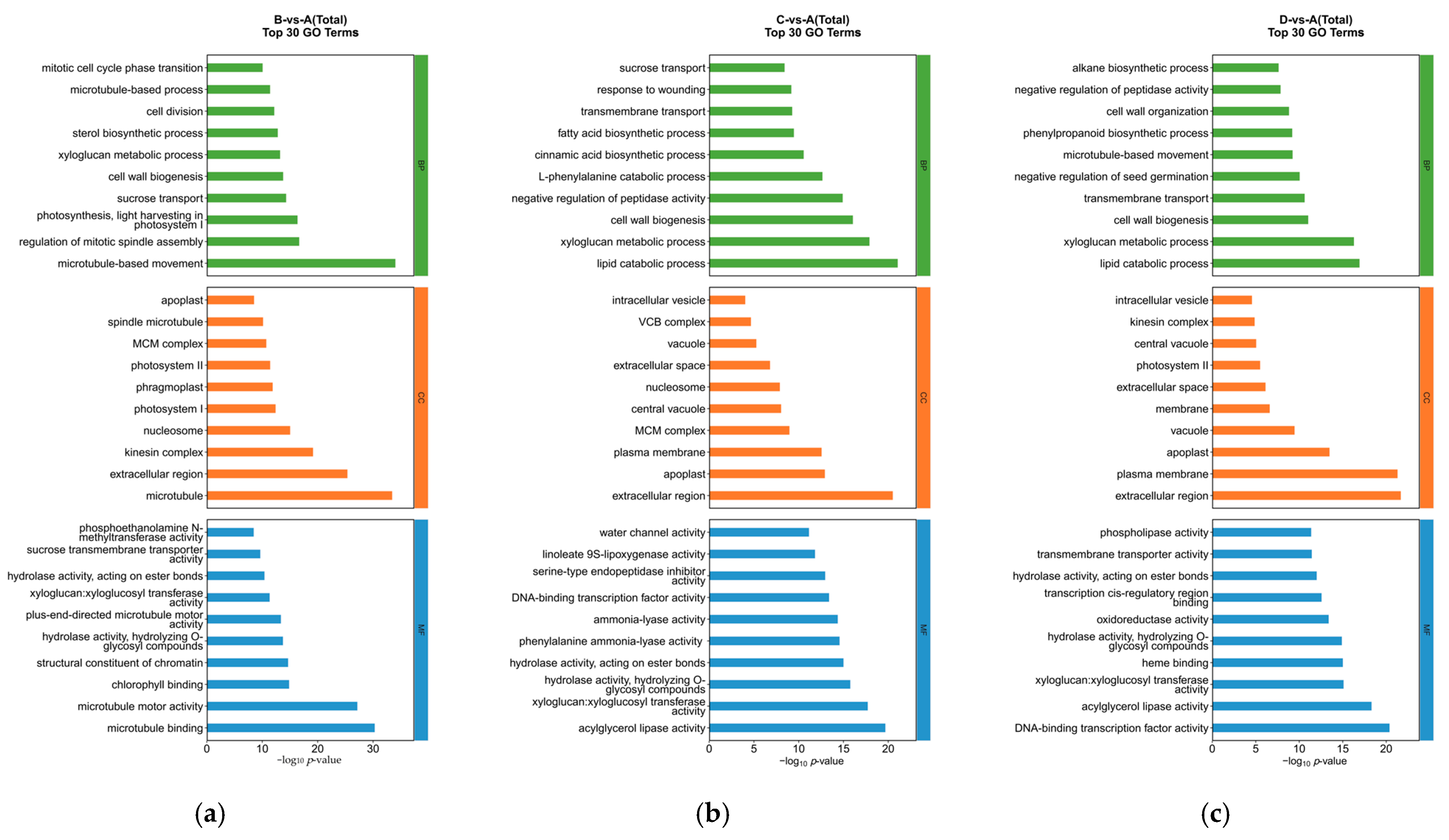
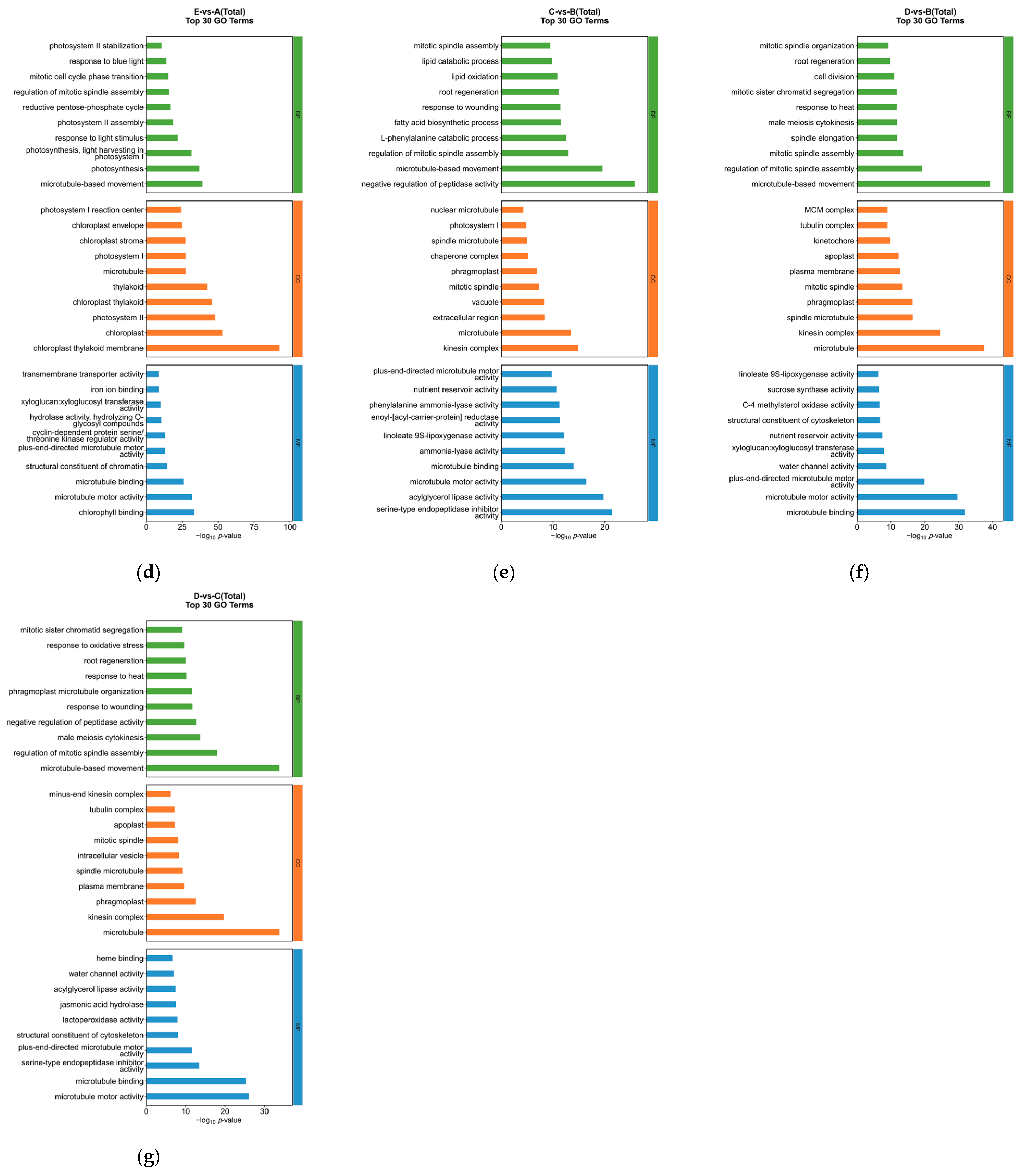
After obtaining the DEGs, GO enrichment analysis was performed to characterize their functions. Figure 6 displays the top 30 enriched GO terms, which were selected by first filtering for terms with PopHits ≥ 5 and then choosing the top 10 terms from each of the three GO categories based on the highest −log10 (p-value).
GO enrichment analysis showed that DEGs in biological processes mainly included microtubule-based movement (GO:0007018), regulation of mitotic spindle assembly (GO:1901673), negative regulation of peptidase activity (GO:0010466), xyloglucan metabolic process (GO:0010411), cell wall biogenesis (GO:0042546) and other terms. In cellular components, they mainly involved microtubule (GO:0005874), kinesin complex (GO:0005871), apoplast (GO:0048046), extracellular region (GO:0005576), spindle microtubule (GO:0005876) and other terms. In molecular function, they included microtubule binding (GO:0008017), microtubule motor activity (GO:0003777), xyloglucan: xyloglucosyl transferase activity (GO:0016762), plus-end-directed microtubule motor activity (GO:0008574), hydrolase activity, hydrolyzing O-glycosyl compounds (GO:0004553) and other terms.
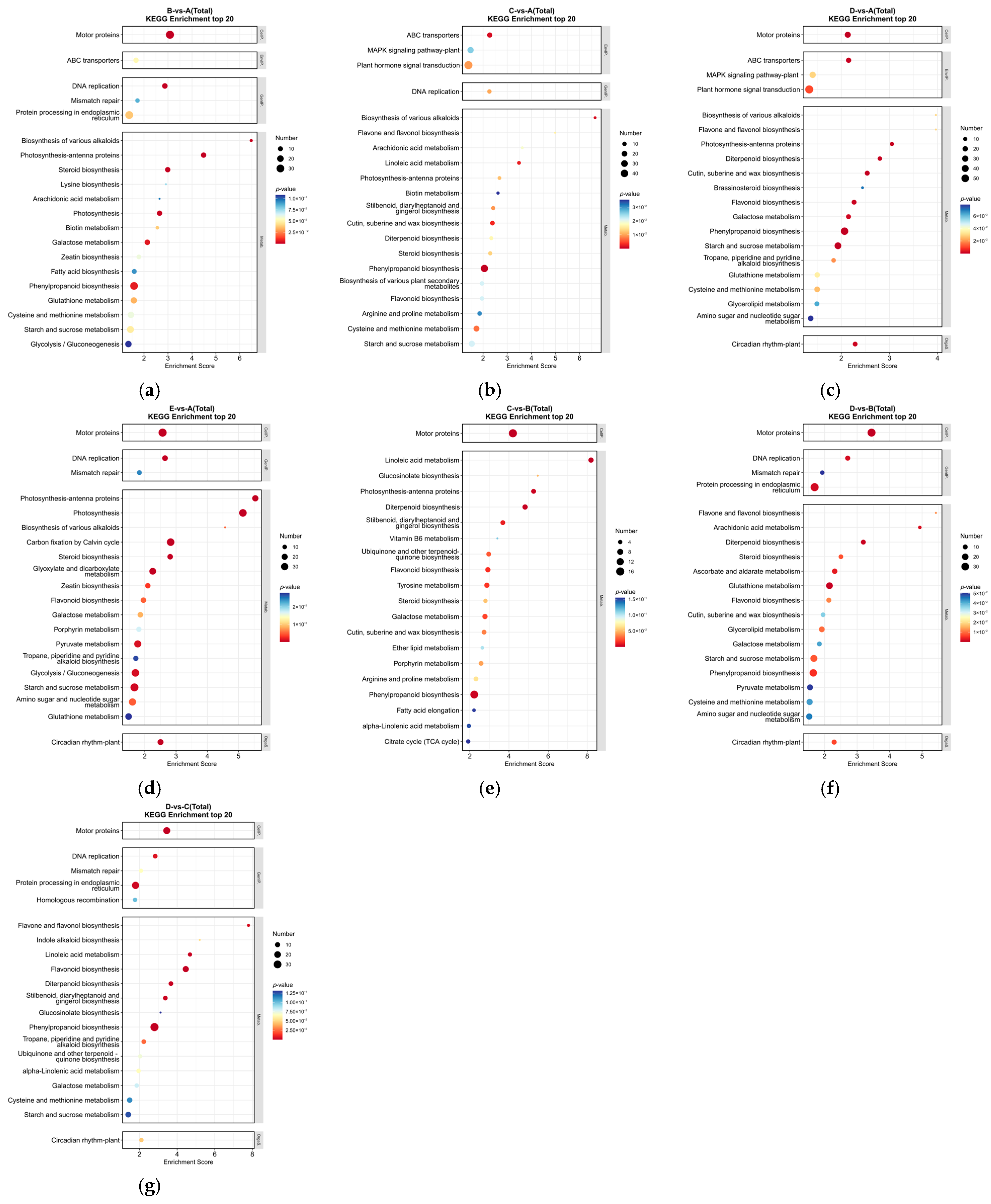
KEGG is a major public pathway database. Pathway enrichment analysis was performed on differentially expressed protein-coding genes, and the significance of differential gene enrichment in each pathway was calculated using a hypergeometric distribution test. The bubble plot in Figure 7 shows the top 20 most significantly enriched KEGG pathways. These pathways were selected by first filtering for entries with PopHits ≥ 5 and then ranking them in descending order using −log10 (p-value).
KEGG enrichment analysis showed that DEGs were mainly involved in motor proteins (sot04814), phenylpropanoid biosynthesis (sot00940), starch and sucrose metabolism (sot00500), galactose metabolism (sot00052), flavonoid biosynthesis (sot00941), photosynthesis-antenna proteins (sot00196), cysteine and methionine metabolism (sot00270) and other pathways.
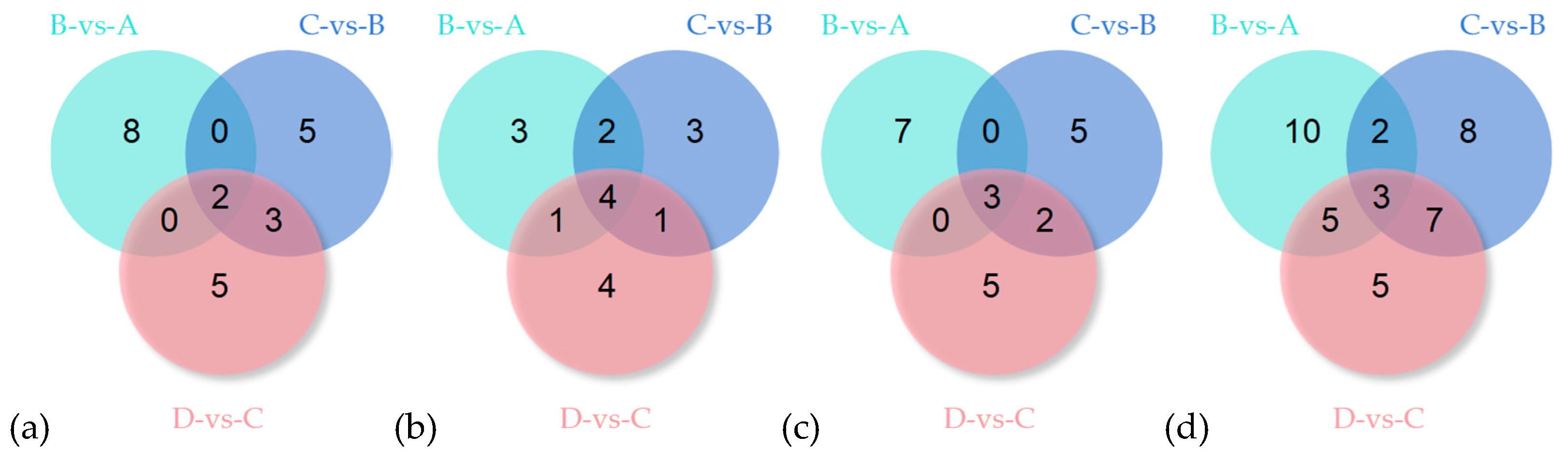
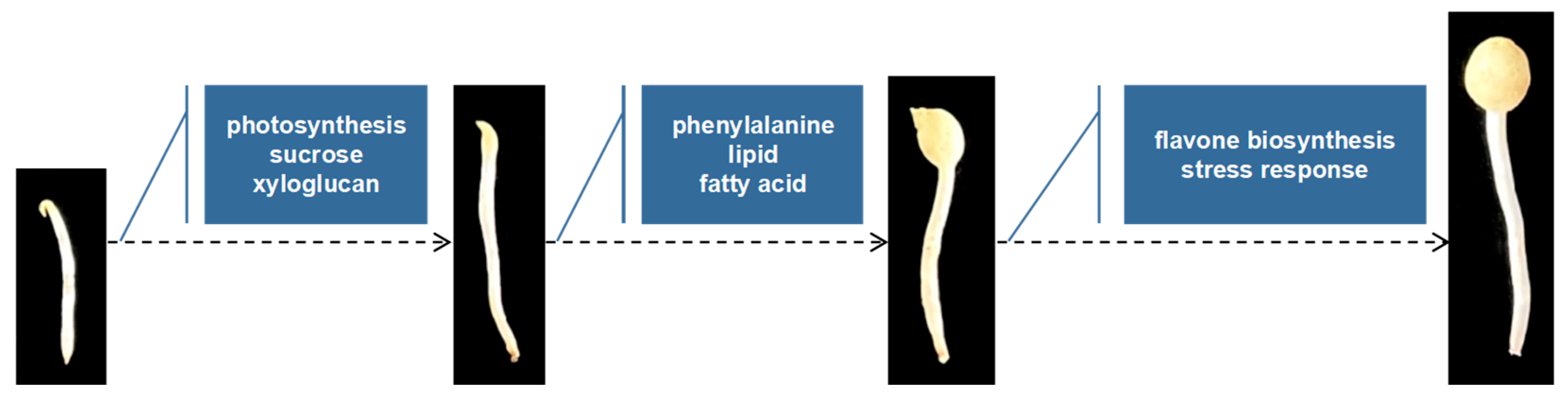
Venn diagrams were generated based on the functional enrichment analysis results of the four tuberization stages A→D to show the common and unique elements among the stages (Figure 8). In GO enrichment analysis, the common biological processes among the three changing processes were “microtubule-based movement” and “regulation of mitotic spindle assembly”. The biological processes that co-occurred in C-vs-B and D-vs-C were “negative regulation of peptidase activity”, “response to wounding” and “root regeneration”. The common cellular components among the three changing processes are “microtubule”, “kinesin complex”, “phragmoplast” and “spindle microtubule”. The biological processes co-occurred in B-vs-A and C-vs-B are “extracellular region” and “photosystem I”; while only “mitotic spindle” co-occurred in C-vs-B and D-vs-C. The common molecular functions among the three changing processes were “microtubule binding”, “microtubule motor activity” and “plus-end-directed microtubule motor activity”. The molecular function co-occurred in C-vs-B and D-vs-C are “serine-type endopeptidase inhibitor activity” and “acylglycerol lipase activity”. In KEGG enrichment analysis, the common pathways among the three changing processes were “Motor proteins”, “Galactose metabolism” and “Phenylpropanoid biosynthesis”. The pathways that co-occurred in B-vs-A and C-vs-B are “Photosynthesis-antenna proteins” and “Steroid biosynthesis”; while “Linoleic acid metabolism”, “Diterpenoid biosynthesis”, “Stilbenoid, diarylheptanoid and gingerol biosynthesis”, “Flavonoid biosynthesis”, “Ubiquinone and other terpenoid-quinone biosynthesis”, “Glucosinolate biosynthesis” and “alpha-Linolenic acid metabolism” co-occurred in C-vs-B and D-vs-C. Common terms or pathways function together at multiple stages, whereas unique ones play specific roles at a certain stage. Unique terms and pathways exist at each stage, revealing that in A→B, the entries and pathways related to photosynthesis, sucrose and xyloglucan start to function first. In B→C, special attention should be paid to the entries and pathways related to phenylalanine, lipid and fatty acid. In C→D, flavone biosynthesis and stress response-related entries and pathways continued to function. Based on these results, a possible pathway regulation map for tuberization was drawn (Figure 9).

3.5. Gene Expression Trend Analysis of DEGs

Trend analysis classifies genes with similar expression patterns, revealing the most representative gene sets and corresponding trend characteristics in the process of experimental changes, thereby revealing the unique patterns of biological samples throughout the change process. A trend analysis was conducted on the expression of DEGs across the four successive tuberization stages to characterize the direction and temporal patterns of the changes in gene expression.
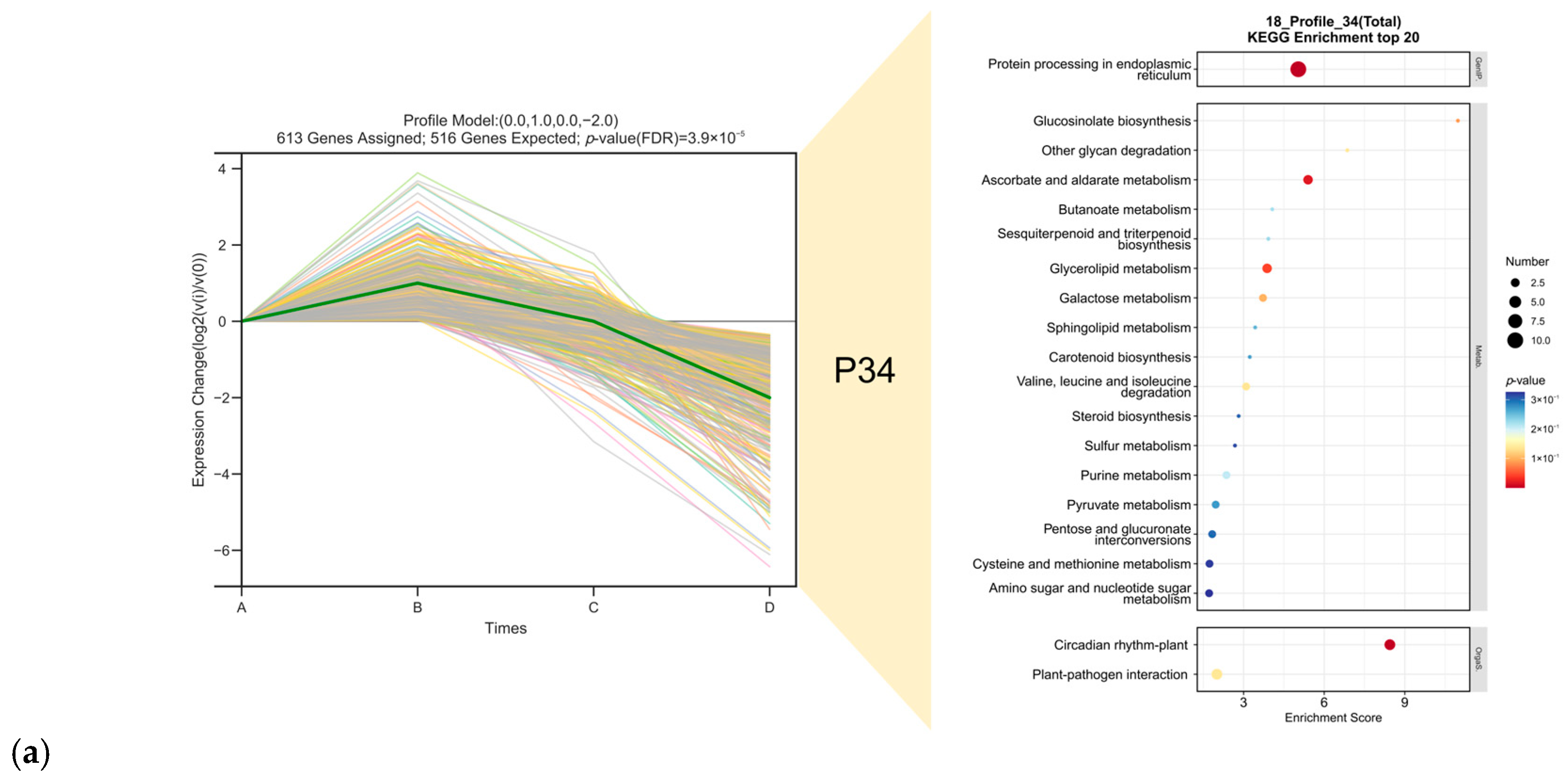
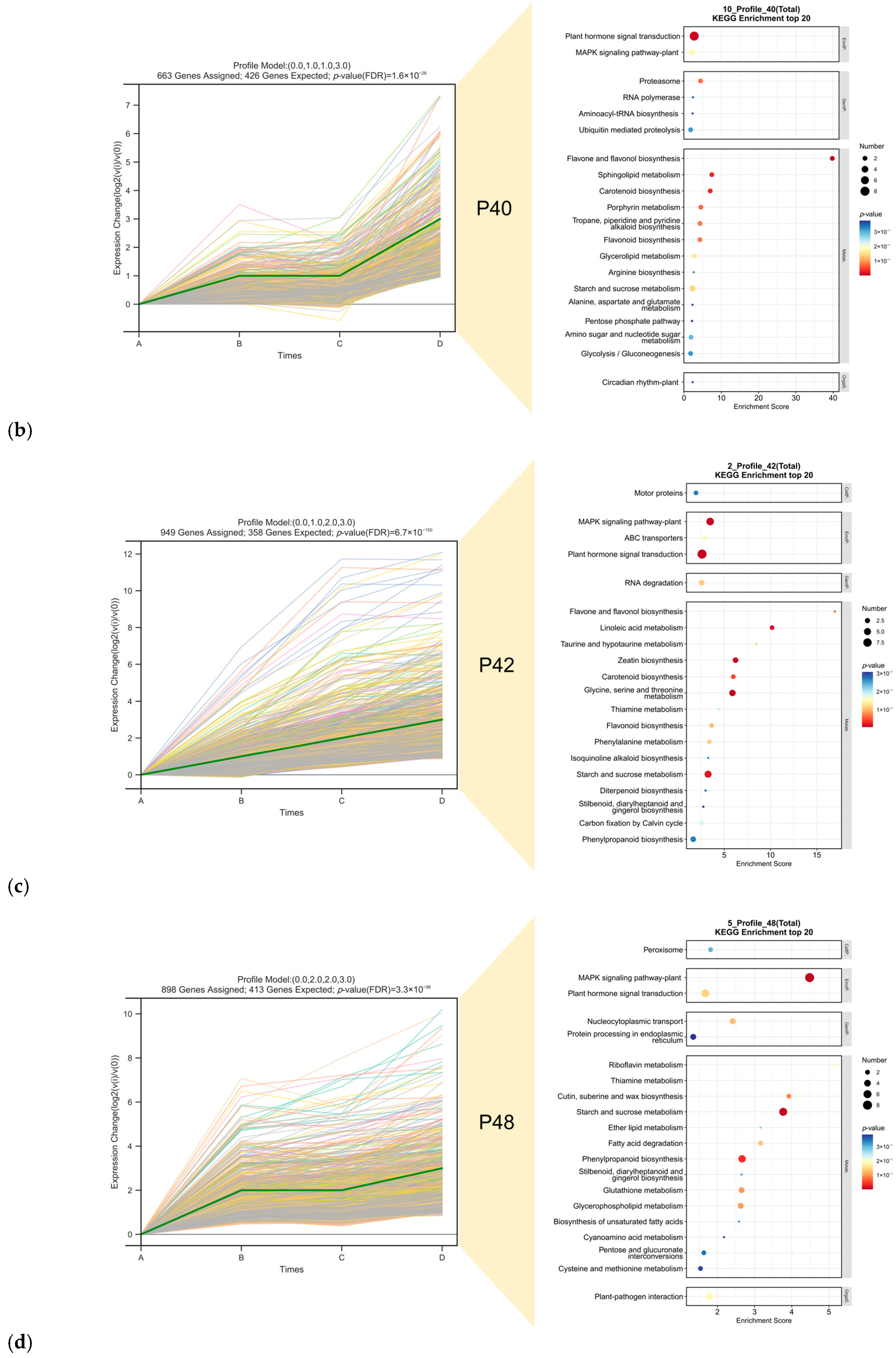
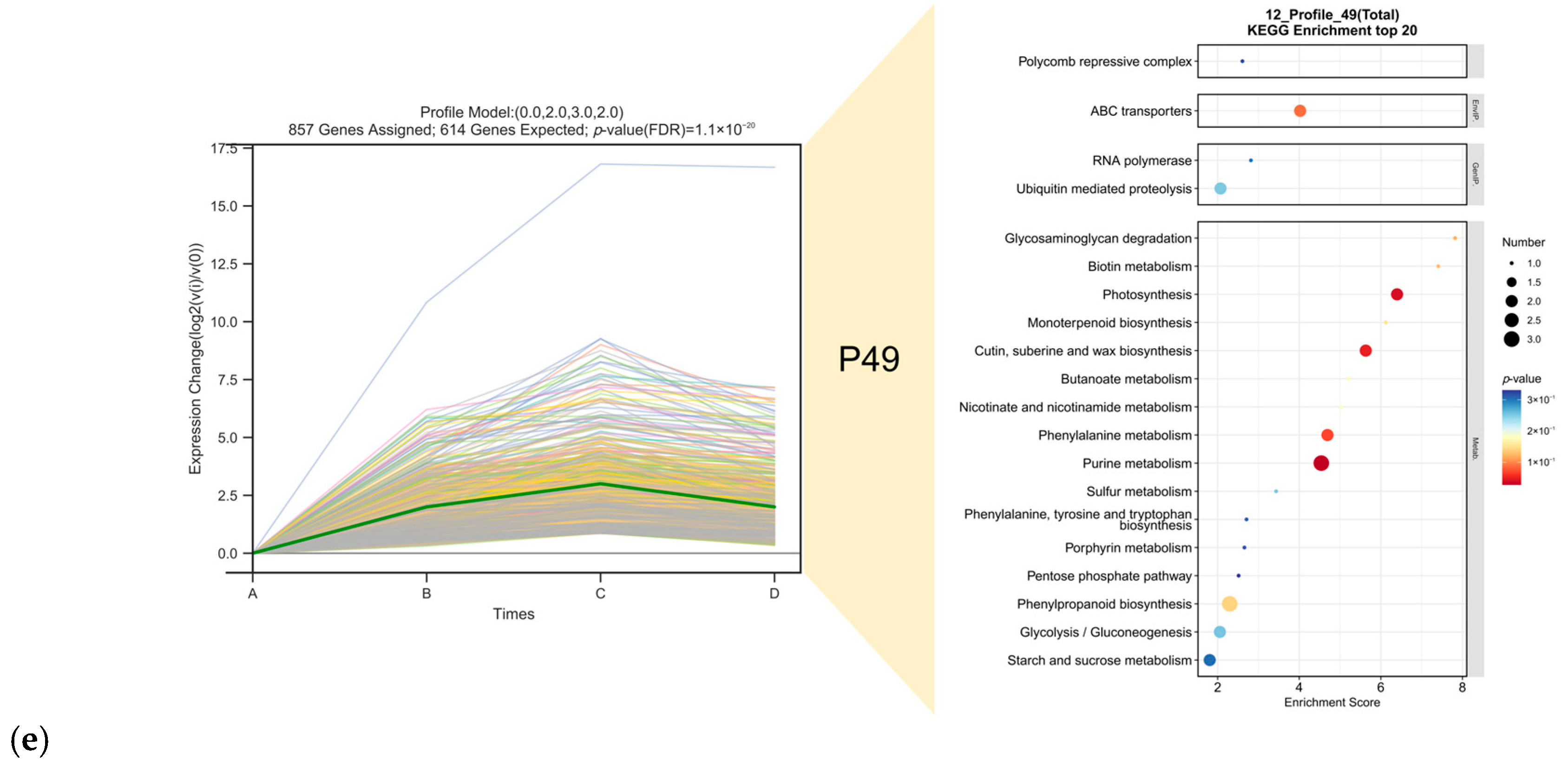
Trend analysis of DEGs across the four tuberization stages showed that all genes were classified into 50 modules, including 19 significant modules (Figure S1). Among them, Profile 34 (P34), Profile 40 (P40), Profile 42 (P42), Profile 48 (P48) and Profile 49 (P49) began to be up-regulated in stage B, and it was speculated that specific genes began to function (Figure 10). P34 was continuously down-regulated after reaching its peak in stage B, P40 and P48 reached the peak in stage B and were down-regulated after persisting until stage C, P49 was down-regulated after reaching the peak in stage C, and P42 was continuously up-regulated from stage A to stage D. Additionally, we highlighted the 20 most representative KEGG pathways (Figure 10) for each profile, which were mainly enriched in the pathways of starch and sucrose metabolism (sot00500), plant hormone signal transduction (sot04075), carotenoid biosynthesis (sot00906), phenylpropanoid biosynthesis (sot00940) and MAPK signaling pathway-plant (sot04016). These data suggest that distinct mechanisms underlie the changes in gene expression observed in these profiles.

3.6. GSEA Identifies Dynamic Pathways During Tuber Development

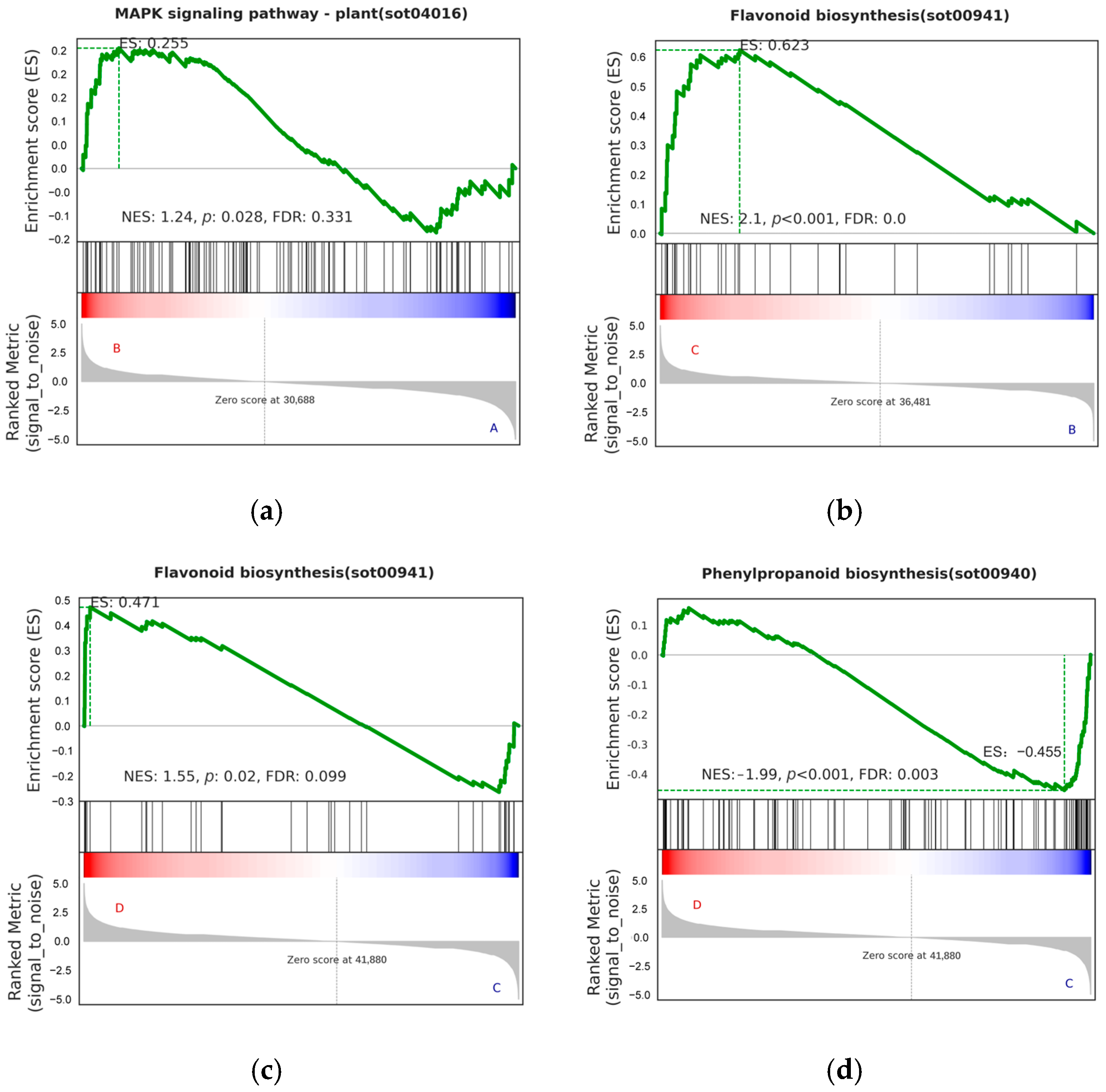
GSEA was performed on four closely linked different comparison groups: B-vs-A, C-vs-B, D-vs-C, and E-vs-A. Several pathways significantly enriched by functional enrichment analysis were presented as key pathways of interest in the GSEA enrichment map (Figure 11). In B-vs-A, the “MAPK signaling pathway-plant” was significantly enriched. The expression level of genes under this pathway was significantly activated in group B, indicating that MAPK signal-related genes were up-regulated in group B, and it was speculated that they began to function from the subapical expansion stage of stolons. In C-vs-B and D-vs-C, “flavonoid biosynthesis” was significantly enriched. The expression levels of genes in this pathway were gradually and significantly activated in the B→C→D developmental stages, indicating that flavonoid biosynthesis-related genes were continuously up-regulated in the C and D groups, and it was speculated that they began to function in the early stage of tuberization and continued to function until the tuberization stage. In D-vs-C, “phenylpropanoid biosynthesis” was significantly enriched. The expression level of genes under this pathway was significantly inhibited in group D, indicating that phenylpropanoid biosynthesis-related genes were down-regulated in group D, and it was speculated that they mainly functioned before the early stage of tuberization. The pathways enriched by GSEA enrichment analysis and the core genes contained in each pathway are displayed in Table S2.

3.7. RT-qPCR Validation of DEGs

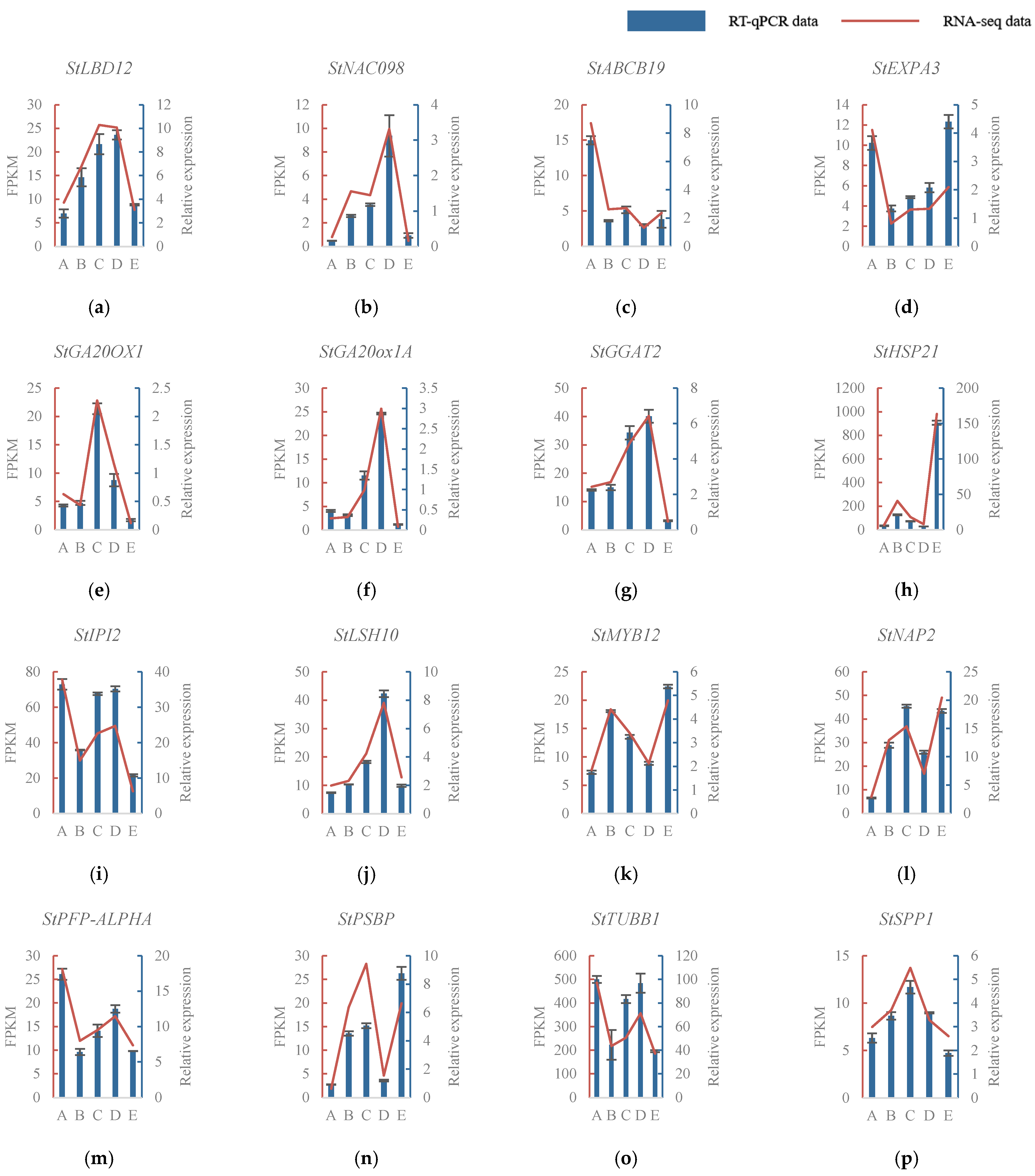
To verify the reliability of the RNA-seq results, 16 DEGs were validated by RT-qPCR using Stcox1 as the reference gene. StLBD12 and StNAC098 are shoot-related genes, StSPP1 is a sucrose-related gene, and the rest are light-related genes, which may be involved in tuberization. The RT-qPCR results were highly consistent with the RNA-seq data, confirming the reliability of the transcriptome sequencing results (Figure 12). Among these genes, the relative expression level of StLSH10 gradually increased from A to D and was relatively low in E, indicating that StLSH10 was gradually up-regulated during tuberization.

3.8. StLSH10 Overexpression Increases Tuber Number and Yield

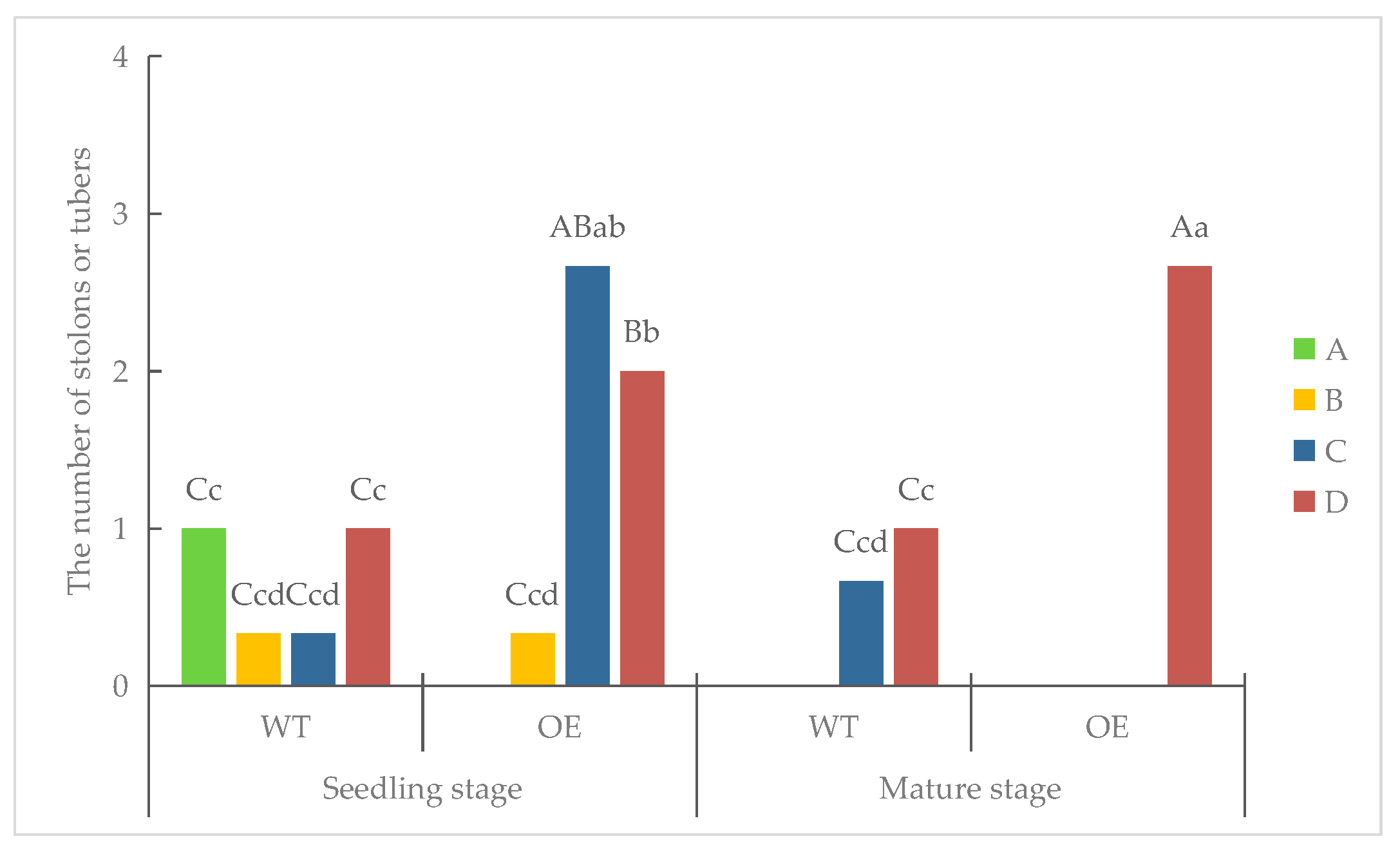
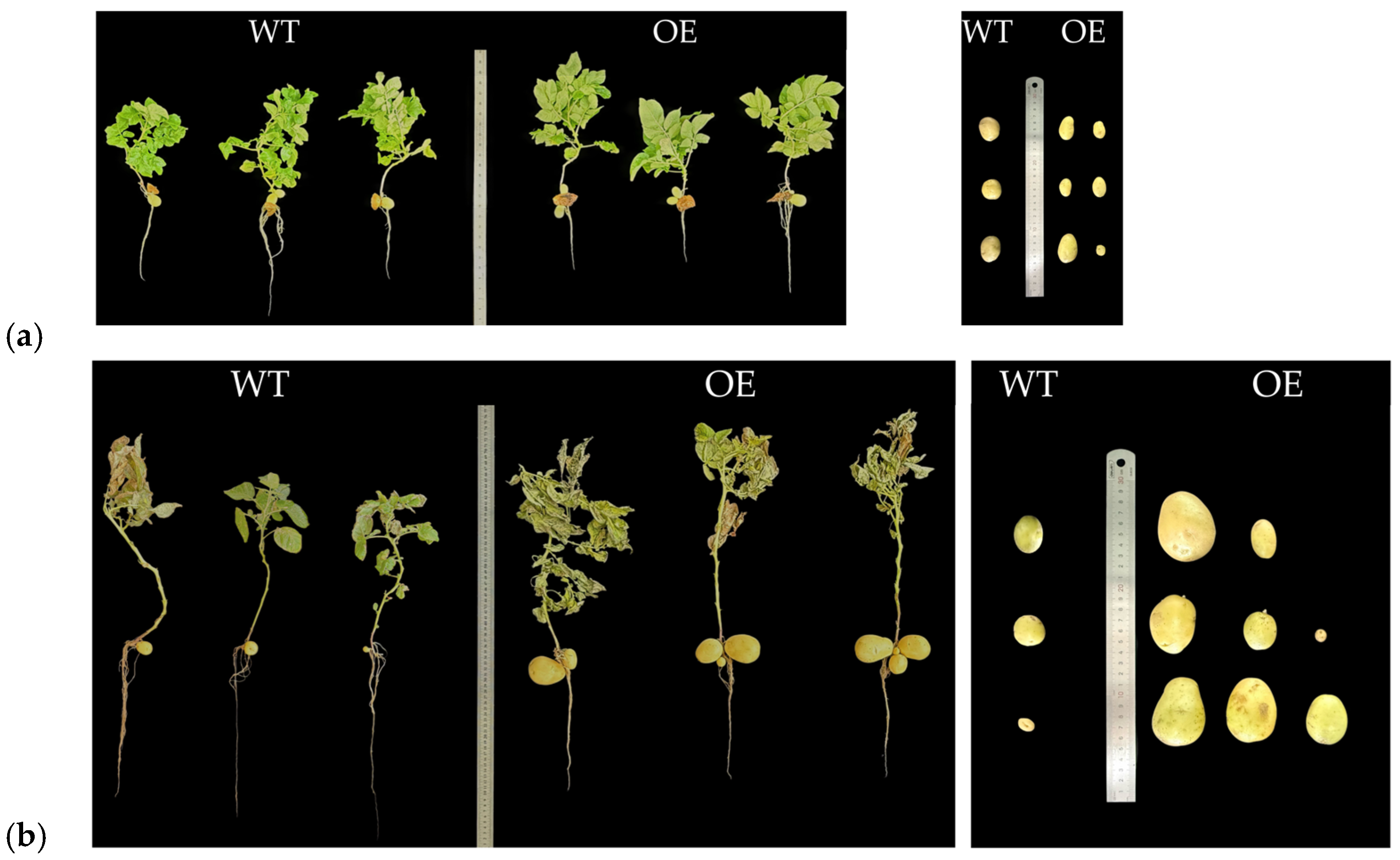
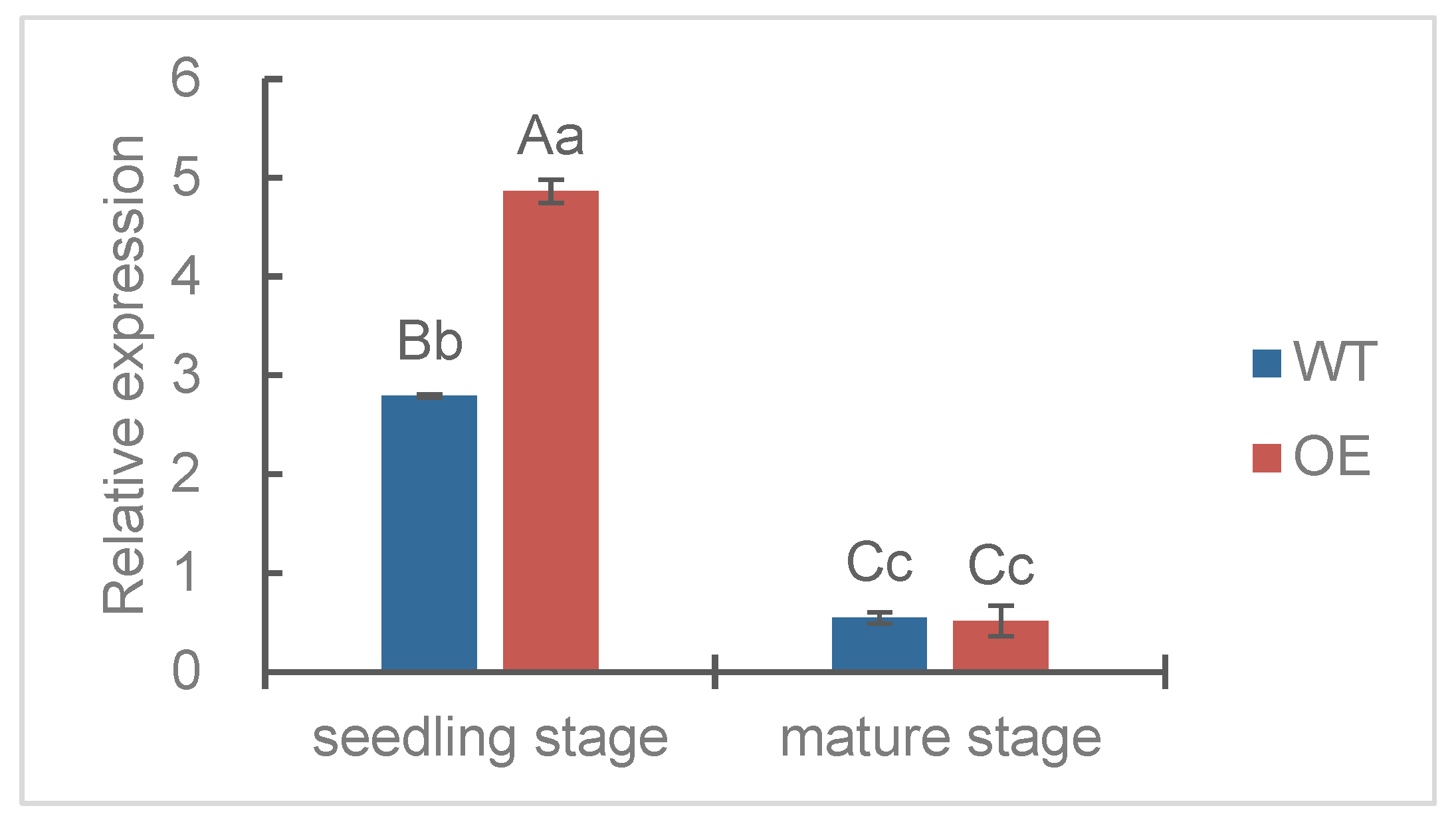
To verify the function of StLSH10 in potato tuberization, it was overexpressed in potato ‘Favorita’. The number of stolons and tubers and the final tuber yield in WT and OE were recorded at the seedling and mature stages (Figure 13). The data showed that A and B were concentrated during the seedling stage, whereas groups C and D were distributed across both stages. Moreover, the observed differences between WT and OE were mainly reflected in groups C and D. The number of group C in OE was significantly higher than that in WT at the seedling stage. At both the seedling and mature stages, the number of group D in OE was significantly higher than that in WT. No group C was observed in OE at the mature stage. This may be due to the complete conversion of group C into group D, resulting in the observed increase in group D numbers. In terms of tuber number (Figure 14), at the seedling stage, the average number of tubers per plant was 1 for WT and 2 for OE, with OE producing twice as many tubers as WT. At the mature stage, the average number of tubers was 1 for WT and 2.67 for OE, indicating that OE produced 2.67 times as many tubers as WT. The average number of tubers in OE was significantly higher than that in WT. The final tuber yield of OE (81.16 g) was approximately ten times higher than that of WT (8.11 g). Based on the phenotypes and the observed differences in tuber number and yield, it appears that this gene may also promote tuber size. To explore whether the differences in tuber number and yield were associated with the overexpression of StLSH10, RT-qPCR analysis was performed on stolon and tuber samples collected from WT and OE plants at both the seedling and mature stages. The results showed that the relative expression level of StLSH10 in both WT and OE was significantly higher at the seedling stage than at the mature stage, indicating that StLSH10 was significantly up-regulated during early development (Figure 15). At the seedling stage, the relative expression level of StLSH10 in OE was significantly higher than that in WT, with a 1.74-fold increase. At the mature stage, no significant difference was observed between WT and OE.

4. Discussion

Since 1950, a series of studies have been conducted on the mechanism of potato tuberization at the cellular, physiological, and molecular levels [22]. Most signaling molecules that regulate tuberization remain poorly understood, and many questions remain to be studied in the developmental pathway of tubers [23]. Transcription serves as a crucial link between genetic information and biologically functional proteins. The use of transcriptome sequencing technology to mine the key information (structure and function) of plants in specific environments is conducive to revealing the nature of their life activities [24]. In this study, the stolons and tubers of potato ‘Qingshu 9’ at different stages and forms during tuberization were used as samples for transcriptome sequencing, and the transcriptome characteristics of tuberization were systematically analyzed. Combined with RT-qPCR analysis, 16 candidate genes related to tuberization were identified. These findings provide a fundamental understanding of the molecular mechanism of tuberization and provide new targets for improving the tuberization rate through molecular breeding strategies.

4.1. Enriched Pathways Reveal Insights into Tuber Development

GO and KEGG enrichment analyses revealed enrichment in the two pathways “phenylpropanoid and flavonoid biosynthesis” and “starch and sucrose metabolism”. Phenylpropanoid metabolism is one of the most important secondary metabolic pathways in plants, producing more than 8000 metabolites [25]. Phenylpropanoid metabolism commences with phenylalanine and transforms it into various phenylpropanoid compounds, such as flavonoids, lignin, and cinnamic acid amide, via a series of enzymatic reactions [26]. Therefore, it is speculated that phenylpropanoids play a role in tuberization, which is consistent with Meng’s [13] research results. The intensity of starch and sucrose metabolism during tuberization directly determines the final contents of starch and sucrose, and these are important factors determining tuber quality. Studies have shown that sucrose plays a crucial role in tuber development [27,28]. Starch synthesis has no direct effect on tuber induction; however, starch accumulation ultimately affects tuber yield, suggesting that it may be possible to increase tuber yield through overexpression or knocking out starch synthesis-related genes in the future [29]. An intriguing finding of our transcriptomic analysis was the recurrent enrichment of Gene Ontology terms related to microtubule-based processes and KEGG pathways involving motor proteins across multiple developmental stages. Microtubules, as core components of the cytoskeleton, play fundamental roles in various plant developmental processes, including cell division, cell expansion, and intracellular transport [30]. Further functional studies are needed to elucidate the specific roles of individual microtubule-associated proteins in these processes. One possible explanation for this observation is endoreduplication, a process that has been shown to correlate with final tuber size [31]. The prevalence of microtubule-related processes may be associated with both enhanced cell division and endoreduplication during the initial stages of tuber development. We hypothesize that the pronounced transcriptional activity of microtubule-related genes reflects the high demand for active cell division in the early stages of tuber initiation, as well as the subsequent endoreduplication and cell expansion that drive tuber growth. Future research should focus on validating this hypothesis and elucidating the specific roles of individual microtubule-associated proteins in tuberization.

4.2. Functional Insights from Expression Trend Analysis

Expression trend analysis of DEGs was performed, and genes with the same expression trend were classified into a single category. These genes are likely to participate in the same biological pathway or be controlled by common regulatory mechanisms, which facilitates subsequent functional enrichment analysis and functional gene mining. KEGG enrichment analysis of the five profiles selected from the significant modules showed that, similar to the DEGs enrichment analysis, they were also enriched in the “starch and sucrose metabolism” and “phenylpropanoid biosynthesis” pathways. Notably, they were also enriched in “plant hormone signal transduction”, “carotenoid biosynthesis” and “MAPK signaling pathway-plant” pathways. Plant hormones are key factors in potato tuberization. There is an interaction effect among different hormones on tuberization. Molecular analysis of this interaction will help to better understand the molecular mechanism by which plant hormones regulate tuberization [29]. Carotenoids in potato tubers play an important role not only in the color change of tubers during potato growth and development but also affect their nutritional quality and commercial value [32]. However, their functions in tuberization have not yet been elucidated. The MAPK signaling pathway is an important signal transduction pathway that regulates the formation and development of potato tubers in vitro [33]. In a study on yams (Dioscorea alata), MAPK signaling-related genes were up-regulated during tuber expansion, suggesting that the MAPK signaling pathway may also be involved in yam tuber expansion [34].

4.3. GSEA Reveals Additional Pathways Beyond GO and KEGG Enrichment

Based on the GSEA of all detected genes, each comparison group was significantly enriched in several pathways, and the core genes in each pathway were identified. The expression levels of genes in the pathway were activated or inhibited differently across comparison groups, indicating that the genes functioning at different developmental stages of tubers vary, and the molecular mechanisms underlying each stage require further analysis. In addition, the GSEA also enriched some pathways that were not identified by GO and KEGG analyses. GSEA provides a global, systems-level perspective [35], complementing GO and KEGG analyses by capturing biologically relevant gene information that is typically missed because it does not reach statistical significance in terms of differential expression [36]. This helps us gain a deeper understanding of the regulatory mechanisms behind complex biological phenomena and provides a foundation for the subsequent exploration of tuberization-related pathways and candidate genes.

4.4. Roles of Candidate Genes During Tuber Development

In combination with RT-qPCR analysis, 16 genes, including StLBD12, StNAC098, StABCB19, StEXPA3, StGA20OX1, StGA20ox1A, StGGAT2, StHSP21, StIPI2, StLSH10, StMYB12, StNAP2, StPFP-ALPHA, StPSBP, StTUBB1, and StSPP1, which are related to sucrose, light, or shoots, showed significant expression differences across samples and could be considered candidate genes involved in tuberization for further functional exploration. Based on RT-qPCR and RNA-seq data, the gene expression pattern of StLSH10 was analyzed. It was found that StLSH10 was gradually up-regulated with the formation of potato tubers, and it was speculated that StLSH10 responded to this process. Therefore, this study conducted overexpression verification of StLSH10 to preliminarily analyze its function. Carrera [37] demonstrated the involvement of the GA 20-oxidase activity encoded by StGA20ox1 in the control of stem elongation and in tuber induction, which can lead to earlier tuberization and increased tuber yield. Two tandem R2R3 MYB transcription factor genes cooperatively regulate anthocyanin accumulation in potato tuber flesh [38]. Expansins (EXPAs) are widely present in various growing plant cell tissues and mature fruits, which are a type of cell wall protein that participates in the relaxation of plant cell walls [39]. Researchers speculate that EXPAs are closely related to the expansion of potato tubers [39], sweet potato (Ipomoea batatas) tubers [40], and tomato (Solanum lycopersicum) fruits [41].
In summary, the candidate genes discovered in this study are genuine and reliable. Subsequent research should verify their specific functions using techniques such as gene knockout, RNA interference, and gene overexpression [42]. Further in-depth research on the mechanisms underlying potato tuberization is needed to improve potato tuber yield and quality.

4.5. Functional Role of StLSH10 in Potato Tuberization

Gibberellin (Gibberellic acid, GA) is widely distributed in plants and is a highly effective and broad-spectrum plant growth regulator [43]. GA promotes the elongation of plant cells, thereby facilitating leaf expansion, stem sprouting, and flowering, altering the ratio of male to female flowers, and enabling some biennial plants to flower in the same year to increase seed yield [44,45]. GA promotes the early fruiting of crops or the formation of seedless fruits to increase fruit set [46]. During tuberization, GA is one of the mobile molecules that regulates tuberization and plays an important role in the elongation of stems and the induction of tubers [47]. Studies have shown that GA is involved in aspects such as cytoskeleton formation, photomorphogenesis, and carbohydrate metabolism during tuberization [48]. Zhang [49] found that the promoter regions of ALOG family members (including LSH10) contain various hormone-responsive elements (such as GA-responsive elements, ABA-responsive elements and auxin-responsive elements), light-responsive elements, as well as defense and stress-responsive elements, suggesting that these genes may be regulated by hormones, light, and other factors, thereby influencing plant growth and development. LSH10 is a member of the ALOG gene family. Xing’s [50] research found that during the expansion process of the tubers of the greater yam, cell division and meristematic activity were relatively vigorous. It was speculated that DaLSH might be a key gene in the GA-regulated tuberization pathway [50]. Therefore, in this study, StLSH10 was selected as a key gene and overexpressed in potato ‘Favorita’. ‘Favorita’ was selected because this cultivar naturally produces fewer tubers, making it a more sensitive system for observing the potential promoting effects of StLSH10 on tuberization. The number and size of tubers in OE were significantly increased and the gene was significantly up-regulated at the seedling stage, suggesting that StLSH10 plays a role as one of the constituent factors of yield potential during the seedling stage. Although our results suggest that StLSH10 promotes tuber yield, the potential effects of insertional mutagenesis or other transformation artifacts cannot be excluded. Additionally, the absence of an empty-vector control means that the observed phenotypes may be influenced by the Agrobacterium-mediated transformation process itself, rather than solely by StLSH10 overexpression. The function of this gene can be further verified through methods such as gene knockout and gene silencing in the future.

5. Conclusions

In conclusion, samples from the four tuberization stages and green tender leaves sprouting at the tips of the stolons from ‘Qingshu 9’ generated a total of 104.12 Gb of clean data, demonstrating the high quality of the sequencing data. This study demonstrated significant differences in transcriptional levels among different stages of potato tuberization. Enrichment analysis revealed that biosynthetic pathways of phenylpropanoid and flavonoid biosynthesis, as well as starch and sucrose metabolism, may play crucial roles in tuberization. Unique terms and pathways existed at each stage, revealing that in A→B, the entries and pathways related to photosynthesis, sucrose, and xyloglucan started to function first. In B→C, special attention should be paid to the terms and pathways related to phenylalanine, lipid, and fatty acid. In C→D, flavone biosynthesis and stress response-related entries and pathways continued to function. Genes with similar expression patterns were classified through trend analysis, showing the most representative gene sets and corresponding trend characteristics in the process of experimental changes, thereby revealing the unique patterns of biological samples in the process of change. Combined with RT-qPCR analysis, 16 genes, including StLBD12, StNAC098, StABCB19, StEXPA3, StGA20OX1, StGA20ox1A, StGGAT2, StHSP21, StIPI2, StLSH10, StMYB12, StNAP2, StPFP-ALPHA, StPSBP, StTUBB1, and StSPP1, related to sucrose, light, or shoots showed significant expression differences across samples and could be considered candidate genes involved in tuberization for further functional exploration. Overexpression verification of StLSH10 was conducted. The results showed that the tuberization rate of the overexpressed lines was increased, and the relative expression level of StLSH10 was significantly higher than that in WT. In summary, this study provides a theoretical basis for the analysis of potato tuberization and has potential application value for improving the yield and quality of potato tubers.

Supplementary Materials

The following supporting information can be downloaded at: https://www.mdpi.com/article/10.3390/horticulturae12040409/s1, Figure S1. All module trend charts. Figure S2. VennGraph. Table S1. Primer sequences used for RT-qPCR analysis. Table S2. Sequencing data quality. Table S3. Alignment rate. Table S4. Gene number. Table S5. Counts. Table S6. FPKM. Table S7. Enrichment-GO. Table S8. Enrichment-KEGG. Table S9. Enrichment-GSEA. Table S10. Relative expression.

Author Contributions

R.L. conducted experiments, analyzed transcriptomic data and drafted the initial manuscript. Y.Z. (Yihan Zhao), Y.Z. (Yifan Zhou), C.L. and C.S. carried out the planting of experimental materials and the collection of samples. F.W. and J.W. worked on funding acquisition and participated in supervision and conceptualization. All authors contributed to writing, reviewing, and editing the final manuscript. All authors have read and agreed to the published version of the manuscript.

Funding

This work was supported by the Department of Science and Technology of Qinghai Province.

Data Availability Statement

The original data presented in the study are openly available in NCBI Sequence Read Archive (SRA) at BioProject accession PRJNA1436775.

Conflicts of Interest

The authors declare that there are no competing interests in the submission of this manuscript.

References

  1. Sharma, J.; Shukla, S.; Rastogi, M. A brief description on potato. Asian J. Res. Soc. Sci. Humanit. 2021, 11, 1–6. [Google Scholar] [CrossRef]
  2. Qin, R.Z.; Zhang, F.; Yu, C.Q.; Zhang, Q.; Qi, J.G.; Li, F.M. Contributions made by rain-fed potato with mulching to food security in China. Eur. J. Agron. 2022, 133, 126435. [Google Scholar] [CrossRef]
  3. Du, Y.T. Key Points of high-yield cultivation techniques and Pest control plans for potatoes. Seed Sci. Technol. 2024, 42, 109–111. [Google Scholar]
  4. Jing, S.L. Dissection of the Function and Molecular Mechanism of Flowering Locus T in Potato Tuber Formation. Ph.D. Thesis, Huazhong Agricultural University, Wuhan, China, 2022. [Google Scholar]
  5. Bai, J.P. Detection of Resistance Genes against Phytophthora Infestans in Potato Cultivar ‘Cooperation 88’ and Interaction Target Analysis of Effector PITG_09160. Ph.D. Thesis, Yunnan Normal University, Kunming, China, 2022. [Google Scholar]
  6. Liu, K.L.; Gao, J.L.; Zhang, B.L. The regular pattern of stolon and tuber formation in potato. Chin. Potato J. 2003, 17, 151–156. [Google Scholar]
  7. Zhang, M.H.; Jian, H.J.; Shang, L.N.; Wang, K.; Wen, S.Q.; Li, Z.H.; Liu, R.R.; Jia, L.J.; Huang, Z.L.; Lyu, D.Q. Transcriptome Analysis Reveals Novel Genes Potentially Involved in Tuberization in Potato. Plants 2024, 13, 795–814. [Google Scholar] [CrossRef]
  8. Wand, Y. Study on the Function of Steroidal Glycoalkaloids to Promote Potato Tuber Sprout. Ph.D. Thesis, Sichuan Agricultural University, Ya’an, China, 2020. [Google Scholar]
  9. Yang, C.H. Functional Analysis of Auxin-Responsive Genes StARF2 and StARF5 in Potato Tuber Development. Ph.D. Thesis, Northwest A&F University, Yangling, China, 2022. [Google Scholar]
  10. Yang, Y.T.; Fan, G.Y.; Hu, J.; Bian, C.S.; Zhang, Z.C.; Li, S.; Li, G.C.; Duan, S.G. Tissue Cytological Study on the Development of Potato Tuber Bud Eyes. China Veg. 2025, 82–88. [Google Scholar]
  11. Viola, R.; Roberts, A.G.; Haupt, S.; Gazzani, S.; Hancock, R.D.; Marmiroli, N.; Machray, G.C.; Oparka, K.J. Tuberization in potato involves a switch from apoplastic to symplastic phloem unloading. Plant Cell 2001, 13, 385–398. [Google Scholar] [CrossRef] [PubMed]
  12. Wang, Q.R.; Hui, Z.M.; Xu, J.F.; Duan, S.G.; Bian, C.S.; Jin, L.P.; Li, G.C. Studies on Histocytology of Potato Tuber Shape Development. China Veg. 2020, 4, 67–73. [Google Scholar]
  13. Meng, L.L. Potato Tuber Formation Mechanism and Its Response Tocultivars and Nitrogen Content. Ph.D. Thesis, Inner Mongolia Agricultural University, Hohhot, China, 2020. [Google Scholar]
  14. Wang, J.; Fan, M.S.; Jia, L.G.; Qin, Y.L.; Yu, J.; Wang, N.L. Effect of Nitrogen on Tuber Formation of Potato. Chin. Potato J. 2024, 38, 91–96. [Google Scholar]
  15. Kolomiets, M.V.; Hannapel, D.J.; Chen, H.; Tymeson, M.; Gladon, R.J. Lipoxygenase is involved in the control of potato tuber development. Plant Cell 2001, 13, 613–626. [Google Scholar] [CrossRef]
  16. Iranbakhsh, A.; Ebadi, M.; Khaniki, G.B. The ontogenetic trends of microtuber formation in potato (Solanum tuberosum L.). Pak. J. Biol. Sci. 2007, 10, 843–851. [Google Scholar] [CrossRef]
  17. Zhang, G.Z. The influence of potato sugar metabolism on stolon occurrence and tuber formation. Ph.D. Thesis, Heilongjiang Bayi Agricultural University, Daqing, China, 2016. [Google Scholar]
  18. Lei, C.X. Involvement of the Environmental Sensing Signal Molecule Hydrogen Peroxide in the Regulation of Potato Tuberization and Its Molecular Mechanism. Ph.D. Thesis, Yunnan Normal University, Kunming, China, 2022. [Google Scholar]
  19. Wang, F.; Xia, Z.; Zou, M.; Zhao, L.; Jiang, S.; Zhou, Y.; Zhang, C.; Ma, Y.; Bao, Y.; Sun, H.; et al. The autotetraploid potato genome provides insights into highly heterozygous species. Plant Biotechnol. J. 2022, 20, 1996–2005. [Google Scholar] [CrossRef]
  20. Mei, G.; Chen, A.; Wang, Y.; Li, S.; Wu, M.; Hu, Y.; Liu, X.; Hou, X. A simple and efficient in planta transformation method based on the active regeneration capacity of plants. Plant Commun. 2024, 5, 100822. [Google Scholar] [CrossRef]
  21. GB/T 19557.28-2018; Guidelines for the conduct of tests for distinctness, uniformity and stability—Potato (Solanum tuberosum L.). Standards Press of China: Beijing, China, 2018.
  22. Zierer, W.; Rüscher, D.; Sonnewald, U.; Sonnewald, S. Tuber and Tuberous Root Development. Annu. Rev. Plant Biol. 2021, 72, 551–580. [Google Scholar] [CrossRef]
  23. Xu, Z.; Zheng, L.W.; Zhang, Y.; Zhang, S.S.; Guo, D.P. Regulatory network of tuberization in potato (Solanum tuberosum L.). Plant Physiol. J. 2022, 58, 109–118. [Google Scholar]
  24. Chen, K.K. Screening and identification of low-phosphorus tolerant germplasm of crowtoe (Lotus corniculatus L.). Ph.D. Thesis, Guizhou University, Guiyang, China, 2022. [Google Scholar]
  25. Li, S.T.; Sun, R.; Chang, L.L.; Wu, R.S.; Dong, J.; Wei, L.Z.; Zhong, C.F.; Wei, Y.Q.; Zhang, H.L.; Wang, G.X.; et al. Integrative Transcriptomic and Metabolomic Analysis Reveal the Formation Mechanism of Key Bioactive Compounds in Fragaria moupinensis Fruit. J. Plant Genet. Resour. 2025, 26, 2233–2248. [Google Scholar]
  26. Dong, N.Q.; Lin, H.X. Contribution of phenylpropanoid metabolism to plant development and plant-environment interactions. J. Integr. Plant Biol. 2021, 63, 180–209. [Google Scholar] [CrossRef]
  27. Lu, X.Y.; Li, D.W.; Wu, Q.; Zhu, G.T. Transcriptome Analysis of Potato Tuber at Different Development Stages. J. Yunnan Norm. Univ. (Nat. Sci. Ed.) 2021, 41, 25–32. [Google Scholar]
  28. Chen, Y.Z.; Tang, G.B.; Ma, X.X.; Tian, G.Y.; Yu, H.X.; Luo, Y.L.; Fan, M.S.; Jia, L.G. Four Major Regulatory Pathways of Potato Tuber Development. Crops 2022, 38, 9–13. [Google Scholar]
  29. Lei, C.X.; Li, C.H.; Chen, Y.K.; Gong, M. Physiological and Biochemical Basis and Molecular Mechanism of Solanum tuberosum Tuberization. Biotechnol. Bull. 2022, 38, 44–57. [Google Scholar]
  30. Wang, C.F.; Kong, Z.S. Research Advancements in Plant Cell Microtubules. Chin. J. Cell Biol. 2019, 41, 372–380. [Google Scholar]
  31. Laimbeer, F.P.E.; Makris, M.; Veilleux, R.E. Measuring Endoreduplication by Flow Cytometry of Isolated Tuber Protoplasts. J. Vis. Exp. 2018, 133, 57134. [Google Scholar]
  32. Suo, H.C.; Liu, J.T.; Wang, L.; Li, C.C.; Shan, J.W.; Li, X.B. Research Progress in Potato Carotenoids. Guangdong Agric. Sci. 2021, 48, 111–119. [Google Scholar]
  33. Cheng, L.X. Physiological Mechanisms and Phosphoproteomic Analysis of Potato (Solanum tuberosum L.) Tuber Development in Vitro Regulated by Cytokinin. Ph.D. Thesis, Gansu Agricultural University, Lanzhou, China, 2021. [Google Scholar]
  34. Zhou, Y.Y. Molecular Mechanism of DELLA Protein Mediates Gibberellin Regulating Tuber Development in Yam. Ph.D. Thesis, Guangxi University, Nanning, China, 2021. [Google Scholar]
  35. Liu, W.; Li, E.C.; Xu, C.; Chen, L.Q.; Wang, X.D. Nutritional strategies for Nile tilapia: Protein and carbohydrate balances in saline-alkaline aquaculture. J. Anim. Sci. Biotechnol. 2025, 16, 2234–2254. [Google Scholar] [CrossRef]
  36. Xue, L.M.; Xu, J.L.; Lin, Y.J.; Jin, Y.E.; Lu, D.S.; Wang, G.Q. Effectes of perfluorooctanoic acid exposure on mouse embryonic osteoblast precursor cells and its molecular mechanisms. Shanghai J. Prev. Med. 2025, 37, 629–635. [Google Scholar]
  37. Carrera, E.; Bou, J.; García-Martínez, J.L.; Prat, S. Changes in GA 20-oxidase gene expression strongly affect stem length, tuber induction and tuber yield of potato plants. Plant J. Cell Mol. Biol. 2000, 22, 247–256. [Google Scholar] [CrossRef]
  38. Du, H.; Zhai, Z.F.; Pu, J.; Liang, J.; Wang, R.Y.; Zhang, Z.; Wang, P.; Zhu, Y.H.; Huang, L.; Li, D.W.; et al. Two tandem R2R3 MYB transcription factor genes cooperatively regulate anthocyanin accumulation in potato tuber flesh. Plant Biotechnol. J. 2025, 23, 1521–1534. [Google Scholar] [CrossRef]
  39. Mao, Y.Z. Research Progress of Expansin in Tomato and Potato. J. Heilongjiang Bayi Agric. Univ. 2013, 25, 5–8. [Google Scholar]
  40. Cai, Z.Q.; Long, T.X.; Xiao, D.; Wang, A.Q.; Huang, Y.M.; Li, H.F.; Zhan, J.; He, L.F. Cloning and Expression Analysis of Ib EXPA2 from Sweet Potato. Mol. Plant Breed. 2023, 21, 1401–1407. [Google Scholar]
  41. Reinhardt, D.; Wittwer, F.; Mandel, T.; Kuhlemeier, C. Localized upregulation of a new expansin gene predicts the site of leaf formation in the tomato meristem. Plant Cell 1998, 10, 1427–1437. [Google Scholar] [CrossRef]
  42. Lei, H.; Zhao, G.Z.; Lin, Z.Y. Methods and research progress of gene Function verification. Sichuan Agric. Sci. Technol. 2023, 83–86. [Google Scholar]
  43. Huang, X.Z.; Jiang, C.F.; Liao, L.L.; Fu, X.D. Progress on Molecular Foundation of GA Biosynthesis Pathway and Signaling. Chin. Bull. Bot. 2006, 23, 499–510. [Google Scholar]
  44. Zhang, G.H.; Zhang, Y.J.; Cong, R.C.; Zhao QDong, K.Q.; Gu, R.Z. Advances on Gibberellins Mechanism. Acta Bot. Boreali-Occident. Sin. 2009, 29, 412–419. [Google Scholar]
  45. Li, B.Z.; Zhao, X.; An, G.Y. Recent Advances in Research of Gibberellin. Chin. Agric. Sci. Bull. 2011, 27, 1–5. [Google Scholar]
  46. Pan, R.Z. Plant Physiology; Higher Education Press: Beijing, China, 2004. [Google Scholar]
  47. Dutt, S.; Manjul, A.S.; Raigond, P.; Singh, B.; Siddappa, S.; Bhardwaj, V.; Kawar, P.G.; Patil, V.U.; Kardile, H.B. Key players associated with tuberization in potato: Potential candidates for genetic engineering. Crit. Rev. Biotechnol. 2017, 37, 942–957. [Google Scholar] [CrossRef]
  48. Zhang, Z.J.; Jia, M.J.; Li, H.Z.; Zhou, W.J. Effect of Gibberellin on Tuber Formation of Potato. Chin. Potato J. 2003, 17, 294–297. [Google Scholar]
  49. Zhang, M. Morphological Observation of Rose Inflorescence Development and Genome-wide ALOG Gene Family Identification and Expression Analysis. Master’s Thesis, Chinese Academy of Agricultural Sciences, Beijing, China, 2022. [Google Scholar]
  50. Xing, D. Gibberellin Influences Tuberization Time in Dioscorea alata L. and Characterization of Differentially Expressed Genes. Ph.D. Thesis, Hainan University, Haikou, China, 2020. [Google Scholar]
Figure 1. The development process of potato tubers. The four developmental stages of the tuber: (A) stolon hooking stage; (B) sub-apical enlargement stage; (C) early tuberization stage; (D) tuberization stage. (E) Green tender leaves sprouting at the tips of the stolons.
Horticulturae 12 00409 g001
Figure 2. Inter-sample correlation analysis. The horizontal and vertical coordinates represent the sample names, the numbers represent the correlation coefficients, and the circles indicate the magnitudes of the correlation coefficients.
Horticulturae 12 00409 g002
Figure 3. Inter-sample principal component analysis. The PCA plot shows the projected distribution of all samples on the first two principal components (PC1 and PC2), which account for 55.84% and 18.93% of the total variation, respectively.
Horticulturae 12 00409 g003
Figure 4. Inter-sample cluster analysis. The horizontal and vertical coordinates represent the sample names, and the color indicates the distance. The darker the color, the closer the distance.
Horticulturae 12 00409 g004
Figure 5. Statistics of up-regulation and down-regulation of DEGs.
Horticulturae 12 00409 g005
Figure 6. GO enrichment analysis of DEGs. Panels (ag) show the GO enrichment analysis results for seven different comparison groups: B-vs-A, C-vs-A, D-vs-A, E-vs-A, C-vs-B, D-vs-B, and D-vs-C, respectively. The vertical axis represents the name of the GO entry, and the horizontal axis represents −log10 p-value.
Horticulturae 12 00409 g006aHorticulturae 12 00409 g006b
Figure 7. KEGG enrichment analysis of DEGs. Panels (ag) show the KEGG enrichment analysis results for the seven different comparison groups: B-vs-A, C-vs-A, D-vs-A, E-vs-A, C-vs-B, D-vs-B, and D-vs-C. The horizontal axis represents ES. The larger the bubble in the entry, the more differentially expressed protein-coding genes it contains. The bubble color ranges from blue to red. The redder the color, the smaller the enrichment p-value and the greater the significance.
Horticulturae 12 00409 g007
Figure 8. The common and unique terms or pathways among the stages. (a) Based on biological processes in GO enrichment analysis. (b) Based on cellular components in GO enrichment analysis. (c) Based on the molecular function in GO enrichment analysis. (d) Based on KEGG enrichment analysis.
Horticulturae 12 00409 g008
Figure 9. A possible pathway regulation map. Possible regulatory pathways are indicated within the blue box.
Horticulturae 12 00409 g009
Figure 10. Significant module trend charts and clustering heat maps. Panels (ae) show the trend charts and clustering heat maps for P34, P40, P42, P48, and P49, respectively. In the module trend chart, the Y-axis represents the difference between each time node and the first time node, and the X-axis represents the time node name. The different colored lines represented the expression tendency of all the genes. The thicker green broken line indicates the trend of this module.
Horticulturae 12 00409 g010aHorticulturae 12 00409 g010bHorticulturae 12 00409 g010c
Figure 11. GSEA enrichment map. (a) B-vs-A, “MAPK signaling pathway-plant”; (b) C-vs-B, “flavonoid biosynthesis”; (c) D-vs-C, “flavonoid biosynthesis”; (d) D-vs-C, “phenylpropanoid biosynthesis”. The graph is mainly divided into four parts, from top to bottom: (1) The distribution map of ES. The green line is the ES distribution of all genes. The curve corresponds to the ES of the gene set at the position with the largest absolute value of the Y axis. When ES > 0, the left side of the peak is the core gene, and when ES < 0, the right side of the peak is the core gene. (2) Gene set gene distribution map: the vertical line represents the position of the gene set in the whole sequence. (3) Colorbar, that is, the color mapping of the sorting matrix, the value is positive, corresponding to red; the larger the value, the redder; and vice versa, corresponding to blue; the closer to 0, the closer to white. (4) Sorting matrix distribution map, such as the distribution of the difference multiple and other numbers. (5) Dotted lines indicate the position where the indicator value is zero.
Horticulturae 12 00409 g011
Figure 12. RT-qPCR validation of 16 DEGs. Panels (ap) show the relative expression levels of StLBD12, StNAC098, StABCB19, StEXPA3, StGA20OX1, StGA20ox1A, StGGAT2, StHSP21, StIPI2, StLSH10, StMYB12, StNAP2, StPFP-ALPHA, StPSBP, StTUBB1, and StSPP1 genes, respectively. The horizontal coordinate represents samples A, B, C, D, and E; bar graphs indicate the relative expression of genes determined by RT-qPCR; and line graphs indicate FPKM values of genes in RNA-seq. Each data point is the average value derived from three biological replicate experiments.
Horticulturae 12 00409 g012
Figure 13. Statistics on the number of stolons/tubers of WT and OE (StLSH10-overexpressing). In the legend, A, B, C, and D represent different stages of tuberization. Uppercase letters in the figure indicate that the difference is extremely significant for p < 0.01, and lowercase letters indicate that the difference is significant for p < 0.05. Each data point is the average value derived from three biological replicate experiments.
Horticulturae 12 00409 g013
Figure 14. Analysis of phenotypic differences between WT and transgenic overexpression lines (OE). Panel (a) represents the seedling stage, Panel (b) represents the mature stage. The left side of the ruler represents WT, and the right side represents genetically modified types. Each data point was obtained from three biological replicates.
Horticulturae 12 00409 g014
Figure 15. RT-qPCR analysis of StLSH10 expression in stolons and tubers of WT and OE (StLSH10-overexpressing). The uppercase letters in the figure indicate that the difference is extremely significant at p < 0.01, and the lowercase letters indicate that the difference is significant at p < 0.05. Each data point is the average value derived from three biological replicates. For each biological replicate, one sample from each of the four tuberization stages was pooled.
Horticulturae 12 00409 g015
Disclaimer/Publisher’s Note: The statements, opinions and data contained in all publications are solely those of the individual author(s) and contributor(s) and not of MDPI and/or the editor(s). MDPI and/or the editor(s) disclaim responsibility for any injury to people or property resulting from any ideas, methods, instructions or products referred to in the content.