


Abstract
Harnessing nature’s ingenuity with microorganisms for industrial production is an attractive solution to today’s climate concerns. Nature’s innate diversity allows the production of many value-added chemicals and can be expanded on through genetic engineering. Although the use of microbial cell factories (MCFs) has been extremely successful at lab scale, the numbers of successful bioprocesses remain limited. High cell densities and long cultivation times lead to reductions in productivity over the course of the cultivation through the effects of genetic and expression instability of the strain. This instability leads to population diversification. In this review, we explore the roots of genetic instability in microorganisms, focusing on prokaryotic bioprocesses, and how organisms cope with this instability. We spotlight single-cell detection methods capable of monitoring populations within the bioprocess both in- and on-line. We also examine different approaches to minimizing population diversification, both through strain development and bioprocess engineering. With this review, we highlight the fact that population-averaged metrics overlook the single-cell stresses driving genetic and functional instability, leading to an overestimation of microbial bioprocess robustness. High-throughput single-cell monitoring in industry-like conditions remains essential to identify and select truly stable microbial cell factories and bioprocesses.
1. Introduction
In industry, the goal is to create a viable process that produces large titers of product, as fast as possible, at a low cost. In the case of submerged fermentations, these desires are summarized in three parameters determining the economic viability of a bioprocess: yield (gProduct/gSubstrate), titer (gProduct/LBroth), and space–time yield (gProduct/LBroth/h) [1]. This last parameter is a function of the biomass concentration (gBiomass/LBroth) and its specific productivity (gProduct/gBiomass/h), and is the main parameter focused on in this review article. To ensure the viability of the bioprocess, compromises must be made within these parameter optimizations. For example, a longer duration of a bioprocess may improve yield but results in lower volumetric productivities. Assessment of these parameters is performed after microbial strains selection and/or optimization in laboratory settings. However, industrial settings differ from laboratory settings in two main ways: the scale and the duration of the chain of production from cryovial to final bioreactor cultivation. Microbial cultures are impacted by these changes. Larger scale favors the formation of inhomogeneities, leading to suboptimal and/or stressful micro-environments within large bioreactors. The effect of large durations of industrial processes is felt over time through the number of generations that the culture survives, with the inherent stability of the strain impacting the space–time yield of the bioprocess, as depicted in Figure 1.
Figure 1.
The effect of strain stability in long-term fermentations. Populations undergo a great number of generations from the single-cell colony that is at the base of each fermentation, to final biomass present in industrial bioreactors. Reduced stabilities lead to loss of producers in the total biomass (adapted from Rugbjerg et al. (2019) [2]).
The negative effect of upscaling on bacterial bioprocess productivity has long been known (and extensively reviewed [3,4,5,6]): reductions in productivity, increase in by-products [7], and reduced cell viability. These negative effects are often attributed to the upscaling of the bioprocess. In the early stages of process upscaling, notably during World War II penicillin production, reduced titers were largely believed to result from inadequate oxygen transfer. Many efforts towards understanding and optimizing oxygen transfer were undertaken, including agitation and aeration and improvements on bioreactor design [8,9,10]. Detailed investigations revealed that productivity is not only constrained by oxygen transfer. Instead, bioreactor conditions shape the physiology of individual cells, creating a population with diverse cellular states [11]. This diversification could be due to any number of the stresses associated with life in a bioreactor, such as temporary anoxia and non-homogeneous micro-environments caused by insufficient mixing, causing stress within the cell, impacting growth, enzyme function, metabolism, gene expressing, and protein oxidation [6,12]. The homogenization of the bioreactor micro-environment has long been a focus of research, leading to multiple design modifications, though none have resulted in complete homogenization [13,14,15,16].
The loss of productivity can also be the effect of biology. In the mid-20th century, it was observed that the antibiotic producing strain of Streptomyces sp. lost its productivity over time [17]. This loss of production was attributed to the biological phenomenon ‘strain degeneration’ and has been reported in many organisms, in particular engineered strains [17,18,19]. This degeneration is of importance as in industrial settings up to 50 generations is not uncommon. Such high generation numbers ensure that these new phenotypes impact the overall productivity of the process. These less productive phenotypes often gain a growth advantage due to the loss of burdensome or even toxic (in the case of solvents or non-native products) production. This growth advantage leads to their enrichment in the overall culture, consuming resources for production and reducing the process yield. Thus, through enrichment the specific productivity of the bioprocess diminishes over time.
Few research papers can be found in which strain stability and robustness are considered in bioreactor settings. These papers are often in the context of studying genetic stability [20,21] and metabolic burden [22]. Although the construction of industrial production strains has often been reviewed [23,24], assessing strain stability in bioreactor settings is still not quite as established, with only a few publications of its importance in bioprocess development [25] and monitoring [26,27,28,29,30,31]. In this review, we examine the underlying causes of genetic instability, and the mechanisms organisms use to cope with it. We highlight single-cell detection technologies capable of monitoring populations within bioprocesses both in-line and on-line. We discuss various strategies to limit population diversification through strain design and bioprocess engineering. We emphasize that population-averaged measurements can obscure the single-cell stresses that drive genetic and functional instability, ultimately leading to an overestimation of bioprocess robustness. Achieving high-throughput single-cell monitoring under industry-relevant conditions remains crucial for identifying and selecting genuinely stable MCFs and production processes.
2. Causes of Genetic Heterogeneity
Population heterogeneity is caused by two phenomena: stochasticity and mutations (Figure 2). Where stochasticity is inseparable from life, the prevalence of mutations is dependent of the cellular environment.
Figure 2.
Both mutation and stochasticity are at the origin of population diversification. Stress causes mutations in the DNA, leading to inversions, deletions, point mutations, translocations, and duplications in the genome. These mutations cause different expressions within the population, resulting in new phenotypes. Alternatively, the stochasticity of biological processes at the transcriptional and translational level lead to variations in phenotypes within an isogenic population.
2.1. Stochasticity
Biology is subject to a higher order of stochasticity, or random probability distribution, than other sciences. Although predictions of various process responses can already be performed, an enhanced understanding of biology is still lacking. The stochasticity of biology implies a large variation or noise of genetic responses around the average response. As noise is present at all levels of cellular life, including molecule concentrations, conversion rates, differential gene expression, variations in enzyme activities, etc., this noise inevitably leads to phenotypic variation within an isogenic population [32]. In these ways, stochasticity furthers population heterogeneity. The impact of stochasticity on bioprocess performance has recently been reviewed elsewhere [30,33,34].
2.2. Mutations
Many types of mutations can be differentiated: single-nucleotide polymorphisms (SNPs), insertions, deletions, and duplications. The last three can arise after double-strand breaks in the DNA due to homologous recombination (HR) and non-homologous end joining (NHEJ) [35]. Whereas SNPs can lead to premature stop codons, thus preventing correct protein expression, HR and NHEJ often lead to larger changes in the genome. Both HR and NHEJ are exploited in genetic engineering technologies for the creation of knock-outs and knock-ins. HR requires a suitable template for precise recombination, but suffers from low efficiency in some bacteria [36]. NHEJ is more efficient, but often results in mutations at the joined site, leading to frameshifts and indel accumulation [37]. Mutations can also be categorized based on how they arise: stress-associated and stress-induced mutations.
2.2.1. Stressors
Stress-associated mutagenesis, also known as spontaneous or growth-dependent mutagenesis, occurs on healthy, growing cells. It can be attributed to intrinsic DNA polymerase errors, the upregulation of error-prone DNA polymerases, endogenous induced DNA damage, and DNA damage by exogenous agents [38]. These unavoidable mutations have been found to occur at rates of 1–3 × 10⁻³ per genome per generation in E. coli [38,39] and at 1 × 10⁻³ per genome per generation in B. subtilis [40].
In contrast to stress-associated mutagenesis, stress-induced mutagenesis affects slow-growing to non-growing cells, and is a stress survival mechanism. Many stressors directly or indirectly negatively impact cell growth [41,42,43]. Stress-induced mutagenesis is associated with alternative expression that results in increased mutation rates within the organism [44,45,46]. This increase varies between studies with several orders of magnitude increase under antibiotic stress [47], with a 4- to 9-fold increase under various nutrient stresses [48]. Elevated mutation rates can function as an adaptive escape mechanism. As adaptation by natural selection is limited by mutation supply, increased mutagenesis enhances the likelihood of generating beneficial variants that support survival under stressful conditions [49]. Such mutations have been termed ‘adaptive’, ‘stationary phase’, or ‘stress-induced’ mutations as they have been observed in the presence of those stressful conditions, and are dependent on the growth phase [49]. This increase in mutation rate does not affect the whole population. This is exemplified by a study in E. coli engineered with a frameshift to the Lac-operon to knock-out the lactose metabolism. Upon starvation in minimal media with lactose as the sole carbon source, an increase in mutation rate was found in only a portion of the population [45].
Industrial bioprocesses are associated with a great deal of stress, both intrinsic and extrinsic. The former can be caused by metabolic burden and product toxicity [50]. The latter, by environmental stress due to poor mixing, leading to micro-environments of metabolite excess and limitation, heat shock, acid and alkaline or osmotic stress and oxygen starvation or excess [51]. These stressors activate the cells’ native stress responses. Key pathways in these responses are SOS response, stringent response, the PolyP-mediated response, and the general stress response [38]. These responses are schematically depicted in Figure 3.
Figure 3.
Stress-associated mutations in bacteria. Stress impacts the genome through various stress-associated responses, including the SOS response, polyP response, general stress response, the stringent response, and other stress responses, and can lead to adaptive mutations. SOS response: RecA binds to single-stranded DNA, stimulating the autocleavage of LexA. LexA activates Pol IV. Pol IV leads to point mutations in DNA replication. Stringent response: Amino-acid depletion leads to a build-up of (p)ppGpp, increasing the protein turnover, and stimulating the presence of RpoS. The presence of (p)ppGpp inhibits the polyP degradation. PolyP-mediated response: The presence of polyP upregulates Pol IV and inhibits topoisomerase IV, halting chromosomal replication. General stress response: Stationary phase-associated conditions lead to the activation of transcription factor RpoS. RpoS downregulates the mismatch base pair recognition and upregulates mutations in the genome. Other stress responses: Elevated temperatures lead to the presence of denatured proteins, activation alternative transcription factor RpoH. Solvent stress leads to activation of RpoE.
2.2.2. Coping Mechanisms
In the event of DNA damage associated with physical, chemical, and biological agents, the SOS response is activated [52]. Single-stranded DNA (ssDNA) binds recombinase A (RecA), stimulating the self-cleavage of LexA repressor. LexA is responsible for the activation of a large part of SOS response-associated genes [38]. In E. coli, the SOS response activates 50 genes, many of which play a role in respiration, cell division, and, most importantly for this review, DNA repair and recombination [53]. LexA cleavage activates the Y-family of polymerases [18]. The most prominent polymerase of this family is Pol IV. Although Pol IV does not result in mutations in normal growing cells, its silencing leads to an 85% drop of adaptive mutation frequencies under stress, highlighting its importance for adaptive mutation [54,55]. Indeed, the induction of the SOS response is paired with the upregulation of the expression of Pol IV 20–30-fold [18]. Additionally, upon adaptive mutation, error-correction is hindered in bacteria. In healthy conditions, error-correction in DNA is achieved through methylation-directed (also known as dam-directed or MutHLS) mismatch repair (MMR). This system is not only implicated in the repair of mutations, but it also repels the recombination of similar genes by stopping the formation of DNA heteroduplexes [56,57]. This system is characterized by three proteins working in concert: MutL, MutS, and MutH. MutS detects the base mismatch, binding it. MutH binds MutS and a hemimethylated dam-site on the daughter DNA. The endonuclease activity of MutH is activated upon the binding of MutL, leading to a nick of the daughter strand. MutL recruits UrvD helicase. The complex slides along the DNA in 3′-5′ orientation, being trailed by an exonuclease, which degrades the mismatched strand, allowing for a novel DNA to be rebuilt [57]. During adaptive mutations, this MMR becomes ineffective due to a transient deficiency in MutL. It has been suggested that Pol IV effectively titrates MutL through the sheer extensiveness of its error-prone nature [55]. All these mechanisms contribute to an upregulation of mutation frequencies as a consequence of the SOS response.
The stringent response is activated in the event of amino-acid depletion. Its activation leads to increased protein turnover, downregulation in protein synthesis and stable tRNA and rRNA, and activation of amino-acid synthesis, which drastically reduces the flux of RNA [38,58]. In turn, the reduced RNA flux results in unusual guanosine nucleotides ppGpp and pppGpp, henceforth referred to as (p)ppGpp. (p)ppGpp alters transcriptional activity by binding to RNA polymerase (RNAP). Transcriptional activity has been suggested to induce mutagenesis through the modification to supercoiling of the DNA, facilitating stem-loop structures with unpaired bases [59]. The stringent response has also been known to arrest chromosomal replication through the inhibition of DNA gyrase GyrA and topoisomerase IV, and the inhibition of DNA elongation (Sinha et al., 2020 [60]). Putting chromosomal replication initiation gene dnaA under the control of a (p)ppGpp insensitive T7 promoter has been shown to relieve the cells from replication arrest at the stationary phase [61].
A polyphosphate-mediated (polyP) nutrient-limitation response is also characteristic for cells in the stationary phase. In this response, a long chain of phosphates, i.e., polyP, is present in the cell. PolyP is partially caused by the inhibition of the polyphosphate degrading enzyme by (p)ppGpp and is built through the presence of polyphosphate kinase (PPK). PolyP is thought to affect cell physiology through binding DNA binding proteins [38]. PolyP has been found to regulate Pol IV, as both high presence and low presence result in the inhibition of adaptive mutation [62]. Furthermore, the stringent response has been known to influence plasmid transcription too, with ppGpp negatively regulating the λpR promoter of λ-plasmids, thus indirectly inhibiting plasmid DNA replication [63].
At the onset of the stationary phase, the general stress response is activated in bacteria. This response is associated with nutrient limitation and starvation, changes in temperature, low pH, and high osmotic pressure [38]. The key player in this response is transcription factor RpoS, which redirects RNA polymerase to stress-related genes for transcription. Additionally, the activation of RpoS downregulates enzymes responsible for mismatch base pair recognition, contributing to mutagenesis [38]. Furthermore, RpoS has been suggested to be upstream in response cascades, leading to point mutations and even amplifications, changing the genome. Many RpoS activated genes require the presence of (p)ppGpp for their activation, showing the close correlation between the stress responses [64]. Other transcription factors that are important in stress are RpoH and RpoE. Like RpoS, transcription factor RpoH can be activated to alter the physiological responses and is activated under heat shock stress or high concentrations of unfolded protein. This response leads to an increase in chaperones to aid protein folding. Transcription factor RpoE is associated with cell envelope stress and extreme temperatures [38]. As many as 500 genes are activated in E. coli by RpoS, and 30 genes in the event of activation of RpoH [64]. The efficiency of NHEJ was also found to be upregulated in the bacterium Sinorhizobium melilot under heat and nutrient stress [65].
Bacterial genomes harbor a range of mobile elements, including insertion sequences (IS), repetitive extragenic palindromes, and genomic islands, each contributing differently to genome composition depending on the species [66]. The stress-related activation of mobile elements is suggested to be a long-term response to stress, contrary to the induction of defense genes, which has a short-term effect [67]. Stress affects the activity of these mobile elements in different ways, both activating some groups and inhibiting others [68]. Of the transposable elements, insertion sequences are the smallest, typically less than 3 kb, and are the common cause for large genomic rearrangements [69]. ISs are composed of a transposase gene flanked by two (inverted) repeats [70]. More than 4000 ISs have been identified in bacterial genomes, grouped into 26 families [71]. The activation of IS activity has been associated with DNA damage, stress, and metabolic burden [72]. Increases in insertion sequences have been detected in different bacteria after incubation with various stressors including oxidative stress [73,74,75] and solvent stress [76,77]. These studies saw an increased tolerance to the stressor due to the consequences of ISs. A study in E. coli has shown the importance of these elements to deal with stress [72]. After the addition of a stress-inducing plasmid encoding an endonuclease, this stressor gene was successfully disrupted within 31 generations through the integration of an IS. In E. coli, burdensome pathways have been found to be neutralized in the span of 80 generations through ISs in the presence of selective pressure [78]. These examples highlight the long-term effect of this response mechanism.
Bacteria possess numerous mechanisms to survive stress and potentially lethal conditions, many of which are activated during intensive bioprocesses. High generational turnover, the metabolic burden of product formation, and harsh reactor conditions collectively trigger stress responses that promote genetic changes as well as altered gene expression. Together, these effects drive a shift from a homogeneous culture to a genetically and phenotypically diverse population.
3. Robustness
Robustness is defined as the property to maintain its function in the presence and absence of external and internal perturbations [79]. As diversification occurs naturally and is increased upon exposure to stress, a lack of robustness would result in endless diversifications of the species. However, endless diversification does not occur. Bacteria have many methods to maintain genetic integrity, both for chromosomal and plasmid DNA (Figure 4).
Figure 4.
An overview of natural bacterial mechanisms to maintain genetic robustness both in the chromosome and plasmid. Foreign DNA is neutralized through defense mechanisms. The chromosome provides proof reading and repair mechanisms when damage occurs. Loss of function through frameshift mutations are avoided by redundancy mechanisms and can be restored through homologous recombination. Plasmid robustness is maintained through active partitioning, which ensures plasmids are present at either pole of the cell upon cell division. High copy number plasmids are often equipped with multimer resolution systems to ensure high copy numbers of the plasmid are present to be inherited. Post-segregational killing systems constitutively express a stable toxin and lass stable antitoxin. This ensures that daughter cells that have not inherited the plasmid do not survive due to the presence of the stable toxin, and the absence of the antitoxin.
3.1. Chromosome
The vast majority of genomic DNA encodes genes of proteins and structural RNAs with 88% and 9%, respectively [80]. The conservation of the genome sequence is therefore of the utmost importance. In healthy cells, many repair mechanisms and proof reading systems are present. The loss of function of proof reading polymerase Pol II leads to the mutator phenotype, as Pol IV is used for DNA replication [54]. However, in normal growing E. coli, only 10% of spontaneous mutations occur due to Pol IV [54]. Additionally, through the degeneracy of the genetic code, the impact of Pol IV errors (namely, point mutations) is limited. As the key nucleotides in the codon are the first two positions, roughly a third of point mutations do not result in a change in function of the gene product.
More important mutations are frameshift mutations, such as insertions and deletions. Deletions occur in higher frequency than insertions, with ratios of 0.07 in Geobacter to nearly 0.9 in Wolbachia [81]. To combat these errors, bacteria utilize the redundancy policy, in which a copy of a gene is made as a ‘backup’. As a rule, redundancy is more present in small populations with a low mutation rate. In larger and higher mutating populations, the noxious effects of wrongful mutation are titrated out through the antiredundancy effect, in which damaged cells die quickly, thus reducing the impact of the mutation on the population [82]. Redundancy brings its own issues. Areas with repetitive sequences are more likely to be targeted for recombination, making large-scale changes in the genome [83,84]. There are two mechanisms through which recombination events occur. The first requires the presence of RecA, which is implicated in the SOS response mechanism, and works intermolecularly. The second, working with an efficiency comparable to a RecA-dependent recombination, does not require the presence of an enzyme, but only occurs intramolecularly [85]. These recombination systems can result in large-scale deletions, expansions, inversions, and even translocations in the genome [86]. Both large and homologous regions result in recombination events. The recombination due to short repeated sequences is exponential with the distance between the repeats [85].
The importance of the balance between genetic element mobility and stasis for chromosome robustness is evident. To avoid the degradation of the genome through the uncontrolled mobility of these elements, bacteria are equipped with sophisticated immune systems encoded by the mobile elements themselves [87]. Such immune systems include the well-reviewed toxin–antitoxin systems, restriction modifications used to tame transposons, genomic islands and integrons [66,88,89,90], CRISPR-cas [91,92,93], and abortive infection systems [94]. It is these same defense systems that also ward off foreign intruders including viruses, phages, and even hostile plasmids.
3.2. Plasmids
Plasmids are extrachromosomal DNA and are strictly unnecessary for the basic functioning of the cell. However, in some cases, these plasmids are considered native plasmids, containing essential genes for growth under certain conditions, as is the case for, among others, Cupriavidus necator, Pseudomonas aeruginosa, and Salmonella enterica [95]. Small plasmids are more mobile than these native plasmids and transferred interspecies through horizontal gene transfer. Although they have their own replication regulation, plasmids are often impacted by the cell’s growth rate, relying on host machinery, thus burdening the cell [96]. They are naturally lost or kept in populations due to the interplay between natural plasmid segregation, the selective advantage of plasmid bearing cells, and increased metabolic load on the cell caused by plasmid expression, maintenance, and replication, leading to a growth disadvantage. The fact that plasmids are often maintained long-term leads to the so-called plasmid paradox. Recently, this paradox has been solved. The rates of horizontal gene transfer have been proven sufficient for maintenance in nature [97]. Three mechanisms to increase plasmid retention have been devised by nature: high copy numbers, active partitioning of plasmids, and post-segregational killing systems (PSKs).
The probability of plasmids being inherited by both daughter cells increases exponentially with the plasmid copy number (PCN). Some plasmids, such as ColE1, commonly found in E. coli and Klebsiella spp. [98], use this to their advantage by rendering their multimeric form into monomers upon cell division to ensure equal division into daughter cells [99]. Due to its inherent mechanism, plasmid replication often results in multimeric forms of plasmids. Because the probability of plasmids being divided to both daughter cells at cell duplication increases exponentially with the copy number, there is a need for a recombination to occur. Multimer resolution systems (mrss) do just this [100]. Although this system is effective in plasmid retention after duplication, it results in a large metabolic burden on the cell [101].
In cases of PCN lower than 15, the likelihood of plasmid inheritance in both daughter cells is too low. Therefore, atypical intracellular positioning systems or active partitioning (AP) mechanisms are necessary to ensure equal division of the plasmid [102,103]. This is achieved by a centromere analog, termed the partitioning site, which actively segregates the plasmids into the two daughter cells [104]. High copy number plasmids are thought to be incompatible with active partitioning systems, as the use of AP removes the need for a high PCN [105].
Finally, some plasmids are retained through addiction systems or post-segregational killing systems (PSKs). These systems kill cells that have not been supplied with the plasmid. PSKs are based on a stable toxin and unstable antitoxin, either in mRNA or protein form. Upon loss of the plasmid, the toxin is effective, no longer being titrated out. Most mega plasmids rely on this mechanism for their retention [106]. PSKs have shown to prevent plasmid segregation in the absence of selective pressure, independent of the location of the element on the plasmid. However, it was observed that segregation resistance was insufficient to retain the high-level biosynthesis of the recombinant protein [106,107]. Furthermore, the expression of these PSKs increases the metabolic burden on the cell, and generally leads to a reduced cell growth, as resources are invested in cells that will not survive.
4. Monitoring Subpopulations in Bioreactor Settings
4.1. From Averaging the Bulk to Considering Subpopulations
Traditionally, on-line parameters such as dissolved oxygen and pH, and on-line measurements such as substrate consumption, metabolite production, cell dry weight, and optical density, are used to characterize a bioprocess. These parameters are restricted to the description of the average performance of the cultivation. Because bioprocess performance emerges from the collective behavior of individual cells, bulk parameters alone cannot fully define the bioprocess state, highlighting the need for single-cell analysis to assess bioprocess robustness [108,109,110].
Raman spectroscopy can be used for single-cell analysis. Relying on inelastic photon scattering from lasers, this method gives high-resolution, multiparameter, and label-free analysis for single-cell investigation in vivo. Information about intracellular molecules such as nucleic acids, proteins, lipids, and carbohydrates can be gained in both a qualitative and quantitative manner when an internal standard is added. Although Raman spectroscopy is a performant analysis tool, the signal in Raman scattering is weak, resulting in long data collection times (30 s/cell or 1–3 s/cell enhanced with metals [111]). This makes large samples representative of the population time consuming. Furthermore, the background of samples can interfere with Raman spectroscopy, making high-cell density bioprocesses difficult to follow with this technique [111]. Although (fluorescence) microscopy can study both cell morphology and other engineered traits when working with fluorescent reporters and dyes at a single-cell level, this method is also limited in throughput [112].
Flow cytometry (FC) offers a high-throughput alternative for microscopy, making it more easily applicable in scale-up both on-line and in-line at high cell densities with high product titers and a large number of generations [113,114,115]. Cell morphology can be characterized at the single-cell level through forward-scattering (FSC), indicative of size and refractive index, through side-scattering (SSC), indicating granularity, and through imaging flow cytometry (ImFC) [116,117]. FC has previously been used to study cell-to-cell interactions [118], biofilm formation [119], and cultivable non-viable cells [120]. By equipping the FC with various excitation lasers and excitation filters and photomultipliers, FC can be applied to detect multiple fluorescent reporters or dyes in parallel. Physical separation of cells based on fluorescent signal detection for further molecular analysis of the subpopulations can be obtained with fluorescence-activated cell sorting (FACS) [121]. This last technology is most widely applied in studying populations in bioreactor settings.
4.2. Physiological State
The physiological state of cells throughout a cultivation can change according to their health. Therefore, monitoring this at the single-cell level can give an indication of the performance potential of the bioprocess. As described above, flow cytometry (FC) analysis using FSC and SSC provides information on cell morphology. However, due to the complex interplay between cell density, size, shape, and refractive index, linear relationships between FSC and cell size cannot be assumed [116]. Moreover, accurate estimation of single-cell size variation is not feasible in bacteria because of signal noise [122]. Nonetheless, FSC and SSC measurements obtained by FC can still yield valuable insights when large morphological changes occur. A study on the effectiveness of the resuscitation of starved E. coli cultures showed that healthy elongated cells, upon starvation, gained cell density and showed a more coccus-like morphology. FSC and SSC signals obtained through flow cytometry were in concordance with electron microscope images [123]. Studies with Limosilactobacillus reuteri, in which the pulse width signal of the FC was analyzed under various suboptimal conditions, clearly indicated a change in morphology towards cell chain formations, demonstrating the utility of FC in bioprocess stress management [124]. Finally, studies in yeasts whose morphology is impacted by production have found FSC and SSC signals to be indicative of these changes, making it possible to follow lipid production in a non-invasive, fast, and continuous manner [115,125].
Cell viability assessments of microbial cultures are less than trivial due to viable but non-cultivable cells (VBNCs). Flow cytometry, unlike plating methods, are fast, and can account for VBNCs, with the use of dyes. Viability is determined with stains through one of three ways: (1) cell membrane-impermeable dye exclusion, (2) dye uptake, in which dye is actively accumulated in the cell, and (3) enzymatic conversion of membrane-permeable non-fluorescent precursor [126]. Cell permeability is a popular target for live–dead determination. Commonly, this determination is realized through membrane-impermeable dye propidium iodide (PI) and is often combined with a secondary membrane-permeable dye SYTO 9 to differentiate all bacterial cells. Although this staining method for dead/alive determination is routine, it has been found to be limited in accuracy for the determination of live cells present in ratios less than 2.5% in E. coli populations [127]. Furthermore, as dyes do not diffuse into completely lysed cells, an overestimation of the health of the culture can occur.
Not only can cell morphology and viability be determined through flow cytometry, but numerous physiological characteristics have been studied using various commercially available dyes. The most used stains for microbiology research are summarized in Table 1.
Table 1.
An overview of commonly used dyes in the literature for monitoring the physiological state of bacterial cells.
4.3. Expression Heterogeneity
4.3.1. Fluorescent Reporters
Fluorescent reporters are a well-reviewed [145,146] and indispensable for the metabolic engineering of strains, as they allow tracking of the expression of proteins of interest, the activity of a promoter, and identify bottlenecks in the metabolism. A good reporter is easy to detect and quantify non-invasively and is not natural in the native organism to avoid noise in the reading [147]. As fluorescent proteins are often implemented in the form of fusion proteins, its structure can hinder native protein folding and some fluorescent proteins even have the tendency to oligomerize [148], making the localization in live imaging difficult [149]. Furthermore, some fluorescent proteins are more suitable for certain bacteria than others [150]. Nonetheless, there is a vast variety of fluorescent proteins available for specific microorganisms, including light, oxygen, or voltage sensing (LOV) domains for usage in anaerobic organisms [151]. These fluorescent reporters are used in the construction of biosensors. As they have recently been extensively reviewed elsewhere [152], in this section we only briefly touch upon the most important classes of fluorescent reporters (Figure 5).
Figure 5.
Bacterial expression (pink frame) and methods to assess expression heterogeneity at its’s various levels. Fluorescent reporters allow for single-cell analysis and can be achieved with (1) a transcription-based biosensor, (2) riboswitches, or (3) FRET-based biosensors. Alternatively, cell-sorted populations can be further evaluated with transcriptomics.
The most common fluorescent reporters are fluorescent proteins whose expression is controlled by specific promoters, either constitutive or responsive to defined stimuli [147]. An overview of transcription-based biosensors is shown in Figure 5. Many biosensors borrow natural genetic elements, modified to sense the analyte of interest, and create a detectable signal. This signal, often in the form of a fluorescent protein, does not participate in the cell’s native metabolism; thus, there is an enhanced metabolic burden to the host cell. Although this burden is nearly invisible in short cultivations in rich medium, it results in the out-competition of biosensing cells in cultivations with large numbers of generations [153]. Generally, results obtained with biosensors must be interpreted with care. This is particularly evident when promoter-based fluorescent biosensors are used. Firstly, the strength of the ribosome binding site can play a role in the soluble production of the fluorescent protein. Further, due to the theoretical lag between the transcription of the gene, the translation of the mRNA, and the folding of the fluorescent protein, a potential delay fluorescence formation can arise. This implies that a lack of signal does not strictly mean that the biosensor is not being activated. The inverse also stands: the biosensor may be deactivated, but fluorescent protein could still be detectable due to the time it takes for it to degrade or titrate out. Finally, extracellular excretion of the protein can also lead to false results [154]. Nonetheless, single cells biosensors give an insight into the bottlenecks on the bioprocess and cellular mechanisms otherwise invisible.
To circumvent biases associated with protein-based promoter regulation, RNA biosensors, also known as riboswitches, can be used [155]. This mRNA element is commonly transcribed at 5′ untranslated regions (UTRs) and regulates transcription through direct metabolite sensing [156]. Upon the binding of the ligand, the riboswitch undergoes a structure change, regulating gene expression. Riboswitches have a detectable signal proportional to the presence of intracellular metabolite [157]. With 40 classes of riboswitches being differentiated in nature and engineered riboswitches expanding beyond the natural biosensing capacities of proteins and metabolites, these biosensors are valuable biosensor building blocks [158]. Riboswitches are useful as they can be developed very quickly, although they require optimization for maximization of metabolite-induced fluorescence and are not always transportable between organisms [159]. Furthermore, their expression is reliant on the host cell, which creates internal biases. As the use of synthetic riboswitches have been comprehensively reviewed elsewhere [160,161], they will be omitted from this review.
To improve on these fluorescent protein-based biosensors, Förster Resonance Energy Transfer (FRET) biosensors can be used for faster reaction (minutes to hours, and nanoseconds to seconds, respectively) [162,163,164] with more pronounced signals than classic staining methods [165]. These biosensors rely on two fluorophores that interact when in tight proximity (1–10 nm range). In this conformation, upon exposure of the donor fluorophore, this fluorophore will emit at the excitation wavelength of the acceptor, whose emission is detected [166]. FRET biosensors can exist intramolecularly, consisting of two fluorophores present in a single molecule (smFRET) connected by an analyte binding moiety, or intermolecularly. In the former, the analyte binding moiety results in a conformational change once the analyte of interest is bound [158]. The latter is commonly used to investigate protein interactions by fusing the moieties on the proteins of interest. Alternatively, dyes and fluorophores can be used in combination, as in research into protein–DNA interactions. Such a biosensor was used to study transcription factor–DNA interactions through non-canonical Coumarin A-labeling of the transcription factor and non-specific staining of DNA with SYTO9 [167]. As such, FRET biosensors remain protein-based, they suffer from slower response times, and can cause a metabolic burden on the host. As two fluorophores are implicated in FRET, bleed-through due to overlap of donor and acceptor emission wavelengths must be avoided by careful selection of fluorophores. Furthermore, various configurations of the protein are often required to obtain a functional biosensor [168]. FRET-based biosensors have been known to vary in signal in varying environments due to interactions with the fluorophore [169].
4.3.2. Single-Cell Transcriptomics
The methods described above allow for the analysis of the growth of subpopulations through following up specific aspects of the diversification through targeted labeling under the influence of certain stimuli [170]. A more complete picture into the single-cell reactions of the population can be obtained through transcriptomics, which generates large datasets, hindering its aptitude for in- or on-line monitoring. This can be performed to analyze the subpopulation through the coupling of flow cytometry to an electric sorter in FACS before transcriptome analysis. In such pipelines, the bioreactor samples are analyzed with FC, and analysis of the population is performed to distinguish subpopulations [171]. This distinction can be made on FSC, SSC, or even fluorescent data [172]. Subsequently, gates are set to select cells with the desired properties for separation. Upon analysis of a sample, the droplets containing single cells showing the properties defined in these set gates are tagged and separated through electromagnetic charge. This separation enables further analysis at the subpopulation level. Although such FACS pipelines do not allow single-cell transcriptomics, they do give an idea of differential happenings between subpopulations. Furthermore, cells processed through the FACS pipeline experience environmental conditions that differ from those in the bioreactor, which may induce transcriptomic changes and should be considered when interpreting the results.
Single-cell RNA sequencing (scRNA-seq) remains difficult in bacteria, due to the low amounts of RNA, low abundance of mRNA, faster degradation, and lack of polyadenylated tails in bacterial RNA, more tricky lysis, and RNA extraction due to thick envelopes and small dimensions [173]. Nonetheless, multiple annealing and dC-tailing-based quantitative scRNA-seq (MATQ-seq) overcomes these difficulties in a workflow comprising single-cell isolation, lysis, RNA retrotranscription, cDNA amplification, and tagmentation before Illumina sequencing [174]. However, the interpretation of results must be undertaken with care, as FACS coupled RNA analysis subjects bacterial cells to stimuli during cell sorting, leading to artifacts in transcriptome. Attempts to minimize these artifacts have been made through avoiding live-cell encapsulation. Prokaryotic expression profiling by tagging RNA in situ and sequencing (PETRI-seq) [175] and microbial split-pool ligation transcriptomics (microSPLit) [176] manage the minimization of artifacts by performing the barcoding within the cell after the fixation and permeabilization of the cells. This enables monitoring of the transcriptome of the subpopulations.
4.4. Genetic Heterogeneity
4.4.1. Plasmid Copy Number
As often is the case with plasmid-based expression systems, the loss of performance can be related unstable plasmids. Therefore, studying plasmid stability is of importance. A classic method to determine the stability of plasmid-based microbial cell factories is the plating method. These methods hinge on the difference in growth in the form of colony forming units (CFUs) on selective (supporting growth of plasmid-expressing individuals) and non-selective (supporting growth of all viable cultivable cells) plates. Plating can be performed both serially, in which the transfer of the CFUs is performed after growth on non-selective plates, or in parallel, in which an identical volume of inoculum is plated on both plates simultaneously. Comparable results have been reported with both techniques, with a slight bias towards higher reported stability in serial techniques, likely associated with restoration on non-selective media [177]. Plating methods allow for an estimation of plasmid loss but suffer from intrinsic biases such as viable but non-cultivable (VBNC) cells. Further, these methods are slow, tedious, and do not give information about the expression occurring in real-time, nor provide information on plasmid copy numbers.
The quantification of plasmid content was initially achieved through the isolation of plasmid DNA, gel electrophoresis, staining with ethidium bromide, and comparing the fluorescent band with a DNA standard of known DNA content [178]. Such methods lack accuracy, are often toxic, and are not easy to use. Fluorescent reporters have been used to estimate gene copy numbers using microscopy [167,179,180,181,182]. These fluorescent reporters can be encoded both on plasmid DNA and genomic DNA [183,184]. The location of the fluorescent protein on the bacterial genome affects its expression, with higher expression occurring closer to the origin of replication. For this reason, it is often difficult to compare true plasmid copy numbers over different studies using this technique. Furthermore, due to fluctuating levels of cellular machinery, degradation of mRNA, slow degradation of fluorescent proteins, and protein partitioning at cell division, conclusions can only be reliable when correlating the average fluorescence of the group with the average gene copy number [185].
Determining variations in gene copy number in various populations can be achieved through FACS coupled with quantitative PCR (qPCR) or digital PCR (dPCR). Results of quantitative PCR, also known as real-time PCR, can be relative or absolute when using a standard curve. Although the latter are susceptible to errors associated with variations in amplification efficiencies, they have has been used for the enumeration and determination of the cell state in L. delbrueckii spp. Bulgaricus [186]. Alternatively, relative quantifications can be used. This technique allows for quantification in units of plasmids per chromosome, implying the need for a second chromosomal target for normalization [187]. Although indicative, plasmid copy number determination is not very precise, as probabilistic errors early in the analysis with low amounts of DNA target can lead to large errors [185]. Relative qPCR has recently gained importance for bioprocess monitoring, mainly for the production of DNA vaccines [183,188]. However, barring DNA production applications, this technique is not routine in bioprocess monitoring.
More exact readings on low amounts of DNA targets can be obtained with digital PCR using Poisson distributions. In this method, the PCR mix is very diluted, diluting also the positive PCR reactions over many wells to obtain wells in which no reaction occurs and applying Poisson distribution. Although studies assessing its effectiveness on bioprocesses have not yet been published, recently, a dPCR protocol for cell viability estimation has been reported [184]. The authors argue that the use of dPCR would eliminate biases of VBNCs which remain problematic in routine plating experiments.
Although both qPCR and dPCR can be used on subpopulations, the need for sufficient DNA targets for PCR detection make them ill-fitted for single-cell gene copy determination. Experimental noise remains too high for absolute plasmid copy number determination at the single-cell level [185]. To our knowledge, it is not yet possible to obtain reliable single-cell gene copy numbers. Nonetheless, valuable information can be gained from estimations of gene copy numbers within subpopulations [189].
Recently, genome sequencing data have been used for the determination of plasmid copy numbers. Maddamsetti et al. (2025) developed the Pseudoalignment and Probabilistic Iterative Read Assignment (pseuPIRA) using pseudoalignments to estimate the PCN over large datasets [190]. This tool allowed them to estimate plasmid copy numbers of 12,006 plasmids over 4664 bacterial and archaeal genomes that were present in the NCBI database. Although this is a promising method, genome sequencing for the determination of the plasmid copy number is a labor-intensive method, generating large datasets and returning a population-averaged metric.
4.4.2. Variations at Sequence Level
To assess genetic heterogeneity caused by variations in DNA sequences, powerful sequencing techniques that can manage many DNA sequences in parallel are required. Next-generation sequencing (NGS) methods are applied, as they allow the multiplexing of samples, reducing runtimes drastically. Due to the sensitivity of sequencing and errors occurring upon base calling, single-cell sequencing can be challenging, as only limited (often one) amounts of query DNA are sequenced. To overcome these issues, either an initial amplification of the query must be performed, or the query strand must be read multiple times.
The former mitigation strategy is used by Illumina sequencing. Single-cell genomes have been sequenced using cell-free DNA library construction under the name of polymerase colonies, or polonies, since the turn of the century. This is performed through in situ polonies, in situ rolling circle amplification, picotiter PCR, bridge amplification, and emulsion PCR [191]. Bridge amplification is the backbone of the most-used NGS method, Illumina, and creates large islands of DNA targets from a single DNA target. These islands make accurate base calling possible. Illumina is restricted in the lengths of its reads, making it not suitable for bigger picture analysis. Additionally, due to the short read length of Illumina sequencing, de novo assembly remains difficult in the presence of repetitive sequences [192].
Nanopore technology utilizes the latter mitigation strategy and relies on base-dependent potential change upon the traversing of the single-stranded DNA through pores in an electric resistant membrane. This technology enables long reads of several thousands of base pairs, and thus does not require a reference template for genome assembly [193]. However, due to the high noise of the reads, erroneous base calling is known to occur in up to 10% of the nucleotide sequence [194,195]. These error rates are being tackled with each new flow cell, now allowing for sequencing of the epigenome [196]. Nanopore technology is often used to study large consortia of microorganisms [197]. This technology is functional for the de novo synthesis of genomes using the hierarchical genome assembly process (HGAP) assembler [198]. Alternatively, open-source computer algorithms for long-read alignments NGMLR, procuring alignment for long reads, and Sniffles, detecting insertions, deletions, and duplications, have been developed to enable Nanopore sequencing of axenic cultures [194]. However, the in silico workflows still suffer from high error rates associated with base calling within Nanopore technology. This drawback was tackled in the SINGLe pipeline, which requires the Nanopore reads of a known sequence for calibration [199]. The SINGLe pipeline was successful in identifying point mutations in a dummy sample set. However, as of last year, this pipeline is no longer functional, as the code is no longer maintained and is now incompatible with R 4.4.2. To avoid the large error rates obtained by Nanopore sequencing, hybrid assembly approaches using Illumina are performed using MaSuRCA, SPAdes, or Unicycler [195]. Using both sequencing techniques in tandem, Khrenova et al. (2022) were able to identify SNPs when studying antibiotic resistance in E. coli [200].
Genome sequencing has been achieved in single cells through single-cell genome sequencing (SiC-seq) [201]. This workflow separates single cells by encapsulation in agarose gel beads through a two-stream co-flow droplet maker. Separation is maintained throughout cell lysis, DNA fragmentation, and barcoding reactions before the DNA is sequenced with Illumina technology. Alternatively, single-amplified genome (SAG) libraries can be made [202]. Contrary to SiC-seq, this method relies on whole genome amplification after single-cell encapsulation in SAG-gel and subsequent cell lysis. These SAG-gels can then be sorted onto a plate based on SYBR green fluorescence to confirm DNA amplification, creating the SAG-library. SAG-libraries can be used for amplicon sequencing or even whole genome sequencing. A non-agarose-based method has been developed by Zheng et al. (2022), termed Microbe-seq [203]. Using a water-in-oil droplet microfluidics platform, complex microbial samples could be sequenced in a high-throughput manner. Microbe-seq functions through encapsulation, lysis, whole genome amplification, and tagging, after which the prepared library can be sequenced. Although Nanopore technology is still limited in accuracy and Illumina in read length, combined, these technologies can provide a complete picture of single-cell sequence heterogeneity [204].
5. Minimizing Population Diversification
5.1. Genetic Stability
5.1.1. Plasmid Stability
As plasmids are inherently mobile, the chromosomal integration of heterologous genes is generally preferred for industrial strains. However, plasmid-based expression systems can offer higher production potential due to increased gene copy numbers within the cell. Additionally, plasmids are easy to modify, making strain engineering more efficient. Therefore, the topic of plasmid stability is still receiving attention in bioengineering. Many methods are used, including natural stabilizing systems, antibiotic resistance markers, and synthetic post-segregational killing systems.
As described above, the natural plasmid retention methods PSK and AP are effective. Of the former, the hok/sok toxin/antitoxin system is the best characterized system and has proven effective in stabilizing plasmids. In E. coli, the segregational stability was increased up to 20-fold in the presence of this PSK [205]. However, this system has known to not be infallible, with reports of survival even upon loss of the plasmid [205,206,207]. In C. nector, the addition of the hok/sok PSK did not lead to an overall increase in titer of plasmid-encoded isopropanol [208]. The authors hypothesized that the metabolic burden of the PSK leads to a decrease in titer, compared to the non-stabilized strain. Similarly, active partitioning systems are not without fault and, upon incomplete segregation, plasmids can be lost [209]. Additionally, copy number fluctuations, the wrongful timing of plasmid replication, and the high metabolic burden of the plasmid can lead to loss even with this system [210]. To counter these weaknesses, often, both systems are combined [207,211]. A study by Brendler et al. (2004) [104] in E. coli demonstrated that plasmid stabilized with the mvp PSK leads to a growth deficit due to the killing of the plasmid-less cells. The same study found that par AP-stabilized plasmids do not impact growth in E. coli. The inclusion of both stabilization systems did not lead to a significantly lower growth rate than plasmids stabilized by the PSK alone, implying a relatively low metabolic burden of these two systems in tandem on the host [104]. Both AP and PSK were applied to a Salmonella vaccine production strain in the form of hok/sok and par. The stability of the plasmid was assessed through a transcription-based eGFP fluorescent reporter coupled with flow cytometry analysis. This strain showed increased stability compared to the non-stabilized strain, and an increase in fluorescent reporter intensity was reported [211].
One of the most prevalent methods for plasmid retention in synthetic biology is through antibiotic resistance. This selective marker requires the supplementation of antibiotics to medium to eliminate individuals not carrying the plasmid-encoded resistance marker. Although easy to put in place, antibiotic resistance has its drawbacks: (1) it is very expensive in a large-scale setting and is heavily regulated to limit the environmental impact of the release of the antibiotic as well as the antibiotic resistance that is encoded into the plasmid into the environment [212]; (2) antibiotic degradation may require continuous addition to keep the functionality of this system; (3) it has been demonstrated that the addition of ribosome-impacting antibiotics leads to RNA polymerase stalling, causing DNA breakage, leading to SOS mutagenesis, and promoting resistance [213]; and (4) studies have shown ineffective selection depending on the mechanism of antibiotic resistance. In the case of enzymatic inactivation for antibiotic resistance, the addition of an antibiotic in the media can lose its efficacy as the plasmid bearing cells nurse a clean medium by eliminating the antibiotic [214], resulting in the survival of cheater phenotypes [215]. For these reasons, alternative systems for plasmid maintenance have been devised, relying on plasmid addiction systems [216].
Two types of plasmid addiction systems can be differentiated: metabolism-based plasmid addiction systems and operator repressor titration systems. In the former, the chromosomal copy of the gene is eliminated. This ensures that the cell relies on the plasmid for complementation to reinstate a functional metabolism, both catabolic and anabolic. In yeasts, anabolic plasmid addiction systems are relatively common, with many amino acid biosynthesis knock-out mutants already developed. In bacteria, this remains rarer [217]. Nonetheless, bacterial auxotrophic strains have been made, including many amino-acid auxotrophs in E. coli (summarized in [218]), proline and uracil in Pseudomonas fluorescence [219], and proline in C. necator [220]. Other pathways have been targeted for plasmid addiction such as the isoprenoid biosynthesis pathway [221] and the folate biosynthesis pathway in E. coli [222]. Since metabolism-based plasmid addiction systems depend on the plasmid-encoded complementation, the medium must not contain the corresponding metabolite, thereby limiting medium compositions. Alternatively, such plasmid addiction systems can be extended to cell structures through diaminopimelic acid addiction in E. coli [223], DNA transcription through SSB interference [224], and translation through infA in E. coli [99,225,226]. Hägg et al. (2004) reported that artificial addiction systems did not impact the growth rate of the population, and showed that the stabilization system was stable, with no emergence of plasmid-free cells over 120 generations using serial plating method for analysis [99]. Catabolic plasmid addiction has been achieved in non-model organisms such as C. necator through a chromosomal deletion and plasmid-based restoration of eda encoding a key enzyme in the KDGP pathway [217]. Through analysis of parallel plating methods, the authors reported that this stabilization method showed a 90% increase in plasmid stability compared to strains in which the plasmid was stabilized with antibiotic selection [99].
In operator titration systems, an operator is placed upstream of essential genes, and a plasmid is encoded with many operator regions. Upon plasmid presence, the operators repressor is titrated, binding to the many sites present on the plasmids, allowing for the transcription of the essential genes [227].
5.1.2. Chromosomal
In industry, a preferred strategy is to circumvent issues associated with plasmid stability through chromosomal integration of the cassette. However, engineering these microorganisms is not straightforward, and specific genetic tools are needed for each organism. Additionally, chromosomal integration requires the identification of neutral or beneficial sites, where the disruption of genetic information has little effect on growth and production. Chromosomal integration also results in few copies of the cassette is present and requires laborious finetuning of expression as the chromosomal location impacts transcription [228]. A comprehensive study in E. coli, integrating a gene cassette in neutral chromosomal locations, confirmed that sites closer to the origin of the replication result in higher gene dosages, and that more stable expression (i.e., minimally hindered under burdensome expression) was achieved when integrating in sites, resulting in lower expression [229]. Moreover, chromosomally integrated cassettes are not absolved of other native mechanisms to silence them, such as transposons and point mutations. This vulnerability in stability was shown by long-term evolution experiments run with 12 lines of E. coli in serial batch setting over 50 000 generations [230]. Sequencing of these 12 lines showed varying mutation rates due to mutations in base mismatch repair, oxidation repair, and mobile elements [230]. The importance of the host strain chromosome was highlighted by Rugbjerg and Olsson (2020) through long-read ultra-deep sequencing studies, proving that different strains of E. coli have varying mutation rates due to the presence of insertion elements [231]. Attempts at stabilization of the genome of E. coli through the deletion of multiple insertion elements proved successful [232].
5.2. Minimizing Stress Response
5.2.1. Resulting from Genetic Engineering
Although codon usage is universal, each species has preferences for certain codons, with not all tRNAs present in the same amounts within a species [233]. tRNA depletion can lead to incorrect amino-acid incorporation and faulty protein folding, triggering general stress responses within the cell [234]. For this reason, when creating recombinant strains, codon optimizing exogenous genes to cater to the tRNA presence of the host can help mitigate burdensome tRNA depletion [235,236,237]. Typically, two strategies are used for codon optimization. The first is ‘one amino–acid codon’, which selects the codon most commonly used in the host for each amino acid. The second is codon randomization, in which the usage of each codon per amino acid in the host is assigned with weights, after which codons are assigned randomly with the probability given by these weights [238]. Menzella (2011) [239] showed that codon randomization was the most effective method when heterologously producing calf prochymosin in E. coli, with up to 70% more production. No significant improvement was found when comparing to the original eukaryotic genetic sequence to the ‘one amino–acid codon’-optimized sequence [239].
Engineering efforts often lead to bottlenecks in the metabolism due to the depletion or build-up of co-factors and intermediates. Flux balance analysis (FBA) has proven useful to predict these bottlenecks when designing a heterologous integrated pathway to minimize the disruption to the natural metabolism [240]. To avoid toxic accumulations of metabolites or shortages of metabolites, cofactors, and cellular resources—such as transcription, translation, and replication machinery—genetic fine-tuning is performed, not only on the engineered pathways of interest, but also to the native metabolism to redirect the metabolic flux, and to set a new metabolic balance [241]. This includes the deletion of native pathways to open new streams to be redirected towards product formation for maximal production. This is exemplified in C. necator, where the removal of the PHB–synthesis pathway is an established strategy, and allowed Windhorst and Gescher (2019) to create a strain with increased acetoin production from 0.26 molacetoin/molFructose to 0.65 molacetoin/molFructose [242]. Nevertheless, FBA is expensive, requiring 13C-labeling to follow the fluxes within the cell and provide a solution space and not to a set solution. Because engineered strains frequently violate optimality and steady-state assumptions, FBA often shows reduced accuracy in predicting metabolic fluxes and growth phenotypes [243]. Furthermore, as labeled primary metabolites disperse through the metabolism, this makes the interpretation of the FBA nearly impossible [244]. To avoid this difficulty, specialized labeled metabolites are required, increasing the cost of the FBA.
The highest production rate is not always the best solution for engineering microbial cell factories, as overproduction might affect their durability. An evolutionary stability study of 192 populations found the highest cassette stability under lower expression levels [84]. To this end, genetic cassettes can be engineered with natural and synthetic promoters, ribosome binding sites (RBSs), etc., to ensure minimal hindrance for the native metabolism. Synthetic libraries of promoters is a widely used approach and has been investigated in many organisms, including Lactobacillus sp. [245], Actinomycetes [246], Pseudomonas sp. [247], and E. coli [248], spanning a range of expression levels [249]. Additionally, translational control has been synthetically created through libraries of RBSs, allowing for the rational design of synthetic cassettes, to fine-tune the expression burden on the host [250]. Finally, as codon usage determines the rate of translation, codon selection can be used to optimize production and enable dynamic responses to environmental stresses [236]. Although many tools have been developed to rationally design genetic cassettes, the prediction of metabolic fluxes remains difficult. Therefore, both adaptive laboratory evolution and rational engineering of industrially relevant strains require many laborious rounds of strain construction and characterization before a robust strain is created [251,252]. Machine learning approaches have significantly reduced the number of iterative design–build–test cycles needed for strain engineering. For example, in one study, an E. coli strain exhibiting a three-fold increase in L-threonine production was obtained after only three iterations [253]. Beyond this example, the application of machine learning to synthetic biology has been extensively reviewed elsewhere [254,255,256,257,258,259].
5.2.2. Production Related Stress
Simultaneous growth and production of the metabolite can lead to decreased growth due to metabolic burden and product toxicity. To ensure higher production in these cases, growth decoupling can be performed, in which a growth phase and production phase can be distinguished. For secondary metabolites, such as antibiotics, pigments, and toxins, growth is naturally decoupled from production, which typically occurs in the stationary phase or under limiting conditions with higher yields [260] (Figure 6). The decoupling of growth and production significantly decreases the number of generations that encounter the product over the course of the entire production chain, which can thus be of use in the production of toxic end-products. Synthetic growth decoupling requires engineering of both the organism to implement genetic switches, and bioprocess, switching from a batch process to a fed-batch strategy to control the biomass growth. Although growth decoupling does not directly stimulate production, it allows for the reduction in the growth rate, and thus the release of resources for production [261]. Decoupling of the growth can be obtained in synthetic pathways by designing inducible pathways that are activated by a stimulus once sufficient biomass concentrations have been obtained. This strategy proved effective in E. coli, where growth decoupling with induction of the lycopene pathway resulted in four-fold production increases [262]. Some notable inducer–promoter couples showing higher production are IPTG/PLac in E. coli [263], rhamnose/PRham used in E. coli [264], and C. necator [265], arabinose/Para in C. necator [265], and cumate/Pj5 in C. necator [266]. Alternatively, pathways can be activated by external stimuli such as light, temperature, oxygen concentration, pH, and osmolarity, or can be autoinductible, which eliminates the need for the external addition of the inducer, and have been reviewed recently [267]. Interestingly, even with growth-decoupled systems, production can still pose sufficient stress for large genomic changes. Gelain et al. (2025) found that, upon over-expression of plasmid-encoded fluorescent reporter eGFP under the control of an inducible promoter, E. coli showed tendencies to recombine this plasmid to eliminate its production [268]. This recombined population increased upon the addition of more inducer, indicating that recombination was directly correlated with the burden associated with plasmid-based over-expression.
Figure 6.
A schematic depiction of growth decoupling, in which, firstly, a growth phase is ensured at rates enabling large biomass accumulation, followed by a production phase, at growth rates optimal for production. This production phase is enabled through the induction of the production pathway. The optimal growth rates for growth and production are given in the left corner (adapted from De Baets et al. (2024) [267]).
The decoupling of growth and plasmid replication has also been achieved through regulating the formation rates of plasmid replication protein RepA mRNA and its antisense RNA. Nordström et al. (1992) showed that the plasmid copy number could be up- and downregulated with a difference in factor 40 [269]. Recent advances have resulted in the controllable upregulation of plasmid copy numbers by introducing a mutant of RepA, less prone to homodimerization, under the control of an inducible promoter [270]. Upon induction of this promoter, plasmid replication is upregulated, enabling large plasmid concentrations and ensuring the presence of many gene copies at the production phase, while reducing metabolic burden throughout the growth phase.
Because simultaneous growth and production can replenish necessary precursors and co-factors, growth decoupling is not always the best option. To this end, orthogonal expression systems can be used. Such systems aim to uncouple the expression pathway from the hosts metabolism through the use of transcription systems that are functional, but non-native to the host [271]. The most used orthogonal systems are genetic and are based on DNA replication, transcription, translation, and gene regulation systems. Achieving full orthogonality remains challenging, as often translation factors are shared between the synthetic system and the host [272]. This sharing of resources can add metabolic burden to the host due to unwanted interaction between the system and the host metabolism and is often visible in reduced growth rates in orthogonal strains [273].
Often, the engineered pathway competes with an essential native pathway for resources. Both static and dynamic engineering have been applied in such cases. Where static engineering rebalances the fluxes towards a stable compromise between an essential and desired pathway, dynamic engineering enables crosstalk through a feedback loop. These dynamic systems, also referred to as valves, enable the artificial induction of secondary metabolism, allowing the maximal growth rate and switching to the secondary metabolism at sufficient cell density without stationary phase media conditions [274]. Such feedback loops can be achieved with transcriptional toggle-switches, enabling the inducible repression of genes or through a post-translational control system, relying on controlled proteolysis for control [275]. However, these dynamic systems require fast-responding biosensors and equally fast actuators to redirect metabolic fluxes to allow for real-time control, which remains a challenge [276].
High intracellular concentrations of product can lead to reduced production and even product toxicity. Exporting this inhibitory product to the medium, where it is more diluted than in the cell, decreases the inhibitory effects and increases product titers. Wang et al. (2024) found increases in plipastatin productivity of 175% in E. coli upon over-expression of efflux transporter YoeA [277]. Improvements in tolerance to L-lysine in E. coli were found to increase by 40% upon expression of L-lysine exporter, and titers of both E. coli and C. glutamicum were positively impacted by 9.5% and 12%, respectively [278].
Some products, such as solvents and some alcohols, are cytotoxic and have no known exporters, requiring diffusion or cell leak to exit the cell. Bacterial cells naturally contain mechanisms against these stresses in the form of protection pathways. Triggering or over-expressing these pathways has shown promise in increasing the robustness of these strains. Over-expression of heat shock proteins GroESL, GrpE, and HtpG showed a survival of 45%, 25%, and 56% (resp.) of the initial counted E. coli CFUs after 2 h of incubation of 2% (v/v) butanol, with higher butanol production rates upon over-expression of groESL [279]. Over-expression of heat shock proteins GroESL increased production of isopropanol in C. necator by 9–18%, showing an increase in viable cells in comparison to the non-stabilized strain [280].
Alternatively, an internally implemented process control can be applied, enabling cells to react to external and/or internal stimuli to create robust microbial cell factories. This can find its origins at transcription activation, or at the transcriptional or post-transcriptional level [276]. These dynamic systems require biological sensing elements for the desired stimulus that can be coupled to a biological reaction. Many different sensing elements are well-known, allowing the detection of various stimuli, including nutrient conditions, communication signals, or external toxicants [281]. In these systems, also referred to as genetic circuits, the biosensor functions as a trigger to start a metabolic pathway, allowing for tight control of heterologous and native genes, and increasing strain performance. Doong et al. (2018) found a 2.5 increase in titer with such a network, sensing sufficient precursor before inducing production of D-glucaric acid in E. coli [282]. Biosensors are thus key control units and need to sense metabolites in an accurate manner to correctly up- or downregulate the transcription of enzymes.
5.3. Bioprocess Design
5.3.1. Propagation Chain
Not only the bioprocess itself influences population heterogeneity, but also the propagation chain. It is here that limitations are often overlooked, provoking consequences later in the bioprocess. Through tracking growth, stress response, and oxygen limitation with transcription-based fluorescent biosensors and FC, Hoang et al. (2023) [283] found that cultures arising from precultures in complex media show increased stress response and heterogeneity. This was thought to be due to stress corresponding with the switch from nutrient-rich medium in the precultures to minimal media in the reactor [283]. In contrast, precultures in defined media grown to the same biomass concentrations led to more heterogeneity in growth. The same study found that precultures that were in early- or mid-cultivation before inoculation showed strong heterogeneity in fluorescence markers, whereas later stage cultivations showed fewer deviations, although higher general stress responses [283]. These studies imply that the age of the culture plays a large role in minimizing population heterogeneity. Not only did the age of the culture influence the population, but also the inoculation optical density impacted population heterogeneity. Inoculation at low optical densities led to higher population heterogeneity at the end of the culture, compared to high-optical-density inoculations [283]. These variations in population behavior caused by upstream processes underline the importance of a fixed preculture chain to enable steady and reliable bioprocesses.
5.3.2. In Situ Product Recovery
In cases of product inhibition and toxicity, it can be advantageous to physically separate the product from the biomass through in situ product recovery (ISPR). Not only does ISPR eliminate the negative effects of the cocultivation of the product with the biomass, but it improves the yield by preventing side reactions of the product. Furthermore, ISPR enriches the product in the downstream processing compared to downstream processing of the entire fermentation broth. Thus, ISPR leads to decreased downstream processing costs and reduces process flows per weight of product [284]. Selection of an ISPR strategy is dependent on the product of interest. The mechanisms of these ISPR mechanisms have been reviewed elsewhere [284,285,286].
Many forms of ISPR have been reported to improve yields in the ABE fermentations [287]. Most notably, research by González-Peñas et al. (2015) used flow cytometry to monitor the population dynamics in butanol production with biphasic extraction for product removal with Clostridium sp. [288]. They assessed the effect of two different solvents and found 1.69–1.72-fold improvements of product titers through liquid–liquid extraction with 2-butyl-1-octanol and pomace olive oil, respectively. Cytometry analysis revealed that this difference between solvent extraction final production titers was due to increased sporulation in 2-butyl-1-octanol compared to pomace olive oil. This sporulation leads to the loss of specific productivity, as only vegetative cells were capable of butanol production.
5.3.3. Culture Strategy
Because the bulk biomass is a diverse population of individuals that react stochastically to the environment, not all the population shows the optimal phenotype at all times. This optimal phenotype can entail product expression, or even a physiological state. In maintaining these desired traits, it can be better to optimize the culture strategy rather than the strain. This was highlighted by the work of Sassi et al. (2019), in which an intended ratio of permeabilized cells was maintained in continuous culture through on-line monitoring of the population dynamics [289]. A feedback mechanism was coupled to this analysis, triggering a glucose pulse feeding when the threshold was surpassed. The authors showed that they maintained stable ratios of permeabilized cells for the duration of the experiment both in E. coli and P. putida [289]. This feedback pulse cultivation strategy was termed segregostat. Stable maintenance of permeabilized cells could be of interest in bioprocesses to produce intracellular products facilitating their diffusion to the media. Nevertheless, the scalability of segregostat remains to be seen, as phenotypic feedback controls feeding, and media homogenization remains an issue at larger scale.
Not only unstable phenotypes but also unstable genotypes can pose problems for industrial processes. Indeed, in the case of plasmid-encoded production, genetic instability can form a bottleneck in the stability of a bioprocess. As nature is adept at minimizing burden and optimizing efficiency to ensure survival, it is not always possible to engineer industrial microbial cell factories that are very stable. In such cases, the bioprocess itself can be adapted to ensure optimal production titers. Bioprocess optimizations are exemplified with the importance of media requirements when using strains with plasmid-based expression stabilized with metabolic PAS. Nonetheless, phenotypes escaping production can arise, making use of the herd immunity to ensure growth [290]. These phenotypes, previously referred to as cheater phenotypes, have not only been seen in the context of antibiotic resistance but are also present in cultivations in which extracellular enzymes are produced. Such cheating was observed in the production of hemicellulose-degrading enzymes with Thermobacillus xylanilyticus on xylan [291]. Alternating the carbon source between glucose and xylan ensured that only the desired phenotype could consistently thrive and lead to an increase in xylase production 1.5–15-fold.
The cultivation strategy can also be exploited in the search for robust bioprocesses. Indeed, Bouchat et al. (2022) found that they could increase xylanase production with T. xylanilyticus through successive batches with transfer during the stationary phase, using flow cytometry to monitor the phenotypic diversification at a single-cell level [292]. This was found to reduce the appearance of cheater phenotypes.
All these cases prove that the idea that stable production requires stable phenotypes must be rethought. Indeed, recent studies with phenotypically oscillating populations have proven to be stable in cultivations of long duration. The same working group applied this culture strategy to E. coli supplied with arabinose-inducible fluorescent reporter production for the long-lasting stable production of eGFP [293]. Through monitoring the ratio of fluorescence-positive and -negative cells in the population, they added pulses of the operon inducer once this ratio surpassed a predefined ratio. The authors showed production stability for more than 60 generations in this segregostat. Nonetheless, as no indication of strain stability in classic chemostat induction conditions was reported, it is difficult to determine how much more stable bioprocesses using these adjusted cultivation strategies are.
6. Future Directions
Creating robust and performant bioprocesses remains a challenge. Stress related with industrial bioproduction interferes with the long-term stability of strains due to activation stochastic cellular processes and stress-associated and -induced mutations. Although many research efforts have been directed to uncover the impact of bioreactor settings on these stresses, a great deal remains to be done in this field. Furthering the understanding of the single-cell experience within bioreactor settings can lead to the development of less stressful bioreactor settings, resulting in lowered stress on the microbial cell factories.
Bioprocess monitoring currently remains focused on the average performance of the culture and does not characterize beyond population level. This leads to an incomplete picture of what is happening within the bioreactor. Although it is well-known that bacteria are evolutionary masters at avoiding burdensome and toxic production, not many works evaluate the stability of the microbial strain for biotechnological process development. This highlights the need for population monitoring in large-scale bioproduction to ensure maximal productivity. It also begs for the development of tools, approaches, and possibly equipment to assess and monitor physiology, genetic, and expression stability at the single-cell level in a high-throughput manner, which remains necessary to gain a complete understanding of the bioprocess.
Furthermore, although strain stability is gaining interest, often this is assessed in a laboratory setting, and not in intensive conditions found in industry (i.e., high cell densities, bioreactor conditions, and high generation numbers). For this reason, the true stability and thus potential of the microbial cell factory is often overestimated. Single-cell assessment in conditions simulating these industrial conditions remains relevant for the selection of robust and performant strains.
Author Contributions
P.P.: Writing—original draft, Investigation, Formal analysis, Conceptualization. N.G.: Review and editing, Funding acquisition, Supervision, Conceptualization. R.K. and P.H.: Review and editing, Funding acquisition, Supervision. S.E.G.: Review and editing, Funding acquisition. All authors have read and agreed to the published version of the manuscript.
Funding
This project has received funding from an INSA/TOTAL Collaboration project referenced INSA SAIC 2023-120_TOTAL-TTE OneTech (CT00070680), from a French Government grant managed by the French National Research Agency under the ‘Investissements d’Avenir’ program with the reference ANR-18-EURE-0021 and the European Union’s Horizon 2020 research and innovation program under the Marie Skłodowska-Curie grant agreement No 955740, named ConCO2rde project. This paper reflects only the authors’ view; the agency is not responsible for any use that may be made of the information it contains.
Institutional Review Board Statement
Not applicable.
Informed Consent Statement
Not applicable.
Data Availability Statement
No new data were created or analyzed in this study. Data sharing is not applicable to this article.
Conflicts of Interest
Author Petra Heidinger was employed by the company Acib GmbH—Austrian Centre of Industrial Biotechnology. The remaining authors declare that the research was conducted in the absence of any commercial or financial relationships that could be construed as a potential conflict of interest. The authors declare that this study received funding from Total Energies. The funder was not involved in the study design, collection, analysis, interpretation of data, the writing of this article or the decision to submit it for publication.
Abbreviations
The following abbreviations are used in this manuscript:
| AP | Active partitioning |
| CFUs | Colony forming unit |
| MATQ-seq | dC-tailing-based quantitative scRNA-seq |
| dPCR | Droplet PCR |
| FC | Flow cytometry |
| FACS | Fluorescence-activated cell sorting |
| FBA | Flux balance analysis |
| FRET | Förster Resonance Energy Transfer |
| FSC | Forward-scatter signal |
| HR | Homologous recombination |
| ImFC | Imaging flow cytometry |
| IS | Insertion sequences |
| ISPR | In situ product recovery |
| MMR | Methylation-directed mismatch repair |
| microSPLit | Microbial split-pool ligation transcriptomics |
| mrs | Multimer resolution systems |
| NGS | Next generation sequencing methods |
| NHEJ | Non-homologous end joining |
| PCN | Plasmid copy number |
| ppk | Polyphosphate kinase |
| PSKs | Post-segregational killing systems |
| PETRI-seq | Prokaryotic expression profiling by tagging RNA in situ and sequencing |
| PI | Propidium iodide |
| pseuPIRA | Pseudoalignment and Probabilistic Iterative Read Assignment |
| qPCR | Quantitative PCR |
| RecA | Recombinase A |
| RBS | Ribosome binding sites |
| RNAP | RNA polymerase |
| SSC | Side-scatter signal |
| smFRET | Single molecule Förster Resonance Energy Transfer |
| SNP | Single-nucleotide polymorphisms |
| ssDNA | Single-stranded DNA |
| SAG | Single-amplified genomes |
| SiC-seq | Single-cell genome sequencing |
| scRNA-seq | Single-cell RNA sequencing |
| UTR | Untranslated regions |
| VNC | Viable non-cultivable cell |
References
- Tribe, M.; Alpine, R.L. Scale Economies and the “0.6 Rule”. Eng. Costs Prod. Econ. 1986, 10, 271–278. [Google Scholar]
- Rugbjerg, P.; Sommer, M.O.A. Overcoming genetic heterogeneity in industrial fermentations. Nat. Biotechnol. 2019, 37, 869–876. [Google Scholar] [CrossRef] [Scilit]
- Delvigne, F.; Takors, R.; Mudde, R. Bioprocess scale-up/down as integrative enabling technology: From fl uid mechanics to systems biology and beyond. Microb. Biotechnol. 2017, 10, 1267–1274. [Google Scholar] [CrossRef] [Scilit]
- Reisman, H.B. Problems in Scale-Up of Biotechnology Production Processes. Crit. Rev. Biotechnol. 1993, 13, 195–253. [Google Scholar] [CrossRef] [Scilit] [PubMed]
- Marques, M.P.C.; Cabral, J.M.S.; Fernandes, P. Bioprocess scale-u: Quest for the parameters to be used as criterion to move from microreactors to lab-scale. J. Chem. Technol. Biotechnol. 2010, 85, 1184–1198. [Google Scholar] [CrossRef] [Scilit]
- Schmidt, F.R. Optimization and scale up of industrial fermentation processes. Appl. Microbiol. Biotechnol. 2005, 68, 425–435. [Google Scholar] [CrossRef] [Scilit]
- Bylund, F.; Castan, A.; Mikkola, R.; Veide, A.; Larsson, G. Influence of scale-up on the quality of recombinant human growth hormone. Biotechnol. Bioeng. 2000, 69, 119–128. [Google Scholar] [CrossRef] [Scilit]
- Humphrey, A. Shake flask to fermentor: What have we learned? Biotechnol. Prog. 1998, 14, 3–7. [Google Scholar] [CrossRef] [Scilit]
- Bartholomew, W.H.; Karow, E.O.; Sfat, M.R.; Wilhelm, R.H. Oxygen Transfer and Agitation in Submerged Fermentations. Effect of Air Flow and Agitation Rates upon Fermentation of penicillium chrysogenum and Streptomyces griseus. Ind. Eng. Chem. 1950, 42, 1810–1815. [Google Scholar] [CrossRef] [Scilit]
- Finn, R.K. Agitation-aeration in the laboratory and in industry. Bacteriol. Rev. 1954, 18, 254–274. [Google Scholar] [CrossRef]
- Enfors, S.O.; Jahic, M.; Rozkov, A.; Xu, B.; Hecker, M.; Jürgen, B.; Krüger, E.; Schweder, T.; Hamer, G.; O’Beirne, D.; et al. Physiological responses to mixing in large scale bioreactors. J. Biotechnol. 2001, 85, 175–185. [Google Scholar] [CrossRef] [Scilit]
- Baez, A.; Shiloach, J. Effect of elevated oxygen concentration on bacteria, yeasts, and cells propagated for production of biological compounds. Microb. Cell Fact. 2014, 13, 181. [Google Scholar] [CrossRef] [Scilit]
- Bisgaard, J.; Muldbak, M.; Tajsoleiman, T.; Rydal, T.; Rasmussen, T.; Huusom, J.K.; Gernaey, K.V. Characterization of mixing performance in bioreactors using flow-following sensor devices. Chem. Eng. Res. Des. 2021, 174, 471–485. [Google Scholar] [CrossRef] [Scilit]
- Shiue, A.; Chen, S.C.; Jeng, J.C.; Zhu, L.; Leggett, G. Mixing performance analysis of orbitally shaken bioreactors. Appl. Sci. 2020, 10, 5597. [Google Scholar] [CrossRef] [Scilit]
- Jin, X.; Hapsari, N.D.; Lee, S.; Jo, K. DNA binding fluorescent proteins as single-molecule probes. Analyst 2020, 145, 4079–4095. [Google Scholar] [CrossRef] [Scilit]
- Gebouský, O.; Idžakovičová, K.; Haidl, J. Mixing characteristics of unbaffled bioreactor with levitating radial impeller. Chem. Eng. Sci. 2023, 276, 118801. [Google Scholar] [CrossRef] [Scilit]
- Reusser, F. Stability and Degeneration of Microbial Cultures on Repeated Transfer. Adv. Appl. Microbiol. 1963, 5, 189–215. [Google Scholar] [CrossRef] [Scilit] [PubMed]
- Peng, M.; Liang, Z. Degeneration of industrial bacteria caused by genetic instability. World J. Microbiol. Biotechnol. 2020, 36, 1–16. [Google Scholar] [CrossRef] [Scilit]
- Kutzenok, A.; Aschner, M. Degenerative processes in a strain of Clostridium butylicm. J. Bacteriol. 1952, 64, 829–836. [Google Scholar] [PubMed]
- Sieben, M.; Steinhorn, G.; Müller, C.; Fuchs, S.; Chin, L.A.; Regestein, L.; Büchs, J. Testing plasmid stability of Escherichia coli using the Continuously Operated Shaken BIOreactor System. Biotechnol. Prog. 2016, 32, 1418–1425. [Google Scholar] [CrossRef] [Scilit]
- Oliveira, C.; Teixeira, J.A.; Lima, N.; Da Silva, N.A.; Domingues, L. Development of Stable Flocculent Saccharomyces cerevisiae Strain for Continuous Aspergillus niger β-Galactosidase Production. J. Biosci. Bioeng. 2007, 103, 318–324. [Google Scholar] [CrossRef] [Scilit] [PubMed]
- Wu, Z.; Sheintuch, M.; Xu, P. Population dynamics of engineered microbes under metabolic stress and reward in batch and continuous reactors. Chem. Eng. J. 2024, 502, 158049. [Google Scholar] [CrossRef] [Scilit]
- Li, N.; Zeng, W.; Xu, S.; Zhou, J. Toward fine-tuned metabolic networks in industrial microorganisms. Synth. Syst. Biotechnol. 2020, 5, 81–91. [Google Scholar] [CrossRef] [Scilit] [PubMed]
- Lee, S.Y.; Kim, H.U. Systems strategies for developing industrial microbial strains. Nat. Biotechnol. 2015, 33, 1061–1072. [Google Scholar] [CrossRef] [Scilit]
- Olsson, L.; Rugbjerg, P.; Pianale, L.T.; Trivellin, C. Robustness: Linking strain design to viable bioprocesses. Trends Biotechnol. 2022, 40, 918–931. [Google Scholar] [CrossRef] [Scilit] [PubMed]
- Polizzi, K.M.; Kontoravdi, C. Genetically-encoded biosensors for monitoring cellular stress in bioprocessing. Curr. Opin. Biotechnol. 2015, 31, 50–56. [Google Scholar] [CrossRef] [Scilit]
- Dekker, L.; Polizzi, K.M. Sense and sensitivity in bioprocessing—Detecting cellular metabolites with biosensors 2. Curr. Opin. Chem. Biol. 2017, 40, 31–36. [Google Scholar] [CrossRef] [Scilit]
- Binder, D.; Drepper, T.; Jaeger, K.E.; Delvigne, F.; Wiechert, W.; Kohlheyer, D.; Grünberger, A. Homogenizing bacterial cell factories: Analysis and engineering of phenotypic heterogeneity. Metab. Eng. 2017, 42, 145–156. [Google Scholar] [CrossRef] [Scilit]
- Heins, A.L.; Weuster-Botz, D. Population heterogeneity in microbial bioprocesses: Origin, analysis, mechanisms, and future perspectives. Bioprocess Biosyst. Eng. 2018, 41, 889–916. [Google Scholar] [CrossRef] [Scilit]
- Delvigne, F.; Zune, Q.; Lara, A.R.; Al-Soud, W.; Sørensen, S.J. Metabolic variability in bioprocessing: Implications of microbial phenotypic heterogeneity. Trends Biotechnol. 2014, 32, 608–616. [Google Scholar] [CrossRef] [Scilit]
- Delvigne, F.; Goffin, P. Microbial heterogeneity affects bioprocess robustness: Dynamic single-cell analysis contributes to understanding of microbial populations. Biotechnol. J. 2014, 9, 61–72. [Google Scholar] [CrossRef] [Scilit]
- McDonnell, M.D.; Abbott, D. What is stochastic resonance? Definitions, misconceptions, debates, and its relevance to biology. PLoS Comput. Biol. 2009, 5, e1000348. [Google Scholar] [CrossRef] [Scilit]
- De Vrieze, J.; De Mulder, T.; Matassa, S.; Zhou, J.; Angenent, L.T.; Boon, N.; Verstraete, W. Stochasticity in microbiology: Managing unpredictability to reach the Sustainable Development Goals. Microb. Biotechnol. 2020, 13, 829–843. [Google Scholar] [CrossRef] [Scilit]
- Wehrens, M.; Büke, F.; Nghe, P.; Tans, S.J. Stochasticity in cellular metabolism and growth: Approaches and consequences. Curr. Opin. Syst. Biol. 2018, 8, 131–136. [Google Scholar] [CrossRef] [Scilit]
- Williams-Rhaesa, A.M.; Poole, F.L.; Dinsmore, J.T.; Lipscomb, G.L.; Rubinstein, G.M.; Scott, I.M.; Conway, J.M.; Lee, L.L.; Khatibi, P.A.; Kelly, R.M.; et al. Genome stability in engineered strains of the extremely thermophilic lignocellulose-degrading bacterium Caldicellulosiruptor bescii. Appl. Environ. Microbiol. 2017, 83, e00444-17. [Google Scholar] [CrossRef] [Scilit]
- Cui, Y.; Dong, H.; Zhang, D. Strategies for Applying Nonhomologous End Joining-Mediated Genome Editing in Prokaryotes. ACS Synth. Biol. 2019, 8, 2194–2202. [Google Scholar] [CrossRef] [Scilit]
- Pitcher, R.-S.; Brissett, N.-C.; Doherty, A.-J. Nonhomologous End-Joining in Bacteria: A Microbial Perspective. Annu. Rev. Microbiol. 2007, 61, 259–282. [Google Scholar] [CrossRef] [Scilit] [PubMed]
- Foster, P.L.; Lee, H.; Popodi, E.; Townes, J.P.; Tang, H. Determinants of spontaneous mutation in the bacterium Escherichia coli as revealed by whole-genome sequencing. Proc. Natl. Acad. Sci. USA 2015, 112, E5990–E5999. [Google Scholar] [CrossRef] [Scilit]
- Ninio, J. Transient mutators: A semiquantitative analysis of the influence of translation and transcription errors on mutation rates. Genetics 1991, 129, 957–962. [Google Scholar] [CrossRef] [Scilit] [PubMed]
- Tanneur, I.; Dervyn, E.; Jules, M.; Nicolas, P.; Kon, G.; King, K. The mutational landscape of Bacillus subtilis conditional hyper mutat ors sho ws ho w proofreading skews DNA polymerase error rates. Nucleic Acids Res. 2025, 53, gkaf147. [Google Scholar] [CrossRef] [Scilit]
- Lagage, V.; Chen, V.; Uphoff, S. Adaptation delay causes a burst of mutations in bacteria responding to oxidative stress. EMBO Rep. 2023, 24, e55640. [Google Scholar] [CrossRef] [Scilit]
- Matsui, Y.; Nagai, M.; Ying, B.W. Growth rate-associated transcriptome reorganization in response to genomic, environmental, and evolutionary interruptions. Front. Microbiol. 2023, 14, 1145673. [Google Scholar] [CrossRef] [Scilit] [PubMed]
- Rahbar, S.; Mohammad-Rafiee, F.; Santen, L.; Shaebani, R. Growth of stress-responsive bacteria in 3D colonies under confining pressure. Biophys. J. 2025, 124, 807–817. [Google Scholar] [CrossRef] [Scilit]
- Gifford, D.R.; Maclean, R.C. Evolutionary Reversals of Antibiotic Resistance in Experimental Populations of Pseudomonas Aeruginosa. Evolution 2013, 67, 2973–2981. [Google Scholar] [CrossRef] [Scilit]
- Hersh, M.N.; Ponder, R.G.; Hastings, P.J.; Rosenberg, S.M. Adaptive mutation and amplification in Escherichia coli: Two pathways of genome adaptation under stress. Res. Microbiol. 2004, 155, 352–359. [Google Scholar] [CrossRef] [Scilit] [PubMed]
- Ram, Y.; Hadany, L. Evolution of stress-induced mutagenesis in the presence of horizontal gene transfer. Am. Nat. 2019, 194, 73–89. [Google Scholar] [CrossRef] [Scilit] [PubMed]
- Lukačišinová, M.; Novak, S.; Paixão, T. Stress-induced mutagenesis: Stress diversity facilitates the persistence of mutator genes. PLoS Comput. Biol. 2017, 13, e1005609. [Google Scholar] [CrossRef] [Scilit]
- Agashe, D. The road not taken: Could stress-specific mutations lead to different evolutionary paths? PLoS Biol. 2017, 15, e2002862. [Google Scholar] [CrossRef] [Scilit]
- Denamur, E.; Matic, I. Evolution of mutation rates in bacteria. Mol. Microbiol. 2006, 60, 820–827. [Google Scholar] [CrossRef] [Scilit]
- Lee, J.; Kim, H.C.; Kim, S.W.; Kim, S.W.; Hong, S.I.; Park, Y.H. Interplay of SOS induction, recombinant gene expression, and multimerization of plasmid vectors in Escherichia coli. Biotechnol. Bioeng. 2002, 80, 84–92. [Google Scholar] [CrossRef] [Scilit]
- Schweder, T.; Krüger, E.; Xu, B.; Jürgen, B.; Blomsten, G.; Enfors, S.O.; Hecker, M. Monitoring of genes that respond to process-related stress in large- scale bioprocesses. Biotechnol. Bioeng. 1999, 65, 151–159. [Google Scholar] [CrossRef]
- Zoheir, A.E.; Sobol, M.S.; Meisch, L.; Ordoñez-Rueda, D.; Kaster, A.K.; Niemeyer, C.M.; Rabe, K.S. A three-colour stress biosensor reveals multimodal response in single cells and spatiotemporal dynamics of biofilms. Npj Biofilms Microbiomes 2023, 9, 57. [Google Scholar] [CrossRef] [Scilit]
- Vericat, J.A.; Barbé, J.; Guerrero, R. Expression of the SOS response following simultaneous treatment with methyl-nitrosoguanidine and mitomycin C in Escherichia coli. Mutat. Res. DNA Repair Rep. 1984, 132, 15–20. [Google Scholar] [CrossRef] [Scilit]
- Layton, J.C.; Foster, P.L. Error-prone DNA polymerase IV is controlled by the stress-response sigma factor, RpoS, in Escherichia coli. Mol. Microbiol. 2003, 50, 549–561. [Google Scholar]
- McKenzie, G.J.; Lee, P.L.; Lombardo, M.-J.; Hastings, P.J.; Rosenberg, S.M. SOS Mutator DNA Polymerase IV Functions in Adaptive Mutation and Not Adaptive Amplification ity is produced for growth on lactose medium without acquisition of a Lac point mutation. Adaptive point mutation and amplification are separate adaptive re-sponse. Mol. Cell. 2001, 7, 571–579. [Google Scholar] [PubMed]
- Chen, F.; Liu, W.Q.; Liu, Z.H.; Zou, Q.H.; Wang, Y.; Li, Y.G.; Zhou, J.; Eisenstark, A.; Johnston, R.N.; Liu, G.R.; et al. mutL as a genetic switch of bacterial mutability: Turned on or off through repeat copy number changes. FEMS Microbiol. Lett. 2010, 312, 126–132. [Google Scholar] [CrossRef] [Scilit]
- Galhardo, R.S.; Hastings, P.J.; Rosenberg, S.M. Mutation as a Stress Response and the Regulation of Evolvability. Crit. Rev. Biochem. Mol. Biol. 2007, 42, 399–435. [Google Scholar] [CrossRef] [Scilit] [PubMed]
- Foster, P.L. Stress responses and genetic variation in bacteria. Mutat. Res. Mol. Mech. Mutagen. 2005, 569, 3–11. [Google Scholar] [CrossRef] [Scilit]
- Wright, B.E. Stress-directed adaptive mutations and evolution. Mol. Microbiol. 2004, 52, 643–650. [Google Scholar] [CrossRef] [Scilit] [PubMed]
- Sinha, A.K.; Løbner-Olesen, A.; Riber, L. Bacterial Chromosome Replication and DNA Repair During the Stringent Response. Front. Microbiol. 2020, 11, 582113. [Google Scholar] [CrossRef] [Scilit]
- Riber, L.; Løbner-Olesen, A. Inhibition of Escherichia coli chromosome replication by rifampicin treatment or during the stringent response is overcome by de novo DnaA protein synthesis. Mol. Microbiol. 2020, 114, 906–919. [Google Scholar] [CrossRef] [Scilit]
- Stumpf, J.D.; Foster, P.L. Polyphosphate kinase regulates error-prone replication by DNA polymerase IV in Escherichia coli. Mol. Microbiol. 2005, 57, 751–761. [Google Scholar] [CrossRef] [Scilit]
- Wegrzyn, G.; Wegrzyn, A. Stress responses and replication of plasmids in bacterial cells. Microb. Cell Fact. 2002, 1, 2. [Google Scholar] [CrossRef] [Scilit]
- Lombardo, M.J.; Aponyi, I.; Rosenberg, S.M. General Stress Response Regulator RpoS in Adaptive Mutation and Amplification in Escherichia coli. Genetics 2004, 166, 669–680. [Google Scholar] [CrossRef] [Scilit] [PubMed]
- Dupuy, P.; Sauviac, L.; Bruand, C. Stress-inducible NHEJ in bacteria: Function in DNA repair and acquisition of heterologous DNA. Nucleic Acids Res. 2019, 47, 1335–1349. [Google Scholar] [CrossRef] [Scilit] [PubMed]
- Darmon, E.; Leach, D.R.F. Bacterial Genome Instability. Microbiol. Mol. Biol. Rev. 2014, 78, 1–39. [Google Scholar] [CrossRef] [Scilit] [PubMed]
- Capy, P.; Gasperi, G.; Biémont, C.; Bazin, C. Stress and transposable elements: Co-evolution or useful parasites? Heredity 2000, 85, 101–106. [Google Scholar] [CrossRef] [Scilit]
- Foster, P.L. Stress-induced mutagenesis in bacteria. Crit. Rev. Biochem. Mol. Biol. 2007, 42, 373–397. [Google Scholar] [CrossRef] [Scilit]
- Vandecraen, J.; Chandler, M.; Aertsen, A.; Van Houdt, R. The impact of insertion sequences on bacterial genome plasticity and adaptability. Crit. Rev. Microbiol. 2017, 43, 709–730. [Google Scholar] [CrossRef] [Scilit]
- Ngan, W.Y.; Parab, L.; Bertels, F.; Gallie, J. A more significant role for insertion sequences in large-scale rearrangements in bacterial genomes. mBio 2025, 16, e0305224. [Google Scholar] [CrossRef] [Scilit]
- Siguier, P.; Gourbeyre, E.; Chandler, M. Bacterial insertion sequences: Their genomic impact and diversity. FEMS Microbiol. Rev. 2014, 38, 865–891. [Google Scholar] [CrossRef] [Scilit]
- Fan, C.; Wu, Y.H.; Decker, C.M.; Rohani, R.; Salazar, M.G.; Ye, H.; Cui, Z.; Schmidt, F.; Huang, W.E. Defensive Function of Transposable Elements in Bacteria. ACS Synth. Biol. 2019, 8, 2141–2151. [Google Scholar] [CrossRef] [Scilit]
- Lee, C.; Choi, N.; Bae, M.K.; Choo, K.; Lee, S.J. Transposition of insertion sequences was triggered by oxidative stress in radiation-resistant bacterium Deinococcus geothermalis. Microorganisms 2019, 7, 446. [Google Scholar] [CrossRef] [Scilit]
- Shin, E.; Ye, Q.; Lee, S.J. Active Transposition of Insertion Sequences in Prokaryotes: Insights from the Response of Deinococcus geothermalis to Oxidative Stress. Antioxidants 2022, 11, 481. [Google Scholar] [CrossRef] [Scilit] [PubMed]
- Wright, M.S.; Mountain, S.; Beeri, K.; Adams, M.D. Assessment of insertion sequence mobilization as an adaptive response to oxidative stress in Acinetobacter baumannii using IS-seq. J. Bacteriol. 2017, 199, e00833-16. [Google Scholar] [CrossRef] [Scilit]
- Shi, Y.; Chai, L.; Tang, C.; Yang, Z.; Zhang, H.; Chen, R.; Chen, Y.; Zheng, Y. Characterization and genomic analysis of kraft lignin biodegradation by the beta-proteobacterium Cupriavidus basilensis B-8. Biotechnol. Biofuels 2013, 6, 1. [Google Scholar] [CrossRef] [Scilit] [PubMed]
- Wery, J.; Hidayat, B.; Kieboom, J.; De Bont, J.A.M. An Insertion Sequence Prepares Pseudomonas putida S12 for Severe Solvent Stress. J. Biol. Chem. 2001, 276, 5700–5706. [Google Scholar] [CrossRef] [Scilit]
- Rugbjerg, P.; Sarup-Lytzen, K.; Nagy, M.; Sommer, M.O.A. Synthetic addiction extends the productive life time of engineered Escherichia coli populations. Proc. Natl. Acad. Sci. USA 2018, 115, 2347–2352. [Google Scholar] [CrossRef] [Scilit] [PubMed]
- Volmer, J.; Schmid, A.; Bühler, B. Guiding bioprocess design by microbial ecology. Curr. Opin. Microbiol. 2015, 25, 25–32. [Google Scholar] [CrossRef] [Scilit]
- Kirchberger, P.C.; Schmidt, M.L.; Ochman, H. The Ingenuity of Bacterial Genomes. Annu. Rev. Microbiol. 2020, 74, 815–834. [Google Scholar] [CrossRef] [Scilit]
- Kuo, C.H.; Ochman, H. The extinction dynamics of bacterial pseudogenes. PLoS Genet. 2010, 6, e1001050. [Google Scholar] [CrossRef] [Scilit]
- Krakauer, D.C.; Plotkin, J.B. Redundancy, antiredundancy, and the robustness of genomes. Proc. Natl. Acad. Sci. USA 2002, 99, 1405–1409. [Google Scholar] [CrossRef] [Scilit] [PubMed]
- Skogman, S.G.; Nilsson, J. Temperature-dependent retention of a tryptophan-operon-bearing plasmid in Escherichia coli. Gene 1984, 31, 117–122. [Google Scholar] [CrossRef] [Scilit] [PubMed]
- Sleight, S.C.; Sauro, H.M. Visualization of evolutionary stability dynamics and competitive fitness of Escherichia coli engineered with randomized multigene circuits. ACS Synth. Biol. 2013, 2, 519–528. [Google Scholar] [CrossRef] [Scilit]
- Bzymek, M.; Lovett, S.T. Instability of repetitive DNA sequences: The role of replication in multiple mechanisms. Proc. Natl. Acad. Sci. USA 2001, 98, 8319–8325. [Google Scholar] [CrossRef] [Scilit]
- Oliveira, P.H.; Prather, K.J.; Prazeres, D.M.F.; Monteiro, G.A. Analysis of DNA repeats in bacterial plasmids reveals the potential for recurrent instability events. Appl. Microbiol. Biotechnol. 2010, 87, 2157–2167. [Google Scholar] [CrossRef] [Scilit]
- Beamud, B.; Benz, F.; Bikard, D. Going viral: The role of mobile genetic elements in bacterial immunity. Cell Host Microbe 2024, 32, 804–819. [Google Scholar] [CrossRef] [Scilit] [PubMed]
- Anton, B.P.; Blumenthal, R.; Eaglesham, J.B.; Mruk, I.; Roberts, R.J.; Xu, S.-Y.; Weigele, P.R.; Raleigh, E.A. Biology of host-dependent restriction-modification in prokaryotes. EcoSal Plus 2025, 13, eesp-0014-2022. [Google Scholar] [CrossRef] [Scilit]
- Vasu, K.; Nagaraja, V. Diverse Functions of Restriction-Modification Systems in Addition to Cellular Defense. Microbiol. Mol. Biol. Rev. 2013, 77, 53–72. [Google Scholar] [CrossRef] [Scilit]
- Kang, H.; Gao, A.; Zhu, Y. Bacterial restriction-modification systems: Mechanisms of defense against phage infection. Biophys. Rep. 2025, 11, 330–343. [Google Scholar] [CrossRef] [Scilit]
- Nussenzweig, P.M.; Marraffini, L.A. Molecular Mechanisms of CRISPR-Cas Immunity in Bacteria. Annu. Rev. Genet. 2020, 54, 93–120. [Google Scholar] [CrossRef] [Scilit]
- Horvath, P.; Barrangou, R. CRISPR/Cas, the Immune System of Bacteria and Archaea. Science 2010, 327, 167–171. [Google Scholar] [CrossRef] [Scilit]
- Barrangou, R. The roles of CRISPR—Cas systems in adaptive immunity and beyond. Curr. Opin. Immunol. 2015, 32, 36–41. [Google Scholar] [CrossRef] [Scilit] [PubMed]
- Lopatina, A.; Tal, N.; Sorek, R. Abortive Infection: Bacterial Suicide as an Antiviral Immune Strategy. Annu. Rev. Virol. 2020, 7, 371–384. [Google Scholar] [CrossRef] [Scilit]
- Jahn, M.; Crang, N.; Gynnå, A.H.; Kabova, D.; Frielingsdorf, S.; Lenz, O.; Charpentier, E.; Hudson, E.P. The energy metabolism of Cupriavidus necator in different trophic conditions. Appl. Environ. Microbiol. 2024, 90, e0074824. [Google Scholar] [CrossRef] [Scilit]
- Klumpp, S. Growth-rate dependence reveals design principles of plasmid copy number control. PLoS ONE 2011, 6, e20403. [Google Scholar] [CrossRef] [Scilit]
- Brockhurst, M.A.; Harrison, E. Ecological and evolutionary solutions to the plasmid paradox. Trends Microbiol. 2022, 30, 534–543. [Google Scholar] [CrossRef] [Scilit] [PubMed]
- Ares-arroyo, M.; Rocha, E.P.C.; Gonzalez-zorn, B. Evolution of ColE1-like plasmids across γ-Proteobacteria: From bacteriocin production to antimicrobial resistance. PLoS Genet. 2021, 17, e1009919. [Google Scholar] [CrossRef] [Scilit]
- Hägg, P.; De Pohl, J.W.; Abdulkarim, F.; Isaksson, L.A. A host/plasmid system that is not dependent on antibiotics and antibiotic resistance genes for stable plasmid maintenance in Escherichia coli. J. Biotechnol. 2004, 111, 17–30. [Google Scholar] [CrossRef] [Scilit]
- Cegłowski, P.; Zielenkiewicz, U. Mechanisms of plasmid stable maintenance with special focus on plasmid addiction systems. Acta Biochim. Pol. 2001, 48, 1003–1023. [Google Scholar] [CrossRef] [Scilit]
- Jones, K.L.; Kim, S.W.; Keasling, J.D. Low-copy plasmids can perform as well as or better than high-copy plasmids for metabolic engineering of bacteria. Metab. Eng. 2000, 2, 328–338. [Google Scholar] [CrossRef] [Scilit]
- Mishra, D.; Srinivasan, R. Catching a Walker in the Act—DNA Partitioning by ParA Family of Proteins. Front. Microbiol. 2022, 13, 1–25. [Google Scholar] [CrossRef] [Scilit]
- Siguier, P.; Campos, M.; Cornet, F.; Bouet, J.Y.; Guynet, C. Atypical low-copy number plasmid segregation systems, all in one? Plasmid 2023, 127, 102694. [Google Scholar] [CrossRef] [Scilit]
- Brendler, T.; Reaves, L.; Austin, S. Interplay between Plasmid Partition and Postsegregational Killing Systems. J. Bacteriol. 2004, 186, 2504–2507. [Google Scholar] [CrossRef] [Scilit]
- Liao, Y.C.; Saengsawang, B.; Chen, J.W.; Zhuo, X.Z.; Li, S.Y. Construction of an Antibiotic-Free Vector and its Application in the Metabolic Engineering of Escherichia Coli for Polyhydroxybutyrate Production. Front. Bioeng. Biotechnol. 2022, 10, 837944. [Google Scholar] [CrossRef] [Scilit]
- Fraikin, N.; Van Melderen, L. Single-cell evidence for plasmid addiction mediated by toxin–antitoxin systems. Nucleic Acids Res. 2024, 52, 1847–1859. [Google Scholar] [CrossRef] [Scilit]
- Khodak, Y.A.; Shaifutdinov, R.R.; Khasanov, D.S.; Orlova, N.A.; Vorobiev, I.I. Location and Orientation of the Genetic Toxin–Antitoxin Element hok/sok in the Plasmid Affect Expression of Pharmaceutically Significant Proteins in Bacterial Cells. Biochemistry 2023, 88, 1326–1337. [Google Scholar] [CrossRef] [Scilit] [PubMed]
- Bentley, W.E.; Quiroga, O.E. Investigation of subpopulation heterogeneity and plasmid stability in recombinant escherichia coli via a simple segregated model. Biotechnol. Bioeng. 1993, 42, 222–234. [Google Scholar] [CrossRef] [Scilit] [PubMed]
- Grabherr, R.; Nilsson, E.; Striedner, G.; Bayer, K. Stabilizing plasmid copy number to improve recombinant protein production. Biotechnol. Bioeng. 2002, 77, 142–147. [Google Scholar] [CrossRef] [Scilit]
- Sánchez-Romero, M.A.; Mérida-Floriano, Á.; Casadesús, J. Copy Number Heterogeneity in the Virulence Plasmid of Salmonella enterica. Front. Microbiol. 2020, 11, 599931. [Google Scholar] [CrossRef] [Scilit] [PubMed]
- García-Timermans, C.; Kerckhof, F.-M.; Boon, N.; Rubbens, P.; Heyse, J.; Props, R.; Skirtach, A.G.; Waegeman, W. Discriminating Bacterial Phenotypes at the Population and Single-Cell Level: A Comparison of Flow Cytometry and Raman Spectroscopy Fingerprinting. Cytom. Part A 2020, 97, 713–726. [Google Scholar] [CrossRef] [Scilit]
- Fernandes, R.L.; Nierychlo, M.; Lundin, L.; Pedersen, A.E.; Tellez, P.E.P.; Dutta, A.; Carlquist, M.; Bolic, A.; Schäpper, D.; Brunetti, A.C.; et al. Experimental methods and modeling techniques for description of cell population heterogeneity. Biotechnol. Adv. 2011, 29, 575–599. [Google Scholar] [CrossRef] [Scilit] [PubMed]
- Broger, T.; Odermatt, R.P.; Huber, P.; Sonnleitner, B. Real-time on-line flow cytometry for bioprocess monitoring. J. Biotechnol. 2011, 154, 240–247. [Google Scholar] [CrossRef] [Scilit]
- Díaz, M.; Herrero, M.; García, L.A.; Quirós, C. Application of flow cytometry to industrial microbial bioprocesses. Biochem. Eng. J. 2010, 48, 385–407. [Google Scholar] [CrossRef] [Scilit]
- Bouchedja, D.N.; Danthine, S.; Kar, T.; Fickers, P.; Boudjellal, A.; Delvigne, F. Online flow cytometry, an interesting investigation process for monitoring lipid accumulation, dimorphism, and cells’ growth in the oleaginous yeast Yarrowia lipolytica JMY 775. Bioresour. Bioprocess. 2017, 4, 3. [Google Scholar] [CrossRef] [Scilit]
- Narayana, S.K.; Mallick, S.; Siegumfeldt, H.; van den Berg, F. Bacterial Flow Cytometry and Imaging as Potential Process Monitoring Tools for Industrial Biotechnology. Fermentation 2020, 6, 10. [Google Scholar] [CrossRef] [Scilit]
- Dimitriadis, S.; Dova, L.; Kotsianidis, I.; Hatzimichael, E.; Kapsali, E.; Markopoulos, G.S. Imaging Flow Cytometry: Development, Present Applications, and Future Challenges. Methods Protoc. 2024, 7, 28. [Google Scholar] [CrossRef] [Scilit] [PubMed]
- Schiavone, M.; Dagkesamanskaya, A.; Vieu, P.G.; Duperray, M.; Duplan-Eche, V.; François, J.M. A flow cytometry method for quantitative measurement and molecular investigation of the adhesion of bacteria to yeast cells. Sci. Rep. 2024, 14, 20935. [Google Scholar] [CrossRef] [Scilit]
- Konieczny, M.; Rhein, P.; Czaczyk, K.; Białas, W.; Juzwa, W. Imaging flow cytometry to study biofilm-associated microbial aggregates. Molecules 2021, 26, 7096. [Google Scholar] [CrossRef] [Scilit]
- Power, A.L.; Barber, D.G.; Groenhof, S.R.M.; Wagley, S.; Liu, P.; Parker, D.A.; Love, J. The Application of Imaging Flow Cytometry for Characterisation and Quantification of Bacterial Phenotypes. Front. Cell. Infect. Microbiol. 2021, 11, 716592. [Google Scholar] [CrossRef] [Scilit]
- Ma, Z.; Zhou, Y.; Collins, D.J.; Ai, Y. Fluorescence activated cell sorting: Via a focused traveling surface acoustic beam. Lab Chip 2017, 17, 3176–3185. [Google Scholar] [CrossRef] [Scilit]
- Galbusera, L.; Bellement-Theroue, G.; Urchueguia, A.; Julou, T.; van Nimwegen, E. Using fluorescence flow cytometry data for single-cell gene expression analysis in bacteria. PLoS ONE 2020, 15, e0240233. [Google Scholar] [CrossRef] [Scilit]
- Kim, S.B.; Lyou, E.S.; Kim, M.S.; Lee, T.K. Bacterial Resuscitation from Starvation-Induced Dormancy Results in Phenotypic Diversity Coupled with Translational Activity Depending on Carbon Substrate Availability. Microb. Ecol. 2023, 86, 325–336. [Google Scholar] [CrossRef] [Scilit]
- Rao, N.S.; Lundberg, L.; Palmkron, S.; Håkansson, S. Flow cytometric analysis reveals culture condition dependent variations in phenotypic heterogeneity of Limosilactobacillus reuteri. Sci. Rep. 2021, 11, 23567. [Google Scholar] [CrossRef] [Scilit] [PubMed]
- Timoumi, A.; Guillouet, S.E.; Molina-Jouve, C.; Fillaudeau, L.; Gorret, N. Impacts of environmental conditions on product formation and morphology of Yarrowia lipolytica. Appl. Microbiol. Biotechnol. 2018, 102, 3831–3848. [Google Scholar] [CrossRef] [Scilit]
- Davey, H.; Guyot, S. Estimation of Microbial Viability Using Flow Cytometry. Curr. Protoc. Cytom. 2020, 93, e72. [Google Scholar] [CrossRef] [Scilit]
- Ou, F.; McGoverin, C.; Swift, S.; Vanholsbeeck, F. Absolute bacterial cell enumeration using flow cytometry. J. Appl. Microbiol. 2017, 123, 464–477. [Google Scholar] [CrossRef] [Scilit]
- Suissa, R.; Oved, R.; Maan, H.; Hadad, U.; Gilhar, O.; Meijler, M.M.; Koren, O.; Kolodkin-Gal, I. Context-dependent differences in the functional responses of Lactobacillaceae strains to fermentable sugars. Front. Microbiol. Introd. 2022, 13, 949932. [Google Scholar] [CrossRef] [Scilit]
- Rosenberg, M.; Azevedo, N.F.; Ivask, A. Propidium iodide staining underestimates viability of adherent bacterial cells. Sci. Rep. 2019, 9, 6483. [Google Scholar] [CrossRef] [Scilit] [PubMed]
- Boy, C.; Lesage, J.; Alfenore, S.; Gorret, N.; Guillouet, S.E. Plasmid expression level heterogeneity monitoring via heterologous eGFP production at the single-cell level in Cupriavidus necator. Appl. Microbiol. Biotechnol. 2020, 104, 5899–5914. [Google Scholar] [CrossRef] [Scilit]
- McGoverin, C.; Robertson, J.; Jonmohamadi, Y.; Swift, S.; Vanholsbeeck, F. Species Dependence of SYTO 9 Staining of Bacteria. Front. Microbiol. 2020, 11, 545419. [Google Scholar] [CrossRef] [Scilit]
- Barbesti, S.; Citterio, S.; Labra, M.; Baroni, M.D.; Neri, M.G.; Sgorbati, S. Two and three-color fluorescence flow cytometric analysis of immunoidentified viable bacteria. Cytometry 2000, 40, 214–218. [Google Scholar] [CrossRef]
- Dragan, A.I.; Casas-Finet, J.R.; Bishop, E.S.; Strouse, R.J.; Schenerman, M.A.; Geddes, C.D. Characterization of PicoGreen interaction with dsDNA and the origin of its fluorescence enhancement upon binding. Biophys. J. 2010, 99, 3010–3019. [Google Scholar] [CrossRef] [Scilit]
- Carlquist, M.; Fernandes, R.L.; Helmark, S.; Heins, A.L.; Lundin, L.; Sørensen, S.J.; Gernaey, K.V.; Lantz, A.E. Physiological heterogeneities in microbial populations and implications for physical stress tolerance. Microb. Cell Fact. 2012, 11, 94. [Google Scholar] [CrossRef] [Scilit] [PubMed]
- Gaforio, J.J.; Serrano, M.J.; Ortega, E.; Algarra, I.; De Cienfuegos, G.A. Use of SYTOX green dye in the flow cytometric analysis of bacterial phagocytosis. Cytometry 2002, 48, 93–96. [Google Scholar] [CrossRef] [Scilit] [PubMed]
- Sträuber, H.; Müller, S. Viability States of Bacteria—Specific Mechanisms of Selected Probes. Cytometry 2010, 77, 623–634. [Google Scholar] [CrossRef] [Scilit]
- Berney, M.; Vital, M.; Hülshoff, I.; Weilenmann, H.U.; Egli, T.; Hammes, F. Rapid, cultivation-independent assessment of microbial viability in drinking water. Water Res. 2008, 42, 4010–4018. [Google Scholar] [CrossRef] [Scilit] [PubMed]
- Dunkers, J.P.; Iyer, H.; Jones, B.; Camp, C.H.; Stranick, S.J.; Lin, N.J. Toward absolute viability measurements for bacteria. J. Biophotonics 2021, 14, e202100175. [Google Scholar] [CrossRef] [Scilit]
- Baert, J.; Delepierre, A.; Telek, S.; Fickers, P.; Toye, D.; Delamotte, A.; Lara, A.R.; Jaén, K.E.; Gosset, G.; Jensen, P.R.; et al. Microbial population heterogeneity versus bioreactor heterogeneity: Evaluation of Redox Sensor Green as an exogenous metabolic biosensor. Eng. Life Sci. 2016, 16, 643–651. [Google Scholar] [CrossRef] [Scilit]
- Kundu, K.; Weber, N.; Griebler, C.; Elsner, M. Phenotypic heterogeneity as key factor for growth and survival under oligotrophic conditions. Environ. Microbiol. 2020, 22, 3339–3356. [Google Scholar] [CrossRef] [Scilit]
- Hatzinger, P.B.; Palmer, P.; Smith, R.L.; Peñarrieta, C.T.; Yoshinari, T. Applicability of tetrazolium salts for the measurement of respiratory activity and viability of groundwater bacteria. J. Microbiol. Methods 2003, 52, 47–58. [Google Scholar] [CrossRef] [Scilit] [PubMed]
- Hudson, M.A.; Siegele, D.A.; Lockless, S.W. Use of a fluorescence-based assay to measure Escherichia coli membrane potential changes in high throughput. Antimicrob. Agents Chemother. 2020, 64, 1–9. [Google Scholar] [CrossRef] [Scilit] [PubMed]
- Mason, D.J.; Lopéz-Amorós, R.; Allman, R.; Stark, J.M.; Lloyd, D. The ability of membrane potential dyes and calcafluor white to distinguish between viable and non-viable bacteria. J. Appl. Bacteriol. 1995, 78, 309–315. [Google Scholar] [CrossRef] [Scilit] [PubMed]
- Novo, D.; Perlmutter, N.G.; Hunt, R.H.; Shapiro, H.M. Accurate flow cytometric membrane potential measurement in bacteria using diethyloxacarbocyanine and a ratiometric technique. Cytometry 1999, 35, 55–63. [Google Scholar] [CrossRef] [Scilit]
- Guevara, M.D.; Halte, M.; Erhardt, M.; Popp, P.F. Fluorescent tools for the standardized work in Gram-negative bacteria. J. Biol. Eng. 2024, 9, 1–13. [Google Scholar] [CrossRef] [Scilit]
- Schulte, M.; Grotheer, L.; Hensel, M. Bright individuals: Applications of fluorescent protein-based reporter systems in single-cell cellular microbiology. Mol. Microbiol. 2024, 121, 605–617. [Google Scholar] [CrossRef] [Scilit]
- Daunert, S.; Barrett, G.; Feliciano, J.S.; Shetty, R.S.; Shrestha, S.; Smith-Spencer, W. Genetically engineered whole-cell sensing systems: Coupling biological recognition with reporter genes. Chem. Rev. 2000, 100, 2705–2738. [Google Scholar] [CrossRef] [Scilit]
- Bajar, B.T.; Wang, E.S.; Zhang, S.; Lin, M.Z.; Chu, J. A guide to fluorescent protein FRET pairs. Sensors 2016, 16, 1488. [Google Scholar] [CrossRef] [Scilit]
- Tecon, R.; Van Der Meer, J.R. Information from single-cell bacterial biosensors: What is it good for? Curr. Opin. Biotechnol. 2006, 17, 4–10. [Google Scholar] [CrossRef] [Scilit]
- Barbier, M.; Damron, F.H. Rainbow vectors for broad-range bacterial fluorescence labeling. PLoS ONE 2016, 11, e0146827. [Google Scholar] [CrossRef] [Scilit]
- Buckley, A.M.; Petersen, J.; Roe, A.J.; Douce, G.R.; Christie, J.M. LOV-based reporters for fluorescence imaging. Curr. Opin. Chem. Biol. 2015, 27, 39–45. [Google Scholar] [CrossRef] [Scilit]
- Hossain, G.S.; Saini, M.; Miyake, R.; Ling, H.; Chang, M.W. Genetic Biosensor Design for Natural Product Biosynthesis in Microorganisms. Trends Biotechnol. 2020, 38, 797–810. [Google Scholar] [CrossRef] [Scilit] [PubMed]
- Füchslin, H.P.; Rüegg, I.; Van Der Meer, J.R.; Egli, T. Effect of integration of a GFP reporter gene on fitness of Ralstonia eutropha during growth with 2,4-dichlorophenoxyacetic acid. Environ. Microbiol. 2003, 5, 878–887. [Google Scholar] [CrossRef] [Scilit]
- Delvigne, F.; Pêcheux, H.; Tarayre, C. Fluorescent reporter libraries as useful tools for optimizing microbial cell factories: A review of the current methods and applications. Front. Bioeng. Biotechnol. 2015, 3, 147. [Google Scholar] [CrossRef] [Scilit]
- Jaffrey, S.R. RNA-Based Fluorescent Biosensors for Detecting Metabolites in vitro and in Living Cells. Adv. Pharmacol. 2018, 82, 187–203. [Google Scholar] [CrossRef] [Scilit] [PubMed]
- Tang, D.; Du, X.; Shi, Q.; Zhang, J.; He, Y.; Chen, Y.; Ming, Z.; Wang, D.; Zhong, W.; Liang, Y.; et al. A SAM-I riboswitch with the ability to sense and respond to uncharged initiator tRNA. Nat. Commun. 2020, 11, 2794. [Google Scholar] [CrossRef] [Scilit] [PubMed]
- Hong, K.Q.; Zhang, J.; Jin, B.; Chen, T.; Wang, Z.W. Development and characterization of a glycine biosensor system for fine - tuned metabolic regulation in Escherichia coli. Microb. Cell Fact. 2022, 21, 56. [Google Scholar] [CrossRef] [Scilit]
- Zhang, J.; Jensen, M.K.; Keasling, J.D. Development of biosensors and their application in metabolic engineering. Curr. Opin. Chem. Biol. 2015, 28, 1–8. [Google Scholar] [CrossRef] [Scilit]
- Hwang, H.G.; Ye, D.Y.; Jung, G.Y. Biosensor-guided discovery and engineering of metabolic enzymes. Biotechnol. Adv. 2023, 69, 108251. [Google Scholar] [CrossRef] [Scilit] [PubMed]
- Villa, J.K.; Su, Y.; Contreras, L.M.; Hammond, M.C. Synthetic Biology of Small RNAs and Riboswitches. Microbiol. Spectr. 2018, 6, 527–545. [Google Scholar] [CrossRef] [Scilit] [PubMed]
- Man, S.; Cheng, R.; Miao, C.; Gong, Q.; Gu, Y.; Lu, X. Artificial trans -encoded small non-coding RNAs specifically silence the selected gene expression in bacteria. Nucleic Acids Res. 2011, 39, e50. [Google Scholar] [CrossRef] [Scilit]
- Verma, A.K.; Noumani, A.; Solanki, P.R. FRET Based Biosensor: Principle Applications Recent Advances and Challenges. Diagnostics 2023, 13, 1375. [Google Scholar] [CrossRef] [Scilit]
- Balleza, E.; Kim, J.M.; Cluzel, P. Systematic characterization of maturation time of fluorescent proteins in living cells. Nat. Methods 2018, 15, 47–51. [Google Scholar] [CrossRef] [Scilit] [PubMed]
- Hebisch, E.; Knebel, J.; Landsberg, J.; Frey, E.; Leisner, M. High Variation of Fluorescence Protein Maturation Times in Closely Related Escherichia coli Strains. PLoS ONE 2013, 8, e75991. [Google Scholar] [CrossRef] [Scilit]
- Höfig, H.; Cerminara, M.; Ritter, I.; Schöne, A.; Pohl, M.; Steffen, V.; Walter, J.; Vergara, I.; Pont, D.; Katranidis, A. Single-Molecule Studies on a FRET Biosensor: Lessons from a Comparison of Fluorescent Protein Equipped versus Dye-Labeled Species. Molecules 2018, 23, 3105. [Google Scholar] [CrossRef] [Scilit] [PubMed]
- Hochreiter, B.; Garcia, A.P.; Schmid, J.A. Fluorescent proteins as genetically encoded FRET biosensors in life sciences. Sensors 2015, 15, 26281–26314. [Google Scholar] [CrossRef] [Scilit]
- Wang, P.; Zhang, G.; Xu, Z.; Chen, Z.; Liu, X.; Wang, C. FRET monitoring of transcription factor activities in living bacteria. BioRxiv 2022, 1–51. [Google Scholar] [CrossRef] [Scilit]
- East, A.K.; Mauchline, T.H.; Poole, P.S. Biosensors for Ligand Detection. Adv. Appl. Microbiol. 2008, 64, 137–166. [Google Scholar] [CrossRef] [Scilit]
- Moussa, R.; Baierl, A.; Steffen, V.; Kubitzki, T.; Wiechert, W.; Pohl, M. An evaluation of genetically encoded FRET-based biosensors for quantitative metabolite analyses in vivo. J. Biotechnol. 2014, 191, 250–259. [Google Scholar] [CrossRef] [Scilit]
- Hare, P.J.; Lagree, T.J.; Byrd, B.A.; Demarco, A.M.; Mok, W.W.K. Single-Cell Technologies to Study Phenotypic Heterogeneity and Bacterial Persisters. Microorganisms 2021, 9, 2277. [Google Scholar] [CrossRef] [Scilit]
- Heins, A.L.; Hoang, M.D.; Weuster-Botz, D. Advances in automated real-time flow cytometry for monitoring of bioreactor processes. Eng. Life Sci. 2022, 22, 260–278. [Google Scholar] [CrossRef] [Scilit]
- Davey, H.M.; Kell, D.B. Flow cytometry and cell sorting of heterogeneous microbial populations: The importance of single-cell analyses. Microbiol. Rev. 1996, 60, 641–696. [Google Scholar] [CrossRef] [Scilit] [PubMed]
- Liao, Y. Emerging tools for uncovering genetic and transcriptomic heterogeneities in bacteria. Biophys. Rev. 2024, 16, 109–124. [Google Scholar] [CrossRef] [Scilit] [PubMed]
- Imdahl, F.; Vafadarnejad, E.; Homberger, C.; Saliba, A.E.; Vogel, J. Single-cell RNA-sequencing reports growth-condition-specific global transcriptomes of individual bacteria. Nat. Microbiol. 2020, 5, 1202–1206. [Google Scholar] [CrossRef] [Scilit]
- Blattman, S.B.; Jiang, W.; Oikonomou, P.; Tavazoie, S. Prokaryotic Single-Cell RNA Sequencing by In Situ Combinatorial Indexing. Nat. Microbiol. 2020, 5, 1192–1201. [Google Scholar] [CrossRef] [Scilit]
- Kuchina, A.; Brettner, L.M.; Paleologu, L.; Roco, C.M.; Rosenberg, A.B.; Carignano, A.; Kibler, R.; Hirano, M.; DePaolo, R.W.; Seelig, G. Microbial single-cell RNA sequencing by split-pool barcoding. Science 2021, 371, eaba5257. [Google Scholar] [CrossRef] [Scilit] [PubMed]
- Weber, A.E.; San, K. A comparison of two plating techniques to estimate plasmid stability of a prolonged chemostat culture. Biotechnol. Technol. 1989, 3, 397–400. [Google Scholar] [CrossRef] [Scilit]
- Siegel, R.; Ryu, D.D.Y. Kinetic study of instability of recombinant plasmid pPLc23trpAl in E. coli using two-stage continuous culture system. Biotechnol. Bioeng. 1985, 27, 28–33. [Google Scholar] [CrossRef] [Scilit]
- Ghozzi, S.; Ng, J.W.; Chatenay, D.; Robert, J. Inference of plasmid-copy-number mean and noise from single-cell gene expression data. Phys. Rev. E 2010, 82, 25–28. [Google Scholar] [CrossRef] [Scilit]
- Ng, J.W.; Chatenay, D.; Robert, J.; Poirier, M.G. Plasmid copy number noise in monoclonal populations of bacteria. Phys. Rev. E 2010, 81, 1–8. [Google Scholar] [CrossRef] [Scilit] [PubMed]
- Shao, B.; Rammohan, J.; Anderson, D.A.; Alperovich, N.; Ross, D.; Voigt, C.A. Single-cell measurement of plasmid copy number and promoter activity. Nat. Commun. 2021, 12, 1475. [Google Scholar] [CrossRef] [Scilit] [PubMed]
- Yao, S.; Helinski, D.R.; Toukdarian, A. Localization of the naturally occurring plasmid ColE1 at the cell pole. J. Bacteriol. 2007, 189, 1946–1953. [Google Scholar] [CrossRef] [Scilit]
- Silva, F.; Loureno, O.; Maia, C.; Queiroz, J.A.; Domingues, F.C. Impact of plasmid induction strategy on overall plasmid DNA yield and E. coli physiology using flow cytometry and real-time PCR. Process Biochem. 2011, 46, 174–181. [Google Scholar] [CrossRef] [Scilit]
- Kim, A.L.; Shin, H.J.; Lee, J.Y.; Bae, Y.K. Development of a media cell-free DNA direct digital PCR method for cell viability estimation. Anal. Chim. Acta 2024, 1323, 343064. [Google Scholar] [CrossRef] [Scilit]
- Tal, S.; Paulsson, J. Evaluating quantitative methods for measuring plasmid copy numbers in single cells. Plasmid 2012, 67, 167–173. [Google Scholar] [CrossRef] [Scilit]
- Chen, S.; Gong, P.; Zhang, J.; Shan, Y.; Han, X.; Zhang, L. Use of qPCR for the analysis of population heterogeneity and dynamics during Lactobacillus delbrueckii spp. bulgaricus batch culture. Artif. Cells Nanomedicine Biotechnol. 2021, 49, 1–10. [Google Scholar] [CrossRef] [Scilit]
- Škulj, M.; Okršlar, V.; Jalen, Š.; Jevševar, S.; Slanc, P.; Štrukelj, B.; Menart, V. Improved determination of plasmid copy number using quantitative real-time PCR for monitoring fermentation processes. Microb. Cell Fact. 2008, 7, 6. [Google Scholar] [CrossRef] [Scilit]
- Munguía-Soto, R.; García-Rendõn, A.; Garibay-Escobar, A.; Guerrero-Germán, P.; Tejeda-Mansir, A. Segregated growth kinetics of Escherichia coli DH5α-NH36 in exponential-fed perfusion culture for pDNA vaccine production. Biotechnol. Appl. Biochem. 2015, 62, 795–805. [Google Scholar] [CrossRef] [Scilit] [PubMed]
- Jahn, M.; Vorpahl, C.; Türkowsky, D.; Lindmeyer, M.; Bühler, B.; Harms, H.; Müller, S. Accurate determination of plasmid copy number of flow-sorted cells using droplet digital PCR. Anal. Chem. 2014, 86, 5969–5976. [Google Scholar] [CrossRef] [Scilit]
- Maddamsetti, R.; Shyti, I.; Wilson, M.L.; Son, H.; Baig, Y.; Zhou, Z.; Lu, J.; You, L. Scaling laws of bacterial and archaeal plasmids. Nat. Commun. 2025, 16, 6023. [Google Scholar] [CrossRef] [Scilit]
- Shendure, J.; Porreca, G.J.; Reppas, N.B.; Lin, X.; McCutcheon, J.P.; Rosenbaum, A.M.; Wang, M.D.; Zhang, K.; Mitra, R.D.; Church, G.M. Accurate Multiplex Polony Sequencing of an Evolved Bacterial Genome. Science 2005, 309, 1728–1732. [Google Scholar] [CrossRef] [Scilit]
- Hu, T.; Chitnis, N.; Monos, D.; Dinh, A. Next-generation sequencing technologies: An overview. Hum. Immunol. 2021, 82, 801–811. [Google Scholar] [CrossRef] [Scilit]
- Loman, N.J.; Quick, J.; Simpson, J.T. A complete bacterial genome assembled de novo using only nanopore sequencing data. Nat. Methods 2015, 12, 733–735. [Google Scholar] [CrossRef] [Scilit] [PubMed]
- Sedlazeck, F.J.; Rescheneder, P.; Smolka, M.; Fang, H.; Nattestad, M.; von Haeseler, A.; Schatz, M.C. Accurate detection of complex structural variations using single molecule sequencing. Nat. Methods 2018, 15, 461–468. [Google Scholar] [CrossRef] [Scilit]
- Chen, Z.; Erickson, D.L.; Meng, J. Benchmarking hybrid assembly approaches for genomic analyses of bacterial pathogens using Illumina and Oxford Nanopore sequencing. BMC Genomics 2020, 21, 631. [Google Scholar] [CrossRef] [Scilit] [PubMed]
- Oxford Nanopore Technologies. Oxford Nanopore Sequencing Accuracy. Available online: https://nanoporetech.com (accessed on 6 January 2026).
- Renganathan, P.; Gaysina, L.A.; Gutiérrez, C.G.; Omar, E.; Puente, R.; Sainz-hernández, J.C. Harnessing Engineered Microbial Consortia for Xenobiotic Bioremediation: Integrating Multi-Omics and AI for Next-Generation Wastewater Treatment. J. Xenobiotics 2025, 15, 133. [Google Scholar] [CrossRef] [Scilit] [PubMed]
- Chin, C.; Alexander, D.H.; Marks, P.; Klammer, A.A.; Drake, J.; Heiner, C.; Clum, A.; Copeland, A.; Huddleston, J.; Eichler, E.E.; et al. Nonhybrid, finished microbial genome assemblies from long-read SMRT sequencing data. Nat. Methods 2013, 10, 563–569. [Google Scholar] [CrossRef] [Scilit]
- Rocío, E.; Nikola, Z.; Adèle, D.-M.; Yannick, R. SINGLe: Accurate detection of single nucleotide polymorphisms using nanopore sequencing in gene libraries. BioRxiv 2020. bioRxiv:2020.03.25.007146. [Google Scholar] [CrossRef] [Scilit]
- Khrenova, M.G.; Panova, T.V.; Rodin, V.A.; Kryakvin, M.A.; Lukyanov, D.A.; Osterman, I.A.; Zvereva, M.I. Nanopore Sequencing for De Novo Bacterial Genome Assembly and Search for Single-Nucleotide Polymorphism. Int. J. Mol. Sci. 2022, 23, 8569. [Google Scholar] [CrossRef] [Scilit]
- Lan, F.; Demaree, B.; Ahmed, N.; Abate, A.R. Single-cell genome sequencing at ultra-high-throughput with microfluidic droplet barcoding. Nat. Biotechnol. 2017, 35, 640–646. [Google Scholar] [CrossRef] [Scilit] [PubMed]
- Chijiiwa, R.; Hosokawa, M.; Kogawa, M.; Nishikawa, Y.; Ide, K.; Sakanashi, C.; Takahashi, K.; Takeyama, H. Single-cell genomics of uncultured bacteria reveals dietary fiber responders in the mouse gut microbiota. Microbiome 2020, 8, 5. [Google Scholar] [CrossRef] [Scilit] [PubMed]
- Zheng, W.; Yin, Y.; Zhang, H.; Needham, D.M.; Evans, E.D.; Dai, C.L.; Lu, P.J.; Alm, E.J.; Weitz, D.A. High-throughput, single-microbe genomics with strain resolution, applied to a human gut microbiome. Science 2022, 376, eabm1483. [Google Scholar] [CrossRef] [Scilit]
- Rugbjerg, P.; Dyerberg, A.S.B.; Quainoo, S.; Munck, C.; Sommer, M.O.A. Short and long-read ultra-deep sequencing profiles emerging heterogeneity across five platform Escherichia coli strains. Metab. Eng. 2021, 65, 197–206. [Google Scholar] [CrossRef] [Scilit] [PubMed]
- Wu, K.; Wood, T.K. Evaluation of the hok/sok killer locus for enhanced plasmid stability. Biotechnol. Bioeng. 1994, 44, 912–921. [Google Scholar] [CrossRef] [Scilit]
- Gerdes, K.; Rasmussen, P.B.; Molin, S. Unique type of plasmid maintenance function: Postsegregational killing of plasmid-free cells. Proc. Natl. Acad. Sci. USA 1986, 83, 3116–3120. [Google Scholar] [CrossRef] [Scilit]
- Pecota, D.C.; Kim, C.S.; Wu, K.; Gerdes, K.; Wood, T.K. Combining the hok/sok, parDE, and pnd postsegregational killer loci to enhance plasmid stability. Appl. Environ. Microbiol. 1997, 63, 1917–1924. [Google Scholar] [CrossRef] [Scilit]
- Boy, C.; Lesage, J.; Alfenore, S.; Gorret, N.; Guillouet, S.E. Comparison of plasmid stabilization systems during heterologous isopropanol production in fed-batch bioreactor. J. Biotechnol. 2023, 366, 25–34. [Google Scholar] [CrossRef] [Scilit]
- Bouet, J.-Y.; Funnell, B.E. Plasmid Localization and Partition in Enterobacteriaceae. EcoSal Plus 2019, 8, ESP-0003-2019. [Google Scholar] [CrossRef] [Scilit]
- Million-Weaver, S.; Camps, M. Mechanisms of plasmid segregation: Have multicopy plasmids been overlooked? Plasmid 2014, 75, 27–36. [Google Scholar] [CrossRef] [Scilit]
- Galen, J.E.; Nair, J.; Wang, J.Y.; Wasserman, S.S.; Tanner, M.K.; Sztein, M.B.; Levine, M.M. Optimization of plasmid maintenance in the attenuated live vector vaccine strain Salmonella typhi CVD 908-htrA. Infect. Immun. 1999, 67, 6424–6433. [Google Scholar] [CrossRef] [Scilit]
- Chen, H.; Jiang, P. Metabolic engineering of Escherichia coli for efficient biosynthesis of fluorescent phycobiliprotein. Microb. Cell Fact. 2019, 18, 58. [Google Scholar] [CrossRef] [Scilit]
- Zheng, Y.; Chai, R.; Wang, T.; He, Y.; Shen, P.; Liu, J. RNA polymerase stalling-derived genome instability underlies ribosomal antibiotic efficacy and resistance evolution. Nat. Commun. 2024, 15, 6579. [Google Scholar] [CrossRef] [Scilit] [PubMed]
- Bedore, A.M.; Waters, C.M.; Bedore, A.M.; Waters, C.M. Plasmid-free cheater cells commonly evolve during laboratory growth. Appl. Environ. Microbiol. 2024, 90, e0231123. [Google Scholar] [CrossRef] [Scilit]
- Zhang, Z.; Claessen, D.; Rozen, D.E. Understanding microbial divisions of labor. Front. Microbiol. 2016, 7, 2070. [Google Scholar] [CrossRef] [Scilit] [PubMed]
- Mignon, C.; Sodoyer, R.; Werle, B. Antibiotic-free selection in biotherapeutics: Now and forever. Pathogens 2015, 4, 157–181. [Google Scholar] [CrossRef] [Scilit]
- Voss, I.; Steinbüchel, A. Application of a KDPG-aldolase gene-dependent addiction system for enhanced production of cyanophycin in Ralstonia eutropha strain H16. Metab. Eng. 2006, 8, 66–78. [Google Scholar] [CrossRef] [Scilit]
- Taguchi, A.T.; Dikanov, S.A.; Oishi, Y.; Gennis, R.B. Escherichia coli amino acid auxotrophic expression host strains for investigating protein structure—Function relationships. J. Biochem. 2021, 169, 387–394. [Google Scholar] [CrossRef] [Scilit]
- Schneider, J.C.; Jenings, A.F.; Mun, D.M.; McGovern, P.M.; Chew, L.C. Auxotrophic markers pyrF and proC can replace antibiotic markers on protein production plasmids in high-cell-density Pseudomonas fluorescens fermentation. Biotechnol. Prog. 2005, 21, 343–348. [Google Scholar] [CrossRef] [Scilit]
- Budde, C.F.; Riedel, S.L.; Willis, L.B.; Rha, C.K.; Sinskey, A.J. Production of poly(3-hydroxybutyrate-co-3-hydroxyhexanoate) from plant oil by engineered Ralstonia eutropha strains. Appl. Environ. Microbiol. 2011, 77, 2847–2854. [Google Scholar] [CrossRef] [Scilit]
- McAteer, S.; Coulson, A.; McLennan, N.; Masters, M. The lytB gene of Escherichia coli is essential and specifies a product needed for isoprenoid biosynthesis. J. Bacteriol. 2001, 183, 7403–7407. [Google Scholar] [CrossRef] [Scilit]
- Zhang, R.; Yang, Y.; Wang, J.; Lin, Y.; Yan, Y. Synthetic symbiosis combining plasmid displacement enables rapid construction of phenotype-stable strains. Metab. Eng. 2019, 55, 85–91. [Google Scholar] [CrossRef] [Scilit]
- Mattozzi, M.D.; Ziesack, M.; Voges, M.J.; Silver, P.A.; Way, J.C. Expression of the sub-pathways of the Chloroflexus aurantiacus 3-hydroxypropionate carbon fixation bicycle in E. coli: Toward horizontal transfer of autotrophic growth. Metab. Eng. 2013, 16, 130–139. [Google Scholar] [CrossRef] [Scilit]
- Porter, R.D.; Black, S.; Pannuri, S.; Carlson, A. Use of the Escherichia coll ssb gene to prevent bioreactor takeover by plasmidless cells. Bio/Technology 1990, 8, 47–51. [Google Scholar] [CrossRef] [Scilit]
- Kang, C.W.; Lim, H.G.; Yang, J.; Noh, M.H.; Seo, S.W.; Jung, G.Y. Synthetic auxotrophs for stable and tunable maintenance of plasmid copy number. Metab. Eng. 2018, 48, 121–128. [Google Scholar] [CrossRef] [Scilit] [PubMed]
- Brechun, K.E.; Förschle, M.; Schmidt, M.; Kranz, H. Method for plasmid-based antibiotic-free fermentation. Microb. Cell Factorie 2024, 23, 18. [Google Scholar] [CrossRef] [Scilit]
- Williams, S.G.; Cranenburgh, R.M.; Weiss, A.M.E.; Wrighton, C.J.; Sherratt, D.J.; Hanak, J.A.J. Repressor titration: A novel system for selection and stable maintenance of recombinant plasmids. Nucleic Acids Res. 1998, 26, 2120–2124. [Google Scholar] [CrossRef] [Scilit]
- Amrofell, M.B.; Rengarajan, S.; Vo, S.T.; Tovar, E.S.R.; LoBello, L.; Dantas, G.; Moon, T.S. Engineering E. coli strains using antibiotic-resistance-gene-free plasmids. Cell Rep. Methods 2023, 3, 100669. [Google Scholar] [CrossRef] [Scilit] [PubMed]
- Goormans, A.R.; Snoeck, N.; Decadt, H.; Vermeulen, K.; Peters, G.; Coussement, P.; Van Herpe, D.; Beauprez, J.J.; De Maeseneire, S.L.; Soetaert, W.K. Comprehensive study on Escherichia coli genomic expression: Does position really matter? Metab. Eng. 2020, 62, 10–19. [Google Scholar] [CrossRef] [Scilit]
- Wiser, M.J.; Ribeck, N.; Lenski, R.E. Long-Term Dynamics of Adaptation in Asexual Populations. Science 2013, 342, 1364–1367. [Google Scholar] [CrossRef] [Scilit]
- Rugbjerg, P.; Olsson, L. The future of self-selecting and stable fermentations. J. Ind. Microbiol. Biotechnol. 2020, 47, 993–1004. [Google Scholar] [CrossRef] [Scilit] [PubMed]
- Nyerges, Á.; Bálint, B.; Cseklye, J.; Nagy, I.; Pál, C.; Feher, T. CRISPR-interference-based modulation of mobile genetic elements in bacteria. Synth. Biol. 2019, 4, ysz008. [Google Scholar] [CrossRef] [Scilit] [PubMed]
- Watts, A.; Sankaranarayanan, S.; Watts, A.; Raipuria, R.K. Optimizing protein expression in heterologous system: Strategies and tools. Meta Gene. 2021, 29, 100899. [Google Scholar] [CrossRef] [Scilit]
- Quax, T.E.F.; Claassens, N.J.; Söll, D.; van der Oost, J. Codon Bias as a Means to Fine-Tune Gene Expression. Mol. Cell. 2015, 59, 149–161. [Google Scholar] [CrossRef] [Scilit]
- Gustafsson, C.; Govindarajan, S.; Minshull, J. Codon bias and heterologous protein expression. Trends Biotechnol. 2004, 22, 346–353. [Google Scholar] [CrossRef] [Scilit]
- Welch, M.; Govindarajan, S.; Ness, J.E.; Villalobos, A.; Gurney, A.; Minshull, J.; Gustafsson, C. Design parameters to control synthetic gene expression in Eschorichia coli. PLoS ONE 2009, 4, e7002. [Google Scholar] [CrossRef] [Scilit]
- Gorochowski, T.E.; Van Den Berg, E.; Kerkman, R.; Roubos, J.A.; Bovenberg, R.A.L. Using synthetic biological parts and microbioreactors to explore the protein expression characteristics of Escherichia coli. ACS Synth. Biol. 2014, 3, 129–139. [Google Scholar] [CrossRef] [Scilit]
- Kodumal, S.J.; Patel, K.G.; Reid, R.; Menzella, H.G.; Welch, M.; Santi, D.V. Total synthesis of long DNA sequences: Synthesis of a contiguous 32-kb polyketide synthase gene cluster. Proc. Natl. Acad. Sci.USA 2004, 101, 15573–15578. [Google Scholar] [CrossRef] [Scilit]
- Menzella, H.G. Comparison of two codon optimization strategies to enhance recombinant protein production in Escherichia coli. Microb. Cell Fact. 2011, 10, 11–15. [Google Scholar]
- Wu, G.; Yan, Q.; Jones, J.A.; Tang, Y.J.; Fong, S.S.; Koffas, M.A.G. Metabolic Burden: Cornerstones in Synthetic Biology and Metabolic Engineering Applications. Trends Biotechnol. 2016, 34, 652–664. [Google Scholar] [CrossRef] [Scilit]
- Nielsen, J.; Keasling, J.D. Engineering Cellular Metabolism. Cell 2016, 164, 1185–1197. [Google Scholar] [CrossRef] [Scilit]
- Windhorst, C.; Gescher, J. Efficient biochemical production of acetoin from carbon dioxide using Cupriavidus necator H16. Biotechnol. Biofuels 2019, 12, 163. [Google Scholar] [CrossRef] [Scilit]
- Antoniewicz, M.R. A guide to metabolic flux analysis in metabolic engineering: Methods, tools and applications Maciek. Metab. Eng. 2021, 63, 2–12. [Google Scholar] [CrossRef] [Scilit]
- Hoyt, K.O.; Woolston, B.M. Adapting isotopic tracer and metabolic flux analysis approaches to study C1 metabolism. Curr. Opin. Biotechnol. 2022, 75, 102695. [Google Scholar] [CrossRef] [Scilit]
- Rud, I.; Jensen, P.R.; Naterstad, K.; Axelsson, L. A synthetic promoter library for constitutive gene expression in Lactobacillus plantarum. Microbiology 2006, 152, 1011–1019. [Google Scholar] [CrossRef] [Scilit] [PubMed]
- Siegl, T.; Tokovenko, B.; Myronovskyi, M.; Luzhetskyy, A. Design, construction and characterisation of a synthetic promoter library for fine-tuned gene expression in actinomycetes. Metab. Eng. 2013, 19, 98–106. [Google Scholar] [CrossRef] [Scilit] [PubMed]
- Elmore, J.R.; Furches, A.; Wolff, G.N.; Gorday, K.; Guss, A.M. Development of a high efficiency integration system and promoter library for rapid modification of Pseudomonas putida KT2440. Metab. Eng. Commun. 2017, 5, 1–8. [Google Scholar] [CrossRef] [Scilit]
- Mohiuddin, S.G.; Massahi, A.; Orman, M.A. High-Throughput Screening of a Promoter Library Reveals New Persister Mechanisms in Escherichia coli. Microbiol. Spectr. 2022, 10, e0225321. [Google Scholar] [CrossRef] [Scilit] [PubMed]
- Hammer, K.; Mijakovic, I.; Jensen, P.R. Synthetic promoter libraries—Tuning of gene expression. Trends Biotechnol. 2006, 24, 53–55. [Google Scholar] [CrossRef] [Scilit]
- Mishra, S.; Perkovich, P.M.; Mitchell, W.P.; Venkataraman, M.; Pfleger, B.F. Expanding the synthetic biology toolbox of Cupriavidus necator for establishing fatty acid production. J. Ind. Microbiol. Biotechnol. 2024, 51, kuae008. [Google Scholar] [CrossRef] [Scilit]
- Wang, G.; Li, Q.; Zhang, Z.; Yin, X.; Wang, B.; Yang, X. Recent progress in adaptive laboratory evolution of industrial microorganisms. J. Ind. Microbiol. Biotechnol. 2023, 50, kuac023. [Google Scholar] [CrossRef] [Scilit]
- Sandberg, T.E.; Salazar, M.J.; Weng, L.L.; Palsson, B.O.; Adam, M.; Diego, S. Tool for Biological Discovery and Industrial Biotechnology. Metab. Eng. 2020, 56, 1–16. [Google Scholar] [CrossRef] [Scilit]
- Hanke, P.; Parrello, B.; Vasieva, O.; Akins, C.; Chlenski, P.; Babnigg, G.; Henry, C.; Foflonker, F.; Brettin, T.; Antonopoulos, D.; et al. Engineering of increased L-Threonine production in bacteria by combinatorial cloning and machine learning. Metab. Eng. Commun. 2023, 17, e00225. [Google Scholar] [CrossRef] [Scilit]
- Helmy, M.; Smith, D.; Selvarajoo, K. Systems biology approaches integrated with arti fi cial intelligence for optimized metabolic engineering. Metab. Eng. Commun. 2020, 11, e00149. [Google Scholar] [CrossRef] [Scilit]
- Goshisht, M.K. Machine Learning and Deep Learning in Synthetic Biology: Key Architectures, Applications, and Challenges. ASC Omega 2024, 9, 9921–9945. [Google Scholar] [CrossRef] [Scilit]
- Rai, K.; Wang, Y.; O’Connell, R.W.; Patel, A.B.; Bashor, C.J. Using Machine Learning to Enhance and Accelerate Synthetic Biology. Curr. Opin. Biomed. Eng. 2024, 31, 100553. [Google Scholar] [CrossRef] [Scilit]
- Wu, S.G.; Shimizu, K.; Tang, J.K.; Tang, Y.J. Facilitate Collaborations among Synthetic Biology, Metabolic Engineering and Machine Learning. ChemBioEng Rev. 2016, 3, 45–54. [Google Scholar] [CrossRef] [Scilit]
- Beardall, W.A.V.; Stan, G.; Dunlop, M.J. Deep Learning Concepts and Applications for Synthetic Biology. GEN Biotechnol. 2022, 1, 360–371. [Google Scholar] [CrossRef] [Scilit] [PubMed]
- Palacios, S.; Collins, J.J.; Del Vecchio, D. Machine learning for synthetic gene circuit engineering. Curr. Opin. Biotechnol. 2025, 92, 103263. [Google Scholar] [CrossRef] [Scilit]
- Fouillaud, M.; Dufoss, L. Microbial Secondary Metabolism and Biotechnology. Microorganisms 2022, 10, 123. [Google Scholar] [CrossRef] [Scilit]
- Rajpurohit, H.; Eiteman, M.A. Nutrient-Limited Operational Strategies for the Microbial Production of Biochemicals. Microorganisms 2022, 10, 2226. [Google Scholar] [CrossRef] [Scilit] [PubMed]
- Kim, S.W.; Keasling, J.D. Metabolic engineering of the nonmevalonate isopentenyl diphosphate synthesis pathway in Escherichia coli enhances lycopene production. Biotechnol. Bioeng. 2001, 72, 408–415. [Google Scholar] [CrossRef] [Scilit]
- Donovan, R.S.; Robinson, C.W.; Glick, B.R. Optimizing the expression of a monoclonal antibody fragment under the transcriptional control of the Escherichia coli lac promoter. Can. J. Microbiol. 2000, 46, 532–541. [Google Scholar] [CrossRef] [Scilit]
- Matera, A.; Dulak, K.; Sordon, S.; Huszcza, E.; Popłoński, J. Modular plasmid design for autonomous multi-protein expression in Escherichia coli. J. Biol. Eng. 2025, 19, 14. [Google Scholar] [CrossRef] [Scilit]
- Grousseau, E.; Lu, J.; Gorret, N.; Guillouet, S.E.; Sinskey, A.J. Isopropanol production with engineered Cupriavidus necator as bioproduction platform. Appl. Microbiol. Biotechnol. 2014, 98, 4277–4290. [Google Scholar] [CrossRef] [Scilit]
- Gruber, S.; Schwendenwein, D.; Magomedova, Z.; Thaler, E.; Hagen, J.; Schwab, H.; Heidinger, P. Design of inducible expression vectors for improved protein production in Ralstonia eutropha H16 derived host strains. J. Biotechnol. 2016, 235, 92–99. [Google Scholar] [CrossRef] [Scilit] [PubMed]
- De Baets, J.; De Paepe, B.; De Mey, M. Delaying production with prokaryotic inducible expression systems. Microb. Cell Fact. 2024, 23, 249. [Google Scholar] [CrossRef] [Scilit]
- Gelain, L.; Yeoh, J.W.; Hossain, G.S.; Alfenore, S.; Guillouet, S.; Ling, H.; Poh, C.L.; Gorret, N.; Foo, J.L. Identification and monitoring of cell heterogeneity from plasmid recombination during limonene production. Appl. Microbiol. Biotechnol. 2025, 109, 4. [Google Scholar] [CrossRef] [Scilit]
- Nordström, B.; Uhlin, K. Runaway-replication plasmids as tools to produce large quantities of proteins from cloned genes in bacteria. Biotechnology 1992, 10, 661–666. [Google Scholar]
- Joshi, S.H.N.; Yong, C.; Gyorgy, A. Inducible plasmid copy number control for synthetic biology in commonly used E. coli strains. Nat. Commun. 2022, 13, 6691. [Google Scholar] [CrossRef] [Scilit]
- Bervoets, I.; Charlier, D. Diversity, versatility and complexity of bacterial gene regulation mechanisms: Opportunities and drawbacks for applications in synthetic biology. FEMS Microbiol. Rev. 2019, 43, 304–339. [Google Scholar] [CrossRef] [Scilit]
- Zhang, Y.; Ding, W.; Wang, Z.; Zhao, H.; Shi, S. Development of Host-Orthogonal Genetic Systems for Synthetic Biology. Adv. Biol. 2021, 5, 2000252. [Google Scholar] [CrossRef] [Scilit]
- Borkowski, O.; Ceroni, F.; Stan, G.B.; Ellis, T. Overloaded and stressed: Whole-cell considerations for bacterial synthetic biology. Curr. Opin. Microbiol. 2016, 33, 123–130. [Google Scholar] [CrossRef] [Scilit] [PubMed]
- Solomon, K.V.; Sanders, T.M.; Prather, K.L.J. A dynamic metabolite valve for the control of central carbon metabolism. Metab. Eng. 2012, 14, 661–671. [Google Scholar] [CrossRef] [Scilit] [PubMed]
- Lynch, M.D. Into new territory: Improved microbial synthesis through engineering of the essential metabolic network. Curr. Opin. Biotechnol. 2016, 38, 106–111. [Google Scholar] [CrossRef] [Scilit] [PubMed]
- Venayak, N.; Anesiadis, N.; Cluett, W.R.; Mahadevan, R. Engineering metabolism through dynamic control. Curr. Opin. Biotechnol. 2015, 34, 142–152. [Google Scholar] [CrossRef] [Scilit]
- Wang, Y.; Cui, L.; Ding, L.; Su, X.; Luo, H.; Huang, H.; Wang, Y.; Yao, B.; Zhang, J.; Wang, X. Unlocking the potential of Cupriavidus necator H16 as a platform for bioproducts production from carbon dioxide. World J. Microbiol. Biotechnol. 2024, 40, 389. [Google Scholar] [CrossRef] [Scilit]
- Malla, S.; van der Helm, E.; Darbani, B.; Wieschalka, S.; Förster, J.; Borodina, I.; Sommer, M.O.A. A Novel Efficient L-Lysine Exporter Identified by Functional Metagenomics. Front. Microbiol. 2022, 13, 855736. [Google Scholar] [CrossRef] [Scilit]
- Mann, M.S.; Dragovic, Z.; Schirrmacher, G.; Lütke-Eversloh, T. Over-expression of stress protein-encoding genes helps Clostridium acetobutylicum to rapidly adapt to butanol stress. Biotechnol. Lett. 2012, 34, 1643–1649. [Google Scholar] [CrossRef] [Scilit]
- Marc, J.; Grousseau, E.; Lombard, E.; Sinskey, A.J.; Gorret, N.; Guillouet, S.E. Over expression of GroESL in Cupriavidus necator for heterotrophic and autotrophic isopropanol production. Metab. Eng. 2017, 42, 74–84. [Google Scholar] [CrossRef] [Scilit]
- Park, M.; Tsai, S.L.; Chen, W. Microbial biosensors: Engineered microorganisms as the sensing machinery. Sensors 2013, 13, 5777–5795. [Google Scholar] [CrossRef] [Scilit]
- Doong, S.J.; Gupta, A.; Prather, K.L.J. Layered dynamic regulation for improving metabolic pathway productivity in Escherichia coli. Proc. Natl. Acad. Sci. USA 2018, 115, 2964–2969. [Google Scholar] [CrossRef] [Scilit]
- Hoang, M.D.; Riessner, S.; Vargas, J.E.O.; von den Eichen, N.; Heins, A.L. Influence of Varying Pre-Culture Conditions on the Level of Population Heterogeneity in Batch Cultures with an Escherichia coli Triple Reporter Strain. Microorganisms 2023, 11, 1763. [Google Scholar] [CrossRef] [Scilit]
- Van Hecke, W.; Kaur, G.; De Wever, H. Advances in in-situ product recovery (ISPR) in whole cell biotechnology during the last decade. Biotechnol. Adv. 2014, 32, 1245–1255. [Google Scholar] [CrossRef] [Scilit] [PubMed]
- Salas-Villalobos, U.A.; Gómez-Acata, R.V.; Castillo-Reyna, J.; Aguilar, O. In situ product recovery as a strategy for bioprocess integration and depletion of inhibitory products. J. Chem. Technol. Biotechnol. 2021, 96, 2735–2743. [Google Scholar] [CrossRef] [Scilit]
- Santos, A.G.; de Albuquerque, T.L.; Ribeiro, B.D.; Coelho, M.A.Z. In situ product recovery techniques aiming to obtain biotechnological products: A glance to current knowledge. Biotechnol. Appl. Biochem. 2021, 68, 1044–1057. [Google Scholar] [CrossRef] [Scilit] [PubMed]
- Outram, V.; Lalander, C.A.; Lee, J.G.M.; Davies, E.T.; Harvey, A.P. Applied in situ product recovery in ABE fermentation. Biotechnol. Prog. 2017, 33, 563–579. [Google Scholar] [CrossRef] [Scilit]
- González-Peñas, H.; Lu-Chau, T.A.; Moreira, M.T.; Lema, J.M. Assessment of morphological changes of Clostridium acetobutylicum by flow cytometry during acetone/butanol/ethanol extractive fermentation. Biotechnol. Lett. 2015, 37, 577–584. [Google Scholar] [CrossRef] [Scilit]
- Sassi, H.; Nguyen, T.M.; Telek, S.; Gosset, G.; Grünberger, A.; Delvigne, F. Segregostat: A novel concept to control phenotypic diversification dynamics on the example of Gram-negative bacteria. Microb. Biotechnol. 2019, 12, 1064–1075. [Google Scholar] [CrossRef] [Scilit] [PubMed]
- Ghoul, M.; Griffin, A.S.; West, S.A. Towards an evolutionary definition of cheating. Evolution 2014, 68, 318–331. [Google Scholar] [CrossRef] [Scilit] [PubMed]
- Bouchat, R.; Vélard, F.; Audonnet, S.; Rioult, D.; Delvigne, F.; Rémond, C.; Rakotoarivonina, H. Xylanase production by Thermobacillus xylanilyticus is impaired by population diversification but can be mitigated based on the management of cheating behavior. Microb. Cell Fact. 2022, 21, 39. [Google Scholar] [CrossRef] [Scilit]
- Bouchat, R.; Delvigne, F.; Rémond, C.; Rakotoarivonina, H. Control of phenotypic diversification based on serial cultivations on different carbon sources leads to improved bacterial xylanase production. Bioprocess Biosyst. Eng. 2022, 45, 1359–1370. [Google Scholar] [CrossRef] [Scilit]
- Nguyen, T.M.; Telek, S.; Zicler, A.; Martinez, J.A.; Zacchetti, B.; Kopp, J.; Slouka, C.; Herwig, C.; Grünberger, A.; Delvigne, F. Reducing phenotypic instabilities of a microbial population during continuous cultivation based on cell switching dynamics. Biotechnol. Bioeng. 2021, 118, 3847–3859. [Google Scholar] [CrossRef] [Scilit] [PubMed]
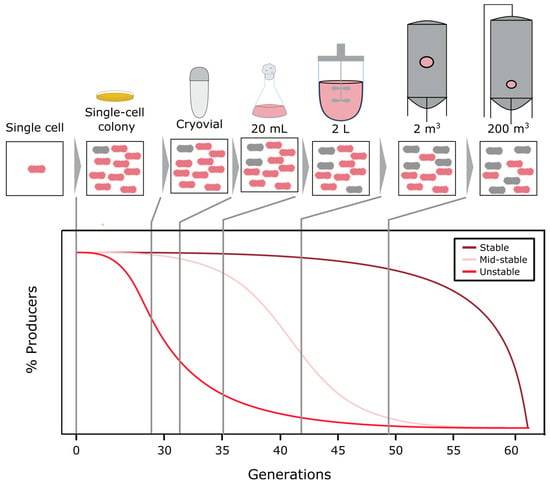
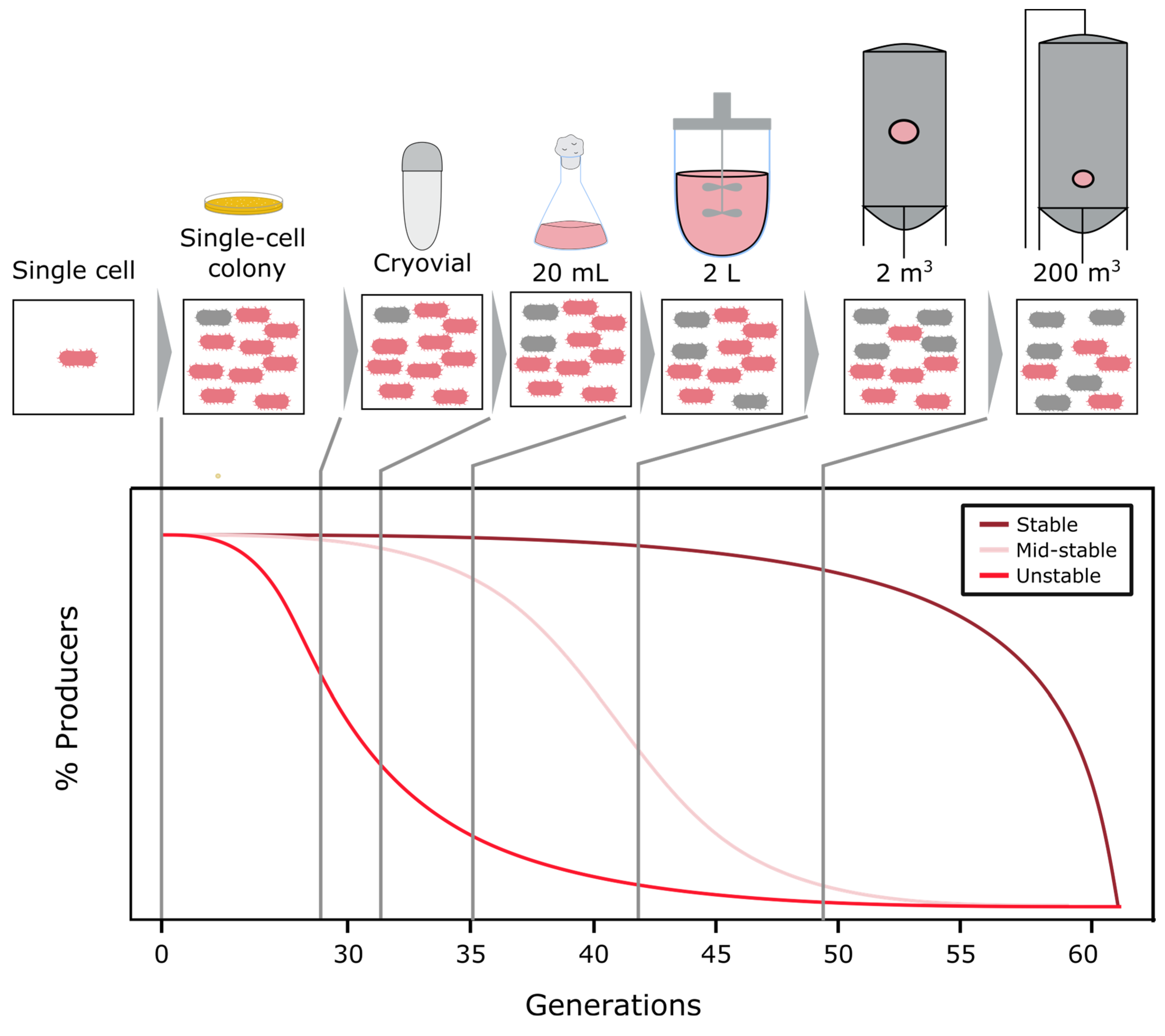
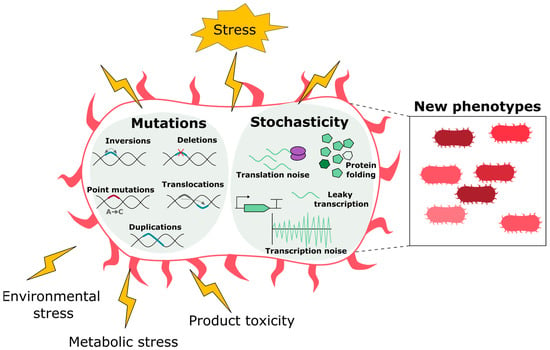
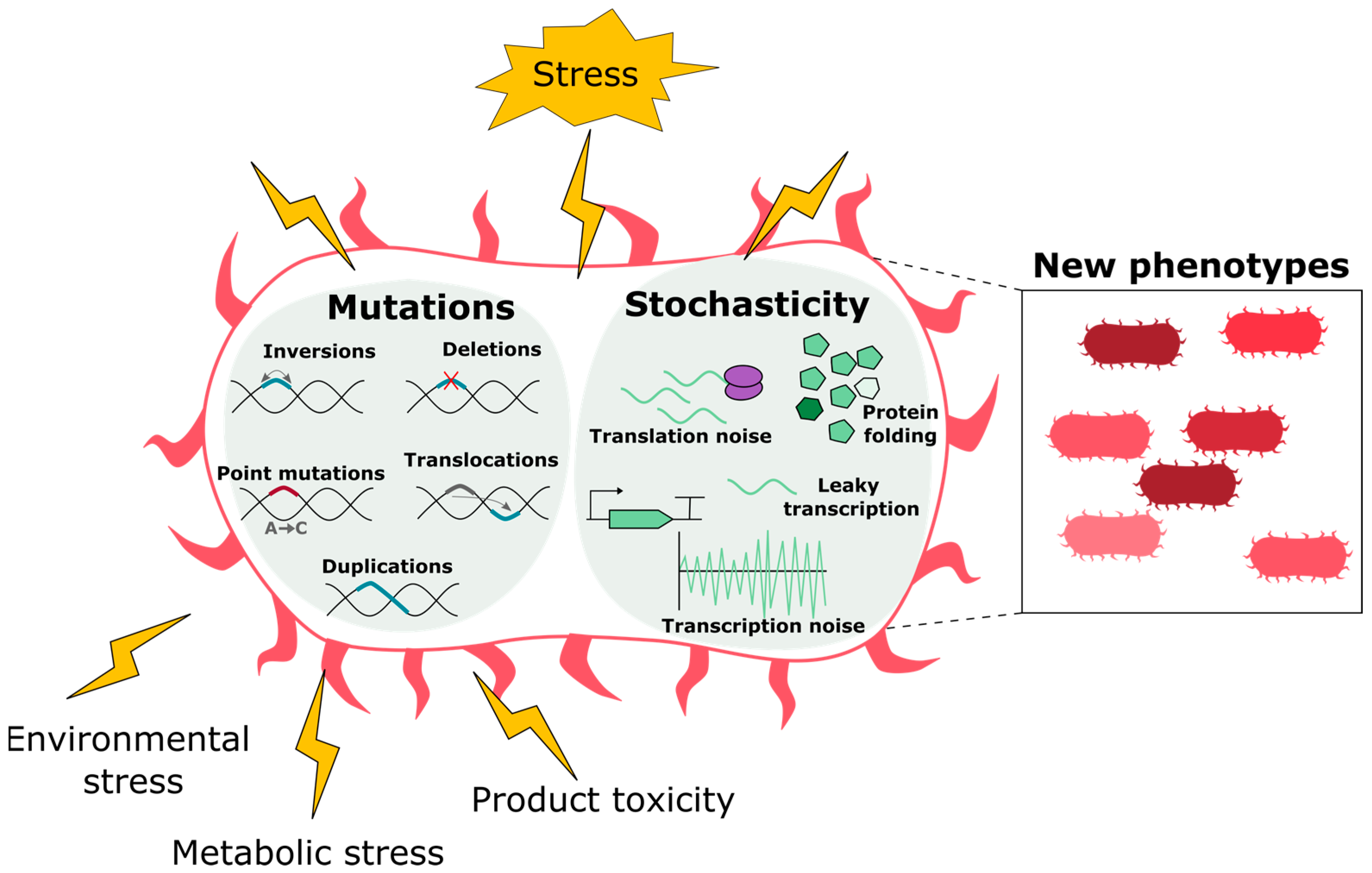
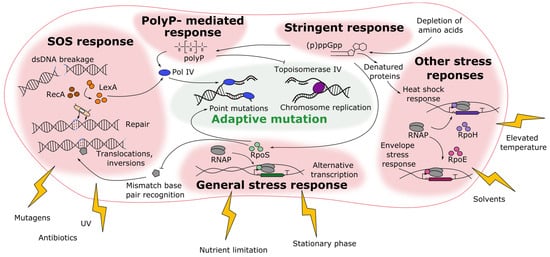
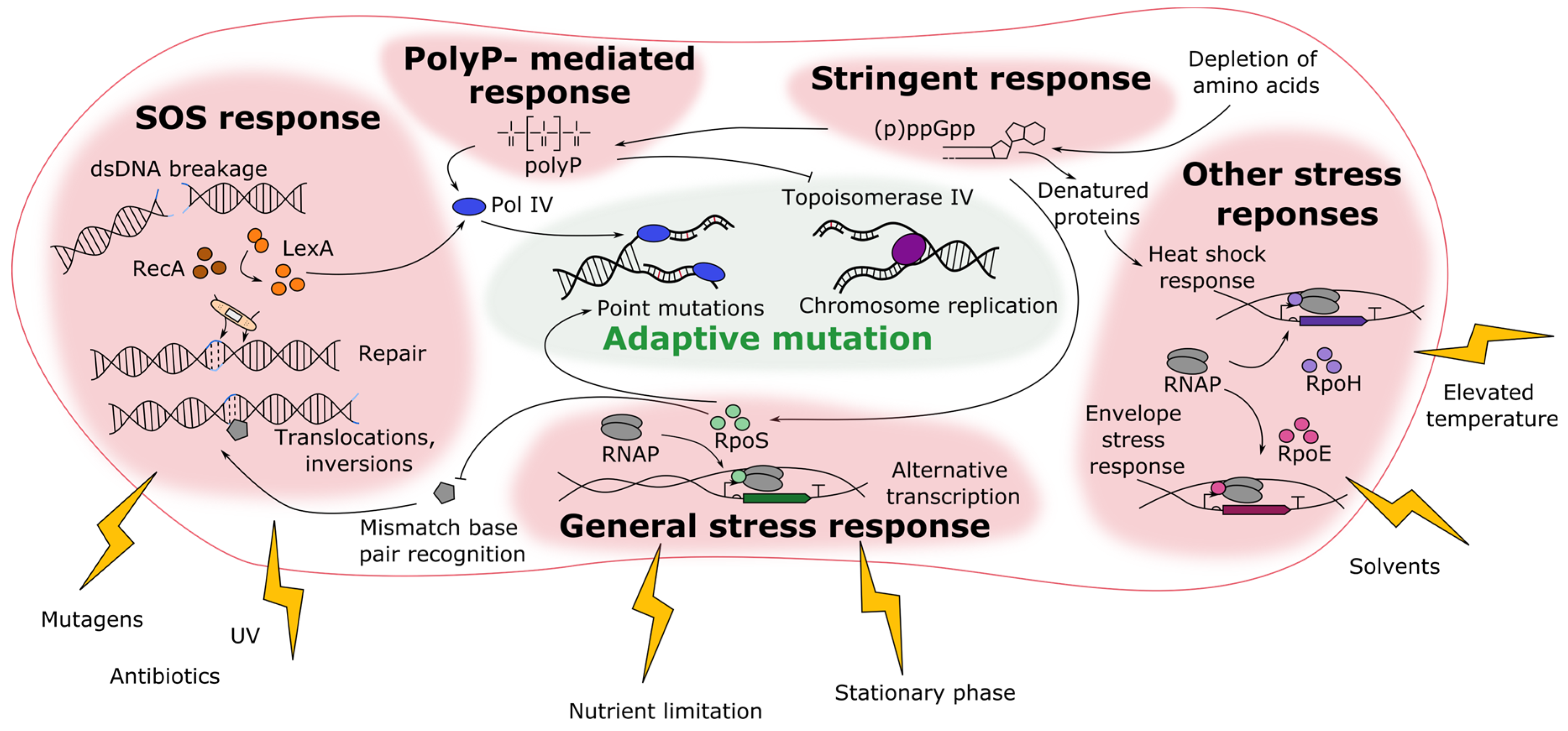
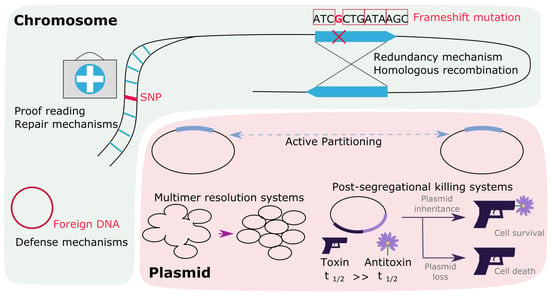
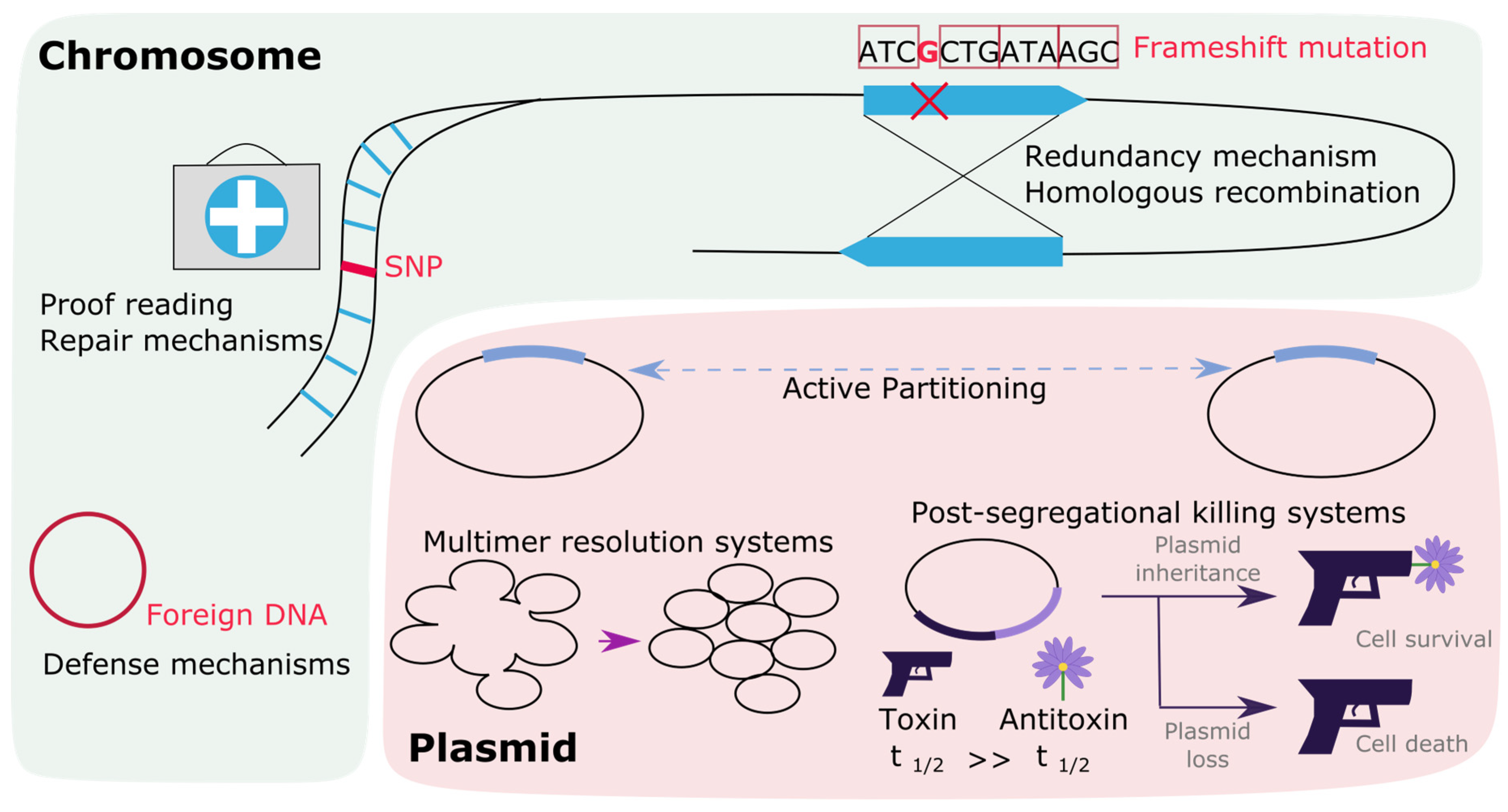
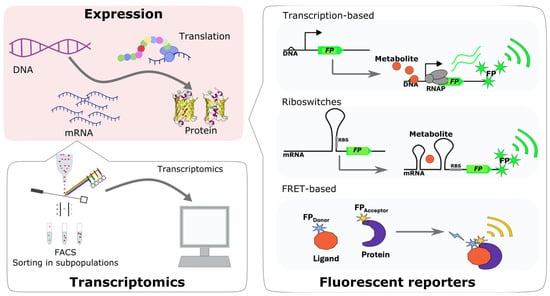
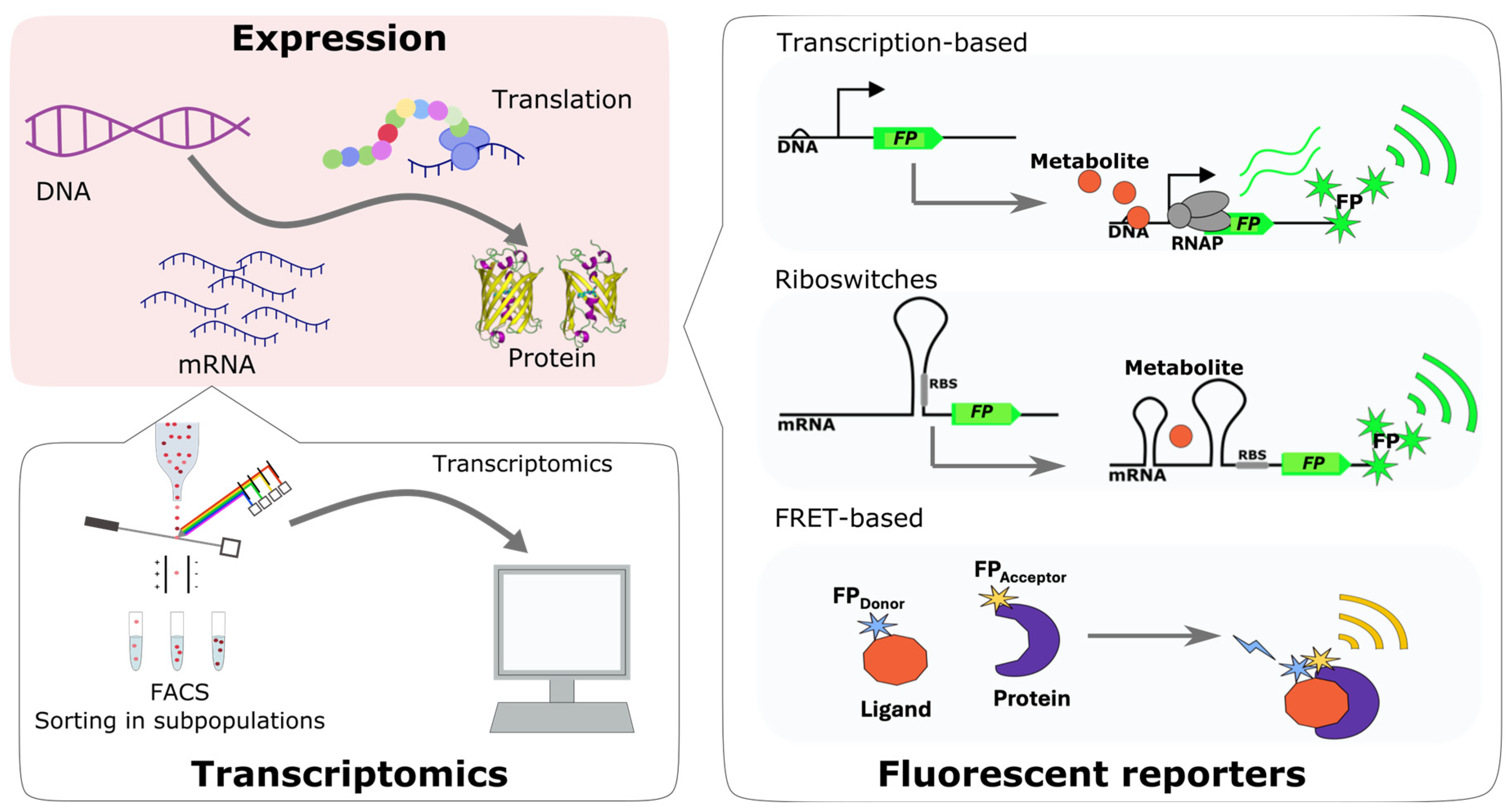
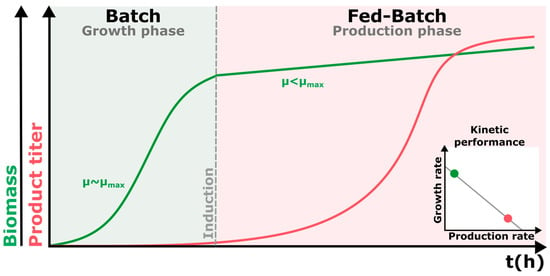
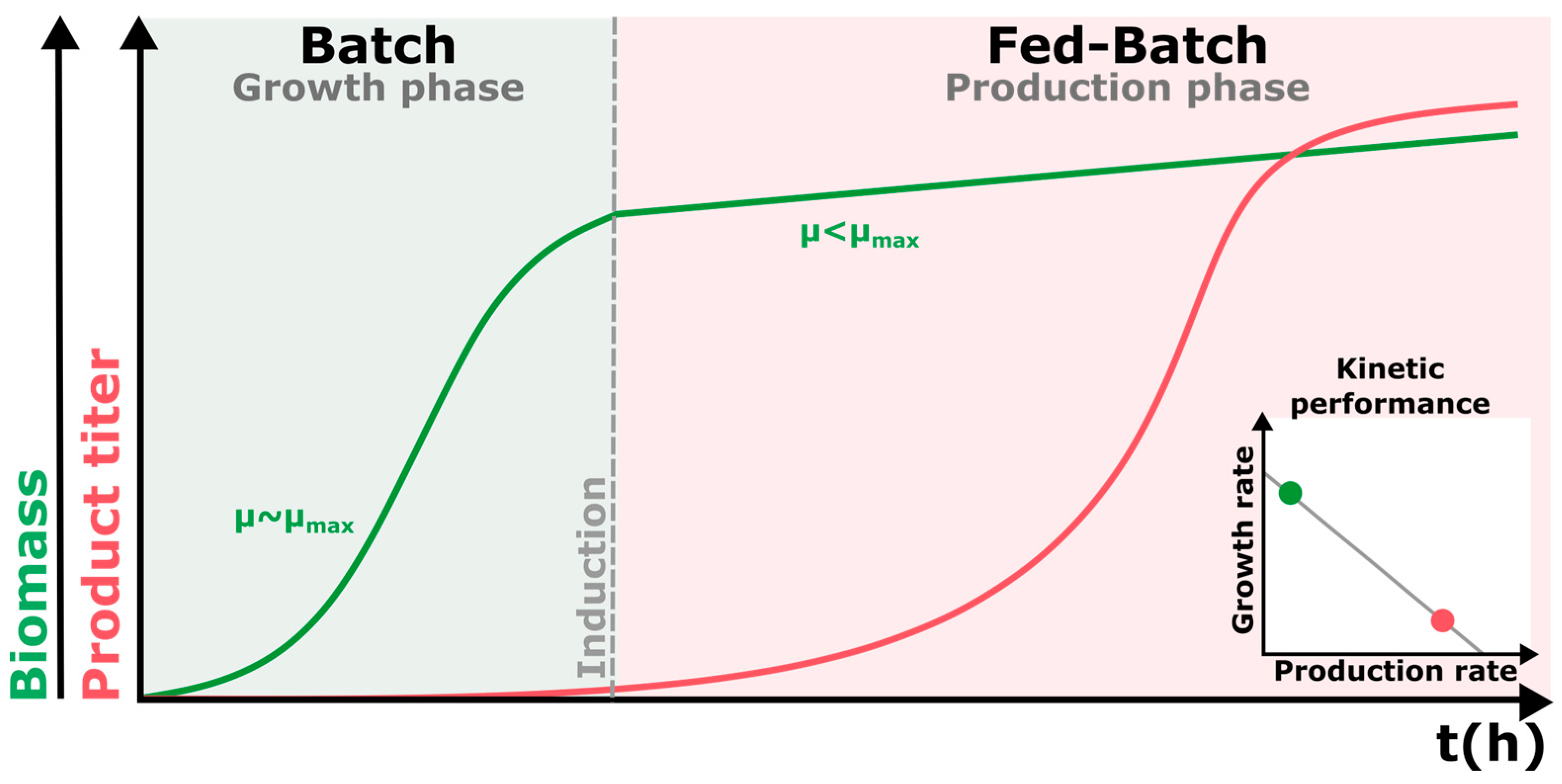

Disclaimer/Publisher’s Note: The statements, opinions and data contained in all publications are solely those of the individual author(s) and contributor(s) and not of MDPI and/or the editor(s). MDPI and/or the editor(s) disclaim responsibility for any injury to people or property resulting from any ideas, methods, instructions or products referred to in the content. |
© 2026 by the authors. Licensee MDPI, Basel, Switzerland. This article is an open access article distributed under the terms and conditions of the Creative Commons Attribution (CC BY) license.