


Abstract
The search for sustainable pest management alternatives has intensified due to the risks of chemical pesticides. Entomopathogenic fungi and plant extracts, rich in insecticidal secondary metabolites, are among the most promising approaches. Integrating these agents can enhance complementary mechanisms and reduce environmental impact. This study evaluated the insecticidal potential of fungi produced by submerged fermentation (Beauveria bassiana, Metarhizium anisopliae, Trichoderma asperelloides, Isaria javanica, and Cordyceps fumosorosea) applied alone and combined with Trichilia claussenii extract against Euschistus heros and Spodoptera frugiperda. Fermentation showed good fungal adaptation and high sporulation, especially B. bassiana (8.33 × 10⁸ spores mL−1) and T. asperelloides (9.42 × 10⁷ spores mL−1). Adding the plant extract increased colony-forming units, notably for M. anisopliae (7.40 × 10⁷ CFU mL−1) and B. bassiana (1.55 × 10⁸ CFU mL−1). In bioassays, cell suspensions were more effective than isolated metabolites, reaching 97.8% mortality for E. heros and 91.5% for S. frugiperda with B. bassiana plus extract. These results indicate that combining entomopathogenic fungi with T. claussenii extract is a promising strategy for developing efficient and sustainable biopesticides, contributing directly to integrated pest management practices with reduced environmental impact.
1. Introduction
The global population is projected to reach approximately 8.5 billion people by 2030 [1], imposing an increasing demand for food and requiring more efficient and sustainable agricultural systems to meet this global need. However, contemporary agriculture faces several challenges, both biotic and abiotic in nature, which compromise crop productivity [2]. Among these factors, the losses caused by insect pests stand out, ranging from 18% to 26% worldwide and representing an estimated economic loss of about US$470 billion per year [3].
Among the most economically important pests, Spodoptera frugiperda and Euschistus heros are particularly noteworthy, as they directly affect plant physiology and the ecological balance of agroecosystems, resulting in significant reductions in productivity and yield. To mitigate such losses, the use of chemical pesticides has been the main crop protection strategy. Although chemical pesticides are widely used, there is an increasing need for strategies that integrate different control agents to overcome efficacy limitations and reduce environmental impacts. In this context, the combination of entomopathogenic fungi with plant extracts emerges as a biologically versatile and technologically promising approach.
In this context, biological control emerges as a promising alternative, offering a sustainable and effective approach for managing agricultural pests. Several entomopathogenic microorganisms have already been identified as natural biocontrol agents [4], among which entomopathogenic fungi are highlighted for their ability to infect insects and other arthropods, combined with strong environmental adaptability and a lower risk of inducing resistance in pest populations [5]. The large-scale production of these fungi through submerged fermentation (SF) is essential to support their broad commercialization and field application [6].
In parallel, plant extracts have gained increasing relevance as natural sources of bioactive compounds with insecticidal activity [7]. In this context, Trichilia claussenii, a species native to the Pampa biome, shows promising potential as a bioinsecticide [8], although it remains poorly explored, despite belonging to the Meliaceae family—a group well-established in integrated pest management [9]. This family is recognized for the presence of limonoids and other secondary metabolites with insecticidal, antifeedant, and growth-regulating properties [10]. Furthermore, components of T. claussenii exhibit insecticidal and antifeedant activity, reinforcing its potential as a natural source of bioactive metabolites applicable to pest management. This background highlights the potential of T. claussenii as a promising source of natural compounds applicable to pest control.
Considering the pursuit of more effective and sustainable solutions, recent studies have highlighted the consortium between entomopathogenic fungi and plant extracts as an innovative strategy capable of enhancing distinct mechanisms of action and generating synergistic or additive effects in the control of insect pests [11]. This integrated approach represents a relevant innovation by combining microbiological agents and natural metabolites, expanding the spectrum of action and strengthening sustainable pest management. This integration not only increases the efficacy of biocontrol agents but also contributes to reducing costs, minimizing environmental impacts, and improving the acceptance of these technologies in sustainable production systems.
Therefore, this study aimed to evaluate the use of entomopathogenic fungi, recognized for their efficiency in biological control, in association with the plant extract of Trichilia claussenii, targeting the management of agricultural pests and the promotion of more sustainable production systems.
2. Materials and Methods
2.1. Selection of Entomopathogenic Fungi and Isolation
The fungal isolates used in this study are presented in Table 1. Beauveria bassiana, Metarhizium anisopliae, Isaria javanica, and Cordyceps fumosorosea were obtained from commercial products. Trichoderma asperelloides was isolated from soils of organic maize cultivation areas belonging to the Agroecological Group Guandu, located in Santa Maria, Rio Grande do Sul, Brazil (29°40′15″ S; 53°52′24″ W). These areas had not previously received applications of biological products. The commercial strains were used as provided by the manufacturers, whose genetic identity is established through their registration and quality-control processes. For T. asperelloides, strain identity was confirmed by molecular analysis, which is detailed in a specific section of this manuscript. Additionally, young cultures were used for all isolates to ensure genetic and reproductive stability throughout the experiments.
Table 1.
Fungal isolates used in the study, with strain identification and respective origins.
The isolation methodology of T. asperelloides followed Dalla Nora et al. [12], with adaptations. Approximately 10 g of soil from each sampling point was diluted in 40 mL of sterile saline solution (0.85% NaCl) and homogenized using a benchtop shaker (VELP Scientifica®, ZX3, Usmate Velate, MB, Italy). Aliquots of 2 µL were plated on Potato Dextrose Agar (PDA) medium in Petri dishes and incubated in a Biochemical Oxygen Demand (BOD) incubator (Marconi, 342L, Piracicaba, Brazil) at 25 ± 2 °C until colony development. The isolates were successively subcultured until pure cultures were obtained and subsequently maintained in a sterilization incubator (New Lab, NL-80-100, Piracicaba, Brazil) at 28 °C, with monitoring until full growth on the culture medium.
The plating of fungal isolates was performed in Petri dishes containing PDA medium at a concentration of 39 g L−1. The plates were incubated in a BOD incubator (Marconi, 342L, Piracicaba, Brazil) at 25 °C for approximately 15 days, with periodic monitoring, until the isolates fully covered the surface of the medium (Figure 1).
Figure 1.
Morphology of fungal isolates developed after 15 days of inoculation in Petri dishes in PDA medium. (a) Beauveria bassiana, (b) Trichoderma asperelloides, (c) Metarhizium anisopliae, (d) Isaria javanica, and (e) Cordyceps fumosorosea.
2.2. Submerged Fermentation (FS)
The isolates were cultivated under submerged fermentation (SF) in 250 mL Erlenmeyer flasks. Culture media were prepared using the substrates described in Table 2. The fermentation was conducted at a laboratory scale, using bench-top flasks maintained in an orbital shaker. The fermentation process was carried out for seven days at 28 °C and 120 rpm in an incubator shaker (Innova 44R, New Brunswick, Germany). Large-scale assays were performed to evaluate the suitability and efficiency of the substrates used in the fermentations.
Table 2.
Proportions of substrates used in the fermentation of fungal isolates.
2.3. Characterization of Fungal Isolates
2.3.1. Spore Count
The concentration of spores (conidia and blastospores) was determined using a Neubauer chamber (hemocytometer) under an optical microscope at 40× magnification (Axio Vert Zeiss A1, Jena, Germany), following the methodology of Carollo and Filho [13]. Counts were performed in compartment “C” across the four subcompartments “c” and the center. Before counting, samples were homogenized (VELP Scientifica®, ZX3, Usmate Velate, MB, Italy). The Neubauer chamber (Kasvi, K5-0011, Pinhais, Brazil) was prepared by covering the slide with the appropriate coverslip and transferring the spore suspension using a micropipette. When necessary, dilutions were performed to facilitate counting. For this purpose, 1 mL of the fermented sample was added to 9 mL of saline solution (0.85%) + 0.01% Tween® 80 (Sigma-Aldrich, Darmstadt, Germany), corresponding to a 10−1 dilution. The count obtained through this procedure represents the total number of spores, while spore viability was assessed separately through colony-forming unit (CFU) quantification, as described in the following subsection.
2.3.2. Colony-Forming Units
CFU were determined using the plate dilution method, according to Vermelho et al. [14]. Successive dilutions were prepared by adding 9 mL of saline solution (8.5%) to 1 mL of the sample. After plating and incubation in a BOD incubator (Marconi, 342L, Piracicaba, Brazil) at 25 °C, colony counts were performed on the plates.
2.3.3. Analytical Procedures: Specific Density
The specific density of each sample was measured using a high-precision automatic densimeter DDM 2911 Plus (Rudolph, DDM 2911 Plus, Hackettstown, NJ, USA) through a touchscreen interface. The specific density was determined by injecting 3 mL of each sample into the equipment, with the temperature set at 20 °C. The determination of density aimed to monitor the concentration and homogeneity of the fermented suspensions, since variations in this parameter may reflect differences in fungal biomass and metabolic composition, factors that influence the stability and efficacy of the formulations used in the bioassays.
2.4. Kinetics
The growth kinetics of the fungi were investigated during submerged liquid-state fermentation. Spore concentration (mL−1), pH variation, and biomass production were evaluated over 7 days (24 to 168 h). The fungi were pre-cultivated in inoculum medium for 48 h, after which 10 mL of fungal inoculum was transferred to 250 mL Erlenmeyer flasks containing 90 mL of medium, totaling 100 mL, with an initial concentration of 106 spores mL−1 in the fermentation medium. The initial pH was adjusted to 6.0. The flasks were incubated in a shaker (Innova 44R, New Brunswick, Germany) at 28 ± 1 °C, under agitation at 120 rpm for 168 h. Samples were monitored every 24 h in triplicate. Biomass from the culture broth was extracted according to Mahgoub et al. [15]. To ensure reproducibility and complete removal of the generated biomass, the entire volume of the fermentation flask (100 mL) was subjected to vacuum filtration using 12.5 cm filter papers previously dried and weighed (Bel, M124Ai, Piracicaba, Brazil). After filtration, the filters containing the biomass were dried in an oven at 60 °C until reaching constant weight (approximately 24 h). The dry biomass was calculated as the difference between the final and initial filter weights.
2.5. Enzymatic Activities
2.5.1. Chitinase Enzymatic Analysis
Chitinase is a hydrolytic enzyme responsible for degrading chitin, the main structural component of the insect cuticle, thereby weakening this barrier during the infection process by entomopathogenic fungi. Chitinase activity was determined according to Kim et al. [16]. Colloidal chitin was prepared from 30 g of crab shell chitin in 360 mL of HCl, under constant stirring, and precipitated by successive washings with 1200 mL of chilled ethanol until pH 7.0. The obtained material was dried, ground, and stored under refrigeration. After drying and grinding, the chitin powder was resuspended in 50 mM acetate buffer (pH 5.0) at a concentration of 1% (w v−1). For the enzymatic reaction, 250 µL of this suspension was used as the substrate. For the enzymatic reaction, 200 µL of acetate buffer (50 mM, pH 5.0), 250 µL of chitin, and 50 µL of the sample were added, incubated at 37 °C for 30 min, and then stopped in an ice bath. Subsequently, 500 µL of DNS solution [17] was added, incubated at 100 °C for 5 min, and cooled again in an ice bath. Afterwards, 8 mL of sodium potassium tartrate solution (1.51%) was added. Analyses were performed in triplicate, including controls. The standard curve was constructed with N-acetylglucosamine (0–1.0 g L−1), previously dried in an oven for 2 h. Absorbance readings were carried out in a spectrophotometer (UV-1900i, Shimadzu, Kyoto, Japan) at 540 nm.
2.5.2. β-1,3-Glucanase Enzymatic Analysis
β-1,3-glucanase is a hydrolytic enzyme that degrades β-1,3-glucans present in the insect exoskeleton, acting complementarily to chitinase to facilitate penetration by entomopathogenic fungi. The activity of β-1,3-glucanase was determined using a 1% (w v−1) laminarin solution (Sigma-Aldrich, Darmstadt, Germany) prepared in 50 mM acetate buffer (pH 5.0) [18]. For the enzymatic reaction, 200 µL of acetate buffer and 50 µL of the sample were added and incubated in a water bath (Innova® 3100 Digital, Cheltenham, UK) at 45 °C for 30 min. The reaction was stopped by placing the tubes in an ice bath for 5 min. The released glucose was quantified using the dinitrosalicylic acid (DNS) method, prepared with 5.3 g of 3,5-dinitrosalicylic acid; 9.9 g of NaOH; 3.8 mL of molten phenol (50 °C); and 4.5 g of sodium metabisulfite [17]. A standard glucose curve (0–1.0 g L−1) was constructed. Each sample was analyzed in triplicate, including respective blanks (buffer + sample) and substrate blanks (buffer + laminarin). Absorbance readings were performed in a spectrophotometer (UV-1900i, Shimadzu, Kyoto, Japan) at 540 nm.
2.6. Analyses of Trichoderma asperelloides
2.6.1. Molecular Identification of Trichoderma asperelloides
The ITS1-5.8S-ITS2 fragment of a fungal isolate was amplified by PCR using universal primers ITS1 (5′-TCCGTAGGTGAACCTGCGG-3′) and ITS4 (5′-TCCTCCGCTTATTGATATGC-3′). This procedure was performed exclusively for Trichoderma asperelloides, since it was the only isolate obtained from organic soil in this study. The amplicon was purified (ExoSAP-IT) and bidirectionally sequenced by Sanger sequencing on an Applied Biosystems 3730xl DNA Analyzer (Thermo Fisher Scientific, São Paulo, Brazil) using BigDye Terminator v3.1 chemistry. Electropherograms (.ab1) were inspected and edited in Chromas v2.6.6; bases with Phred quality < 30 and regions corresponding to primers were removed, and forward/reverse reads were assembled into a consensus contig. The resulting sequence was subjected to BLASTn (megablast, version 2.17.0) against the NCBI nr/nt database (accessed on 27 August 2025), restricted to the taxon Fungi (taxid: 4751). Selection criteria adopted were ≥98% identity and 100% coverage, prioritizing type culture strains, and GenBank accessions meeting these criteria were included as references.
2.6.2. Chromatographic Analysis of Trichoderma asperelloides
Headspace sampling and volatile analysis were performed following Kluger et al. [19], with modifications to improve reproducibility and contamination control. PDA medium (39 g L−1, Sigma-Aldrich, Darmstadt, Germany) was autoclaved (120 °C, 15 min) and used to prepare slants (5 mL per headspace vial). Fungi were pre-cultivated on PDA plates (28 °C, 7 days, dark), and 5 mm mycelial discs were transferred aseptically to PDA slants in sterile headspace vials (two biological replicates plus one blank control). Vials were incubated at 26 °C for seven days with a 12 h photoperiod. Volatile extraction was carried out using HS-SPME with a CAR/DVB/PDMS fiber (Supelco, Bellefonte, PA, USA). After incubation at 45 °C for 30 min, fibers were exposed to vial headspaces for 30 min and then desorbed in the GC injector. GC-MS analyses were performed on a chromatograph (Shimadzu GC-2010 Plus, Kyoto, Japan) coupled to a GCMS-QP2010 Ultra (Shimadzu, Kyoto, Japan), using an Rtx®-5ms (Restek, Bellefonte, PA, USA) column (30 m × 0.25 mm × 0.25 µm). The oven program was 40 °C (2 min), ramp 10 °C min−1 to 200 °C, then 25 °C min−1 to 260 °C (9.6 min). MS was operated in EI mode (70 eV), scanning 41–415 amu. Compounds were identified by comparing mass spectra with the Wiley Registry and confirmed using retention indices from a C7–C30 alkane standard. Only compounds with similarity scores >80% were considered.
2.7. Trichilia claussenii: Collection Site and Sample Preparation
The Trichilia claussenii (Meliaceae) samples were collected in the municipality of Nova Palma, in the Quarta Colônia region, state of Rio Grande do Sul, Brazil, at approximate geographic coordinates of 29°28′45″ S latitude and 53°29′03″ W longitude (Figure 2). The leaves and fruits were collected in the afternoon, around 5:00 pm. The samples were sent to the Bioinputs Pilot Plant at the Federal University of Santa Maria (UFSM) and subjected to drying in an oven at 50 °C for 48 h. Subsequently, the fruits and leaves of Trichilia claussenii were separated and ground using a blender (Mondial, L-550-W, Conceição do Jacuípe, Brazil).
Figure 2.
Location of the collection of Trichilia claussenii plant material.
Ultrasound-Assisted Extraction
Extractions were performed using a 400 W high-intensity ultrasound processor at 24 kHz (Hielscher, model UP 400S, Teltow, Germany) equipped with a probe (Model H22, Tip 22, Teltow, Germany) with a maximum intensity of 85 W cm−2. Extractions were performed using approximately 50 g of biomass (leaves and fruits) and 500 mL of solvent (H2O distilled water) at a concentration of 10% (w v−1). The ultrasound was adjusted with a pulse cycle (0.9) and amplitude of 100%. The extraction time was set at 10 min. After extractions, the samples were subjected to vacuum filtration through filter paper. The filtrate was removed and stored in a refrigerator (Consul, CRB36AB, Joinville, Brazil) in an amber glass bottle. Figure 3 presents the leaves and fruits of Trichilia claussenii.
Figure 3.
Tree of the species Trichilia claussenii: (a) Leaves and (b) fruits.
2.8. Bioassays
2.8.1. Rearing of Pest Insects
The mass rearing and maintenance of Spodoptera frugiperda were conducted under standardized conditions in a climate-controlled room at a temperature of 25 ± 2 °C in the Pest Management Laboratory (LabMIP) of the Federal University of Santa Maria. For oviposition, 150 mm PVC tubes lined internally with A4 paper sheets were used, which were removed every three days to collect the eggs. The eggs were kept in transparent 500 mL plastic cups containing an artificial diet until hatching. Early-stage adults were maintained in 50 mL plastic cups and fed an artificial diet. The pupae were placed in Gerbox-type containers (Mylabor, Guarulhos, Brazil) (11 × 11 × 3.5 cm) until the moths (adult stage) emerged. The adult moths were transferred to Gerbox containers and fed with honey until oviposition, continuing the cycle.
The artificial diets for laboratory rearing of the larvae were formulated based on the specifications proposed by Greene et al. [20] in (g L−1): white bean (50.0), wheat germ (40.0), soy protein (20.0), casein (20.0), brewer’s yeast (25.0), carrageenan (8.0), sorbic acid (1.25), ascorbic acid (2.5), methylparaben (2.0), vitamin complex (mL) (9.9), and distilled water (mL) (1200). The diet components were homogenized using a blender (Mondial, model L-550-W, Brazil). The mixture was then dispensed into 50 mL plastic cups with the aid of a plastic squeeze bottle and left at room temperature (25 °C) to cool. Afterwards, the plastic cups were sterilized in a laminar flow chamber (Marconi®, Piracicaba, Brazil) using a germicidal ultraviolet lamp for approximately 30 min.
The rearing of Euschistus heros bugs was carried out at the Pest Management Laboratory (LabMIP) of the Federal University of Santa Maria. The bugs were kept in a climate-controlled environment at a temperature of 25 ± 2 °C and fed with fresh green bean pods (Phaseolus vulgaris). They were reared in 11 L plastic boxes with modified lids featuring openings covered with voile fabric mesh, ensuring an oxygenated environment. Raw cotton fabric was added to the sides of the plastic boxes, serving as an oviposition site for the eggs. The eggs were collected and transferred to gerbox-type containers (11 × 11 × 3.5 cm). During the nymph stage, the bugs were placed in plastic boxes ranging from 5 L to 8 L.
2.8.2. In Vitro Bioassay
The in vitro bioassay with Spodoptera frugiperda included the following treatments: application of isolated entomopathogenic fungi (fungal cells and metabolites) and their combination with leaf extract of Trichilia claussenii. In the combined treatments (fungus + extract), the extract was applied at 50% relative to the fungal suspension, using the previously prepared 10% (w v−1) extract. The final application volume per treatment was approximately 10 mL. The bioassay was performed using the immersion method. Fungal cells were obtained by submerged liquid fermentation, and fungal metabolites were recovered by filtering the fermentation broth through a nylon syringe filter (0.22 µm, 13 mm diameter). Additionally, a control treatment containing only sterilized distilled water was included and subjected to the same immersion, handling, and incubation procedures as the other treatments. To prevent cross-contamination, all materials used were previously sterilized. For standardization, each treatment consisted of 10 replicates, with 5 insects per replicate, totaling 50 individuals. Mortality (%) was monitored over 10 days, with evaluations carried out between 24 and 240 h after application. During the bioassay, larvae were fed with soybean leaves from experimental fields of the Department of Plant Protection, Federal University of Santa Maria, cultivated without phytosanitary products. Leaves collected at the R5 stage (seed filling) were placed in plastic Petri dishes (90 × 15 mm) containing a 2 mm layer of carrageenan (12 g 700 mL−1 distilled water). To maintain moisture and tissue integrity, paper discs were used. Larvae at the L1/L2 stages were subjected to treatments by immersion in suspensions containing only fungi or the fungi + T. claussenii extract mixture. After application, the insects were kept in Petri dishes and incubated in a BOD (Biochemical Oxygen Demand) type chamber at 25 ± 1 °C, 60–70% relative humidity, under a 12 h photoperiod, conditions that were monitored daily throughout the 240 h of the experiment.
In the bioassay with Euschistus heros, the same treatments were used (fungal cells and metabolites applied individually or in combination with T. claussenii extract) using the immersion method. Similarly, for the combined treatments, the extract was mixed with the fungal suspension at a 1:1 ratio (50% extract + 50% fungal suspension), maintaining a final application volume of approximately 10 mL. The control with sterilized water was handled identically, with strict use of sterilized materials to avoid contamination. Adult stink bugs were placed in polypropylene containers (11.6 × 8 cm; 500 mL) with adapted lids containing a central opening covered with voile fabric to ensure proper ventilation. The inner surface of the containers was lined with paper towels, and insects were fed with fresh green bean pods (Phaseolus vulgaris). The insects were maintained under controlled conditions at 25 ± 2 °C. Mortality results were corrected according to Abbott’s universal equation [21]. Figure 4 illustrates the in vitro bioassay applied to the control of Spodoptera frugiperda and Euschistus heros, showing the experimental setup and procedures used.
Figure 4.
In vitro bioassay applied to the control of Spodoptera frugiperda and Euschistus heros.
2.9. Statistical Analysis
Mortality data were initially normalized using Abbott’s correction [21], adjusting the values relative to the control. Statistical analyses were performed using SISVAR software, version 5.6 (Federal University of Lavras, Lavras, Brazil). After verifying normality and homogeneity, data that met the statistical assumptions were analyzed by ANOVA in a completely randomized design, considering factors such as the treatments composed of the different entomopathogenic fungi and the plant extract. Differences among averages were compared using Tukey’s test at a 5% significance level.
3. Results
3.1. Chromatographic Analysis of Trichoderma asperelloides
The chromatographic analysis of the volatile extract of Trichoderma asperelloides, isolated from soil, revealed the presence of 56 volatile organic compounds (VOCs), exhibiting a diverse profile (Figure 5). The main compounds with potential insecticidal activity are listed in Table 3.
Figure 5.
Chromatogram of volatile compounds produced by T. asperelloides isolated from organic soil (left) and percentage distribution of the main VOCs with insecticidal potential (upper right). The compounds highlighted in the bar chart include monoterpenes and sesquiterpenes previously associated with repellent, toxic, or anti-feeding activities in insects, which justifies their relevance within the volatile profile of the isolate.
Table 3.
Main compounds indicated with insecticidal potential of Trichoderma asperelloides.
3.2. Characterization of Isolates
A total of five fungi comprised the set of isolates preselected for the study. These isolates were characterized to ensure the quality and potential of each microorganism in biological assays. Essential parameters were evaluated, such as spore concentration and viability, the enzyme profile, and the characteristics of the fermentation broth intended for application. Table 4 presents the values obtained for the different isolates in relation to spore concentration (spores mL−1) and CFU concentration (CFU mL−1), either independently or in combination with the plant extract.
Table 4.
Spore concentration (spores mL−1) and CFU (mL−1) of the entomopathogenic fungi evaluated, isolated, and associated with Trichilia claussenii.
In addition to spore concentration and viability, other parameters related to the biological performance of the isolates were investigated to understand the mechanisms that may influence their efficiency in pest control. For this purpose, the specific density of the fermentative broths and the enzymatic activity of chitinase and β-1,3-glucanase enzymes directly associated with insect cuticle degradation were evaluated. The values obtained for these parameters, considering fungal isolates grown individually or in association with Trichilia claussenii, are presented in Table 5.
Table 5.
Specific density of the broth (g cm−3) and enzymatic activity (U mL−1) (chitinase and β-1,3-glucanase) of entomopathogenic fungi, isolated and in association with Trichilia claussenii.
3.3. Kinetics
Figure 6a–e show the growth kinetics of different entomopathogenic fungi during submerged fermentation (SF), considering the parameters of spore production (mL−1), biomass (g L−1), and medium pH over 7 days (24 to 168 h).
Figure 6.
Growth kinetics of fungi as a function of spore production (mL−1), biomass (g L−1), and pH from 24 h to 168 h of cultivation. Error bars indicate the standard deviation (n = 3).
The matrix composition used in the fermentations of the fungal isolates was formulated to provide balanced sources of carbon, nitrogen, mineral salts, and bioactive additives, aiming to stimulate growth as well as spore and secondary metabolite production. It was observed that Beauveria bassiana (Figure 6a) reached maximum spore production at a concentration of 8.3 × 10⁸ spores mL−1 at pH 7, with a biomass yield of 9.6 g L−1. Spore and biomass production increased gradually up to 168 h, with a notable rise after 96 h. The pH showed a moderate upward trend, reaching values close to 7 at the end of the period. This behavior suggests good adaptation to the culture medium, with a balanced relationship between vegetative growth and sporulation.
Regarding Trichoderma asperelloides (Figure 6b), spore production increased more sharply until 120 h, subsequently stabilizing with a maximum yield of 9.42 × 10⁷ spores mL−1. Biomass showed steady growth, reaching high values after 144 h (4.85 g L−1). The pH rose rapidly until 72 h, remaining stable around 7–8. This behavior indicates rapid colonization and metabolic efficiency, typical of strains from the genus Trichoderma. Similarly, Metarhizium anisopliae (Figure 6c) exhibited substantial spore production, reaching its highest values between 120 and 168 h (1.3 × 10⁸ spores mL−1). The pH increased rapidly, stabilizing in the range of 5–6 from 72 h onward. The kinetics indicate a high capacity for adaptation and potential as a bioinsecticide, as it combines satisfactory mycelial growth with high sporulation.
Analyzing Isaria javanica (Figure 6d), both spore and biomass production increased steadily, with a maximum spore yield of 3.6 × 10⁸ spores mL−1. The pH varied gradually, reaching values close to 8 by the end of the observation period. Regarding Cordyceps fumosorosea (Figure 6e), spore production (3 × 10⁸ spores mL−1) and biomass (5 g L−1) occurred gradually, with a tendency to stabilize after 144 h. The pH increased to around 7, coinciding with the phase of highest growth. Although it exhibited lower biomass values compared to the other fungi, it maintained steady growth throughout the period.
3.4. Bioassays
3.4.1. Euschistus heros
The evaluation of Euschistus heros mortality evidenced the bioinsecticidal potential of the different species of entomopathogenic fungi, applied both in the form of cells and metabolites, either individually or in combination with the plant extract of Trichilia claussenii. Figure 7 presents the results obtained for each species, highlighting variations in performance among the fungi and the enhanced effect resulting from the association with the plant extract.
Figure 7.
Mortality (%) of Euschistus heros after application of cells and metabolites of entomopathogenic fungi, isolated or combined with Trichilia claussenii, after 10 days of application. Adult insects were treated by immersion in the suspensions/filtrates. * The values represent means ± standard deviation of 10 treatments (n = 5 per treatment, totaling 50 observations). Differences between bars were evaluated individually for each fungus, and distinct letters indicate significant differences according to Tukey’s test (p ≤ 0.05).
The mortality of Euschistus heros varied according to the entomopathogenic fungus and the type of treatment applied (cells or metabolites, either isolated or combined with the plant extract of T. claussenii). For Beauveria bassiana (8.33 ± 0.28) × 108 spores mL−1; Figure 7a), high mortality rates were observed in treatments containing fungal cells, both when applied alone (91.1%) and in combination with T. claussenii extract (97.8%), with no significant statistical difference between them. These treatments differed significantly (p < 0.05) from those using isolated metabolites (64.5%) and metabolites combined with the extract (68.9%), which showed intermediate mortality levels. The control treatment registered only 10% mortality, indicating that fungal cells were more effective and that the association with the plant extract maintained high efficacy in controlling E. heros.
For Metarhizium anisopliae (Figure 7b), the cell treatments (1.33 ± 0.03) × 108 spores mL−1 resulted in mortality rates above 75%, with 78.3% efficacy when applied alone and 87% in consortium with T. claussenii, showing no statistical difference (p > 0.05). The cell treatments of M. anisopliae differed significantly (p < 0.05) from the metabolite treatments and the control (8%). The isolated application of metabolites resulted in 63% mortality, while their combination with the extract reached approximately 67.4%, confirming that the plant extract contributes to increased efficacy.
The fungus Trichoderma asperelloides also showed remarkable results, with mortality rates of 77% for isolated cells and 88.4% when combined with the extract (9.42 ± 0.62) × 107 spores mL−1; Figure 7c), with no significant statistical difference, indicating a positive effect of the combination. In contrast, the metabolite treatments with (62.5%) and without the extract (53.5%) showed lower mortality rates (p < 0.05). The control treatment resulted in 14% mortality.
For Isaria javanica (Figure 7d), no significant difference was observed between treatments containing cells and metabolites. The cell treatments (3.61 ± 0.10) × 108 spores mL−1 resulted in 62.8% mortality and the metabolites in 53.3%, while the control showed 14%. The combination with T. claussenii extract increased mortality to 67.4% (cells) and 57.7% (metabolites), indicating notable gains from the combination. Similar results were observed for Cordyceps fumosorosea (3.54 ± 0.07) × 108 spores mL−1; Figure 7e), with mortality rates of 67.4% for isolated cells and 72% when combined with the extract. The metabolites, whether isolated or associated, produced intermediate mortalities (51.4% and 60%, respectively). Although no significant differences were detected (p > 0.05), the combinations showed a numerical increase in mortality.
Although the incorporation of the plant extract did not significantly increase mortality in any of the tests, Figure 7 shows that mortality was consistently slightly higher when the plant extract was included, indicating that the extract did increase efficacy.
3.4.2. Spodoptera frugiperda
The results obtained from the mortality bioassay of Spodoptera frugiperda showed that mortality varied among treatments, indicating differences in the insecticidal potential of the fungal species and possible synergistic interactions with the plant extract, as shown in Figure 8.
Figure 8.
Mortality (%) of Spodoptera frugiperda after application of cells and metabolites of entomopathogenic fungi, isolated or combined with Trichilia claussenii, after 10 days of application. Larvae at the L1/L2 stage were treated by immersion in the suspensions/filtrates. * The values represent means ± standard deviation of 10 treatments (n = 5 per treatment, totaling 50 observations). Differences between bars were evaluated individually for each fungus, and distinct letters indicate significant differences according to Tukey’s test (p ≤ 0.05).
The mortality of S. frugiperda varied according to the entomopathogenic fungus used, both in the absence and presence of the T. claussenii plant extract. For Beauveria bassiana (8.33 ± 0.28) × 108 spores mL−1; Figure 8a), a satisfactory efficiency in larval mortality was observed, exceeding 85%, both in the application of fungal cells (87.3%) and in the treatment combining fungal cells with the plant extract (91.5%), with no significant difference between these treatments (p > 0.05). However, both differed statistically from the metabolite treatments, which showed mortality rates of approximately 61.7% and 68.0% without and with the plant extract, respectively, as well as a significant difference (p < 0.05) compared to the control (6%).
In the case of Metarhizium anisopliae (Figure 8b), the isolated fungal cells (1.33 ± 0.03) × 108 spores mL−1 (73.3%) and those combined with the plant extract (77.8%) showed higher mortality rates, significantly higher (p < 0.05) than those observed in treatments with isolated metabolites (55.5%) and metabolites combined with the plant extract (62.2%), as well as compared to the control (10%).
For Trichoderma asperelloides ((9.42 ± 0.62) × 107 spores mL−1; Figure 8c), the treatment with cells combined with the extract showed the highest mean mortality (72.3%), although it did not differ statistically from the application of isolated cells (68.0%) or from the treatments with metabolites combined with the extract (68.0%). The treatment with isolated metabolites showed the lowest mortality (55.3%), differing significantly (p < 0.05).
Regarding Isaria javanica ((3.61 ± 0.10) × 108 spores mL−1; Figure 8d), the treatment combining fungal cells with the extract (Cells + Extract) showed the highest mortality (73.9%) and was statistically superior (p < 0.05) to both the metabolites treatment (54.3%) and the control (8%). The treatment with fungal cells alone resulted in 67.4% mortality. In the treatments with metabolites, the addition of T. claussenii extract also led to an increase in mortality (60.8%) compared to metabolites alone.
Similar results were observed for Cordyceps fumosorosea (3.54 ± 0.07) × 108 spores mL−1; Figure 8e), where the combination of fungal cells and T. claussenii showed the highest mortality (75%), differing significantly (p < 0.05) from treatments with isolated metabolites (54.1%) and those combined with the extract (60.4%). Although the fungal cells without the extract (64.6%) did not differ statistically from the combined treatment, the numerical mortality rate was higher.
Although the plant extract did not significantly increase mortality in any of the tests, Figure 8 shows that the values were consistently slightly higher when the extract was included, suggesting that its presence contributed to improved efficacy.
4. Discussion
4.1. Chromatographic Analysis of Trichoderma Asperelloides
The composition showed a predominance of monoterpenes and monoterpenoids, known for their insecticidal, antifeedant, and neurotoxic effects on pest insects [33]. Within this group, β-myrcene, l-phellandrene, β-phellandrene, cis-ocimene, α-terpinene, γ-terpinene, and α-terpinolene were highlighted as compounds of recognized importance (Figure 5).
Among these compounds, β-phellandrene showed the largest percentual peak area (14.604%). A study conducted by Rao et al. [34] with Trichoderma atroviride LZ42 also reported the presence of this compound. Similarly, the analysis of volatile compounds emitted by tomato plants (Solanum lycopersicum L.) treated with Trichoderma virens revealed that β-phellandrene was the most strongly released [35]. In addition, terpenoids such as β-myrcene are capable of altering the behavior of pest insects [36]. Other studies evaluating VOCs from Trichoderma spp. have also identified the presence of phellandrene [37] and terpinene [38].
Regarding the sesquiterpene class, β-bisabolene, zingiberene, and guaiol were the most prominent compounds. The compound β-bisabolene exhibits several biological activities [39], including insecticidal action against Sitophilus zeamais [33]. Additionally, the ketone 2-undecanone was detected, which is considered an indicator of repellent potential and toxicity. In general, the presence of these compounds in the volatile profile of the T. asperelloides isolate highlights the fungus’s ability to produce bioactive molecules that can act as natural defense agents and have biotechnological relevance.
4.2. Characterization of Isolates
The analysis of spore concentration revealed differences among the tested entomopathogenic fungi, with Beauveria bassiana showing the highest spore production capacity (8.33 × 10⁸ mL−1) and viability compared to the other species, whereas Trichoderma asperelloides exhibited the lowest production (9.42 × 10⁷ mL−1) (Table 4). The association with Trichilia claussenii extract significantly increased the CFUs of B. bassiana, M. anisopliae, and T. asperelloides, showing a significant difference according to Tukey’s test (5% probability). This suggests that the secondary compounds present in the extract may act synergistically, promoting mycelial growth and spore germination. This positive effect reinforces the potential of integrating entomopathogenic fungi and plant extracts for the biocontrol of pest insects.
Regarding the evaluated fungi, I. javanica and C. fumosorosea showed statistically lower CFU values in the presence of T. claussenii extract. This result may be related to differences among isolates under the test conditions. Such variation reinforces the importance of assessing the compatibility of each fungus individually and in combination with plant metabolites.
Regarding the specific density results, Table 5 showed heterogeneous outcomes for the isolates and their combinations with T. claussenii. Values ranged from 1.003151 to 1.006147 g cm−3 in broths of the isolated fungi and from 0.984247 to 1.004663 g cm−3 for isolates combined with T. claussenii extract. Overall, there was a tendency for a reduction in specific density when the fungi were associated with the plant extract, although with small variations. This difference suggests that the presence of T. claussenii compounds interferes with the composition of the fermented broth, most likely altering the concentration and solubility of produced metabolites. Variations in the concentration and density of microbial broths, often related to the amount of spores and metabolites present, can influence their efficacy in pest control, as more concentrated formulations tend to result in higher mortality rates [40]. However, the density differences observed in this study are small and not large enough to affect spraying or droplet dispersion on the target insect.
Higher density values indicate a higher concentration of compounds in the solution, which can hinder uniform spreading on insects and result in irregular droplet coverage on the cuticle. Lower densities, on the other hand, favor the formation of a thin and uniform layer, ensuring better coverage and enhancing contact efficiency with the target organism.
The action of hydrolytic enzymes, such as chitinases and β-1,3-glucanases, is essential for the infection process of entomopathogenic fungi, as they act on the degradation of the insect cuticle. Chitinase is responsible for cleaving chitin fibers, the main structural component of the cuticle, weakening the protective barrier and facilitating fungal penetration [41]. β-1,3-Glucanase acts complementarily by degrading glucans present in the exoskeleton, making the cuticle more permeable to hyphal penetration and increasing the insect’s susceptibility to fungal attack [42]. Additionally, both enzymes act complementarily to accelerate cuticle breakdown and promote hyphal germination and progression during infection.
In the present work, significant differences were observed among the evaluated isolates regarding chitinase and β-1,3-glucanase production (Table 5). The highest chitinase values (U mL−1) were observed in Trichoderma asperelloides (1.18 ± 0.32) and Metarhizium anisopliae (1.07 ± 0.70), indicating a potential for chitin degradation. Intermediate values were detected in Beauveria bassiana (0.82 ± 0.48), while Isaria javanica (0.10 ± 0.03) and Cordyceps fumosorosea (0.15 ± 0.02) showed lower chitinase levels. Regarding β-1,3-glucanase enzymatic activity (U mL−1), Metarhizium anisopliae stood out (2.40 ± 0.09), exhibiting higher activity than the other species. T. asperelloides (1.30 ± 0.06) presented intermediate activity, whereas species such as Beauveria bassiana (0.42 ± 0.01) and Isaria javanica (0.26 ± 0.02) showed low values, suggesting a lower capacity for glucan degradation.
When compared with the literature on chitinase activity, M. anisopliae showed superior performance relative to previously reported values, such as 0.93 U mL−1 for Metarhizium robertsii [43], 0.23 U mL−1 for Metarhizium Mt015 [44], and 0.64 U mL−1 for the same species in another study [45]. These data indicate that the evaluated isolate performs satisfactorily compared to different strains previously investigated. For Beauveria bassiana, enzymatic activity was higher than values reported in earlier studies, which ranged from 0.03 to 0.05 U mL−1 and 0.06 ± 0.01 U mL−1 for isolate BV065 [45], and 0.55 U mL−1 in another study [46]. The results presented in this work highlight the potential of the evaluated isolate compared to other strains of the same species.
In the case of T. asperelloides, the value obtained (1.18 U mL−1) was satisfactory compared to those reported for other species of the same genus, such as Trichoderma Th180 with 0.33 ± 0.02 U mL−1 (133), T. harzianum with 0.054 U mL−1 [47] and 0.280 U mL−1 [48], T. piluliferum with 0.12 ± 0.01 U mL−1 [49], as well as maximum values of 0.154 U mL−1 observed in isolates of the genus Trichoderma [50]. Thus, the T. asperelloides isolate showed a notably positive performance in chitinase production. On the other hand, C. fumosorosea exhibited low chitinase activity (0.15 U mL−1) compared to reports elsewhere [51], which presented 1.63 ± 0.04 U mL−1 in liquid culture. This difference may be associated with genetic variations among isolates, cultivation conditions, and analytical methodology, all of which directly influence enzyme expression. For I. javanica, the recent literature lacks specific data on chitinase production, highlighting the relevance of the results presented here, as they contribute to expanding knowledge on the enzymatic activity of this species.
Regarding the β-1,3-glucanase analysis results, M. anisopliae exhibited performance superior to that reported by López et al. [52], in which activity for this species ranged from 0.26 to 0.74 U mL−1, and was quite close to that obtained for M. robertsii An1 (3.42 ± 0.1 U mL−1) [53]. These results reinforce the potential of the isolate evaluated in the present work in terms of glucan-degrading capacity. In the case of Trichoderma, the value obtained for T. asperelloides (1.30 U mL−1) was higher than the range described for T. asperellum (0.25–0.57 U mL−1) [52] and the values reported for T. harzianum ITEM 3636 (0.139 U mL−1) [47], as well as the average levels of 0.176 U mL−1 reported for different isolates of the genus Trichoderma [50]. Furthermore, the performance observed in this work is comparable to or even higher than that described for some notable isolates, such as T. longibrachiatum Tlongi5 (1.33 U mL−1) and T. citrinoviride Tcitri2 (0.8 U mL−1) [54]. However, it is still lower than that reported for T. piluliferum (5.85 ± 0.22 U mL−1) [49], which stands out as one of the highest values ever recorded for this genus. For B. bassiana, I. javanica, and C. fumosorosea, no recent references reporting β-1,3-glucanase activity in U mL−1 were found, making direct comparison difficult. This lack of data highlights the relevance of the results obtained in the present study, as they provide previously unexplored information for these species.
4.3. Kinetics
The growth kinetics showed distinct patterns among the evaluated fungi, and not all isolates clearly exhibited the three classical phases (initial growth, exponential phase, and stabilization). The curves revealed species-specific behaviors (Figure 6). Metarhizium anisopliae clearly displayed the three phases, with initial growth up to 72 h, an intense exponential phase between 72 and 120 h, and a tendency toward stabilization after this period. Beauveria bassiana and Isaria javanica showed continuous and progressive increases in spore production and biomass, without a clearly defined plateau up to 168 h, characterizing a more linear growth profile. Cordyceps fumosorosea exhibited a dynamic pattern, with an initial increase, temporary stabilization, and a subsequent rise after 120 h. Trichoderma asperelloides showed rapid biomass accumulation and gradual spore production, but without a clearly defined transition between phases.
Although many studies limit kinetic analysis to 120 h, extending the monitoring period to 168 h was relevant, as it allowed observation not only of the exponential phase but also of growth stabilization, revealing metabolic differences among the species. This prolonged monitoring highlighted that slower-growing species, such as Cordyceps fumosorosea and Isaria javanica, maintain stable production for a longer period, which can be advantageous for biotechnological applications.
Additionally, batch-to-batch variability was minimized through the complete standardization of experimental conditions, including the use of the same culture medium, temperature (28 °C), orbital shaking, and inoculation procedures. The consistency of growth profiles, sporulation, and pH variation across replicates indicated low batch fluctuation, reinforcing the reproducibility of the kinetic data presented.
The kinetic performance of the isolates can also be partially influenced by the composition of the fermentation substrate (Table 2). The different carbon sources (glucose and sucrose) contributed to shaping the initial growth rate, while the polypeptide provided a source of easily assimilable organic nitrogen, which supports the production of enzymes and secondary metabolites. The inorganic nitrogen sources (NaNO3 and (NH4)2SO4) contributed to metabolic stability during the exponential phase. The additive provided essential micronutrients that may have increased the production of conidia and metabolites. These results reinforce that each fungus responds differently to the composition of the medium and that substrate optimization is fundamental to maximizing growth and sporulation.
Additionally, although the fermentations were conducted in an orbital shaker at 28 °C, the kinetic profiles obtained (sporulation growth and pH variation between 96 and 168 h) provide relevant information for future scaling-up steps. The stability observed in the final phase, and the consistent values of spores and biomass, indicate a predictable behavior, which is essential for pilot-scale processes. These results allow anticipating practical adjustments in bioreactors, such as pH control, aeration, and optimal harvest point, reinforcing that the isolates exhibit technological feasibility for expanded fermentative systems, even though a bioreactor was not used in this study.
The pH behavior throughout the fermentation also showed a direct relationship with the performance of the isolates. Fungi that exhibited higher sporulation rates, such as B. bassiana and M. anisopliae, maintained relatively stable pH values during the exponential phase, which is associated with the optimization of metabolic processes involved in conidia formation and with the strong performance of the isolates in the mortality assays, which will be discussed in the following section.
The results obtained from the fungal kinetics evaluated in this study can be contextualized within other scientific research. According to Souza et al. [55], a pH range of 7–8 favored spore production of Beauveria bassiana and Metarhizium anisopliae, contributing to virulence in Diatraea saccharalis larvae. Similarly, the mycelial growth of B. bassiana showed better productive performance within a pH range of 6–8. Isolates of Trichoderma spp. developed adequately under pH conditions between 5 and 7 [56]. Regarding other entomopathogenic fungi, Cordyceps fumosorosea produced spore concentrations of approximately 2 × 10⁸ in submerged cultures using different liquid substrates [57]. Additionally, Isaria javanica demonstrated good virulence against nymphs and adults of Bemisia tabaci at a concentration of 1 × 10⁸ spores mL−1 [58].
4.4. Bioassays
4.4.1. Euschistus heros
Overall, the cell suspensions exhibited higher entomopathogenic potential compared to the isolated metabolites, particularly for B. bassiana, M. anisopliae, and T. asperelloides (Figure 7). The combination of fungal cells with the T. claussenii plant extract maintained or enhanced mortality rates, indicating a possible synergistic effect between the bioactive compounds of the extract and the fungal metabolites. This synergistic effect may occur because limonoids, triterpenes, and other metabolites present in T. claussenii can modulate essential physiological pathways in insects, such as inhibiting digestive enzymes and altering ion channels, thereby affecting the nervous system and energy metabolism and leading to paralysis, lethargy, and death [8]. In addition, these bioactive compounds may weaken cellular defense mechanisms and facilitate the penetration and action of fungal metabolites. This synergy may also be associated with the presence of limonoids and other secondary compounds in the extract, which can increase cuticle permeability, suppress physiological defenses, or act as facilitators of fungal germination and penetration, ultimately enhancing the activity of metabolites produced by entomopathogenic fungi. For C. fumosorosea and I. javanica, although no significant differences were observed among treatments, the trend of increased mortality averages suggests that the extract may enhance the pathogenicity of the fungi.
Although some natural variation occurred among replicates, something widely expected in insect bioassays, the mortality patterns observed were consistent across independent assays. Each treatment was conducted with 10 replicates containing 5 individuals, totaling 50 insects, and the variability represented in the error bars reflects the intrinsic biological response among experimental units. Nevertheless, the statistical analyses confirmed that the differences among treatments are robust and reproducible.
The results obtained in this study confirm the high virulence of Beauveria bassiana and Metarhizium anisopliae against Euschistus heros, in agreement with data reported in the literature. The mortality rates observed are consistent with previous studies that reported 96% mortality of E. heros for the B. bassiana isolate Unioeste 76 [54], approximately 70% for isolates UFSM-1 and UFSM-2 after nine days [12], and between 75% and 97.5% mortality for the M. anisopliae isolate BRM 2335 [59], demonstrating that the strains tested in this work show performance comparable to or even superior to that reported in previous studies.
On the other hand, the recent literature reveals a significant gap in studies involving the genera Isaria, Cordyceps, and Trichoderma in the biological control of Euschistus heros, even though these fungi are well known for their entomopathogenic capacity and for producing metabolites with insecticidal potential. Furthermore, to date, no studies have been found elsewhere that evaluate the insecticidal activity of isolated fungal metabolites against E. heros, as most works remain limited to the use of viable conidia or fungal suspensions. This lack of information highlights the relevance of the present study, which investigates both the role of fungal metabolites and the effect of their combination with plant-derived compounds in enhancing brown stink bug mortality.
Regarding studies on plant extracts, the literature shows promising results with different species, such as Montrichardia linifera, achieving 84–92% mortality at concentrations of 5–10% [60], Ficus carica, with mortality above 50% in third-instar nymphs [61], and Tephrosia vogelii, with mortality over 80% at concentrations of 1–2.5% [62]. However, there are no reports evaluating the insecticidal efficiency of species from the genus Trichilia, particularly T. claussenii, against E. heros. Furthermore, the combination of entomopathogenic fungi with plant extracts remains a scarcely explored approach in the management of Euschistus heros.
Thus, the results obtained in this study help to fill part of this gap by demonstrating that the T. claussenii extract can act in a complementary manner to entomopathogenic fungi, possibly through bioactive compounds that increase insect susceptibility or stimulate fungal germination and activity. Therefore, the combined use of microbial bioinsecticides and plant extracts represents a promising alternative for the integrated management of the brown stink bug.
4.4.2. Spodoptera frugiperda
Overall, all entomopathogenic fungi demonstrated efficacy against S. frugiperda (Figure 8). The effect of the Trichilia claussenii extract varied according to the fungal isolate, reinforcing the potential of integrating microbial bioagents and botanical extracts as a sustainable and effective alternative for managing S. frugiperda. The observed synergy may be related to the ability of the bioactive compounds in the extract to destabilize physiological barriers, modulate the insect immune system, and induce metabolic stress, thereby increasing larval susceptibility to fungal infection. Metabolites present in T. claussenii are known to inhibit digestive enzymes, interfere with the regulation of ion channels, and impair neural function, resulting in reduced feeding activity and greater physiological vulnerability [8]. In parallel, these compounds may weaken cellular defense mechanisms, facilitating the penetration, germination, and action of metabolites produced by entomopathogenic fungi. This combination favors the use of complementary strategies to enhance the efficiency of the biological control of this pest.
Despite the natural variation among replicates, expected in larval bioassays, the mortality patterns were consistent across assays. Each treatment included 10 replicates of 5 larvae, and the observed variability reflects typical biological responses. Even so, statistical analyses confirmed reproducible differences among treatments.
The results obtained in this study are consistent with the literature data demonstrating the high efficiency of Beauveria bassiana isolates, with mortality rates ranging from 71.3% to 93.3% at 14 days after treatment [63]. In another study, the B. bassiana isolate (B-1311) induced 97.7% mortality [64]. Furthermore, B. bassiana suspensions at a concentration of 109 conidia mL−1 caused 84% larval mortality [65], while a concentration of 107 conidia mL−1 also resulted in 84% mortality [66].
Similarly, Metarhizium anisopliae is also widely recognized for its entomopathogenic activity, showing larval mortality of up to 97% in second-instar caterpillars [40]. Isolates of the genus Metarhizium tested against S. frugiperda caused mortality ranging from 70% to 98.7% at a concentration of 108 conidia mL−1 [67], while conidial suspensions applied to adults resulted in 85% mortality [68].
For the genus Trichoderma, studies report that T. asperellum caused 81% larval mortality after 10 days of treatment at a concentration of 108 conidia mL−1 [69], while T. harzianum also showed high efficacy, reaching 80% mortality [70]. Regarding the genus Isaria (currently Cordyceps), isolates such as Isaria (B4) caused 76.6% larval mortality after 120 h of treatment [71], whereas Cordyceps strains showed mortality rates above 50% after seven days [72]. Blastospores of C. fumosorosea ESALQ-1296 caused 79.2% larval mortality [73], and Cordyceps cicadae showed 54.17% mortality [74].
Regarding the plant extract, different concentrations of Trichilia capitata leaf extracts (0.6 and 0.4% w v−1) reached mortality levels of 90% and 70% in third-instar larvae [75], while the ethanolic extract of Trichilia havanensis seeds resulted in 90% mortality at a concentration of 0.6% w v−1 [76]. These findings reinforce that compounds from the Trichilia genus possess well-recognized insecticidal activity against S. frugiperda.
The synergistic potential between entomopathogenic fungi and plant extracts has also been demonstrated in other studies. The combination of B. bassiana and M. anisopliae with plant extracts such as Rhazya stricta, Sophora mollis, and Withania somnifera resulted in insecticidal efficacy ranging from 83 to 87% [77]. The consortium of M. anisopliae with Azadirachta indica extract in the control of Anopheles albimanus achieved 77% mortality [78], while the combination of Cordyceps farinosa with neem extracts (500 ppm) reached 78% mortality in Bagrada hilaris [79]. Other studies reported that M. anisopliae combined with oils of Artemisia dracunculus and Lavandula angustifolia resulted in 100% and 64% mortality, respectively [64], and the interaction between Artemisia sieversiana and M. anisopliae achieved 80% mortality of Oedaleus asiaticus [80]. Additionally, the combined application of B. bassiana (104–108 conidia mL−1) and aqueous extract of Mimosa pudica (2–4%) resulted in 100% mortality of Polyphagotarsonemus latus [81], while the association of B. bassiana with Psiadia pennivervia extract reached approximately 75% mortality against Aphis gossypii [82].
Although there are reports of the insecticidal activity of other species of the genus Trichilia against S. frugiperda, research specifically involving Trichilia claussenii is extremely limited, with only Bogorni et al. [83] highlighting its insecticidal potential. This scarcity underscores the relevance of the present study in exploring the interaction between T. claussenii and entomopathogenic fungi, proposing an innovative biotechnological alternative for pest control. The combination of entomopathogenic fungi and plant extracts remains underexplored in the management of S. frugiperda, as most studies evaluate microorganisms or plant compounds in isolation. This gap highlights the importance of investigations focused on integrating these agents, as such consortia may enhance insecticidal efficacy and reduce the use of synthetic chemical products.
Regarding metabolites, the observed mortality may be related to the action of blastospores, which contribute to the production of toxins capable of disrupting insect cellular metabolism [84]. Secondary metabolites such as destruxins (Metarhizium), beauvericin (Beauveria), isarolides (Isaria), and cordyols (Cordyceps) act directly by destabilizing insect defense mechanisms and accelerating the infection process. The entomotoxins derived from secondary metabolites of B. bassiana caused 70 to 78% mortality in Tuta absoluta [85], while B. bassiana metabolites on S. littoralis resulted in 61.1% mortality [86], and M. anisopliae metabolites reached 75% mortality at a concentration of 1500 ppm [87].
Fungal filtrates of Trichoderma spp. showed mortality rates ranging from 67.6% to 83.1% against Tetranychus urticae within seven days [88], and the literature indicates that the genus Trichoderma can produce metabolites that restrict pathogen growth [89]. Mycelial extracts of Cordyceps fumosorosea also demonstrated insecticidal potential, causing 51.67% mortality in Bemisia tabaci [90]. Co-cultivations of Beauveria bassiana, Metarhizium anisopliae, and Trichoderma harzianum provided 66–88% mortality of Euschistus heros [91]. These findings reinforce that fungal metabolites have a direct toxic effect on insects and that the combination with T. claussenii plant extract may have contributed to enhancing this action, resulting in the mortality rates observed in this work.
5. Conclusions
The study demonstrated the high potential of the entomopathogenic fungi Beauveria bassiana, Metarhizium anisopliae, Trichoderma asperelloides, Isaria javanica, and Cordyceps fumosorosea in controlling Euschistus heros and Spodoptera frugiperda, both through cell suspensions and metabolites produced in submerged fermentation. Kinetic characterization showed that the fermentation conditions promoted balanced growth and high sporulation, which are essential to express the biotechnological potential of these microorganisms. In bioassays, cell suspensions exhibited higher entomopathogenic efficiency compared to isolated metabolites. The combination with Trichilia claussenii plant extract maintained or enhanced efficacy, indicating a synergistic effect between fungal metabolites and the plant’s bioactive compounds. The integration of entomopathogenic fungi produced by submerged fermentation with T. claussenii extract represents a promising strategy for developing more sustainable and efficient biopesticides. Advancing this approach constitutes an important step toward consolidating environmentally safe agricultural practices aligned with the principles of biotechnology applied to integrated pest management. These results reinforce that the association between entomopathogenic microorganisms and plant-derived compounds can enable the formulation of products with lower environmental impact, greater selectivity, and strong potential for use in integrated pest management systems, contributing to the promotion of more sustainable agriculture.
Author Contributions
All authors contributed to the study’s conception and design. Material preparation, data collection, and analysis were performed by L.P.O., L.R.d.M.G., G.U., F.d.S.S., J.V.C.G., D.T. and M.A.M. The first draft of the manuscript was written by L.P.O. and G.L.Z., and all authors commented on previous versions of the manuscript. The final revision of the manuscript was done by M.V.T. and G.L.Z. All authors have read and agreed to the published version of the manuscript.
Funding
This work was supported by the Coordination for the Improvement of Higher Education Personnel (CAPES, 001), the National Council of Technological and Scientific Development (CNPq: 404308/2023-6 and 406054/2022-3), and the Research Support Foundation of the State of Rio Grande do Sul (FAPERGS: 24/2551-0001977-4 and 22/2551-0000398-2). G. L. Zabot (308067/2021-5), M. A. Mazutti, and M. V. Tres thank CNPq for the productivity grants.
Institutional Review Board Statement
Not applicable. Ethical review and approval were waived for this study because the research involved only fungal isolates and bioassays with agricultural pest insects, which are not classified as experimental animals. The experiments conducted fall within microbiological and entomological studies for agronomic purposes and do not require evaluation by an Ethics Committee.
Informed Consent Statement
Not applicable. This study did not involve human participants, the collection of personal data, or any form of identifiable information. Therefore, no Informed Consent was required, in accordance with ethical guidelines for research that does not include human subjects.
Data Availability Statement
The original contributions presented in this study are included in the article. Further inquiries can be directed to the corresponding authors.
Conflicts of Interest
The authors declare no conflicts of interest.
References
- Maurya, R.P.; Koranga, R.; Smal, I.; Chaudhary, D.; Paschapur, A.U.; Sreedhar, M.; Manimala, R.N. Biological control: A global perspective. Int. J. Trop. Insect Sci. 2022, 42, 3203–3220. [Google Scholar] [CrossRef] [Scilit]
- Panwar, N.; Szczepaniec, A. Endophytic entomopathogenic fungi as biological control agents of insect pests. Pest Manag. Sci. 2024, 80, 6033–6040. [Google Scholar] [CrossRef] [Scilit]
- Bihal, R.; Al-Khayri, J.M.; Banu, A.N.; Kudesia, N.; Ahmed, F.K.; Sarkar, R.; Arora, A.; Abd-Elsalam, K.A. Entomopathogenic Fungi: An Eco-Friendly Synthesis of Sustainable Nanoparticles and Their Nanopesticide Properties. Microorganisms 2023, 11, 1617. [Google Scholar] [CrossRef] [Scilit]
- Bamisile, B.S.; Akutse, K.S.; Siddiqui, J.A.; Xu, Y. Model application of entomopathogenic fungi as alternatives to chemical pesticides: Prospects, challenges, and insights for next-generation sustainable agriculture. Front. Plant Sci. 2021, 12, 741804. [Google Scholar] [CrossRef] [Scilit]
- Ma, M.; Luo, J.; Li, C.; Eleftherianos, I.; Zhang, W.; Xu, L. A life-and-death struggle: Interaction of insects with entomopathogenic fungi across various infection stages. Front. Immunol. 2023, 14, 1329843. [Google Scholar] [CrossRef] [Scilit] [PubMed]
- Mascarin, G.M.; Golo, P.S.; Ribeiro-Silva, C.S.; Muniz, E.R.; Franco, A.O.; Kobori, N.N.; Fernandes, E.K. Advances in submerged liquid fermentation and formulation of entomopathogenic fungi. Appl. Microbiol. Biotechnol. 2024, 108, 451. [Google Scholar] [CrossRef] [Scilit] [PubMed]
- Ngegba, P.M.; Cui, G.; Khalid, M.Z.; Zhong, G. Use of Botanical Pesticides in Agriculture as an Alternative to Synthetic Pesticides. Agriculture 2022, 12, 600. [Google Scholar] [CrossRef] [Scilit]
- Ody, L.P.; Ferraz, A.d.B.F.; de Mello, E.; Ugalde, G.; Mazutti, M.A.; Tres, M.V.; Zabot, G.L. Trichilia claussenii (Meliaceae): A Review of Its Biological and Phytochemical Activities and a Case Study of Composition. Processes 2025, 13, 3058. [Google Scholar] [CrossRef] [Scilit]
- Passos, M.S.; Nogueira, T.S.; Azevedo, O.A.; Curcino, M.G.; Terra, W.S.; Braz-Filho, R.; Vieira, I.J. Limonoids from the genus Trichilia and biological activities: Review. Phytochem. Rev. 2021, 20, 1055–1086. [Google Scholar] [CrossRef] [Scilit]
- Lin, M.; Liu, X.; Chen, J.; Huang, J.; Zhou, L. Insecticidal Triterpenes in Meliaceae III: Plant Species, Molecules, and Activities in Munronia–Xylocarpus. Int. J. Mol. Sci. 2024, 25, 7818. [Google Scholar] [CrossRef] [Scilit]
- Basaid, K.; Furze, J. Botanical-microbial synergy—Fundaments of untapped potential of sustainable agriculture. J. Crop Health 2024, 76, 1263–1280. [Google Scholar] [CrossRef] [Scilit]
- Dalla Nora, D.; Piovesan, B.C.; Bellé, C.; Stacke, R.S.; Balardin, R.R.; Guedes, J.V. Isolation and evaluation of entomopathogenic fungi against the neotropical brown stink bug Euschistus heros (F.) (Hemiptera: Pentatomidae) under laboratory conditions. Biocontrol Sci. Technol. 2021, 31, 22–34. [Google Scholar] [CrossRef] [Scilit]
- Carollo, E.M.; Filho, H.P. Manual Básico de Técnicas Fitopatológicas; Embrapa Mandioca E Frutic: Cruz das Almas, Brazil, 2016; Volume 1, pp. 1–109. Available online: https://www.infoteca.cnptia.embrapa.br (accessed on 15 June 2025).
- Vermelho, A.B.; Pereira, A.F.; Coelho, R.R.; Souto-Padrón, T.C. Práticas de Microbiologia, 2nd ed.; Guanabara Koogan: Rio de Janeiro, Brazil, 2019; Volume 2, pp. 1–225. Available online: https://minhabiblioteca.com.br/catalogo/livro/79199/pr-ticas-de-microbiologia (accessed on 20 June 2025).
- Mahgoub, S.A.; Kedra, E.G.A.; Abdelfattah, H.I.; Abdelbasit, H.M.; Alamoudi, S.A.; Al-Quwaie, D.A.; Selim, S.; Alsharari, S.S.; Saber, W.I.A.; El-Mekkawy, R.M. Bioconversion of Some Agro-Residues into Organic Acids by Cellulolytic Rock-Phosphate-Solubilizing Aspergillus japonicus. Fermentation 2022, 8, 437. [Google Scholar] [CrossRef] [Scilit]
- Kim, K.; Yang, Y.; Kim, J. Purification and characterization of chitinase from Streptomyces sp. M-2. BMB Rep. 2003, 36, 185–189. [Google Scholar] [CrossRef] [Scilit] [PubMed]
- Miller, G.L. Use of Dinitrosalicylic Acid reagent for determination of reducing sugar. Anal. Chem. 1959, 31, 426–428. [Google Scholar] [CrossRef] [Scilit]
- Saeki, K.; Iwata, J.; Yamazaki, S.; Watanabe, Y.; Tomai, Y. Purification and characterization of a yeast lytic β-1,3-glucanase from Oerskovia xanthineolytica TK-1. J. Ferment. Bioeng. 1994, 78, 407–412. [Google Scholar] [CrossRef] [Scilit]
- Kluger, B.; Zeilinger, S.; Wiesenberger, G.; Schofbeck, D.; Schuhmacher, R. Detection and Identification of Fungal Microbial Volatile Organic Compounds by HS-SPME-GC–MS. In Laboratory Protocols in Fungal Biology: Current Methods in Fungal Biology; Springer: New York, NY, USA, 2013; pp. 455–465. [Google Scholar] [CrossRef] [Scilit]
- Greene, G.L.; Leppla, N.C.; Dickerson, W.A. Velvetbean caterpillar: A rearing procedure and artificial medium. J. Econ. Entomol. 1976, 69, 487–488. [Google Scholar] [CrossRef] [Scilit]
- Abbott, W.S. A method of computing the effectiveness of an insecticide. J. Am. Mosq. Control Assoc. 1925, 3, 302–303. [Google Scholar] [CrossRef] [Scilit]
- Cueva, C.F.; Maldonado, Y.E.; Cumbicus, N.; Gilardoni, G. The Essential Oil from Cupules of Aiouea montana (Sw.) R. Rohde: Chemical and Enantioselective Analyses of an Important Source of (–)-α-Copaene. Plants 2025, 14, 2474. [Google Scholar] [CrossRef] [Scilit] [PubMed]
- Santos, C.; Melo, N.C.; Ruiz, A.L.; Floglio, M.A. Antiproliferative activity from five Myrtaceae essential oils. Res. Soc. Dev. 2023, 12, e14612340536. [Google Scholar] [CrossRef] [Scilit]
- Asteggiano, A.; Occhipinti, A.; Capuzzo, A.; Mecarelli, E.; Aigotti, R.; Medana, C. Quali–Quantitative Characterization of Volatile and Non-Volatile Compounds in Protium heptaphyllum (Aubl.) Marchand Resin by GC–MS Validated Method, GC–FID and HPLC–HRMS2. Molecules 2021, 26, 1447. [Google Scholar] [CrossRef] [Scilit]
- Usman, L.A.; Oguntoye, O.S.; Ismaeel, R.O. Phytochemical profile, antioxidant anda antidiabetic potential of essential oil from fresh and dried leaves of Eucalyptus globulis. J. Chil. Chem. Soc. 2022, 67, 5453–5461. [Google Scholar] [CrossRef] [Scilit]
- Slougui, N.; Rabhi, N.; Achouri, R.; Bensouici, C. Evaluation of the antioxidant, antifungal and anticholinesterase activity of the extracts of Ruta montana L., Harvested from Souk-Ahras (North-East of Algeria) and composition of its extracts by GC-MS. Trop. J. Nat. Prod. Res. 2023, 7, 3452–3461. [Google Scholar] [CrossRef] [Scilit]
- Lee, J.; Wang, M.; Zhao, J.; Ali, Z.; Hawwal, M.F.; Khan, I.A. Chemical Characterization and Quality Assessment of Copaiba Oil-Resin Using GC/MS and SFC/MS. Plants 2023, 12, 1619. [Google Scholar] [CrossRef] [Scilit]
- Guimarães, B.d.A.; Silva, R.C.; Andrade, E.H.d.A.; Setzer, W.N.; da Silva, J.K.; Figueiredo, P.L.B. Seasonality, Composition, and Antioxidant Capacity of Limonene/δ-3-Carene/(E)-Caryophyllene Schinus terebinthifolia Essential Oil Chemotype from the Brazilian Amazon: A Chemometric Approach. Plants 2023, 12, 2497. [Google Scholar] [CrossRef] [Scilit] [PubMed]
- Guerrini, A.; Tacchini, M.; Chiocchio, I.; Grandini, A.; Radice, M.; Maresca, I.; Paganetto, G.; Sacchetti, G. A Comparative Study on Chemical Compositions and Biological Activities of Four Amazonian Ecuador Essential Oils: Curcuma longa L. (Zingiberaceae), Cymbopogon citratus (DC.) Stapf, (Poaceae), Ocimum campechianum Mill. (Lamiaceae), and Zingiber officinale Roscoe (Zingiberaceae). Antibiotics 2023, 12, 177. [Google Scholar] [CrossRef] [Scilit]
- Lin, Y.Y.; Zhang, M.X.; Sun, M.; Wan, L.S.; Zhou, Y.; Chen, J.S. Discovering potential fumigants against Tribolium castaneum from essential oils using GC-MS and chemometric approaches. J. Stored Prod. Res. 2025, 110, 102485. [Google Scholar] [CrossRef] [Scilit]
- Sartori, M.H.; Lopes, L.R.; Ferreira, M.J.; Spadari, C.C.; Ishida, K.; Tangerina, M.M.; Núnez, E.G.; Sannomiya, M. Antifungal profiling of Brazilian essential oils: Chemotype classification and correlation with bioactivity. Acta Sci. Technol. 2025, 47, e71290. [Google Scholar] [CrossRef]
- Oliveira, K.B.; Carocho, M.; Finimundy, T.; Resende, O.; Célia, J.A.; Gomes, F.P.; Quequeto, W.D.; Bastos, J.C.; Barros, L. Analysis of volatiles of rose pepper fruits by GC/MS: Drying kinetics, essential oil yield, and external color analysis. J. Food Qual. 2022, 2022, 1963261. [Google Scholar] [CrossRef] [Scilit]
- Cagáň, Ľ.; Apacsová Fusková, M.; Hlávková, D.; Skoková Habuštová, O. Essential Oils: Useful Tools in Storage-Pest Management. Plants 2022, 11, 3077. [Google Scholar] [CrossRef] [Scilit] [PubMed]
- Rao, Y.; Zeng, L.; Jiang, H.; Mei, L.; Wang, Y. Trichoderma atroviride LZ42 releases volatile organic compounds promoting plant growth and suppressing Fusarium wilt disease in tomato seedlings. BMC Microbiol. 2022, 22, 88. [Google Scholar] [CrossRef] [Scilit]
- Nawrocka, J.; Szymczak, K.; Skwarek-Fadecka, M.; Małolepsza, U. Toward the Analysis of Volatile Organic Compounds from Tomato Plants (Solanum lycopersicum L.) Treated with Trichoderma virens or/and Botrytis cinerea. Cells 2023, 12, 1271. [Google Scholar] [CrossRef] [Scilit]
- Niu, D.; Xu, L.; Lin, K. Multitrophic and Multilevel Interactions Mediated by Volatile Organic Compounds. Insects 2024, 15, 572. [Google Scholar] [CrossRef] [Scilit]
- Lazazzara, V.; Vicelli, B.; Bueschl, C.; Parich, A.; Pertot, I.; Schuhmacher, R.; Perazzolli, M. Trichoderma spp. volatile organic compounds protect grapevine plants by activating defense-related processes against downy mildew. Physiol. Plant. 2021, 172, 1950–1965. [Google Scholar] [CrossRef] [Scilit] [PubMed]
- Lochmann, F.; Flatschacher, D.; Speckbacher, V.; Zeilinger, S.; Heuschneider, V.; Bereiter, S.; Schiller, A.; Ruzsanyi, V. Demonstrating the applicability of proton transfer reaction mass spectrometry to quantify volatiles emitted by the mycoparasitic fungus Trichoderma atroviride in real time: Monitoring of Trichoderma-based biopesticides. J. Am. Soc. Mass Spectrom. 2024, 35, 1168–1177. [Google Scholar] [CrossRef] [Scilit]
- Eslahi, N.; Kowsari, M.; Zamani, M.; Motallebi, M. The profile change of defense pathways in phaseouls vulgaris L. by biochemical and molecular interactions of Trichoderma harzianum transformants overexpressing a chimeric chitinase. Biol. Control 2021, 152, 104304. [Google Scholar] [CrossRef] [Scilit]
- Vivekanandhan, P.; Swathy, K.; Lucy, A.; Sarayut, P.; Patcharin, K. Entomopathogenic fungi based microbial insecticides and their physiological and biochemical effects on Spodoptera frugiperda (J.E. Smith). Front. Cell. Microbiol. 2023, 11, 1254475. [Google Scholar] [CrossRef] [Scilit] [PubMed]
- Liu, Y.; Xiong, W.; Wang, X.; Liang, S.; He, L.; Lin, X.; Wang, S.; Zhang, Y.; Zhan, R.; Wang, K. Biochemical analyses of a new GH18 chitinase from Beauveria bassiana KW1 and its synergy with a commercial protease on silkworm exuviae hydrolysis. Appl. Environ. Microbiol. 2025, 91, e0128525. [Google Scholar] [CrossRef] [Scilit]
- Ajuna, H.B.; Lim, H.-I.; Moon, J.-H.; Won, S.-J.; Choub, V.; Choi, S.-I.; Yun, J.-Y.; Ahn, Y.S. The Prospect of Hydrolytic Enzymes from Bacillus Species in the Biological Control of Pests and Diseases in Forest and Fruit Tree Production. Int. J. Mol. Sci. 2023, 24, 16889. [Google Scholar] [CrossRef] [Scilit] [PubMed]
- Umaru, F.F.; Simarani, K. Efficacy of Entomopathogenic Fungal Formulations against Elasmolomus pallens (Dallas) (Hemiptera: Rhyparochromidae) and Their Extracellular Enzymatic Activities. Toxins 2022, 14, 584. [Google Scholar] [CrossRef] [Scilit]
- Mejía, C.; Bautista, E.; García, L.; Murcia, J.C.; Barrera, G. Assessment of fungal lytic enzymatic extracts produced under submerged fermentation as enhancers of entomopathogens Biological Activity. Curr. Microbiol. 2024, 81, 217. [Google Scholar] [CrossRef] [Scilit]
- Gutiérrez, Y.; Alarcón, K.A.; Ortiz, C.; Santos-Holguín, J.; García-Riaño, J.; Mejía, C.; Amaya, C.; Uribe-Gutiérrez, L. Isolation and characterization of a native strain of the entomopathogenic fungus Beauveria bassiana for the control of the palm weevil Dynamis borassi (Coleoptera: Curculionidae) in the neotropics. World J. Microbiol. Biotechnol. 2024, 40, 260. [Google Scholar] [CrossRef] [Scilit]
- Hirapara, K.M.; Bhatt, S.B.; Umaretiya, V.R.; Parakhia, M. Exploring agricultural soils of the Saurashtra region for entomopathogenic bacteria and fungi: Isolation, characterization and phylogenetic analysis. Int. J. Adv. Biochem. Res. 2024, 8, 233–242. [Google Scholar] [CrossRef] [Scilit]
- Erazo, J.G.; Palacios, S.A.; Pastor, N.; Giordano, F.D.; Rovera, M.; Reynoso, M.M.; Venisse, J.S.; Torres, A.M. Biocontrol mechanisms of Trichoderma harzianum ITEM 3636 against peanut brown root rot caused by Fusarium solani RC 386. Biol. Control 2021, 164, 104774. [Google Scholar] [CrossRef] [Scilit]
- Menezes, C.L.; Boscolo, M.; da Silva, R.; Gomes, E.; da Silva, R. Fungal endo and exochitinase production, characterization, and application for Candida biofilm removal. Braz. J. Microbiol. 2024, 55, 2267–2277. [Google Scholar] [CrossRef] [Scilit] [PubMed]
- Costa, A.C.; Miranda, R.F.; Costa, F.A.; Ulhoa, C. Potential of Trichoderma piluliferum as a biocontrol agent of Colletotrichum musae in banana fruits. Biocatal. Agric. Biotechnol. 2021, 34, 102028. [Google Scholar] [CrossRef] [Scilit]
- Xue, M.; Wang, R.; Zhang, C.; Wang, W.; Zhang, F.; Chen, D.; Ren, S.; Manman, Z.; Hou, J.; Liu, T. Screening and identification of Trichoderma strains isolated from natural habitats in China with potential agricultural applications. Biomed Res. Int. 2021, 2021, 7913950. [Google Scholar] [CrossRef] [Scilit] [PubMed]
- Pelizza, S.A.; Ferreri, N.A.; Elíades, L.A.; Galarza, B.; Cabello, M.N.; Russo, M.L.; Vianna, F.; Scorsetti, A.C.; Lange, C.E. Enzymatic activity and virulence of Cordyceps locustiphila (Hypocreales: Cordycipitaceae) on the South American locust Schistocerca cancellata (Orthoptera: Acrididae). J. King Saud Univ.-Sci. 2021, 33, 101411. [Google Scholar] [CrossRef] [Scilit]
- López, C.G.; Castellanos, L.N.; Ortiz, N.A.; González, A.G. Control of powdery mildew (Leveillula taurica) using Trichoderma asperellum and Metarhizium anisopliae in different pepper types. BioControl 2019, 64, 77–89. [Google Scholar] [CrossRef] [Scilit]
- Brazhnikova, Y.; Belimov, A.; Ignatova, L.; Mukasheva, T.; Karpenyuk, T.; Goncharova, A. The Antagonistic Activity of Beneficial Fungi and Mechanisms Underlying Their Protective Effects on Plants Against Phytopathogens. Sustainability 2025, 17, 450. [Google Scholar] [CrossRef] [Scilit]
- Silva-Santana, M.F.; Alves, L.F.; Ferreira, T.T.; Bonini, A.K. Selection and characterisation of Beauveria bassiana fungus and their potential to control the brown stink bug. Biocontrol Sci. Technol. 2022, 32, 90–102. [Google Scholar] [CrossRef] [Scilit]
- Souza, T.D.; Sanches, A.C.; Cruz, M.A.; Prado, T.J.; Savi, P.J.; Polanczyk, R.A. Mortality of Diatraea saccharalis is affected by the pH values of the spore suspension of Beauveria bassiana and Metarhizium anisopliae. Rev. Ceres 2022, 69, 483–487. [Google Scholar] [CrossRef] [Scilit]
- Lombardi, N.; Pironti, A.; Manganiello, G.; Marra, R.; Vinale, F.; Vitalee, S.; Lorito, M.; Woo, S.L. Trichoderma species problematic to the commercial production of Pleurotus in Italy: Characterization, identification, and methods of control. Microbiol. Res. 2023, 14, 1301–1318. [Google Scholar] [CrossRef] [Scilit]
- Antara, N.H.; Stephan, D. Chitin-amended media: Improving efficacy of Cordyceps fumosorosea as a control agent of Cydia pomonella. J. Invertebr. Pathol. 2025, 210, 108296. [Google Scholar] [CrossRef] [Scilit] [PubMed]
- Sani, I.; Jamian, S.; Saad, N.; Abdullag, S.; Hata, E.M.; Jalinas, J.; Ismail, S.I. Identification and virulence of entomopathogenic fungi, Isaria javanica and Purpureocillium lilacinum isolated from the whitefly, Bemisia tabaci (Gennadius) (Hemiptera: Aleyrodidae) in Malaysia. Egypt. J. Biol. Pest Control 2023, 33, 14. [Google Scholar] [CrossRef] [Scilit]
- Sousa, L.M.; Quintela, E.D.; Boaventura, H.A.; Silva, J.F.; Tripode, B.M.; Miranda, J.E. Selection of entomopathogenic fungi to control stink bugs and cotton boll weevil. Pesqui. Agropecu. Trop. 2023, 53, e76316. [Google Scholar] [CrossRef] [Scilit]
- Santos, I.C.; Portela, V.O.; Lima, J.C.; Gisloti, L.J.; Botelho, A.S.; Amarante, C.B. Atividade inseticida de Montrichardia linifera contra Euschistus heros (Hemiptera: Pentatomidae). Rev. Interdiscip. Univ. Fed. Tocantins 2025, 12, 1–14. [Google Scholar] [CrossRef] [Scilit]
- Britto, I.O.; Araíjo, S.H.; Toledo, P.F.; Lima, G.; Salustiano, I.V.; Alves, J.R.; Mantilla-Afanador, J.G.; Kohlhoff, M.; Oliveora, E.; Leite, J.P. Potential of Ficus carica extracts against Euschistus heros: Toxicity of major active compounds and selectivity against beneficial insects. Pest Manag. Sci. 2021, 77, 4638–4647. [Google Scholar] [CrossRef] [Scilit]
- Mikami, A.Y.; Ventura, M.U.; Andrei, C.C. Brown stink bug mortality by seed extracts of tephrosia vogelii containing deguelin and tephrosin. Braz. Arch. Biol. Technol. 2018, 61, e18180028. [Google Scholar] [CrossRef] [Scilit]
- Idrees, A.; Afzal, A.; Qadir, Z.A.; Li, J. Bioassays of Beauveria bassiana Isolates against the Fall Armyworm, Spodoptera frugiperda. J. Fungi 2022, 8, 717. [Google Scholar] [CrossRef] [Scilit]
- Lak, F.; Zandi-Sohani, N.; Parizipour, M.H.; Ebadollahi, A. Synergic effects of some plant-derived essential oils and Iranian isolates of entomopathogenic fungus Metarhizium anisopliae Sorokin to control Acanthoscelides obtectus (Say) (Coleoptera: Chrysomelidae. Front. Plant Sci. 2022, 13, 1075761. [Google Scholar] [CrossRef] [Scilit] [PubMed]
- Nelly, N.; Reflinaldon; Meriqorina, S.R. Effective concentration of entomopathogens Beauveria bassiana (Bals) vuil as biological control agents for Spodoptera frugiperda J.E. Smith (Lepidoptera: Noctuidae). IOP Conf. Ser. Earth Environ. Sci. 2023, 1160, 012035. [Google Scholar] [CrossRef] [Scilit]
- Zalte, O.P.; Panchbhai, P.R.; Pillai, T.; Lavhe, N.V. Bio-efficacy Evaluation of Beauveria bassiana against Fall Armyworm, Spodoptera frugiperda (J.E. Smith). Hexapoda 2024, 6, 44–48. [Google Scholar] [CrossRef] [Scilit]
- Ramos, Y.; Pineda-Guillermo, S.; Tamez-Guerra, P.; Orozco-Flores, A.A.; de la Rosa, J.I.F.; Ramos-Ortiz, S.; Chavarrieta-Yáñez, J.M.; Martínez-Castillo, A.M. Natural Prevalence, Molecular Characteristics, and Biological Activity of Metarhizium rileyi (Farlow) Isolated from Spodoptera frugiperda (J. E. Smith) Larvae in Mexico. J. Fungi 2024, 10, 416. [Google Scholar] [CrossRef] [Scilit]
- Perumal, V.; Kannan, S.; Alford, L.; Pittarate, S.; Krutmuang, P. Study on the virulence of Metarhizium anisopliae against Spodoptera frugiperda (J. E. Smith, 1797). J. Basic Microbiol. 2024, 64, 2300599. [Google Scholar] [CrossRef] [Scilit]
- Afandhi, A.; Fernando, I.; Widjayanti, T.; Maulidi, A.K.; Radifan, H.I.; Setiawan, Y. Impact of the fall armyworm, Spodoptera frugiperda (J. E. Smith) (Lepidoptera: Noctuidae), invasion on maize and the native Spodoptera litura (Fabricius) in East Java, Indonesia, and evaluation of the virulence of some indigenous entomopathogenic fungus isolates for controlling the pest. Egypt. J. Biol. Pest Control 2022, 32, 48. [Google Scholar] [CrossRef] [Scilit]
- Ali, M.A.; Abd-Elgalil, D.M.; Barry, M.M.; Mohamed, G.S. Evaluation of the potential toxicity of plant extracts, pathogenic fungi, and chemical pesticides for the management of Spodoptera frugiperda. J. Plant Dis. Prot. 2025, 132, 103. [Google Scholar] [CrossRef] [Scilit]
- Rorres-Acosta, R.; Felipe-Victoriano, M.; Garay-Martínez, J.; Torres, R. Biological control of Spodoptera frugiperda J. E. Smith and Schistocerca piceifrons piceifrons Walker using entomopathogenic fungi. Agro Prod. 2023, 16, 13–23. [Google Scholar] [CrossRef] [Scilit]
- Zhou, Y.; Xie, W.; Ye, J.; Zhabg, T.; Li, D.; Zhi, J. New potential strains for controlling Spodoptera frugiperda in China: Cordyceps cateniannulata and Metarhizium rileyi. BioControl 2020, 65, 663–672. [Google Scholar] [CrossRef] [Scilit]
- Corrêa, B.; Duarte, V.; Silva, D.M.; Mascarin, G.M.; Júnior, I.D. Comparative analysis of blastospore production and virulence of Beauveria bassiana and Cordyceps fumosorosea against soybean pest. BioControl 2020, 65, 323–337. [Google Scholar] [CrossRef] [Scilit]
- Bugti, G.A.; Chen, H.; Bin, W.; Rehman, A.; Rehman Ali, F. Pathogenic effects of entomopathogenic fungal strains on fall armyworm (Spodoptera frugiperda) larvae. Int. J. Vet. Res. Allied Sci. 2024, 4, 20–27. [Google Scholar] [CrossRef] [Scilit]
- Monjare, J.; Tambo, T.R. Evaluation of the insecticidal activity of the extracts of Trichilia emetica, Trichilia capitata, and Azadirachta indica against the Spodoptera frugiperda (Fall Armyworm) on maize crop. Alger. J. Nat. Prod. 2021, 9, 830–837. [Google Scholar] [CrossRef]
- De La Torre-Anzúres, J.; Aragón-García, A.; Pérez-Torres, B.C.; López-Olguín, J.F. Actividad biológica de un extracto de Semillas de Trichilia havanensis Jacq.1 sobre larvas de Spodoptera exigua (Hübner). Southwest. Entomol. 2017, 42, 1069–1077. [Google Scholar] [CrossRef] [Scilit]
- Ahmed, K.; Majeed, M.Z.; Sayed, S.; Albogami, B.Z.; Al-Shuraym, L.; Safdar, H.; Haq, I.; Raza, A.B. Synergized toxicity exhibited by indigenous entomopathogenic fungal strains, plant extracts and synthetic insecticides against fall armyworm Spodoptera frugiperda (J.E. Smith) under laboratory and semi-field conditions. J. Plant Dis. Prot. 2023, 130, 1217–1228. [Google Scholar] [CrossRef] [Scilit]
- Beltrán, M.; Lozano, L. Synergistic larvicidal activity of Metarhizium anisopliae and Azadirachta indica extract against the malaria vector Anopheles albimanus. Int. J. Trop. Insect Sci. 2023, 43, 129–136. [Google Scholar] [CrossRef] [Scilit]
- Felipe-Victoriano, M.; Villegas-Luján, R.; Treviño-Cueto, D.; Sánchez-Peña, S.R. Combined activity of natural products and the fungal entomopathogen Cordyceps farinosa against Bagrada hilaris (Hemiptera: Pentatomidae). Fla. Entomol. 2023, 106, 154–160. [Google Scholar] [CrossRef] [Scilit]
- Li, S.; Xu, C.; Du, G.; Wang, G.; Tu, X.; Zhang, Z. Synergy in efficacy of Artemisia sieversiana crude extract and Metarhizium anisopliae on resistant Oedaleus asiaticus. Front. Physiol. 2021, 12, 642893. [Google Scholar] [CrossRef] [Scilit] [PubMed]
- Puspitarini, R.D.; Fernando, I.; Widjayanti, T.; Ihsan, M. Compatibility of the aqueous leaf extract of Mimosa pudica and the entomo-acaropathogenic fungus Beauveria bassiana in controlling the broad mite Polyphagotarsonemus latus (Acari: Tarsonemidae). Persian J. Acarol. 2022, 11, 115–131. [Google Scholar] [CrossRef]
- Sayed, S.; Elarnaouty, S.A.; Ali, E. Suitability of five plant species extracts for their compatibility with indigenous Beauveria bassiana against Aphis gossypii Glov. (Hemiptera: Aphididae). Egypt. J. Biol. Pest Control. 2021, 31, 11. [Google Scholar] [CrossRef] [Scilit]
- Bogorni, P.; Vendramim, J. Efeito subletal de extratos aquosos de Trichilia spp. sobre o desenvolvimento de Spodoptera frugiperda (J.E. Smith) (Lepidoptera: Noctuidae) em Milho. Neotrop. Entomol. 2003, 34, 311–317. [Google Scholar] [CrossRef] [Scilit]
- Lestari, Y.A.; Verawaty, M.; Herlinda, S. Development of Spodoptera frugiperda fed on young maize plant’s fresh leaves inoculated with endophytic fungi from South Sumatra, Indonesia. Biodiversitas 2022, 23, 5056–5063. [Google Scholar] [CrossRef] [Scilit]
- Ndayiragije, J.C.; Özek, T.; Karaca, I. Effects of spores and raw entomotoxins from Beauveria bassiana BMAUM-M6004 on Tuta absoluta (Lepidoptera: Gelechiidae). Int. J. Trop. Insect Sci. 2023, 43, 1783–1795. [Google Scholar] [CrossRef] [Scilit]
- Bakr, W.H.; Ghaly, M.F.; Tantawy, W.G.; El-Shafeiy, S.N. Detection of some secondary metabolites of Beauveria bassiana and the potential effects on Spodoptera littoralis. Chem. Biol. Technol. Agric. 2025, 12, 59. [Google Scholar] [CrossRef] [Scilit]
- Abdullah, R.R. Comparing the efficiency of fungal spores and their metabolites in some entomopathogenic fungi against cotton leaf worm, Spodoptera littoralis. J. Entomol. Zool. Stud. 2023, 11, 40–44. [Google Scholar] [CrossRef] [Scilit]
- Evren, G.; Korlom, Y.; Saboori, A.; Cakmak, I. Exploring the potential of Trichoderma secondary metabolites against Tetranychus urticae (Acari: Tetranychidae). J. Invert. Pathol. 2025, 211, 108299. [Google Scholar] [CrossRef] [Scilit]
- Sharma, A.; Gupta, B.; Verma, S. Unveiling the biocontrol potential of Trichoderma. Eur. J. Plant Pathol. 2023, 167, 569–591. [Google Scholar] [CrossRef] [Scilit]
- Wu, J.; Yang, B.; Xu, J.; Cuthbertson, A.G.S.; Ali, S. Characterization and Toxicity of Crude Toxins Produced by Cordyceps fumosorosea against Bemisia tabaci (Gennadius) and Aphis craccivora (Koch). Toxins 2021, 13, 220. [Google Scholar] [CrossRef] [Scilit]
- Silva, P.F.; dos Santos, M.S.N.; Araújo, B.A.; Kerber, B.D.; Oliveira, H.A.P.; Guedes, J.V.C.; Mazutti, M.A.; Tres, M.V.; Zabot, G.L. Co-Cultivations of Beauveria bassiana, Metarhizium anisopliae, and Trichoderma harzianum to Produce Bioactive Compounds for Application in Agriculture. Fermentation 2025, 11, 30. [Google Scholar] [CrossRef] [Scilit]
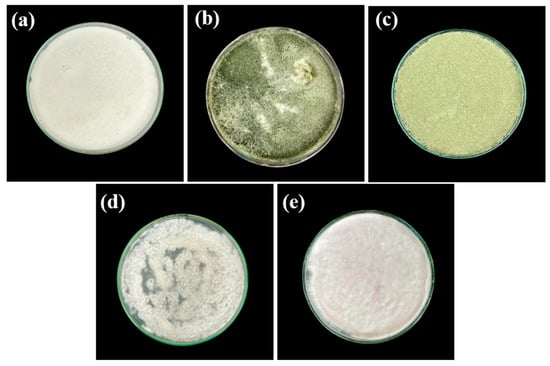
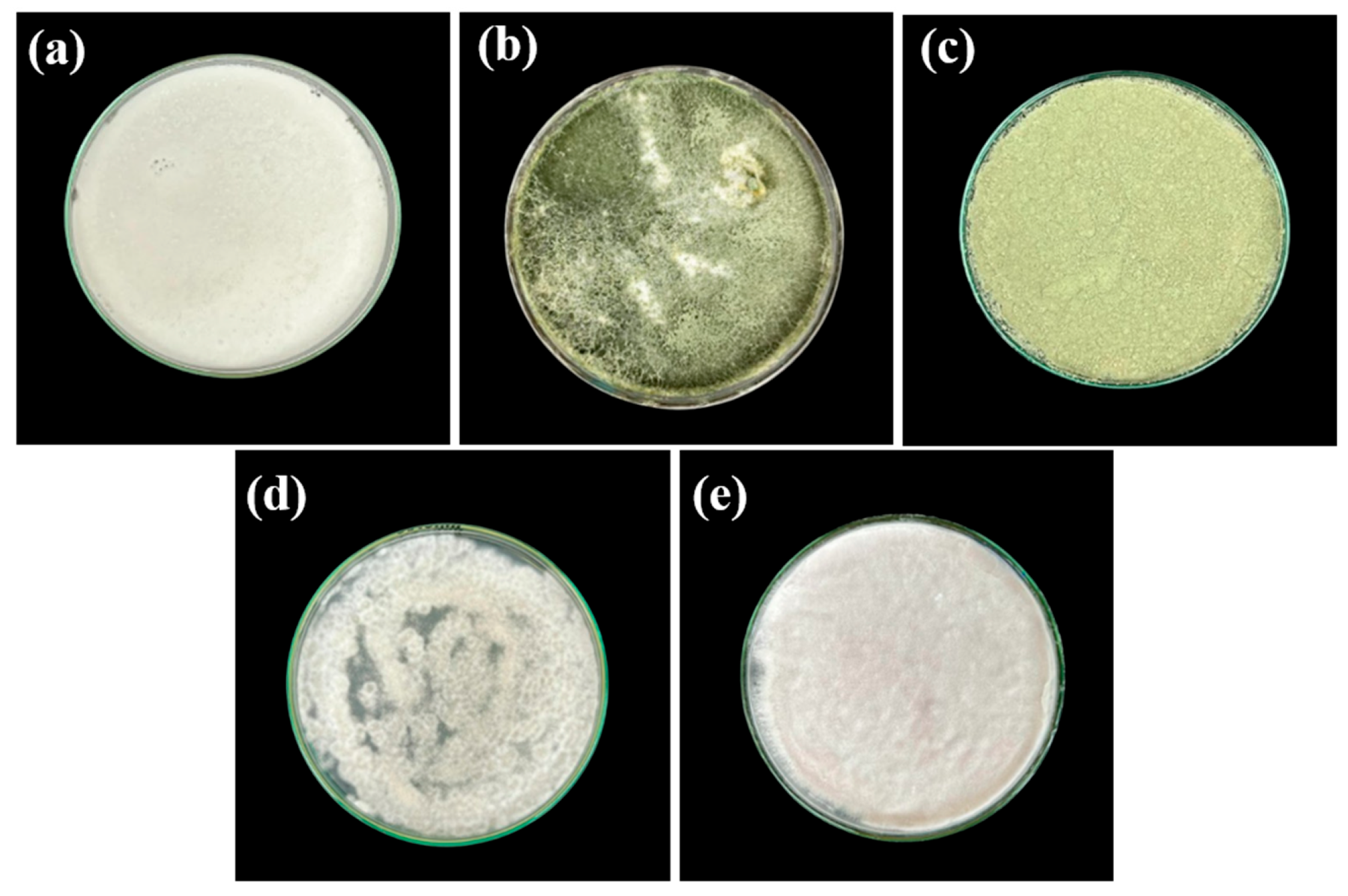
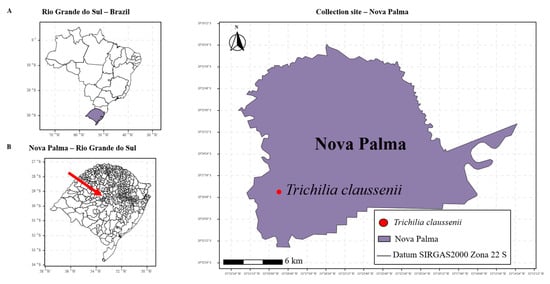
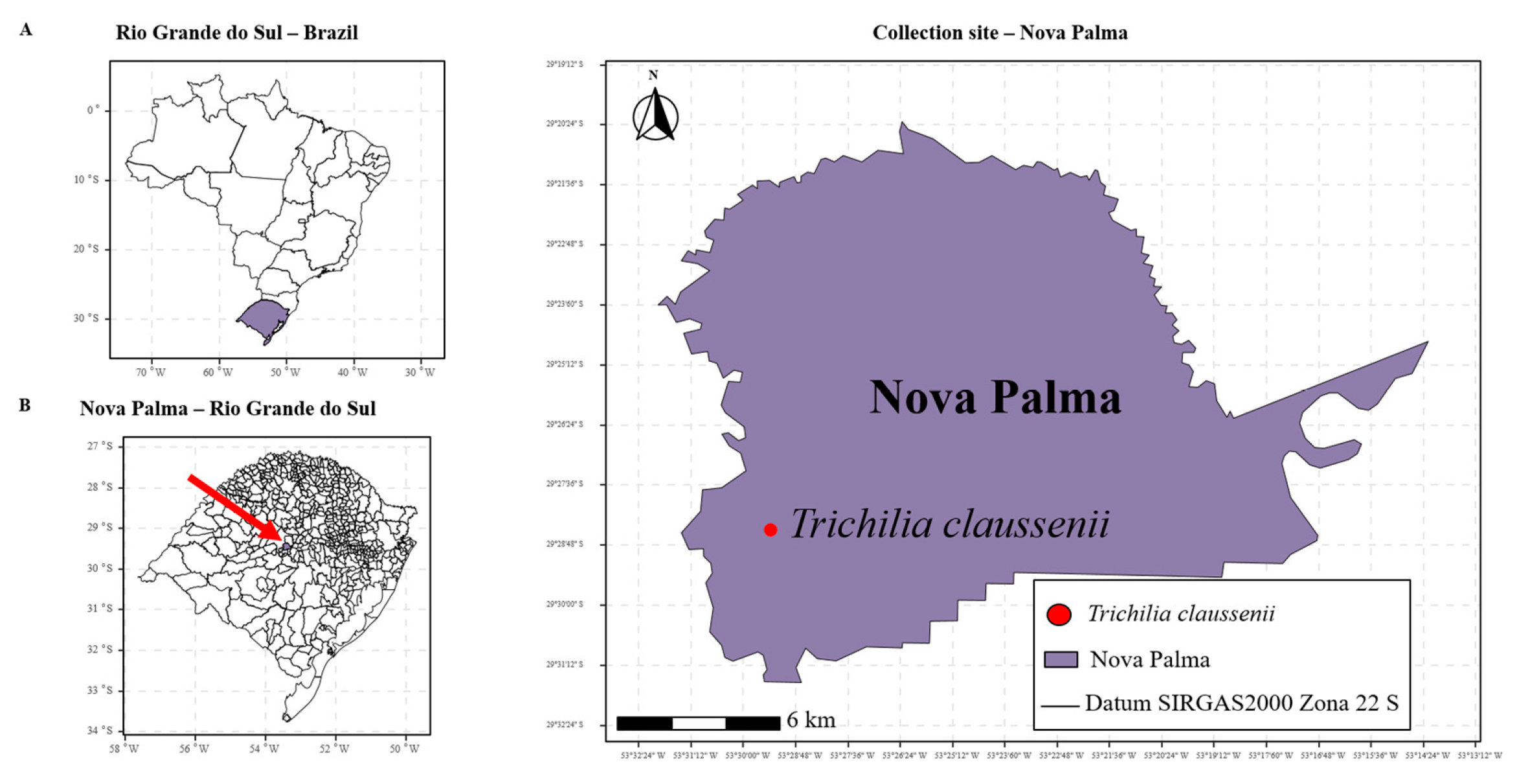
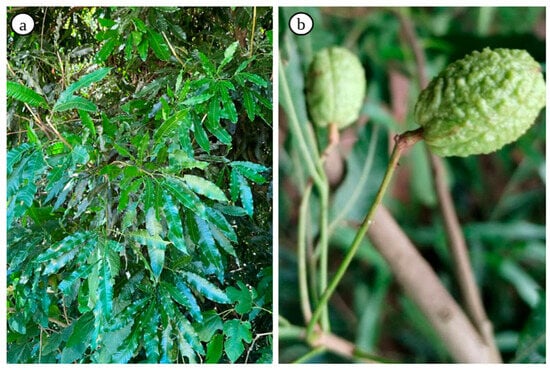
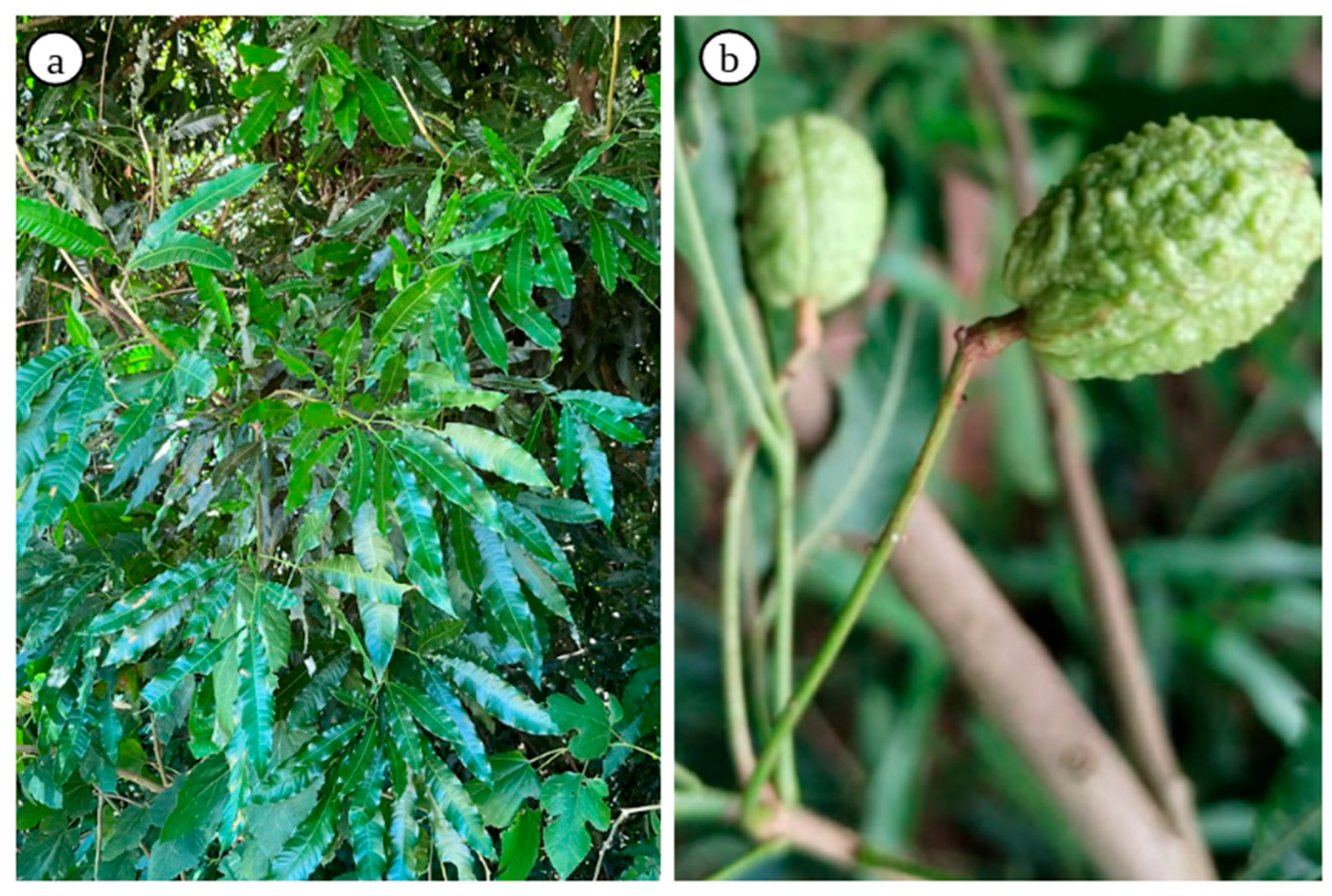
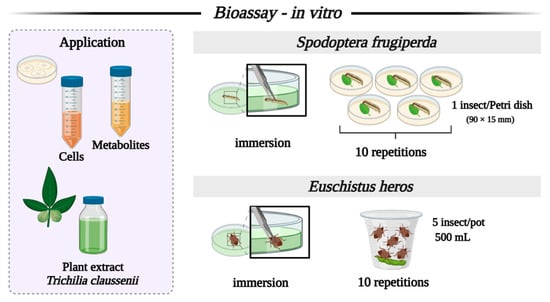
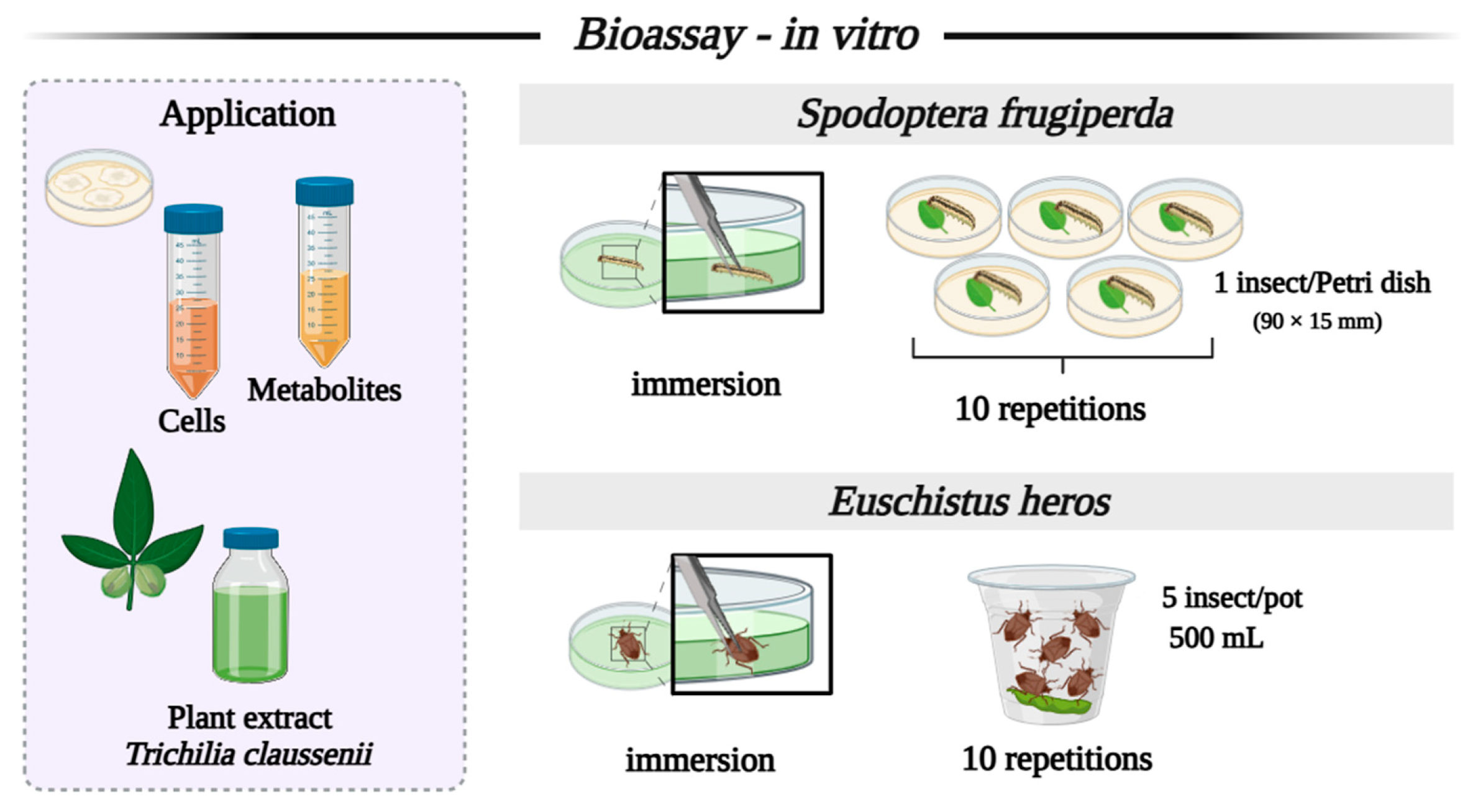
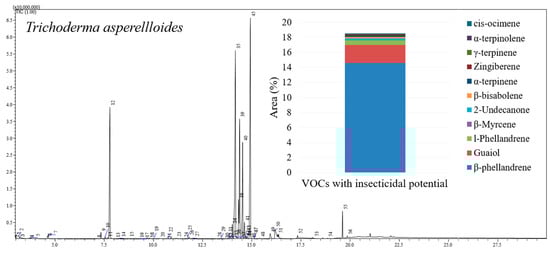
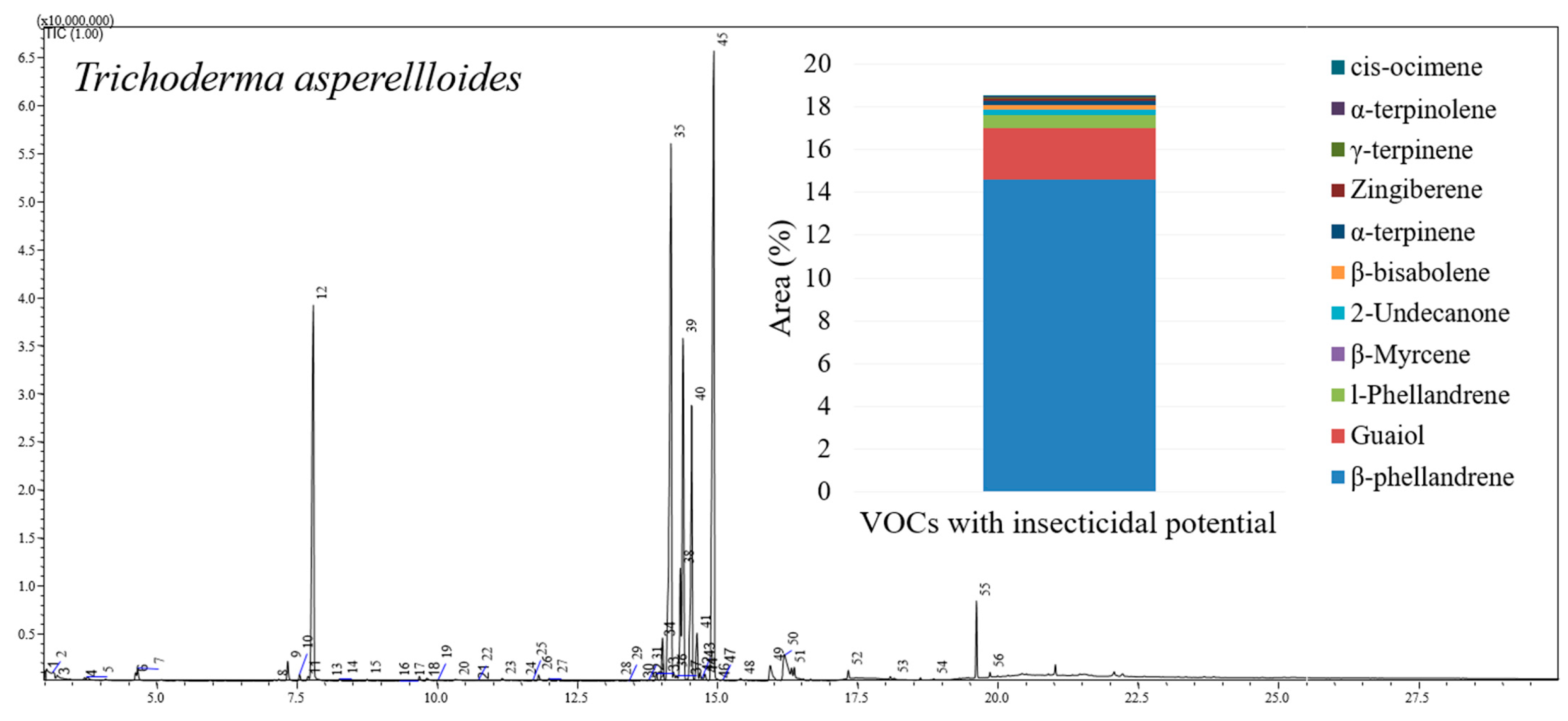
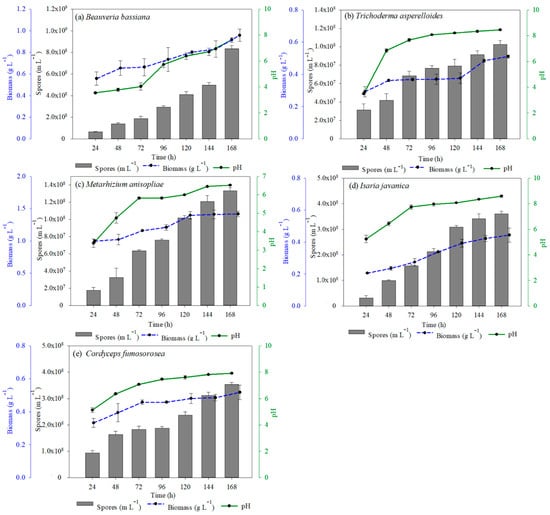
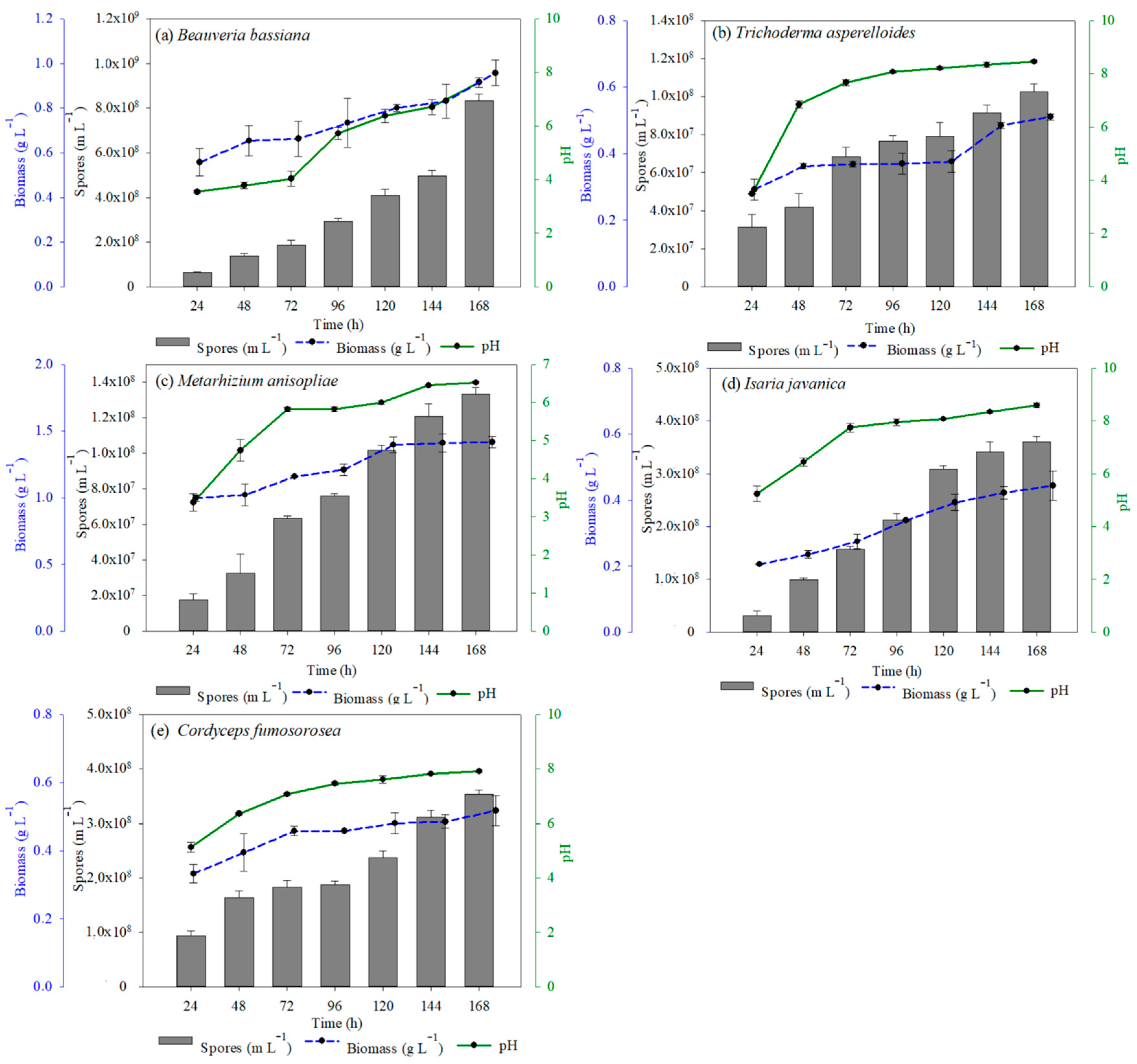
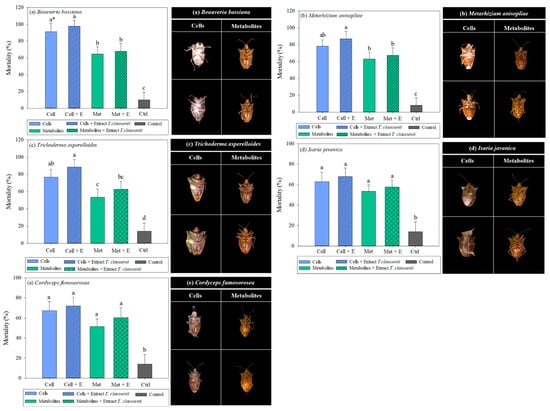
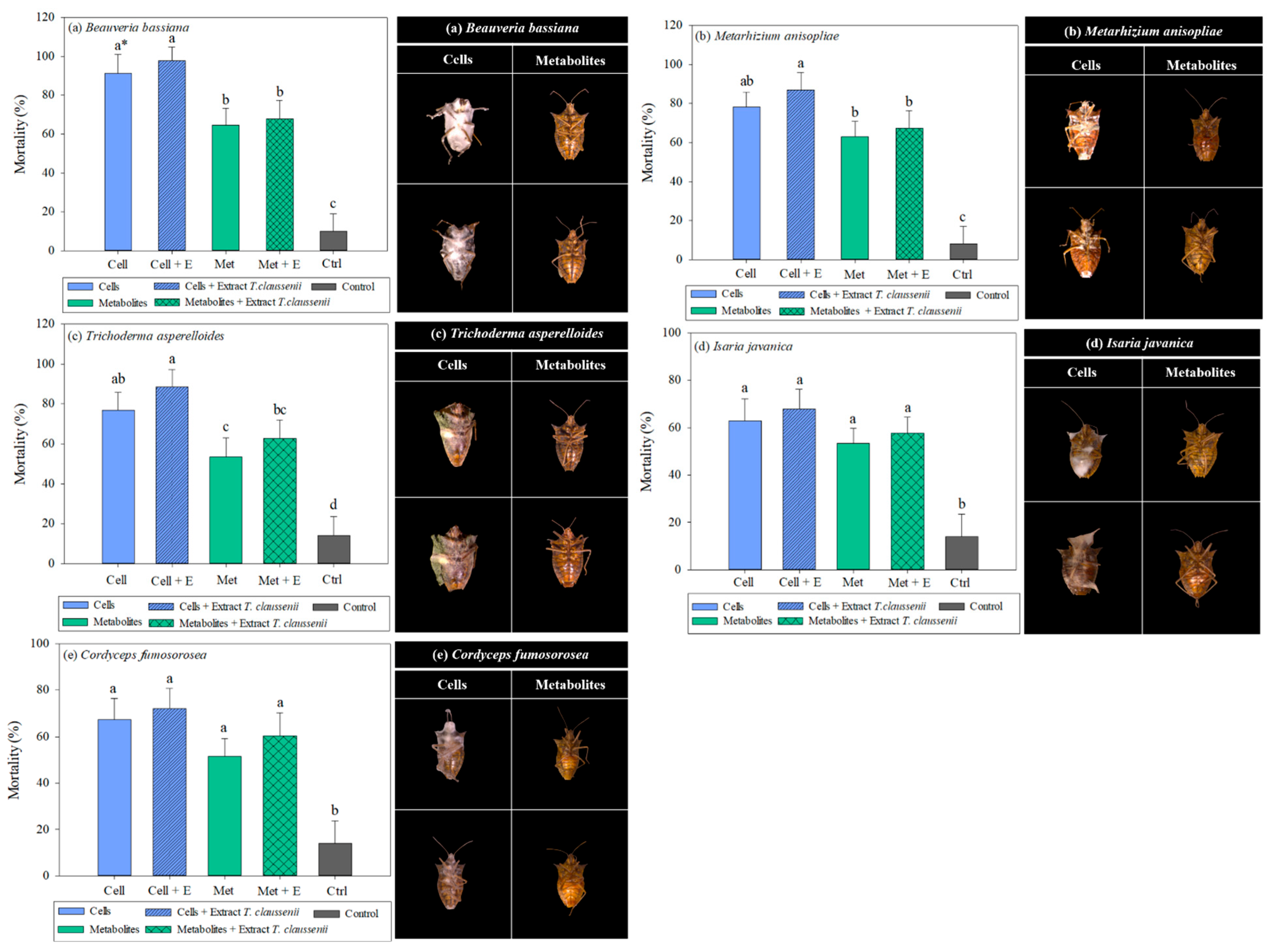
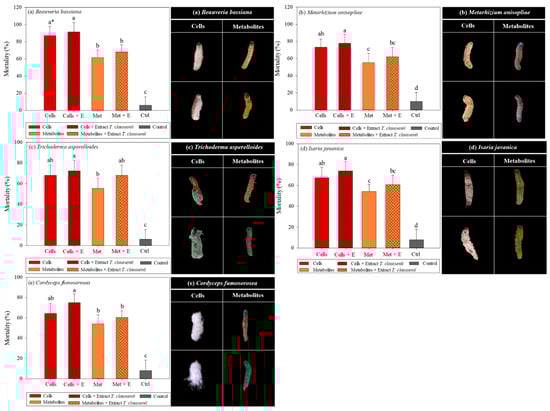
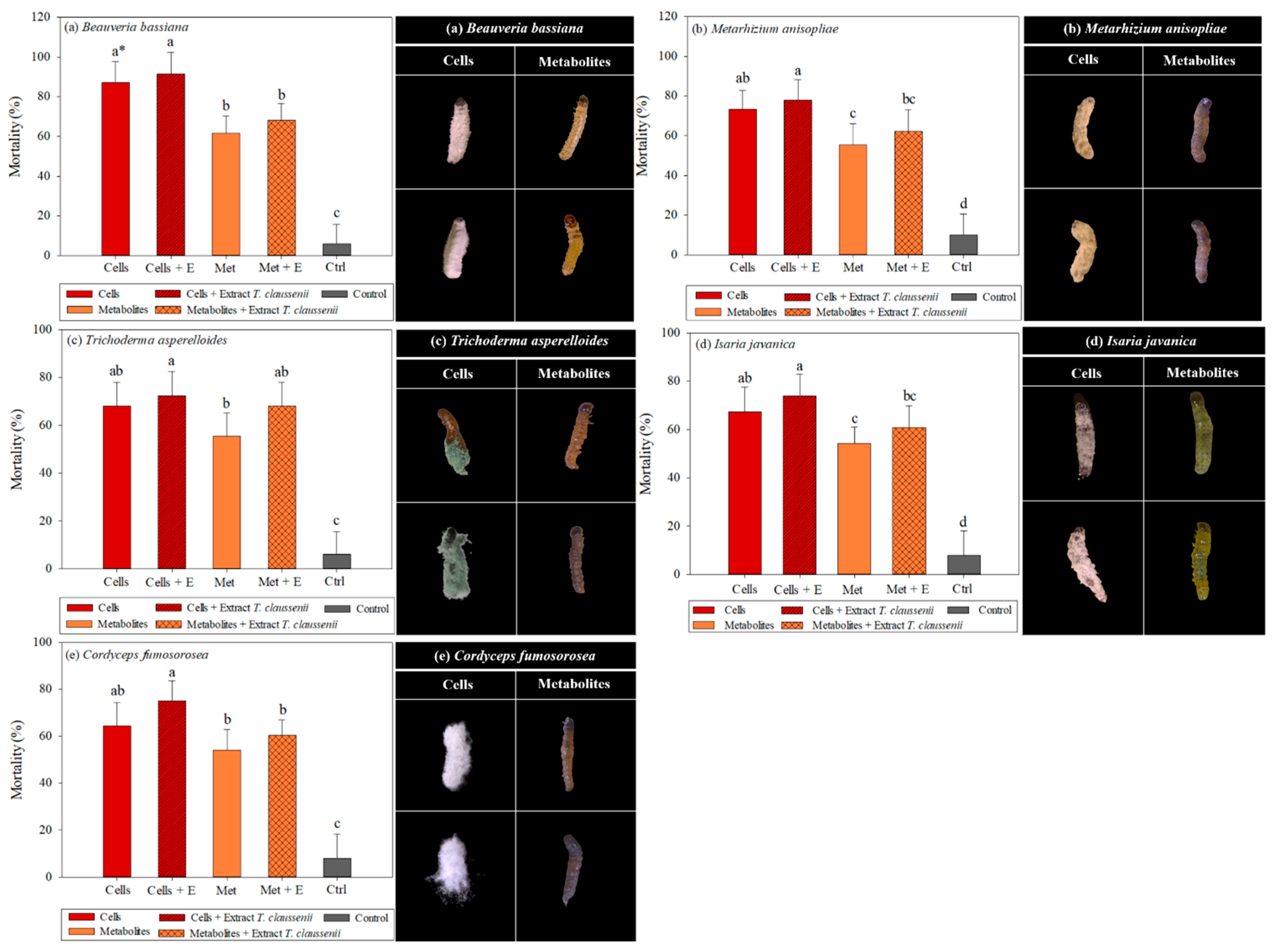

Disclaimer/Publisher’s Note: The statements, opinions and data contained in all publications are solely those of the individual author(s) and contributor(s) and not of MDPI and/or the editor(s). MDPI and/or the editor(s) disclaim responsibility for any injury to people or property resulting from any ideas, methods, instructions or products referred to in the content. |
© 2026 by the authors. Licensee MDPI, Basel, Switzerland. This article is an open access article distributed under the terms and conditions of the Creative Commons Attribution (CC BY) license.