1. Introduction
Neurodegenerative diseases, including Alzheimer’s disease (AD), Parkinson’s disease (PD), multiple sclerosis, amyotrophic lateral sclerosis, and Huntington’s disease, are progressive disorders characterized by the gradual loss of neuronal structure and function. Their global prevalence is rising, largely due to increased life expectancy and the accumulation of biological stressors such as oxidative damage, chronic inflammation, mitochondrial dysfunction, protein aggregation, and environmental factors. Despite advances in therapeutic research, effective long-term management remains challenging, particularly because many neuroprotective and symptomatic agents exhibit poor pharmacokinetic profiles and limited ability to reach the central nervous system [
1,
2,
3,
4].
Nanosized drug delivery systems have emerged as promising tools for improving therapeutic efficacy in neurodegenerative disorders [
5]. Their small dimensions, tunable surface chemistry, and ability to modulate drug release make them advantageous for crossing biological barriers, including the blood–brain barrier (BBB), and for protecting labile drugs from degradation [
6,
7]. Among noninvasive strategies, oral delivery remains the most convenient and patient-friendly route, especially for chronic conditions [
8,
9]. Orally administered drugs must inevitably pass through the stomach before reaching the small intestine or colon, the primary sites of absorption. The gastrointestinal (GI) tract presents formidable physiological, enzymatic, and mechanical barriers, including wide pH variations, digestive enzymes, mucus turnover, peristalsis, and limited epithelial permeability, all of which can compromise drug absorption and stability. Consequently, many drugs suffer from degradation, poor solubility, or limited permeability, resulting in low oral bioavailability [
10,
11,
12,
13,
14,
15,
16].
Mucoadhesive drug delivery systems offer an attractive approach to overcome these limitations. By adhering to the mucus layer that lines the GI tract, mucoadhesive polymers prolong the residence time of the formulation at the absorption site, enhance drug stability and bioavailability, and enable sustained release [
17,
18]. These systems can be engineered to target specific GI regions and can also facilitate transmucosal absorption, thereby bypassing hepatic first-pass metabolism [
19,
20]. A suitable polymeric material for mucoadhesive formulations should exhibit the following characteristics: (i) the presence of strong anionic or cationic functional groups; (ii) sufficiently high molecular weight; (iii) favorable interfacial properties for mucus penetration; (iv) high polymer chain mobility; (v) high drug-loading capability; (vi) pronounced swelling behavior in aqueous media; (vii) strong interaction with the mucosal layer; (viii) allow prolonged release of therapeutic agents; and (ix) biodegradability [
21].
Hydrophilic polymers containing hydroxyl, carboxyl, or amino groups, such as chitosan, pectin, alginate, and cellulose derivatives, are commonly employed due to their capacity to interact with mucin glycoproteins through hydrogen bonding and electrostatic interactions [
22]. Nevertheless, many conventional mucoadhesive polymers suffer from limitations related to pH sensitivity, poor mechanical stability, or reduced biodegradability, which may restrict their long-term applicability. As detailed by Twana Mohammed M. Way et al., although chitosan has been extensively explored as a mucoadhesive polymer, its limited solubility and reduced mucoadhesive performance at neutral and basic pH significantly constrain its effectiveness under physiological conditions. Numerous chitosan derivatives such as quaternized, thiolated, carboxymethylated, and cyclodextrin-grafted chitosans have been developed to address these limitations; however, their synthesis often involves complex chemical modifications that raise concerns regarding reproducibility, stability, and scalability, highlighting the need for alternative, more robust mucoadhesive platforms [
23]. Also, chitosan, carries a high density of positive charges and may disrupt cell membranes by interacting with the negatively charged bilayer [
24]. Myung-Kwan Chun et al. reported that poly(vinyl pyrrolidone) (PVP)–poly(acrylic acid) (PAA) interpolymer complexes exhibit enhanced mucoadhesion and reduced solubility under acidic conditions due to hydrogen bonding, making them suitable for gastric transmucosal drug delivery. However, their performance remains strongly pH-dependent, with limited applicability outside acidic environments, and relies on non-covalent interactions that may be destabilized under physiological conditions. In addition, rapid dissolution or erosion at higher pH and restricted control over long-term drug release limit their broader transmucosal applicability [
25]. As mentioned, first-generation mucoadhesive polymers, including cationic chitosan and anionic PAA, rely on non-covalent interactions, making them highly sensitive to pH, ionic strength, and mucus turnover, which limits residence time and drug delivery efficiency. Second-generation systems, such as lectins or thiolated polymers, provide stronger, targeted adhesion via covalent or receptor-mediated interactions; however, many lectins are immunogenic or toxic, and thiomers may offer limited control over drug release due to increased crosslinking and rigidity [
26]. To address these challenges, increasing attention has been directed toward polysaccharide-based carriers, particularly dextrin and cyclodextrin derivatives. These starch-based materials are biodegradable, biocompatible, and structurally versatile, enabling precise modulation of physicochemical properties through chemical modification or crosslinking [
27].
Cyclodextrins (CDs) are cyclic oligosaccharides composed of α-(1,4)-linked D-glucopyranose units, characterized by a hydrophilic outer surface and a lipophilic internal cavity that enables host–guest inclusion complex formation. Linecaps (LC) and Glucidex
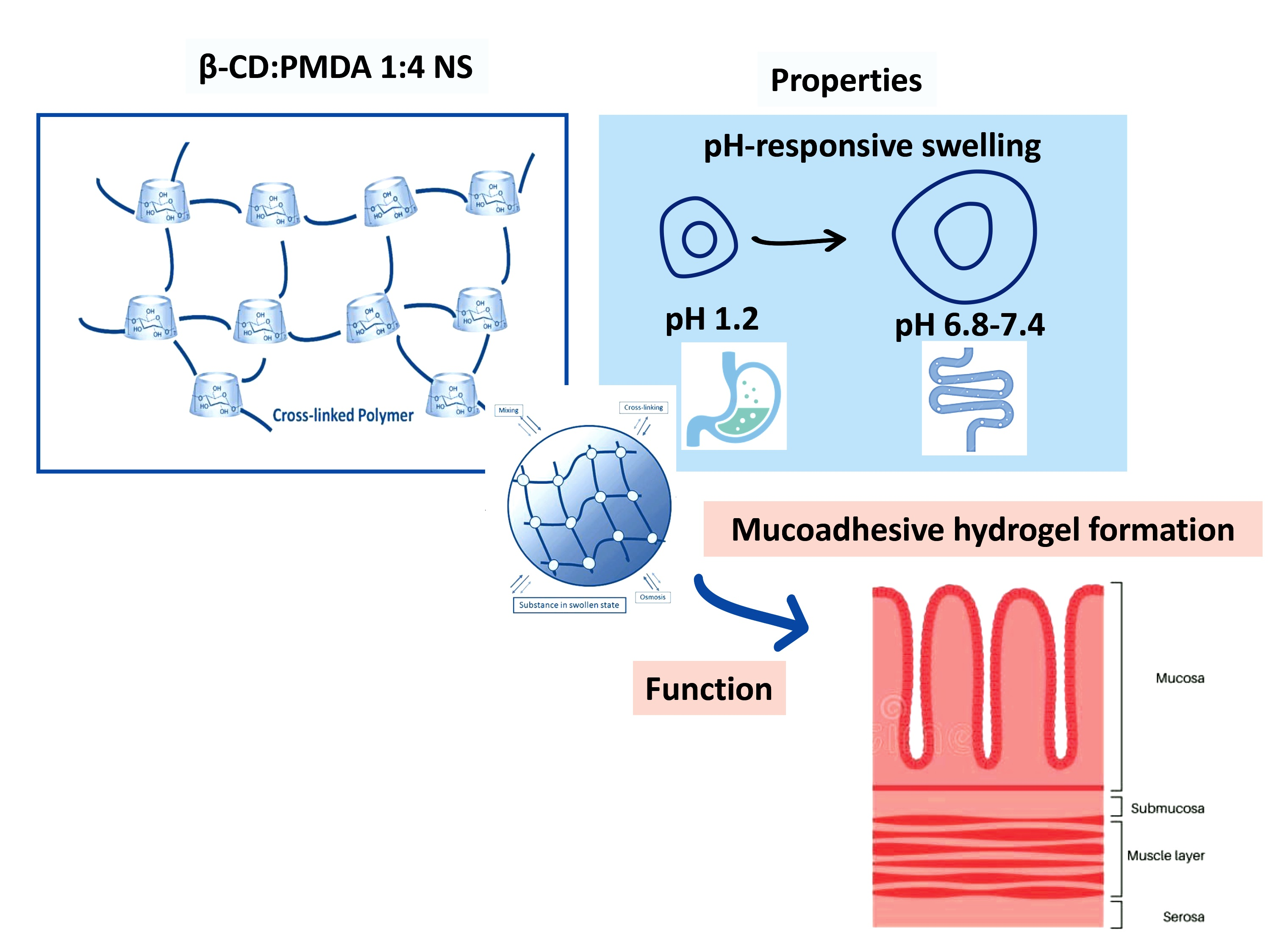
® (GLU2) are linear dextrins (maltodextrins) derived from starch hydrolysis, consisting mainly of α-(1,4)-linked glucose units and exhibiting strong hydration, swelling, and intrinsic mucoadhesive behavior. While dextrins provide structural hydration and adhesion, CDs enhance drug solubility and protect labile compounds from oxidative or enzymatic degradation through inclusion complexation. Polymerization of cyclodextrin and dextrin units using multifunctional crosslinking agents yields cyclodextrin-based nanosponges, three-dimensional, crosslinked networks with tunable swelling, pH-responsive behavior, and high drug-loading capacity. These combined properties make dextrin- and cyclodextrin-based nanosponges particularly suitable for oral drug delivery systems requiring controlled release, enhanced stability, and protection against harsh gastrointestinal conditions [
28,
29,
30,
31,
32,
33,
34,
35,
36]. The pH-responsive behavior of these polymers arises from the presence of ionizable functional groups, such as carboxyl (–COOH) and hydroxyl (–OH) moieties. pH-responsive polymers are considered smart biomaterials, as they can be rationally designed to exhibit site-specific responses to defined pH ranges, enabling controlled drug release through pH-dependent swelling [
37]. pH-responsive polymers contain ionizable functional groups, such as –COOH and –OH, which enable site-specific responses to changes in pH through swelling, thereby allowing controlled drug release. Although pH-sensitive hydrogels are widely used in drug delivery and other applications, challenges remain in achieving stable performance across acidic and basic conditions, maintaining mechanical stability during swelling, and ensuring degradation within a desired timeframe [
38,
39]. Apomorphine (APO), a potent dopamine agonist used in the management of Parkinson’s disease, exemplifies the challenges associated with oral delivery. The molecule is chemically unstable, undergoing rapid oxidative degradation in aqueous media, and shows extreme sensitivity to pH, temperature, and light. Moreover, APO exhibits very low oral bioavailability (<4%) due to extensive hepatic first-pass metabolism, necessitating frequent subcutaneous injections or continuous infusion. These administration strategies are burdensome for patients and may negatively affect compliance, especially in advanced stages of the disease. A mucoadhesive, pH-responsive delivery platform capable of stabilizing APO and sustaining its release through the GI tract could significantly improve therapeutic management [
40,
41,
42].
In this context, as physiological conditions are associated with site-specific pH variations, dextrin-based nanosponges crosslinked using pyromellitic dianhydride (PMDA) and citric acid (CA) offer a promising alternative. Their hydrophilic, multifunctional network, rich in hydroxyl and carboxyl groups, supports strong swelling, water uptake, and mucoadhesion. By modulating the dextrin-to-crosslinker molar ratios, it is possible to finely tune network architecture, cross-linking density, rheological behavior, and pH sensitivity. These properties are essential for designing oral delivery carriers that can withstand gastric conditions while enabling targeted release in the intestinal environment.
This study aims to synthesize and characterize pH-sensitive dextrin-based nanosponges crosslinked with PMDA and CA and to evaluate their swelling behavior, rheological properties, mucoadhesive performance, and in vitro drug release. The goal is to establish a polymeric platform suitable for oral administration of unstable or poorly bioavailable drugs, with particular relevance to therapeutic agents used in neurodegenerative diseases such as PD.
3. Conclusions
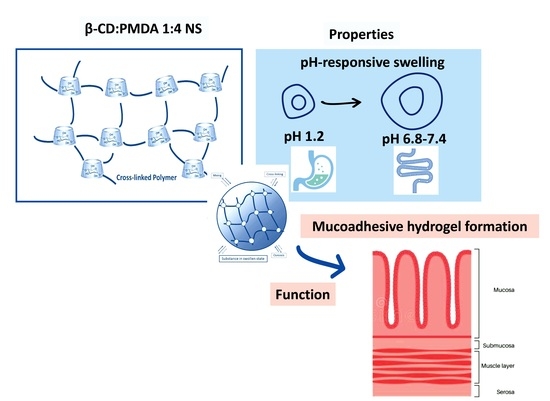
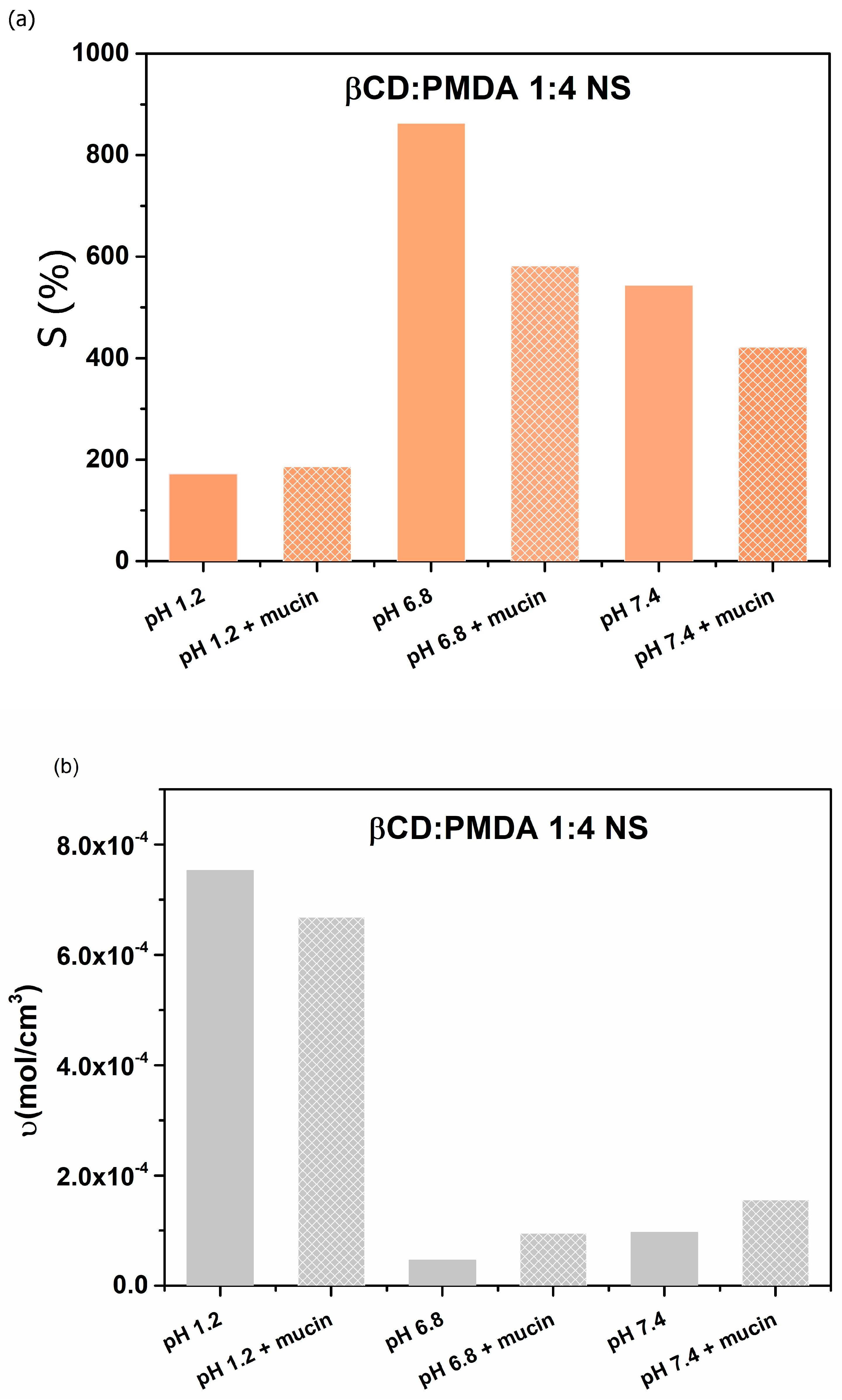
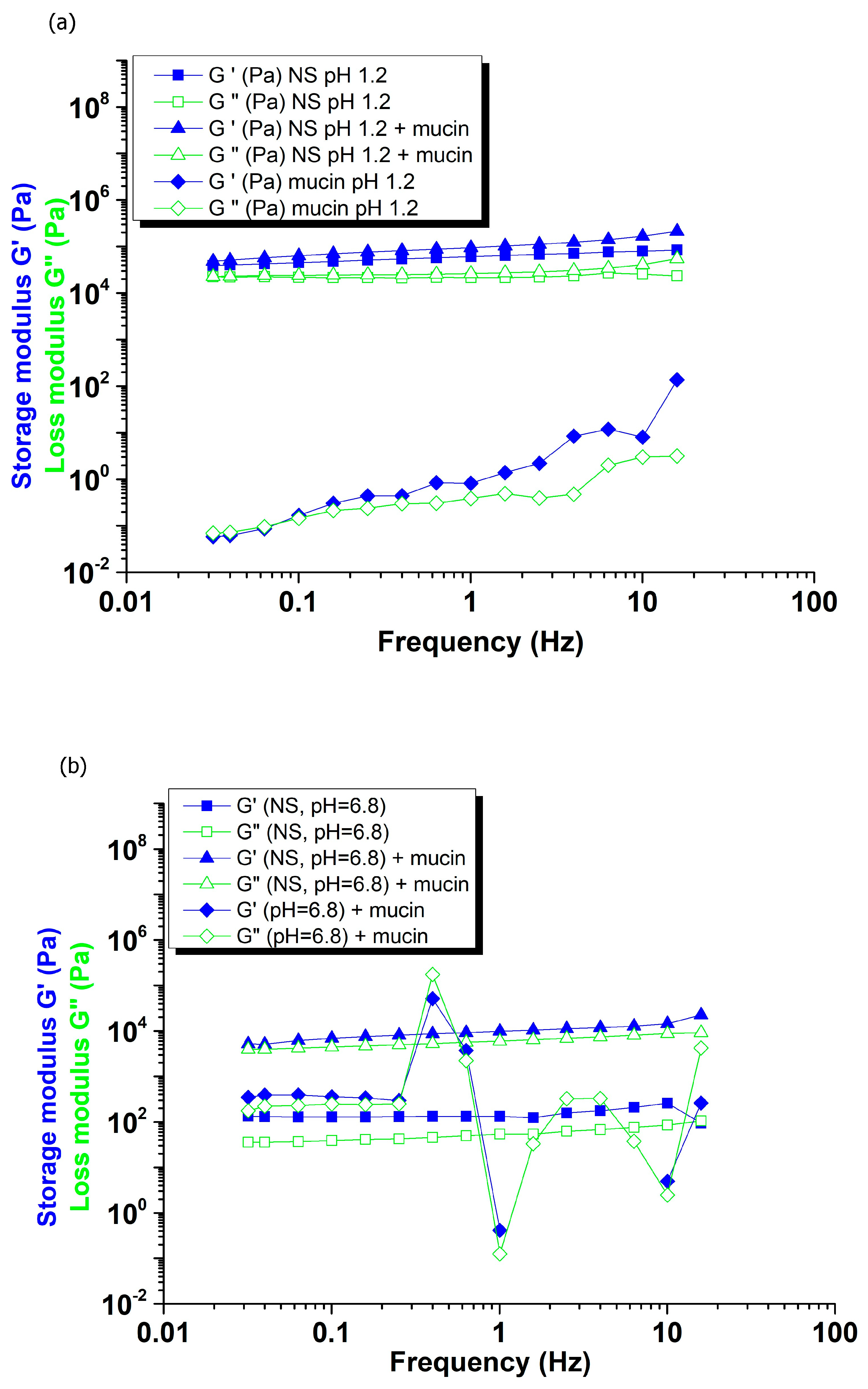
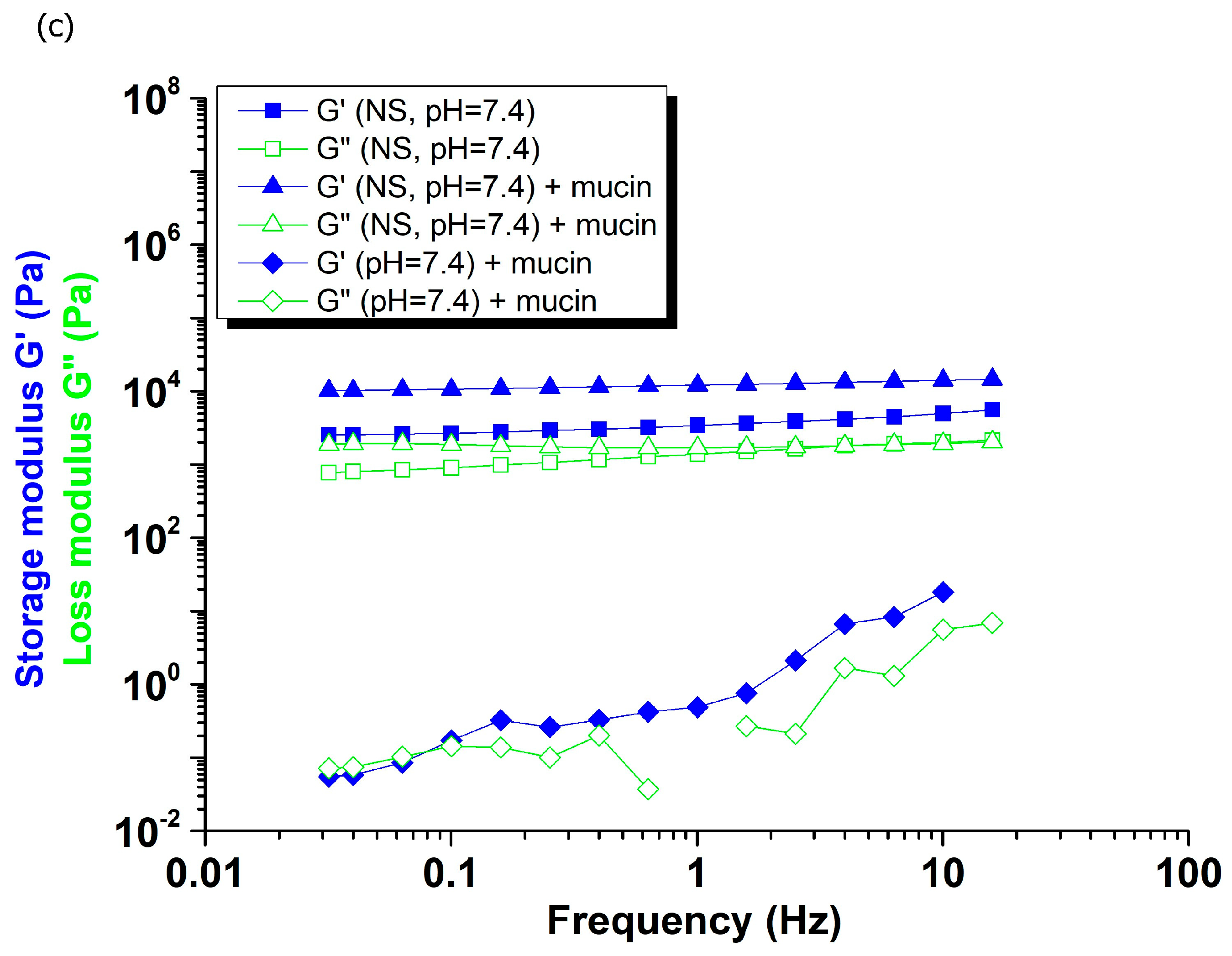
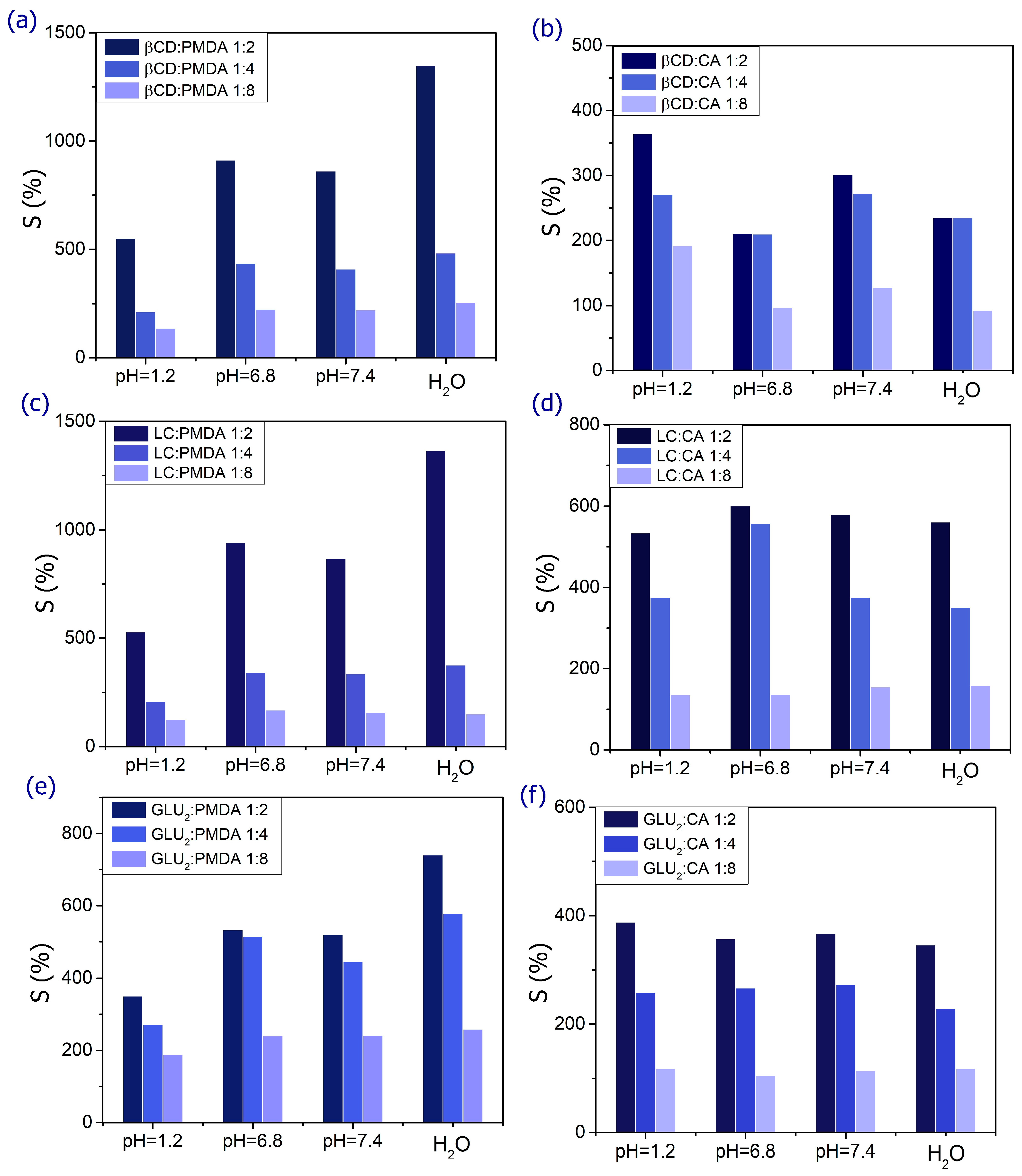
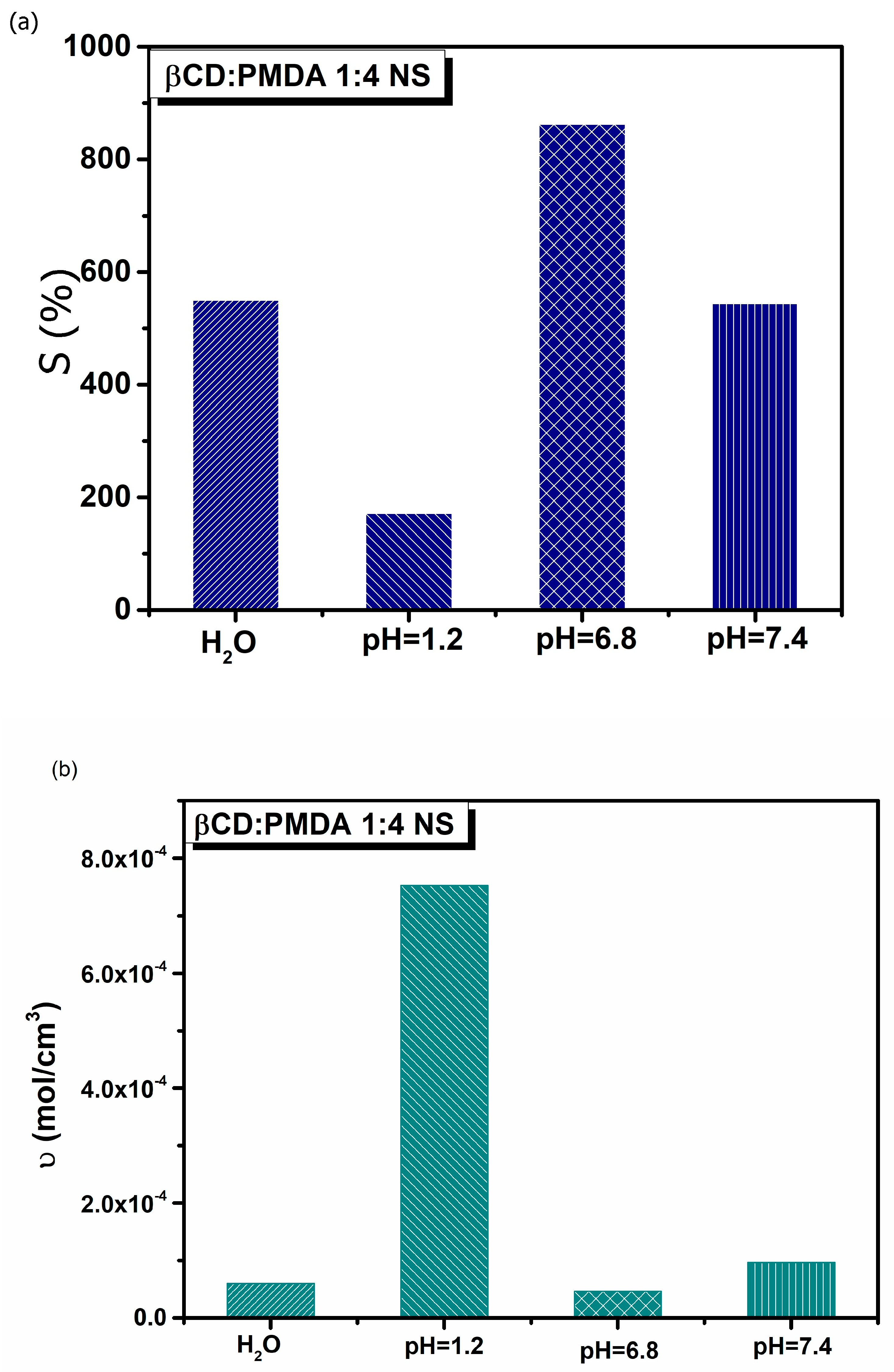
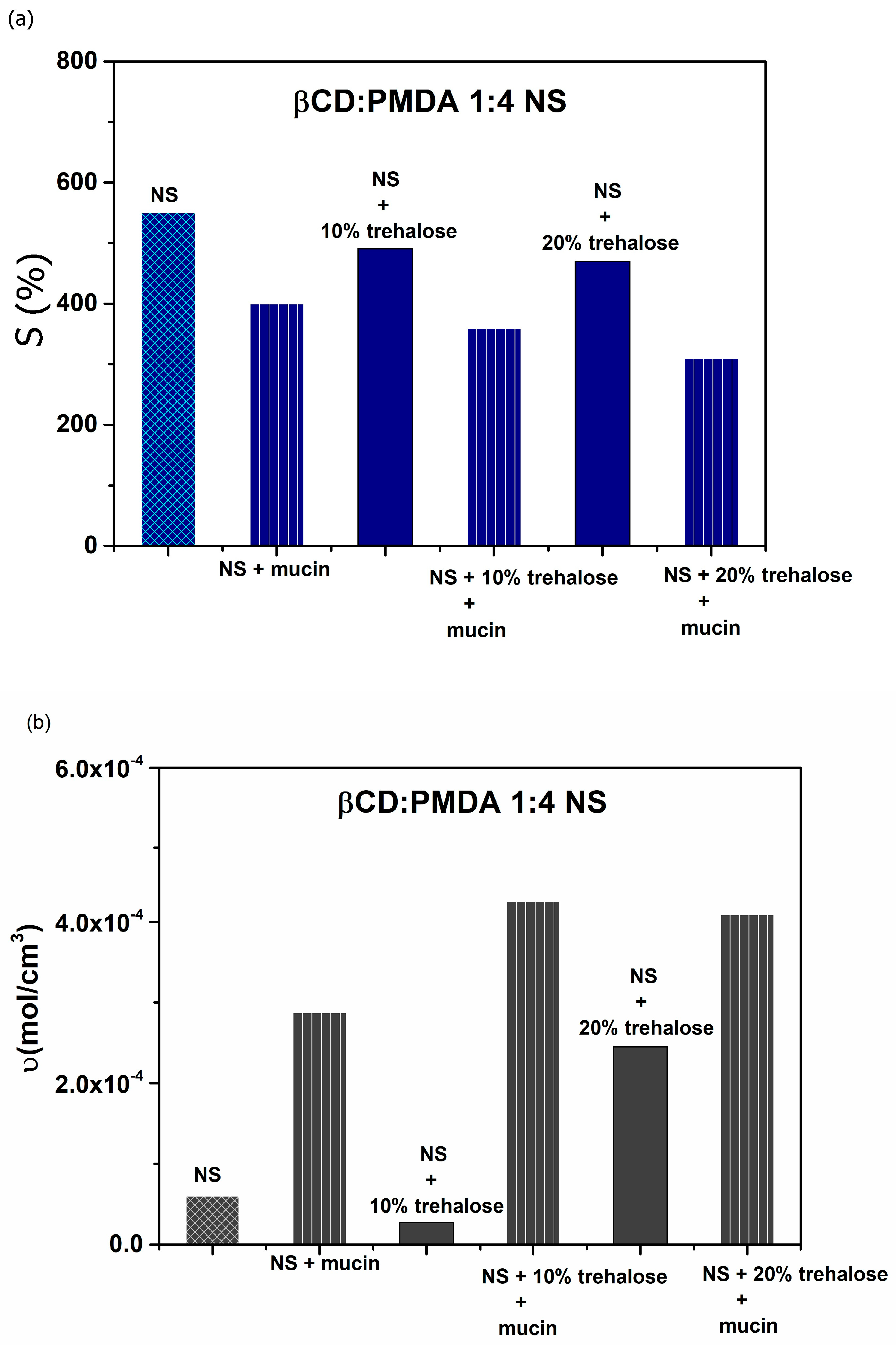
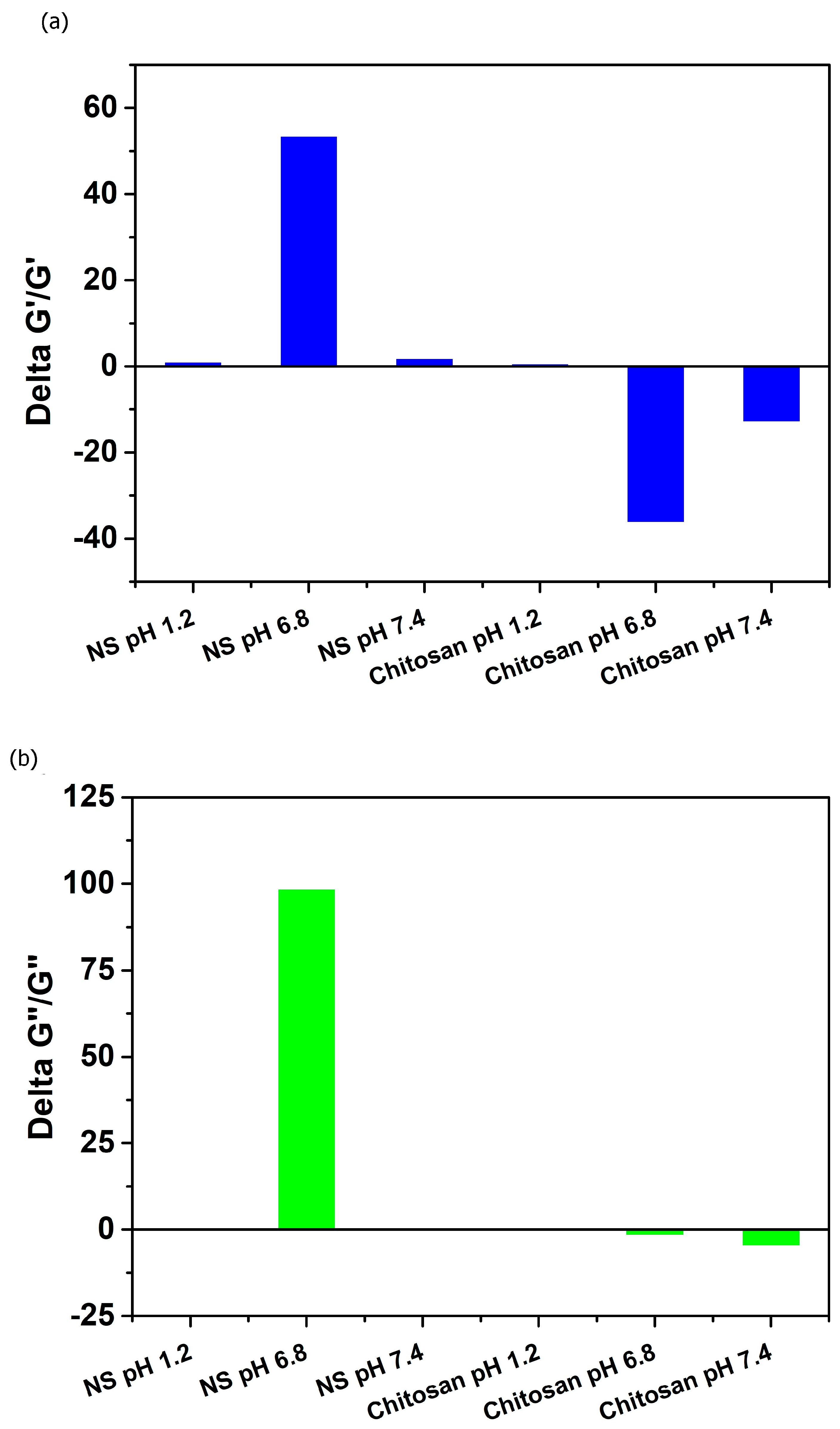
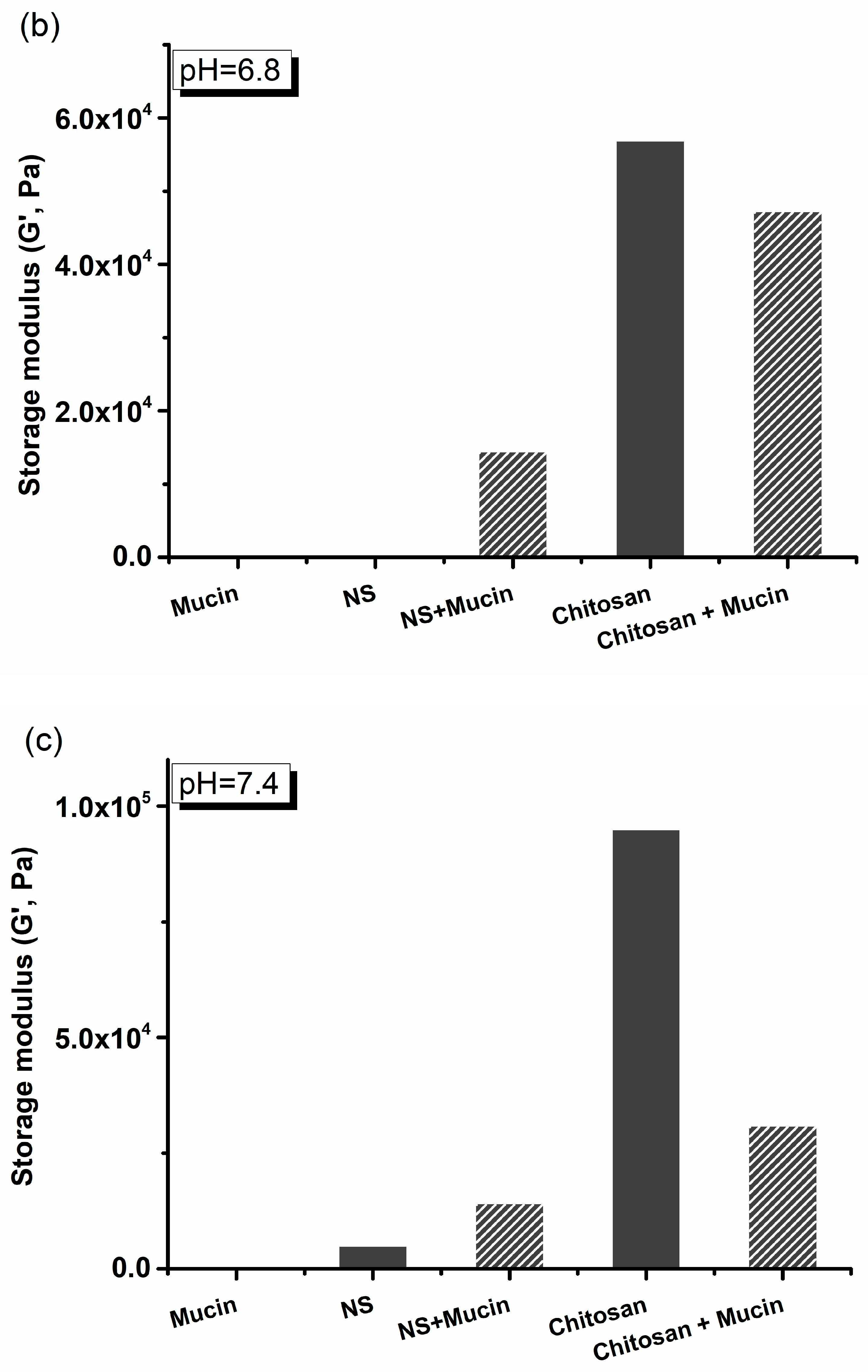
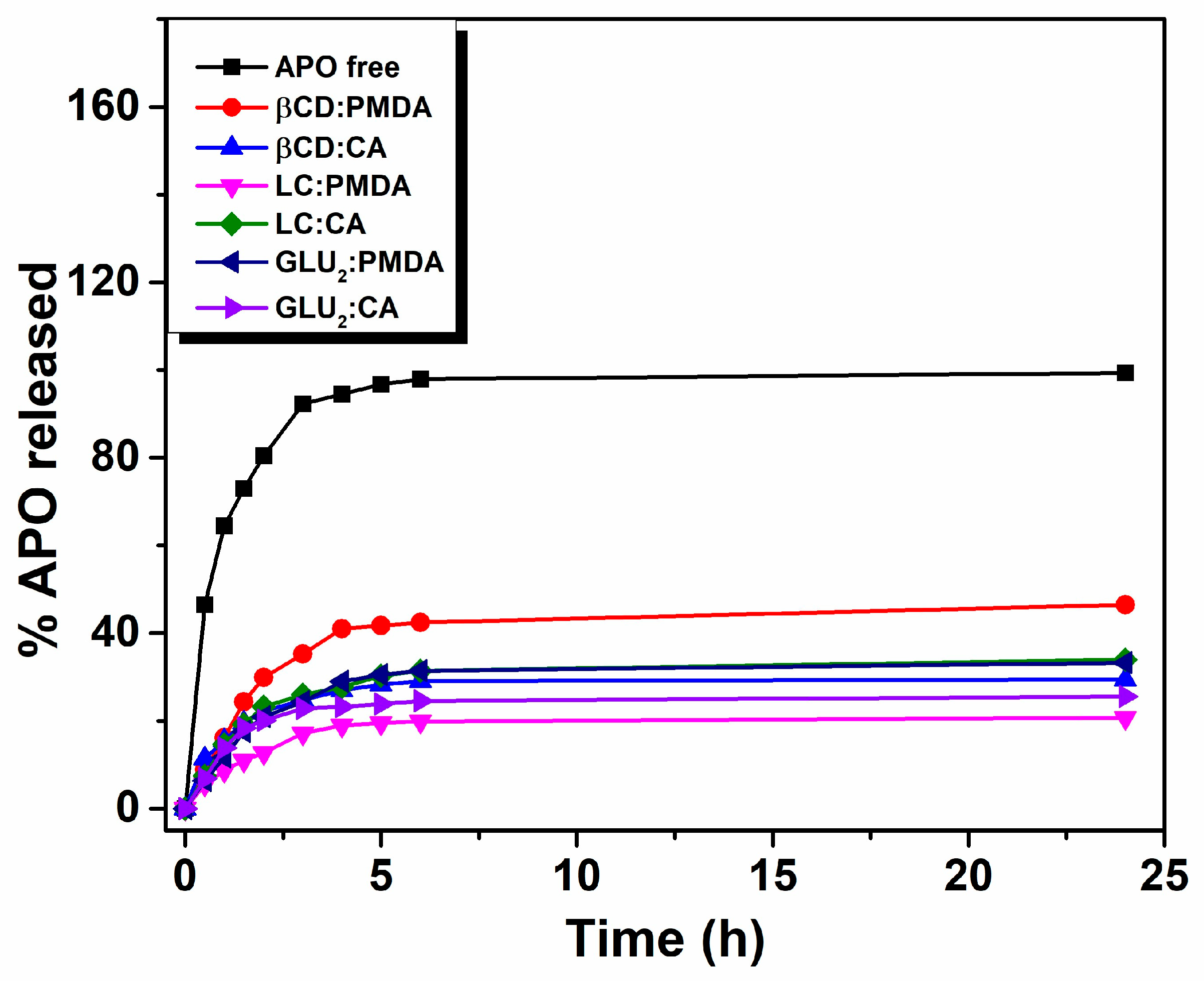
A series of dextrin-based nanosponges (D-NS) was successfully synthesized using β-CD, GLU2, and LC as building blocks, with pyromellitic dianhydride (PMDA) and citric acid (CA) as cross-linking agents at varying stoichiometric ratios (1:2, 1:4, and 1:8). The resulting polymers exhibited pH-responsive and mucoadhesive properties, attributed to their carboxylic and saccharide functional groups, and they demonstrated the ability to form stable hydrogels under physiological conditions. After top-down processing (ball milling or high-pressure homogenization), particle sizes were reduced to 178–442 nm with uniform distributions (PDI 0.11–0.30) and stable surface charges (−16.00 to −32.60 mV). Swelling studies revealed a pH-dependent behavior (simulated gastric fluid, pH 1.2, and simulated intestinal fluids, pH 6.8 and pH 7.4), with reduced swelling under acidic conditions due to enhanced hydrogen bonding and cross-linking, while physiological pH promoted higher expansion through electrostatic repulsion. The presence of mucin further decreased swelling, confirming polymer–mucin interactions. Rheological synergism analysis identified β-CD:PMDA 1:4 NS as the most mucoadhesive formulation, showing the highest positive ΔG′/G′ values at pH 6.8. β-CD-, GLU2-, and LC-based nanosponge (NS) showed high apomorphine (APO) loading (6.86–8.23%) and encapsulation efficiency (75.5–90.6%). Stability studies at 4 °C for six months revealed no changes in physicochemical properties or APO degradation, indicating effective protection by the polymer matrix. In vitro release studies demonstrated slow, sustained APO release from D-NS compared to rapid diffusion of the free drug. These findings highlight the potential of β-CD:PMDA 1:4 NS as a promising mucoadhesive carrier for oral drug delivery. Its pH sensitivity, controlled swelling, and strong interaction with mucin suggest suitability for sustained release applications targeting the gastrointestinal tract. Future studies will focus on drug loading efficiency, in vivo pharmacokinetics, and bioavailability to validate the effectiveness of β-CD:PMDA 1:4 NS and other D-NS formulations for oral administration. In addition, more detailed investigations will be conducted on these pH-sensitive, mucoadhesive polymers to assess their potential in neurodegenerative disease therapy.
4. Materials and Methods
4.1. Materials
β-cyclodextrin (β-CD, Mw = 1134.98 g/mol), GluciDex®2 (GLU2, DE value of 2; Mw = ~200,000 g/mol), and KLEPTOSE® Linecaps (LC, Mw = ~12,000 g/mol) (kindly supplied as a gift by Roquette, Lestrem, France), are used as building blocks, whereas pyromellitic dianhydride (PMDA) and citric acid (CA) as multifunctional cross-linking agents. Anhydrous β-CD, LC, and GLU2 were kept in an oven prior to use. Pyromellitic dianhydride (PMDA, 97.00%); dimethylsulfoxide (DMSO, ≥99.90%); triethylamine (Et3N, ≥99.00%); acetone (C3H6O, ≥99.00% (GC)), sodium hypophosphite monohydrate (NaPO2H2*H2O, ≥99.00%), hydrochloric acid (HCl, 37.00%); sodium hydroxide (NaOH, pellets); mucin (from porcine stomach), chitosan (low molecular weight), sodium chloride (NaCl, ACS, ISO, Reag. Ph Eur), potassium chloride (KCl, ≥99.50% (AT)), are all purchased from Sigma-Aldrich (Darmstadt, Germany). The citric acid (C6H8O7, 99.90%) is purchased from VWR Chemicals BDH (Milano, Italy). Disodium hydrogen phosphate dodecahydrate (Na2HPO4*2H2O, 99.00%) and potassium phosphate monobasic (KH2PO4, 98.00%) are purchased from Italia Carlo Erba S. P. A (Milano, Italy). Simulated gastric fluid (SGF, pH 1.2) is prepared by dissolving 1.00 g of NaCl and adding 3.50 mL of concentrated HCl, then diluting the solution to 500 mL with deionized water. Simulated intestinal fluid (SIF, pH 6.8) is prepared by mixing 6.80 g of KH2PO4 in 250 mL of water with 0.94 g of NaOH dissolved in 118 mL of water, and then diluting the mixture to a final volume of 500 mL. Simulated intestinal fluid (SIF, pH 7.4) is prepared by dissolving 4.00 g of NaCl, 0.10 g of KCl, 0.90 g of Na2HPO4·2H2O, and 0.12 g of KH2PO4 in 500 mL of deionized water. Deionized water and water purified by reverse osmosis (MilliQ water, Millipore, Burlington, MA, USA) with a resistivity above 18.20 MΩcm−1, and dispensed through a 0.22 μm membrane filter, are used throughout the studies.
4.2. Synthesis of Dextrin-Based Polymers
Dextrin-based nanosponges (D-NS) are chemically cross-linked polymers formed through the reaction of dextrin building blocks with a suitable cross-linking agent under defined conditions (
Figure S1 in Supplementary Materials).
4.2.1. Synthesis of PMDA-Based D-NS
The synthesis was performed as previously described [
33]. Initially, 4.89 g of anhydrous β-CD, GLU
2, or LC was dissolved in 20 mL of dimethyl sulfoxide (DMSO, ≥99.9%) in a round-bottom flask. After obtaining a homogeneous solution, 2.5 mL of triethylamine (Et
3N, ≥99%) was added to catalyze the reaction, followed by the addition of pyromellitic dianhydride (PMDA, 97%) as the cross-linking agent in molar ratios of 2, 4, or 8 per glucose unit (
Table 7). The polymerization reaction occurred rapidly at room temperature, and after 24 h, the resulting solid product was collected and purified by Büchner filtration using Whatman No. 1 filter paper (Whatman, Maidstone, UK). The by-products were subsequently removed by Soxhlet extraction with acetone for approximately 48 h. Finally, a homogeneous white powder of PMDA-based D-NS was obtained, with a yield exceeding 95%.
4.2.2. Synthesis of CA-Based D-NS
The synthesis was performed as previously described [
43]. The nanosponge was synthesized by dissolving 4.40 g of anhydrous β-CD, GLU
2, or LC in 15 mL of deionized water, followed by the addition of 0.80 g sodium hypophosphite monohydrate (SHP, ≥99%) as a catalyst and citric acid (CA, 99.9%) as the cross-linking agent at molar ratios of 2, 4, or 8 per glucose unit (
Table 7). The reaction was carried out under vacuum in an oven at 140 °C and 100 °C until a solid, insoluble mass was formed. The resulting solid was purified by Büchner filtration with deionized water and acetone to eliminate by-products. Ultimately, a homogeneous white powder of CA-based D-NS was obtained, with a yield of 60%.
4.3. Characterization
The prepared polymers were analyzed by the following techniques:
Fourier-Transform Infrared Spectroscopy (FTIR) Analysis—by a Perkin Elmer Spectrum Spotlight 100 FTIR spectrophotometer equipped with Spectrum software (Application Version: 10.03.05.0099) (PerkinElmer, Waltham, MA, USA). The FTIR spectra were collected in the spectral range of 4000–650 cm−1, at a spectral resolution of 4 cm−1, and 8 scans per sample/background. The measurements were performed using a versatile Attenuated Total Reflectance (FTIR-ATR) sampling accessory equipped with a diamond crystal plate.
Thermogravimetric Analysis (TGA)—using a TA Instrument Thermogravimetric Analyzer (TGA), Q500 (TA Instruments, New Castle, DE, USA). About 10 mg of each sample was placed in an aluminum pan and heated from room temperature to 800 °C at a ramp rate of 10 °C/min under a nitrogen (N2) atmosphere. Gas flow rates of 40 mL/min in the balance section and 60 mL/min in the furnace section were applied.
Zeta Potential and Particle Size Analyses—Dynamic light scattering (DLS) measurements were performed using a Malvern Zetasizer Nano ZS, with data acquisition and analysis conducted through DTS Version 5.03 software (Malvern Instruments Ltd., Worcestershire, UK). Approximately 1 mg of the sample was dispersed in 1 mL of Milli-Q water, and the average particle sizes were reported as intensity-weighted distributions based on hydrodynamic diameters (dH).
4.4. Swelling Studies
The swelling kinetics of the synthesized nanosponges were evaluated by monitoring their weight gain upon immersion in deionized water and in aqueous media at pH 1.2, 6.8, and 7.4. For these measurements, 0.3 g of dry powder was immersed in deionized water, simulated gastric fluid (pH 1.2), and simulated intestinal fluids (pH 6.8 and 7.4) in 15 mL test tubes. The samples were initially homogenized using a vortex mixer, after which the test tubes were sealed and maintained at room temperature. Upon reaching equilibrium swelling, the mixtures were centrifuged to separate the water-bound material from the unabsorbed free water. The supernatant was carefully removed, and any residual free water was gently blotted with tissue paper prior to recording the sample weight. The swelling percentage (%S) was calculated according to Equation (1):
where
is the weight of the swollen sample, and
is the initial weight of the dry sample.
4.5. Preparation of Mucin Samples
To investigate the dominant interactions between mucin and the polymers, mucin suspensions were prepared by dispersing 250 mg of mucin and 500 mg of polymer in 10 mL of deionized water, and at both simulated gastric fluid (pH 1.2), and simulated intestinal fluid (pH 6.8 and pH 7.4) in 15 mL test tubes. The mixtures were briefly vortexed to ensure homogeneity and incubated at room temperature for 2 h to allow hydration and swelling. After 2 h, the samples were centrifuged, and the supernatant was carefully removed. To investigate the role of trehalose in modulating particle aggregation and its pH-dependent effects on swelling behavior, cross-linking density, and polymer–mucin interactions, trehalose was incorporated at concentrations of 10% and 20% (w/v). Chitosan was employed as a reference standard to benchmark and compare the mucoadhesive capacity of the synthesized nanosponges. Chitosan was utilized as a control to evaluate mucoadhesive performance.
4.6. Cross-Linking Density Determination
The previously prepared equilibrium-swollen samples were used to determine the polymer volume fraction (υ
2m), which, in turn, enabled the determination of the cross-linking density (υ) according to Flory–Rehner theory. The cross-linking density, defined as the number of cross-links per unit volume in a polymer network, was calculated using Equation (2), as described in our earlier publication [
33].
4.7. Rheological Analysis
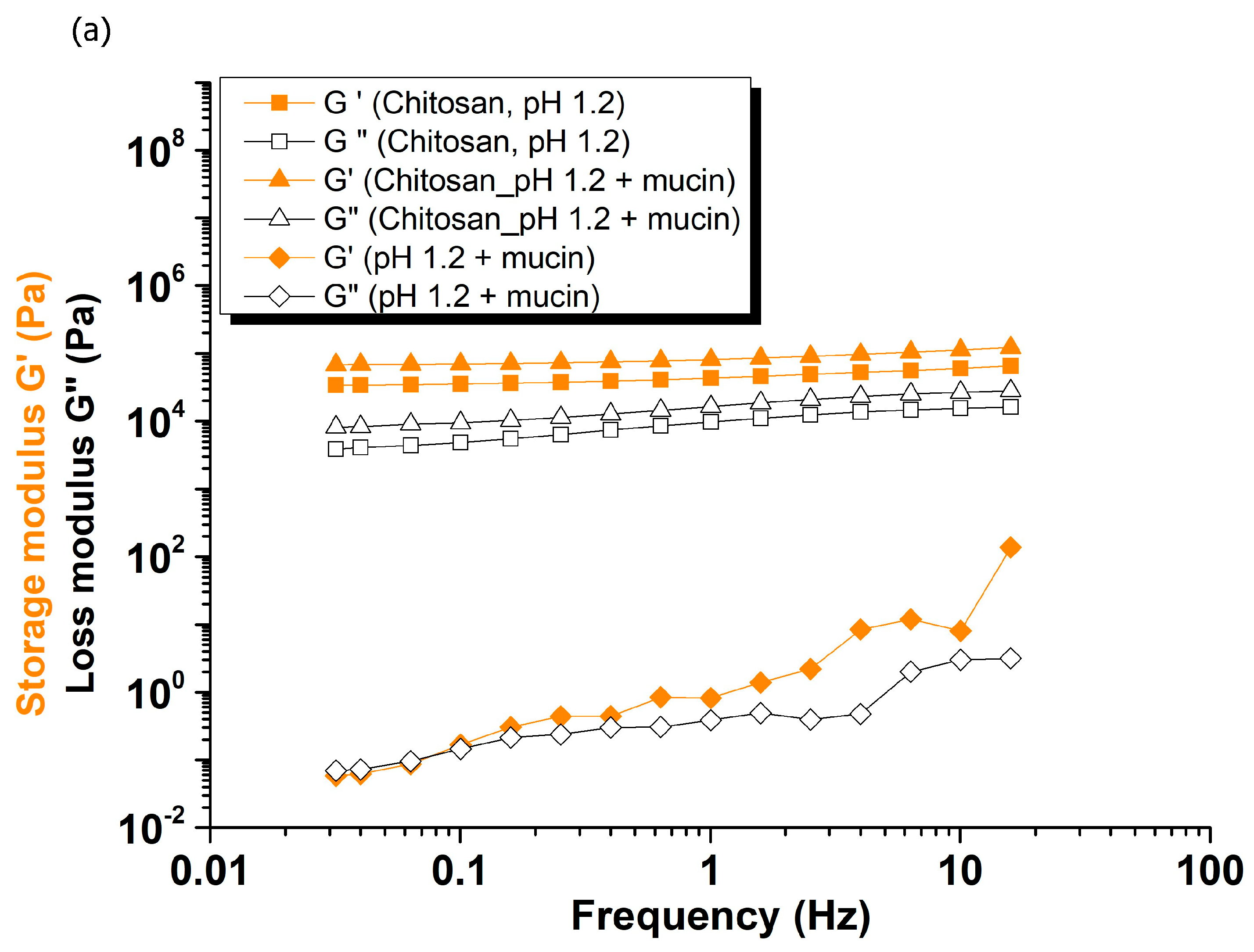
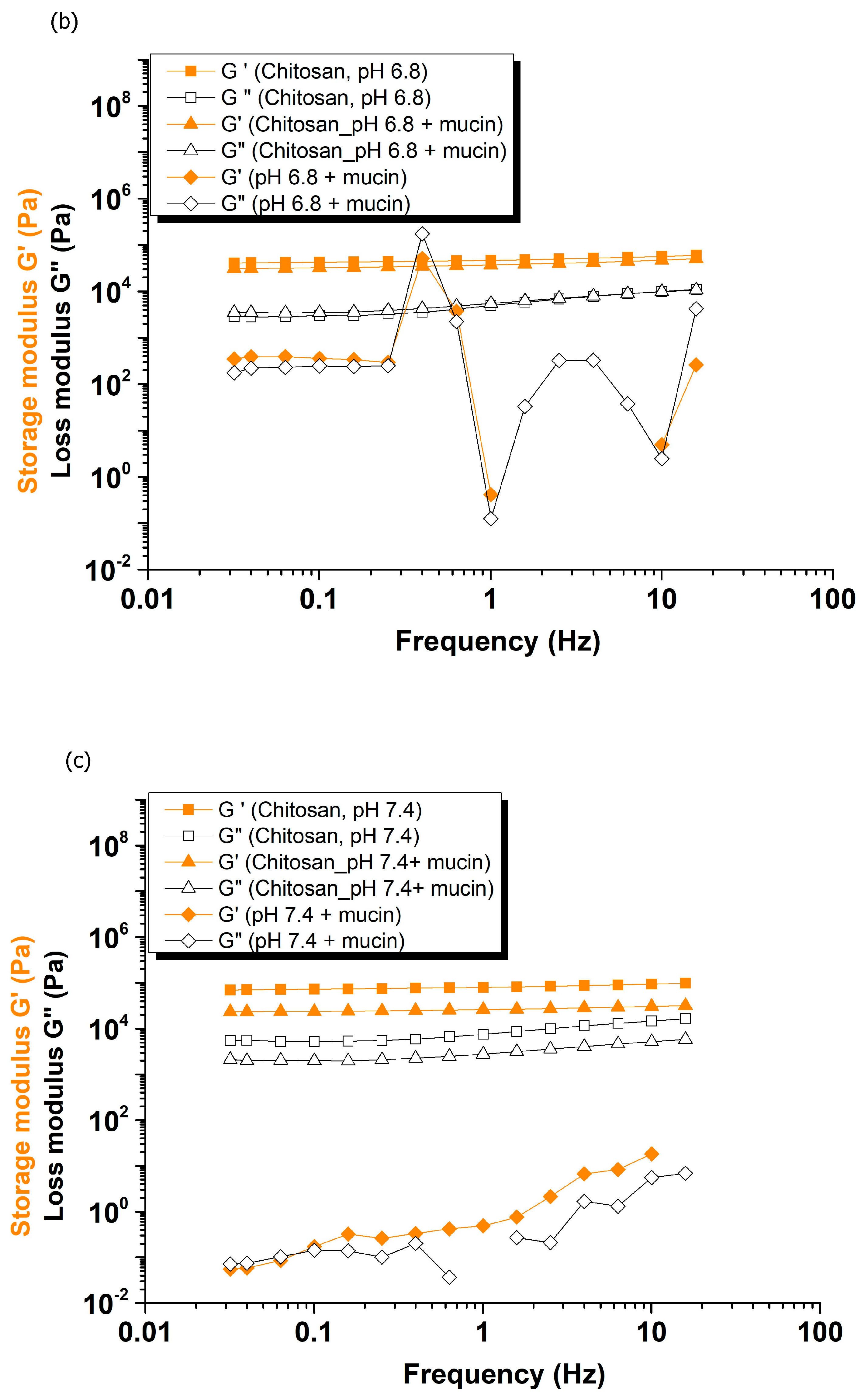
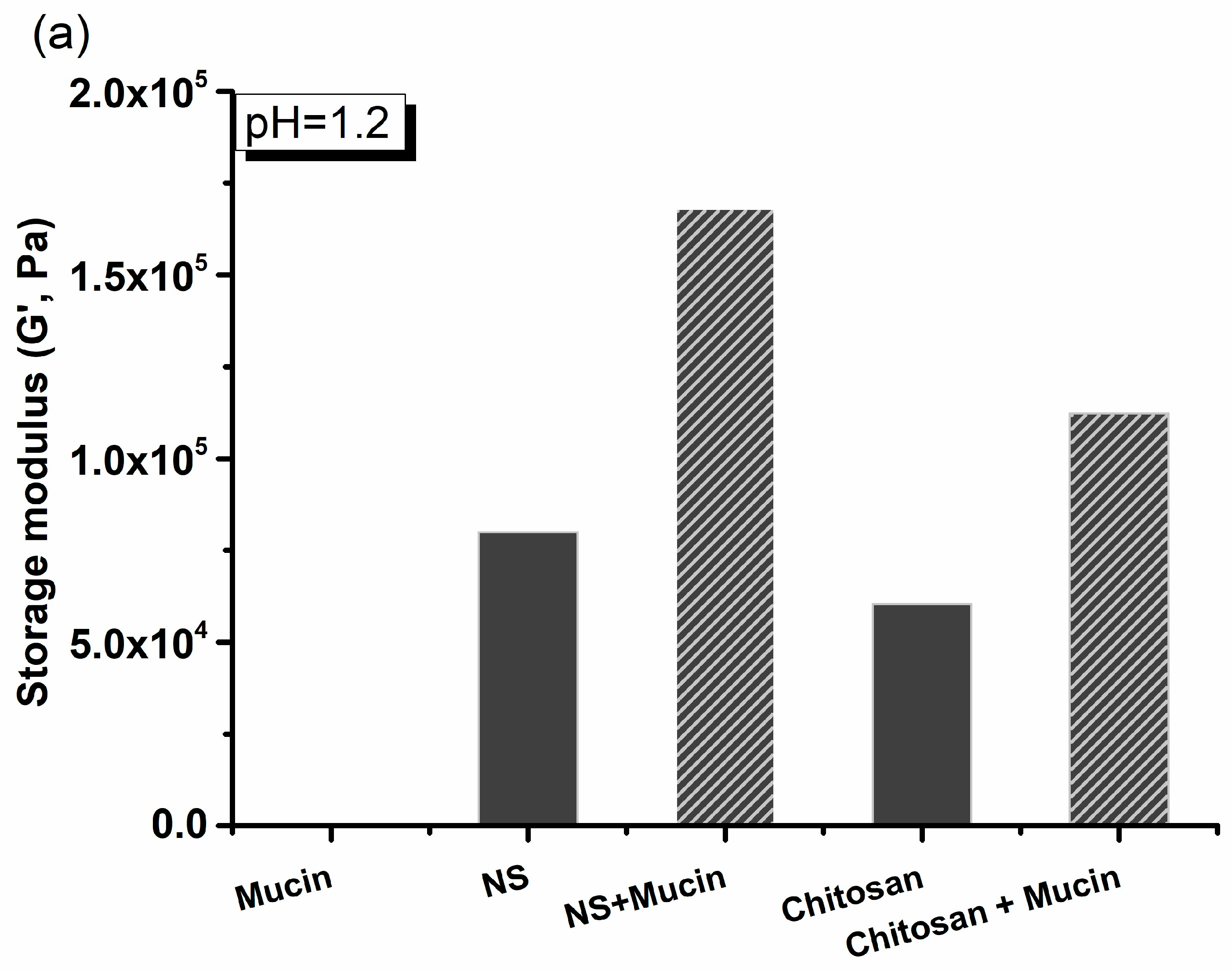
Rheological measurements were performed using a TA Instruments Discovery HR Rheometer, equipped with a 20 mm stainless steel plate geometry and Peltier-controlled temperature regulation. Frequency sweep measurements were carried out over a range of 0.2 to 100 rad/s with a 2% stress amplitude, collecting 5 points per decade. Oscillatory shear mode was employed to evaluate the viscoelastic properties, specifically the storage modulus (G′) and loss modulus (G″), of the swollen nanosponges as a function of frequency. The swollen sample was positioned between the upper parallel plate and the stationary surface with a 0.5 mm gap and equilibrated at 25 °C for 300 s prior to measurements, in accordance with the established protocol [
33].
4.8. Mucoadhesion Studies
Rheological synergism parameters, representing the deviation between the measured viscoelastic behavior of the mucin–polymer mixtures and the theoretical sum of polymer and mucin components, were calculated according to the literature (Equations (3a) and (3b)) [
57,
59]:
The relative rheological synergism, which quantifies the increase in viscoelastic response of the mucin–polymer mixture relative to the separate components, was calculated as described in the literature (Equations (4a) and (4b)).
For the calculation of rheological synergism, the G′ and G″ moduli recorded at a frequency of 10.04 Hz were utilized.
4.9. Preparation of D-NS Nanosuspensions
Aqueous nanosuspensions of the synthesized D-NS (β-CD:PMDA, β-CD:CA, LC:PMDA, LC:CA, GLU2:PMDA, GLU2:CA) were prepared and subjected todifferent top-down processing methods (ball milling, high-shear homogenizer, and high-pressure homogenizer), to reduce NS size and obtain a more homogenous nanoparticle distribution. Ball milling was applied to the D-NS coarse powder. For high-pressure homogenization (HPH), the D-NS were first suspended in water at a concentration of 10 mg/mL and pre-homogenized using a high-shear homogenizer (Ultra-Turrax, IKA-Werke, Staufen, Germany) for 10 min at 24,000 rpm. The resulting suspension was then subjected to size reduction by high-pressure homogenization using an EmulsiFlex C5 Avastin homogenizer (Avestin Inc., Ottawa, ON, Canada) for 90 min at a back pressure of 500 bar.
4.10. Incorporation into D-NS Nanocarriers
Apomorphine (APO) was incorporated into the prepared D-NS nanosuspensions (10 mg/mL) by incubation under continuous stirring overnight at room temperature and protected from light. A drug concentration of 1 mg/mL was evaluated in the presence of various antioxidants, including 0.1% ascorbic acid, 0.05% EDTA, and 0.1% sodium meta bisulfite. HPLC analysis was used to quantify the loaded drug, enabling calculation of encapsulation efficiency and loading capacity. In vitro chemical and physical stability, along with drug release kinetics, were further assessed. In vitro APO release studies were conducted using a dialysis bag (cellulose membrane, 12 kDa cut-off, Spectra/Pore) with simulated intestinal fluid (pH 6.8) as the receiving medium.
4.11. Characterization of APO-Loaded Formulations
APO content in nanosponges was quantified using an Agilent 1100 HPLC system with a fluorimetric detector (λ_ex = 270 nm, λ_em = 450 nm). Separation was performed on a 250 × 4.0 mm, 5 μm Nucleosil 100-C18 column (Agilent, Santa Clara, CA, USA) at 1 mL/min. The mobile phase consisted of methanol and 0.1 M phosphate buffer (pH 3, 30:70) with 20 mg/L sodium octanesulfonate and 10 mg/L Na2EDTA. An optimized extraction procedure was applied to recover APO from the loaded nanosponges prior to HPLC analysis.




 ,
,