Agrobacterium-Mediated Genetic Transformation of the Edible and Medicinal Cauliflower Mushroom Sparassis latifolia

 , ,
, ,
Abstract
1. Introduction
2. Materials and Methods
2.1. Strains and Plasmid Construction
2.2. Culture Conditions and Preparation of Recipient Material
2.3. Agrobacterium-Mediated Transformation (ATMT)
2.4. Molecular Identification of Transformants
2.5. GUS Reporter Gene Assay
3. Results
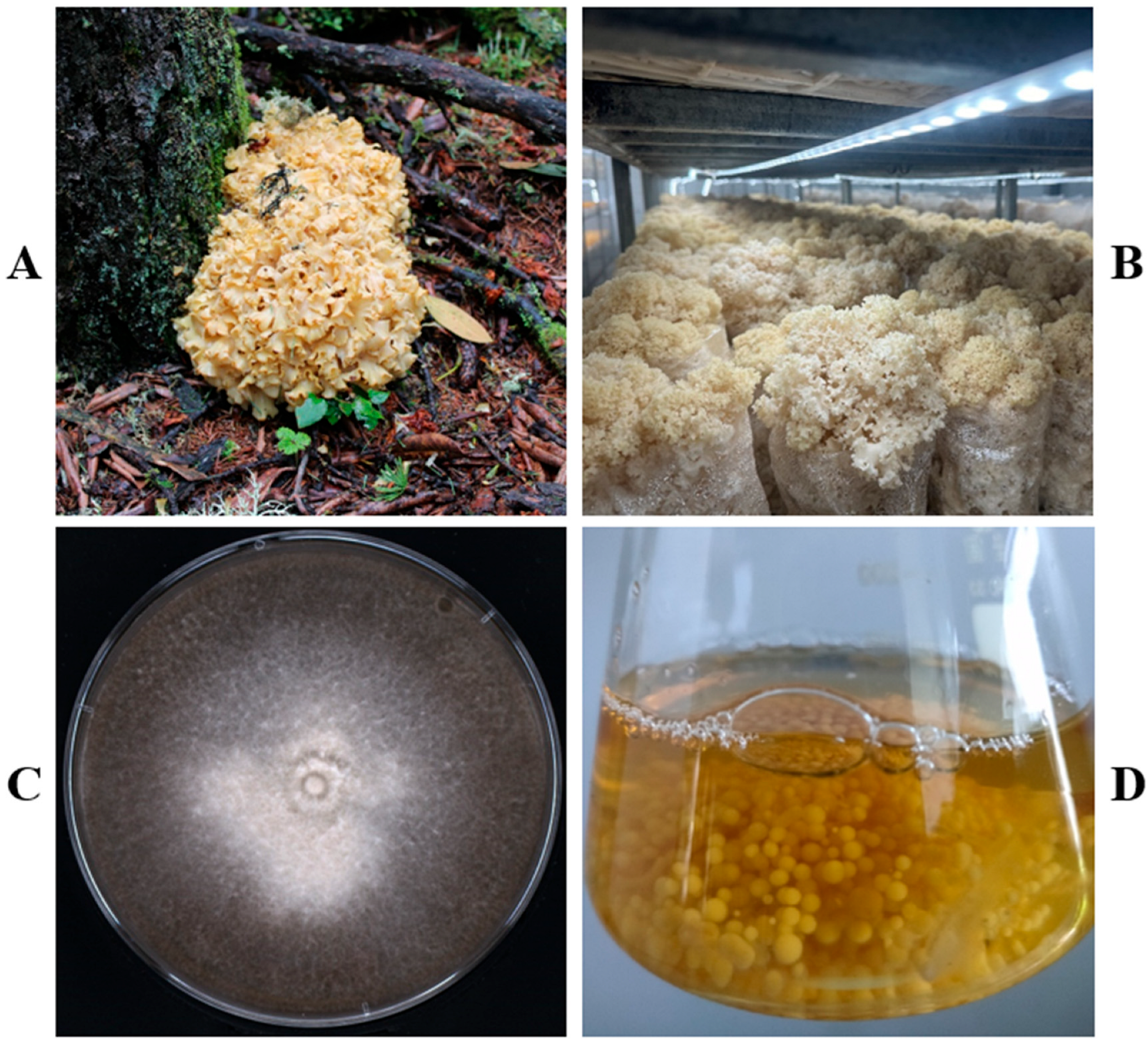
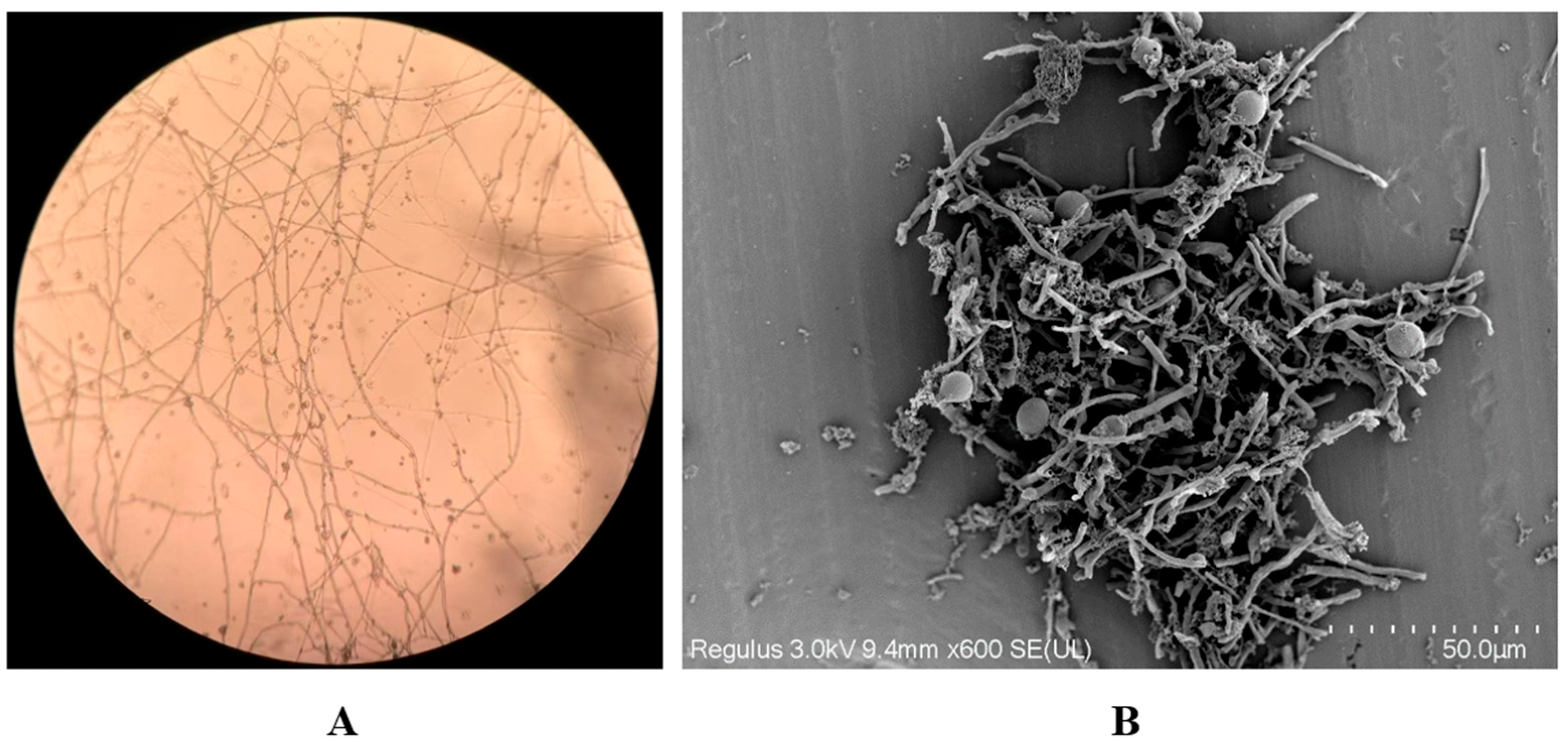
3.1. Growth Characteristics of S. latifolia
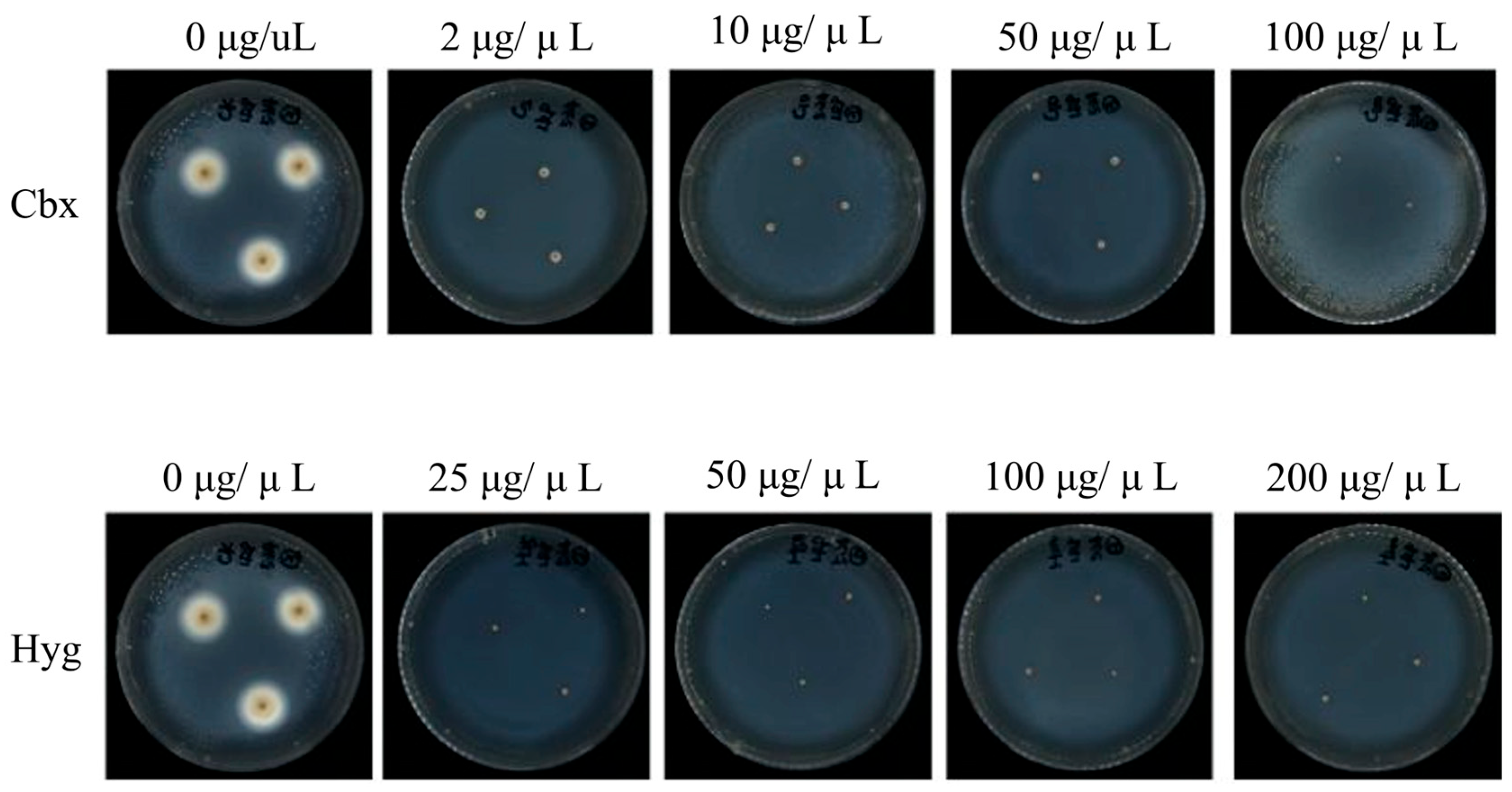
3.2. Sensitivity to Carboxin and Hygromycin
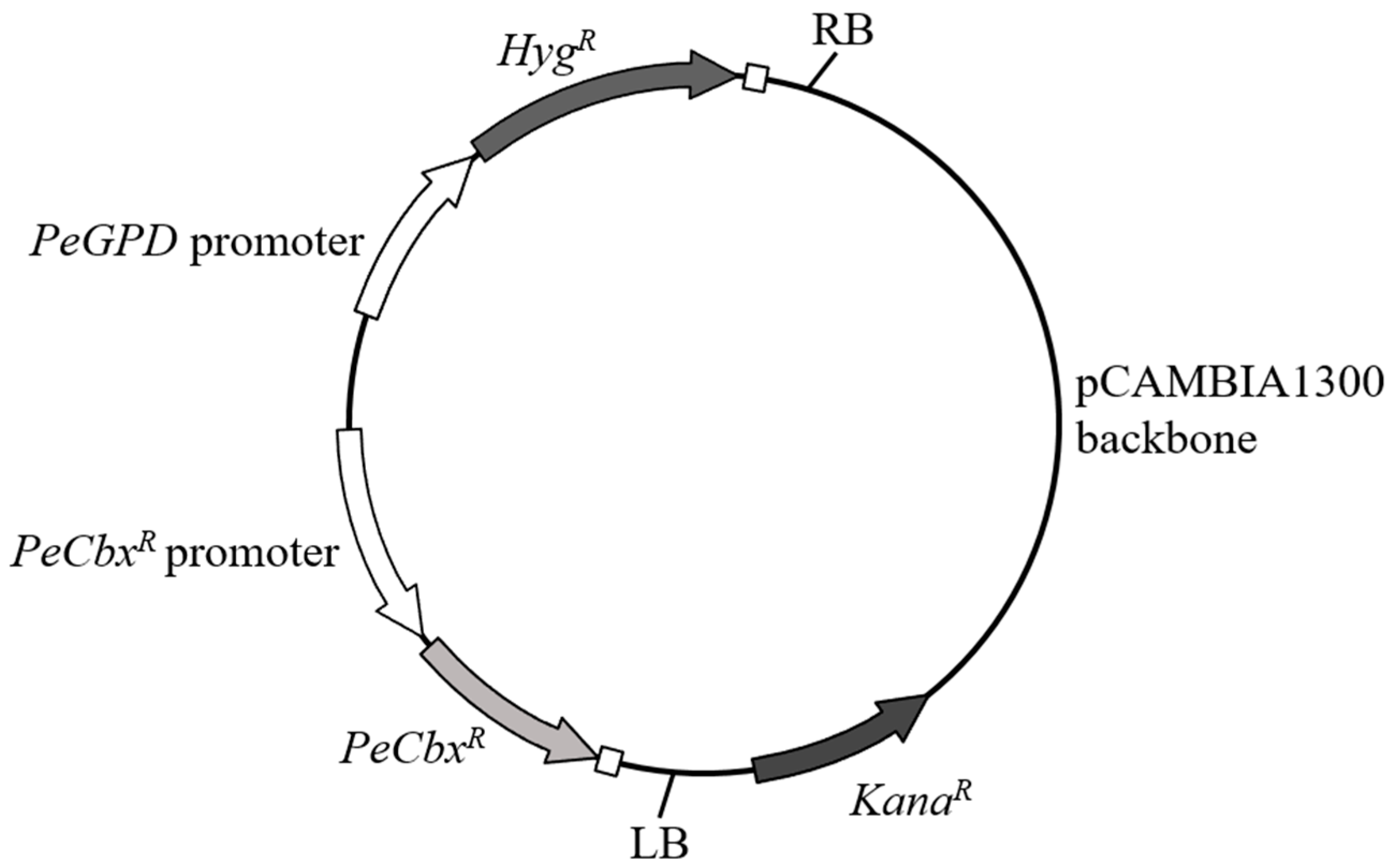
3.3. Construction of the Binary Vector pCbxHyg
3.4. Transformation Attempts Using Mycelial Pellets Are Unsuccessful
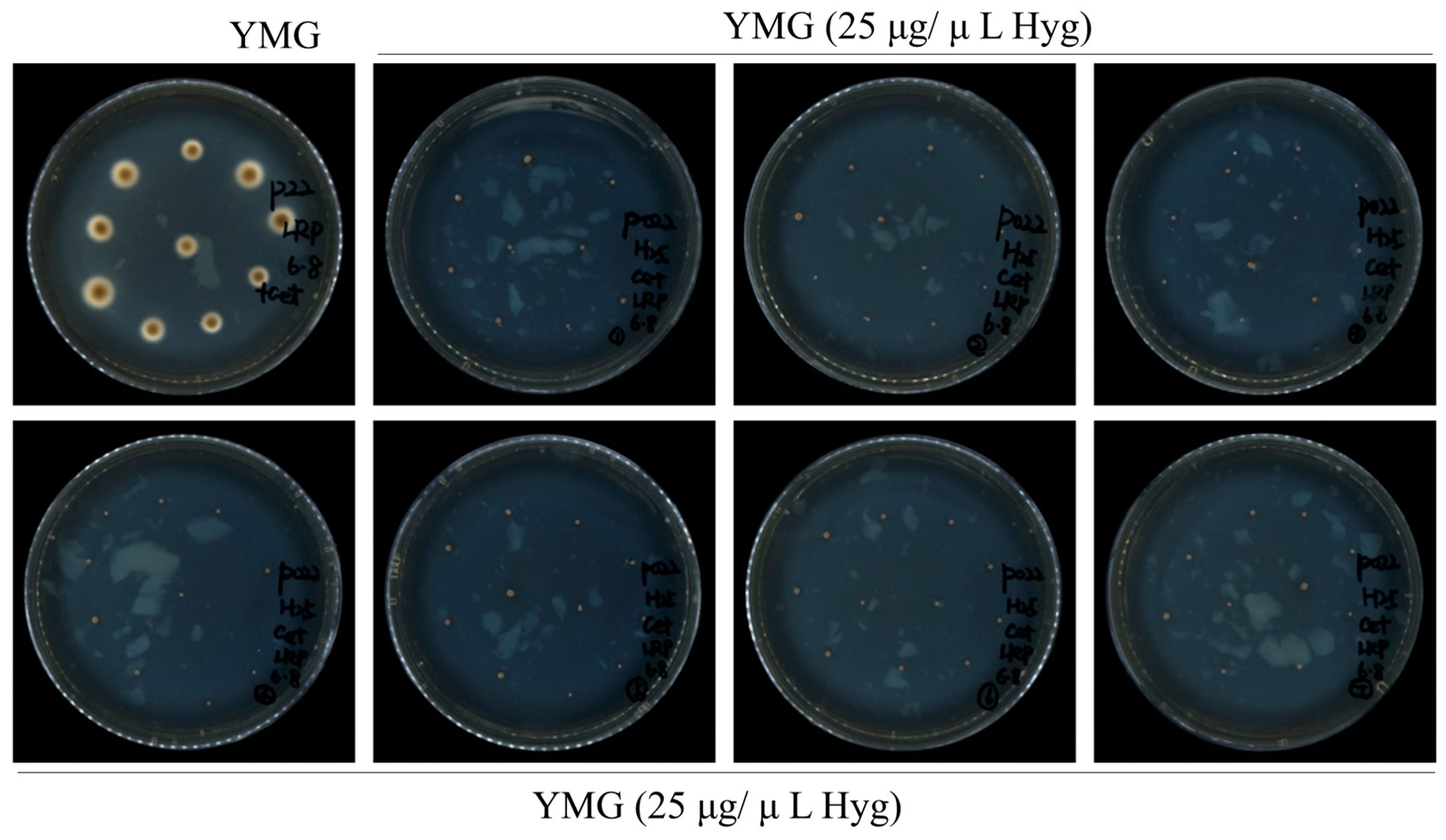
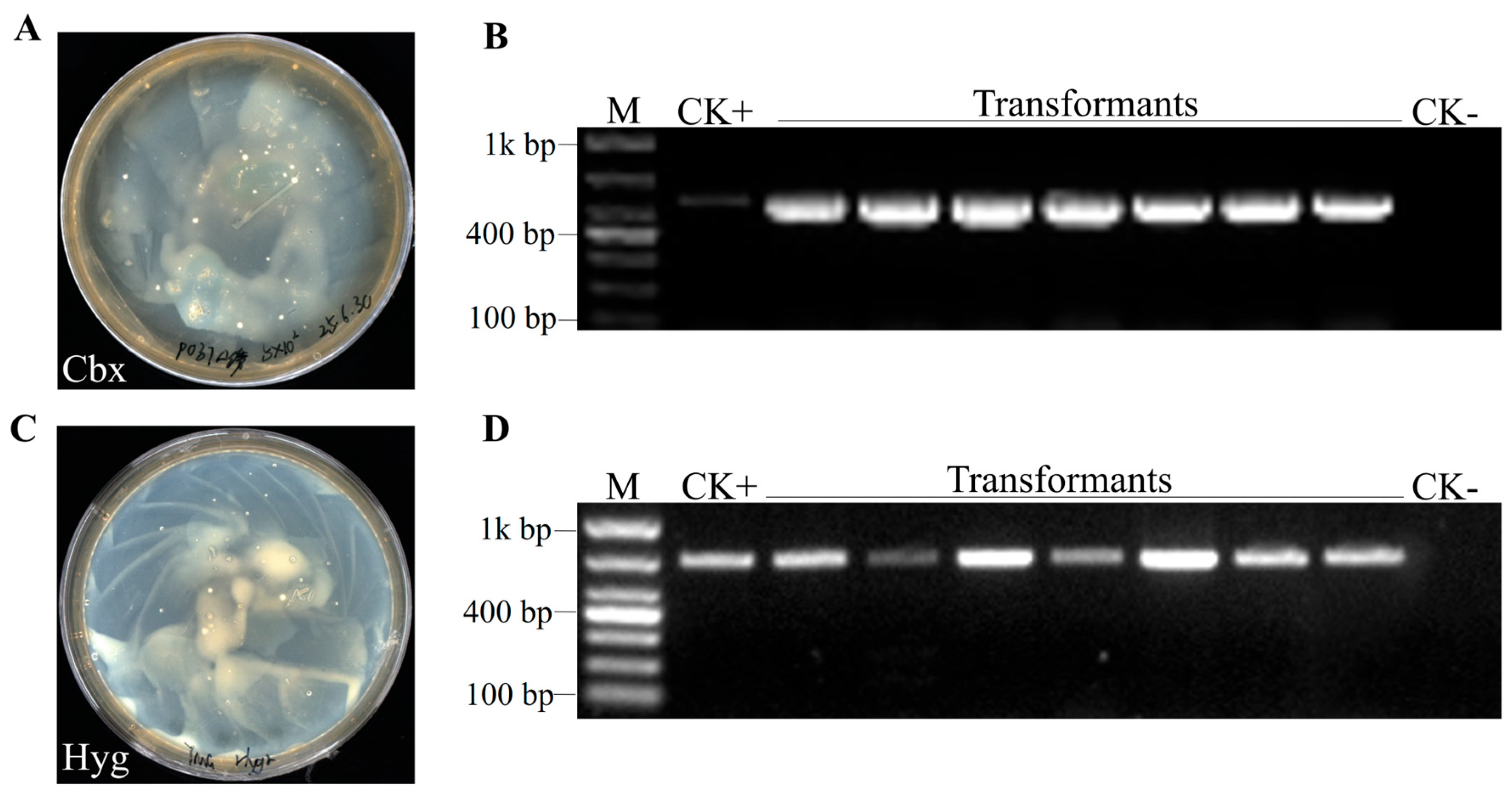
3.5. Successful Transformation Using Chlamydospores
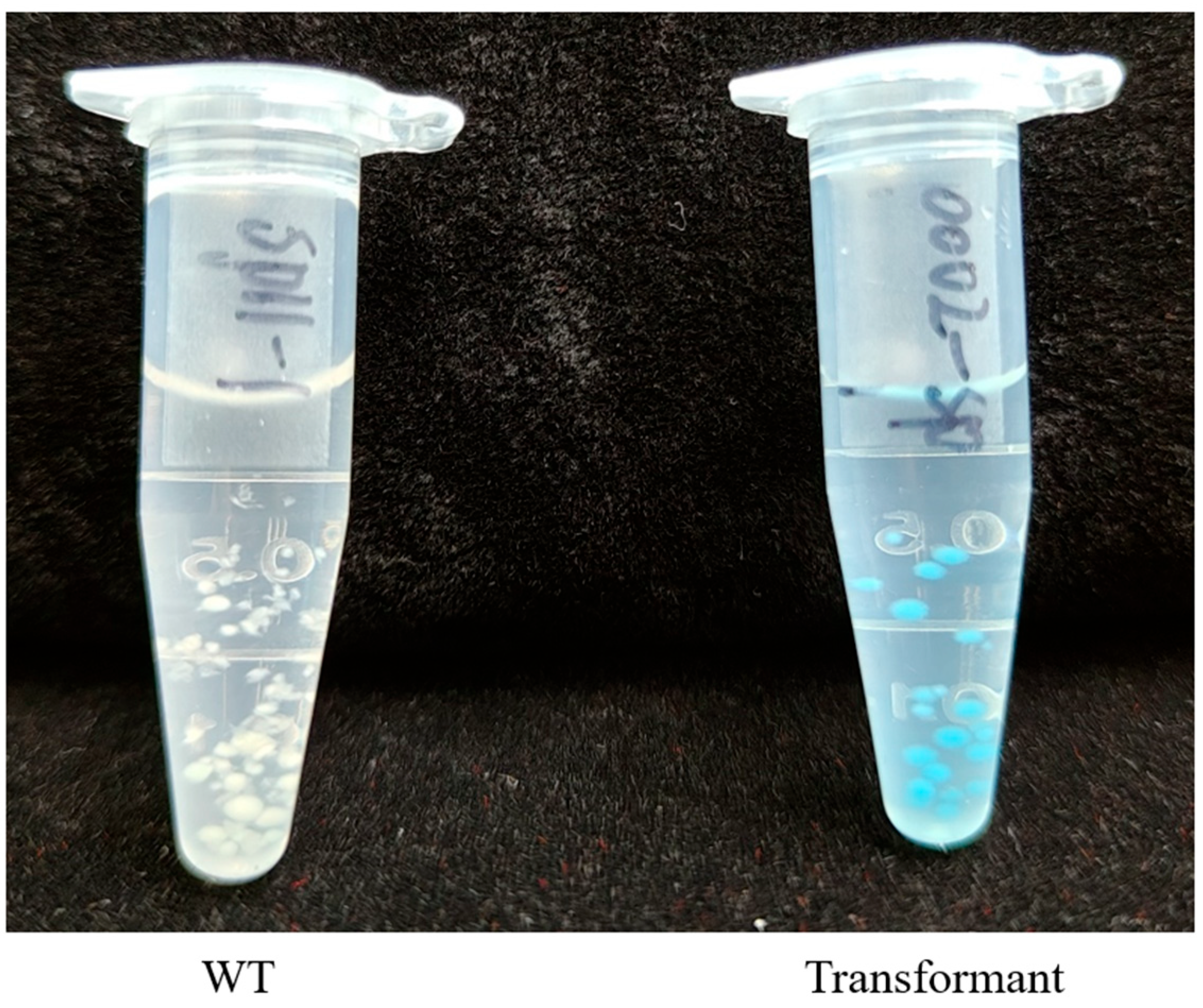
3.6. Functional Expression of a GUS Reporter Gene
4. Discussion
Author Contributions
Funding
Institutional Review Board Statement
Informed Consent Statement
Data Availability Statement
Conflicts of Interest
References
- Li, Y.; Yang, Y.; Huang, X.; Huang, J.; Dong, C. Molecular and genetic evidence for a tetrapolar mating system in Sparassis latifolia. Fungal Biol. 2020, 124, 1004–1012. [Google Scholar] [CrossRef] [PubMed]
- Dai, Y.C.; Wang, Z.; Binder, M.; Hibbett, D.S. Phylogeny and a new species of Sparassis (Polyporales, Basidiomycota): Evidence from mitochondrial atp6, nuclear rDNA and rpb2 genes. Mycologia 2006, 98, 584–592. [Google Scholar] [CrossRef]
- Ghafoor, A.; Niazi, A.R. Culturability, Cultivation Potential, and Element Analysis of the Culinary-Medicinal Cauliflower Mushroom Sparassis latifolia (Agaricomycetes) from Pakistan. Int. J. Med. Mushrooms 2023, 25, 85–95. [Google Scholar] [CrossRef]
- Ryoo, R.; Sou, H.D.; Ka, K.H.; Park, H. Phylogenetic relationships of Korean Sparassis latifolia based on morphological and ITS rDNA characteristics. J. Microbiol. 2013, 51, 43–48. [Google Scholar] [CrossRef]
- Zhao, Q.; Feng, B.; Yang, Z.L.; Dai, Y.C.; Wang, Z.; Tolgor, B. New species and distinctive geographical divergences of the genus Sparassis (Basidiomycota): Evidence from morphological and molecular data. Mycol. Prog. 2013, 12, 445–454. [Google Scholar] [CrossRef]
- Duan, G.-L.; Yu, X.-B. Isolation, purification, characterization, and antioxidant activity of low-molecular-weight polysaccharides from Sparassis latifolia. Int. J. Biol. Macromol. 2019, 137, 1112–1120. [Google Scholar] [CrossRef]
- Liu, J.; Zhang, X.; Zhang, J.; Yan, M.; Li, D.; Zhou, S.; Feng, J.; Liu, Y. Research on Extraction, Structure Characterization and Immunostimulatory Activity of Cell Wall Polysaccharides from Sparassis latifolia. Polymers 2022, 14, 549. [Google Scholar] [CrossRef] [PubMed]
- Wei, X.; Cheng, F.; Liu, J.; Cheng, Y.; Yun, S.; Meng, J.; Chang, M.; Geng, X.; Xu, L.; Cao, J.; et al. Sparassis latifolia polysaccharides inhibit colon cancer in mice by modulating gut microbiota and metabolism. Int. J. Biol. Macromol. 2023, 232, 123299. [Google Scholar] [CrossRef] [PubMed]
- Abedpoor, N.; Taghian, F.; Jalali Dehkordi, K.; Safavi, K. Sparassis latifolia and exercise training as complementary medicine mitigated the 5-fluorouracil potent side effects in mice with colorectal cancer: Bioinformatics approaches, novel monitoring pathological metrics, screening signatures, and innovative management tactic. Cancer Cell Int. 2024, 24, 141. [Google Scholar] [CrossRef]
- Choi, J.W.; Choi, H.J.; Ryoo, R.; Park, Y.; Lee, K.T.; Jeong, J.B. Inhibitory Activity of Sparassis latifolia on the Lipid Accumulation through Suppressing Adipogenesis and Activating Lipolysis in 3T3-L1 Cells. J. Microbiol. Biotechnol. 2024, 34, 2070–2078. [Google Scholar] [CrossRef]
- Wei, X.; Gao, Y.; Cheng, F.; Yun, S.; Chang, M.; Cao, J.; Cheng, Y.; Feng, C. The Effects of a High-Fat/Cholesterol Diet on the Intestine of Rats Were Attenuated by Sparassis latifolia Polysaccharides. Food Technol. Biotechnol. 2022, 60, 469–487. [Google Scholar] [CrossRef]
- Qiao, Z.; Zhao, Y.; Wang, M.; Cao, J.; Chang, M.; Yun, S.; Cheng, Y.; Cheng, F.; Feng, C. Effects of Sparassis latifolia neutral polysaccharide on immune activity via TLR4-mediated MyD88-dependent and independent signaling pathways in RAW264.7 macrophages. Front. Nutr. 2022, 9, 994971. [Google Scholar] [CrossRef]
- Wu, J.; Qiao, Y.; Jin, W.; Jia, F.; Wang, Z.; Li, L.; Cheng, F.; Zhao, W.; Cheng, Y.; Zhao, L.; et al. Metabolomics and 16S rDNA sequencing of intestinal flora reveal the regulation of Sparassis latifolia polysaccharides on splenic immune function in lead-exposed mice. Int. J. Biol. Macromol. 2024, 280, 136084. [Google Scholar] [CrossRef]
- Jin, W.; Cui, F.; Li, J.; Li, J.; Li, K.; Cheng, Y.; Cheng, F.; Cao, J.; Zhao, W.; Zhao, L.; et al. Multi-omics reveals the mechanism of Sparassis latifolia polysaccharides to relieve cyclophosphamide-induced immune injury in liver of mice. Int. J. Biol. Macromol. 2025, 292, 139197. [Google Scholar] [CrossRef] [PubMed]
- Lu, X.; Wu, S.; Ai, H.; Wu, R.; Cheng, Y.; Yun, S.; Chang, M.; Liu, J.; Meng, J.; Cheng, F.; et al. Sparassis latifolia polysaccharide alleviated lipid metabolism abnormalities in kidney of lead-exposed mice by regulating oxidative stress-mediated inflammation and autophagy based on multi-omics. Int. J. Biol. Macromol. 2024, 278, 134662. [Google Scholar] [CrossRef] [PubMed]
- Weng, M.; Zhang, D.; Wang, H.; Yang, C.; Lin, H.; Pan, Y.; Lin, Y. Long non-coding RNAs and their potential function in response to postharvest senescence of Sparassis latifolia during cold storage. Sci. Rep. 2024, 14, 747. [Google Scholar] [CrossRef]
- Qiu, Z.; Wang, X.; Wang, S.; Cai, N.; Huang, J.; Wang, M.; Shu, L.; Li, T. Transcriptome Analysis Revealed the Mechanism of Inhibition of Saprophytic Growth of Sparassis latifolia by Excessive Oxalic Acid. Cells 2022, 11, 3636. [Google Scholar] [CrossRef] [PubMed]
- Shu, L.; Wang, M.; Wang, S.; Li, Y.; Xu, H.; Qiu, Z.; Li, T. Excessive Oxalic Acid Secreted by Sparassis latifolia Inhibits the Growth of Mycelia during Its Saprophytic Process. Cells 2022, 11, 2423. [Google Scholar] [CrossRef]
- Sou, H.D.; Ryoo, R.; Ryu, S.R.; Ka, K.H.; Park, H.; Joo, S.H. Morphological and genetic characteristics of newly crossbred cauliflower mushroom (Sparassis latifolia). J. Microbiol. 2013, 51, 552–557. [Google Scholar] [CrossRef]
- Xiao, D.; Ma, L.; Yang, C.; Ying, Z.; Jiang, X.; Lin, Y.Q. De Novo Sequencing of a Sparassis latifolia Genome and Its Associated Comparative Analyses. Can. J. Infect. Dis. Med. Microbiol. 2018, 2018, 1857170. [Google Scholar] [CrossRef]
- Yang, C.; Ma, L.; Xiao, D.; Liu, X.; Jiang, X.; Ying, Z.; Lin, Y. Chromosome-scale assembly of the Sparassis latifolia genome obtained using long-read and Hi-C sequencing. G3 2021, 11, jkab173. [Google Scholar] [CrossRef]
- Yang, C.; Ma, L.; Xiao, D.; Ying, Z.; Jiang, X.; Lin, Y. Identification and Evaluation of Reference Genes for qRT-PCR Normalization in Sparassis latifolia (Agaricomycetes). Int. J. Med. Mushrooms 2019, 21, 301–309. [Google Scholar]
- Yang, C.; Ma, L.; Xiao, D.; Ying, Z.; Jiang, X.; Lin, Y. Integration of ATAC-Seq and RNA-Seq Identifies Key Genes in Light-Induced Primordia Formation of Sparassis latifolia. Int. J. Mol. Sci. 2019, 21, 185. [Google Scholar] [CrossRef]
- Yang, C.; Ma, L.; Ying, Z.; Jiang, X.; Lin, Y. Sequence Analysis and Expression of a Blue-light Photoreceptor Gene, Slwc-1 from the Cauliflower Mushroom Sparassis latifolia. Curr. Microbiol. 2017, 74, 469–475. [Google Scholar] [CrossRef] [PubMed]
- Yang, C.; Ma, L.; Xiao, D.; Liu, X.; Jiang, X.; Lin, Y. Comparative transcriptomics reveals unique pine wood decay strategies in the Sparassis latifolia. Sci. Rep. 2022, 12, 19875. [Google Scholar] [CrossRef]
- Shang, J.; Li, Y.; Yang, R.; Wang, Y.; Mao, W.; Tang, L.; Wu, Y.; Nakazawa, T.; Honda, Y.; Bao, D. Efficient transformation of Pleurotus eryngii with a safe selective marker mutated from the Pesdi1 gene. J. Microbiol. Methods 2018, 152, 7–9. [Google Scholar] [CrossRef]
- Matsunaga, Y.; Ando, M.; Izumitsu, K.; Suzuki, K.; Honda, Y.; Irie, T. A development and an improvement of selectable markers in Pleurotus ostreatus transformation. J. Microbiol. Methods 2017, 134, 27–29. [Google Scholar] [CrossRef]
- Meng, L.; Lyu, X.; Shi, L.; Wang, Q.; Wang, L.; Zhu, M.; Mukhtar, I.; Xie, B.; Wang, W. The transcription factor FvHmg1 negatively regulates fruiting body development in Winter Mushroom Flammulina velutipes. Gene 2021, 785, 145618. [Google Scholar] [CrossRef] [PubMed]
- Bao, D.; Huang, Z.; Li, Y.; Zhou, C.; Wan, J.; Tang, L.; Mao, W.; Wang, Y.; Gong, M.; Zou, G.; et al. Agrobacterium-mediated transformation of arthroconidia obtained from the edible mushroom Hypsizygus marmoreus. J. Microbiol. Methods 2020, 171, 105878. [Google Scholar] [CrossRef]
- Yan, L.; Xu, R.; Zhou, Y.; Gong, Y.; Dai, S.; Liu, H.; Bian, Y. Effects of Medium Composition and Genetic Background on Agrobacterium-Mediated Transformation Efficiency of Lentinula edodes. Genes 2019, 10, 467. [Google Scholar] [CrossRef] [PubMed]
- Yu, X.; Ji, S.L.; He, Y.L.; Ren, M.F.; Xu, J.W. Development of an expression plasmid and its use in genetic manipulation of Lingzhi or Reishi medicinal mushroom, Ganoderma lucidum (higher Basidiomycetes). Int. J. Med. Mushrooms 2014, 16, 161–168. [Google Scholar] [CrossRef]
- Noh, W.; Kim, S.W.; Dong-Won, B.; Kim, J.Y.; Ro, H.S. Genetic introduction of foreign genes to Pleurotus eryngii by restriction enzyme-mediated integration. J. Microbiol. 2010, 48, 253–256. [Google Scholar] [CrossRef]
- Honda, Y.; Matsuyama, T.; Irie, T.; Watanabe, T.; Kuwahara, M. Carboxin resistance transformation of the homobasidiomycete fungus Pleurotus ostreatus. Curr. Genet. 2000, 37, 209. [Google Scholar] [CrossRef] [PubMed]
- Burns, C.; Gregory, K.E.; Kirby, M.; Cheung, M.K.; Riquelme, M.; Elliott, T.J.; Challen, M.P.; Bailey, A.; Foster, G.D. Efficient GFP expression in the mushrooms Agaricus bisporus and Coprinus cinereus requires introns. Fungal Genet. Biol. 2005, 42, 191–199. [Google Scholar] [CrossRef] [PubMed]
- Yin, D.; Xiong, H. The Transformation and Protein Expression of the Edible Mushroom Stropharia rugosoannulata Protoplasts by Agrobacterium-tumefaciens-Mediated Transformation. J. Fungi 2025, 11, 674. [Google Scholar] [CrossRef] [PubMed]
- Shang, J.; Yang, R.; Tang, L.; Li, Y.; Li, Y.; Mao, W.; Gong, M.; Wang, Y.; Honda, Y.; Bao, D. Differential expression of two gpd genes in the cultivated mushroom Pleurotus eryngii using RNA sequencing analysis. Mycoscience 2019, 60, 351–353. [Google Scholar] [CrossRef]


Disclaimer/Publisher’s Note: The statements, opinions and data contained in all publications are solely those of the individual author(s) and contributor(s) and not of MDPI and/or the editor(s). MDPI and/or the editor(s) disclaim responsibility for any injury to people or property resulting from any ideas, methods, instructions or products referred to in the content. |
© 2026 by the authors. Licensee MDPI, Basel, Switzerland. This article is an open access article distributed under the terms and conditions of the Creative Commons Attribution (CC BY) license.
Share and Cite
Cao, W.; Zhou, X.; Yang, R.; Wu, Y.; Li, Y.; Zhou, C.; Wan, J.; Li, R.; Luo, X.; Shen, Z.; et al. Agrobacterium-Mediated Genetic Transformation of the Edible and Medicinal Cauliflower Mushroom Sparassis latifolia. J. Fungi 2026, 12, 255. https://doi.org/10.3390/jof12040255
Cao W, Zhou X, Yang R, Wu Y, Li Y, Zhou C, Wan J, Li R, Luo X, Shen Z, et al. Agrobacterium-Mediated Genetic Transformation of the Edible and Medicinal Cauliflower Mushroom Sparassis latifolia. Journal of Fungi. 2026; 12(4):255. https://doi.org/10.3390/jof12040255
Chicago/Turabian StyleCao, Wen, Xinyu Zhou, Ruiheng Yang, Yingying Wu, Yan Li, Chenli Zhou, Jianing Wan, Rongping Li, Xiangying Luo, Zhenhui Shen, and et al. 2026. "Agrobacterium-Mediated Genetic Transformation of the Edible and Medicinal Cauliflower Mushroom Sparassis latifolia" Journal of Fungi 12, no. 4: 255. https://doi.org/10.3390/jof12040255
APA StyleCao, W., Zhou, X., Yang, R., Wu, Y., Li, Y., Zhou, C., Wan, J., Li, R., Luo, X., Shen, Z., Bao, D., Tang, L., & Shang, J. (2026). Agrobacterium-Mediated Genetic Transformation of the Edible and Medicinal Cauliflower Mushroom Sparassis latifolia. Journal of Fungi, 12(4), 255. https://doi.org/10.3390/jof12040255