1. Introduction
Fracture of the proximal sesamoid bone (PSB) is a serious and potentially life-threatening musculoskeletal injury in racehorses [
1]. Proximal sesamoid bone fracture (PSBF) most frequently occurs in the forelimbs of racehorses and represents a major cause of fatal outcomes associated with musculoskeletal injuries [
2,
3,
4]. The PSB is connected to the distal palmar and plantar surfaces of the third metacarpal (MC3) and metatarsal bones, serving as a fulcrum in the suspensory apparatus. Fracture of the PSB disrupts this support mechanism, leading to failure of the suspensory apparatus and, consequently, severe lameness or even euthanasia in affected racehorses [
5,
6,
7,
8,
9].
Tendon injury is another common cause of lameness in racehorses. In particular, flexor tendinitis typically results in chronic lameness and requires prolonged healing and rehabilitation, causing significant economic losses in equestrian sports [
10,
11,
12]. The treatment of equine flexor tendinitis is labor-intensive due to the slow regenerative capacity of tendon tissue. After injury, the composition, structure, and function of tendon fibers cannot be fully restored, which increases the risk of recurrence and limits the horse’s athletic performance [
13,
14,
15].
Low-intensity pulsed ultrasound (LIPUS) is a non-invasive therapeutic ultrasound modality that plays a crucial role in promoting fracture healing, enhancing wound repair, modulating immune regulation, and reducing inflammation [
16]. As a form of physical therapy, LIPUS can stimulate the proliferation and differentiation of osteoblasts, and has a significant effect on promoting new bone formation and accelerating fracture repair [
17]. In orthopedics and rehabilitation medicine, LIPUS is known to promote bone and soft tissue repair with significant therapeutic effects [
18,
19].
Currently, the main treatment regimens for PSBF include osteoclast inhibitors, e.g., tiludronate sodium, intra-articular injections, such as triamcinolone acetonide or platelet-rich plasma (PRP), into the metacarpophalangeal joint (MTPJ), orthopedic plate fixation, and radial pressure wave therapy [
20]. Small bone fragments in PSBF cases may be removed surgically, and in some equine hospitals abroad, arthroscopic minimally invasive surgery is performed, but such procedures may damage the ligaments surrounding the sesamoid bones [
21]. Cryotherapy has also been explored as a potential treatment for flexor tendinitis; however, standardized and evidence-based application protocols remain to be confirmed [
22].
This paper reports a clinical case of a horse diagnosed with PSBF complicated by flexor tendinitis, providing details of its basic information, medical history, diagnostic methods, and treatment protocol. It aims to enhance the understanding of PSBF by equine veterinarians and to provide a reference for clinical diagnosis and therapy in equine practice. To our knowledge, this study is the first clinical report on the use of NSAIDs combined with LIPUS for treating flexor tendinitis secondary to PSBF in horses, and it highlights the key advantages of this combined approach, mechanistic complementarity, synergistic therapeutic effects, and practical safety, providing a valuable reference for future clinical applications.
5. Discussion
Treatment options for minor fractures in racehorses include rest, external fixation, therapeutic cauterization, systemic administration of non-steroidal anti-inflammatory drugs (NSAIDs), resection of the suspensory ligament at the apex of the affected sesamoid bones, neurectomy, surgical removal of fracture fragments, and autologous cancellous bone grafting [
24,
25,
26]. Typically, the proximal sesamoid bones of horses play a supportive role in the contraction of the flexor tendons behind the metacarpophalangeal joint. During intense exercise, the joint flexes excessively, and the sesamoid bones are subjected to compressive forces between the third metacarpal bone, proximal phalanx, and adjacent soft tissues. Consequently, pressure can increase on the suspensory ligaments, particularly at the apex and lateral margins of the sesamoid bones, which may impair local blood circulation, reduce bone mineral density, and thereby increase the risk of PSBF and secondary flexor tendinitis [
27,
28,
29]. Forelimb flexor tendinitis has been reported to account for 6–13% of all musculoskeletal injuries in racehorses, with most studies linking its occurrence to racing or other high-intensity athletic activities [
30,
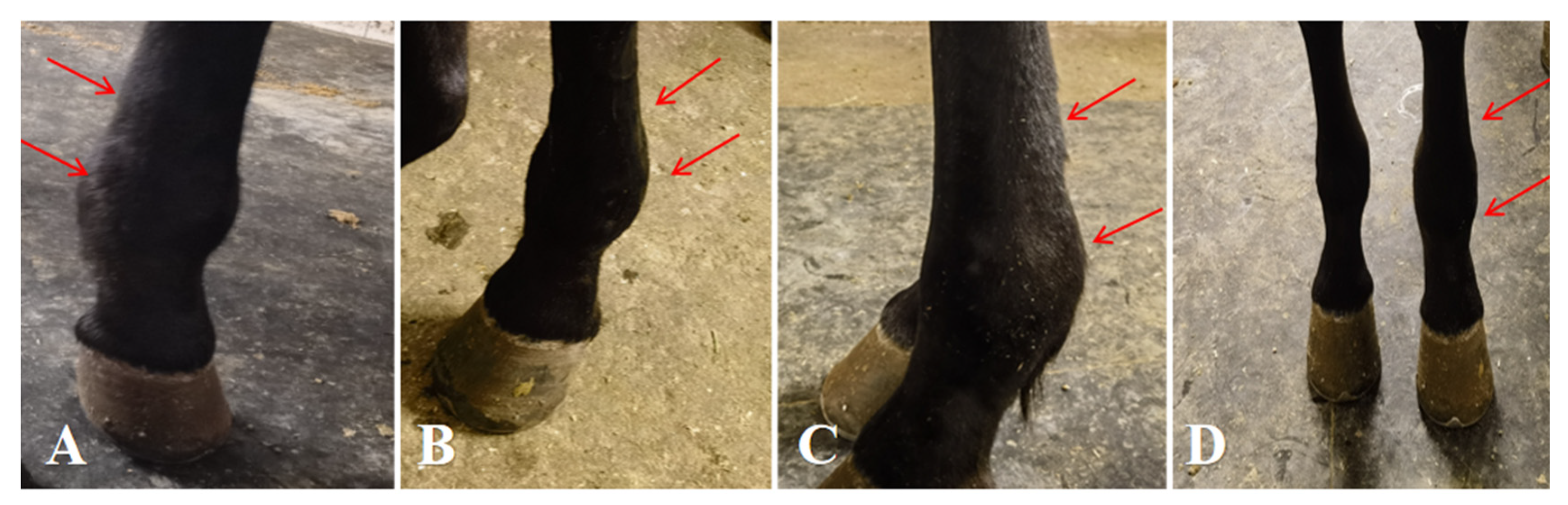
31]. The Yili horse in this study developed lameness and swelling of flexor tendons due to high-intensity competition and was subsequently diagnosed with flexor tendinitis secondary to PSBF based on clinical and imaging examinations.
Preliminary diagnosis of flexor tendinitis secondary to PSBF can usually be achieved through medical history review, visual inspection during rest and movement, palpation, and local nerve block tests, among which, local nerve block helps accurately identify the lesion [
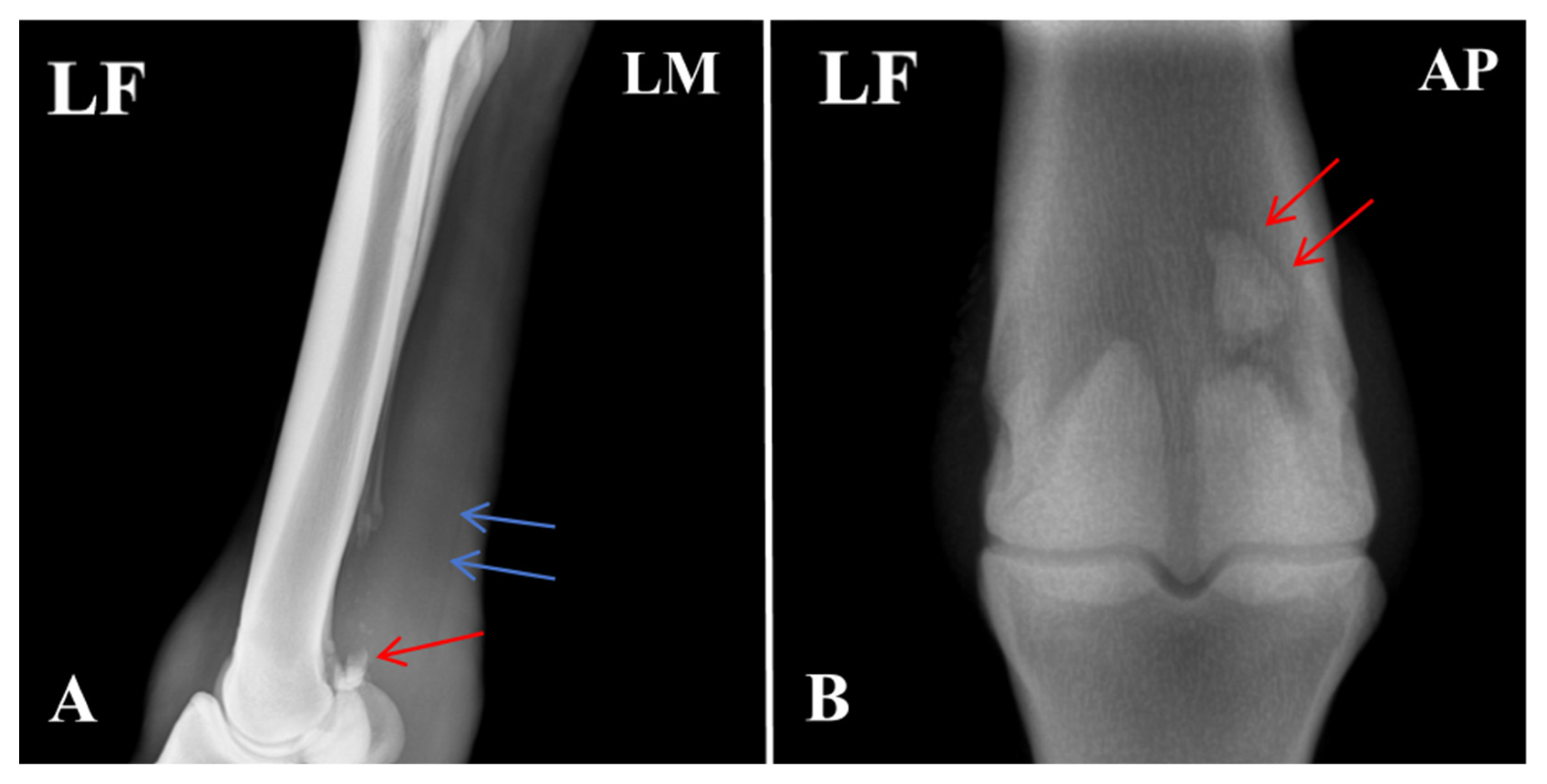
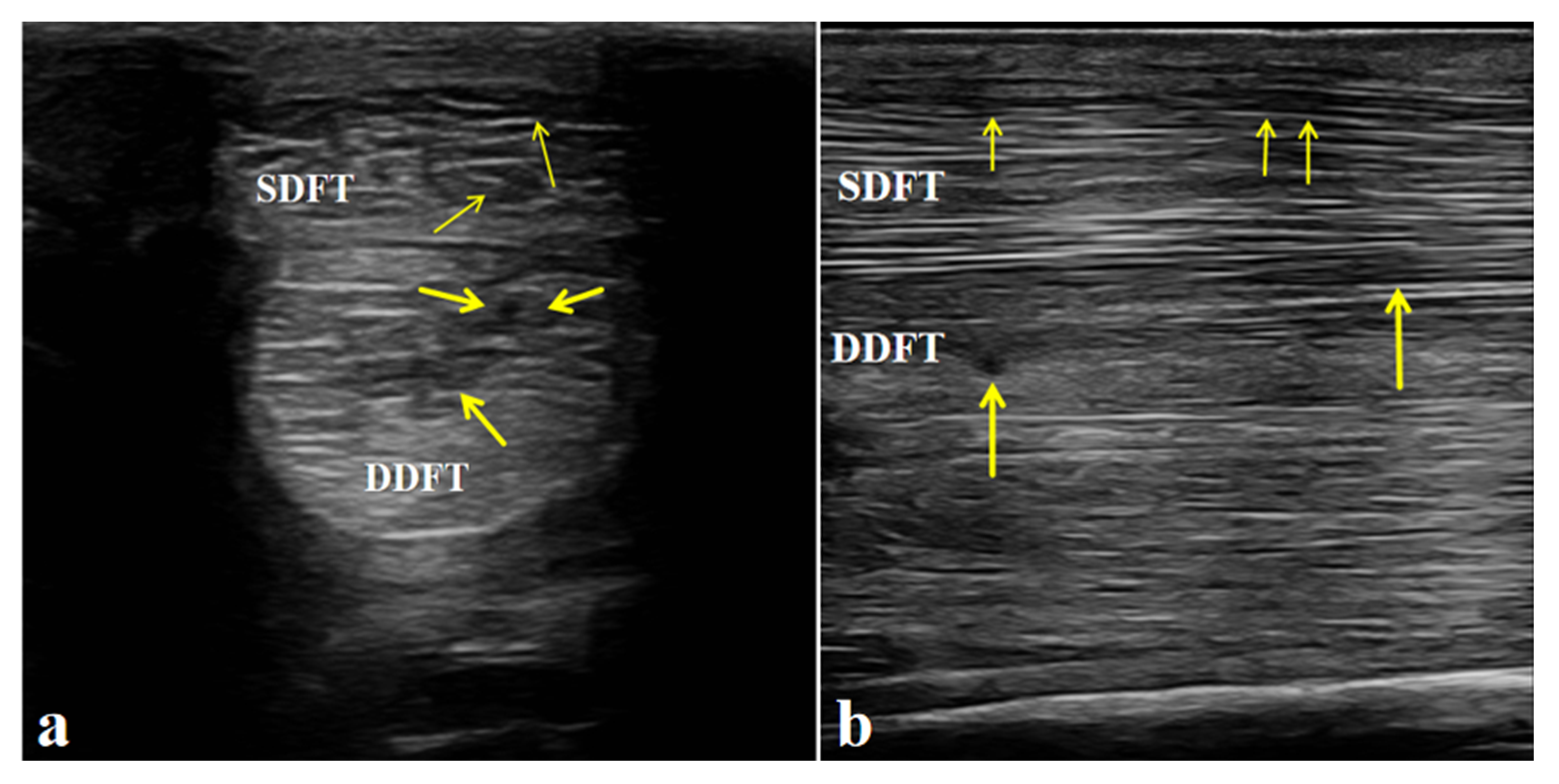
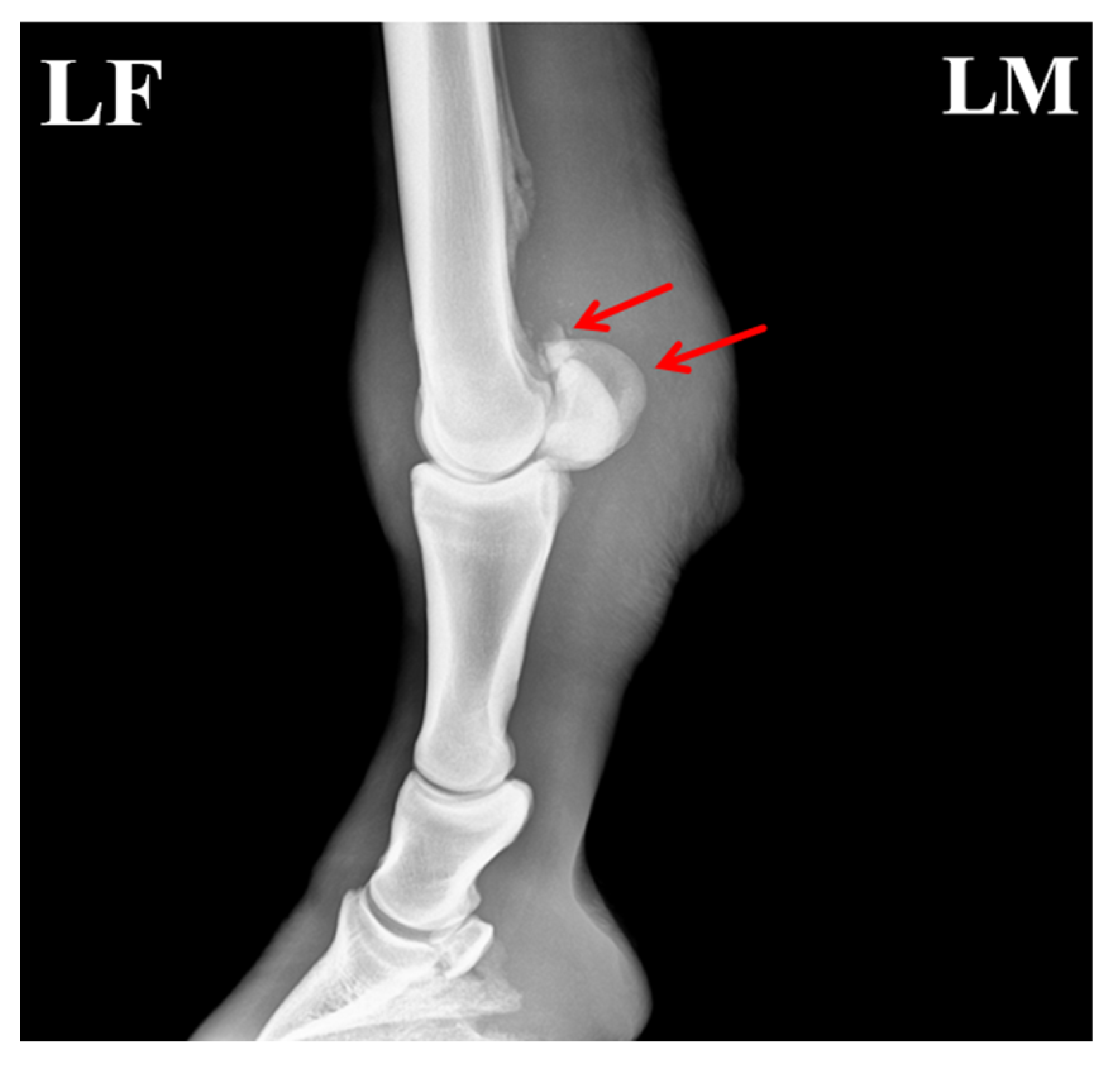
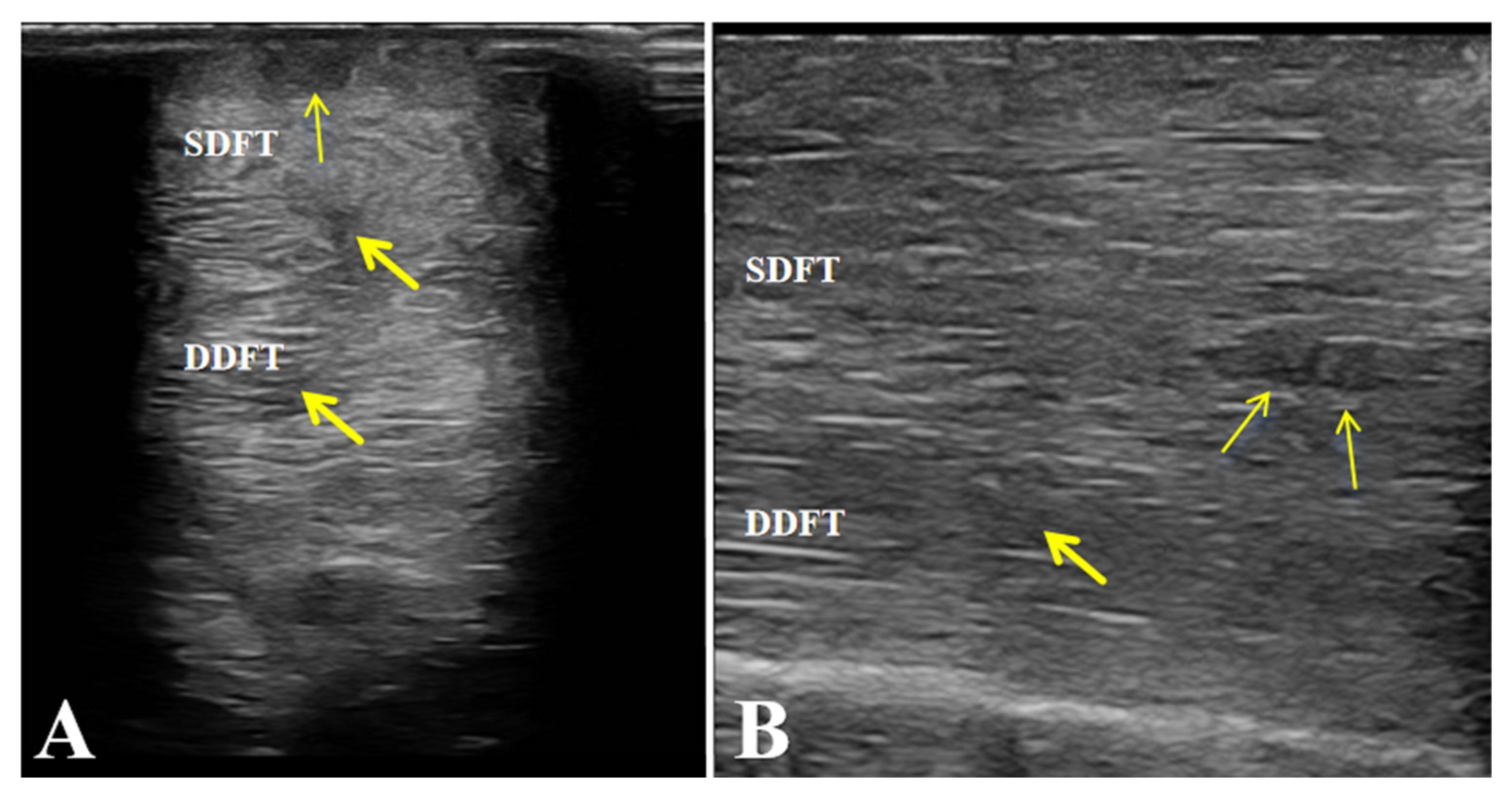
32]. In this case, radiography and ultrasonography played a key role in confirming the diagnosis, supported by hematological and biochemical analyses. The imaging findings showed a fracture at the apex of the proximal sesamoid bone, accompanied by inflammation of the SDFT and DDFT. Blood tests revealed elevated NEU, WBC, and LYM, indicating a systemic inflammatory response secondary to fracture and tendon injury, whereas RBC and HGB levels were decreased, suggesting bone marrow suppression.
After a fracture, osteoblast activity increases, leading to the secretion of ALP, which elevates the concentration of local inorganic phosphorus, thereby promoting calcium salt deposition and hydroxyapatite remodeling—key process in fracture healing [
33]. Calcium (Ca) and phosphorus (P) in the serum interact with each other, and their product (Ca × P) is maintained within a certain range. When Ca × P exceeds the saturation point of Ca
3(PO
4)
2 and CaCO
3, calcium phosphate begins to nucleate and form a precipitate which subsequently becomes mineralized as Ca
3(PO
4)
2 and CaCO
3, which are deposited in the bone as inorganic components of bone [
34]. Therefore, ALP, Ca, P, and Ca × P can be used as reliable biochemical markers to evaluate osteoblast activity and fracture healing progression. Similarly, CK and LDH are recognized as markers of muscle injury, reflecting the extent of tissue damage and repair [
35].
In this case, treatment with NSAIDs combined with adjuvant LIPUS therapy led to notable increases in ALP, Ca, P, and Ca × P levels compared with their pre-treatment values, indicating enhanced osteoblast metabolism and accelerated fracture healing. Meanwhile, serum CK and LDH levels decreased significantly compared with pre-treatment, implying reduced muscle activity based on lameness. Together, these findings suggest that LIPUS, when combined with NSAIDs, can stimulate bone metabolism, improve tissue regeneration, and mitigate inflammatory responses.
Proinflammatory cytokines, such as IL-1β, IL-6, and TNF-α, play central roles in fracture-associated inflammation and bone metabolism regulation [
36]. Specifically, TNF-α is a pro-inflammatory cytokine that binds to tumor necrosis factor receptor-1 (TNFR-1), thereby promoting the production of other cytokines. IL-1β, primarily produced by macrophages and endothelial cells, stimulates the activation of T lymphocytes and secretion of B-cell antibodies, thereby amplifying inflammation. IL-6, as a pro-inflammatory cytokine, recognizes and binds to IL-6 receptors on the surface of target cells to form a signal-transducing complex that regulates cytokine expression [
37,
38].
In this study, the serum levels of TNF-α, IL-1β, and IL-6 of the affected horse were raised before treatment, indicating that these cytokines are involved in the early inflammatory response associated with PSBF and tendon injury. After treatment, their levels returned to referenced ranges, suggesting that NSAIDs combined with LIPUS effectively reduced inflammatory cytokine expression, alleviated fracture-related inflammation, and accelerated and tendon healing.
Currently, clinical management of PSBF-related flexor tendinitis varies widely and includes the use of osteoclast inhibitors, intra-articular injection into the MTPJ, orthopedic plate fixation, and radial pressure wave therapy [
39]. In instances with small free bone fragments, surgical excision may be considered, and arthroscopic minimally invasive procedures have been adopted in some international equine clinics. However, such invasive techniques may cause secondary injury to the suspensory ligaments and tendon structures surrounding the sesamoid bone [
20]. To avoid the risks of secondary trauma and infection associated with surgery, this study employed a non-invasive strategy consisting of NSAID blockade therapy combined with LIPUS intervention, offering both safety and effectiveness.
Previous studies have confirmed the central role of LIPUS in promoting fracture repair. According to Rawool et al. [
40], LIPUS significantly increases vascular perfusion at the fracture region, an essential determinant of the healing process. Older horses, due to vascular sclerosis and reduced metabolic activity, typically have markedly poorer perfusion than younger horses. Clinical observations suggest that LIPUS combined with NSAIDs may help improve blood supply at lesion sites, thereby providing enhanced nutritional support for bone healing, and may offer potential adjunctive benefits in alleviating the delayed healing commonly observed in aged horses. Moreover, LIPUS enhances integrin expression, facilitates osteoblast adhesion and proliferation at the fracture site, and modulates bone-repair-related gene expression, thereby accelerating the healing process [
41]. As a continuously advancing biophysical therapy, LIPUS optimizes bone healing while minimizing thermal effects, achieving precise regulation of bone formation through molecular, cellular, and biomechanical interactions [
42]. In the field of tendon repair, LIPUS has demonstrated clear advantages as well, including improvement of the early healing microenvironment of flexor tendon tears, reduction in inflammatory cell infiltration, and enhancement of functional range of movement at the repair site [
43,
44]. In clinical practice, LIPUS is often incorporated as part of a combination therapy in tendon repair interventions, with its therapeutic effects being closely dependent on the synergy of the overall treatment regimen.
It is important to note that single therapy has inherent limitations in the management of PSBF-associated flexor tendinitis. NSAIDs effectively alleviate inflammatory pain symptoms, yet they lack direct regenerative effects on bone and tendon tissue; long-term use may also increase the risk of chronic injury, resulting in a “treating the symptoms but not the cause” dilemma [
45]. Conversely, LIPUS can effectively promote tissue regeneration but is insufficient for rapid suppression of acute inflammatory cascades, creating a “treating the cause but with delayed effect” limitation [
46]. The combined therapy proposed in this study offers an innovative solution to these clinical pain points. First, to reconcile the adverse-effect risks of prolonged NSAID use and the slower onset of LIPUS, we adopted an optimized design of “short-term, moderate-dose NSAIDs + full-course LIPUS repair.” This allows the duration of NSAID administration to be reduced while maintaining adequate anti-inflammatory efficacy, thereby significantly lowering the risk of gastrointestinal or renal complications. Moreover, NSAID-mediated inflammation control may act synergistically with low-intensity pulsed ultrasound to promote the initiation of tissue repair, helping to initiate the healing process at an earlier stage [
47,
48]. Second, to address the high risk of chronic flexor tendinitis associated with fractures at the base of the metacarpal bones, the combined therapy simultaneously promotes cartilaginous callus formation and the orderly remodeling of tendon collagen, thereby enhancing fracture healing outcomes, reducing tendon adhesions, and overcoming the traditional therapeutic limitation in which symptoms are readily alleviated but functional recovery remains difficult [
49,
50,
51]. Third, the non-invasive nature of LIPUS combined with oral NSAIDs provides a dual bone-tendon repair strategy without requiring surgical intervention, offering an attractive alternative for mild cases unsuitable for surgery or for postoperative rehabilitation, thereby expanding treatment options for musculoskeletal injuries [
52,
53].
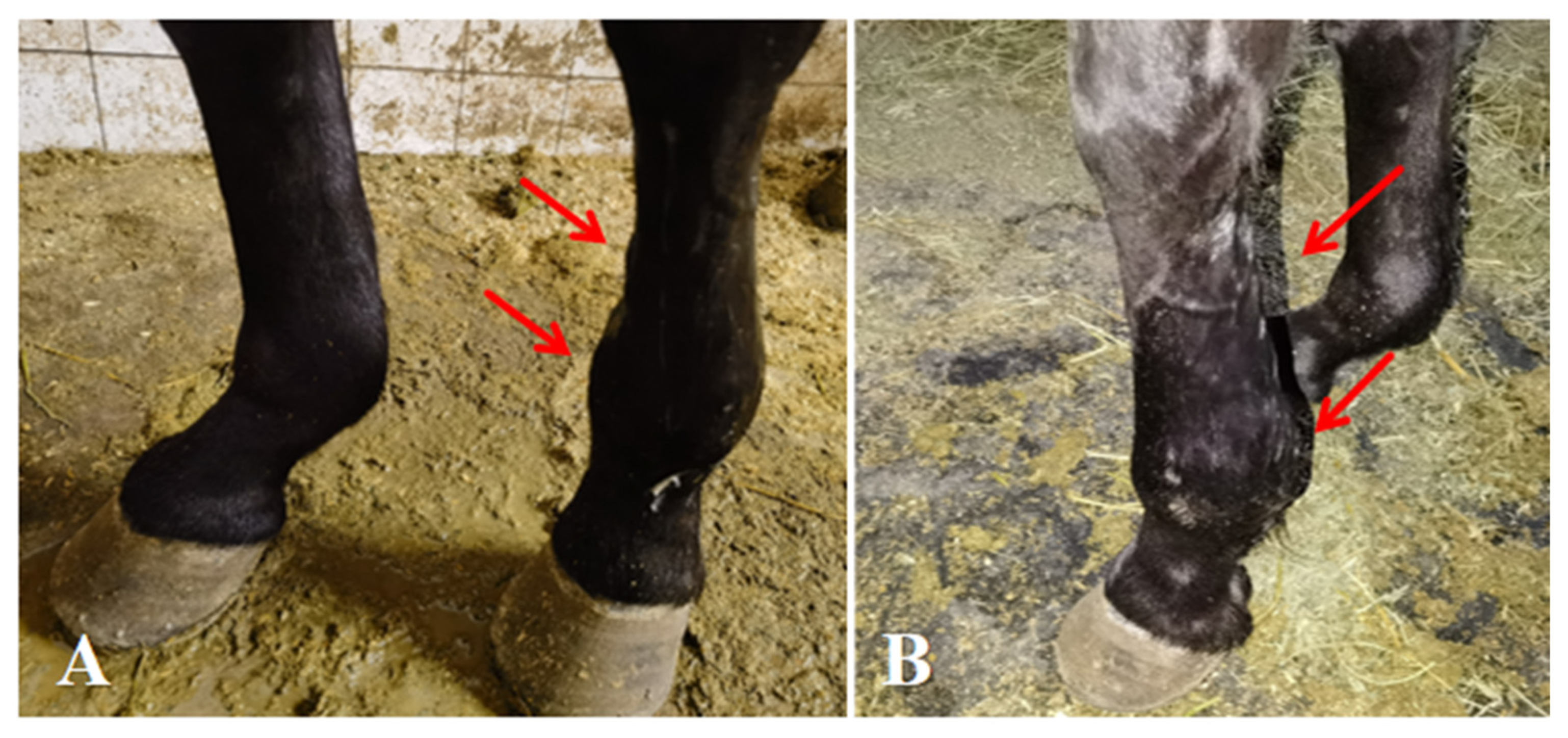
In this study, a single Yili horse diagnosed with PSBF-induced flexor tendinitis triggered by exercise overload underwent comprehensive evaluation, including lameness scoring, imaging examinations, and hematological testing. Based on the confirmed etiology and specific lesion location, a targeted treatment plan was made. After receiving combined NSAID and LIPUS therapy, the horse showed improved local blood supply and enhanced fracture healing, and it ultimately achieved a favorable clinical outcome. These observations suggest that LIPUS may have potential therapeutic utility in PSBF and associated flexor tendinitis, and that its combined application with NSAIDs may offer both efficacy and safety. As an initial attempt at integrating NSAIDs with LIPUS for this condition, this study provides a new exploratory direction, though its potential clinical value requires further validation in a larger sample size. In future studies, larger sample sizes and rigorously designed randomized controlled trials should be employed, with explicit exclusion of confounding interventions, appropriate control groups, extended follow-up periods, and standardized evaluation criteria and methodologies. These approaches will allow more scientific and objective validation of the independent efficacy of LIPUS, as well as the effectiveness and safety of combined NSAID–LIPUS therapy, thereby providing reliable evidence-based support for the clinical management of this condition.