Article

Mamba-Bi-LSTM with SHAP-Guided Iterative Refinement for Multimodal ARDS Diagnosis: A Dual-System Framework


1
Department of Engineering Science, University of Oxford, Parks Road, Oxford OX1 3PJ, UK
2
School of Electronics, Peking University, Science Building No. 5, Yiheyuan Lu, Haidian District, Beijing 100871, China
*
Author to whom correspondence should be addressed.
Bioengineering 2026, 13(7), 794; https://doi.org/10.3390/bioengineering13070794

Submission received: 15 May 2026 / Revised: 29 June 2026 / Accepted: 6 July 2026 / Published: 10 July 2026
(This article belongs to the Special Issue Deep Learning for Medical Applications: Challenges and Opportunities)

Abstract

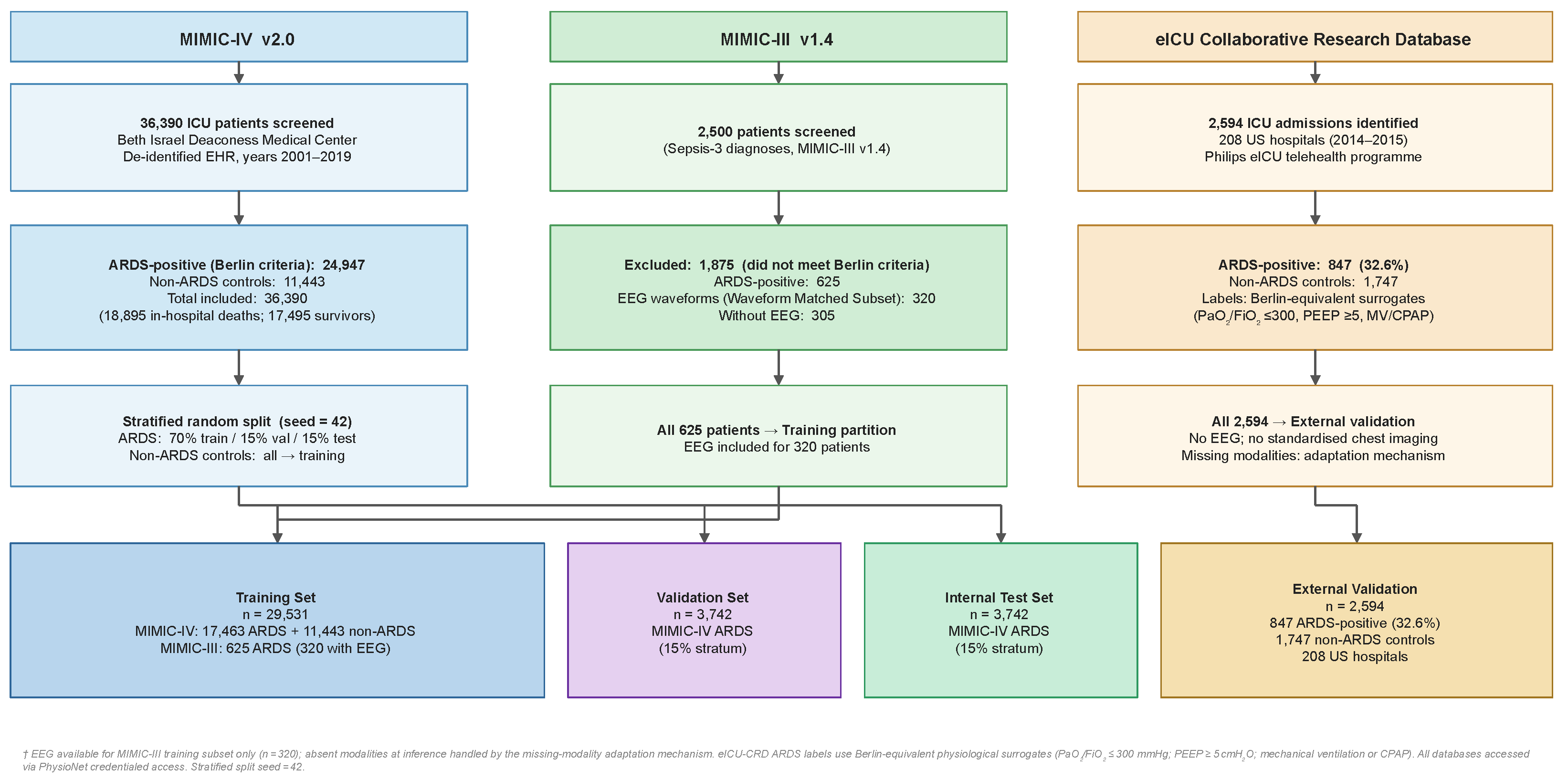
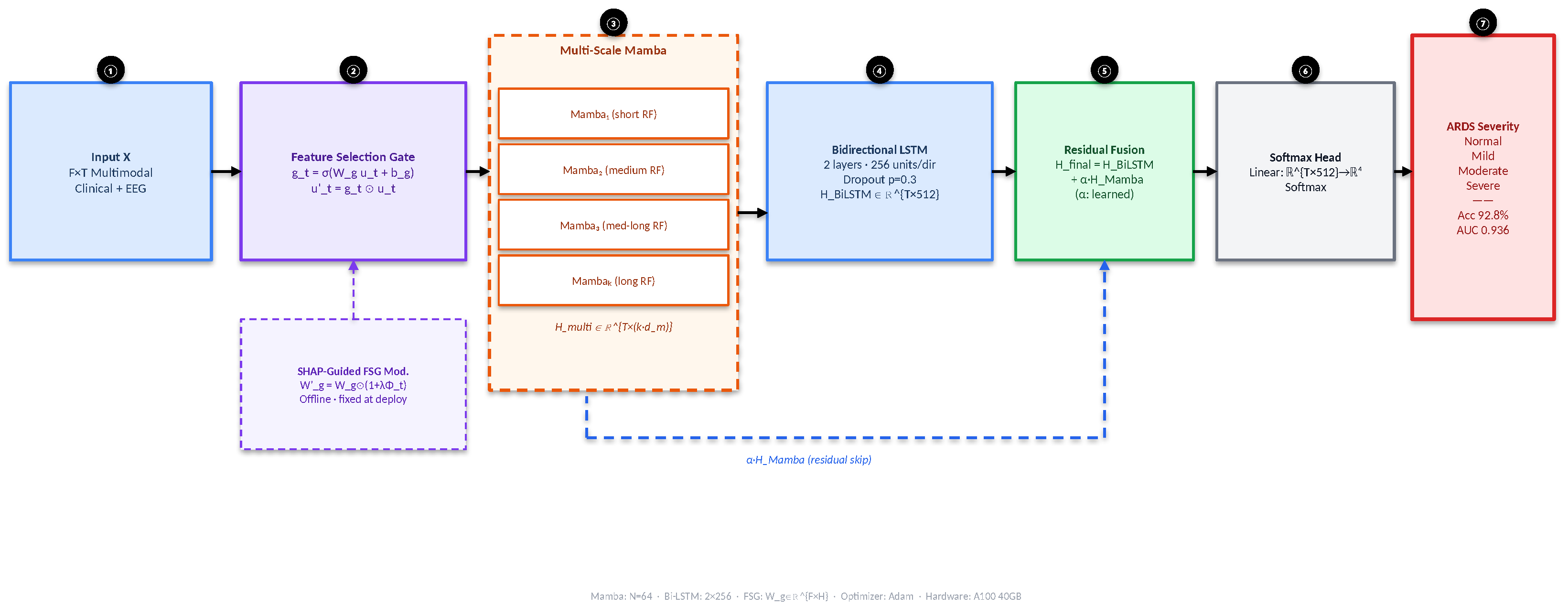
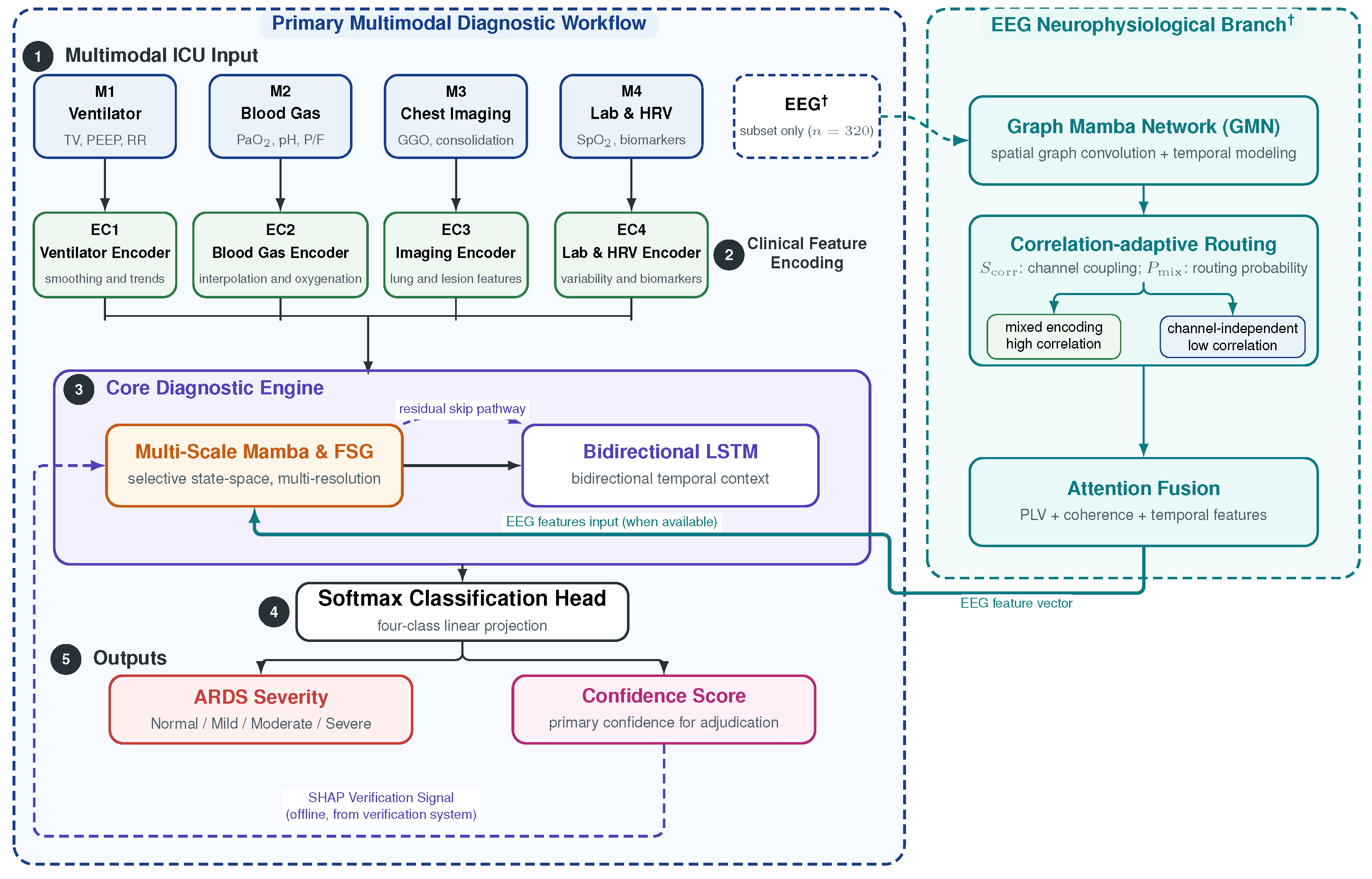
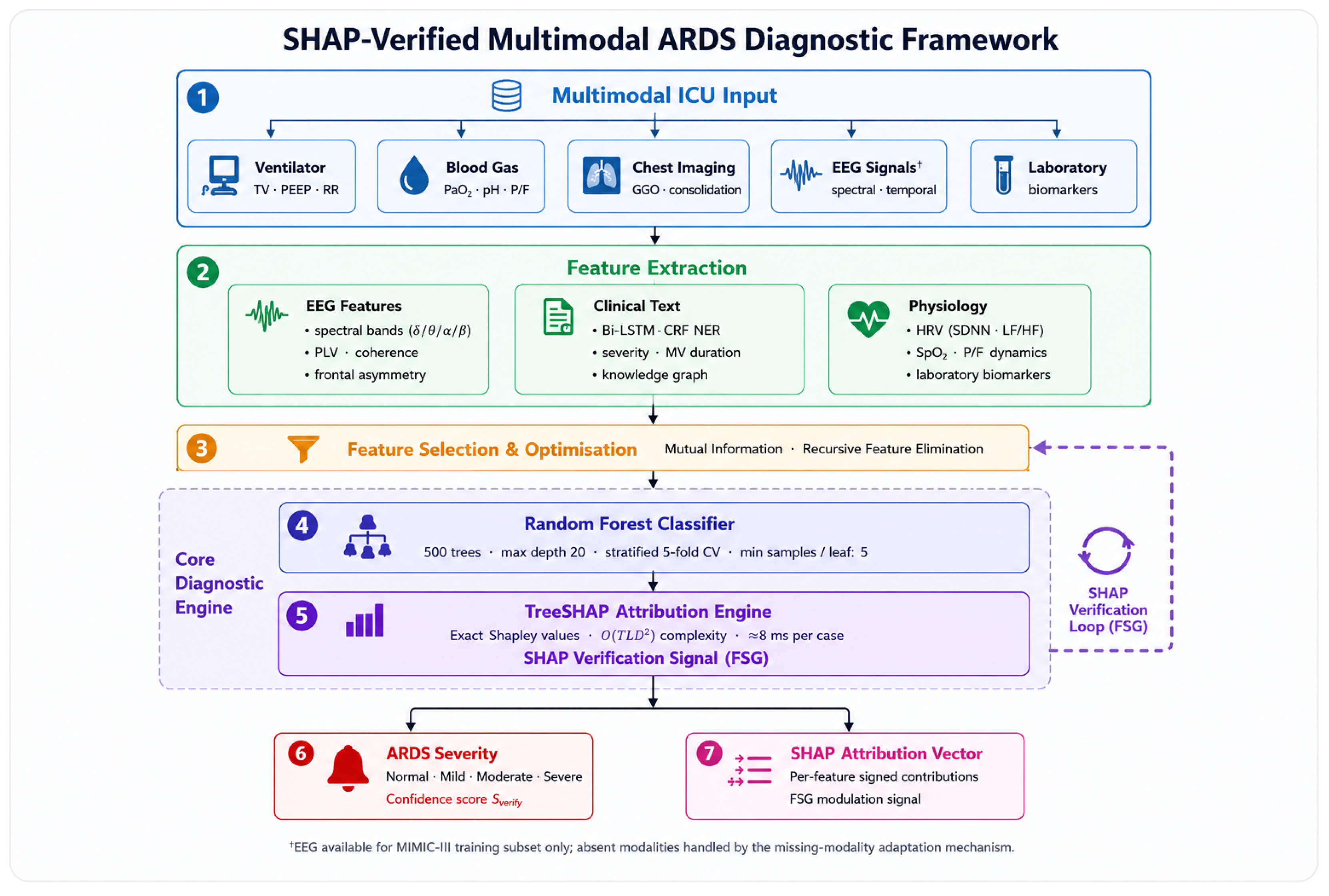
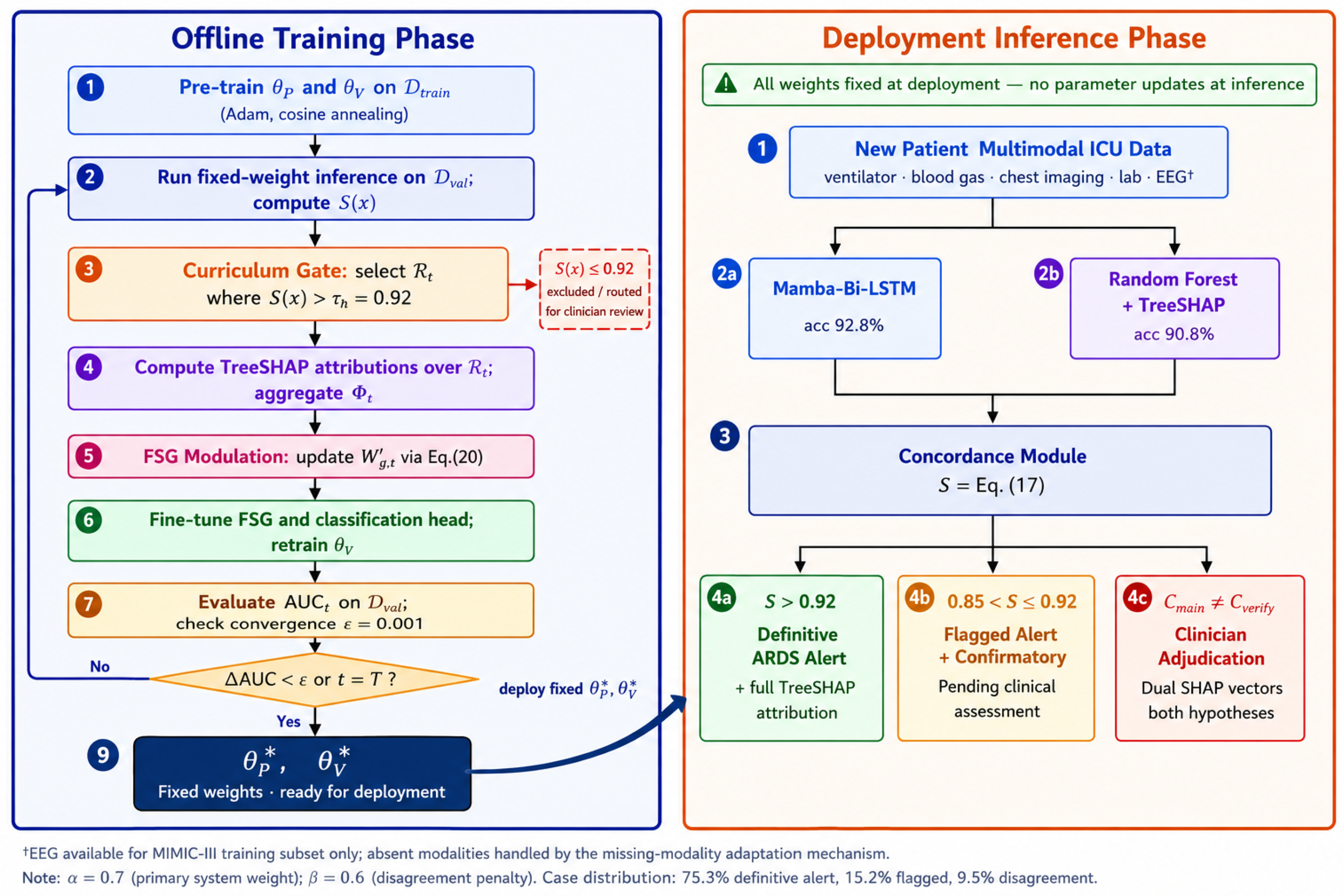
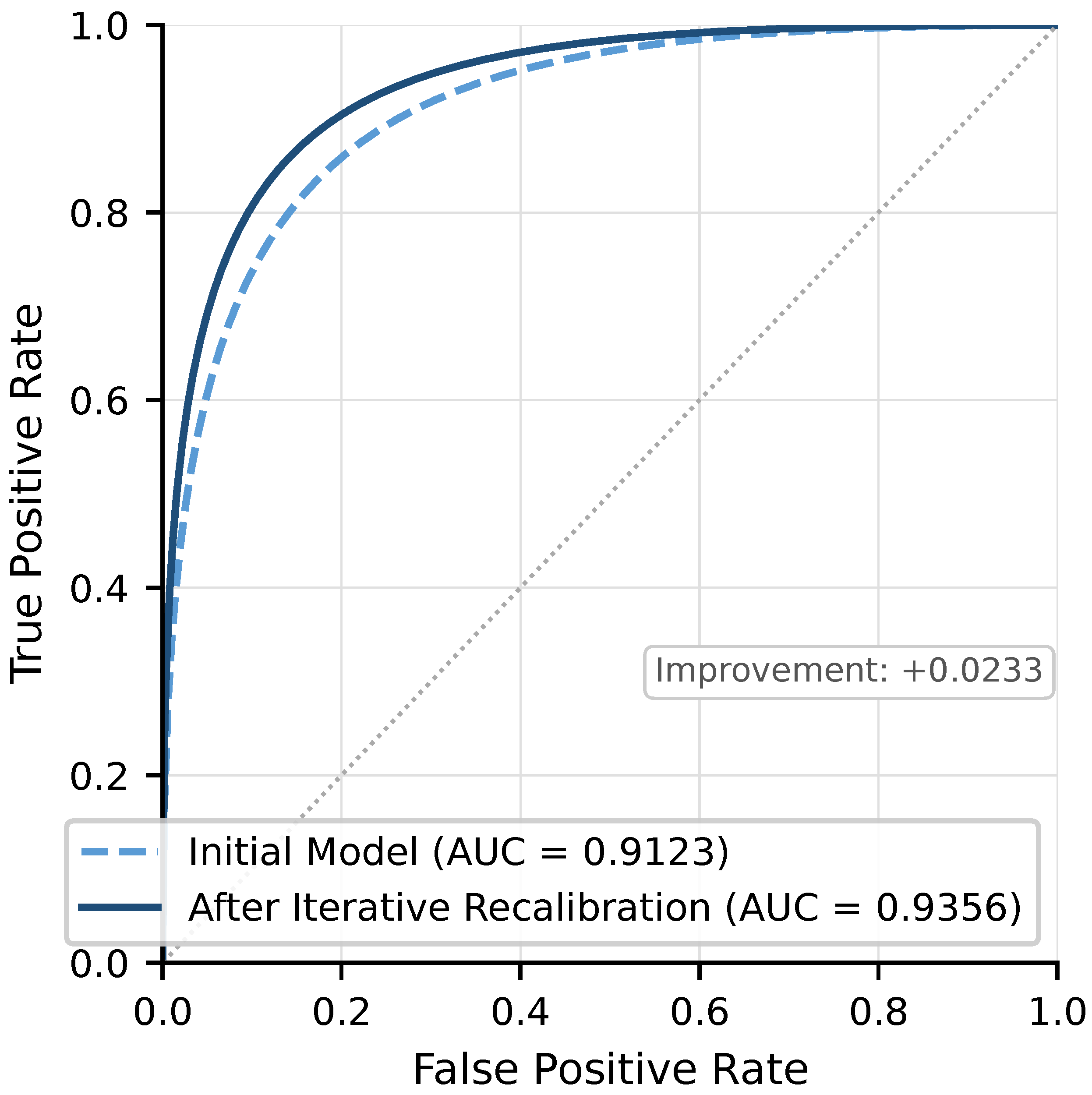
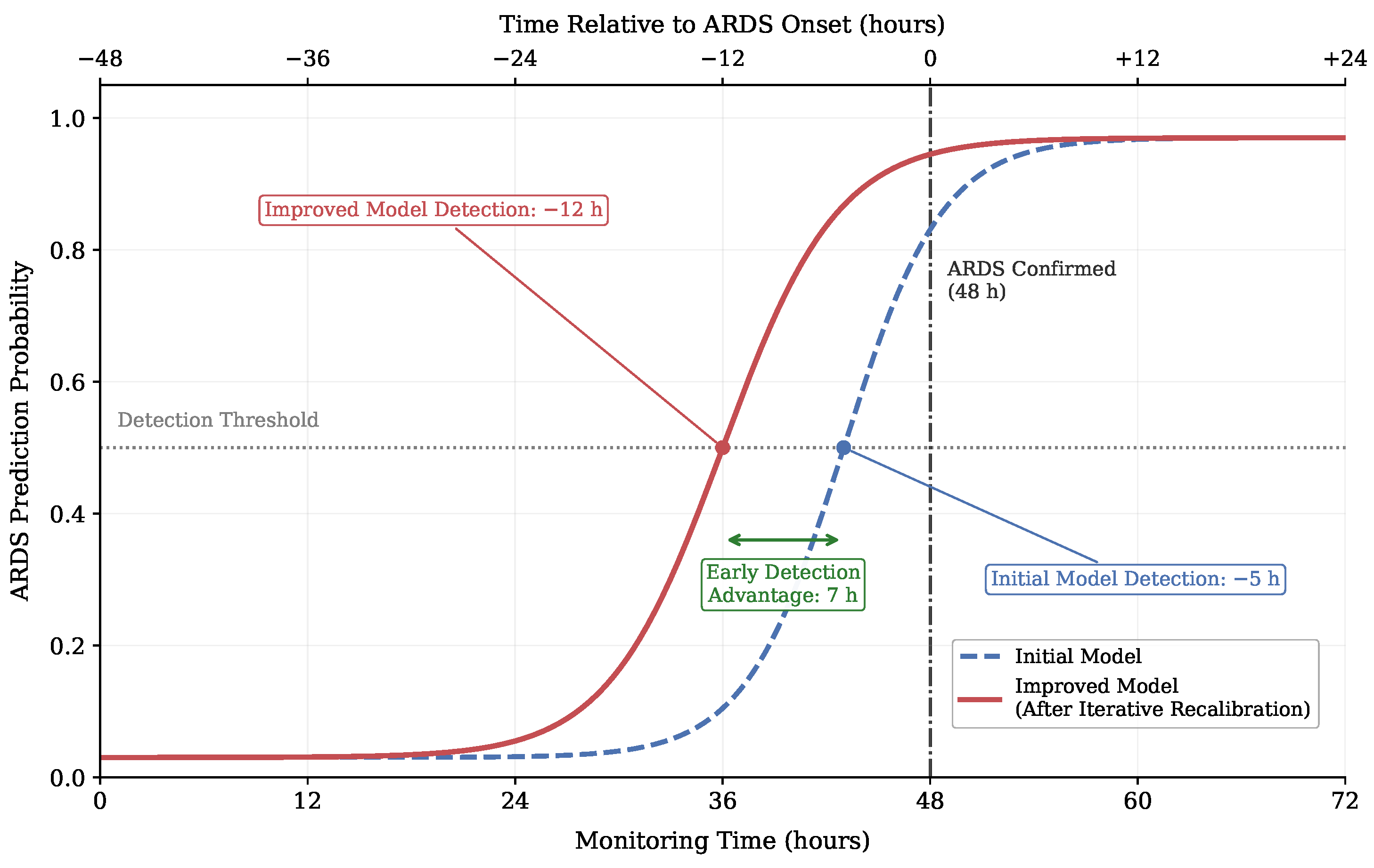
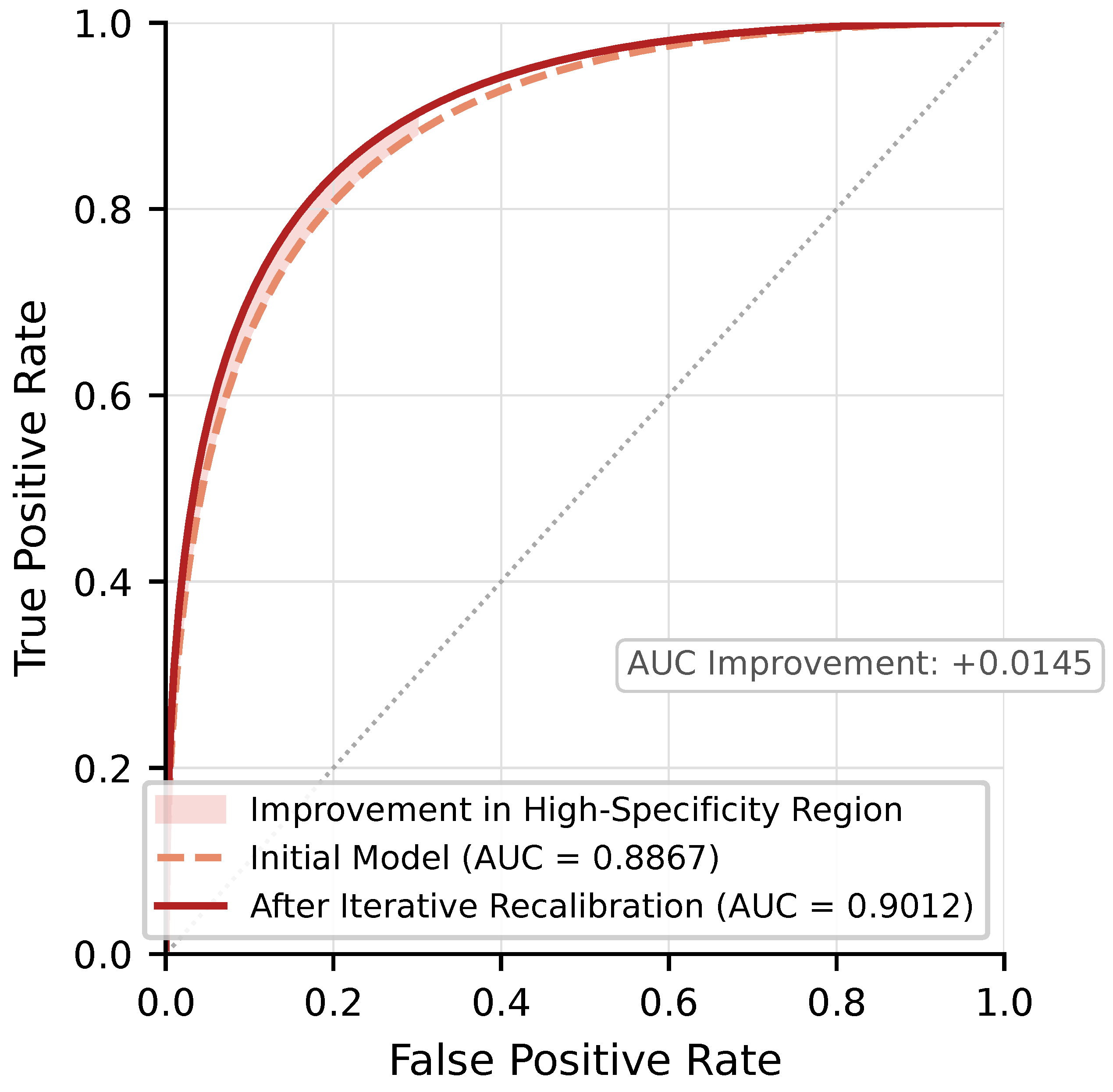
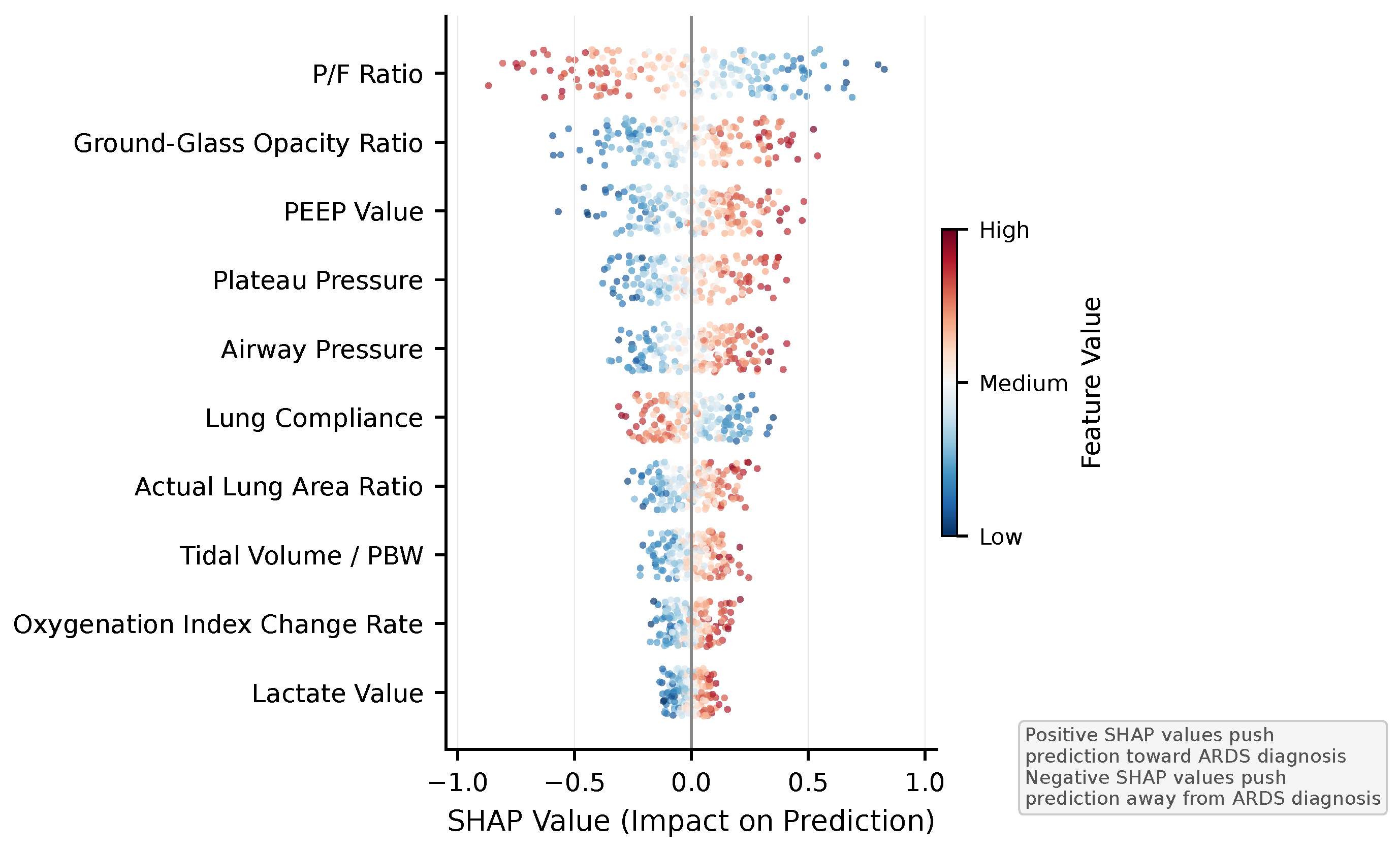
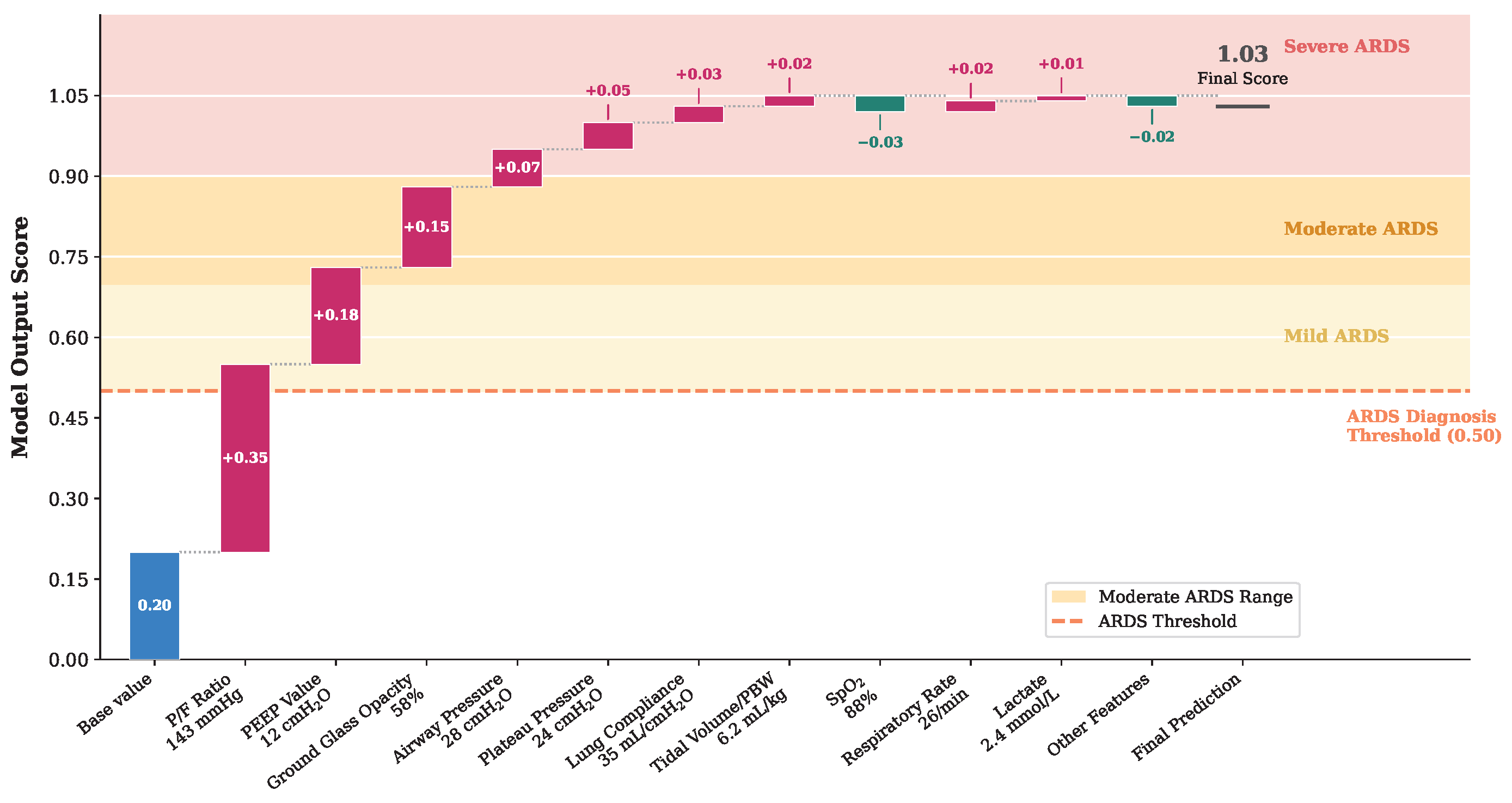
Acute respiratory distress syndrome (ARDS) is associated with mortality rates up to 46% and remains challenging to diagnose early due to overlapping clinical presentations. We propose a dual-system framework for multimodal ARDS diagnosis that integrates a Mamba-Bi-LSTM primary discrimination system with a TreeSHAP-based verification system whose attribution outputs iteratively refine the primary system’s feature selection gate. The primary system processes heterogeneous clinical inputs—ventilator parameters, blood gas indices, chest imaging, and EEG signals—through a selective state-space Mamba module and bidirectional LSTM layers. The verification system applies TreeSHAP attribution to independently cross-validate primary outputs, provide clinically interpretable evidence, and supply 1-normalised attribution vectors that directly modulate the Mamba feature selection gate weights during offline refinement. A confidence-and-consistency decision mechanism governs final output, and high-confidence predictions are incorporated as curriculum-filtered signals to iteratively recalibrate both systems through a confidence-gated offline refinement protocol. Evaluated on 3742 held-out patients from MIMIC-IV (internal test) and 2594 patients from the eICU Collaborative Research Database across 208 US hospitals (external validation), the complete system achieves 92.8% accuracy and an F1 score of 0.889 after offline iterative recalibration on the internal test set, with 91.6% accuracy and F1 of 0.871 on external validation, extending early warning time from 5.2 to 9.7 h. The P/F ratio consistently ranks as the top predictive feature in alignment with the Berlin definition. Ablation experiments confirm that EEG integration independently contributes a 2.7 percentage point accuracy gain and a 1.9-h extension of the warning window (McNemar χ2=27.0, p<0.001). All performance improvements over single-modality baselines and over existing methods are statistically significant (p<0.001, Bonferroni-corrected). End-to-end processing latency of 350 ms per case is compatible with real-time ICU deployment.
Keywords: acute respiratory distress syndrome; Mamba-Bi-LSTM; dual-system framework; multimodal fusion; SHAP-guided refinement; feature selection gate; EEG neurophysiology; early warning; ICU decision support acute respiratory distress syndrome; Mamba-Bi-LSTM; dual-system framework; multimodal fusion; SHAP-guided refinement; feature selection gate; EEG neurophysiology; early warning; ICU decision support