1. Introduction
Mandibular two-implant-retained complete overdenture has been considered the standard of care for edentulous patients [
1,
2]. Two implants placed on the anterior region of the fully edentulous mandible with attachments benefit the retention and stability of the denture; the improved chewing function, nutritional status, and speech by implant-retained overdentures contribute to patients’ satisfaction compared to conventional mandibular complete dentures without using implants [
3]. The Locator Attachment System (Zest Dental Solutions, Carlsbad, CA, USA) is widely used for this purpose due to its higher tolerance of implant divergence compared to other stud attachment systems [
4], and the lower requirement of restorative space and better cleanability compared to the bar attachments [
5]. Moreover, the Locator Attachment System supports a variety of implant connections [
6], simplifying the learning curve of manipulating the attachments while restoring different brands of implants.
The direct or indirect techniques might be applied to pick up the metal housings of the Locator Attachment by dentures. The direct technique refers to picking up the housings intraorally; in contrast, the indirect technique requires the impression along with corresponding Locator copings to record the relationship of abutments and edentulous ridge, and the pick-up process is accomplished during the denture processing stage [
7]. Ahmed [
8] and Ibrahim et al. [
9] compared two techniques on mandibular overdentures, and found no significant differences regarding the retention of dentures. However, Elsewedy et al. discovered that the direct technique presented higher retention than the indirect technique when measured one week after the pick-up procedure [
10]. While the indirect technique reduces chair time and avoids direct tissue contact with the acrylic monomer, the distortion from the process of implant location transferring and denture processing might cause incomplete seating of the denture on the tissue. The direct technique was considered more accurate by overcoming the limitations above, contributing to decreased need for prosthetic aftercare [
11], which was adopted as the method practiced in the present study; however, it is technique-sensitive in controlling the prosthesis position intraorally during the curing of the autopolymerizing resin and preventing acrylic resin from entering undercut areas of attachments [
12].
Dental providers who apply the Locator Attachment System in patient care must be proficient in performing housing pick-up procedures without compromising denture seating on the edentulous ridge. To support the development of this skill, simulation-based learning provides a controlled, low-risk environment for procedural training and has been incorporated into multiple areas of dental education, including fixed prosthodontics [
13], removable dentures [
14,
15], and implant dentistry [
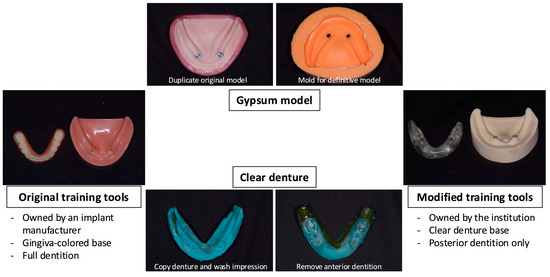
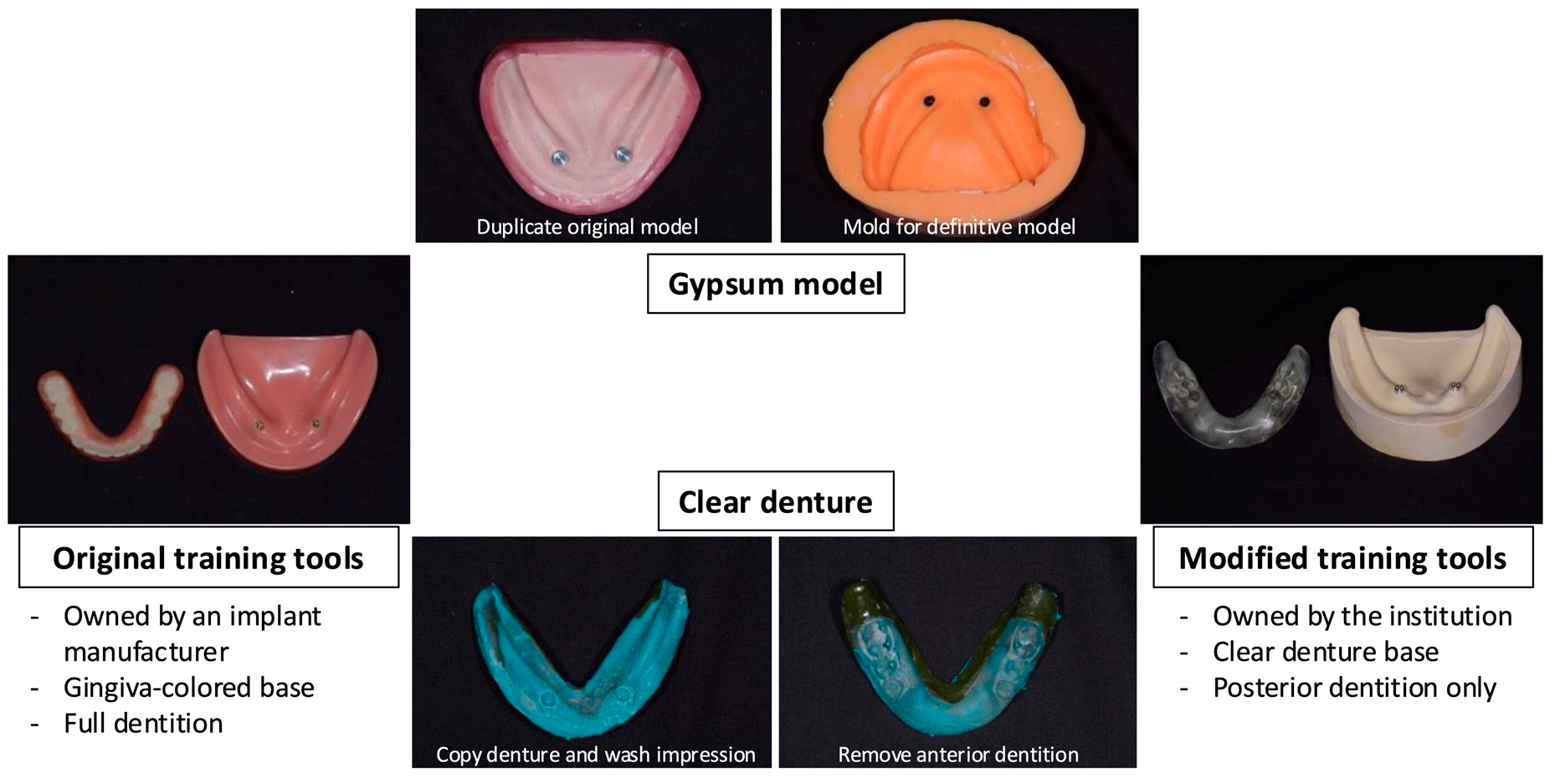
16]. These applications often require adaptation to institutional needs, particularly in high-volume predoctoral training settings. While the implant manufacturer provided training tools for practicing the direct pick-up procedure with resin models and gingiva-colored denture bases, the limited number of tools did not support the regular dental school class size, which led to the need for frequent recycling during practice sessions, hindering equal learning access for all students. Additionally, the manufacturer’s inconsistent availability of tools and shipping disruptions affected course scheduling, prompting the need for institution-developed training tools with modified designs to better support the educational mission.
2. Materials and Methods
The target learners were 83 second-year dental students enrolled in a preclinical complete denture course. The implant-retained overdenture module was introduced following conventional complete denture lectures and simulation exercises. Prior to a 20-min laboratory orientation session, students received 3.5 h of didactic instruction covering the fundamental principles of implant-retained and implant-supported removable prostheses. Step-by-step instructional materials were provided through a learning management system (Canvas, Instructure, Salt Lake City, UT, USA) and were accessible to both instructors and learners during and after the course. Students were organized into groups of six to seven, with three groups assigned to each two-hour session, ensuring that no more than 21 students participated at one time. Four sessions were conducted to provide hands-on experience for the entire cohort. Instruction was delivered by two prosthodontic faculty members and three prosthodontic residents serving as module leaders.
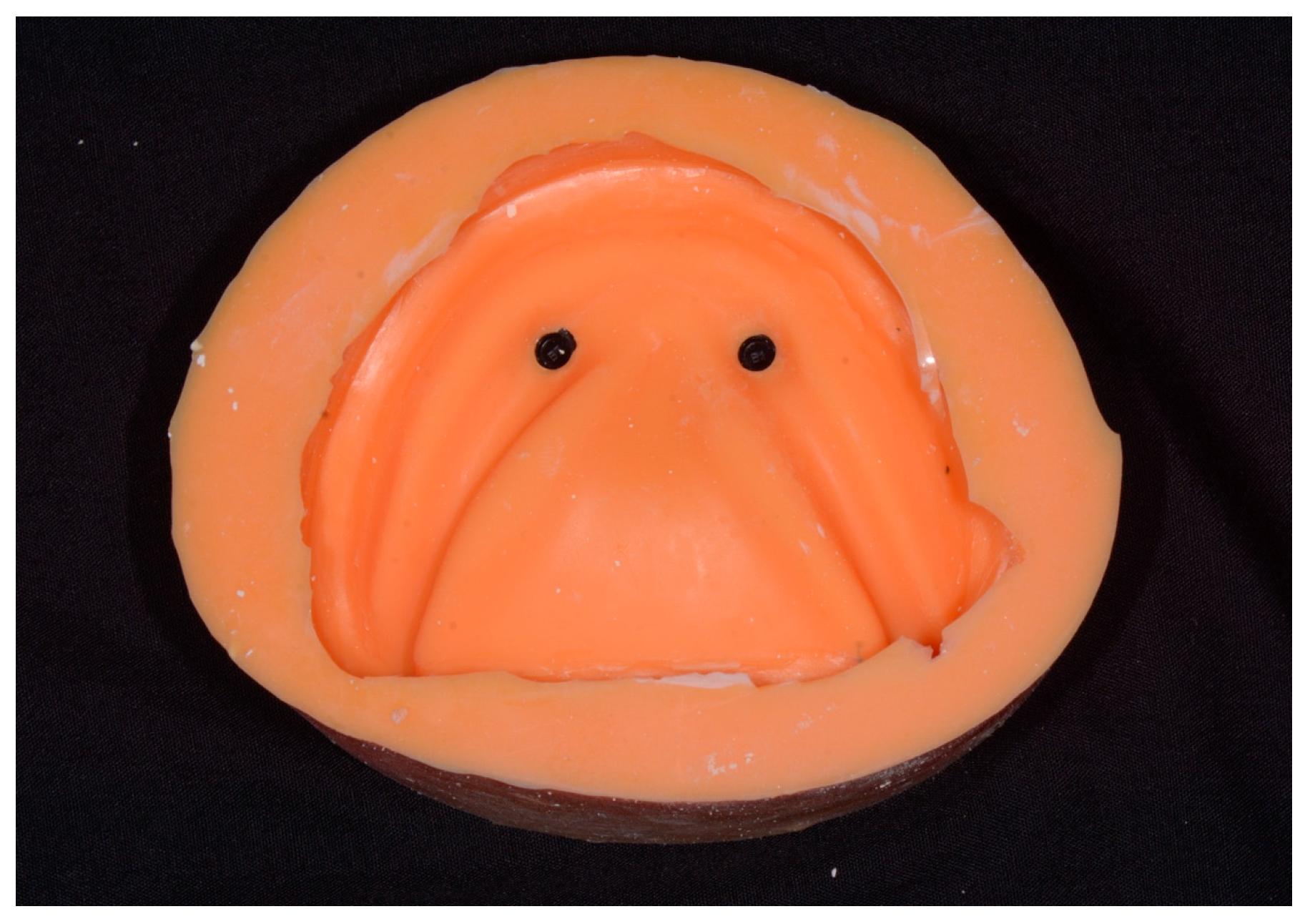
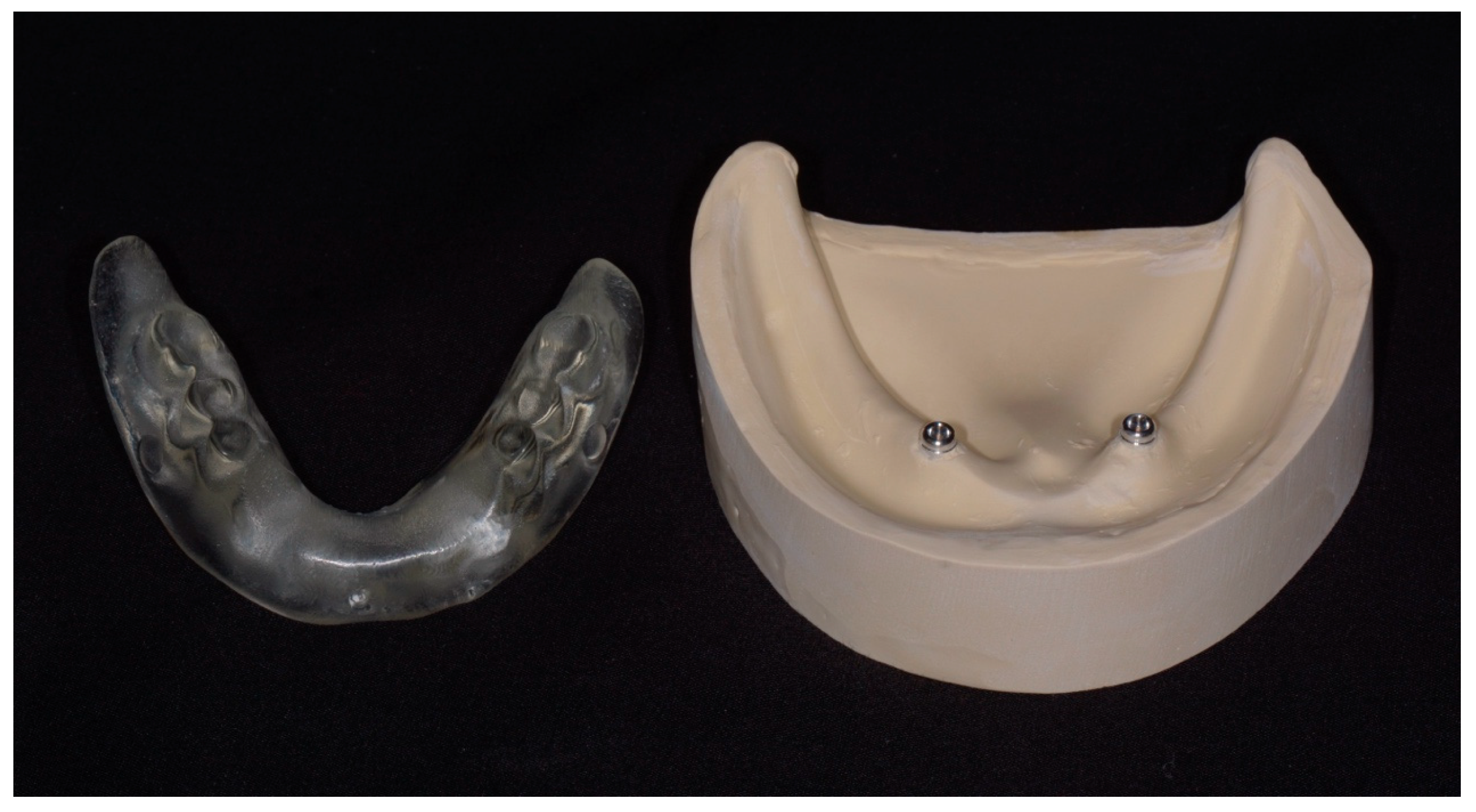
An existing preclinical edentulous model was duplicated using silicone duplicating material (Elite Double 22 Fast, Zhermack, Badia Polesine, Italy) and type IV gypsum (ResinRock, Whip Mix, Louisville, KY, USA) to establish a prototype. Two Locator analogs were embedded in positions appropriate for a mandibular two-implant overdenture. With impression copings in place, the duplicating material was used to create molds for definitive casts (
Figure 1), which were poured in gypsum with embedded Locator analogs.
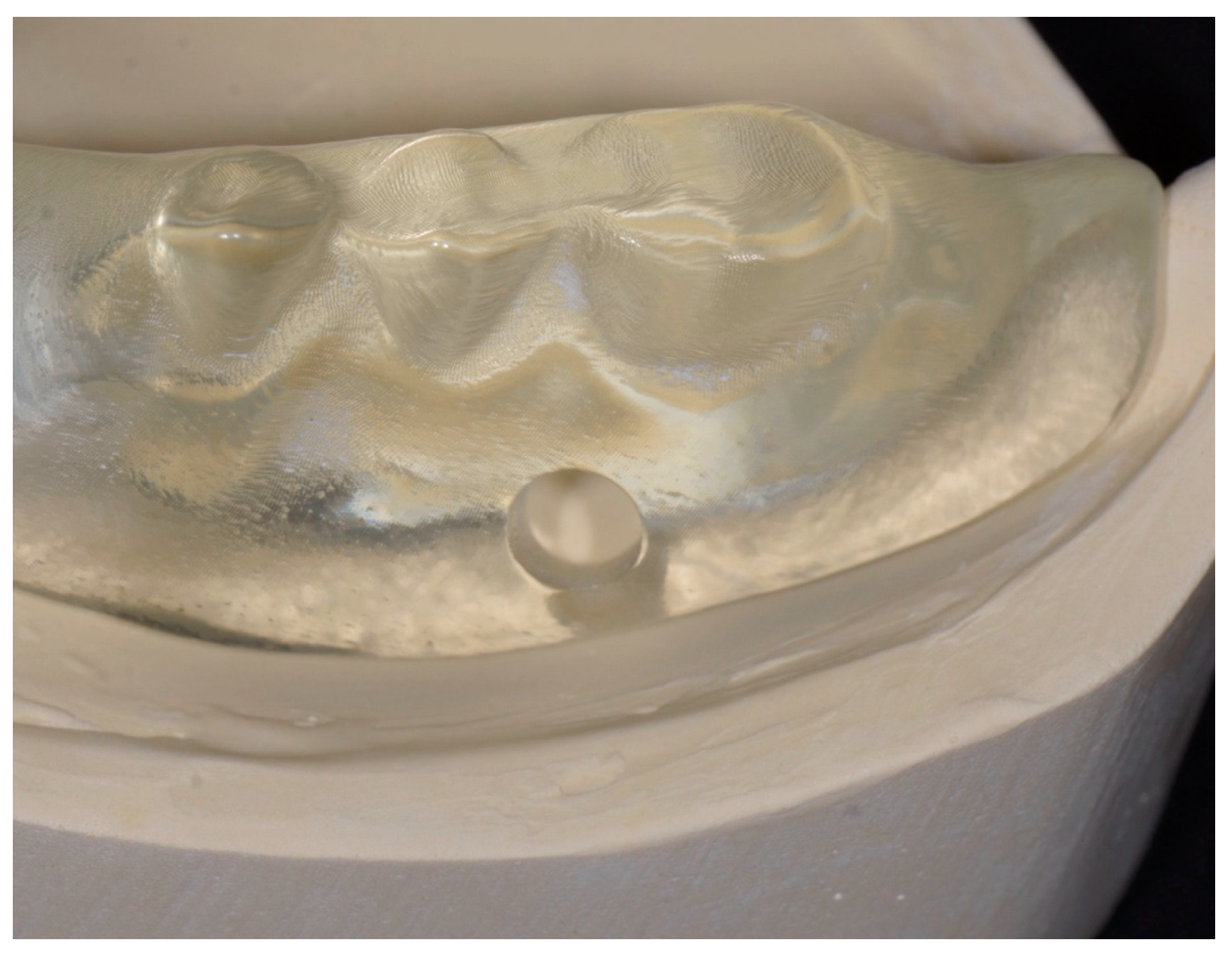
A prototype overdenture was derived from a complete denture by scanning with a desktop scanner (E4, 3Shape, Copenhagen, Denmark) and fabricating with a 3D printer (Pro S, SprintRay, Los Angeles, CA, USA) using a clear light-curable resin (Surgical Guide 3, SprintRay, Los Angeles, CA, USA). The anterior teeth were intentionally removed to enhance visualization during the pick-up procedure. Polyvinylsiloxane impression material (Aquasil Ultra+ LV, Dentsply Sirona, Charlotte, NC, USA) was applied to the tissue surface to improve adaptation to the model. The modified denture was rescanned, and inspection windows were digitally created beneath the buccal cervical areas of the posterior teeth. Definitive overdentures for each learner were produced using the same resin. A total of 100 clear dentures and 25 gypsum models were fabricated to accommodate the class size, with additional units prepared to allow for potential procedural complications (
Figure 2).
Students practiced attachment pick-up according to the manufacturer’s instructions [
7]. Each step was guided by module leaders, and learners received feedback before proceeding. The educational objectives of this simulation exercise were to enable students to (1) achieve complete seating of the overdenture on the edentulous ridge, (2) accurately perform Locator attachment housing pick-up using autopolymerizing resin, and (3) recognize and manage common procedural errors, such as misalignment of dentures and incomplete housing pick-up.
- 3.
After confirming full seating, students used clear autopolymerizing acrylic resin (Ortho-Jet, Lang Dental, Wheeling, IL, USA) to pick up the housings using the bead-brush technique, in which monomer was first placed into the recess area, followed by incremental addition of polymer powder to build the resin matrix [
17,
18]. Gypsum models were protected with petroleum jelly (Vaseline, Unilever, Englewood Cliffs, NJ, USA). A water bath (Digital Water Bath, Whip Mix, Louisville, KY, USA) was used, with the entire model-denture assembly immersed in 122 °F (50 °C) water, to accelerate the polymerization of the acrylic resin. Repeat attempts were guided as needed.
- 4.
Instructors assessed completion by demonstrating the use of the Locator Core Tool (Zest Dental Solutions, Carlsbad, CA, USA) for removal and insertion of nylon inserts. Completion was recorded on a pass/fail basis for course credit. A pass was defined as completion of the project within the two-hour session, whereas a fail required remediation.
- 5.
After completing the exercise, students returned all materials to the laboratory coordinator.
- 6.
For subsequent sessions, previously used gypsum models were inspected to confirm the absence of acrylic resin overflow and reused. New dentures were distributed.
- 7.
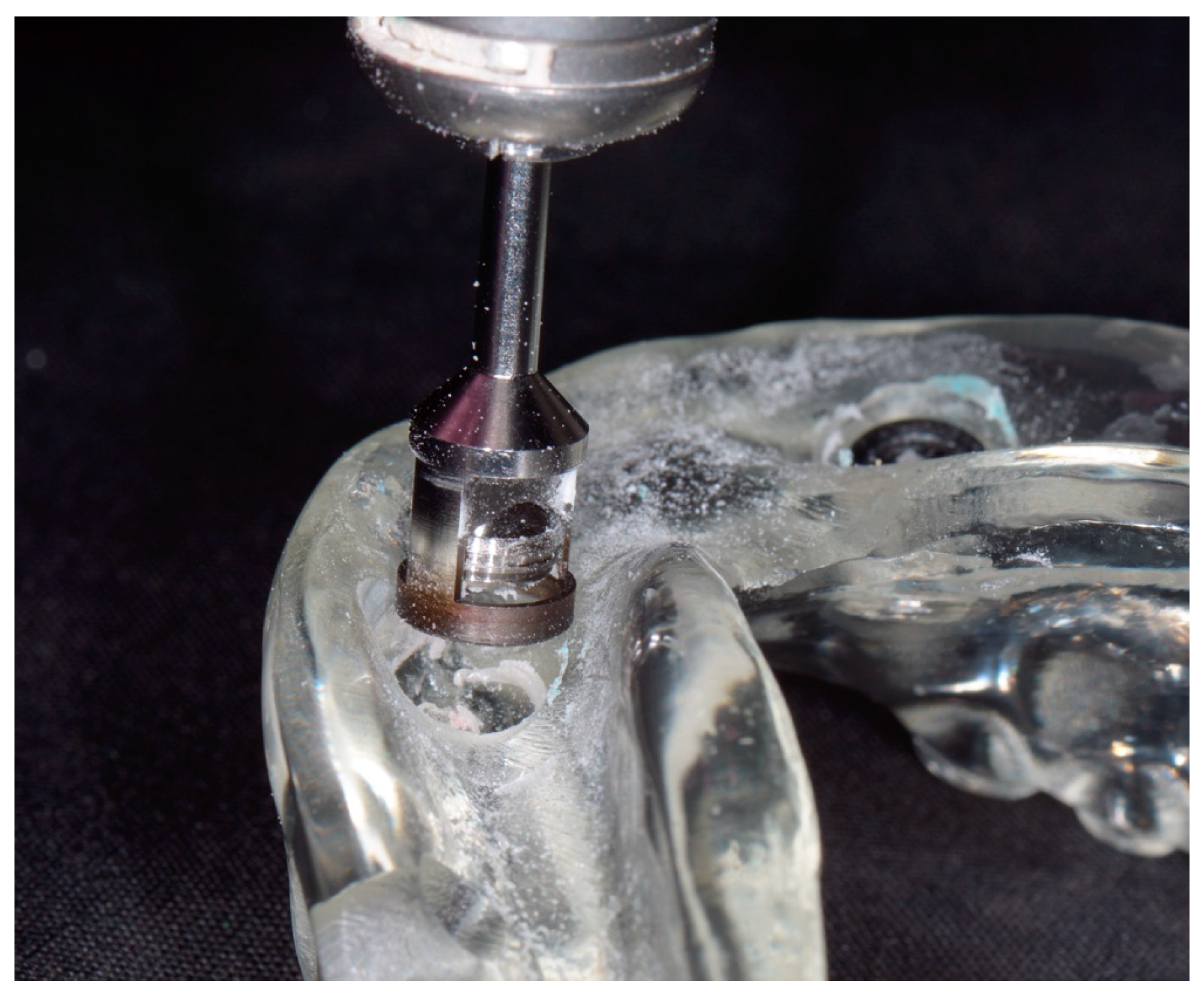
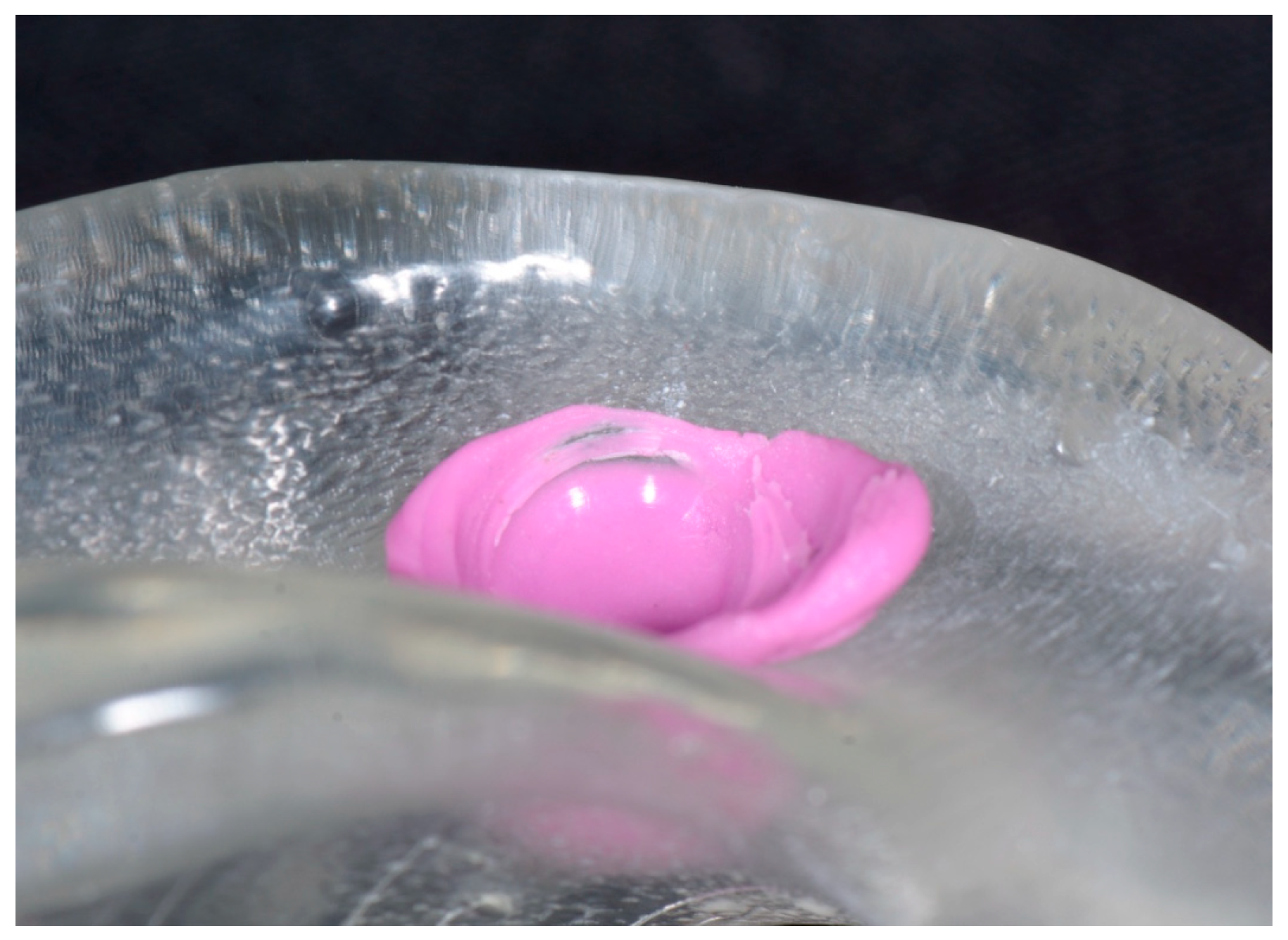
For subsequent academic cycles, housings were removed using a trephine bur (Zest Dental Solutions, Carlsbad, CA, USA), and minor resin additions were made to facilitate repeated practice (
Figure 5).
An anonymous, voluntary online survey of the Spring 2024 cohort was administered following the laboratory sessions using Qualtrics XM (Qualtrics, Provo, UT, USA). Participation had no impact on academic standing, and completion of the questionnaire was considered implied consent. The survey assessed learners’ agreement with statements regarding the training tools using a 5-point Likert scale ranging from 1 (strongly disagree) to 5 (strongly agree). Free-text responses were also collected. Additionally, the reuse and durability of dentures and gypsum models were documented across the 2024–2026 cycles.
3. Results
3.1. Course Outcomes
All learners completed the laboratory exercise within the scheduled two-hour session. The preformed recesses in the dentures were intentionally smaller than the metal housings, requiring enlargement of the intaglio surface to obtain passive seating. Polyvinylsiloxane materials were applied within the recesses to identify potential interference between the dentures and housings, consistent with common clinical verification approaches. Pick-up procedures were initiated only after seating had been confirmed by the instructors.
Common challenges included insufficient application of autopolymerizing resin and removal of the denture prior to complete polymerization. These situations were managed through supervised repetition and the introduction of a water bath to facilitate more predictable curing. Difficulty in seating the printed dentures was occasionally related to undercuts in the retromylohyoid region of the original model. This was addressed through selective modification of the gypsum casts using rotary instrumentation to narrow the lingual aspect of the posterior ridge. Following this adjustment, seating was more readily achieved in subsequent cohorts.
3.2. Learner Perception
Survey items and aggregate responses are presented in
Table 1. Twenty-eight of 83 learners participated, yielding a response rate of 34%. Responses tended toward agreement across all items, with mean scores ranging from 4.5 to 4.9 on the 5-point scale. The highest ratings were observed for clarity of project goals and adequacy of session time, whereas slightly lower ratings were noted for the ease of performing the housing pick-up. Free-text responses identified strengths, including the small-group environment, availability of instructors, visibility of component assembly, and opportunities for hands-on participation in implant attachment procedures. Feedback identifying areas for improvement was used to guide changes in later sessions, including the introduction of the water bath and the elimination of undercut over the retromylohyoid fossa areas of the gypsum model (
Table 2).
3.3. Tools Recycling Outcomes
During the 2024 implementation, three of the 83 dentures were accidentally dropped and fractured; each was immediately replaced with a spare. All 25 gypsum models were returned intact, with no damage affecting future use. Several block-out spacers were lost and subsequently restocked, and worn or distorted nylon inserts and metal housings were replaced after the session. In 2025, no dentures or gypsum models were damaged, and no remanufacturing was required. In 2026, three dentures were damaged; however, the existing inventory remained sufficient, and additional fabrication was not necessary.
4. Discussion
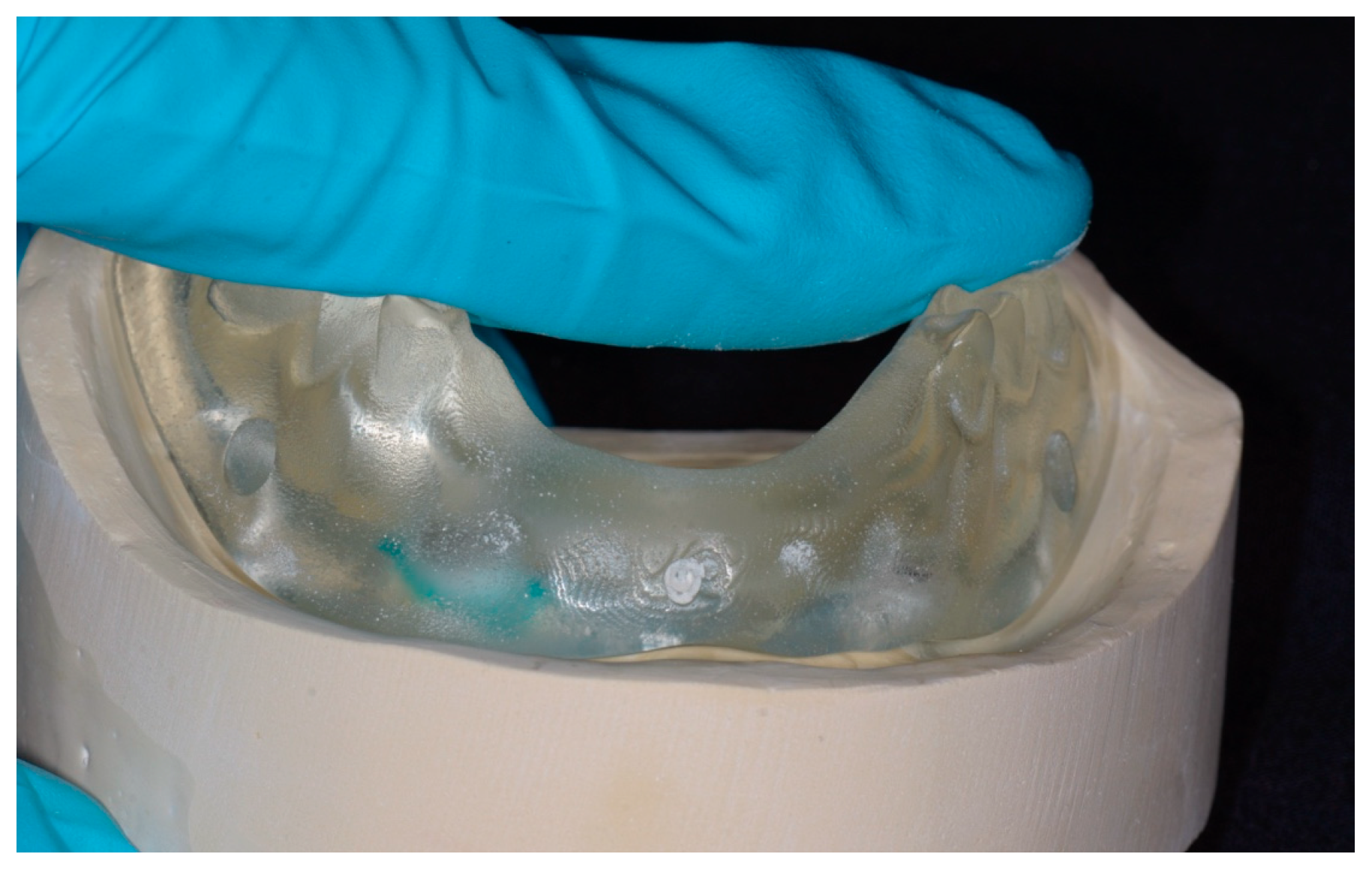
The present tools were designed to provide students with opportunities to practice the direct pick-up technique. The design focused on early exposure to the procedural sequence and visual cues associated with denture seating. The use of transparent materials and removal of anterior teeth allowed learners to observe the relationship between adjustments and seating, which may facilitate conceptual understanding of how procedural steps influence outcomes. In addition, the design reinforced posterior pressure during denture seating, which has been suggested to improve denture adaptation to the underlying tissue (
Figure 6) [
19]. The design also reduced material usage during fabrication and made common errors, such as incomplete seating and misalignment, more readily observable. The tools provided consistent access for all students without the need for repeated redistribution during the course. In-house additive manufacturing allowed efficient reproduction of the tools as needed. While annual remaking of transparent dentures may enhance the student learning experience and is technically feasible with in-house production, the decision to reuse the tools was driven by cost-efficiency considerations. The autopolymerizing acrylic resin demonstrated adequate bonding to the printed denture material, facilitating the pick-up procedure. However, bonding between the acrylic resin and printed resin models was problematic, making separation difficult and potentially limiting repeated use. This led to the adoption of gypsum models as a more practical alternative.
Various disclosing media have been recommended to verify complete denture seating, including Pressure Indicating Paste (Keystone, Gibbstown, NJ, USA) [
19,
20], articulating paper, occlusal spray, bite registration materials [
21], and polyvinylsiloxane materials such as Fit Checker (GC America Inc., Alsip, IL, USA) [
21,
22,
23]. In this study, bite registration materials were used to simulate clinical detection of interferences between metal housings and the intaglio surface of the denture. The use of transparent dentures with inspection windows allowed learners to visualize these interferences and observe changes following adjustments, which may support discussion of procedural rationale. Learner feedback suggested that participants perceived the exercise as helpful for clarifying procedural steps and reinforcing concepts introduced during didactic instruction.
Several limitations should be acknowledged. The simulation environment does not replicate intraoral conditions, including limited visibility, tissue resiliency, and patient-related variability. Therefore, additional supervised clinical experience is necessary for skill transfer to patient care. The use of a water bath did not fully replicate routine clinical procedures, and clarification was provided to minimize potential misunderstandings among students. The mandibular edentulous models used in this study often included undercuts in the retromylohyoid region, requiring additional adjustments during denture fabrication. The laboratory exercise did not include selection of abutment cuff height, as this would require multiple Locator abutments and increase material costs. The dentures were also susceptible to fracture if dropped, indicating a need for material optimization. Finally, comparison with previous training methods within the same cohort was not feasible due to inconsistent availability of prior tools. As a result, all students used the newly developed tools during the study period. The voluntary nature of the survey likely contributed to the relatively low participation rate, potentially limiting the representativeness of the findings and introducing a positive response bias in learner perceptions; furthermore, learner satisfaction may not accurately reflect actual learning outcomes and requires further validation. Future work may include progression toward less visible and more clinically realistic simulation conditions, such as the use of opaque materials or integration into a head simulator, to better mimic clinical settings.
5. Conclusions
The modified Locator pick-up training tools allowed for the delivery of a structured preclinical experience for learners within a high-volume instructional setting and may be transferable to other institutions with access to basic laboratory fabrication resources. Survey responses suggested that students were generally able to follow the procedural sequence and engage with key steps of the exercise. The approach may provide a practical framework for organizing implant attachment training within the preclinical curriculum, particularly in settings requiring standardized instruction across large groups of learners. Given that the evaluation was limited to learner perception, future studies incorporating objective performance measures may help to further clarify the educational impact of the tools.
Author Contributions
Conceptualization, P.-H.C.; methodology, P.-H.C.; investigation, P.-H.C.; resources, C.-C.F. and D.A.G.; data curation, P.-H.C.; writing—original draft preparation, P.-H.C.; writing—review and editing, C.-C.F. and D.A.G.; supervision, C.-C.F. and D.A.G.; project administration, P.-H.C. All authors have read and agreed to the published version of the manuscript.
Funding
This research received no external funding.
Institutional Review Board Statement
The project was reviewed by the University of Alabama at Birmingham Institutional Review Board and determined to be not human subjects research (IRB-300012386; 6 February 2024).
Informed Consent Statement
Completion of the anonymous, voluntary online survey was considered to indicate implied consent to participate in the survey.
Data Availability Statement
The original contributions presented in this study are included in the article. Further inquiries can be directed to the corresponding author.
Acknowledgments
The authors thank BioHorizons, Inc. (Birmingham, AL, USA) for providing the original training tool; Julius C. Seidenfaden and James O. Bradley, for their assistance in fabricating the models and dentures; Rashmi Radhakrishnan, Omar A. Mohamed, and Jillian C. Richardson for serving as lead prosthodontic faculty during the simulation sessions across the 2024–2026 cycles.
Conflicts of Interest
The authors declare no conflicts of interest.
References
- Feine, J.S.; Carlsson, G.E.; Awad, M.A.; Chehade, A.; Duncan, W.J.; Gizani, S.; Head, T.; Lund, J.P. The McGill consensus statement on overdentures: Mandibular two-implant overdentures as first choice standard of care for edentulous patients. Gerodontology 2002, 19, 3–4. [Google Scholar] [PubMed]
- Thomason, J.M.; Feine, J.; Exley, C.; Moynihan, P.; Müller, F.; Naert, I.; Ellis, J.S.; Barclay, C.; Butterworth, C.; Scott, B. Mandibular two implant-supported overdentures as the first choice standard of care for edentulous patients—The York Consensus Statement. Br. Dent. J. 2009, 207, 185–186. [Google Scholar] [CrossRef] [Scilit] [PubMed]
- Laverty, D.P.; Green, D.; Marrison, D.; Addy, L.; Thomas, M.B. Implant retention systems for implant-retained overdentures. Br. Dent. J. 2017, 222, 347–359. [Google Scholar] [CrossRef] [Scilit] [PubMed]
- Elawady, D.; Adam, M.A.; Allam, H.; Mahmoud, I.I.; Alqutaibi, A.Y.; Shon, A.A. Single implant-retained mandibular overdentures: A literature review. Cureus 2024, 16, e52486. [Google Scholar] [CrossRef] [Scilit] [PubMed]
- Pasciuta, M.; Grossmann, Y.; Finger, I.M. A prosthetic solution to restoring the edentulous mandible with limited interarch space using an implant-tissue-supported overdenture: A clinical report. J. Prosthet. Dent. 2005, 93, 116–120. [Google Scholar] [CrossRef] [Scilit] [PubMed]
- Zest Dental Solutions. LOCATOR Implant Attachment System. Available online: https://www.zestdent.com/locator-implant-attachment-system (accessed on 12 February 2026).
- Zest Dental Solutions. Locator Attachment System Technique Manual. Available online: https://www.zestdent.com/media/pdf/Brochures/Zest-anchors/za-removable-attachment-L8030-locator-tm.pdf (accessed on 12 February 2026).
- Ahmed, M.H. Effect of different pick-up techniques on the retention and patient satisfaction of implant-supported mandibular overdenture with Locator attachment. IOSR J. Dent. Med. Sci. 2017, 16, 9–22. [Google Scholar]
- Ibrahim, C.; Awad, A.; Habib, A. Direct versus indirect pick-up of the locator retentive caps for two implant-supported mandibular overdenture: A crossover study. Mans. J. Dent. 2023, 10, 339–346. [Google Scholar]
- Elsewedy, M.; Nabil, M.; Habib, A. Direct versus indirect pick-up of the locator retentive caps for four implant-retained mandibular overdenture: Within-patient study. IOSR J. Dent. Med. Sci. 2023, 22, 12–15. [Google Scholar]
- Nissan, J.; Oz-Ari, B.; Gross, O.; Ghelfan, O.; Chaushu, G. Long-term prosthetic aftercare of direct vs indirect attachment incorporation techniques to mandibular implant-supported overdenture. Clin. Oral Implants Res. 2011, 22, 627–630. [Google Scholar] [CrossRef] [Scilit] [PubMed]
- Taddei, C.; Metz, M.; Waltman, E.; Etienne, O. Direct procedure for connecting a mandibular implant-retained overdenture with ball attachments. J. Prosthet. Dent. 2004, 92, 403–404. [Google Scholar] [CrossRef] [Scilit] [PubMed]
- Gomes, M.S.S.; Rossi, N.R.; Uemura, E.S.; Mesquita, A.M.M.; Nishioka, R.S.; Andreatta-Filho, O.D.; Paes-Junior, T.J.A.; Kojima, A.N. Development and validation of new methodologies for teaching preparations in fixed partial prosthesis. J. Dent. Educ. 2020, 84, 1230–1236. [Google Scholar] [CrossRef] [Scilit] [PubMed]
- Bukhary, D.M.; Alshali, R.Z. A simulation model used in teaching denture border adjustment: Randomized controlled trial. J. Dent. Educ. 2022, 86, 98–106. [Google Scholar] [CrossRef] [Scilit] [PubMed]
- Chen, P.-H.; Fu, C.-C.; Givan, D.; Wagner, S. Novel typodonts for teeth arrangement practice at a preclinical level. J. Dent. Educ. 2024, 88, 1900–1901. [Google Scholar] [CrossRef] [Scilit] [PubMed]
- Vincent, M.; Giess, R.; Balthazard, R.; Tran, N.; Mortier, É.; Joseph, D. Virtual aids and students’ performance with haptic simulation in implantology. J. Dent. Educ. 2022, 86, 1015–1022. [Google Scholar] [CrossRef] [Scilit] [PubMed]
- Esquivel, J.F.; Welsch, B.B. Simplifying the bead-brush technique. Gen. Dent. 1999, 47, 607–610. [Google Scholar] [PubMed]
- Panittaveekul, M.; Phasuk, K.; Levon, J.; Chu, T.M.G. Bonding between implant attachment pickup materials and CAD-CAM denture base material. J. Prosthet. Dent. 2021, 126, 102.e1–102.e7. [Google Scholar] [CrossRef] [Scilit] [PubMed]
- Scherer, M.D. Properly Adjusting Implant-Retained Overdentures. Available online: https://www.michaelschererdmd.com/wp-content/uploads/2022/07/Scherer-Properly-Adjusting-Overdentures-Inside-Dentistry.pdf (accessed on 12 February 2026).
- Lambade, D.; Lambade, P.; Gundawar, S. Implant supported mandibular overdenture: A viable treatment option for edentulous mandible. J. Clin. Diagn. Res. 2014, 8, ZD04–ZD06. [Google Scholar] [CrossRef] [Scilit] [PubMed]
- Kosinski, T.; Tilley, S. Efficient Chairside Attachment Processing Made Simple. Available online: https://www.dentistrytoday.com/efficient-chairside-attachment-processing-made-simple/ (accessed on 12 February 2026).
- Srinivasan, M.; Kalberer, N.; Maniewicz, S.; Müller, F. Implant overdentures retained by self-aligning stud-type attachments: A clinical report. J. Prosthet. Dent. 2020, 123, 6–14. [Google Scholar] [CrossRef] [Scilit]
- Grandi, T.; Guazzi, P.; Samarani, R.; Garuti, G.; Grandi, G. Immediate loading of two unsplinted implants retaining the existing complete mandibular denture in elderly edentulous patients: 1-year results from a multicentre prospective cohort study. Eur. J. Oral Implantol. 2012, 5, 61–68. [Google Scholar] [PubMed]
| Disclaimer/Publisher’s Note: The statements, opinions and data contained in all publications are solely those of the individual author(s) and contributor(s) and not of MDPI and/or the editor(s). MDPI and/or the editor(s) disclaim responsibility for any injury to people or property resulting from any ideas, methods, instructions or products referred to in the content. |