Article

Bisimulation for Secure Information Flow Analysis of Multi-Threaded Programs


Department of Computer Science, University of Tabriz, Tabriz 51666-16471, Iran
*
Author to whom correspondence should be addressed.
Math. Comput. Appl. 2019, 24(2), 64; https://doi.org/10.3390/mca24020064
Submission received: 5 May 2019 / Revised: 31 May 2019 / Accepted: 3 June 2019 / Published: 17 June 2019

Abstract

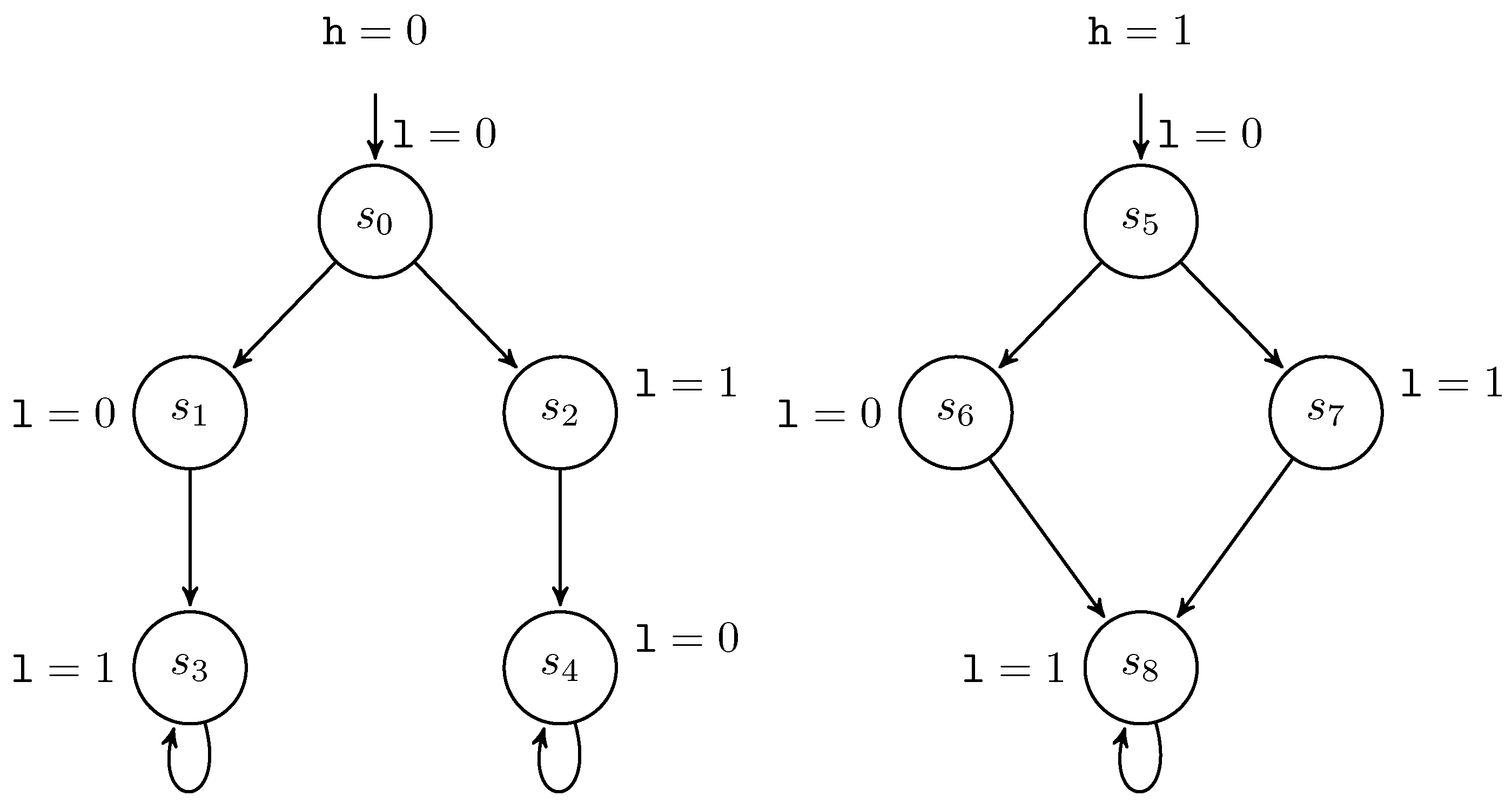
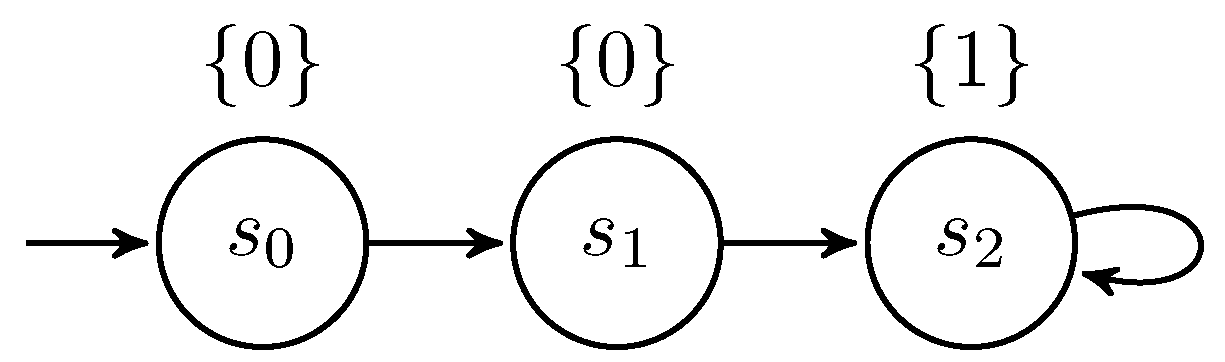
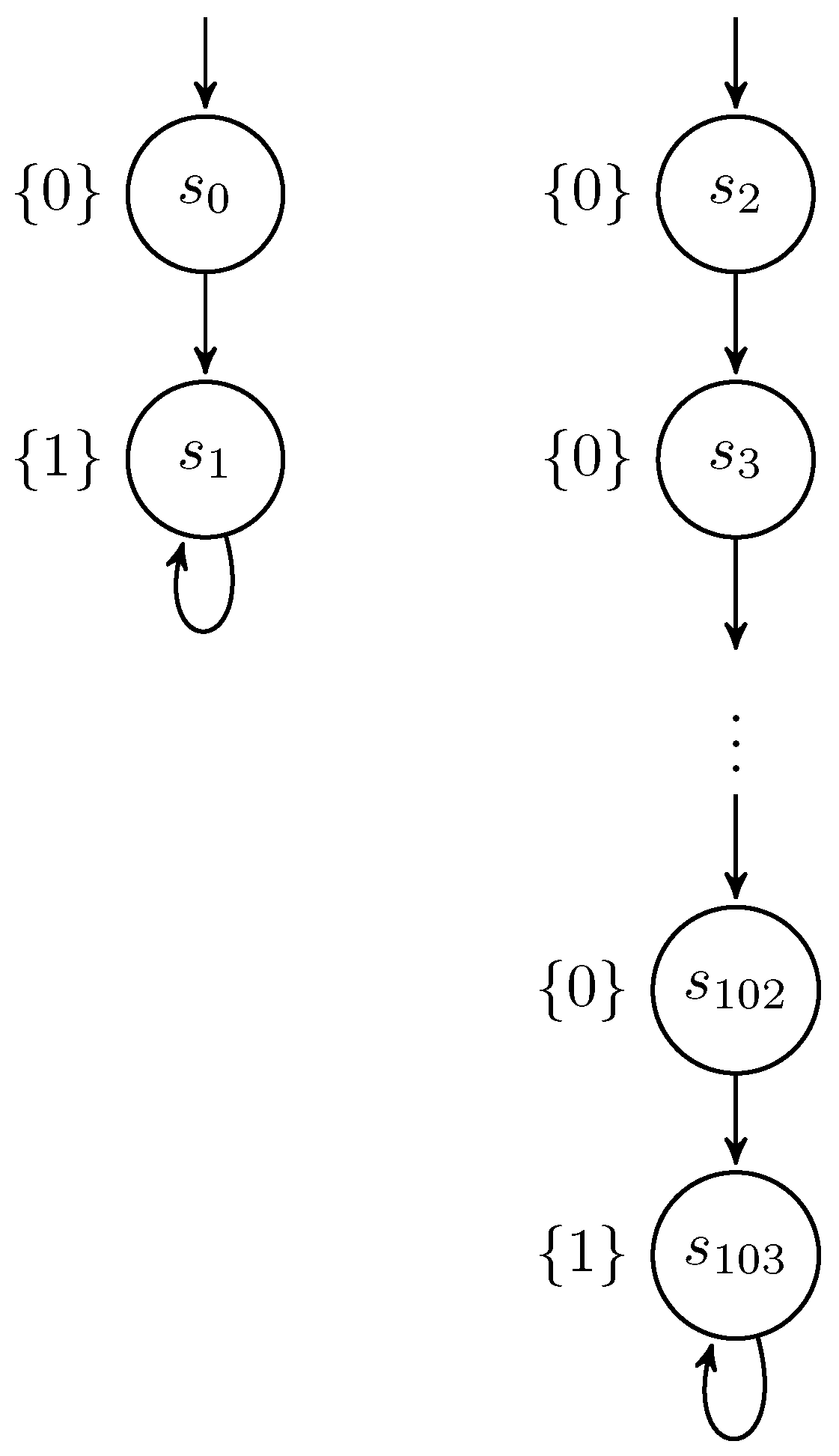
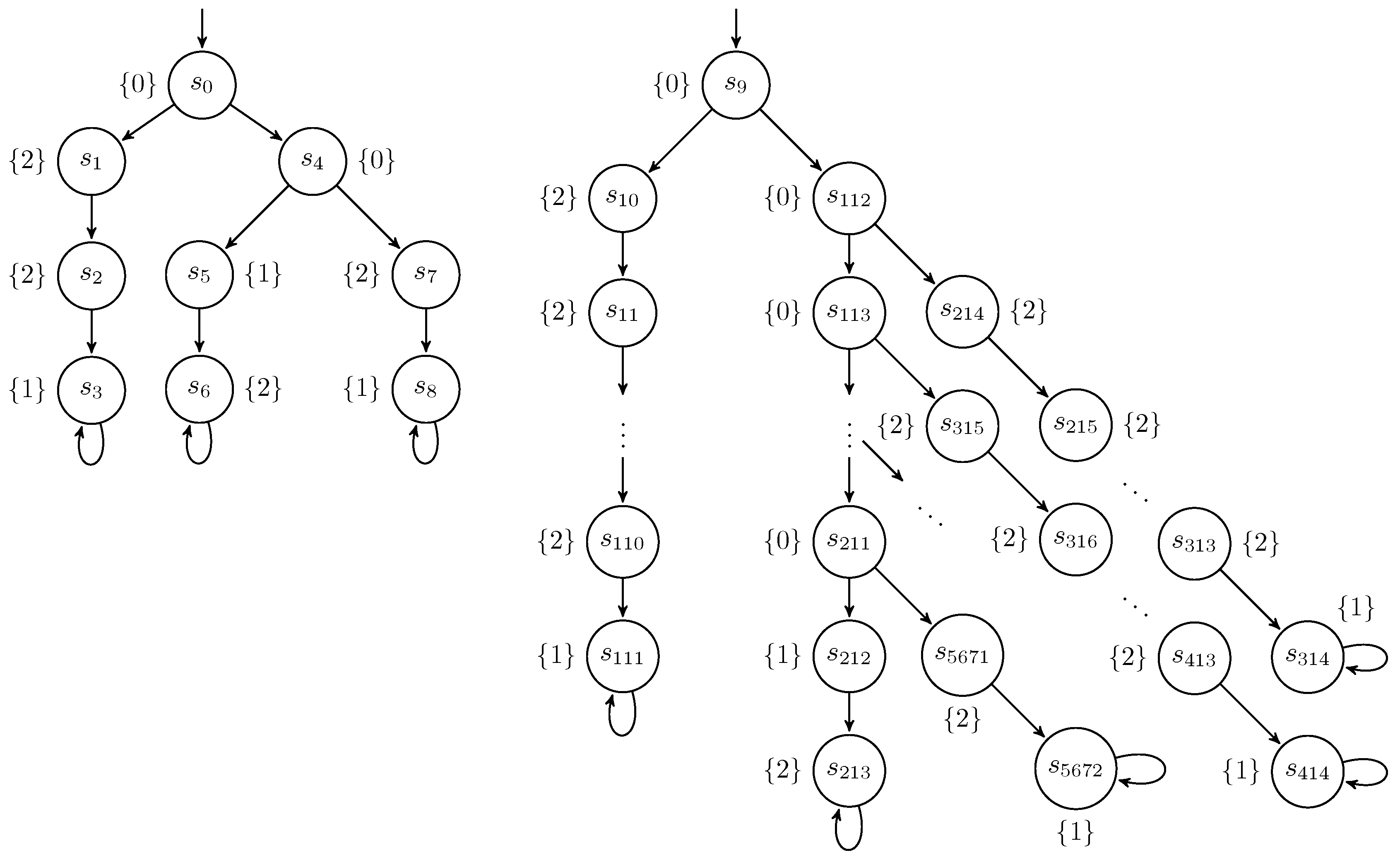
Preserving the confidentiality of information is a growing concern in software development. Secure information flow is intended to maintain the confidentiality of sensitive information by preventing them from flowing to attackers. This paper discusses how to ensure confidentiality for multi-threaded programs through a property called observational determinism. Operational semantics of multi-threaded programs are modeled using Kripke structures. Observational determinism is formalized in terms of divergence weak low-bisimulation. Bisimulation is an equivalence relation associating executions that simulate each other. The new property is called bisimulation-based observational determinism. Furthermore, a model checking method is proposed to verify the new property and ensure that secure information flow holds in a multi-threaded program. The model checking method successively refines the Kripke model of the program until the quotient of the model with respect to divergence weak low-bisimulation is reached. Then, bisimulation-based observational determinism is checked on the quotient, which is a minimized model of the concrete Kripke model. The time complexity of the proposed method is polynomial in the size of the Kripke model. The proposed approach has been implemented on top of PRISM, a probabilistic model checking tool. Finally, a case study is discussed to show the applicability of the proposed approach.
Keywords: information security; secure information flow; bisimulation; multi-threaded programs information security; secure information flow; bisimulation; multi-threaded programs