
The Co-Occurrence of Postural Orthostatic Tachycardia and Functional Neurological Disorder: A Meta-Analysis and Narrative Synthesis
 , , , ,
Abstract
1. Introduction
1.1. Functional Neurological Disorder (FND)
1.2. Postural Orthostatic Tachycardia Syndrome (POTS)
- Heart Rate Response: A sustained increase in heart rate of more than 30 BPM within 10 min of assuming an upright posture. For individuals younger than 20 years old, an increase of at least 40 BPM is required.
- Blood Pressure: Without a drop in BP (BP decrease of >20/10 mmHg) upon upright position.
- Clinical Symptoms: Presence of chronic symptoms associated with orthostatic intolerance, including but not limited to light-headedness, tremulousness, fatigue, blurred vision, generalised weakness and presyncope.
- Duration: Symptoms must be present for more than 3 months.
- Exclusion of Other Causes: Other medical conditions or medications that could account for the symptoms must be ruled out.
2. Methods
2.1. Study Design
2.2. Literature Search
2.3. Eligibility Criteria
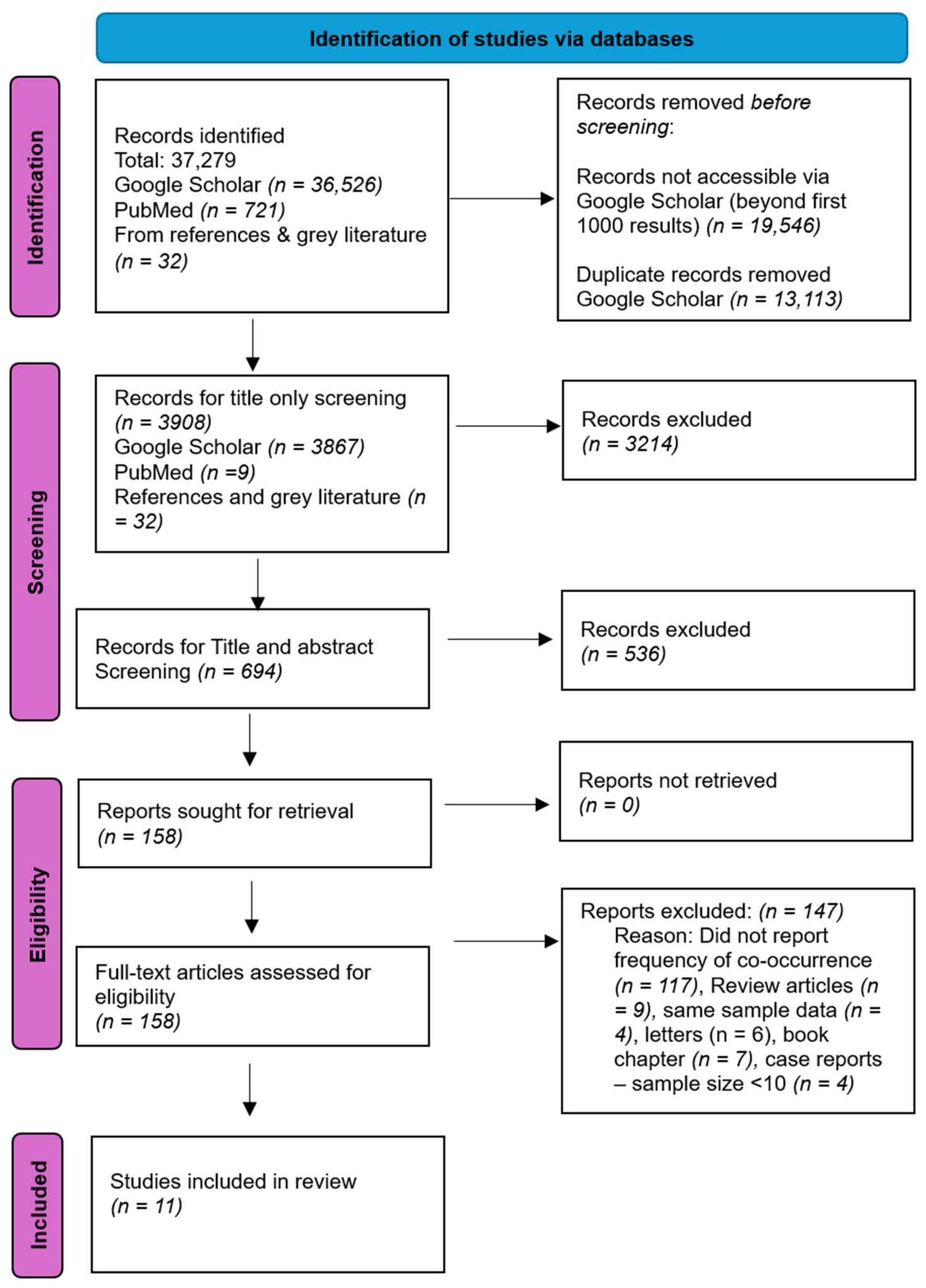
2.4. Study Selection and Data Extraction
2.5. Quality Assessment
2.6. Quantitative Synthesis and Statistical Analysis
2.7. Narrative Synthesis
3. Results
Summary of Quality Assessment
4. FND
4.1. Functional Seizures (FSs) and Functional Syncope (FS*)
4.2. Functional Tic-like Behaviours (FTLB)
4.3. Functional Dystonia (FD)
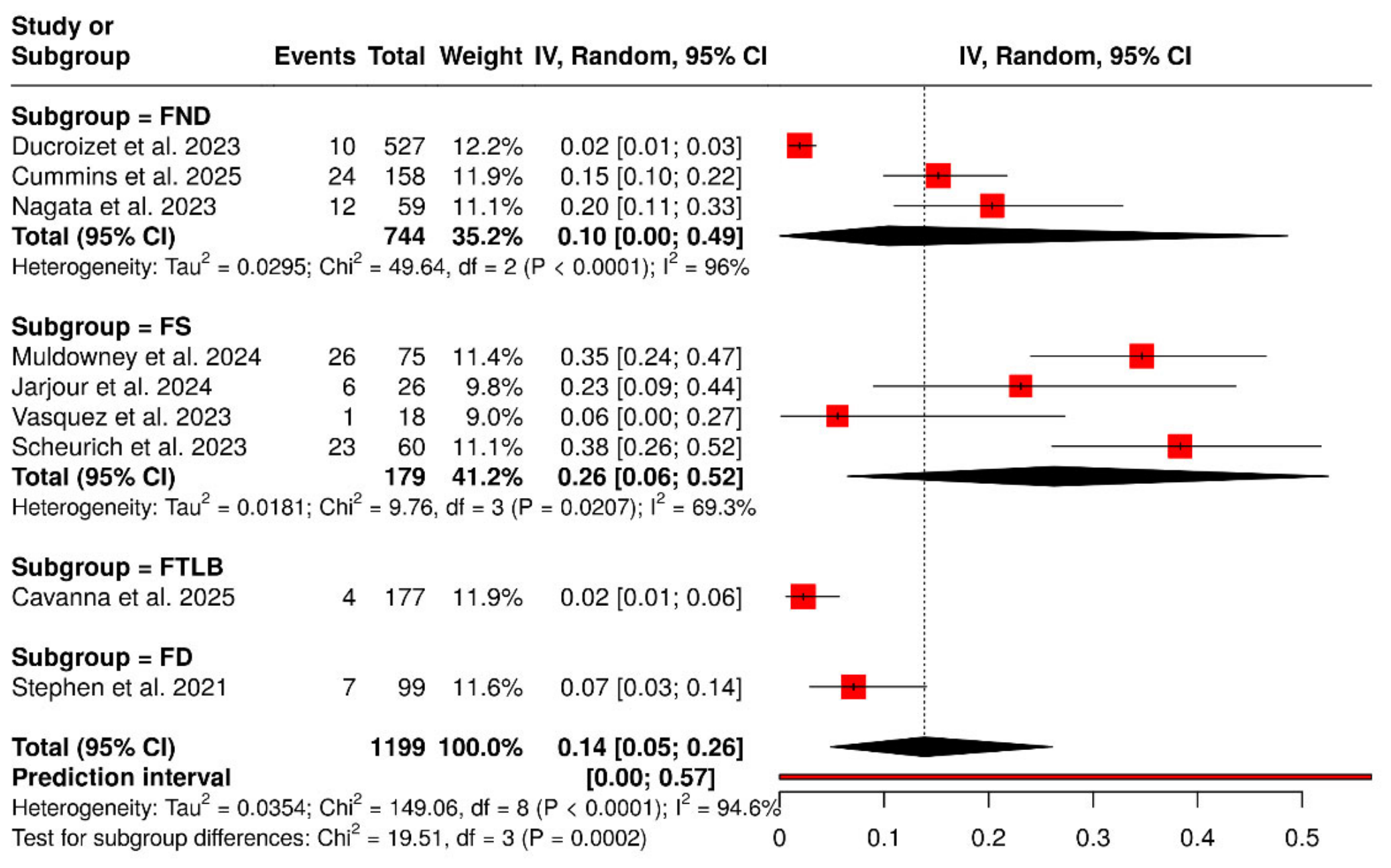
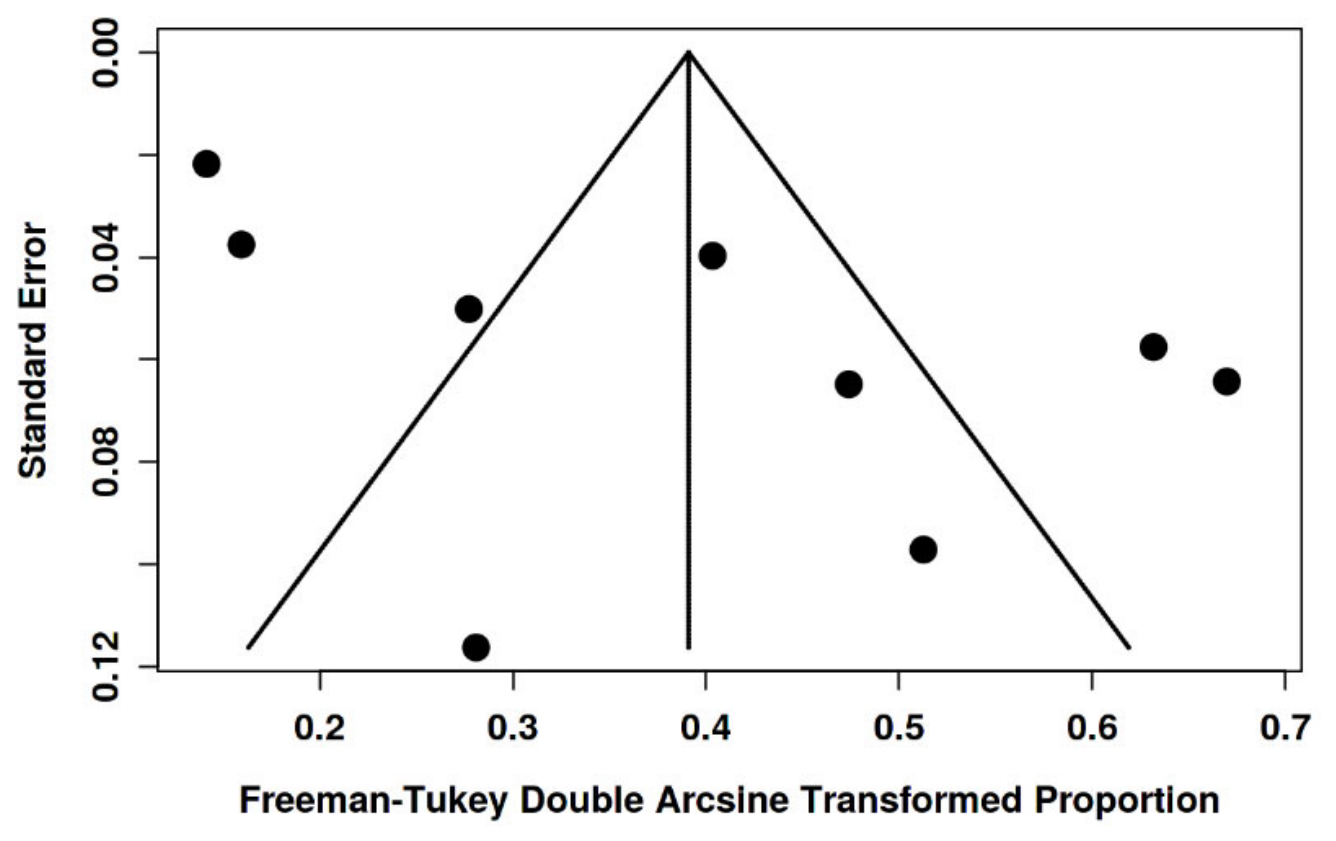
4.4. Meta-Analysis
4.5. Qualitative Synthesis of Overlapping Themes
5. Discussion
5.1. Clinical Manifestation
5.2. Precipitating Factors
5.3. Overlapping Biopsychosocial Factors
5.4. Female Gender
5.5. Limitations of Current POTS Diagnostic Criteria
5.6. Deconditioning
5.7. Trauma and Stress Response
5.8. Attachment Problems and Fear Conditioning
5.9. Interoceptive Dysfunction
5.10. Autoimmune and Mast Cell Activation
5.11. Neurohumoral Factors
5.12. Role of Neurotransmitters
5.13. Cellular Stress Pathways
5.14. Comorbidities
5.14.1. Depression and Anxiety
5.14.2. Neurodevelopmental Disorders (ASD and ADHD)
5.14.3. Joint Hypermobility (JH)
5.14.4. Functional Gastrointestinal Disorders (FGIDs)
5.14.5. Functional Urological Disorder (FUD)
Learning from POTS: Implications for FND
Clinical Implications

| POTS Bedside Screening Test and Management Tips | |
|---|---|
| POTS Screening Test | |
| Procedure: | |
| |
| Diagnosis of POTS is considered if all of the following are present: | |
| |
| Referral to a specialist may be needed if criteria are met. | |
| Adapted from Heyer G.L 2017 [188] | |
| Domain | Management Strategies |
| Education | Provide clear validation, comprehensive explanations, and help with identifying triggers. |
| Circulatory volume | Maintain 3 L fluid/day, 5–10 g salt/day; eat small, frequent meals; avoid heat and alcohol to reduce vasodilation and pooling. |
| Postural | Teach physical counter-manoeuvres (leg crossing, muscle tensing), use compression garments, and elevate the head of the bed (HOB) to improve venous return. |
| Exercise | Implement a gentle exercise program progressing from recumbent to upright activities, incorporating a combination of aerobic and resistance training. |
| Psychological/Comorbidity | Actively address sleep disorders, hypervigilance, chronic pain, ADHD, and anxiety; include physiotherapy and tailored psychological interventions. |
- Positive diagnosis rather than diagnosis of exclusion for both diagnoses.
- Communication with empathy and a non-challenging narrative.
- Education: validation, explanation, and trigger identification for both diagnoses.
- Anchoring the biopsychosocial model in understanding contributing factors and instilling a management plan.
- Encouraging non-pharmacological measures as cornerstone treatment which should be consistently maintained. In some cases, pharmacological therapy for POTS may be needed; however, there is also often a role for regular medication review and deprescribing where appropriate.
5.15. Strengths and Limitations
6. Conclusions
Supplementary Materials
Author Contributions
Funding
Data Availability Statement
Conflicts of Interest
Abbreviations
| ACE-Is | Angiotensin-Converting Enzyme Inhibitors |
| ADHD | Attention-Deficit/Hyperactivity Disorder |
| ANG II | Angiotensin II |
| ANS | Autonomic Nervous System |
| ASD | Autism Spectrum Disorder |
| BRS | Baroreceptor Sensitivity |
| BP | Blood Pressure |
| CFS | Chronic Fatigue Syndrome |
| CI | Confidence Interval |
| CNS | Central Nervous System |
| CRH | Corticotropin-Releasing Hormone |
| DSM | Diagnostic and Statistical Manual of Mental Disorders, 5th Edition |
| ECG | Electrocardiogram |
| EDS | Ehlers–Danlos Syndrome |
| FBC | Full Blood Count |
| FD | Functional Dystonia |
| FMD | Functional Movement Disorder |
| FND | Functional Neurological Disorder |
| FS | Functional Seizures |
| FTLB | Functional Tic-Like Behaviour |
| FUD | Functional Urological Disorder |
| FGID | Functional Gastrointestinal Disorder |
| GORD | Gastro-Oesophageal Reflux Disease |
| HPA axis | Hypothalamic–Pituitary–Adrenal Axis |
| HR | Heart Rate |
| HUT | Head-Up Tilt Test |
| ICD-11 | International Classification of Diseases, 11th Revision |
| IIPT | Intensive Interdisciplinary Pain Treatment |
| IL | Interleukin |
| JBI | Joanna Briggs Institute |
| JH | Joint Hypermobility |
| LC | Locus Coeruleus |
| LBNP | Lower Body Negative Pressure |
| MCS | Mast Cell Activation Syndrome |
| MSNA | Muscle Sympathetic Nerve Activity |
| NE | Norepinephrine |
| POTS | Postural Orthostatic Tachycardia Syndrome |
| PTSD | Post-Traumatic Stress Disorder |
| RAS | Renin-Angiotensin System |
| RAAS | Renin–Angiotensin–Aldosterone System |
| SD | Standard Deviation |
| SNS | Sympathetic Nervous System |
| SSRI | Selective Serotonin Reuptake Inhibitor |
| TFT | Thyroid Function Tests |
| UK | United Kingdom |
| US | United States |
| vEEG | Video Electroencephalography |
| VVS | Vasovagal Syncope |
References
- Raj, S.R. Postural tachycardia syndrome (POTS). Circulation 2013, 127, 2336–2342. [Google Scholar] [CrossRef]
- Wang, A.; Yang, X.; Tian, Y.; Yang, H.; Luo, R. Analysis of clinical characteristics and prognosis of childhood functional neurological disorder: Identifying key factors of prognosis and optimizing clinical management. J. Psychosom. Res. 2025, 192, 112120. [Google Scholar] [CrossRef] [PubMed]
- Lehn, A.; Gelauff, J.; Hoeritzauer, I.; Ludwig, L.; McWhirter, L.; Williams, S.; Gardiner, P.; Carson, A.; Stone, J. Functional neurological disorders: Mechanisms and treatment. J. Neurol. 2016, 263, 611–620. [Google Scholar] [CrossRef] [PubMed]
- Lau, D.H.; Fedorowski, A.; Raj, S.R.; Schild, C.; Pace, L.A.; Blitshteyn, S.; Raj, V.; Bori, J.R.; Kavi, L.; Seeley, M.C.; et al. Postural Orthostatic Tachycardia Syndrome: A State-of-the-Art Review. Heart Lung Circ. 2026, 35, 171–185. [Google Scholar] [CrossRef] [PubMed]
- Ducroizet, A.; Zimianti, I.; Golder, D.; Hearne, K.; Edwards, M.; Nielsen, G.; Coebergh, J. Functional neurological disorder: Clinical manifestations and comorbidities; an online survey. J. Clin. Neurosci. 2023, 110, 116–125. [Google Scholar] [CrossRef] [PubMed]
- Drane, D.L.; Fani, N.; Hallett, M.; Khalsa, S.S.; Perez, D.L.; Roberts, N.A. A framework for understanding the pathophysiology of functional neurological disorder. CNS Spectr. 2020, 26, 555–561. [Google Scholar] [CrossRef] [PubMed]
- Tinazzi, M.; Geroin, C.; Erro, R.; Marcuzzo, E.; Cuoco, S.; Ceravolo, R.; Mazzucchi, S.; Pilotto, A.; Padovani, A.; Romito, L.M.; et al. Functional motor disorders associated with other neurological diseases: Beyond the boundaries of “organic” neurology. Eur. J. Neurol. 2021, 28, 1752–1758. [Google Scholar] [CrossRef] [PubMed]
- Stone, J. Incongruence in FND: Time for retirement. Pract. Neurol. 2024, 24, 163–165. [Google Scholar] [CrossRef] [PubMed]
- Finkelstein, S.A.; Diamond, C.; Carson, A.; Stone, J. Incidence and prevalence of functional neurological disorder: A systematic review. J. Neurol. Neurosurg. Psychiatry 2024, 96, 383–395. [Google Scholar] [CrossRef] [PubMed]
- Kirmayer, L.J.; Robbins, J.M. Patients who somatize in primary care: A longitudinal study of cognitive and social characteristics. Psychol. Med. 1996, 26, 937–951. [Google Scholar] [CrossRef] [PubMed]
- Edwards, M.J.; Adams, R.A.; Brown, H.; Pareés, I.; Friston, K.J. A Bayesian account of ‘hysteria’. Brain 2012, 135, 3495–3512. [Google Scholar] [CrossRef] [PubMed]
- Edwards, M.J.; Moretto, G.; Schwingenschuh, P.; Katschnig, P.; Bhatia, K.P.; Haggard, P. Abnormal sense of intention preceding voluntary movement in patients with psychogenic tremor. Neuropsychologia 2011, 49, 2791–2793. [Google Scholar] [CrossRef] [PubMed]
- Demartini, B.; Nisticò, V.; Benayoun, C.; Cigognini, A.C.; Ferrucci, R.; Vezzoli, A.; Dellanoce, C.; Gambini, O.; Priori, A.; Mrakic-Sposta, S. Glutamatergic dysfunction, neuroplasticity, and redox status in the peripheral blood of patients with motor conversion disorders (functional movement disorders): A first step towards potential biomarkers discovery. Transl. Psychiatry 2023, 13, 212. [Google Scholar] [CrossRef] [PubMed]
- Weber, S.; Álvarez, L.T.R.; Ansede-Bermejo, J.; Cruz, R.; del Real, Á.; Bühler, J.; Carracedo, Á.; Aybek, S. The impact of genetic variations in the serotonergic system on symptom severity and clinical outcome in functional neurological disorders. J. Psychosom. Res. 2024, 186, 111909. [Google Scholar] [CrossRef] [PubMed]
- Pitts, B.L.; Eisenberg, M.L.; Bailey, H.R.; Zacks, J.M. PTSD is associated with impaired event processing and memory for everyday events. Cogn. Res. Princ. Implic. 2022, 7, 35. [Google Scholar] [CrossRef] [PubMed]
- Ludwig, L.; Pasman, J.A.; Nicholson, T.; Aybek, S.; David, A.S.; Tuck, S.; Kanaan, R.A.; Roelofs, K.; Carson, A.; Stone, J. Stressful life events and maltreatment in conversion (functional neurological) disorder: Systematic review and meta-analysis of case-control studies. Lancet Psychiatry 2018, 5, 307–320. [Google Scholar] [CrossRef] [PubMed]
- Aybek, S.; Vuilleumier, P. Imaging studies of functional neurologic disorders. Handb. Clin. Neurol. 2016, 139, 73–84. [Google Scholar] [CrossRef] [PubMed]
- Pick, S.; Goldstein, L.H.; Perez, D.L.; Nicholson, T.R. Emotional processing in functional neurological disorder: A review, biopsychosocial model and research agenda. J. Neurol. Neurosurg. Psychiatry 2019, 90, 704–711. [Google Scholar] [PubMed]
- Stone, J.; Carson, A.; Sharpe, M. Functional symptoms and signs in neurology: Assessment and diagnosis. J. Neurol. Neurosurg. Psychiatry 2005, 76, i2–i12. [Google Scholar] [CrossRef] [PubMed]
- Daum, C.; Hubschmid, M.; Aybek, S. The value of ‘positive’ clinical signs for weakness, sensory and gait disorders in conversion disorder: A systematic and narrative review. J. Neurol. Neurosurg. Psychiatry 2014, 85, 180–190. [Google Scholar] [PubMed]
- Aybek, S.; Perez, D.L. Diagnosis and management of functional neurological disorder. BMJ 2022, 376, o64. [Google Scholar] [CrossRef] [PubMed]
- Gilmour, G.S.; MacIsaac, R.; Subotic, A.; Wiebe, S.; Josephson, C.B. Diagnostic accuracy of clinical signs and symptoms for psychogenic nonepileptic attacks versus epileptic seizures: A systematic review and meta-analysis. Epilepsy Behav. 2021, 121, 108030. [Google Scholar] [CrossRef] [PubMed]
- Raj, S. The Postural Tachycardia Syndrome (POTS): Pathophysiology, diagnosis & management. Indian Pacing Electrophysiol. J. 2006, 6, 84–99. [Google Scholar] [PubMed]
- Schondorf, R.; Low, P.A. Idiopathic postural orthostatic tachycardia syndrome: An attenuated form of acute pandysautonomia? Neurology 1993, 43, 132–137. [Google Scholar] [CrossRef] [PubMed]
- Freeman, R.; Wieling, W.; Axelrod, F.B.; Benditt, D.G.; Benarroch, E.; Biaggioni, I.; Cheshire, W.P.; Chelimsky, T.; Cortelli, P.; Gibbons, C.H.; et al. Consensus statement on the definition of orthostatic hypotension, neurally mediated syncope and the postural tachycardia syndrome. Clin. Auton. Res. 2011, 21, 69–72. [Google Scholar] [CrossRef] [PubMed]
- NICE. How Should I Assess a Person Presenting with a Blackout or Syncope? NICE: London, UK, 2023; Available online: https://cks.nice.org.uk/topics/blackouts-syncope/diagnosis/assessment/ (accessed on 20 August 2025).
- Sheldon, R.S.; Grubb, B.P., II; Olshansky, B.; Shen, W.K.; Calkins, H.; Brignole, M.; Raj, S.R.; Krahn, A.D.; Morillo, C.A.; Stewart, J.M.; et al. 2015 heart rhythm society expert consensus statement on the diagnosis and treatment of postural tachycardia syndrome, inappropriate sinus tachycardia, and vasovagal syncope. Heart Rhythm 2015, 12, e41–e63. [Google Scholar] [CrossRef] [PubMed]
- Bryarly, M.; Phillips, L.T.; Fu, Q.; Vernino, S.; Levine, B.D. Postural Orthostatic Tachycardia Syndrome: JACC Focus Seminar. J. Am. Coll. Cardiol. 2019, 73, 1207–1228. [Google Scholar] [CrossRef] [PubMed]
- Johnson, J.N.; Mack, K.J.; Kuntz, N.L.; Brands, C.K.; Porter, C.J.; Fischer, P.R. Postural orthostatic tachycardia syndrome: A clinical review. Pediatr. Neurol. 2010, 42, 77–85. [Google Scholar] [CrossRef] [PubMed]
- Zadourian, A.; Doherty, T.A.; Swiatkiewicz, I.; Taub, P.R. Postural Orthostatic Tachycardia Syndrome: Prevalence, Pathophysiology, and Management. Drugs 2018, 78, 983–994. [Google Scholar] [CrossRef] [PubMed]
- Mathias, C.J.; Low, D.A.; Iodice, V.; Owens, A.P.; Kirbis, M.; Grahame, R. Postural tachycardia syndrome--current experience and concepts. Nat. Rev. Neurol. 2011, 8, 22–34. [Google Scholar] [CrossRef] [PubMed]
- Bourne, K.M.; Hall, J.; Stiles, L.E.; Sheldon, R.S.; Shibao, C.A.; Okamoto, L.E.; Garland, E.M.; Gamboa, A.C.; Peltier, A.; Diedrich, A.; et al. Symptom Presentation and Access to Medical Care in Patients With Postural Orthostatic Tachycardia Syndrome: Role of Sex. CJC Open 2021, 3, S44–S52. [Google Scholar] [CrossRef] [PubMed]
- Fedorowski, A. Postural orthostatic tachycardia syndrome: Clinical presentation, aetiology and management. J. Intern Med. 2019, 285, 352–366. [Google Scholar] [CrossRef] [PubMed]
- Raj, S.R.; Guzman, J.C.; Harvey, P.; Richer, L.; Schondorf, R.; Seifer, C.; Thibodeau-Jarry, N.; Sheldon, R.S. Canadian Cardiovascular Society Position Statement on Postural Orthostatic Tachycardia Syndrome (POTS) and Related Disorders of Chronic Orthostatic Intolerance. Can. J. Cardiol. 2020, 36, 357–372. [Google Scholar] [CrossRef] [PubMed]
- Arnold, A.C.; Ng, J.; Raj, S.R. Postural tachycardia syndrome—Diagnosis, physiology, and prognosis. Auton. Neurosci. 2018, 215, 3–11. [Google Scholar] [CrossRef] [PubMed]
- Nemeroff, C.B. Paradise Lost: The Neurobiological and Clinical Consequences of Child Abuse and Neglect. Neuron 2016, 89, 892–909. [Google Scholar] [CrossRef] [PubMed]
- Wolfe, F.; Smythe, H.A.; Yunus, M.B.; Bennett, R.M.; Bombardier, C.; Goldenberg, D.L.; Tugwell, P.; Campbell, S.M.; Abeles, M.; Clark, P.; et al. The American College of Rheumatology 1990 Criteria for the Classification of Fibromyalgia. Report of the Multicenter Criteria Committee. Arthritis Rheum. 1990, 33, 160–172. [Google Scholar] [CrossRef] [PubMed]
- Lipton, R.B.; Bigal, M.E.; Diamond, M.; Freitag, F.; Reed, M.L.; Stewart, W.F. Migraine prevalence, disease burden, and the need for preventive therapy. Neurology 2007, 68, 343–349. [Google Scholar] [CrossRef] [PubMed]
- Del Pozzi, A.T.; Enechukwu, M.; Blitshteyn, S. Postural orthostatic tachycardia syndrome in primary care: Diagnosis, treatment and a case of African-American man presenting with POTS. BMJ Case Rep. 2019, 12, e229824. [Google Scholar] [CrossRef] [PubMed]
- Lesley Kavi, M.N.; Low, D.A.; Opie, M.; Nicholson, L.M.; Caldow, E.; Newton, J.L. A profile of patients with postural tachycardia syndrome and their experience of healthcare in the UK. Br. J. Cardiol. 2016, 23, 33. [Google Scholar] [CrossRef]
- Fu, Q.; VanGundy, T.B.; Galbreath, M.M.; Shibata, S.; Jain, M.; Hastings, J.L.; Bhella, P.S.; Levine, B.D. Cardiac origins of the postural orthostatic tachycardia syndrome. J. Am. Coll. Cardiol. 2010, 55, 2858–2868. [Google Scholar] [CrossRef] [PubMed]
- Ruzieh, M.; Baugh, A.; Dasa, O.; Parker, R.L.; Perrault, J.T.; Renno, A.; Karabin, B.L.; Grubb, B. Effects of intermittent intravenous saline infusions in patients with medication-refractory postural tachycardia syndrome. J. Interv. Card. Electrophysiol. 2017, 48, 255–260. [Google Scholar] [CrossRef] [PubMed]
- Thompson, W.O.; Thompson, P.K.; Dailey, M.E. The effect of upright posture on the composition and volume of the blood in man. J. Clin. Investig. 1928, 5, 573–609. [Google Scholar] [CrossRef] [PubMed]
- Mathias, C.J.; Owens, A.P.; Iodice, V. The postural tachycardia syndrome (PoTS). In Autonomic Nervous System and Sleep; Chokroverty, S., Cortelli, P., Eds.; Springer: Berlin/Heidelberg, Germany, 2021; pp. 229–237. [Google Scholar]
- Stick, M.; Leone, A.; Fischer, F.; Schulz, J.B.; Maier, A. Deep abdominal breathing reduces heart rate and symptoms during orthostatic challenge in patients with postural orthostatic tachycardia syndrome. Eur. J. Neurol. 2024, 31, e16402. [Google Scholar] [CrossRef] [PubMed]
- Kizilbash, S.J.; Ahrens, S.P.; Bruce, B.K.; Chelimsky, G.; Driscoll, S.W.; Harbeck-Weber, C.; Lloyd, R.M.; Mack, K.J.; Nelson, D.E.; Ninis, N.; et al. Adolescent fatigue, POTS, and recovery: A guide for clinicians. Curr. Probl. Pediatr. Adolesc. Health Care 2014, 44, 108–133. [Google Scholar] [CrossRef] [PubMed]
- Raj, V.; Opie, M.; Arnold, A.C. Cognitive and psychological issues in postural tachycardia syndrome. Auton. Neurosci. 2018, 215, 46–55. [Google Scholar] [CrossRef] [PubMed]
- Anderson, J.W.; Lambert, E.A.; Sari, C.I.; Dawood, T.; Esler, M.D.; Vaddadi, G.; Lambert, G.W. Cognitive function, health-related quality of life, and symptoms of depression and anxiety sensitivity are impaired in patients with the postural orthostatic tachycardia syndrome (POTS). Front. Physiol. 2014, 5, 230. [Google Scholar] [CrossRef] [PubMed]
- Owens, A.P.L.D.; Iodice, V.; Critchley, H.D.; Mathias, C.J. The genesis and presentation of anxiety in disorders of autonomic overexcitation. Auton. Neurosci. 2017, 203, 21–87. [Google Scholar] [CrossRef] [PubMed]
- Lkhagvasuren, B.; Oka, T.; Kawai, K.; Takii, M.; Kanemitsu, Y.; Tokunaga, S.; Kubo, C. Prevalence of postural orthostatic tachycardia syndrome in patients with psychiatric disorders. Psychother. Psychosom. 2011, 80, 308–309. [Google Scholar] [CrossRef] [PubMed]
- Mathias, C.J.; Owens, A.; Iodice, V.; Hakim, A. Dysautonomia in the Ehlers-Danlos syndromes and hypermobility spectrum disorders-With a focus on the postural tachycardia syndrome. Am. J. Med. Genet C Semin Med. Genet. 2021, 187, 510–519. [Google Scholar] [CrossRef] [PubMed]
- Norcliffe-Kaufmann, L.; Palma, J.A.; Martinez, J.; Camargo, C.; Kaufmann, H. Fear conditioning as a pathogenic mechanism in the postural tachycardia syndrome. Brain 2022, 145, 3763–3769. [Google Scholar] [CrossRef] [PubMed]
- Muenter Swift, N.; Charkoudian, N.; Dotson, R.M.; Suarez, G.A.; Low, P.A. Baroreflex control of muscle sympathetic nerve activity in postural orthostatic tachycardia syndrome. Am. J. Physiol. Heart Circ. Physiol. 2005, 289, H1226–H1233. [Google Scholar] [CrossRef] [PubMed]
- Masuki, S.; Eisenach, J.H.; Johnson, C.P.; Dietz, N.M.; Benrud-Larson, L.M.; Schrage, W.G.; Curry, T.B.; Sandroni, P.; Low, P.A.; Joyner, M.J. Excessive heart rate response to orthostatic stress in postural tachycardia syndrome is not caused by anxiety. J. Appl. Physiol. 2007, 102, 896–903. [Google Scholar] [CrossRef] [PubMed]
- Goldstein, D.S.; Eldadah, B.; Holmes, C.; Pechnik, S.; Moak, J.; Sharabi, Y. Neurocirculatory abnormalities in chronic orthostatic intolerance. Circulation 2005, 111, 839–845. [Google Scholar] [CrossRef] [PubMed]
- Khurana, R.K. Involuntary emotional expression disorder in postural tachycardia syndrome. Auton. Neurosci. 2020, 226, 102660. [Google Scholar] [CrossRef] [PubMed]
- Frohlich, E.D.D.H.; Page, I.H. Hyperdynamic beta-adrenergic circulatory state. Arch. Intern Med. 1966, 117, 614–619. [Google Scholar] [CrossRef]
- Gray, M.A.B.F.; Minati, L.; Nagai, Y.; Kemp, A.H.; Harrison, N.A.; Critchley, H.D. Emotional appraisal is influenced by cardiac afferent information. Emotion 2012, 12, 180–191. [Google Scholar] [CrossRef] [PubMed]
- Balaban, C.D. Mechanism of Vestibular Compensation: An Overview. J. Korean Balance Soc. 2006, 5, 139–148. [Google Scholar] [CrossRef] [PubMed]
- Stewart, J.M.; Pianosi, P.; Shaban, M.A.; Terilli, C.; Svistunova, M.; Visintainer, P.; Medow, M.S. Hemodynamic characteristics of postural hyperventilation: POTS with hyperventilation versus panic versus voluntary hyperventilation. J. Appl. Physiol. 2018, 125, 1396–1403. [Google Scholar] [CrossRef] [PubMed]
- Rai, S.; Foster, S.; Griffiths, K.R.; Breukelaar, I.A.; Kozlowska, K.; Korgaonkar, M.S. Altered resting-state neural networks in children and adolescents with functional neurological disorder. Neuroimage Clin. 2022, 35, 103110. [Google Scholar] [CrossRef] [PubMed]
- Charney, M.; Foster, S.; Shukla, V.; Zhao, W.; Jiang, S.H.; Kozlowska, K.; Lin, A. Neurometabolic alterations in children and adolescents with functional neurological disorder. Neuroimage Clin. 2024, 41, 103557. [Google Scholar] [CrossRef] [PubMed]
- Kozlowska, K.; Schollar-Root, O.; Savage, B.; Hawkes, C.; Chudleigh, C.; Raghunandan, J.; Scher, S.; Helgeland, H. Illness-Promoting Psychological Processes in Children and Adolescents with Functional Neurological Disorder. Children 2023, 10, 1724. [Google Scholar] [CrossRef] [PubMed]
- Chung, J.; Mukerji, S.; Kozlowska, K. Cortisol and alpha-amylase awakening response in children and adolescents with functional neurological (conversion) disorder. Aust. N. Z. J. Psychiatry 2023, 57, 115–129. [Google Scholar] [CrossRef] [PubMed]
- Cummins, R.; Hawkes, C.; Longworth, J.; Scher, S.; Kozlowska, K. The adjunct role of pharmacotherapy in multimodal treatment of paediatric functional neurological disorder. Front. Psychiatry 2025, 16, 1560873. [Google Scholar] [CrossRef] [PubMed]
- Nagata, R.; Matsuura, E.; Nozuma, S.; Dozono, M.; Noguchi, Y.; Ando, M.; Hiramatsu, Y.; Kodama, D.; Tanaka, M.; Kubota, R.; et al. Anti-ganglionic acetylcholine receptor antibodies in functional neurological symptom disorder/conversion disorder. Front. Neurol. 2023, 14, 1137958. [Google Scholar] [CrossRef] [PubMed]
- Muldowney, J.A.S., 3rd; Okamoto, L.E.; Sonmezturk, H.H.; Shibao, C.A.; Holly, R.; Biaggioni, I. High prevalence of non-syncopal fainting (psychogenic pseudosyncope) in patients referred for recurrent syncope. Clin. Auton. Res. 2025, 35, 515–517. [Google Scholar] [CrossRef] [PubMed]
- Jarjour, I.T.; Jarjour, L.K.; Tran, K.; Czyzewski, D. Functional Syncope in Children and Adolescents: A Retrospective Cohort Study. Pediatr. Neurol. 2025, 162, 21–27. [Google Scholar] [CrossRef] [PubMed]
- Vasquez, A.; Hilliker, D.R.; Wirrell, E.C. Pediatric psychogenic non-epileptic seizures: A retrospective observational cohort study at a quaternary center. Epilepsy Behav. 2023, 146, 109359. [Google Scholar] [CrossRef] [PubMed]
- Scheurich, J.A.; Klaas, K.M.; Sim, L.A.; Weiss, K.E.; Case, H.F.; Harbeck-Weber, C. Characteristics and outcomes of youth with functional seizures attending intensive interdisciplinary pain treatment. Epilepsy Behav. 2024, 153, 109689. [Google Scholar] [CrossRef] [PubMed]
- Cavanna, A.E.; Chiereghin, S.; Ferrari, S.; Paini, G.; Spini, L.; Purpura, G.; Riva, A.; Nacinovich, R. Postural orthostatic tachycardia syndrome in patients with tic disorders and functional tic-like behaviors. Adv. Neurol. 2025, 4, 100. [Google Scholar] [CrossRef]
- Stephen, C.D.; Perez, D.L.; Chibnik, L.B.; Sharma, N. Functional dystonia: A case-control study and risk prediction algorithm. Ann. Clin. Transl. Neurol. 2021, 8, 732–748. [Google Scholar] [CrossRef] [PubMed]
- Staples, A.; Thompson, N.R.; Moodley, M. Pediatric-Onset Postural Orthostatic Tachycardia Syndrome in a Single Tertiary Care Center. J. Child Neurol. 2020, 35, 526–535. [Google Scholar] [CrossRef] [PubMed]
- Knoop, I.; Jones, A.S.K.; Gall, N.; Chilcot, J.; Pascoe, W.; Moss-Morris, R. Validation of symptom measures in patients under investigation for postural orthostatic tachycardia syndrome (POTS): The Orthostatic Grading Scale (OGS) and the Symptom Screen for Small-fiber Polyneuropathy (SSS). Auton. Neurosci. 2023, 250, 103130. [Google Scholar] [CrossRef] [PubMed]
- Tannemaat, M.R.; Thijs, R.D.; van Dijk, J.G. Managing psychogenic pseudosyncope: Facts and experiences. Cardiol. J. 2014, 21, 658–664. [Google Scholar] [CrossRef] [PubMed]
- Brown, R.J.; Reuber, M. Psychological and psychiatric aspects of psychogenic non-epileptic seizures (PNES): A systematic review. Clin. Psychol. Rev. 2016, 45, 157–182. [Google Scholar] [CrossRef] [PubMed]
- Baslet, G. Psychogenic non-epileptic seizures: A model of their pathogenic mechanism. Seizure 2011, 20, 1–13. [Google Scholar] [CrossRef] [PubMed]
- Reuber, M.; Brown, R.J. Understanding psychogenic nonepileptic seizures-Phenomenology, semiology and the Integrative Cognitive Model. Seizure 2017, 44, 199–205. [Google Scholar] [CrossRef] [PubMed]
- Yong, K.; Chin, R.F.M.; Shetty, J.; Hogg, K.; Burgess, K.; Lindsay, M.; McLellan, A.; Stone, J.; KamathTallur, K.; The Edinburgh Paediatric FND Study Group. Functional neurological disorder in children and young people: Incidence, clinical features, and prognosis. Dev. Med. Child Neurol. 2023, 65, 1238–1246. [Google Scholar] [CrossRef] [PubMed]
- Eccles, J.A.; Owens, A.P.; Mathias, C.J.; Umeda, S.; Critchley, H.D. Neurovisceral phenotypes in the expression of psychiatric symptoms. Front Neurosci. 2015, 9, 4. [Google Scholar] [CrossRef] [PubMed]
- Shaw, B.H.; Stiles, L.E.; Bourne, K.; Green, E.A.; Shibao, C.A.; Okamoto, L.E.; Garland, E.M.; Gamboa, A.; Diedrich, A.; Raj, V.; et al. The face of postural tachycardia syndrome—Insights from a large cross-sectional online community-based survey. J. Intern Med. 2019, 286, 438–448. [Google Scholar] [CrossRef] [PubMed]
- Stone, J.; Carson, A.; Aditya, H.; Prescott, R.; Zaubi, M.; Warlow, C.; Sharpe, M. The role of physical injury in motor and sensory conversion symptoms: A systematic and narrative review. J. Psychosom. Res. 2009, 66, 383–390. [Google Scholar] [CrossRef] [PubMed]
- Boris, J.R.; Shadiack, E.C., 3rd; McCormick, E.M.; MacMullen, L.; George-Sankoh, I.; Falk, M.J. Long-Term POTS Outcomes Survey: Diagnosis, Therapy, and Clinical Outcomes. J. Am. Heart Assoc. 2024, 13, e033485. [Google Scholar] [CrossRef] [PubMed]
- Seeley, M.-C.; Gallagher, C.; Ong, E.; Langdon, A.; Chieng, J.; Bailey, D.; Page, A.; Lim, H.S.; Lau, D.H. High Incidence of Autonomic Dysfunction and Postural Orthostatic Tachycardia Syndrome in Patients with Long COVID: Implications for Management and Health Care Planning. Am. J. Med. 2025, 138, 354–361.e1. [Google Scholar] [CrossRef] [PubMed]
- Ormiston, C.K.; Świątkiewicz, I.; Taub, P.R. Postural orthostatic tachycardia syndrome as a sequela of COVID-19. Heart Rhythm. 2022, 19, 1880–1889. [Google Scholar] [CrossRef] [PubMed]
- Hassani, M.; Fathi Jouzdani, A.; Motarjem, S.; Ranjbar, A.; Khansari, N. How COVID-19 can cause autonomic dysfunctions and postural orthostatic syndrome? A Review of mechanisms and evidence. Neurol. Clin. Neurosci. 2021, 9, 434–442. [Google Scholar] [CrossRef] [PubMed]
- Shibata, S.; Fu, Q.; Bivens, T.B.; Hastings, J.L.; Wang, W.; Levine, B.D. Short-term exercise training improves the cardiovascular response to exercise in the postural orthostatic tachycardia syndrome. J. Physiol. 2012, 590, 3495–3505. [Google Scholar] [CrossRef] [PubMed]
- Knoop, I.; Jones, A.S.K.; Norton, S.; Gall, N.; Moss-Morris, R. Biopsychosocial factors associated with distress in people with suspected postural orthostatic tachycardia syndrome (POTS): A longitudinal regression and correlation study. J. Psychosom. Res. 2026, 201, 112499. [Google Scholar] [CrossRef] [PubMed]
- Shigeyasu, Y.; Okada, A.; Fujii, C.; Tanaka, C.; Sugihara, A.; Horiuchi, M.; Yorifuji, T.; Tsukahara, H. Quality of life and physical/psychosocial factors in children and adolescents with orthostatic intolerance. Biopsychosoc. Med. 2023, 17, 23. [Google Scholar] [CrossRef] [PubMed]
- Fisher, C.J.; Katzan, I.; Heinberg, L.J.; Schuster, A.T.; Thompson, N.R.; Wilson, R. Psychological correlates of patients with postural orthostatic tachycardia syndrome (POTS). Auton. Neurosci. 2020, 227, 102690. [Google Scholar] [CrossRef] [PubMed]
- Perez, D.L.; Edwards, M.J.; Nielsen, G.; Kozlowska, K.; Hallett, M.; LaFrance, W.C., Jr. Decade of progress in motor functional neurological disorder: Continuing the momentum. J. Neurol. Neurosurg. Psychiatry 2021. [Google Scholar] [CrossRef] [PubMed]
- Tailor, V.; Khullar, V. Gynaecological Considerations in PoTS. In Postural Tachycardia Syndrome: A Concise and Practical Guide to Management and Associated Conditions; Gall, N., Kavi, L., Lobo, Eds.; Springer: Berlin/Heidelberg, Germany, 2021. [Google Scholar]
- McLoughlin, C.; Hoeritzauer, I.; Cabreira, V.; Aybek, S.; Adams, C.; Alty, J.; Ball, H.A.; Baker, J.; Bullock, K.; Burness, C.; et al. Functional neurological disorder is a feminist issue. J. Neurol. Neurosurg. Psychiatry 2023, 94, 855–862. [Google Scholar] [CrossRef] [PubMed]
- Mavroudis, I.; Pavlina, A.; Petridis, F.; Ciobica, A. “They Said It Was All in My Head”: Bioethical Reflections on Misdiagnosis in Functional Neurological Disorder. Res. Sq. Pre-Print. 2025. [Google Scholar] [CrossRef] [PubMed]
- Lithari, C.; Frantzidis, C.A.; Papadelis, C.; Vivas, A.B.; Klados, M.A.; Kourtidou-Papadeli, C.; Pappas, C.; Ioannides, A.A.; Bamidis, P.D. Are females more responsive to emotional stimuli? A neurophysiological study across arousal and valence dimensions. Brain Topogr. 2010, 23, 27–40. [Google Scholar] [CrossRef] [PubMed]
- Grossman, M.W.W. Sex differences in intensity of emotional experience: A social role interpretation. J. Pers. Soc. Psychol. 1993, 65, 1010–1022. [Google Scholar] [CrossRef] [PubMed]
- Kemp, A.H.; Silberstein, R.B.; Armstrong, S.M.; Nathan, P.J. Gender differences in the cortical electrophysiological processing of visual emotional stimuli. Neuroimage 2004, 21, 632–646. [Google Scholar] [CrossRef] [PubMed]
- Orozco, S.E.C. Gender differences in electrophysiological responses to facial stimuli. Biol. Psychiatry 1998, 44, 281–289. [Google Scholar] [CrossRef] [PubMed]
- Kreibig, S.D. Autonomic nervous system activity in emotion: A review. Biol. Psychol. 2010, 84, 394–421. [Google Scholar] [CrossRef] [PubMed]
- Bassareo, P.P.; Crisafulli, A. Gender Differences in Hemodynamic Regulation and Cardiovascular Adaptations to Dynamic Exercise. Curr. Cardiol. Rev. 2020, 16, 65–72. [Google Scholar] [CrossRef] [PubMed]
- Carter, J.R.; Fu, Q.; Minson, C.T.; Joyner, M.J. Ovarian cycle and sympathoexcitation in premenopausal women. Hypertension 2013, 61, 395–399. [Google Scholar] [CrossRef] [PubMed]
- Seeley, M.-C.; Wilson, G.; Ong, E.; Langdon, A.; Chieng, J.; Bailey, D.; Comacchio, K.; Page, A.J.; Lau, D.H.; Gallagher, C. Biological sex-dependent differences in postural orthostatic tachycardia syndrome. Eur. J. Cardiovasc Nurs. 2025, 24, 762–771. [Google Scholar] [CrossRef] [PubMed]
- van Campen, C.; Rowe, P.C.; Visser, F.C. Low Sensitivity of Abbreviated Tilt Table Testing for Diagnosing Postural Tachycardia Syndrome in Adults With ME/CFS. Front. Pediatr. 2018, 6, 349. [Google Scholar] [CrossRef] [PubMed]
- Parsaik, A.K.; Singer, W.; Allison, T.G.; Sletten, D.M.; Joyner, M.J.; Benarroch, E.E.; Low, P.A.; Sandroni, P. Orthostatic intolerance without postural tachycardia: How much dysautonomia? Clin. Auton. Res. 2013, 23, 181–188. [Google Scholar] [CrossRef] [PubMed]
- Sumiyoshi, M.M.Y.; Kojima, S.; Suwa, S.; Nakata, Y. Poor reproducibility of false-positive tilt testing results in healthy volunteers. Jpn. Heart J. 1999, 40, 71–78. [Google Scholar] [CrossRef] [PubMed][Green Version]
- Boris, J.R.; Huang, J.; Bernadzikowski, T. Orthostatic heart rate does not predict symptomatic burden in pediatric patients with chronic orthostatic intolerance. Clin. Auton. Res. 2020, 30, 19–28. [Google Scholar] [CrossRef] [PubMed]
- Boris, J.R.; Moak, J.P. Pediatric Postural Orthostatic Tachycardia Syndrome: Where We Stand. Pediatrics 2022, 150, e2021054945. [Google Scholar] [CrossRef] [PubMed]
- Ozanic, K.; Watanabe, A.S.A.; Machado, A.B.F.; da Silva, V.L.; Dias, V.C.; Diniz, C.G. Long COVID: General Perceptions and Challenges in Diagnosis and Management. COVID 2025, 5, 41. [Google Scholar] [CrossRef]
- Raj, S.R.; Fedorowski, A.; Sheldon, R.S. Diagnosis and management of postural orthostatic tachycardia syndrome. CMAJ 2022, 194, E378–E385. [Google Scholar] [CrossRef] [PubMed]
- Joyner, M.J.; Masuki, S. POTS versus deconditioning: The same or different? Clin. Auton. Res. 2008, 18, 300–307. [Google Scholar] [CrossRef] [PubMed]
- Masuki, S.; Eisenach, J.H.; Schrage, W.G.; Johnson, C.P.; Dietz, N.M.; Wilkins, B.W.; Sandroni, P.; Low, P.A.; Joyner, M.J. Reduced stroke volume during exercise in postural tachycardia syndrome. J. Appl. Physiol. 2007, 103, 1128–1135. [Google Scholar] [CrossRef] [PubMed]
- Fu, Q.; Vangundy, T.B.; Shibata, S.; Auchus, R.J.; Williams, G.H.; Levine, B.D. Exercise training versus propranolol in the treatment of the postural orthostatic tachycardia syndrome. Hypertension 2011, 58, 167–175. [Google Scholar] [CrossRef] [PubMed]
- Nicholson, C.; Edwards, M.J.; Carson, A.J.; Gardiner, P.; Golder, D.; Hayward, K.; Humblestone, S.; Jinadu, H.; Lumsden, C.; MacLean, J.; et al. Occupational therapy consensus recommendations for functional neurological disorder. J. Neurol. Neurosurg. Psychiatry 2020, 91, 1037–1045. [Google Scholar] [CrossRef] [PubMed]
- Fox, J.; Mishra, M. Hypertension and other vascular risk factors in patients with functional seizures. Epilepsy Behav. 2024, 152, 109650. [Google Scholar] [CrossRef] [PubMed]
- Schneider, M.; Schwerdtfeger, A. Autonomic dysfunction in posttraumatic stress disorder indexed by heart rate variability: A meta-analysis. Psychol. Med. 2020, 50, 1937–1948. [Google Scholar] [CrossRef] [PubMed]
- Brudey, C.; Park, J.; Wiaderkiewicz, J.; Kobayashi, I.; Mellman, T.A.; Marvar, P.J. Autonomic and inflammatory consequences of posttraumatic stress disorder and the link to cardiovascular disease. Am. J. Physiol. Regul. Integr. Comp. Physiol. 2015, 309, R315–R321. [Google Scholar] [CrossRef] [PubMed]
- Kozlowska, K.; Scher, S.; Helgeland, H. The Autonomic Nervous System and Functional Somatic Symptoms. Functional Somatic Symptoms in Children and Adolescents. In Palgrave Texts in Counselling and Psychotherapy; Springer: Berlin/Heidelberg, Germany, 2020; pp. 119–136. [Google Scholar]
- Porges, S.W.; Davila, M.I.; Lewis, G.F.; Kolacz, J.; Okonmah-Obazee, S.; Hane, A.A.; Kwon, K.Y.; Ludwig, R.J.; Myers, M.M.; Welch, M.G. Autonomic regulation of preterm infants is enhanced by Family Nurture Intervention. Dev. Psychobiol. 2019, 61, 942–952. [Google Scholar] [CrossRef] [PubMed]
- Besharat, M.A.; Khajavi, Z. The relationship between attachment styles and alexithymia: Mediating role of defense mechanisms. Asian J. Psychiatr. 2013, 6, 571–576. [Google Scholar] [CrossRef] [PubMed]
- Bogdanov, V.B.B.O.; Gorlov, D.S.; Gorgo, Y.P.; Dirckx, J.J.; Makarchuk, M.Y.; Schoenen, J.; Critchley, H. Alexithymia and empathy predict changes in autonomic arousal during affective stimulation. Cogn. Behav. Neurol. 2013, 26, 121–132. [Google Scholar] [CrossRef] [PubMed]
- Sang, F.Y.; Jauregui-Renaud, K.; Green, D.A.; Bronstein, A.M.; Gresty, M.A. Depersonalisation/derealisation symptoms in vestibular disease. J. Neurol. Neurosurg. Psychiatry 2006, 77, 760–766. [Google Scholar] [CrossRef] [PubMed]
- Makovac, E.G.S.; Bassi, A.; Basile, B.; Macaluso, E.; Cercignani, M.; Calcagnini, G.; Mattei, E.; Mancini, M.; Agalliu, D.; Cortelli, P.; et al. Fear processing is differentially affected by lateralized stimulation of carotid baroreceptors. Cortex 2018, 99, 200–212. [Google Scholar] [CrossRef] [PubMed]
- Droste, C.K.A.; Brody, S.; Greenlee, M.W.; Roskamm, H.; Rau, H. Baroreceptor stimulation: Pain perception and sensory thresholds. Biol. Psychol. 1994, 37, 101–103. [Google Scholar] [CrossRef] [PubMed]
- Bar-Haim, Y.; Lamy, D.; Pergamin, L.; Bakermans-Kranenburg, M.J.; van Ijzendoorn, M.H. Threat-related attentional bias in anxious and nonanxious individuals: A meta-analytic study. Psychol. Bull. 2007, 133, 1–24. [Google Scholar] [CrossRef] [PubMed]
- Owens, A.P.L.D.; Critchley, H.D.; Mathias, C.J. Emotional orienting during interoceptive threat in orthostatic intolerance: Dysautonomic contributions to psychological symptomatology in the postural tachycardia syndrome and vasovagal syncope. Auton. Neurosci. 2018, 212, 42–47. [Google Scholar] [CrossRef] [PubMed]
- Almis, B.H.; Cumurcu, B.E.; Unal, S.; Ozcan, A.C.; Aytas, O. The neuropsychological and neurophysiological profile of women with pseudoseizure. Compr. Psychiatry 2013, 54, 649–657. [Google Scholar] [CrossRef] [PubMed]
- Dorris, B.G.; Plisco, M.K. Early Relational Trauma and the Development of Internalizing Symptoms in Females with Postural Orthostatic Tachycardia Syndrome. J. Trauma Dissociation 2025, 26, 617–633. [Google Scholar] [CrossRef] [PubMed]
- Pick, S.; Rojas-Aguiluz, M.; Butler, M.; Mulrenan, H.; Nicholson, T.R.; Goldstein, L.H. Dissociation and interoception in functional neurological disorder. Cogn. Neuropsychiatry 2020, 25, 294–311. [Google Scholar] [CrossRef] [PubMed]
- Paredes-Echeverri, S.; Maggio, J.; Begue, I.; Pick, S.; Nicholson, T.R.; Perez, D.L. Autonomic, Endocrine, and Inflammation Profiles in Functional Neurological Disorder: A Systematic Review and Meta-Analysis. J. Neuropsychiatry Clin. Neurosci. 2022, 34, 30–43. [Google Scholar] [CrossRef] [PubMed]
- Murphy, J.; Viding, E.; Bird, G. Does atypical interoception following physical change contribute to sex differences in mental illness? Psychol. Rev. 2019, 126, 787–789. [Google Scholar] [CrossRef] [PubMed]
- Safder, S.; Chelimsky, T.C.; O’Riordan, M.A.; Chelimsky, G. Autonomic testing in functional gastrointestinal disorders: Implications of reproducible gastrointestinal complaints during tilt table testing. Gastroenterol. Res. Pract. 2009, 2009, 868496. [Google Scholar] [CrossRef] [PubMed]
- Nijs, J.; Aerts, A.; De Meirleir, K. Generalized joint hypermobility is more common in chronic fatigue syndrome than in healthy control subjects. J. Manip. Physiol. Ther. 2006, 29, 32–39. [Google Scholar] [CrossRef] [PubMed]
- Kovacic, K.; Chelimsky, T.C.; Sood, M.R.; Simpson, P.; Nugent, M.; Chelimsky, G. Joint hypermobility: A common association with complex functional gastrointestinal disorders. J. Pediatr. 2014, 165, 973–978. [Google Scholar] [CrossRef] [PubMed]
- Acasuso-Diaz, M.; Collantes-Estevez, E. Joint hypermobility in patients with fibromyalgia syndrome. Arthritis Care Res. 1998, 11, 39–42. [Google Scholar] [CrossRef] [PubMed]
- Chelimsky, G.; Kovacic, K.; Nugent, M.; Mueller, A.; Simpson, P.; Chelimsky, T.C. Comorbid Conditions Do Not Differ in Children and Young Adults with Functional Disorders with or without Postural Tachycardia Syndrome. J. Pediatr. 2015, 167, 120–124. [Google Scholar] [CrossRef] [PubMed]
- Benrud-Larson, L.M.; Sandroni, P.; Haythornthwaite, J.A.; Rummans, T.A.; Low, P.A. Correlates of functional disability in patients with postural tachycardia syndrome: Preliminary cross-sectional findings. Health Psychol. 2003, 22, 643–648. [Google Scholar] [CrossRef] [PubMed]
- Raj, V.; Haman, K.L.; Raj, S.R.; Byrne, D.; Blakely, R.D.; Biaggioni, I.; Robertson, D.; Shelton, R.C. Psychiatric profile and attention deficits in postural tachycardia syndrome. J. Neurol. Neurosurg. Psychiatry 2009, 80, 339–344. [Google Scholar] [CrossRef] [PubMed]
- Owens, A.P.; Low, D.A.; Iodice, V.; Mathias, C.J.; Critchley, H.D. Emotion and the Autonomic Nervous System—A Two-Way Street: Insights From Affective, Autonomic and Dissociative Disorders. In Reference Module in Neuroscience and Biobehavioral Psychology; Elsevier: Amsterdam, The Netherlands, 2017. [Google Scholar]
- Willem Van der Does, A.J.A.M.; Ehlers, A.; Barsky, A.J. Heartbeat perception in panic disorder: A reanalysis. Behav. Res. Ther. 2000, 38, 47–62. [Google Scholar] [CrossRef] [PubMed]
- Funayama, T.; Furukawa, T.A.; Nakano, Y.; Noda, Y.; Ogawa, S.; Watanabe, N.; Chen, J.; Noguchi, Y. In-situation safety behaviors among patients with panic disorder: Descriptive and correlational study. Psychiatry Clin. Neurosci. 2013, 67, 332–339. [Google Scholar] [CrossRef] [PubMed]
- Owens, A.P.; Allen, M.; Ondobaka, S.; Friston, K.J. Interoceptive inference: From computational neuroscience to clinic. Neurosci. Biobehav Rev. 2018, 90, 174–183. [Google Scholar] [CrossRef] [PubMed]
- Perez, D.L.; Nicholson, T.R.; Asadi-Pooya, A.A.; Bègue, I.; Butler, M.; Carson, A.J.; David, A.S.; Deeley, Q.; Diez, I.; Edwards, M.J.; et al. Neuroimaging in Functional Neurological Disorder: State of the Field and Research Agenda. Neuroimage Clin. 2021, 30, 102623. [Google Scholar] [CrossRef] [PubMed]
- Voon, V.; Cavanna, A.E.; Coburn, K.; Sampson, S.; Reeve, A.; LaFrance, W.C., Jr. Functional Neuroanatomy and Neurophysiology of Functional Neurological Disorders (Conversion Disorder). J. Neuropsychiatry Clin. Neurosci. 2016, 28, 168–190. [Google Scholar] [CrossRef] [PubMed]
- Dahan, S.T.L.; Shoenfeld, Y. Postural Orthostatic Tachycardia Syndrome (POTS)—A novel member of the autoimmune family. Lupus 2016, 25, 339–342. [Google Scholar] [CrossRef] [PubMed]
- Molderings, G.J.; Haenisch, B.; Bogdanow, M.; Fimmers, R.; Nothen, M.M. Familial occurrence of systemic mast cell activation disease. PLoS ONE 2013, 8, e76241. [Google Scholar] [CrossRef] [PubMed]
- Baldwin, A.L. Mast cell activation by stress. In Mast Cells: Methods and Protocols; Krishnaswamy, G., Chi, D.S., Eds.; Methods in Molecular Biology; Humana Press: Totowa, NJ, USA, 2006. [Google Scholar]
- Weinstock, L.B.; Nelson, R.M.; Blitshteyn, S. Neuropsychiatric Manifestations of Mast Cell Activation Syndrome and Response to Mast-Cell-Directed Treatment: A Case Series. J. Pers. Med. 2023, 13, 1562. [Google Scholar] [CrossRef] [PubMed]
- Nagiub, M.; Moskowitz, W.; Fortunato, J. Systematic literature review of pathophysiology of postural orthostatic tachycardia syndrome (angiotensin II receptor subtype imbalance theory). Prog. Pediatr. Cardiol. 2018, 50, 50–61. [Google Scholar] [CrossRef]
- Weber, S.; Buhler, J.; Vanini, G.; Loukas, S.; Bruckmaier, R.; Aybek, S. Identification of biopsychological trait markers in functional neurological disorders. Brain 2023, 146, 2627–2641. [Google Scholar] [CrossRef] [PubMed]
- Khoury, N.M.; Marvar, P.J.; Gillespie, C.F.; Wingo, A.; Schwartz, A.; Bradley, B.; Kramer, M.; Ressler, K.J. The renin-angiotensin pathway in posttraumatic stress disorder: Angiotensin-converting enzyme inhibitors and angiotensin receptor blockers are associated with fewer traumatic stress symptoms. J. Clin. Psychiatry 2012, 73, 849–855. [Google Scholar] [CrossRef] [PubMed]
- Mavroudis, I.; Kazis, D.; Kamal, F.Z.; Gurzu, I.-L.; Ciobica, A.; Pădurariu, M.; Novac, B.; Iordache, A. Understanding Functional Neurological Disorder: Recent Insights and Diagnostic Challenges. Int. J. Mol. Sci. 2024, 25, 4470. [Google Scholar] [CrossRef] [PubMed]
- Blitshteyn, S. Is postural orthostatic tachycardia syndrome (POTS) a central nervous system disorder? J. Neurol. 2022, 269, 725–732. [Google Scholar] [CrossRef] [PubMed]
- Garland, E.M.; Raj, S.R.; Black, B.K.; Harris, P.A.; Robertson, D. The hemodynamic and neurohumoral phenotype of postural tachycardia syndrome. Neurology 2007, 69, 790–798. [Google Scholar] [CrossRef] [PubMed]
- Del Pozzi, A.T.; Pandey, A.; Medow, M.S.; Messer, Z.R.; Stewart, J.M. Blunted cerebral blood flow velocity in response to a nitric oxide donor in postural tachycardia syndrome. Am. J. Physiol. Heart Circ. Physiol. 2014, 307, H397–H404. [Google Scholar] [CrossRef] [PubMed]
- Del Pozzi, A.T.; Pandey, A.; Medow, M.S.; Messer, Z.R.; Stewart, J.M. Plasma hydrogen sulfide in differential diagnosis between vasovagal syncope and postural orthostatic tachycardia syndrome in children. J. Pediatr. 2012, 160, 227–231. [Google Scholar] [CrossRef] [PubMed]
- Dantzer, R.; O’Connor, J.C.; Freund, G.G.; Johnson, R.W.; Kelley, K.W. From inflammation to sickness and depression: When the immune system subjugates the brain. Nat. Rev. Neurosci. 2008, 9, 46–56. [Google Scholar] [CrossRef] [PubMed]
- Miller, A.H.; Raison, C.L. The role of inflammation in depression: From evolutionary imperative to modern treatment target. Nat. Rev. Immunol. 2016, 16, 22–34. [Google Scholar] [CrossRef] [PubMed]
- Wells, R.; Spurrier, A.J.; Linz, D.; Gallagher, C.; Mahajan, R.; Sanders, P.; Page, A.; Lau, D.H. Postural tachycardia syndrome: Current perspectives. Vasc. Health Risk Manag. 2018, 14, 1–11. [Google Scholar] [CrossRef] [PubMed]
- Gunning, W.T., 3rd; Stepkowski, S.M.; Kramer, P.M.; Karabin, B.L.; Grubb, B.P. Inflammatory Biomarkers in Postural Orthostatic Tachycardia Syndrome with Elevated G-Protein-Coupled Receptor Autoantibodies. J. Clin. Med. 2021, 10, 623. [Google Scholar] [CrossRef] [PubMed]
- El-Rhermoul, F.Z.; Fedorowski, A.; Eardley, P.; Taraborrelli, P.; Panagopoulos, D.; Sutton, R.; Lim, P.B.; Dani, M. Autoimmunity in Long COVID and POTS. Oxf. Open Immunol. 2023, 4, iqad002. [Google Scholar] [CrossRef] [PubMed]
- Goldstein, L.H.; Mellers, J.D. Ictal symptoms of anxiety, avoidance behaviour, and dissociation in patients with dissociative seizures. J. Neurol. Neurosurg. Psychiatry 2006, 77, 616–621. [Google Scholar] [CrossRef] [PubMed]
- Pederson, C.L.; Brook, J.B. Health-related quality of life and suicide risk in postural tachycardia syndrome. Clin. Auton. Res. 2017, 27, 75–81. [Google Scholar] [CrossRef] [PubMed]
- Volbers, B.; Walther, K.; Kurzbuch, K.; Erdmann, L.; Gollwitzer, S.; Lang, J.D.; Onugoren, M.D.; Schwarz, M.; Schwab, S.; Hamer, H.M. Psychogenic nonepileptic seizures: Clinical characteristics and outcome. Brain Behav. 2022, 12, e2567. [Google Scholar] [CrossRef] [PubMed]
- Bornovski, Y.; Jackson-Shaheed, E.; Argraves, S.; Hitchins, A.; Tolchin, B.; Galluzzo, D.; Cheung, K.H.; Goulet, J.; Skanderson, M.; Brandt, C.A.; et al. Suicide and Seizures: A National Cohort Study in Veterans. Neurol. Clin. Pract. 2021, 11, 372–376. [Google Scholar] [CrossRef] [PubMed]
- De Angelis, A.; Fearnehough, G.; Agrawal, N.; Tamilson, B. Prevalence of neurodivergence in neuropsychiatric conditions: Cross-sectional study. BJPsych Bull. 2026, 1–9. [Google Scholar] [CrossRef] [PubMed]
- Staunton, C.R.R.; Rathnaiah, M. Prevalence of Attention-Deficit Hyperactivity Disorder in Functional Neurological Disorder: An Integrative Literature Review. BJPsych Open 2024, 10, S83–S84. [Google Scholar] [CrossRef]
- Owens, A.P.; Mathias, C.J.; Iodice, V. Autonomic Dysfunction in Autism Spectrum Disorder. Front Integr. Neurosci. 2021, 15, 787037. [Google Scholar] [CrossRef] [PubMed]
- Ying-Chih, C.; Yu-Chen, H.; Wei-Lieh, H. Heart rate variability in patients with somatic symptom disorders and functional somatic syndromes: A systematic review and meta-analysis. Neurosci. Biobehav Rev. 2020, 112, 336–344. [Google Scholar] [CrossRef] [PubMed]
- Swai, J.; Hu, Z.; Zhao, X.; Rugambwa, T.; Ming, G. Heart rate and heart rate variability comparison between postural orthostatic tachycardia syndrome versus healthy participants; a systematic review and meta-analysis. BMC Cardiovasc. Disord. 2019, 19, 320. [Google Scholar] [CrossRef] [PubMed]
- Haigh, S.M.; Walford, T.P.; Brosseau, P. Heart Rate Variability in Schizophrenia and Autism. Front. Psychiatry 2021, 12, 760396. [Google Scholar] [CrossRef] [PubMed]
- Smythe, L.; Asan, L.; Nicholson, T.R.; Happe, F.; Edwards, M.J. Co-occurring functional neurological disorder and autism: An exploratory study of comorbidities in a retrospective cohort study using TriNetX. J. Neurol. 2025, 272, 653. [Google Scholar] [CrossRef] [PubMed]
- Tamilson, B.; Poole, N.; Agrawal, N. The co-occurrence of functional neurological disorder and autism spectrum disorder: A systematic literature review and meta-analysis. Cogn. Neuropsychiatry 2024, 29, 358–385. [Google Scholar] [CrossRef] [PubMed]
- Stewart, G.R.; Happé, F. Aging Across the Autism Spectrum. Annu. Rev. Dev. Psychol. 2025, 7, 461–484. [Google Scholar] [CrossRef]
- Miller, A.J.; Stiles, L.E.; Sheehan, T.; Bascom, R.; Levy, H.P.; Francomano, C.A.; Arnold, A.C. Prevalence of hypermobile Ehlers-Danlos syndrome in postural orthostatic tachycardia syndrome. Auton. Neurosci. 2020, 224, 102637. [Google Scholar] [CrossRef] [PubMed]
- Rowe, P.C.B.D.; Calkins, H.; Maumenee, I.H.; Tong, P.Y.; Geraghty, M.T. Orthostatic intolerance and chronic fatigue syndrome associated with Ehlers-Danlos syndrome. J. Pediatr. 1999, 199, 494–499. [Google Scholar] [CrossRef] [PubMed]
- Chen, G.; Castro-de-Araujo, L.F.S.; Olver, J.S.; Kanaan, R.A. Joint hypermobility in functional neurological disorder: A cross-sectional study. J. Psychosom. Res. 2024, 182, 111807. [Google Scholar] [CrossRef] [PubMed]
- Huang, W.J.; Shu, C.H.; Chou, K.T.; Wang, Y.F.; Hsu, Y.B.; Ho, C.Y.; Lan, M. Evaluating the autonomic nervous system in patients with laryngopharyngeal reflux. Otolaryngol. Head. Neck Surg. 2013, 148, 997–1002. [Google Scholar] [CrossRef] [PubMed]
- Sullivan, S.D.H.J.; Rowe, P.C.; Barron, D.F.; Darbari, A.; Oliva-Hemker, M. Gastrointestinal symptoms associated with orthostatic intolerance. J. Pediatr. Gastroenterol. Nutr. 2005, 40, 425–428. [Google Scholar] [CrossRef] [PubMed]
- Stone, J.; Warlow, C.; Sharpe, M. The symptom of functional weakness: A controlled study of 107 patients. Brain 2010, 133, 1537–1551. [Google Scholar] [CrossRef] [PubMed]
- Stone, J.; Coebergh, J.; Khoja, L.; Butler, M.; Nicholson, T.R.; Dodick, D.W. Migraine and functional neurological disorder (FND)-a review of comorbidity and potential overlap. Brain Commun. 2025, 7, fcaf288. [Google Scholar] [CrossRef] [PubMed]
- Hoeritzauer, I.; Phe, V.; Panicker, J.N. Urologic symptoms and functional neurologic disorders. Handb. Clin. Neurol. 2016, 139, 469–481. [Google Scholar] [CrossRef] [PubMed]
- Faure Walker, N.; Gall, R.; Gall, N.; Feuer, J.; Harvey, H.; Taylor, C. The Postural Tachycardia Syndrome (PoTS) Bladder-Urodynamic Findings. Urology 2021, 153, 107–112. [Google Scholar] [CrossRef] [PubMed]
- Kaufman, M.R.; Chang-Kit, L.; Raj, S.R.; Black, B.K.; Milam, D.F.; Reynolds, W.S.; Biaggioni, I.; Robertson, D.; Dmochowski, R.R. Overactive bladder and autonomic dysfunction: Lower urinary tract symptoms in females with postural tachycardia syndrome. Neurourol. Urodyn. 2017, 36, 610–613. [Google Scholar] [CrossRef] [PubMed]
- Mathew, G.T.; Novak, P. Prevalence of Central Sensitization in Postural Tachycardia Syndrome. JAMA Netw. Open. 2026, 9, e2553694. [Google Scholar] [CrossRef] [PubMed]
- Serranová, T.; Nováková, L.; Jirásek, M.; KřUpková, B.; Růžička, E.; Tinazzi, M.; Sieger, T. High Prevalence and Clinical Impact of Fibromyalgia in Functional Motor Disorder. Mov. Disord. Clin. Pract. 2026. [Google Scholar] [CrossRef] [PubMed]
- Mavroudis, I.; Franekova, K.; Petridis, F.; Ciobîca, A.; Gabriel, D.; Anton, E.; Ilea, C.; Papagiannopoulos, S.; Kazis, D. Comorbidities Across Functional Neurological Disorder Subtypes: A Comprehensive Narrative Synthesis. Life 2025, 15, 1322. [Google Scholar] [CrossRef] [PubMed]
- Serranová, T.; Jirásek, M.; Křupková, B.; Růžička, E.; Tinazzi, M.; Sieger, T. Unrecognised Burden: High Prevalence and Clinical Impact of Fibromyalgia in Functional Motor Disorder. medRxiv 2025. [Google Scholar] [CrossRef]
- Heyer, G.L. Postural Tachycardia Syndrome: Diagnosis and Management in Adolescents and Young Adults. Pediatr. Ann. 2017, 46, e145–e154. [Google Scholar] [CrossRef] [PubMed]


| Category I | Category II | |
|---|---|---|
| “POTS” or “Postural Orthostatic Tachycardia Syndrome” or “Neurocardiogenic syncope” or “Orthostatic tachycardia” or “Dysautonomia” or “Autonomic dysfunction” | “AND” | “Functional Neurological Disorder” or “Conversion Disorder” or “Functional Neurological Symptoms” or “Functional weakness” or “Functional Paralysis” or “Functional movement disorder” or “Functional motor disorder” or “Functional Tics” or “Functional Tic Like Behaviours” or “FTLB” or “Functional speech symptoms” or “Functional sensory symptoms” or “Functional cognitive problems” or “Functional memory loss” “Functional non epileptic seizure” or “Functional Seizure” or “Functional Tremor” or “Functional gait disorder” “Functional dystonia” or “Functional myoclonus” or “Functional swallowing problems” or “Functional attacks” or “Conversion disorder” or “Hysteria” “non-organic” or “psychogenic” or “Pseudoseizure” |
| First Author, Year, Country and Sample Size | Study Design | Study Setting | Age Range and Mean | Gender of Studied Group | Condition Studied | FND (n) | FND Diagnostic Method | POTS (n) | POTS Diagnostic Method | % of POTS in FND | JBI Critical Appraisal Score | Limitations |
|---|---|---|---|---|---|---|---|---|---|---|---|---|
| Ducroizet et al., 2023, UK n = 527 [5] | Observational cross-sectional online survey | Online FND charities and social media | 15–80 41.4 (SD 12.3) | F 87.8% M 11.1% Non-binary 1% | FND | 527 | Self-reported previous clinician diagnosis (not independently verified) | 10 | Self-reported previous clinician diagnosis (not independently verified) | 1.9% | 5/8 (c) | Self-reported online survey with selection bias, underdiagnosis risk, no clinical confirmation of diagnoses |
| Cummins et al., 2025, Aus n = 158 [65] | Observational retrospective cohort study | Tertiary hospital inpatient mind–body programme | 10–57 13.8 (SD) | F 74.1% M 25.9% | FND | 158 | Clinical assessment by paediatric neurologist using DSM-IV-TR/DSM-5 criteria | 24 | Standing test when clinically indicated | 15.2% | 7/8 (b) | Single-centre specialised programme, no control group, potential information bias |
| Nagata et al., 2023, Japan n = 59 [66] | Retrospective, observational, cross-sectional | Neurology inpatient hospital | 26.4 (SD 15.4) | F 86.4% M 13.6% | FND | 59 | Neurologist diagnosis of FND using DSM-5 criteria (retrospective review) | 12 | Clinical autonomic assessment using 2018 ESC criteria | 20.3% | 7/8 (c) | Small sample size, retrospective design, lack of control group, no standardised autonomic assessment |
| Muldowney et al., 2025, US n = 327 [67] | Observational retrospective cohort study | Specialist tertiary care centre | 7–67 42 (SD 19) | Female 88% M 12% | FS* | 75 | Clinical assessment using tilt-table testing with continuous EEG, BP and HR monitoring | 26 | Tilt-table test with continuous haemodynamic monitoring | 35% | 6/11 (b) | Short letter format limits methodological details; no validation of diagnoses beyond tilt-table and EEG |
| Jarjour et al., 2025, US n = 26 [68] | Retrospective cohort study | Paediatric neurology clinic | 6–17 13.7 (SD 2.7) | F 88.5% M 11.5% | FS* | 26 | Clinical assessment | 6 | Pre-existing clinical diagnosis reported as a comorbidity | 23% | 9/11 (b) | Single-centre, small sample, retrospective, no control group, potential referral bias |
| Vasquez et al., 2023, US n = 26 [69] | Retrospective, observational cohort study | Paediatric quaternary centre | 16–18 13.9 (SD 2.5) | F 69.2% M 30.8% | FS | 18 | Video-EEG confirmation of FS | 1 | Pre-existing clinical diagnosis reported as a comorbidity | 5.6% | 6/11 (b) | Small sample, retrospective design, short diagnostic window, limited follow-up data |
| Scheurich et al., 2024, US n = 113 [70] | Retrospective, observational cohort study | Day hospital for disabling chronic symptoms | 13–23 16.5 (SD 2.2) | F 83.3% M 16.7% | FS | 60 | Retrospective case-record review applying DSM-5 criteria | 23 | Autonomic screening (16/23); otherwise pre-existing diagnosis | 38.3% | 7/11 (b) | Retrospective design, symptom heterogeneity, lacks external validity beyond specialty setting |
| Cavanna et al., 2025, UK n = 177 [71] | Observational retrospective cohort study | Neuropsychiatric clinic | 17–24 | Not available | FTLB | 177 | Specialist clinical assessment (DSM-5 + ESSTS criteria for FTLB) | 4 | Pre-existing clinical diagnosis identified from retrospective clinical records | 2.3% | 6/11 (b) | Retrospective design, limited demographic data, single-clinic population may not be generalisable |
| Stephen et al., 2021, US n = 198 [72] | Retrospective case–control | General- tertiary dystonia clinic | 4–70 38 (SD 15.8) | F 86.9% M 13.1% | FD | 99 | Retrospective chart review of clinically established diagnosis | 7 | Pre-existing diagnosis identified from retrospective chart review | 7.1% | 10/10 (a) | Case–control design with risk of recall bias, tertiary care referral bias, lacks prospective confirmation |
| Staples et al., 2020, US n = 134 [73] | Retrospective cohort study | Tertiary paediatric autonomic disorders centre | 7–18 15 (SD 2) | F 79% M 21% | FS | 4 | Retrospective chart review (FND recorded as a pre-existing comorbidity) | 134 | Standardised head-up tilt-table test using predefined paediatric POTS criteria | 8/11 (b) | Single-centre, retrospective, paediatric specialty clinic only, no FND cohort for comparison | |
| Knoop et al., 2023, UK n = 149 [74] | Observational, prospective cohort study | POTS clinic | 18–60 33 (SD 12) | F 90.5% M 9.5% | FND | 3 | Case-record review | 149 | Specialist autonomic assessment | 7/11 (b) | Tool validation study, not designed to assess prevalence or clinical correlations of FND with POTS |
| Theme | Studies Contributing |
|---|---|
| Shared clinical manifestations | Ducroizet [5], Cummins [65], Scheurich [70], Knoop [74], Staples [73], Cavanna [71], Jarjour [68] |
| Precipitating factors | Cummins [65], Vasquez [71], Jarjour [68], Knoop [74], Staples [73] |
| Shared biopsychosocial vulnerabilities | Cummins [65], Vasquez, Stephen [72], Ducroizet [5] |
| Female predominance | Ducroizet [5], Cummins [65], Nagata [66], Muldowney [67], Jarjour [68], Scheurich [70], Vasquez [69], Cavanna [71], Stephen [72], Knoop [74], Staples [73] |
| Deconditioning | Ducroizet [5], Cummins [65], Scheurich [70], Stephen [72], Knoop [74], Muldowney [67], Staples [73] |
| Trauma and stress response | Cummins [65], Vasquez [69], Jarjour [68], Stephen [72] |
| Attachment problems and fear conditioning | Cummins [65], Vasquez [69] |
| Interoceptive dysfunction | Cummins [65], Knoop [74], Stephen [72] |
| Autoimmune and mast cell activation syndrome | Nagata [66], Cummins [65] |
| Neurohumoral factors | Cummins [65], Nagata [66], Knoop [74], Cavanna [71], Staples [73] |
| Role of neurotransmitters | Cummins [65], Nagata [66], Stephen [72] |
| Cellular stress pathways | Cummins [65], Nagata [66] |
| Shared comorbidities | Ducroizet [5], Cummins [65], Scheurich [70], Vasquez [69], Stephen [72], Staples [73], Cavanna [71], Knoop [74] |
| Systems | Acute Manifestations | Chronic Manifestations |
|---|---|---|
| Cardiovascular and autonomically mediated symptoms | rapid heart rate increase (≥30 BPM, or ≥40 BPM in adolescents) within 10 min of standing, palpitations, pounding heartbeat, chest discomfort, light-headedness, dizziness, presyncope (near-fainting) syncope (actual fainting, less common in POTS than in vasovagal syncope), excessive sweating or feeling overheated, cold-clammy extremities | chronic palpitations, blood pooling in lower limbs, limb oedema, skin rashes, erythema, pallor or cyanosis, temperature regulation issues (heat/cold intolerance), abnormal sweating, hot flushes, Raynaud’s phenomenon |
| Neuropsychiatric symptoms | headache, head pressure, blurred vision, tunnel vision, or visual spots, brain fog (difficulty concentrating, confusion, attentional deficit), tremulousness, anxiety-like sensations, sensory sensitivities | persistent “brain fog”, poor concentration (94%), cognitive impairment/memory difficulties (95%), migraines or chronic daily headaches, anxiety (often secondary to symptoms, not primary cause), hypervigilance, sleep problems, emotional dysregulation, depressive symptoms or reduced quality of life due to chronic illness |
| Respiratory | hyperventilation, shortness of breath, wheeze | dyspnoea, hyperventilation, exercise intolerance, |
| Gastrointestinal and urological symptoms | nausea or abdominal discomfort | bloating, nausea, vomiting, abdominal pain, dysmotility, constipation, diarrhoea, or alternating bowel changes (IBS-like symptoms), gastro-oesophageal reflux disease, gastroparesis, weight loss bladder problems, urinary retention, urinary incontinence, polyuria, nocturia, sexual dysfunction, menstrual problems |
| General | fatigue, weakness, pain | exercise intolerance (post-exertional malaise), chronic pain chronic fatigue, heat intolerance, functional decline/deconditioning with social/educational/work impairment |
| Biological factors | Female gender, neurodevelopmental disorders, sleep problems, medical events (illness, injury or surgery), fatigue, auto-immune conditions, comorbidities (CFS, joint hypermobility, CFS/ME, migraine), family history of psychiatric conditions, pain |
| Psychological factors | Distress, anxiety, catastrophising, somatization, psychological trauma, childhood adverse experiences, depression, PTSD, panic disorder, attachment problems, unhelpful illness beliefs |
| Social factors | Family dysfunction, problems in school, social isolation, unemployment, stressful life events, lack of social support, previous negative experience with health care providers |
| Comorbidities | In POTS in % | In FND in % | In General Population in % |
|---|---|---|---|
| Chronic Fatigue | 90 | 78 | 22 |
| Headache | 66–90 | 40–78 | 52 |
| Chronic Pain | 63–85 | 55 | 43 |
| Sleep Problems | 28–63 | 58 | 29 |
| Chronic Fatigue Syndrome | 5–29 | NA | 0.6 |
| Fibromyalgia | 20 | 10–45 | 5.4 |
| Migraine | 37 | 32 | 14 |
| Joint Hypermobility Spectrum | 23–39 | 74 | 3 |
| ASD | 7 | 10 | 0.8–1.9 |
| ADHD | NA | 6.7–17.6 | 2.5–14 |
| Anxiety Disorder | 14–33 | 38–75 | 4–7 |
| Depression | 14–19 | 30–48 | 3.8–7.5 |
| PTSD | NA | 24–60 | 5.7 |
| Auto-Immune Disorders | 16–20 | 42 | 10.2 |
Disclaimer/Publisher’s Note: The statements, opinions and data contained in all publications are solely those of the individual author(s) and contributor(s) and not of MDPI and/or the editor(s). MDPI and/or the editor(s) disclaim responsibility for any injury to people or property resulting from any ideas, methods, instructions or products referred to in the content. |
© 2026 by the authors. Licensee MDPI, Basel, Switzerland. This article is an open access article distributed under the terms and conditions of the Creative Commons Attribution (CC BY) license.
Share and Cite
Tamilson, B.; Fenske, O.; Morrin, H.; Coebergh, J.; Agrawal, N.; Owens, A.P.; Lim, P.B.; Poole, N. The Co-Occurrence of Postural Orthostatic Tachycardia and Functional Neurological Disorder: A Meta-Analysis and Narrative Synthesis. Swiss Arch. Neurol. Psychiatry Psychother. 2026, 176, 10. https://doi.org/10.3390/sanpp176020010
Tamilson B, Fenske O, Morrin H, Coebergh J, Agrawal N, Owens AP, Lim PB, Poole N. The Co-Occurrence of Postural Orthostatic Tachycardia and Functional Neurological Disorder: A Meta-Analysis and Narrative Synthesis. Swiss Archives of Neurology, Psychiatry and Psychotherapy. 2026; 176(2):10. https://doi.org/10.3390/sanpp176020010
Chicago/Turabian StyleTamilson, Bruce, Otto Fenske, Hamilton Morrin, Jan Coebergh, Niruj Agrawal, Andrew P. Owens, Phang Boon Lim, and Norman Poole. 2026. "The Co-Occurrence of Postural Orthostatic Tachycardia and Functional Neurological Disorder: A Meta-Analysis and Narrative Synthesis" Swiss Archives of Neurology, Psychiatry and Psychotherapy 176, no. 2: 10. https://doi.org/10.3390/sanpp176020010
APA StyleTamilson, B., Fenske, O., Morrin, H., Coebergh, J., Agrawal, N., Owens, A. P., Lim, P. B., & Poole, N. (2026). The Co-Occurrence of Postural Orthostatic Tachycardia and Functional Neurological Disorder: A Meta-Analysis and Narrative Synthesis. Swiss Archives of Neurology, Psychiatry and Psychotherapy, 176(2), 10. https://doi.org/10.3390/sanpp176020010