Neurologist-in-training †

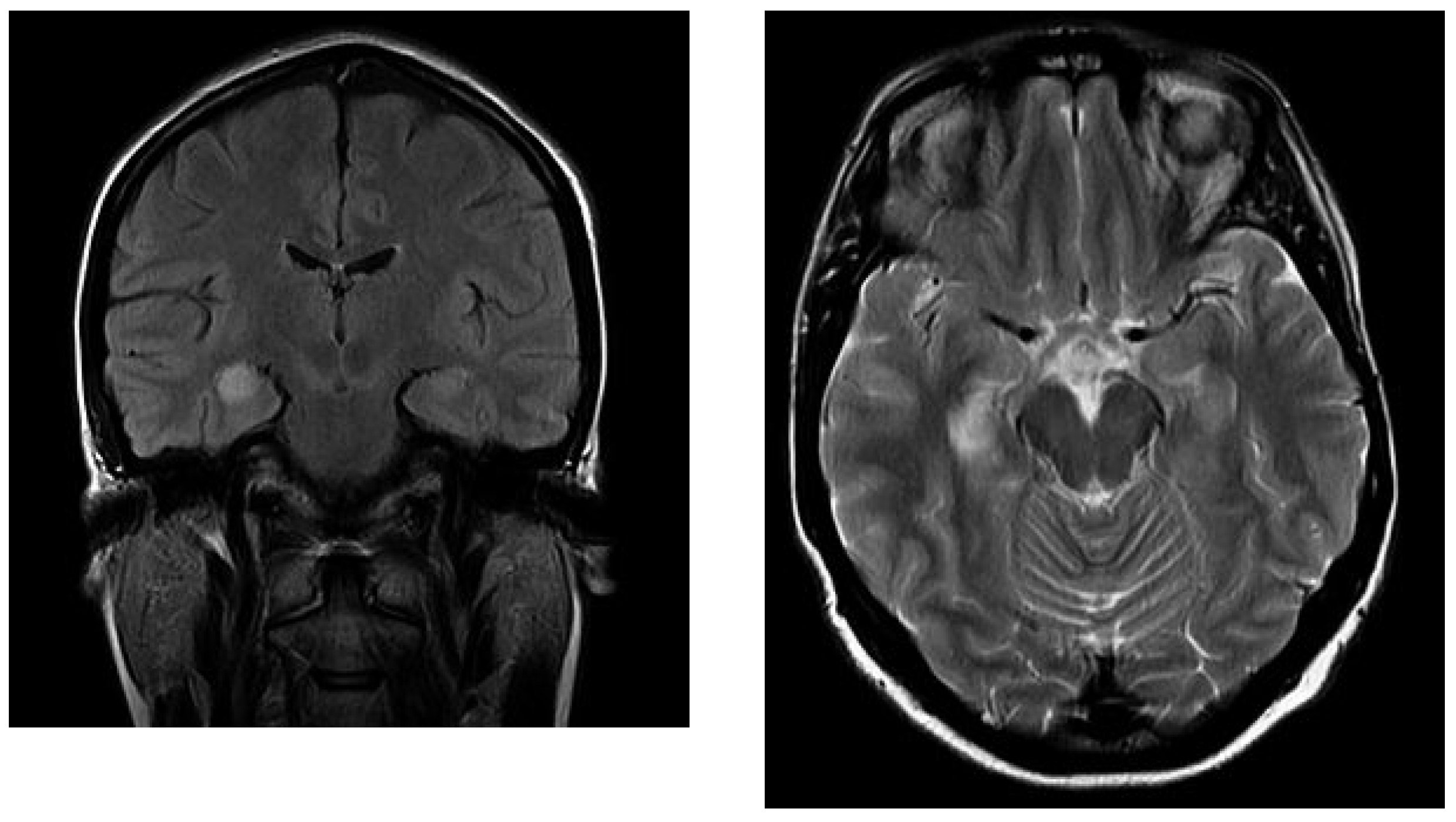
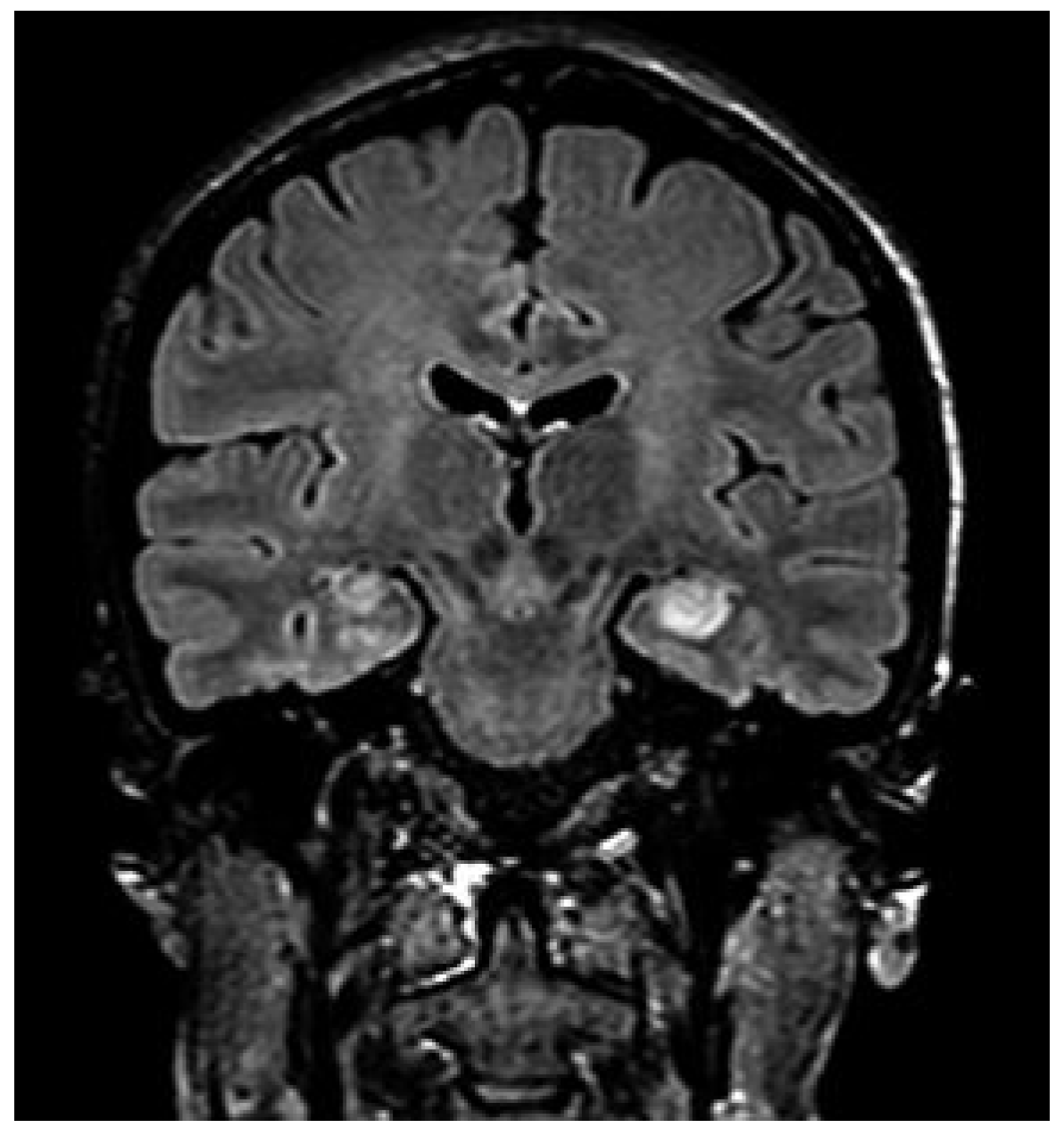
Neuroimaging
1. Which of the following statements regarding coma is correct?
- A
- it is defined by the absence of brainstem reflexes
- B
- its evolution towards a minimal conscious state may herald a favourable prognosis
- C
- it is an almost obligate presentation of status epilepticus
- D
- vegetative state is a synonym of it
- E
- it is impossible to differentiate it clinically from a lockedin state
2. Please indicate the right sentence regarding severe cerebral trauma
- A
- short-term seizure prophylaxis with antiepileptic drugs is not recommended
- B
- the extent of imaging abnormalities does not correlate with prognosis
- C
- somatosensory-evoked potentials have a better predictive value than after cerebral anoxia
- D
- a vegetative state may start to improve later as compared to cerebral anoxia
- E
- unilateral mydriasis on admission is an invariably dismal prognostic factor
3. Please identify the correct statement related to ICU neuromuscular complications
- A
- polyneuropathy is mostly evident on short nerves
- B
- administration of steroids may facilitate myopathy
- C
- generalised hyperreflexia rules out myopathy
- D
- propofol classically triggers neuropathy
- E
- these complications have invariably a good prognosis
4. Which of the following statements is false in the context of post-anoxic encephalopathy?
- A
- consequent antiepileptic treatment may improve prognosis in selected cases
- B
- elevated NSE (neuron-specific enolase) is a reliable predictor of death
- C
- bilaterally normal somatosensory-evoked potentials are not always correlated with recovery
- D
- postanoxic myoclonus (Lance-Adams) should be approached with broad-spectrum antiepileptic agents
- E
- an isolectric EEG within 6 hours of the event is invariably correlated with death
5. Which sentence on posterior reversible encephalopathy syndrome (PRES) is incorrect?
- A
- its prognosis is mostly benign
- B
- a Balint sydrome is described in the acute phase
- C
- ADC-weighted MRI classically shows hyperintense lesions
- D
- renal insufficency and cytostatic agents represent wellknown risk factors
- E
- seizures are part of the clinical spectrum
Read for you
Antiepileptic drugs in brain tumour patients: what’s new?
Answers to MCQ
Neuroimage answer
References
- Relling MV, Pui CH, Sandlund JT, et al. Adverse effect of anticonvulsants on efficacy of chemotherapy for acute lymphoblastic leukaemia. Lancet. 2000;356:285–90.
- Jaeckle KA, Ballman K, Furth A, Buckner JC. Correlation of enzyme-inducing anticonvulsant use with outcome of patients with glioblastoma. Neurology. 2009;73:1207–13.
- Rosenow F, Reif PS, Haag A, et al. Correlation of enzyme-inducing anticonvulsant use with outcome of patients with glioblastoma. Neurology. 2010;74:1330–1.
- Rossetti AO, Stupp R. Correlation of enzyme-inducing anticonvulsant use with outcome of patients with glioblastoma. Neurology. 2010;74:1329.
- Lim DA, Tarapore P, Chang E, et al. Safety and feasibility of switching from phenytoin to levetiracetam monotherapy for glioma-related seizure control following craniotomy: a randomized phase II pilot study. J Neurooncol. 2009;93:349–54.
- Rosati A, Buttolo L, Stefini R, et al. Efficacy and safety of levetiracetam in patients with glioma: a clinical prospective study. Arch Neurol. 2010; 67:343–6.
- Novy J, Stupp R, Rossetti AO. Pregabalin in patients with primary brain tumors and seizures: a preliminary observation. Clin Neurol Neurosurg. 2009;111:171–3.
- Maschio M, Dinapoli L, Zarabla A, et al. Outcome and tolerability of topiramate in brain tumor associated epilepsy. J Neurooncol. 2008;86: 61–70.
- Lu Y, Yu W, Wang X. Efficacy of topiramate in adult patients with symptomatic epilepsy: an open-label, long-term, retrospective observation. CNS Drugs. 2009;23:351–9.
- Maschio M, Dinapoli L, Saveriano F, et al. Efficacy and tolerability of zonisamide as add-on in brain tumor-related epilepsy: preliminary report. Acta Neurol Scand. 2009;120:210–2.
- Maschio M, Dinapoli L, Vidiri A, et al. The role side effects play in the choice of antiepileptic therapy in brain tumor-related epilepsy: a comparative study on traditional antiepileptic drugs versus oxcarbazepine. J Exp Clin Cancer Res. 2009;28:60.


This is an open-access article distributed under the terms of the Creative Commons Attribution Non-Commercial No Derivatives (CC BY-NC-ND) 4.0 License.
Share and Cite
Rossetti, A.O. Neurologist-in-training. Swiss Arch. Neurol. Psychiatry Psychother. 2011, 162, 35-36. https://doi.org/10.4414/sanp.2011.02229
Rossetti AO. Neurologist-in-training. Swiss Archives of Neurology, Psychiatry and Psychotherapy. 2011; 162(1):35-36. https://doi.org/10.4414/sanp.2011.02229
Chicago/Turabian StyleRossetti, Andrea O. 2011. "Neurologist-in-training" Swiss Archives of Neurology, Psychiatry and Psychotherapy 162, no. 1: 35-36. https://doi.org/10.4414/sanp.2011.02229
APA StyleRossetti, A. O. (2011). Neurologist-in-training. Swiss Archives of Neurology, Psychiatry and Psychotherapy, 162(1), 35-36. https://doi.org/10.4414/sanp.2011.02229