Introduction
The rhinopharynx and the parapharyngeal space (PPS) are complex anatomical territories located beneath the skull base. As they are closely related to central nervous system structures, pathologic changes at this level generally need a sensitive diagnostic and various complex therapeutic procedures [
1].
The parapharyngeal and masticator spaces have been described in the 1930s [
2].
The parapharyngeal space (PPS) is an inverted, cone-shaped, fascial space of the suprahyoid neck that largely contains fat and is surrounded by several other important fascial spaces [
3]. Some of the most common abscesses are parapharyngeal and retropharyngeal, and a thorough knowledge of their complex anatomy and etiologies is essential in their treatment [
4].
The parapharyngeal space has also been referred to in the literature as the lateral pharyngeal, peripharyngeal, pharyngomaxillary, pterygopharyngeal, pterygomandibular, and pharyngomasticatory space, and its boundaries have been described with more variation than those of any other space of the neck [
2].
The roof of the parapharyngeal space (RPPS) is poorly defined [
5]. The RPPS has been evaluated by dissections [
5], but so far it has not been assessed by Cone Beam Computed Tomography (CBCT). Pneumatization patterns of the skull base can be accurately identified in CBCT [
6].
It was hypothesized that the pneumatization pattern of the PPS roof is individually variable, as determined by the variable pneumatization patterns of the sphenoid [
6] and temporal [
7,
8] bones.
We aimed at assessing the anatomy of the PPS roof in CBCT, and to assess the variable pattern of pneumatization at this level, in relation to possible pathways for the spreading of infections, from the temporal bone cavities or from the sphenoidal sinus.
Methods
The present study was performed retrospectively on a group of 35 subjects assessed by CBCT for various dental procedures. Informed consent for using the scan data was obtained.
Radiographic examination was conducted by two independent researchers. To verify the concordance of the classifications used among examiners, the Kappa test was used.
The morphological assessments in all subjects were recorded separately.
All subjects were scanned using a Cone-Beam Computed Tomography (CBCT) machine – iCat (Imaging Sciences International), and the CT data were analyzed using the iCatVision software and its related application 3DVR v5.0.0.3, which renders the volume of data in MIPs (maximum intensity projections) in a format that can be manipulated as a single object, and rotated [
6].
The same scanning protocol was used for all patients: sensor dimension – 20 X 25 cm; grayscale resolution – 14 bit; voxel dimension – 0.250 mm; acquisition time – 13.9 seconds; 120 KV, 5mA; number of acquired images – 528.
All subjects were positioned similarly, as previously described [
6].
Multiplanar reconstructions (MPRs) were used to assess the bony landmarks of the PPS roof. These were evaluated in the area between the following limits, which were marked on MPRs prior to the evaluation of the series of slices: the sagittal line through the medial pterygoid plate, the transverse line through the posterior border of the jugular foramen; the oblique line drawn from the posterior border of the medial pterygoid plate obliquely through the sphenoidal spine.
Data were expressed as mean values, standard deviations (SD), ranges, and percentages, as appropriate. Associations were tested using Pearson Chi-squared Test and Fisher’s Exact Test. StataIC 11 statistical software (StataCorp LP, Texas, USA, version 2009) was used for data analysis. A p-value below 0.05 was considered statistically significant.
Results
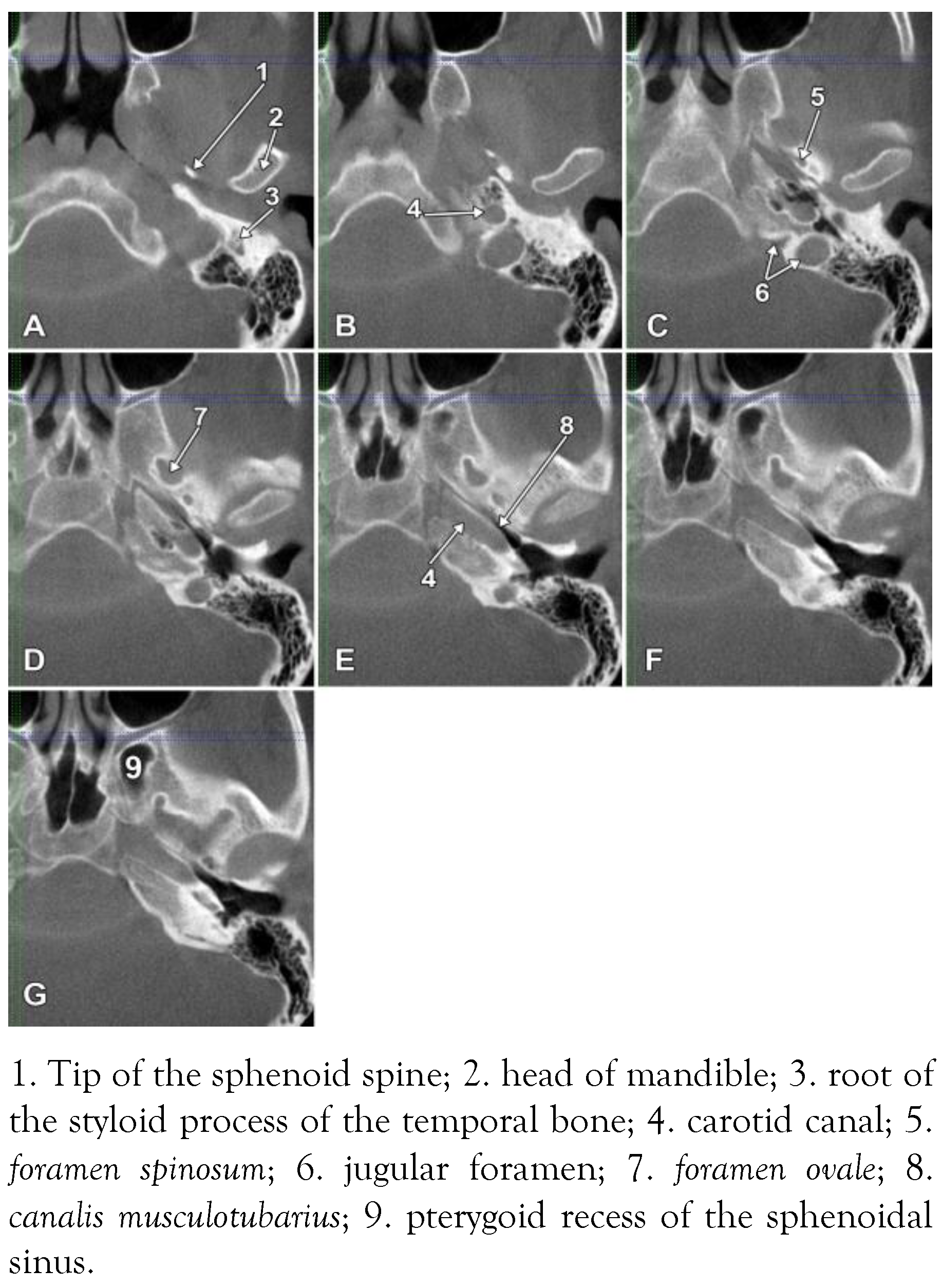
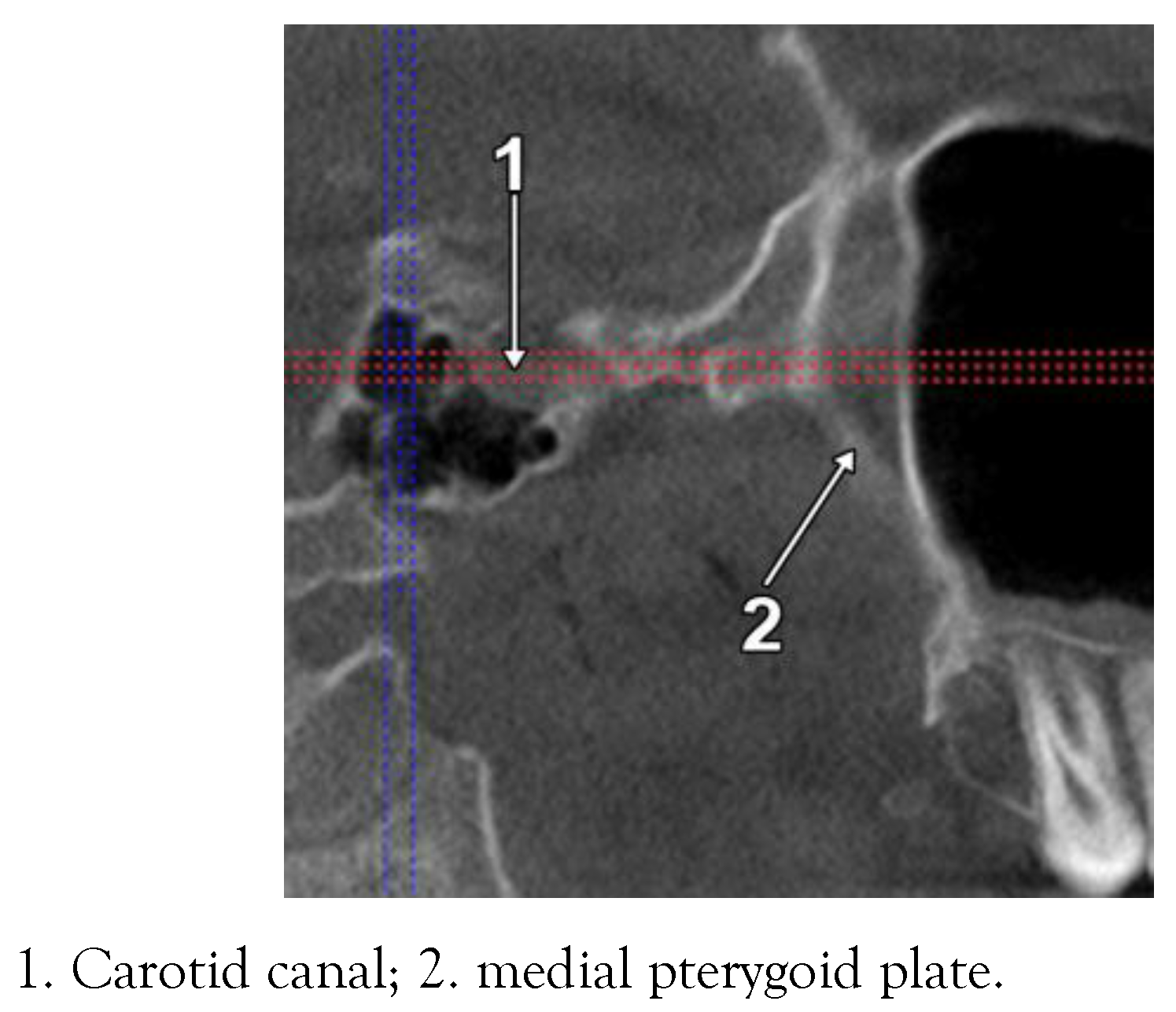
The anatomy of the PPS roof was accurately identified on serial CBCT slices and axial MPRs (
Figure 1).
The anatomical osseous landmarks at this level were the petrous apex with the carotid canal, the jugular foramen, the foramen lacerum, the sphenopetrosal fissure or suture, and the root of the pterygoid process. On slices in which the scaphoid fossa (attaching the tensor veli palatini muscle) was clearly identified (
Figure 1D), the landmarks immediately outside the PPS roof were the orifices of the greater wing of the sphenoid bone: the oval and spinous foramina, and, occasionally, the accessory foramina of Vessalius and Arnold. Thus, the roots of the greater sphenoidal wing corresponding to these foramina were included in the PPS roof.
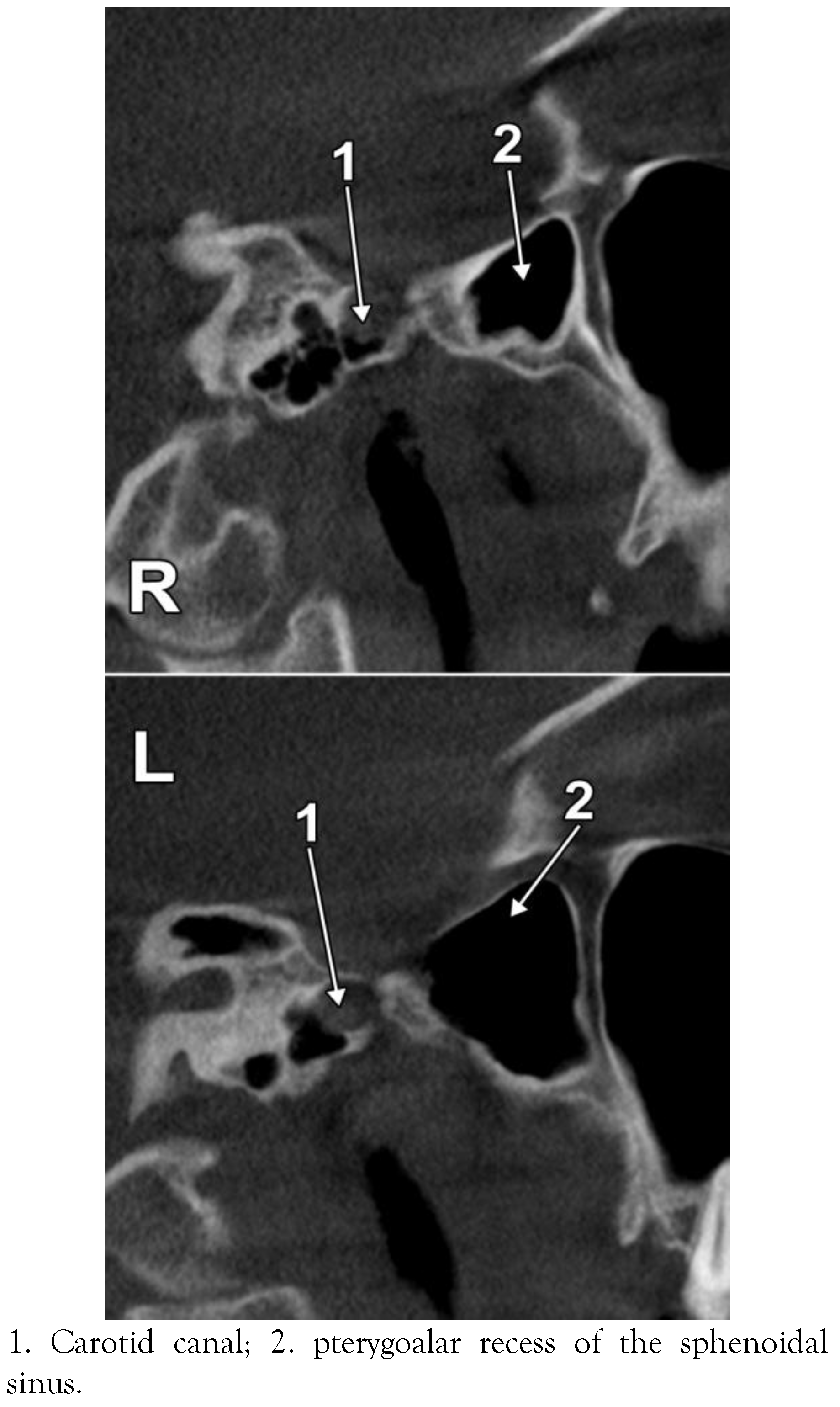
Variable pneumatization patterns were recorded as related to the sphenoid bone and the petrous part of the temporal bone. When present, pterygoalar recesses of the sphenoidal sinus were extending within the greater wing and the root of the pterygoid process. Air cells within the petrous apex were also recorded.
As related to the individual pattern of pneumatization, the following types of the PPS roof were defined:
- -
type 1 – not pneumatized PPS roof (
Figure 2);
- -
type 2 – sphenoidal but not petrosal pneumatization of the PPS roof (
Figure 3);
- -
type 3 – petrosal but not sphenoidal pneumatization of the PPS roof (
Figure 4);
- -
type 4 – sphenoidal and petrosal pneumatizations of the PPS roof (
Figure 3 and
Figure 5).
Figure 2.
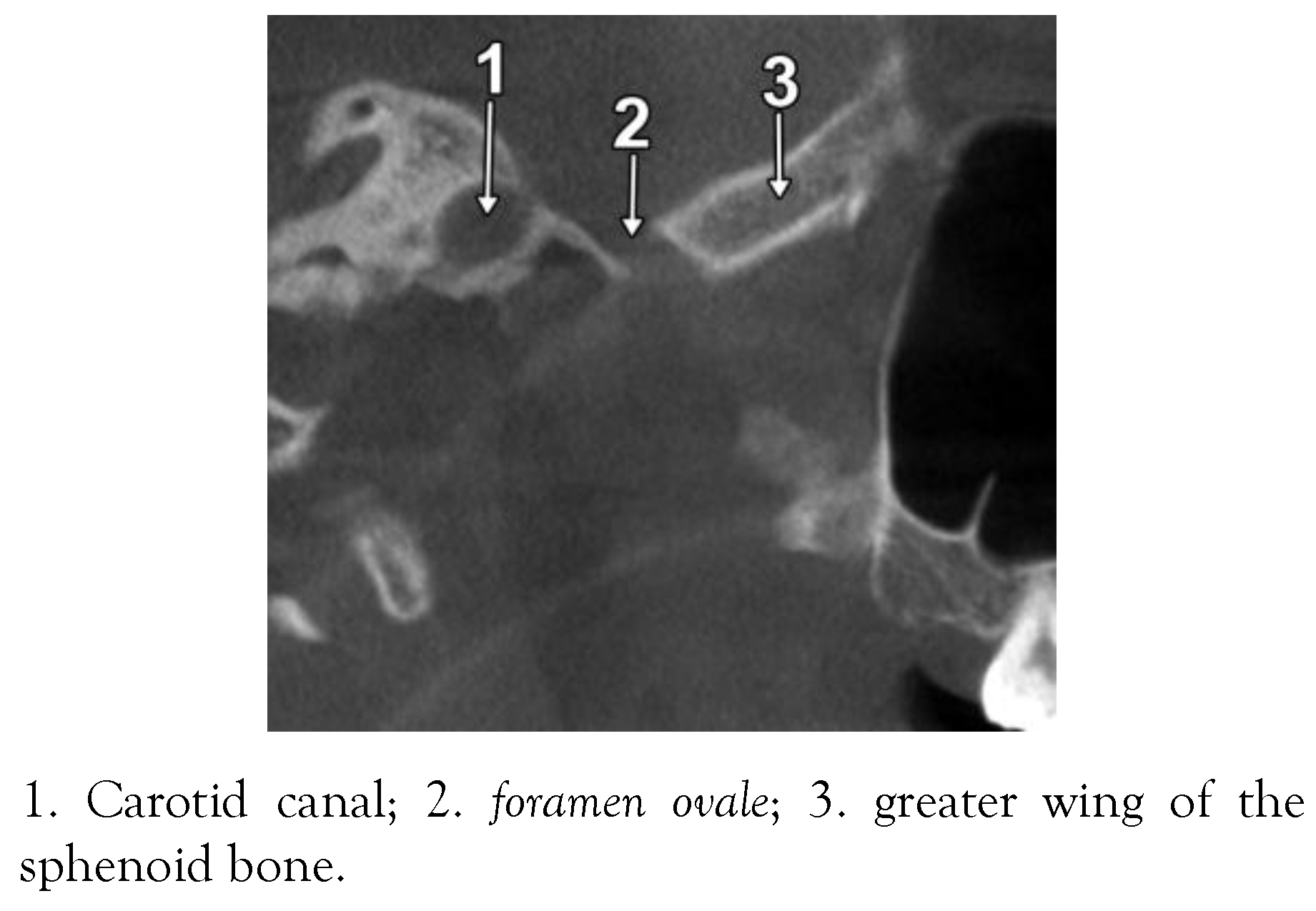
Type 1 of the PPS roof, on sagittal MPR. The PPS roof is not pneumatized.
Figure 2.
Type 1 of the PPS roof, on sagittal MPR. The PPS roof is not pneumatized.
Figure 3.
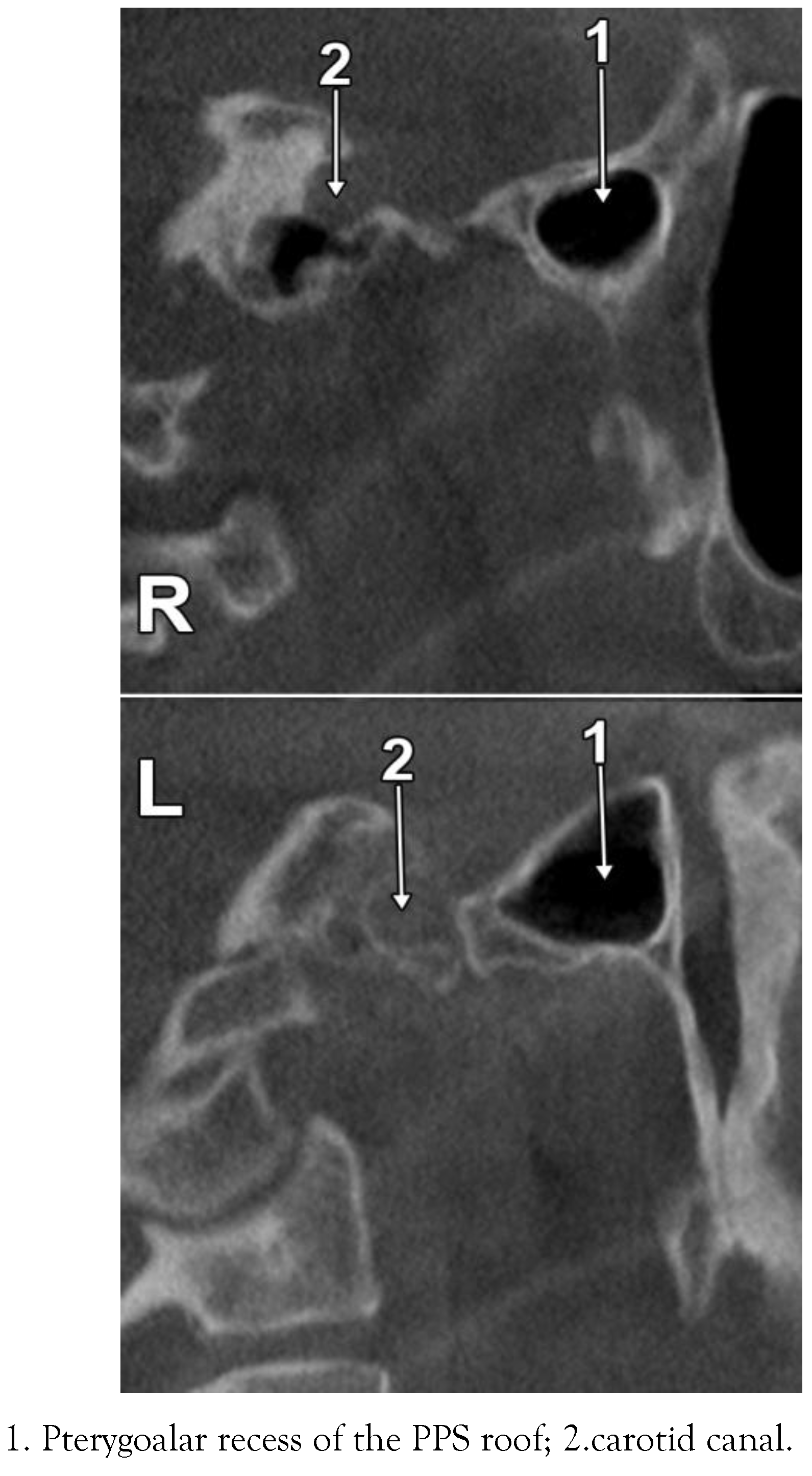
In the same patient, bilateral asymmetry of the PPS roof pneumatization was recorded on sagittal MPRs. On the right side (R) the type 4 pattern comprises both sphenoidal and petrosal pneumatizations. On the left side (L) the type 2 of pneumatization is a sphenoidal but not a petrosal one.
Figure 3.
In the same patient, bilateral asymmetry of the PPS roof pneumatization was recorded on sagittal MPRs. On the right side (R) the type 4 pattern comprises both sphenoidal and petrosal pneumatizations. On the left side (L) the type 2 of pneumatization is a sphenoidal but not a petrosal one.
Figure 4.
Type 3 of the PPS roof, on sagittal MPR: petrosal but not sphenoidal pneumatization.
Figure 4.
Type 3 of the PPS roof, on sagittal MPR: petrosal but not sphenoidal pneumatization.
Figure 5.
Bilateral symmetry of the PPS roof pneumatization, on sagittal MPRs, in the same patient. Right (R) and left (L) type 4 of PPS roof pneumatization.
Figure 5.
Bilateral symmetry of the PPS roof pneumatization, on sagittal MPRs, in the same patient. Right (R) and left (L) type 4 of PPS roof pneumatization.
Twenty-two females and 13 males were included in the present study (62.9%/37.1%).
The mean age of the lot was 37.9 (SD: 14.2, range: 18 to 61).
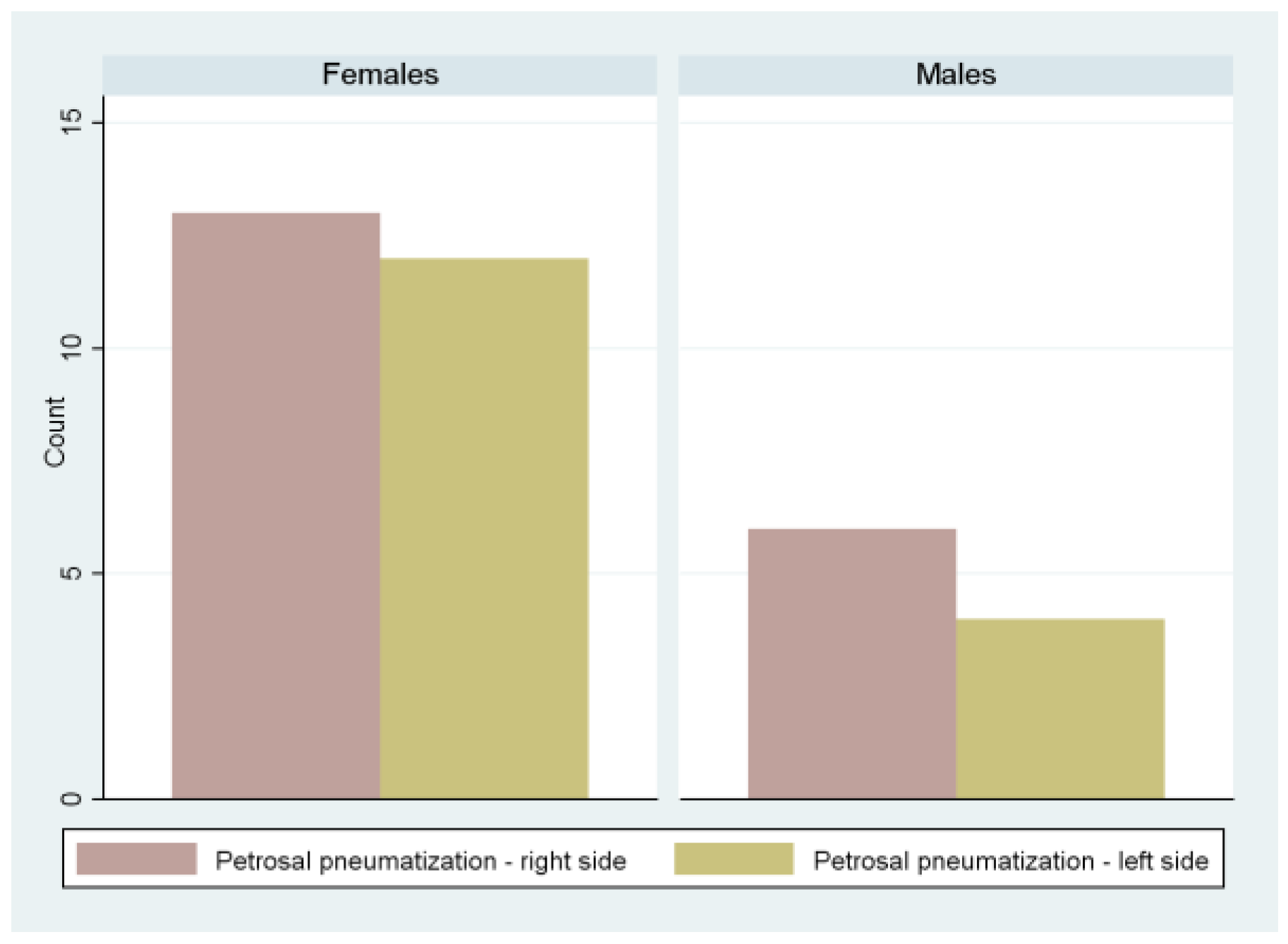
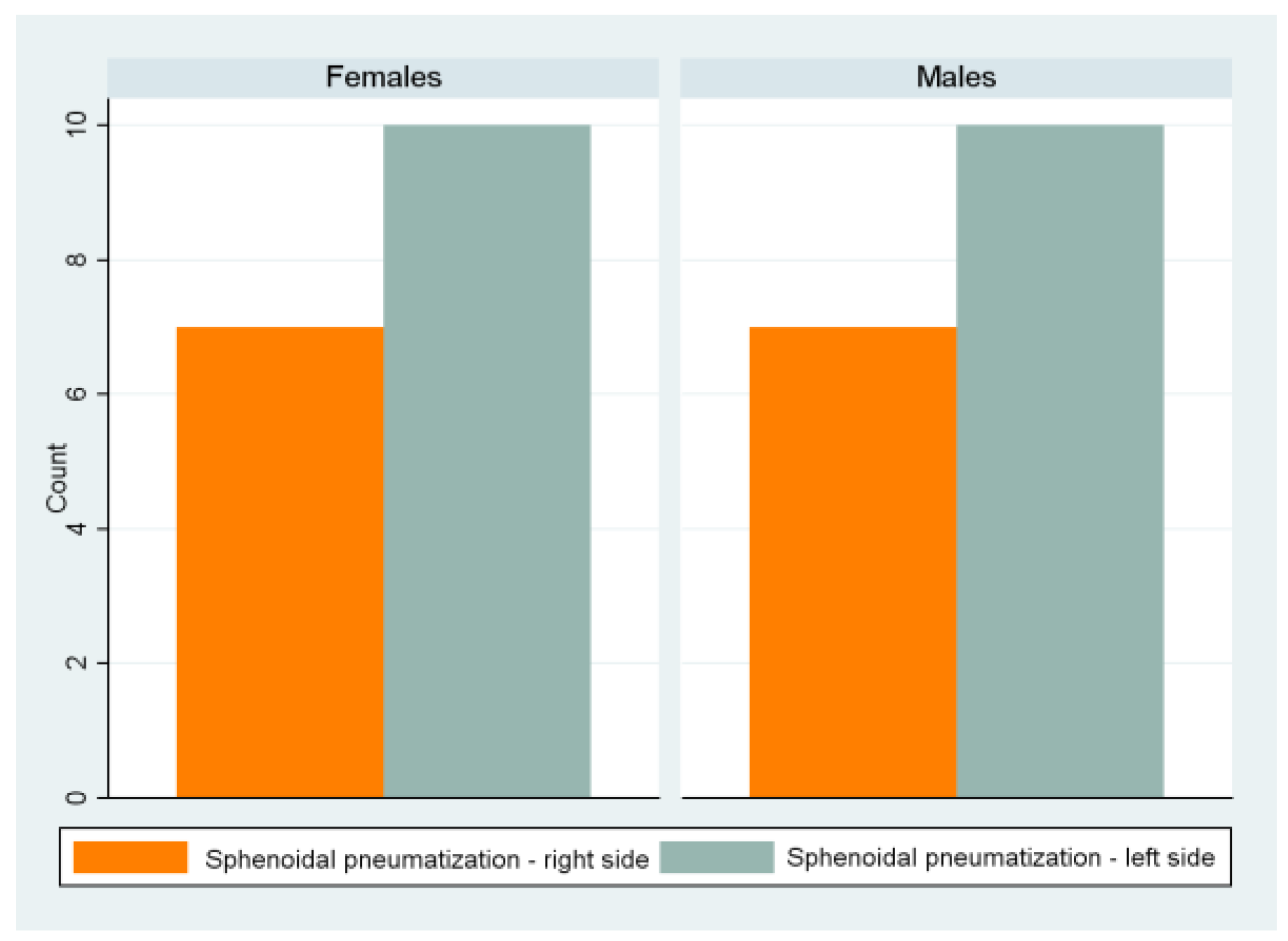
Right petrous air cells were found in 19 cases (54.3%). On the left side the pneumatized petrous apex was evaluated in 16 cases (45.7%). For the pterygoalar recess, on the right side, there were 14 positive patients (40.0%) and on the left side 20 patients were positive (57.1%). No statistically relevant differences between left and right sides were recorded, neither for the petrous apex pneumatizations, nor for the sphenoidal pneumatizations.
Figure 6 and
Figure 7 show the case distribution based on gender and sides.
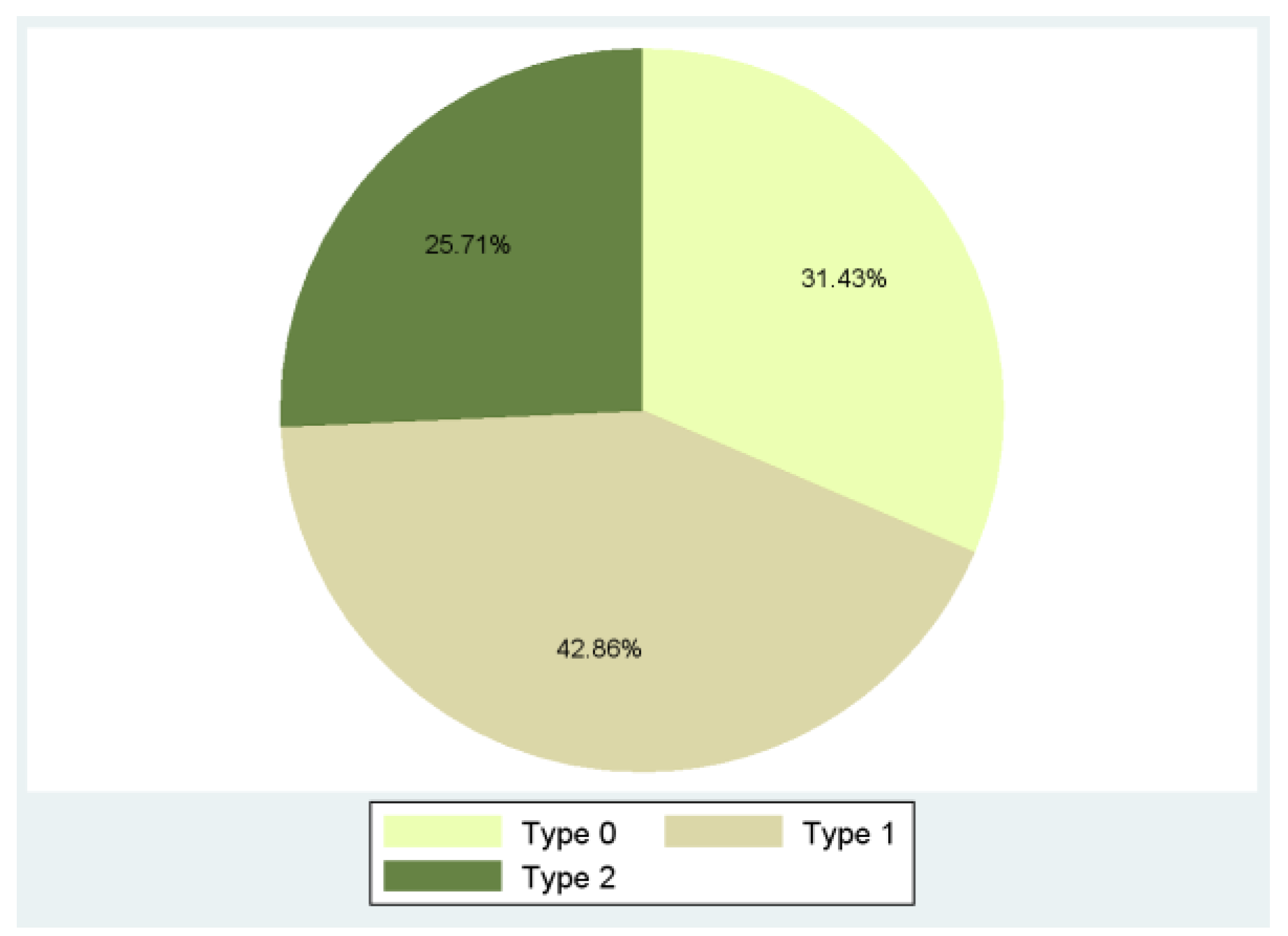
The following pneumatization pattern of the PPS roof was found, on the left side: 10 cases with type 1 (28.6%), 9 cases with type 2 (25.7%), 5 cases with type 3 (14.3%), and 11 cases with type 4 pattern (31.4%).
The pneumatization pattern of the PPS roof was found, on the right side: 11 cases with type 1 (31.4%), 5 cases with type 2 (14.3%), 10 cases with type 3 (28.6%) and 9 cases with type 4 (25.7%).
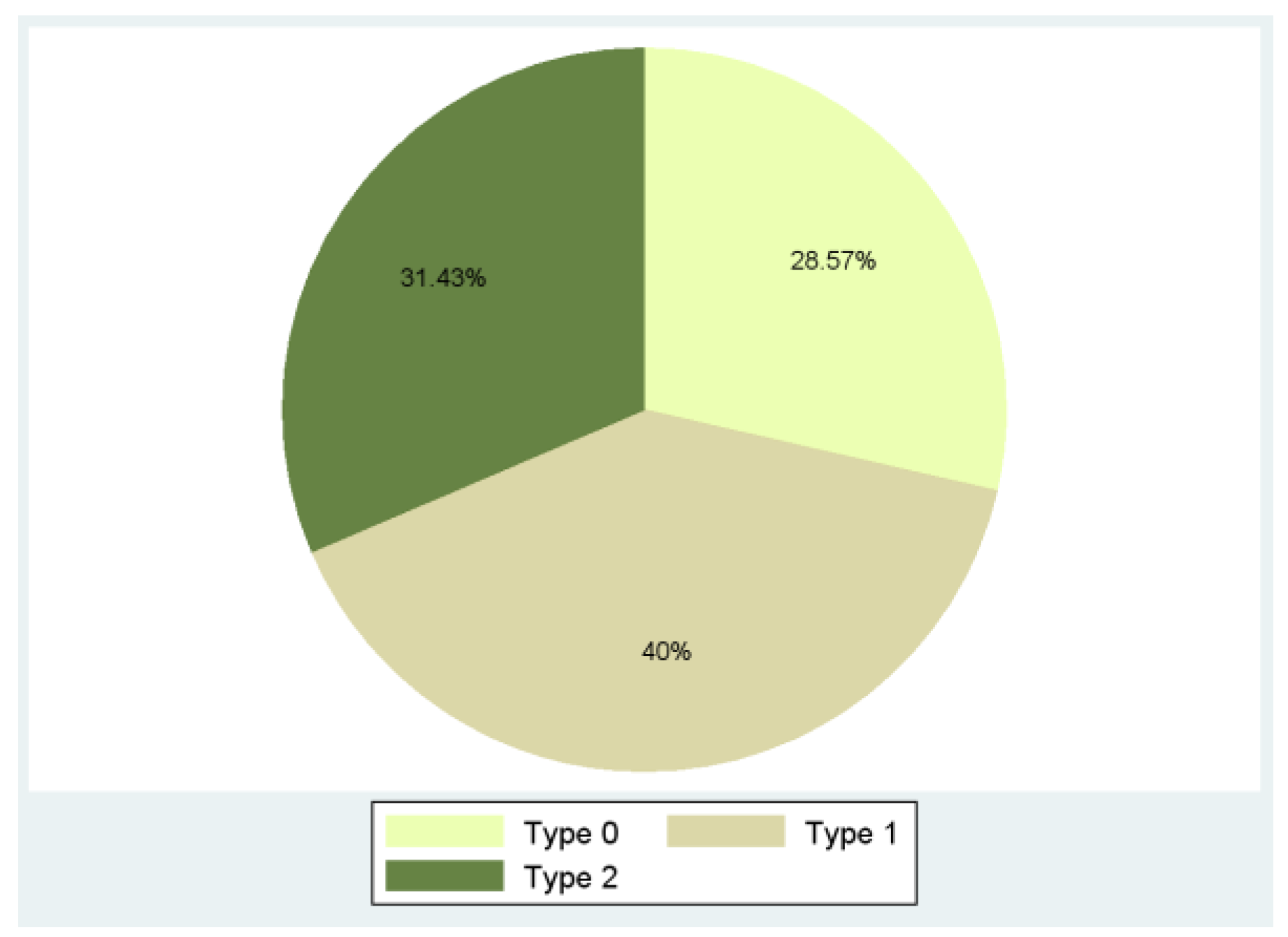
For comparison reasons, the group was stratified based on the degree of pneumatization:
- -
type 0 – no pneumatization;
- -
type 1 – single pneumatization, petrous/sphenoidal;
- -
type 2 – double pneumatization, both petrous and sphenoidal.
Although on the left side the degree of pneumatization was higher than on the right side, no statistical differences were recorded (
p > 0.05;
Figure 8 and
Figure 9).
Discussion
In ontogenesis, general and local patterns of pneumatized spaces of the skull change during pneumatization. Regions that pneumatize earlier will continue to remodel after pneumatization. Thus, when quantitative analyses of various pneumatizations are performed, individuals from comparable developmental stages should be included in studies [
8].
A key structure in the PPS roof appears to be the petrous apex. In usual anatomical textbooks the petrous apex air cells are largely ignored. However, they belong to the PPS roof and, if present, they are potential sources of infection: the petrous apicitis or petrositis [
9,
10]. In other studies, the pneumatization of the petrous apex was found positive in 32.7% of 226 subjects, and no difference in degree was revealed as far as both ears or genders were concerned; pneumatized air cells were more often found in the lower portions of the CT slices than in the higher ones [
11].
Cerebrospinal fluid (CSF) rhinorrhea is a common complication after skull base surgery for cerebellopontine angle tumors. Petrous air cells are a potential route for CSF rhinorrhea and thus, CT assessment of these air cells is useful for preventing this complication [
12].
A rare disease of the temporal bone is the monostotic fibrous dysplasia. This can lead to stenosis of the external auditory meatus, trapping of skin and formation of cholesteatoma. If the cholesteatoma reaches the petrous apex, it can erode the bone into the PPS. Thus, the rhinopharynx can be compromised [
13].
Rarely, otitis can complicate with a subdural empyema. In such cases retropharyngeal and parapharyngeal abscesses can occur [
14].
The petrous apex air cells may not be the only pneumatizations above the parapharyngeal space. Also the sphenoid sinus air space can invade the root of the pterygoid process, above the scaphoid fossa, as it was presented in the Results section. These sphenoidal hyperpneumatizations can represent the anatomical substrate of PPS involvement in infectious or non-infectious lesions, such as the sphenoid sinus mucocele [
15].