Article

A Computational Fluid Dynamic Study of Developed Parallel Stations for Primary Fans
1
Departamento de Ingeniería en Minas, Facultad de Ingeniería, Universidad de Santiago, Santiago 9160000, Chile
2
Bharti School of Engineering, Laurentian University, Sudbury, ON P3E 2C9, Canada
*
Author to whom correspondence should be addressed.
Processes 2021, 9(9), 1607; https://doi.org/10.3390/pr9091607
Submission received: 30 June 2021 / Revised: 30 August 2021 / Accepted: 31 August 2021 / Published: 8 September 2021
(This article belongs to the Special Issue Applied Computational Fluid Dynamics (CFD))

Abstract

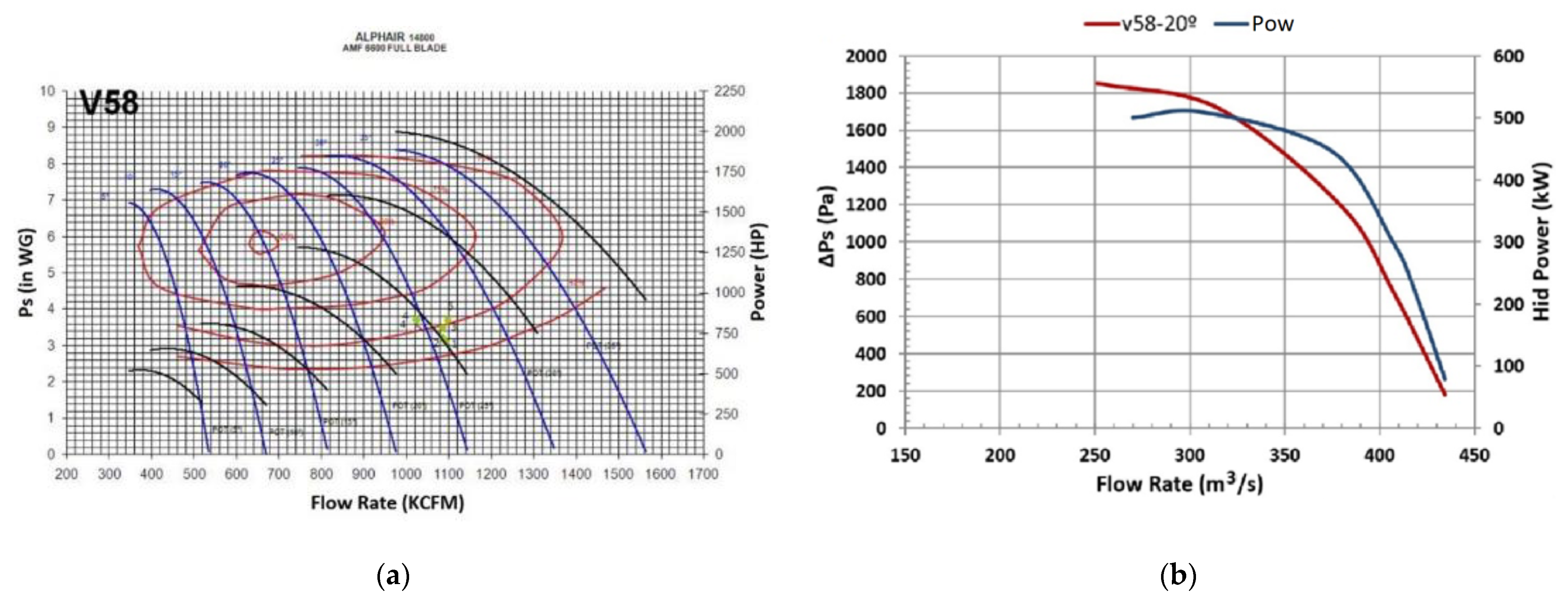
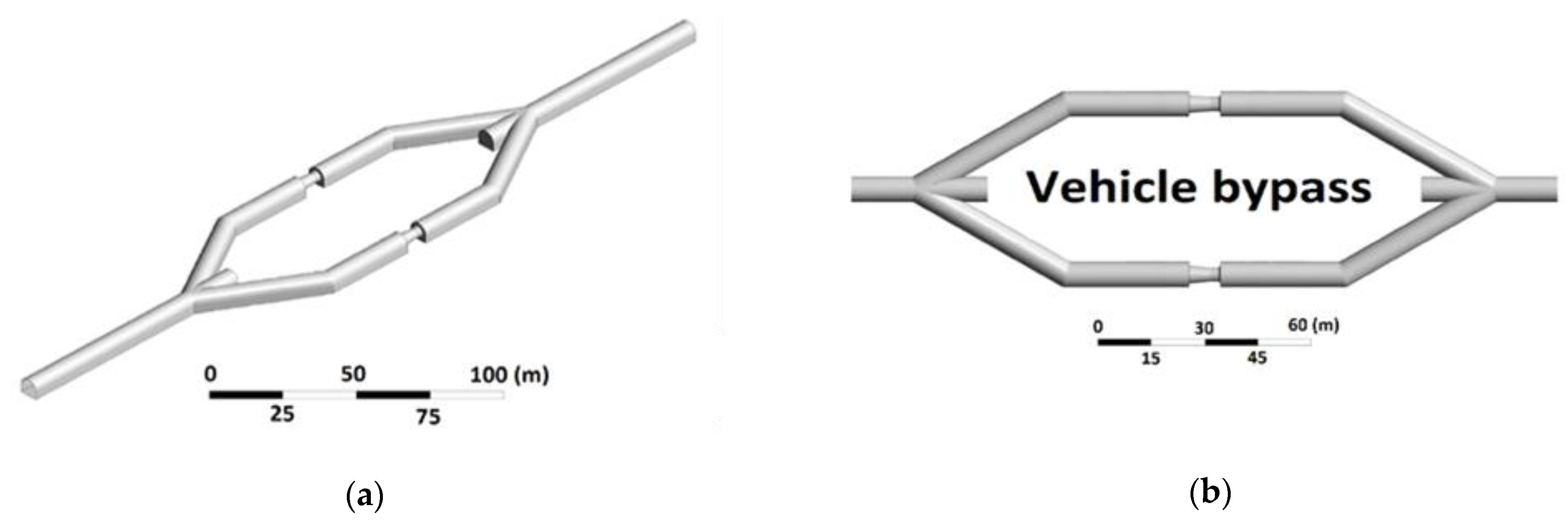
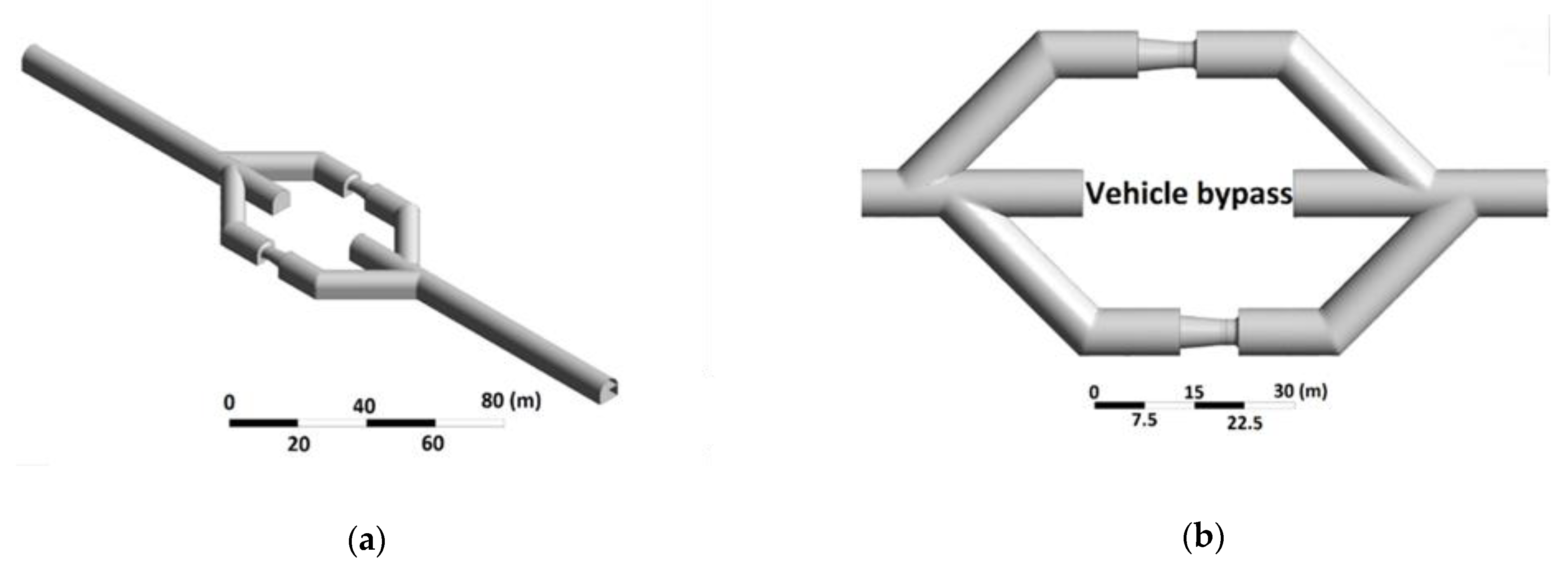
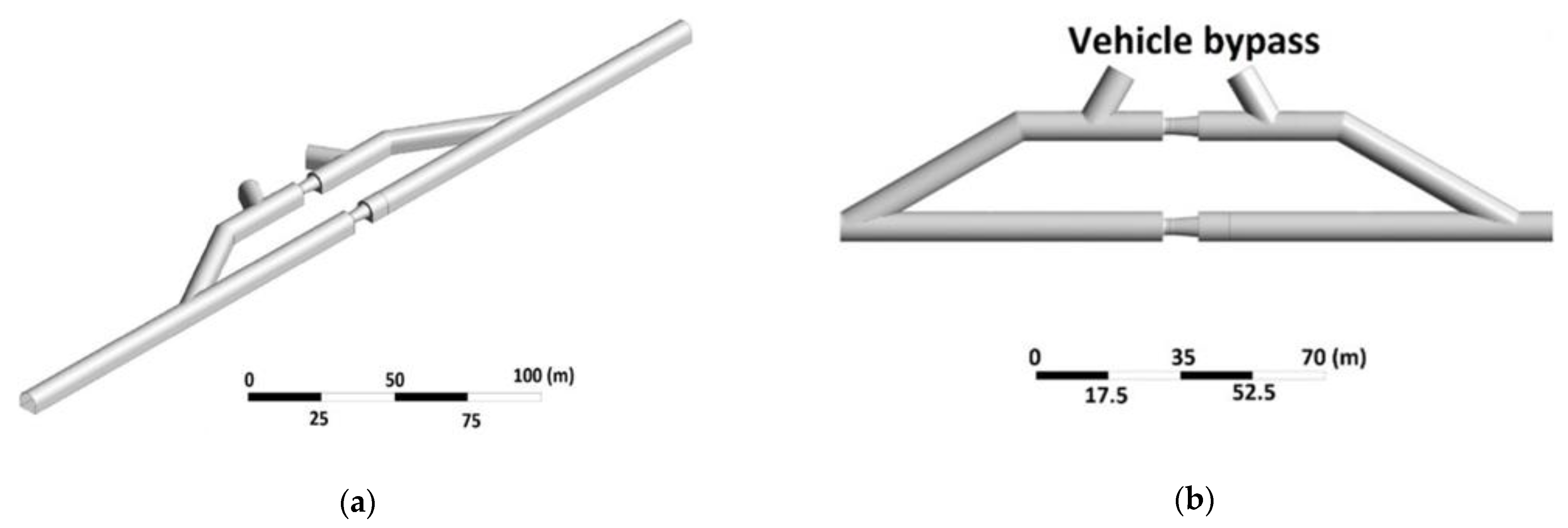
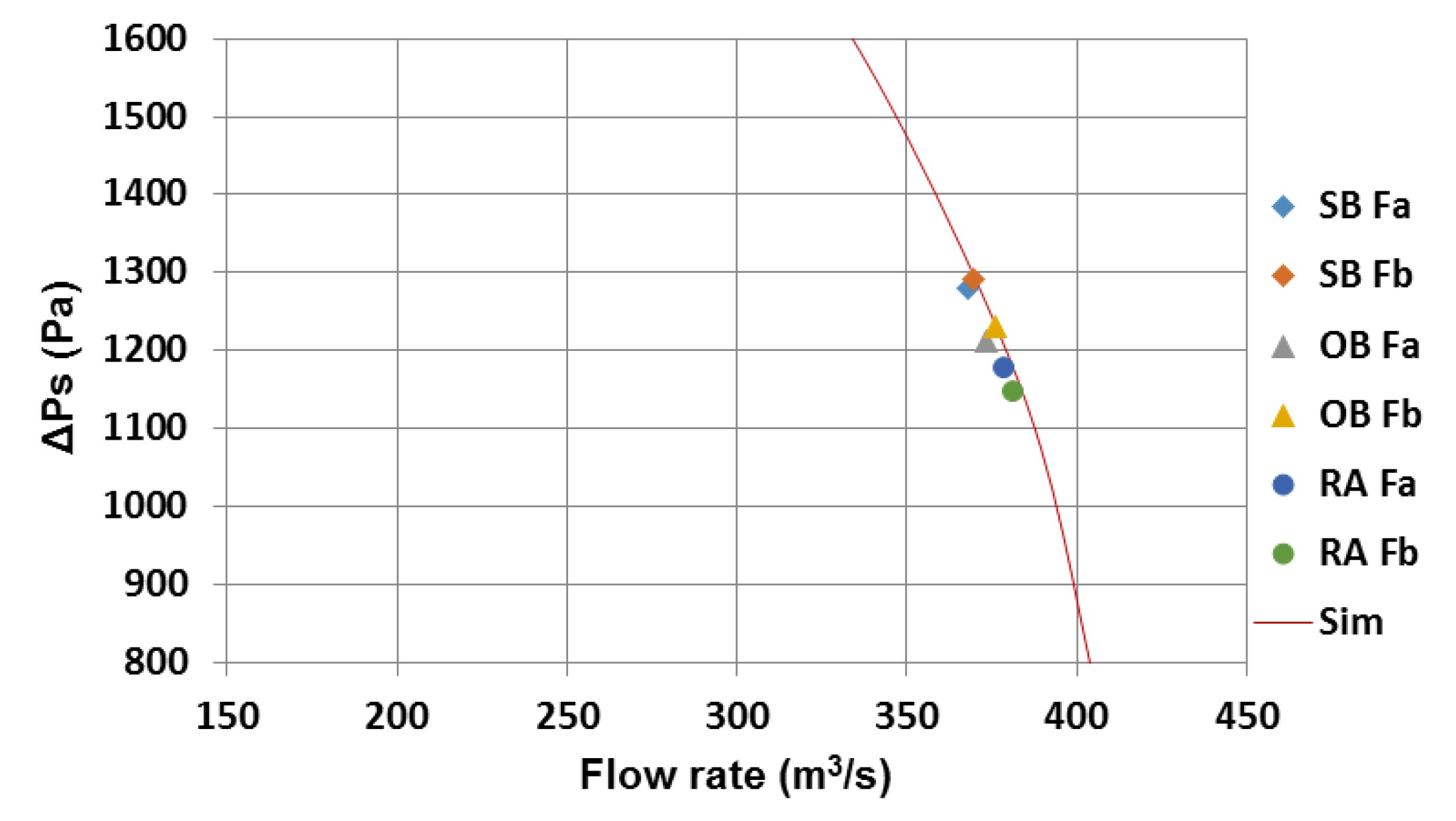
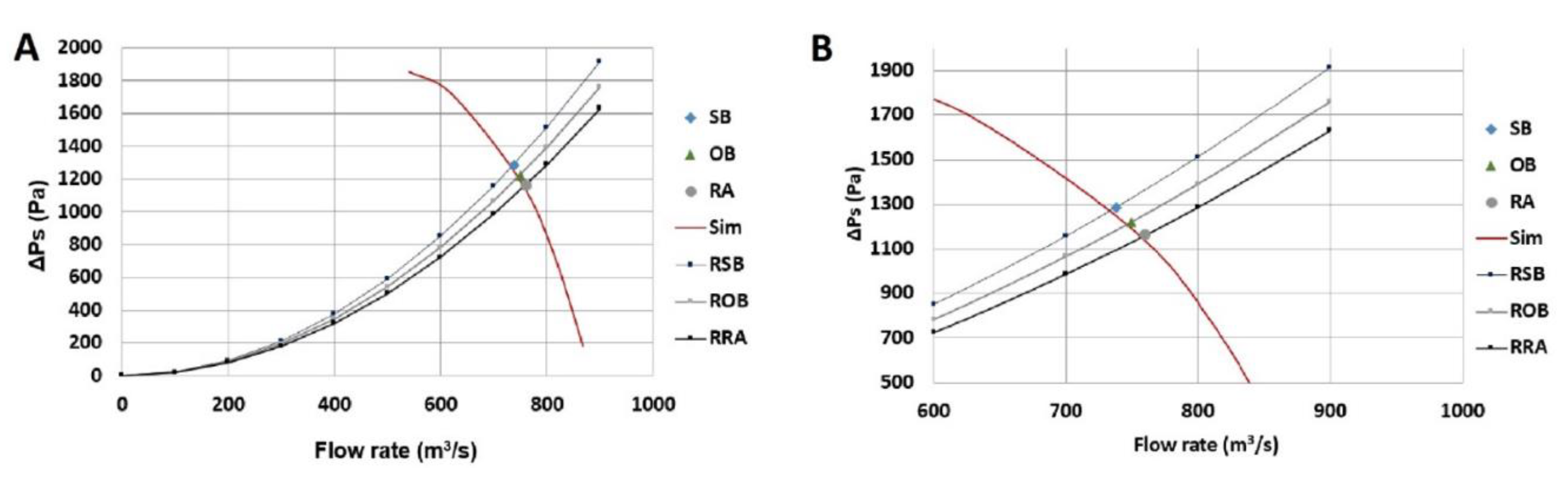
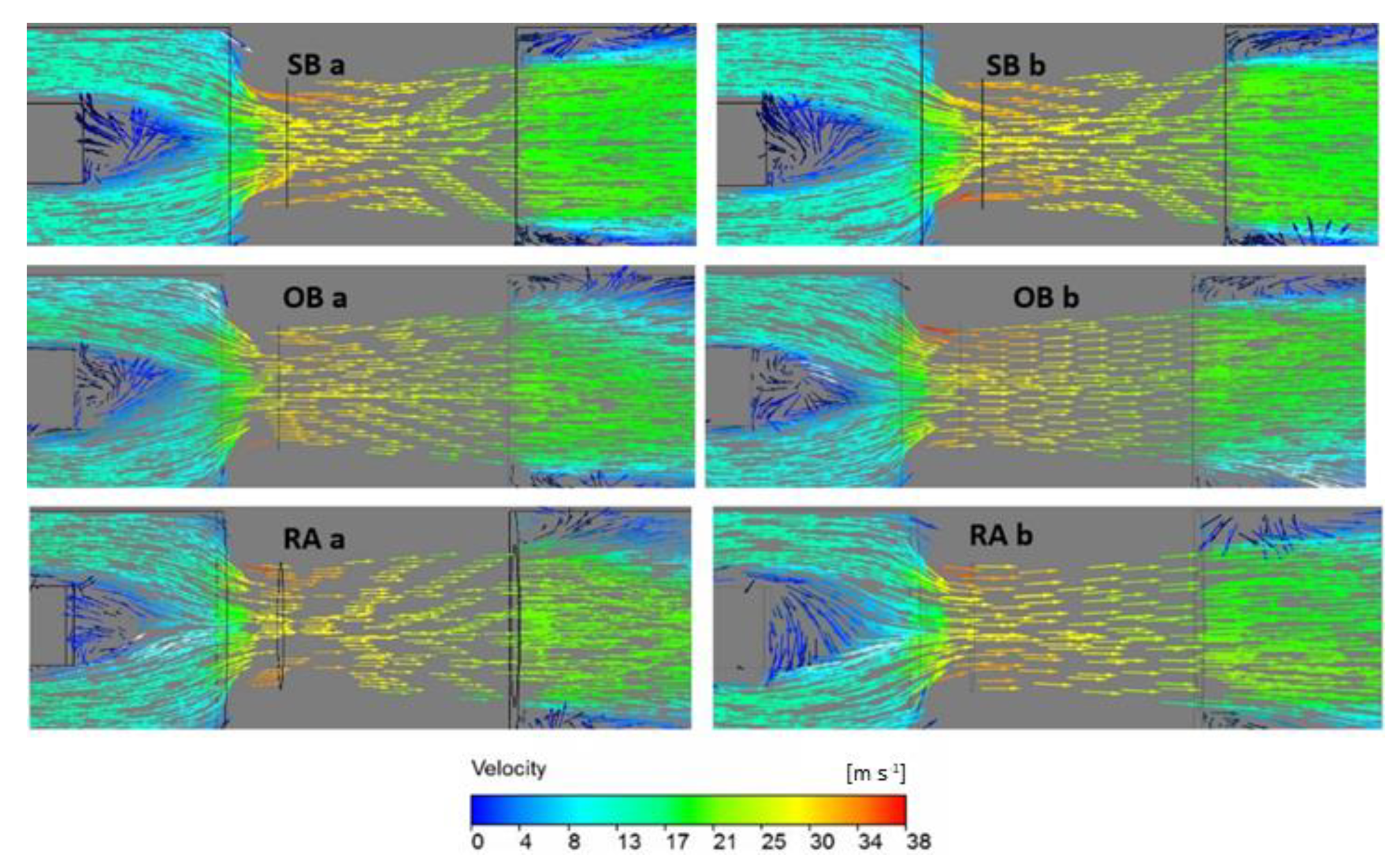
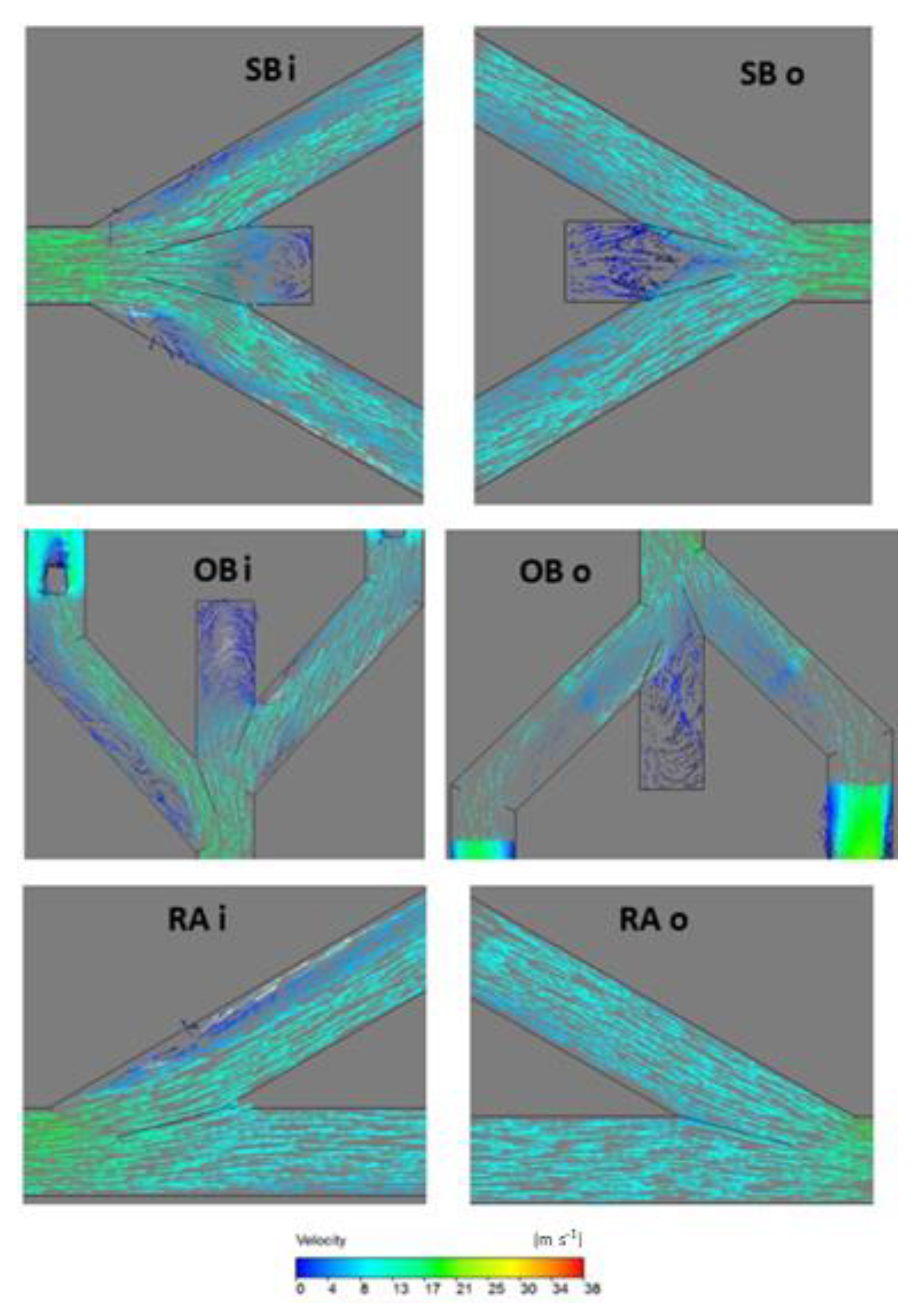
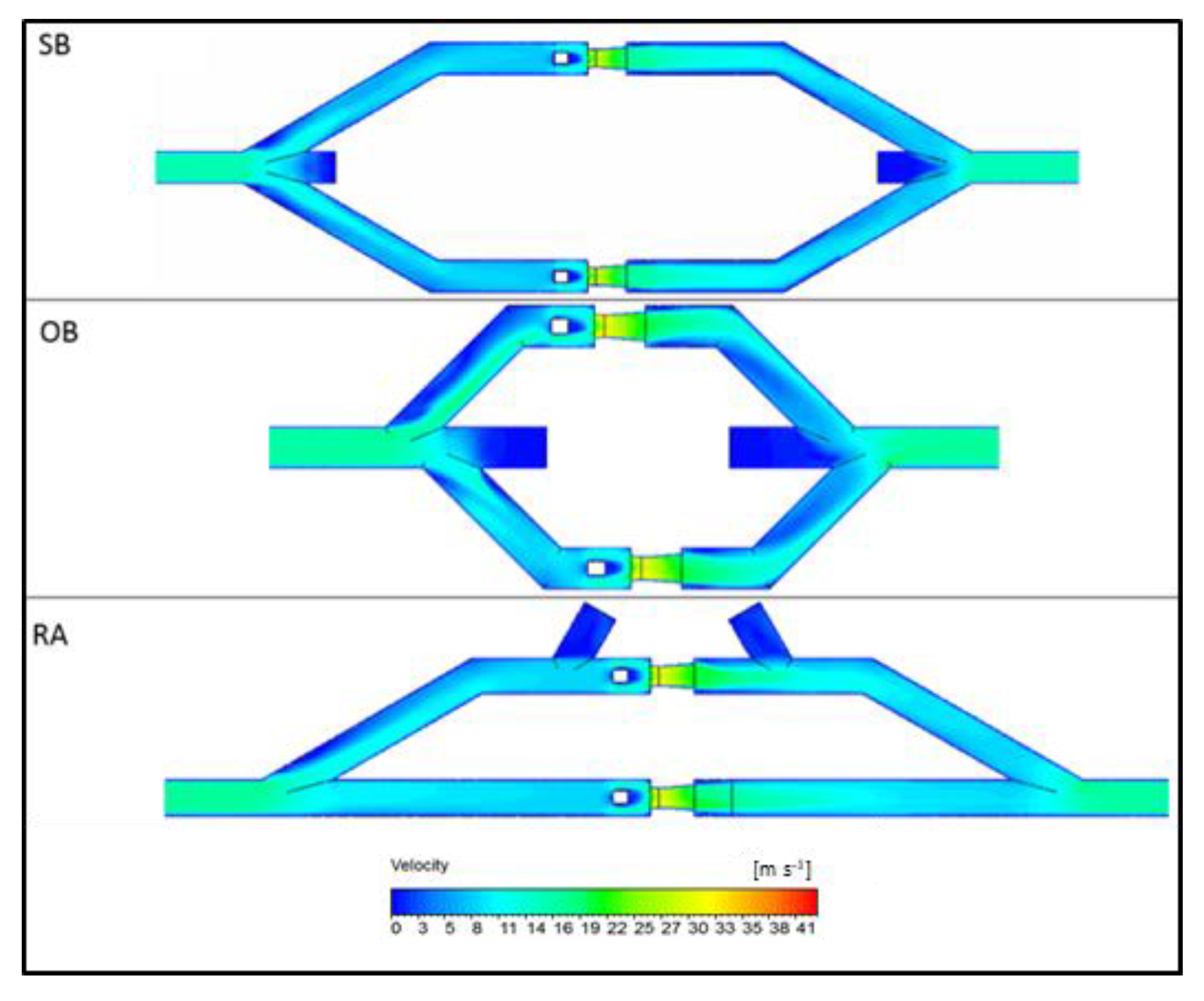
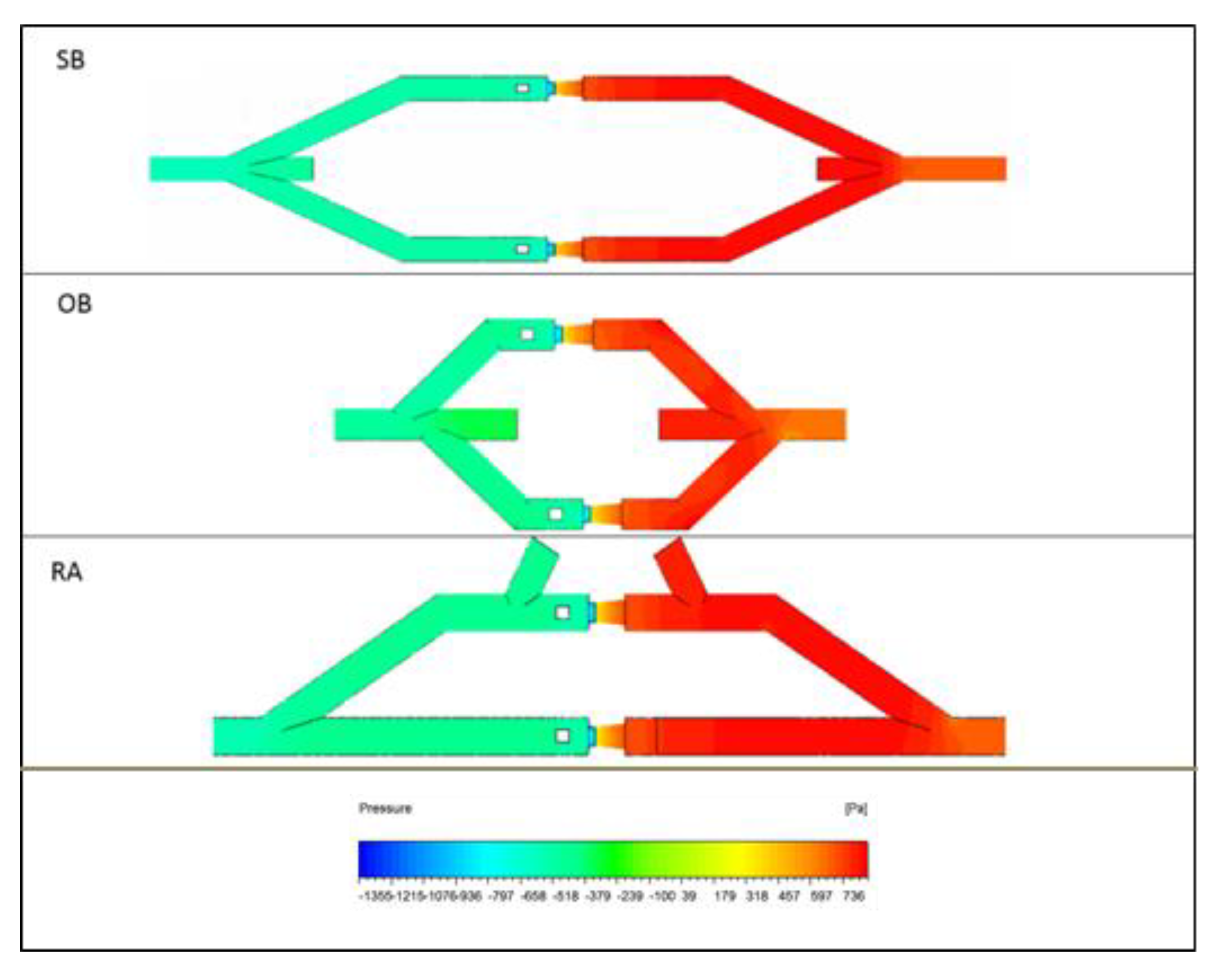
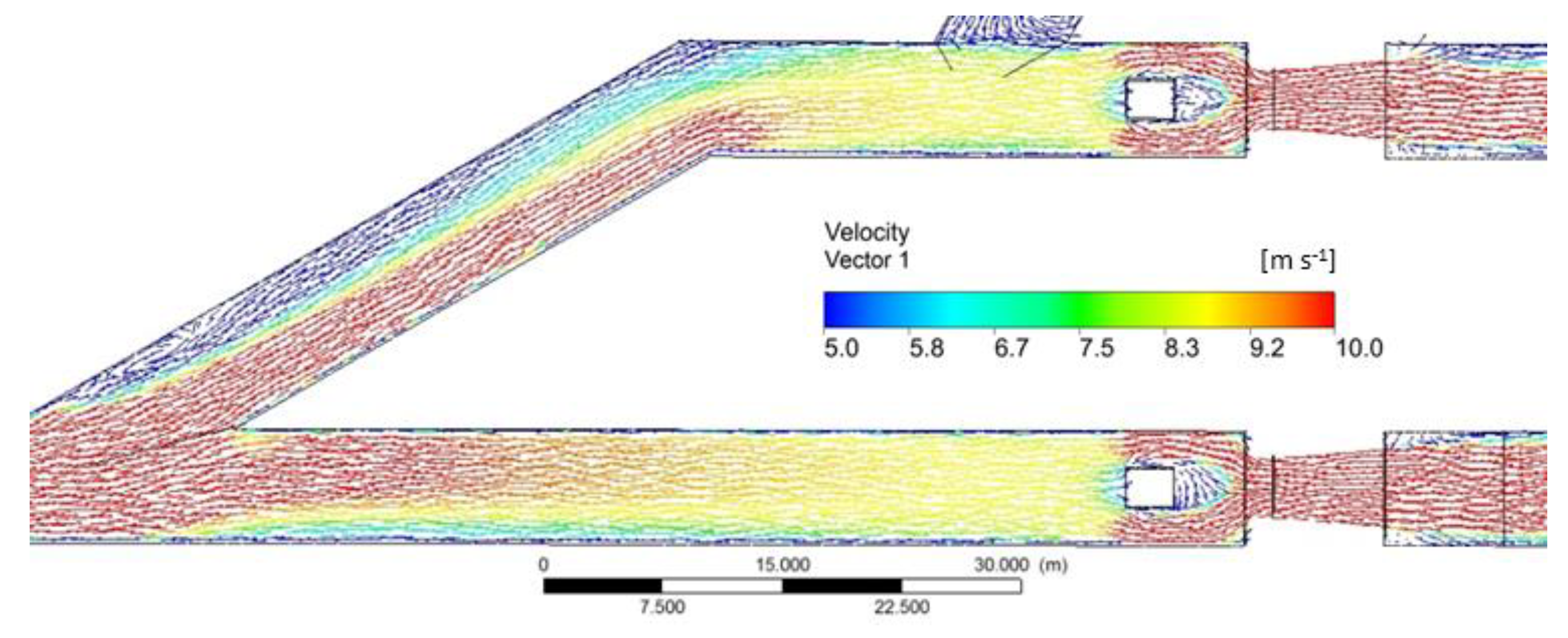
A Computational fluid dynamic (CFD) model was developed considering three geometries for primary parallel fan stations that have already been developed, implemented, and are currently in operation within Chilean mines. To standardize the comparison, the same primary fan was used in all the simulations with a unique set of settings (speed, blade angle, and density). The CFD representation was used to determine the operating point per configuration and compare the performances in terms of airflow and pressure delivered. This approach allowed ranking primary fan station geometry based on resistance curve and energy consumption of the fan. This paper presents the results obtained through the CFD simulations and the corresponding primary fans operating points of each configuration: symmetrical branches (SB), overlap branches (OB), and run around (RA) bypass. The RA configuration was identified as the best-performing station geometry on the lowest frictional and shock pressure losses, highest airflow delivery, and lowest energy cost. The results are discussed, considering pressure, velocity, and vector contours to understand the fluid dynamics phenomena occurring inside the station. The capital cost involved in the development of each primary parallel station was considered in the analysis in addition to the energy cost to determine the economic configuration over time.
Keywords: parallel fan station; CFD; primary underground mine ventilation design parallel fan station; CFD; primary underground mine ventilation design