Article

Indirect Monitoring of Anaerobic Digestion for Cheese Whey Treatment
by
Hilario Flores-Mejia
1,
Antonio Lara-Musule
2,
Eliseo Hernández-Martínez
2,
Ricardo Aguilar-López
3 and
Hector Puebla
1,*
1
Posgrado en Ingeniería de Procesos, Universidad Autónoma Metropolitana Azcapotzalco, Azcapotzalco Ciudad de México 02200, Mexico
2
Facultad de Ciencias Químicas, Universidad Veracruzana Región Xalapa, Xalapa Veracruz 91090, Mexico
3
Departamento de Biotecnología y Bioingeniería, CINVESTAV-IPN, Ciudad de México 07360, Mexico
*
Author to whom correspondence should be addressed.
Processes 2021, 9(3), 539; https://doi.org/10.3390/pr9030539
Submission received: 23 February 2021 / Revised: 9 March 2021 / Accepted: 15 March 2021 / Published: 18 March 2021
(This article belongs to the Special Issue Anaerobic Processes, Monitoring and Intelligence Control)

Abstract

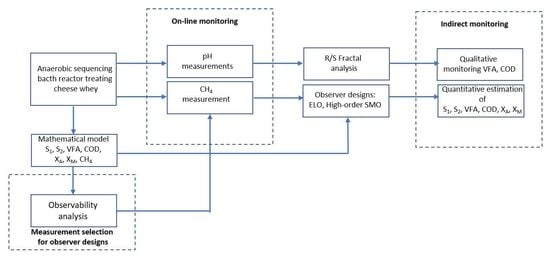
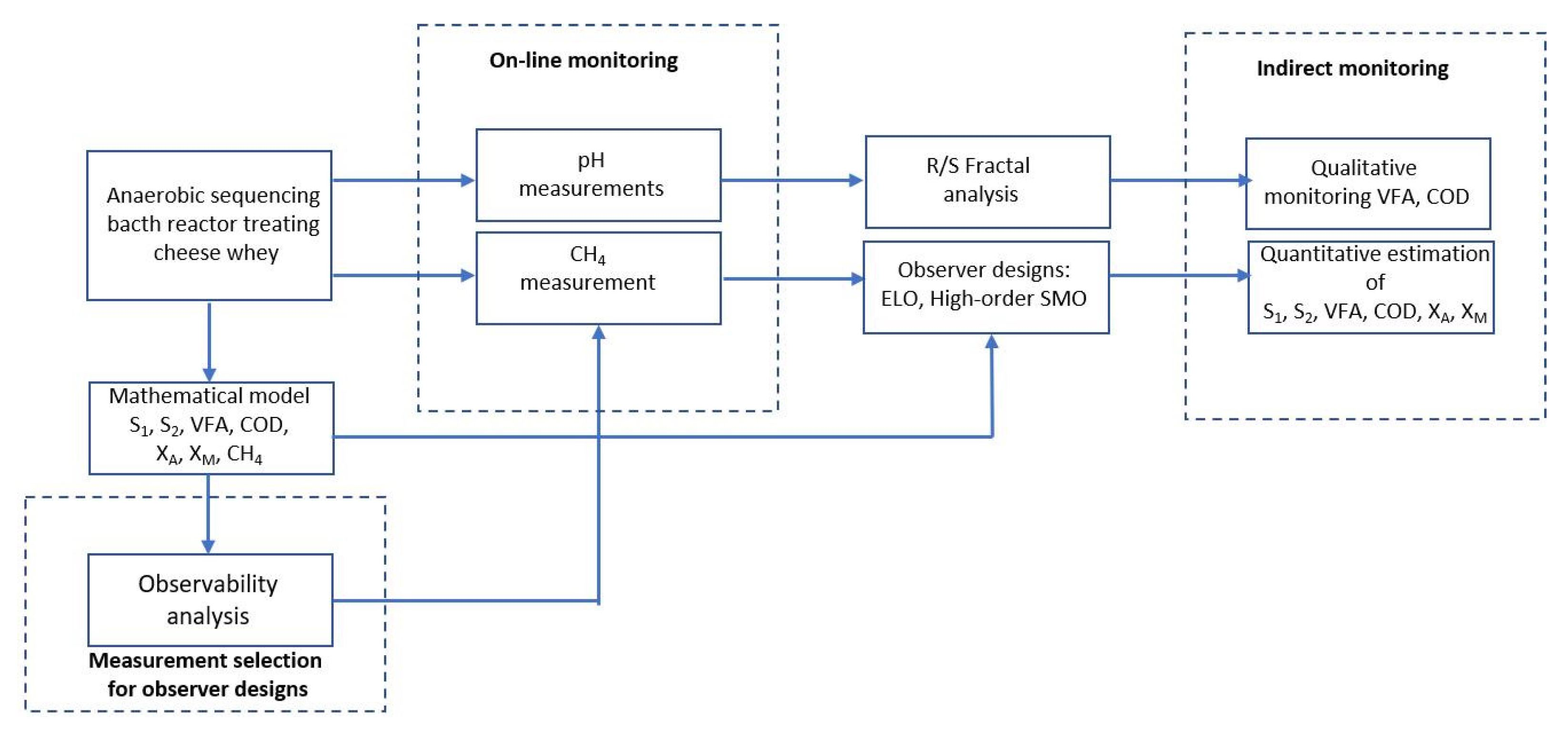
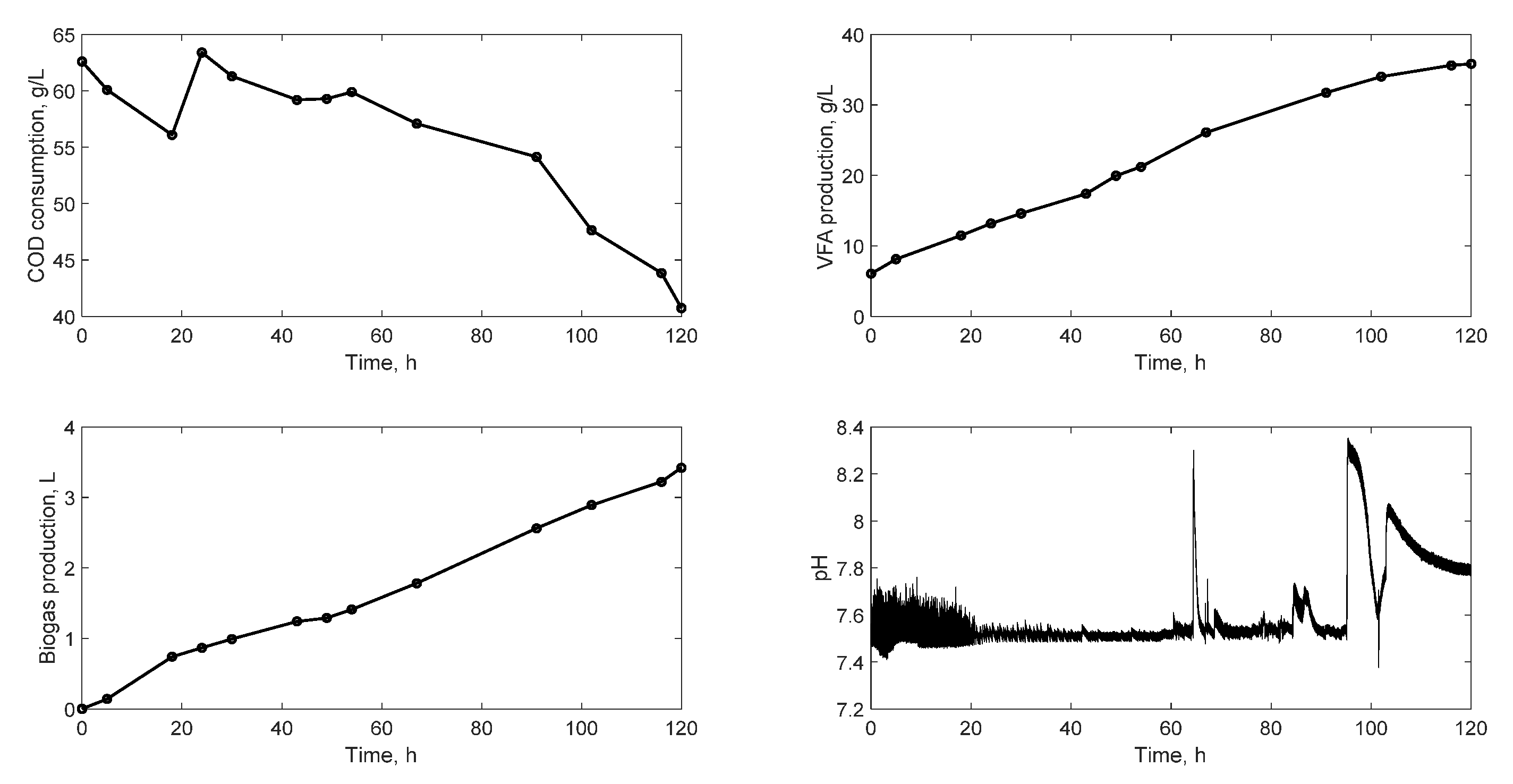
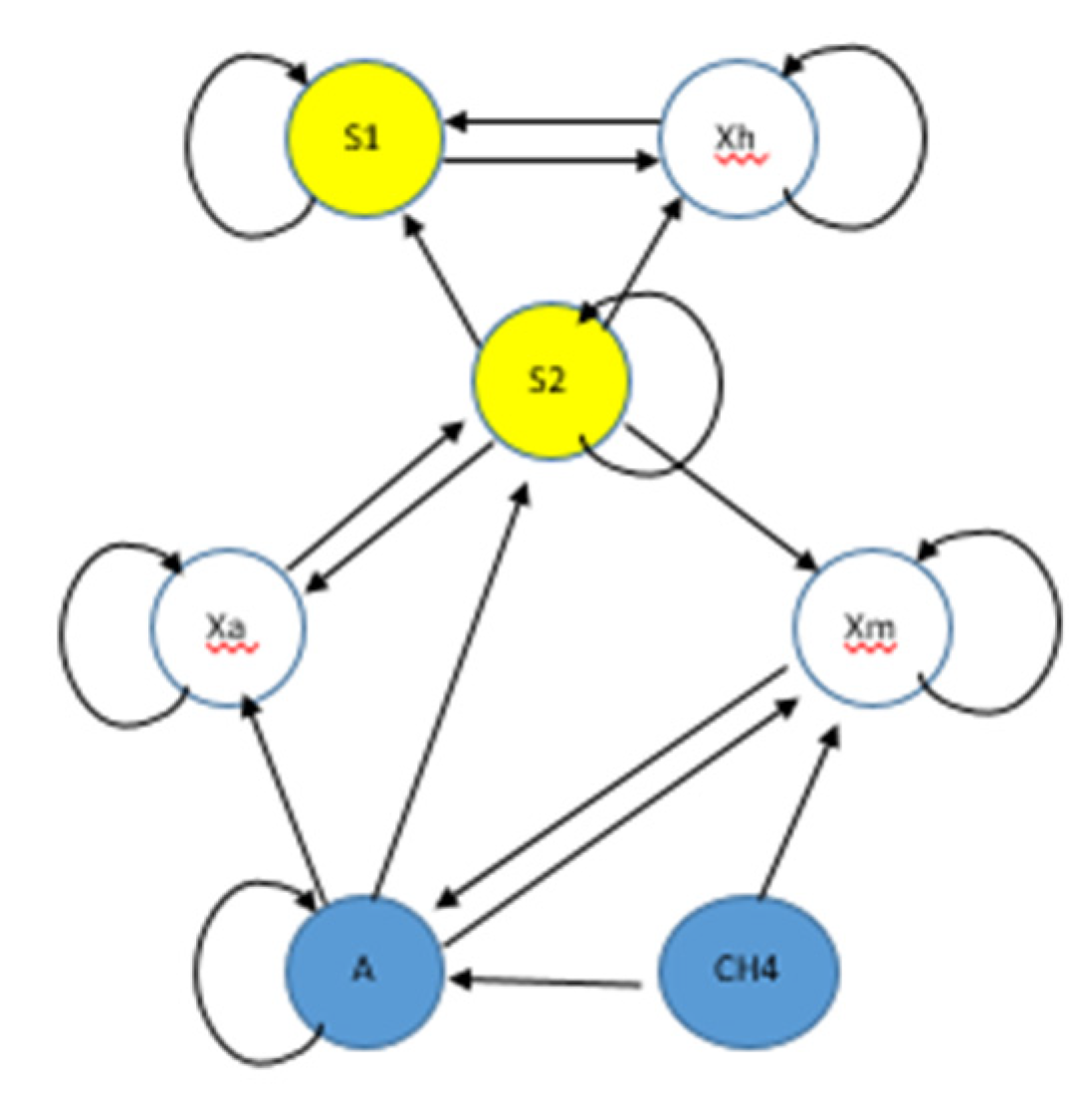
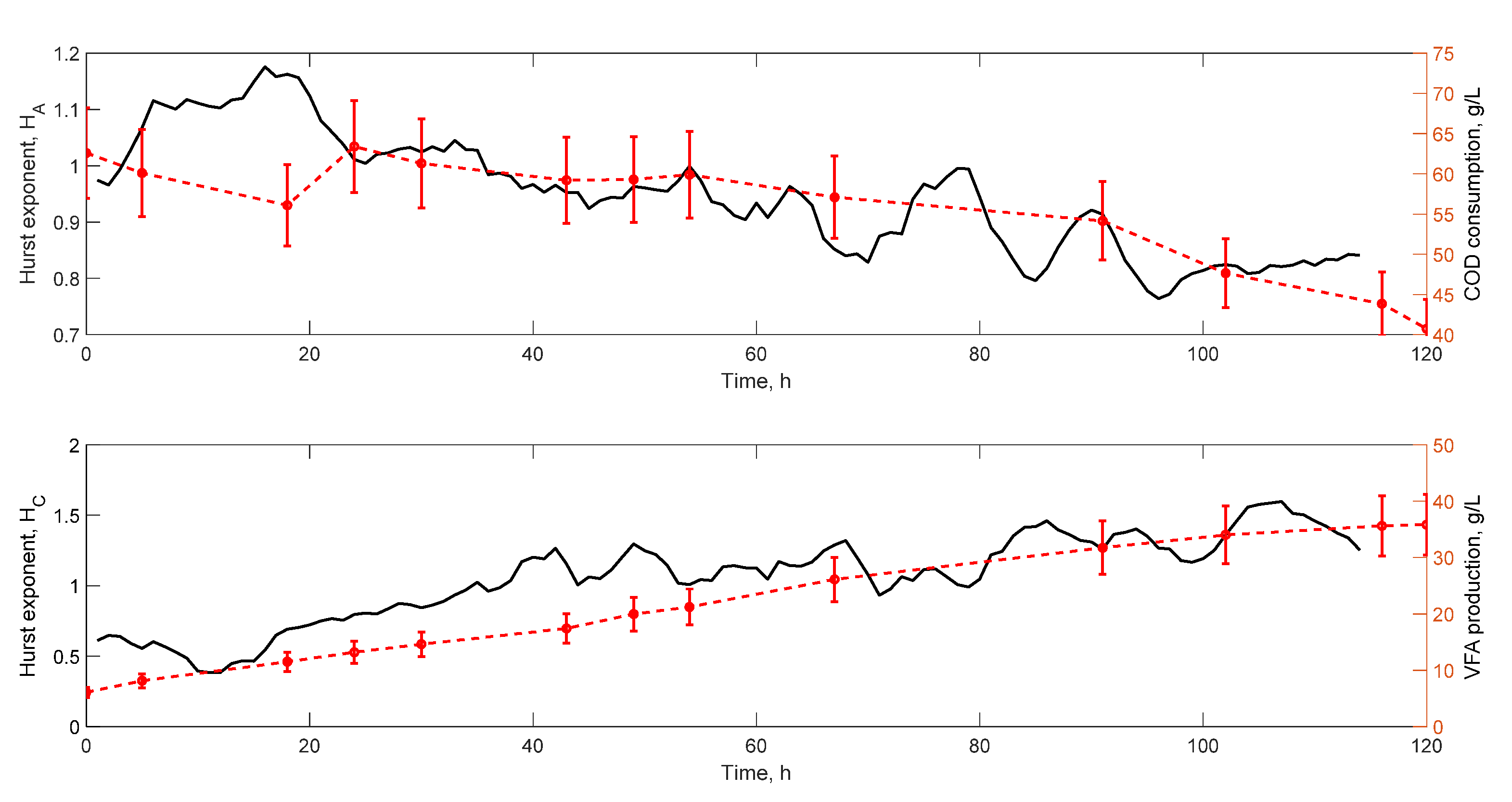
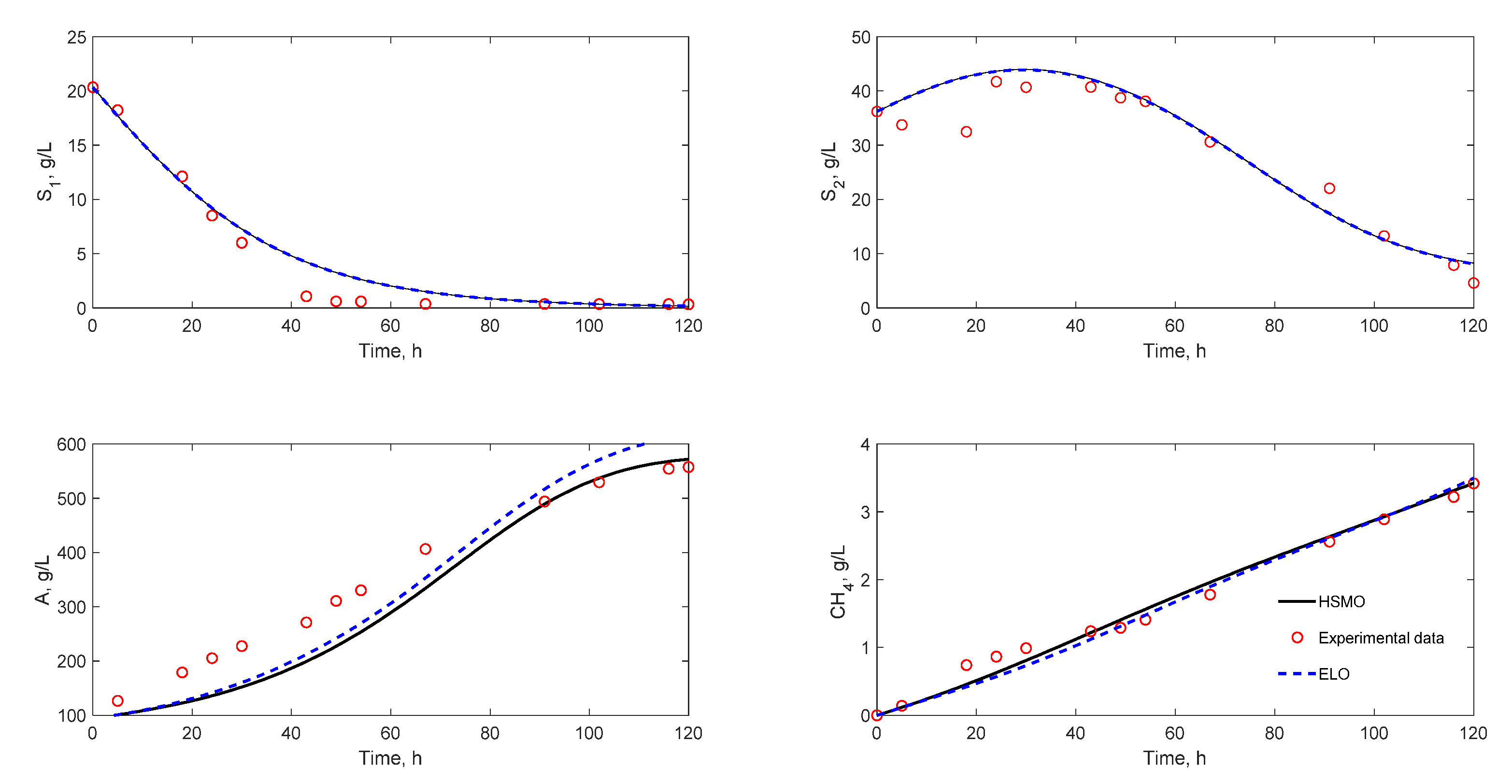
Efficient monitoring is an open problem in the operation of anaerobic digestion processes, due to the lack of accurate, low-cost, and proper sensors for the on-line monitoring of key process variables. This paper presents two approaches for the indirect monitoring of the anaerobic digestion of cheese whey wastewater. First, the observability property is addressed using conventional and nonconventional techniques, including an observability index. Then, two model-based observer techniques, an extended Luenberger observer, a sliding mode observer, and a data-driven technique based on fractal analysis are formulated and discussed. The performance and capabilities of the proposed methodologies are illustrated on a validated model with experimental data of the anaerobic digestion of cheese whey. Experimental pH measurements are used for the data-driven approach based on fractal analysis. The experimental data sets correspond to experimental conditions (pH > 7.5 and temperature (T) = 40 °C) favoring volatile fatty acid (VFA) production (30 g/L) with simultaneously acceptable biogas production (3420 mL). Results also show that the proposed observers were able to predict satisfactory key process variables. On the other hand, the fractal analysis provides reliable qualitative trends of VFA production and chemical oxygen demand (COD) consumption.
Keywords: indirect monitoring; anaerobic digestion; observer design; observability index; fractal analysis indirect monitoring; anaerobic digestion; observer design; observability index; fractal analysis
Graphical Abstract