Article

Hot Melt Extrusion Processing Parameters Optimization


by
Abdullah Alshetaili
1,*,
Saad M. Alshahrani
1,
Bjad K. Almutairy
1 and
Michael A. Repka
2
1
Department of Pharmaceutics, College of Pharmacy, Prince Sattam Bin Abdulaziz University, Al-Kharj 11942, Saudi Arabia
2
Department of Pharmaceutics and Drug Delivery, School of Pharmacy, The University of Mississippi, Oxford, MS 38677, USA
*
Author to whom correspondence should be addressed.
Processes 2020, 8(11), 1516; https://doi.org/10.3390/pr8111516
Submission received: 26 October 2020 / Revised: 17 November 2020 / Accepted: 19 November 2020 / Published: 22 November 2020
(This article belongs to the Special Issue Pharmaceutical Development and Bioavailability Analysis)

Abstract

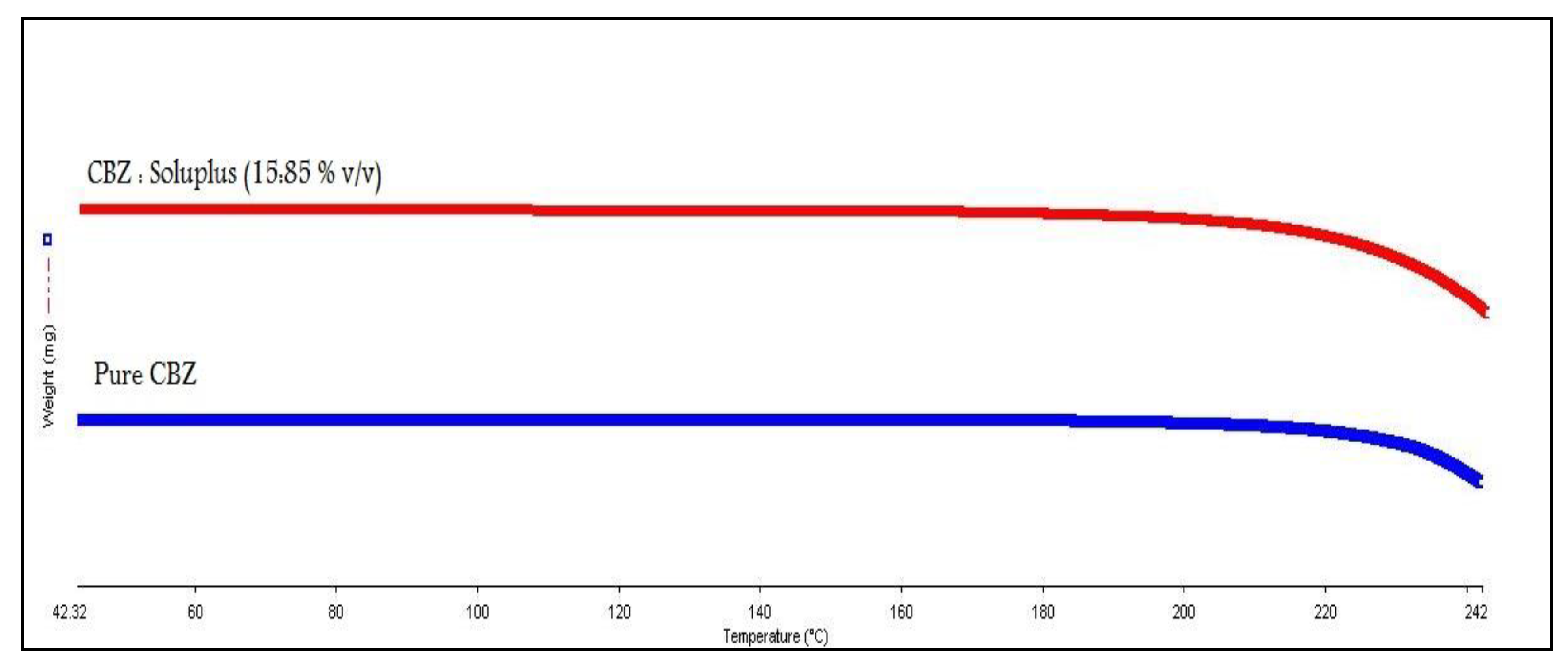
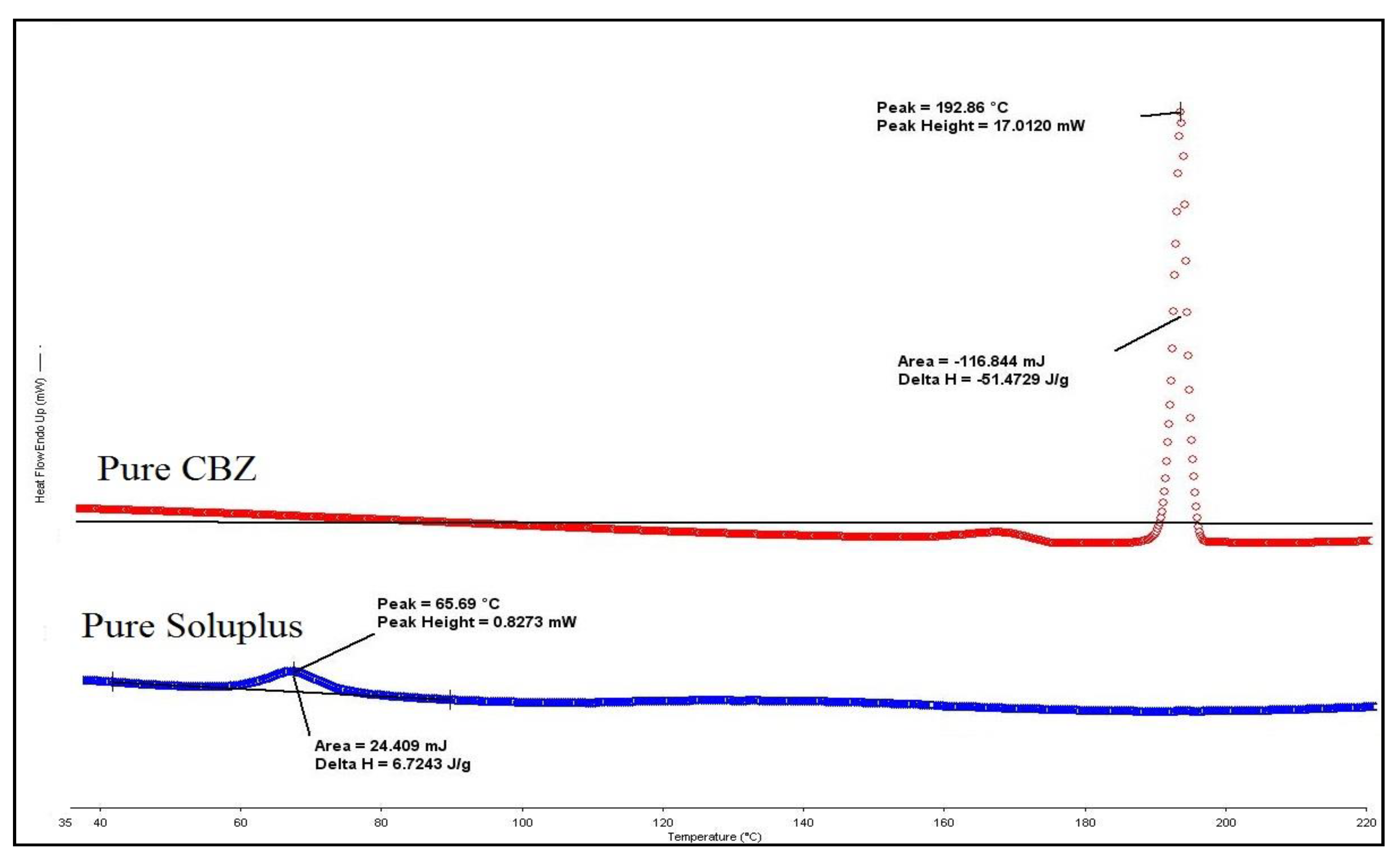
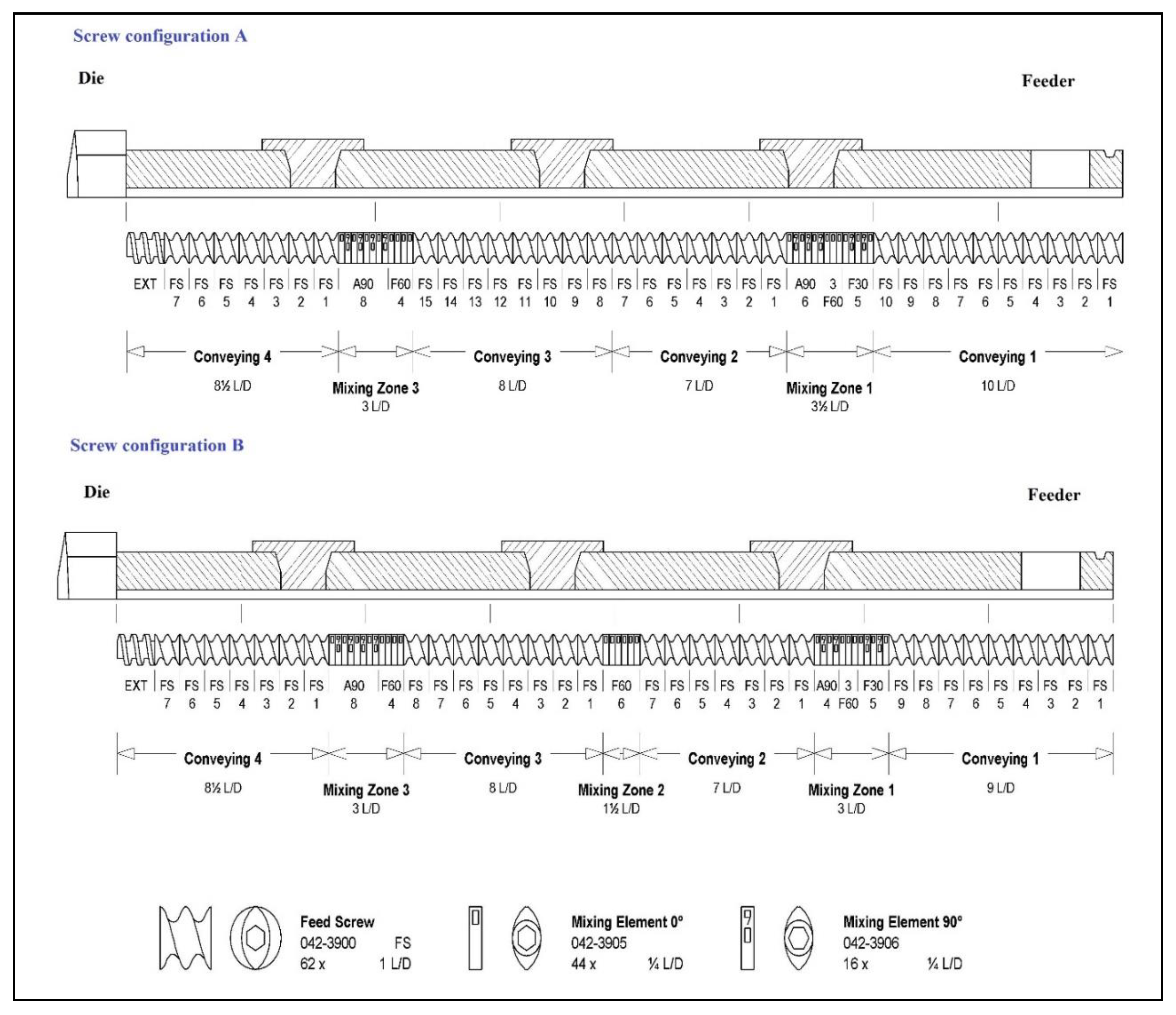
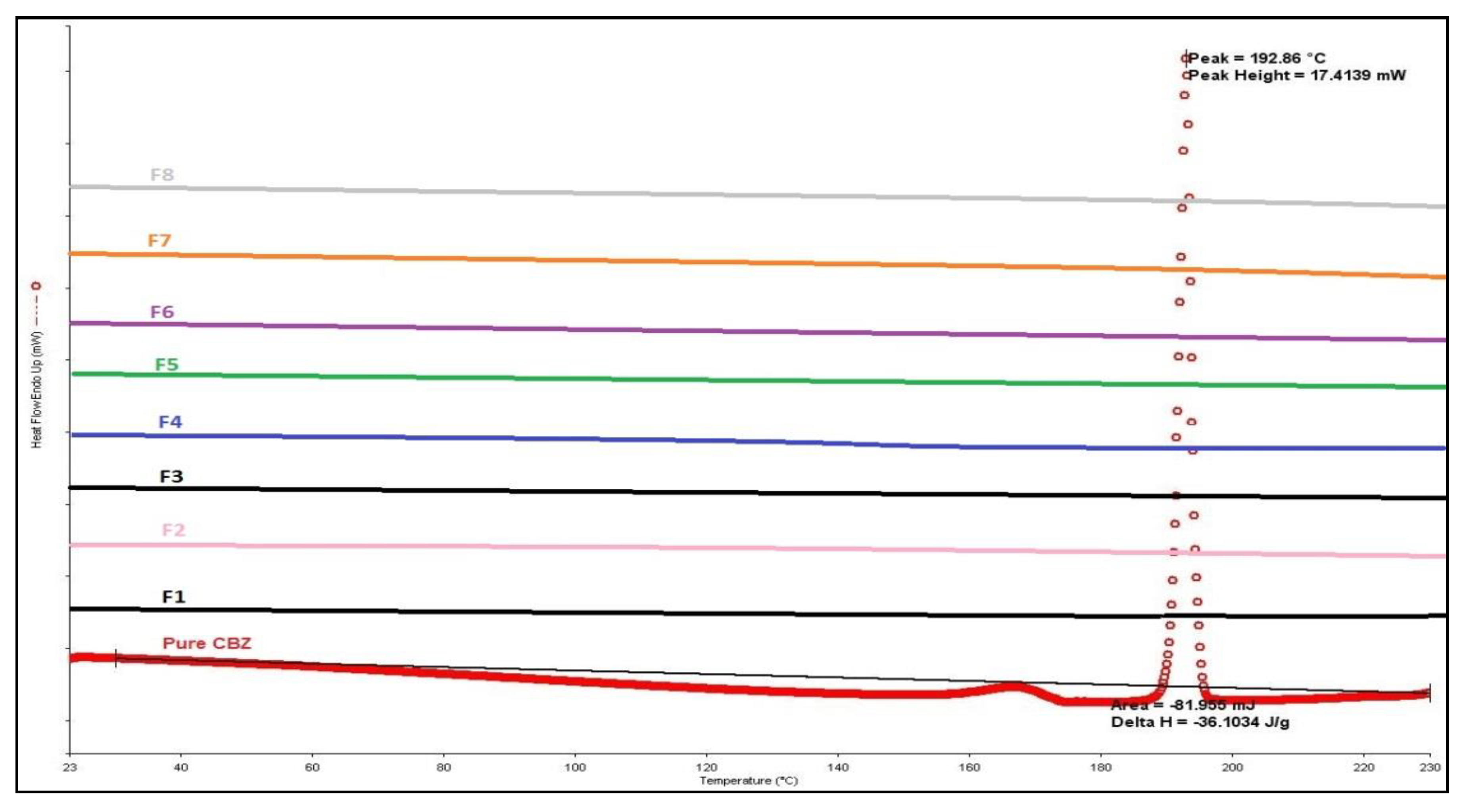
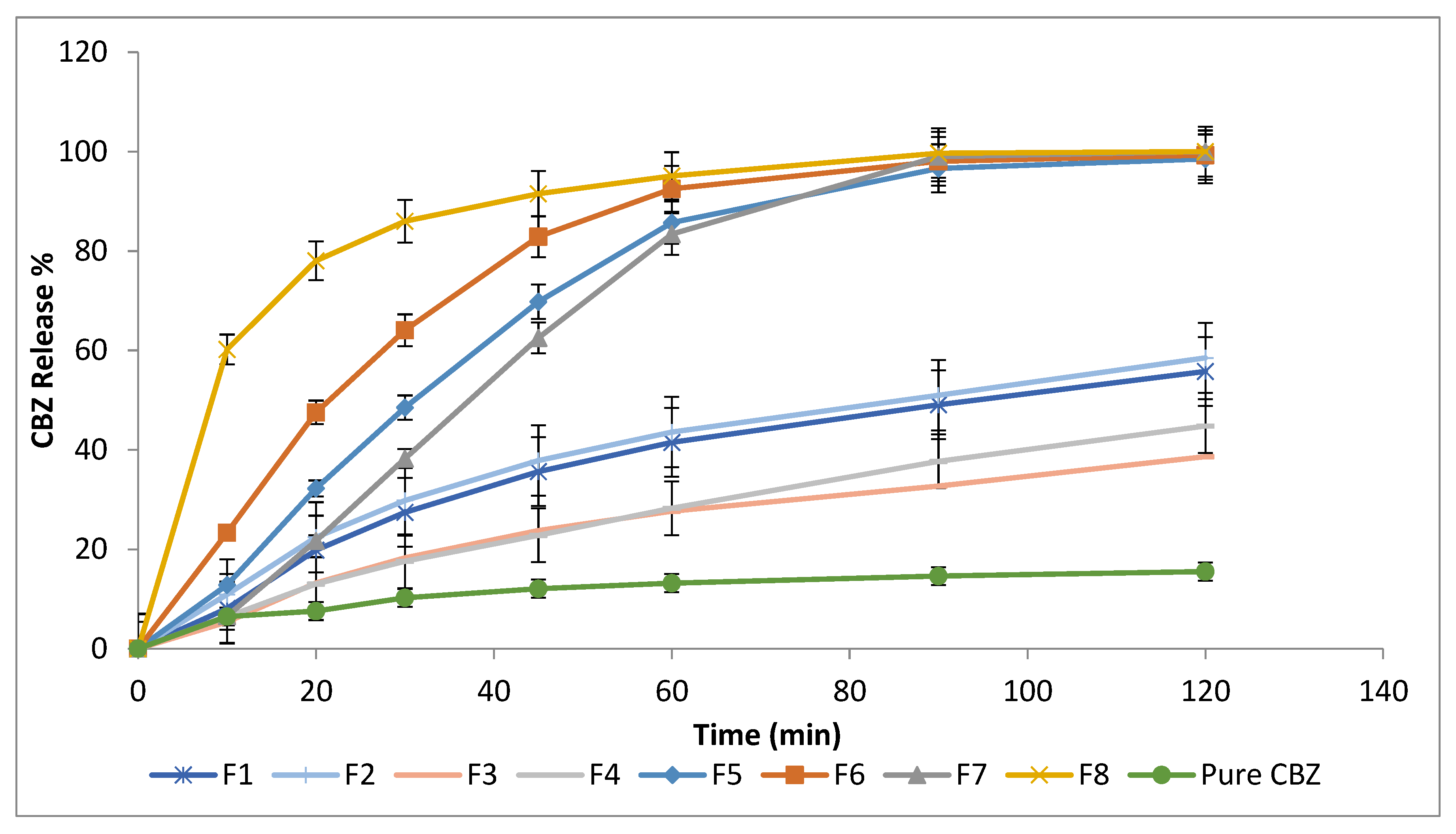
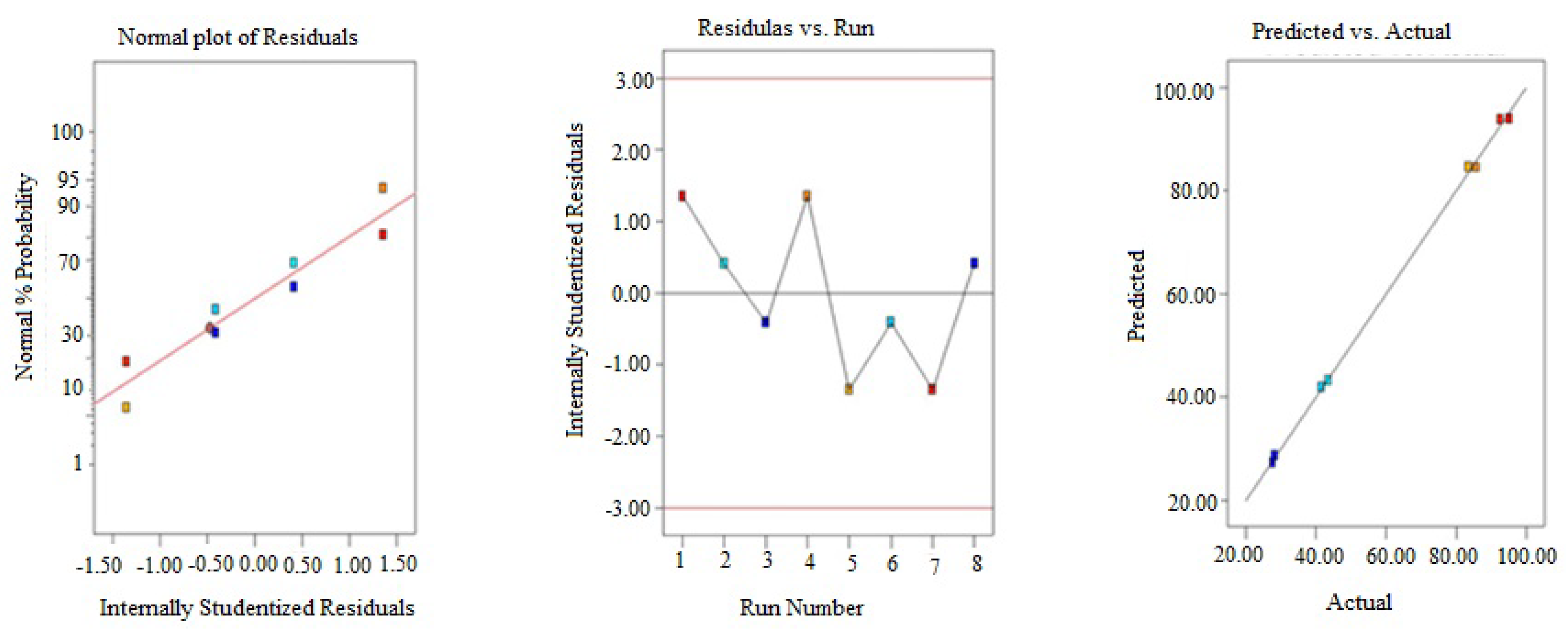
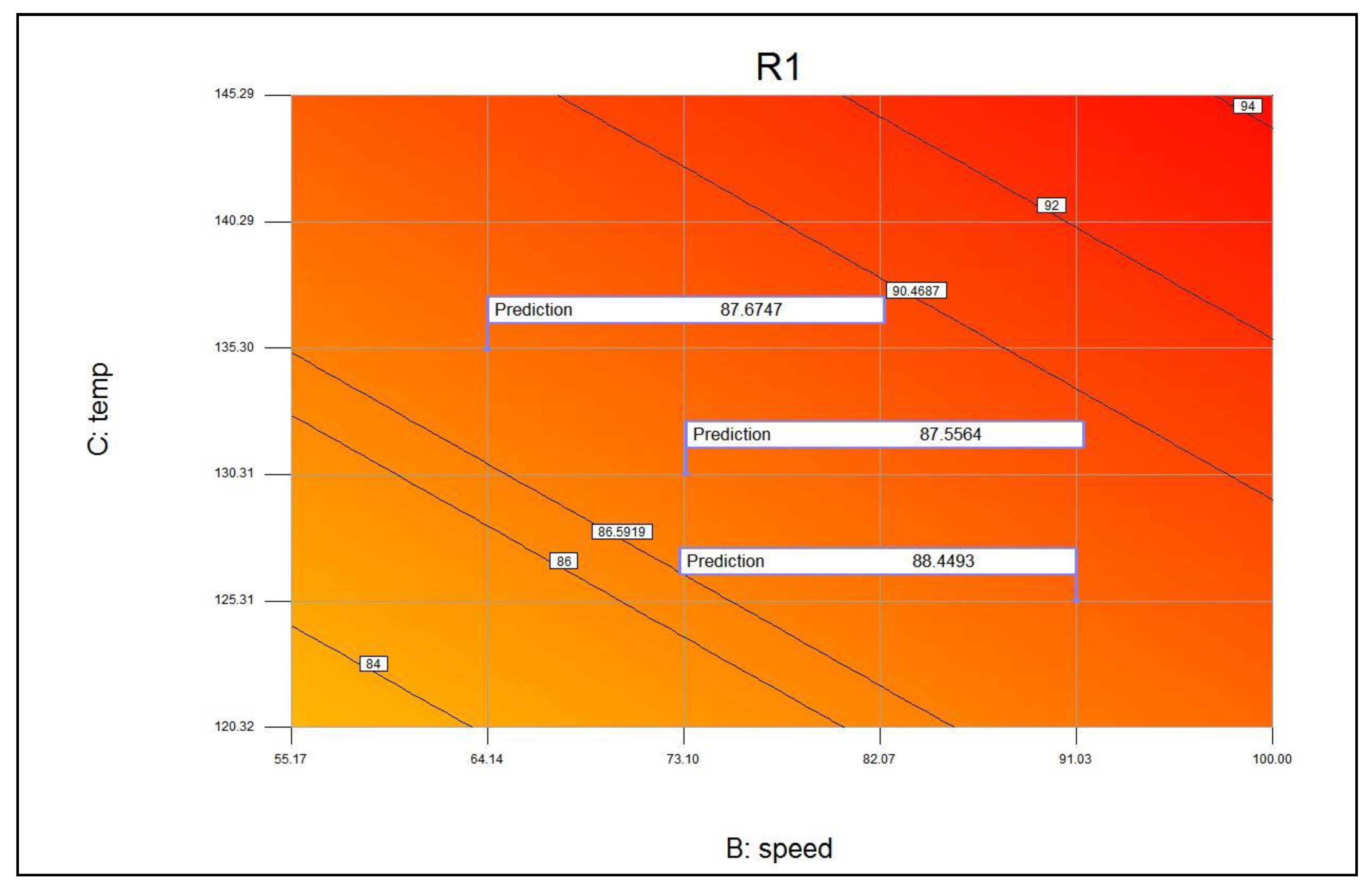
The aim of this study was to demonstrate the impact of processing parameters of the hot-melt extrusion (HME) on the pharmaceutical formulation properties. Carbamazepine (CBZ) was selected as a model water-insoluble drug. It was incorporated into Soluplus®, which was used as the polymeric carrier, to produce a solid dispersion model system. The following HME-independent parameters were investigated at different levels: extrusion temperature, screw speed and screw configuration. Design of experiment (DOE) concept was applied to find the most significant factor with minimum numbers of experimental runs. A full two-level factorial design was applied to assess the main effects, parameter interactions and total error. The extrudates’ CBZ content and the in vitro dissolution rate were selected as response variables. Material properties, including melting point, glass transition, and thermal stability, and polymorphs changes were used to set the processing range. In addition, the extruder torque and pressure were used to find the simplest DOE model. Each change of the parameter showed a unique pattern of dissolution profile, indicating that processing parameters have an influence on formulation properties. A simple, novel and two-level factorial design was able to evaluate each parameter effect and find the optimized formulation. Screw configuration and extrusion temperature were the most affecting parameters in this study.
Keywords: hot-melt extrusion; design of experiment; process parameters; experimental trials hot-melt extrusion; design of experiment; process parameters; experimental trials