Article

Internal Model Control for Rank-Deficient System with Time Delays Based on Damped Pseudo-Inverse

1
School of Information Science and Technology, Beijing University of Chemical Technology, No. 15, Beisanhuan East Road, Beijing 100029, China
2
Beijing Key Laboratory of Information Service Engineering, Beijing Union University, No. 97 Beisihuan East Road, Chao Yang District, Beijing 100101, China
3
College of Robotics, Beijing Union University, No. 4 Gongti North Road, Chaoyang District, Beijing 100027, China
*
Author to whom correspondence should be addressed.
Processes 2019, 7(5), 264; https://doi.org/10.3390/pr7050264
Submission received: 9 March 2019 / Revised: 28 April 2019 / Accepted: 29 April 2019 / Published: 6 May 2019
(This article belongs to the Special Issue Modeling, Simulation and Control of Chemical Processes)

Abstract

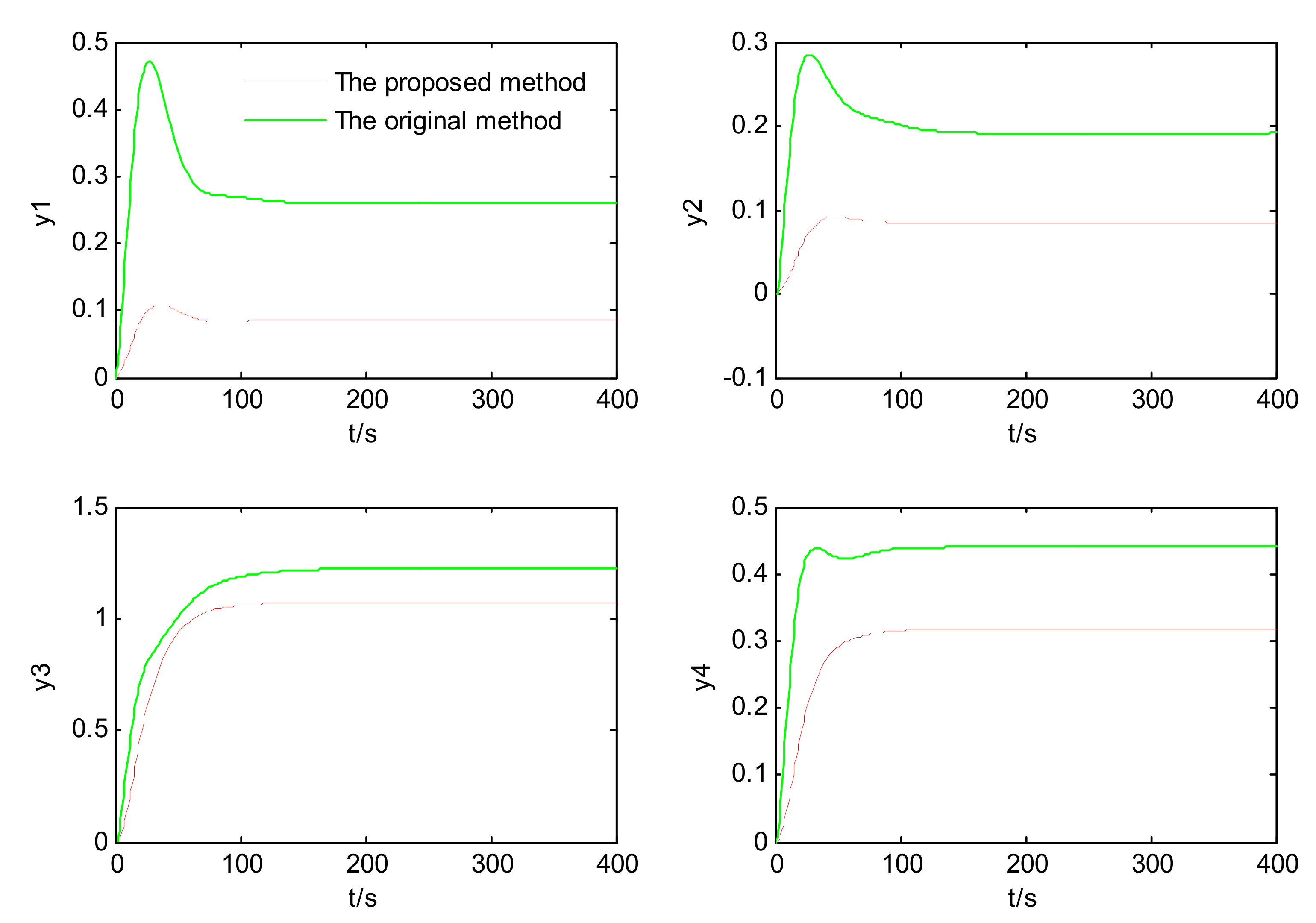
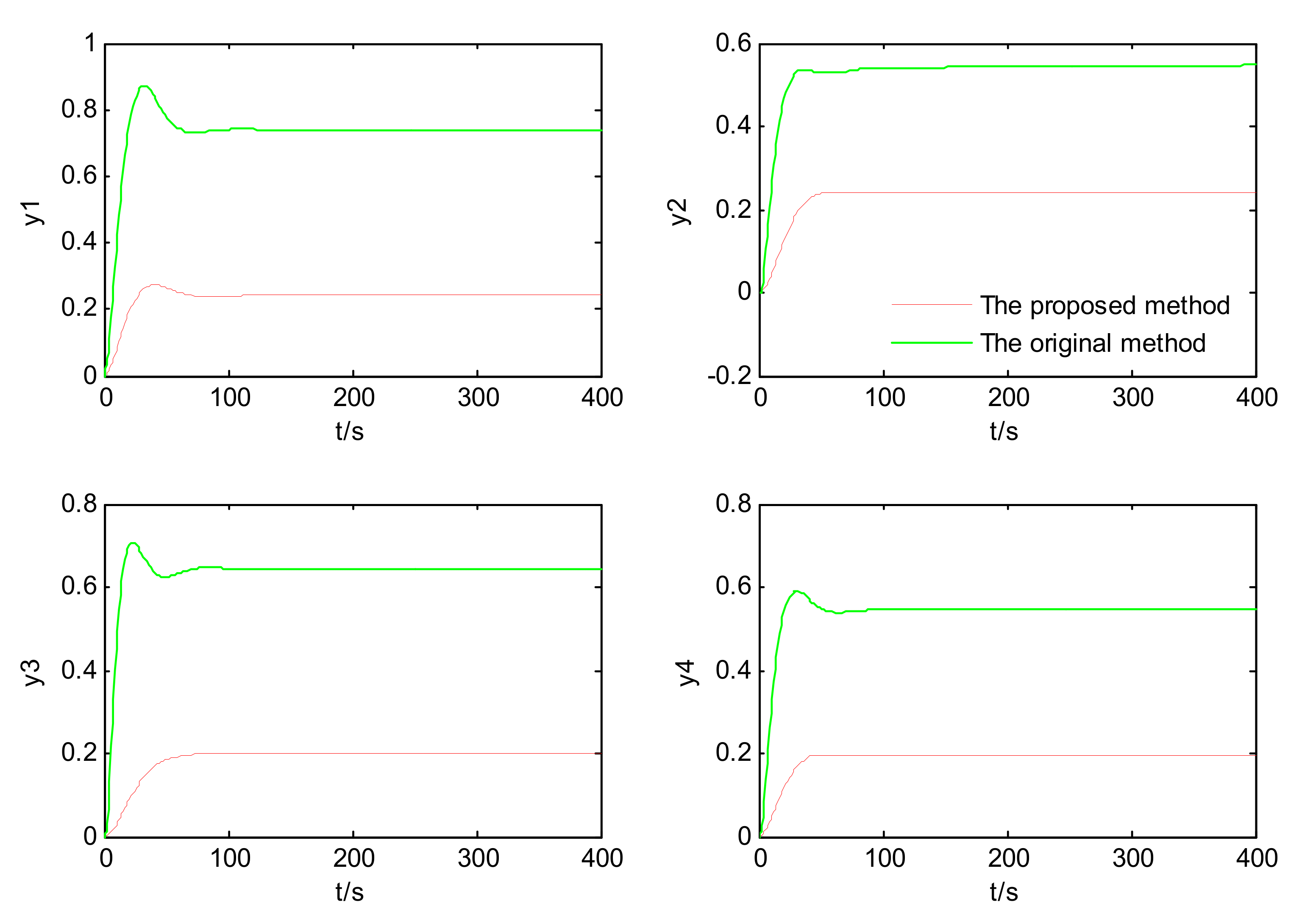
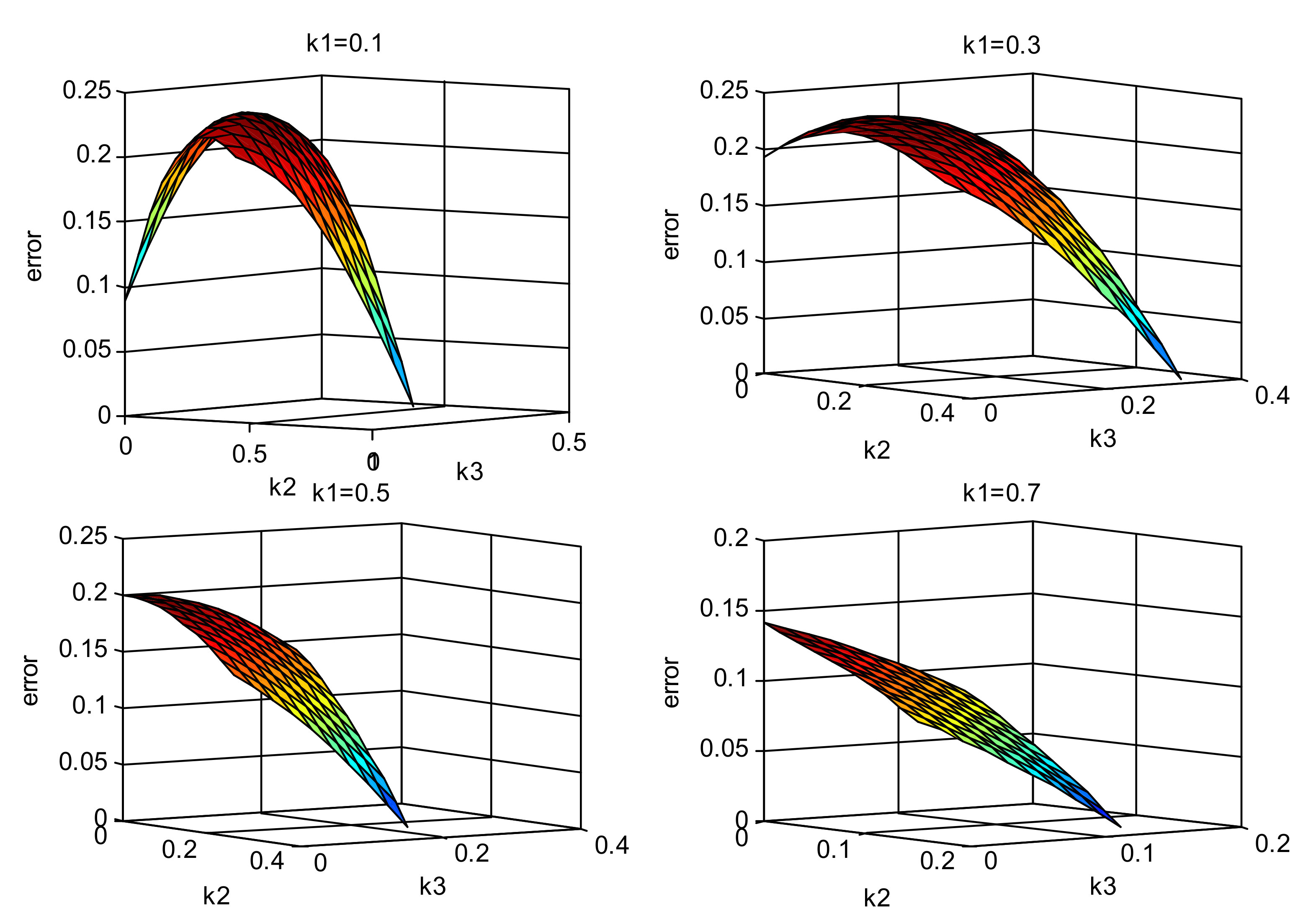
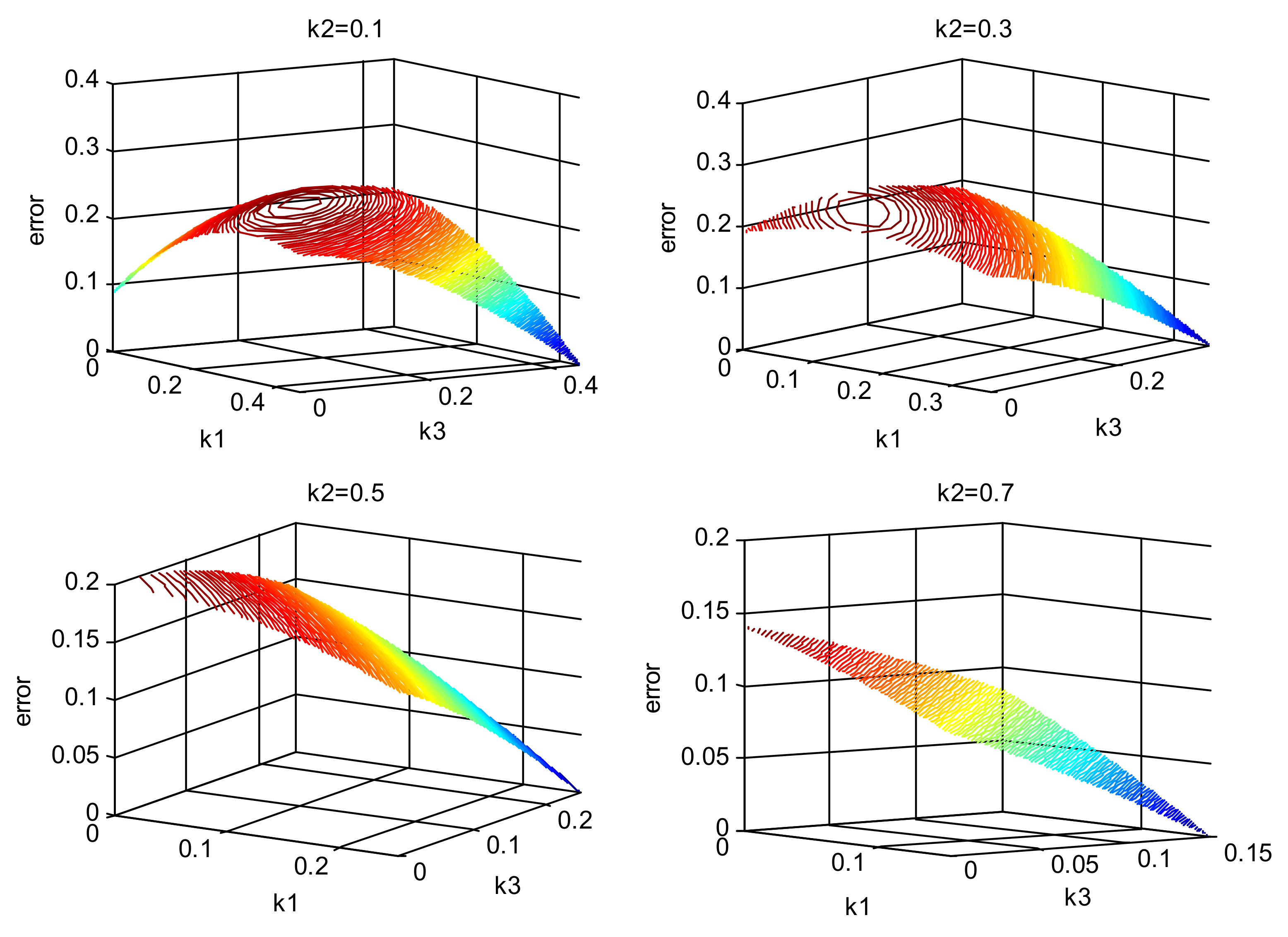
It is a challenge to design a satisfactory controller for a complex multivariable industrial system with minimal offsetting and a slow response. An internal model control method is proposed for rank-deficient systems with a time delay based on a damped pseudo-inverse. An internal model control was designed to obtain the desired dynamic characteristics of the system by transforming the time-delay system into a system without a time delay, following the Pade approximation approach. By introducing a damping factor, the internal model controller was designed based on a damped pseudo-inverse, since the inverse matrix of the rank-deficient system does not exist. Furthermore, a singular value decomposition was used to analyze the steady-state performance of the system. The selection of the damping factor was also presented, and a μ analysis was made to evaluate the stability of the system. To demonstrate the effectiveness of the proposed method, a crude distillation process with five inputs and four outputs was considered as an example. The simulation results illustrate that not only can the proposed strategy guarantee the system’s stability, but it also has a relatively good dynamic performance.
Keywords: internal model control; rank-deficient system; time delay; damped pseudo-inverse internal model control; rank-deficient system; time delay; damped pseudo-inverse