1. Introduction
Taking deep shale gas reservoirs in the Sichuan Basin as an example, deep formations are characterized by high temperature and high pressure, elevated treatment pressure, significant horizontal stress contrast, and pronounced rock plasticity [
1]. In this context, the classification and optimization of deep shale reservoir facies are essential for identifying target production zones [
2]. Effective reservoir stimulation is critical for the efficient development of deep and ultra-deep shale gas resources, and volumetric fracturing has become the primary technique for achieving large-scale production [
3]. However, under conditions of high vertical stress and large horizontal stress differences, natural fractures and bedding planes in deep shale [
4,
5] are easily activated during hydraulic fracturing, forming a complex fracture network composed of main fractures, branch fractures, and opened natural fractures. The coupling of these multi-level fracture networks not only fundamentally determines the overall permeability of the reservoir [
6], but also controls the complex transport processes of multi-component fluids within nanopores and fractures [
7]. Therefore, systematic characterization of such multi-level fracture systems [
8] and effective proppant placement are crucial for establishing continuous and stable high-conductivity flow channels. In current deep shale fracturing operations, increasing proppant loading is commonly adopted to enhance fracture support. Nevertheless, due to the geometric heterogeneity of complex fracture networks, proppant transport and spatial distribution exhibit significant variability between primary and secondary fractures. The limited understanding of these transport behaviors has hindered identification of the dominant factors controlling proppant placement efficiency in deep shale formations.
For decades, particle transport and settling behavior in fluid systems have been central research topics in multiphase flow studies. Classical theories, including Stokes’ law [
9], the particle transport model proposed by Van Rijn (1984) [
10], and the Richardson–Zaki model applied by Baldock (2004) [
11,
12], have established the theoretical foundation for understanding particle settling and transport behavior. On this basis, Liu and Sharma (2005) [
13] pointed out that proppant transport in fractures is influenced by multiple factors, including injection rate, fracture geometry, fracturing fluid rheology, particle–fluid density difference, and particle size. Consequently, numerous physical experiments have been conducted to investigate proppant transport and placement behavior under different fracture configurations.
In recent years, with the widespread application of slickwater fracturing technology, physical experimental studies have further improved the understanding of proppant transport mechanisms [
14]. Early experimental studies primarily employed simple parallel-plate fracture models to investigate the formation and evolution of proppant dunes [
15,
16,
17,
18,
19,
20]. However, considering the complexity of subsurface fracture systems, experimental setups have been progressively developed and improved. Some studies incorporated realistic fracture morphologies into experimental models, investigating proppant transport behavior in vertical fractures with controllable roughness [
21] and in complex fractures with heterogeneous rough surfaces [
22]. Meanwhile, the physical properties of proppant and fracturing fluids have also been optimized. For example, the filling mechanisms of proppants with different shapes [
23] and the transport efficiency of self-suspending proppants in complex fractures [
24] have been investigated. Furthermore, advanced monitoring techniques such as particle image velocimetry (PIV) have been applied to capture the dynamic transport processes of proppants [
25]. Regarding proppant transport in complex fracture systems, researchers have also developed experimental setups with branched structures to observe fluid deflection behavior [
26,
27,
28,
29], demonstrating that flow distribution within branch fractures plays a dominant role in proppant placement efficiency [
30,
31].
Although these studies have significantly improved the understanding of proppant transport mechanisms, a critical research gap still exists in the quantitative characterization of proppant migration within the multi-level cascade fracture networks typical of deep shale reservoirs. As summarized in
Table 1, existing experimental systems remain unable to fully reproduce the complex flow deflection and energy dissipation processes occurring during field hydraulic fracturing in terms of fracture hierarchy and scale. More importantly, most existing setups fail to incorporate the multi-scale secondary and tertiary branching structures commonly developed in deep shale reservoirs, where severe proppant bridging and filtration often occur. Consequently, the physical mechanisms governing how proppants overcome flow deflection inertia and effectively enter deep tertiary branch fractures remain poorly understood.
In summary, previous studies have systematically investigated proppant settling and transport behavior in hydraulic fractures and have developed various experimental models, providing a solid experimental foundation. However, most existing laboratory setups are limited in scale, with simplified fracture geometries, a small number of branched fractures, restricted fracture hierarchy, and fixed fracture widths. These limitations hinder the realistic representation of multi-level complex fracture networks encountered in deep shale reservoirs. To address these gaps, this study conducts large-scale experimental investigations on proppant transport and placement in complex fracture systems representative of deep shale formations. By systematically evaluating different proppant injection conditions, the work aims to elucidate the governing mechanisms and dominant controlling factors influencing proppant migration and spatial distribution within multi-level fracture networks. The findings are expected to provide a theoretical basis for optimizing fracturing operational parameters in deep shale gas reservoirs and to support cost-effective and efficient reservoir stimulation practices.
2. Equipment and Principles
During large-scale hydraulic fracturing of deep shale reservoirs, the generated complex fracture networks exert a pronounced influence on proppant transport pathways and effective placement behavior. To systematically elucidate proppant transport and deposition mechanisms within complex fracture networks, a large-scale visualized multi-fracture physical system was developed, and a series of proppant transport and placement experiments were conducted. Through continuous and in situ capturing of the evolution of proppant dune morphology in fractures at different hierarchical levels under various treatment parameters, the transport trends and placement mechanisms of proppants were analyzed, thereby clarifying the governing characteristics of proppant transport and placement in complex fracture networks of deep shale reservoirs.
2.1. Experimental Apparatus
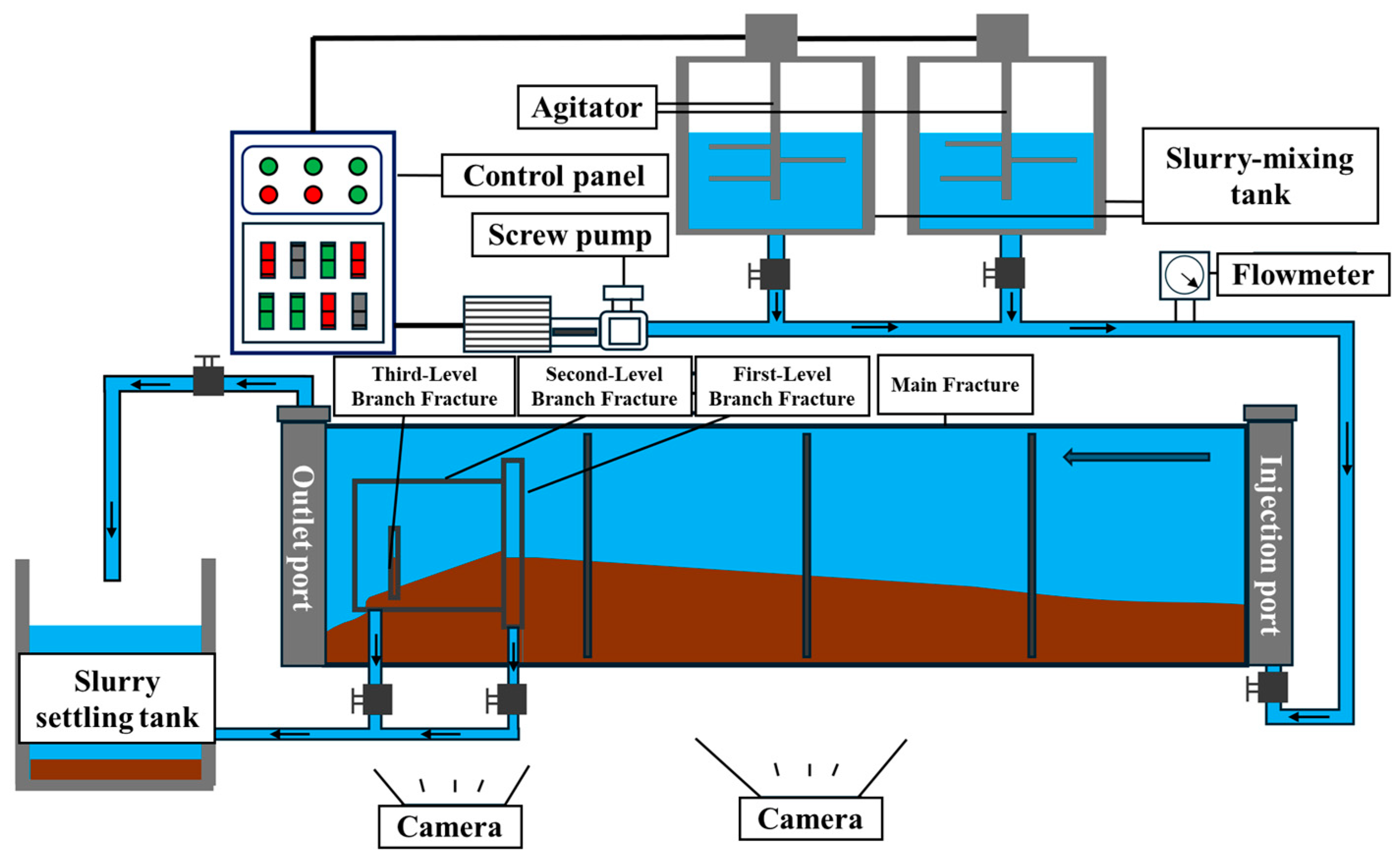
Proppant transport experiments in the primary fracture and multi-level branched fractures were conducted using a large-scale multi-scale complex fracture system (
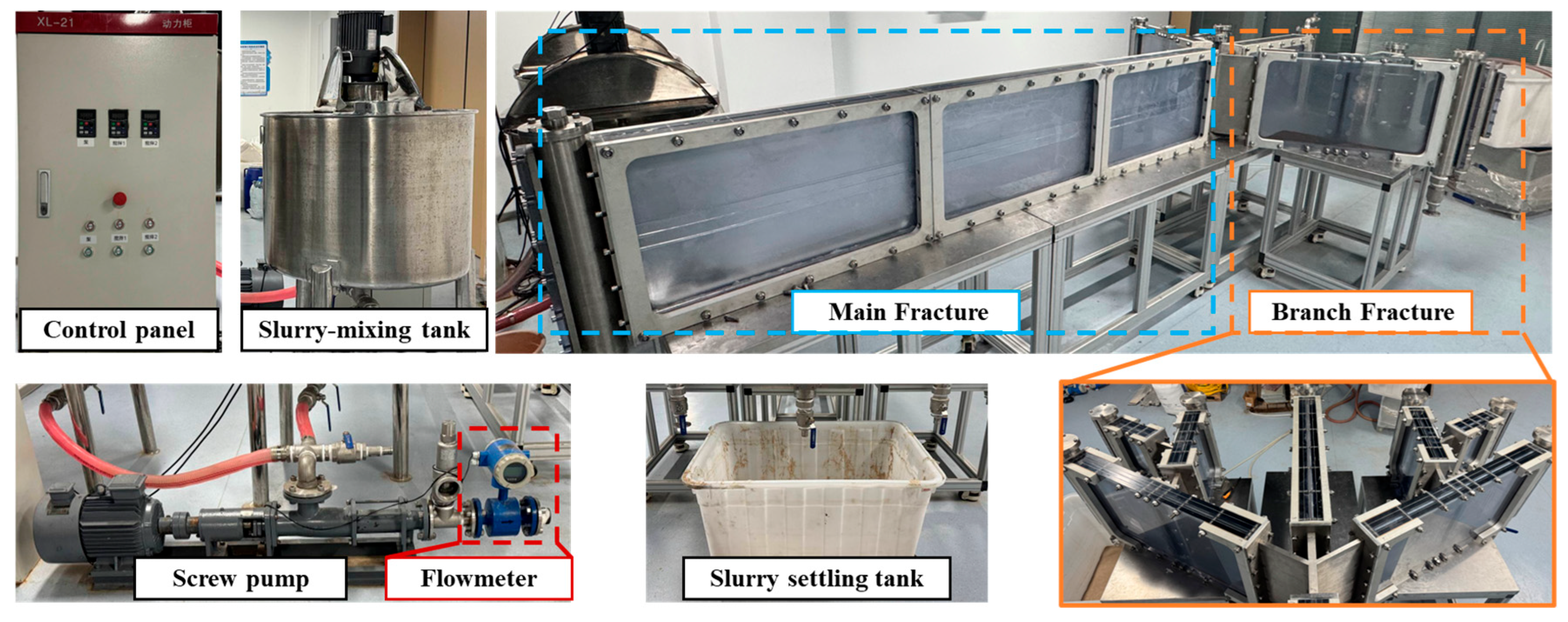
Figure 1). The apparatus adopts a modular design that allows flexible assembly according to experimental requirements. Three-way male–female connectors were installed at branch intersections to ensure overall sealing integrity of the system. The specific components are shown in
Figure 2. The experimental setup consists of a screw pump (maximum injection rate of 8 m
3/h, capable of conveying viscous fluids and particle-laden slurries with a maximum proppant concentration of 60%), a mixing tank (maximum volume of 600 L equipped with a mechanical agitator), a visualized combined fracture module, connecting pipelines, a flowmeter, a high-resolution imaging system, an operation control panel, and a sand–fluid separation tank (
Figure 2). The geometric parameters of the fracture model listed in
Table 2 were determined by combining laboratory experimental constraints with typical fracture characteristics observed in shale reservoirs. Deep shale reservoirs generally exhibit relatively high Young’s modulus and comparatively narrow fracture widths after hydraulic fracturing, while the designed fracture length and height ensure sufficient observation space for proppant transport within the laboratory apparatus. The fracture angles were set to simulate the intersections between main fractures and branch fractures commonly observed in complex fracture networks. A schematic of the overall fracture geometry is presented in
Figure 2. To simulate the cascading structure of complex fracture networks, the inlet positions of the first-, second-, and third-level branched fractures were arranged at distances of 3.0 m, 0.6 m, and 0.3 m from the inlet of the preceding fracture, respectively. This configuration reflects the geometric characteristics observed in deep shale fracturing operations, where fracture branches progressively weaken and decrease in scale with increasing hierarchy.
2.2. Similarity Criteria and Parameter Conversion
Due to the significant discrepancies in geometric scale and operational conditions between laboratory experiments and field hydraulic fracturing treatments, similarity criteria must be applied to convert fracture parameters between laboratory and field scales to ensure the comparability and scientific validity of the experimental results. During proppant transport, the viscous force of the fracturing fluid plays a dominant role in driving particle migration within fractures. Therefore, the Reynolds number of the fluid in the experimental fracture should be kept consistent with that under field fracture conditions. This ensures that the flow regime and viscous-dominated transport characteristics exhibit dynamic similarity between laboratory and field scenarios [
35].
where
ωn and
ωm denote the widths of the field-scale fracture and the laboratory fracture, respectively (m);
ρn and
ρm are the densities of the field and laboratory fracturing fluids, respectively (kg/m
3); and
μn and
μm represent the viscosities of the field and laboratory fluids, respectively (Pa·s). In the experiments, the fracture width was kept consistent with the field construction conditions, and the density and viscosity of the fracturing fluid, as well as the density and particle size of the proppant, were configured with the same parameters as in the field, thus meeting the similarity requirements at the geometric and physical property levels. According to the above similarity criteria, under the premise of consistent fracture geometry and fluid-particle properties, proppant migration and placement behavior are mainly controlled by the characteristic flow velocity of the proppant-carrying fluid within the fracture. Therefore, in the experimental-to-field scale conversion process, it is only necessary to ensure that the flow velocity of the proppant-carrying fluid within the fracture remains consistent to achieve a reasonable equivalent characterization of the in-field proppant migration process.
Based on the above assumptions, a similarity conversion between experimental displacement and on-site construction displacement is further carried out. Considering that the on-site fracturing crack is a two-wing structure while the experimental crack is a single-wing crack, the conversion relationship between experimental displacement and on-site construction displacement is determined by Equation (2).
where
Qn and
Qm are the injection rates under field hydraulic fracturing conditions and in the laboratory experiments, respectively (m
3/min), and
An and
Am are the cross-sectional areas of the field-scale fracture and the experimental fracture, respectively (m
2).
In addition to single-phase fluid flow, coupled flow between the fracturing fluid and proppant particles occurs during proppant transport within fractures. Therefore, an additional similarity criterion is required to characterize this fluid–particle interaction. In this study, the similarity principle proposed by Fernández [
36], which ensures equivalence between laboratory-scale and field-scale proppant particle Reynolds numbers, is adopted:
where
ρp represents the proppant density (kg/m
3),
vp is the velocity of the proppant relative to the fracturing fluid (m/s),
dp denotes the proppant diameter, and
μ is the fracturing fluid viscosity (Pa·s). In the experiments, the proppant type, density, diameter, fracturing fluid velocity, and viscosity are consistent with field conditions. Therefore, the proppant Reynolds number in the laboratory matches that of the actual fracturing operation, ensuring that the coupled flow behavior of proppant and fracturing fluid in the experiment is dynamically similar to that in the field.
However, proppant transport in hydraulic fracturing is a complex multiphase process, influenced not only by inertial and viscous forces but also by gravity-driven particle settling. Therefore, other dimensionless parameters, such as the Froude number (Fr), Stokes number (St), and particle settling velocity ratio, also play a crucial role in controlling proppant transport behavior. Although it is difficult to simultaneously satisfy all similarity criteria in laboratory experiments, this study focuses on maintaining the main hydrodynamic similarities, represented by the Reynolds number, while ensuring that other parameters remain within a reasonable range comparable to those encountered in field hydraulic fracturing operations. These parameters were chosen to reproduce the main physical processes controlling proppant transport, including fluid resistance, particle settling, and fluid deflection at fracture junctions. It should be noted that this experimental system represents a simplified physical model of complex fracture networks in shale reservoirs. Certain factors present under field conditions, such as variations in in situ stress, fracture roughness, and large-scale fracture propagation, cannot be fully replicated in laboratory experiments. Nevertheless, this experimental design still enables a systematic study of the key mechanisms controlling the migration and distribution of proppant in multilayer fracture networks, thus providing valuable insights into the behavior of proppant in field hydraulic fracturing operations.
2.3. Experimental Design
Deep shale gas well fracturing aims to create a complex fracture network with high SRV (Self-Recovery Volume) and achieve high EUR (Earnings Per Flow) and high gas production through volumetric fracturing. It typically utilizes horizontal well segmented multi-cluster fracturing technology, employing large volumes and high displacement of slickwater. Measures such as increasing fluid usage, fracturing displacement, proppant strength, and using high-strength, small-particle-size proppant are taken to improve proppant placement and filling within the fractures, thereby enhancing fracture effectiveness. To better reflect actual engineering conditions, the experimental parameters in this paper will be designed with reference to the basic construction parameters of deep shale gas fracturing sites. As shown in
Table 3, the experimental injection rate was obtained based on similarity conversion.
Before conducting the formal experiments, a series of preliminary tests were carried out to determine the fluid volume required for the proppant dunes to reach a stable equilibrium state. During this stage, multiple repeated experiments were conducted under strictly identical operating conditions to verify the reproducibility of the experimental results. Based on the scaling conversion derived from similarity criteria, a series of proppant transport and placement experiments were conducted in the large-scale visualized fracture system. In this study, a one-factor-at-a-time experimental approach was adopted. For each group of experiments, only one parameter was varied while the other parameters were kept constant to isolate the influence of individual factors on proppant transport and placement behavior. Influencing factors of the investigation include injection rate, fluid viscosity, proppant injection sequence, proppant type, and proppant concentration. The detailed experimental scheme is summarized in
Table 4.
3. Results and Analysis
After the experiments reached equilibrium, high-resolution images of the proppant dunes were captured through the observation window. The images were imported into MATLAB R2023b for image processing and quantitative analysis. First, the images were converted to grayscale to reduce color information. Then, threshold segmentation was applied to separate the proppant-filled regions from the fluid regions, generating binary images. Based on the processed images, the spatial distribution of proppant within the main fracture and branch fractures was identified, which was further used to analyze the proppant placement morphology and calculate parameters such as dune height and fracture filling ratio. To investigate the transport and settling mechanisms of proppant within complex fracture networks, high-resolution images of the proppant deposits were acquired after the experiments reached equilibrium. Two key metrics—fracture filling ratio (
) and proppant dune height (
)—were used for quantitative analysis. The fracture filling ratio (
) is defined as the ratio of the proppant deposit area to the total fracture cross-sectional area, reflecting the effective proppant coverage within the fracture.
where
As denotes the proppant placement area within the observation window (m
2), and
At denotes the fracture cross-sectional area within the observation window (m
2). Higher
values indicate a greater proportion of the fracture being effectively filled. Considering that the primary branch is located 3 m from the injection point of the main fracture, which induces flow diversion, the filling ratio of the main fracture was divided into three representative regions for comparison: the entire main fracture, the front-middle section (1–3 m from the injection point), and the deep section (3–4 m from the injection point), providing a more accurate representation of proppant placement along the fracture length.
The proppant dune height () is defined as the vertical distance between the top of the proppant accumulation and the bottom of the fracture at the observation location, which was determined using MATLAB-based image recognition. Larger values correspond to higher local flow conductivity. For each fracture level, the dune height at the fracture mouth was compared; in the main fracture, two monitoring points were set: at the fracture inlet and at the primary–secondary branch junction (3 m from the inlet) to evaluate the variation in flow conductivity across different fracture levels. The measurement uncertainty mainly arises from the image resolution and the threshold segmentation applied during image processing. Based on repeated measurements, the uncertainties of dune height and fracture filling ratio were estimated to be within ±5%. These uncertainties do not influence the overall trends of the experimental results.
3.1. Injection Rate
To investigate the effect of injection rate on proppant transport and placement within complex fracture networks, two comparative experiments were conducted under identical conditions, using 70/140-mesh quartz sand and 40/70-mesh ceramic proppant. The experiments were performed at two different injection rates (0.02 m3/min and 0.03 m3/min) to evaluate the influence of flow rate on proppant migration and deposition behavior.
3.1.1. 70/140 Mesh Quartz Sand Under Different Injection Rates
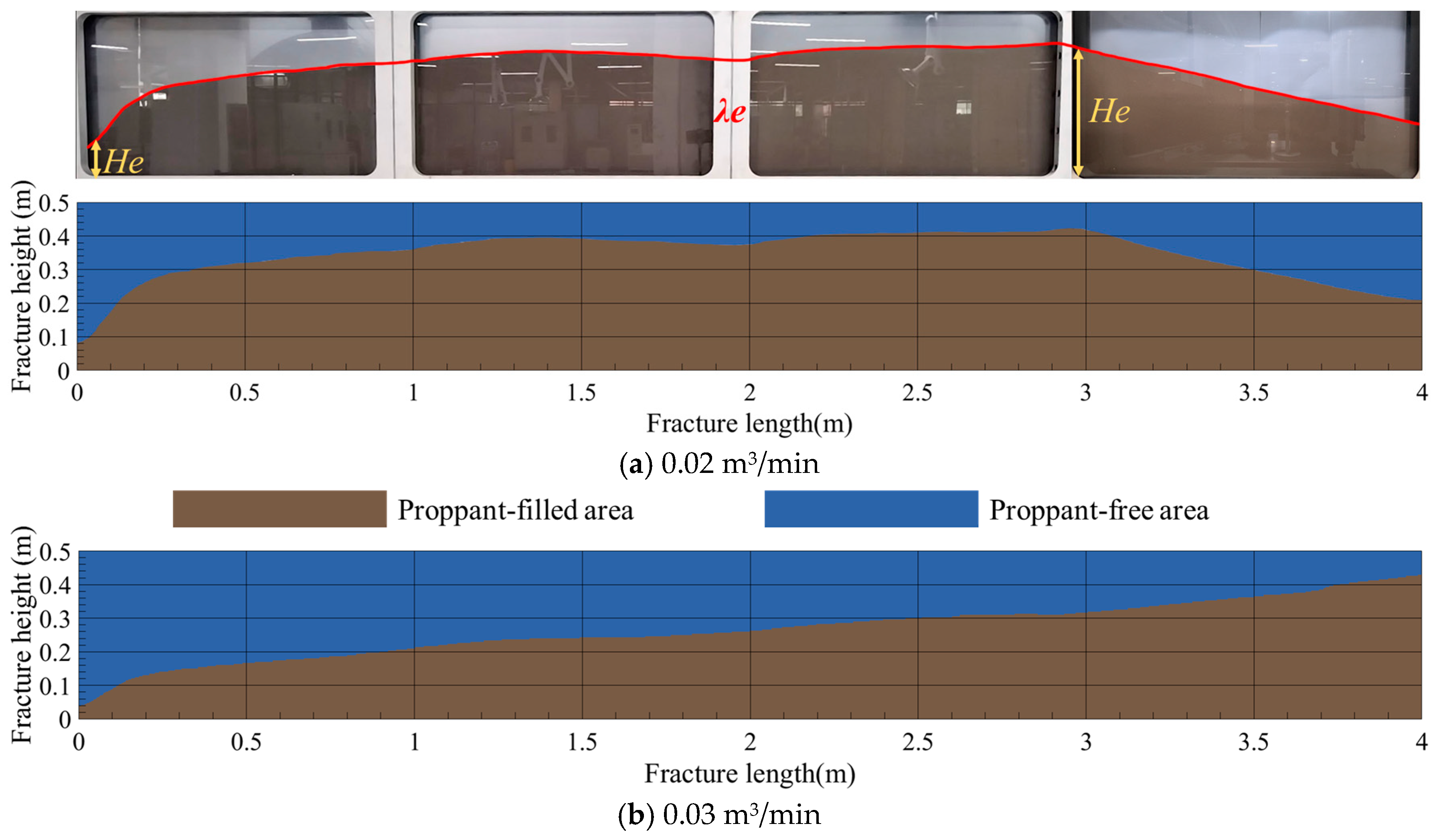
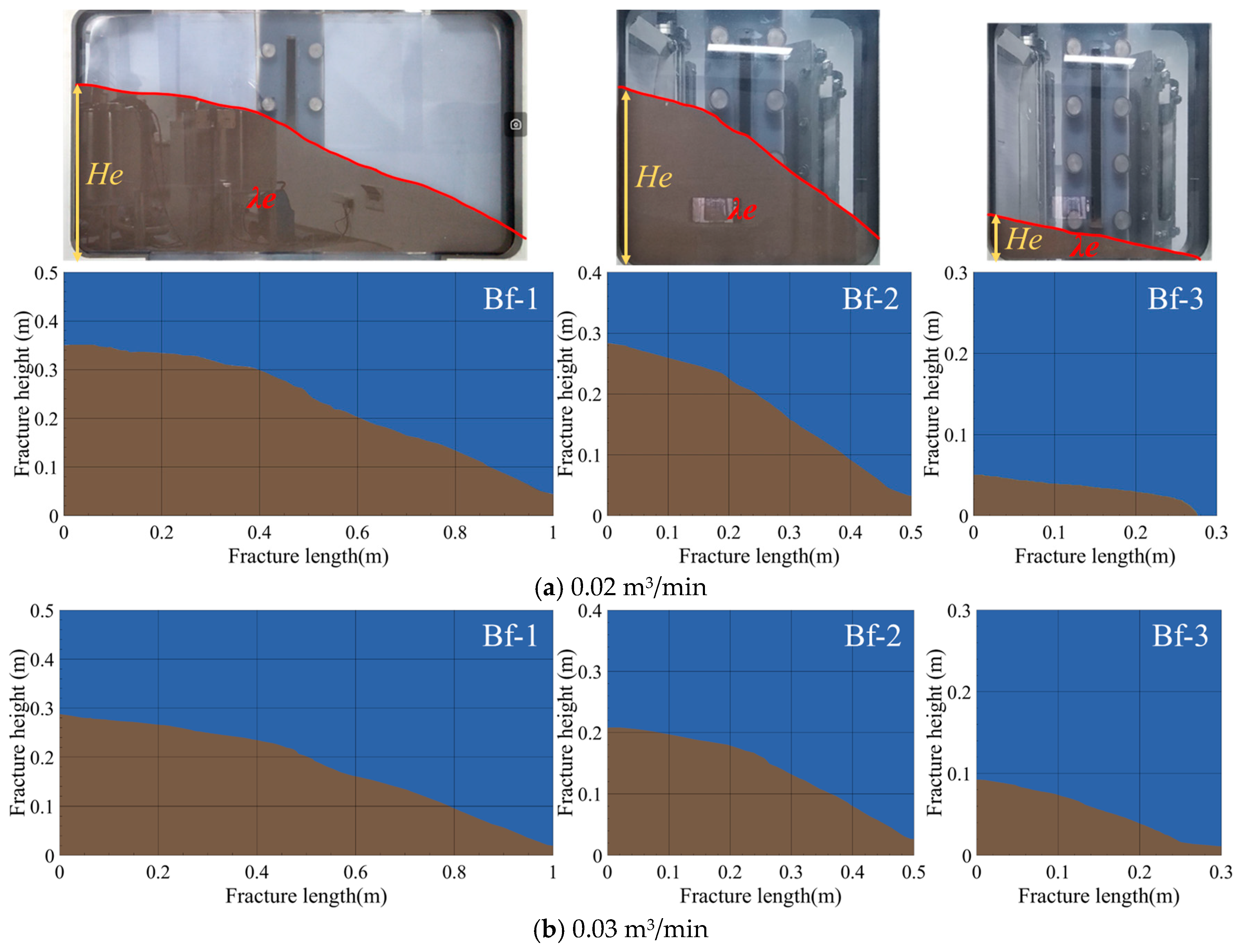
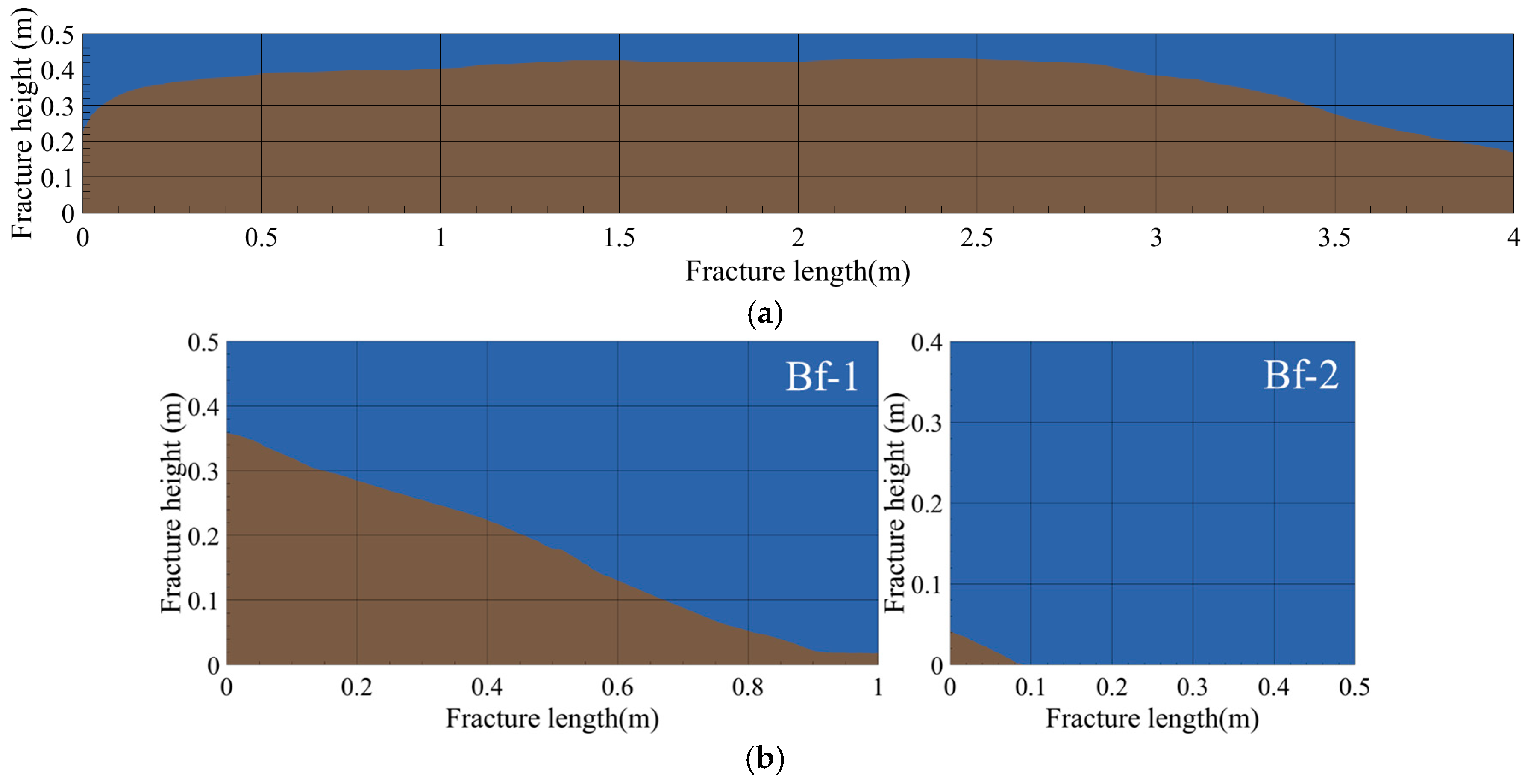
To investigate the transport and placement characteristics of 70/140-mesh quartz sand under different injection rates, the results of Experiment 2 and Experiment 3 were compared. Based on the proppant deposition patterns observed in Experiment 2, the raw data were further processed to generate the proppant height distribution maps shown in
Figure 3a and
Figure 4a, providing a clearer visualization of height variations at different positions along the fractures. The same data processing and visualization approach were applied to all subsequent experiments. The final proppant deposition patterns in the main fracture and its hierarchical branch fractures in Experiment 3 are presented in
Figure 3b and
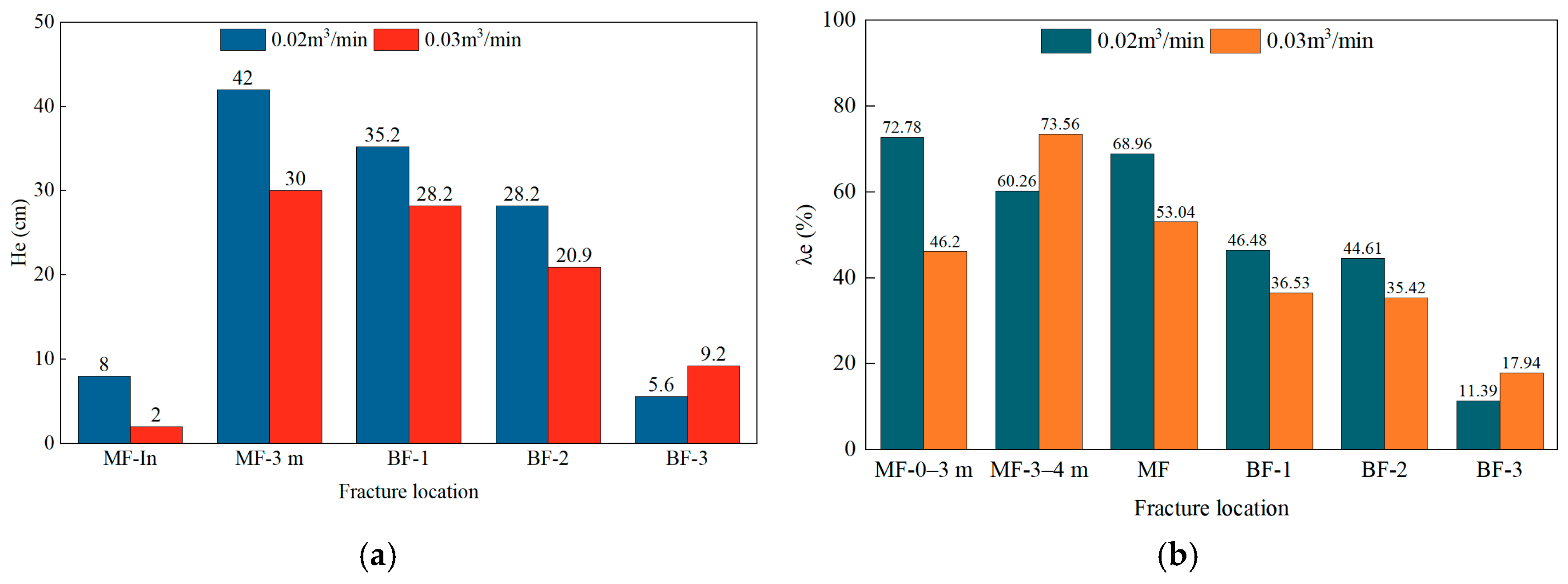
Figure 4b, and the fracture proppant heights and filling ratios are visualized in
Figure 5.
As shown in
Figure 3a, under an injection rate of 0.02 m
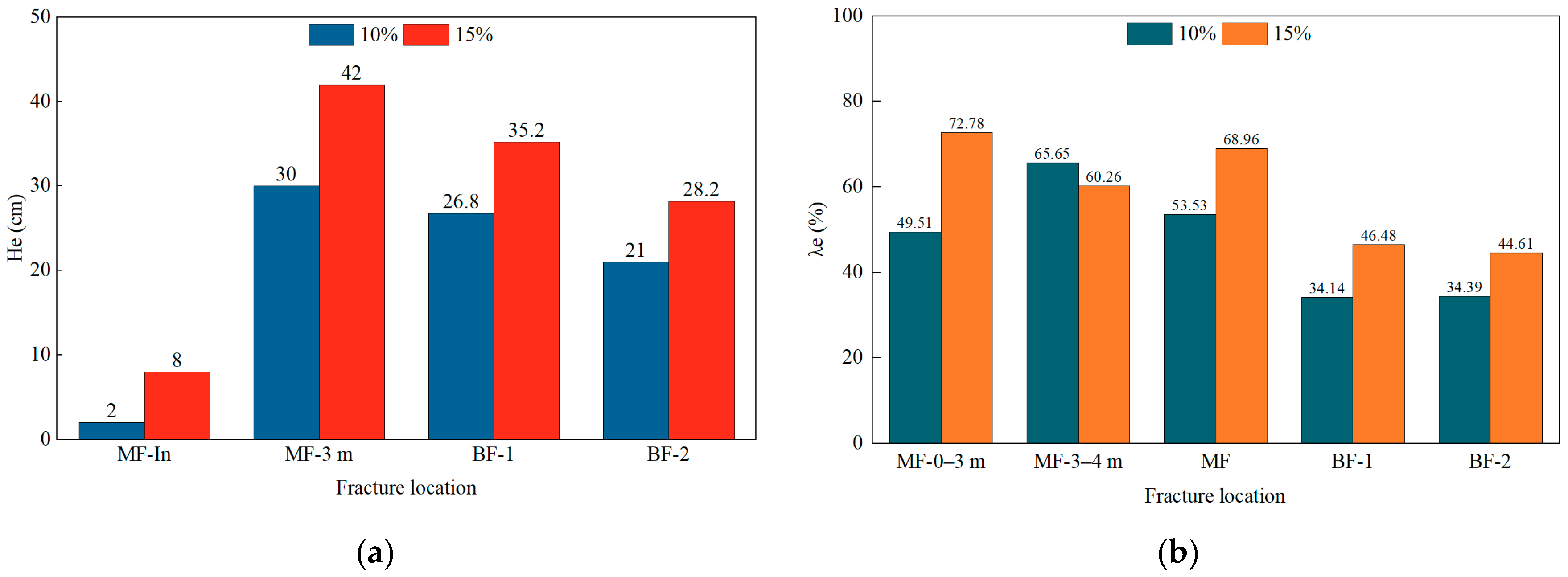
3/min, the proppant height of 70/140-mesh quartz sand in the main fracture exhibits an overall “increase first, then decrease” trend along the fracture length. This behavior mainly results from the relatively low fluid velocity under low injection-rate conditions, which leads to limited drag force exerted by the proppant-laden fluid on the particles. Consequently, the particles are more prone to gravitational settling during transport and tend to accumulate in the front and middle sections of the fracture. The proppant height at the fracture inlet is approximately 8 cm, and the filling ratio in the 0–3 m segment reaches 72.78% (
Figure 5b), demonstrating that a relatively sufficient proppant support structure forms in the front-middle region. When the proppant reaches about 3 m from the inlet, the presence of a first-order branch fracture induces local flow diversion, which reduces the effective flow velocity in the main fracture and weakens the sand-carrying capacity. As a result, proppant transport toward the deeper region of the fracture becomes restricted. Consequently, the filling ratio in the deep section (3–4 m) decreases to 60.26%, indicating that under low injection rates, the proppant-laden fluid struggles to deliver particles effectively to the fracture end, and the distal support is notably weaker than the front section. As shown in
Figure 3b, when the injection rate is increased to 0.03 m
3/min, the fluid velocity in the fracture increases significantly, thereby enhancing the drag force exerted on the particles and improving the suspension capacity of the proppant while delaying particle settling. Under stronger hydrodynamic forces, the proppant can pass through the front region of the main fracture more effectively and continue migrating toward the deeper sections. Accordingly, the proppant height along the fracture generally increases with distance, but the overall accumulation is lower. Specifically, the proppant height at the fracture inlet decreases from 8 cm to 2 cm, and the overall filling ratio of the main fracture drops from 68.96% to 53.04%. These results indicate that particle settling is significantly suppressed under higher injection rates, promoting deeper proppant transport rather than accumulation near the fracture inlet.
The proppant placement in the branch fractures also exhibits a clear dependence on injection rate. As shown in
Figure 4a, in the branch fractures, the proppant height at the fracture inlet decreases progressively with increasing branch order, while the overall proppant morphology remains relatively consistent. This observation indicates that under low injection rate conditions, proppant placement in branch fractures is mainly controlled by local flow diversion and particle settling, resulting in limited suspension and transport capacity and consequently a relatively low filling degree.
Figure 4b shows that at higher injection rates, the branch fractures exhibit significantly enhanced long-distance transport capacity. Although the proppant height and filling ratio in the primary and secondary branch fractures decrease, the proppant distribution along the fracture length becomes more uniform, and more pronounced accumulation occurs in the tertiary branches, with proppant height increasing from 5.2 cm to 9.2 cm and filling ratio rising from 11.39% to 17.94%. This suggests that under higher kinetic energy, a portion of the proppant can overcome the inertial loss at diversion points and the opposing effects of the flow field, entering more complex and finer fracture structures, thereby achieving deeper and broader propped regions. In summary, proppant transport in complex fracture networks is governed by the combined effects of fluid drag, particle settling, and flow redistribution at fracture junctions. While increasing the injection rate reduces proppant heights in the main and primary–secondary branch fractures, the higher flow velocity enhances the carrying capacity of the proppant-laden fluid, improving filling in deeper fractures and more distal branch fractures. This leads to better support in distal and complex fracture regions. Therefore, in field hydraulic fracturing, regulating the injection rate can be an effective strategy to optimize proppant placement in deep and secondary branch fractures.
3.1.2. 40/70 Mesh Ceramic Proppant Under Different Injection Rates
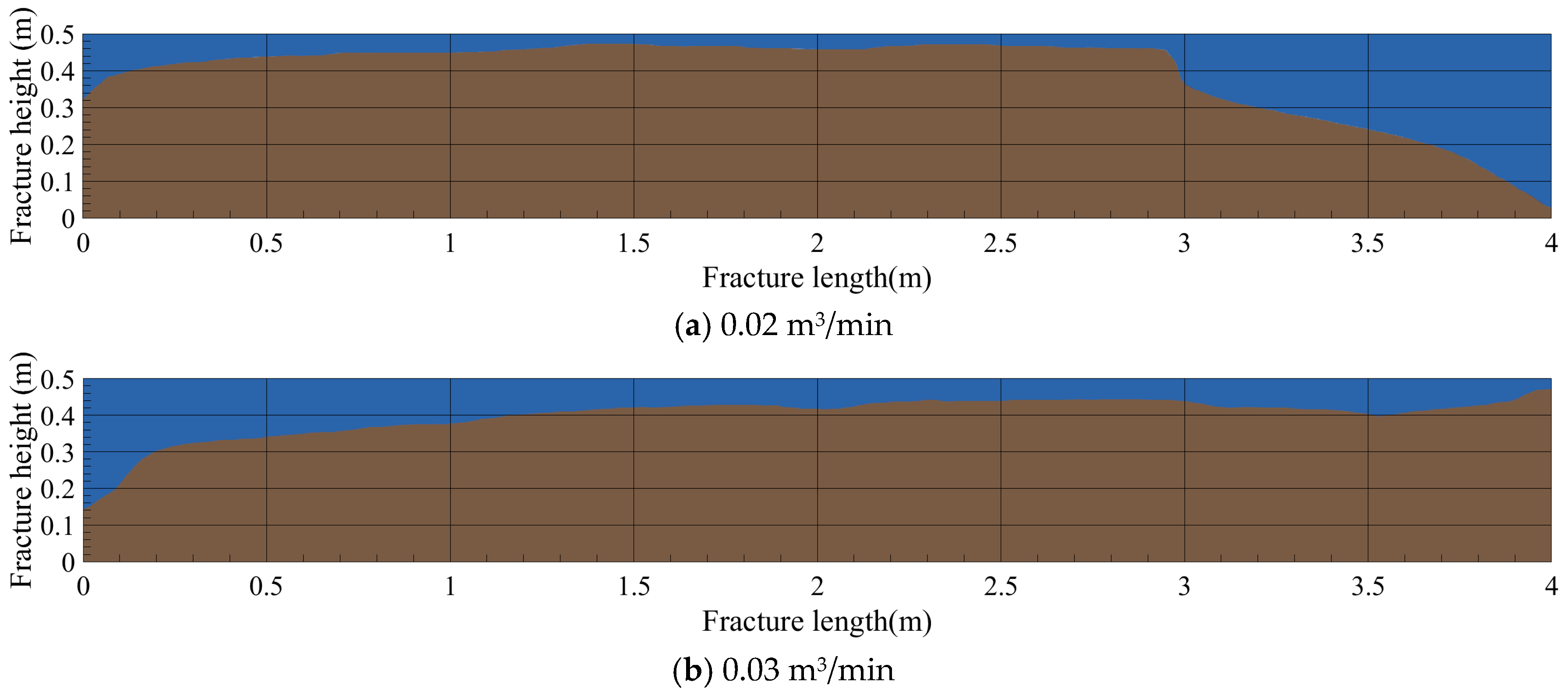
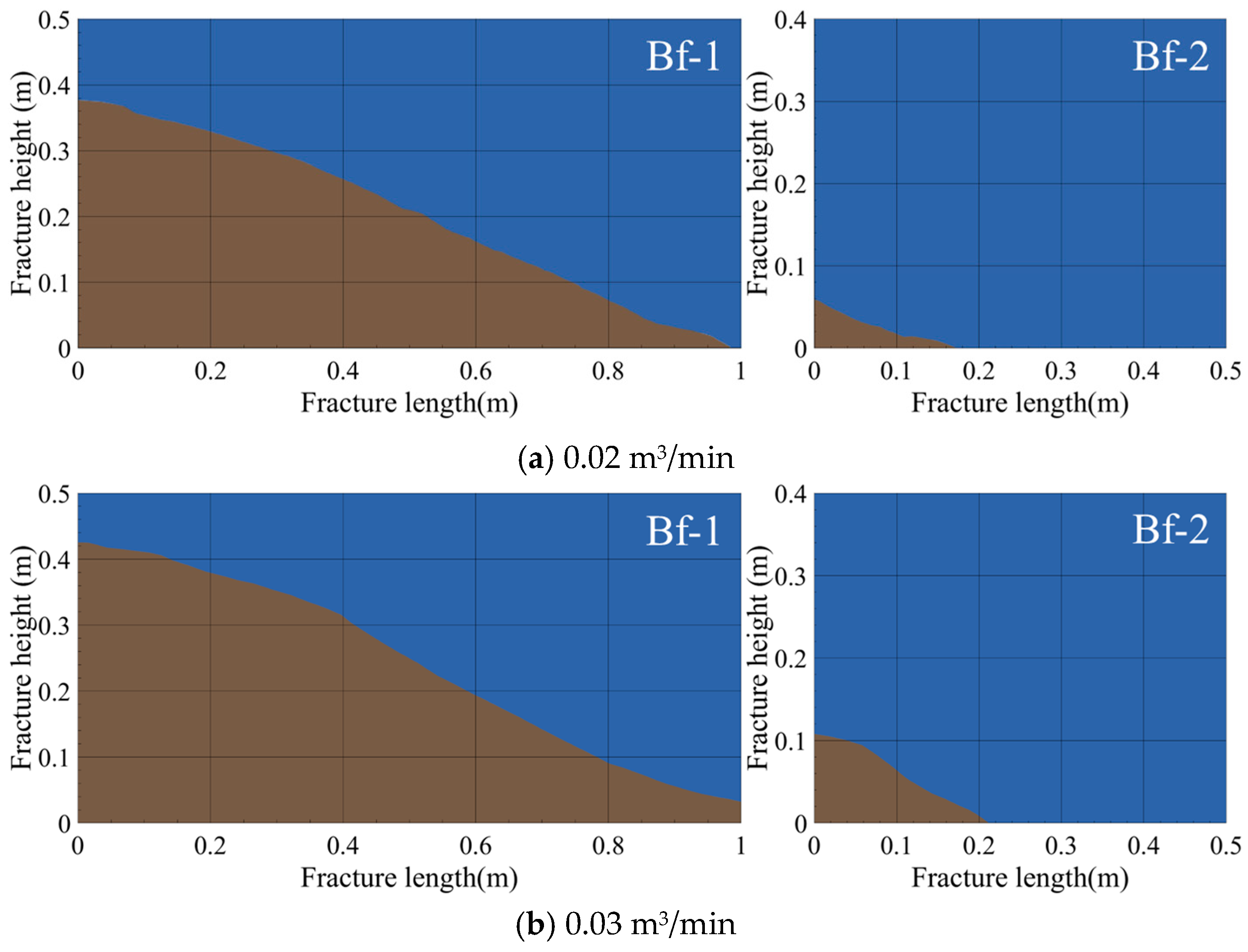
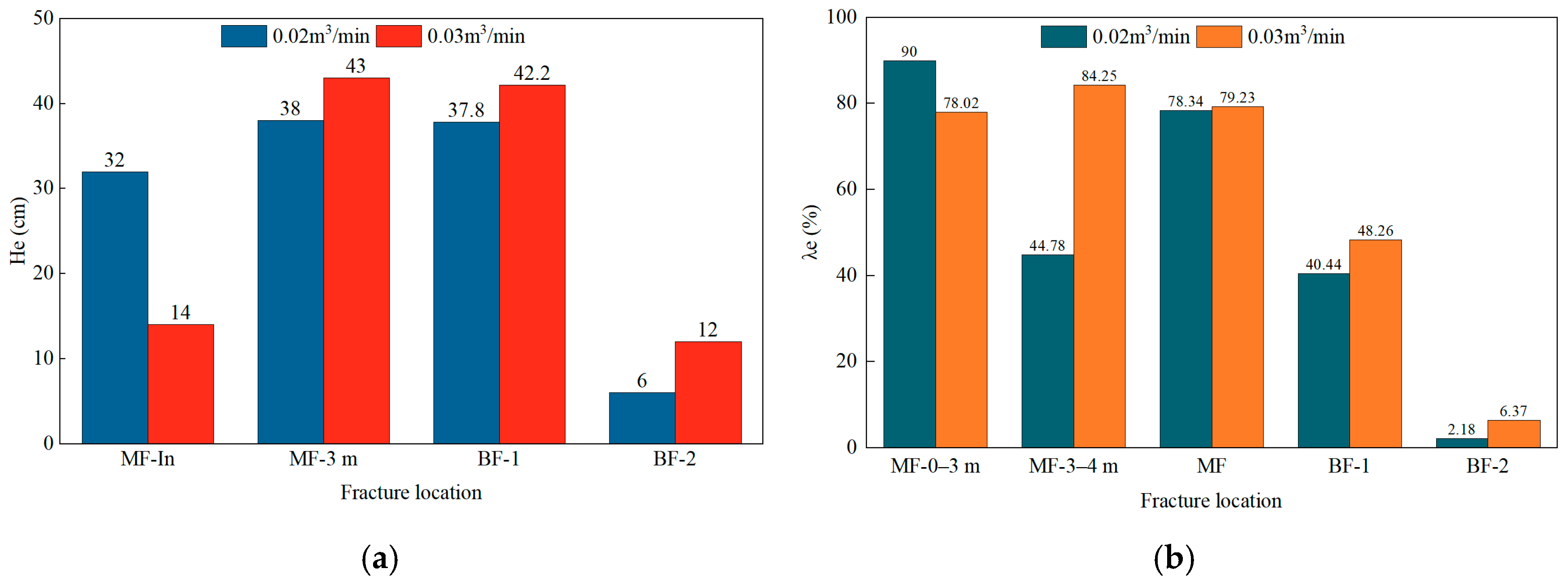
Comparative experiments 5 and 6 were conducted to investigate the transport and placement behavior of 40/70 mesh ceramic proppant under different injection rates in a complex fracture network. The resulting proppant morphologies within the fractures under the two injection rate conditions are shown in
Figure 6 and
Figure 7, respectively, while the quantitative analyses of proppant height and fracture filling ratio are presented in
Figure 8.
As shown in
Figure 6a and
Figure 7a, under the injection rate of 0.02 m
3/min, the 40/70 mesh ceramic proppant formed relatively high sand packs within the first 3 m of the main fracture, with an average accumulation height exceeding 40 cm. Only at the fracture inlet, due to continuous injection disturbances, did the sand pack height slightly decrease to approximately 32 cm, still more than half of the fracture height. This phenomenon indicates that under low injection-rate conditions, the fluid velocity within the fracture is relatively low, resulting in limited drag force exerted by the proppant-laden fluid on the particles. Meanwhile, the 40/70-mesh ceramic proppant, characterized by a larger particle size and higher density, exhibits a higher settling velocity. Consequently, the particles are more prone to gravitational settling and accumulation in the near-inlet region of the fracture. When the proppant migrates to approximately 3 m from the inlet, the flow velocity in the main fracture further decreases due to the significant diversion effect of the first-order branch fracture, leading to a reduction in the local proppant pack height to approximately 38 cm. This observation demonstrates that under low injection-rate conditions, the transport capacity of the proppant toward the deeper parts of the fracture is significantly limited. When the injection rate was increased to 0.03 m
3/min, the fluid velocity and kinetic energy within the fracture increase significantly, enhancing the drag force exerted by the fluid on the particles. As a result, the suspension capacity of the proppant is improved and the settling process is delayed. The proppant distribution along the main fracture became more uniform, although the overall sand pack height decreased. Specifically, the sand pack height at the fracture inlet dropped to 14 cm, while at 3 m from the inlet it increased to 43 cm, reflecting a significantly enhanced proppant transport toward the fracture interior. Correspondingly, the filling ratio in the 0–3 m section decreased to 78.02%, whereas the 3–4 m section increased to 84.25%, resulting in a slight increase in the overall main fracture filling ratio from 78.34% to 79.23%. These results indicate that increasing the injection rate can effectively suppress particle settling near the fracture inlet while promoting proppant transport toward deeper fracture regions, thereby optimizing the overall proppant distribution within the main fracture.
In the branch fractures, sand pack height and filling ratio also increased with higher injection rates, demonstrating improved transport and placement. However, due to the relatively large particle size and high density of the ceramic proppant, the settling velocity remains relatively high. Therefore, even under higher injection-rate conditions, no proppant accumulation is observed in the tertiary branch fractures. Consistent with quartz sand observations, increasing the injection rate significantly enhances the sand-carrying capacity of the fluid within the fracture. By slowing particle settling and prolonging suspension time, the proppant can more readily migrate into deeper fracture segments and secondary branch fractures, thereby improving the overall support performance in complex fracture networks. Thus, increasing the injection rate decreases accumulation near the fracture front while enhancing deep and branch fracture filling, improving overall support effectiveness in complex fracture networks.
3.2. Proppant Types
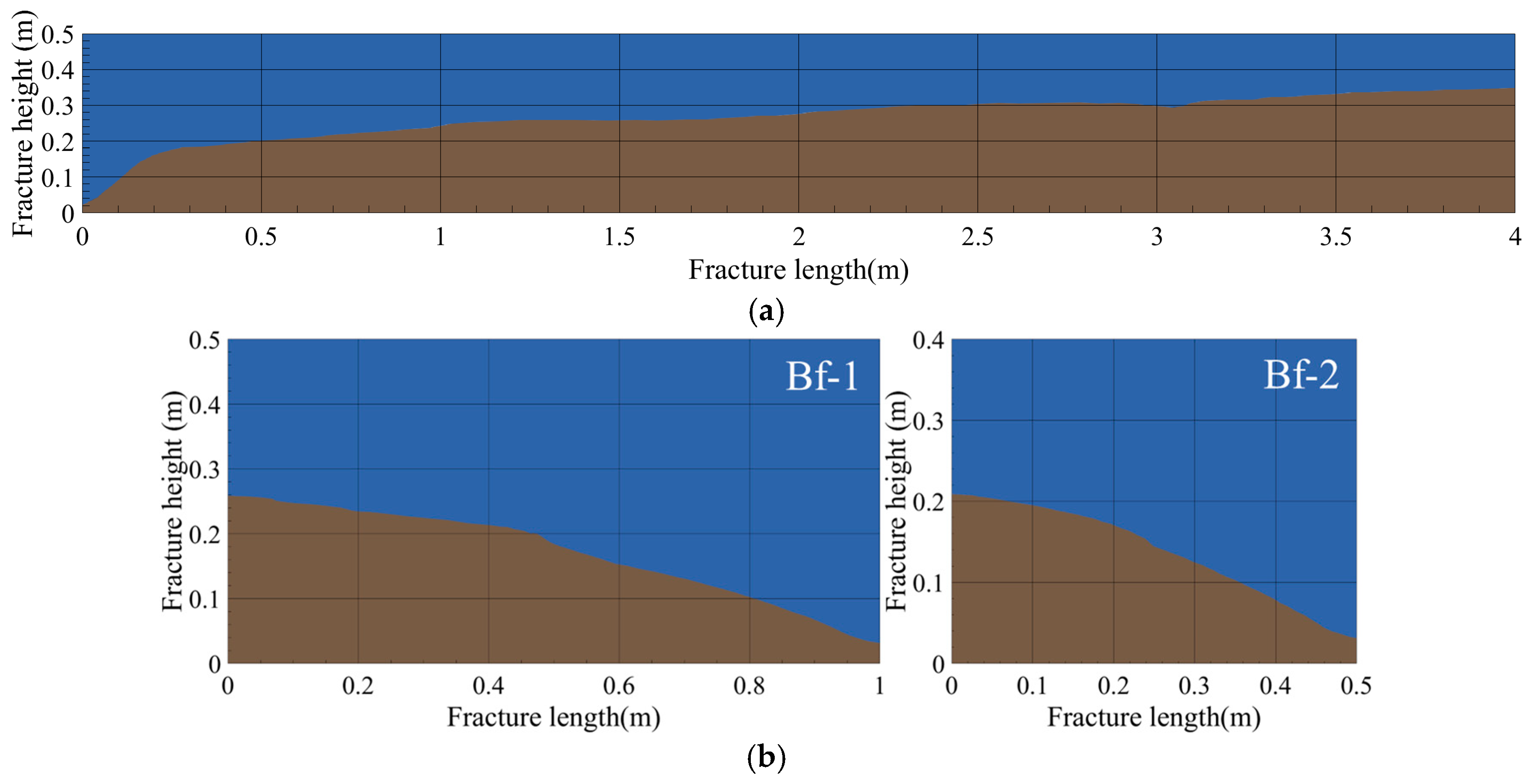
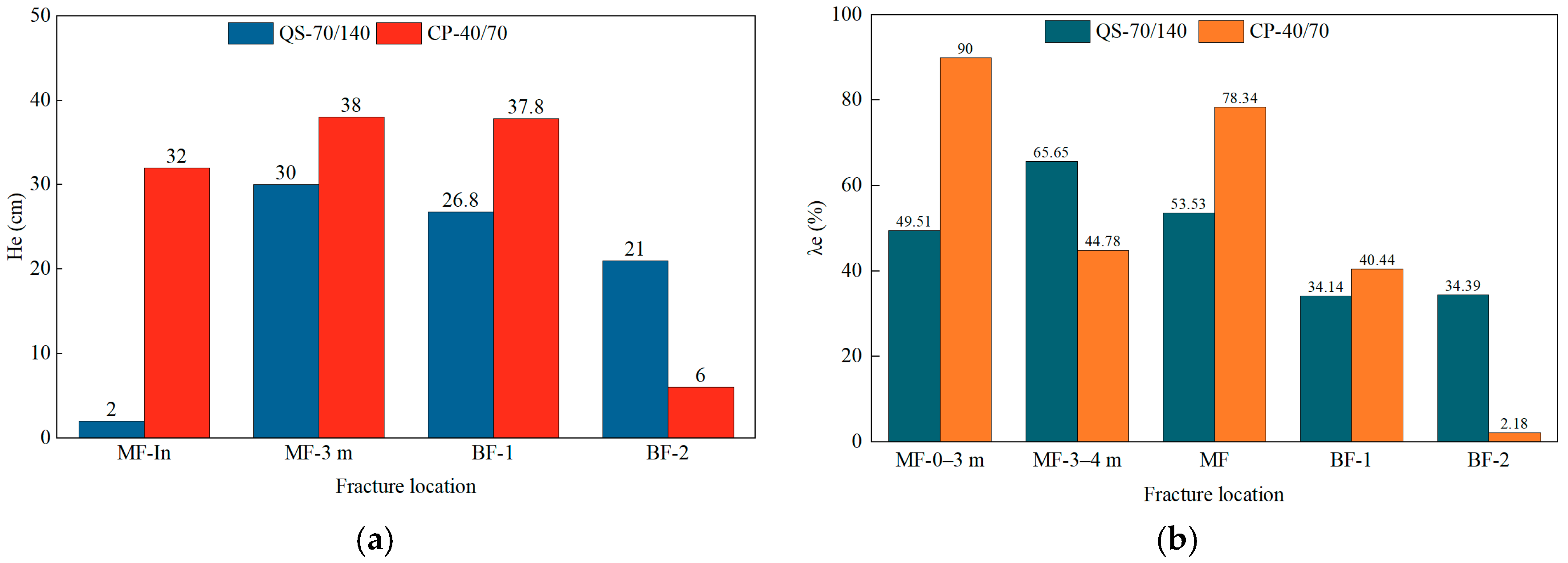
The differences in proppant particle size and density determine their response to variations in injection rate, indicating a significant coupling effect between proppant type and operational injection parameters. This necessitates a coordinated optimization considering fracture complexity and target stimulation zones. A comparison between Experiments 1 and 5 was conducted to investigate the transport and placement behaviors of different proppant types (70/140 mesh quartz sand and 40/70 mesh ceramic proppant) within a complex fracture network. The sand pack morphologies in the main fracture and multi-level branch fractures for Experiment 1 are shown in
Figure 9, and the corresponding sand pack heights and fracture filling ratios are quantified in
Figure 10.
As shown in
Figure 6a and
Figure 9a, the placement patterns of proppants with different particle sizes exhibit significant differences within the fractures. In the main fracture, the sand pack height of 70/140 mesh quartz sand at the inlet is notably lower than that of 40/70 mesh ceramic proppant, with a filling ratio of only 49.51% in the 0–3 m section, approximately half that of the ceramic proppant. This is mainly because the smaller particle size of quartz sand results in a lower settling velocity in the fluid, allowing the proppant-laden fluid to continuously transport the particles deeper into the fracture, thereby inhibiting concentrated settling near the fracture entrance. In contrast, at 3 m from the inlet, the sand pack height of quartz sand reaches 30 cm and shows an increasing trend along the fracture length, resulting in a 3–4 m section filling ratio of 65.65%, about 1.5 times higher than that of the ceramic proppant. This indicates that smaller-sized proppant particles can remain suspended for a longer time under fluid drag, enabling them to more easily penetrate into deeper regions of the fracture and form effective proppant placement.
Figure 7a and
Figure 9b show that in the branch fractures, quartz sand exhibits lower sand pack height and filling ratio than ceramic proppant in the primary branches, but significantly higher values in the secondary branches. This suggests that larger ceramic proppant particles tend to settle and accumulate at the entrances of the main fracture and first-order branch fractures. In contrast, the smaller quartz sand particles, due to their lower settling velocity and stronger suspension capacity, are more likely to be transported by the fluid into deeper and narrower branch fractures. Therefore, quartz sand can not only form higher sand packs in the deeper sections of the main fracture, but can also enter secondary and even tertiary branch fractures to form stable deposits, resulting in a more uniform proppant distribution within the fracture network. In summary, proppant particle size plays a decisive role in transport distance and spatial distribution within fractures. For enhancing support in distal regions and multi-level branch fractures, 70/140 mesh quartz sand is preferable, whereas 40/70 mesh ceramic proppant is advantageous for rapid placement and higher support strength near the fracture inlet.
3.3. Proppant Concentration
3.3.1. Different Proppant Concentrations in 70/140 Mesh Quartz Sand
Comparing Experiments 1 and 2, increasing the proppant concentration has a significant effect on the transport and placement of 70/140 mesh quartz sand within the fracture network. As shown in
Figure 3a and
Figure 9a, when the proppant concentration increases from 10% to 15%, the higher volume fraction of particles in the proppant-laden fluid significantly increases the amount of proppant entering the fracture and settling per unit time. This promotes the rapid formation and growth of sand packs in the middle section of the main fracture, thereby enhancing placement efficiency in the 0–3 m section, increasing sand pack height, and improving overall fracture filling. However, as the sand pack height increases, the effective flow height of the fracture decreases, which correspondingly increases the local flow velocity. This facilitates further transport of the proppant-laden fluid toward the deeper sections of the main fracture and enhances diversion into branch fractures. Under the combined influence of branch flow diversion and elevated equilibrium velocity, the filling ratio in the 3–4 m section of the main fracture slightly decreases, indicating a modest suppression of local deep-fracture filling; however, the overall main fracture filling is still significantly improved. As shown in
Figure 4a and
Figure 9b, the improvement is even more pronounced in branch fractures: As both the proppant concentration and local flow velocity increase, the probability of proppant entering the branch fractures also increases. Sand pack height and filling ratio in primary and secondary branches increase notably. Notably, tertiary branches, which did not form effective sand packs at low proppant concentrations, exhibit significant accumulation at a 15% proppant concentration, with sand pack height reaching 5.6 cm and filling ratio increasing from 0 to 11.39% (
Figure 11). This indicates that higher proppant concentrations not only enhance proppant placement in the main fracture but also increase the likelihood of proppant reaching deeper sections and multi-level branches. Overall, increasing the proppant concentration, by raising proppant concentration and reducing sedimentation, substantially extends transport distance and improves placement in complex fracture networks, resulting in taller sand packs, larger filling areas, and more effective support in deeper fractures.
Under identical experimental conditions, increasing the proppant concentration significantly enhances proppant sedimentation and placement within fractures but also introduces potential operational risks. Higher proppant concentrations cause proppant to accumulate more rapidly upon entering the fracture, leading to swift sand pack growth over short distances, which may trigger sand bridging and related operational issues in the field. Based on experimental results and field experience, a staged sand injection strategy—“low-to-high proppant concentration”—is recommended for hydraulic fracturing: a lower proppant concentration is initially applied to maintain good proppant transport and prevent premature high sand pack formation near the wellbore; as sand packs progressively develop and effective flow height increases, raising the proppant concentration gradually allows the fracturing fluid to extend proppant placement deeper into the fracture system. This approach balances deep-fracture filling requirements with operational control, achieving more efficient and safer proppant placement.
3.3.2. Different Proppant Concentration in 40/70 Mesh Ceramic Proppant
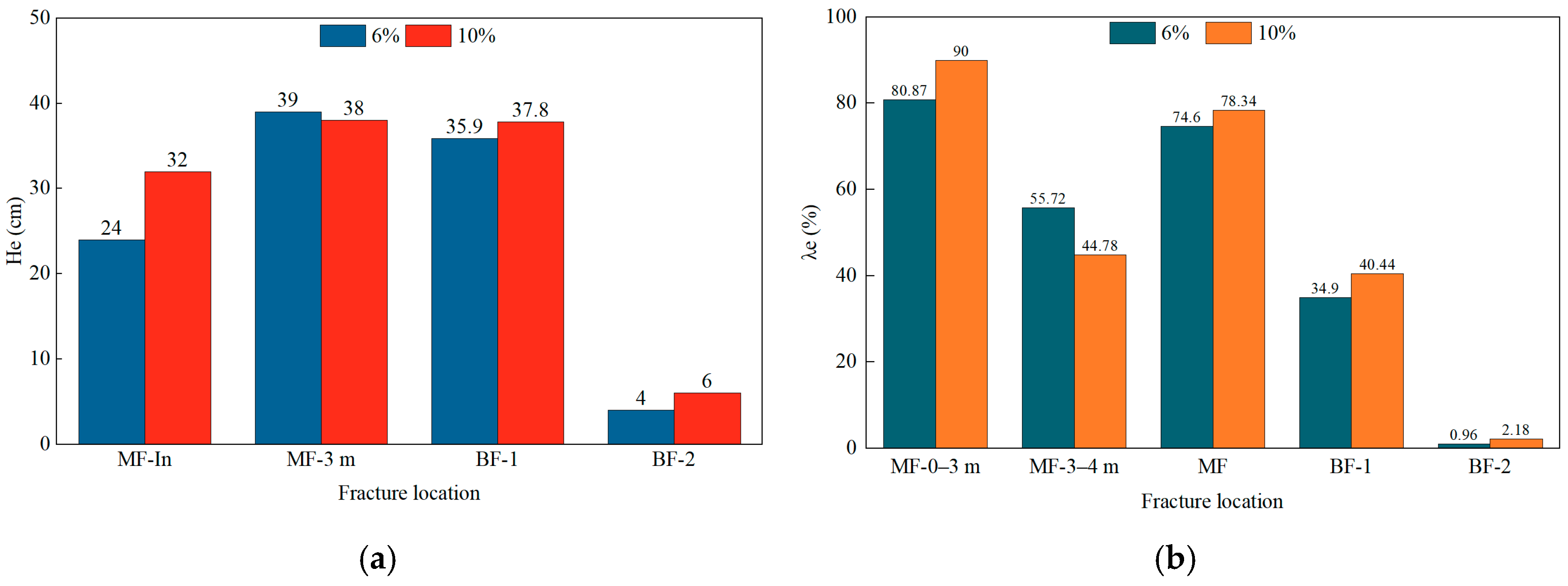
The comparison between Experiments 4 and 5 was conducted to investigate the effect of proppant concentration on the sand pack placement of 40/70 mesh ceramic proppant within the fracture network. Under identical experimental conditions, only the proppant concentration was varied. For the 6% proppant concentration scenario, the sand pack distribution and placement characteristics in the main and branch fractures are shown in
Figure 12, while the corresponding quantitative parameters, including sand pack height and fracture filling ratio, are presented in
Figure 13.
As shown in
Figure 6a and
Figure 12a, under a 6% proppant concentration, the 40/70 mesh ceramic proppant exhibited a clear “front-loaded, deep-deficient” placement pattern within the main fracture. High sand packs formed at the fracture inlet and the 0–3 m section; however, at 3 m from the inlet, the sand pack height decreased markedly due to flow diversion into the primary branch fracture, resulting in a deep-section filling ratio of only 55.72%. This phenomenon indicates that under low proppant concentration conditions, the particle concentration in the proppant-laden fluid is low, and the number of particles entering the fracture and settling per unit time is limited. As a result, continuous deposition and stable accumulation in the deep section of the fracture are difficult to form. Within the branch fractures, a 6% proppant concentration only enabled partial placement in the primary branch, while the secondary branch exhibited negligible sand pack height and filling ratio, providing almost no effective support. This is mainly because the 40/70 mesh ceramic proppant has a larger particle size and higher settling velocity, making it more prone to settling near the front of the main fracture under low particle concentration conditions, thereby reducing the number of particles entering the branch fractures. Meanwhile, due to the limited sand pack height in the main fracture, the effective flow height of the fracture remains relatively large, and the resulting flow velocity enhancement is insufficient. Consequently, the proppant-laden fluid lacks sufficient transport capacity to carry proppant into deeper regions and higher-order branch fractures. Therefore, a 6% proppant concentration favors stable placement near the fracture inlet but is inadequate for supporting deeper and secondary branch fractures, highlighting the necessity of increasing the proppant concentration to enhance deep and branch fracture filling.
3.4. Fracturing Fluid Viscosity
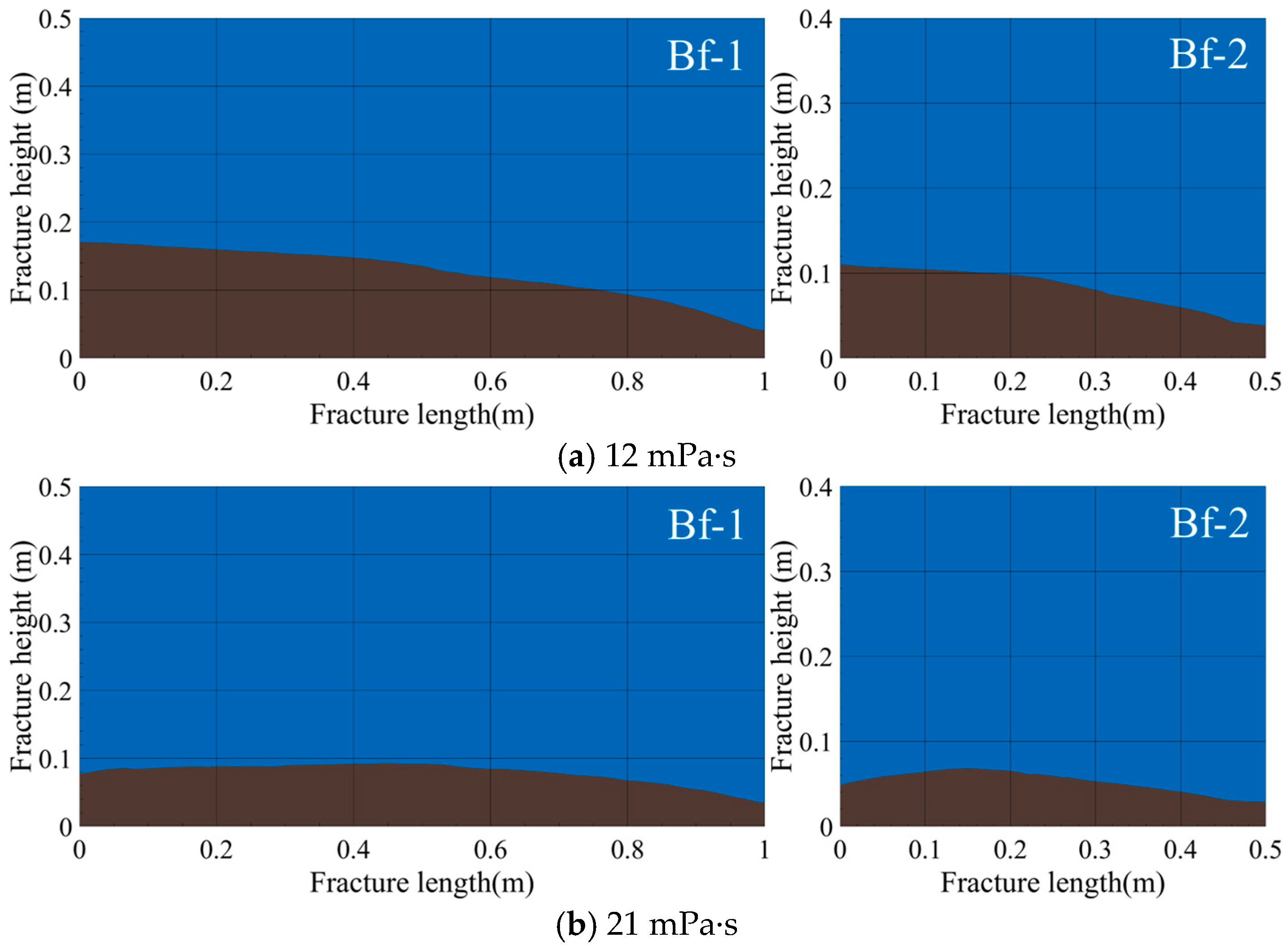
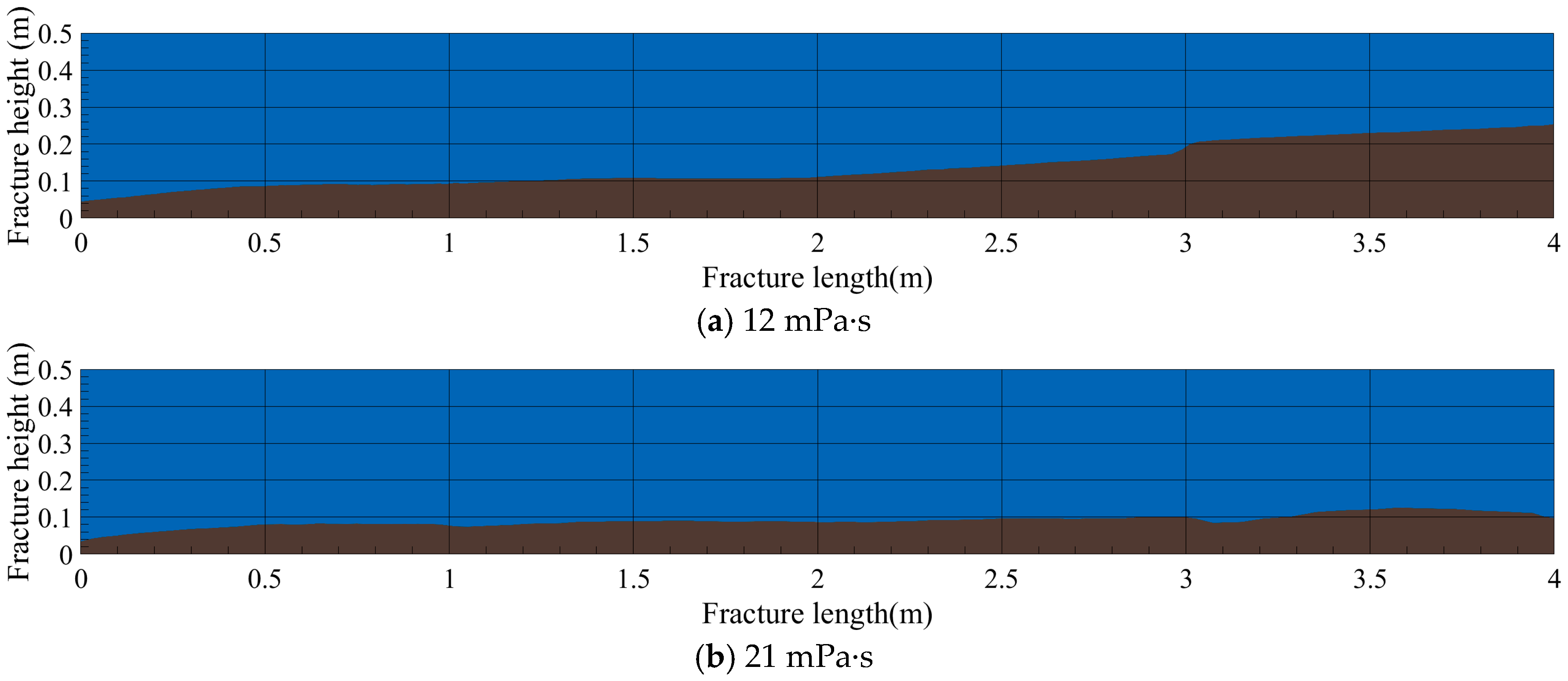
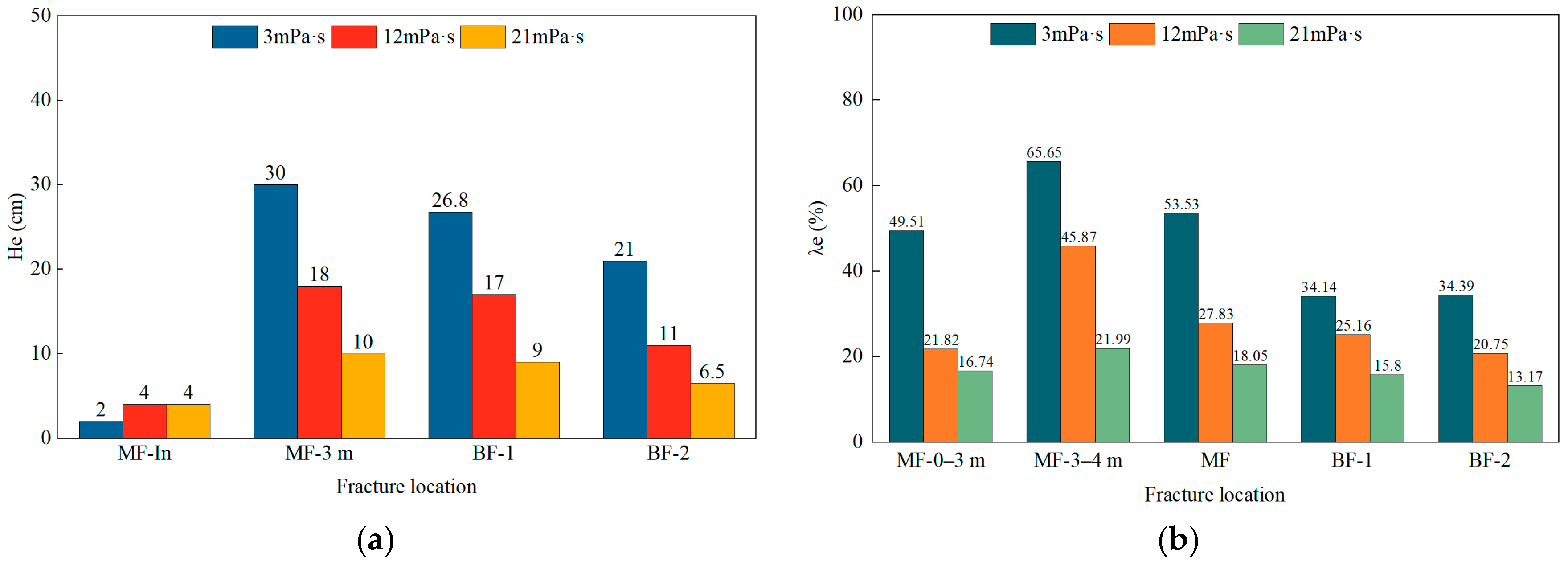
Experiments 1, 7, and 8 were compared to investigate the effect of fracturing fluid viscosity on proppant transport and placement within fractures. The proppant distribution under different viscosity conditions for each fracture level is shown in
Figure 14 and
Figure 15, while quantitative parameters, including sand pack height and fracture filling ratio at each monitoring point, are presented in
Figure 16.
Comparison of sand pack morphology under different fracturing fluid viscosities indicates that increasing viscosity leads to a clear decrease in sand pack heights within both the main and branch fractures. Specifically, with higher viscosity, the sand pack at the main fracture inlet only slightly increases (~4 cm), whereas the height at 3 m from the inlet significantly decreases, resulting in a substantial reduction in filling ratios across all main fracture sections. Reduced accumulation in the main fracture further limits sand pack formation in the branch fractures, with primary branch sand pack height and filling ratio dropping to 9 cm and 15.8%, respectively, and secondary branch height and filling ratio decreasing to 6.5 cm and 13.17%. This phenomenon is primarily related to the influence of fracturing fluid viscosity on particle transport and settling behavior. As viscosity increases, the drag force and suspension capacity of the fluid acting on proppant particles are enhanced, which significantly reduces the particle settling velocity and increases the transport distance of proppant within the fracture. Consequently, concentrated deposition near the fracture inlet is weakened. However, due to the reduced settling rate, the number of particles that settle and form stable sand packs per unit fracture length decreases, leading to lower sand pack heights and reduced fracture filling ratios overall. Meanwhile, higher viscosity markedly improves the longitudinal uniformity of sand distribution; at 21 mPa·s, the height difference between the main fracture inlet and 3 m section decreases from 28 cm (at 3 mPa·s) to 6 cm. This improvement is attributed to enhanced particle suspension and slower settling in the high-viscosity fluid, enabling more uniform transport to deeper fracture regions. Overall, increasing fracturing fluid viscosity benefits sand pack uniformity and deep transport but may reduce overall filling ratio and weaken effective support in both main and branch fractures. Therefore, viscosity should be optimized during design to balance uniform placement and sufficient fracture filling.
3.5. Proppant Injection Sequence
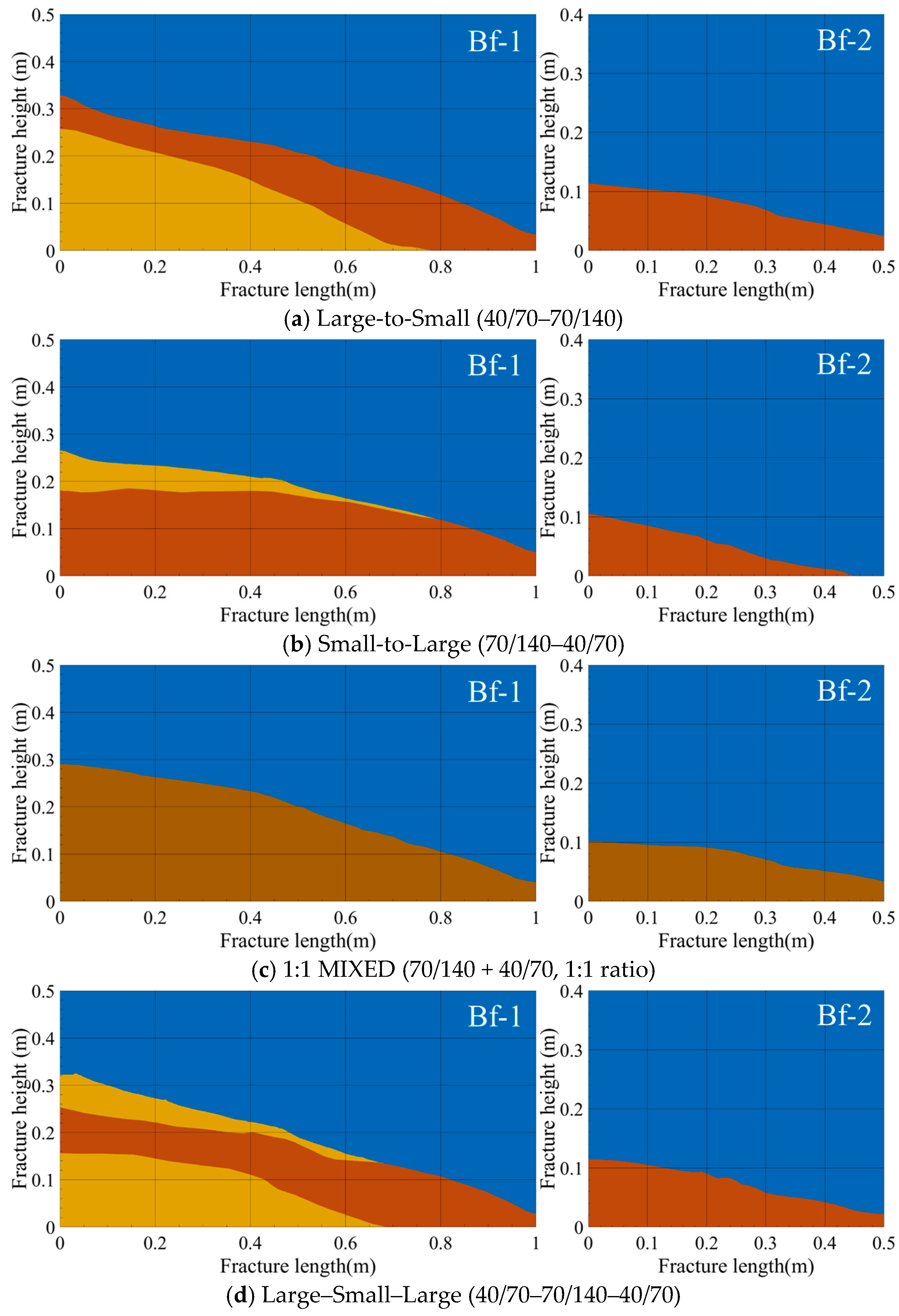
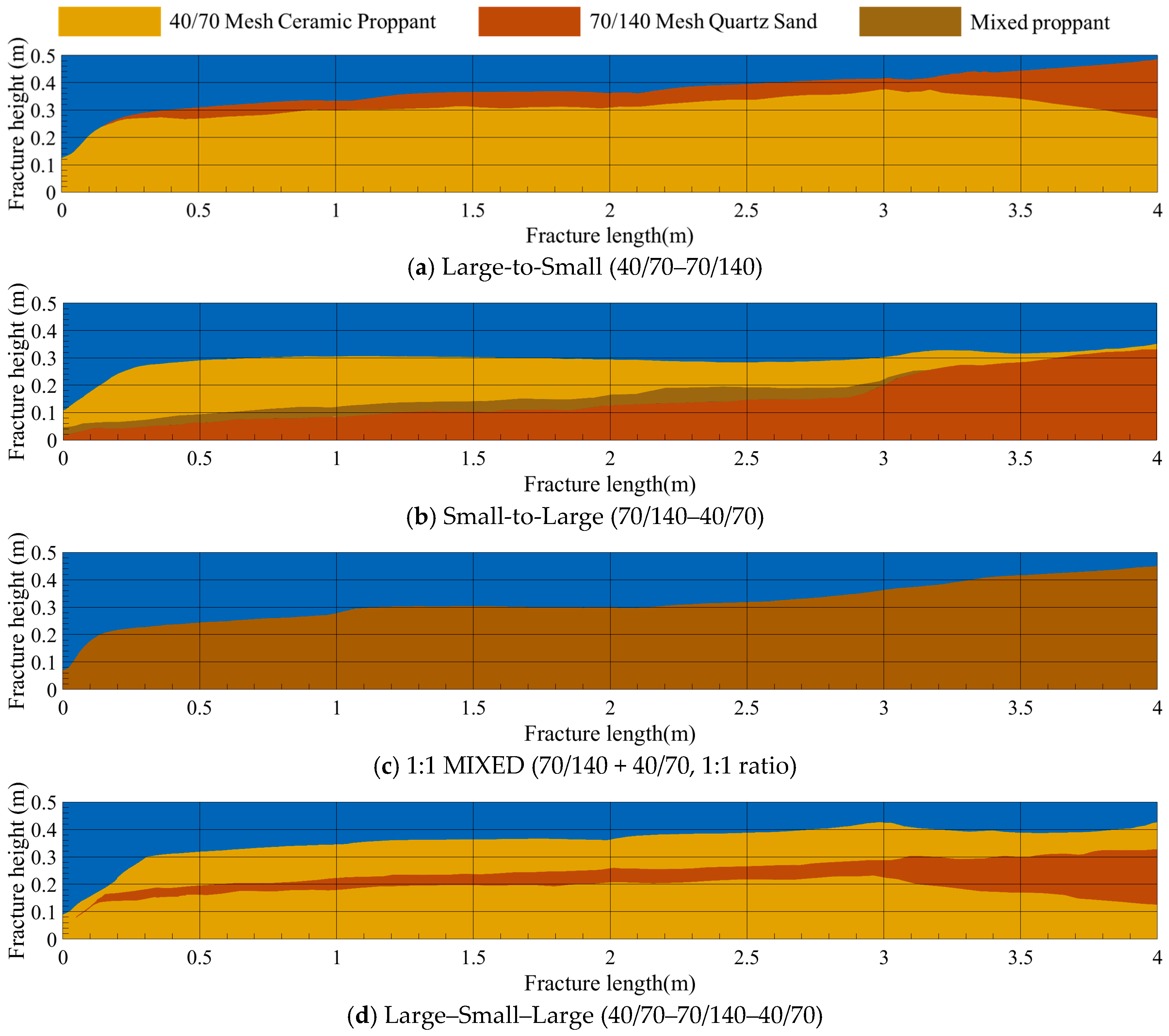
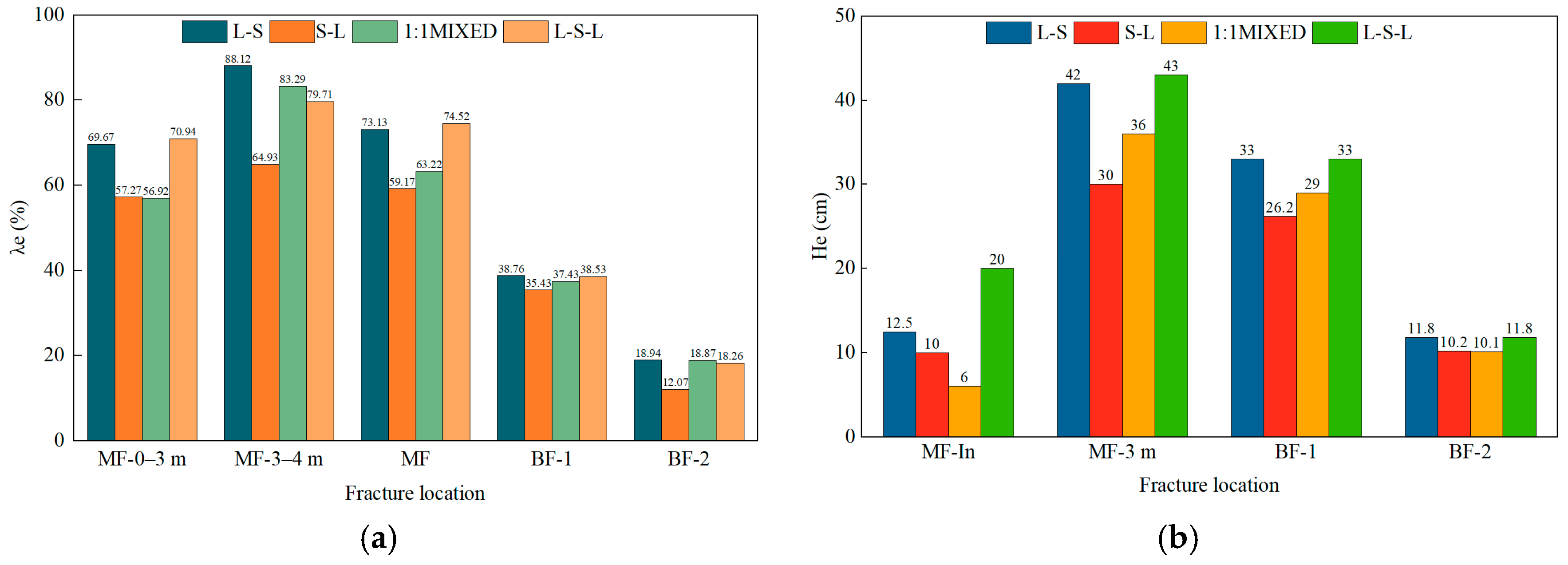
Experiments 9–12 were conducted to investigate the effect of different proppant placement sequences on proppant transport and deposition within the fractures. The resulting proppant distribution in the main and branch fractures under each placement sequence is shown in
Figure 17 and
Figure 18, while quantitative measurements of sand pack heights and fracture filling ratios at each observation point are presented in
Figure 19.
When using a “large–small” proppant injection sequence, the first-injected 40/70 mesh ceramic proppant forms the primary sand pack framework within the main fracture and the primary branch fractures. The subsequently injected 70/140 mesh quartz sand, owing to its smaller particle size and lower settling velocity, can penetrate further into the fracture network and fill regions that are not fully occupied by the ceramic proppant. As a result, the filling of the deeper main fracture and secondary branch fractures is significantly improved, and the overall filling ratio of the main fracture reaches approximately 73%. In contrast, under the “small–large” injection sequence, the first-injected quartz sand can more easily penetrate deeper into the fracture network and form deposits within different levels of branch fractures. However, because the smaller particles are less capable of forming a stable sand pack near the fracture entrance, the subsequently injected ceramic proppant mainly accumulates in the front section of the main fracture, providing limited supplementation to the deeper regions. Consequently, the overall filling ratio of the main fracture is only about 59%. Under mixed proppant injection conditions, no obvious particle-size segregation occurs between the two proppant types. The sand pack height near the fracture entrance is significantly higher than that obtained with quartz sand injection alone, while relatively high filling levels are still maintained in the deeper fracture sections. In this case, the overall filling ratio of the main fracture reaches approximately 63%. Based on these results, a “large–small–large” proppant injection sequence was further investigated. The results show that the initial injection of ceramic proppant forms a stable framework structure within the fracture. Subsequently, the injected quartz sand penetrates into deeper main fracture sections and branch fractures, filling the remaining pore spaces. Finally, the second stage of ceramic proppant injection further supplements the front and middle sections of the fracture and pushes the sand pack to extend deeper. As a result, the overall filling ratio of the main fracture increases to approximately 75%, while stable sand pack structures are also formed within all levels of branch fractures. Overall, prioritizing the injection of small-particle proppant favors long-distance transport, whereas injecting large-particle proppant first is more effective for forming a stable supporting framework within the fracture. The “large–small–large” injection sequence provides a better balance between near-wellbore support and deep fracture filling, resulting in a more uniform proppant distribution along both the main and branch fractures and ultimately achieving improved overall fracture support.
3.6. Optimal Conditions for Proppant Distribution
Based on the experimental results, the key operational parameters controlling proppant transport and placement in complex fracture networks can be systematically evaluated. Injection rate, proppant type, proppant concentration, fluid viscosity, and injection sequence all play important roles in determining the final proppant distribution. Increasing the injection rate enhances the transport capacity of the slurry and promotes proppant migration toward deeper fracture sections and secondary branches. Smaller particles (70/140 mesh quartz sand) exhibit stronger long-distance transport capability, facilitating proppant placement in deeper fractures and higher-order branches, whereas larger particles (40/70 mesh ceramic proppant) tend to form stable sand packs near the fracture inlet. Increasing the proppant concentration improves the overall filling ratio of the fracture but may also increase the risk of premature accumulation near the fracture entrance. Meanwhile, higher fluid viscosity enhances particle suspension and improves the uniformity of proppant distribution; however, excessively high viscosity may reduce overall placement efficiency. Among the tested injection strategies, the large–small–large proppant injection sequence provides the most balanced placement performance. The initial injection of large particles forms a stable proppant framework, the subsequent injection of smaller particles enhances penetration into deeper fractures, and the final stage of large-particle injection reinforces the near-wellbore region. Within the tested experimental range, this strategy produces a more uniform proppant distribution along both the main fracture and branch fractures, thereby providing improved support for complex fracture networks.




 ,
,