


Abstract
In recent decades, microalgae biodiesel has been repeatedly presented as a fundamental pillar of future bioenergy systems in relation to fossil diesel. This is largely due to the high photosynthetic efficiency of microalgae, their high growth rates, and their ability to accumulate neutral lipids—particularly triacylglycerols (TAGs)—which constitute the main raw materials for biodiesel production. However, this route has not yet become economically competitive with conventional fuels and vegetable oils. In this context, the simultaneous increase in biomass productivity and TAG content remains essential to reduce the cost difference, but achieving these goals depends on a detailed understanding of lipid metabolism and its regulation under different environmental and nutritional conditions—and on overcoming the intrinsic trade-offs between growth and storage. Thus, this article aims to critically analyze the viability of microalgae biodiesel, seeking to identify the main factors that explain why this route has not yet become competitive with conventional fuels after decades of research. In parallel, the growing trend of multi-product microalgae biorefineries is examined, highlighting bottlenecks in downstream processing and product purification, as well as the inherent trade-offs between production strategies. Practical limitations related to biomass productivity per area, culture dilution, intracellular lipid storage, and vital steps such as transesterification are also discussed, which together impose high energy and operational penalties throughout the production chain. Finally, emerging trends and integrated approaches are discussed, with emphasis on strain and process co-optimization, as well as greater integration between cultivation and downstream operations, aiming to enable more efficient and realistically consistent microalgae biodiesel concepts.
1. Introduction
The case for biofuels is no longer only framed by long-term climate targets, but by an immediate tension: energy systems must decarbonize while maintaining reliability and affordability. In this context, bioenergy (including waste, biogas, and liquid biofuels) remains a major pillar of renewable energy supply, contributing roughly ~10% of global primary energy supply in 2024—well above the individual contributions of hydropower and other modern renewables [1,2]. At the same time, global biofuel demand is projected to expand substantially in the near term, with an estimated increase of ~41–53 billion liters (~28%) between 2021 and 2026 [3]. This growth, however, sharpens a central challenge: scaling biofuels in ways that deliver verifiable climate benefits without shifting burdens to land, water, energy inputs, and supply chain constraints.
Within this landscape, biodiesel is frequently highlighted due to its biodegradability and potential to reduce greenhouse gas (GHG) emissions relative to petroleum-derived diesel, and it currently accounts for more than half of total biofuel production [4]. The fundamental question, however, no longer lies in the production of biodiesel, but in the viability of specific routes on an industrial scale. Conventional oilseed routes benefit from mature agricultural supply chains and established processing infrastructure, which helps explain their continued dominance; however, they remain associated with persistent concerns related to land-use competition, deforestation pressures, and food security linkages [5]. These constraints have motivated interest in alternative feedstocks that might reduce pressure on arable land and decouple fuel production from edible crops.
Microalgae-based biodiesel is often positioned in this role because it can, in principle, decouple lipid production from arable land and edible crops, thereby addressing part of the land-use and food-system constraints observed in conventional feedstocks [6]. Under controlled and optimized experimental conditions, microalgae can exhibit high photosynthetic efficiency and rapid growth [7], and several strains are reported to accumulate high intracellular lipid fractions (for example, Schizochytrium sp., Botryococcus braunii, Nannochloropsis spp., and Chlorella spp.), reaching up to ~77%, 75%, 68%, and 53% of dry weight, respectively [8]. These values far exceed the productivity of conventional oilseed crops such as soybean (~0.4–0.5 t ha−1 year−1), canola/rapeseed (~0.7–0.8 t ha−1 year−1), oil palm (~3–4 t ha−1 year−1), and sun-flower (~0.6–0.8 t ha−1 year−1) [9,10].
However, the same evidence that proves the biological potential of microalgae also clarifies why they have not replaced conventional raw materials in fuel markets. The reported growth advantages depend heavily on the strain and process, and do not necessarily translate into sustained productivity in the open cultivation method or operational constraints on a large scale [7]. More importantly, the route faces a persistent scale-up gap driven not by lipid content alone, but by limited sustained productivity, operational complexity, and the energy and cost intensity of downstream processing—particularly harvesting, dewatering, cell disruption, and lipid extraction. While recent life cycle assessment (LCA) studies indicate that microalgae biodiesel can reduce GHG emissions, especially when integrated with carbon capture and utilization (CCU) from industrial sources [11,12], techno-economic assessments and large-scale analyses consistently show that high capital and operating costs, combined with downstream energy penalties and insufficient process integration, remain decisive barriers when fuel is the primary target product [13,14,15,16]. In practice, this creates a structural contradiction: environmental potential improves under configurations that often increase system complexity, while economic feasibility tends to worsen when additional unit operations and separations are required.
This contradiction becomes even more pronounced in multiproduct biorefinery concepts, where co-product valorization is frequently invoked to close the economic gap. Outside the United States, commercial microalgae production has been estimated at roughly 60,000 t year−1 of dry biomass, concentrated primarily in Asia and largely oriented toward food and aquaculture applications [17]. Market analysis estimates the global microalgae market at USD ~1.2 billion in 2023 (and USD ~1.3 billion in 2024) and projects it to reach USD ~1.8 billion by 2030 [18,19]. Yet this market signal does not imply readiness for fuels: techno-economic assessments indicate that, under optimized and integrated configurations (including co-product valorization), minimum algal fuel prices can approach USD ~1.89–2.15 per liter of gasoline-equivalent, but these results remain highly sensitive to productivity, scale, process integration, and the maturity of co-product markets—conditions not yet representative of most pilot or demonstration plants [20]. Thus, even when microalgae-based systems “work” on paper, they often do so under assumptions that are fragile in real operating environments.
To try to overcome these bottlenecks, several research fronts have investigated and modeled strategies to improve the production of microalgae-based biodiesel, including strain selection, lipid accumulation, cultivation optimization, harvesting and drying, cell disruption, extraction routes, transesterification performance, techno-economic viability, life cycle impacts, and integration into biorefineries [7,11,12,13,14,15,16,20,21]. Among these studies, those on productivity and lipid yield under controlled cultivation conditions [7,8,9,10], environmental performance and GHG mitigation potential [11,12], and techno-economic and scalability limitations related to capital expenditures [CAPEX] and operating expenses (OPEX), energy demand, and process integration stand out [13,14,15,16]. However, although these studies have generated important advances, gaps still persist between the scientific knowledge produced and its effective transfer to industrial fuel systems [13,14,15,16]. This is because the sustainable transition of microalgae biodiesel is not determined by isolated gains in a single-unit operation, but by the combined interaction of biological, technological, energy, economic, and environmental constraints throughout the entire production chain [13,14,15,16,21,22].
Therefore, considering these constraints and the microalgae biodiesel gap, this research critically reviews the main technological and structural bottlenecks in biodiesel production from microalgae, with an emphasis on cultivation productivity, downstream processing, and system-level integration, to realistically reassess its industrial role. The main focus is to re-evaluate this trajectory and integrate the main evidence reported in the literature to clarify where progress has been made and where structural bottlenecks still prevent large-scale consolidation.
2. Methodological Approach
To provide an overview of the reasons why microalgae biodiesel has not yet become a competitive large-scale fuel route, the interconnection between microalgae lipid production, biodiesel conversion, and industrial viability was investigated through a structured literature review, framed by a bibliometric analysis of publication trends [21]. Initially, the search was conducted using broad terms such as “microalgae biodiesel”, resulting in a large number of publications. Therefore, the search strategy was refined, unfolding the theme into specific thematic axes directly related to the scope, including biomass productivity, lipid accumulation, cultivation systems, harvesting and dehydration, cell disruption, lipid extraction, transesterification, techno-economic evaluation, life cycle assessment, and microalgae biorefinery concepts.
Since the topic is dispersed across different types of scientific publications, including research articles, review articles, book chapters, and technical reports, several scientific databases and publisher platforms were consulted. The search focused on international publications and mainly covered the period from 2000 to 2025, corresponding to the consolidation and rapid expansion of the literature on microalgae-based biodiesel. Previous studies, identified through retrospective citation tracking, were also considered when relevant to establishing the historical and conceptual basis of the area. Bibliometric analysis was used to identify the temporal evolution of publications related to microalgae biodiesel and to contextualize the growing scientific interest in this route, despite its limited industrial application (Figure 1).
Figure 1.
Number of target articles published from 2002 to 2026 (* until February 2026).
The titles and abstracts identified through the search were analyzed according to the inclusion and exclusion criteria. The inclusion criteria comprised: (i) studies that address biodiesel production from microalgae; (ii) studies that evaluate biomass productivity, lipid productivity, or both under different cultivation strategies; (iii) studies that examine downstream bottlenecks, including harvesting, dehydration, cell disruption, extraction, and transesterification; (iv) technoeconomic or life cycle assessment studies related to microalgae biodiesel; and (v) studies that discuss process integration, scale-up limitations, or biorefinery approaches relevant to the economic viability of the route. The exclusion criteria included: (i) duplicate records; (ii) studies focused exclusively on non-fuel applications of microalgae without relevance to biodiesel viability; (iii) publications not aligned with the scope of industrial-scale fuel production; and (iv) unpublished or overlapping evidence.
For content analysis, the selected studies were organized according to two complementary classification criteria: (i) stage of the production chain and (ii) type of feasibility constraint addressed. Regarding the first criterion, the studies were grouped into: (a) cultivation and biomass generation, including autotrophic, heterotrophic, and mixotrophic systems, as well as productivity and lipid accumulation; (b) downstream processing, including harvesting, drying, cell disruption, lipid extraction, and transesterification; and (c) integrated systems and scale-up analyses, including process integration, biorefinery concepts, and industrial implementation challenges. Regarding the second criterion, the studies were classified according to the main focus: (a) biological and productivity limitations; (b) energy bottlenecks and process engineering; (c) economic constraints, including CAPEX and OPEX; and/or (d) environmental performance, especially in studies involving life cycle assessment. Each article was reviewed individually, and the essential information was compiled to support the critical discussion developed in this review.
3. Microalgae Biodiesel: Current Status, Constraints, and Feasibility
The current scenario demonstrates that global biodiesel production is dominated by conventional feedstocks, especially vegetable oils and waste fats. It is estimated that around 31% of the world’s biodiesel is produced from palm oil, followed by soybean (27%), rapeseed or canola (20%), and used cooking oils and other waste fats (approximately 10%), while alternative feedstocks, including microalgae, represent only a marginal fraction of the market [23].
Despite scientific advances in alternative routes, the biodiesel sector remains structured on production systems with high technological upgrading, demanding logistical infrastructure, and relatively lower costs. Microalgae are frequently presented as a promising alternative due to their high theoretical potential for lipid production per cultivated area, in addition to the possibility of cultivation in environments that do not compete with food production [24]. These characteristics have sustained, for decades, the expectation that microalgae biodiesel could overcome the limitations associated with terrestrial oilseeds.
However, despite this scientific appeal, the real contribution of microalgae to biodiesel production remains extremely limited in industrial terms [25]. To date, there are no algal biodiesel production chains operating on a relevant commercial scale, and the volumes of algal oil actually destined for biofuel production are restricted to pilot projects and demonstration units [26]. Even the significant investments made by large companies in the energy sector have not resulted in sufficient advances in productivity and operational stability to allow them to compete economically with conventional feedstocks [27].
From an economic standpoint, the competitiveness of biofuels remains strongly conditioned by the prices of fossil fuels, especially oil. When oil prices increase, fossil fuels become more expensive, favoring the attractiveness of biodiesel; on the other hand, in scenarios of cheap oil, biofuels lose competitiveness and become dependent on subsidies, blending mandates, or other incentive mechanisms to remain in the market [28,29].
Market data reinforce this structural dependence. In the United States, more recent fuel price data show that pure biodiesel (B100) traded at approximately USD 4.30 per gallon in late 2025, while fossil diesel was around USD 3.74 per gallon, highlighting that biodiesel has continued to be priced above conventional diesel and thus is less competitive in the market [30]. This price differential was mainly associated with the increased costs of oilseed feedstocks and the energy used in production processes, reinforcing that the competitiveness of biodiesel depends not only on the price of oil, but also on the dynamics of agricultural and industrial costs.
In the specific case of microalgae, the economic challenges are even more pronounced due to the complexity of the production chain, which involves multiple energy-intensive stages, including cultivation, harvesting, cell disruption, and transesterification [31]. Thus, even when technological advances are observed in isolated stages of the process, the overall cost of the system remains high, compromising the energy balance and the financial viability of the algal route.
One of the central biological limitations is the trade-off between cell growth and lipid accumulation: conditions that stimulate lipid storage generally reduce biomass productivity, while rapid growth typically occurs with lower lipid content [16,28]. For this reason, the importance of lipid productivity is defined as the amount of lipids produced per unit area and time, rather than considering only the percentage content of lipids in the biomass [32]. Strategies such as two-phase cultivation, metabolic engineering, and the selection of more efficient strains have been proposed to try to reconcile rapid growth and high lipid accumulation; however, to date, there are no strains that simultaneously combine high productivity, high lipid content, and stability under real environmental cultivation conditions [32].
Economic feasibility studies reinforce this diagnosis. Even in scenarios considered optimistic, but still based on technically plausible assumptions, the estimated production costs of microalgae biodiesel typically range from USD 1.0 to 3.5 L, values still higher than those of fossil diesel and biodiesel produced from waste oils, which generally remain below USD 0.7–1.3 L, resulting in a faster financial return for these consolidated routes [28,33]. Furthermore, even considering integration with carbon dioxide (CO2) capture and utilization systems, life cycle analyses indicate that, under currently prevailing technological conditions, microalgae biodiesel may present greenhouse gas emissions comparable to or even higher than those of fossil diesel, requiring substantial improvements in productivity and energy efficiency to achieve clear environmental advantages [12].
In this sense, techno-economic indicators for microalgae biodiesel are considered important for their viability. Several factors, including production cost, fuel selling price, capital expenditures (CAPEX), operating expenses (OPEX), processing cost share, return on investment (ROI), biomass productivity, and lipid yield, are considered key. In general, they reveal that the microalgae production method presents disadvantages compared to already established biodiesel systems. This is mainly due to its higher processing costs, the greater penalties associated with processing, and insufficient sustained productivity, which offset its theoretical biological advantages.
Given this body of evidence, it becomes clear that the obstacles to the consolidation of microalgae biodiesel are not exclusively technological, but result from the interaction between biological limitations, energy bottlenecks, high operating costs, and a market heavily influenced by oil price fluctuations. The absence of strains that combine high growth, high lipid content, and environmental robustness, coupled with the dependence on public policies for economic viability, helps explain the persistent gap between the theoretical potential frequently reported in the literature and the reality of the biofuel market.
Thus, the discrepancy between scientific promises and effective industrial implementation raises fundamental questions about the real role of microalgae as a large-scale energy feedstock, narrowing the focus to a critical analysis that details the main technical, energy, economic, and production bottlenecks that limit the scalability of microalgae biodiesel.
4. Overview of the Microalgae Biodiesel Production Chain
The microalgae biodiesel production chain unequivocally begins with the cultivation stage, which constitutes the biotechnological foundation of the entire subsequent process. It is at this stage that the conditions responsible for cell growth, volumetric biomass productivity, and lipid accumulation potential are defined—parameters that are crucial for the technical and economic predictions of the algal route. Likewise, understanding the growth mechanisms of microalgae and the different cultivation strategies adopted is fundamental for a critical analysis of the overall performance of this production chain.
From a biotechnological standpoint, microalgae are naturally evolved to convert light and CO2 into biomass with remarkable efficiency, reflecting millions of years of photosynthetic specialization. Cultivation can therefore be organized by mode—autotrophic, heterotrophic, photo-heterotrophic, or mixotrophic—and by method, with each choice directly affecting biomass and lipid productivity [34,35]. While autotrophic and photo-dependent modes fully exploit microalgae’s evolutionary capacity for photosynthesis, translating this natural sophistication into industrial-scale production introduces immense operational complexity: light distribution, CO2 delivery, and temperature regulation create challenges that are often underestimated in theoretical models.
In contrast, heterotrophic and mixotrophic routes, which rely on organic carbon sources, potentially reduce the costs of the culture medium and the risks of light limitation [36]. Furthermore, cultivation under heterotrophic conditions presents lower susceptibility to contamination and greater operational stability, characteristics relevant to the application. Experimental evidence already demonstrates that organic carbon supplementation, including from wastewater and agro-industrial byproducts, can result in significant increases in biomass productivity and lipid content, favoring biodiesel production.
The cultivation method, in turn, refers to the physical and technological configuration of the system employed for the growth of microalgae. On a laboratory scale, Erlenmeyer and Fernbach flasks are widely used for physiological studies and strain selection. On a larger scale, cultivation systems are commonly classified as open systems, such as raceway ponds and circular ponds, or closed systems, represented by different photobioreactor (PBR) configurations [34,36]. Open systems have lower implementation costs and operational simplicity, but are subject to contamination and limitations in controlling environmental conditions. In contrast, photobioreactors offer greater control of cultivation and higher volumetric productivity, but impose significantly higher operational and energy costs. Thus, the choice of cultivation method should consider not only potential productivity, but also the final application of the biomass, economic viability, and scale limitations, as evidenced by the heterogeneity of productivities observed among systems and species presented in Table 1.
Table 1.
Biomass productivity of microalgae cultivated in different production systems.
These differences in cultivation systems and operating conditions have direct implications for the subsequent harvesting stage, which involves removing microalgae cells from the culture medium. Microalgae harvesting is widely recognized as one of the most energy-intensive stages of the production chain, concentrating a substantial portion of the environmental and economic impact of downstream processing [4,37,38]. Cultures with low biomass concentration, typical of open systems, generally require more complex harvesting strategies with higher energy demands, while denser cultures obtained in photobioreactors can facilitate separation processes. In general, regardless of the technique employed, this step plays a central role in determining the technical and economic viability of microalgae-based products, especially in the production of biofuels, food supplements, and medicines, since it directly influences the final cost and sustainability of the process.
In cultivation systems, algal biomass is extremely dilute (typically 0.02–0.1% solids), which implies that hundreds to thousands of liters of culture must be processed to obtain 1 kg of dry biomass, as illustrated in Figure 2. This requires a progressive increase in solids content by several orders of magnitude through sequential operations. Since over 99% of the culture volume is water, solid–liquid separation becomes inherently energy-intensive, requiring equipment and processing time, causing harvesting and downstream processing to dominate operating expenses (OPEX). This constraint is widely recognized as a central bottleneck in microalgae production chains, as conventional biomass utilization routes rely on complex steps including extraction, fractionation, separation, and refining, which significantly compromise energy, economic, and environmental viability [39].
Figure 2.
Conceptual representation of progressive microalgal biomass concentration during harvesting and downstream processing.
Physical methods, such as centrifugation and filtration, are commonly used due to their efficiency and applicability to different species, but they present high energy costs, about 20 to 30% of the total energy consumed in the process [40]. Chemical methods involve the use of chemical substances, such as flocculants and coagulants, which act by aggregating the cells and separating them from the aqueous medium [41]. Biological methods offer environmentally friendly alternatives, promoting natural or induced flocculation, reducing the need for intensive mechanical steps [42]. Magnetic methods, in turn, show promise due to their efficiency, rapid separation, and the possibility of reusing nanoparticles, but still require technological advances and cost reduction [43].
In this sense, the choice of harvesting method depends on factors such as the microalgae species, cell size, cultivation conditions, and the final application of the product, since each method varies in efficiency, biomass purity, energy demand, and compatibility with sensitive compounds. Therefore, continuous improvement and optimization of these techniques are essential. Advances in this area have the potential to drastically reduce the total cost of production, improve sustainability, and enable the industrial competitiveness of biofuels and high-value-added products derived from microalgae. Thus, research in this area remains crucial for the development of more efficient, scalable, and environmentally friendly harvesting solutions.
Among the available harvesting approaches, flocculation has been widely highlighted as one of the most promising strategies, especially for the pre-concentration stage, due to its relatively low energy demand, operational simplicity, and scalability compared to more intensive mechanical methods. For example, recent comparative assessments reported operating costs of USD 0.448–1.086 m−3 for centrifugation, versus USD 0.014–16.65 m−3 for flocculation, indicating that flocculation can be substantially less costly under optimized conditions, although its performance is much more variable depending on the species, medium composition, and flocculant type. Consequently, while flocculation can offer significant economic and energy advantages, the selection of the most appropriate route should also consider biomass quality requirements and compatibility with subsequent processing [44,45].
Following harvesting, the biodiesel production process continues with a cell-disruption step, which breaks down cells to allow access to intracellular lipid reserves [43]. This step is essential because most microalgae lipids are stored intracellularly, mainly as triacylglycerols. Cell disruption can be performed by mechanical, chemical, or biological methods, each with distinct advantages and limitations, as illustrated in Table 2.
Table 2.
Cell disruption methods.
It is important to emphasize that none of the highlighted methods for biodiesel production from microalgae can be considered universally ideal. Their suitability depends on several factors, including the microalgae species, cell wall recalcitrance, biomass moisture content, the desired end product, and the scale of the process. Among conventional options, mechanical methods remain the most established because of their efficiency and scalability, although they are also associated with high energy demand. In parallel, emerging approaches such as deep eutectic solvents (DESs) have gained prominence as alternative pretreatment media. These solvents can increase cell wall permeability and lipid accessibility, thus reducing dependence on traditional organic solvents [46]. Some potential advantages of DESs include lower toxicity, biodegradability, and recyclability. However, further optimizations and techno-economic evaluations are needed before they can be implemented on a large scale. For example, pretreatment of Chlorella sp. with aqueous deep eutectic solvents significantly improved lipid recovery, increasing it from 52.03% in untreated biomass to 80.90% when treated with choline chloride–oxalic acid. This demonstrates the potential of DESs to facilitate better access to intracellular lipids, which are crucial for biodiesel production [47]. Furthermore, emerging approaches such as single-stage processing and wet biomass routes can be considered process intensification strategies, as they aim to reduce unit operations associated with drying, extraction, and solvent use; however, they still lack robust validation at pilot and industrial scales [48].
After cell disruption, the released intracellular lipids must be recovered, connecting the upstream harvesting operations to the downstream transesterification stage. Transesterification constitutes the central conversion step in biodiesel production. In this process, neutral lipids—predominantly triacylglycerols (TAGs), the main storage form in vegetable oils, animal fats, and microalgae—are converted into fatty acid methyl or ethyl esters (FAMEs or FAAEs), which constitute biodiesel. This reaction, direct or indirect, involves the interaction of TAGs with an alcohol (typically methanol or ethanol) in the presence of acid or basic catalysts (for example, NaOH or KOH), producing alkyl esters and glycerol as a byproduct [4].
where R is the alkyl group of the long chain, typically a combination of C16 and C18 chains.
The high viscosity of crude lipid feedstocks, especially in the case of microalgae oils, approximately 25–50 mm2/s at 40 °C, makes this conversion indispensable to reduce both the viscosity and the average molecular weight of the lipid compounds, generating a fuel with properties suitable for use in engines [49]. Comparatively, biodiesel (FAME) and petroleum diesel have viscosities in the range of approximately 2–6 mm2/s and 2–4 mm2/s at 40 °C, respectively [50,51]. This excessive viscosity in unconverted microalgae oils impairs fuel atomization and air–fuel mixing during injection, promoting incomplete combustion and deposit formation, reinforcing the need for transesterification. The efficiency of the process critically depends on the alcohol:oil molar ratio, the temperature (typically between 50 and 60 °C in catalytic transesterification), the reaction time, the type of catalyst, and the content of free fatty acids, which can favor secondary reactions such as saponification. This makes it one of the most important steps in the process, since biodiesel production is effectively enabled by the conversion of TAGs into FAMEs.
Although each of these steps can technically be performed individually, the performance of the microalgae biodiesel route depends on the integrated functioning of the entire production chain. However, when analyzed in an integrated manner, the microalgae biodiesel production chain, from cultivation to transesterification conversion, reveals a recurring discrepancy between the theoretical potential and the performance actually achieved under real-world conditions. The initial enthusiasm, fueled by high growth rates and the metabolic capacity for lipid accumulation, was progressively challenged by less impressive results in pilot and pre-industrial systems.
In open lagoons, contamination and low cell density compromise the stability and productivity of the process, while closed systems, although more controllable, impose substantial energy and capital costs. These limitations become more pronounced at the pilot scale, particularly during harvesting and drying, which concentrate a large part of the energy demand and operating costs in relation to the amount of lipids recovered. The relative contribution of each stage in the microalgae biodiesel production chain is highly dependent on the production route, since the distribution of costs and energy consumption varies according to the cultivation system, harvesting technology, biomass moisture content, and whether lipid extraction and transesterification are performed as separate or integrated operations. As mentioned, harvesting alone represents about 20 to 30% of the total production cost [40], while centrifugation can consume 14 to 20% of the total life cycle energy, and drying can require approximately 59 to 85% of the total energy consumption; in a photobioreactor-based case, drying alone accounted for 47% of the total energy consumption [52]. Extraction is another factor, contributing approximately 30 to 40% of the total cost of biodiesel production [53]. In contrast, cultivation does not present a single, transferable percentage across studies, as its contribution varies considerably with the production configuration. For example, [22], in a scenario of dry biomass in a tubular photobioreactor, found that cultivation represented 96–98% of the total energy consumption and 99% of the total production cost. Similarly, a fixed and universal share of the total cost cannot be attributed to transesterification, as the integration of the process substantially alters its economic relevance.
Consequently, biodiesel production remains modest compared to conventional oilseed production routes, indicating that the main bottleneck lies not in chemical conversion, but in the upstream generation of biomass (productivity) and lipids.
4.1. Is Productivity the Breaking Point?
The discussion on microalgae biodiesel, when rigorously analyzed, recurrently converges on a structural bottleneck: the combined productivity of biomass and lipids. Regardless of the technological route, the biorefinery model, or the cultivation intensification strategies, the viability of the process remains contingent on simultaneously achieving a high cell growth rate and a high lipid content. In the absence of these two factors, there is no oil production on a scale compatible with an economically competitive biofuel [40].
This obstacle does not originate primarily in downstream stages, such as harvesting, drying, rupture, and transesterification, but in the cultivation process itself. Under realistic industrial conditions, without intensive carbon dioxide (CO2) supplementation, sophisticated spectral control, and modulated nutritional stresses, the crops exhibit systematically low productivity, both in biomass and final oil yield [16,26]. The persistence of this pattern, even in technically advanced systems such as closed photobioreactors, suggests that the problem does not stem solely from engineering limitations but reflects the intrinsic biological constraints of microalgae under continuous production regimes.
In this context, three technological axes have been widely explored in an attempt to increase productivity: CO2 supplementation, light modulation, and the induction of nutritional stress. CO2 supplementation, in principle, increases the photosynthetic rate and cell growth; however, it is primarily directed towards cell division and not towards the synthesis of triacylglycerols (TAGs), increasing biomass but proportionally reducing the lipid fraction [54]. This occurs because, when carbon becomes more available under conditions of nutrient abundance, the additional carbon fixed (via the Calvin–Benson cycle) tends to be preferentially allocated to the demands associated with growth—biosynthesis of amino acids, nucleotides, membranes, and the energy needs of DNA replication and cytokinesis—rather than to lipid storage. In eukaryotic microalgae, TAG accumulation is typically a carbon sink associated with stress, favored when cell cycle progression and protein synthesis are reduced, allowing excess reducing power and acetyl-CoA to be redirected to fatty acid synthesis and lipid droplet formation [55,56]. Furthermore, the costs associated with aeration, pH control, and continuous CO2 supply have made this strategy economically unfeasible on an industrial scale [27,32].
Light intensification constitutes the second axis of investigation. Although moderate increases in biomass productivity occur, especially in closed systems, cell division is prioritized over lipid accumulation [57,58]. This increase in photon flux primarily raises the supply of ATP and NADPH from light reactions; if carbon and nutrients remain sufficient, this extra energy is absorbed by biosynthetic growth (cell replication and formation of functional biomass), while TAG synthesis becomes more competitive only when growth is metabolically or regulatorily limited [55]. When artificial lighting is necessary, the energy balance often becomes unfavorable, since electricity consumption can exceed the energy content of the biodiesel produced. Advances in light-emitting diode (LED) technologies and sensor-based control systems and optimization algorithms have been proposed as promising alternatives [58], but tend to improve operational efficiency without eliminating the underlying metabolic trade-off. Recent pilot-scale energy savings assessments continue to indicate that unless lighting is coupled with low-carbon/low-load electricity or improved photon-use efficiency, gains in crop control do not automatically translate into favorable net energy performance [59].
The third axis involves nutritional restriction, particularly of nitrogen, a classic method for inducing lipid synthesis. However, metabolic stress reduces the growth rate, resulting in decreased biomass productivity [16]. Since the reduction in amino acid and chlorophyll biosynthesis suppresses protein synthesis and cell cycle progression, concomitantly, signaling centers such as the target of rapamycin (TOR) are downregulated, metabolically remodeling and favoring fatty acid synthesis and TAG accumulation—but typically at the cost of rapid cell division and volumetric productivity [16]. Thus, although lipid content may increase substantially, the reduction in biomass often offsets the gain in final oil yield per area. In practical terms, environmental manipulations produce partial and one-dimensional gains: an increase in biomass or an increase in the lipid fraction is observed, but rarely both simultaneously [60]. Therefore, although the strategies described may alter carbon partitioning, they rarely decouple the regulatory link between proliferation and deposition of storage lipids—suggesting that overcoming this constraint would require interventions capable of rebalancing the underlying allocation controls [61].
This behavior is illustrated by relative productivity models based on reported increments in the literature, in which isolated improvements in light, CO2, or nutrition rarely translate into relevant net increases in oil yield per area, due to compensatory effects between the factors (Box 1). Attempts to combine these strategies have yielded limited results, with the additional emergence of operational problems, such as crop instability and the need for frequent restarts [28]. It is important to emphasize that these simplified representations do not intend to reproduce the full complexity of industrial systems, but rather to clarify the structural sensitivity of biodiesel yield to changes in biomass productivity, lipid accumulation, and scale-related process penalties.
Box 1. Estimates of theoretical gains.
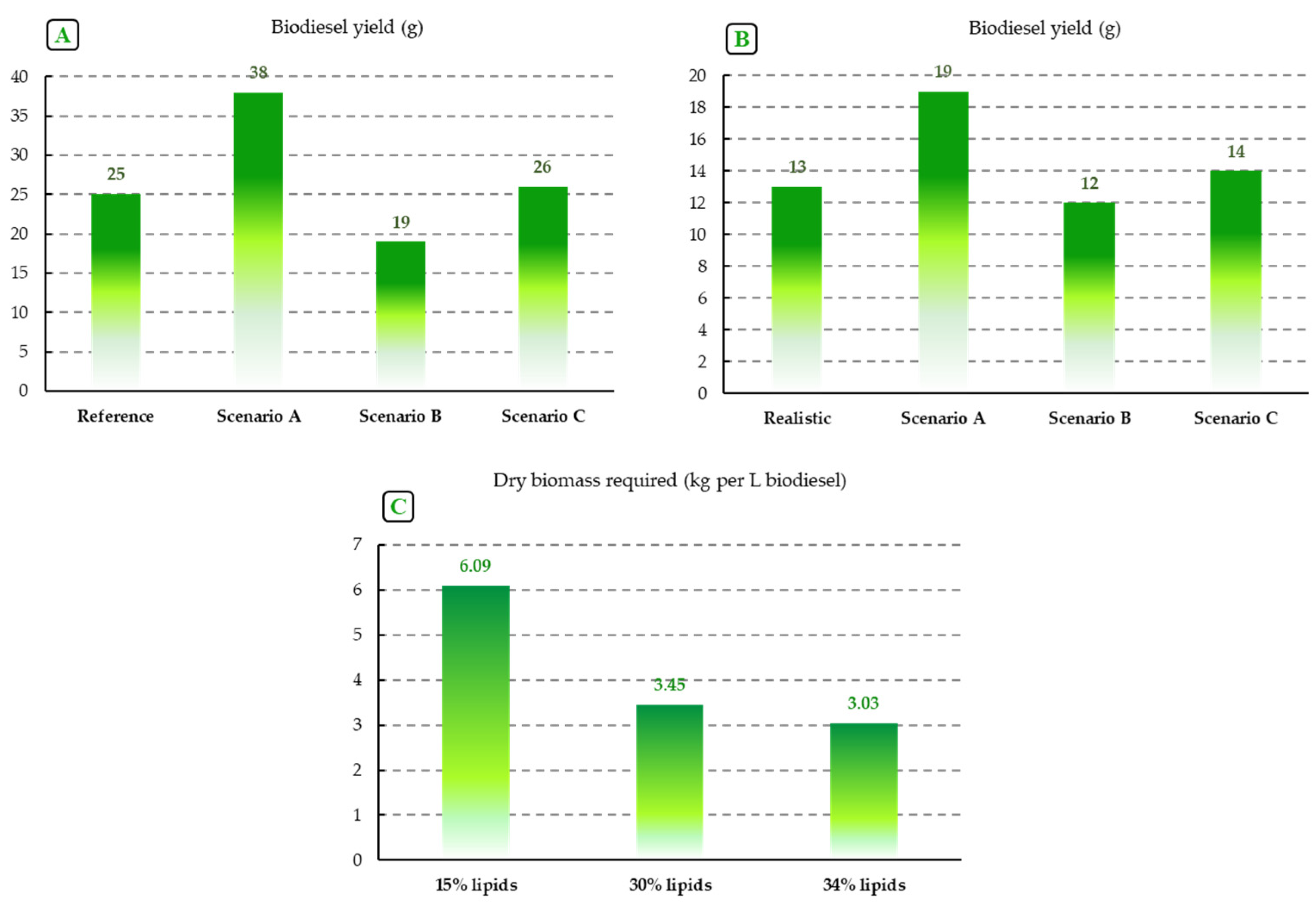
To illustrate the real-world impact of improvements in microalgae cultivation on final biodiesel yield, simplified numerical examples are presented using representative values compiled from the literature and summarized in Figure 3. The baseline case assumes a biomass production of 100 g (dry basis) with a lipid content of 30%, corresponding to the average value reported in the studies included in Table 3 (Figure 3A). In addition, a conservative baseline was also considered, assuming a lipid content of 15% (Figure 3B), representing non-ideal or less lipid-enriched cultivation conditions. This assumption was adopted because lipid contents reported in the literature vary widely across species and cultivation regimes, ranging from values below 20% under non-optimized conditions to more than ~25–50% of dry weight in selected strains and stress-induced laboratory conditions [42,62,63].
Initially, both reference and realistic scenarios clearly indicate that realistic improvements in biomass productivity or lipid content translate into only marginal gains in final biodiesel yield. While increasing biomass (Scenario A) can raise absolute biodiesel production, this comes at
the cost of higher energy and operational demands, as larger volumes of crops need to be harvested and processed. On the other hand, strategies aimed at increasing lipid accumulation (Scenario B) generally reduce biomass formation, resulting in equal or even lower fuel yields. Even when both approaches are combined (Scenario C), the intrinsic trade-offs between cell growth and lipid storage limit the net gain to less than 1 g of biodiesel compared to the reference or realistic case. Overall, these results
demonstrate that incremental crop optimizations, by themselves, are insufficient to overcome the structural limitations of biodiesel production from microalgae.
Thus, obtaining significant volumes of biodiesel fundamentally depends on substantial and sustained gains in biomass productivity, and not on isolated adjustments to cultivation conditions. As illustrated by the dry biomass required to obtain 1 L of biodiesel, modest increases in lipid content (30–34%) translate into only marginal reductions in biomass demand, while adopting a more realistic lipid content (15%) substantially increases the amount of biomass required per unit of fuel.
Therefore, the theoretical gains obtained in the cultivation phase rarely result in substantial increases in the final product, remaining insufficient to meet the requirements of scale and industrial competitiveness. Although simplified, these numerical examples are not intended to reproduce full
industrial cultivation systems. Instead, they serve as analytical illustrations of how the interaction between biomass productivity and lipid content constrains final biodiesel output, even before additional large-scale penalties such as seasonal variability, culture instability, and downstream
inefficiencies are considered [14,15,63,64,65].
Figure 3.
Illustration of biodiesel yields obtained under different cultivation scenarios. (A) Scenarios based on the mean lipid content reported in the literature (30%). (B) Equivalent scenarios assuming a more realistic lipid content (15%). (C) Dry biomass required to produce 1 L of biodiesel at different lipid contents (15, 30 and 34%).
The higher estimates of productivity per hectare derive from optimistic assumptions regarding lipid content and areal productivity. In contrast, sustained experimental performances, reported for open-field cultivation systems or relevant to pilot projects, are substantially more modest. Recent evidence includes a meta-analysis of 53 outdoor studies, which report an average biomass productivity of 11 g m−2 d−1, with only 6% of observations exceeding 25 g m−2 d−1, as well as long-term National Renewable Energy Laboratory (NREL) benchmarks for outdoor crops, which show annual averages of 18.6 g m−2 d−1 in fiscal year 2022 and 16.7 g m−2 d−1 in fiscal year 2023 [66]. Although these biomass-based values are not directly equivalent to oil yield expressed in L ha−1 year−1, they provide an experimental context demonstrating that sustained large-scale performance remains well below the most optimistic theoretical expectations [67,68].
Consequently, the contrast between the expanded theoretical potential based on hectares and the experimentally sustained outdoor productivity reinforces the idea that the so-called “microalgae hectare” remains, to date, largely a theoretical construct (Box 2).
Box 2. The impossible hectare: yield comparison.
Even considering the high photosynthetic efficiency of microalgae, the actual oil yield per hectare remains substantially lower than the values frequently cited in theoretical works. Under idealized assumptions (for example, lipid contents of ~30%, frequently reported under laboratory or stress-induced conditions for Nannochloropsis spp., C. vulgaris, and Scenedesmus obliquus), theoretical projections suggest that microalgae could reach up to 58,700 L of oil ha−1 year−1 [28]. This value should be interpreted as a theoretical oil projection based on favorable assumptions of lipid content and areal productivity, rather than as an effective industrial biodiesel yield. In comparison, conventional oilseeds produce approximately ~446 L ha−1 year−1 (soybean) and ~5950 L ha−1 year−1 (palm oil) [69].
When the reference parameters are restricted to performance in open cultivation, the scenario changes. The state-of-the-art assessments report lipid productivities of approximately 13,000–19,000 L ha−1 year−1, with a harmonized baseline around 12,000 L ha−1 year−1 [15,68]. These values represent nominal hectare-based oil productivity estimates reported in the literature for open-cultivation systems and are used here as reference benchmarks rather than direct predictions of final fuel output. As harvesting, extraction, and conversion efficiencies are explicitly <100%, actual fuel production is necessarily lower than these nominal values [70]. In parallel, sustained microalgae biomass productivity in open-air lagoons typically remains around 20–30 t ha−1 year−1 and rarely exceeds ~47 t ha−1 year−1 under realistic conditions [13], which explains why “tens of thousands of liters per hectare” is not a robust expectation for continuous and scalable fuel production. A simple comparison of areas may, in principle, favor microalgae: the production of 10,000 L of oil would require approximately 22 ha of soybeans and 1.7 ha of palm, while high-performance algae systems could require a substantially smaller area when approaching reference parameters. This area comparison is therefore illustrative and based on gross oil yield per hectare, not on fully adjusted biodiesel output after downstream losses.
Accordingly, these hectare-based comparisons should be interpreted as illustrative scaling references rather than predictive industrial outputs, because real systems are additionally constrained by seasonal variability, incomplete downstream recovery, infrastructure intensity, and process instability under large-scale operation [13,15,59,71,72]. The crucial point, however, is that this land-use advantage is acquired at the cost of higher energy demand, operational complexity, and capital intensity per hectare, so that land-use efficiency does not directly translate into economic competitiveness in a scenario where fuel is the main energy source.
Compared with soybean and palm oils, microalgae can present much higher nominal oil productivity per hectare. However, soybean and palm oils perform more favorably in terms of supply chain maturity, harvesting and extraction infrastructure, and large-scale commercial integration. In contrast, microalgae perform less favorably in terms of process simplicity and industrial robustness, because cultivation typically occurs in dilute suspensions and depends on intensive process control, substantial water handling, and energy- and capital-intensive downstream operations, including harvesting, drying, cell disruption, and lipid recovery [10,23,38,73,74,75,76]. This difference becomes particularly evident when theoretical hectare-based oil yields are contrasted with the lower sustained biomass productivities and the stronger downstream penalties reported for open and pilot-scale algal systems [13,15,68,71,72]. Therefore, hectare-based productivity alone is insufficient to demonstrate the industrial competitiveness of microalgae biodiesel.
Thus, the concept of “microalgal hectare” remains, to a large extent, a theoretical construct. Biorefinery strategies aim to improve viability through the co-production of lipids with higher-value-added compounds (for example, carotenoids, omega-3 fatty acids, proteins, and phytosterols) [70], but they do not eliminate the fundamental limitations of large-scale outdoor cultivation, including operational instability and high capital intensity.
4.2. The Challenge of the Biomass Productivity–Lipid Productivity Trade-Off?
The limitations already observed in oil productivity in microalgal systems stem from a fundamental physiological conflict: the simultaneous achievement of high cell growth rates and high lipid content [62,63,64,65,77]. The conditions described that favor lipid accumulation, such as nutritional stress, especially nitrogen limitation, induce metabolic redirection towards carbon storage in the form of triacylglycerols. This redirection, however, occurs at the expense of cell division, resulting in a sharp drop in total biomass and, consequently, in the final oil yield per unit area [16,28,32,62,65]. This is because cell division in microalgae involves intense mitotic activity, with high energy and nutrient consumption for the synthesis of proteins, nucleic acids, and structural components of the new cells. Under these conditions, the fixed carbon is mainly directed towards biomass expansion, and not towards energy storage. Under nutritional stress, cell cycle progression is slowed or interrupted, reducing the rate of cell division and promoting the redirection of carbon metabolism towards the synthesis and accumulation of triacylglycerols as a form of reserve [42,78].
Conversely, growth-promoting conditions tend to dilute the lipid fraction by allocating carbon primarily to new biomass formation. As a result, both variables rarely increase concomitantly, and the final product (biomass × lipid content) remains structurally limited. This physiological limitation is reflected in the wide variation in lipid content observed among different microalgae species (Table 3), showing that high percentage values do not necessarily imply greater areal oil productivity, especially when associated with low cell densities or unstable growth.
Table 3.
Lipid content of different microalgae species.
For example, a strain with a high lipid content (38%) but reduced biomass productivity (15 t ha−1 year−1) would produce approximately 5.7 t of lipids ha−1 year−1. In contrast, a strain with a moderate lipid content (25%) but higher biomass productivity (30 t ha−1 year−1) would reach about 7.5 t of lipids ha−1 year−1. This simple comparison demonstrates that higher lipid percentages do not necessarily translate into higher oil yields per area: under cultivation constraints, biomass productivity exerts stronger control over final production than lipid content alone [42,80]. This behavior is not merely an artifact of the numerical example, but reflects a well-established physiological relationship between cell growth and lipid accumulation in microalgae.
In this sense, maximum physiological photosynthetic efficiency and maximum triacylglycerol accumulation rarely occur under the same environmental conditions. High photosynthetic efficiencies are achieved under stable growth regimes and adequate nutrient availability, while significant lipid accumulation occurs predominantly under prolonged stress conditions, especially due to nitrogen limitation [62]. In a classic study with Scenedesmus obliquus, it was found that the real productivity of triacylglycerols increased from approximately 2.1 to 10.9 g m−2 day−1 under nitrogen deprivation. However, this increase was accompanied by a progressive reduction in photosynthetic efficiency and growth rate, limiting the productive sustainability of the system over time [62,81].
Similarly, high lipid content values frequently reported for genera such as Chlorella spp., Nannochloropsis spp., and Neochloris spp. are associated with cultivation under severe stress, in which the percentage of lipids increases, but maintaining high cell densities becomes unfeasible for prolonged periods. This dissociation between relative lipid content and effective oil production is one of the main factors responsible for the low conversion of laboratory potential into industrial performance (Box 3).
Box 3. Why microalgae do not compete economically with oilseeds.
Despite the theoretical potential often attributed to microalgae for achieving exceptionally high oil yields per area, accumulated empirical evidence and techno-economic evaluations consistently indicate a substantial gap between laboratory-scale performance and industrial reality. Under realistic operating conditions, effective productivity remains limited and does not reliably surpass that of established oilseed crops. This discrepancy stems not only from biological constraints but also reflects systemic inefficiencies associated with cultivation stability, harvesting, and subsequent processing steps, such that projected advantages at the photosynthetic level rarely translate into competitive fuel production at scale (Figure 4).
From an operational standpoint, this asymmetry becomes even more evident. Soybean and palm oil-based supply chains exhibit a high degree of industrial consolidation and production predictability, while microalgae systems remain technologically immature: open cultivation is highly susceptible to contamination, while closed systems demand expensive infrastructure and high energy consumption for harvesting and cell disruption. This lower operational robustness increases costs and uncertainties throughout the chain. Thus, despite the high photosynthetic efficiency and frequently reported theoretical potential, the economic obstacle remains associated with low achievable productivity and high downstream costs. In this context, the central limitation lies not only in lipid synthesis but also in the inability to convert physiological gains into sustainable economic value. Strategies based on the generation of co-products offer a partial mitigation route by distributing the value of biomass among different industrial chains; however, in the current state of the art and in the absence of high-value-added co-products, microalgae-based routes do not achieve cost competitiveness compared to conventional oilseed crops or fossil diesel. These limitations highlight a structural weakness in the production system, indicating that the economic bottleneck for microalgae extends throughout the entire industrial conversion chain, and is not limited to the cultivation stage.
Figure 4.
Simplified numerical illustration of biodiesel yield under different conditions and raw materials (A) and the production cost associated with the dry biomass needed to obtain 1 L of biodiesel (B). Adapted from [14,64,69,77,82,83].
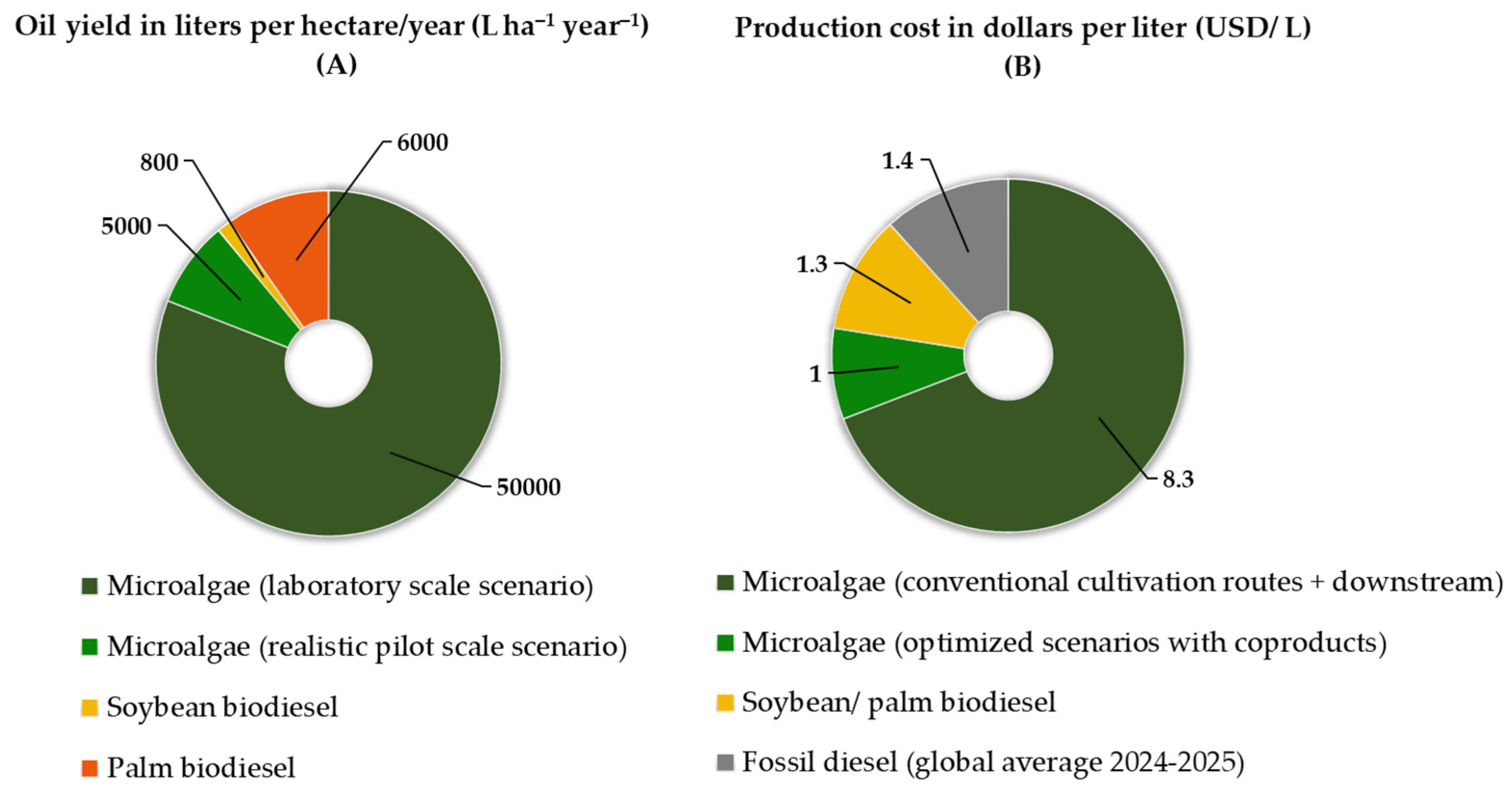
The adoption of integrated production systems, based on the valorization of co-products, can partially mitigate the economic limitation associated with low lipid yield [84,85,86,87]. Studies reveal that it is possible to reduce the cost by approximately USD 0.36 to 0.54 L by allowing the dilution of cultivation and processing costs among different value streams [25,33,88]. However, this strategy does not eliminate the bioenergy bottleneck or the downstream structural costs, since lipid extraction from microalgae continues to require energy- and input-intensive steps due to intracellular compartmentalization and the high resistance of the cell wall [4,27,89]. Thus, although co-products can improve the overall economic viability of the biorefinery, they do not, by themselves, convert microalgae biodiesel into an energy-competitive route.
4.3. The Battle for the Oil Drop: Extraction as a Second Critical Bottleneck?
As presented, the literature recognizes the low volumetric productivity of biomass and lipids as the main bottleneck; however, even considering technological advances or theoretical scenarios without these limitations, microalgal biodiesel production remains economically unviable [63,90,91]. This is because the problem is not only the quantity of oil available, but also a second structural bottleneck in the microalgae-based fuel production chain, which is frequently underestimated in initial analyses: where the oil is located and how to extract it [73,74]. However, this bottleneck is far from being merely operational, going beyond the challenges of cultivation and harvesting; it results from a set of biostructural, thermodynamic, and process engineering constraints, which translate into a true conceptual breaking point.
In terrestrial oilseed plants, their reserve lipid content is located in specialized tissues, where their storage structures are anatomically and structurally accessible. In crops such as soybeans (Glycine max), lipids are mainly accumulated in the form of triacylglycerols (TAGs) and organized in different subcellular compartments. In the cytosol compartment, lipid droplets are called oleosomes, spherosomes, or oil bodies, and the other compartment consists of plastoglobules located inside the plastids. This anatomical organization allows for extraction without intensive cell disruption, resulting in lower energy demand and downstream costs (Box 4).
Box 4. Does lipid extraction harm the economic viability of microalgae biodiesel?
Although much progress has been made regarding the stages of cultivation, strain selection, and chemical conversion, techno-economic analyses and life cycle assessments focus on lipid extraction as the inflection point for the economic unviability of microalgae biodiesel production. Studies indicate that approximately 30–40% of the total production cost corresponds to harvesting, cell disruption, extraction, and refining stages [92].
Even in the most optimistic scenarios of productivity and conversion efficiency, the sales value of one liter of microalgal-based biodiesel would reach around USD 2.5 to 6.0 L. These values serve as technical-economic estimates based on the literature, under specific process assumptions. In particular, they reflect scenarios with favorable cultivation and conversion performance, but still include the cost of subsequent operations necessary to recover intracellular lipids. Compared to biodiesel from terrestrial oilseeds or fossil diesel, the values are significantly higher [4,30,93]. Thus, they aim to serve as a benchmark economic indicator, highlighting the order-of-magnitude disadvantage of microalgae biodiesel under current technological conditions. This is because additional unit operations, with high energy demand, are required to access the lipids stored intracellularly [74,89].
From an energy standpoint, the return on investment (ROI) remains below one for microalgae-based biodiesel, especially when considering the application of technologies such as bead milling, ultrasound, or microwaves [59,76]. Thus, the energy used for lipid extraction and recovery may even exceed the energy value of the biodiesel itself, compromising the performance of the system as a whole. Furthermore, these assumptions are also corroborated by life cycle assessments, which demonstrate that the extraction stage is the main contributor to energy demand and global warming footprint [12,59].
However, the gains presented are the result of specific, limited, laboratory or pilot analyses, and have not yet translated into high-cost or energy-demand improvements on a large scale [4,73,94]. Thus, as long as microalgae lipid extraction is destined to overcome cellular barriers through energy- and capital-intensive operations, microalgal-based biodiesel production will remain economically unproductive. Above all, in situ transesterification technologies and the use of alternative solvents are some of the proposals that can reduce the number of steps, but further research is needed to determine if they are, in fact, the best alternative for the production of biodiesel derived from microalgae.
Both structures are similar to each other, being characterized by a single layer of phospholipids derived from the endoplasmic reticulum or thylakoid membranes. It is this layer that provides the necessary stability for storing the lipid content in the soybean grain, for example, and allowing its efficient mobilization during the development and germination stages of the seeds [95,96,97]. As illustrated in Figure 5A, vegetable oil is stored in specialized tissues, while in microalgae it is stored and dispersed intracellularly with protection from multiple barriers. Due to the organization of the plant structure and more accessible triglycerides, the extraction of oil from soybeans and other terrestrial oilseeds can be carried out by relatively simple processes, such as mechanical pressing and solvent extraction, with high industrial efficiency [98].
Figure 5.
Lipid storage structures in oilseed plants (A) and microalgae (B). TAGs: triacylglycerols; LD proteins: Lipid Droplet proteins.
Microalgae, in turn, exhibit a substantially different lipid storage system. In these cells, lipids are accumulated exclusively intracellularly, in lipid droplets, dispersed in the cytosol, and most often associated with the chloroplast, being protected by resistant walls (Figure 5B). This formation of lipid reserves is mostly due to physiological responses to environmental or nutritional stress, such as nutrient deprivation, temperature, and light during cultivation [97]. These differences in lipid storage structures between microalgae and terrestrial oilseed plants are the basis for explaining why oil extraction constitutes a structural, and not just technological, challenge in relation to microalgae, as discussed conceptually in Box 5 [99].
Box 5. Why is it so difficult to extract oil from microalgae?
Obstacles to lipid extraction from microalgae are not limited to process efficiency barriers. A fundamental difficulty lies in the biological logic of lipid storage, which differs markedly between microalgae and terrestrial oilseed plants. In higher plants, lipids accumulate in specialized storage tissues, so oil recovery essentially boils down to separating the product from a macroscopic matrix. In microalgae, on the other hand, lipid accumulation is typically a temporary physiological response to stress, occurring within protected cells, not in specific tissues [91,95,97].
This biological contrast is reflected in industrial performance parameters. In soybean processing, mechanical pressing generally yields around 12–14% oil, which corresponds to the recovery of approximately 67–78% of the total oil present in the seed, and typically leaves 4–6% residual oil in the press cake [75,100]. In comparison, hexane solvent extraction achieves a substantially higher recovery (≈95%), resulting in residual oil contents of less than 1% in the meal [100]. For microalgae, even when cell disruption-assisted routes are applied, reported lipid extraction efficiencies generally range from 50 to 80% and remain highly dependent on the strain and method, with substantial variability between technologies [101,102,103].
From a process engineering perspective, this means that oil extraction from terrestrial oilseed plants generally involves seed preparation steps such as cleaning, dehulling, grinding, and flaking, prior to solvent extraction and solvent recovery/distillation [75]. In contrast, microalgae extraction requires access to intracellular lipids through complete or partial cell disruption. Consequently, lipid recovery from microalgae typically adds multiple-unit operations—such as harvesting and dehydration, cell disruption, physical or chemical pretreatments, phase separation, solvent recovery, and additional refining steps—regardless of the technological route selected [74,89].
Furthermore, the wide diversity of microalgae cell wall architectures—polysaccharide-rich matrices, crystalline glycoprotein structures, and siliceous frustules—prevents a universal disruption strategy. As a result, specific approaches for each taxon are often necessary, increasing technical complexity and restricting economies of scale [89,104]. This also increases energy and operational costs, since improved lysis methods and alternative solvents generally require additional inputs and more stringent process control [63,76].
From a systems perspective, these biological obstacles limit the economic viability of microalgae lipid extraction. The structure of microalgae cells creates a persistent divergence between cell biology (stress-induced intracellular storage behind robust walls) and the requirements for a low-cost, high-efficiency industrial process [63,97].
However, the cell wall composition in microalgae is quite variable. Green, red, and brown algae have cell walls composed of a fibrillar polysaccharide structure associated with a polysaccharide/protein matrix; volvocalean green algae have cell walls of crystalline glycoproteins; and diatoms have cell walls with silica [104]. Due to these disparate cellular characteristics, lipid extraction from microalgae requires a variety of additional complex and energy-intensive steps, including cell disruption, solid–liquid separation, extraction itself, and refining. Another factor that determines the technical, economic, and environmental viability of microalgal biodiesel is the choice of strains.
The choice of strains with unfavorable cellular attributes contributes to increased costs and energy demand. This reinforces the need for the integration of co-production systems before the use of residual biomass for the production of energy products [26,105]. Together, these steps represent one of the fundamental points for enabling the large-scale production of microalgal biodiesel [89]. Thus, it becomes necessary to employ processes such as mechanical lysis (bead milling and homogenization), the use of solvents (hexane, ethanol, and supercritical CO2), and the application of energy pretreatments (ultrasound, microwaves, and cryotrituration) [73,89,93,106,107]. In the case of using ultrasound on the microalga Scenedesmus obliquus, [108] demonstrated in the laboratory that the use of this technique resulted in a higher lipid yield when applied for 15 min at an intensity of 40 kHz. Even so, despite the diversity of approaches, these technologies still lack simultaneous energy efficiency, oil stability, and economic viability on a large scale.
Following exposure to and access to lipids, as described previously, transesterification (direct or indirect) constitutes the final step in biodiesel production from microalgae. In the application of direct (in situ) transesterification, the oil is transformed into fatty acid methyl esters (FAMEs) concurrently with the extraction step, without disturbing the microalgae cells, where methanol and acidic/alkaline/enzymatic reagents react with the wet/dry biomass. In this way, the use of solvents, energy, and reaction time is reduced [4,94]. In situ transesterification performed with the microalga C. vulgaris at 60 °C, using n-butanol and methanol as solvents, showed high yields of fatty acid esters (96.9% by dry weight) in a reaction time considered short (25–35 min) [109]. Although this technology reduces the number of unit steps in microalgae biodiesel production, it does not eliminate the structural barrier of cell walls, it only transfers the problem to another step. Indirect transesterification, on the other hand, requires cell disruption and lipid extraction before the transesterification process. In this way, lipids are transformed into alkyl esters using catalysts at 60–70 °C. Indirect transesterification can employ homogeneous or heterogeneous acid, a base, or a biocatalyst [4,31].
Despite the structural bottlenecks highlighted earlier, the integration between sustainability and economic forecasts to achieve microalgal-based biodiesel production has, so far, been frustrating. Life cycle assessment and energy balance studies show that the net energy balance is largely negative. However, this is characterized according to the energy scenario considered, which directly compromises the expected ecosystem services [12,59]. Furthermore, as already mentioned, the use of solvents for lipid recovery and cell lysis operations is energy-intensive, also resulting in a larger environmental footprint of the process [4]. Regarding the economic aspect, techno-economic evaluation studies concluded that the minimum selling cost of a lipid-based fuel is several times higher when compared to conventional biofuels or those derived from terrestrial oilseeds. The degradation stage accounts for 30–40% of the total cost of microalgae-based biofuel production [92]. While lipid extraction is challenging and relies on energy-intensive operations to overcome cellular barriers, microalgal-based biodiesel production will remain limited to experimental niches, despite advances in the cultivation process.
From this, the consolidation of competitive microalgae-based biodiesel production still requires several disruptive technological advances in terms of increasing productivity and reducing energy consumption, mainly in the harvesting and extraction stages. At this moment, the viability of the system seems to be contingent on the integration with value chains, allowing the economic use of co-products such as β-proteins, pigments, and nutraceutical compounds. For now, while such structural transformations are not carried out, the economic viability and global sustainability of microalgal biodiesel production remain limited.
However, the interaction between the microalgae’s lipid profile, free fatty acid content, biomass moisture content, and extraction and reaction conditions is a parameter that varies disparately between species and methods, resulting in different FAME yields [103]. The oxidative stability of microalgae-based biodiesel shows low oxidation stability during storage, given its composition rich in polyunsaturated fatty acids. Therefore, the physicochemical properties of microalgae-based biofuels can deteriorate over time, contributing to the failure to meet durability specifications without the use of antioxidant additives or rigorous control of storage conditions [26]. Furthermore, the fatty acid composition alters the viscosity characteristics and cold flow properties (such as cloud point and pour point) of the biodiesel. The presence of higher levels of saturated fatty acids increases viscosity and crystallization points, while higher levels of unsaturated fatty acids improve low-temperature performance [110]. Finally, the performance of microalgae biodiesel blends in internal combustion engines is comparable to that of fossil diesel in terms of power and specific fuel consumption, as well as in the reduction in carbon monoxide (CO) and unburned hydrocarbon (HC) emissions. However, more critical assessments are needed regarding nitrogen oxide (NOx) emissions and differences in thermal efficiency, as well as the compatibility of the fuel with standard materials and injection systems [103]. Overall, the quality of microalgae-based biodiesel is not the main technological obstacle, but rather the pre-recovery and biomass conversion stages. In this context, it is essential to examine not only the quantity of biodiesel that can be produced, but also whether its characteristics are aligned with operational standards and requirements.
4.4. Are Current Microalgae Lipid Profiles Enough for High-Performance Microalgae Biodiesel?
The characteristics of microalgae biodiesel specify a limiting factor in its predictions, since it is not enough to demonstrate scalability: the fuel needs to meet regulatory specifications (for example, ASTM D6751 [111], EN 14214 [112], ANP 45/2014 [113], and Australian standards [114]), just as is the case with fossil diesel and conventional vegetable biodiesel [115]. From a technical standpoint, these characteristics are mainly determined by the fatty acid profile of the biomass, directly linked to the cetane number, oxidative stability, and cold performance [116]. This is because saturated fatty acids generally improve the cetane number and oxidative stability, but worsen cold flow properties, while polyunsaturated fatty acids improve flow at low temperatures, but reduce oxidative stability. Therefore, microalgae oils richer in monounsaturated fatty acids are often considered more suitable for biodiesel production [117]. Thus, parameters such as cetane number (CN), iodine value (IV; degree of unsaturation), and cold filter plugging point (CFPP) are widely used as key indicators of the operational suitability of the fuel [4].
In terms of regulations, EN 14214 establishes a minimum cetane number of 51 and a minimum oxidative stability of 8 h (at 110 °C), while ASTM D6751 adopts a minimum CN of 45; in Brazil, for example, ANP 45/2014 requires a minimum oxidative stability of 8 h and control of the CFPP according to seasonal conditions [118,119,120]. These limits are not merely formal, since the cetane number governs the ignition delay in the diesel engine, directly influencing combustion stability, thermal efficiency, and CO, HC, and NOx emissions [121]. Recent experimental evidence confirms this function, showing that biodiesel and its blends with the CN in the normative range (~52–54) exhibit less ignition delay and measurable improvements in thermal efficiency, power, and CO and HC emissions compared to fuels with a lower CN [122]. Fuels with insufficient CN content, in turn, exhibit greater ignition delay and more abrupt combustion, compromising performance and environmental compliance [123]. In this sense, meeting standards is not only a regulatory requirement but also a technical requirement for proper functioning.
In practice, this prediction can be demonstrated experimentally, although heterogeneously, among species. Even with high variability, studies with cyanobacteria and green microalgae report high cetane numbers, moderate-to-low iodine values, and compatible performance under controlled conditions [124]. A similar trend has been reported for C. vulgaris, who’s estimated and/or measured properties remain within regulatory limits [125]. In summary, high quality is technically achievable—with high ester content (EC) and performance comparable to conventional biodiesels—however, this is far from being intrinsic to the system, depending heavily on the species and cultivation regime [126].
In microalgae, conditions that favor lipid accumulation often alter the balance between saturated, monounsaturated, and polyunsaturated fatty acids, thereby altering the properties of the resulting biodiesel [127]. Saturated fractions increase concentration and oxidative stability, but, in excess, they compromise cold fluidity, while polyunsaturated fractions tend to improve performance at low temperatures, at the cost of amortizing the CN and increasing susceptibility to oxidation during storage [26]. Consequently, some species converge towards lipid profiles equivalent to those of more saturated/monounsaturated oils (analogous to palm oil), while others approach highly polyunsaturated matrices (analogous to soybean or linseed) [128]. In this context, it is not surprising that strains such as Scenedesmus sp. and Chlorella sp. frequently produce biodiesel with a higher CN and lower unsaturation, while species rich in eicosapentaenoic acid (EPA) exhibit a greater propensity for auto-oxidation—a behavior consistent with that observed in more unsaturated plant-based biodiesel (Table 4) [129].
Table 4.
Key properties of biodiesel produced by different genera of microalgae, compared to conventional biodiesel and diesel.
This dilemma—between the accumulation and preservation of the lipid profile—becomes evident when considering certain cultivation strategies: nitrogen restriction, used to increase triacylglycerols (TAGs), can reduce long-chain polyunsaturated fatty acids and increase saturation, raising the nitrogen content—but risks impairing performance at low temperatures if saturation increases too much [16]. In summary, maximizing yield without considering the lipid profile leads to counterproductive optimizations. In practice, a recurring tension arises between quantity (oil content/productivity) and quality (biodiesel properties), requiring integrated cultivation design and strain selection to reduce the cost of this trade-off.
Some strategies include strain selection, genetic engineering, and directing metabolism towards more standardized profiles, for example, favoring monounsaturated fatty acids (C18:1) over more unstable polyunsaturated fatty acids [61]. Tools such as CRISPR/Cas9 and metabolic pathway engineering have already demonstrated significant increases in lipid accumulation in different microalgae [137]. In parallel, controlled cultivation (photobioreactors) allows the modulation of light, temperature, CO2, and nutrients, enabling two-phase strategies (growth; stress) to increase biomass and induce lipogenesis without altering unsaturation to undesirable levels [138].
Even when the profile appears favorable (CN and energy density are often higher than terrestrial oilseed biodiesels), this does not eliminate the central problem: technically feasible is not synonymous with feasible on a large scale [3]. Engine tests and performance/emission assessments with blends indicate feasibility under specific conditions, but economic scalability remains a bottleneck [137].
Therefore, a more pragmatic (and less idealized) approach has been proposed to overcome these limitations through blending strategies, additives, and post-processing adjustments. Blending different oils can modulate the saturation/unsaturation ratio to achieve a better balance between cetane number, oxidative stability, and cold flow properties [139]. In practical applications, microalgae biodiesel has also been evaluated in blends with petroleum diesel, with studies reporting B20 conditions as well as higher biodiesel fractions up to B100 for experimental comparison. However, no single blending ratio can be considered universally optimal, since the most appropriate proportion depends on whether the final fuel meets the required physicochemical and engine performance criteria [140,141]. In addition, post-processing, structural adjustment, and predictive modeling approaches have also been investigated to reduce the oxidation susceptibility of more unsaturated biodiesels [142].
In summary, microalgae offer genuine potential for producing high-quality biodiesel; however, a central constraint persists: efforts to maximize lipid productivity tend to drive fuel properties toward opposing extremes—either excessive saturation, which compromises cold flow performance, or high unsaturation, which reduces oxidative stability. Although scientific advances have spanned metabolic engineering, cultivation strategies, and fuel chemistry (blending), a fundamental limitation remains: as long as microalgal systems fail to simultaneously meet regulatory specifications and market competitiveness, the debate will remain largely technical rather than industrial.
4.5. Does Microalgae Biodiesel Offer a Climate Advantage?
Microalgae biodiesel is often justified based on climate change mitigation; consequently, its claimed advantage is typically framed in terms of greenhouse gases (GHGs) and carbon dioxide (CO2). The microalgae biodiesel route already presented is based on a set of theoretical advantages—high photosynthetic rate and lipid productivity, and cultivation in wastewater and on non-arable land, as well as direct CO2 capture—potentially minimizing competition with food [27]. In principle, this would suggest a reduction in GHG emissions and savings in arable land. However, in current practice, this potential is systematically counterbalanced by high costs and impacts (Figure 6). In particular, recent reviews emphasize the CAPEX/OPEX trade-offs and the high energy expenditures concentrated in cultivation, drying, and biomass extraction [143].
Wet biomass processing has been widely investigated in the microalgae biodiesel literature as an alternative to conventional dry biomass extraction, mainly because it can avoid the high energy penalties associated with drying and reduce solvent demand in downstream operations. Life cycle-based comparisons of wet and dry processing further show that wet biomass scenarios with minimal solvent demand can markedly improve environmental performance and, in some cases, act as energy-saving configurations, whereas conventional solvent-based routes remain penalized by high energy demand and GHG emissions. For example, Huang and collaborators [144] reported GHG emissions of −10.37 g CO2eq for a wet biomass route versus 265.24 g CO2eq for a dry biomass route, identifying solvent use as a major driver of environmental impact. Likewise, Leong and collaborators [59] found that solvent extraction accounted for 88–90% of downstream energy demand, reducing the overall net energy ratio (NER) to 0.14–0.23 despite positive upstream energy performance. Thus, some optimized configurations may improve the GHG profile of microalgae biodiesel, but these gains do not necessarily translate into a favorable energy balance, because cultivation and downstream processing remain highly energy intensive [59,144].
Figure 6.
Comparison between biodiesel and fossil diesel production routes regarding the intensity of greenhouse gas emissions (kg CO2eq/kg of biodiesel) and total energy consumption in processing (MJ/kg). Adapted from [145,146,147,148,149,150,151].
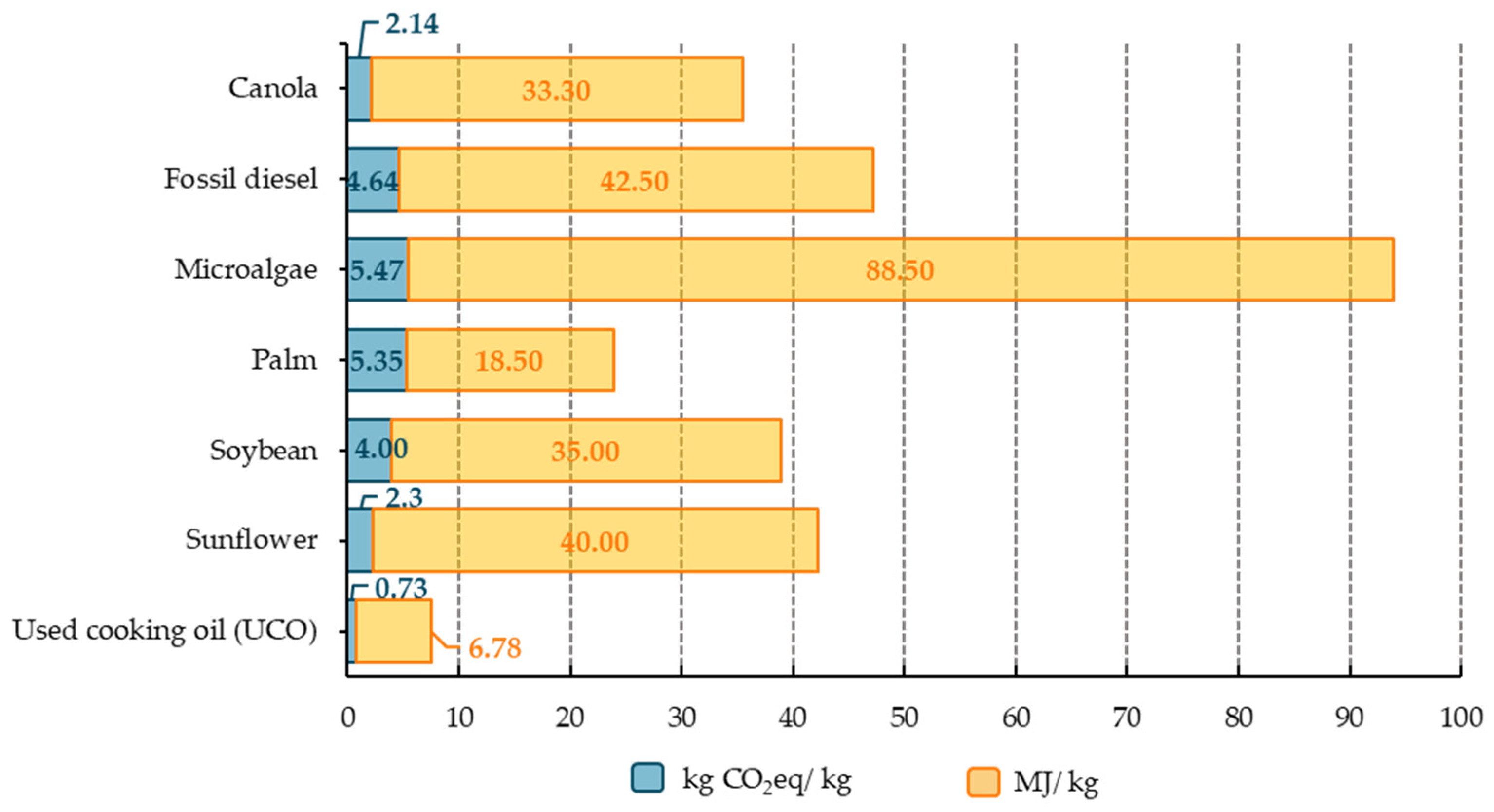
Compared to conventional routes, the results remain heterogeneous across studies, system boundaries, and production scenarios. Although algae biodiesel avoids direct deforestation, life cycle assessment (LCA) studies frequently report greenhouse gas (GHG) emissions similar to—or even higher than—those associated with traditional feedstocks. Conventional oilseed crops, such as soybean and sunflower, are associated with extensive land occupation and agricultural inputs, resulting in significant eutrophication and acidification impacts. However, their GHG performance varies substantially depending on land-use change assumptions. In a comparative LCA, the isolated palm route presented a negative carbon balance (−3.43 t CO2eq/t), whereas a mixed soybean/rapeseed/olive route generated +9.89 t CO2eq/t, mainly attributed to soil conversion effects [152]. Consequently, biodiesel derived from used cooking oil and other residues tends to exhibit lower GHG footprints than palm oil- and soybean-based routes, while microalgae-based biodiesel has not yet consistently demonstrated emission advantages over these consolidated pathways [153].
The crucial point is that, even when eliminating direct emissions from land-use change, because it can operate in non-agricultural areas or industrial environments, the carbon intensity remains high when considering the energy required for cultivation, harvesting, and processing. On a pilot scale, values exceeding 100 g CO2eq/MJ have been reported—even surpassing fossil diesel—while more optimized laboratory scenarios are in the range of 25–40 g CO2eq/MJ, still comparable to conventional biofuels [154].
In this context, recent evidence indicates that environmental hotspots remain concentrated in cultivation, harvesting, and, particularly, drying stages, even when carbon sequestration potential is identified within the life cycle. Although cultivation in wastewater can reduce part of the environmental burden and operational costs, this strategy often shifts impacts toward increased electricity demand during separation and dewatering processes [155]. This contrast exposes the gap between potential and reality: in the laboratory, microalgae can theoretically present higher oil productivity per hectare than crops [27], but simulations with realistic data indicate that the technology is still far from ideal. Rafiq and collaborators [156] showed that, even when incorporating CO2 capture and process gains, algae biodiesel—with all the cultivation and processing infrastructure—can generate more emissions than fossil diesel. Life cycle assessment (LCA) analyses consistently reveal that the GHG (greenhouse gas) intensity per MJ of algae biodiesel remains close to that of conventional soy- and palm oil-based biodiesels, demonstrating that the high biological potential does not translate, under current pathways, into an effective climate advantage [157].
Even in alternative cultivation systems (such as biofilms, which increase biomass concentration), the transesterification route may remain penalized by intensive use of chemicals and/or drying, while only specific configurations (for example, hydrothermal liquefaction conversion under certain conditions) appear as candidates for net environmental gains; this reinforces that the problem is not the biological promise itself, but the engineering and design of the process [158].
Furthermore, it is important to recognize that environmental performance is not defined solely by climate change. More comprehensive life cycle assessments (LCAs) show that microalgae-based systems can distribute impacts across categories such as eutrophication, acidification, and toxicity, depending on the nutrient source, effluent integration, energy matrix, and subsequent chemicals and solvents used. For example, recent comparative evidence reports increases of approximately 93–99% in freshwater eutrophication and 61–70% in terrestrial acidification compared to a fossil feedstock, along with similarly high ecotoxicity impacts [12]. Similarly, multi-product assessments highlight that production pathway choices can heavily penalize non-climate categories: configurations that prioritize fuel production can expose freshwater eutrophication impacts to a level approximately seven times higher than alternative valorization routes, reinforcing that the “best” options depend on the complete impact profile, and not just CO2 [159].
However, each strategy introduces new compromises: coupling cultivation to treatment stations requires rigorous nutrient monitoring and regulatory standardization, and genetic modifications to increase lipids can reduce the biomass growth rate [160]. In addition, the diversity of scenarios leads to variability in LCA results (±30–40%) that makes firm environmental claims difficult. In this sense, approaches that seek coherence between dimensions of sustainability—through the integration of LCC/TEA and LCA, and expansion to social evaluations—tend to be decisive in avoiding “optimistic” conclusions that do not hold up when the system is observed as a whole [161]. Currently, microalgae biodiesel cannot be regarded as a more environmentally friendly option compared to established production methods. This is not due to biological limitations but rather because of energetic and engineering challenges that continue to affect the production process. Acknowledging this reality shifts the focus from questioning the feasibility of microalgae biodiesel to exploring which strategies and system configurations can help bridge the gap between its theoretical potential and practical sustainability.
4.6. Proposed Solutions and Their Lack of Scalability
The main challenge in producing biodiesel from microalgae is systemic, not isolated. Unlike robust industrial chains, microalgal production is governed by strong coupling between biology and process operation, so gains in one variable rarely translate into overall industrial performance [26]. For the model to become economically viable, three dimensions must be met simultaneously: high and stable biomass and lipid productivity; production costs capable of competing with fossil fuels or conventional biofuels; and industrial scalability with continuous operational control [27]. The recurring barrier is therefore not a lack of innovation, but a structural “trilemma”: most solutions improve one dimension while worsening at least one of the others, perpetuating a cycle of partial advances and technological impasses.
One such strategy is the use of genetic engineering and synthetic biology to redirect microalgal metabolism toward neutral lipids, particularly triacylglycerols (TAGs), the main feedstock for biodiesel [92,162]. While genetic engineering has been widely applied to modify specific genes and pathways associated with photosynthesis, carbon partitioning, and lipid biosynthesis, synthetic biology expands this scope by enabling more rational rewiring of regulatory networks, optimization of metabolic fluxes, and the design of strains with improved control over carbon allocation [163,164,165]. In this context, interventions targeting antenna complexes, photosynthetic pathways, and lipid metabolism have been proposed to improve light-use efficiency and enhance lipid accumulation [166,167], using approaches such as electroporation, viral vectors, particle bombardment, chemical mutagenesis, directed evolution, and, more recently, targeted genome editing [163,168,169]. However, these advances remain constrained by a fundamental metabolic trade-off: strategies that stimulate TAG accumulation frequently divert carbon and energy away from cell proliferation. As a result, even when lipid accumulation increases substantially—such as the ~1.33–1.34× increases reported in C. reinhardtii or the much larger increases observed in P. tricornutum—these gains are often accompanied by reduced growth rates, lower volumetric productivity, or longer residence times [164,165]. Under industrial conditions, longer residence times can increase energy demand per unit of fuel produced and may also raise the risk of contamination, culture instability, and performance drift under variable outdoor conditions [170]. In addition, biosecurity concerns, escape risk, and containment requirements for engineered strains may impose further regulatory and operational burdens, increase costs, and delay implementation [171,172]. Moreover, highly specialized strains optimized for a narrow lipid-production objective may reduce process flexibility when biomass valorization through alternative products is required, which is a relevant limitation in integrated biorefinery concepts [146].
Given this, the use of industrial, agricultural, or urban effluents is frequently framed as a cost-reduction route, potentially lowering operational costs by up to 50% by offsetting nutrient inputs such as nitrogen and phosphorus [173]. Microalgae cultivated in wastewater can reach lipid contents in the range of 25–30% [174] while reducing environmental loads (for example, COD, BOD, nitrogen, and phosphorus), with removal efficiencies varying widely according to effluent type and species [175]. Yet this strategy illustrates a central industrial contradiction: the “cheap feedstock” is also the most variable one. Variability in effluent composition compromises reproducibility and physiological stability [176], and toxicants, heavy metals, and competing microorganisms often require pretreatment and tighter control, adding steps, complexity, and cost [177,178]. In short, effluents can reduce input costs but tend to convert the bottleneck into operational control—precisely what commodity fuel production cannot afford to lose.
On the other hand, the biorefinery concept seeks to improve viability by fully valorizing biomass, producing biodiesel alongside co-products [176,179]. The technical rationale lies in the intrinsic biochemical versatility of microalgae, which can accumulate high proportions of proteins, lipids, and carbohydrates. For example, C. vulgaris has been reported with approximately 58% protein, 22% lipids, and 17% carbohydrates, a composition that, in principle, supports product diversification beyond biodiesel [180]. Such diversification can increase revenue per ton of biomass and reduce exclusive dependence on biodiesel [181,182]. However, at the scale required for liquid fuels, two structural limits emerge: (i) high-value markets are too small to absorb the biomass throughput needed to sustain a fuel chain; and (ii) separations, purification, and regulatory compliance add process units, energy consumption, and infrastructure requirements [96,182,183,184]. As a result, biorefinery logic often shifts the system toward niche products, relegating biodiesel to a secondary stream, which undermines the premise of large-scale fuel deployment.
This interpretation is consistent with real industrial case studies. Commercial microalgae production is currently concentrated in food, feed, and specialty-product markets rather than stand-alone fuel routes, while algae-to-liquid biofuels remain largely at the experimental stage in Europe and other regions [66].
In parallel, recent NREL biorefinery case studies indicate that integrating biofuels into combined microalgae processing can substantially improve economics relative to narrower fuel pathways, with modeled minimum biofuel selling prices decreasing from values above USD 9 per gasoline gallon equivalent (GGE) to below USD 3/GGE in more advanced multiproduct scenarios; likewise, an industrial-scale C. vulgaris facility in Sicily operating with primary process data (1200 kg dry biomass per year; 40.4 m3 total culture volume) illustrates that real system performance remains strongly shaped by infrastructure and downstream burdens [181,185,186].
Microalgae cultivation coupled with industrial CO2 capture is presented as a synergistic route to increase productivity while reducing greenhouse gas emissions [187,188]. High fixation rates and productivity gains have been reported, including increases in lipid yield under supplemented conditions [189]. Techno-economic assessments also suggest that using residual CO2 can reduce supply costs relative to commercial CO2, with optimized integration scenarios reporting reductions of 40–70% and biomass production costs around USD 0.5–1.0 kg dry biomass [190,191,192]. Still, the trilemma persists: these benefits require capture, compression, and injection infrastructure that raises CAPEX and adds parasitic energy demand [113], while mass-transfer limits and CO2 losses reduce sequestration efficiency and dilute the expected gains [111]. Thus, CO2 integration can raise productivity, but it often relocates the bottleneck to infrastructure and energy intensity.
All these strategies align, at least conceptually, with the circular economy by converting wastes and emissions into productive inputs [87]. Yet, when inserted into an industrial fuel model, circularity does not remove constraints, it redistributes them. The dominant limitation becomes scale and stability mismatch: biodiesel requires continuous and predictable biomass throughput, whereas effluents, CO2 streams, and co-product markets are variable and rarely synchronized at the volumes needed [183]. This variability forces pretreatment, monitoring, and redundancy investments, reintroducing costs and operational risks and amplifying the trade-offs already described [184]. Thus, despite being environmentally appealing, the circular economy—applied to microalgal biodiesel—tends to shift constraints from “inputs” to “control and infrastructure” (Box 6).
Box 6. Circular economy and microalgal biodiesel: limits under industrial-scale production.
The cultivation of microalgae for biodiesel production faces structural challenges that hinder its large-scale adoption. Each proposed technological strategy offers a specific benefit, but introduces a new operational trade-off, preventing the simultaneous balance of productivity, cost, and scale:
- Genetic engineering: Directs metabolism towards greater lipid accumulation, but compromises cell growth and reduces biomass productivity.
- Use of effluents: Reduces nutrient costs and reinforces the narrative of the circular economy, but imposes high environmental variability, contamination risks, and physiological instability of microalgae.
- Controlled photoperiods and lighting systems: Increase biomass productivity and cultivation control, but raise energy consumption and operating costs.
- Biorefinery: Expands biomass utilization through the production of higher-value-added co-products, but shifts the system to limited market niches and adds separation, purification, and regulatory compliance steps, increasing complexity and costs.
- Industrial CO2 supplementation: Favors microalgal growth and lipid yield, but requires complex infrastructure for CO2 capture, compression, and injection, in addition to increasing the system’s energy demand, raising costs.
Finally, no single or combined solution has yet managed to overcome the inherent conflicts of efficiency.
Given the above, it becomes clear that insisting that microalgae-based biodiesel will become a large-scale commodity fuel under the same logic as fossil diesel is likely a conceptual error rather than merely a technological gap. The obstacles described are rooted in a structural mismatch between microalgal physiology, variable input streams, and the high-throughput, tightly controlled requirements of fuel industries [183,184]. This diagnosis, however, is strongly conditioned by short-term economic criteria. Policy incentives, carbon pricing, and renewable fuel mandates could improve the economic outlook for algal biodiesel by reducing investment risks, rewarding emissions mitigation, and creating protected demand for low-carbon fuels.
However, these instruments are unlikely to eliminate the underlying structural cost disadvantage: recent assessments still report average minimum fuel selling prices (MFSPs) of approximately USD 2.53 L−1 for lipid-extraction routes and USD 3.90 L−1 for hydrothermal liquefaction (HTL) [66]. At the policy level, frameworks such as RED III create regulatory space by requiring the combined share of advanced biofuels and biogas from Annex IX Part A together with renewable fuels of non-biological origin (RFNBOs) in transport to reach 5.5% by 2030, while carbon pricing mechanisms already cover a significant share of global emissions and generate substantial public revenues [112]. Under such conditions, microalgal biodiesel may become strategically relevant where the business case is defined not only by fuel price but also by system-level services such as emission mitigation, regulated wastewater treatment, and industrial symbiosis. In this context, microalgal biodiesel is more plausibly repositioned as a site-specific and replicable option within integrated production systems rather than as a universal low-cost commodity fuel.
5. Conclusions
An integrated analysis of the production chain shows that the failure of microalgae biodiesel on an industrial scale does not stem from specific technological limitations, but from a structural incompatibility between microalgal physiology and the economic and operational requirements of liquid fuel production. The system remains limited by two central and interdependent bottlenecks: (i) the practical impossibility of simultaneously maximizing biomass productivity and lipid content, due to intrinsic metabolite trade-offs, and (ii) the high energy and capital demand of the harvesting, cell disruption, extraction, and transesterification stages, resulting from the intracellular storage of lipids and the structural diversity of cell walls. Even in optimized scenarios, the gains obtained in the laboratory and in pilot plants do not translate into areal yield and energy balance compatible with consolidated routes based on terrestrial oilseeds or fossil diesel.
In summary, although multiple strategies have been proposed to improve microalgal biodiesel performance, none have been able to simultaneously overcome the fundamental constraints of productivity, cost, and scalability. As long as lipid extraction remains dependent on energy- and capital-intensive operations, microalgae-based biodiesel will remain structurally misaligned with the requirements of large-scale fuel markets. This limitation highlights that the primary barrier is not technological alone, but systemic, reflecting a production paradigm centered on short-term economic efficiency rather than long-term environmental value. Therefore, the pathway forward lies less in pursuing microalgal biodiesel as a standalone bulk fuel and more in positioning microalgae in integrated biorefinery and industrial symbiosis schemes, where avoided emissions and resource recovery are valued through appropriate policy instruments.
Author Contributions
Conceptualization, R.L.S.M. and E.J.-L.; Methodology, R.L.S.M., D.A.D., A.T.S., E.F.M. and M.C.D.; Data Curation, R.L.S.M., D.A.D., A.T.S. and E.F.M.; Writing—Original Draft, R.L.S.M.; Writing—Review and Editing, L.Q.Z. and E.J.-L.; Project Administration, L.Q.Z. All authors have read and agreed to the published version of the manuscript.
Funding
This research was funded by support from the Coordination for the Improvement of Higher Education Personnel (CAPES). Funding code (001).
Data Availability Statement
The original contributions presented in this study are included in the article. Further inquiries can be directed to the corresponding author.
Conflicts of Interest
The authors declare no conflicts of interest.
References
- IEA Bioenergy. International Energy Agency Bioenergy TCP. In IEA Bioenergy: Countries’ Report—Update 2024 (December 2024); IEA Bioenergy: Paris, France, 2024; Available online: https://www.iea.org/energy-system/renewables/bioenergy (accessed on 23 December 2025).
- IEA. Renewables 2024; International Energy Agency: Paris, France, 2024; Available online: https://www.iea.org/reports/renewables-2024/renewable-fuels (accessed on 23 December 2025).
- Chaudhary, S.; Bano, K.S.; Mohanty, T.; Kumari, A.; Mehdi, M.M. Exploring microalgae-based biodiesel as an alternative fuel: Development, production techniques and environmental impacts. Biomass Bioenergy 2025, 202, 108249. [Google Scholar] [CrossRef] [Scilit]
- Pandey, S.; Narayanan, I.; Selvaraj, R.; Varadavenkatesan, T.; Vinayagam, R. Biodiesel production from microalgae: A comprehensive review on influential factors, transesterification processes, and challenges. Fuel 2024, 367, 131547. [Google Scholar] [CrossRef] [Scilit]
- Silva Machado, R.L.; Dias, R.R.; Deprá, M.C.; Zepka, L.Q.; Jacob-Lopes, E. Using Photovoltaics in Methanol Production (Efficiency, Enviromental Impact, and Economical Performance). Compr. Methanol Sci. 2025, 2, 872–890. [Google Scholar] [CrossRef] [Scilit]
- Abdullah, B.; Syed Muhammad, S.A.F.; Shokravi, Z.; Ismail, S.; Kassim, K.A.; Mahmood, A.N.; Aziz, M.M.A. Fourth generation biofuel: A review on risks and mitigation strategies. Renew. Sustain. Energy Rev. 2019, 107, 37–50. [Google Scholar] [CrossRef] [Scilit]
- Rahman, A.; Fares, A.; Veettil, A.V.; Mohtar, R.; Awal, R. A critical review of the microalgae and cyanobacteria-based biofertilizers: An insight into the cost effectiveness of different algae cultivation strategies. Environ. Technol. Innov. 2025, 40, 104480. [Google Scholar] [CrossRef] [Scilit]
- Ashokkumar, V.; Rengasamy, R.; Gopinath, K.P.; Kumar, V.; Rajasekar, A.; Kumar, G.; Chen, W.-H. Cutting-edge advances in alga Botryococcus for eco-friendly biofuels and high-value bioproducts—A critical review. Algal Res. 2024, 83, 103676. [Google Scholar] [CrossRef] [Scilit]
- Food and Agriculture Organization of the United Nations (FAO). Agricultural Production Statistics 2010–2023 (FAOSTAT Analytical Briefs No. 96); FAO: Rome, Italy, 2024; Available online: https://openknowledge.fao.org/handle/20.500.14283/cd3755en (accessed on 27 December 2025).
- Murphy, D.J. Agronomy and Environmental Sustainability of the Four Major Global Vegetable Oil Crops: Oil Palm, Soybean, Rapeseed, and Sunflower. Agronomy 2025, 15, 1465. [Google Scholar] [CrossRef] [Scilit]
- Deprá, M.C.; Severo, I.A.; dos Santos, A.M.; Zepka, L.Q.; Jacob-Lopes, E. Environmental impacts on commercial microalgae-based products: Sustainability metrics and indicators. Algal Res. 2020, 51, 102056. [Google Scholar] [CrossRef] [Scilit]
- Bradley, T.; Rajaeifar, M.A.; Kenny, A.; Hainsworth, C.; del Pino, V.; del Valle Inclán, Y.; Póvoa, I.; Mendonça, P.; Brown, L.; Smallbone, A.; et al. Life cycle assessment of microalgae-derived biodiesel. Int. J. Life Cycle Assess. 2023, 28, 590–609. [Google Scholar] [CrossRef] [Scilit]
- Slegers, P.M.; Lösing, M.B.; Wijffels, R.H.; van Straten, G.; van Boxtel, A.J.B. Scenario evaluation of open pond microalgae production. Algal Res. 2013, 2, 358–368. [Google Scholar] [CrossRef] [Scilit]
- Quinn, J.C.; Davis, R. The potentials and challenges of algae-based biofuels: A review of the techno-economic, life cycle, and resource assessment modeling. Bioresour. Technol. 2015, 184, 444–452. [Google Scholar] [CrossRef] [Scilit] [PubMed]
- Davis, R.; Laurens, L.M.L. Algal Biomass Production via Open Pond Algae Farm Cultivation: 2019 State of Technology and Future Research; NREL/TP-5100-76569; National Renewable Energy Laboratory: Golden, CO, USA, 2020. Available online: https://www.nrel.gov/docs/fy20osti/76569.pdf (accessed on 29 December 2025).
- Montoya-Vallejo, C.; Guzmán Duque, F.L.; Quintero Díaz, J.C. Biomass and lipid production by the native green microalgae Chlorella sorokiniana in response to nutrients, light intensity, and carbon dioxide: Experimental and modeling approach. Front. Bioeng. Biotechnol. 2023, 11, 1149762. [Google Scholar] [CrossRef] [Scilit] [PubMed]
- Davis, R.; Coleman, A.; Hawkins, T.R.; Klein, B.; Zhang, J.; Zhu, Y.; Gao, S.; Singh, U.; Ou, L.; Wiatrowski, M.; et al. Chapter 7.1: Microalgae. In 2023 Billion-Ton Report; Oak Ridge National Laboratory: Oak Ridge, TN, USA, 2024. [Google Scholar] [CrossRef]
- GlobeNewswire. Microalgae Strategic Business Report 2024: Market to Grow by $600 Million by 2030—Emerging into the Spotlight as the Biofuel of the Future. 2024. Available online: https://www.globenewswire.com/news-release/2024/08/01/2922862/28124/en/Microalgae-Strategic-Business-Report-2024-Market-to-Grow-by-600-Million-by-2030-Emerging-Into-the-Spotlight-as-the-Biofuel-of-the-Future.html (accessed on 29 December 2025).
- Research and Markets. Microalgae—Global Strategic Business Report. 2024. Available online: https://www.researchandmarkets.com/reports/5140359/microalgae-global-strategic-business-report (accessed on 29 December 2025).
- Quiroz, D.; Greene, J.M.; Limb, B.J.; Quinn, J.C. Global Life Cycle and Techno-Economic Assessment of Algal-Based Biofuels. Environ. Sci. Technol. 2023, 57, 11541–11551. [Google Scholar] [CrossRef] [Scilit]
- Deprá, M.C.; Dias, R.R.; Zepka, L.Q.; Jacob-Lopes, E. Building cleaner production: How to anchor sustainability in the food production chain? Environ. Adv. 2022, 9, 100295. [Google Scholar] [CrossRef] [Scilit]
- Valdovinos-García, E.M.; Petriz-Prieto, M.A.; Olán-Acosta, M.d.l.Á.; Barajas-Fernández, J.; Guzmán-López, A.; Bravo-Sánchez, M.G. Production of Microalgal Biomass in Photobioreactors as Feedstock for Bioenergy and Other Uses: A Techno-Economic Study of Harvesting Stage. Appl. Sci. 2021, 11, 4386. [Google Scholar] [CrossRef] [Scilit]
- Neupane, D. Biofuels from Renewable Sources, a Potential Option for Biodiesel Production. Bioengineering 2022, 10, 29. [Google Scholar] [CrossRef] [Scilit]
- Okeke, E.S.; Ejeromedoghene, O.; Okoye, C.O.; Ezeorba, T.P.C.; Nyaruaba, R.; Ikechukwu, C.K.; Oladipo, A.; Orege, J.I. Microalgae biorefinery: An integrated route for the sustainable production of high-value-added products. Energy Convers. Manag. X 2022, 16, 100323. [Google Scholar] [CrossRef] [Scilit]
- Sarma, S.; Sharma, S.; Rudakiya, D.; Upadhyay, J.; Rathod, V.; Patel, A.; Narra, M. Valorization of microalgae biomass into bioproducts promoting circular bioeconomy: A holistic approach of bioremediation and biorefinery. 3 Biotech 2021, 11, 378. [Google Scholar] [CrossRef] [Scilit]
- Sharma, A.K.; Jaryal, S.; Sharma, S.; Dhyani, A.; Tewari, B.S.; Mahato, N. Biofuels from Microalgae: A Review on Microalgae Cultivation, Biodiesel Production Techniques and Storage Stability. Processes 2025, 13, 488. [Google Scholar] [CrossRef] [Scilit]
- Geng, Y.; Shaukat, A.; Azhar, W.; Raza, Q.-U.-A.; Tahir, A.; Abideen, M.Z.U.; Zia, M.A.B.; Bashir, M.A.; Rehim, A. Microalgal biorefineries: A systematic review of technological trade-offs and innovation pathways. Biotechnol. Biofuels Bioprod. 2025, 18, 93. [Google Scholar] [CrossRef] [Scilit] [PubMed]
- Bošnjaković, M.; Sinaga, N. The Perspective of Large-Scale Production of Algae Biodiesel. Appl. Sci. 2020, 10, 8181. [Google Scholar] [CrossRef] [Scilit]
- Organization for Economic Co-Operation and Development (OECD); Food and Agriculture Organization of the United Nations (FAO). OECD-FAO Agricultural Outlook 2025–2034; FAO: Rome, Italy, 2025. [Google Scholar] [CrossRef] [Scilit]
- US Department of Energy. Alternative Fuels Data Center: Alternative Fuel Price Report, National Average Fuel Prices (October 2025); U.S. Department of Energy, Office of Energy Efficiency and Renewable Energy: Washington, DC, USA, 2025. Available online: https://afdc.energy.gov/fuels/prices.html (accessed on 3 January 2026).
- Sanjurjo, C.; Oulego, P.; Bartolomé, M.; Rodríguez, E.; Gonzalez, R.; Hernández Battez, A. Biodiesel production from the microalgae Nannochloropsis gaditana: Optimization of the transesterification reaction and physicochemical characterization. Biomass Bioenergy 2024, 185, 107240. [Google Scholar] [CrossRef] [Scilit]
- Liyanaarachchi, V.C.; Premaratne, M.; Ariyadasa, T.U.; Nimarshana, P.H.V.; Malik, A. Two-stage cultivation of microalgae for production of high-value compounds and biofuels: A review. Algal Res. 2021, 57, 102353. [Google Scholar] [CrossRef] [Scilit]
- Rafa, N.; Ahmed, S.F.; Badruddin, I.A.; Mofijur, M.; Kamangar, S. Strategies to Produce Cost-Effective Third-Generation Biofuel From Microalgae. Front. Energy Res. 2021, 9, 749968. [Google Scholar] [CrossRef] [Scilit]
- Machado, R.L.S.; Dutra, D.A.; Schneider, A.T.; Dias, R.R.; Zepka, L.Q.; Jacob-Lopes, E. Recent Advances in Algal Nexus for Circular Economy. In Algae as a Natural Solution for Challenges in Water-Food-Energy Nexus; Kurniawan, T.A., Anouzla, A., Eds.; Environmental Science and Engineering; Springer: Singapore, 2024; pp. 61–77. [Google Scholar] [CrossRef] [Scilit]
- Verma, R.; Kumari, K.V.L.K.; Srivastava, A.; Kumar, A. Photoautotrophic, mixotrophic, and heterotrophic culture media optimization for enhanced microalgae production. J. Environ. Chem. Eng. 2020, 8, 104149. [Google Scholar] [CrossRef] [Scilit]
- Schneider, A.T.; Machado, R.L.S.; Dutra, D.A.; Machado, E.F.; Dias, R.R.; Deprá, M.C.; Zepka, L.Q.; Jacob-Lopes, E. Microalgae biotechnology and its role in sustainable and healthy food design. Front. Bioeng. Biotechnol. 2025, 13, 1716473. [Google Scholar] [CrossRef] [Scilit] [PubMed]
- Goh, B.H.H.; Ong, H.C.; Cheah, M.Y.; Chen, W.H.; Yu, K.L.; Mahlia, T.M.I. Sustainability of direct biodiesel synthesis from microalgae biomass: A critical review. Renew. Sustain. Energy Rev. 2019, 107, 59–74. [Google Scholar] [CrossRef] [Scilit]
- Kumar, L.; Anand, R.; Shah, M.P.; Bharadvaja, N. Microalgae biodiesel: A sustainable source of energy, unit operations, technological challenges, and solutions. J. Hazard. Mater. Adv. 2022, 8, 100145. [Google Scholar] [CrossRef] [Scilit]
- Choi HIl Sung, Y.J.; Hong, M.E.; Han, J.; Min, B.K.; Sim, S.J. Reconsidering the potential of direct microalgal biomass utilization as end-products: A review. Renew. Sustain. Energy Rev. 2022, 155, 111930. [Google Scholar] [CrossRef] [Scilit]
- Barros, A.I.; Gonçalves, A.L.; Simões, M.; Pires, J.C.M. Harvesting techniques applied to microalgae: A review. Renew. Sustain. Energy Rev. 2015, 41, 1489–1500. [Google Scholar] [CrossRef] [Scilit]
- Deepa, P.; Sowndhararajan, K.; Kim, S. A Review of the Harvesting Techniques of Microalgae. Water 2023, 15, 3074. [Google Scholar] [CrossRef] [Scilit]
- Zhu, Z.; Sun, J.; Fa, Y.; Liu, X.; Lindblad, P. Enhancing microalgal lipid accumulation for biofuel production. Front. Microbiol. 2022, 13, 1024441. [Google Scholar] [CrossRef] [Scilit]
- Jothibasu, K.; Muniraj, I.; Jayakumar, T.; Ray, B.; Dhar, D.W.; Karthikeyan, S.; Rakesh, S. Impact of microalgal cell wall biology on downstream processing and nutrient removal for fuels and value-added products. Biochem. Eng. J. 2022, 187, 108642. [Google Scholar] [CrossRef] [Scilit]
- Li, S.; Hu, T.; Xu, Y.; Wang, J.; Chu, R.; Yin, Z.; Mo, F.; Zhu, L. A review on flocculation as an efficient method to harvest energy microalgae: Mechanisms, performances, influencing factors and perspectives. Renew. Sustain. Energy Rev. 2020, 131, 110005. [Google Scholar] [CrossRef] [Scilit]
- McGrath, S.J.; Laamanen, C.A.; Senhorinho, G.N.A.; Scott, J.A. Microalgal harvesting for biofuels—Options and associated operational costs. Algal Res. 2024, 77, 103343. [Google Scholar] [CrossRef] [Scilit]
- Muhammad, G.; Xu, J.; Li, Z.; Zhao, L.; Zhang, X. Current progress and future perspective of microalgae biomass pretreatment using deep eutectic solvents. Sci. Total Environ. 2024, 924, 171547. [Google Scholar] [CrossRef] [Scilit] [PubMed]
- Lu, W.; Alam, M.d.A.; Pan, Y.; Wu, J.; Wang, Z.; Yuan, Z. A new approach of microalgal biomass pretreatment using deep eutectic solvents for enhanced lipid recovery for biodiesel production. Bioresour. Technol. 2016, 218, 123–128. [Google Scholar] [CrossRef] [Scilit]
- Karim, A.; Islam, M.A.; Khalid, Z.B.; Faizal, C.K.M.; Khan, M.d.M.R.; Yousuf, A. Microalgal Cell Disruption and Lipid Extraction Techniques for Potential Biofuel Production. In Microalgae Cultivation for Biofuels Production; Elsevier: Amsterdam, The Netherlands, 2020; pp. 129–147. [Google Scholar] [CrossRef] [Scilit]
- Wan Osman, W.N.A.; Rosli, M.H.; Mazli, W.N.A.; Samsuri, S. Comparative review of biodiesel production and purification. Carbon Capture Sci. Technol. 2024, 13, 100264. [Google Scholar] [CrossRef] [Scilit]
- Anand, K.; Ranjan, A.; Mehta, P.S. Estimating the Viscosity of Vegetable Oil and Biodiesel Fuels. Energy Fuels 2010, 24, 664–672. [Google Scholar] [CrossRef] [Scilit]
- Gonçalves, M.D.; da Silva, F.C.; Lopes Maria, A.C.; de Souza, L.A.; de Oliveira, P.C.O. Production and Characterization of Biodiesel Produced with Single Oils and Binary Blends. Braz. J. Environ. Sci. 2019, 53, 33–50. [Google Scholar]
- Chen, M.; Chen, Y.; Zhang, Q. A Review of Energy Consumption in the Acquisition of Bio-Feedstock for Microalgae Biofuel Production. Sustainability 2021, 13, 8873. [Google Scholar] [CrossRef] [Scilit]
- Chaos-Hernández, D.; Reynel-Ávila, H.E.; Bonilla-Petriciolet, A.; Villalobos-Delgado, F.J. Extraction methods of algae oils for the production of third generation biofuels—A review. Chemosphere 2023, 341, 139856. [Google Scholar] [CrossRef] [Scilit]
- Thawechai, T.; Cheirsilp, B.; Louhasakul, Y.; Boonsawang, P.; Prasertsan, P. Mitigation of carbon dioxide by oleaginous microalgae for lipids and pigments production: Effect of light illumination and carbon dioxide feeding strategies. Bioresour. Technol. 2016, 219, 139–149. [Google Scholar] [CrossRef] [Scilit]
- Xin, Y.; Wu, S.; Miao, C.; Xu, T.; Lu, Y. Towards Lipid from Microalgae: Products, Biosynthesis, and Genetic Engineering. Life 2024, 14, 447. [Google Scholar] [CrossRef] [Scilit] [PubMed]
- Vijayan, J.; Alvarez, S.; Naldrett, M.J.; Morse, W.; Maliva, A.; Wase, N.; Riekhof, W.R. Nitrogen starvation leads to TOR kinase-mediated downregulation of fatty acid synthesis in the algae Chlorella sorokiniana and Chlamydomonas reinhardtii. BMC Plant Biol. 2024, 24, 753. [Google Scholar] [CrossRef] [Scilit] [PubMed]
- de Jesus, S.S.; Filho, R.M. Potential of algal biofuel production in a hybrid photobioreactor. Chem. Eng. Sci. 2017, 171, 282–292. [Google Scholar] [CrossRef] [Scilit]
- Borella, L.; Diotto, D.; Barbera, E.; Fiorimonte, D.; Sforza, E.; Trivellin, N. Application of flashing blue-red LED to boost microalgae biomass productivity and energy efficiency in continuous photobioreactors. Energy 2022, 259, 125087. [Google Scholar] [CrossRef] [Scilit]
- Leong, W.H.; Lim, J.W.; Rawindran, H.; Liew, C.S.; Lam, M.K.; Ho, Y.C.; Khoo, K.S.; Kusakabe, K.; Abdelghani, H.T.M.; Ho, C.-D.; et al. Energy balance and life cycle assessments in producing microalgae biodiesel via a continuous microalgal-bacterial photobioreactor loaded with wastewater. Chemosphere 2023, 341, 139953. [Google Scholar] [CrossRef] [Scilit]
- Alishah Aratboni, H.; Rafiei, N.; Garcia-Granados, R.; Alemzadeh, A.; Morones-Ramírez, J.R. Biomass and lipid induction strategies in microalgae for biofuel production and other applications. Microb. Cell Fact. 2019, 18, 178. [Google Scholar] [CrossRef] [Scilit]
- Song, X.; Liu, B.F.; Kong, F.; Song, Q.; Ren, N.Q.; Ren, H.Y. New insights into rare earth element-induced microalgae lipid accumulation: Implication for biodiesel production and adsorption mechanism. Water Res. 2024, 251, 121134. [Google Scholar] [CrossRef] [Scilit]
- Breuer, G.; Lamers, P.P.; Janssen, M.; Wijffels, R.H.; Martens, D.E. Opportunities to improve the areal oil productivity of microalgae. Bioresour. Technol. 2015, 186, 294–302. [Google Scholar] [CrossRef] [Scilit]
- Kenny, P.; Flynn, K.J. Physiology limits commercially viable photoautotrophic production of microalgal biofuels. J. Appl. Phycol. 2017, 29, 2713–2727. [Google Scholar] [CrossRef] [Scilit] [PubMed]
- Rawat, I.; Ranjith Kumar, R.; Mutanda, T.; Bux, F. Biodiesel from microalgae: A critical evaluation from laboratory to large scale production. Appl. Energy 2013, 103, 444–467. [Google Scholar] [CrossRef] [Scilit]
- Breuer, G.; Lamers, P.P.; Martens, D.E.; Draaisma, R.B.; Wijffels, R.H. The impact of nitrogen starvation on the dynamics of triacylglycerol accumulation in nine microalgae strains. Bioresour. Technol. 2012, 124, 217–226. [Google Scholar] [CrossRef] [Scilit] [PubMed]
- Themistoklis Neokosmidis. Algae to Liquid Biofuels-State of Industry and Technology Literature Review. 2025. Available online: https://www.concawe.eu/publication/algae-to-liquid-biofuels-state-of-industry-and-technology-literature-review/ (accessed on 21 March 2026).
- Klein, B.; Davis, R.; Wiatrowski, M. Algal Biomass Production via Open Pond Algae Farm Cultivation: 2023 State of Technology and Future Research. 2024. Available online: https://www.nrel.gov/docs/fy24osti/88802.pdf (accessed on 3 January 2026).
- Yousuf, A.; Unc, A.; Bergerson, J.; De la Hoz Siegler, H. Unveiling the factors shaping variability in biomass productivity: Meta-analysis of outdoor pilot-scale microalgal cultures. Bioresour. Technol. 2025, 430, 132566. [Google Scholar] [CrossRef] [Scilit]
- Chisti, Y. Biodiesel from microalgae. Biotechnol. Adv. 2007, 25, 294–306. [Google Scholar] [CrossRef] [Scilit]
- Sun, H.; Zhao, W.; Mao, X.; Li, Y.; Wu, T.; Chen, F. High-value biomass from microalgae production platforms: Strategies and progress based on carbon metabolism and energy conversion. Biotechnol. Biofuels 2018, 11, 227. [Google Scholar] [CrossRef] [Scilit]
- Neag, E.; Stupar, Z.; Maicaneanu, S.A.; Roman, C. Advances in Biodiesel Production from Microalgae. Energies 2023, 16, 1129. [Google Scholar] [CrossRef] [Scilit]
- Vázquez-Romero, B.; Perales, J.A.; Pereira, H.; Barbosa, M.; Ruiz, J. Techno-economic assessment of microalgae production, harvesting and drying for food, feed, cosmetics, and agriculture. Sci. Total Environ. 2022, 837, 155742. [Google Scholar] [CrossRef] [Scilit]
- Vasistha, S.; Khanra, A.; Clifford, M.; Rai, M.P. Current advances in microalgae harvesting and lipid extraction processes for improved biodiesel production: A review. Renew. Sustain. Energy Rev. 2021, 137, 110498. [Google Scholar] [CrossRef] [Scilit]
- Oh, Y.K.; Kim, S.; Ilhamsyah, D.P.A.; Lee, S.G.; Kim, J.R. Cell disruption and lipid extraction from Chlorella species for biorefinery applications: Recent advances. Bioresour. Technol. 2022, 366, 128183. [Google Scholar] [CrossRef] [Scilit] [PubMed]
- Demarco, A.; Gibon, V. Overview of the soybean process in the crushing industry. OCL 2020, 27, 60. [Google Scholar] [CrossRef] [Scilit]
- Khoo, K.S.; Chew, K.W.; Yew, G.Y.; Leong, W.H.; Chai, Y.H.; Show, P.L.; Chen, W.-H. Recent advances in downstream processing of microalgae lipid recovery for biofuel production. Bioresour. Technol. 2020, 304, 122996. [Google Scholar] [CrossRef] [Scilit]
- Wijffels, R.H.; Barbosa, M.J. An Outlook on Microalgal Biofuels. Science (1979) 2010, 329, 796–799. [Google Scholar] [CrossRef] [Scilit]
- Gonzalez, D.I.; Ynalvez, R.A. Comparison of the effects of nitrogen-, sulfur- and combined nitrogen- and sulfur-deprivations on cell growth, lipid bodies and gene expressions in Chlamydomonas reinhardtii cc5373-sta6. BMC Biotechnol. 2023, 23, 35. [Google Scholar] [CrossRef] [Scilit]
- Ramesh Kumar, B.; Deviram, G.; Mathimani, T.; Duc, P.A.; Pugazhendhi, A. Microalgae as rich source of polyunsaturated fatty acids. Biocatal. Agric. Biotechnol. 2019, 17, 583–588. [Google Scholar] [CrossRef] [Scilit]
- Mulgund, A. Increasing lipid accumulation in microalgae through environmental manipulation, metabolic and genetic engineering: A review in the energy NEXUS framework. Energy Nexus 2022, 5, 100054. [Google Scholar] [CrossRef] [Scilit]
- Simionato, D.; Block, M.A.; La Rocca, N.; Jouhet, J.; Maréchal, E.; Finazzi, G.; Morosinotto, T. The Response of Nannochloropsis gaditana to Nitrogen Starvation Includes De Novo Biosynthesis of Triacylglycerols, a Decrease of Chloroplast Galactolipids, and Reorganization of the Photosynthetic Apparatus. Eukaryot. Cell 2013, 12, 665–676. [Google Scholar] [CrossRef] [Scilit]
- Branco-Vieira, M.; Mata, T.M.; Martins, A.A.; Freitas, M.A.V.; Caetano, N.S. Economic analysis of microalgae biodiesel production in a small-scale facility. Energy Rep. 2020, 6, 325–332. [Google Scholar] [CrossRef] [Scilit]
- Sharma, V.; Hossain, A.K.; Duraisamy, G.; Griffiths, G. Microalgal Biodiesel: A Challenging Route toward a Sustainable Aviation Fuel. Fermentation 2023, 9, 907. [Google Scholar] [CrossRef] [Scilit]
- Sivaramakrishnan, R.; Suresh, S.; Kanwal, S.; Ramadoss, G.; Ramprakash, B.; Incharoensakdi, A. Microalgal Biorefinery Concepts’ Developments for Biofuel and Bioproducts: Current Perspective and Bottlenecks. Int. J. Mol. Sci. 2022, 23, 2623. [Google Scholar] [CrossRef] [Scilit]
- Santin, A.; Russo, M.T.; Ferrante, M.I.; Balzano, S.; Orefice, I.; Sardo, A. Highly Valuable Polyunsaturated Fatty Acids from Microalgae: Strategies to Improve Their Yields and Their Potential Exploitation in Aquaculture. Molecules 2021, 26, 7697. [Google Scholar] [CrossRef] [Scilit]
- Braun, J.C.A.; Colla, L.M. Use of Microalgae for the Development of Biofertilizers and Biostimulants. Bioenergy Res. 2023, 16, 289–310. [Google Scholar] [CrossRef] [Scilit]
- Machado, R.L.S.; Dutra, D.A.; Schneider, A.T.; Dias, R.R.; Deprá, M.C.; Zepka, L.Q.; Jacob-Lopes, E. Future prospect of development of integrated wastewater and algal biorefineries and its impact on biodiversity and environment. In Algal Biorefinery; Elsevier: Amsterdam, The Netherlands, 2025; pp. 371–383. [Google Scholar] [CrossRef] [Scilit]
- Chhandama, M.V.L.; Ruatpuia, J.V.L.; Ao, S.; Chetia, A.C.; Satyan, K.B.; Rokhum, S.L. Microalgae as a sustainable feedstock for biodiesel and other production industries: Prospects and challenges. Energy Nexus 2023, 12, 100255. [Google Scholar] [CrossRef] [Scilit]
- Shivakumar, S.; Serlini, N.; Esteves, S.M.; Miros, S.; Halim, R. Cell Walls of Lipid-Rich Microalgae: A Comprehensive Review on Characterisation, Ultrastructure, and Enzymatic Disruption. Fermentation 2024, 10, 608. [Google Scholar] [CrossRef] [Scilit]
- Tang, D.Y.Y.; Khoo, K.S.; Chew, K.W.; Tao, Y.; Ho, S.H.; Show, P.L. Potential utilization of bioproducts from microalgae for the quality enhancement of natural products. Bioresour. Technol. 2020, 304, 122997. [Google Scholar] [CrossRef] [Scilit]
- Khan, M.I.; Shin, J.H.; Kim, J.D. The promising future of microalgae: Current status, challenges, and optimization of a sustainable and renewable industry for biofuels, feed, and other products. Microb. Cell Fact. 2018, 17, 36. [Google Scholar] [CrossRef] [Scilit] [PubMed]
- Khoo, K.S.; Ahmad, I.; Chew, K.W.; Iwamoto, K.; Bhatnagar, A.; Show, P.L. Enhanced microalgal lipid production for biofuel using different strategies including genetic modification of microalgae: A review. Prog. Energy Combust. Sci. 2023, 96, 101071. [Google Scholar] [CrossRef] [Scilit]
- Zapata-Boada, S.; Gonzalez-Miquel, M.; Jobson, M.; Cuéllar-Franca, R.M. Techno-economic and Environmental Analysis of Algae Biodiesel Production via Lipid Extraction Using Alternative Solvents. Ind. Eng. Chem. Res. 2022, 61, 18030–18044. [Google Scholar] [CrossRef] [Scilit]
- Oliva, G.; Buonerba, A.; Grassi, A.; Hasan, S.W.; Korshin, G.V.; Zorpas, A.A.; Belgiorno, V.; Naddeo, V.; Zarra, T. Microalgae to biodiesel: A novel green conversion method for high-quality lipids recovery and in-situ transesterification to fatty acid methyl esters. J. Environ. Manag. 2024, 357, 120830. [Google Scholar] [CrossRef] [Scilit] [PubMed]
- Ischebeck, T.; Krawczyk, H.E.; Mullen, R.T.; Dyer, J.M.; Chapman, K.D. Lipid droplets in plants and algae: Distribution, formation, turnover and function. Semin. Cell Dev. Biol. 2020, 108, 82–93. [Google Scholar] [CrossRef] [Scilit]
- Dutra, D.A.; Deprá, M.C.; Dias, R.R.; Zepka, L.Q.; Jacob-Lopes, E. Ensuring nutrition and food safety within planetary boundaries: The role of microalgae-based ingredients in sustainable food chain. J. Appl. Phycol. 2024, 36, 2635–2654. [Google Scholar] [CrossRef] [Scilit]
- Xu, K.; Zou, W.; Peng, B.; Guo, C.; Zou, X. Lipid Droplets from Plants and Microalgae: Characteristics, Extractions, and Applications. Biology 2023, 12, 594. [Google Scholar] [CrossRef] [Scilit] [PubMed]
- Walayat, N.; Yurdunuseven-Yıldız, A.; Kumar, M.; Goksen, G.; Öztekin, S.; Lorenzo, J.M. Oxidative stability, quality, and bioactive compounds of oils obtained by ultrasound and microwave-assisted oil extraction. Crit. Rev. Food Sci. Nutr. 2024, 64, 9974–9991. [Google Scholar] [CrossRef] [Scilit]
- Reuscher, S.; Klock, G.; Kersten, A.; Schabel, S.; Graf, R. Improved pre-treatment for lipid staining of microalgae with a rigid cell wall. J. Microbiol. Methods 2025, 236, 107205. [Google Scholar] [CrossRef] [Scilit] [PubMed]
- Wang, Z.; Guo, Y.; Wang, S.; Xie, L.; Lu, Q.; Wang, X. Effect of steam explosion pretreatment on the aqueous extraction efficiency of soybean oil. Innov. Food Sci. Emerg. Technol. 2025, 104, 104080. [Google Scholar] [CrossRef] [Scilit]
- Farooq, W.; Mishra, S.K.; Moon, M.; Suh, W.I.; Shrivastav, A.; Kumar, K.; Kwon, J.H.; Park, M.S.; Yang, J.W. Energy efficient process for microalgae cell disruption for oil recovery using triiodide resin. Algal Res. 2016, 13, 102–108. [Google Scholar] [CrossRef] [Scilit]
- Rahman, M.; Rasul, M.; Hassan, N.; Hyde, J. Prospects of Biodiesel Production from Macadamia Oil as an Alternative Fuel for Diesel Engines. Energies 2016, 9, 403. [Google Scholar] [CrossRef] [Scilit]
- Pataro, G.; Eslami, E.; Pignataro, F.; Procentese, A. Downstream Processes in a Microalgae Biorefinery: Cascaded Enzymatic Hydrolysis and Pulsed Electric Field as Green Solution. Processes 2025, 13, 1629. [Google Scholar] [CrossRef] [Scilit]
- Domozych, D.S.; Ciancia, M.; Fangel, J.U.; Mikkelsen, M.D.; Ulvskov, P.; Willats, W.G.T. The Cell Walls of Green Algae: A Journey through Evolution and Diversity. Front. Plant Sci. 2012, 3, 82. [Google Scholar] [CrossRef] [Scilit]
- Gaurav, K.; Neeti, K.; Singh, R. Microalgae-based biodiesel production and its challenges and future opportunities: A review. Green Technol. Sustain. 2024, 2, 100060. [Google Scholar] [CrossRef] [Scilit]
- Makareviciene, V.; Sendzikiene, E. Application of Microalgae Biomass for Biodiesel Fuel Production. Energies 2022, 15, 4178. [Google Scholar] [CrossRef] [Scilit]
- Mahata, C.; Das, P.; Khan, S.; Thaher, M.I.A.; Abdul Quadir, M.; Annamalai, S.N.; Al Jabri, H. The Potential of Marine Microalgae for the Production of Food, Feed, and Fuel (3F). Fermentation 2022, 8, 316. [Google Scholar] [CrossRef] [Scilit]
- Jeon, B.-H.; Choi, J.-A.; Kim, H.-C.; Hwang, J.-H.; Abou-Shanab, R.A.I.; Dempsey, B.A.; Regan, J.M.; Kim, J.R. Ultrasonic disintegration of microalgal biomass and consequent improvement of bioaccessibility/bioavailability in microbial fermentation. Biotechnol. Biofuels 2013, 6, 37. [Google Scholar] [CrossRef] [Scilit]
- Nguyen, T.T.; Lam, M.K.; Cheng, Y.W.; Uemura, Y.; Mansor, N.; Lim, J.W.; Show, P.L.; Tan, I.S.; Lim, S. Reaction kinetic and thermodynamics studies for in-situ transesterification of wet microalgae paste to biodiesel. Chem. Eng. Res. Des. 2021, 169, 250–264. [Google Scholar] [CrossRef] [Scilit]
- Kumar, M.; Ansari, N.A.; Gautam, R. Algae biodiesel as a alternative green fuel: A futuristic scope. Clean. Chem. Eng. 2025, 11, 100178. [Google Scholar] [CrossRef] [Scilit]
- ASTM D6751; Standard Specification for Biodiesel Fuel Blend Stock (B100) for Middle Distillate Fuels. ASTM International: West Conshohocken, PA, USA, 2020. Available online: https://www.astm.org/d6751-20a.html (accessed on 20 December 2025).
- EN 14214; Biodiesel Fuel Standards. CEN: Brussels, Belgium, 2024. Available online: https://dieselnet.com/standards/eu/fuel_biodiesel.php (accessed on 20 December 2025).
- National Agency of Petroleum NG and B (ANP). ANP 45/2014; ANP Resolution No. 45/2014: Biodiesel Specification. 2014. Available online: https://www.gov.br/anp/pt-br/assuntos/producao-e-fornecimento-de-biocombustiveis/biodiesel/especificacao-do-biodiesel (accessed on 20 December 2025).
- AS 3570:1998; Automotive Diesel Fuel. Standards Australia: Sydney, Australia, 1998. Available online: https://img.antpedia.com/standard/files/pdfs_ora/20230612/as/AS/AS%203570-1998.pdf (accessed on 20 December 2025).
- Francisco, É.C.; Neves, D.B.; Jacob-Lopes, E.; Franco, T.T. Microalgae as feedstock for biodiesel production: Carbon dioxide sequestration, lipid production and biofuel quality. J. Chem. Technol. Biotechnol. 2010, 85, 395–403. [Google Scholar] [CrossRef] [Scilit]
- Pradana, Y.S.; Makertihartha, I.G.B.N.; Indarto, A.; Prakoso, T.; Soerawidjaja, T.H. A Review of Biodiesel Cold Flow Properties and Its Improvement Methods: Towards Sustainable Biodiesel Application. Energies 2024, 17, 4543. [Google Scholar] [CrossRef] [Scilit]
- Hawrot-Paw, M.; Ratomski, P.; Koniuszy, A.; Golimowski, W.; Teleszko, M.; Grygier, A. Fatty Acid Profile of Microalgal Oils as a Criterion for Selection of the Best Feedstock for Biodiesel Production. Energies 2021, 14, 7334. [Google Scholar] [CrossRef] [Scilit]
- Tizvir, A.; Shojaeefard, M.H.; Molaeimanesh, G.R.; Zahedi, A.; Kanani, B. Sustainable production and application of microalgae-based biodiesel using a renewable hybrid energy system: Enhancing emission reduction and engine performance in cold start conditions for greener transportation. Biofuels 2026, 17, 35–56. [Google Scholar] [CrossRef] [Scilit]
- Zheng, F.; Cho, H.M. The Effect of Different Mixing Proportions and Different Operating Conditions of Biodiesel Blended Fuel on Emissions and Performance of Compression Ignition Engines. Energies 2024, 17, 344. [Google Scholar] [CrossRef] [Scilit]
- Dhairiyasamy, R.; Dixit, S.; Singh, S.; Gabiriel, D. A comprehensive analysis of combustion efficiency and emissions in biodiesel blends for sustainable energy solutions. Int. J. Thermofluids 2025, 29, 101357. [Google Scholar] [CrossRef] [Scilit]
- de Oliveira, D.T.; de Jesus Paiva, R.; de Mescouto, V.A.; da Silva, S.R.F.; Da Costa, A.A.F.; Santos, A.V.; Gonçalves, E.C.; da Rocha Filho, G.N.; Noronha, R.C.R.; Nascimento, L.A.S.D. The potential of third-generation biodiesel from Tolypothrix sp. CACIAM22 as a feedstock. Heliyon 2024, 10, e36343. [Google Scholar] [CrossRef] [Scilit]
- Saber, H.; Galal, H.R.; Abo-Eldahab, M.; Alwaleed, E. Enhancing the biodiesel production in the green alga Chlorella vulgaris by heavy metal stress and prediction of fuel properties from fatty acid profiles. Environ. Sci. Pollut. Res. 2024, 31, 35952–35968. [Google Scholar] [CrossRef] [Scilit]
- Hasnain, M.; Munir, N.; Abideen, Z.; Macdonald, H.; Hamid, M.; Abbas, Z.; El-Keblawy, A.; Mancinelli, R.; Radicetti, E. Prospects for Biodiesel Production from Emerging Algal Resource: Process Optimization and Characterization of Biodiesel Properties. Agriculture 2023, 13, 407. [Google Scholar] [CrossRef] [Scilit]
- Trivedi, J.; Agrawal, D.; Atray, N.; Ray, A. Enhanced lipid production in Scenedesmus obliquus via nitrogen starvation in a two-stage cultivation process and evaluation for biodiesel production. Fuel 2022, 316, 123418. [Google Scholar] [CrossRef] [Scilit]
- Ariyanti, D.; Sasongko, N.A.; Fitriana, E.L.; Nugroho, R.A.; Arfiyanti. comparison of the physicochemical properties of microalgae biodiesel with other oilseed feedstocks for sustainable energy production: A meta-analysis. J. Appl. Res. Technol. 2024, 22, 432–440. [Google Scholar] [CrossRef] [Scilit]
- Díez-Valbuena, G.; García Tuero, A.; Rodríguez, E.; Fernández-González, A.; Hernández Battez, A. Modified oil from Schizochytrium sp. microalgae as a lubricity improver for diesel. Biomass Bioenergy 2026, 208, 108883. [Google Scholar] [CrossRef] [Scilit]
- Sanford, S.D.; White, J.M.; Shah, P.S.; Wee, C.; Valverde, M.A.; Meier, G.R. Feedstock and Biodiesel Characteristics Report; Renewable Energy Group, Inc.: Ames, IA, USA, 2009; Available online: https://biodieseleducation.org/Feedstock/documents/Feedstock%20and%20Biodiesel%20Characteristics%20Report%20(1).pdf (accessed on 29 November 2025).
- Ali, E.N.; Tay, C.I. Characterization of Biodiesel Produced from Palm Oil via Base Catalyzed Transesterification. Procedia Eng. 2013, 53, 7–12. [Google Scholar] [CrossRef] [Scilit]
- Anwar, M.; Rasul, M.G.; Ashwath, N.; Rahman, M.M. Optimisation of Second-Generation Biodiesel Production from Australian Native Stone Fruit Oil Using Response Surface Method. Energies 2018, 11, 2566. [Google Scholar] [CrossRef] [Scilit]
- Abd El Baky, H.; El Baroty, G. Cultivation of Pseudochlorella pringsheimii for biodiesel production in a scalable indoor photobioreactor: Case studies from Egypt. J. Genet. Eng. Biotechnol. 2023, 21, 25. [Google Scholar] [CrossRef] [Scilit]
- Kipkoech, R.; Takase, M.; Ahogle, A.M.A.; Ocholla, G. Analysis of properties of biodiesel and its development and promotion in Ghana. Heliyon 2024, 10, e39078. [Google Scholar] [CrossRef] [Scilit]
- Uebe, J.; Lekaviciute, E.; Kryzevicius, Z.; Zukauskaite, A. Comparison of Antioxidants to Increase the Oxidation Stability of Pyrolysis Oils of Three Plastics Using Iodine Value. Processes 2024, 12, 638. [Google Scholar] [CrossRef] [Scilit]
- Nayak, C.; Bhatlu, L.D.; Chelluboyana, V.R.; Sahoo, S.P.; Behera, S.K.; Bhaisal, T.; Samal, B.; Sahoo, B.; Sahoo, K.S.S.; Arunkumar, P.; et al. An in-depth comparative analysis of fuel evolution: Tracking physico-chemical characteristics in conventional diesel, e-diesel, biodiesel, and aged biodiesel. Biofuels 2025, 1–47. [Google Scholar] [CrossRef] [Scilit]
- Srinivasa Rao, Y.; Getachew Alenka, T. Performance and Emission Analysis of Common Rail Diesel Engine with Microalgae Biodiesel. J. Eng. 2022, 2022, 7441659. [Google Scholar] [CrossRef] [Scilit]
- Thomassen, G.; Van Dael, M.; Van Passel, S. The potential of microalgae biorefineries in Belgium and India: An environmental techno-economic assessment. Bioresour. Technol. 2018, 267, 271–280. [Google Scholar] [CrossRef] [Scilit]
- Kirana Fadilah Achmad, A.; Fathurrahman, N.A.; Kunarti, E.S.; Wibowo, C.S.; Khalil, M.; Al-Saadi, A.A. Optimizing cold-flow properties and oxidation stability of B40 biodiesel blend with turpentine oil and ethanol: Experimental and quantum chemical approach. Fuel 2025, 381, 133258. [Google Scholar] [CrossRef] [Scilit]
- Venu, H.; Appavu, P. Effect of nano additives in Spirulina microalgae biodiesel–diesel blends in a direct injection diesel engine. Int. J. Ambient. Energy 2022, 43, 6167–6174. [Google Scholar] [CrossRef] [Scilit]
- Tiwari, C.; Verma, T.N.; Dwivedi, G.; Verma, P. Energy-Exergy Analysis of Diesel Engine Fueled with Microalgae Biodiesel-Diesel Blend. Appl. Sci. 2023, 13, 1857. [Google Scholar] [CrossRef] [Scilit]
- Çamur, H.; Al-Ani, A.M.R. Prediction of Oxidation Stability of Biodiesel Derived from Waste and Refined Vegetable Oils by Statistical Approaches. Energies 2022, 15, 407. [Google Scholar] [CrossRef] [Scilit]
- Alcocer-García, H.; Sánchez-Ramírez, E.; García-García, E.; Ramírez-Márquez, C.; Ponce-Ortega, J.M. Unlocking the Potential of Biomass Resources: A Review on Sustainable Process Design and Intensification. Resources 2025, 14, 143. [Google Scholar] [CrossRef] [Scilit]
- Huang, R.; Li, J.; Tang, Y.; Song, W.; Yu, Y.; Yang, W.; Zheng, R. Comparative life-cycle assessment of microalgal biodiesel production via various emerging wet scenarios: Energy conversion characteristics and environmental impacts. Energy Convers. Manag. 2022, 257, 115427. [Google Scholar] [CrossRef] [Scilit]
- Ali Rajaeifar, M.; Ghobadian, B.; Davoud Heidari, M.; Fayyazi, E. Energy consumption and greenhouse gas emissions of biodiesel production from rapeseed in Iran. J. Renew. Sustain. Energy 2013, 5, 063134. [Google Scholar] [CrossRef] [Scilit]
- Severo, I.A.; Siqueira, S.F.; Deprá, M.C.; Maroneze, M.M.; Zepka, L.Q.; Jacob-Lopes, E. Biodiesel facilities: What can we address to make biorefineries commercially competitive? Renew. Sustain. Energy Rev. 2019, 112, 686–705. [Google Scholar] [CrossRef] [Scilit]
- Patel, K.; Singh, S.K. Assessing the Sustainability of Jatropha and Rapeseed Biodiesel: An LCA Approach. In Recent Developments in Energy and Environmental Engineering; Springer: Singapore, 2023; pp. 191–200. [Google Scholar] [CrossRef] [Scilit]
- Leonidovna, K.G.; Sharipovish, S.Z.; Tatyana, A.P.; Viktorovna, S.N.; Fedorovna, M.E. Comprehensive Assessment of Soybean Biodiesel Environmental and Combustion Characteristics. Tikrit J. Eng. Sci. 2025, 32, 1–9. [Google Scholar] [CrossRef] [Scilit]
- Szczepaniak, I.; Olech, I.; Szymańska, E.J. The Use of Canola for Biofuel Production in the Context of Energy Security—A Systematic Literature Review. Energies 2025, 18, 2410. [Google Scholar] [CrossRef] [Scilit]
- Patel, K.; Singh, S.K. Energy and Environmental Life Cycle Analysis of Biodiesel Production from Palm Stearin. In Recent Advances in Geomatics, Water Resources and Environmental Engineering (TRACE 2024 2024); Reddy, K.R., Nagabhatla, N., Singh, S.K., Soundharajan, B., Kumari, M., Jain, S.K., Eds.; Lecture Notes in Civil Engineering; Springer: Singapore, 2026; Volume 727, pp. 183–195. [Google Scholar] [CrossRef] [Scilit]
- Patel, K.; Singh, S.K. Comparative Life Cycle Assessment of Palm Oil-, UCO-, and Microalgae-Based Biodiesel Production. In Advances in Clean Energy Technologies (ICET 2023); Dwivedi, G., Verma, P., Shende, V., Eds.; Springer Proceedings in Energy; Springer: Singapore, 2025; pp. 311–319. [Google Scholar] [CrossRef] [Scilit]
- Wahyono, Y.; Hadiyanto, H.; Gheewala, S.H.; Budihardjo, M.A.; Adiansyah, J.S. Evaluating the environmental impacts of the multi-feedstock biodiesel production process in Indonesia using life cycle assessment (LCA). Energy Convers. Manag. 2022, 266, 115832. [Google Scholar] [CrossRef] [Scilit]
- Singh, D.; Sharma, D.; Soni, S.L.; Inda, C.S.; Sharma, S.; Sharma, P.K.; Jhalani, A. A comprehensive review of biodiesel production from waste cooking oil and its use as fuel in compression ignition engines: 3rd generation cleaner feedstock. J. Clean. Prod. 2021, 307, 127299. [Google Scholar] [CrossRef] [Scilit]
- Saranya, G.; Ramachandra, T.V. Life cycle assessment of biodiesel from estuarine microalgae. Energy Convers. Manag. X 2020, 8, 100065. [Google Scholar] [CrossRef] [Scilit]
- Liu, Y.; Xia, R.; Wang, Y.; Zhao, Y.; Ju, M. Life cycle environmental impact assessment of microalgae biodiesel derived from different processes. Ind. Crops Prod. 2025, 233, 121381. [Google Scholar] [CrossRef] [Scilit]
- Rafiq, A.; Morris, C.; Schudel, A.; Gheewala, S. Life Cycle Assessment of Microalgae-Based Products for Carbon Dioxide Utilization in Thailand: Biofertilizer, Fish Feed, and Biodiesel. F1000Research 2025, 13, 1503. [Google Scholar] [CrossRef] [Scilit]
- Schade, S.; Meier, T. Distinct microalgae species for food—Part 1: A methodological (top-down) approach for the life cycle assessment of microalgae cultivation in tubular photobioreactors. J. Appl. Phycol. 2020, 32, 2977–2995. [Google Scholar] [CrossRef] [Scilit]
- Wei, C.; Xu, Y.; Li, Y.; Wei, W.; Feng, Y.; Li, Z.; Xu, L.; Zhang, Y.; Liu, H.; Wang, J.; et al. Life-cycle assessment of microalgae liquid biofuel production in biofilm cultivation system via conversion technologies of transesterification, hydrothermal liquefaction and pyrolysis. J. Clean. Prod. 2024, 436, 140559. [Google Scholar] [CrossRef] [Scilit]
- Álvarez-González, A.; Castro, I.M.P.; Ortiz, A.; Díez-Montero, R.; Passos, F.; Garfí, M.; Uggetti, E. Environmental and economic benefits of using microalgae grown in wastewater as biofertilizer for lettuce cultivation. Bioresour. Technol. 2025, 424, 132230. [Google Scholar] [CrossRef] [Scilit]
- Naseema Rasheed, R.; Pourbakhtiar, A.; Mehdizadeh Allaf, M.; Baharlooeian, M.; Rafiei, N.; Alishah Aratboni, H.; Morones-Ramirez, J.R.; Winck, F.V. Microalgal co-cultivation -recent methods, trends in omic-studies, applications, and future challenges. Front. Bioeng. Biotechnol. 2023, 11, 1193424. [Google Scholar] [CrossRef] [Scilit] [PubMed]
- Pérez-López, P.; Rajaonison, A.; Zebian, B.; Bouallou, C.; González-Fernández, C.; Greses, S.; Gómez-Serrano, C.; Acién Fernández, F.G. Exploiting outcomes of life cycle costing to conduct coherent screening social life cycle assessments of emerging systems: A case study of microalgae biorefineries. Int. J. Life Cycle Assess. 2025, 30, 770–791. [Google Scholar] [CrossRef] [Scilit]
- Dammak, I.; Fersi, M.; Hachicha, R.; Abdelkafi, S. Current Insights into Growing Microalgae for Municipal Wastewater Treatment and Biomass Generation. Resources 2023, 12, 119. [Google Scholar] [CrossRef] [Scilit]
- Fajardo, C.; De Donato, M.; Carrasco, R.; Martínez-Rodríguez, G.; Mancera, J.M.; Fernández-Acero, F.J. Advances and challenges in genetic engineering of microalgae. Rev. Aquac. 2020, 12, 365–381. [Google Scholar] [CrossRef] [Scilit]
- Onn, S.M.; Koh, G.J.; Yap, W.H.; Teoh, M.L.; Low, C.F.; Goh, B.H. Recent advances in genetic engineering of microalgae: Bioengineering strategies, regulatory challenges and future perspectives. J. Appl. Phycol. 2025, 37, 247–264. [Google Scholar] [CrossRef] [Scilit]
- Grama, S.B.; Liu, Z.; Li, J. Emerging Trends in Genetic Engineering of Microalgae for Commercial Applications. Mar. Drugs 2022, 20, 285. [Google Scholar] [CrossRef] [Scilit]
- Barati, B.; Zeng, K.; Baeyens, J.; Wang, S.; Addy, M.; Gan, S.Y.; Abomohra, A.E.F. Recent progress in genetically modified microalgae for enhanced carbon dioxide sequestration. Biomass Bioenergy 2021, 145, 105927. [Google Scholar] [CrossRef] [Scilit]
- Kumar, V.; Sharma, N.; Jaiswal, K.K.; Vlaskin, M.S.; Nanda, M.; Tripathi, M.K.; Kumar, S. Microalgae with a truncated light-harvesting antenna to maximize photosynthetic efficiency and biomass productivity: Recent advances and current challenges. Process Biochem. 2021, 104, 83–91. [Google Scholar] [CrossRef] [Scilit]
- Godbole, V.; Pal, M.K.; Gautam, P. A critical perspective on the scope of interdisciplinary approaches used in fourth-generation biofuel production. Algal Res. 2021, 58, 102436. [Google Scholar] [CrossRef] [Scilit]
- Trovão, M.; Schüler, L.M.; Machado, A.; Bombo, G.; Navalho, S.; Barros, A.; Pereira, H.; Silva, J.; Freitas, F.; Varela, J. Random Mutagenesis as a Promising Tool for Microalgal Strain Improvement towards Industrial Production. Mar. Drugs 2022, 20, 440. [Google Scholar] [CrossRef] [Scilit] [PubMed]
- Xue, J.; Balamurugan, S.; Li, T.; Cai, J.-X.; Chen, T.-T.; Wang, X.; Yang, W.-D.; Li, H.-Y. Biotechnological approaches to enhance biofuel producing potential of microalgae. Fuel 2021, 302, 121169. [Google Scholar] [CrossRef] [Scilit]
- Sebesta, J.; Xiong, W.; Guarnieri, M.T.; Yu, J. Biocontainment of Genetically Engineered Algae. Front. Plant Sci. 2022, 13, 839446. [Google Scholar] [CrossRef] [Scilit]
- Rafeeq, H.; Afsheen, N.; Rafique, S.; Arshad, A.; Intisar, M.; Hussain, A.; Bilal, M.; Iqbal, H.M.N. Genetically engineered microorganisms for environmental remediation. Chemosphere 2023, 310, 136751. [Google Scholar] [CrossRef] [Scilit] [PubMed]
- de Castro, A.P.M.; Braga, M.Q.; Araujo, P.V.; da Gama, R.C.N.; Pereira, A.S.A.P.; Silva, T.A.; Henriques, B.S.; Lorentz, J.F.; Avelar, N.V.; Calijuri, M.L. Emerging trends in wastewater-grown microalgae: A techno-economic and environmental perspective. Biomass Bioenergy 2026, 208, 108838. [Google Scholar] [CrossRef] [Scilit]
- Han, W.; Jin, W.; Li, Z.; Wei, Y.; He, Z.; Chen, C.; Qin, C.; Chen, Y.; Tu, R.; Zhou, X. Cultivation of microalgae for lipid production using municipal wastewater. Process Saf. Environ. Prot. 2021, 155, 155–165. [Google Scholar] [CrossRef] [Scilit]
- Sharma, R.; Mishra, A.; Pant, D.; Malaviya, P. Recent advances in microalgae-based remediation of industrial and non-industrial wastewaters with simultaneous recovery of value-added products. Bioresour. Technol. 2022, 344, 126129. [Google Scholar] [CrossRef] [Scilit]
- Dias, R.R.; Deprá, M.C.; de Menezes, C.R.; Zepka, L.Q.; Jacob-Lopes, E. Microalgae Cultivation in Wastewater: How Realistic Is This Approach for Value-Added Product Production? Processes 2025, 13, 2052. [Google Scholar] [CrossRef] [Scilit]
- Olguín, E.J.; Sánchez-Galván, G.; Arias-Olguín, I.I.; Melo, F.J.; González-Portela, R.E.; Cruz, L.; De Philippis, R.; Adessi, A. Microalgae-Based Biorefineries: Challenges and Future Trends to Produce Carbohydrate Enriched Biomass, High-Added Value Products and Bioactive Compounds. Biology 2022, 11, 1146. [Google Scholar] [CrossRef] [Scilit] [PubMed]
- Machado, E.F.; Schneider, A.T.; Machado, R.L.S.; Dutra, D.A.; Grutzmacher, A.J.L.; Dias, R.R.; Deprá, M.C.; Zepka, L.Q.; Jacob-Lopes, E. Photobioreactor Systems and Influencing Factors for Uptake of Nutrient Resources from Industrial Wastewater by Microalgae. In Phycoremediation. Interdisciplinary Biotechnological Advances; Verma, P., Dadheech, P.K., Eds.; Springer: New York, NY, USA, 2026; pp. 193–211. [Google Scholar] [CrossRef] [Scilit]
- Singh, A.K.; Srivastava, R.K.; Pal, P.; Mandal, S.; Sahoo, U.K.; Prakash, A.; Sridhar, K.; Sharma, M.; Sarangi, P.K.; Inbaraj, B.S.; et al. Microalgal biorefinery as a sustainable and cost-effective platform for co-production of high-value-added products/metabolites: An insight into emerging trends, challenges, and opportunities. Biocatal. Agric. Biotechnol. 2024, 58, 103192. [Google Scholar] [CrossRef] [Scilit]
- Barkia, I.; Saari, N.; Manning, S.R. Microalgae for High-Value Products Towards Human Health and Nutrition. Mar. Drugs 2019, 17, 304. [Google Scholar] [CrossRef] [Scilit]
- Wiatrowski, M.; Klein, B.C.; Davis, R.W.; Quiroz-Arita, C.; Tan, E.C.D.; Hunt, R.W.; Davis, R.E. Techno-economic assessment for the production of algal fuels and value-added products: Opportunities for high-protein microalgae conversion. Biotechnol. Biofuels Bioprod. 2022, 15, 8. [Google Scholar] [CrossRef] [Scilit]
- Figueroa-Torres, G.M.; Theodoropoulos, C. Techno-economic analysis of a microalgae-based biorefinery network for biofuels and value-added products. Bioresour. Technol. Rep. 2023, 23, 101524. [Google Scholar] [CrossRef] [Scilit]
- Makepa, D.C.; Chihobo, C.H. Barriers to commercial deployment of biorefineries: A multi-faceted review of obstacles across the innovation chain. Heliyon 2024, 10, e32649. [Google Scholar] [CrossRef] [Scilit]
- Santos, B.; Freitas, F.; Sobral, A.J.F.N.; Encarnação, T. Microalgae and circular economy: Unlocking waste to resource pathways for sustainable development. Int. J. Sustain. Eng. 2025, 18, 2501488. [Google Scholar] [CrossRef] [Scilit]
- Wiatrowski, M.; Davis, R.; Kruger, J. Algal Biomass Conversion to Fuels via Combined Algae Processing (CAP): 2021 State of Technology and Future Research. 2021. Available online: https://www.nrel.gov/docs/fy22osti/82502.pdf (accessed on 20 December 2025).
- Gurreri, L.; Rindina, M.C.; Luciano, A.; Falqui, L.; Mancini, G. Life Cycle Assessment Based on Primary Data of an Industrial Plant for Microalgae Cultivation. Chem. Eng. Trans. 2024, 109, 493–498. [Google Scholar]
- Chen, H.; Jiang, Y.; Zhu, K.; Yang, J.; Fu, Y.; Wang, S. A Review on Industrial CO2 Capture through Microalgae Regulated by Phytohormones and Cultivation Processes. Energies 2023, 16, 897. [Google Scholar] [CrossRef] [Scilit]
- Li, G.; Yao, J. A Review of Algae-Based Carbon Capture, Utilization, and Storage (Algae-Based CCUS). Gases 2024, 4, 468–503. [Google Scholar] [CrossRef] [Scilit]
- AlSalal, A.M.; Almomani, F.; Alkanaimsh, S. Harnessing microalgae for a synergistic approach to CO2 capture, wastewater treatment, and biodiesel production: A review. J. Environ. Chem. Eng. 2025, 13, 117465. [Google Scholar] [CrossRef] [Scilit]
- Llamas, B.; Suárez-Rodríguez, M.C.; González-López, C.V.; Mora, P.; Acién, F.G. Techno-economic analysis of microalgae related processes for CO2 bio-fixation. Algal Res. 2021, 57, 102339. [Google Scholar] [CrossRef] [Scilit]
- Singh, U.; Naaz, F.; Hawkins, T.R.; Weinberg, E.; Banerjee, S.; Mroz, R.; Ohri, N.; Zhang, J.; Lee, Y.-Y.; Chen, F.; et al. Direct flue gas capture for algae cultivation and subsequent valorization: Evaluating life cycle emissions and costs. Sustain. Energy Fuels 2025, 9, 4392–4403. [Google Scholar] [CrossRef] [Scilit]
- Zhang, Z.; Sang, Y.; Liu, S.; Kai, T.; Song, C. Comparative techno-economic and life cycle assessment of microalgae-based CO2 capture technologies for coal-fired power plants under different carbon supply modes. Energy 2025, 336, 138588. [Google Scholar] [CrossRef] [Scilit]
- Ashour, M.; Mansour, A.T.; Alkhamis, Y.A.; Elshobary, M. Usage of Chlorella and diverse microalgae for CO2 capture—Towards a bioenergy revolution. Front. Bioeng. Biotechnol. 2024, 12, 1387519. [Google Scholar] [CrossRef] [Scilit]
- Zieliński, M.; Dębowski, M.; Kazimierowicz, J.; Świca, I. Microalgal Carbon Dioxide (CO2) Capture and Utilization from the European Union Perspective. Energies 2023, 16, 1446. [Google Scholar] [CrossRef] [Scilit]
- European Parliament; Council of the European Union. Directive (EU) 2023/2413 of the European Parliament and of the Council of 18 October 2023 Amending Directive (EU) 2018/2001, Regulation (EU) 2018/1999 and Directive 98/70/EC as Regards the Promotion of Energy from Renewable Sources (RED III). 2023. Available online: https://eur-lex.europa.eu/eli/dir/2023/2413/oj (accessed on 20 December 2025).
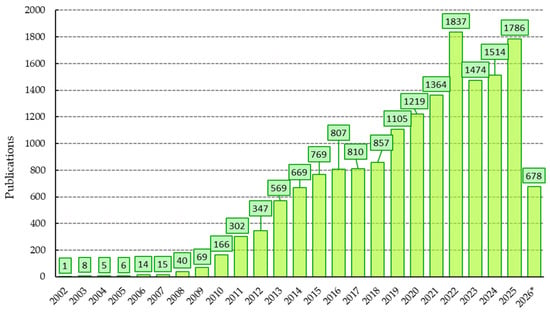
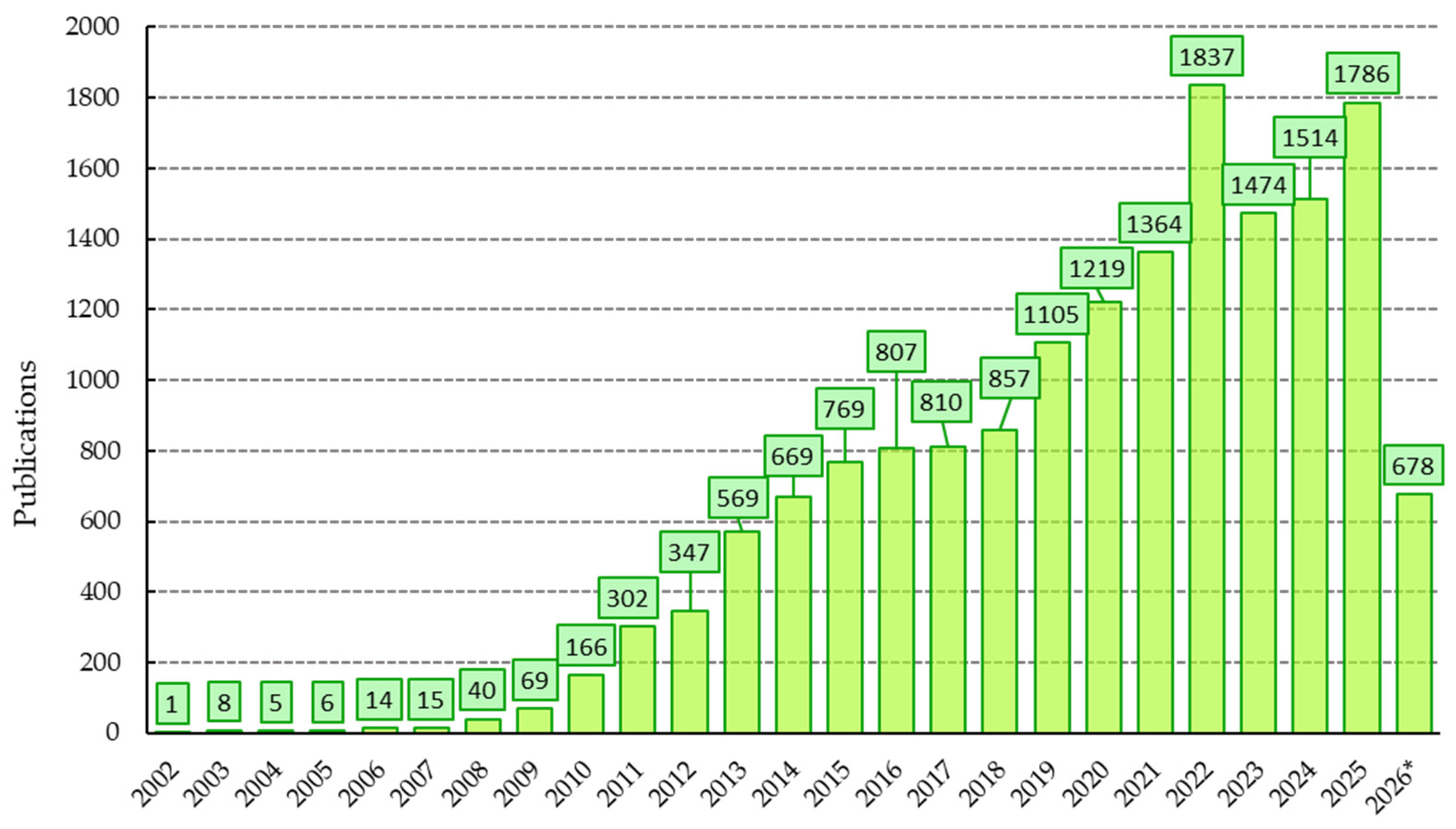
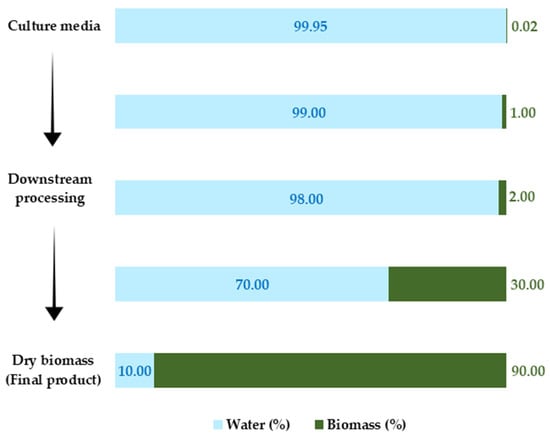
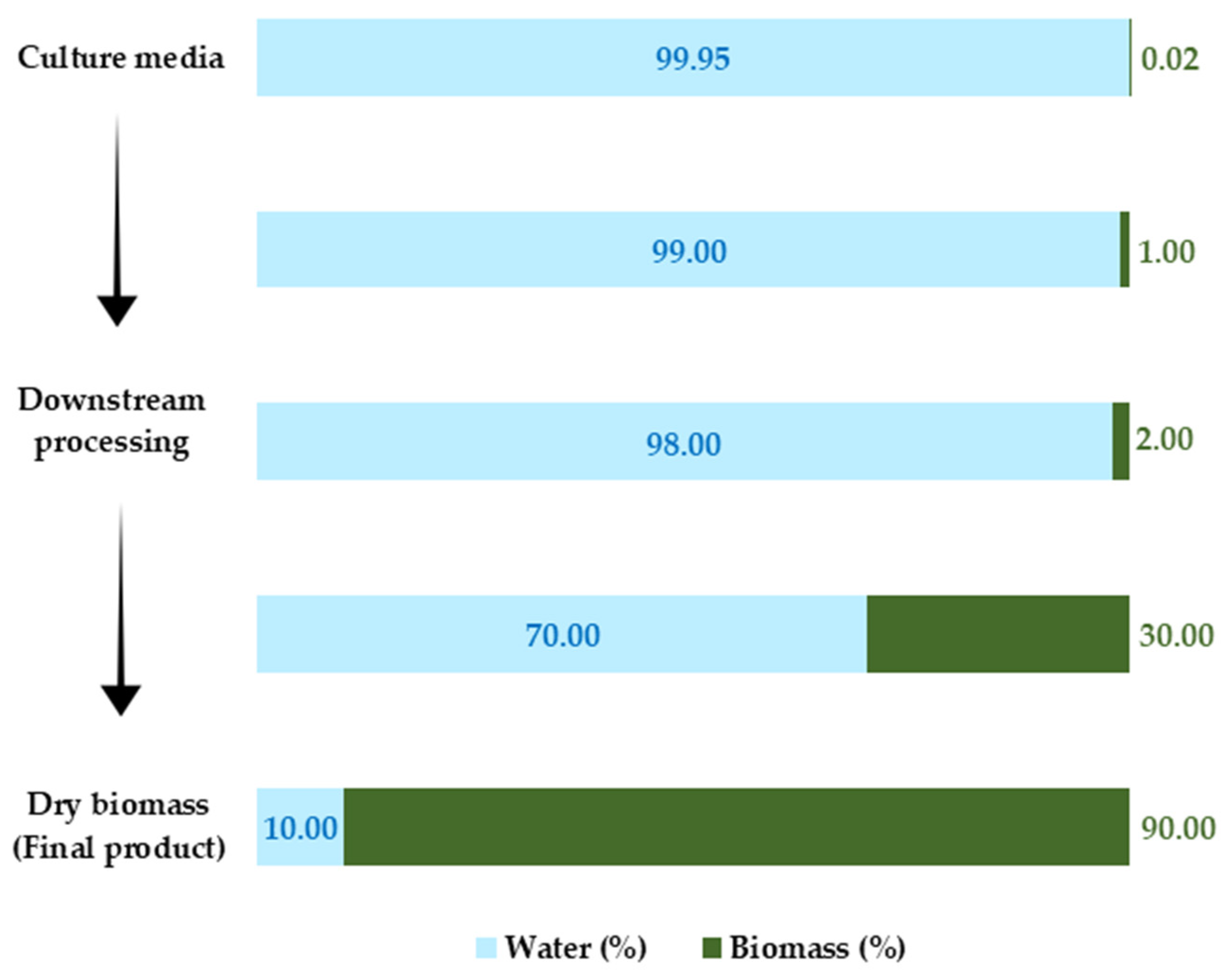
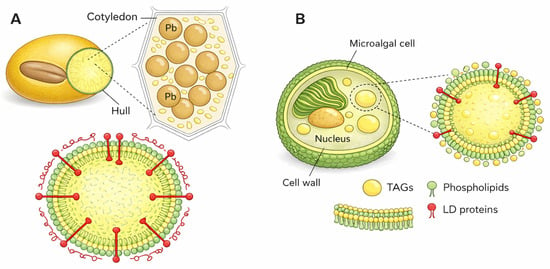
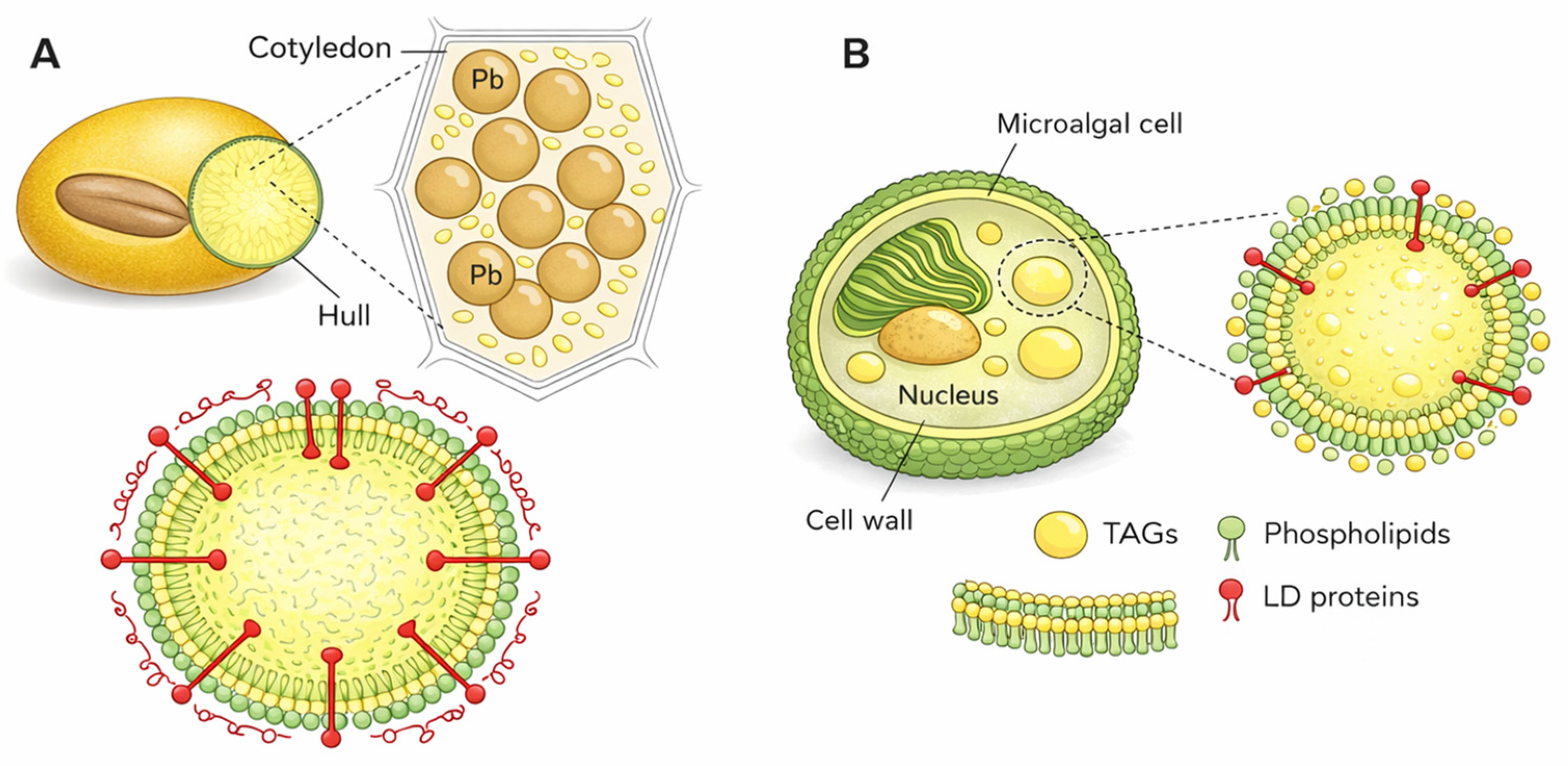

Disclaimer/Publisher’s Note: The statements, opinions and data contained in all publications are solely those of the individual author(s) and contributor(s) and not of MDPI and/or the editor(s). MDPI and/or the editor(s) disclaim responsibility for any injury to people or property resulting from any ideas, methods, instructions or products referred to in the content. |
© 2026 by the authors. Licensee MDPI, Basel, Switzerland. This article is an open access article distributed under the terms and conditions of the Creative Commons Attribution (CC BY) license.