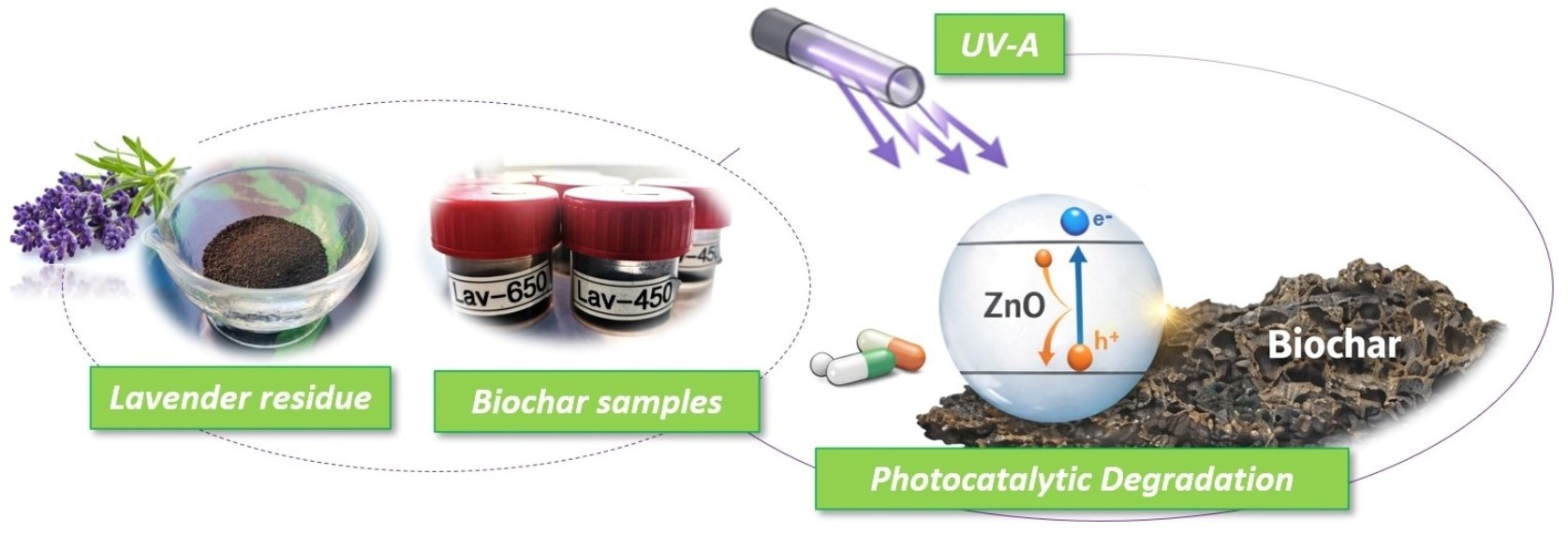
Lavender-Derived ZnO/Biochar for Photocatalytic Degradation of Doxycycline and Paracetamol



Abstract
1. Introduction
2. Materials and Methods
2.1. Materials
2.2. Preparation of Biochar Samples
2.3. Characterization Methods
2.4. Photocatalytic Experiments
3. Results and Discussion
3.1. Physicochemical Properties of Lavender
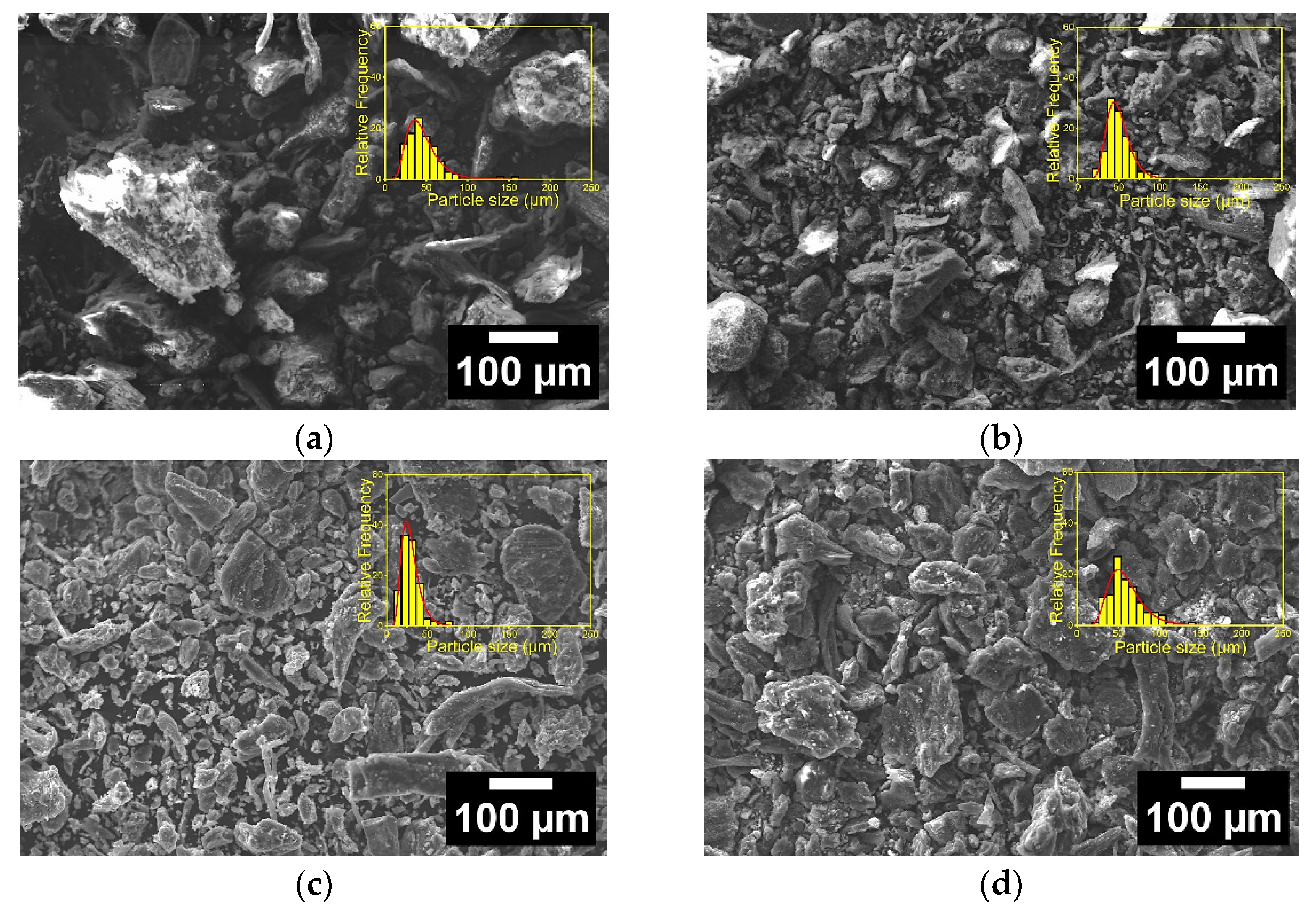
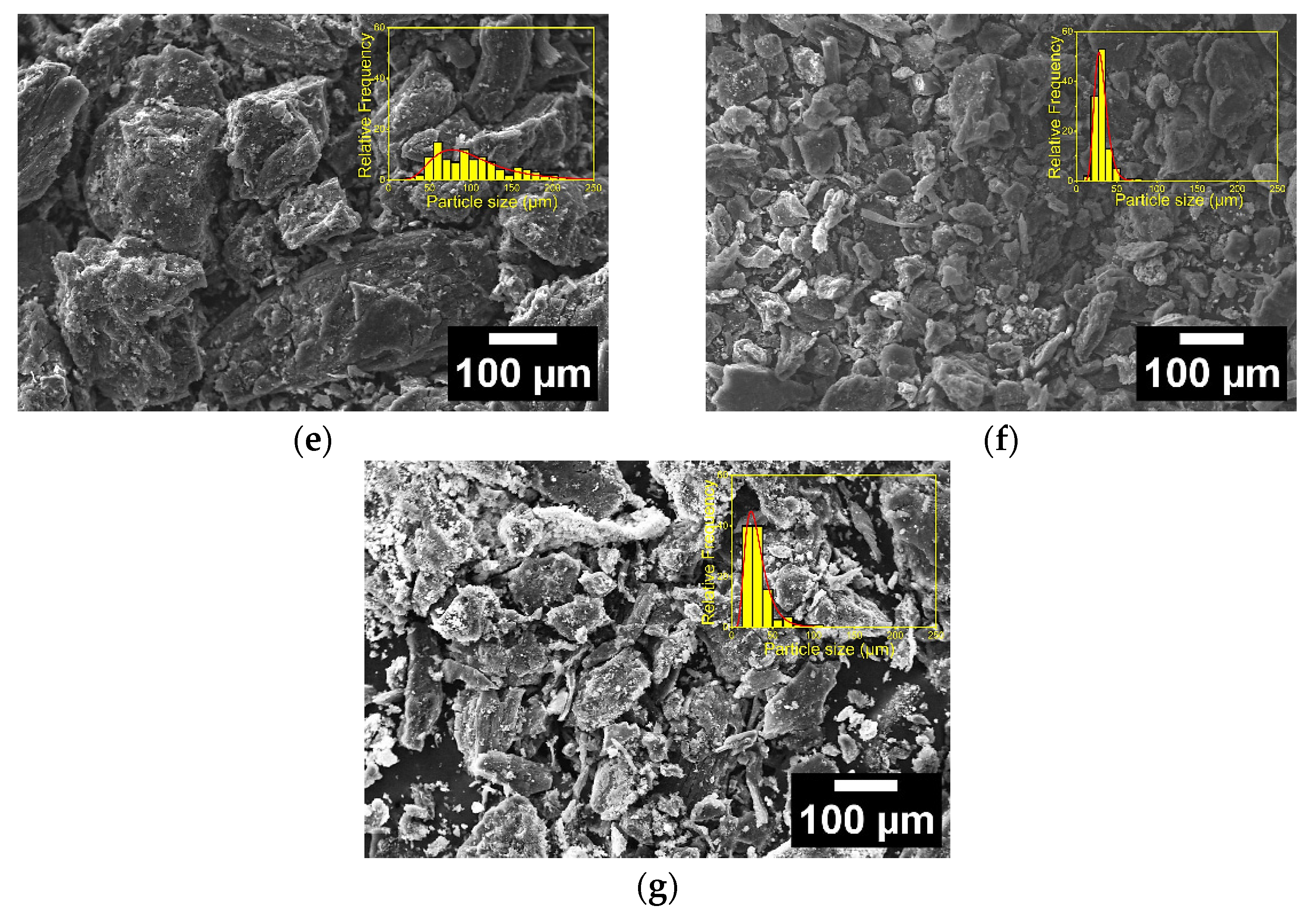
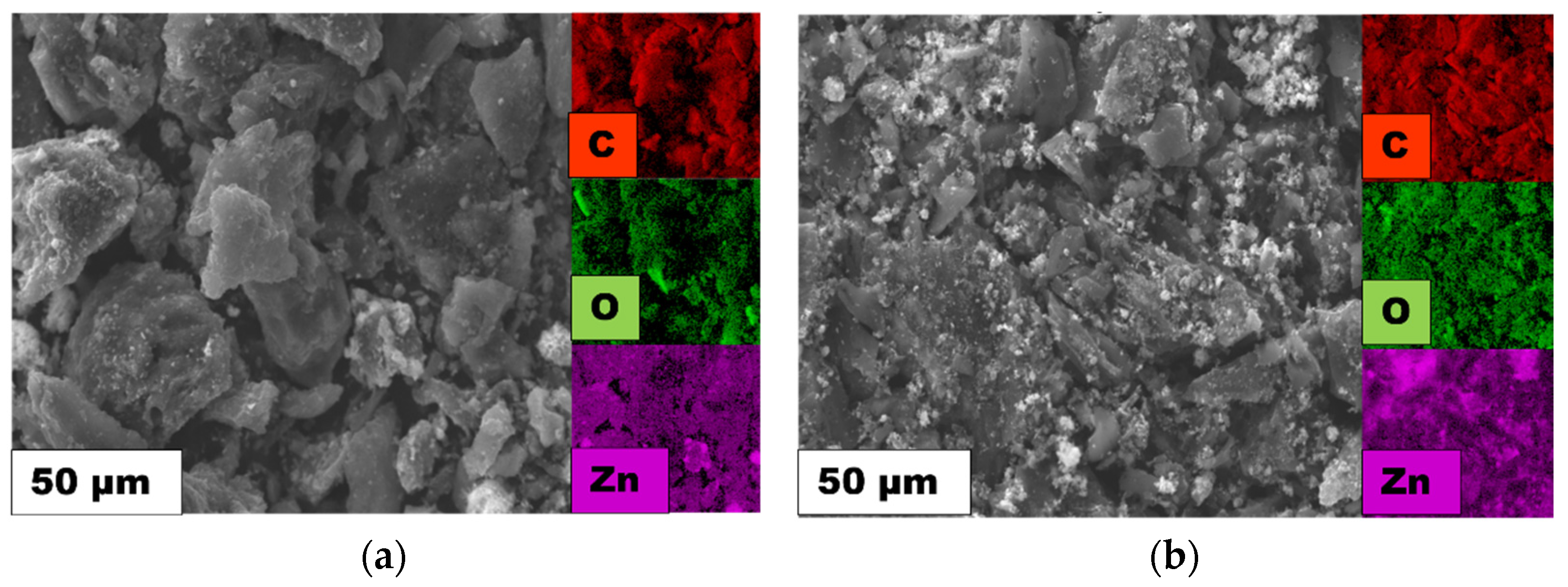
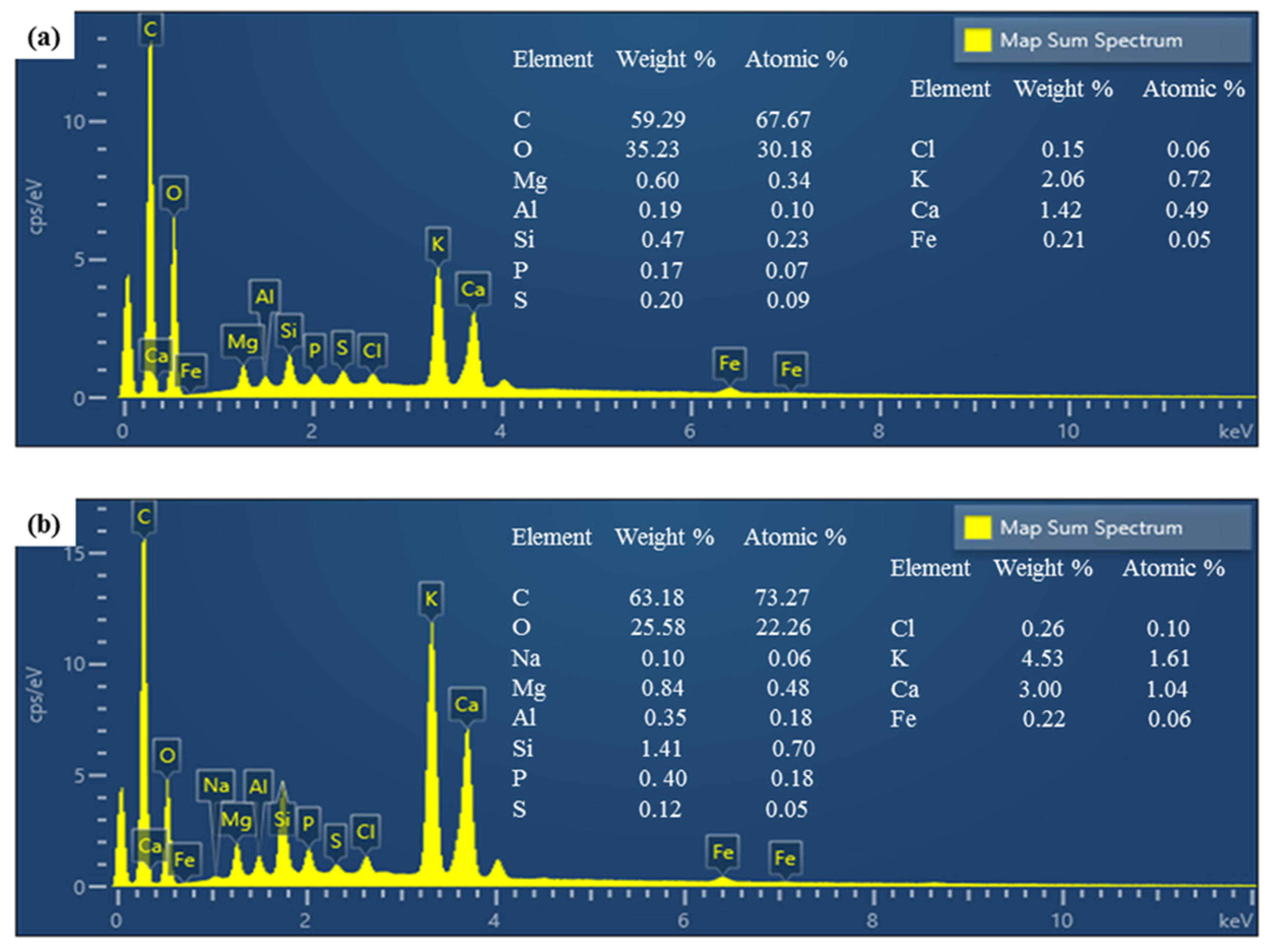
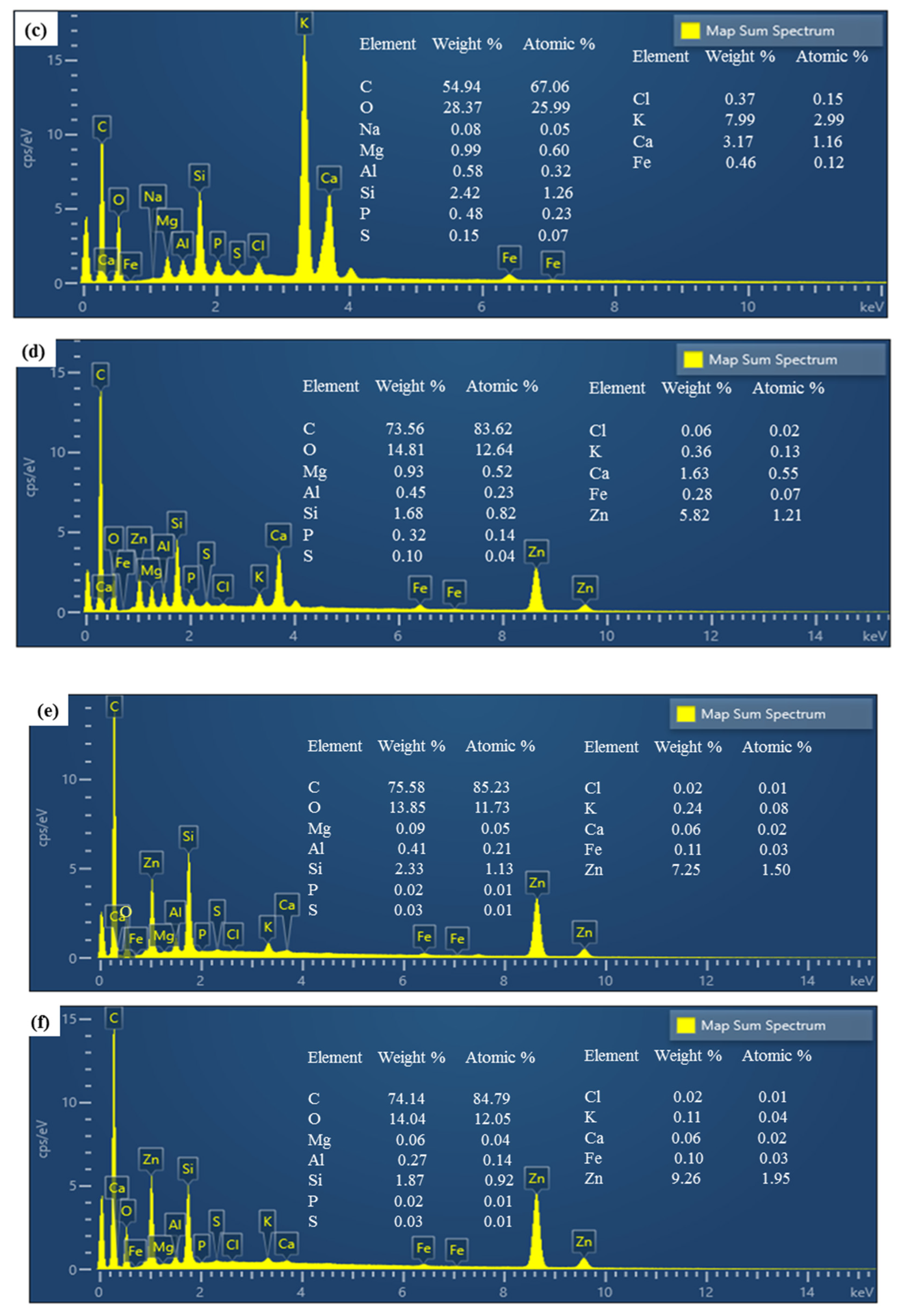
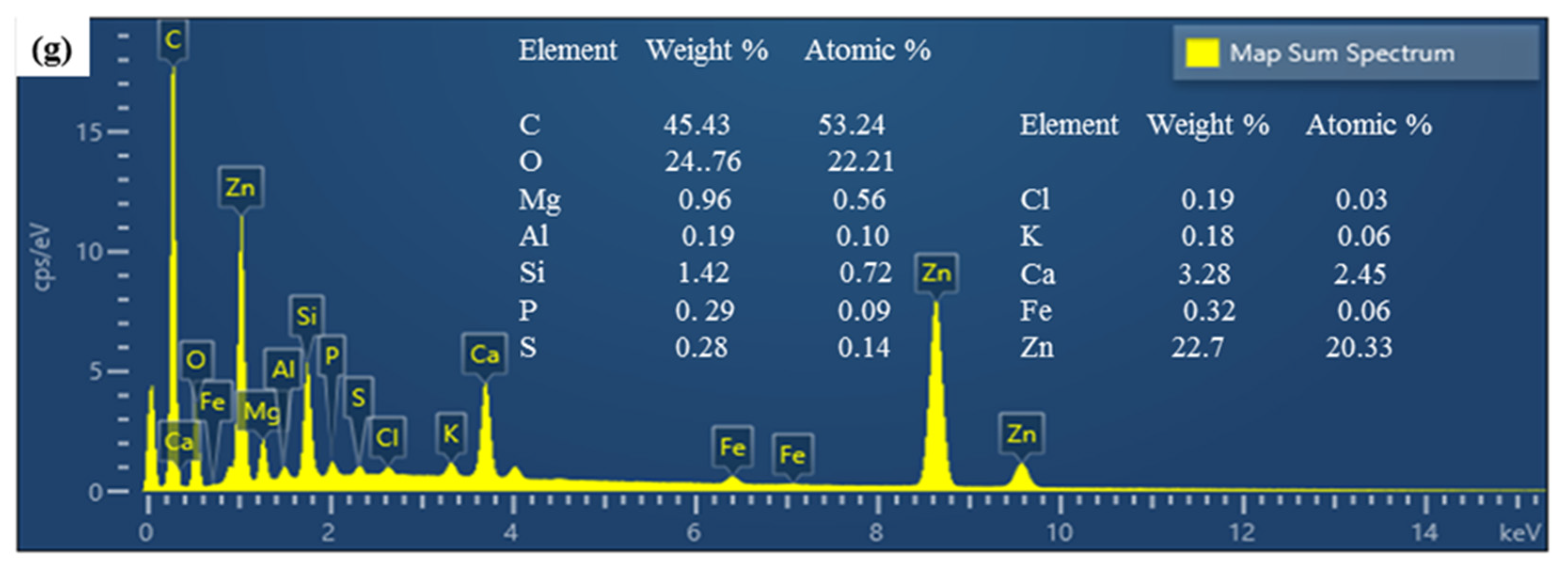
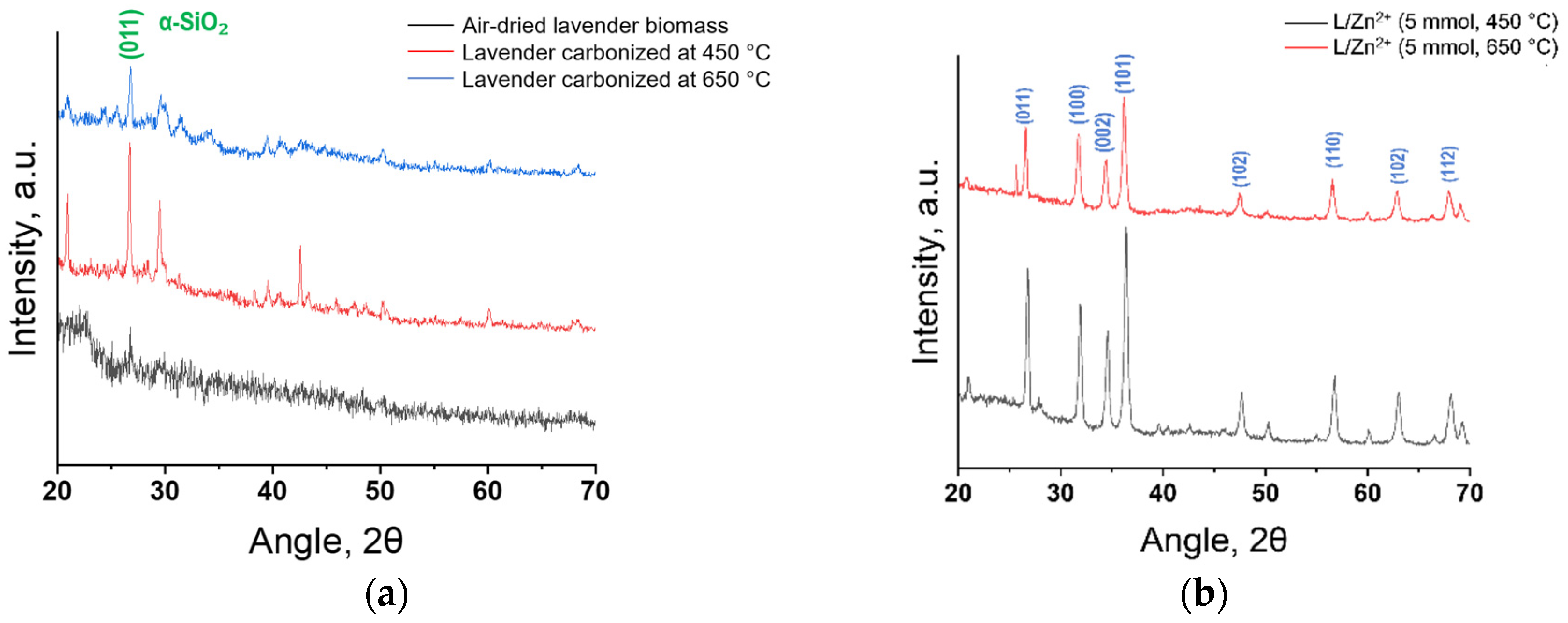
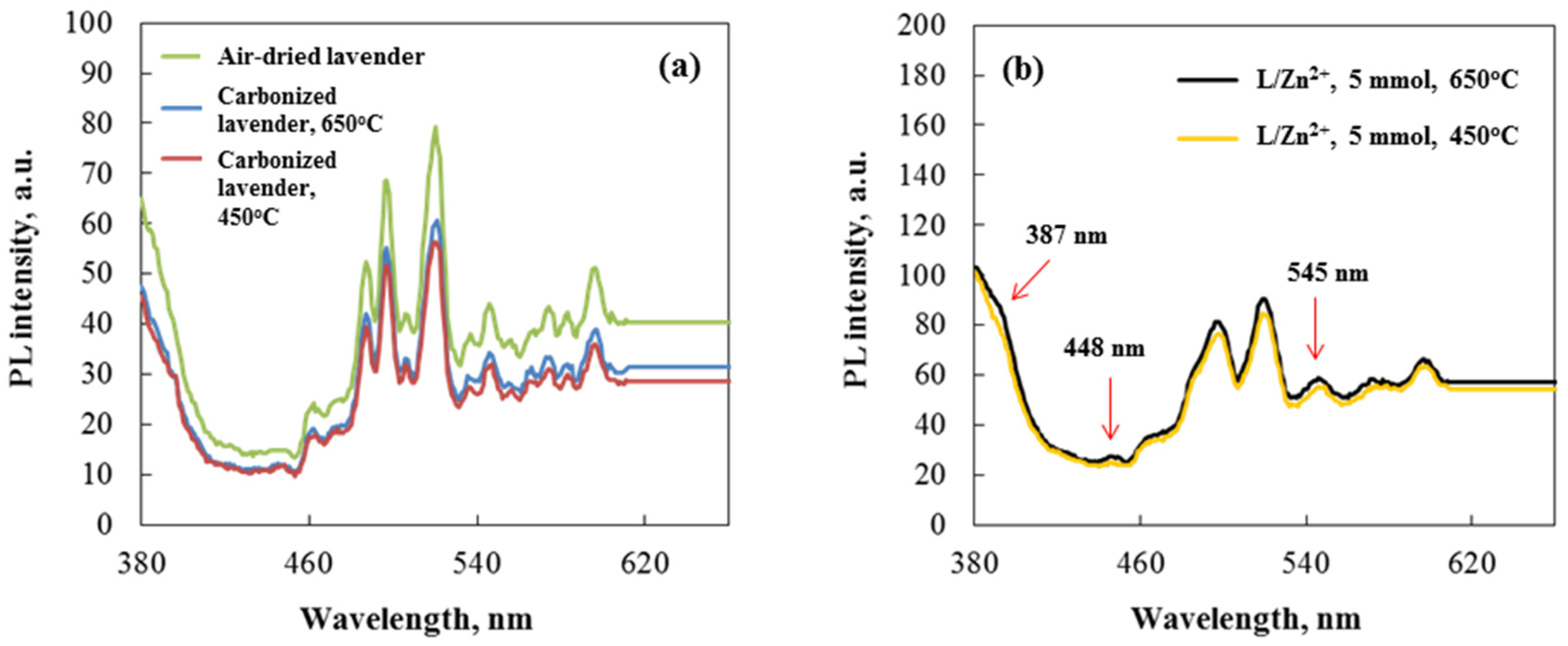
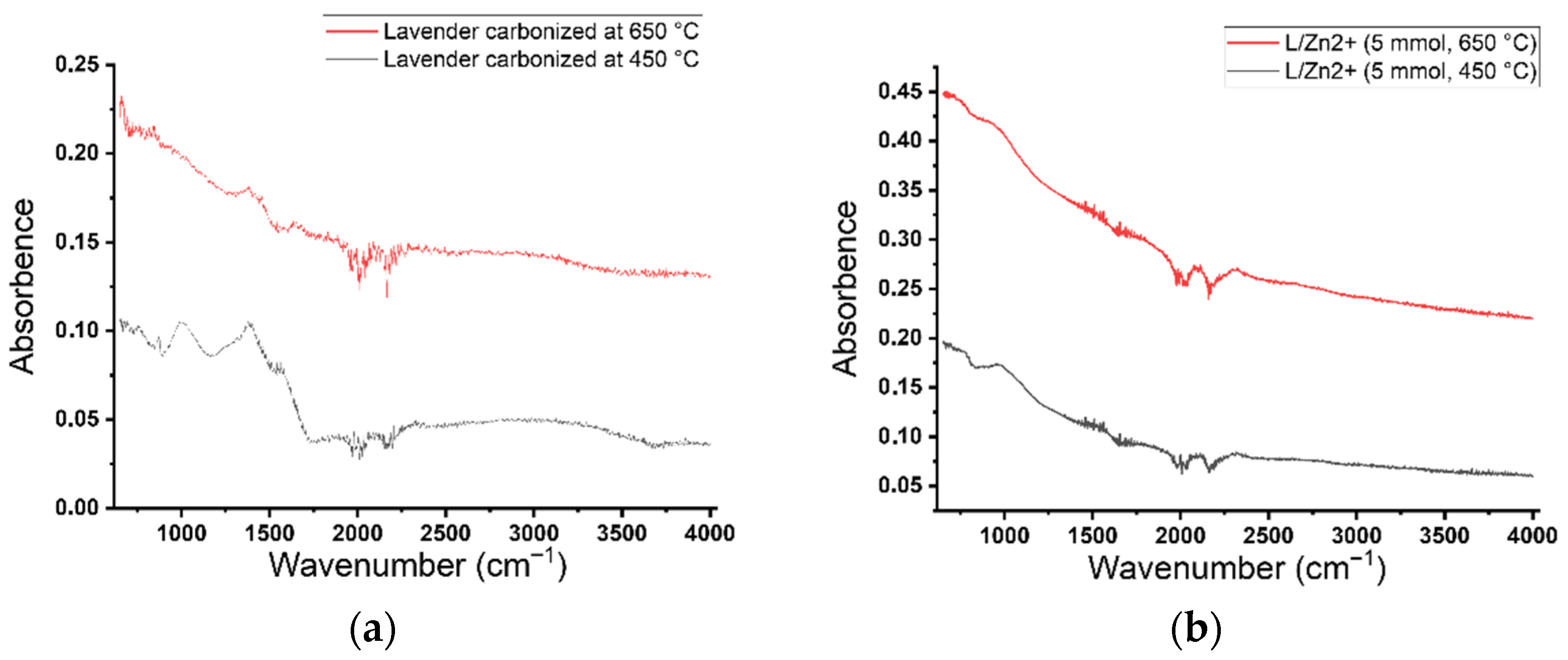
3.2. Structure and Morphology of Pure and Zn2+ Modified Biochar Lavender

| Biomass Sample | Particle Size ± SD (µm) |
|---|---|
| Air-dried lavender biomass | 45.67 ± 2.15 |
| Lavender carbonized at 450 °C | 50.13 ± 1.43 |
| Lavender carbonized at 650 °C | 29.60 ± 1.19 |
| L/Zn2+ (3 mmol, 450 °C) | 59.28 ± 2.06 |
| L/Zn2+ (3 mmol, 650 °C) | 102.25 ± 2.34 |
| L/Zn2+ (5mmol, 450 °C) | 31.11 ± 0.91 |
| L/Zn2+ (5 mmol, 650 °C) | 31.75 ± 1.67 |
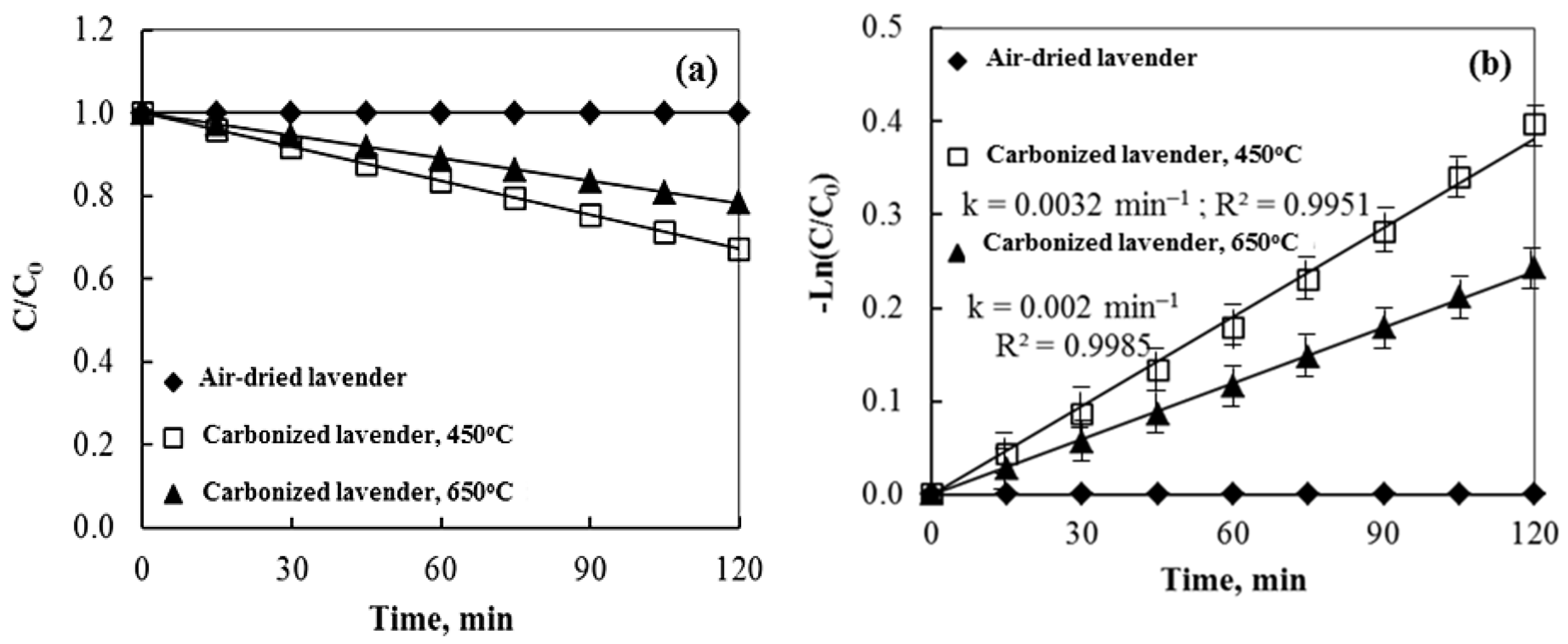
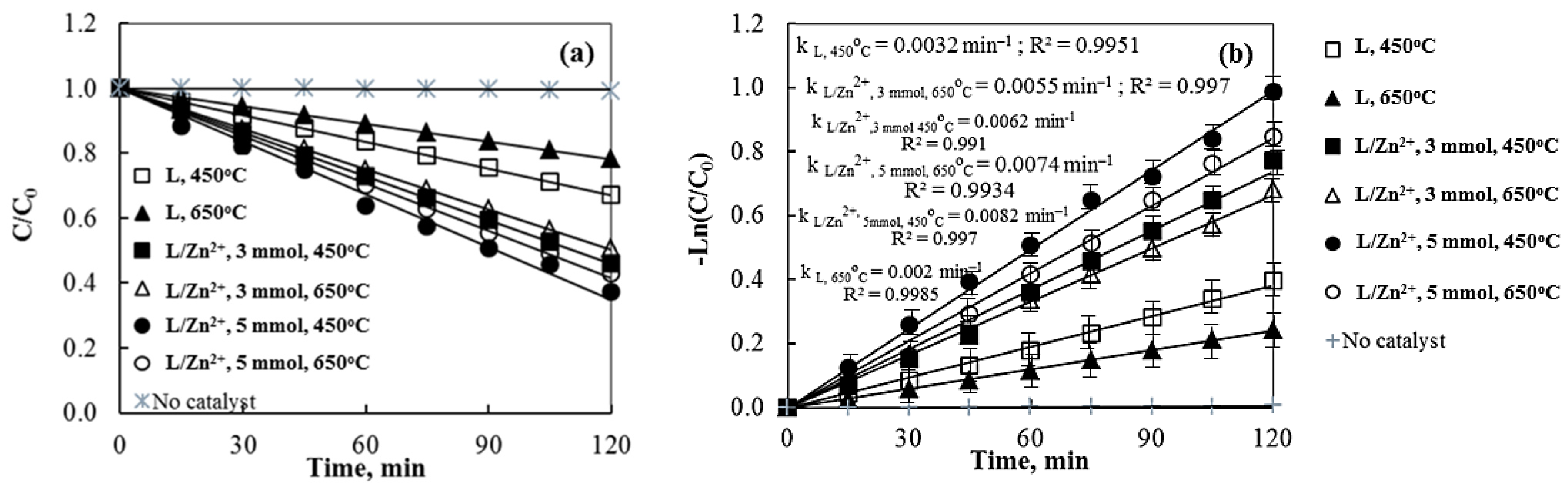
3.3. Photocatalytic Degradation of Doxycycline Using Pure and Zn2+ Modified Biochar Lavender
3.4. Photocatalytic Mechanism
3.5. Photocatalytic Degradation of Paracetamol Using Pure and Zn2+ Modified Biochar Lavender
4. Conclusions
Author Contributions
Funding
Data Availability Statement
Conflicts of Interest
References
- Gworek, B.; Kijenska, M.; Zaborowska, M.; Wrzosek, J.; Tokarz, L.; Chmielewski, J. Occurrence of pharmaceuticals in aquatic environment—A review. Desalin. Water Treat. 2020, 184, 375–387. [Google Scholar] [CrossRef]
- Ortuzar, M.; Esterhuizen, M.; Olicón-Hernandez, D.R.; González-López, J.; Aranda, E. Pharmaceutical pollution in aquatic environments: A concise review of environmental impacts and bioremediation systems. Front. Microbiol. 2022, 13, 869332. [Google Scholar] [CrossRef]
- Pinto, I.; Simoes, M.; Gomes, I.B. An overview of the impact of pharmaceuticals on aquatic microbial communities. Antibiotics 2022, 11, 1700. [Google Scholar] [CrossRef]
- Barathe, P.; Kaur, K.; Reddy, S.; Shriram, V.; Kumar, V. Antibiotic pollution and associated antimicrobial resistance in the environment. J. Hazard. Mater. Lett. 2024, 5, 100105. [Google Scholar] [CrossRef]
- Amabile-Cuevas, C.F. Antibiotics and Antibiotic Resistance in the Environment; CRC Press: Boca Raton, FL, USA, 2016. [Google Scholar]
- Eapen, J.V.; Thomas, S.; Antony, S.; George, P.; Antony, J. A review of the effects of pharmaceutical pollutants on humans and aquatic ecosystem. Explor. Drug Sci. 2024, 2, 484–507. [Google Scholar] [CrossRef]
- Naseem, A.; Alneghery, L.M.; Al-Zharani, M.; Nasr, F.A.; Jawad, S.S.; Umer, M.; Ilyas, N. An insight into the impacts of pharmaceutical pollutants on the ecosystem and the potential role of bioremediation in mitigating pharmaceutical pollutants. Int. J. Pharm. 2025, 680, 125791. [Google Scholar] [CrossRef]
- Hejna, M.; Kapuscinska, D.; Aksmann, A. Pharmaceuticals in the aquatic environment: A review on ecotoxicology and the remediation potential of algae. Int. J. Environ. Res. Public Health 2022, 19, 7717. [Google Scholar] [CrossRef]
- Aus der Beek, T.; Weber, F.A.; Bergmann, A.; Hickmann, S.; Ebert, I.; Hein, A.; Küster, A. Pharmaceuticals in the environment-Global occurrences and perspectives. Environ. Toxicol. Chem. 2016, 35, 823–835. [Google Scholar] [CrossRef]
- Gu, C.; Karthikeyan, K.G. Interaction of tetracycline with aluminum and iron hydrous oxides. Environ. Sci. Technol. 2005, 39, 2660–2667. [Google Scholar] [CrossRef] [PubMed]
- Enaime, G.; Wichern, M.; Lubken, M. Contribution of biochar application to the promotion of circular economy in agriculture. Front. Agron. 2023, 5, 1214012. [Google Scholar] [CrossRef]
- Siddiqui, A.J.; Kumari, N.; Adnan, M.; Kumar, S.; Abdelgadir, A.; Saxena, J.; Singh, R. Impregnation of modified magnetic nanoparticles on low-cost agro-waste-derived biochar for enhanced removal of pharmaceutically active compounds: Performance evaluation and optimization using response surface methodology. Water 2023, 15, 1688. [Google Scholar] [CrossRef]
- He, M.; Xu, Z.; Hou, D.; Gao, B.; Cao, X.; Ok, Y.S.; Tsang, D.C. Waste-derived biochar for water pollution control and sustainable development. Nat. Rev. Earth Environ. 2022, 3, 444–460. [Google Scholar] [CrossRef]
- Vareltzis, P.; Fotiou, D.; Papatheologou, V.; Kyroglou, S.; Tsachouridou, E.; Goula, A.M. Optimized solid–liquid separation of phenolics from lavender waste and properties of the dried extracts. Separations 2024, 11, 67. [Google Scholar] [CrossRef]
- Lesage-Meessen, L.; Bou, M.; Ginies, C.; Chevret, D.; Navarro, D.; Drula, E.; Lomascolo, A. Lavender- and lavandin-distilled straws: An untapped feedstock with great potential for the production of high-added value compounds and fungal enzymes. Biotechnol. Biofuels 2018, 11, 217. [Google Scholar] [CrossRef]
- Fascella, G.; D’Angiolillo, F.; Ruberto, G.; Napoli, E. Agronomic performance, essential oils and hydrodistillation wastewaters of Lavandula angustifolia grown on biochar-based substrates. Ind. Crops Prod. 2020, 154, 112733. [Google Scholar] [CrossRef]
- Tadesse, A.W.; Huang, M.; Zhou, T. Biochar for wastewater treatment: Preparation, modification, characterization, and its applications. Molecules 2025, 30, 4288. [Google Scholar] [CrossRef] [PubMed]
- Enaime, G.; Baçaoui, A.; Yaacoubi, A.; Lubken, M. Biochar for wastewater treatment-conversion technologies and applications. Appl. Sci. 2020, 10, 3492. [Google Scholar] [CrossRef]
- Hikmat, K.; Aziz, H.; Fatah, N.M. Advancements in application of modified biochar as a green and low-cost adsorbent for wastewater remediation from organic dyes. R. Soc. Open Sci. 2024, 11, 232033. [Google Scholar] [CrossRef]
- Tu, P.; Zhang, G.; Wei, G.; Li, J.; Li, Y.; Deng, L.; Yuan, H. Influence of pyrolysis temperature on the physicochemical properties of biochars obtained from herbaceous and woody plants. Bioresour. Bioprocess. 2022, 9, 131. [Google Scholar] [CrossRef] [PubMed]
- Zeng, Z.; Umeh, A.; Iyengar, G.A.; Qi, F.; Naidu, R. A critical review of different types of biochar-based catalysts and mechanisms in advanced oxidation processes for organic contaminants removal. J. Environ. Chem. Eng. 2024, 12, 114262. [Google Scholar] [CrossRef]
- Dhila, H.; Bhapkar, A.; Bhame, S. Metal oxide/biochar hybrid nanocomposites for adsorption and photocatalytic degradation of textile dye effluents: A review. Desalin. Water Treat. 2025, 321, 101004. [Google Scholar] [CrossRef]
- Hong, R.Y.; Li, J.H.; Chen, L.L.; Liu, D.Q.; Li, H.Z.; Zheng, Y.; Ding, J.J.P.T. Synthesis, surface modification and photocatalytic property of ZnO nanoparticles. Powder Technol. 2009, 189, 426–432. [Google Scholar] [CrossRef]
- Hariharan, C. Photocatalytic degradation of organic contaminants in water by ZnO nanoparticles: Revisited. Appl. Catal. A Gen. 2006, 304, 55–61. [Google Scholar] [CrossRef]
- Schmidt-Mende, L.; MacManus-Driscoll, J.L. ZnO-nanostructures, defects, and devices. Mater. Today 2007, 10, 40–48. [Google Scholar] [CrossRef]
- Klingshirn, C. ZnO: Material, physics and applications. ChemPhysChem 2007, 8, 782–803. [Google Scholar] [CrossRef]
- Mirzaei, A.; Chen, Z.; Haghighat, F.; Yerushalmi, L. Removal of pharmaceuticals and endocrine disrupting compounds from water by zinc oxide-based photocatalytic degradation: A review. Sustain. Cities Soc. 2016, 27, 407–418. [Google Scholar] [CrossRef]
- He, Y.; Wang, Y.; Hu, J.; Wang, K.; Zhai, Y.; Chen, Y.; Zhang, W. Photocatalytic property correlated with microstructural evolution of the biochar/ZnO composites. J. Mater. Res. Technol. 2021, 11, 1308–1321. [Google Scholar] [CrossRef]
- Eswaran, P.; Madasamy, P.D.; Pillay, K.; Brink, H. Sunlight-driven photocatalytic degradation of methylene blue using ZnO/biochar nanocomposite derived from banana peels. Biomass Convers. Biorefinery 2025, 15, 12347–12367. [Google Scholar] [CrossRef]
- Dawood, E.A.; Mohammed, T.J.; Al-Timimi, B.A.; Khader, E.H. Photocatalytic degradation of petroleum wastewater using ZnO-loaded pistachio shell biochar: A sustainable approach for oil and COD removal. Reactions 2025, 6, 38. [Google Scholar] [CrossRef]
- Heltina, D.; Yoselino, D.; Dumaria, A.; Amila, K.; Sembiring, M.P.; Amri, A.; Jiang, Z.T. Fabrication and photocatalytic performance of ZnO-biochar composites for eliminating dye waste. Commun. Sci. Technol. 2025, 10, 302–312. [Google Scholar] [CrossRef]
- Goncalves, N.P.; Lourenco, M.A.; Baleuri, S.R.; Bianco, S.; Jagdale, P.; Calza, P. Biochar waste-based ZnO materials as highly efficient photocatalysts for water treatment. J. Environ. Chem. Eng. 2022, 10, 107256. [Google Scholar] [CrossRef]
- Cai, H.; Zhang, D.; Ma, X.; Ma, Z. A novel ZnO/biochar composite catalysts for visible light degradation of metronidazole. Sep. Purif. Technol. 2022, 288, 120633. [Google Scholar] [CrossRef]
- Van Hung, N.; Nguyet, B.T.M.; Nghi, N.H.; Luon, N.M.; Bich, N.N.; Son, L.V.T.; Khieu, D.Q. Visible light-driven photocatalytic degradation of doxycycline using ZnO/gC3N4/biochar composite in aqueous solution. Environ. Eng. Res. 2024, 29, 230596. [Google Scholar] [CrossRef]
- Petrova, T.; Naydenova, I.; Ribau, J.; Ferreira, A.F. Biochar from agro-forest residue: Application perspective based on decision support analysis. Appl. Sci. 2023, 13, 3240. [Google Scholar] [CrossRef]
- Sandov, O.; Krasteva, L.; Naydenova, I.; Kralov, I.; Todorov, G.; Petrova, T. Valorization of Lavender Agro-Waste into Functional Carbon Materials via Carbonization and Zn2+ Modification. Molecules 2026, 31, 540. [Google Scholar] [CrossRef]
- Naydenova, I.; Radoykova, T.; Petrova, T.; Sandov, O.; Valchev, I. Utilization Perspectives of Lignin Biochar from Industrial Biomass Residue. Molecules 2023, 28, 4842. [Google Scholar] [CrossRef]
- Rubangakene, N.O.; Elwardany, A.; Fujii, M.; Sekiguchi, H.; Elkady, M.; Shokry, H. Biosorption of Congo Red dye from aqueous solutions using pristine biochar and ZnO biochar from green pea peels. Chem. Eng. Res. Des. 2023, 189, 636–651. [Google Scholar] [CrossRef]
- Li, M.; Zhao, X.; Cheng, Y.; Wu, M.; Dong, C.; Xiang, H.; Yu, B. Zinc oxide nanoparticles coupled biochar-based slow-release fertilizer for enhanced nutrient efficiency and sustainable agriculture. Ind. Crops Prod. 2025, 232, 121265. [Google Scholar] [CrossRef]
- Avornyo, V.K.; Manu, A.; Laird, D.A.; Thompson, M.L. Temperature effects on properties of rice husk biochar and calcinated Burkina phosphate rock. Agriculture 2021, 11, 432. [Google Scholar] [CrossRef]
- Babu, K.K.B.S.; Nataraj, M.; Tayappa, M.; Vyas, Y.; Mishra, R.K.; Acharya, B. Production of biochar from waste biomass using slow pyrolysis: Studies of the effect of pyrolysis temperature and holding time on biochar yield and properties. Mater. Sci. Energy Technol. 2024, 7, 318–334. [Google Scholar] [CrossRef]
- Razzaq, A.; Grimes, C.; In, S. Facile fabrication of a noble metal-free photocatalyst: TiO2 nanotube arrays covered with reduced graphene oxide. Carbon 2016, 98, 537–544. [Google Scholar] [CrossRef]
- Lu, L.; Shan, R.; Shi, Y.; Wang, S.; Yuan, H. A novel TiO2/biochar composite catalysts for photocatalytic degradation of methyl orange. Chemosphere 2019, 222, 391–398. [Google Scholar] [CrossRef] [PubMed]
- Lyu, H.; Zhang, Q.; Shen, B. Application of biochar and its composites in catalysis. Chemosphere 2020, 240, 124842. [Google Scholar] [CrossRef]
- Wang, Y.; Hu, Y.; Zhao, X.; Wang, S.; Xing, G. Comparisons of biochar properties from wood material and crop residues at different temperatures and residence times. Energy Fuel 2013, 27, 5890–5899. [Google Scholar] [CrossRef]
- Alamdari, S.; Sasani Ghamsari, M.; Lee, C.; Han, W.; Park, H.-H.; Tafreshi, M.J.; Afarideh, H.; Ara, M.H.M. Preparation and Characterization of Zinc Oxide Nanoparticles Using Leaf Extract of Sambucus ebulus. Appl. Sci. 2020, 10, 3620. [Google Scholar] [CrossRef]
- Yu, X.; Zhang, J.; Zhang, J.; Niu, J.; Zhao, J.; Wei, Y.; Yao, B. Photocatalytic degradation of ciprofloxacin using Zn-doped Cu2O particles: Analysis of degradation pathways and intermediates. Chem. Eng. J. 2019, 374, 316–327. [Google Scholar] [CrossRef]
- Xu, A.; Ding, X.; Yang, X.; Wang, P. Oxygen vacancy boosted photocatalytic decomposition of ciprofloxacin over Bi2MoO6: Oxygen vacancy engineering, biotoxicity evaluation and mechanism study. J. Hazard. Mater. 2018, 364, 691–699. [Google Scholar] [CrossRef]
- De Lasa, H.; Serrano, B.; Salaices, M. Establishing Photocatalytic Kinetic Rate Equations: Basic Principles and Parameters. In Photocatalytic Reaction Engineering; Springer: Boston, MA, USA, 2005. [Google Scholar] [CrossRef]
- Park, J.; Pineda, M.; Peyot, M.; Yargeau, V. Degradation of oxytetracycline and doxycycline by ozonation: Degradation pathways and toxicity assessment. Sci. Total Environ. 2023, 856, 159076. [Google Scholar]
- Ma, R.; Yan, X.; Mi, X.; Wu, Y.; Qian, J.; Zhang, Q.; Chen, G. Enhanced catalytic degradation of aqueous doxycycline (DOX) in Mg-Fe-LDH@biochar composite-activated peroxymonosulfate system: Performances, degradation pathways, mechanisms and environmental implications. Chem. Eng. 2021, 425, 131457. [Google Scholar] [CrossRef]
- Dao, H.; Tran, H.; Lam, T.; Pham, T.; Truong, G. Degradation of Paracetamol by an UV/Chlorine Advanced Oxidation Process: Influencing Factors, factorial design, and intermediates identification. Int. J. Environ. Res. Public Health 2018, 15, 2637. [Google Scholar] [CrossRef]
- Arredondo, H.; Garcia, G.; Gutierrez, S.; Ponce, C. Degradation of paracetamol by advance oxidation processes using modified reticulated vitreous carbon electrodes with TiO2 and CuO/TiO2/Al2O3. Chemosphere 2012, 89, 1195–1201. [Google Scholar] [CrossRef]
- Xiang, R.; Zhou, C.; Liu, Y.; Qin, T.; Li, D.; Dong, X.; Muddassir, M.; Zhong, A. A new type Co(II)-based photocatalyst for the nitrofurantoin antibiotic degradation. J. Mol. Struct. 2024, 1312, 138501. [Google Scholar] [CrossRef]
- Zhao, J.; Dang, Z.; Muddassir, M.; Raza, S.; Zhong, A.; Wang, X.; Jin, J. A new Cd(II)-based coordination polymer for efficient photocatalytic removal of organic dyes. Molecules 2023, 28, 6848. [Google Scholar] [CrossRef]
- Yu, S.; Zhou, J.; Ren, Y.; Yang, Z.; Zhong, M.; Feng, X.; Su, B.; Lei, Z. Excellent adsorptive-photocatalytic performance of zinc oxide and biomass derived N, O-contained biochar nanocomposites for dyes and antibiotic removal. Chem. Eng. J. 2023, 451, 138959. [Google Scholar] [CrossRef]
- Leichtweis, J.; Silvestri, S.; Carissimi, E. New composite of pecan nutshells biochar-ZnO for sequential removal of acid red 97 by adsorption and photocatalysis. Biomass Bioenergy 2020, 140, 105648. [Google Scholar] [CrossRef]
- Gonçalves, M.G.; da Silva Veiga, P.A.; Fornari, M.R.; Peralta-Zamora, P.; Mangrich, A.S.; Silvestri, S. Relationship of the physicochemical properties of novel ZnO/biochar composites to their efficiencies in the degradation of sulfamethoxazole and methyl orange. Sci. Total Environ. 2020, 748, 141381. [Google Scholar] [CrossRef] [PubMed]


| Ultimate Analysis, wt. %, d.b. | Ash Analysis (wt. %, d.b.) | Proximate Analysis, wt. % | |||
|---|---|---|---|---|---|
| C | 41.14 | CaO | 14.67 | Moisture, r. | 7.15 |
| H | 6.17 | SiO2 | 8.56 | Volatiles, d.b. | 68.34 |
| N | 1.80 | K2O | 9.50 | Ash, d.b. | 13.36 |
| S | 2.01 | MgO | 3.72 | Fixed carbon, d.b. 1 | 11.15 |
| O 1 | 28.27 | Al2O3 | 2.60 | ||
| HHV, d.b., MJ/kg | 17.45 | Fe2O3 | 1.23 | ||
| Sample | C (wt%) | O (wt%) | Zn (wt %) | Si (wt%) | Ca (wt%) |
|---|---|---|---|---|---|
| Lavender carbonized at 450 °C | 63.18 | 25.58 | - | 1.48 | 3.00 |
| Lavender carbonized at 650 °C | 54.94 | 28.37 | - | 2.42 | 3.17 |
| L/Zn2+ (3 mmol, 450 °C) | 73.56 | 14.81 | 5.82 | 1.68 | 1.63 |
| L/Zn2+ (5 mmol, 450 °C) | 75.58 | 13.85 | 7.25 | 2.33 | 0.06 |
| L/Zn2+ (3 mmol, 650 °C) | 74.14 | 14.04 | 9.26 | 1.87 | 0.06 |
| L/Zn2+ (5 mmol, 650 °C) | 45.43 | 24.76 | 22.7 | 1.42 | 3.28 |
| Sample | ZnO (vol.%) | ZnO Crystallite Size (nm) | ZnO Microstrain | Rwp |
|---|---|---|---|---|
| L/Zn2+ (5 mmol, 450 °C) | 43.6 | 35.2 | 0.0023 | 11.7 |
| L/Zn2+ (5 mmol, 650 °C) | 54.2 | 33.1 | 0.0025 | 12.9 |
| Type of Catalyst | Light Source | Target Contaminant | Catalyst Dosage (g·L−1) | Removal Efficiency (%) | Rate Constant k (min−1) | Study (Ref.) |
|---|---|---|---|---|---|---|
| Biochar derived from lavender residue (3 & 5 mmol Zn2+; 5.8–22.7 wt% Zn, EDS) | UV-A | Doxycycline | 1.0 | 62.78 | 0.0032 | This work (lavender) |
| Paracetamol | 1.0 | 75.19 | 0.0113 | |||
| Fixed Zn precursor; varying biochar content (1–5 wt%) | UV-A (365 nm) | Carbamazepine, Ibuprofen | 0.1–1.0 | 95–99 | NR | [32] |
| ZnO/PiC (pine-derived biochar) | Visible (Xe lamp) | Metronidazole | 0.2 | 97.1 | 0.083 | [33] |
| ZnO/g-C3N4/biochar | Visible (>420 nm) | Doxycycline | 0.5 | 98.9 | 0.069 | [34] |
| ZnO/biochar derived from: sugarcane bagasse | UV-A, 125 W high-pressure mercury lamp | Sulfamethoxazole | 0.5 | 99.3% | NR | [58] |
Disclaimer/Publisher’s Note: The statements, opinions and data contained in all publications are solely those of the individual author(s) and contributor(s) and not of MDPI and/or the editor(s). MDPI and/or the editor(s) disclaim responsibility for any injury to people or property resulting from any ideas, methods, instructions or products referred to in the content. |
© 2026 by the authors. Licensee MDPI, Basel, Switzerland. This article is an open access article distributed under the terms and conditions of the Creative Commons Attribution (CC BY) license.
Share and Cite
Krasteva, L.; Sandov, O.; Ivanova, D.; Naydenova, I.; Kaneva, N. Lavender-Derived ZnO/Biochar for Photocatalytic Degradation of Doxycycline and Paracetamol. Processes 2026, 14, 881. https://doi.org/10.3390/pr14060881
Krasteva L, Sandov O, Ivanova D, Naydenova I, Kaneva N. Lavender-Derived ZnO/Biochar for Photocatalytic Degradation of Doxycycline and Paracetamol. Processes. 2026; 14(6):881. https://doi.org/10.3390/pr14060881
Chicago/Turabian StyleKrasteva, Lyudmila, Ognyan Sandov, Dobrina Ivanova, Iliyana Naydenova, and Nina Kaneva. 2026. "Lavender-Derived ZnO/Biochar for Photocatalytic Degradation of Doxycycline and Paracetamol" Processes 14, no. 6: 881. https://doi.org/10.3390/pr14060881
APA StyleKrasteva, L., Sandov, O., Ivanova, D., Naydenova, I., & Kaneva, N. (2026). Lavender-Derived ZnO/Biochar for Photocatalytic Degradation of Doxycycline and Paracetamol. Processes, 14(6), 881. https://doi.org/10.3390/pr14060881