Article

Evaluation of the Lipophilicity of 3,28-Disubstituted Betulin Derivatives with Promising Biological Properties


1
Department of Organic Chemistry, Faculty of Pharmaceutical Sciences in Sosnowiec, Medical University of Silesia in Katowice, 4 Jagiellońska, 41-200 Sosnowiec, Poland
2
Department of Analytical Chemistry, Faculty of Pharmaceutical Sciences in Sosnowiec, Medical University of Silesia in Katowice, 41-200 Sosnowiec, Poland
3
Hirszfeld Institute of Immunology and Experimental Therapy, Polish Academy of Sciences, 12 Rudolfa Weigla Str., 53-114 Wrocław, Poland
*
Authors to whom correspondence should be addressed.
Processes 2026, 14(4), 708; https://doi.org/10.3390/pr14040708
Submission received: 5 January 2026 / Revised: 16 February 2026 / Accepted: 18 February 2026 / Published: 20 February 2026

Abstract

The identification of bioactive substances among new chemical compounds is based on analyzing the relationships between structure, physicochemical properties, and potential biological activity. The aim of this study was to characterize the physicochemical properties of a group of 3,28-disubstituted betulin derivatives, which have demonstrated promising antiproliferative activity in an in vitro study. The experimental lipophilicity parameters of betulin derivatives were obtained by RP-TLC and compared with theoretical values determined using various computational programs. Physicochemical and pharmacokinetic parameters were calculated using the SwissADME and pkCSM programs. The relationships between lipophilicity parameters (RM0 and logPTLC) and the anticancer activity, and physicochemical and pharmacokinetic parameters of the studied triterpenoids were analyzed. Chemometric analysis (cluster analysis, principal component analysis, and the sum of ranking differences analysis) was performed. Significant correlations were demonstrated between RM0 and logPTLC, as well as theoretically determined lipophilicity values, in the tested group of compounds. Propynoyl derivatives 4a, 5a and 6a with high antiproliferative activity against MV4-11, PC-3 and Hs249T cells are characterized by higher lipophilicity than their hydroxyl analogs (compounds 4, 5 and 6).

1. Introduction

Discovering a new drug has always been a costly and lengthy process. Researching and developing bioactive substances with the right properties involves significant risk, investment, and time. Understanding the physicochemical properties of a drug candidate compound can increase the likelihood of effective delivery and therapeutic success. Previous drug discovery approaches were based on the assumption that greater in vitro potency would lead to more effective therapy. Today, many pharmaceutical companies focus on analyzing compound properties early in preclinical development to reduce the costs of potential failures in later stages [1,2].
Natural products often exhibit more favorable physicochemical property profiles compared to drugs and are comparable to compounds obtained synthetically via ombinatorial chemistry [2]. Despite these advantages, classical processes for isolating and identifying new compounds from natural sources are insufficiently efficient compared to other drug discovery methods used by pharmaceutical companies. To mor effectively exploit the properties of naturally occurring substances, they are considered as lead structures in the creation of libraries of derivatives based on natural products [3].
Betulin and betulinic acid occur in plants belonging to various families, e.g., birch (Betulaceae), rose (Rosaceae), plane (Platanaceae), beech (Fagaceae), and buckthorn (Rhamnaceae). Betulinic acid, which occurs in very small amounts in natural resources, can be synthesized by the oxidation of the primary hydroxyl group at the C-28 position of betulin [1,4,5]. Betulin and most of its derivatives are characterized by low water solubility and high lipophilicity. These characteristics play an important role in the interpretation of biological activity studies conducted in cell cultures [6]. The high level of safety of betulin and betulinic acid (low toxicity) has been a significant argument for conducting intensive work on improving their solubility to achieve stronger and more effective action [7]. To this end, the focus was primarily on functionalizing the alcohol groups at C-3 and C-28 in betulin or the acid group at C-17 in betulinic acid, creating esters, amides, carbamates, sulfates, sulfobetaines, and phosphates. Some of the obtained betulin and betulinic acid derivatives, such as uracil esters, glycerol esters, saponins, and amides conjugated with amino acids, demonstrated increased solubility compared to their precursors. Such structural changes were intended to improve pharmacokinetic properties [1,8,9,10,11].
The identification of bioactive substances among new chemical compounds is closely linked to the knowledge of the relationships between structure, physicochemical properties, and the potential activities that a new molecule may exhibit in a biological environment. Analyzing various series of derivatives, it can be concluded that the nature of the substituent attached to the starting structure of the molecule has a significant impact on the activity of the resulting derivatives. The early phase of drug design primarily involves determining the impact of structural changes on the corresponding properties of new biologically active molecules, most often based on structure–activity relationship models such as SAR (Structure–Activity Relationship) and QSAR (Quantitative Structure–Activity Relationship) [2]. QSAR studies utilize the chemical characterization of a molecule in numerical form using so-called molecular descriptors. Structural descriptors reflect the molecular composition of a compound with no information about its topology, i.e., the number of atoms, number of bonds, atom type, number of rings, and molecular weight (MW). Topological descriptors represent the interconnections of atoms within molecules. Electronic descriptors (dipole moment, energy of HOMO and LUMO orbitals) are used to describe the binding properties of molecules or atoms, as well as molecular fragments. Geometric descriptors, calculated from the 3D coordinates of atoms, contain information about the size, shape, and spatial arrangement. Thermodynamic descriptors link chemical structure to chemical activity. Using descriptors to determine the molecular structure of biologically active compounds is a fundamental method for discovering new lead structures [12].
Among the numerous molecular descriptors used in QSAR studies, lipophilicity plays a significant role as the most important physicochemical parameter of a molecule, significantly influencing its bioactivity. This parameter largely determines the transport of substances across the cell membrane, influencing the formation of complexes between tested substances and plasma proteins or the appropriate receptor at the site of action. Therefore, assessing the lipophilic nature of compounds is an essential step in the modern drug design process. RP-TLC (reversed-phase thin-layer chromatography) is a convenient method for lipophilicity testing due to its simplicity, low instrumentation requirements, the use of small amounts of substance, accuracy and reproducibility. It also provides the possibility of determining lipophilicity between structurally similar molecules. This method involves the use of two phases: a stationary and a mobile phase. The nonpolar and hydrophobic stationary phase involves silica gel modified by the addition of long carbon chains (e.g., C2, C8, and C18). The most commonly used gel is octadecylsilane (RP-18), which has 18 carbon atoms. The mobile phase is a polar solvent system, most often an aqueous solution of acetone or methanol; other solvents such as ethanol, tetrahydrofuran, dioxane, or acetonitrile are also used [13,14,15].
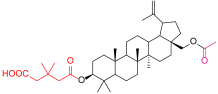
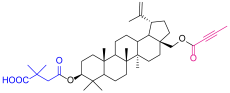
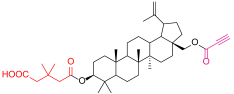
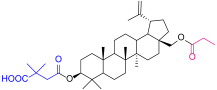
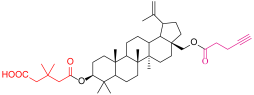
This work continues research on the synthesis and properties of betulin and betulinic acid derivatives. Many structural modifications of terpenoids have been described in the literature, but the combination of an alkynyl and a carboxyacyl moiety in a single molecule is a novelty. Therefore, we deemed it necessary to further characterize these compounds. Previously synthesized compounds with the structure of 28-alkynyl derivatives of 3-carboxyacylbetuline were tested in vitro for their biological activity [16]. The promising results obtained regarding their antiproliferative activity prompted us to characterize their other properties relevant to their potential use as drugs. One of the parameters that significantly influences the in vivo fate of a chemical compound used as a drug is lipophilicity.
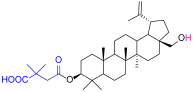
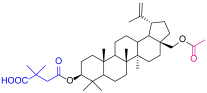
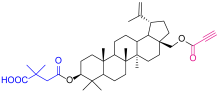
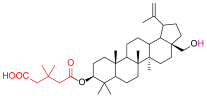
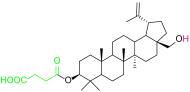
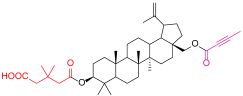
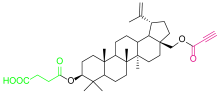
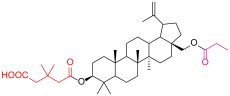
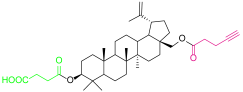
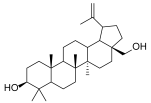
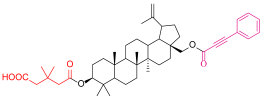
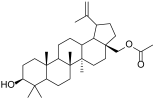
The conducted studies allowed us to determine the lipophilicity parameters of the title compounds (Table 1) using the RP-TLC method and compare the experimental and theoretical results obtained using various computational methods.
As part of the conducted work, we decided to analyze the relationship between lipophilicity parameters (RM0 and logPTLC) and the anticancer activity, physicochemical, and pharmacokinetic parameters of the studied triterpenoids. Furthermore, chemometric analysis was performed, including CA (cluster analysis), PCA (principal component analysis), and SRD (sum of ranking differences).

2. Materials and Methods

2.1. Chemicals

In lipophilicity studies performed by reversed-phase thin-layer chromatography (RP-TLC), acetone (Eurochem BGD, Tarnów, Poland) and TRIS buffer with pH 7.4 (Merck, Darmstadt, Germany) were used to prepare the mobile phase. All standard compounds [acetanilide, prednisone, benzophenone, testosterone, anthracene, dibenzyl, 9-phenylanthracene, and DDT (dichlorodiphenyltrichloroethane) used to prepare the standard curve were purchased from Merck (Darmstadt, Germany). The studied betulin derivatives 16, 4a4f, 5a5d and 6a6b were obtained via the synthetic route described previously in the literature [16].

2.2. Chromatography Procedure

RP-TLC used silica gel 60 RP-18 F254S plates with dimensions of 5 cm × 10 cm (Merck, Darmstadt, Germany). All the tested compounds were dissolved in chloroform (concentration 2 mg/mL). Chromatograms were developed in chromatography chambers saturated with vapors of a mixture of acetone (Merck, Darmstadt, Germany) and 0.2 M Tris buffer (aqueous solution of tris-hydroxymethyl)aminomethane (Merck, Darmstadt, Germany) at pH 7.4. Six chromatography chambers were prepared with acetone content ranging from 65 to 90% (in 5% increments). Three chromatograms were performed for each compound in a given system. The chromatograms of betulin and its derivatives were visualized by spraying with a 10% solution of sulfuric acid in ethanol and then heated to 110 °C. Spots of standard substances were observed under UV light at 254 nm.
The value of retardation factor (RF) was determined for the chromatographic spots obtained. The RF was converted into RM, according to the following equation:
R M = l o g ( 1 R F 1 )
RM was linearly dependent on the organic part of mobile phase (acetone) and the RM0 value was obtained by extrapolating its concentration to zero, according to the next equation:
R M = R M 0 = b C
where C is the concentration of organic part (acetone) in the mobile phase and b is the regression term.

2.3. Methods of Chemometric Analysis

2.3.1. Correlation Analysis

Correlation analysis is a statistical method that measures the relationship between two or more variables. The results are presented as a correlation coefficient, whose absolute value indicates the strength of the relationship. A correlation is considered statistically significant if the significance level is equal to or less than 0.05.

2.3.2. Cluster Analysis (CA)

Cluster analysis is a technique used to group objects with similar characteristics. This analysis reduces the dimensionality of the similarity matrix by calculating the distances between objects. As a result, all objects are organized into a single cluster that contains smaller sub-clusters. Conclusions about the similarity of objects in a particular cluster are based on the analyst’s experience and ability to identify common features.

2.3.3. Principal Component Analysis (PCA)

The above method is a statistical technique used for dimensionality reduction. It means that a set of multiple variables is transformed into a new set of uncorrelated variables. These new variables are known as principal components. Each subsequent principal component explains as much of the variability in the data as possible. The number of principal components is selected based on the Kaiser criterion or a scree plot. The selected principal components should explain as much of the variability in the data as possible. Very often, data standardization is necessary before PCA, due to the different scales of the variables. Standardization means expressing them in units of standard deviation values.

2.3.4. Sum of Ranking Differences (SRD)

The sum of ranking differences is one of the nonparametric methods that allows us to estimate the quality of the created models describing the system [17]. This statistical approach is valuable in chemometrics [18,19,20]. For each data point, we calculated the difference between its value and the data set mean. Each of these differences is squared. Then, we summed all these squares, creating a single number that determines the total variability of the data. Summarizing the sum of squares is a measure of the variability of the data, and its use allows us to assess how well the model fits the observations. Low values of the sum of squared differences indicate that the statistical model fits the data well. High values of the sum of squared differences suggest that the model fits the data poorly, and the predictions are subject to significant errors.
Correlation, cluster analysis and principal component analysis were performed via the use of STATISTICA 13.3 software, whilst the sum of ranking differences analysis was performed via Excel.

3. Results and Discussion

Chromatographic analysis was used to determine the values of the RM0 parameter for standard substances, including acetanilide, prednisone, benzophenone, testosterone, anthracene, dibenzyl, 9-phenylanthracene, and DDT (dichlorodiphenyltrichloroethane). Based on these values and the logPlit of the standards, a standard curve equation was derived. This equation, in turn, was used to determine the logPTLC for betulin derivatives. The RM0 and logPlit [21,22,23] values for the standard substances A1-A8 are summarized in Table 2.
The correlation equation obtained based on data from Table 2; the statistical parameters describing this equation are presented below:
logPTLC = 1.2637 (±0.0883) RM0 + 0.6129 (±0.2582)  r = 0.986    s = 0.344   F = 205
Using the above equation, experimental logPTLC values were determined for all the betulin derivatives tested.
Lipophilicity parameter values can be determined not only experimentally but also using computer programs, which save time. Our intention was to compare prediction programs using different computational algorithms and select the one that generates results that most closely match the experimental values. Therefore, we selected programs that utilize substructures, which are atoms (atomic contribution methods) or groups of atoms (fragmentation methods) [24]. Summarizing the contributions of such substructures, along with the use of correction rules, allows for the determination of logP values. In our calculations, we also utilized programs that quantify logP by examining the entire molecule using various topological indices or molecular properties.
The theoretical values of the lipophilicity parameter (logP) for the studied triterpenoids were obtained from various commercially available online servers.
For example, iLOGP, XLOGP3, WLOGP, MLOGP, SILICOS-IT, and milogP were determined using SwissADME and Molinspiration software Version 2024.01 [25,26], XLOGP2 and ALOGPs values are available on the Virtual Computational Chemistry Laboratory website [27], and VCCLAB, Virtual Computational Chemistry Laboratory [28], and KOWWIN values were obtained using free EPI Suite 4.1 software [29]. All the lipophilicity data are summarized in Table 3.
In the group of compounds studied, the lowest theoretical logP values were obtained from calculations using the iLOPG 22.1.2.0 program, while the highest were obtained using the KOWWIN v1.68 program (Table 3).
For compounds 4, 5, and 6, which contain a hydroxyl group at the C-28 position, the experimental lipophilicity values ranged from 7.37 to 8.26, which is lower than the results obtained for their 3,28-disubstituted analogs. Comparing the 28-substituted carboxyacylbetulin derivatives 1 and 2 (one carbon atom) and 4d and 5d (two carbon atoms) with their precursors 4 and 5, it can be seen that the introduction of a carbon chain increases lipophilicity, which increases with chain length. The presence of an alkynyl group in the terminal position (compounds 4a and 5a) with the same number of carbon atoms (two atoms) in the substituent results in a decrease in lipophilicity. In the group of alkynyl derivatives of the a and c series, changing the position of the triple bond to the central bond results in a higher value of the lipophilicity parameter. For compounds 4c, 4e, and 4f with a central triple bond in the substituent at the C-28, an increase in lipophilicity is observed with increasing carbon atoms in the terminal group (methyl, cyclopropyl, and phenyl). The relationship between experimental lipophilicity and previously determined antiproliferative activity was also analyzed [16]. The lack of a terminal alkynyl substituent at the C28 position results in lower lipophilicity in a given group of carboxyacyl derivatives (compounds 4, 5, and 6) with simultaneous lower biological activity against cancer cell lines such as leukemia (MV4-11), prostate (PC-3), colon (HCT116), and melanoma (Hs249T).
The results of the experimental lipophilicity obtained were subjected to correlation analysis. The relationships between the experimental lipophilicity values (RM0 and logPTLC) and those determined using available computer algorithms were particularly interesting. Therefore, we began with the correlations between all the lipophilicity values. The correlation matrix is presented in Table 4. They turned out to be characterized by high coefficient values. The relationship between RM0 and logPTLC had the highest value. This is not surprising, as both values are determined experimentally, and one result arises from the other. The lowest correlation coefficient value was found for the experimental lipophilicity values (RM0 or logPTLC) and the MLOG value, which in both cases was 0.604. The values of the remaining correlations were above 0.8. All the correlation coefficient values were statistically significant, meaning their significance level was greater than or equal to 0.05. This suggests that lipophilicity values calculated using computer algorithms can be applied (after determining appropriate correlation equations) to predict the lipophilicity values of the tested compounds, bypassing the time-consuming laboratory procedure.
A correlation was also considered between experimentally determined lipophilicity values and anticancer activity values for the tested compounds (Table 5). Due to some missing data, compound 4f was omitted. The values for MiaPaca and Hs2495 were omitted for all betulin-derived compounds. Almost all correlations between experimental lipophilicity values and the analyzed antiproliferative activity values are statistically significant. The exception is the correlation between logPTLC and the value for the A549 cell line. The highest correlation coefficients were obtained for the relationships between RM0 or logPTLC and the activity values for the MV4-11 and PC-3 cell lines. These coefficients were −0.737 and −0.728 or 0.727, respectively, for RM0 and logPTLC. These relatively high correlation coefficients indicate an inversely proportional relationship between the experimental lipophilicity values, expressed using RM0 or logPTLC, and the antiproliferative activity values for the tested compounds. Based on the data, these relationships can be described by linear equations. In turn, these equations could be used to predict the lipophilicity values of the base of the antiproliferative activity of relevant cell lines.
Other physicochemical parameters describing the tested compounds were also analyzed, including MW (molar mass), TPSA (topological surface area), nROTB (the number of rotatable bonds), nHD (the number of donors of hydrogen bonds), nHA (the number of acceptors of hydrogen bonds), and pharmacokinetic parameters such as logKp (skin permeability), LogPS (central nervous system permeability), and LogBB (blood–brain barrier permeability). The values of these parameters are summarized in Table 6 [30].
The presented parameters include those related to the assessment of the drug similarity of chemical compounds based on the Lipinski rule (molecular weight < 500 Da, lipophilicity < 5, hydrogen bond donors < 5, and hydrogen bond acceptors < 10) and Weber’s rule (total polar surface area within 140 Å; number of rotatable bonds < 10) [31]. The compounds tested exceeded both criteria of Lipinski’s rule while meeting the requirements of Weber’s rule.
The logKp results presented in Table 6, ranging from −2.614 (to −2.737), indicate relatively low skin permeability for all the tested molecules. The in silico blood–brain barrier permeability (LogBB) for the tested triterpenes was <0.3, indicating their inability to cross the BBB. Only four of the tested substances (compounds 4, 5, 5c, and betulin) could penetrate the central nervous system, as their LogPS values were >−2 [30]. Similar results were reported by Stępnik et al. for another triterpenoid, oleanolic acid. Despite the predicted low blood–brain barrier permeability, this compound may affect the central nervous system, reducing brain damage in ischemic stroke, and may also be helpful in neurodegenerative disorders [32].
Table 7 shows the correlation matrix between experimental lipophilicity and ADME parameters. The correlations between RM0 and logPTLC and the values of their analyzed properties show that the molar mass of a compound might be the most useful for predicting lipophilicity. In this case, the correlation coefficient is 0.917 and 0.916 for RM0 and logPTLC, respectively. Among the analyzed properties, except MW, only TPSA and nROTB show statistically significant correlations with the experimentally determined lipophilicity values.
Based on the correlation obtained, the best were selected and described using correlation equations. These equations can be applied to calculate lipophilicity values based on theoretically obtained data. The resulting equations and the statistical parameters describing them are in Table 8.
Based on the obtained results, a similarity analysis was performed for the tested compounds. The first analysis focused on all the lipophilicity values obtained (experimental and theoretical). The corresponding graph is presented in Figure 1. It shows three main clusters: the first composed of compounds 5b, 5c, and 5d; the second composed of compounds 4b, 4c, and 4d; and the third cluster consisting of compounds 3, 4, 5, 5a, and 6a, and betulin. Compounds 4f and 28-acetylbetulin are the most distant from the others. In the case of the latter two, this is due to significant structural differences with respect to the other derivatives. Compound 4f also has the highest molar mass of all compounds and the highest lipophilicity value in the group of tested compounds. It is also the only one containing an additional substituent in the form of a benzene ring.
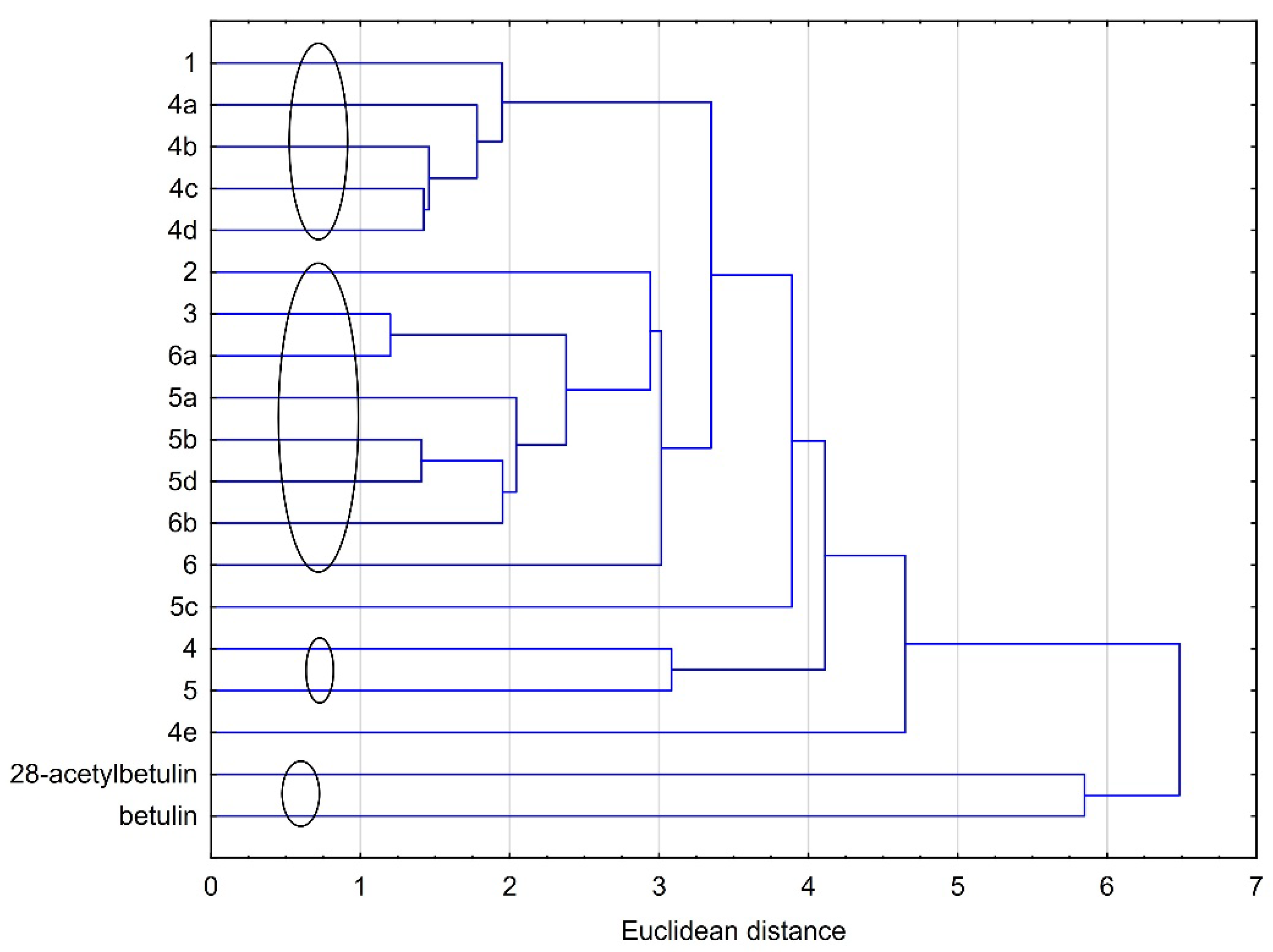
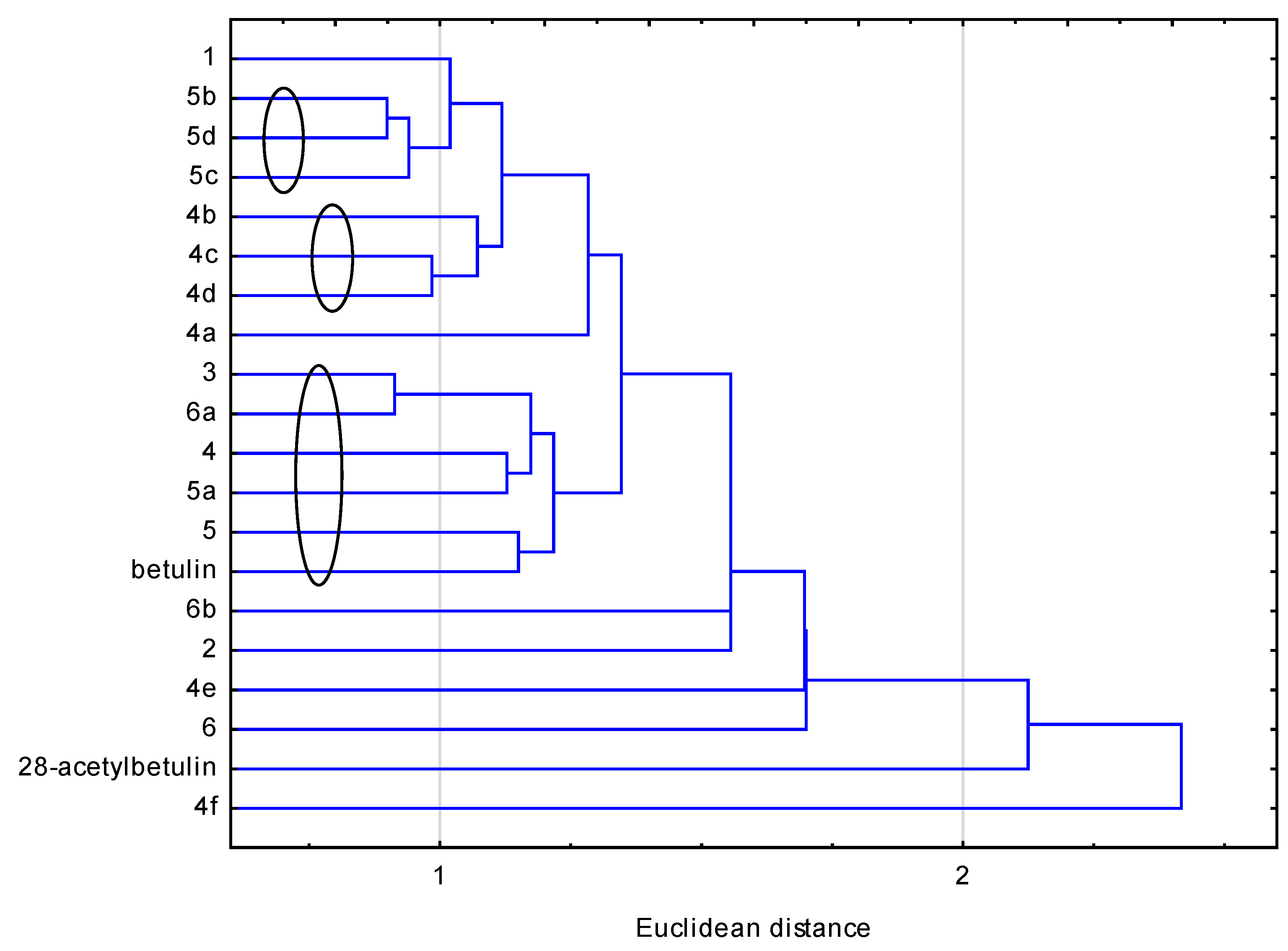
Due to the varying scales of the variables, the standardized data were used for the subsequent CA. To consider the similarities among all the analyzed data describing the compounds, a dendrogram was created. It is presented in the following figure (Figure 2). In this case, the analysis did not include compounds 5a and 4f due to missing data. These data describe anticancer activity, i.e., A549, HCT116, Hs249T, and Mia Paca-1 for compound 4f, and also PC-3, HCT116, and Mia Paca-1 for compound 5a. Several clusters can be distinguished in the figure: the first is composed of compounds 1 and 4a4d; the second is composed of compounds 2, 3, 6, 6a, 6b, and 5a5d; the third cluster is composed of compounds 4 and 5; and the fourth cluster is composed of 28-acetylbetulin and betulin.
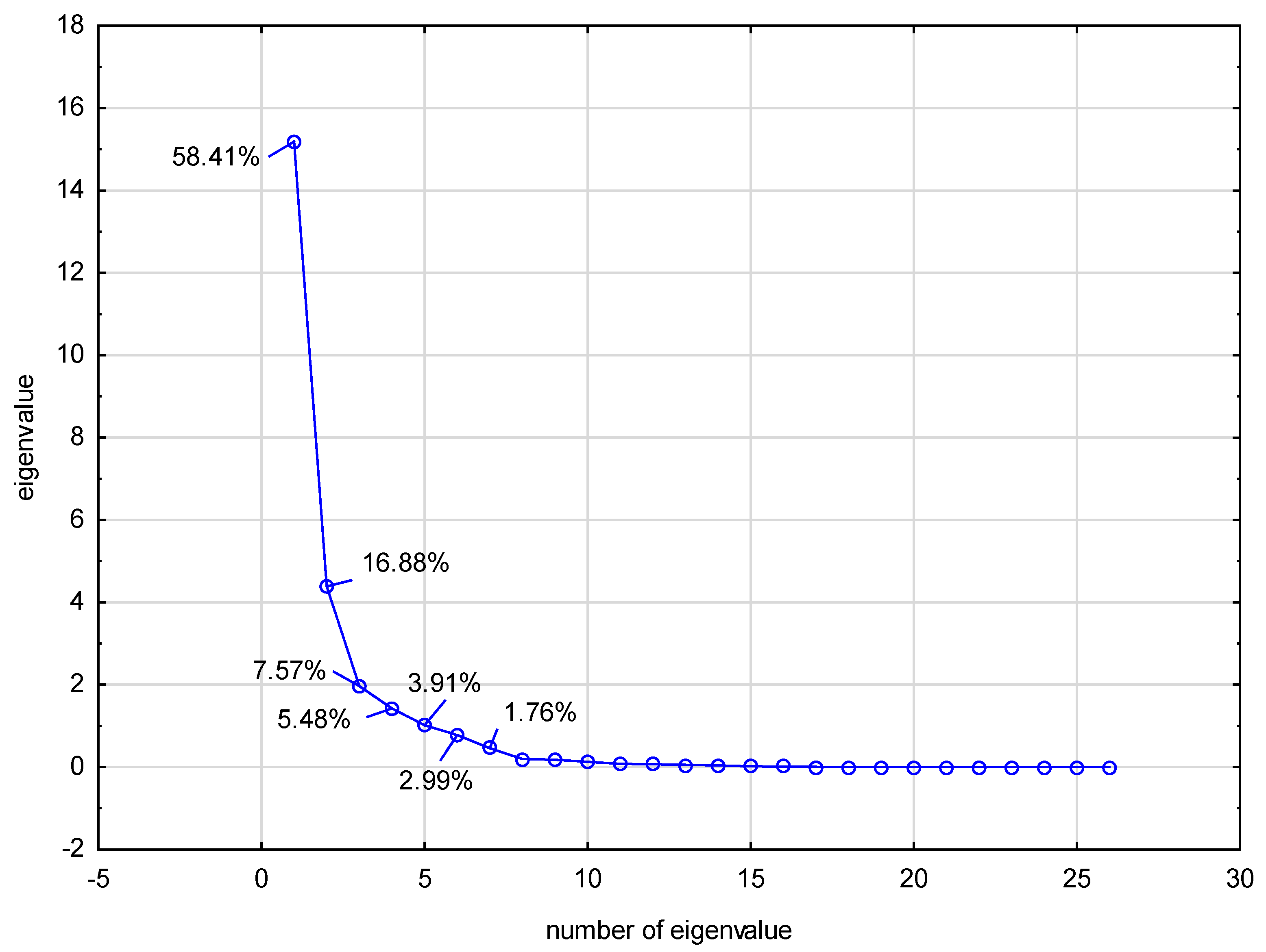
The next analysis conducted was PCA (principal component analysis), which applied the standardized data as well. This analysis extracted 17 eigenvalues. We evaluated the number of eigenvalues using both the Kaiser criterion and a scree plot (Figure 3), and, finally, the decision was based on the scree plot, which indicated seven eigenvalues. These eigenvalues describe the system’s variability as 97%, which is 5% greater than when the Kaiser rule is used. The next table (Table 9) presents the eigenvalue number, the eigenvalue itself, and the percentage of variance for subsequent eigenvalues.
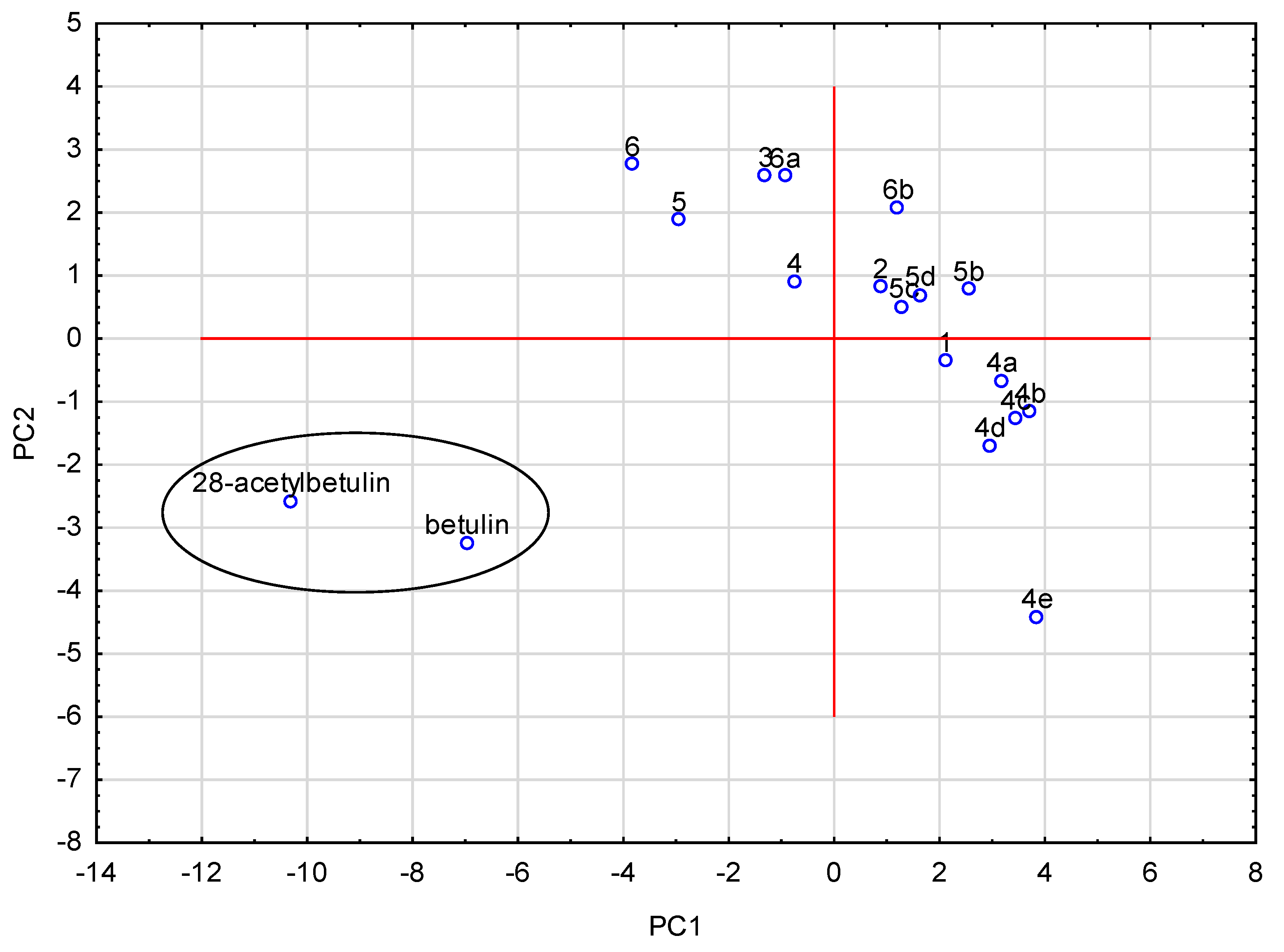
The projection of the cases onto the factor plane was created based on the obtained results, as shown in Figure 4. The analysis clearly distinguished two groups of compounds: betulin and 28-acetylbetulin, and a second group consisting of all the other compounds analyzed. It indicates that betulin and 28-acetylbetulin differ significantly from the others. This is confirmed by both their structure and the values of all the properties considered. The PCA also confirmed the previous cluster analysis based on the values of all the data for all the compounds (Figure 2). It is evident that betulin and 28-acetylbetulin form a separate cluster, distinct from the other compounds.
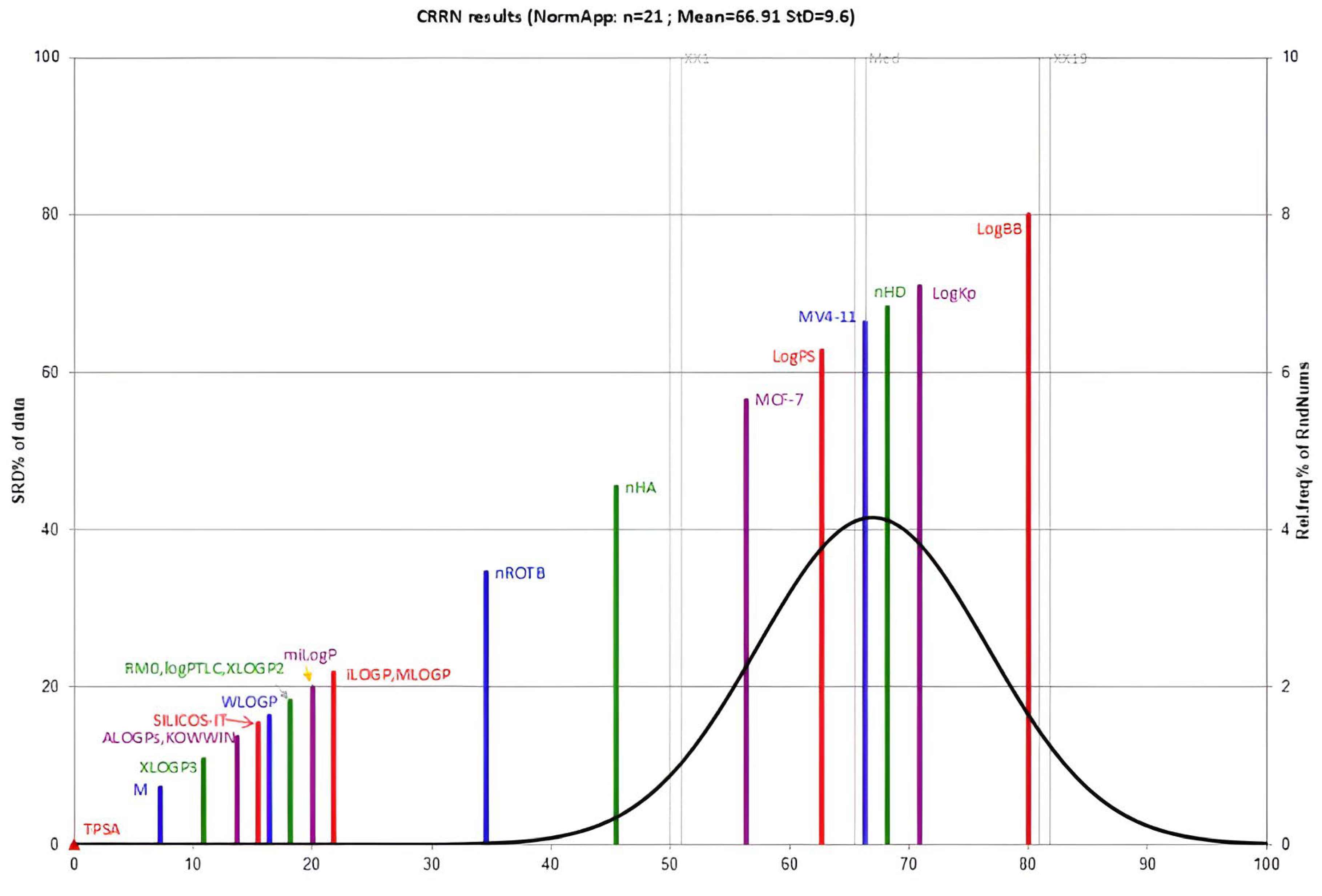
A nonparametric method, the sum of ranking differences (SRD) analysis was also applied to the studied data. Figure 5 illustrates the conducted analysis. Because low values of the sum of squared differences indicate that the statistical model fits the data well, all values on the left side of the graph, from TPSA to nROTB, properly describe the studied system. Taking into account that this group also includes lipophilicity parameters, both experimental and calculated using computer algorithms, they can be considered as appropriate parameters for describing the lipophilicity of the tested group of betulin derivatives.
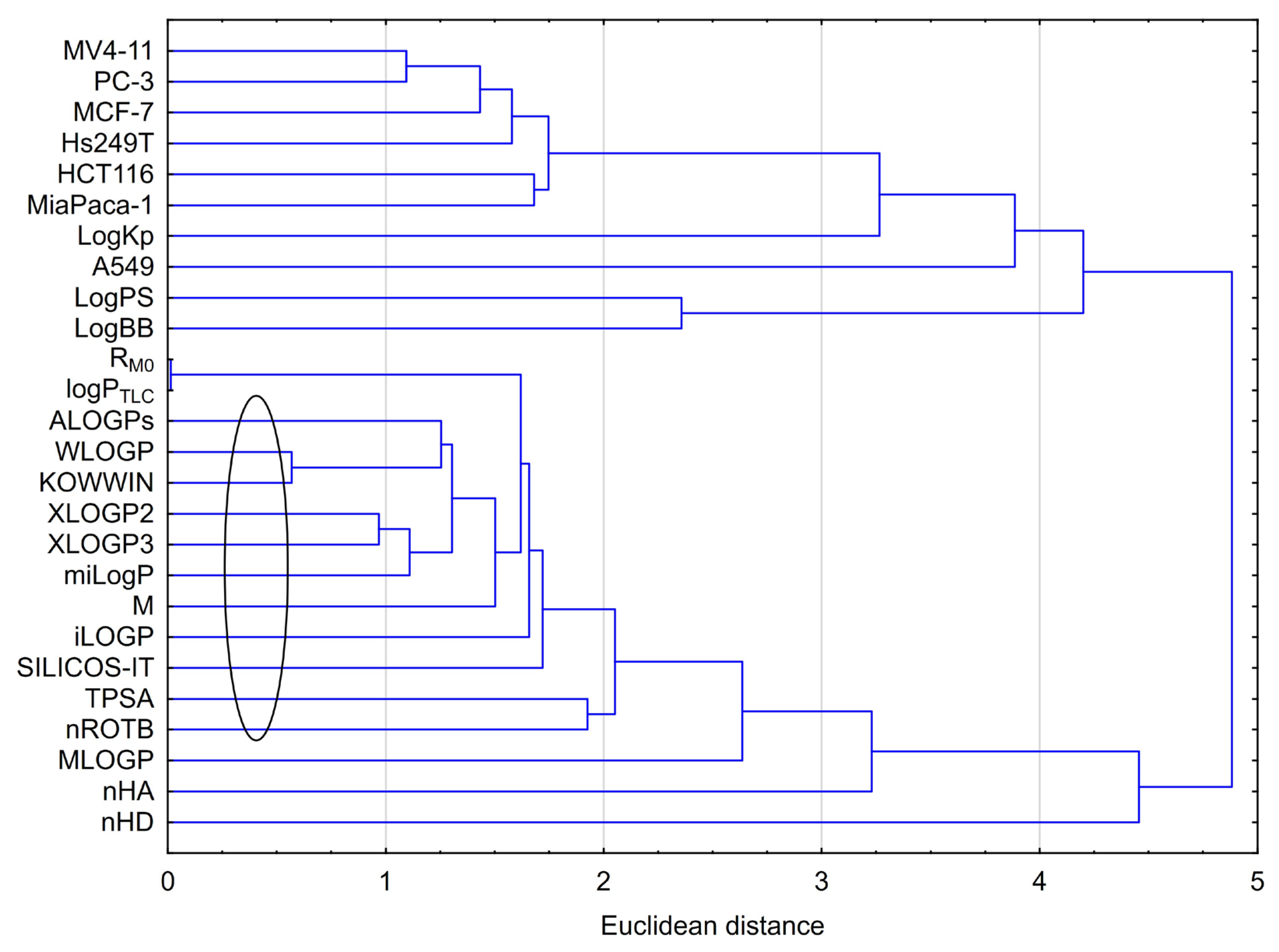
The SRD analysis performed for the same data corresponds well with the cluster analysis (Figure 6). The values with the smallest sums of squared differences form one cluster, i.e., indicating good similarity among them.
The sum of rank differences has previously been successfully used in other studies, for example, to assess the lipophilicity of alkyl and cycloalkyl s-triazine derivatives [33] or antioxidant compounds [34]. Chemometric analysis methods similar to those used in our study (CA, PCA, and SRD) were used for thiepino [3,2-c:6,7-c′]dipyridine and 16-benzothiepino [3,2-c]pyridine derivatives as potential antifungal drugs. For these groups of compounds, lipophilicity was also determined using thin-layer chromatography and in silico methods [35]. As in our case, the compounds studied by the authors can be described by the lipophilicity values determined theoretically.

4. Conclusions

The lipophilicity parameter logP is largely dependent on the structure and number of substituents in the chemical compound molecule. Choosing a calculation method that provides logP values that most closely match the experimental results, while requiring validation on other terpenoid groups, could be helpful in researching these types of compounds.
Lipophilicity values were determined for a group of 3,28-disubstituted betulin derivatives using thin-layer chromatography. It was observed that the type of carboxyacyl substituent at the C-3 position did not significantly affect the lipophilicity of the disubstituted derivatives. The introduction of a substituent (propynoyl group in compounds 4a, 5a, and 6a), which confers significant antiproliferative activity against MV4-11, PC-3, and Hs249T cells, increased lipophilicity compared to the monosubstituted analogs. A decrease in lipophilicity was observed for the alkynyl substituent at the terminal position (compounds 4a and 5a) compared to saturated substituents with the same number of carbon atoms (two carbon atoms in compounds 4d and 5d). In reality, the relationship between lipophilicity and antiproliferative activity may not be so clear cut. This requires further research, particularly an assessment of the mechanism of the anticancer activity of the compounds studied. This work provides a basis for such studies in the group of biologically active pentacyclic triterpenes of the lupane type. Theoretical lipophilicity values were also determined using available, free software. A range of other data was also obtained for the tested compounds, including physicochemical and pharmacokinetic parameters. The relationships between the experimental lipophilicity values (RM0 and logPTLC) and the remaining data describing the analyzed group of compounds were examined.
Basic analysis methods were used to analyze all data: correlation, similarity analysis, principal component analysis, and one of less frequently used method, the sum of ranking differences analysis. The correlation analysis revealed a significant correlation between RM0 and logPTLC, as well as the theoretically determined lipophilicity values. In the case of anticancer activity values, these correlations were not as high, and some data, i.e., compound 4f and values of MiaPaca as well as Hs2495, had to be omitted from this analysis due to a lack of proper values. In the case of physicochemical and pharmacokinetic data, only some of them yielded statistically significant correlations. The possibility of using correlation equations to determine lipophilicity values (RM0 and logPTLC) was assessed using the remaining data values. Mathematical equations were determined (Table 8) for the selected data, namely those with the highest correlation coefficients. The two multivariate analysis methods used, CA and PCA, demonstrated parallel similarity between compounds (Figure 2 and Figure 4). PCA allowed for the reduction of the number of data to seven through the use of eigenvalues. The SRD analysis, on the other hand, allowed for the selection of the data that best described the studied group of compounds. This selection coincides with the analysis of similarities between the data. The cluster created in this case consists of the same data as extracted by SRD analysis. These are: ALOGPs, KOWWIN, WLOGP, XLOGP2, XLOGP3, iLOGP, MLOGP, milogP, SILICOS-IT, M, TPSA, and nROTB. For most of them, the correlations also have high coefficient values, and it was possible to determine correlation equations to calculate the RM0 and logPTLC values based on them.

Author Contributions

E.C., K.B.-M. and E.B.: conceptualization, methodology, validation, writing—original draft preparation, project administration, funding acquisition, software, visualization, methodology and writing—review and editing; M.Ś.: writing—review and editing, J.W.: writing—review and editing, supervision and project administration. All authors have read and agreed to the published version of the manuscript.

Funding

This research was funded by the Medical University of Silesia, grant number (BNW-1-048/K/5/F).

Data Availability Statement

The original contributions presented in the study are included in the article; further inquiries can be directed to the corresponding authors.

Conflicts of Interest

The authors declare no conflicts of interest.

Abbreviations

The following abbreviations are used in this manuscript:
SARstructure–activity relationship
QSARquantitative structure–activity relationship
MWmolecular weight
RP-TLCreversed-phase thin-layer chromatography
RP-18octadecylsilane
CAcluster analysis
PCAprincipal component analysis
SRDsum of ranking differences
DDTdichlorodiphenyltrichloroethane
TPSAtopological surface area
nROTBnumber of rotatable bonds
nHDnumber of donors of hydrogen bonds
nHAnumber of acceptors of hydrogen bonds
logKpskin permeability
LogPScentral nervous system permeability
LogBBblood–brain barrier permeability

References

  1. Amiri, S.; Dastghaib, S.; Ahmadi, M.; Mehrbod, P.; Khadem, F.; Behrouj, H.; Aghanoori, M.R.; Machaj, F.; Ghamsari, M.; Rosik, J.; et al. Betulin and its derivatives as novel compounds with different pharmacological effects. Biotechnol. Adv. 2020, 38, 107409. [Google Scholar] [CrossRef] [PubMed]
  2. Patrick, G.L. Part D Tools of the trade. In An Introduction to Medicinal Chemistry, 4th ed.; Oxford University Press: New York, NY, USA, 2009; pp. 377–382. [Google Scholar]
  3. Samiulla, D.S.; Vaidyanathan, V.V.; Arun, P.C.; Balan, G.; Blaze, M.; Bondre, S.; Chandrasekhar, G.; Gadakh, A.; Kumar, R.; Kharvi, G.; et al. Rational selection of structurally diverse natural product scaffolds with favorable ADME properties for drug discovery. Mol. Divers. 2005, 9, 131–139. [Google Scholar] [CrossRef] [PubMed]
  4. Demets, O.V.; Takibayeva, A.T.; Kassenov, R.Z.; Aliyeva, M.R. Methods of Betulin Extraction from Birch Bark. Molecules 2022, 27, 3621. [Google Scholar] [CrossRef] [PubMed]
  5. Jalmakhanbetova, R.I.; Mukusheva, G.K.; Abdugalimov, A.S.; Zhumagalieva, Z.Z.; Dehaen, W.; Anthonissen, S.; Suleimen, Y.M.; Seidakhmetova, R.B. Synthesis and Investigation of Biological Activity of New Betulonic Acid Derivatives Containing 1,2,3-Triazole Fragments. Molecules 2024, 29, 3149. [Google Scholar] [CrossRef]
  6. Ali-Seyed, M.; Jantan, I.; Vijayaraghavan, K.; Bukhari, S.N.A. Betulinic acid: Recent advances in chemical modifications, effective delivery, and molecular mechanisms of a promising anticancer therapy. Chem. Biol. Drug Des. 2016, 87, 517–536. [Google Scholar] [CrossRef]
  7. Pozharitskaya, O.N.; Karlina, M.V.; Shikov, A.N.; Kosman, V.M.; Makarov, V.G.; Casals, E.; Rosenholm, J.M. Pharmacokinetics and tissue disposition of nanosystem entrapped betulin after endotracheal administration to rats. Eur. J. Drug Metab. Pharmacokinet. 2017, 42, 327–332. [Google Scholar] [CrossRef]
  8. Jaroszewski, B.; Jelonek, K.; Kasperczyk, J. Drug Delivery Systems of Betulin and Its Derivatives: An Overview. Biomedicines 2024, 12, 1168. [Google Scholar] [CrossRef]
  9. Sousa, J.L.C.; Freire, C.S.R.; Silvestre, A.J.D.; Silva, A.M.S. Recent Developments in the Functionalization of Betulinic Acid and Its Natural Analogues: A Route to New Bioactive Compounds. Molecules 2019, 24, 355. [Google Scholar] [CrossRef]
  10. Drag-Zalesińska, M.; Wysocka, T.; Borska, S.; Drąg, M.; Poręba, M.; Choromańska, A.; Kulbacka, J.; Saczko, J. The new esters derivatives of betulin and betulinic acid in epidermoid squamous carcinoma treatment-In vitro studies. Biomed. Pharmacother. 2015, 72, 91–97. [Google Scholar] [CrossRef]
  11. Cai, S.; Guo, X.; Yang, H.; Zhao, T.; Li, Y.; Deng, N.; Gao, Z.; Meng, O.; Li, X.; Wang, S. Synthesis and antitumor effects of novel betulinic acid derivatives bearing electrophilic moieties. Bioorg. Med. Chem. 2025, 119, 118062. [Google Scholar] [CrossRef]
  12. Khan, D.A.U. Descriptors and their selection methods in QSAR analysis: Paradigm for drug design. Drug Discov. Today 2016, 21, 1291–1302. [Google Scholar] [CrossRef]
  13. Andric, F.; Bajusz, D.; Rácz, A.; Segane, S.; Héberger, K. Multivariate assessment of lipophilicity scales—Computational and reversed phase thin-layer chromatographic indices. J. Pharm. Biomed. Anal. 2016, 127, 81–93. [Google Scholar] [CrossRef]
  14. Šegan, S.; Krunić, M.J.; Andrić, D.B.; Šukalović, V.B.; Penjišević, J.Z.; Jevtić, I.I. Evaluation of lipophilicity and drug-likeness of donepezil-like compounds using reversed-phase thin-layer chromatography. Biomed. Chromatogr. 2024, 38, e5867. [Google Scholar] [CrossRef] [PubMed]
  15. Soares, J.X.; Santos, Á.; Fernandes, C.; Pinto, M.M.M. Liquid Chromatography on the Different Methods for the Determination of Lipophilicity: An Essential Analytical Tool in Medicinal Chemistry. Chemosensors 2022, 10, 340. [Google Scholar] [CrossRef]
  16. Chrobak, E.; Świtalska, M.; Wietrzyk, J.; Bębenek, E. New Difunctional Derivatives of Betulin: Preparation, Characterization and Antiproliferative Potential. Molecules 2025, 30, 611. [Google Scholar] [CrossRef] [PubMed]
  17. Sziklai, B.R.; Héberger, K. Apportionment and districting by Sum of Ranking Differences. PLoS ONE 2020, 15, e0229209. [Google Scholar] [CrossRef]
  18. Andrić, F.; Héberger, K. Chromatographic and computational assessment of lipophilicity using sum of ranking differences and generalized pair-correlation. J. Chromatogr. A 2015, 1380, 130–138. [Google Scholar] [CrossRef]
  19. Škrbić, B.; Héberger, K.; Durišić-Mladenović, N. Comparison of multianalyte proficiency test results by sum of ranking differences, principal component analysis, and hierarchical cluster analysis. Anal. Bioanal. Chem. 2013, 405, 8363–8375. [Google Scholar] [CrossRef]
  20. Héberger, K.; Škrbić, B. Ranking and similarity for quantitative structure–retention relationship models in predicting Lee retention indices of polycyclic aromatic hydrocarbons. Anal. Chim. Acta 2012, 716, 92–100. [Google Scholar] [CrossRef]
  21. Bodor, N.; Gabanyi, Z.; Wong, C.K. A New Method for the Estimation of Partition Coefficient. J. Am. Chem. Soc. 1989, 111, 3783–3786. [Google Scholar] [CrossRef]
  22. Berthod, A. Band broadening inside the chromatographic column: The interest of a liquid stationary phase. J. Chromatogr. A 2006, 1126, 347–356. [Google Scholar] [CrossRef] [PubMed]
  23. Mannhold, R.; Cruciani, G.; Dross, K.; Rekker, R. Multivariate analysis of experimental and computational descriptors of molecular lipophilicity. J. Comput. Aided Mol. Des. 1998, 12, 573–581. [Google Scholar] [CrossRef] [PubMed]
  24. Kujawski, J.; Popielarska, H.; Myka, A.; Drabińska, B.; Bernard, M.K. The log P Parameter as a Molecular Descriptor in the Computer-aided Drug Design—An Overview. Comput. Methods Sci. Technol. 2012, 18, 81–88. [Google Scholar] [CrossRef]
  25. Available online: http://swissadme.ch (accessed on 21 May 2025).
  26. Available online: https://www.molinspiration.com/services/logp.html (accessed on 5 January 2024).
  27. Tetko, I.V.; Gasteiger, J.; Todeschini, R.; Mauri, A.; Livingstone, D.; Ertl, P.; Palyulin, V.A.; Radchenko, E.V.; Zefirov, N.S.; Makarenko, A.S.; et al. Virtual computational chemistry laboratory-design and description. J. Comput. Aid Mol. Des. 2005, 19, 453–463. [Google Scholar] [CrossRef]
  28. Available online: https://vcclab.org (accessed on 12 September 2025).
  29. Estimation Programs Interface Suite™ for Microsoft® Windows, v 4.11; United States Environmental Protection Agency: Washington, DC, USA, 2017.
  30. Available online: https://biosig.lab.uq.edu.au/pkcsm (accessed on 21 May 2025).
  31. Sarkar, P.; Alheety, M.A.; Srivastava, V. Molecular Docking and ADMET Study of Spice-Derived Potential Phytochemicals Against Human DNA Topoisomerase III Alpha. Macromol. Symp. 2023, 407, 2200108. [Google Scholar] [CrossRef]
  32. Stępnik, K.; Kukula-Koch, W.; Plazinski, W.; Rybicka, M.; Gawel, K. Neuroprotective Properties of Oleanolic Acid—Computational-Driven Molecular Research Combined with In Vitro and In Vivo Experiments. Pharmaceuticals 2023, 16, 1234. [Google Scholar] [CrossRef]
  33. Salaković, B.; Kovačević, S.; Karadžić-Banjac, M.; Jevrić, L.; Podunavac-Kuzmanović, S.; Antonović, D. Comparative chemometric analysis, ranking and selection of lipophilicity parameters of 6-chloro-1,3,5-triazine derivatives with acyclic and cyclic substituents. Acta Period. Technol. 2022, 53, 88–99. [Google Scholar] [CrossRef]
  34. Sima, I.A.; Kot-Wasik, A.; Wasik, A.; Namieśnik, J.; Sârbu, C. Assessment of Lipophilicity Indices Derived from Retention Behavior of Antioxidant Compounds in RP-HPLC. Molecules 2017, 22, 550. [Google Scholar] [CrossRef]
  35. Šegan, S.; Božinović, N.; Opsenica, I.; Andrić, F. Consensus-based comparison of chromatographic and computationally estimated lipophilicity of benzothiepino [3,2-c]pyridine derivatives as potential antifungal drugs. J. Sep. Sci. 2017, 40, 2089–2096. [Google Scholar] [CrossRef]
Figure 1. Cluster analysis of lipophilicity values for the betulin derivatives analyzed.
Processes 14 00708 g001
Figure 2. Cluster analysis of all data describing the compounds analyzed.
Processes 14 00708 g002
Figure 3. Scree plot for data analyzed.
Processes 14 00708 g003
Figure 4. The projection of the cases onto the factor plane for data analyzed.
Processes 14 00708 g004
Figure 5. Graphical representation the sum of ranking differences analysis (SRD) for data analyzed.
Processes 14 00708 g005
Figure 6. Cluster analysis for all data analysed grouping the parameters describing the betulin derivatives analysed.
Processes 14 00708 g006
Table 1. Structural formulae of the tested compounds.
No.
of Compound
Chemical StructureNo.
of Compound
Chemical Structure
1Processes 14 00708 i0015Processes 14 00708 i002
2Processes 14 00708 i0035aProcesses 14 00708 i004
3Processes 14 00708 i0055bProcesses 14 00708 i006
4Processes 14 00708 i0075cProcesses 14 00708 i008
4aProcesses 14 00708 i0095dProcesses 14 00708 i010
4bProcesses 14 00708 i0116Processes 14 00708 i012
4cProcesses 14 00708 i0136aProcesses 14 00708 i014
4dProcesses 14 00708 i0156bProcesses 14 00708 i016
4eProcesses 14 00708 i017betulin
(BET)
Processes 14 00708 i018
4fProcesses 14 00708 i01928-acetylbetulin
(28-BET)
Processes 14 00708 i020
Table 2. RM0 and logPlit values for standard substances.
Standard
Substance
Chemical
Name
RM0logPlit
A1acetanilide0.711.21
A2prednisone0.851.62
A3benzophenone2.023.18
A4testosterone1.723.32
A5anthracene3.034.45
A6dibenzyl3.644.79
A79-phenylanthracene3.986.01
A8DDT4.676.38
Table 3. Lipophilicity data for betulin derivatives, obtained both experimentally and theoretically.
CompoundRM0logPTLCiLOGPAlogPsXLOGP2XLOGP3WLOGPMLOGPSILICOS-ITKOWWINmiLogP
16.318.595.486.869.9310.059.016.407.9810.818.69
26.068.275.446.669.169.798.627.567.5310.408.55
35.928.094.596.238.668.867.985.877.849.537.84
46.058.264.766.229.199.488.446.147.439.888.26
4a6.879.295.756.710.2010.538.706.489.2310.618.67
4b6.538.865.847.1410.1810.569.486.829.0811.598.78
4c6.959.405.277.3610.5911.049.096.658.5011.159.02
4d6.999.455.837.2110.1810.529.406.578.4011.388.86
4e7.169.666.357.1611.0111.599.426.998.9411.959.18
4f8.1210.876.277.5412.3012.3010.127.249.5712.379.29
55.357.374.596.118.429.228.055.967.019.398.03
5a6.208.454.946.659.4310.278.316.317.8110.128.52
5b6.659.025.797.079.4110.309.096.658.6511.108.65
5c6.568.905.397.269.8210.788.706.488.0810.668.91
5d6.839.245.407.019.4110.269.016.407.9810.898.74
65.898.064.445.457.928.297.415.606.508.527.14
6a5.928.094.806.248.949.347.685.967.299.257.79
6b6.909.335.206.798.929.378.466.318.1310.238.02
BET4.516.314.475.347.818.287.006.006.218.187.16
28-BET5.337.354.935.538.558.867.576.206.858.777.87
Table 4. Correlations matrix for all lipophilicity data obtained.
RM0logPTLCiLOGPALOGPsXLOGP2XLOGP3WLOGPMLOGPSILICOS-ITKOWWINmiLogP
RM01.000
logPTLC0.9991.000
iLOGP0.8190.8181.000
ALOGPs0.8770.8770.8301.000
XLOGP20.8770.8770.8720.8601.000
XLOGP30.8680.8680.8820.9100.9681.000
WLOGP0.8860.8860.9000.9330.9080.9141.000
MLOGP0.6040.6040.8140.7040.7200.7470.7551.000
SILICOS-IT0.8890.8880.8810.8880.8900.8820.9010.6561.000
KOWWIN0.8920.8920.9240.9530.9190.9380.9900.7700.9221.000
miLogP0.8140.8140.8660.9360.9030.9520.9350.7730.8580.9481.000
Table 5. Correlation matrix of experimental values of lipophilicity and anticancer activity for the betulin derivatives analyzed.
RM0logPTLCMV4-11A549MCF-7PC-3HCT116
RM01.000
logPTLC0.9991.000
MV4-11−0.737−0.7371.000
A549−0.027−0.0280.2601.000
MCF-7−0.692−0.6920.9180.4481.000
PC-3−0.728−0.7270.9420.2410.8841.000
HCT116−0.634−0.6340.8580.5220.8470.8141.000
Table 6. Values of selected physicochemical and pharmacokinetic parameters of the analyzed betulin derivatives.
CompoundMW [g/mol]TPSA [Å2]nROTBnHDnHALog KpLog PSLogBB
1626.9189.90815−2.735−2.227−0.570
2612.8889.90916−2.734−2.176−0.525
3584.8389.90916−2.734−2.324−0.521
4584.8783.83724−2.735−1.556−0.213
4a639.9089.90815−2.735−2.275−0.554
4b664.9589.901015−2.735−2.271−0.591
4c650.9389.90815−2.735−2.220−0.548
4d640.9389.90915−2.735−2.225−0.605
4e676.9689.90815−2.735−2.165−0.510
4f713.0089.90815−2.735−2.058−0.516
5570.8483.83725−2.734−1.5130.153
5a622.8789.90916−2.734−2.224−0.508
5b650.9389.901116−2.734−2.169−0.503
5c636.9089.90916−2.734−1.6660.106
5d626.9189.901016−2.734−2.173−0.559
6542.7983.83725−2.734−2.276−0.538
6a594.8289.90916−2.734−2.320−0.558
6b622.8789.901116−2.734−2.220−0.545
BET442.7240.46222−2.737−1.770−0.444
28-BET484.7546.53313−2.614−2.244−0.326
Table 7. Correlation matrix between experimental values of lipophilicity, and the physicochemical and pharmacokinetic parameters for the betulin derivatives analyzed.
RM0logPTLCMWTPSAnROTBnHDnHALogKpLogPSLogBB
RM01.000
logPTLC0.9991.000
MW0.9170.9161.000
TPSA0.6920.6920.8481.000
nROTB0.6360.6350.7780.8971.000
nHD−0.196−0.197−0.0810.2690.4401.000
nHA0.4220.4230.3590.0678−0.162−0.9401.000
LogKp−0.306−0.305−0.462−0.624−0.530−0.2410.0221.000
LogPS−0.307−0.308−0.241−0.236−0.3290.029−0.084−0.1301.000
LogBB−0.330−0.331−0.232−0.164−0.2470.196−0.2300.1290.8461.000
Table 8. Selected correlation equation describing the relationships between RM0 or logPTLC and other data.
Dependent VariableEquationrsFNumber of Equation
RM00.8794 (±0.1082) WLOGP − 1.1872 (±0.9320)
0.7684 (±0.0933) SILICOS-IT + 0.7684 (±0.0933)
0.6130 (±0.0733) KOWWIN + 0.0149 (±0.7624)
−0.0474 (±0.0105) MV4-11 + 6.6205 (±0.1352)
−0.0269 (±0.0062) PC-3 + 6.8227 (±0.1696)
0.2224 (±0.0637) nROTB + 4.5532 (±0.5343)
0.0114 (±0.0012) MW − 0.5814 (±0.7163)
0.0383 (±0.0094) TPSA + 3.1210 (±0.8063)
0.886
0.889
0.892
−0.737
−0.728
0.636
0.917
0.692
0.374
0.370
0.365
0.476
0.484
0.632
0.324
0.583
66
68
70
20
19
12
95
17
(4)
(5)
(6)
(7)
(8)
(9)
(10)
(11)
logPTLC1.1112 (±0.1367) WLOGP − 0.8874 (±1.1774)
0.9703 (±0.1182) SILICOS-IT + 0.9287 (±0.9455)
0.7745 (±0.0926) KOWWIN + 0.6324 (±0.9635)
−0.0957 (±0.0133) MV4-11 + 8.9787 (±0.1710)
−0.0340 (±0.0078) PC-3 + 9.2341 (±0.2146)
0.2809 (±0.0804) nROTB + 6.3674 (±0.6754)
0.0144 (±0.0015) MW − 0.1194 (±0.9062)
0.0484 (±0.0119) TPSA + 4.5573 (±1.0190)
0.886
0.888
0.892
−0.737
−0.727
0.635
0.916
0.692
0.472
0.468
0.462
0.602
0.612
0.789
0.408
0.737
66
67
70
20
19
12
94
17
(12)
(13)
(14)
(15)
(16)
(17)
(18)
(19)
Table 9. Eigenvalues considered for compounds investigated.
Number of EigenvalueEigenvalue% of Total Variance
115.18858.41
24.38875.29
31.96982.86
41.42488.34
51.01792.25
60.77895.24
70.45797.00
Disclaimer/Publisher’s Note: The statements, opinions and data contained in all publications are solely those of the individual author(s) and contributor(s) and not of MDPI and/or the editor(s). MDPI and/or the editor(s) disclaim responsibility for any injury to people or property resulting from any ideas, methods, instructions or products referred to in the content.