Article

Numerical Investigation of Impeller Parameters and Internal Flow Characteristics in a Vortex Pump

School of Mechanical Engineering, Yanshan University, Qinhuangdao 066000, China
*
Author to whom correspondence should be addressed.
Processes 2026, 14(4), 683; https://doi.org/10.3390/pr14040683
Submission received: 20 January 2026 / Revised: 13 February 2026 / Accepted: 14 February 2026 / Published: 17 February 2026
(This article belongs to the Section Process Control and Monitoring)

Abstract

This study employs three-dimensional unsteady CFD simulations with the sliding mesh method to investigate the influence of key impeller geometric parameters—blade partition thickness and blade inclination angle—on the internal flow and performance of a vortex pump. The results show that reducing partition thickness enhances internal flow uniformity and increases the discharge rate, while excessive thinning raises the inlet negative pressure. A rearward blade inclination of 10° optimizes flow alignment, reduces impact losses, and improves efficiency, with benefits plateauing beyond this angle. An optimized impeller design was developed, with a partition thickness of 0.8 mm, blade height of 4.6 mm, 10° rearward inclination, and 42 blades. Compared to the baseline, the optimized model increased flow rate by 14.3%, head by 2.1%, and hydraulic efficiency by 10.8%, while also promoting a more uniform flow field and stabilized vortex structure. This study provides valuable insights and a practical framework for optimizing the impeller design and internal flow management of vortex pumps.

1. Introduction

Vortex pumps, also known as regenerative or turbo pumps, are widely employed in applications requiring low flow rates and high heads due to their compact structure, small size, and low manufacturing cost [1]. Their operation is based on a regenerative flow principle, which fundamentally differs from conventional centrifugal pumps. As illustrated in Figure 1, fluid enters the impeller channels and is subjected to repeated energy transfer through a combination of centrifugal action and viscous shear within a narrow annular passage formed between the impeller and the casing. This process allows the fluid to undergo multiple accelerations in a single stage, resulting in a significant rise in pressure at relatively low volumetric flow rates. This unique mechanism makes vortex pumps particularly suitable for applications where space is constrained and stable performance at low flow conditions is essential, such as in medical devices, laboratory equipment, and precision dosing systems.
However, the hydraulic efficiency of vortex pumps is generally low, typically ranging from 20% to 40%, with small-power models sometimes falling below 30%. This poor efficiency primarily stems from the complex internal flow patterns characterized by strong three-dimensional vortices, recirculation zones, intense fluid–structure interactions and associated multiscale energy dissipation mechanisms [2]. Enhancing the efficiency and operational stability of vortex pumps therefore remains a significant challenge in fluid machinery engineering.
The methodology for understanding and optimizing vortex pumps has evolved significantly. Early research established foundational theoretical models, such as the “axial vortex” and “axial–radial vortex” coupled theories, to describe the regenerative energy transfer process [3]. While these models, often incorporating concepts of momentum exchange and turbulent friction, provided initial design frameworks, their reliance on substantial simplifications limited their ability to accurately predict the complex, three-dimensional turbulent flows inherent to practical pump designs [4].
The application of computational fluid dynamics (CFD) and advanced experimental measurement techniques has significantly advanced research into the complex internal flows and performance optimization of vortex pumps. Current investigations primarily focus on three key areas: the influencing mechanisms of critical structural parameters, the accurate characterization of internal flow and energy loss, and novel optimization design methodologies.
Regarding the impact of structural parameters, research has progressed from analyzing single parameters to exploring the coupled effects of multiple factors. Zhou L [5] combined numerical and experimental methods to systematically examine how clearance variations affect internal vortex structures, leakage flow, and recirculation. Gao X. [6] employed an orthogonal experimental approach to simultaneously adjust the impeller outer diameter, outlet width, and blade setting angle, analyzing the effects of different parameter combinations on efficiency and head, and revealing the primary and secondary influences among structural parameters. Wan Ruilong [7] used ANSYS CFX 2021 R1 simulations to study the effects of blade angles and geometry on separation zones and local vortex structures, investigating their adverse impacts on efficiency and cavitation performance. Nejadrajabali J. [8] systematically investigated, through numerical simulation, the influence of symmetric versus asymmetric blade angles on regenerative pump performance, confirming that forward blades with symmetric angles significantly enhance both pump head and efficiency. Gülich J F. [9] systematically analyzed the impact of various geometric parameters and internal flow features on impeller velocity distribution and their consequent influence on overall performance and part-load characteristics, providing criteria for preliminary design parameter selection and discussing methods to quantify mixing losses arising from outlet flow non-uniformity.
With advances in flow visualization and high-fidelity simulation techniques, studies on internal flow mechanisms have deepened. Mihalić T [10] integrated experimental and computational fluid dynamics (CFD) to systematically study the mechanism and effectiveness of adding a vortex rotor at the rear of a centrifugal pump for performance enhancement. The work evaluated the contribution of the vortex rotor to pump head and efficiency and analyzed the energy conversion process resulting from the interaction between the centrifugal and vortex sections through flow field visualization. Tong Z [11] developed a time-resolved, non-intrusive three-dimensional flow visualization method for investigating complex vortex structures in centrifugal pumps. This approach integrates the Omega vortex identification criterion with tomographic particle image velocimetry (tomo-PIV), enabling qualitative and quantitative analysis of flow behavior under various stall conditions with high spatiotemporal resolution. Furthermore, Kan K. [12] applied entropy production theory to uncover energy loss mechanisms in mixed-flow pumps under off-design conditions, attributing the primary efficiency drop to flow separation and large-scale vortices induced by inlet angle mismatch. Subsequent work also elucidated how increased wall roughness deteriorates pump-as-turbine performance by reducing static pressure on blade surfaces and increasing near-wall turbulent kinetic energy [13]. Expanding the scope to more complex multiphase flow conditions, Quan H. [14] numerically investigated the gas-blocking failure mechanism in a helical-axial multiphase pump by introducing non-uniform inlet boundary conditions. The study revealed that a linear pressure change at the inlet, compared to a sinusoidal variation, intensifies gas–liquid separation and leads to more severe performance degradation. Insinna M [15] conducted a thorough investigation by systematically comparing results from steady and unsteady 3D CFD simulations to validate their in-house one-dimensional tool (DART) for regenerative pumps. Their work demonstrated the tool’s reliability in predicting pump performance, offering an efficient low-order method to accelerate the design process.
In the application of optimization design methodologies, the integration of high-fidelity simulation tools with intelligent algorithms is emerging as a dominant paradigm for enhancing pump performance. Mihalić T [16] developed and validated a robust CFD model based on the Detached Eddy Simulation (DES) approach, providing an efficient and reliable tool for analyzing complex flow structures and optimizing centrifugal pump performance under demanding operating conditions. In a separate study, Zhou P. [17] proposed a multi-objective optimization framework integrating the Whale Optimization Algorithm (WOA) with Gaussian Process Regression (GPR), which successfully increased the head and efficiency of a vortex pump across various operating conditions. A significant reduction in internal energy loss was confirmed through entropy production and rigid vorticity analysis. Zhao J. [18] developed an optimization framework combining CFD, dimensionality reduction, a GA-BPNN surrogate model, and MIGA for multistage pump design. This approach achieved a 4.29% efficiency improvement at the design point along with enhanced overload performance, with flow analysis confirming reduced flow instabilities. Collectively, these advanced methods are shifting pump design from traditional trial-and-error approaches toward a more precise, data- and algorithm-driven paradigm.
Despite these contributions, most existing studies have examined single factors or limited parameter combinations. The underlying mechanisms governing internal recirculation zones, secondary vortex structures, and energy loss paths remain insufficiently clarified. Therefore, this study aims to conduct a systematic numerical investigation into the effects of key impeller geometric parameters—specifically blade partition thickness and blade inclination angle—on the internal flow structure and overall performance of a vortex pump. Through comparative analysis of pressure distribution, velocity fields, streamlines, and vortex intensity, the mechanisms by which these parameters affect energy transfer and loss are elucidated. Finally, based on the parameter sensitivity analysis, an optimized impeller design is proposed to achieve higher efficiency and more stable performance.

2. Numerical Methodology

2.1. Geometric Model and Mesh

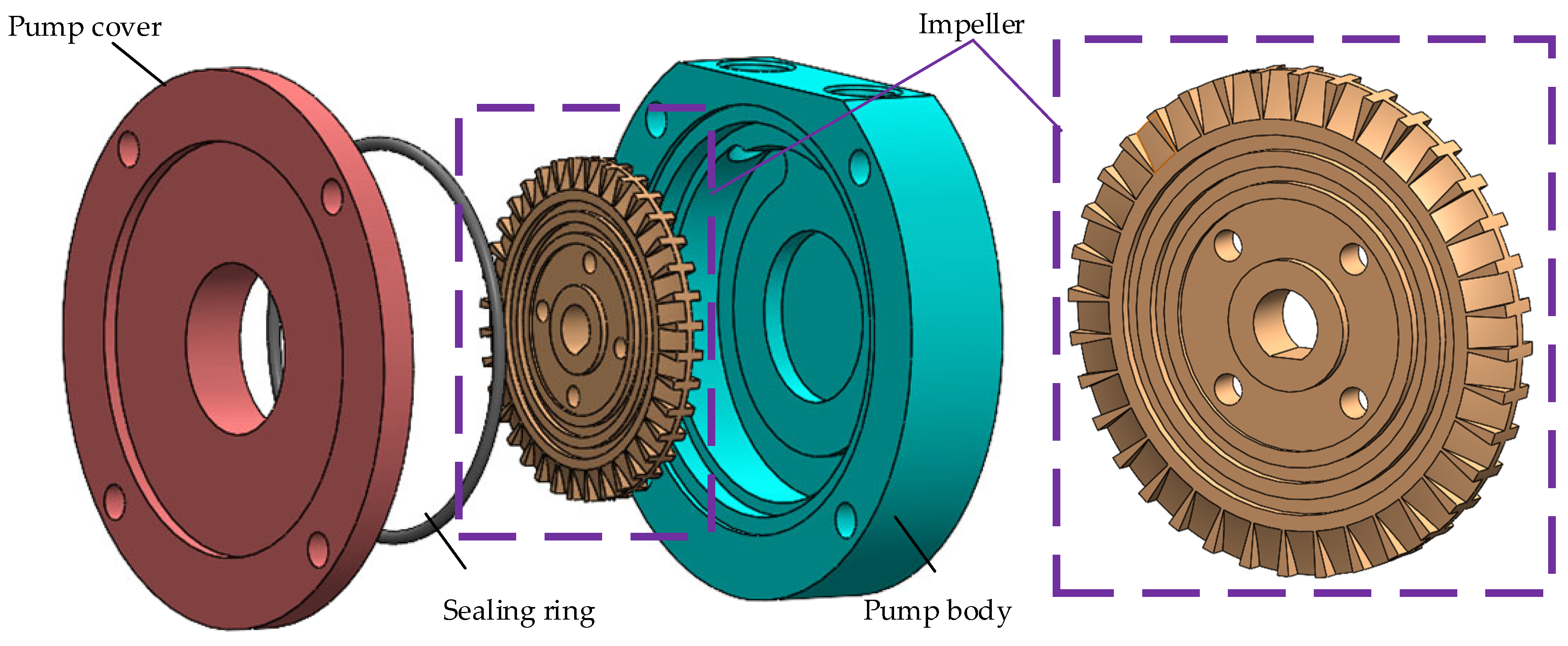
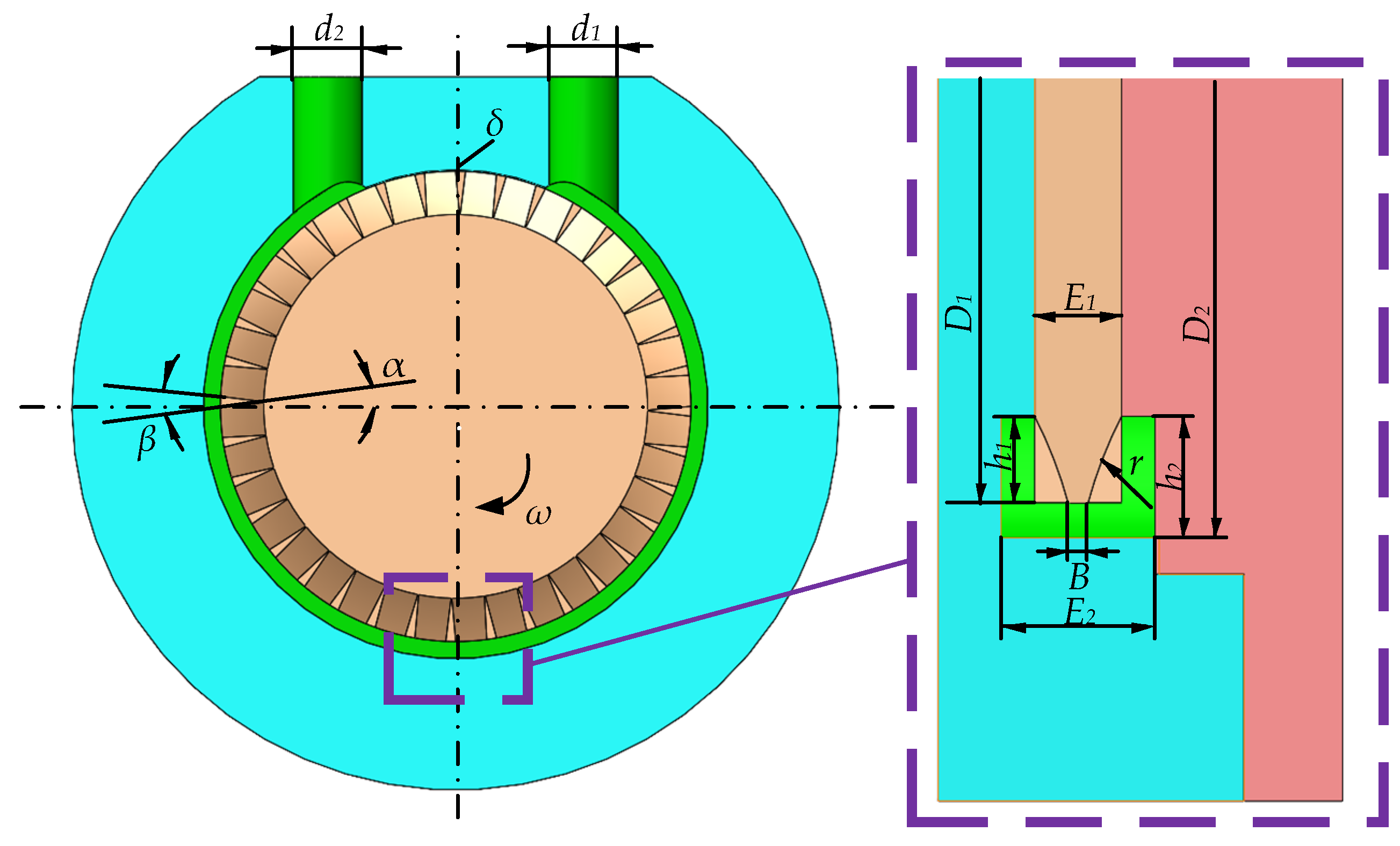
This study focuses on a vortex pump designed for hemodialysis applications. A three-dimensional geometric model of the impeller and pump housing was constructed using SolidWorks 2020, as shown in Figure 2. Figure 3 illustrates the internal structure of the pump, with the corresponding dimensional parameters detailed in Table 1.
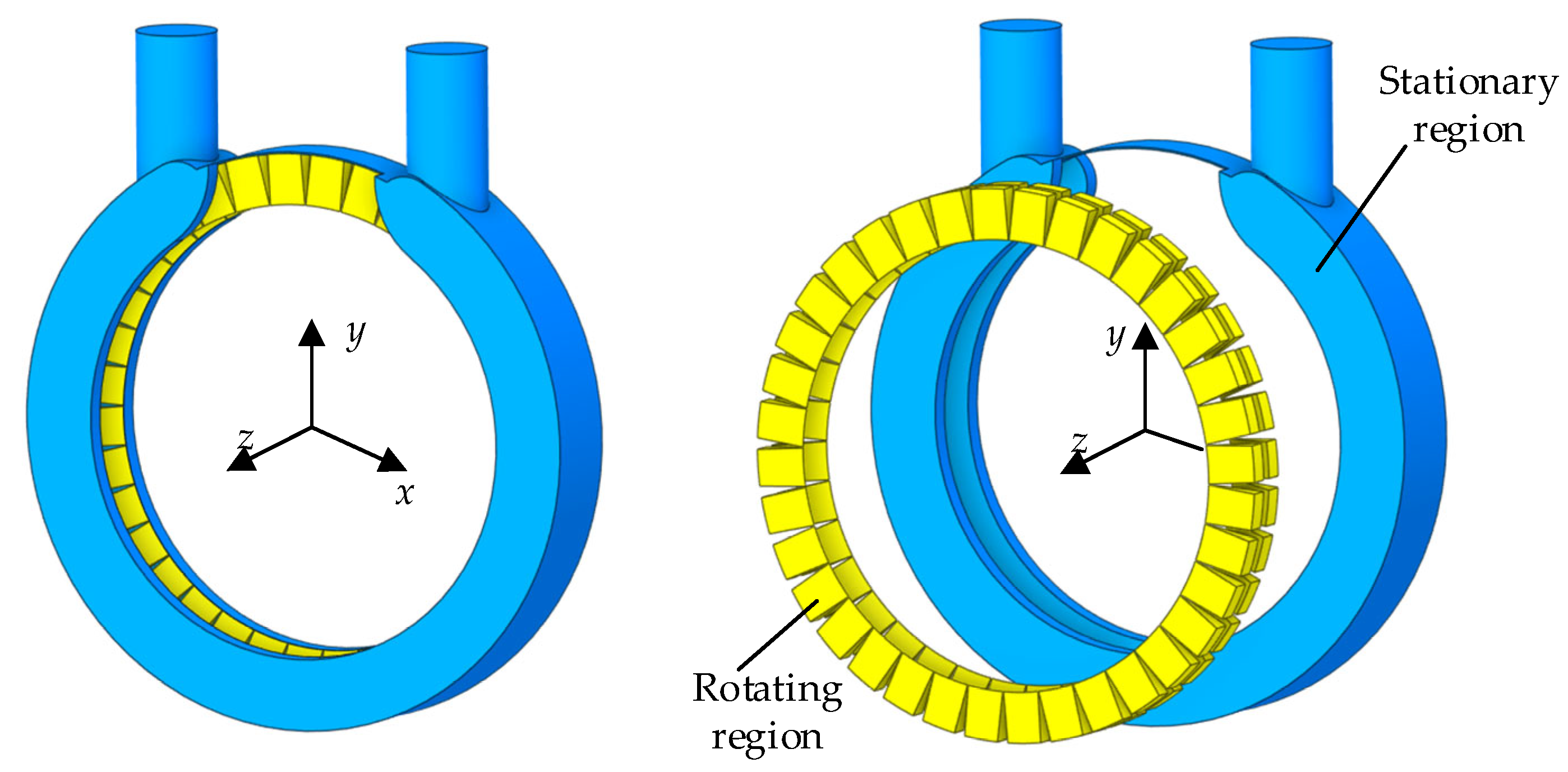
The fluid domain was extracted using ANSYS 2020 SpaceClaim. This domain comprises the cavity formed between the pump body, the pump cover, and the impeller, as shown in Figure 4, and includes both rotating and stationary regions. The rotating region generates vortices to drive the fluid flow, while the stationary region provides a return path and stabilizes the fluid motion.
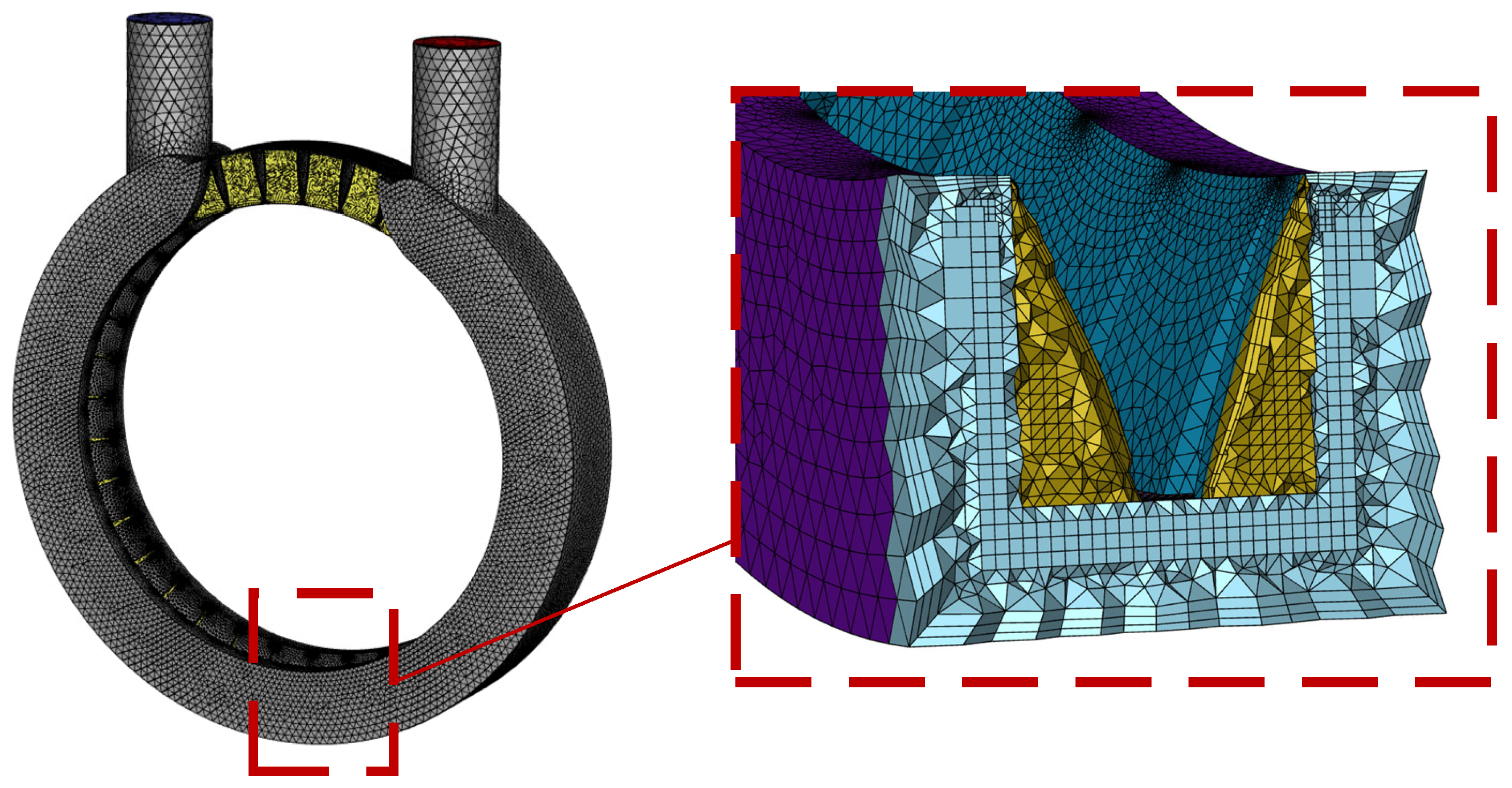
The internal flow field of the vortex pump is complex, particularly due to the large number of impeller blades, which create small-volume regions. To accurately capture the flow field characteristics, an unstructured mesh was employed for the discretization of the computational domain, as shown in Figure 5. Unstructured meshes are advantageous for adapting to irregular computational domains and can effectively handle the complex geometry of the vortex pump flow passages.
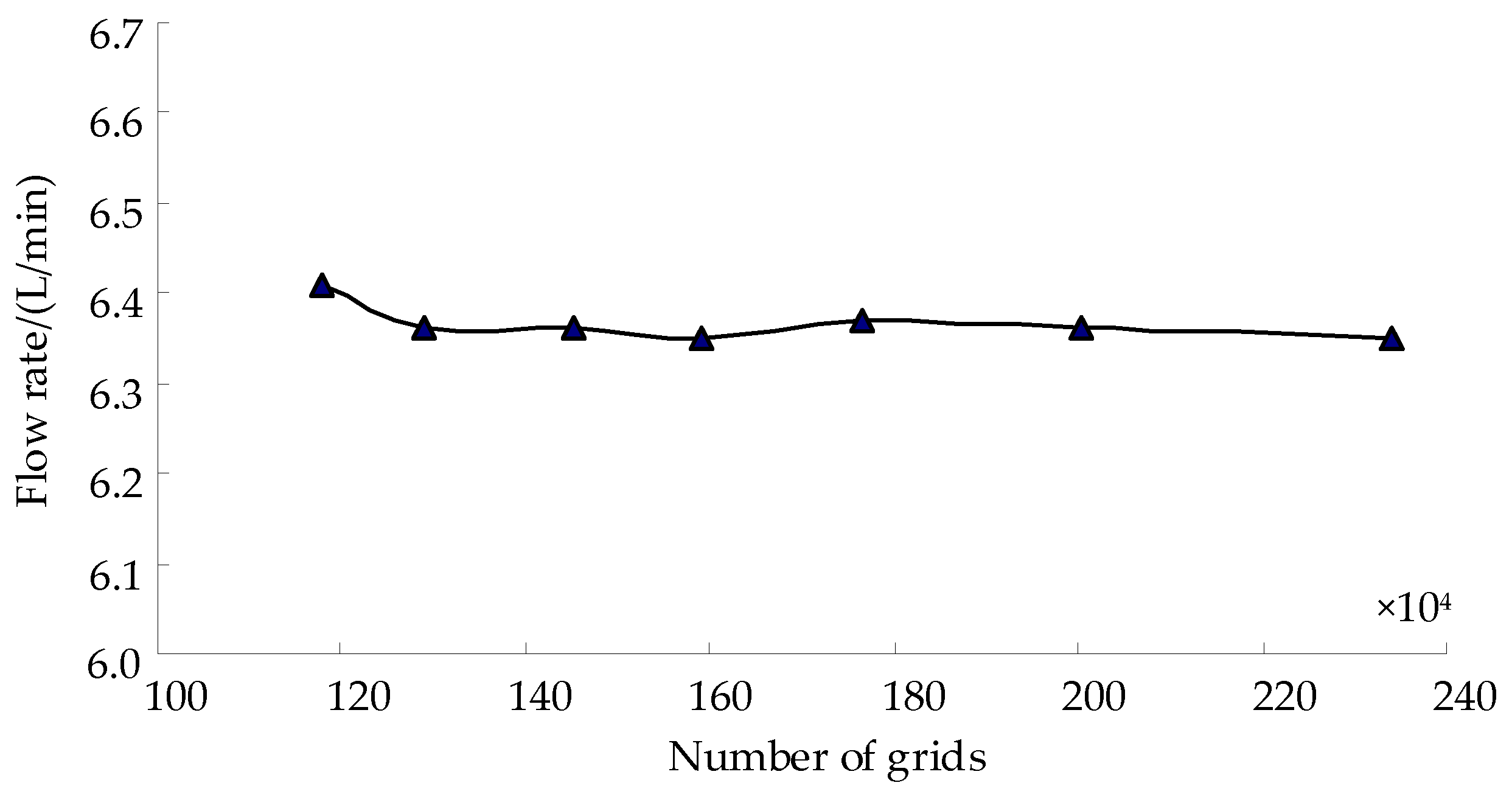
The mesh size significantly affects both the computational cost and the accuracy of numerical simulations. This effect is particularly pronounced in transient simulations, where the number of mesh elements strongly influences computation time and results. To verify mesh independence, simulations were conducted with varying numbers of unstructured mesh elements, using the stabilized vortex pump flow rate as the key variable and the mesh size as the independent variable. The results, shown in Figure 6, indicate that when the mesh reaches approximately 1.3 × 10⁶ elements, changes in the pump’s output flow rate become negligible, demonstrating mesh independence within this range. Further increasing the mesh density only substantially raises computational cost without significantly improving accuracy. Therefore, for subsequent simulations of the vortex pump’s internal flow, the mesh can be set to around 1.3 × 10⁶ elements to balance computational efficiency and accuracy.

2.2. Governing Equations and Turbulence Modeling

In this study, water is used as the working fluid to investigate the internal flow of the vortex pump. Water was used as the incompressible Newtonian fluid medium, with a kinematic viscosity of 0.001003 Pa·s. The flow strictly obeys the physical conservation laws of mass (continuity equation), momentum (momentum equation), and energy (energy equation). To provide a unified description of these conservation equations, a general variable Φ is introduced, representing the solution variables of the governing equations, such as the velocity components u, v, w. The governing equations can then be expressed in the following general form [19]:
( ρ Φ ) t + ( ρ u Φ ) = ( Γ g r a d Φ ) + S
where the four terms represent, in order, the transient term, convective term, diffusion term, and source term; Γ is the generalized diffusion coefficient, and S denotes the generalized source term.
The high-Reynolds-number flow inside the pump is turbulent. The standard k−ϵ turbulence model was employed, with its transport equations given by [20]:
ρ k t + ρ k u i x i = x j μ + μ t σ k k x j + G k ρ ε
ρ ε t + ρ ε u i x i = x j μ + μ t σ ε ε x j + C 1 ε ε k G k C 2 ε ρ ε 2 k
where k is turbulent kinetic energy, ϵ is its dissipation rate, μ t = ρ C μ k 2 ε is the turbulent viscosity, and G k is the production term of turbulent kinetic energy, and the empirical constants are set as: C 1 ε = 1.44 , C 2 ε = 1.92 , σ k = 1.0 , σ ε = 1.3 .
In regions near the wall, the flow’s Reynolds number is relatively low, and turbulence is not fully developed. For these regions, a no-slip boundary condition is applied (i.e., the fluid velocity at the wall matches the wall velocity), and wall function methods are used to modify the turbulence model, enabling accurate capture of near-wall flow characteristics such as velocity boundary layers and turbulent shear stresses. The standard wall function was applied in this study. The computational results confirmed that the maximum y+ value in the wall-adjacent regions remained below 42, which falls within the recommended application range for the standard wall function approach.

2.3. Performance Parameters

After numerical simulation, the total pressures at the inlet and outlet were used to determine the pump’s performance. The head (H) was calculated as:
H = p o p i ρ g + v o 2 v i 2 2 g + Δ h
where ρ = 998 kg/m3 is the water density; g is the gravitational acceleration; and ∆h is the inlet–outlet elevation difference.
Pump efficiency (η) was calculated as:
η = ρ g Q H M ω
where ρgQH is the hydraulic power transferred to the fluid; is the shaft power; and M (total impeller shaft torque) can be obtained directly from the Fluent simulation.

2.4. Boundary Conditions and Solver Settings

The internal flow of the vortex pump was numerically simulated using ANSYS Fluent 2022 R2.
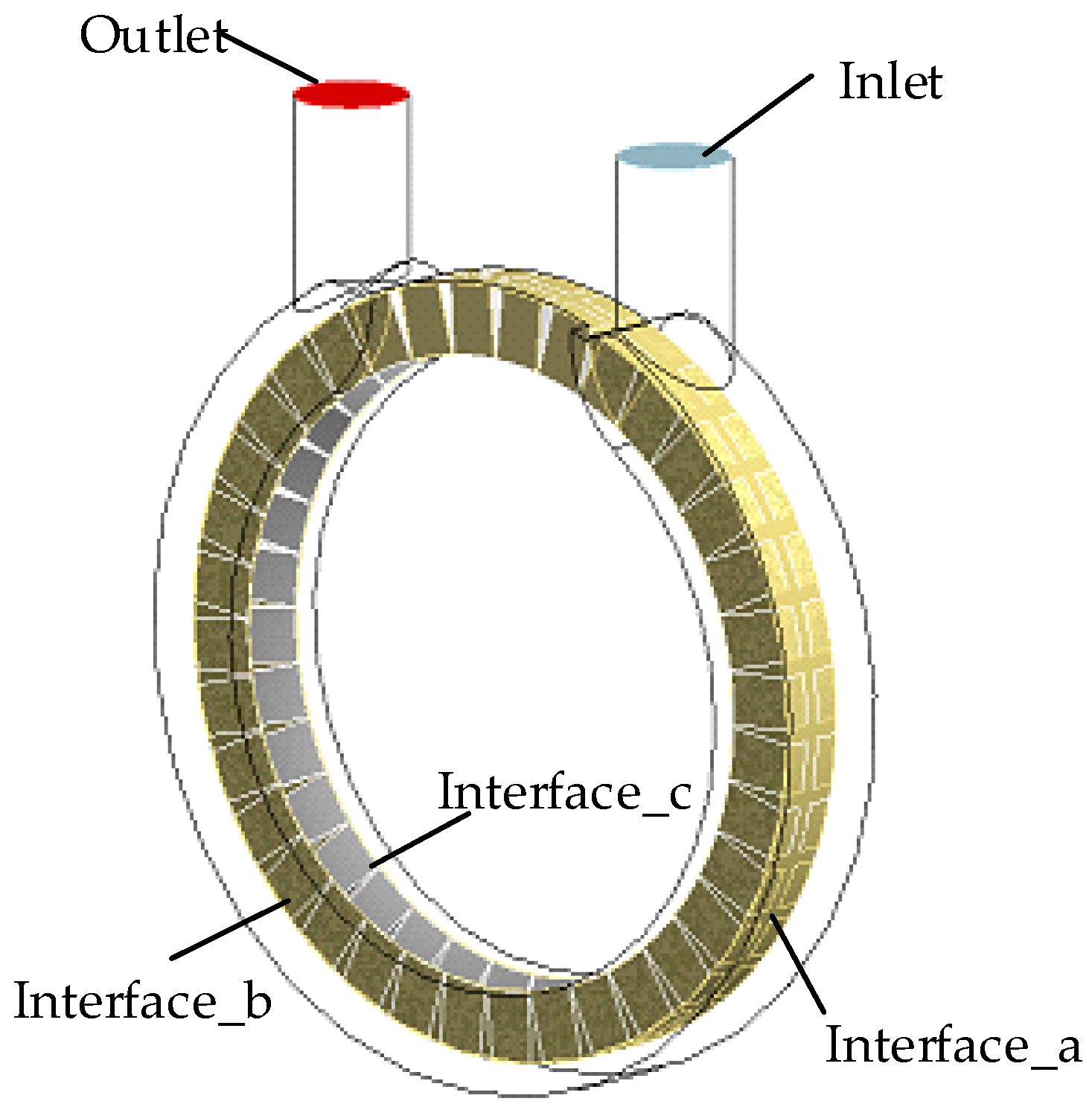
The boundary conditions were defined as follows: the inlet was set as a pressure inlet with a gauge pressure of 0 Pa, and the outlet was set as a pressure outlet with a gauge pressure of 60 kPa, corresponding to the specified operating condition. The reference pressure was set to the standard atmospheric pressure of 101,325 Pa. All pressure values presented subsequently in this paper are gauge pressures relative to this reference. The Multiple Reference Frame (MRF) approach was employed to handle rotor-stator interaction. The impeller region was defined as a rotating domain with a rotational speed of 3000 rpm, while the volute, clearance gaps, and inlet/outlet extensions were defined as stationary domains. The interfaces between the rotating and stationary domains were specified as Interface_a, Interface_b, and Interface_c (Figure 7) to ensure proper data exchange during the calculation. Other walls were assigned a no-slip boundary condition.
The Standard k-ε turbulence model was selected in conjunction with the Standard Wall Function (SWF) for near-wall treatment. The pressure–velocity coupling was handled using the SIMPLEC algorithm. Pressure interpolation was set to the standard, while the discretization of momentum, turbulent kinetic energy, and turbulent dissipation rate adopted a second order upwind. Transient formulation was performed using a second order implicit. The convergence criterion for all residuals was set to 1 × 10⁻⁴. A time step of 0.0001 s was used, corresponding to approximately 2° of impeller rotation per step with a maximum of 200 iterations per time step to ensure convergence.

3. Results and Discussion

3.1. Internal Flow Characteristics of the Baseline Model

3.1.1. Transient Performance and Flow Stability

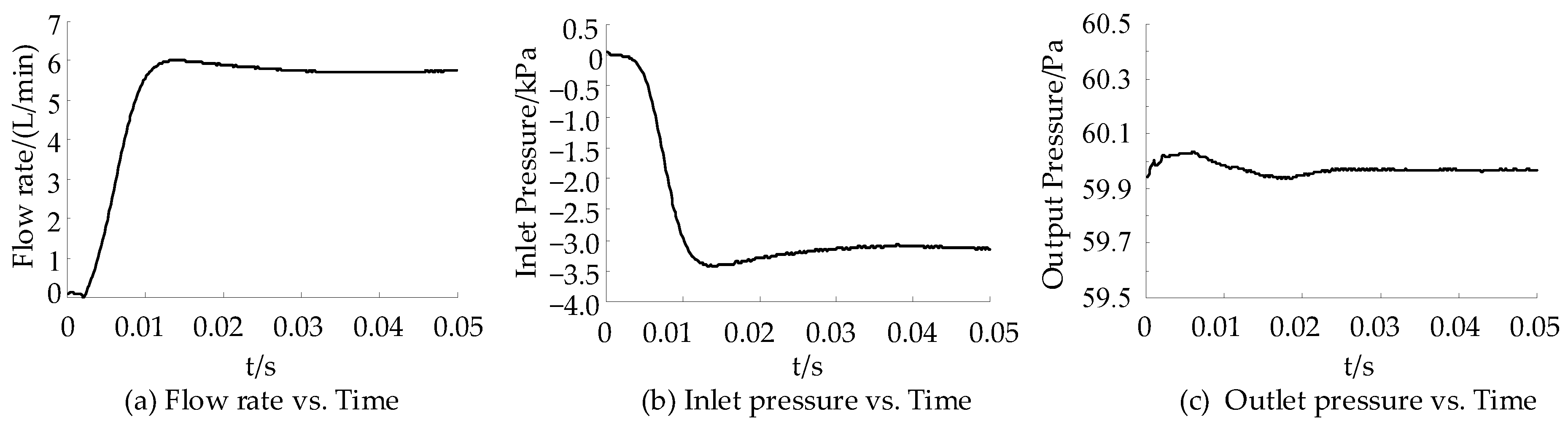
The three-dimensional unsteady flow field inside a vortex pump was investigated numerically using the sliding mesh method. The simulation employed a pressure inlet of 0 Pa, a pressure outlet of 60 kPa, and an impeller speed of 3000 r/min. Figure 5 presents the resulting time-dependent variations of the output flow rate, the average pressure at the inlet, and the average pressure at the outlet.
As shown in Figure 8, the vortex pump operation stabilizes after approximately 0.04 s, with its output flow rate, inlet pressure, and outlet pressure thereafter remaining constant over time. The steady-state performance of the baseline model yields a flow rate of 5.75 L/min, a head of 6.75 m, and an efficiency of 30.83%.
To reveal the internal energy transfer characteristics, all subsequent flow-field analyses (from Section 3.1.2 onward) present the flow conditions at a stable operating instant, t = 0.08 s. This instant was selected after the flow had reached a periodically repeating steady state, as confirmed by the stabilized performance parameters in Figure 8.

3.1.2. Pressure Distribution

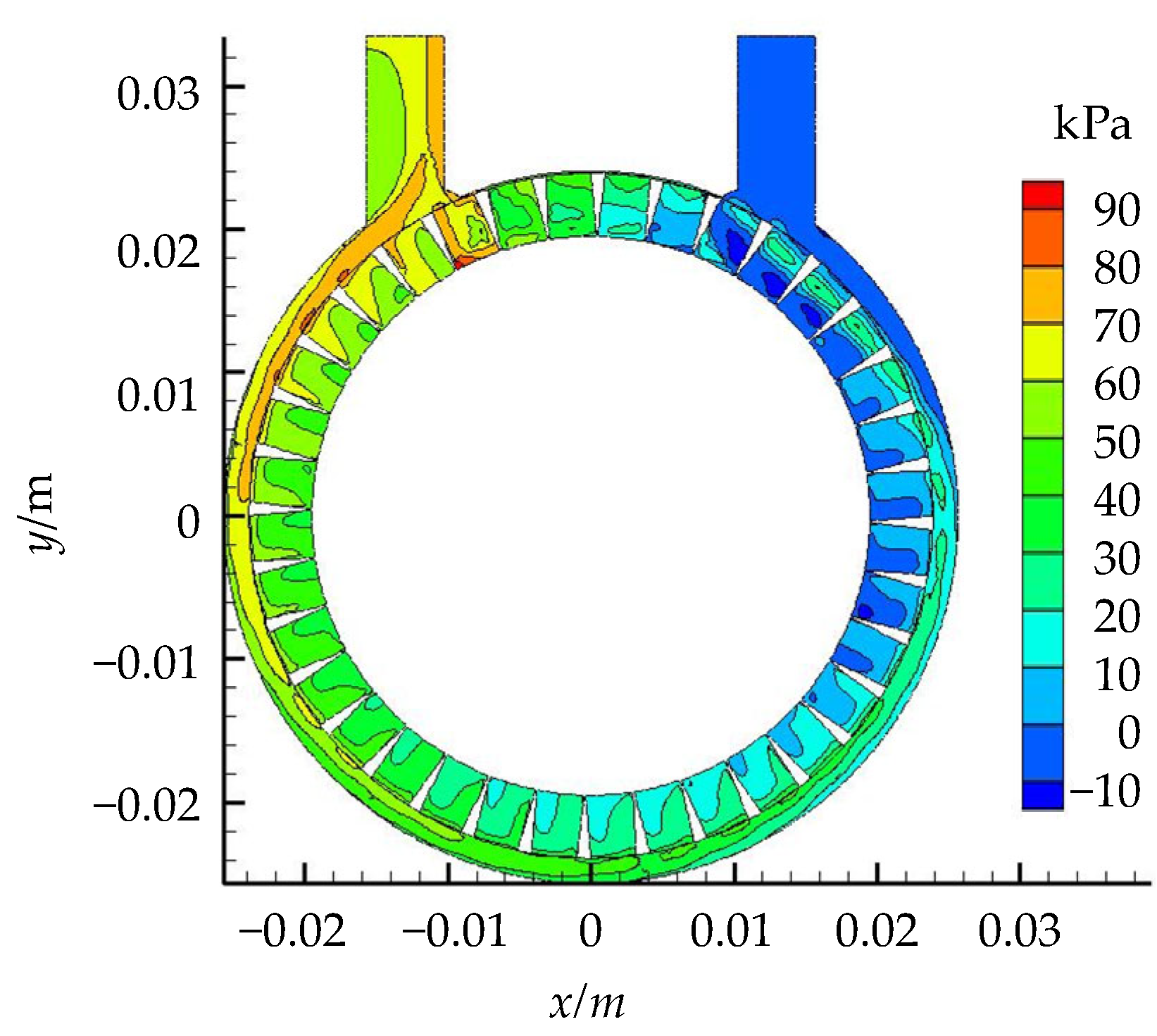
Figure 9 shows the total pressure distribution on the z = 2.2 mm cross-section, which corresponds to Interface_b between the blade channels and the pump casing. The total pressure increases progressively along the flow direction and reaches its maximum at the outlet. The lowest pressure, accompanied by a distinct negative-pressure region, occurs at the blade inlet near the minimum radius. The pressure on the working face of the impeller blade is higher than that on its back face, confirming the directional energy transfer from the impeller to the fluid.
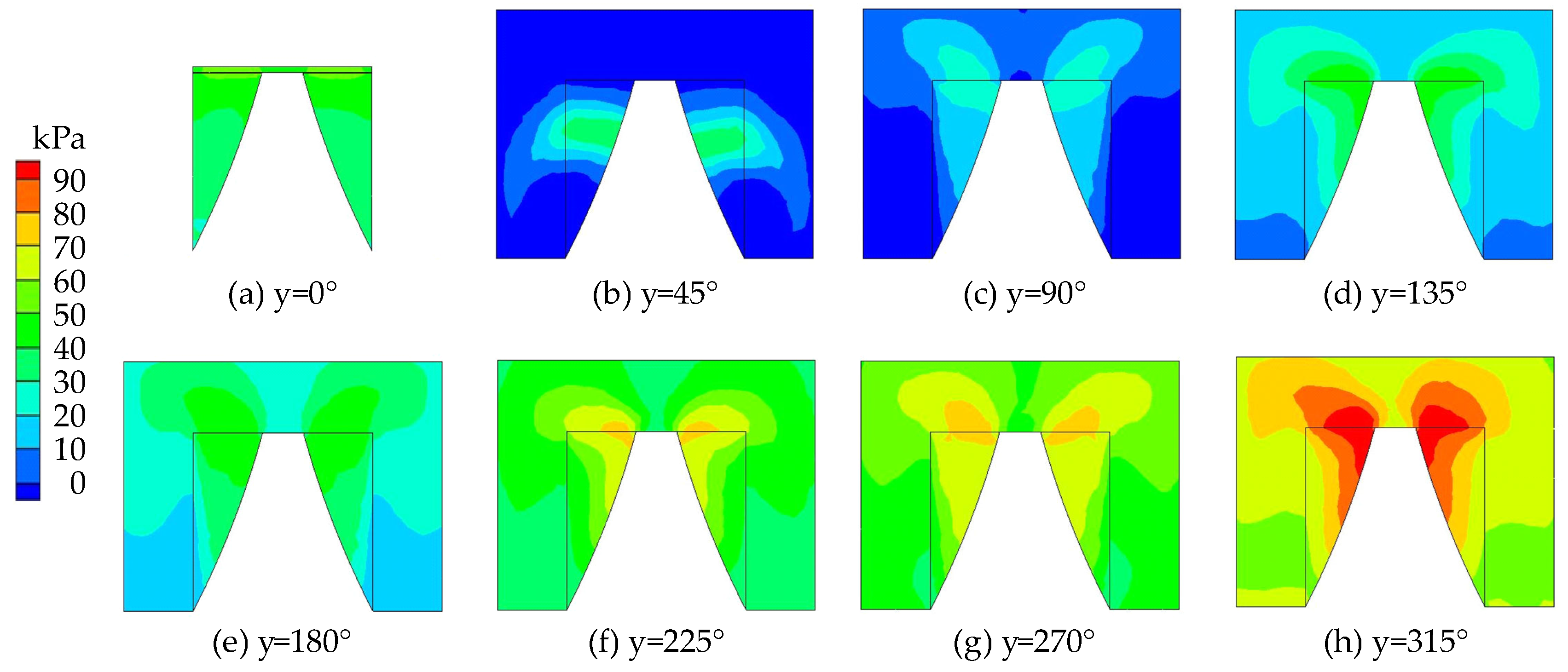
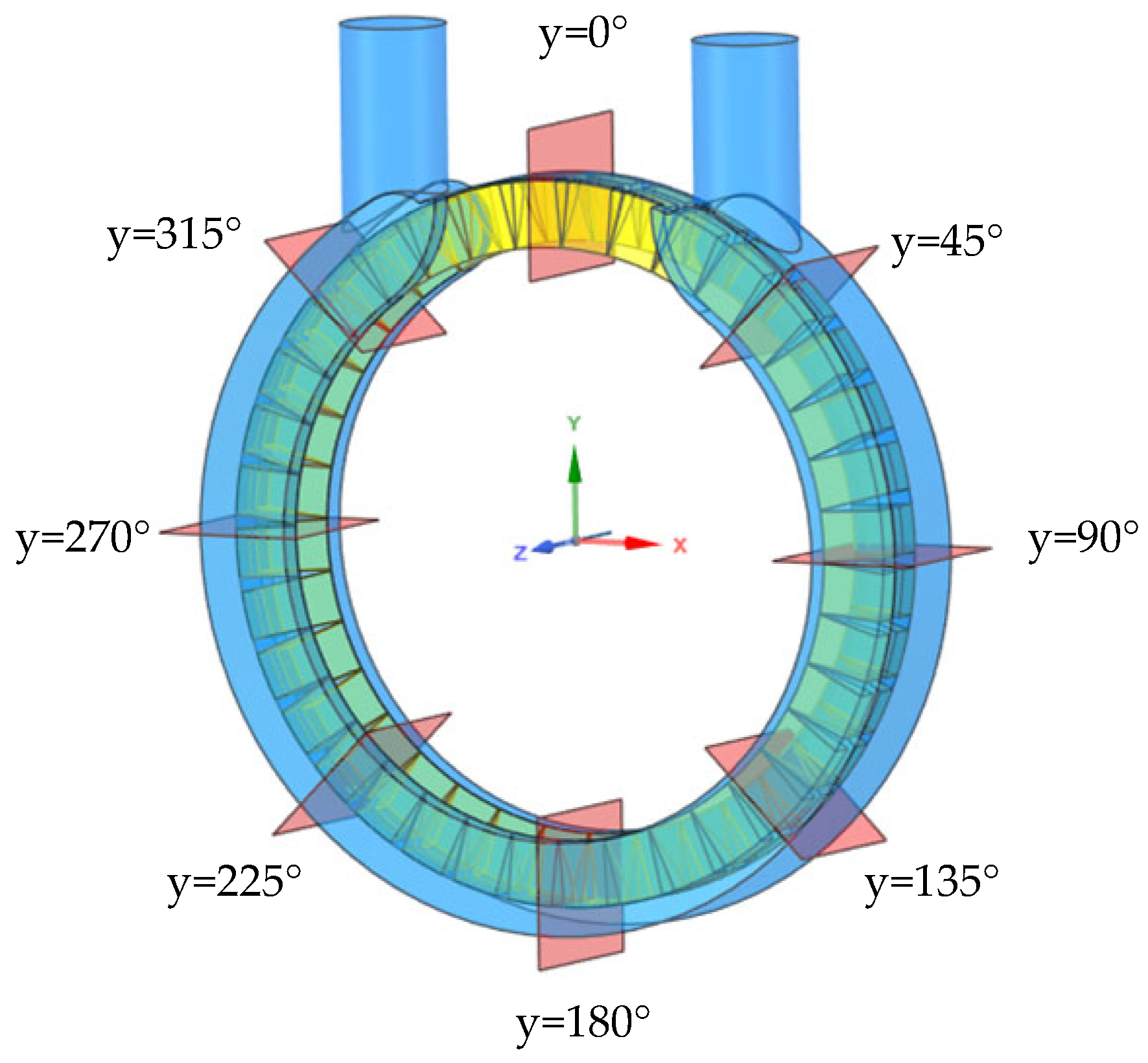
Radial cross-sections were extracted at angular positions of y = 0°, 45°, 90°, 135°, 180°, 225°, 270°, and 315° (defined by clockwise rotation of the y-axis about the z-axis, Figure 10) to examine the inter-blade pressure distribution.
Figure 11 shows that the total pressure increases markedly in the radial direction, with higher pressure inside the impeller channels compared to the casing. This distribution confirms that impeller rotation generates a strong energy gradient, and the fluid acquires most of its energy while passing through the impeller channels.

3.1.3. Velocity Field and Vortex Structure

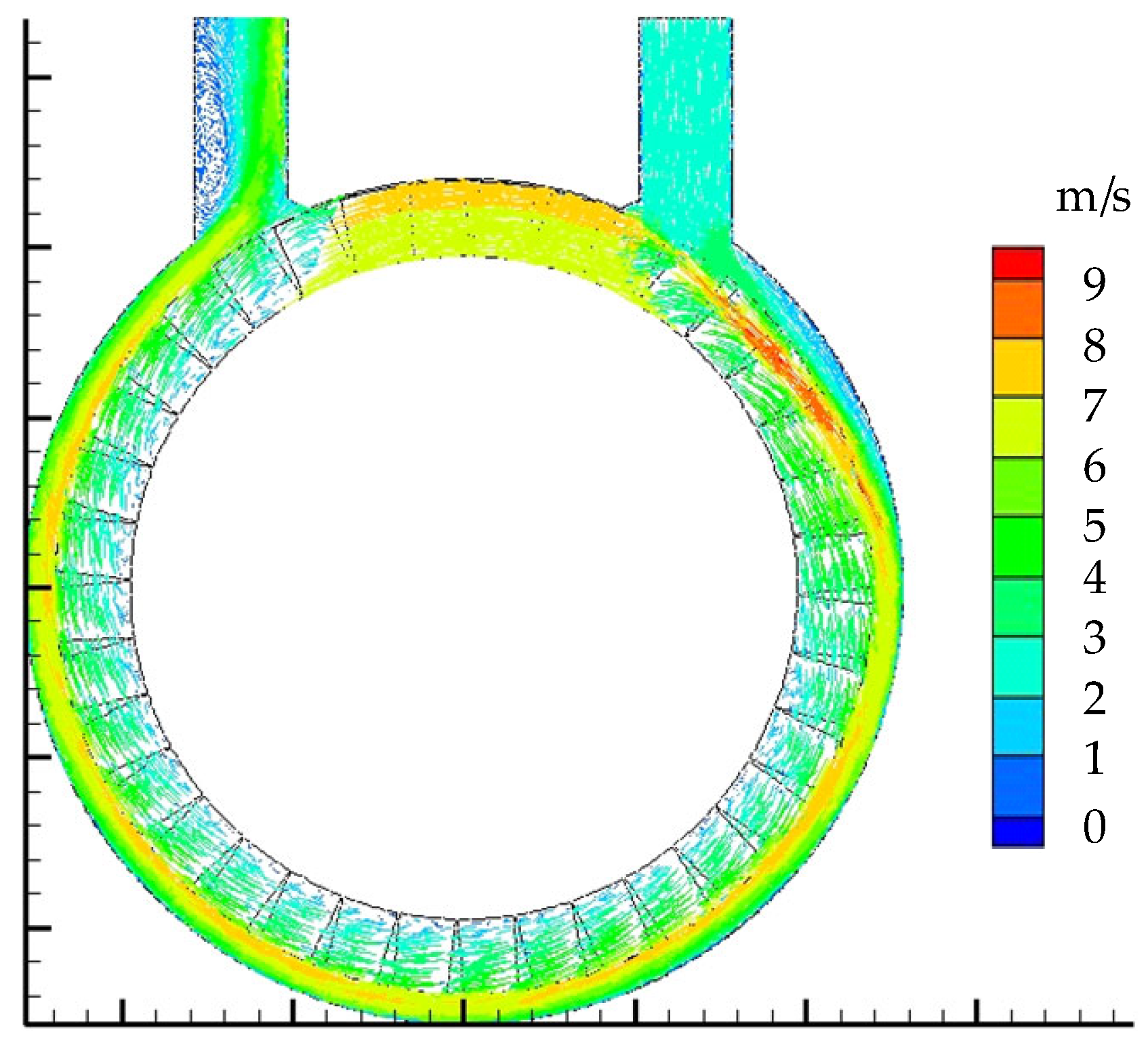
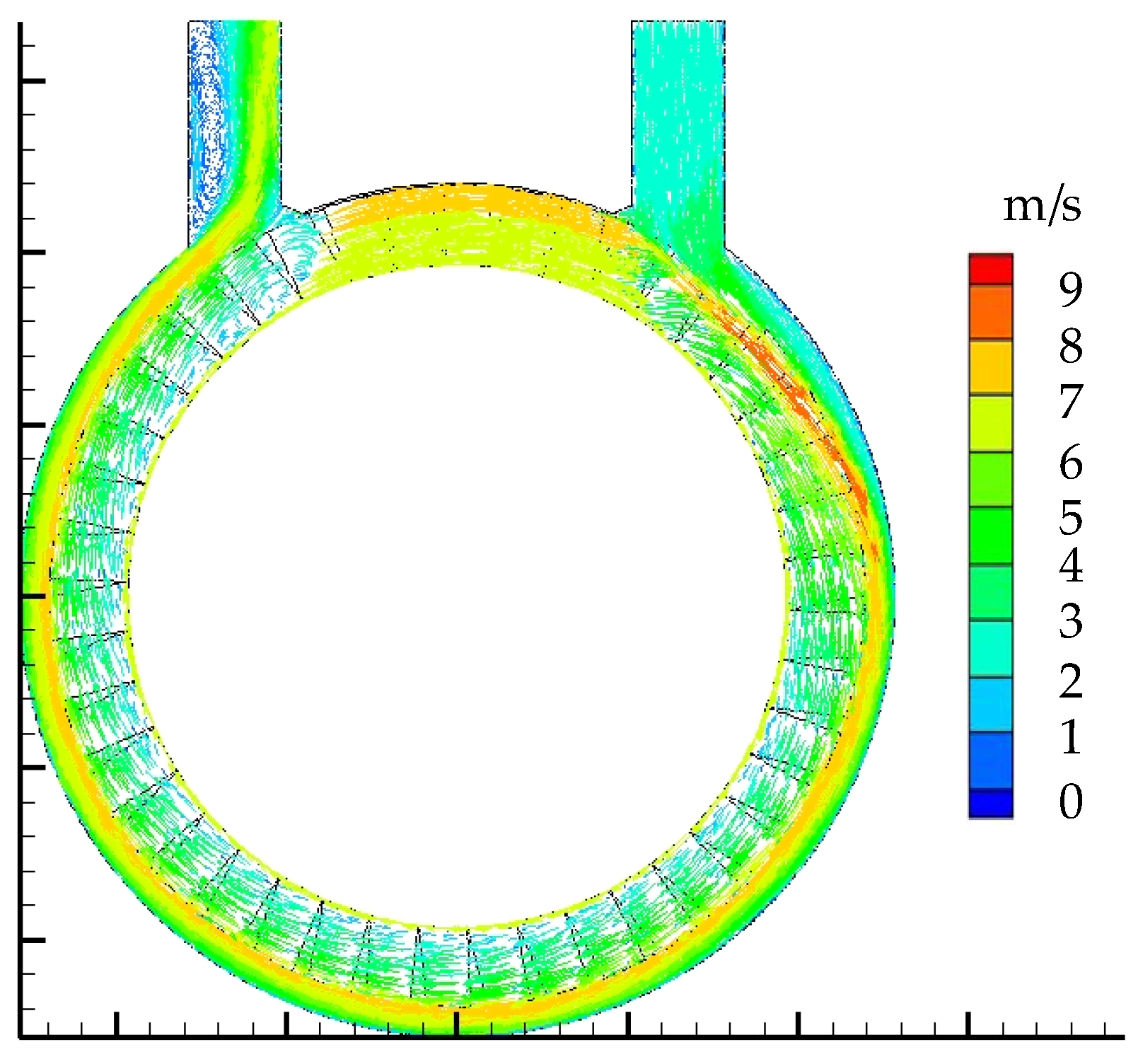
Figure 12 shows the velocity vector distribution on the z = 2.2 mm cross-section. The velocity in the volute is relatively uniform, while it increases radially within the impeller. Localized secondary vortices are observed, which collide with the impeller’s blade surfaces, causing additional energy loss and representing one of the primary factors contributing to the reduced efficiency of the vortex pump.
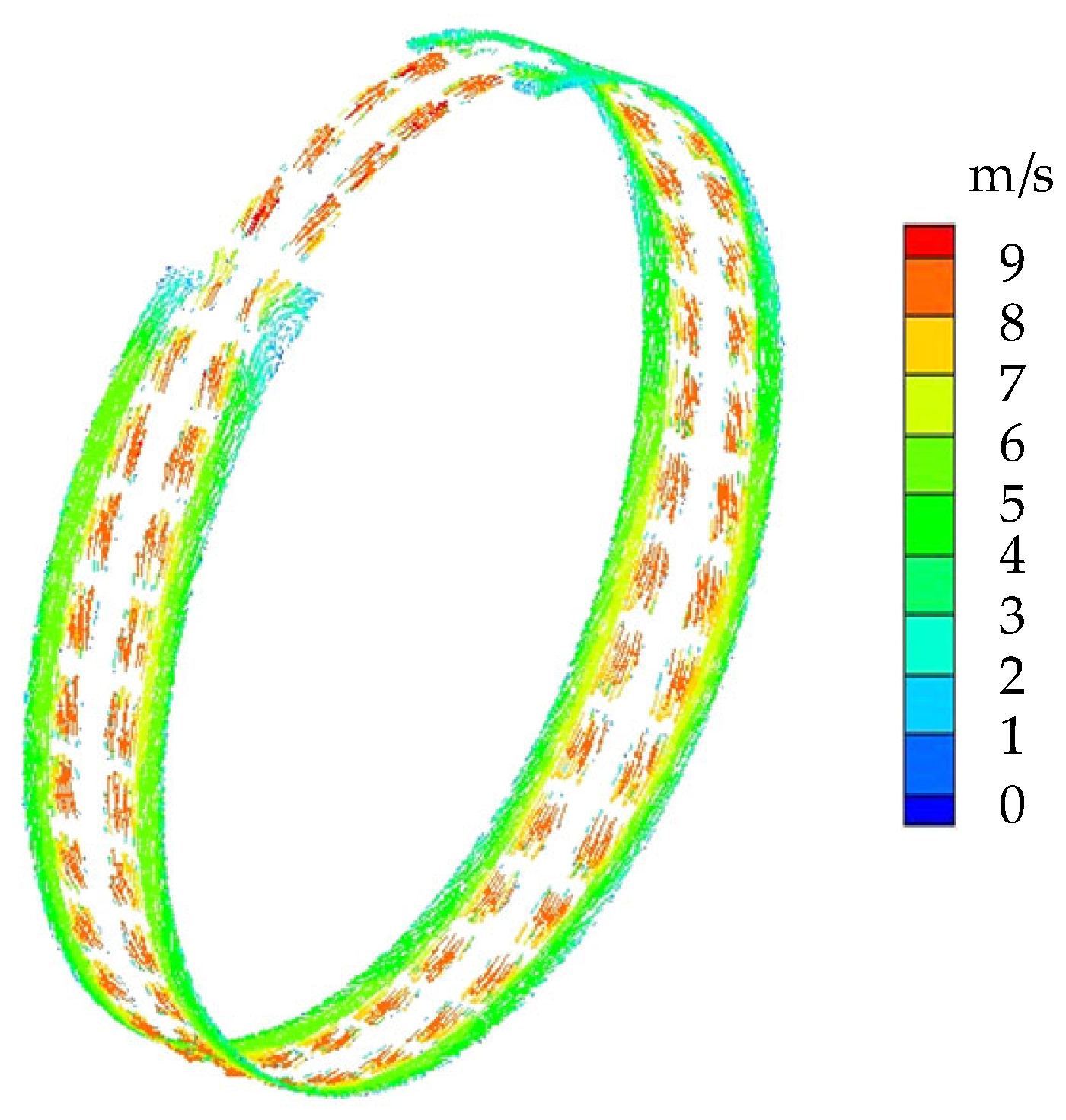
Figure 13 displays the velocity distribution at the interface between the impeller top and the volute (interface_a, radius = 23.9 mm). A clear velocity difference exists, with higher velocity in the impeller passages, leading to momentum exchange and the formation of weak radial vortices, characteristic of regenerative flow. The flow on both sides of the blades is largely symmetric, with velocity gradually decreasing from the mid-blade region to a minimum near the wall, which can serve as an important indicator for structural optimization.
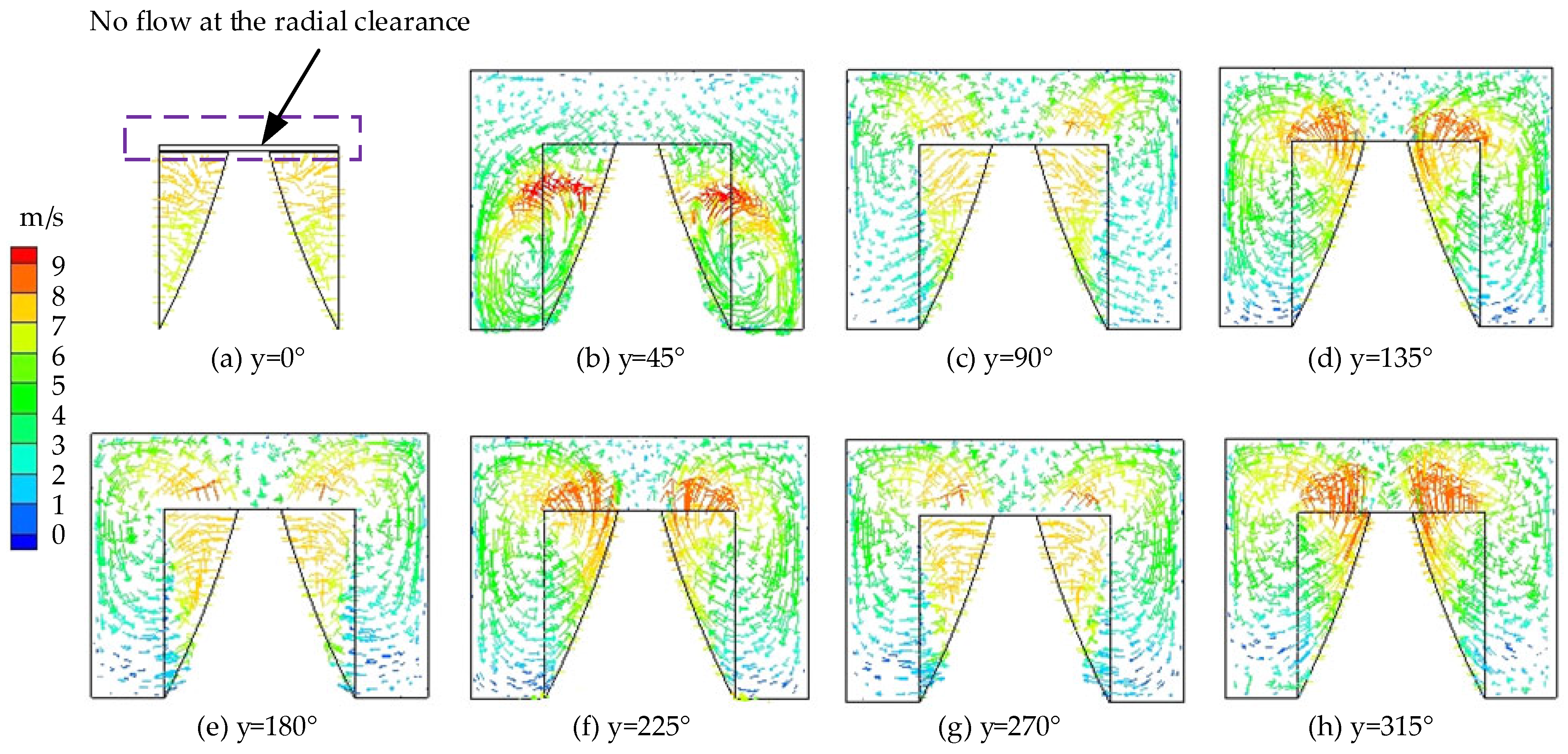
The velocity vectors on selected radial cross-sections (Figure 14) reveal the flow development. Near the cutwater (y = 0°), fluid in the blade passages has high tangential velocity, while the fluid in the radial gap is nearly stagnant, confirming effective inlet-outlet separation. The velocity difference between the impeller and volute induces a significant axial velocity component, driving the volute flow and generating longitudinal vortices. These vortices originate near the blade root (low-pressure region) and exit near the blade tip (high-pressure region), representing the primary energy transfer mechanism. Therefore, when optimizing pump performance by varying structural parameters, the formation and intensity of these longitudinal vortices should be carefully considered to guide the selection of an optimal flow-passage design.

3.2. Influence of Impeller Geometric Parameters

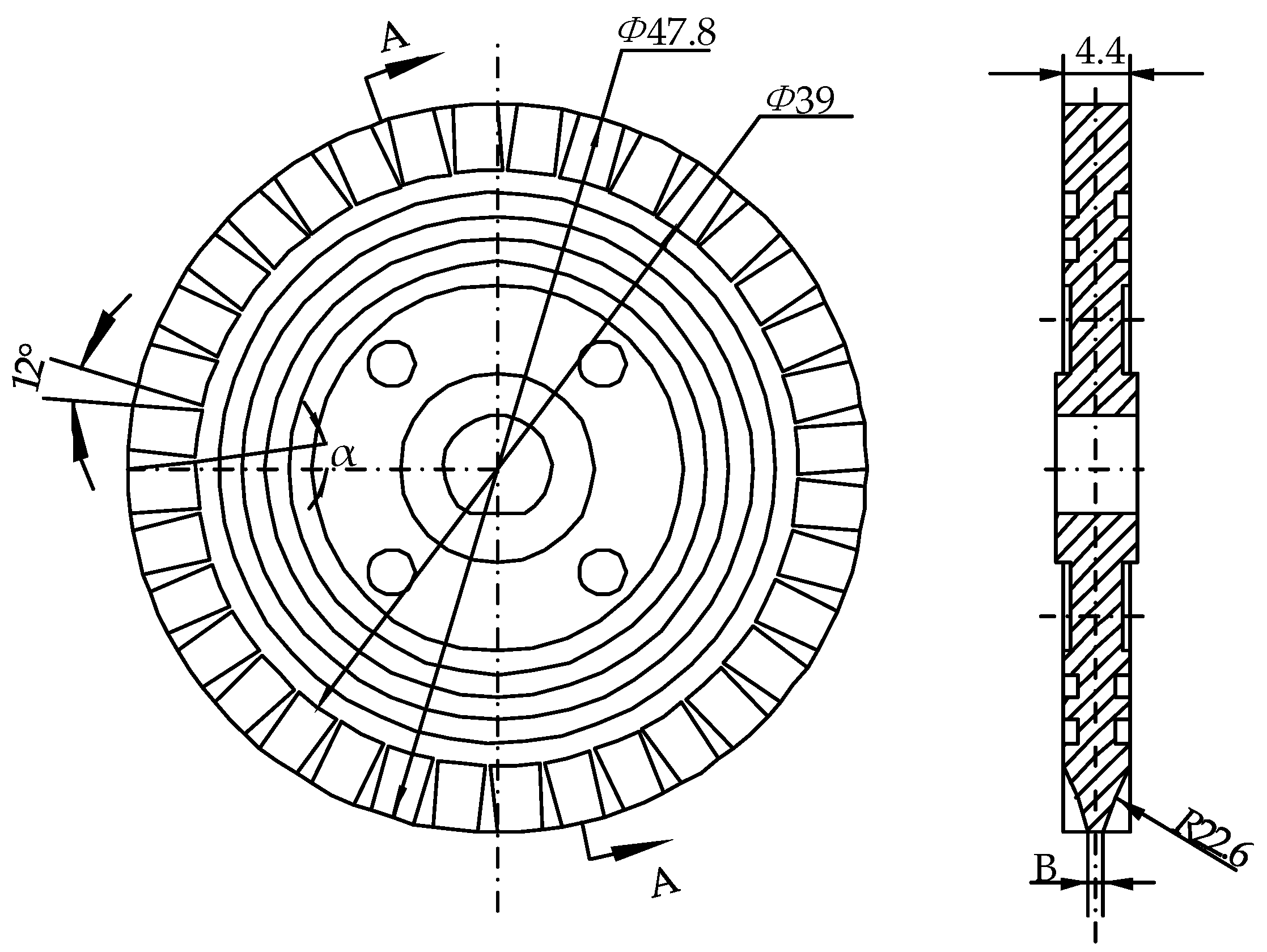
A symmetric, closed impeller (Figure 15) was used as the baseline. The effects of blade partition thickness (B), blade inclination angle (α) were investigated while keeping other dimensions constant.

3.2.1. Effects of Blade Partition Thickness

To investigate its effect on pump performance, impeller models with B = 0.8, 1.0, 1.2, 1.4, and 1.6 mm were established while keeping other parameters constant.
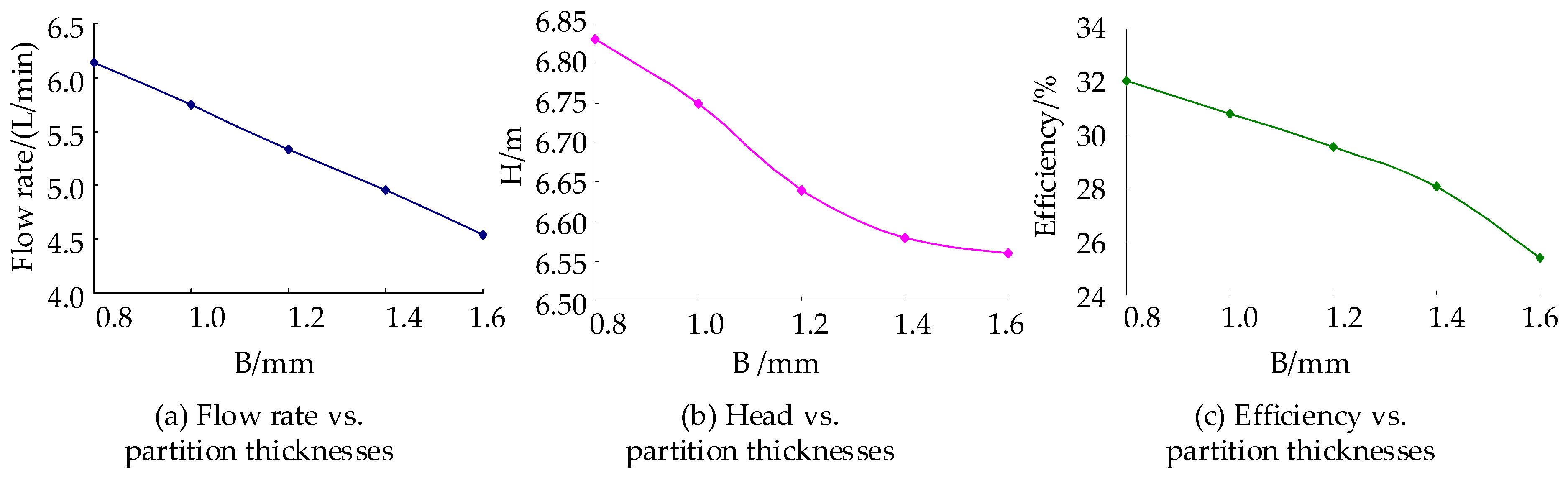
Numerical simulations (Figure 16) indicate that as partition thickness increases, the vortex pump’s flow rate decreases almost linearly, while the head declines gradually with minimal change from 1.4 mm to 1.6 mm. Efficiency drops significantly with increasing thickness. Although thinner partitions enhance output performance, their influence on internal flow distribution and potential local instabilities must be considered.
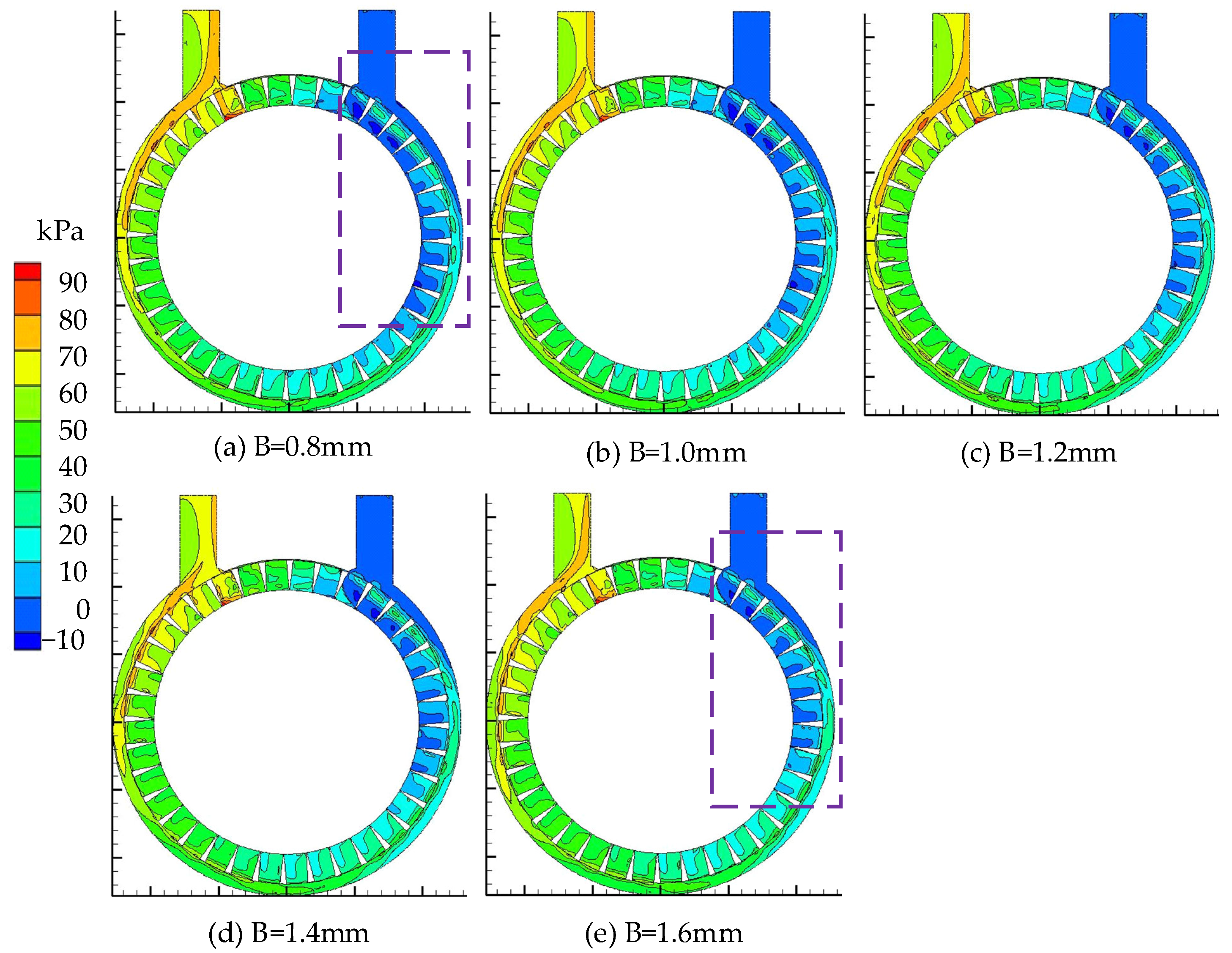
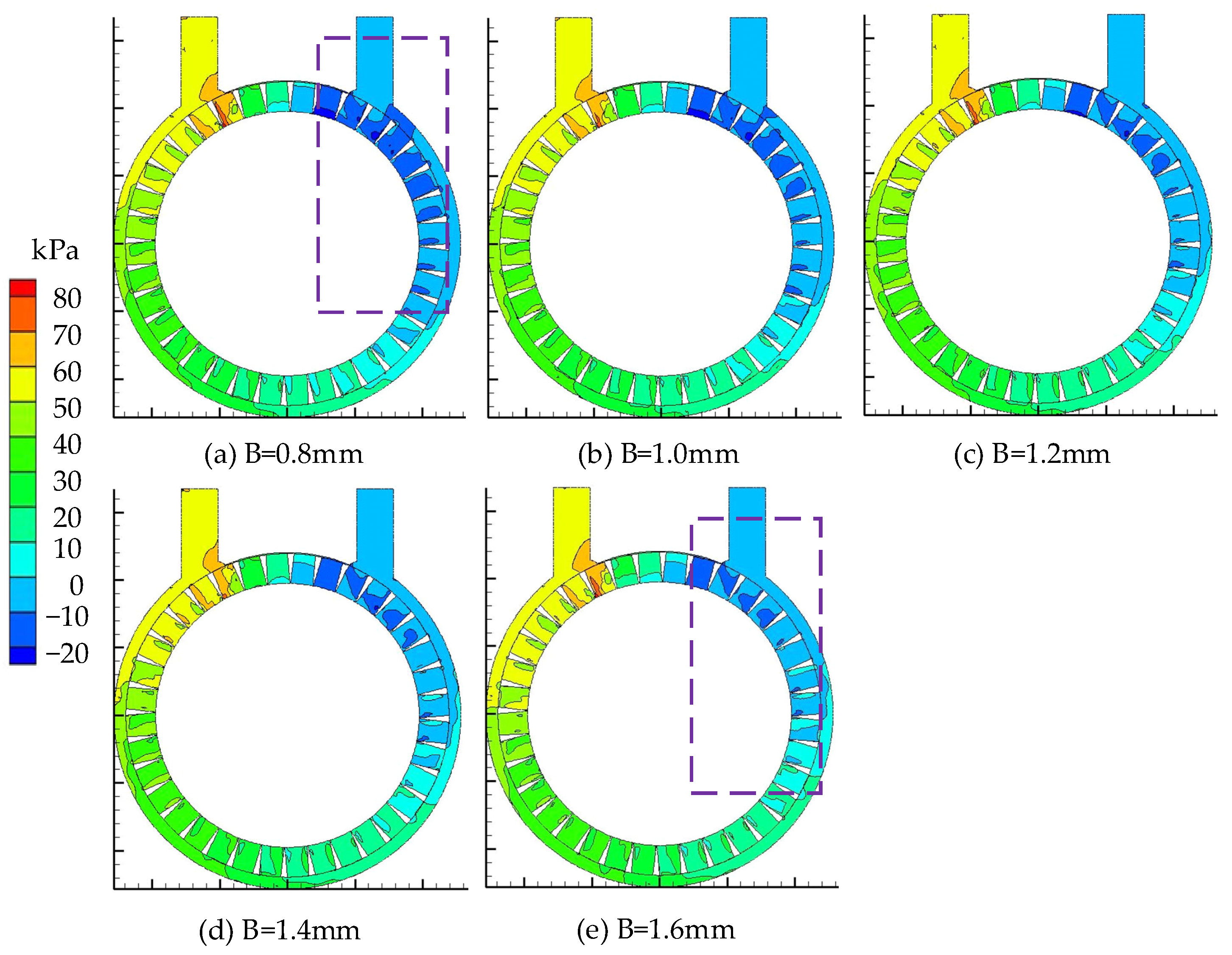
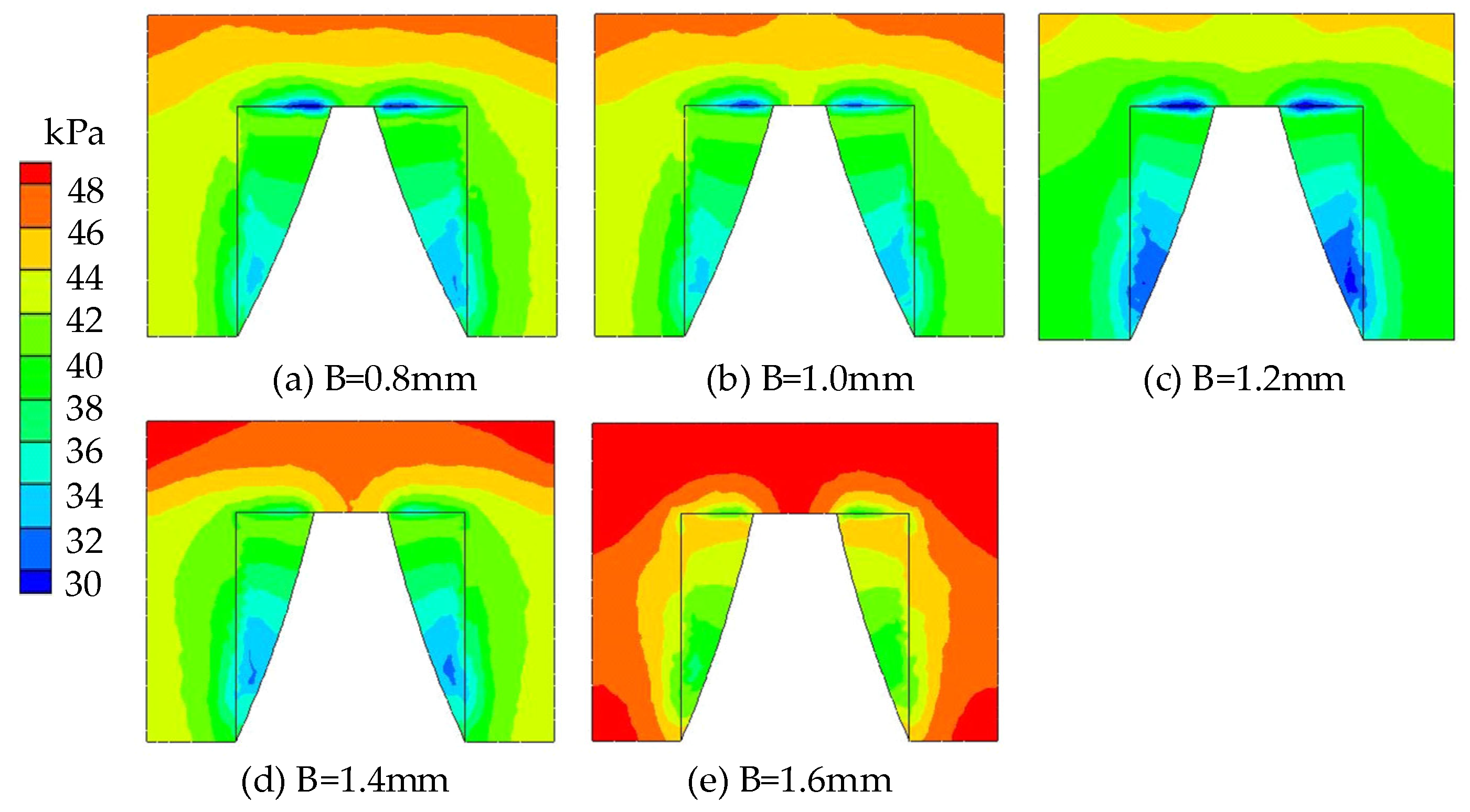
The z = 2.2 mm section of the pump channel was selected to examine the effect of impeller partition thickness on internal pressure (Figure 17 and Figure 18). Both total and static pressures increase in the flow direction, with the lowest pressure and a negative-pressure region near the inlet and the maximum at the outlet. Blade pressure sides exhibit higher pressure than the suction sides, radial pressure rises gradually, and inter-blade passages show higher pressure than the pump casing, with the highest pressure at the impeller top, consistent with the previous findings. Increasing partition thickness reduces the extent of both the inlet low-pressure and outlet high-pressure regions. The negative inlet pressure reaches the peak at 0.8 mm where the cavitation risk increases, while the negative inlet pressure becomes lower at 1.6 mm where the cavitation risk also decreases. However, the smaller high-pressure region decreases pump head.
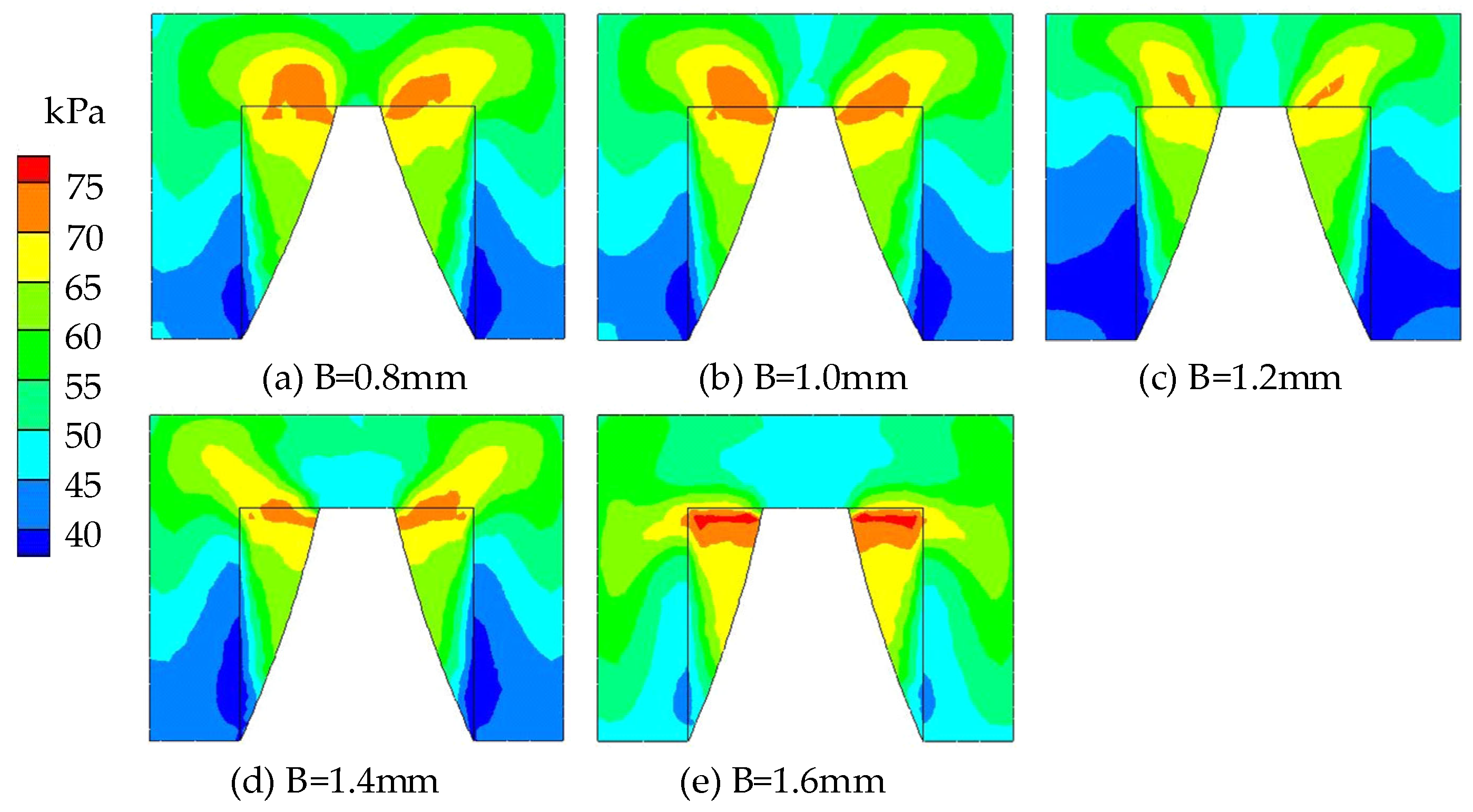
The y = 270° cross-section near the pump outlet was selected to study the radial pressure distribution (Figure 19 and Figure 20). The results show that when the baffle thickness increases from 0.8 mm to 1.2 mm, the total pressure at the blade top decreases, the low-pressure zone at the minimum radius expands, and the total pressure gradient in the flow channel decreases. Concurrently, the static pressure low-pressure zone increases, and the static pressure at the pump edge drops. When the baffle thickness increases from 1.2 mm to 1.6 mm, the total pressure at the blade top increases, the low-pressure zone shrinks, but static pressure increases significantly. Increasing the baffle thickness reduces the effective cross-sectional area, lowers the pressure gradient, and affects energy transfer efficiency.
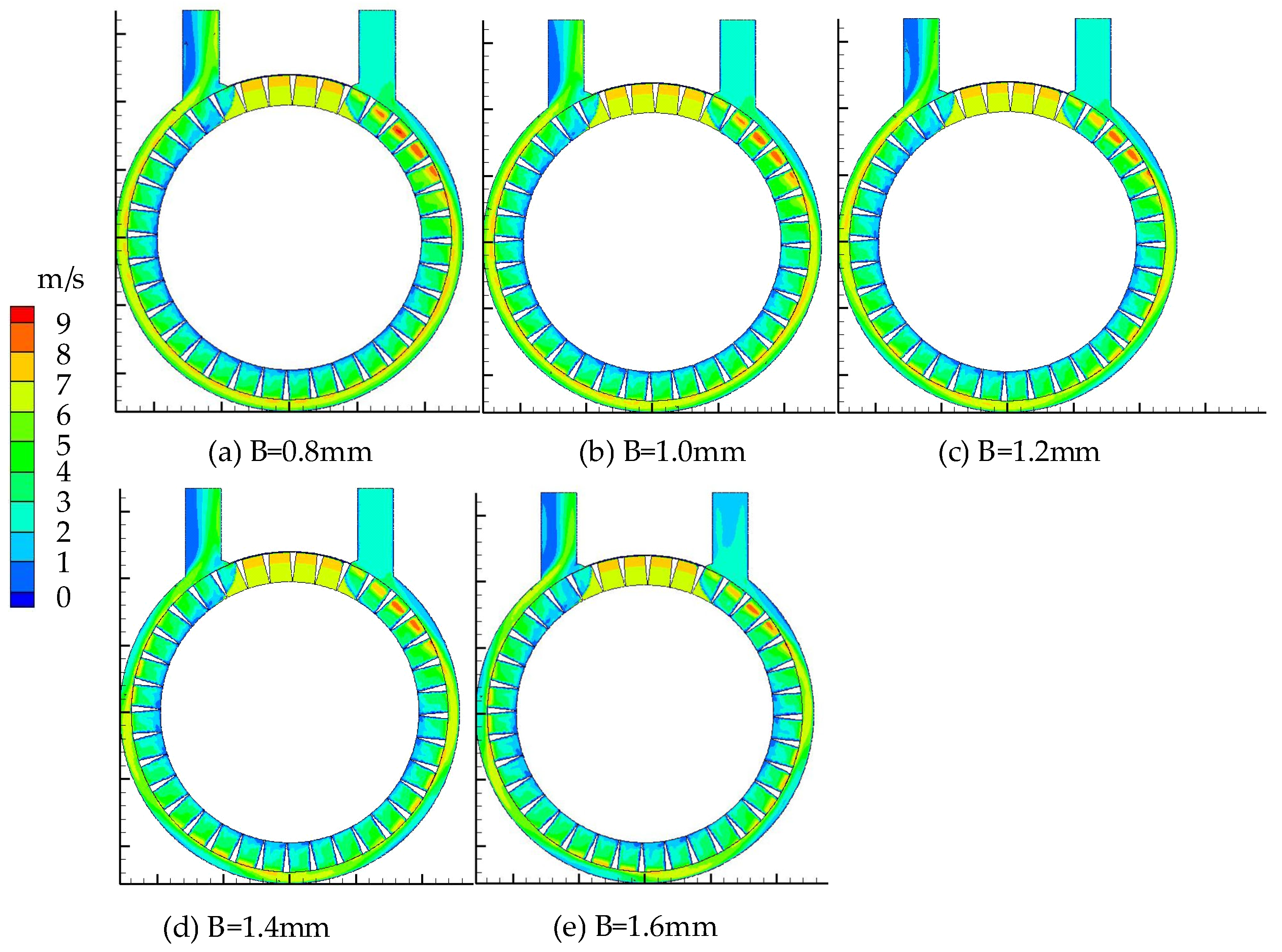
Figure 21 shows the fluid velocity contours on the z = 2.2 mm cross-section for models with different partition thicknesses. As the partition thickness increases, the flow velocity within the channel shows no significant change along the flow direction but decreases markedly at the vortex pump inlet.
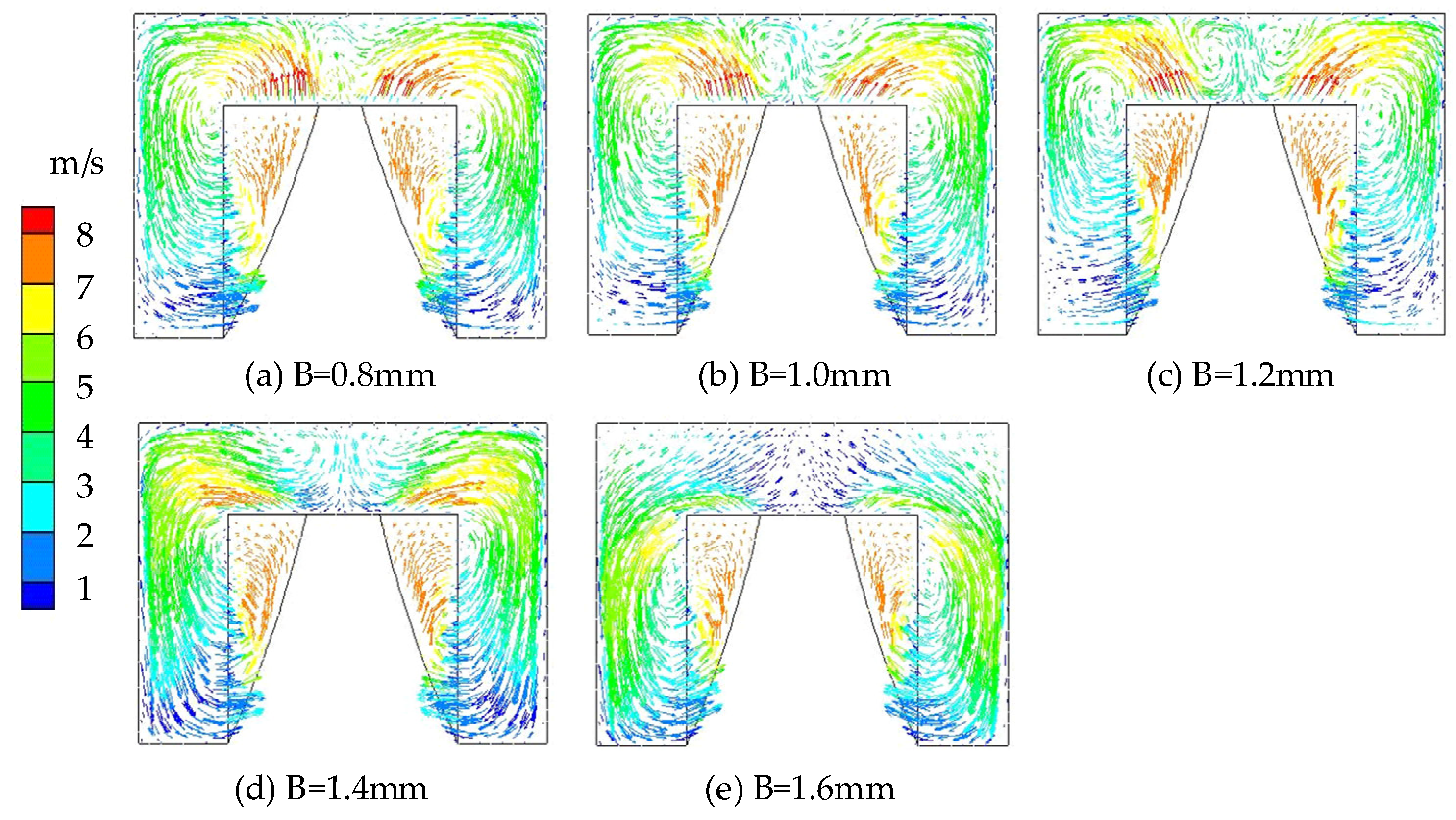
Analysis of the velocity vectors on the y = 270° cross-section (Figure 22) for models with different partition thicknesses shows that increasing blade partition thickness reduces fluid velocity near the blade tip, shifts the vortex position downward, and attenuates the longitudinal vortex gradually. Concurrently, fluid velocity in the partition’s top region decreases and homogenizes, as does velocity in other pump regions, thus further weakening this effect. Weak vortices are also detected in the partition’s top region at y270° for B = 1.0 mm and 1.2 mm models. This is because fluid exiting the impeller blade passages lacks sufficient energy to reach the pump wall, leading to irregular flow and reverse vortices. Fluid particles in reverse vortices cannot re-enter subsequent blade passages, hindering energy transfer from impellers to fluid, causing substantial energy dissipation, and significantly impairing vortex pump performance.
Analysis reveals that reducing the thickness of the impeller blade separator enhances the flow characteristics within the vortex pump, significantly attenuating the reverse vortex at the tip of the blade separator and increasing the output flow rate. Furthermore, the results indicate a clear qualitative trend: as the partition thickness decreases, the internal pressure distribution is systematically altered. This is characterized by an expansion of the high-pressure zone near the outlet and a more pronounced low-pressure region at the inlet.

3.2.2. Effect of Blade Inclination Angle

Models with α = −10°, −5°, 0°, 5°, 10°, and 15° (positive for rearward tilt) were analyzed, with all other structural parameters held constant. The flow passage models for these cases were constructed and analyzed.
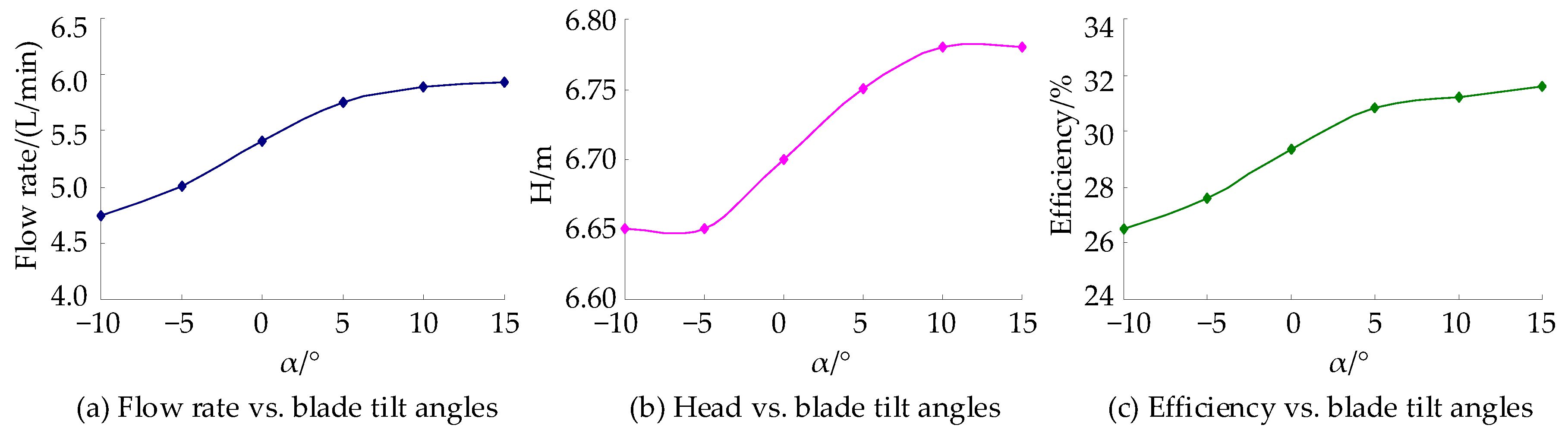
Figure 23 indicates that output flow rate increases with blade tilt angle, though not linearly. Beyond a rearward tilt of 10°, flow rate exhibits little further variation. Rearward-tilted blades generally yield higher heads than forward-tilted ones, with a clear increasing trend from −5° to 10°. Pump efficiency also improves with increasing tilt angle but the rate of improvement slows noticeably beyond 10°.
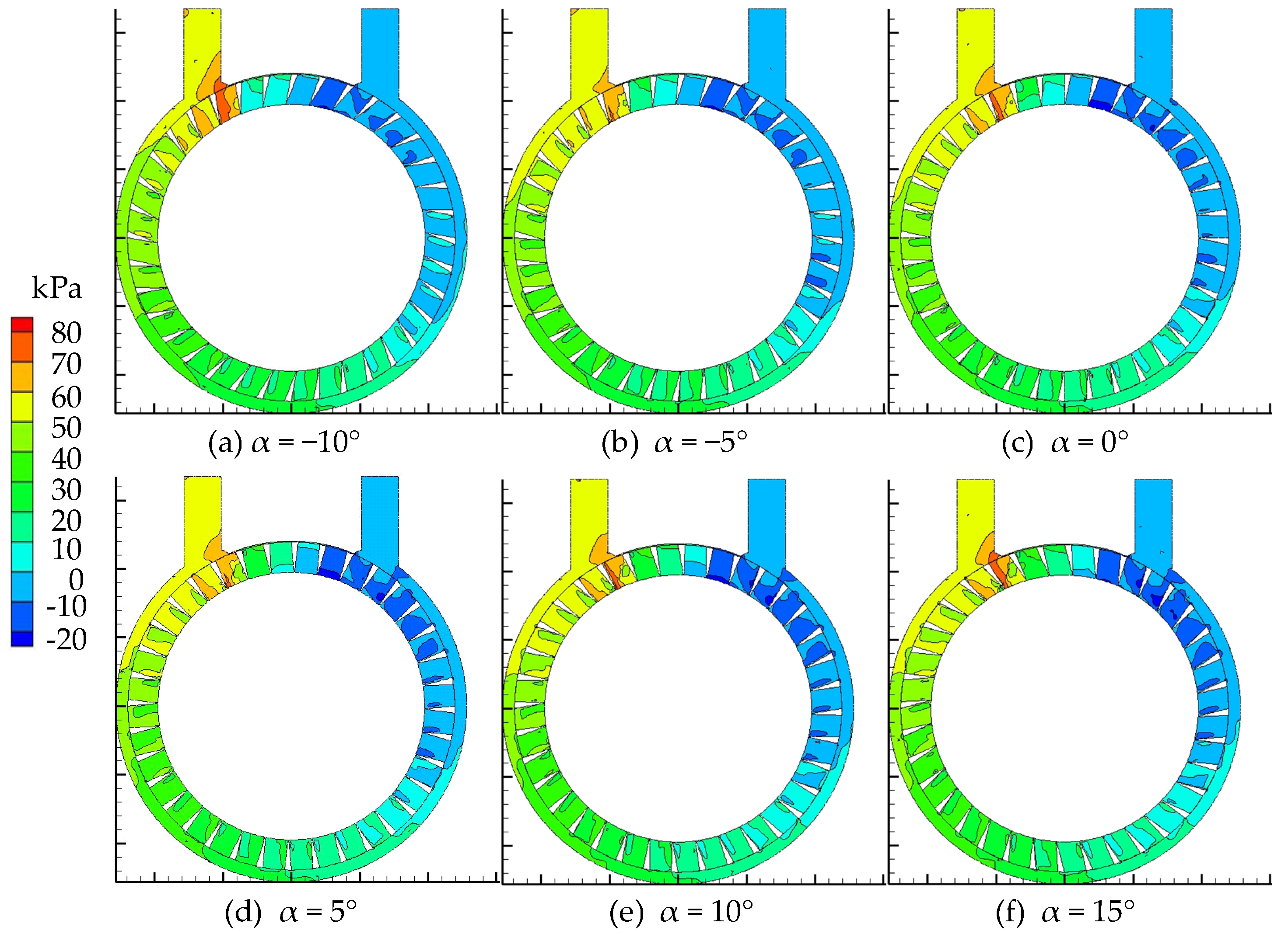
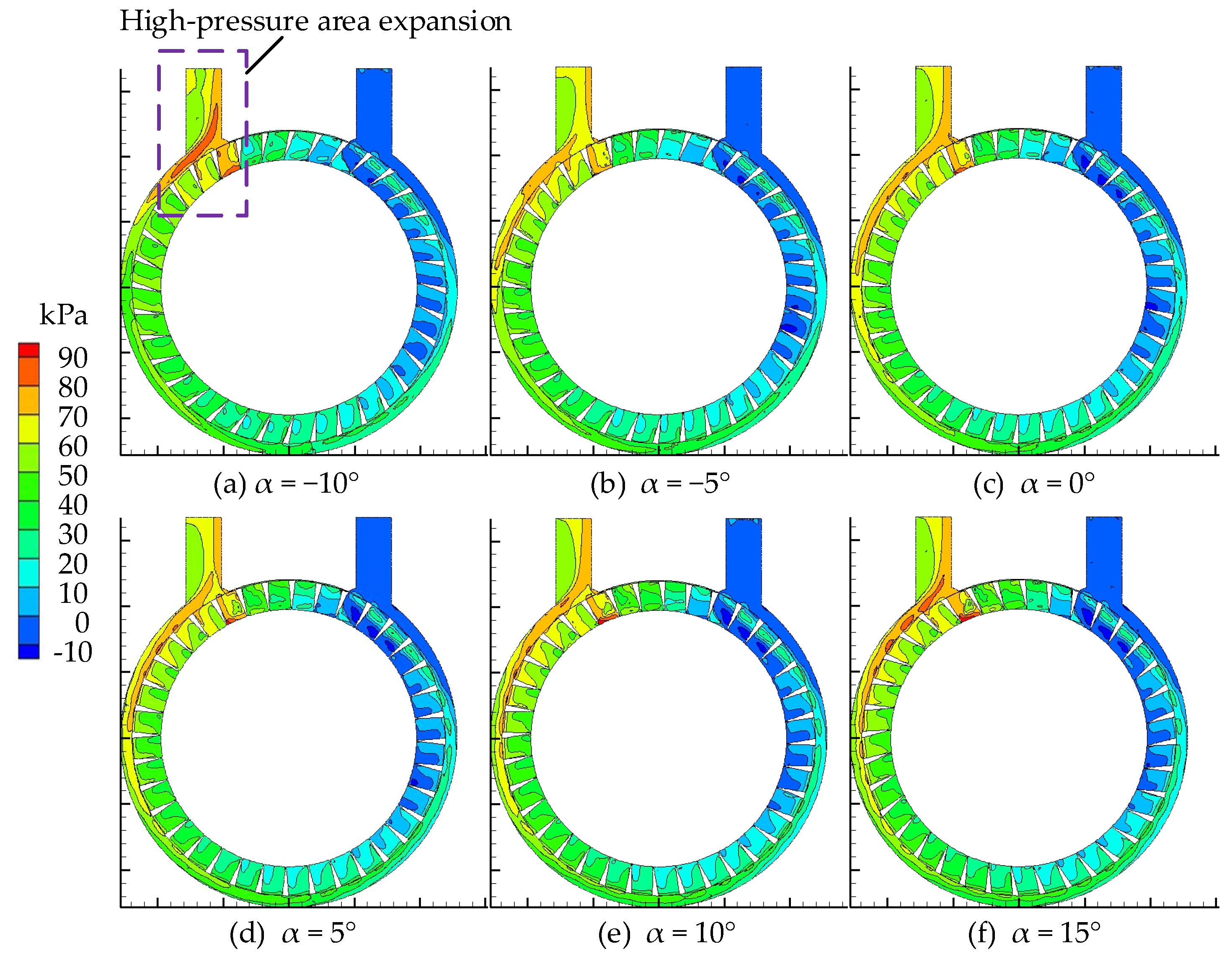
Figure 24 (total pressure) reveals that the total pressure at the pump inlet is largely insensitive to the blade tilt. Near the outlet, however, the model with a −10° tilt exhibits a pronounced high-pressure zone at the impeller, with a larger coverage area than other angles. For tilt angles other than −10°, increased rearward tilt leads to both higher local pressure and an expanded high-pressure region near the impeller top.
A similar trend is observed for static pressure near the outlet (Figure 25). At the inlet, the −10° tilt model shows a smaller negative-pressure region around the impeller compared to other angles. As the blade tilt increases (excluding the −10° case), the area of negative pressure inside the impeller gradually decreases.
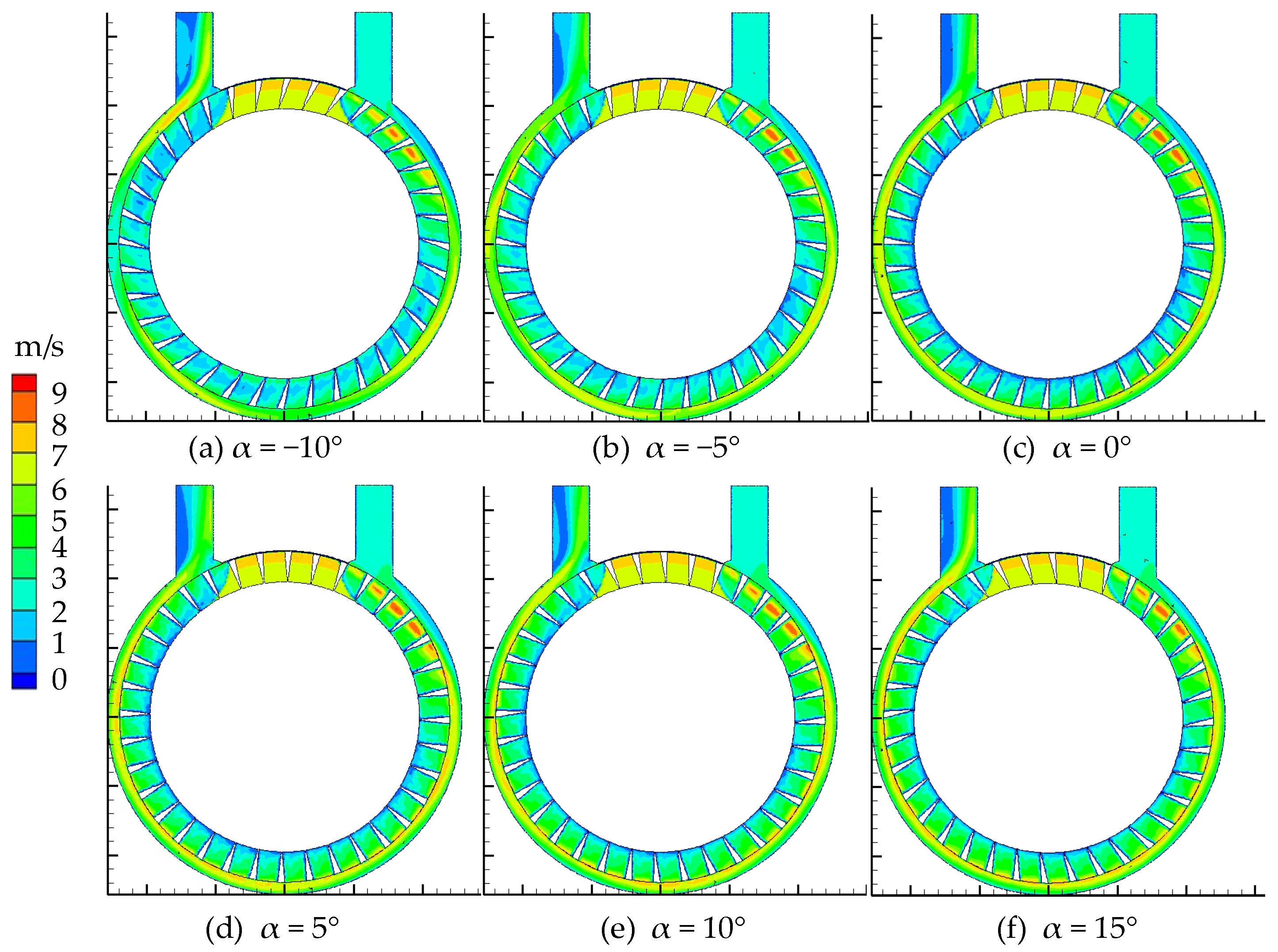
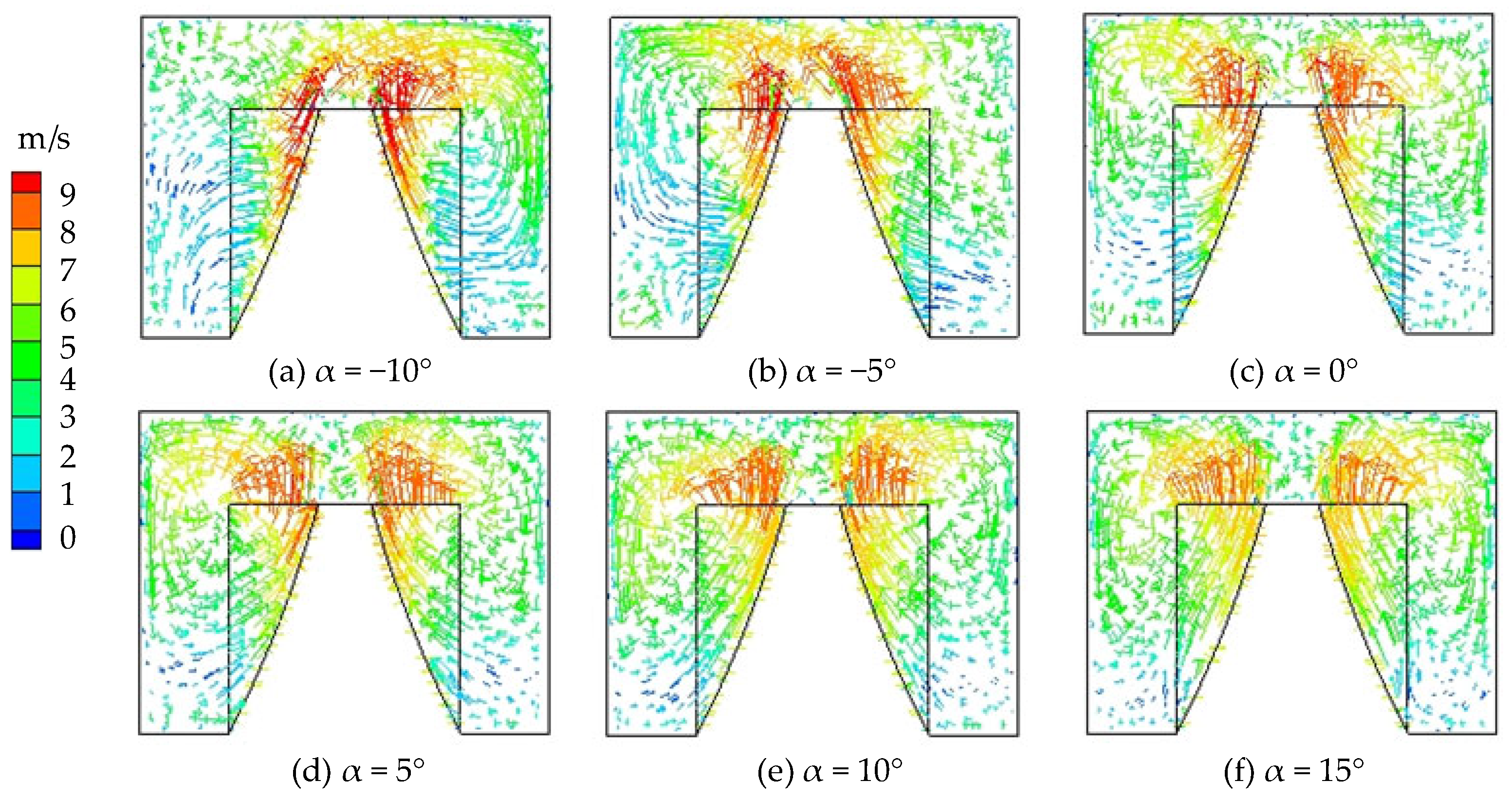
Figure 26 reveals the velocity contours on the z = 2.2 cross-section under different blade tilt angles. Models with forward-tilted blades (−10° and −5°) are characterized by a highly uneven velocity distribution in both the volute and impeller passages, indicating impact losses during energy transfer that degrade pump performance. With increasing rearward tilt, the flow distribution becomes progressively more aligned with the expected internal vortex pattern, which results in more orderly fluid motion within the flow channel.
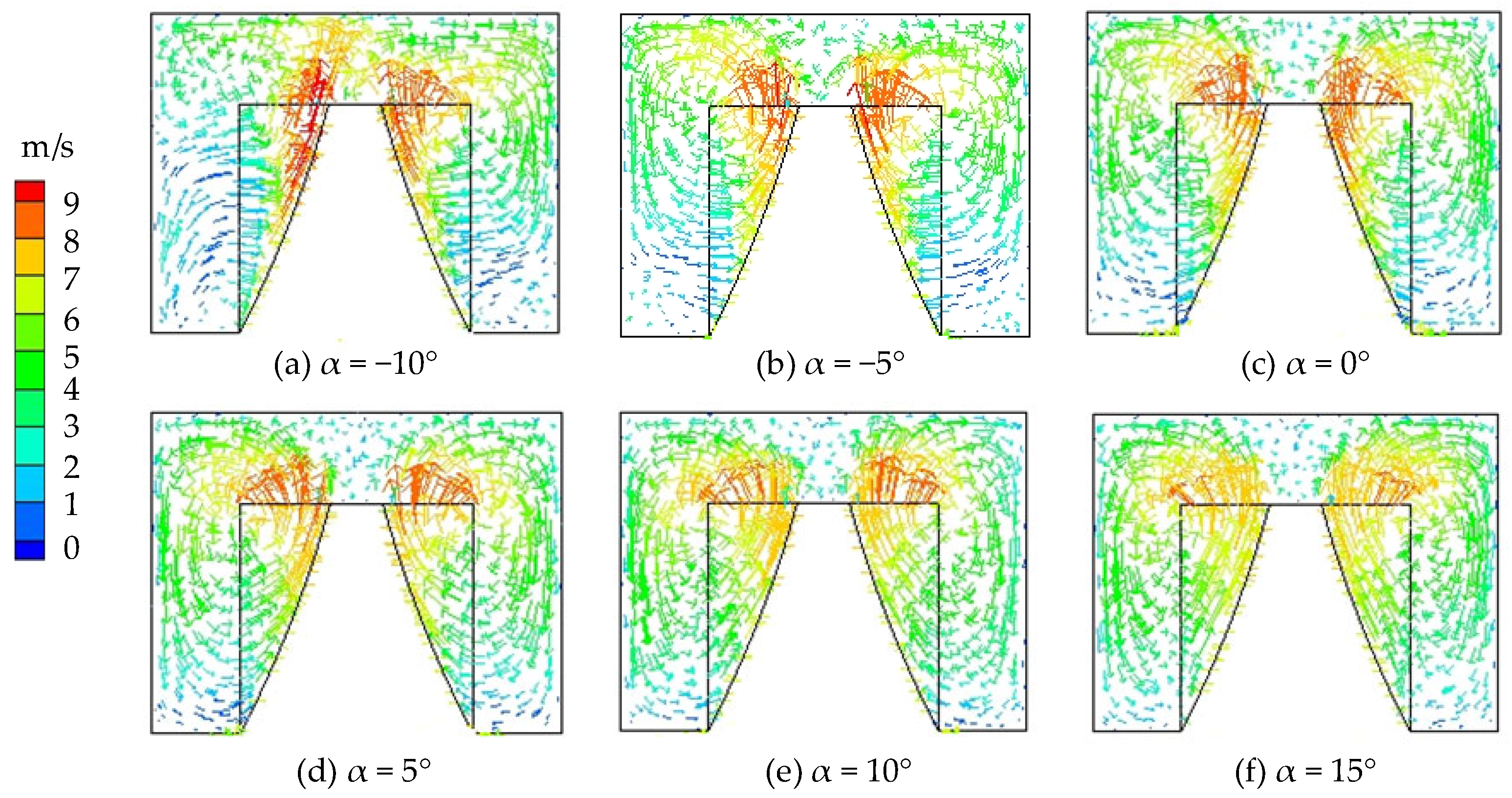
Radial cross-sections at y = 45°, 135°, 225°, and 315° were extracted from the models to compare the velocity distributions at identical flow-passage locations for different blade tilt angles (Figure 27, Figure 28, Figure 29 and Figure 30).
The y45° cross-section in Figure 27, located near the pump inlet, exhibits radial inflow into the blades. The impeller’s high rotational speed induces a velocity difference between the blade passages and the volute, generating a notable axial velocity component along the rotating blade walls. This flow develops into a small, low-positioned longitudinal vortex. A region of higher velocity emerges near the blade tip as the forward tilt angle increases.
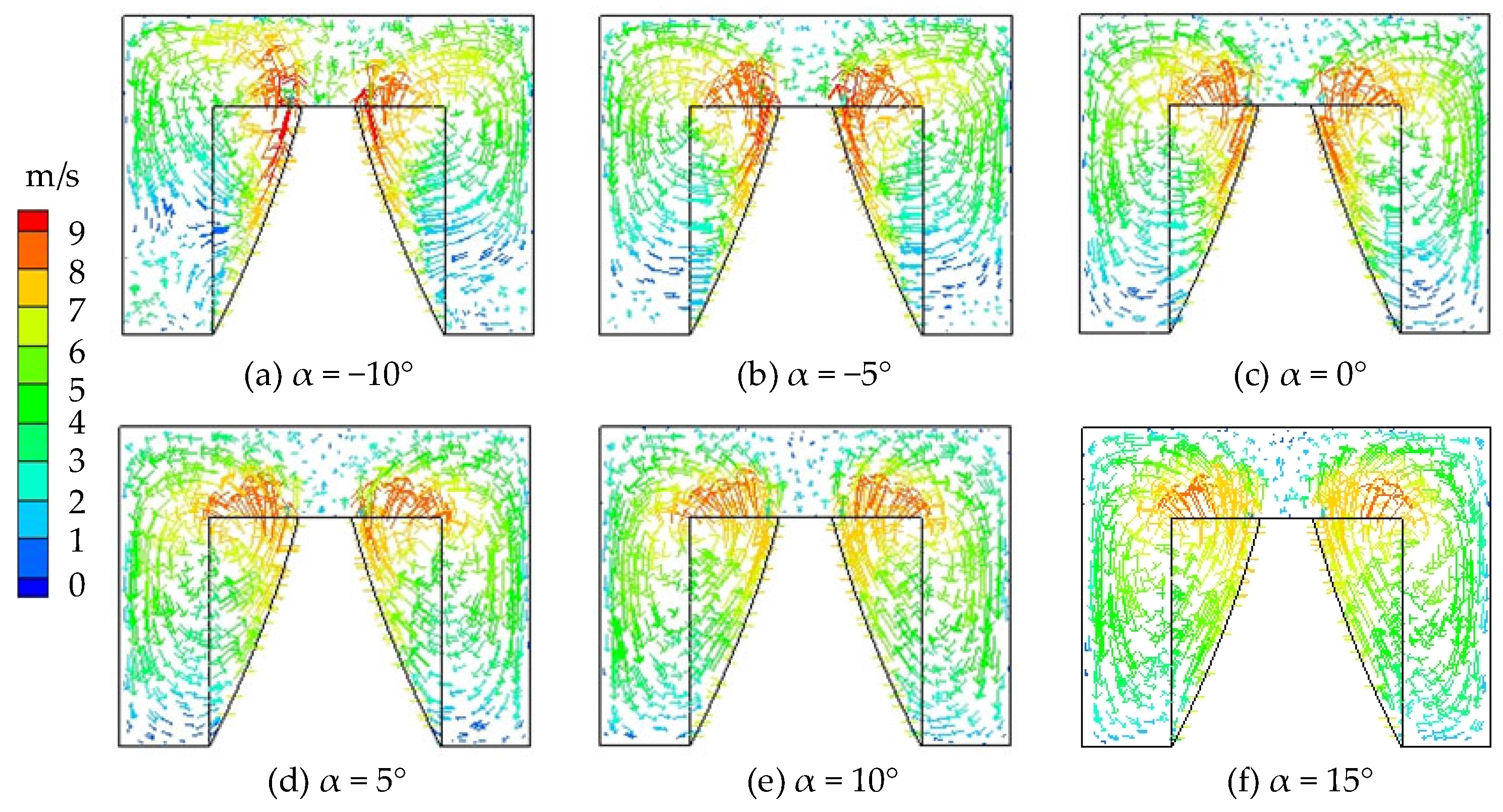
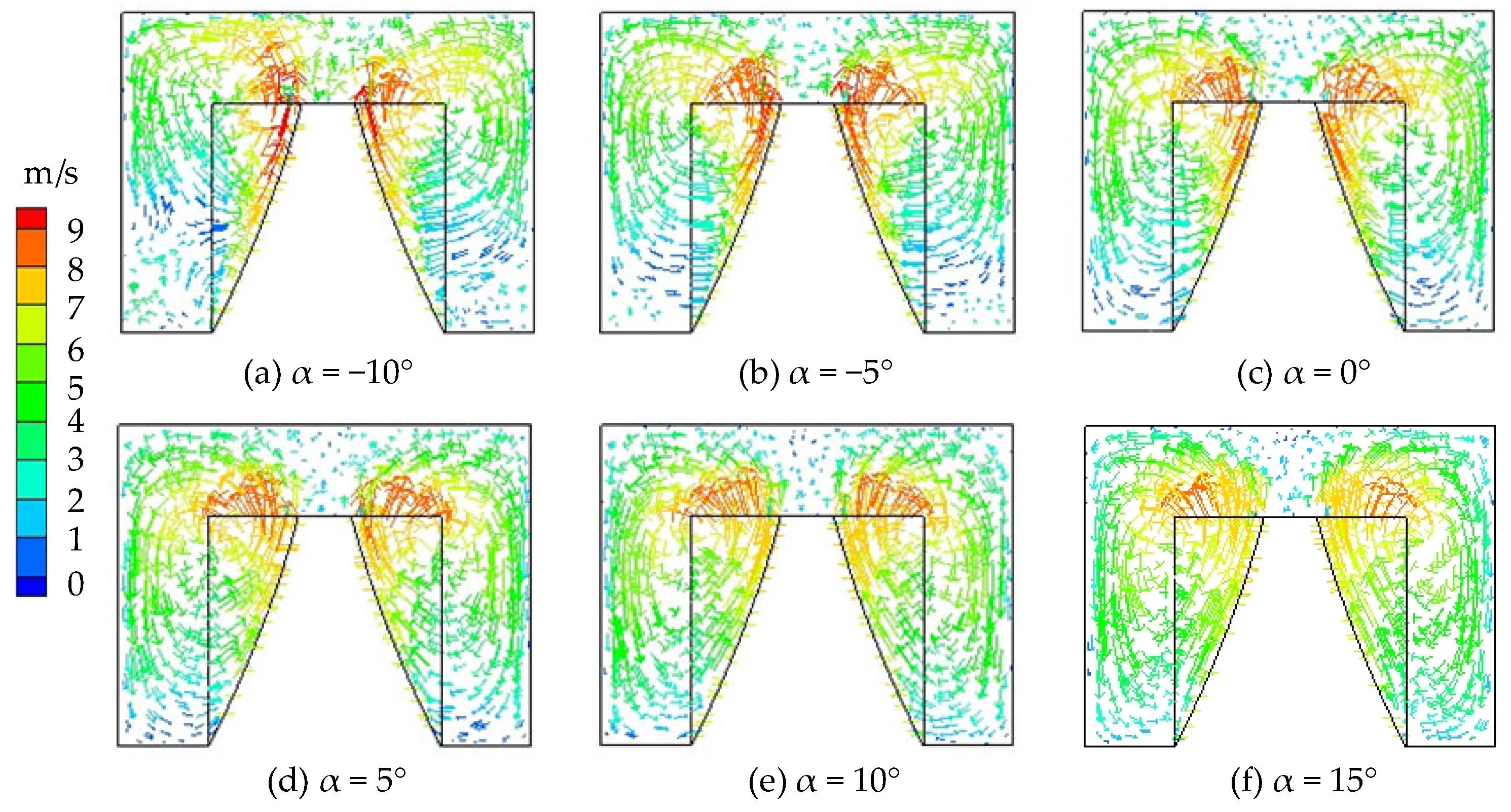
In Figure 28 and Figure 29, as the flow develops along the passage, distinct longitudinal vortices are observed on both the y135° and y225° cross-sections for all models except the one with a blade tilt of −10°, which shows a noticeable anomaly on the y225° section. In all cases where vortices are visible, they originate from the inner radius of the impeller and exit near its tip. The vortex structure becomes more organized as the blade tilt increases in the rearward direction.
The asymmetric vortex intensity observed on the y225° section for the −10° tilt model can be attributed to the higher fluid velocity near the blade tip under forward tilt conditions. This local high-velocity region disturbs the internal flow, adversely affecting pump performance. From an optimization standpoint, such disordered flow should be avoided.
In Figure 30, the intensity of the longitudinal vortex formed in the flow passage is considerably weaker. The more the blades are tilted forward, the more evident this reduction in vortex intensity becomes. By observing the fluid velocity directions on this cross-section, it can be seen that the fluid is essentially expelled along the radial direction of the blades at the pump outlet.
Based on the analysis of the internal flow field, the flow behavior within rearward-tilted blades is significantly superior to that within forward-tilted blades. However, when the blade tilt angle exceeds 10°, further improvement in vortex pump performance becomes marginal. This indicates that in selecting the blade inclination angle, a greater rearward tilt is not always preferable.

3.3. Performance Analysis of the Optimized Model

3.3.1. Optimization Strategy and Performance Comparison

Based on the parametric study, an optimized impeller was designed with the following parameters: partition thickness B = 0.8 mm, blade height = 4.6 mm, inclination angle α = 10°, and blade number = 42. This configuration aims to balance flow improvement, cavitation risk, and vortex stability.
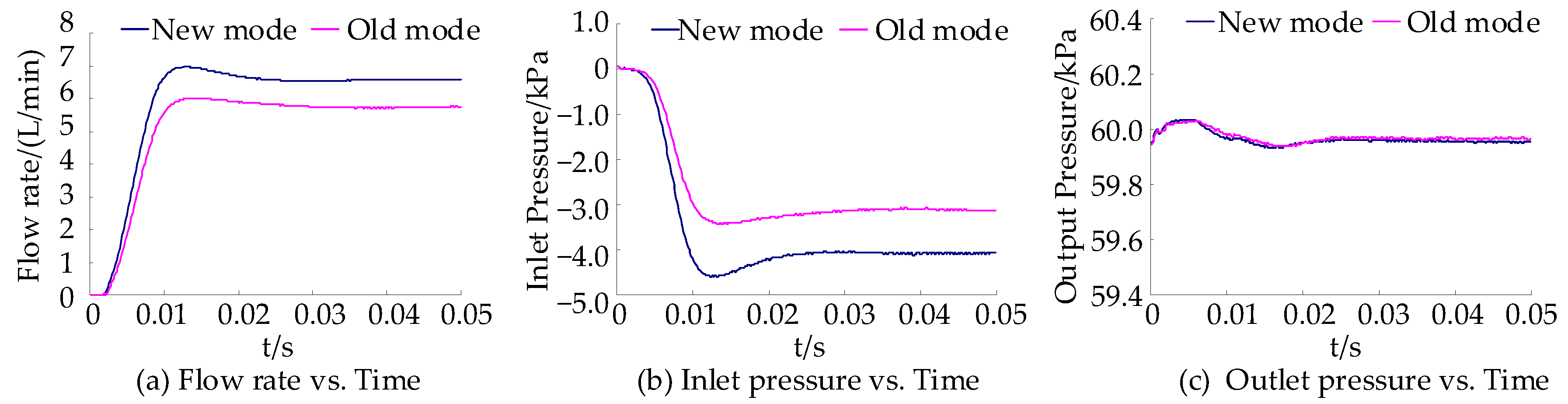
Figure 31 compares the transient performance of the optimized and baseline models. The optimized model reaches steady state faster and achieves a significantly higher steady-state flow rate (6.57 L/min vs. 5.75 L/min). With a fixed outlet pressure, the increased flow and a notable reduction in inlet negative pressure result in a higher head (6.89 m vs. 6.75 m) and efficiency (34.15% vs. 30.83%).
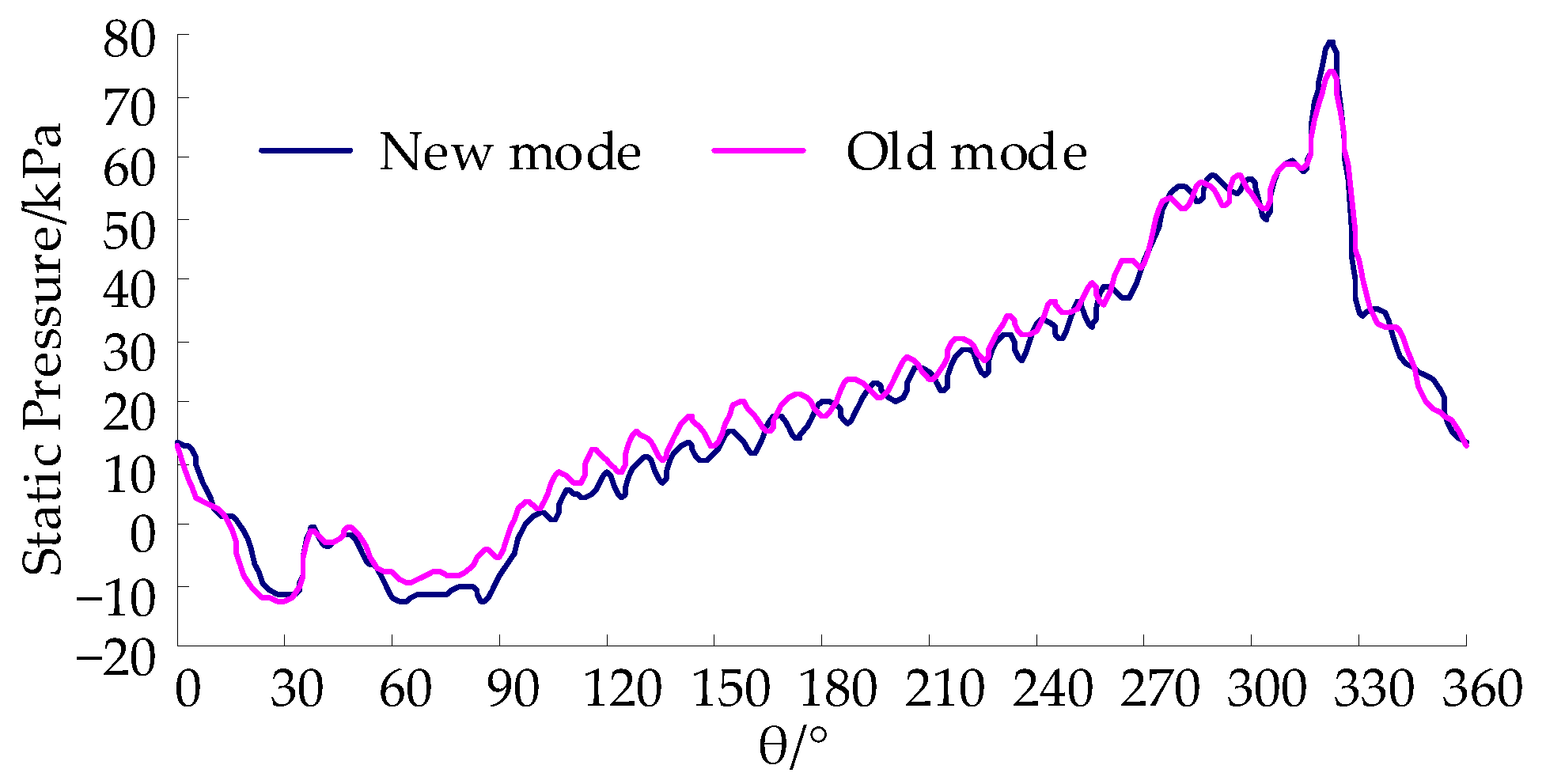
Figure 32 compares the circumferential static pressure distribution at a radius of 24 mm after stabilization. The trends are similar, but the optimized model generates lower negative pressure near the inlet, indicating an improved inlet flow field.

3.3.2. Internal Flow Field of the Optimized Model

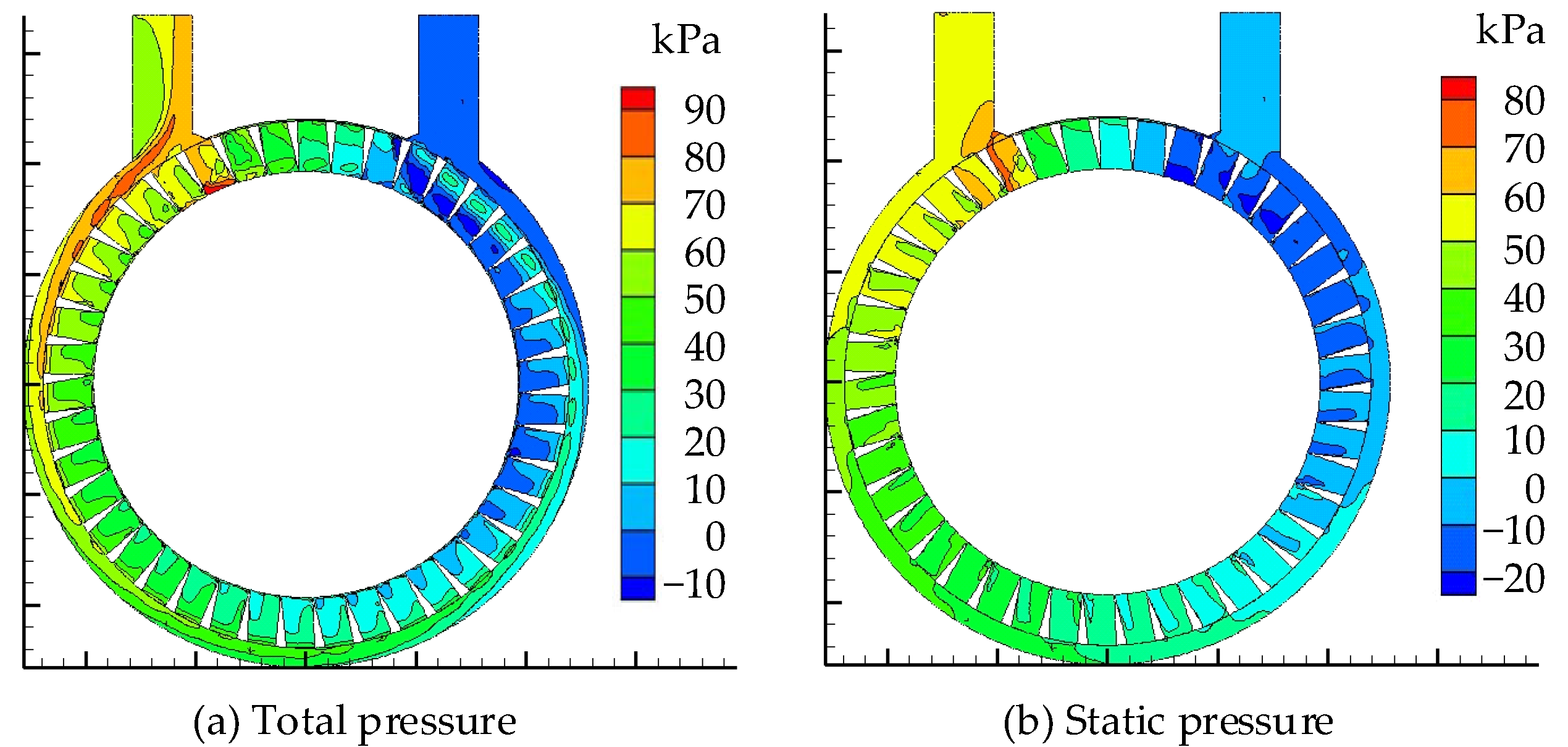
The pressure distribution in the optimized model (Figure 33) shows a more confined low-pressure region at the inlet and an expanded high-pressure zone at the outlet compared to the baseline, contributing to the higher head. The pressure gradient between the blade pressure and suction sides is also reduced, which helps suppress vortex-induced losses.
The velocity field (Figure 34 and Figure 35) demonstrates improved flow characteristics. The velocity distribution is more uniform, and the outlet velocity increases to 3.1 m/s. The velocity gradient at the impeller-volute interface is reduced, lowering collision losses. More importantly, as seen on the radial cross-section at y = 45° (Figure 36), the optimized model generates a stronger and earlier-forming longitudinal vortex positioned higher within the channel. This indicates a more efficient initiation of the energy transfer process.
The success of the final optimized design (B = 0.8 mm, α = 10°, etc.) lies in its synergistic effect. The chosen parameters collectively promote a more uniform flow field, stabilize the primary energy-carrying vortex structures, reduce interface losses, and mitigate inlet cavitation. The 14.3% increase in flow rate and 10.8% relative improvement in efficiency validate the effectiveness of this systematic, parameter-driven optimization approach.

4. Conclusions

(1)
Blade partition thickness significantly affects the internal flow and energy transfer in a vortex pump. A reduced thickness enlarges the effective flow area and weakens reverse vortices, thereby increasing the flow rate, whereas excessive thinning intensifies inlet negative pressure. Thus, partition thickness should be selected by balancing flow enhancement and inlet pressure characteristics.
(2)
Blade inclination angle has a pronounced influence on flow structure and hydraulic losses. Rearward inclination improves momentum exchange, suppresses flow disorder, and promotes organized vortex formation, leading to enhanced performance. However, further rearward inclination beyond a certain range yield diminishing performance gains, indicating the presence of an optimal inclination angle.
(3)
By systematically optimizing key impeller parameters (partition thickness 0.8 mm, blade height 4.6 mm, inclination angle 10°, and blade number 42), the vortex pump achieved notable performance improvement: the flow rate increased by 14.3%, the head by 2.1%, and the hydraulic efficiency by 10.8%. The optimized design also produced a more uniform flow field and a more stable vortex structure, confirming the effectiveness of parameter-based impeller optimization.

Author Contributions

Methodology, W.J.; software, W.J.; validation, W.J.; formal analysis, W.J.; writing—original draft preparation, W.J.; writing—review and editing, Y.Z. All authors have read and agreed to the published version of the manuscript.

Funding

This research received no external funding.

Data Availability Statement

The data presented in this study are available on request from the corresponding author.

Conflicts of Interest

The authors declare no conflicts of interest.

References

  1. Wang, Y.; Zhou, P.; Xu, N.; Zhou, W.; Li, J. Recent advances in optimization design and performance analysis of vortex pumps. Recent Pat. Mech. Eng. 2023, 16, 165–176. [Google Scholar] [CrossRef]
  2. Gerlach, A.; Thamsen, P.U.; Wulff, S.; Jacobsen, C.B. Design parameters of vortex pumps: A meta-analysis of experimental studies. Energies 2017, 10, 58. [Google Scholar] [CrossRef]
  3. Guan, X. Modern Pumps Theory and Design; China Astronautic Publishing House: Beijing, China, 2011; pp. 388–390. [Google Scholar]
  4. Gu, Y.Q.; Wang, Q.; Liu, Q.; Sun, Y.L.; Fan, T.X.; Wu, D.H. A review of research processes in the vortex pump. Int. J. Eng. Res. Afr. 2016, 25, 20–27. [Google Scholar] [CrossRef]
  5. Zhou, L.; Zhou, C.; Bai, L.; Agarwal, R. Numerical and Experimental Analysis of Vortex Pump with Various Axial Clearances. Water 2024, 16, 1602. [Google Scholar] [CrossRef]
  6. Gao, X.; Shi, W.; Zhao, R.; Zhao, T.; Wang, H. Optimization Design and Internal Flow Field Study of Open-Design Vortex Pump. Shock Vib. 2021, 2021, 6673200. [Google Scholar] [CrossRef]
  7. Wan, C.R.; Long, Y.; Tian, C.B.; Zhong, J.Q. The effect of blade geometry parameters on the hydraulic performance and cavitation behavior of a water jet propulsion pump. Ship Sci. Technol. 2024, 46, 1–7. (In Chinese) [Google Scholar]
  8. Nejadrajabali, J.; Riasi, A.; Nourbakhsh, S.A. Flow Pattern Analysis and Performance Improvement of Regenerative Flow Pump Using Blade Geometry Modification. Int. J. Rotating Mach. 2016, 2016, 1–16. [Google Scholar] [CrossRef]
  9. Gülich, J.F. Impact of three-dimensional phenomena on the design of rotodynamic pumps. Proc. Inst. Mech. Eng. Part C J. Mech. Eng. Sci. 1999, 213, 59–70. [Google Scholar] [CrossRef]
  10. Mihalić, T.; Guzović, Z.; Predin, A. Performances and flow analysis in the centrifugal vortex pump. J. Fluids Eng. 2013, 135, 011107. [Google Scholar] [CrossRef]
  11. Tong, Z.; Shang, B. Investigating three-dimensional vortex evolution in centrifugal pump under rotating stall conditions using tomographic particle image velocimetry. Phys. Fluids 2024, 36, 18. [Google Scholar] [CrossRef]
  12. Kan, K.; Xu, Y.; Xu, H.; Feng, J.; Yang, Z. Vortex-induced energy loss of a mixed-flow waterjet pump under different operating conditions. Acta Mech. Sin. 2023, 39, 323064. [Google Scholar] [CrossRef]
  13. Kan, K.; Zhang, Q.; Zheng, Y.; Xu, H.; Xu, Z.; Zhai, J.; Muhirwa, A. Investigation into influence of wall roughness on the hydraulic characteristics of an axial flow pump as turbine. Sustainability 2022, 14, 8459. [Google Scholar] [CrossRef]
  14. Quan, H.; Wang, Z.; Du, Y.; Su, H. Research on performance failure caused by gas blocking in multiphase mixed-transport pump under non-uniform inflow conditions. J. Braz. Soc. Mech. Sci. Eng. 2024, 46, 346. [Google Scholar] [CrossRef]
  15. Insinna, M.; Salvadori, S.; Martelli, F.; Peroni, G.; Simon, G.; Dipace, A.; Squarcini, R. One-dimensional prediction and three-dimensional CFD simulation of the fluid dynamics of regenerative pumps. In Turbo Expo: Power for Land, Sea, and Air; American Society of Mechanical Engineers: New York City, NY, USA, 2018; Volume 51012, p. V02CT42A036. [Google Scholar]
  16. Mihalić, T.; Guzović, Z.; Predin, A. CFD flow analysis in the centrifugal vortex pump. Int. J. Numer. Methods Heat Fluid Flow 2014, 24, 545–562. [Google Scholar] [CrossRef][Green Version]
  17. Zhou, P.; Wen, Z.; Wang, Y.; Wu, Y.; Wu, D.; Huang, R.; Yao, Z. Improving the energy performance of vortex pump based on whale optimization algorithm. Eng. Appl. Comput. Fluid Mech. 2025, 19, 2441344. [Google Scholar] [CrossRef]
  18. Zhao, J.; Pei, J.; Yuan, J.; Wang, W. Structural optimization of multistage centrifugal pump via computational fluid dynamics and machine learning method. J. Comput. Des. Eng. 2023, 10, 1204–1218. [Google Scholar] [CrossRef]
  19. Ashgriz, N.; Mostaghimi, J. An introduction to computational fluid dynamics. Fluid Flow Handb. 2002, 1, 1–49. [Google Scholar]
  20. Jones, W.P.; Launder, B.E. The prediction of laminarization with a two-equation model of turbulence. Int. J. Heat Mass Transf. 1972, 15, 301–314. [Google Scholar] [CrossRef]
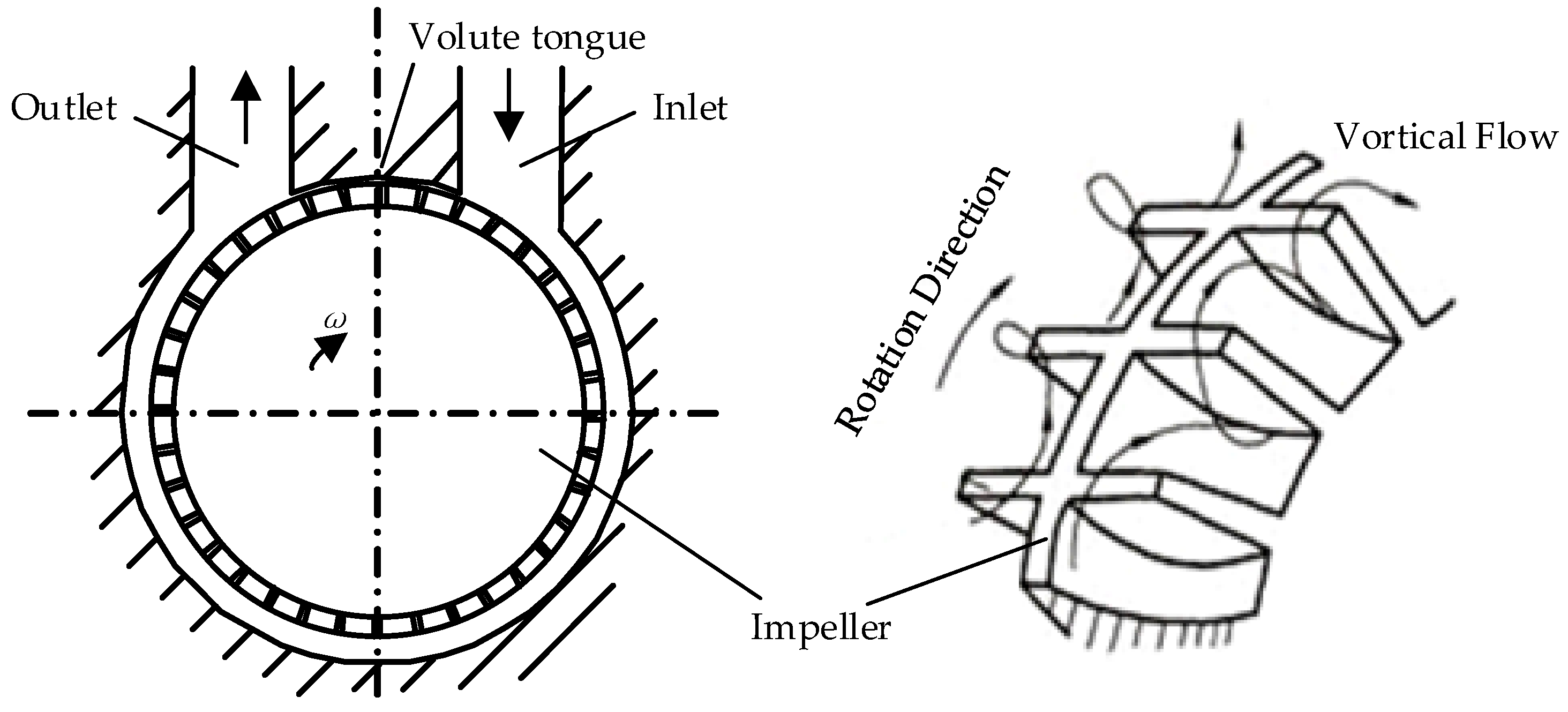
Figure 1. Operating principle of a vortex pump.
Processes 14 00683 g001
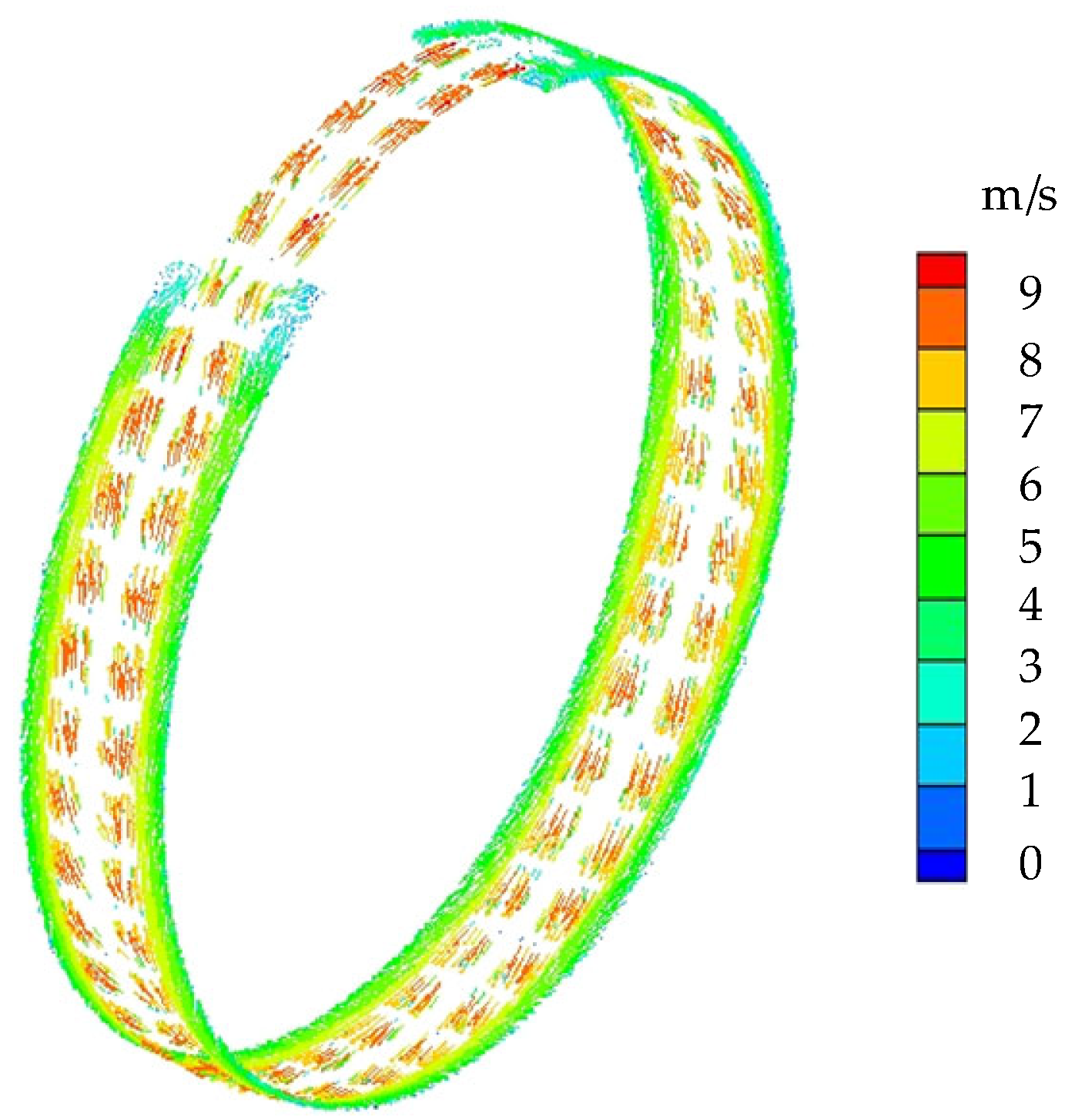
Figure 2. Three-dimensional model of the vortex pump.
Processes 14 00683 g002
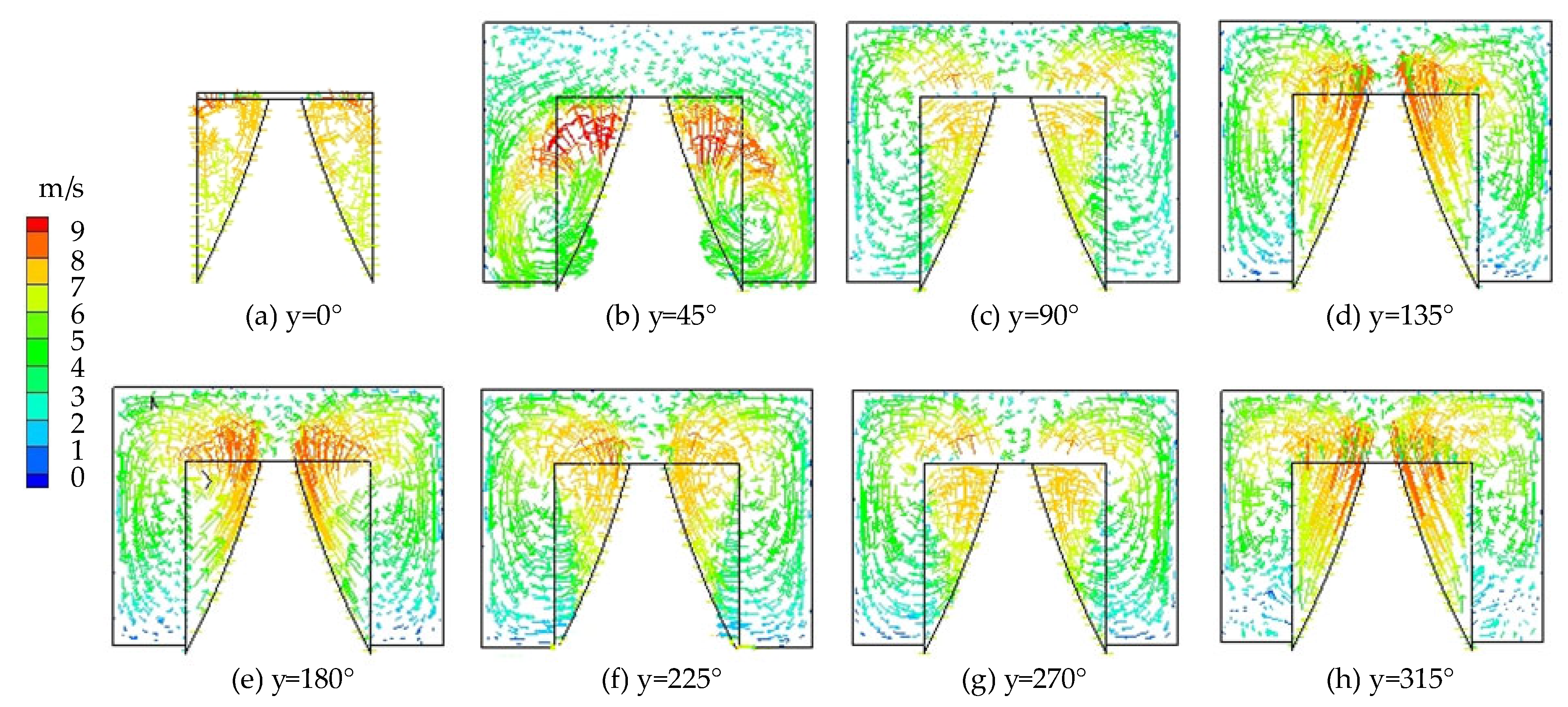
Figure 3. Internal structure and dimensional reference of the pump assembly.
Processes 14 00683 g003
Figure 4. Computational domain showing rotating and stationary regions.
Processes 14 00683 g004
Figure 5. Unstructured grid of the computational domain.
Processes 14 00683 g005
Figure 6. Grid independence verification.
Processes 14 00683 g006
Figure 7. Schematic of boundary conditions and interfaces.
Processes 14 00683 g007
Figure 8. Time variation of output flow rate, inlet pressure, and outlet pressure.
Processes 14 00683 g008
Figure 9. Total pressure contour on the z = 2.2 mm cross-section.
Processes 14 00683 g009
Figure 10. Cross-sectional schematic diagram.
Processes 14 00683 g010
Figure 11. Total pressure contours on each radial cross-section.
Processes 14 00683 g011
Figure 12. Velocity vectors on the z = 2.2 mm cross-section.
Processes 14 00683 g012
Figure 13. Velocity vectors on the R23.9 mm cross-section.
Processes 14 00683 g013
Figure 14. Velocity vectors on each radial cross-section.
Processes 14 00683 g014
Figure 15. Schematic of the impeller blade and key geometric parameters.
Processes 14 00683 g015
Figure 16. Effect of blade partition thickness on pump performance.
Processes 14 00683 g016
Figure 17. Total pressure contours on the z = 2.2 mm cross-section for different partition thicknesses.
Processes 14 00683 g017
Figure 18. Static pressure contours on the z = 2.2 mm cross-section for different partition thicknesses.
Processes 14 00683 g018
Figure 19. Total pressure contours on the y = 270° cross-section for different partition thicknesses.
Processes 14 00683 g019
Figure 20. Static pressure contours on the y = 270° cross-section for different partition thicknesses.
Processes 14 00683 g020
Figure 21. Velocity contours on the z = 2.2 cross-section for different partition thicknesses.
Processes 14 00683 g021
Figure 22. Velocity vectors on the y = 270° cross-section for different partition thicknesses.
Processes 14 00683 g022
Figure 23. Effect of blade inclination angle on pump performance.
Processes 14 00683 g023
Figure 24. Total pressure contours on the z = 2.2 mm cross-section for different blade tilt angles.
Processes 14 00683 g024
Figure 25. Static pressure contours on the z = 2.2 mm cross-section for different blade tilt angles.
Processes 14 00683 g025
Figure 26. Velocity contours on the z = 2.2 cross-section for various blade tilt angles.
Processes 14 00683 g026
Figure 27. Velocity vectors on the y = 45° cross-section for various blade tilt angles.
Processes 14 00683 g027
Figure 28. Velocity vectors on the y = 135° cross-section for various blade tilt angles.
Processes 14 00683 g028
Figure 29. Velocity vectors on the y = 225° cross-section for various blade tilt angles.
Processes 14 00683 g029
Figure 30. Velocity vectors on the y = 315° cross-section for various blade tilt angles.
Processes 14 00683 g030
Figure 31. Comparison of transient performance (flow rate, inlet/outlet pressure) between baseline and optimized models.
Processes 14 00683 g031
Figure 32. Circumferential distribution of static pressure at R = 24 mm for baseline and optimized models.
Processes 14 00683 g032
Figure 33. Pressure contour on the z = 2.2 mm cross-section for the optimized model.
Processes 14 00683 g033
Figure 34. Velocity vectors on the z = 2.2 mm cross-section for the optimized model.
Processes 14 00683 g034
Figure 35. Velocity vectors on the R = 23.9 mm cross-section for the optimized model.
Processes 14 00683 g035
Figure 36. Velocity vectors on each radial cross-section for the optimized model.
Processes 14 00683 g036
Table 1. Key dimensional parameters of the pump.
ParametersValue
Inlet diameter, d1 (mm)7
Outlet diameter, d2 (mm)7
Clearance between volute tongue and impeller tip, δ (mm)0.3
Impeller rotational speed, ω (r/min)3000
Blade inclination angle, α (°)5
Blade included angle, β (°)12
Impeller diameter, D1 (mm)47.8
Impeller width, E1 (mm)4.4
Blade height, h1 (mm)4.4
Blade curvature radius, r (mm)22.6
Blade partition thickness, B (mm)1
Flow channel outer diameter, D2 (mm)51.3
Flow channel height, h2 (mm)6.15
Flow channel width, E2 (mm)7.8
Number of Blades, Z36
Disclaimer/Publisher’s Note: The statements, opinions and data contained in all publications are solely those of the individual author(s) and contributor(s) and not of MDPI and/or the editor(s). MDPI and/or the editor(s) disclaim responsibility for any injury to people or property resulting from any ideas, methods, instructions or products referred to in the content.