Article

Simulation Study, Techno-Economic, and Environmental Assessment of Hydrogen-Based DRI Production for Sustainable Steel Industry


1
School of Chemical Engineering, University of Ulsan, Daehak-ro 93, Nam-gu, Ulsan 44610, Republic of Korea
2
Department of Chemical and Biomolecular Engineering, Pusan National University, Busan 46241, Republic of Korea
3
Hydrogen Ironmaking Research Group, POSCO Research Laboratories, 6261 Donghaean-ro, Nam-gu, Pohang 37859, Republic of Korea
*
Author to whom correspondence should be addressed.
Processes 2026, 14(4), 651; https://doi.org/10.3390/pr14040651
Submission received: 31 December 2025 / Revised: 30 January 2026 / Accepted: 11 February 2026 / Published: 13 February 2026

Abstract

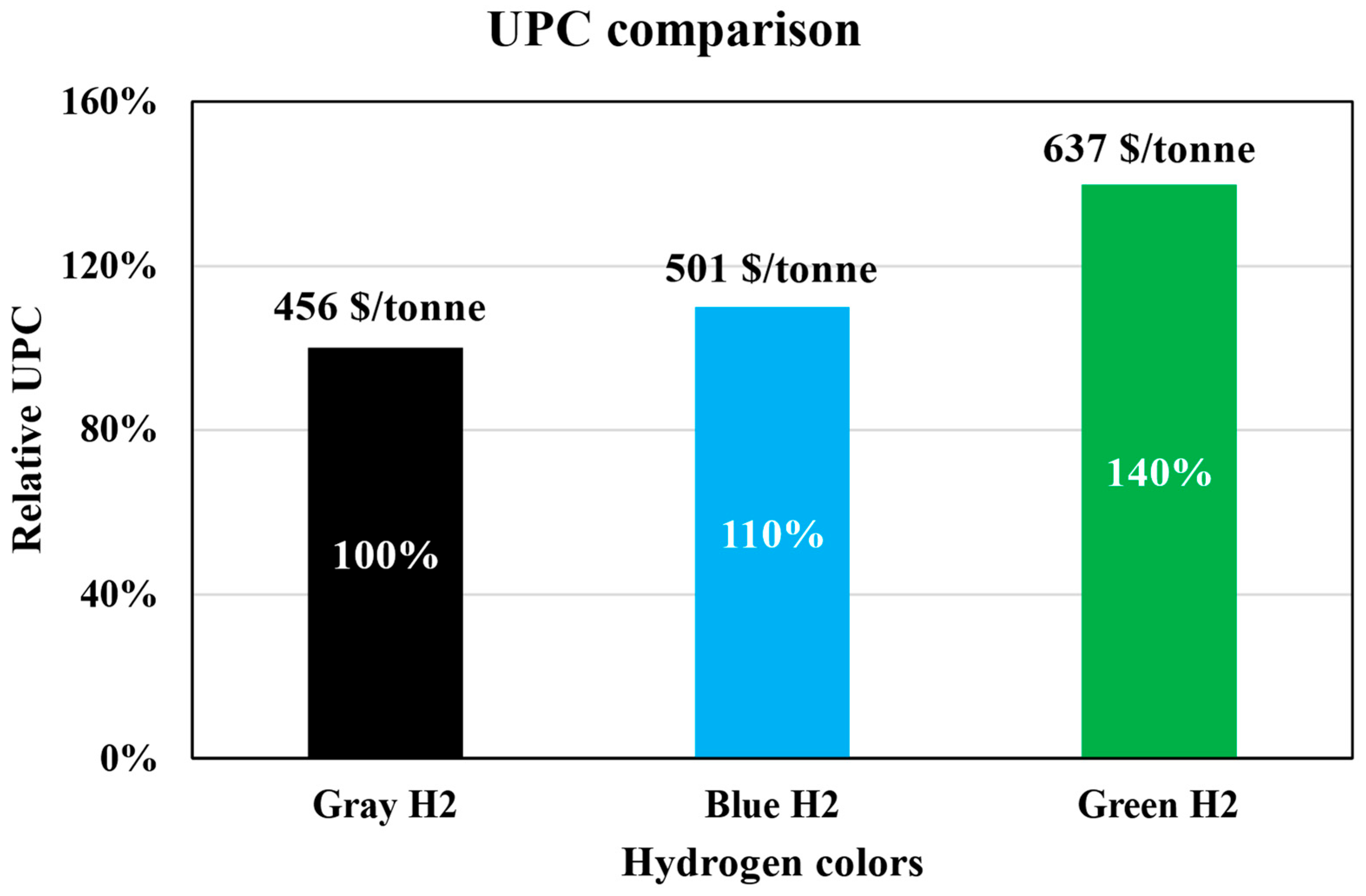
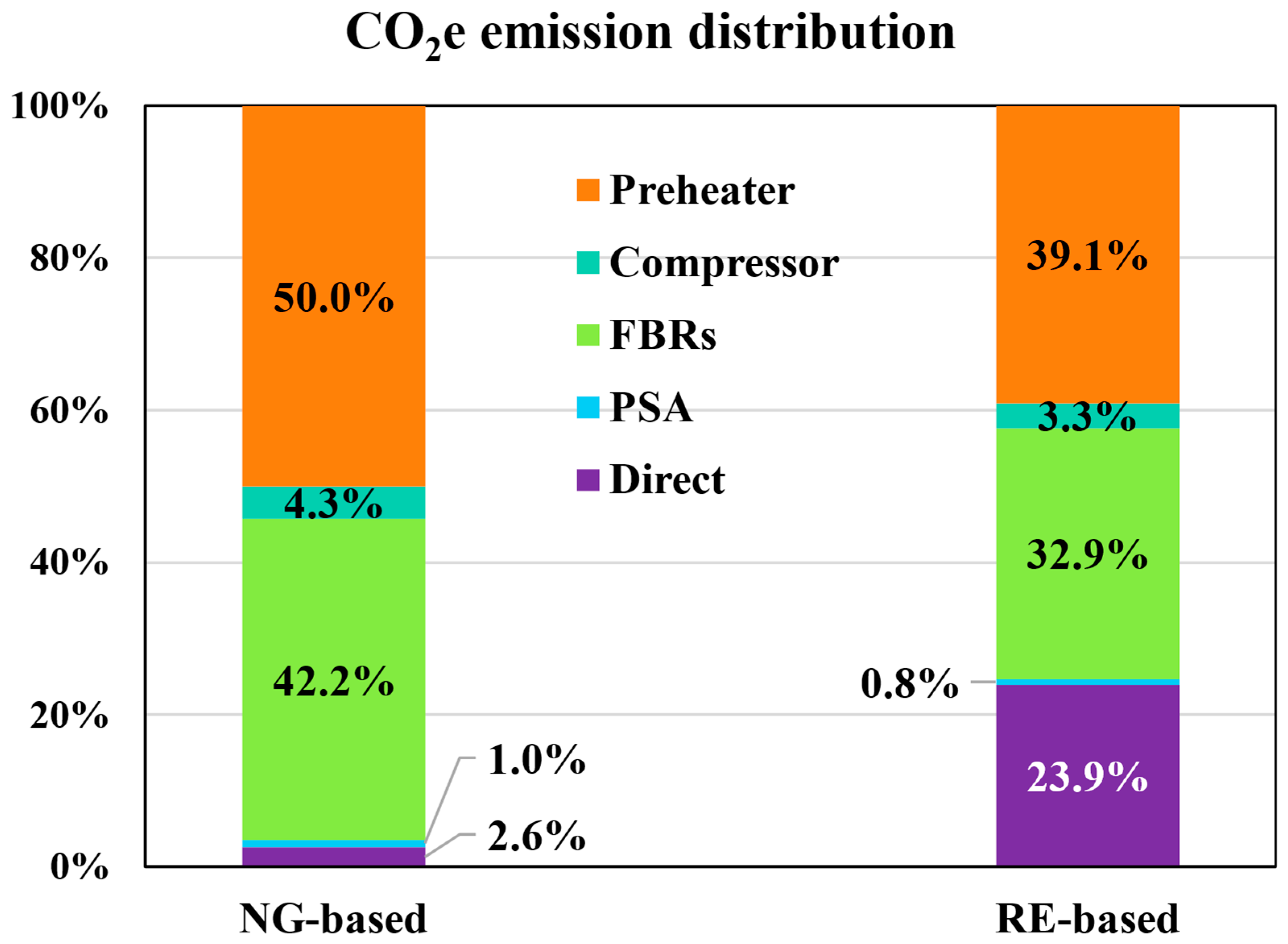
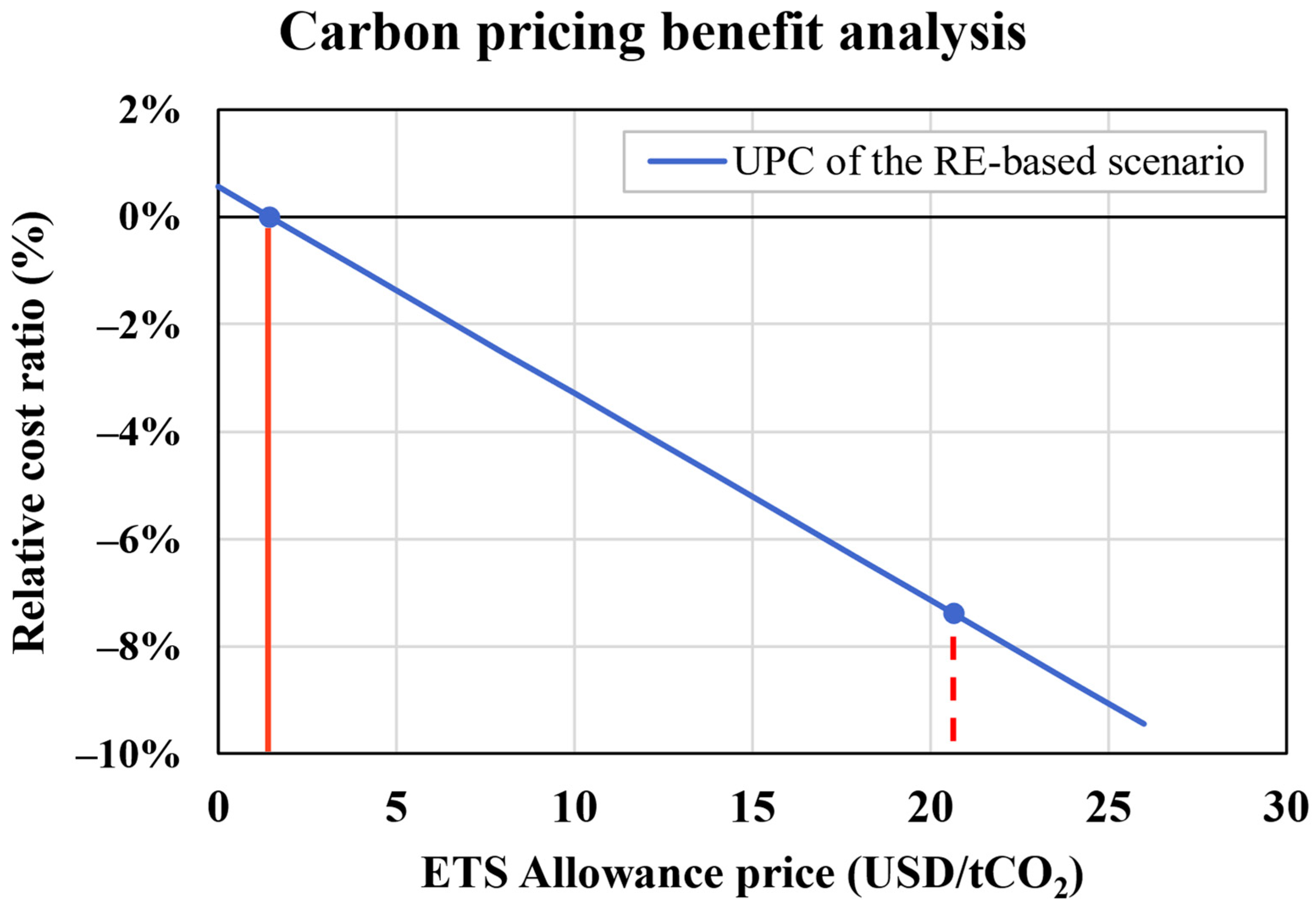
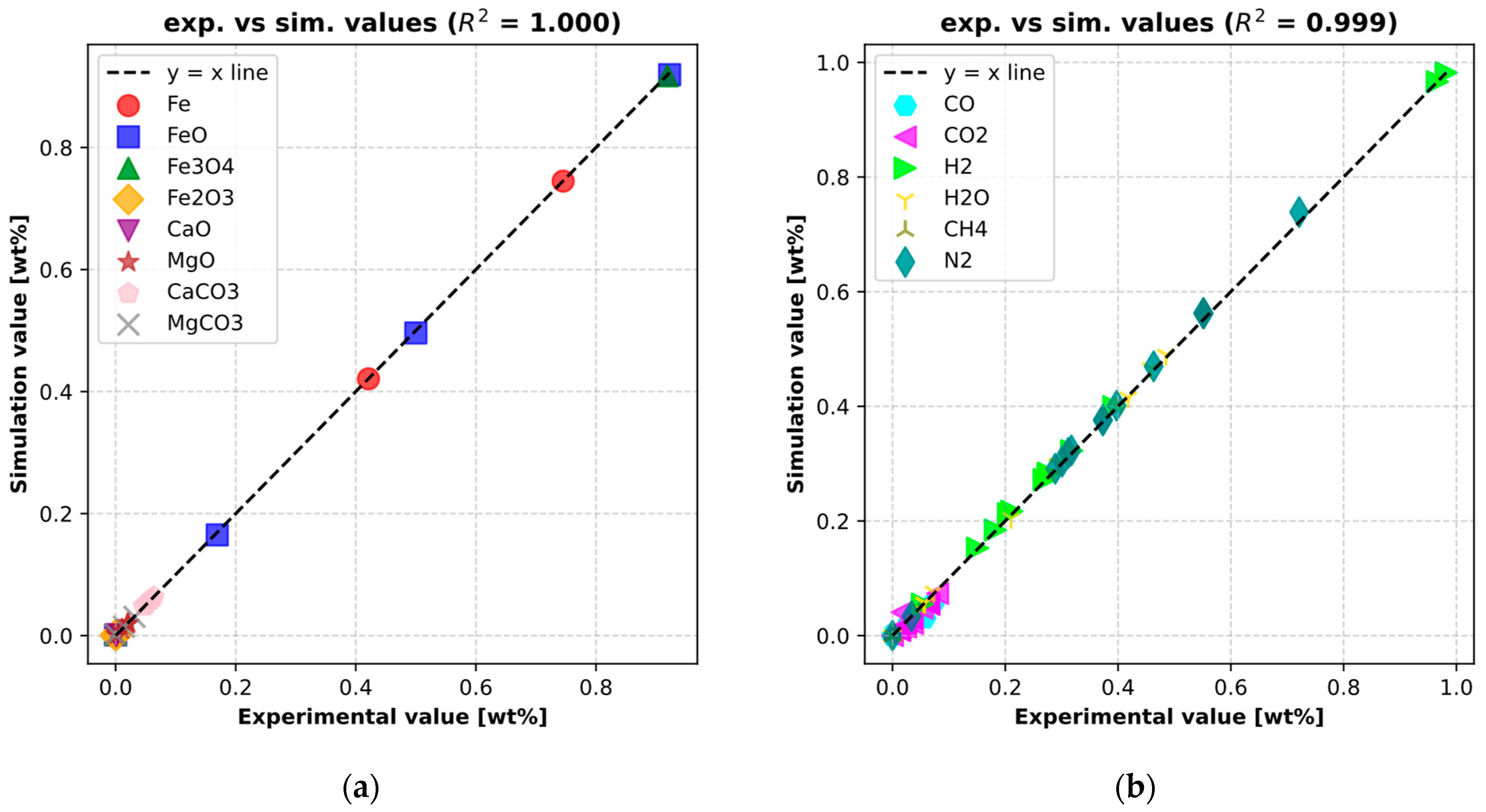
The iron and steel industry is a major contributor to global carbon emissions, necessitating an urgent transition to sustainable production technologies. This study investigates the techno-economic feasibility and environmental impact of a hydrogen-based direct reduced iron (DRI) production process via multi-stage fluidized bed reactors, focusing on the ironmaking stage and excluding downstream steelmaking routes. A comprehensive process model was developed incorporating reduction kinetics and validated against experimental data, achieving high predictive accuracy with an R2 exceeding 0.999. The environmental assessment reveals that the renewable energy-based scenario achieves specific CO2 equivalent (CO2e) emissions of 36.8 kg per ton of hematite, corresponding to a 98.1% reduction compared to the conventional blast furnace baseline. Although the initial techno-economic analysis indicates a higher unit production cost of 636.83 USD/ton due to renewable energy costs, the sensitivity analysis demonstrates that cost competitiveness against the natural gas-based scenario is secured at a carbon price threshold of 1.44 USD/tCO2e. Furthermore, under the 2018 average Korea Emission Trading System price of 20.66 USD/tCO2e, the cost deceases to 589.76 USD/ton, offering a 7.39% economic advantage over the grid-based alternative. These findings indicate that green hydrogen integration and carbon pricing can bridge economic gaps, supporting economically viable low-carbon DRI production.
Keywords: ironmaking technology; DRI production; process simulation; techno-economic analysis; environmental impact; carbon credit ironmaking technology; DRI production; process simulation; techno-economic analysis; environmental impact; carbon credit