Article

Investigation of Honeycomb Core-Filled Five-Stage Tubes as Anti-Climbing Energy Absorbers for Rail Vehicle Safety Under Axial and Oblique Loading

1
Shenzhen Cansinga Technology Co., Ltd., Shenzhen 518000, China
2
School of Mechatronics Engineering, Harbin Institute of Technology, Harbin 150001, China
3
College of Artificial Intelligence, Harbin Institute of Technology, Shenzhen 518055, China
*
Author to whom correspondence should be addressed.
Processes 2026, 14(3), 521; https://doi.org/10.3390/pr14030521
Submission received: 15 December 2025 / Revised: 15 January 2026 / Accepted: 27 January 2026 / Published: 2 February 2026

Abstract

The passive safety performance of trains is important. To ensure passenger safety and avoid vehicle climbing and excessive deformation in a collision, anti-climbing energy absorption devices can be installed at the end of each vehicle. In this study, two new types of anti-climbing energy absorption structures—a five-section frame filled with a PU foam core (FSF-F) and a five-section frame filled with a honeycomb aluminum core (FSF-H)—were prepared. The mechanical properties of the FSF-F and FSF-H structures were compared using a dynamic loading test and a simulation. The results showed that the energy absorption performance of the FSF-H was better than that of the FSF-F. Combined with the actual working conditions of a train, the mechanical properties of FSF-H under an offset load were further studied. The results show that it has good energy absorption performance under an offset impact and can be used as an energy absorption device at the end of the train carriage.

1. Introduction

Trains are an important form of transportation due to their large transportation capacity, high speed, long distance, low cost, relatively high safety, energy conservation, and environmental protection [1,2,3,4,5]; as such, public attention to train safety is increasing. High-speed trains possess high initial kinetic energy, and collisions can lead to catastrophic consequences [6,7,8,9,10,11]. Improving train safety involves two main aspects [12,13]: one is active protection, which aims to avoid collisions through various measures and is a complex engineering task; the other is passive protection, serving as a backup safety system after active protection fails [14,15]. Passive technology focuses on the accident itself—assuming collisions will occur, the core goal is to minimize casualties by absorbing the impact energy through structural plastic deformation of the train’s energy-absorbing components [16,17,18,19].
As the second line of defense for rail vehicles, passive protection technology dissipates the collision-induced impact energy, thus enhancing the vehicle’s crashworthiness and reducing secondary collision casualties via its internal design. It not only minimizes injuries to occupants and cargo damage, but also reduces losses of other personnel and vehicles. Enhancing the safety of high-speed trains, adopting reasonable and effective passive safety protection, reducing passenger acceleration, maximizing vehicle survival space, and minimizing collision casualties have become key research hotspots in rail vehicle engineering [20].
Passive safety technology typically converts impact energy into plastic deformation energy. According to the European Railway Standard [21] EN 15227 “Crashworthiness Requirements for Railway Vehicles,” when two identical rail vehicles collide at a relative speed of 25 km/h, the vehicles must absorb the collision energy in a controlled manner without climbing, retain sufficient passenger survival space after energy absorption, and limit collision deceleration within a specified range [22]. Anti-climbing energy absorbers are generally installed at rail vehicle ends and are classified according to their energy-absorbing components with internal cores, including honeycomb structures, planed pipes, expanded pipes, and thin-walled metal fittings [23,24,25,26,27]. Relevant studies have confirmed the good energy absorption potential of these components. Wu [23] demonstrated the effective absorption of energy by aluminum honeycomb sandwich panels under ice wedge impact; Liu [24] verified the excellent energy absorption ability of reentrant hexagonal honeycombs with a negative Poisson’s ratio; Xie [25] reported that Nomex honeycombs in subway anti-slip devices absorbed kinetic energy and prevented vehicle overlapping; Jin [26] determined that bamboo-wrapped thin-walled steel tubes exhibited good energy absorption; and Wysmolski [27] studied the effect of eccentric loads on thin-walled CFRP columns.
However, despite their favorable axial energy absorption, these conventional components exhibit critical quantitative defects when used as anti-climbing absorbers under offset loading (the dominant load condition in actual collisions). (1) Honeycomb structures show a 28–35% reduction in energy absorption efficiency under 10 mm offset loading compared to axial loading, with the peak force fluctuation exceeding 40%, leading to uncontrollable deformation [23,25]. (2) Thin-walled metal fittings experience 30–42% lower specific energy absorption (SEA) under eccentric loads, accompanied by lateral buckling that increases the vehicle climbing risk [26,27]. (3) Expanded pipe devices suffer from a 15–22% increase in peak impact force under offset loading, exceeding the 205 MPa yield strength threshold of rail vehicle materials and causing excessive structural deformation [8,10]. These defects result in conventional devices failing to meet the EN 15227 requirements—their energy absorption efficiency drops below 70% under offset collisions, far short of the 85% minimum specified by the standard.
The passive safety of rail trains is critical for protecting passengers; however, conventional anti-climbing energy absorbers (e.g., honeycomb, thin-walled structures) suffer from poor stability and insufficient energy absorption under offset loading, failing to meet practical collision safety demands. To address this gap, two novel composite structures—a five-section frame filled with PU foam (FSF-F) and one filled with honeycomb aluminum (FSF-H)—were developed as anti-climbing energy absorbers. Dynamic drop weight tests (impact speed: 25 km/h) and ANSYS/LS-DYNA simulations (Ansys 2021R1) were conducted to investigate their mechanical and energy absorption properties under axial and 10 mm offset loading. The results show that the FSF-H significantly outperforms the FSF-F: at 300 mm axial compression, the FSF-H absorbs 20 kJ of energy, 33.3% higher than the FSF-F (15 kJ). Under 10 mm offset loading, the FSF-H exhibits stable “X-shaped” deformation without structural instability, with the energy absorption superior to that under the axial loading. This study verifies the feasibility of the FSF-H as a rail vehicle end energy absorber, capable of adapting to offset collision conditions. However, its mechanical performance under increased offset displacement requires further optimization. The findings provide technical support for enhancing train passive safety.

2. Methodology

2.1. Five-Section Frame Structure Filled with a PU Foam Core

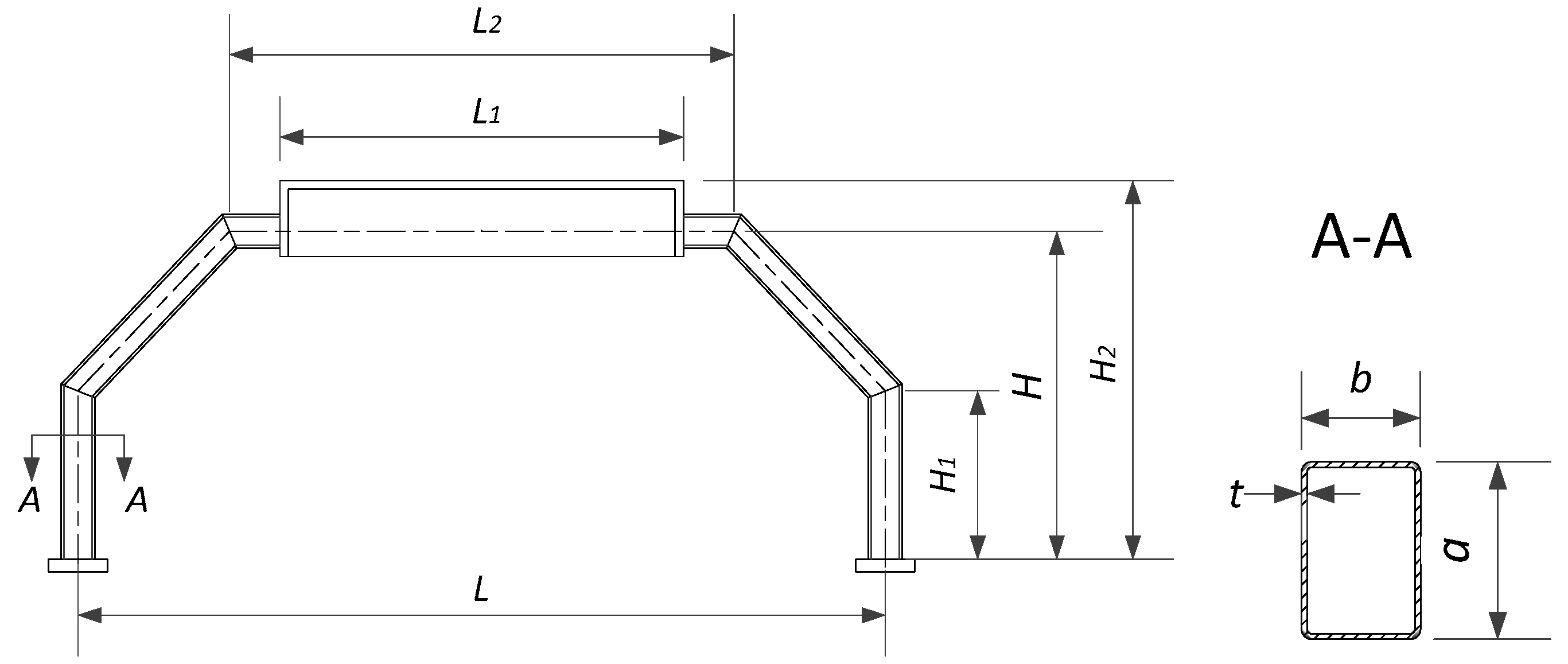
In this study, 301L stainless steel—commonly used in trains—was selected to manufacture five-section frame test pieces. The fixed parameters of the structure were L = 960 mm, H = 390 mm, H1 = 140 mm, H2 = 450 mm, H = 425 mm, L1 = 580 mm, L2 = 700 mm, t = 2 mm, b = 40 mm, and a = 80 mm (Figure 1).
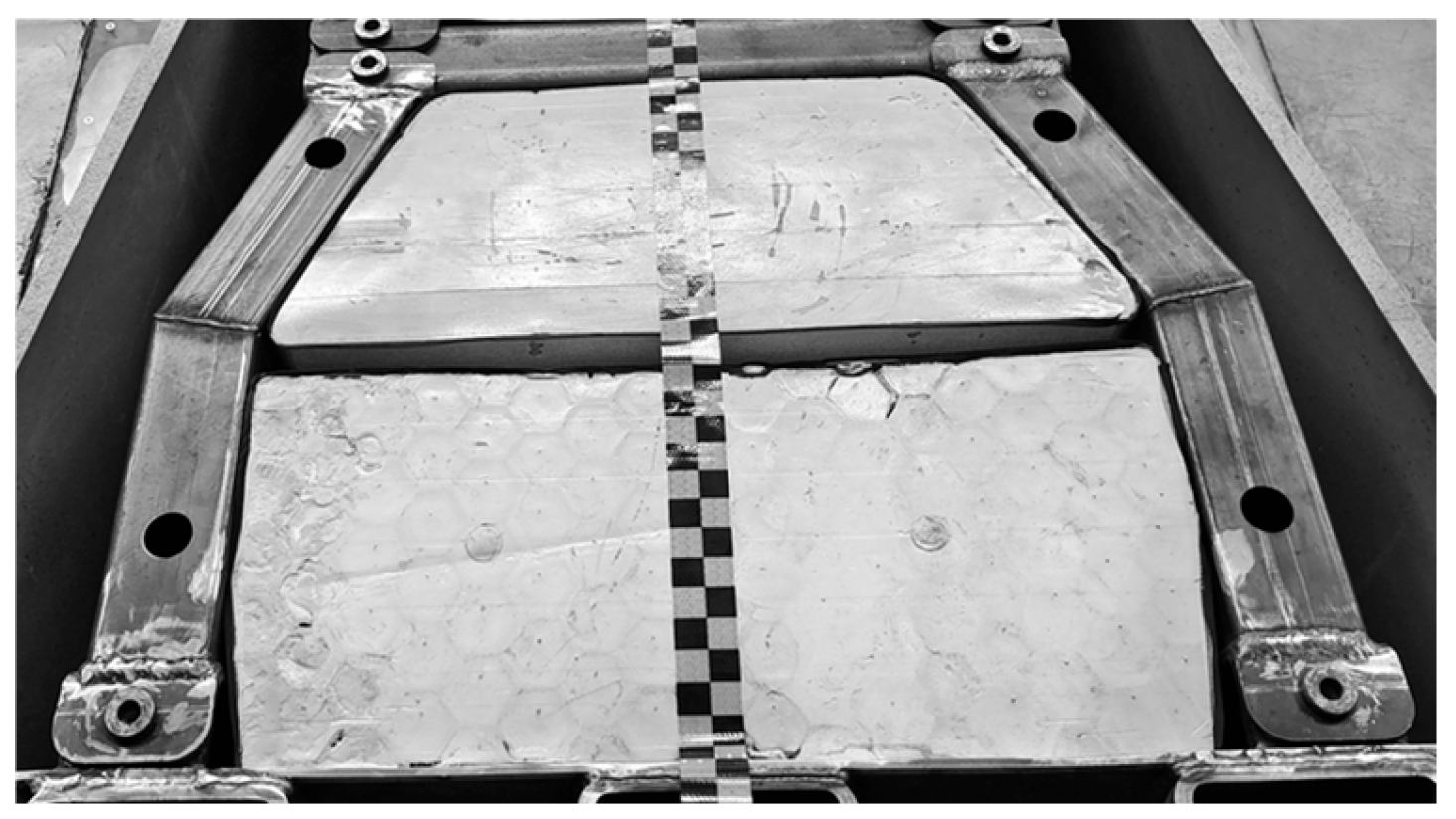
The five-section frame structure filled with polyurethane (PU) foam is shown in Figure 2. The PU foam was divided into two parts: the trapezoid shape of the upper half and the square shape of the lower half. The density of the PU foam was 50 kg/m3. We cut the PU foam into a similar shape with slightly larger dimensions and then inserted the foam into the frame, which enabled the foam to press against the frame through compression.

2.2. Five-Section Frame Structure Filled with a Honeycomb Aluminum Core

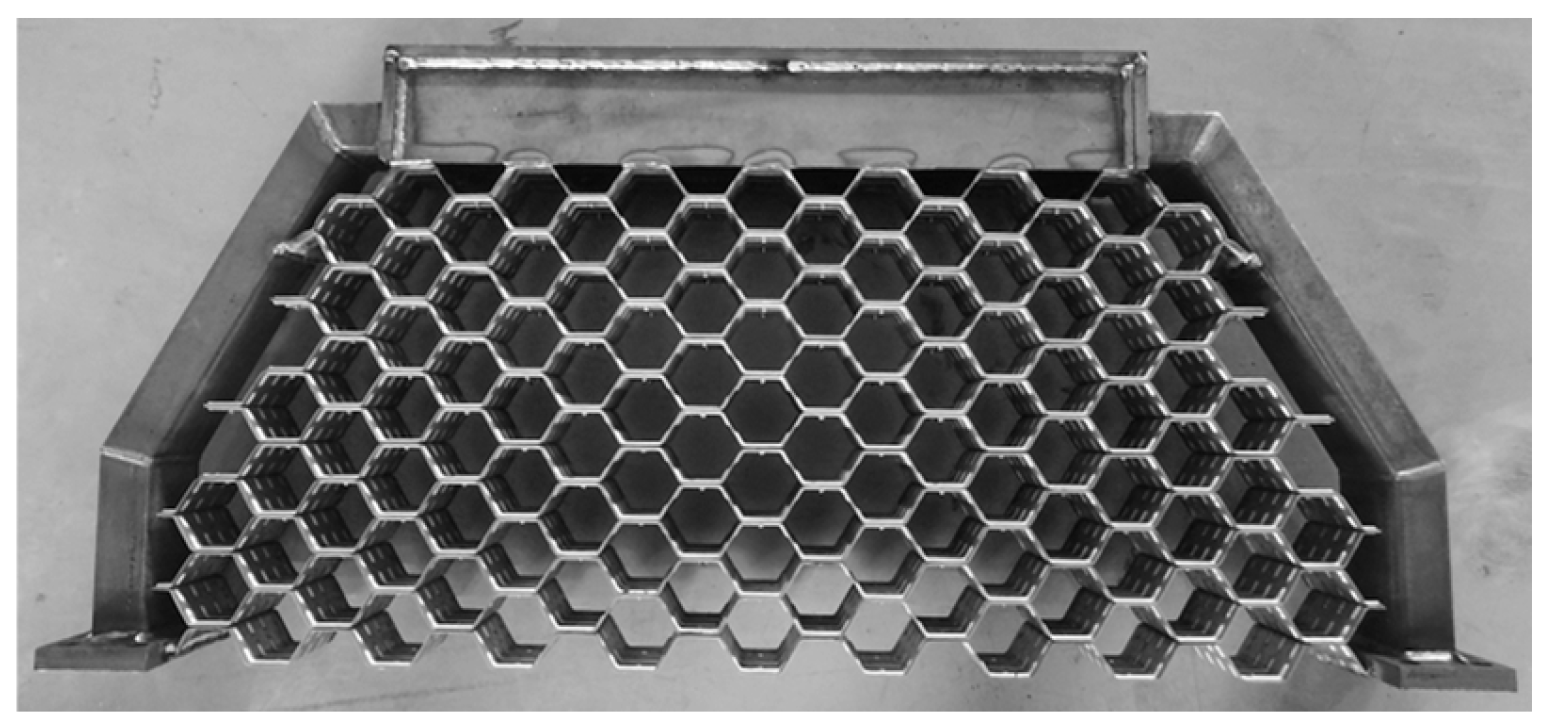
The five-section frame structure filled with a honeycomb aluminum core is shown in Figure 3. The parent material of the honeycomb aluminum was 4343 aluminum alloy, and the compression direction was radial. The honeycomb aluminum was welded, and the edge was welded to the five-section frame. The side length of a single aluminum honeycomb was 54 mm, and the thickness was 1 mm.

2.3. Drop Weight Test

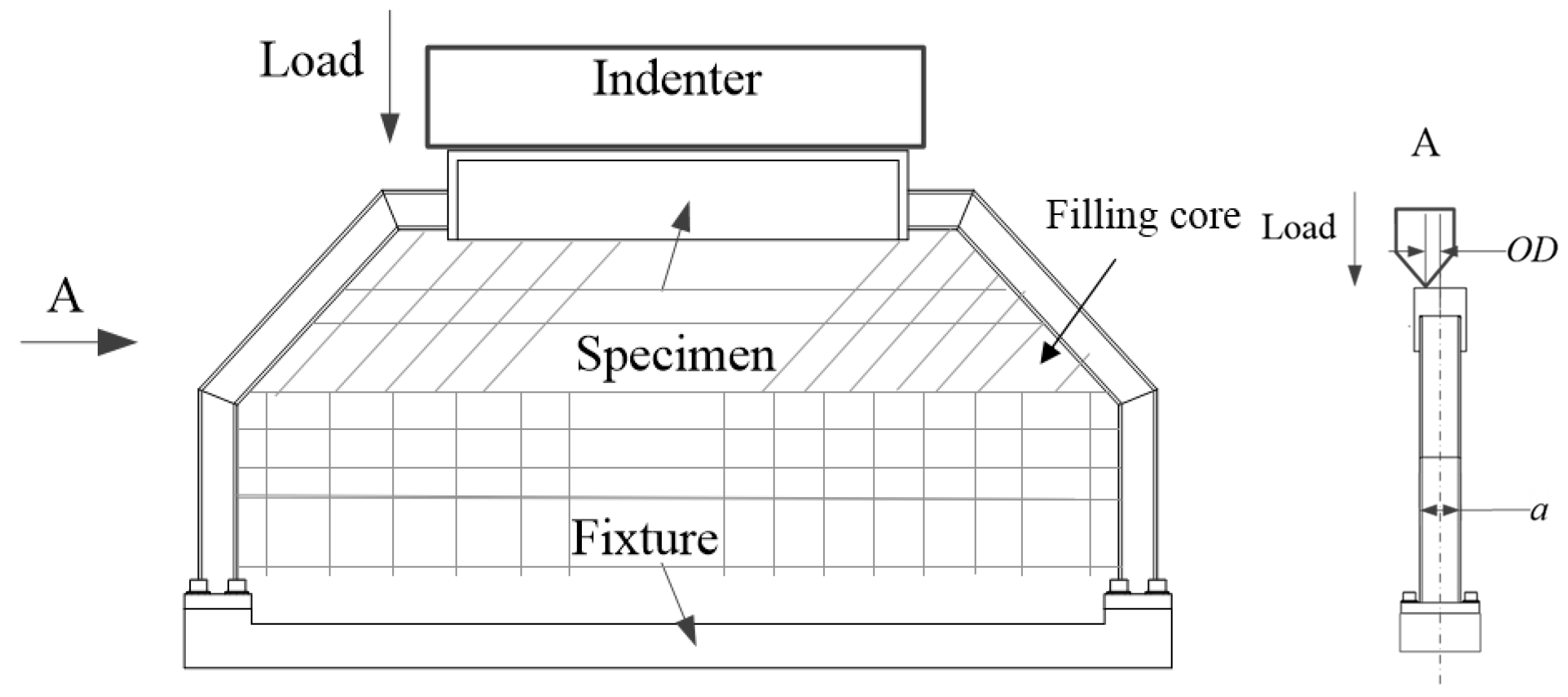
To characterize the load-bearing performance of the materials under actual working conditions, this study conducted tests using a drop weight loading method. The schematic diagram of the specimen installation and loading is shown in Figure 4. An offset load can be applied to the structure by creating a deviation between the center line of the indenter and the center of the loading surface. In this study, the offset displacement was uniformly set to 10 mm, with the offset distance (OD) used as the characterization index.
The initial kinetic energy of the drop weight impact is determined by its release height. During the test, a magnetic grid sensor was employed to measure the loading displacement, an FC-200t dynamic force sensor (Harbin Institute of Technology, Harbin, China) was used to collect the crushing force data, and a high-speed camera (Phantom VEO 710, Harbin Institute of Technology, Harbin, China) was utilized to record the entire deformation process of the specimen. The test was set with an impact speed of 25 km/h, a drop weight mass of 425 kg, and a release height of 2.5 m, ensuring that the energy absorption stroke of the frame reached more than 200 mm.

2.4. Finite Element Simulation

The establishment, solution, and post-processing of the finite element model were all completed using the ANSYS/LS-DYNA software module. The five-section frame in the structure was made of steel, with aluminum honeycomb and polyurethane (PU) foam as the core filling materials. Meshing was performed according to the structural characteristics of each component, and the main mesh size was uniformly set to 5 mm. The material constitutive model adopted an elastic–plastic model, the contact type was defined as surface-to-surface contact, and the single-surface contact used an automatic search frictional contact mode with a friction coefficient of 0.15. The loading speed of the dynamic simulation was set to 7 m/s, equivalent to the loading condition of the drop weight test. The relevant material parameters of the five-section frame, PU foam, and aluminum honeycomb are presented in Table 1.

2.5. Definition of Structural Crashworthiness

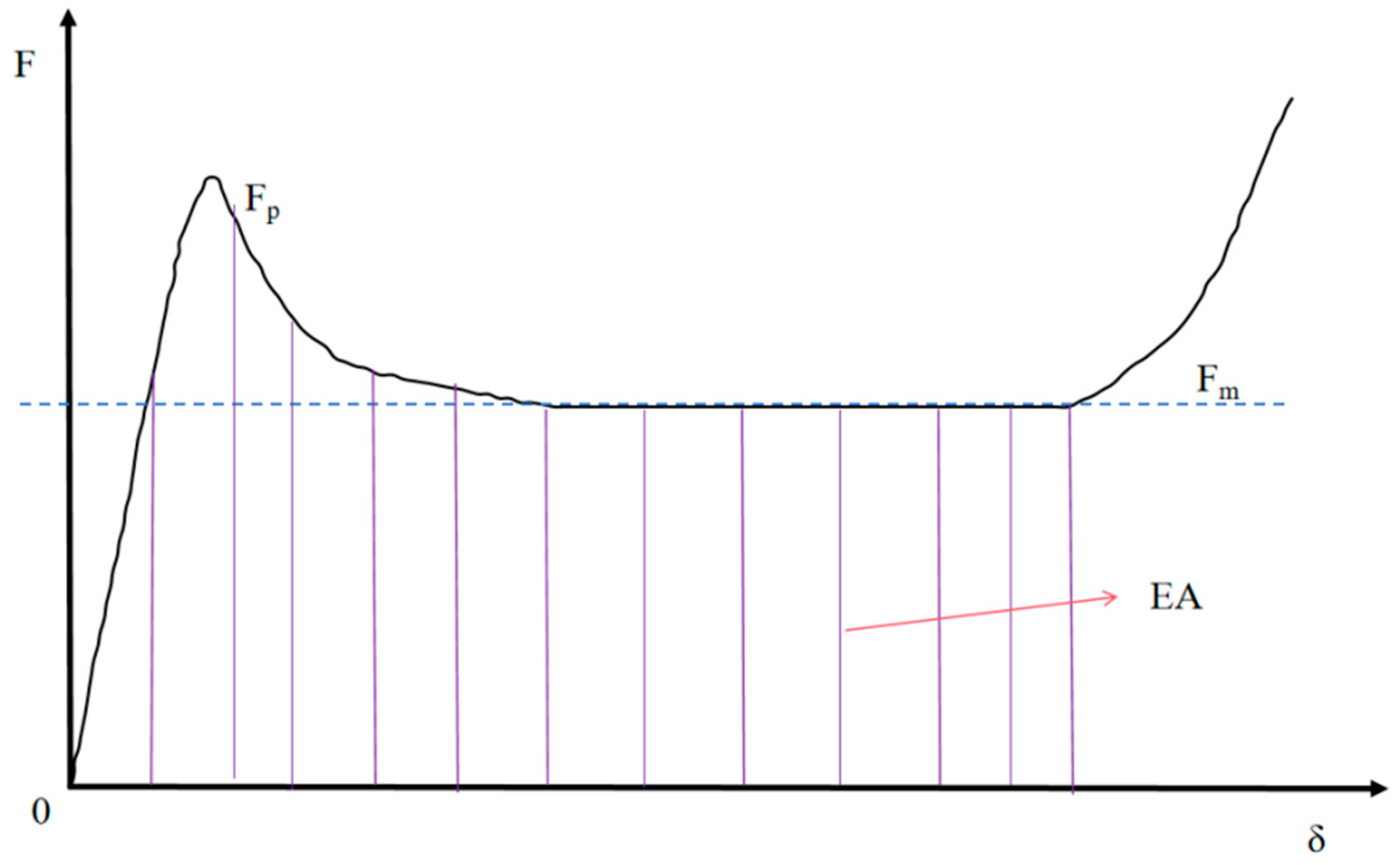
Figure 5 shows the stress–strain curve of the energy-absorbing element under ideal conditions, with the definitions of the key parameters as follows: EA represents the total energy absorption of the structure during collision, δ is the total energy absorption stroke, F is the crushing force [28], the shaded area in the figure corresponds to the energy absorption value, SEA refers to the specific energy absorption of the structure (energy absorption per unit mass), Fm is the average crushing force, and Fp is the peak crushing force.

3. Results and Analysis

3.1. Results of the FSF-F Under Vertical Loading

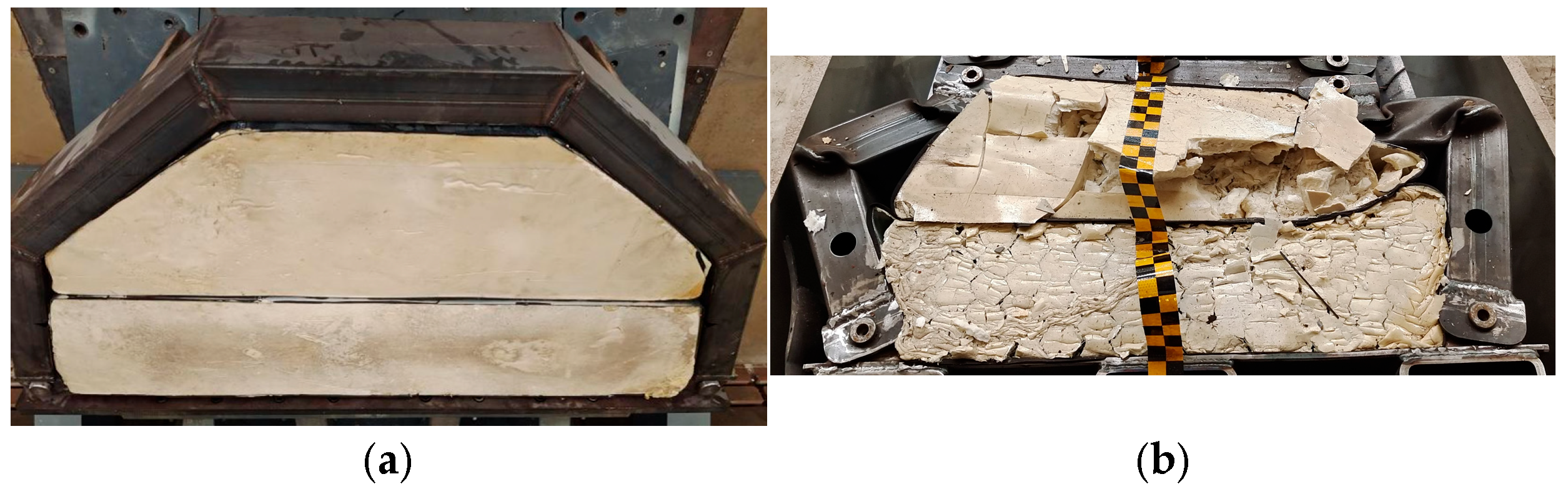
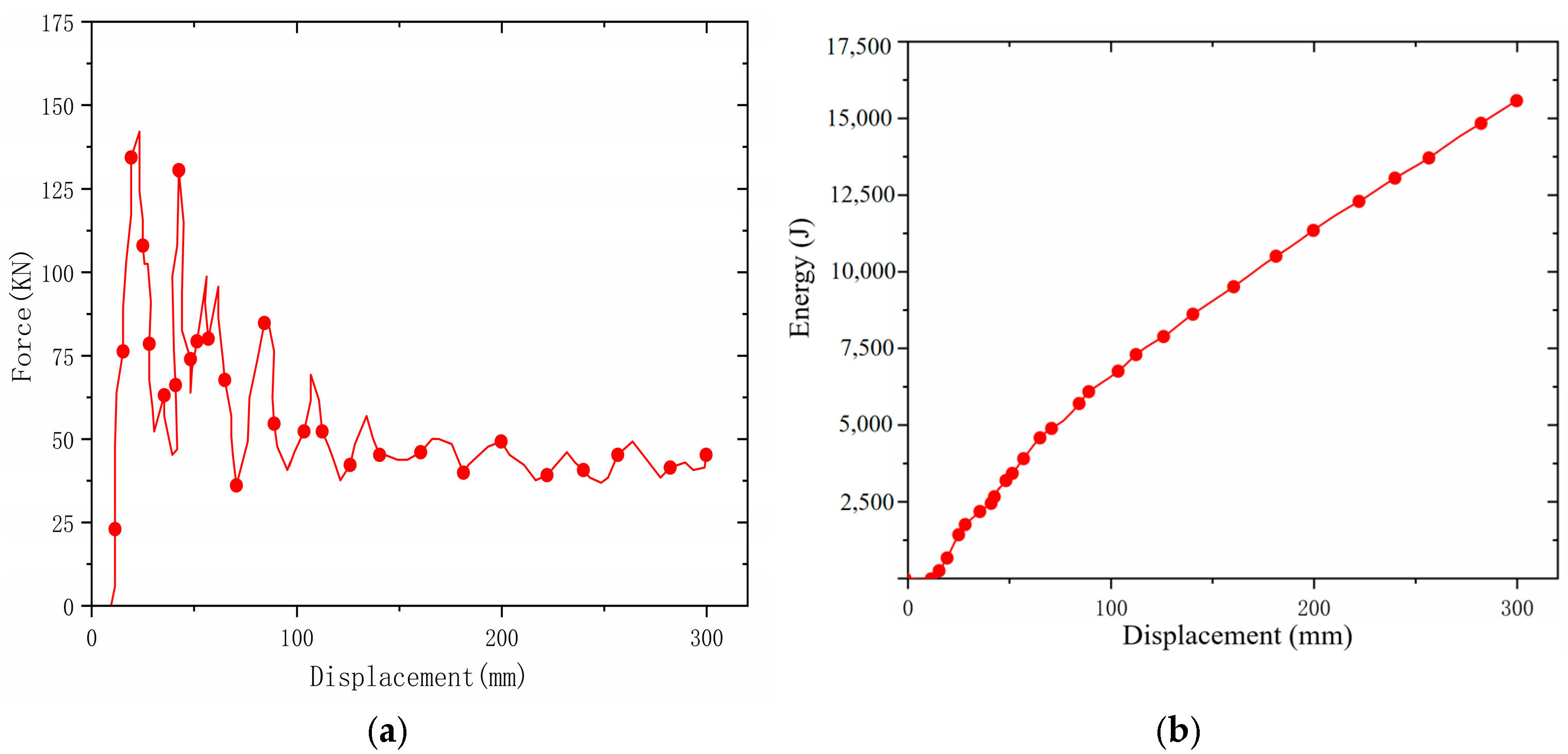
The vertical loading process of the FSF-F is shown in Figure 6. During the impact process, the internal PU foam core was crushed, and the external five-section frame was bent and folded. Observing the stress–strain curve (Figure 7), the material had three obvious deformation stages. First was the initial elastic deformation stage, with no obvious deformation at this stage, and the peak stress was about 142.4 kN. The second stage was a violent fluctuation stage, in which the five-section frame showed bending wrinkles, and the internal PU foam core began to break. The third stage was a relatively stable fluctuation stage: the five-section frame continued to deform, more bending wrinkles appeared, and the PU foam core continued to break. The stress in this stage was stable at about 47.4 kN, and the energy absorption of the materials gradually increased during this process (Figure 7).
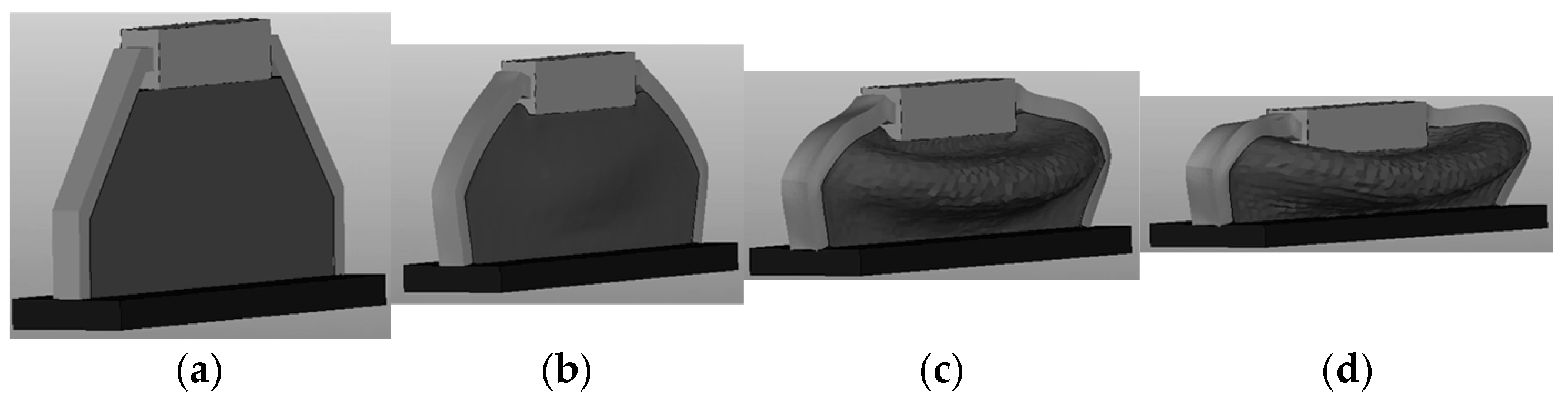
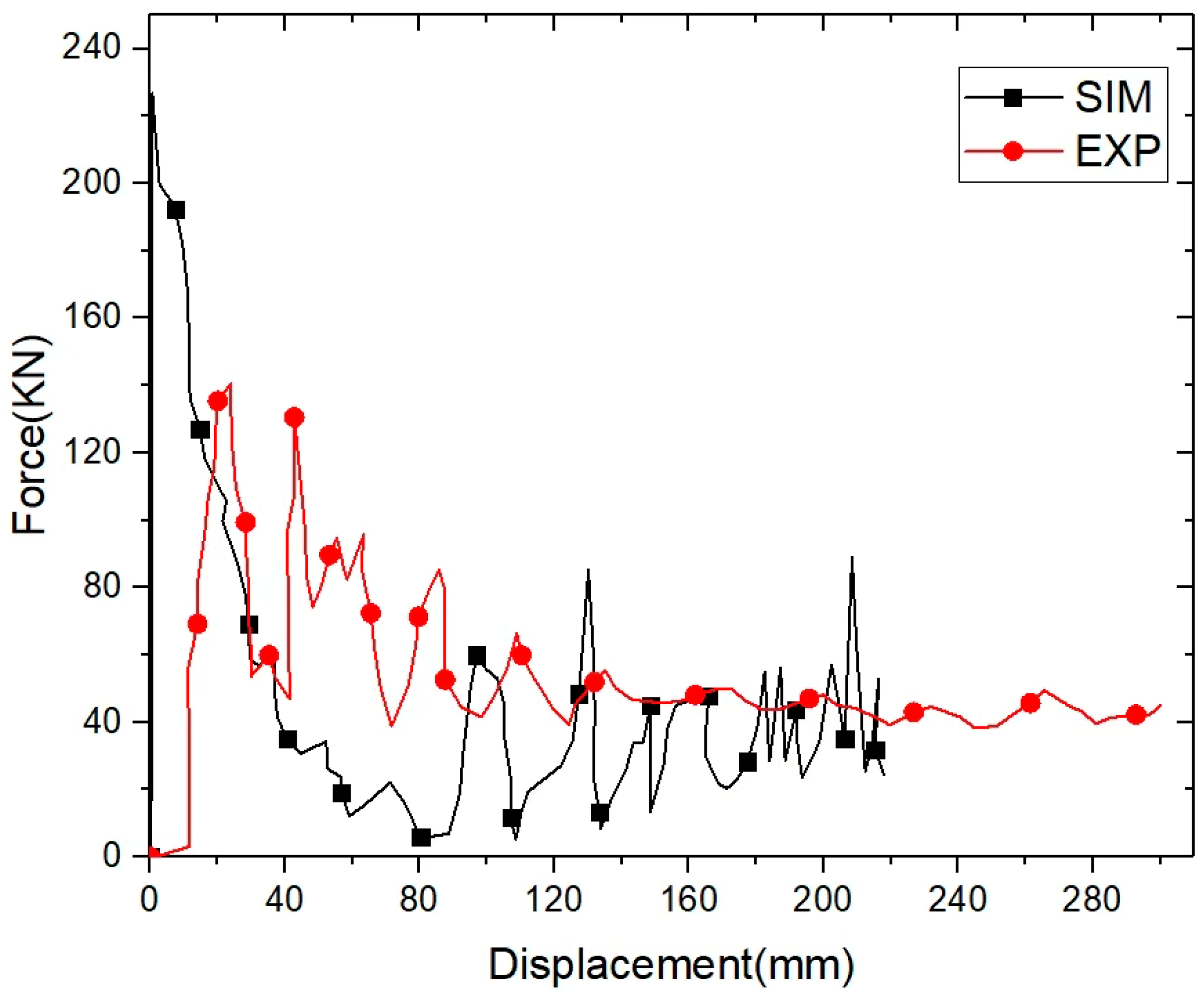
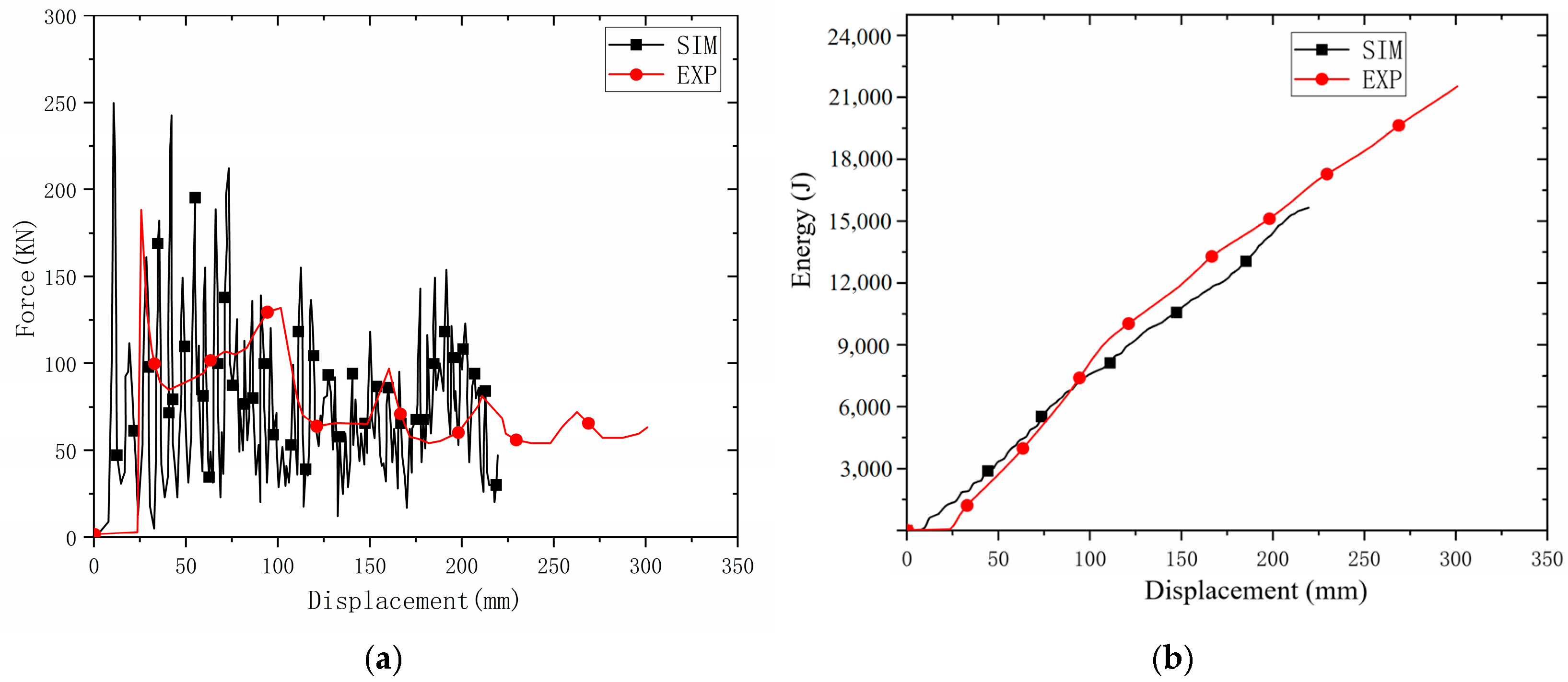
Observing the compression process of FSF-F under simulation (Figure 8), when the material was deformed, the five-section frame moved downward as a whole, causing the PU foam core to deform. With the increase in time, the deformation of the five-section frame structure gradually increased, the bending deformation of the side tubes on both sides increased, and the energy absorption of the material after deformation continued to increase. As the deformation increased, the PU foam core appeared to expand outward. This is because the PU foam core has relatively high elasticity, and the expansion is perpendicular to the compression direction. Inconsistent with the test results, the PU foam core did not break under the simulation; this was because the failure parameters were not set in the simulation settings, in order to ensure that the simulation more easily converged and to increase the calculation speed. Comparing the stress–strain curves of the test and simulation: under the simulation condition, the elastic stage range of the material was small, and the peak force was larger than the test result (Figure 9), as the material parameters in the simulation were ideal values. In contrast, the tested material will have defects and, so, more easily deforms, resulting in the material stiffness being lower than ideal. After the elastic stage, the force of the material decreased rapidly. According to the deformation diagram of the material, the material deformation appeared to be in an unstable state, and the material was slightly inclined, which led to the rapid reduction in the bearing capacity. Then, the bearing capacity of the material fluctuated up and down, which indicated that the deformation of the material tended to be stable, and the force of the material was stable around 45 kN. The test results were close to the simulation results (Figure 9).

3.2. Results of the FSF-H Under Vertical Loading

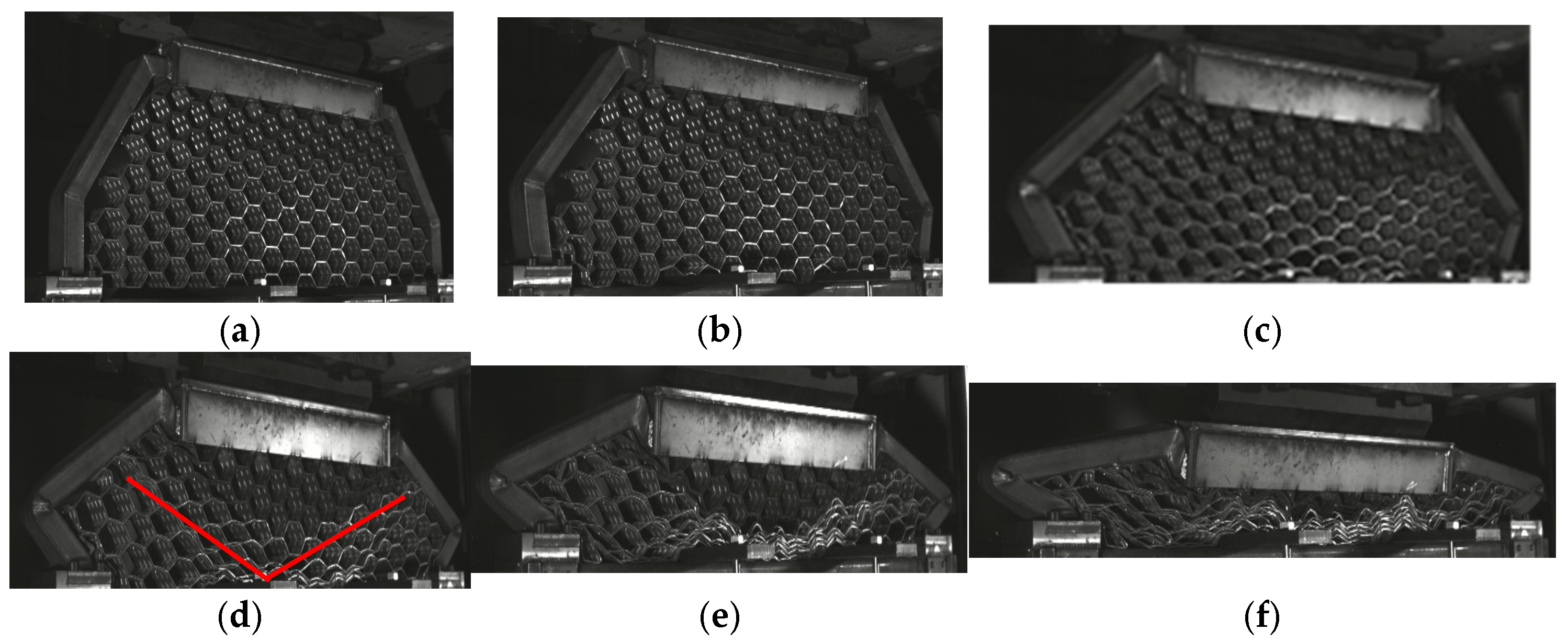
Observing the compression process of FSF-H, when the indenter of the testing machine contacted the top of the five-section frame, the force began to appear and the honeycomb aluminum core was in close contact with the five-section frame. The deformation of the sample first appeared at the corner of the five-section frame, and the honeycomb core began to deform. The deformation first appeared at the middle of the bottom, where the honeycomb aluminum core had defects that began to show deformation from the weakest point. With the increase in time, the deformation of the honeycomb aluminum core was V-shaped (marked by the red line in Figure 10), caused by the five-section frame. When the five-section frame was loaded, the material on both sides was bent and deformed. The load on the inner honeycomb aluminum core was both vertical and lateral on both sides. As the time increased, the five-section frame continued to bend and deform, bending along the corner until it was completely flattened. There were two results of the honeycomb aluminum core deformation. Along the V-shaped surface, the honeycomb aluminum core at the top showed vertical compression and flattening, while the honeycomb aluminum core at both sides showed oblique compression deformation.
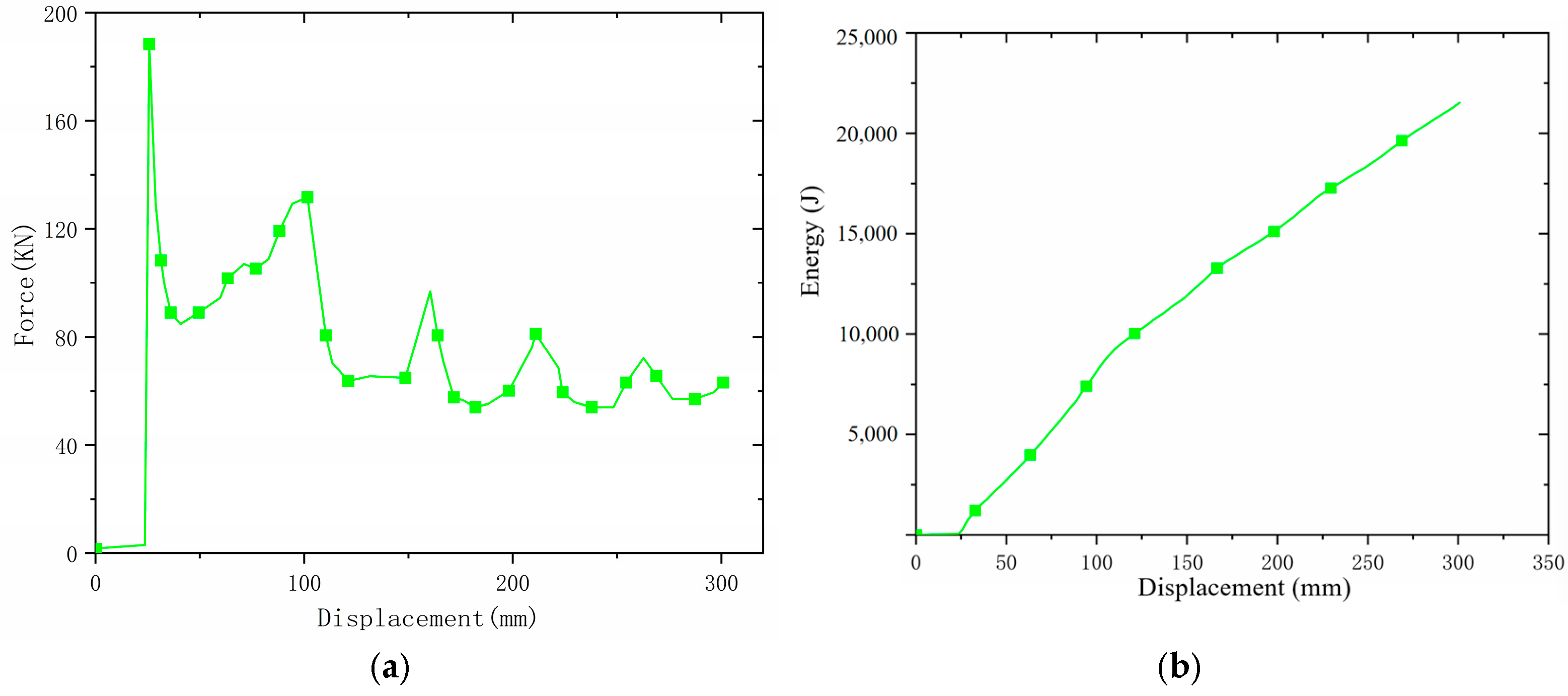
Observing the force–displacement curve of the material (Figure 11), there was an obvious three-stage deformation process of the material. In the initial elastic stage, the material had no obvious deformation process. In the second stage, there was sharp fluctuation. This stage was accompanied by the first bending deformation of the material, and the material bearing mechanics were directly reduced from 190 kN to 60 kN. This stage included the buckling and instability of the five-section frame, resulting in a rapid decline in the material bearing performance. Then, the material entered the third stage, namely, the small fluctuation deformation stage. The force of the material was approximately stable, around 62 kN. The material bearing mainly included the bending deformation of the five-section frame and the compression deformation of the honeycomb aluminum core. This material absorbed more than 20 kJ after being loaded.
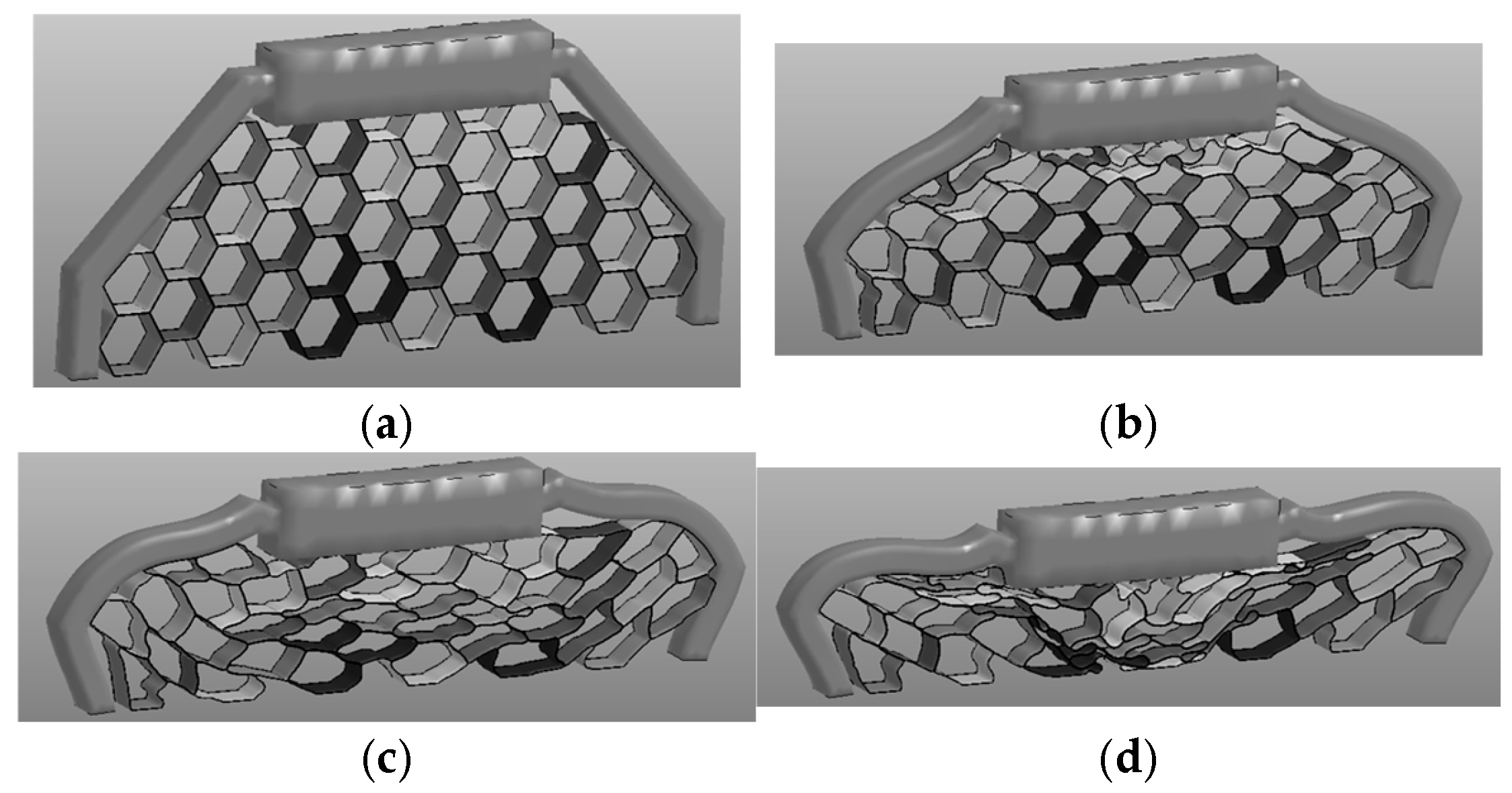
The simulation process of the analyzed material was similar to the experimental deformation process (Figure 12), but the initial deformation of the material under the simulation occurred at the top. With the bending of the five-section frame and the compression of the honeycomb aluminum core at the top, the material gradually absorbed energy. With the further increase in the deformation, the deformation also appeared to be V-shaped, and its bearing process was relatively similar to that under the test. The difference was that, in the test, the deformation of the five-section frame mainly concentrated at the corner, while, in the simulation, the torsion deformation of the five-section frame occurred until the sample was compacted. Comparing the force–displacement curves from the test and simulation (Figure 13), the curve under simulation fluctuated strongly, which was caused by the simulation calculation method. The same curve under simulation also had three stages: an elastic stage, a large fluctuation stage, and a small fluctuation stage; in the small fluctuation stage, the simulated force value was slightly higher than the test, which was caused by the torsion deformation of the five-section frame. The test and simulation results were close.
Comparing the FSF-H and FSF-F under vertical loading, both had bending deformation and buckling deformation modes and showed good energy absorption performance. When the compression displacement reached 300 mm, the FSF-F absorbed 15 kJ, while the FSF-H absorbed 20 kJ, which indicates that the filling effect of the honeycomb aluminum core was stronger than that of the PU foam core. In addition, the deformation process of the honeycomb aluminum core was more stable than that of the PU foam core and better than the PU foam core as a whole.

3.3. Results of the FSF-H Under Offset Loading

When the filling material is used as a train protection device, the external load is not a completely vertical impact environment, and an offset impact will occur in most cases. In order to further study the performance of the material under an offset load, a test was carried out on the FSF-H.
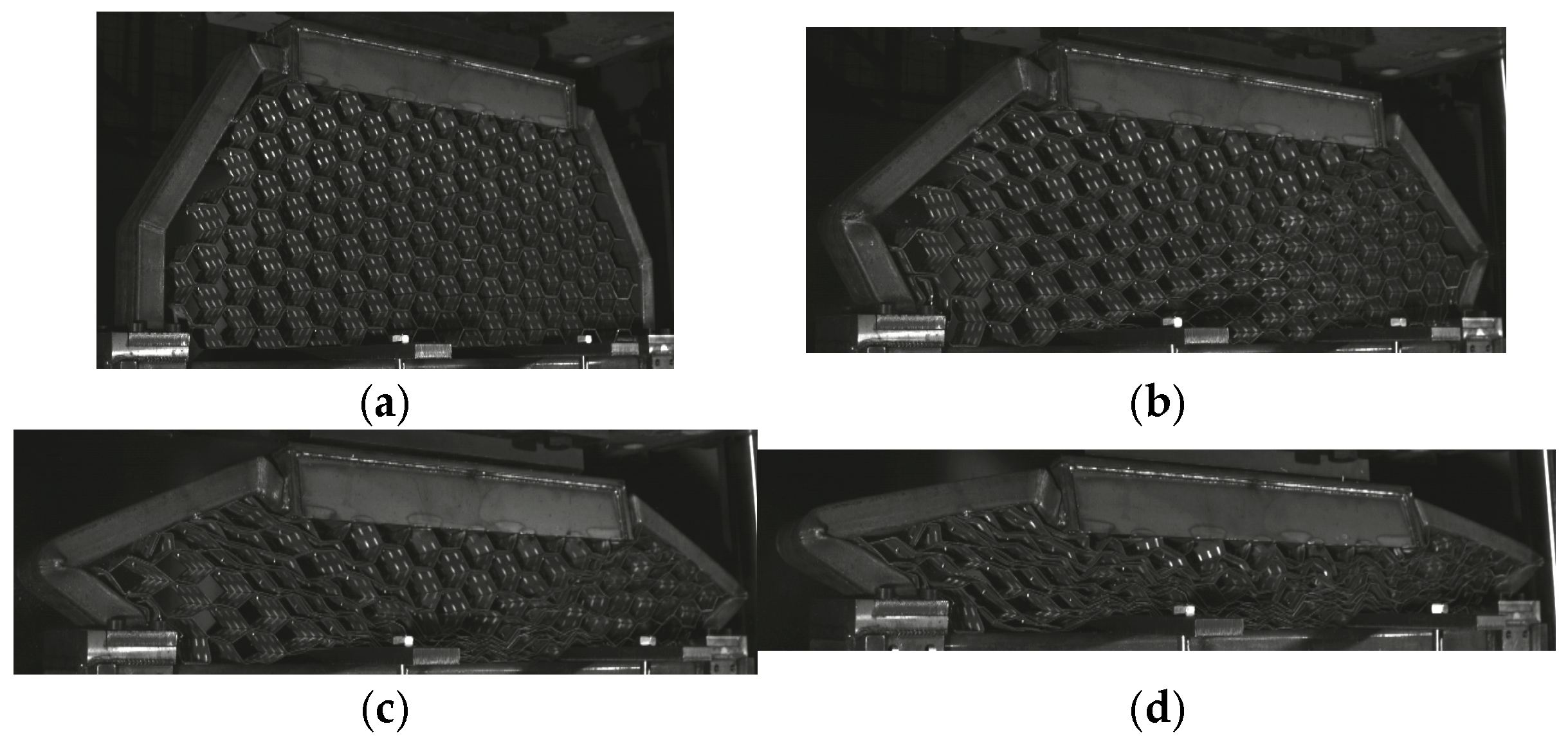
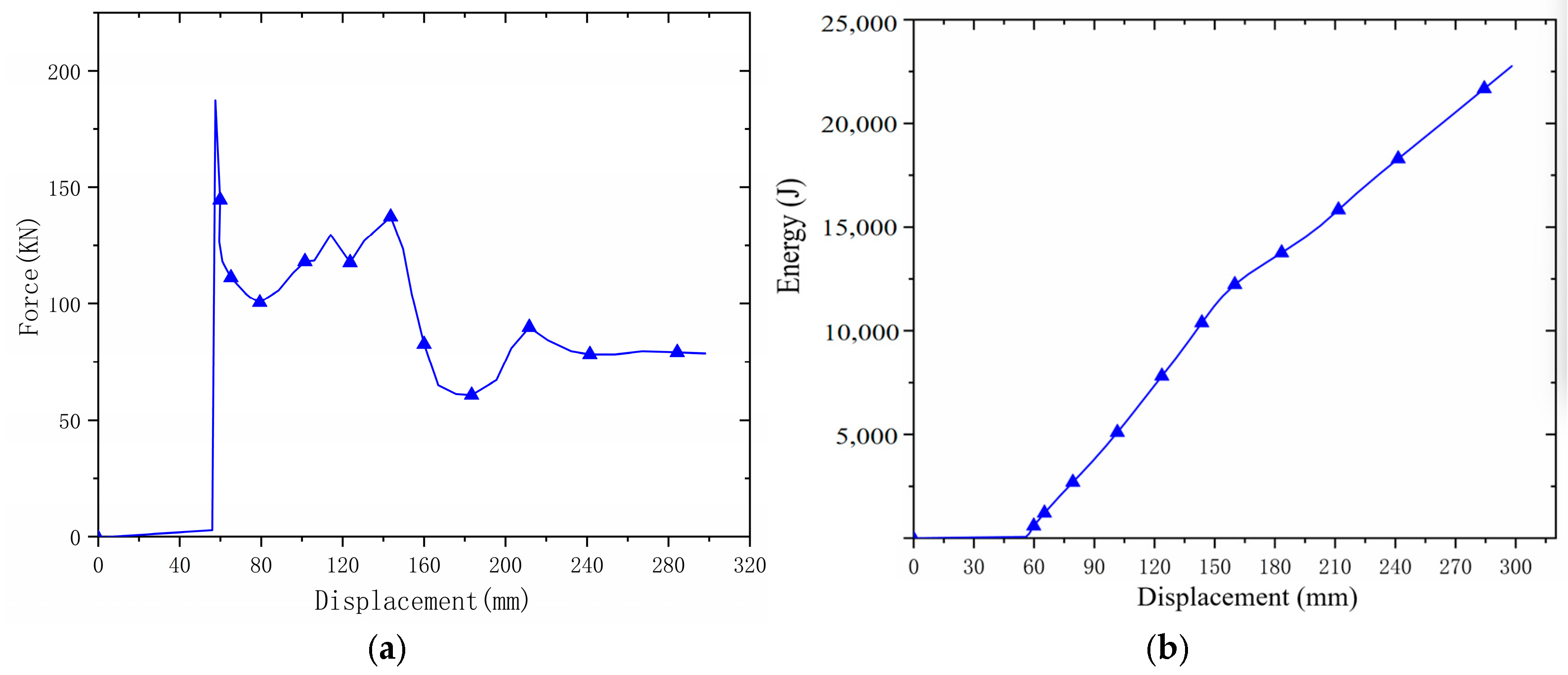
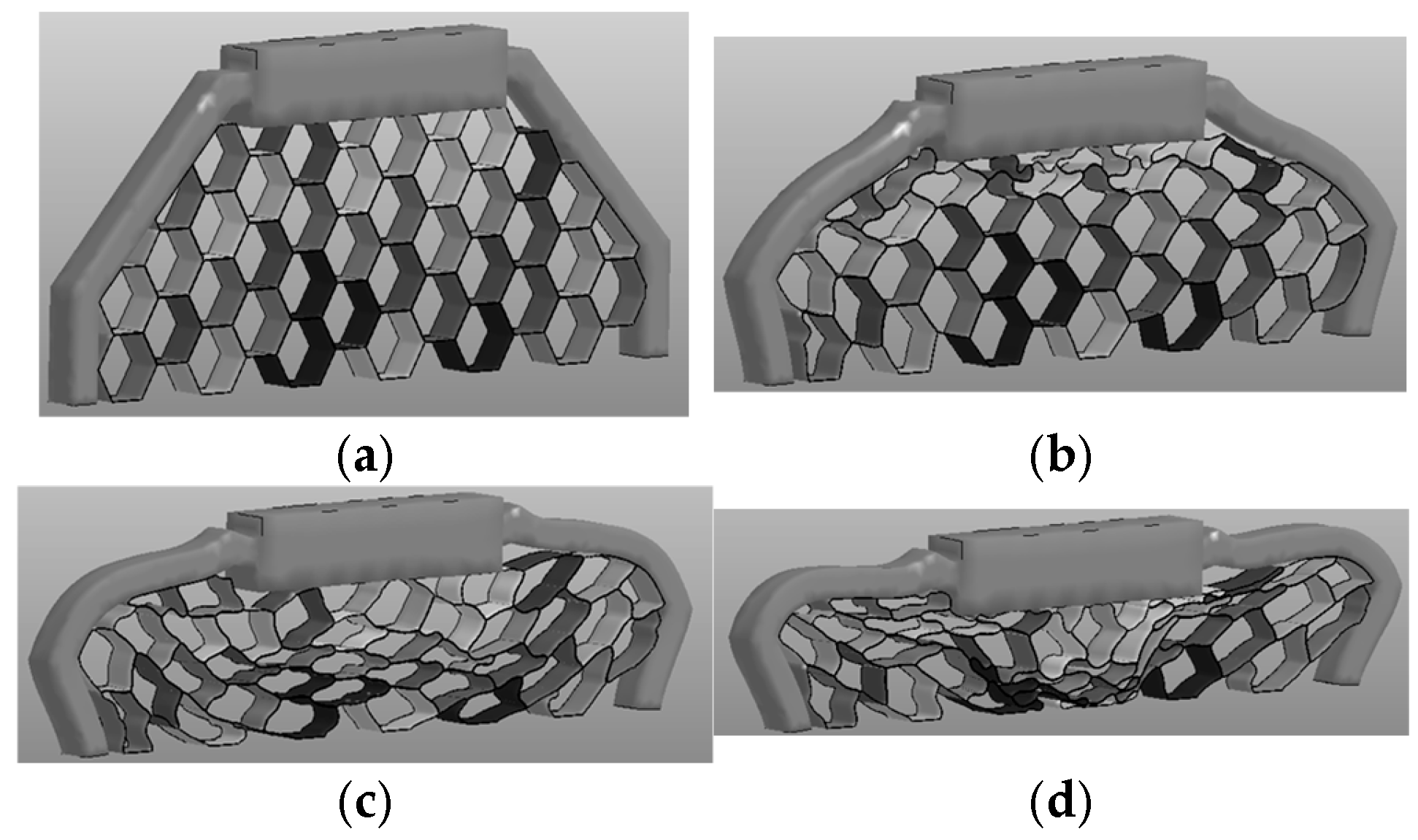
The mechanical properties of the FSF-H under a 10 mm offset loading were studied. The test process showed (Figure 14) that the deformation of the material first appeared at the corner of the bottom, different to the vertical loading. When the offset loading was applied, a torsion phenomenon also appeared at the top corner of the five-section frame. As the time increased, the material deformation presented an ‘X-shaped’ mode until the composite material was completely compressed, and the deformed material was inclined when viewed from the left side. Observing the force–displacement curve of the material, the curve type of the material was similar to the vertical impact. There were also three stages: the initial peak force was the same; then, there was a large fluctuation stage; then, it tended to be stable. However, the force was slightly higher than that of the vertical load, and the energy absorption was also higher than that of the vertical load (Figure 15). The main reason is that the offset load caused an incline, resulting in a highly inclined deformation and energy absorption.
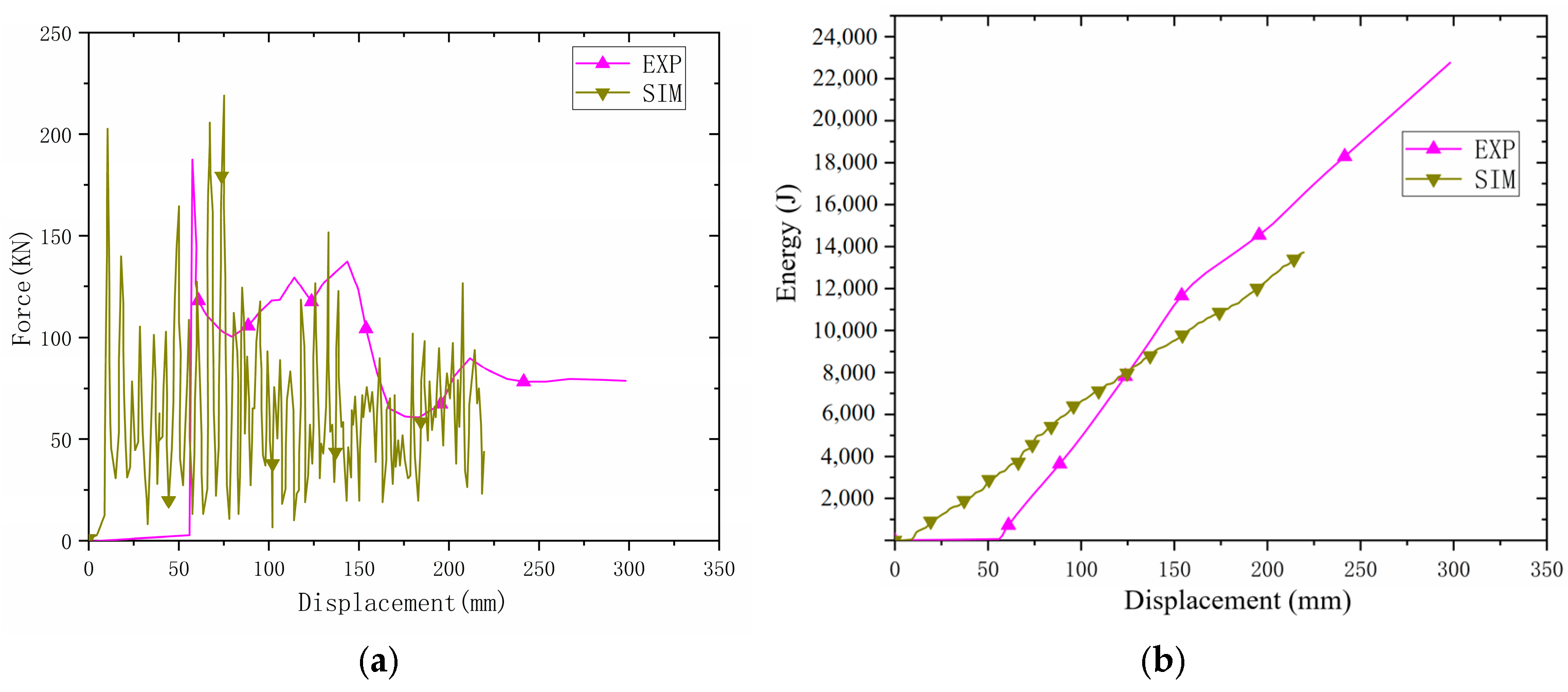
Comparing the simulation and test process under offset loading (Figure 16), the overall deformation of the composite material under simulation was relatively similar to the test. The material deformation first occurred at the top and the corner of the five-section frame, then gradually compressed and compacted, and an overall inclination of the material occurred under simulation (Figure 17). The force–displacement curve under simulation strongly fluctuated and showed some differences to the test results; but they were close. The key indicators are shown in Table 2.

4. Conclusions

The passive safety of trains is critical for protecting passengers. This study developed five-section frame composite devices filled with different core materials, then systematically investigated their mechanical properties and energy absorption characteristics through dynamic loading tests and ANSYS/LS-DYNA simulations. The key findings are as follows:
(1)
The PU foam-filled five-section frame composite (FSF-F) exhibited favorable mechanical and energy absorption performance. Under external loading, the outer five-section frame and internal PU foam underwent coordinated bending and deformation to dissipate the energy. At a compression displacement of 300 mm, the FSF-F achieved an energy absorption of 15 kJ, with a stable stress fluctuation stage around 47.4 kN after the initial peak (142.4 kN).
(2)
The aluminum honeycomb-filled five-section frame composite (FSF-H) comprehensively outperformed the FSF-F. Under the same 300 mm axial compression, the FSF-H absorbed 20 kJ of energy—33.3% higher than FSF-F—and maintained a stable bearing force of approximately 62 kN in the later stage. Its deformation process was more controlled, with the aluminum honeycomb core and frame forming a synergistic energy absorption system, avoiding the unstable expansion of the PU foam observed in the FSF-F.
(3)
Under 10 mm offset loading, the FSF-H demonstrated excellent stability and energy absorption capacity. It exhibited a characteristic “X-shaped” deformation mode without structural instability, and its energy absorption effect was superior to that under axial loading. This confirms FSF-H’s feasibility as a train anti-climbing energy absorber, capable of meeting the requirements of offset collision working conditions. However, its mechanical performance under increased offset displacement (exceeding 12 mm) needs further investigation, as the energy absorption capacity tends to decrease to below 110 kN.
These optimization measures were derived from the test observations of deformation instability and force fluctuation and can effectively improve the structural reliability, stability, and adaptability of the anti-climbing energy absorber under complex collision conditions, providing direct technical support for its engineering application in trains.

Author Contributions

All the authors made important contributions to the process of writing this paper. Conceptualization, C.L. and P.S.; methodology, F.Z.; software, P.S.; validation, W.Y., M.Z. and W.L.; formal analysis, Z.L.; investigation, W.Y.; data curation, Z.L.; writing—original draft preparation, F.Z.; writing—review and editing, C.L.; visualization, W.L.; supervision, M.Z.; project administration, C.L. All authors have read and agreed to the published version of the manuscript.

Funding

This research was supported by Shenzhen Science and Technology Program (project no. [KJZD20230923114259049]), for which we express our heartfelt thanks.

Data Availability Statement

The original contributions presented in this study are included in the article. Further inquiries can be directed to the corresponding author.

Conflicts of Interest

Authors C.L, Z.L, F.Z. and W.Y. were employed by the Shenzhen Cansinga Technology Co., Ltd. The remaining authors declare that the research was conducted in the absence of any commercial or financial relationships that could be construed as potential conflicts of interest.

References

  1. Javed, A.R.; Shahzad, F.; ur Rehman, S.U.; Zikria, Y.B.; Razzak, I.; Jalil, Z.; Xu, G. Future smart cities requirements, emerging technologies, applications, challenges, and future aspects. Cities 2022, 129, 103794. [Google Scholar] [CrossRef]
  2. Mohri, S.S.; Thompson, R. Designing sustainable intermodal freight transportation networks using a controlled rail tariff discounting policy-The Iranian case. Transp. Res. Part A Policy Pract. 2022, 157, 59–77. [Google Scholar] [CrossRef]
  3. Zhu, T.; Zhang, J.; Wu, Q.; Lyu, R.-J.; Wang, X.-R.; Xiao, S.-N.; Deng, Y.-Q. Review on influence of coupler and draft gear on safety of railway train collision. J. Traffic Transp. Eng. 2021, 21, 233–249. [Google Scholar]
  4. Xie, S.; Tian, H.; Yao, S. Crash test and numerical simulation of vehicle energy-absorbing components. J. Transp. Eng. 2008, 8, 1–5. [Google Scholar]
  5. Qin, R.; Gao, F.; Wang, T.; Chen, B.-Z. Numerical simulation of bearing capacity of carbody for high-speed train subjected to longitudinal impact. J. Traffic Transp. Eng. 2021, 21, 209–224. [Google Scholar]
  6. Rajendran, S.; Popfinger, M. Evaluating the substitutability of short-haul air transport by high-speed rail using a simulation-based approach. Transp. Res. Interdiscip. Perspect. 2022, 15, 100632. [Google Scholar] [CrossRef]
  7. Xie, S.; Tian, H.; Zhou, H. Impact resistant metro vehicle design and vehicle crash research. J. Railw. Sci. Eng. 2008, 5, 65–70. [Google Scholar]
  8. Gao, G.; Shu, K.; Guan, W.; Yu, Y. Research on crashworthiness of energy absorption anti-creep device of train shrink tube. J. Railw. Sci. Eng. 2022, 19, 520–527. [Google Scholar]
  9. He, J.; Qin, R.; Chen, B. Research and optimization of crashworthiness of guided anti-climbing energy-absorbing structure. J. Railw. Sci. Eng. 2020, 17, 2901–2908. [Google Scholar]
  10. Yi, Z.; Yu, Y.; Gao, G.; Liu, D. Buckling mode and initial peak force control of thin-walled square tubes under axial impact. J. Railw. Sci. Eng. 2020, 17, 1841–1848. [Google Scholar]
  11. Gao, G.; Tian, H.; Yao, S. Impact resistant and energy-absorbing body. J. Transp. Eng. 2003, 3, 50–53. [Google Scholar]
  12. Melnik, R.; Koziak, S.; Seńko, J.; Dižo, J.; Caban, J. Evaluation of Dynamics of a Freight Wagon Model with Viscous Damping. Appl. Sci. 2024, 14, 10624. [Google Scholar] [CrossRef]
  13. Zhu, T.; Xiao, S.; Yang, C.; Yang, G.; Yang, B.; Wang, M. Summary of research on passive safety of rolling stock. J. Railw. 2017, 39, 22–32. [Google Scholar]
  14. Liao, W.; Wang, Q.; Xu, F.; Zhang, M.; Yang, J.; Fan, Y. Investigation on the Aeroelastic Characteristics of Ultra-Long Flexible Blades for an Offshore Wind Turbine in Extreme Environments. J. Mar. Sci. Eng. 2025, 13, 2076. [Google Scholar] [CrossRef]
  15. Liao, W.; Zhang, M.; Yang, J.; Fan, Y.; Du, T.; Deng, Y. A bidirectional tuned mass damper for flutter suppression in ultra-large offshore wind turbine flexible blades. J. Mar. Sci. Eng. 2025, 13, 1776. [Google Scholar] [CrossRef]
  16. Costescu, D.M.; Hadăr, A.; Pastramă, Ş.-D. A new solution for impact energy dissipation during collision of railway vehicles. Mater. Today Proc. 2020, 32, 72–77. [Google Scholar] [CrossRef]
  17. Jiang, S.; Yan, K.; Lu, S.; Zhang, F.Y.; Xu, P. Research on force design of energy absorption platform for high-speed train collision buffer. J. Railw. Sci. Eng. 2019, 16, 1384–1390. [Google Scholar]
  18. Lei, C.; Xiao, S.; Luo, S.; Zhang, Z. Research progress in crashworthiness of rail vehicles. J. Railw. 2013, 35, 31–40. [Google Scholar]
  19. Zhang, L.; Zhang, X.; Cui, J.; Feng, S. Simulation analysis of crashworthiness of metro head car body. J. Railw. 2012, 34, 22–27. [Google Scholar]
  20. Dai, P.; Li, H.; Wang, F.; Tian, X.; Wang, H.; Xu, X. Key technologies of China high-speed comprehensive inspection train: CIT450. Railw. Eng. Sci. 2025, 33, 414–440. [Google Scholar] [CrossRef]
  21. EN 15227:2020+A1:2024; Railway Applications—Crashworthiness Requirements for Rail Vehicles. European Committee for Standardization (CEN): Brussels, Belgium, 2024.
  22. Li, J.; Gao, G.; Dong, H. Crushing analysis and multi-objective optimization of a railway vehicle driver’s cab. Thin Walled Struct. 2016, 107, 554–563. [Google Scholar] [CrossRef]
  23. Wu, X.; Li, Y.; Cai, W.; Guo, K.; Zhu, L. Responses and energy absorption of sandwich panel with aluminium honeycomb core under ice wedge impact. Int. J. Impact Eng. 2022, 162, 104137. [Google Scholar] [CrossRef]
  24. Liu, J.-Y.; Liu, H.-T. Energy absorption characteristics and stability of novel bionic negative Poisson’s ratio honeycomb under oblique compression. Eng. Struct. 2022, 267, 114682. [Google Scholar] [CrossRef]
  25. Xie, S.; Wang, H.; Yang, C.; Zhou, H.; Feng, Z. Mechanical properties of combined structures of stacked multilayer Nomex® honeycombs. Thin Walled Struct. 2021, 151, 106729. [Google Scholar] [CrossRef]
  26. Jin, B.B.; Tian, L.M.; Hao, J.P.; Wang, H.Y.; Wang, Y. Axial compressive behavior of twining-bamboo-confined thin-walled steel tubular columns. J. Constr. Steel Res. 2022, 192, 107246. [Google Scholar] [CrossRef]
  27. Wysmulski, P.; Debski, H.; Falkowicz, K.; Rozylo, P. The influence of load eccentricity on the behavior of thin-walled compressed composite structures. Compos. Struct. 2019, 213, 98–107. [Google Scholar] [CrossRef]
  28. Xing, Y.; Yang, S.; Lu, S.; An, Y.; Zhao, E.; Zhai, J. Energy absorption and optimization of Bi-directional corrugated honeycomb aluminum. Compos. Part B Eng. 2021, 219, 108914. [Google Scholar] [CrossRef]
Figure 1. Parameters of the five-section frame structure.
Processes 14 00521 g001
Figure 2. PU foam core in the five-section frame.
Processes 14 00521 g002
Figure 3. Honeycomb aluminum core in the five-section frame.
Processes 14 00521 g003
Figure 4. Installation and loading diagram.
Processes 14 00521 g004
Figure 5. Stress–strain curve of the energy absorption under ideal conditions.
Processes 14 00521 g005
Figure 6. Deformation process of FSF-F: (a) initial configuration prior to impact loading; (b) post-impact deformed configuration.
Processes 14 00521 g006
Figure 7. Displacement curve of FSF-F: (a) force; (b) energy absorption.
Processes 14 00521 g007
Figure 8. Deformation process of FSF-F under simulation: (a) pre-crush configuration; (b) first fold development; (c) progressive collapse propagation; (d) fully densified configuration.
Processes 14 00521 g008
Figure 9. Comparison of simulation and tested force–displacement curves.
Processes 14 00521 g009
Figure 10. Deformation process of FSF-H: (a) undeformed stage; (b) initial yield; (c) fold initiation; (d) folding propagation; (e) core compression; (f) fully crushed.
Processes 14 00521 g010
Figure 11. Displacement curve of FSF-H under testing: (a) force; (b) energy absorption.
Processes 14 00521 g011
Figure 12. Simulation deformation process of FSF-H: (a) initial undeformed configuration before loading; (b) onset of local buckling in honeycomb core and outer tube; (c) progressive folding with shear band propagation; (d) final compacted state after complete energy absorption.
Processes 14 00521 g012
Figure 13. Displacement curve of FSF-H under simulation and testing: (a) force; (b) energy absorption.
Processes 14 00521 g013
Figure 14. Deformation process of FSF-H under offset loading: (a) initial configuration before offset loading; (b) onset of local buckling at impact zone; (c) asymmetric folding propagation on the loaded side; (d) final deformed state with stable energy absorption under oblique impact.
Processes 14 00521 g014
Figure 15. Displacement curve of FSF-H under offset loading: (a) force; (b) energy absorption.
Processes 14 00521 g015
Figure 16. Comparison between the test and simulation curve of FSF-H under offset loading: (a) force; (b) energy absorption.
Processes 14 00521 g016
Figure 17. Simulation process of FSF-H under offset loading: (a) initial configuration before offset loading; (b) onset of local buckling at impact zone; (c) asymmetric folding propagation on the loaded side; (d) final deformed state with stable energy absorption under oblique impact.
Processes 14 00521 g017
Table 1. Material parameters.
ρ (kg/m3)E (MPa)μσy (MPa)Etan (MPa)
Five-section frame structure7930194,0000.320580
PU foam50300.310
Honeycomb aluminum270070,0000.317027
Table 2. Key indicators.
Performance IndicatorsFSF-F (PU Foam Core)FSF-H (Aluminum Honeycomb Core)FSF-H (10 mm Offset Load)
Energy Absorption Capacity (EA)/kJ15.020.021.8
Total Structural Mass (m)/kg150.6179.1179.1
Specific Energy Absorption (SEA)/(kJ/kg)0.100.110.12
Average Crushing Force (Fm)/kN50.066.772.7
Peak Force (Fp)/kN142.4190.0190.0
Ratio of Peak Force to Average Force (Fp/Fm)2.852.852.61
Energy Absorption Efficiency (η)/%35.135.138.3
Disclaimer/Publisher’s Note: The statements, opinions and data contained in all publications are solely those of the individual author(s) and contributor(s) and not of MDPI and/or the editor(s). MDPI and/or the editor(s) disclaim responsibility for any injury to people or property resulting from any ideas, methods, instructions or products referred to in the content.