


Composite Acid Treatment for Mitigating Formation Damage in Gas Storage Reservoirs
Abstract
1. Introduction
2. Experimental Details
2.1. Experimental Materials and Equipment
2.1.1. Materials
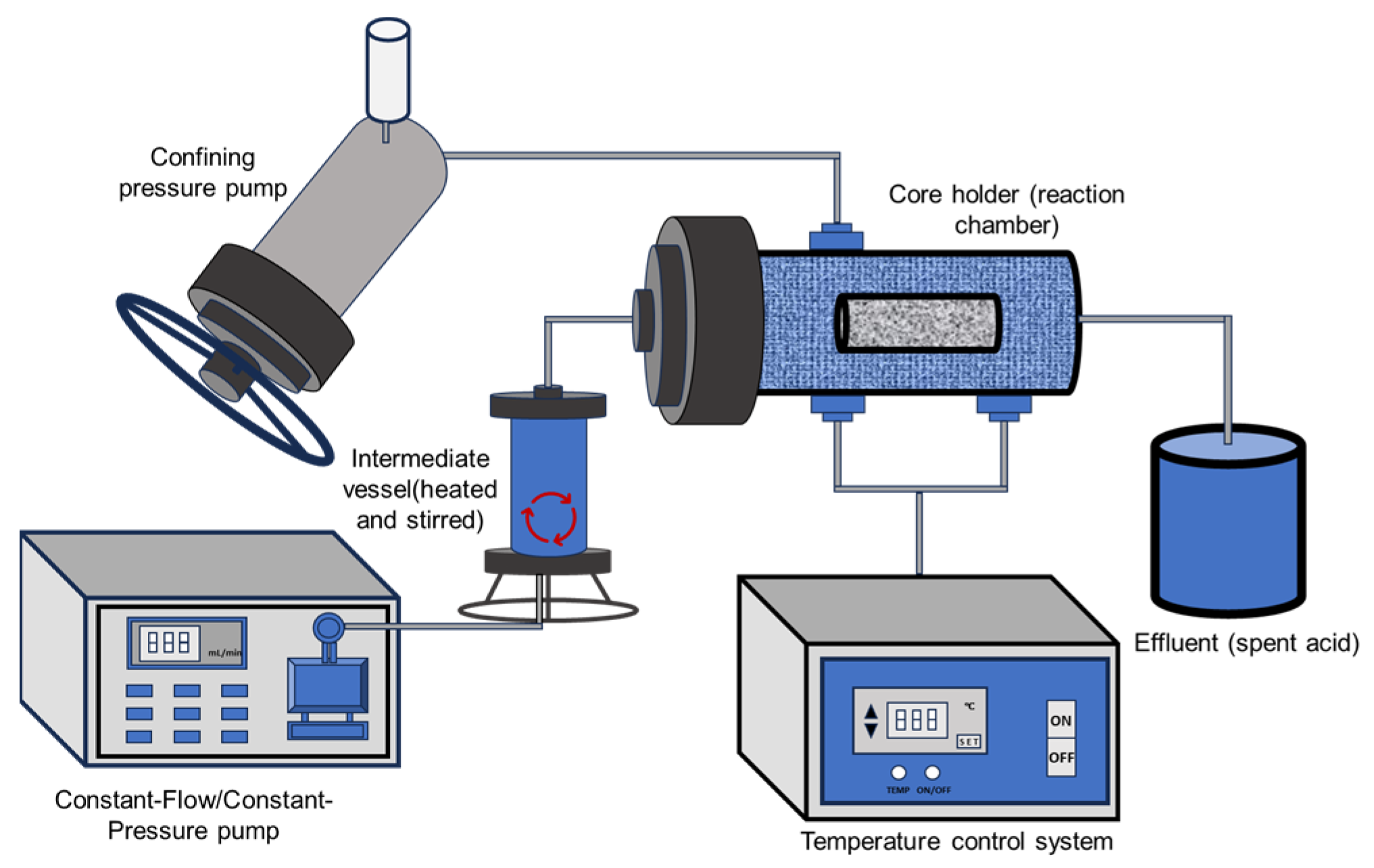
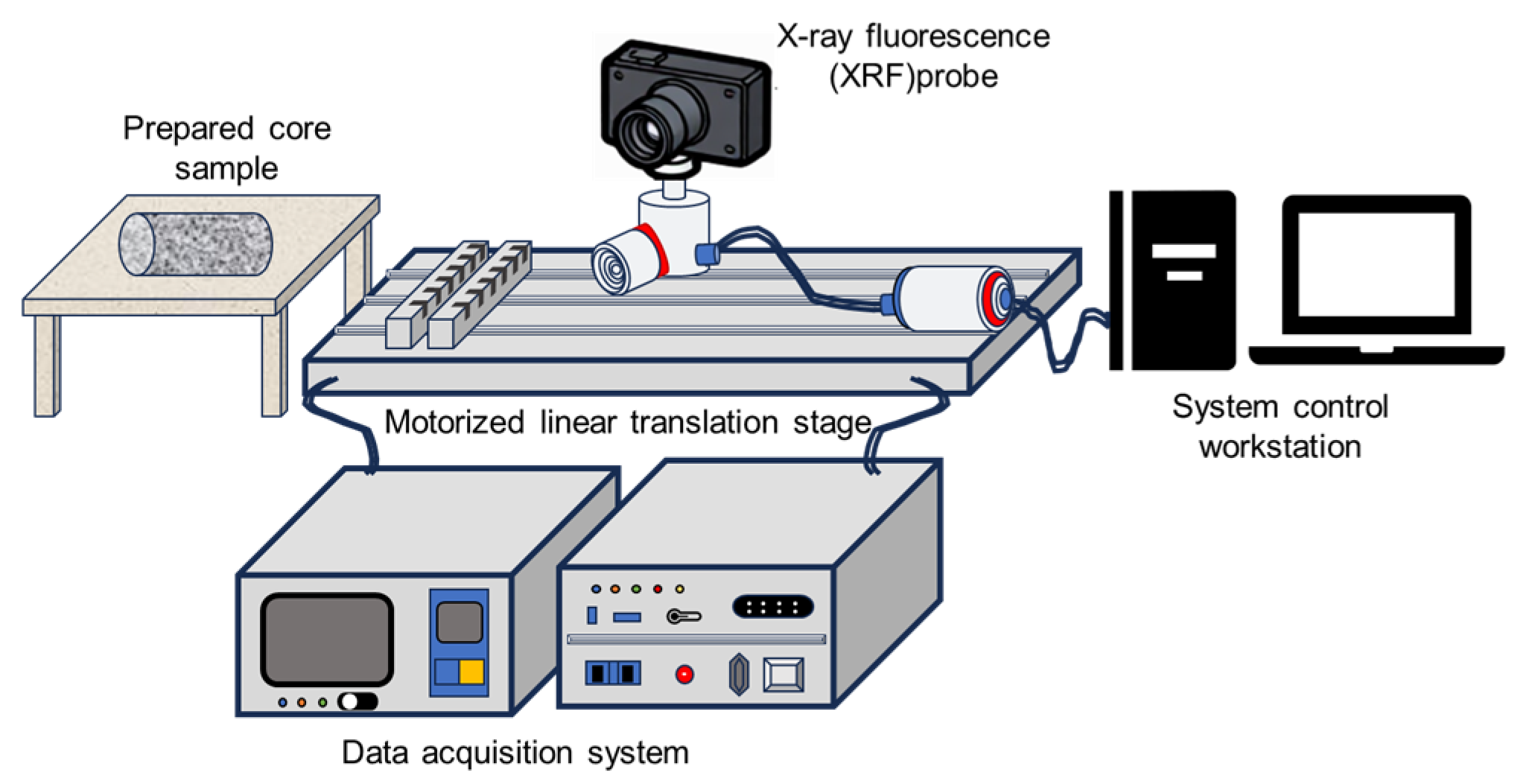
2.1.2. Experimental Equipment
2.2. Experimental Methods
2.2.1. Gas Permeability Measurement Procedure
2.2.2. Acid Dissolution Experiment
2.2.3. Acidizing Flow Experiment
3. Results and Analysis
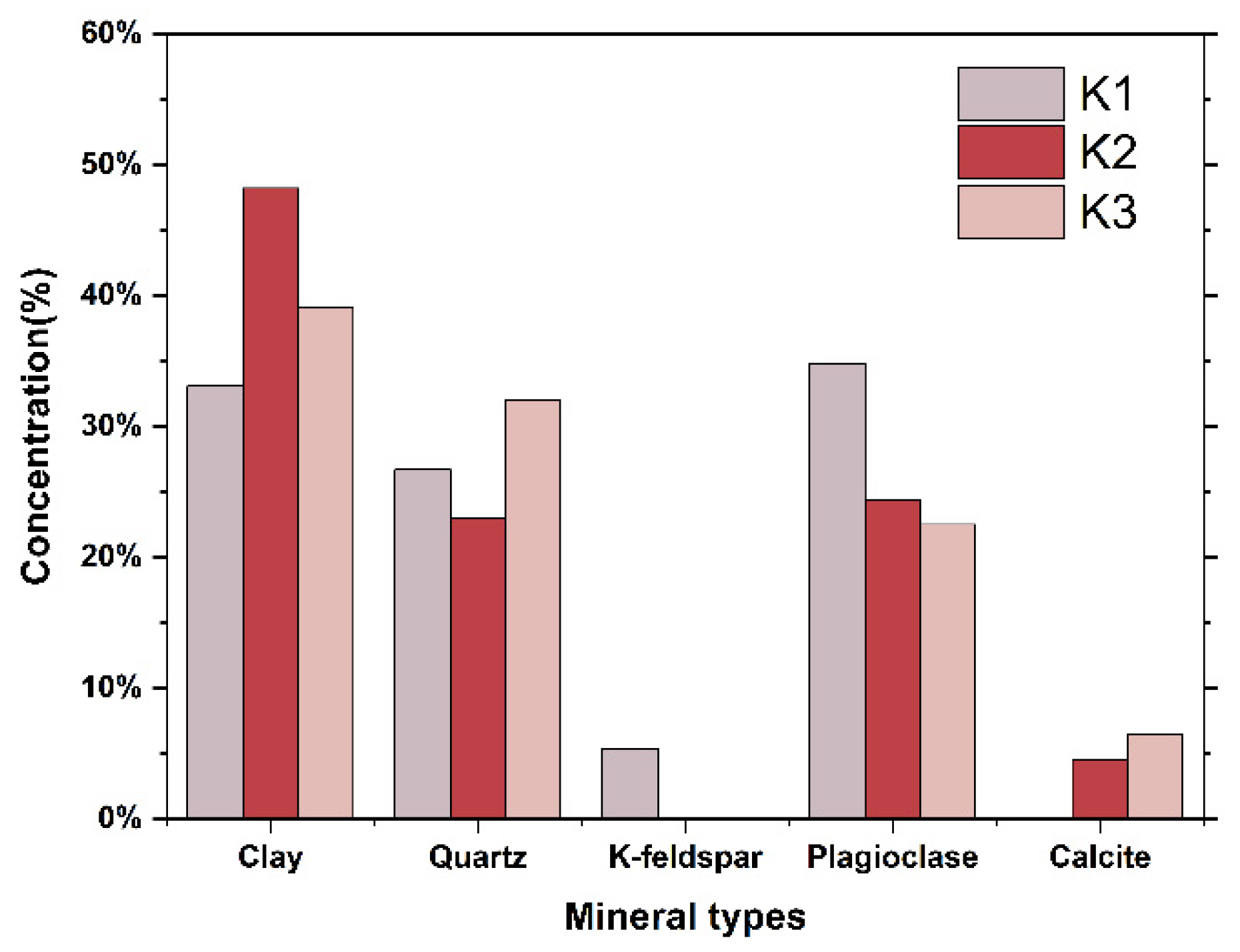
3.1. Mineralogical Composition of Core Samples
3.2. Optimization of the Main Acid in the Acid System
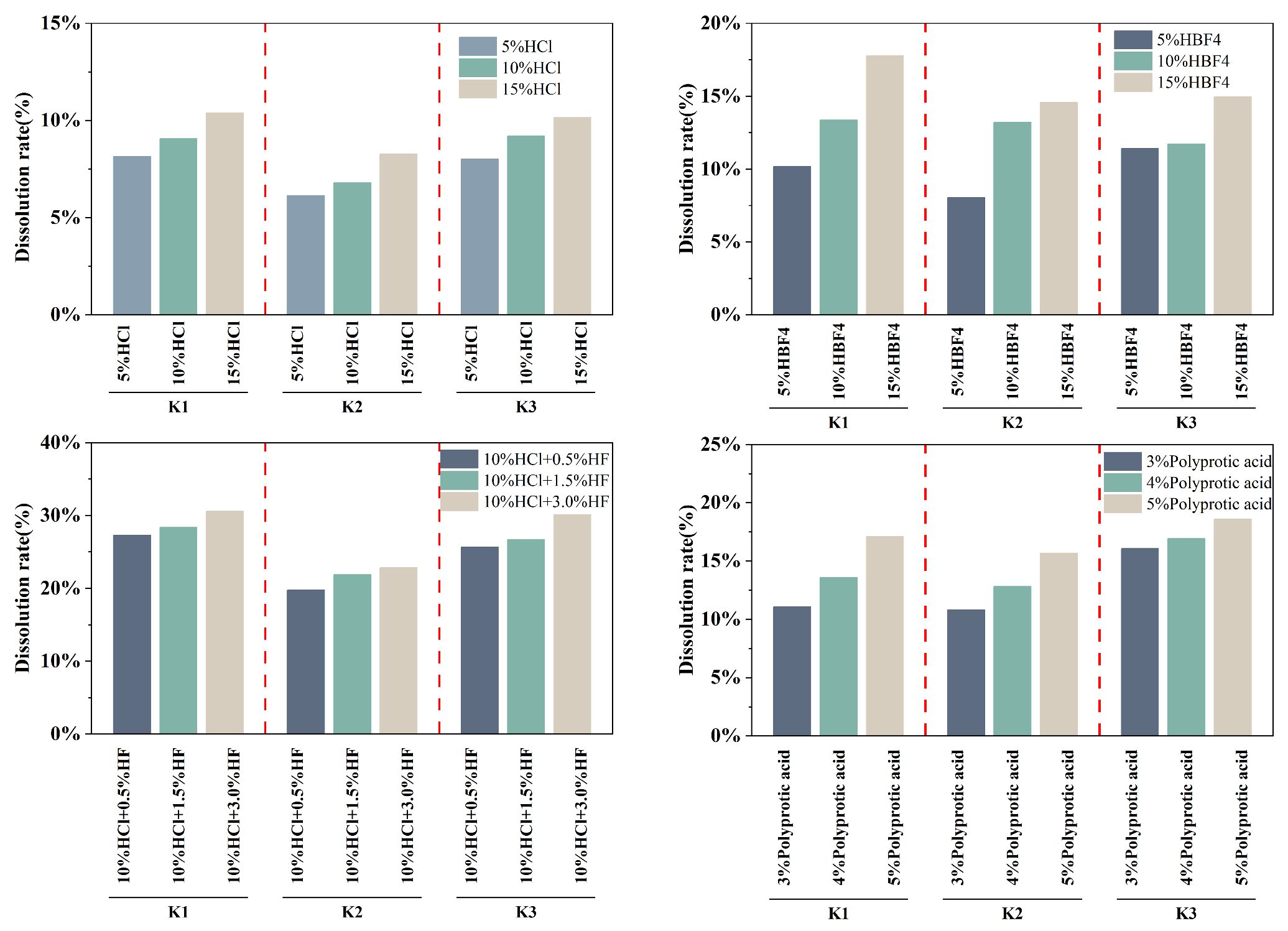
3.2.1. Comparative Evaluation of Acid Dissolution Performance
3.2.2. Determination of Optimal Acid Concentrations
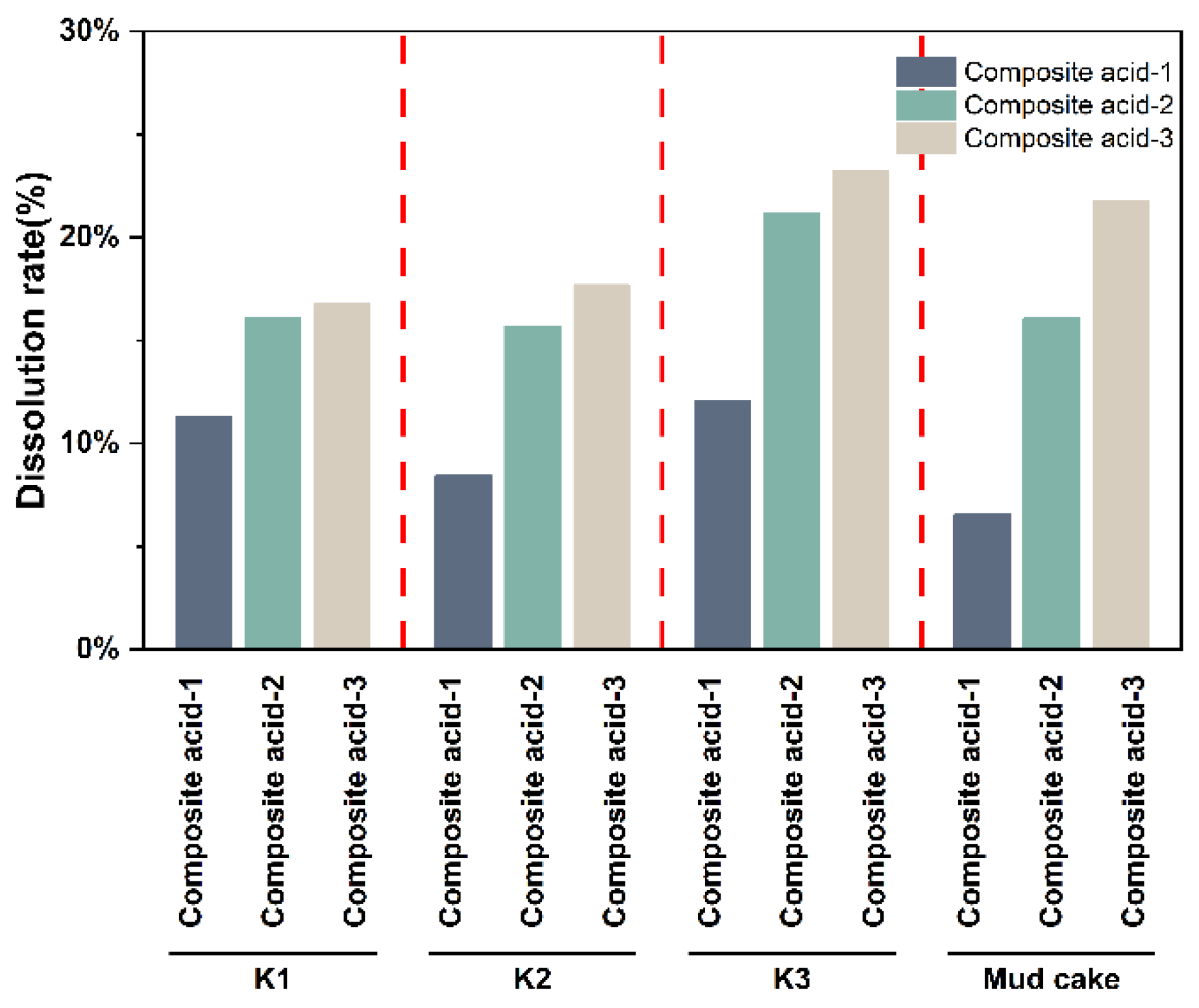
3.3. Dissolution Experiments of Composite Acid Systems
3.4. Comprehensive Performance Evaluation of the Composite Acid System
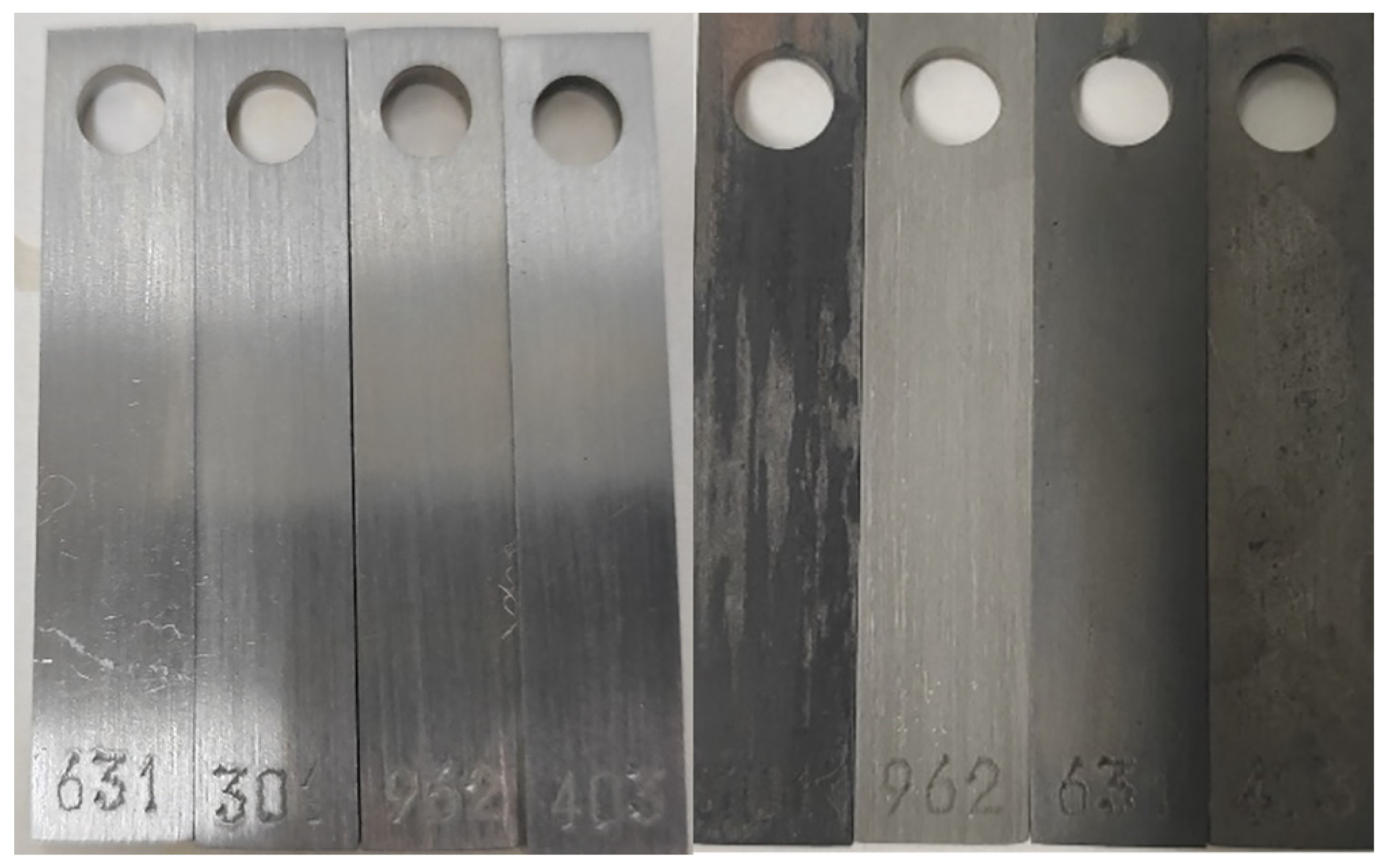
3.4.1. Compatibility and Corrosion Control Performance
3.4.2. Iron Stabilization and Diverting Performance
3.4.3. Clay Stabilization and Secondary Precipitation Inhibition
3.5. Acid Flow and Deplugging Experiments
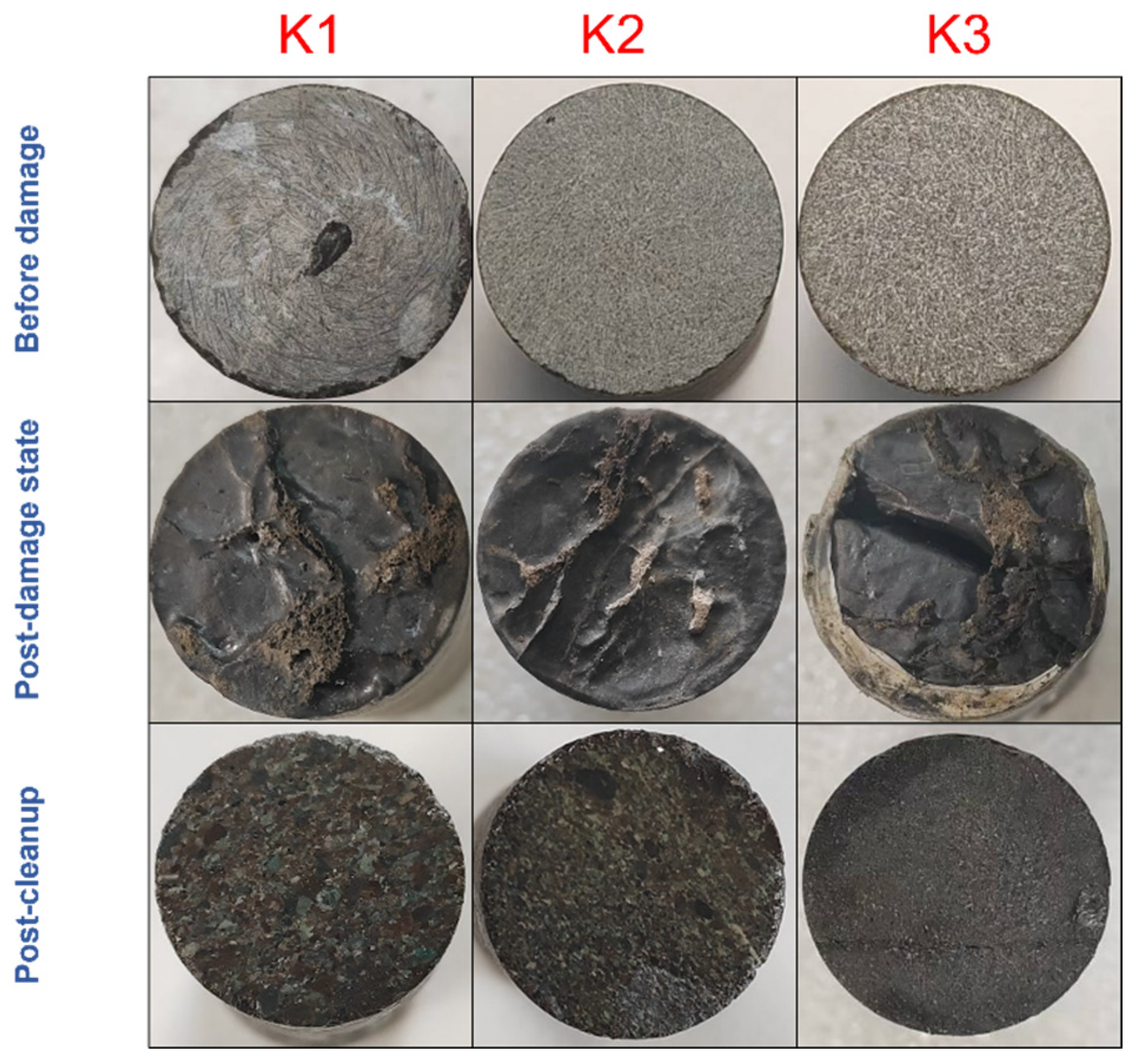
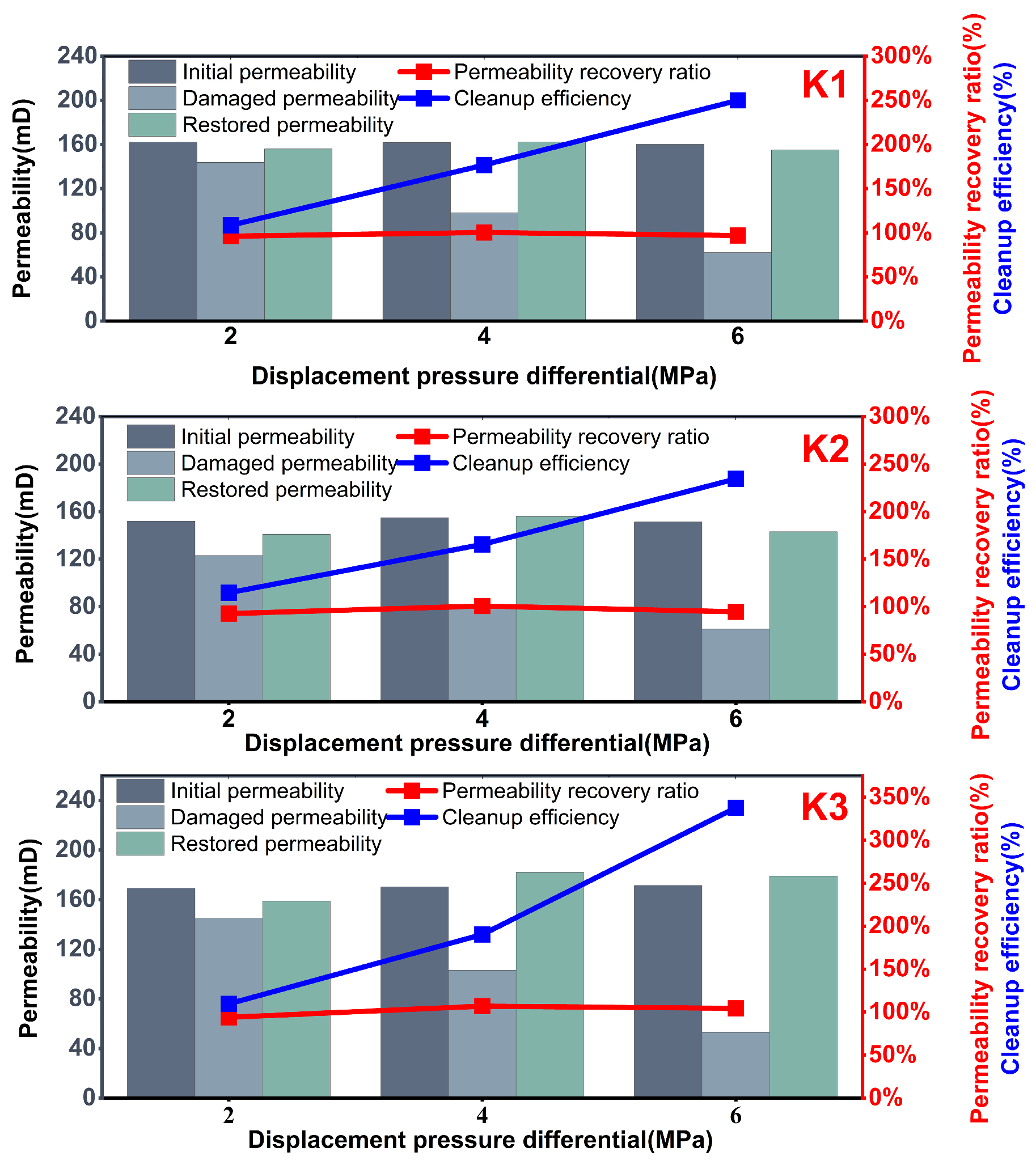
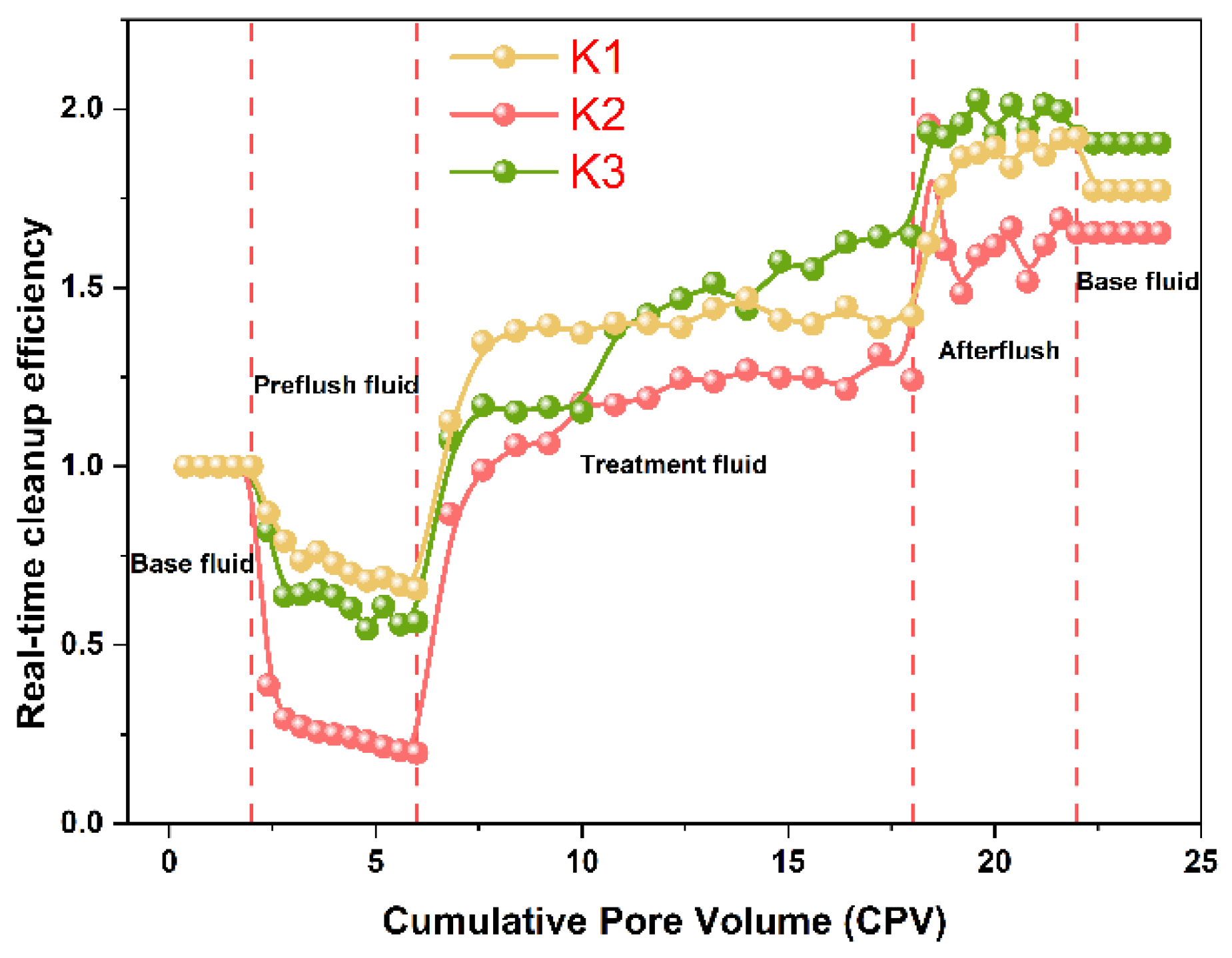
3.5.1. Overall Core-Scale Deplugging Performance
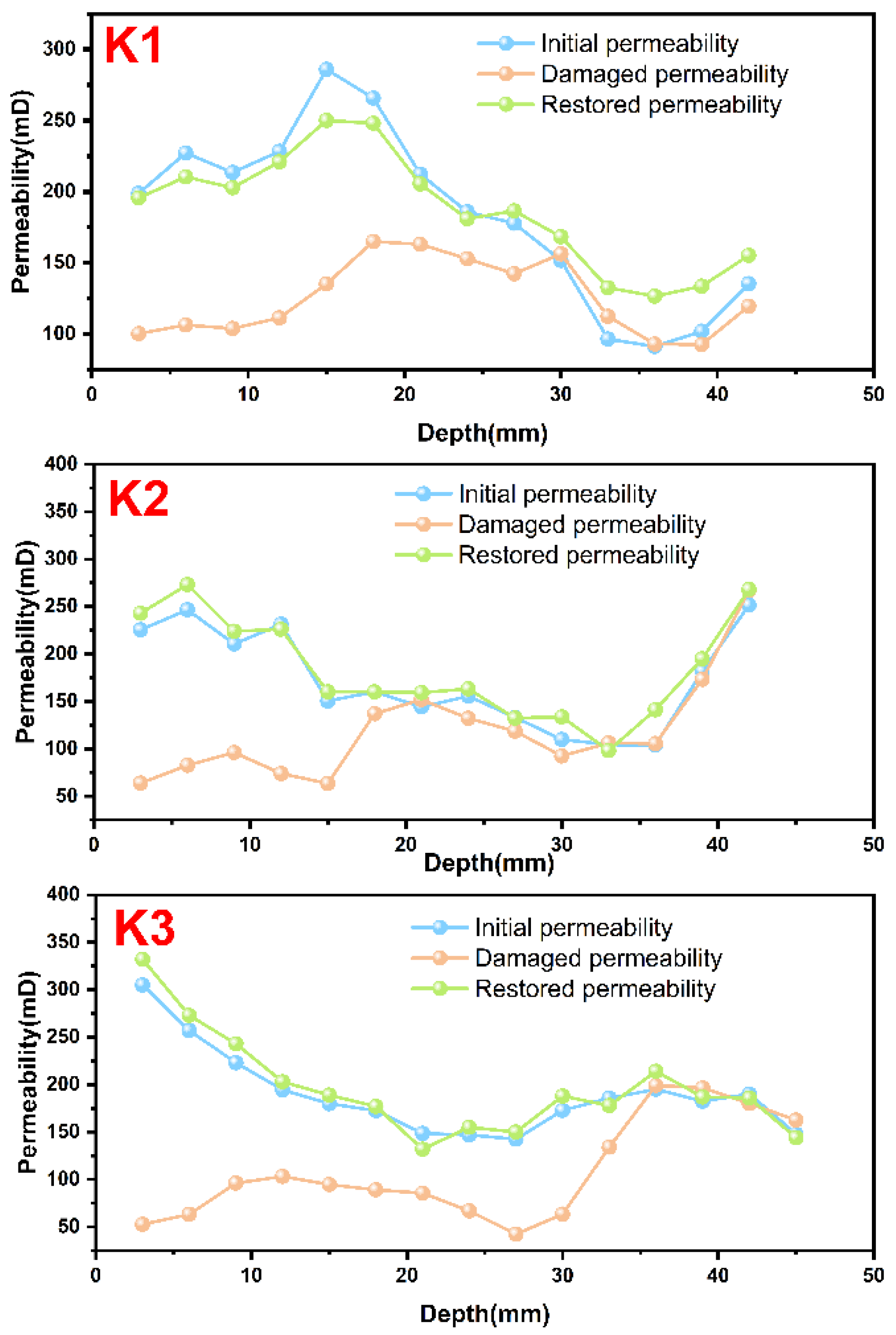
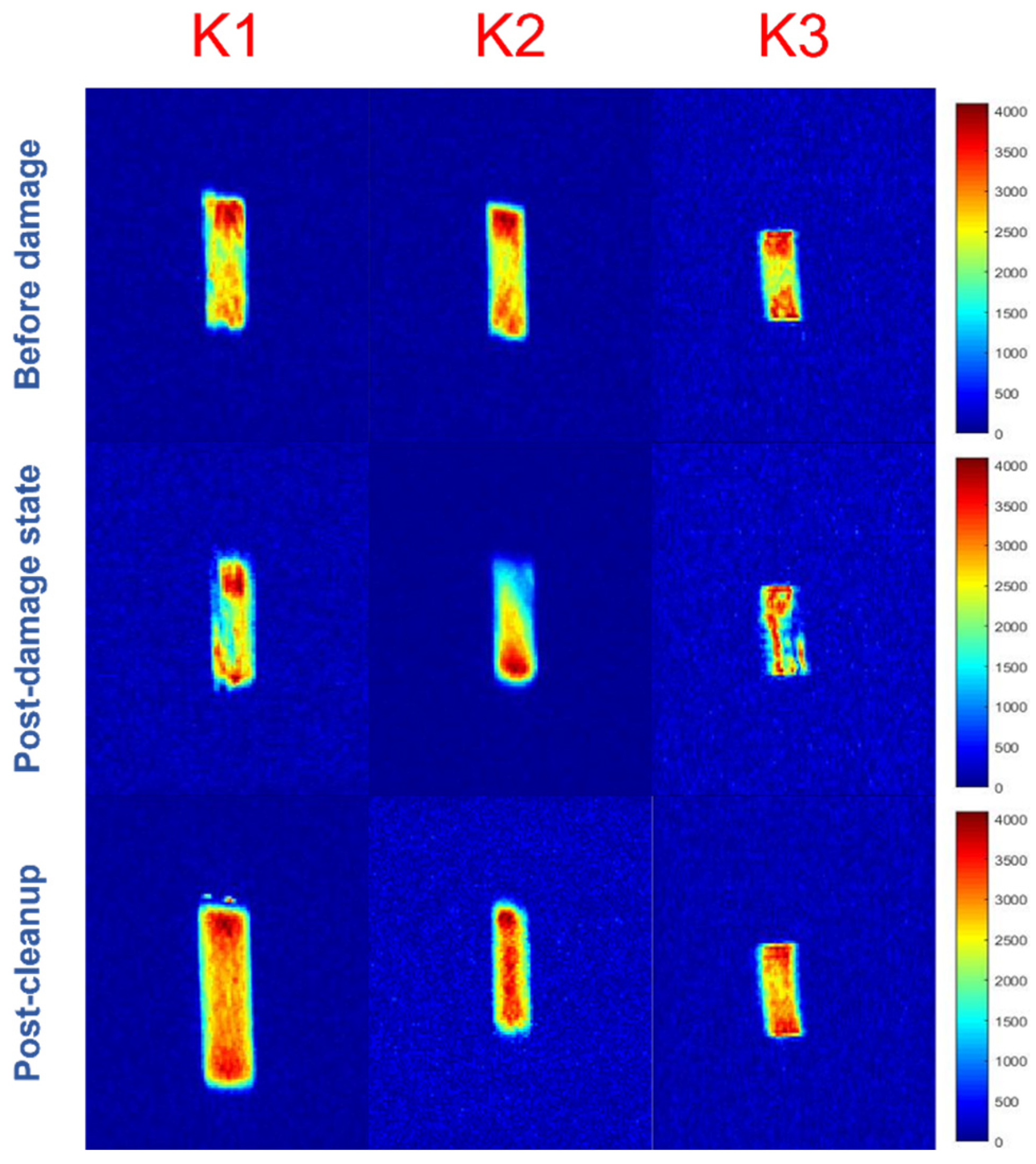
3.5.2. Local Deplugging Behavior from Continuous Core Scanning
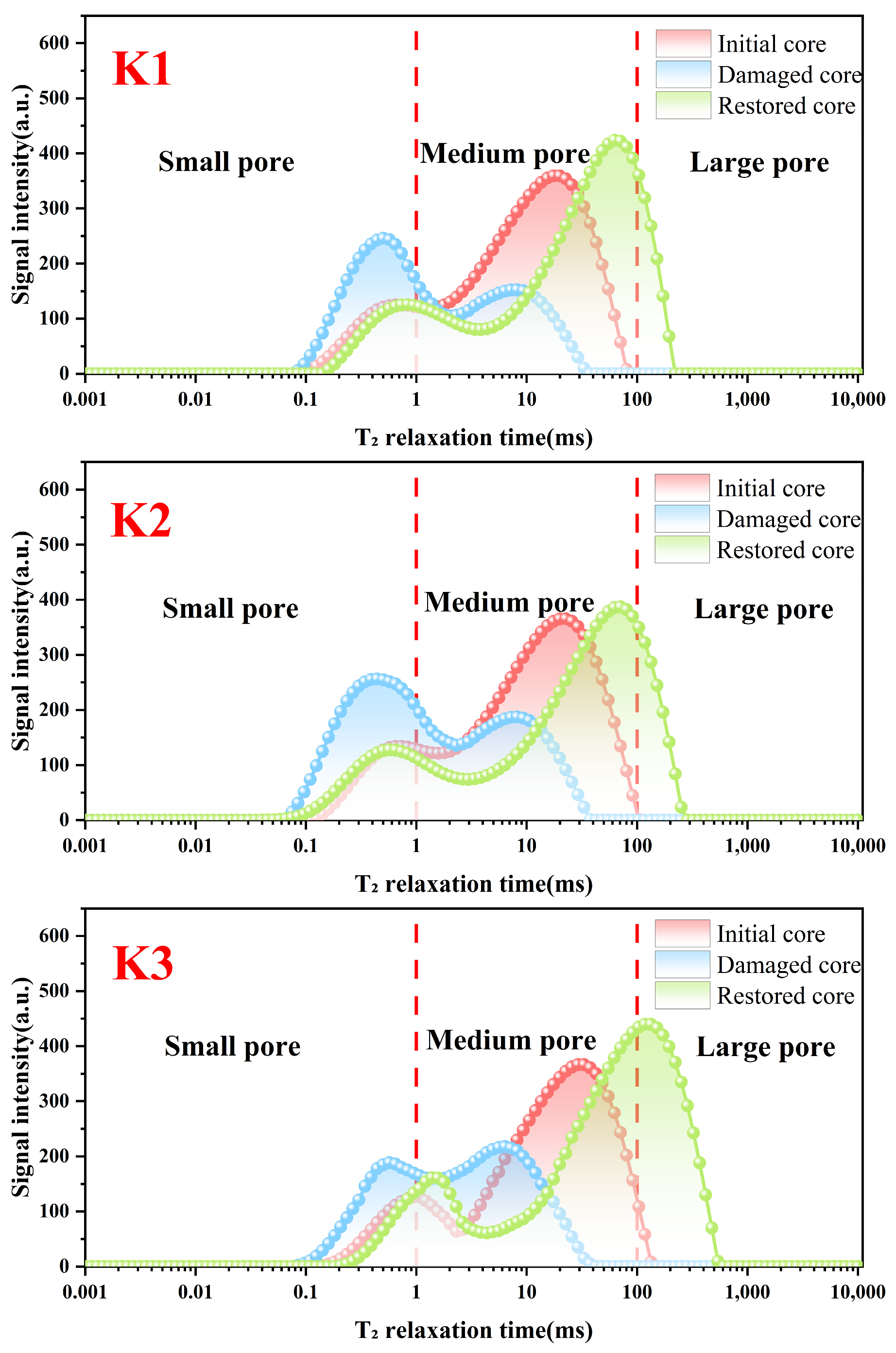
3.5.3. Microscopic Deplugging Mechanism Revealed by NMR
4. Field Application Feedback
5. Conclusions
- (1)
- Optimized Composite Acid Design: An optimized high-compatibility composite acid system was developed by integrating HCl, fluorine-containing acids, and polyprotic acid with corrosion inhibition, iron control, clay stabilization, and diversion additives. The formulation is specifically designed for damage removal in sandstone gas storage reservoirs.
- (2)
- Balanced Reactivity and Compatibility: Laboratory evaluations demonstrate that the composite acid achieves a favorable balance between effective dissolution and reservoir protection. The system shows strong corrosion control, iron stabilization, clay swelling inhibition, and precipitation suppression, fully satisfying industry requirements for sandstone acidizing operations.
- (3)
- Effective Damage Removal and Permeability Restoration: Core-scale flow-through experiments confirm that the composite acid efficiently removes drilling-fluid-induced formation damage without causing core-face erosion or framework degradation. Permeability is effectively restored and locally enhanced, indicating reconnection of blocked pore–throat pathways rather than excessive matrix dissolution.
- (4)
- Reservoir Protection and Long-Term Stability: The acid system not only restores flow capacity but also preserves reservoir integrity by suppressing secondary precipitation and minimizing structural damage. This controlled reaction behavior is critical for maintaining long-term injectivity and deliverability in gas storage reservoirs.
- (5)
- Field Verification and Engineering Implications: Field applications validate that the laboratory-identified damage-removal mechanisms are scalable under operational conditions, resulting in sustained improvements in injection and production performance. For field engineers, the proposed composite acid provides a practical and reliable option for designing sandstone acidizing treatments that balance injectivity enhancement with reservoir protection, thereby reducing operational risk and improving long-term storage performance.
Author Contributions
Funding
Data Availability Statement
Conflicts of Interest
Abbreviations
| UGS | Underground gas storage |
| NMR | Nuclear magnetic resonance |
| CT | Computed tomography |
| XRD | X-ray diffraction |
| XRF | X-ray fluorescence |
References
- Al-Shafi, M.; Massarweh, O.; Abushaikha, A.S.; Bicer, Y. A review on underground gas storage systems: Natural gas, hydrogen, and carbon sequestration. Energy Rep. 2023, 9, 6251–6266. [Google Scholar] [CrossRef]
- Halim, M.C.; Hamidi, H.; Akisanya, A.R. Minimizing formation damage in drilling operations: A critical point for optimizing productivity in sandstone reservoirs intercalated with clay. Energies 2022, 15, 162. [Google Scholar] [CrossRef]
- Wan, J.; Sun, Y.; He, Y.; Ji, W.; Li, J.; Jiang, L.; Jurado, M.J. Development and technology status of energy storage in depleted gas reservoirs. Int. J. Coal Sci. Technol. 2024, 11, 29. [Google Scholar] [CrossRef]
- Ebrahim, A.S.; Garrouch, A.A.; Lababidi, H.M.S. Automating sandstone acidizing using a rule-based system. J. Pet. Explor. Prod. Technol. 2014, 4, 381–396. [Google Scholar] [CrossRef]
- Shafiq, M.U.; Ben Mahmud, H.K. Sandstone matrix acidizing: Knowledge and future development. J. Pet. Explor. Prod. Technol. 2017, 7, 1205–1216. [Google Scholar] [CrossRef]
- Gomaa, I.; Mahmoud, M.; Kamal, M.S. Novel approach for sandstone acidizing using in situ-generated hydrofluoric acid. ACS Omega 2020, 5, 1188–1197. [Google Scholar] [CrossRef]
- Alhamad, L.; Alrashed, A.; Al-Munif, E.; Miskimins, J.L. A review of organic acids roles in acidizing operations for carbonate and sandstone formations. In Proceedings of the SPE International Conference on Formation Damage Control, SPE-199291-MS, Lafayette, IN, USA, 19–21 February 2020. [Google Scholar] [CrossRef]
- Cairns, A.J.; Hull, K.L.; Sayed, M. From design to practice: Development of new acid platforms to address upstream oil and gas production challenges. ACS Symp. Ser. 2019, 1320, 3–21. [Google Scholar] [CrossRef]
- Elsheikh, E.; Bedaiwi, S.; Mahmoud, M. Evaluation of organic acids implementation in stimulating tight gas reservoirs: A case study on Sarah sandstone formation. J. King Saud Univ. Eng. Sci. 2022, 34, 352–358. [Google Scholar] [CrossRef]
- Verma, C.; Ebenso, E.E.; Quraishi, M.A. Recent developments in sustainable corrosion inhibitors: Design, performance and industrial scale applications. Mater. Adv. 2021, 2, 3806–3850. [Google Scholar] [CrossRef]
- Chen, Z.; Quan, H.; Huang, Z.; Wu, Y. Investigation of the nonionic acidizing retarder AAO for reservoir stimulation. ACS Omega 2023, 8, 39041–39051. [Google Scholar] [CrossRef]
- Abdelgawad, K.; Mohammed, A.; Bageri, B.; Al-Saba, M.; Mahmoud, M. Optimizing recovery of fracturing fluid in unconventional and tight gas reservoirs through innovative environmentally friendly flowback additives. J. Mol. Liq. 2024, 421, 124877. [Google Scholar] [CrossRef]
- Qiu, X.; Liu, H.; Liu, M.; Mao, H.; Wang, D.; Ying, Q.; Ban, S. Pore Structure Evolution in Sandstone of Underground Gas Storage during Cyclic Injection and Production Based on Nuclear Magnetic Resonance Technology. Energies 2023, 16, 2096. [Google Scholar] [CrossRef]
- Zhang, J.; Yang, S. Applying NMR T2 spectral parameters in pore structure evaluation—An example from an Eocene low-permeability sandstone reservoir. Appl. Sci. 2021, 11, 8027. [Google Scholar] [CrossRef]
- Li, W.; Sinan, L.; Zhang, L.; Wang, Y.; Gan, M. Micro-CT characterization on pore structure evolution of low-permeability sandstone under acid treatment. Appl. Geochem. 2023, 152, 105633. [Google Scholar] [CrossRef]
- Hu, X. Microscopic pore structure characteristics of low-permeability reservoir rocks after water sensitivity experiments based on CT scanning. Geol. Sci. Explor. 2022, 58, 45–52. (In Chinese) [Google Scholar] [CrossRef]
- Zha, Y.; Cao, B.; Li, F.; Ye, Q.; Zhu, S.; Zhou, W.; Xiong, R. Pore structure and permeability variations during gas displacement in unconsolidated sandstone reservoirs through CT reconstruction analysis. Geofluids 2023, 2023, 3701163. [Google Scholar] [CrossRef]
- Khimulia, V.; Karev, V.; Kovalenko, Y.; Barkov, S. Changes in filtration and capacitance properties of highly porous reservoir in underground gas storage: CT-based and geomechanical modeling. J. Rock Mech. Geotech. Eng. 2024, 16, 2982–2995. [Google Scholar] [CrossRef]
- Li, W.; Qiu, Z.; Liu, C.; Wang, Y. Real-time NMR investigation of water infiltration mechanisms and pore structure evolution in fractured sandstone near-wellbore regions. Pet. Sci. 2025, 22, 4195–4210. [Google Scholar] [CrossRef]
- Chen, X.; Zhao, L.; Li, X.; Hu, B.; Hu, Z.; Yao, F. Volumetric acid fracturing technology of offshore tight sandstone gas reservoirs. Reserv. Eval. Eng. 2020, 10, 120–126. [Google Scholar] [CrossRef]
- Zhao, L.; Zhu, Y.; Liu, P.; Zhang, J.; Liu, Y. Corrosion and inhibition of N80 steel in 5% HCl solution by SA1-3. Anti-Corros. Methods Mater. 2017, 64, 634–643. [Google Scholar] [CrossRef]
- Li, N.; Zhao, L.; Liu, P.; Guo, W.; Du, J. Multi-hydrogen acid acidizing technology and its application. J. Southwest Pet. Univ. (Sci. Technol. Ed.) 2009, 31, 131–134+216–217. Available online: https://xnsy.cbpt.cnki.net/WKC/WebPublication/paperDigest.aspx?paperID=00c65258-2b37-4b1c-8119-6c00f239f1c1 (accessed on 19 January 2026). (In Chinese)



| Sample Number | Depth (m) | Mineral Content (%) | ||||||||
|---|---|---|---|---|---|---|---|---|---|---|
| Clay Minerals | Barite | Quartz | K-Feldspar | Plagioclase | Calcite | Dolomite | Siderite | Pyrite | ||
| K1 | 3021 | 33.1 | 0 | 26.7 | 5.4 | 34.8 | 0 | 0 | 0 | 0 |
| K2 | 3023 | 48.2 | 0 | 23 | 0 | 24.4 | 4.5 | 0 | 0 | 0 |
| K3 | 3026 | 39.1 | 0 | 32 | 0 | 22.5 | 6.5 | 0 | 0 | 0 |
| Acid Type | Primary Function | Dissolution Trend | Reason for Rejecting Lower Concentration | Reason for Rejecting Higher Concentration | Selected Concentration |
|---|---|---|---|---|---|
| HCl | Dissolve carbonates, maintain low pH | Low–moderate | Insufficient carbonate removal | Limited additional benefit, higher corrosion | 10% |
| Organic acid | Dissolve clays and silicates | High | Inadequate damage removal | Excessive framework weakening | 0.5–1.5% HF equivalent |
| Fluoboric acid | Controlled HF release, deep penetration | Moderate–high | Insufficient silicate dissolution | Excessive reaction intensity | ~10% |
| Polyprotic acid | Clay protection, controlled silicate dissolution | Moderate–high | Weak dissolution effect | Risk of framework degradation | ~4% |
| Acid System | Soil Sample | Swelling Volume of Bentonite (mL) | Anti-Swelling Rate (%) |
|---|---|---|---|
| Fresh Water | Bentonite | 5.6 | / |
| Kerosene | 0.4 | ||
| Composite Acid 3 | 0.7 | 94.23 |
| Acidizing Fluid System | After CaCl2 Addition | Adjust pH to 3 | Adjust pH to 5 | Heated for 2 h | Inhibition Rate (%) |
|---|---|---|---|---|---|
| Mud Acid | The solution turned turbid, and sediment formed at the bottom after standing. | The solution became more turbid, and the amount of sediment increased after standing. | The solution became more turbid, but no discernible change in sediment volume was observed after standing | Precipitate settled at the tube bottom, while the upper solution in the pH-adjusted tube became slightly turbid | 0 |
| Composite Acid 3 | No observable change | No observable change | The solution turned slightly turbid | The solution turned slightly turbid | 73 |
| Acidic Fluid Types | Precipitation Behavior of Mixed Solutions Upon Addition of Sodium Silicate Solutions at Varying Volumes | ||||||
|---|---|---|---|---|---|---|---|
| 1 mL | 2 mL | 3 mL | 4 mL | 5 mL | 6 mL | Inhibition Rate% | |
| Mud Acid | Clear and Transparent | Clear and Transparent | Slightly Turbid | Precipitate Formation | Precipitate Formation | Precipitate Formation | 0 |
| Composite Acid 3 | Clear and Transparent | Clear and Transparent | Clear and Transparent | Clear and Transparent | Slightly Turbid | Precipitate Formation | 62.5 |
| Well ID | Monitoring Period | Injection Rate (Before) (105 m3/d) | Injection Rate (After) (105 m3/d) | Production Rate (Before) (105 m3/d) | Production Rate (After) (105 m3/d) |
|---|---|---|---|---|---|
| W-1 | Six months | 3.11 | 4.38 | 2.28 | 4.12 |
| W-2 | 5.2 | 8.4 | 4.16 | 6.3 | |
| W-3 | 4.46 | 5.78 | 3.94 | 4.88 | |
| W-4 | 6.33 | 7.12 | 3.8 | 7.3 | |
| W-5 | 5.08 | 6.77 | 4.17 | 6.03 |
Disclaimer/Publisher’s Note: The statements, opinions and data contained in all publications are solely those of the individual author(s) and contributor(s) and not of MDPI and/or the editor(s). MDPI and/or the editor(s) disclaim responsibility for any injury to people or property resulting from any ideas, methods, instructions or products referred to in the content. |
© 2026 by the authors. Licensee MDPI, Basel, Switzerland. This article is an open access article distributed under the terms and conditions of the Creative Commons Attribution (CC BY) license.
Share and Cite
Luo, Z.; Yu, J.; Wang, Y. Composite Acid Treatment for Mitigating Formation Damage in Gas Storage Reservoirs. Processes 2026, 14, 445. https://doi.org/10.3390/pr14030445
Luo Z, Yu J, Wang Y. Composite Acid Treatment for Mitigating Formation Damage in Gas Storage Reservoirs. Processes. 2026; 14(3):445. https://doi.org/10.3390/pr14030445
Chicago/Turabian StyleLuo, Zhifeng, Jia Yu, and Yiming Wang. 2026. "Composite Acid Treatment for Mitigating Formation Damage in Gas Storage Reservoirs" Processes 14, no. 3: 445. https://doi.org/10.3390/pr14030445
APA StyleLuo, Z., Yu, J., & Wang, Y. (2026). Composite Acid Treatment for Mitigating Formation Damage in Gas Storage Reservoirs. Processes, 14(3), 445. https://doi.org/10.3390/pr14030445