Article

Suitability Evaluation of CO2 Geological Storage in the Jianghan Basin Using Choquet Fuzzy Integral and Multi-Source Indices


1
College of Geophysics and Petroleum Resources, Yangtze University, Wuhan Campus, Wuhan 430100, China
2
Jianghan Branch, Sinopec Geophysical Corporation, Qianjiang 433199, China
3
R&D Center, Sinopec Geophysical Corporation, Nanjing 211106, China
4
Institute of Logging Technology and Engineering, Yangtze University, Jingzhou 434023, China
5
School of Management, Wuhan University of Science and Technology, Wuhan 430070, China
6
International Institute of Information Technology, Jingzhou Institute of Technology, Jingzhou 434010, China
7
School of Geosciences, China University of Petroleum (East China), Qingdao 266580, China
*
Author to whom correspondence should be addressed.
Processes 2026, 14(3), 395; https://doi.org/10.3390/pr14030395
Submission received: 9 December 2025 / Revised: 31 December 2025 / Accepted: 8 January 2026 / Published: 23 January 2026
(This article belongs to the Topic Clean and Low Carbon Energy, 2nd Edition)

Abstract

Geological storage of carbon dioxide in faulted sedimentary basins requires suitability evaluation methods that can address uncertainty, indicator interaction, and limited data availability. This study develops an integrated evaluation framework that combines the Analytic Hierarchy Process, triangular fuzzy numbers, and the Choquet fuzzy integral to assess basin-scale geological carbon dioxide storage suitability. The framework enables structured weight determination, explicit representation of expert uncertainty, and non-additive aggregation of interacting indicators. The evaluation focuses on deep saline aquifers in the Jianghan Basin and is based on seventeen indicators covering geological, structural, hydrogeological, and socio-economic conditions. The assessment integrates seismic interpretation, geological mapping, logging data, and published datasets, and is conducted at the level of tectonic units to support basin-scale screening. The method is applied to the Jianghan Basin using seventeen geological, structural, hydrogeological, and socio-economic indicators. The results indicate that burial depth primarily acts as a threshold condition, whereas caprock sealing capacity, fault system development, and hydrogeological stability dominate suitability differentiation. Interaction analysis reveals pronounced substitution effects among geological indicators, indicating that strong performance in key safety-related factors can compensate for less favorable secondary constraints during early-stage screening. The Qianjiang Sag and Jiangling Sag are identified as the most suitable storage units. The proposed framework provides a transparent and robust tool for basin-scale screening in structurally complex, data-limited sedimentary basins.

1. Introduction

Traditional evaluations of geological CO2 storage suitability have mainly relied on linear multi-criteria decision-making (MCDM) frameworks, such as weighted aggregation, AHP-based scoring, and conventional fuzzy evaluation [1]. These methods have been widely applied to basin-scale assessments of saline aquifers and depleted reservoirs and form the basis of internationally recognized frameworks proposed by the USGS and the Carbon Sequestration Leadership Forum [2,3]. However, most existing approaches assume independence among evaluation indicators, which represents a critical limitation when applied to complex geological systems [4].
In structurally faulted basins, key factors including reservoir quality, caprock integrity, tectonic stability, and economic constraints are often interdependent, exhibiting nonlinear, compensatory, or synergistic interactions [5]. Ignoring these interactions may lead to biased or oversimplified suitability rankings. Recent studies have attempted to address uncertainty through hybrid GIS-based and fuzzy MCDM methods, yet few provide a mathematically rigorous mechanism to explicitly model indicator interdependencies while incorporating expert judgment [6,7].
The Choquet fuzzy integral, based on non-additive fuzzy measure theory, enables explicit representation of interactions among criteria through an interaction parameter (λ) [8,9]. Despite its theoretical advantages, applications of the Choquet integral to CO2 storage site selection remain limited, particularly in structurally complex basins [10]. Machine-learning approaches have also been introduced to capture nonlinear relationships, but their high data requirements and limited interpretability constrain practical applicability [11,12]. Therefore, an interpretable, interaction-aware, and data-efficient evaluation framework remains needed for basin-scale CO2 storage suitability assessment.

2. Methods and Geological Setting

2.1. Evaluation Methods for CO2 Geological Storage

CO2 geological storage represents a complex system influenced by multiple interconnected geological, safety, and socio-economic factors. In this study, the Choquet fuzzy integral, triangular fuzzy semantic functions, and the Analytic Hierarchy Process (AHP) are integrated to systematically analyze these factors [13,14].
Analytic Hierarchy Process (AHP) is a structured multi-criteria decision-making method that addresses complex problems by decomposing them into a hierarchical model consisting of target, criteria, and alternative layers. This method systematically integrates qualitative expert judgment with quantitative analysis [15].
The standard AHP procedure includes four steps: constructing the hierarchical model, establishing pairwise comparison matrices using the Saaty 1–9 scale, deriving the priority weight vector, and performing a consistency check with a consistency ratio (CR) below 0.1.
In this study, expert judgments were obtained from 45 professionals through two rounds of Delphi surveys to reduce individual bias and achieve consensus. For CO2 storage suitability evaluation, AHP assigns weights to indicators by constructing a hierarchical structure, conducting pairwise comparisons, deriving indicator weights, and verifying consistency [16].
A consistency ratio below 0.1 indicates that the derived weights are acceptable. Overall, AHP decomposes complex evaluation problems, quantifies expert knowledge, and supports the transformation of subjective judgment into structured and rational decision-making [17].
Triangular Fuzzy Numbers (TFNs) are applied to convert linguistic variables, such as “suitable” and “important,” into quantitative values during CO2 storage site evaluation [18]. This approach reduces bias caused by the subjectivity and vagueness of human judgment by representing uncertainty as an interval instead of a single crisp value.
The Choquet fuzzy integral is adopted as the core aggregation operator in this framework. Unlike linear aggregation models, it does not assume additive contributions among indicators. Instead, it is grounded in fuzzy measure theory and is designed to capture interactions among interdependent indicators. By accounting for non-additive and nonlinear relationships, the Choquet fuzzy integral provides a robust mathematical framework for comprehensive site suitability assessment [19,20].
The Jianghan Basin is characterized by well-developed fault systems and gentle folds, which strongly influence reservoir continuity, caprock integrity, and CO2 migration pathways. Key geological factors in the Jianghan Basin—including fault structures, seismic activity, sedimentary characteristics, reservoir–caprock assemblages, geothermal conditions, and terrestrial heat flow—were systematically evaluated to assess their influence on CO2 geological storage suitability [21].
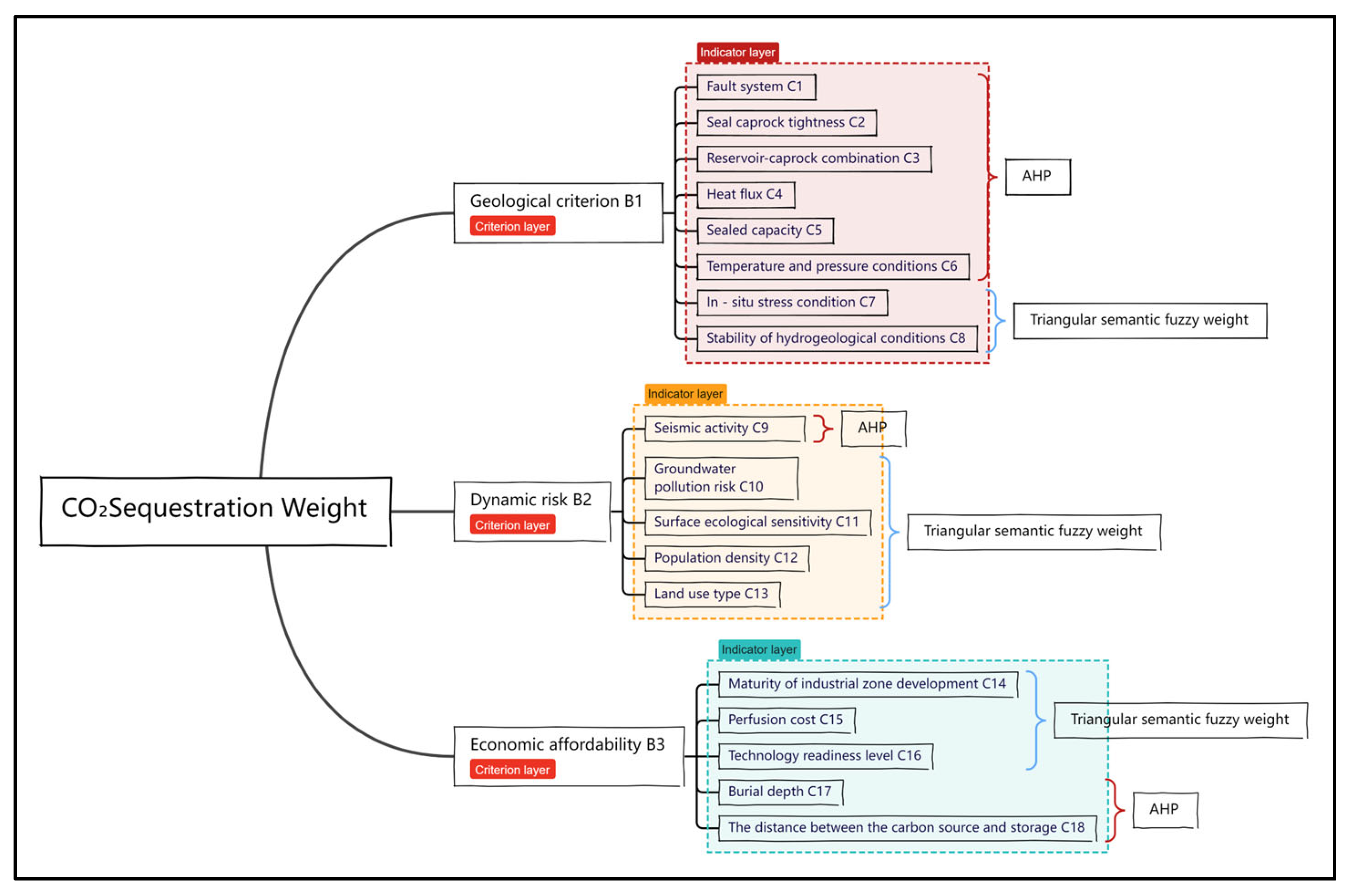
Based on the geological characteristics of the basin, a hierarchical site selection index system was established. The system consists of three criterion layers and eighteen indicators, with a focus on storage safety, technical feasibility, and economic efficiency.
All indicators were classified into five suitability grades for evaluation [22].

2.2. Basin-Scale CO2 Storage Suitability

Research on basin-scale CO2 sequestration is still evolving. Evaluation systems and methods vary considerably across different geological settings. Various site selection frameworks have been proposed at different spatial scales. Kaldi and Gibson-Poole divided site selection into zone- and basin-scale levels. Diao Yujie et al. proposed a five-level hierarchy, including national, basin, target, site, and injection domains. Guo Jianqiang and colleagues classified storage potential into five grades ranging from national to injection scales.
The Hydrogeology and Environmental Geology Survey Center of the China Geological Survey has applied similar frameworks at the national scale. An evaluation system was developed for both onshore and offshore settings, consisting of four primary indicators and sixteen secondary indicators Yunna W. et al. further proposed a five-grade evaluation system comprising twenty-five indicators [23]. Their study emphasized that suitability assessments should be grounded in reliable geological data.
The scientific design of evaluation grades and indicators directly affects the accuracy of the final assessment.

2.3. Rationale for Selecting the Choquet Fuzzy Integral

Several interactive multi-criteria decision-making methods have been developed to address interdependence among indicators, including DEMATEL and the Analytic Network Process (ANP). DEMATEL is primarily used to identify and visualize causal relationships and influence directions within a system of factors. However, it does not provide a built-in, nonlinear aggregation mechanism for calculating an overall suitability score from the processed indicators, which is a core requirement of our site evaluation task [24].
The Analytic Network Process (ANP) extends AHP by allowing for feedback and dependence among criteria, forming a network structure. While capable of modeling interactions, its application becomes computationally intensive and cognitively demanding for experts as the number of indicators increases (18 in our case). More importantly, ANP results in a complex supermatrix from which weights are derived, but it lacks a concise, directly interpretable parameter (like λ) to quantify the degree and type (synergy vs. redundancy) of interaction between any two criteria or subsets. This interpretability is crucial for explaining the geological compensation effects we aim to capture.
In contrast, the Choquet fuzzy integral, grounded in fuzzy measure theory, provides a parsimonious and mathematically rigorous framework specifically designed for aggregation [25]. By introducing the λ-fuzzy measure, it enables explicit quantification of substitution (λ < 0) and synergy (λ > 0) through a single, interpretable parameter. It maintains computational efficiency while directly modeling the non-additive effects during the score integration step. These features make the Choquet fuzzy integral particularly suitable for basin-scale CO2 geological storage evaluation, where capturing and explaining compensatory relationships among safety, geological, and economic indicators is paramount [26].
By introducing the λ-fuzzy measure, this method enables explicit quantification of substitution and synergy. At the same time, computational efficiency and interpretability are maintained. These features make the Choquet fuzzy integral particularly suitable for basin-scale CO2 geological storage evaluation.

2.4. Evaluation Model Based on Choquet Fuzzy Integral

In this study, the Choquet fuzzy integral is employed to construct an evaluation model for assessing CO2 geological storage suitability in the Jianghan Basin. Unlike traditional linear approaches, the Choquet fuzzy integral is based on fuzzy measure theory and does not assume additive contributions among indicators [27].
Through the introduction of λ-fuzzy measures, interaction effects such as synergy and redundancy among indicators can be explicitly captured. This feature makes the method suitable for handling fuzziness, uncertainty, and nonlinear relationships arising from multi-source indicator integration. The computational process includes sorting indicator values and assigning fuzzy measures as weights. This procedure balances the influence of primary and secondary factors and overcomes the limitations of linear models.
Several multi-criteria decision-making methods have been developed to address interdependent criteria, including the Decision-Making Trial and Evaluation Laboratory (DEMATEL) and the Analytic Network Process (ANP). However, DEMATEL is primarily used to identify and visualize causal relationships within a system, rather than to aggregate indicator scores for final ranking. The ANP can model network structures among indicators, but it becomes computationally intensive as the number of indicators increases. Moreover, the ANP lacks a concise parameter for directly quantifying the degree of synergy or redundancy among criteria.
In contrast, the Choquet fuzzy integral uses a single parameter λ, to directly represent synergy or redundancy between indicators within the fuzzy measure framework. This approach is mathematically rigorous, easily interpretable, and computationally efficient. It effectively captures compensatory effects, which aligns well with the complex and compensatory nature of geological systems.
For example, strong performance in one indicator can compensate for moderate weakness in another. Although the Choquet fuzzy integral has been widely applied in engineering risk assessment, its application to comprehensive CO2 geological storage suitability evaluation remains limited. In this study, the model is systematically applied to assess onshore CO2 storage potential and to identify key indicators with optimization potential. The results provide a theoretical basis for improving the reliability and safety of CO2 geological storage [28].
The implementation of the Choquet fuzzy integral in our evaluation model follows these sequential steps [29]:
a.
Indicator Weighting and Fuzzification;
b.
λ Parameter Calculation;
c.
Fuzzy Measure Calculation;
d.
Defuzzification and Sorting;
e.
Choquet Integration.

2.4.1. Choquet Fuzzy Integral

Evaluation of CO2 geological storage suitability involves numerous complex and interdependent indicators. This characteristic violates the conventional assumption of strict indicator independence.
A comprehensive evaluation model based on the Choquet fuzzy integral is capable of accounting for non-additive and nonlinear relationships among indicators. It provides a robust quantitative basis for determining site suitability and storage safety, which is of considerable practical significance.
Choquet fuzzy integral:
Definition 1. 
Let X = { x 1 , x 2 , …, x n } be a non-empty finite set of criteria, and let μ denote a fuzzy measure on X.For any A, B∈ P(X) (theset of P(X)) with A ∩ B = , the following condition holds. Aλ-fuzzy measure satisfies the following condition for any disjoint subsets A, BX:
μ ( A B ) = μ ( A ) + μ ( B ) + λ μ ( A ) μ ( B )
Here, μ(A) and μ(B) are termed λ-fuzzy measures of the attribute index sets A and B, representing their respective importance weights.
The parameter λ ∈ (−1, ∞) dictates the nature of interaction:
λ = 0: implies additivity and independence between A and B;
λ > 0: signifies μ(AB) > μ(A) + μ(B), indicating synergistic effects;
λ < 0: indicates μ(AB) < μ(A) + μ(B), suggestive of redundant or substitutive effects.
For each singleton element xi∈X, where i = 1, 2,..., n, μ(xi) denotes the fuzzy density (individual weight). The λ-fuzzy measure for the entire set X is given by
μ λ ( X ) = 1 λ [ i = 1 n ( 1 + λ μ ( x i ) ) 1 ]
Under the condition that μ(X) = 1, the parameter λ can be determined by solving:
λ + 1 = i = 1 n ( 1 + λ · μ ( x i ) )
Definition 2. 
Let X = {x1, x2, …, xn} be as above, and let f be a non-negative function defined on X (representing the performance scores). The Choquet integral of f with respect to the fuzzy measure μ is given by
( C )   f d μ = i = 1 n [ f ( x i ) f ( x ( i 1 ) ) ] μ ( A i )
where the elements are permuted such that
f ( x 1 ) f ( x 2 ) f ( x n ) ,   with   f ( x 0 ) = 0
and
A ( i ) = { x ( i ) , , x ( n ) } ,   with   A ( n + 1 ) =
Denoting ( C ) f d μ = F , the value F represents the aggregated evaluation derived via the Choquet integral.

2.4.2. Quantitative Assignment of Evaluation Indicators Using Triangular Fuzzy Numbers

Linguistic variables were converted into fuzzy sets (Table 1). To quantitatively represent the inherent vagueness in expert judgments, linguistic terms were mapped to triangular fuzzy numbers (TFNs). Five-tier linguistic evaluation sets for Suitability (S), Safety (S′), and Importance (P) were established.
The fuzzy semantic evaluation levels are defined as follows:
S = { S 1 ( Unsuitable ) , S 2 (   Relatively   Unsuitable ) , S 3 ( Average ) , S 4 ( Relatively   Suitable ) , S 5 ( Suitable ) }
Safety semantic evaluation levels are defined as
S = { S 1 ( Highly   Hazardous ) , S 2 ( Hazardous ) , S 3 ( Moderate ) , S 4 ( Safe ) , S 5 ( Highly   Safe ) }
The fuzzy weight semantic evaluation levels are categorized into five tiers:
P   =   { P 1 ( Extremely   Important ) , P 2 ( Important ) , P 3 ( Moderate ) , P 4 ( Negligible ) , P 5 ( Non - critical ) }
The structure of the five-level evaluation system was adapted from established CCUS site evaluation frameworks. To ensure semantic accuracy and relevance to the geological context of the Jianghan Basin, the initial indicator definitions and their corresponding triangular fuzzy numbers (TFNs) (Table 1) were rigorously reviewed and refined during the first Delphi round.
A panel of 40 experts reviewed and confirmed the appropriateness of these definitions and TFNs, achieving a high level of consensus, as indicated by an interquartile range (IQR) of 0.5 or less. This iterative validation process ensures that the fuzzy semantic scales are scientifically sound and practically applicable [30].

2.5. Integrated Evaluation Framework: AHP–Triangular Fuzzy Numbers–Choquet Fuzzy Integral

The proposed evaluation model integrates three methodological components: the Analytic Hierarchy Process (AHP), triangular fuzzy numbers (TFNs), and the Choquet fuzzy integral. This hybrid framework addresses uncertainty in expert judgment and captures nonlinear interactions among criteria that are often overlooked by conventional linear models. The AHP method was employed to determine the weights of criteria and indicators [31]. Expert opinions were collected from 40 professionals through two rounds of Delphi surveys. After passing the consistency check (CR < 0.1), the calculated weights were used as inputs for subsequent fuzzy integration.

2.5.1. Analytic Hierarchy Process (AHP) for Weight Determination

Indicator weights were determined using a combination of the Analytic Hierarchy Process (AHP) and a two-round Delphi expert consultation. The expert panel consisted of specialists in structural geology, sedimentology, hydrogeology, and carbon capture and storage engineering from universities, research institutes, and industry. In the first Delphi round, experts performed pairwise comparisons using the Saaty 1–9 scale.
The aggregated results were anonymously fed back to the experts in the second round for revision. Consensus was evaluated using Kendall’s coefficient of concordance and interquartile range analysis. Satisfactory agreement was achieved before the final weight set was determined. The Analytic Hierarchy Process is a structured method for organizing and analyzing complex decision problems. This method decomposes a decision problem into a hierarchical structure. In this study, AHP was applied to derive relative indicator weights through the following steps:
  • Hierarchy Construction: The CO2 storage suitability evaluation was structured into three primary layers: target layer (overall suitability), criterion layers (Geological, Dynamic Risk, Economic Affordability), and indicator layers (18 specific factors) [32].
  • Pairwise Comparison Matrix: Experts compared each pair of indicators using the Saaty 1–9 scale. The pairwise comparison matrix A = [ a i j ] is constructed such that a i j = 1 / a j i .
  • Weight Calculation Procedure: In this study, indicator weights were determined using the eigenvector method within the Analytic Hierarchy Process (AHP) framework. Specifically, a pairwise comparison matrix was constructed based on expert judgments using the Saaty 1–9 scale. The normalized principal eigenvector associated with the maximum eigenvalue of the matrix was then extracted. This eigenvector represents the relative weights of the indicators. To ensure the reliability of the derived weights, a consistency ratio (CR) was calculated. A consistency ratio value below 0.1 indicates acceptable logical consistency of the judgment matrix and confirms the validity of the weighting results.
  • The eigenvector corresponding to the largest eigenvalue λ m a x of matrix A was computed and normalized to obtain the weight vector W. This process, known as the eigenvector method, ensures that the derived weights reflect the relative importance of each criterion as perceived by the experts [33].
  • Consistency Check: The consistency ratio (CR) was calculated as
    C R = ( λ m a x n ) / [ ( n 1 ) R I ]
    where RI is the random index. A CR value less than 0.1 is acceptable. In this study, two Delphi rounds refined the judgment matrices to ensure consensus.
Justification for Selecting the Analytic Hierarchy Process:
The Analytic Hierarchy Process (AHP) was selected primarily for its ability to derive reliable indicator weights from expert judgments. Unlike ranking-oriented methods, such as the Technique for Order Preference by Similarity to an Ideal Solution (TOPSIS), which require predefined weights as inputs, AHP provides a transparent and structured mechanism. It transforms qualitative pairwise comparisons into quantitative weights. This feature is particularly suitable for assessing geological carbon dioxide storage. In this context, expert knowledge is critical, and the importance of indicators cannot be directly observed from data.
Moreover, the consistency check embedded in AHP ensures logical coherence in expert judgments. This procedure enhances the robustness of the resulting weights. Therefore, AHP was adopted as a foundational weighting technique. It was subsequently integrated with the Choquet fuzzy integral to enable nonlinear aggregation.

2.5.2. Triangular Fuzzy Numbers for Semantic Uncertainty

To handle vagueness in expert evaluations, triangular fuzzy numbers (TFNs) represent linguistic variables. A TFN is denoted as A ~ = ( l , m , u ) , where l , m , and u are the lower, median, and upper bounds. The fuzzy semantic evaluation levels are defined as in Section 2.4.1 and mapped to normalized TFNs as shown in Table 1.

2.5.3. Choquet Fuzzy Integral for Nonlinear Aggregation

The Choquet integral is a non-additive aggregation operator based on fuzzy measure theory. Let X = { x 1 , x 2 , , x n } be the set of indicators, and μ be a fuzzy measure on X [34].
A fuzzy measure μ satisfies μ ( ) = 0 , μ ( X ) = 1 ; and i f A B , t h e n   μ ( A ) μ ( B ) ;
The λ-fuzzy measure satisfies μ ( A B ) = μ ( A ) + μ ( B ) + λ μ ( A ) μ ( B ) , where λ ( 1 , ) is determined by solving Equation (3).
For a function f : X [ 0 , 1 ] ( p e r f o r m a n c e   s c o r e s ) , the Choquet integral is defined as by Equation (4).

2.5.4. Integrated Computational Procedure

The integrated evaluation process is visualized in Figure 1 and involves the steps outlined in Section 2.3. This approach effectively captures compensatory and nonlinear relationships among criteria, providing a more realistic and robust evaluation.

2.6. Methodological Advantages over Machine-Learning Approaches

From a methodological perspective, the proposed AHP–TFN–Choquet framework differs fundamentally from machine-learning (ML) approaches in terms of assumptions, information sources, and aggregation mechanisms. ML-based approaches primarily infer suitability patterns through statistical learning from historical data and therefore require large, representative, and internally consistent training datasets [35].
By contrast, the present framework is developed within a multi-criteria decision-making and fuzzy set–theoretic context, in which evaluation results are derived from explicitly defined indicators, expert judgment, and mathematically controlled aggregation rules. Indicator weights are derived using the Analytic Hierarchy Process, which converts qualitative pairwise comparisons into quantitative importance coefficients through a consistency-checked procedure. Uncertainty in expert judgment and geological data is represented by triangular fuzzy numbers, allowing indicator values to be expressed as bounded ranges instead of single deterministic inputs [35].
Furthermore, the Choquet fuzzy integral is employed to aggregate indicators under a λ-fuzzy measure, thereby enabling explicit modeling of nonlinear interactions among criteria that cannot be represented by linear weighted summation [36]. This methodological design is particularly suitable for basin-scale CO2 geological storage screening, where geological indicators are physically constrained, expert interpretation is essential, and data availability is often limited or heterogeneous. Instead of implicitly embedding indicator interactions within data-driven model parameters, as in ML approaches, the proposed framework encodes interaction effects explicitly within the aggregation structure. As a result, the evaluation process remains transparent, traceable, and interpretable, which is essential for early-stage site screening and regulatory-oriented assessments.
The Choquet fuzzy integral was selected because it provides a mathematically explicit and flexible representation of criterion interactions through a λ-fuzzy measure, while remaining fully compatible with AHP-derived weights and fuzzy semantic inputs. By contrast, methods such as ANP and DEMATEL focus on network relationships or causal structures without a direct nonlinear aggregation operator, whereas ML-based feature interaction relies on data-driven learning rather than explicitly defined interaction mechanisms [37].

2.7. Recent Advances in CCUS Site Selection Methods

Recent years have seen significant methodological innovations in CCUS site selection (Table 2). Zhang et al. (2025) [11] developed a hybrid fuzzy ANP–TOPSIS framework to address indicator dependencies in deep saline formations.
Similarly, Bai, M et al. (2023) [7] integrated machine learning ensembles with traditional multi-criteria decision-making (MCDM) methods for basin-scale assessments. This approach improved prediction accuracy but required extensive training data.
In contrast to these data-intensive approaches, our model maintains the interpretability of expert-driven methods while capturing complex interactions through the λ-fuzzy measure. Unlike the Bayesian network approach proposed by Lv, T., et al. (2022) [8] for uncertainty propagation, our Choquet integral framework explicitly quantifies substitution effects among criteria—a particular advantage in data-sparse environments like the Jianghan Basin.

2.8. Methodological Comparison and Rationale

Machine learning (ML) approaches, including neural networks and random forests, have shown strong predictive capabilities in data-rich environments. However, their application in geologically complex and data-sparse basins, such as the Jianghan Basin, remains limited. ML models generally require large and high-quality datasets for training and validation. Such datasets are often unavailable for less-explored faulted basins. Moreover, these “black-box” models lack interpretability. As a result, it is difficult to determine how specific geological indicators affect the final suitability score. This interpretability is critical for regulatory approval and stakeholder confidence in CCUS projects.
In contrast, the hybrid AHP–TFN–Choquet framework retains the transparency of expert-driven methods. It explicitly models nonlinear interactions among indicators using λ-fuzzy measures. This approach does not merely fit patterns from historical data. Instead, it embeds domain knowledge directly into the evaluation structure, enabling explainable and physically meaningful assessments even with limited but well-characterized data [38]. Thus, the model bridges the gap between purely empirical ML methods and oversimplified linear models. It provides a robust, interpretable, and transferable tool for basin-scale CO2 storage screening.

3. Identification of Suitability Factors for CO2 Storage in the Jianghan Basin

3.1. Geological Characteristics of the Jianghan Basin

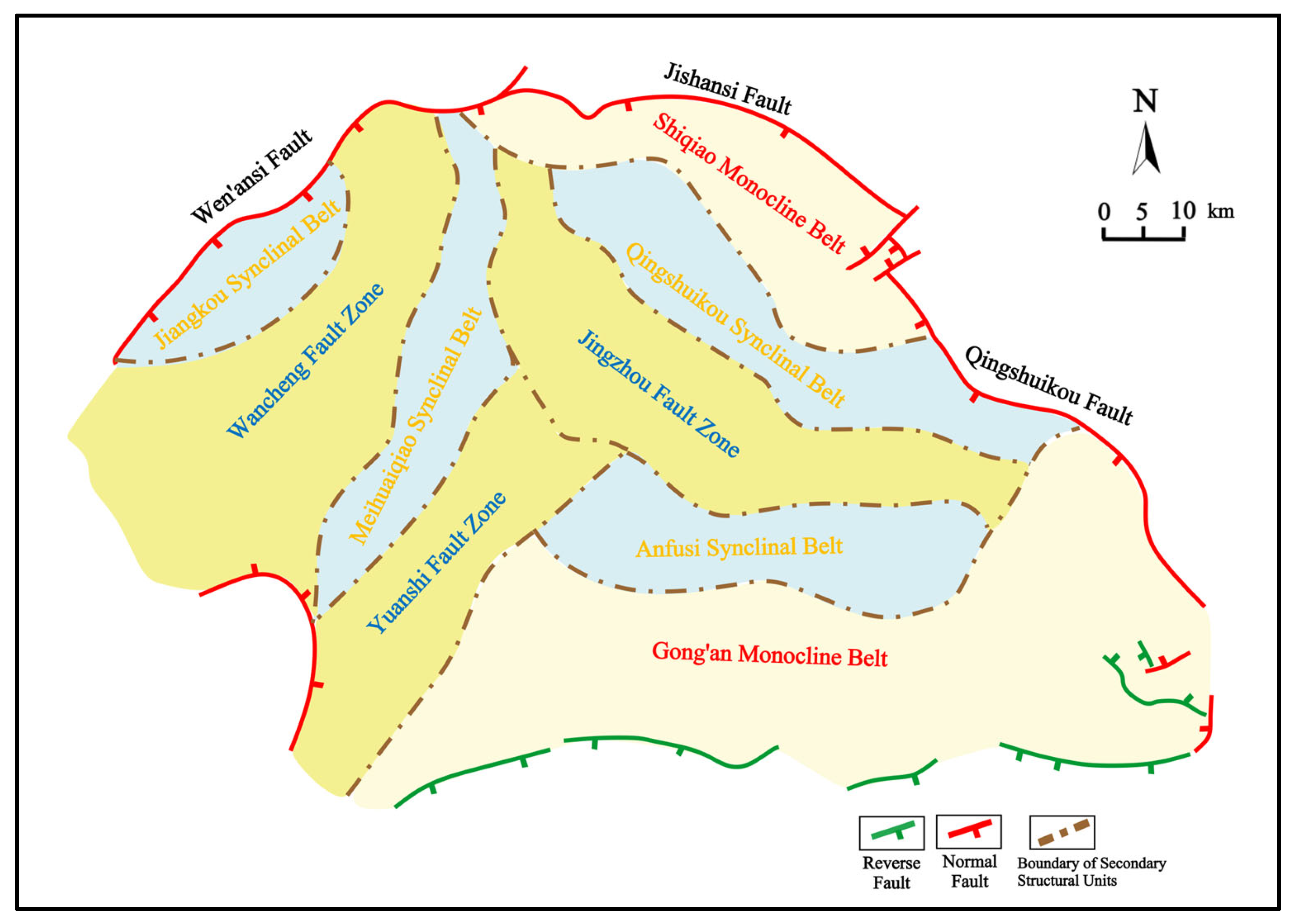
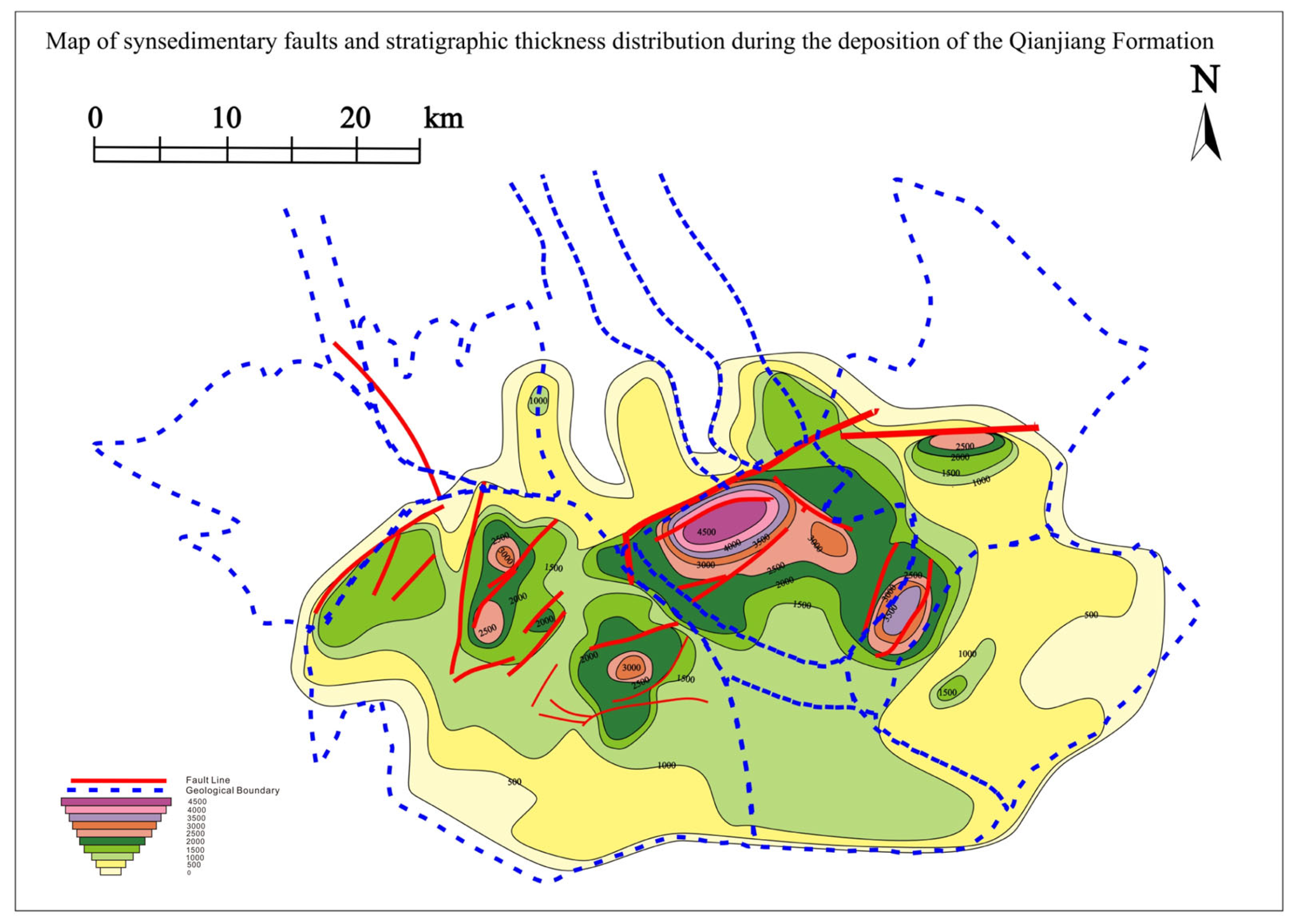
The Jianghan Basin is a typical salt-lake faulted basin. It features a half-graben depression with a faulted northern margin and an overlapping southern margin, as observed in the Qianjiang and Jiangling Depressions (Figure 2). Faulting disrupts the continuity of rock layers and compromises the integrity and sealing capacity of caprocks. This disruption facilitates CO2 diffusion and potential escape. The Qianjiang Depression covers approximately 2500 km2 and is controlled by the northern Qianjiang Fault.
The Paleogene Qianjiang Formation has a sedimentary thickness of up to 4500 m. It contains 193 salt rhythm layers, with cumulative salt rock thickness exceeding 2000 m, forming a globally rare salt-lake sedimentary sequence.
The basin hosts NW- and NE–EW-trending fault systems, creating a depression pattern described as “four longitudinal and three transverse.” Fault activity is episodic and controlled by the regional stress field. Four evolutionary stages are identified: (1) a NE–SW extensional depression during the Late Cretaceous–Paleogene; (2) an E–W compressional inversion in the late Paleogene; (3) a second NW–SE extension during the Neogene; and (4) NE–SW compression combined with dextral strike-slip from the end of the Neogene to the Quaternary, inducing seismicity.

Study Area—Structural Geology

Structural Geology
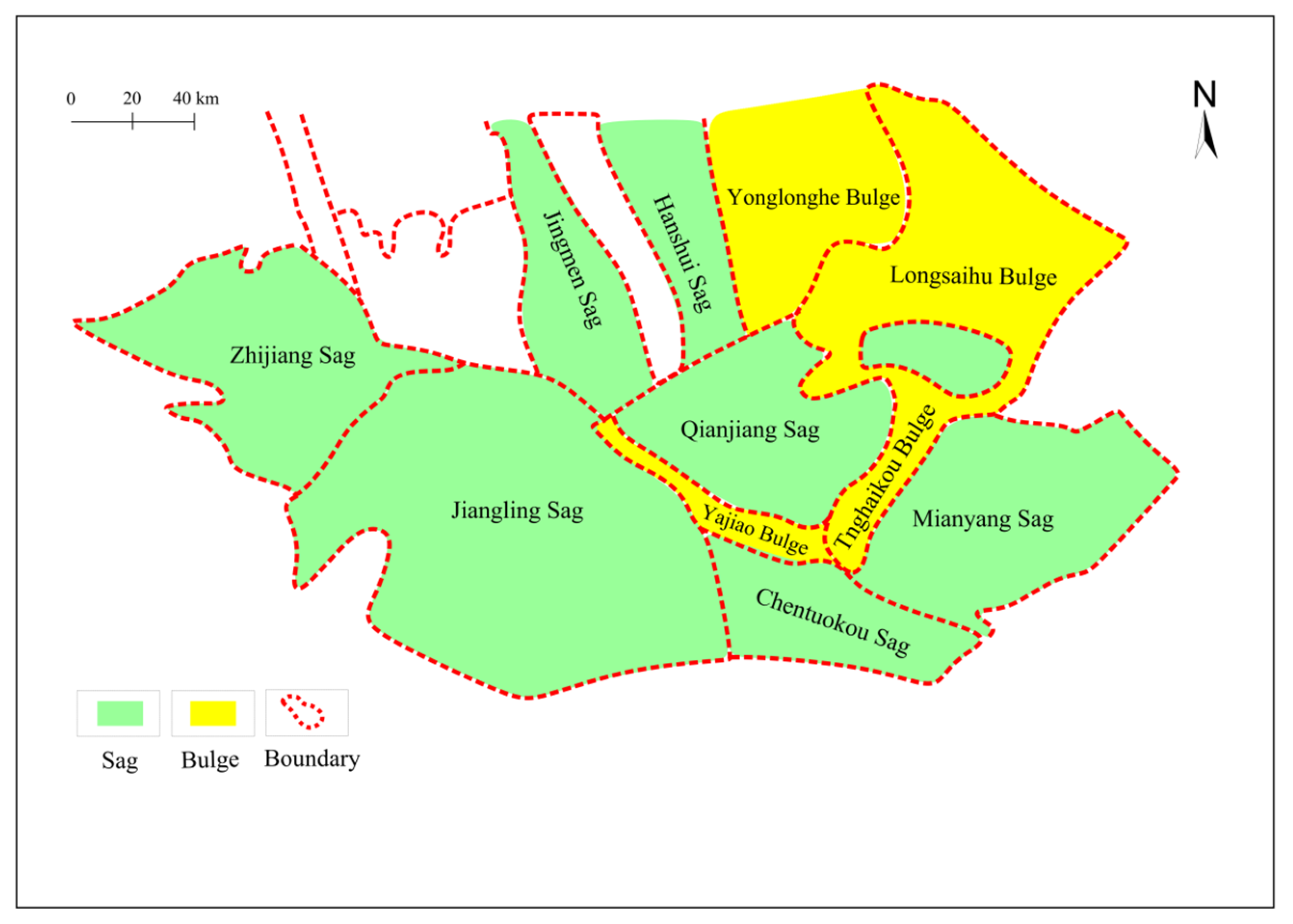
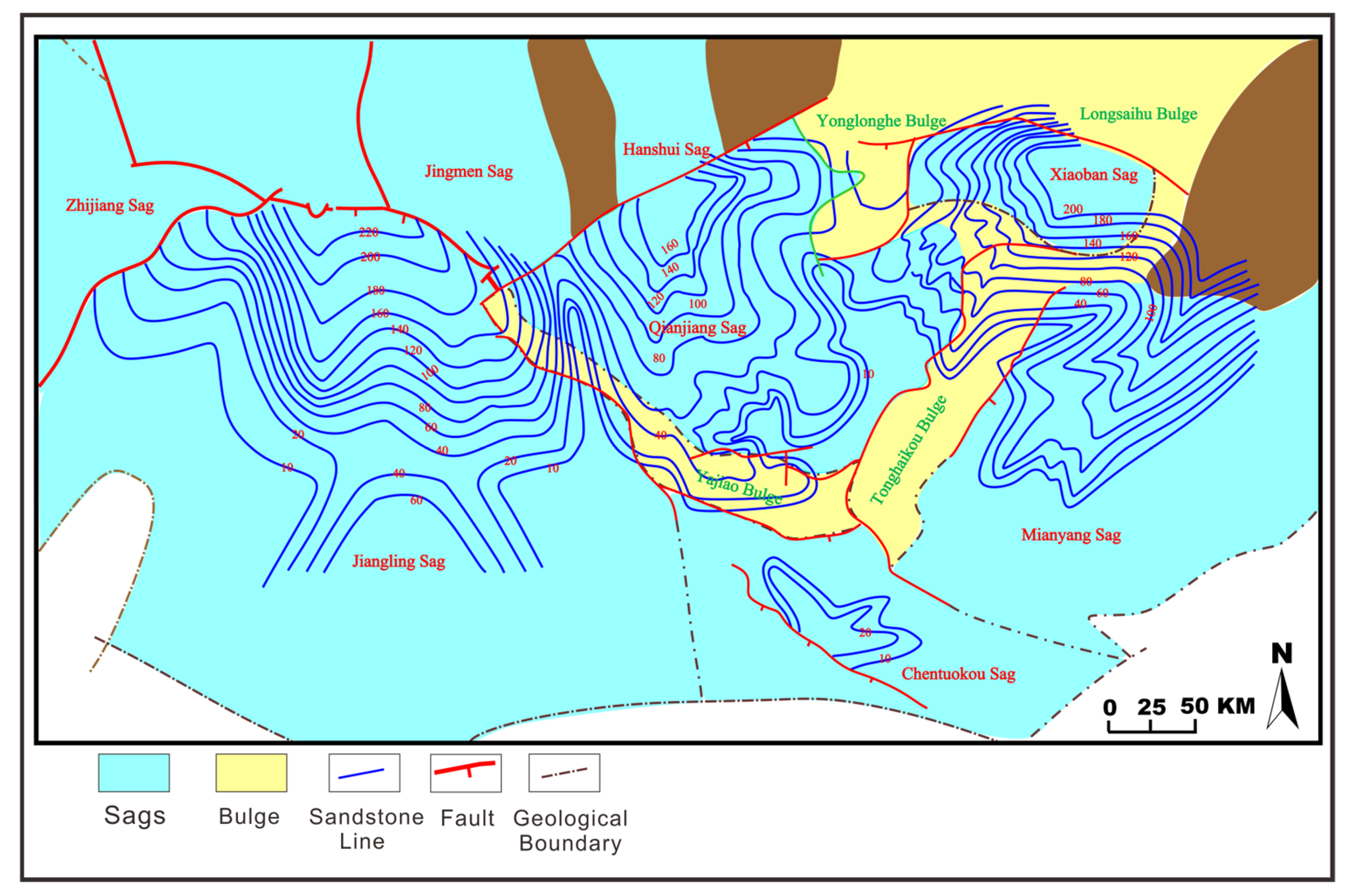
The Jianghan Basin is a typical salt-lake faulted basin located in central China. Structurally, it consists of three first-order units: the Jianghan Depression, the Dongtinghu Depression, and the Huarong Uplift. The Jianghan Depression is further subdivided into 11 sags and four low uplifts (Figure 3 and Figure 4). Basin-bounding faults exert a strong control on the basin’s paleogeographic evolution. They influence the distribution of sedimentary systems and the development of sand bodies.
The Qianjiang Sag, the main hydrocarbon-bearing subunit, displays a half-graben structure. Listric normal faults are present along the northern margin, while an overlapping, gently dipping southern margin defines the structural boundary. This configuration results in pronounced tectonic compartmentalization and heterogeneity in reservoir properties. Such structural features strongly affect hydrocarbon accumulation and also influence the potential migration pathways and sealing behavior of CO2.
Stratigraphy and Reservoirs
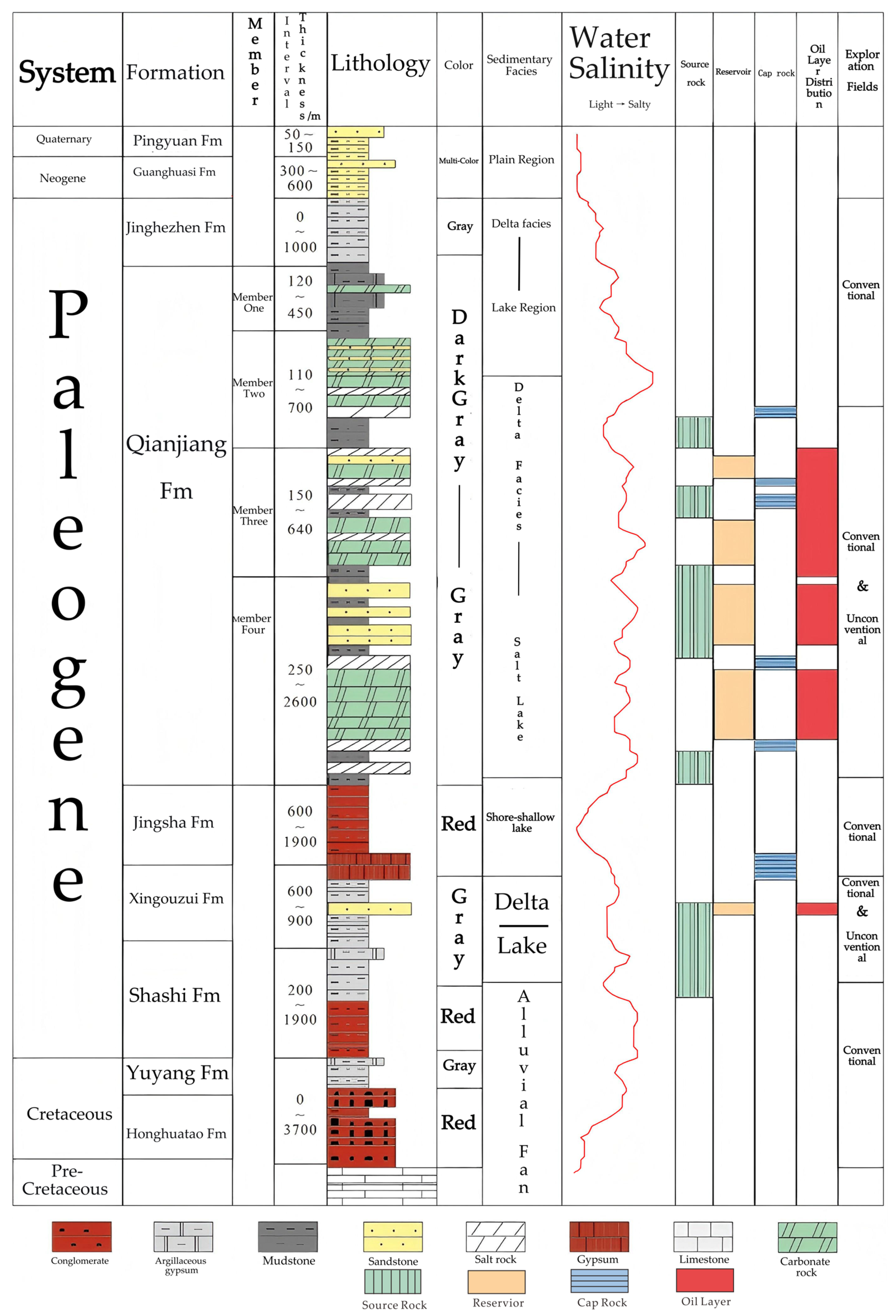
The Qianjiang Formation belongs to a salt-lake deltaic sedimentary system. It is characterized by a multi-rhythmic structure and mainly consists of halite, mudstone, sandstone, and carbonate rocks (Figure 5). In contrast, the Xingouzui Formation represents a shallow-water delta–lacustrine deposit. It is dominated by mudstone and siltstone.
Although these strata generally exhibit low porosity and permeability, the extensively developed halite and gypsum–mudstone layers in the upper sections act as high-quality regional caprocks. This stratigraphic configuration leads to diverse source–reservoir–cap assemblages. It also produces varied hydrocarbon accumulation patterns, including “self-sourced and self-stored” and “lower-sourced and upper-stored” types.
The basin basement is composed of the Jinningian metamorphic rock series. During the Indosinian orogeny, north–south bidirectional compression created a thrust-faulted structural pattern. The basin later evolved into a rift stage in the Early Cretaceous. The Qianjiang Formation contains 193 salt-rhythmic layers. This forms a rare and complete salt-lake sedimentary sequence, reflecting the basin’s rift–depression transition and its distinctive rhythmic sedimentary characteristics. Inter-salt shale oil and lacustrine carbonate reservoirs represent a promising target for hydrocarbon exploration within the basin.

3.2. Evaluation Index System for CO2 Storage Suitability in the Jianghan Basin

CO2 geological storage is inherently complex. It is influenced by geological, safety, and socioeconomic factors. In this study, the Choquet fuzzy integral, triangular semantic functions, and AHP are employed to systematically analyze geological data [39]. Key elements assessed in the Jianghan Basin include fault structures, seismic activity, sedimentary characteristics (thickness and facies types), reservoir–caprock combinations, the geothermal field, and terrestrial heat flow. A site selection evaluation index system was constructed, comprising 3 criterion layers and 18 indicator layers (Figure 6). The system focuses on storage safety, technical feasibility, and economic efficiency. Indicators are categorized into five suitability grades.

3.2.1. Geological Criterion B1

Fault system C1:
The Jianghan Basin is a typical salt-lake faulted basin. It features a half-graben depression with a faulted northern margin and an overlapping southern margin, as observed in the Qianjiang and Jiangling Depressions. Faulting disrupts the continuity of rock layers and compromises the integrity and sealing capacity of caprocks. This disruption facilitates CO2 diffusion and potential escape. Faulting disrupts the continuity of rock layers and compromises the integrity and sealing capacity of caprocks. This disruption facilitates CO2 diffusion and potential escape. The Jianghan Basin exemplifies a typical salt-lake faulted basin, characterized by a half-graben depression with a faulted northern margin and an overlapping southern margin, as seen in the Qianjiang and Jiangling Depressions. Faulting disrupts rock layer continuity, compromising the integrity and sealing capacity of caprocks, which facilitates CO2 diffusion and escape. The Qianjiang Depression spans approximately 2500 km2 and is governed by the northern Qianjiang Fault.
The Paleogene Qianjiang Formation has a sedimentary thickness of up to 4500 m. It contains 193 salt rhythm layers, with cumulative salt rock thickness exceeding 2000 m, forming a globally rare salt-lake sedimentary sequence [40]. Fault activity is episodic and controlled by the regional stress field. Four evolutionary stages are identified: (1) a NE–SW extensional depression during the Late Cretaceous–Paleogene; (2) an E–W compressional inversion in the late Paleogene; (3) a second NW–SE extension during the Neogene; and (4) NE–SW compression combined with dextral strike-slip from the end of the Neogene to the Quaternary, inducing seismicity.
Seal caprock tightness C2
Sealing capacity is a critical factor in evaluating CO2 storage feasibility. The CSLF pyramid model classifies sealing capacity into four levels: theoretical, effective, actual, and matching. The caprock is a dense and impermeable layer overlying hydrocarbon reservoirs, such as sandstone and carbonate formations. It prevents the upward migration and loss of fluids. In this study, the focus is on theoretical sealing capacity in basin-scale evaluations. Sealing potential is estimated based on reservoir type, porosity, permeability, water saturation, and supercritical CO2 density under reservoir-specific temperature and pressure conditions. Evaporites, such as salt, gypsum, and anhydrite, are considered the most effective caprocks. This is due to their extremely low permeability, high plasticity, and resistance to fracturing [41]. Salt rock can undergo plastic deformation under stress, effectively sealing underlying fractures and structural defects. Fine-grained sedimentary rocks, including mudstone, shale, and silty mudstone, are also common and serve an important role as caprocks.
Reservoir–caprock combination C3
A caprock is a dense and impermeable layer that overlies reservoir rocks. It prevents the upward migration and loss of fluids. Evaporites, such as salt rock, gypsum, and anhydrite, are highly effective caprocks. This is due to their low permeability, high plasticity, and resistance to fracturing. Salt rock can undergo plastic deformation under stress, effectively sealing underlying fractures. Fine-grained sedimentary rocks, including mudstone, shale, and silty mudstone, also serve as important caprocks (Figure 7). A reservoir–caprock system consists of a porous, permeable reservoir underlying an impermeable caprock. This arrangement effectively seals CO2.
Reservoirs in the Qianjiang Formation are mainly situated in the second to fourth Paleogene members. They consist of shale interbedded with sandstone, halite, and glauberite. Average reservoir thickness ranges from 15 to 20 m, porosity from 11.4 to 18.9%, and permeability from 2.635 to 4.827 × 10⁻³ μm2. Overlying argillaceous and gypsum-salt rocks act as caprocks. Their thicknesses range from 10 to 20 m and 5–15 m, respectively. Reservoirs in the Xingouzui Formation are located in the first and third lower members. They consist of interbedded argillaceous dolomite and dolomite. Argillaceous dolomite exhibits an average porosity of 13.6% and permeability of 0.2 mD, classifying it as ultra-low permeability. Sandstone layers have an average thickness of approximately 10 m. Sandy mudstone and gypsum-salt rock intervals in the middle Qianjiang and lower Xingouzui formations form a regional caprock. This caprock is extensively developed across tectonic units, including the southwestern Qianjiang Depression, Jiangling Depression, Yajiao Uplift, and Zhijiang Sag. It ensures long-term CO2 storage [42].
Heat flux C4
Geothermal conditions are primarily characterized by the geothermal gradient and terrestrial heat flow. In the Jianghan Basin, the average terrestrial heat flow is approximately 52.3 mW/m2, which is moderately low. Values range from 41.9 to 60.9 mW/m2. Terrestrial heat flow distribution is heterogeneous. It is generally higher in the southern basin and lower in the northern region.
Terrestrial heat flow affects CO2 density and phase state. Lower heat flow enhances storage efficiency and contributes to the thermodynamic, chemical, and mechanical stability of storage sites. Within the basin, the geothermal gradient ranges from 3.0 to 3.5 °C/100 m in the northern region, 2.5–3.0 °C/100 m in the central area, and 2.0–2.5 °C/100 m at the basin margins [43]. The northern Wangchang and Guanghuasi structures exhibit lower gradients than the southern areas. This indicates that the southern basin offers more favorable geothermal conditions for CO2 storage.
Sealed capacity C5
Sealing capacity is a key factor in evaluating the feasibility of CO2 geological storage. The Carbon Sequestration Leadership Forum (CSLF) pyramid model categorizes sealing capacity into four levels: theoretical, effective, actual, and matching. This study focuses on theoretical sealing capacity for basin-scale assessments [44]. Estimating the sealing capacity of secondary structural units requires analyzing key physical parameters. These include reservoir type, porosity, permeability, and water saturation. Additionally, the density characteristics of supercritical CO2 under reservoir-specific temperature and pressure conditions are considered.
The theoretical storage capacities of each structural unit were calculated based on Formula (6) (Table 3).
V C O 2 = A h ( 1 S w i r ) ϕ ρ
In Equation (6), V C O 2 denotes the CO2 storage capacity; A is the reservoir area (km2); h represents the average reservoir thickness (m); S w i r is the irreducible water saturation (%); ϕ indicates the porosity (%); and ρ signifies the density (kg/m3).
Table 3. The theoretical CO2 storage capacities of each evaluation unit.
Evaluation UnitArea/km2Reservoir Thickness/Porosity/Storage Capacity/
m%10,000 t
Qianjiang Sag2556.3031815.2631.21
Jiangling Sag6483.81232111658.66
Mianyang Sag16003013.6578.77
Chentuokou Sag2502.1651258401.02
Zhijiang Sag1865.0861114.6322.21
Jingmen Sag1477.524617.74.191.94
Yajiao Bulge652.7712.221.834.62
Tonghaikou Bulge781.26253025472.13
Temperature and pressure conditions C6
Temperature refers to the in situ reservoir temperature. It is determined by the regional geothermal gradient and the burial depth of the reservoir. Pressure represents the total force acting on pore fluids. It includes both lithostatic and pore pressures. Pore pressure is particularly critical for monitoring CO2 geological storage in the Jianghan Basin. The geothermal gradient indicates the rate of temperature change with depth (°C/100 m or °C/km) and reflects the regional geothermal background. Together with terrestrial heat flow, it forms a core indicator of geothermal conditions. Lower geothermal gradients generally enhance CO2 storage suitability.
Temperature, pressure, and geothermal conditions should be assessed as an integrated system. Together, they govern CO2 phase state and migration, providing a fundamental physicochemical basis for CCUS project design and implementation.
In situ stress condition C7
The in situ stress index system quantitatively characterizes underground force states. It influences wellbore design, injection control, safety assessment, and risk management. Minimum horizontal principal stress (σh) and the type of stress field are key components of the system. In the Jianghan Basin, the stress field generally shows near-east–west horizontal compression. It operates under strike-slip or thrust regimes. Focal mechanism analyses indicate that reverse faults predominate, with the P-axis oriented near east–west. The 2019 Yingcheng earthquake (M4.9) confirms strike-slip motion accompanied by minor thrust. This event reinforces the regional near-east–west compressive stress regime [45].
Stability of hydrogeological conditions C8
The basin’s hydrogeological stability is demonstrated by the long-term reliability of its deep sequestration system, consisting of reservoir–caprock combinations. This stability reflects the combined effects of tectonics, sealing capacity, hydrodynamics, geochemistry, and mechanical properties over millennia.
Such stability ensures that injected supercritical CO2 is securely trapped by structural, residual gas, dissolution, and mineral trapping mechanisms. It minimizes the risk of leakage or migration through faults, fractures, or imperfect caprocks. The Jianghan Basin, a large sedimentary system, contains thick, low-permeability mudstone and gypsum-salt caprocks. It hosts multiple deep saline sandstone reservoirs with favorable porosity and permeability. The region exhibits weak tectonic activity, a stable geothermal field, and extremely slow deep groundwater flow. These features provide an optimal geological setting for effective CO2 sequestration. Long-term secure storage is ensured through caprock barriers, dissolution, and mineral transformation processes.

3.2.2. Dynamic Risk B2

Seismic activity C9
Seismic activity can deform subsurface strata. This deformation may create pathways for CO2 leakage and alter its migration, thus affecting storage efficiency. The Jianghan Plain, located on the Yangtze paraplatform, lies within a stable craton block. It is not situated on any major seismic belts.
Groundwater pollution risk C10
Groundwater pollution risk is defined as the probability and severity of water quality degradation caused by accidental CO2 or fluid leakage from the reservoir [46]. These risks primarily result from cascading geochemical reactions. Such reactions can compromise water quality, affecting drinking water, irrigation, and ecological systems [47].
Surface ecological sensitivity C11
Surface ecological sensitivity quantifies the vulnerability of ecosystems to CO2 leakage or engineering disturbances. Wetlands in the Jianghan Plain exhibit a threshold effect. Resilience is considered high when wetland coverage exceeds 25% (e.g., Wuhan, 39.54%, supporting 650,000 wintering waterbirds). It is moderate at 15–25%, requiring management intervention [48]. Coverage below 15% is classified as high-risk (e.g., Jianli County, 12.3%, with non-point source pollution exceeding warning levels threefold).
Population density C12
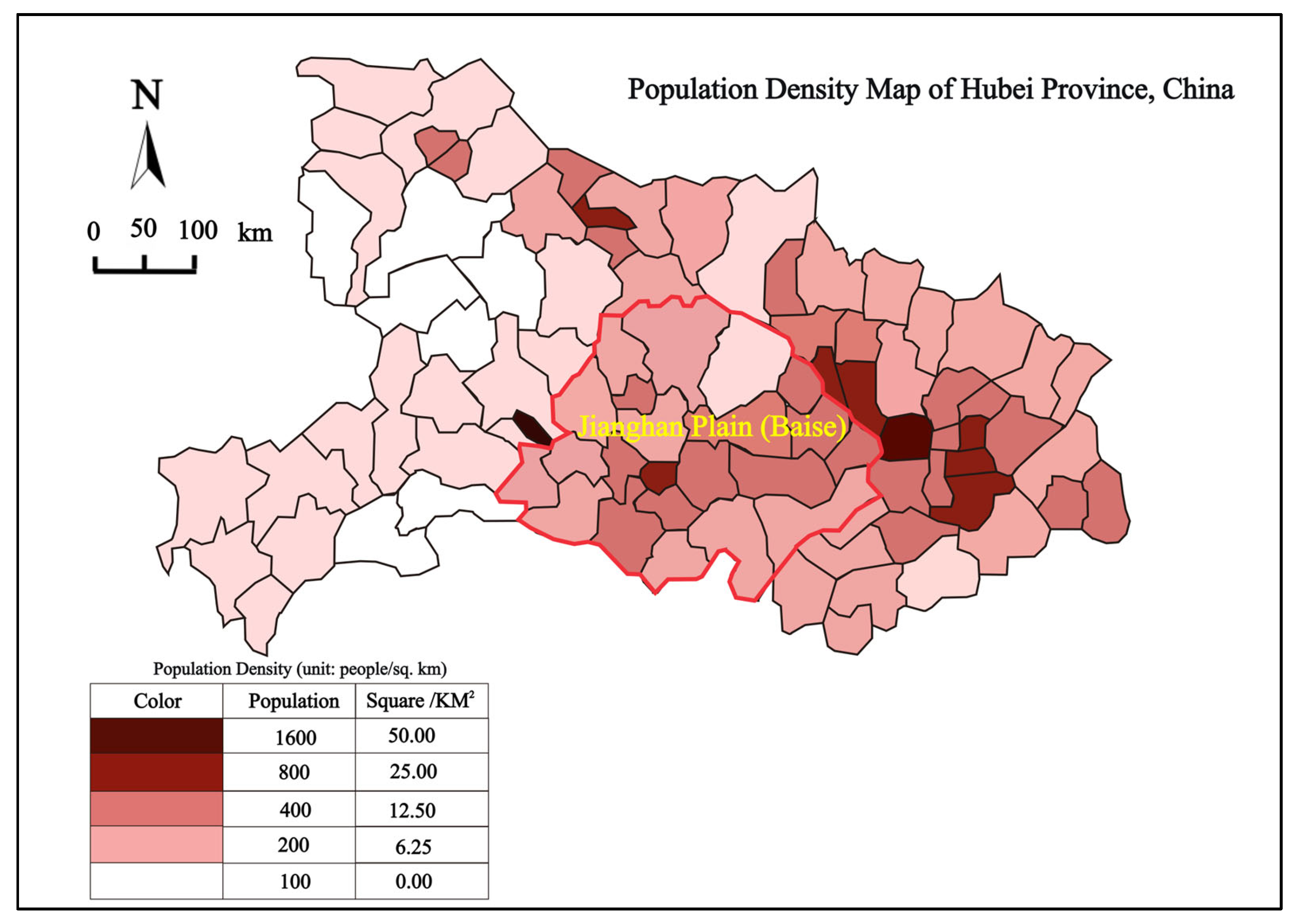
Population density indicates the potential social risks associated with CCUS projects (Figure 8). The Jianghan Plain, covering approximately 46,000 km2, had an estimated population of 30 million in 2021. The average population density was 652 people per km2. Extremely high-density areas, with more than 1000 people per km2, are found in Wuhan and adjacent cities. High-density areas (500–1000 people per km2) occur in most parts of Jingzhou and southern Xiaogan. Medium-density areas (200–500 people per km2) are located in plain–hilly transition zones, including eastern Jingmen and southeastern Yichang [49].
Land use type C13
Land use classification plays a key role in spatial planning, ecological protection, and resource management. Farmland in the Jianghan Plain was classified using GB/T 21010–2017 [50] and FAO Land Cover Classification System (LCCS): Developed by the UN Food and Agriculture Organization, it uses a dichotomous phase (8 major types) followed by a modular-hierarchical phase to create detailed classes [51], achieving an accuracy greater than 90%. Wetlands were classified with an accuracy exceeding 85%. The presence of aquatic vegetation was found to reduce recognition accuracy [52].

3.2.3. Economic Affordability B3

Maturity of industrial zone development C14
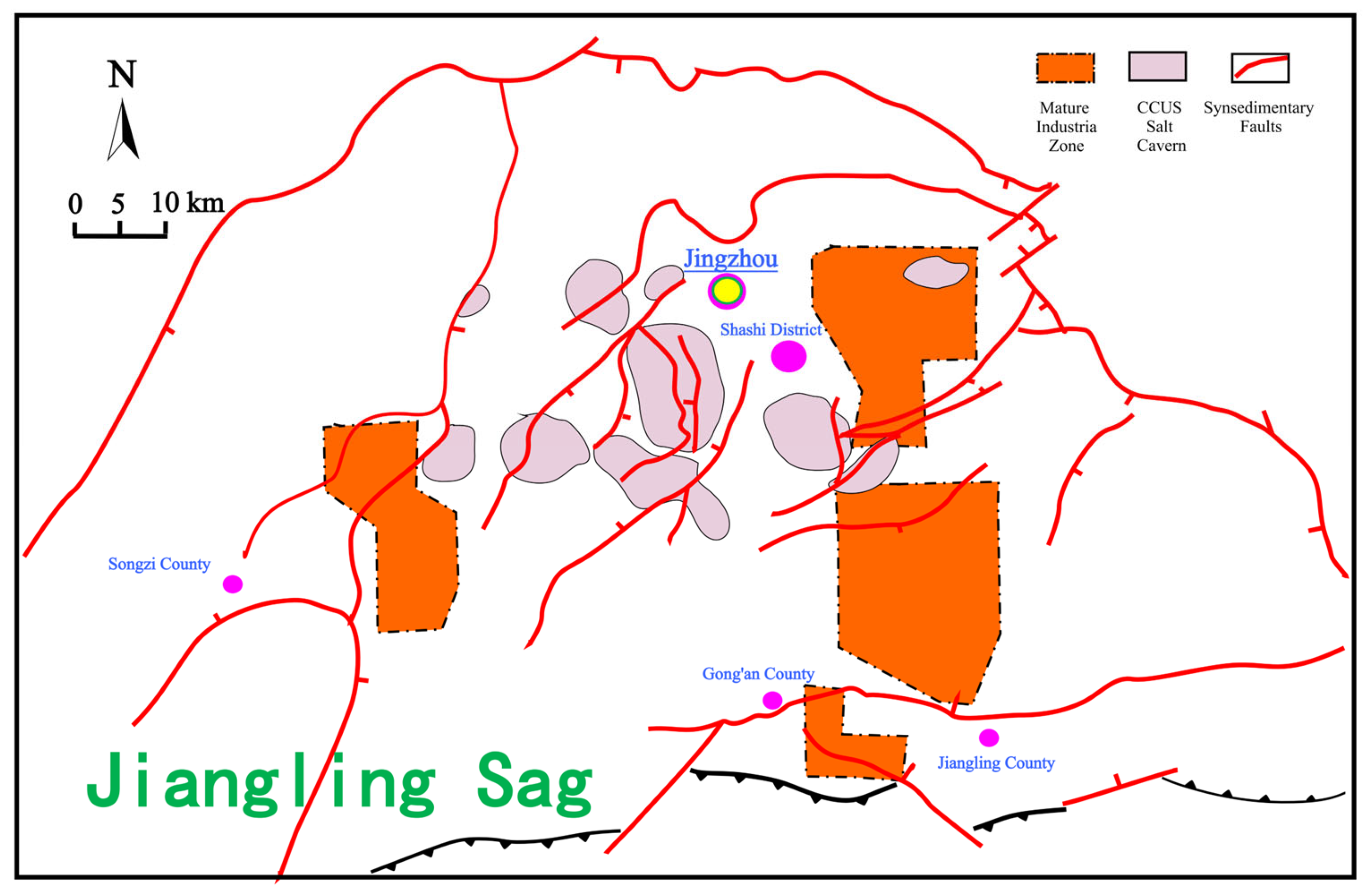
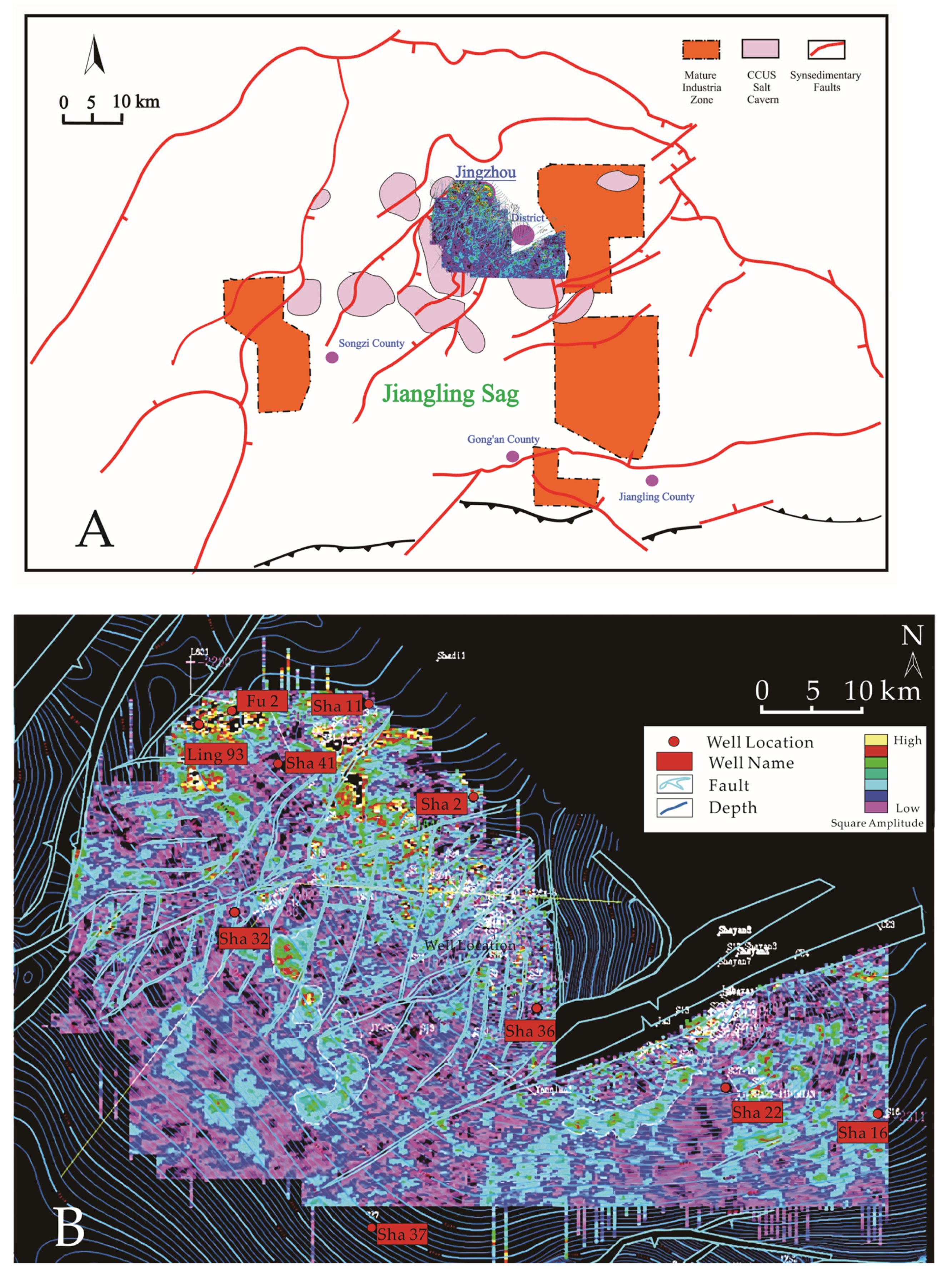
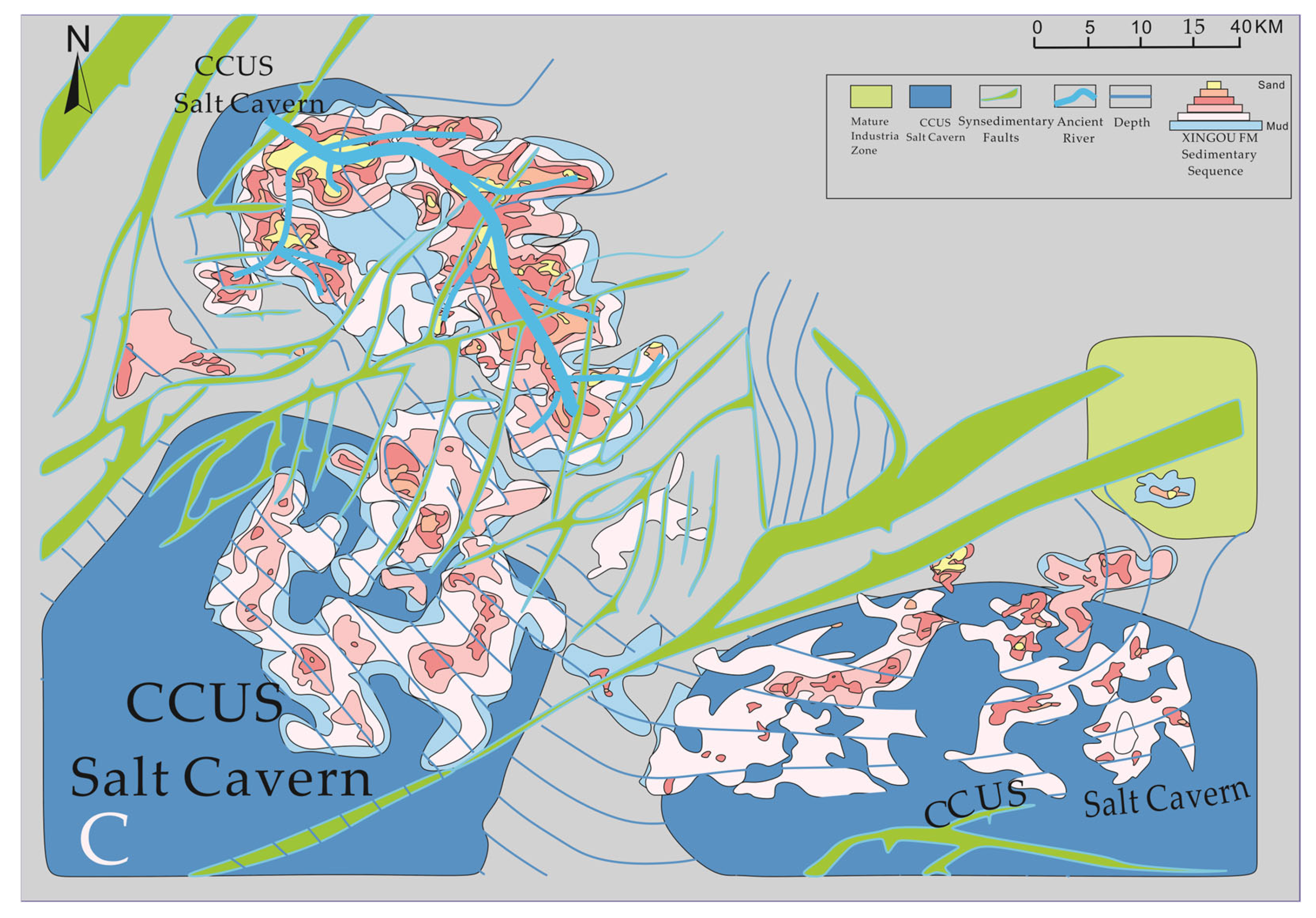
The maturity of CCUS industrial zones reflects the development of CCUS technology within industrial clusters. It quantifies the transition from isolated pilot projects to integrated commercial ecosystems (Table 4). The spatial distribution and proximity of large-scale carbon sources, typically within 100 km of storage sites, are critical factors influencing economic feasibility. Mature industrial zones enable large-scale CO2 storage while supporting cost-efficient operations.
Perfusion cost C15
CCUS injection costs comprise compression, injection, storage monitoring, and enhanced oil recovery operations. These costs are influenced by technical approaches, geological conditions, equipment efficiency, and the scale of deployment. Current geological storage costs are estimated at 40–50 yuan per ton in 2023. They are projected to decrease to 20–25 yuan per ton by 2060.
Technology readiness level C16
CCUS encompasses four components: capture, transportation, utilization, and storage, each characterized by distinct technology readiness levels (TRLs, Table 4). The overall system TRL is determined by the component with the lowest readiness level. Although enhanced oil recovery (EOR) and CO2 pipeline transport are relatively mature, significant challenges remain in achieving cost-effective, large-scale integration, particularly for low-concentration CO2 sources [53].
Burial depth C17
Burial depth refers to the vertical distance from the reservoir top to the ground surface in a CO2 storage site. Burial depth directly affects the CO2 phase: gas, liquid, or supercritical, which controls subsurface temperature and pressure. This, in turn, influences storage efficiency and safety.
The distance between the carbon source and storage C18
Carbon source distance refers to the transport route from CO2 capture sites to utilization or storage locations (Table 5). Shorter distances enhance project economics, lower transportation costs, and improve carbon reduction efficiency [54].
Effective deployment depends on large-scale source–sink matching, which is typically realized through an ‘industrial cluster-shared pipeline-centralized storage’ system (Table 6).
Data Sources and Associated Uncertainties
Indicator data were derived from multiple sources:
Fault systems and seismic activity: Interpreted from 3D seismic surveys and historical earthquake catalogs.
In situ stress: Estimated from borehole breakouts, hydraulic fracturing records, and focal mechanism solutions (e.g., the 2019 Yingcheng earthquake).
Hydrogeological stability: Inferred from deep groundwater flow models and regional hydraulic head data, supplemented by literature on basin-scale hydrogeology.
Geothermal parameters: Calculated from borehole temperature logs and regional heat flow studies.
In situ stress data were collected from hydraulic fracturing tests and borehole breakout analyses reported in regional geological surveys. Hydrogeological stability indicators were derived from groundwater level observations, permeability data from pumping tests, and regional hydrogeological models.
These datasets inherently contain uncertainties due to spatial interpolation, measurement limitations, and temporal variability. To mitigate these effects, all indicators were represented using triangular fuzzy numbers, which capture uncertainty ranges rather than single deterministic values. The impact of data uncertainty on evaluation results was further assessed using sensitivity analysis and Monte Carlo simulations.
Uncertainties stem from spatial heterogeneity, measurement errors, and modeling assumptions. For example, in situ stress estimates may vary locally near faults, and hydrogeological parameters are frequently extrapolated from limited well data. To address these uncertainties, triangular fuzzy numbers were used to represent parameter ranges, and Monte Carlo simulations were conducted to propagate uncertainty through the evaluation model (Section 4). Sensitivity analyses indicate that the overall ranking of storage units remains stable despite data uncertainties, although absolute scores may vary within a narrow confidence interval.

4. An Intelligent Evaluation Model for CO2 Storage Suitability in the Jianghan Basin

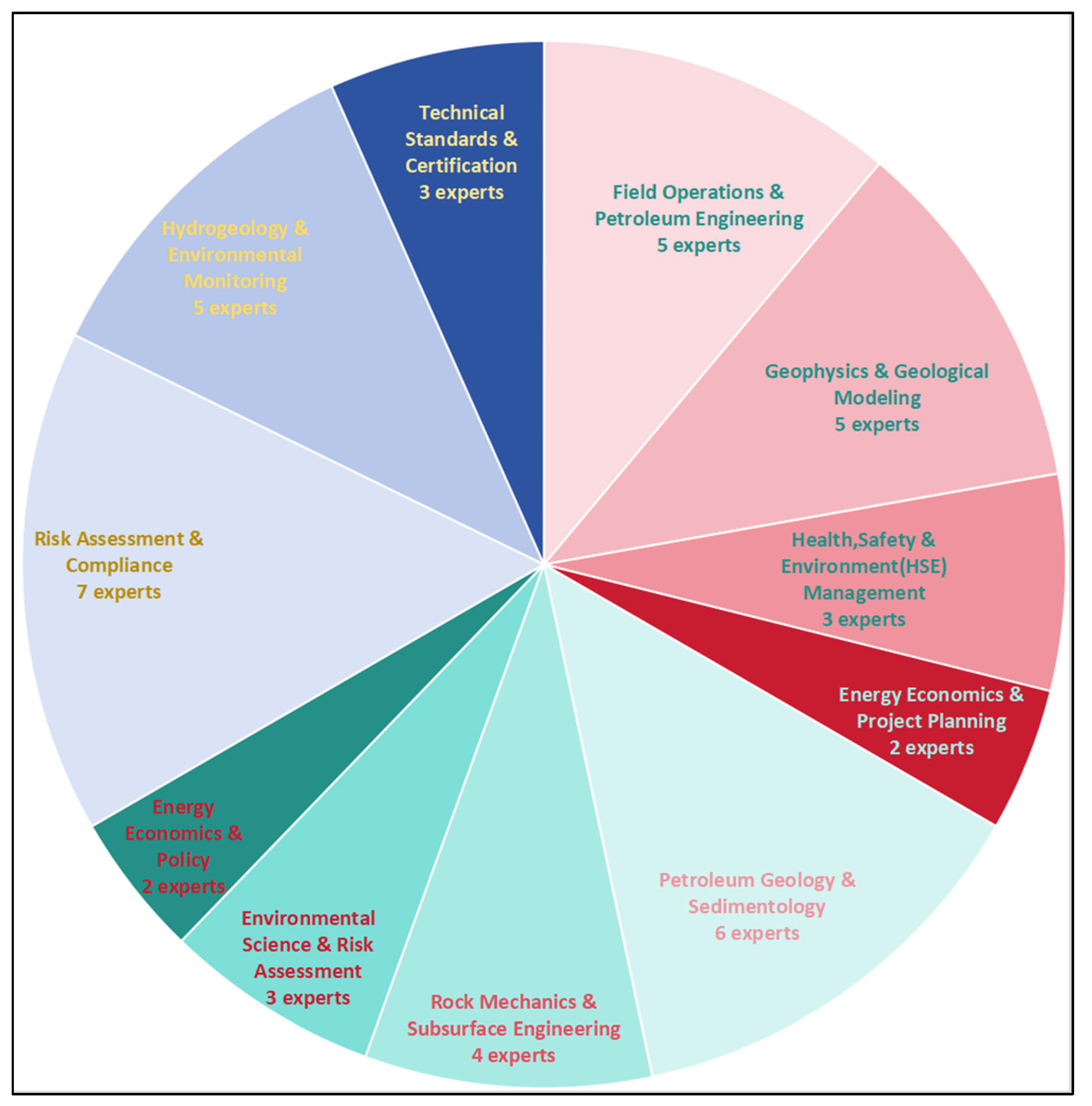
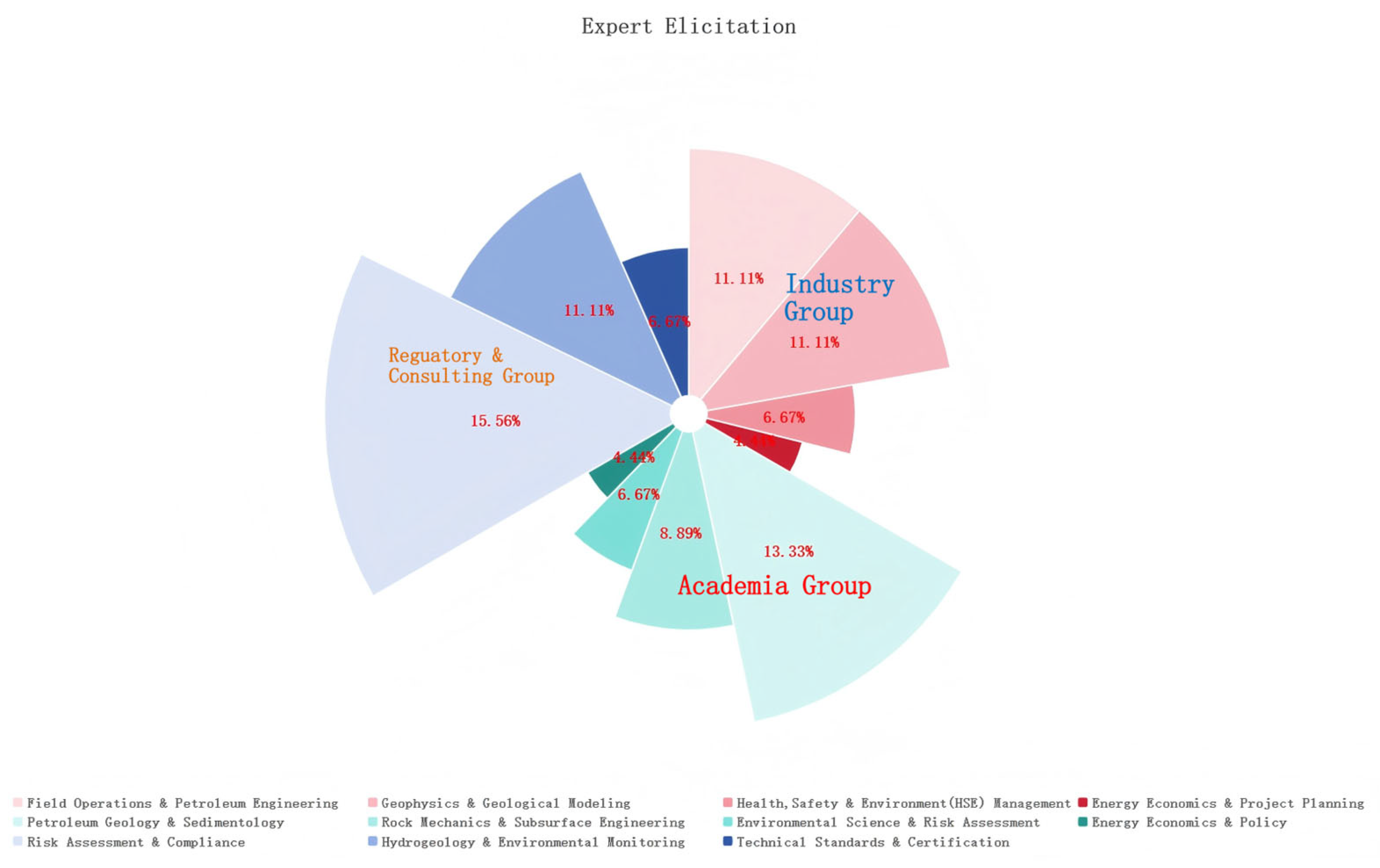
The Delphi panel included 45 experts, selected via stratified sampling to ensure broad coverage of relevant domains. The experts were drawn from three groups: Regulatory and Consulting, Industry, and Academia (Figure 9).
Selection criteria were as follows: (1) professional expertise in petroleum geology, including HSE management, field operations, geophysics, petroleum engineerig, and risk assessment and energy economics; (2) at least 10 years of experience in the oil and gas industry or related research, with a minimum of 5 years dedicated to oilfield development or CO2 geological storage projects; and (3) representation from diverse institutions to ensure balanced perspectives (Table 7).
The final panel comprised representatives from Industry (n = 15, mainly from Sinopec), Academia (n = 15), and Regulatory/Consulting bodies (n = 15) (Figure 10). Of 70 invitations sent, 45 experts responded and completed the process, yielding a response rate of 64.3%. The consultation was conducted in two rounds. In the first round, experts scored the indicators independently. In the second round, they received a statistical summary (e.g., median, interquartile range) and anonymous comments from the first round, and were asked to revise their scores accordingly.
Anonymity was preserved throughout the process to prevent dominance by influential individuals. Consensus was evaluated using the interquartile range (IQR), with a predefined threshold set at IQR ≤ 0.5. After two rounds, all indicators had an IQR below the threshold, demonstrating strong consensus. Final weights for each indicator were computed as the geometric mean of the revised expert scores, minimizing the effect of extreme values.

4.1. Expert Elicitation and Panel Composition

To ensure the comprehensiveness and credibility of the Delphi process, a stratified sampling strategy was used to form the expert panel. Invitations were sent to 70 professionals representing three key sectors: academia, industry, and regulatory or consulting bodies. Ultimately, 45 experts completed the full consultation process, resulting in a response rate of 64.3%. The panel composition was designed to cover all critical domains relevant to CO2 geological storage site selection.
The industry group (n = 15) primarily consisted of senior engineers and project managers from China Petroleum & Chemical Corporation (Sinopec) and its subsidiaries, who possess extensive exploration, development, and production data for the Jianghan Basin.
The academia group (n = 15) was drawn from leading Chinese universities and research institutes with recognized expertise in petroleum geology, CO2 geological storage, and environmental impact assessment, including China University of Geosciences (Wuhan), China University of Petroleum (East China), the Wuhan Institute of Rock and Soil Mechanics (Chinese Academy of Sciences), and Jilin University.
The regulatory and consulting group (n = 15) included experts from technical support units affiliated with the National Energy Administration and the Ministry of Ecology and Environment, as well as independent safety and environmental consulting firms.
The industry group included specialists in four areas. Field Operations and Petroleum Engineering (n = 5) provided practical insights into reservoir behavior and engineering feasibility. Geophysics and Geological Modeling (n = 5) focused on evaluating fault systems, caprock integrity, and reservoir–caprock configurations. Health, Safety, and Environment (HSE) Management (n = 3) contributed expertise on dynamic risk indicators, including groundwater contamination and surface ecological sensitivity. Energy economics and project planning (n = 2) emphasized cost–benefit analysis and the economic feasibility of CCUS projects.
The academia group encompassed four disciplines. Petroleum Geology and Sedimentology (n = 6) provided the theoretical basis for geological indicators. Rock Mechanics and Subsurface Engineering (n = 4) specialized in in situ stress conditions and caprock sealing performance. Environmental Science and Risk Assessment (n = 3) evaluated potential impacts associated with CO2 leakage. Energy Economics and Policy (n = 2) informed assessments of technology cost and market readiness.
The regulatory and consulting group comprised professionals in three areas. Risk Assessment and Compliance (n = 7) examined the rationality and safety of the evaluation framework from a regulatory perspective. Hydrogeology and Environmental Monitoring (n = 5) assessed deep saline aquifer behavior and long-term monitoring strategies [55]. Technical Standards and Certification (n = 3) contributed expertise on defining and evaluating technology readiness levels and industrial zone maturity.

4.2. Expert Elicitation via Modified Delphi Method

The Delphi panel (Figure 11) comprised 45 experts selected through stratified sampling to ensure comprehensive coverage of relevant domains. Selection criteria included the following:
a.
Professional expertise: ≥10 years in petroleum geology, reservoir engineering, or environmental risk assessment.
b.
Institutional diversity: Representatives from Sinopec (n = 15), academic institutions (n = 15), and regulatory/consulting bodies (n = 10).
c.
Geographical relevance: Prior experience with the Jianghan Basin or similar faulted saline basins.
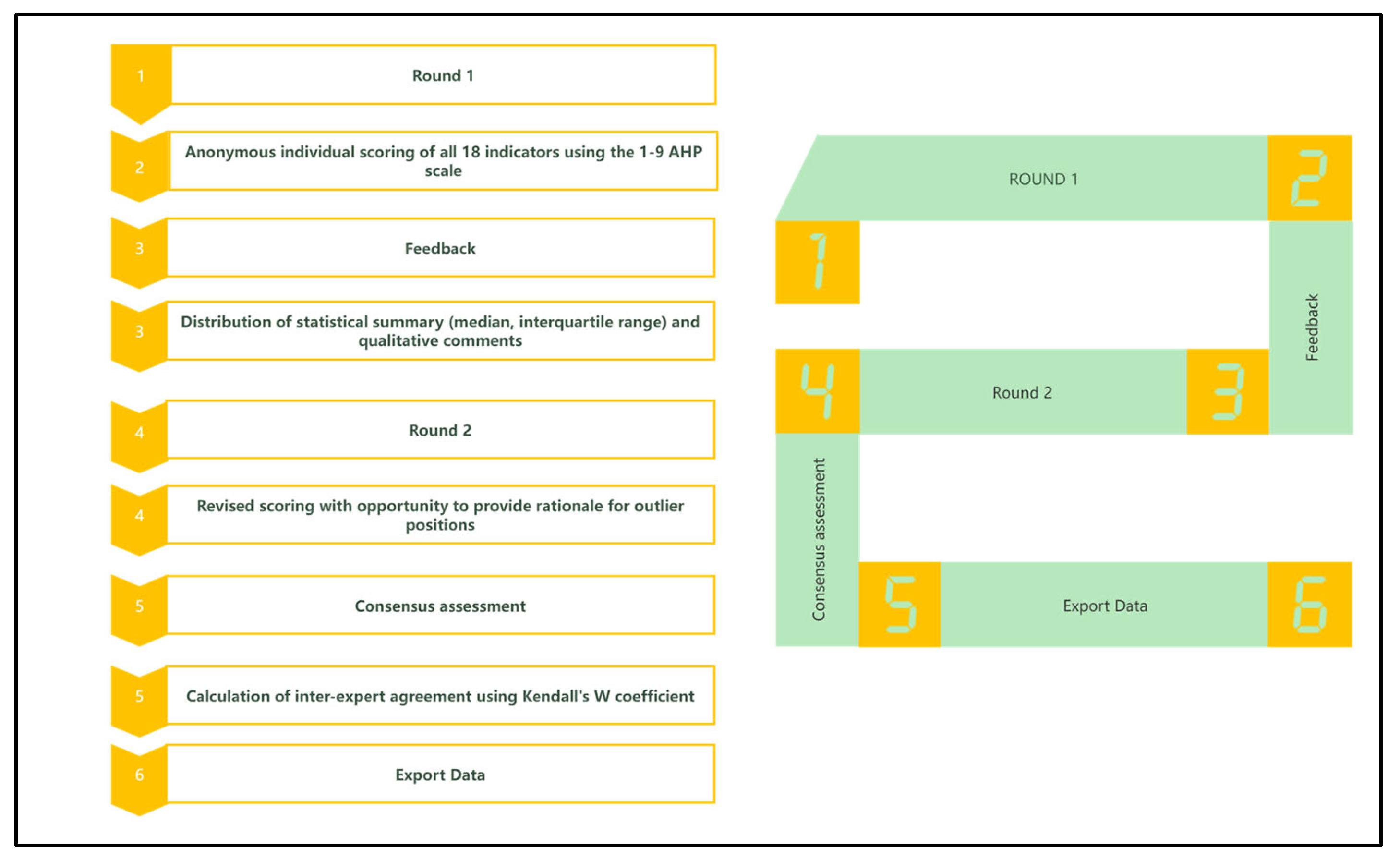
Figure 11. The consultation protocol followed a modified Delphi approach.
Processes 14 00395 g011

4.3. Delphi Procedure and Consensus Metrics

The Delphi process was conducted in two anonymous rounds to achieve consensus and mitigate individual bias. In the first round, the 45 experts independently performed pairwise comparisons of all 18 indicators using the Saaty 1–9 scale within the AHP framework, and provided qualitative justifications for their judgments. The aggregated results (median scores, interquartile range-IQR) and anonymized comments were compiled and fed back to the panel in the second round. Experts were then invited to review the group feedback and revise their scores if desired.
Consensus was evaluated using two statistical metrics: (1) Kendall’s coefficient of concordance (W) and (2) the Interquartile Range (IQR) for each indicator weight. The pre-defined acceptance thresholds were W ≥ 0.7 (strong consensus) and IQR ≤ 0.5 (high agreement on the weight value). After the second round, the overall W value reached 0.73, and all indicators achieved an IQR below 0.5, confirming strong and stable consensus. The final weight for each indicator was calculated as the geometric mean of the second-round scores, minimizing the influence of extreme outliers. This structured, iterative process ensures that the derived weights are robust, representative of collective expert knowledge, and methodologically transparent.

4.4. Expert Panel and Delphi Procedure

Indicator weights were determined within the integrated AHP–Choquet–fuzzy framework through a structured expert elicitation process combining the Analytic Hierarchy Process (AHP) and a two-round Delphi survey. The expert panel comprised 45 specialists with expertise in structural geology, sedimentology, hydrogeology, and carbon capture and storage (CCS) engineering, drawn from universities, research institutes, and industry organizations involved in geological CO2 storage projects [56].
In the first Delphi round, experts conducted pairwise comparisons of evaluation indicators using the Saaty 1–9 scale, providing both quantitative judgments and qualitative rationale. These judgments were aggregated to derive preliminary AHP-based weights. In the second round, anonymized statistical summaries of the first-round results were provided to the experts, who were invited to revise their assessments to enhance consensus.
To explicitly address epistemic uncertainty and subjective variability, expert judgments were subsequently represented using triangular fuzzy numbers. The finalized fuzzy weights were then incorporated into the Choquet fuzzy integral, enabling the aggregation of indicators while accounting for interaction effects and non-additive relationships among criteria. This integrated procedure ensures methodological consistency between indicator weighting, uncertainty representation, and multi-criteria decision aggregation.
In the first Delphi round, experts were asked to conduct pairwise comparisons of indicators using the Saaty 1–9 scale and to provide qualitative justifications for their judgments [57]. The responses were aggregated to calculate preliminary indicator weights. In the second round, anonymized statistical summaries of the first-round results were provided, and experts were invited to revise their judgments accordingly.
Consensus thresholds were predefined as follows:
Strong consensus: Kendall’s W ≥ 0.7;
Moderate consensus: 0.5 ≤ W < 0.7;
Additional rounds required for W < 0.5.
Consensus among experts was evaluated using Kendall’s coefficient of concordance (W) and interquartile range analysis. The final weight set was accepted when Kendall’s W exceeded 0.7 and no indicator exhibited an interquartile range larger than 1.0, indicating satisfactory agreement and stability of expert opinions.
The process achieved strong consensus (W = 0.73) after two rounds, with final weights calculated as the geometric mean of expert ratings to minimize extreme value influence.”
Within this criterion in Table 8, caprock sealing ability (C2, 0.3373) and fault system development characteristics (C1, 0.2265) are particularly significant, emphasizing that sealing efficiency and tectonic stability are key geological factors for ensuring storage safety.
Within the dynamic risk criterion (B2, weight = 0.319), groundwater pollution risk (C10, weight = 0.1574) exerts the greatest influence, highlighting its dominant role in the environmental risk dimension. For the economic suitability criterion (B3, weight = 0.242), industrial zone development maturity (C14, weight = 0.1084) and injection cost (C15, weight = 0.088) are the most influential indicators, underscoring the importance of regional industrial infrastructure and economic feasibility in CCUS project implementation.
By contrast, burial depth (C17) shows a relatively low weight (0.0132), indicating a limited contribution to overall storage suitability at the basin scale. This low weight should be interpreted cautiously. It does not imply that burial depth is geologically unimportant; rather, it functions as a threshold condition or gatekeeper criterion in the Jianghan Basin context. For CO2 to be in a dense supercritical state, a minimum burial depth (typically >800 m) is required [58]. The evaluated tectonic units in the Jianghan Basin generally meet or exceed this threshold, making burial depth a satisfied basic condition rather than a key differentiator for ranking. Once this threshold is met, variations in depth within the studied range exert less influence on suitability compared to factors like caprock sealing or fault activity. In basins where depth varies widely below the critical threshold, this indicator would carry significantly higher weight.
Based on the calculated decision-level weights summarized in Table 9, the relative importance of each decision criterion for CO2 storage site selection in the Jianghan Basin can be quantitatively compared. This analysis helps prioritize key decision criteria and influential indicators, thereby providing a quantitative basis for subsequent suitability assessment of CO2 storage across different secondary geological units [59].
Suitability evaluation model of each unit based on Choquet fuzzy integral in Table 9. As shown in Table 10, scores are presented as mean values from multiple simulations, with confidence intervals (e.g., Qianjiang Sag: 0.3052, 95% CI [0.320, 0.345]).
(1)
For the i-th indicator (i = 1, 2, …, m), under the k-th sub-evaluation criterion (k = 1, 2, …, lj, where lj is the number of sub-evaluation criteria for the j-th criterion) of the j-th evaluation criterion (j = 1, 2, …, n), the semantic evaluation value is denoted as X ~ ijk, and the corresponding weight is also W ~ ijk.
  • The fuzzy evaluation value for the i-th department under the j-th evaluation criterion is expressed by the following Formula (7):
    X ~ ij   =   ( X ~ ij 1   W ~ ij 1   X ~ ij 2   W ~ ij 2 , , X ~ ijlj   W ~ ijlj ) / l j
b.
The fuzzy weight value of the i-th index corresponding to the j-th (j = 1, 2, …, n) evaluation criterion is given by the following Formula (8):
W ~ ij   =   ( W ~ ij 1 W ~ ij 2 , ,   W ~ ijlj ) / l j
c.
Use Equation (8) to compute the fuzzy weight values W ~ ij. Then, apply the relative distance formula to defuzzify these fuzzy numbers, resulting in crisp values W ¯ ij.
d.
Set μij =   W ¯ ij and substitute into Equation (3) to determine the value of λ. Equation (3) represents a nonlinear equation in λ, which is solved numerically using an iterative root-finding algorithm (e.g., the Newton–Raphson method) to satisfy the following condition:
i = 1 n ( 1 + λ μ ( X i ) ) ( 1 + λ ) = 0
e.
Calculate the fuzzy evaluation values X ~ ij using Equation (7). Defuzzify these fuzzy numbers using the relative distance formula to obtain the crisp values X ¯ ij.
f.
Defuzzify each evaluation criterion. Arrange the resulting X ~ ij in ascending order to analyze the risk level of the i-th index evaluation criterion.
g.
Insert the values of λ and μij into Equation (2) to compute the fuzzy measures μλ for each evaluation criterion.
h.
Use the values of X ¯ ij and μλ in Equation (4) to derive the overall fuzzy integral values, Fi (i = 1, 2, …, m), and determine the weighted scores xi for each indicator.
i.
Rank the Fi values to assess the risk levels of each secondary indicator.
j.
Compare the magnitudes and rankings of Fi, calculate each secondary risk evaluation indicator X ¯ ij, and determine the maximum risk indicator along with the highest values of indicators at each level.
(2)
Calculate the fuzzy weight values for each evaluation criterion for each storage unit, using the Qianjiang Sag as an example.
(3)
Set μ1j = W’1j. The total of all weights is 6.5835 > 1. Substitute this into Equation (3) to determine λ: λ = −0.9998. Substitute the values of λ and μij into Equation (2) to calculate the fuzzy measures μλ of each evaluation criterion, respectively:
i = 1 n ( 1 + λ μ ( X i ) ) = 0.0002
and demonstrate Formula (2):
μ λ   ( x 1 ,   x 2 ,   ,   x n ) =   1 λ | i = 1 n ( 1 + λ μ ( x i ) ) 1 |   =   ( 1 / 0.9998 )   ×   [ 0.0002     1   =   ( 1.0002 )   ×   [ 0.9998 ]   =   1.0000 .
According to λ-fuzzy measure theory, the global fuzzy measure must satisfy μλ(X) = 1. Our result, μλ(X) = 1, aligns perfectly with theoretical expectations, confirming the accuracy of our calculations.
(4)
Calculate the fuzzy evaluation values X ~ ij for each equipment criterion using Equation (7).
As in Step 2, defuzzify the X ¯ 1j fuzzy numbers to obtain X ¯ 101 = 0.1667, X ¯ 102 = 0.3333, X ¯ 103 = 0.3333, X ¯ 104 = 0.3333, X ¯ 105 = 0.3333, X ¯ 106 = 0.5000, X ¯ 107 = 0.1667, X ¯ 108 = 0.1667, X ¯ 109 = 0.1667, X ¯ 110 = 0.5000, X ¯ 111 = 0.7500, X ¯ 112 = 0.9167, X ¯ 113 = 0.9167, X ¯ 114 = 0.1667, X ¯ 115 = 0.1667, X ¯ 116 = 0.1667, X ¯ 117 = 0.3333, X ¯ 118 = 0.1667.
(5)
Arrange the X ¯ 1j values in descending order: X ¯ 112 = X ¯ 113 > X ¯ 111 > X ¯ 110 = X ¯ 106 > X ¯ 102 = X ¯ 103 = X ¯ 104 = X ¯ 105 = X ¯ 117 > X ¯ 101 = X ¯ 107 = X ¯ 108 = X ¯ 109 = X ¯ 114 = X ¯ 115 = X ¯ 116 = X ¯ 118.

4.5. Sensitivity Analysis and Uncertainty Quantification

In addition to varying criterion weights by “±10%”, the model’s sensitivity to changes in the triangular fuzzy number (TFN) parameters of each indicator score was also evaluated. For each TFN (a, b, c), “a ± 15%” variation was applied to its bounds while maintaining the triangular shape. Values were then resampled within these expanded ranges during Monte Carlo simulations. This approach accounts for uncertainty both in the assigned weights and in the performance scores, which are derived from expert judgment and geological data [60].
Furthermore, we simulated two extreme geological scenarios:
High-risk fault scenario: All fault-related indicators (C1, C7, C9) were set to their worst-case linguistic values (“Unsuitable” or “Highly Hazardous”). Ideal caprock scenario: All sealing-related indicators (C2, C3, C5) were set to “Suitable”.
Under the high-risk fault scenario, the Qianjiang and Jiangling Sags retained the top two suitability ranks. This demonstrates the model’s robustness to extreme fault assumptions. In the ideal caprock scenario, intermediate units, including the Mianyang Sag, showed improved rankings. This highlights the compensatory effect of superior sealing capacity.
These scenario analyses confirm that the model responds logically to extreme inputs. Moreover, the overall suitability ranking remains resilient to uncertainties in both weights and scores. Global sensitivity analysis and Monte Carlo simulation were employed to test the robustness of the CO2 geological storage suitability model and to quantify uncertainties in the results [61]. Two primary sources of uncertainty were considered: (a) variations in indicator weights, and (b) ambiguity in expert judgment.
The Monte Carlo simulation was performed 10,000 times. In each iteration, the weights of criterion layers (B1, B2, B3) and their indicators (C1–C18) were varied by “±10%” from their original values, assuming a uniform distribution (Table 10). The weights were subsequently renormalized to sum to 1. The “±10%” range was selected to reflect typical expert judgment uncertainty while maintaining the original weight structure. This procedure follows standard practices in multi-criteria decision-making sensitivity analysis and balances uncertainty capture with model stability [62].
Indicator scores, expressed as triangular fuzzy numbers (a, b, c), were treated as probability distributions. Random samples were drawn from these distributions in each iteration. Comprehensive scores (Fi) were recalculated in each iteration using the Choquet fuzzy integral. All eight construction units were then ranked according to suitability. From the 10,000 iterations, the mean, standard deviation (SD), and 95% confidence interval (CI) of each unit’s score were computed to quantify uncertainty. Ranking stability was assessed by the frequency of each unit appearing in each rank (1 to 8).
The evaluation index values and corresponding suitability levels for the Qianjiang Sag were determined. The results indicate that, in the comprehensive assessment of CO2 geological storage suitability within the Jianghan Basin’s Qianjiang Sag, index weights are positively correlated with risk levels. In other words, indicators with higher weights correspond to greater risk and lower suitability [63].
The specific ranking is
C12 = C13 > C11 > C10 = C06 > C02 = C03 = C04 = C05 = C17 > C01 = C07 = C08 = C09 = C14 = C15 = C16 = C18;
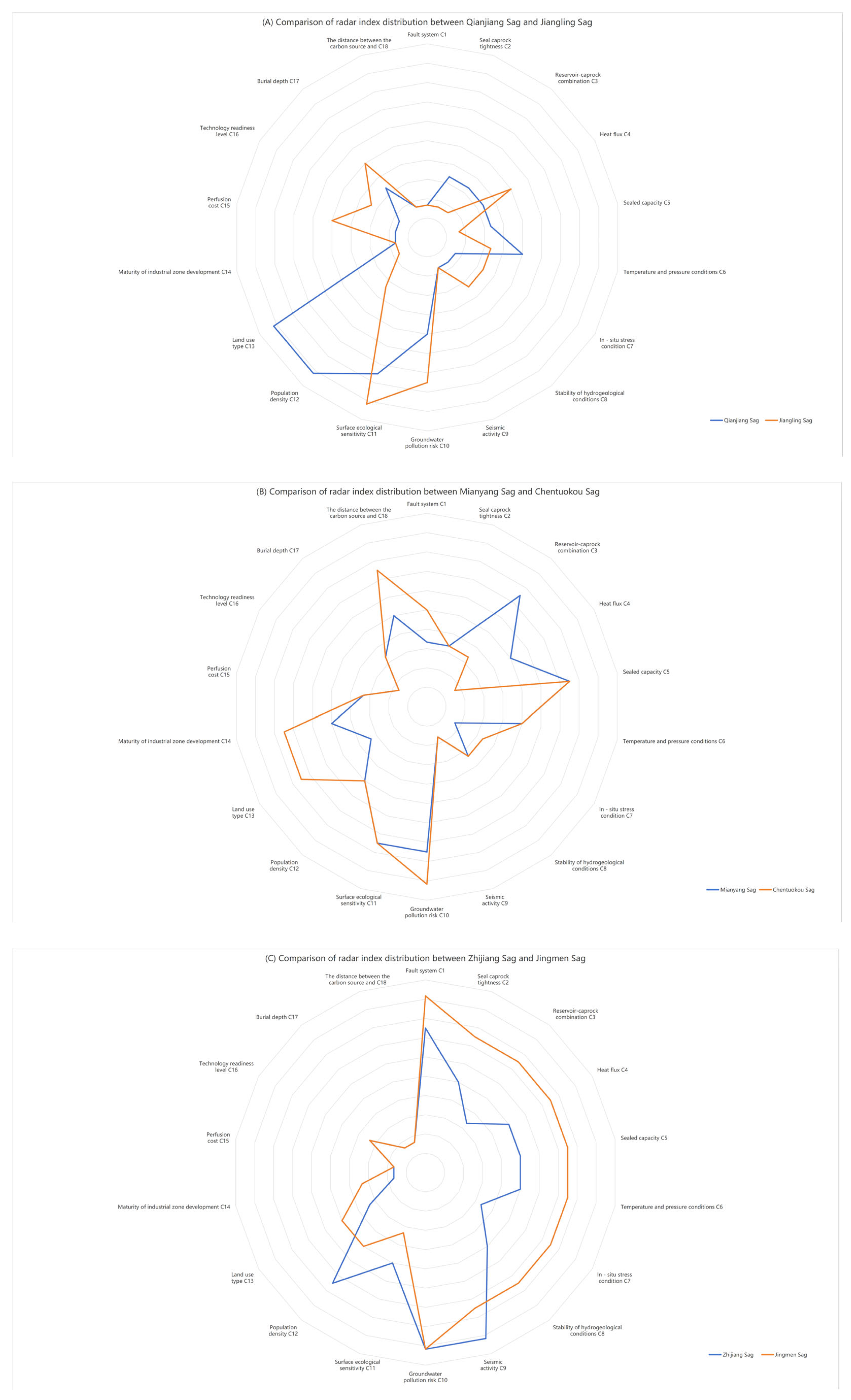
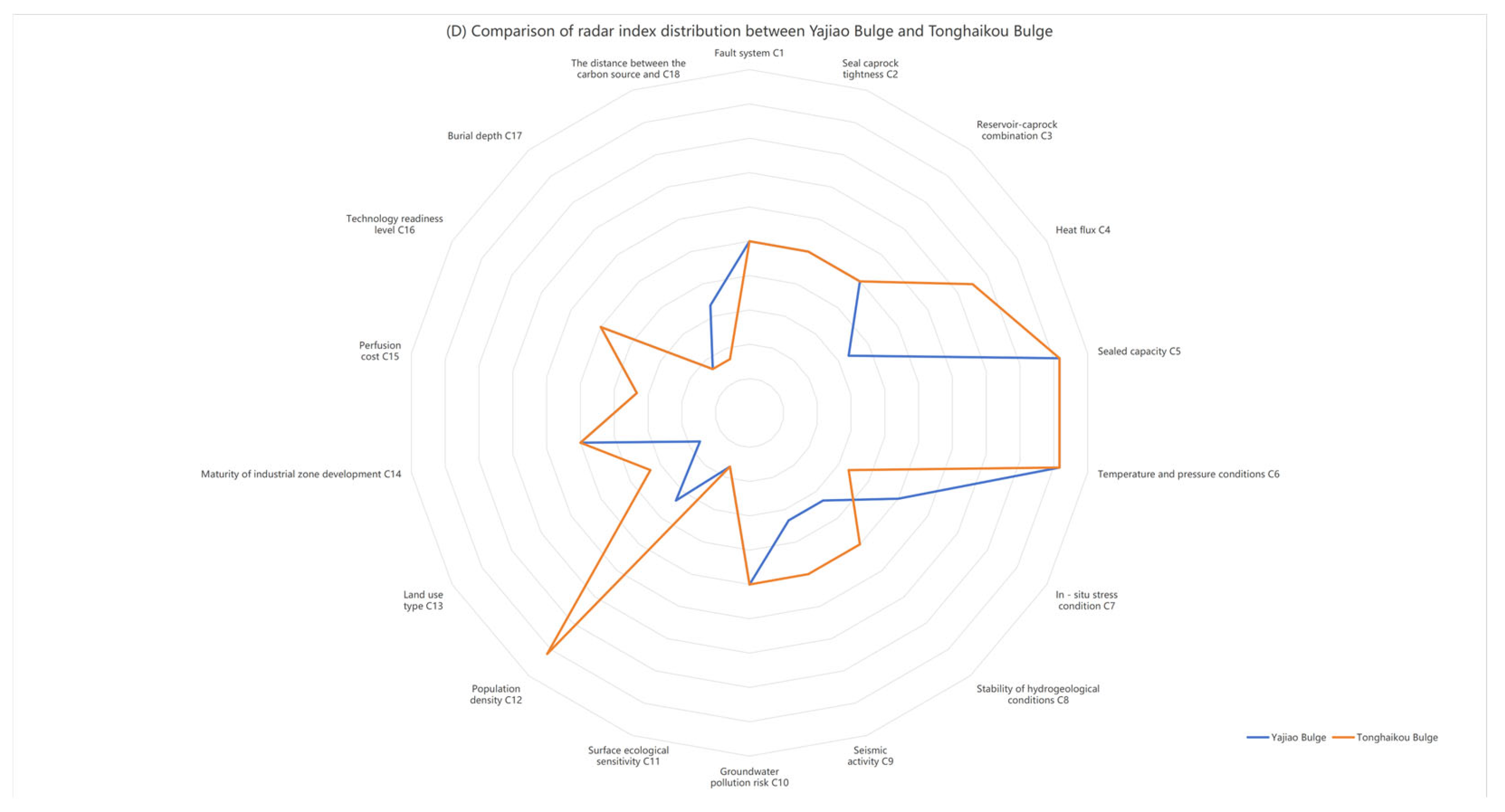
Based on the ranking, population density (C12) and land use type (C13) are the most influential indicators for CO2 geological storage suitability in the Qianjiang Sag. This highlights the major constraints that regional social structure and land use patterns place on project implementation. In the Jianghan Basin, challenges such as farmland protection and land use modification further increase project complexity. Surface ecological sensitivity (C11) is another highly critical factor that must be fully considered in decision-making.
Groundwater pollution risk (C10) and temperature pressure conditions (C06) are rated as medium-risk indicators and should be carefully managed during project design and post-injection monitoring.
Several geological indicators (C02, C03, C04, C05, C17) show low risk, indicating favorable geological conditions for CO2 storage in the area. Indicators related to industrial infrastructure and economic capacity (C14, C15, C16, C18) also present low risk, reflecting the region’s strong industrial maturity and economic–technical foundation. In summary, the suitability of the Qianjiang Sag for CO2 storage is shaped by multiple factors: social and ecological indicators are the main constraints, while geological and socioeconomic conditions provide strong support. The parameter μ λ was calculated using Equation (2), and detailed λ -fuzzy measure values for each evaluation criterion are provided in Table 11.
Extended Sensitivity Analysis and scenario testing to thoroughly evaluate the model’s robustness and quantify result uncertainty, this study employed multi-dimensional sensitivity tests within a Monte Carlo simulation, extending beyond simple weight perturbations. Initially, we uniformly adjusted the weights of the criterion layer (B1, B2, B3) and its indicators (C1-C18) by “±10%” from their original values. Additionally, we accounted for the inherent fuzziness in expert judgments and geological data. For each indicator score (a, b, c), represented by a triangular fuzzy number (TFN), we applied a “±15%” alteration to its boundary values to simulate the input data’s uncertainty range. In each iteration, we resampled from the adjusted TFN distributions while preserving their triangular shape. This approach aims to simultaneously capture uncertainties in decision-making preferences (weights) and data interpretation (scores).
To assess the model’s logical response under extreme geological assumptions, we simulated two conceptual scenarios: High-risk fault scenario: Assign the most unfavorable semantic values, such as “unsuitable” or “high risk,” to all fault-related indicators (C1, C7, C9). Ideal cap rock scenario:
Designate all sealing-related indicators (C2, C3, C5) as “suitable.” Under these extended tests, the model consistently demonstrates logical behavior. In high-risk fault scenarios, the Qianjiang Sag and Jiangling Sag consistently rank as the top two in terms of suitability, showcasing the model’s robustness against extreme fault hypotheses. In the ideal caprock scenario, the ranking of intermediate units, such as the Mianyang Sag, improves, underscoring the compensatory effect of excellent sealing performance under medium-constraint conditions. Across all sensitivity tests, results indicate that while there are minor changes in absolute scores due to parameter perturbations (with the standard deviation SD of each unit’s scores being less than 0.02), the relative suitability rankings of each reservoir unit remain highly stable. For instance, the Qianjiang and Jiangling Sags consistently rank in the top two, while the Jingmen Sag consistently ranks last. This demonstrates that the evaluation framework’s output is reliably robust against both weight and data uncertainties, making it suitable for decision support in the early screening stage.
Although all interaction types reported in Table 10 are classified as substitution effects, the results quantitatively confirm the dominance of compensatory relationships among geological indicators [64]. Strong performance in primary safety-related factors is shown to offset moderate deficiencies in secondary constraints during early-stage basin-scale screening. This interaction pattern reflects strong geological coupling among key indicators in the Jianghan Basin, particularly fault development, caprock sealing capacity, and hydrogeological stability. In salt-lake faulted basins, improvements in one indicator can compensate for less favorable conditions in others, leading to overlapping contributions rather than synergistic amplification. Consequently, Table 10 provides critical quantitative evidence supporting the compensatory interaction structure captured by the Choquet fuzzy integral, thereby reinforcing the validity of the proposed evaluation framework.
Therefore, the table is retained to explicitly illustrate the interaction structure captured by the Choquet fuzzy measure. It also validates the appropriateness of using a non-additive aggregation framework for this geological setting. The comprehensive suitability score for the Qianjiang Sag, computed using Equation (4), is 0.3328. This value is consistent with the scores of other geological units in the region. The consistently negative λ values observed across all tectonic units in the Jianghan Basin indicate that substitution effects dominate among the evaluation indicators.

4.6. Geological Interpretation of Strong Substitutive Interactions

This pattern is geologically significant and closely linked to the basin’s structural and sedimentary characteristics. The extensive development of thick evaporite sequences in the basin results in high salt plasticity. This enhances caprock sealing capacity and reduces the sensitivity of storage security to local fault variations [65].
Additionally, the dense fault network, although it increases structural complexity, does not necessarily create leakage pathways. Salt-induced self-healing mechanisms mitigate this risk. Consequently, favorable indicators, including caprock integrity and reservoir continuity, can compensate for moderate deficiencies in fault density or surface constraints. This leads to a redundancy-dominated interaction structure. This explains why λ values consistently approach −1 across various tectonic units and supports the physical realism of the interaction outcomes.
A global fuzzy measure of μ λ (X) = 1 indicates that all evaluation criteria are fully accounted for in the CO2 geological storage assessment (Table 12). This ensures that the Choquet integral captures the contributions of all factors comprehensively.
A global measure of 1 confirms the completeness of the evaluation system, indicating that no relevant suitability factors are omitted. This enhances the reliability and comprehensiveness of the assessment outcomes. Evaluation scores for each unit were obtained using three methods: the linear weighted integral, the traditional Choquet integral, and the interaction-based Choquet integral [66].
This strengthens the reliability and comprehensiveness of the assessment results. Evaluation scores for each unit were derived using three methods: the linear weighted integral, the traditional Choquet integral, and the interaction Choquet integral.

5. Results and Analysis

The CO2 storage potential of eight structural units in the Jianghan Basin was assessed using a Choquet fuzzy integral model. Indicator weights were derived through the Analytic Hierarchy Process (AHP). In this framework, lower comprehensive scores correspond to higher suitability for CO2 storage [67].
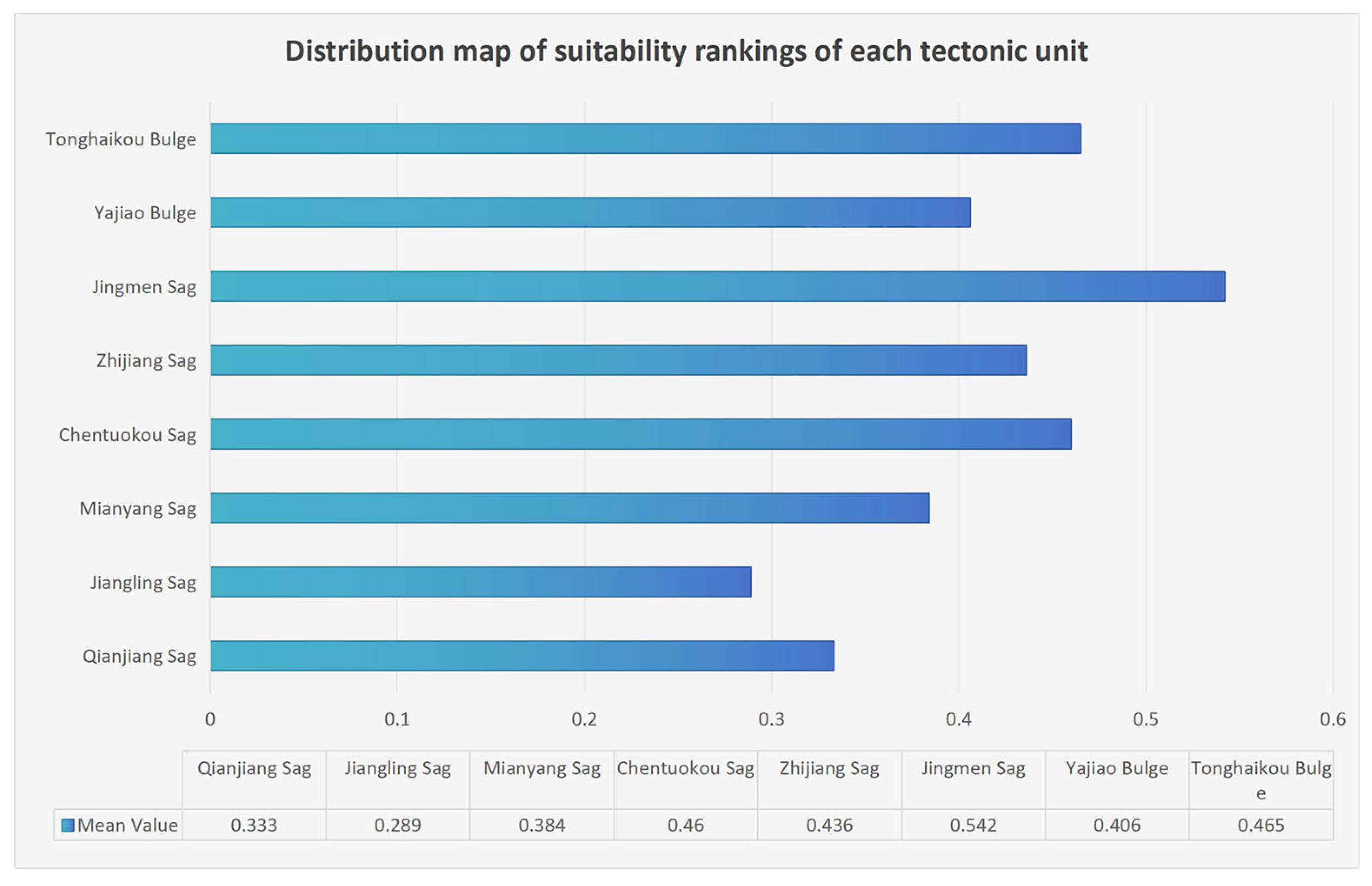
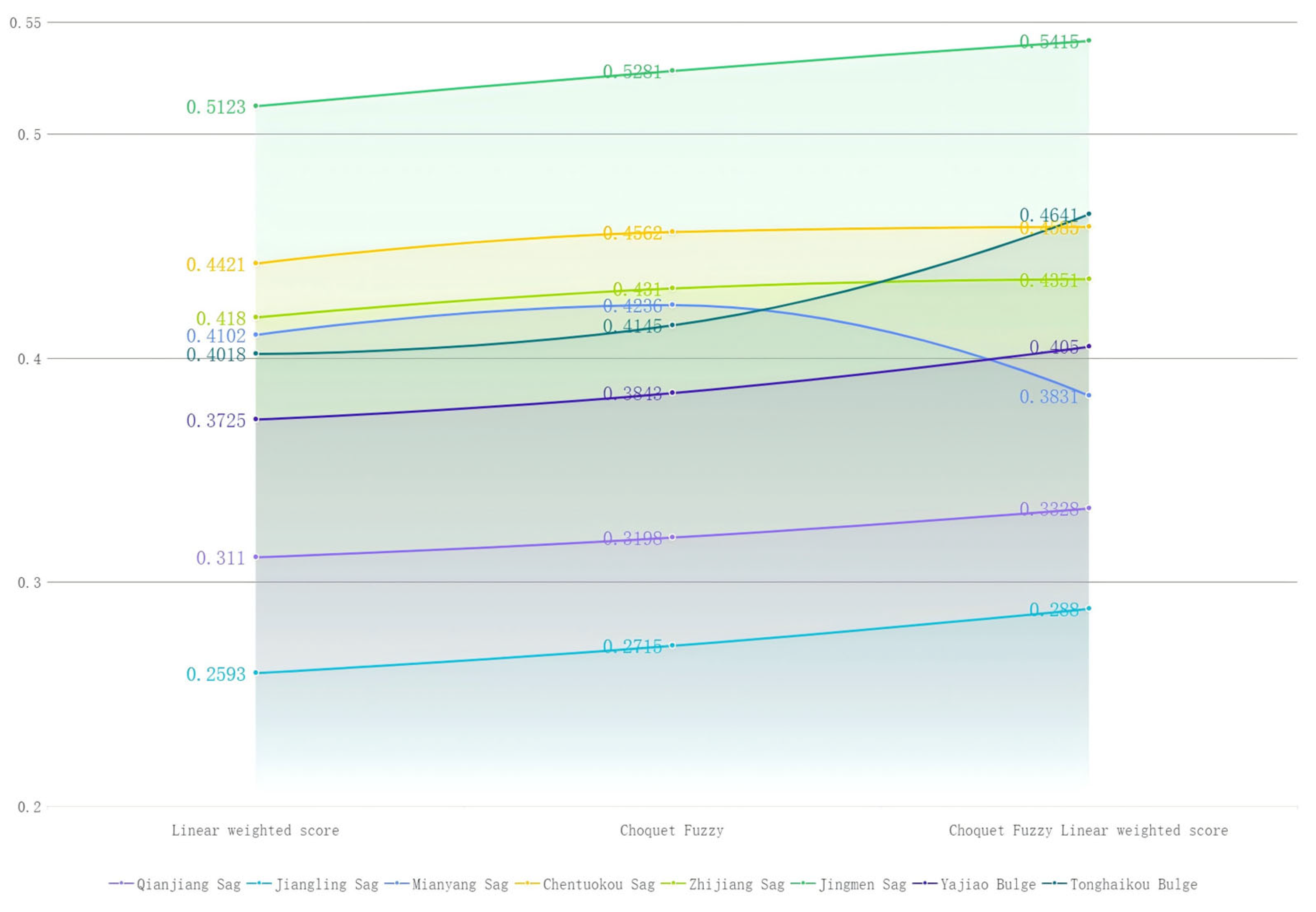
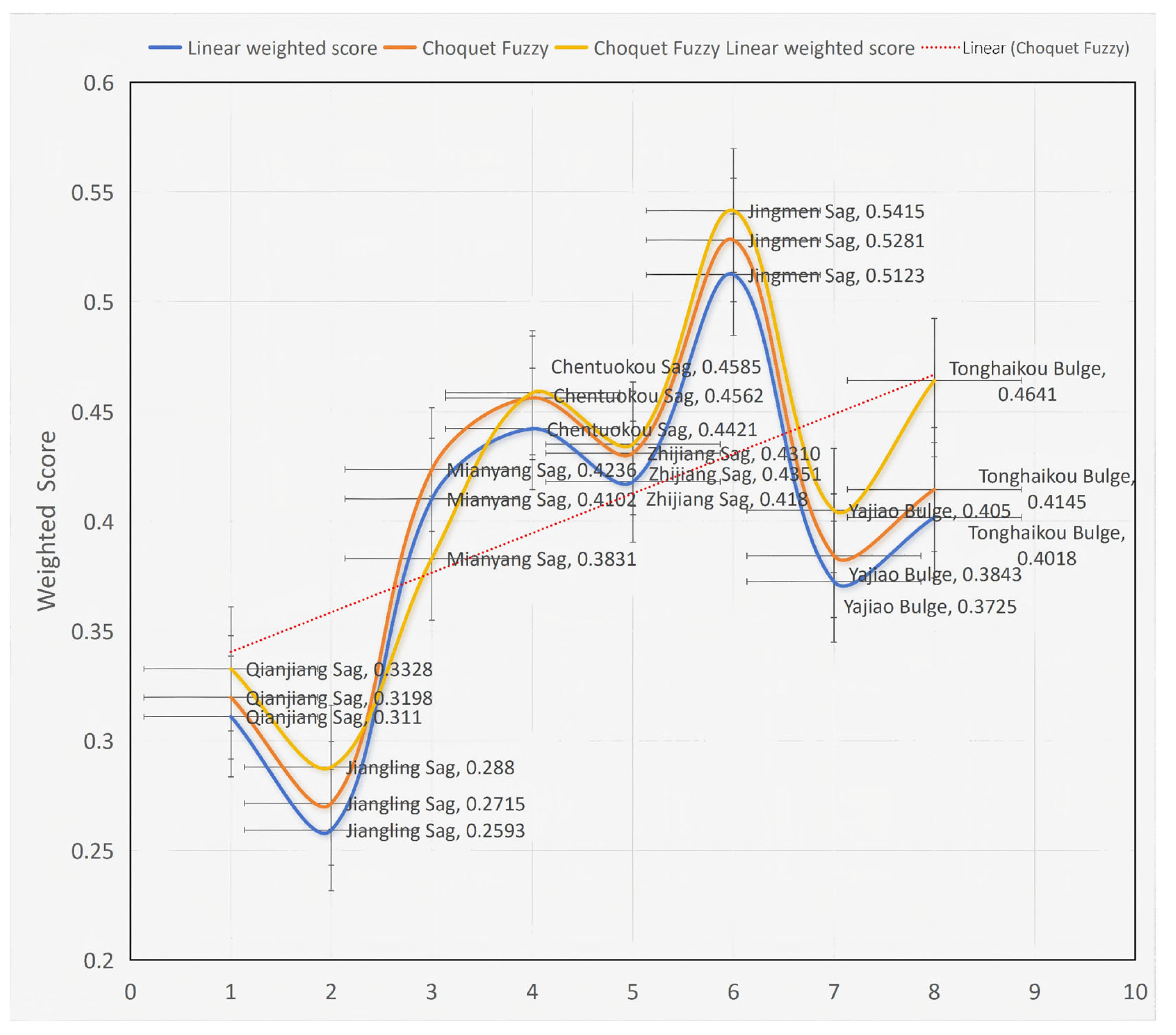
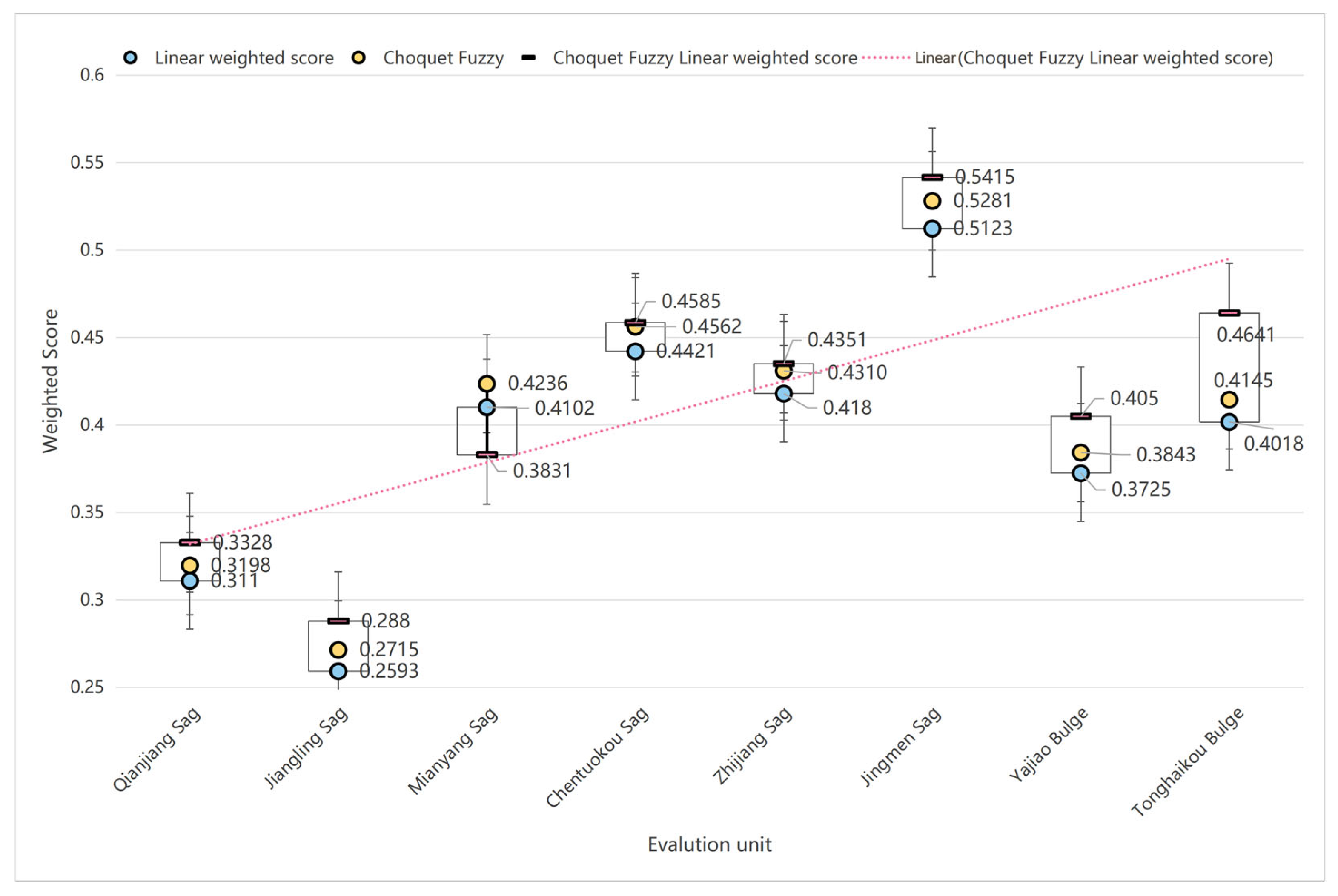
The results indicate that the Qianjiang Sag (0.31–0.33) and Jiangling Sag (0.26–0.29) exhibit the highest suitability for CO2 storage. Conversely, the Jingmen Sag, which scored highest (0.51–0.54), is considered unsuitable. The Mianyang Sag, Zhijiang Sag, Yajiao–Xingou Low Uplift, and Tonghaikou Uplift display intermediate suitability, while the Chentuokou Sag is rated as fair.
Figure 12 presents a point trend graph comparing the results from three aggregation methods: linear weighting, the traditional Choquet integral, and the interactive Choquet integral. The Qianjiang and Jiangling Sags consistently scored below the mean, indicating favorable storage conditions. Intermediate units obtained moderate scores, suggesting potential for further development. Notably, the Mianyang Sag performed better under the interactive λ-fuzzy measure, emphasizing the importance of indicator interactions. The Jingmen Sag consistently scored above the median, confirming its unsuitability.
In complex geological systems such as the Jianghan Basin, natural compensation occurs among geological and environmental factors. Effective caprock sealing can mitigate leakage risks associated with fault systems. Similarly, relatively shallow burial depths may enhance storage capacity by improving reservoir properties.
The high suitability of the Qianjiang and Jiangling Sags can be attributed to several factors:
a.
Thick salt rock layers in the Qianjiang Formation, offering excellent sealing capacity;
b.
A complete sedimentary sequence with well-integrated reservoir–caprock systems;
c.
High tectonic stability with minimal seismic activity;
d.
Mature industrial infrastructure coupled with proximity to carbon emission sources, facilitating CCUS implementation.
Employing a fuzzy integral approach that incorporates interactions among geological, environmental, and socio-economic indicators provides more nuanced and robust decision support compared with traditional linear models.
The CO2 geological storage potential of eight structural units in the Jianghan Basin was evaluated using the proposed AHP–TFN–Choquet framework [68]. Indicator weights were first determined using the Analytic Hierarchy Process (AHP) combined with triangular fuzzy numbers, which allowed uncertainties in expert judgment and geological data to be represented as bounded ranges. The geological criterion (B1, 0.439) carried the highest weight, reflecting its dominant role in site suitability. Key geological indicators included caprock sealing ability (C2, 0.3373) and fault development (C1, 0.2265). Within the dynamic risk criterion (B2, 0.319), groundwater pollution risk (C10, 0.1574) was most significant. Economic suitability (B3, 0.242) was influenced mainly by industrial zone maturity (C14, 0.1084) and injection cost (C15, 0.088), whereas burial depth (C17, 0.0132) contributed minimally. Social and ecological factors, including population density (C12), land use type (C13), and surface ecological sensitivity (C11), acted as primary constraints, while geological and economic conditions provided strong support.
Global sensitivity analysis and Monte Carlo simulation (10,000 iterations) confirmed the robustness of the model. Criterion weights were perturbed by ±10%, and indicator triangular fuzzy numbers were varied by “±15%” while preserving their shape. The resulting variations in comprehensive scores were minor (SD < 0.02), demonstrating that the overall evaluation remained stable under uncertainty in both weights and input scores.
The λ -values derived from the Choquet fuzzy integral were consistently negative and close to −1 (ranging from −0.998 to −0.9998) across all geological units, indicating dominant substitutive effects (redundancy) among criteria. This pattern reflects natural compensation in the basin: strong performance in one indicator, such as caprock integrity, can offset moderate weaknesses in another, such as fault density. Slight variations in λ magnitude among units capture subtle differences in the degree of compensatory balance. The λ -fuzzy measure thus effectively represents nonlinear interactions that would be missed by linear additive models, enhancing the interpretability and reliability of the suitability assessment.
The resulting comprehensive suitability scores indicate that the Qianjiang Sag (0.31–0.33) and Jiangling Sag (0.26–0.29) exhibit the highest suitability for CO2 storage. Intermediate suitability was observed in the Mianyang Sag, Zhijiang Sag, Yajiao–Xingou Low Uplift, and Tonghaikou Uplift. The Chentuokou Sag was rated as fair, while the Jingmen Sag, with the highest comprehensive score (0.51–0.54), is deemed unsuitable. A comparison of linear weighted, traditional Choquet, and interactive λ -fuzzy Choquet results (Figure 12) shows consistent trends: high-suitability units maintain scores below the regional average, intermediate units show moderate performance, and the Mianyang Sag benefits from the explicit consideration of indicator interactions.
The high suitability of the Qianjiang and Jiangling Sags can be attributed to several factors: (a) thick salt rock layers in the Qianjiang Formation providing excellent sealing caprocks; (b) complete sedimentary sequences with well-integrated reservoir–caprock systems; (c) high tectonic stability and minimal seismic activity; and (d) mature industrial infrastructure and proximity to carbon emission sources, facilitating CCUS deployment. The use of a fuzzy integral approach that explicitly accounts for interactions among geological, environmental, and socio-economic indicators offers more nuanced and robust decision support than traditional linear aggregation models.
In summary, the AHP–TFN–Choquet framework effectively integrates indicator weighting, uncertainty representation, and nonlinear interaction modeling to provide a robust, transparent, and physically interpretable assessment of CO2 storage suitability in the Jianghan Basin. The combination of weight analysis, sensitivity testing, and λ -fuzzy interaction evaluation ensures that both the relative importance of indicators and the compensatory dynamics among geological factors are accurately captured.
From a decision-making perspective, a lambda value in Table 13 close to −1 indicates that geological safety indicators should be prioritized during early-stage screening, as excellence in key geological conditions can compensate for deficiencies in secondary constraints.
The λ -fuzzy interaction analysis shows consistently negative λ values across the evaluated tectonic units, indicating that substitutive (redundant) interactions dominate among the evaluation indicators. This result implies that CO2 storage suitability within the Jianghan Basin is primarily governed by compensatory mechanisms rather than by strictly limiting factors. Such interaction behavior is closely related to the basin-scale geological framework and provides important insights into the reliability of the integrated evaluation results.
The widespread occurrence of thick evaporite sequences in the Jianghan Basin plays a critical role in controlling these interaction effects. Enhanced caprock sealing capacity, resulting from salt plasticity and self-healing behavior, reduces the sensitivity of storage security to local fault variations. Although fault systems are well developed in several tectonic units, their potential negative influence can be effectively offset by strong sealing conditions and good reservoir continuity. This geological setting promotes redundancy-dominated interactions among indicators, leading to λ values approaching the theoretical lower bound of −1. Therefore, λ values close to −1 should not be interpreted as purely mathematical artifacts but rather as indicators of basin-controlled geological mechanisms that govern CO2 storage suitability.
Among the evaluated units, the Qianjiang Sag and Jiangling Sag consistently rank as “suitable,” with narrow 95% confidence intervals indicating high result stability. In particular, the interaction parameter λ for the Qianjiang Sag is calculated as −0.9998, which is very close to the theoretical lower limit. This value reflects a strong substitutive interaction among evaluation indicators. From a practical perspective, this implies that exceptionally favorable geological conditions, such as excellent caprock sealing, can partially compensate for less favorable factors, including moderate fault activity [69].
Such a compensatory mechanism enhances the robustness of site selection and allows greater flexibility in identifying suitable CO2 storage sites.
In contrast, the Jingmen Sag is classified as “relatively unsuitable” in more than 99% of the Monte Carlo simulations, confirming its low CO2 storage suitability. This result suggests that unfavorable geological conditions in this unit cannot be sufficiently compensated by other indicators, even when interaction effects are explicitly considered. Consequently, the Jingmen Sag remains unsuitable across different aggregation approaches.
Tectonic units with moderate suitability, such as the Zhijiang Sag and Mianyang Sag, show variable rankings ranging from third to fifth. This variability highlights their sensitivity to indicator interactions and underscores the importance of considering non-additive effects in comprehensive suitability evaluations. Notably, the Mianyang Sag exhibits higher suitability scores under the interactive λ -fuzzy measure compared with traditional additive methods. This improvement demonstrates how compensatory interactions among indicators can enhance evaluation outcomes when favorable geological attributes coexist with certain constraints.
Comparisons among different aggregation methods further emphasize the advantages of the interactive approach. As shown in Figure 13, Figure 14 and Figure 15, the interactive Choquet fuzzy integral provides a more nuanced and realistic assessment of CO2 storage suitability by explicitly accounting for indicator interactions. This advantage is particularly evident for tectonic units characterized by heterogeneous geological conditions, where compensatory effects play a decisive role in determining overall suitability.
Table 14 summarizes the frequency distribution of ranking positions (1st–8th) for each tectonic unit based on 10,000 Monte Carlo simulations, providing a quantitative assessment of ranking stability and uncertainty. The Qianjiang Sag and Jiangling Sag consistently rank among the top positions, which is consistent with their strongly negative λ values identified in the interaction analysis. These results indicate that site suitability in these units is controlled by pronounced substitutive (redundant) interactions, whereby highly favorable indicators, such as caprock sealing capacity, effectively compensate for less favorable factors. As a result, their rankings remain stable across simulations.
In contrast, the Jingmen Sag consistently occupies the lowest ranking positions, confirming its classification as unsuitable for CO2 storage. This outcome reflects the absence of effective compensatory interactions among its evaluation indicators. Even when indicator weights are perturbed during Monte Carlo simulations, unfavorable geological conditions cannot be offset, leading to persistently low suitability scores.
Moderately suitable units, including the Zhijiang Sag and Mianyang Sag, are distributed across several middle-ranking positions. This ranking variability corresponds to intermediate λ values and reflects higher sensitivity to indicator interactions. In these units, compensatory effects exist but are insufficient to fully stabilize the ranking, resulting in greater uncertainty. Therefore, the ranking dispersion observed in Table 14 is not random but directly linked to the strength of indicator interactions quantified by the λ -fuzzy measure.
In addition to weight perturbation, supplementary sensitivity analyses were conducted by varying the parameters of triangular fuzzy numbers to represent uncertainty in indicator scores. Conceptual extreme geological scenarios were also examined to assess model stability. The results indicate that the relative suitability ranking remains robust under these conditions.

6. Discussion

6.1. Methodological Justification of AHP Selection

The Analytic Hierarchy Process was selected as the weighting method for this study due to its transparency, stability, and suitability for data-limited basin-scale screening. Unlike ranking-based methods such as the Technique for Order Preference by Similarity to Ideal Solution, which assumes indicator independence, the Analytic Hierarchy Process allows structured expert judgment while maintaining interpretability. Causal-network-based methods, such as the Decision-Making Trial and Evaluation Laboratory or the Analytic Network Process, require extensive pairwise relationships and large datasets, which are often unavailable or uncertain at the early stage of geological carbon dioxide storage assessment. In contrast, machine-learning-based approaches typically function as black-box models and offer limited geological interpretability. Given these considerations, the Analytic Hierarchy Process provides a reliable and transparent foundation for subsequent non-additive aggregation using the Choquet fuzzy integral.

6.2. Interaction-Controlled Uncertainty

The uncertainty observed in the Monte Carlo-based ranking results is closely controlled by the strength of indicator interactions quantified by the λ -fuzzy measure. Tectonic units with strongly negative λ values exhibit narrow ranking distributions and high positional stability, indicating dominance of substitutive (redundant) interactions. Under such conditions, highly favorable indicators effectively compensate for less favorable ones, resulting in robust suitability rankings. In contrast, units with intermediate interaction strengths show broader ranking distributions, reflecting higher sensitivity to changes in indicator weights. Units lacking effective compensatory interactions consistently rank as unsuitable, demonstrating that unfavorable geological conditions cannot be offset by interaction effects. Overall, these results confirm that ranking uncertainty is not random but is systematically governed by the interaction structure among evaluation indicators.

6.3. Cross-Validation of Interaction Effects Using Table 14 and Figure 13, Figure 14 and Figure 15

Cross-comparison between the ranking frequency distributions in Table 14 and the comprehensive score trends in Figure 13, Figure 14 and Figure 15 provides strong validation of the interaction effects captured by the λ -fuzzy measure. Units with strongly negative λ values exhibit stable top rankings and consistently high suitability across aggregation methods, confirming the role of substitutive interactions in reducing ranking uncertainty. In contrast, units with moderate interaction strength show greater discrepancies among aggregation methods and broader ranking distributions, reflecting higher sensitivity to indicator interactions. Units lacking effective compensatory interactions consistently rank as unsuitable, demonstrating high robustness despite low suitability.
Overall, these results confirm that the interactive Choquet fuzzy integral offers a more realistic framework for CO2 storage site evaluation by explicitly accounting for interaction-controlled stability and uncertainty.

6.4. Methodological Advantage and the Substitution Effect

The interactive Choquet fuzzy integral provides a robust framework for CO2 storage site evaluation by capturing nonlinear interactions among indicators that traditional additive models cannot. Consistently negative λ values (Table 11) reveal widespread substitutive effects, or redundancy, across evaluation criteria in the Jianghan Basin, indicating a natural compensatory mechanism. For instance, high caprock integrity (C2) can offset risks from moderate fault activity (C1), stabilizing site suitability despite localized weaknesses. Monte Carlo-based rankings (Table 14) confirm this mechanism: units with strongly negative λ values, such as the Qianjiang and Jiangling Sags, consistently occupy top positions with narrow ranking distributions, reflecting high suitability and robust compensatory interactions.
Moderately suitable units, including the Mianyang and Zhijiang Sags, show broader ranking distributions and improved scores under the interactive Choquet fuzzy integral compared with linear weighting and standard Choquet integral methods, demonstrating that compensatory interactions can elevate suitability while increasing sensitivity to indicator interactions. In contrast, units lacking effective compensatory mechanisms, such as the Jingmen Sag, consistently rank lowest, confirming high robustness despite low suitability. Overall, the combined analysis of λ -interaction, Monte Carlo simulations, and cross-method validation illustrates that the interactive Choquet fuzzy integral not only refines suitability scores but also explains stability and uncertainty patterns, providing a realistic, methodologically rigorous, and decision-relevant assessment of CO2 storage potential in the Jianghan Basin.

6.5. Geological Interpretation of λ ≈ −1

λ values near −1 across all tectonic units indicate strong substitutive effects, reflecting inherent compensatory mechanisms within the Jianghan Basin’s salt-lake faulted system. Thick, plastic salt rock layers can flow and self-seal under stress, while multiple sealing horizons and compartmentalized structures create redundancy. Strengths in one domain, such as reservoir quality or caprock integrity, can compensate for weaknesses in another, such as fault activity or geothermal gradients. These mechanisms, observed in operating CCUS projects like Canada’s Weyburn-Midale site, are accurately captured by the λ-fuzzy measure, confirming that the model quantifies physically meaningful interactions consistent with empirical data.
Cross-validation with Monte Carlo-based ranking results and integrated indicator assessment (Figure 13, Figure 14, Figure 15 and Figure 16) demonstrates that units with strongly negative λ values, such as the Qianjiang and Jiangling Sags, consistently achieve top suitability scores and narrow ranking distributions. Moderately suitable units, like the Mianyang and Zhijiang Sags, show broader ranking ranges and improved scores under the interactive Choquet fuzzy integral, reflecting compensatory interactions. In contrast, units lacking effective redundancy, such as the Jingmen Sag, consistently rank lowest, constrained by higher environmental and social risks. Overall, these results highlight the value of the interactive Choquet fuzzy integral and multi-dimensional evaluation in capturing both geological resilience and socio-economic constraints for realistic CO2 storage site assessment [70].
The pervasiveness of strong substitutive effects (λ ≈ −1) appears to be a distinctive feature of the Jianghan Basin, closely tied to its unique salt-lake faulted sedimentary architecture. The widespread, thick evaporite sequences act as a “geological buffer,” creating inherent redundancy in the sealing system. Therefore, while the Choquet integral framework itself is universally applicable, the specific finding of λ ≈ −1 may not be directly generalizable to all basin types. In basins dominated by brittle lithologies (e.g., sandstone-shale sequences without salt) or with simpler structures, interaction patterns (λ values) could differ, potentially showing weaker substitutive or even synergistic effects. This highlights the importance of applying the proposed framework to derive basin-specific interaction insights rather than assuming universal compensation.

6.6. The Substitution Effect Between Indicators and Model Sensitivity

The model’s ability to quantify substitution effects represents a key methodological innovation. Sensitivity analysis via Monte Carlo simulation (10,000 iterations) confirmed the model’s stability. The rankings of the most (Qianjiang, Jiangling) and least (Jingmen) suitable units were highly robust. Units with intermediate suitability showed greater sensitivity, reflecting their more balanced profiles where small changes in indicator interactions can affect the ranking. This sensitivity is informative, highlighting areas where further detailed investigation is most warranted.

6.7. Preliminary Analysis on Evaluating the Storage Conditions of Jiangling Sag

The Jianghan Basin’s CO2 storage potential is strongly influenced by its fault and salt structures, which interact with geological, environmental, and socio-economic indicators. Key faults in the study area—such as the Wanchang, Lingbei, Libu, and Yanka Faults—exhibit diverse orientations, throws, and activity histories (Figure 17). The Wanchang Fault, trending generally NNE in the western basin, shows reverse faulting in the upper section and normal faulting below, with strong thrusting above the Xingouzui Formation, reflecting substantial regional compression at the end of the Paleogene. The Lingbei Fault, centrally located, trends NE-NEE and played a key role in forming the Anjiacha Syncline, with a maximum throw of 1.5 km. The Libu Fault, oriented NE in the south, facilitated plastic salt flow during Shashi-Jingsha deposition, thickening local formations and enhancing fault-driven redundancy. The Yanka Fault in the east forms a graben structure as it splits into South and North branches.
λ values near −1 across all tectonic units reveal strong substitutive effects, reflecting the basin’s inherent compensatory mechanisms. Thick, plastic salt layers, multiple sealing horizons, and compartmentalized structures create redundancy, allowing strengths in one domain, such as caprock integrity, to compensate for weaknesses in another, such as fault activity or geothermal gradients. These mechanisms are consistent with observations from operating CCUS projects, such as the Weyburn-Midale site, and are accurately captured by the λ-fuzzy measure, confirming that the interactive Choquet fuzzy integral quantifies physically meaningful interactions.
Geothermal and geostress data (Figure 18), combined with information on regional salt caverns and established CCUS source areas (Figure 19), support a multi-criteria evaluation to identify optimal storage locations. For example, the CCUS storage zone in Figure 20, which shows the significant economic advantages demonstrated by this method.
Overall, the integration of fault structure analysis, λ-interaction, Monte Carlo ranking, and Choquet-based assessment provides a robust framework for realistic, risk-informed CO2 storage site selection in the Jianghan Basin.

6.8. Limitations and Future Work

This study has several limitations. Although the evaluation index system was expert-validated, some subjectivity remains. Future research could integrate more objective data—such as real-time monitoring and remote sensing—to further reduce bias. In addition, limited data coverage for certain parameters (e.g., in situ stress and hydrological dynamics) may affect local accuracy. The model also does not fully address long-term dynamic processes such as tectonic reactivation and climate change, which could influence storage integrity over time.
Future efforts should focus on adopting data-driven weight assignment methods to decrease reliance on expert judgment. The model’s static framework should also be extended to incorporate long-term dynamic risks, including tectonic activity and climate-related impacts.
Example data from the Qianjiang Sag are provided to illustrate key computational steps, supporting the application of this methodology in similar geological contexts.

7. Conclusions

This study proposes an integrated suitability evaluation framework for geological carbon dioxide storage that explicitly accounts for uncertainty and nonlinear interactions among multi-source indicators. By coupling the Analytic Hierarchy Process, triangular fuzzy numbers, and the Choquet fuzzy integral, the framework overcomes the limitations of traditional linear aggregation methods that assume indicator independence and deterministic inputs.
Application of the framework to the Jianghan Basin demonstrates that storage suitability is primarily controlled by caprock sealing capacity, fault system development, and hydrogeological stability, whereas burial depth acts mainly as a threshold condition at the basin scale. The interaction analysis based on the Choquet fuzzy integral reveals dominant substitution effects among geological indicators, indicating that strong performance in key safety-related factors can compensate for moderate deficiencies in secondary constraints during early-stage site screening.
The evaluation results identify the Qianjiang Sag and Jiangling Sag as the most promising geological units for long-term carbon dioxide storage, providing a quantitative and transparent basis for regional source–sink matching and storage prioritization. Methodologically, the proposed framework offers a balance between interpretability and interaction awareness, making it particularly suitable for data-limited and structurally complex basins where expert knowledge plays a critical role.
Overall, this study contributes a robust and transferable decision-support tool for basin-scale geological carbon dioxide storage assessment, with practical implications for early-stage screening, risk-informed planning, and regulatory-oriented evaluation in carbon capture, utilization, and storage projects.

Author Contributions

Conceptualization, C.H. and N.M.; methodology, C.H., Y.N. and N.M.; software, C.H. and L.W.; validation, C.H., N.M., L.L. and F.Y.; formal analysis, C.H., Z.Z. and L.L.; investigation, C.H.; resources, N.M.; data curation, C.H.; writing—original draft preparation, C.H.; writing—review and editing, N.M., Z.Z. and L.L.; visualization, C.H., Z.Z. and F.Y.; supervision, N.M. and L.L.; project administration, N.M.; funding acquisition, N.M. All authors have read and agreed to the published version of the manuscript.

Funding

This research was funded by the Jingzhou Association for Science and Technology, Hubei, China (Grant No. JZCXZK2025017).

Data Availability Statement

Some data supporting the findings of this study are available within the article. Additional data are available from the first author upon reasonable request (joynero.stu@yangtzeu.edu.cn).

Acknowledgments

The authors sincerely thank the experts from Yangtze University, Wuhan University of Science and Technology, and the Sinopec Geophysical Corporation R&D Center (Nanjing) for their valuable participation in the CCUS site selection research. Their critical insights throughout this study are greatly appreciated. The authors also gratefully acknowledge the strong project support from the Sinopec Geophysical Corporation. Financial support was provided by the Jingzhou Association for Science and Technology, Hubei, China (Grant No. JZCXZK2024021). Furthermore, the authors thank the editors and anonymous reviewers for their constructive comments and suggestions, which significantly improved the quality of this manuscript. The AHP weight calculations, Choquet fuzzy integral computations, and sensitivity analyses were performed using MATLAB R2023a (MathWorks, Natick, MA, USA), SPSS27 and ArcGIS10.8. Figures were generated using CorelDRAW Graphics Suite 2021 and Microsoft Visio 2019.

Conflicts of Interest

Author Chuan He is an employee of Sinopec Geophysical Corporation, Jianghan Branch, and a Ph.D. candidate at Yangtze University. Sinopec and Yangtze University maintain a formal collaboration agreement for joint research and talent development. Author Zhongpo Zhang was employed by the company R&D Center, Sinopec Geophysical Corporation. The remaining authors declare no conflicts of interest. The funders had no role in the design of the study; in the collection, analyses, or interpretation of data; in the writing of the manuscript; or in the decision to publish the results.

References

  1. Diao, Y.; Ma, X.; Zhang, C.; Jin, X.; Li, X.; Zhang, C. CO2 Geological Storage in Sedimentary Basins: An Update on the Potential and Suitability Evaluation and a Field Test. Energy Geosci. 2025, 6, 100369. [Google Scholar] [CrossRef]
  2. Ma, H.; Meng, Y.; Zhang, X.; Cui, X.; Wang, J. Suitability Evaluation of CO2 Geological Storage in Deep Coal Seam: A Case Study in the Eastern Margin of Ordos Basin, China. Geol. J. 2025, 6, 1346–1369. [Google Scholar] [CrossRef]
  3. Liao, J.; Li, C.; Yang, Q.; Sun, A.; Song, G.; Couchot, J.; Jin, A.; Wang, Q. Suitability Evaluation of Site-Level CO2 Geo-Storage in Saline Aquifers of Ying–Qiong Basin, South China Sea. Energies 2025, 18, 3388. [Google Scholar] [CrossRef]
  4. Alves, J.P.G.R.; Riccomini, C. The Potential for Carbon Dioxide Storage in Basaltic Rocks of Southern Brazil: An Approach Based on Favorability Analysis. Earth arXiv 2024. [Google Scholar] [CrossRef]
  5. Guo, J.; Yin, J.; Zhang, L.; Lin, Z.; Li, X. Extended TODIM Method for CCUS Storage Site Selection under Probabilistic Hesitant Fuzzy Environment. Appl. Soft Comput. 2020, 93, 106381. [Google Scholar] [CrossRef]
  6. Xu, J.; Wang, T.; Gao, M.; Peng, T.; Zhang, S.; Tan, J. Energy and Exergy Co-Optimization of IGCC with Lower Emissions Based on Fuzzy Supervisory Predictive Control. Energy Rep. 2020, 6, 272–285. [Google Scholar] [CrossRef]
  7. Bai, M.; Zhang, Z.; Yang, E.; Du, S. A Fuzzy Bayesian Network Based Method for CO2 Leakage Risk Evaluation During Geological Sequestration Process. Geoenergy Sci. Eng. 2023, 222, 211423. [Google Scholar] [CrossRef]
  8. Lv, T.; Wan, J.; Zheng, Y.; He, L.; Yi, L. Optimization of CO2 Geological Storage Sites Based on Regional Stability Evaluation—A Case Study on Geological Storage in Tianjin, China. Front. Earth Sci. 2022, 10, 955455. [Google Scholar] [CrossRef]
  9. Petersen, H.I.; Smit, F.W.H. Application of Mud Gas Data and Leakage Phenomena to Evaluate Seal Integrity of Potential CO2 Storage Sites: A Study of Chalk Structures In the Danish Central Graben, North Sea. J. Pet. Geol. 2023, 46, 47–75. [Google Scholar] [CrossRef]
  10. Hu, X.; Xie, J.; Yan, A.; Chen, Z.; Li, Y.; Zhai, P.; Davarpanah, A. Evaluating the Potential of Depleted Gas Reservoirs for Carbon Storage: A Comprehensive Fuzzy DEMATEL Assessment of Influential Factors. Fuel 2025, 393, 134986. [Google Scholar] [CrossRef]
  11. Zhang, C.; Yang, Y.; Qiu, J.; Lin, J.; Zhang, J. Fuzzy Inference-Based Power System Planning Considering Collaborative Decarbonization on the Supply-Demand Side. IEEE Trans. Ind. Appl. 2025, 1–13. [Google Scholar] [CrossRef]
  12. Liu, Z.; Ye, L.; Liu, H.; Jia, C.; Zhu, H.; Li, Z.; Liu, H. Suitability and Potential Evaluation of Carbon Dioxide Geological Storage: Case Study of Dezhou Subdepression. Sustainability 2025, 17, 5860. [Google Scholar] [CrossRef]
  13. Ahlmann-Eltze, C.; Huber, W. Glmgampoi: Fitting Gamma-Poisson Generalized Linear Models on Single Cell Count Data. Bioinformatics 2020, 36, 5701–5702. [Google Scholar] [CrossRef]
  14. Barbier, J.; Krzakala, F.; Macris, N.; Miolane, L.; Zdeborová, L. Optimal Errors and Phase Transitions in High-Dimensional Generalized Linear Models. Proc. Natl. Acad. Sci. USA 2019, 116, 5451–5460. [Google Scholar] [CrossRef] [PubMed]
  15. He, Q.; Ren, X.; Li, W.; Dong, L.; Hu, X. Sustainability Prioritization of CCUS Systems with Consideration of Criteria Interaction: A Fuzzy Multi-Criteria Decision-Making Framework Based on 2-Additive Fuzzy Measure and Choquet Integral Method. Environ. Dev. Sustain. 2024. [Google Scholar] [CrossRef]
  16. Liu, L.; Ciais, P.; Wu, M.; Padrón, R.S.; Friedlingstein, P.; Schwaab, J.; Gudmundsson, L.; Seneviratne, S.I. Increasingly Negative Tropical Water–interannual CO2 Growth Rate Coupling. Nature 2023, 618, 755–760. [Google Scholar] [CrossRef] [PubMed]
  17. Noori, A.; Bonakdari, H.; Morovati, K.; Gharabaghi, B. The Optimal Dam Site Selection Using a Group Decision-Making Method Through Fuzzy TOPSIS Model. Environ. Syst. Decis. 2018, 38, 471–488. [Google Scholar] [CrossRef]
  18. Garg, H.; Rani, D. Novel Distance Measures for Intuitionistic Fuzzy Sets Based on Various Triangle Centers of Isosceles Triangular Fuzzy Numbers and Their Applications. Expert Syst. Appl. 2022, 191, 116228. [Google Scholar] [CrossRef]
  19. Chen, L.; Duan, G.; Wang, S.; Ma, J. A Choquet Integral Based Fuzzy Logic Approach to Solve Uncertain Multi-Criteria Decision Making Problem. Expert Syst. Appl. 2020, 149, 113303. [Google Scholar] [CrossRef]
  20. Peng, X.; Huang, H.-H.; Luo, Z. Fuzzy Dynamic MCDM Method Based on PRSRV for Financial Risk Evaluation of New Energy Vehicle industry. Appl. Soft Comput. J. 2023, 136, 110115. [Google Scholar] [CrossRef]
  21. Dip, D.; Prakash, G.; Vedanti, N.; Mallik, J. Identification of Potential CO2 Storage Zones in the Deccan Volcanic Province Using Multi-Criteria Decision-Making Approaches. J. CO2 Util. 2025, 102, 103257. [Google Scholar] [CrossRef]
  22. Amir, N.; Bonakdari, H.; Morovati, K.; Gharabaghi, B. Development of Optimal Water Supply Plan Using Integrated Fuzzy Delphi and Fuzzy ELECTRE III Methods—Case Study of the Gamasiab Basin. Expert Syst. 2020, 37, e12568. [Google Scholar] [CrossRef]
  23. Maria, F.; Stefano, S.; Enrico, D.; Michele, F.; Christine, S.; Gianluca, V.; Tommaso, C.; Beatrice, T.; Alessandro, G. Hydrogeological Assessment of a Major Spring Discharging from a Calcarenitic Aquifer with Implications on Resilience to Climate Change. Sci. Total Environ. 2024, 913, 169770. [Google Scholar] [CrossRef]
  24. Zhou, Y.; Qin, X.; Li, C.; Zhou, J. An Intelligent Site Selection Model for Hydrogen Refueling Stations Based on Fuzzy Comprehensive Evaluation and Artificial Neural Network—A Case Study of Shanghai. Energies 2022, 15, 1098. [Google Scholar] [CrossRef]
  25. Wu, Y.; Deng, Z.; Tao, Y.; Wang, L.; Liu, F.; Zhou, J. Site Selection Decision Framework for Photovoltaic Hydrogen Production Project Using BWM-CRITIC-MABAC: A Case Study in Zhangjiakou. J. Clean. Prod. 2021, 324, 129233. [Google Scholar] [CrossRef]
  26. Ahmadi, S.H.R.; Noorollahi, Y.; Ghanbari, S.; Ebrahimi, M.; Hosseini, H.; Foroozani, A.; Hajinezhad, A. Hybrid Fuzzy Decision Making Approach for Wind-Powered Pumped Storage Power Plant Site Selection: A Case Study. Sustain. Energy Technol. Assess. 2020, 42, 100838. [Google Scholar] [CrossRef]
  27. Wei, X.; Matteo, G.; Emilio, P.; Hector, M.; Sandra, R.; Sebastian, A.; Taher, K.; Manuel, P.; Andrea, C. A Multi-dimensional Safe Operating Space Evaluation Framework for Regional Water Resources Systems. Openalex 2025. [Google Scholar] [CrossRef]
  28. Sarkheil, H.; Shirkhani, D.; Azimi, Y.; Talebi, A.; Rahbari, S. Fuzzy Radon Hazard Index Assessment for Stochastic Environmental Health Risk Evaluation of Urban Scale Building. Stoch. Environ. Res. Risk Assess. 2023, 37, 3493–3515. [Google Scholar] [CrossRef]
  29. Wang, S.; Ding, H.; Huang, F.; Wei, Q.; Li, T.; Wen, T. Ideal Point Interval Recognition Model for Dynamic Risk Assessment of Water Inrush in Karst Tunnel and Its Application. Pol. J. Environ. Stud. 2024, 33, 1875–1886. [Google Scholar] [CrossRef]
  30. He, C.; Mao, N.; Cheng, L.; Du, G. An Intelligent Choquet Fuzzy Integral-Based Framework for Risk Assessment in Seismic Acquisition Processes. Processes 2025, 13, 3558. [Google Scholar] [CrossRef]
  31. Vasiliev, A.; Rochman, D.; Pecchia, M.; Ferroukhi, H. On the Options for Incorporating Nuclear Data Uncertainties in Criticality Safety Assessments for LWR Fuel. Ann. Nucl. Energy 2018, 116, 57–68. [Google Scholar] [CrossRef]
  32. Wang, J.G.; Wang, H.; Wang, H. Sealing Efficiency Analysis for Shallow-Layer Caprocks in CO2 Geological Storage. Environ. Earth Sci. 2018, 77, 738. [Google Scholar] [CrossRef]
  33. Sugeno, M. Theory of Fuzzy Integrals and Its Applications. Ph.D. Thesis, Tokyo Institute of Technology, Tokyo, Japan, 1974. Available online: https://t2r2.star.titech.ac.jp/rrws/file/CTT100595242/ATD100000413/ (accessed on 8 March 2021).
  34. Roldán López de Hierro, A.F.; Sánchez, M.; Puente-Fernández, D.; Montoya-Juárez, R.; Roldán, C. A Fuzzy Delphi Consensus Methodology Based on a Fuzzy Ranking. Mathematics 2021, 9, 2323. [Google Scholar] [CrossRef]
  35. Mencarini, L.; Farias, D.I.R.Z.H.; Lai, M.; Patti, V.; Sulis, E.; Vignoli, D. Happy Parents’ Tweets: An Exploration of Italian Twitter Data Using Sentiment Analysis. Demogr. Res. 2019, 40, 693–724. [Google Scholar] [CrossRef]
  36. Çakır, S. Selecting the Best Supplier at A Steel-Producing Company under Fuzzy Environment. Int. J. Adv. Manuf. Technol. 2017, 88, 1345–1361. [Google Scholar] [CrossRef]
  37. Hamid, N.N.A.; Martinez-Hernandez, E.; Lim, J.S. Technological Screening of Algae-Based Biorefinery for Sustainable Biofuels Production Using Analytic Hierarchy Process (AHP) with Feature Scaling Normalisation. Chem. Eng. Trans. 2017, 61, 1369–1374. [Google Scholar] [CrossRef]
  38. Torres-Blanc, C.; Cubillo, S.; Hernández-Varela, P. New Negations on the Membership Functions of Type-2 Fuzzy Sets. IEEE Trans. Fuzzy Syst. 2018, 27, 1397–1406. [Google Scholar] [CrossRef]
  39. Nguyen, L.D.; Tran, D.Q. Measurement of Fuzzy Membership Functions in Construction Risk Assessment. J. Constr. Eng. Manag. 2021, 147, 04021005. [Google Scholar] [CrossRef]
  40. McGovern, S.M. Strategic Planning Models for Reverse and Closed-Loop Supply Chains, by K.K. Pochampally, S. Nukala, and S.M. Gupta. Int. J. Prod. Res. 2009, 47, 6777–6779. [Google Scholar] [CrossRef]
  41. Li, B.; Zhang, W.; Xuan, F. Machine-learning Prediction of Selective Laser Melting Additively Manufactured Part Density by Feature-Dimension-ascended Bayesian Network Model for Process Optimisation. Int. J. Adv. Manuf. Technol. 2022, 121, 4023–4038. [Google Scholar] [CrossRef]
  42. Edlmann, K.; Edwards, M.A.; Qiao, X.J.; Haszeldine, R.S.; McDermott, C.I. Appraisal of Global CO2 Storage Opportunities Using the Geomechanical Facies Approach. Environ. Earth Sci. 2015, 73, 8075–8096. [Google Scholar] [CrossRef]
  43. Lawing, A.M. The Geography of Phylogenetic Paleoecology: Integrating Data and Methods to Better Understand Biotic Response to Climate Change. Paleobiology 2021, 47, 178–197. [Google Scholar] [CrossRef]
  44. Li, G.; Zhang, Y.; Chen, Y.; Cui, J.; Jiang, Y.; Wu, K.; Sheng, J.; Xian, C.; Liu, H. Geological Characteristics, evaluation Criteria and Discovery Significance of Paleogene Yingxiongling Shale Oil in Qaidam Basin, NW China. Pet. Explor. Dev. 2022, 49, 21–36. [Google Scholar] [CrossRef]
  45. Skikra, H.; Amrouch, K.; Soulaimani, A. Paleostress Constraints on the Tectonic Evolution of the Central High Atlas Orogen. J. Struct. Geol. 2024, 186, 105198. [Google Scholar] [CrossRef]
  46. Zhang, K.; Liu, L.; Huang, G. Nanoconfined Water Effect on CO2 Utilization and Geological Storage. Geophys. Res. Lett. 2020, 47, e2020GL087999. [Google Scholar] [CrossRef]
  47. Onwumelu, C.; Kolawole, O.; Bouchakour, I.; Ozotta, O.; Nordeng, S.; Alamooti, M. CO2-Induced Alterations Due to Thermal Maturation in Shale: Implications for CO2 Utilization and Storage. Greenh. Gases Sci. Technol. 2023, 13, 797–813. [Google Scholar] [CrossRef]
  48. Wang, J.; Samara, H.; Jaeger, P.; Ko, V.; Rodgers, D.; Ryan, D. Investigation for CO2 Adsorption and Wettability of Reservoir Rocks. Energy Fuels 2022, 36, 1626–1634. [Google Scholar] [CrossRef]
  49. Conte, G.; Policicchio, A.; De Luca, O.; Rudolf, P.; Desiderio, G.; Agostino, R.G. Copper-doped Activated Carbon from Amorphous Cellulose for Hydrogen, Methane and Carbon Dioxide Storage. Int. J. Hydrogen Energy 2022, 47, 18384–18395. [Google Scholar] [CrossRef]
  50. GB/T 21010-2017Current Land Use Classification. Ministry of Natural Resources (Land): Beijing, China, 2017. Available online: http://c.gb688.cn/bzgk/gb/showGb?type=online&hcno=224BF9DA69F053DA22AC758AAAADEEAA (accessed on 8 March 2021).
  51. Land Cover Classification System (LCCS), Food and Agriculture Organization of the United Nations, New York, USA. Available online: https://www.fao.org/land-water/land/land-governance/land-resources-planning-toolbox/category/details/en/c/1036361/ (accessed on 8 March 2021).
  52. Ramadhan, R.; Promneewat, K.; Thanasaksukthawee, V.; Tosuai, T.; Babaei, M.; Hosseini, S.A.; Puttiwongrak, A.; Leelasukseree, C.; Tangparitkul, S. Geomechanics Contribution to CO2 Storage Containment and Trapping Mechanisms in Tight Sandstone Complexes: A Case Study on Mae Moh Basin. Sci. Total Environ. 2024, 928, 172326. [Google Scholar] [CrossRef]
  53. Wilkin, R.T.; Digiulio, D.C. Geochemical Impacts to Groundwater from Geologic Carbon Sequestration: Controls on Ph And Inorganic Carbon Concentrations from Reaction Path and Kinetic Modeling. Environ. Sci. Technol. 2010, 44, 4821–4827. [Google Scholar] [CrossRef]
  54. Zhong, X.; Zhu, Y.; Liu, L.; Yang, H.; Li, Y.; Xie, Y.; Liu, L. The Characteristics and Influencing Factors of Permeability Stress Sensitivity of Tight Sandstone Reservoirs. J. Pet. Sci. Eng. 2020, 191, 107221. [Google Scholar] [CrossRef]
  55. Navarre-Sitchler, A.K.; Maxwell, R.M.; Siirila, E.R.; Hammond, G.E.; Lichtner, P.C. Elucidating Geochemical Response of Shallow Heterogeneous Aquifers to CO2 Leakage Using High-Performance Computing: Implications for Monitoring of CO2 Sequestration. Adv. Water Resour. 2013, 53, 45–55. [Google Scholar] [CrossRef]
  56. Xie, L.; Singh, C.; Mitter, S.K.; Dahleh, M.A.; Shmuel, S. Oren Toward Carbon-Neutral Electricity and Mobility: Is the Grid Infrastructure Ready? Joule 2021, 5, 1908–1913. [Google Scholar] [CrossRef]
  57. Rakhiemah, A.N.; Xu, Y. Economic Viability of Full-Chain CCUS-EOR in Indonesia. Resour. Conserv. Recycl. 2022, 179, 106069. [Google Scholar] [CrossRef]
  58. Zhai, M.; Jia, H.; Yin, D. An Interval Chance-Constrained Programming-Based Optimization Model for Carbon Capture, Utilization, and Storage System Planning. Sci. Total Environ. 2021, 772, 145560. [Google Scholar] [CrossRef]
  59. Mallick, J.; Singh, R.K.; AlAwadh, M.A.; Islam, S.; Khan, R.A.; Qureshi, M.N. GIS-based Landslide Susceptibility Evaluation Using Fuzzy-Ahp Multi-Criteria Decision-Making Techniques in the Abha Watershed, Saudi Arabia. Environ. Earth Sci. 2018, 77, 276. [Google Scholar] [CrossRef]
  60. Maliene, V.; Dixon-Gough, R.; Malys, N. Dispersion of Relative Importance Values Contributes to the Ranking Uncertainty: Sensitivity Analysis of Multiple Criteria Decision-Making Methods. Appl. Soft Comput. 2018, 67, 286–298. [Google Scholar] [CrossRef]
  61. Breyer, C.; Fasihi, M.; Bajamundi, C.; Creutzig, F. Direct Air Capture of CO2: A Key Technology for Ambitious Climate Change Mitigation. Joule 2019, 3, 2053–2057. [Google Scholar] [CrossRef]
  62. Liu, H.; Yu, Y.K.; Tsai, H.; Liu, T. Choquet Integral with Respect to Extensional Completed L-Measure Based on N-Density. J. Comput. 2012, 7, 1122–1129. [Google Scholar] [CrossRef]
  63. Jing, T.; Fu, J.; Ma, X.; Diao, Y.; Liu, T.; Fu, L.; Guo, J. An Automatic Modeling Approach for the Potential Evaluation of CO2 Geological Storage in the Deep Saline Aquifer. Front. Energy Res. 2022, 10, 957014. [Google Scholar] [CrossRef]
  64. Chatterjee, K.; Pamučar, D.; Zavadskas, E.K. Evaluating the performance of suppliers based on using the R’AMATEL-MAIRCA method for green supply chain implementation in electronics industry. J. Clean. Prod. 2018, 184, 101–129. [Google Scholar] [CrossRef]
  65. Zhang, N.; Gong, Z.; Yin, K.; Wang, Y. Special Issue “decision Models in Green Growth and Sustainable Development”. Int. J. Environ. Res. Public Health 2018, 15, 1093. [Google Scholar] [CrossRef]
  66. Averett, N. Healthy Ground, Healthy Atmosphere: Recarbonizing the Earth’s Soils. Environ. Health Perspect. 2016, 124, A30. [Google Scholar] [CrossRef][Green Version]
  67. Suwelack, K.; Wüst, D. An Approach to Unify the Appraisal Framework for Biomass Conversion Systems. Biomass Bioenergy 2015, 83, 354–365. [Google Scholar] [CrossRef]
  68. Saaty, T.L. An Exposition of the AHP in Reply to the Paper “remarks on the Analytic Hierarchy Process”. Manag. Sci. 1990, 36, 259–268. [Google Scholar] [CrossRef]
  69. Nabavi, S.R.; Wang, Z.; Rangaiah, G.P. Sensitivity Analysis of Multi-Criteria Decision-Making Methods for Engineering Applications. Ind. Eng. Chem. Res. 2023, 62, 6707–6722. [Google Scholar] [CrossRef]
  70. Feng, J.; Xu, S.X.; Li, M. A Novel Multi-Criteria Decision-Making Method for Selecting the Site of an Electric-Vehicle Charging Station from a Sustainable Perspective. Sustain. Cities Soc. 2020, 65, 102623. [Google Scholar] [CrossRef]
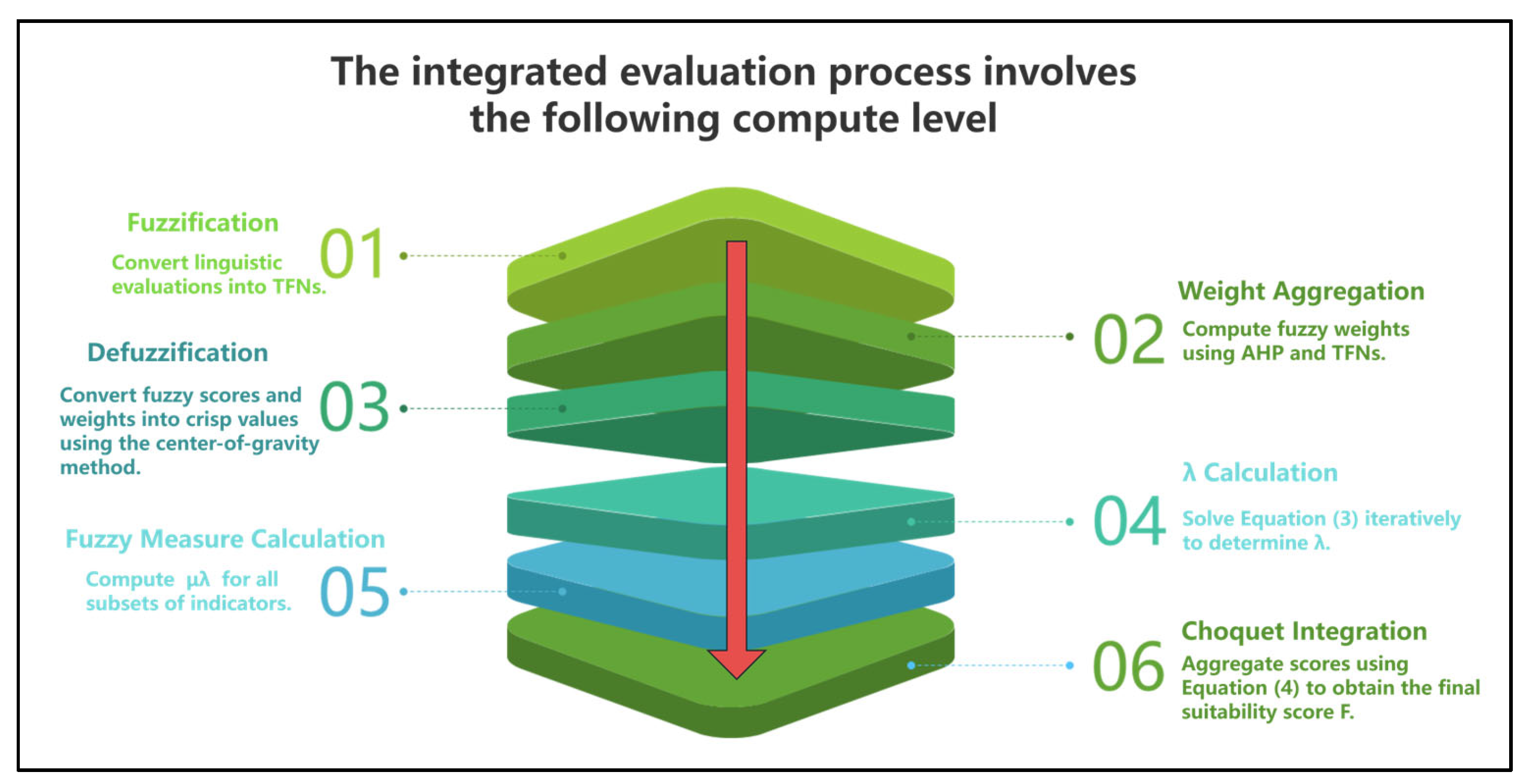
Figure 1. Flowchart of the integrated evaluation framework (developed by the authors using MATLAB R2023a and Coredraw2022).
Processes 14 00395 g001
Figure 2. Location map of the Jianghan Basin (modified after [37]). Structural framework of the Jianghan Basin, showing major faults, tectonic units, and candidate storage sags. The map was compiled based on regional geological surveys and published structural interpretations and was generated using Geomap 4.0 software.
Processes 14 00395 g002
Figure 3. Geological unit distribution map of the Jianghan Basin.
Processes 14 00395 g003
Figure 4. Location and structural framework of the Jianghan Basin, showing major faults, tectonic units, and basin boundaries (Major fault systems are explicitly shown, while regional folds are implicitly represented by structural zoning and stratigraphic configuration within the basin).
Processes 14 00395 g004
Figure 5. Comprehensive geological columnar section of the Jianghan Basin.
Processes 14 00395 g005
Figure 6. Site selection evaluation index system for CO2 storage suitability in the Jianghan Basin.
Processes 14 00395 g006
Figure 7. Contour map of sandstone in the lower Xingouzui Formation, Paleogene, Jianghan Basin.
Processes 14 00395 g007
Figure 8. Population density map of Hubei Province, China.
Processes 14 00395 g008
Figure 9. Evaluate the distribution of experts’ professional fields.
Processes 14 00395 g009
Figure 10. The number of evaluation experts in each specialty.
Processes 14 00395 g010
Figure 12. Comprehensive suitability scores of eight tectonic units in the Jianghan Basin evaluated by three aggregation algorithms.
Processes 14 00395 g012
Figure 13. Point trend comparison of comprehensive CO2 storage suitability scores for eight tectonic units obtained using the linear weighting method. The incorporation of λ -fuzzy interaction effects highlights compensatory mechanisms among indicators, leading to enhanced suitability scores for units such as the Mianyang Sag and providing a more nuanced assessment of site suitability.
Processes 14 00395 g013
Figure 14. Point trend comparison of comprehensive CO2 storage suitability scores for eight tectonic units derived from the Choquet integral method. This approach partially accounts for indicator interactions through fuzzy measures.
Processes 14 00395 g014
Figure 15. Point trend comparison of comprehensive CO2 storage suitability scores for eight tectonic units based on the interactive Choquet fuzzy integral method. The specific compensation effect of different indicators is shown.
Processes 14 00395 g015
Figure 16. Each evaluation unit geological-risk-economic integrated assessment matrix. (A) Comparison of radar index distribution between Qianjiang Sag and Jiangling Sag; (B) Comparison of radar index distribution between Mianyang Sag and Chentuokou Sag; (C) Comparison of radar index distribution between Zhijiang Sag and Jingmen Sag; (D) Comparison of radar index distribution between Yajiao Bulge and Tonghaikou Bulge.
Processes 14 00395 g016aProcesses 14 00395 g016b
Figure 17. Distribution of main structures in Jianghan Basin.
Processes 14 00395 g017
Figure 18. Superposition diagram of reservoir type and paleopressure coefficient (28 Ma) of the lower member of Xingouzui Formation, Jiangling Sag, Jianghan Basin.
Processes 14 00395 g018
Figure 19. Map of geological-risk-economic integrated assessment.
Processes 14 00395 g019
Figure 20. Xingouzui Formation CCUS storage condition and sedimentary pattern diagram (A) Jiangling Sag Xingouzui Formation CCUS storage area location. (B) Original image of square amplitude attribute and its position; (C) Sedimentary Pattern Diagram.
Processes 14 00395 g020aProcesses 14 00395 g020b
Table 1. Corresponding relationship between 5-level fuzzy languages and positive triangular fuzzy numbers.
Fuzzy Semantic Evaluation LevelSafety Semantic Evaluation LevelFuzzy Weight Semantic Evaluation LevelNormalized Triangular Fuzzy Number
UnsuitableHighly HazardousExtremely Important(0.75, 1, 1)
Relatively UnsuitableHazardousImportant(0.5, 0.75, 1)
AverageModerateModerate(0.25, 0.5, 0.75)
Relatively suitableSafeNegligible(0, 0.25, 0.5)
SuitableHighly SafeNon-critical(0, 0, 0.25)
Table 2. Comparison of CCUS site suitability evaluation methods.
MethodIndicator InteractionInterpretabilityData DemandApplicability to Faulted BasinsMain Limitations
Linear weighted sumNoHighLowLowAssumes indicator independence
Fuzzy AHP–TOPSISImplicitMediumMediumModerateLimited interaction representation
Machine learning ensembleImplicit (black-box)LowHighHigh (data-rich only)Poor transparency
Bayesian networkExplicitMediumHighHighComplex structure, data intensive
Proposed AHP–TFN–ChoquetExplicit (λ-based)HighMediumHighRequires expert judgment
Table 4. Industrial zone development maturity level definition.
Maturity LevelKey Characteristics
1. Pilot/Demonstration PhaseSingle-factory CCUS trial projects.
Primary goal is to validate technical feasibility.
High cost, fully reliant on government funding.
No dedicated infrastructure; short transport distances (typically by truck).
Policy framework is in the exploratory stage.
2. Cluster Incubation PhaseMultiple emission sources begin planning collaborative emission reduction.
Initial planning of shared CO2 pipeline networks and common storage targets.
Formation of cooperative alliances to jointly promote project development.
Business models begin exploration, seeking models such as Public–Private Partnerships (PPP).
Policy-level targeted support begins (e.g., tax incentives, subsidies).
3. Commercial Operation PhaseRegional CO2 pipeline infrastructure is constructed and operational, with multiple sources and sinks connected.
Stable business models are established, achieving profitability driven by carbon markets or EOR.
Capture and storage reach million-ton or even ten-million-ton scale.
Sound regulatory and oversight systems ensure long-term project operation.
Becomes a core pillar of regional industrial decarbonization.
4. Mature Network PhaseCCUS networks are highly integrated with regional energy systems (hydrogen, renewable energy).
Transport and storage costs for CO2, whether as a resource or waste, are minimized.
Technology, policy, and market environments are highly mature and stable.
Widely regarded as essential industrial infrastructure, providing negative emission services for society.
Table 5. Technology readiness level.
Technical AspectsRepresentative TechnologiesCurrent Maturity
(TRL)
Status Description
CaptureChemical Absorption (in Chemical Industry)9Technologically mature and widely deployed
Chemical Absorption (in Power Plants/Cement Plants)7–8Transitioning from demonstration to early commercial; high cost remains a barrier
Direct Air Capture (DAC)6–7First commercial plants in operation; cost is extremely high
TransportPipeline Transport9Technology is well-established; infrastructure development is the key challenge
Liquid CO2 Truck Transportation9Technology is proven; safety considerations are a critical challenge
UtilizationEnhanced Oil Recovery (EOR)9Commercially proven and a primary economic driver
StorageProduction of Chemical Products/Fuels6–7Demonstration phase; faces market and cost challenges
Biological Utilization, etc.3–5In the R&D stage
Deep Saline Formation Storage7–8Technically feasible with multiple successful demonstration projects
Table 6. CCUS source–sink matching.
Transportation MethodEconomical Distance RangeKey Characteristics &Considerations
Truck TransportationShort distance (<200 km)Pros: Flexible, requires no fixed infrastructure, suitable for small-scale or intermittent transport.
Cons: Extremely high unit cost (approx. 0.9–1.5 RMB/ton·km); only applicable for pilot projects or scenarios where pipeline construction is infeasible.
Pipeline TransportMedium to long distance (50–250 km, or even longer)Pros: Lowest unit cost for large-scale transport (approx. 0.3–0.9 RMB/ton·km, depending on pipeline diameter and volume); the preferred choice for large-scale CCUS projects.
Cons: Significant upfront investment required; relies on a stable, high-concentration CO2 source and large storage volume to amortize costs. Longer distances increase investment and operational pressures.
Ship TransportationVery long distance (>1000 km)Pros: Enables transoceanic routes, connecting continental CO2 sources with offshore storage sites (e.g., North Sea storage reservoirs).
Cons: Requires construction of liquefaction and receiving terminals, involves high costs, and is currently still in the early stages of development.
Table 7. Composition of the expert panel (count and average experience).
Expert PanelNumber of MembersInstitutionSub-Field/RoleNumber of MembersMajor Expertise and Contributions
Industry15CNPC, Sinopec, CNOOC and its subsidiariesField Operations and Petroleum Engineering5Providing practical insights into reservoir dynamics and engineering feasibility.
Geophysics and Geological Modeling5Responsible for evaluating fault systems, caprock integrity, and reservoir–caprock combinations.
Health, Safety and Environment (HSE) Management3Contributing expertise on dynamic risk indicators such as groundwater pollution and surface ecological sensitivity.
Energy Economics and Project Planning2Focusing on cost–benefit analysis and the economic feasibility indicators of CCUS projects.
Academia15Yangtze University, China University of Geosciences (Wuhan), China University of Petroleum (East China), Wuhan Institute of Rock and Soil Mechanics (Chinese Academy of Sciences), and Jilin UniversityPetroleum Geology and Sedimentology6Providing the theoretical basis for geological criteria.
Rock Mechanics and Subsurface Engineering4Specializing in the assessment of in situ stress conditions and caprock sealing integrity.
Environmental Science and Risk Assessment3Assessing the potential impacts of CO2 leakage.
Energy Economics and Policy2Providing insights into technological costs and market readiness.
Regulatory and Consulting Institutions15National Energy Administration and the Ministry of Ecology and EnvironmentRisk Assessment and Compliance7Reviewing the rationality and safety of the entire assessment framework from a regulatory perspective.
Hydrogeology and Environmental Monitoring5Evaluating deep saline aquifer dynamics and long-term monitoring strategies.
Technical Standards and Certification3Providing insights for defining and assessing technology readiness and industrial zone maturity.
Total45Response Rate: 64.3% (45/70)
Table 8. Evaluation of index weights for suitability criteria of CO2 storage.
Criterion LayerIndicator Layer
CriterionWeightIndicatorWeightSuitableRelatively SuitableSuitability AverageRelatively UnsuitableUnsuitable
Geological criterion B10.439Fault system C10.2265Upper CretaceousPaleocene SeriesEocene SeriesNeogene SystemQuaternary System
Seal caprock tightness C20.33730.80.6–0.80.60
Reservoir–caprock combination C3/m0.1010Reservoir > 15 and Caprock > 20 Reservoir < 15 and Caprock < 20
Heat flux C4   / m W · m 2 0.0397≤5555~6565~7575~85>85
Sealed capacity C5/100,000 t0.1521>20002000~1000<1000
Temperature and pressure conditions C60.0439Cold (≤30)Mild (30~40)Warm (>40)//
In-situ stress condition C70.1221Triangular semantic fuzzy weight
Stability of hydrogeological conditions C80.0819
Dynamic risk B20.319Seismic activity C90.0196NonMagnitude 3~4Magnitude 4~5Magnitude 5~6Magnitude over 6
Groundwater pollution risk C100.1574Triangular semantic fuzzy weight
Surface ecological sensitivity C110.0398
Population density C120.1284
Land use type C130.0951
Economic affordability B30.242Maturity of industrial zone development C140.1084
Perfusion cost C150.0880
Technology readiness level C160.0943
Burial depth C17/m0.01321000~3000100–1000 or 3000–4000≥4000
The distance between the carbon source and C18/km0.0667≤5050~100100~200200~500≥500
Table 9. Suitability evaluation model of each unit based on Choquet fuzzy integral.
Evaluation UnitEvaluation Indicators
Fault
System C1
Seal Caprock
Tightness C2
Reservoir–Caprock
Combination C3
Heat Flux C4Sealed
Capacity C5
Temperature and
Pressure Conditions C6
In situ Stress
Condition C7
Stability of Hydrogeological
Conditions C8
Seismic
Activity C9
Groundwater
Pollution Risk C10
Surface Ecological
Sensitivity C11
Population
Density C12
Land Use
Type C13
Maturity of Industrial Zone Development C14Perfusion
Cost C15
Technology Readiness
Level C16
Burial Depth C17The Distance Between the Carbon Source and C18
Qianjiang SagSuitableRelatively
suitable
Relatively
suitable
Relatively
suitable
Relatively
suitable
AverageSuitableSuitableSuitableAverageRelatively
unsuitable
Unsuitable Unsuitable SuitableSuitableSuitableRelatively
suitable
Suitable
Jiangling SagSuitableSuitableSuitableAverageSuitableRelatively
suitable
Relatively
suitable
Relatively
suitable
SuitableRelatively
unsuitable
unsuitable Relatively
suitable
SuitableSuitableAverageRelatively
suitable
AverageSuitable
Mianyang SagRelatively
suitable
Relatively
suitable
Relatively
unsuitable
AverageRelatively
unsuitable
AverageSuitableRelatively
suitable
SuitableRelatively
unsuitable
Relatively
unsuitable
AverageRelatively
suitable
AverageRelatively
suitable
SuitableRelatively
suitable
Average
Chentuokou SagAverageRelatively
suitable
Relatively
suitable
SuitableRelatively
unsuitable
AverageRelatively
suitable
Relatively
suitable
SuitableUnsuitable Relatively
unsuitable
AverageRelatively
unsuitable
Relatively
unsuitable
Relatively
suitable
SuitableRelatively
suitable
Relatively
unsuitable
Zhijiang SagRelatively unsuitableAverageRelatively
suitable
AverageAverageAverageRelatively
suitable
AverageUnsuitable Unsuitable AverageRelatively
Unsuitable
Relatively
suitable
SuitableSuitableRelatively
suitable
SuitableSuitable
Jingmen SagUnsuitable Relatively
unsuitable
Relatively
unsuitable
Relatively
unsuitable
Relatively
unsuitable
Relatively
unsuitable
Relatively
unsuitable
Relatively
unsuitable
Relatively
unsuitable
Unsuitable Relatively
suitable
AverageAverageRelatively
suitable
SuitableRelatively
suitable
SuitableSuitable
Yajiao BulgeAverageAverageAverageRelatively
suitable
Unsuitable Unsuitable AverageRelatively
suitable
Relatively
suitable
AverageSuitableRelatively
suitable
SuitableAverageRelatively
suitable
AverageSuitableRelatively
suitable
Tonghaikou BulgeAverageAverageAverageRelatively
unsuitable
Unsuitable Unsuitable Relatively
suitable
AverageAverageAverageSuitableUnsuitable Relatively
suitable
AverageRelatively
suitable
AverageSuitableSuitable
Table 10. Triangular Semantic Function Evaluation Indicators.
Evaluation on unitFault system C1Seal caprock tightness C2Reservoir-caprock combination C3Heat flux C4Sealed capacity C5Temperature and pressure conditions C6In situ stress condition C7Stability of hydrogeological conditions C8Seismic activity C9Groundwater pollution risk C10Surface ecological sensitivity C11Population density C12Land use type C13Maturity of industrial zone development C14Perfusion cost C15Technology readiness level C16Burial depth C17Correlation degreeRankingThe distance between the carbon source and storage C18
Qianjiang(0,0, 0.25 ) ( 0 , 0.25 , 0.5 ) ( 0 , - 0.25 , 0.5 ) ( 0 , 0.25 , 0.5 ( 0 , 0.25 , 0.5 (0.25,0.5,0.75)(0,0,0.25)(0,0,0.25) ( 0 , 0 , 0.25 ) (0.25,0.5,0.75)(0.5,0.75,1)(0.75,1,1)(0.75,1,1)(0,0,0.25)(0,0,0.25)(0,0,0.25) ( 0 , 0.25 , 0.5 ) (0,0,0.25)0.30522
Jiangling(0,0,0.25) ( 0 , 0.25 , 0.5 ) ( 0 , 0 , 0.25 ) ( 0 , 0.25 , 0.5 ( 0 , 0.25 , 0.5 ( 0 , 0.25 , 0.5 ) (0,0.25,0.5) ( 0 , 0.25 , 0.5 ) ( 0 , 0.25 , 0.5 ) (0.5,0.75,1)(0.75,1,1) ( 0 , 0.25 , 0.5 )(0,0,0.25)(0,0,0.25)(0.25,0.5,0.75)(0,0,0.25)(0.25,0.5,0.75)(0,0,0.25)0.24151
Mianyang ( 0 , 0.25 , 0.5 ( 0 , - 0.25 , 0.5 ) (0.5,0.75,1)(0.25,0.5,0.75)(0.5,0.75,1)(0.25,0.5,0.75)(0,0,0.25) ( 0 , 0.25 , 0.5 ) (0,0,0.25)(0.5,0.75,1)(0.75,1,1)(0.25,0.5,0.75)(0.25,0.5,0.75)(0.25,0.5,0.75)(0,0,0.25)(0,0,0.25)(0.25,0.5,0.75)(0.25,0.5,0.75)0.37793
Chentuckou(0.25, 0.5,0.75) ( 0 , 0.25 , 0.5 ) ( 0 , 0.25 , 0.5 )(0,0,0.25)(0.5,0.75,1)(0.25,0.5,0.75)(0,0.25,0.5) ( 0 , 0.25 , 0.5 ) (0,0,0.25)(0.75,1,1)(0.5,0.75,1)(0.25,0.5,0.75)(0.5,0.75,1)(0.5,0.75,1)(0,0,0.25)(0,0,0.25)(0.25,0.5,0.75)(0.5,0.75,1)0.48636
Zhijiang(0.5,0.75,1 )(0.25,0.5,0.75) ( 0 , 0.25 , 0.5 )(0.25,0.5,0.75)(0.25,0.5,0.75)(0.25,0.5,0.75)(0,0.25,0.5)(0.25,0.5,0.75)(0.75,1,1)(0.25,0.5,0.75)(0.5,0.75,1)(0.75,1,1)(0.25,0.5,0.75)(0.25,0.5,0.75)(0,0,0.25)(0,0,0.25)(0.25,0.5,0.75)(0.5,0.75,1)0.45165
Jingmen(0.75,1,1)(0.5,0.75,1)(0.5,0.75,1)(0.5,0.75,1)(0.5,0.75,1)(0.5,0.75,1)(0.5,0.75,1)(0.5,0.75,1)(0.75,1,1)(0.25,0.5,0.75)(0.25,0.5,0.75)(0.25,0.5,0.75)(0.25,0.5,0.75)(0.25,0.5,0.75)(0,0,0.25)(0,0,0.25)(0.25,0.5,0.75)(0,0,0.25)0.59718
Yajiao(0.25,0.5,0.75 )(0.25,0.5,0.75)(0.25,0.5,0.75) ( 0 , 0.25 , 0.5 (0.75,1,1)(0.75,1,1)(0.25,0.5,0.75) ( 0 , 0.25 , 0.5 ) (0.25,0.5,0.75)(0,0,0.25)( 0 , 0.25 , 0.5 )(0,0,0.25)(0,0,0.25)(0.25,0.5,0.75)(0,0,0.25)(0,0,0.25)(0.25,0.5,0.75)(0,0,0.25)0.41334
Tonghaikou(0.25,0.5,0.75)(0.25,0.5,0.75)(0.25,0.5,0.75)(0.5,0.75,1)(0.75,1,1)(0.75,1,1)(0.25,0.5,0.75)(0.25,0.5,0.75)(0.25,0.5,0.75)(0,0,0.25)(0.25,0.5,0.75)(0.75,1,1)(0.25,0.5,0.75)(0.25,0.5,0.75)(0,0,0.25)(0,0,0.25)(0.25,0.5,0.75)(0,0,0.25)0.49777
Table 11. λ -fuzzy measure of evaluation criterion.
Sequence NumberEvaluation Criterion μ ( x i ) Computing   item:   1 + λ · μ ( x i )
1Fault system C10.16671 + 0.9998   ×   0 .1667 = 0.8333
2Seal caprock tightness C20.33331 + 0.9998   ×   0 .3333 = 0.6667
3Reservoir-caprock combination C30.33331 + 0.9998   ×   0 .3333 = 0.6667
4Heat flux C40.33331 + 0.9998   ×   0 .3333 = 0.6667
5Sealed capacity C50.33331 + 0.9998   ×   0 .3333 = 0.6667
6Temperature and pressure conditions C60.50001 + 0.9998   ×   0 .5000 = 0.5001
7In-situ stress condition C70.16671 + 0.9998   ×   0 .1667 = 0.8333
8Stability of hydrogeological conditions C80.16671 + 0.9998   ×   0 .1667 = 0.8333
9Seismic activity C90.16671 + 0.9998   ×   0 .1667 = 0.8333
10Groundwater pollution risk C100.50001 + 0.9998   ×   0 .5000 = 0.5001
11Surface ecological sensitivity C110.75001 + 0.9998   ×   0 .7500 = 0.2502
12Population density C120.91671 + 0.9998   ×   0 .9167 = 0.0834
13Land use type C130.91671 + 0.9998   ×   0 .9167 = 0.0834
14Maturity of industrial zone development C140.16671 + 0.9998   ×   0 .1667 = 0.8333
15Perfusion cost C150.16671 + 0.9998   ×   0 .1667 = 0.8333
16Technology readiness level C160.16671 + 0.9998   ×   0 .1667 = 0.8333
17Burial depth C170.33331 + 0.9998   ×   0 .3333 = 0.6667
18The distance between the carbon source and storage C180.16671 + 0.9998   ×   0 .1667 = 0.8
Table 12. λ-fuzzy measure of evaluation criterion.
Evaluation UnitLinear Weighted ScoreChoquet
Fuzzy
Comprehensive Score of Choquet Fuzzy Integral with Mutual InteractionRating
Qianjiang Sag0.3110.31980.3328Suitable
Jiangling Sag0.25930.27150.288Suitable
Mianyang Sag0.41020.42360.3831Relatively suitable
Chentuokou Sag0.44210.45620.4585Average
Zhijiang Sag0.4180.4310 0.4351Relatively suitable
Jingmen Sag0.51230.52810.5415Relatively unsuitable
Yajiao Bulge0.37250.38430.405Relatively suitable
Tonghaikou Bulge0.40180.41450.4641Relatively suitable
Table 13. Data table of λ values and interaction types of geological depression.
Storage Unit λ ValueInteraction Types
Qianjiang Sag−0.9998Indicator redundancy (substitution effect)
Jiangling Sag−0.9997Indicator redundancy (substitution effect)
Mianyang Sag−0.9995Indicator redundancy (substitution effect)
Chentuokou Sag−0.9990Indicator redundancy (substitution effect)
Zhijiang Sag−0.9992Indicator redundancy (substitution effect)
Jingmen Sag−0.9980Indicator redundancy (substitution effect)
Yajiao Bulge−0.9993Indicator redundancy (substitution effect)
Tonghaikou Bulge−0.9991Indicator redundancy (substitution effect)
Table 14. Uncertainty analysis of suitability scores based on Monte Carlo simulation (n = 10,000).
Assessment UnitMean ValueStandard Deviation
(SD)
95% Confidence Interval
(CI)
Suitability Grade
(Based on Mean)
Qianjiang Sag.0.3330.008[0.318, 0.348]Suitable
Jiangling Sag.0.2890.009[0.272, 0.306]Suitable
Mianyang Sag.0.3840.015[0.355, 0.413]Relatively Suitable
Chentuokou Sag.0.4600.014[0.433, 0.487]Average
Zhijiang Sag.0.4360.016[0.405, 0.467]Relatively Suitable
Jingmen Sag.0.5420.010[0.523, 0.561]Relatively Unsuitable
Yajiao Bulge0.4060.013[0.381, 0.431]Relatively Suitable
Tonghaikou Bulge0.4650.017[0.432, 0.498]Relatively Suitable
Disclaimer/Publisher’s Note: The statements, opinions and data contained in all publications are solely those of the individual author(s) and contributor(s) and not of MDPI and/or the editor(s). MDPI and/or the editor(s) disclaim responsibility for any injury to people or property resulting from any ideas, methods, instructions or products referred to in the content.