1. Introduction
As coal mining goes deeper underground, a new type of dynamic disaster, namely “coal rock gas composite dynamic disaster”, emerges, characterized by simultaneous coal and gas outbursts and rock bursts at the same time [
1,
2,
3]. Mechanically, this disaster results from mechanics-permeability coupled instability in gas-bearing composite coal–rock structures; hence, mechanics-permeability testing of these structures is essential to understanding the underlying law of disaster incubation [
4,
5,
6]. Unfortunately, due to the structural particularity of coal–rock itself and the existence of a coal–rock interface, obtaining intact samples in situ is highly challenging; sample preparation is equally problematic, as fracture frequently occurs along the interface [
7]. Previous laboratory studies have mostly relied on manually bonded or overlapped coal–rock specimens. This overlooks the transition effect of the interface and hardly reflects the accurate physical evolution of natural composite structures [
8,
9,
10]. It is therefore very important to find natural-like materials with a transition interface as substitutes for natural coal–rock specimens in physical experiments.
Raw materials are extensively studied, covering aggregates, additives, and binders. Rock-like materials—river sand, cement, and gypsum—are mixed with other additives before the mixture is pressed, cast, cured, and demolded. Fumagalli et al. [
11] fabricated rock-like materials using lead oxide, river sand, and gravel as the main ingredients and epoxy resin as the binder. To reproduce the uniaxial compressive strength of natural rock, Xia et al. [
12] fabricated rock-like specimens by mixing river sand, 325-grade cement, and putty powder in various ratios and observed their behaviors under uniaxial loading. In their laboratory simulations, Ge et al. [
13] used rock-like specimens prepared from epoxy resin, rosin solution, and curing agents. Chen et al. [
14] selected cement-mortar specimens prepared in certain mixing ratios to examine the spatiotemporal evolution of stress and acoustic emissions under uniaxial loading. Feng et al. [
15] prepared rock-like materials with similar Poisson’s ratio and Young’s modulus to natural materials by adjusting gypsum and cement ratios. Coal-like materials are generally prepared using coal, cement, and river sand as the main ingredients; cement, gypsum, or a sodium humate solution as the binder; and possibly an amount of activated carbon to enhance adsorption. Based on the similarity principle, Hu et al. [
16] and Zhang et al. [
17] synthesized materials resembling natural coal seams using pulverized coal, river sand, activated carbon, and cement. Wang et al. [
18] selected sodium humate solution as the binder, while Dong et al. [
19] chose iron ore powder, quartz sand, and barite powder as the aggregates, and rosin-alcohol solution as the binder. Lin et al. [
20] prepared their specimens from river sand, paraffin, and hydraulic oil. Zhao et al. [
21] investigated the adsorption behaviors of specimens prepared from pulverized coal, cement, and gypsum using various adsorbent materials. Chen et al. [
22] noticed distinct fibers on sunflower seed shell modified by 2.5% NaOH solution, which enabled full integration of all raw materials in natural-like coal as a binder, producing a tighter structure with higher mechanical strength. Mangena et al. [
23] demonstrated that kaolinite can affect the physicochemical properties of natural-like specimens. Cheng et al. [
24] suggested using multi-gradation aggregates, since specimen strength increases notably when voids between aggregate particles are filled.
In previous studies on the preparation of coal–rock composite specimens, two primary methods have been employed. The first method involves simply splicing or stacking the coal and rock masses together, using adhesive at the interface or wrapping the exterior with tape to reinforce the assembly. In this approach, the coal and rock components remain separate entities rather than forming a unified body. Although this method effectively preserves the original strength of the coal and rock, it significantly hinders the study of mechanical transfer, cross-interface crack propagation, and seepage evolution laws (e.g., References [
25,
26,
27]). The second method utilizes a casting approach, where cement, river sand, and water are used as raw materials for the rock, while cement, coal powder, and water serve as the materials for the coal. These materials are mixed in specific proportions and cast in layers within a mold. Through demolding, curing, and coring, an integrated coal–rock composite specimen is obtained. However, these specimens contain a large number of internal discontinuous air bubbles, leading to a prolonged compaction stage during the failure process. Consequently, they do not accurately reflect the mechanical properties of coal–rock composite specimens (e.g., References [
28,
29]).
The aforementioned studies have greatly enriched the preparation of similar materials in laboratory coal–rock mechanics studies. In this paper, natural-like coal–rock specimens are prepared and compared with their natural counterparts in mechanics and permeability. First, small cylinders of natural rock, natural coal, and natural coal–rock are obtained. Second, based on the similarity between coal and rock in strength ratios, integrated natural-like coal–rock specimens with a transition interface are fabricated, using pulverized coal, river sand, cement, and distilled water for the coal component, and river sand, cement, and distilled water for the rock component. Conventional mechanics-permeability tests under triaxial paths are conducted on natural-like coal–rock specimens. The results are then compared with those of natural specimens to examine their mechanics-permeability similarities and evaluate the applicability of this method for preparing similar materials, offering an innovative approach to preparing specimens for laboratory simulations of coal–rock gas composite dynamic disasters.
2. Specimen Preparation
Laboratory experimentation is a common way of simulating natural processes. Similarity-based simulations are widely recognized within the academic world due to their high reproducibility and safety, allowing effective simulation of the occurrence, evolution, and signal transmission of real-world processes.
Since natural specimens are hardly obtainable, it becomes necessary to develop natural-like coal–rock specimens with similar mechanics-permeability characteristics to natural materials. Since natural coal and rock possess high compressive strengths, conventional natural-like materials can hardly provide the required permeability while maintaining sufficient mechanical strength. Based on the similarity principle, natural-like specimens were prepared by ensuring equivalent strength ratios between coal and rock.
2.1. Natural Specimens and Mechanical Characterization
The coal–rock, coal, and rock specimens used in this study were all sourced from the J
15-22080 Coalface of Pingdingshan No.8 Mine. The mine is prone to coal and gas outbursts, having recorded 40 outburst incidents in history. The rock in the 22080 Coalface features high strength and low permeability; the coal has an initial gas pressure of 1.4 MPa and a gas content of 9.91 m
3/t. Coal sample analysis shows a volatile matter content of 22.1% and an ash content of 10.65%—classifying it as low-ash coal—with a Protodyakonov coefficient (
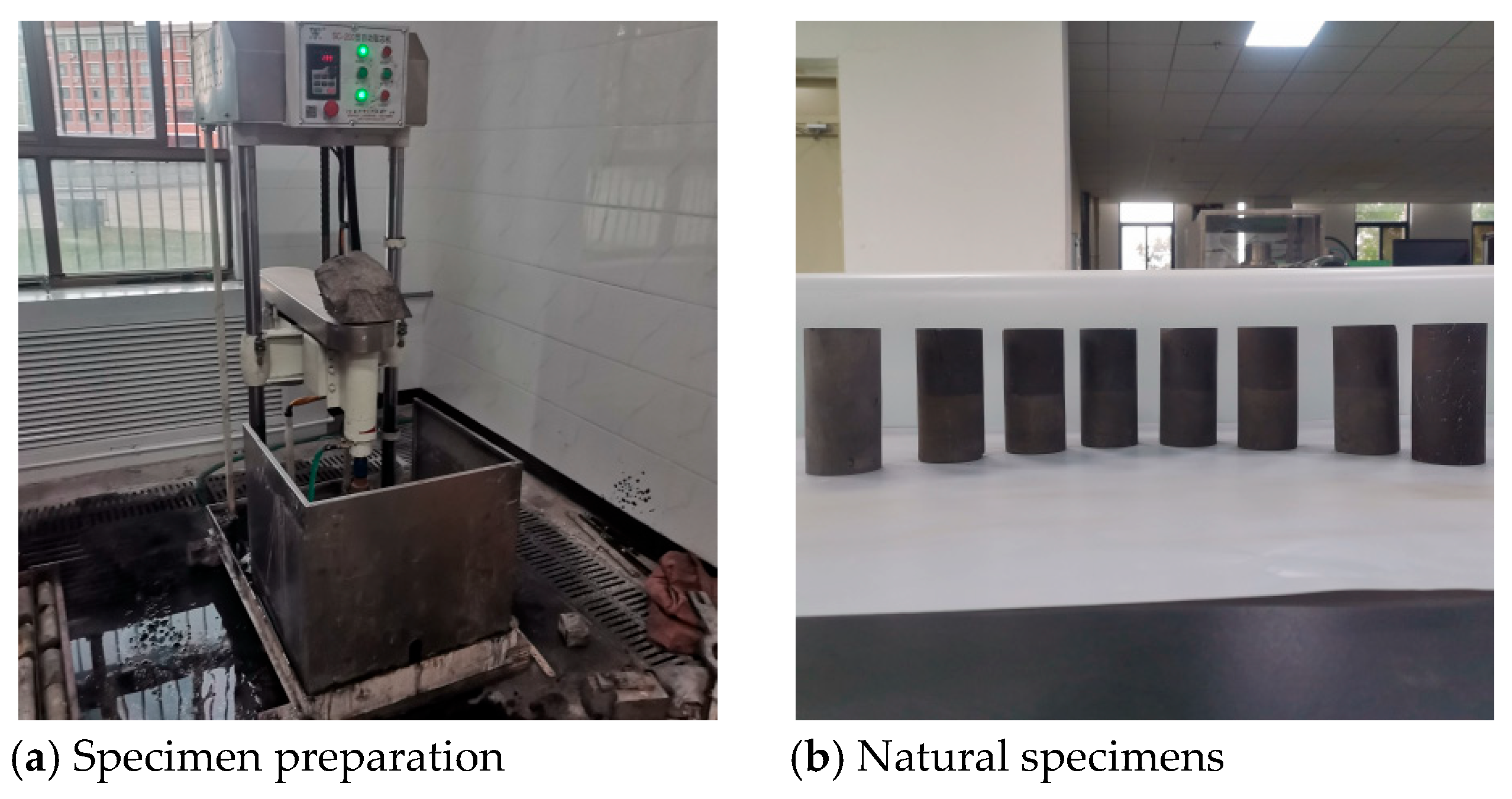
f-value) of 0.252 and an initial gas diffusion velocity of 19 mmHg. After the natural coal–rock blocks were transported to the laboratory, cores were drilled. The resulting rough cores were cut and polished into
ϕ50 mm × 100 mm cylinders of natural coal, natural rock, and natural coal–rock, as shown in
Figure 1b.
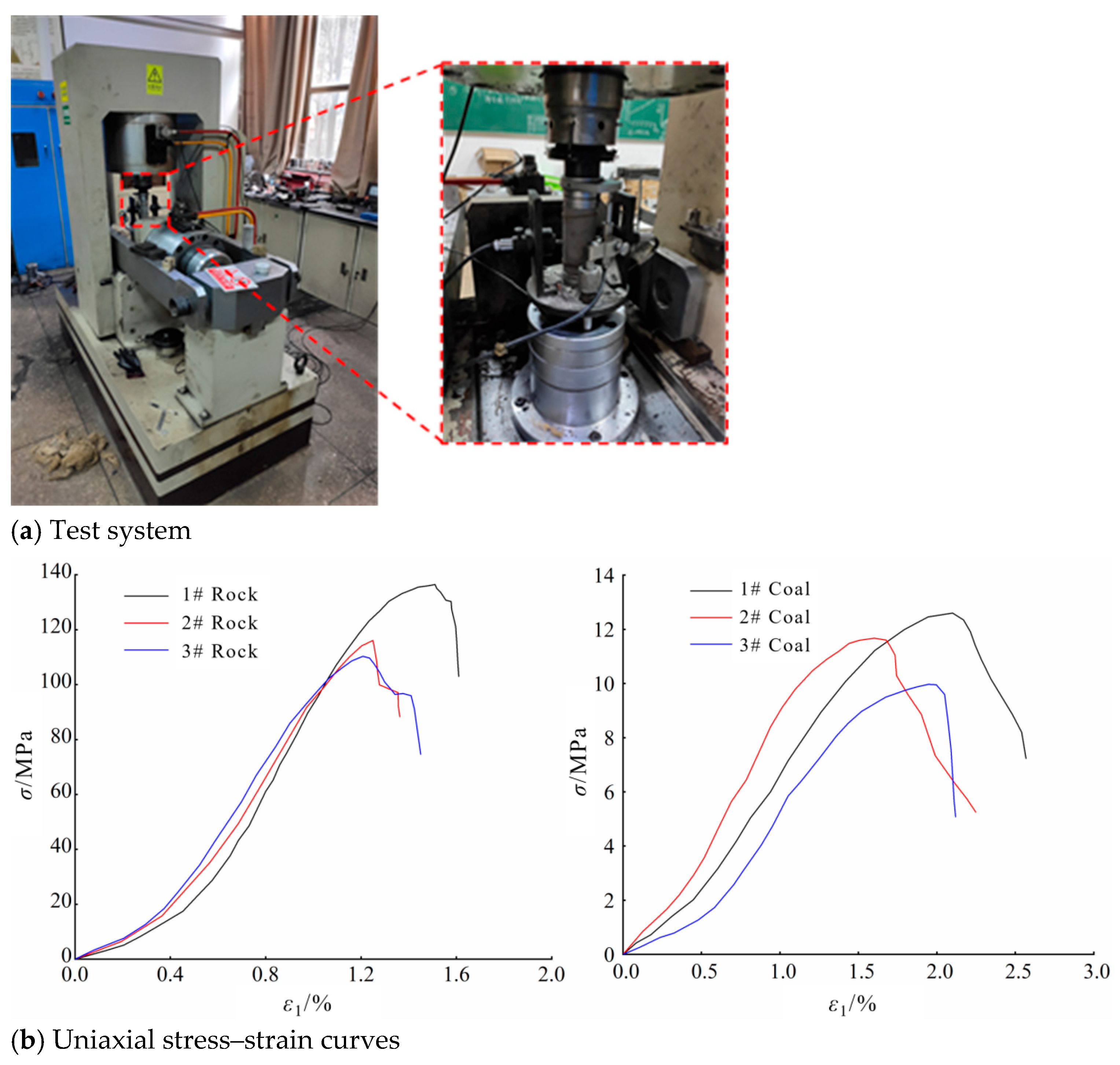
Natural-like materials were prepared by ensuring similar compressive strength ratios. To achieve this, uniaxial compression tests were conducted on natural coal and rock components, respectively. First, a group of specimens free of visible surface cracks was selected, and their wave velocities were measured. Three natural coal specimens with similar wave velocities were selected for further testing, and their average uniaxial compressive strength was recorded for later comparison. An RMT-150 (Chinese Academy of Sciences, Wuhan, China) test system was employed for uniaxial mechanical characterization, as illustrated in
Figure 2a.
The stress–strain curves of natural coal and rock under uniaxial load are presented in
Figure 2b. Natural rock and coal exhibit similar uniaxial stress–strain evolutions involving four stages—compaction, elastic deformation, plastic deformation, and post-peak stress decline. For rock, uniaxial compressive strength and axial strain at peak strength are 136.44 MPa, 1.11%; 116.07 MPa, 0.85%; and 109.53 MPa, 0.81%, respectively. For coal, the uniaxial compressive strength and axial strain at peak strength are 12.59 MPa, 1.40%; 11.67 MPa, 1.06%; and 9.49 MPa, 1.29%. The average uniaxial compressive strength is 120.68 MPa for rock and 11.41 MPa for coal, yielding a strength ratio of 10.72:1. Compared to coal, rock possesses a higher compressive strength but a lower axial strain at peak strength, indicating a higher degree of brittleness.
2.2. Natural-like Specimens and Mechanical Characterization
Experimental research has extensively demonstrated that natural-like coal specimens, prepared using pulverized coal as the aggregate and cement and river sand as the binders, possess highly adjustable mechanical parameters. Their bulk density and porosity are close to those of natural coal, along with similar adsorption characteristics—making them good substitutes for natural coal in laboratory studies.
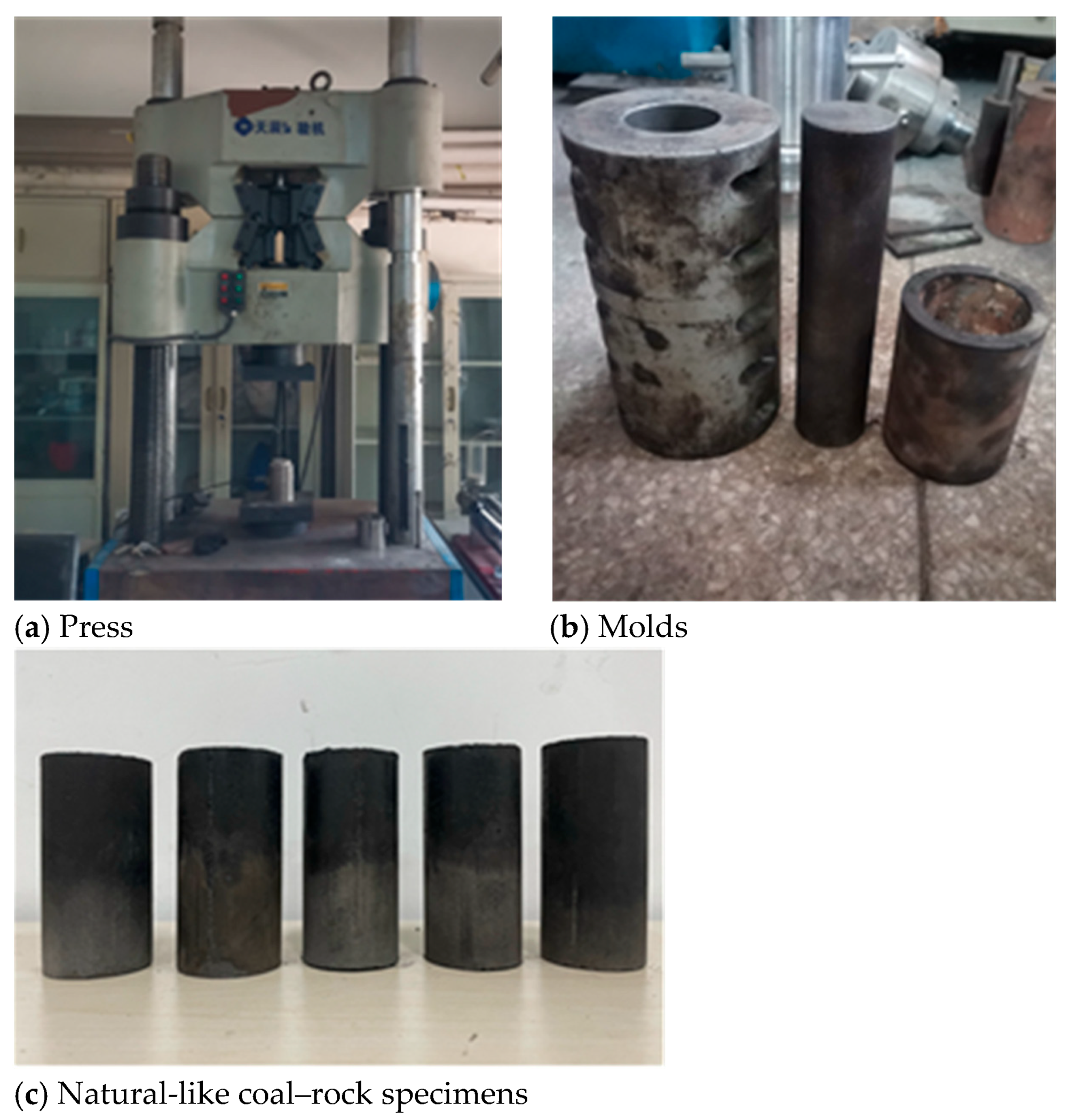
In this study, pulverized coal, river sand, cement, and distilled water were used to fabricate coal-like specimens, while river sand, cement, and distilled water were used to fabricate rock-like specimens. Coal blocks collected from Pingdingshan No. 8 Mine were sealed and delivered to the laboratory, where they were crushed and ground into powder. The river sand had a particle size ranging 0.850–0.425 mm. The cement was 425-grade Portland cement. Previous studies have suggested a mass ratio of 6:1:1:1 (pulverized coal:cement:river sand:water) for coal, and 8:5:2 (river sand:cement:water) for rock. When pressing coal–rock specimens, the ingredients were each mixed with water, stirred thoroughly, and placed in layers in the forming mold to be compacted at 40 MPa for 12 h before demolding, yielding 50 mm × 100 mm standard cylinders, as illustrated in
Figure 3. The natural-like specimens were cured in a constant-temperature curing box at 60 °C. After that, the formed specimens were taken out of the box and wrapped in plastic film for subsequent use.
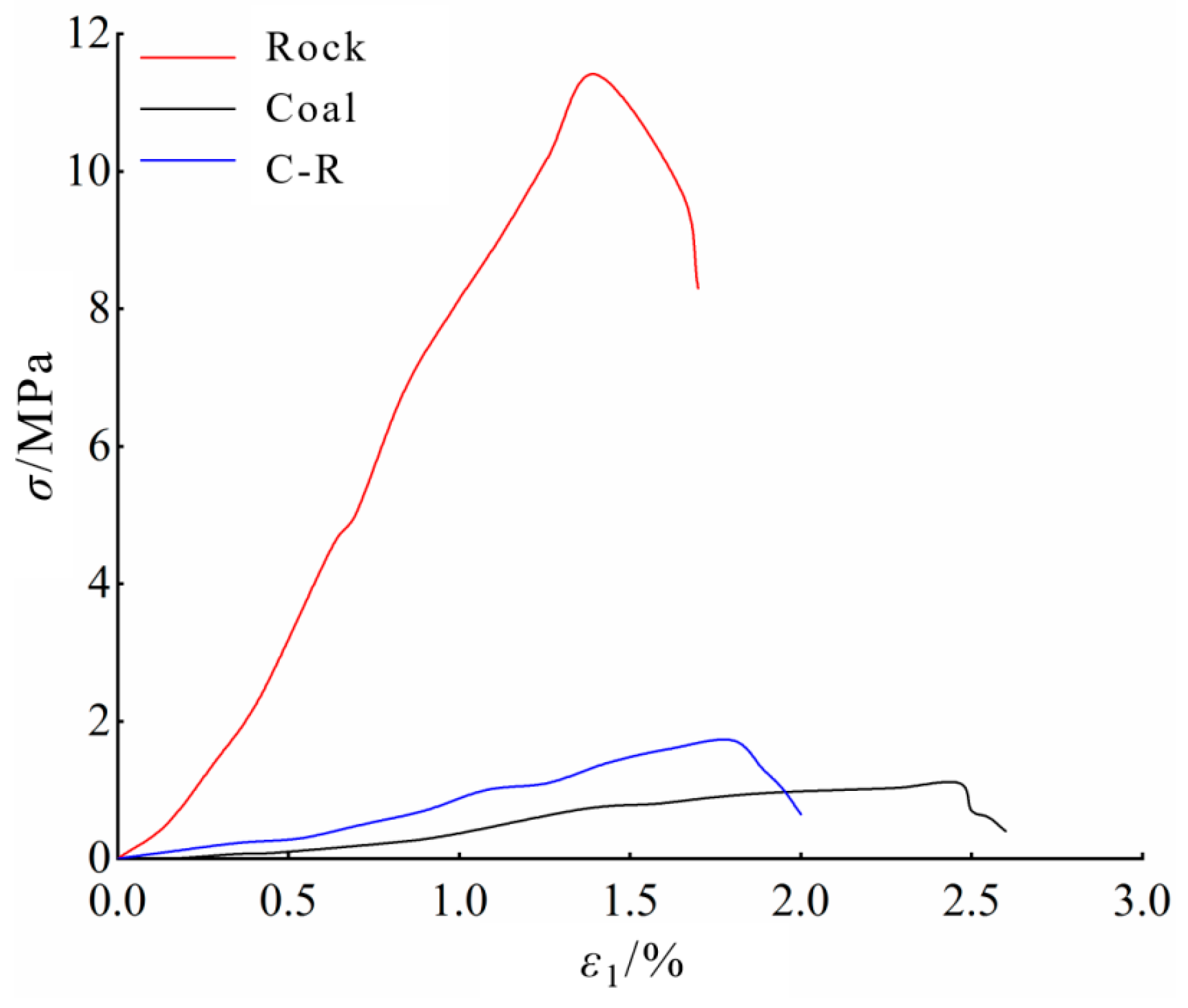
The uniaxial test results of natural-like specimens are presented in
Figure 4 and
Table 1. Natural-like coal has a uniaxial compressive strength (
σ) of 1.07 MPa, an elastic modulus (
E) of 0.98 GPa, a Poisson’s ratio (
υ) of 0.21, and an axial strain at peak strength of 2.36%; natural-like rock has a uniaxial compressive strength (
σ) of 11.41 MPa, an elastic modulus (
E) of 3.52 GPa, a Poisson’s ratio (
υ) of 0.24, and an axial strain at peak strength of 1.29%; natural-like coal–rock has a uniaxial compressive strength of 1.72 MPa and an axial strain at peak strength of 1.69%. Obviously, rock-like has a higher uniaxial compressive strength than coal-like, and coal-like has a higher axial strain at peak strength than rock-like, whereas natural-like coal–rock is quite similar to coal-like in axial strain. According to our previous research, the uniaxial compressive strength of coal–rock falls between those of coal and rock, but is closer to that of coal [
30]. The above uniaxial test results confirm that the natural-like specimens prepared here are consistent with this observation.
3. Methodology
3.1. Test System
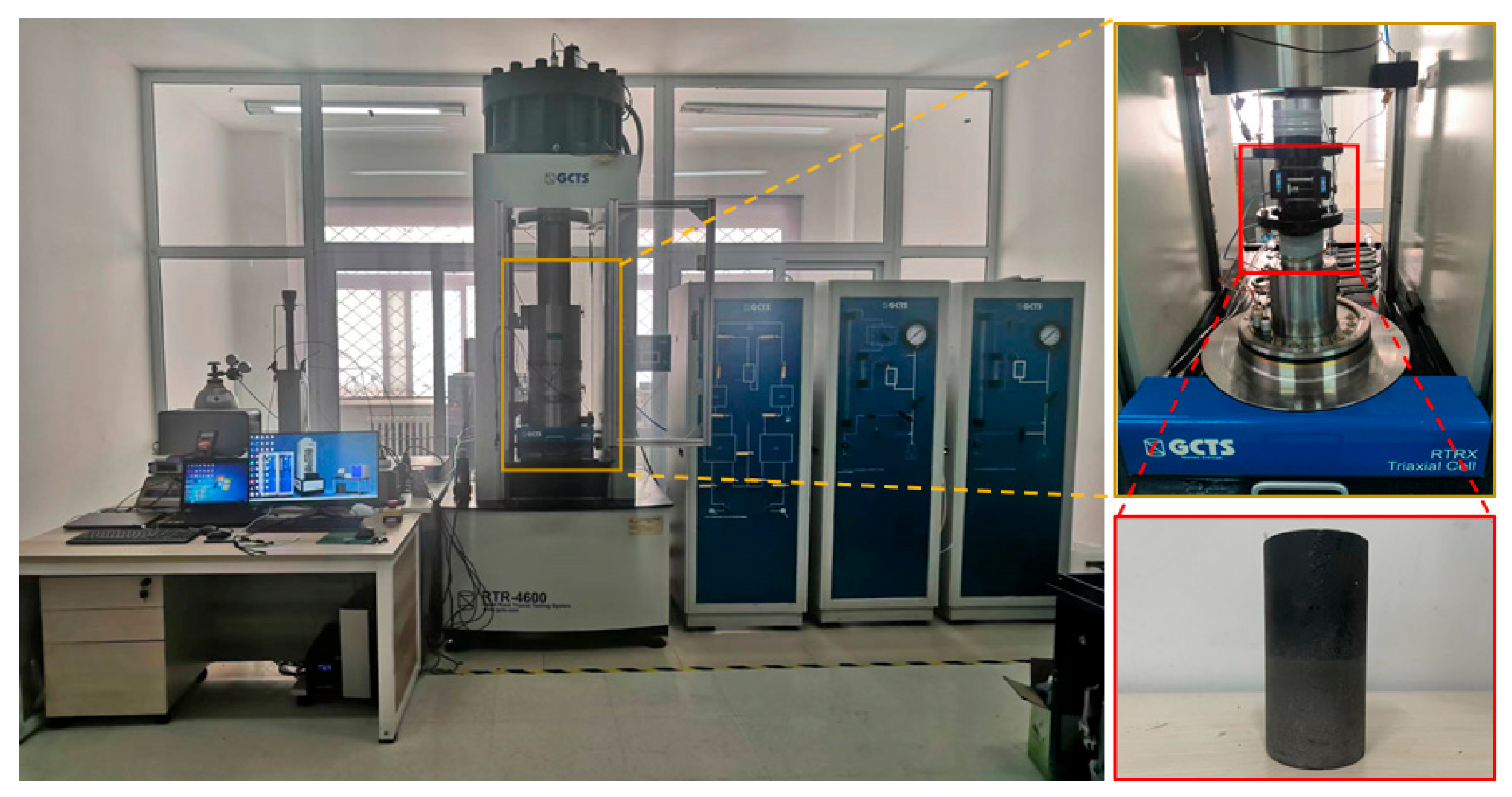
Triaxial mechanics-permeability tests were carried out in a GCTS RTR-4600 (GCTS, Arizona, USA) high-temperature and high-pressure triaxial servo-controlled test system, as illustrated in
Figure 5.
3.2. Test Design
Coal–rock maintains stress equilibrium in deep environments. However, in the presence of mining activities, this equilibrium is disrupted. The resulting stress state of coal–rock can be simplified as stress concentration in the vertical direction and stress unloading along the mining direction. Coal–rock failure, along with rapid gas desorption and flow triggered by the stress imbalance as a result of stress state changes, constitutes the main driver behind coal–rock gas composite dynamic disasters. Based on these considerations, damage-permeability tests of natural-like and natural specimens under loading axial stress (LAS) and unloading confining stress (UCS) were designed to examine the mechanics-permeability similarities between natural-like specimens and their natural counterparts.
For coal, the adsorption affinity of CO
2 is significantly stronger than that of CH
4 (with CO
2 adsorption capacity typically being 2 to 3 times that of CH
4 [
31]). The massive adsorption of CO
2 induces substantial physical swelling of the coal or rock matrix, which compresses fractures and pore channels, leading to a drastic decline in effective permeability. Consequently, under identical pressure conditions, the measured CO
2 permeability is usually much lower than that of CH
4. However, this study focuses on the evolution of permeability in two types of specimens under the same stress states, rather than the microscopic adsorption–desorption–diffusion phenomena within the pore structure. Furthermore, considering the flammable and explosive nature of methane, large-scale use of high-pressure CH
4 poses significant safety hazards in laboratory environments. In contrast, 99% CO
2 is relatively safe (non-flammable and easy to handle). To ensure laboratory safety, CO
2 was utilized as a substitute for CH
4 to conduct the stress–seepage coupling experiments (all references to ‘gas’ hereinafter mean CO
2).
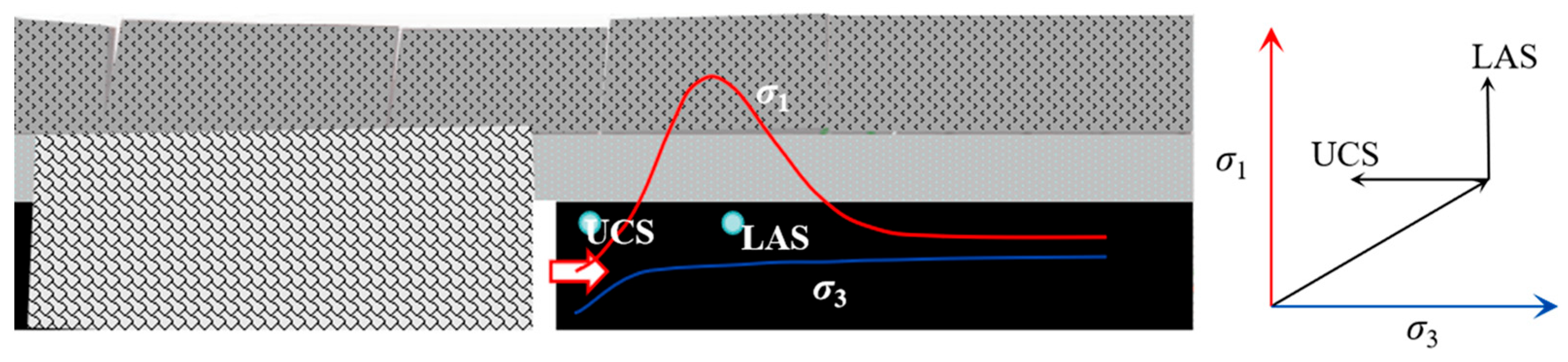
The two mechanical paths correspond to different engineering conditions in actual coal seam mining processes, as shown in
Figure 6. In
Figure 6, the thickness and direction of each state arrow represent the magnitude and direction of the stress. LAS characterizes the concentration of vertical stress acting on the coal mass while the horizontal stress remains constant, representing the stress environment of the coal far from the working face. UCS characterizes the stress environment of the coal mass within the pressure relief zone during mining, where mining-induced effects release horizontal stress while vertical stress remains constant. The stress parameters for the triaxial test are presented in
Table 2. Tests were performed in the following way:
LAS: Simultaneously apply hydrostatic pressure (σ1 = σ3, where σ1 denotes the axial stress, and σ3 denotes the confining stress) until reaching 4 MPa. Vacuum and then inject CO2 at 1 MPa. Once adsorption equilibrium is attained, apply axial load at a constant displacement rate of 0.1 mm/min until specimen failure occurs. After that, proceed with triaxial loading tests at hydraulic pressures of 5 MPa and 6 MPa, while maintaining all other conditions unchanged to observe variations under different σ3 values.
UCS: Simultaneously apply hydraulic pressure (σ1 = σ3) until reaching 4 MPa. Vacuum and then inject CO2 at 1 MPa. After adsorption equilibrium is attained, apply axial load at a constant displacement of 0.1 mm/min until reaching 80% of the bearing capacity (σm) of the specimen. At a constant axial stress, unload the confining stress at 0.02 MPa/s until specimen failure occurs.
Neglecting the Klinkenberg effect and adsorption effects within the coal–rock medium, the gas seepage in coal–rock specimens is assumed to obey Darcy’s law. Permeability is calculated according to the formula [
2] below. At high pressures, gas behavior tends toward that of a continuum fluid, leading to the disappearance of the slippage effect. Consequently, the apparent permeability converges toward the absolute permeability of the rock. Therefore, in high-pressure experiments, the variations caused by the slippage effect are negligible and can be disregarded):
where
k is the permeability, m
2;
Q is the gas flow, m
3/s;
μ is the absolute viscosity of gas;
L is the length of the specimen, m;
A is the effective area for permeability, m
2;
p0′ is the standard atmospheric pressure, MPa; and
p1 is the inlet pressure, MPa.
4. Mechanics-Permeability Evolutions Under Triaxial Loading Paths
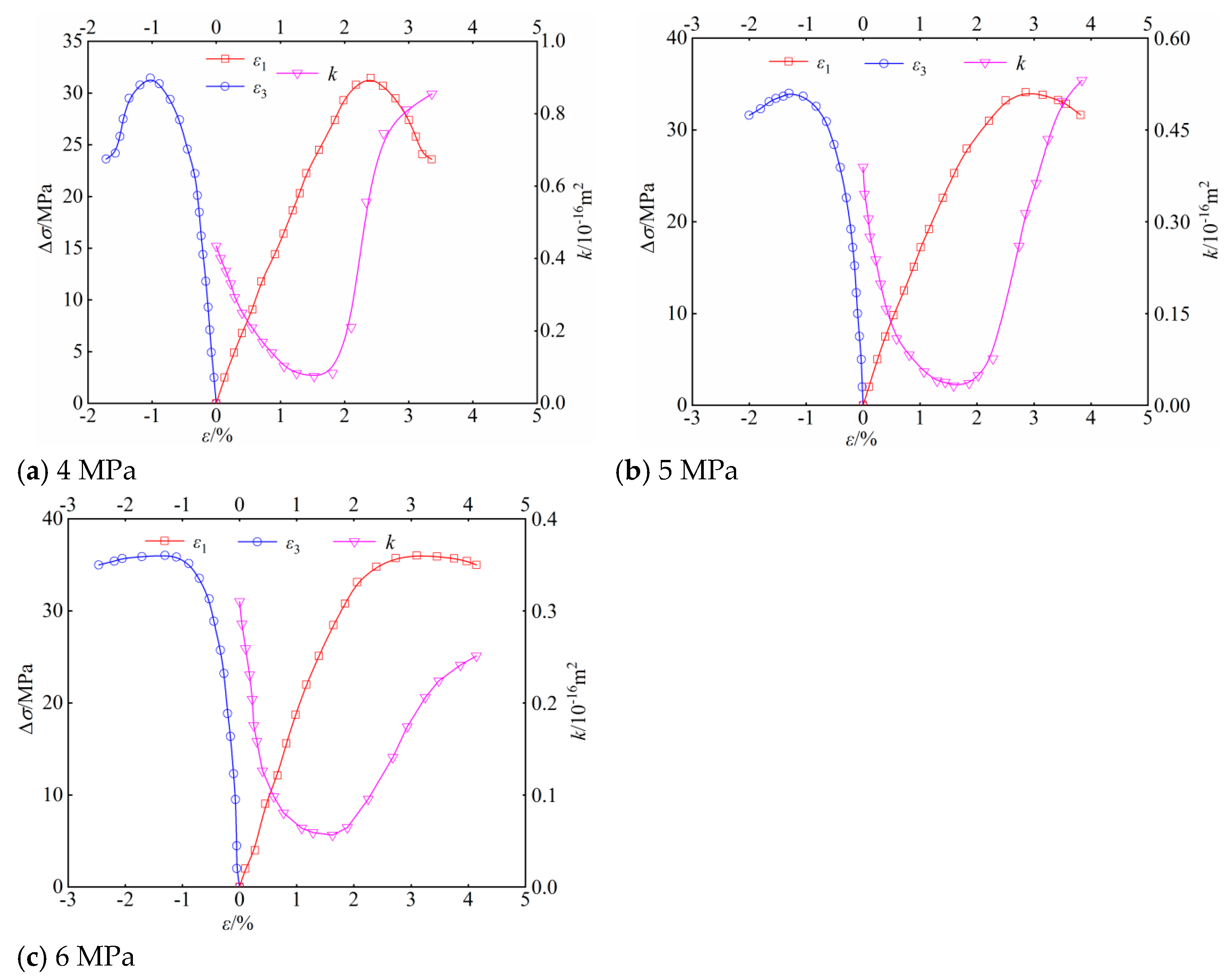
The stress–strain–permeability evolutions of natural-like and natural gas-bearing coal–rock specimens under LAS at different
σ3 values are presented in
Figure 7 and
Figure 7 and
Table 3. Here,
σ1 denotes the axial stress;
σ3 denotes the confining stress; Δ
σ denotes the principal stress difference;
ε1 denotes the axial strain;
ε3 denotes the axial strain; ‘+’ and ‘−’ refer to the strain state—‘+’ represents compression while ‘−’ represents expansion.
Figure 7.
Stress–strain–permeability evolutions of natural gas-bearing coal–rock under LAS.
Figure 7.
Stress–strain–permeability evolutions of natural gas-bearing coal–rock under LAS.
Overall, similar stress–strain–permeability evolutions were observed between the two specimen types—as axial strain increases, the principal stress difference first rises then declines, so does permeability. Both stress–strain and permeability–strain curves involve four stages. (1) Initial compaction: As axial load is applied, original pores and fissures within the specimen are compressed. This narrows the seepage channels, leading to a sharp decline in permeability. (2) Elastic deformation: Compression of pores and fissures within the specimen is largely complete. As axial loading continues, the stress–strain curve becomes nearly linear until the yield point is reached. The permeability decline slows down and gradually reaches its minimum. (3) Plastic deformation: The slope of the stress–strain curve declines, exhibiting nonlinearity. Secondary cracks are initiated within the specimen, beginning to propagate and interconnect. This enlarges seepage channels, leading to an increase in permeability. (4) Post-peak failure: Once the stress rises to the ultimate bearing capacity, instability failure occurs, as manifested by reduced stress and sharply increased permeability. After that, the specimen stabilizes as it enters the residual state, where permeability remains relatively constant.
4.1. Mechanics-Permeability Characteristics Under LAS
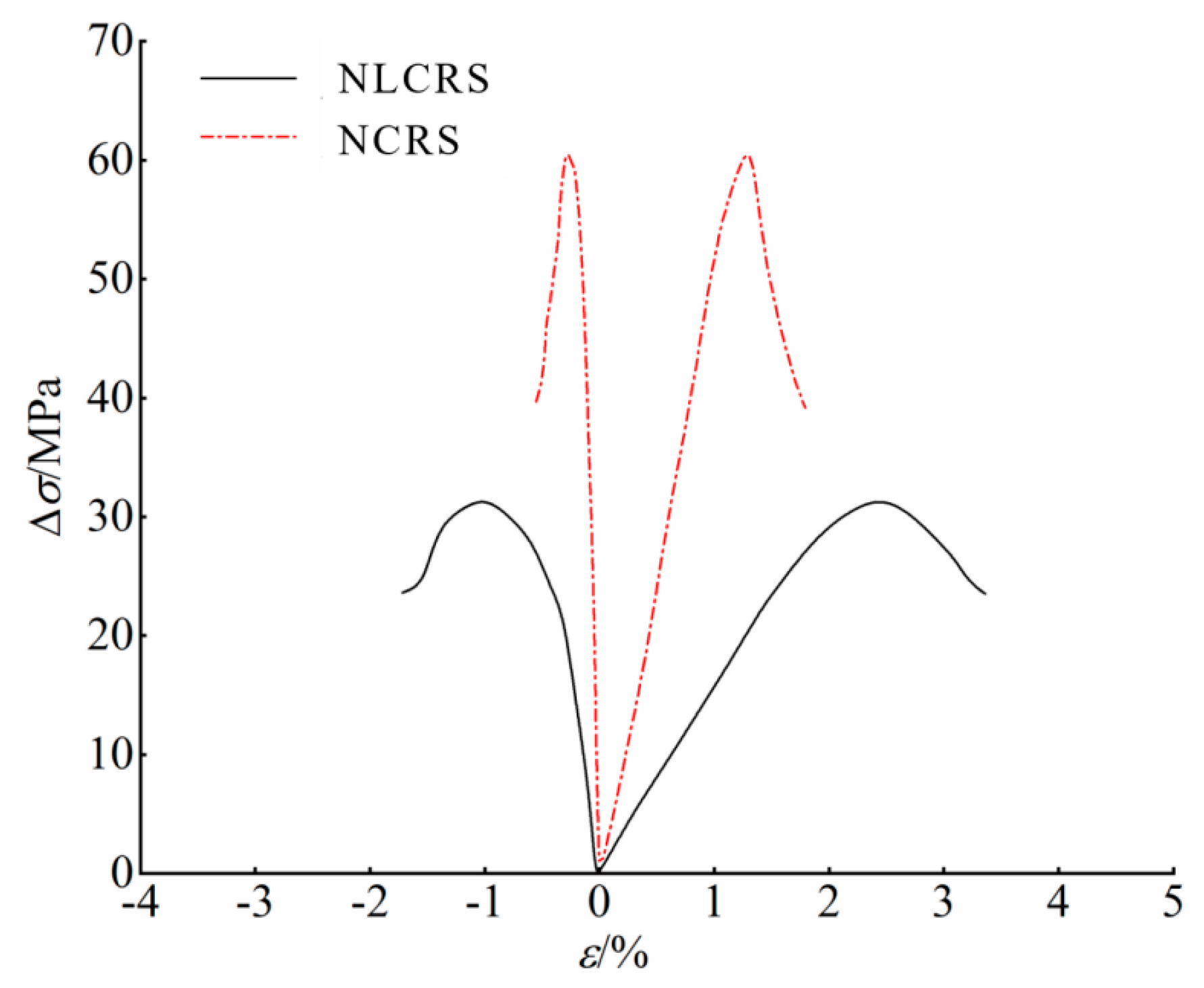
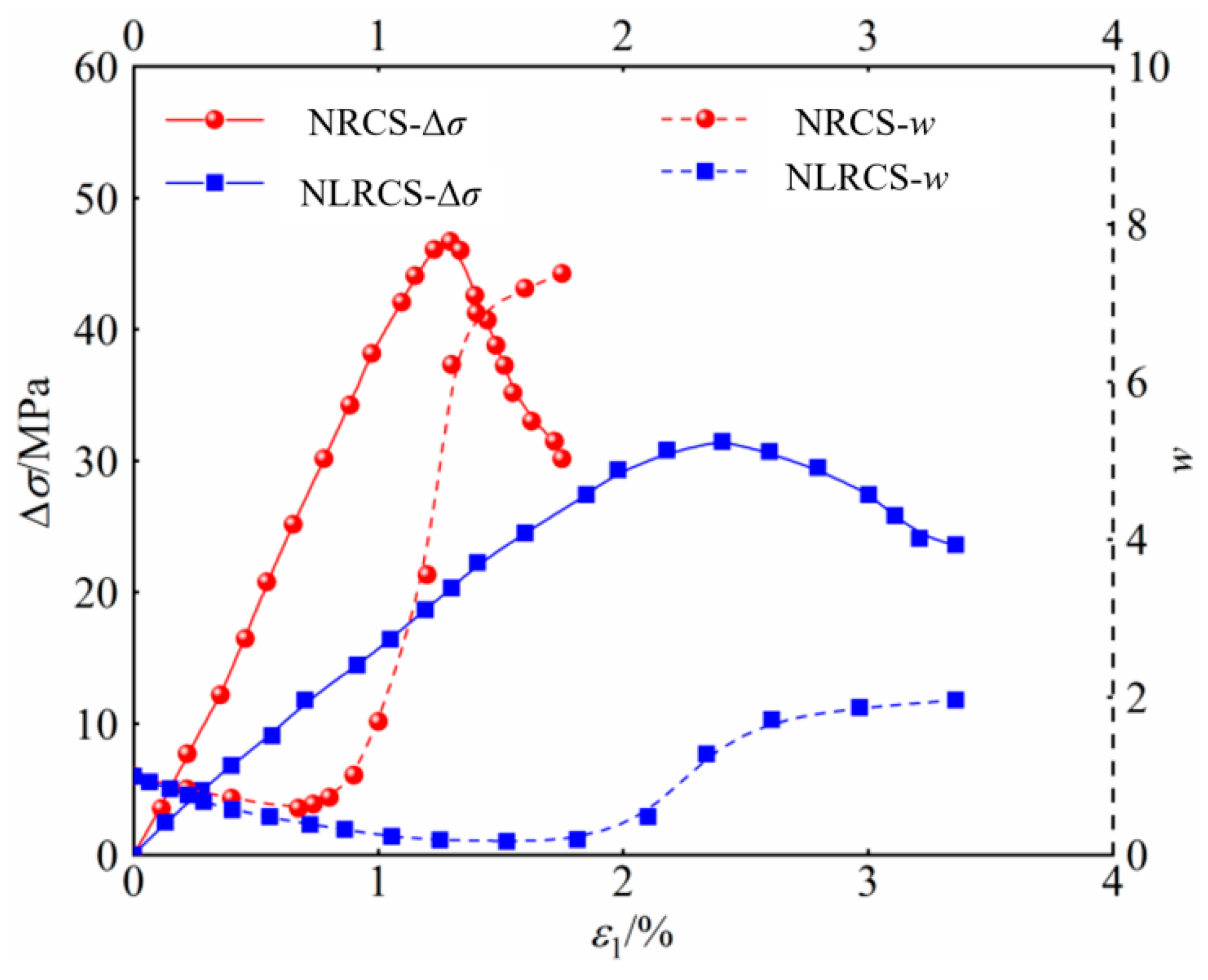
Figure 8 compares the stress–strain profiles between natural-like and natural gas-bearing coal–rock specimens at a confining stress of 4 MPa and a gas pressure of 1 MPa, as an example of their deformation behavior under identical stress conditions. At
σ3 = 4 MPa, triaxial compressive strength and elastic modulus are 31.39 MPa and 2.38 GPa for natural-like specimens, compared to 46.67 MPa and 7.73 GPa for natural ones. At the same
σ3, both the compressive strength and elastic modulus of natural specimens are greater than those of natural-like specimens, yet the magnitude of this discrepancy is reduced compared to uniaxial test results. On the one hand, the strength of natural-like coal–rock is more sensitive to σ
3; on the other hand, the existence of rock in the composite adds to the bearing capacity of coal–rock specimens.
At peak strength, the axial and radial strains for natural-like specimens are 2.40% and −1.02%, respectively, whereas those for natural specimens are 1.29% and −0.27%. The larger peak-stage deformations in natural-like specimens indicate a higher degree of plasticity compared to their natural counterparts. In the post-peak region, natural specimens exhibit a sharp stress drop, characteristic of brittle failure. In contrast, the stress–strain curves for natural-like specimens decline more gradually, reflecting a more ductile failure mode. These observations suggest that natural-like specimens possess a more developed internal pore-fissure structure, leading to greater compressibility. Notably, the stress–strain curves for gas-bearing coal–rock specimens show a pronounced stress drop at σ3 = 4 and exhibit plastic flow behavior at higher confining pressures.
Given the high variability among the specimens, to mitigate the influence of initial permeability on test results and better understand the permeability evolution of the specimens, relative permeability
w is introduced in the analysis, calculated as:
where
k0 is the initial permeability of the specimen, m
2.
Figure 9 illustrates the evolution of relative permeability for both natural-like and natural gas-bearing coal–rock specimens during the testing process. For both specimen types, the permeability curves exhibit a consistent U-shaped trend, characterized by an initial decline followed by a subsequent rise. Despite variations in confining stresses and gas pressures, the permeability–strain curves demonstrate a similar pattern: a sharp initial decrease with increasing axial strain, a gradual deceleration in the decline rate, and a sudden surge upon reaching peak stress. In correlation with the stress–strain relationship, the permeability–strain evolution can be divided into four distinct stages. During the initial compaction stage, axial loading compresses preexisting pores and fissures, narrowing seepage channels and leading to a rapid drop in permeability. In the elastic deformation stage, as the internal voids are further compacted, the rate of permeability decline slows until it reaches its minimum value. During the plastic deformation stage, the initiation and propagation of secondary cracks expand the seepage pathways, causing the permeability to increase. Finally, in the post-peak stage, the specimen undergoes instability failure upon reaching its compressive strength, resulting in a sharp stress drop and a rapid surge in permeability. Subsequently, the specimen enters a stable residual stage where the permeability remains relatively constant. Quantitatively, the natural-like specimens reach a minimum relative permeability of 0.17 and increase to 1.97 by the conclusion of the test. In contrast, the natural specimens show a less pronounced initial decline with a minimum value of 0.64, but experience a dramatic surge to 7.25 in the post-peak stage. This is attributed to the higher brittleness of natural specimens, which leads to more abrupt instability failure and a substantial increase in permeability within a very short duration.
4.2. Mechanics-Permeability Characteristics Under Different σ3
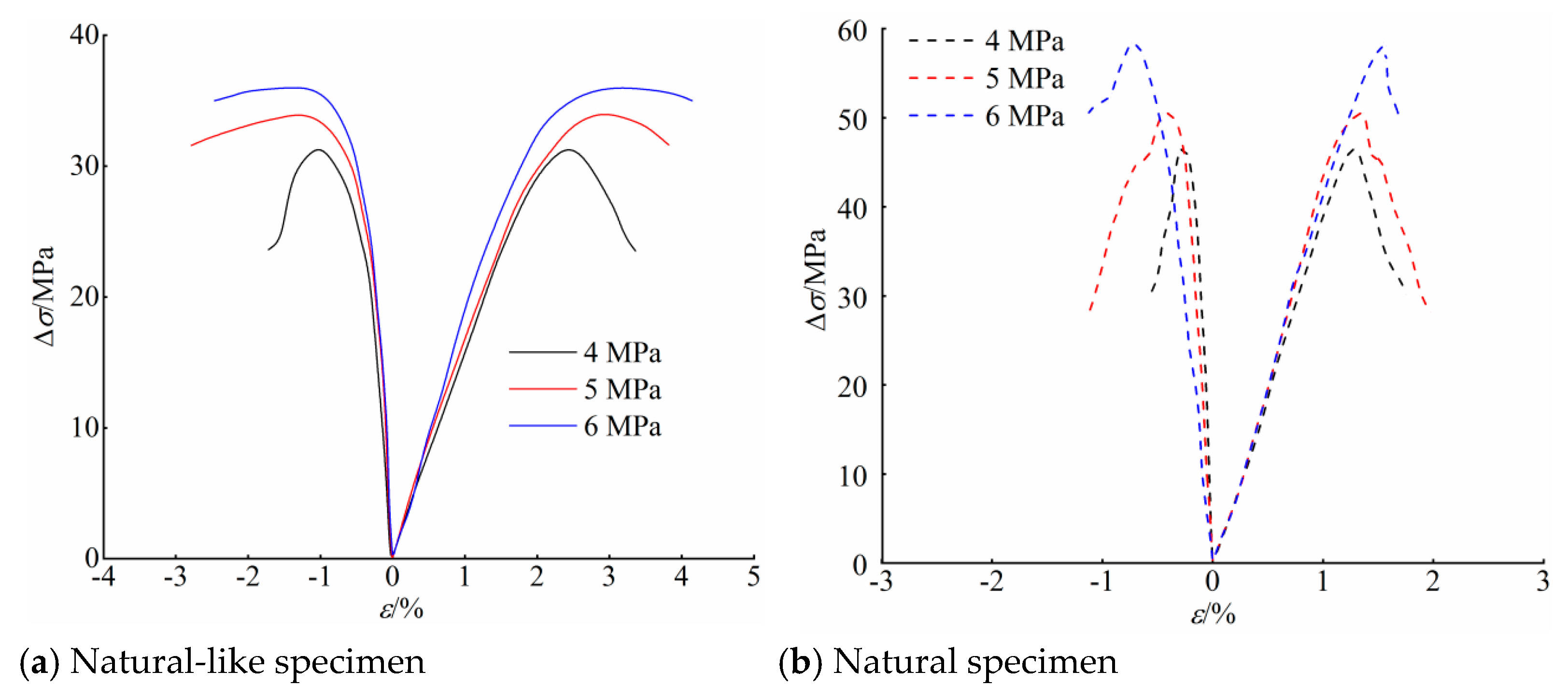
Figure 10 compares the stress–strain profiles between natural-like and natural gas-bearing coal–rock specimens at different
σ3 values. For both specimen types, compressive strength, as well as axial and radial strains at instability failure, increases with increasing
σ3. For every 1 MPa increment in
σ3, compressive strength increases by 7–15% for both specimen types. Within a certain range, compressive strength is positively correlated with
σ3. Increased initial
σ3 modifies the initial state of pores and fissures within the specimen, resulting in a more compact internal structure that inhibits crack propagation.
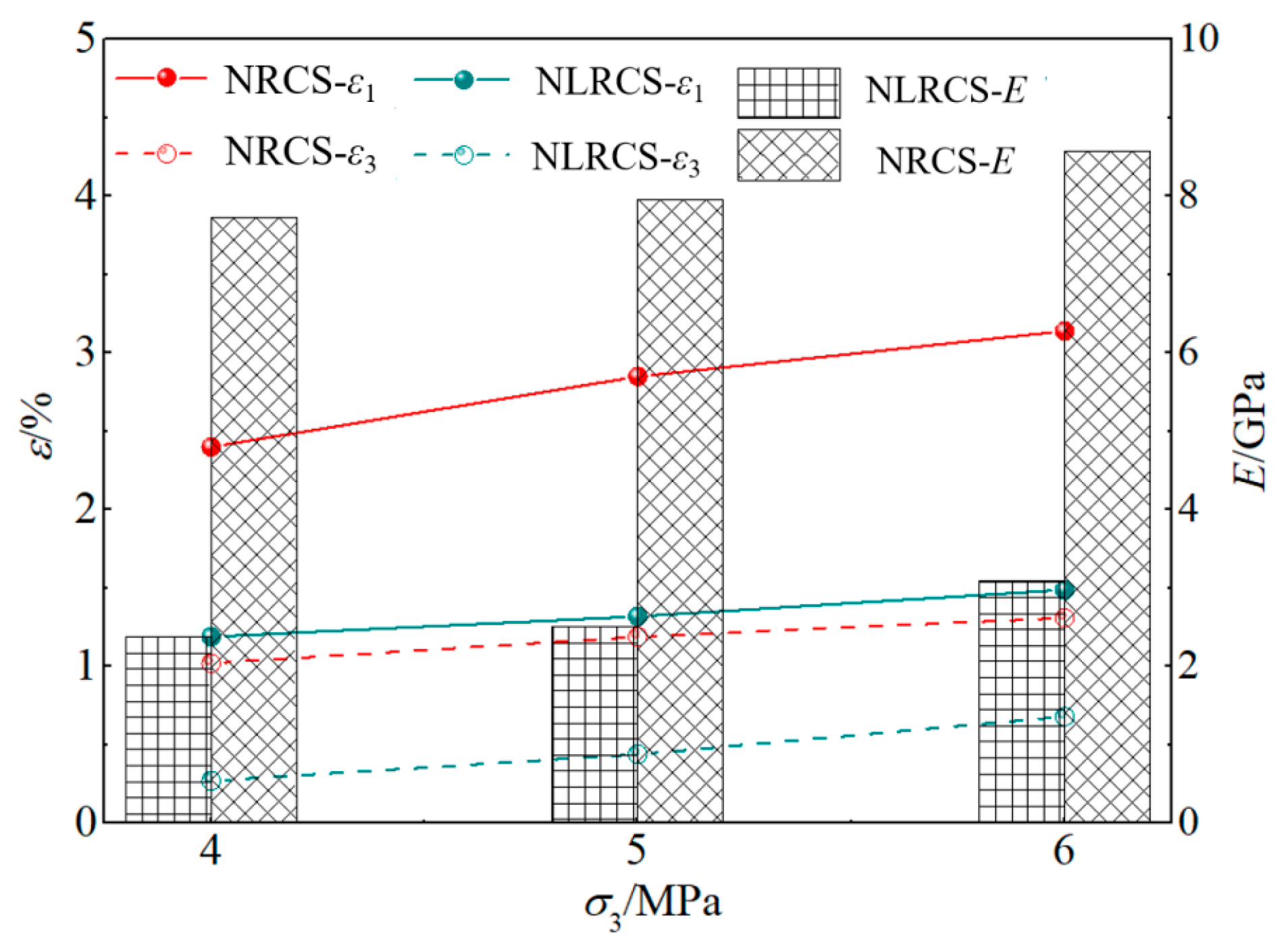
Figure 11 compares the axial strain, radial strain, and elastic modulus evolutions between the two specimen types at peak strength during triaxial loading at different
σ3 values. As
σ3 increases from 4 MPa to 5 MPa and 6 MPa, for natural-like specimens, axial strain increases from 2.40% to 2.85% and 3.14%, while radial strain increases from 1.02% to 1.19% and 1.31%; for natural ones, axial strain increases from 1.29% to 1.32% and 1.49%, while radial strain increases from 0.27% to 0.44% and 0.68%. With the increment in
σ3, axial strain increases while radial strain becomes more negative, yet the overall volumetric strain tends to increase. Overall, the strain at instability failure increases with increasing
σ3 for both specimen types, suggesting that
σ3 enhances plasticity, requiring greater deformation for failure to occur. The axial-to-radial strain ratio decreases with increasing
σ3, since increased
σ3 inhibits lateral slippage within the specimen.
Elastic modulus is an indicator of resistance to deformation. Although no substantial fluctuations in elastic modulus were observed in either specimen type, they still showed an overall increase with increasing σ3, suggesting enhanced plasticity. Furthermore, the post-peak stress–strain curves also indicate a flatter slope and smaller stress drop, suggesting a transition from brittle to ductile failure.
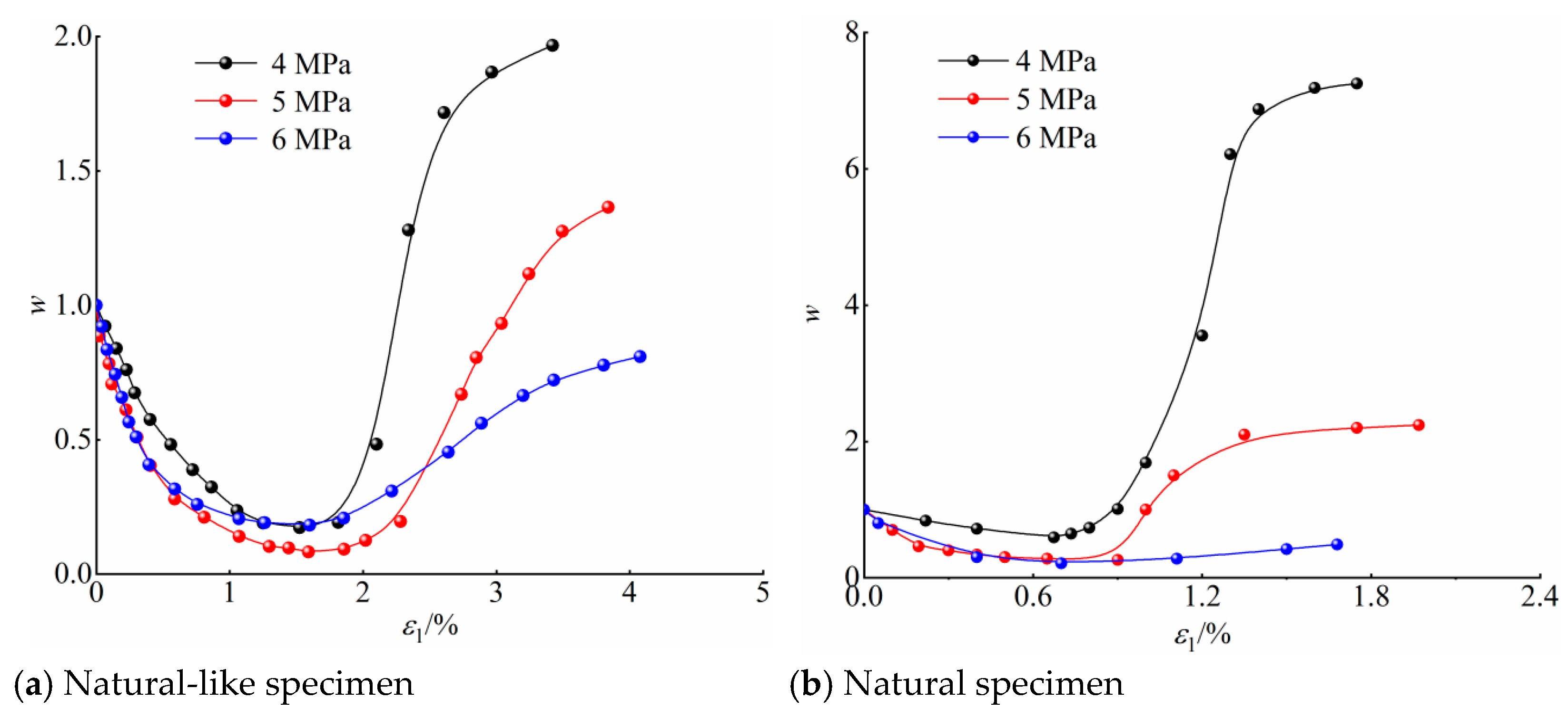
Figure 12 illustrates the relative permeability–strain evolution of the two specimen types under the LAS path at different
σ3 values. Both specimens exhibit a characteristic “decline-then-rise” permeability pattern. A critical threshold is observed at
σ3 = 6 MPa: at lower confining pressures (4 and 5 MPa), the final relative permeability exceeds 1.0, whereas at 6 MPa, it remains below its initial state despite a post-peak increase. This behavior aligns with the findings of Wang et al. [
10,
32], suggesting that permeability in coal–rock composites depends on the extent of damage within the rock component. Under low confining pressure, the relatively low strength of both components allows cracks generated in the coal to penetrate the coal–rock interface. This creates through-going fractures that serve as high-conductance pathways for gas, leading to a surge in permeability. Conversely, high
σ3 strengthens the rock component, effectively shielding it from crack propagation originating in the coal. In this case, the rock’s pore-fissure structure remains largely compacted due to the axial stress, which restricts the recovery of permeability. These results indicate that the influence of confining pressure on permeability evolution is consistent across both natural-like and natural coal–rock specimens.
5. Mechanics-Permeability Evolutions Under UCS
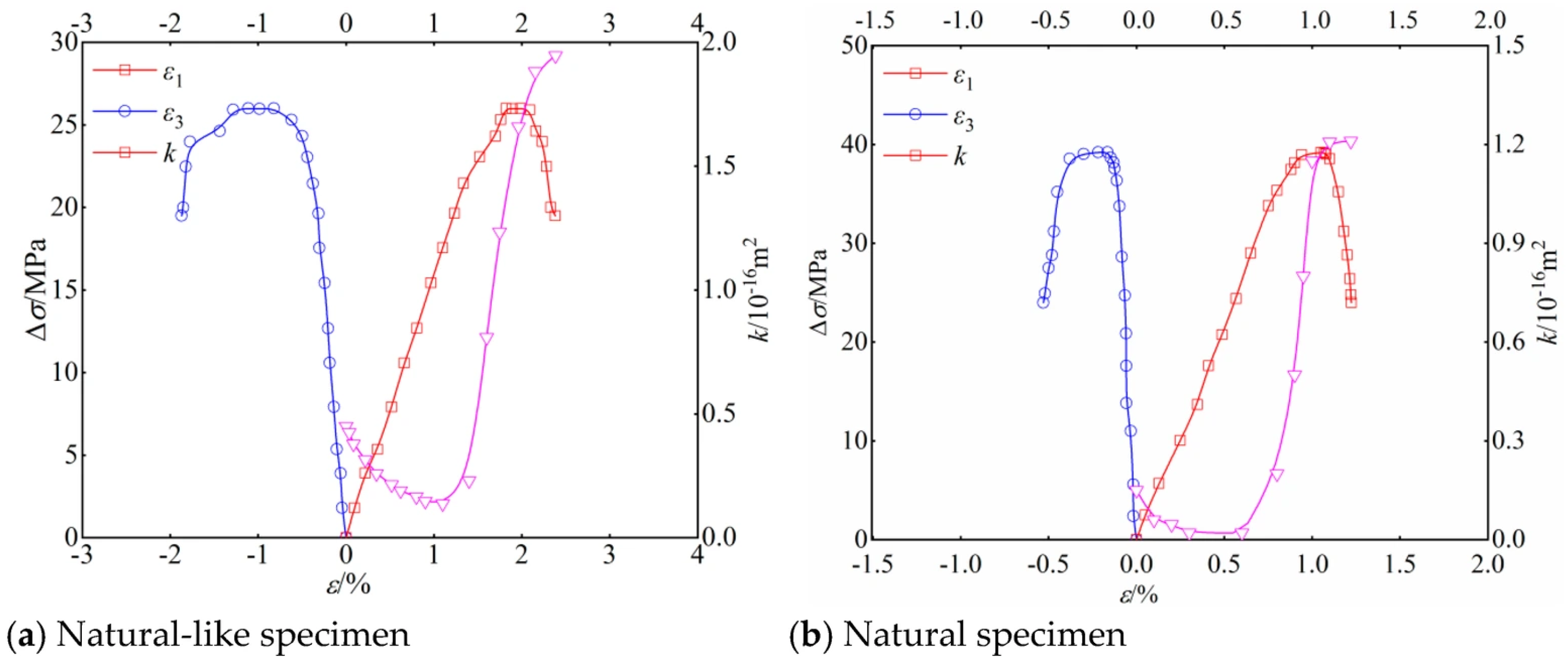
Figure 13 compares the stress–strain–permeability profiles between natural-like and natural gas-bearing coal–rock specimens under UCS. Similar to the LAS results, the curves exhibit four stages. Distinct correspondence was observed between permeability and stress–strain curves, with minimum permeability occurring prior to the peak of the stress–strain curve.
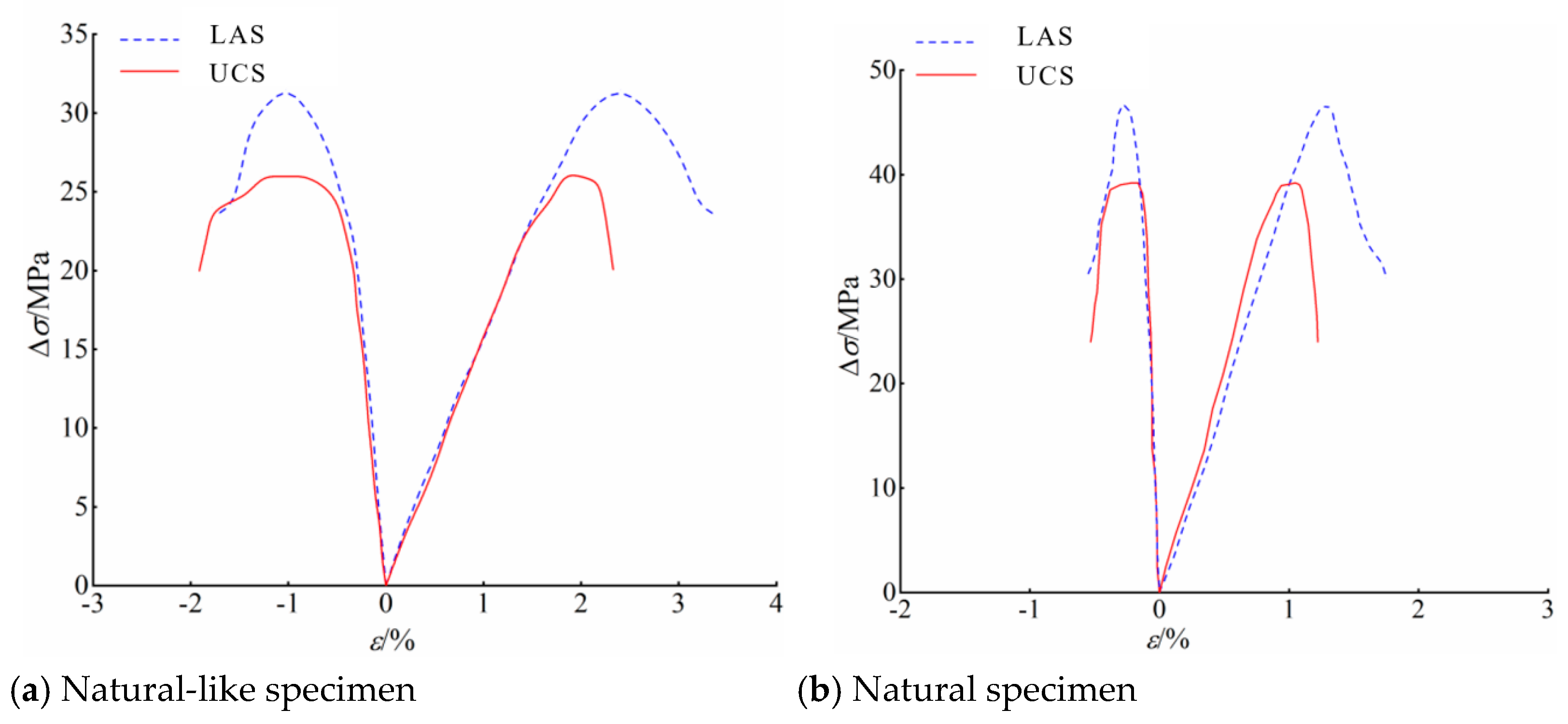
Figure 14 compares the stress–strain profiles between natural-like and natural gas-bearing coal–rock specimens under different paths. For natural-like specimens, under LAS, compressive strength, axial strain at peak stress, and radial strain are 31.39 MPa, 2.40%, and −1.02%, while under UCS, these values are 25.96 MPa, 1.82%, and −1.28%. For natural ones, under LAS, compressive strength, axial strain at peak stress, and radial strain are 46.67 MPa, 1.19%, and −0.27%, while under UCS, these values are 39.21 MPa, 0.94%, and −0.36%. Obviously, compared to LAS, both specimen types exhibited a lower compressive strength and axial strain, along with higher radial strain under UCS, indicating pronounced dilatancy. Confining stress unloading at a constant axial stress reduces the radial constraint, leading to a gradual increase in radial strain. During this process, the specimen remains within its compressive strength range with minimal axial deformation. Once the confining stress drops to a critical point where the axial stress reaches the ultimate bearing capacity of the coal–rock, brittle failure occurs, triggering an instantaneous drop in axial stress.
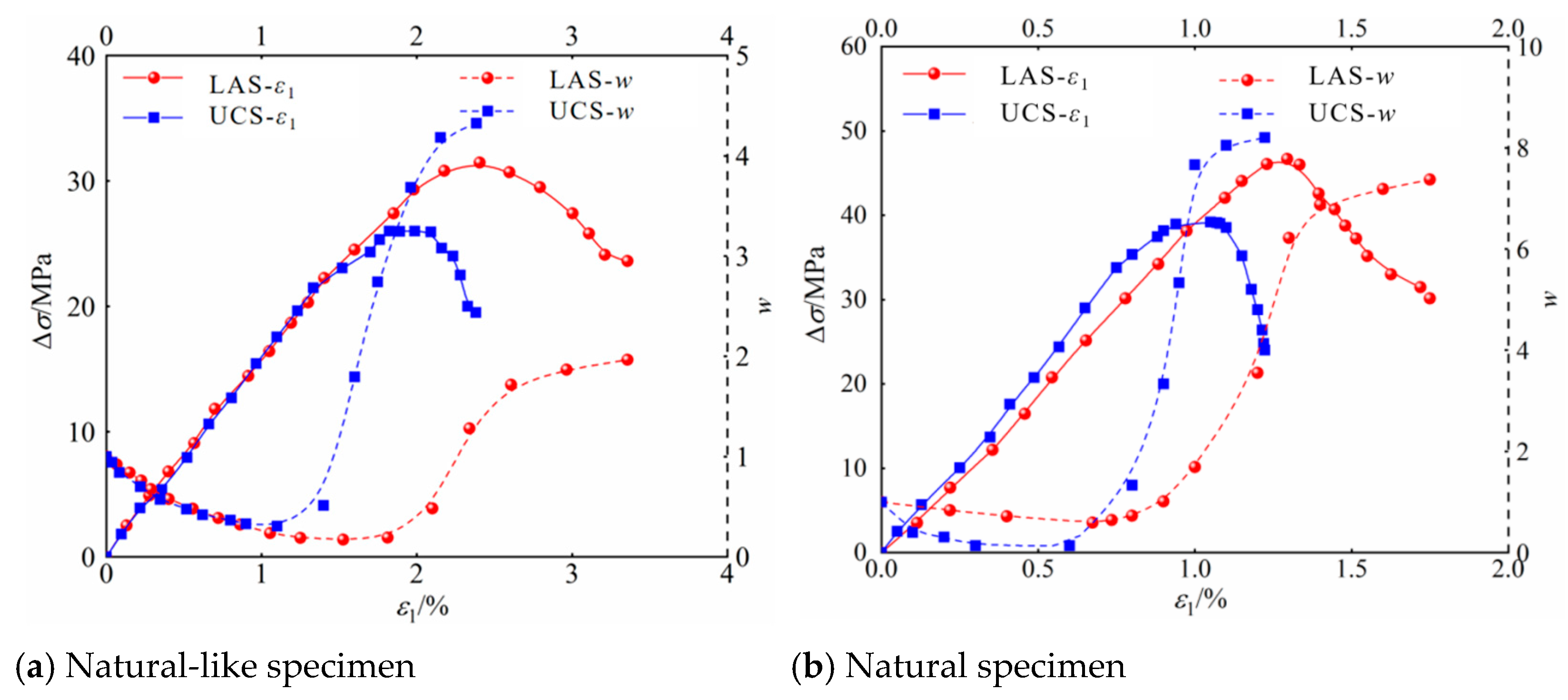
Relative permeability evolutions under UCS are broadly the same between natural-like and natural specimens. Initially, as axial stress increases, the pore-fissure structure within the specimen closes, leading to an abrupt decline in permeability, followed by a slower reduction until reaching its minimum. As the test progresses, instability failure occurs, resulting in an abrupt increase in relative permeability. From
Figure 15a, as the axial stress under UCS is smaller than that under LAS, the minimum relative permeability is smaller. In the initial stage, the relative permeability curves under both paths largely overlap. As the specimens do not differ significantly in properties, the test is reproducible. In contrast, in
Figure 15b, at the same axial deformation, the minimum relative permeability of natural specimens under UCS is lower than under LAS, due to the higher variability inherent in the natural coal–rock formation.
Post-peak permeability can serve as an indicator of post-failure fracture state. Compared to LAS, relative permeability is high under UCS for both specimen types. This suggests that the specimens fail more severely under UCS, resulting in more developed fractures. This aligns with the dilatancy observed in the stress–strain curves.
6. Discussion
Ideal materials for laboratory studies would be natural blocks collected from field sites. However, as natural coal–rock is hardly obtainable, natural-like materials are often fabricated based on similarity theory. Previous laboratory studies on composite coal–rock have frequently relied on layered specimens fabricated by binding or splicing, which partially retain the physical properties of the coal and rock components in the composite structure, but overlook the influence of the interface on mechanical properties. Therefore, it becomes necessary to develop a way of preparing coal–rock specimens with a transition interface. To address this challenge, natural-like coal–rock specimens with a transition interface were prepared by simulated forming. Mechanics-permeability tests were conducted on natural-like and natural coal–rock specimens under uniaxial loading, LAS, and UCS to evaluate the feasibility of using natural-like coal–rock specimens as substitutes for natural ones in laboratory simulations.
Analysis indicates that under uniaxial loading, the strength hierarchy among the coal, rock, and coal–rock specimens is rock > coal–rock > coal. The mechanical properties of coal–rock fall between those of coal and rock, but are closer to those of coal, which concurs with our previous observations in natural coal–rock specimens during uniaxial loading tests. Under LAS, both specimen types showed a four-stage stress–strain evolution—initial compaction, elastic deformation, plastic deformation, and post-peak failure. At a given σ3 and gas pressure, the compressive stress of coal–rock specimens increases with increasing σ3, conforming to the Mohr–Coulomb criterion. For every 1 MPa increment in σ3, compressive strength increases by 7–15%. As σ3 continues to increase and compressive strength reaches the peak value, the axial and radial strains along with the elastic modulus of the specimens all increase, whereas the axial-to-radial strain ratio drops. Increased σ3 enhances plasticity but also inhibits lateral slippage within the specimens. Under UCS, all specimens showed a decline in strength, indicating pronounced dilatancy.
Regarding permeability, in LAS, both specimen types show a “decline-then-rise” evolution. However, differences exist between the final permeability values under low and high confining pressures. Due to the strength enhancement provided by higher confining pressure, the composite specimens do not undergo simultaneous failure of both coal and rock components, resulting in a final permeability lower than the initial value. In UCS, the specimens show a substantial increase in permeability, indicating pronounced brittleness and sudden failure. Notably, for laboratory safety, CO2 was used as the testing gas. While this reflects gas seepage characteristics to some extent, it cannot fully represent methane (CH4). Furthermore, the slippage effect (Klinkenberg effect) of gas in coal–rock media was neglected during permeability calculations, which represents a limitation of this study.
From the uniaxial and triaxial test results, the two specimen types showed similar responses to external conditions, suggesting that natural-like coal–rock specimens fabricated by simulated forming can reproduce the evolutions of their natural counterparts during laboratory tests. In summary, when simulating the incubation of generic composite dynamic disasters, where natural coal–rock specimens are hardly obtainable, it would be feasible to fabricate natural-like specimens by simulated forming based on the similarity principle as substitutes. However, when it comes to composite dynamic disasters in specific mining areas, local natural specimens should be preferred wherever practically possible.
7. Conclusions
Based on the uniaxial compressive strengths of natural coal and natural rock, natural-like coal–rock specimens were fabricated via simulated forming, considering the similarity between coal and rock in strength ratio. Comparative studies were conducted on natural-like and natural coal–rock specimens to examine their stress–strain–permeability evolutions under uniaxial and triaxial paths and evaluate the feasibility of using natural-like specimens as substitutes for natural ones in laboratory simulations. The following conclusions are drawn.
(1) Under LAS, compressive strength and plasticity increase with increasing confining stress for both specimen types, with flow-plastic failure occurring in natural-like specimens at high confining stress values. At instability failure, as confining stress increases, axial and radial strains increase, whereas the axial-to-radial strain ratio decreases for both specimen types, indicating inhibited lateral slippage within the specimens.
(2) As axial load increases, permeability first declines then rises. By the end of the test, final permeability decreases with increasing confining stress. At low confining stresses (4 MPa, 5 MPA), the final permeability of the specimen is greater than the initial level, whereas at a high confining stress (6 MPa), it is smaller. This is because, under high confining stress conditions, overall instability is limited to failure in the coal component only—cracks do not propagate across the interface into the rock component, and pores within the rock component still remain compacted.
(3) Under UCS, both specimen types showed reductions in compressive strength and axial strain at peak strength, along with an increase in radial strain, suggesting pronounced dilatancy. Confining stress unloading also enhances brittleness. Compared with LAS, higher final relative permeability was observed in both specimen types under UCS, suggesting more severe failure and more developed fractures.
(4) Given the similar responses between the two specimen types under uniaxial loading, LAS, and UCS paths, natural-like coal–rock specimens can serve as substitutes for natural ones in laboratory mechanics-permeability simulations.




 ,
,