Article

Tetracycline Adsorption Efficiency Using Bagasse Fly Ash Originating from the Sugar Industry in Thailand


by
Nirawan Sanphoti
and
Kaiwit Ruengruehan
*
Department of Community Health, Faculty of Public Health, Kasetsart University, Chalermphrakiat Sakon Nakhon Province Campus, Sakon Nakhon 47000, Thailand
*
Author to whom correspondence should be addressed.
Processes 2026, 14(10), 1619; https://doi.org/10.3390/pr14101619
Submission received: 23 January 2026 / Revised: 12 May 2026 / Accepted: 13 May 2026 / Published: 17 May 2026
(This article belongs to the Special Issue Biochemical Processes for Sustainability, 2nd Edition)

Abstract

Tetracycline (TC) contamination in reservoirs poses environmental and human health risks, particularly antibiotic resistance in ecosystems. Bagasse fly ash (BFA), a by-product from the sugarcane processing industry, has gained attention as an environmentally friendly adsorbent. In this study, we aimed to investigate the mechanism of TC adsorption using batch experiments to evaluate the effects of various factors. For example, pH value ranged from 4 to 10, contact time varied between 0 and 90 min, adsorbent doses were noted as 0.5–2.5 g per 50 mL, the initial concentrations of TC were 10–40 mg/L, and the temperature ranged from 293.15 to 318.15 K. To perform surface characterization of BFA, we employed the scanning electron microscopy (SEM) technique. Based on the results of Fourier transform infrared spectroscopy (FTIR) and surface area analysis (Brunauer–Emmett–Teller; BET), its structure and chemical properties are favorable for TC adsorption. Our results demonstrate that the optimal conditions for adsorption were at pH 7.0 and 60 min contact time. The adsorption capacity tended to increase with the initial concentrations of TC and reached a maximum of 0.58 mg/g when the initial concentration was 40 mg/L. Our kinetic analysis results demonstrate that the pseudo-second-order model exhibited the best fit with the experimental data (R2 = 0.95638); in comparison, the results of the isotherm behavior study using the Temkin model (R2 = 0.97338) indicated the complex adsorption pathway on the BFA surface.

1. Introduction

Antibiotic contamination in natural reservoirs has increased markedly in recent years. One of the primary antibiotics responsible is TC, which occurs in natural environments and negatively impacts water quality, ecosystems, and human health. TC is used to treat a wide range of diseases, with approximately 200,000 tons of this drug used worldwide annually. TC production in the US alone amounts to 22,680 tons per year [1,2]. The primary sources of antibiotic contamination include wastewater from livestock activities, hospitals, pharmaceutical manufacturing, and community wastewater [3,4]. As TC is chemically stable and resistant to natural degradation, it accumulates in the environment and accelerates the development of drug resistance in bacteria (antimicrobial resistance; AMR) in ecosystems [5,6,7]. The World Health Organization (WHO) has ranked antimicrobial resistance as one of the most significant health and environmental threats [8] and predicted that by 2050, 10 million deaths per year could be attributable to AMR. In a previous study, the authors reported that even low concentrations of TC in environments can induce the development of bacterial resistance [9]. In addition, TC has been detected in various sources, including surface water, groundwater, tap water, wastewater, and sludge from hospital wastewater treatment processes [10]. Although currently applied municipal wastewater treatment technologies are effective to an extent, their efficiency is not sufficient for TC removal due to its highly stable chemical structure. Specifically, currently employed biological wastewater treatment systems are inadequate to eliminate TC from the environment [11,12]. Despite the fact that Advanced Oxidation Processes (AOPs) and membranes enable effective contaminant elimination in wastewater, they are limited by their high cost and system control complexity [13,14]. Similarly to AOPs and membranes, the photocatalytic process enables powerful TC degradation; however, it is constrained by disadvantages such as high cost and energy consumption [15]. In order to address these challenges, adsorption has gained increasing attention due to its high efficiency, simple operation, and economic value, with the most widely used adsorbent being activated carbon (AC) [16]. Despite these advantages, the cost of AC is prohibitively high and its reusability is limited, with suitable and sustainable alternative materials consequently being required. The results of a recent study demonstrated that biochar produced from agricultural waste possesses a TC adsorption capacity between 2.98 and 8.23 mg/g, depending on its initial concentration [17]. Bagasse fly ash (BFA) is a waste product produced during the combustion of bagasse in sugar processing facilities. In addition, it represents a potential bio-waste source as it can absorb environmental contaminants. Sugar processing facilities in Thailand produce more than 200,000 tons of bagasse ash annually [18]. Even at low concentrations, BFA can remove up to 98% of 2-picoline with a maximum adsorption capacity of up to 59 mg/g [19]. In addition, BFA possesses suitable properties for adsorption such as high specific surface area, porous structure, and functional groups that can interact with pollutants (hydroxyl (-OH) and carboxyl (-COOH) groups). As the main components of BFA are SiO2 (45–65%), Al2O3 (15–25%), and Fe2O3 (5–15%), it exhibits efficient attachment to pollutants [20,21,22]. The removal of pollutants occurs through adsorption mechanisms involving electrostatic attraction, film diffusion, and pore diffusion on the intermolecular surface between pollutant molecules and the main components of BFA [23,24]. In addition, the advantages of the aforementioned components facilitate an increase in specific surface area and a porous structure suitable for pollutant capture, resulting in higher pollutant adsorption efficiency [25,26,27]. The authors of previous studies have reported that BFA is capable of absorbing numerous environmental contaminants, including 96–98% of lead and chromium and 97–98% of insecticides [28,29]. The key advantages of BFA include its low cost, high availability, and low environmental impact. BFA can be used to remove pollutants from various sources; however, it may still leach heavy metals, posing risks related to long-term environmental contamination [30]. At present, several knowledge gaps remain, including a deeper understanding of the mechanism of TC adsorption by BFA and the identification of key controlling factors affecting its efficacy [31].
In this study, we present a novel approach to utilizing bagasse fly ash (BFA), classified as industrial waste in Thailand, as a pollutant adsorbent (tetracycline), thereby valorizing the waste and contributing to wastewater treatment. Bagasse fly ash is inexpensive and readily available from sugar processing facilities in Thailand. Furthermore, research remains limited on the utilization of agricultural waste materials in Thailand for the treatment of antibiotic contaminants in wastewater. The objective of this study was to therefore examine the kinetics of TC adsorption using BFA from a sugar processing facility in Thailand. We investigated the effects of key factors on adsorption efficiency, including solution pH, contact time, initial TC concentrations, and temperature, and examined the main adsorption mechanisms through isotherm modeling and material characterization.

2. Materials and Methods

2.1. TC and Bagasse Fly Ash (BFA) Preparation

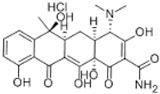
Tetracycline hydrochloride (C22H24N2O8·HCl) with a stated purity of ≥95% was used in this study (Sisco Research Laboratories Pvt. Ltd., Mumbai, India). A stock solution of TC at a concentration of 1000 mg/L was prepared through dissolution in deionized water and stored in amber glass bottles in a refrigerator at 4 °C to protect against photodegradation. The TC solution used in the experiments was prepared freshly on a weekly basis by diluting the stock solution with deionized water to the desired concentrations. The physical and chemical characteristics of TC and its specific characteristics are shown in Table 1.
BFA preparation: The BFA used in this study was supplied by a sugar processing facility in Thailand and is a by-product from the bagasse combustion process following sugar extraction. To prepare BFA, 500 g of bagasse ash was washed with deionized water 3–4 times to remove contaminants, dust, and organic debris. The BFA preparation process consisted of several steps, including drying in an oven (Memmert model 10-1060, Schwabach, Germany) at 120 °C for 6 h, followed by passage through a 250 µm sieve (Endecott, UK) to obtain uniform particle sizes. The surface area of BFA was improved through immersion in 100 mL of 36% v/v nitric acid (HNO3) solution in a 500 mL beaker and stirring with a magnetic stirrer at 150 rpm at room temperature for 24 h to increase the specific surface area and introduce functional groups that can react with pollutants. Following acidification, the BFA powder was filtered with Whatman No. 1 filter paper and washed 3–4 times with distilled water, using a total volume of approximately 1000 mL of distilled water, until the wash water reached a near-neutral pH (6.5–7.5). The powder was subsequently re-dried at 120 °C for 6 h and stored in a desiccator with silica gel to prevent moisture absorption before use in the subsequent experiment.

2.2. Analysis of the Characteristics of Adsorbents (Bagasse Fly Ash)

Various analytical techniques were employed to determine the characteristics of the adsorbent materials. Scanning electron microscopy (SEM) (model JSM-IT500 InTouchScope™, JEOL, Akishima, Japan) was used to study the morphology and surface structure of the adsorbent materials; a Fourier transform infrared spectrometer (FTIR) (Perkin Elmer, Shelton, CT, USA) was used to analyze the chemical functional groups of the materials in the wavelength range of 4000–400 cm−1. To perform specific surface area analysis, the Brunauer–Emmett–Teller technique (BET) was employed using a BELSORP MAX instrument, Osaka, Japan, based on the principle of nitrogen gas adsorption to calculate the surface area of the material. The concentrations of tetracycline in the solution were measured using a UV-VIS spectrophotometer (Evolution 201, Thermo Scientific, Madison, WI, USA) at a wavelength (λ) of 355 nm.

2.3. The Effect of Solution pH on Adsorption Efficiency

The analysis of the effect of pH on the removal efficiency of TC using BFA adsorbents was performed using an initial concentration of 20 mg/L in 50 mL of synthetic wastewater. The experiments were conducted at pH 4.0, 7.0, and 10. The solution pH was adjusted with HCl and NaOH, with stirring completed with a magnetic stirrer at 125 rpm for the appropriate time, as determined from the experiments performed to establish the equilibrium contact time. All samples were then filtered through 0.45 µm pore size filter paper and analyzed to determine the remaining TC content.

2.4. The Effect of Contact Time on Adsorption Efficiency

The effect of contact time on the adsorption efficiency of TC was investigated by adding 2.0 g of BFA adsorbents to 50 mL of synthetic wastewater. The experiments were carried out at 298 K using an orbital shaking water bath (model NB-303, N-BIOTEK, Bucheon-si, Republic of Korea) at pH 7.0. The pH of the synthetic wastewater was adjusted with 0.2 M HCl and 0.2 M NaOH. The mixture was shaken at 125 rpm, and samples were collected at 0, 5, 10, 20, 30, 40, 50, 60, and 90 min. All samples were then filtered through 0.45 µm pore size filter paper and analyzed to determine the remaining TC content.

2.5. The Effect of Adsorbent Doses on Adsorption Efficiency

The study of the effect of BFA adsorbent dose on TC removal efficiency was performed by varying the amount of BFA added to 50 mL of synthetic wastewater. The initial concentration of TC was 20 mg/L; in comparison, the BFA doses were 0.5, 1.0, 1.5, 2.0, and 2.5 g. The experiments were performed at pH 7.0 and 298 K, with stirring completed with a magnetic stirrer at 125 rpm. All samples were then filtered through 0.45 µm pore size filter paper and analyzed to determine the remaining TC content.

2.6. The Effect of Initial Concentrations of TC on Adsorption Efficiency

An initial TC concentration of 10–40 mg/L was selected to obtain significantly different adsorption results. However, our research data demonstrate that the typical tetracycline concentration found in wastewater ranges from 30.5 to 388.70 µg/L [9], and in hospital wastewater in Thailand, this figure stands at 0.72–2.40 µg/L [32]. The initial concentrations of TC were 10, 20, 30, and 40 mg/L, and all experiments were performed using synthetic wastewater. Two grams of the dried BFA adsorbents were added to 50 mL of TC solution at pH 7. The experiments were performed at 298 K, with stirring completed with a magnetic stirrer at 125 rpm. All samples were then filtered through 0.45 µm pore size filter paper and analyzed to determine the remaining TC content.

2.7. The Effect of Temperature on TC Adsorption Efficiency

Two grams of the dried BFA adsorbents were added to 50 mL of TC solution at pH 7. The mixtures contained 20 mg/L TC and were incubated at 293.15, 308.15, and 318.15 K, with stirring completed with a magnetic stirrer at 125 rpm. Following experiment completion, all samples were then filtered through 0.45 µm pore size filter paper and analyzed to determine the remaining TC content.

2.8. Batch Experiments on Adsorption Efficiency

Batch experiments were designed to investigate the effect of various factors on TC removal efficiency. The parameters examined were as follows: solution pH (4.0, 7.0, and 10.0), contact time (0, 5, 10, 20, 30, 40, 50, 60, and 90 min), adsorbent dose (0.5, 1.0, 1.5, 2.0, and 2.5 g), and initial TC concentration (10, 20, 30, and 40 mg/L). The solution pH was adjusted with HCl or NaOH before the addition of BFA. The sealed sample bottles were shaken in an orbital shaker at 125 rpm. After the specified contact time, the samples were filtered through 0.45 µm filter paper to separate the adsorbed materials. The equilibrium adsorbed TC amount on the BFA surface (qe) was calculated using Equation (1):
qe = (C0 − Ce) V/M
where qe is the equilibrium TC adsorption amount (mg/g); C0 is the initial concentration of TC (mg/L); Ce is the equilibrium TC concentration (mg/L); V is the volume of solution (liters); and M is the mass of BFA used (grams).
The amount of TC adsorbed on the BFA surface at time (t) was calculated using Equation (2), and TC removal proportion (%) was calculated using Equation (3).
qt = (C0 − Ct) V/M
TC removal proportion (%) = ((C0 − Ce)/C0) × 100
where qt is the TC molecule adsorbed on BFA (mg/g); C0 is the initial TC concentration (mg/L); Ct is the equilibrium TC concentration (mg/L); V is the volume of TC solution (mL); and M is the used BFA mass (g).

2.9. Equilibrium Isotherms and Kinetics

Isotherm and kinetic models were used to study the interaction of TC molecules on BFA surfaces. The adsorption mechanism of TC and BFA was investigated using Freundlich [33], Langmuir [34], Temkin [35] and Dubinin–Radushkevich (D-R) [36] models, as shown in Equations (4)–(8):
Freundlich: qe = Kf Ce1/n
Langmuir: qe = (qmax KLCe)/(1 + KLCe)
Temkin: qe = (RT/bT) ln(KTCe)
Dubinin–Radushkevich: qe = qₘₐₓ exp(−KD-R ε2)
ε = RT ln(1 + 1/Ce)
where qe is the amount of equilibrium absorption (mg/g); Ce is the equilibrium TC concentrations (mg/L); Kf and n are the Freundlich constant or Freundlich sorption coefficient; qmax is the absorption capacity of BFA (mg/g); KL is the Langmuir constant or Langmuir adsorption constant; bT is the adsorption energy constant (J/mol); KT is Temkin constants or Temkin isotherm constants (L/mg); R is the Universal Gas Constant, which is equal to 8.314 J/mol K; T is the absolute temperature (K); KD-R is the Dubinin–Radushkevich isotherm constants (mol2/kJ2); and Ɛ is the adsorption energy constant in the Dubinin–Radushkevich (D-R) isotherm model.
The three main kinetic models used for adsorption kinetic modeling studies were (1) pseudo-first order; (2) pseudo-second order; and (3) intra-particle diffusion, as shown in Equations (9)–(11):
Pseudo-first order: ln (qe − qt) = lnqe − k1t
where qt is the amount of BFA adsorbed at time t (mg/g); qe is BFA adsorbed at equilibrium (mg/g); k1 is the pseudo-first-order rate constant (min−1); and t is time (minute).
The pseudo-second-order kinetic model is effective in describing the adsorption system where chemisorption is the main mechanism, as shown in Equation (10):
Pseudo-second order: t/qt = 1/(k2qe2) + t/qe
where qt is the amount of BFA adsorbed at time t (mg/g); qe is the BFA adsorbed at equilibrium (mg/g); and k2 is the pseudo-second-order rate constant (g/mg minute).
The intra-particle diffusion model or particle diffusion model was employed to assess the diffusion of adsorbed molecules within the pore structure of the adsorbents.
Intra-particle diffusion: qt = kintt0.5 + C
where qt is the amount of BFA adsorbed at time t (mg/g); kint is the intrinsic rate constant or diffusion rate constant (mg/g·min0.5); and C is the boundary layer thickness constant, boundary layer length scale, or boundary layer scaling parameter.

3. Results and Discussion

3.1. Characteristics of Adsorbents (BFA)

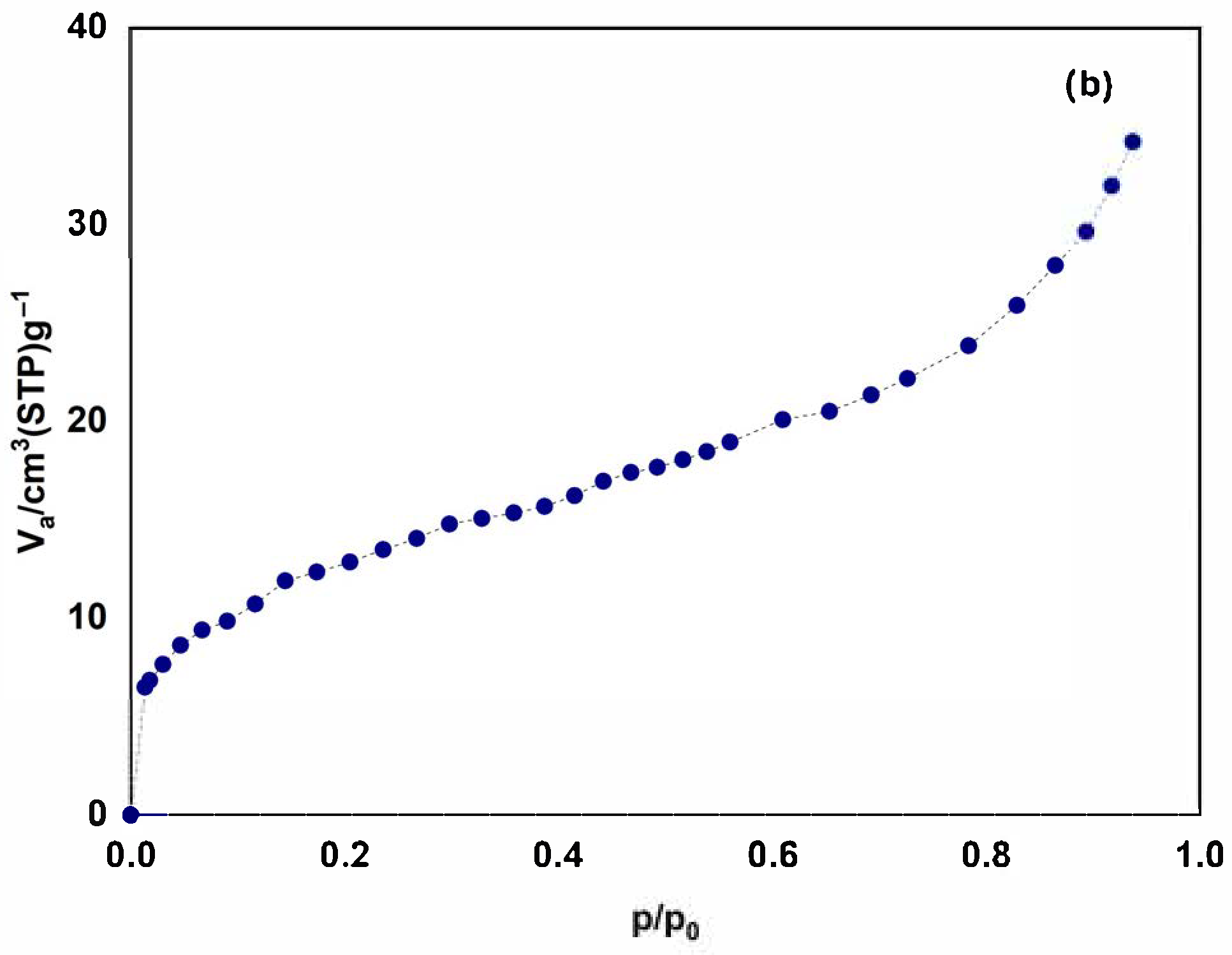
The adsorbent used in this study was bagasse fly ash, with improvements made to its physical properties and the moisture content accumulated within the material reduced. The specific surface area, total pore volume, average pore diameter, and typical pore sizes were 47.32 m2/g, 0.09 cm3/g, 7.59 nm, and 2–50 nm, respectively. The characteristics of bagasse fly ash exhibit a structure favorable for the adsorption of pollutants. The porous structure of BFA increases the surface areas and binding sites of pollutants [20,37]. Our findings are consistent with those reported in previous studies [28,38].
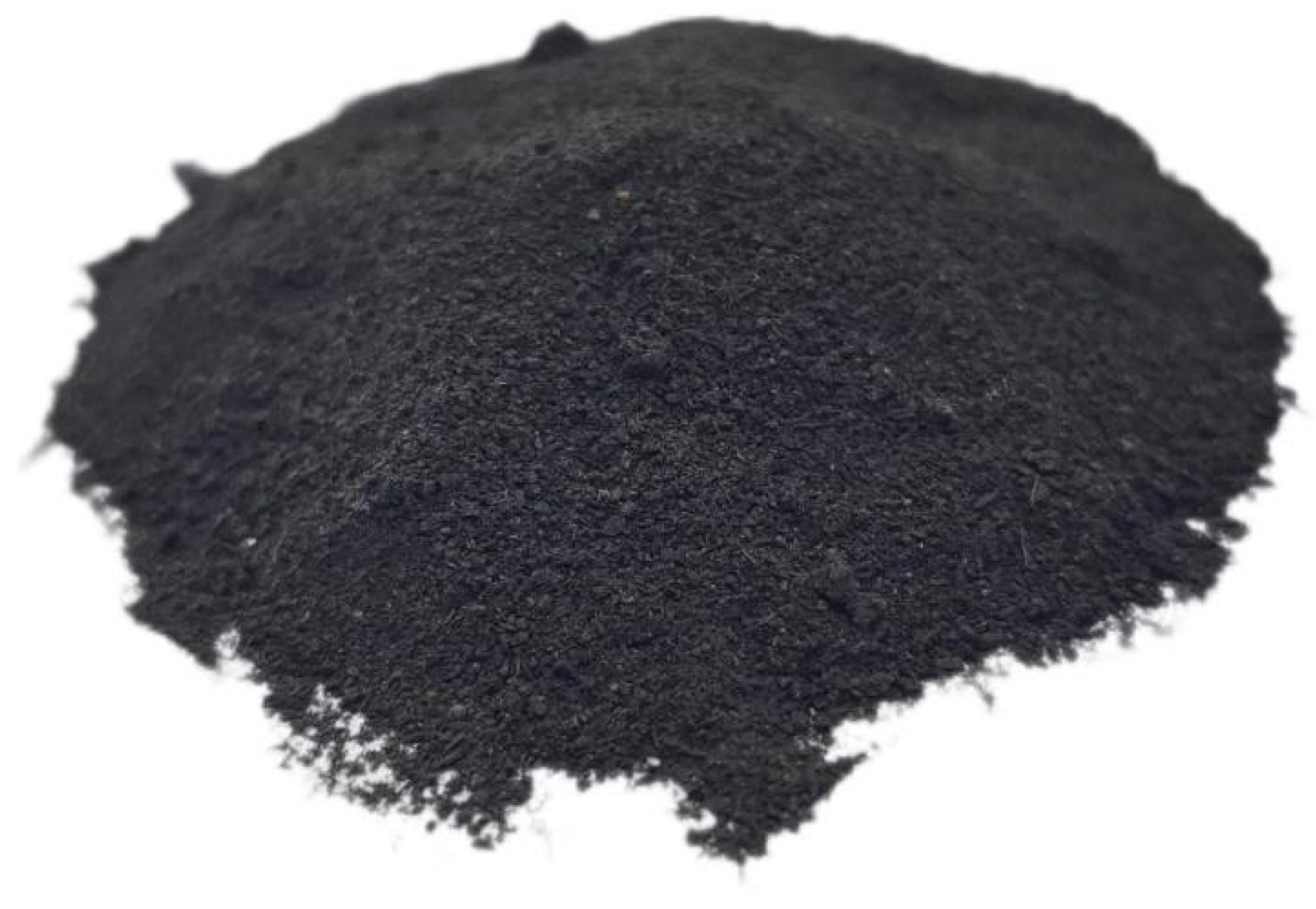
Porosity analysis of BFA through nitrogen gas adsorption and desorption tests at 77 °K, as shown in Figure 1a,b, revealed adsorption exhibiting a type IV isotherm with hysteresis rings at medium-to-high relative pressures, indicating the formation of a mesoporous structure (IUPAC classification). The maximum adsorption rate was 34.193 cm3 (STP)/g at P/P0 = 0.9372. Figure 2 illustrates the physical characteristics of BFA after the drying process.
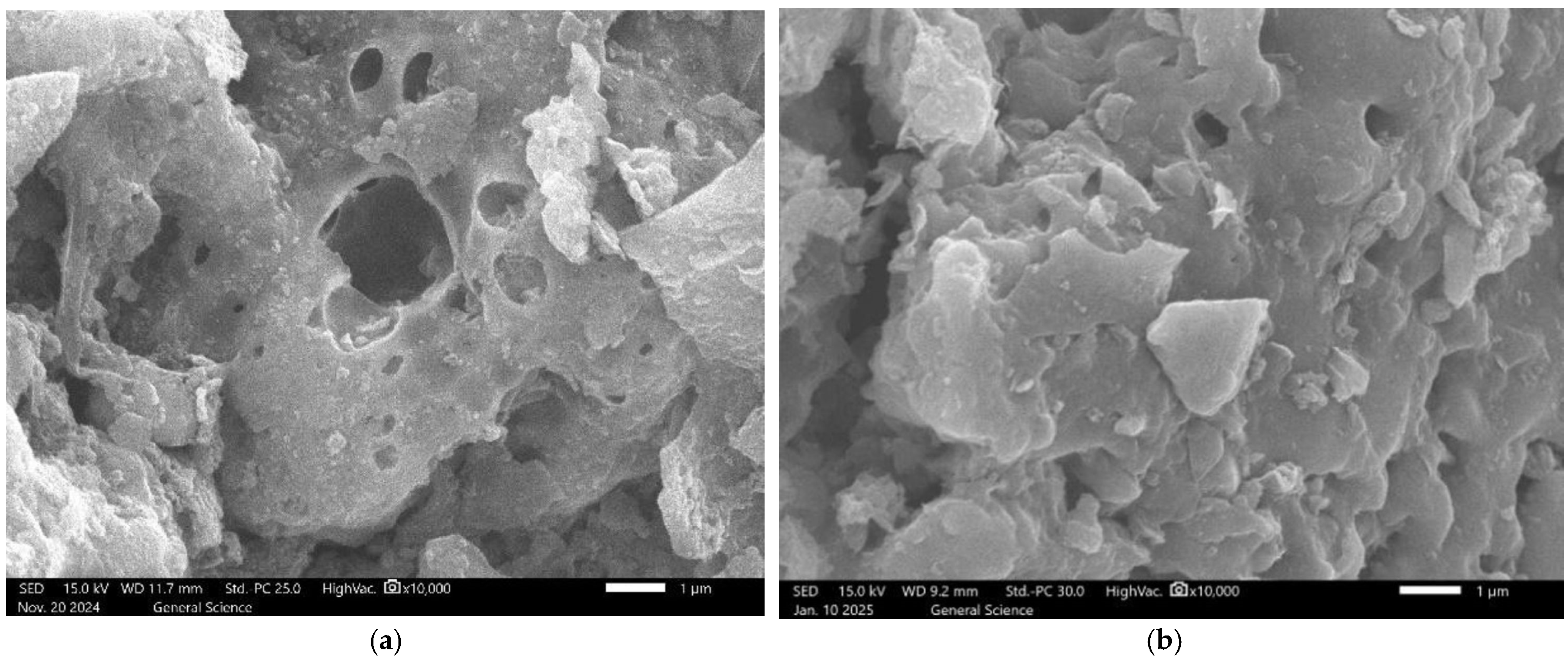
Scanning electron microscopy (SEM) analysis revealed the morphological characteristics of BFA both before and after TC adsorption show that Figure 3a and Figure 3b, respectively. BFA has rough surfaces and numerous pores, which support the adsorption process. After adsorption, evident changes on the surface of the BFA were observed, with pores occupied by TC molecules. These morphological changes represent alterations in both structure and porosity.
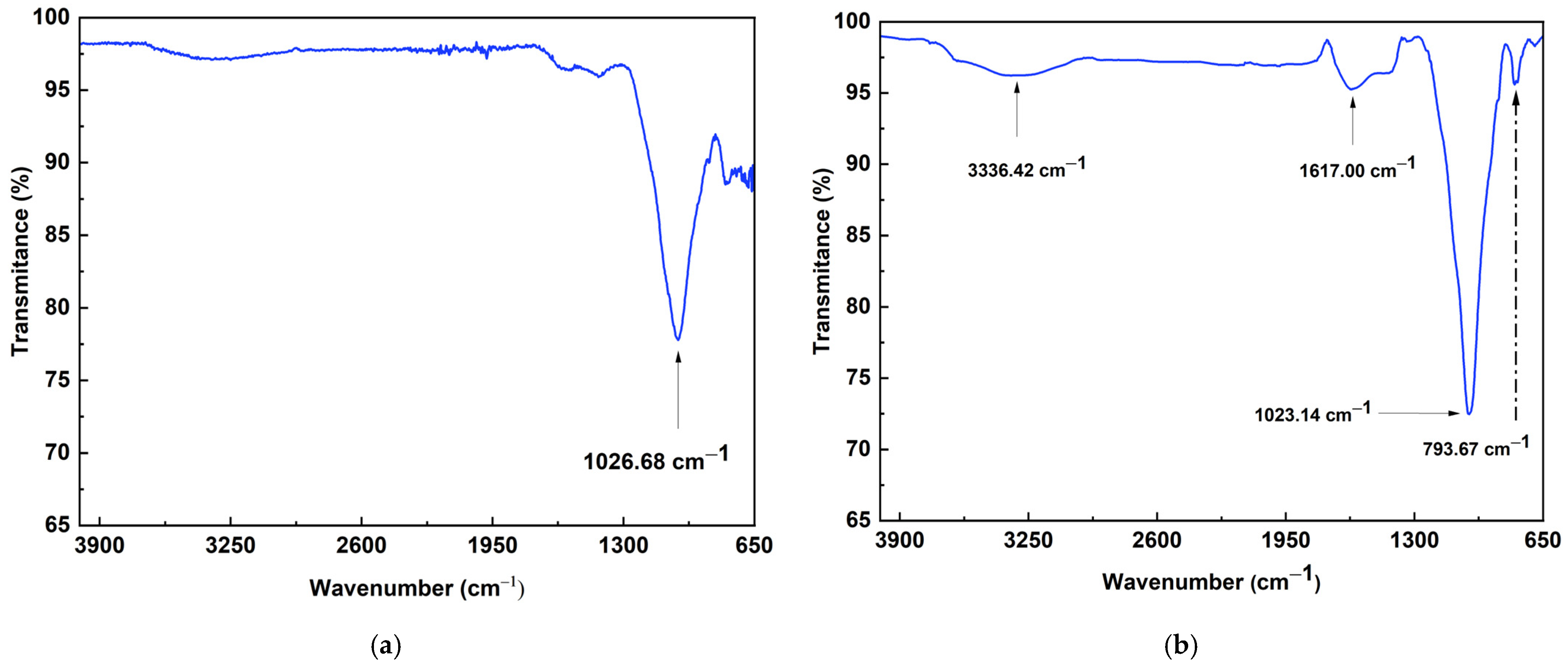
Figure 4 illustrates the results of Fourier transform infrared spectroscopy (FTIR) analysis of diatomite before and after the adsorption experiments. Before adsorption, the absorption band of the FTIR spectrum of BFA was 1000–1100 cm−1, which corresponds to the stretching vibration of the Si–O group. The adsorption conditions of BFA were as follows: pH 7.0, 298 K, 2.0 g of BFA, and 20 mg/L of TC in a 50 mL solution volume. In agreement with the stretching vibration of hydroxyl groups (–OH), the absorption band of the FTIR spectrum of BFA was 3400–3600 cm−1. In one instance, the absorption band of the FTIR spectrum between 1600 and 1650 cm−1 represents the stretching vibration of the C=C double bond in the aromatic ring structure from the carbon component of the ash. The absorption band in the range of 1000–1100 cm−1 is characteristic of the Si–O bond vibrations, indicating the presence of silica in a non-crystalline or semi-crystalline form; in comparison, the absorption band in the range 600–800 cm−1 is related to metal–oxide bond vibrations [39,40].
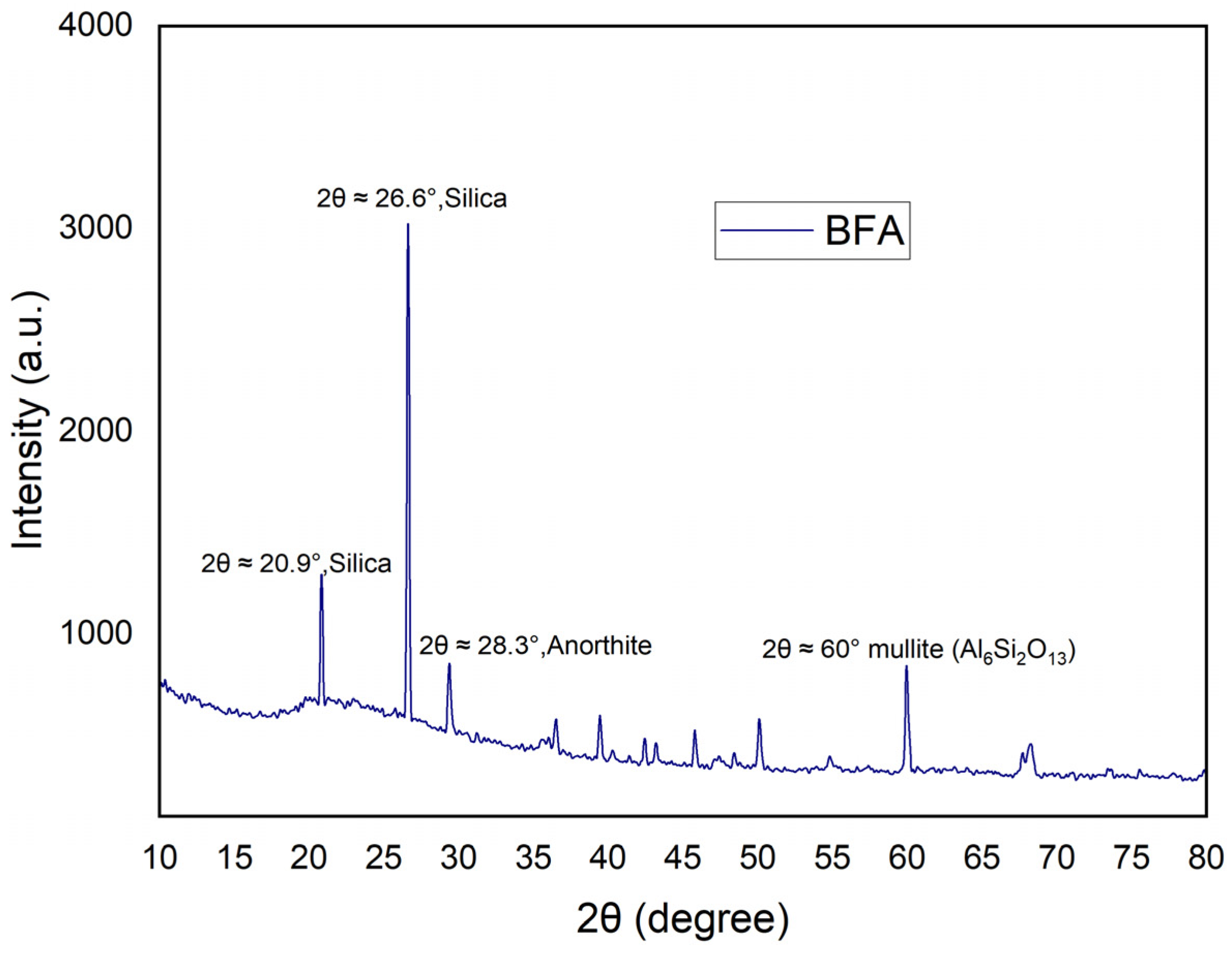
Figure 5 illustrates the results of the BFA test using the XRD instrument. The crystal phase analysis of BFA through comparison of the diffraction peaks with the standard JCPDS/PDF database demonstrated that the XRD pattern shows a principal peak at an angle of 2θ ≈ 26.6°, which corresponds to the (101) plane of quartz SiO2 (JCPDS, No. 46-1045) [41,42], confirming that quartz is the principal crystal phase in this material. The peak at position 26 degrees also indicates the 101 cubic phase crystal structure of nano-silica. Additional diffraction peaks detected at angles 2θ ≈ 20.8, 36.5, 39.5, 50.1, and 59.9 degrees provide clear evidence of the presence of quartz and other cubic crystalline phases of silica. Peaks detected in the angle range 2θ ≈ 30–35 degrees and 60–62 degrees have been identified as belonging to mullite (Al6Si2O13), corresponding to standard peak positions such as 30.8, 33.7, and 62.8 degrees. A sparse peak at 33.8 degrees indicates the presence of hematite (Fe2O3). Furthermore, the appearance of a broad hump in the angle range of 15–35 degrees suggests the presence of amorphous silicazolanic reactivity [42,43].

3.2. The Effect of Solution pH on TC Adsorption Efficiency

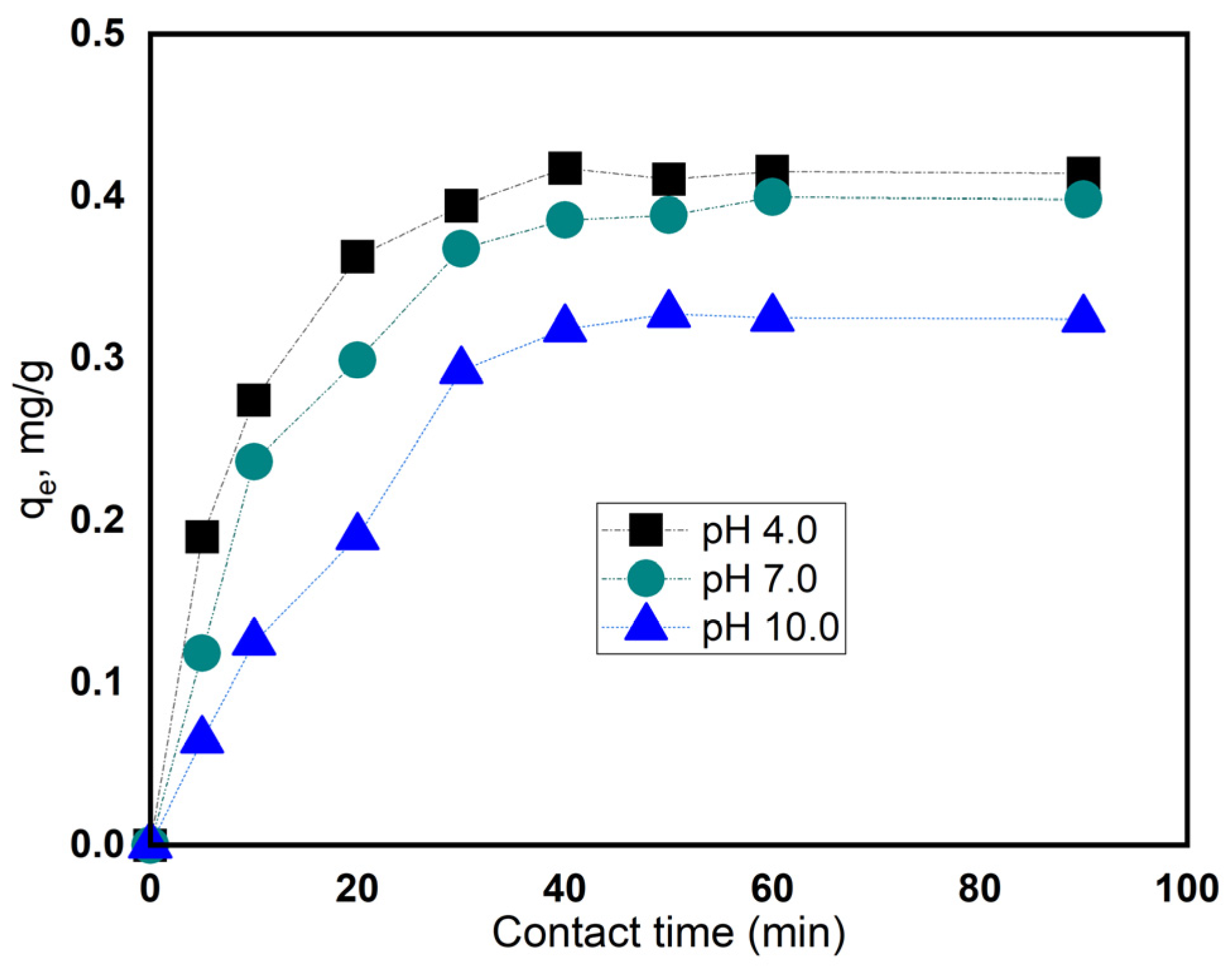
Through this experiment, we aimed to study the effect of solution pH on the adsorption efficiency of 20 mg/L TC in synthetic wastewater, as shown in Figure 6. The solution pH was adjusted to 4.0, 7.0, and 10.0 using 0.2 M HCl and 0.1 M NaOH before the addition of BFA as an adsorbent. The results demonstrate that the maximum adsorption capacity or qe equal to 0.40 mg/g occurred at pH 7.0, whereas the lowest adsorption efficiency was found at pH 4.0 and 10.0. This phenomenon is due to the change in TC ionic state and the interaction with BFA surfaces at different pH levels. Under acidic conditions (pH 4.0), the adsorption efficiency decreases due to competition between H+ ions and the protonated TC molecules. In contrast, alkaline conditions (pH 10.0) induce the formation of TC anions, which are repelled from BFA surfaces due to electrostatic repulsion [44,45].

3.3. The Effect of Contact Time on TC Adsorption Efficiency Using BFA

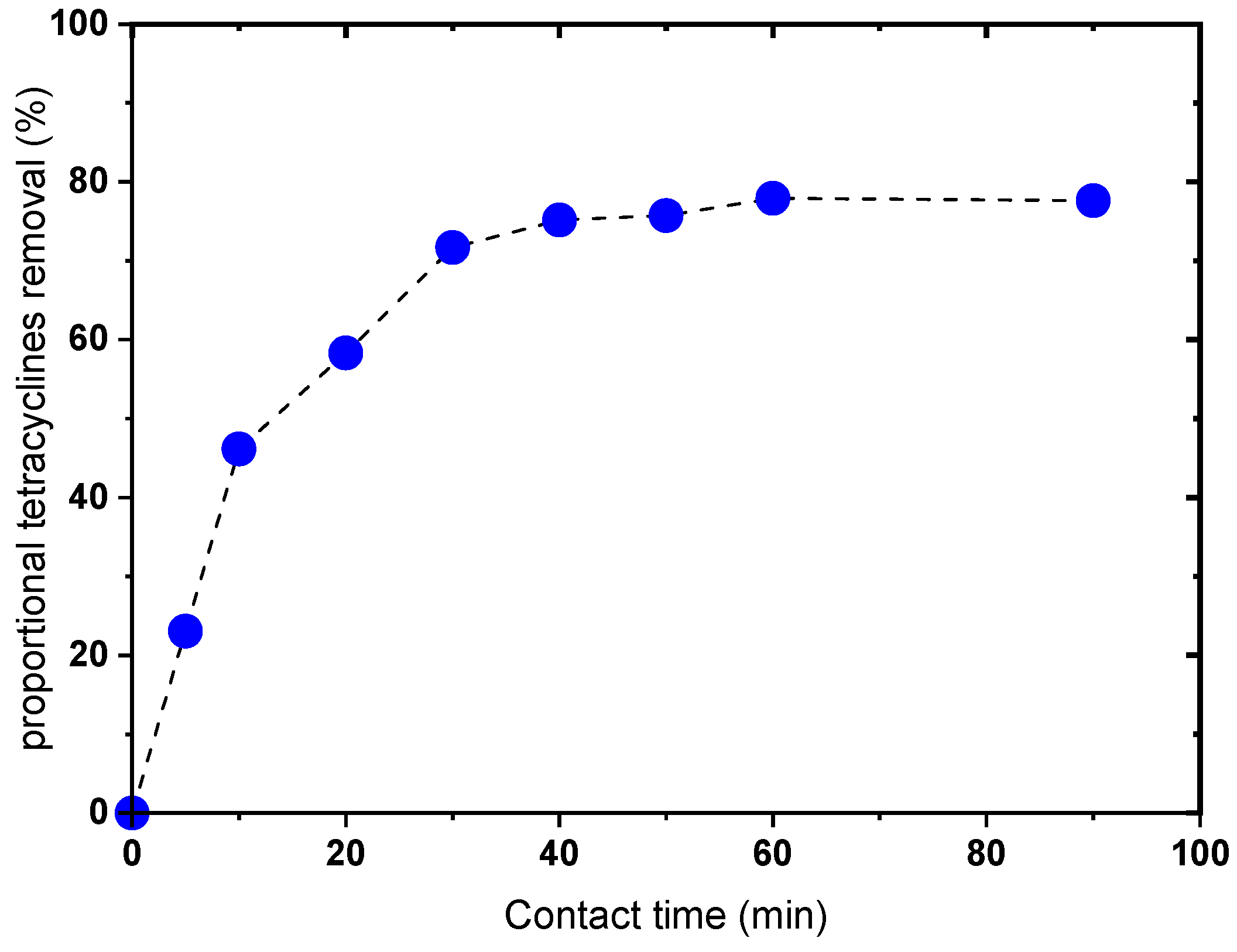
Our objective was to investigate the effect of contact time on the removal efficiency of TC using BFA as an adsorbent. The experimental conditions were as follows: solution pH 7.0, 298 K, and use of a magnetic stirrer at 125 rpm. The results demonstrate that the adsorption process occurred in two distinctly different phases. BFA absorbed rapidly between 0 and 30 min and reached a gradual equilibrium state between 30 and 60 min, as shown in Figure 7. In the initial stage, BFA captured TC rapidly, and approximately 72.0% of the total TC was removed within 30 min. When most adsorption sites on the surfaces of BFA were occupied, the adsorption rate decreased significantly. Ultimately, the system reached equilibrium within 60 min.

3.4. Effect of BFA Doses on TC Adsorption Efficiency

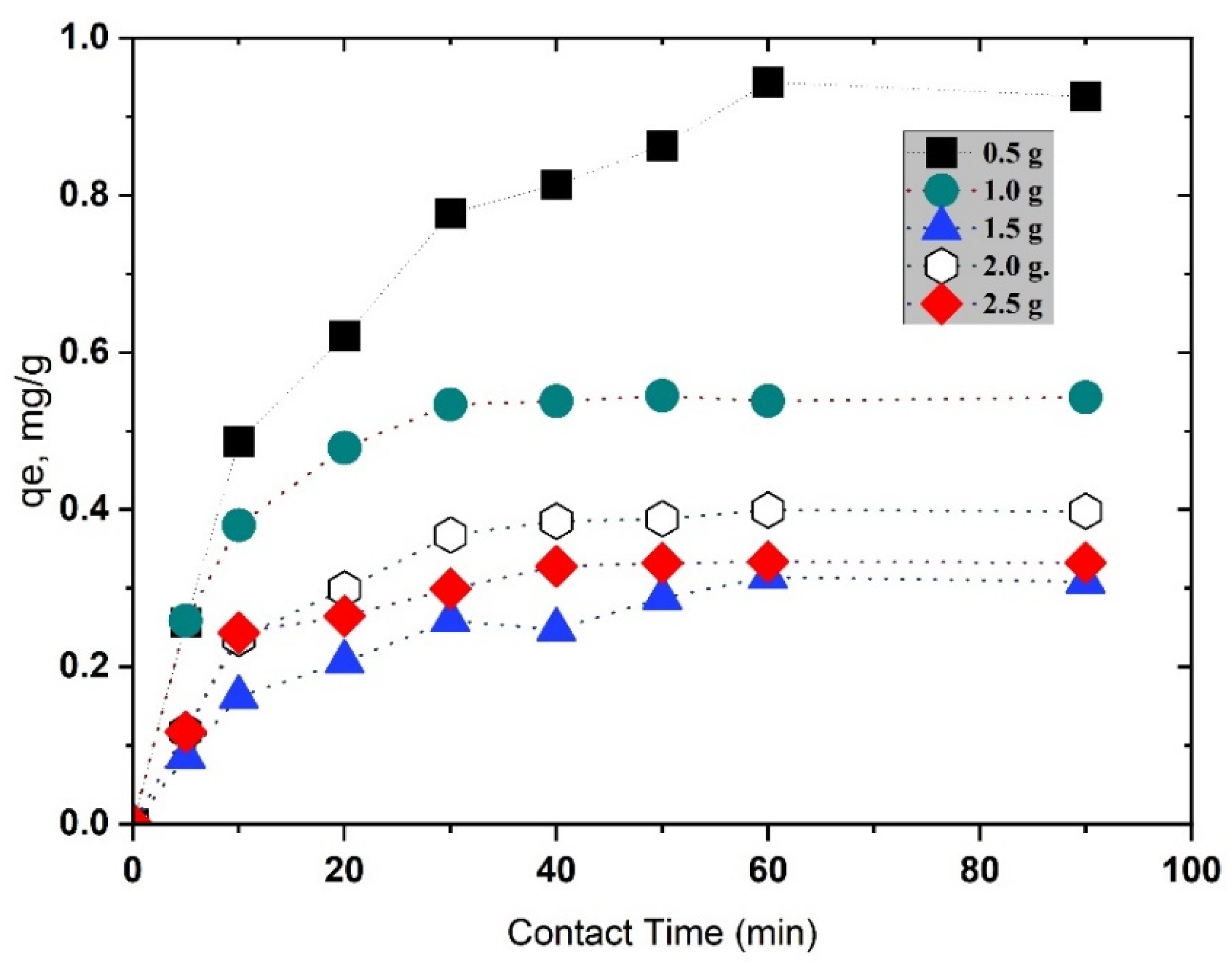
The adsorption experiments were conducted under different BFA concentrations to study its effect on TC removal efficiency. The effect of BFA dose on adsorption efficiency is shown in Figure 8. The results demonstrate an inverse relationship between BFA dose and adsorption capacity (qe). When the amount of BFA was increased from 0.5 g to 2.5 g per 50 mL of solution, the adsorption capacity decreased from 0.93 mg/g to only 0.33 mg/g.
Based on our findings, the optimal BFA doses were 1.0–1.5 g per 50 mL of solution, which provided the highest adsorption capacity and removal efficiency. Similar to the results of previous studies, adsorption depends on the amount of adsorbent employed [46,47]. The altered surface properties of BFA, particularly the surface areas and pore structure, influence the adsorption efficiency.

3.5. The Effect of Initial TC Concentrations on Adsorption Efficiency

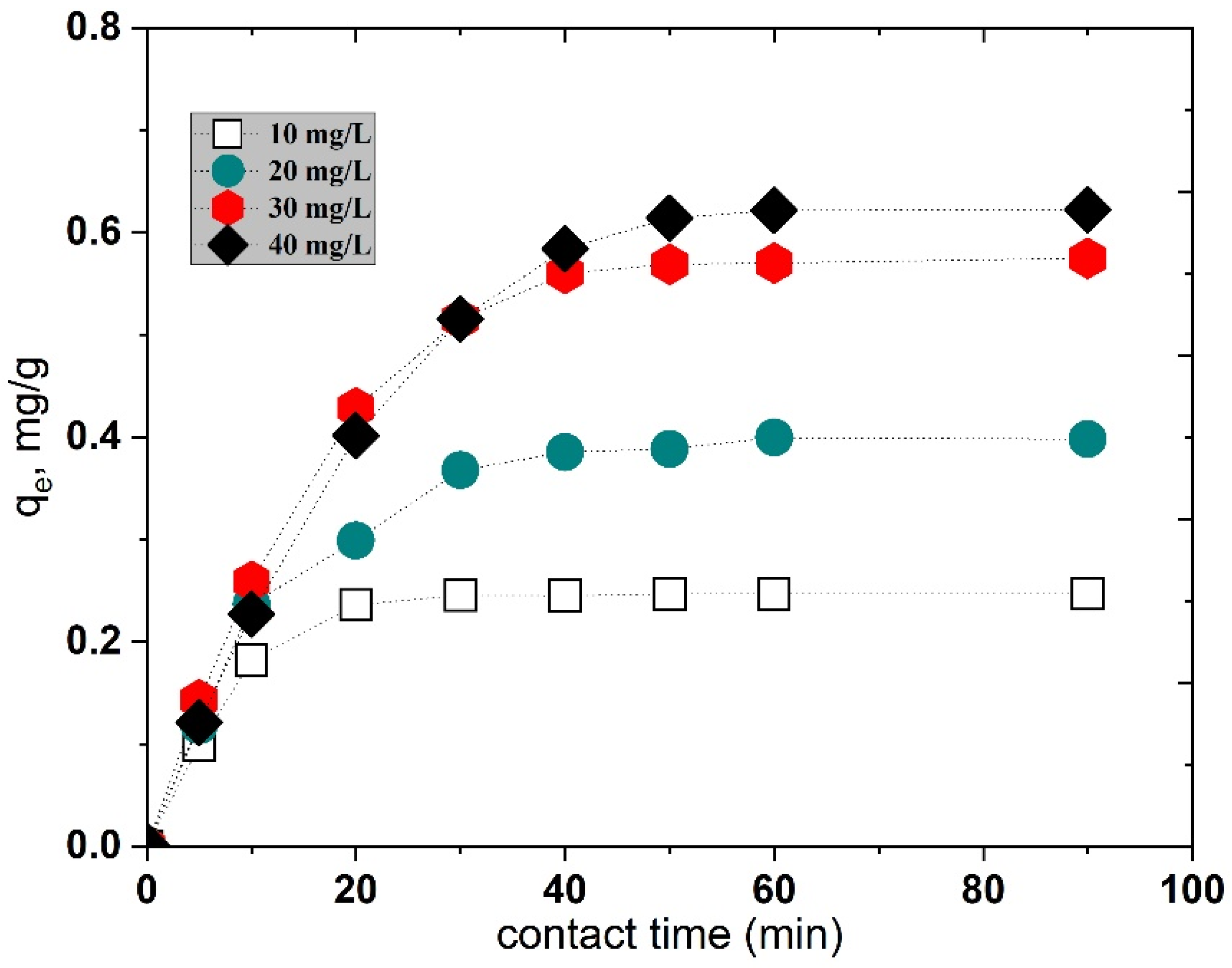
The objective of our experiments was to investigate the effect of different initial concentrations of TC on adsorption efficiency. Synthetic wastewater contained 10, 20, 30, and 40 mg/L TC, as shown in Figure 9. The experiments were performed under the following conditions: solution pH 7.0, temperature 298 K, and 2.0 g BFA per 50 mL of solution. The results demonstrate that the equilibrium adsorption capacity (qe) tended to increase linearly with increasing TC concentrations. In agreement with the results of previous studies, higher initial concentrations significantly enhance the adsorption of TC as mass transfer mechanisms and molecular interactions encourage the adsorbent surface’s ability to capture TC [48,49].

3.6. The Effect of Temperature on Adsorption Efficiency

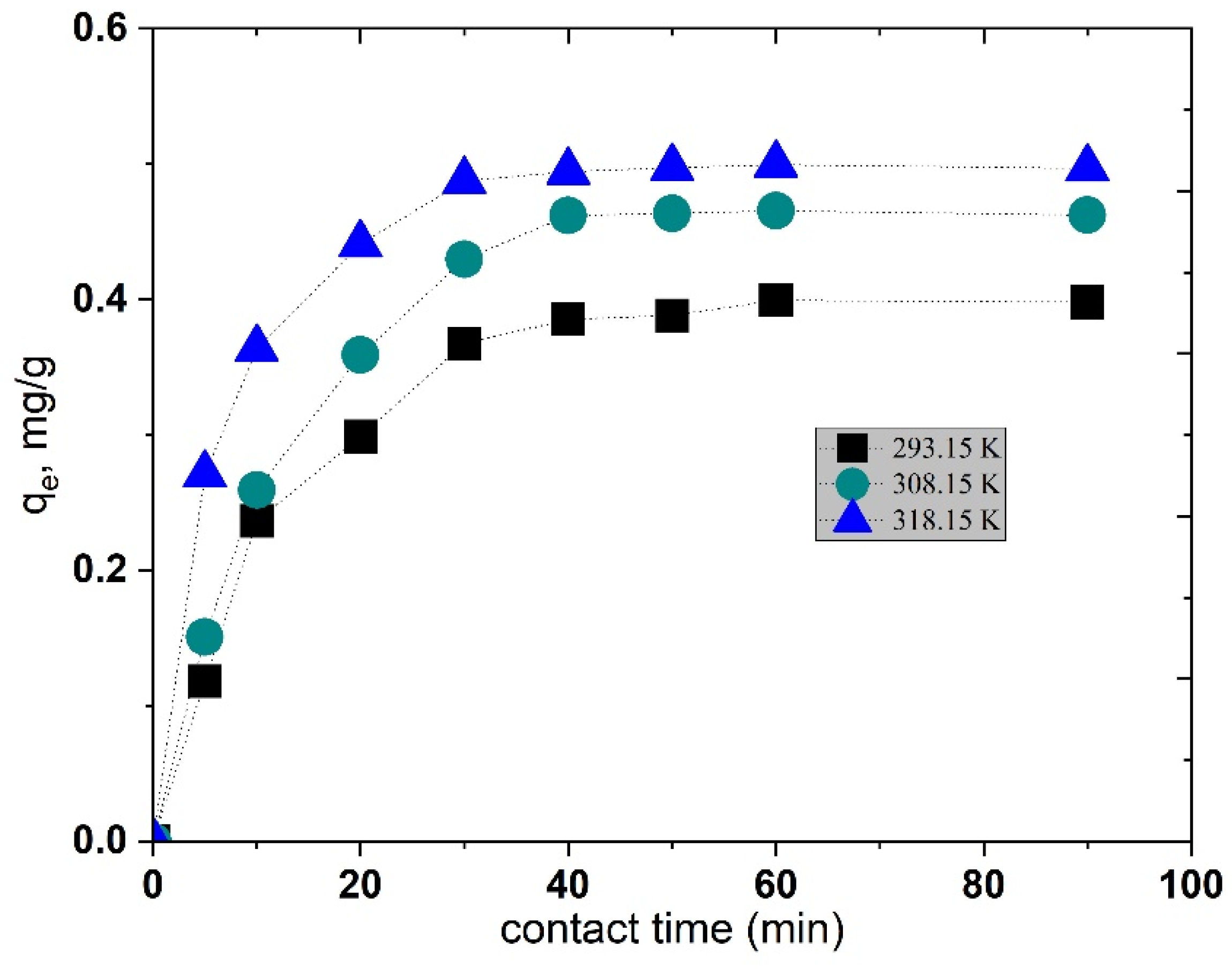
The objective of our experiments was to explore the effect of different temperatures on TC adsorption efficiency. The TC adsorption experiments were conducted under temperature conditions of 293.15, 308.15 K, and 318.15 K using 2.0 g of BFA with 20 mg/L TC in 50 mL of solution pH 7.0. The results demonstrate that the equilibrium adsorption capacity (qe) increased from 0.4 mg/g to 0.5 mg/g with increasing temperature, as it is an endothermic process, as shown in Figure 10. Increasing temperature promotes more efficient molecular movement and accessibility to the surface sites of BFA. Based on our results, the maximum adsorption efficiency was recorded at 318.15 K. However, significant TC removal still occurred, even at room temperature. In addition, the results of the experiments on the effect of temperature change on adsorption efficiency indicate that increasing temperature enhances surface adhesion. Thermodynamic analysis yielded ΔH° of 86.95 kJ/mol and ΔS° of 282.37 J/mol-K, consistent with the experimental results.

3.7. Kinetics of TC Adsorption Using BFA

Kinetic experiments were performed using BFA as an adsorbent to remove TC molecules from the solution. Two grams of BFA was added to 50 mL of TC solution at pH 7.0 containing 30 mg/L TC, with the mixture incubated at 293.15 K (Table 2). Under these conditions, three kinetic models were analyzed to examine the adsorption process. The results demonstrate that the pseudo-second-order model provided the best linear relationship, as the highest coefficient of determination (R2) was obtained with the pseudo-second-order model, followed by the pseudo-first-order model and intra-particle diffusion (Table 2). In addition, the calculated equilibrium adsorption capacity was close to the experimental adsorption capacity. The calculated equilibrium adsorption capacity (qe) and the experimental adsorption capacity were 0.64 and 0.56 mg/g mg/g, respectively.

3.8. Study of TC Adsorption Isotherm Using BFA

Adsorption isotherm experiments were performed using 2.0 g of BFA with 30 mg/L TC in 50 mL solution at pH 7.0, and the mixture was incubated at 293.15 K. The equilibrium adsorption behavior of TC on the BFA surface was analyzed using four popular isotherm models—the Temkin isotherm model, the Freundlich isotherm or Freundlich model, the Langmuir isotherm or Langmuir adsorption model, and the Dubinin–Radushkevich (D-R) isotherm model—as shown in Table 3. The results demonstrate that the strongest linear relationship was exhibited by the Temkin isotherm model, followed by the Langmuir isotherm model, the Freundlich isotherm model, and the Dubinin–Radushkevich (D-R) isotherm model. The Langmuir model estimated the maximum adsorption capacity (qm) to be 0.58 mg/g with a favorable separation factor (RL) (0.0192). The Freundlich model parameter with a value of 1/n equal to 0.1628 indicated non-homogeneous surface adsorption; in comparison, the very high average adsorption energy based on the D-R isotherm model (2.8955 kJ/mol) suggests that this adsorption mechanism was chemisorption. Based on our experimental results, a chemisorption mechanism likely plays a role in adsorption, exhibiting pseudo-second-order enthalpy of 86.95 kJ/mol, with non-patternable surface adhesion.
In addition, a comparison of the adsorption efficiencies of various pollutants using both surface-modified and unmodified bagasse (Table 4) demonstrates that bagasse materials generally possess good adsorption efficiencies for waterborne pollutants. Our findings demonstrate that standardized bagasse fly ash (BFA) possesses effective tetracycline adsorption capabilities.

4. Conclusions

The results of our study on the effect of bagasse fly ash (BFA) on the adsorption efficiency of TC molecules from solution demonstrated that the maximum efficiency occurred under neutral pH conditions of 7.0, an equilibrium adsorption time of approximately 60 min, and BFA doses between 1.0 and 1.5 g/50 mL. Adsorption efficiency was positively correlated with the initial TC concentration. For example, the maximum TC adsorption capacity was 0.58 mg/g when the initial TC concentration was 40 mg/L. In addition, the adsorption efficiency also increased at temperatures up to 318.15 K. Physical characterization revealed complex adsorption mechanisms. For instance, scanning electron microscopy (SEM) images after adsorption highlighted changes in surface morphology, whereas near-infrared spectroscopy (FTIR) analysis identified key functional groups that play a role in the multiple interactions between BFA and TC. The physical properties of BFA, such as its specific surface area of 47.32 m2/g and average pore size of 7.58 nm, support its suitability as a material for TC adsorption. Kinetic analysis demonstrates that the pseudo-second-order model fits the experimental data well, as it exhibits the highest coefficient of determination, close to 1. Based on adsorption isotherm experiments, the strongest linear relationship (R2) was observed with the Temkin isotherm model, with an average adsorption energy of 2.8955 KJ/mol. Our results indicate the presence of heterogeneous surface interactions and chemisorption mechanisms.

Author Contributions

Conceptualization, K.R. and N.S.; Methodology, K.R. and N.S.; Validation, K.R. and N.S.; Formal analysis, K.R. and N.S.; Investigation, K.R. and N.S.; Writing—original draft, K.R. and N.S.; Writing—review and editing, K.R. and N.S.; Visualization, K.R. and N.S. All authors have read and agreed to the published version of the manuscript.

Funding

No financial support or grants were received from any public, commercial, or not-for-profit entities for the research.

Data Availability Statement

The raw data supporting the conclusions of this article will be made available by the authors on request.

Acknowledgments

This publication was partially supported by the Faculty of Public Health, Kasetsart University. The authors gratefully acknowledge Kasetsart University Research and Development Institute for the English language editing. We thank Sakulrat SUTTHIPRAPA for her assistance with proofreading and image editing.

Conflicts of Interest

The authors declare no conflicts of interest.

References

  1. Pena-Ortiz, M. Linking Aquatic Biodiversity Loss to Animal Product Consumption: A Review. Master’s Thesis, University of Amsterdam, Amsterdam, The Netherlands, 2021. Available online: https://www.biologicaldiversity.org/campaigns/industrial_animal_agriculture/pdfs/Pena-Ortiz_Literature_Review.pdf (accessed on 20 September 2025).
  2. Mahamallik, P.; Saha, S.; Pal, A. Tetracycline degradation in aquatic environment by highly porous MnO2 nanosheet assembly. Chem. Eng. J. 2015, 276, 155–165. [Google Scholar] [CrossRef]
  3. Yin, X.; Song, F.; Gong, Y.; Tu, X.; Wang, Y.; Cao, S.; Liu, J.; Lu, Z. A systematic review of antibiotic utilization in China. J. Antimicrob. Chemother. 2013, 68, 2445–2452. [Google Scholar] [CrossRef]
  4. Wang, Q.; Wang, P.; Yang, Q. Occurrence and diversity of antibiotic resistance in untreated hospital wastewater. Sci. Total Environ. 2018, 621, 990–999. [Google Scholar] [CrossRef] [PubMed]
  5. Wang, F.; Fu, Y.-H.; Sheng, H.-J.; Topp, E.; Jiang, X.; Zhu, Y.-G.; Tiedje, J.M. Antibiotic resistance in the soil ecosystem: A one health perspective. Curr. Opin. Environ. Sci. Health 2021, 20, 100230. [Google Scholar] [CrossRef]
  6. Jechalke, S.; Heuer, H.; Siemens, J.; Amelung, W.; Smalla, K. Fate and effects of veterinary antibiotics in soil. Trends Microbiol. 2014, 22, 536–545. [Google Scholar] [CrossRef]
  7. Ahmad, F.; Zhu, D.; Sun, J. Environmental fate of tetracycline antibiotics: Degradation pathway mechanisms, challenges, and perspectives. Environ. Sci. Eur. 2021, 33, 64. [Google Scholar] [CrossRef]
  8. Interagency Coordination Group on Antimicrobial Resistance (IACG). No Time to Wait: Securing the Future from Drug-Resistant Infections; World Health Organization: Geneva, Switzerland, 2019; Available online: https://www.who.int/publications/i/item/no-time-to-wait-securing-the-future-from-drug-resistant-infections (accessed on 20 September 2025).
  9. Wang, X.; Chen, Z.; Kang, J.; Zhao, X.; Shen, J. Removal of tetracycline by aerobic granular sludge and its bacterial community dynamics in SBR. RSC Adv. 2018, 8, 18284–18293. [Google Scholar] [CrossRef]
  10. Lu, L.; Liu, J.; Li, Z.; Liu, Z.; Guo, J.; Xiao, Y.; Yang, J. Occurrence and distribution of tetracycline antibiotics and resistance genes in longshore sediments of the Three Gorges Reservoir, China. Front. Microbiol. 2018, 9, 1911. [Google Scholar] [CrossRef] [PubMed]
  11. Wang, R.; Ji, M.; Zhai, H.; Guo, Y.; Liu, Y. Occurrence of antibiotics and antibiotic resistance genes in WWTP effluent-receiving water bodies and reclaimed wastewater treatment plants. Sci. Total Environ. 2021, 796, 148919. [Google Scholar] [CrossRef]
  12. Kovalakova, P.; Cizmas, L.; McDonald, T.J.; Marsalek, B.; Feng, M.B.; Sharma, V.K. Occurrence and toxicity of antibiotics in the aquatic environment: A review. Chemosphere 2020, 251, 126351. [Google Scholar] [CrossRef]
  13. Lupu, G.-I.; Orbeci, C.; Bobirică, L.; Bobirică, C.; Pascu, L.F. Key Principles of Advanced Oxidation Processes: A Systematic Analysis of Current and Future Perspectives of the Removal of Antibiotics from Wastewater. Catalysts 2023, 13, 1280. [Google Scholar] [CrossRef]
  14. Toledano-Osorio, M.; Vallecillo, C.; Vallecillo-Rivas, M.; Manzano-Moreno, F.-J.; Osorio, R. Antibiotic-Loaded Polymeric Barrier Membranes for Guided Bone/Tissue Regeneration: A Mini-Review. Polymers 2022, 14, 840. [Google Scholar] [CrossRef]
  15. Ma, J.; Chen, Y.; Zhou, G.; Ge, H.; Liu, H. Recent Advances in Photocatalytic Degradation of Tetracycline Antibiotics. Catalysts 2024, 14, 762. [Google Scholar] [CrossRef]
  16. Ahmed, M.J. Adsorption of quinolone, tetracycline, and penicillin antibiotics from aqueous solution using activated carbons: Review. Environ. Toxicol. Pharmacol. 2017, 50, 1–10. [Google Scholar] [CrossRef]
  17. Hoslett, J.; Ghazal, H.; Katsou, E.; Jouhara, H. The removal of tetracycline from water using biochar produced from agricultural discarded material. Sci. Total Environ. 2021, 751, 141755. [Google Scholar] [CrossRef]
  18. Bunjongsiri, K.; Chearnkiatpradab, B.; Bunjongsiri, J. A short review on the utilization of sugarcane bagasse ash in the manufacture of concrete block in Thailand. SAU J. Sci. Technol. 2022, 6, 14–24. Available online: https://ph01.tci-thaijo.org/index.php/saujournalst/article/view/242543 (accessed on 20 September 2025).
  19. Lataye, D.H.; Mishra, I.M.; Mall, I.D. Adsorption of 2-picoline onto bagasse fly ash from aqueous solution. Chem. Eng. J. 2008, 138, 35–46. [Google Scholar] [CrossRef]
  20. Patel, H. Environmental valorisation of bagasse fly ash: A review. RSC Adv. 2020, 10, 31611–31621. [Google Scholar] [CrossRef] [PubMed]
  21. Chingono, K.E.; Sanganyado, E.; Bere, E.; Yalala, B. Adsorption of sugarcane vinasse effluent on bagasse fly ash: A parametric and kinetic study. J. Environ. Manag. 2018, 224, 182–190. [Google Scholar] [CrossRef]
  22. Wang, S.; Ai, S.; Nzediegwu, C.; Kwak, J.-H.; Islam, M.S.; Li, Y.; Chang, S.X. Carboxyl and hydroxyl groups enhance ammonium adsorption capacity of iron (III) chloride and hydrochloric acid modified biochars. Bioresour. Technol. 2020, 309, 123390. [Google Scholar] [CrossRef]
  23. Salami, O.S.; Sihlahla, M.; Dladla, B.S.; Mketo, N. Adsorptive removal of additive potent organic toxicants from beverages and contaminated waters: A critical review of adsorbent materials, kinetics, isotherms, thermodynamics, mechanisms, and future prospects. Sep. Purif. Technol. 2026, 380, 135453. [Google Scholar] [CrossRef]
  24. Li, H.; Kong, J.; Zhang, H.; Gao, J.; Fang, Y.; Shi, J.; Ge, T.; Fang, T.; Shi, Y.; Zhang, R.; et al. Mechanisms and adsorption capacities of ball milled biomass fly ash/biochar composites for the adsorption of methylene blue dye from aqueous solution. J. Water Process Eng. 2023, 53, 103713. [Google Scholar] [CrossRef]
  25. Li, J.; Yeszhan, Y.; Bexeitova, K.; Baimenov, A.; Kudaibergenov, K.; Adam, M.R.; Lee, J.; Azat, S. Recent progress in Bio-based SiO2–metal oxide composites for water treatment applications. Results Eng. 2026, 29, 109416. [Google Scholar] [CrossRef]
  26. Jiang, Y.; Mao, Q.; Ma, T.; Sun, J.; Su, J. Facile preparation of Fe2O3–Al2O3 composite with excellent adsorption properties towards Congo red. Ceram. Int. 2021, 47, 14127–14135. [Google Scholar] [CrossRef]
  27. Ohenoja, K.; Wigren, V.; Österbacka, J.; Illikainen, M. Mechanically Treated Fly Ash from Fluidized Bed Combustion of Peat, Wood, and Wastes in Concrete. Waste Biomass Valorization 2020, 11, 3071–3079. [Google Scholar] [CrossRef]
  28. Gupta, V.K.; Ali, I. Removal of lead and chromium from wastewater using bagasse fly ash—A sugar industry waste. J. Colloid Interface Sci. 2004, 271, 321–328. [Google Scholar] [CrossRef]
  29. Gupta, V.K.; Ali, I. Removal of DDD and DDE from wastewater using bagasse fly ash, a sugar industry waste. Water Res. 2001, 35, 33–40. [Google Scholar] [CrossRef]
  30. Aigbe, U.O.; Ukhurebor, K.E.; Onyancha, R.B.; Osibote, O.A.; Darmokoesoemo, H.; Kusuma, H.S. Fly ash-based adsorbent for adsorption of heavy metals and dyes from aqueous solution: A review. J. Mater. Res. Technol. 2021, 14, 2751–2774. [Google Scholar] [CrossRef]
  31. Zhang, K.; Zhang, L.; Dong, X.; Zhao, Y.; Li, F.; Cen, Q. Efficient adsorption of tetracycline hydrochloride on biochar-ceramsite composite: Optimization of response surface methodology and investigation of adsorption mechanism. Mater. Today Sustain. 2023, 24, 100525. [Google Scholar] [CrossRef]
  32. Chiemchaisri, W.; Chiemchaisri, C.; Hamjinda, N.S.; Thammalikitkul, V. Field investigation of antibiotic removal efficacies. Emerg. Contam. 2022, 8, 329–339. [Google Scholar] [CrossRef]
  33. Freundlich, H.M. Over the adsorption in solution. J. Phys. Chem. 1906, 57, 385–470. [Google Scholar]
  34. Langmuir, I. The adsorption of gases on plane surfaces. J. Am. Chem. Soc. 1918, 40, 1361–1403. [Google Scholar] [CrossRef]
  35. Temkin, M.; Pyzhev, V. Kinetics of ammonia synthesis. Acta Physicochim. URSS 1940, 12, 217–222. [Google Scholar]
  36. Dubinin, M.M.; Radushkevich, L.V. The equation of the characteristic curve. Proc. Acad. Sci. USSR Phys. Chem. Sect. 1947, 55, 331. [Google Scholar]
  37. Sungsinchai, S.; Niamnuy, C.; Devahastin, S.; Chen, X.D.; Chareonpanich, M. Effect of the Structure of Highly Porous Silica Extracted from Sugarcane Bagasse Fly Ash on Aflatoxin B1 Adsorption. ACS Omega 2023, 8, 19320–19328. [Google Scholar] [CrossRef]
  38. Ahmaruzzaman, M. Industrial wastes as low-cost potential adsorbents for the treatment of wastewater laden with heavy metals. Adv. Colloid Interface Sci. 2011, 166, 36–59. [Google Scholar] [CrossRef]
  39. Verma, S.; Prasad, B.; Mishra, I.M. Treatment of purified terephthalic acid wastewater using a bio-waste-adsorbent bagasse fly ash (BFA). Environ. Sci. Pollut. Res. 2017, 24, 1953–1966. [Google Scholar] [CrossRef]
  40. Elshabrawy, S.; Ibrahim, A.; Moharam, M.T.; Fahim, I.S. Wastewater treatment via sugarcane bagasse pulp. Int. J. Environ. Sci. Technol. 2023, 20, 3. [Google Scholar] [CrossRef]
  41. Seroka, N.S.; Taziwa, R.; Khotseng, L. Green Synthesis of Crystalline Silica from Sugarcane Bagasse Ash: Physico-Chemical Properties. Nanomaterials 2022, 12, 2184. [Google Scholar] [CrossRef]
  42. Ajala, E.O.; Ayanshola, A.M.; Obodo, C.I.; Ajala, M.A.; Ajala, O.J. Simultaneous removal of Zn(II) ions and pathogens from pharmaceutical wastewater using modified sugarcane bagasse as biosorbents. Results Eng. 2022, 15, 100493. [Google Scholar] [CrossRef]
  43. Ferreira, B.C.S.; Teodoro, F.S.; Mageste, A.B.; Gil, L.F.; de Freitas, R.P.; Gurgel, L.V.A. Application of a new carboxylate-functionalized sugarcane bagasse for adsorptive removal of crystal violet from aqueous solution: Kinetic, equilibrium and thermodynamic studies. Ind. Crops Prod. 2015, 65, 521–534. [Google Scholar] [CrossRef]
  44. Wang, K.; Yao, R.; Zhang, D.; Peng, N.; Zhao, P.; Zhong, Y.; Zhou, H.; Huang, J.; Liu, C. Tetracycline Adsorption Performance and Mechanism Using Calcium Hydroxide-Modified Biochars. Toxics 2023, 11, 841. [Google Scholar] [CrossRef]
  45. Huang, B.; Huang, D.; Zheng, Q.; Yan, C.; Feng, J.; Gao, H.; Fu, H.; Liao, Y. Enhanced adsorption capacity of tetracycline on porous graphitic biochar with an ultra-large surface area. RSC Adv. 2023, 13, 10397–10407. [Google Scholar] [CrossRef] [PubMed]
  46. Li, J.; Dong, X.; Liu, X.; Xu, X.; Duan, W.; Park, J.; Gao, L.; Lu, Y. Comparative Study on the Adsorption Characteristics of Heavy Metal Ions by Activated Carbon and Selected Natural Adsorbents. Sustainability 2022, 14, 15579. [Google Scholar] [CrossRef]
  47. Wang, J.; Guo, X. Adsorption kinetics and isotherm models of heavy metals by various adsorbents: An overview. Crit. Rev. Environ. Sci. Technol. 2023, 53, 1837–1865. [Google Scholar] [CrossRef]
  48. Zhu, H.; Chen, T.; Liu, J.; Li, D. Adsorption of tetracycline antibiotics from an aqueous solution onto graphene oxide/calcium alginate composite fibers. RSC Adv. 2018, 8, 2616–2621. [Google Scholar] [CrossRef]
  49. Rizkallah, B.M.; Galal, M.M.; Matta, M.E. Characteristics of Tetracycline Adsorption on Commercial Biochar from Synthetic and Real Wastewater in Batch and Continuous Operations: Study of Removal Mechanisms, Isotherms, Kinetics, Thermodynamics, and Desorption. Sustainability 2023, 15, 8249. [Google Scholar] [CrossRef]
  50. Siddiqui, M.F.; Khan, S.A.; Hussain, D.; Tabrez, U.; Ahamad, I.; Fatma, T.; Khan, T.A. A sugarcane bagasse carbon-based composite material to decolor and reduce bacterial loads in wastewater from textile industry. Ind. Crops Prod. 2022, 176, 114301. [Google Scholar] [CrossRef]
  51. Gusmão, K.A.G.; Gurgel, L.V.A.; Melo, T.M.S.; Gil, L.F. Adsorption studies of methylene blue and gentian violet on sugarcane bagasse modified with EDTA dianhydride (EDTAD) in aqueous solutions: Kinetic and equilibrium aspects. J. Environ. Manag. 2013, 118, 135–143. [Google Scholar] [CrossRef]
  52. Gusmão, K.A.G.; Gurgel, L.V.A.; Melo, T.M.S.; Gil, L.F. Application of succinylated sugarcane bagasse as adsorbent to remove methylene blue and gentian violet from aqueous solutions—Kinetic and equilibrium studies. Dye. Pigment. 2012, 92, 967–974. [Google Scholar] [CrossRef]
  53. Karnitz Júnior, O.; Gurgel, L.V.A.; de Freitas, R.P.; Gil, L.F. Adsorption of Cu(II), Cd(II), and Pb(II) from aqueous single metal solutions by mercerized cellulose and mercerized sugarcane bagasse chemically modified with EDTA dianhydride (EDTAD). Carbohydr. Polym. 2009, 77, 643–650. [Google Scholar] [CrossRef]
  54. Pereira, F.V.; Gurgel, L.V.A.; Gil, L.F. Removal of Zn2+ from aqueous single metal solutions and electroplating wastewater with wood sawdust and sugarcane bagasse modified with EDTA dianhydride (EDTAD). J. Hazard. Mater. 2010, 176, 856–863. [Google Scholar] [CrossRef] [PubMed]
  55. Hafshejani, L.D.; Hooshmand, A.; Naseri, A.A.; Mohammadi, A.S.; Abbasi, F.; Bhatnagar, A. Removal of nitrate from aqueous solution by modified sugarcane bagasse biochar. Ecol. Eng. 2016, 95, 101–111. [Google Scholar] [CrossRef]
  56. Brandão, P.C.; Souza, T.C.; Ferreira, C.A.; Hori, C.E.; Romanielo, L.L. Removal of petroleum hydrocarbons from aqueous solution using sugarcane bagasse as adsorbent. J. Hazard. Mater. 2010, 175, 1106–1112. [Google Scholar] [CrossRef] [PubMed]
  57. Martín-Lara, M.Á.; Rico, I.L.R.; Vicente, I.C.A.; García, G.B.; de Hoces, M.C. Modification of the sorptive characteristics of sugarcane bagasse for removing lead from aqueous solutions. Desalination 2010, 256, 58–63. [Google Scholar] [CrossRef]
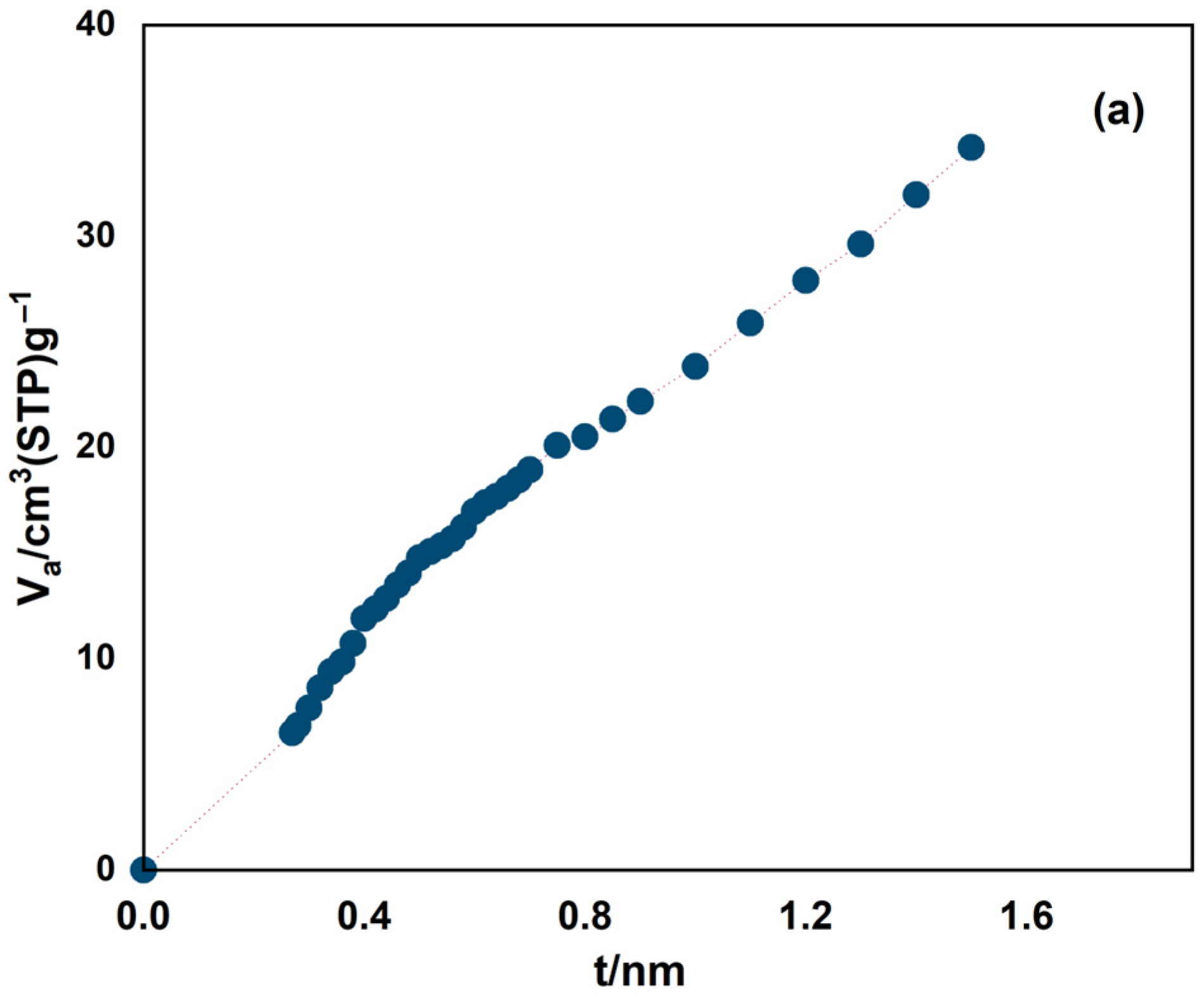
Figure 1. N2 adsorption–desorption isotherm (a) and pore size distribution of BFA (b).
Processes 14 01619 g001aProcesses 14 01619 g001b
Figure 2. BFA before surface area modification used for experiments after heating at 378 K for 12 h.
Processes 14 01619 g002
Figure 3. (a) SEM images of BFA before TC adsorption and (b) BFA after TC adsorption.
Processes 14 01619 g003
Figure 4. The results of Fourier transform infrared spectroscopy (FTIR) analysis of BFA (a) before and (b) after the adsorption process.
Processes 14 01619 g004
Figure 5. The results of X-ray Diffraction (XRD) analysis of origin BFA before the adsorption process.
Processes 14 01619 g005
Figure 6. The effect of solution pH on 20 mg/L TC adsorption using BFA at a temperature of 298 K.
Processes 14 01619 g006
Figure 7. Effect of contact time on TC removal efficiency using bagasse fly ash at solution pH 7.0 and temperature of 298 K.
Processes 14 01619 g007
Figure 8. The effect of adsorbent doses on TC adsorption efficiency at solution pH 7.0 and temperature of 298 K.
Processes 14 01619 g008
Figure 9. The effect of initial TC concentration on TC adsorption efficiency at solution pH 7.0 and temperature of 298 K.
Processes 14 01619 g009
Figure 10. The effect of temperature on adsorption efficiency using 2.0 g of BFA with 20 mg/L TC in 50 mL of solution pH 7.0.
Processes 14 01619 g010
Table 1. The characteristics of the TC hydrochloride employed in this study.
Chemical Structure:
38614
TC Hydrochloride (TC), 95%
Processes 14 01619 i001
Chemical formulaC22H24N2O8·HCl
CAS number 64-75-5
Molecular weight 480.90
CompanySisco Research Laboratories Pvt. Ltd.
Mumbai, India
Table 2. Kinetics of TC adsorption.
Pseudo-first orderqe(cal), mg g−10.50
qe(exp), mg g−10.56
k1, min−1−0.000774
R20.9537
Pseudo-second orderqe(cal), mg g−10.64
qe(exp), mg g−10.56
k2, (g mg−1min−1)0.1491
R20.95638
Intra-particle diffusionki, (mg g−1 min−1/2)0.0675
C, (mg g−1)0.04238
R20.87098
Table 3. Adsorption isotherm of TC adsorption.
Langmuirqmax, mg g−10.5562
RL0.0192
R20.9706
Freundlichkf, mg g−10.3786
1/n0.1628
R20.9705
TemkinKT, L g−15.7795
BT, J mol−10.8043
R20.9733
Dubinin–Radushkevichqm, mg g−10.5290
β, mol2 kJ−25.96 × 10⁻⁸
E, kJ mol−12.8955
R20.8886
Table 4. Pollutant Removal Performance of Sugarcane Bagasse-Based Adsorbents.
Author(s)Pollutants RemovedAdsorbent MaterialAdsorption Capacity (Qm)Reference
Mohammad Fuzail Siddiqui et al. (2022)Methylene blue (MB), Methyl violet (MV), and BacteriaSBC/Al(OH)3 compositeMB: 261 mg/g[50]
E.O. Ajala et al. (2022)Zinc ions (Zn(II)) and Pathogens (TBC, TCC)Acid–base-modified bagasse (A-BSB)Zn(II): 17.46 mg/g[42]
Bruno Christiano Silva Ferreira et al. (2015)Crystal violet (CV)Carboxylate-modified bagasse (SMA)CV: 692.1 mg/g[43]
Karla Aparecida Guimarães Gusmão et al. (2013)Methylene blue (MB) and Gentian violet (GV)EDTAD-modified bagasse (EB)MB: 202.43 mg/g[51]
Karla Aparecida Guimarães Gusmão et al. (2012)Methylene blue (MB) and Gentian violet (GV)Succinylated bagasse (SCB 2)MB: 478.47 mg/g[52]
Osvaldo Karnitz Jr. et al. (2009)Heavy metals (Cu, Cd, Pb)Mercerized bagasse (EMMB)Cu: 92.6 mg/g[53]
Flaviane Vilela Pereira et al. (2010)Zinc ions (Zn2+)EDTAD-modified bagasse (EB)Zn(II): 105.26 mg/g[54]
Laleh Divband Hafshejani et al. (2016)Nitrate (NO3)Modified bagasse biocharNitrate: 28.21 mg/g[55]
Poliana C. Brandão et al. (2010)Petroleum hydrocarbons (Gasoline)In-nature sugarcane bagasseGasoline: ~7000 mg/g[56]
María Ángeles Martín-Lara et al. (2010)Lead (Pb(II))H2SO4-treated bagassePb: 7.297 mg/g[57]
Our StudyTetracycline Originated BFA0.58 mg/g
Disclaimer/Publisher’s Note: The statements, opinions and data contained in all publications are solely those of the individual author(s) and contributor(s) and not of MDPI and/or the editor(s). MDPI and/or the editor(s) disclaim responsibility for any injury to people or property resulting from any ideas, methods, instructions or products referred to in the content.