1. Introduction
An optimization method can improve relevant parameters such as performance and efficiency in processes, respecting specific criteria [
1]. Solving optimization methods is complex and requires considerable time to find optimal values using conventional numerical methods. On the other hand, applying models based on artificial intelligence (AI) and meta-heuristic algorithms is an excellent alternative for approximating optimal values without requiring considerable calculation time [
2]. The coupling of machine learning models with meta-heuristic algorithms has provided significant results in engineering, such as those reported by Yang et al. [
3], who developed an inverse machine learning approach coupled with a genetic algorithm (GA) to optimize operating conditions and, in turn, maximize the chemical oxygen demand and total nitrogen of wastewater. Multivariate optimization was performed using a GA strategy of iterative evolution and global search. The results showed that both values were higher by 6.1% and 9.9% than the original degradation values. Zhou et al. [
4] employed the Artificial Bee Colony (ABC) and particle swarm optimization (PSO) meta-heuristic algorithms to fit a multi-layer perceptron (MLP) model, enabling them to estimate the heating and cooling load (
) of efficient buildings for residential use. The experiment evaluated the importance of adjusting the heating, ventilation, and air conditioning system (HVAC). The prediction of heating and cooling loads was satisfactory, obtaining greater precision using the PSO algorithm for MLP optimization. Jokar et al. [
5] simulated and optimized pulsed heat pipes using a multi-layer perceptron neural network. In the results, the optimal values of the filling ratio, input heat flux, and inclined angle were determined by applying a genetic algorithm.
On the other hand, the emergence of new or hybrid approaches to AI methodology has achieved novel results. An example is the inverse approach of artificial neural networks, which has been executed to extrapolate values from a limited amount of data, obtaining an estimate of the desired parameters of a process [
6]. The adaptation of the inverse approach with meta-heuristic algorithms has consolidated an optimization strategy called multivariate inverse artificial neural network (ANNim). The development of this strategy has been applied in heat exchangers to obtain better efficiencies; artificial neural network inverse (ANNi) has been applied to increase the coefficient of performance (
COP) of an absorption heat transformer (AHT) [
7]. Ajbar et al. [
8] applied a multivariate inverse artificial neural network coupled with the GA and PSO to increase the performance of a solar parabolic trough collector (PTC). In the results, the authors report a significant increase in the efficiency of the PTC when determining the optimal values of the rim angle, inlet temperature, and water flow. May Tzuc et al. [
9] developed a multivariate inverse artificial neural network model to improve the mass transfer of ammonia in a plate heat exchanger-type absorber with NH
3-H
2O. The solution for the objective function was carried out using the Water Cycle Algorithm. The results report that the simultaneous optimization of the ammonia and diluted solution flow rates significantly improves absorption flow performance. In previous studies, the ANNim optimization strategy has been applied to extrapolate one desired value at a time. However, in the operation of complex systems, multiple parameters must be simultaneously evaluated to determine their performance.
Regarding optimization analyses applied to absorption systems for cooling, Asadi et al. [
10] conducted multi-objective optimization of a solar absorption cooling system (ACS), exploring various solar collectors. Their approach involved utilizing a particle swarm optimization technique with five objective functions. Similarly, Gebreslassie et al. [
11] analyzed seven solar collector models and a gas-fired heater for an ACS. Their optimization addressed a multi-objective multi-period mixed-integer nonlinear programming problem, aiming to minimize the cooling system’s cost and environmental impact. Nasruddin et al. [
12] developed a combination of an artificial neural network (ANN) and a multi-objective genetic algorithm to optimize the operation of a two-chiller system in a building. In the results, the ANN model presented satisfactory correlation between the decisive variables. Additionally, the genetic algorithm model provided several optimal variables focused on thermal comfort and the annual energy consumption of the system.
Tugcu and Arslan [
13], Hosseini [
14], and Sharifi et al. [
15] have contributed to the optimization of ACSs. However, although many optimization methodologies have been reported in the literature for purposes such as system design, control strategy optimization, performance prediction, and hybrid system analysis, many of these studies are based on theoretical models. Such models often involve simplifying assumptions that may lead to performance levels not attainable in real cases, or that may place greater emphasis on identifying optimal operating conditions rather than on achieving realistic and experimentally feasible performance parameters.
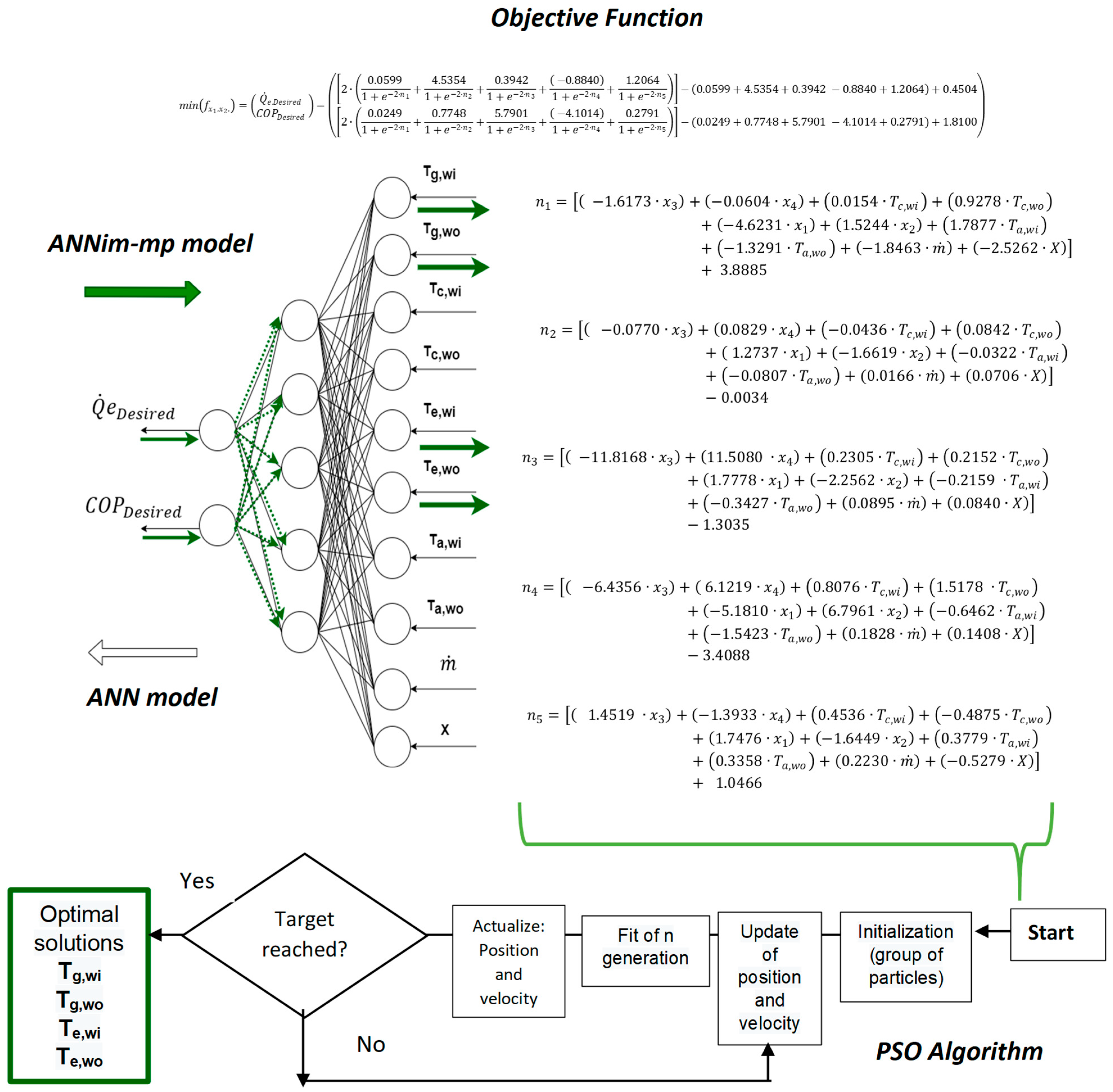
Various methods have been proposed in the literature to optimize cooling systems. However, most rely on multi-objective functions derived from theoretical equations that assume ideal conditions. Therefore, an ANN model is feasible because it learns patterns directly from the system’s experimental data. Another advantage of the ANN model is that it can focus on specific variables, reducing the number of sensors needed for parameter calculations. In addition, the ability of the ANN model to simulate the process by simultaneously considering more than one parameter allows the optimization of the input variables to be more complete. This study aims to develop an optimization strategy for the simultaneous increase in the and COP of an experimental absorption cooling system through an inverted multivariate function. Due to the close relationship between the mentioned parameters, aiming to improve their values will enable us to evaluate the energy efficiency of absorption cooling systems. The formulation of the objective function proposed in this study is obtained from the ANNim-mp model. This model is trained from data obtained from an experimental prototype to optimize the system by integrating the adjusted coefficients into a single objective function. The optimization was achieved by applying particle swarm optimization to the resolution of the objective function, thus facilitating the search for the optimal set of operative conditions. In the search for the optimal variables, the conditions obtained during the operation of the absorption cooling system were respected to validate the extrapolations produced in specific experimental tests.
In summary, the main contributions of this study can be outlined as follows. First, an optimization methodology based on a multi-output inverted neural network was developed and applied to a new context, improving the parallel efficiency of the absorption cooling system. Second, an objective function was proposed to simultaneously maximize and COP under actual operating conditions. Third, the influence of input variables on the system’s performance was analyzed and validated through the implementation of an artificial neural network. Finally, it was demonstrated that the ANNim-mp methodology, when solved using the PSO algorithm, can generate reliable projections under different experimental conditions for effective control of the absorption cooling system.
2. System Description
2.1. Absorption Cooling System’s Operation
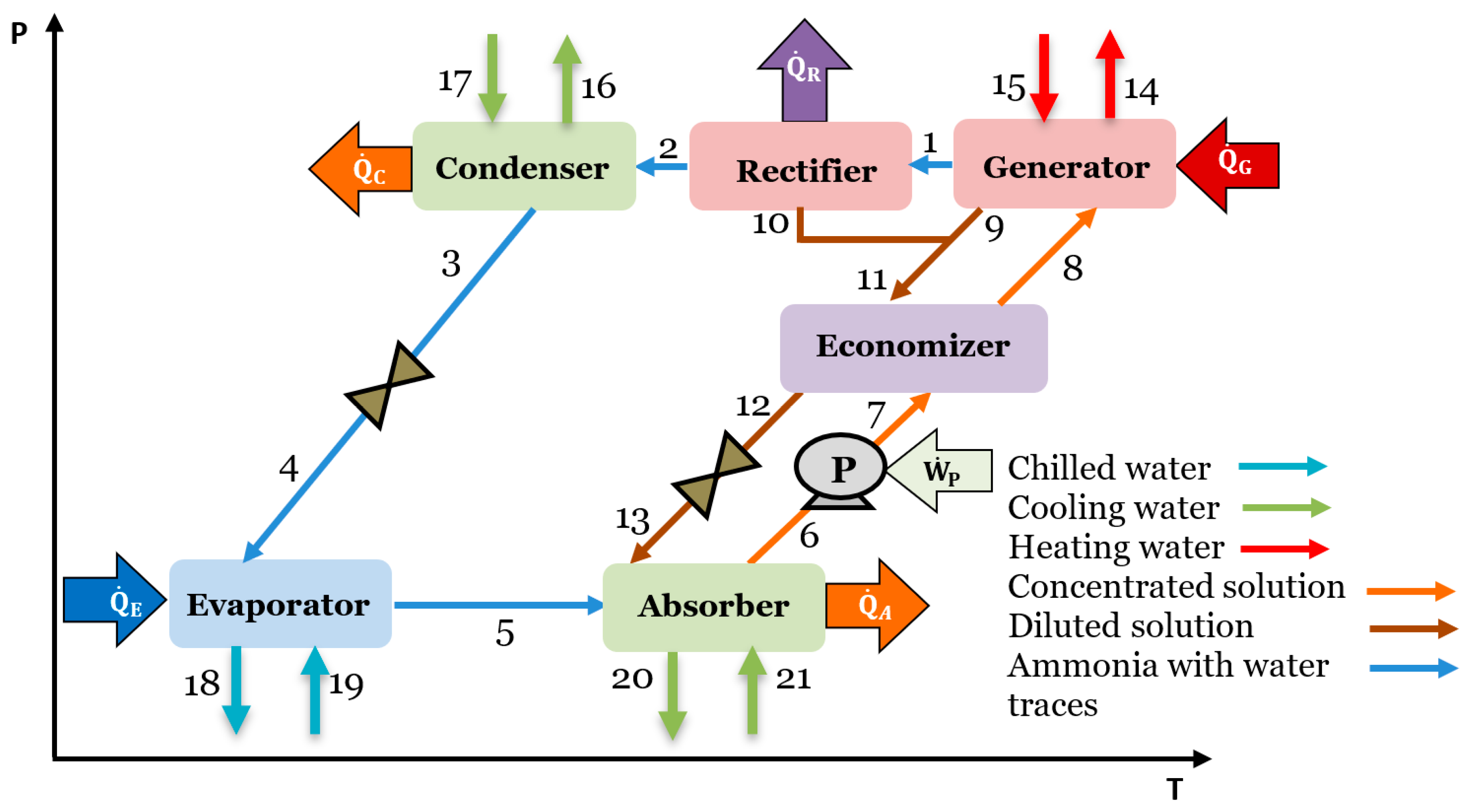
The cycle starts with the generator receiving a heating load from an external source to carry out desorption of the refrigerant from the absorbent. From the desorption process, an ammonia–water mixture in a vapor phase is passed to the rectifier (to reduce the amount of water) and then to the condenser, where it is condensed by cooling water circulating through the component. The liquid ammonia with traces of water passes through a throttling device, reducing its pressure and temperature. Under these conditions, the refrigerant enters the evaporator, producing the cooling effect. Then, the refrigerant flows to the absorber to be absorbed by the solution coming from the generator. Finally, the solution with a high refrigerant concentration is pumped back into the generator to complete the cycle. A schematic diagram of this cycle operating with the NH
3-H
2O is shown in
Figure 1. Additionally, the system includes an economizer designed to exchange heat between incoming and outgoing solution flows from the generator to improve the system’s performance.
The relevant performance parameters of an ACS are the cooling load and the
COP. The cooling load contributes to performance due to the ability to extract heat from the medium to reduce the temperature of the working fluid. On the other hand, the
COP indicates the first-law performance of a cooling system through the relationship between the cooling load and the supplied energy to the generator and to the pump. These parameters are defined as follows:
where
is the cooling load delivered by the absorption system
;
is the mass flow rate of water flowing through the evaporator
;
is the mean specific heat for that stream of water (
); and
and
are the water temperatures at the inlet and outlet ports of the evaporator, respectively.
where
is the thermal load supplied by the external heating media to the absorption system at the generator
;
is the mass flow rate of water flowing through the generator
;
is the mean specific heat of the heating water (
); and
and
are the water temperatures at the inlet and outlet ports of the generator, respectively.
where
COP is the coefficient of performance for an absorption cooling system (dimensionless), and
is the power consumed by the pump to move the working fluid from the absorber to the generator, determined during experimentation as a constant value approximated to
.
2.2. Experimental Facilities
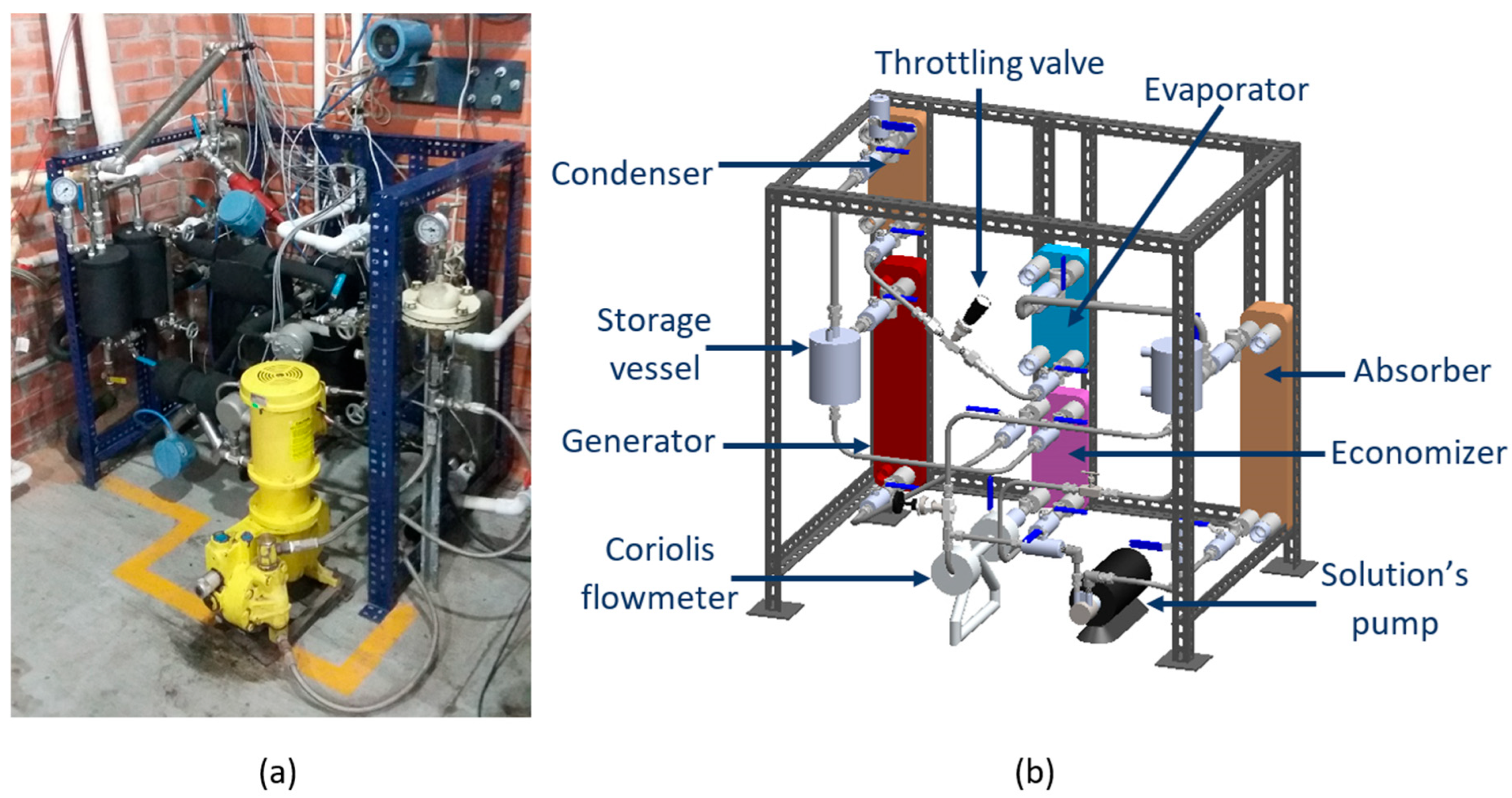
The system consists of a generator, an absorber, a condenser, an evaporator, an economizer, a solution pump, an expansion valve, two storage tanks, and a rectifier operating with the NH
3-H
2O mixture, and was built using commercial plate heat exchangers (PHEs).
Figure 2a shows the ACS prototype, while
Figure 2b depicts a schematic diagram of the main components’ location for better clarity.
Three auxiliary systems were used to assess the system’s performance under controlled conditions: a heating system, a cooling water system, and a chilled water system. More detailed information about the system’s characteristics and the auxiliary systems is provided by Jiménez-García and Rivera [
16].
2.3. Instrumentation
A comprehensive array of instruments were employed to assess the ACS’s performance, including flowmeters, temperature sensors, and pressure transducers. Pressure measurements were taken at key components such as the generator, condenser, evaporator, absorber, and rectifier, using piezoelectric transducers. Various sensor types were utilized for mass flow rates within the absorption system. Coriolis Flow Meters were employed to determine the refrigerant produced and diluted solution mass flow rates, while the concentrated solution was measured using a rotameter. The external mass flow rates of water were recorded using three turbine flow meters. Temperature readings for each internal stream were obtained at the inlet and outlet ports of each plate heat exchanger (PHE) with PT1000 resistance temperature detectors (RTDs).
All measuring devices underwent calibration using appropriate standards, and calibration equations were established. The outlet signals from the sensors were then collected, processed, and stored by a data acquisition system running Agilent VEE Pro 9.3 software. The calibration equations were incorporated into the software to calculate the expected values.
Table 1 provides details on the uncertainty associated with each measuring instrument used in the experimental assessment.
Temperature, flow, and pressure measurements using the instruments described were recorded at 10 s intervals during the steady-state operation of the experimental prototype (described in the following section). Temperature was measured at the inlet and outlet ports of each system component, and the mass flow rates and operating pressures were recorded at strategically selected points within the system to quantify each stream and to determine the pressure in the main components (generator, condenser, evaporator, and absorber). All variables were recorded simultaneously during the operation of the cooling system.
Following the experimental stage, and during the processing of the collected data, one of the activities undertaken was the determination of the uncertainty (µ) of the performance parameters associated with the recorded variables. For this purpose, the procedure and equations described by Jiménez-García et al. [
17] were followed. The results of the uncertainty analysis were graphically presented by Jiménez-García and Rivera [
16] and are provided in
Table 2 for the main performance parameters of the system. It is important to note that the uncertainty values reported in
Table 2 for each variable are representative of the tests presented in this research work.
2.4. Experimental Methodology
The system’s driving parameters include the temperatures of cooling water through the condenser and absorber ( and ), the temperature of the water to be chilled in the evaporator (), the heating water temperature in the generator (), the expansion valve configuration, the mass flow rates of the heating, cooling, and chilled water streams and of the concentrated solution (), and the initial concentration of the mixture (). Key output parameters include system pressures, the desorbed refrigerant mass flow rate, the thermal loads in the different heat exchangers, and the system’s performance.
During the experimental test, the system’s driving parameters were kept constant at predefined values, while the output parameters were monitored over a defined period. The cooling system assessment revealed that once steady-state operation was achieved, the results were consistent regardless of whether a test lasted 10 or 60 min. For practicality, a standard duration of 20 min per test was chosen. After each test, one driving parameter was adjusted, and the process was repeated. This approach enabled a systematic evaluation of how changing a single parameter affected system performance.
Table 3 presents the driving parameters used in the experimental assessment. From these data, it is clear that the tests were specifically designed to analyze the effect of cooling and heating water temperatures on system performance, while other driving parameters were deliberately excluded.
For each experimental test,
was kept constant while
was gradually increased in increments of approximately 3 °C within the specified range in
Table 3, allowing the system to reach steady-state operation under each condition. This procedure was repeated for each cooling water temperature, which was increased in 2 °C intervals.
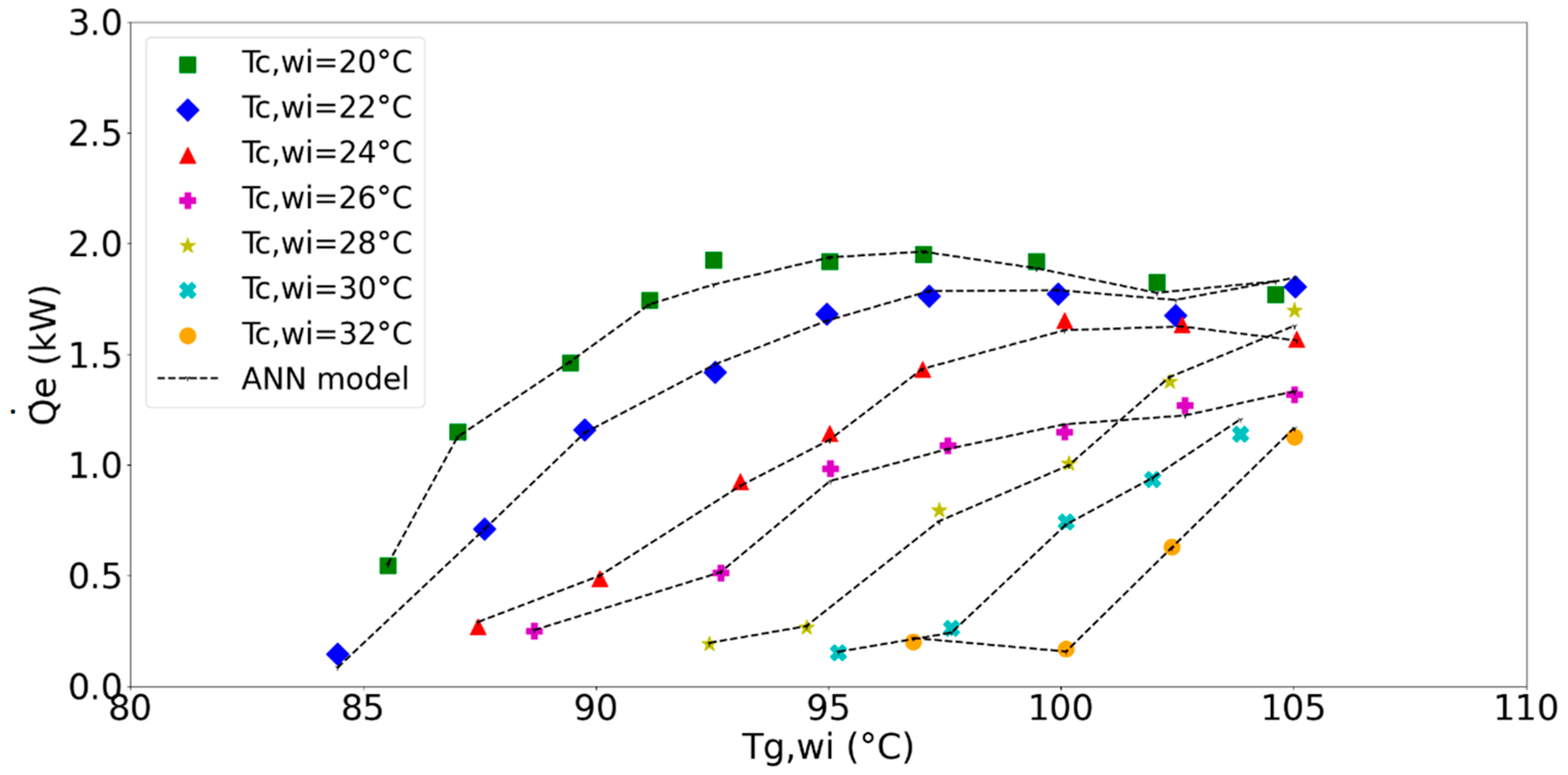
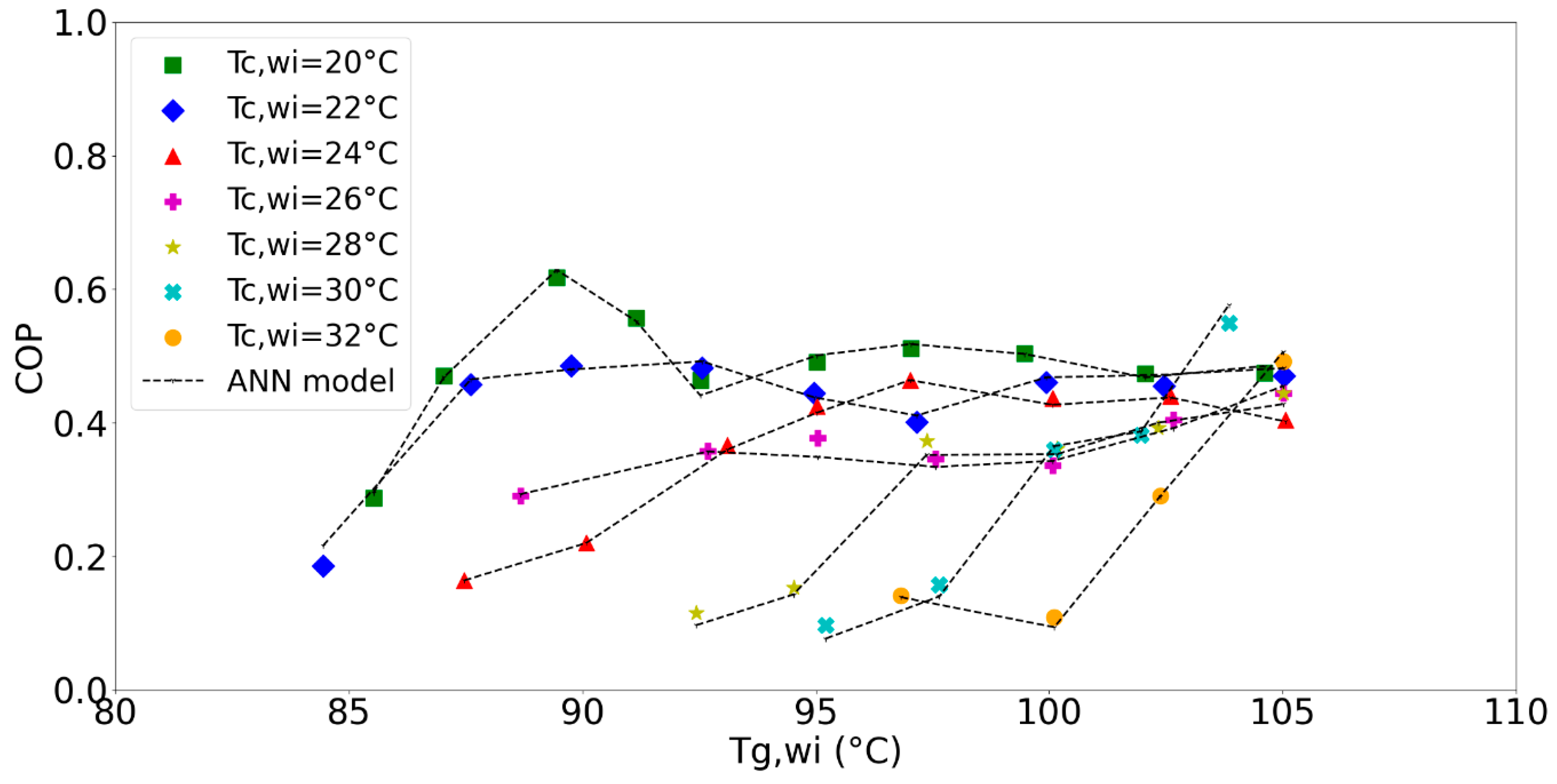
The system’s operating variables, including both driving and output parameters, were recorded at 10 s intervals, yielding a total of 6388 data points under the steady-state conditions previously described. However, due to the intermittent operation of the auxiliary heating and cooling systems used to maintain constant fluid temperatures in the absorption system, slight temperature fluctuations were observed. To ensure that the experimental data were representative of each operating condition, a filtering criterion was established to limit these variations. Specifically, an allowable operating range of ±0.5 °C around the target heating and cooling water temperatures was defined for each condition. The initial stage of data processing involved discarding data points outside these limits and calculating statistically representative values for the remaining data. After this preprocessing step, 4515 experimental data points were retained for each recorded variable. Additional data processing was subsequently performed for optimization purposes, as described in the following section.
4. Results
In this section, the main results from the optimization analysis of the
and
COP values of the ACS are presented and discussed.
Table 6 shows the conditions of the seven experimental tests used to apply the ANNim-mp-PSO methodology. These tests were chosen due to the different
and
COP values reported.
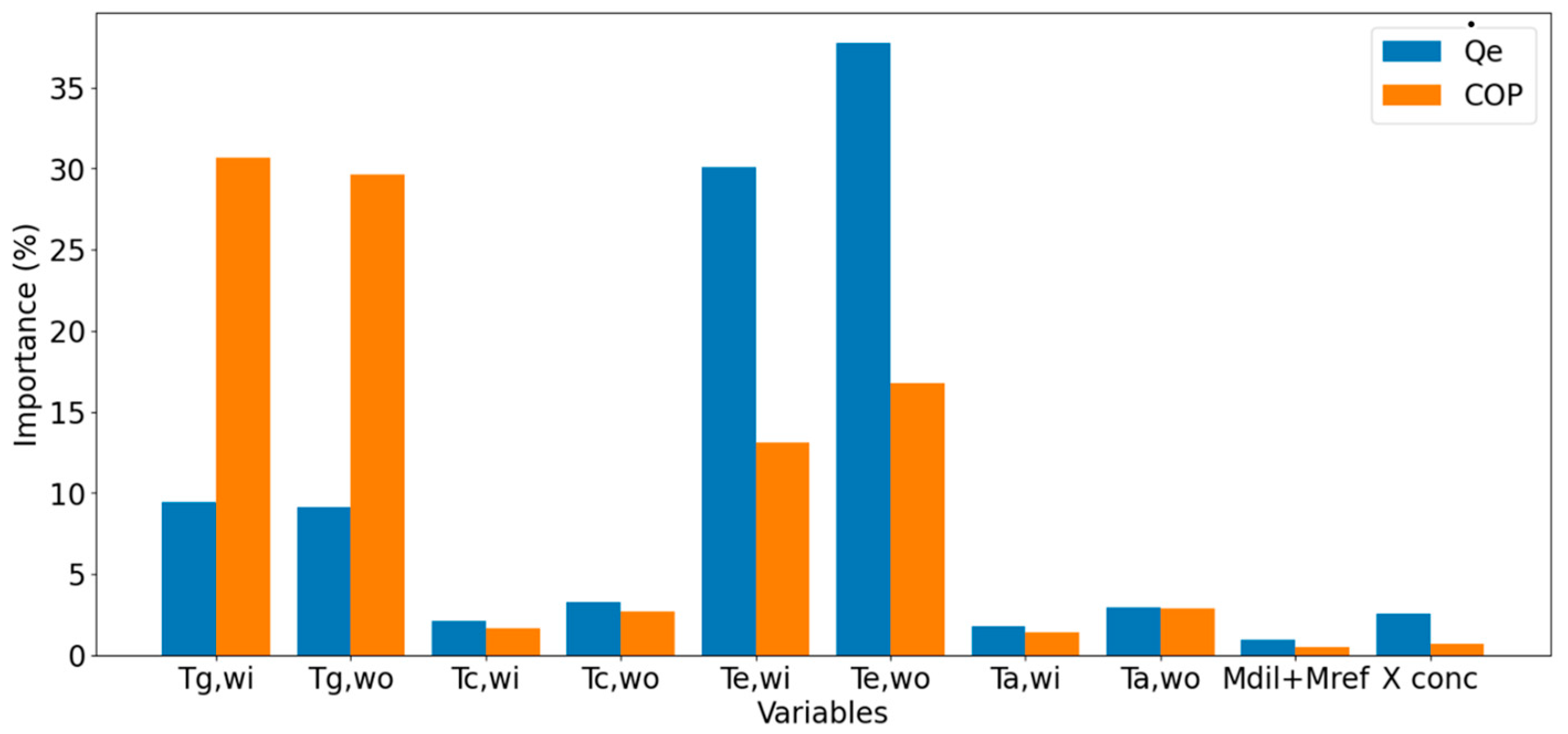
In
Figure 7, it was demonstrated that
and
depend mainly on the evaporator temperatures followed by the generator temperatures, while the contribution of the rest of the variables was minimal. Thus, the optimization process was carried out in two steps. First, the optimization process was performed based on two variables (
and
), while in the second step, four variables (
,
,
, and
) were considered.
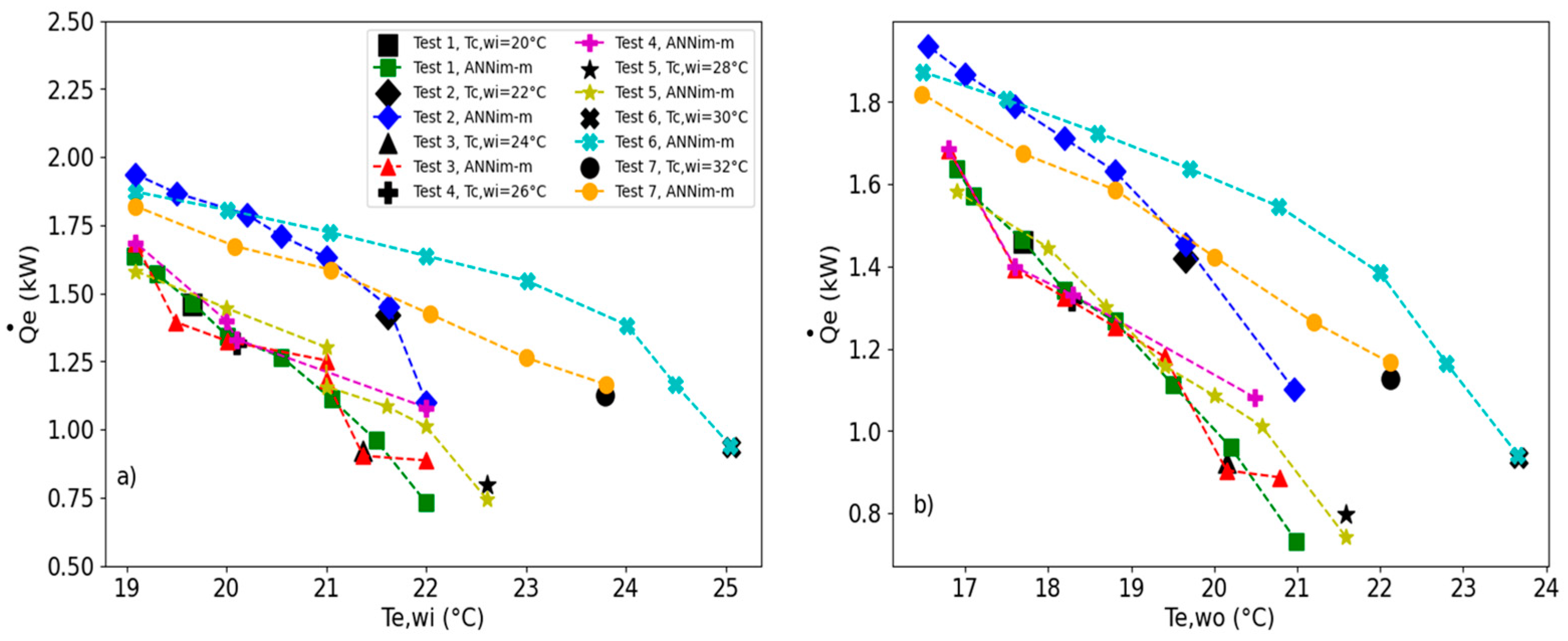
Figure 9 shows the results of the optimization process for
as a function of two variables (
and
). In
Figure 9a,b, the black marks indicate the values obtained experimentally, while the marks and lines in color indicate the results obtained from the optimization for each of the seven tests. During system testing, all of the operative parameters were kept constant. Optimization was carried out by changing the evaporation temperatures.
Figure 9a shows how, for test no. 6, the experimental cooling load obtained at
is 0.9 kW, but through the optimization process (marks and line in blue color), this parameter is augmented as
decreases, achieving a maximum value of 1.9 kW at
. Similar trends were found using the optimization process with two variables for each experimental test. In some cases, such as tests 2 and 3, the experimental values are not the lowest. In such cases, the algorithm determined how
increases as
decreases, but also showed that if
increases,
decreases, following the same trends as in the other tests. In
Figure 9b, a similar process is shown but for
as a function of
. As can be seen,
also increases as
decreases. The maximum
is around 1.9 kW at
, and
for tests 2, 3, and 7, respectively.
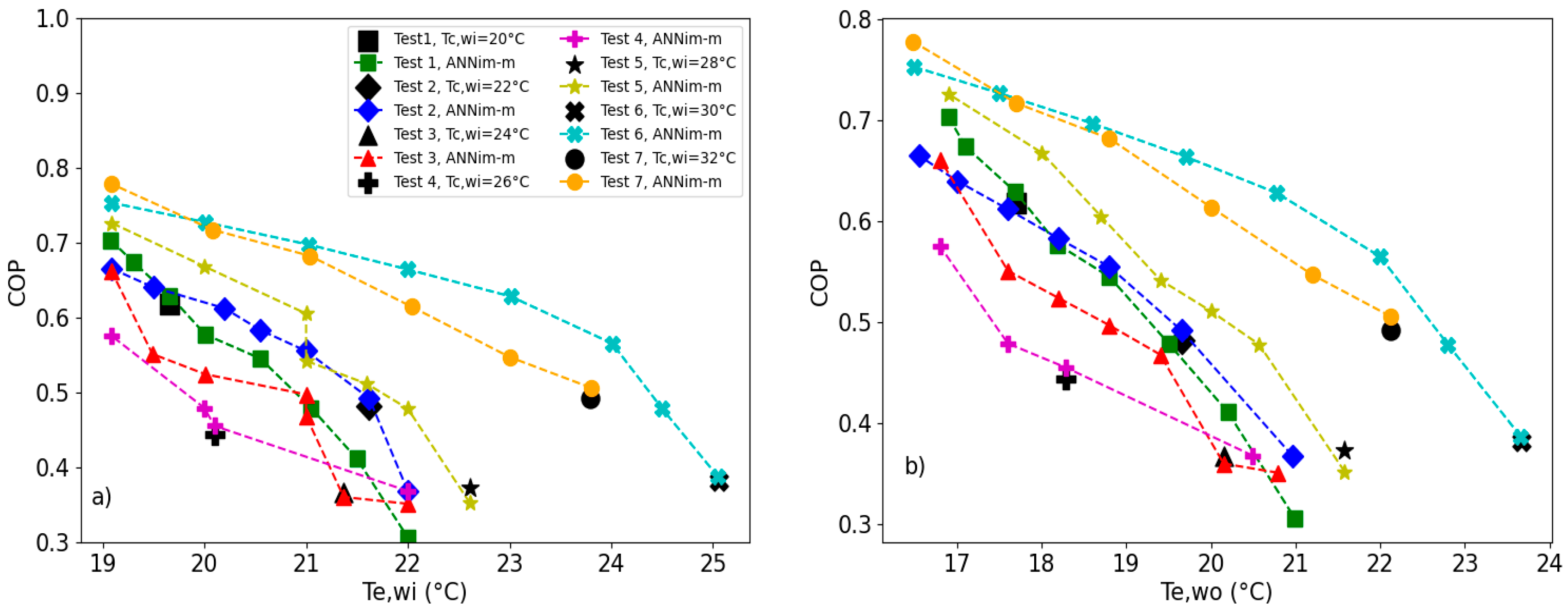
The results from the optimization of the
COP as a function of the two variables (
and
) are shown in
Figure 10a and
Figure 10b, respectively. In these figures, the black marks represent the experimental data.
Figure 10a shows how the
COP increases as
decreases, similar to the behavior of
shown in
Figure 9a. These results were expected since the value of the
COP is directly proportional to
. From
Figure 10a, it can be observed that at higher evaporator temperatures (between 22.6 °C and 23.8 °C), the
COP varies between 0.35 and 0.5, while if the system is optimized and
, the
COP can reach values between 0.72 and 0.77.
Figure 10b shows the trends for the
COP as a function of
. It is observed that for all the experimental tests, the maximum
COP can be achieved when
.
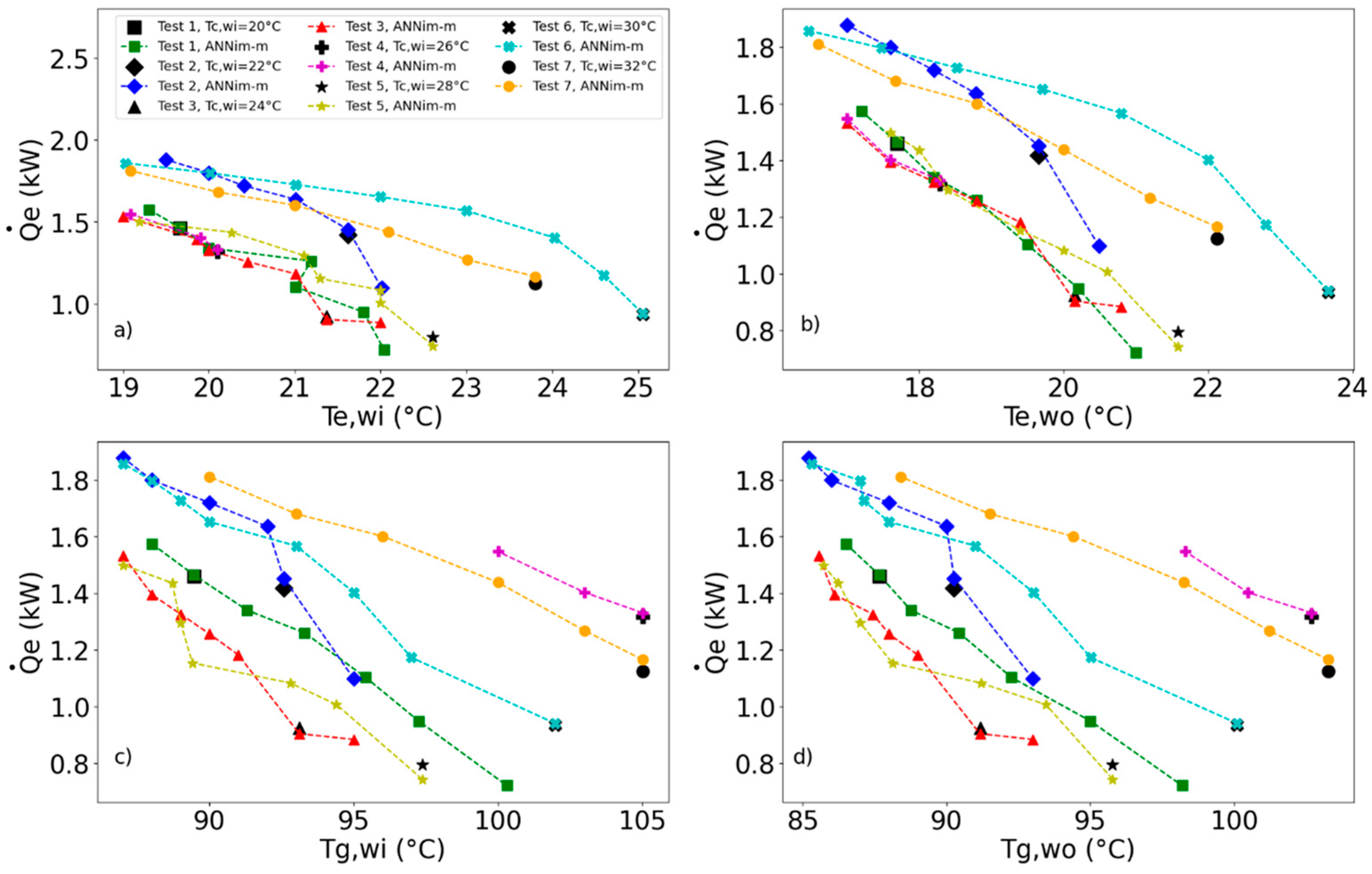
Figure 11 shows the results of the optimization process as a function of four variables (
,
,
, and
). The trends are similar to those observed in
Figure 9a,b since
increases as
decreases, but
also decreases with an increment in the generator temperatures. This decrease occurs since, at higher generator temperatures, the heat losses in the components are higher, thus decreasing
. From
Figure 11, it is not clear which of the four variables contributes the most to the increment in
since, for all cases, values between 1.5 kW and 1.9 kW are achieved at the minimum evaporator and generator temperatures.
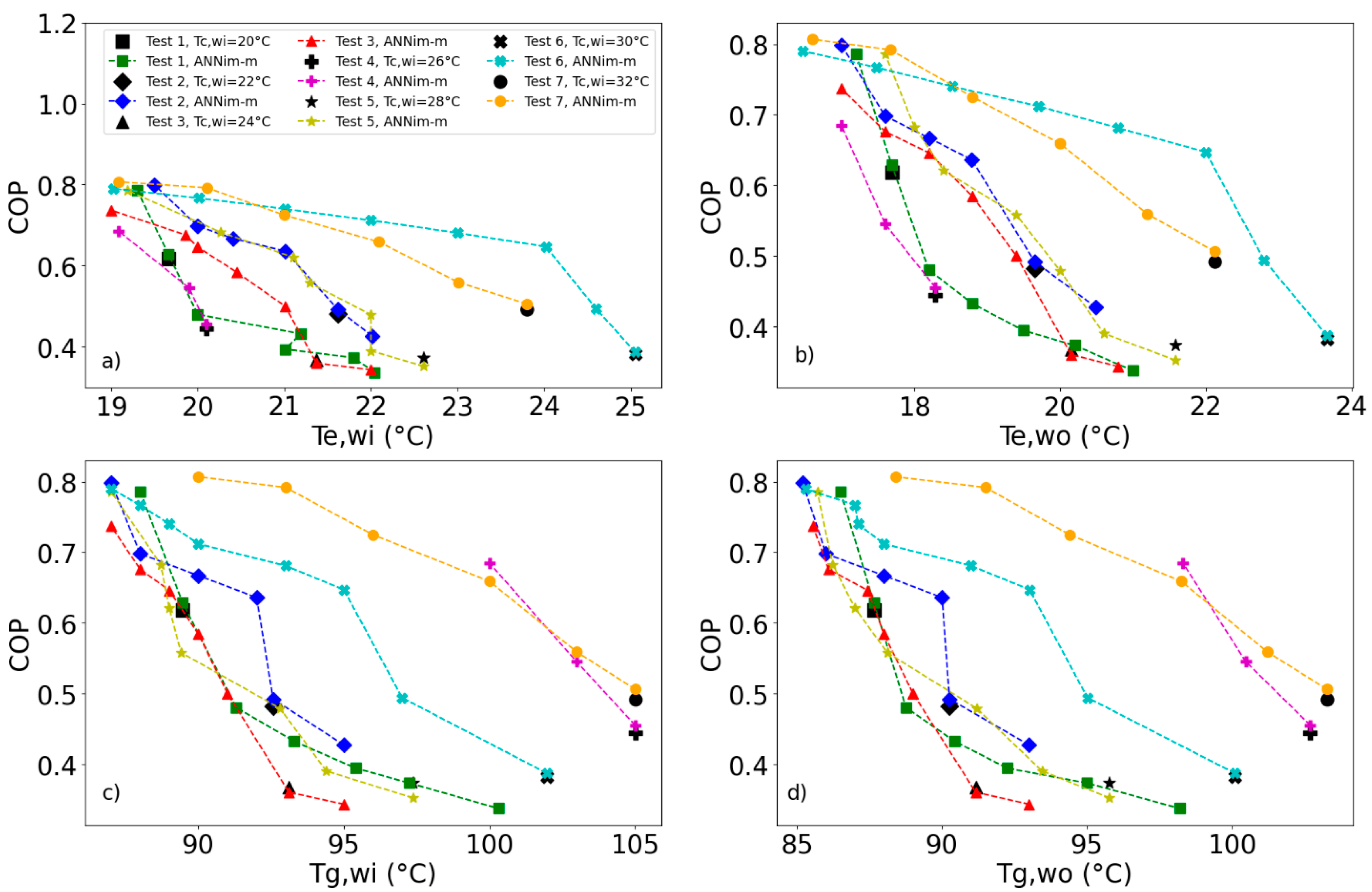
Figure 12 shows the results from the optimization of the
COP utilizing the four variables previously analyzed in
Figure 11. It is possible to see that the
COP increases as the evaporator and generator temperatures decrease. At the highest evaporator and generator temperatures, the
COP values vary around 0.4, while after optimization at the lowest temperatures, the
COP achieves values between 0.7 and 0.8. Additionally, it can be observed that, in general, as shown in
Figure 12a,b, the highest
COP is obtained for test no. 6, while when the
COP is optimized as a function of the generator temperatures, better values are obtained for test no. 7. This occurs because temperatures
and
in test no. 7 have a greater degree of freedom compared to in test no. 6 when applying the ANNim-mp-PSO methodology, according to the limit established by Equations (20)–(23), thus achieving a higher
COP. Therefore, the simultaneous increase in the
and
COP values depends on the degrees of freedom of the variables for each experimental test.
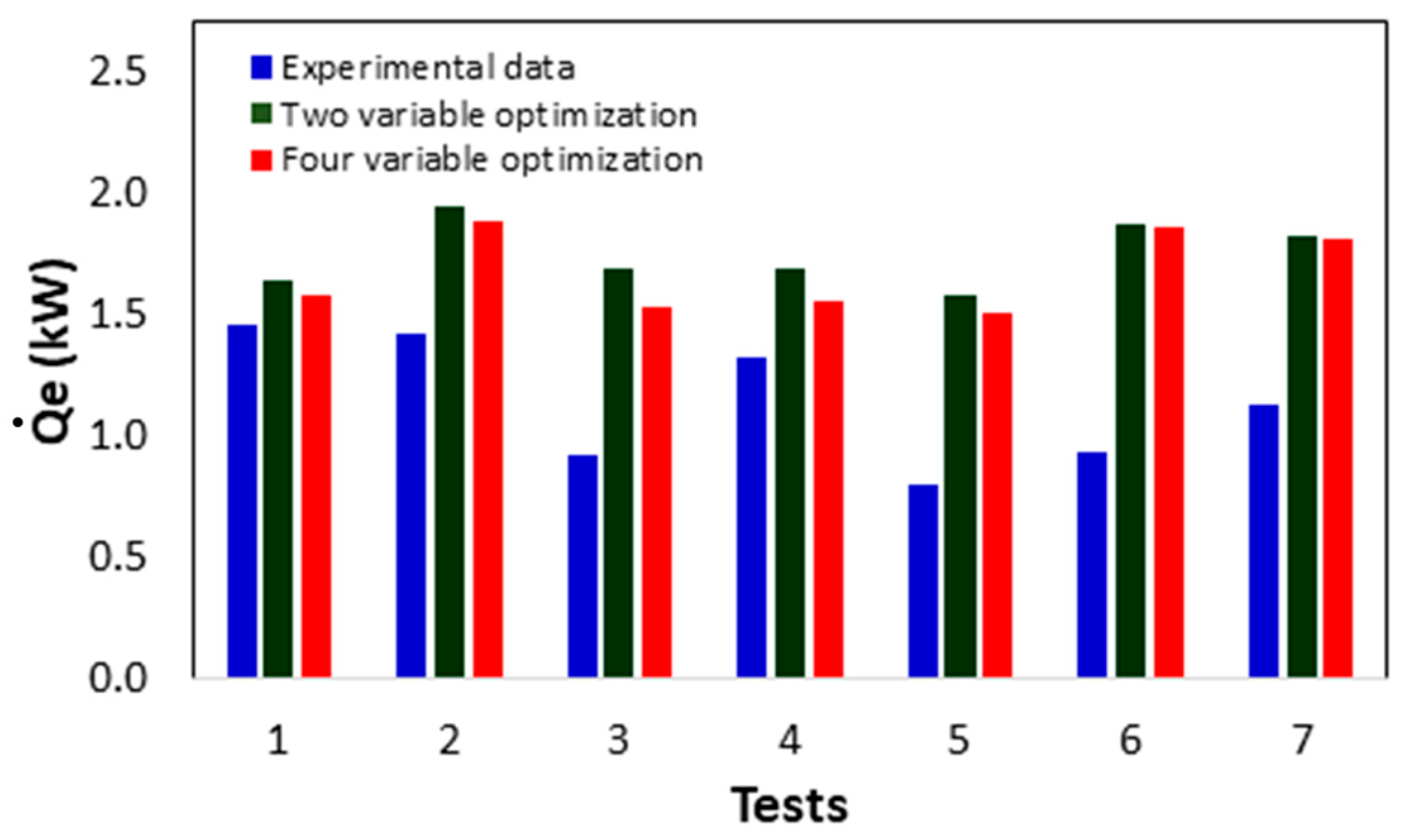
Figure 13 compares the
values obtained experimentally with those obtained from the optimization process. The values represented by the green and red bars (corresponding to the two- and four-variable optimizations) refer to the maximum value obtained at different temperatures in the evaporator and generator, respectively. It can be observed that for all the tests, with both optimization processes, it is possible to achieve better cooling load values, demonstrating the convenience of the optimization analysis. For test no. 1, at the lowest generation temperature (
), the cooling load shows a minimum increment; however, for tests 5, 6, and 7 at higher generation temperatures,
is considerably improved after the optimization process. As previously mentioned, the significant increase in these tests is related to the degrees of freedom of the variables set in Equations (20)–(23). This advantage enables tests 5, 6, and 7 to elevate the desired parameter values. Additionally, it can be observed that there are no significant differences in the results obtained by using two or four variables in the optimization analyses.
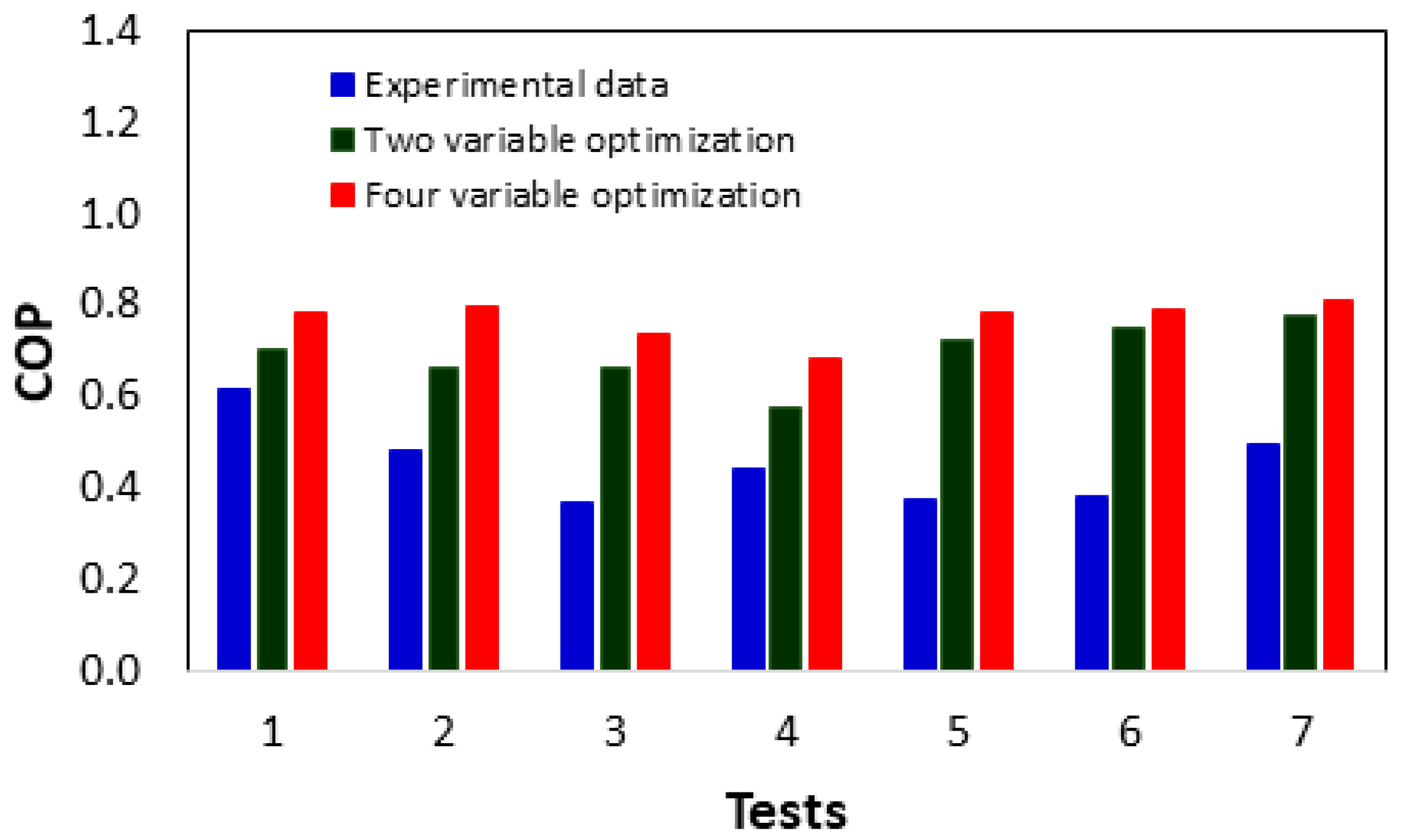
Figure 14 compares the
COP values obtained experimentally with those obtained from the optimization process with two and four variables. Similar to the case of
, the
COP is, in all cases, higher than the experimental values once optimized; however, with the four-variable optimization, it is possible to achieve better values than with the two-variable process. This result was expected since, as shown in
Figure 7, even if the system’s performance depends mainly on the evaporator’s temperatures, it is also influenced by the generator’s temperatures.
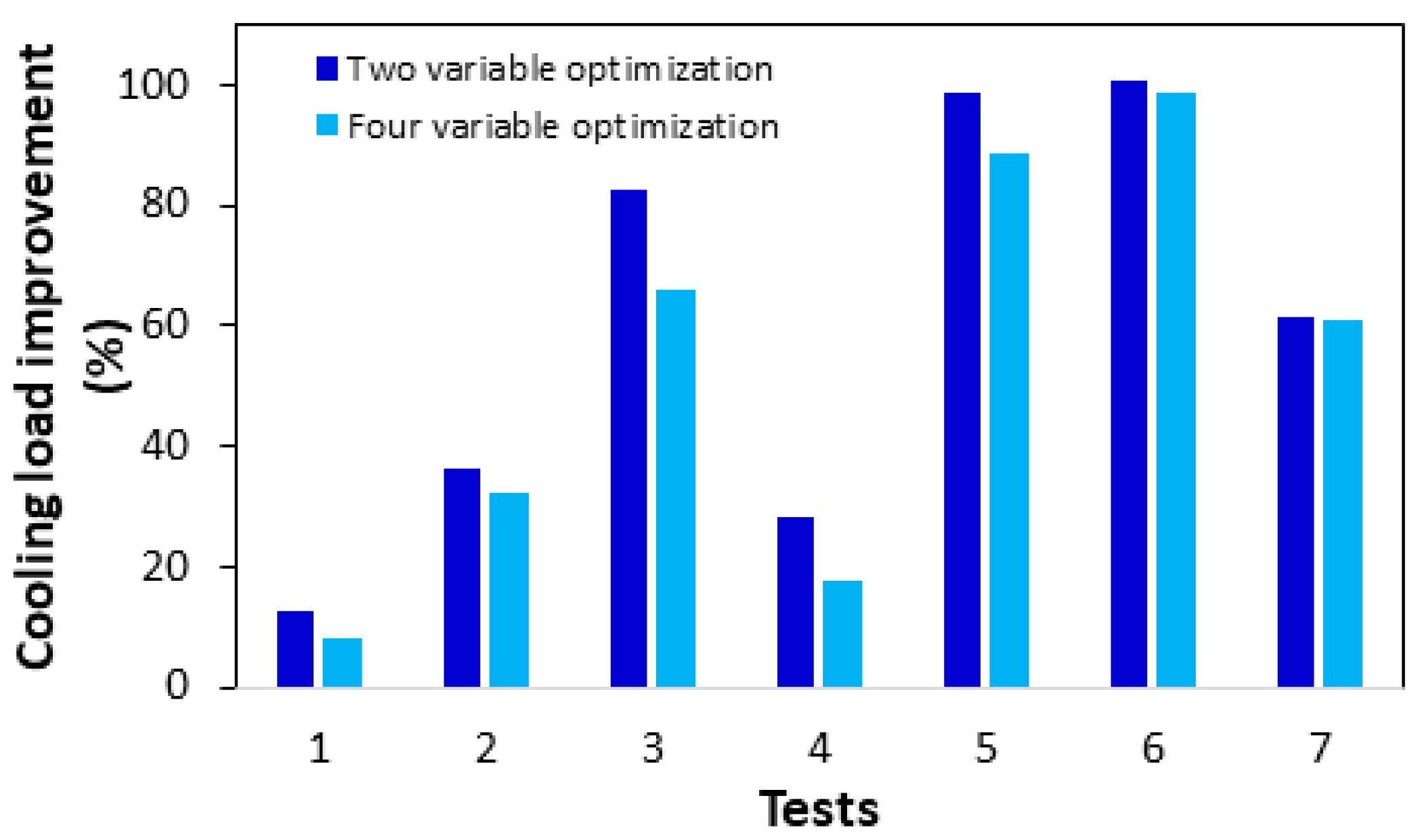
Figure 15 shows the improvement percentage for
for all the analyzed tests as a result of both processes: two- and four-variable optimization. It can be observed that there is high variability in the improvement achieved since it varies from 10% up to about 100%. Moreover, it is observed that with the optimization of two variables, it is possible to achieve slightly higher percentages than those obtained with the four-variable analysis. This behavior was expected since
mainly depends on the inlet and outlet evaporator temperatures (
and
), which are the parameters considered in the two-variable optimization, and the refrigerant mass flow rate, which is kept constant in the analysis.
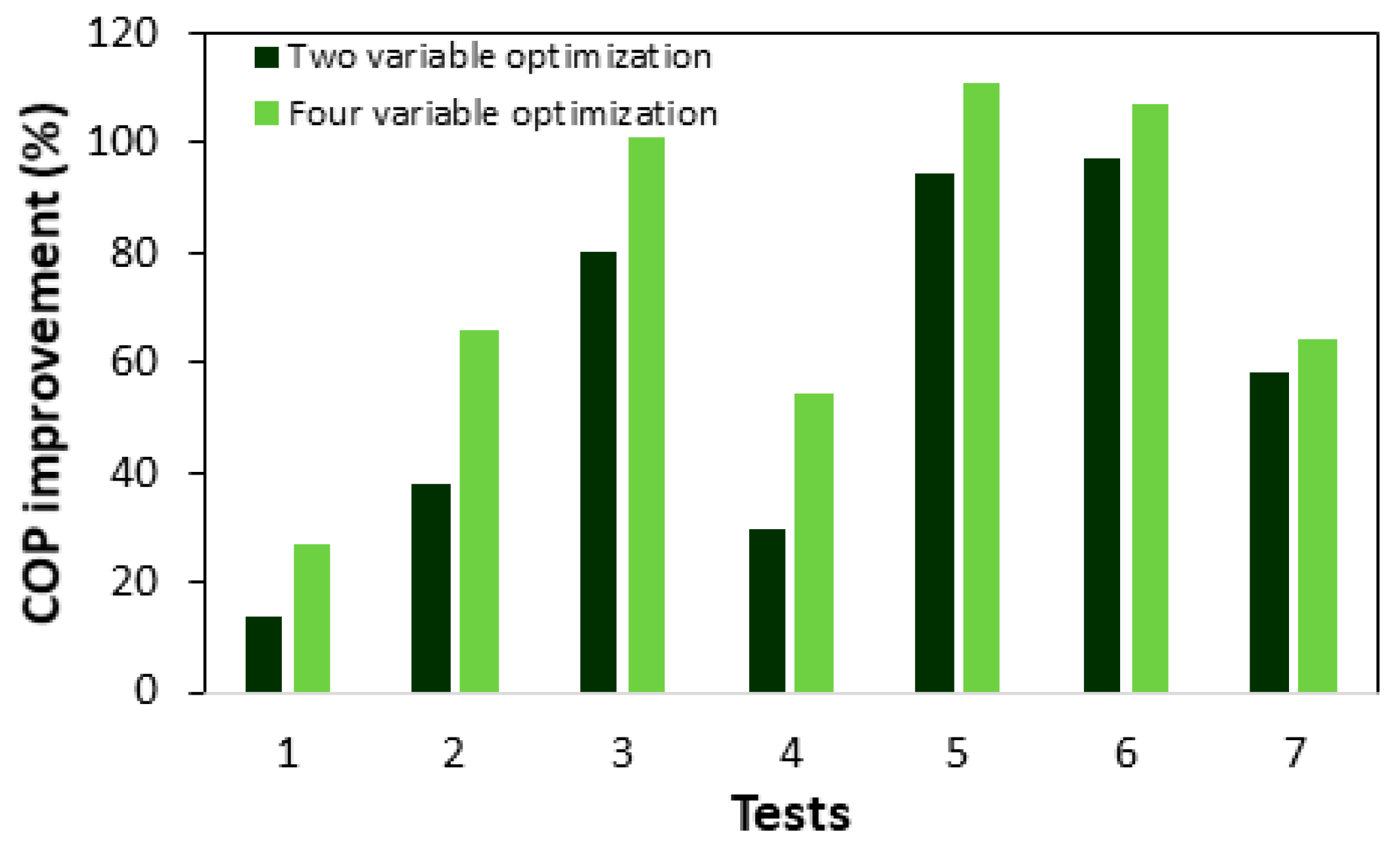
Figure 16 compares the improvement percentage of the
COP when employing optimization with two and four variables. It is seen that there is high variability in the improvement percentage for the analyzed tests, varying from 13% up to 97.1%, when optimizing two variables at the same time. However, it can be observed that with the four-variable optimization, it is possible to achieve higher
COP values in comparison to those obtained with the two-variable analysis, varying from 27% up to 111%. Experimental test no. 6 achieved the best simultaneous increase in
and
COP values, with 100% and 97%, when optimizing two variables; the same test obtained the best simultaneous result in the optimization of four variables, showing improvements up to 98.7% and 106.7% for the
and
COP values, respectively. These results were also expected since the
COP is the ratio between the heat removed in the evaporator and the heat supplied to the generator. Hence, both the evaporator temperatures and the generator temperatures play an important role in determining the
COP values.
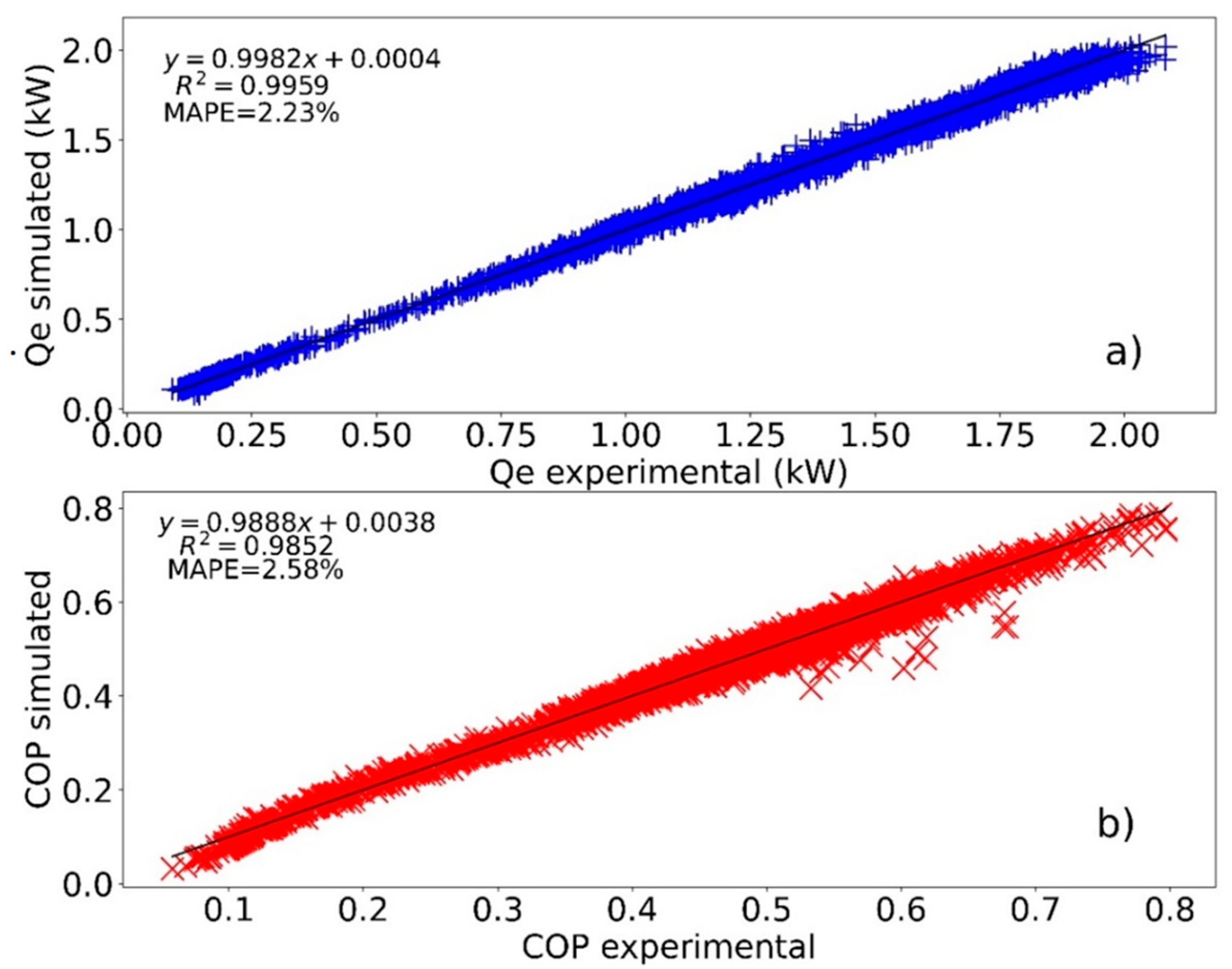
Finally, this work can be integrated as a reference to demonstrate the capacity of artificial intelligence to simulate and optimize cooling processes. The precision (R
2 > 0.9852; MAPE < 2.58%) obtained during data adjustment was satisfactory and competitive with that reported in other processes focused on the application of the ANN model, as reported by Nguyen et al. [
30], who presented the prediction of corrosion in mechanically stabilized earth walls (R = 0.878). Tomassetti et al. [
31] proposed the estimation of the dynamic viscosity of low-global-warming-potential refrigerants in the liquid phase (average absolute relative deviation = 0.86%).
5. Conclusions
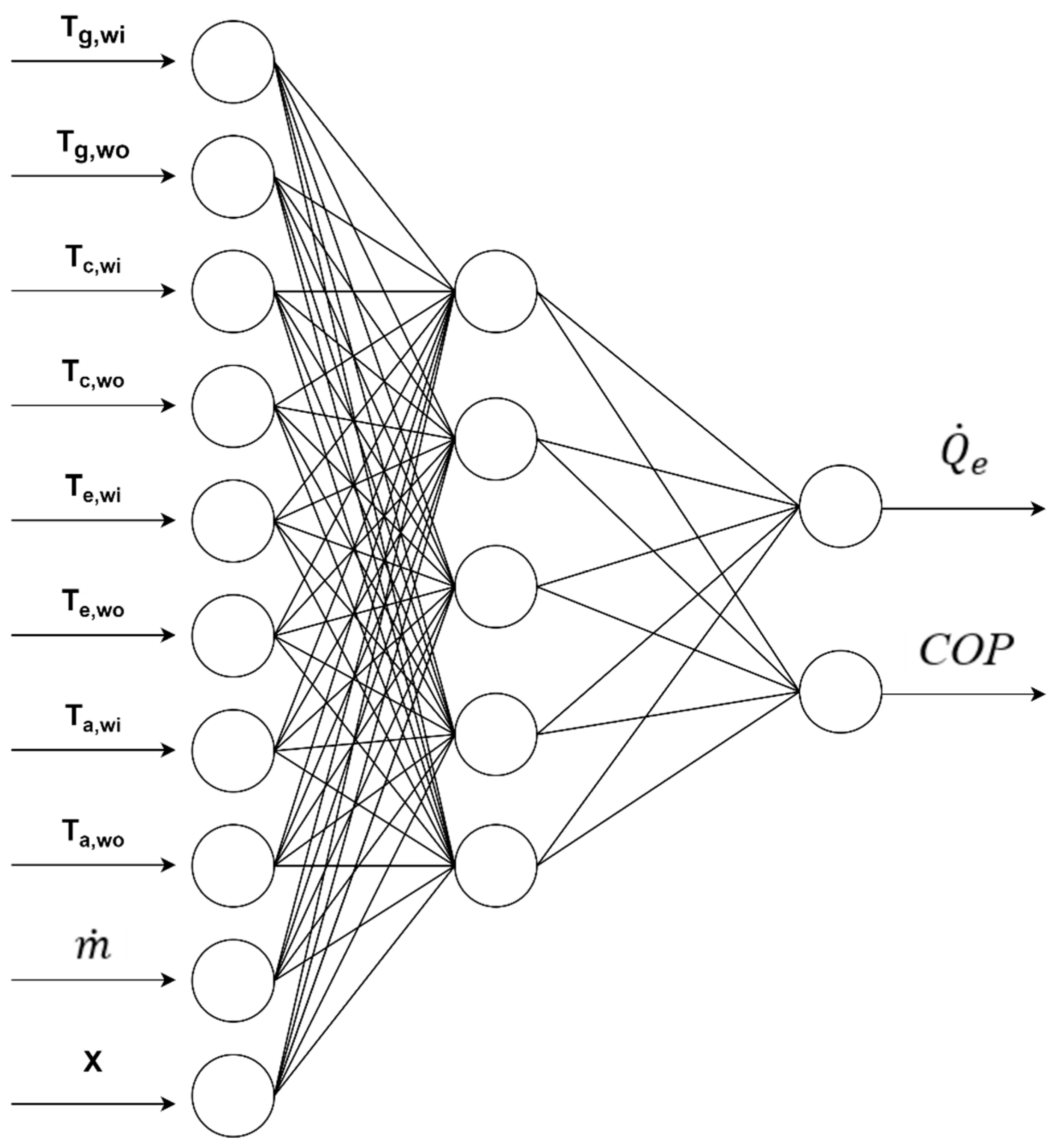
This study presents the development of a computational methodology focused on achieving the simultaneous increase in the cooling load and the coefficient of performance of an NH3-H2O absorption cooling system by optimizing multiple variables. The execution of the methodology was composed of three stages: system modeling using ANN, the use of a multivariate inverted function to determine multiple outputs, and the integration of the PSO algorithm. The ANN model was trained to predict the cooling load and COP using the water temperatures at the inlets and outlets of the heat exchangers (, , , ), the mass flow rate of the concentrated solution, and the concentration of the working fluid.
An architecture of five neurons in the hidden layer established in the ANN model demonstrated the best fit in the simultaneous prediction, obtaining values of RMSE = 0.0327, 0.0147 and R2 = 0.9959, 0.9852 for the parameters and COP, respectively, when comparing between the experimental and simulated data. Subsequently, the sensitivity analysis specified that the variables with the most impact on the parameter were the evaporator inlet and outlet temperature (); in the case of the COP, the generator inlet and outlet temperature (,) were most influential. Therefore, an inverted multivariate function with multiple outputs was proposed to optimize the ACS considering the generator and evaporator temperatures. The PSO algorithm was integrated to determine the optimal set of variables needed to achieve the desired parameters. The ANNim-mp-PSO methodology was applied in seven experimental tests under different operating conditions when optimizing two and four variables. Optimizing two variables at a time for test no. 6 with experimental parameters of = 0.93 and COP = 0.38 resulted in the best parameter value, with an increase of 100% and 97%, respectively. These values were found by extrapolating the experimental temperatures from , to 19 °C, 16.5 °C. When optimizing four variables at a time, test no. 6 presented an increase of 98.7% and 106.7% in the and COP values, respectively. These parameters were produced as a result of the decrease in experimental temperatures () to optimal variables of 87 °C, 85.3 °C, 19 °C, and 16.5 °C, respectively. The reduction in temperatures is justified by the relationship between the power and the cooling of the evaporator; in the case of the COP, reducing the temperature of the generator reflects energy savings in the system. Finally, the ANNim-mp-PSO methodology has demonstrated the ability to extrapolate the experimental tests using artificial intelligence to generate new information for the optimal operation of absorption refrigeration systems.



 ,
,