
Article

Green Synthesis and Characterization of Different Metal Oxide Microparticles by Means of Probiotic Microorganisms

by
Claudia Cruz-Rodríguez
1,
Ricardo Moisés González-Reza
2,* and
Humberto Hernández-Sánchez
1,*
1
Laboratorio de Biotecnología de Alimentos, Departamento de Ingeniería Bioquímica, Escuela Nacional de Ciencias Biológicas, Instituto Politécnico Nacional, Gustavo A. Madero, Ciudad de México 07738, Mexico
2
Laboratorio de Procesos en Ingeniería Agroalimentaria, Facultad de Estudios Superiores Cuautitlán, Universidad Nacional Autónoma de México, Cuautitllán Izcalli 54714, Estado de México, Mexico
*
Authors to whom correspondence should be addressed.
Processes 2026, 14(1), 101; https://doi.org/10.3390/pr14010101 (registering DOI)
Submission received: 24 November 2025 / Revised: 23 December 2025 / Accepted: 25 December 2025 / Published: 27 December 2025

Abstract

Microparticles (MPs) are delivery systems for bioactive compounds with particle sizes in the micrometer range (1–1000 μm). This study reports a green protocol for the biosynthesis of ZnO-, MgO-, and CaO-MPs using the probiotic strains Lactobacillus delbrueckii subsp. bulgaricus, Streptococcus thermophilus, and Leuconostoc mesenteroides. Ultraviolet–visible (UV-Vis) spectroscopy, scanning electron microscopy (SEM), and dynamic light scattering (DLS) were used for the preliminary characterization of the metal oxide MPs. Antimicrobial activity was evaluated against pathogenic and phytopathogenic microorganisms, including Salmonella typhimurium, Staphylococcus aureus, Escherichia coli, and Ralstonia solanacearum. UV-Vis analysis revealed previously reported blue shifts in the ZnO- and CaO-MPs. DLS measurements showed particle sizes larger than 1000 nm in 95% of the cases, while smaller sizes were observed by SEM. The stability of the MPs, based on their zeta potential values, ranged from relatively to moderately stable. This study demonstrates that the six probiotic lactic acid bacteria strains are capable of synthesizing ZnO-MPs, CaO-MPs, and MgO-MPs. All MPs exhibited antimicrobial activity against pathogens and phytopathogens at different concentrations. Although similar antimicrobial effects have been reported for metal oxide nanoparticles produced by probiotic bacteria, considering the potential environmental and human health impacts of nanoparticles, the use of safer materials obtained through green synthesis—such as metal oxide MPs—may represent a more suitable alternative.

1. Introduction

Microparticles (MPs) are objects whose external dimensions fall within the micron scale, with the lengths of their major and minor axes not differing significantly. They exhibit distinct reactivity, hardness, conductivity, solubility, absorption rate, and bioavailability compared with nanoparticles and macroparticles. These characteristics give rise to new ingredients and alternative approaches for preparing foods and pharmaceutical products with differentiated structures and properties that enhance or improve their functionality, thereby increasing their commercial value [1,2]. The resulting particle size depends on the type of synthesis and the materials used for MP production. In polymeric particles, this size may be around 1 μm in at least some of their characteristic dimensions [3]. MP synthesis is undoubtedly an essential process for applications that require modifying material properties at larger dimensions. These micron-sized systems can be synthesized physically, chemically, or biologically. Numerous methods exist for MP synthesis, with chemical synthesis being the most widely used; this includes techniques such as emulsification, microfluidics, millifluidic reactors, and systems based on acoustic, centrifugal, and jetting mechanisms, among others [4].
The use of MPs in the food and pharmaceutical industries implicates that these particles must be non-toxic, biodegradable, and have good mechanical strength [1]. Recently, biological approaches employing microorganisms, plants, and their extracts have been proposed for the safer synthesis of metal oxide nanoparticles [5]. An eco-friendly alternative for nanoparticle or MP synthesis uses microorganisms, enzymes, fungi, and plant extracts [6]. The development of environmentally friendly methods for nanoparticle and MP synthesis has become an important branch of nanotechnology, known as “green synthesis” [7]. Green synthesis is a promising technique for the bioproduction of microparticulate materials and metallic materials (gold, silver, iron, and metal oxides), aiming to be environmentally friendly while enabling the formation of metallic microstructures using biological materials. In some cases, its use may match or even surpass the performance of MPs produced by physical and chemical methods in terms of cost and the characteristics of the resulting particles [8,9,10].
Probiotics are live microorganisms that, when administered in adequate amounts, confer health benefits to the host [11]. They have been shown to carry out the green synthesis of zinc oxide nanoparticles (ZnO-NPs), magnesium oxide nanoparticles (MgO-NPs), and calcium oxide nanoparticles (CaO-NPs) [12,13,14]. The use of probiotics for NP synthesis is an efficient biosynthetic method that offers a novel approach to preventing foodborne infections and enhancing NP safety in biomedicine, food, and agriculture [15]. They can be effectively used for NP production at laboratory or even industrial scales due to their environmental advantages, high growth and proliferation rates, production of diverse enzymes, and non-pathogenic nature. The most commonly used probiotics belong to the genera Lactobacillus and Bifidobacterium, although microorganisms such as Saccharomyces boulardii, Streptococcus thermophilus, Enterococcus faecium, and Leuconostoc sp. have also been employed [16].
Given the ability of probiotics to synthesize NPs, it is plausible that, under certain conditions, they could also synthesize MPs. Therefore, the objective of this study was to perform the green synthesis, preliminary characterization, and assessment of the antimicrobial activity of ZnO-MPs, MgO-MPs, and CaO-MPs using probiotic lactic acid bacteria, including Lactobacillus delbrueckii subsp. bulgaricus, Streptococcus thermophilus, and Leuconostoc mesenteroides. Since no previous reports exist concerning the ability of these bacteria to synthesize MPs (only NPs) and considering that these strains are easy to handle and have high nutritional importance due to their common use in the production of fermented foods such as yogurt, this study provides new insights. It was demonstrated, for the first time, that these strains can perform the green synthesis of the aforementioned MPs, producing particles ranging from 914 to 1038 nm. The ZnO-MPs exhibited a hexagonal structure, whereas the CaO-MPs and MgO-MPs showed spherical morphologies. Additionally, the synthesized MPs displayed strong antimicrobial activity against pathogens such as Salmonella typhimurium, Staphylococcus aureus, Escherichia coli, and the phytopathogen Ralstonia solanacearum, even at lower concentrations compared with previous reports.

2. Materials and Methods

2.1. Microbial Strains

Six probiotic strains were used, and for practical purposes, the following abbreviations were used for each of the strains: Streptococcus thermophilus ATCC 19987 (Stp 1), Streptococcus thermophilus ATCC 19258 (Stp 2), Streptococcus thermophilus ATCC BAA 250 (Stp 3), Lactobacillus delbrueckii subsp. bulgaricus ATCC 11842 (Lac 1), Lactobacillus delbrueckii subsp. bulgaricus ATCC BAA 365 (Lac 2), and Leuconostoc mesenteroides NRRL_B512F (Leu). They were thawed and inoculated in MRS broth tubes. The L. mesenteroides strain was incubated at 37 °C, and the S. thermophilus and L. delbrueckii subsp. bulgaricus strains were incubated at 42 °C. After growth, they were inoculated on MRS agar plates using the cross-streak method. After isolation, Gram staining was performed, and the strains were observed under optical microscopy. The purity and microscopic and colonial morphology of the strains were assayed. The pathogenic bacteria used for the antimicrobial activity assay were Salmonella typhimurium 23, Staphylococcus aureus ATCC 29213, Escherichia coli ATCC 35218, Escherichia coli ATCC 8739, and a phytopathogen Ralstonia solanacearum CDBB-1380. All of them were cultured in nutrient broth.

2.2. Standardization of the Precursor Salt Concentration Required for MP Production

To obtain the necessary concentration of precursor salt for the synthesis of MPs, 50 mL of MRS broth was inoculated with 1 mL of microbial culture, and incubated at 37 °C for 24 h with orbital shaking at 120 rpm. After the incubation time, the cellular biomass was recovered by centrifugation at 2500× g, 20 °C, for 15 min, and washed with PBS 1× three times. Subsequently, salt concentrations of (NO3)2 (nitrate) of molarity 0.1 and 0.5 were added, and they were left to incubate at 24 to 37 °C. After incubation, they were centrifuged at 2500× g for 10 min and washed twice with 0.9% saline solution. They were ultrasonicated with periods of 30 s and rests of 30 s for 3 min at 100% amplitude with a ultrasonic processor CPX 130 (Cole-Parmer, Vernon Hills, IL, USA). The samples were then centrifuged again at 2500× g, for 10 min, and finally, washed with ethanol (80 °GL) twice with centrifugation at 2500× g, for 10 min.

2.3. Green Synthesis of MPs

The green synthesis was carried out with the methodology proposed by Suba et al. [17] with some modifications. A total of 100 mL of MRS broth was inoculated with 1 mL of each microbial culture and incubated at 37 °C with shaking at 120 rpm. After the incubation period, cells were recovered by centrifugation at 2500× g, 20 °C for 15 min and washed with PBS 1 x three times. The cell biomass was suspended in 40 mL of sterile water and Zn (NO3)2, 0.1 mol, and left to incubate for 24 h at 37 °C. After incubation, they were centrifuged at 2500× g for 10 min and washed twice with 0.9% saline solution. They were ultrasonicated with periods of 30 s and rests of 30 s for 3 min at 100% amplitude with a ultrasonic processor CPX 130 (Cole-Parmer, Vernon Hills, IL, USA). Then they were centrifuged again at 2500× g for 10 min. The samples were then centrifuged again at 2500× g for 5 min and finally washed with ethanol (80°GL) twice with centrifugation at 2500× g, for 10 min. The MPs were dried on aluminum trays in an oven at 60 °C overnight.

2.4. Preliminary Characterization of MPs

2.4.1. Dynamic Light Scattering (DLS)

To determine the particle size (PS) and polydispersity index (PDI) of the MPs so obtained, the methodology proposed by González-Reza et al. [18] was used with some modifications. Particle size (PS) and polydispersity index (PDI) were determined using the laser dynamic light scattering technique at a 273° fixed angle with Z-sizer 4 equipment (Zetasizer Nano Series, Malvern Ltd., Enigma Business Park, Grovewood Road, Malvern, UK) to obtain volume frequency histograms. Measurements were made in triplicate at 25 °C on independent samples.

2.4.2. Electrophoretic Mobility

The zeta potential (ζ) of the microparticles obtained in the green synthesis was determined by electrophoretic mobility using a Z-sizer Nano ZS90 (Malvern Ltd., Enigma Business Park, Grovewood Road, Malvern, UK). For both determinations, the samples were diluted with Mil-li® Q distilled water in a 1:50 ratio. Measurements were performed in triplicate at 25 °C and adjusted with a polystyrene standard (ζ = −55 mV) [18].

2.4.3. Spectrophotometry UV-Vis

The optical properties of the MPs were measured by the methodology used by Suba et al. [17] with some modifications. UV-visible spectrophotometry using a microplate reader (Multiskan GO, Thermo Scientific, Hudson, NH, USA) was used to record the spectra of the MPs. The absorption was measured by observing the intense absorbance peak associated with the excitation of the surface plasmon within the appropriate scanning range of 200 to 700 nm at a resolution of 10 nm. The tests were performed in triplicate on independent samples.

2.4.4. Scanning Electron Microscopy

Scanning electron microscopy (SEM) was used to examine the morphology of the obtained MPs. A drop of this concentrated suspension was spread onto a sample holder coated with carbon tape, then dried and coated with gold. The samples were then observed with a high-vacuum scanning electron microscope (JEOL, JSM-6060LV, Tokyo, Japan) at a resolution of 5 nm. Micrographs of the MPs were obtained with equipment settings of 13–30 kV electron acceleration voltages and a pressure of 12–20 Pa in the specimen chamber. The average particle size reading was determined by the image obtained directly on the equipment, performing 15 measurements of distant particles in three independent treatments.

2.5. Antimicrobial Activity

The pathogenic strains used for antimicrobial activity were described in Section 2.1. Antimicrobial activity was evaluated with the methodology proposed by Babayevska et al. [19] with some modifications, using a microdilution technique in 96-well microplates. Nutrient broth was inoculated with the pathogenic strains and incubated at 37 °C for 24 h with 120 rpm orbital shaking. After the incubation period, the nutrient broth was adjusted to the 0.5 tube of a McFarland nephelometer, followed by a subsequent adjustment of 1 × 10⁵ CFU/mL. All required concentrations of the MPs of the different metal oxides ZnO, MgO, and CaO formed by each probiotic strain were immediately adjusted: 0.1, 0.25, 0.5, 1, and 2 mg/mL. Each well was filled with 100 µL of bacterial culture and 100 µL of MPs. Controls were filled with MPs in culture medium, and positive controls were filled with bacterial culture. The samples were incubated for 24 h at 37 °C. After the incubation period, a spectrophotometric reading was taken at 570 nm using a microplate reader (Multiskan GO, Thermo Scientific, Hudson, NH, USA). To determine inhibition, the results obtained from the negative controls (absorbance values of the nanoparticles without microorganisms) were compared with those obtained from the strains challenged with the MPs. Positive control was the strain without MPs [19]. The IC50 values were calculated from a dose–response curve using the data of growth after 24 h at 37 °C. Antimicrobial activity was evaluated also against Ralstonia solanacearum, a phytopathogenic microorganism using the methodology proposed by Babayavska et al. [19] and Cai et al. [20] with some modifications [21]. MPs were diluted in a series of concentrations of 0.1, 0.25, 0.5, 1, and 2 mg/mL. A total of 100 µL of MP suspension was added to a 96-well microplate, followed by an inoculation of 100 µL of 1 × 10⁵ CFU/mL culture and 20 µL of resazurin. The plate was then incubated without shaking at 28 °C. Optical density readings were taken at 600 nm after 24 h of incubation.

2.6. Statistical Analysis

The obtained results were analyzed using one-way analysis of variance (ANOVA) to evaluate the possible significant differences (α = 0.05) between the independent variables. All statistical analyses were performed using the Minitab v19 statistical program (Minitab® Statistical Software Inc., Centre, PA, USA).

3. Results and Discussion

3.1. Standardization of the Precursor Salt Concentration Required for MP Production

The standardization results showed that low salt (acetate) concentrations are required to obtain MPs, with 0.1 mol being the optimal concentration for synthesis. Suba et al. also used this concentration for the green synthesis of ZnO NPs from zinc acetate using Lactobacillus sp. while other authors used nitrate or sulfate as the precursor salt [17].

3.2. MPs Preliminary Characterization

3.2.1. Spectrophotometry UV-Vis

Wavelengths between 200 and 700 nm are generally used to analyze metal and metal oxide NPs and MPs. For the spectrophotometric evaluation, positive controls (the corresponding oxide) and negative controls (water) were used for the three types of metal ox-ides MPs. Figure 1a, shows that the ZnO-MPs absorb at a maximum wavelength of 260 nm, while the positive control (commercial ZnO) showed a maximum absorbance of 280 nm, and the negative control showed zero absorbance.
According to Agarwal et al. [22], blue shifts can be detected when there is a decrease in the size of micro- and nanostructures. This blue shift can be mainly attributed to the Burstein–Moss (BM) effect, which is commonly observed in semiconductors such as ZnO. The shift may be associated with size reduction and quantum confinement effects, due to the blocking of low-energy transitions and changes in surface morphology. A decrease in particle size influences the intensity of the absorption peak and shifts it toward lower wavelengths. Further studies could investigate the underlying cause of this phenomenon in the ZnO-MPs obtained in this work.
Figure 1b shows that MgO (positive control) exhibits a maximum absorbance at 240 nm. The MgO-MPs obtained in this study showed a maximum peak at 260 nm. These results are like those reported by Umaralikhan and Jaffar [23], where MgO-NPs synthesized using guava and Aloe vera leaf extracts exhibited maximal absorbance around 221 nm. In the case of chemically synthesized MgO NPs, Stankic et al. [24] and Prado et al. [25] reported maximum absorbance peaks in the ranges of 220–230 nm and 240 nm, respectively. These values are highly comparable to those obtained in the present study (240 nm). For the CaO-MPs (Figure 1c), the positive control showed a maximum absorbance at 280 nm, whereas the CaO-MPs synthesized here exhibited a maximum at 260 nm. Jadhav et al. [26] obtained results like those observed in this work, reporting CaO-NPs synthesized from Moringa oleifera aqueous extract with absorbance between 280.5 and 323 nm. Butt et al. [27] synthesized CaO-NPs via chemical coprecipitation and reported maximum absorbance peaks at 270 nm, which is comparable to the values found in this study.

3.2.2. Dynamic Light Scattering (DLS) and Zeta Potential

Using this technique, the size of the MPs was evaluated, with those produced by S. thermophilus ATCC 19258 being the smallest. For the MgO-MPs and CaO-MPs obtained, particles larger than 1000 nm were also observed. The largest CaO-MPs were synthesized by the S. thermophilus ATCC 19987 strain, with a size of 1801 nm, while the smallest were produced by the L. mesenteroides strain, measuring 1525 nm, as shown in Table 1.
In the case of the MgO-MPs obtained, the largest MPs (as measured by DLS) were synthesized by the S. thermophilus ATCC BAA 250 strain, while the smallest were produced by the L. mesenteroides strain. It can be observed that the ZnO-MPs are smaller in size compared with the MgO-MPs and CaO-MPs. Król et al. [28] reported 1179 nm MPs produced by a strain of Lacticaseibacillus paracasei LB3. The results obtained in this study demonstrate that the strains used have the capacity to synthesize MPs of different metal oxides. The highest PDI values were recorded for the CaO-MPs (0.556 for S. thermophilus ATCC 19258 and 0.54 for S. thermophilus ATCC BAA 250, indicating highly polydisperse systems); however, all PDI values reported in this study are <0.7, and therefore, still suitable for DLS analysis [29]. In contrast, the PDI values obtained for ZnO and MgO were below 0.3 in most cases, and a PDI of 0.3 or lower is generally regarded as acceptable for polymer-based NP and MP systems. In the food and pharmaceutical sectors, MP size and PDI are important because MPs can function as carriers, and these physical characteristics can affect product yield, processability, and the appearance of the final product [29]. In addition, these parameters serve as quality controls for final products in these industries.
Table 2 shows the zeta potential (ζ) values obtained for the microparticles. A one-way analysis of variance (ANOVA) performed for the different treatments revealed that ζ was not significantly affected (p > 0.05) by the strain type, whereas the oxide type did have a statistically significant effect (p ≤ 0.05). The highest zeta potential was observed for the ZnO-MPs synthesized by the L. delbrueckii ATCC BAA 11842 strain, with a ζ of 22.07 mV, while the lowest was recorded for the ZnO-MPs produced by S. thermophilus ATCC 19987, with a ζ of 17 mV. Zeta potential values of −15.3 mV have been reported for the biosynthesis and characterization of ZnO-NPs using Lactiplantibacillus plantarum VITES07 [30], and this is consistent with the present study in terms of the absolute magnitude of zeta potential. One of the most common uses of zeta potential is to relate it to the stability of dispersed systems, including micro- and nanostructured materials. Absolute ζ values between 10 and 20 mV are considered relatively stable, whereas values between 20 and 30 mV are classified as moderately stable. The values obtained in this research for the green synthesis of microparticles by probiotic microorganisms are therefore considered to range from relatively stable (50% of the values) to moderately stable [31].

3.2.3. Scanning Electron Microscopy (SEM)

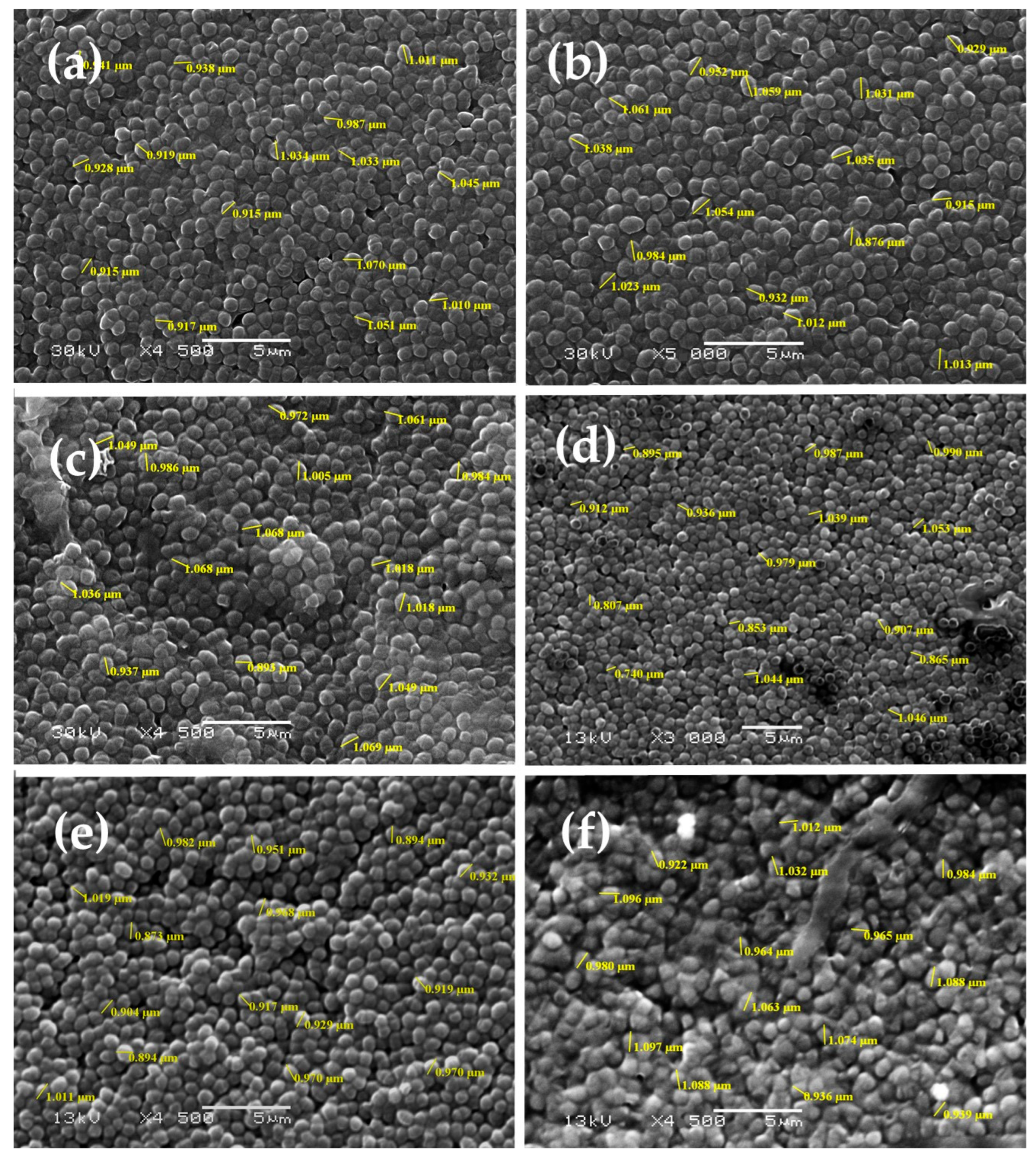
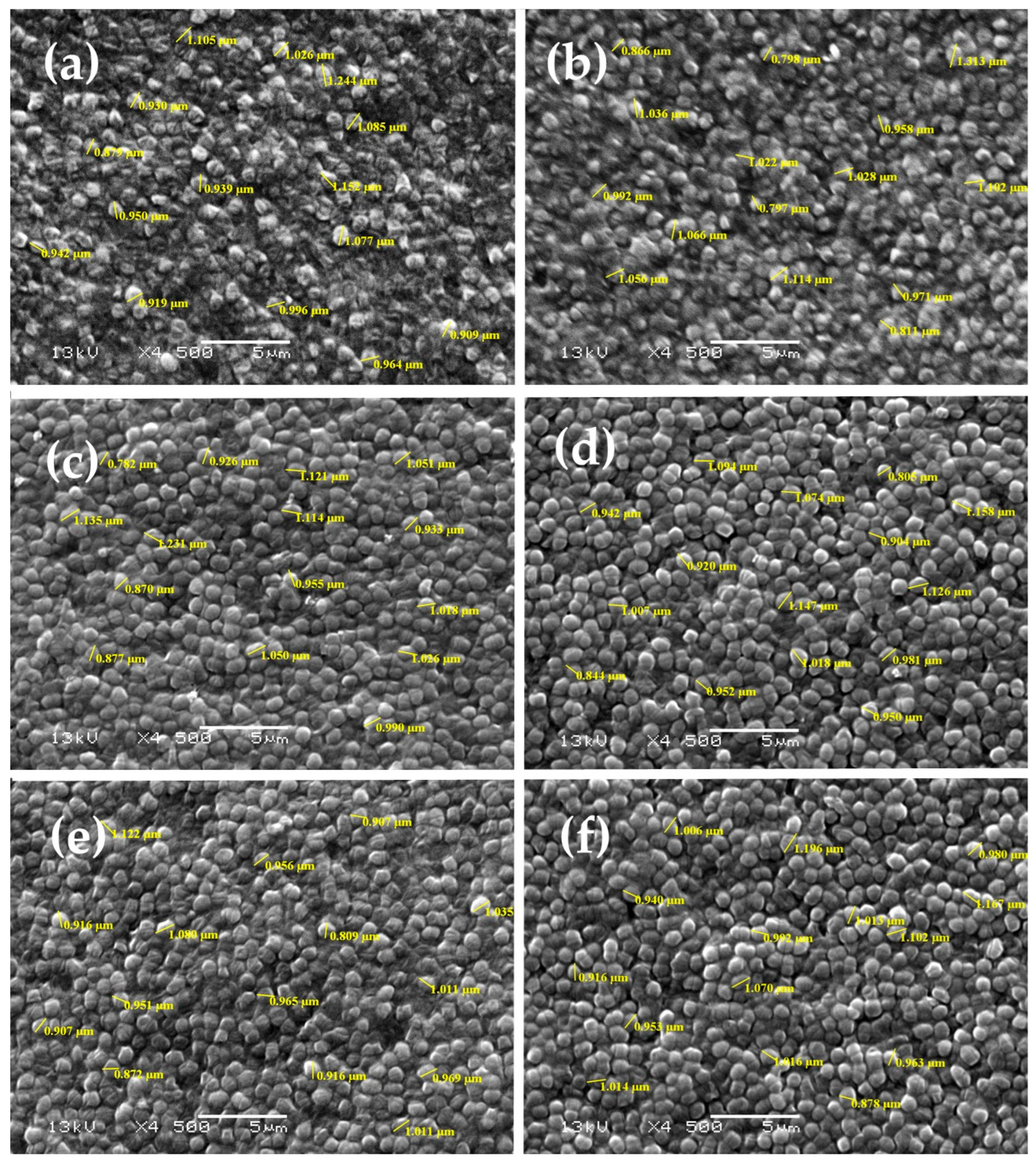
Microscopy was performed on the obtained MPs, and the morphological structures of the six types of ZnO-MPs synthesized by the different probiotic strains are shown in Figure 2. In all six micrographs, the MPs display a slightly rounded hexagonal shape, although some particles appear somewhat spherical. ZnO typically tends to arrange itself in bullet-like forms and crystallize into three main structures—wurtzite, zinc blende, and rock salt—depending on the conditions. Suba et al. [17] also reported hexagonally shaped ZnO-MPs. In Figure 3, the morphologies of the MgO-MPs can be observed, where similar structures are seen across the six samples; however, the morphologies in Figure 3d,e appear slightly less defined. Overall, the MgO-MPs have a spherical shape and appear to be closely bonded to one another, similar to the ZnO-MPs.
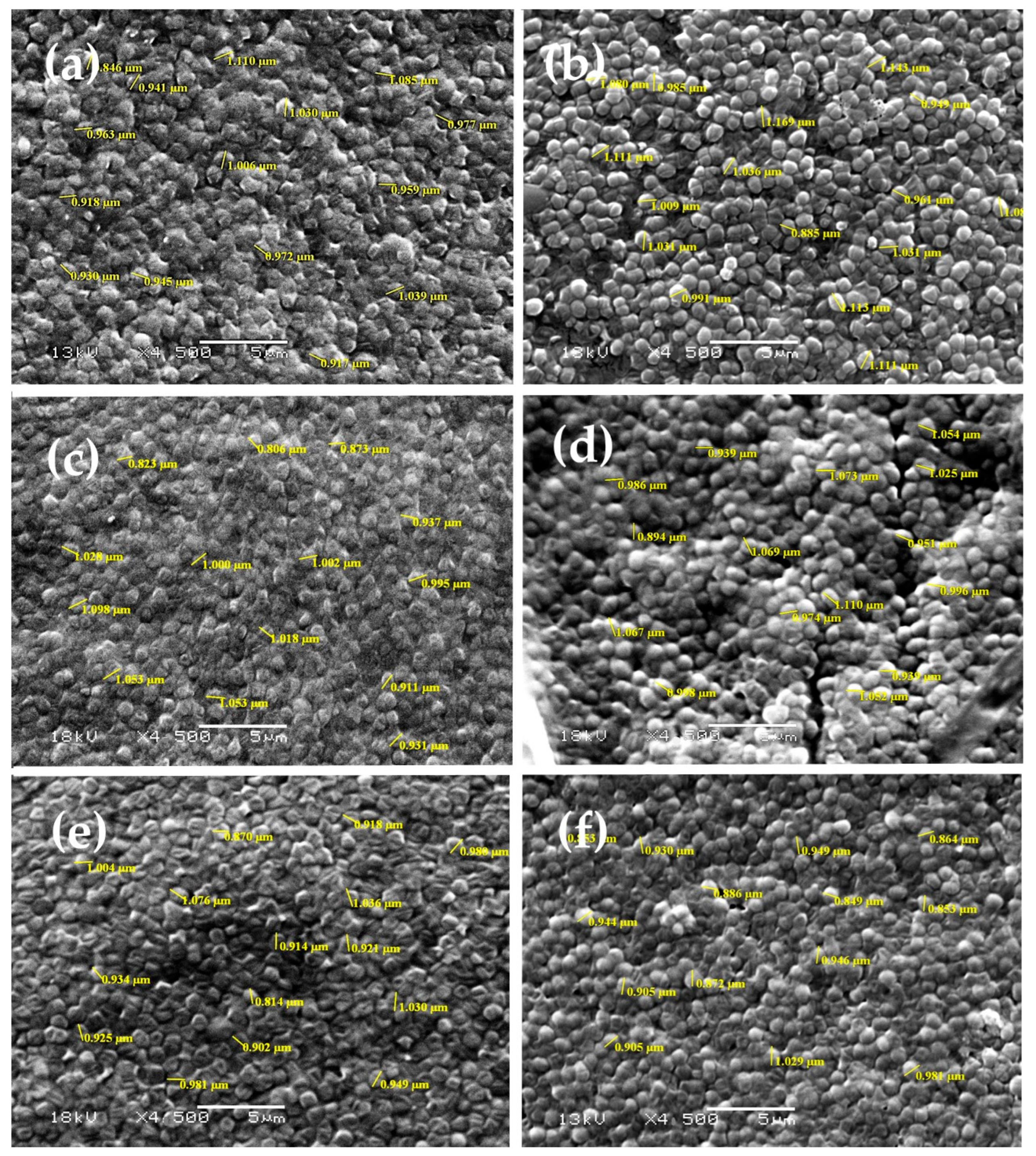
SEM microscopy demonstrated that the morphology of the CaO-MPs (Figure 4) is regular spherical, with some exhibiting a barely noticeable irregular shape. Naik et al. [32] reported calcium oxide nanoparticles that were enormously agglomerated with each other and extremely small ones that resembled sponges and foam. The MPs can take different shapes, which may be affected during the process or by the synthesis method used. Microscopies revealed the morphology of all of the MPs synthesized in this study and confirmed that the size obtained using the dynamic light scattering technique coincides with and is consistent with the results obtained using scanning electron microscopy.
The average particle size of the different MPs was evaluated from the SEM images to compare with the DLS data. The results are shown in Table 3. The ANOVA performed for the different treatments reveals that neither the strain type nor the type of oxide used for nanoparticle synthesis has a statistically significant effect (p > 0.05). The data show that the largest MP was the CaO-MPs synthesized by the L. mesenteroides strain with a size of 1038 nm and the smallest was the CaO-MP synthesized by the S. thermophilus ATCC BAA 250 strain with a size of 914 nm. Campbell et al. [33] indicate that in the case of SEM-determined particle sizes, the coefficient of variation (CV) is a good indicator of the dispersity of the system. In our case, the CV values were in the range of 4.65 to 13.94%. Campbell et al. [33] specify that when CV ≤ 12.5%, the system is likely monodisperse. In this case, only two of the MgO-MPs (L. mesenteroides and L. delbrueckii ATCC 11842) showed a polydisperse behavior (CV > 12.5%). Many of the SEM images show great homogeneity in particle size, which is in agreement with the calculated CV values. The presence of metal ions in the MPs can expand the electrical double layer, slowing Brownian motion and increasing measured size. For these reasons, the hydrodynamic sizes or DLS sizes of metal oxide particles are generally larger than SEM sizes.

3.3. Antimicrobial Activity

3.3.1. Evaluation Against Pathogens

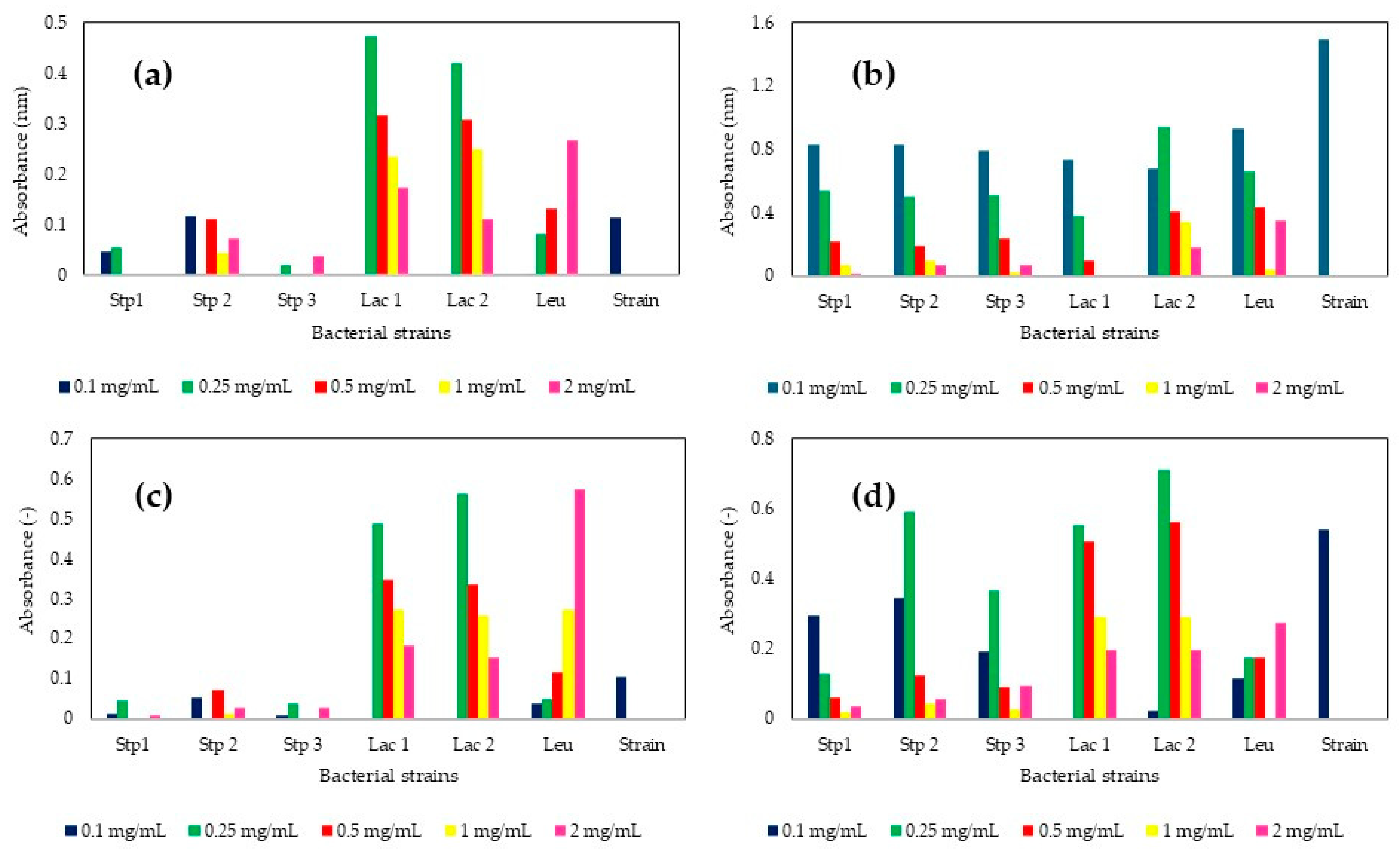
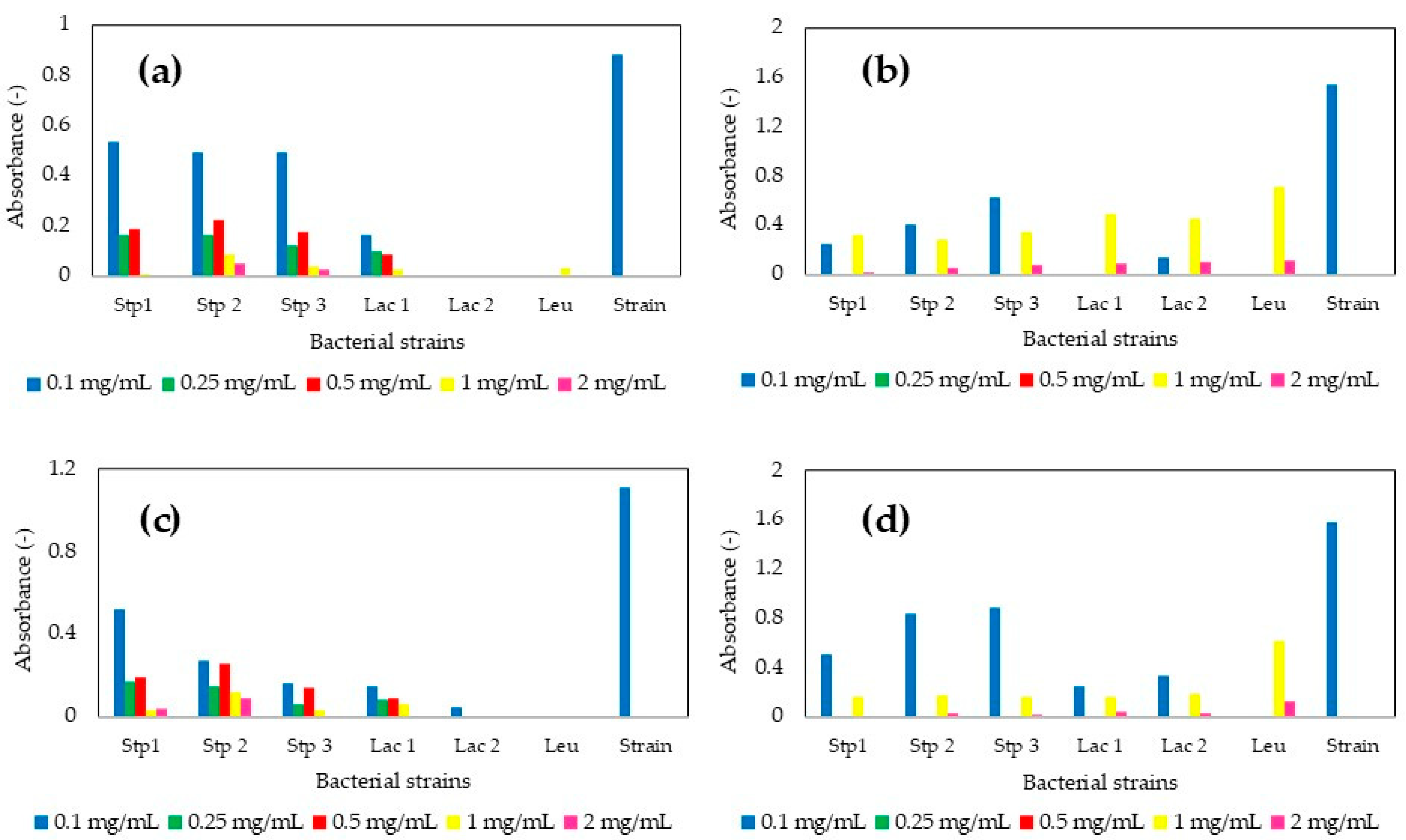
In recent years, it has been demonstrated that NPs possess strong antimicrobial potential against pathogens such as E. coli, S. aureus, and S. typhimurium. The ANOVA performed on the antimicrobial activity data shown in Figure 5 for the synthesized ZnO-MPs reveals that, for Escherichia coli ATCC 35218 and Escherichia coli ATCC 8739, the type of probiotic strain used for synthesis has a statistically significant effect (p ≤ 0.05). For the inhibition of Salmonella typhimurium 23, a significant effect was observed for the concentration of microparticles used (p ≤ 0.05). In the case of Staphylococcus aureus ATCC 29213, both linear factors—the strain used for synthesis and the microparticle concentration—showed statistically significant effects (p ≤ 0.05).
In this study, it was shown that the ZnO-MPs tested on the four pathogenic strains (Figure 5), including Salmonella (Figure 5d), turned out to be inhibited by most concentrations. The 0.25 mg/mL concentration of the MPs produced by the Streptococcus and Lactobacillus strains was not as efficient since no inhibition was observed when compared to the positive control, which is the strain alone, and it can be observed that the inhibition is different in each probiotic strain and in each concentration of them. However, it can be observed that for concentrations of 1 and 2 mg/mL, there is a greater inhibition in all MPs produced by the six probiotic strains. In the case of S. aureus, Figure 5b, it can be observed that the MPs at different concentrations can inhibit the pathogen, with 0.1 mg/mL being the least inhibitory and 1 and 2 mg/mL the most inhibitory. In the case of E. coli ATCC 35218 (Figure 5a), it can be observed that the MPs produced by the three Streptococcus strains present an excellent inhibition along with the Leuconostoc strain, except for the concentration of 2 mg/mL of the latter strain, where there is no inhibition of the MPs, and the probable reason could be the agglomeration of the MPs themselves at a higher concentration, with the consequent reduction of the contact surface with the cell membrane. The MPs produced by the Lactobacillus strains did not present a good inhibition against E. coli at concentrations of 0.25 and 0.5 mg/mL. In the case of the E. coli ATCC 8739 strain (Figure 5c), a similar behavior to the E. coli ATCC 35218 strain could be observed, since again, the MPs produced by the Streptococcus strains presented a very good inhibition at all concentrations, but the MPs produced by Lactobacillus were not able to inhibit except for the lowest concentration, which was 0.1 mg/mL.
The results obtained indicate that ZnO-MPs are good pathogen inhibitors. Babayevska et al. [19] indicated that the MPs they obtained were also capable of inhibiting the development of Streptococcus and E. coli, but the E. coli strain was more susceptible. In this study, it can be observed that S. aureus is susceptible, but E. coli showed greater susceptibility to MPs produced by Streptococcus. This coincides with other reports in the field. El-Sayed et al. [21] report inhibition of E. coli and S. aureus strains at even higher concentrations than those used in this work. They also reported that the NPs synthesized by a Leuconostoc mesenteroides strain are more effective against skin pathogenic strains; however, the Leuconostoc strain used in this study produced MPs which were good inhibitors of intestinal pathogens. Although the exact mechanisms of the antibacterial action of NPs and MPs have not yet been clearly explained, some proposed mechanisms include the role of reactive oxygen species (ROS) generated on the surface of the particles, Zn2+ release, and membrane dysfunction [19]. Dizaj et al. [34] mention that, possibly, a better antimicrobial activity of ZnO-NPs can be obtained at high concentrations and with a larger surface area.
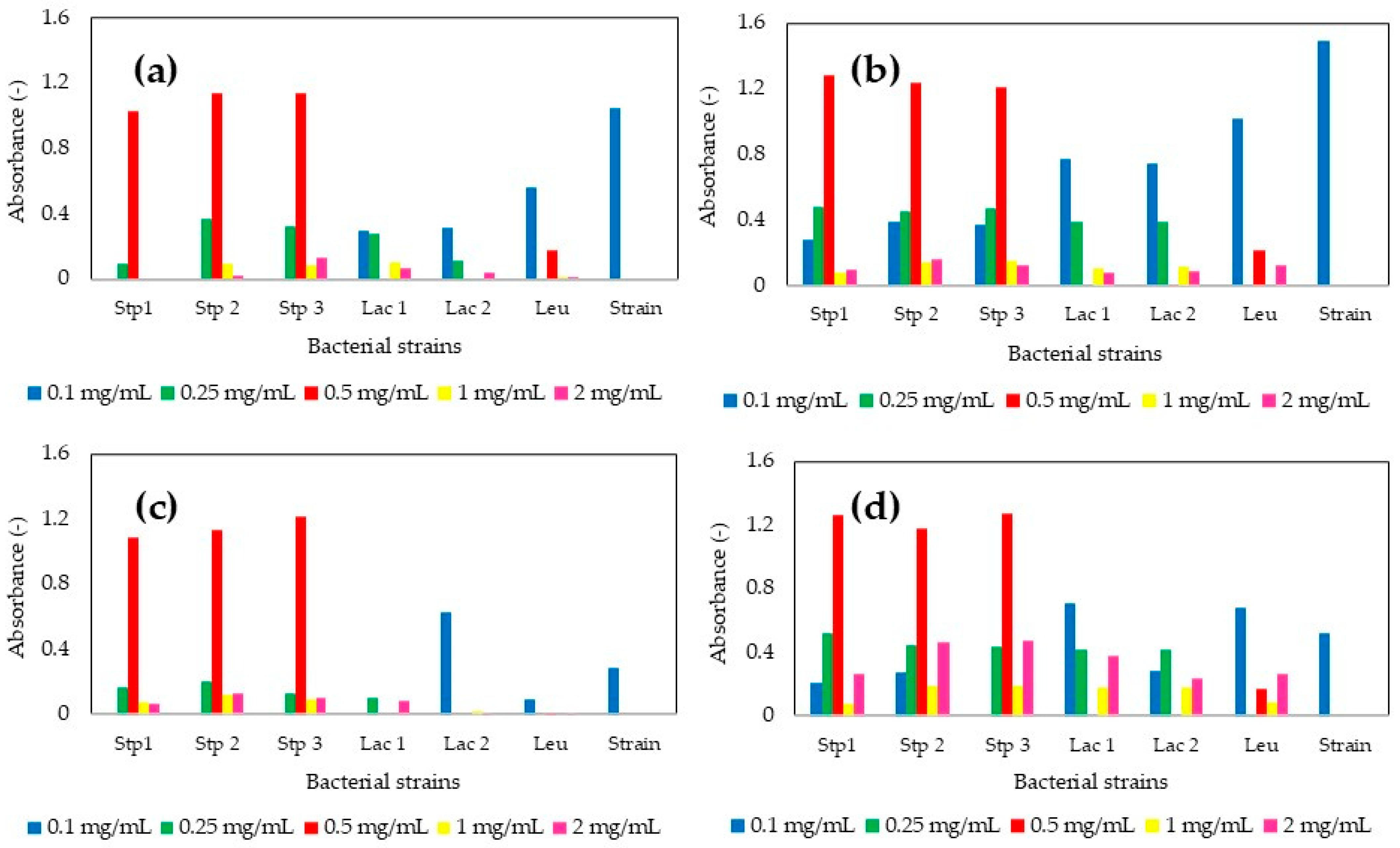
The ANOVA, performed for the antimicrobial activity data in Figure 6 for the synthesized MgO-MPs, revealed that in the case of Escherichia coli ATCC 35218 and Escherichia coli ATCC 8739, both linear factors (the strain used for green synthesis and the concentration of microparticles used) show a significant effect (p ≤ 0.05) and for the inhibition of Staphylococcus aureus ATCC 29213 and Salmonella typhimurium 23, a significant effect was shown by the concentration of microparticles used (p ≤ 0.05). MgO-MPs demonstrated very good antimicrobial activity against the Salmonella (Figure 6d) strain since all concentrations tested showed good inhibition, with 0.1 mg/mL being the least inhibiting and 0.25 and 0.5 mg/mL the most inhibiting. S. aureus was also found to be susceptible to MgO-MPs (Figure 6b), showing total inhibition at concentrations of 0.25 and 0.5 mg/mL, with 1 mg/mL being the least inhibiting concentration in this case; however, all concentrations inhibited the growth of S. aureus. In the case of both E. coli strains, the behavior was very similar, with the bacteria being more susceptible to the MPs produced by the Lactobacillus strains. E. coli ATCC 35218 (Figure 6a) showed complete inhibition by the MPs produced by Lactobacillus ATCC 11842, except at the concentration of 1 mg/mL, which was the only one that did not result in total inhibition. Likewise, E. coli ATCC 8739 (Figure 6c) showed complete inhibition by the MPs produced by Leuconostoc and Lactobacillus, except at the concentration of 0.1 mg/mL, which was the only one that did not fully inhibit the strain.
The MPs produced by the Streptococcus strains showed the least inhibitory effect at the lowest concentrations; however, at concentrations of 1 and 2 mg/mL, they produced complete inhibition of the pathogen. When these results are compared with the positive control (pathogenic strain only), it can be observed that the inhibition is quite substantial. Although the mechanism of action of MgO-MPs against bacteria is complex and not yet fully understood, it has been reported that their activity may be associated with the production of ROS, which induce lipid peroxidation [35].
On the other hand, it has also been shown that there is non-ROS-mediated toxicity, suggesting that oxidative stress is not the only main mechanism of action and that other roles, such as size, shape, composition of MPs, and the bacterial genus and species that are being inhibited, come into play. It has also been reported that MgO-MPs exhibit greater inhibition in Gram (+) bacteria than in Gram (−) bacteria, presumably due to the difference in the structures of each; in this study, it can be observed that MgO-MPs were good inhibitors for both types of bacteria.
The ANOVA performed on the antimicrobial activity data in Figure 7 for the synthesized CaO-MPs revealed a significant effect for Staphylococcus aureus ATCC 29213, Escherichia coli ATCC 35218, and Escherichia coli ATCC 8739, attributable to the linear factor of concentration (p ≤ 0.05), regardless of the strain used for synthesis (p > 0.05). In the case of the CaO-MPs (Figure 7), they exhibited strong inhibition at most concentrations; however, at 0.5 mg/mL, the MPs produced by the Streptococcus strains showed no inhibition. At a concentration of 1 mg/mL, all MPs demonstrated greater inhibition against the S. aureus strain (Figure 7b). The 0.5 mg/mL concentration of MPs produced by the Streptococcus strains showed similar behavior to that observed for Salmonella (Figure 7d), where no inhibition occurred, while the 1 mg/mL concentration again displayed the highest inhibitory effect.
In the case of E. coli, like the ZnO-MPs and MgO-MPs, the behavior is very similar. It can be observed that the 0.5 mg/mL concentration of the MPs produced by the three Streptococcus is unable to inhibit growth; however, there is very good inhibition by the remaining four concentrations. In the case of the MPs produced by the Lactobacillus and Leuconostoc strains, almost total inhibition can be observed in Figure 7a,c. Khan et al. [36] demonstrated in their study the inhibition of pathogens such as E. coli, S. aureus, Pseudomonas, Proteus, and Klebsiella by CaO-NPs, where they attribute their antimicrobial activity mainly to an interaction and damage to the plasma membrane, which results in a flow of cellular contents out of the bacteria.
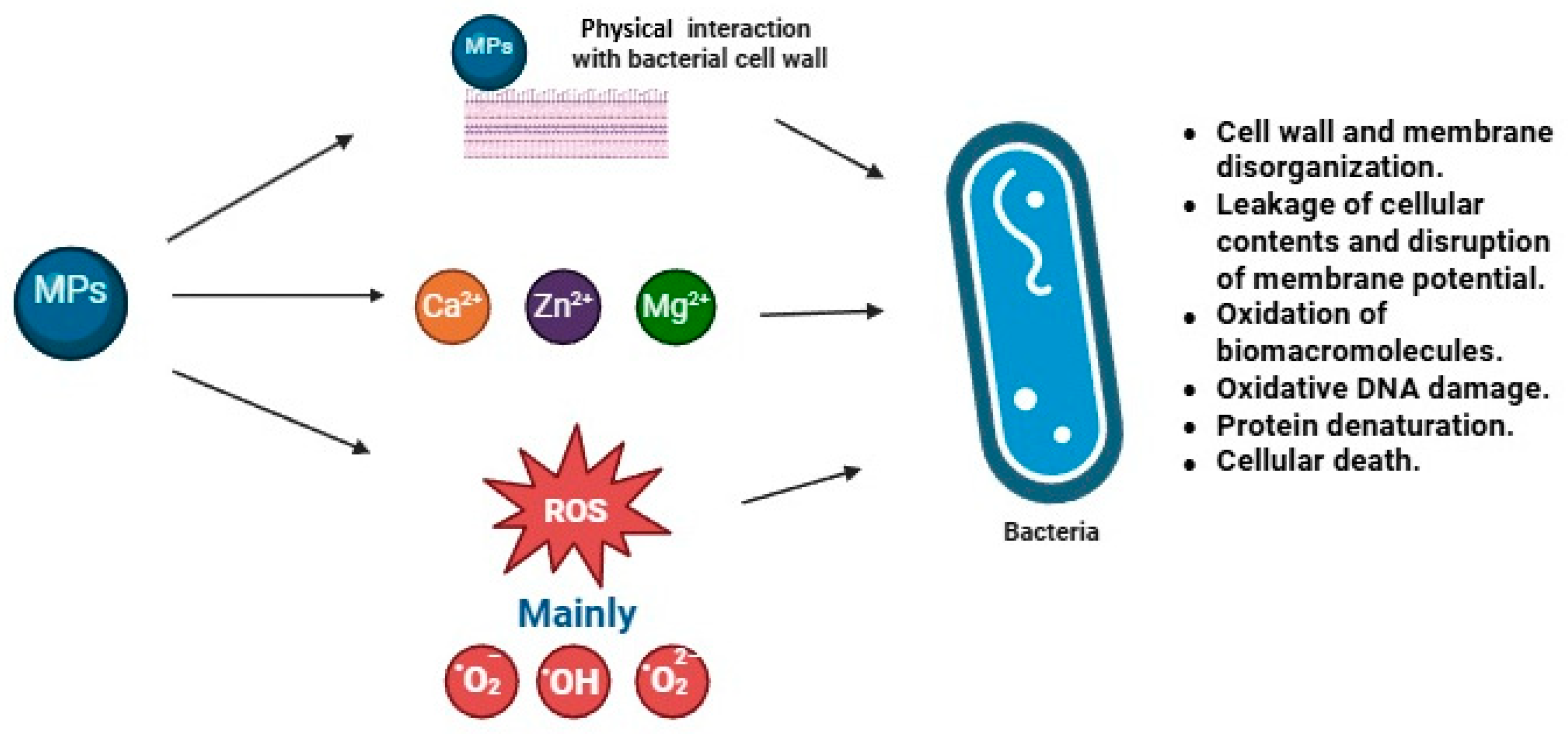
ZnO-MPs, MgO-MPs, and CaO-MPs biosynthesized by probiotic strains have good antimicrobial activity. This could be observed since there was inhibition of the growth of the different pathogens; the MPs showed good inhibition except for some cases where the concentration failed to inhibit, being 0.5 mg/mL in most cases where there was no inhibition of the pathogens. This fact is observed mainly in E. coli strains and by CaO-MPs produced by Streptococcus strains, where it could be observed that the concentration of 1 mg/mL is the one that presents the best inhibition in all cases, since the inhibition was almost complete. According to the graphs, it can be observed that the MPs that had the best inhibition of pathogens were the MgO-MPs, since the inhibition provided by these was complete for most concentrations and pathogenic strains. There are studies that have shown that ZnO-NPs have better antimicrobial activity for some strains of S. aureus [37]; in this study, S. aureus showed greater inhibition by MgO-MPs. Some authors have pointed out that the bactericidal action of MgO-MPs may be due to the binding of surface oxygen to the bacteria. As the surface area of the MPs increases, the concentration of oxygen ions on the surface increases, resulting in an effective destruction of the cytoplasmic membrane and the cell wall of the bacteria [38]. It has also been mentioned that NPs show higher antimicrobial activity in a liquid medium than in a solid medium [39]. ZnO-NPs are increasingly antibacterial in nature as the size is reduced from the micro to the nanoscale [3]. There are two studies that involve the antimicrobial activity of ZnO-MPs. Yamamoto [40] used 800 nm ZnO-MPs concentrations of 1.6 mg/mL to inhibit S. aureus and 50 mg/mL to inhibit E. coli. Nair et al. [3] used 350 nm ZnO-MPs at a concentration of 570 mg/mL to partially inhibit S. aureus but this same concentration did not have effect on E. coli. In this study, lower concentrations of metal oxide MPs (between 0.1 and 2 mg/mL) were effective growth inhibitors for different pathogens. The literature mentions that NPs and MPs are increasingly being used to combat pathogens as an alternative to antibiotics. The effect of NPs and MPs rests on their composition, structure, and the kind of bacteria. Currently, the antibacterial mechanisms of NPs and MPs are not well understood, but the most accepted ones include the physical interaction with the bacterial cell wall, release of free metal ions from the particle surface, and the induction of oxidative stress by ROS generation [41] as schematically represented in Figure 8.
The cell wall disruption is probably caused by the adsorption of the MPs which leads to depolarization in which the cell wall becomes less negative so ions can penetrate in an easier way. Additionally, the MPs can also disrupt the membrane, causing oxidative stress which can damage the bacterial proteins. At the same time, a large amount of ion-containing water is released from the cytoplasm causing serious damage to the membrane and impairing the respiratory and energy transfer systems, leading to cell death. These events have been observed in the case of ZnO and MgO particles. This toxicity is enhanced when the MPs have corners or edges as in the hexagon-shaped ZnO MPs. Of particular importance in the case of MPs, is the fact that the interactions with the cell wall are an important contribution to the antibacterial effect, even though, due to their size, they cannot penetrate inside the cell. Another important toxicity mechanism in NPs and MPs is the release of ions and their penetration inside the cell. The antibacterial action probably includes an interaction with the thiol groups in membrane and cytosol proteins and enzymes. In the case of ZnO particles, the inhibition of the glycolytic pathway enzymes supressing the activity of respiratory enzymes leading to cell death has been observed [41] Metal ions can also damage DNA by forming links with the phosphates in the DNA molecule provoking mutations in the bacteria. The induction of oxidative stress by ROS generation inside or outside of the cell is also a very important mechanism of toxicity. The enzyme-like activity triggered by the metal or metal oxide NPs and MPs leads to an increase in ROS generation in the bacterial cell. These ROS lead to a distortion in the production of ATP in bacteria. Another effect of ion release from the MPs is the generation of a catalase- or peroxidase-like activity which can break H2O2 into ●OH (hydroxyl radical), which is the most reactive of the oxygen-containing free radicals. This free radical is able to inactivate enzymes and oxidize lipids, carbohydrates, proteins, and other susceptible molecules. Other important ROS which can also be produced include H2O2, superoxide ion, and molecular oxygen [41]. In the particular case of MgO MPs, in addition to the various mechanisms described before, the increase in the alkalinity of the medium when MgO turns into Mg(OH)2 in aqueous media affects the viability of bacteria [41]. Something similar occurs in the case of CaO MPs when CaO turns into Ca(OH)2 [42]. The alkalinity effect seems to be more evident when MgO and CaO are in powder fogrm. Luque-Agudo et al. [43] indicated that in the case of MgO powder, antimicrobial activity against both Gram-positive and Gram-negative bacteria, spores, and viruses has been detected. Liang et al. [42] found that calcium oxide obtained by calcium carbonate calcination has antibacterial activity against E. coli and S. aureus. Huang et al. [44] indicated that ZnO obtained by precipitation from zinc acetate inhibited the growth of Streptococcus agalactiae and Staphylococcus aureus though they reported that the main mechanism of toxicity of the ZnO was damage to the membrane. Finally, Jin and Jin [45] reported that ZnO NPs/MPs combinations with other materials, such as antibiotics, anti-inflammatory drugs, other metal oxide NPs/MPs or polysaccharides (e.g., chitosan and alginate), displayed comparable antimicrobial activity against pathogenic microorganisms. Therefore, metal oxide MPs could become part of a next-generation antimicrobial strategy against multidrug-resistant pathogenic bacteria, and, in the near future, combinations of these materials may be further developed with significant impact in the food and medical fields.

3.3.2. Evaluation of the IC50 Value of the Metal Oxide MPs

The maximal growth of the pathogenic strains after 24 h at 37 °C, evaluated as the absorbance at 600 nm, for all of the MP concentrations was modeled using My Stat v12 (Systat Software, Chicago, IL, USA) to obtain the parameters for the dose–response logistic equation including the half-maximal inhibitory concentration (IC50) value (Equation (1)):
Absorbance   ( - ) =   C +   D C 1 +   x IC 50 b
where Absorbance (-) is the absorbance at 600 nm, C is the absorbance at the maximal MP concentration, D is the absorbance of the control in the absence of MPs, x is the MP concentration in mg/mL, IC50 is the concentration necessary to obtain a half of the total population (D/2), and b is the Hill slope or slope factor constant and refers to the steepness of the curve. As the absolute value of the Hill slope increases, so does the steepness of the curve [38]. In the case of this study, only 10 sets of data were adequate for the mathematical modelling in order to evaluate the IC50 values which are shown in Table 4 along with the other parameters of the logistic equation.
It can be observed that the smallest value of IC50 (highest sensitivity) corresponds to E. coli 35218 in the presence of the MgO MPs produced by S. thermophilus ATCC 19987. It also has the highest b value, indicating that its resistance to the MPs decreases fast with the increase in MP concentration. Salmonella, in the presence of the ZnO MPs produced by L. delbrueckii subsp. bulgaricus ATCC 11842, showed the highest IC50 value and a small b value. No significant differences (p > 0.05) could be detected between the IC50 values for Gram (+) and Gram (−) bacteria. This is the first time that IC50 values are reported for metal oxide MPs.

3.3.3. Evaluation of the Antibacterial Activity of the MPs Against a Phytopathogen Bacteria

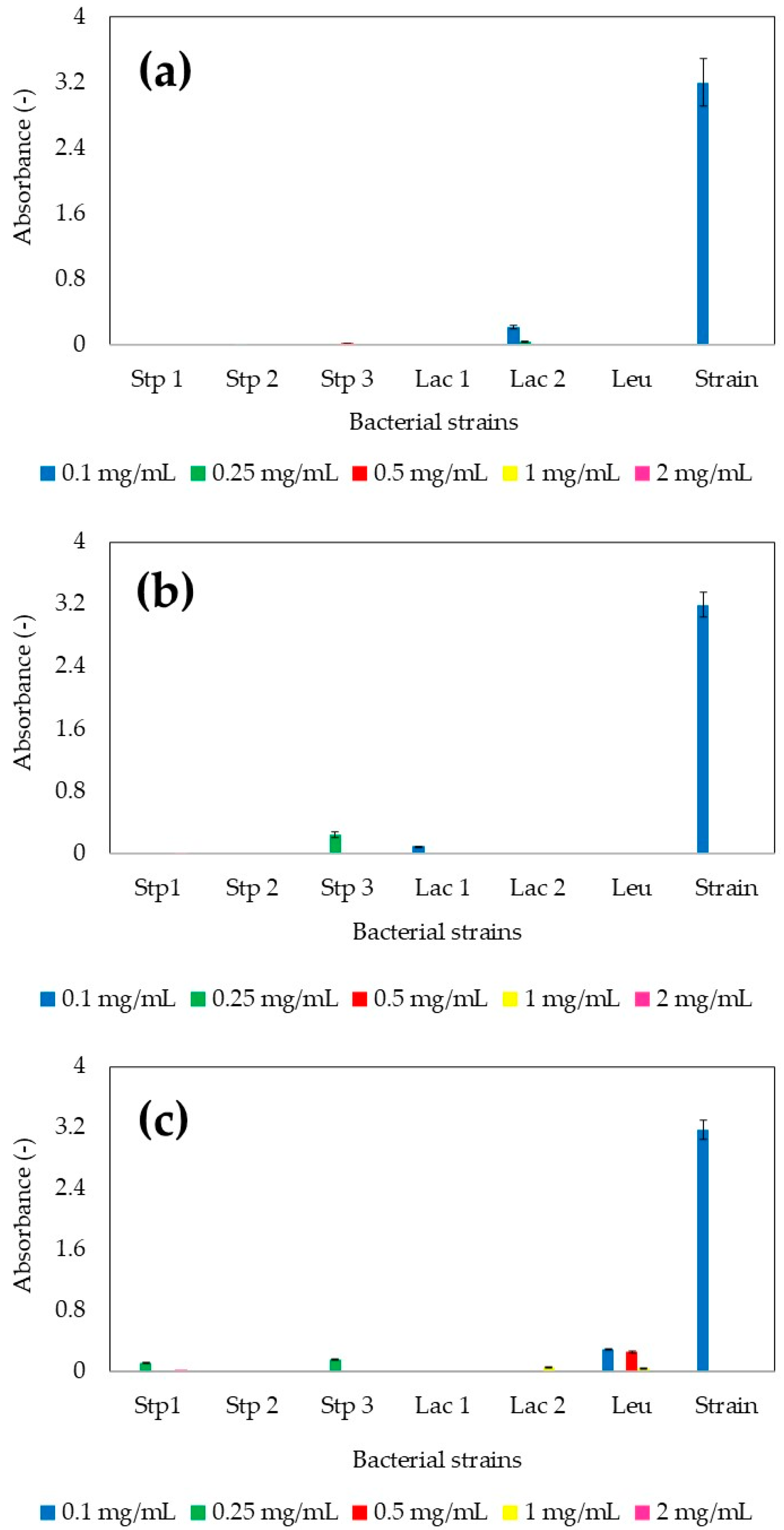
Ralstonia solanacearum is a soil-borne phytopathogen that primarily affects roots and stems and is the main cause of lethal wilt in plants, infecting more than 200 species [20]. The antimicrobial activity of the MPs produced by the probiotic strains was also evaluated against this phytopathogen (Figure 9). The same procedure used for the pathogenic strains was applied, but the absorbance readings were taken at 600 nm. As shown in Figure 9a, the ZnO-MPs exhibited complete inhibition at almost all tested concentrations, except for the MPs produced by Lactobacillus ATCC BAA 365 at a concentration of 0.1 mg/mL.
In the case of the MgO-MPs (Figure 9c), several concentrations produced complete inhibition, except for the MPs synthesized by Streptococcus ATCC 19987, Streptococcus ATCC BAA 250, and Leuconostoc, for which the non-inhibitory concentrations were 0.25 mg/mL in the case of the Streptococcus strains, and 0.1 and 0.5 mg/mL for Leuconostoc. The CaO-MPs (Figure 9b) also showed strong inhibition, with the exception of the MPs produced by Streptococcus ATCC BAA 250 and Lactobacillus ATCC 11842 at concentrations of 0.25 mg/mL and 0.1 mg/mL, respectively. Overall, the MPs synthesized by these probiotic strains exhibited excellent inhibitory activity against the phytopathogen [20].
When the antimicrobial activity of MgO-MPs was evaluated using a plate assay, inhibition of the phytopathogen at a concentration of 250 mg/L was observed. The proposed mechanism of action of NPs and MPs against Ralstonia suggests that they can damage or disrupt the cell wall, enabling penetration into bacterial cells. Such damage may cause leakage of intracellular components, ultimately leading to cell death. Additionally, R. solanacearum is known to possess a negatively charged membrane, which allows oppositely charged NPs and MPs to bind to its surface, promoting aggregation and increasing toxicity. Although NP and MP interactions with R. solanacearum do not necessarily alter subsequent cellular functions, the damage inflicted on the cell wall is critical, as this disruption may represent the primary antibacterial mechanism of both NPs and MPs [20]. There are reports indicating that the application of ZnO-NPs in vivo in artificially inoculated tomato plants significantly improved plant growth by decreasing the R. solanacearum population and disease severity compared with an untreated control [46]. The application of this phytopathogen in crops such as tomato using metal oxide MPs would therefore be a feasible subject for future investigation.

4. Conclusions

The results obtained in this study demonstrate that the probiotic strains used are capable of performing the green synthesis of metal oxide MPs such as ZnO, MgO, and CaO, for which there are few or no previous reports using this method or these strains. The MPs synthesized here were larger than the nanoparticles typically reported for probiotic strains; however, their morphology was not affected and is consistent with that described by other authors. The synthesized MPs showed strong antimicrobial activity against pathogenic and phytopathogenic strains at low concentrations, indicating that particle size did not hinder the inhibition of pathogenic bacteria. Green synthesis using these probiotic strains represents a viable and sustainable alternative for producing MPs that could later be used as substitutes for antibiotics, as pesticides for agricultural crops, for mineral fortification of foods, or to prevent contamination by pathogens. Different studies have reported a similar activity shown by metal oxides NPs produced by probiotic lactic acid bacteria. However, considering the possible environmental and human health impacts of NPs, the use of safer products obtained by green synthesis such as metal oxide MPs, could be a better option. Nevertheless, many challenges and controversies associated with the antibacterial activity of metal and metal oxide NPs and MPs remain to be addressed. These MPs may also be used in traditional applications such as catalysis, imaging, sensing, adsorption, photovoltaics, energy storage, and others.

Author Contributions

C.C.-R.: investigation, methodology, formal analysis, writing—original draft. R.M.G.-R.: supervision, writing, review, and editing. H.H.-S.: conceptualization, writing—review and editing, supervision, project administration, and approval of the final document. All authors have read and agreed to the published version of the manuscript.

Funding

This research received no external funding. The APC was funded by all of the authors.

Data Availability Statement

The original contributions presented in this study are included in the article. Further inquiries can be directed at the corresponding authors.

Acknowledgments

Claudia Cruz-Rodríguez is grateful for the doctoral scholarship support to SECIHTI-México (CVU 990211 and scholarship number 814086) and Instituto Politécnico Nacional for the BEIFI research scholarship.

Conflicts of Interest

The authors declare no conflicts of interest.

References

  1. Bhujel, R.; Maharjan, R.; Kim, N.A.; Jeong, S.H. Practical quality attributes of polymeric microparticles with current understanding and future perspectives. J. Drug Deliv. Sci. Technol. 2021, 64, 102608. [Google Scholar] [CrossRef]
  2. Feuillolay, C.; Haddioui, L.; Verelst, M.; Furiga, A.; Marchin, L.; Roques, C. Antimicrobial activity of metal oxide microspheres: An innovative process for homogeneous incorporation into materials. J. Appl. Microbiol. 2018, 125, 45–55. [Google Scholar] [CrossRef] [PubMed]
  3. Nair, S.; Sasidharan, A.; Rani, V.V.D.; Menon, D.; Nair, S.; Manzoor, K.; Raina, S. Role of size scale of ZnO nanoparticles and microparticles on toxicity toward bacteria and osteoblast cancer cells. J. Mater. Sci. Mater. Med. 2009, 20, S235–S241. [Google Scholar] [CrossRef] [PubMed]
  4. Lu, H.; Tang, S.T.; Yun, G.; Li, H.; Zhang, Y.; Qiao, R. Modular and integrated systems for nanoparticle and microparticles synthesis—A review. Biosensors 2020, 10, 165. [Google Scholar] [CrossRef]
  5. Al-Sahlany, S.T.G.; Niamah, A.K.; Verma, D.K.; Prabhakar, P.; Patel, A.R.; Thakur, M.; Singh, S. Applications of Green Synthesis of Nanoparticles Using Microorganisms in Food and Dairy Products: Review. Processes 2025, 13, 1560. [Google Scholar] [CrossRef]
  6. El-Sayyad, G.S.; Elfadil, D.; Mosleh, M.A.; Hasanien, Y.A.; Mostafa, A.; Abdelkader, R.S.; Refaey, N.; Elkafoury, E.M.; Eshaq, G.; Abdelrahman, E.A.; et al. Eco-Friendly Strategies for Biological Synthesis of Green Nanoparticles with Promising Applications. Bionanoscience 2024, 14, 3617–3659. [Google Scholar] [CrossRef]
  7. Kirubakaran, D.; Wahid, J.B.A.; Karmegam, N.; Jeevika, R.; Sellapillai, L.; Rajkumar, M.; SenthilKumar, K.J. A Comprehensive Review on the Green Synthesis of Nanoparticles: Advancements in Biomedical and Environmental Applications. Biomed. Mater. Devices 2026, 4, 388–413. [Google Scholar] [CrossRef]
  8. Freitas, F.M.C.; Cerqueira, M.A.; Gonçalves, C.; Azinheiro, S.; Garrido-Maestu, A.; Vicente, A.A.; Pastrana, L.M.; Teixeira, J.A.; Michelin, M. Green synthesis of lignin nano- and micro-particles: Physicochemical characterization, bioactive properties and cytotoxicity assesement. Int. J. Biol. Macromol. 2020, 163, 1798–1809. [Google Scholar] [CrossRef]
  9. Sampaio, S.; Viana, J.C. Optimisation of the green synthesis of Cu/Cu2O particles for maximum yield production and reduced oxidation for electronic applications. Mater. Sci. Eng. B 2024, 23, 114807. [Google Scholar] [CrossRef]
  10. Iqra, R.K.; Begum, B.; Qazi, R.A.; Gul, H.; Khan, M.S.; Khan, S.; Bibi, N.; Han, C.; Rahman, N.U. Green synthesis of silver oxide microparticles using green tea leaves extract for an efficient removal of malachite green from water: Synergistic effect of persulfate. Catalysts 2023, 13, 227. [Google Scholar] [CrossRef]
  11. Maftei, N.M.; Raileanu, C.R.; Balta, A.A.; Ambrose, L.; Boev, M.; Marin, D.B.; Lisa, E.L. The Potential Impact of Probiotics on Human Health: An Update on Their Health-Promoting Properties. Microorganisms 2024, 12, 234. [Google Scholar] [CrossRef]
  12. Nandhini, J.; Karthikeyan, E.; Rajeshkumar, S. Green Synthesis of Zinc Oxide Nanoparticles: Eco-Friendly Advancements for Biomedical Marvels. Resour. Chem. Mater. 2024, 3, 294–316. [Google Scholar] [CrossRef]
  13. Muhaymin, A.; Mohamed, H.E.A.; Hkiri, K.; Safdar, A.; Azizi, S.; Maaza, M. Green Synthesis of Magnesium Oxide Nanoparticles Using Hyphaene Thebaica Extract and Their Photocatalytic Activities. Sci. Rep. 2024, 14, 20135. [Google Scholar] [CrossRef] [PubMed]
  14. Ogbonna, C.E.; Kavaz, D.; Olawade, D.B.; Adekunle, Y.A. Novel Green Synthesis of ZnO, CaO, and ZnO-CaO Hybrid Nanocomposites Using Extract of Foeniculum Vulgare (Fennel) Stalks: Characterization, Mechanical Stability, and Biological Activities. J. Sol-Gel Sci. Technol. 2025, 116, 823–835. [Google Scholar] [CrossRef]
  15. Khan, M.A.; Masood, A.; Ali, K.; Farid, N.; Bashir, A.; Dar, M.S. Green Synthesis of Silver, Starch, and Zinc Oxide Mediated Nanoparticles with Probiotics and Plant Extracts, Their Characterization and Anti-Bacterial Activity. Microb. Pathog. 2024, 196, 107012. [Google Scholar] [CrossRef]
  16. Qiao, L.; Dou, X.; Song, X.; Xu, C. Green Synthesis of Nanoparticles by Probiotics and Their Application. Adv. Appl. Microbiol. 2022, 119, 83–128. [Google Scholar] [CrossRef] [PubMed]
  17. Suba, S.; Vijayakumar, S.; Vidhya, E.; Punitha, V.N.; Nilavukkarasi, M. Microbial Mediated Synthesis of ZnO Nanoparticles Derived from Lactobacillus spp: Characterizations, Antimicrobial and Biocompatibility Efficiencies. Sens. Int. 2021, 2, 100104. [Google Scholar] [CrossRef]
  18. González-Reza, R.M.; Hernández-Sánchez, H.; Quintanar-Guerrero, D.; Alamilla-Beltrán, L.; Cruz-Narváez, Y.; Zambrano-Zaragoza, M.L. Synthesis, Controlled Release, and Stability on Storage of Chitosan-Thyme Essential Oil Nanocapsules for Food Applications. Gels 2021, 7, 212. [Google Scholar] [CrossRef]
  19. Babayevska, N.; Przysiecka, Ł.; Iatsunskyi, I.; Nowaczyk, G.; Jarek, M.; Janiszewska, E.; Jurga, S. ZnO Size and Shape Effect on Antibacterial Activity and Cytotoxicity Profile. Sci. Rep. 2022, 12, 8148. [Google Scholar] [CrossRef]
  20. Cai, L.; Chen, J.; Liu, Z.; Wang, H.; Yang, H.; Ding, W. Magnesium Oxide Nanoparticles: Effective Agricultural Antibacterial Agent against Ralstonia solanacearum. Front. Microbiol. 2018, 9, 790. [Google Scholar] [CrossRef]
  21. El-Sayed, H.S.; El-Sayed, S.M.; Youssef, A.M. Novel Approach for Biosynthesizing of Zinc Oxide Nanoparticles Using Lactobacillus gasseri and Their Influence on Microbiological, Chemical, Sensory Properties of Integrated Yogurt. Food Chem. 2021, 365, 130513. [Google Scholar] [CrossRef] [PubMed]
  22. Agarwal, S.; Jangir, L.K.; Rathore, K.S.; Kumar, M.; Awasthi, K. Morphology-dependent structural and optical properties of ZnO nanostructures. Appl. Phys. A 2019, 125, 553. [Google Scholar] [CrossRef]
  23. Umaralikhan, L.; Jaffar, M.J.M. Green Synthesis of MgO Nanoparticles and It Antibacterial Activity. Iran. J. Sci. Technol. Trans. A Sci. 2018, 42, 477–485. [Google Scholar] [CrossRef]
  24. Stankic, S.; Muller, M.; Diwald, O.; Sterrer, M.; Knözinger, E.; Bernardi, J. Size-Dependent Optical Properties of MgO Nanocubes. Angew. Chem. Int. Ed. 2005, 44, 4917–4920. [Google Scholar] [CrossRef] [PubMed]
  25. Prado, D.C.; Fernández, I.; Rodríguez-Páez, J.E. MgO nanostructures: Synthesis, characterization and tentative mechanisms of nanoparticles formation. Nano-Struct. Nano-Objects 2020, 23, 100482. [Google Scholar] [CrossRef]
  26. Jadhav, V.; Bhagare, A.; Wahab, S.; Lokhande, D.; Vaidya, C.; Dhayagude, A.; Khalid, M.; Aher, J.; Mezni, A.; Dutta, M. Green Synthesized Calcium Oxide Nanoparticles (CaO NPs) Using Leaves Aqueous Extract of Moringa oleifera and Evaluation of Their Antibacterial Activities. J. Nanomater. 2022, 2022, 9047507. [Google Scholar] [CrossRef]
  27. Butt, A.R.; Ejaz, S.; Baron, J.C.; Ikram, M.; Ali, S. CaO nanoparticles as a potential drug delivery agent for biomedical applications. Dig. J. Nanomater. Biostruct. 2015, 10, 799–809. [Google Scholar]
  28. Król, A.; Railean-Plugaru, V.; Pomastowski, P.; Złoch, M.; Buszewski, B. Mechanism Study of Intracellular Zinc Oxide Nanocomposites Formation. Colloids Surf. A Physicochem. Eng. Asp. 2018, 553, 349–358. [Google Scholar] [CrossRef]
  29. Danaei, M.; Dehghankhold, M.; Ataei, S.; Hasanzadeh Davarani, F.; Javanmard, R.; Dokhani, A.; Khorasani, S.; Mozafari, M.R. Impact of Particle Size and Polydispersity Index on the Clinical Applications of Lipidic Nanocarrier Systems. Pharmaceutics 2018, 10, 57. [Google Scholar] [CrossRef]
  30. Selvarajan, E.; Mohanasrinivasan, V. Biosynthesis and Characterization of ZnO Nanoparticles Using Lactobacillus plantarum VITES07. Mater. Lett. 2013, 112, 180–182. [Google Scholar] [CrossRef]
  31. Cano-Sarmiento, C.; Téllez-Medina, D.I.; Viveros-Contreras, R.; Cornejo-Mazón, M.; Figueroa-Hernández, C.Y.; García-Armenta, E.; Alamilla-Beltrán, L.; García, H.S.; Gutiérrez-López, G.F. Zeta Potential of Food Matrices. Food Eng. Rev. 2018, 10, 113–138. [Google Scholar] [CrossRef]
  32. Naik, T.S.S.K.; Singh, S.; Narasimhappa, P.; Varshney, R.; Singh, J.; Khan, N.A.; Zahmatkesh, S.; Ramamurthy, P.C.; Shehata, N.; Kiran, G.N.; et al. Green and Sustainable Synthesis of CaO Nanoparticles: Its Solicitation as a Sensor Material and Electrochemical Detection of Urea. Sci. Rep. 2023, 13, 19995. [Google Scholar] [CrossRef]
  33. Campbell, Z.S.; Baro, S.; Gao, Y.; Li, F.; Abolhasani, M. Flow Synthesis of Single and Mixed Metal Oxides. Chem. Methods 2022, 2, e202200007. [Google Scholar] [CrossRef]
  34. Dizaj, S.M.; Lotfipour, F.; Barzegar-Jalali, M.; Zarrintan, M.H.; Adibkia, K. Antimicrobial Activity of the Metals and Metal Oxide Nanoparticles. Mater. Sci. Eng. C 2014, 44, 278–284. [Google Scholar] [CrossRef] [PubMed]
  35. He, Y.; Ingudam, S.; Reed, S.; Gehring, A.; Strobaugh, T.P.; Irwin, P. Study on the Mechanism of Antibacterial Action of Magnesium Oxide Nanoparticles against Foodborne Pathogens. J. Nanobiotechnol. 2016, 14, 54. [Google Scholar] [CrossRef] [PubMed]
  36. Khan, A.U.; Hussain, T.; Abdullah; Khan, M.A.; Almostafa, M.M.; Younis, N.S.; Yahya, G. Antibacterial and Antibiofilm Activity of Ficus Carica-Mediated Calcium Oxide (CaONPs) Phyto-Nanoparticles. Molecules 2023, 28, 5553. [Google Scholar] [CrossRef]
  37. El-Masry, R.M.; Talat, D.; Hassoubah, S.A.; Zabermawi, N.M.; Eleiwa, N.Z.; Sherif, R.M.; Abourehab, M.A.S.; Abdel-Sattar, R.M.; Gamal, M.; Ibrahim, M.S.; et al. Evaluation of the Antimicrobial Activity of ZnO Nanoparticles against Enterotoxigenic Staphylococcus aureus. Life 2022, 12, 1662. [Google Scholar] [CrossRef]
  38. Srinivasan, B.; Lloyd, M.D. Dose–Response Curves and the Determination of IC50 and EC50 Values. J. Med. Chem. 2024, 67, 17931–17934. [Google Scholar] [CrossRef]
  39. Vázquez Olmos, A.R.; Vega Jiménez, A.L.; Paz Díaz, B. Mecanosíntesis y Efecto Antimicrobiano de Óxidos Metálicos Nanoestructurados. Mundo Nano Rev. Interdiscip. Nanociencias Y Nanotecnología 2018, 11, 29–44. [Google Scholar] [CrossRef]
  40. Yamamoto, O. Influence of particle size on the antibacterial activity of zinc oxide. Int. J. Inorg. Mater. 2001, 3, 643–646. [Google Scholar] [CrossRef]
  41. Generalova, A.N.; Dushina, A.O. Metal/metal oxide nanoparticles with antibacterial activity and their potential to disrupt bacterial biofilms: Recent advances with emphasis on the underlying mechanisms. Adv. Colloid Interface Sci. 2025, 345, 103626. [Google Scholar] [CrossRef]
  42. Liang, X.; Dai, R.; Chang, S.; Wei, Y.; Zhang, B. Antibacterial mechanism of biogenic calcium oxide and antibacterial activity of calcium oxide/polypropylene composites. Colloids Surf. A 2022, 650, 129446. [Google Scholar] [CrossRef]
  43. Luque-Agudo, V.; Fernández-Calderón, M.C.; Pacha-Olivenza, M.A.; Pérez-Giraldo, C.; Gallardo-Moreno, A.M.; González-Martín, M.L. The role of magnesium in biomaterials related infections. Colloids Surf. B 2020, 191, 110996. [Google Scholar] [CrossRef] [PubMed]
  44. Huang, Z.; Zheng, X.; Yan, D.; Yin, G.; Liao, X.; Kang, Y.; Yao, Y.; Huang, D.; Hao, B. Toxicological effect of ZnO nanoparticles based on bacteria. Langmuir 2008, 24, 4140–4144. [Google Scholar] [CrossRef] [PubMed]
  45. Jin, S.E.; Jin, H.E. Antimicrobial Activity of Zinc Oxide Nano/Microparticles and Their Combinations against Pathogenic Microorganisms for Biomedical Applications: From Physicochemical Characteristics to Pharmacological Aspects. Nanomaterials 2021, 11, 263. [Google Scholar] [CrossRef]
  46. Khan, R.A.A.; Tang, Y.; Naz, I.; Alam, S.S.; Wang, W.; Ahmad, M.; Najeeb, S.; Rao, C.; Li, Y.; Xie, B.; et al. Management of Ralstonia solanacearum in Tomato Using ZnO Nanoparticles Synthesized Through Matricaria chamomilla. Plant Dis. 2021, 105, 3224–3230. [Google Scholar] [CrossRef]
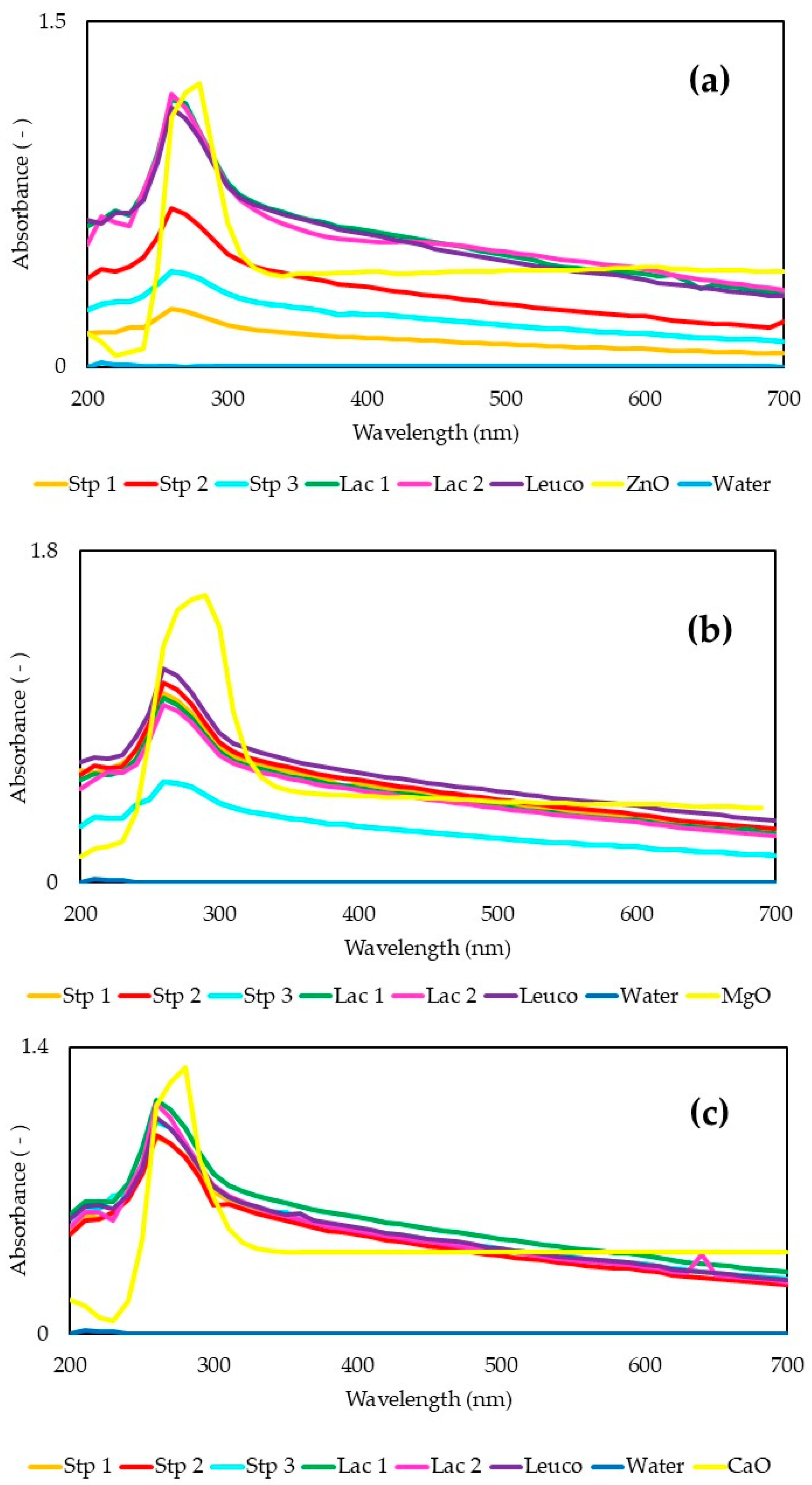
Figure 1. Absorbance spectra of (a) ZnO-MPs, (b) MgO-MPs, and (c) CaO-MPs.
Processes 14 00101 g001
Figure 2. SEM micrographs of ZnO-MPs synthesized from the different probiotic strains. (a) L. delbrueckii ATCC BAA 365, (b) L. mesenteroides, (c) L. delbrueckii ATCC 11842, (d) S. thermophilus ATCC 19987, (e) S. thermophilus ATCC 19258, and (f) S. thermophilus ATCC BAA 250.
Processes 14 00101 g002
Figure 3. SEM micrographs of MgO-MPs synthesized from the different probiotic strains. (a) L. delbrueckii ATCC BAA 365, (b) L. mesenteroides, (c) L. delbrueckii ATCC 11842, (d) S. thermophilus ATCC 19987, (e) S. thermophilus ATCC 19258, and (f) S. thermophilus ATCC BAA 250.
Processes 14 00101 g003
Figure 4. SEM micrographs of CaO-MPs synthesized from the different probiotic strains. (a) L. delbrueckii ATCC BAA 365, (b) L. mesenteroides, (c) L. delbrueckii ATCC 11842, (d) S. thermophilus ATCC 19987, (e) S. thermophilus ATCC 19258, and (f) S. thermophilus ATCC BAA 250.
Processes 14 00101 g004
Figure 5. Inhibition of the growth of different pathogens by different concentrations of ZnO-MPs. (a) E. coli ATCC 35218. (b) S. aureus. (c) E. coli ATCC 8739. (d) Salmonella. Incubation conditions: 37 °C for 24 h with 120 rpm orbital shaking.
Processes 14 00101 g005
Figure 6. Inhibition of the growth of different pathogens by different concentrations of MgO-MPs. (a) E. coli ATCC 35218. (b) S. aureus. (c) E. coli ATCC 8739. (d) Salmonella. Incubation conditions: 37 °C for 24 h with 120 rpm orbital shaking.
Processes 14 00101 g006
Figure 7. Inhibition of the growth of different pathogens by different concentrations of CaO-MPs. (a) E. coli ATCC 35218. (b) S. aureus. (c) E. coli ATCC 8739. (d) Salmonella. Incubation conditions: 37 °C for 24 h with 120 rpm orbital shaking.
Processes 14 00101 g007
Figure 8. Schematic representation of the main mechanisms of antibacterial activity of CaO-, MgO-, and ZnO-MPs.
Processes 14 00101 g008
Figure 9. Inhibition by MPs against R. solanacearum at different concentrations of (a) ZnO-MPs, (b) CaO-MPs, and (c) MgO-MPs.
Processes 14 00101 g009
Table 1. PS and PDI of the MPs obtained by green synthesis.
StrainPS (nm)
ZnO-MPs
PDI (-)
ZnO-MPs
PS (nm)
MgO-MPs
PDI (-)
MgO-MPs
PS (nm)
CaO-MPs
PDI (-)
CaO-MPs
S. thermophilus
ATCC 19987
1464 ± 119.40.242 ± 0.0951633 ± 136.90.188 ± 0.1091801 ± 101.00.282 ± 0.047
S. thermophilus
ATCC 19258
937.4 ± 129.60.287 ± 0.1041600 ± 196.20.199 ± 0.0321619 ± 362.50.566 ± 0.296
S. thermophilus
ATCC BAA 250
1433.6 ± 46.930.170 ± 0.0621636 ± 2410.158 ± 0.0651592 ± 115.20.540 ± 0.239
L. delbrueckii
ATCC 11842
1491.6 ± 164.60.152 ± 0.1021435 ± 169.20.238 ± 0.0621569 ± 59.010.362 ± 0.035
L. delbrueckii
ATCC BAA 365
1477 ± 109.70.185 ± 0.0371471 ± 214.80.367 ± 0.1501634 ± 147.60.390 ± 0.295
L. mesenteroides NRRL_B512F1394 ± 77.320.206 ± 0.0291419 ± 193.80.184 ± 0.0611525 ± 107.30.355 ± 0.064
Table 2. Zeta potential (ζ) of the MPs obtained by green synthesis.
ζ (mV)
StrainZnO-MPsMgO-MPsCaO-MPs
S. thermophilus
ATCC 19987 (Stp 1)
17.0 ± 0.72 a19.44 ± 0.55 ab21.10 ± 0.40 b
S. thermophilus
ATCC 19258 (Stp 2)
17.87 ± 0.55 a19.90 ± 0.30 ab17.83 ± 0.93 b
S. thermophilus
ATCC BAA 250 (Stp 3)
20.27 ± 2.42 a17.50 ± 0.63 ab20.87 ± 1.31 b
L. delbrueckii
ATCC 11842 (Lac 1)
22.07 ± 3.76 a16.46 ± 1.31 ab20.93 ± 1.01 b
L. delbrueckii
ATCC BAA 365 (Lac 2)
17.53 ± 1.80 a20.90 ± 0.44 ab20.33 ± 1.67 b
L. mesenteroides
NRRL_B512 F (Leu)
16.34 ± 4.75 a22.30 ± 0.70 ab22.13 ± 0.59 b
Values within the same row with different letters are significantly different (p ≤ 0.05) according to Tukey’s HSD.
Table 3. PS ± SD and coefficient of variation (CV) of the MPs obtained by green synthesis determined by SEM.
StrainPS ± SD (nm)
ZnO-MPs
CV (%)
ZnO-MPs
PS ± SD (nm)
MgO-MPs
CV (%)
MgO-MPs
PS ± SD (nm)
CaO-MPs
CV (%)
CaO-MPs
S. thermophilus
ATCC 19987
936.87 ± 94.6810.11994.8 ± 107.9810.851005.8 ± 63.336.30
S. thermophilus
ATCC 19258
942.2 ± 43.794.65958.29 ± 82.778.64950.27 ± 68.57.21
S. thermophilus
ATCC BAA 250
1016 ± 64.356.331013.73 ± 88.248.70914.14 ± 51.975.69
L. delbrueckii
ATCC 11842
1010.43 ± 51.485.091004.36 ± 122.9112.24969 ± 91.679.46
L. delbrueckii
ATCC BAA 365
980.93 ± 56.055.711006.5 ± 107.9610.73980.07 ± 69.37.07
L. mesenteroides
NRRL_B512F
992.93 ± 61.116.15995.33 ± 138.7313.941038.27 ± 78.327.54
Table 4. Parameters for the behavior of four pathogenic bacteria in the presence of different metal oxide MPs.
MicroorganismMPSynthesized byC (Abs600)D (Abs600)IC50 (mg/mL)bR2
SalmonellaZnOLac 10.190.900.2780.7370.959
SalmonellaZnOLac 20.130.900.2220.7070.946
S. aureusZnOStp 10.001.500.1191.2200.973
S. aureusZnOStr 20.051.500.1181.1620.986
E. coli 35218ZnOLac 10.201.100.1800.6120.991
E. coli 35218ZnOLac 20.171.100.2530.8950.962
E. coli 8739ZnOLac 10.201.500.1330.6480.952
SalmonellaMgOStp 20.050.900.1121.0910.867
E. coli 35218MgOStp 10.051.100.0891.5220.925
S. aureusCaOLac 10.101.500.1081.0870.991
Disclaimer/Publisher’s Note: The statements, opinions and data contained in all publications are solely those of the individual author(s) and contributor(s) and not of MDPI and/or the editor(s). MDPI and/or the editor(s) disclaim responsibility for any injury to people or property resulting from any ideas, methods, instructions or products referred to in the content.