Article

Identification and Evaluation of Fracturing Advantageous Lithofacies in the Main Structural Zone of Yingxiongling, Qaidam Basin
1
State Key Laboratory of Petroleum Resources and Engineering, China University of Petroleum (Beijing), Beijing 102249, China
2
Research Institute of Petroleum Exploration and Development, CNPC Qinghai Oilfield, Dunhuang 736202, China
*
Author to whom correspondence should be addressed.
Processes 2025, 13(12), 3857; https://doi.org/10.3390/pr13123857 (registering DOI)
Submission received: 11 October 2025 / Revised: 17 November 2025 / Accepted: 25 November 2025 / Published: 29 November 2025
(This article belongs to the Special Issue Advances in Combustion Processes: Fundamentals and Applications)

Abstract

The Yingxiongling structural zone in the Qaidam Basin is a critical yet challenging target for shale oil exploration due to strong reservoir heterogeneity and complex sedimentary cycles. This study employs an integrated methodology combining laboratory rock mechanical tests, field fracturing diagnostics, and tracer data to evaluate the fracturing performance of dominant lithofacies. Results indicate that: (1) Laminated dolomitic limestone exhibits higher mechanical strength and requires elevated fracturing pressure compared to laminated shale, but contains inferior hydrocarbon content. In contrast, laminated shale develops more uniform and complex fracture networks post-fracturing. (2) A lower microseismic b-value in laminated dolomitic limestone suggests shear-dominated failure along bedding planes, enhancing micro-fracture development. (3) Pressure decline analysis and microseismic monitoring confirm that laminated shale facilitates higher fracture network complexity. In conclusion, laminated shale is identified as the preferred lithofacies in the Yingxiongling area, as it possesses a superior potential for generating complex fracture networks that meet the technical requirements for effective volume stimulation.

1. Introduction

As a pivotal petroleum resource in China, continental shale oil holds immense potential, with an estimated area of approximately 8.5 × 10⁴ km2 [1] (Figure 1). Its commercial development predominantly relies on hydraulic fracturing, which has been successfully adapted from the North American model of horizontal drilling and volume fracturing [2,3] to achieve breakthroughs in major basins such as the Junggar, Ordos, and Bohai Bay. However, the distinct geological characteristics of China’s shale oils—including their lacustrine origin, lower gas–oil ratios, high wax content, weaker formation energy, and compartmentalized distribution due to complex tectonics—present greater development challenges than their marine counterparts in North America [4]. These challenges are further exacerbated in hybrid shale oils, which are characterized by thin, multi-layered reservoirs that complicate fracturing operations.
The successful development of these complex reservoirs hinges on the precise identification of the most favorable lithofacies for fracturing. It has been established that lithofacies are the core factor controlling rock mechanical properties, influencing the entire process from reservoir evaluation and fracture design to production forecasting [5]. Consequently, lithofacies-based evaluation has become a primary focus in fracturing design, with methods such as the fracability evaluation proposed by Wang and Gale [6] highlighting its dominant role in brittleness. In practice, fracturing design prioritizes key parameters like in situ stress and permeability, which are intrinsically governed by lithofacies. Given that different lithofacies exhibit distinct petrophysical and mechanical properties, they result in varying reservoir permeability and ultimately lead to different fracture network geometries during stimulation. This necessitates tailored fracturing designs for specific lithofacies [7]. Furthermore, for productivity evaluation, effective development requires synergizing high-oil-bearing zones with successful fracturing, making the inherent oil content of the reservoir a key consideration.
This study focuses on the Yingxiongling shale oil in the Qaidam Basin, a typical terrestrial mountainous system located in the Ganchaigou Sag [8]. The region is structurally stable, and its shale sequences are composed of laminated dolomitic limestone, layered limy dolostone, massive dolomitic limestone, hybrid rocks, and minor siltstone. Core analyses have identified laminated dolomitic limestone, with its high-density laminae (3000–5000 layers/meter), as the optimal source rock lithofacies, while layered limy dolostone, characterized by thicker (1–10 mm) alternating light and dark layers, is the optimal reservoir lithofacies [9,10]. Their interbedding constitutes the most favorable source-reservoir configuration [10]. Despite these insights, a critical challenge remains: determining the optimal target layers and perforation lithofacies for fracturing requires a comprehensive analysis of the fracturing behavior and production performance across these different lithofacies, which is the central objective of this research.

2. Reservoir Characteristics

2.1. Rock Mechanismcs Experiments

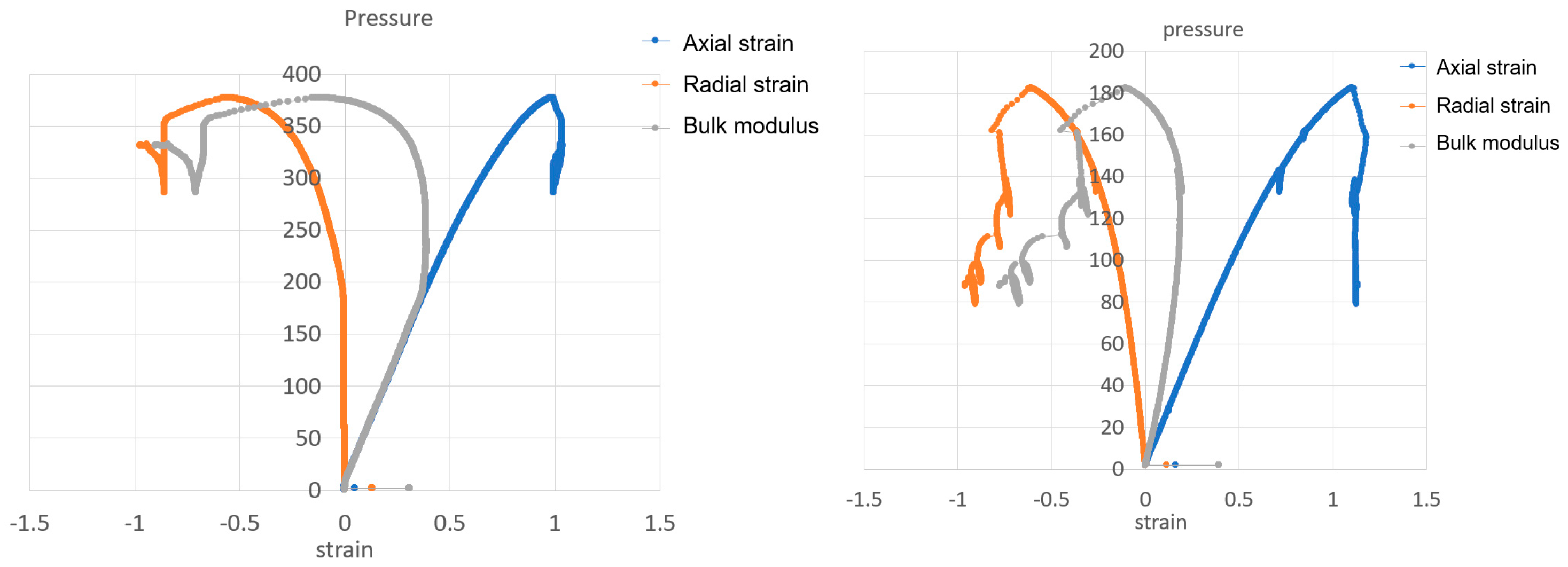
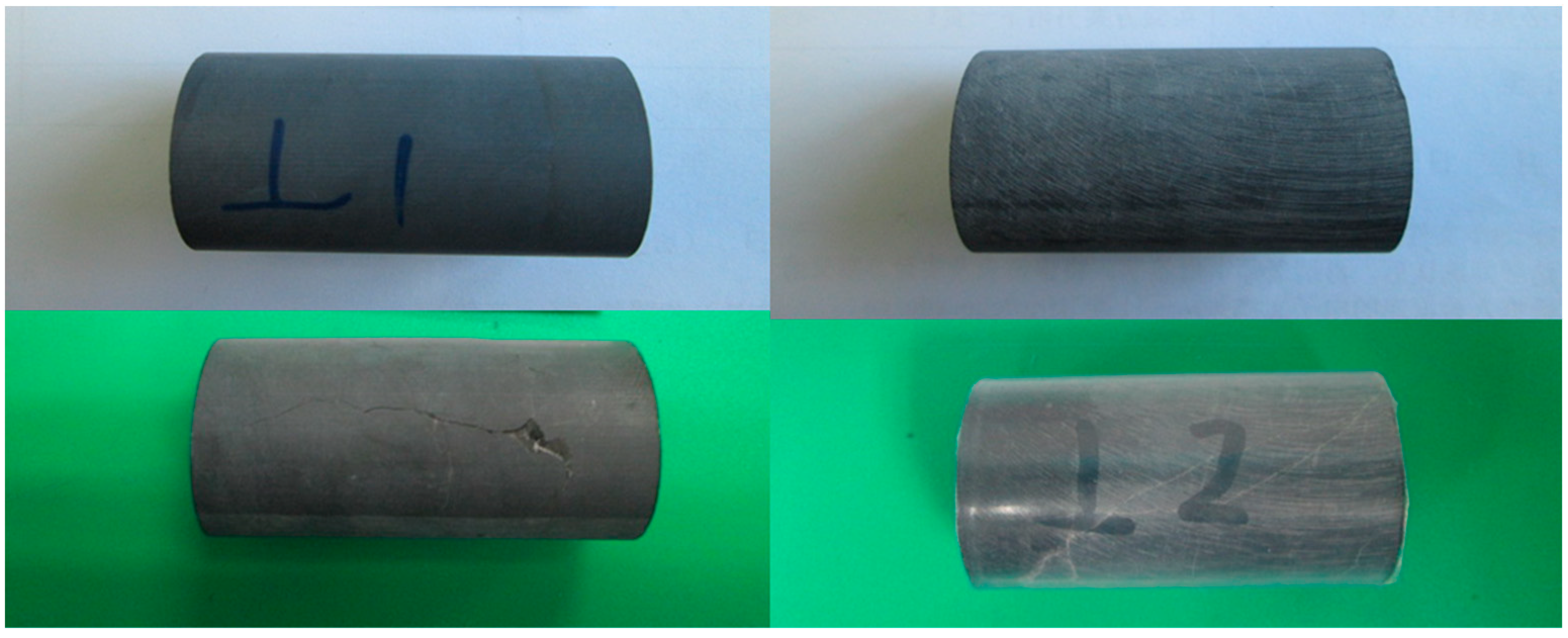
Uniaxial and triaxial compression tests serve as fundamental methods for characterizing the mechanical properties of core samples [11,12,13]. Standard core plugs were prepared from targeted intervals of layered dolomitic limestone and laminated limy dolostone (Figure 2). To account for the well-developed bedding characteristics of the target reservoir formation, cores were extracted both perpendicular and parallel to the bedding planes. These specimens were subsequently subjected to compression tests to measure stress–strain curves and determine the unconfined compressive strength (Figure 3).
The core samples are all made by standard size, which length is 50 cm and diameter is 25 cm. To avoid the scattering of fractured samples, the samples are wrapped in plastics. Four samples are used in uniaxial compression tests and three are used in triaxial tests which confining pressure is 30 MPa.
The mechanical parameters of the core samples (Table 1) were obtained from the acquired stress–strain curves. Comprehensive data analysis indicates that, parallel to the bedding direction, the layered limy dolostone exhibits higher Young’s modulus and compressive strength than the laminated limy dolostone. In the direction perpendicular to bedding, the layered limy dolostone shows a lower Young’s modulus and a higher Poisson’s ratio compared to the laminated variety. Consequently, the laminated limy dolostone demonstrates greater resistance to fracturing.

2.2. Fracture Characterisation

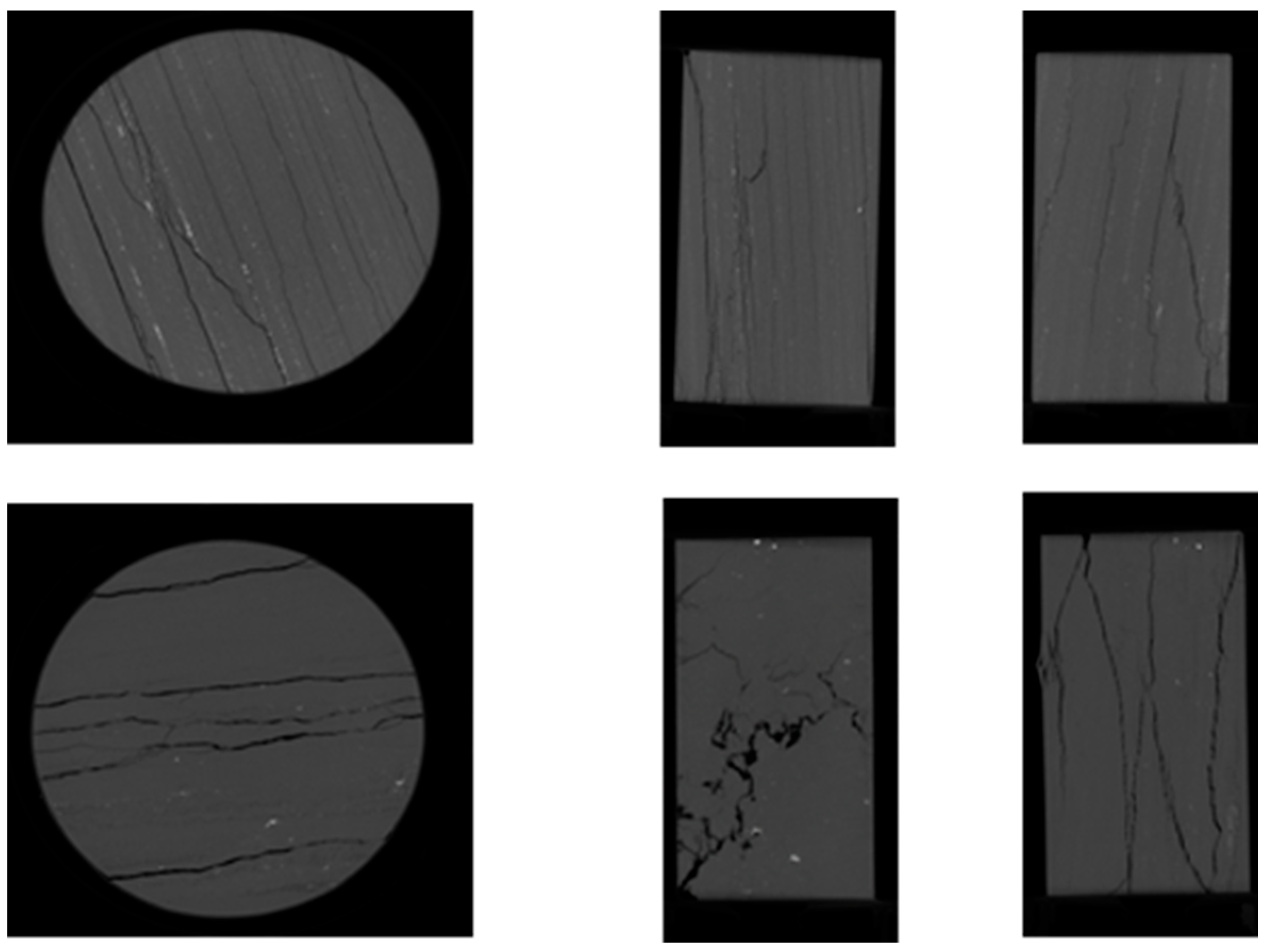
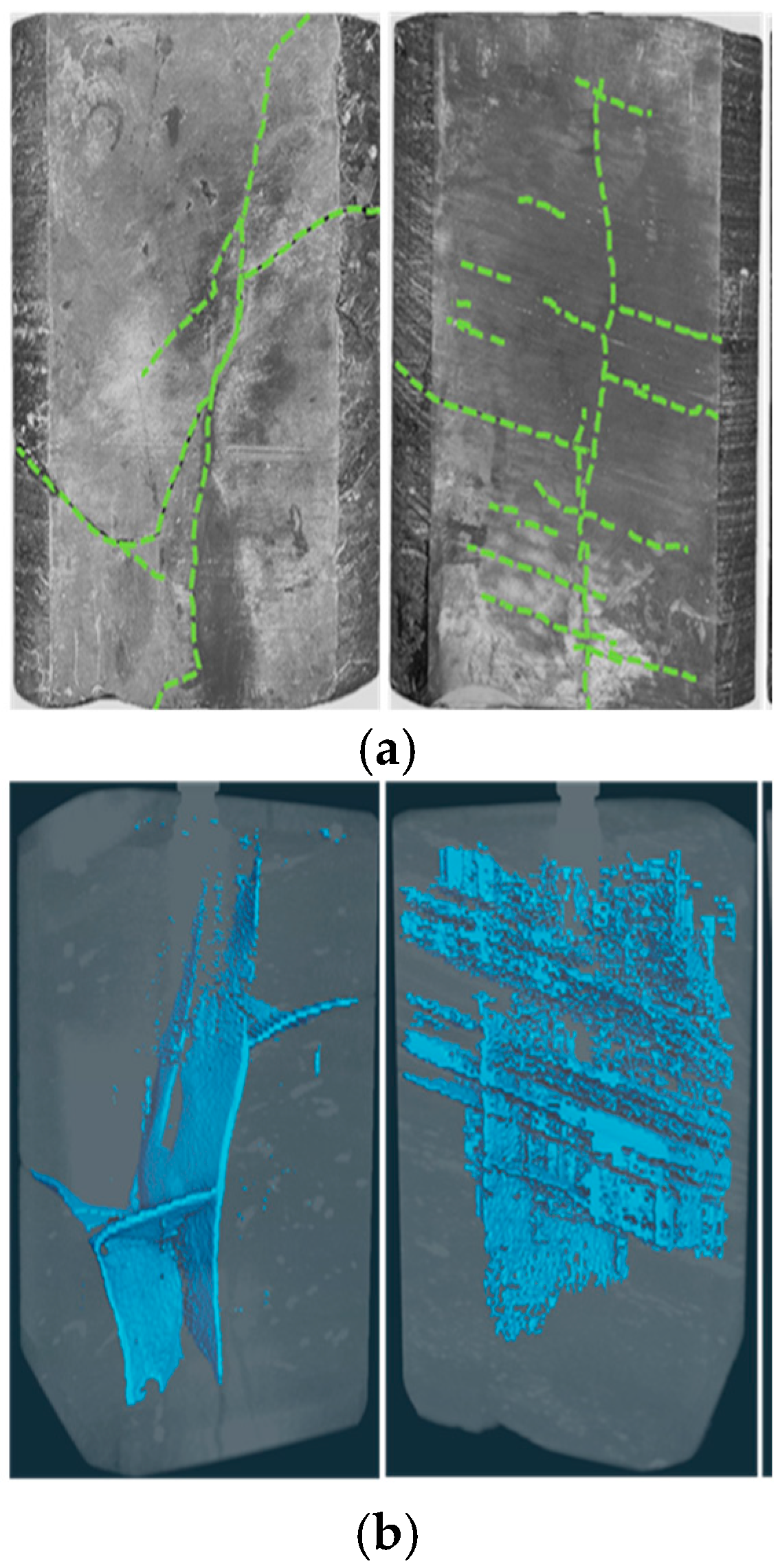
The fracture morphology of cores subjected to uniaxial compression was obtained and analyzed through CT scanning (Figure 4). Under compression, the laminated shale develops numerous fractures with relatively small apertures, whereas the layered shale primarily forms a few dominant fractures that are less in number but exhibit larger apertures. In samples cored parallel to the bedding planes and tested under uniaxial compression, the induced fractures predominantly propagate along the layer interfaces and align parallel to the loading direction. Compared to the layered shale, the laminated shale generates a greater number of interlayer fractures with a more uniform distribution after compression.
Fractal dimension theory has been extensively applied in the study of micro-pore structures within unconventional reservoirs, serving as a quantitative measure for characterizing pore architecture and heterogeneity at the micro- to nano-scale [14,15,16]. The fractal dimension ranges from 1 to 2 for two-dimensional images and from 2 to 3 for three-dimensional data volumes. Generally, a higher fractal dimension indicates rougher fracture surfaces and more irregular spatial distribution of fractures, while a lower value suggests more uniform pore-throat distribution and better homogeneity of the reservoir rock [17,18,19,20]. The box-counting method was employed to analyze the fractal dimension of post-fracture core cross-sections, with the results presented in Table 2.
Following fracturing, the fractal dimension of the laminated dolomitic limestone cores was slightly lower than that of the layered limy dolostone. Combined with comparative analysis of the fracture morphology, this indicates that the laminated dolomitic limestone tends to form more uniformly distributed fractures along the bedding planes after failure.
In addition, hydraulic fracturing physical simulation experiments were conducted on cores of both lithofacies, followed by 3D imaging simulation of the experimental results (Figure 5).
Based on above description, combined with hydraulic fracturing physical simulations and three-dimensional imaging results, it has been collectively demonstrated that the laminated limy dolostone exhibits superior fracture network generation capability during the fracturing process. Its slightly lower fractal dimension and Hydraulic fracturing physical simulations and 3D reconstruction indicated that the laminated dolomitic limestone forms a complex fracture network system characterized by multi-level, finely distributed fractures with balanced spatial arrangement, resulting in a significantly larger effectively stimulated area. This mechanistic insight explains the superior performance of this lithofacies in volume stimulation, providing critical insights for subsequent target layer optimization and fracturing parameter design.

2.3. Porosity and Oil-Bearing Potential

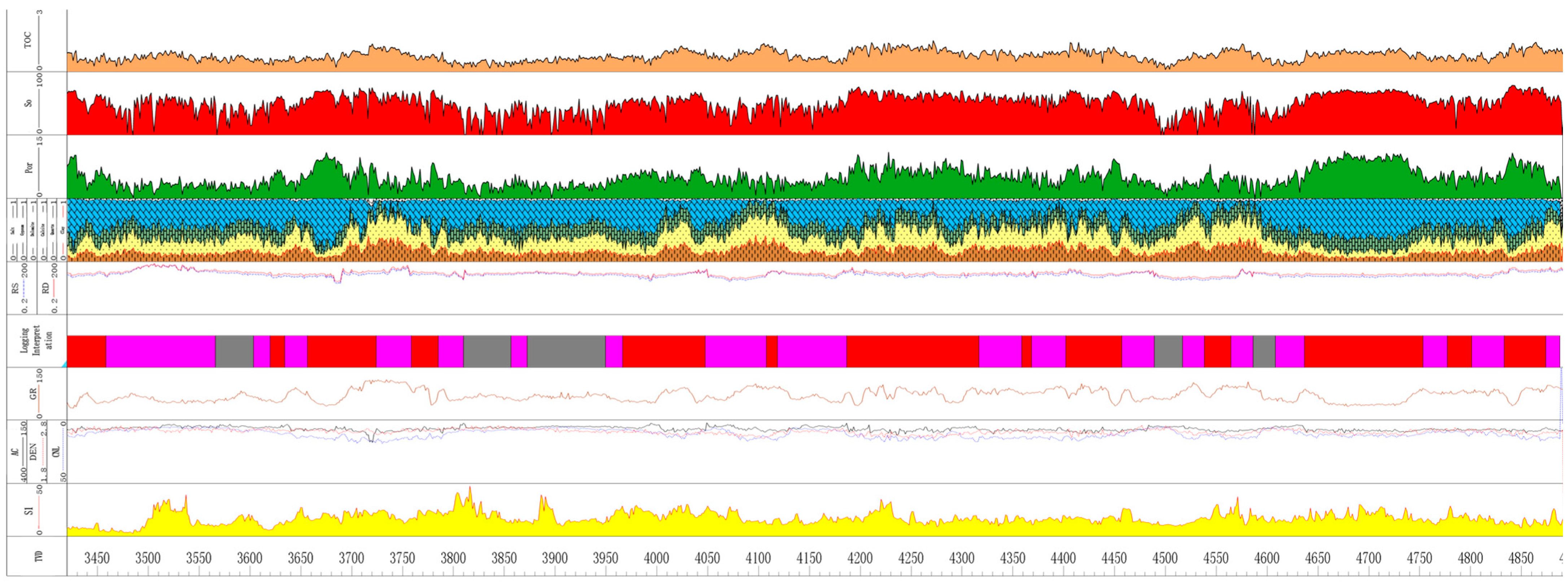
Taking a key horizontal well from a typical target layer in the block as an example, the well was drilled to a depth of approximately 3400 m with a lateral section of 1000 m. A total of 23 fracturing stages were completed, targeting geological formations identified as layered dolomitic limestone and laminated limy dolostone. Figure 6 shows the logging curve of the targeted well, and Table 3 shows the average logging data in each stage.
S1 represents free hydrocarbons already present in the rock that can be released through low-temperature heating, serving as an indicator of the total amount of generated but not yet expelled hydrocarbons in the source rock. TOC (Total Organic Carbon) reflects the abundance of organic matter in the source rock. Due to the integrated source-reservoir characteristics of shale, evaluating the oil potential of shale reservoirs requires a comprehensive assessment combining oil saturation, S1, and TOC. As shown in the table, the laminated limy dolostone exhibits better overall oil potential compared to the layered dolomitic limestone. However, in terms of porosity, the laminated limy dolostone is significantly lower than the layered variety.
Although the laminated limy dolostone exhibits lower porosity, requiring more effective fracturing technologies to interconnect these hydrocarbon-rich laminae during extraction, its substantial inherent resource volume (high S1 and TOC) designates it as a superior “sweet spot” target.

3. Prodcution Analysis

By integrating the microseismic monitoring data acquired during fracturing operations with the shut-in pressure decline data, a systematic diagnosis and comprehensive evaluation of the stimulation effectiveness can be achieved.

3.1. Microseismic Evaluation

3.1.1. Methods

Microseismic events represent rock fracture responses induced by pore pressure changes during hydraulic fracturing operations. When injected fluid pressure propagates to natural fracture surfaces and triggers shear slip, detectable microseismic signals are generated [21]. Quantitative analysis of such events typically employs the Gutenberg-Richter frequency-magnitude relationship, expressed empirically as:
log N = a − bM
where M denotes magnitude, N represents the number of events exceeding that magnitude, a is a constant characterizing seismic activity levels, and b is the key parameter reflecting the distribution ratio of events across different magnitudes.
To solve for the b-value, a minimum event count N0 and minimum magnitude M0 are introduced as benchmarks. Under the assumption that the a-value remains constant within a single fracturing stage, the equation can be solved to yield:
b = (log N − log N0)/(M − M0)
Although this formula enables calculation of the b-value for each stage, the high numerical dispersion makes direct engineering comparison challenging. In practice, greater emphasis is placed on the physical implications reflected by the relative magnitude of the b-value: a high b-value indicates dominance of small-magnitude events, reflecting the development of complex tensile fracture networks, whereas a low b-value suggests an increased proportion of large-magnitude events, implying shear-dominated main fracture propagation.
To extract more representative characteristic parameters, further analysis reveals a strong linear relationship between log b and log M in log-log coordinates:
log M = bt · log b + C
Direct calculation of the b-value using Equation (2) often results in significant numerical dispersion, complicating direct comparison. To address this, we utilize the more robust linear relationship between log M and log b Equation (3). In this equation, bt represents the slope and is the key characteristic parameter. A larger bt signifies a steeper decline in the b-value with increasing magnitude, which physically reflects restricted fracture propagation and concentrated energy release near the wellbore. Conversely, a smaller bt corresponds to a regime with a higher b-value, indicative of a more complex fracture system. Supported by studies that establish the b-value as a “differential stress gauge” due to its negative correlation with differential stress [22], the bt value serves as a qualitative proxy for stimulation effectiveness. Consequently, stages with high bt are dominated by main fractures, whereas those with low bt suggest the development of complex fracture networks.

3.1.2. Example

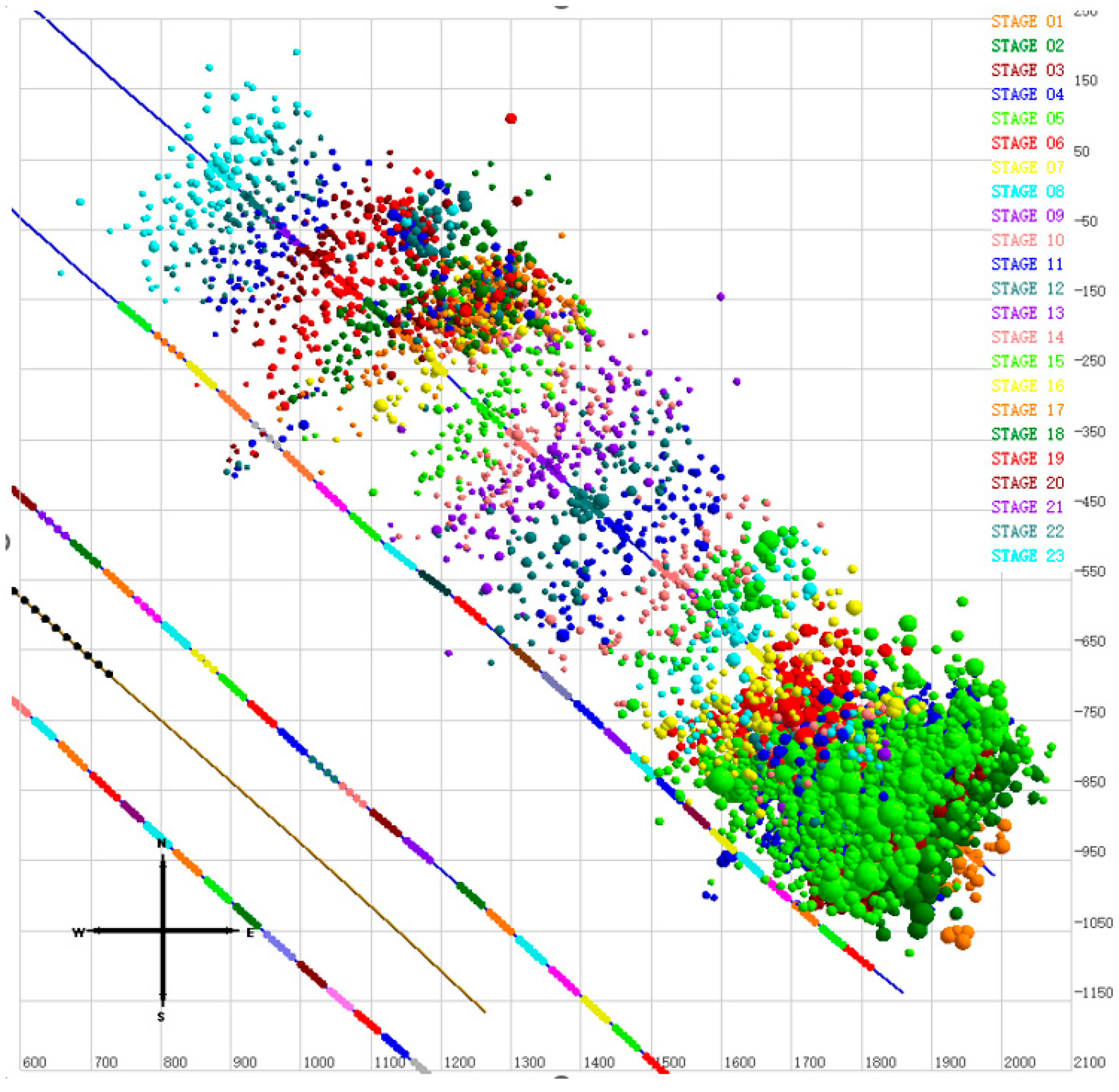
Based on the number of microseismic events (Figure 7) and their magnitudes on site, the distribution of microseismic events and the b-value during the 23-stage fracturing of the target well can be determined (Table 4).
In the analysis of fracturing operations, the toe stages exhibit significantly lower calculated b-values compared to other fracturing stages due to the development of natural fracture zones. To eliminate the influence of these specific geological structures on the overall statistical trends, these stages were excluded when calculating average values. Comparative analysis of b-values across different lithologies reveals that the post-fracturing b-values of laminated limy dolostone are generally lower than those of layered dolomitic limestone, while the corresponding differential stress is also smaller. Notably, however, the fracture stimulated area of laminated limy dolostone is larger—a phenomenon that contradicts conventional understanding.
Since the influence of natural fracture zones has been eliminated during calculation, we attribute this distinctive phenomenon primarily to the unique bedding structure of laminated limy dolostone: the developed multi-level bedding planes significantly reduce the critical differential stress required for fracture slip, while simultaneously providing preferred propagation pathways for hydraulic fractures. This enables fractures to extend more fully along the bedding planes, thereby achieving a larger effective stimulated volume under lower differential stress conditions.

3.2. Fracturing Curve Analysis

Post-fracturing shut-in data has become a common evaluation method due to its simplicity of acquisition, low cost, and the relative ease of obtaining favorable data. After fracturing operations cease, fractures continue to extend and propagate, while gradual fracture closure and fluid leak-off lead to a decline in wellhead pressure. The rate of pressure decline reflects formation characteristics near the wellbore [23,24,25]. By analyzing fracturing curves during the operation, it is also possible to estimate reservoir properties and fracture propagation roughly. The fracturing process can be approximated as a mini-frac test. Thus, the breakdown pressure in the fracturing curve represents the maximum pressure required for rock failure, indicating the difficulty of fracturing the reservoir. The shut-in pressure can be approximated as the minimum horizontal principal stress, also regarded as fracture closure stress. The propagation pressure, defined as the minimum pressure required to extend fractures, can be used to evaluate the difficulty of fracture propagation.
Comparative analysis results (Table 5) reveal that while the breakdown pressure and shut-in pressure show negligible differences between laminated limy dolostone and layered dolomitic limestone, the former exhibits significantly lower propagation pressure. This characteristic aligns with the understanding that laminated limy dolostone tends to form effective fractures along bedding planes—the developed laminations provide natural weak surfaces that substantially reduce fracture propagation resistance.
Notably, laminated limy dolostone demonstrates faster pressure decline rates after shut-in, indicating higher permeability in the generated hydraulic fracture network and consequently quicker fluid leak-off. This phenomenon not only confirms the successful creation of complex fracture networks but also suggests the need for optimizing fracturing fluid properties to balance fracture extension and fluid efficiency.
In conclusion, the distinct laminar structure of laminated limy dolostone enables superior fracture propagation efficiency while forming complex fracture networks with high flow capacity after stimulation, demonstrating its potential as a preferred fracturing target from both mechanical and fluid dynamic perspectives.

4. Conclusions

Based on an integrated analysis of laboratory experiments and field monitoring data—including microseismic monitoring and pressure diagnostics—the following conclusions are drawn regarding the fracturing performance of lithofacies in the Yingxiongling structural zone:
  • Laminated limy dolostone exhibits superior oil-bearing potential compared to layered dolomitic limestone, and demonstrates a clear tendency for preferential fracture propagation along bedding planes. Under equivalent stimulation conditions, this results in more uniformly distributed and extensively connected fracture networks with larger contact areas.
  • Lithofacies exert a controlling influence on fracture mechanisms. While laminated dolomitic limestone shows higher mechanical strength, it develops less complex fracture networks than laminated shale. The former exhibits lower microseismic b-values, indicating shear-dominated failure along bedding planes, whereas the latter facilitates more complex network development through tensile failure.
  • Integrated field diagnostics confirm higher complexity in laminated shale. Pressure decline analysis and microseismic monitoring consistently show that laminated shale produces fracture networks of greater complexity, making it more suitable for volume stimulation.
In summary, laminated limy dolostone is recommended as the preferred target lithofacies due to its favorable oil-bearing capacity and enhanced fracture network development. Future fracturing designs should prioritize this lithoface and optimize treatment parameters according to its specific geological characteristics to achieve efficient development of shale oil resources in the Yingxiongling area. These findings provide important guidance for sweet-spot identification and engineering strategies in strongly heterogeneous continental shale reservoirs.

Author Contributions

Conceptualization, Y.Y. and Y.S.; Methodology, Y.Y.; Software, Y.Y.; Validation, Y.Y. and M.Z. (Muyang Zhang); Formal Analysis, Y.Y.; Investigation, Y.Y. and M.Z. (Muyang Zhang); Resources, Y.S. and M.Z. (Menglin Zhang); Data Curation, M.Z. (Menglin Zhang); Writing—Original Draft Preparation, Y.Y.; Writing—Review and Editing, Y.S. and Y.Y.; Supervision, Y.S.; Project Administration, Y.S.; Funding Acquisition, Y.S. All authors have read and agreed to the published version of the manuscript.

Funding

This research was funded by «Research on Key Technologies for Large-scale Reserve Increase, Production and Exploration of Terrestrial Shale Oi» of Major Special Project on Key Applied Technology of China National Petroleum Corporation, grant number 2023ZZ15.

Data Availability Statement

The data used in this article are all belong to the PetroChina Qinghai oilfield. It is available from the co-author upon reasonable request.

Acknowledgments

Thanks to the Exploration and Development Research Institute of CNPC Qinghai Oilfield for providing the well location target layer lithology and microseismic data. Thanks to the Oil and Gas Process Institute of Qinghai Oilfield for providing fracturing construction data and experimental samples, thanks to my colleague for providing the experimental images, and thanks to Shen Yinghao for his guidance.

Conflicts of Interest

Author Menglin Zhang was employed by the company Research Institute of Petroleum Exploration and Development, CNPC Qinghai Oilfield. The remaining authors declare that the research was conducted in the absence of any commercial or financial relationships that could be construed as a potential conflict of interest.

References

  1. Hu, S.; Zhao, W.; Hou, L.; Yang, Z.; Zhu, R.; Wu, S.; Bai, B.; Jin, X. Development potential and technical strategy of continental shale oil in China. Pet. Explor. Dev. 2020, 47, 877–887. [Google Scholar] [CrossRef]
  2. Chong, K.K.; Grieser, W.V.; Passman, A.; Tamayo, H.C.; Modeland, N.; Burke, B.E. A Completions Guide Book to Shale-Play Development: A Review of Successful Approaches Towards Shale-Play Stimulation in the Last Two Decades. In Proceedings of the Canadian Unconventional Resources and International Petroleum Conference, Calgary, AB, Canada, 19–21 October 2010. [Google Scholar] [CrossRef]
  3. Miller, B.A.; Paneitz, J.M.; Mullen, M.J.; Meijs, R.; Tunstall, K.M.; Garcia, M. The Successful Application of a Compartmental Completion Technique Used to Isolate Multiple Hydraulic-Fracture Treatments in Horizontal Bakken Shale Wells in North Dakota. In Proceedings of the SPE Annual Technical Conference and Exhibition, Denver, CO, USA, 21–24 September 2008. [Google Scholar] [CrossRef]
  4. Xian, C.; Li, G.; Li, C.; Shen, Y.; Ge, H.; Wen, H.; Lei, Z. Key Evaluation Aspects for Economic Development of Continental Shale Oil. Earth Sci. 2023, 48, 14–29. [Google Scholar] [CrossRef]
  5. Yuan, S.Y.; Lei, Z.D.; Li, J.; Han, H. Progress in technology for the development of continental shale oil and thoughts on the development of scale benefits and strategies. J. China Univ. Pet. (Ed. Nat. Sci.) 2023, 47, 13–24. [Google Scholar] [CrossRef]
  6. Zoback, M.D. Reservoir Geomechanics; Cambridge University Press: Cambridge, UK, 2007; pp. 84–139. [Google Scholar] [CrossRef]
  7. Wang, F.P.; Gale, J.F.W. Screening Criteria for Shale-Gas Systems. Gulf Coast Assoc. Geol. Soc. Trans. 2009, 59, 779–793. [Google Scholar]
  8. Huang, R. Effect of Rock Formation Properties on Vertical Propagation of Volume Fractures; China University of Petroleum: Beijing, China, 2020. [Google Scholar] [CrossRef]
  9. Li, G.; Wu, K.; Zhu, R.; Zhang, Y.; Wu, S.; Chen, Y.; Shen, Y.; Zhang, J.; Xing, H.; Li, Y.; et al. Enrichment model and high-efficiency production of thick plateau mountainous shale oil reservoir: A case study of the Yingxiongling shale oil reservoir in Qaidam Basin. Acta Pet. Sin. 2023, 44, 144–157. [Google Scholar] [CrossRef]
  10. Li, G.; Zhu, R.; Zhang, Y.; Chen, Y.; Cui, J.; Jiang, Y.; Wu, K.; Sheng, J.; Xian, C.; Liu, H. Geological characteristics and resource evaluation method for shale oil in a salinized lake basin: A case study from the upper member of the Lower Ganchaigou Formation in western Qaidam depression. Acta Geol. Sin. 2023, 97, 2425–2444. [Google Scholar] [CrossRef]
  11. Xing, H.; Kuang, L.; Wu, K.; Zhang, J.; Zhang, N.; Zhang, M.; Deng, L.; Lu, Z.; Li, Y.; Zhang, Q. Lithofacies characteristics and favorable source rock-reservoir combination of Yingxiongling shale in Qaidam Basin. China Pet. Explor. 2024, 29, 70–82. [Google Scholar] [CrossRef]
  12. Yang, Z. Study on Rock Mechanical Properties and Fracability of Deep Shaleoil Reservoir; China University of Petroleum: Beijing, China, 2022. [Google Scholar]
  13. Xu, G.; Zhong, G.; Xie, B.; Huang, T. Petrophysical experiment-based logging evaluation method of shale brittleness. Nat. Gas Ind. 2014, 34, 38–45. [Google Scholar] [CrossRef]
  14. Wang, X. Study on rock mechanical characteristics of Nantun Formation muddy sandstone reservoirs in Hailar Oilfield. Pet. Geol. Eng. 2012, 26, 107–109. [Google Scholar] [CrossRef]
  15. Bonnet, E.; Bour, O.; Odling, N.E.; Davy, P.; Main, I.; Cowie, P.; Berkowitz, B. Scaling of fracture systems in geological media. Rev. Geophys. 2001, 39, 347–383. [Google Scholar] [CrossRef]
  16. Sahimi, M. Flow phenomena in rocks: From continuum models to fractals, percolation, cellular automata, and simulated annealing. Rev. Mod. Phys. 1993, 65, 1393–1534. [Google Scholar] [CrossRef]
  17. Miao, T. Fractal Analysis of Seepage Characteristics in Fractured Porous Media; Huazhong University of Science and Technology: Hubei, China, 2015. [Google Scholar]
  18. Peng, R.; Yang, Y.; Ju, Y.; Mao, L.; Yang, Y. Computation of fractal dimension of rock pores based on gray CT images. Chin. Sci. Bull. 2011, 56, 3346–3357. [Google Scholar] [CrossRef]
  19. Yang, Y.; Peng, R.; Zhou, H. Computation of Fractal Dimension for Digital Image in a 3-D Space. J. China Univ. Min. Technol. 2009, 38, 251–258. [Google Scholar] [CrossRef]
  20. Wang, F.; Wu, X.; Duan, C.; Han, X.; Zhang, Y. CT scan-based quantitative characterization and fracability evaluation of fractures in shale reservoirs. Prog. Geophys. 2023, 38, 2147–2159. [Google Scholar] [CrossRef]
  21. Wu, X. Research on Intelligent Extraction and Quantitative Characterization Method of Shale Fractures Based on CT Scanning; Chang’an University: Xi’an, China, 2024. [Google Scholar] [CrossRef]
  22. Zoback, M.D.; Kohli, A.H. Unconventional Reservoir Geomechanics: Shale Gas, Tight Oil, and Induced Seismicity; Cambridge University Press: Cambridge, UK, 2019. [Google Scholar] [CrossRef]
  23. Dohmen, T.; Zhang, J.; Barker, L.; Blangy, J.P. Microseismic Magnitudes and b-Values for Delineating Hydraulic Fracturing and Depletion. SPE J. 2017, 22, 1624–1634. [Google Scholar] [CrossRef]
  24. Ma, F.; Wang, L.; Wu, S.; Pu, Y.; Liu, Q.; Liu, D. Application of pressure drop rate after fracturing in optimizing pump diameter of tubing pump in CBM wells: A case study of CBM wells in Southern Sichuan Basin. Drill. Prod. Technol. 2020, 43, 50–52+4. [Google Scholar] [CrossRef]
  25. Huang, Z.; Wang, Y.; Sun, L.; Wang, P. Method for determining closure point in sand fracturing. Pet. Geol. Recovery Effic. 2009, 16, 104–106. [Google Scholar] [CrossRef]
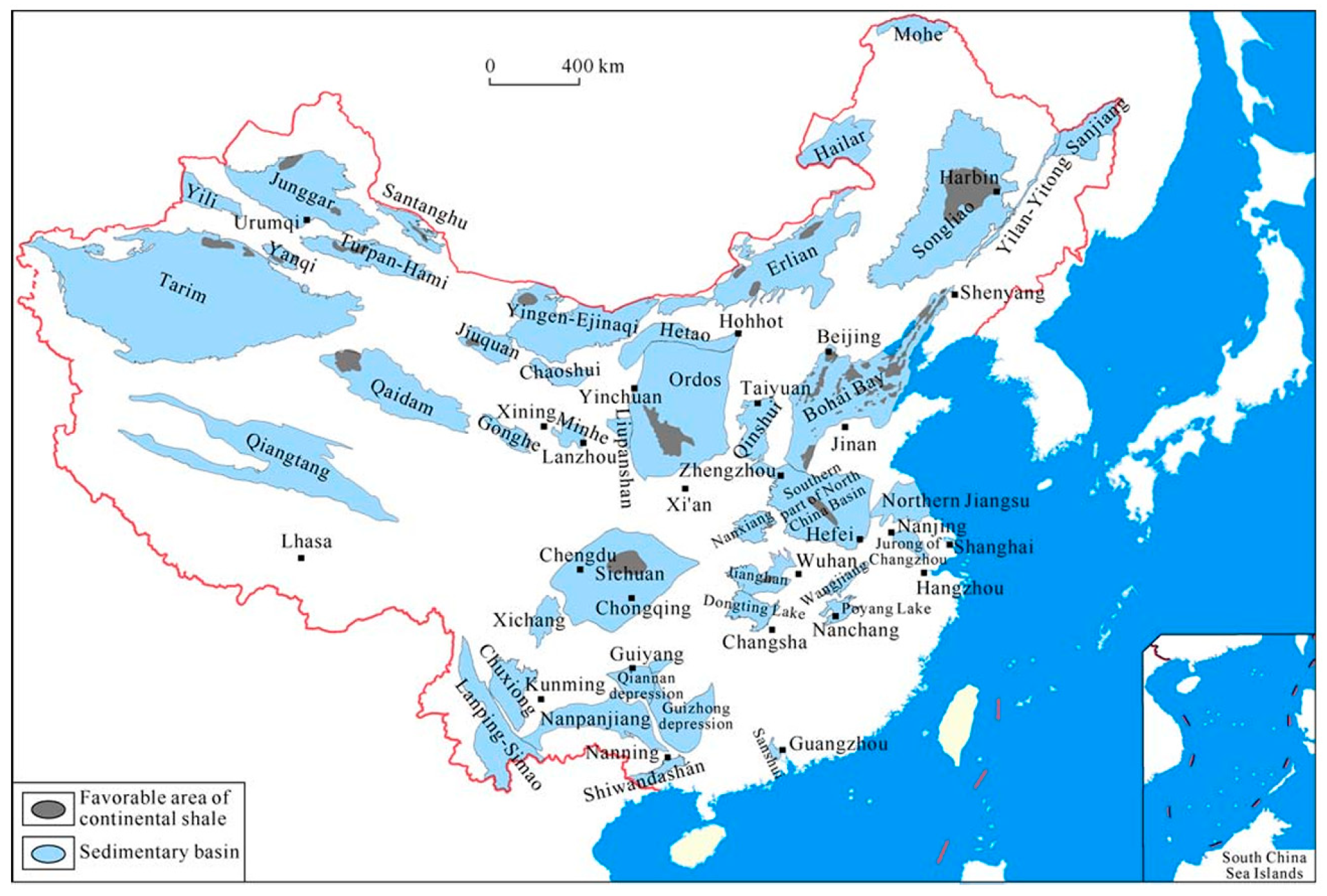
Figure 1. Distribution of continental shale oil in China [1].
Processes 13 03857 g001
Figure 2. Some samples before (top) and after (bottom) the experiment.
Processes 13 03857 g002
Figure 3. Stress–Strain curves, left is layered dolomitic limestone and right is laminated limy dolostone.
Processes 13 03857 g003
Figure 4. Core CT scan images: in order, circular, parallel bedding section, perpendicular bedding section. The first row is layered dolomitic limestone, the second row is laminated limy dolostone.
Processes 13 03857 g004
Figure 5. 3D reconstruction of fractures in layered dolomite limestone (left) and laminated limy dolostone (right): (a) represents crack characterization, and (b) represents 3D fracture reconstruction.
Processes 13 03857 g005
Figure 6. Target well logging curve.
Processes 13 03857 g006
Figure 7. Top view of microseismic monitoring results (provided by PetroChina Qinghai Oilfield).
Processes 13 03857 g007
Table 1. Experimental results.
LithofacyExperimental NameNumberYoung’s Modulus
(GPa)
Poisson’s RatioCompressive Strength
(MPa)
Shear Modulus
(MPa)
Bulk Modulus
(MPa)
Layered dolomitic limestonetriaxial compressionParallel 139.980.38366.314.4955.53
Uniaxial compressionParallel 236.810.3997.813.2455.77
Uniaxial compressionVertical 121.960.3386.68.2621.53
Laminated limy dolostone.triaxial compressionParallel 136.770.37189.913.4247.14
triaxial compressionVertical 220.480.37182.67.4726.26
Uniaxial compressionParallel 225.810.3847.39.3535.85
Uniaxial compressionVertical 124.710.3161.49.520.59
Parallel refers to the parallel layer orientation; Vertical refers to the vertical layer orientation.
Table 2. Fractal dimension of two lithofacies.
SampleLithofacyFractal Dimension
Sample1-roundLaminated limy dolostone1.90
Sample1-XZLaminated limy dolostone1.85
Sample1-YZLaminated limy dolostone1.87
Sample2-roundLayered dolomitic limestone1.94
Sample2-XZLayered dolomitic limestone1.89
Sample2-YZLayered dolomitic limestone1.90
Table 3. Logging data.
StageLithofacyS1TOCPOR/%So/%
2layered
dolomitic limestone
3.201.076.8664.74
43.060.99.0367.15
151.720.564.3243.52
162.710.662.8631.88
174.140.73.8138.52
195.460.977.1862.68
204.160.684.7548.57
213.410.742.8238.19
2216.341.042.9450.98
239.460.824.7947.67
Average5.370.814.9449.39
1layered
dolomitic limestone
4.521.144.0978.91
34.240.824.8149.68
52.890.725.3749.00
64.100.734.0140.7
72.200.653.5134.77
85.751.016.0259.39
96.510.924.6654.06
103.760.786.1758.88
114.370.986.7764.04
122.270.683.8443.93
131.800.514.2941.18
143.910.795.2254.96
186.001.143.9556.42
Average4.020.844.8252.76
Por is the acronym of porosity and So is the acronym of saturation of oil.
Table 4. Microseismic data results of each stage of the target well fracturing.
StageLithofacyAera/104 m3Range/mb-ValueStress Difference/MPa
15layered
dolomitic limestone
29.021335–2251.96515.54
1635.822362–2221.47418.46
1754.183260–2661.83916.61
1959.917280–3431.68113.93
2047.099480–3151.65716.18
2147.001590–3221.24517.62
2268.99588–3241.03917.39
2337.917795–2881.43515.27
Average 47.49 1.54216.37
7layered
dolomitic limestone
101.1444–2241.33413.59
842.642120–1771.79310.95
981.514610–1921.12910.60
1031.91550–2001.89213.20
1161.89995–1751.10111.31
1252.25835–2611.26416.15
1350.046714–3501.42413.92
1461.779520–2241.38913.28
1871.273261–3221.64813.53
Average 61.60 1.44112.95
Table 5. Statistics of fracturing parameters for each section of the target well.
StageLithofacyBreakdown
Pressure
/MPa
Shut-In
Pressure
/MPa
Propagation
Pressure
/MPa
Shutdown
Pressure Drop/MPa
15layered
dolomitic limestone
82.5145.7279.15−0.018
1675.4746.2857.49−0.009
1775.6745.2374.31−0.011
1983.8445.7178.57−0.089
2082.0446.6577.03−0.007
2184.174780.16−0.013
2282.9447.0879.47−0.007
2382.1746.0360.09−0.007
Average 81.1046.2173.28−0.02
7layered
dolomitic limestone
82.3747.2880.47−0.006
887.0347.9977.84−0.245
984.3947.3873.99−0.006
1076.7646.9352.66−0.007
1182.6247.0872.1−0.007
1284.7346.6874.51−0.002
1377.0546.2174.2−0.007
1484.7346.2555.29−0.006
1879.5645.6978.04−0.002
Average 82.1446.8371.01−0.03
Disclaimer/Publisher’s Note: The statements, opinions and data contained in all publications are solely those of the individual author(s) and contributor(s) and not of MDPI and/or the editor(s). MDPI and/or the editor(s) disclaim responsibility for any injury to people or property resulting from any ideas, methods, instructions or products referred to in the content.