Article

Simulation and Experimental Design of Magnetic Fluid Seal Safety Valve for Pressure Vessel
1
School of Engineering, Qinghai Institute of Technology, Xining 810016, China
2
Key Laboratory of Fluid and Power Machinery, Ministry of Education, Xihua University, Chengdu 610039, China
3
Jiangsu Water Resources Co., Ltd., East Route of South-to-North Water Diversion, Nanjing 215341, China
4
Sichuan Huadian Luding Hydropower Co., Ltd., Luding 610041, China
5
China Yangtze Power Co., Ltd., Maintenance Plant, Yichang 443000, China
*
Author to whom correspondence should be addressed.
Processes 2024, 12(9), 2040; https://doi.org/10.3390/pr12092040
Submission received: 4 September 2024 / Revised: 17 September 2024 / Accepted: 20 September 2024 / Published: 21 September 2024
(This article belongs to the Special Issue Modeling, Simulation and Control in Energy Systems)

Abstract

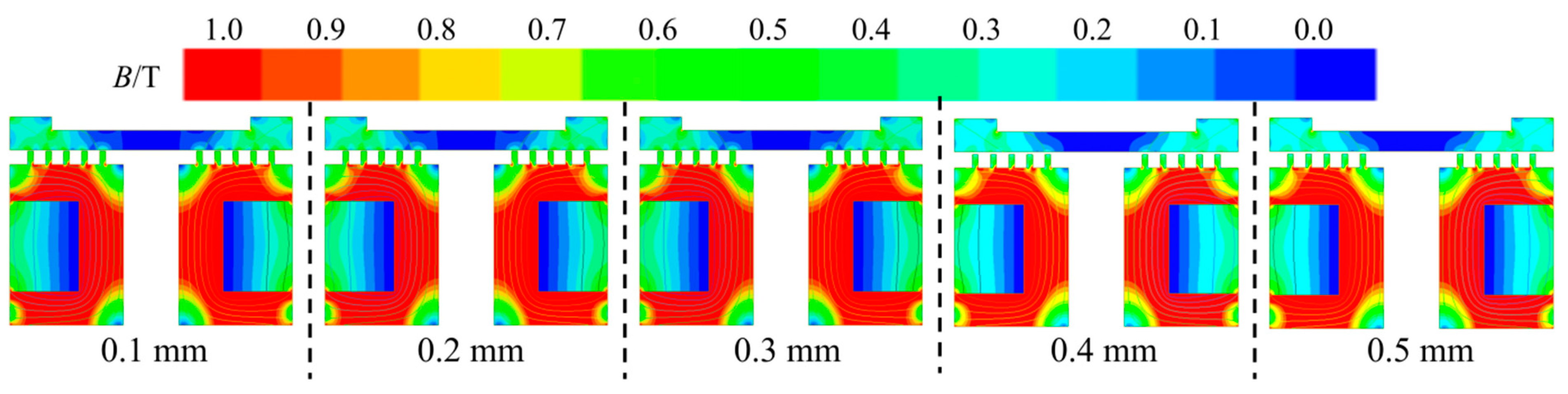
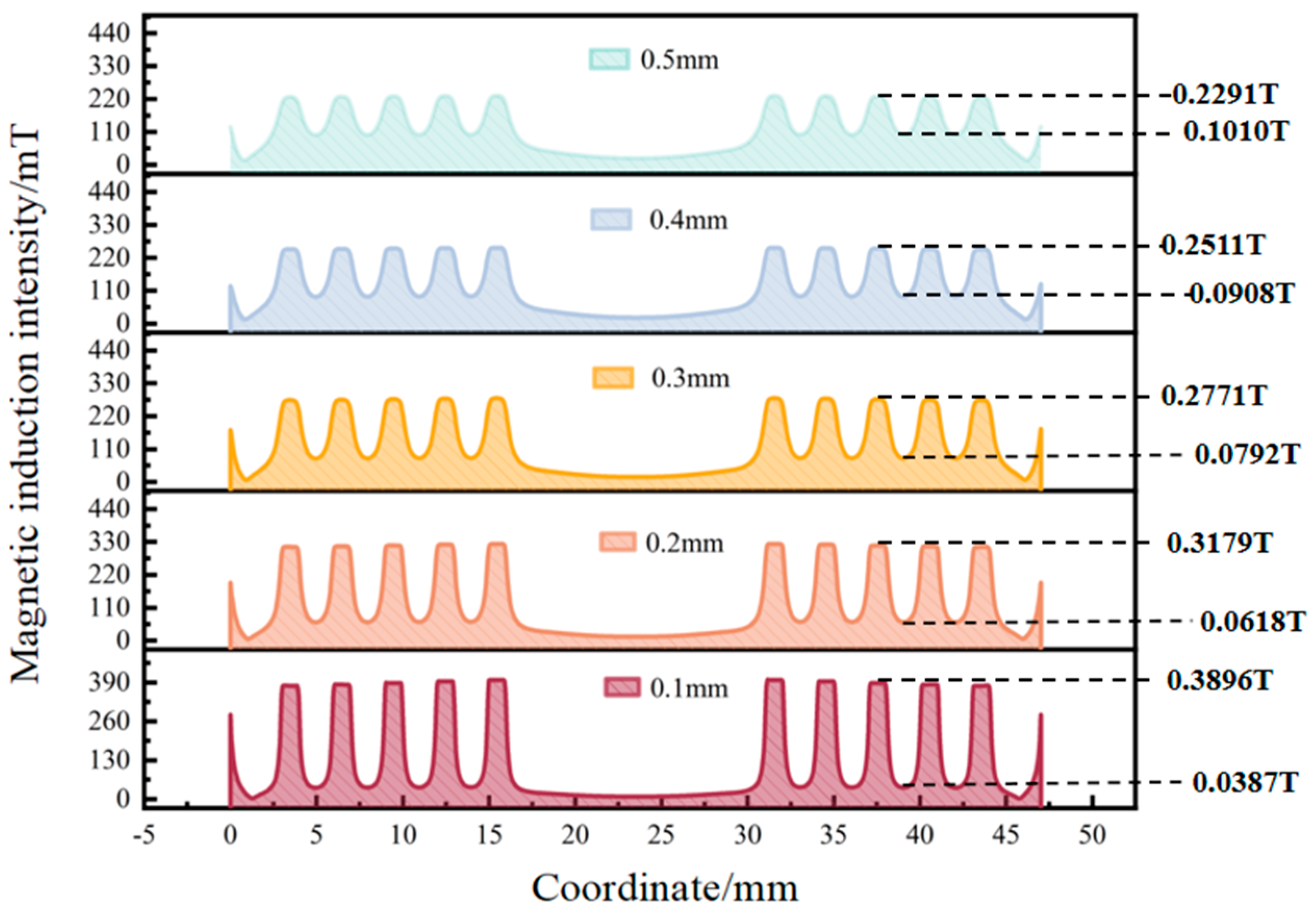
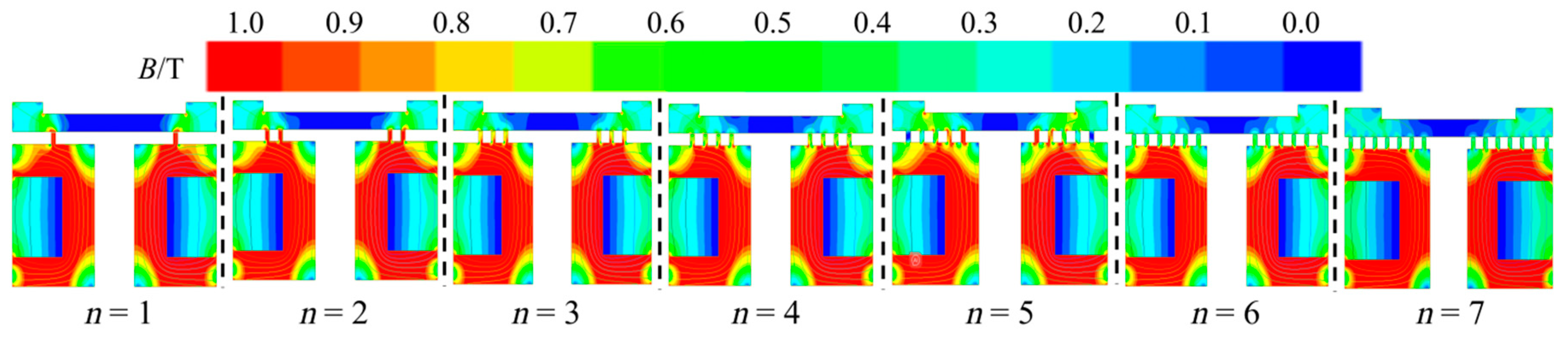
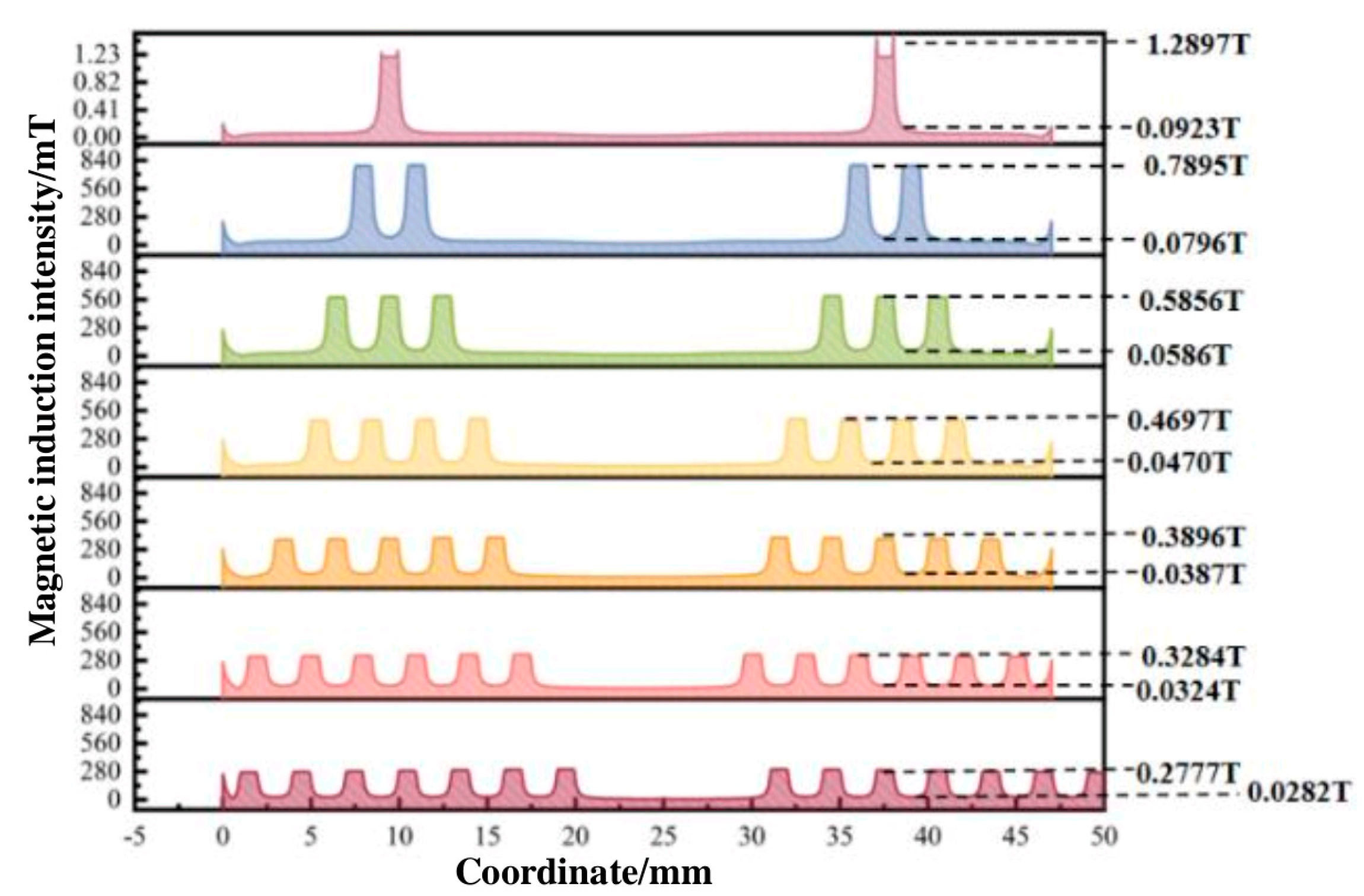
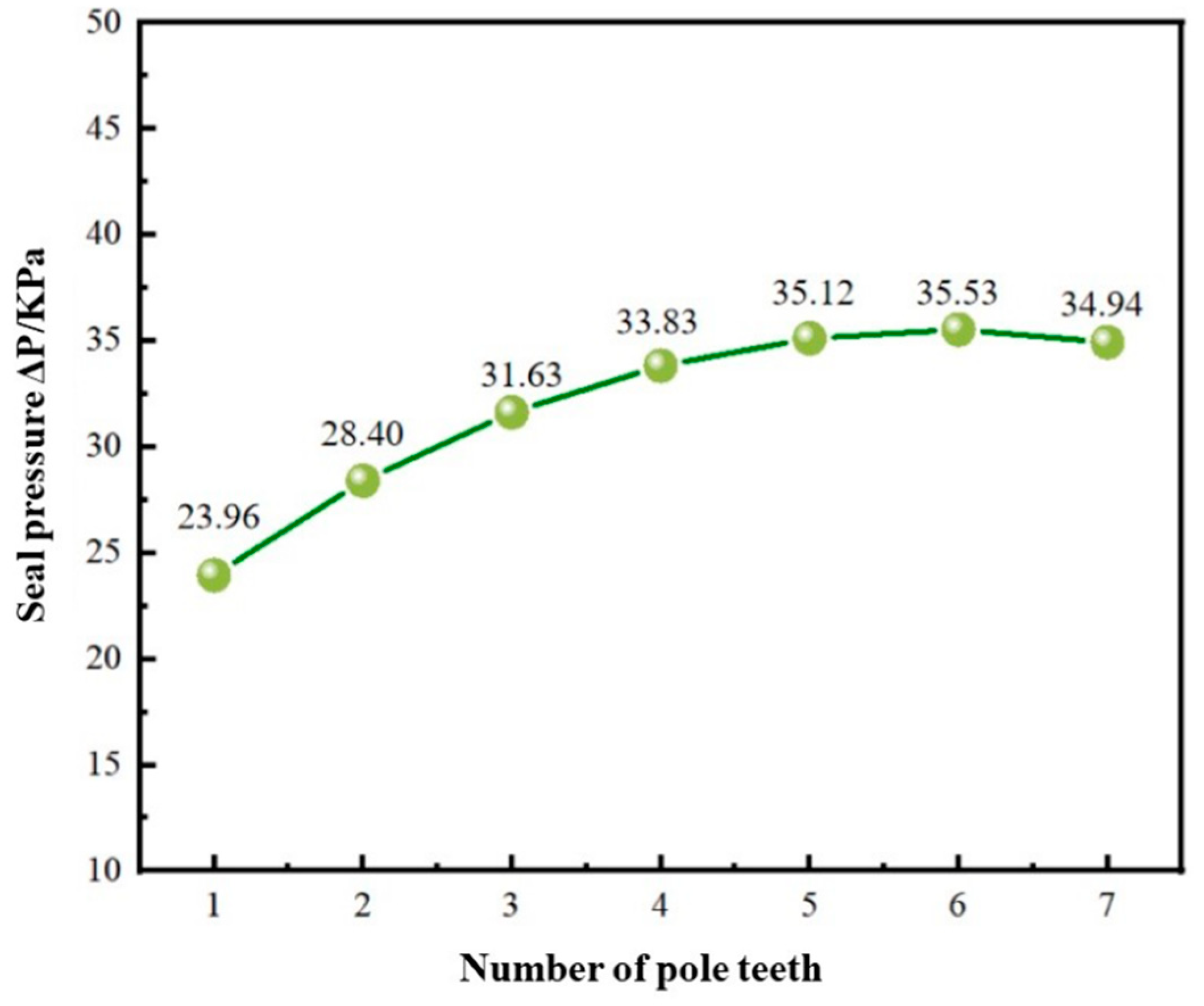
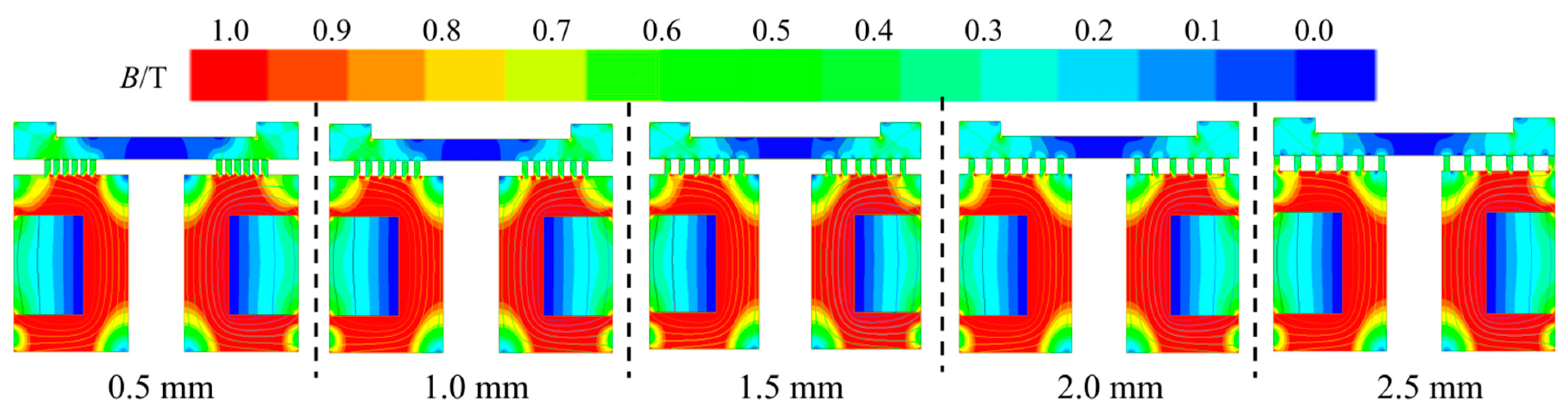
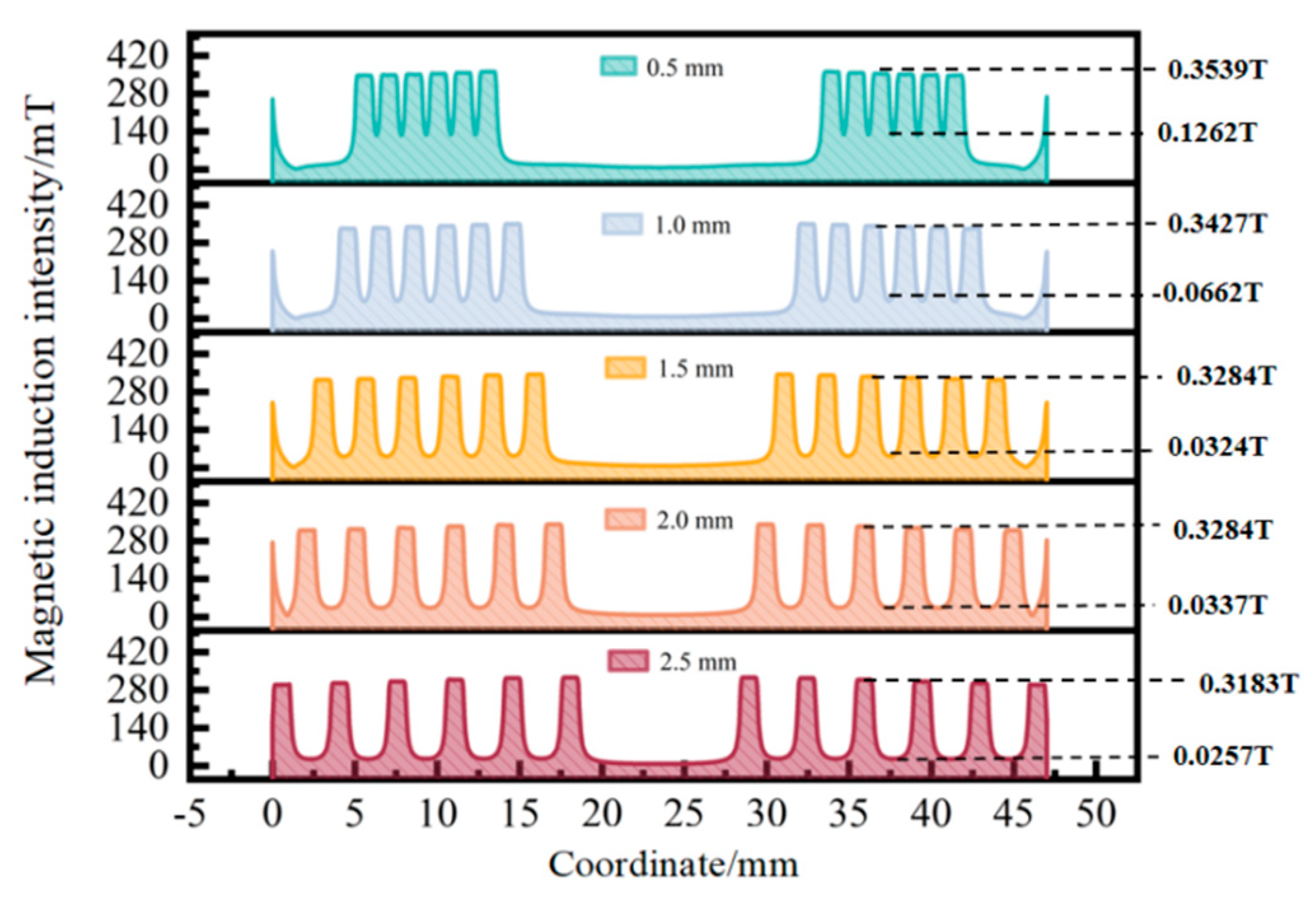
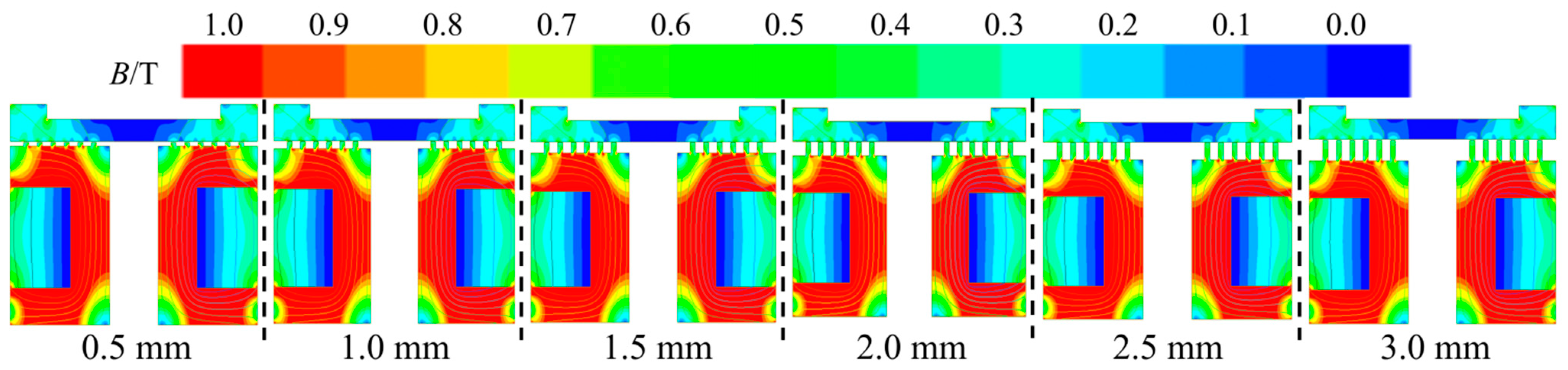
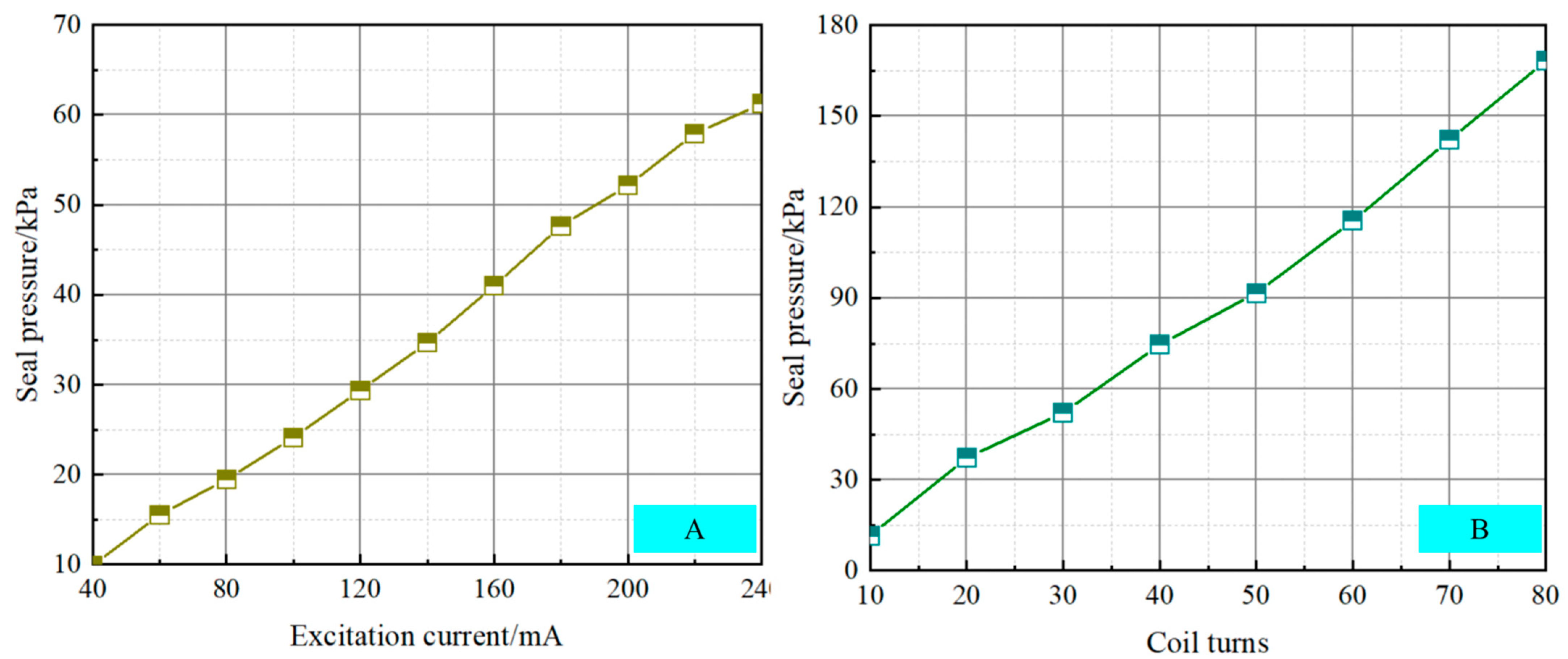
This article focuses on the safety valve of pressure vessels, and a new ferrofluid sealing device for pressure vessel safety valves is developed based on a special magnetic circuit. A combined method of numerical calculation and experimental analysis is used to study the relationship between seal clearance, number of seals, pole slot width, pole tooth height, pole tooth width, and the sealing pressure of the ferrofluid sealing device. The research results show that seal clearance and pole tooth width have a significant impact on the sealing performance, and as the dimensions increase, the sealing pressure decreases. As the number of seals, pole tooth height, and slot width increase, the sealing performance initially improves and then decreases. This phenomenon is attributed to the increase in magnetic reluctance in the magnetic circuit. In experimental studies, when the excitation current of the electromagnet is 240 mA and the coil turns number 30, the sealing capacity is 61.22 kPa. When the excitation current is 200 mA and the coil turns number 80, the sealing capacity is 168.24 kPa. The experiments demonstrate the compensating ability of magnetic fluid seals in combination with safety valve seals, confirming that combined seals have higher reliability compared to conventional mechanical seals.
Keywords: pressure vessel safety valve; ferrofluid sealing device; polar tooth parameters; sealing capacity pressure vessel safety valve; ferrofluid sealing device; polar tooth parameters; sealing capacity